Best Character Theme Leitmotifs In Anime


Character themes do a lot of heavy lifting in anime, quietly stitching scenes together and cueing viewers into who’s center stage long before anyone speaks; below are twenty standout leitmotifs that recur across episodes or films to mark a character’s presence, mindset, or turning points, with attention to their composers, instrumentation, and where they surface on screen.
Spike Spiegel – ‘Cowboy Bebop’ (1998)
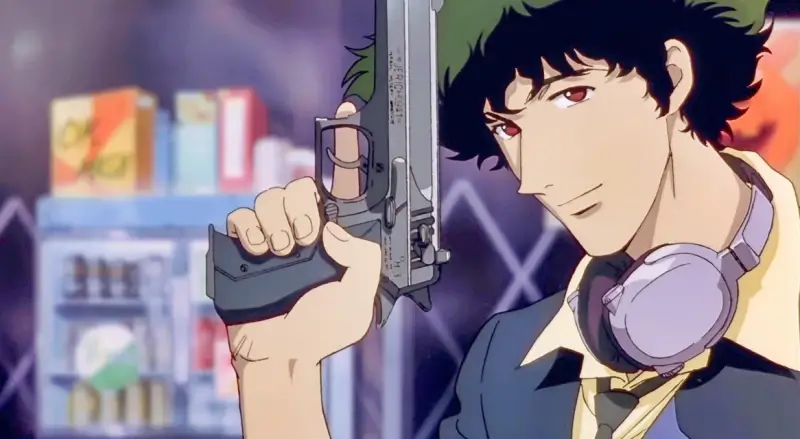
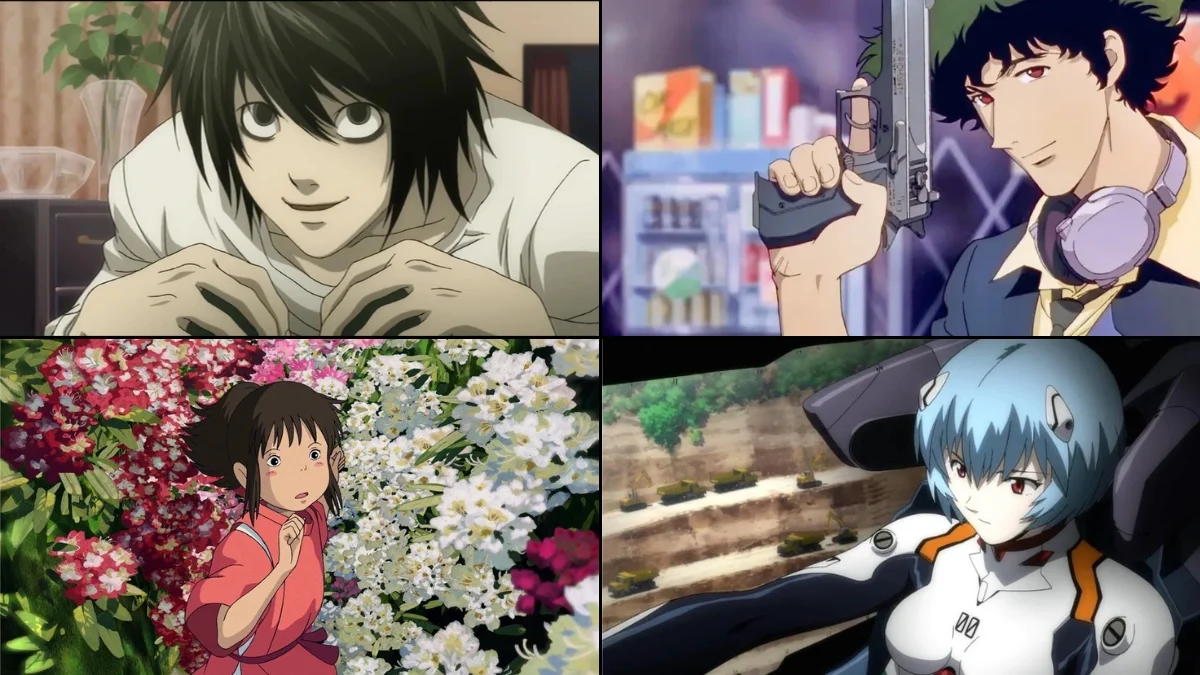
Composed by Yoko Kanno and performed by the Seatbelts, Spike’s recurring cues lean on smoky saxophone lines and cool jazz harmonies that shadow his bounty hunts and reflective downtime. The motif threads through action sequences and quiet corridor walks, often pivoting to blues guitar when Vicious or Julia drift into the plot. Arrangements reappear across heists, flashbacks, and stand-offs to keep Spike’s past and present sonically linked. It’s a classic example of how diegetic-styled jazz in the series becomes character signposting.
Naruto Uzumaki – ‘Naruto’ (2002)

Toshio Masuda’s signature theme for Naruto mixes driving percussion, electric guitar, and shinobue-like timbres to underscore training arcs and last-ditch gambits. The melody is reused and reharmonized at key milestones, from early academy trials to life-on-the-line confrontations. Variants surface in montage build-ups and post-battle codas to reinforce his never-give-up ethos. The cue’s rhythmic hook reliably signals that Naruto is about to push through a wall.
Light Yagami – ‘Death Note’ (2006)
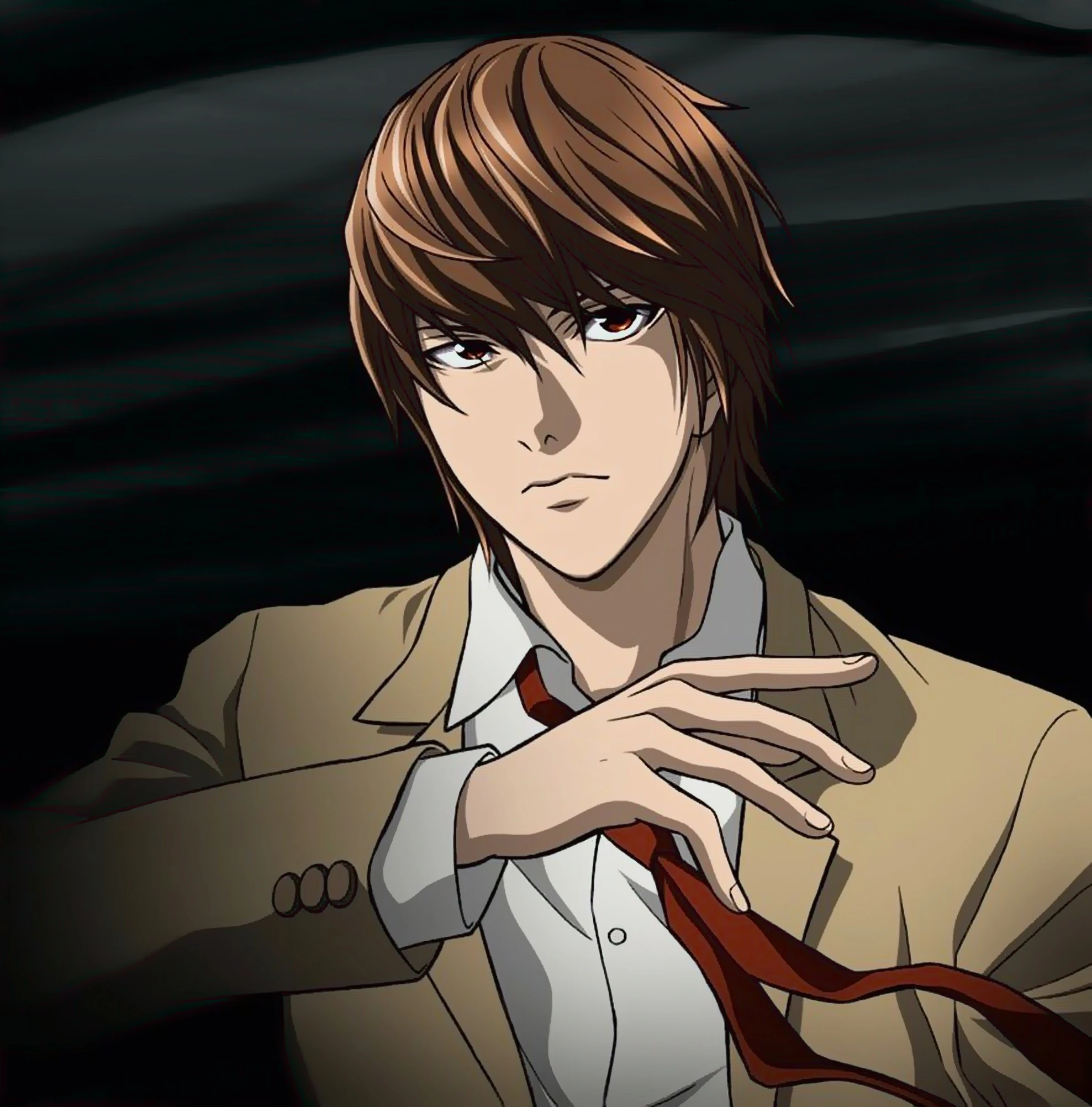
Hideki Taniuchi and Yoshihisa Hirano build Light’s motif around ticking rhythms, minor-key ostinatos, and organ-like textures that rise during planning scenes and power plays. The cue heightens in complexity as Light’s schemes escalate, with layered synths and choir entering during pivotal notebook gambits. You’ll hear it swell over interior monologues, surveillance feints, and pen-on-paper reveals. Its recurrence tracks his shift from student to self-styled judge.
L – ‘Death Note’ (2006)
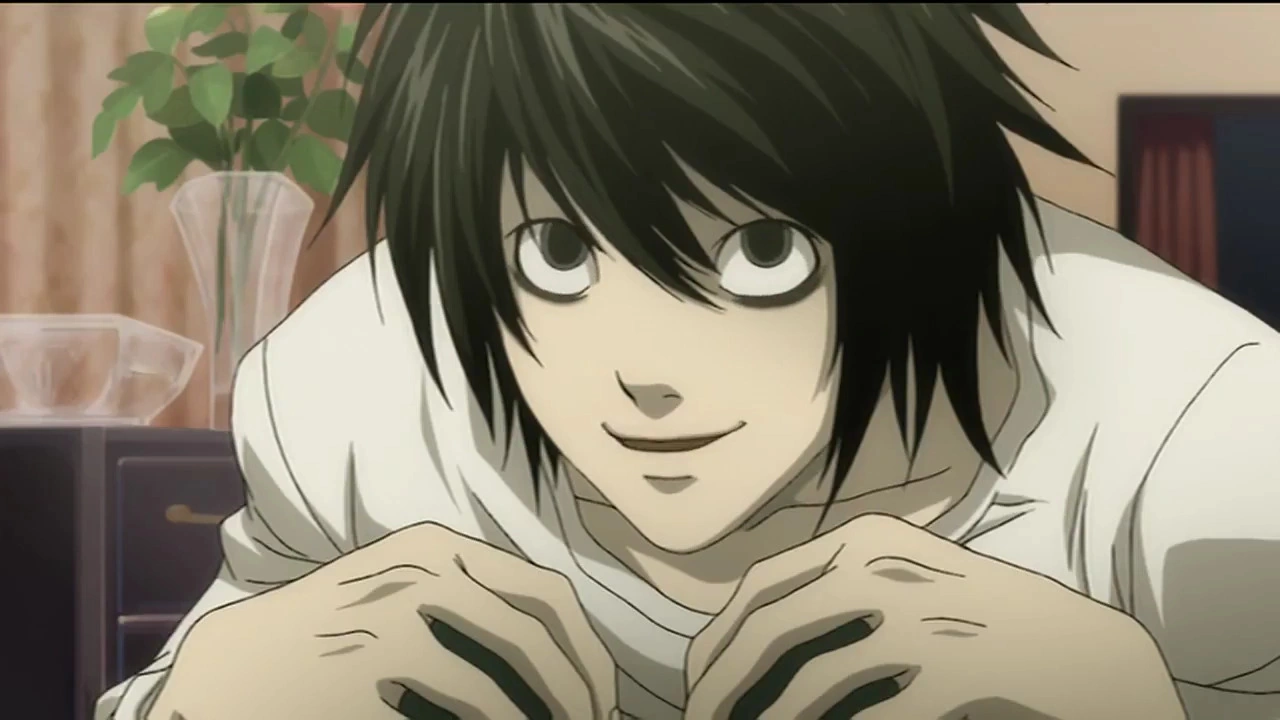
L’s theme favors pensive piano figures, soft guitar arpeggios, and a steady pulse that accompanies late-night deductions and baited traps. The motif recurs in investigation rooms, sweet-laden stakeouts, and headphone-wearing analysis stretches. Orchestrations stay restrained to match L’s minimal movements and cool logic. When it returns during tense face-offs, the familiar pattern flags his edge without a word.
Edward Elric – ‘Fullmetal Alchemist: Brotherhood’ (2009)

Akira Senju assigns Edward a warm, resolute theme centered on strings and piano that plays through journeys, reunions, and moral crossroads. The motif resurfaces in research montages, train rides, and chalk-circle standoffs, often broadening with brass as stakes rise. Variations pair with Alphonse to underline their shared goal while keeping Edward’s drive at the fore. Subtle reharmonizations mark setbacks but keep the melody intact to signal persistence.
Guts – ‘Berserk’ (1997)

Susumu Hirasawa’s scoring gives Guts a spare, melancholic motif that returns in campfires, aftermaths, and wounded retreats. The cue’s simple melodic cells and electronic textures contrast with battlefield noise, isolating the character even in crowds. Reappearances during flashbacks tie present scars to older ones without dialogue. When placed against bolder cues like battle anthems, the motif restores focus to Guts’ solitary path.
Rei Ayanami – ‘Neon Genesis Evangelion’ (1995)

Shiro Sagisu’s “Rei” motif uses slow-moving strings, soft synth pads, and repeating figures to mark Rei’s entrances, infirmary scenes, and moments of introspection. Its cool timbre palette differentiates her from brass-driven battle scoring elsewhere in the series. The theme cycles through episodes to map shifts in identity and connection without changing its essential contour. Sparse orchestration keeps the character’s distance audible.
Asuka Langley Soryu – ‘Neon Genesis Evangelion’ (1995)
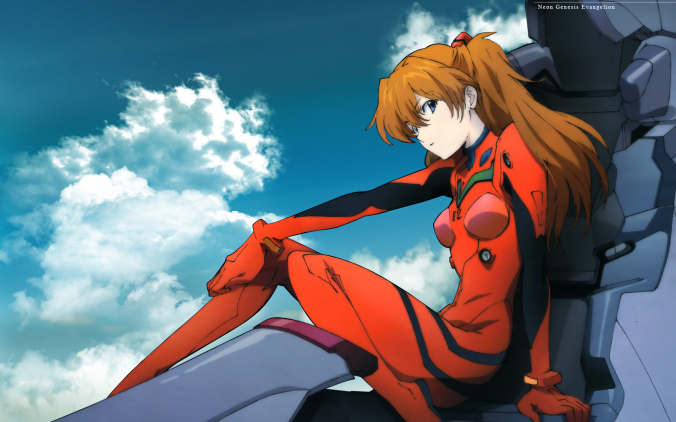
Asuka’s leitmotif contrasts buoyant rhythms and bright orchestration with sudden dynamic snaps that fit her high-confidence piloting. The cue returns during first-appearance splash, practice runs, and competitive exchanges that turn on a dime. Sagisu’s arrangement keeps the melody crisp and assertive, letting it cut through dense mixdowns. Later statements fold in heavier accompaniment to mirror pressure building around her performance.
Motoko Kusanagi – ‘Ghost in the Shell’ (1995)
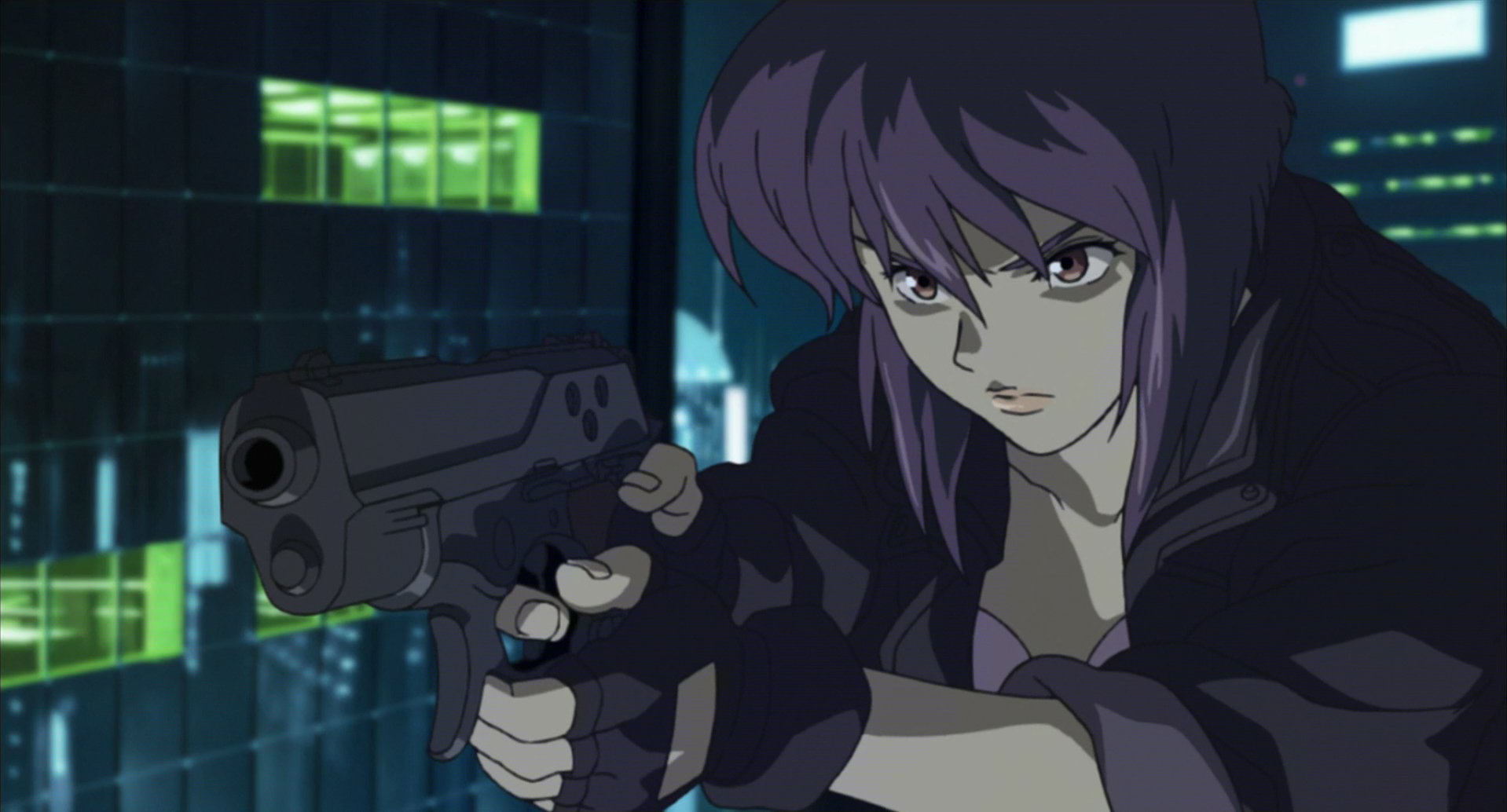
Kenji Kawai’s choral main theme, with its Bulgarian-inspired vocals and ritual percussion, frequently frames Major Kusanagi’s investigations and existential beat-stops. The motif is reprised over city flyovers, thermoptic-camouflage shots, and shell-body imagery to tether identity questions to sound. Its returns in quiet surveillance and climactic merges position the Major’s subjectivity at the musical center. The vocal texture keeps her human-machine boundary deliberately blurred.
San – ‘Princess Mononoke’ (1997)
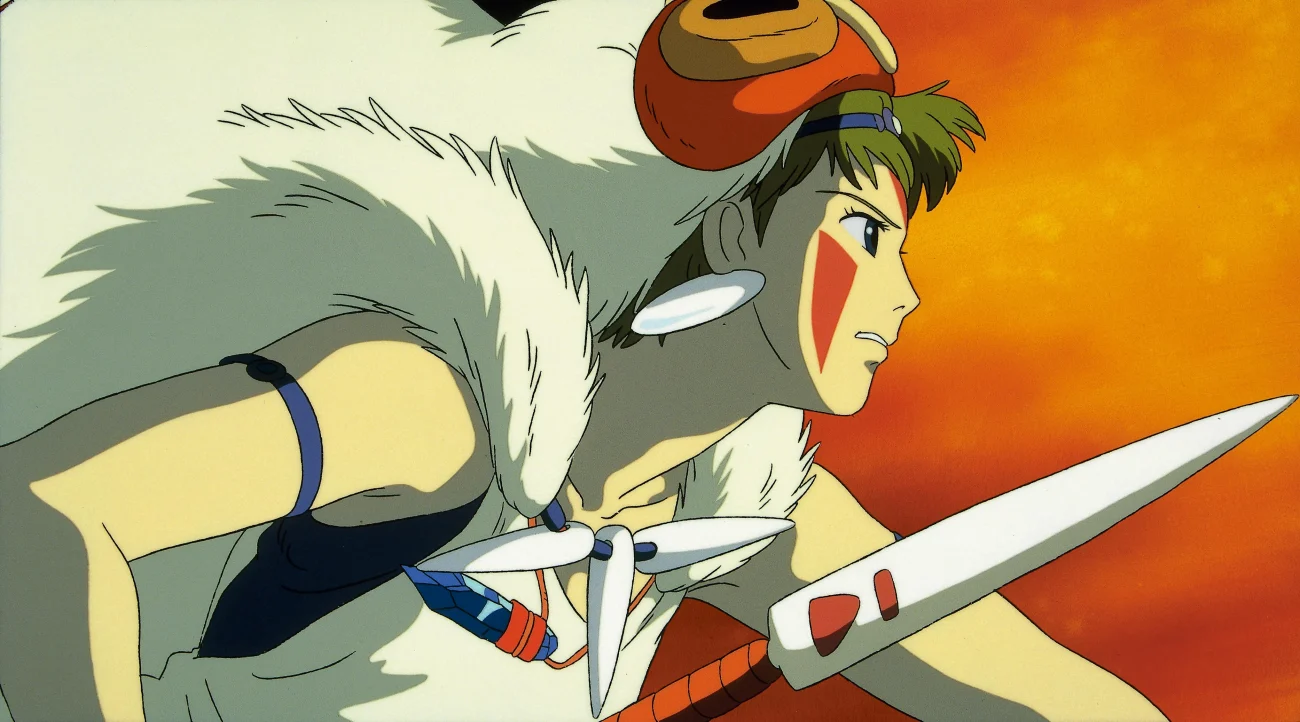
Joe Hisaishi crafts San’s motif with modal strings, wooden winds, and insistent rhythmic undercurrents to follow her swift forest entries and confrontations. The melody comes back during wolf-pack movement, cliff runs, and standoffs at the forest edge. Orchestration widens when the natural world’s stakes rise, but her theme remains agile and keen. Recurrences bind San’s arc to the film’s larger environmental tensions.
Chihiro Ogino – ‘Spirited Away’ (2001)
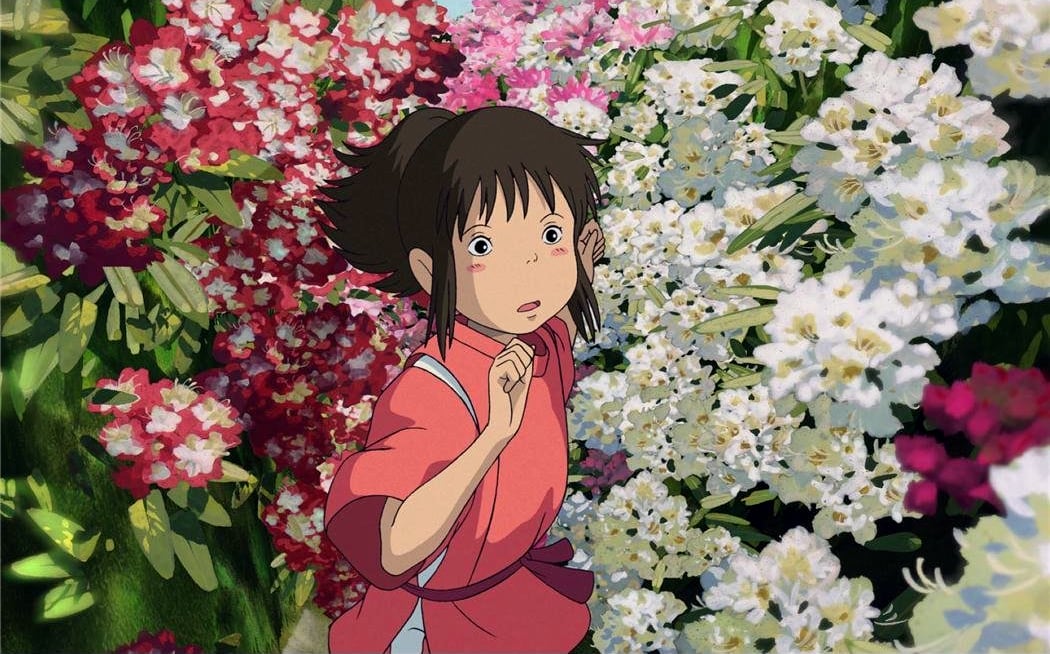
Chihiro’s recurring theme centers on lyrical piano lines that surface at thresholds, bathhouse corridors, and bridges between worlds. Hisaishi reshapes the motif to fit discovery, fear, and resolve while keeping its singable core intact. It revisits transitional scenes to underscore growth without switching thematic identity. Orchestral expansions reserve brass for scale while preserving the piano as her anchor.
Totoro – ‘My Neighbor Totoro’ (1988)
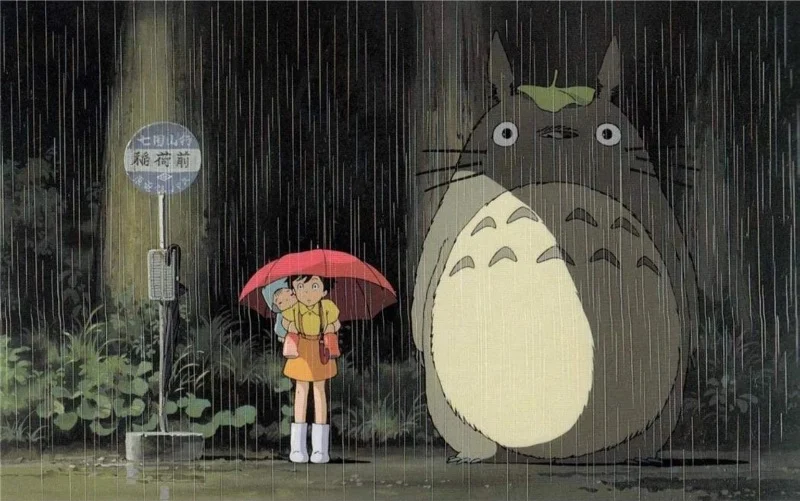
Totoro’s motif uses playful woodwinds, hand percussion, and a buoyant melody that returns with bus-stop sightings, forest tromps, and Catbus dashes. The cue’s light orchestration keeps wonder front-and-center across repeated appearances. Variants pop up in daylight wanderings and night-time magic with the same melodic DNA. Repetition creates instant recognition whenever the giant forest spirit looms into frame.
Ichigo Kurosaki – ‘Bleach’ (2004)

Shiro Sagisu’s standout cue “Number One” functions as Ichigo’s musical stamp, mixing brass hits, guitar riffs, and choral shouts during power-up turns. The theme lands in clutch rescues, sudden comebacks, and mask awakenings to announce momentum. Rearrangements appear across arcs, from urban rooftops to otherworldly battlefields. Even in stripped mixes, the rhythmic motif cues that Ichigo is about to swing the tide.
Tanjiro Kamado – ‘Demon Slayer: Kimetsu no Yaiba’ (2019)
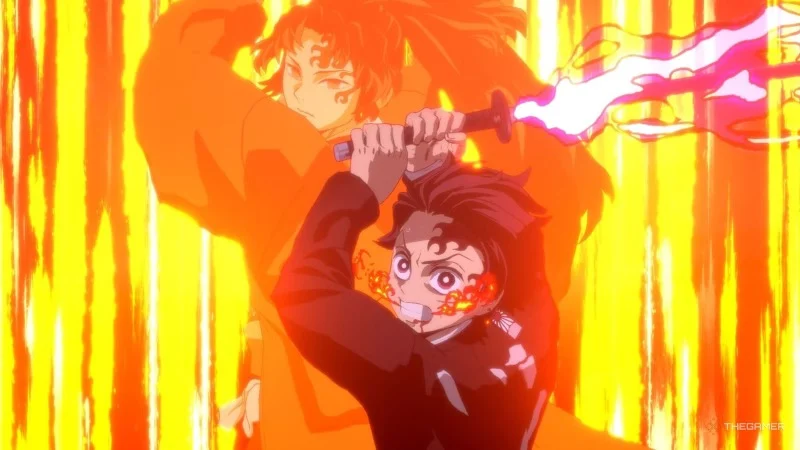
Go Shiina and Yuki Kajiura establish Tanjiro’s identity with a motif that blends folk-tinged melody, strings, and vocal color, highlighted by the insert song “Kamado Tanjiro no Uta.” You’ll hear it bloom in decisive moments, including breath-style shifts and familial flashbacks. The theme recurs in training grounds, forest confrontations, and dusk-lit aftermaths. Its repeated rise marks perseverance and the protective thread running through Tanjiro’s choices.
Son Goku – ‘Dragon Ball Z’ (1989)
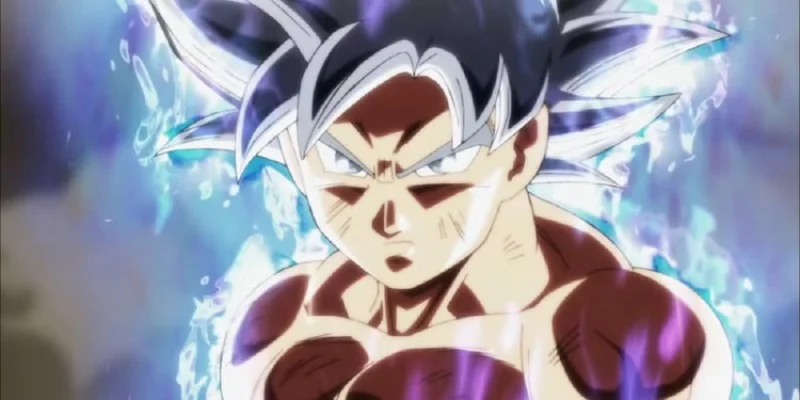
Shunsuke Kikuchi’s scoring provides Goku a bold, brass-forward motif that announces arrivals, power surges, and last-second saves. The cue cycles through tournament floors, sky battles, and beam-locked stalemates with reliable clarity. Reorchestrations scale from tight ensemble to full ensemble as stakes climb. Its recurrence aligns the character’s cheerful presence with unmistakable heroic punctuation.
Lelouch vi Britannia – ‘Code Geass: Lelouch of the Rebellion’ (2006)
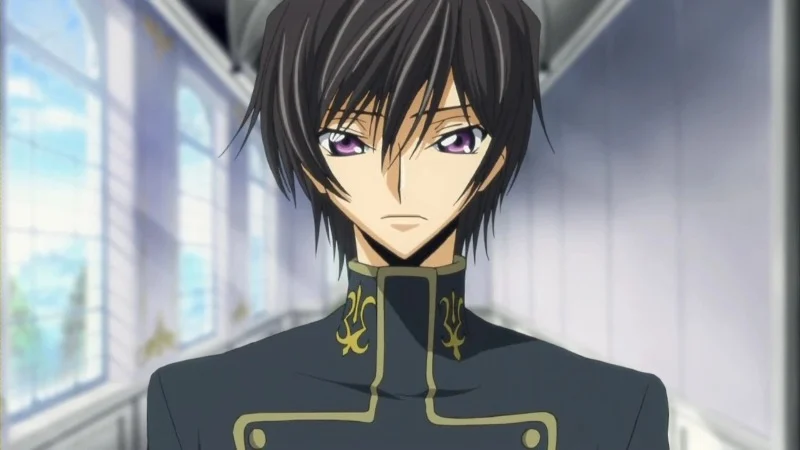
Kotaro Nakagawa and Hitomi Kuroishi shape Lelouch’s theme with piano-string interplay that swells during gambits, masked declarations, and board-like battlefield reveals. The motif reappears across strategy rooms, public addresses, and Knightmare frames coming to heel. Arrangements widen with choir when plans snap into place. Each return stitches the Zero persona to the narrative’s chess moves.
Giorno Giovanna – ‘JoJo’s Bizarre Adventure: Golden Wind’ (2018)

Yugo Kanno’s “Il vento d’oro” anchors Giorno with a trumpet-led motif and insistent ostinato that rise during Stand activations and reversals. The theme returns in Naples streets, getaway sprints, and righteous declarations. Its build structure—quiet entry to blazing finish—maps cleanly onto Giorno’s calm-to-decisive beat. Repetition across set pieces turns the cue into a clear, scene-stealing signal.
Saitama – ‘One-Punch Man’ (2015)

Makoto Miyazaki assigns Saitama a heavy, guitar-driven motif that kicks in during unfazed walk-ups and effortless finishes. The cue recurs in training cutaways, monster alleys, and crater reveals to underline the joke and the jaw-drop. Variants tilt between tongue-in-cheek swagger and straight-ahead hype while keeping the same hook. It reliably flags the moment a supposed threat meets a single punch.
Monkey D. Luffy – ‘One Piece’ (1999)

Kohei Tanaka’s scoring gives Luffy recurring action motifs—most recognizably cues like “Overtaken” and “Luffy’s Fierce Attack”—that swell during rallying speeches and final blows. These themes pop up on ship decks, island plazas, and courtroom-style showdowns to unify crew momentum. Arrangements stack snare rolls, brass fanfares, and string runs as the Straw Hats push toward a breakthrough. Repetition across arcs makes Luffy’s charge musically unmistakable.
Homura Akemi – ‘Puella Magi Madoka Magica’ (2011)
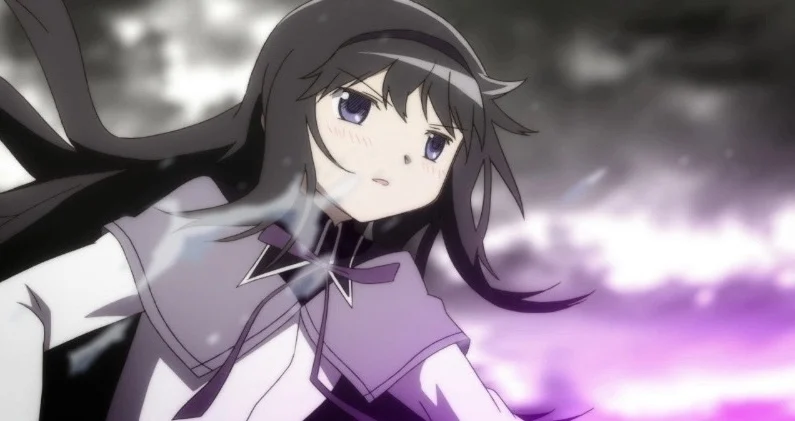
Yuki Kajiura’s motif for Homura weaves clock-like pulses, strings, and ethereal vocals to accompany time-loop reveals and solitary preparations. The cue returns in classroom windows, hospital corridors, and twilight streets as pieces line up. Later statements grow darker while retaining the same melodic outline, keeping identity intact through twists. Each reprise ties narrative rewinds back to Homura’s perspective.
If you’ve got a favorite character theme that always tips you off to who’s about to take the spotlight, drop your pick in the comments and tell us where it hits the hardest!