Top 10 Coolest Things About Song Kang-ho

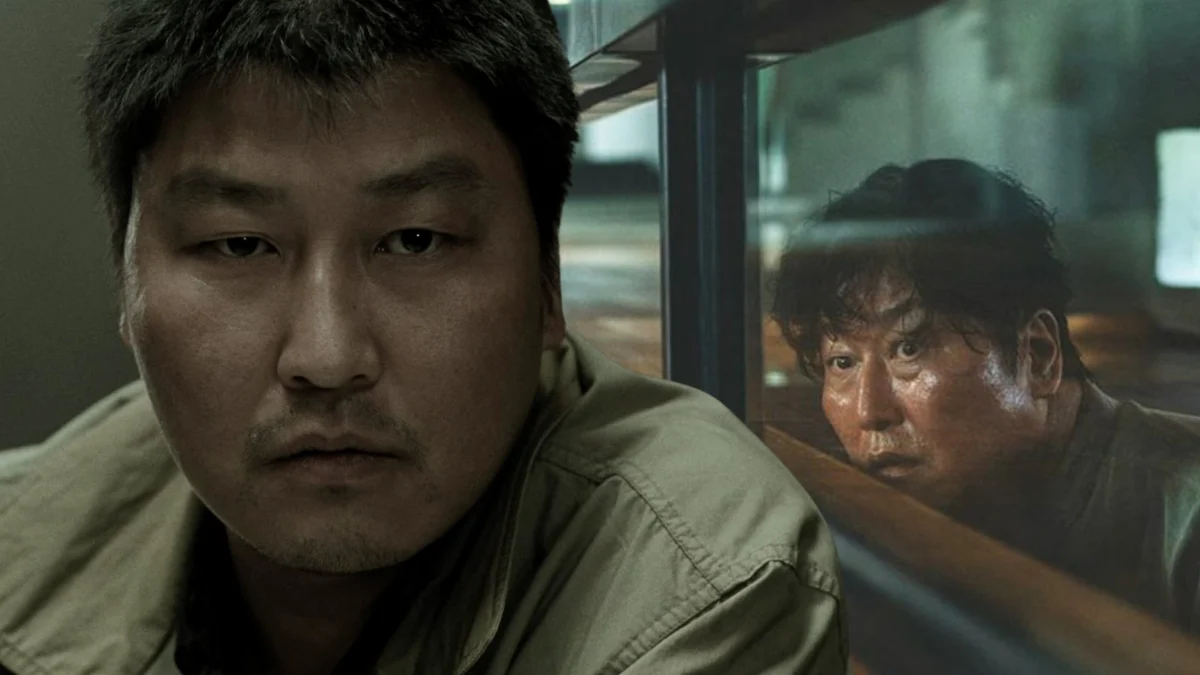

From era-defining thrillers to global award-winners, Song Kang-ho has anchored some of the most important Korean screen projects of the last quarter-century. Below, we’re spotlighting ten standout titles from his filmography—each with a concrete reason it matters, from historic box-office milestones to major festival wins and industry firsts.
‘Parasite’ (2019) – the first Korean film to win both the Palme d’Or and Best Picture
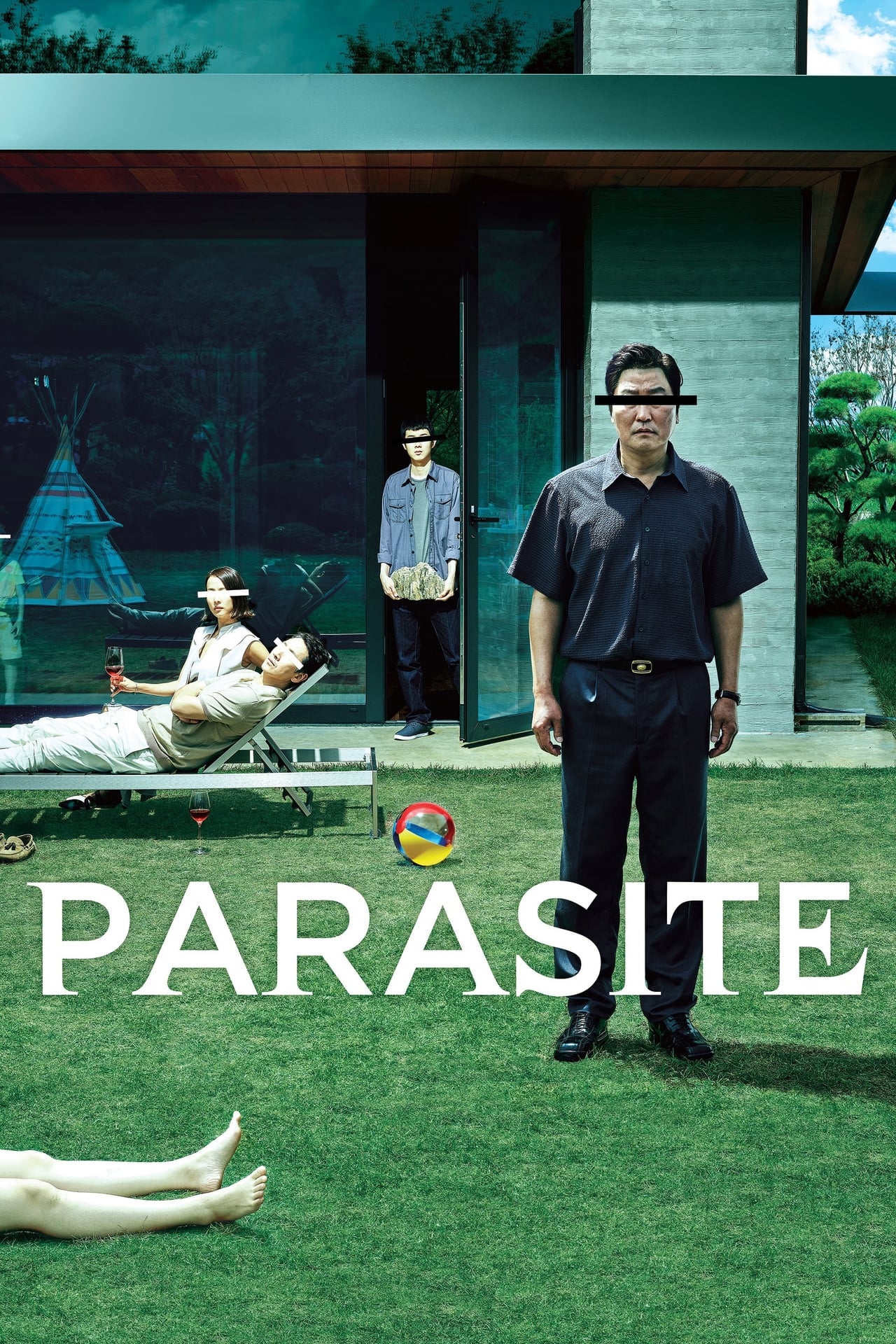
Bong Joon-ho’s film became the first Korean title to win the Palme d’Or at Cannes and later the first non-English-language film to win the Academy Award for Best Picture. Song Kang-ho plays Kim Ki-taek, the patriarch whose family infiltrates a wealthy household. The film earned the Screen Actors Guild Award for Outstanding Performance by a Cast—the first time a non-English-language movie took that prize. It grossed over $250 million worldwide and accelerated global interest in contemporary Korean cinema.
‘Memories of Murder’ (2003) – a landmark crime drama tied to a real case later solved

Reuniting Song Kang-ho with director Bong Joon-ho, the film dramatizes the Hwaseong serial murders, with Song portraying Detective Park Doo-man. Its procedural detail and rural setting helped redefine Korean crime cinema in the 2000s. The movie’s enduring cultural footprint kept the real case in public view, which was officially solved in 2019 when authorities identified the perpetrator through DNA. Restored re-releases have continued to introduce it to new audiences.
‘The Host’ (2006) – Korea’s admissions record-holder of its era

In Bong Joon-ho’s monster thriller, Song plays hapless father Park Gang-du, whose daughter is abducted by a creature emerging from the Han River. The film drew approximately 13 million admissions domestically, becoming the highest-grossing Korean film at the time. Its mix of family drama, satire, and creature-feature set a new technical bar for local VFX-driven productions. Premieres and festival play helped the title travel widely beyond Korea.
‘Joint Security Area’ (2000) – a breakout hit that broadened Korean cinema’s audience

Directed by Park Chan-wook, the DMZ-set mystery-thriller starred Song as Sergeant Oh Kyeong-pil. It became the top-grossing Korean film of 2000 with millions of admissions, expanding the domestic commercial ceiling for local films. The success helped propel Park’s career and positioned Song as a bankable lead for complex, high-stakes dramas. Its cross-border premise also drew international attention to modern Korean storytelling.
‘Snowpiercer’ (2013) – a major step in Song’s global reach

This international co-production from Bong Joon-ho cast Song as security expert Namgoong Minsoo alongside a multinational ensemble. The film saw wide global distribution and became one of the most commercially successful films by a Korean director in international markets. Its world-building later spun off into a TV series, further extending the IP’s reach. Song’s performance demonstrated his versatility in English-language and cross-cultural settings.
‘A Taxi Driver’ (2017) – a historical drama that resonated with mass audiences

Song portrays a Seoul taxi driver who helps a foreign journalist cover the 1980 Gwangju Uprising. The film surpassed 12 million admissions in Korea, ranking among the year’s biggest domestic hits. It was selected as South Korea’s submission for the Academy Award for Best Foreign Language Film. The movie sparked renewed public engagement with the events of Gwangju, especially among younger viewers.
‘Thirst’ (2009) – Cannes-laureled genre cinema with a bold lead turn
Reuniting with Park Chan-wook, Song plays a Catholic priest transformed into a vampire after an experimental procedure. The film won the Jury Prize at the Cannes Film Festival, underscoring Korean cinema’s stature on the global stage. Its blend of horror, dark humor, and romance challenged conventional genre boundaries. Song’s intense, physically demanding role became one of his defining collaborations with Park.
‘Sympathy for Mr. Vengeance’ (2002) – a cornerstone of the Vengeance Trilogy

Park Chan-wook’s film features Song as Dong-jin, a factory manager drawn into a spiraling cycle of revenge. Though smaller at the box office than later entries, it became a foundational text in early-2000s Korean neo-noir. Its stark aesthetic, moral ambiguity, and narrative rigor influenced a wave of domestic thrillers. The title helped consolidate Song’s image as a go-to actor for psychologically layered roles.
‘The Attorney’ (2013) – a courtroom phenomenon inspired by real events

Song stars as Song Woo-seok, a tax lawyer who becomes a human-rights advocate, with the story inspired by the early career of future president Roh Moo-hyun. The film drew over 11 million admissions, finishing as one of the year’s biggest domestic performers. It won multiple local awards, including major best-actor honors for Song. The movie also fueled public discussion about civil liberties and modern Korean legal history.
‘Uncle Samsik’ (2024) – Song’s first leading role in a scripted TV series
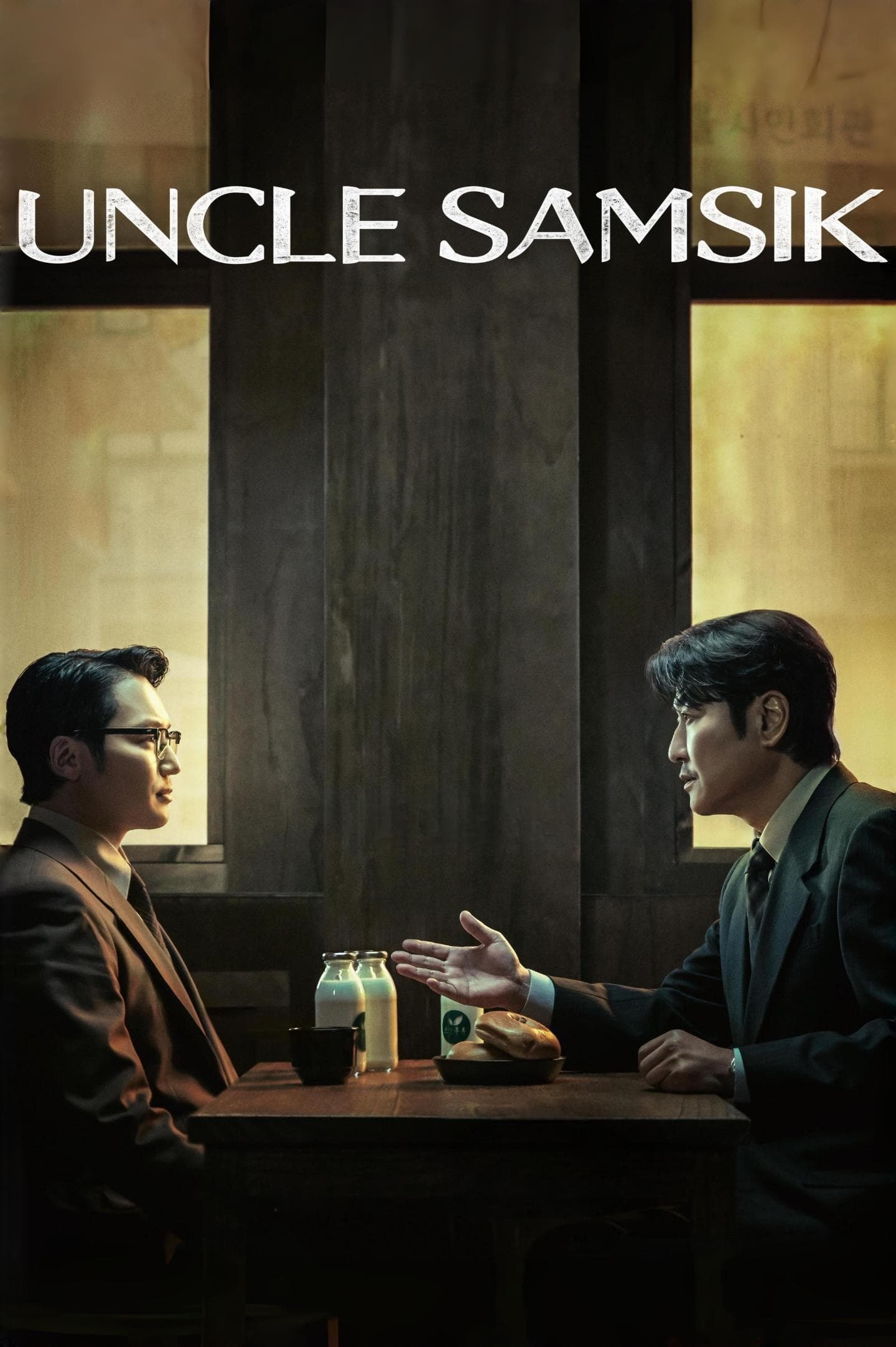
Set in the 1960s, the period drama marks Song Kang-ho’s debut as the lead of a long-form television series after decades as a film-only star. Released on streaming in 2024, it broadened his screen presence to global TV audiences. The project demonstrated his shift into serialized storytelling while maintaining the political and social textures common in his film work. It also introduced him to viewers who primarily engage with Korean content through streaming platforms.
Share your favorite Song Kang-ho performance—and the moment that blew you away—in the comments!