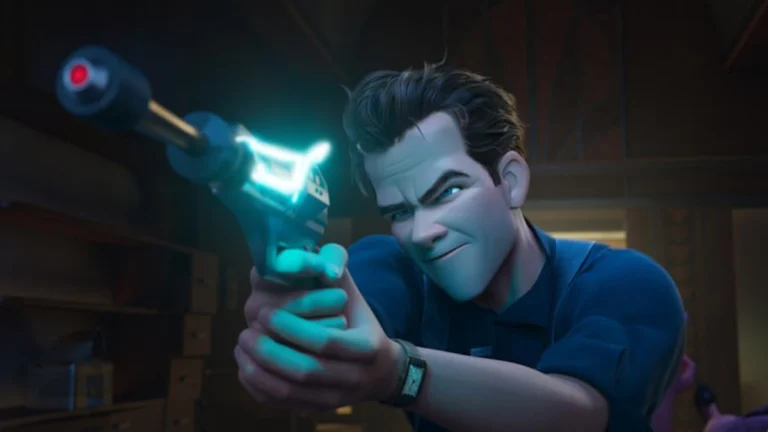
Political Thrillers That Predicted Real Events Years Later

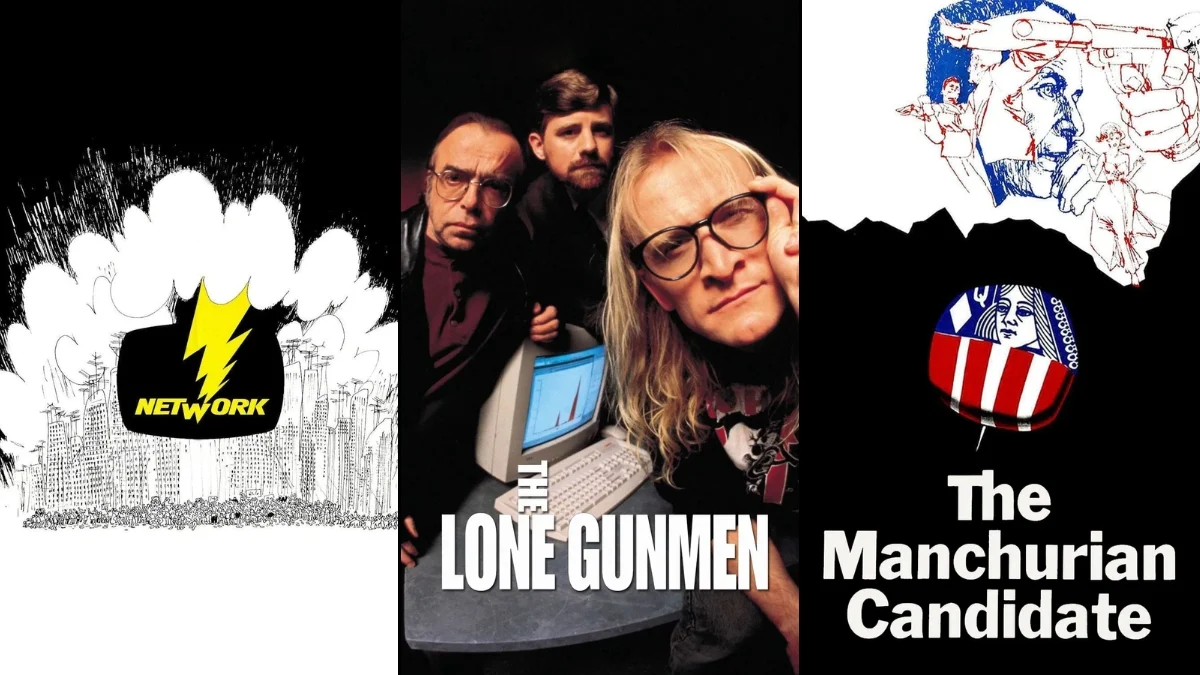

The genre of political thrillers often relies on high stakes and complex conspiracies to entertain audiences. Writers and directors frequently stretch the truth to create compelling narratives about government corruption or international espionage. History has shown that some of these fictional scenarios eventually became reality with startling accuracy. These films and television shows anticipated major societal shifts and specific tragedies long before they occurred.
‘The Siege’ (1998)
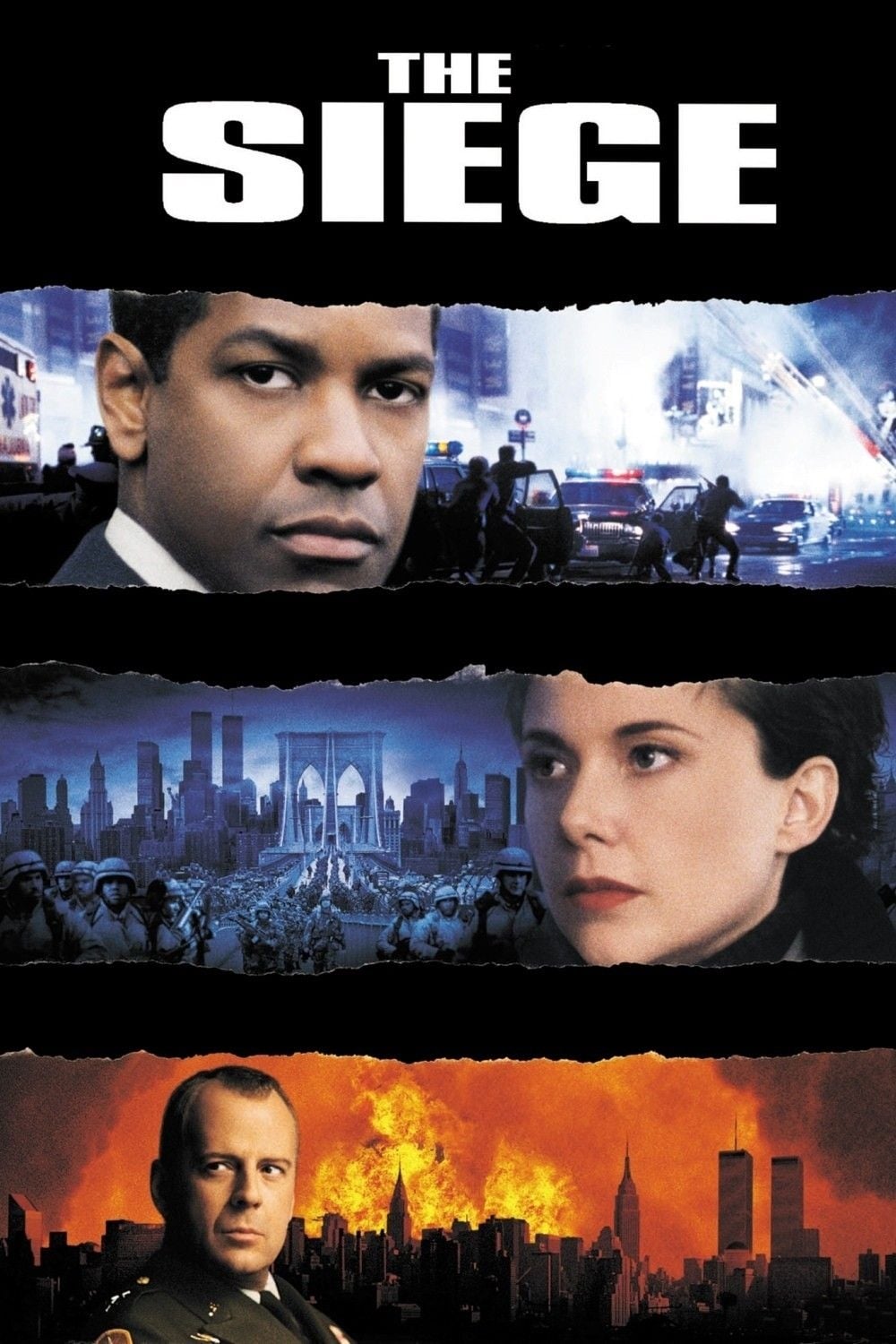
Denzel Washington stars in this film about a terrorist campaign in New York City that leads to the declaration of martial law. The movie depicts the detention of Arab American men in stadiums and the heated debate over torture methods. These fictional events closely mirrored the societal climate and government response following the September 11 attacks. Critics initially dismissed the plot as alarmist until reality caught up with the fiction just three years later.
‘The Lone Gunmen’ (2001)
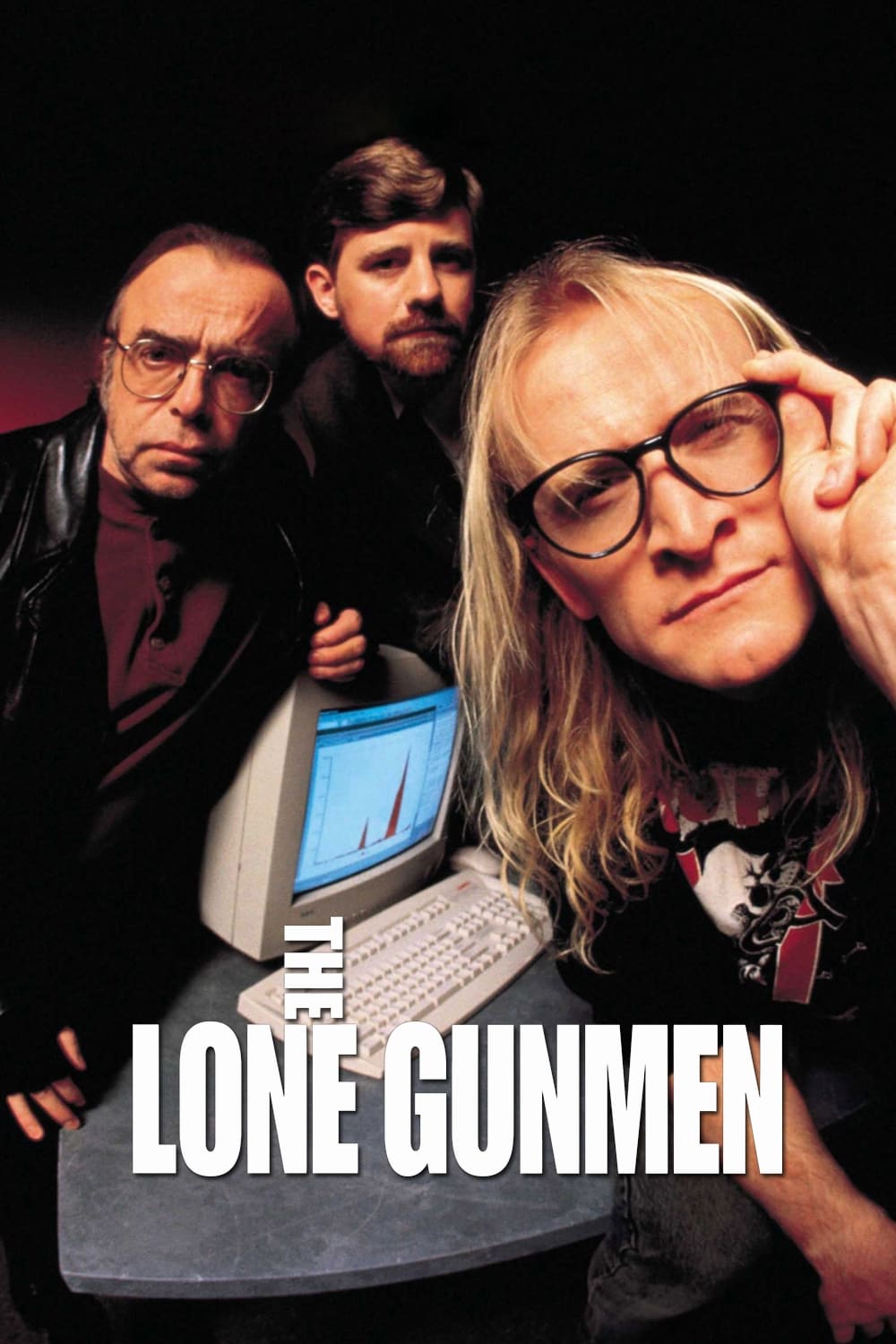
This spin-off of ‘The X-Files’ aired a pilot episode months before the attacks on the World Trade Center. The plot involves a government conspiracy to hijack a commercial airliner and crash it into the Twin Towers to start a profitable war. The uncanny similarity between the script and the actual tragedy remains one of the most disturbing coincidences in television history. It serves as a grim reminder of how fiction can sometimes inadvertently forecast catastrophe.
‘Enemy of the State’ (1998)
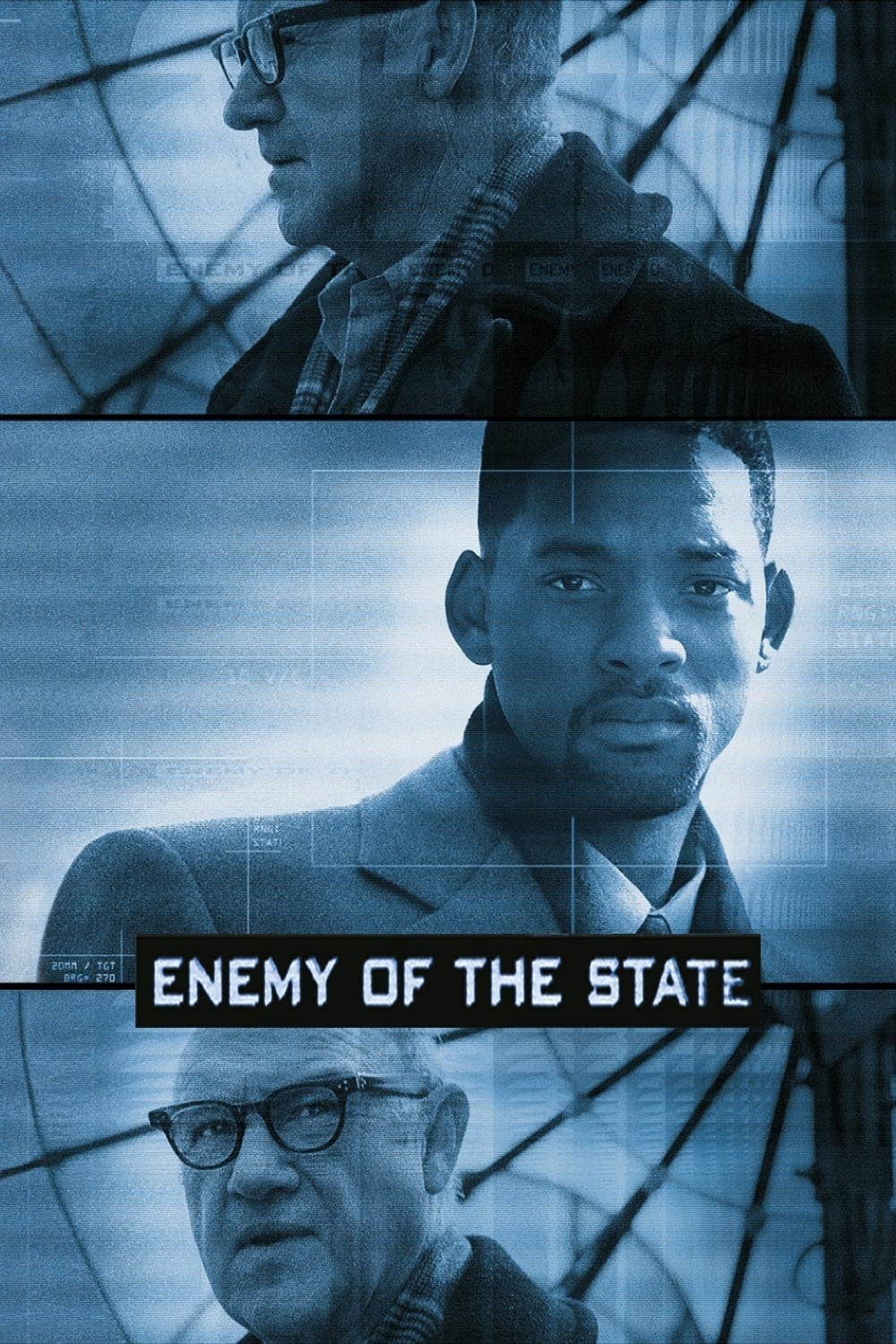
Will Smith plays a lawyer targeted by a corrupt National Security Agency official who uses advanced surveillance to destroy his life. The film features tracking devices and satellite monitoring that seemed futuristic at the time of release. Edward Snowden later revealed classified details proving the NSA possessed capabilities very similar to those depicted in the movie. The story explores the dangerous balance between national security and personal privacy rights.
‘Wag the Dog’ (1997)
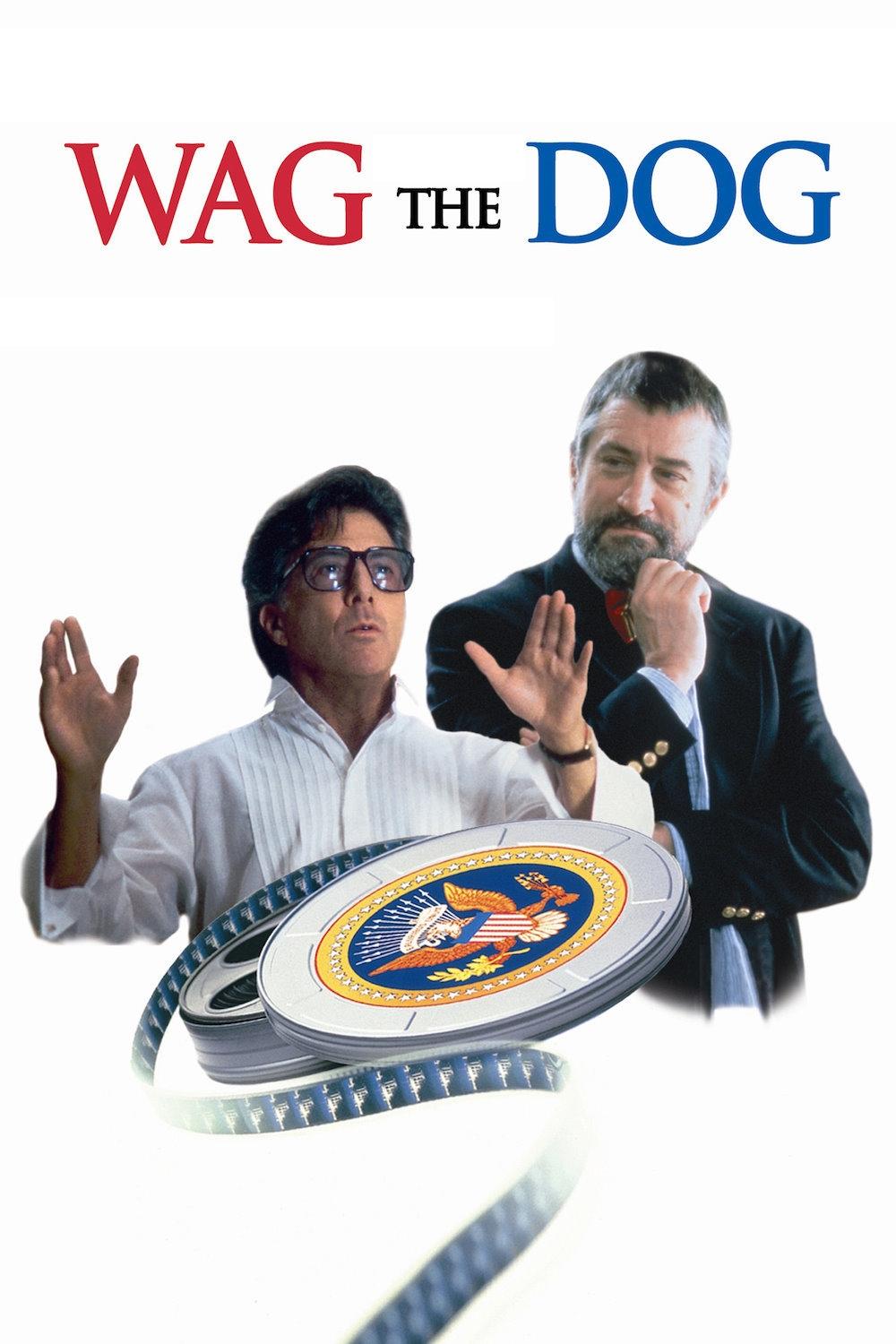
A spin doctor and a Hollywood producer fabricate a war in Albania to distract the public from a presidential sex scandal. The film was released shortly before the Clinton-Lewinsky scandal dominated global headlines. The subsequent bombing of a pharmaceutical factory in Sudan raised questions about real-life diversionary tactics. This satire became a permanent reference point for political analysts discussing manufactured crises.
‘The China Syndrome’ (1979)
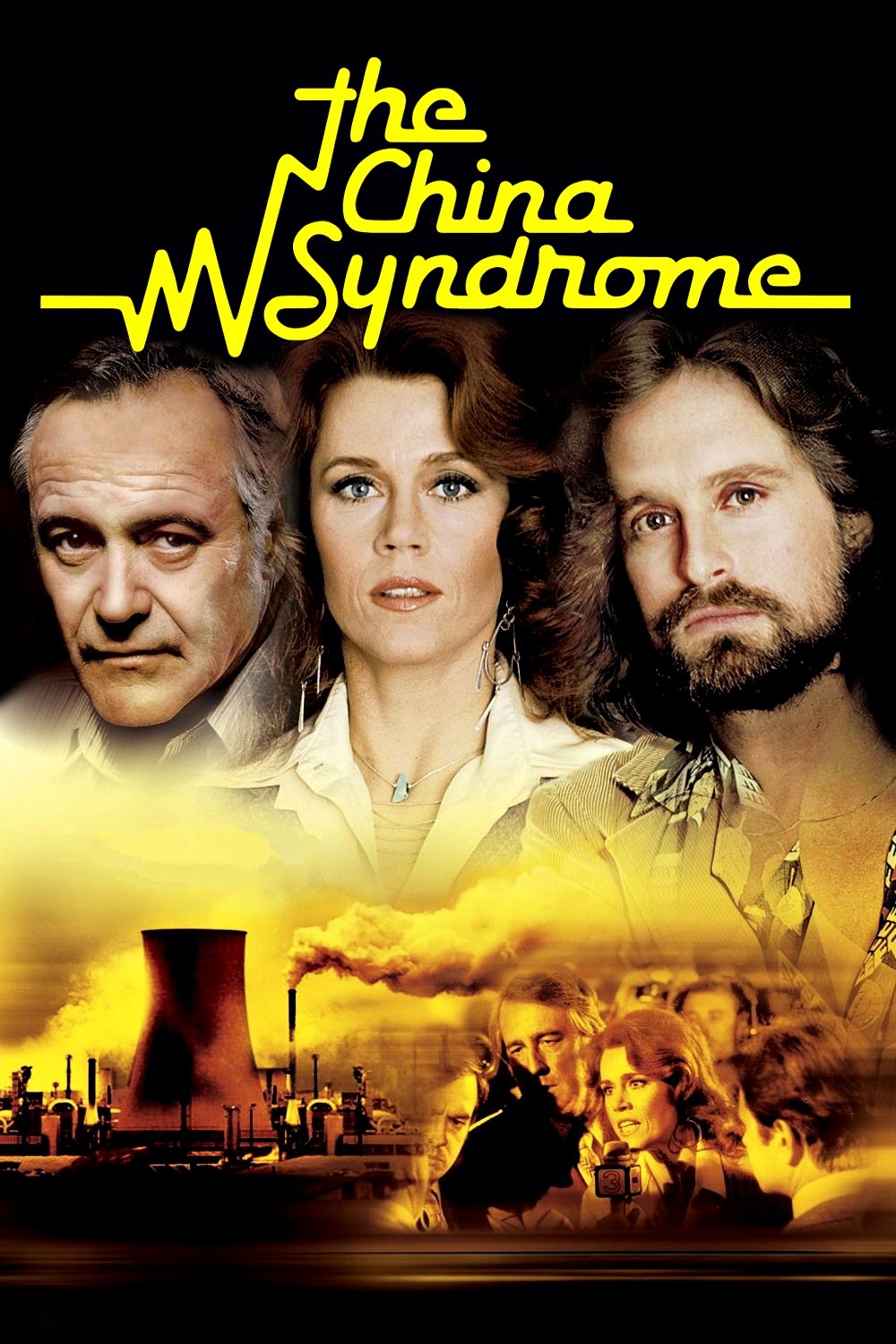
Jane Fonda and Jack Lemmon star in this tense drama about a journalist uncovering safety hazards at a nuclear power plant. The film explains how a system failure could lead to a catastrophic meltdown known as the China syndrome. The Three Mile Island nuclear accident occurred in Pennsylvania just twelve days after the movie premiered in theaters. This timing turned the fictional thriller into a terrifying commentary on real energy infrastructure vulnerabilities.
‘Network’ (1976)
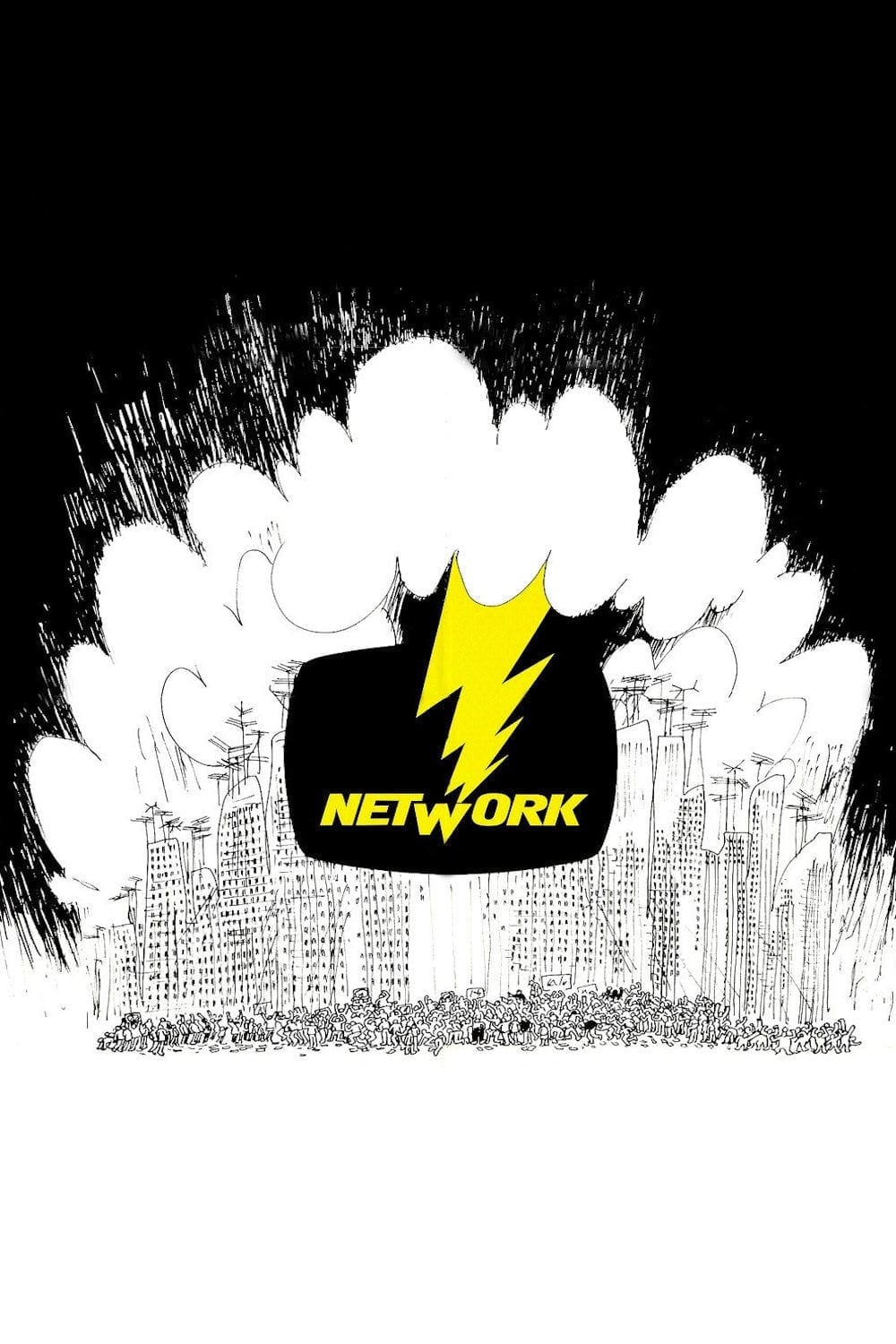
A struggling television network exploits the mental breakdown of an anchor to boost ratings and turns news into sensationalist entertainment. The film predicts the rise of reality television and the blurring of lines between journalism and performance art. It also anticipates the anger-driven populist rhetoric that defines much of modern political discourse. The monologue about being mad as hell remains relevant to frustrated voters decades later.
‘The Manchurian Candidate’ (1962)
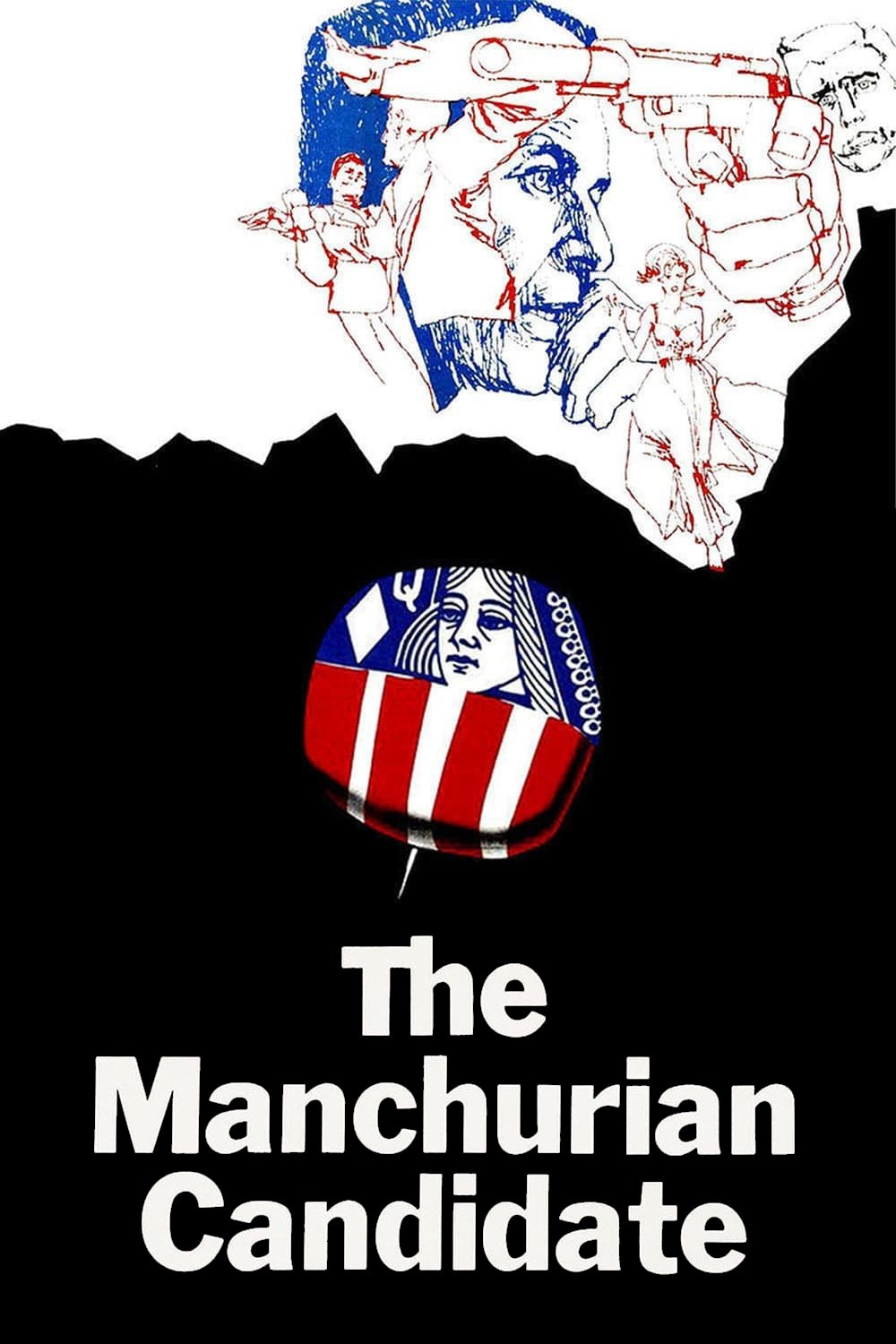
A Korean War veteran is brainwashed by communists to become a sleeper agent assassin for a political coup. The film explores themes of foreign interference in American elections and the psychological manipulation of political figures. Fears regarding Russian influence in United States politics have kept this narrative remarkably current. The concept of a puppet candidate controlled by outside forces continues to resonate in political conspiracy theories.
‘Three Days of the Condor’ (1975)
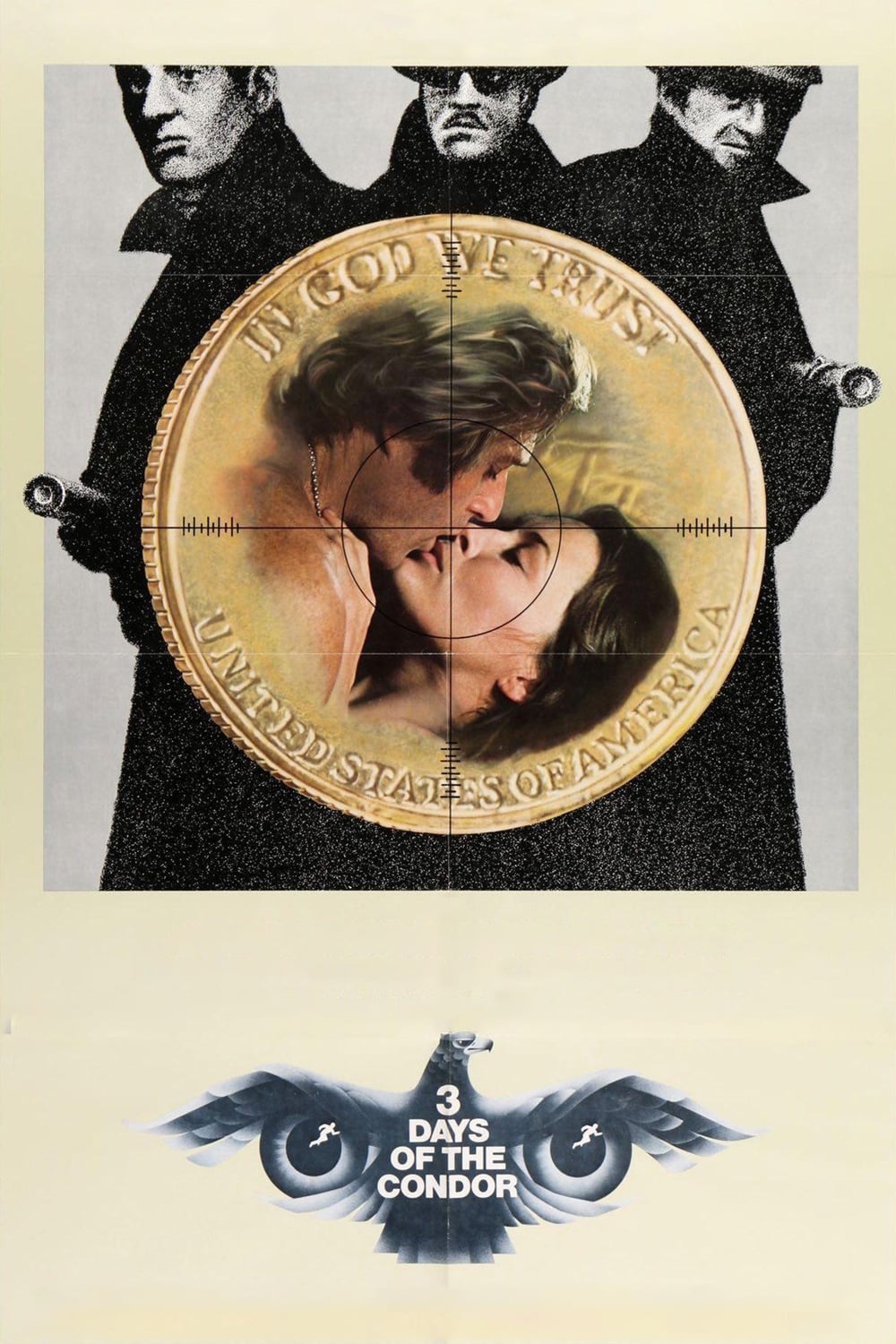
Robert Redford plays a CIA analyst who discovers a secret plan within the agency to seize Middle Eastern oil fields. The film suggests intelligence agencies might operate independently of democratic oversight to secure energy resources. Decades of subsequent conflicts in the Middle East have validated the premise of wars fought for resource control. It remains a seminal work regarding the cynical nature of geopolitics and espionage.
‘V for Vendetta’ (2005)

A masked vigilante fights against a totalitarian regime in a dystopian United Kingdom ruled by fear and surveillance. The film popularized the Guy Fawkes mask which became a global symbol for the hacking group Anonymous and various protest movements. Its depiction of a government manipulating a virus to gain absolute power gained renewed attention during the COVID-19 pandemic. The story illustrates how fear can induce a population to trade freedom for security.
‘The Dead Zone’ (1983)

Christopher Walken plays a teacher who acquires psychic abilities and foresees a populist candidate launching a nuclear war. The antagonist Greg Stillson is a charismatic outsider who rallies the public with aggressive rhetoric and unconventional behavior. Many political commentators drew parallels between the fictional Stillson and the rise of Donald Trump in 2016. The film serves as a warning about the dangers of demagoguery in a democratic system.
‘Sneakers’ (1992)
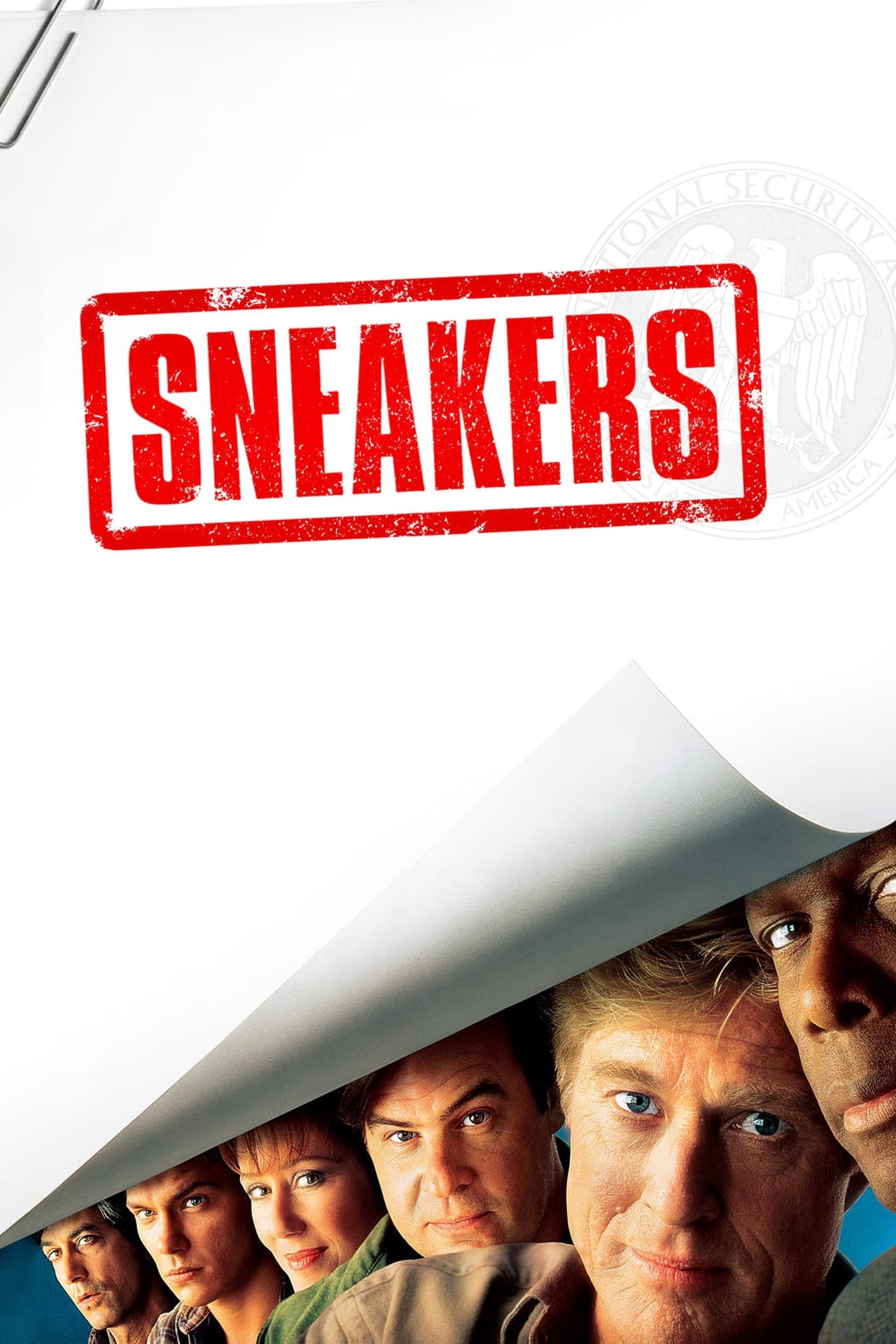
A team of security experts is blackmailed into stealing a black box capable of decoding any encryption system in the world. The character Cosmo argues that ownership of information will define the new world order rather than weapons or territory. This prediction accurately forecasted the modern era of data mining and information warfare. The movie highlights the immense power held by those who control digital data flows.
‘Person of Interest’ (2011–2016)

This series features a supercomputer known as The Machine that monitors all electronic communications to predict violent crimes. It depicts a world where the government has access to every camera and microphone in existence. The show debuted before the public fully understood the extent of mass surveillance programs operated by intelligence agencies. It serves as a procedural thriller that doubles as a cautionary tale about artificial intelligence.
’24’ (2001–2010)
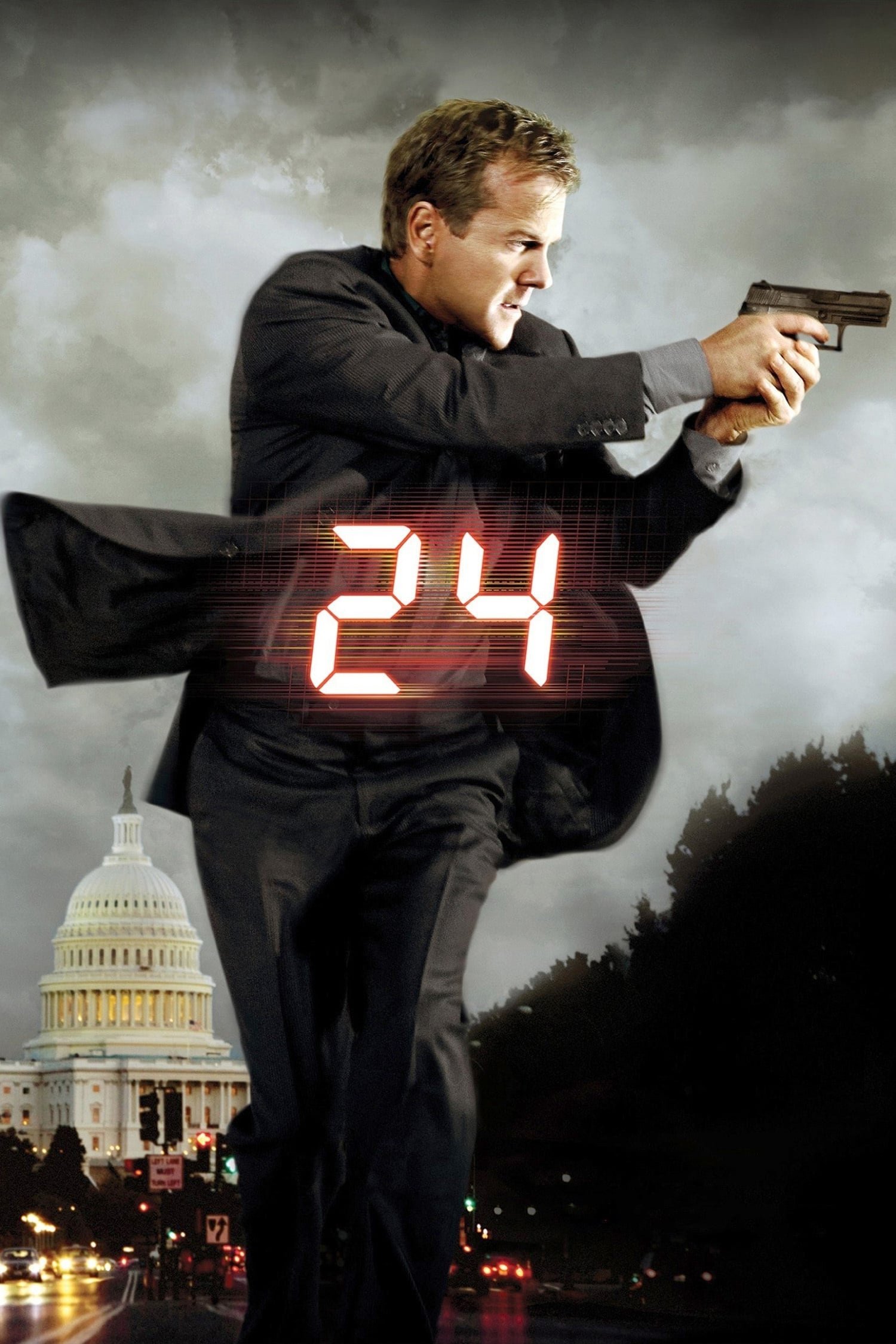
The first season of this real-time thriller introduced the character David Palmer as a viable African American candidate for President. The show aired years before Barack Obama announced his candidacy and eventually won the White House. Palmer depicted a competent and commanding leader that helped normalize the idea for a wide television audience. The series is often credited with preparing the American public for a black president.
‘Servant of the People’ (2015–2019)

Volodymyr Zelenskyy stars as a high school teacher who accidentally becomes the President of Ukraine after a viral rant. The immense popularity of the show propelled the actor to launch a real political party named after the series. Zelenskyy won the actual Ukrainian presidency in a landslide victory mirroring his fictional counterpart. This example stands as a rare case where the fiction literally created the reality.
‘Mr. Robot’ (2015–2019)

A cybersecurity engineer and a group of hacktivists attempt to erase all consumer debt by destroying the data of a massive conglomerate. The show illustrates the fragility of the global financial system and the potential for cyberattacks to cause physical chaos. Real-world ransomware attacks on critical infrastructure have since mirrored the tactics used by the show’s protagonists. It accurately captures the isolation and power dynamics of the digital age.
‘Minority Report’ (2002)
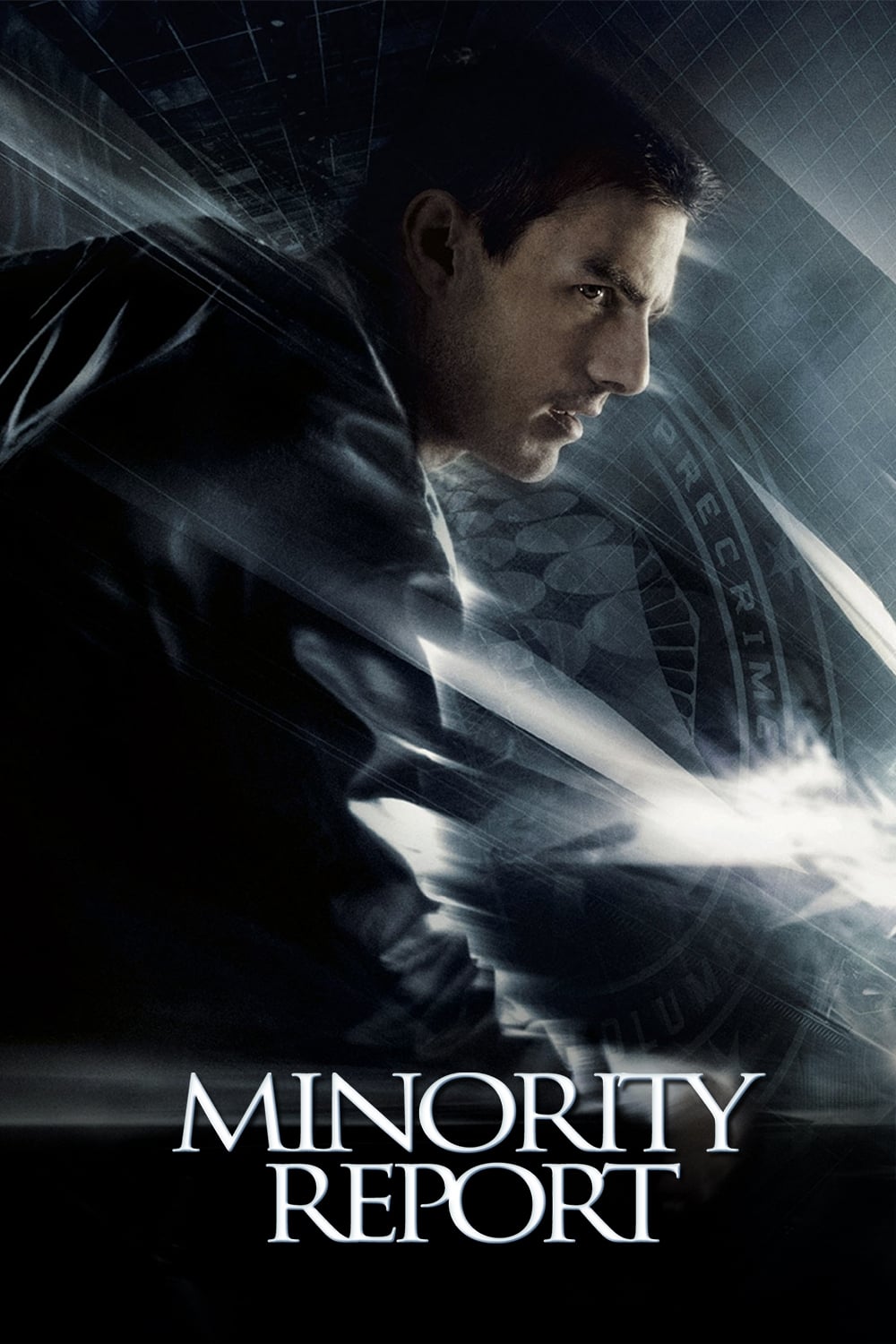
Tom Cruise stars in a future where police utilize psychic technology to arrest criminals before they commit a crime. The film predicts the development of predictive policing algorithms now used by law enforcement agencies worldwide. It also features personalized advertising that scans retinas to deliver targeted commercials to passersby. These technologies have transitioned from science fiction to ethical debates in modern society.
‘Soylent Green’ (1973)
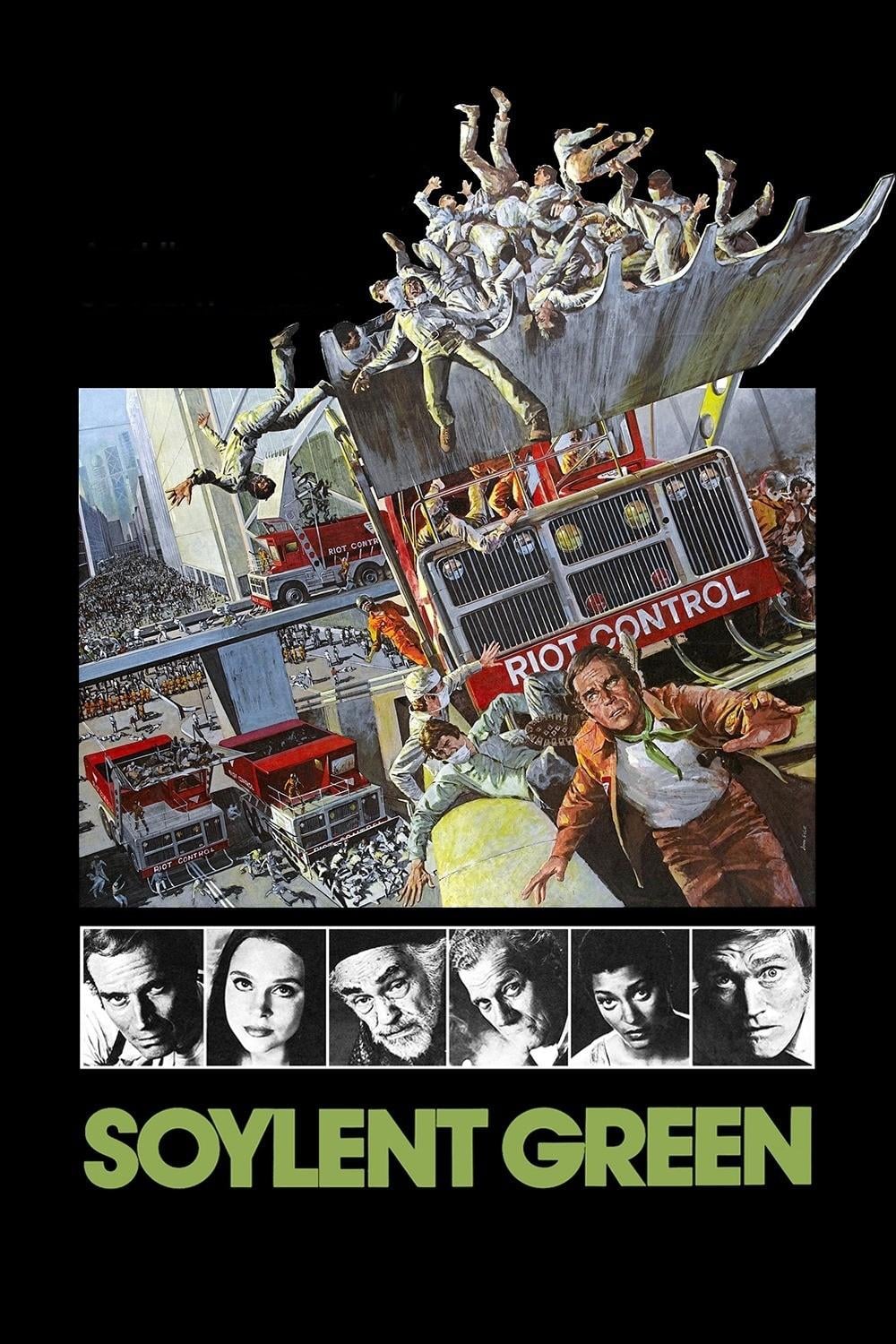
This dystopian thriller depicts a world ravaged by climate change and overpopulation where resources are incredibly scarce. The elite live in comfort while the masses survive on processed food rations produced by a powerful corporation. The film predicts the greenhouse effect and the dying oceans that scientists warn about today. It remains a terrifying projection of ecological collapse and corporate greed.
‘Seven Days in May’ (1964)
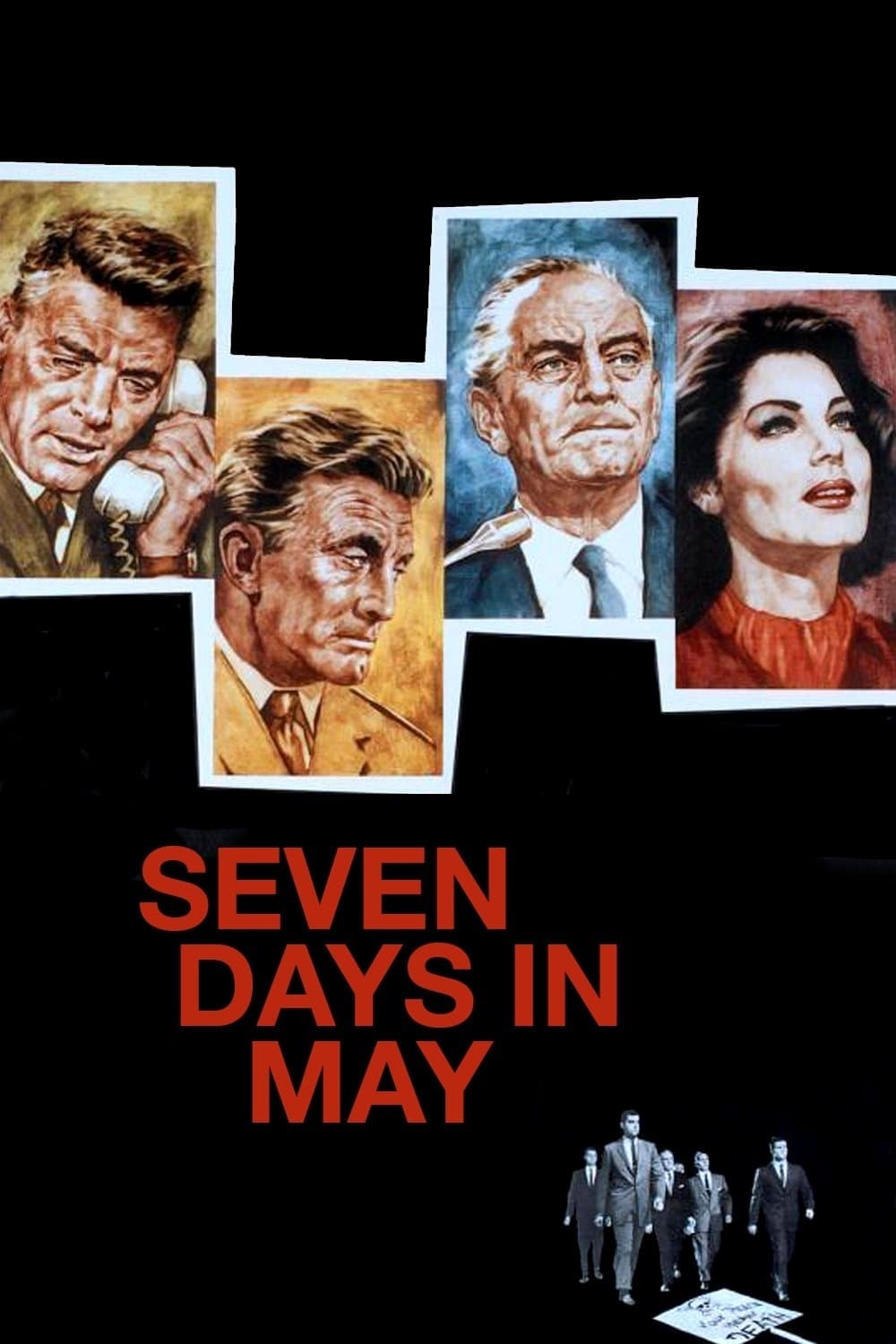
United States military leaders plot to overthrow the President because they believe he is too soft on national enemies. The film exposes the tension between civilian leadership and the military-industrial complex during the Cold War. It reflects fears of a deep state acting against the elected government to maintain military supremacy. The narrative questions the loyalty of armed forces when they disagree with political policy.
‘Black Mirror: The Waldo Moment’ (2013)

A failed comedian voices a blue cartoon bear named Waldo that runs for office as a joke but gains genuine support. The episode explores how anti-establishment mockery can become a powerful political force that bypasses traditional policy debate. This storyline anticipated the success of populist figures who use entertainment tactics to disrupt elections. It highlights the vulnerability of democratic processes to satire and cynicism.
‘A Face in the Crowd’ (1957)

A drifter named Lonesome Rhodes is discovered by a radio producer and transforms into a powerful media influencer. He uses his folksy charm to manipulate the American public and sway political outcomes for his own benefit. The film predicts the intersection of celebrity culture and political power seen in modern media landscapes. It serves as an early warning about the influence of mass media personalities on voters.
Share your thoughts on which of these political thrillers proved to be the most accurate prophecy in the comments.