15 Documentaries That Inspired Real-Life Changes in Policy


Documentaries possess the unique ability to shine a light on obscure injustices and rally public sentiment toward meaningful reform. Filmmakers often embark on these projects to expose corruption or highlight systemic failures that traditional news outlets might overlook. The impact of these films frequently extends far beyond the box office and leads to tangible legislative or corporate changes. This list highlights fifteen influential documentaries that successfully altered laws and transformed society.
‘Blackfish’ (2013)
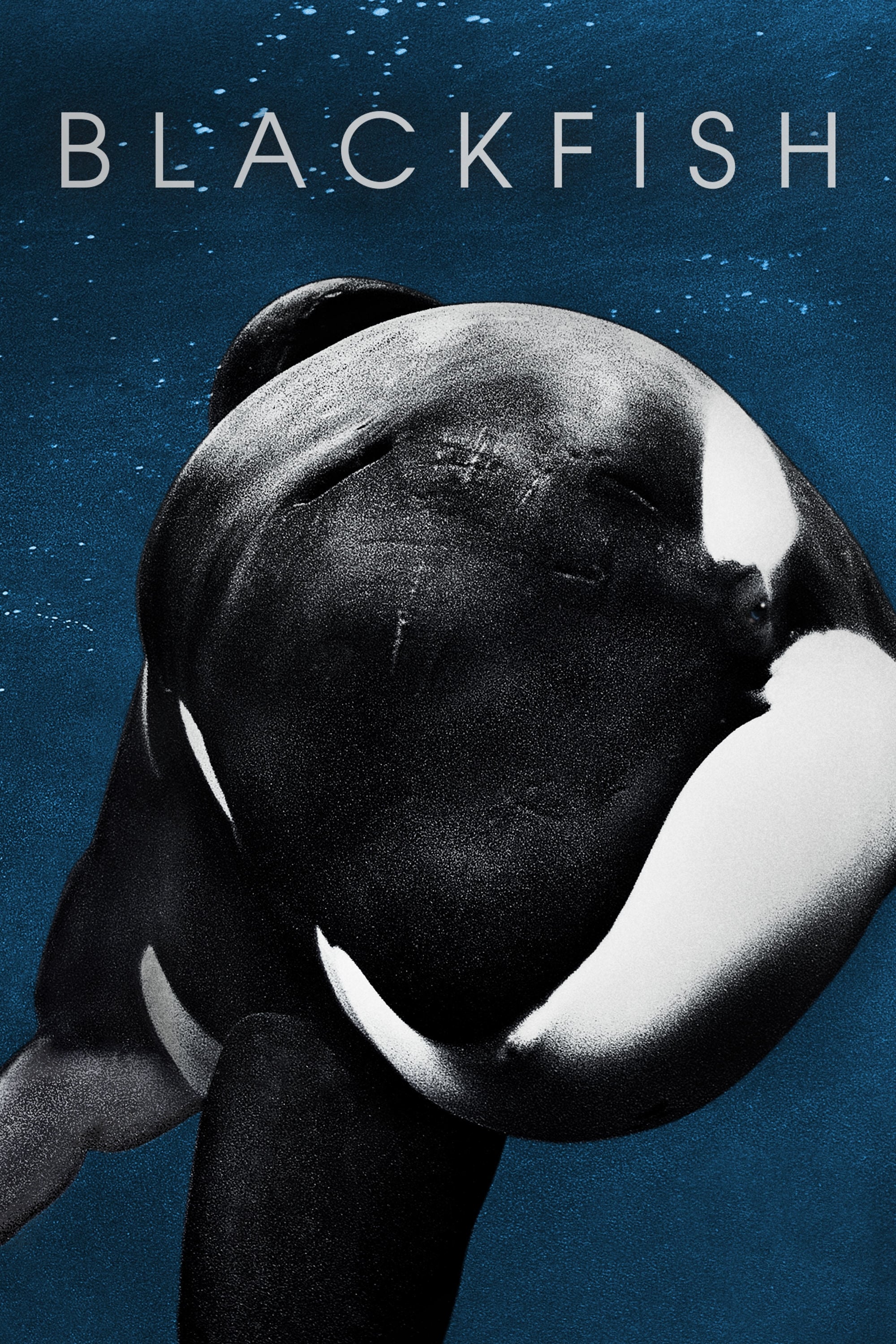
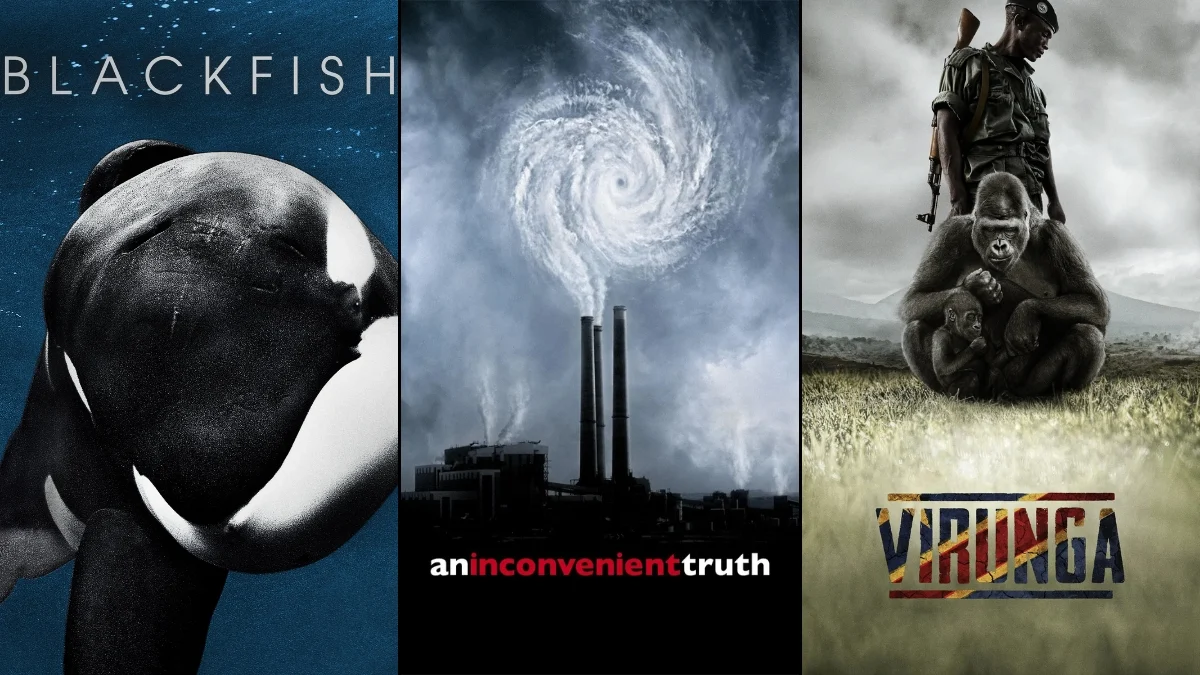
Gabriela Cowperthwaite focused her lens on Tilikum and the treatment of orcas in captivity at SeaWorld parks. Public outcry following the release led to significant financial losses and attendance drops for the theme park giant. SeaWorld eventually announced it would end its orca breeding program and phase out theatrical killer whale shows entirely. The film prompted the state of California to pass legislation formally banning the breeding of killer whales in captivity.
‘The Thin Blue Line’ (1988)
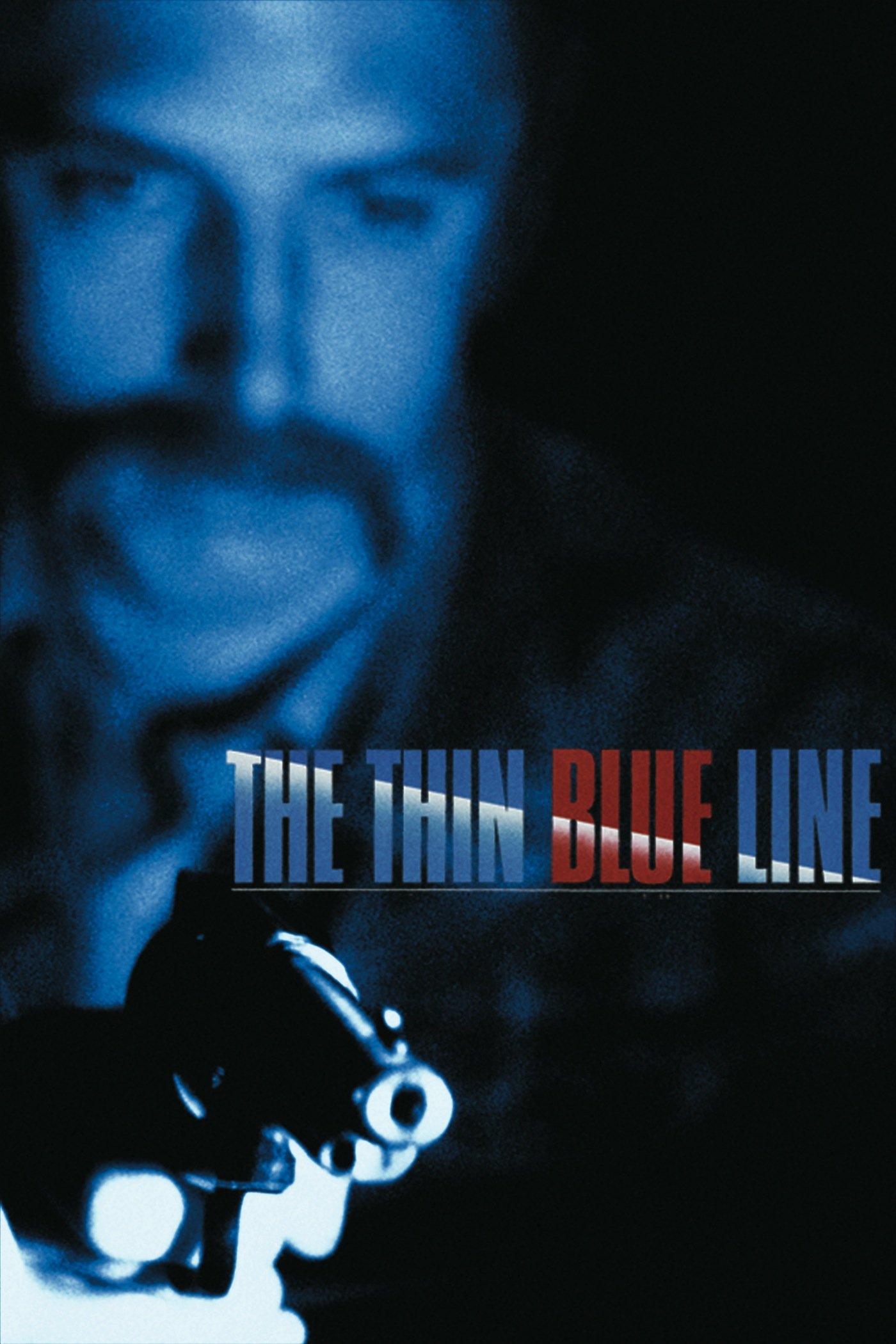
Errol Morris investigated the capital murder conviction of Randall Adams for the killing of a police officer in Dallas. The film presented visual evidence and witness testimony suggesting Adams was innocent and another man committed the crime. Publicity from the documentary resulted in the case being reviewed and Adams eventually being exonerated and released from prison. This work is frequently cited as a pioneer in the true crime genre that actively alters the course of justice.
‘Super Size Me’ (2004)

Morgan Spurlock ate only McDonald’s food for a full month to demonstrate the adverse health effects of a fast food diet. The filmmaker gained significant weight and suffered various alarming health issues during the thirty-day experiment. McDonald’s removed the Super Size option from its menu shortly after the film gained popularity in theaters. The documentary sparked a nationwide conversation about nutrition and the role of corporations in the obesity epidemic.
‘The Invisible War’ (2012)
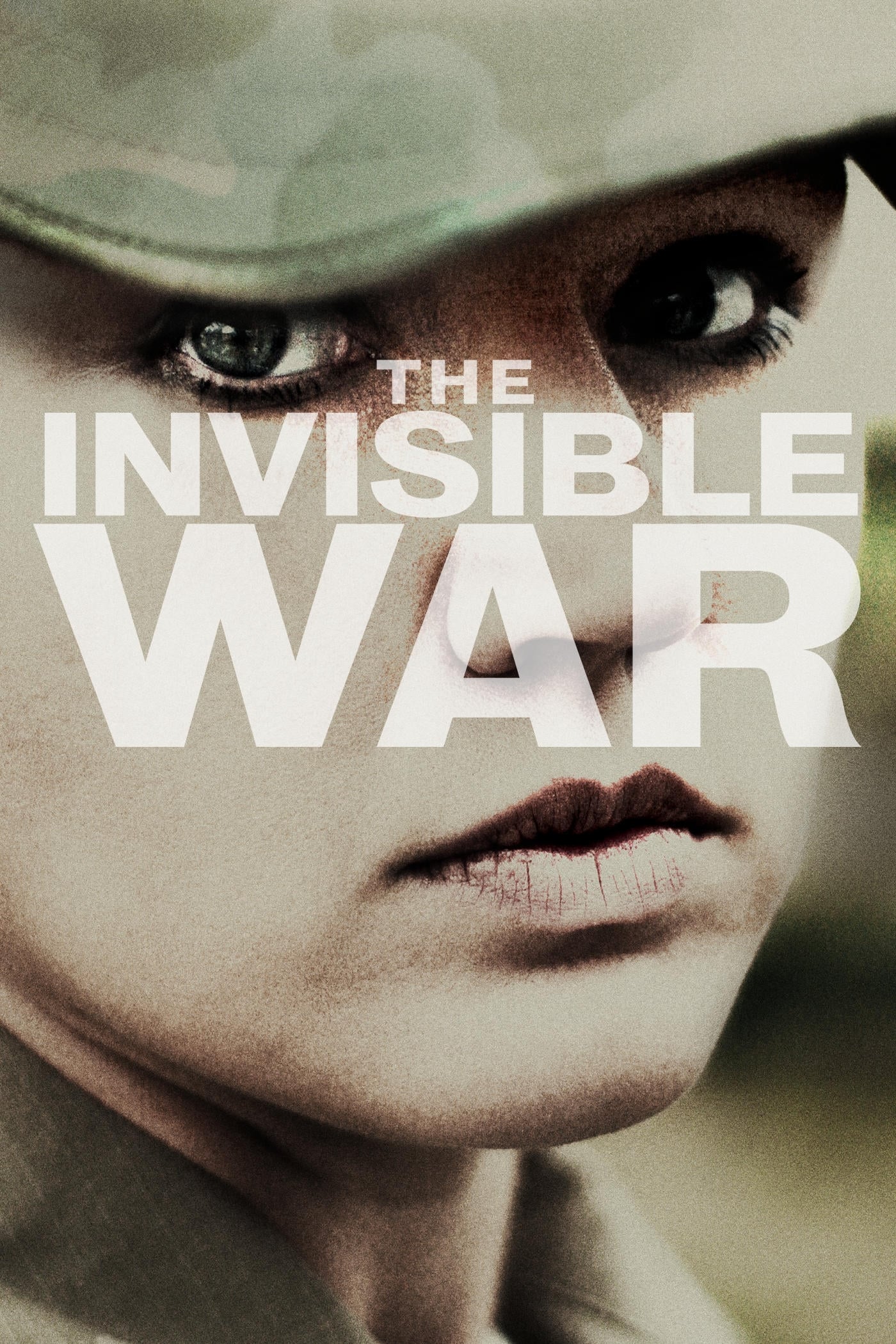
Kirby Dick explored the epidemic of rape and sexual assault within the United States military branches. The film featured interviews with veterans who recounted their traumatic experiences and the lack of justice they faced afterward. Secretary of Defense Leon Panetta announced significant changes to how the military investigates sexual assault allegations just days after watching the film. It directly influenced policy discussions and sparked crucial reforms within the Department of Defense.
‘Bowling for Columbine’ (2002)
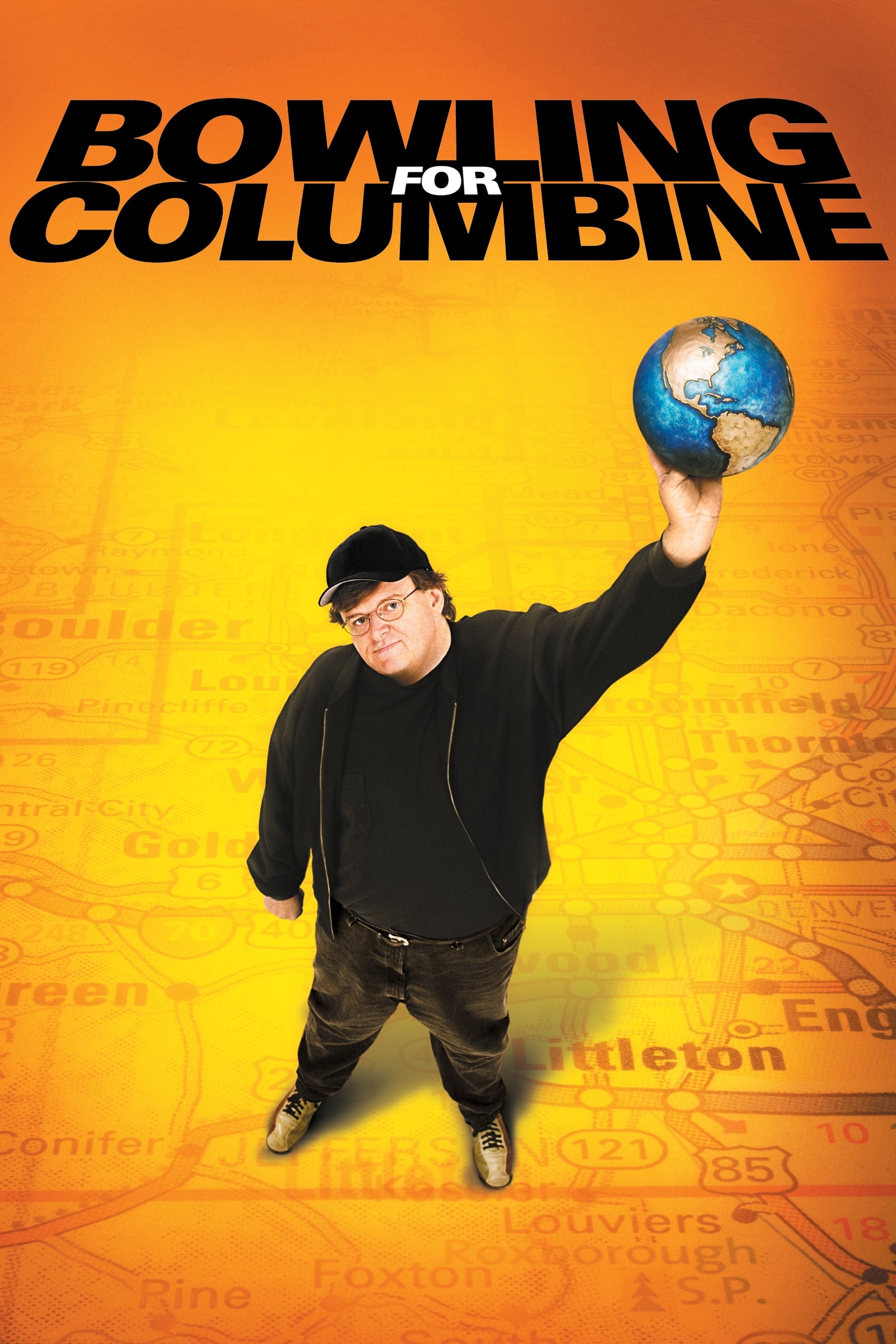
Michael Moore investigated the roots of gun violence in America following the 1999 Columbine High School massacre. One segment featured victims of the shooting asking Kmart to stop selling handgun ammunition. The retail giant eventually announced it would halt the sale of handgun ammunition in its stores nationwide following the confrontation. This scene demonstrated how direct activism captured on film can lead to immediate corporate policy shifts.
‘An Inconvenient Truth’ (2006)
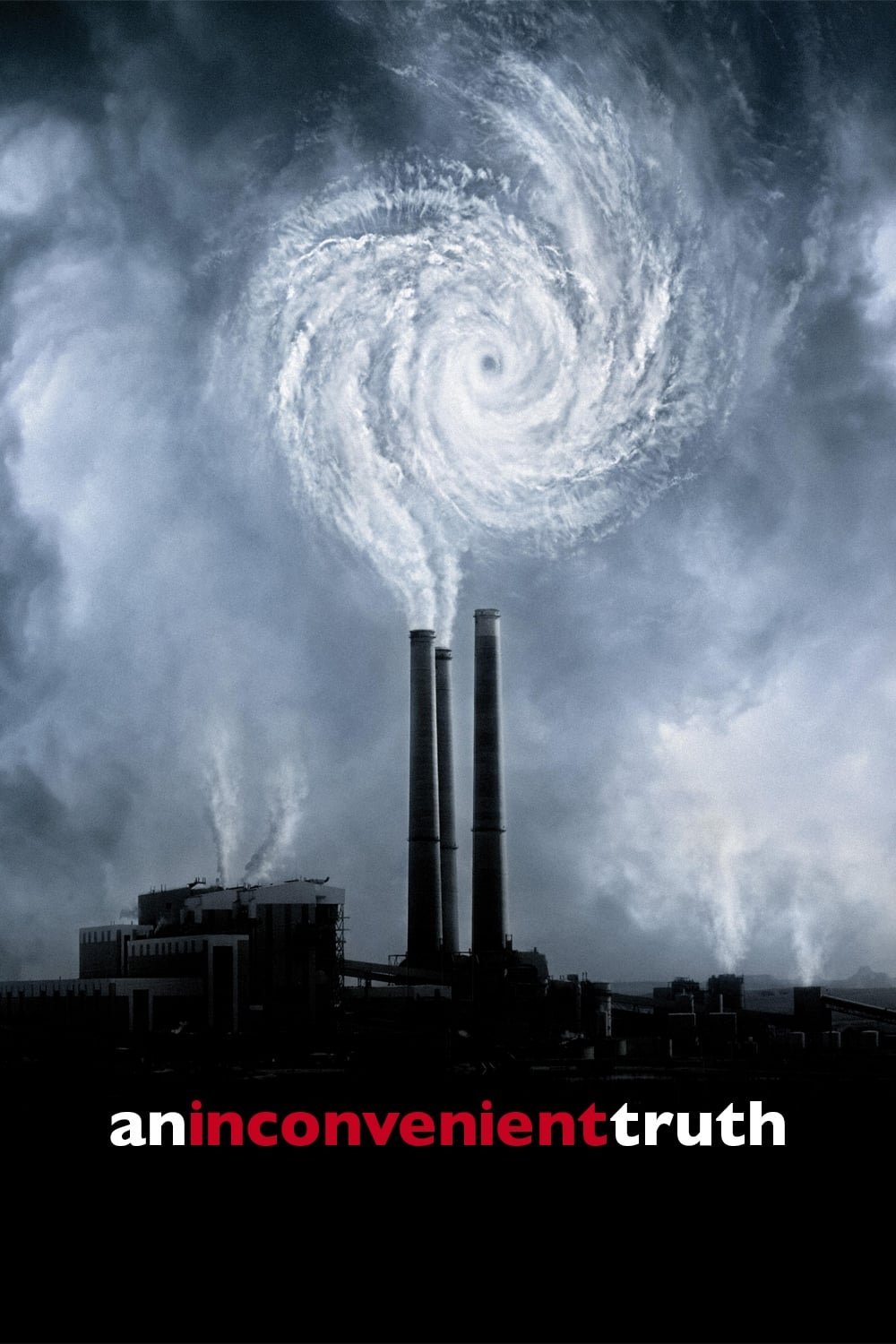
Al Gore presented a comprehensive slideshow regarding the data and science behind global warming and climate change. The film raised international awareness about the climate crisis and energized the modern environmental movement. It is credited with influencing public opinion and encouraging governments to invest heavily in renewable energy technologies. The documentary helped elevate climate change to a primary topic in global political discourse and policy making.
‘Titicut Follies’ (1967)
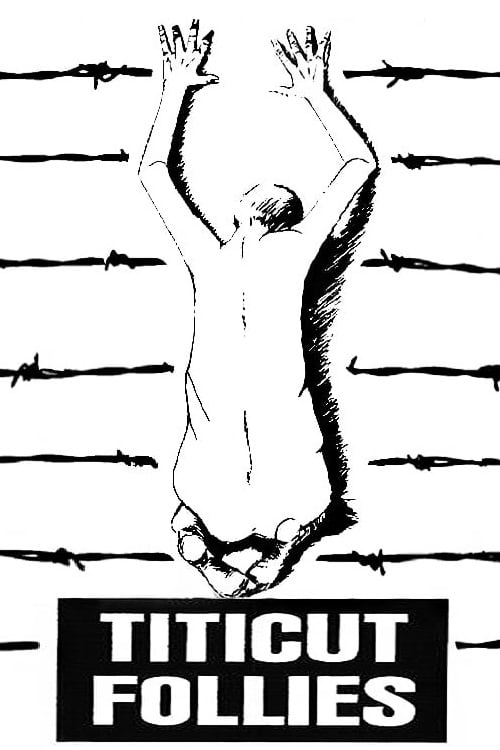
Frederick Wiseman filmed the conditions inside the Bridgewater State Hospital for the criminally insane in Massachusetts. The footage revealed patient mistreatment and poor living conditions that shocked those who managed to view it. Although the state banned the film from general release for decades the exposure eventually led to the closure of the facility. The documentary highlighted the need for drastic reform in mental health institutions and patient rights.
‘Dear Zachary: A Letter to a Son About His Father’ (2008)
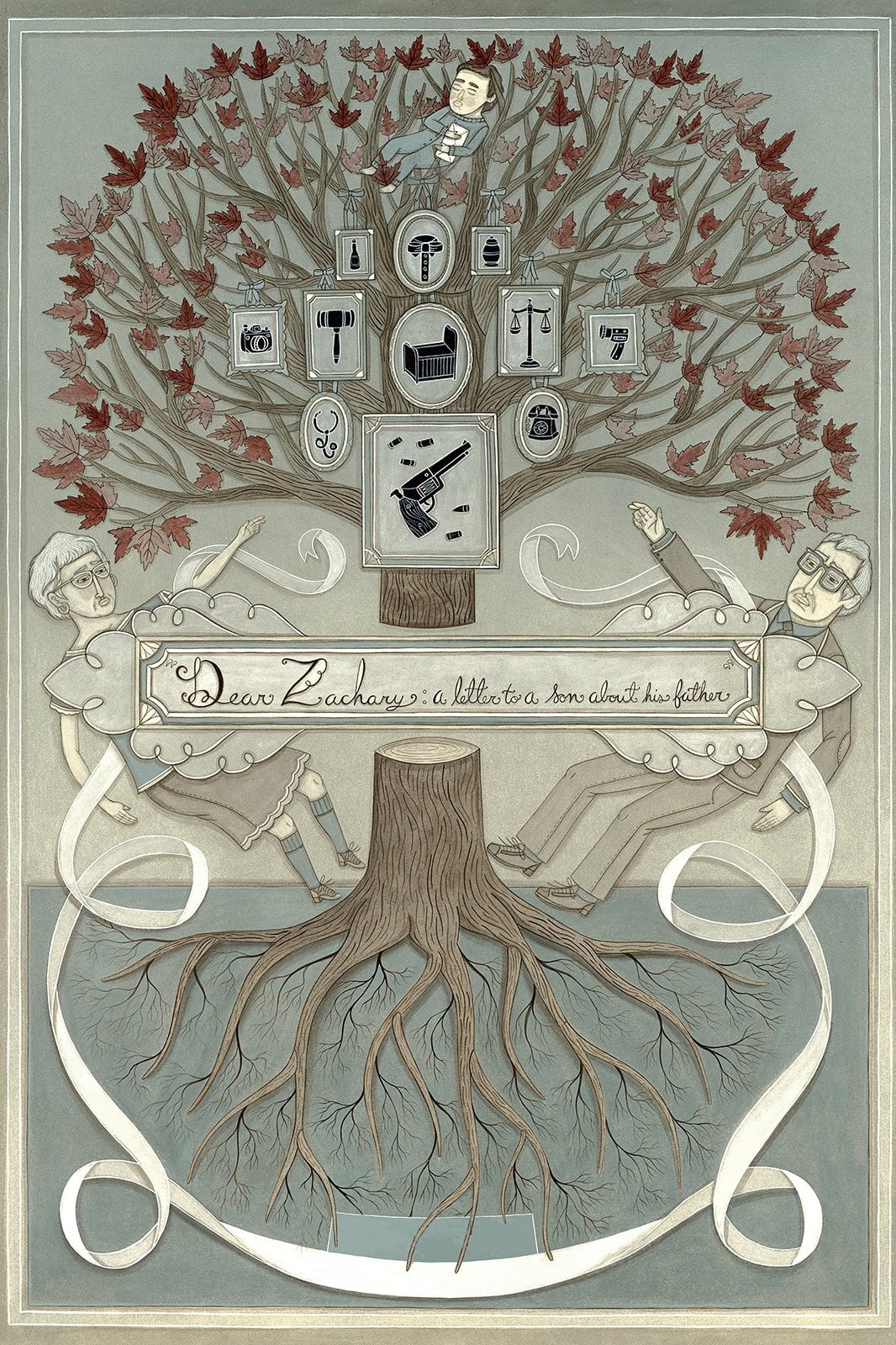
Kurt Kuenne created this film to memorialize his murdered friend Andrew Bagby for Bagby’s son Zachary. The documentary exposed critical failings in the Canadian bail system regarding the accused murderer who remained free. Public outrage over the tragic events depicted in the film led directly to the introduction of Bill C-464. This legislation amended the Criminal Code of Canada to make it harder for those accused of serious crimes to get bail.
‘The Hunting Ground’ (2015)
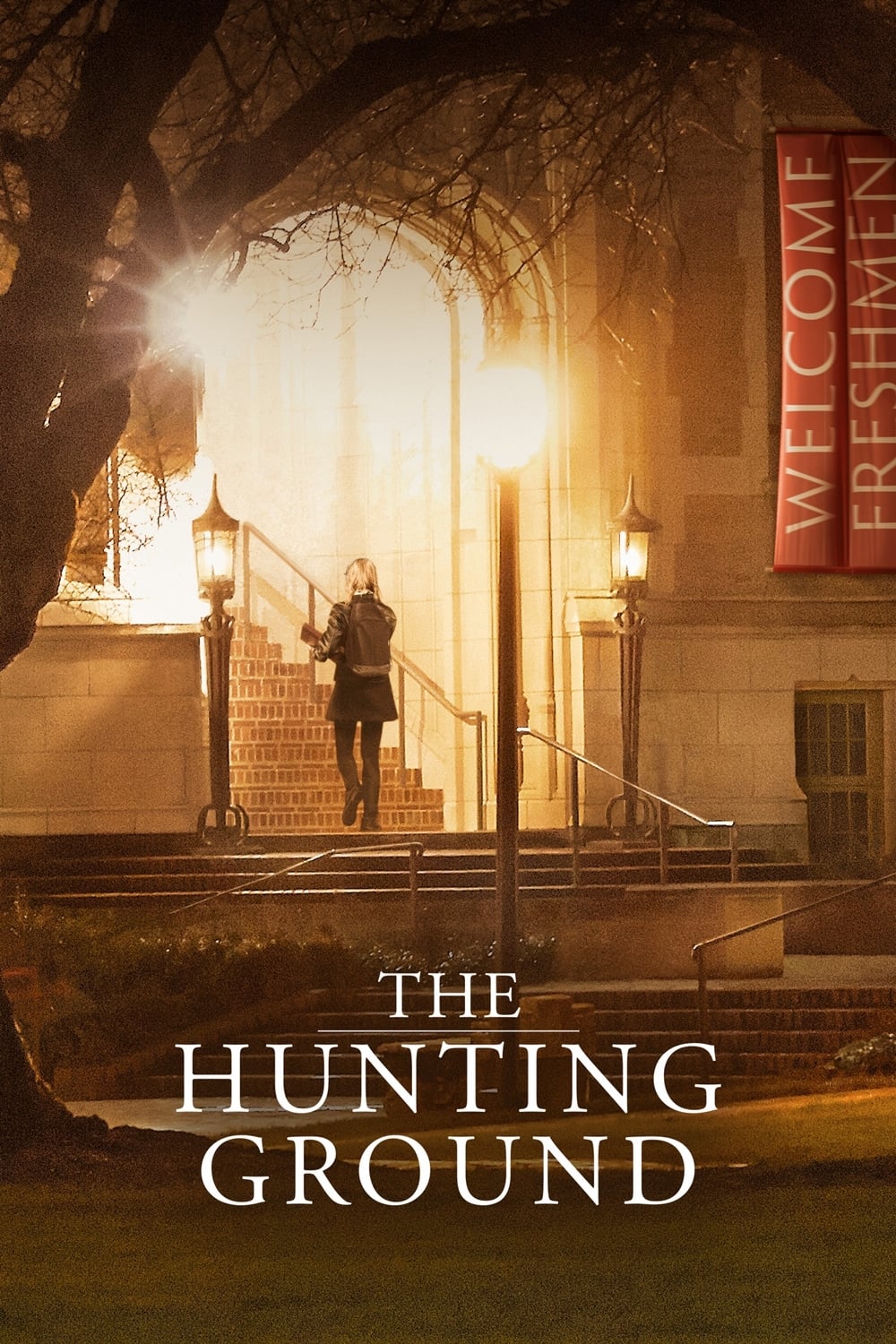
This film investigated the prevalence of sexual assault on American college campuses and the failure of administrations to address it. The filmmakers highlighted the experiences of survivors who faced institutional hurdles when reporting crimes to their schools. Several states passed new laws requiring colleges to record and report sexual assault statistics more transparently. The documentary prompted universities nationwide to overhaul their Title IX procedures and student support systems.
‘A Girl in the River: The Price of Forgiveness’ (2015)
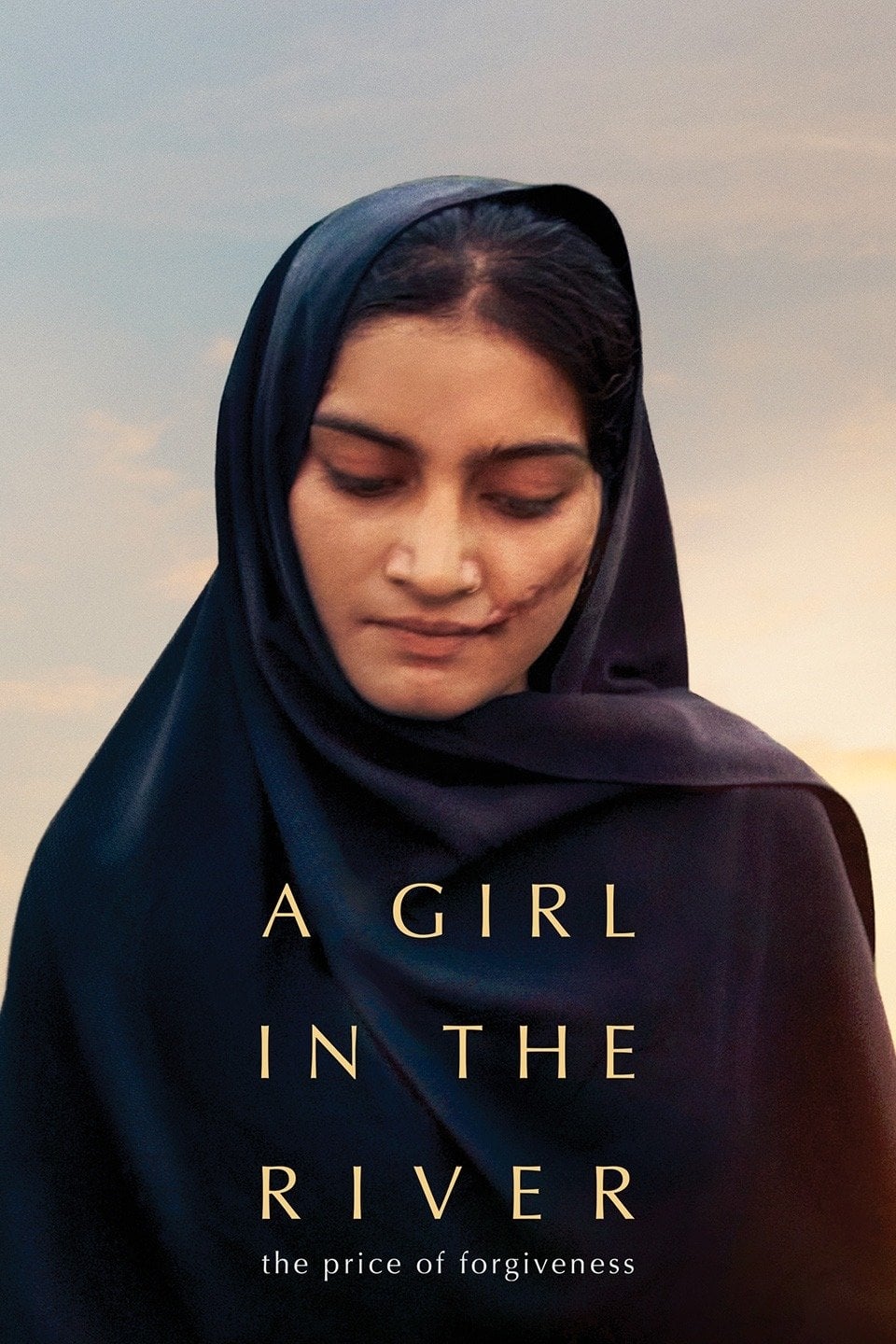
Sharmeen Obaid-Chinoy followed the story of a young woman in Pakistan who survived an attempted honor killing by her family. The film shed light on a legal loophole that allowed perpetrators to walk free if they were forgiven by the victim’s family. Prime Minister Nawaz Sharif vowed to change the laws regarding honor killings after seeing the documentary. Pakistan subsequently passed new legislation that mandated prison terms for honor killing convictions regardless of family forgiveness.
‘Gasland’ (2010)
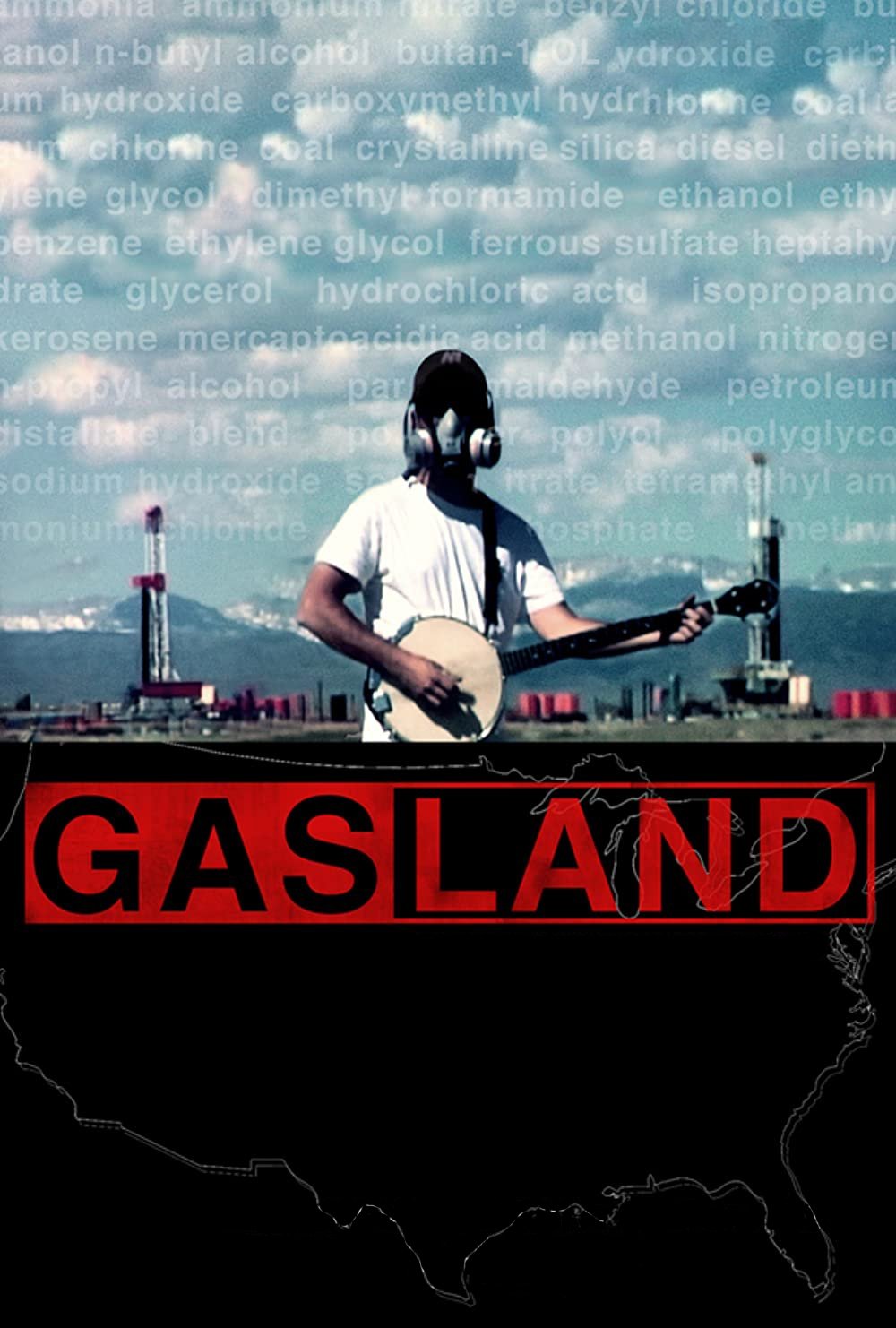
Josh Fox traveled across the United States to examine the environmental and health impacts of hydraulic fracturing. Residents in affected areas demonstrated how their tap water could be ignited due to methane contamination from drilling. The film galvanized the anti-fracking movement and led to moratoriums on the practice in several states including New York. It brought the potential dangers of natural gas extraction into the mainstream public consciousness.
‘Virunga’ (2014)
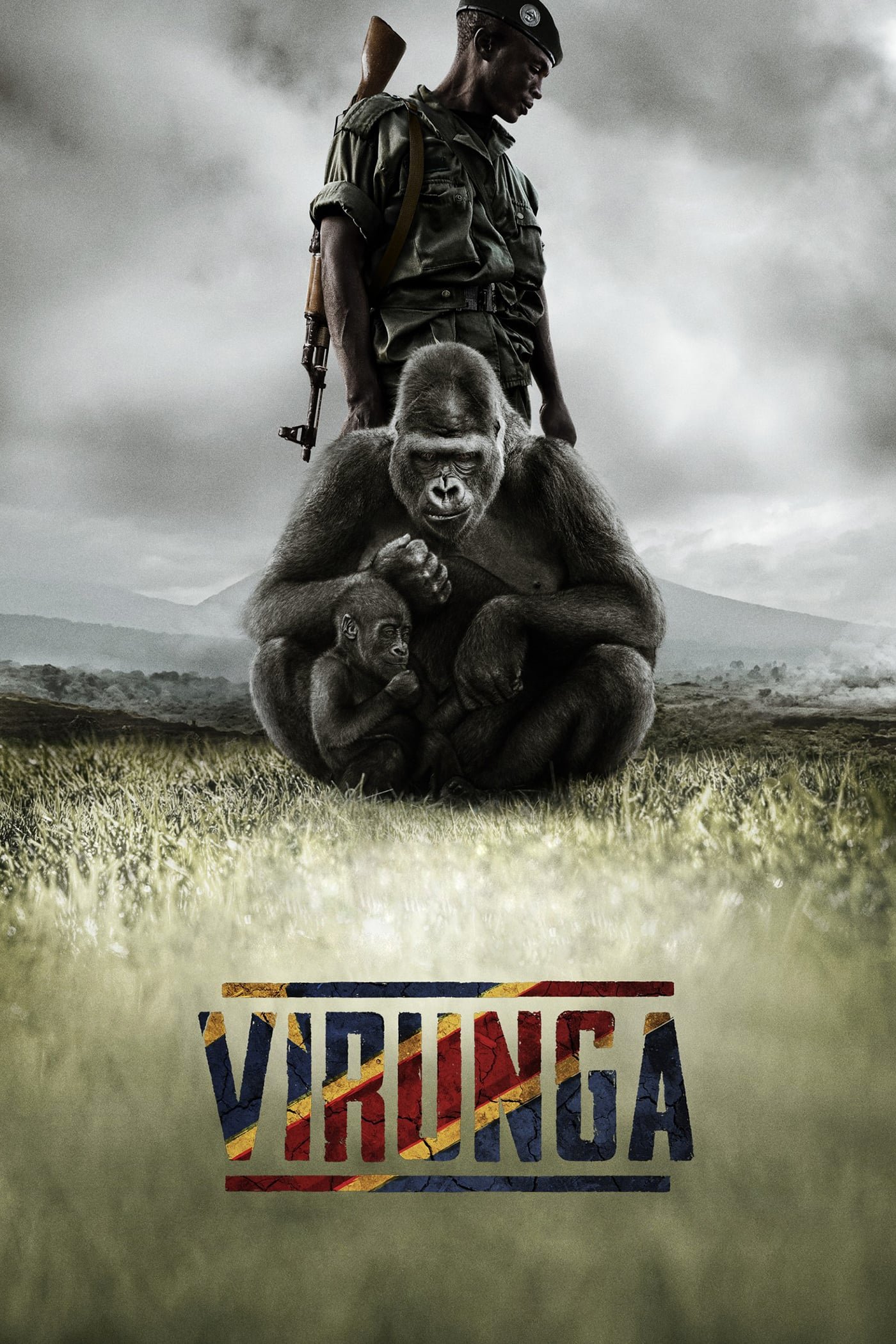
Orlando von Einsiedel documented the struggle to protect Virunga National Park in the Congo from oil exploration and poaching. The film exposed the activities of the British oil company Soco International within the protected world heritage site. Following the release and subsequent public pressure the company agreed to halt its oil exploration in the park. The documentary emphasized the intersection of conservation and corporate responsibility in violent conflict zones.
‘The Bleeding Edge’ (2018)

Kirby Dick and Amy Ziering investigated the medical device industry and the lack of regulation for high-risk implants. The film focused specifically on the complications arising from the Essure permanent birth control device. Bayer announced it would stop selling Essure in the United States shortly before the documentary was released on streaming platforms. The project highlighted the urgent need for stricter safety testing and oversight for new medical technologies.
‘Surviving R. Kelly’ (2019)
This docu-series detailed decades of sexual abuse allegations against the famous R&B singer R. Kelly. The broadcast led to renewed interest from law enforcement and prompted victims to come forward with new information. The series resulted in the musician being dropped by his record label and facing new federal and state criminal charges. It demonstrated the power of media to reignite stalled investigations and hold powerful public figures accountable.
‘Who Killed Malcolm X?’ (2019)
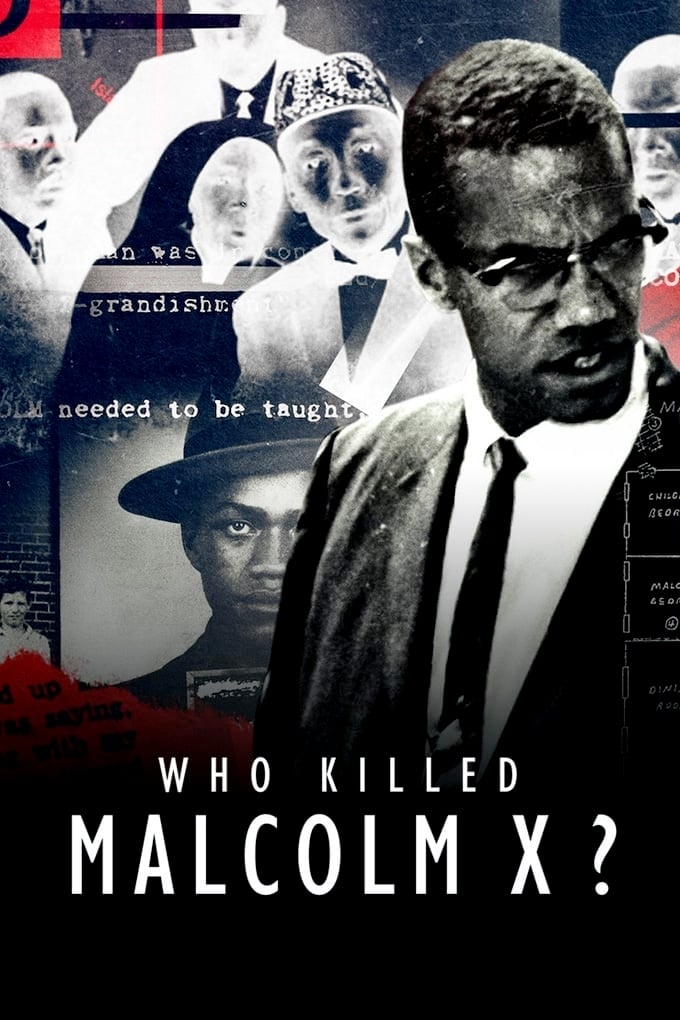
Abdur-Rahman Muhammad spent decades investigating the assassination of the civil rights leader Malcolm X. The series raised serious questions about the evidence used to convict two of the men imprisoned for the crime. The Manhattan District Attorney reopened the investigation after the documentary brought these inconsistencies to light. This review ultimately led to the exoneration of Muhammad A. Aziz and Khalil Islam decades after their wrongful convictions.
Tell us which documentary you think had the biggest impact on society in the comments.