Legal Dramas Where the Client Is Guilty and Everyone Knows It


Legal dramas typically revolve around the pursuit of truth and the vindication of the wrongly accused. A unique subgenre flips this script by focusing on defense attorneys who must represent clients who have clearly committed the crime. These stories shift the dramatic tension from “whodunit” to the moral and ethical gymnastics required to secure an acquittal. The audience watches as lawyers manipulate the system and suppress evidence to protect the guilty.
‘The Lincoln Lawyer’ (2011)
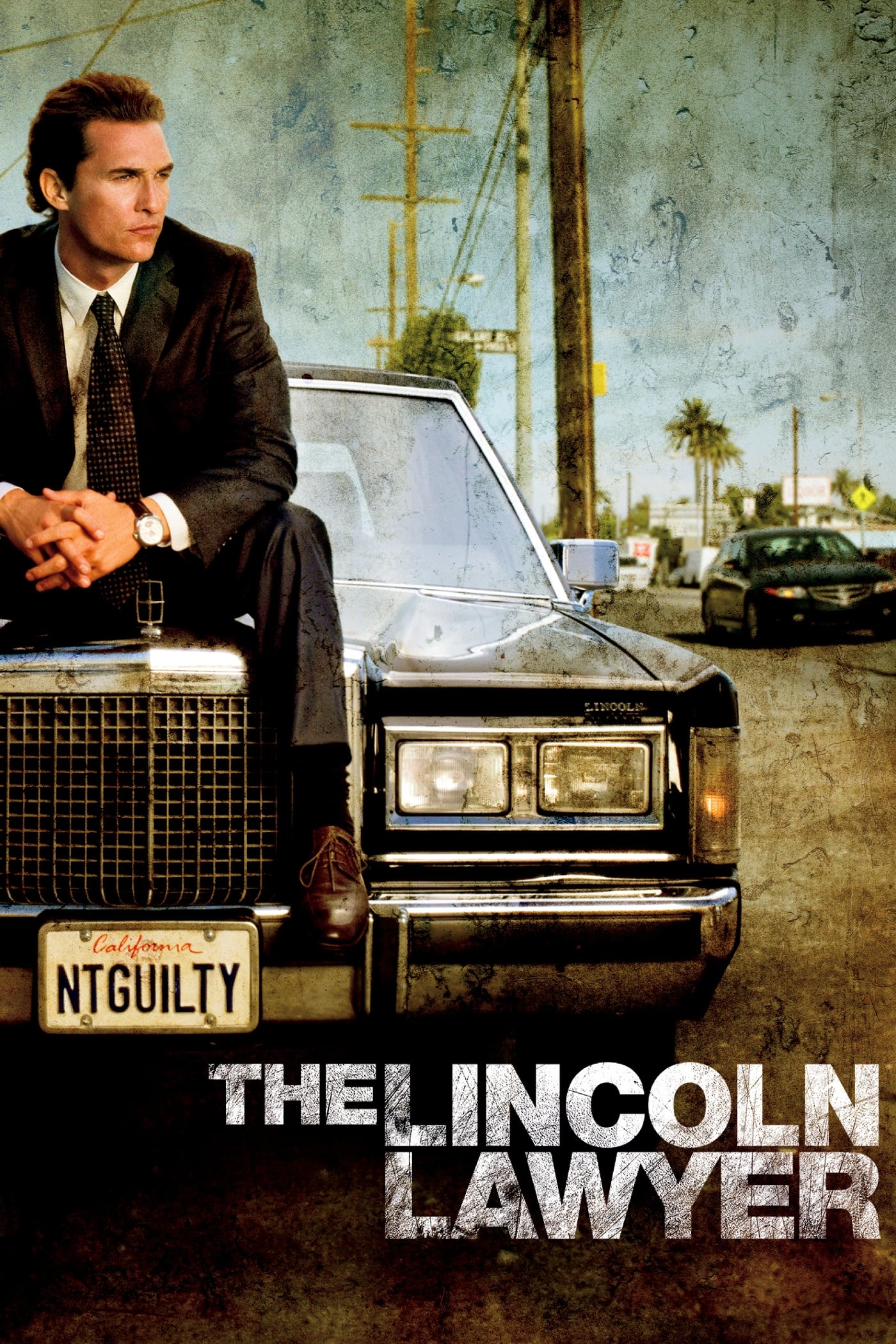
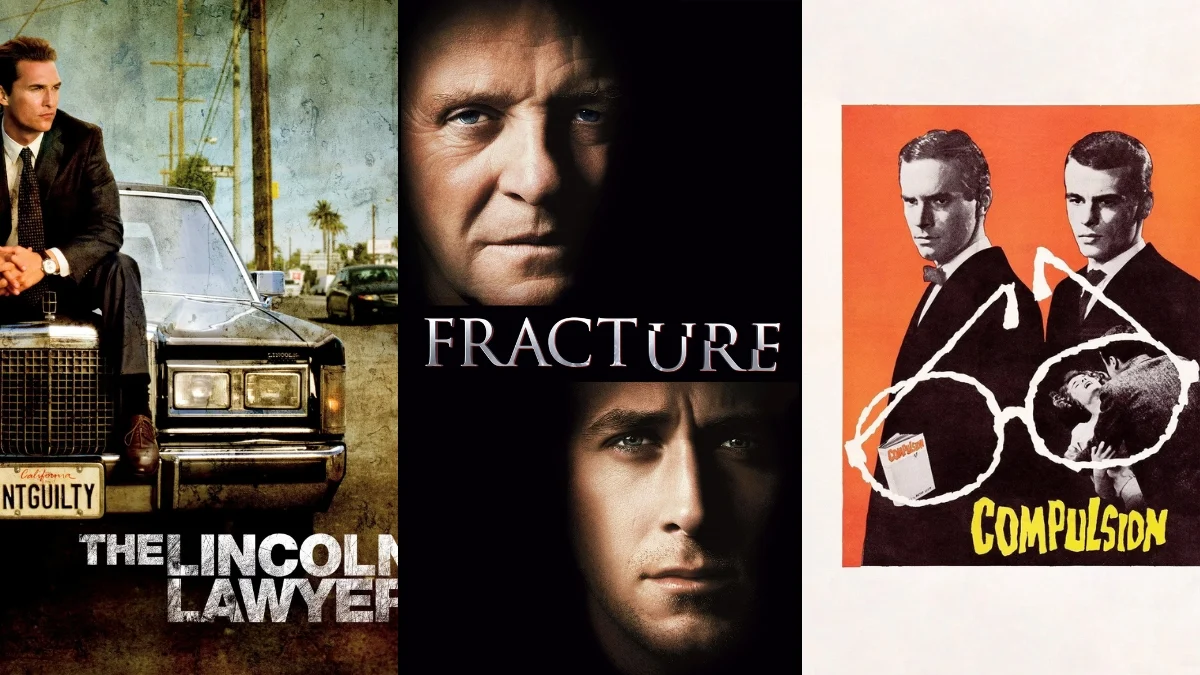
Mick Haller operates his legal practice out of the back of his Lincoln Town Car while defending a wealthy realtor accused of assault. The client claims innocence but evidence eventually surfaces that proves he committed the crime along with a past murder. Haller must navigate attorney-client privilege while finding a way to ensure justice is served without losing his license. The film explores the moral gray areas defense attorneys inhabit when they know their client is a danger to society.
‘Chicago’ (2002)
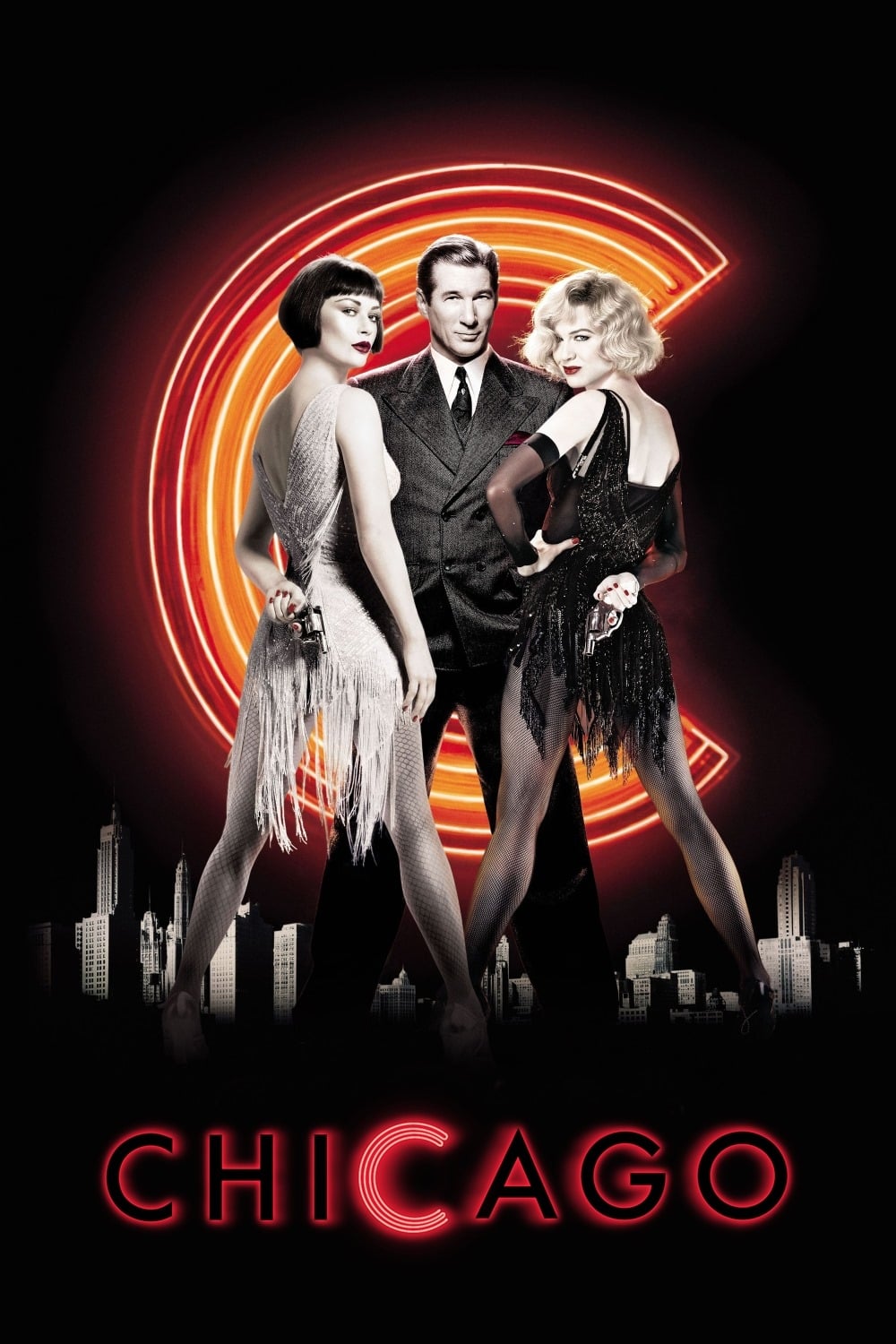
Roxie Hart shoots her lover in a fit of rage and immediately tries to cover up the crime with the help of her husband. She hires the slick lawyer Billy Flynn who specializes in turning criminal defendants into celebrity sensations to sway public opinion. The narrative focuses on the media circus surrounding the trial rather than the question of her actual innocence. Musical numbers illustrate the cynical manipulation of the legal system where truth takes a backseat to entertainment.
‘A Time to Kill’ (1996)
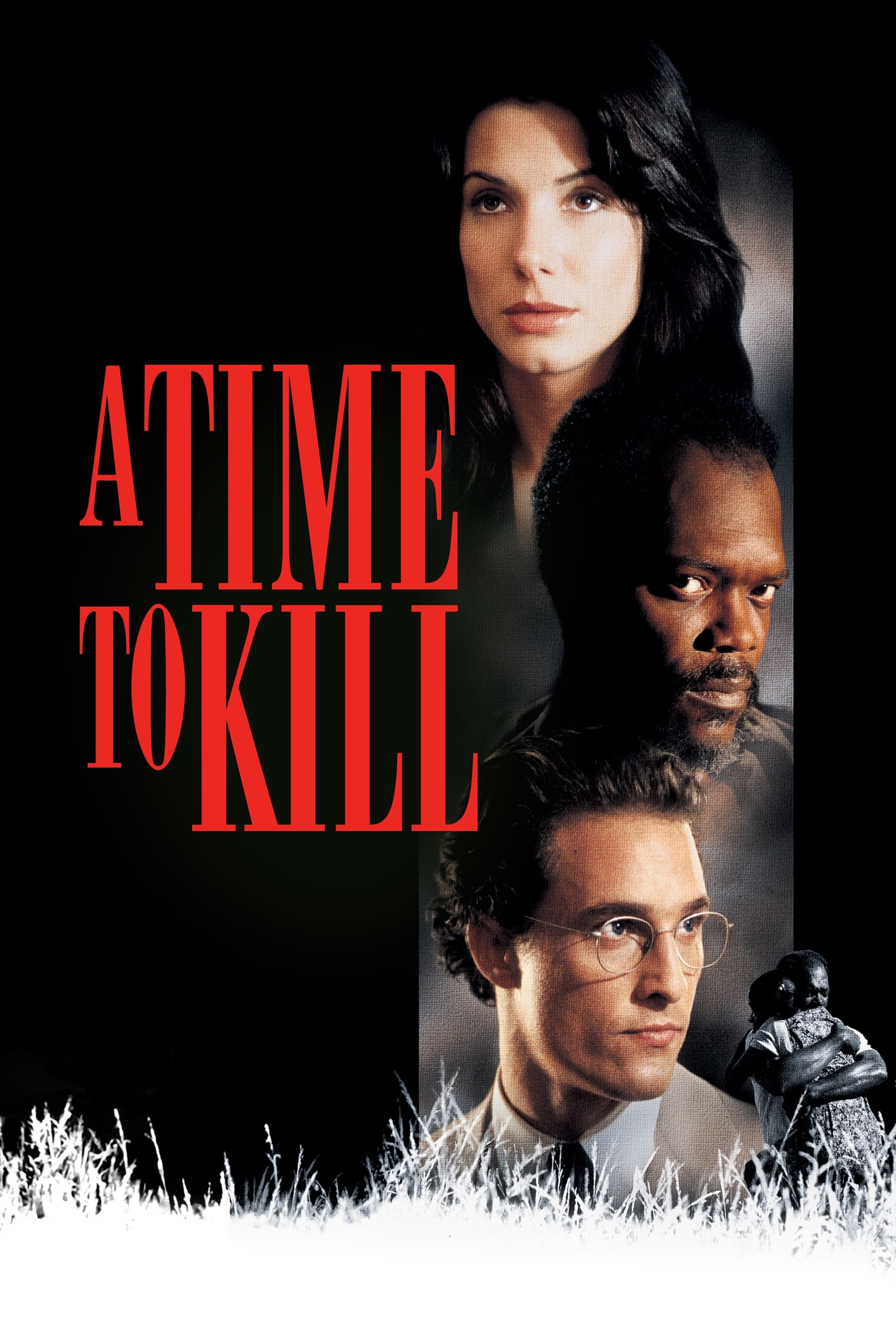
Carl Lee Hailey openly admits to gunning down the two men who assaulted his young daughter in a crowded courthouse. Attorney Jake Brigance takes the case and argues for an acquittal based on temporary insanity despite the premeditated nature of the shooting. The trial becomes a racial flashpoint in the small Mississippi town as the defense team fights an uphill battle against the law. This story questions whether moral justification can ever legally excuse a double homicide.
‘Fracture’ (2007)
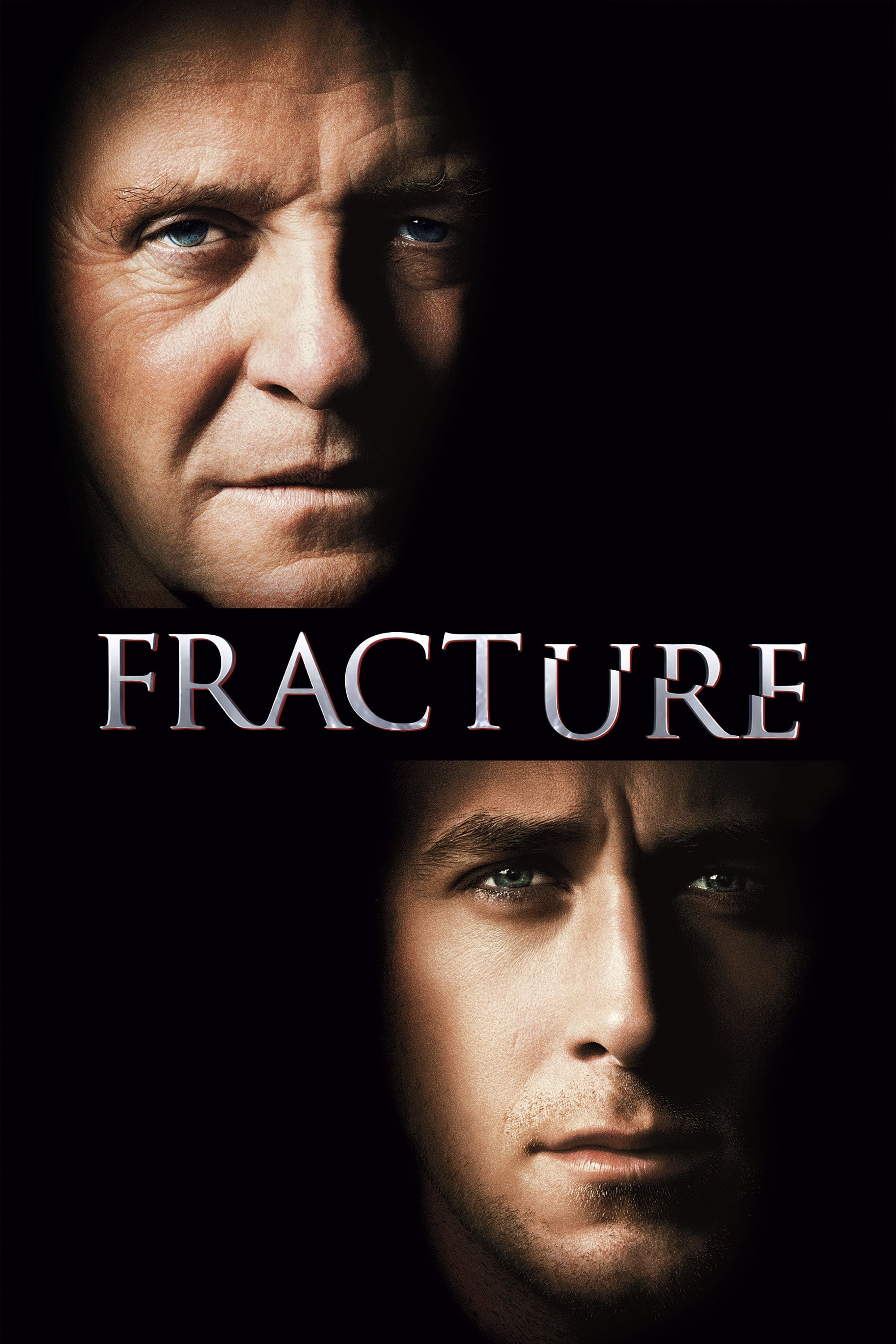
Ted Crawford shoots his wife in their home and calmly confesses to the arriving police officers. He chooses to represent himself in court and uses his knowledge of legal loopholes to dismantle the prosecution’s case. The young assistant district attorney Willy Beachum becomes obsessed with proving Crawford’s guilt despite the suppression of the confession. The film acts as a chess match where the defendant flaunts his crime while manipulating the judicial process.
‘Anatomy of a Murder’ (1959)
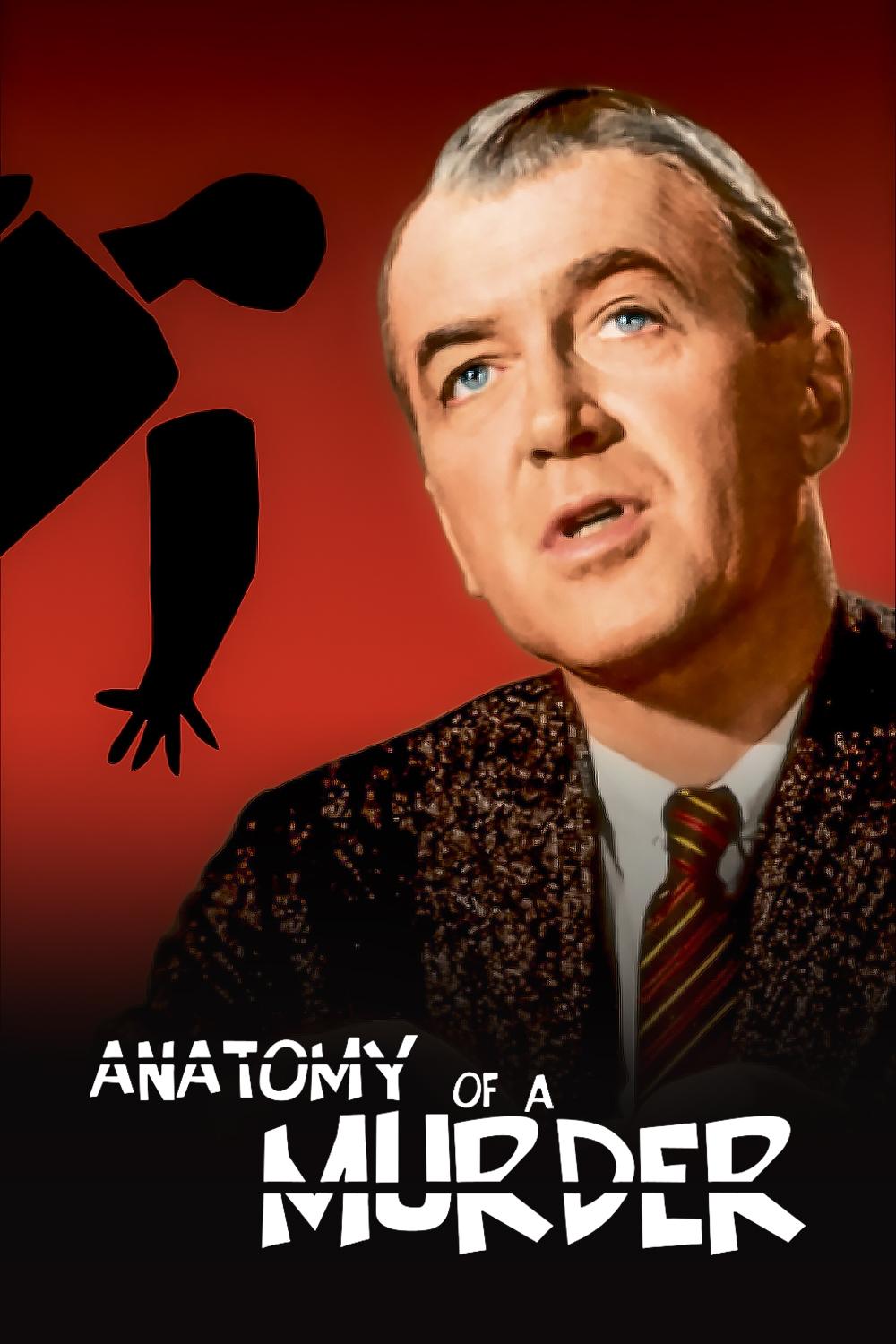
Lieutenant Manion kills a local innkeeper after learning the man raped his wife and he does not deny the act itself. His lawyer Paul Biegler coaches him to adopt a defense of irresistible impulse to avoid a murder conviction. The courtroom drama focuses on the technicalities of the law and the specific phrasing required to sway a jury. Viewers watch a legal strategy unfold that prioritizes a “not guilty” verdict over the objective truth of the killing.
‘Find Me Guilty’ (2006)
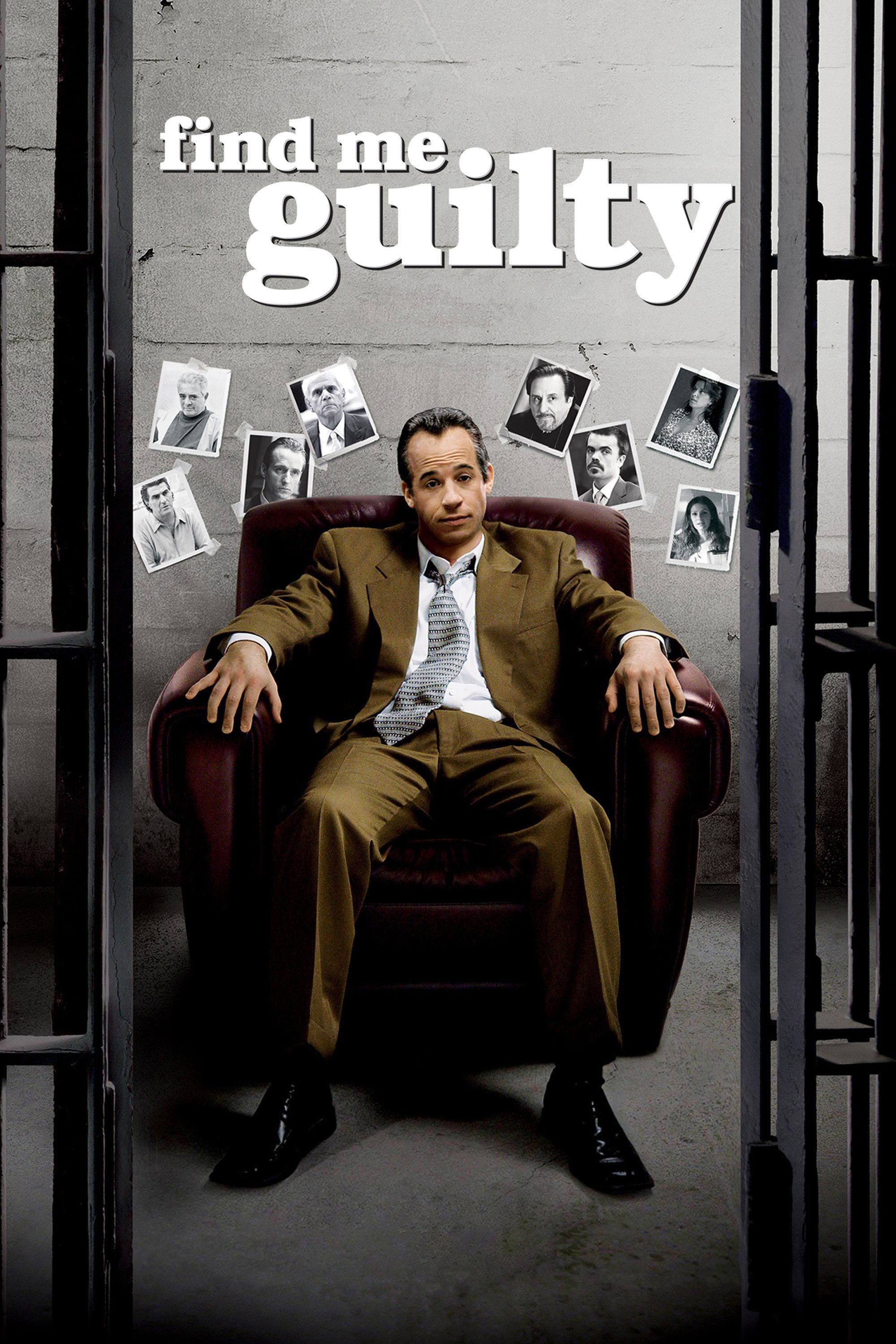
Jackie DiNorscio decides to defend himself in a massive RICO trial involving the Lucchese crime family. He charms the jury with his humor and refusal to rat out his associates despite his clear involvement in mob activities. The trial drags on for nearly two years as the prosecution struggles to handle the unconventional defense tactics. This film depicts the longest federal trial in American history and highlights how personality can overshadow evidence.
‘Guilty as Sin’ (1993)
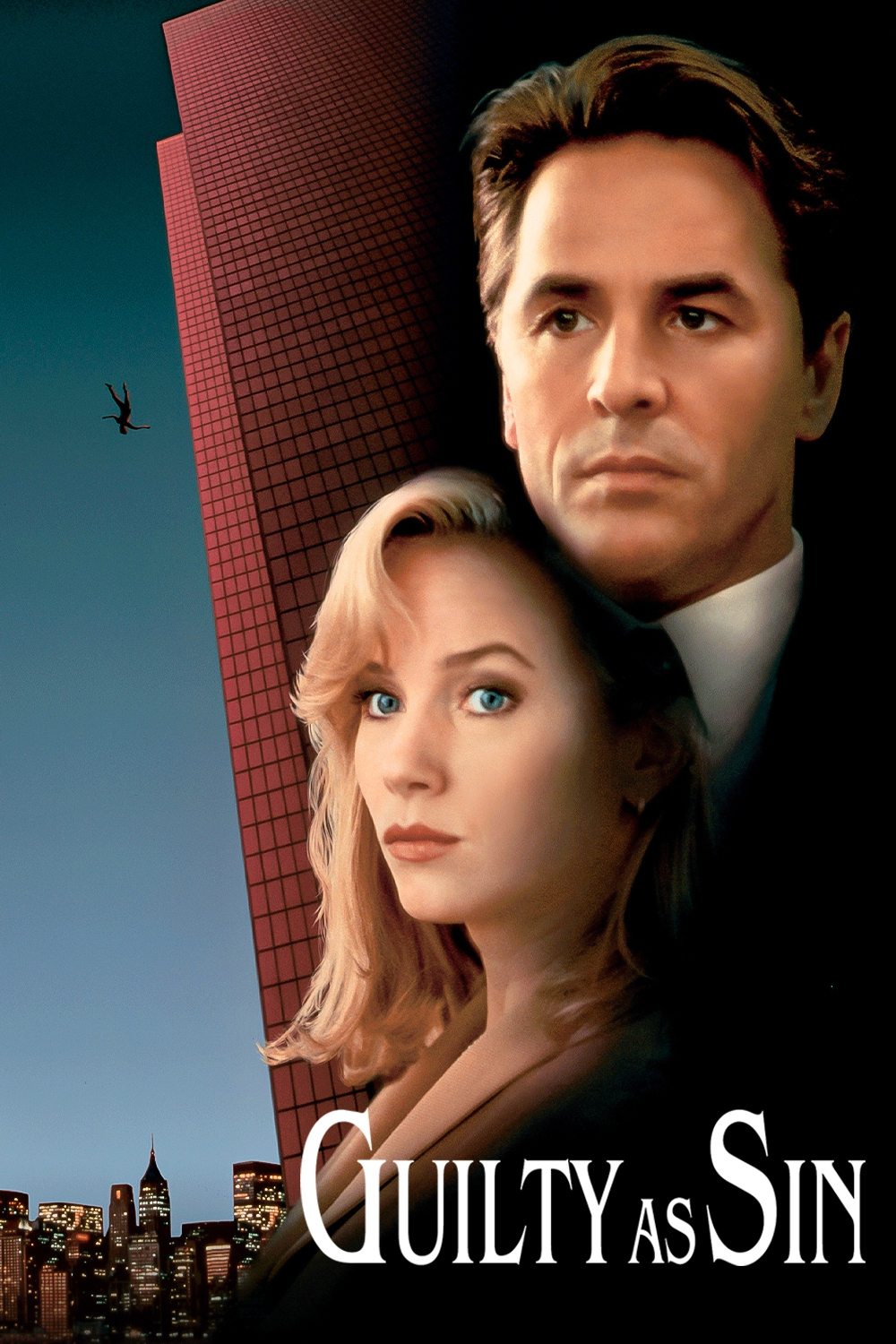
Jennifer Haines is a successful defense attorney who takes on the case of a charming man accused of murdering his wife. She soon discovers her client is a psychopath who is not only guilty but also actively playing games with her life. He uses the attorney-client privilege to trap her into continuing his defense even as she fears for her safety. The plot escalates as she tries to find a way to stop him without violating her professional oath.
‘Law Abiding Citizen’ (2009)
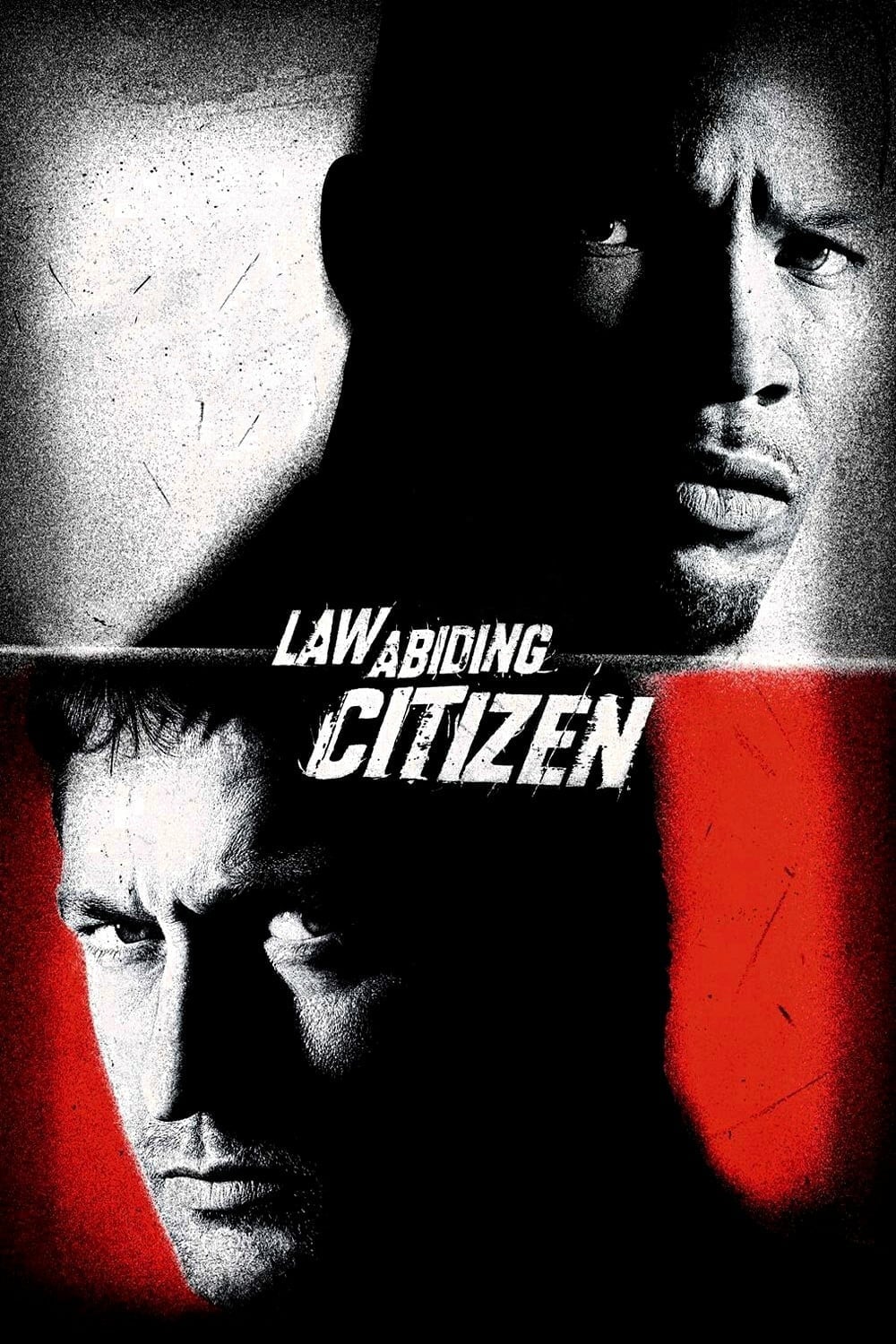
Clyde Shelton executes a complex series of revenge killings against the legal system that failed his family. He allows himself to be arrested early in the film and orchestrates further attacks from within his solitary confinement cell. The prosecutor who cut a deal with the original murderers must figure out how Shelton is bypassing security measures. The movie challenges the concept of plea bargains and shows a guilty man holding the entire city hostage.
‘Bernie’ (2011)

Bernie Tiede is a beloved assistant funeral director who kills a wealthy widow after months of emotional abuse. He confesses to the crime but the townspeople rally behind him because he used her money to revitalize the community. The district attorney has to request a change of venue because the local jury refuses to convict the nice guy despite his confession. This dark comedy examines how personal reputation can bias the administration of justice.
‘The Devil’s Advocate’ (1997)
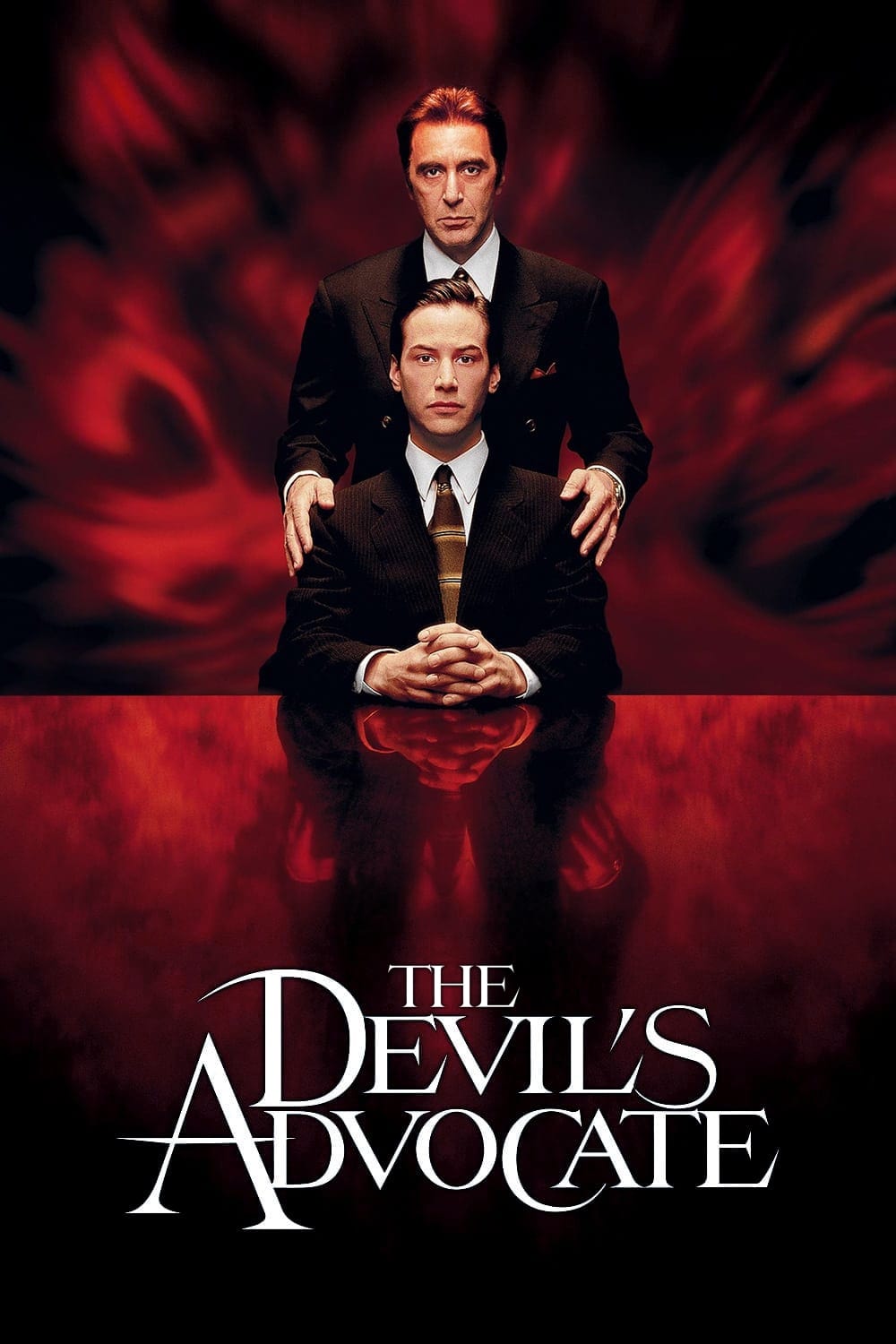
Kevin Lomax defends a schoolteacher accused of molesting a student and destroys the victim’s credibility to win the case. He realizes during the trial that his client is actually guilty but proceeds with the defense to maintain his perfect record. This moral compromise opens the door for him to join a high-powered firm run by Satan himself. The story serves as a supernatural allegory for the spiritual cost of defending the guilty for personal gain.
‘The People v. O.J. Simpson: American Crime Story’ (2016)
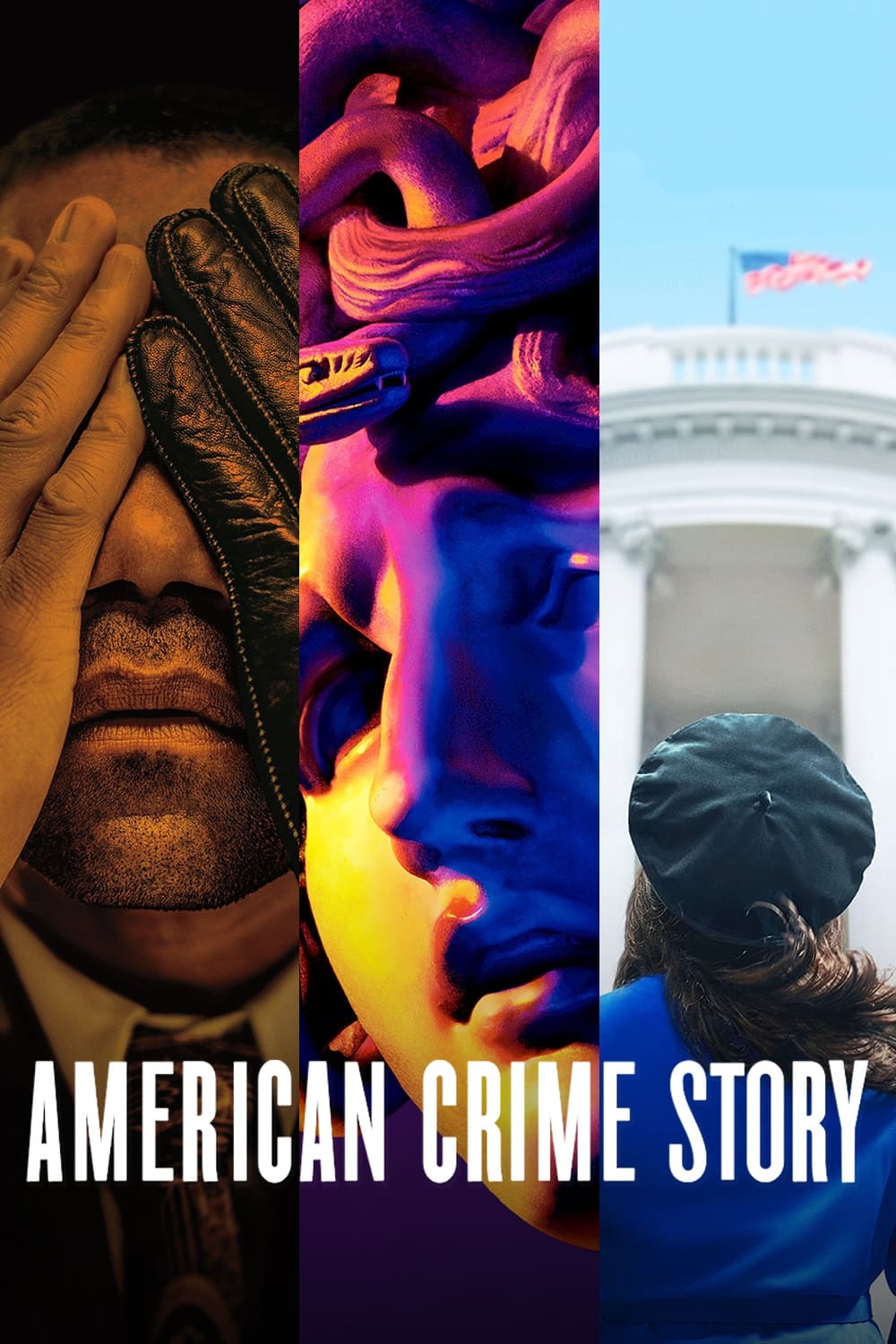
This miniseries chronicles the murder trial of O.J. Simpson following the deaths of Nicole Brown Simpson and Ron Goldman. The defense team famously known as the Dream Team works to create reasonable doubt through racial tension and police misconduct allegations. Viewers see the internal conflicts among the lawyers who grapple with the overwhelming physical evidence against their client. The show explores how celebrity status and societal context can influence the outcome of a clear-cut case.
‘Compulsion’ (1959)
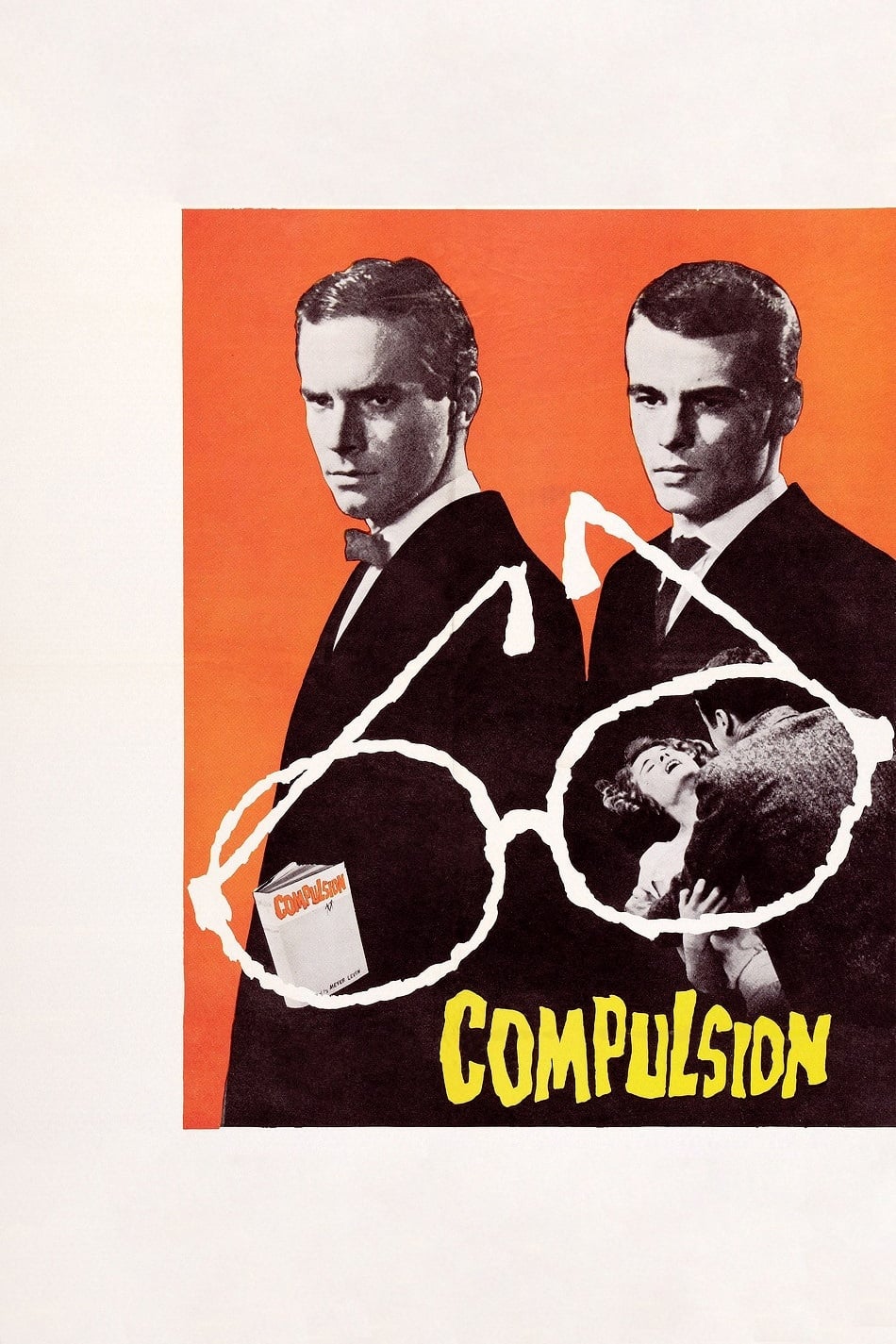
Two wealthy law students kidnap and murder a young boy simply to prove they can commit the perfect crime. Their defense attorney Jonathan Wilk fights to save them from the death penalty after police discover glasses linking them to the scene. The film is a fictionalized account of the Leopold and Loeb case where guilt was never in question during the sentencing phase. Wilk delivers a powerful closing argument against capital punishment rather than arguing for their innocence.
‘Music Box’ (1989)

Ann Talbot defends her Hungarian immigrant father when he is accused of being a war criminal. She firmly believes in his innocence until she travels to Budapest and uncovers undeniable proof of his atrocities. The legal drama shifts into a personal tragedy as she must reconcile her love for her father with the monster he truly is. She faces the dilemma of exposing the truth or burying the evidence to protect her family.
‘True Story’ (2015)
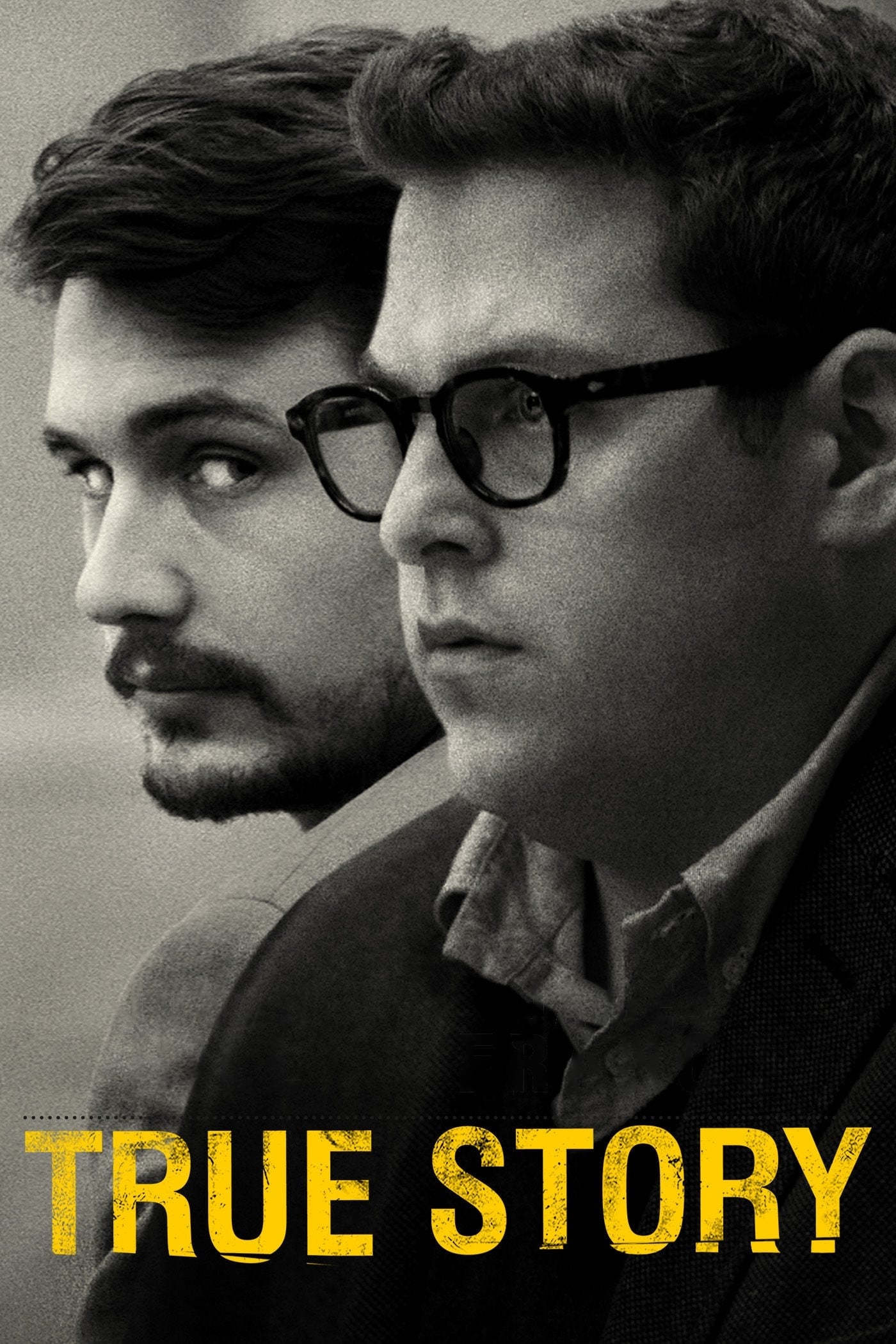
Christian Longo is a fugitive on the FBI’s Most Wanted list who murdered his wife and three children. He assumes the identity of a disgraced journalist named Michael Finkel when he is finally captured in Mexico. The film follows the manipulative relationship between the killer and the writer as Longo teases the truth about the murders. It becomes clear that Longo is using Finkel to test out different stories for his upcoming testimony.
‘In Cold Blood’ (1967)

Perry Smith and Dick Hickock invade a farmhouse in Kansas and brutally murder the Clutter family. The film details their run from the law and their eventual capture where they confess to the crimes. Legal proceedings focus on their mental states and the lead-up to their execution rather than determining who did it. The narrative offers a stark look at the consequences of a senseless crime without offering redemption for the killers.
Tell us which of these legal thrillers kept you on the edge of your seat in the comments.