20 Movies About Con Artists Who Fall for Their Own Scam


Con stories are delicious when the schemer gets tangled in the very web they spun—believing their cover, buying their own myth, or triggering consequences their plan never accounted for. The films below track swindlers, impostors, and smooth operators who push their luck until their tricks boomerang back, whether through love, hubris, or a clever counter-scam. From classic capers to razor-sharp modern tales and a few truth-is-stranger-than-fiction documentaries, each entry shows how a perfect grift can collapse the moment the con artist starts believing it too much.
‘The Producers’ (1967)
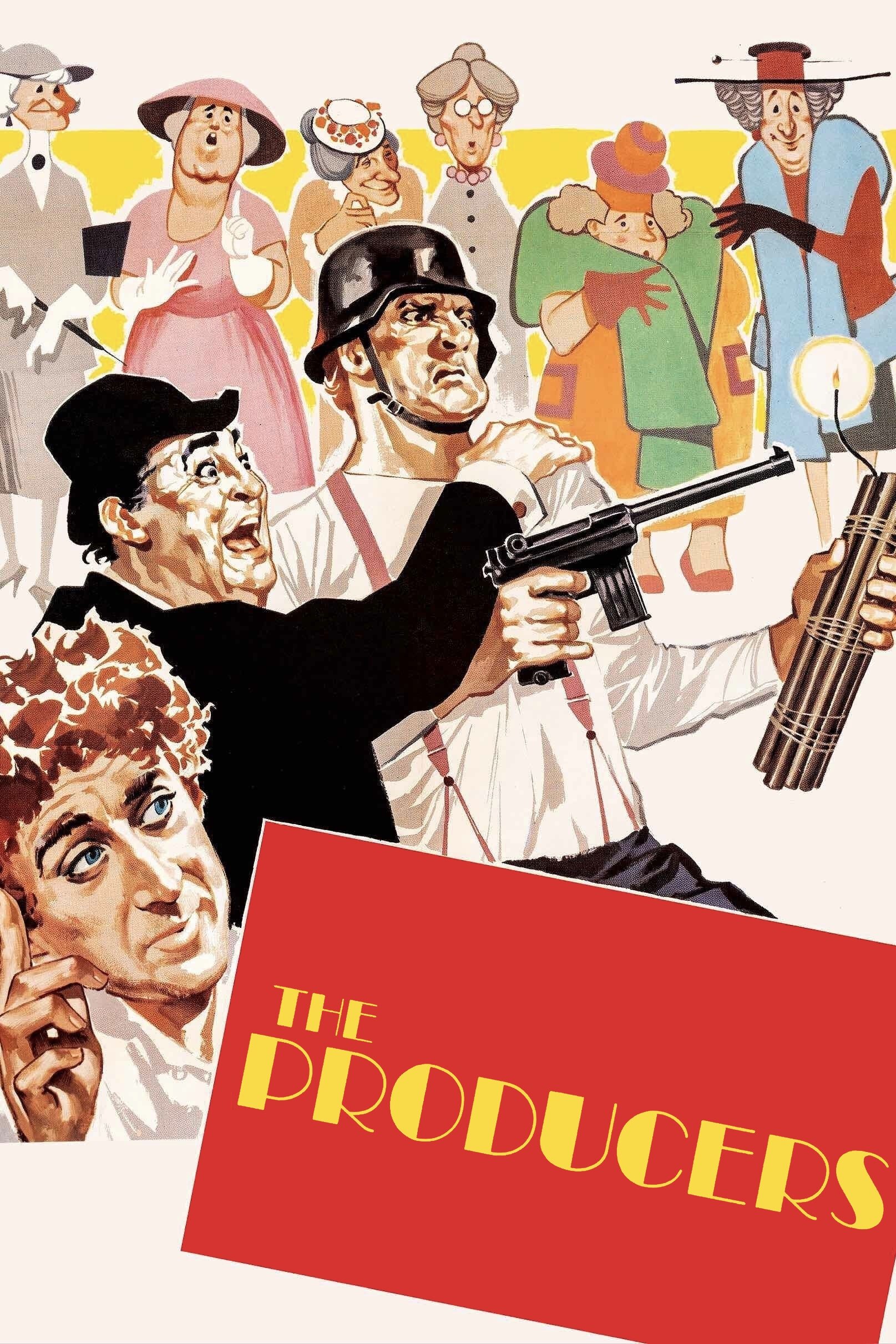
A pair of Broadway hustlers hatch a scheme to oversell shares in a guaranteed flop so they can pocket the surplus. Their plan implodes when the offensive show becomes a surprise hit, turning their “sure thing” into evidence of fraud. The film details how financial over-subscription scams rely on failure and how success exposes cooked books. It also illustrates the mechanics of producer accounting tricks and why audience unpredictability can upend even meticulous cons.
‘The Man Who Would Be King’ (1975)
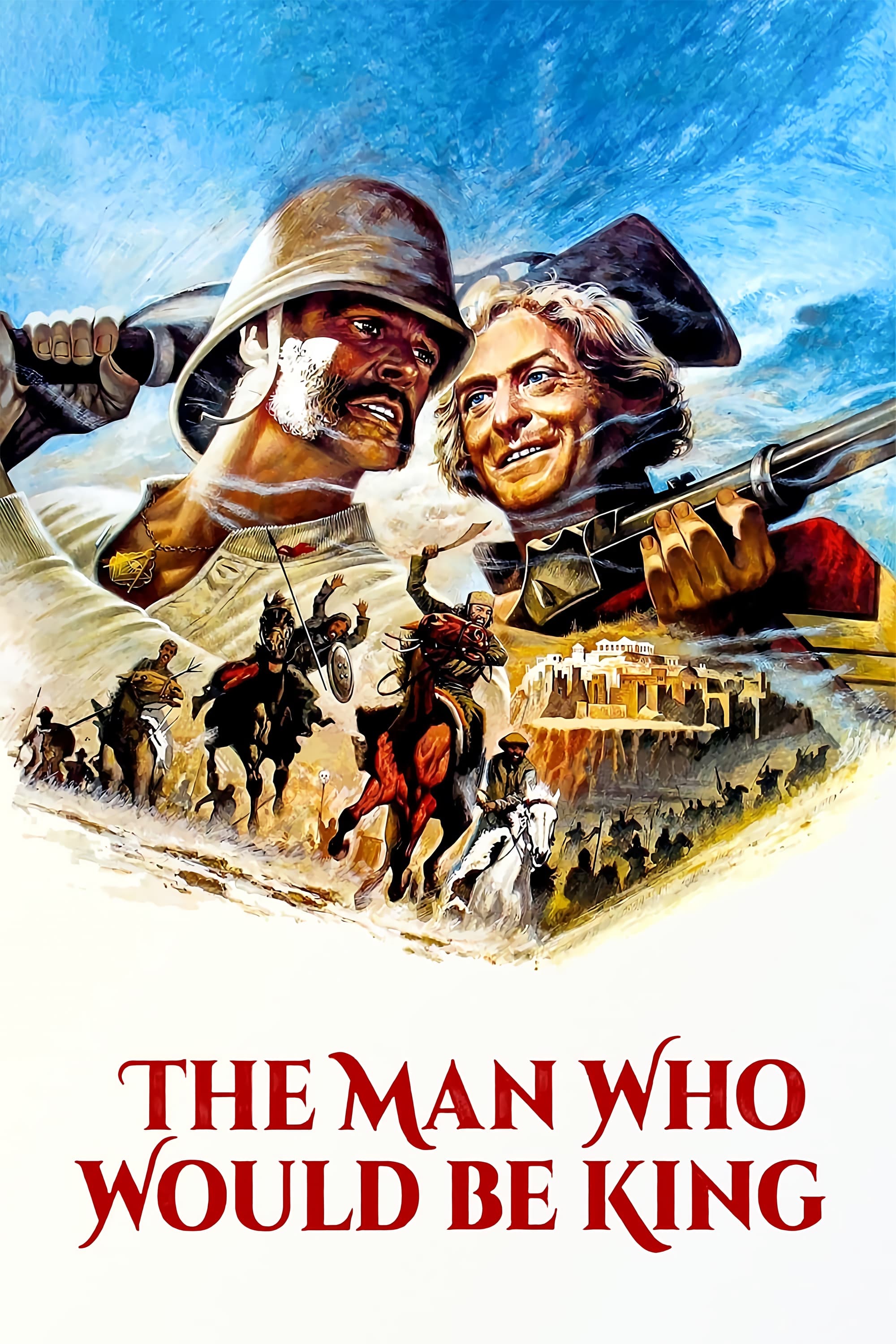
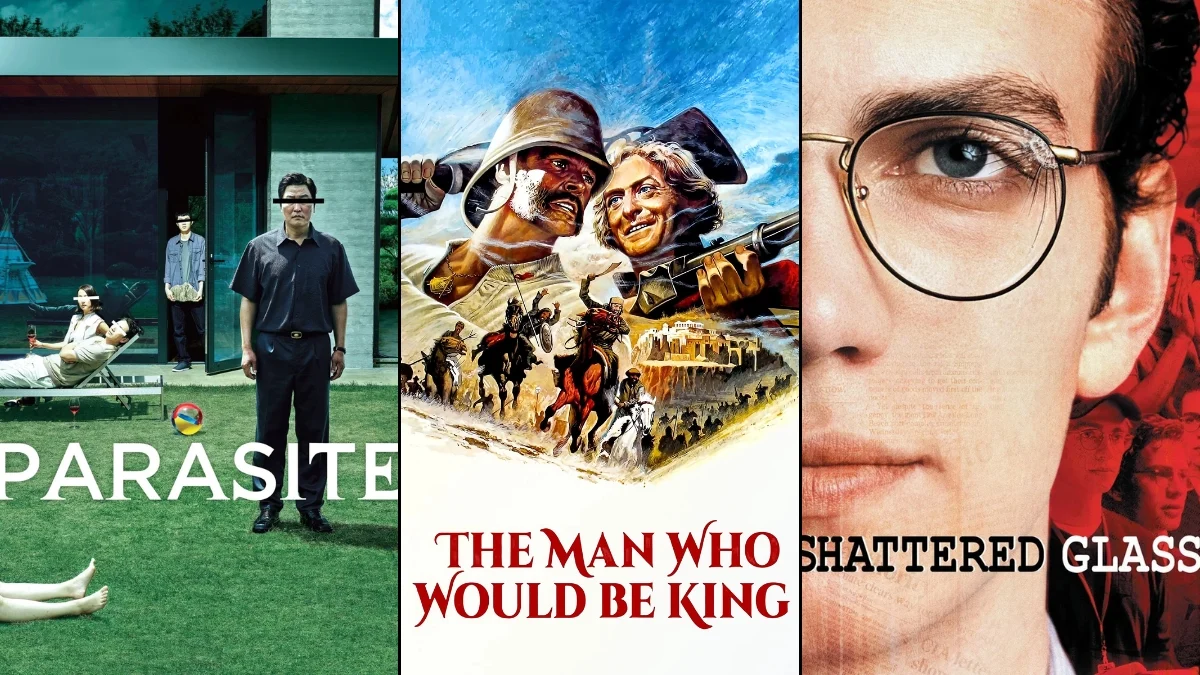
Two adventurers pose as godlike rulers in a remote land, leveraging military theatrics and coin tricks to cement legitimacy. As one of them starts believing his own divinity, the ruse erodes under cultural and religious scrutiny. The film shows how imposture depends on constant reinforcement and why myth-making is brittle once elevated to faith. The unraveling demonstrates the risk of overextending a con beyond controllable variables like witnesses and proof.
‘House of Games’ (1987)

A psychiatrist is drawn into a crew of grifters who stage elaborate scenarios to manipulate marks. She learns the “short con” and “long con” structures, only to be maneuvered into a final setup that exploits her professional confidence. The story breaks down tells, misdirection, and the social engineering behind convincers. It’s a case study in how learning con mechanics doesn’t immunize you against a con tailored to your blind spots.
‘The Grifters’ (1990)
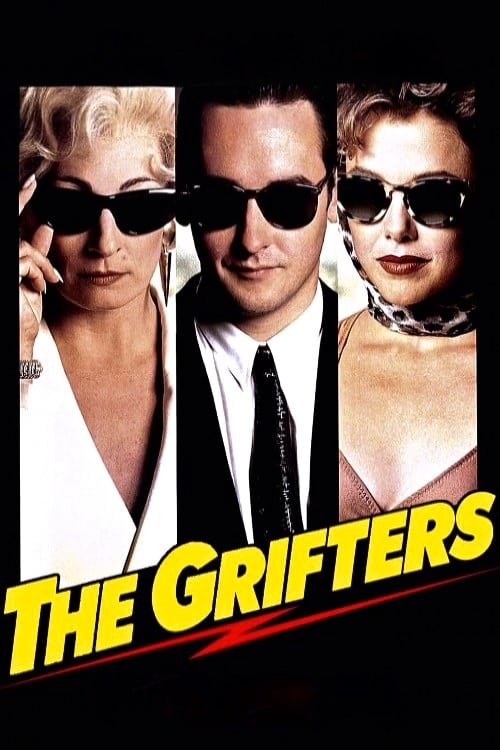
Small-time hustlers navigate the hierarchy of short-change scams, racetrack angles, and protection from higher-ups. The characters’ overlapping grifts collide, with personal attachments making them careless about rules that keep cons profitable and safe. The plot illustrates bankroll management, territory boundaries, and why violations escalate risk. It underscores how emotion—greed, guilt, or love—can make a grifter forget the playbook.
‘The Talented Mr. Ripley’ (1999)

An identity thief escalates from forgery to full-scale impersonation, maintaining the masquerade through documents, mannerisms, and social engineering. As he inhabits the role, he begins to accept it as reality, making riskier decisions that demand more cover stories. The film details the logistics of passport fraud, signature mimicry, and voice imitation. It shows how an assumed identity becomes a trap that requires constant maintenance and deeper crimes to sustain.
‘Boiler Room’ (2000)

A retail brokerage runs a pump-and-dump operation using scripted cold calls and fake “research” to dump worthless stock. Salesmen repeat the pitch so often they start buying in themselves, ignoring warning signs about shell companies and bogus liquidity. The film breaks down hard-sell tactics, lock-up periods, and the off-loading of shares through manipulated demand. It demonstrates how internal culture can indoctrinate hustlers into their own misinformation.
‘Nine Queens’ (2000)
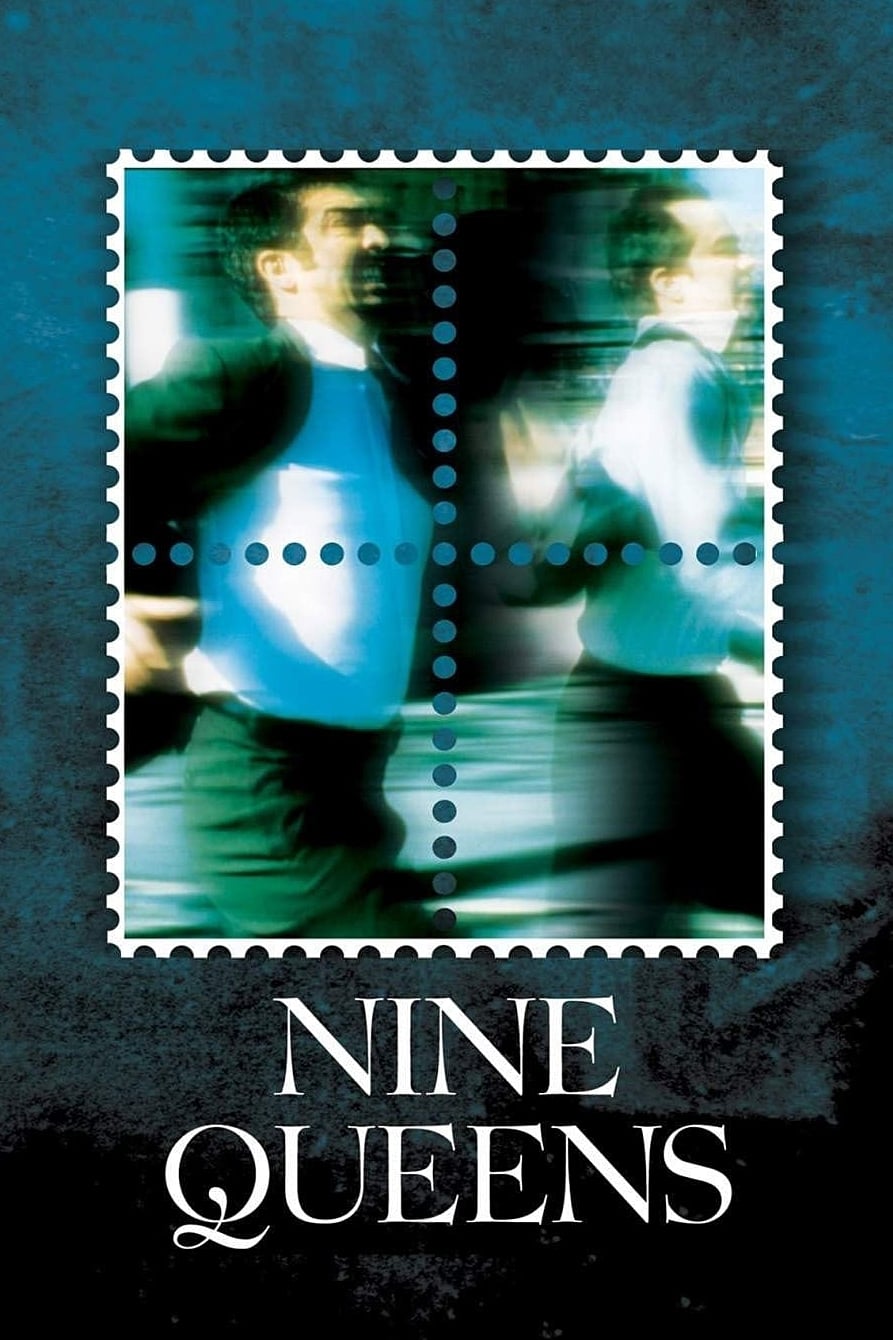
Two con artists team up on a counterfeit stamp scheme that depends on precise timing, fake provenance, and a rushed sale. Layered deceptions—test runs, planted witnesses, and stress-tested trust—create a labyrinth where the junior partner can’t separate rehearsal from reality. The movie explains authentication ruses and the power of scarcity panic. It’s a primer on how rehearsal cons blur into the real score, leaving the con artist open to being outplayed.
‘Shattered Glass’ (2003)

A reporter fabricates sources and events, building a house of cards through doctored notes, invented contacts, and complicit fact-check evasion. As stories attract attention, he doubles down, believing his own narrative scaffolding. The film details newsroom verification processes, editorial backstops, and how one out-of-place detail can unravel multiple pieces. It’s a sober look at reputational cons sustained by institutional trust.
‘Matchstick Men’ (2003)

A meticulous grifter runs classic short-change and fake lottery scams while managing compulsive behaviors that keep him predictable. When a “lost daughter” enters his life, he relaxes guardrails and stops vetting information channels that usually protect him. The narrative walks through convincers, drop points, and the compartmentalization required to avoid exposure. It shows how a personal hook can make a con artist ignore his own safety protocols.
‘Confidence’ (2003)
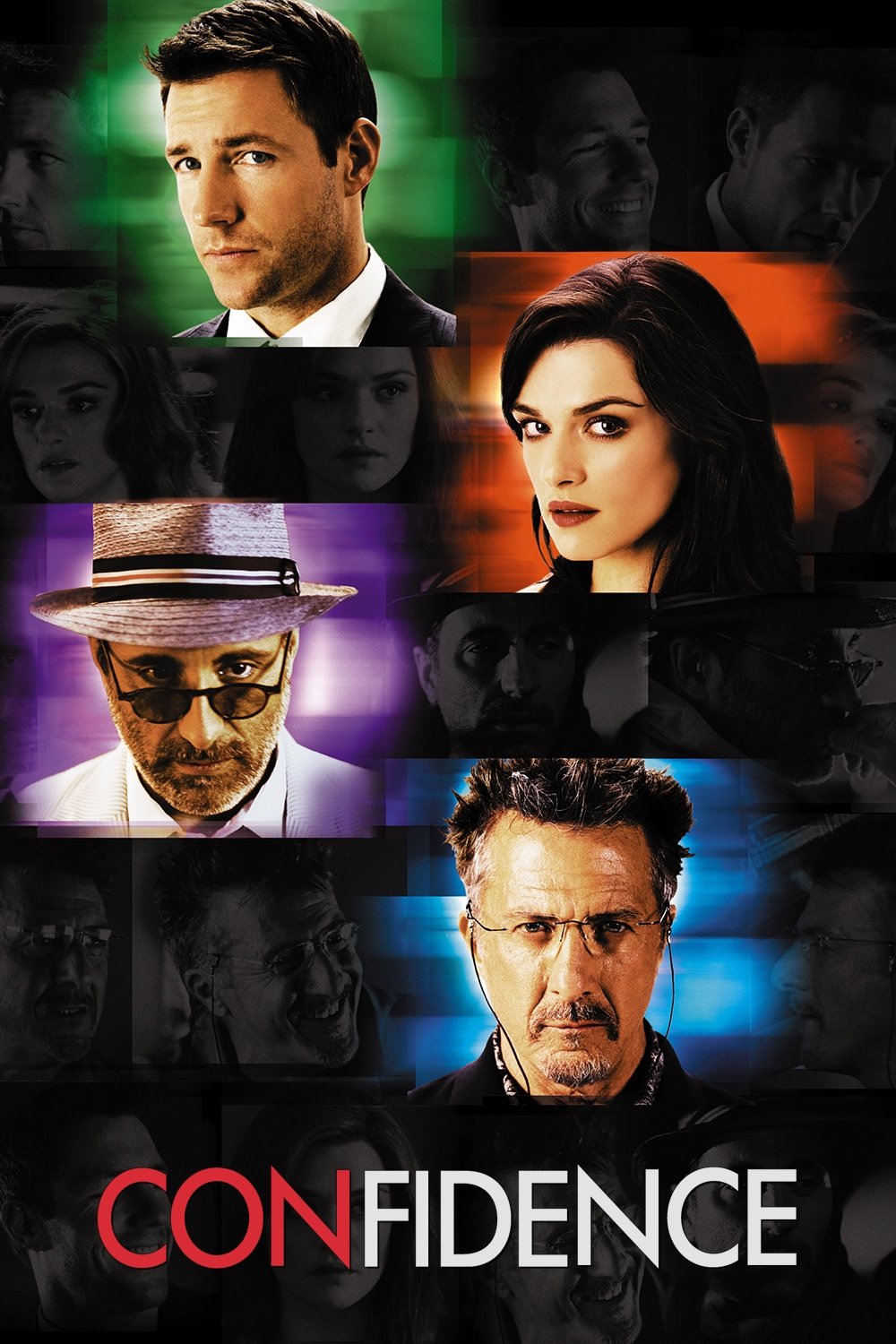
A crew stages complex wire-work and bank-transfer cons using moles, dead drops, and timed miscommunications. Pressed by a crime boss, they devise a bigger play whose moving parts give rivals opportunities to reverse it. The film maps out money laundering routes and misdirection with escrow-like holds. It demonstrates how scaling a con amplifies counterparty leverage and the risk of believing your blueprint is foolproof.
‘The Hoax’ (2006)
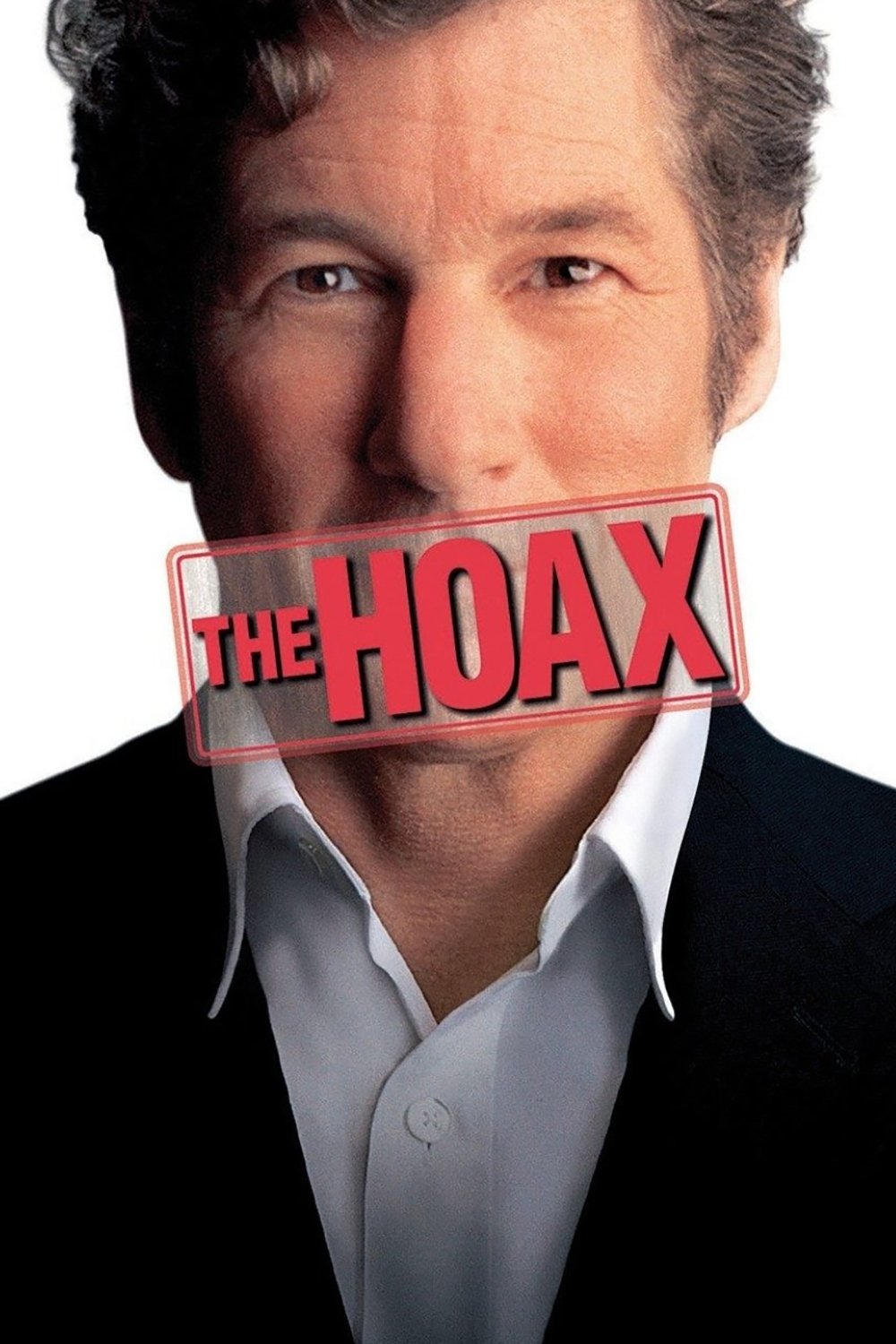
A writer fabricates an “authorized” celebrity memoir, creating forged interviews, falsified notes, and staged meetings to convince publishers. As publicity snowballs, the deception requires political name-dropping and increasingly brazen claims, overwhelming his ability to control it. The film shows how authentication rituals—sign-offs, legal clearances, and verifiable anecdotes—can be gamed but not indefinitely. It’s a lesson in how media appetite becomes the con’s biggest vulnerability.
‘The Brothers Bloom’ (2008)
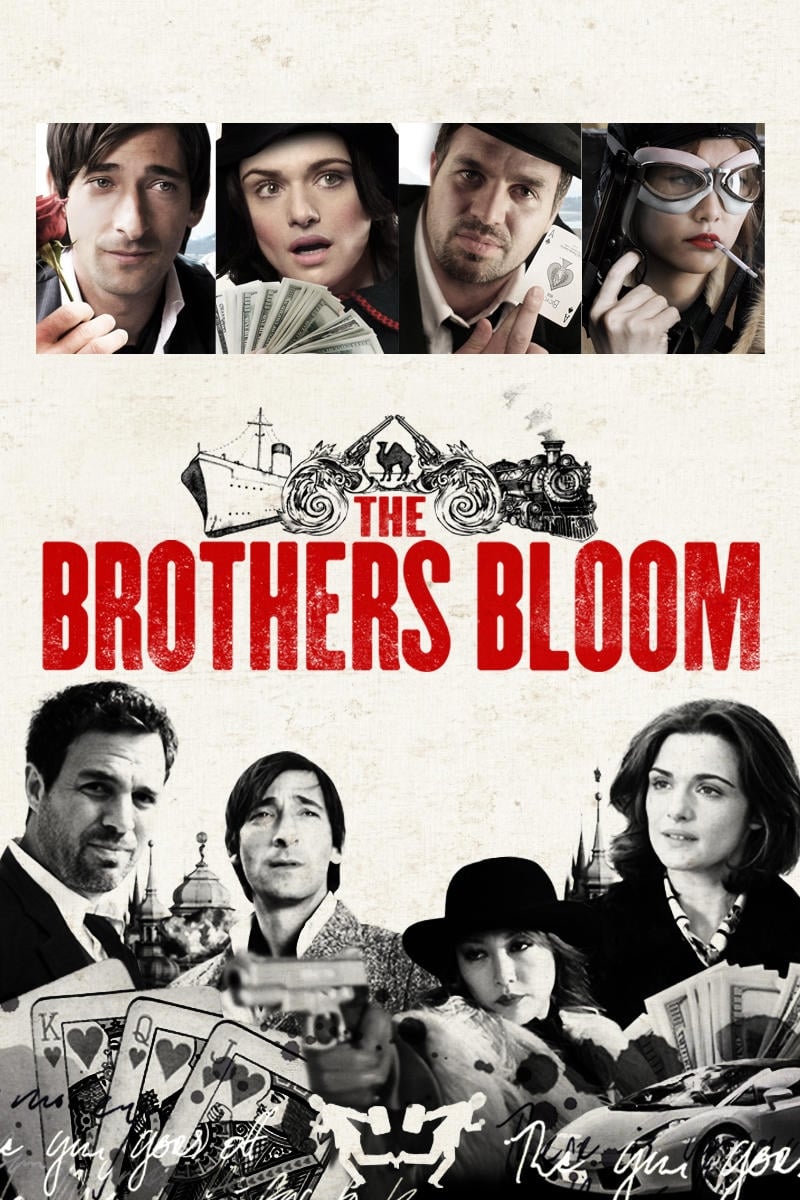
Two lifelong grifters plan a final long con involving a wealthy eccentric, complete with staged coincidences and narrative beats. The lead architect starts to believe in the romance of his own story design, loosening the operational discipline that keeps cons safe. The film explains rehearsals, cover identities, and money trails hidden behind artful distractions. It shows how storytelling, when treated as reality, destabilizes a controlled fraud.
‘The Informant!’ (2009)

A corporate executive turns whistleblower while simultaneously inflating his own achievements and finances, weaving lies into official reports. He begins to accept his embellishments as fact, undermining legal cases with contradictions. The movie details price-fixing investigations, wire protocols, and how cooperating witnesses are vetted. It illustrates how self-serving deceit can collapse both a con and an investigation meant to expose one.
‘American Hustle’ (2013)
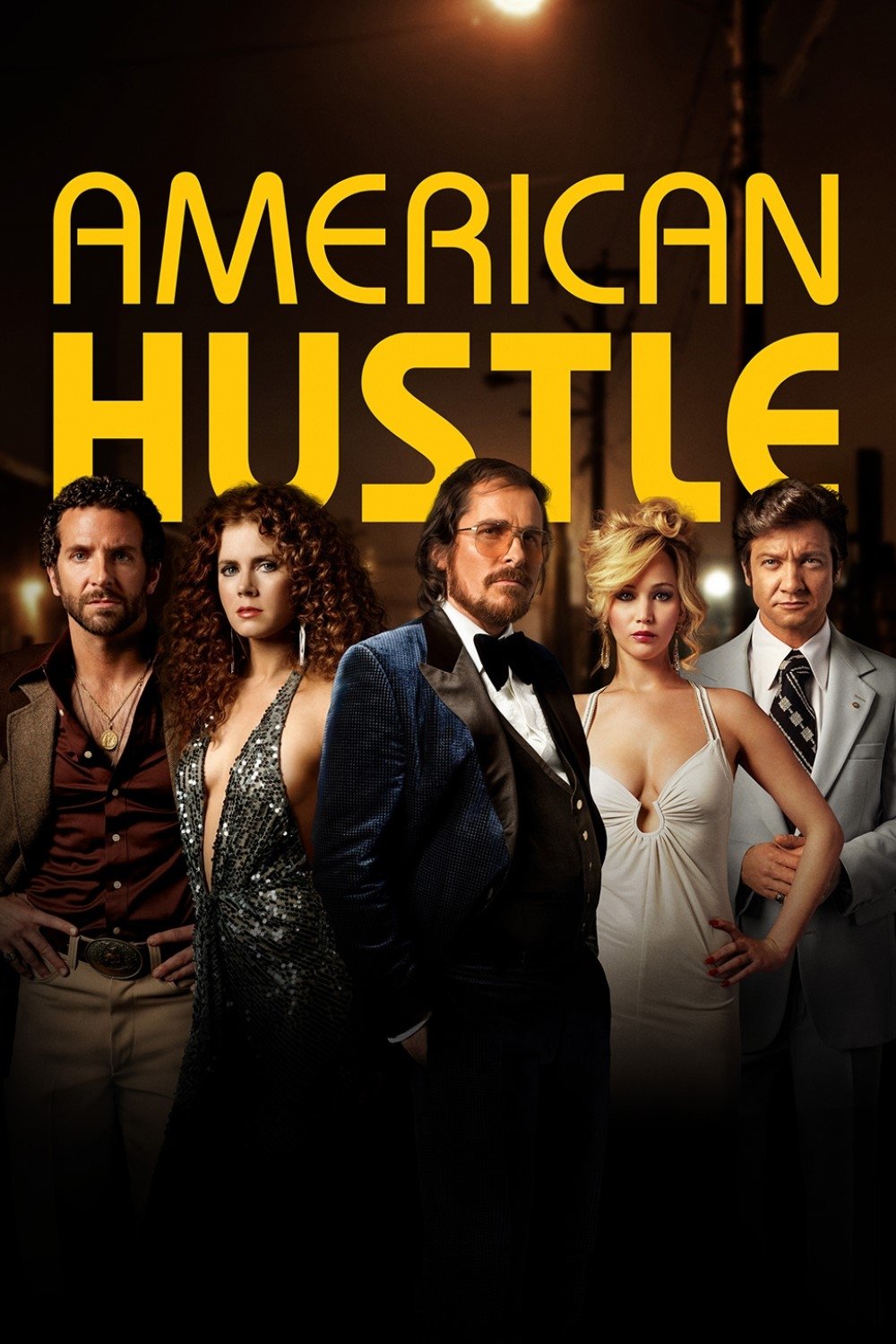
A pair of scammers get compelled into a political sting that uses fake loans, shell entities, and staged introductions to entrap targets. As they upscale the illusion, they buy into their own “legit” front, risking exposure by treating intermediaries as genuine partners. The film outlines how affinity fraud and pay-to-play optics can be manufactured. It highlights how proximity to power tempts con artists to forget they’re still running a con.
‘The Wolf of Wall Street’ (2013)
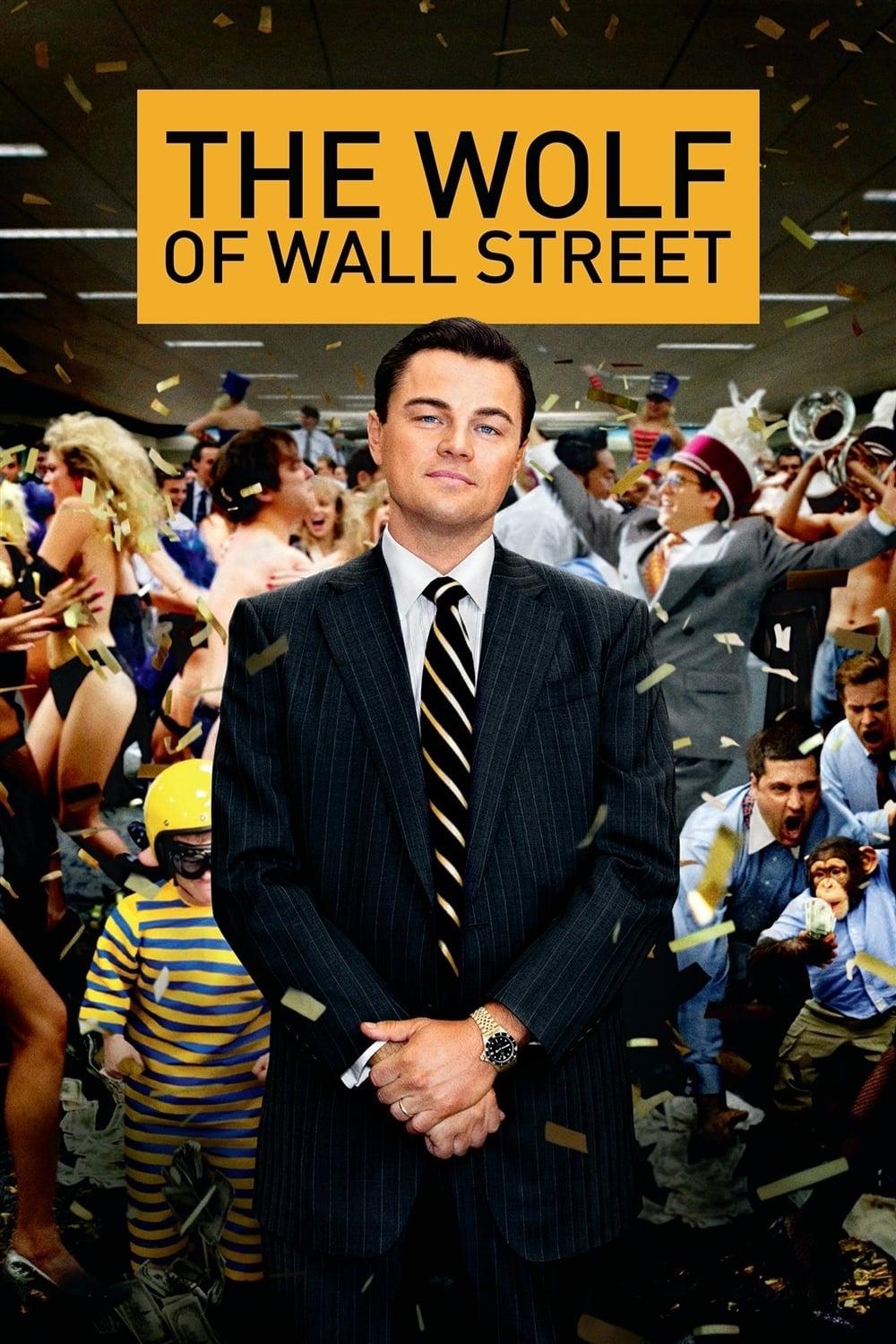
A brokerage founder builds a penny-stock empire using hype calls, scripted seminars, and kickbacks disguised as fees. Success breeds a belief that the system can be bent indefinitely, leading to sloppy money movements and traceable laundering. The film breaks down stratagems like wash trading, nominee accounts, and offshore shielding. It shows how the confidence game falters when its architect treats red flags as mere noise.
‘Focus’ (2015)

Professional thieves execute distraction-based pickpocketing, high-stakes betting manipulation, and staged emotional beats to control marks. When former partners reunite, romantic entanglements blur operational boundaries and create exploitable tells. The movie illustrates crew roles—inside man, roper, and cooler—and how each depends on strict compartmentalization. It demonstrates how mixing personal motives with precision scams invites a counter-con.
‘The Good Liar’ (2019)
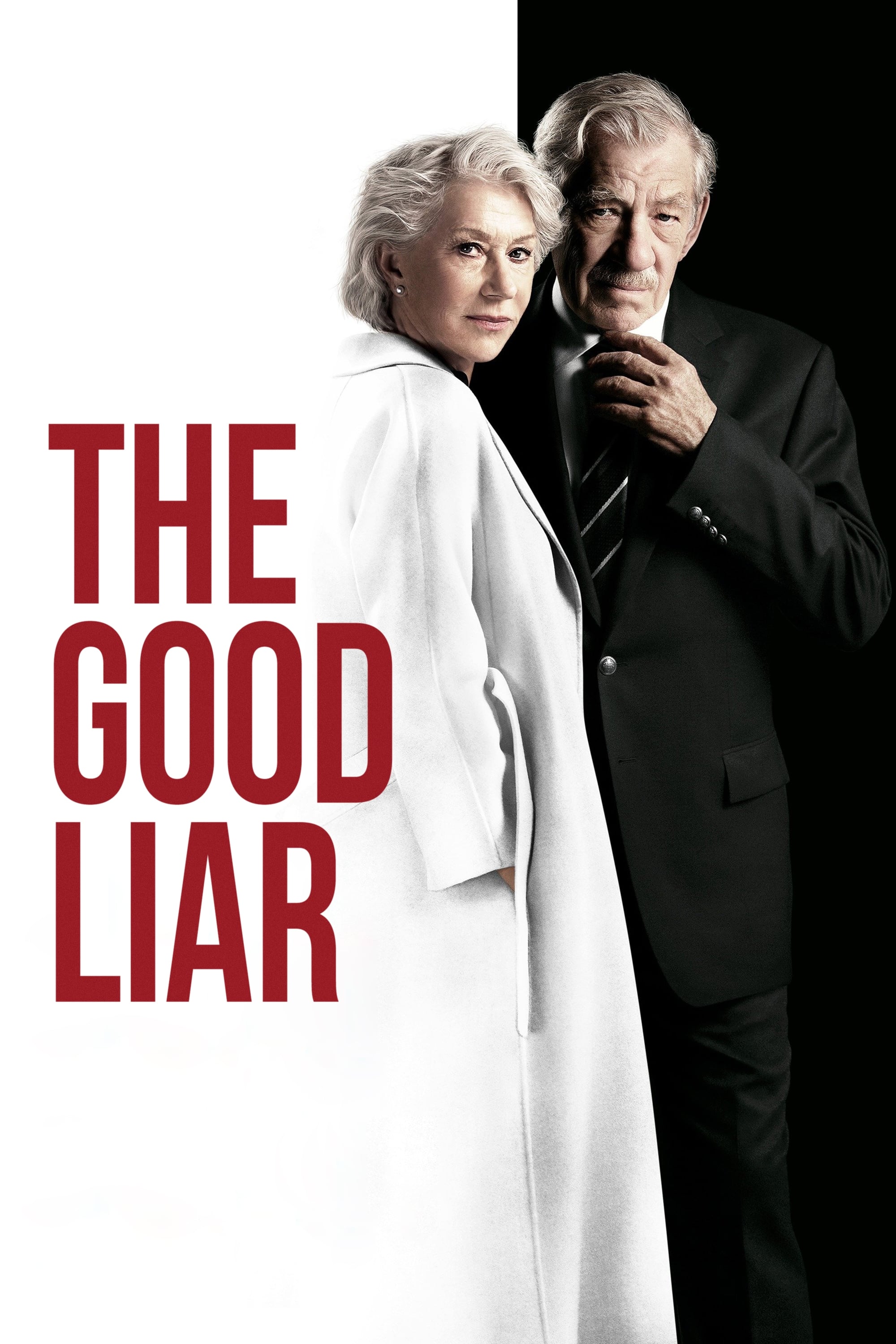
An elderly con artist targets a wealthy widow through romance, using false identities, bank maneuvering, and staged vulnerabilities. Underestimating the mark’s agency and background becomes the flaw that flips the scheme. The film details inheritance ploys, identity layering, and confidence-building routines. It underscores how familiarity tactics can be mirrored back to trap the initiator.
‘Parasite’ (2019)

A family infiltrates a rich household via staged qualifications, sequential referrals, and manufactured incidents that remove incumbents. Overconfidence in their cover story leads to unplanned overlaps and the exposure of hidden variables in the house. The movie lays out referral cons, résumé fraud, and controlled crises. It shows how a multi-person con collapses when any member forgets the limits of the script.
‘Fyre’ (2019)

A luxury festival sells exclusivity through influencer marketing, manipulated imagery, and false assurances about logistics. As the hype machine outpaces infrastructure, the organizers begin believing the branding will solve operations, compounding failures. The documentary explains vendor contracts, escrow misuses, and event-critical lead times. It’s a real-world example of a sales-forward con defeated by physical reality.
‘Kajillionaire’ (2020)

A family of small-time crooks runs petty scams built on routine—mail thefts, refund tricks, and staged “accidents.” When a new recruit questions their assumptions, the rituals that kept them afloat become liabilities they cling to out of habit. The film explores sunk-cost thinking, division of roles, and emotional dependencies inside long-running grifts. It shows how a con can persist past usefulness because its architects can’t imagine life without it.
Share your favorite “the con backfires” movie picks in the comments—what did we miss?