The 20 Most Insufferable “Intellectual” Celebs Who Never Read


Celebrity culture often intersects with pseudo-intellectualism when famous figures attempt to pivot from entertainment to philosophy. Many stars adopt a scholarly persona while rejecting traditional education or admitting they do not enjoy reading books. This disconnect often results in interviews filled with word salad and confident assertions about complex topics that lack factual basis. The public frequently criticizes these moments as performative depth rather than genuine wisdom. These celebrities have cultivated reputations for being insufferable due to their hollow attempts at intellectualism.
Ye
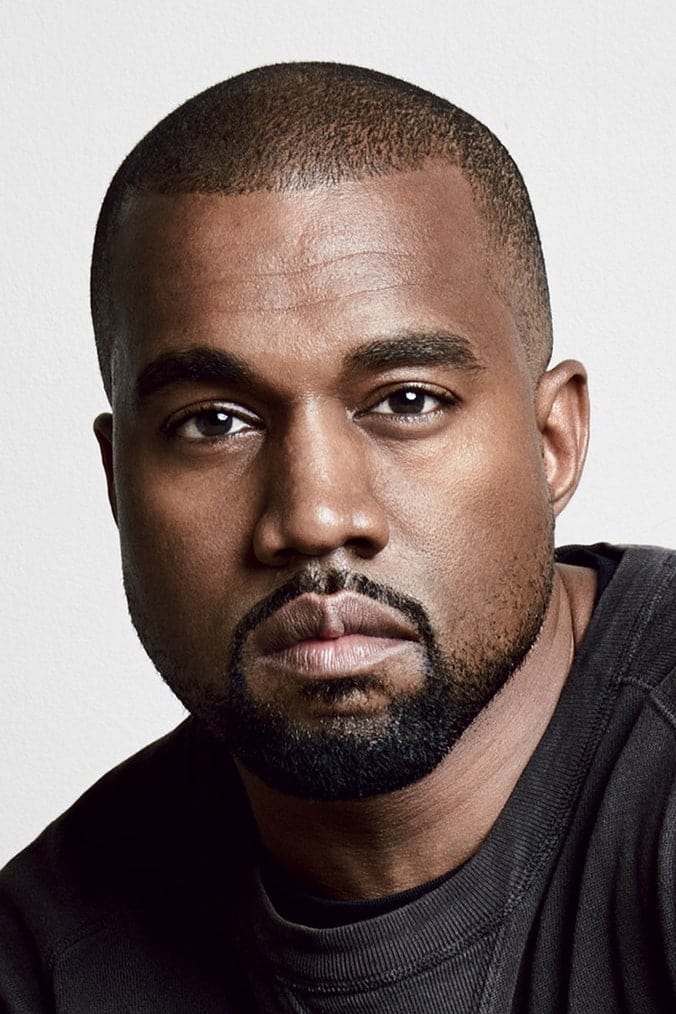
The controversial musician has explicitly stated in interviews that he is not a fan of literature. He famously compared reading books to eating Brussels sprouts and claimed he prefers to get information through conversation. West frequently compares himself to historical geniuses and visionaries without engaging with their actual written works. His stream-of-consciousness rants often conflate personal intuition with researched fact. This refusal to engage with written texts has not stopped him from attempting to found educational institutions.
Jaden Smith
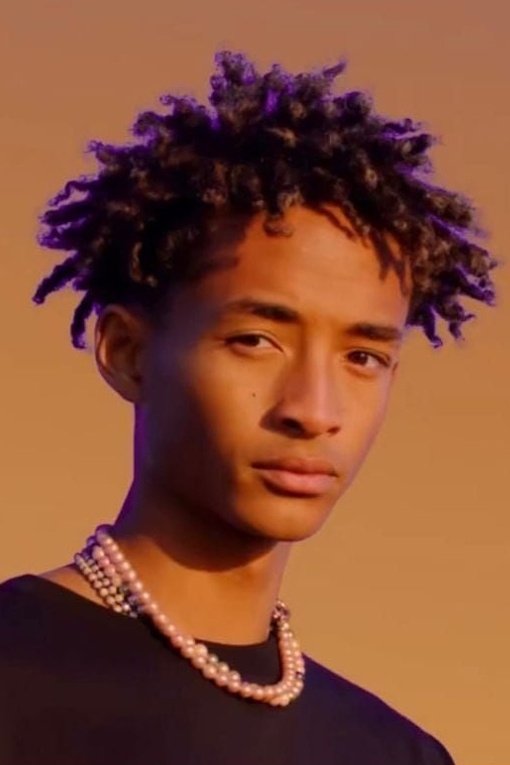
The young actor became a viral sensation for his cryptic and capitalized posts on social media about the nature of reality. He frequently speaks about metaphysics and ancient history in a way that suggests he possesses hidden knowledge unavailable to the masses. Critics argue that his philosophical musings often sound like confusing riddles rather than coherent thoughts. Smith has expressed a desire to bypass traditional learning in favor of his own unique curriculum. His public statements often reveal a preference for mystical vibes over established science.
Terrence Howard
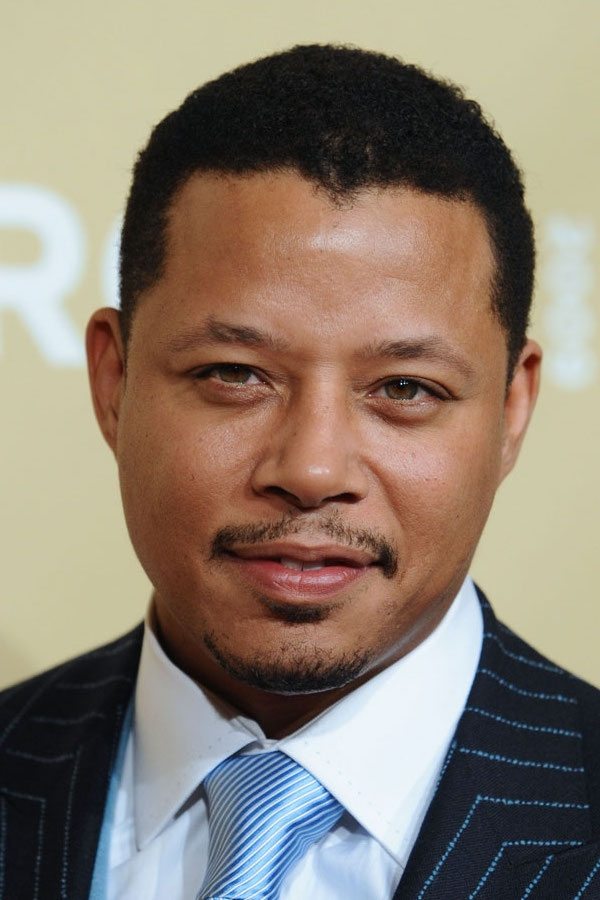
This actor famously rejected established mathematics to create his own system of logic called Terryology. He spent years building wire sculptures to prove his theory that one times one equals two rather than one. Howard frequently uses scientific terminology incorrectly during interviews to explain his belief that he has unlocked the secrets of the universe. His insistence that all of modern physics is incorrect demonstrates a profound lack of engagement with foundational educational texts. He relies entirely on his own isolated intuition to challenge centuries of proven theorems.
Jared Leto
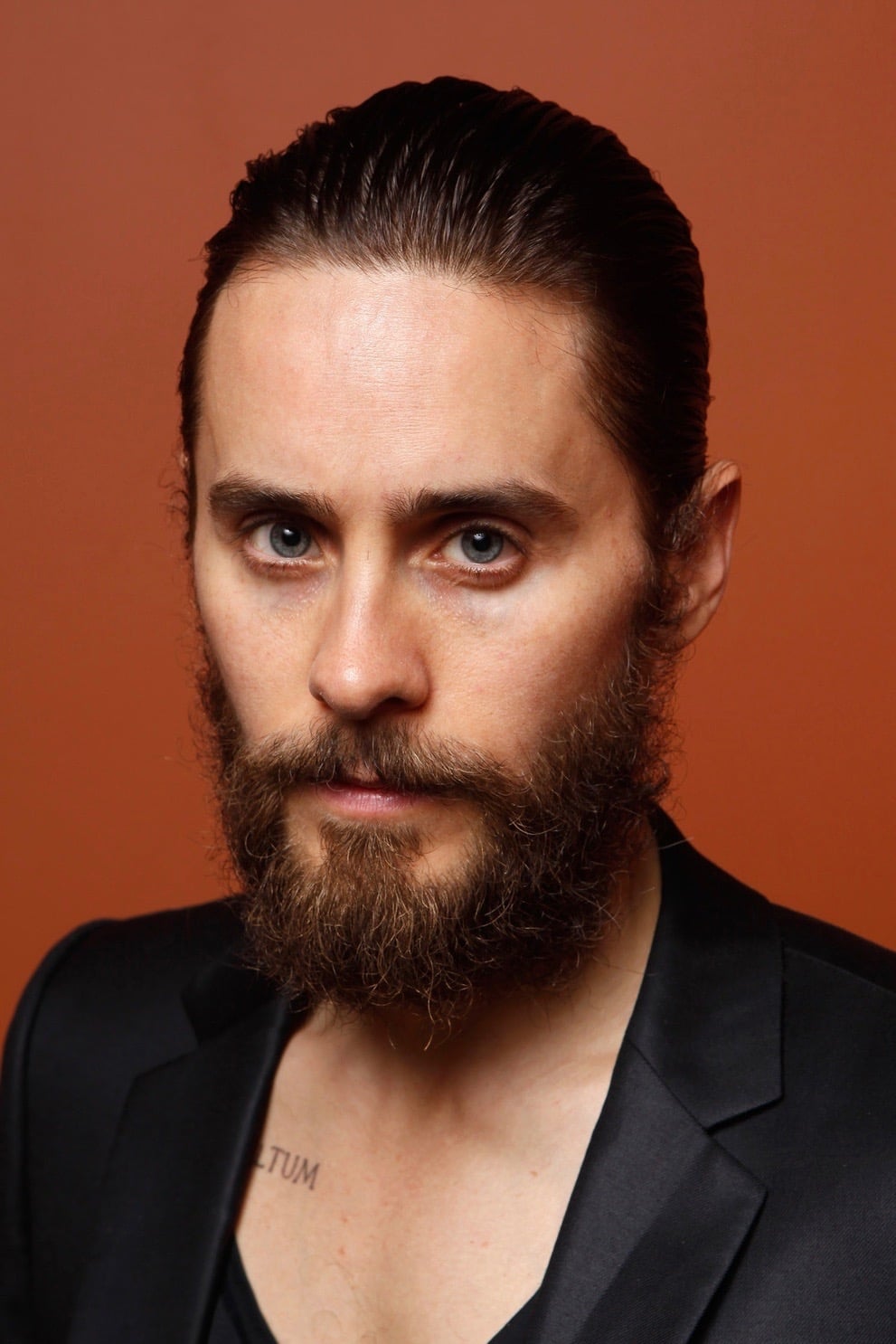
The method actor is known for taking his craft to extremes that many find pretentious rather than profound. He often speaks about his roles with a spiritual reverence that critics find exhausting and self-aggrandizing. Leto has been accused of cultivating a cult-like following where he acts as a guru figure to his fans. His interviews are often filled with vague aphorisms about art and suffering that lack substance. This behavior creates an aura of intellectual superiority that alienates the general public.
Gwyneth Paltrow
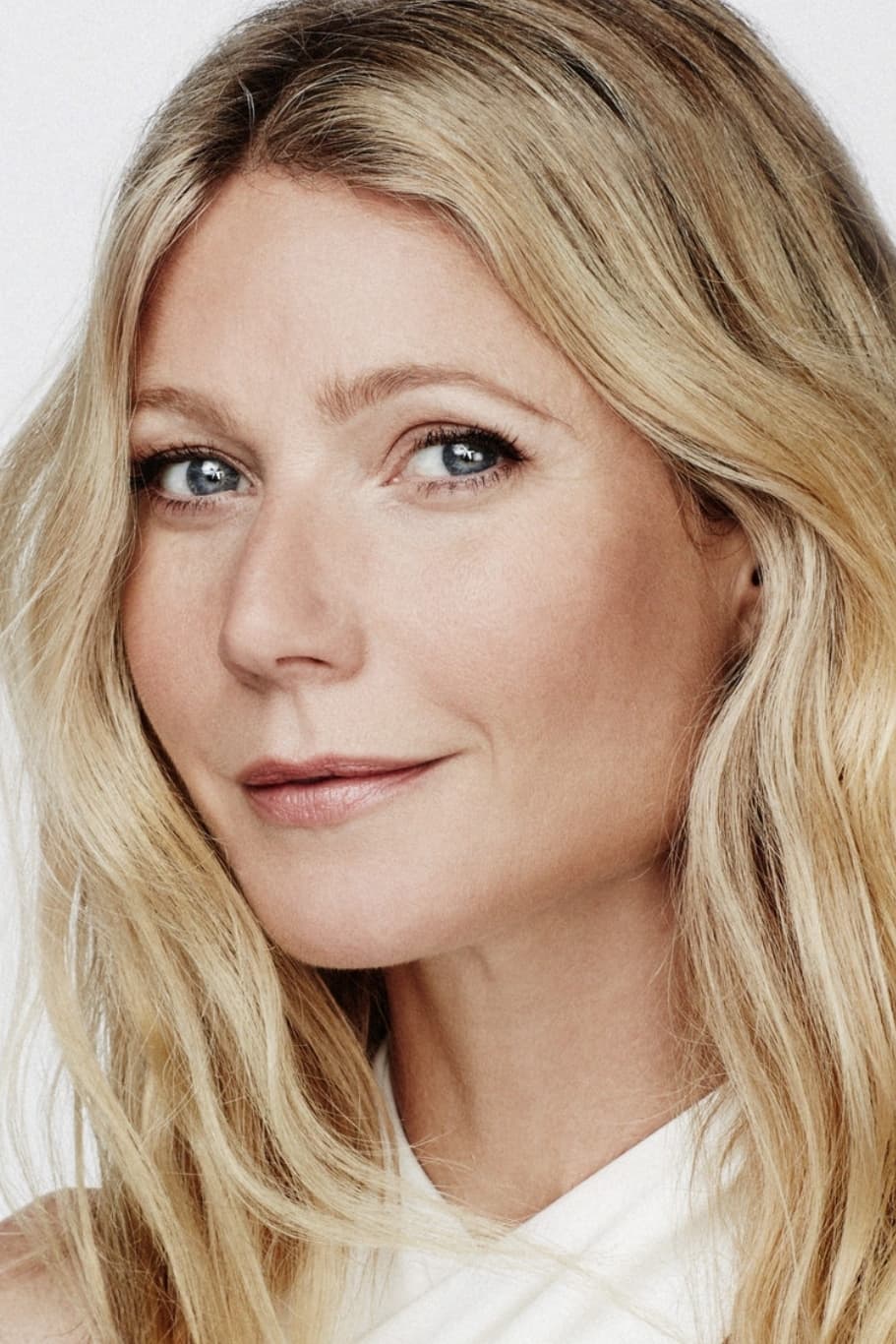
The founder of the lifestyle brand Goop often promotes wellness trends that have little basis in scientific reality. She frequently uses complex spiritual and medical terminology to sell expensive products to her followers. Paltrow frames her lack of formal medical training as a benefit that allows her to see beyond Western medicine. Her recommendations often rely on anecdotal evidence and intuition rather than peer-reviewed literature. This approach has drawn the ire of actual experts who find her rejection of fact-based science dangerous.
Russell Brand
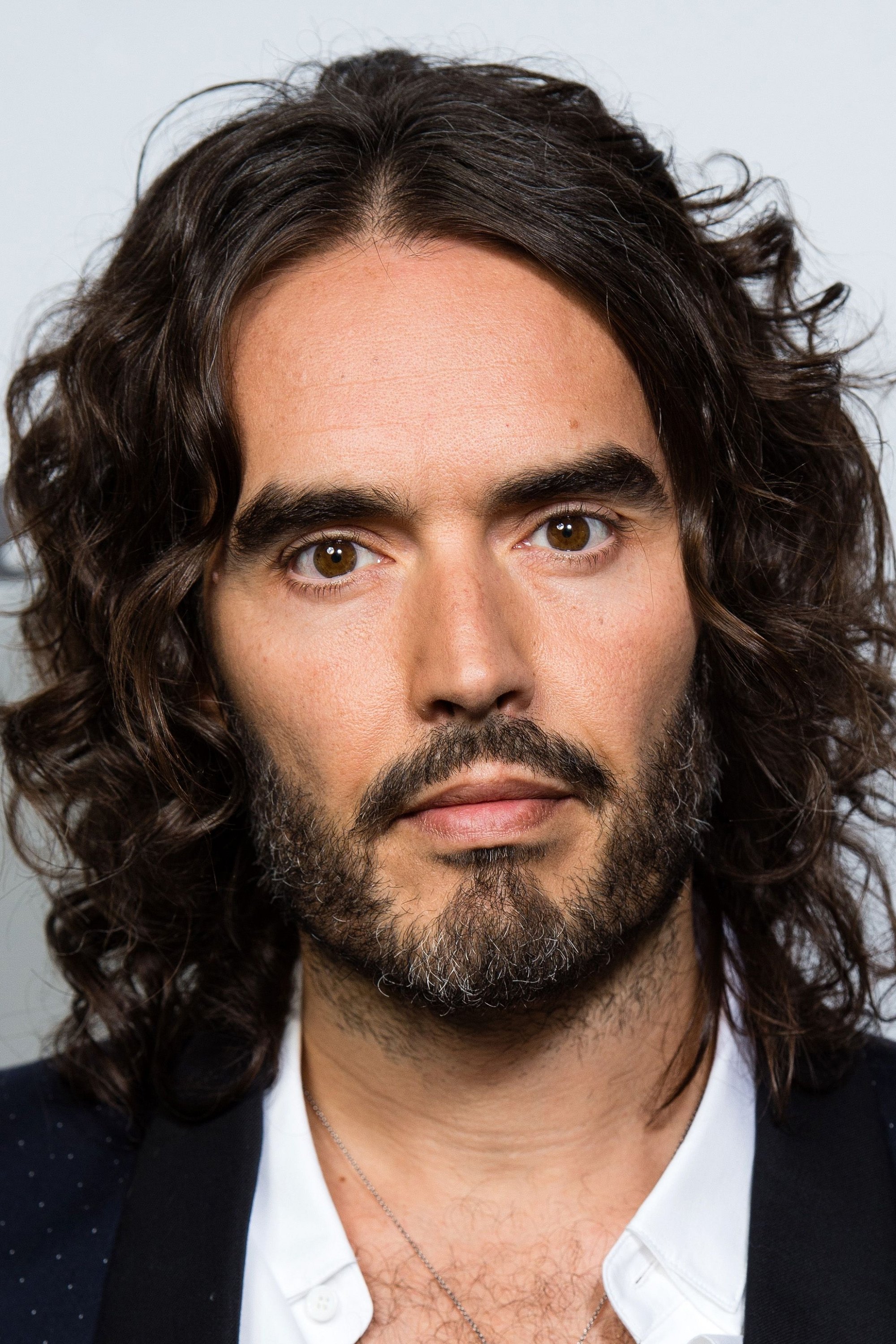
The comedian turned political commentator utilizes a verbose vocabulary that often masks the simplicity of his actual points. He speaks in rapid paragraphs filled with spiritual jargon and anti-establishment rhetoric. Critics note that his revolutionary ideas often lack the nuance found in serious political theory texts. Brand frequently pivots from topic to topic without demonstrating a deep understanding of the underlying mechanics. His style prioritizes performance and eloquence over rigorous intellectual consistency.
Kyrie Irving
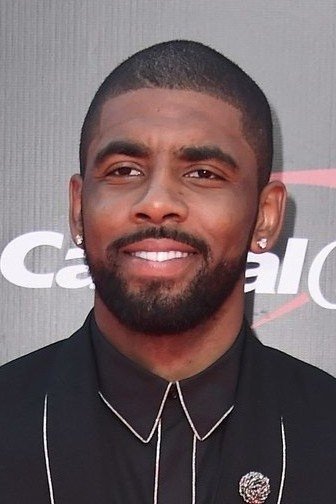
The professional basketball player sparked widespread ridicule when he publicly questioned whether the Earth was round. He frequently urges his fans to do their own research while dismissing established scientific consensus. Irving speaks in circles about seeking truth and breaking free from societal conditioning. His skepticism appears to be rooted in YouTube conspiracy videos rather than scientific literacy. This defiance of basic geography framed as free thinking struck many as deeply arrogant.
Shia LaBeouf
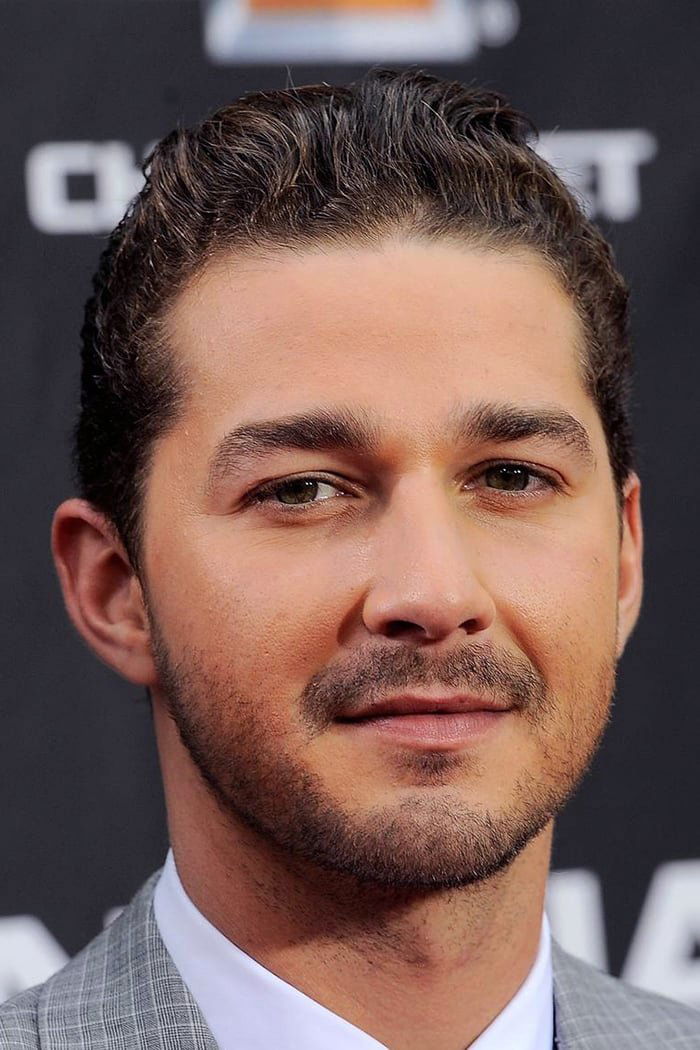
The former child star transitioned into performance art projects that many critics dismissed as derivative and hollow. He faced significant backlash for plagiarizing the work of graphic novelist Daniel Clowes for a short film. LaBeouf often frames his erratic behavior as a deep exploration of fame and the human condition. His apology for the plagiarism involved skywriting which seemed to mock the concept of genuine remorse. This pattern suggests a surface-level engagement with the artistic concepts he claims to champion.
James Franco
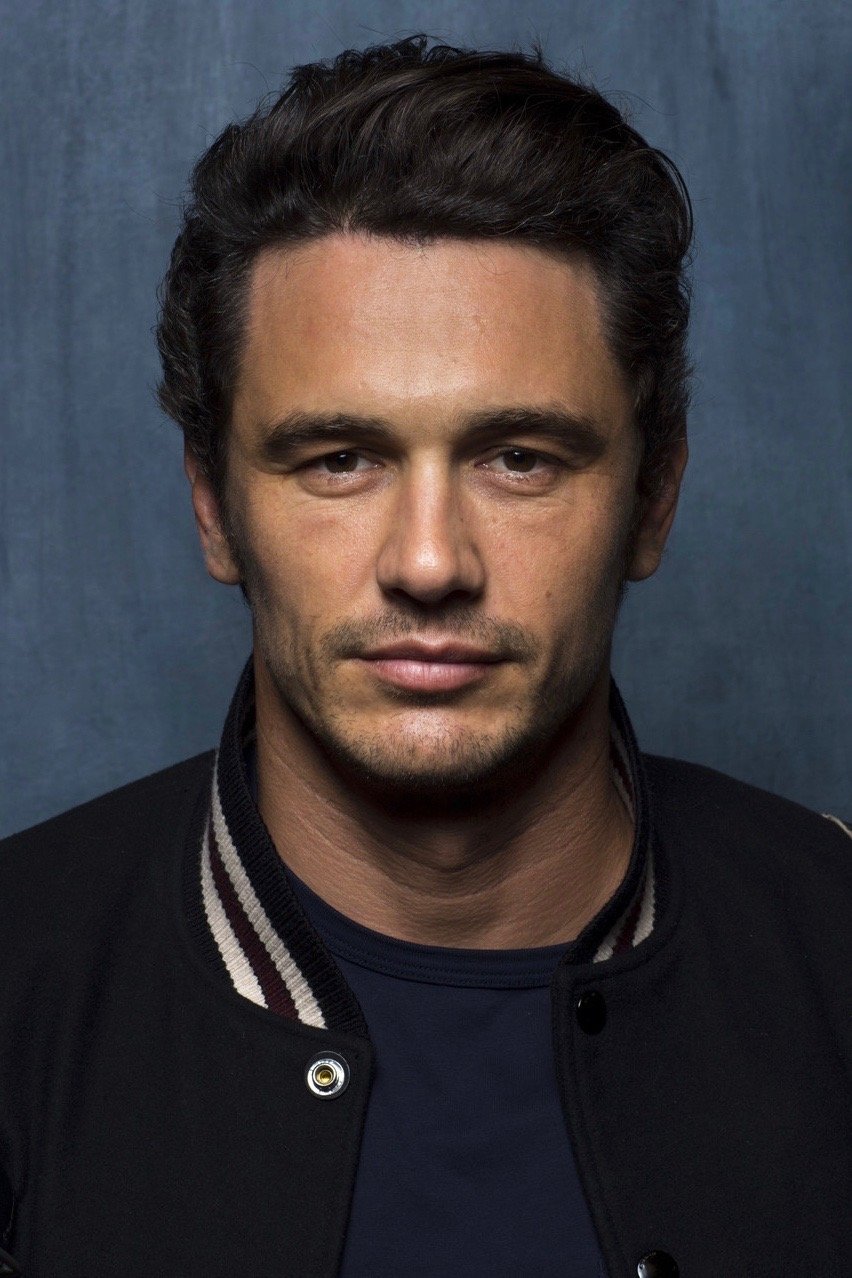
This actor spent years collecting academic degrees and dabbling in various forms of high art. He has written poetry and directed films that many critics found to be self-indulgent exercises in vanity. Franco often adapts difficult literary works like ‘As I Lay Dying’ (2013) with results that suggest he missed the point of the source material. His public persona as a Renaissance man often feels like a costume rather than a genuine vocation. Observers frequently describe his artistic output as pretentious efforts to prove his own intelligence.
Elon Musk
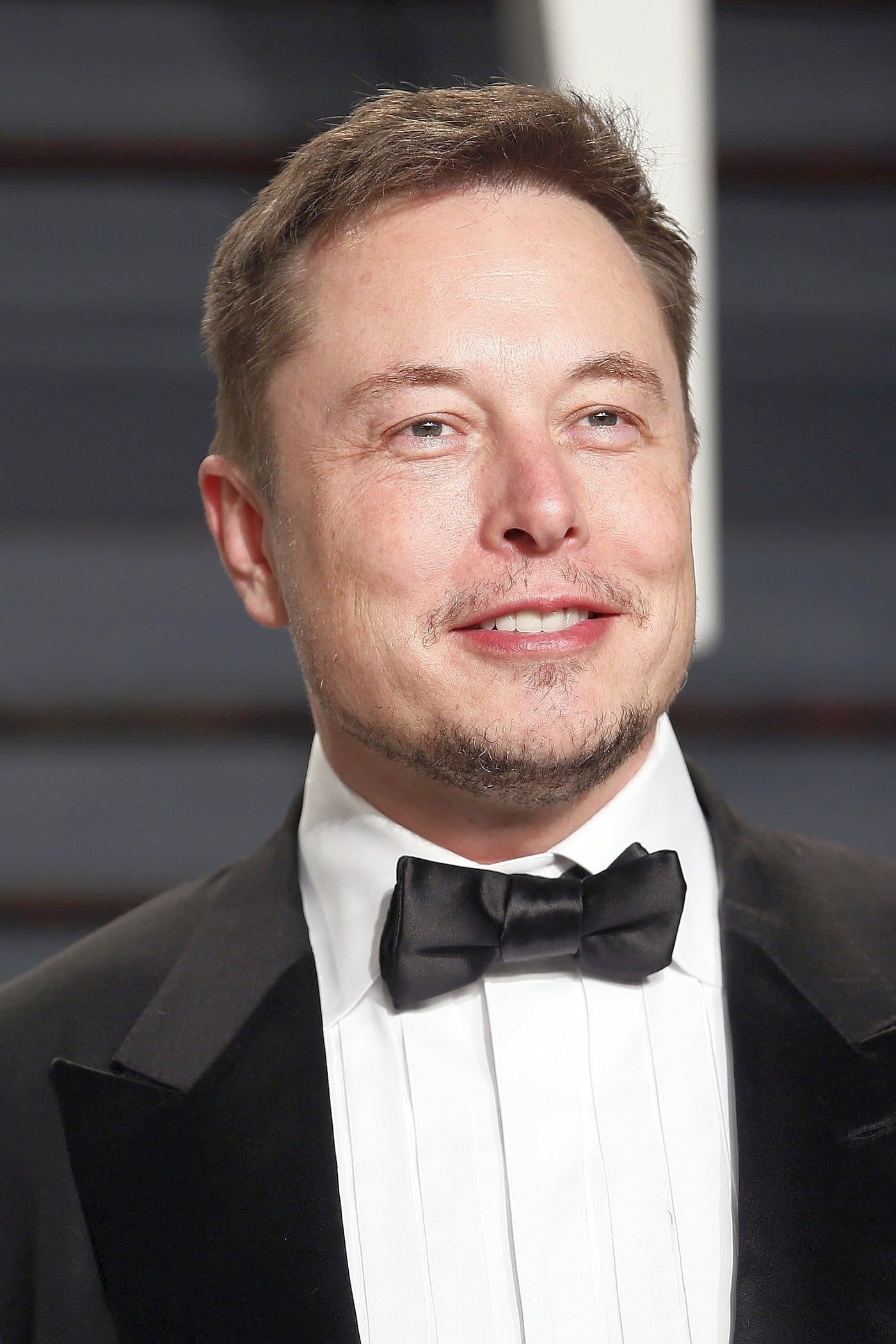
The tech billionaire frequently posts memes and simplified takes on complex geopolitical issues. He often uses terms like first principles to dismiss expert opinions in fields outside his expertise. Musk cultivates an image of a real-life comic book genius while making basic errors in his public predictions. His habit of engaging with conspiracy theories on his social media platform undermines his claims of scientific rigor. Many critics argue that his intellectual posturing is a marketing tactic rather than a reflection of deep reading.
Lena Dunham
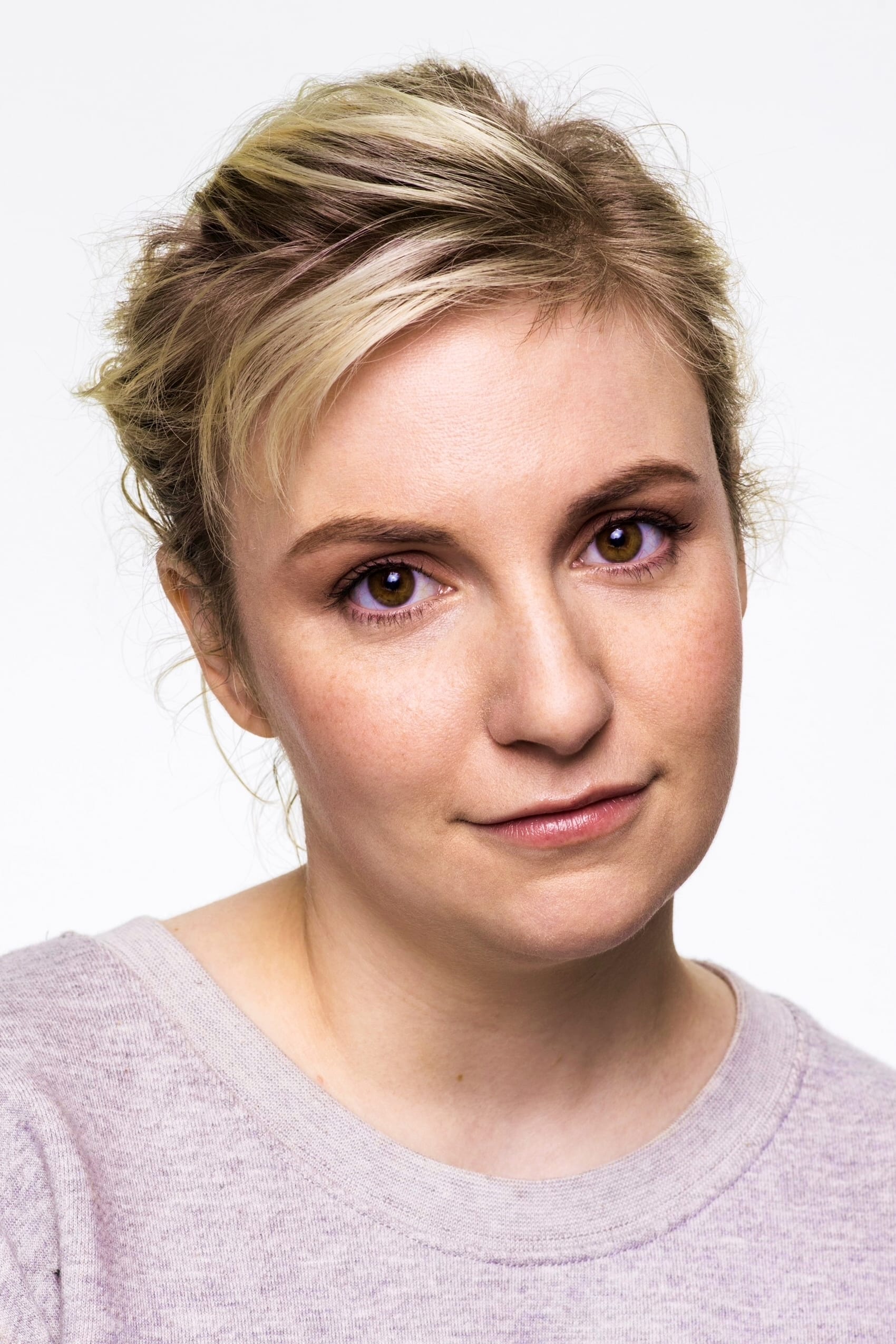
The creator of ‘Girls’ (2012–2017) often frames her personal oversharing as profound feminist theory. She frequently issues public apologies for statements that reveal a lack of historical or cultural awareness. Dunham tends to universalize her specific privileged experiences as representative of all women. Her writing often prioritizes shock value and narcissism over genuine sociological insight. This inability to look outside her own bubble makes her attempts at cultural commentary feel unearned.
Tyrese Gibson
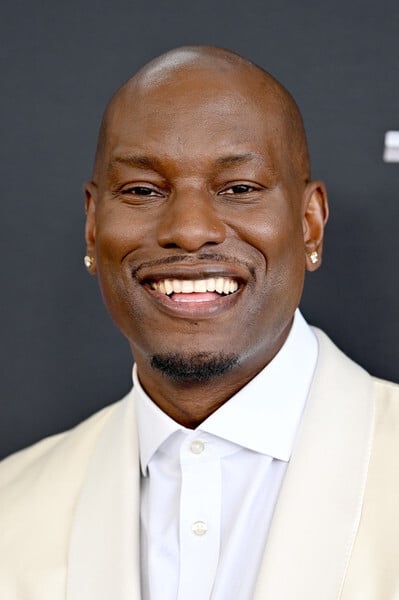
The actor and singer frequently posts long video rants offering relationship advice and life coaching. He speaks with the authority of a psychologist despite having no training in the field. Gibson often uses bizarre metaphors that confuse his audience rather than providing clarity. His emotional outbursts are framed as wisdom for his followers to absorb. The lack of coherence in his unsolicited advice suggests he is not reading the room or any books on the subjects he discusses.
Grimes

The musician often makes headlines for her bizarre takes on artificial intelligence and the future of humanity. She once claimed that AI would lead to a communist utopia in a video that displayed a tenuous grasp of political theory. Grimes utilizes a futuristic aesthetic to present herself as a forward-thinking philosopher. Her comments often sound like science fiction plot points rather than serious societal analysis. This disconnect makes her attempts at intellectual discourse feel like performance art.
Morrissey

The former frontman of The Smiths is infamous for his contrarian opinions and dismissal of modern culture. He frequently issues statements that are factually incorrect or historically revisionist to suit his narrative. Morrissey quotes his own lyrics and interviews with a reverence usually reserved for religious texts. His refusal to engage with opposing viewpoints has led to a reputation for stubborn ignorance. He seemingly prefers his own echo chamber to the nuance of the real world.
B.o.B

The rapper became the face of the modern flat earth movement after engaging in a viral argument with physicist Neil deGrasse Tyson. He released tracks claiming that science is a global conspiracy designed to deceive the masses. B.o.B dismisses centuries of astronomical data in favor of visual observations made from airplanes. His steadfast refusal to accept basic evidence is framed as bravery against the establishment. This anti-intellectual stance is presented with a smug confidence that frustrates educators.
Madonna
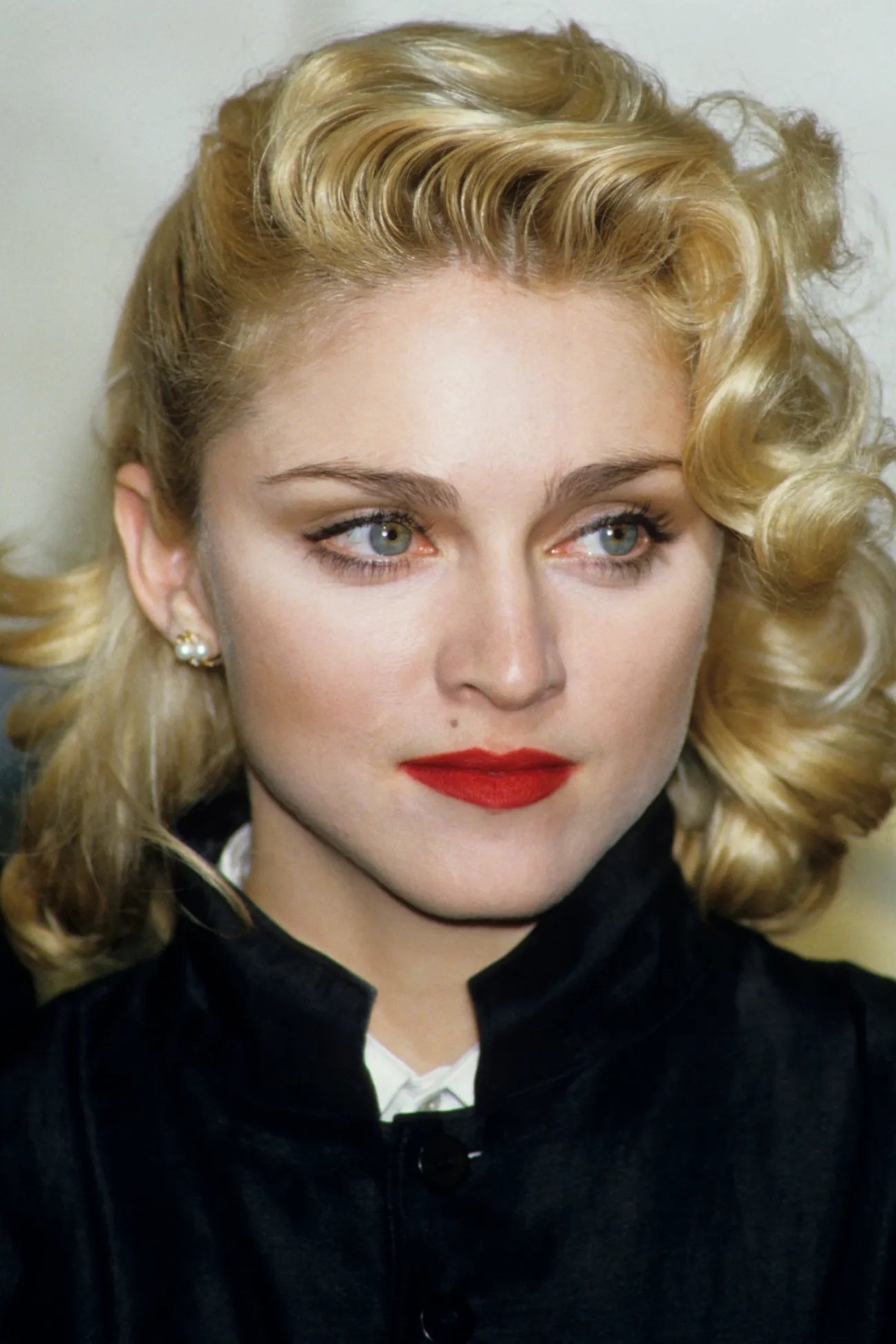
The pop icon has frequently pivoted to various spiritual and political causes with varying degrees of coherence. She faced backlash for posting a video in a bathtub calling COVID-19 a great equalizer while surrounded by luxury. Madonna often adopts the language of marginalized groups in ways that feel appropriative and shallow. Her attempts to discuss complex social issues often result in tone-deaf statements that center herself. This superficial engagement with serious topics has drawn criticism for decades.
Alec Baldwin
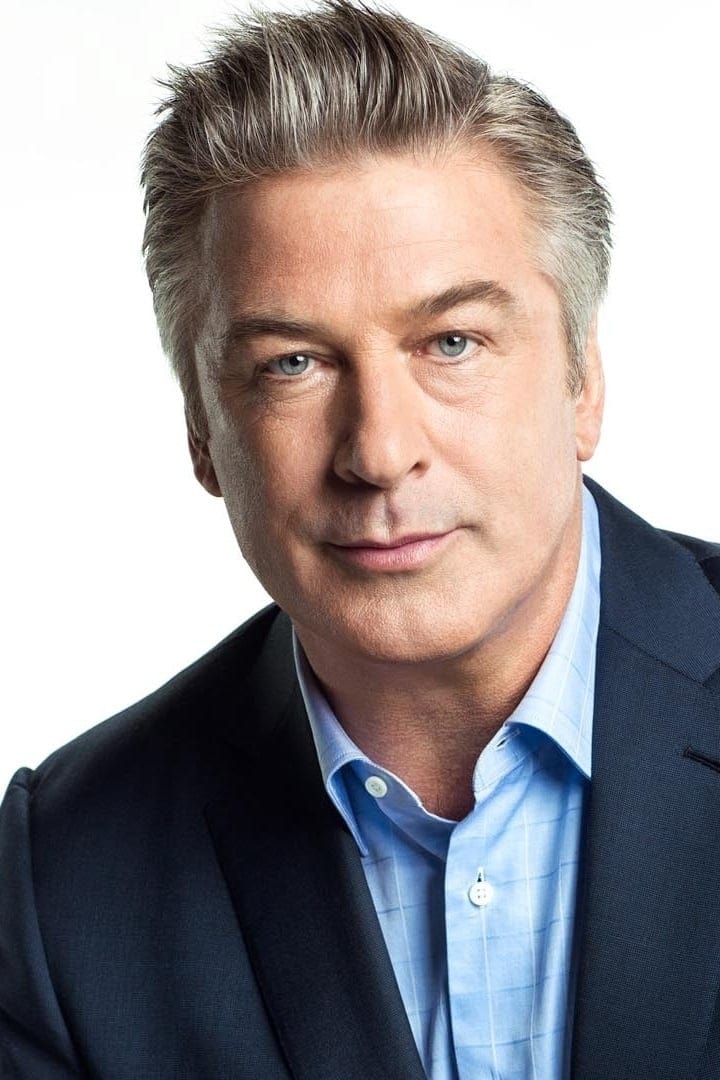
The actor frequently takes to social media to record breathless monologues about politics and the state of the arts. He speaks with a haughty tone that implies his opinion is the final word on any given subject. Baldwin often dismisses critics as uncultured or unintelligent without addressing their actual arguments. His pontificating often reveals a lack of self-awareness regarding his own privilege and behavior. The disconnect between his high-minded rhetoric and his public outbursts is jarring.
Aaron Rodgers
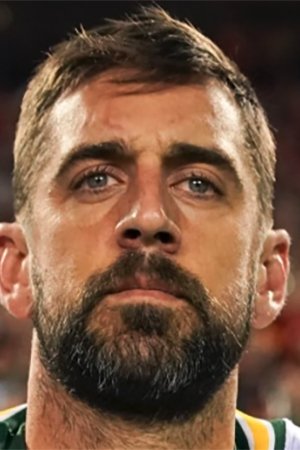
The quarterback became a lightning rod for criticism after misleading the public about his vaccination status. He claimed to be a critical thinker who did his own research rather than following medical consensus. Rodgers famously cited the philosophy of Ayn Rand as a major influence on his worldview. His interviews often feature him expressing a desire to debate scientists despite his lack of medical background. This confidence in his own unverified findings fits the classic definition of pseudo-intellectualism.
Demi Lovato

The singer has pivoted to exploring the paranormal and claims to have made contact with extraterrestrial entities. They stated in interviews that the term alien is derogatory and that they sing to ghosts to comfort them. Lovato presents these experiences with total seriousness as if they are breaking scientific ground. Their investigations into the unknown often rely on feelings and vibes rather than any investigative rigor. This shift to metaphysical expert has confused many fans and critics alike.
Will Smith
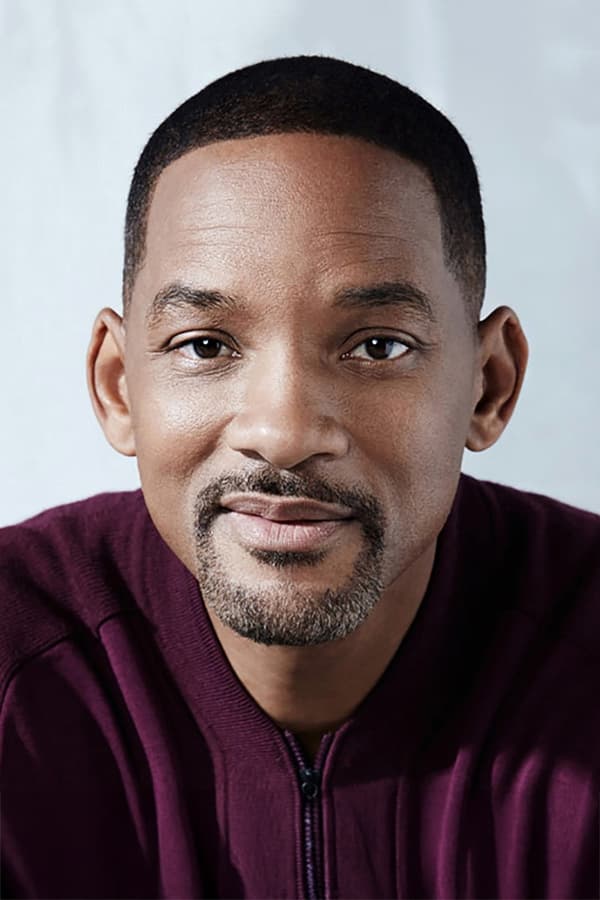
The blockbuster star often speaks in platitudes about fear and manifestation that sound like rehearsed motivational speeches. He discusses the universe arranging itself for his success in a way that dismisses the role of luck or privilege. Smith focuses heavily on the power of the mind to override reality. His philosophical musings often lack the humility found in genuine introspection. This relentless positivity can feel like a barrier to authentic human connection.
Please share your own list of celebrities who try too hard to sound smart in the comments.