Black Trans Actors Cast in Roles Where Gender Is Never Mentioned

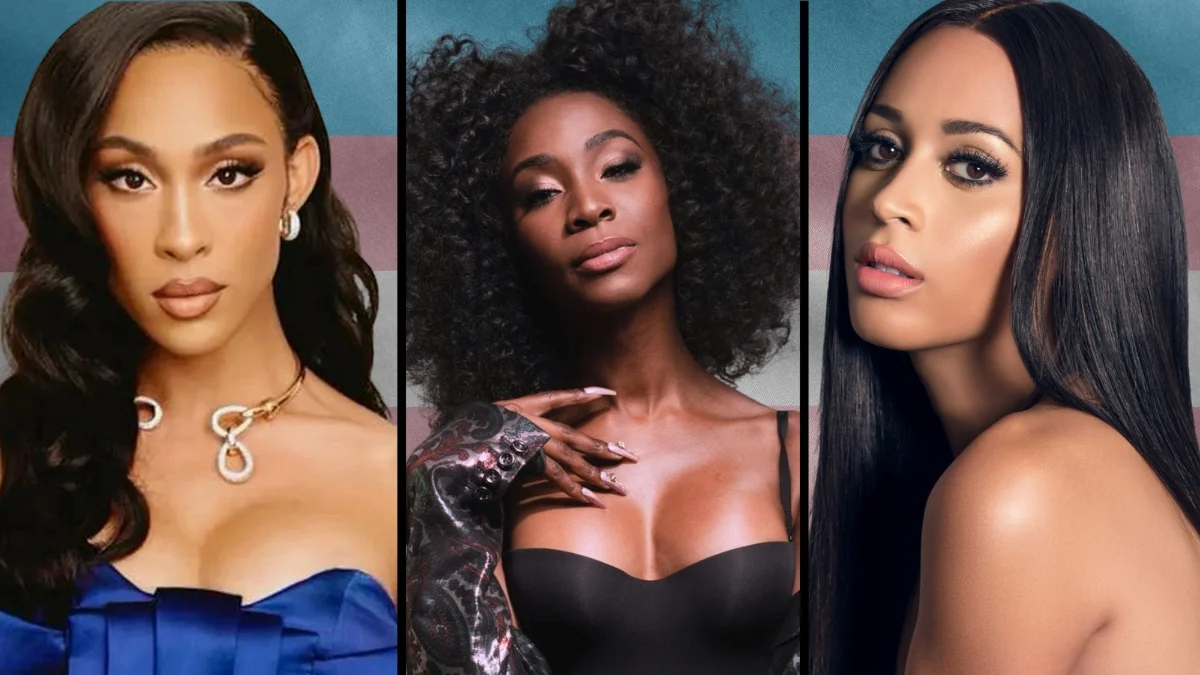

Sometimes the most meaningful step forward is when a character simply exists—no labels, no exposition dump, no commentary about who they are. The performers below all played roles where the script never brings up gender identity, letting the character do the heavy lifting through plot, dialogue, and presence.
Laverne Cox
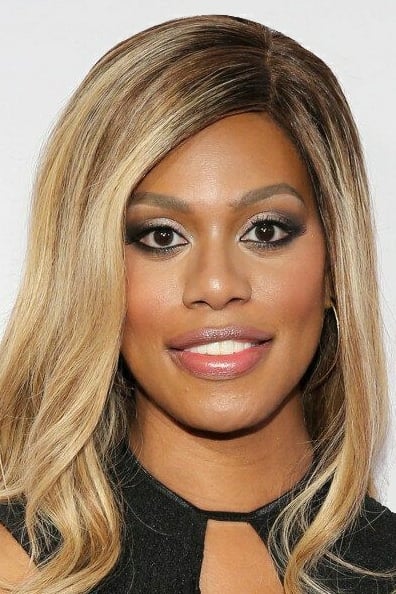
In ‘Promising Young Woman’, Cox plays Gail, the savvy café owner and best friend who helps steer Cassie’s next moves. The film never stops to define Gail by gender identity; she functions as a boss, confidante, and co-conspirator in the revenge narrative. Scenes center on work, friendship, and strategy, not backstory about who Gail is off the clock. It’s a clean case of performance first, categorization never.
Dominique Jackson

On ‘American Gods’ season 3, Jackson appears as Ms. World, an incarnation of the story’s elusive antagonist. The role focuses on power dynamics, intimidation tactics, and plot machinations rather than any personal identifiers. Dialogue and action position Ms. World as a strategist moving pieces on a cosmic board. No character pauses to explain or label gender identity at any point.
Angelica Ross
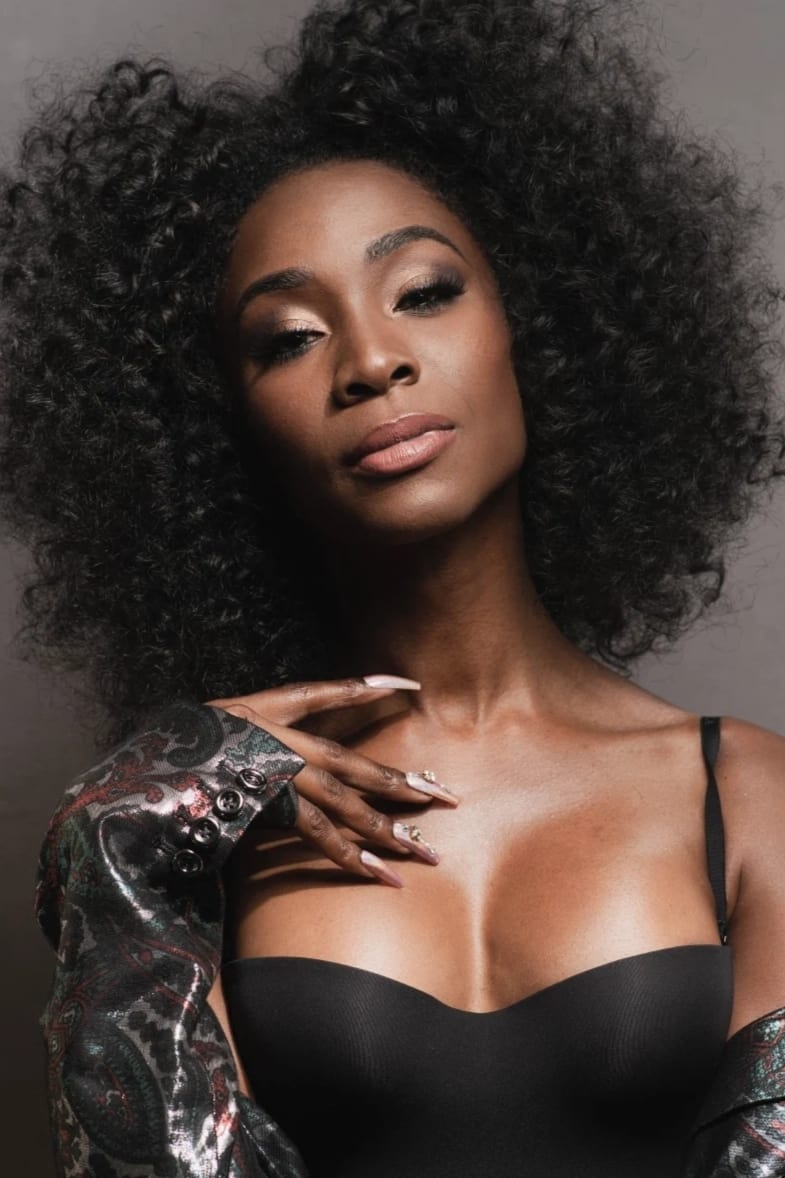
In ‘American Horror Story: 1984’, Ross plays Donna Chambers, a determined psychologist tied to the Camp Redwood killings. The season explores ethics, culpability, and the consequences of obsession, keeping the focus on Donna’s choices and shifting alliances. The show never frames Donna through the lens of gender identity. Her arc is built from motive, deception, and survival.
Michaela Jaé Rodriguez
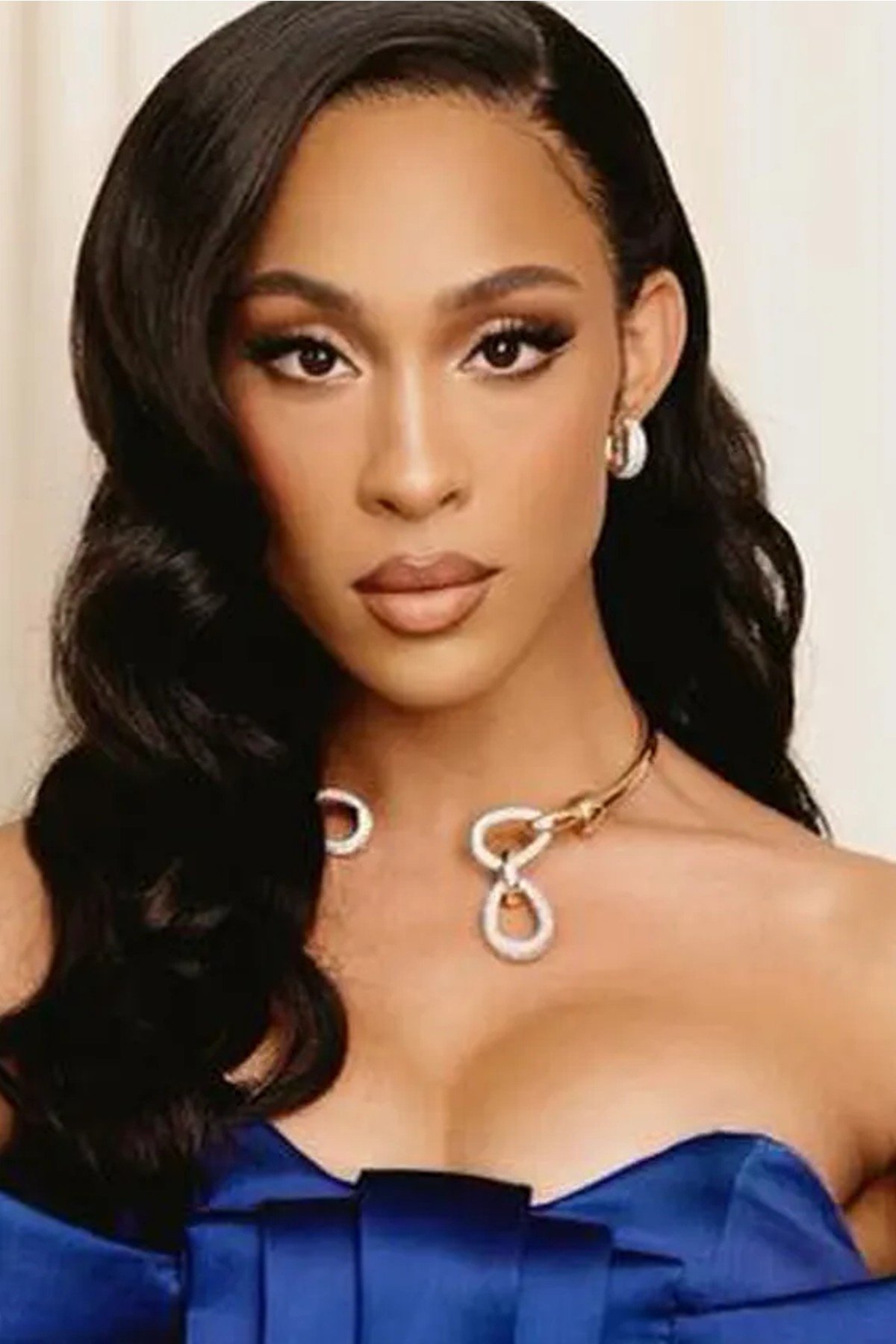
Apple TV+’s ‘Loot’ casts Rodriguez as Sofia Salinas, the operations chief tasked with turning philanthropic chaos into measurable outcomes. The series depicts Sofia as an exacting leader managing budgets, staff, and a high-profile billionaire, without inserting any dialogue about gender identity. Storylines hinge on governance, accountability, and organizational reform. The character’s authority and competence are the only things that matter to the plot.
Indya Moore
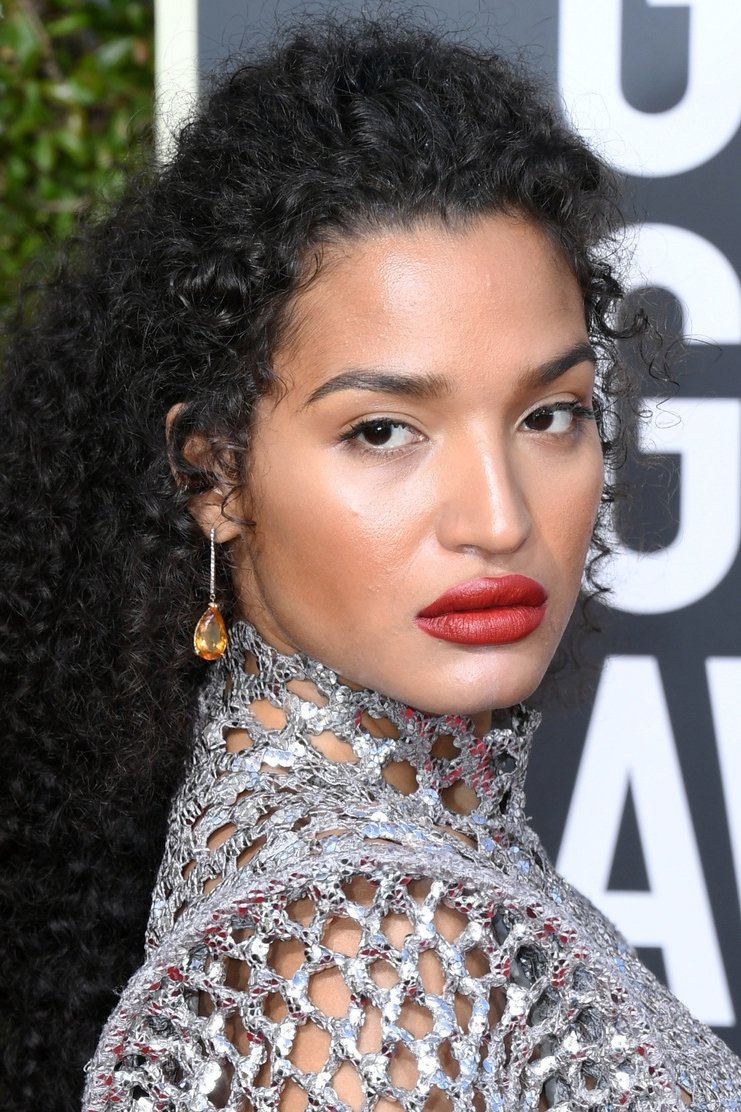
In ‘Aquaman and the Lost Kingdom’, Moore portrays Karshon, a telepathic sea creature whose function in the narrative is built around undersea politics and telepathy. The film delivers action beats, alliances, and betrayals without addressing the character’s gender identity. Karshon’s presence is about power and strategy in Atlantis-adjacent conflicts. The script keeps the character’s identity in the realm of abilities and objectives.
Brian Michael Smith
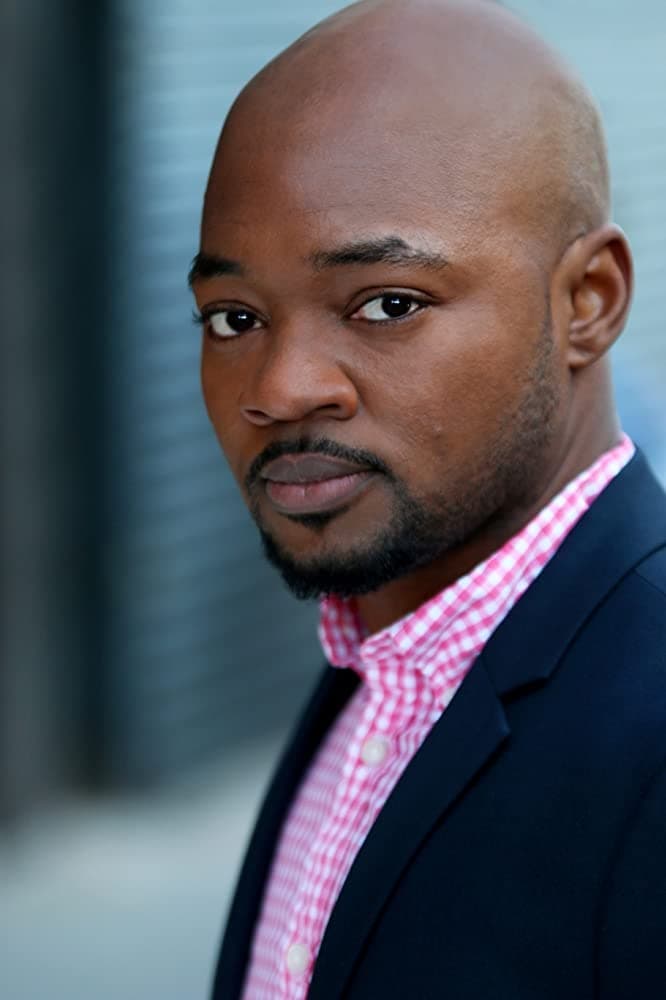
Across procedural appearances—like his multi-episode turn as Officer Buckley on ‘Blue Bloods’—Smith simply plays a cop on the job. Scenes center on patrol duties, partner dynamics, and casework, with no dialogue about gender identity. The character is written the same way other officers are: defined by chain of command and the problem of the week. It’s straightforward, role-first casting.
Alexandra Grey
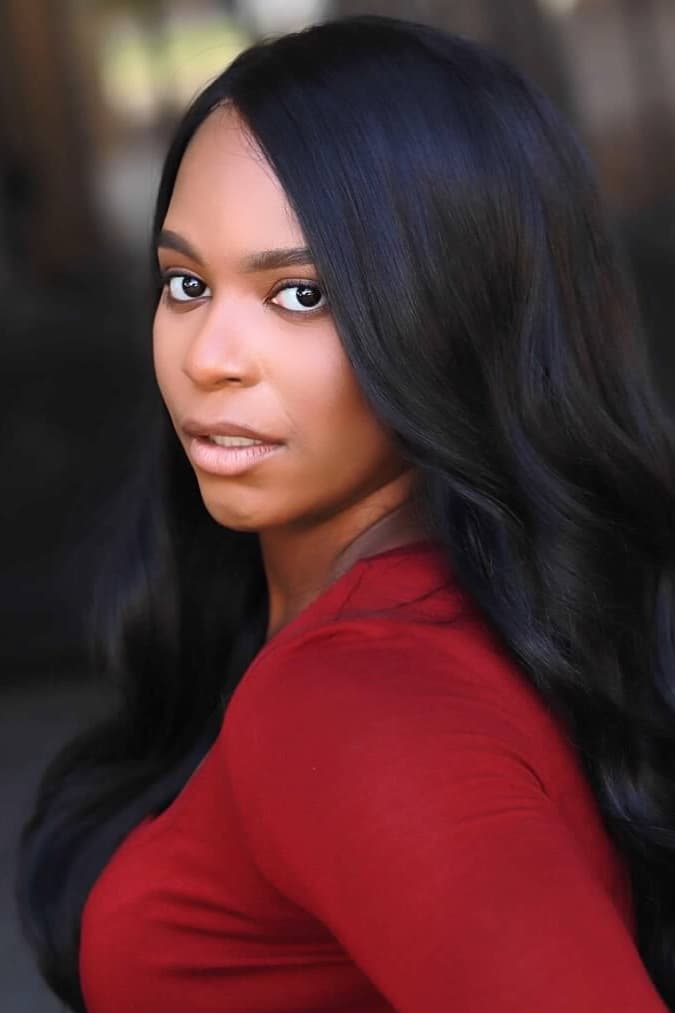
During her ‘Empire’ stint as Melody Barnes, Grey appears as a singer navigating label politics and career reinvention. The storyline deals with contracts, producers, and stage comebacks, not identity exposition. Musical arcs and business machinations drive the scenes. No character pauses to comment on gender identity at any point.
Ava Grey
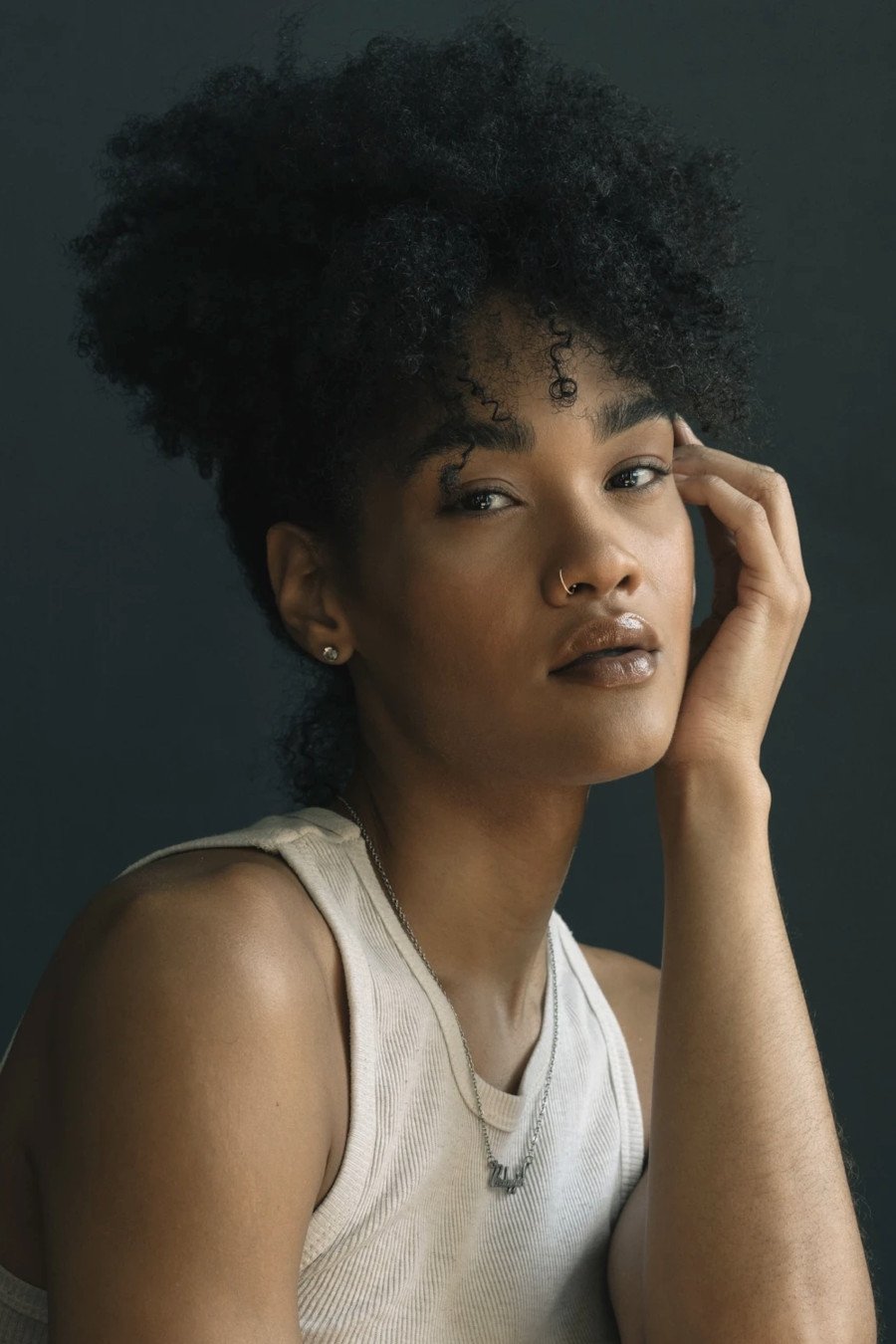
In ‘Hacks’ season 3, Grey recurs as Ruby, a working comic whose relationship with Ava intersects with career choices and tour schedules. The show’s focus stays on romance, ambition, and the costs of show business. Ruby’s beats are about gigs, opportunities, and boundaries—with no dialogue that labels or explains gender identity. The character is treated like any other love interest with a career.
Ts Madison
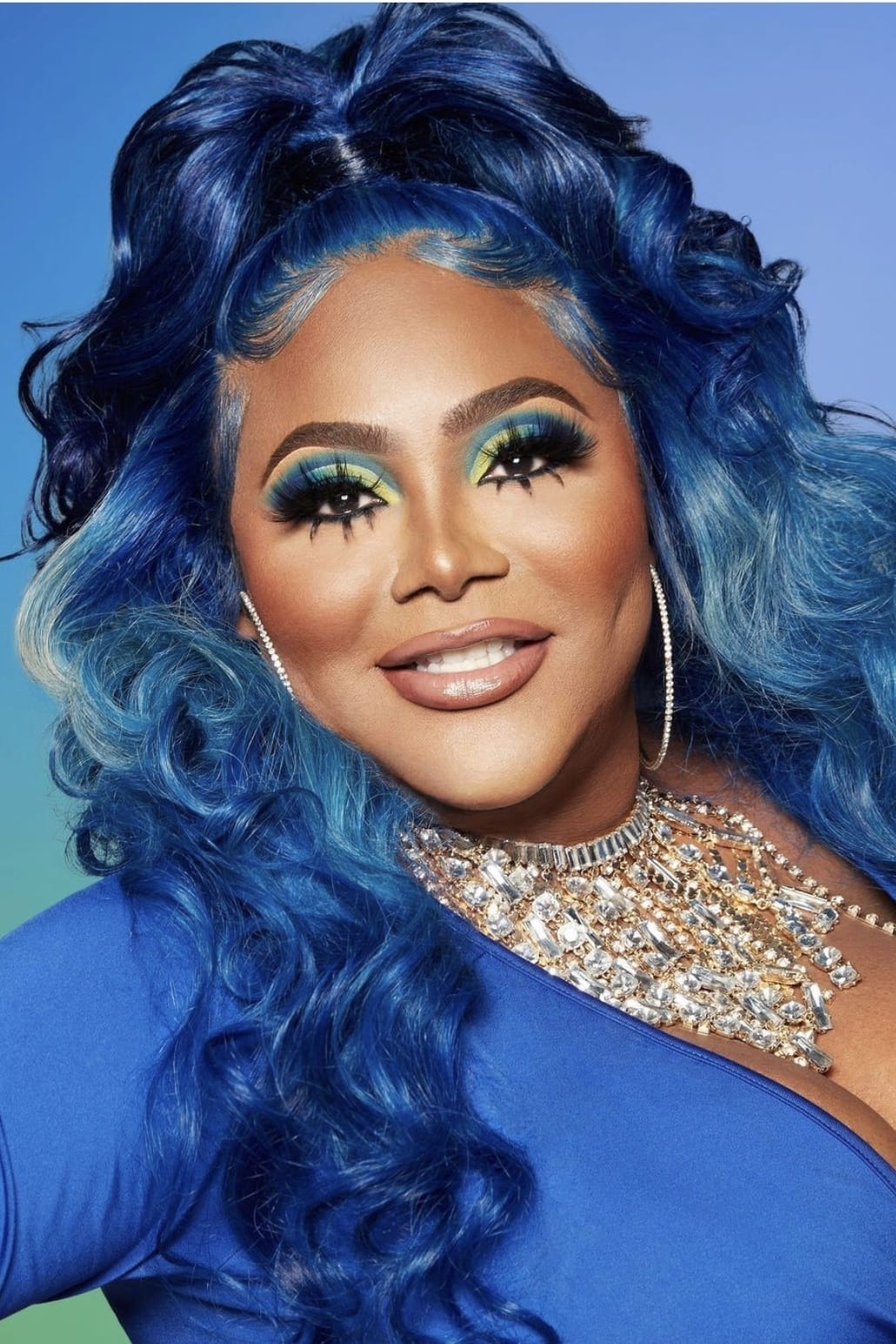
The studio rom-com ‘Bros’ features Madison as Ms. P, part of the film’s ensemble orbiting a museum project and the central relationship. Her scenes are workplace- and event-driven, used for timing, jokes, and plot propulsion. The film doesn’t detour to define Ms. P by gender identity; she’s part of the professional and social fabric around the leads. The character functions on exactly those terms.
Laith Ashley
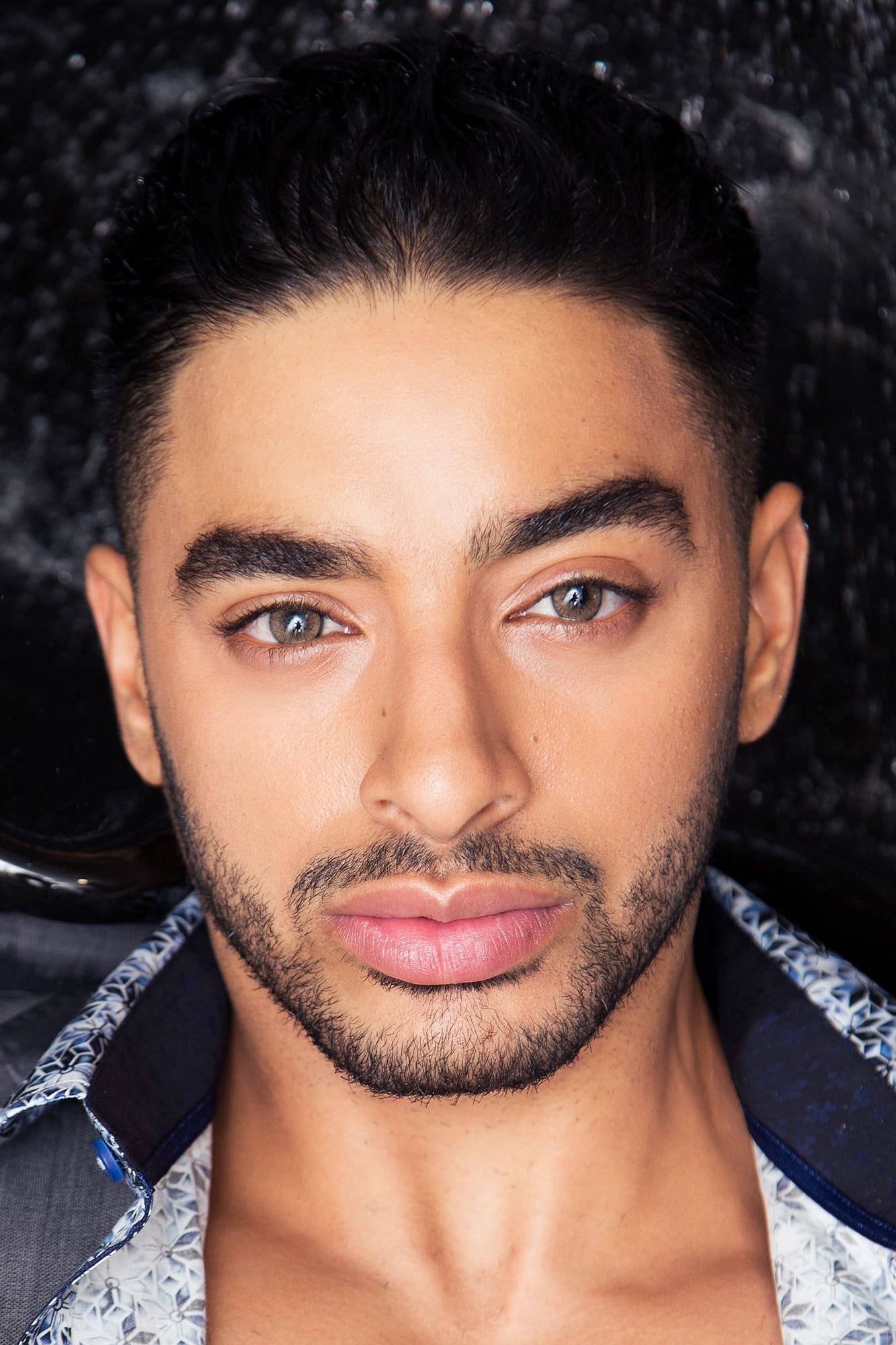
Ashley appears as the love interest in the ‘Lavender Haze’ music video, which tells a relationship story through visuals rather than dialogue. The role operates entirely on chemistry, movement, and shared moments; there’s no script text to label anyone. The on-screen dynamic communicates intimacy and narrative without identity exposition. It’s casting that trusts the audience to read the romance without footnotes.
Jari Jones
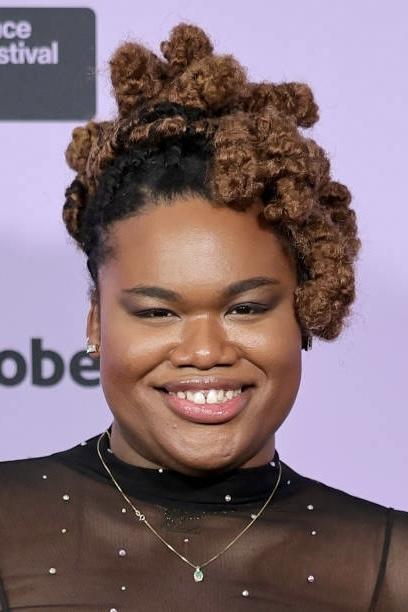
Jones’s screen appearances have included parts where the character’s purpose is to move a scene—delivering a beat, a reaction, or a turn—without any identity explanation baked into the dialogue. The effect is to keep attention on stakes and story mechanics, not on labels. These roles demonstrate that a character can exist in a world on the basis of function and presence alone. Nothing in the text calls out gender identity.
Nyla Rose
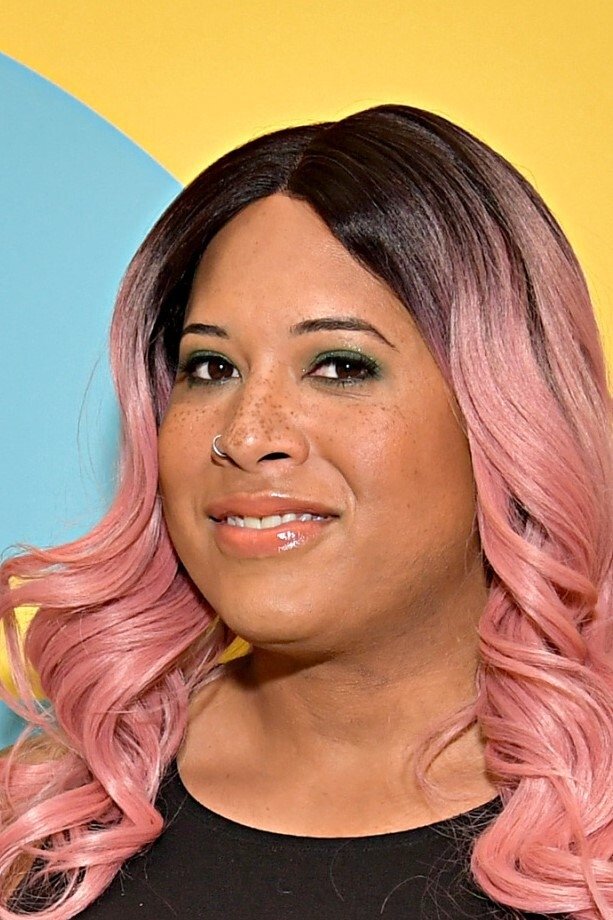
Outside the ring, Rose’s acting cameos have slotted into existing ensembles where the beats revolve around plot and tone. The work emphasizes character action—what a person does in a moment—rather than identity definition. Scenes get in, land, and move on without pausing for labels. The casting treats identity as a non-issue within the fiction.
Hailie Sahar
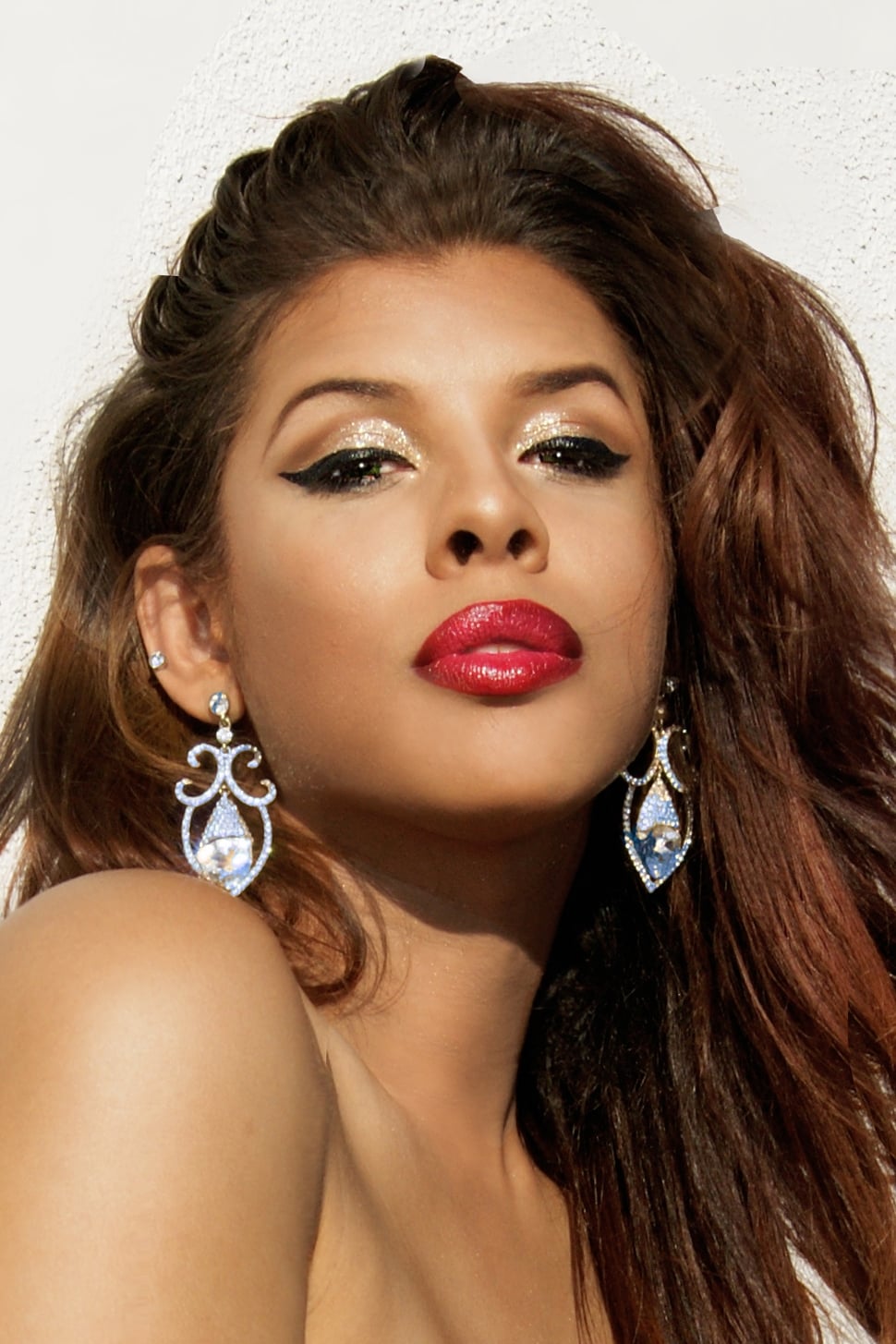
When Sahar turns up in non-franchise appearances that aren’t built around identity arcs, the scripts keep the camera on conflict and consequence. Dialogue serves the objective of the episode—professional hurdles, family friction, or personal choice—while leaving gender identity unremarked. The performance fills in personality through action. The show moves forward without explanatory asides.
Isis King
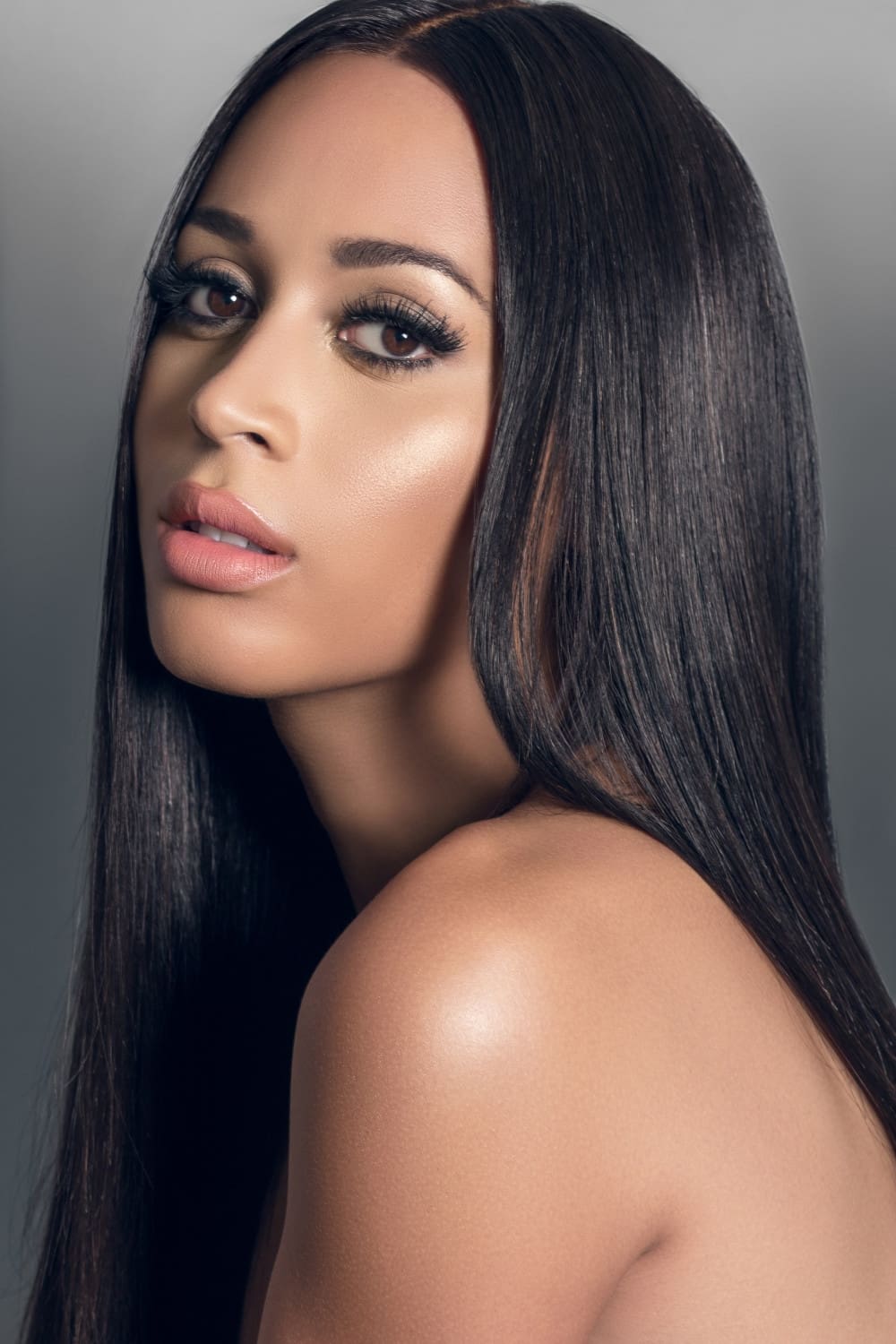
Beyond period pieces that explicitly cover trans history, King’s on-screen work has included parts where the character’s beats are tied to job, family, or setting. No line of dialogue singles out gender identity in those appearances. The character is present to serve story motion and theme. It’s the same treatment given to peers in the scene.
Amiyah Scott
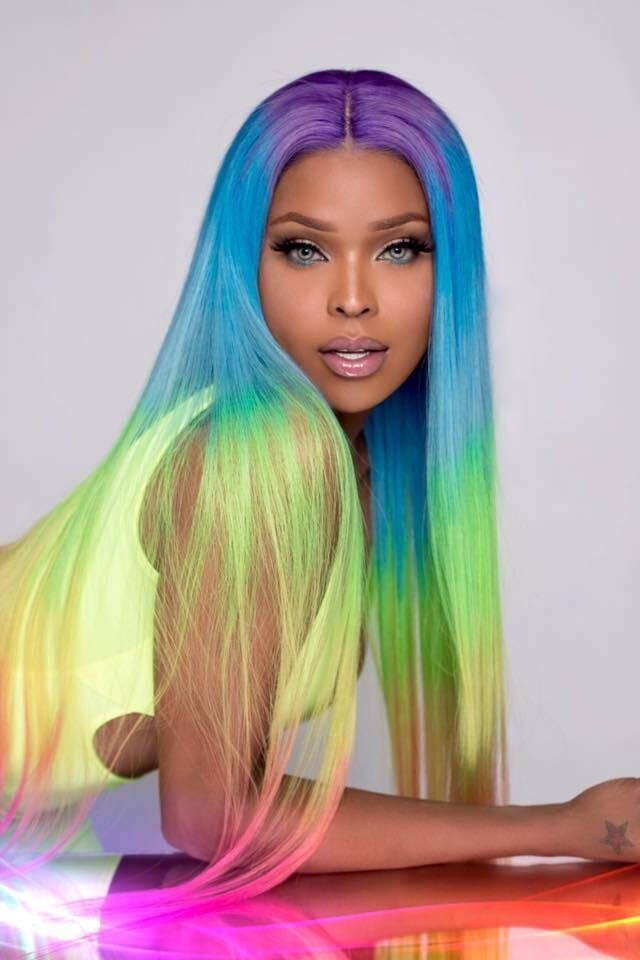
Outside of identity-centered arcs, Scott’s credits include roles where the script keeps focus on entertainment-industry machinations or interpersonal drama without labeling anyone. Scenes present the character’s wants, conflicts, and choices in plain terms. There’s no exposition about gender identity because the plot doesn’t require it. The character stands on story utility and performance.
Share the ones we missed in the comments—who else have you seen cast this way lately?