Actors Who Journaled as Their Characters Daily



Method acting often requires performers to go to extreme lengths to understand the psychology of the people they portray. One effective technique involves keeping a daily journal written from the perspective of the character. This practice allows actors to explore internal monologues and create detailed backstories that never appear in the script. The following list highlights performers who used the power of the pen to deepen their on-screen transformations.
Heath Ledger
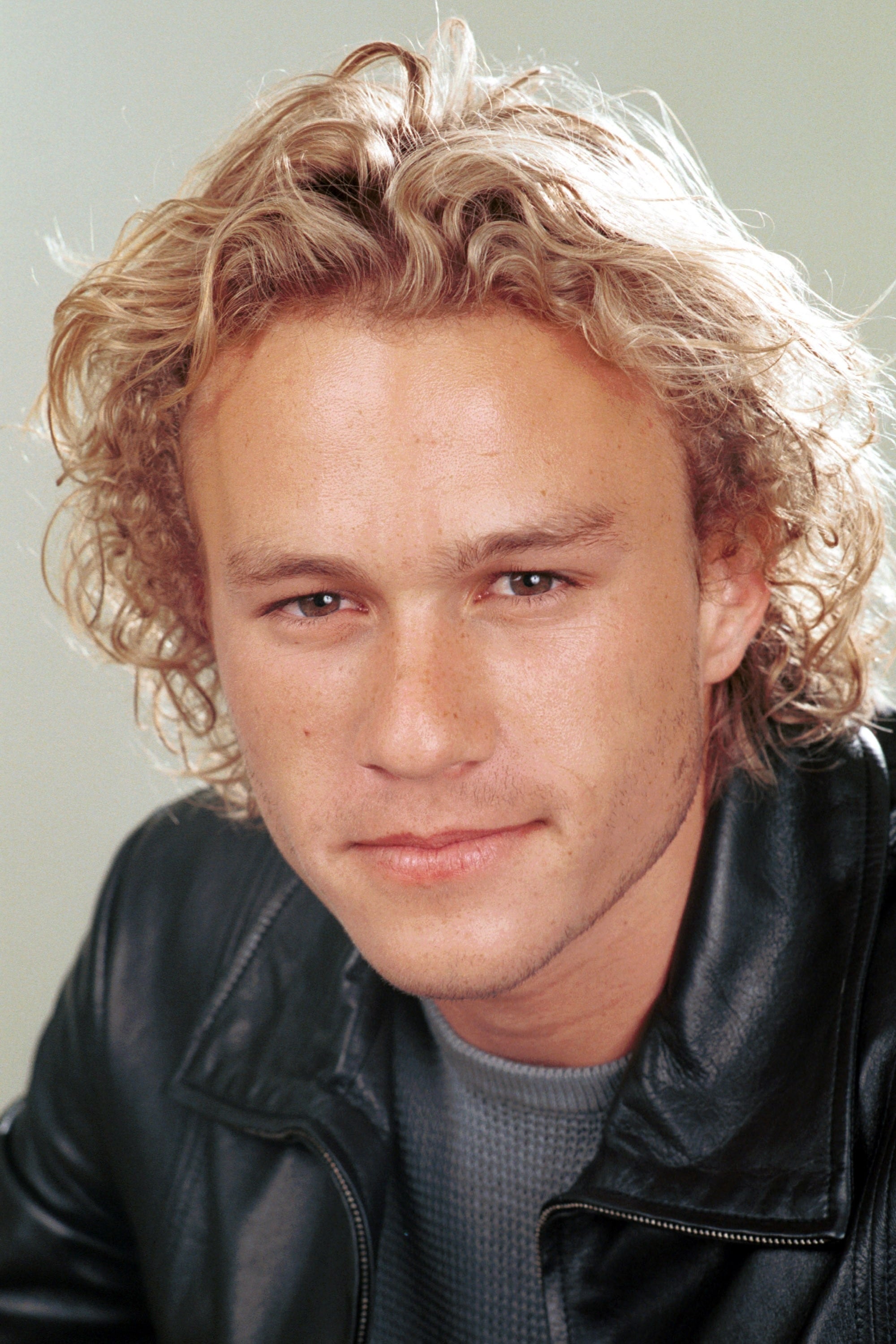
The actor famously isolated himself in a hotel room for a month to prepare for his role in ‘The Dark Knight’. He curated a chilling scrapbook filled with disturbing images and cryptic writings to find the voice of the Joker. This diary became a focal point of his immersion into the chaotic psychology of the villain. The process helped him detach from his own reality and fully embody the anarchist nature of the character.
Robert De Niro
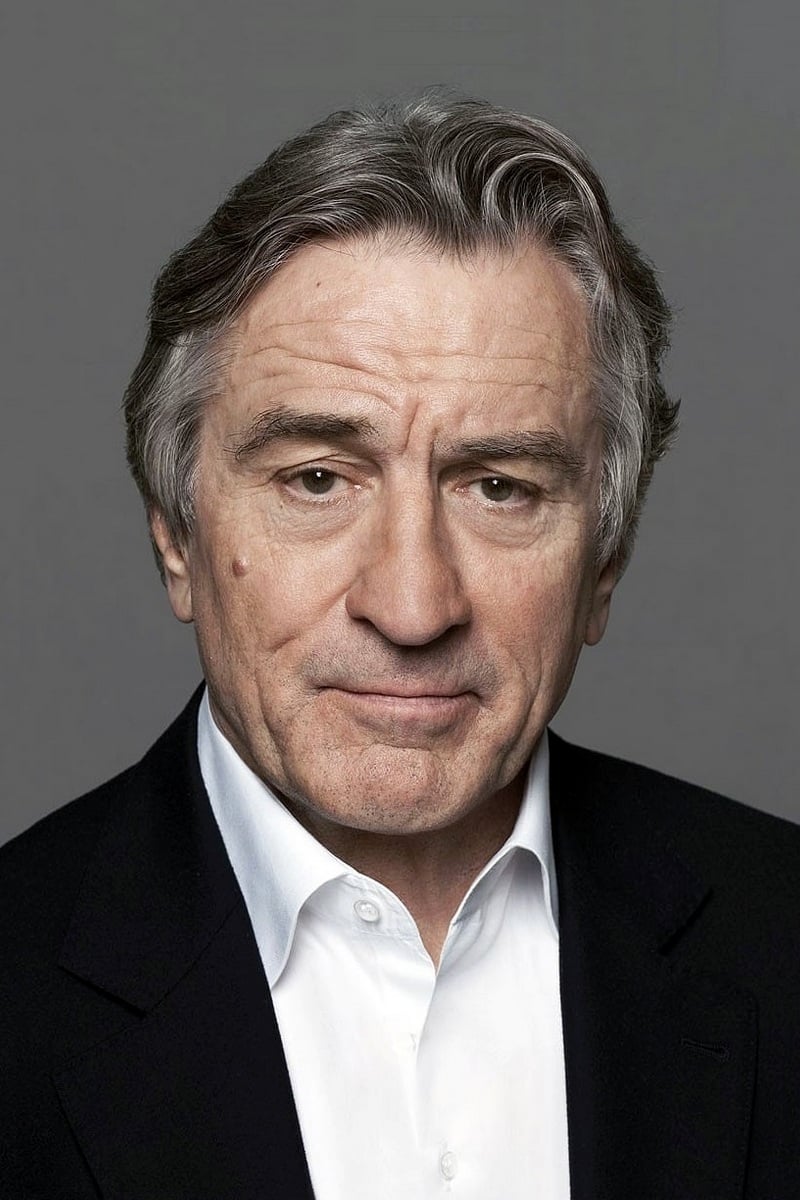
Preparation for ‘Taxi Driver’ involved the actor driving a cab in New York City for extended shifts. He maintained a handwritten journal to capture the isolation and deteriorating mental state of Travis Bickle. These scribblings helped inform the famous voiceover narration found throughout the film. His dedication to capturing the raw thoughts of the character set a new standard for method acting.
Rosamund Pike

To capture the complex duality of Amy Dunne in ‘Gone Girl’, the actress utilized the actual diary entries used in the film. She studied handwriting analysis to create different personas for the character’s various stages of life. This attention to detail allowed her to switch seamlessly between the cool perfectionist and the manipulative sociopath. The physical act of writing helped ground the erratic behavior of her on-screen counterpart.
Michael B. Jordan
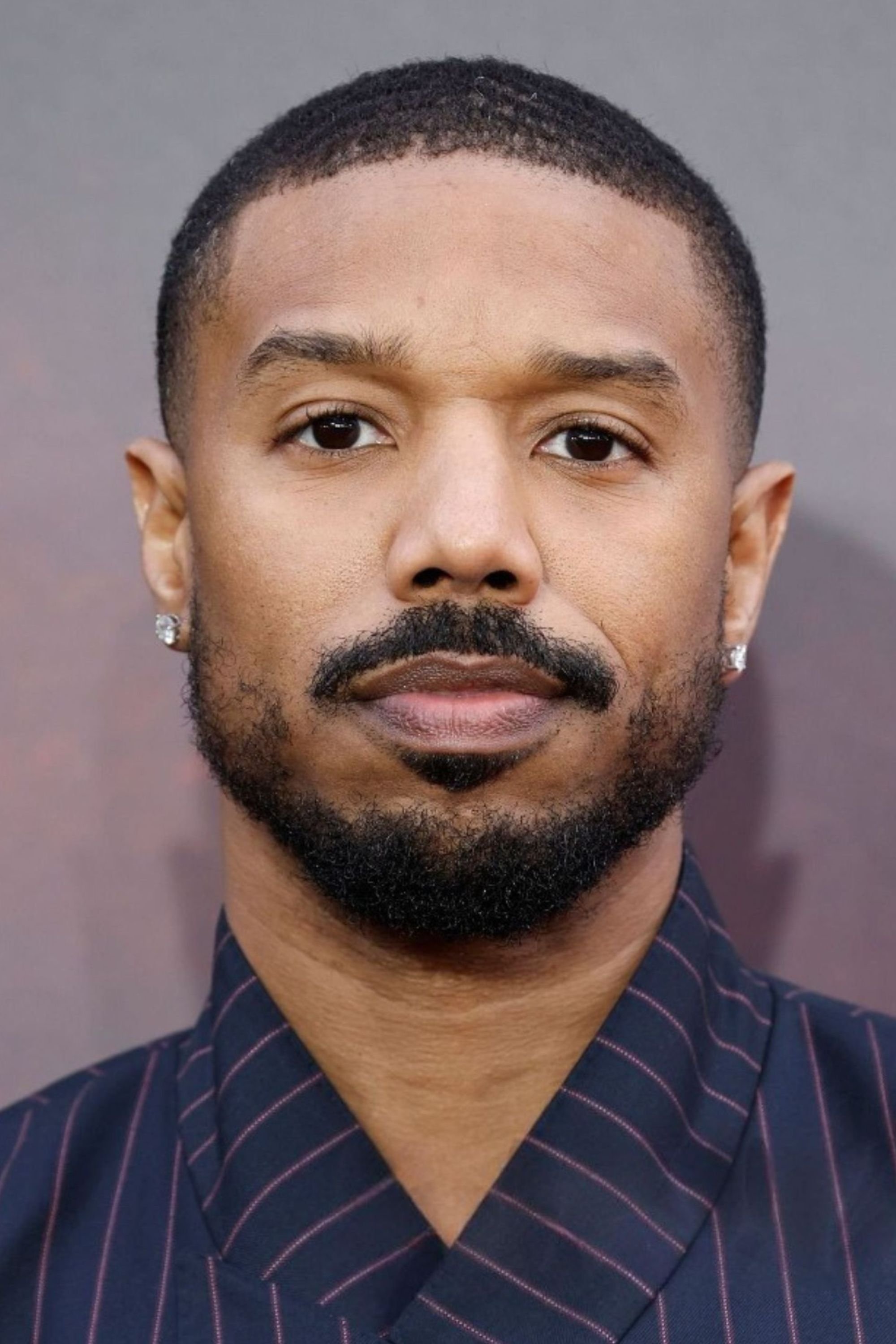
The actor distanced himself from his co-stars on the set of ‘Black Panther’ to cultivate the loneliness of Erik Killmonger. He kept a dark journal written from the perspective of his character to fuel his on-screen rage and pain. This painful process allowed him to understand the motivations behind the villain’s revolutionary actions. It remains one of the most celebrated performances in the Marvel Cinematic Universe.
Lady Gaga

Immersive preparation for ‘House of Gucci’ required the singer turned actress to live as Patrizia Reggiani for over a year. She documented her daily thoughts in the voice of the Italian socialite to perfect the accent and mindset. This continuous engagement ensured she never broke character even when the cameras stopped rolling. Her commitment extended to thinking and dreaming in the persona of Reggiani.
Bill Skarsgård

Portraying the ancient entity Pennywise in ‘It’ required exploring very dark abstract thoughts. The actor filled a notebook with erratic drawings and disturbing ramblings to tap into the mind of the child-eating clown. This practice helped him discover the unpredictable cadence and physicality of the monster. The journal served as a tool to summon the terrifying energy needed for the production.
Jamie Dornan

The actor played a serial killer leading a double life in the series ‘The Fall’. He maintained a detailed diary as Paul Spector to rationalize the heinous actions of the character. This exercise involved writing out the justifications and twisted logic that a sociopath might possess. It allowed him to portray the character with a chilling normalcy that unsettled audiences.
Val Kilmer
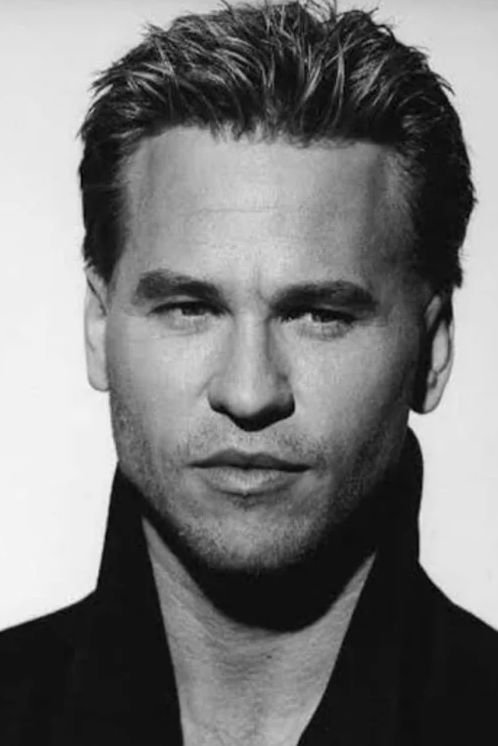
Transforming into Jim Morrison for ‘The Doors’ involved an intense study of the musician’s poetry and lifestyle. The actor filled notebooks with his own poetry written in the specific style of the rock legend. He spent months wearing Morrison’s clothes and frequenting his old hangouts to blur the lines between reality and performance. This deep dive resulted in a performance that many found indistinguishable from the real singer.
Joaquin Phoenix
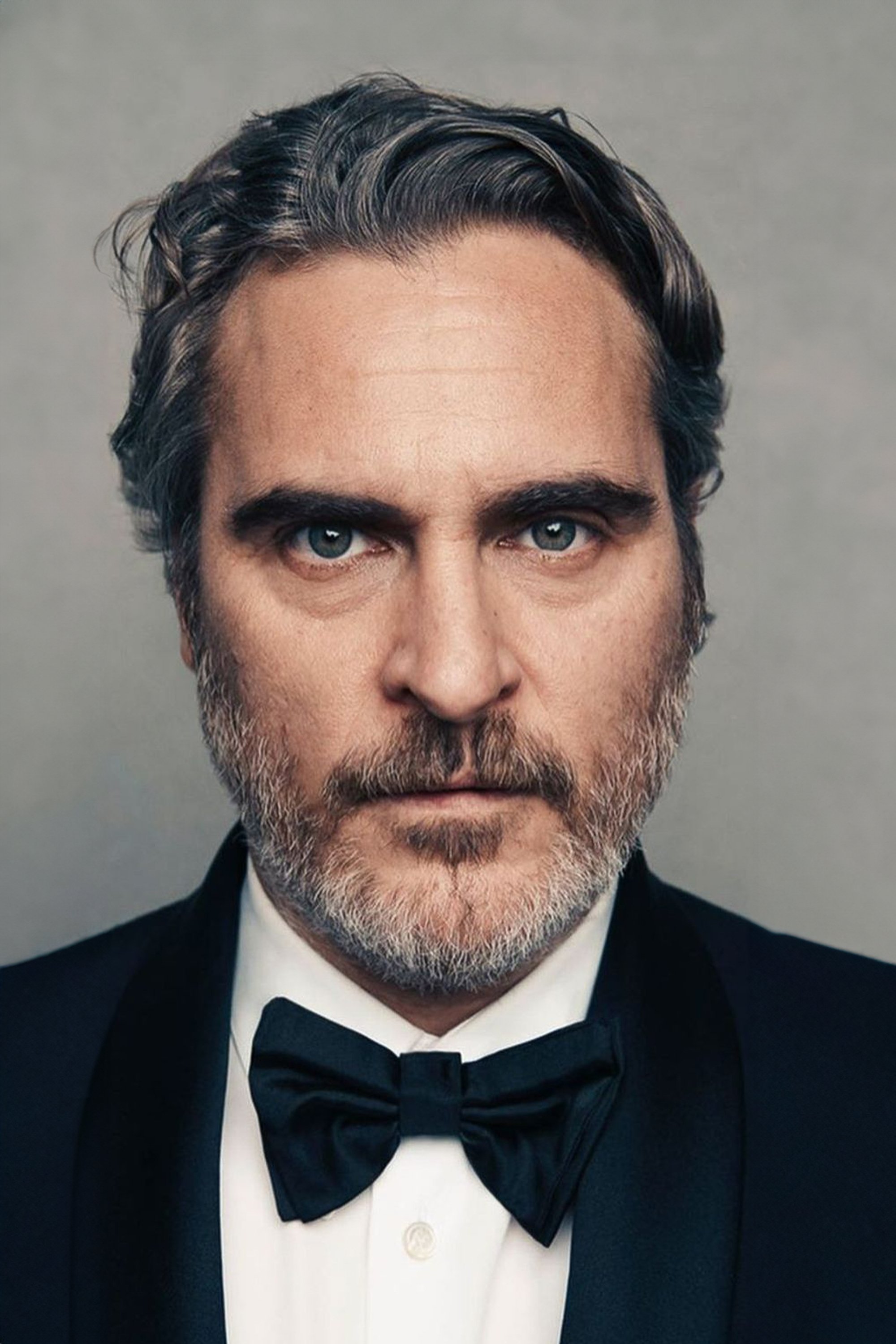
The journal seen on screen in ‘Joker’ was partly a product of the actor’s own preparation process. He filled the pages with jokes and manic thoughts to illustrate Arthur Fleck’s descent into madness. This prop became a genuine extension of his internal work on the character’s psyche. The blurred line between the actor’s input and the character’s prop added authenticity to the film.
Nicole Kidman
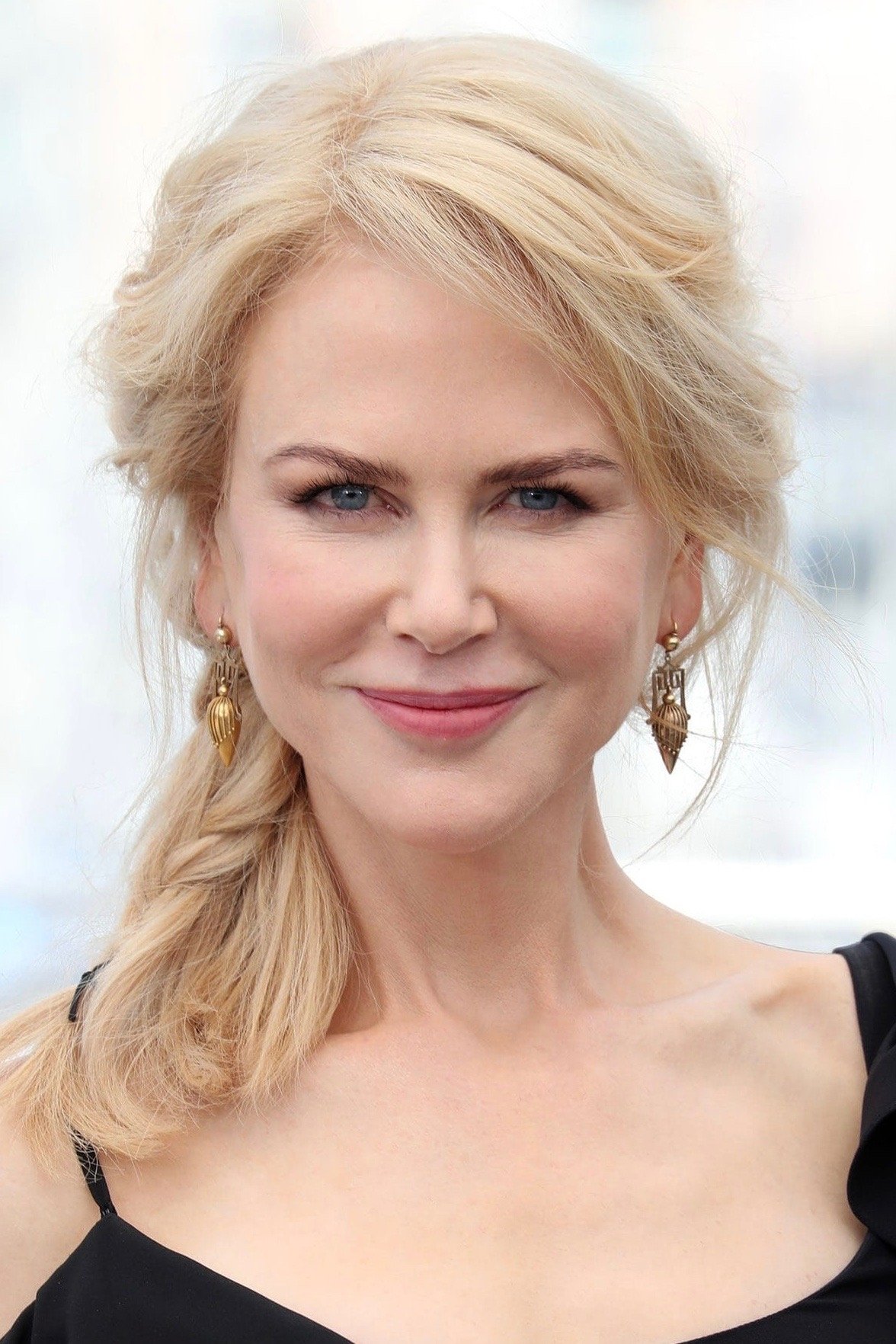
Preparation for the role of Celeste Wright in ‘Big Little Lies’ involved documenting the character’s internal trauma. The actress wrote entries detailing the abuse and emotional turmoil that the character kept hidden from the world. This practice helped her access the deep well of grief required for the intense therapy scenes. It provided a private outlet for the heavy emotions generated during filming.
Forest Whitaker
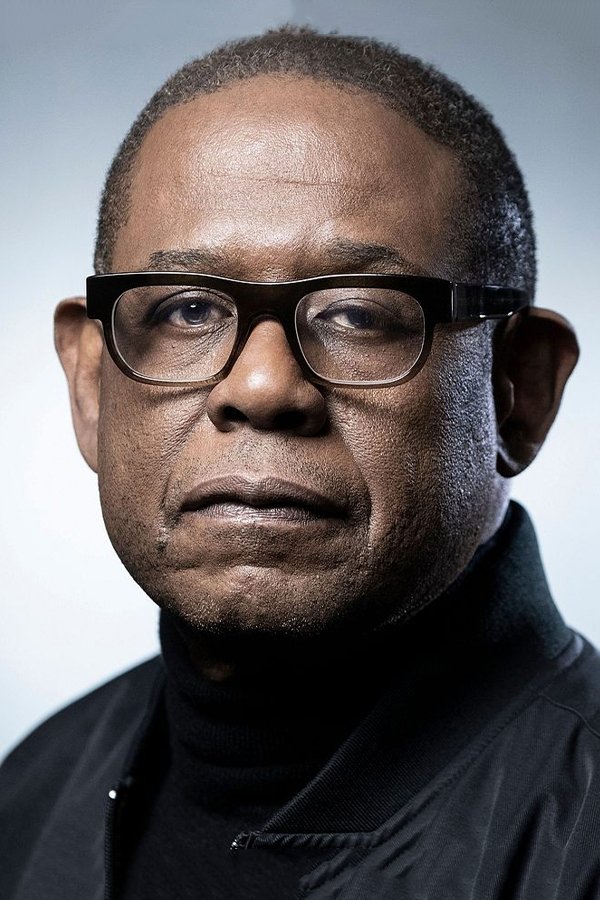
Playing the dictator Idi Amin in ‘The Last King of Scotland’ required understanding a complex and terrifying figure. The actor kept a journal written in the first person to explore the rationalizations behind Amin’s brutal decisions. He researched the history deeply to ensure every entry reflected the dictator’s specific worldview. This intense preparation contributed to his Academy Award winning performance.
Jared Leto
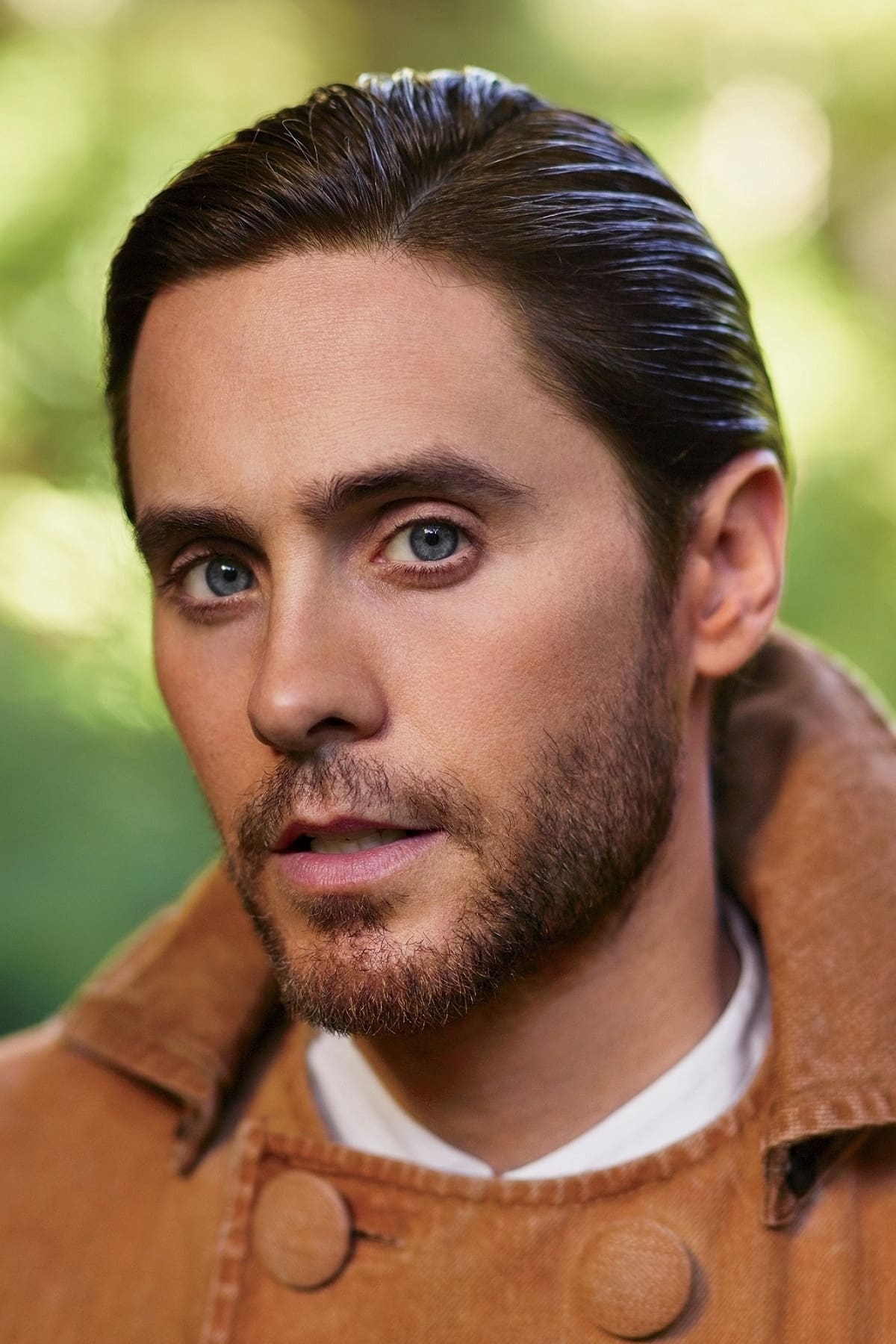
The actor sent bizarre gifts to cast members while preparing for ‘Suicide Squad’ but also kept a chaotic diary. He filled the pages with incoherent ramblings to align himself with the fractured mind of the Joker. This method approach was designed to keep him isolated and unpredictable throughout the shoot. The diary served as a repository for the madness he channeled on screen.
Austin Butler

Becoming the King of Rock and Roll for ‘Elvis’ took years of dedicated study and isolation. The actor covered the walls of his apartment with images and filled journals to track the singer’s evolution over decades. He wrote letters to Elvis’s late mother to tap into the star’s profound grief and devotion. This emotional mapping was crucial for portraying the human side of the music icon.
Chadwick Boseman
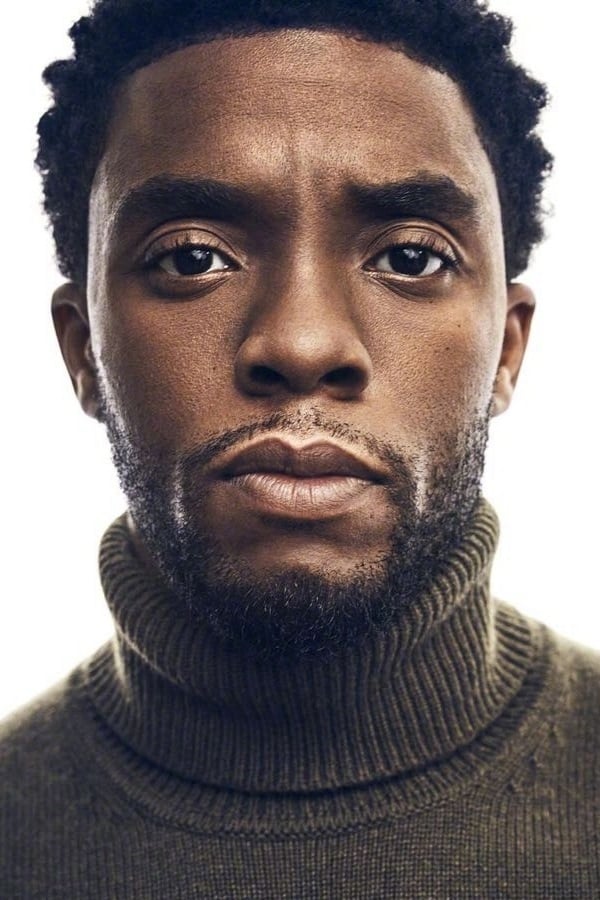
Portraying Jackie Robinson in ’42’ carried the weight of historical significance and personal pressure. The actor kept a journal to document the isolation and restraint Robinson faced while breaking the color barrier. He wrote about the abuse the player endured without being able to retaliate. This quiet reflection helped him deliver a performance defined by dignity and strength.
Brie Larson

The actress isolated herself in her home for a month to prepare for the confinement depicted in ‘Room’. She wrote three different diaries from the perspective of her character at age ten and fourteen and seventeen. This timeline helped her construct a rich backstory for a woman held in captivity for years. The exercise provided the emotional foundation for her Oscar winning role.
Lupita Nyong’o

Playing the dual roles of Adelaide and Red in ‘Us’ required distinct psychological profiles for each character. The actress kept a diary as the tethered doppelgänger Red to develop her unique worldview and vocabulary. She used the journal to explore the envy and vengeance that motivated the antagonist. This separation of mindsets was vital for interacting with herself in complex scenes.
Willem Dafoe
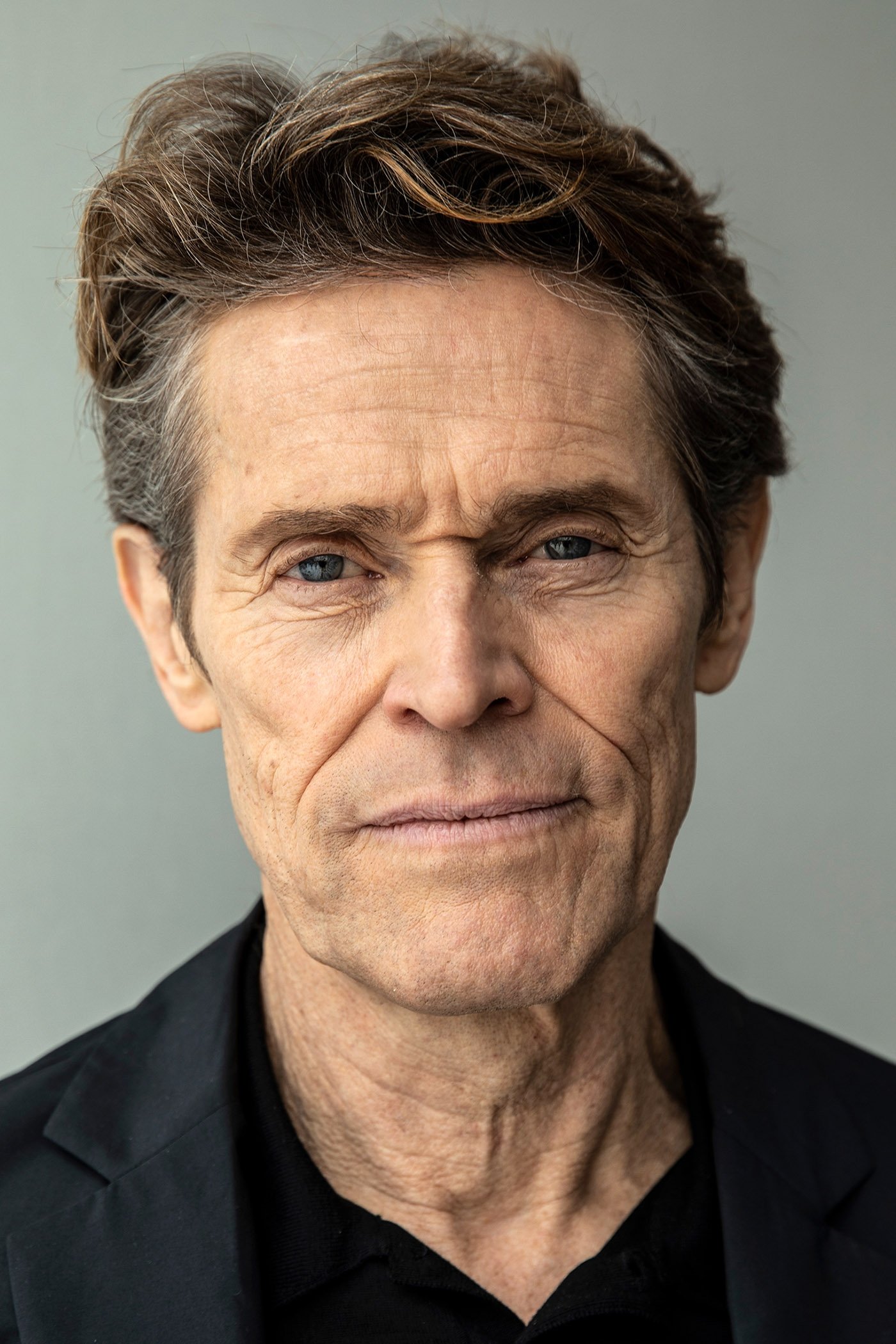
Filming ‘The Lighthouse’ involved harsh weather conditions and a remote location that aided the acting process. The actor kept a daily journal to document the physical strain and the archaic dialogue of his character. He focused on the rhythm of the period language to make the wickie’s speech sound natural. These writings helped him maintain the intensity required for the psychological horror.
Aaron Eckhart
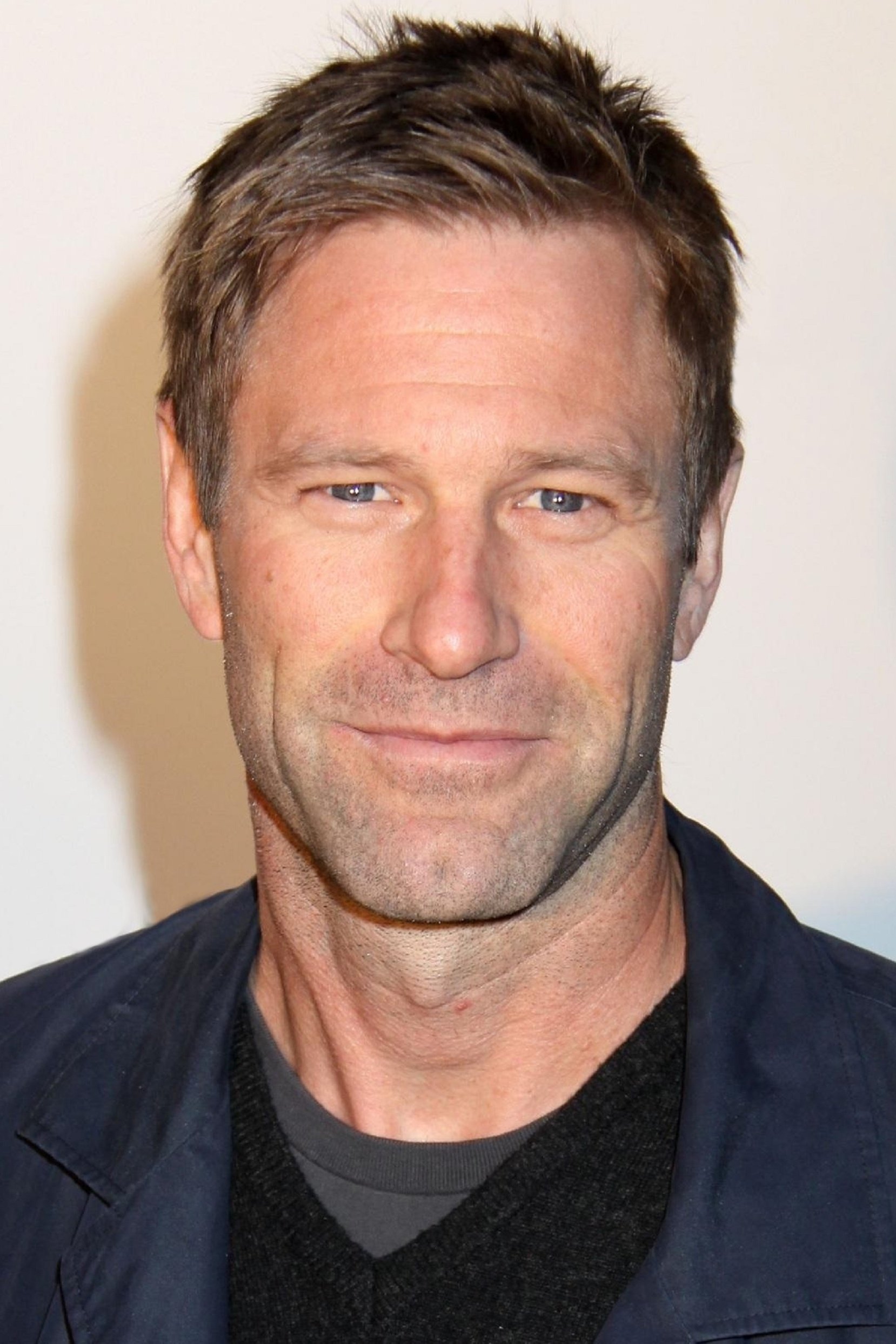
The role of a grieving father in ‘Rabbit Hole’ demanded a deep exploration of loss and sorrow. The actor attended support groups and wrote letters to the fictional deceased son to access genuine emotion. These private writings allowed him to build a history of love and grief that informed every scene. The process created a palpable sense of heartbreak that anchored the film.
Dakota Johnson
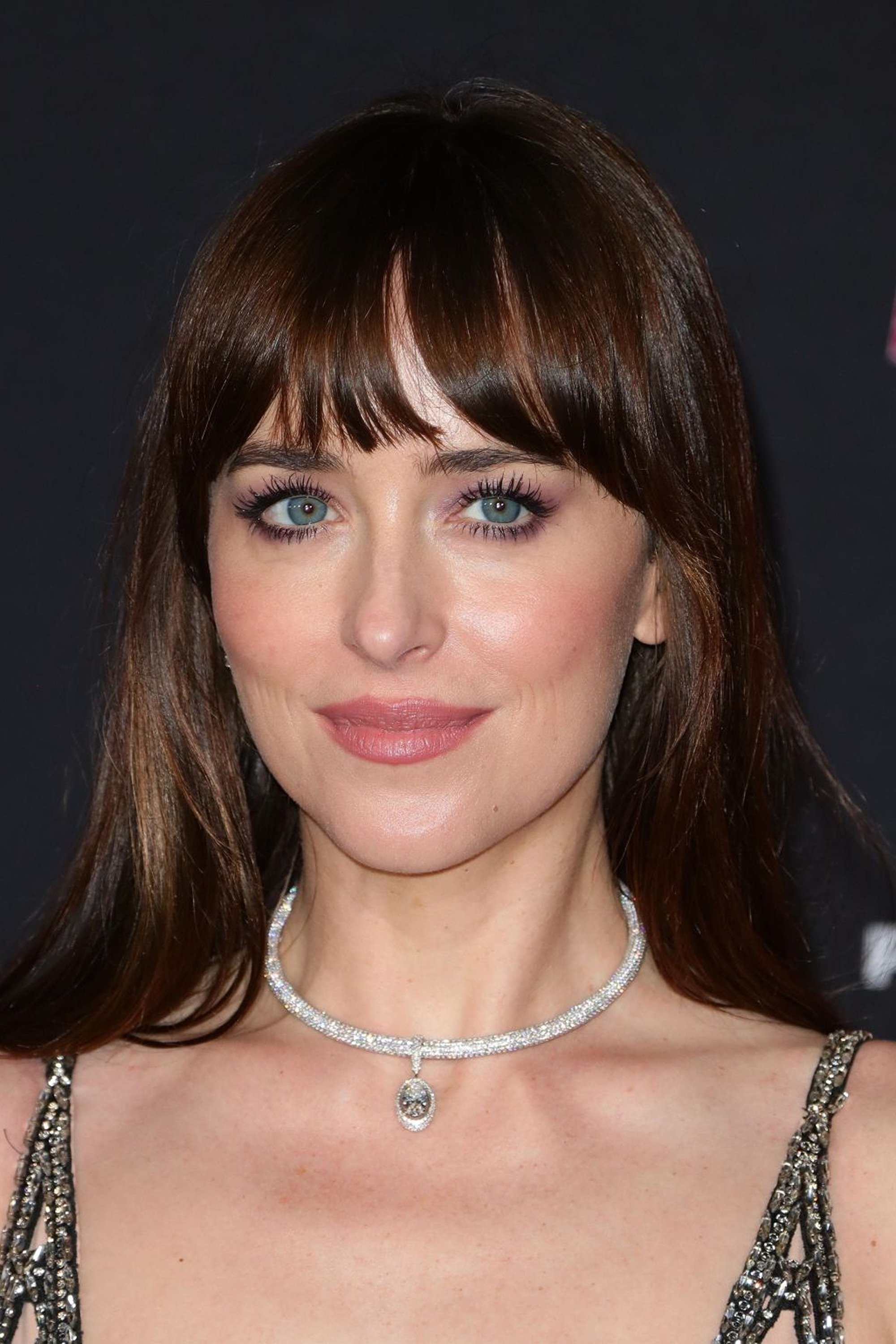
Filming the horror remake ‘Suspiria’ was a traumatic experience that required professional therapy afterward. The actress journaled daily to process the dark themes and intense physical demands of the role. She used writing as a way to separate her own psyche from the disturbing events of the film. This boundary was essential for maintaining her mental health during the production.
Lily James

Transforming into Pamela Anderson for ‘Pam & Tommy’ required four hours of daily makeup and a complete voice change. The actress wrote daily diary entries in Anderson’s voice to understand her perspective during the scandal. She studied interviews to capture the specific cadence and vocabulary of the star. This internal work helped humanize a figure often reduced to a caricature.
Andrew Garfield
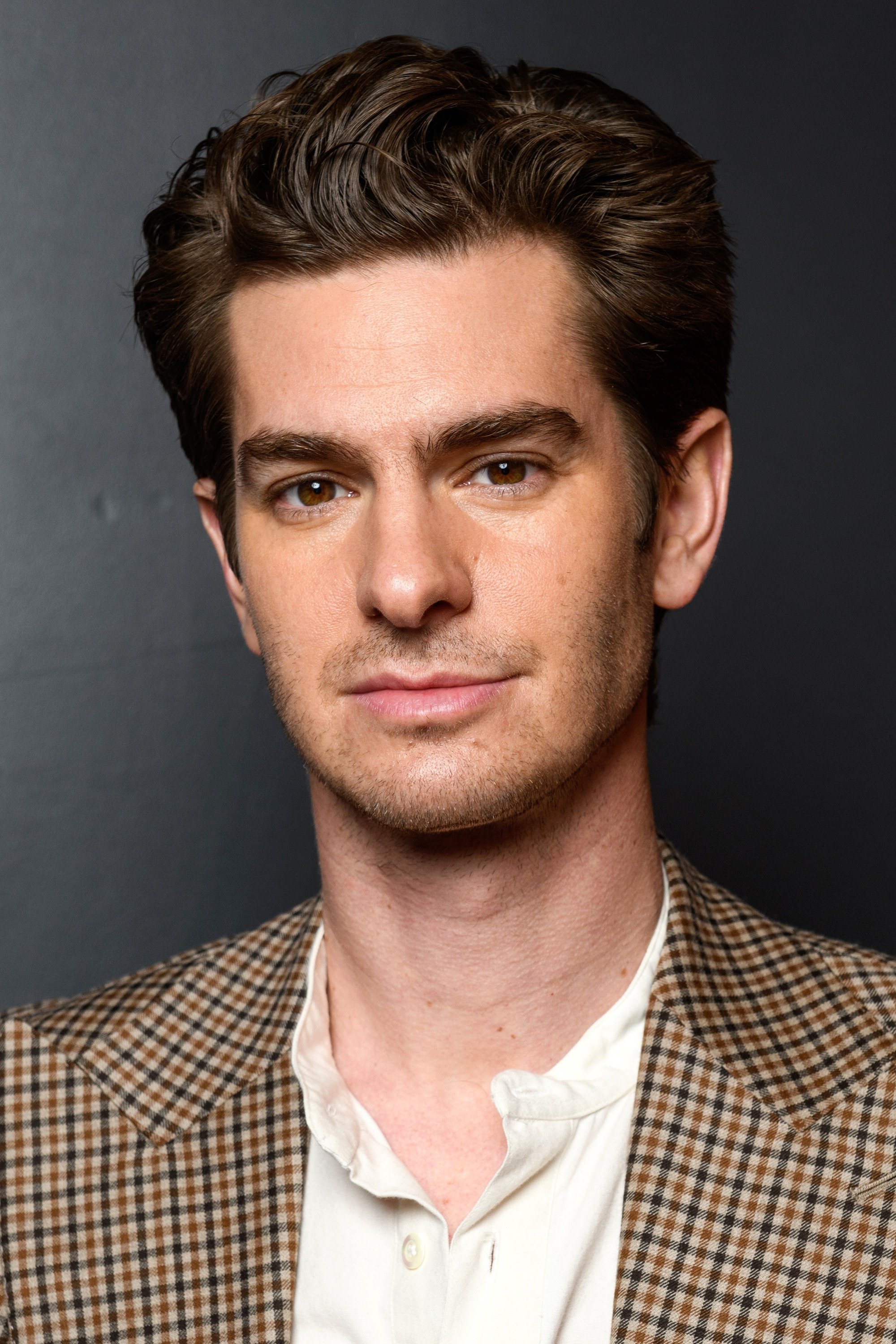
Preparation for the religious drama ‘Silence’ involved a week of total silence at a Jesuit retreat. The actor engaged in spiritual exercises and extensive journaling to understand the faith of his character. He documented his struggles with doubt and devotion during the arduous filming process. This spiritual immersion added a layer of profound sincerity to his performance.
Harry Styles
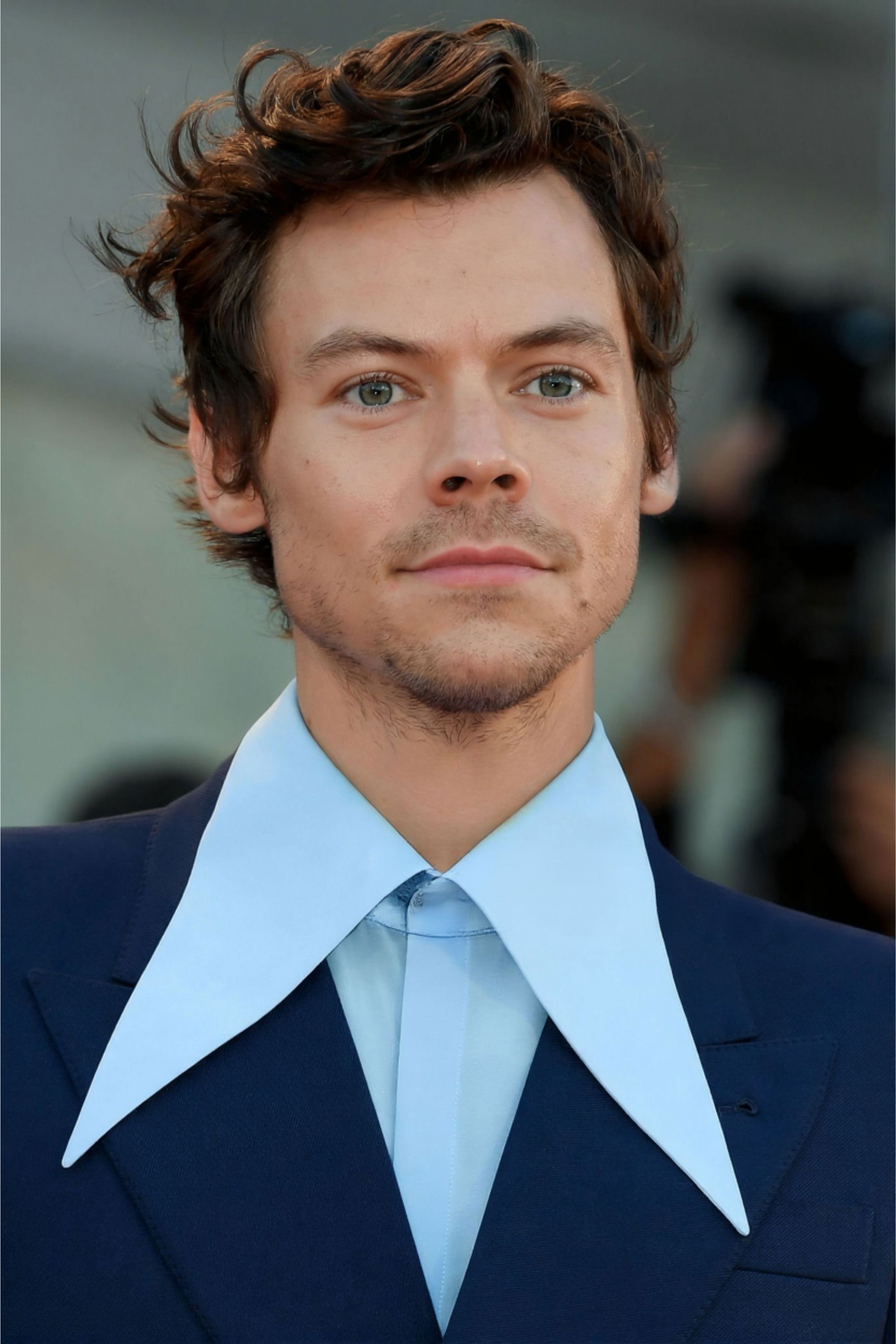
The singer stepped into a psychological thriller for his role in ‘Don’t Worry Darling’. He claimed to write journals from the perspective of his character Jack to understand the motivations behind the utopian simulation. This backstory work helped him justify the controlling and deceptive nature of the husband. It allowed him to play the character with a conviction that masked the twist.
Octavia Spencer

The actress created a detailed backstory for her character Zelda in ‘The Shape of Water’. She wrote journal entries to establish the silent bond between Zelda and the mute protagonist Elisa. This history explained why her character was so protective and loyal throughout the narrative. The written background added depth to a supporting role that served as the film’s emotional anchor.
Ethan Hawke
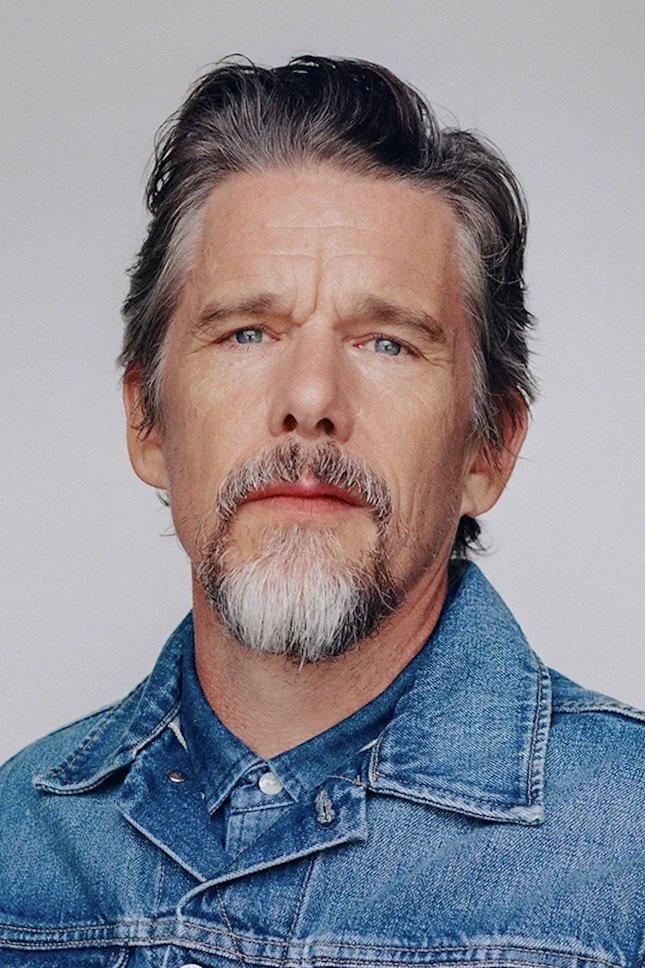
For his role as a tormented priest in ‘First Reformed’, the actor relied on the film’s narration as a guide. He kept a personal journal during production to mirror the obsessive writing of his character. This synchronization of actor and character helped blur the lines of identity during the shoot. The result was a stark and disciplined performance rooted in introspection.
Robert Pattinson

The actor prepared for ‘The Lighthouse’ by immersing himself in books about maritime history and madness. He wrote in character to find the voice of the younger wickie descending into insanity. His entries were often abstract and focused on the visceral elements of the island setting. This chaotic preparation complemented the rigid approach of his co-star to create on-screen tension.
Tell us which actor’s dedication impressed you the most in the comments.