Games Where Narratives Branch Based on Button Mashing


Narratives in video games often depend on the choices players make during dialogue or exploration. Some titles incorporate mechanical skill through quick time events or button mashing to decide the fate of characters. These moments create high tension by requiring physical input to steer the story in specific directions. Failing these prompts can lead to character deaths or entirely new narrative paths. This list explores several games where your reflexes are just as important as your decisions.
‘Heavy Rain’ (2010)
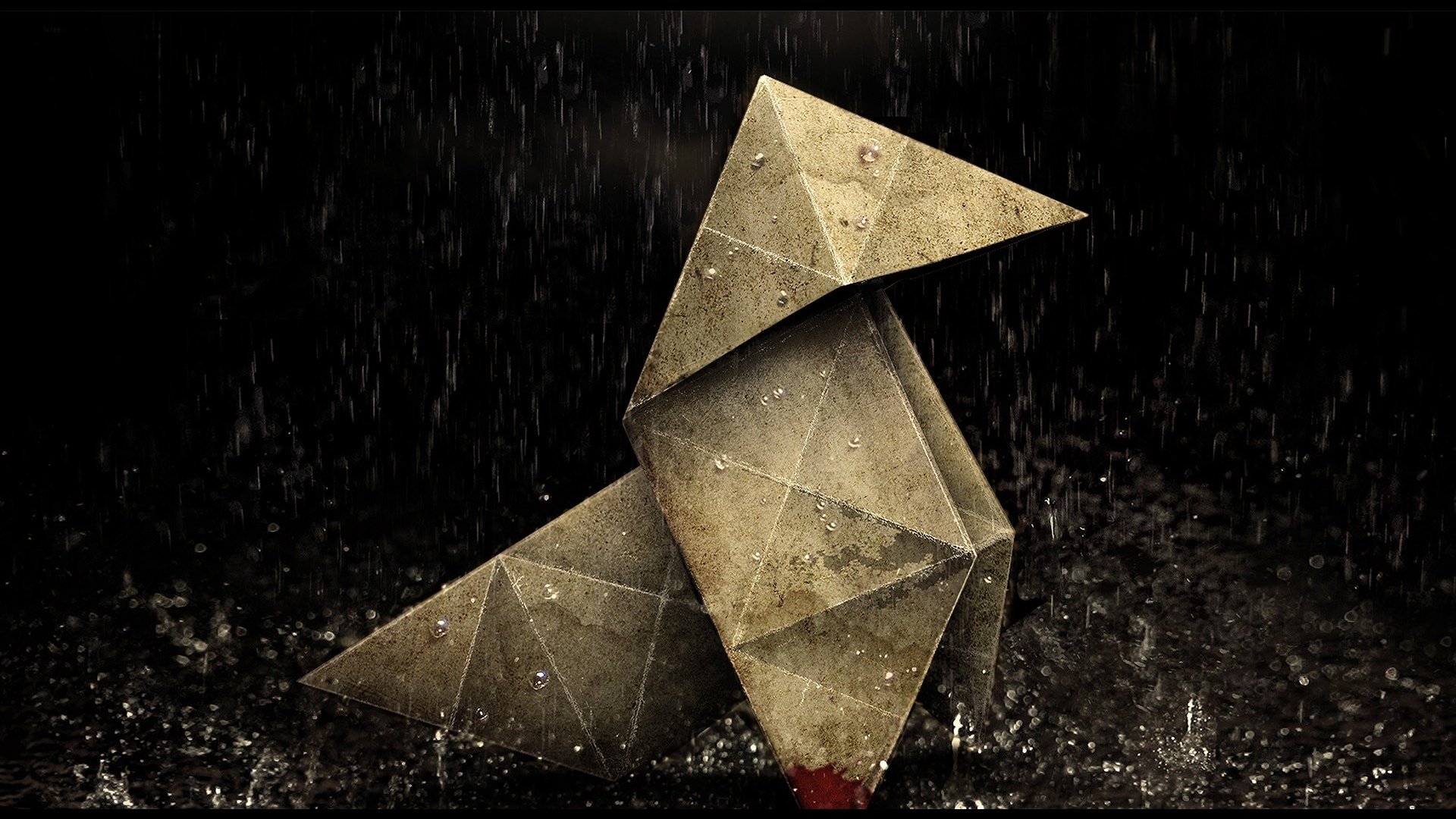
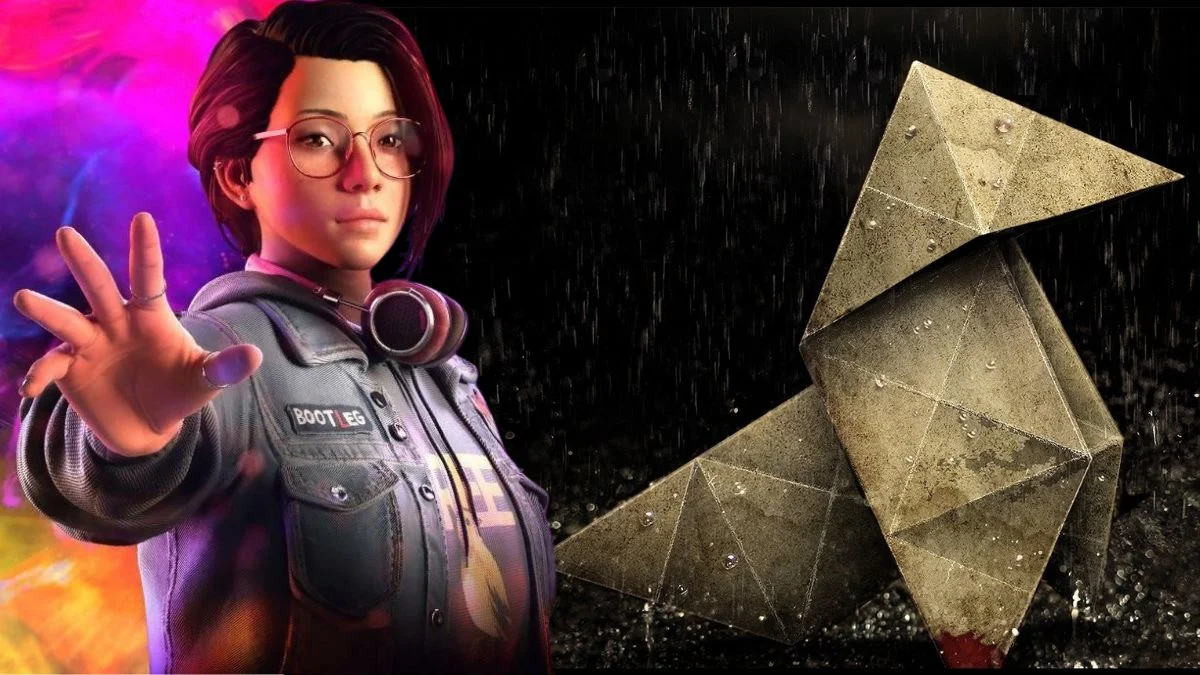
Players control four different characters searching for the mysterious Origami Killer. The game relies heavily on complex button prompts and rapid tapping to navigate dangerous situations. Failing a sequence can result in the permanent death of a protagonist which forces the story to continue without them. Every action impacts the final outcome of the investigation. The narrative branches significantly based on how well players perform under pressure.
‘Detroit: Become Human’ (2018)
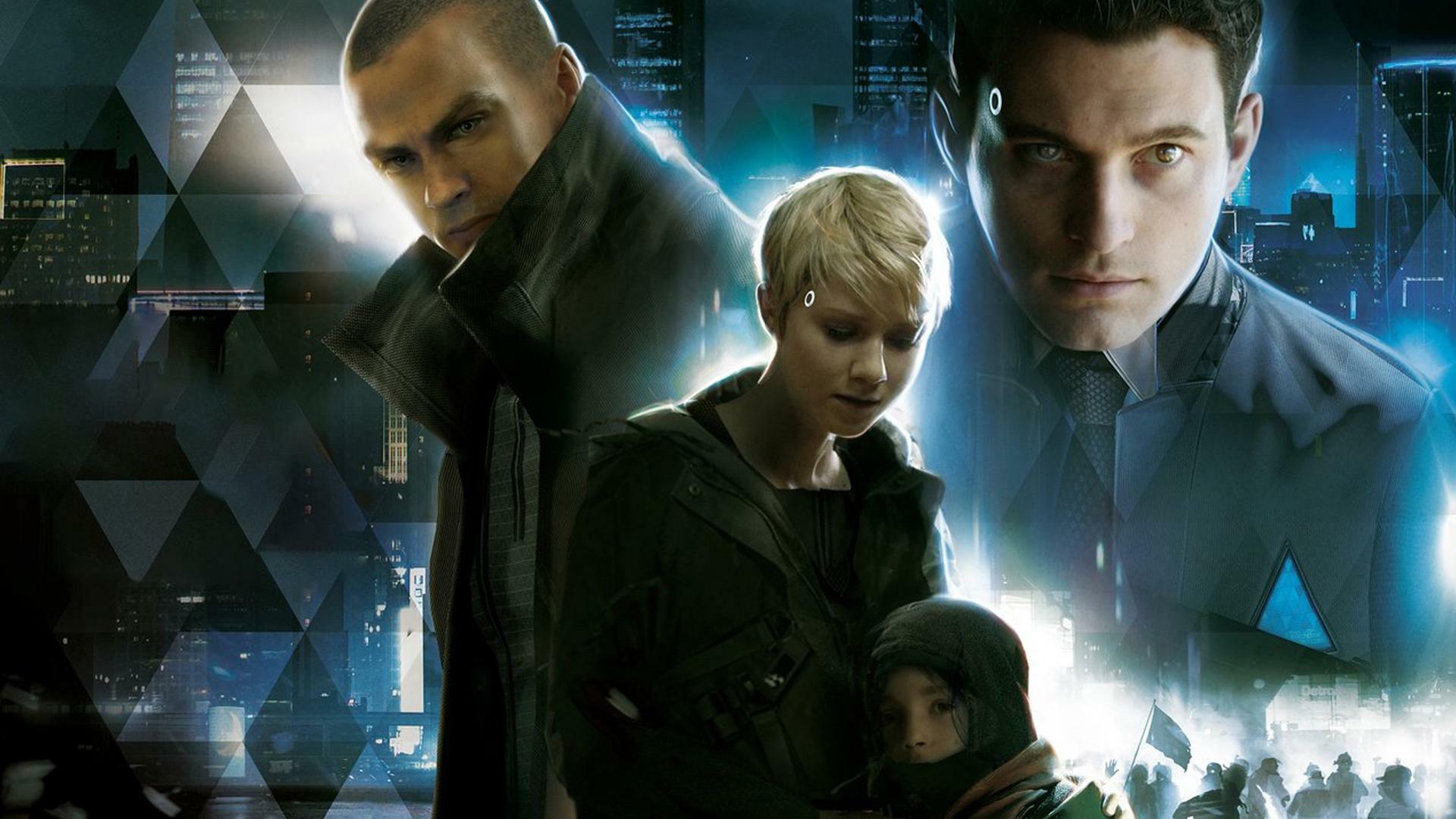
This story follows three androids as they navigate a futuristic society and grapple with their own consciousness. Action sequences require players to react quickly with button inputs and various controller motions. Failing these segments can result in a character dying or failing their specific mission objectives. The narrative branches into hundreds of different variations based on the results of these interactions. Players must remain alert to ensure their chosen path remains available.
‘Until Dawn’ (2015)
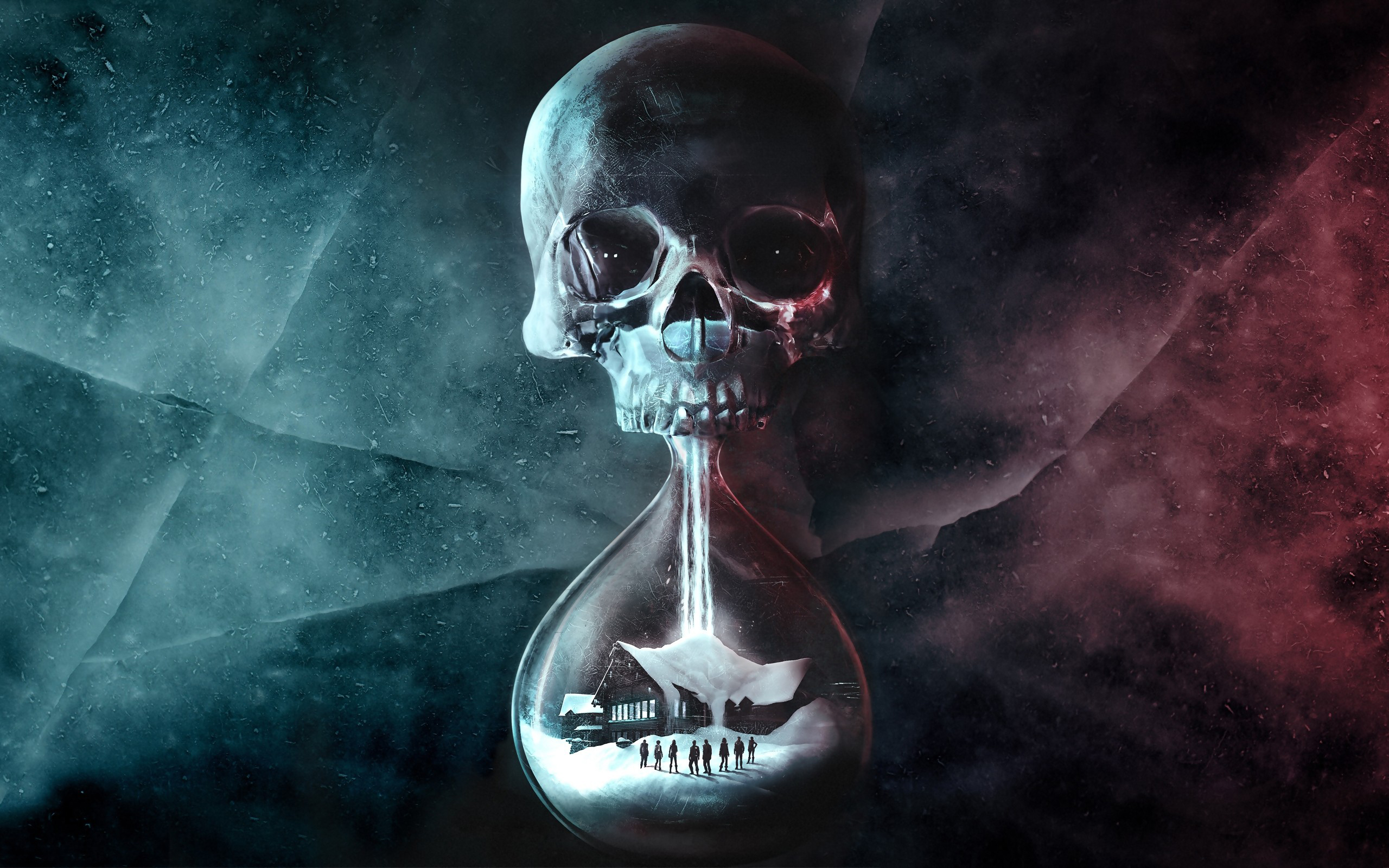
Eight teenagers are trapped in a remote mountain lodge while being hunted by a mysterious threat. Quick time events and intense button mashing sequences determine if the characters live or die in the moment. The butterfly effect system ensures that even a single failed prompt can have catastrophic consequences later in the game. Every character can survive or perish based on the player’s ability to perform under pressure. The story shifts dynamically to account for the loss of any group member.
‘The Quarry’ (2022)
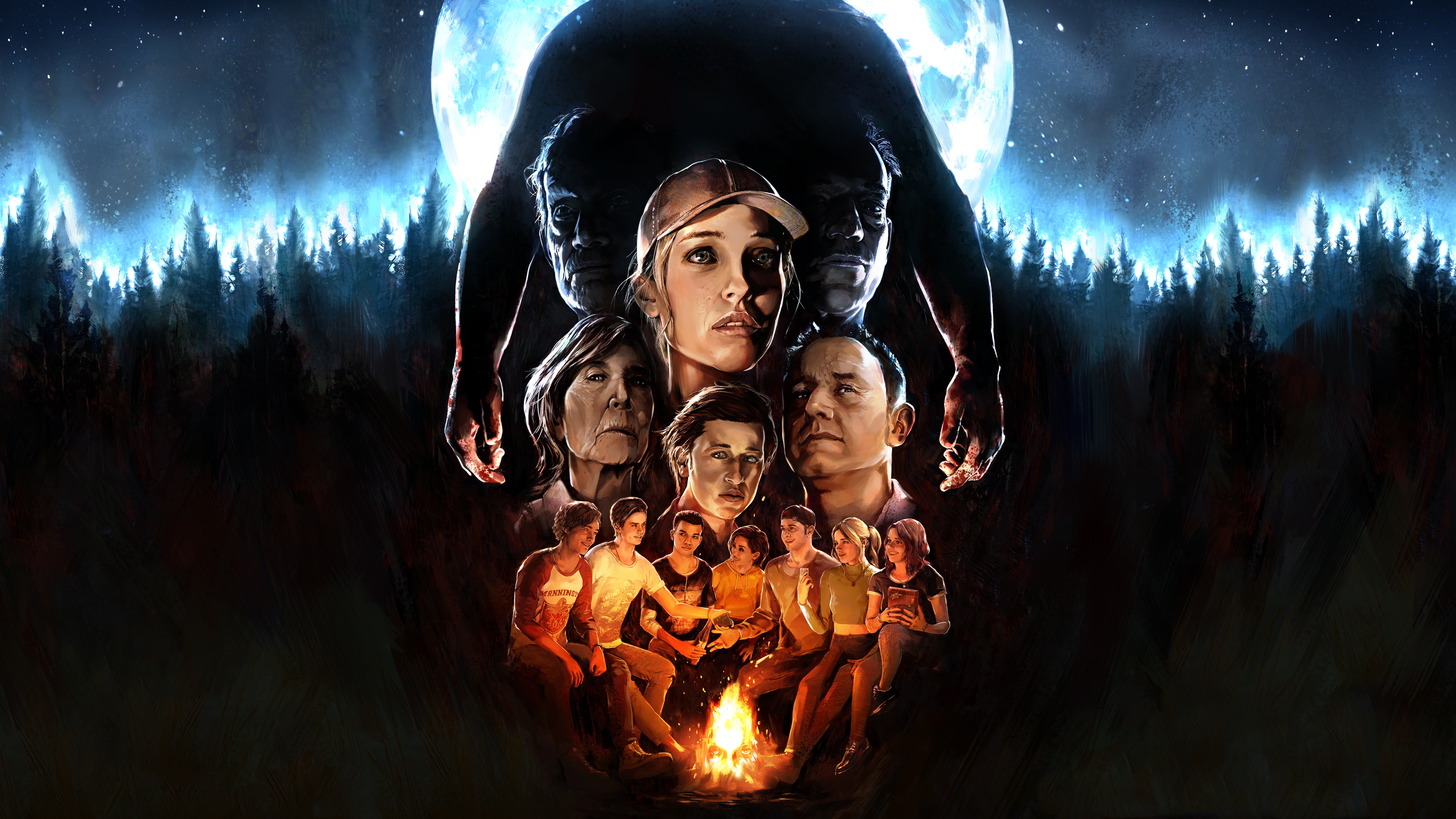
Nine camp counselors try to survive a night of terror while being pursued by bloodthirsty locals and something more sinister. The gameplay features various prompts that require players to mash buttons or hold their breath to avoid detection. Success or failure in these moments directly impacts the survival of the ensemble cast. The branching narrative offers numerous endings that depend on the physical performance of the player. This title emphasizes how small actions can lead to major story deviations.
‘The Dark Pictures Anthology: Man of Medan’ (2019)
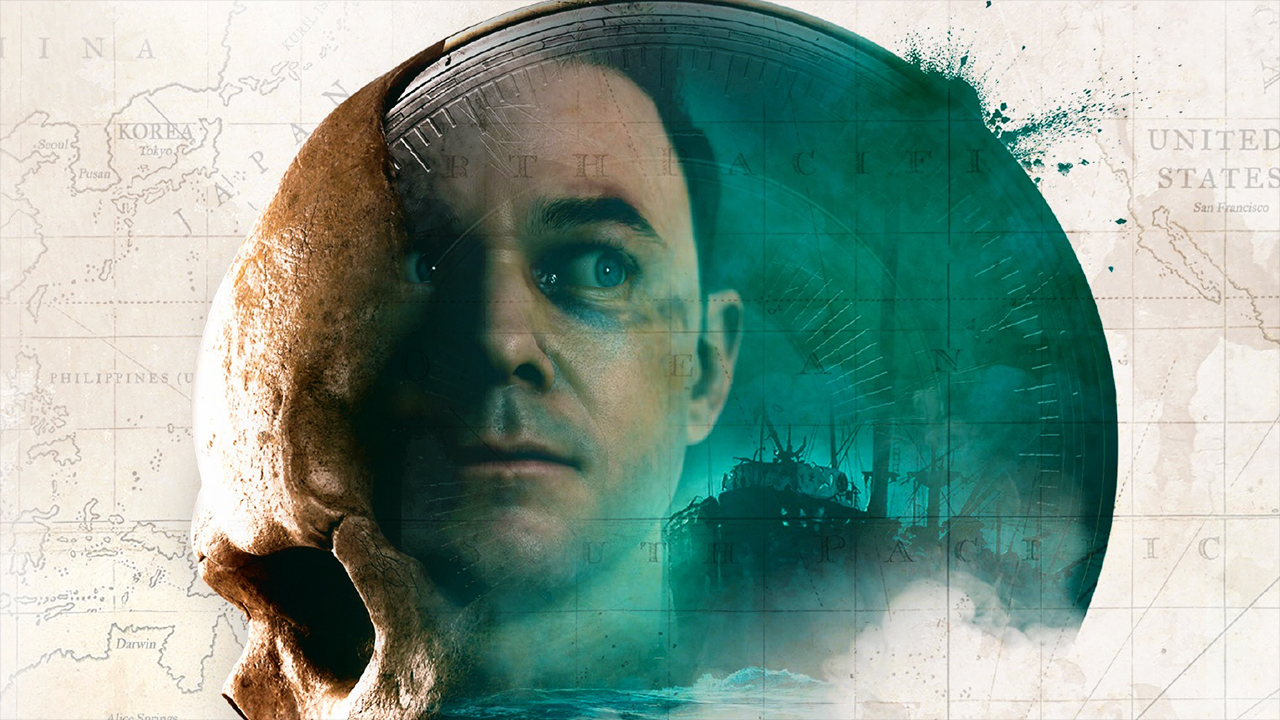
A group of friends goes on a diving trip but ends up trapped on a haunted ghost ship. Players must complete rapid button sequences to escape deadly traps and hallucinations. Failing these challenges often leads to the sudden death of a character which changes the remaining plot. The narrative adapts to the shrinking group as players struggle to find a way out. Each branching path is determined by the player’s quick reflexes and calm demeanor.
‘The Dark Pictures Anthology: Little Hope’ (2020)
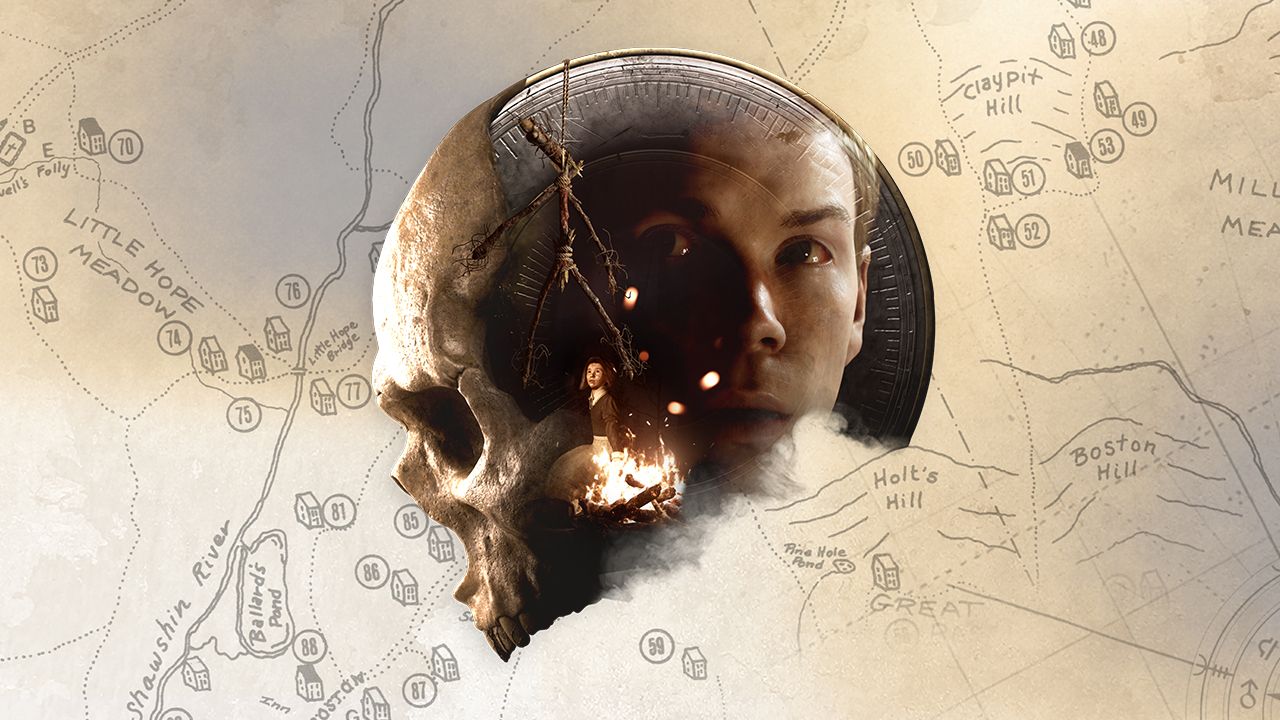
Four college students and their professor find themselves stranded in a foggy town with a dark history of witch trials. The game presents high stakes button mashing segments during confrontations with terrifying apparitions. Failing these physical tasks can result in the gruesome demise of the characters involved. These deaths alter the dialogue and eventual conclusion of the haunting tale. Players must stay focused to navigate the branching paths created by their successes or failures.
‘The Dark Pictures Anthology: House of Ashes’ (2021)
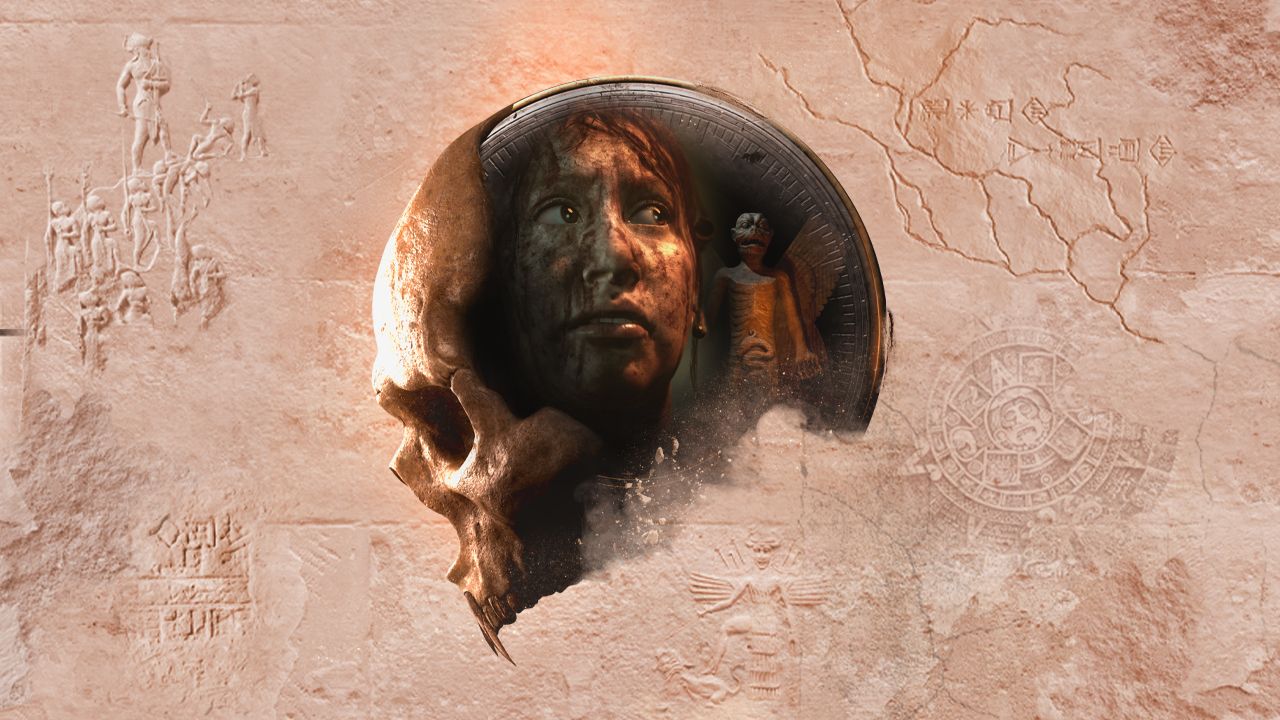
Soldiers trapped in an underground temple must fight off ancient creatures to survive. Intense action sequences use button mashing to simulate the struggle against the monsters. The relationships between characters and their ultimate fates are determined by these physical challenges. A single failure can lead to a branch where characters die or turn against one another. The game rewards precise inputs with more favorable story outcomes.
‘The Dark Pictures Anthology: The Devil in Me’ (2022)
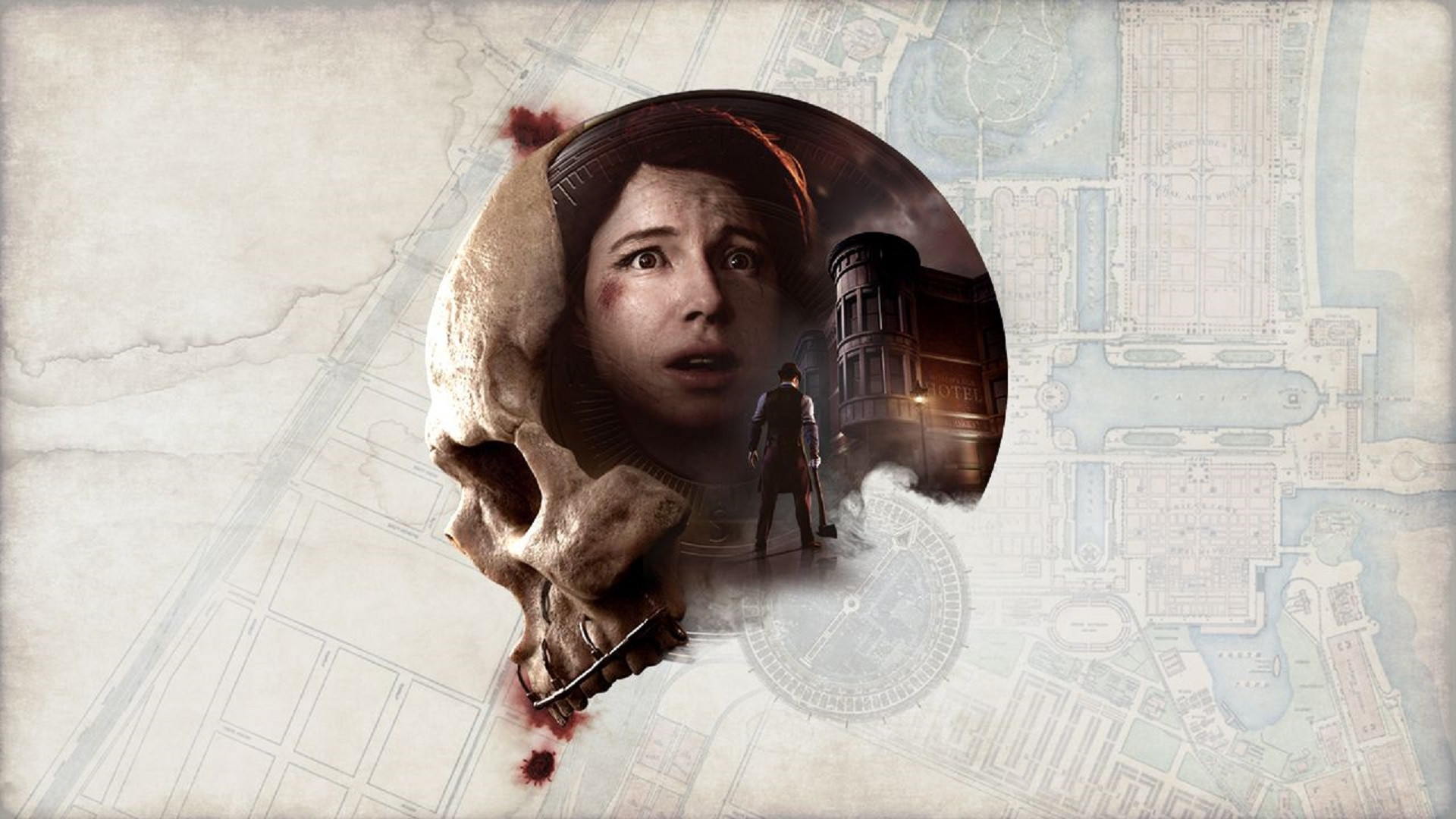
A documentary film crew is invited to a replica of a murder hotel where they are hunted by a serial killer. Players engage in various physical challenges including button mashing to overcome obstacles and traps. The branching narrative ensures that character survival is never guaranteed. Failure in these moments forces the story to take a darker turn as the cast is picked off one by one. Precision and speed are essential to reaching the best possible ending.
‘The Walking Dead’ (2012)
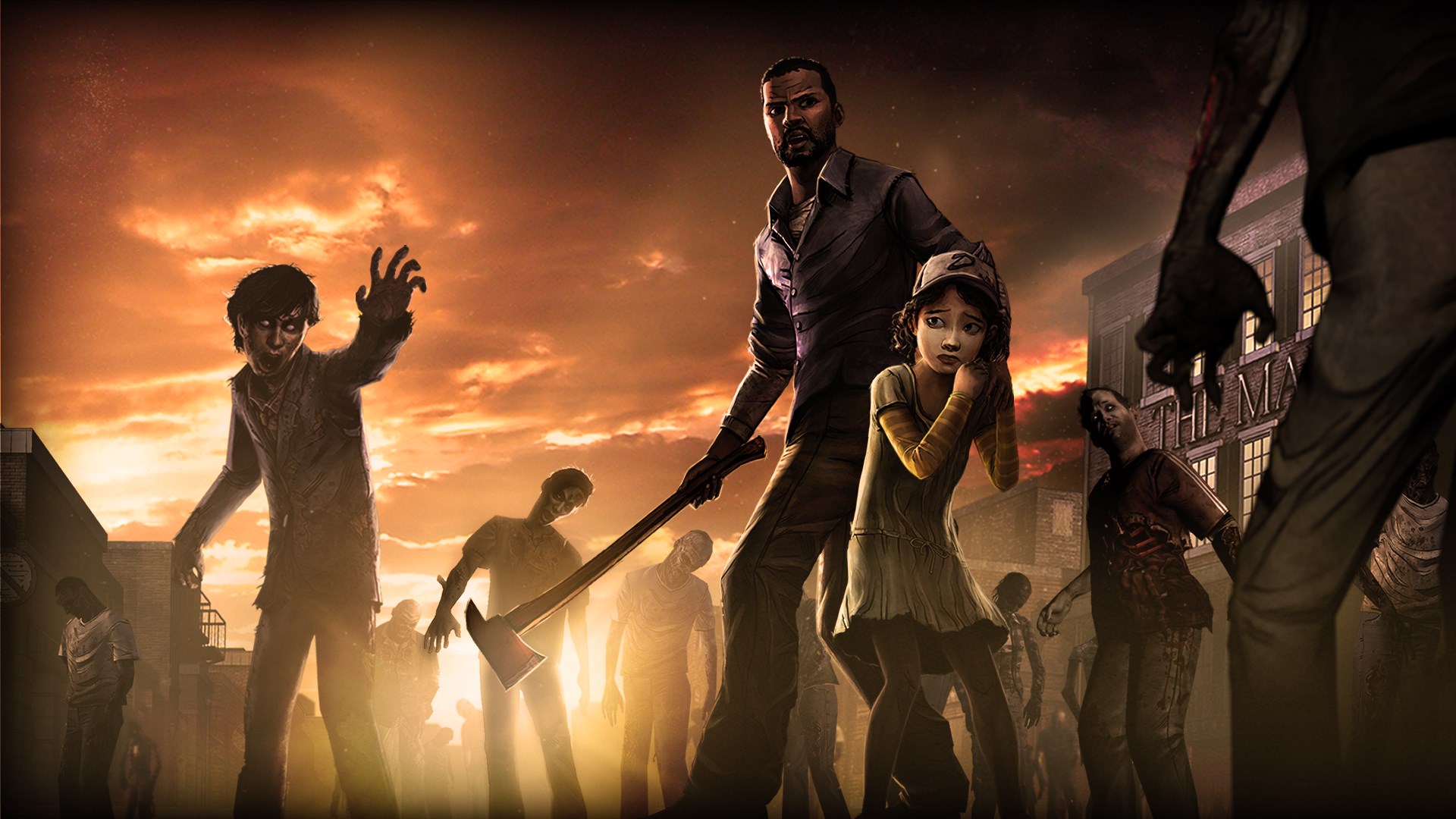
Lee Everett protects a young girl named Clementine during a sudden zombie apocalypse. While dialogue choices are vital players also face intense button mashing sequences to fend off walkers. Success in these moments keeps the characters alive while failure leads to immediate death or story shifts. The emotional weight of the narrative is heightened by these frantic physical interactions. These segments provide a sense of desperation that defines the branching paths of the adventure.
‘The Wolf Among Us’ (2013)
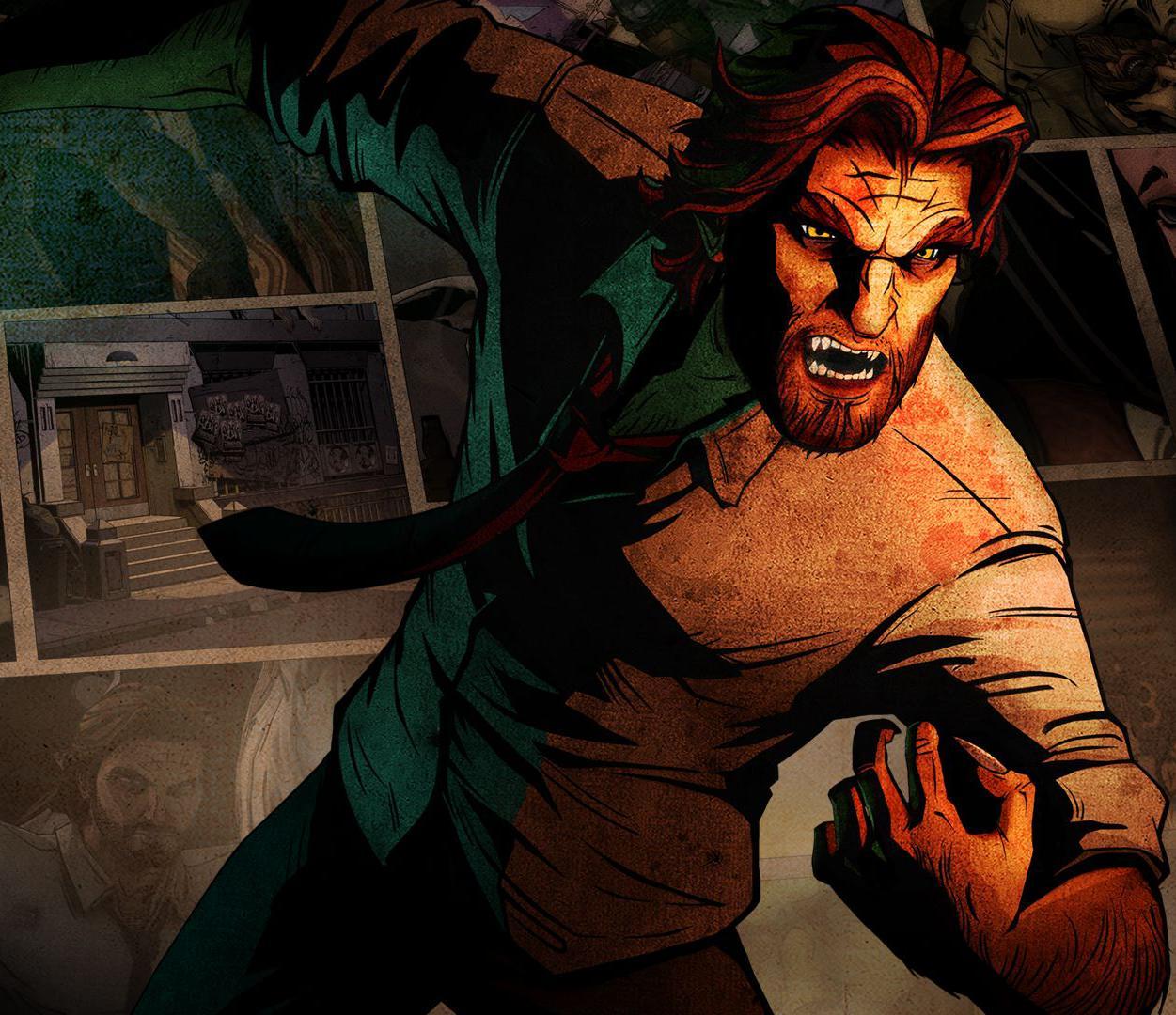
Bigby Wolf investigates a series of murders in a community of fairytale creatures living in New York City. The game features visceral combat sequences that rely on the player’s ability to hit prompts quickly. These actions influence how the investigation proceeds and how other characters perceive Bigby. Failing to mash buttons correctly can result in lost opportunities or different narrative outcomes. The story branches based on how the player handles these physical confrontations.
‘Tales from the Borderlands’ (2014)
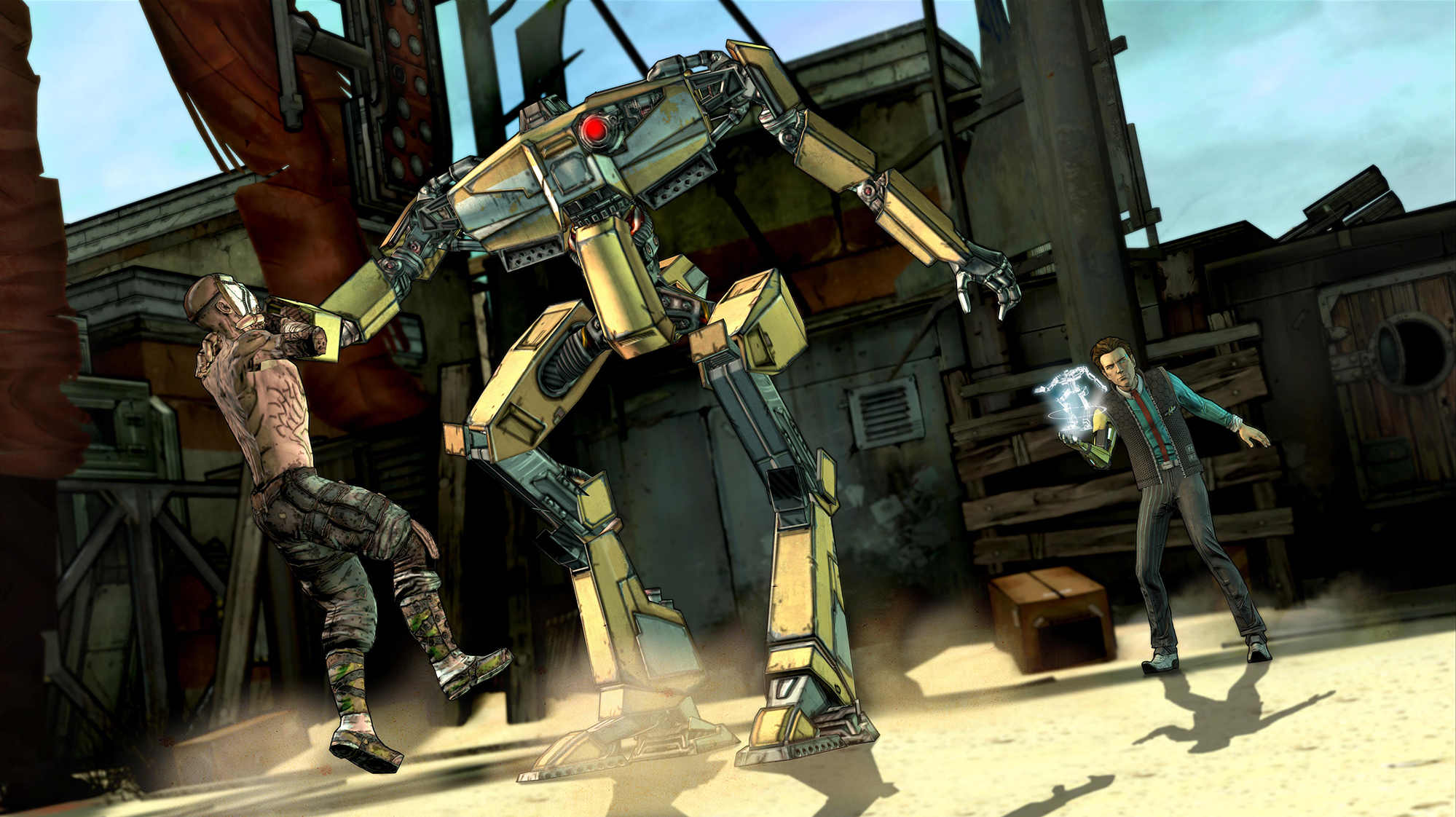
Two unlikely partners team up to find a vault on the dangerous planet of Pandora. The game incorporates comedic but high stakes action scenes that use button mashing for survival. Players must perform these tasks to progress through the wild branching narrative. Failing a sequence can lead to different character interactions or humorous alternative scenes. The physical gameplay elements help define the chaotic pace of the story.
‘Batman: The Telltale Series’ (2016)
Players experience the lives of both Bruce Wayne and the Dark Knight as they fight crime in Gotham. Action sequences use button mashing to simulate Batman’s combat prowess and gadget use. These moments dictate the flow of battle and can lead to different story branches based on performance. The narrative focuses on the consequences of these actions and how they shape the city’s future. Successful completion of these prompts allows the story to proceed along the player’s intended path.
‘Game of Thrones: A Telltale Games Series’ (2014)
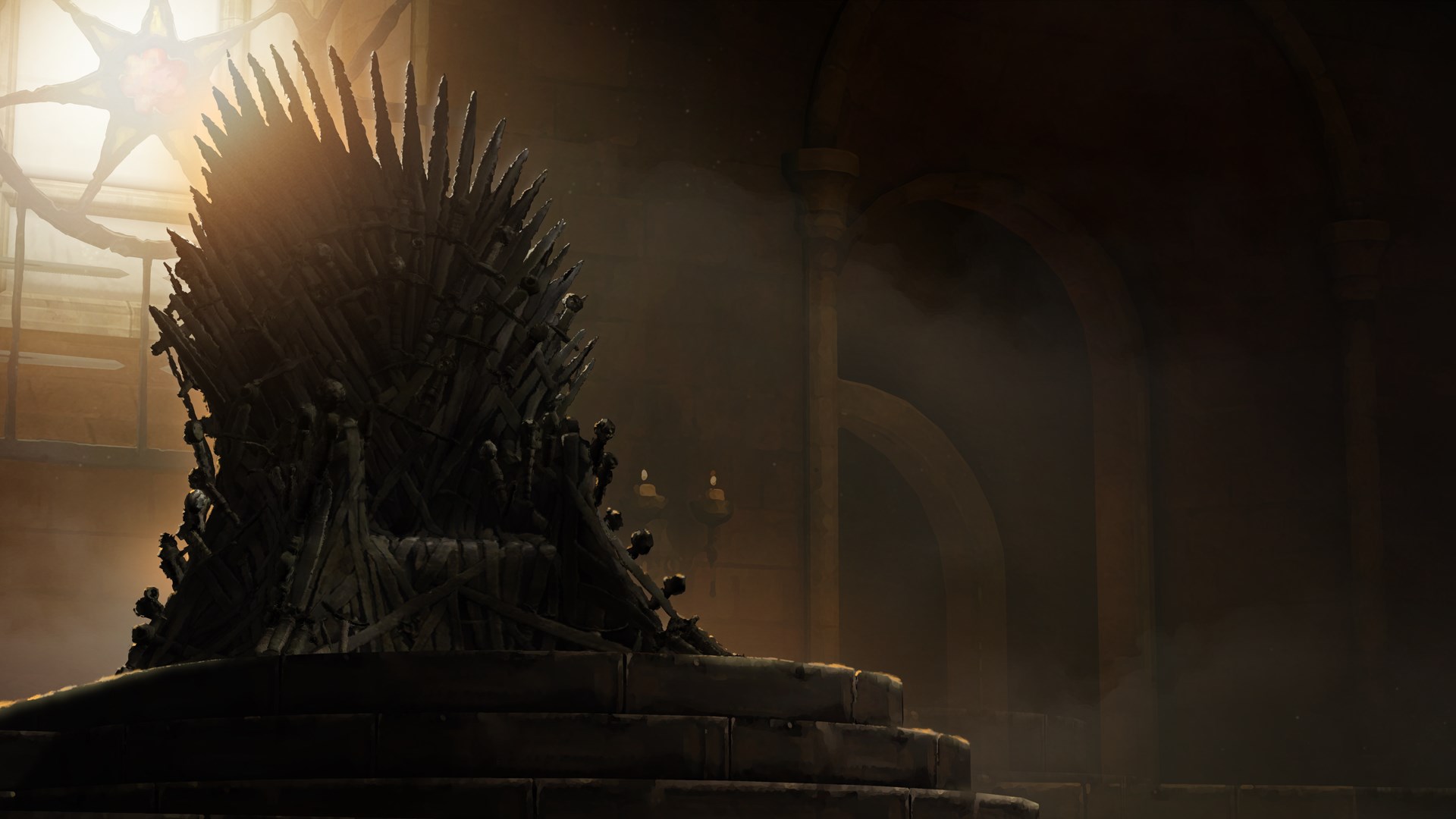
This story follows House Forrester as they struggle to survive the War of the Five Kings. Players engage in brutal combat scenes that require rapid button tapping to avoid death. The failure to succeed in these moments can result in the loss of major characters and narrative branches. Every physical interaction carries heavy weight in the dangerous world of Westeros. The story adapts to the player’s ability to survive these frantic encounters.
‘Marvel’s Guardians of the Galaxy: The Telltale Series’ (2017)
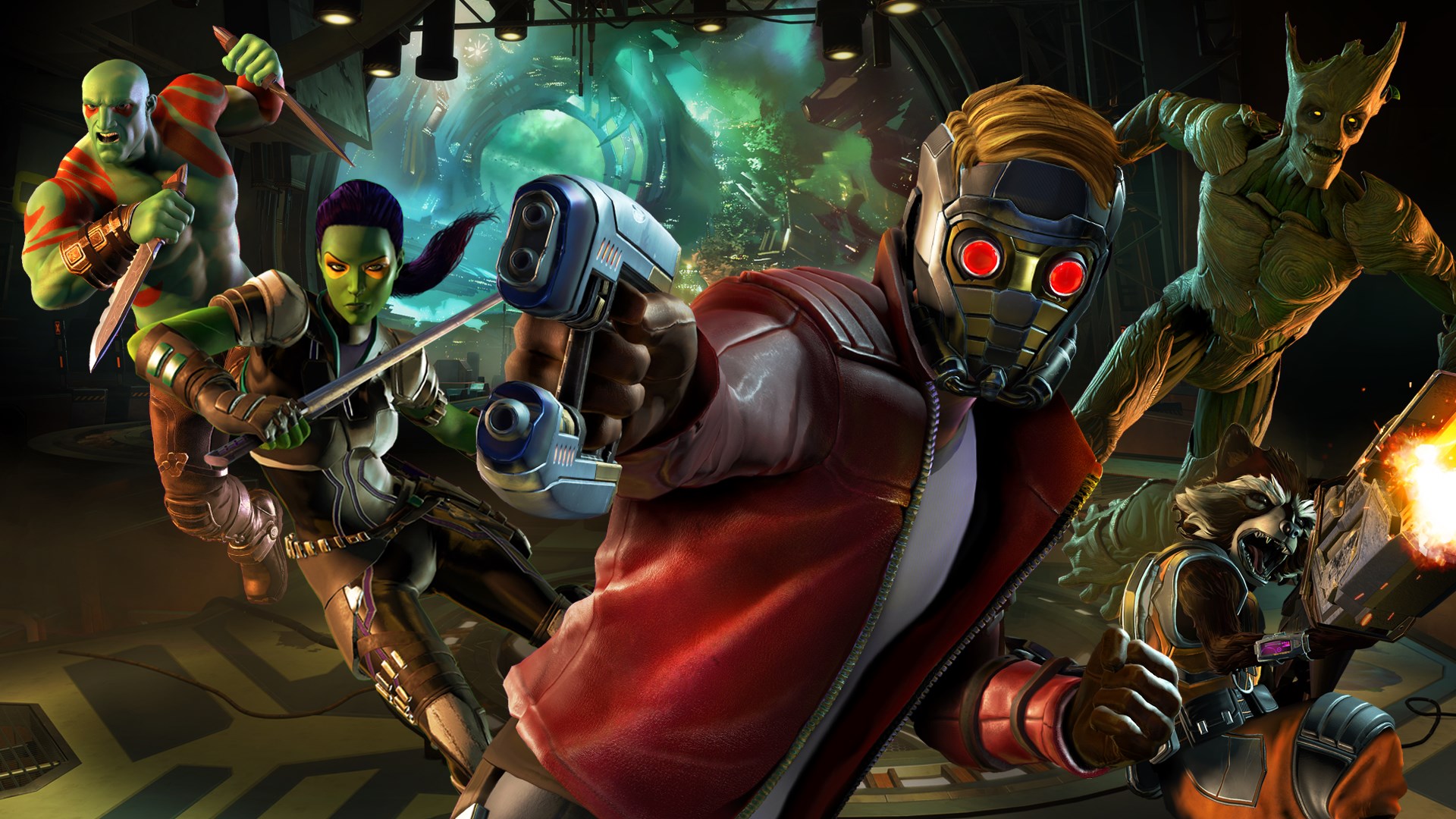
Star Lord and his crew travel through space on a quest to protect a powerful relic. The game features space battles and hand to hand combat that use button mashing mechanics. Failing these sequences can change the dynamic of the team and the direction of the plot. The branching narrative focuses on the internal and external conflicts of the Guardians. Success in physical prompts ensures the team stays together through the cosmic journey.
‘Minecraft: Story Mode’ (2015)
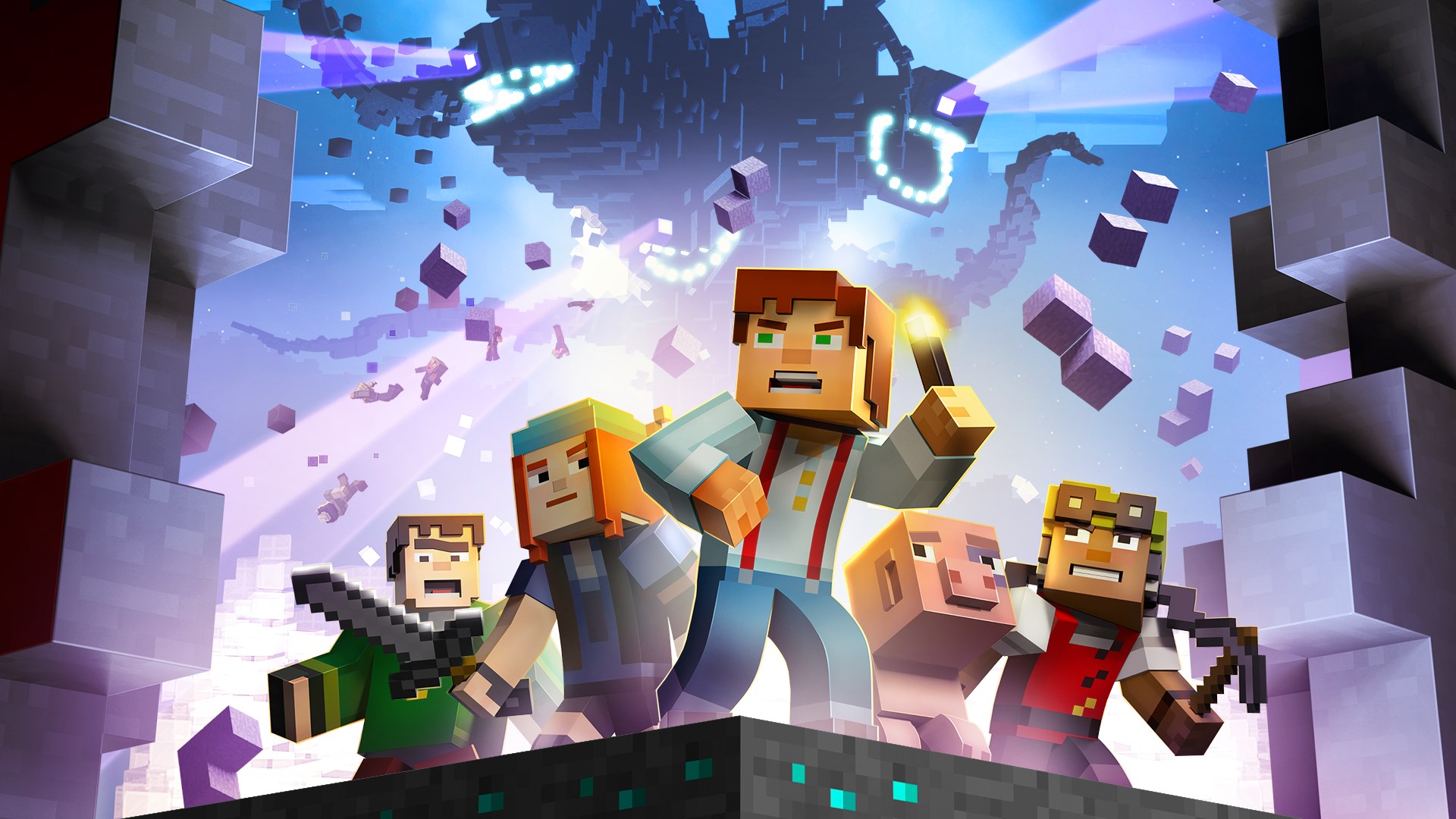
Jesse and a group of friends embark on an adventure to save their world from destruction. The gameplay includes lighthearted but important button mashing segments during various action scenes. These prompts influence the outcome of battles and the relationships between characters. Failing these tasks can lead to different story developments and alternative paths. The game provides a family friendly take on branching narratives driven by physical input.
‘As Dusk Falls’ (2022)
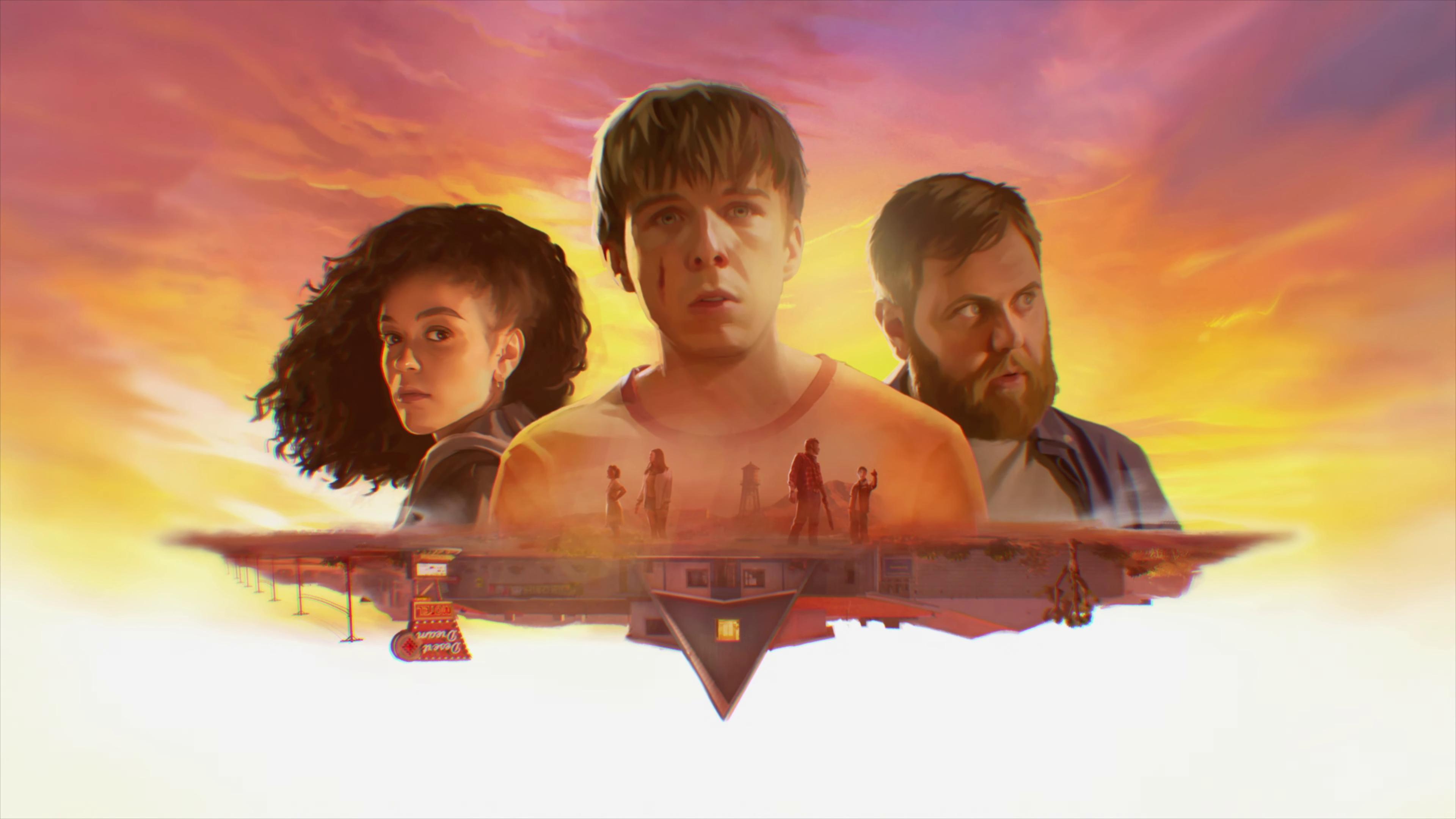
This interactive drama explores the tangled lives of two families over thirty years. Players must perform various physical actions like mashing buttons to navigate tense situations and robberies. These interactions create a complex web of branching outcomes that affect the survival of the cast. The failure to complete a prompt can lead to drastic and permanent changes in the story. Every physical effort contributes to the long term consequences for the characters involved.
‘Fahrenheit: Indigo Prophecy’ (2005)
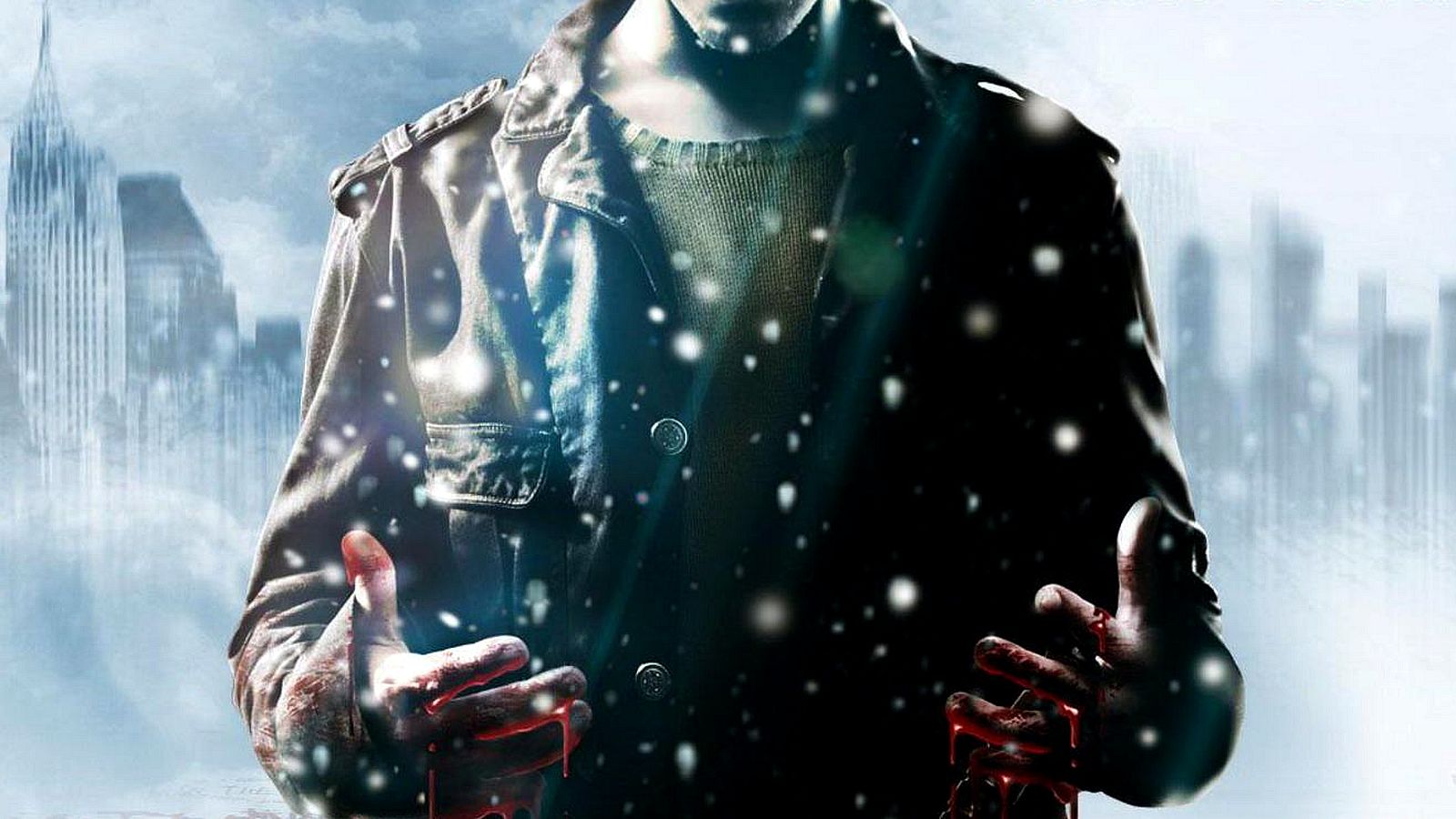
A man commits a murder while possessed and must evade the police while uncovering the truth. The game uses unique analog stick movements and button mashing for intense physical and mental struggles. Failing these sequences can lower the character’s sanity or lead to an early game over. The narrative branches based on how well players manage these high pressure situations. This title helped pioneer the cinematic style of interactive storytelling.
‘Shenmue’ (1999)
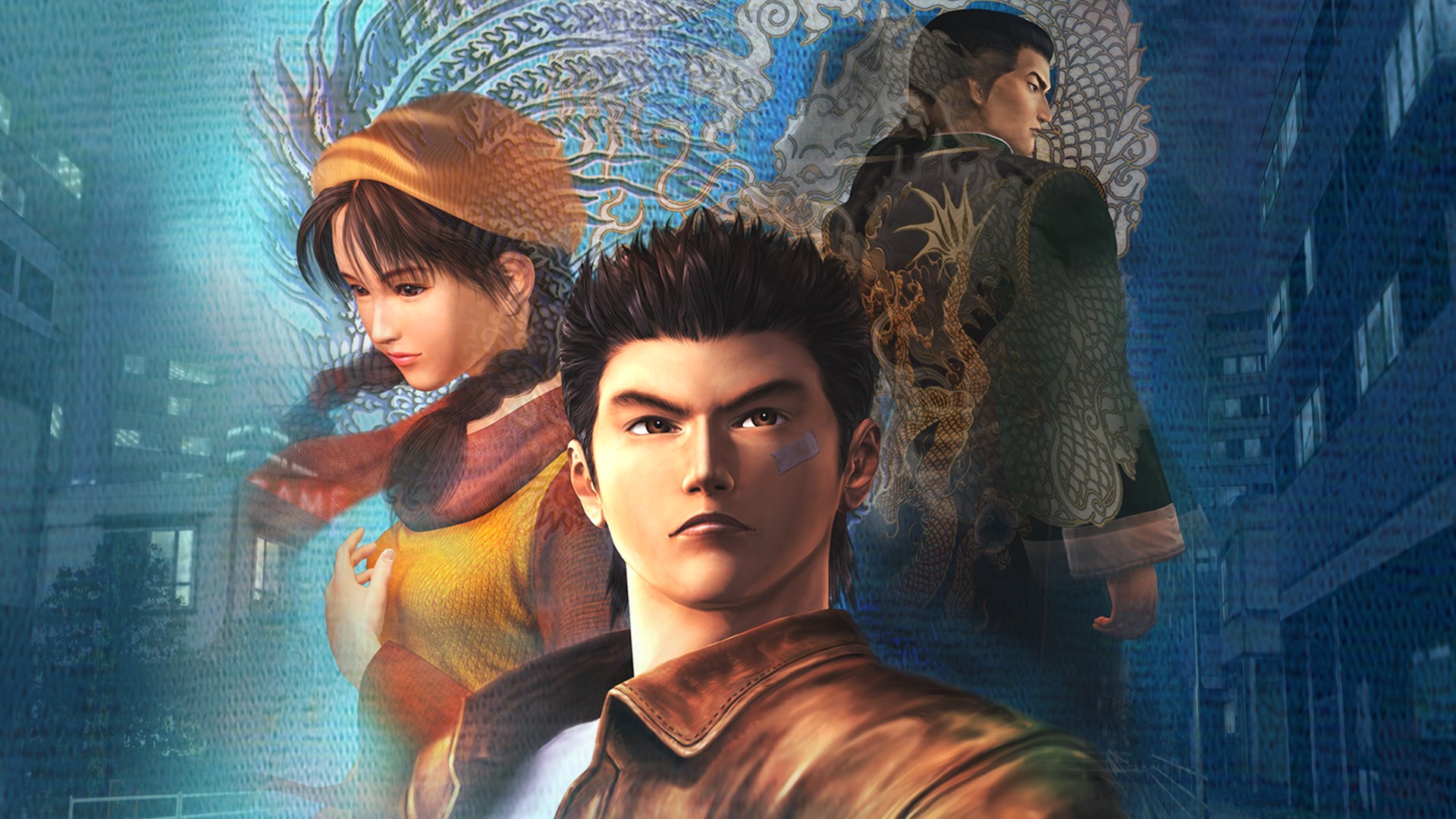
Ryo Hazuki seeks revenge for the death of his father in this open world adventure set in Japan. The game introduced many players to quick time events that require fast button presses during cinematic fights. Failing these sequences often results in Ryo being defeated and having to try again or facing a different path. These moments are integrated into the daily life and investigation of the protagonist. The story progresses differently depending on the player’s martial arts performance.
‘Shenmue II’ (2001)

Ryo continues his journey to Hong Kong to find his father’s killer and learn more about the dragon mirrors. The sequel expands on the button mashing sequences during high speed chases and intense brawls. These physical challenges are more demanding and offer various narrative outcomes based on success. Players must master these prompts to unlock the full story of Ryo’s quest. The branching elements are tied to how well the player adapts to the environment and enemies.
‘Dragon’s Lair’ (1983)
Dirk the Daring must rescue Princess Daphne from a dragon in a magical castle. This classic arcade game is entirely built around hitting the right button or direction at the correct time. Failing a prompt leads to a unique and often humorous death animation for the hero. The entire narrative path is a series of branches dictated by the player’s timing and reflexes. It remains a legendary example of reflex based storytelling in gaming history.
‘Mass Effect 2’ (2010)
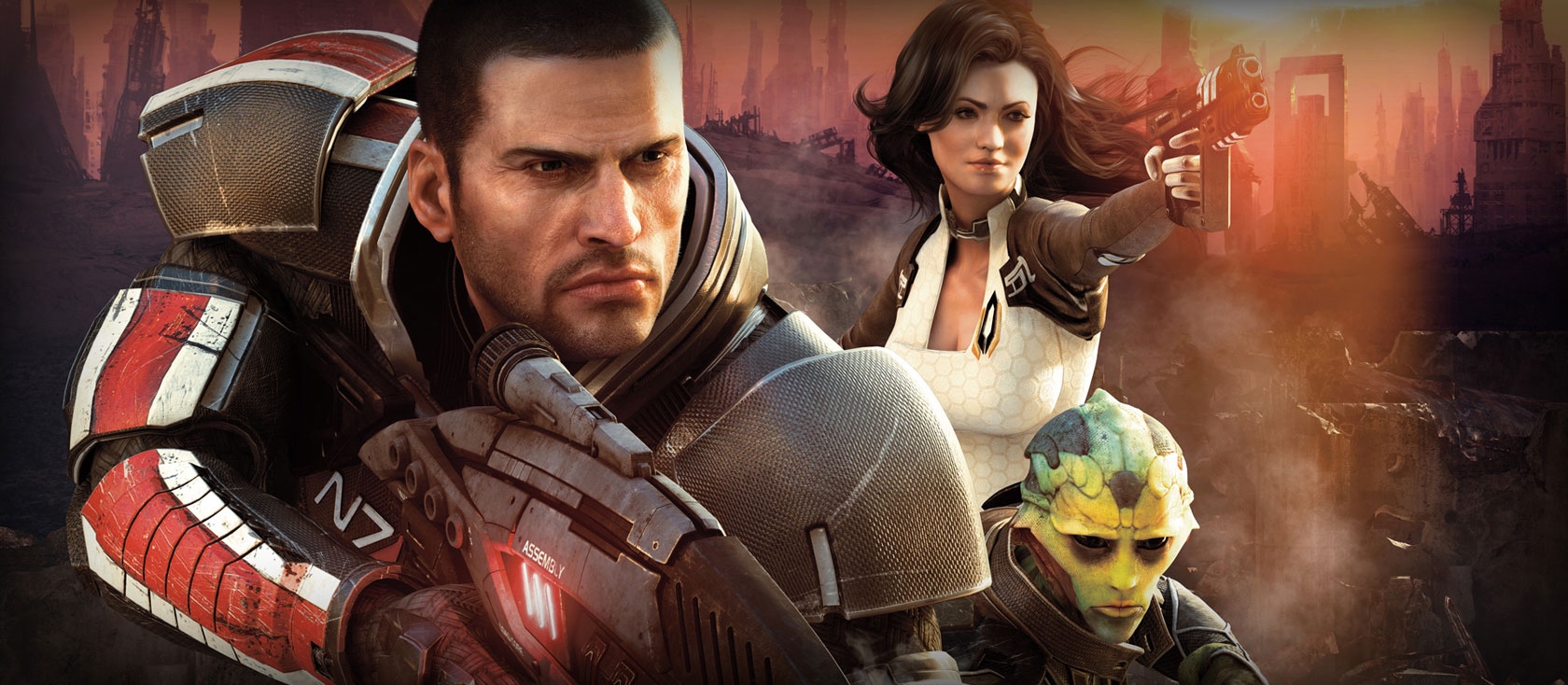
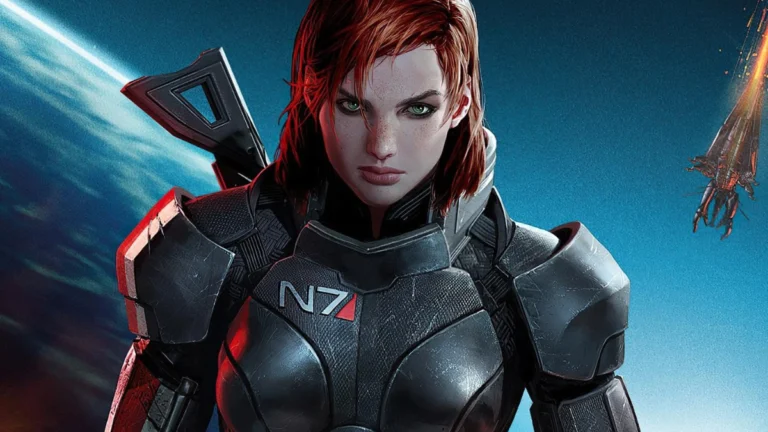
Commander Shepard recruits a team for a suicide mission to save the galaxy from the Collectors. The game introduces interrupt prompts that allow players to perform a Paragon or Renegade action with a button press. These quick moments can change the course of a conversation or the outcome of a mission. Failing to hit the prompt means the character misses an opportunity to influence the scene. This mechanic adds a layer of physical reaction to the branching dialogue system.
‘Mass Effect 3’ (2012)
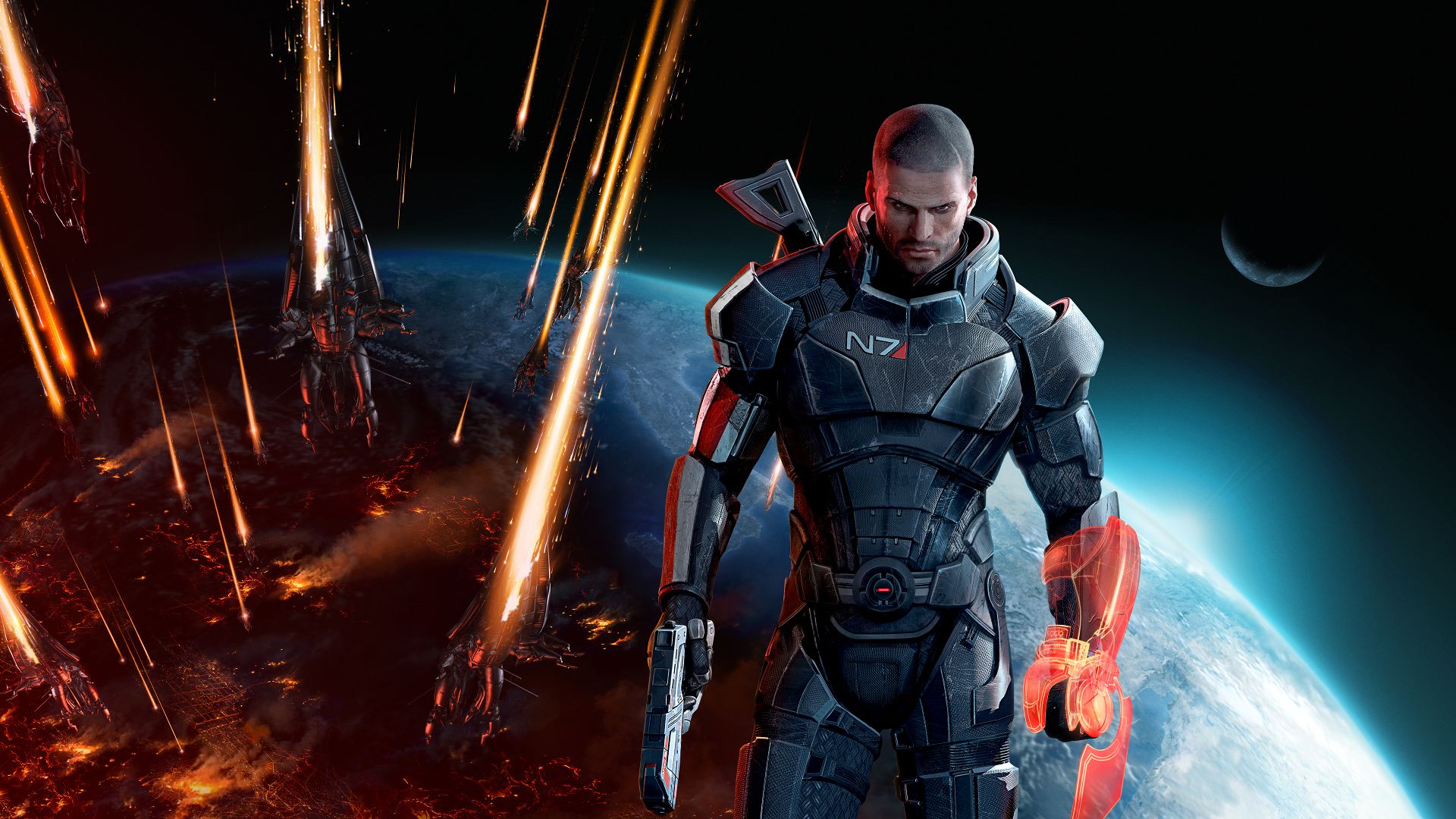
The war against the Reapers reaches its climax as Shepard tries to unite the galaxy. Similar to its predecessor the game features quick interrupts that can significantly alter certain plot points. These button presses can save lives or resolve conflicts in unexpected ways. The player’s alertness during cutscenes directly affects the branching narrative of the final chapters. These physical choices help define the personality and legacy of the protagonist.
‘Resident Evil 4’ (2005)
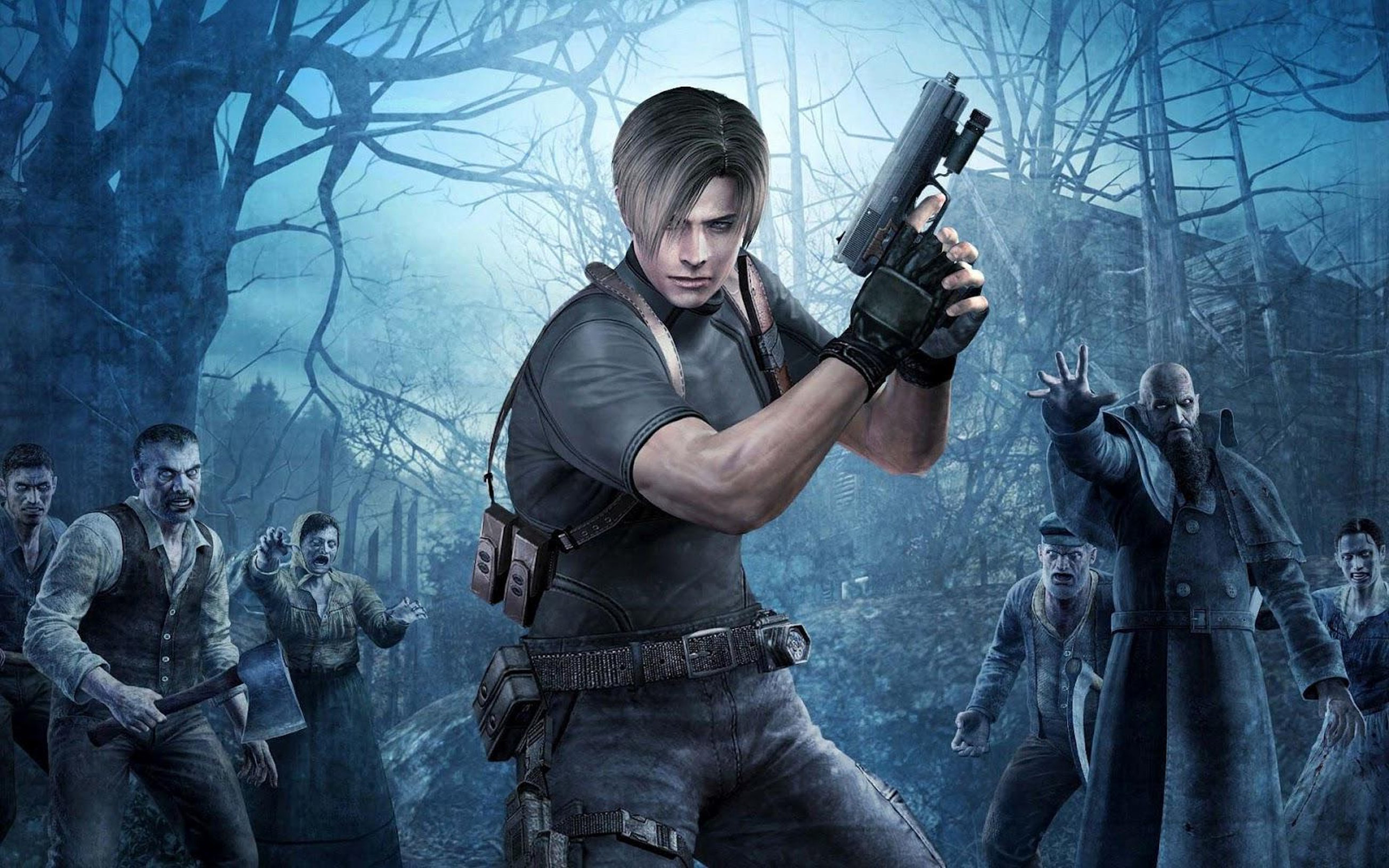
Leon S. Kennedy travels to a remote village in Spain to rescue the daughter of the President. The game features intense quick time events where button mashing is required to escape traps or survive boss fights. Failing these prompts results in immediate death and forces the player to restart the encounter. These moments add a layer of tension to the action and horror elements of the story. The narrative feels more urgent due to these constant physical demands.
‘Jurassic Park: The Game’ (2011)
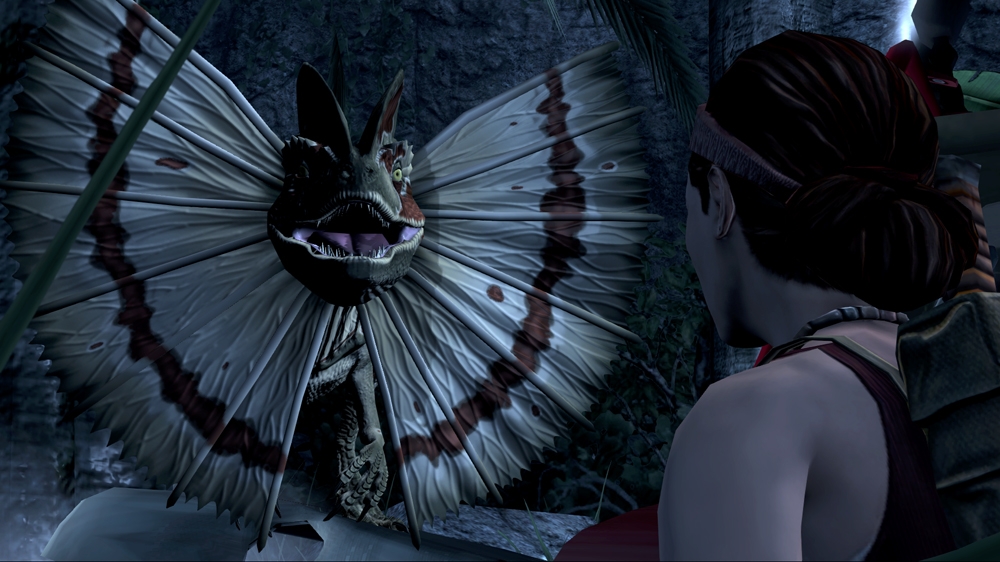
Players return to Isla Nublar during the events of the first film to retrieve the lost dinosaur embryos. The gameplay is focused on cinematic sequences where button mashing and timing are key to survival. Failure in these moments can lead to characters being eaten or falling behind in the race to escape. The story branches based on who survives these encounters and how they interact. This title emphasizes the danger of the island through its demanding physical prompts.
‘Hidden Agenda’ (2017)
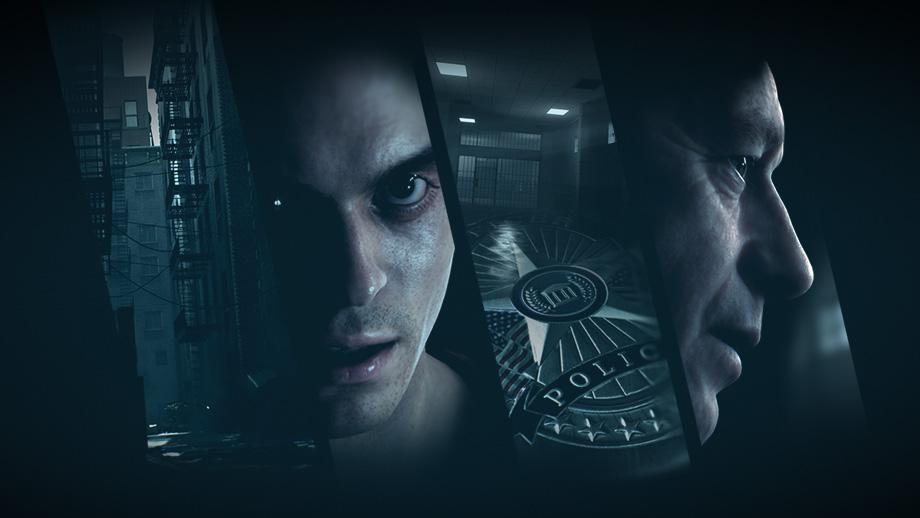
This crime thriller allows multiple players to use their phones to influence the investigation of a serial killer. Some sequences require quick button mashing to catch suspects or avoid danger. The success or failure of these actions changes the clues found and the eventual outcome of the case. The branching narrative is designed to be played multiple times to see all possible results. Cooperative physical challenges add a social element to the branching story.
‘Erica’ (2019)

Erica is a young woman who must confront her past and the mystery surrounding her father’s death. The game uses a touch pad or phone app to perform various physical interactions and gestures. Some moments require fast movements or repeated actions to steer the story. Failing these interactions can lead to different narrative discoveries or endings. The branching paths are seamless and highly dependent on how the player interacts with the world.
‘Late Shift’ (2017)

A student becomes embroiled in a high stakes heist in London and must make quick decisions to survive. While primarily a choice based live action game some moments require rapid input to succeed in physical tasks. These actions can lead to one of seven different endings based on the player’s performance. The narrative never stops and the branching occurs in real time as the movie plays out. Every physical success or failure has a direct impact on the protagonist’s fate.
‘The Bunker’ (2016)
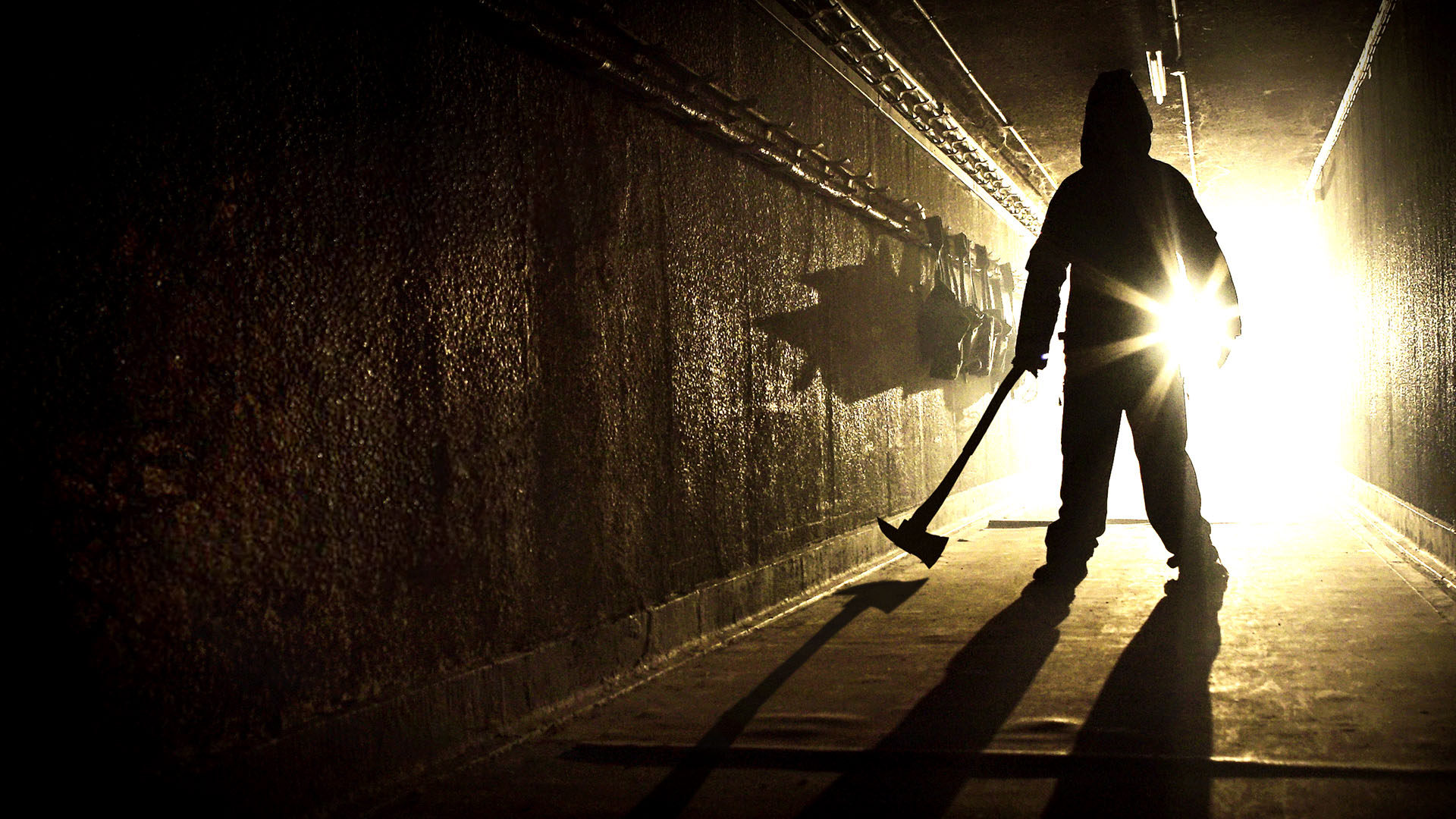
John is the last survivor in a nuclear bunker who must venture into forgotten areas to survive. The game uses live action footage and requires players to complete button mashing tasks during moments of panic. These physical sequences simulate the character’s struggle against his environment and his own mind. Failing a prompt can lead to different scenes or an early end to the journey. The branching story is driven by the physical and emotional state of the protagonist.
‘Night Trap’ (1992)
Players monitor a house with hidden cameras to protect a group of girls from vampires. The gameplay involves switching between rooms and mashing the trap button at the exact moment an intruder appears. Failing to trap the enemies leads to the loss of characters and an eventual mission failure. The branching narrative is determined by how many guests the player can save throughout the night. This title is a famous example of early interactive video technology and reflex based outcomes.
‘Alpha Protocol’ (2010)
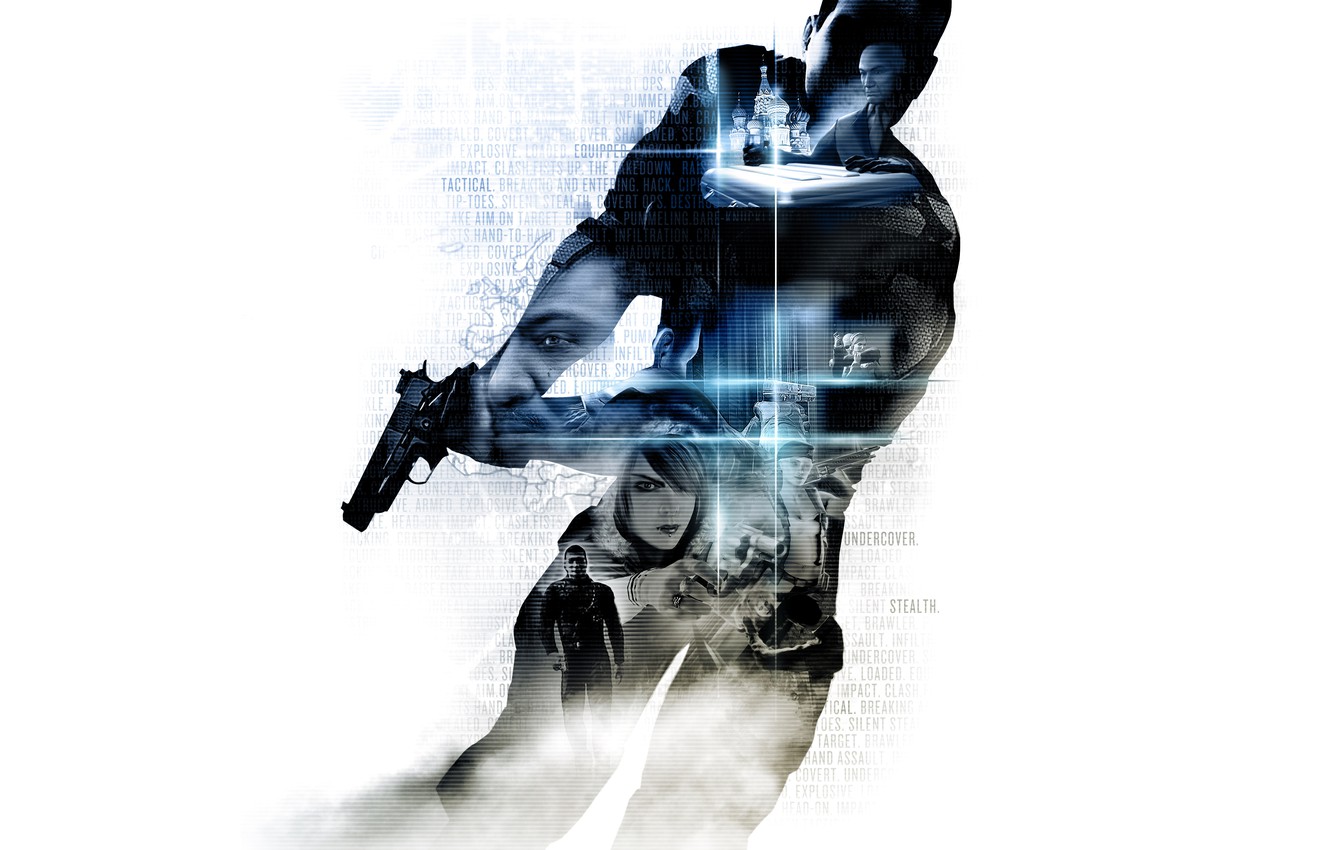
Secret agent Michael Thorton navigates a world of espionage where every choice matters. The game features mini games and action sequences that use button mashing for hacking and physical maneuvers. The success of these tasks influences the story and how different factions view the protagonist. Failing these sequences can close off certain narrative branches or alert enemies. The game blends traditional role playing elements with physical performance challenges.
‘Spider-Man 3’ (2007)
Peter Parker faces multiple villains in New York City while dealing with the influence of the black suit. The game includes cinematic quick time events that require fast button presses to defeat bosses or save civilians. Failing these prompts can result in mission failure or different narrative outcomes for the side stories. The physical gameplay represents the agility and strength of the superhero. These moments provide a branching experience based on the player’s mastery of the controls.
‘Tomb Raider’ (2013)
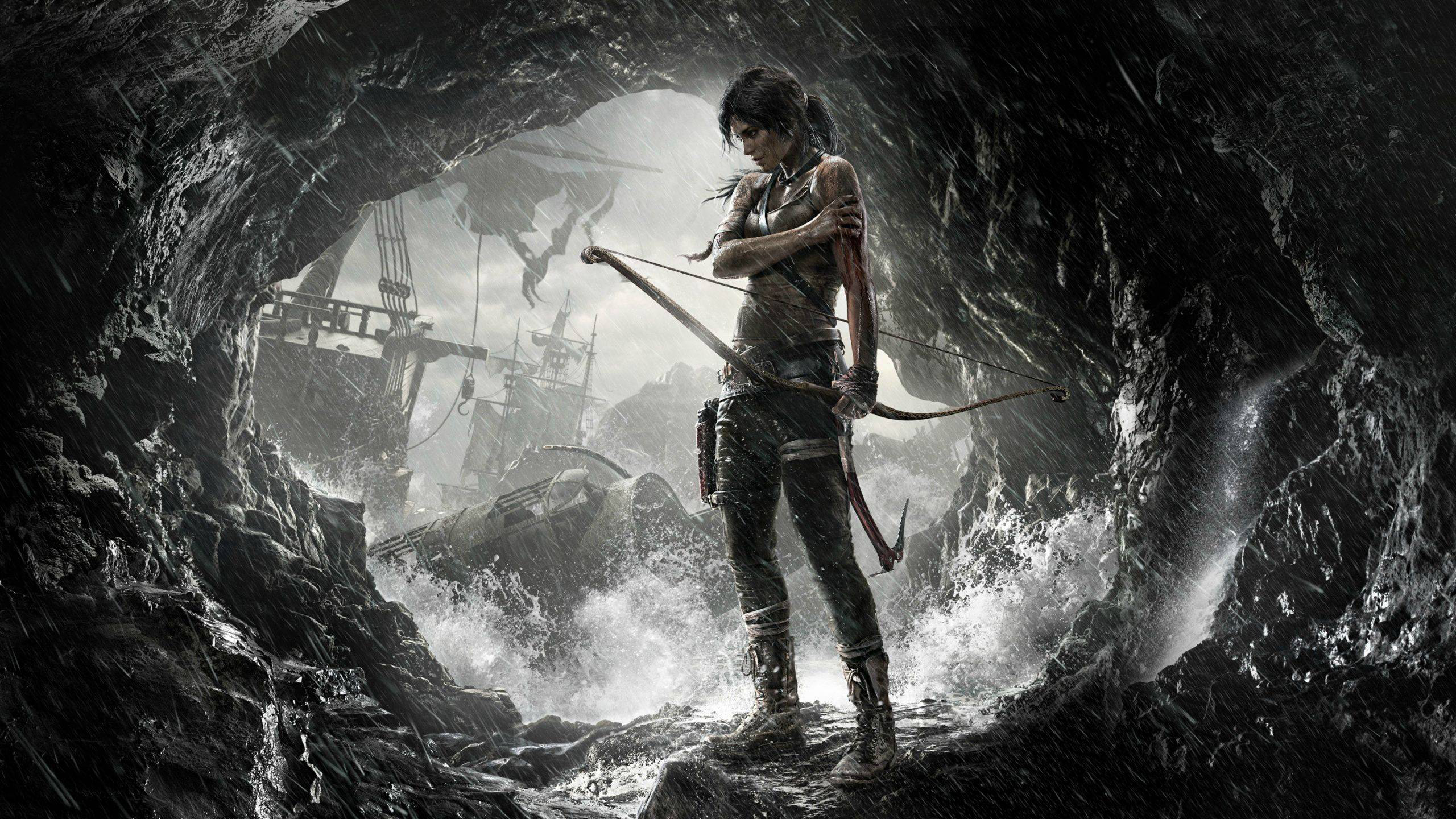
Lara Croft is shipwrecked on a mysterious island and must learn to survive against hostile inhabitants. The game features numerous high stakes sequences where button mashing is required to escape predators or environmental hazards. Failure often results in a gruesome death for Lara and forces a restart of the sequence. These moments reflect the character’s growth from a survivor into a hardened explorer. The physical challenges add intensity to the branching paths of the adventure.
‘Star Wars: The Force Unleashed’ (2008)
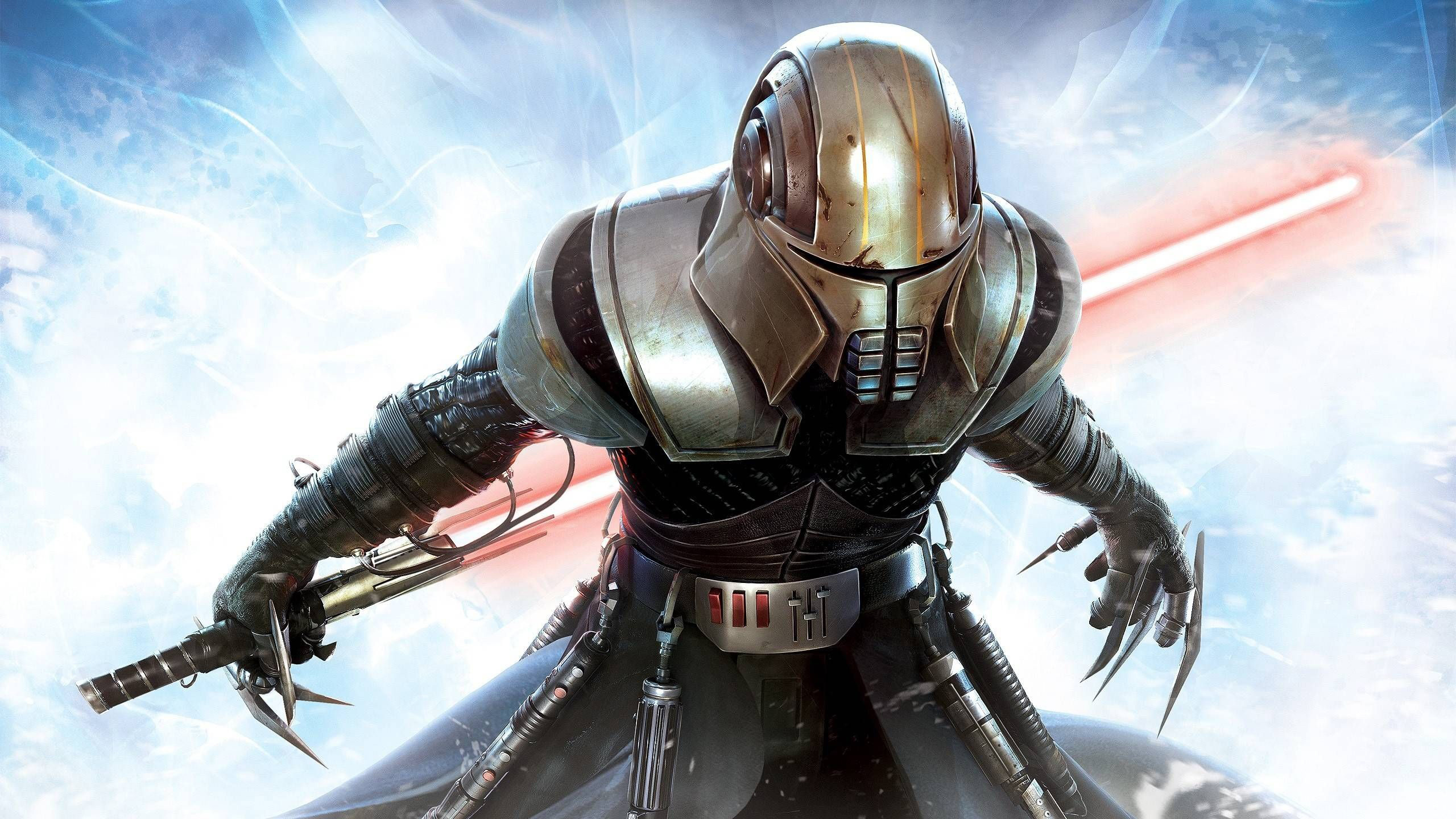
Starkiller is the secret apprentice of Darth Vader who hunts down the remaining Jedi. The game uses button mashing sequences during epic boss battles and Force interactions to show the power of the protagonist. Failing these prompts can lead to different battle phases or narrative shifts during key encounters. The story branches toward the end based on the player’s choices and actions throughout the game. These physical sequences help ground the fantastical powers of the Force in player input.
‘Blade Runner’ (1997)
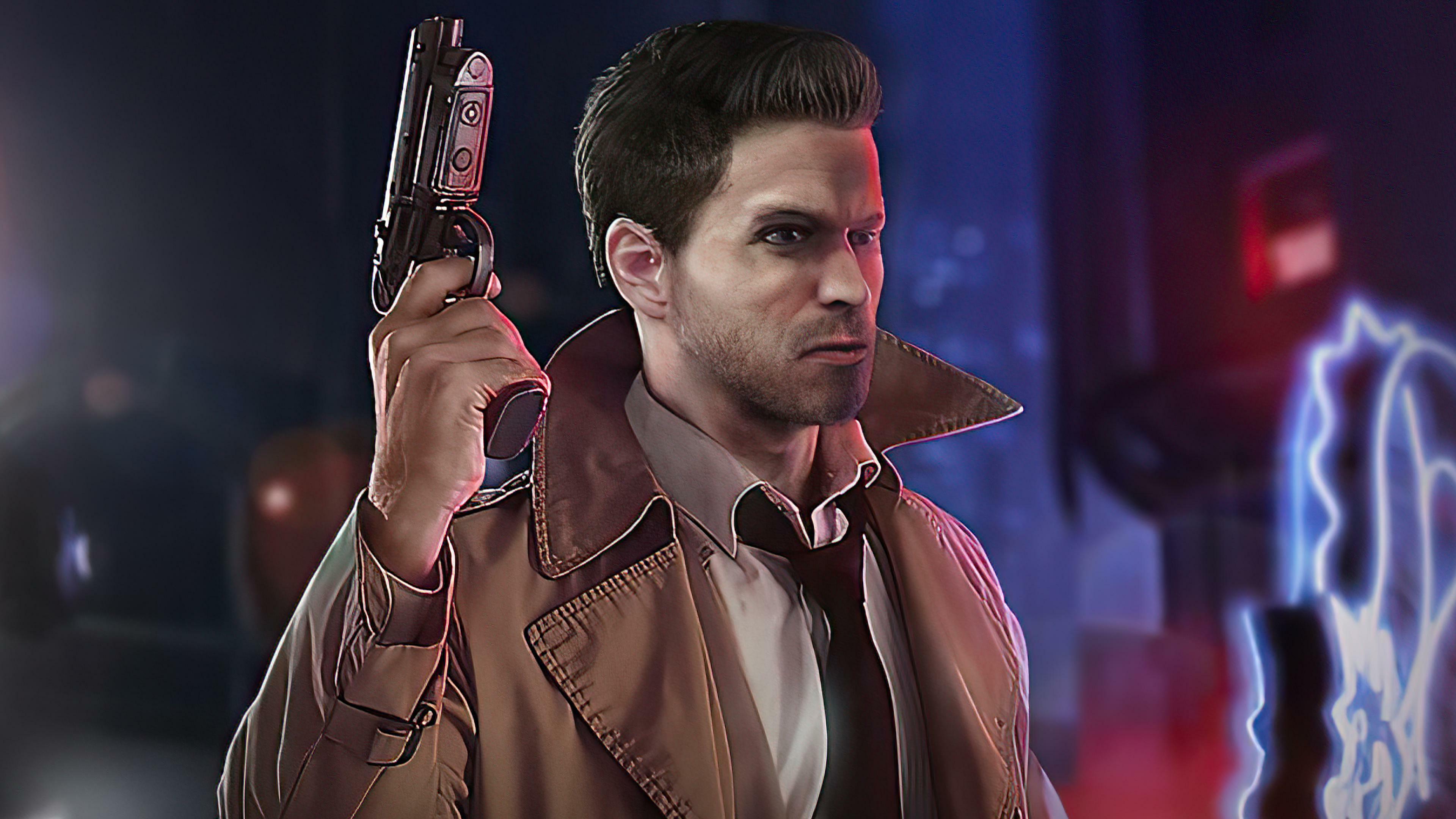
Ray McCoy is a detective hunting for rogue replicants in a futuristic Los Angeles. The game features real time sequences where quick reflexes with the mouse or buttons are necessary to catch suspects. Failing to act quickly can result in suspects escaping or the death of the protagonist. The narrative branches significantly with many different endings based on the player’s performance and choices. It remains a landmark title for its atmospheric storytelling and reactive gameplay.
‘The Expanse: A Telltale Series’ (2023)
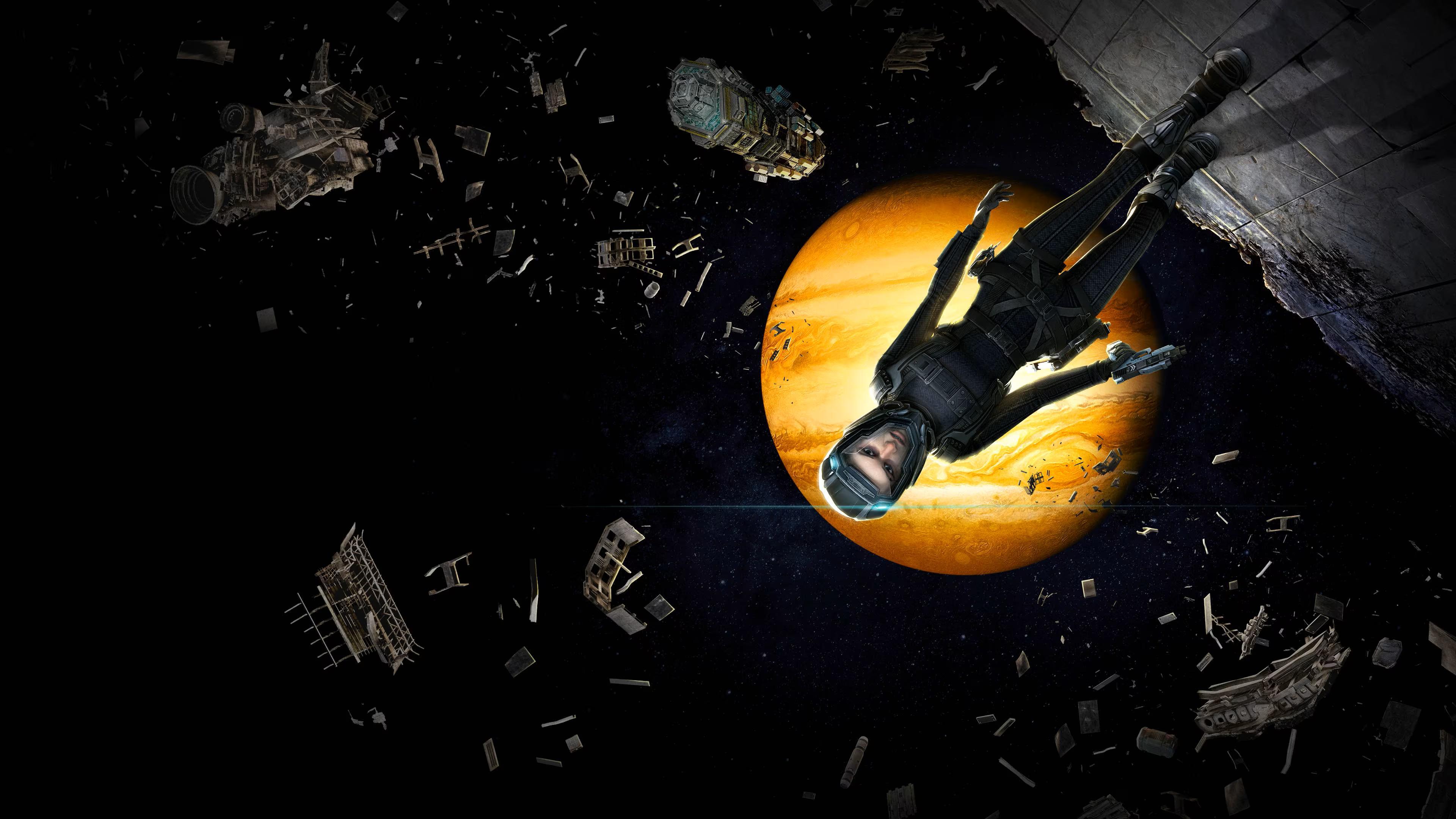
Camina Drummer leads a scavenger crew through the dangerous outer reaches of space. The game uses button mashing and quick time events during zero gravity sequences and combat. These physical challenges determine the survival of crew members and the state of the ship. Failing a prompt can lead to a branch where resources are lost or characters perish. The story adapts to the player’s ability to handle the harsh realities of the Belt.
‘Back to the Future: The Game’ (2010)
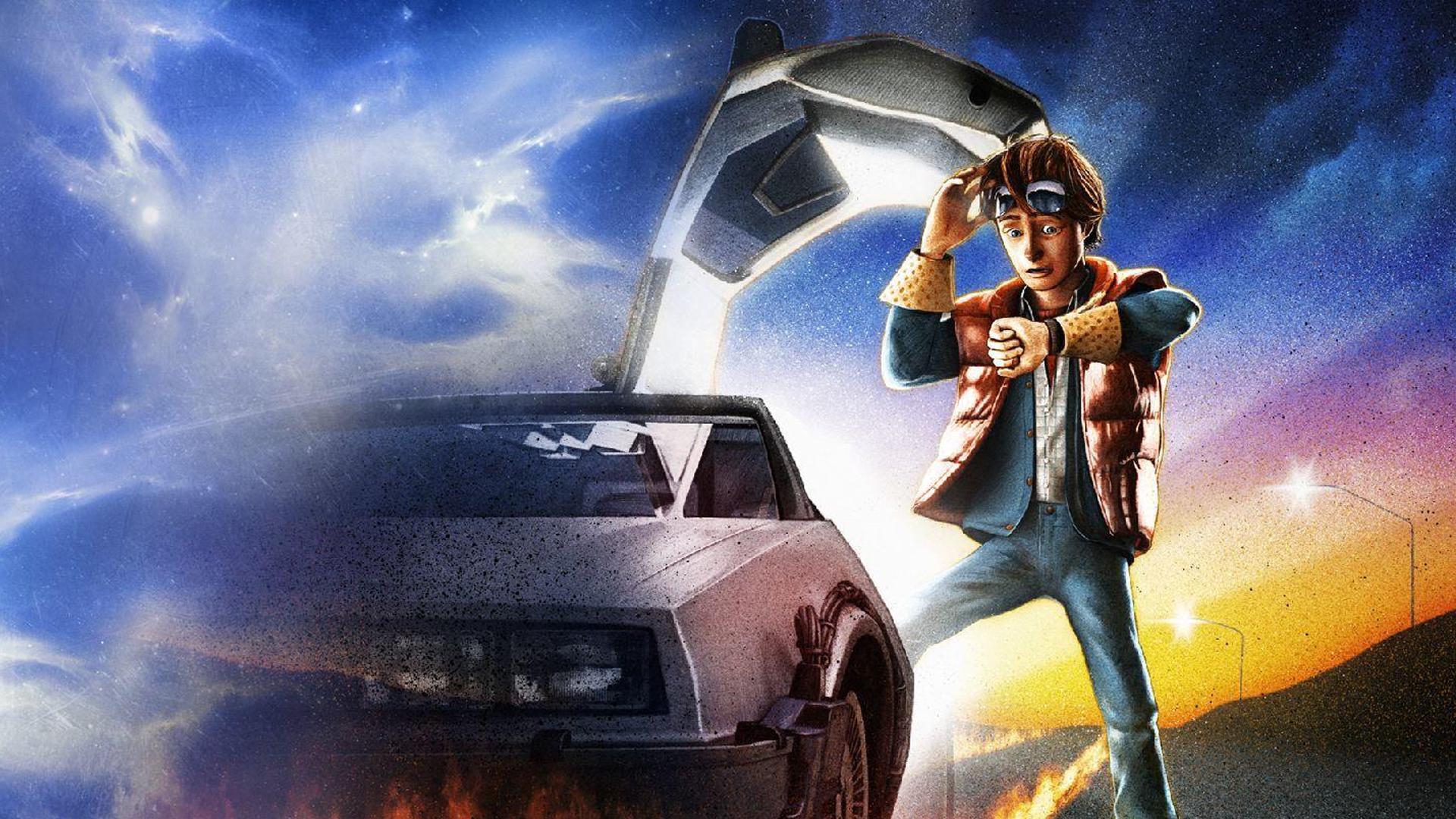
Marty McFly must travel through time to save Doc Brown from various historical mishaps. The adventure includes action oriented segments that use button prompts to navigate chase scenes and puzzles. Success in these moments allows the timeline to proceed correctly while failure can lead to alternative scenes. The narrative is a direct continuation of the films and branches based on the player’s interactions. These physical tasks add a sense of urgency to the time traveling plot.
‘Life is Strange’ (2015)
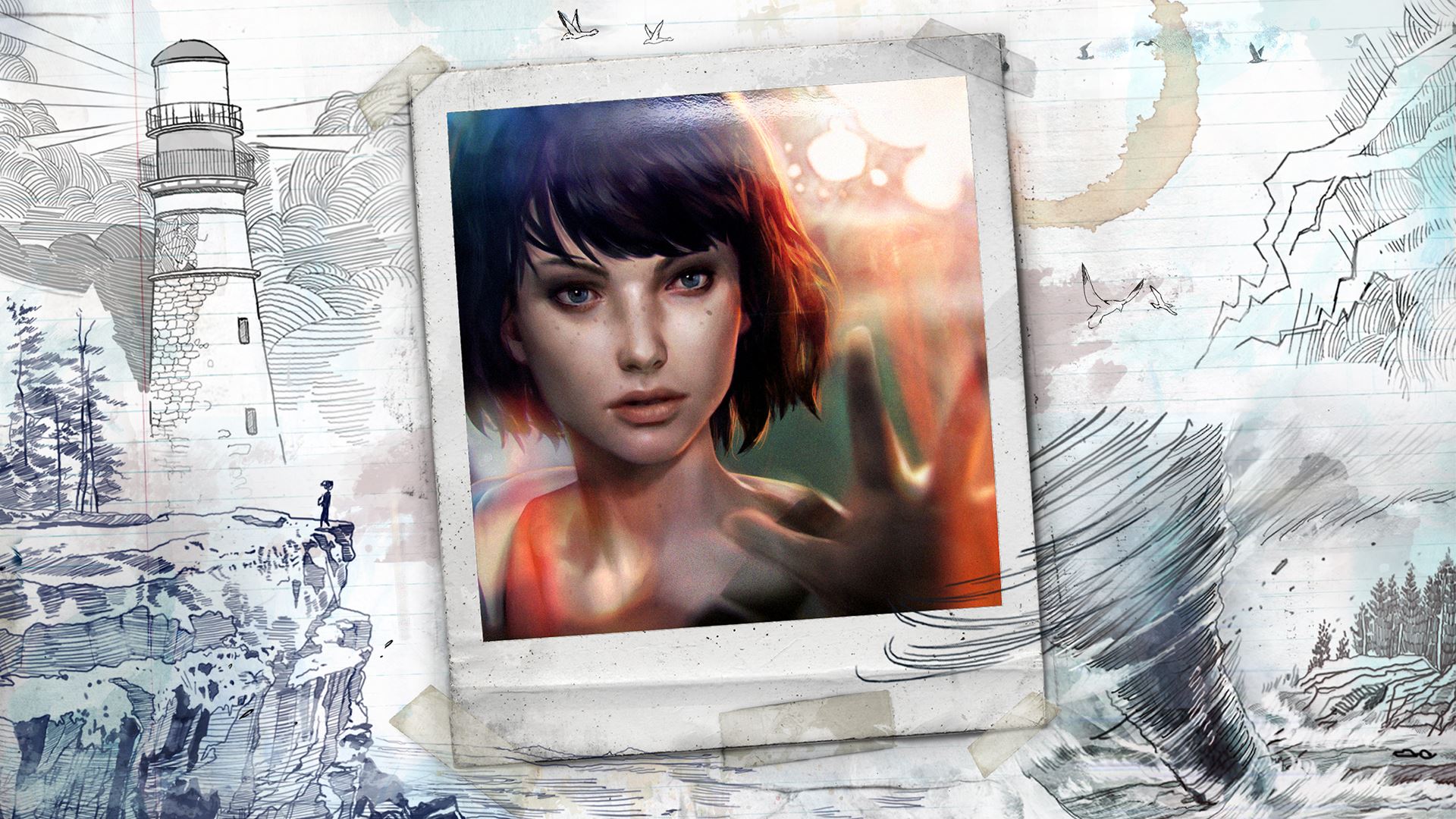
Max Caulfield discovers she can rewind time and uses her power to save her friend Chloe. While primarily a choice based game it includes moments where players must act quickly or mash buttons to interact with the environment. These physical actions can change the immediate scene and affect the long term relationships between characters. The ability to rewind allows players to see the consequences of different physical outcomes. The branching narrative is deeply affected by how Max uses her abilities in the moment.
‘Life is Strange: Before the Storm’ (2017)

This prequel follows Chloe Price and her relationship with Rachel Amber before the events of the first game. The game features a backtalk mechanic that requires quick responses and button interactions to win arguments. Success in these verbal and physical challenges opens up different narrative branches and character interactions. Failing these prompts can lead to social consequences and different story paths. The focus on character building is enhanced by these interactive moments.
‘Life is Strange 2’ (2018)
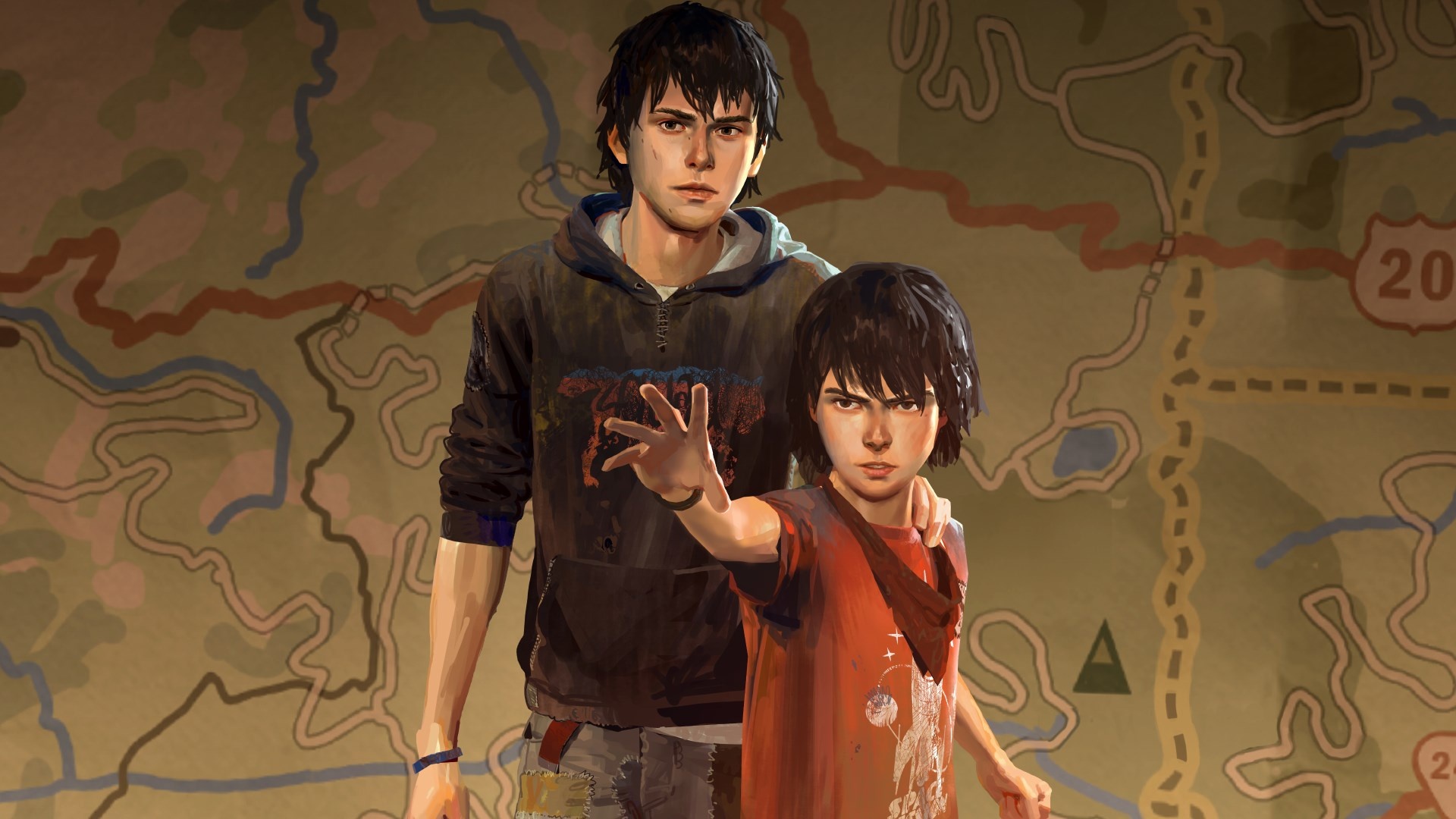
Two brothers go on the run after a tragic accident and must navigate the challenges of the road. The game includes several sequences where button mashing and quick timing are necessary to overcome obstacles or avoid danger. The performance of the older brother Sean directly influences the development and morality of the younger brother Daniel. Failure in these moments can lead to different narrative outcomes and character growth. The story branches based on the survival and lessons learned during the journey.
‘Life is Strange: True Colors’ (2021)
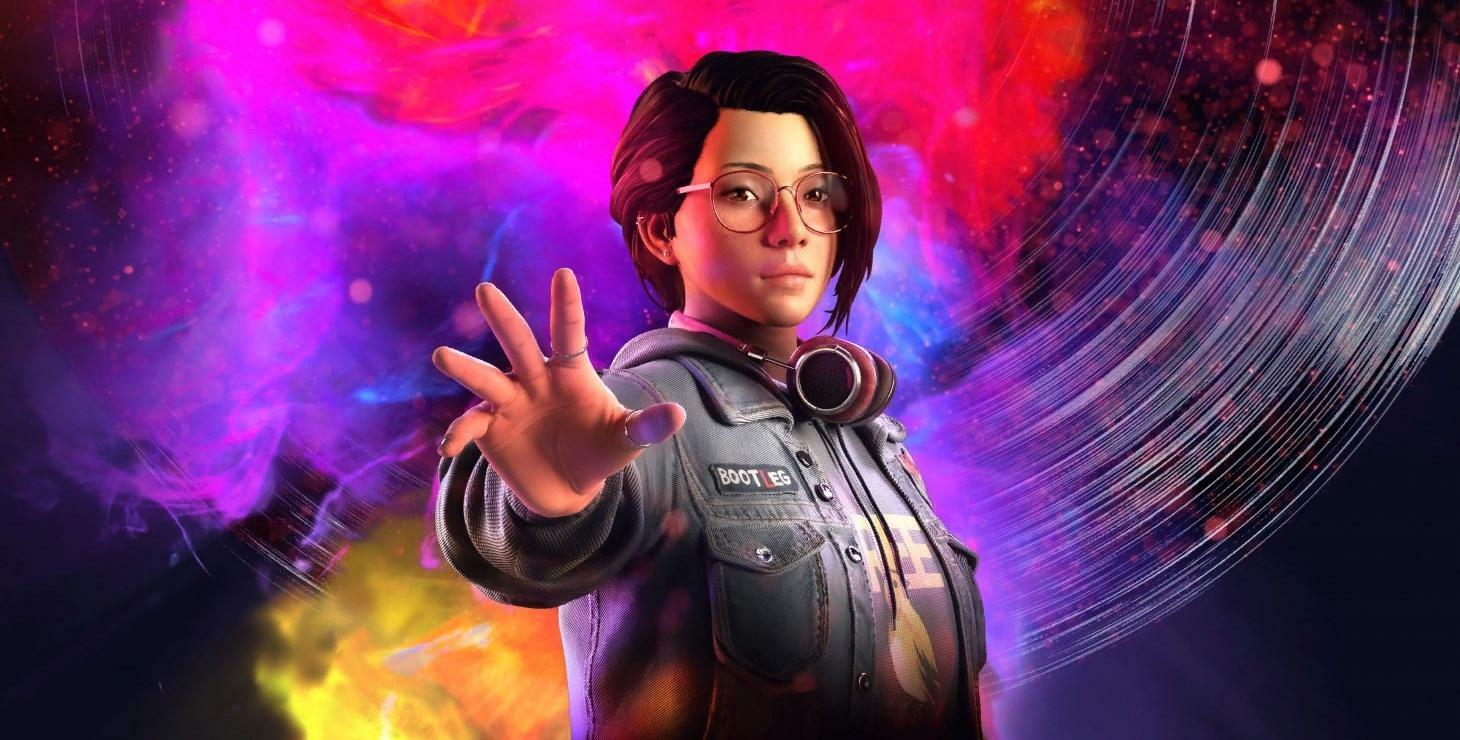
Alex Chen uses her psychic power of empathy to solve the mystery of her brother’s death. The game features interactive sequences where players must perform physical tasks or react quickly to events in the town. These moments influence the trust levels of the townspeople and the direction of the investigation. Success or failure in these prompts leads to various branching paths in Alex’s personal story. The emotional narrative is supported by these engaging physical interactions.
‘Asura’s Wrath’ (2012)
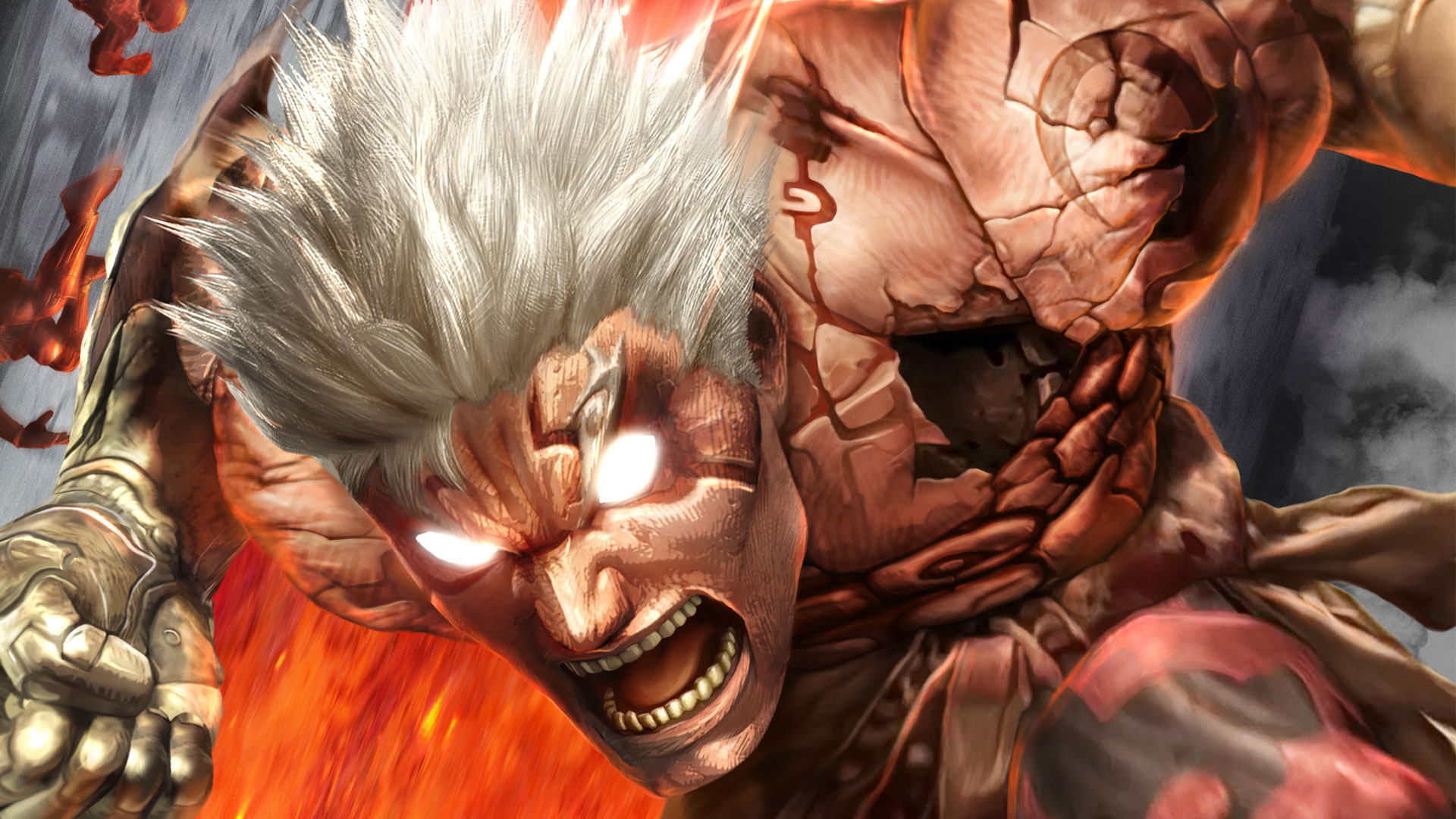
A demigod seeks vengeance against the deities who betrayed him in this over the top action game. The gameplay is almost entirely centered on massive quick time events and button mashing sequences. The intensity of the player’s input is reflected in the scale of the destruction on screen. Failing these prompts can lead to different scene variations or lower performance ratings that affect the story. The narrative is presented as an episodic anime driven by the player’s physical fury.
‘Killer is Dead’ (2013)
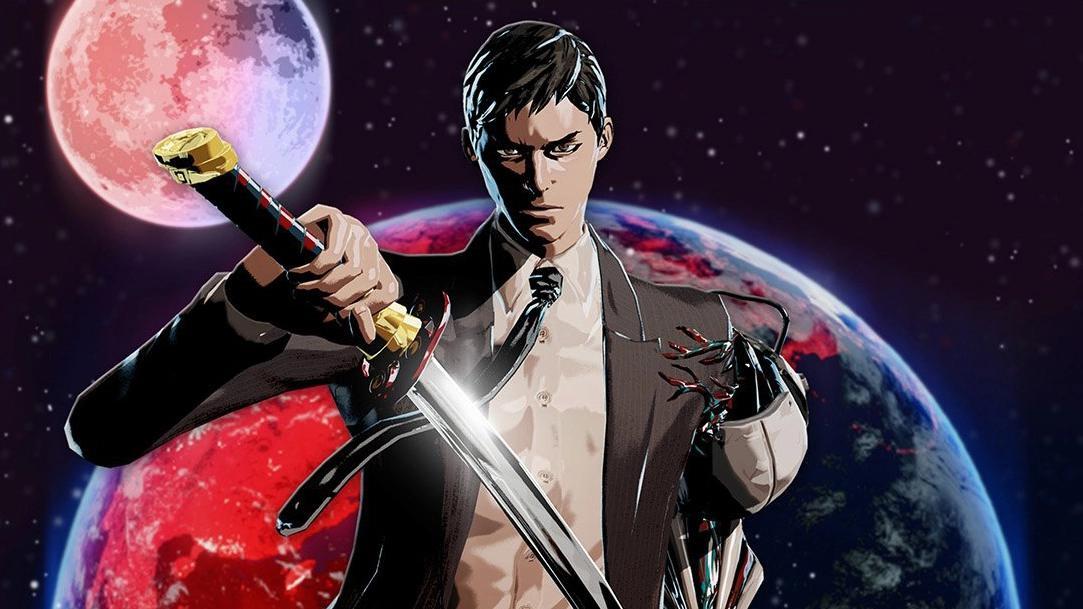
Mondo Zappa is an executioner who hunts down dangerous criminals and aliens in a stylized world. The game features fast paced combat and cinematic finishers that rely on rapid button tapping. These physical sequences determine the efficiency of the execution and can influence certain narrative beats. Failing to keep up with the prompts can result in taking damage or changing the flow of the mission. The story branches in surreal ways based on the player’s combat performance.
‘Sleeping Dogs’ (2012)

Wei Shen is an undercover cop infiltrating the Sun On Yee Triad in Hong Kong. The game includes visceral hand to hand combat and chase sequences that use button mashing for counters and environmental attacks. These physical interactions affect Wei’s standing within the gang and his effectiveness as an officer. Failing a sequence can lead to different narrative developments or mission failures. The branching story is defined by the balance between Wei’s two conflicting lives.
‘The Witcher 2: Assassins of Kings’ (2011)
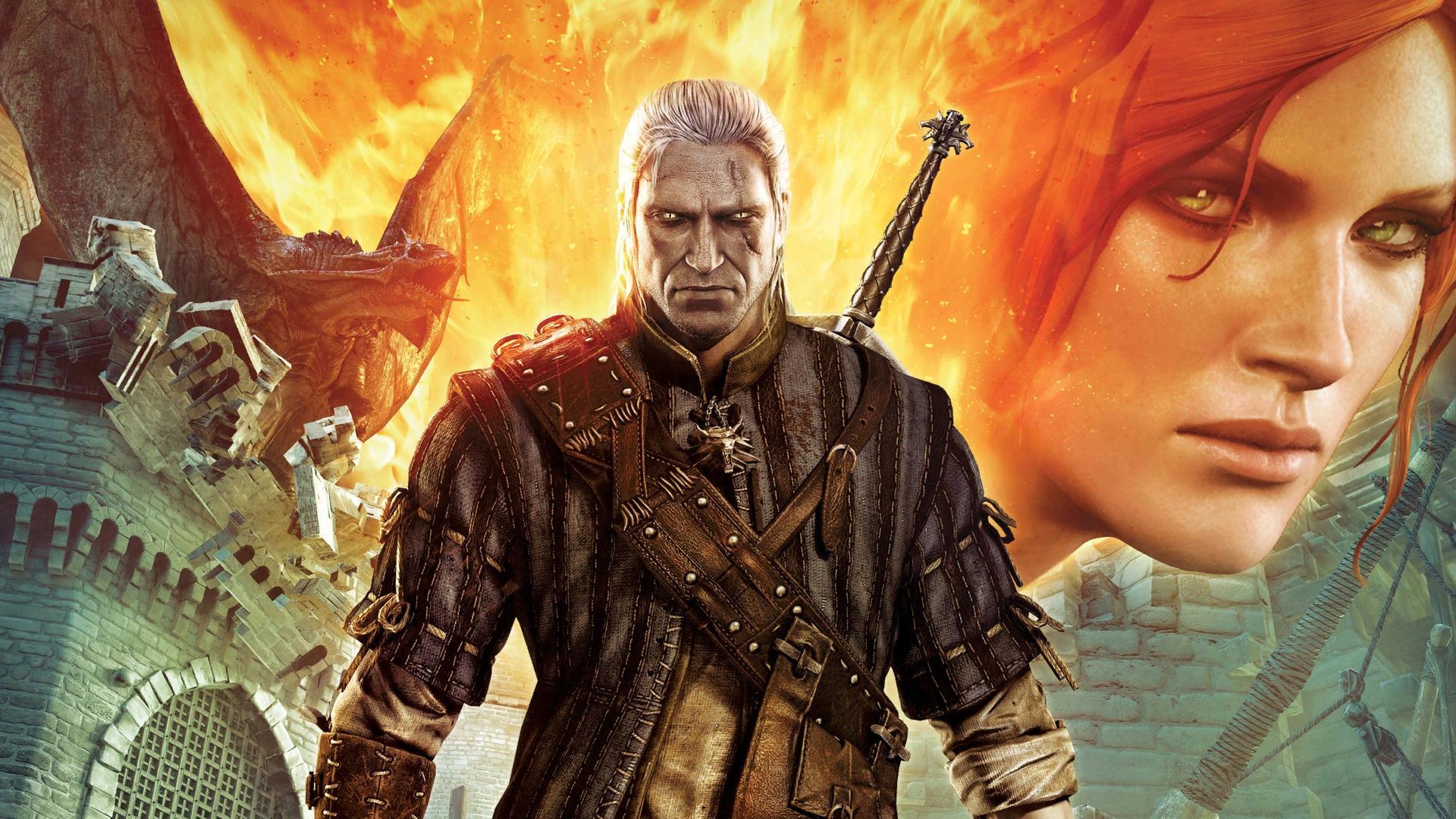
Geralt of Rivia is framed for regicide and must find the real killer to clear his name. The game features several quick time events during boss fights and cinematic escapes that require button mashing. Success in these moments allows the story to proceed along favorable paths while failure can lead to character injury or different plot points. These sequences are integrated into the dark fantasy narrative to increase tension. The player’s performance during these tasks helps shape the political landscape of the world.
‘Deadly Premonition’ (2010)
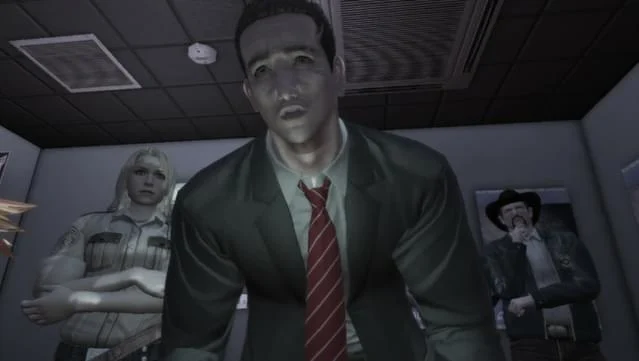
FBI agent Francis York Morgan investigates a series of ritualistic murders in a small rural town. The game features surreal action sequences where button mashing is used to escape supernatural threats. Failing these tasks can lead to immediate death or changes in the investigation’s progress. The narrative is known for its quirky branching paths and strange character interactions. Physical input is a key part of surviving the bizarre challenges of the story.
‘Road 96’ (2021)

Players control several teenagers attempting to cross the border and escape a country on the brink of collapse. The game features various mini games and encounters that require button mashing or quick reactions. These physical challenges influence the success of the escape and the safety of the characters. The narrative is procedurally generated with branching paths that depend on the results of these interactions. Every journey is unique based on the player’s physical and moral choices.
‘1979 Revolution: Black Friday’ (2016)
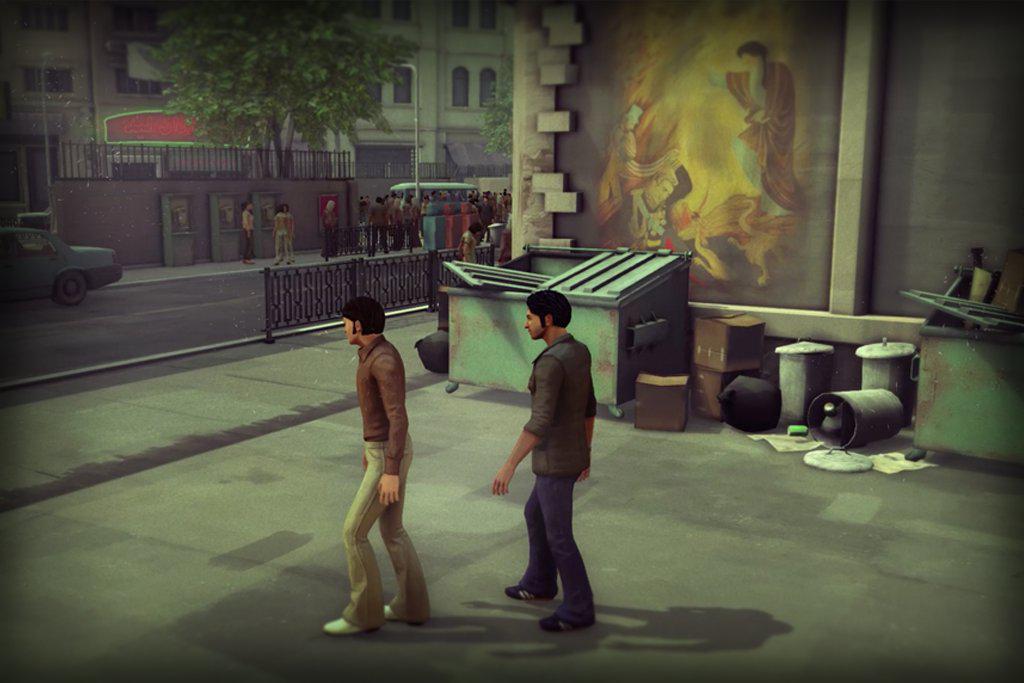
A photojournalist finds himself caught in the middle of the Iranian Revolution. The game features intense sequences where players must mash buttons to survive protests or interact with the environment. These physical moments have a direct impact on the survival of characters and the outcome of the revolution. The story branches based on the player’s ability to handle high pressure historical events. The narrative is grounded in real world history through these interactive segments.
‘428: Shibuya Scramble’ (2008)
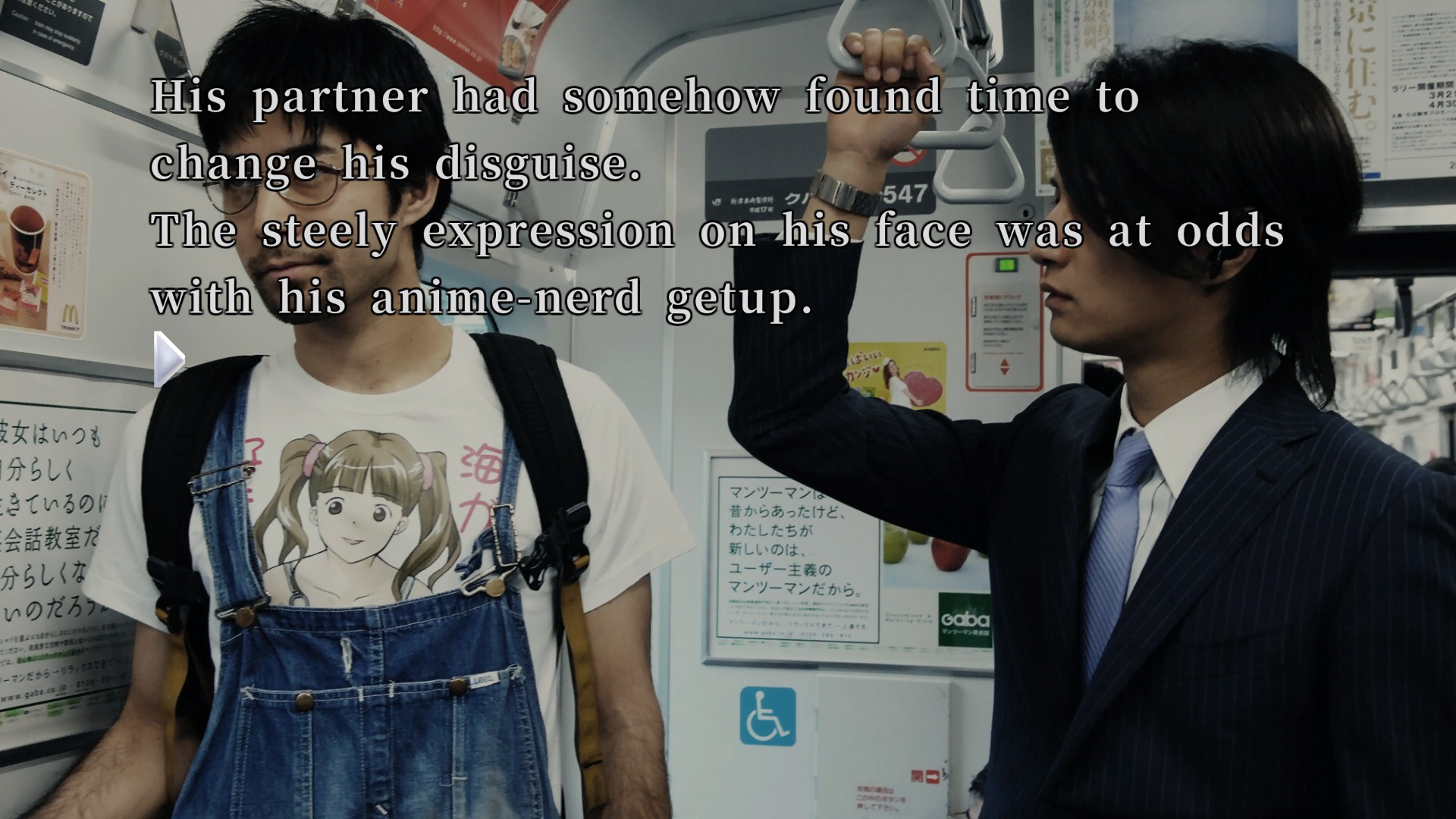
The lives of five different characters intersect during a kidnapping case in Tokyo. The game requires players to make choices and occasionally perform physical tasks to progress the story. Failing to act or making the wrong choice can lead to a bad end for one or more characters. The branching narrative is complex and requires players to manage the actions of all protagonists simultaneously. Success in these moments is necessary to reach the true conclusion of the mystery.
‘The Council’ (2018)

Louis de Richet joins a secret society on a private island in the late eighteenth century. The game features unique social mechanics and occasional physical challenges that use button interactions. These moments influence the political alliances and survival of the various historical figures present. Success or failure in these prompts leads to significant narrative branches and character developments. The story is a blend of mystery and political intrigue driven by player performance.
‘Beyond a Steel Sky’ (2020)
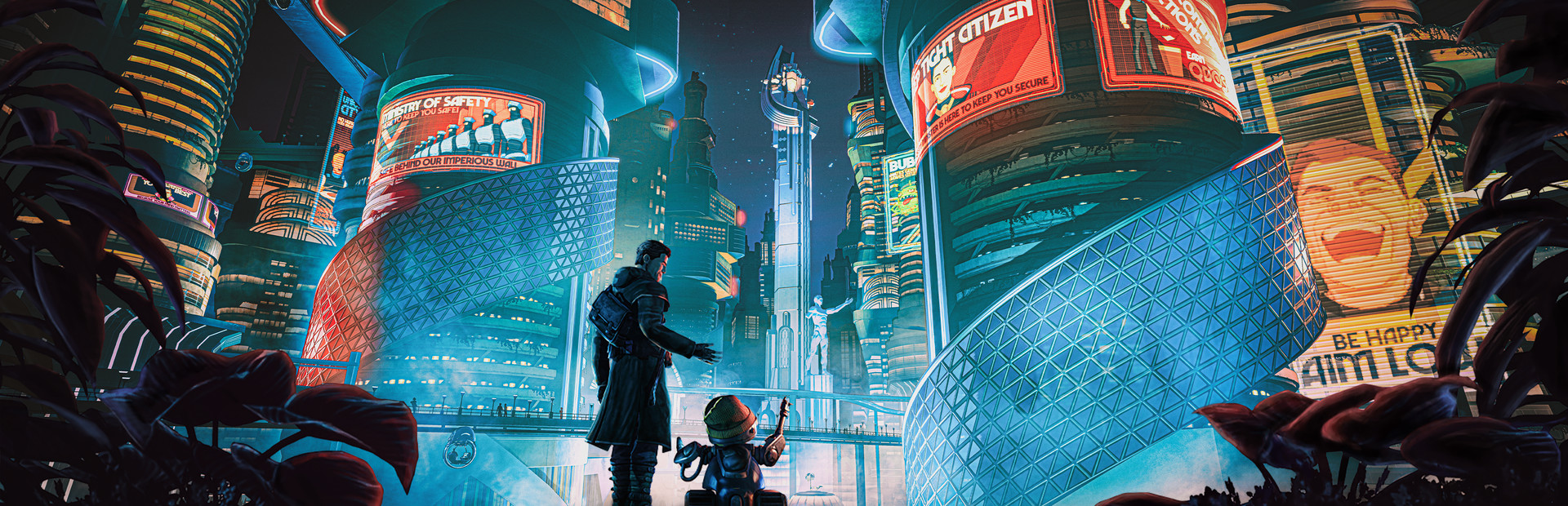
Robert Foster returns to Union City to find a kidnapped child in this cyberpunk adventure. The game utilizes environmental puzzles and action sequences where quick button prompts are essential for progression. Failing these physical tasks can lead to different narrative outcomes or setbacks in the investigation. The story branches based on how players interact with the city and its artificial intelligence systems. These physical interactions provide a modern twist on the classic adventure game formula.
Please share your favorite memories of high stakes button mashing in the comments.