Games With Worlds Generated from Seed Phrases


Procedural generation allows developers to create massive environments without hand crafting every inch of the map. By using a seed phrase players can generate specific worlds that are identical for everyone who uses that same text. This mechanic has become a staple in the survival and roguelike genres for its ability to provide endless variety. Many modern titles utilize these complex algorithms to ensure that no two adventures are ever exactly the same.
‘Minecraft’ (2011)
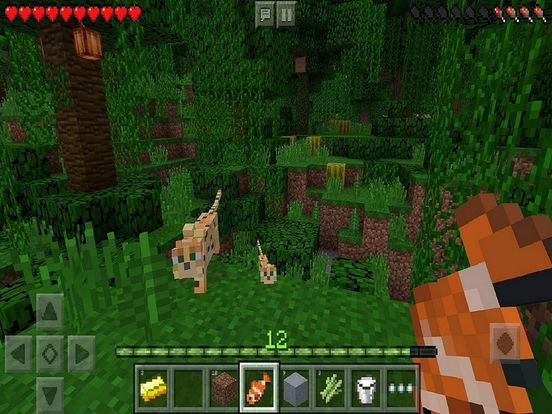
‘Minecraft’ revolutionized the use of procedural generation by allowing players to input specific strings of text known as seeds. These seeds determine the layout of the entire infinite world from the placement of mountains to the location of rare structures. Entering a specific seed ensures that every player experiences the exact same geographical features. This system enables fans to share their favorite discoveries with others in the gaming community.
‘Terraria’ (2011)
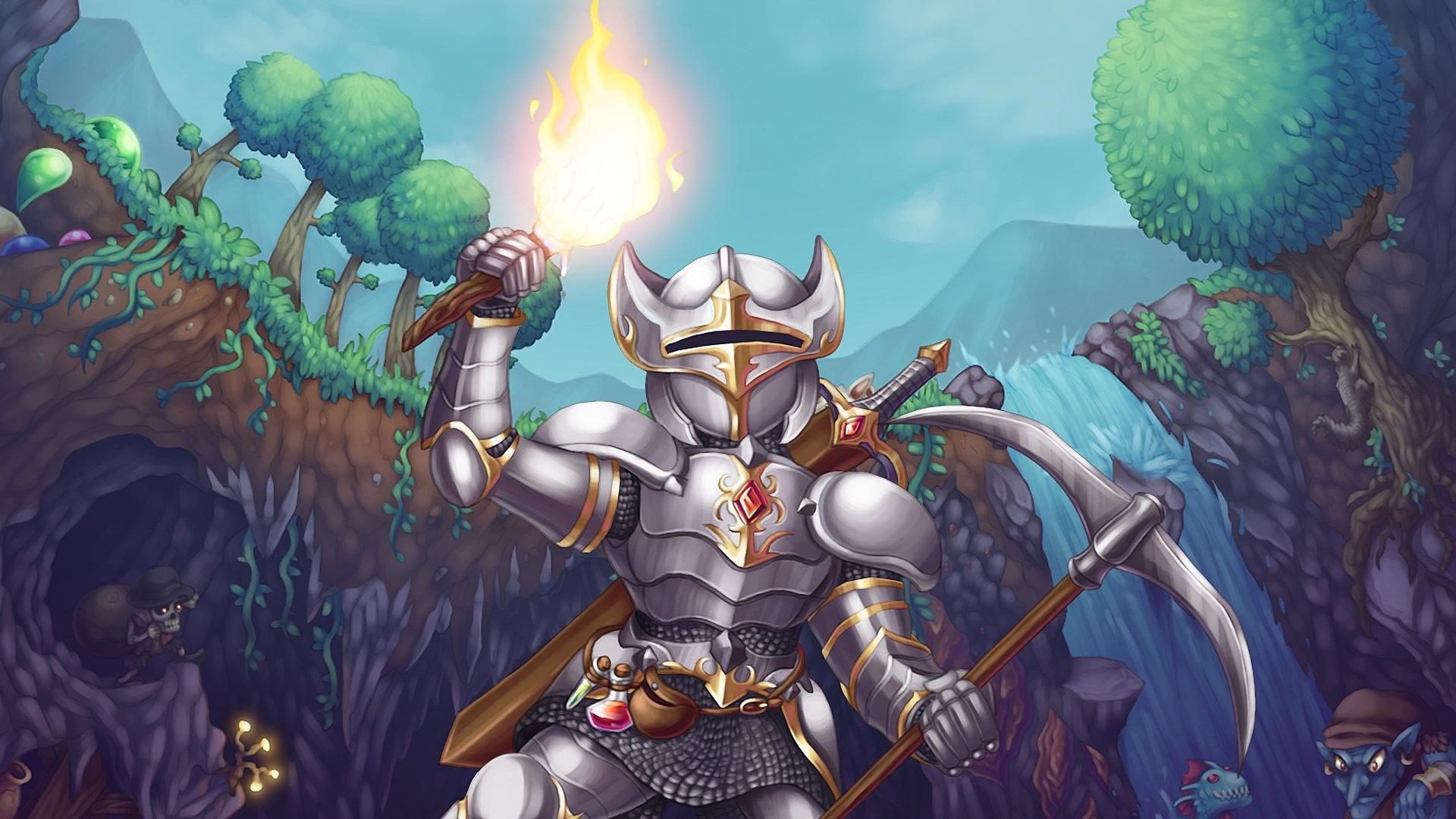
In ‘Terraria’ players can input unique seed phrases that dictate how their two dimensional world is constructed. These strings influence which ores appear and whether the world contains specific biomes like the Corruption or the Crimson. The developers even included secret seeds that drastically change the mechanics and difficulty of the game. Sharing these seeds is a popular way for the community to explore specific map configurations and rare loot locations.
‘No Man’s Sky’ (2016)
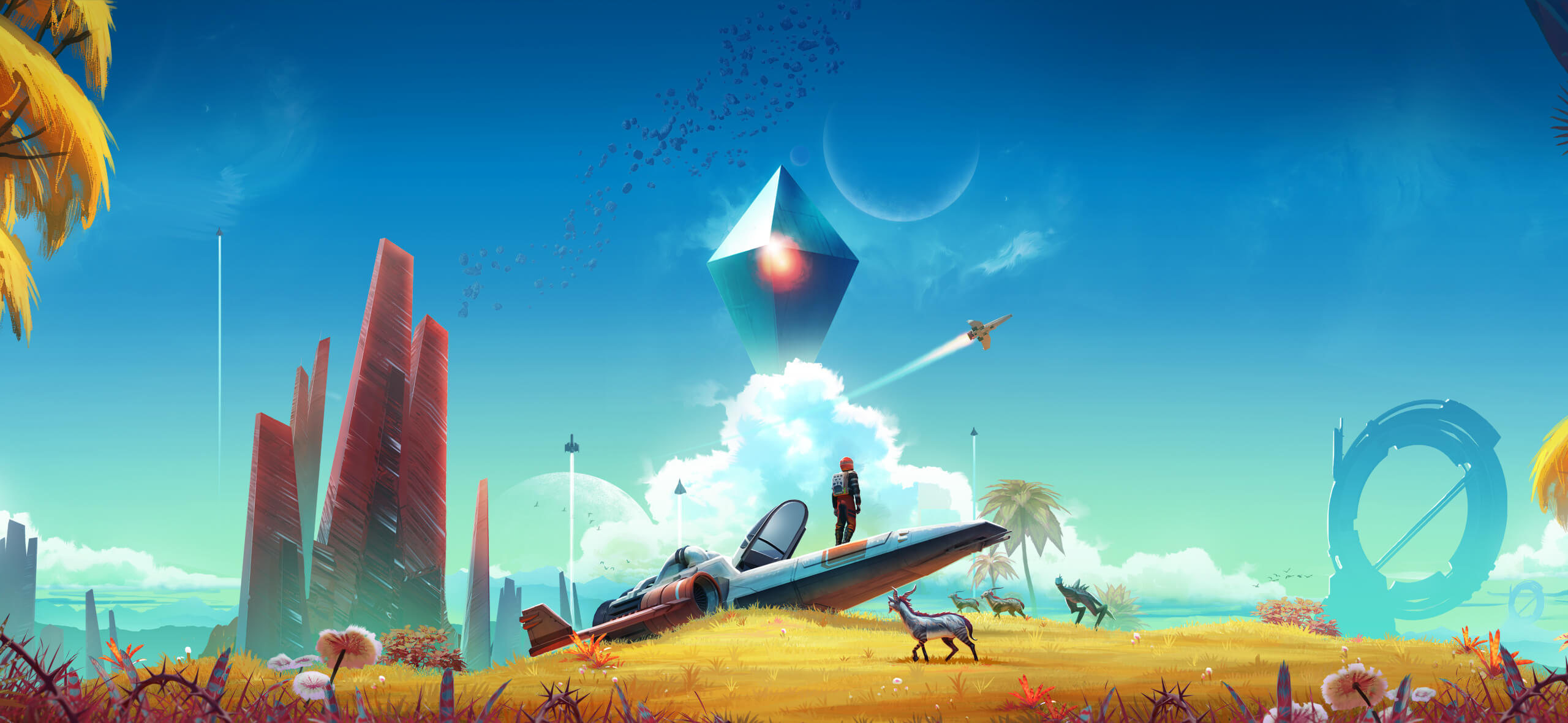
‘No Man’s Sky’ uses a massive mathematical seed to generate an entire galaxy filled with quintillions of unique planets. Every star system and planet is generated on the fly based on these underlying algorithms to ensure a near infinite universe. While players do not typically input the master seed they can share coordinates that function as seeds for specific locations. This ensures that every explorer sees the same flora and fauna when visiting a particular set of coordinates.
‘Valheim’ (2021)
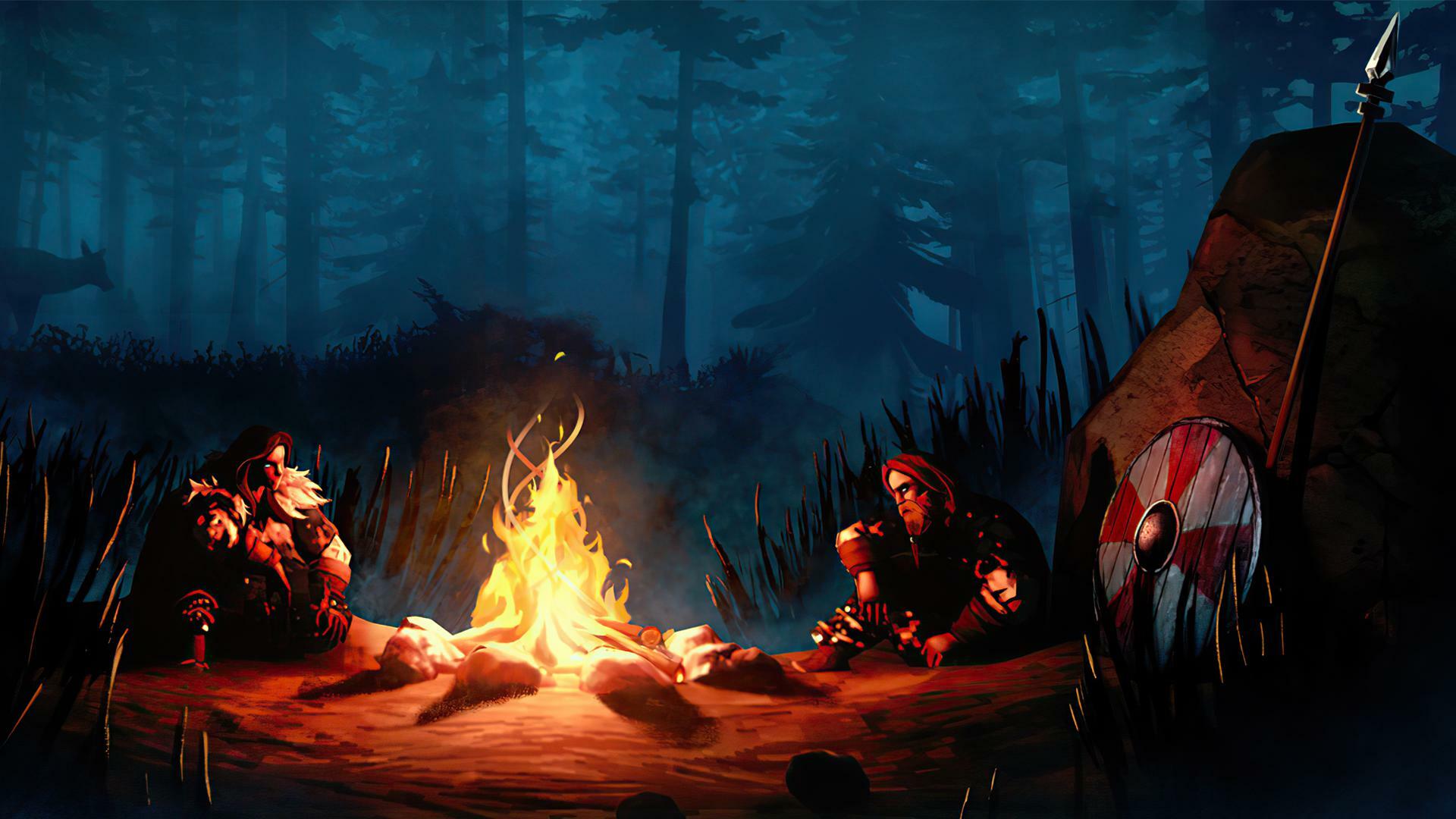
The world of ‘Valheim’ is created using a ten character string that determines the layout of the Norse purgatory. This seed dictates where the different biomes are placed and where the various boss altars are located. Players often seek out specific seeds that provide a more convenient starting island or closer proximity to late game resources. The map remains hidden under a fog of war until the player explores it despite the seed being predetermined.
‘Dwarf Fortress’ (2006)
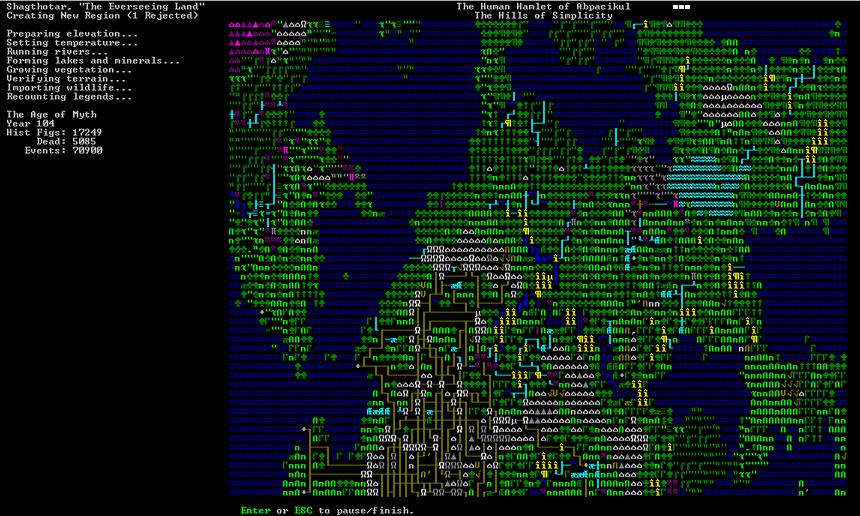
‘Dwarf Fortress’ utilizes incredibly complex seeds to generate not just geography but thousands of years of simulated history. The seed phrase influences the placement of mountain ranges and rivers as well as the rise and fall of entire civilizations. Players can share these strings to let others build their fortresses in identical geological conditions. The level of detail provided by the generation system creates a unique story for every world created.
‘Starbound’ (2016)
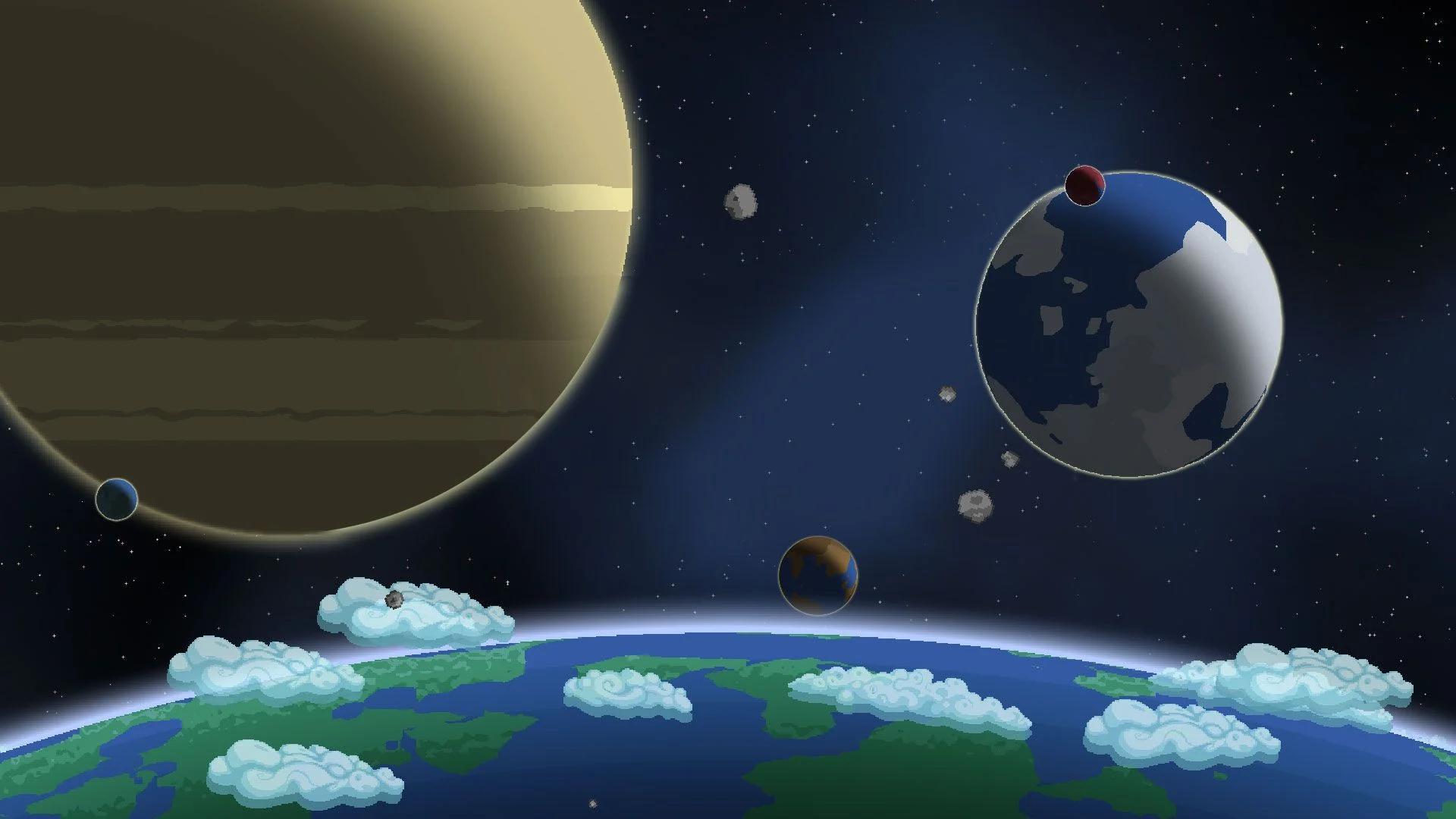
In ‘Starbound’ the universe is populated by a vast number of planets that are all generated from specific numerical seeds. Each planet has its own unique gravity and atmosphere and weather patterns based on these values. Players can travel to specific coordinates which essentially act as the seed for that particular celestial body. This allows the community to document and share planets that contain rare items or interesting alien life.
‘Don’t Starve’ (2013)
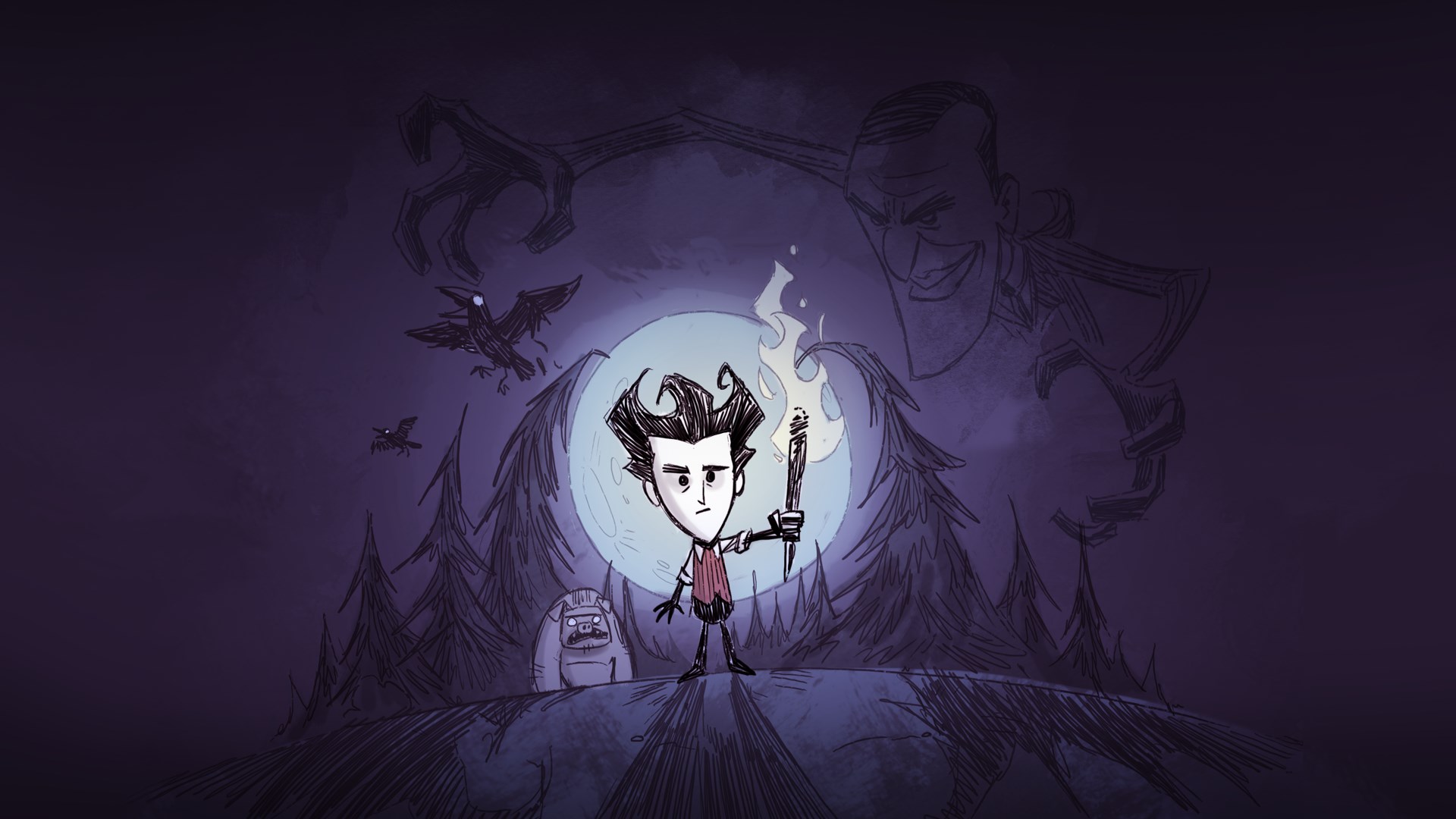
‘Don’t Starve’ creates a brutal wilderness for players to survive in by using randomized world generation. The seed determines the density of resources and the location of dangerous monster spawns. Players can input specific seeds in the world settings to ensure a predictable layout for their survival attempts. This feature is particularly useful for competitive play or for those who want to practice specific survival strategies.
‘7 Days to Die’ (2013)
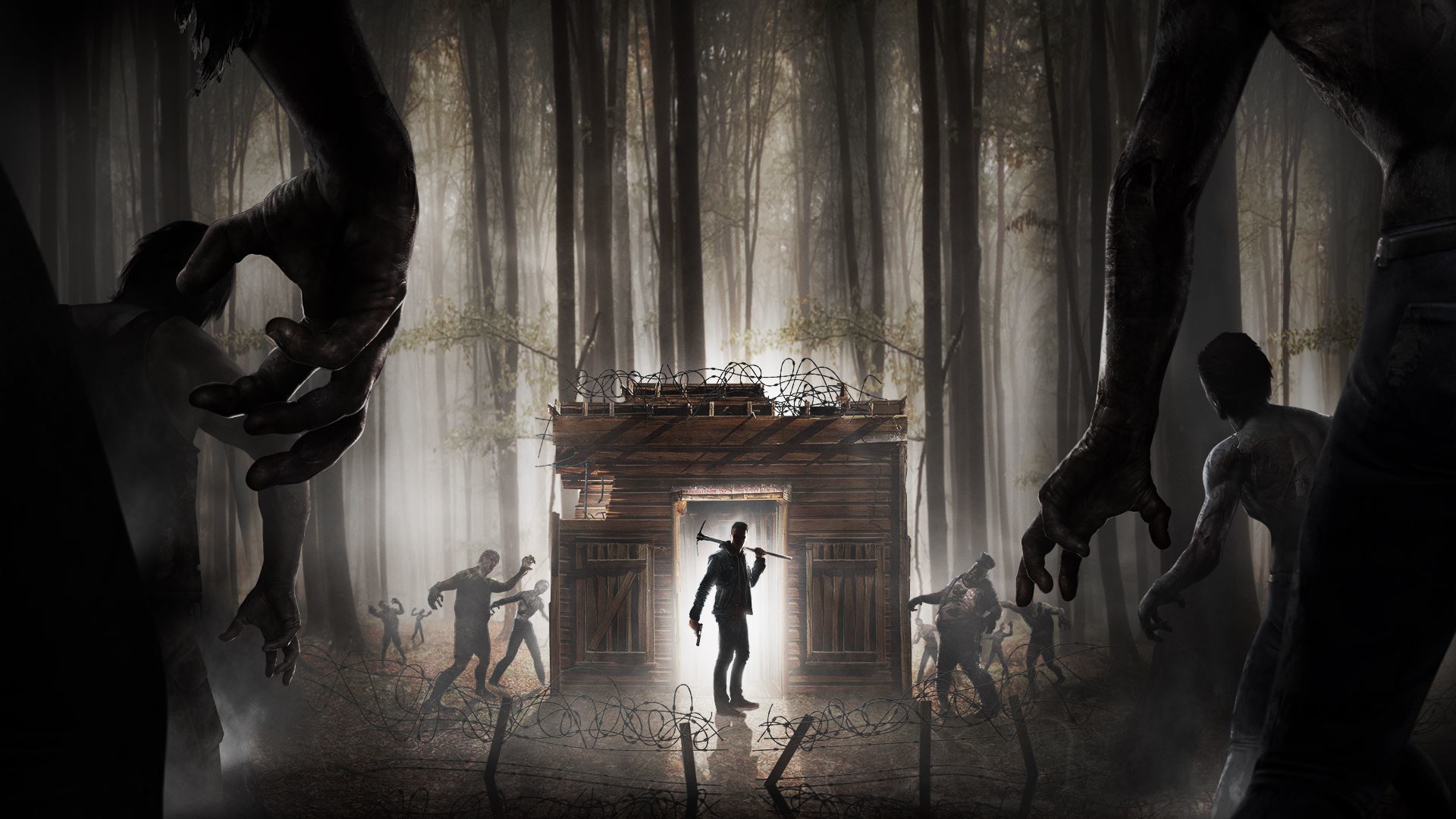
‘7 Days to Die’ features a random world generation mode where the name of the save file acts as the seed phrase. This string of text determines the entire landscape including the placement of cities and roads and wilderness biomes. Different seeds can result in vastly different experiences ranging from dense urban sprawls to barren wasteland maps. Players often look for seeds that offer a high concentration of lootable buildings near their starting point.
‘RimWorld’ (2018)
In ‘RimWorld’ the entire planet is generated based on a seed phrase chosen by the player at the start of a new game. This seed determines the geography of the globe and the local terrain of every possible landing site. Different seeds change the temperature and rainfall and available resources of the colonies. The community maintains lists of seeds that provide defensible mountain bases or favorable growing seasons.
‘Factorio’ (2020)
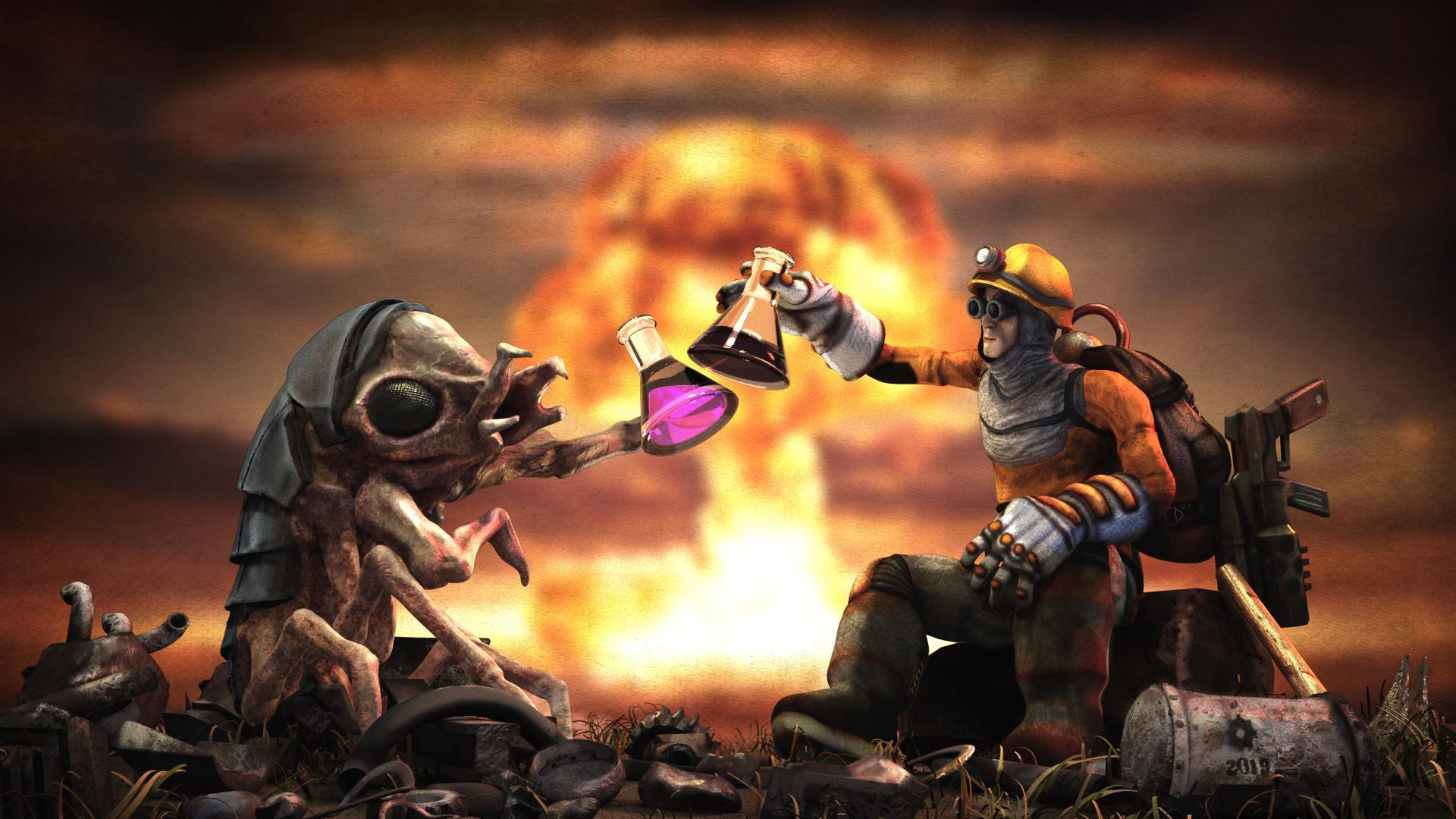
‘Factorio’ uses map exchange strings which function as seeds to define the distribution of resources across the landscape. These strings control the frequency and richness of coal and iron and copper patches. Players use specific seeds to create challenges or to ensure they have enough space to build massive automated factories. The generation system also determines the layout of water bodies and forests that act as natural barriers.
‘Oxygen Not Included’ (2019)

‘Oxygen Not Included’ generates its subterranean asteroid environments using coordinates that act as seeds. These seeds define the placement of different biomes and the location of vital geysers. Some seeds might result in a world with plenty of water while others might be extremely resource poor. Players share these coordinates to help others find asteroids that are suitable for specific types of colony builds.
‘The Binding of Isaac: Rebirth’ (2014)

Every run in ‘The Binding of Isaac: Rebirth’ is controlled by an eight character seed that determines every room and item and enemy. Players can manually enter these seeds to replay specific runs or to compete against others on the same map. Using a seed disables the ability to earn achievements to ensure that players do not use them to easily unlock content. This mechanic is essential for the speedrunning community and for testing specific item combinations.
‘Caves of Qud’ (2015)
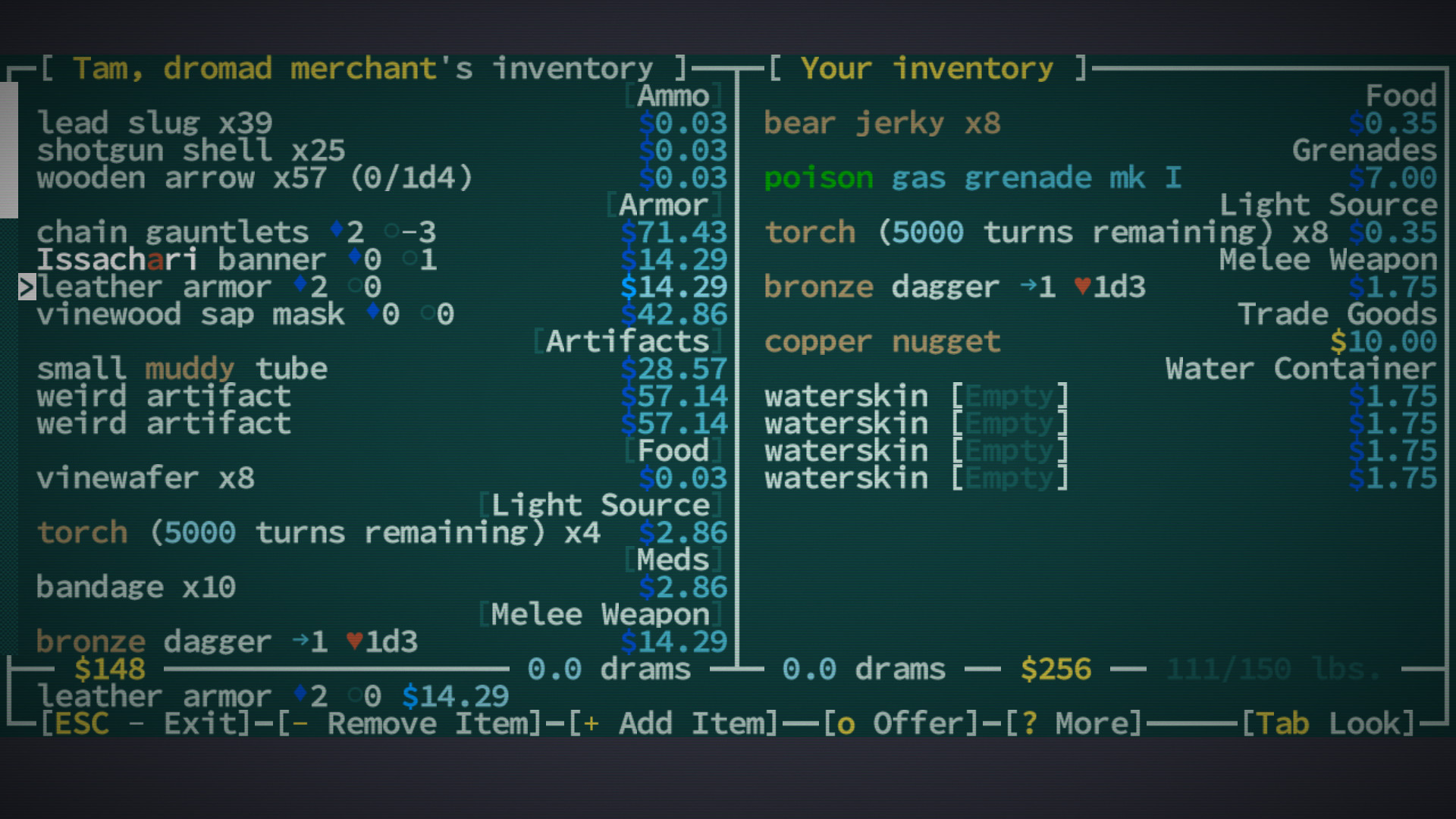
‘Caves of Qud’ features a deeply simulated science fantasy world where every new game is built from a unique seed. The seed influences the layout of the underground ruins and the strange mutations found in the wasteland. It also dictates the relationships between the many different factions that inhabit the world. This allows for a high degree of replayability as the political and physical landscape changes with every new string.
‘Astroneer’ (2019)
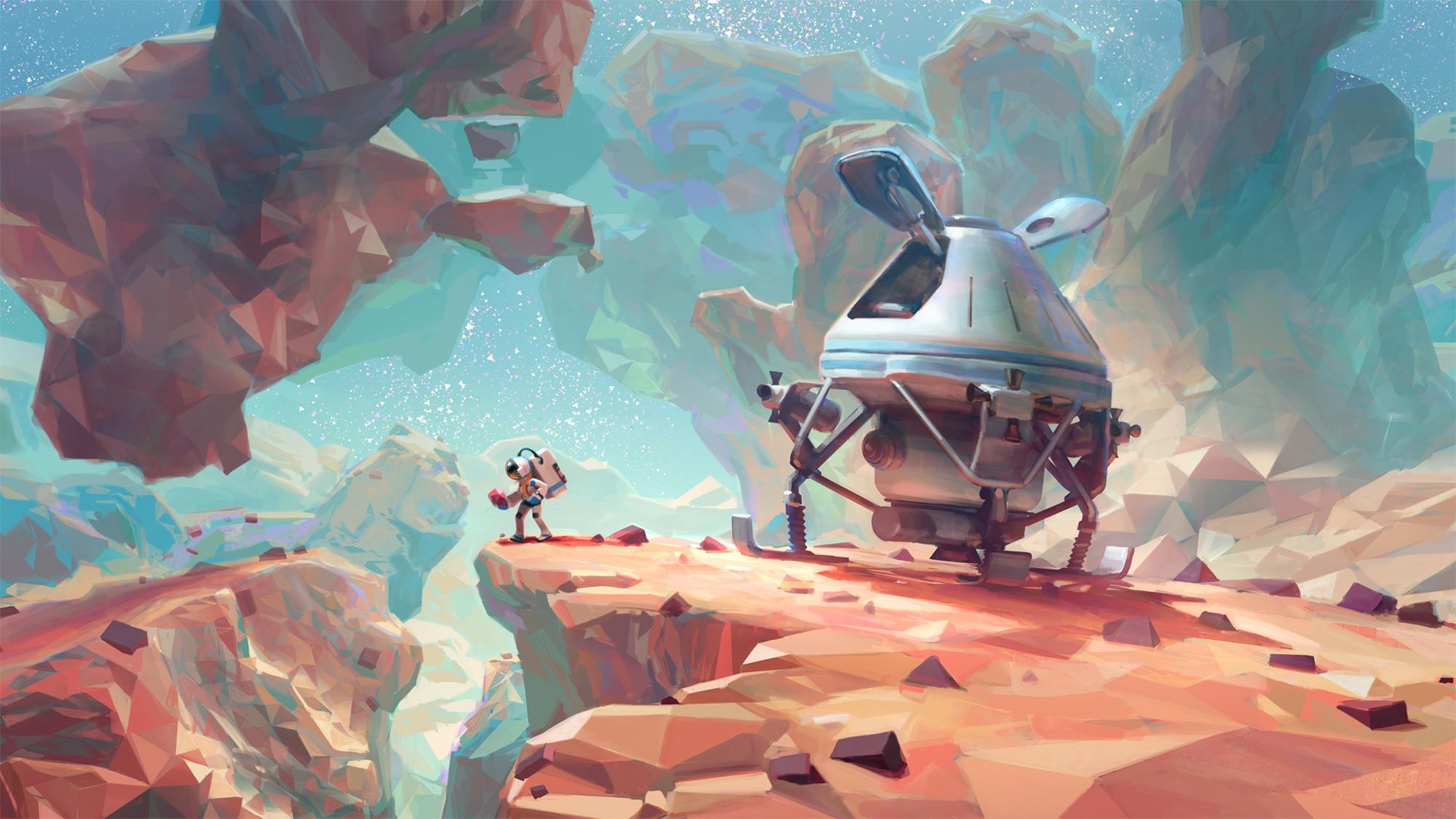
‘Astroneer’ generates several unique planets within a solar system for players to explore and terraform. The generation of these planets is seed based and ensures that every save file offers a different arrangement of caves and resources. Players can use these seeds to find planets with specific geological structures or easier access to rare gases. The terrain is fully deformable which allows players to reshape the world that the seed initially created.
‘Ark: Survival Evolved’ (2017)
‘Ark: Survival Evolved’ includes a procedural map generation tool that allows players to create custom islands using seeds. Players can adjust parameters for mountain height and water depth and forest density before the seed is processed. This provides an alternative to the standard handcrafted maps like The Island or Ragnarok. Sharing these seeds allows server owners to host unique worlds that their players have never seen before.
‘Rust’ (2018)
‘Rust’ servers use map seeds to generate the rugged islands where players fight for survival. The seed determines the coastline and the placement of monuments like the airfield or the power plant. Server administrators can change the seed during a wipe to provide a fresh environment for their player base. This ensures that veteran players must constantly scout new locations for their bases and resource gathering routes.
‘Vintage Story’ (2016)
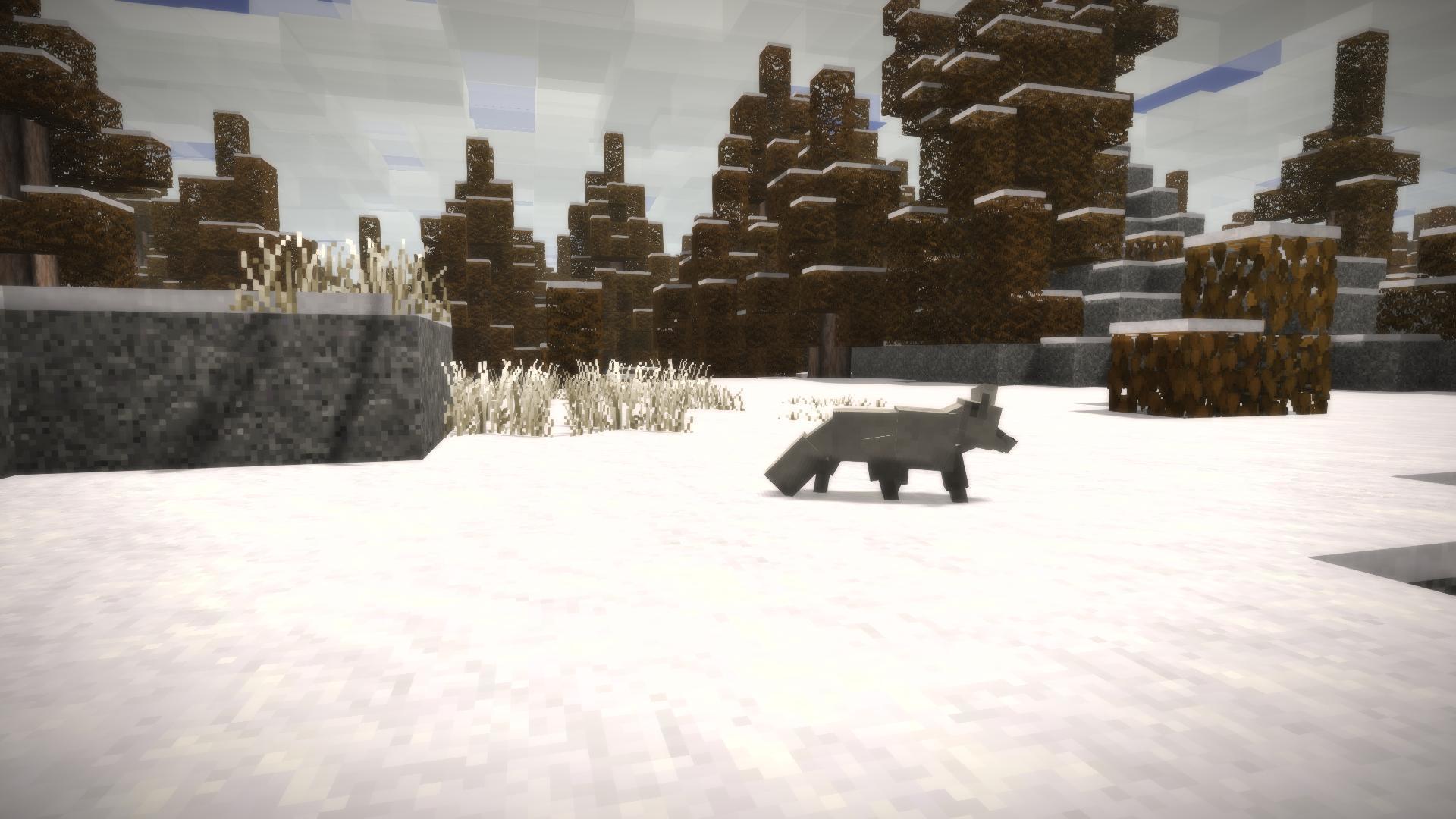
‘Vintage Story’ uses a sophisticated procedural generation system to create realistic landscapes inspired by actual geology. The seed phrase controls the layers of rock and the types of minerals found deep underground. It also affects the climate and vegetation patterns across the world map. Players can use seeds to find specific survival challenges such as living in a permanent winter or a lush tropical forest.
‘Core Keeper’ (2022)
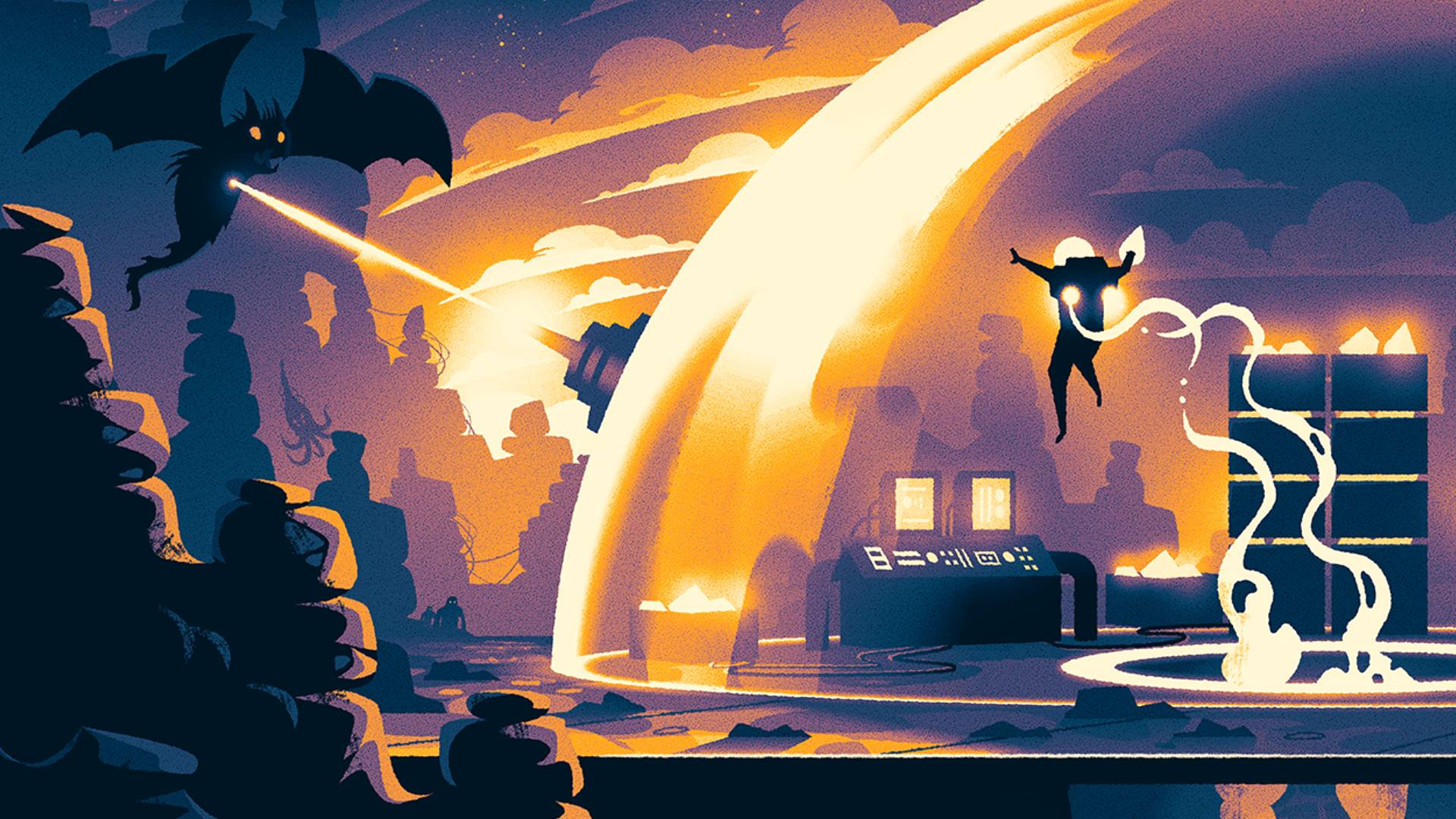
In ‘Core Keeper’ the underground cavern system is generated using a seed that determines the distance and direction of various biomes. This seed dictates where the major bosses are hidden and how the ancient structures are arranged. Players often share seeds that have the different biomes closer together for faster progression. The central core remains the same but everything surrounding it is unique to the chosen string.
‘Rogue Legacy 2’ (2022)
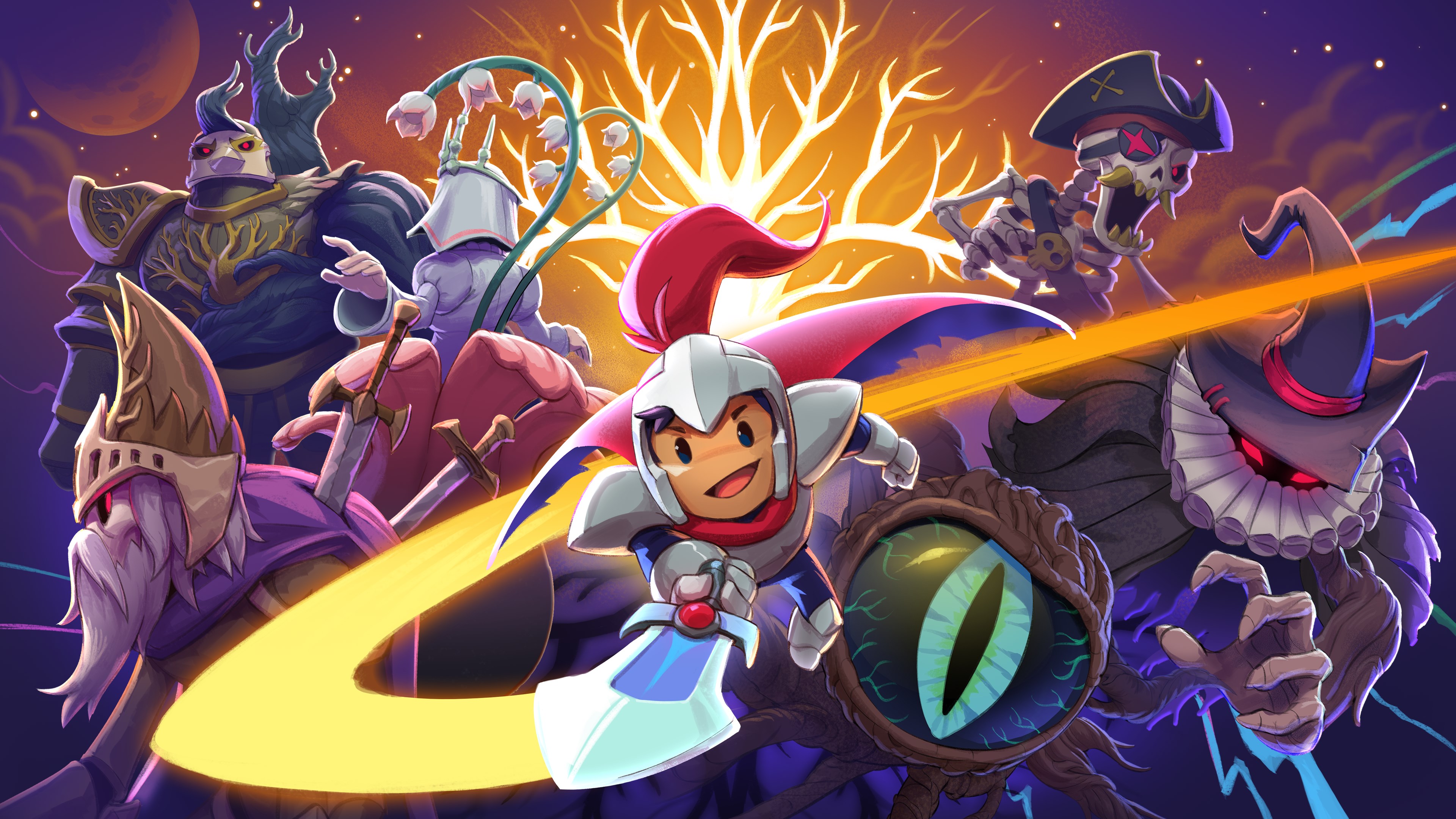
‘Rogue Legacy 2’ generates an ever changing castle that players must explore with each new generation of heroes. While the castle normally resets after every death players can lock the world using a specific seed. This allows them to practice the layout of the rooms and the placement of enemies for a more successful run. The seed ensures that every trap and treasure chest remains in the same spot for that specific attempt.
‘Slay the Spire’ (2019)
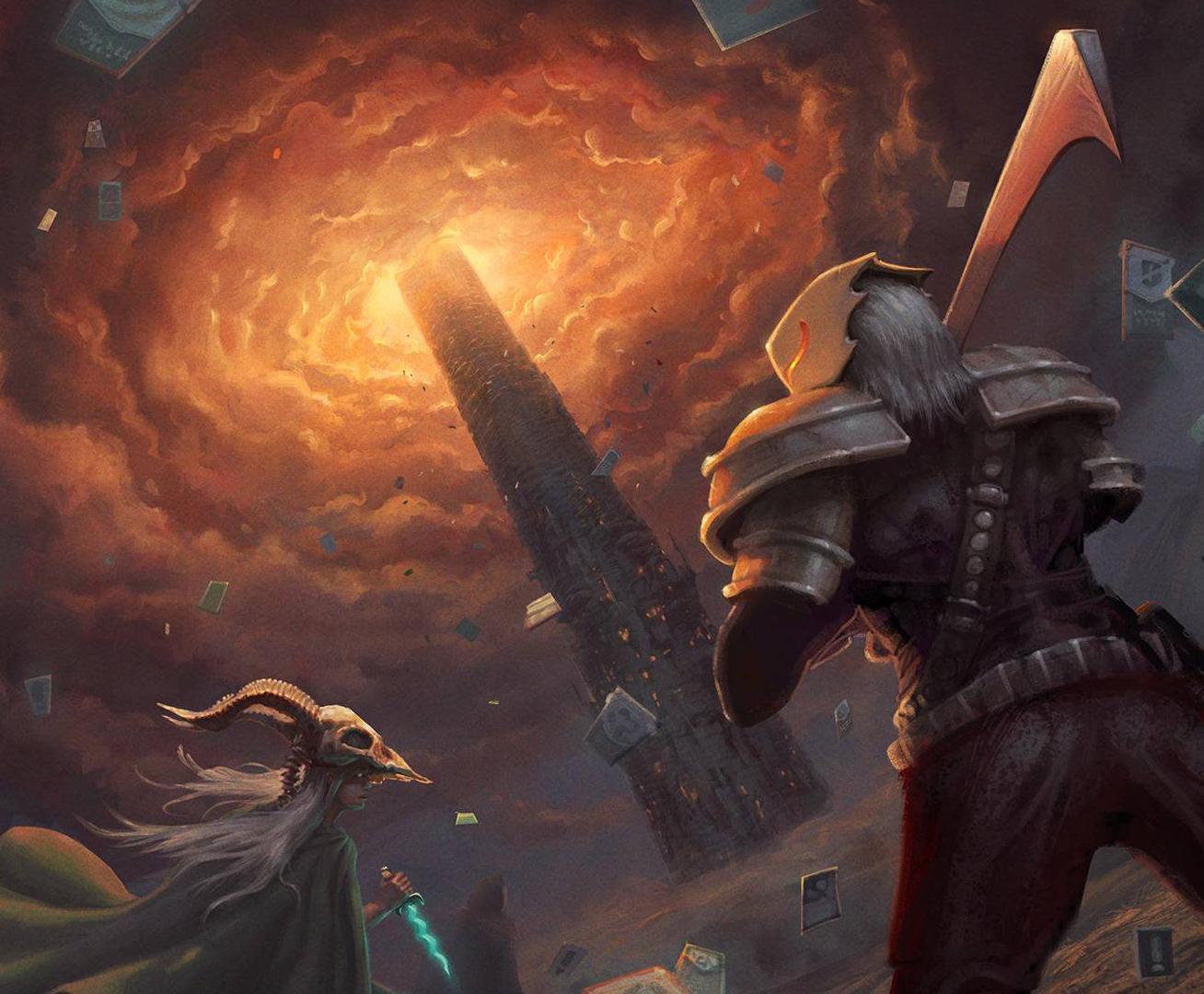
‘Slay the Spire’ uses seeds to determine the path of the branching map and the rewards found at each node. By entering a specific seed players can ensure they encounter the same cards and relics as others. This is frequently used in the community to see if different players can win the same difficult run. The seed also controls the random events and shop inventories that appear during the climb.
‘Enter the Gungeon’ (2016)
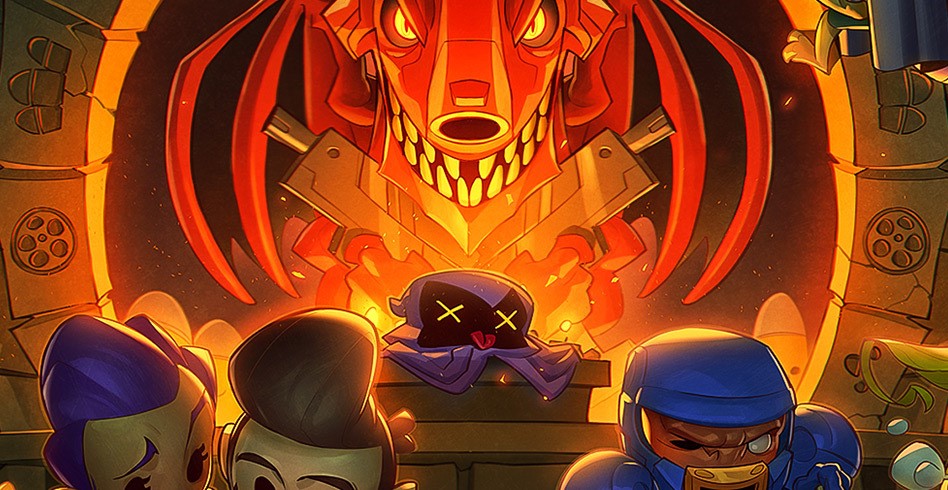
‘Enter the Gungeon’ generates a series of floors filled with enemies and loot based on a hidden seed value. Players can access seed based runs to experience a specific sequence of rooms and boss encounters. This feature allows for fair competition when players want to compare their skills on the exact same dungeon layout. The variety of weapons and items ensures that even the same seed can play out differently based on player choices.
‘Dead Cells’ (2018)
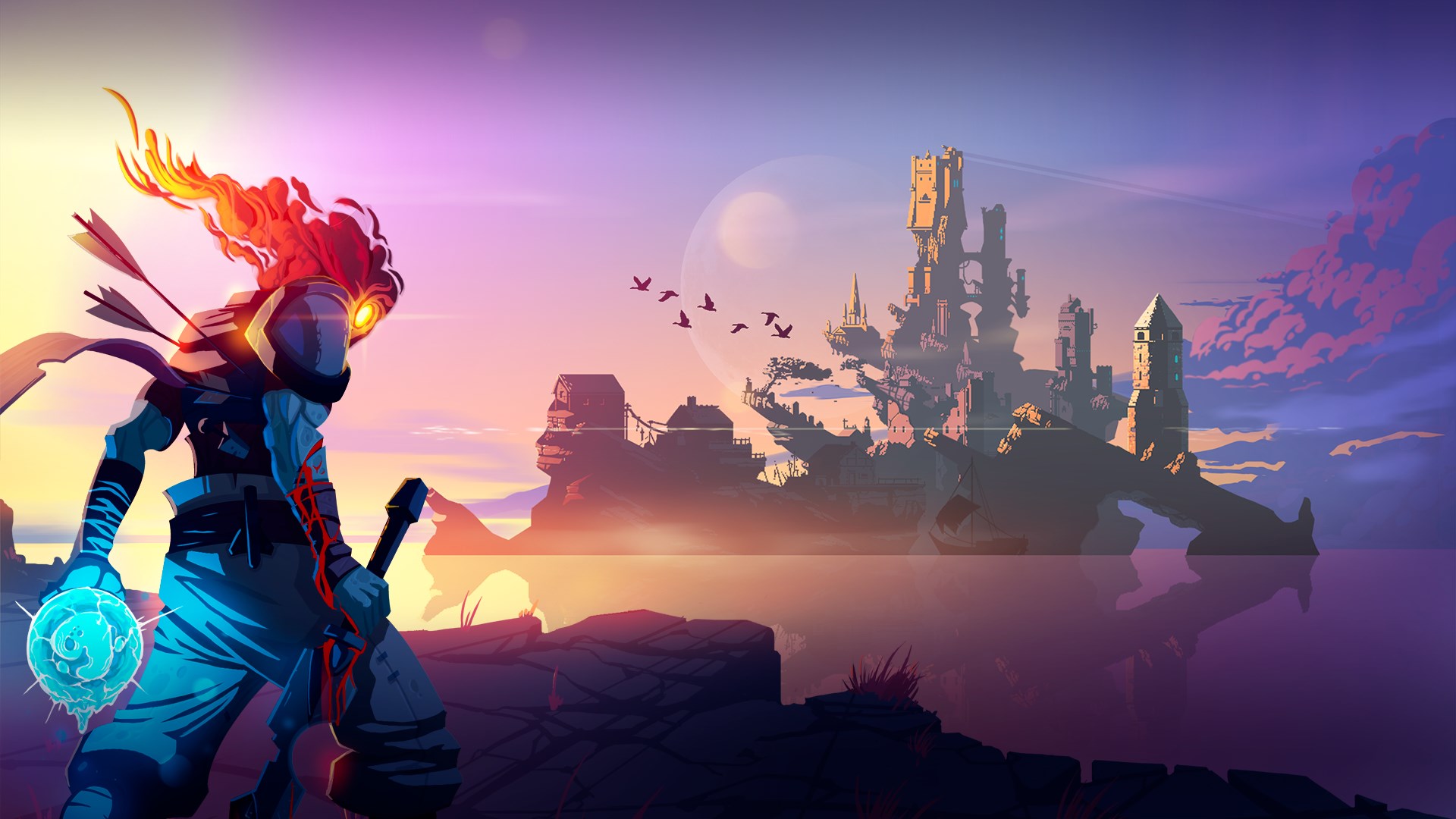
In ‘Dead Cells’ the interconnected levels of the island are generated using a seed that determines the path to the exit. This seed also controls which blueprints and upgrades are available during a particular run. Players can see the seed number on their screen and use it to recreate that specific dungeon in the future. This is helpful for mastering the layout of difficult areas like the Clock Tower or the High Peak Castle.
‘Spelunky 2’ (2020)
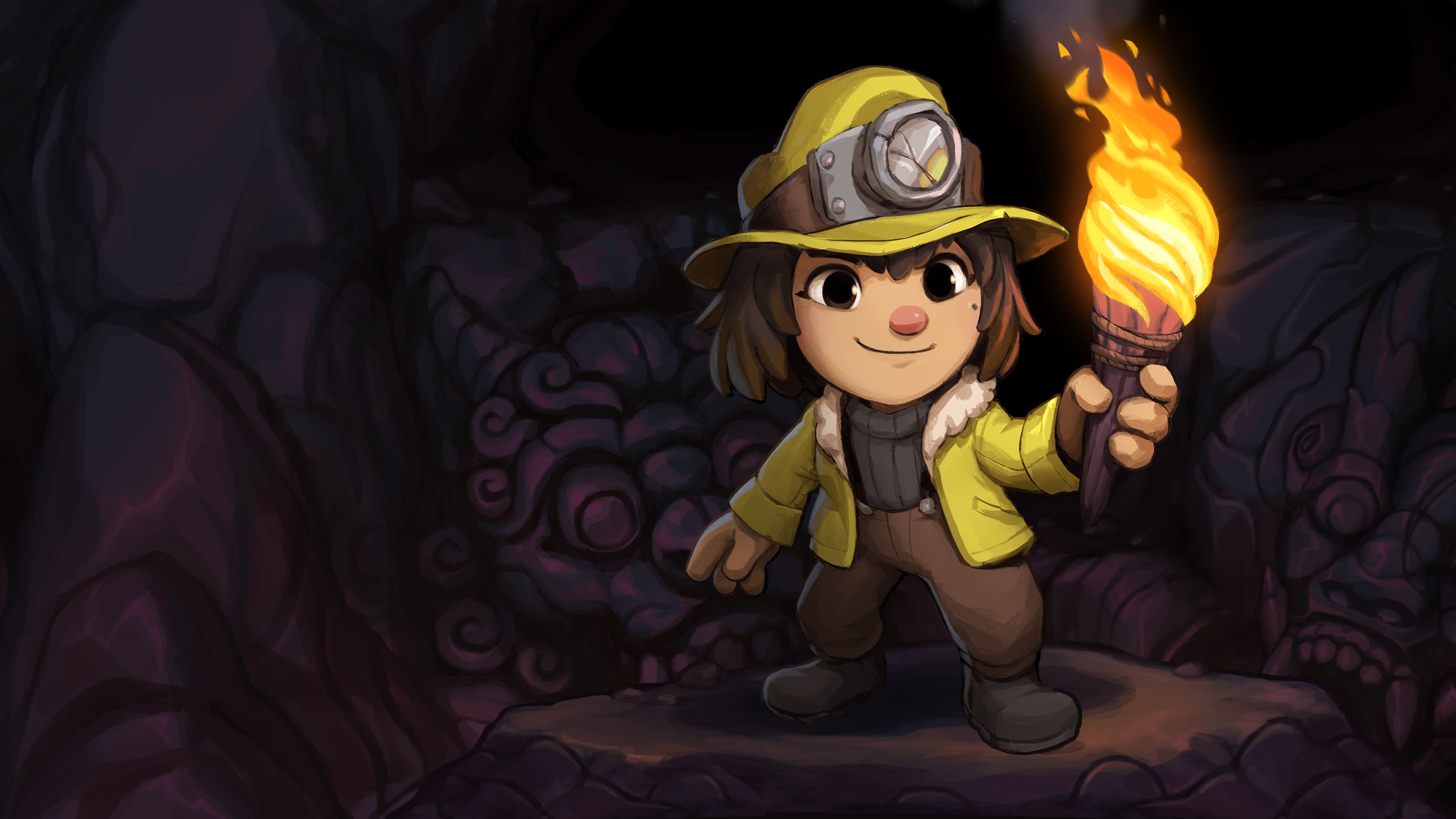
‘Spelunky 2’ features a daily challenge mode where every player in the world competes on the same seeded map. The seed ensures that every trap and enemy and hidden treasure is identical for all participants. Outside of this mode players can also use seeds to practice specific levels or search for rare secrets. The game is known for its high difficulty so having a predictable seed can be a valuable learning tool.
‘Noita’ (2020)
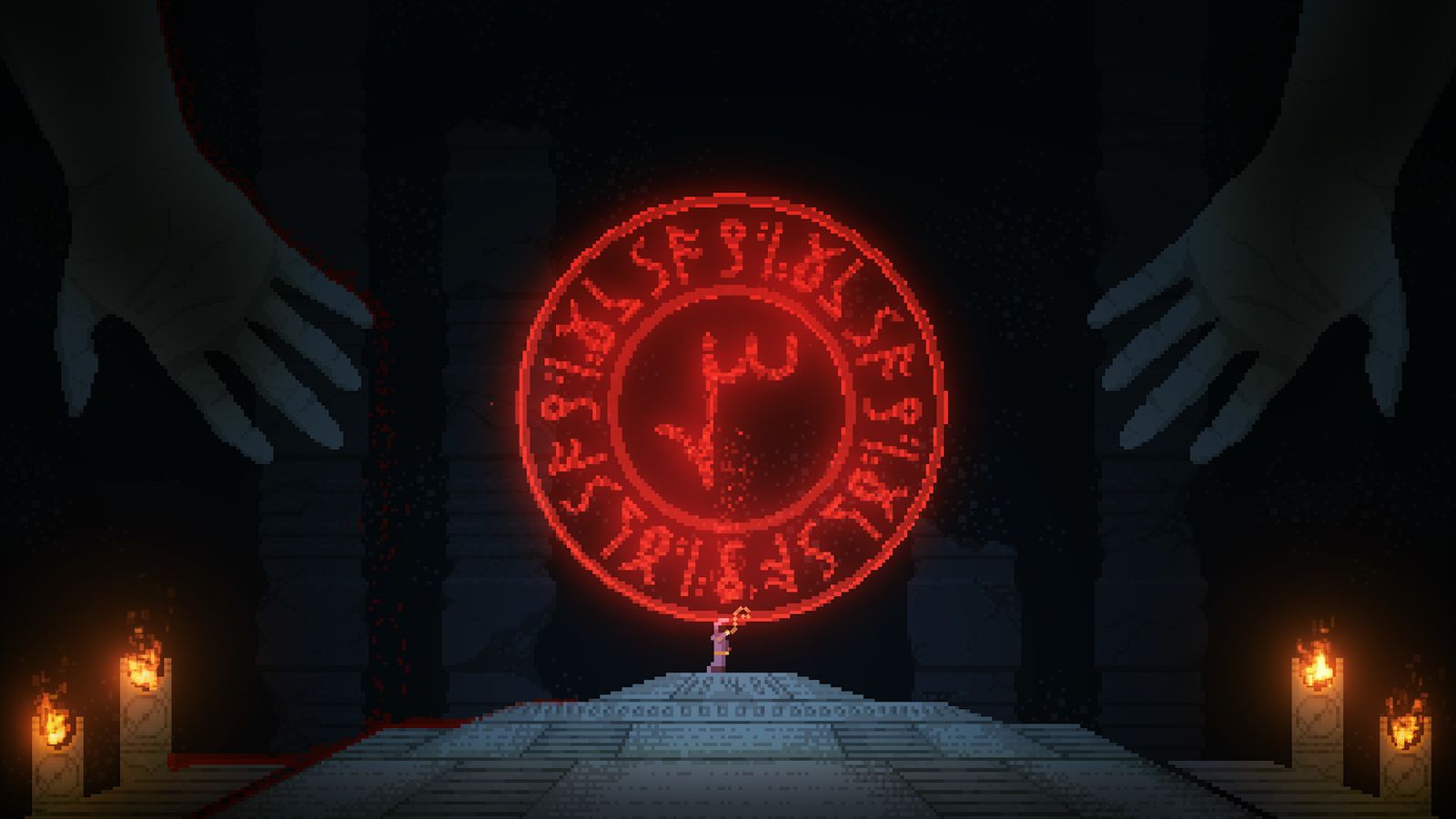
‘Noita’ is a magical action roguelike where every pixel is physically simulated within a seeded world. The seed phrase determines the composition of the underground mines and the types of spells found in wands. Players use seeds to find rare elemental combinations or to locate the hidden alchemy recipes for that world. The complex physics engine means that even a single spark can change the environment generated by the seed.
‘Deep Rock Galactic’ (2020)
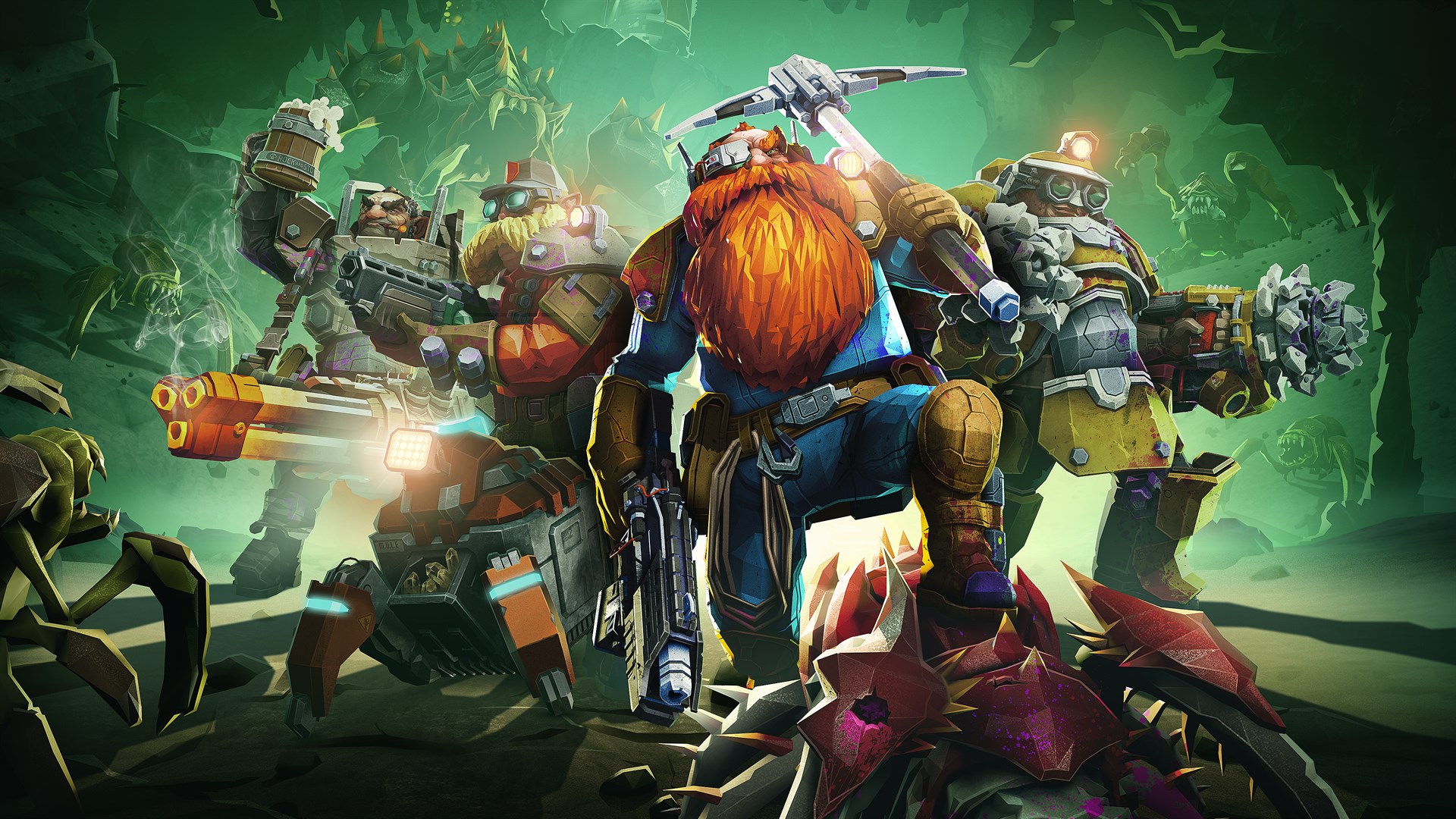
‘Deep Rock Galactic’ generates its cavernous missions using seeds that define the complexity and length of the caves. These seeds determine the placement of precious minerals like gold and nitra for the dwarven miners. While players usually join random missions the underlying system uses seeds to create unique subterranean challenges. The environment is fully destructible which allows the team to tunnel through the world the seed created.
‘Risk of Rain 2’ (2020)
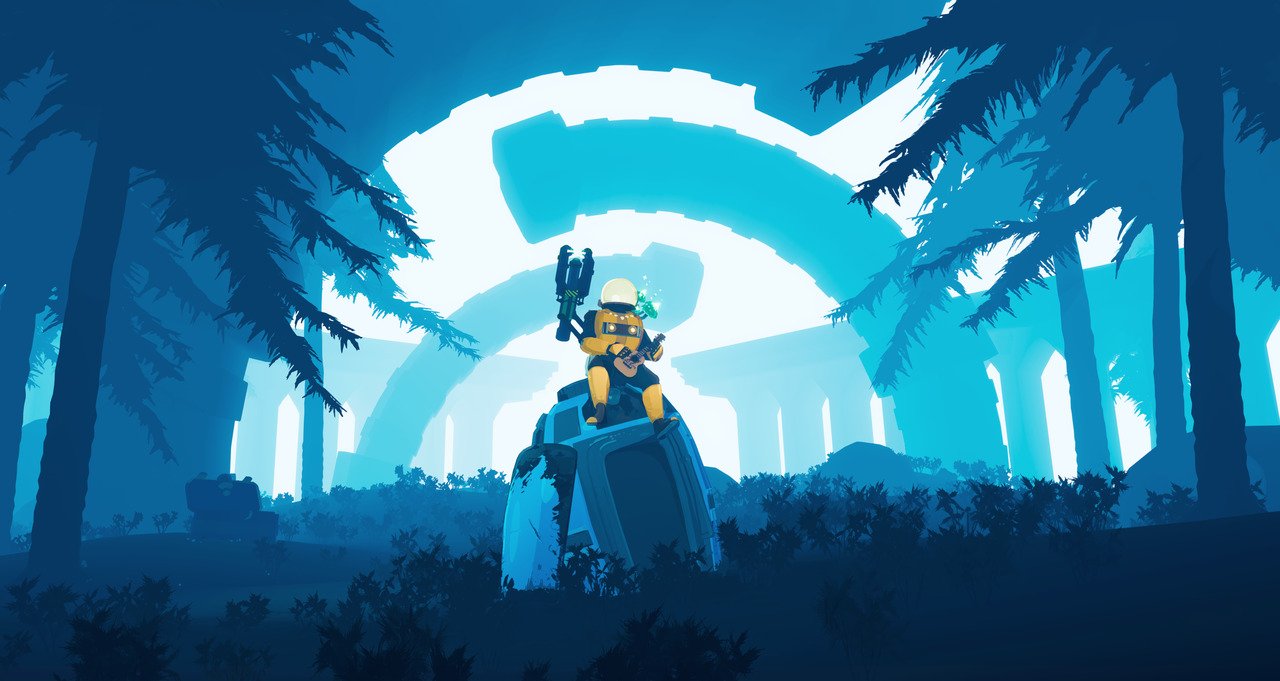
‘Risk of Rain 2’ uses seeds to determine the order of the stages and the placement of the teleporters within them. While the basic geography of the stages is set the interactables and enemy spawns are randomized by the seed. Players can use the artifact of command to influence the run but the underlying seed still dictates the core world variables. This ensures that every trip to the planet Petrichor V feels different yet fair.
‘Barotrauma’ (2023)
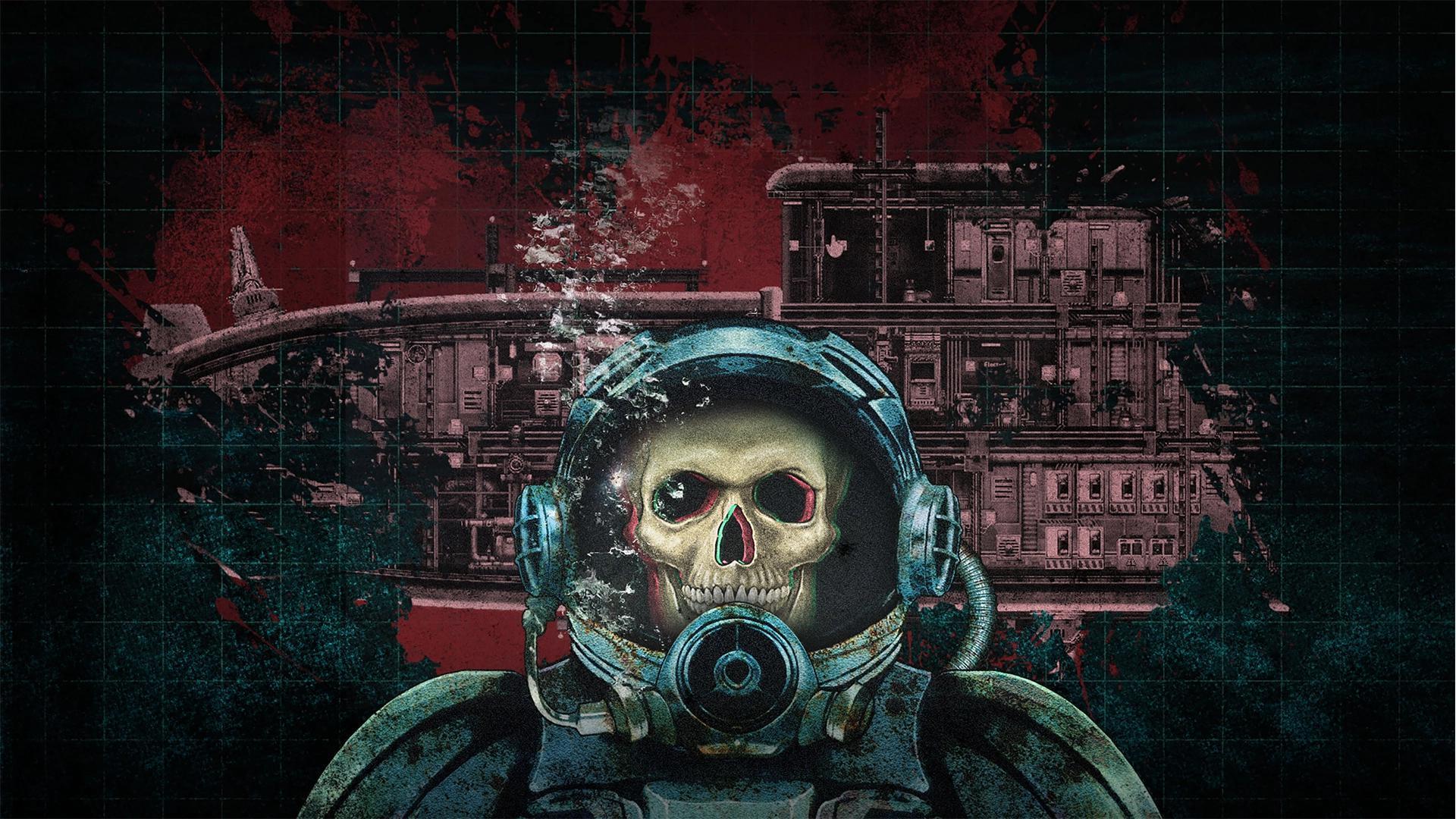
‘Barotrauma’ generates the icy depths of Europa using seeds that create treacherous underwater tunnels. These seeds determine the placement of alien ruins and the dens of dangerous sea creatures. Submarine crews must navigate through these procedurally generated environments while completing various missions. The seed also dictates the availability of resources at different outposts across the campaign map.
‘Civilization VI’ (2016)
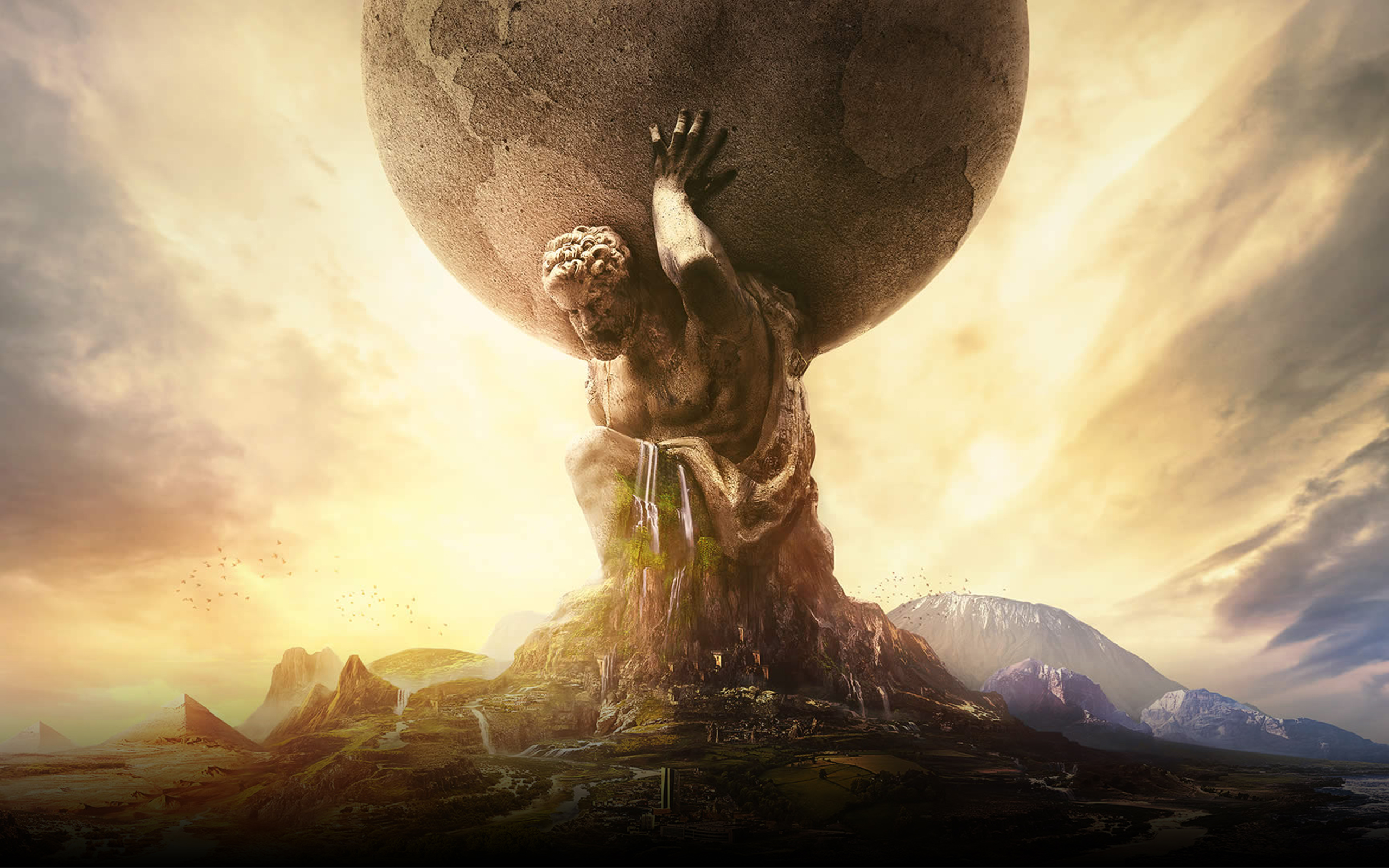
‘Civilization VI’ uses two different seeds to generate the world including a map seed and a game seed. The map seed determines the physical geography such as the continents and oceans and mountain ranges. The game seed controls the placement of natural wonders and the starting locations for the different civilizations. By sharing these seeds players can compete on the exact same terrain to see who can build the greatest empire.
‘Stellaris’ (2016)
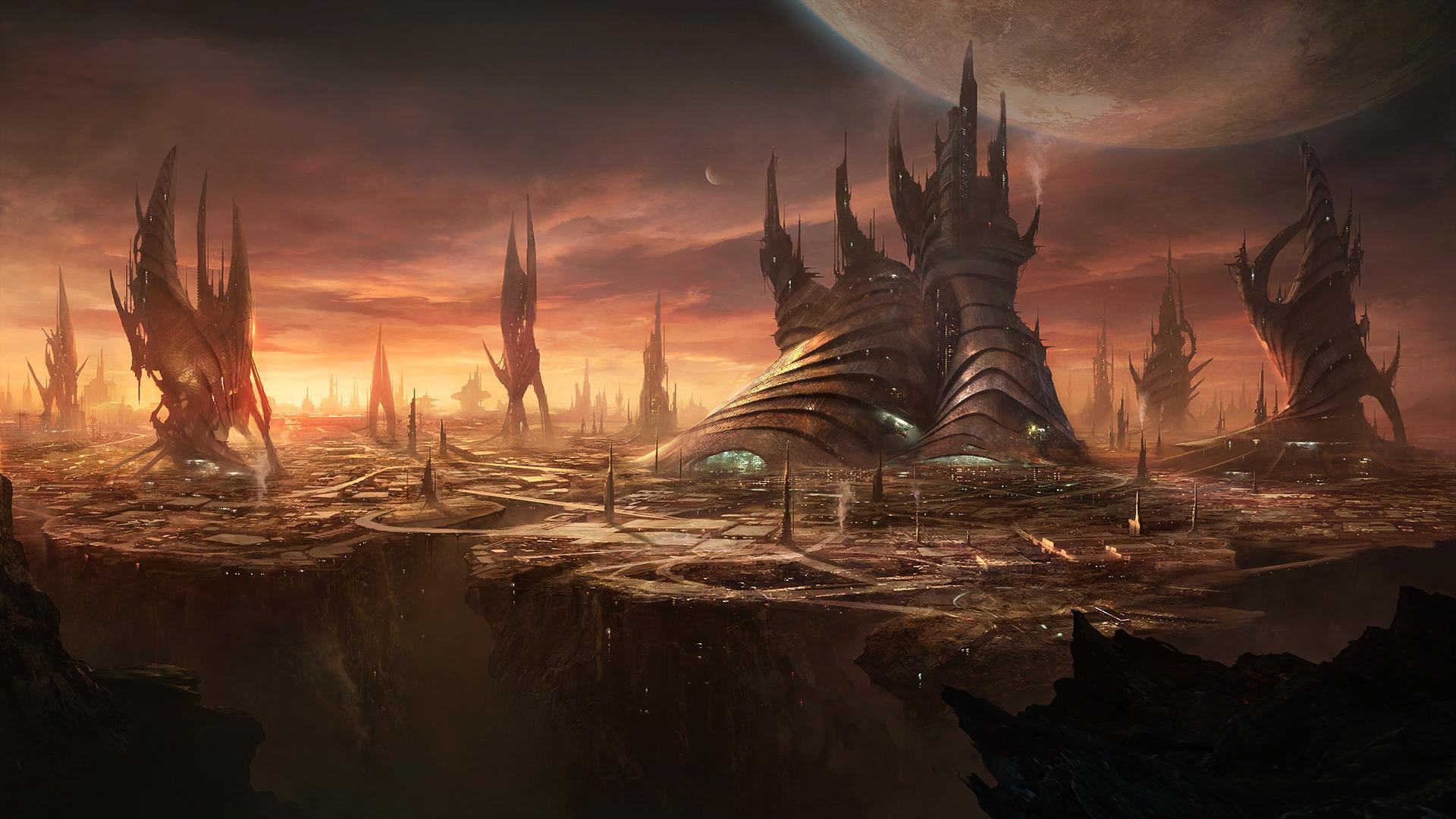
‘Stellaris’ generates a vast galaxy with hundreds of stars based on a unique seed string. This seed determines the shape of the galaxy and the types of stars and planets that inhabit it. It also influences the placement of fallen empires and other galactic anomalies. Players can use seeds to ensure a specific distribution of habitable worlds or to create a more challenging start.
‘Endless Legend’ (2014)
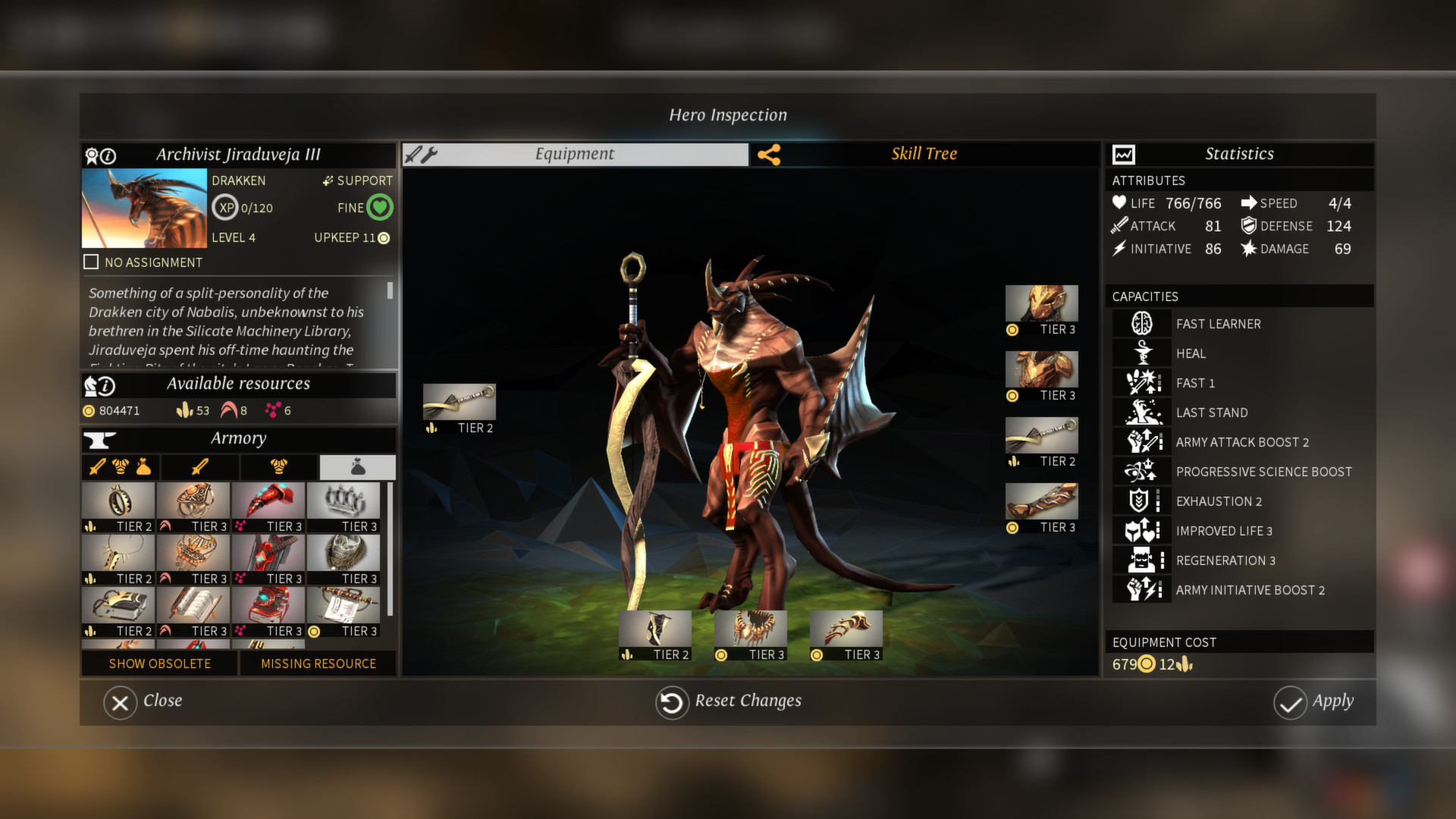
‘Endless Legend’ features a hexagonal map generation system that is driven by a seed value. This seed controls the placement of the various regions and the strategic resources within them. Each region has its own unique terrain and climate that affects the growth of the player empire. Sharing seeds allows the community to play on maps that are perfectly balanced for multiplayer matches.
‘Age of Empires IV’ (2021)
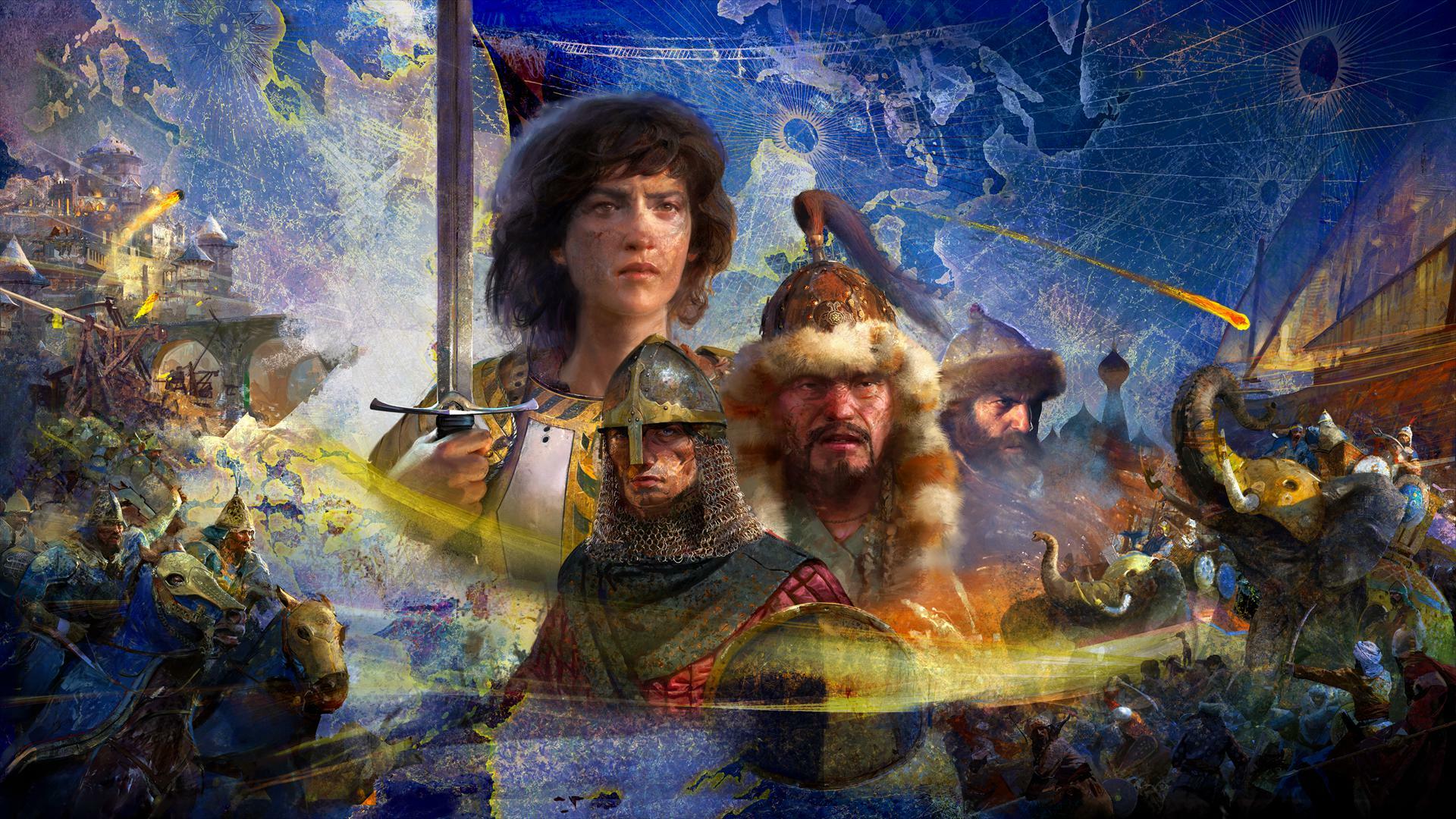
In ‘Age of Empires IV’ players can use map seeds to recreate specific battlefield layouts for their matches. The seed determines the placement of gold mines and stone quarries and wood forests. This is particularly important for competitive play where resource parity is essential for a fair game. Players can also use seeds to find maps with interesting natural bottlenecks for defensive strategies.
‘Humankind’ (2021)
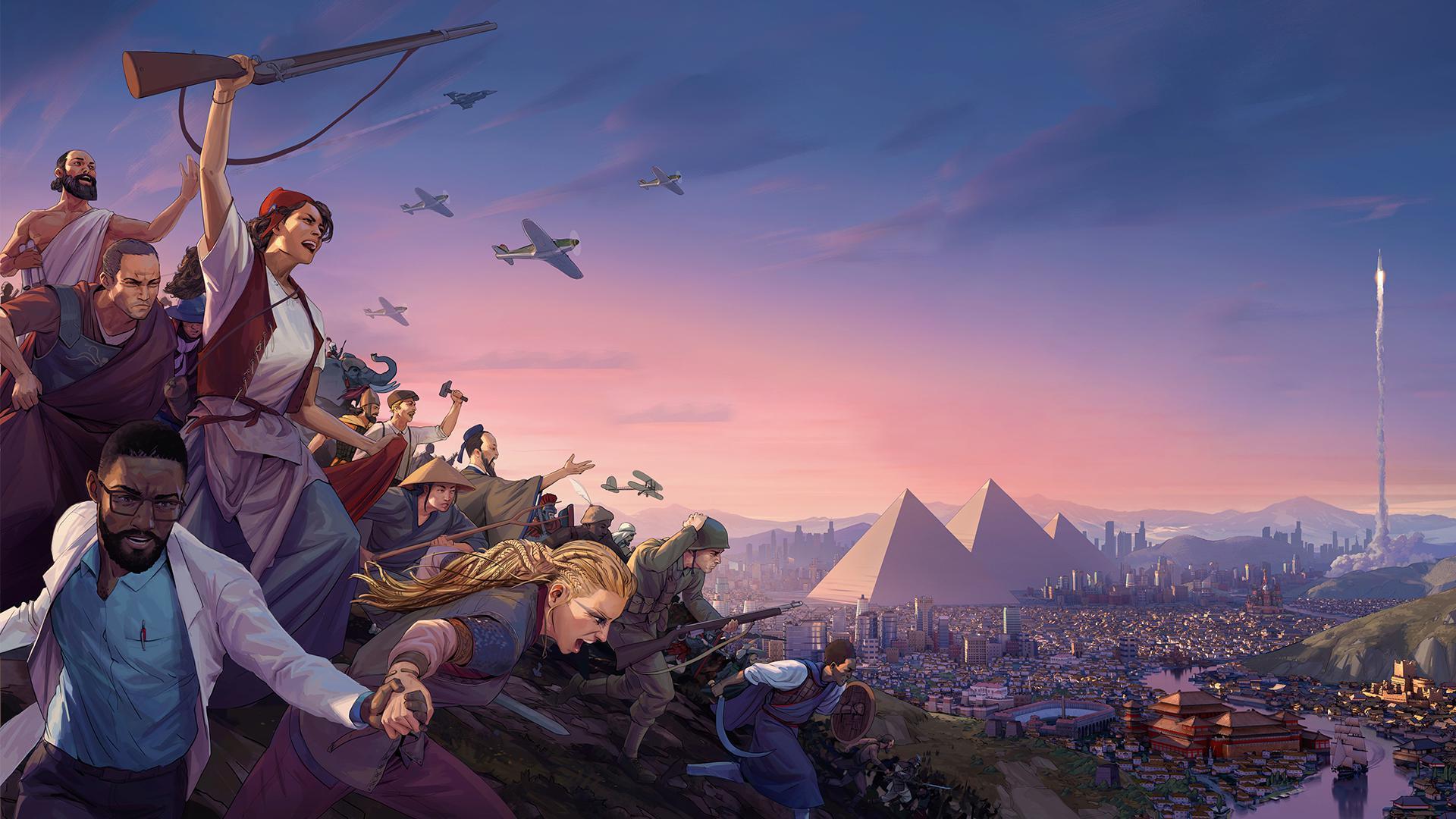
‘Humankind’ uses seeds to generate its world maps which include varying elevations and distinct climate zones. The seed dictates the layout of the continents and the placement of strategic and luxury resources. Players can customize the world generation settings and then save the resulting seed for future use. This allows for the creation of massive and complex worlds that can be explored multiple times.
‘Streets of Rogue’ (2019)
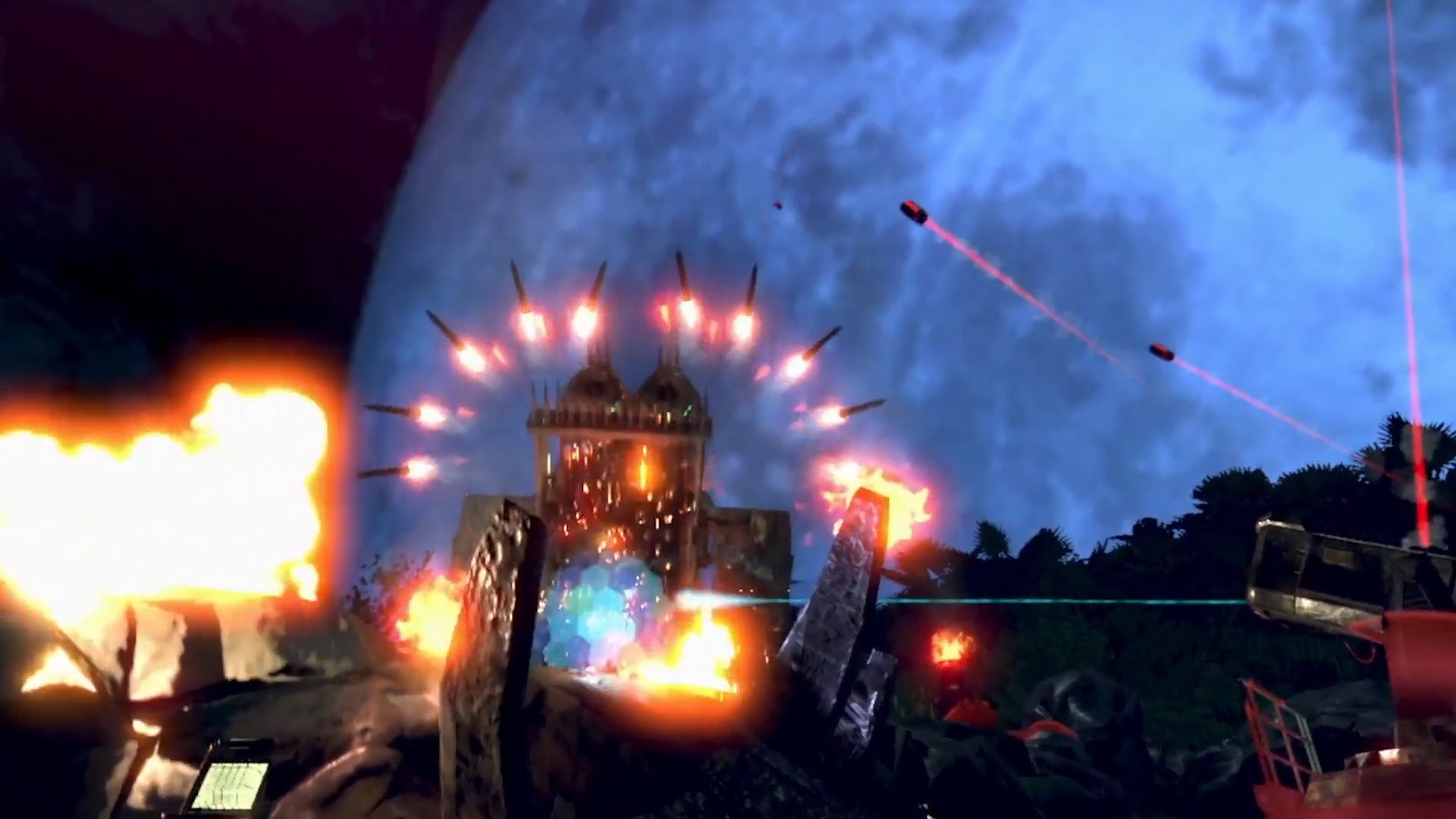
‘Streets of Rogue’ generates a sprawling city with multiple floors based on a unique seed for each run. The seed determines the types of buildings and the placement of the various non player characters. It also dictates the specific objectives that the player must complete to move to the next area. This ensures that a thief or a soldier will face different challenges every time they enter the city.
‘Descenders’ (2019)
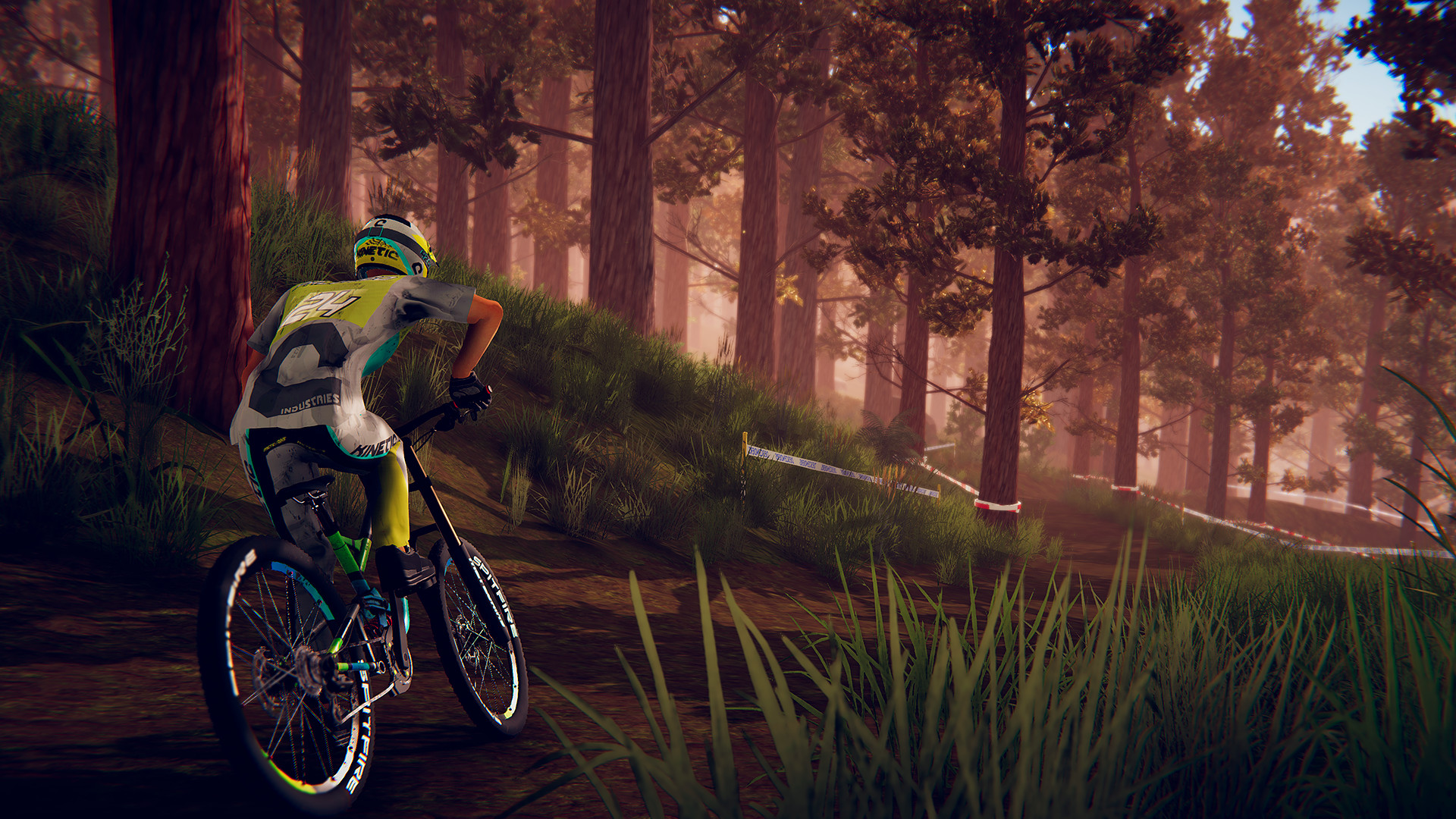
‘Descenders’ is a downhill mountain biking game where the tracks are procedurally generated using seeds. Players can input their own seeds to create custom hills with varying steepness and curves and stunts. This allows for an endless supply of new tracks for players to master and compete on. The seed system ensures that every jump and obstacle is placed in a consistent manner for that specific code.
‘Heat Signature’ (2017)
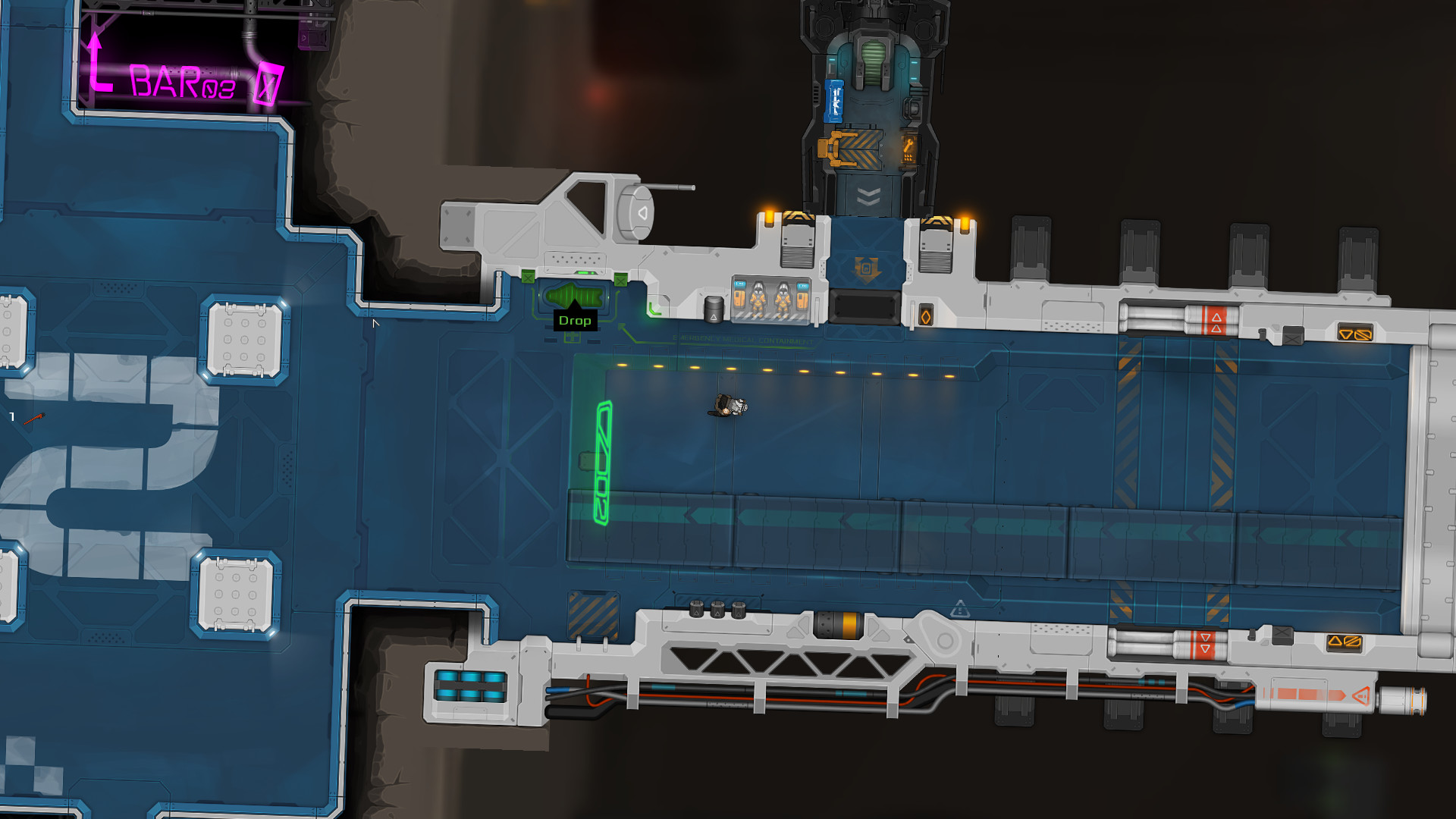
‘Heat Signature’ generates a galaxy of spaceships for the player to infiltrate and hijack using a seed based system. The seed determines the internal layout of the ships and the placement of the guards and security systems. It also dictates the missions available at the various space stations. This allows players to share specific ships or missions that offer unique tactical challenges.
‘UnReal World’ (1992)

‘UnReal World’ is a survival roguelike set in the far north that uses seeds to generate a massive and detailed wilderness. The seed determines the placement of forests and lakes and the territories of various iron age cultures. It also influences the wildlife populations and the availability of plants for foraging. This provides a deep and immersive simulation of survival in a harsh and ancient environment.
‘Cataclysm: Dark Days Ahead’ (2013)

‘Cataclysm: Dark Days Ahead’ uses a seed system to generate a post apocalyptic world filled with zombies and other horrors. The seed determines the layout of the cities and the placement of rural farms and secret labs. It also controls the distribution of loot and the variety of monsters found in the world. The massive scale of the generation means that players can travel for miles in a world that is entirely unique.
‘Eco’ (2018)
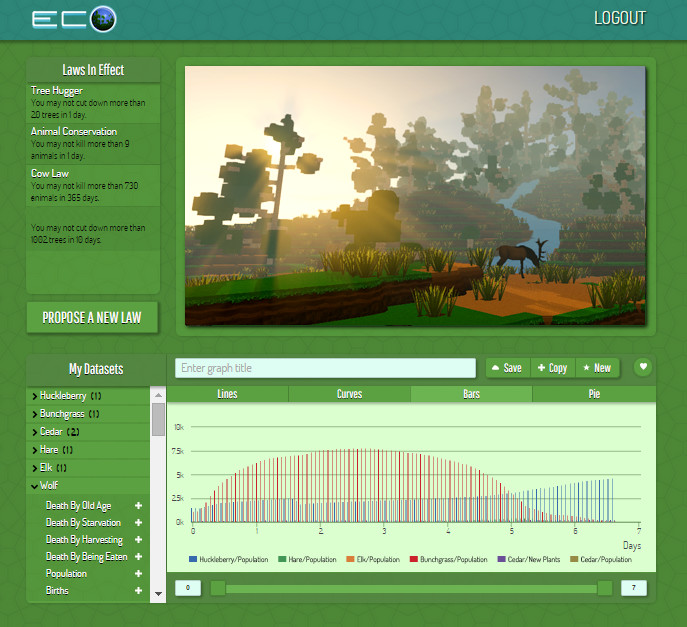
In ‘Eco’ the world is a simulated ecosystem that is generated using a seed phrase to define its geography. The seed controls the distribution of plant and animal species and the location of various ore veins. Players must work together to build a civilization while protecting the environment created by the seed. The layout of the world is crucial as it determines where players can build infrastructure and harvest resources.
‘Raft’ (2022)

‘Raft’ uses procedural generation to create an endless ocean filled with islands and shipwrecks for the player to explore. While the ocean itself is vast the specific arrangement of the islands is determined by the world seed. This seed also dictates the resources found on the islands and the underwater reefs. Players can share their world seeds to help others find specific story locations or resource rich areas.
‘Stonehearth’ (2018)
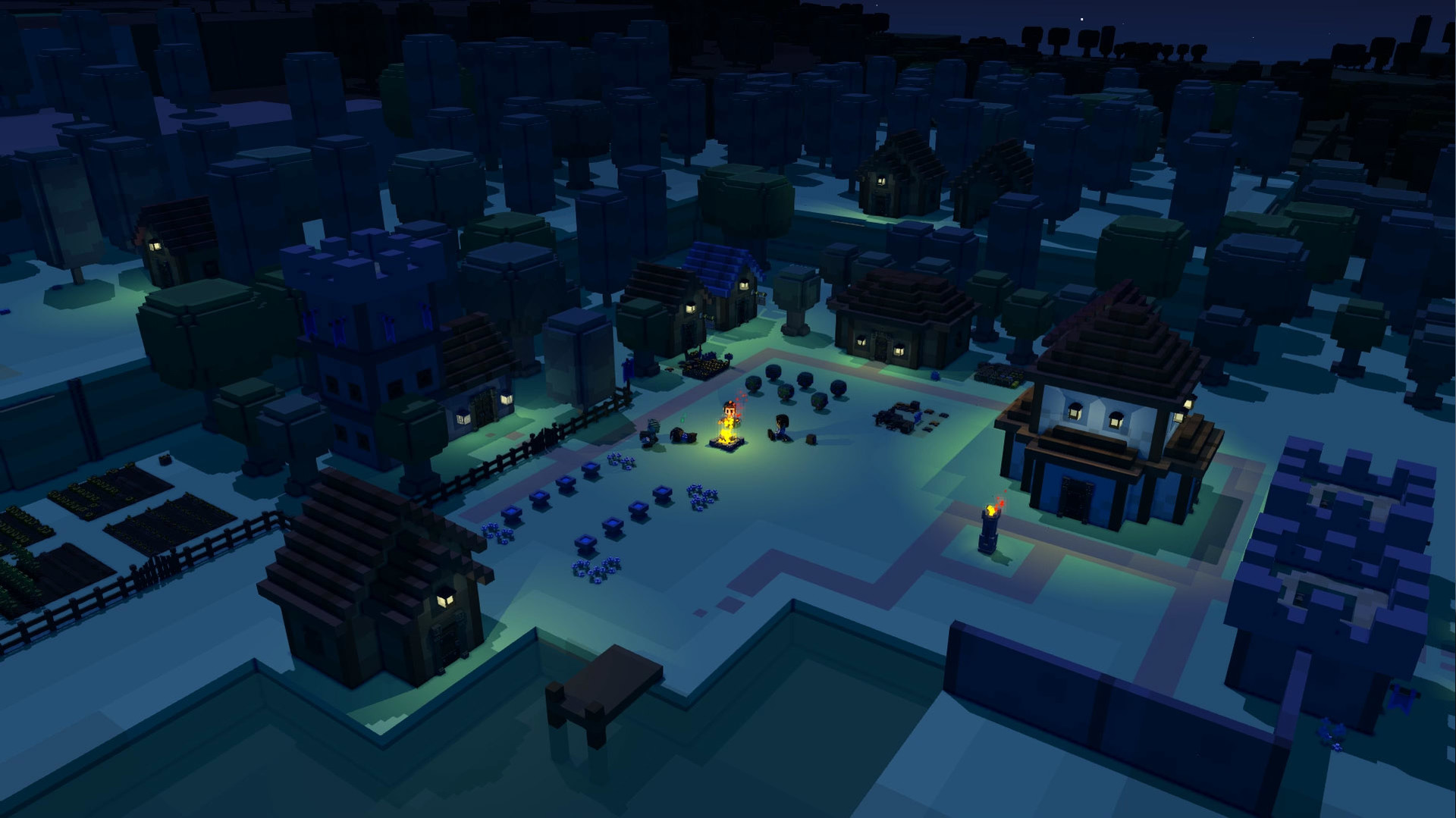
‘Stonehearth’ allows players to choose a seed for their world which determines the terrain and the starting climate. The seed influences the height of the mountains and the flow of the rivers throughout the map. It also determines the types of enemies and friendly factions that the player will encounter. This ensures that every settlement project begins in a unique and interesting geographical location.
Please share your favorite world seeds or experiences with these procedural games in the comments.