Actors Who Backed Universal Basic Income for Creatives


The discussion surrounding universal basic income has gained significant momentum within the entertainment industry as artists face increasing economic instability. Many famous performers argue that a guaranteed financial floor is essential for maintaining a diverse and vibrant creative landscape. These advocates suggest that providing basic security allows individuals to focus on their craft without the constant threat of financial ruin. The following list highlights fifteen actors who have publicly supported the implementation of a universal basic income to protect workers in the creative sectors and beyond.
Danny Glover
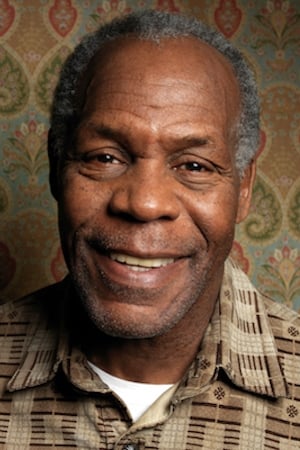
Danny Glover has been a prominent advocate for economic justice throughout his long career which includes roles in ‘Lethal Weapon’ and ‘The Color Purple’. He publicly supported political platforms that prioritized a universal basic income to address systemic poverty and inequality. Glover emphasized that such a policy would provide a necessary safety net for artists and workers in various sectors. His activism extends to international efforts to promote human rights and financial security for all people.
Mark Ruffalo
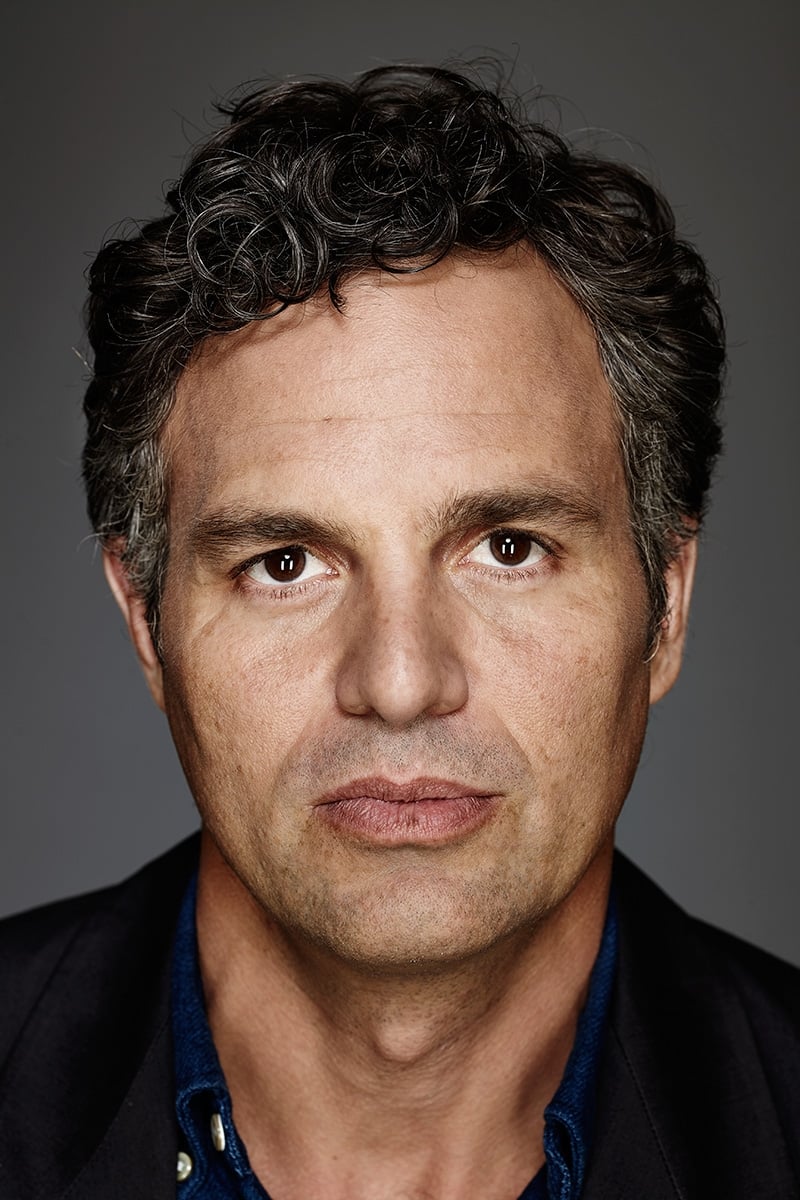
Mark Ruffalo is widely known for his environmental activism and his performances in ‘The Avengers’ and ‘Spotlight’. He voiced his approval for a universal basic income during various political campaigns to ensure that individuals have their basic needs met. Ruffalo believes that providing a steady income floor allows people to pursue creative endeavors without the fear of extreme financial hardship. His advocacy often highlights the intersection of wealth inequality and the struggle of independent creators in the modern economy.
Susan Sarandon
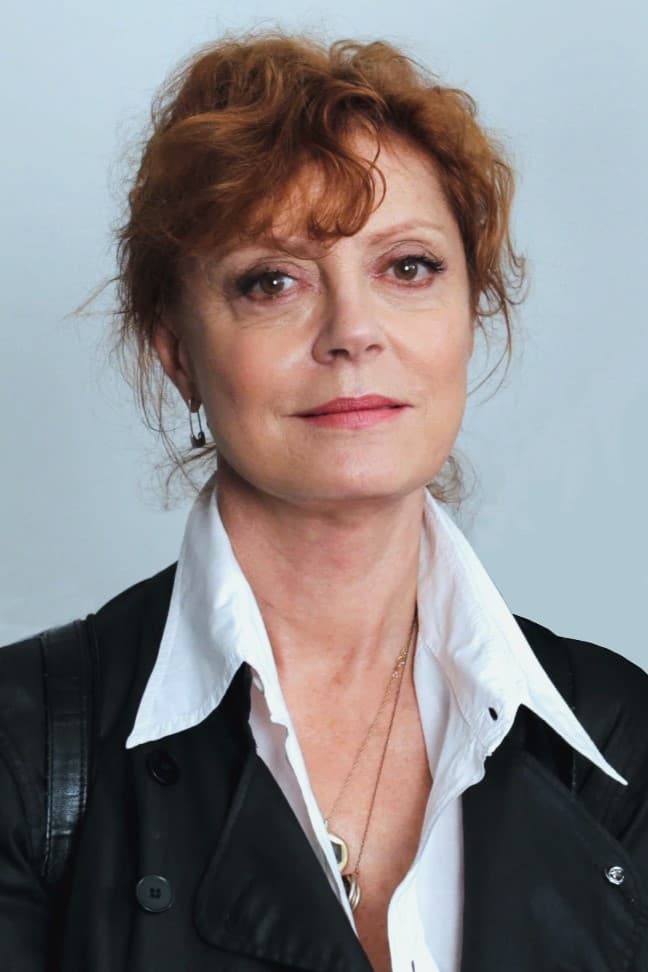
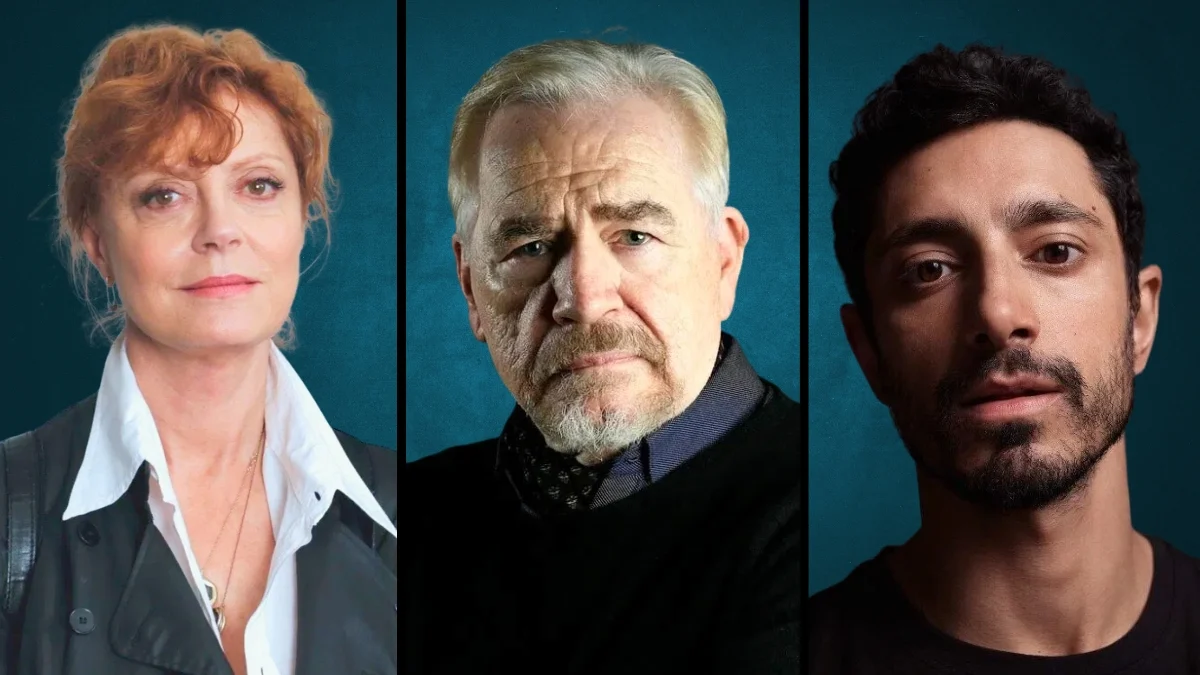
Susan Sarandon frequently uses her platform to discuss the importance of social welfare programs and her work in films like ‘Thelma and Louise’. She has expressed clear support for the implementation of a universal basic income to help those living in precarious financial situations. Sarandon argues that this economic model would empower creatives by removing the pressure of survival while they develop their craft. She continues to be a vocal proponent of systemic changes that favor the working class and the artistic community.
Stephen Fry
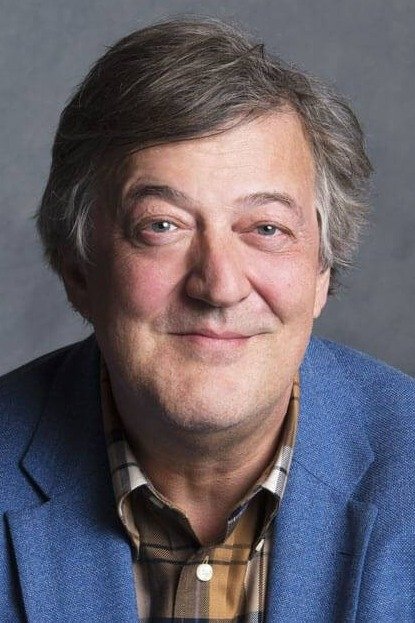
Stephen Fry joined a group of prominent figures to call for a basic income specifically for the arts following his roles in ‘The Hobbit’ and ‘V for Vendetta’. He argued that the creative industries contribute significantly to society and deserve a more stable financial foundation. Fry noted that a guaranteed income would prevent the loss of talent from the cultural sector during economic downturns. His participation in this movement highlights the need for a safety net that protects the diverse voices within the entertainment world.
Brian Cox
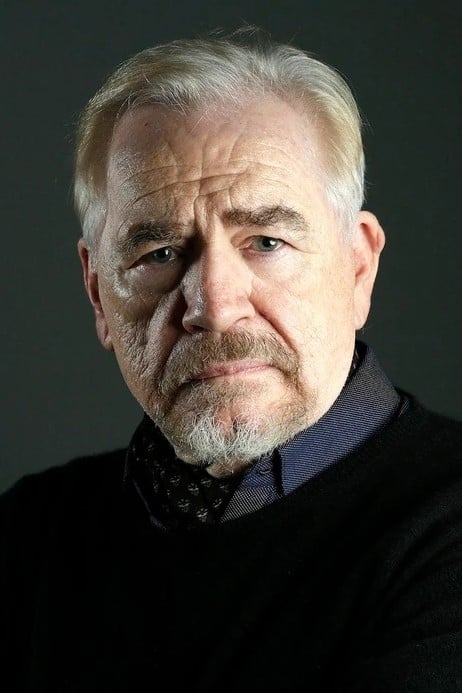
Brian Cox has been a staunch supporter of a universal basic income trial within Scotland and is known for his lead role in ‘Succession’. He believes that the current economic system fails to account for the unpredictable nature of many professional paths. Cox asserts that a guaranteed income would provide the stability required for people to remain in the arts throughout their lives. He frequently speaks about the dignity that financial security brings to individuals regardless of their employment status or industry.
Jane Fonda
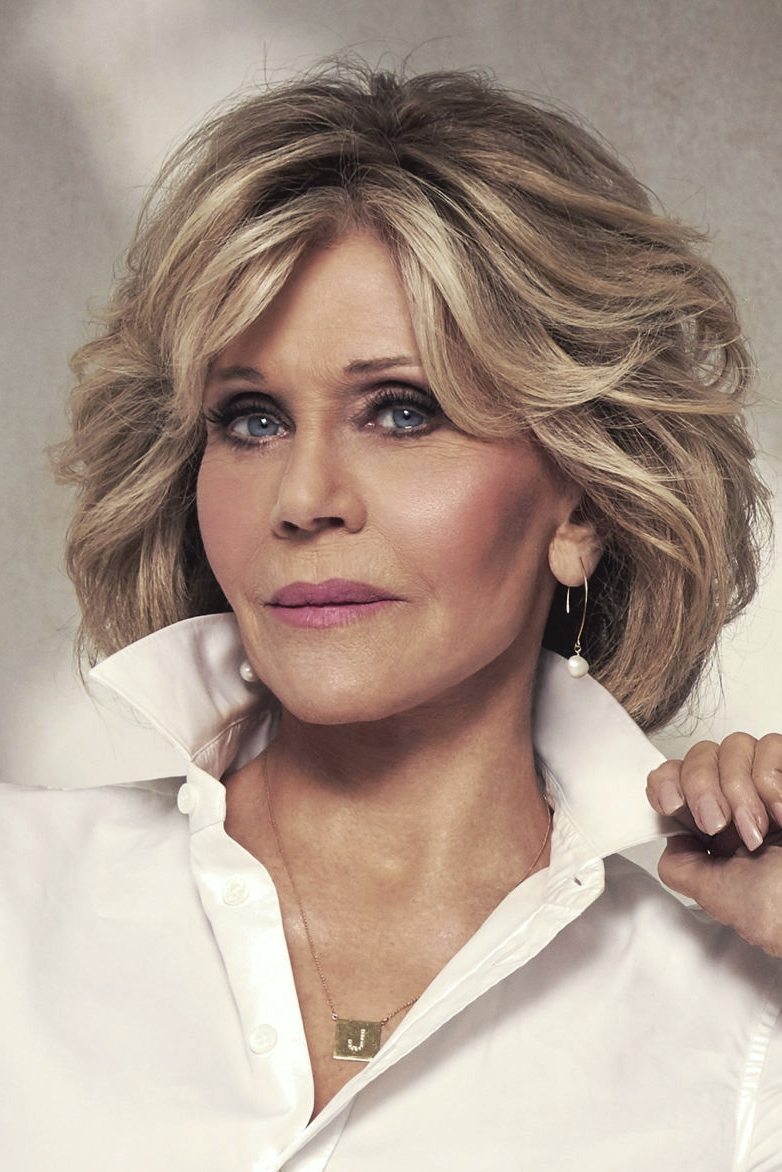
Jane Fonda actively promotes economic reforms that include the concept of a guaranteed basic income for all citizens alongside her work in ‘Grace and Frankie’. She has participated in various protests and campaigns that seek to bridge the gap between the wealthy and the working poor. Fonda maintains that a universal basic income is essential for supporting individuals who dedicate their lives to social change and the arts. Her long history of activism underscores her commitment to policies that protect the most vulnerable members of society.
Joseph Gordon-Levitt
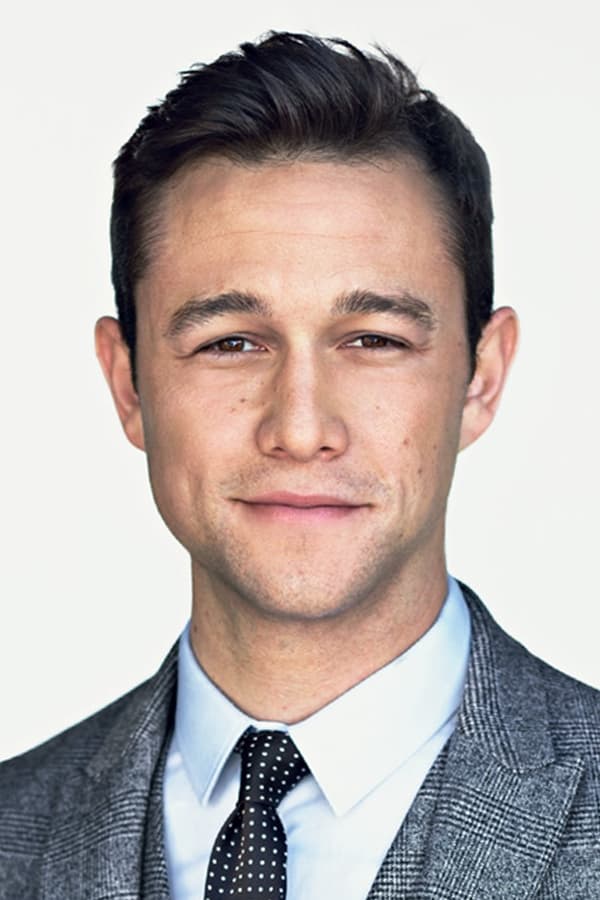
Joseph Gordon-Levitt has discussed the impact of technology on the future of work while appearing in ‘Inception’ and ‘Looper’. He suggested that a universal basic income could be a necessary solution as automation replaces traditional jobs in the entertainment industry. The actor believes that such a policy would allow people to focus on human creativity rather than just performing repetitive tasks. He encourages a broader conversation about how society can support creators in an increasingly digital and automated world.
Whoopi Goldberg
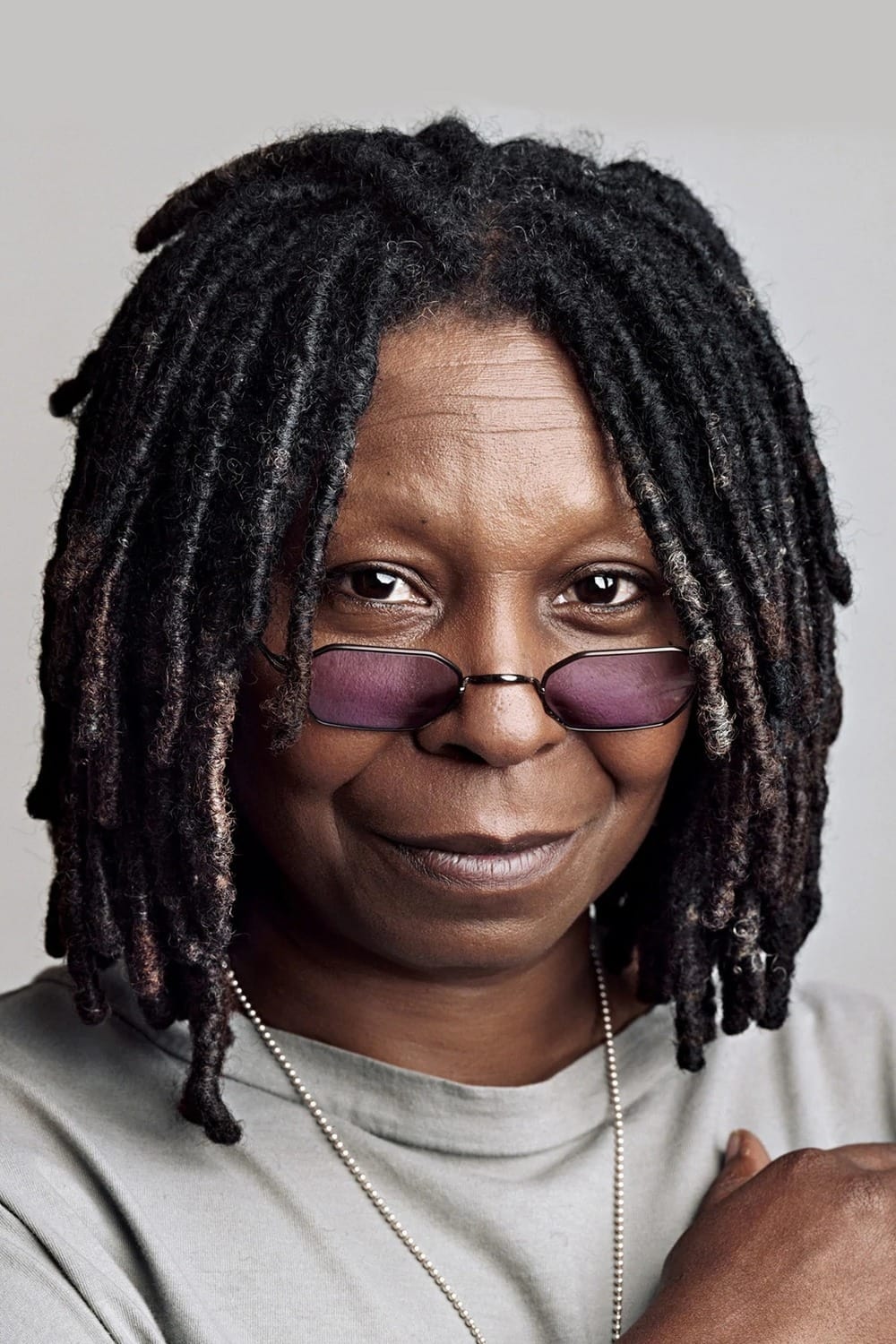
Whoopi Goldberg has used her platform to discuss the potential benefits of a basic income for low earners while being known for ‘Ghost’ and ‘Sister Act’. She has highlighted how a steady payment could help individuals manage their daily expenses while pursuing their professional goals. Goldberg views this policy as a way to provide dignity and a sense of security to people working in inconsistent fields. Her advocacy focuses on the practical application of social safety nets to improve the quality of life for everyone.
Ian McKellen
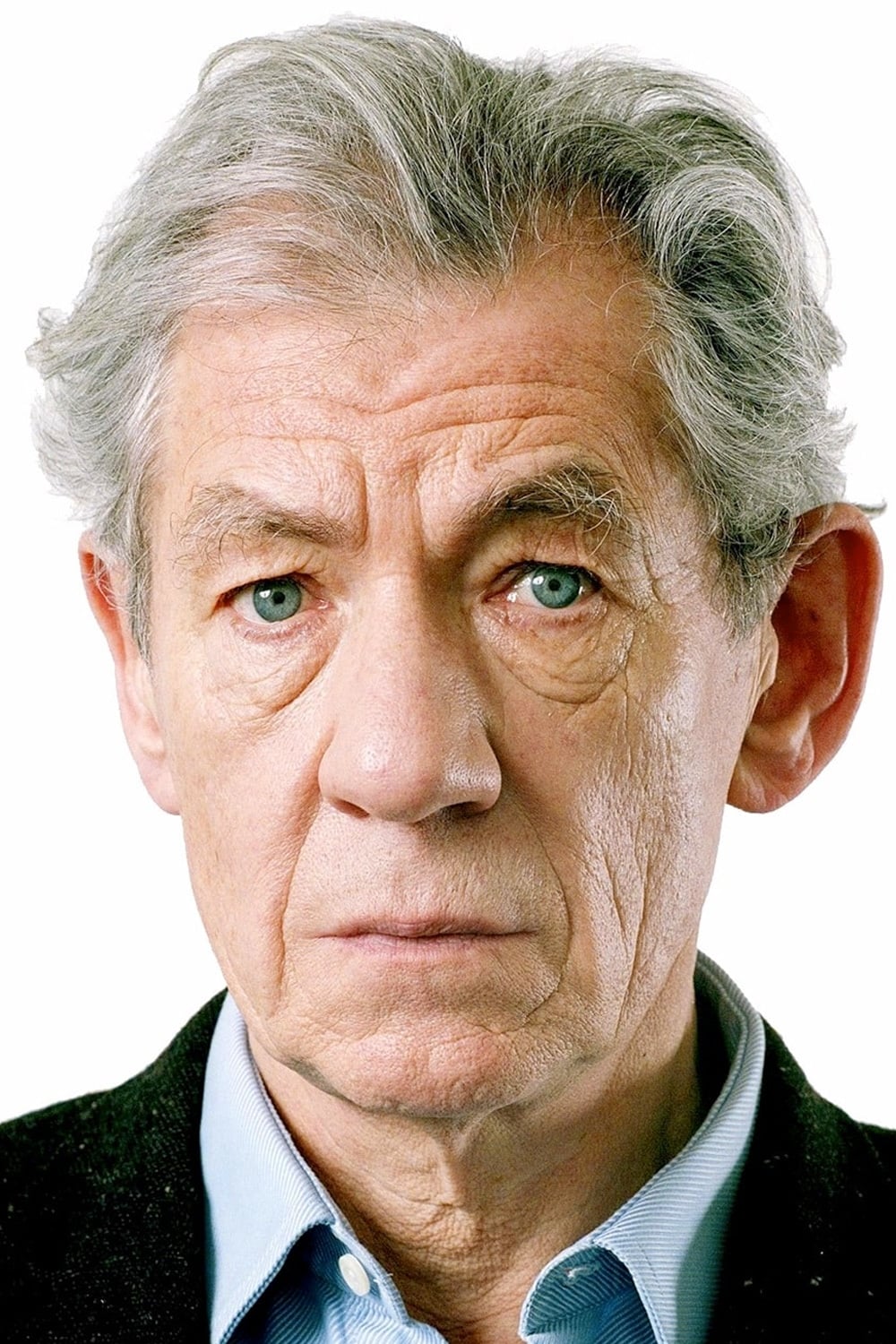
Ian McKellen was a signatory on a letter advocating for a basic income for performers which is a cause close to the ‘The Lord of the Rings’ star. He recognized that many young actors struggle to make ends meet while trying to establish their careers in a competitive industry. McKellen believes that providing financial support would ensure that the arts remain accessible to individuals from all social and economic backgrounds. His support aims to preserve the cultural heritage of the industry by protecting its most vulnerable participants.
Helen Mirren
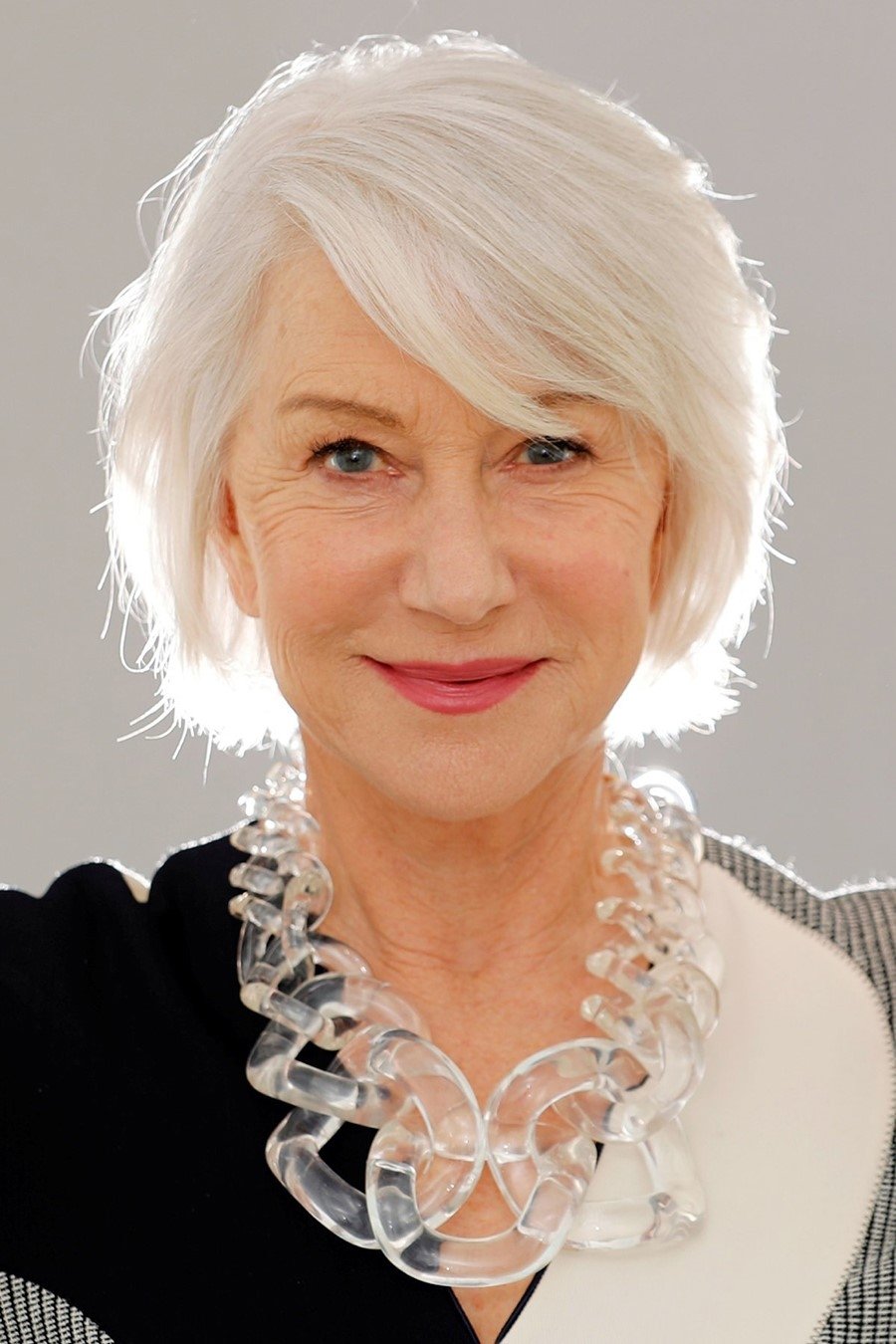
Helen Mirren joined the call for a basic income for the arts after a storied career in films such as ‘The Queen’. She emphasized that the creative sector is a vital part of the economy that often lacks the financial protections found in other sectors. Mirren argued that a guaranteed income would allow artists to continue their work without facing the immediate threat of poverty. Her involvement in this campaign brought significant attention to the financial vulnerability of many in the acting profession.
Michael Sheen
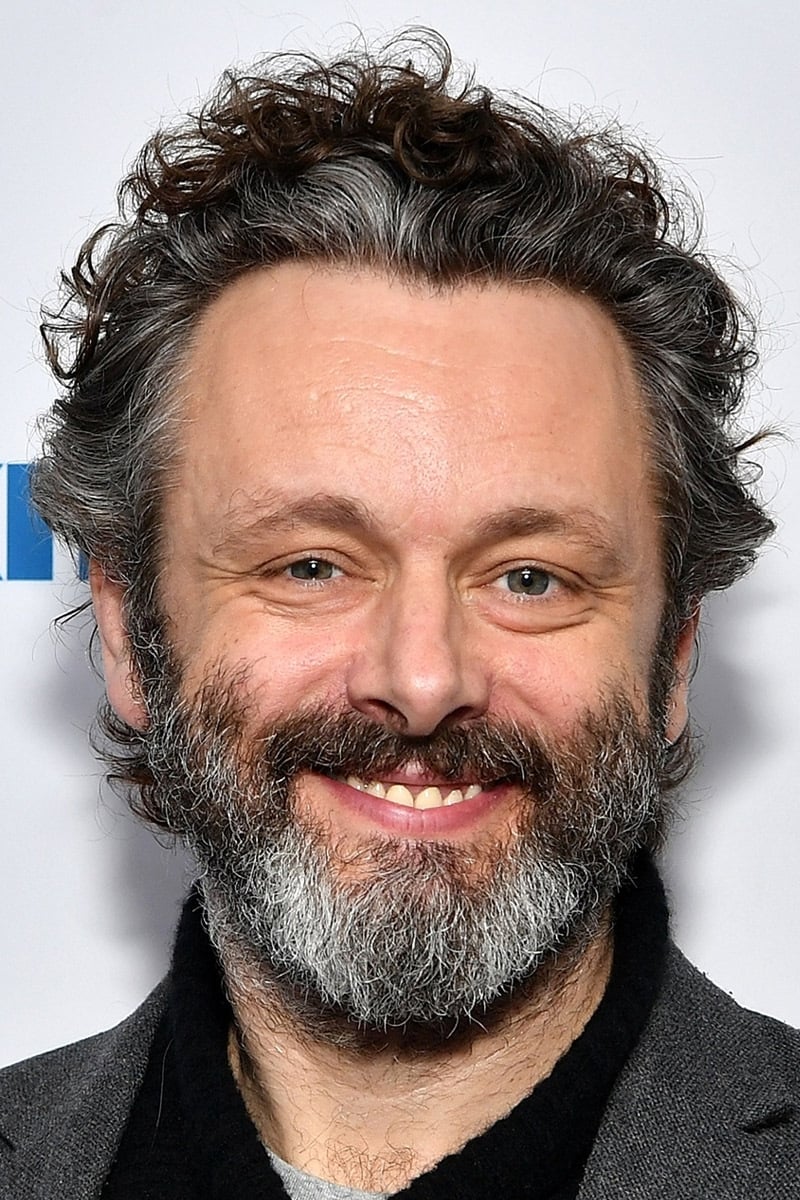
Michael Sheen is a vocal advocate for social justice and has frequently spoken in favor of basic income pilots while starring in ‘Good Omens’. He believes that a universal basic income could transform communities by providing people with the freedom to contribute to society in meaningful ways. Sheen has worked with various organizations to explore how this policy could support individuals in the creative sectors who face irregular pay. His activism is rooted in the desire to see a fairer distribution of wealth and opportunities.
Riz Ahmed
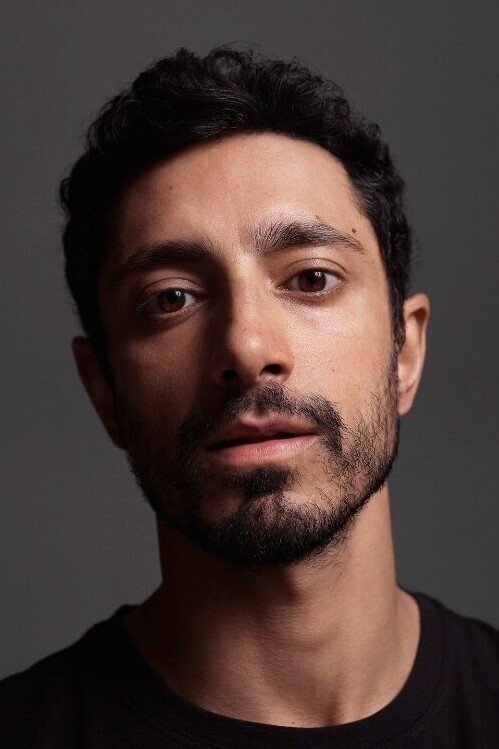
Riz Ahmed has addressed the systemic barriers that prevent many people from entering the arts while appearing in ‘Sound of Metal’ and ‘The Night Of’. He supports the idea of an income floor that would allow underrepresented voices to pursue their artistic ambitions without being deterred by financial risk. Ahmed believes that economic security is a fundamental requirement for a vibrant and inclusive cultural landscape. He continues to push for reforms that prioritize the welfare of the diverse workforce in the entertainment industry.
Olivia Colman

Olivia Colman supported a high profile campaign for a basic income in the arts following her acclaimed roles in ‘The Favourite’ and ‘The Crown’. She recognized that the instability of the profession often forces talented individuals to leave the industry prematurely. Colman believes that a guaranteed income would provide the necessary stability to keep the creative arts thriving for future generations. Her advocacy reflects a growing consensus among established actors that the industry needs a more sustainable economic model.
Bill Murray
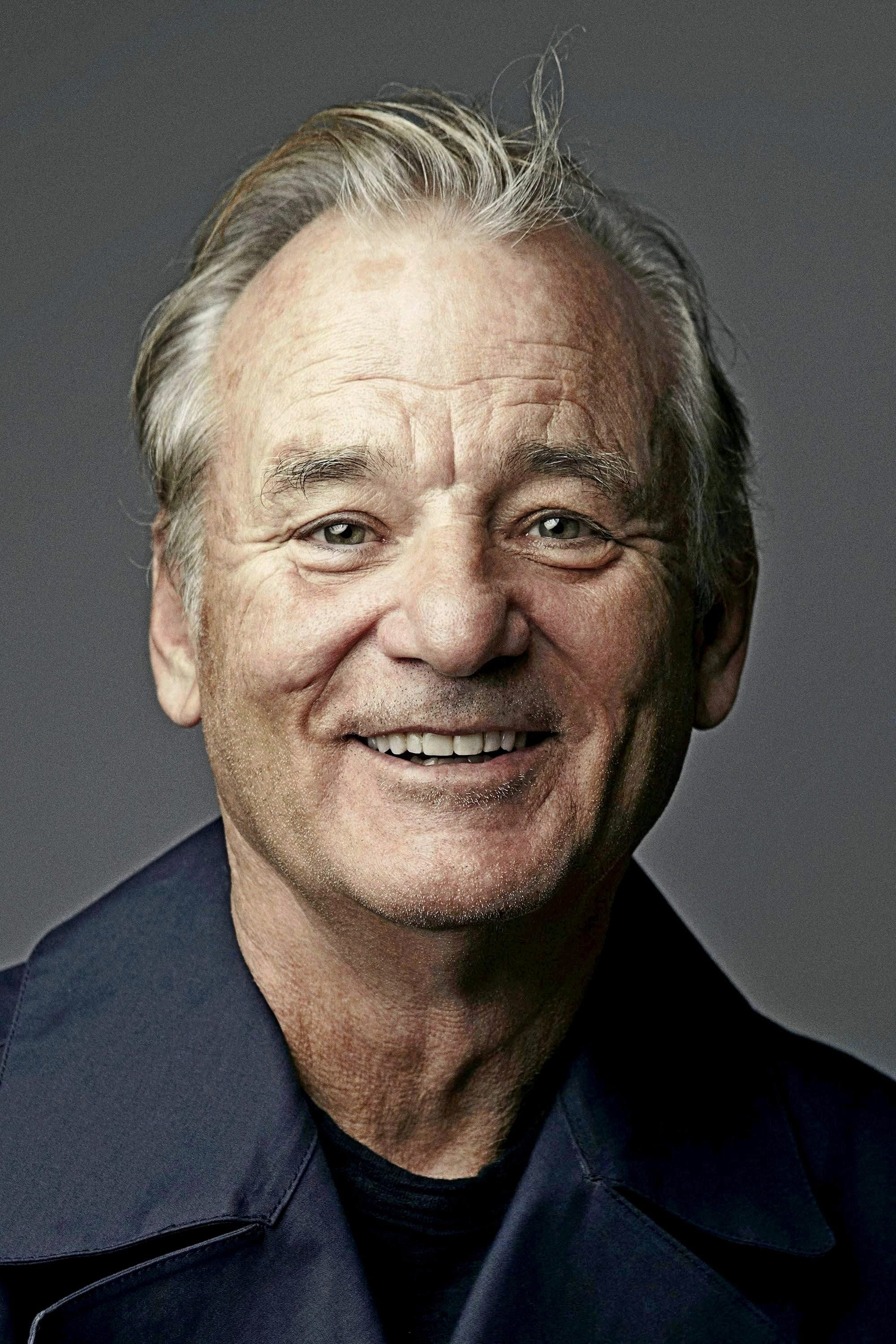
Bill Murray has expressed interest in the concept of a basic income as a way to simplify the social safety net and is known for ‘Ghostbusters’. He has discussed these ideas in the context of broader economic reforms that would benefit everyone from workers to artists. Murray suggested that such a policy could reduce the stress associated with financial instability and allow for more personal freedom. His perspective highlights a desire for a more humane and efficient approach to supporting the general population.
Ashton Kutcher

Ashton Kutcher has engaged in discussions about the potential role of a universal basic income while being known for ‘That 70s Show’. As a tech investor and actor, he sees the ways in which automation might disrupt traditional employment for many people. Kutcher has suggested that providing a financial floor could help society transition through these major economic shifts. He advocates for proactive solutions that address the changing nature of work and the need for sustained financial security.
Share your thoughts on the potential impact of universal basic income for the arts in the comments.