Overrated Sci-Fi TV Shows Everyone Seems To Like


Science fiction television often commands a massive and loyal following due to its imaginative concepts and futuristic settings. Many popular series receive critical acclaim and high viewership numbers upon their initial release. However some shows face criticism from audience members who feel the praise does not match the actual quality of the writing or execution. This list examines several high profile productions that have sparked debates regarding their status as modern classics. Each entry explores why these programs are frequently discussed in the context of being overrated by various viewers and critics.
‘Stranger Things’ (2016–)
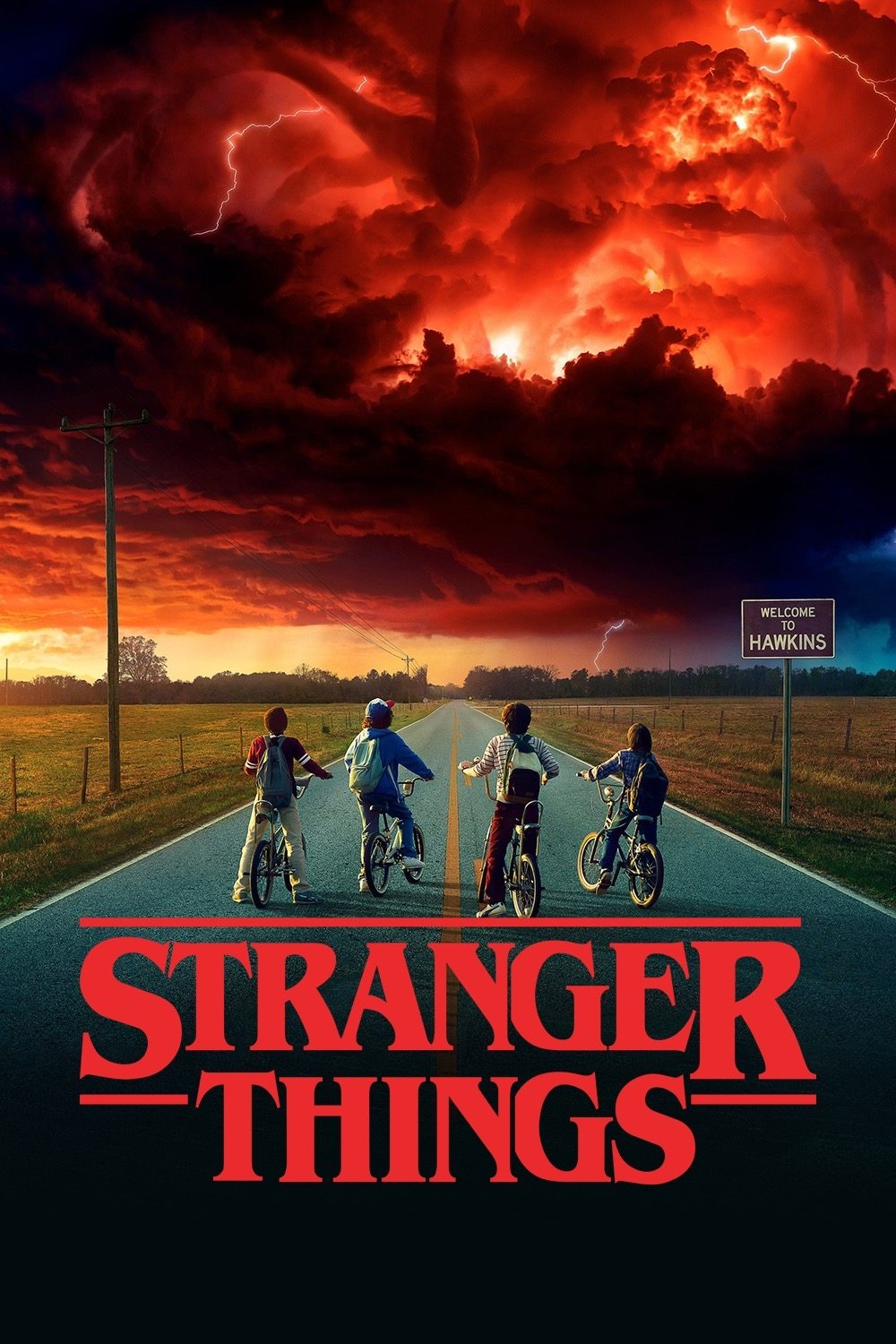
This series relies heavily on nostalgia for the 1980s and frequently references classic films of that era. Critics often point out that the plot structure becomes repetitive as the seasons progress through similar tropes. The ensemble cast of children faces supernatural threats from an alternate dimension known as the Upside Down. While popular for its visual style, some viewers find the character development inconsistent over time. The show remains a massive cultural hit despite these ongoing discussions about its originality.
‘Westworld’ (2016–2022)
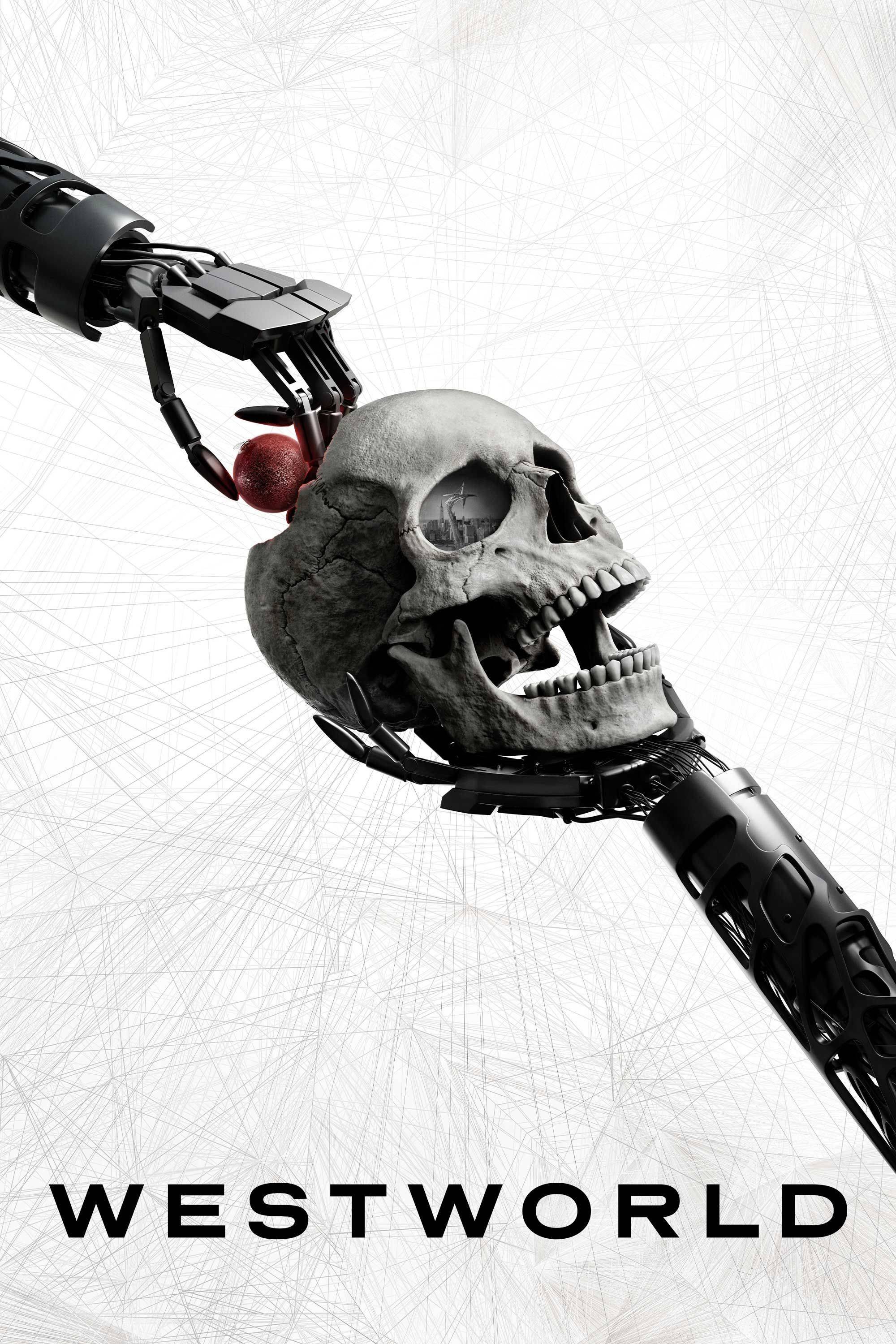
The show began as an exploration of artificial intelligence and consciousness within a futuristic theme park setting. Many viewers noted that the narrative became increasingly convoluted and difficult to follow after the first season. The series features high production values and a cast including notable actors like Evan Rachel Wood. Some audience members feel the philosophical themes were eventually lost to complex puzzle style storytelling. HBO decided to cancel the series before it could conclude the intended final arc.
‘Black Mirror’ (2011–)
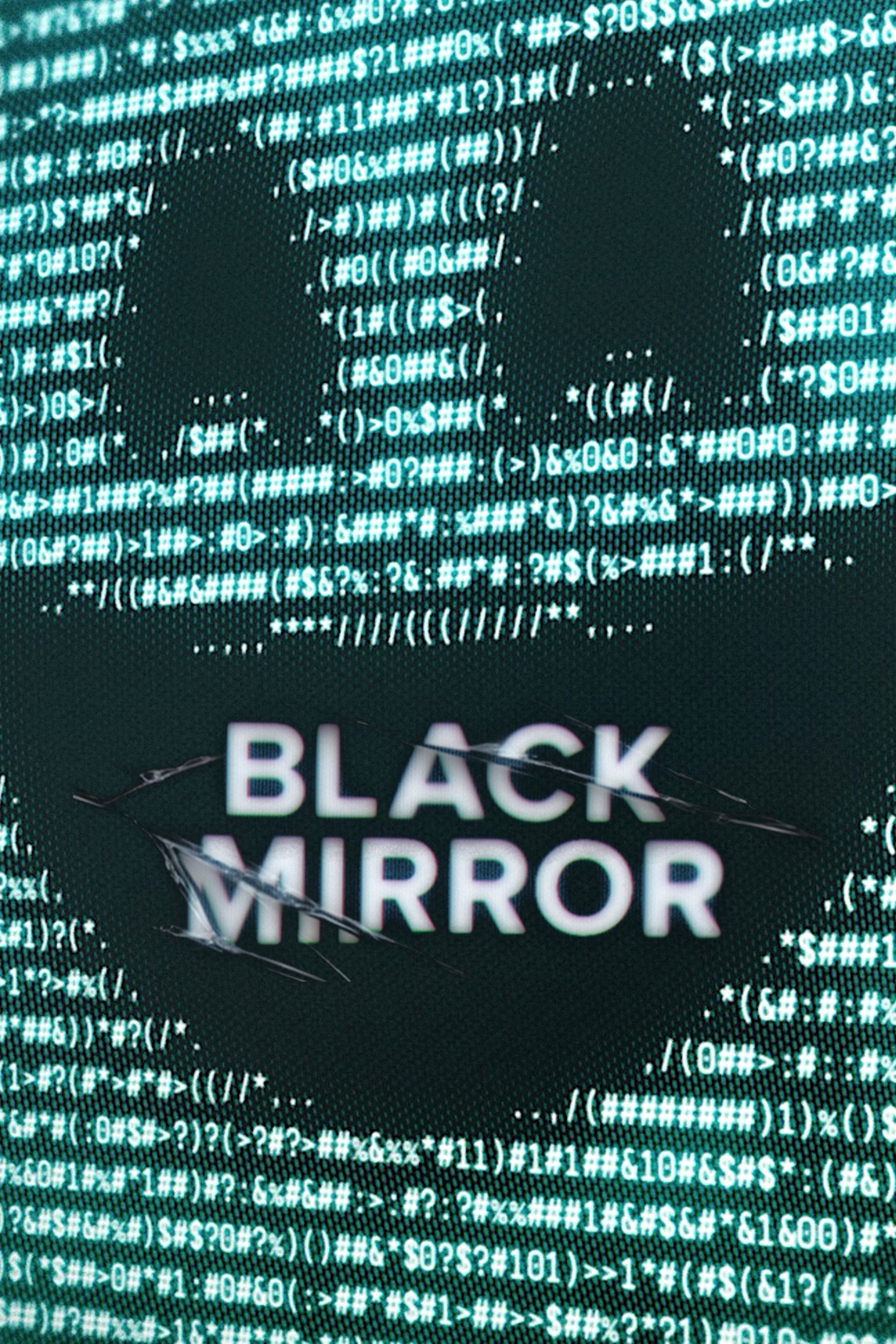
This anthology series explores the dark side of technology and its impact on human society. While early episodes were praised for their sharp social commentary, later seasons received mixed reviews for being less subtle. Some viewers believe the show has shifted toward shock value rather than meaningful exploration of its concepts. The transition to a major streaming platform changed the tone and production scale of the episodes. It remains a staple of modern science fiction despite these varying levels of quality across its runtime.
‘Doctor Who’ (2005–)
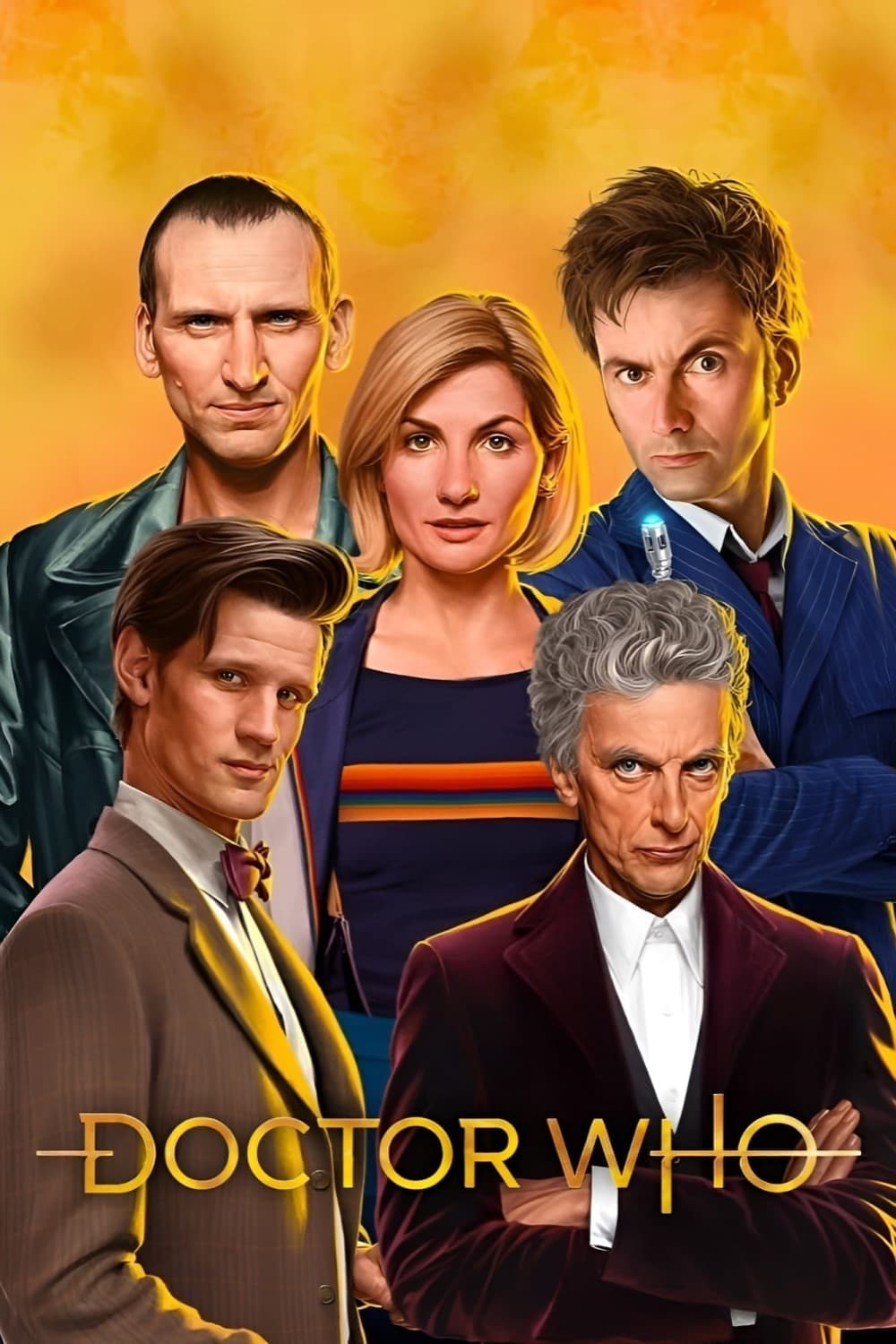
The long running British series follows a Time Lord who travels through space and time in a blue police box. Since its revival the show has cycled through multiple actors in the lead role. Critics of the modern era often cite uneven writing quality and a reliance on convoluted season long arcs. Some long term fans feel the show has become overly focused on grand spectacles rather than character driven stories. Despite these critiques the program maintains a dedicated international fanbase and continues to produce new episodes.
‘The Mandalorian’ (2019–)
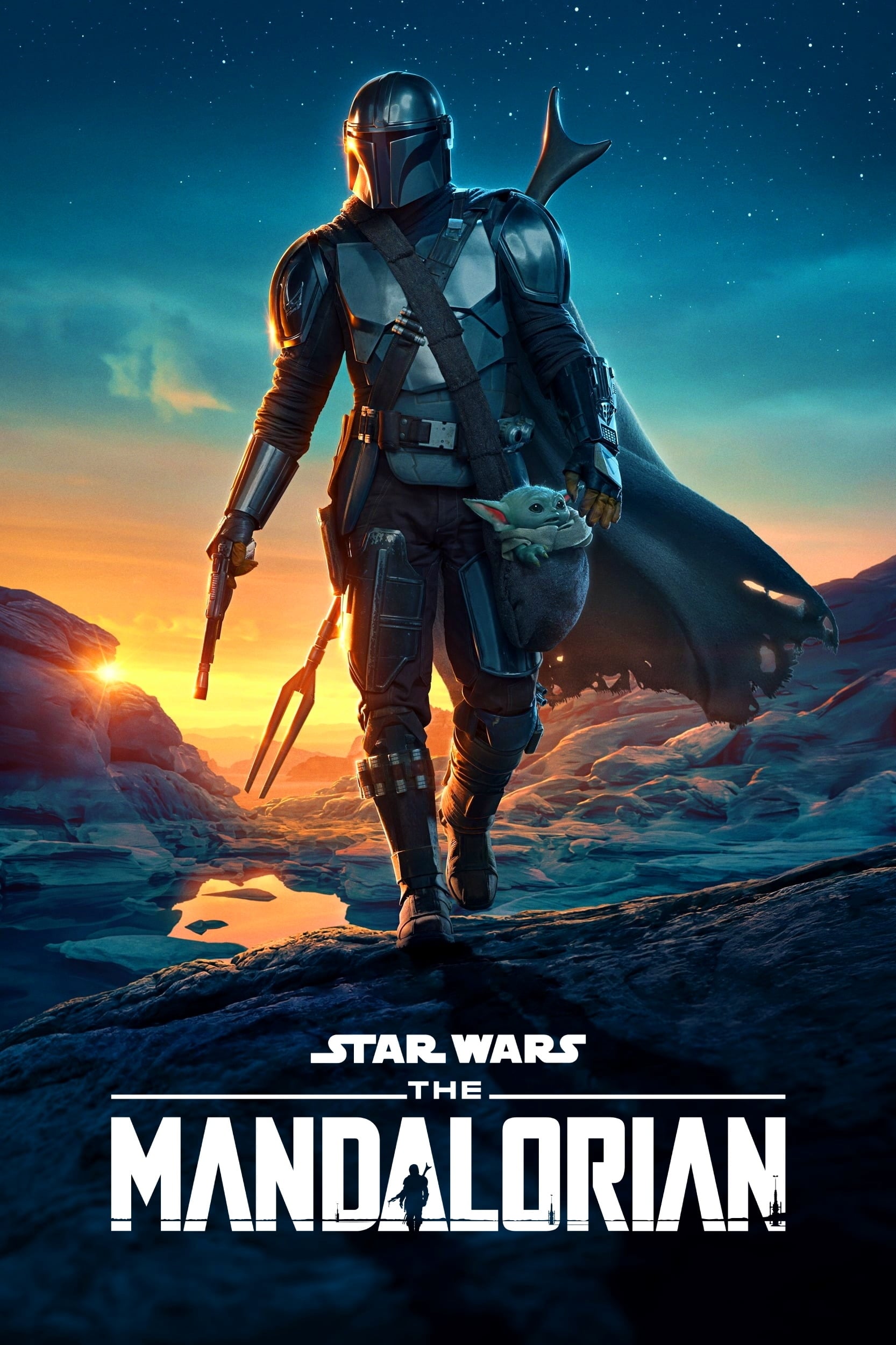
This series follows a bounty hunter in the Star Wars universe as he protects a mysterious child. While the show helped launch a major streaming service, some critics argue the episodic nature feels thin on plot. The heavy use of fan service and cameos from existing characters is a common point of contention. Some viewers find the pacing to be slow and the primary protagonist to be lacking in emotional depth. It remains a commercial success that has spawned multiple spin off productions.
‘Firefly’ (2002–2003)
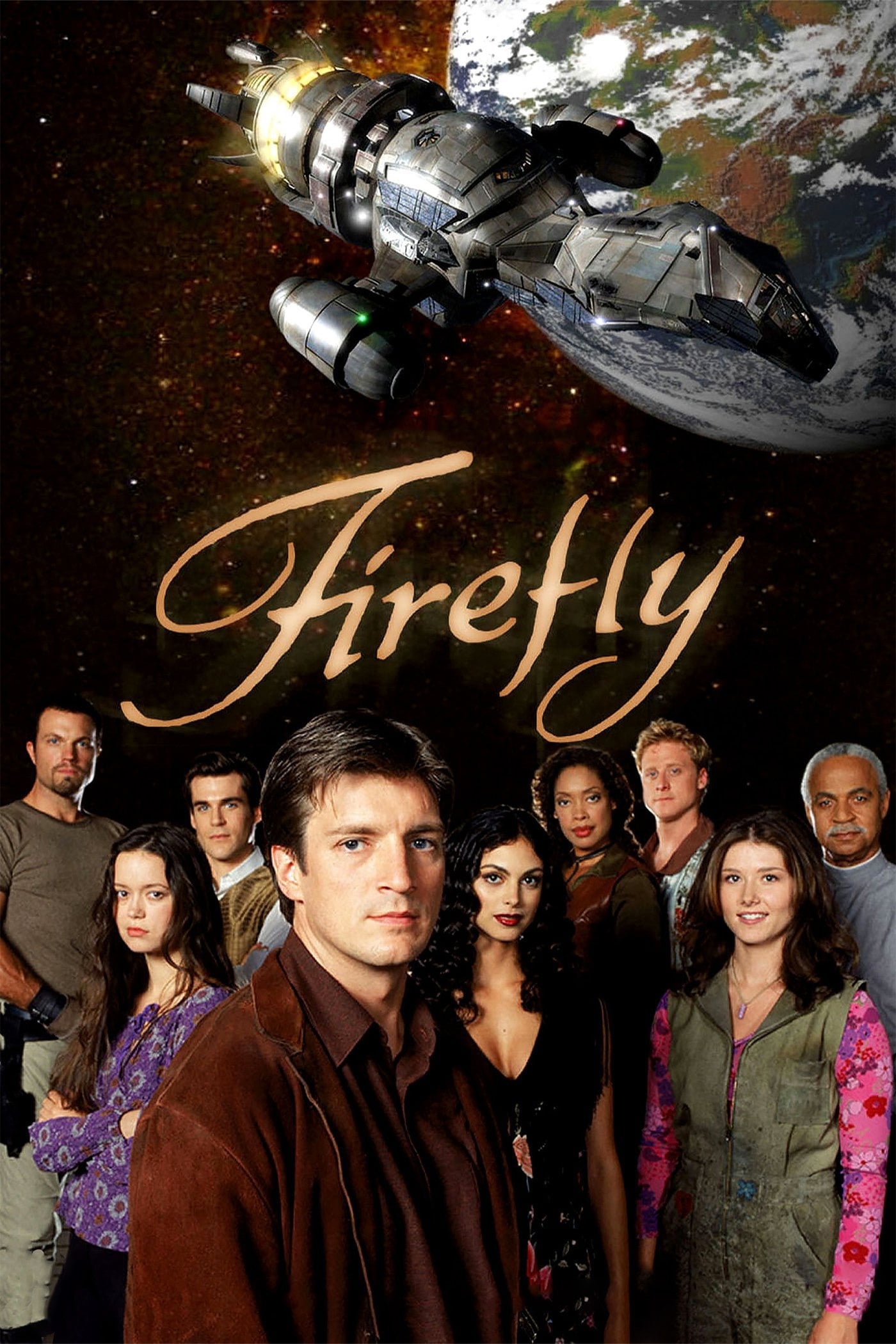
This space western focuses on the crew of a small transport ship attempting to survive on the fringes of society. Although it only aired for one season the show gained a massive cult following after its cancellation. Critics often argue that the brief run of the series has led to an inflated reputation among science fiction fans. Some viewers find that the dialogue and character archetypes are dated when viewed by modern standards. The series concluded its primary narrative with a feature film.
‘Battlestar Galactica’ (2004–2009)
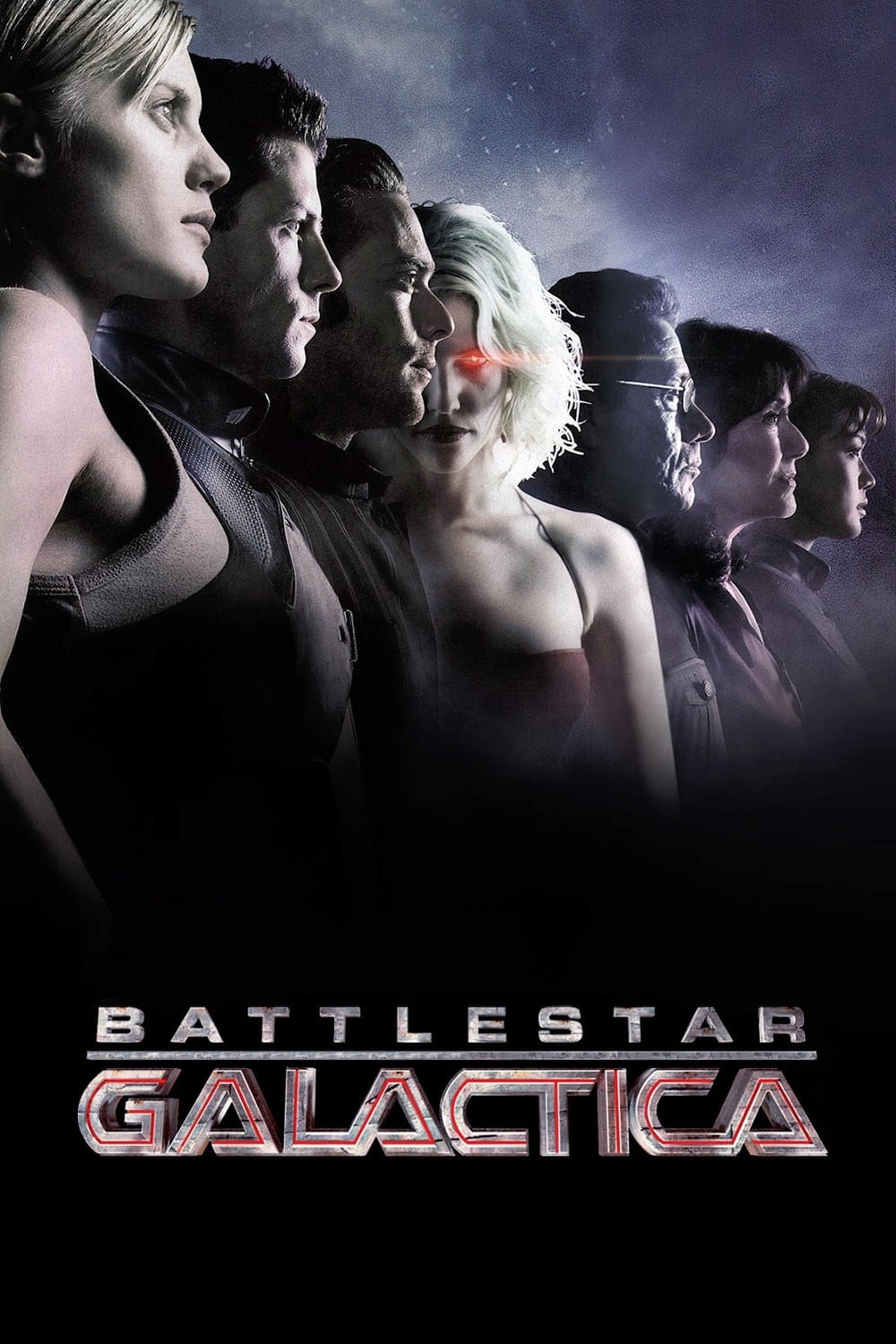
The reimagined series follows the last remnants of humanity as they flee from a robotic race known as the Cylons. It received significant praise for its gritty tone and political allegories during its initial run. Some viewers believe the final season introduced religious elements that felt inconsistent with the earlier hard science fiction approach. The conclusion of the series continues to be a point of contention among dedicated followers of the franchise. It is often cited as a show that struggled to maintain its momentum in the later years.
‘Lost’ (2004–2010)
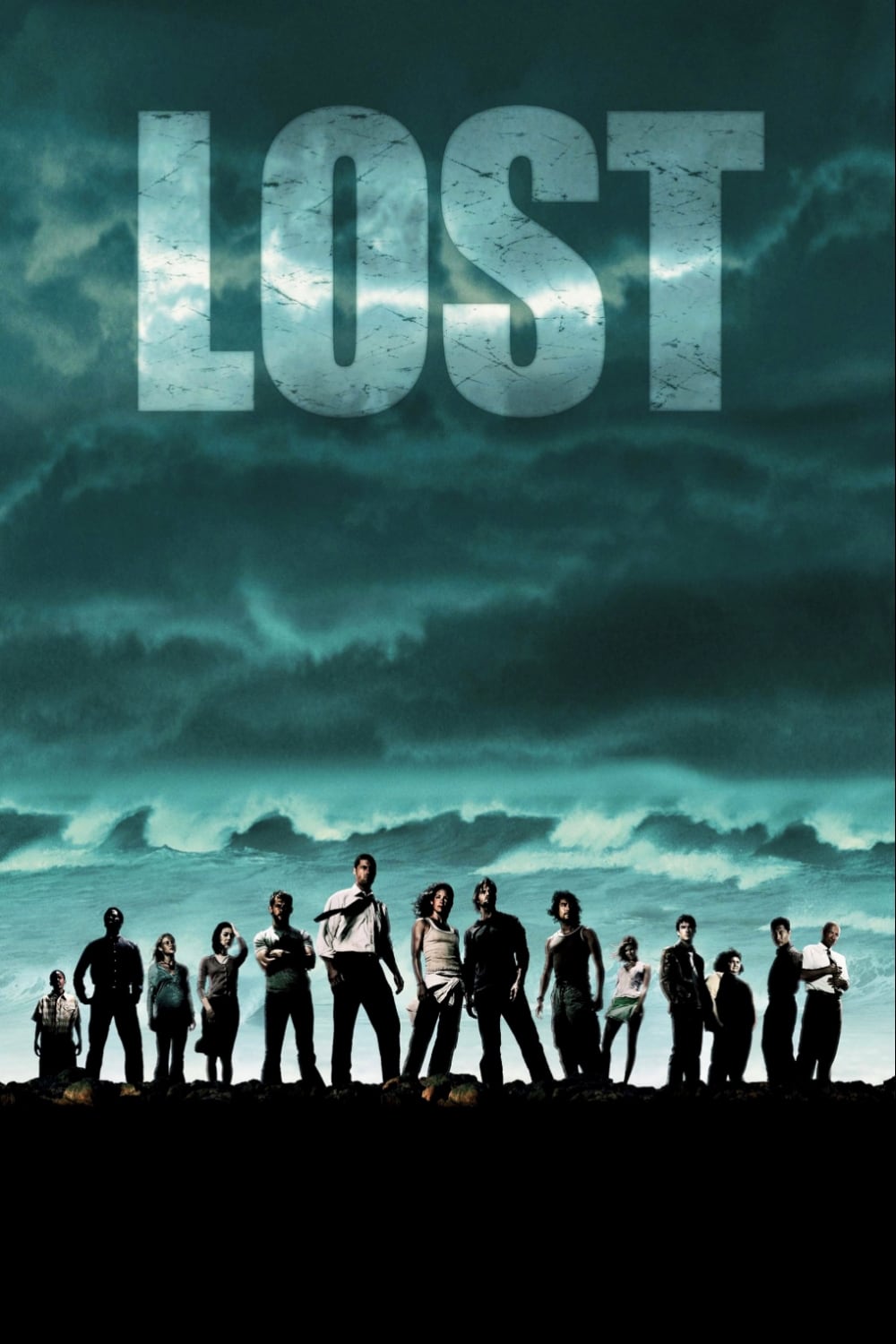
A group of plane crash survivors must work together to stay alive on a mysterious tropical island. The show became famous for its use of flashbacks and supernatural mysteries that kept audiences guessing for years. Many fans were ultimately disappointed by the series finale and felt that several plot points remained unresolved. Critics frequently discuss how the show prioritized creating mysteries over providing satisfying answers. It remains one of the most polarizing examples of science fiction television in history.
‘The X-Files’ (1993–2018)
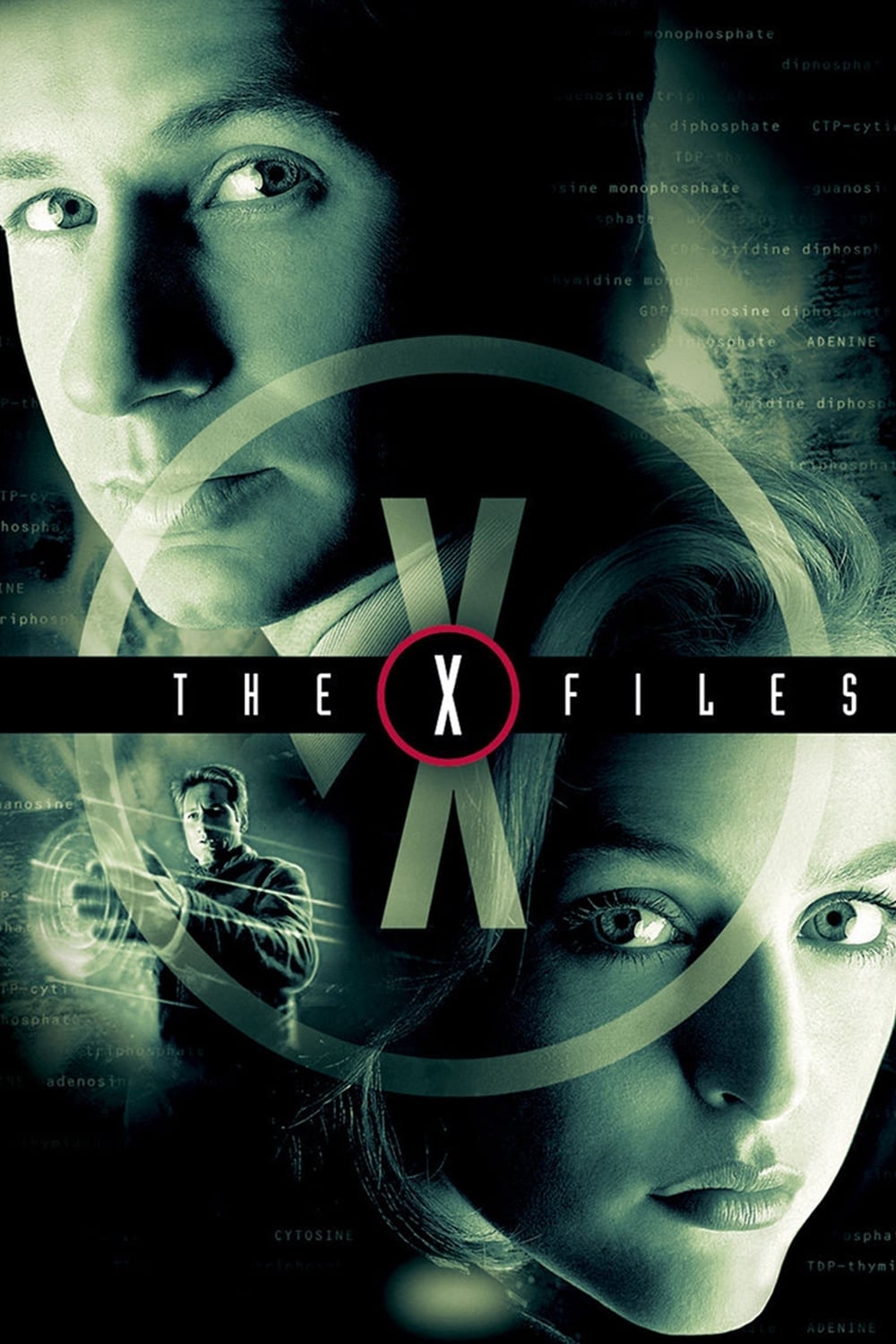
Two FBI agents investigate cases involving paranormal phenomena and government conspiracies. The series was a major hit in the 1990s and helped define the modern era of serialized television. Some critics believe the overarching mythology became too complex and contradictory over time. The later seasons and subsequent revival were often seen as lacking the magic of the early episodes. Many viewers argue the show stayed on the air far longer than the story required.
‘Rick and Morty’ (2013–)
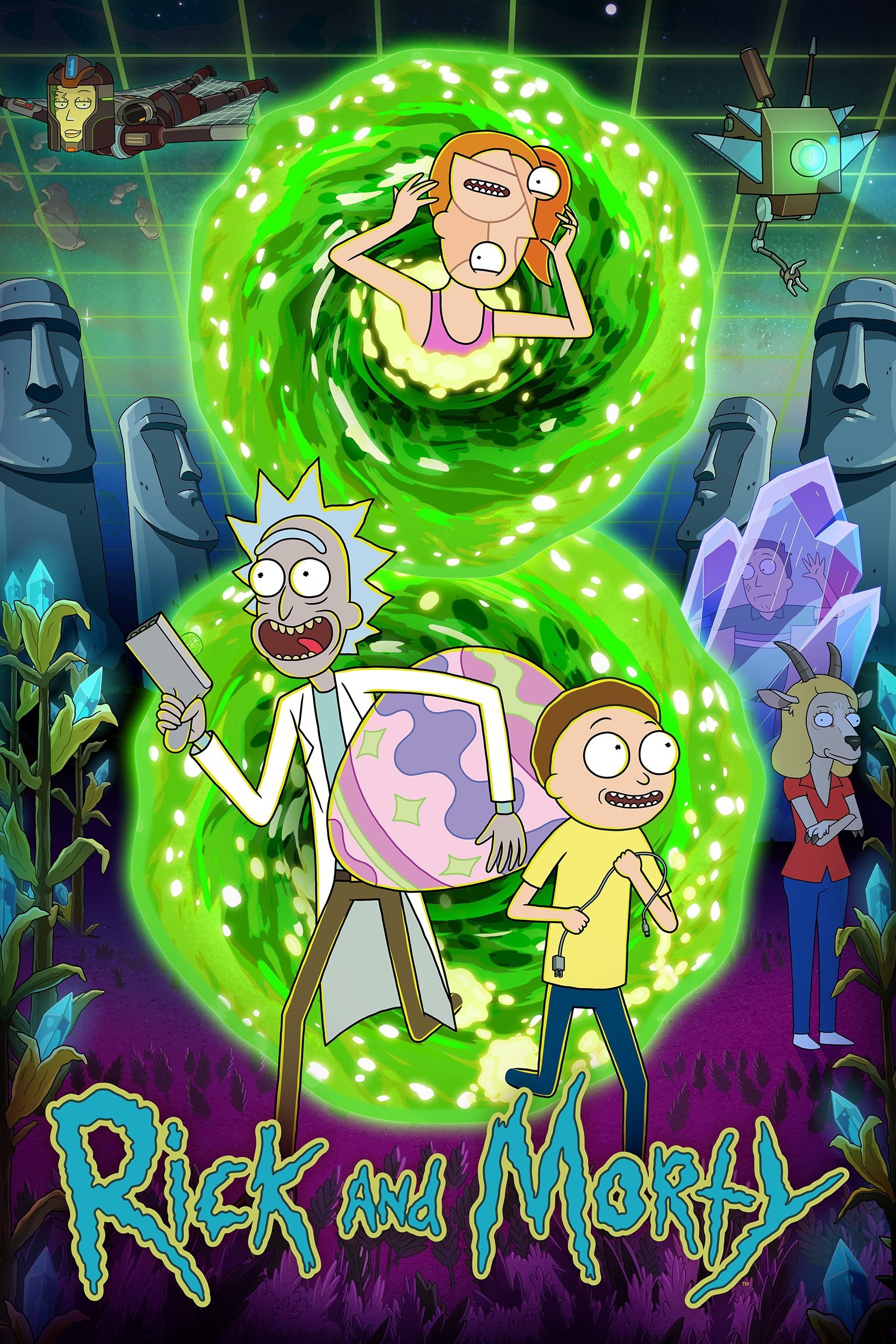
This animated series follows a cynical scientist and his grandson on interdimensional adventures. It gained a reputation for its dark humor and clever subversion of science fiction tropes. Some viewers find the fan base to be more intense than the quality of the show actually warrants. Critics have noted that the writing can sometimes feel nihilistic and repetitive in its themes. The show continues to be a major ratings success for its network despite these complaints.
‘Star Trek: The Next Generation’ (1987–1994)
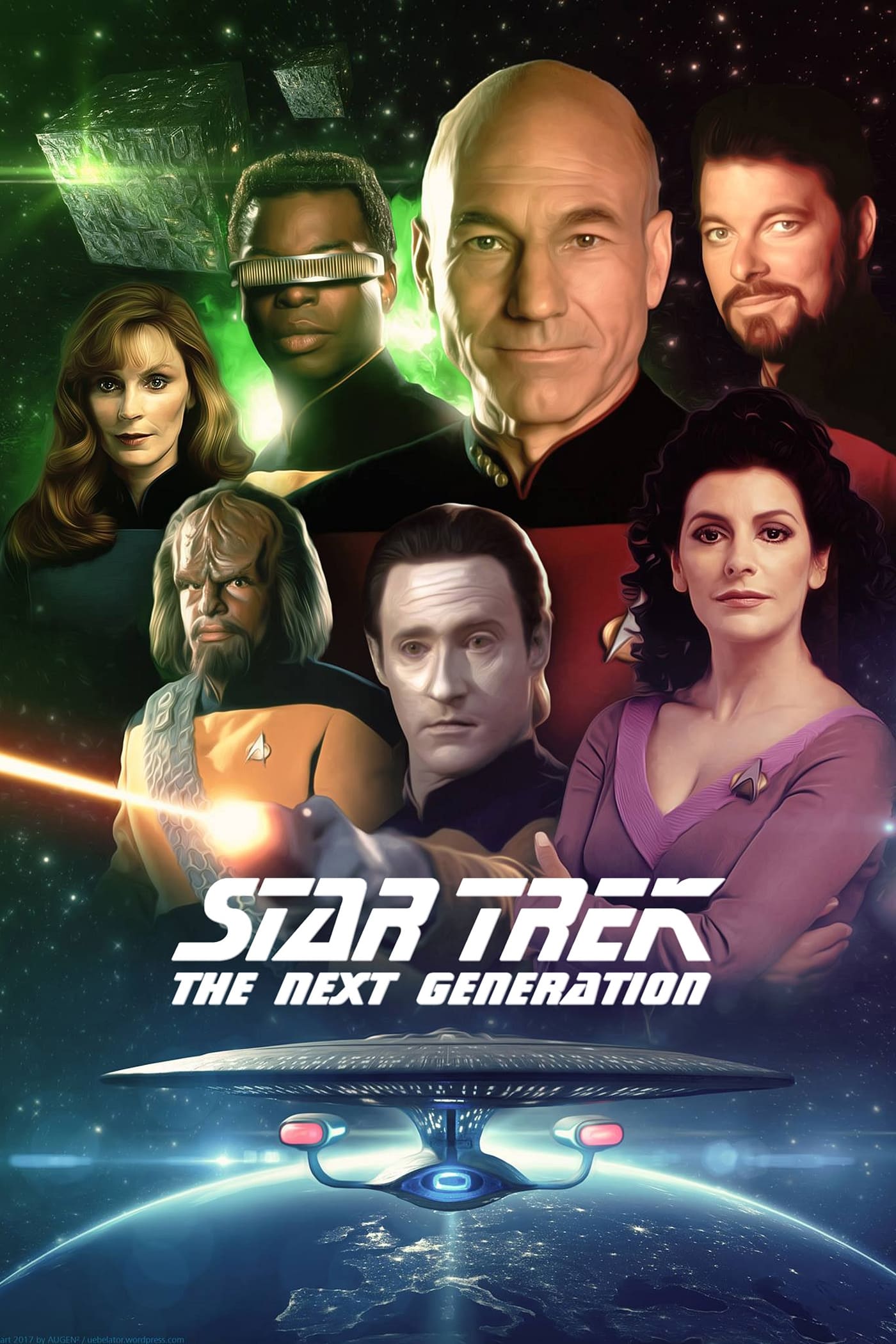
Captain Jean Luc Picard leads the crew of the Enterprise on a mission to explore the galaxy. While it is considered a classic, some viewers argue that many early episodes have aged poorly. The show is often praised for its diplomacy and ethics, but critics point out that the action can be stagnant. Some fans prefer the darker and more serialized approach of other entries in the franchise. It remains a foundational piece of television history regardless of these criticisms.
‘The Expanse’ (2015–2022)
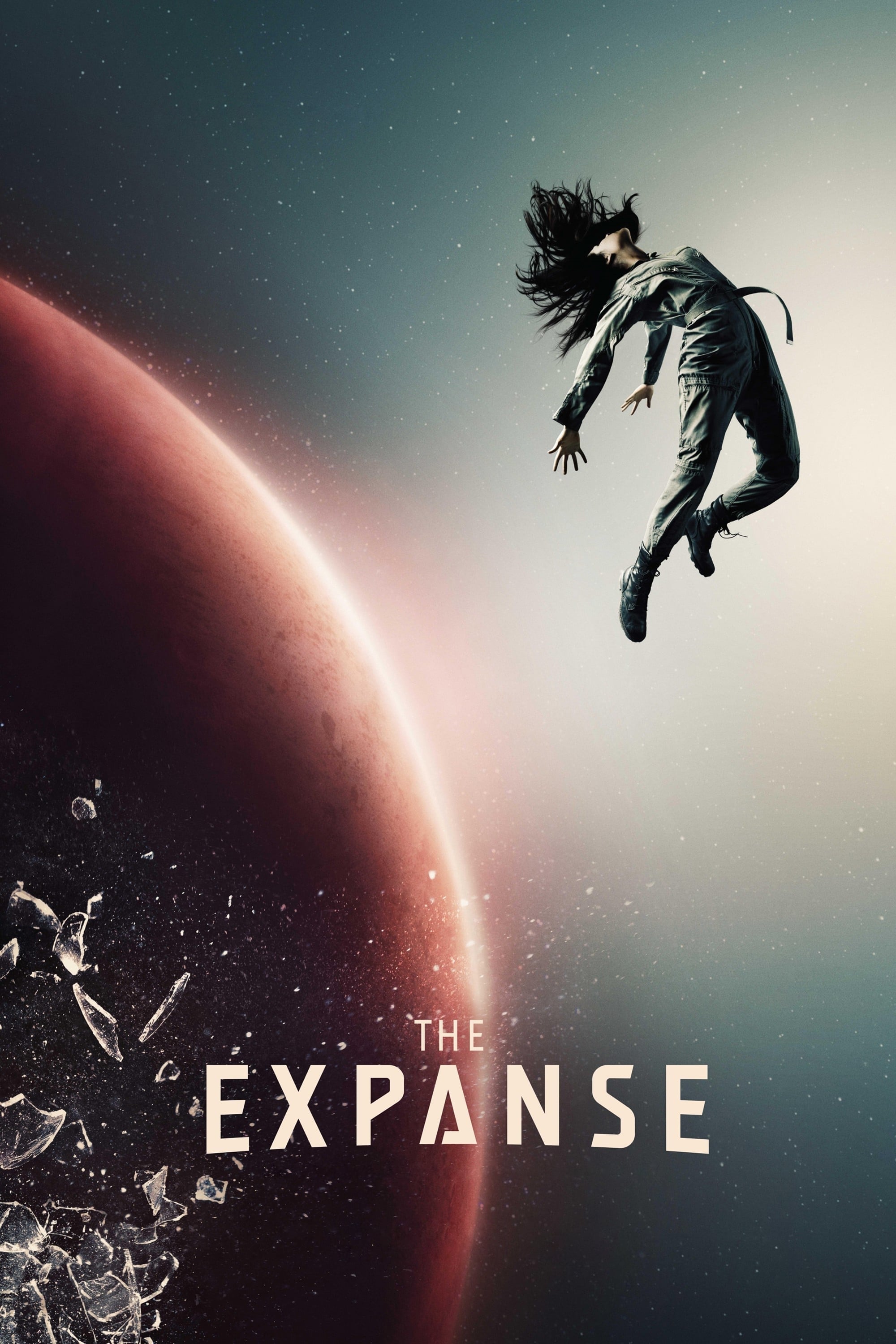
This series depicts a future where humanity has colonized the solar system and sits on the brink of war. It received high marks for its realistic portrayal of space physics and complex political intrigue. Some viewers find the dense world building and large cast of characters to be overwhelming or slow. Critics have argued that certain plot lines are less engaging than others over the course of its six seasons. The show transitioned from cable to streaming to complete its story.
‘Dark’ (2017–2020)
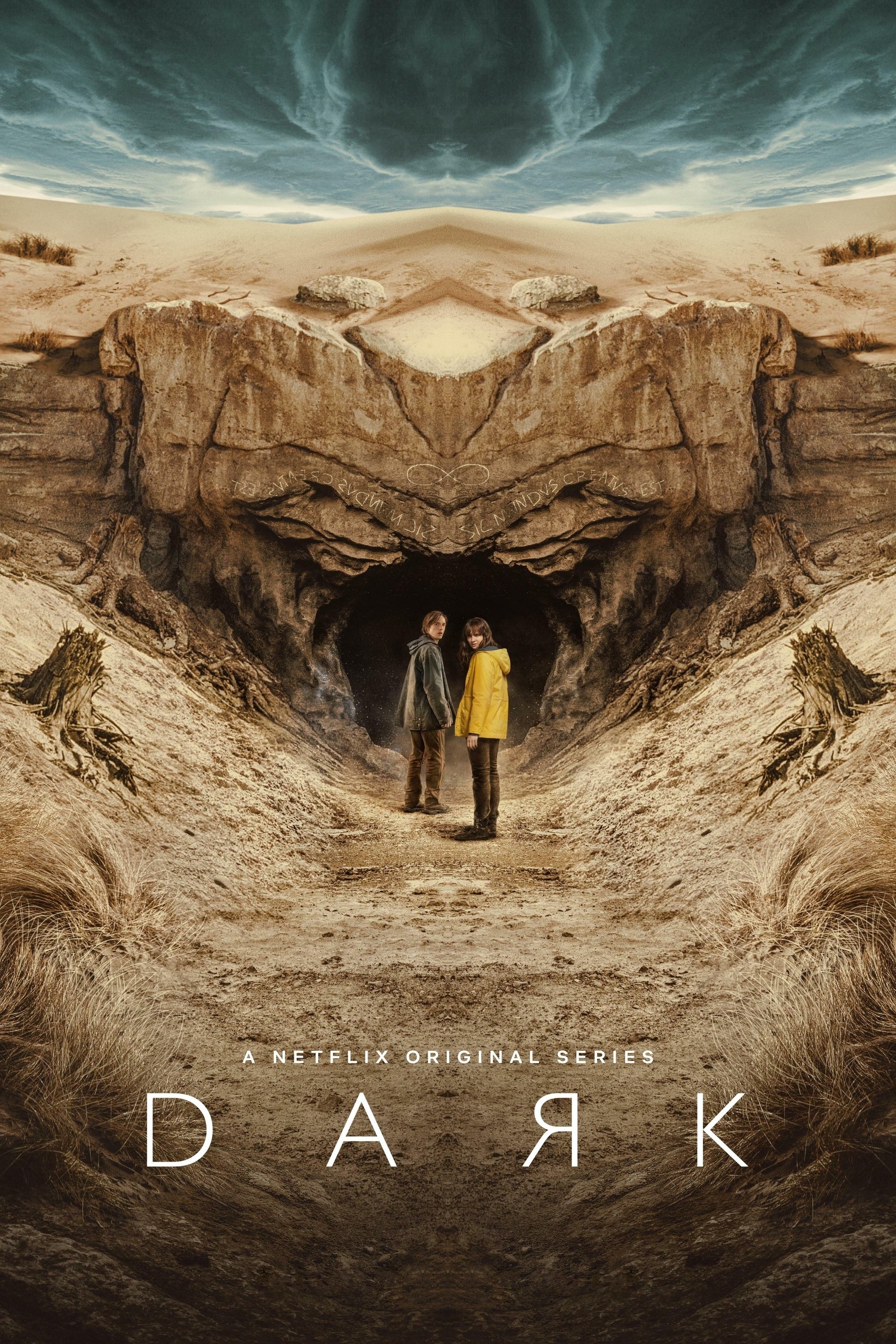
This German series involves a complex web of time travel and family secrets in a small town. It is frequently praised for its meticulous plotting and atmospheric cinematography. Some viewers find the narrative to be unnecessarily confusing and difficult to track without external guides. Critics have suggested that the heavy tone can feel oppressive over multiple seasons. The show concluded its story with a third season that tied together its many timelines.
‘Sense8’ (2015–2018)
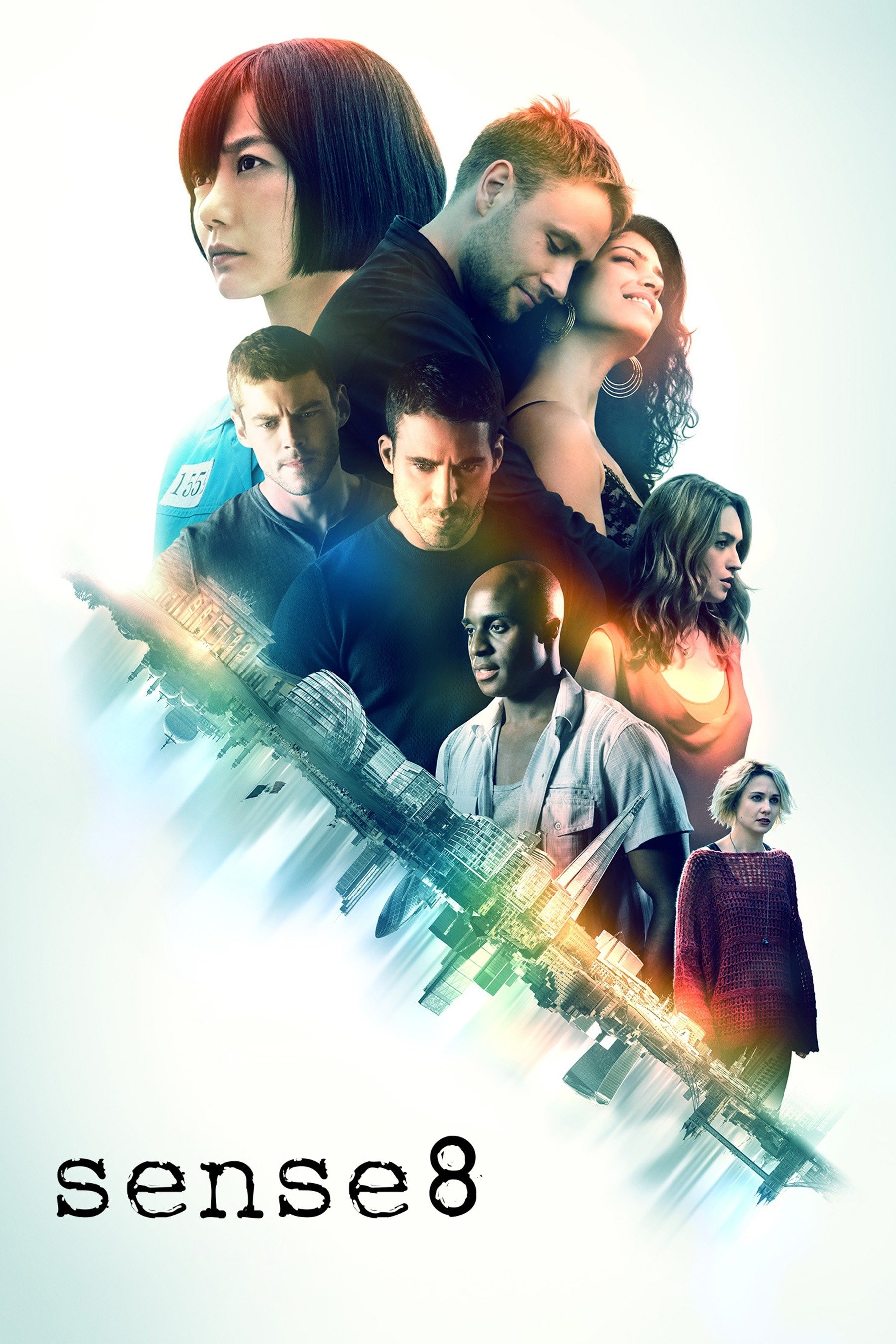
Eight individuals from around the world discover they are mentally and emotionally linked. Created by the Wachowskis, the show was celebrated for its diversity and ambitious location filming. Some critics found the plot to be thin and secondary to the visual style and themes of connection. The high production costs eventually led to its cancellation before the story could be fully realized. A final special was produced to give the characters a proper ending.
‘Altered Carbon’ (2018–2020)

In a future where consciousness can be transferred to new bodies, a soldier is revived to solve a murder. The first season was praised for its cyberpunk aesthetic and high budget action sequences. Many viewers felt the second season failed to live up to the standard set by the original episodes. Critics often noted that the complex concepts of the source material were simplified for television. The series was canceled by the streaming platform after its second outing.
‘The Boys’ (2019–)

This show offers a cynical and violent take on the superhero genre where powerful individuals are managed by a corrupt corporation. It became a breakout hit for its satire and graphic content. Some critics argue that the shock factor has become the primary focus over meaningful character development. Viewers have pointed out that the satirical targets are sometimes handled with a lack of subtlety. It remains a dominant force in the superhero media landscape.
‘Foundation’ (2021–)
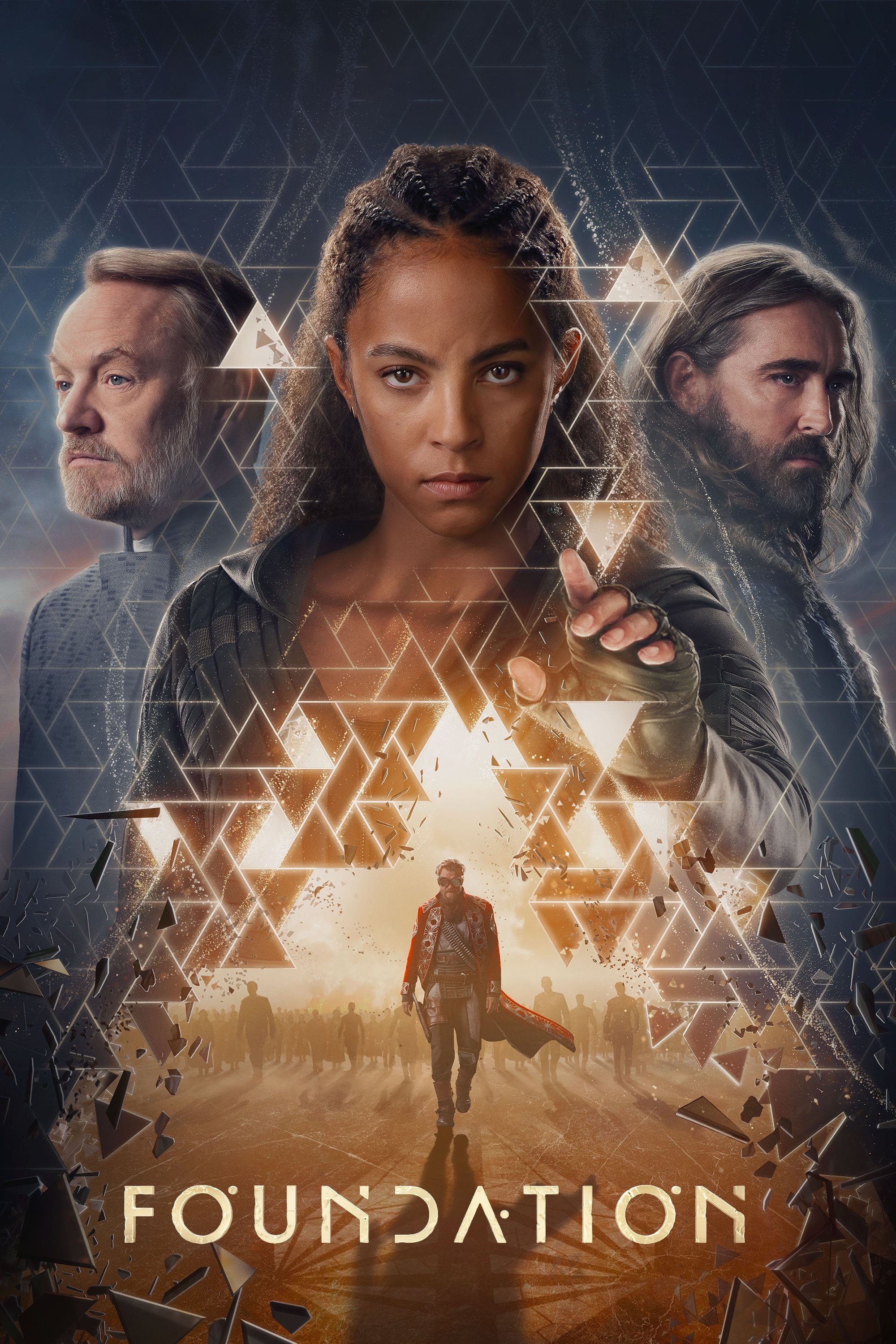
Based on the celebrated novels by Isaac Asimov, this series tells the story of a galactic empire in decline. The production is notable for its stunning visual effects and large scale storytelling. Some fans of the books feel that the show deviates too much from the core themes of the original material. Critics have described the pacing as uneven and the various plot lines as varying in quality. It continues to be one of the most visually impressive science fiction shows on television.
‘Halo’ (2022–2024)
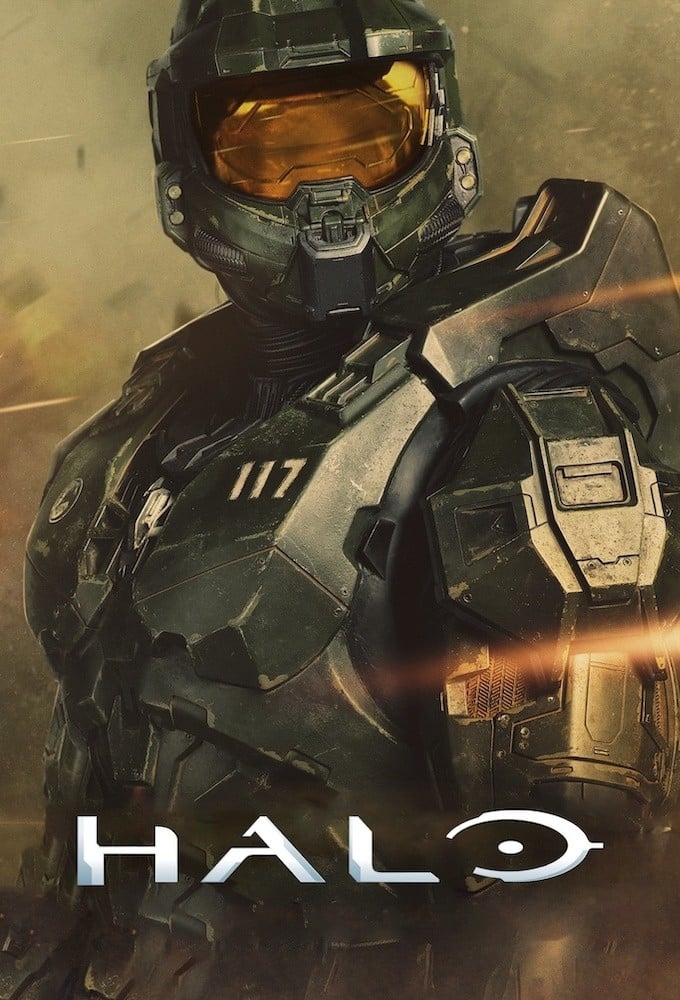
This adaptation of the popular video game franchise follows a super soldier during a war against an alien alliance. The show faced immediate backlash from fans for its significant changes to the established lore. Some viewers found the human focused subplots to be less interesting than the central conflict. Critics noted that the production values were high but the writing felt generic for the genre. The series was canceled after two seasons on its streaming platform.
‘The Umbrella Academy’ (2019–2024)
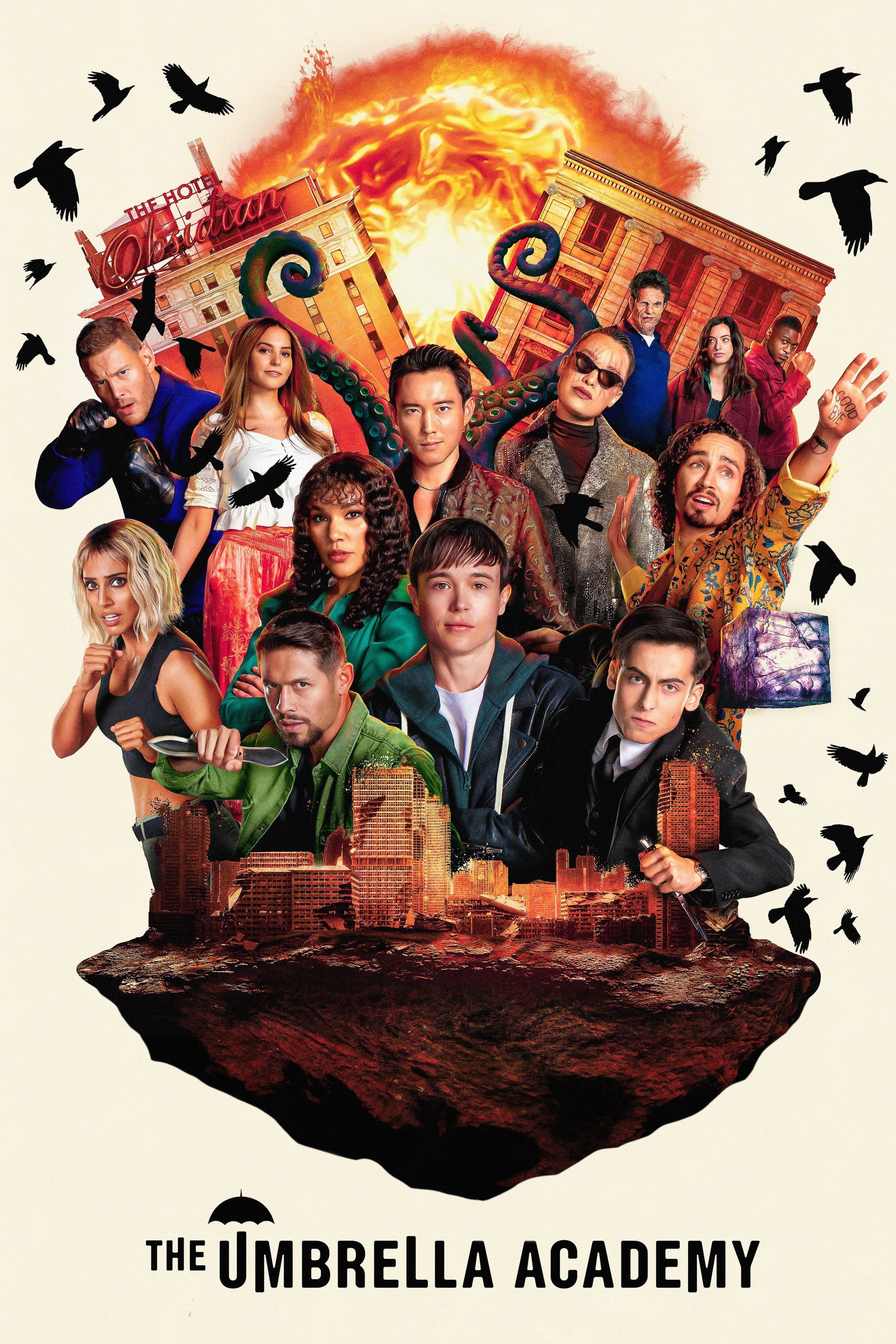
A dysfunctional family of adopted siblings with superpowers reunites to solve the mystery of their father’s death. The show is known for its quirky humor and stylized action sequences. Some critics believe the apocalypse driven plots became repetitive over the course of the series. Viewers have noted that the internal logic of the time travel can be inconsistent at times. The series concluded its run with a final season that polarized its audience.
‘Futurama’ (1999–)
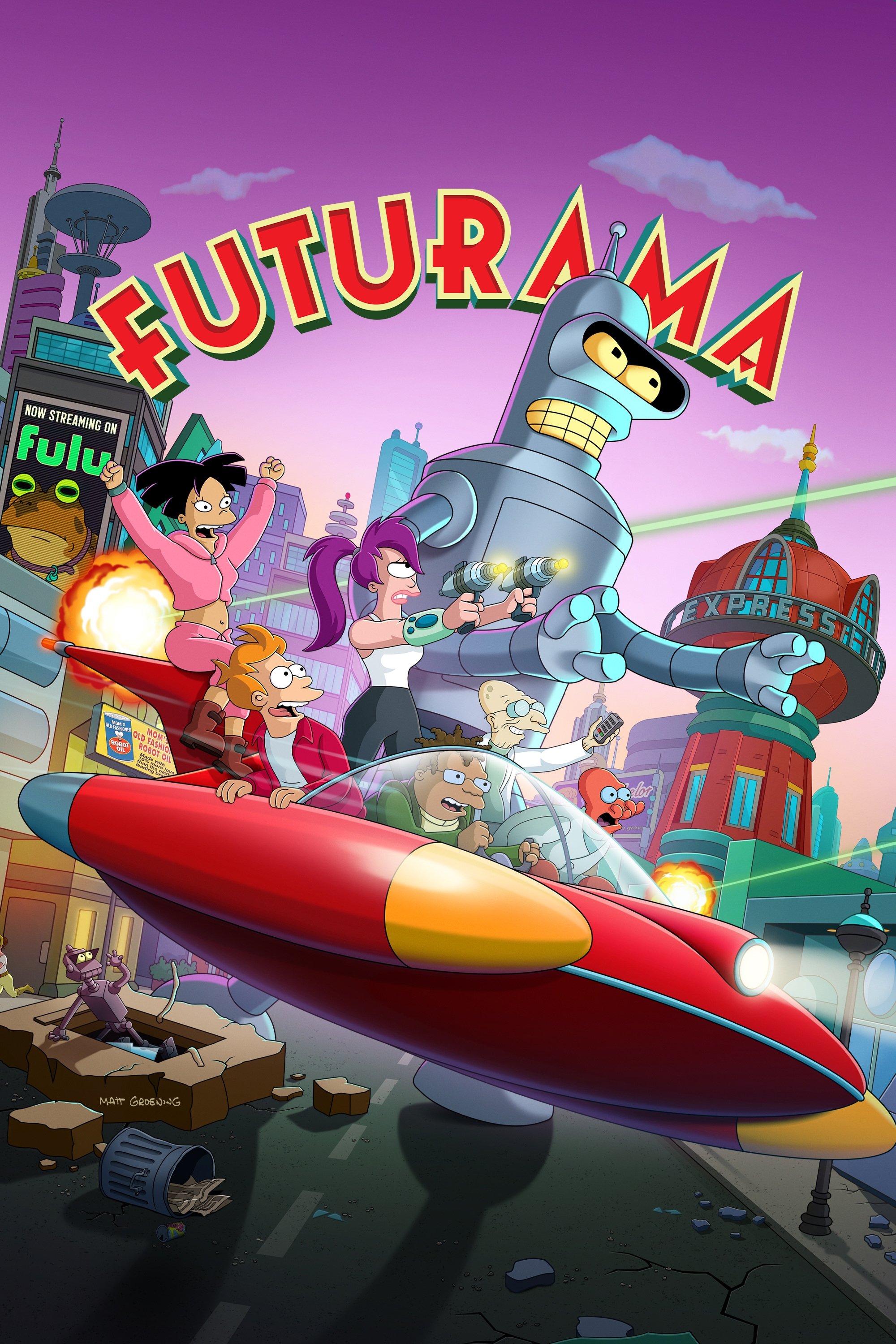
A pizza delivery boy is cryogenically frozen and wakes up in the year 3000. This animated series is beloved for its scientific jokes and emotional character moments. Some critics argue that the various revivals have not maintained the high standard of the original run. Viewers have noticed that the humor occasionally relies on dated pop culture references. The show has been canceled and brought back multiple times across different networks.
‘Star Trek: Discovery’ (2017–2024)
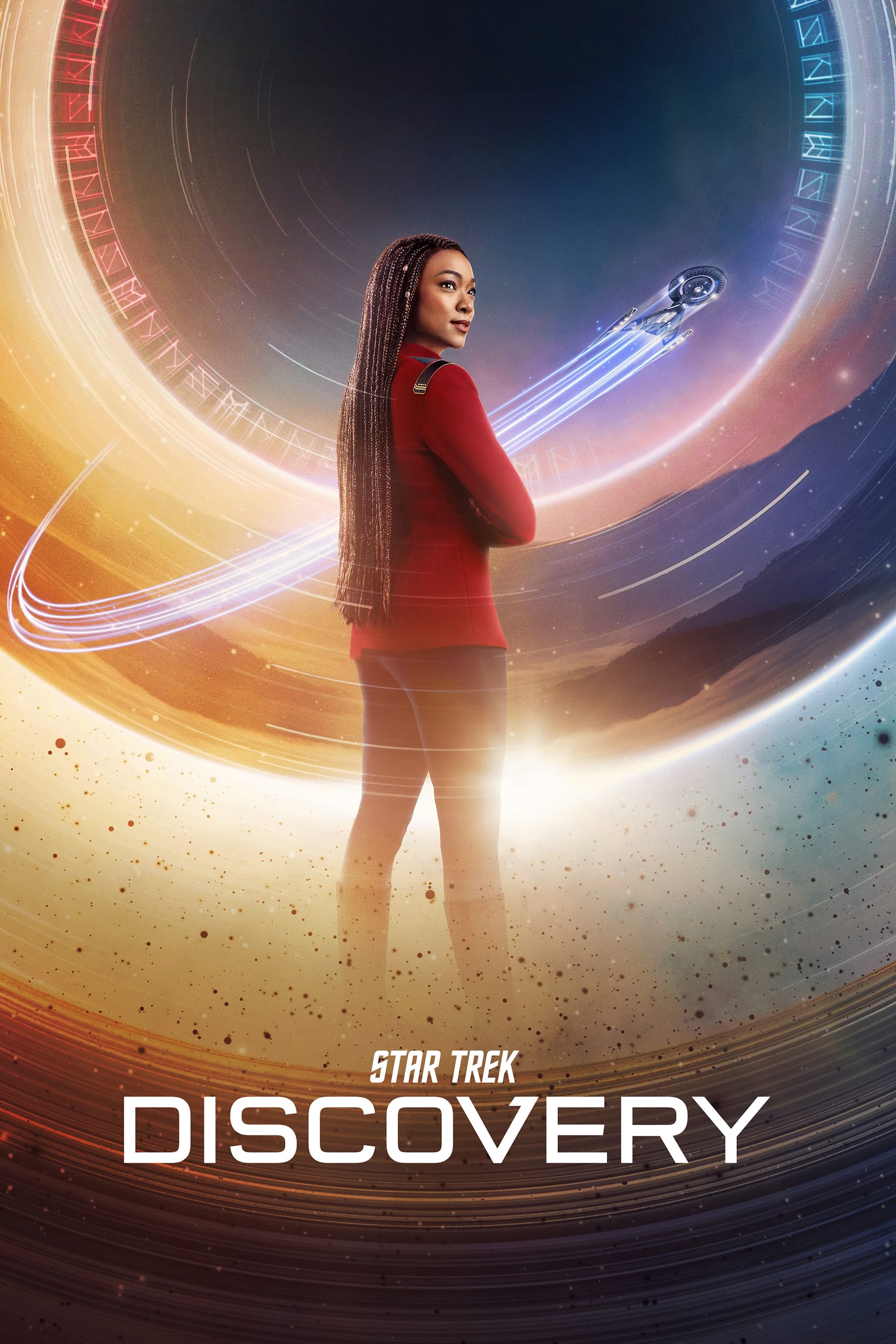
This series served as the flagship for a new era of its franchise with a focus on a single protagonist. It received criticism from long time fans for its departure from the traditional episodic format. Some viewers found the emotional stakes to be constantly dialed to an extreme level. Critics pointed out that the show struggled to define its identity over its five season run. It ultimately paved the way for several other series within the same universe.
‘Heroes’ (2006–2010)
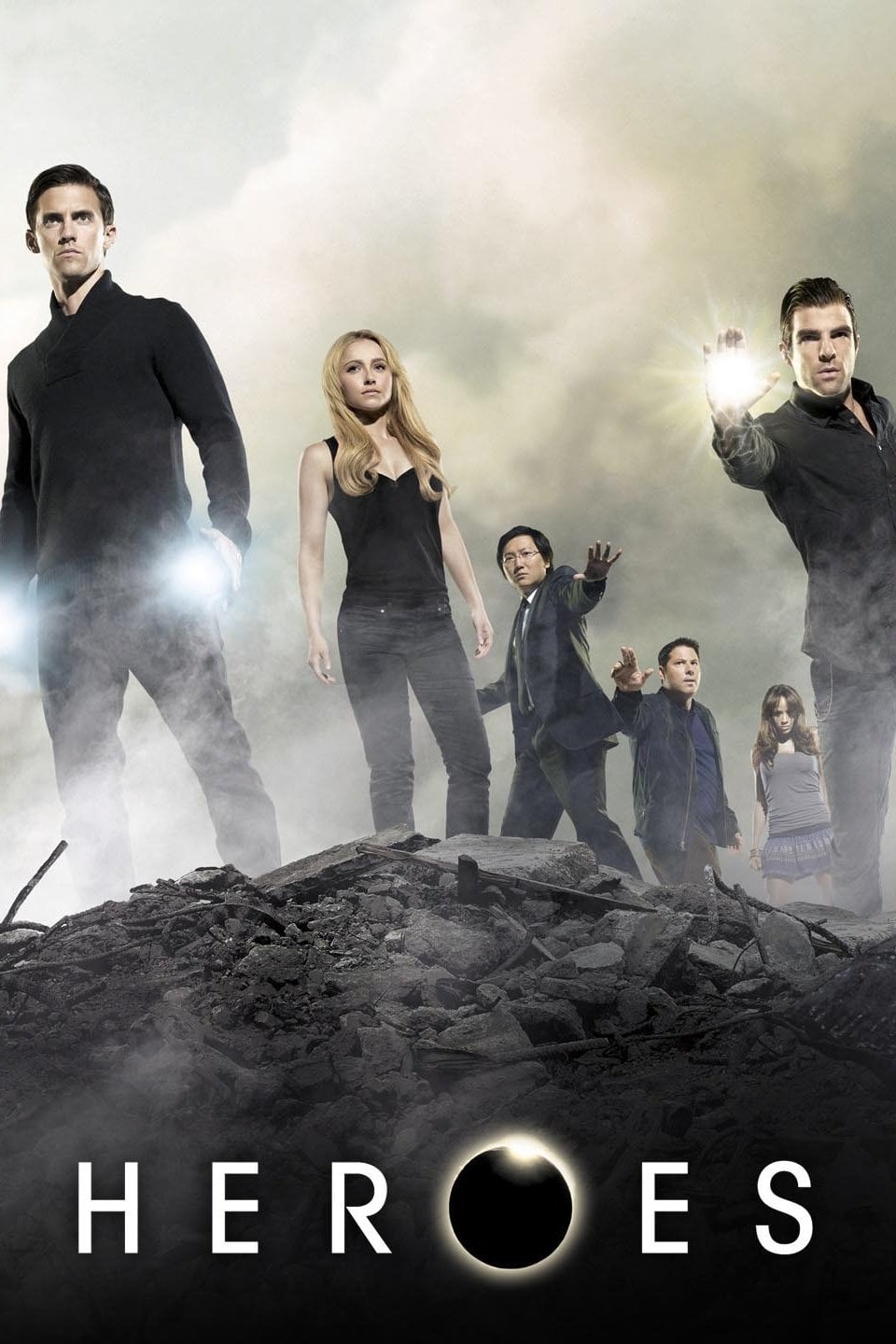
Ordinary people across the globe discover they have superhuman abilities and must save the world. The first season was a massive success and became a cultural phenomenon. Critics and fans alike generally agree that the quality dropped significantly in subsequent seasons. The writers’ strike and changing creative directions were often blamed for the decline. A later attempt to revive the series failed to capture the interest of the original audience.
‘Fringe’ (2008–2013)
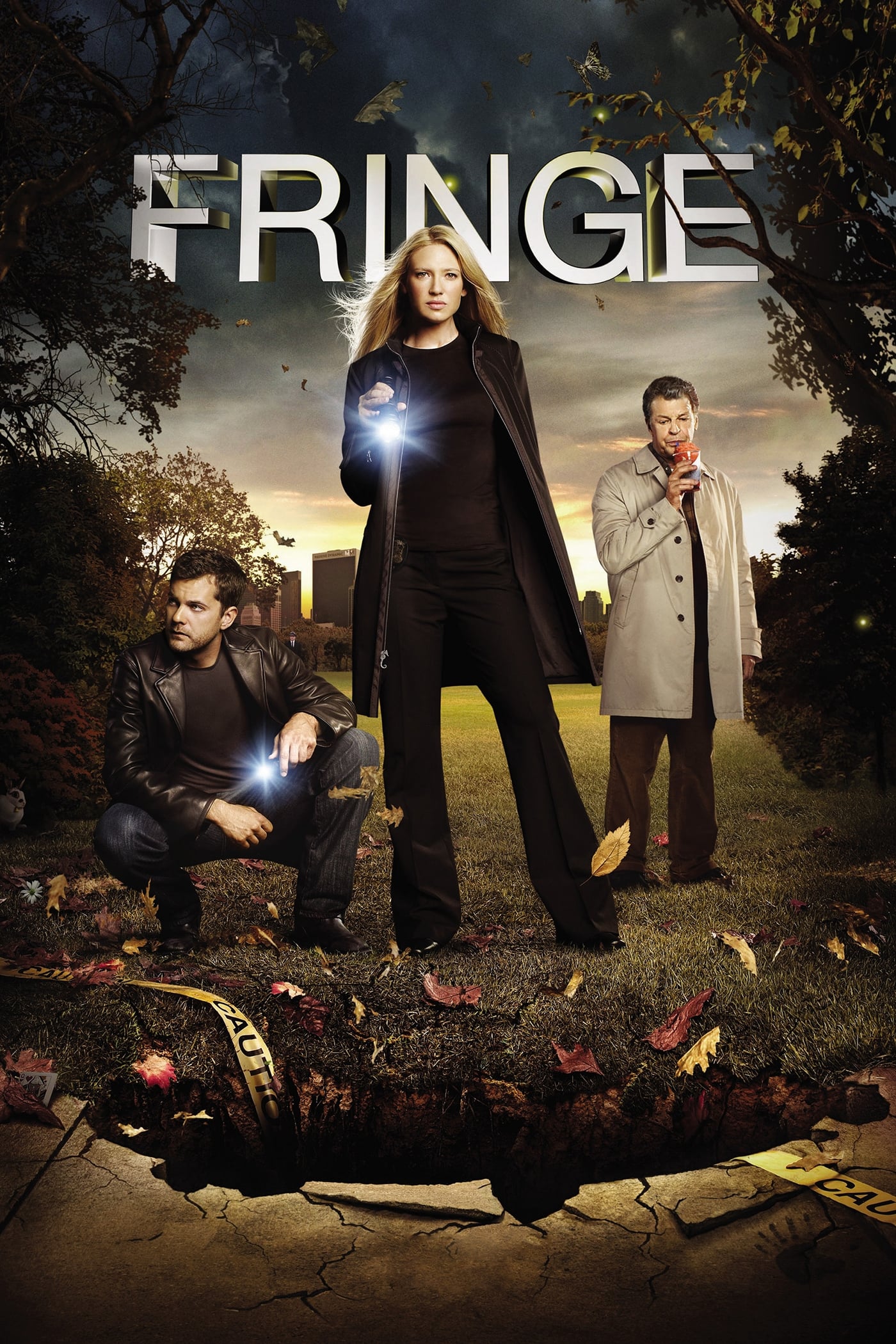
A small team within the FBI uses fringe science to investigate unexplained events. The series evolved from a procedural format into a complex serial about parallel universes. Some critics argue the show was always a bit too similar to ‘The X-Files’ in its early stages. Certain viewers found the transition into heavy mythology to be alienating. It remains a cult favorite that is often praised for the performance of its lead actor.
‘Falling Skies’ (2011–2015)
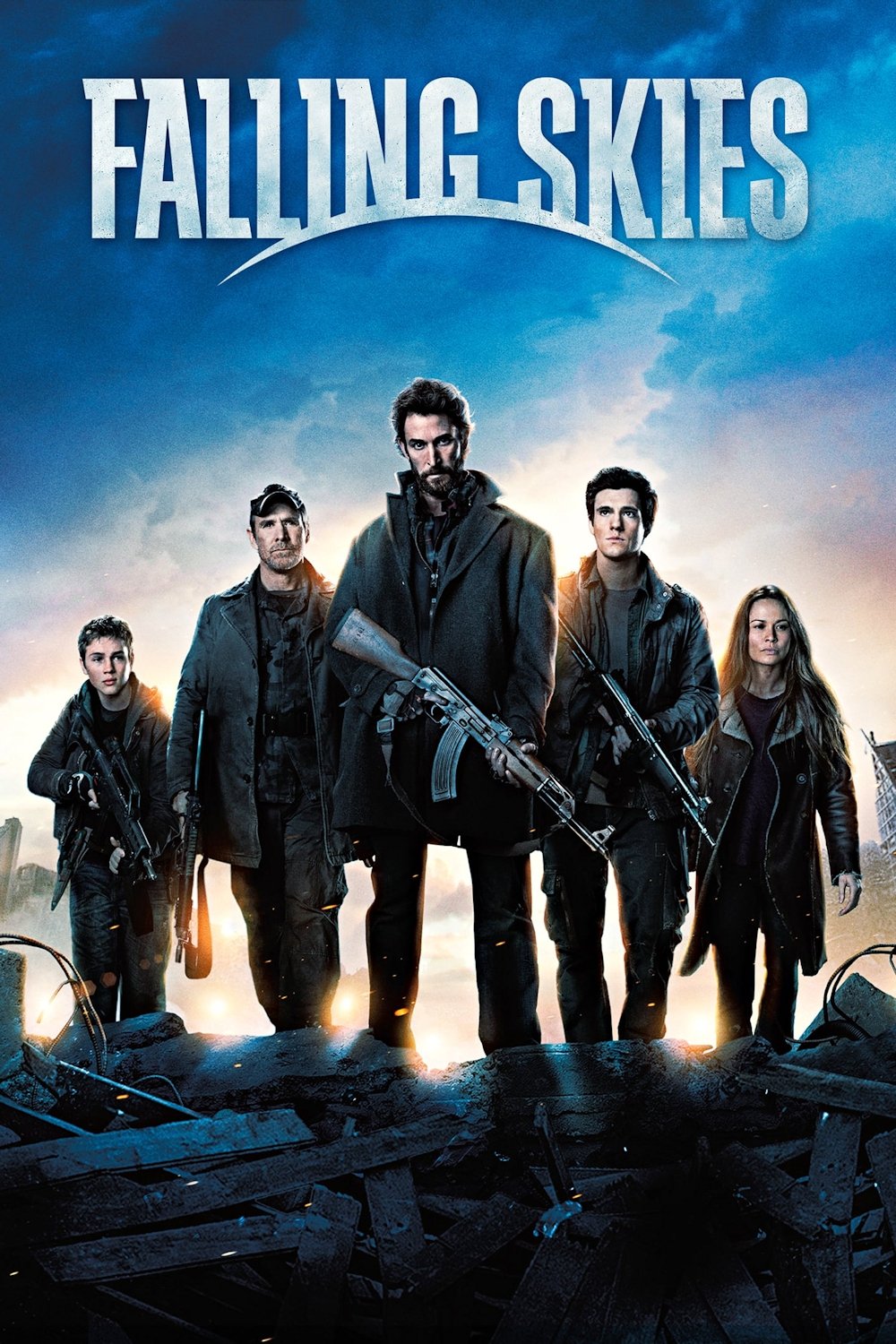
The survivors of an alien invasion form a resistance movement to take back the Earth. Produced by Steven Spielberg, the show had high expectations upon its debut. Many critics felt the story became repetitive and relied on predictable tropes. Some viewers were disappointed by the lack of development regarding the motivations of the alien invaders. The series finale received a mixed reception from the dedicated fans who stuck with it.
‘The 100’ (2014–2020)
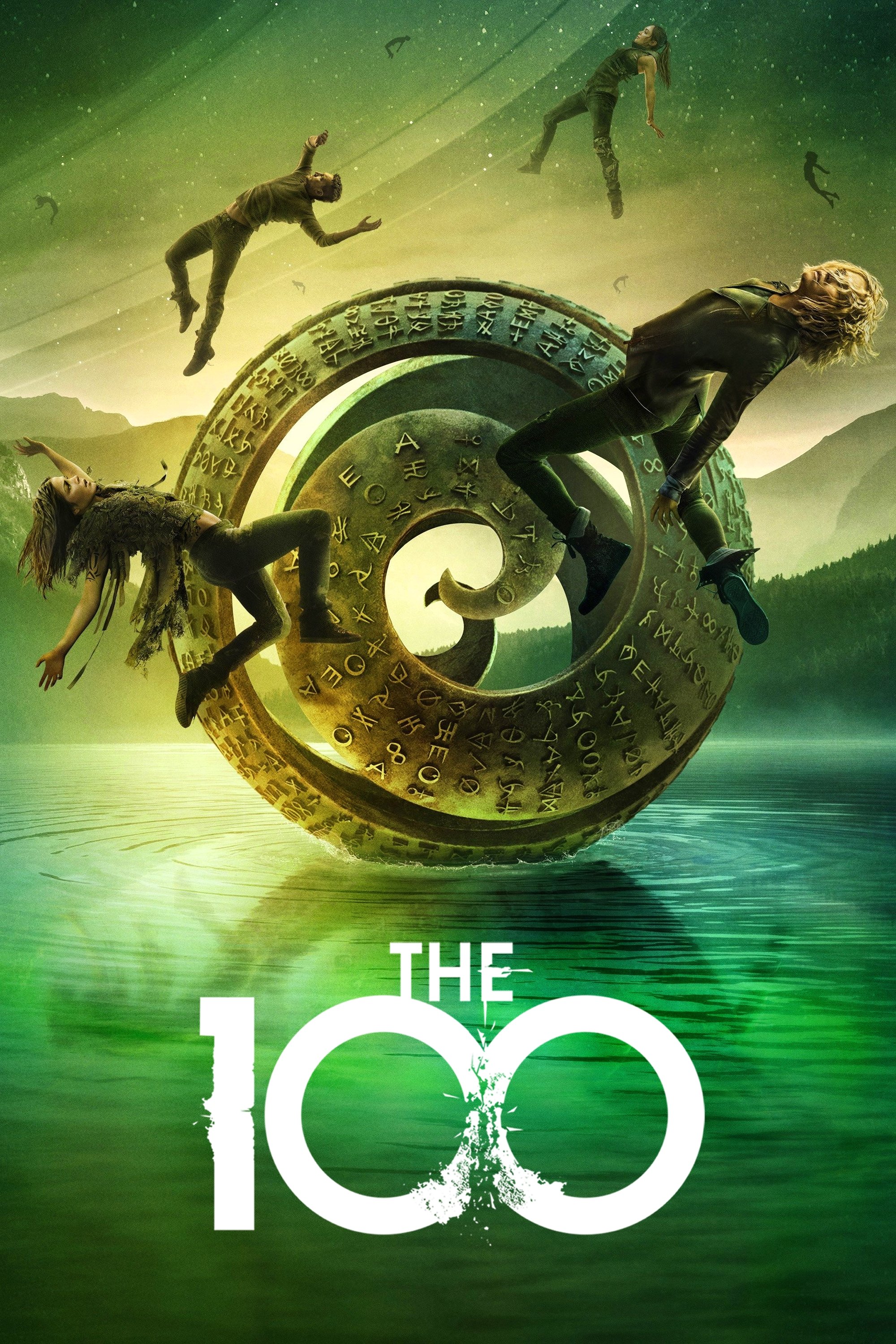
One hundred juvenile delinquents are sent from a space station back to a post apocalyptic Earth to see if it is habitable. The show was praised for making dark and difficult choices for its young characters. Some viewers found the frequent shifts in the world building to be jarring. Critics noted that the show often recycled conflict patterns between different factions. It concluded its story with a final season that took the narrative into deep space.
‘Under the Dome’ (2013–2015)

Residents of a small town find themselves trapped under a massive and indestructible transparent dome. Based on a novel by Stephen King, the show started with strong ratings and a promising premise. Many viewers felt the mystery was stretched too thin to fill multiple seasons. Critics pointed out that the character motivations often became nonsensical to serve the plot. The series was canceled after three seasons as viewership significantly declined.
‘Revolution’ (2012–2014)
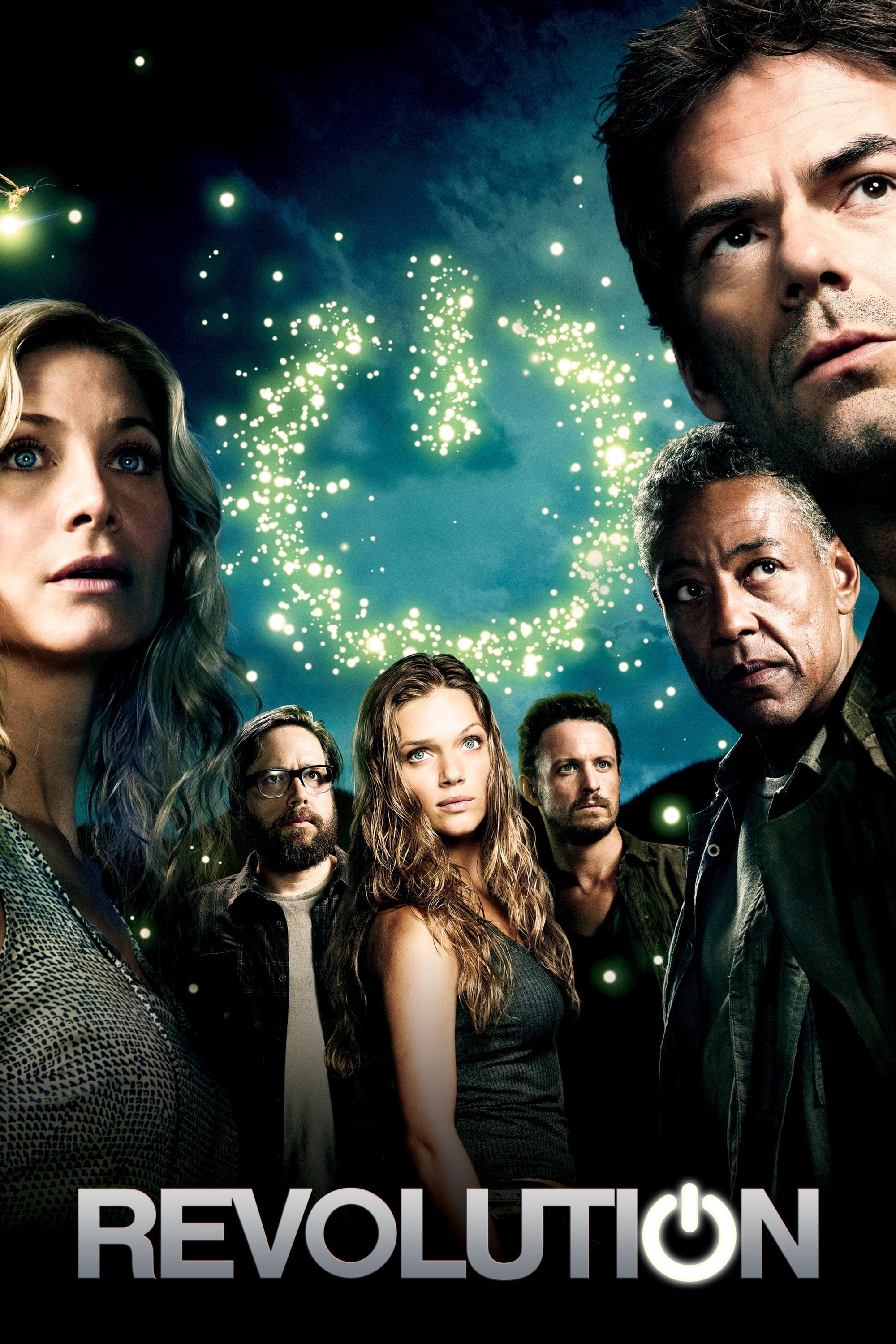
The world enters a permanent blackout where all forms of electricity have ceased to function. Families struggle to reunite and survive in a landscape ruled by militias. Critics often found the central mystery of why the power went out to be less interesting than the survival aspects. Some viewers were frustrated by the slow reveal of the science fiction elements. The show was canceled after its second season due to falling ratings.
‘Colony’ (2016–2018)
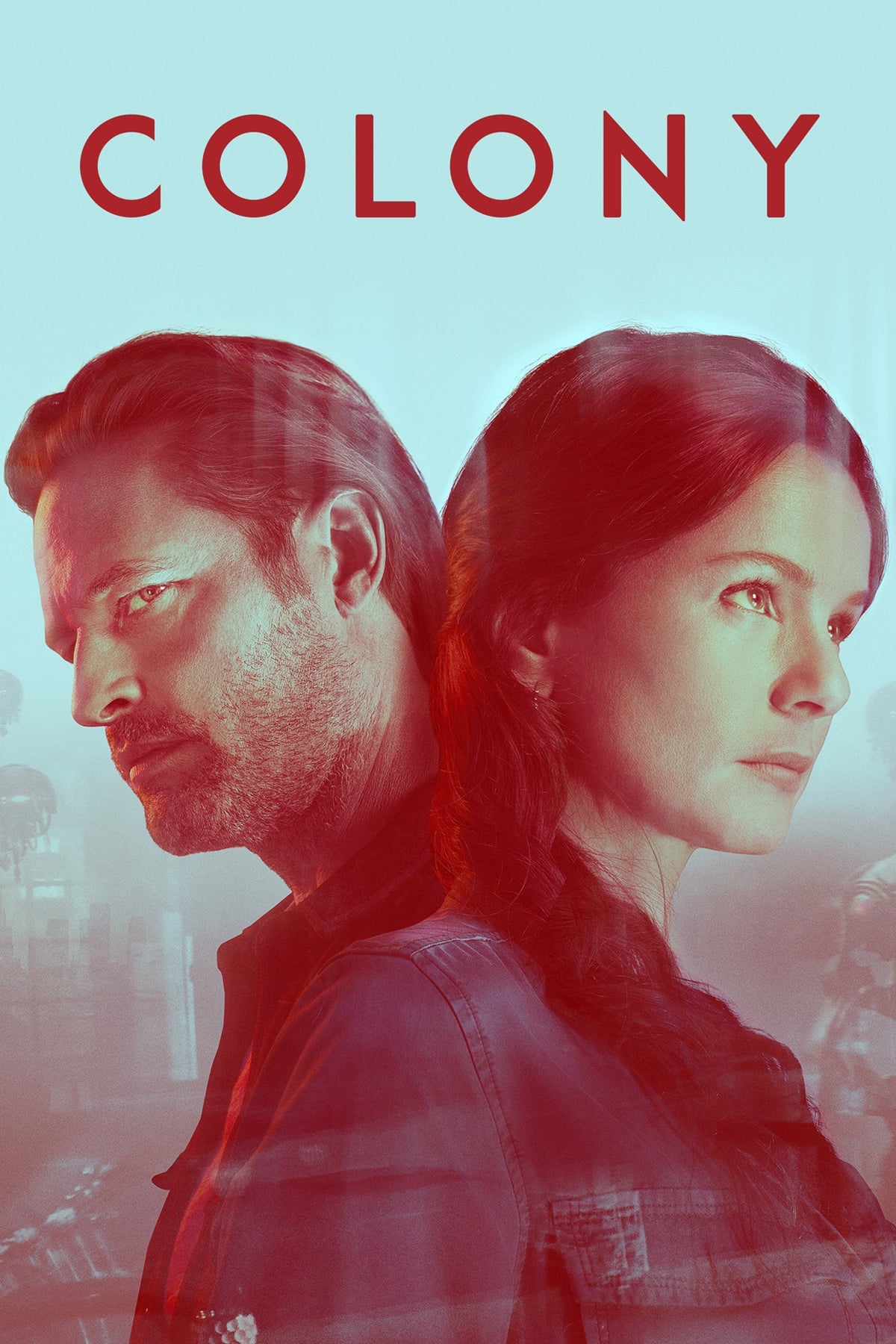
In a near future Los Angeles, residents live under a regime of military occupation by an extraterrestrial force. The show focuses on a family torn between collaborating with the occupiers and joining the resistance. Some viewers felt the pace of the show was too slow and withheld too much information about the aliens. Critics noted that the domestic drama often overshadowed the science fiction premise. The series ended on a cliffhanger after its third season was canceled.
‘Travelers’ (2016–2018)
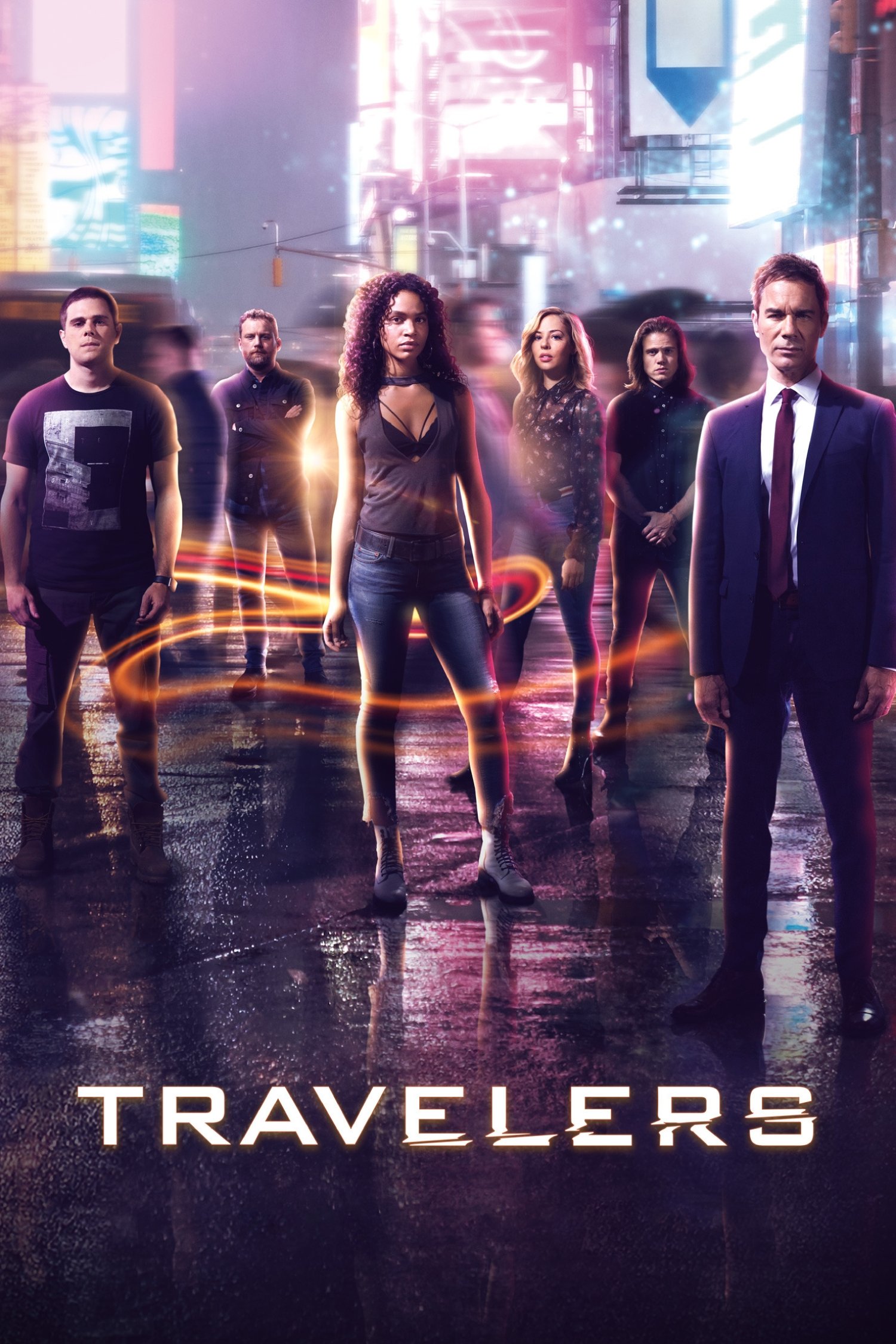
Operatives from the future have their consciousness sent back in time to prevent the collapse of society. The show was praised for its unique take on the time travel genre and its character interactions. Some critics felt the overarching plot became convoluted toward the end of its run. Many viewers were disappointed when the streaming service decided not to renew the show for a fourth season. It is often cited as a hidden gem that still faces criticism for its final act.
‘Timeless’ (2016–2018)
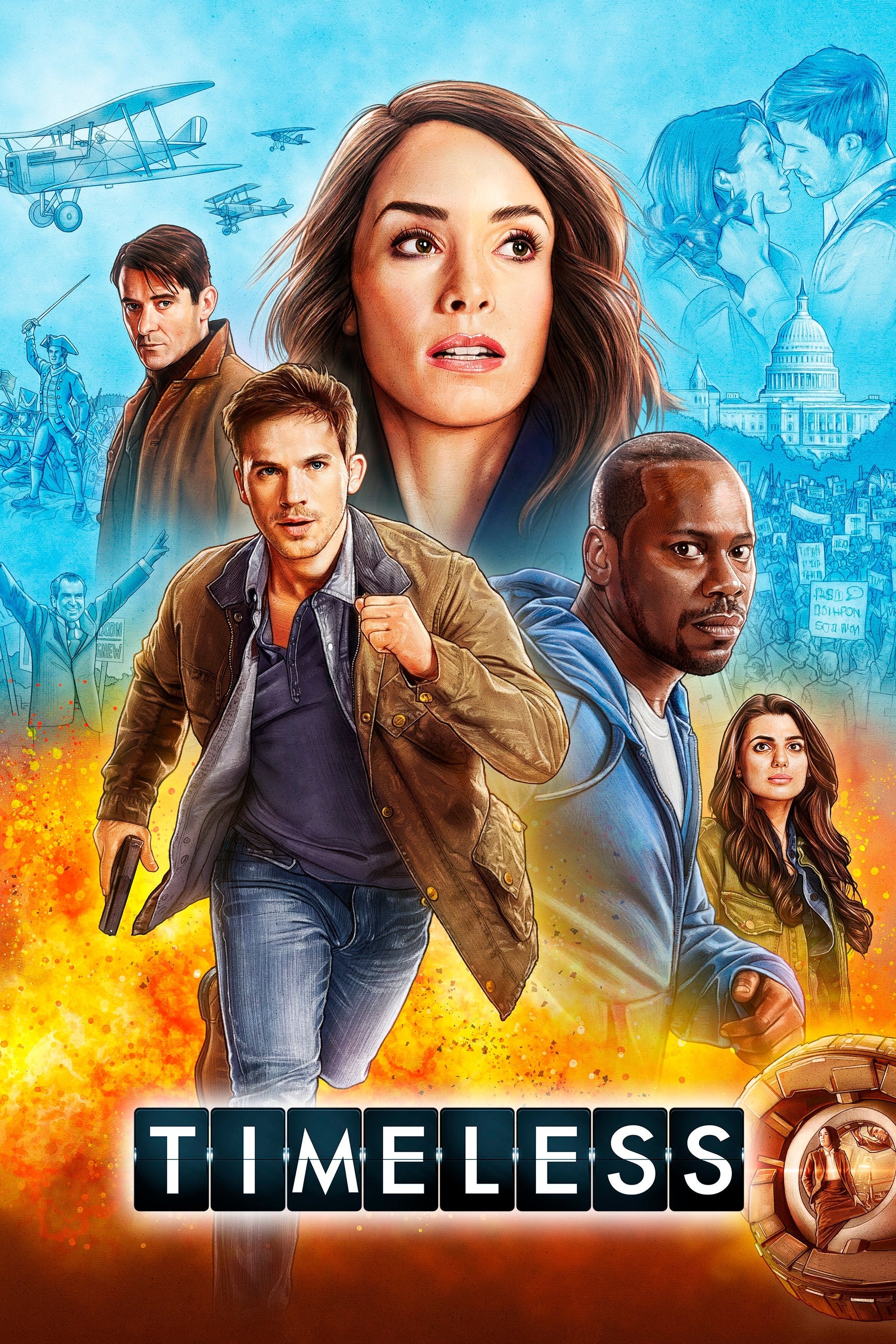
A trio of heroes travels through time to stop a mysterious organization from changing history. The show leaned into a lighter and more adventurous tone compared to other genre entries. Some critics argued that the episodic missions were more engaging than the core mythology. Viewers had to campaign multiple times to save the show from cancellation. It eventually concluded with a two part finale that wrapped up the main story.
‘Orphan Black’ (2013–2017)
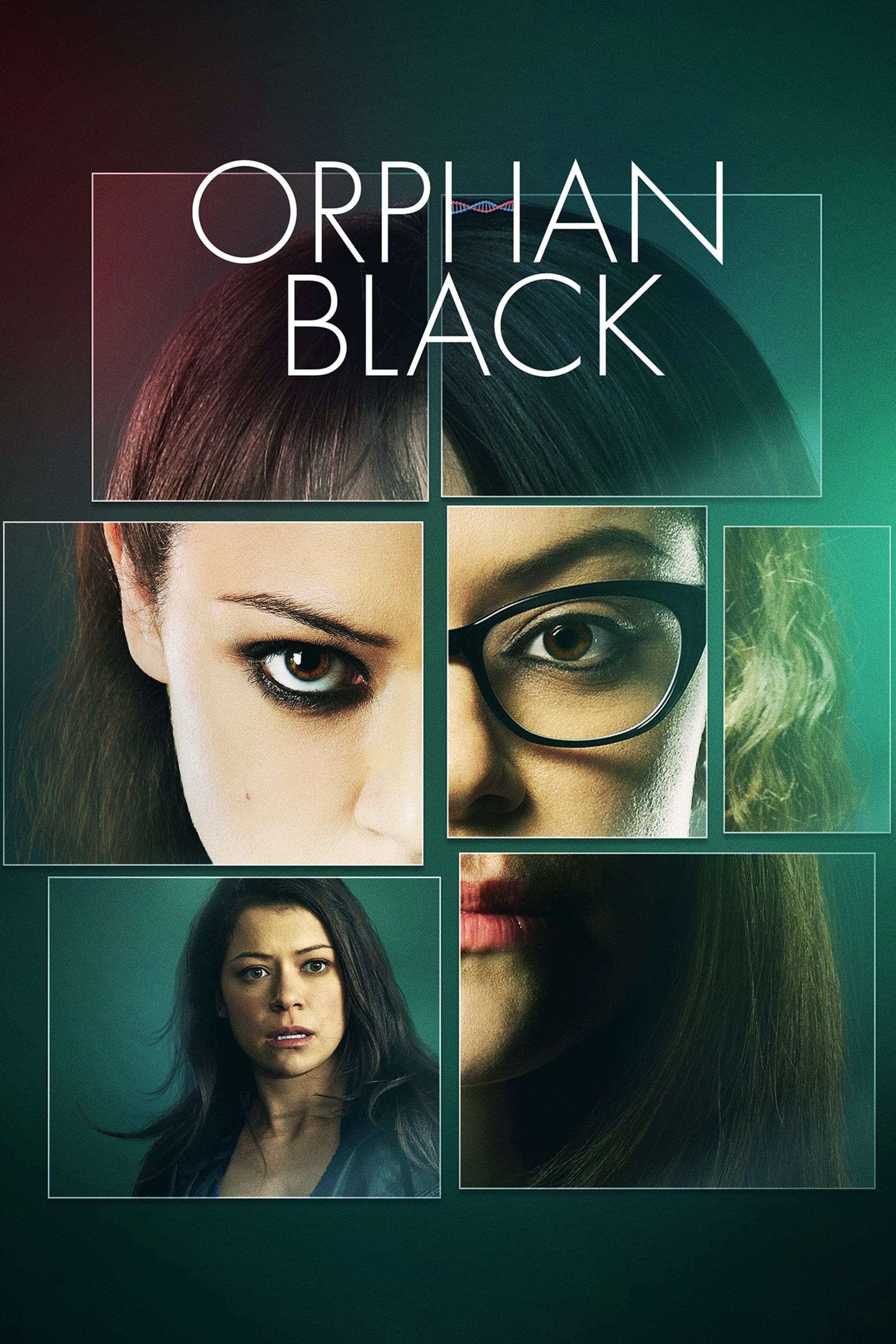
A woman discovers she is one of several clones and must protect her sisters from a conspiracy. The lead actress received significant praise for playing multiple distinct characters. Some viewers felt the corporate conspiracy plot became increasingly difficult to follow. Critics noted that the later seasons lost some of the focus that made the early episodes so compelling. It remains a landmark series for its central performance and exploration of identity.
‘Humans’ (2015–2018)
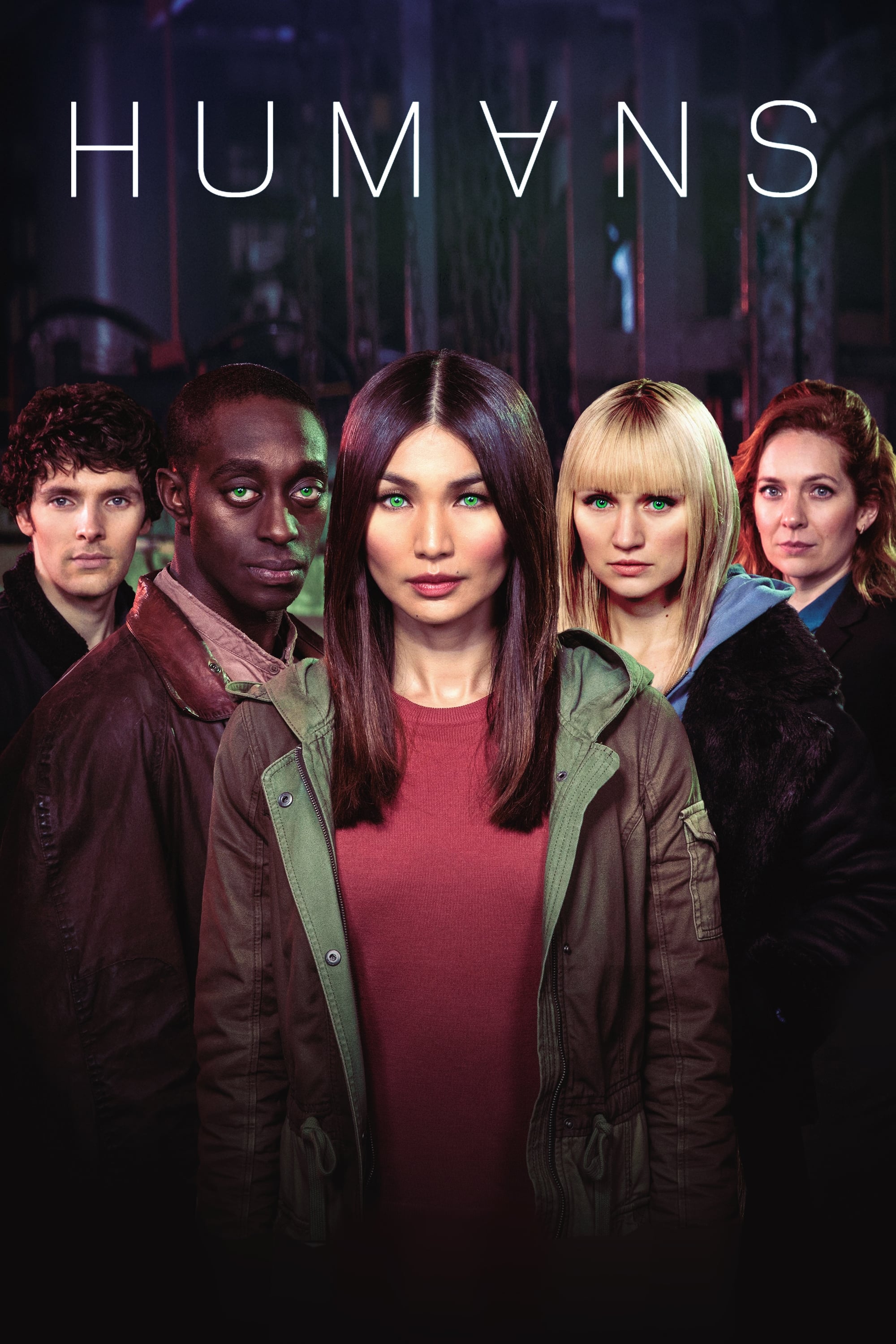
This series explores the social and emotional impact of lifelike robots known as Synths. It was praised for its grounded approach to artificial intelligence and ethical dilemmas. Some critics felt the show lacked the narrative drive needed to sustain interest over three seasons. Certain viewers compared it unfavorably to other science fiction works with similar themes. The show was canceled before it could resolve the significant changes introduced in the final season.
‘Killjoys’ (2015–2019)
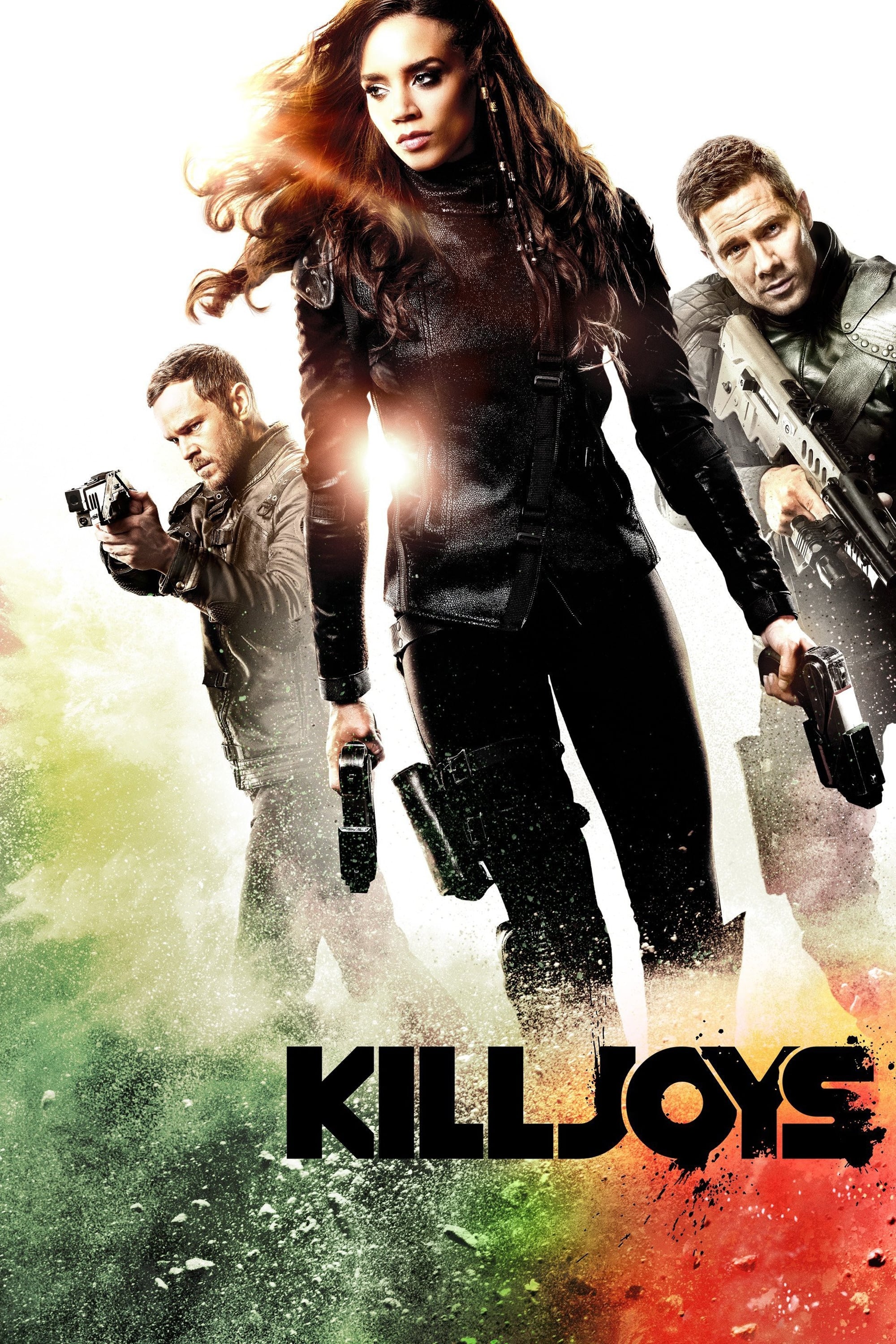
A trio of interplanetary bounty hunters chases deadly warrants across a distant planetary system. The show was known for its fun tone and the strong chemistry between its lead actors. Some critics felt the low budget was occasionally evident in the set designs and effects. Viewers have pointed out that the mythology became quite complex for a show that started as a procedural. It successfully completed its five season story arc on its original network.
‘Continuum’ (2012–2015)
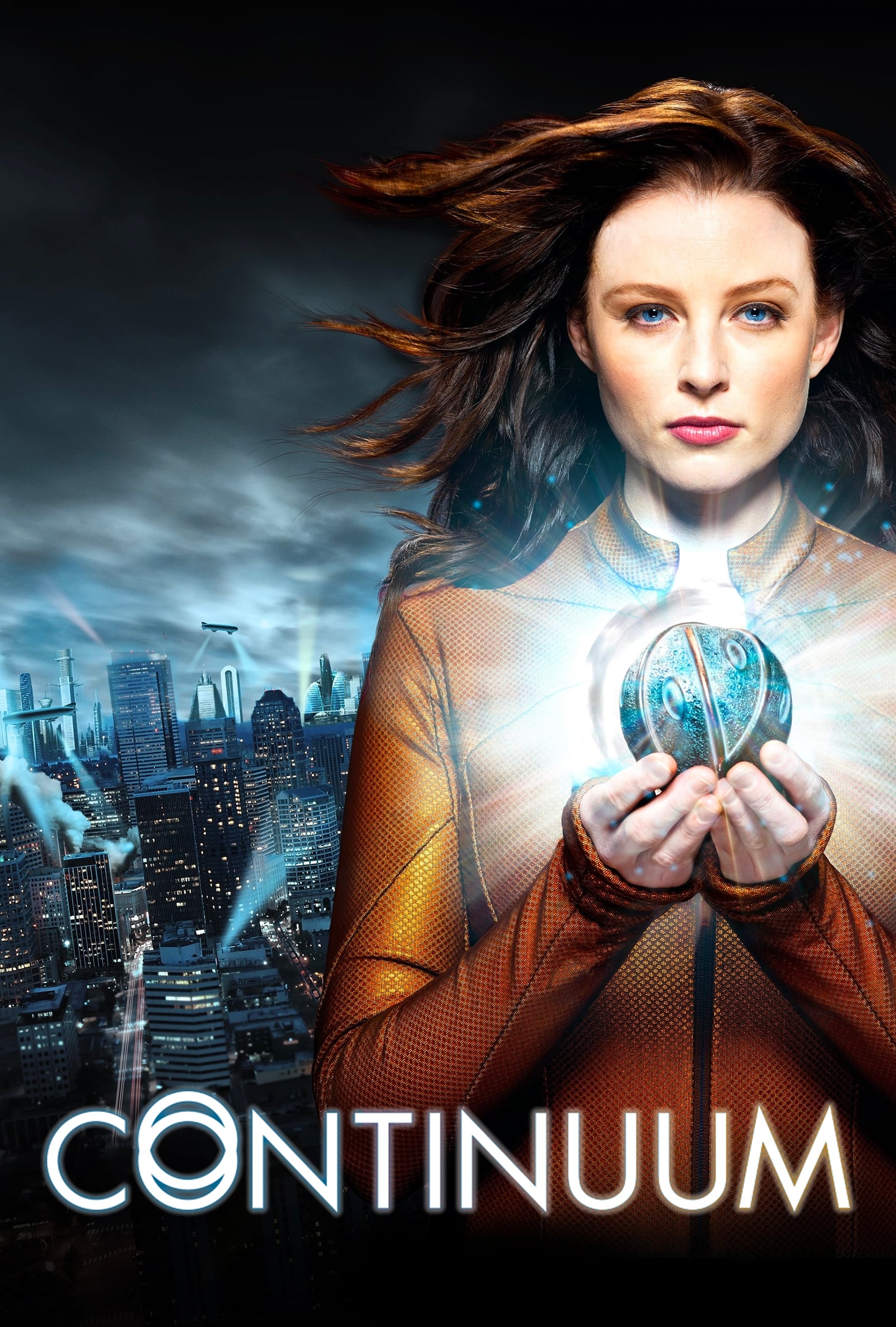
A police officer from the year 2077 is accidentally transported back to the present day with a group of terrorists. She must stop them from changing the future while trying to find a way home. Some viewers found the political themes to be a bit heavy handed at times. Critics noted that the show struggled to balance its procedural elements with its larger narrative. The series was given a shortened final season to conclude its story.
‘Defiance’ (2013–2015)
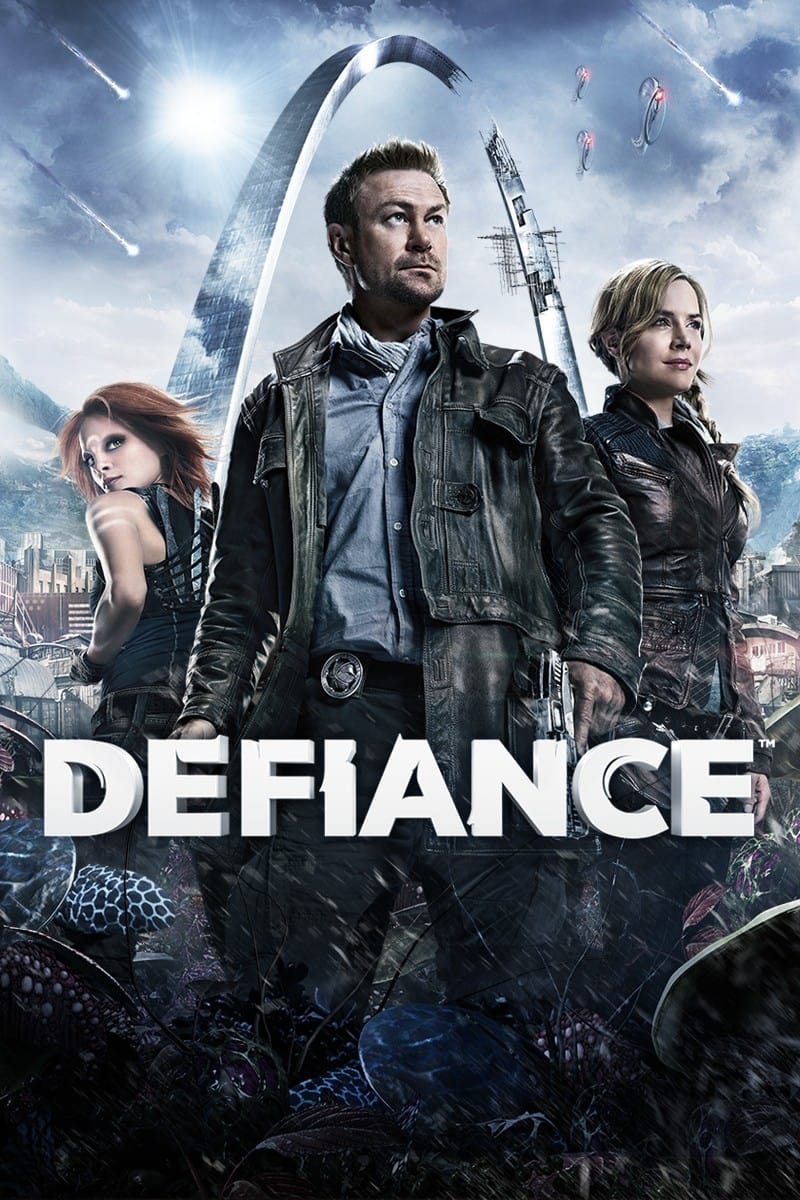
Humans and various alien races attempt to cohabit in a transformed Earth after a devastating war. The show was unique for its tie in with a massively multiplayer online video game. Critics often felt the writing was generic and failed to fully utilize the rich world building. Some viewers found the lead characters to be less interesting than the supporting cast. The show was canceled after its third season as the game also struggled to maintain its audience.
‘Warehouse 13’ (2009–2014)
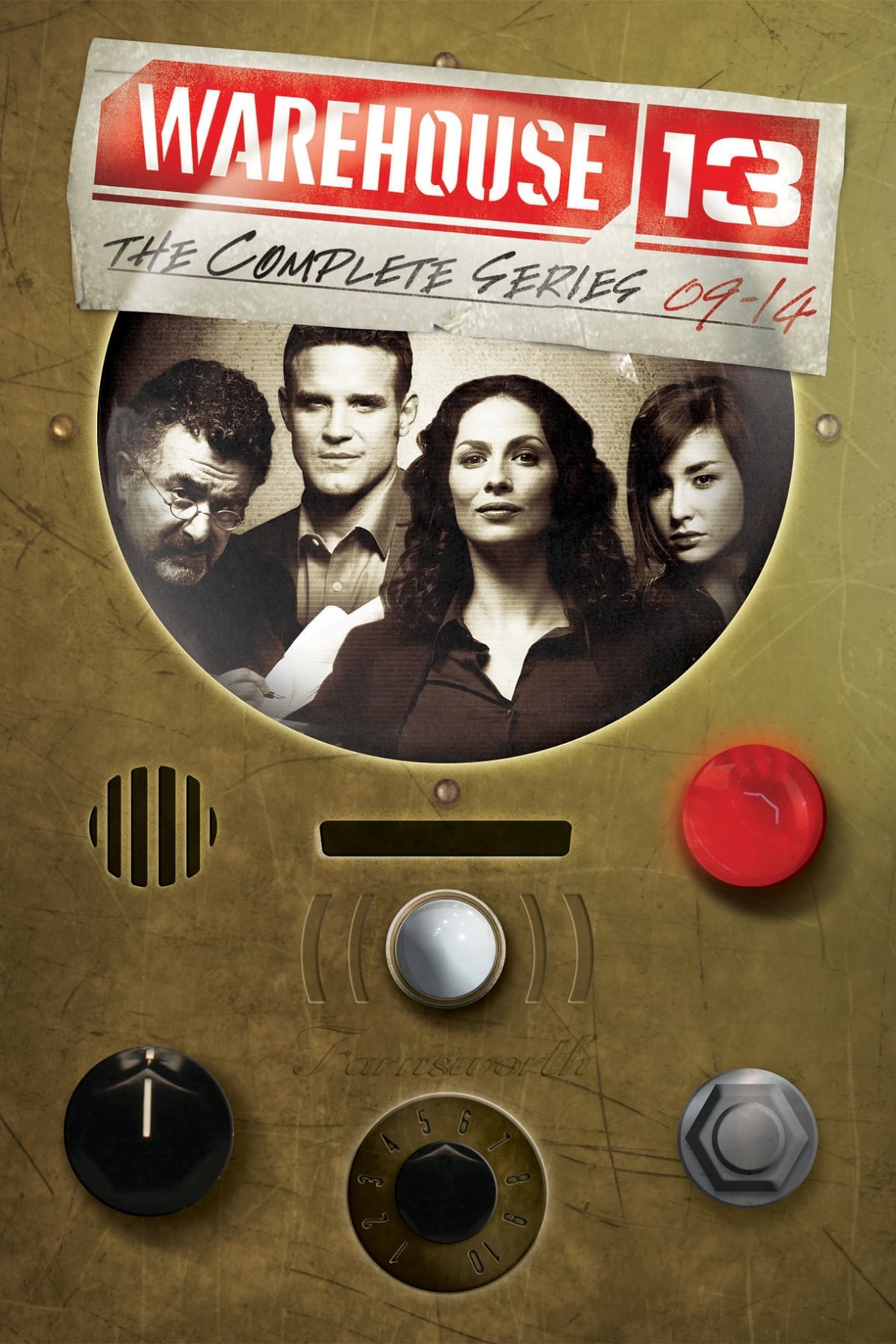
Secret Service agents are assigned to a secret facility that houses supernatural and scientific artifacts. The series was a major hit for its network and featured a lighthearted procedural format. Some critics argued the show was too formulaic and relied on the monster of the week trope. Viewers often enjoyed the chemistry of the cast but felt the stakes were sometimes low. It remains a popular example of the fun side of science fiction television.
‘Eureka’ (2006–2012)
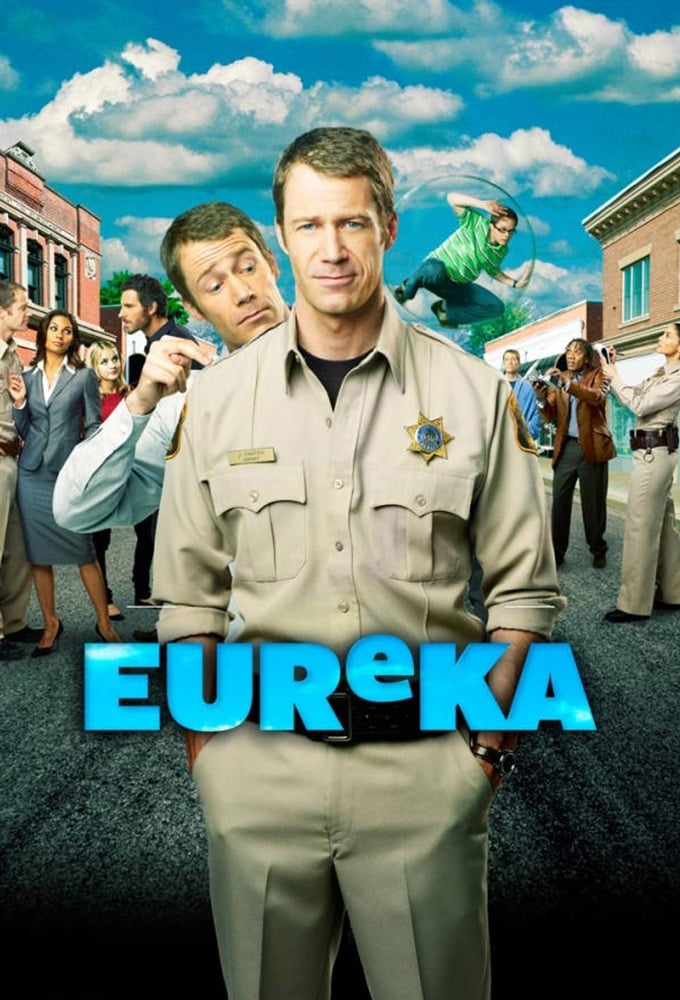
A normal US Marshal becomes the sheriff of a secret town populated entirely by geniuses. The show combined science fiction with humor and a small town mystery aesthetic. Some critics felt the show leaned too far into its whimsical tone at the expense of its stakes. Certain viewers found the romantic subplots to be repetitive over its five seasons. It concluded with a finale that celebrated the community of the fictional town.
‘Stargate SG-1’ (1997–2007)
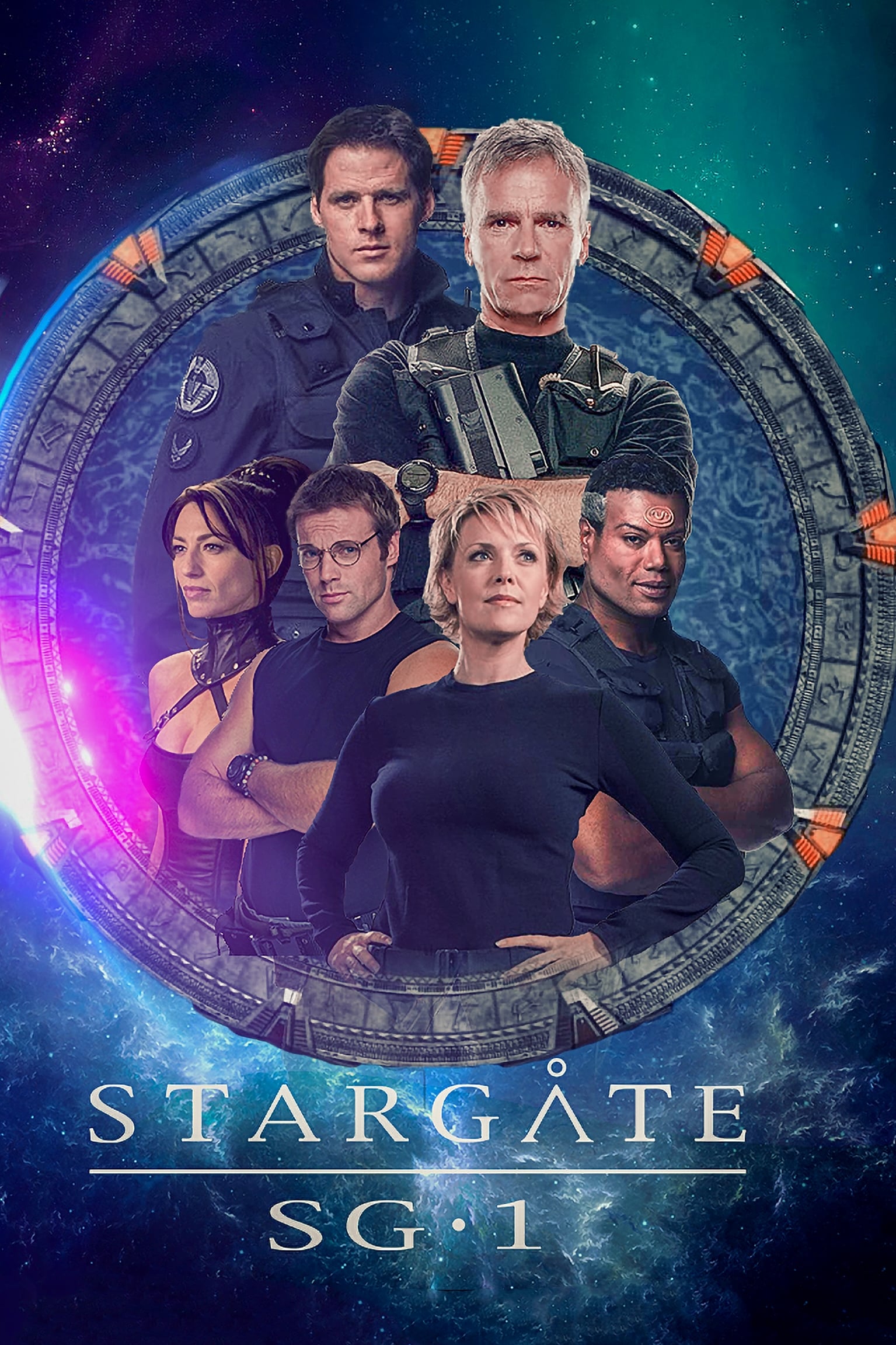
A military team explores the galaxy through an ancient portal system and defends Earth from alien threats. The show is one of the longest running science fiction series in television history. Some critics argue that the series stayed on the air for several seasons past its creative prime. Viewers have noted that the change in lead actors in the later years altered the dynamic of the show. It remains a cornerstone of the genre with a vast expanded universe.
‘Farscape’ (1999–2003)
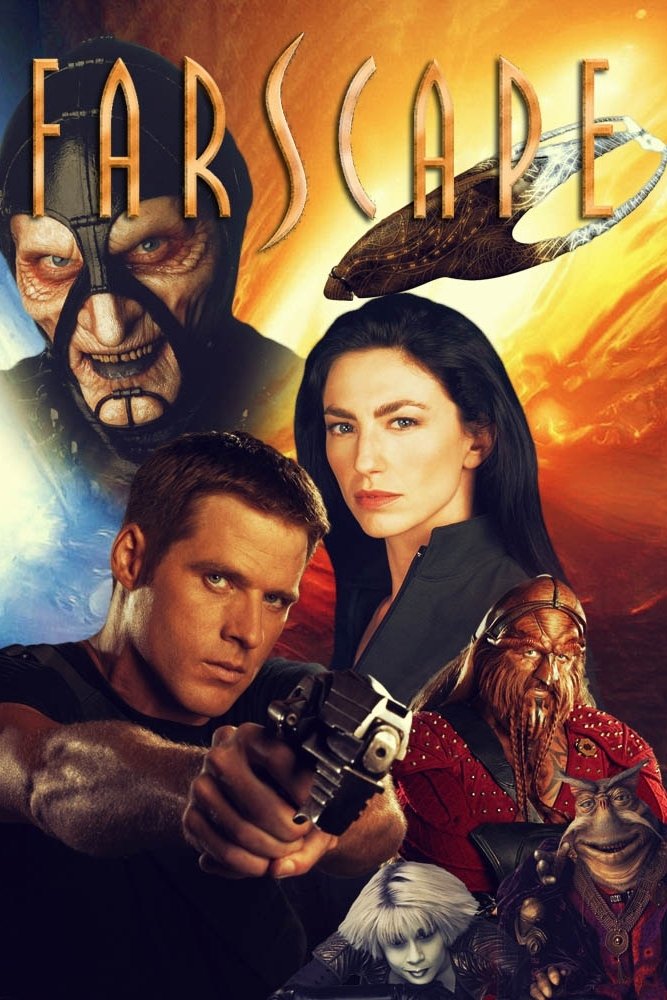
An American astronaut is accidentally flung across the universe and joins a group of alien rebels on a living ship. The show was notable for its use of complex animatronics and puppets from the Jim Henson Company. Some critics felt the show was too weird or experimental for mainstream audiences. Viewers were famously shocked when the show was canceled on a cliffhanger after its fourth season. A miniseries was eventually produced to conclude the story.
‘Sliders’ (1995–2000)
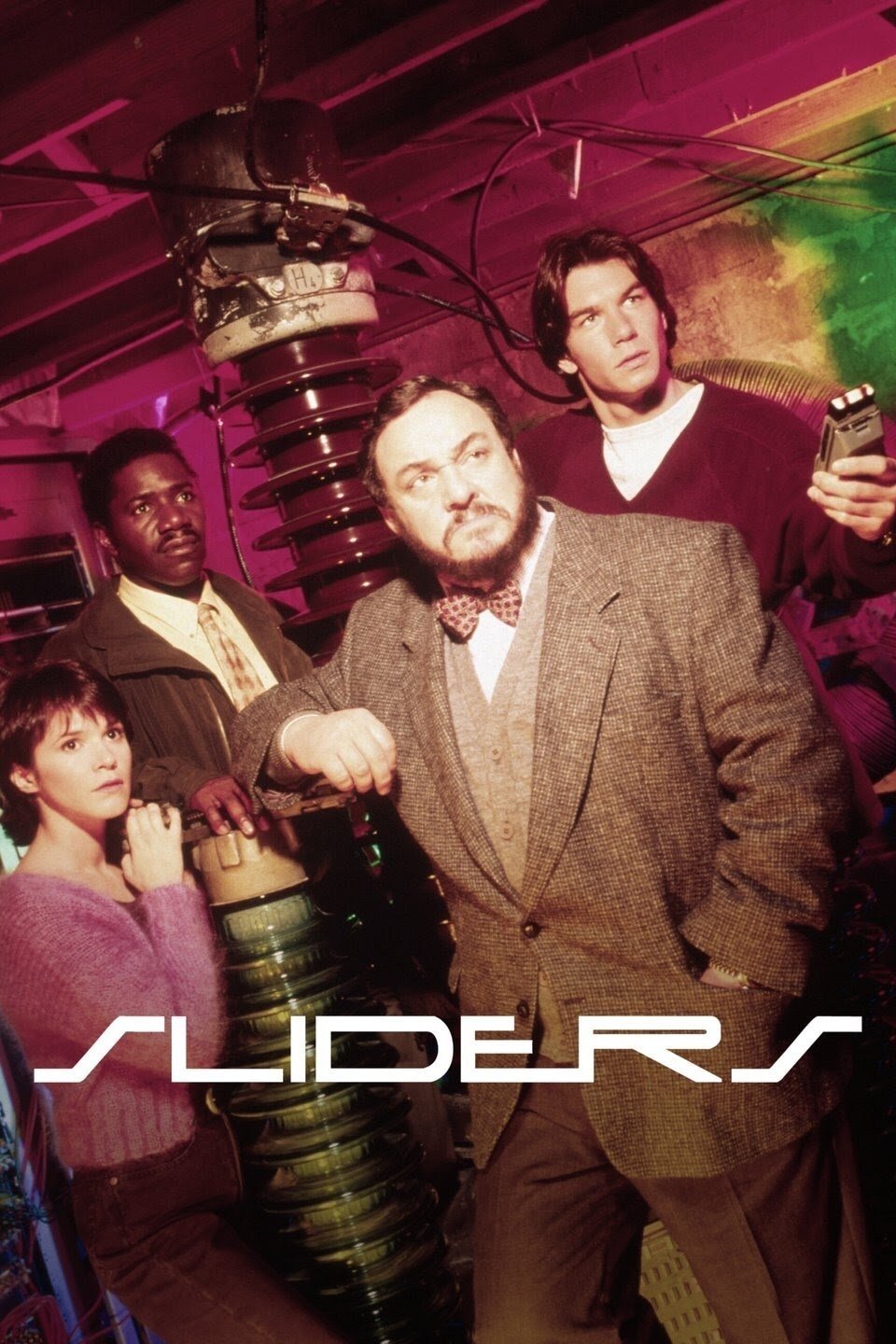
A group of travelers uses a portal to slide between different parallel versions of Earth. The show had a successful start but faced numerous creative shifts and cast departures. Many critics believe the quality plummeted once the focus shifted toward a singular alien villain. Some viewers felt the later seasons on a different network lost the charm of the original premise. It is often cited as a show that suffered from excessive studio interference.
‘Quantum Leap’ (1989–1993)
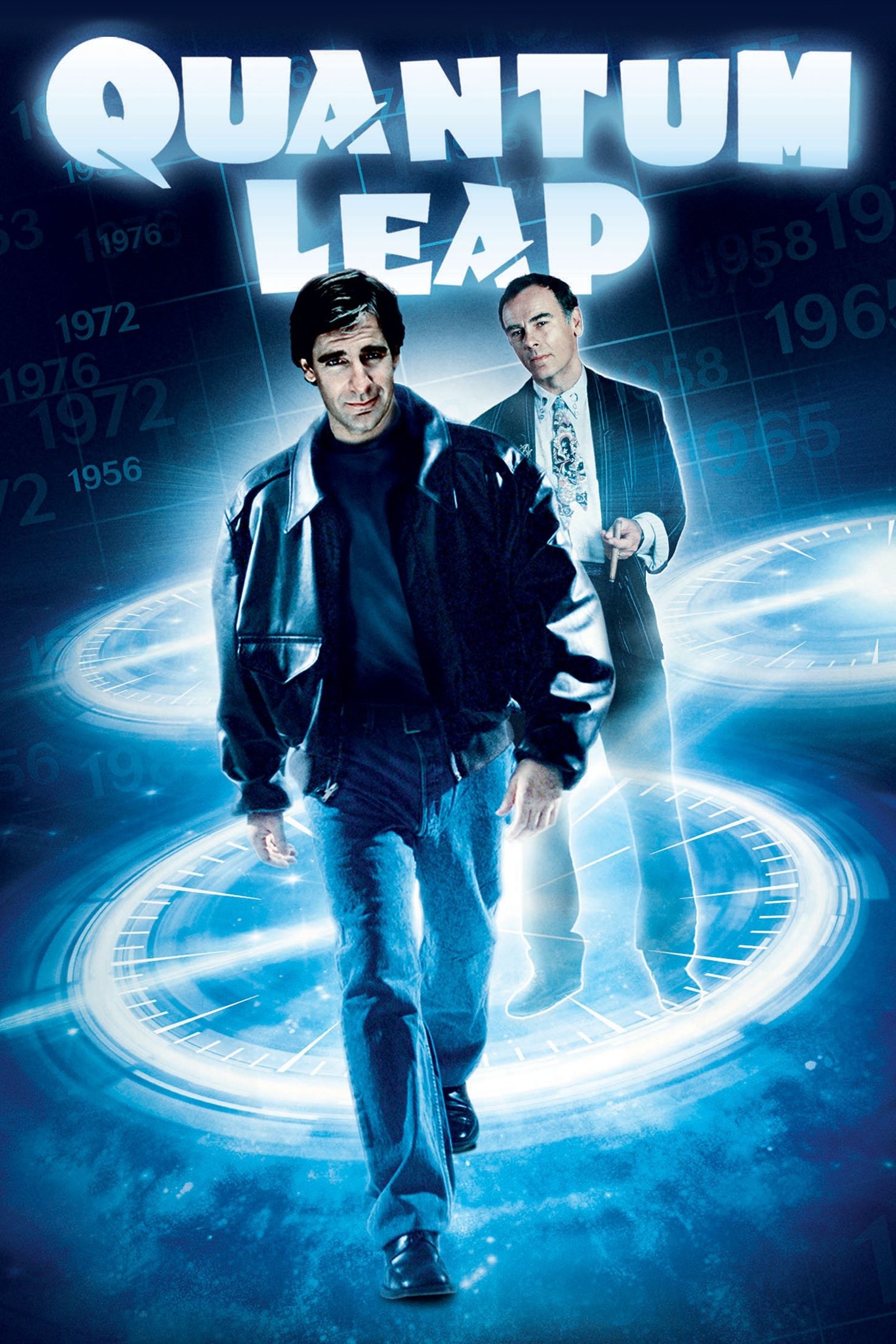
A scientist leaps into the bodies of different people throughout history to correct past mistakes. The show was a beloved procedural that focused on human drama and social issues. Some critics argue the science fiction explanation was often sidelined for the lesson of the week. Certain viewers found the series finale to be deeply unsatisfying and somber. A recent revival has attempted to bring the concept to a new generation of viewers.
‘Andromeda’ (2000–2005)
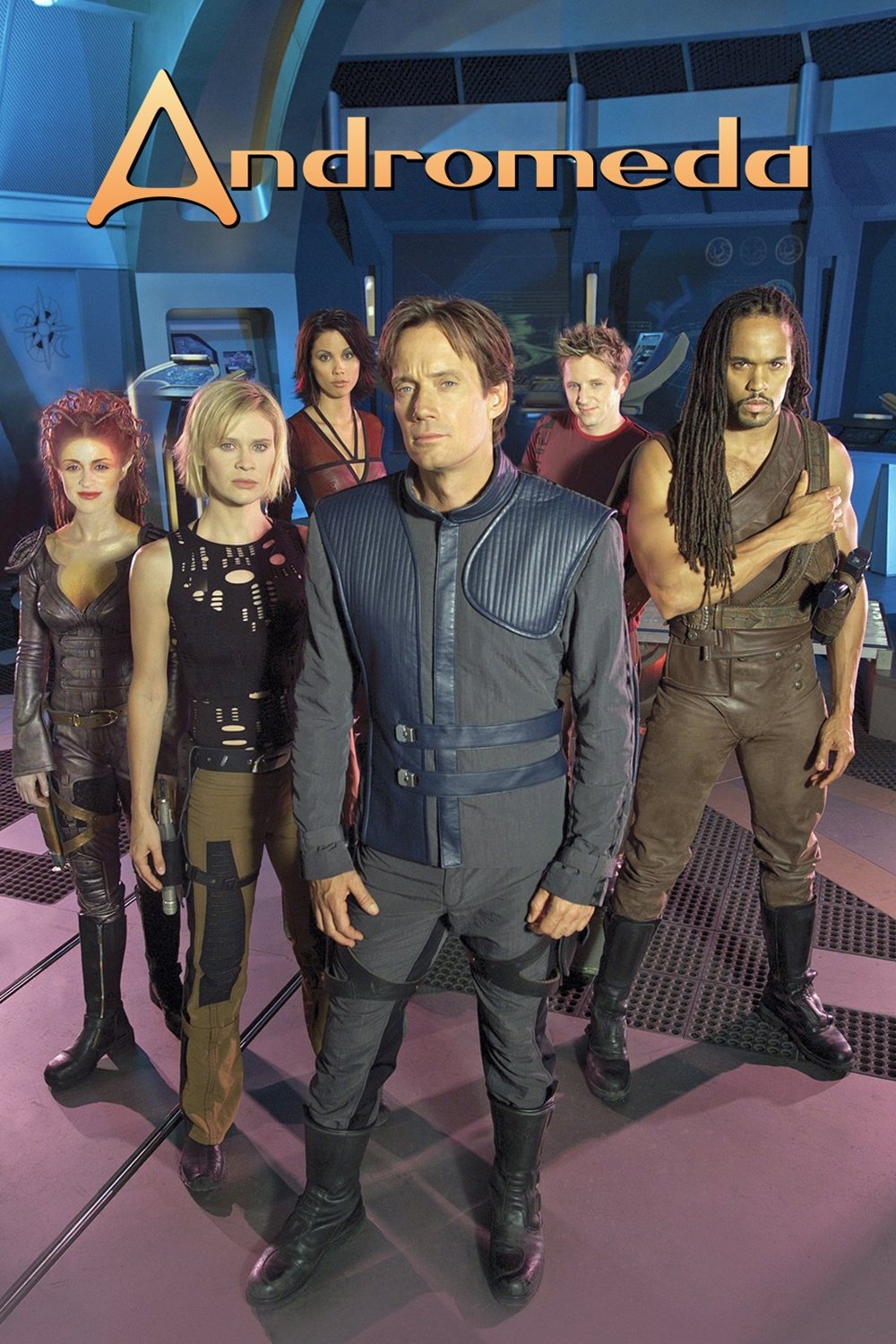
Based on unused concepts by Gene Roddenberry, the show follows a starship captain trying to restore a fallen galactic empire. The series started with a clear vision but underwent significant changes after its original showrunner departed. Many critics felt the show became a vanity project for its lead actor in the later seasons. Some viewers found the low budget and repetitive action scenes to be a drawback. It finished its five year run with a confusing final season.
‘Roswell’ (1999–2002)
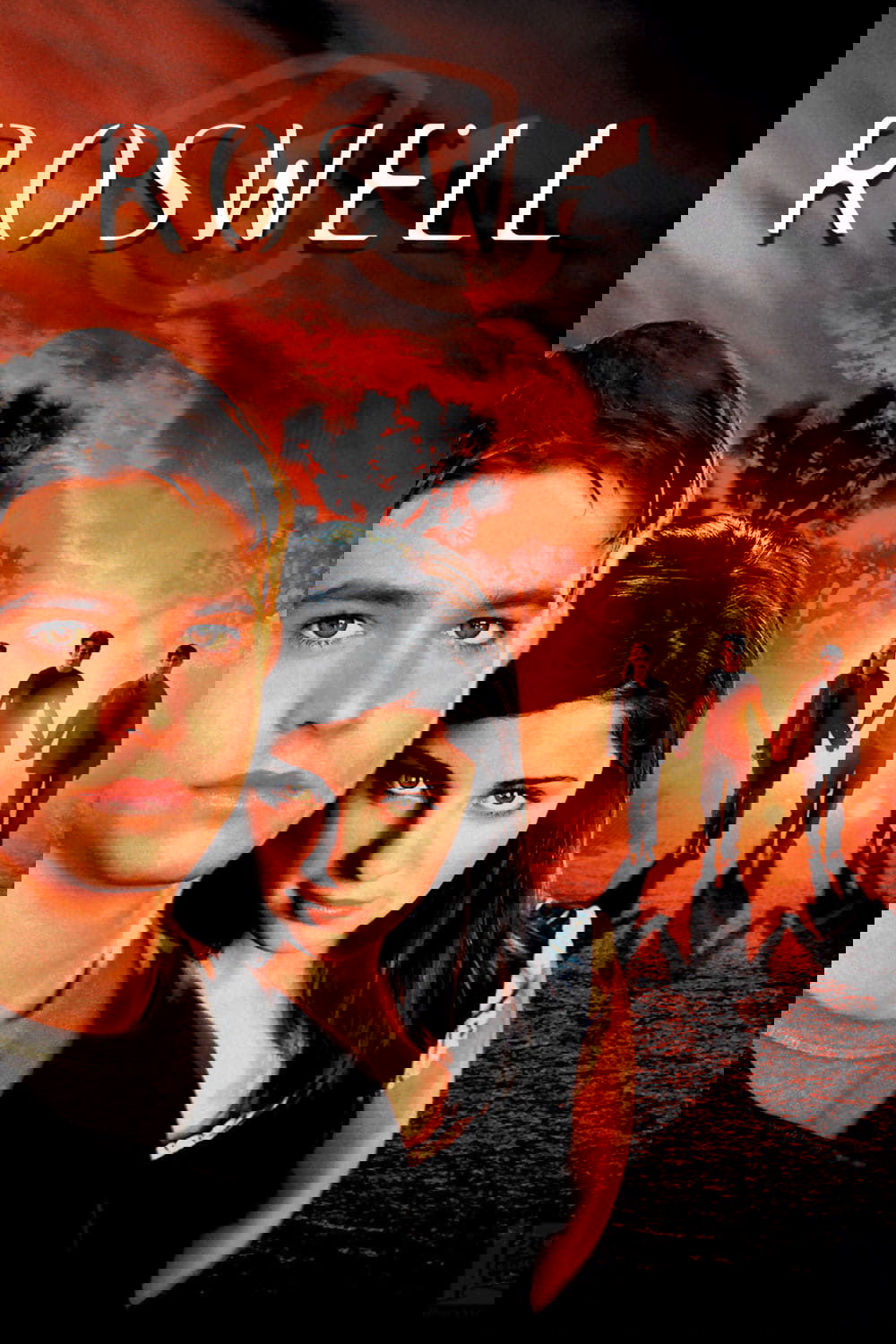
Three teenage aliens living in New Mexico try to keep their identities secret while navigating high school. The show combined science fiction with the popular teen drama format of its era. Some critics felt the show leaned too heavily into romance and ignored the more interesting extraterrestrial mysteries. Viewers were often frustrated by the constant threats of cancellation during its original run. It remains a nostalgic favorite for fans of early 2000s television.
‘Smallville’ (2001–2011)
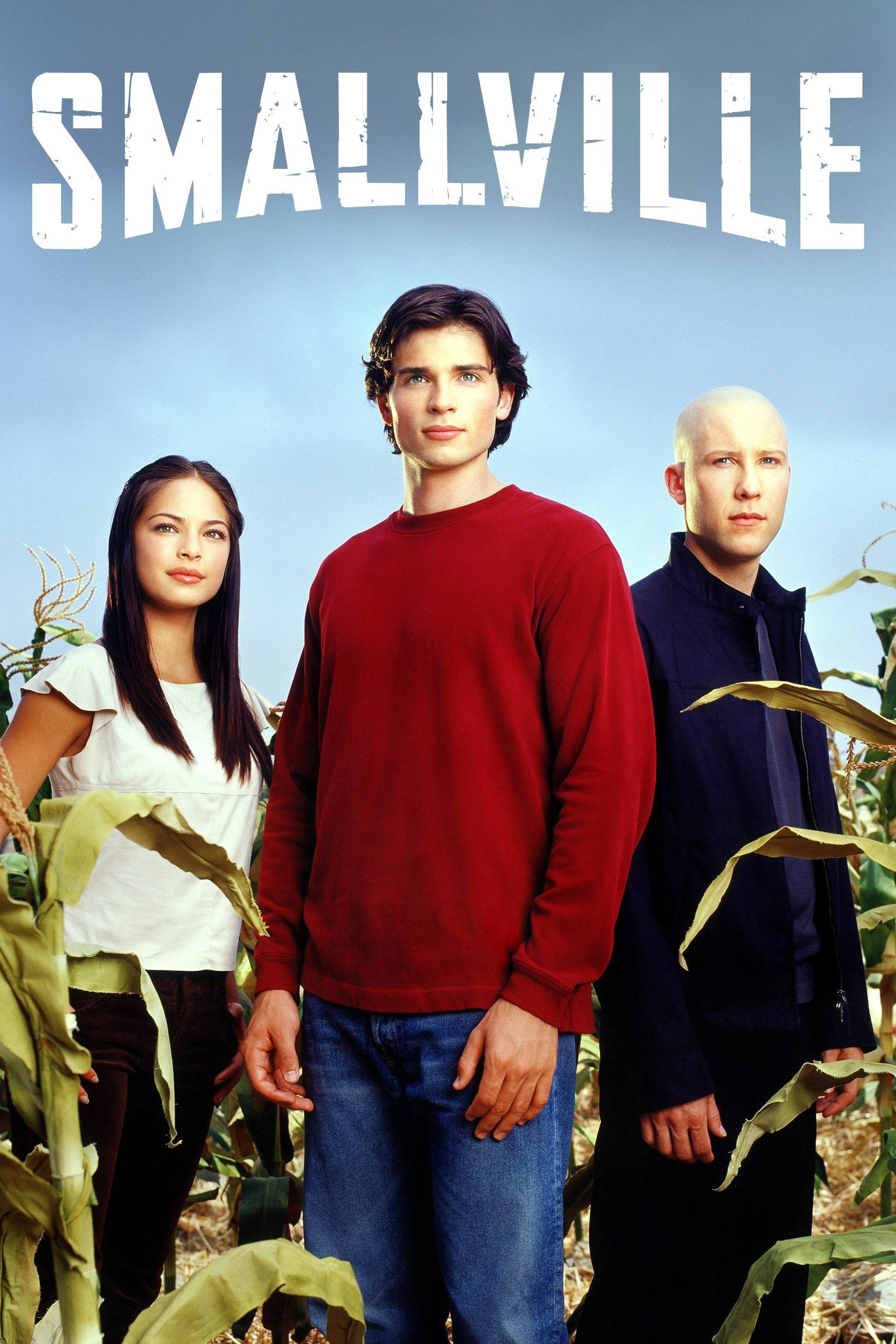
This series tells the story of a young Clark Kent before he officially becomes Superman. It lasted for ten seasons and helped pave the way for the current superhero television boom. Some critics argue that the no flights and no capes rule became frustrating for fans over time. Viewers have noted that the show often recycled plot points and villain archetypes in its middle seasons. It eventually embraced its comic book roots more fully toward the end of its run.
‘V’ (2009–2011)
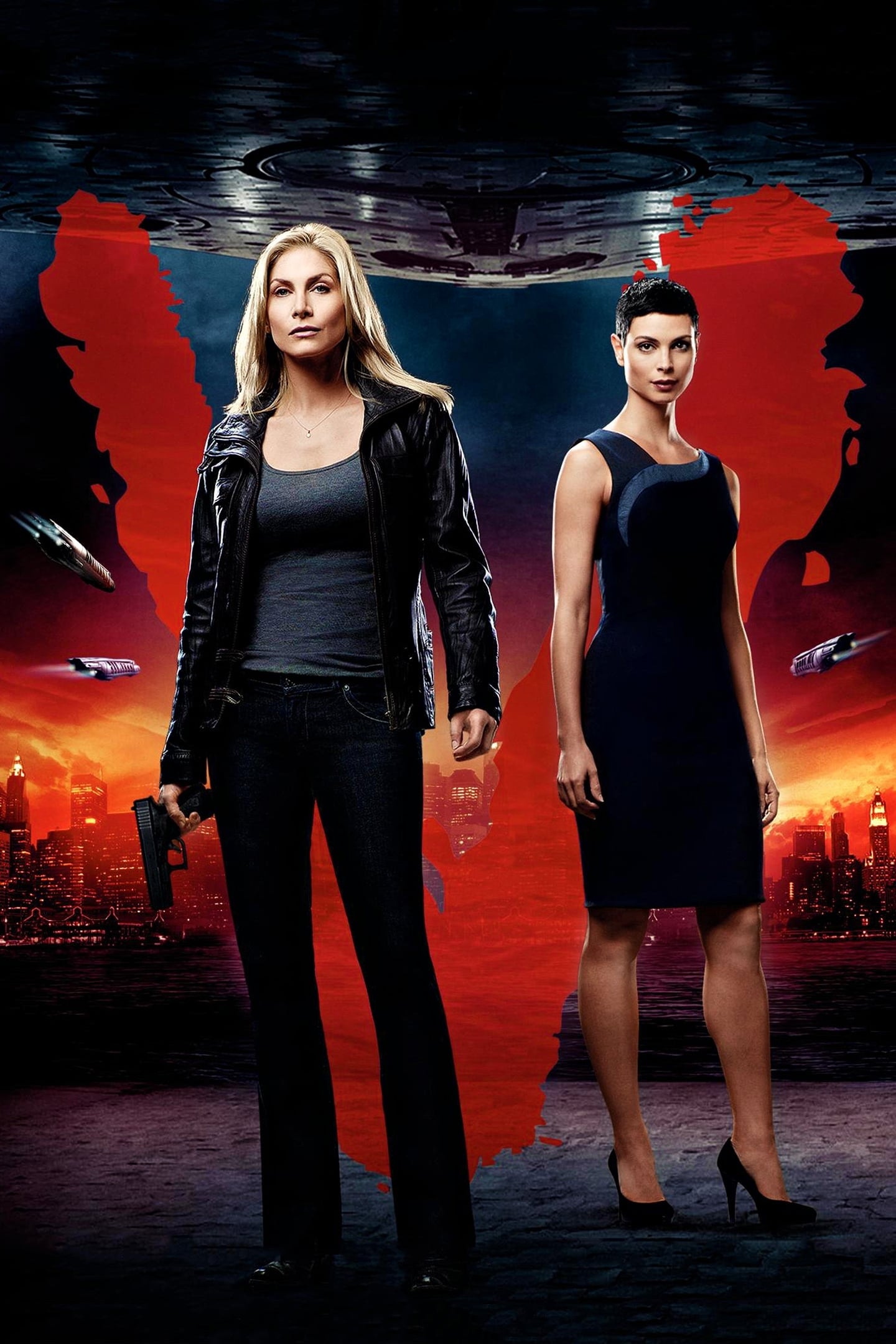
A reimagining of the 1980s miniseries, the show follows the arrival of seemingly benevolent aliens who have a dark agenda. Despite a strong cast and high production values, the show struggled to maintain its ratings. Many critics felt the pacing was uneven and the human characters were not as engaging as the visitors. Some viewers found the heavy use of green screen to be distracting. The series was canceled after its second season leaving several plot lines unfinished.
‘Terra Nova’ (2011)
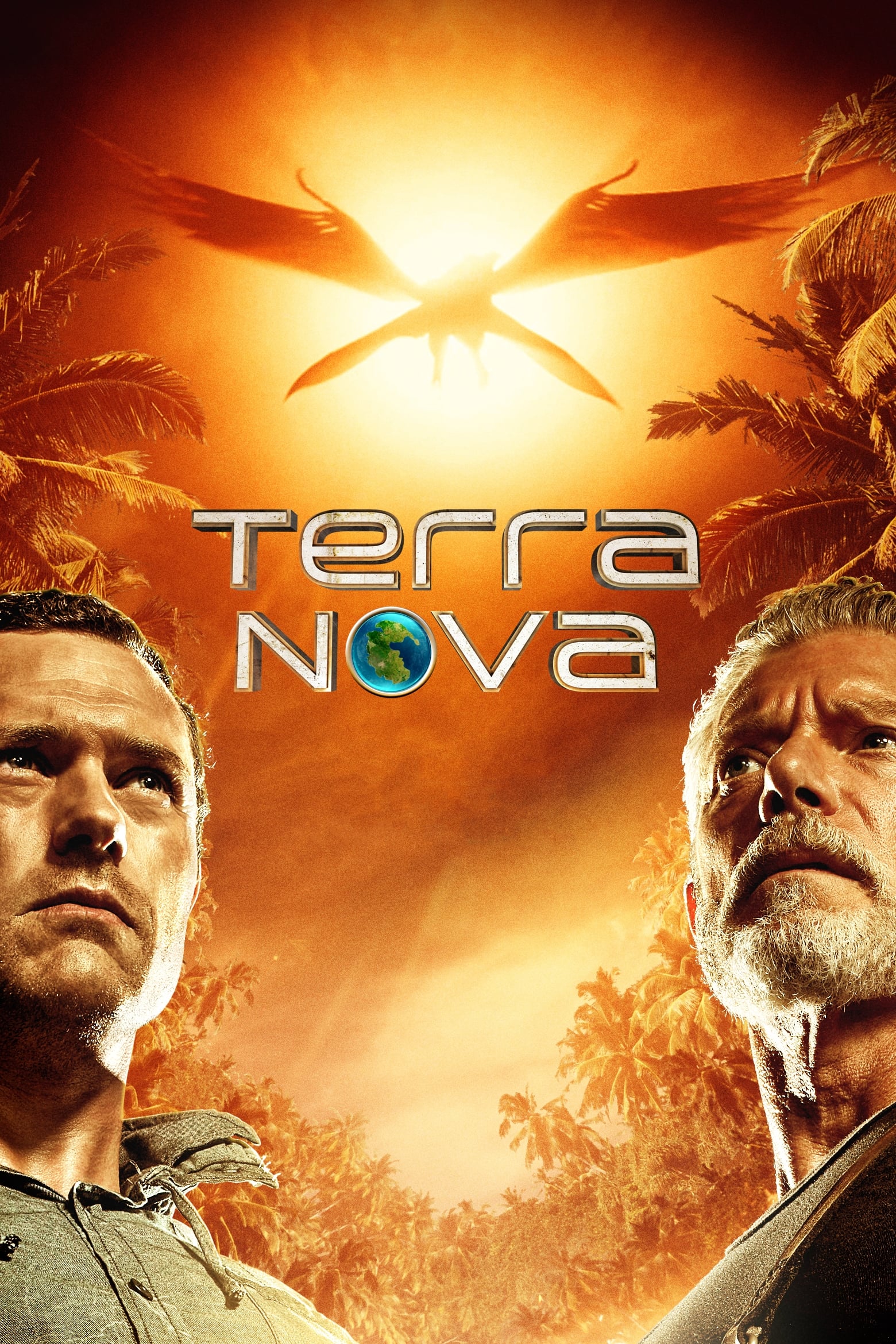
A family from a dying future travels back in time to pre-historic Earth to start a new colony. The show was highly anticipated due to its massive budget and involvement of Steven Spielberg. Critics often felt the series was a standard family drama that failed to capitalize on its dinosaur filled setting. Some viewers were disappointed by the lack of focus on the science fiction mysteries of the time portal. It was canceled after a single season due to its high costs and declining viewership.
‘Flashforward’ (2009–2010)
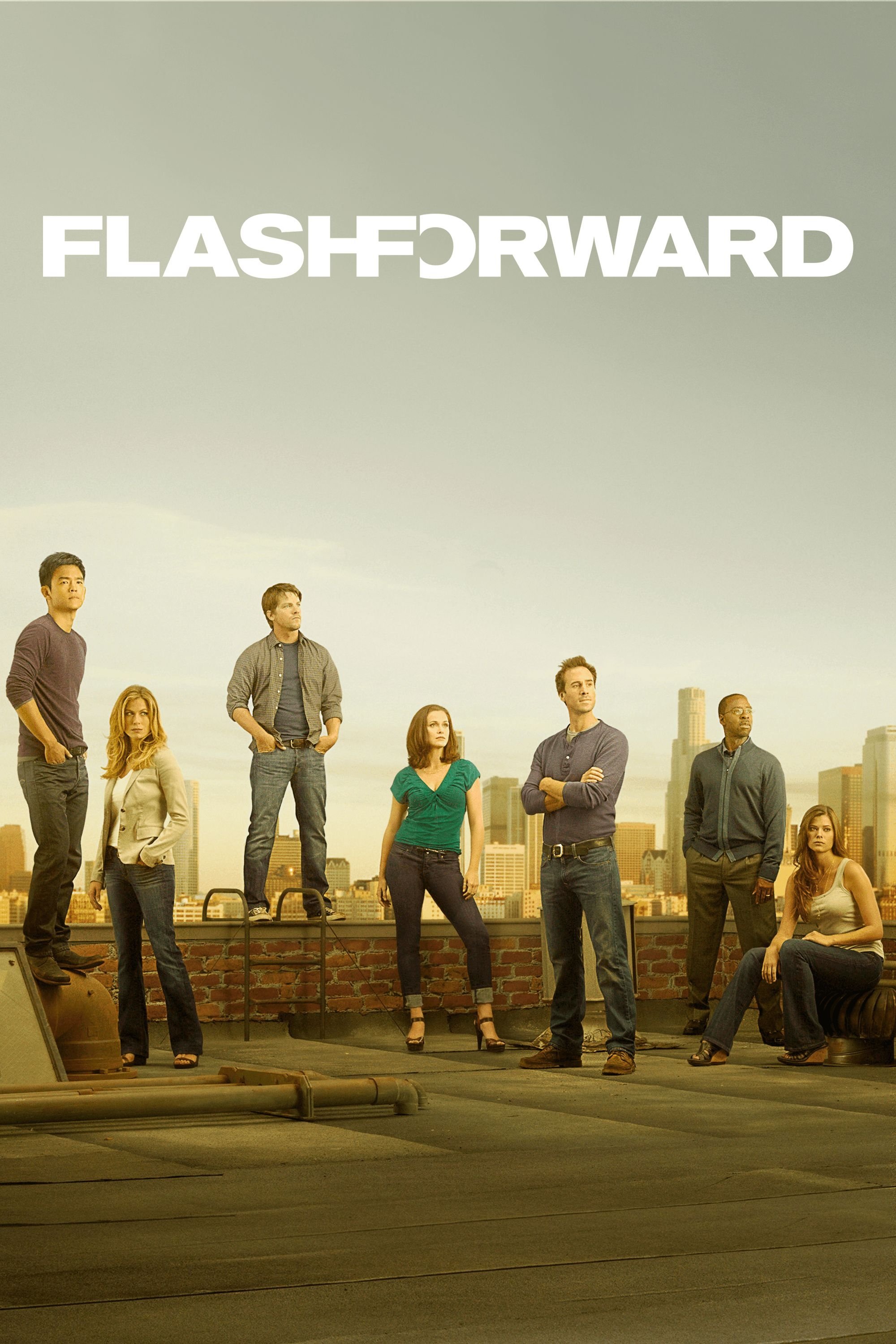
The entire world loses consciousness for two minutes and sees a vision of their lives six months in the future. The show was marketed as the successor to ‘Lost’ with a high stakes mystery and ensemble cast. Many critics felt the narrative lost steam quickly and struggled to maintain the tension of its premise. Some viewers found the lead character to be difficult to root for as the story unfolded. The series was canceled after its first season and ended on a cliffhanger.
‘The OA’ (2016–2019)
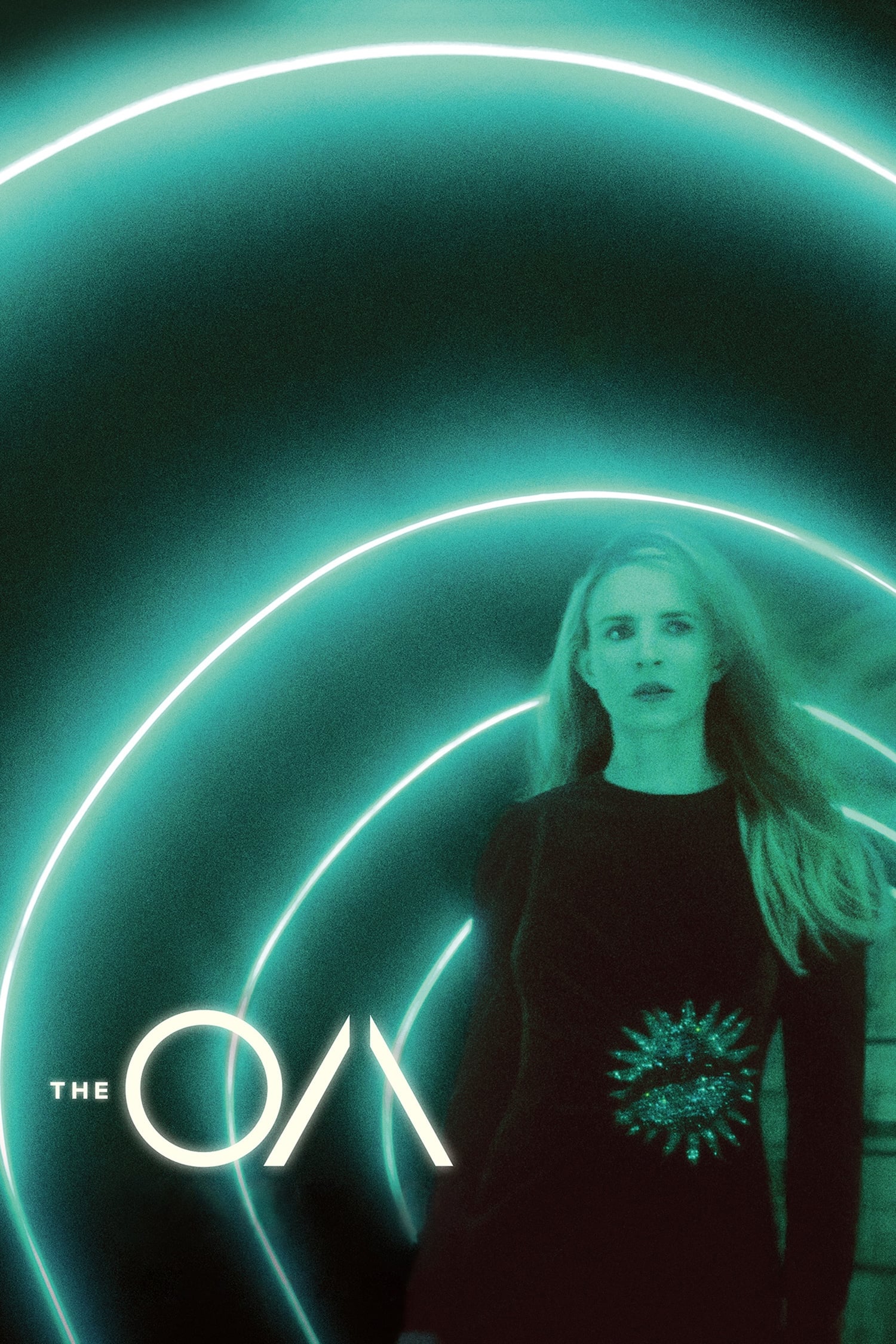
A woman reappears after being missing for seven years with her sight restored and a strange story to tell. This series was known for its experimental narrative structure and interpretive dance elements. Some critics found the show to be pretentious and the plot twists to be nonsensical. Certain viewers were deeply invested in its unique mythology and were outraged by its sudden cancellation. It remains one of the most debated and eccentric entries in the modern science fiction genre.
Share your own thoughts on which science fiction series you find the most overrated in the comments.