Directors Who Faced Lawsuits Over Films



The film industry is often a complex landscape where creative expression and legal boundaries collide. Directors are frequently at the forefront of these conflicts as they navigate issues of intellectual property and personal liability. These lawsuits range from high stakes plagiarism claims to disagreements over financial compensation and artistic credits. Understanding these legal challenges provides a deeper insight into the business side of global cinema.
James Cameron
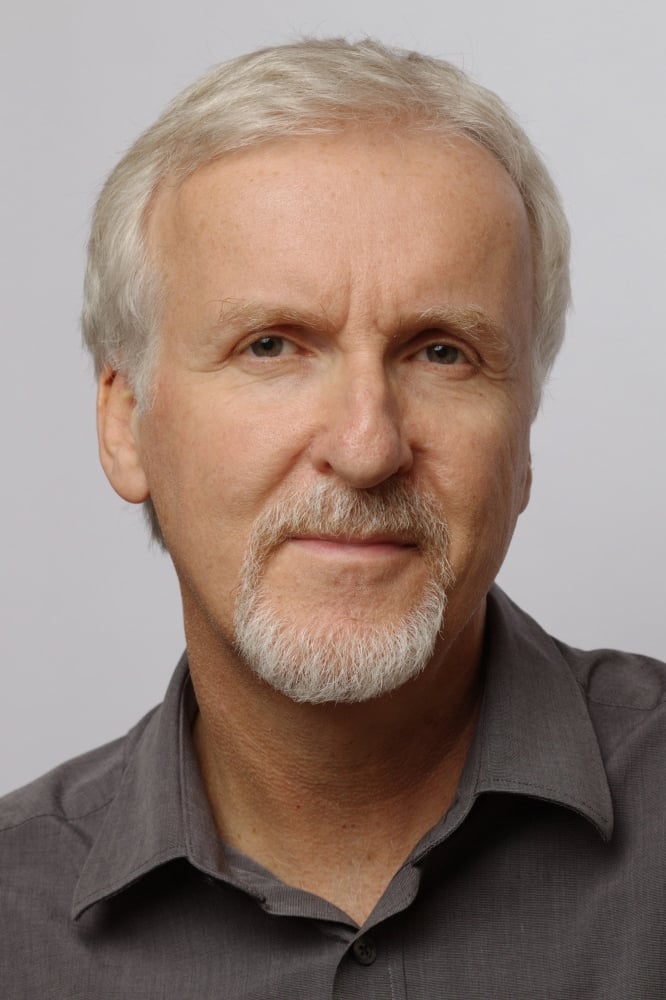
James Cameron faced multiple legal challenges following the immense success of ‘Avatar’. Several individuals filed lawsuits claiming that the director had stolen their original ideas for the film. Cameron successfully defended his work by providing extensive documentation of his creative process. The courts ultimately ruled in favor of the director and dismissed the plagiarism allegations.
Steven Spielberg
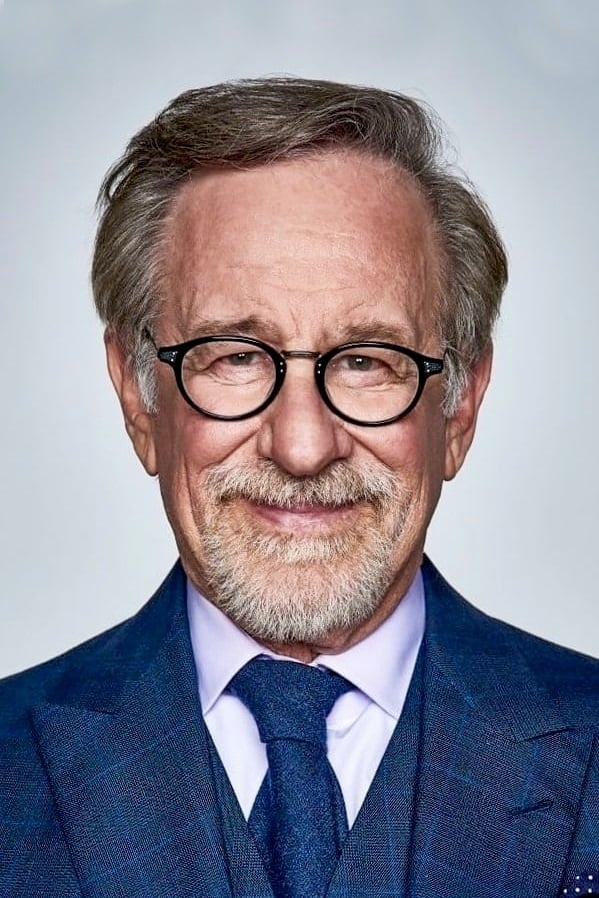
Steven Spielberg dealt with a significant copyright lawsuit during the production of ‘Amistad’. Author Barbara Chase Riboud claimed that the film was based on her novel without proper authorization. The case reached a settlement before the legal proceedings could escalate to a full trial. This situation highlighted the complexities of adapting historical events into narrative cinema.
Quentin Tarantino
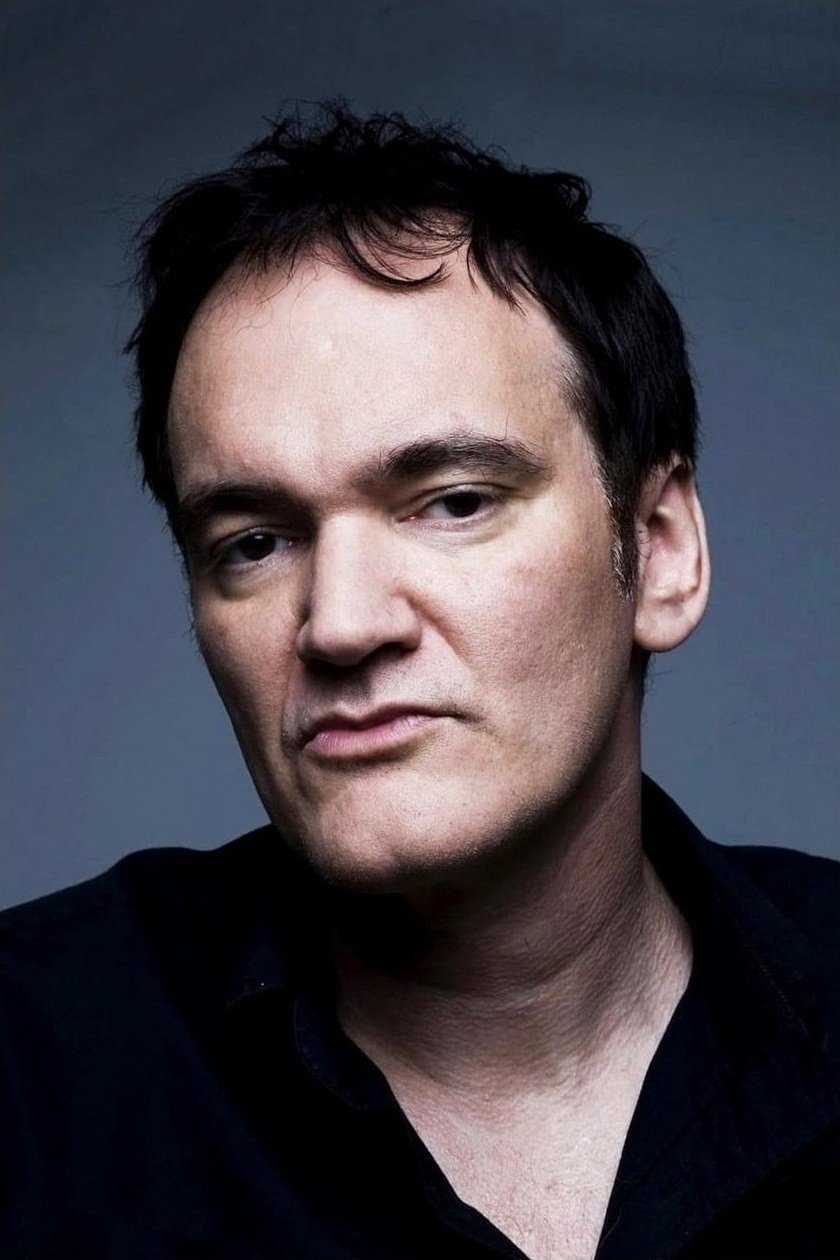
Quentin Tarantino became embroiled in a legal battle with Miramax over the sale of ‘Pulp Fiction’ non fungible tokens. The studio argued that they held the exclusive rights to the film and its derivative works. Tarantino contended that his contract allowed him to publish portions of the original script in the new digital format. The two parties eventually reached an agreement to resolve the dispute outside of court.
Guillermo del Toro

Guillermo del Toro faced a lawsuit alleging that his film ‘The Shape of Water’ was plagiarized from a play by Paul Zindel. The estate of the late playwright pointed out numerous similarities between the movie and the 1969 stage production. A judge initially dismissed the case but it was later reopened upon appeal by the family. The matter was ultimately settled with the estate acknowledging the originality of the film.
Peter Jackson
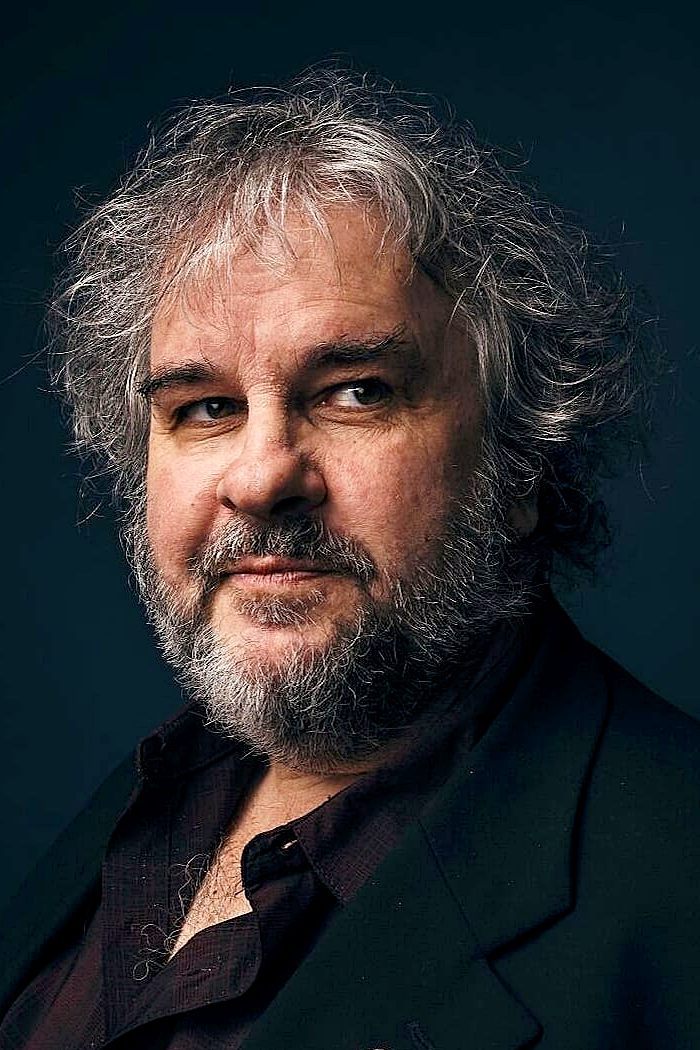
Peter Jackson entered a high profile legal dispute with New Line Cinema over the accounting of ‘The Lord of the Rings’ trilogy. The director claimed that the studio failed to pay him a fair share of the profits generated by the successful franchise. This disagreement led to a temporary freeze in the development of future projects related to the series. The lawsuit was eventually settled and Jackson returned to direct ‘The Hobbit’ films.
Todd Phillips
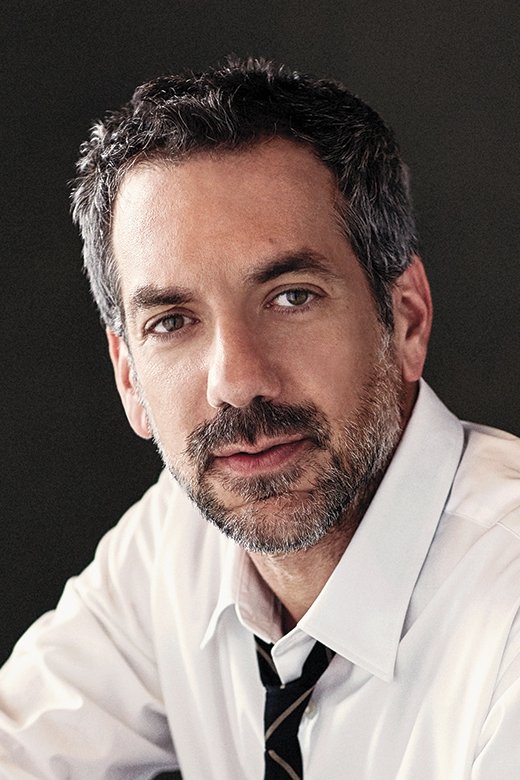
Todd Phillips encountered legal trouble when a tattoo artist sued over a design used in ‘The Hangover Part II’. The artist claimed that the replica of Mike Tyson’s face tattoo on another character’s face was a copyright infringement. This legal action threatened to delay the release of the film during its major marketing campaign. Warner Bros eventually settled the case with the artist to allow the movie to debut as scheduled.
Kathryn Bigelow

Kathryn Bigelow was named in a lawsuit by an American soldier following the release of ‘The Hurt Locker’. Master Sergeant Jeffrey Sarver argued that the protagonist of the film was based on his personal experiences without his consent. He claimed that the movie misappropriated his likeness and caused him emotional distress. The court dismissed the lawsuit on the grounds that the character was a fictionalized composite and protected by free speech.
Martin Scorsese
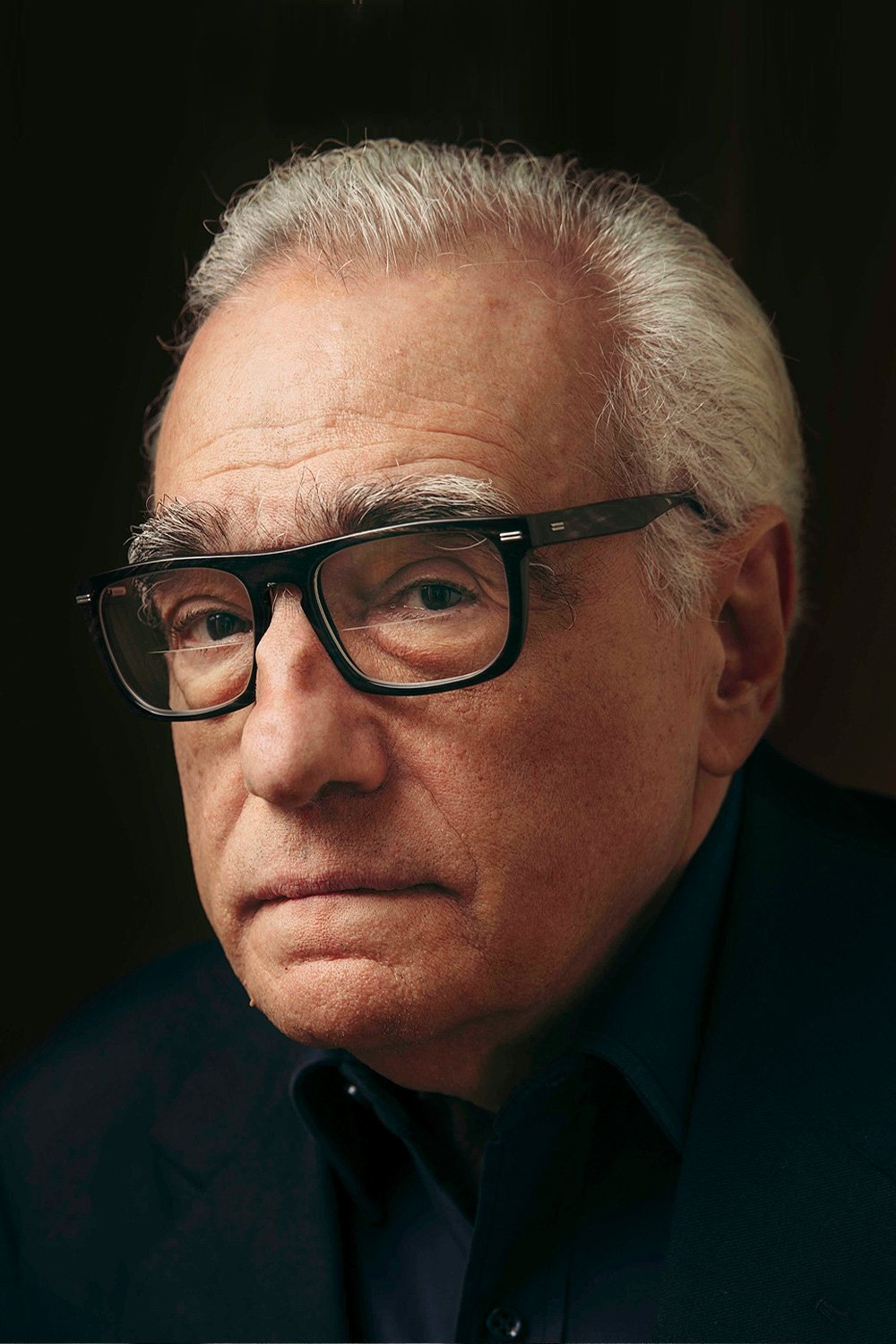
Martin Scorsese faced a breach of contract lawsuit involving his long term project ‘Silence’. A production company claimed that the director had agreed to helm the film years before he actually began production. The legal dispute centered on previous agreements that had been made during the lengthy development period. Scorsese and the company settled the matter which allowed the film to proceed with a different production team.
Spike Lee
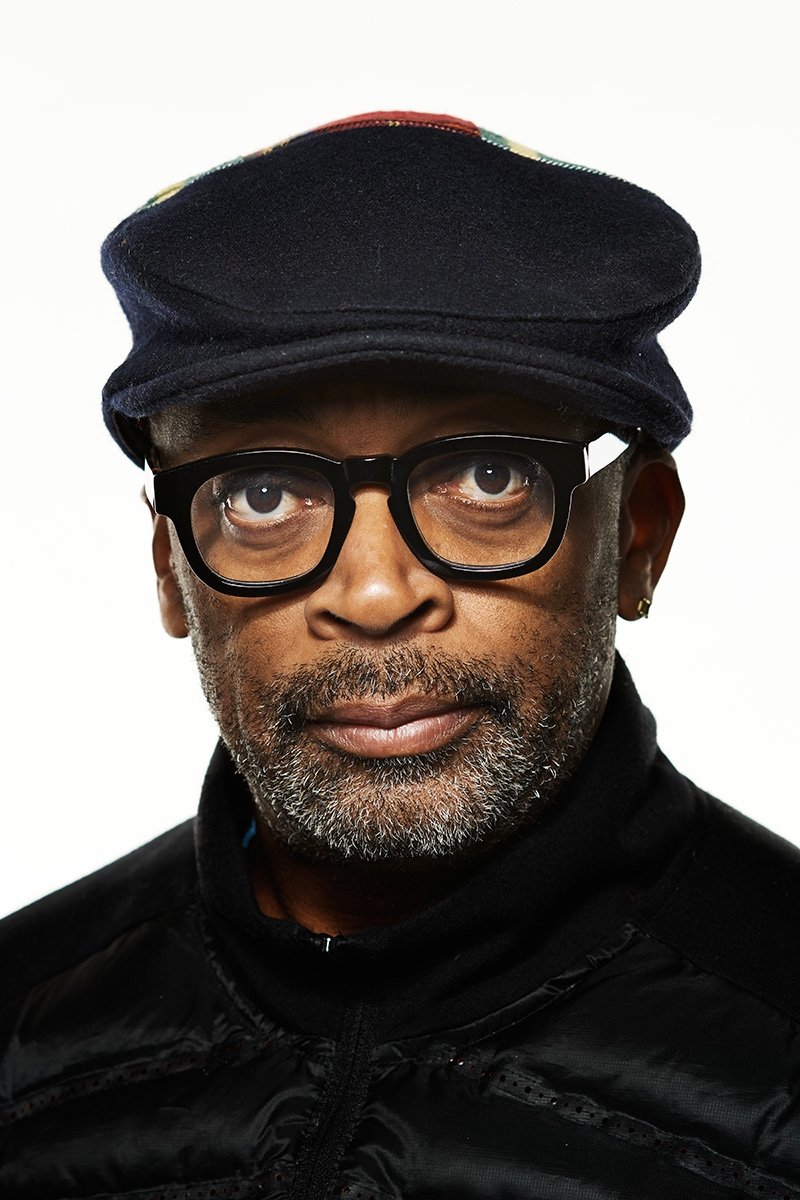
Spike Lee was involved in a legal dispute regarding the promotional materials for his remake of ‘Oldboy’. An artist filed a lawsuit claiming that the director and the studio used his poster designs without compensation. The situation became public when the artist shared his story on social media platforms. Lee defended the production by stating that he was not personally responsible for the hiring of designers.
George Lucas
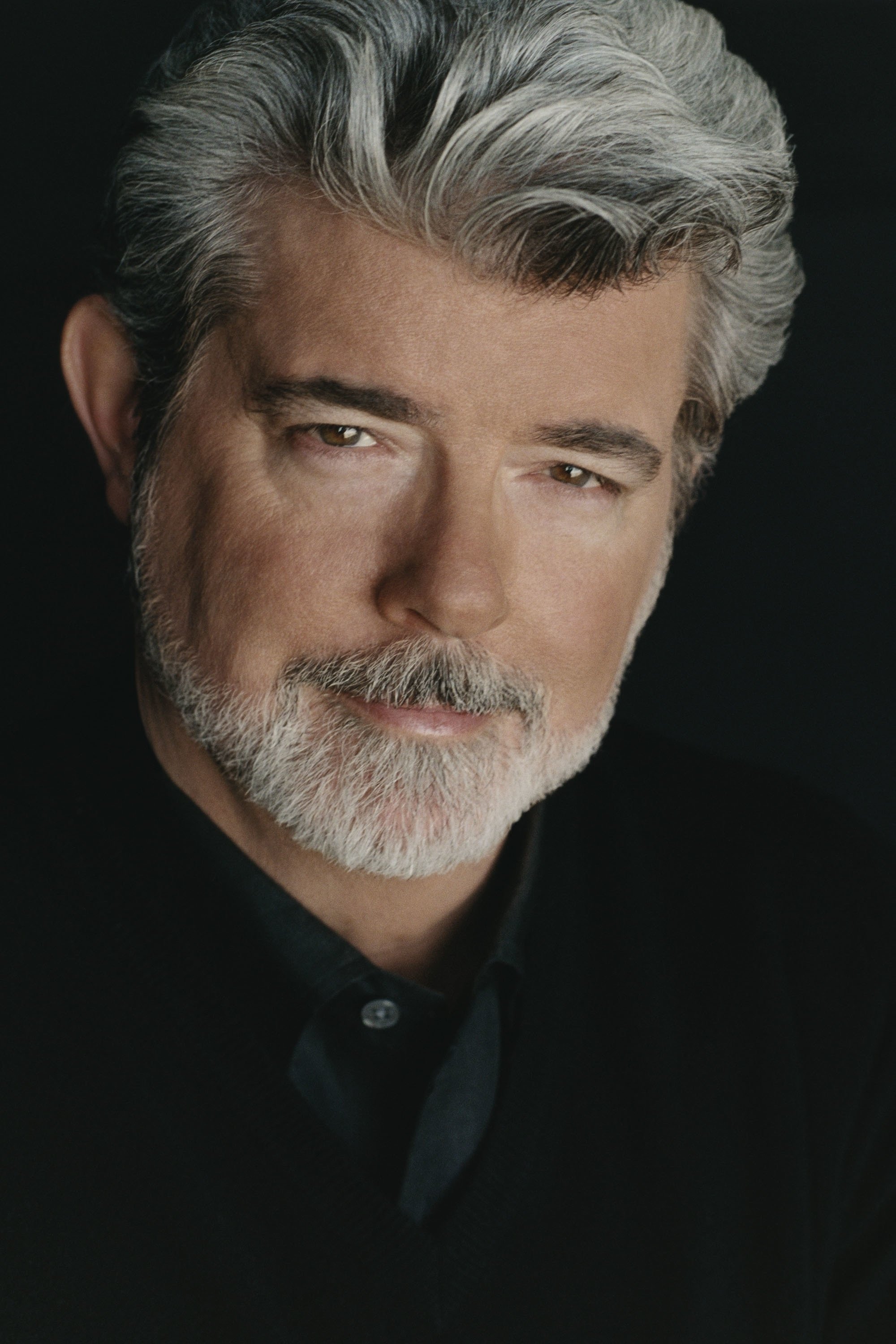
George Lucas was part of a major lawsuit involving the similarities between ‘Star Wars’ and the series ‘Battlestar Galactica’. Universal Studios was sued by 20th Century Fox for allegedly infringing on the concepts established by Lucas. The legal battle lasted for several years and involved claims of theft regarding character archetypes and visual effects. The case was ultimately dismissed but it remains a landmark example of science fiction litigation.
Ridley Scott
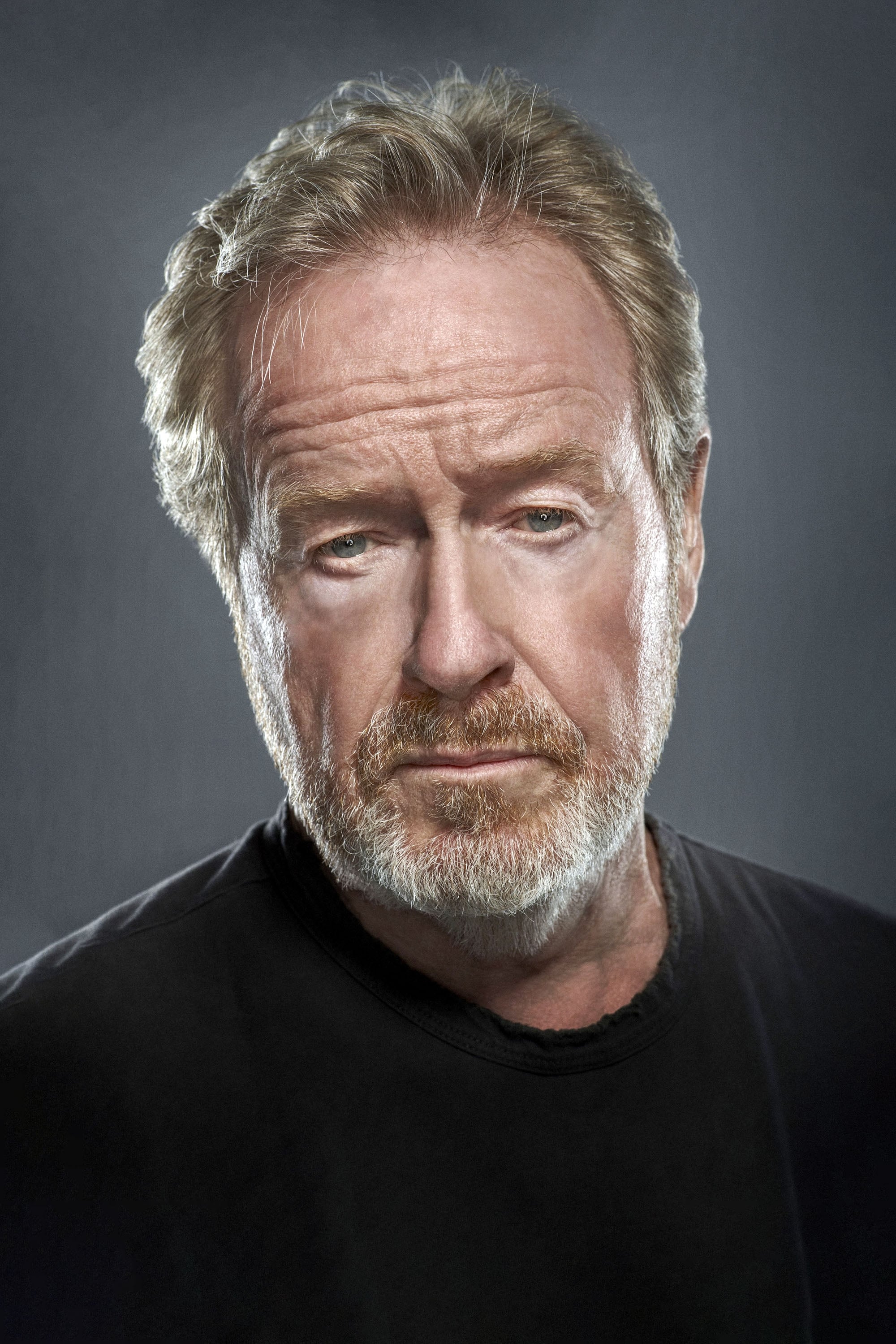
Ridley Scott faced a lawsuit from several former federal agents after the release of ‘American Gangster’. The plaintiffs claimed that the film unfairly portrayed them as corrupt individuals through a fictionalized disclaimer. They argued that the movie damaged their reputations by inaccurately depicting historical events. A judge dismissed the case by ruling that the film did not meet the legal threshold for defamation.
John Landis
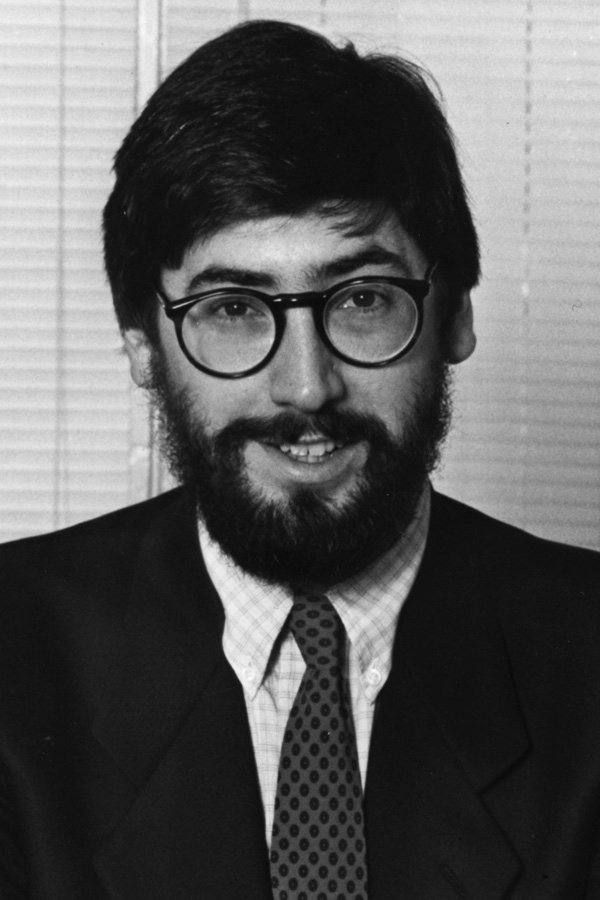
John Landis was the subject of a criminal trial and civil lawsuits following a fatal accident on the set of ‘Twilight Zone The Movie’. The director was charged with involuntary manslaughter after a helicopter crash claimed the lives of three actors. Although he was eventually acquitted of the criminal charges he faced significant civil penalties. This tragedy led to major changes in the safety regulations of the film industry.
Clint Eastwood
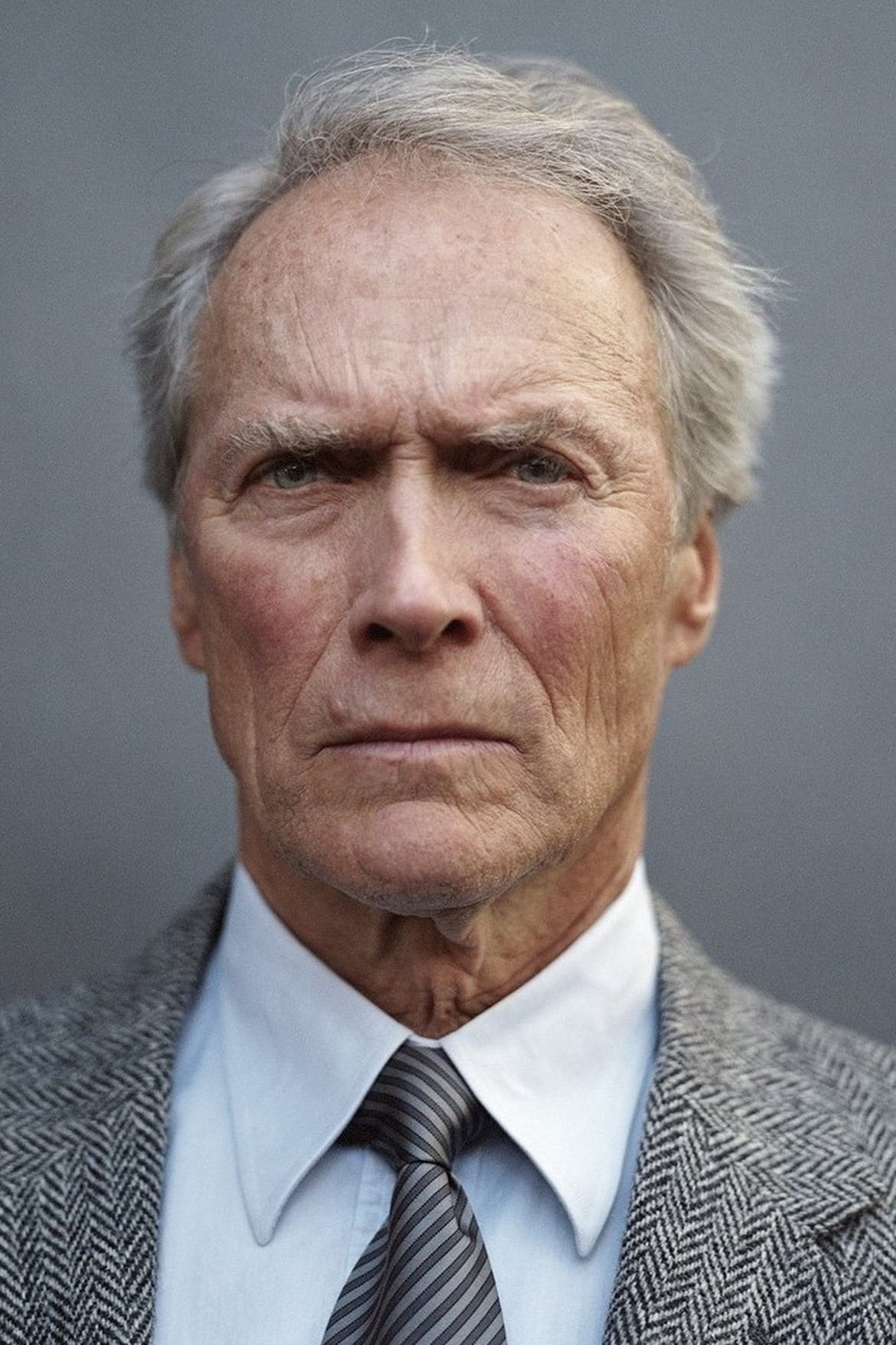
Clint Eastwood faced legal scrutiny regarding the portrayal of a journalist in his film ‘Richard Jewell’. The Atlanta Journal Constitution claimed that the movie falsely depicted one of their reporters as trading sexual favors for information. The newspaper demanded a public apology and a disclaimer to be added to the film. Eastwood and the studio defended the movie as a dramatized interpretation of a true story.
Luc Besson
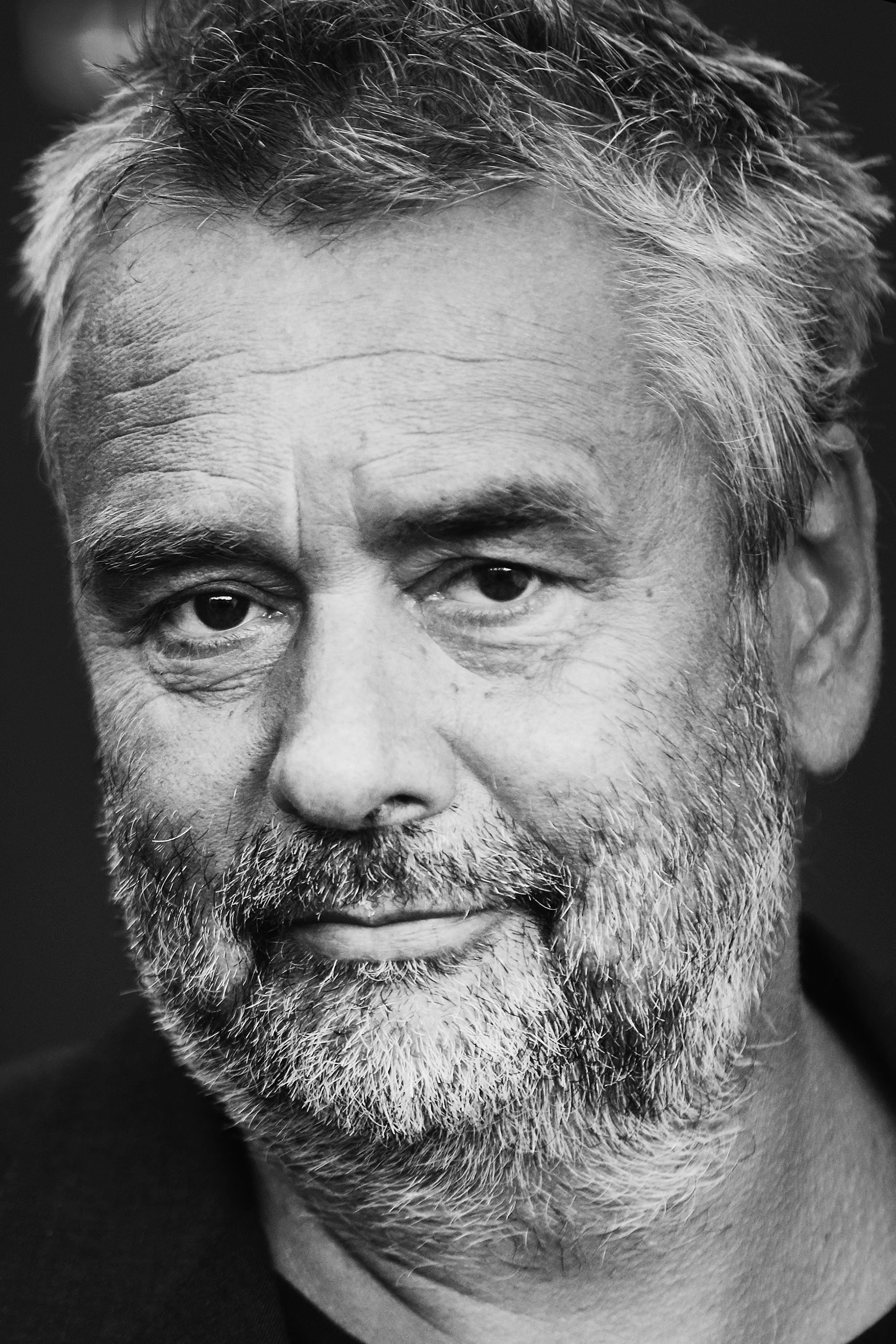
Luc Besson was found guilty of plagiarism in a lawsuit involving his film ‘Lockout’. A French court ruled that the movie was a derivative work of the 1981 film ‘Escape from New York’ directed by John Carpenter. Besson was ordered to pay damages to the original creators after the court found too many similarities between the two scripts. This case demonstrated the strict legal protections for original cinematic concepts in international law.
Bong Joon Ho
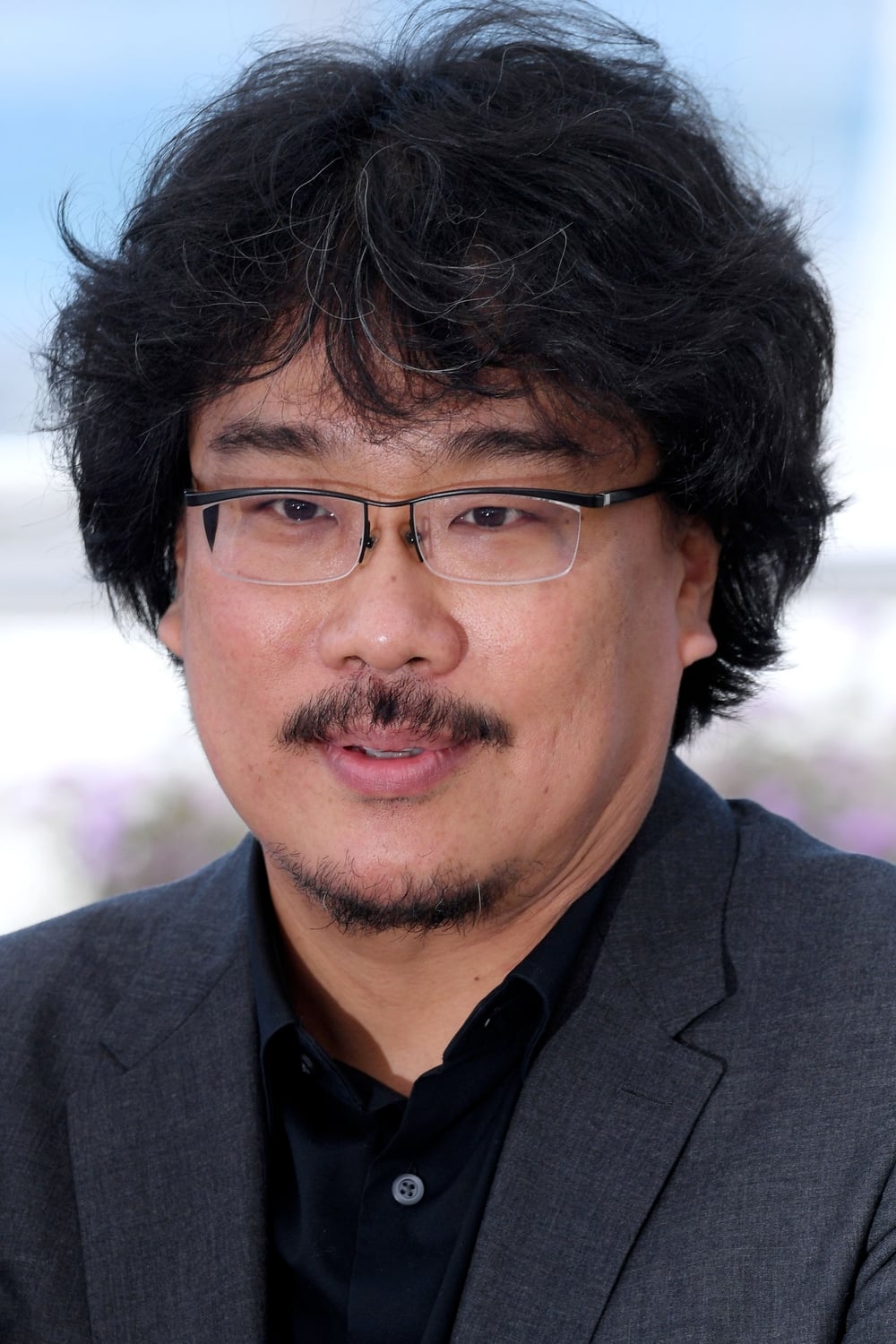
Bong Joon Ho faced allegations of plagiarism from an Indian film producer after the global success of ‘Parasite’. The producer of the film ‘Minsara Kanna’ claimed that the plot of the South Korean movie was stolen from his project. He threatened to take legal action but no formal lawsuit was ever successfully filed in court. The director and his production team denied all accusations of intellectual property theft.
Larry Charles

Larry Charles directed the film ‘Borat’ which resulted in numerous lawsuits from people who appeared in the movie. Several individuals claimed that they were deceived into participating in the production under false pretenses. They argued that their reputations were damaged by the comedic editing and controversial content. Most of these lawsuits were dismissed because the participants had signed legal waivers before filming.
Oliver Stone
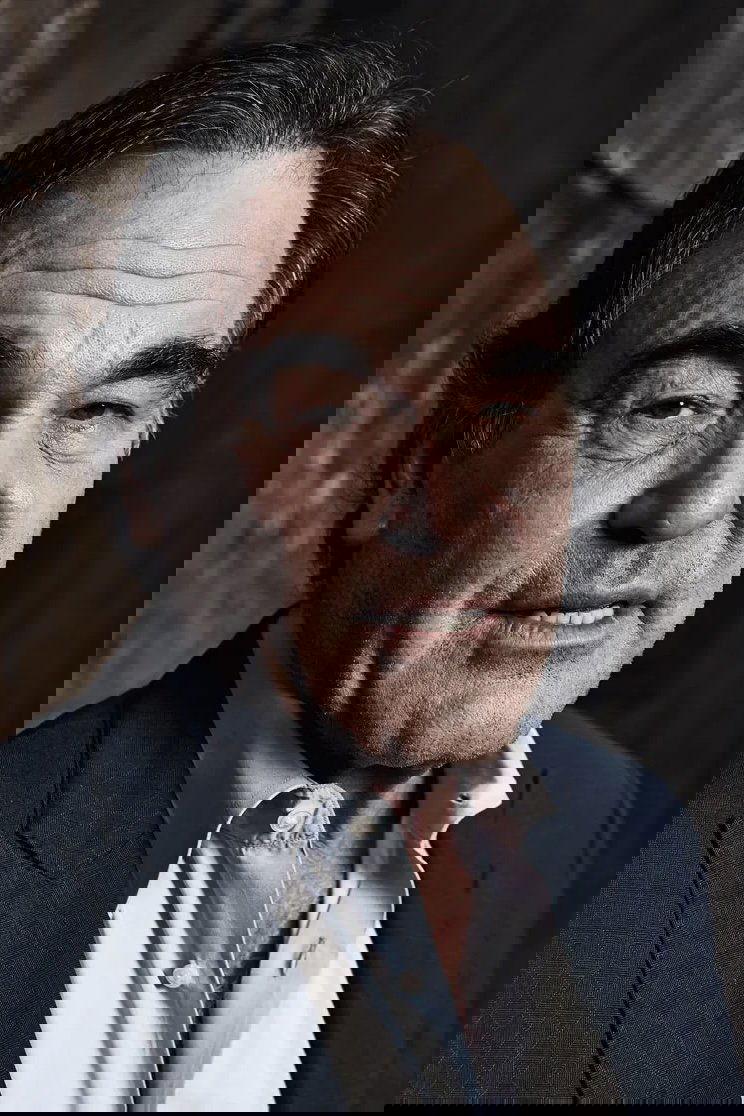
Oliver Stone faced legal challenges involving claims that ‘Natural Born Killers’ inspired real world violent crimes. A lawsuit was filed by a victim of a shooting who argued that the director should be held responsible for the influence of his film. The case tested the legal boundaries of whether media could be blamed for the actions of its viewers. The courts eventually ruled that the film was protected by the First Amendment and Stone was not liable.
Wes Craven
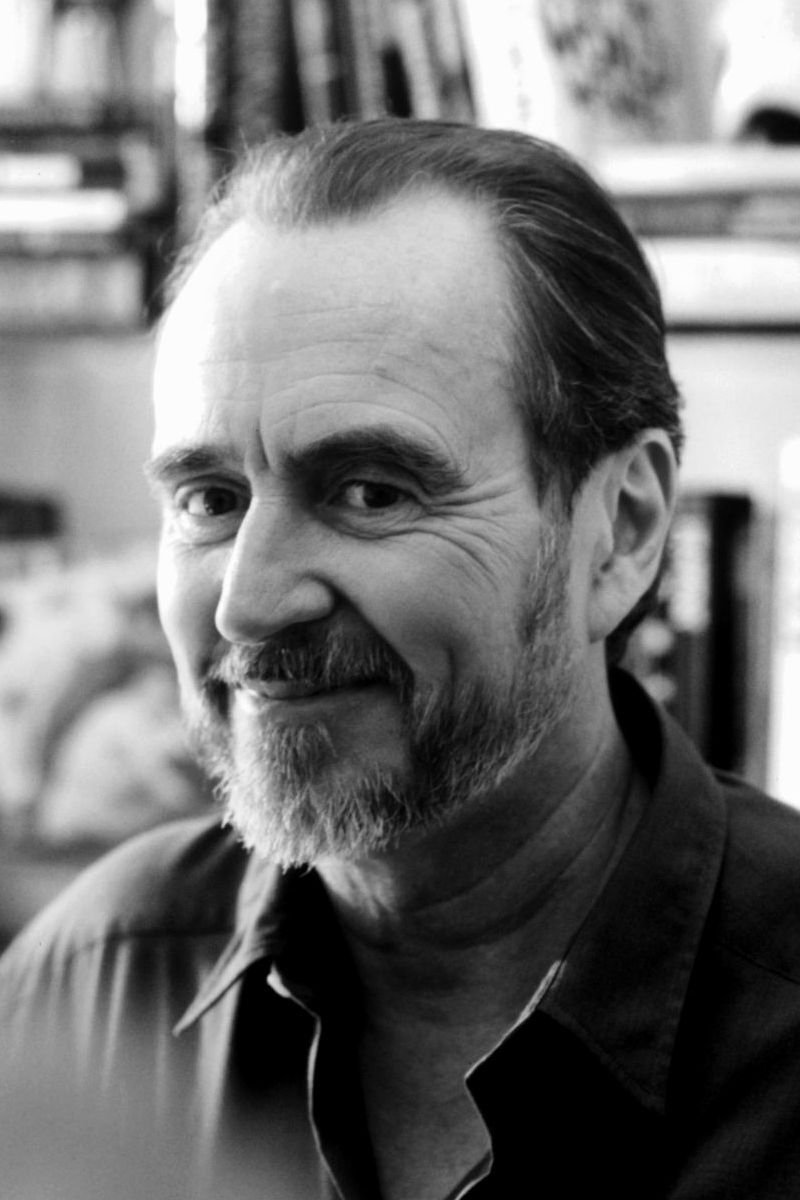
Wes Craven was named in lawsuits that alleged his film ‘Scream’ prompted copycat killings in several locations. The legal arguments suggested that the horror movie provided a blueprint for young individuals to commit crimes. These cases were closely watched by the entertainment industry due to their potential impact on creative freedom. The courts consistently rejected the claims by citing the lack of direct evidence linking the film to the specific acts.
Woody Allen
Woody Allen and the production company for ‘Midnight in Paris’ were sued by the estate of William Faulkner. The lawsuit claimed that the film used a quote from the author without obtaining the necessary permissions. The estate argued that the unauthorized use of the line infringed on their copyright and commercial interests. A federal judge dismissed the case because the use of the quote was considered fair use.
Sam Raimi
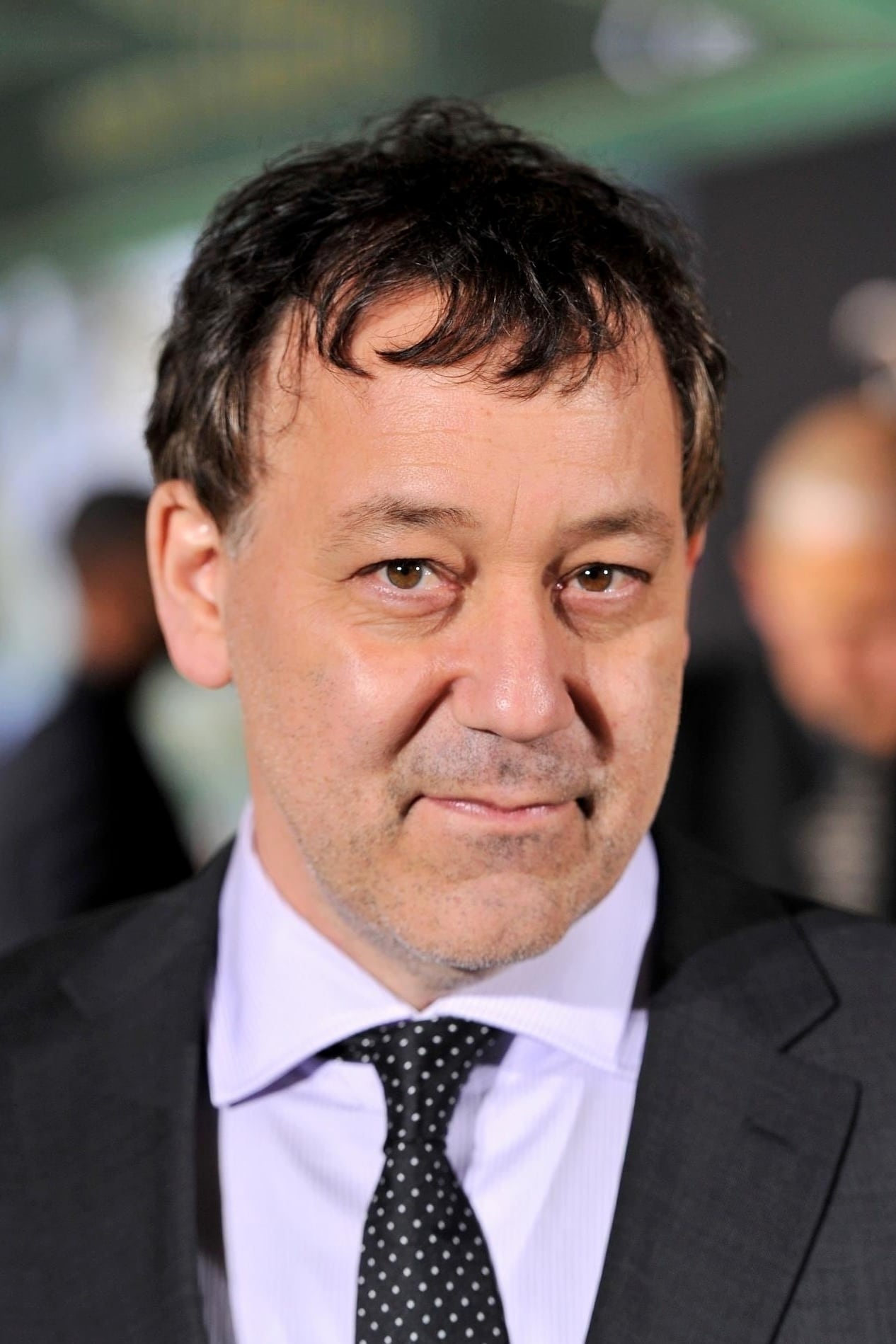
Sam Raimi faced legal complications regarding the distribution rights and profit sharing of ‘The Evil Dead’. Various parties involved in the early financing of the cult classic filed claims for unpaid royalties. The director had to navigate these legal issues while also managing the development of his later blockbusters. These disputes highlighted the enduring financial value of successful independent horror films.
Share your thoughts on these legal disputes in the comments.