TV Shows That Got Canceled Amid “Too Much Representation” Claims


The television industry has seen a significant shift toward diverse storytelling, though several high-profile projects have faced early cancelations following intense public debate. These series often encountered a mixture of declining viewership, high production costs, and targeted online campaigns criticizing their creative choices. In many cases, the discourse surrounding diversity and inclusion became a central part of the show’s identity and subsequent end. The following list highlights fifteen television shows that were discontinued amid claims of focusing too heavily on diverse themes.
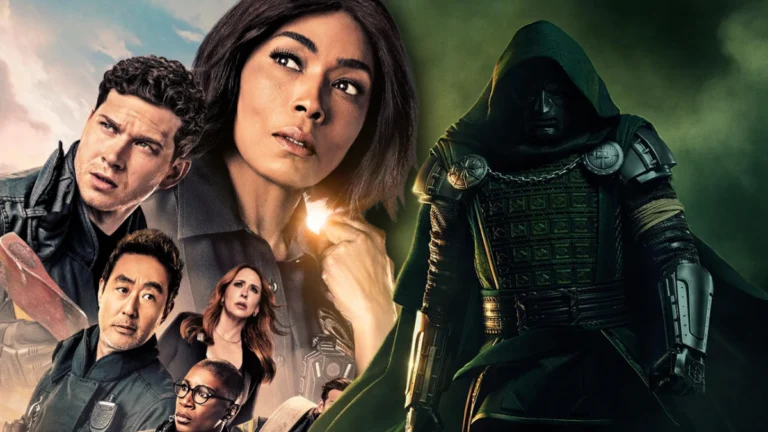
‘The Acolyte’ (2024)
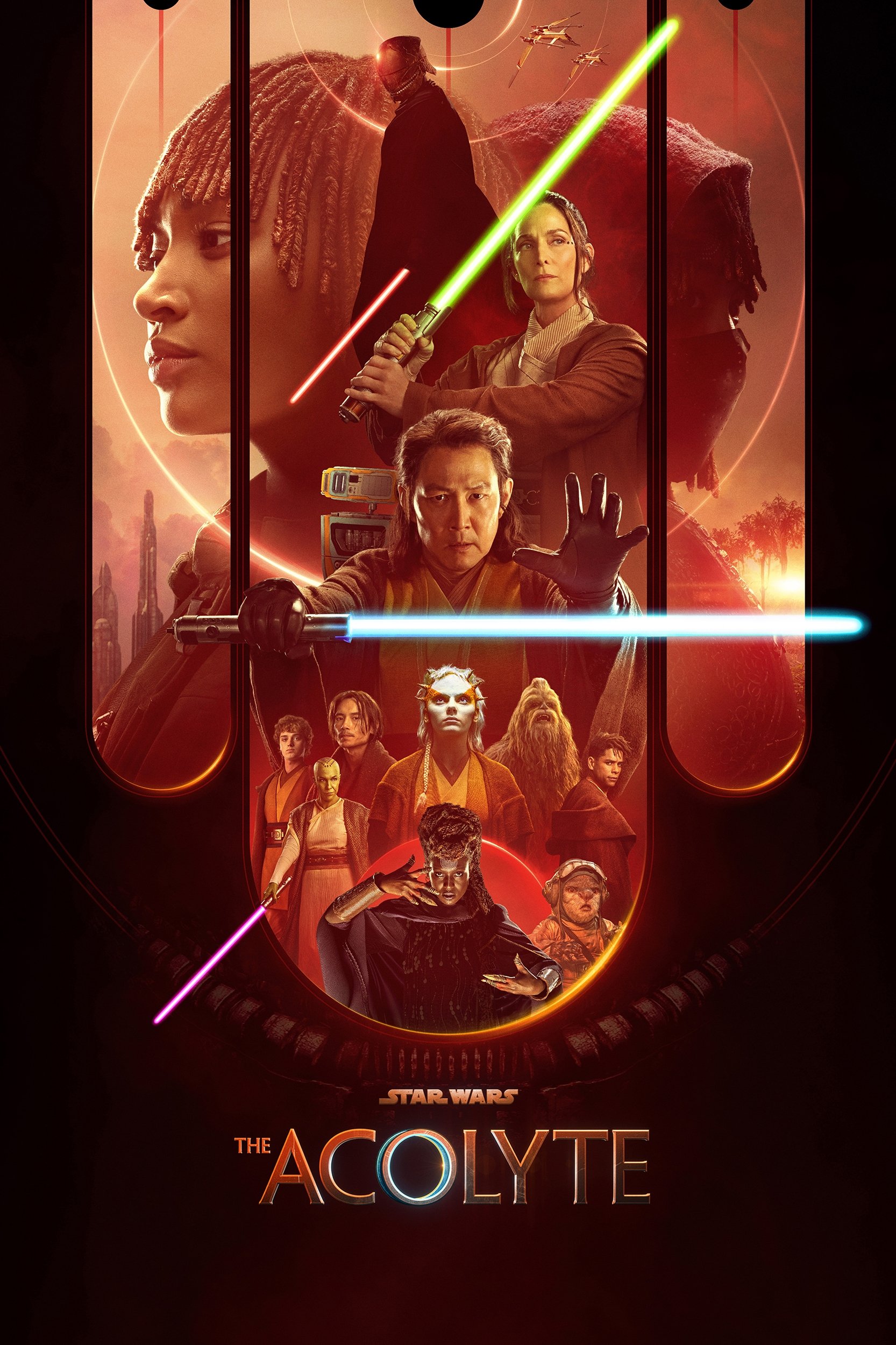
Set at the end of the High Republic era, this series follows a former Padawan who reunites with her Jedi Master to investigate a series of crimes. Disney+ opted not to renew the show for a second season following a polarized reception from the ‘Star Wars’ fanbase. Much of the online discourse surrounding the show focused on its diverse casting and creative direction, which some viewers labeled as “woke.” Despite ending on several cliffhangers, the series struggled to maintain its initial viewership numbers in the weeks following its premiere.
‘First Kill’ (2022)
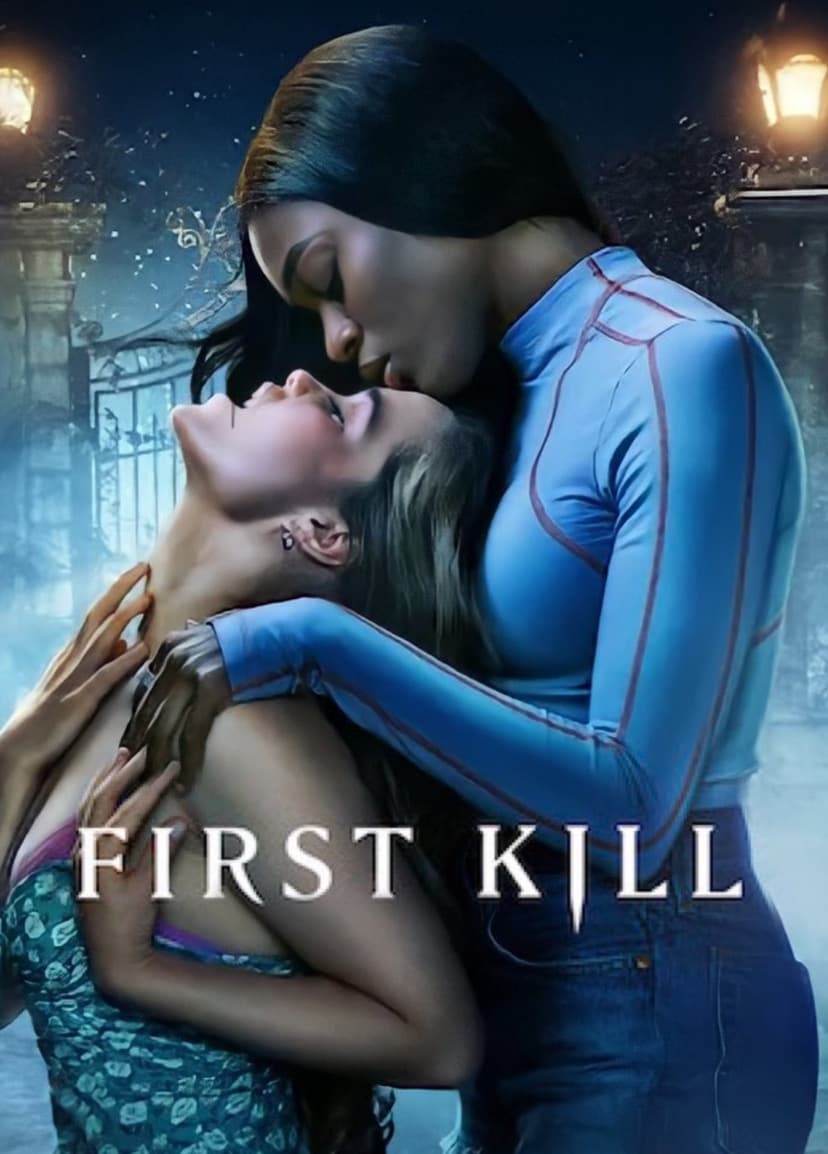
This Netflix series depicts a star-crossed romance between a teenage vampire and a monster hunter who are both preparing for their first kill. The show was canceled after its inaugural season, sparking a massive social media campaign from fans who felt LGBTQ+ stories were being unfairly sidelined. While the series briefly entered the Netflix Top 10, reports indicated that the completion rate for the episodes was not high enough to justify the cost of renewal. Critics of the cancelation often pointed to the platform’s complicated history with diverse, female-led content.
‘Willow’ (2022–2023)
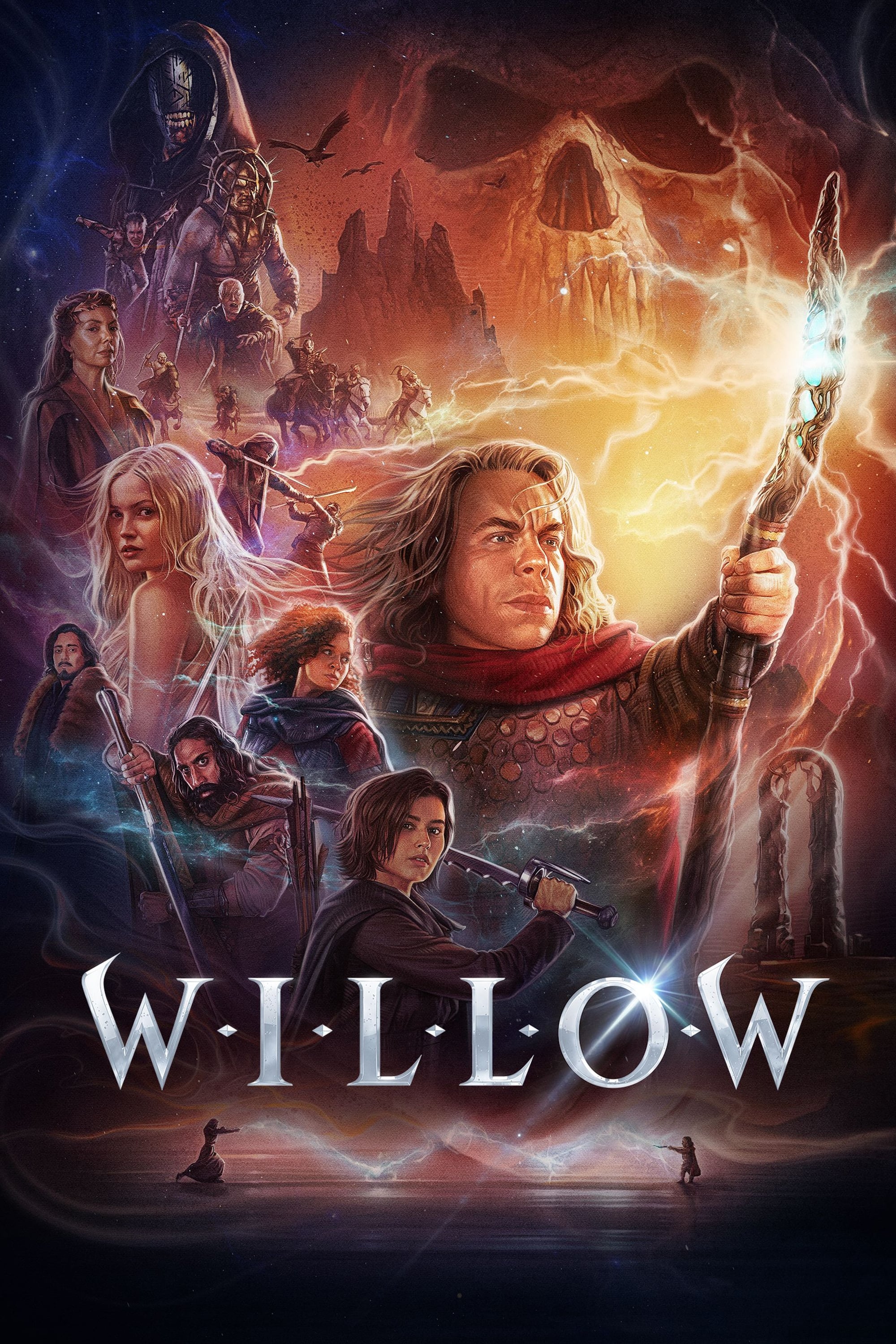
Serving as a sequel to the 1988 film, this fantasy series brings back Warwick Davis as the titular sorcerer leading a new generation of heroes. Disney+ canceled the series after eight episodes and later removed it from the streaming platform entirely as part of a content purge. During its run, the show faced criticism from segments of the audience who believed the focus on LGBTQ+ subplots detracted from the traditional fantasy elements of the source material. This reception contributed to a divided discourse regarding the modernization of legacy franchises.
‘Resident Evil’ (2022)
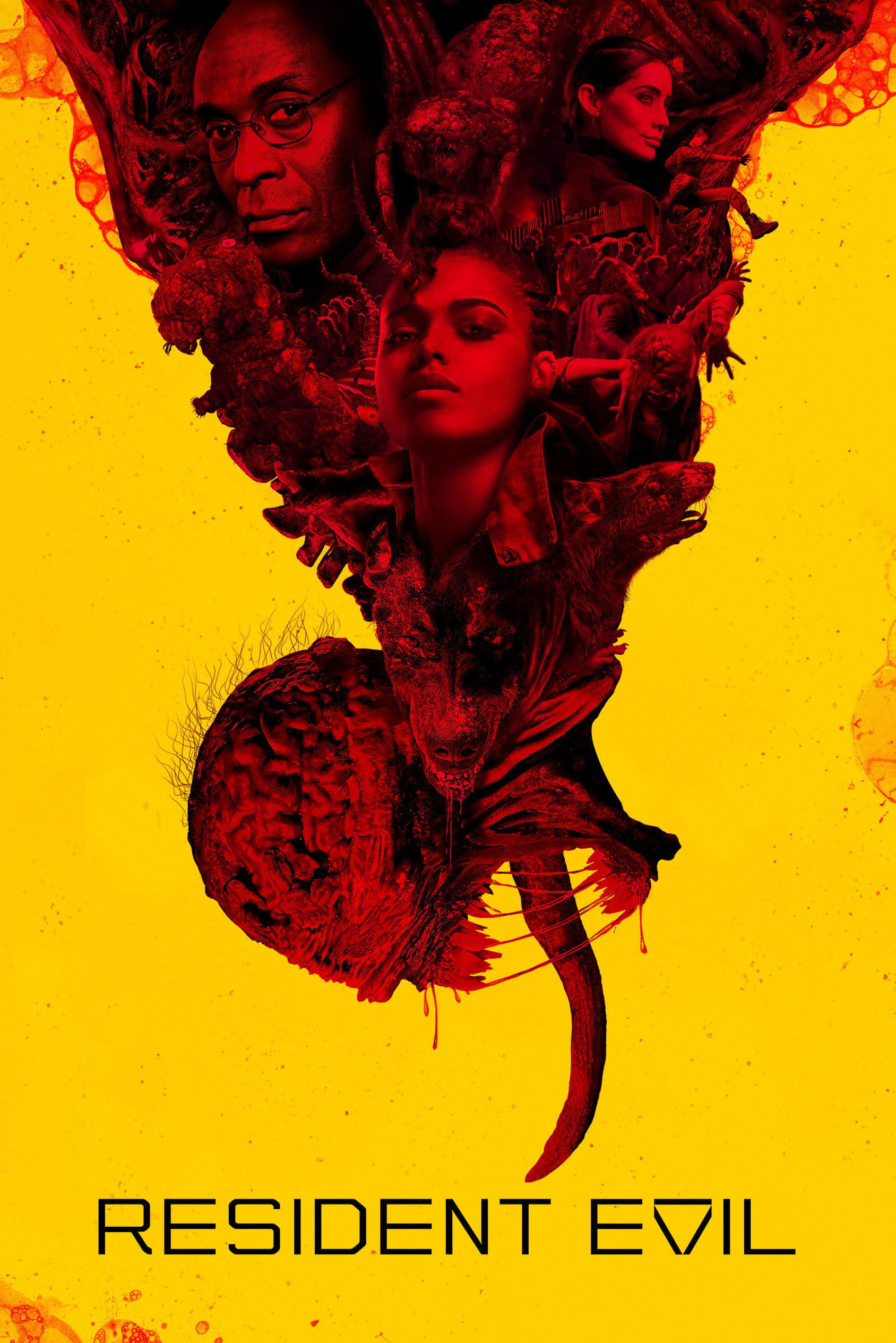
This live-action adaptation of the popular video game franchise jumps between two timelines involving the Wesker family and the global outbreak of the T-virus. Netflix decided to cancel the series after one season due to declining viewership and mixed critical reviews. A significant portion of the pre-release and post-release backlash centered on the casting of Lance Reddick and the departure from the original source material’s character designs. The show’s attempt to introduce new social themes into the established horror lore was met with resistance from long-time fans of the games.
‘Batwoman’ (2019–2022)
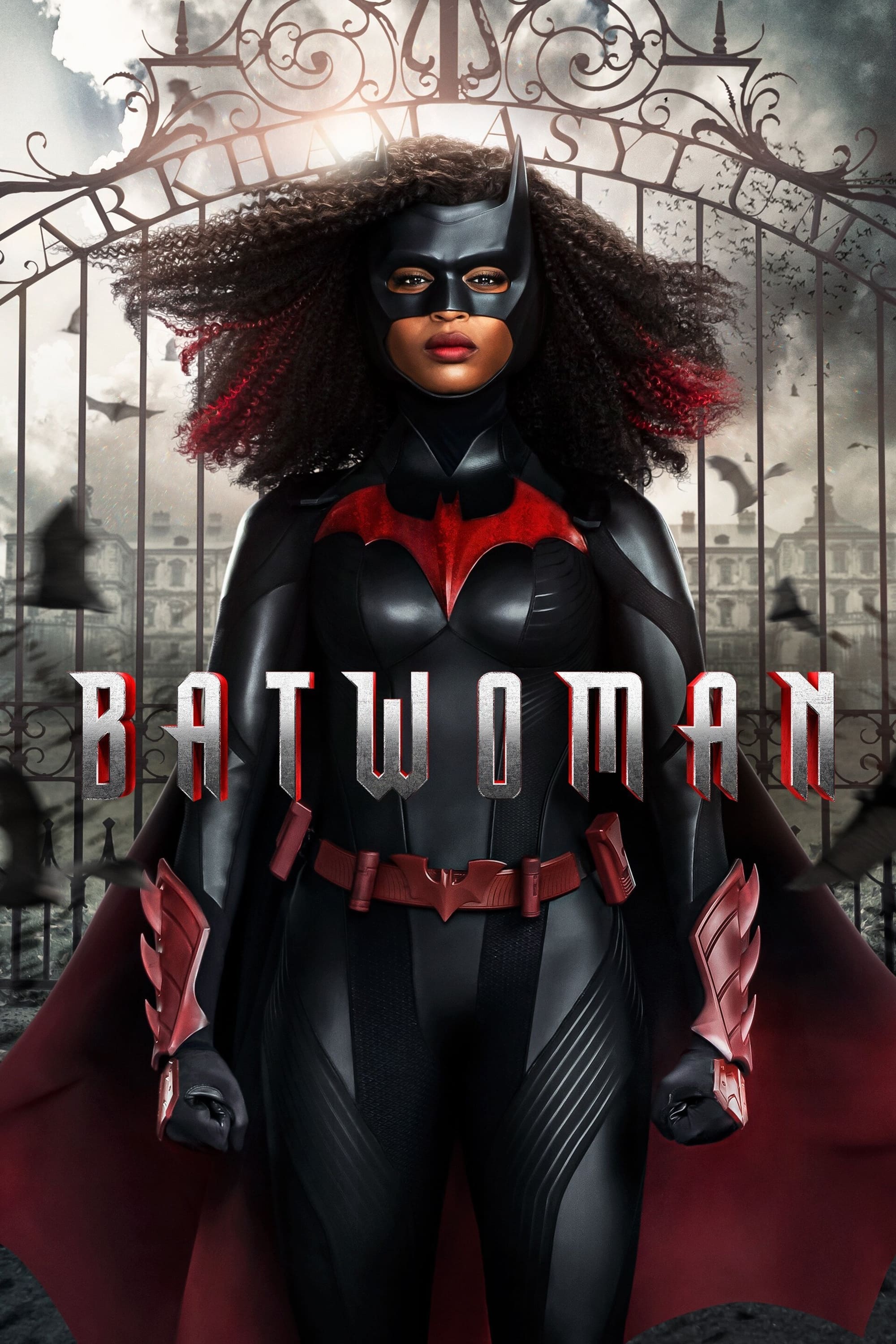
The CW series follows the journey of Kate Kane and later Ryan Wilder as they take up the mantle of the Caped Crusader to protect Gotham City. After three seasons, the network canceled the show during a broader restructuring under its new corporate ownership. Throughout its run, ‘Batwoman’ was at the center of discussions regarding its heavy focus on social justice themes and the casting of a Black, LGBTQ+ lead. While it maintained a dedicated audience, the series frequently faced targeted online campaigns criticizing its narrative priorities.
‘Q-Force’ (2021)
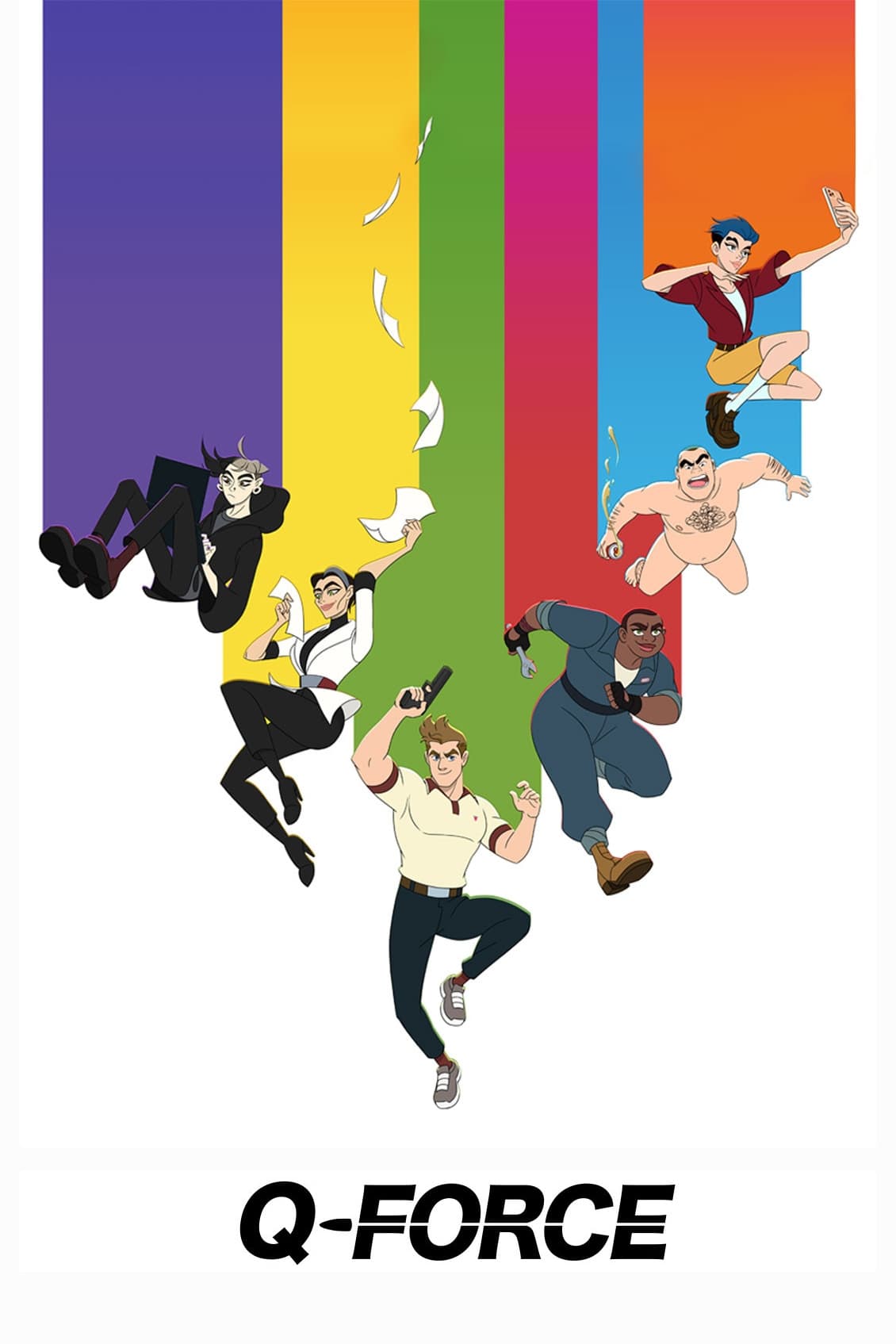
This adult animated series centers on a group of underestimated LGBTQ+ superspies who attempt to prove their worth to the American Intelligence Agency. Netflix canceled the show after one season following a promotional campaign that was widely mocked on social media platforms. Many viewers argued that the series relied on outdated stereotypes while attempting to provide representation, leading to backlash from the community it intended to portray. The show struggled to find a consistent tone between irreverent parody and sincere character development.
‘High Guardian Spice’ (2021)

Four girls attend High Guardian Academy to train as heroes and protect their world from a mysterious threat. The Crunchyroll Original series faced intense scrutiny from the moment its production was announced, primarily due to the marketing’s emphasis on the diversity of its writing staff. After its release, the show was met with low ratings and high levels of internet vitriol regarding its visual style and thematic content. Though it completed its first season, the project was quietly shelved without any public discussion of further development.
‘The Wilds’ (2020–2022)
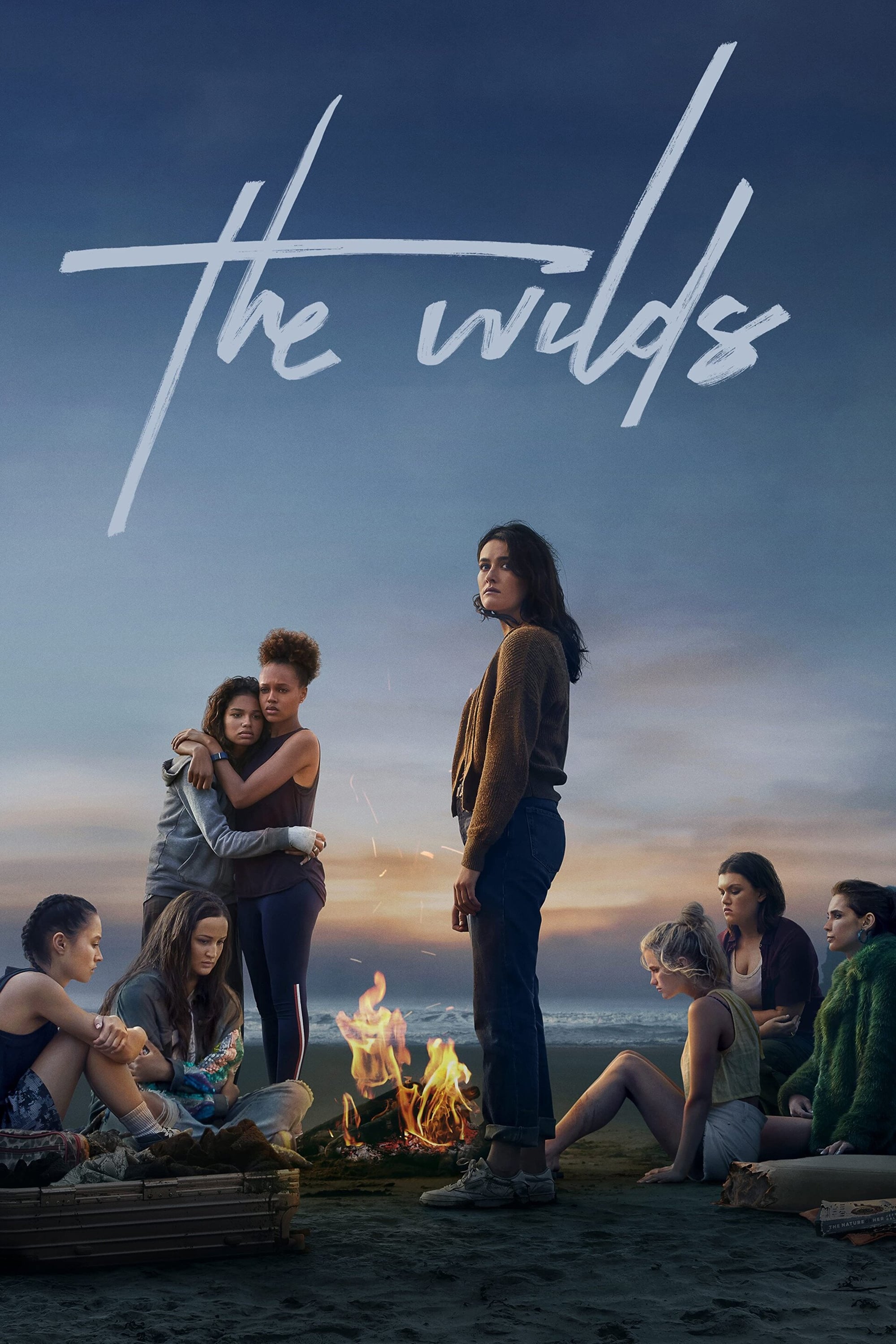
A group of teenage girls from diverse backgrounds must survive on a deserted island after a plane crash, unaware they are part of an elaborate social experiment. Prime Video canceled the series after its second season, which introduced a parallel group of male survivors to the storyline. Fans of the first season expressed disappointment, arguing that the shift in focus undermined the show’s original mission of exploring female-centric narratives. The cancelation became a flashpoint for discussions about the longevity of streaming shows that prioritize queer and diverse female leads.
‘Warrior Nun’ (2020–2022)
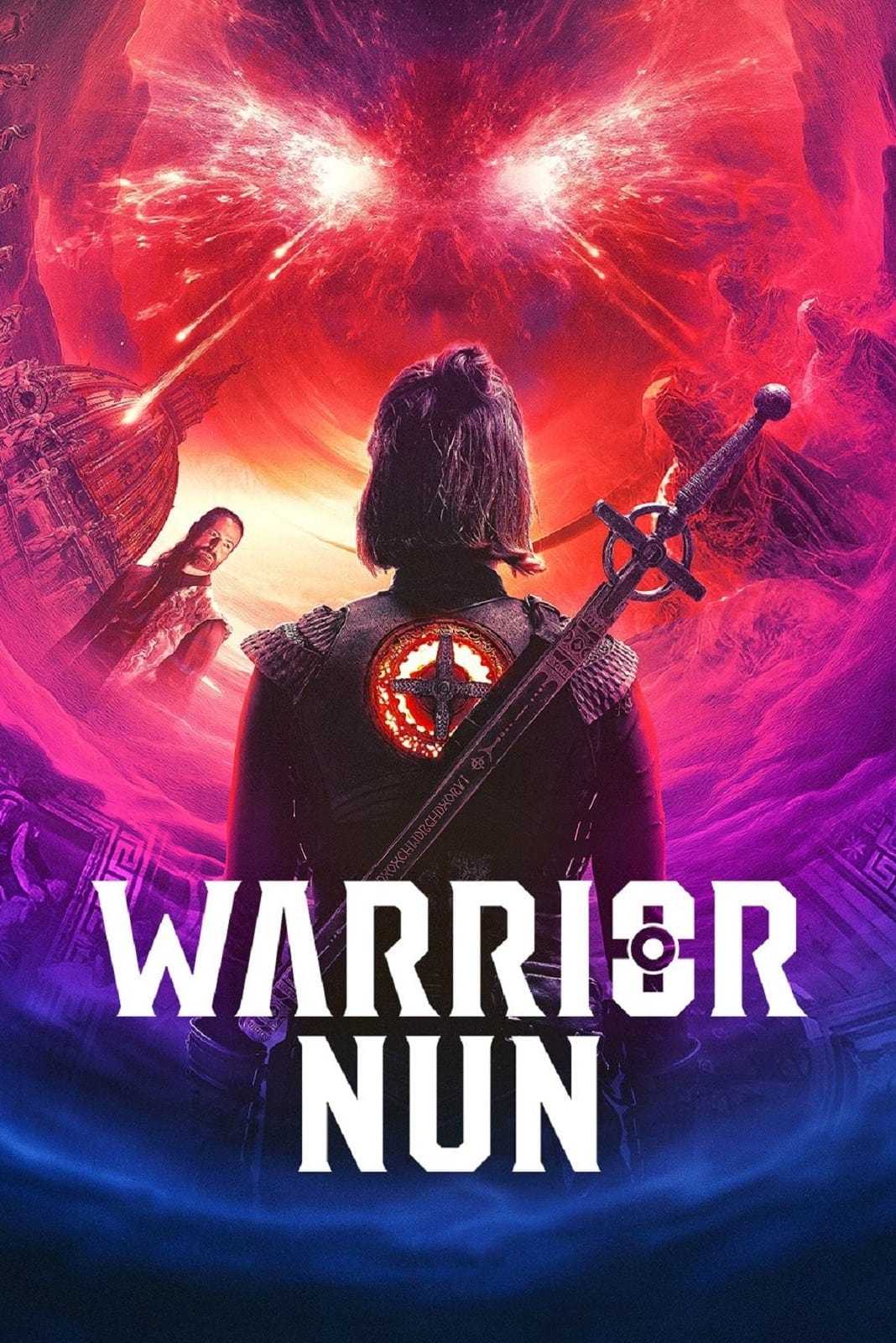
An orphaned teen wakes up in a morgue with supernatural powers and joins a secret sect of demon-hunting nuns. Netflix’s decision to cancel the show after its second season led to one of the most prominent fan-led “save our show” campaigns in recent years. The outcry focused on the loss of the central relationship between Ava and Beatrice, which many saw as a rare example of positive Sapphic representation in the fantasy genre. Despite the high audience scores on various review platforms, the streamer cited internal performance metrics as the primary reason for the cancelation.
‘Generation’ (2021)
This dramedy explores modern sexuality and identity among a group of high school students living in an ultra-conservative community. HBO Max canceled the series after just one season and later removed it from the platform as part of a content reduction strategy. The show was frequently cited in debates about whether audiences were saturated with gritty, diverse teen dramas. While praised for its authenticity by some critics, the series failed to capture a wide enough audience to sustain its high production costs.
‘Y: The Last Man’ (2021)
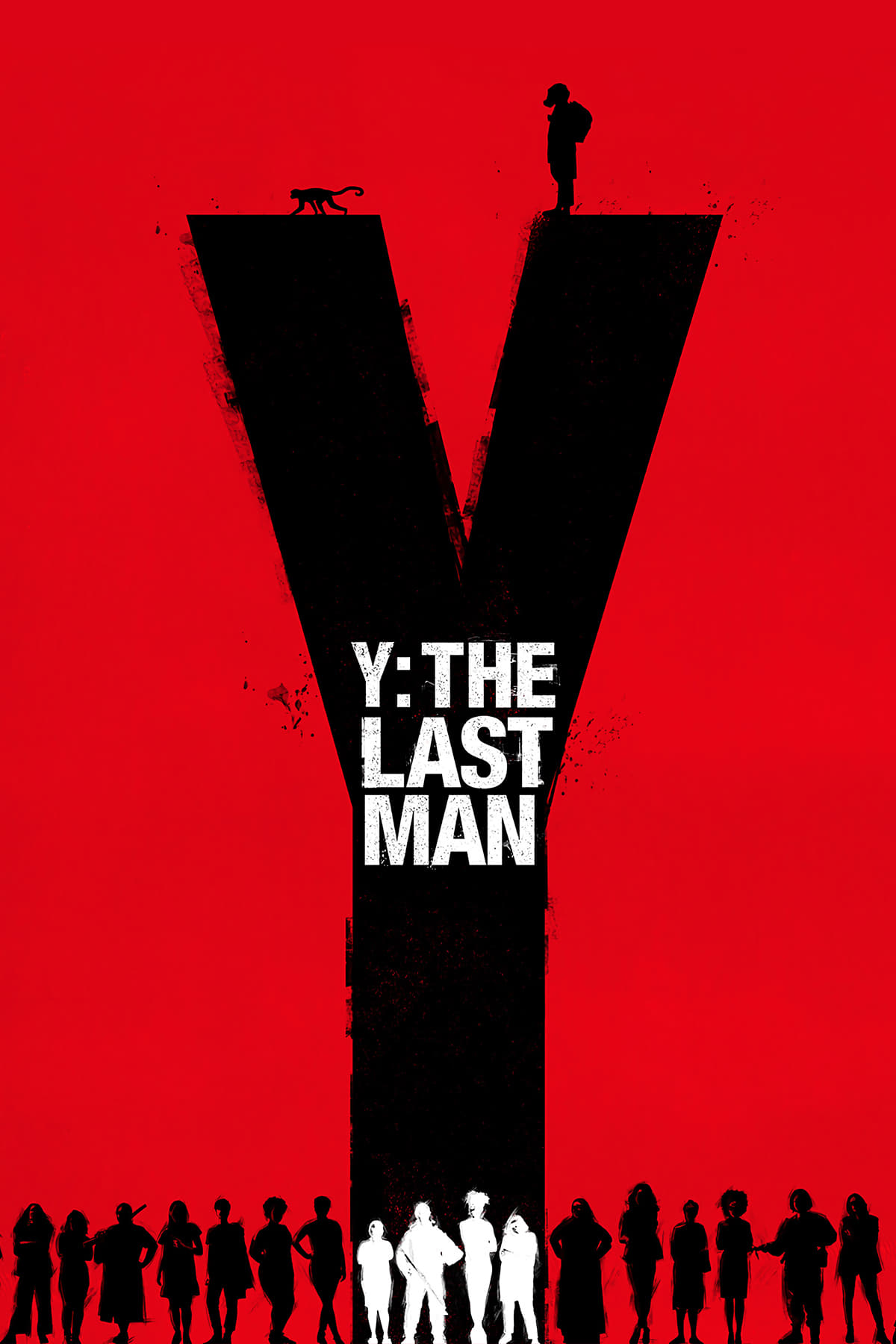
Based on the acclaimed comic book series, the show depicts a world where a cataclysmic event kills every mammal with a Y chromosome except for one man. The FX on Hulu adaptation made significant changes to the source material to include trans men and non-binary characters, which became a point of contention among some fans of the original work. The show was canceled before its first season finished airing due to various production delays and creative differences. It struggled to maintain the momentum of its source material while navigating a complex political and social landscape.
‘Queer as Folk’ (2022)
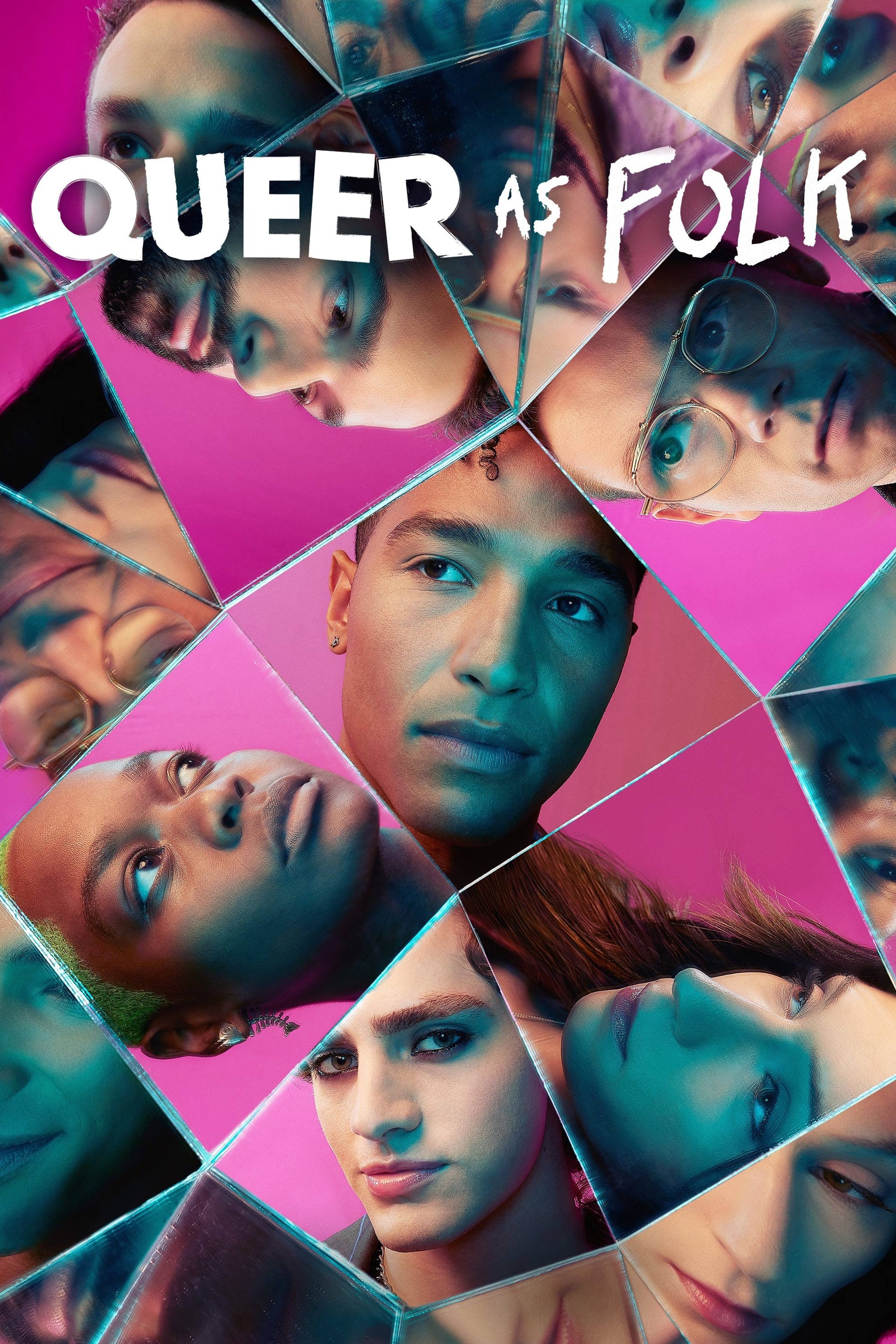
This Peacock reimagining of the classic UK and US series follows a diverse group of friends in New Orleans whose lives are transformed after a tragedy. The show aimed to represent a broader spectrum of the LGBTQ+ community than previous iterations, including trans and disabled characters in lead roles. However, the series was canceled after one season as it failed to generate the viewership levels needed for a high-budget streaming production. Critics of the cancelation noted that the show provided a vital, modern update to a franchise that had been historically white-centric.
‘Gossip Girl’ (2021–2023)
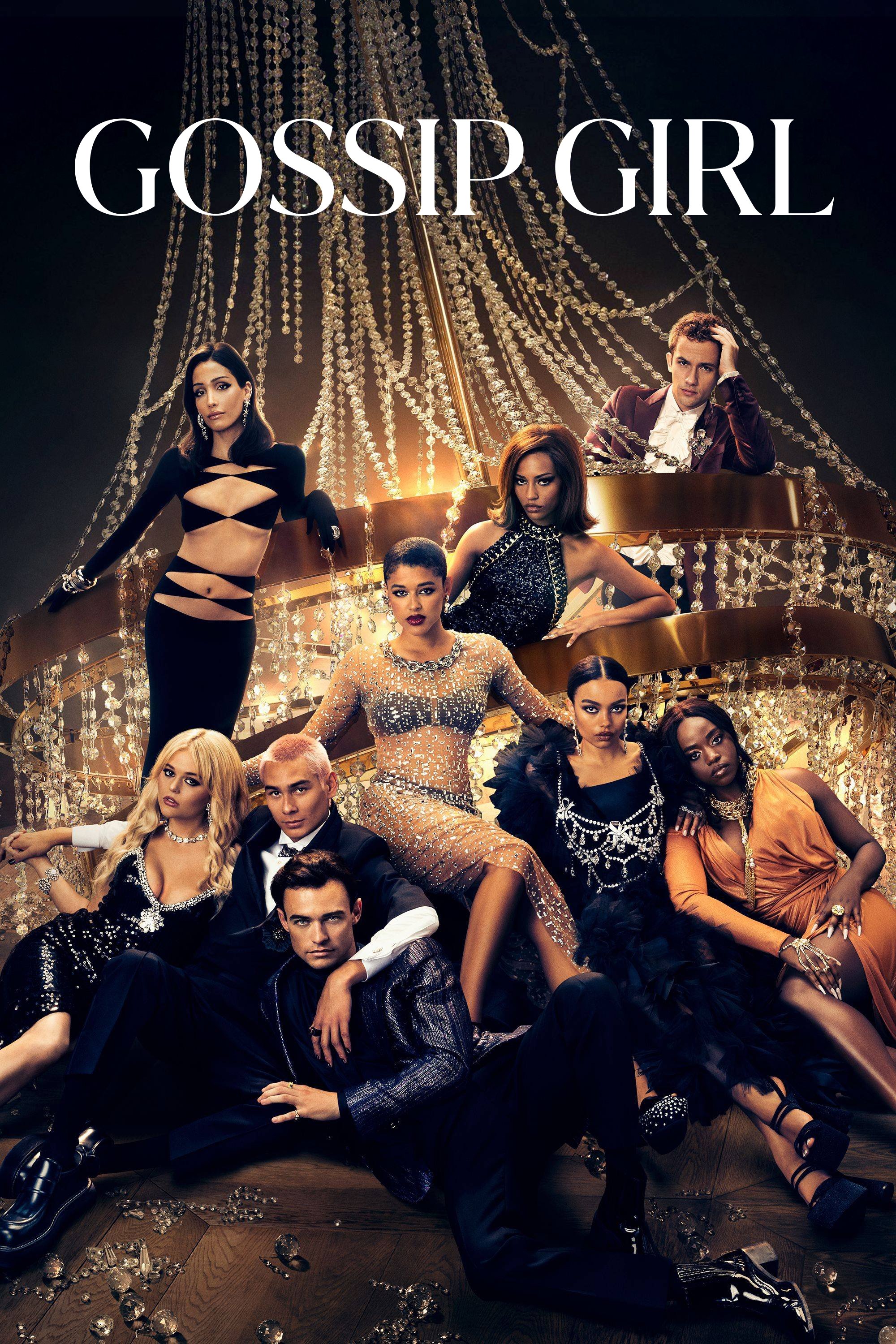
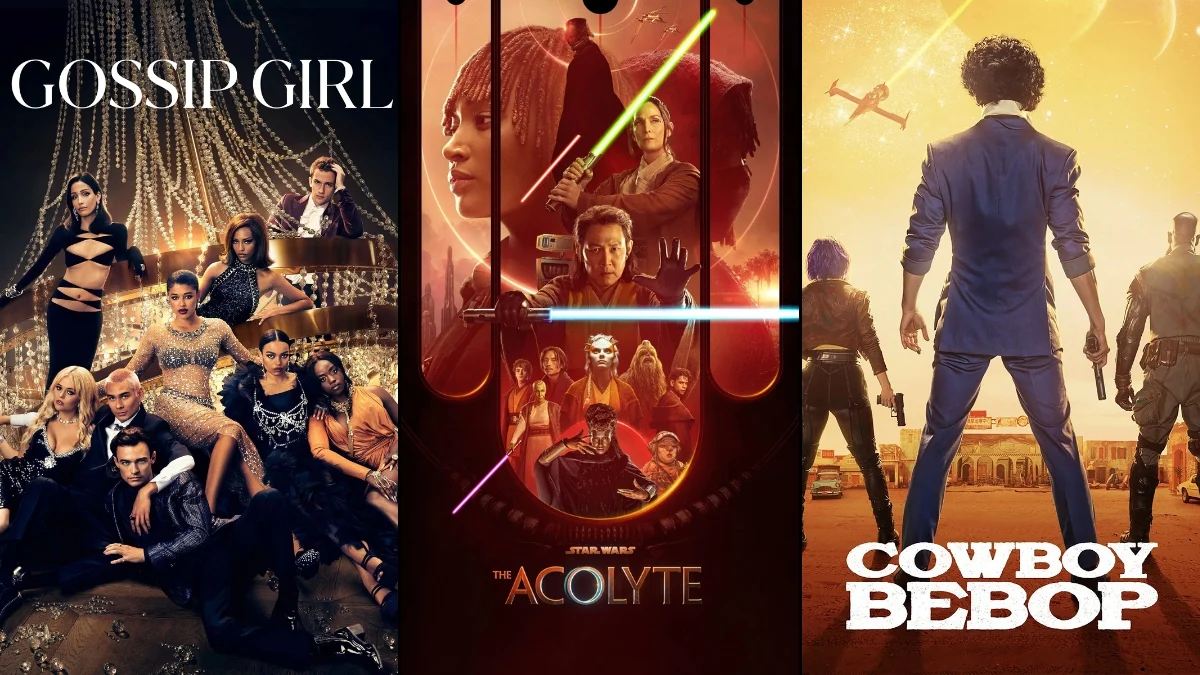
Set nearly a decade after the original series, a new generation of private school teens in New York is introduced to the watchful eye of a revived Gossip Girl. The reboot consciously increased the diversity of its cast and addressed contemporary social issues more directly than its predecessor. HBO Max canceled the show after two seasons following a mixed reception that often compared the “woke” tone of the new series unfavorably to the original. The show’s attempt to balance social consciousness with the elitist world of the Upper East Side proved polarizing for many viewers.
‘Cowboy Bebop’ (2021)
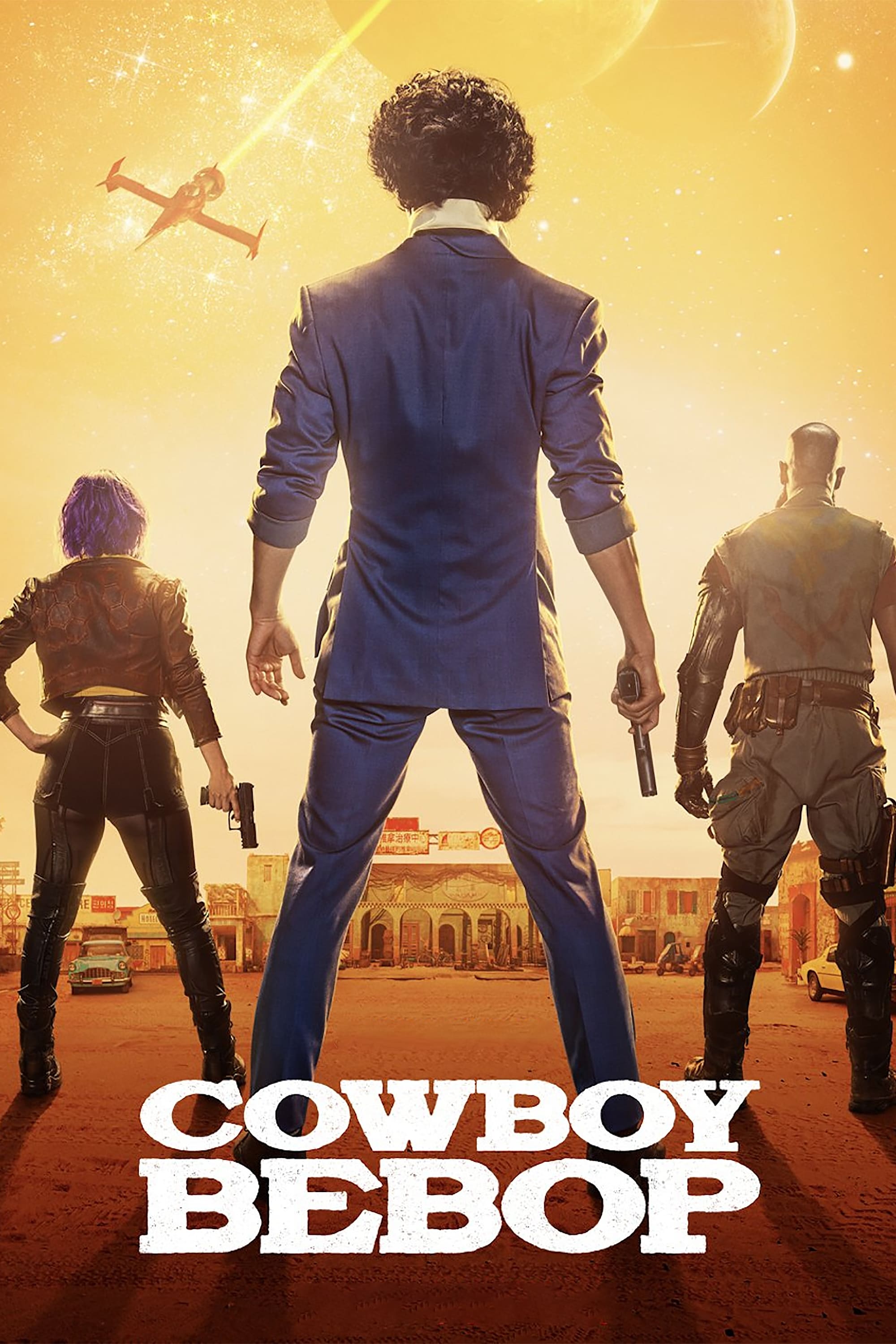
This live-action remake follows a ragtag crew of bounty hunters chasing down criminals across the solar system in the year 2071. Netflix canceled the series less than a month after its debut due to a steep drop in viewership following its premiere week. The show was the subject of intense debate regarding changes to characters like Faye Valentine and the inclusion of non-binary character Gren. While some appreciated the attempt to modernize the 1998 anime, many fans felt the new direction lost the essence of the original masterpiece.
‘The Baby-Sitters Club’ (2020–2022)
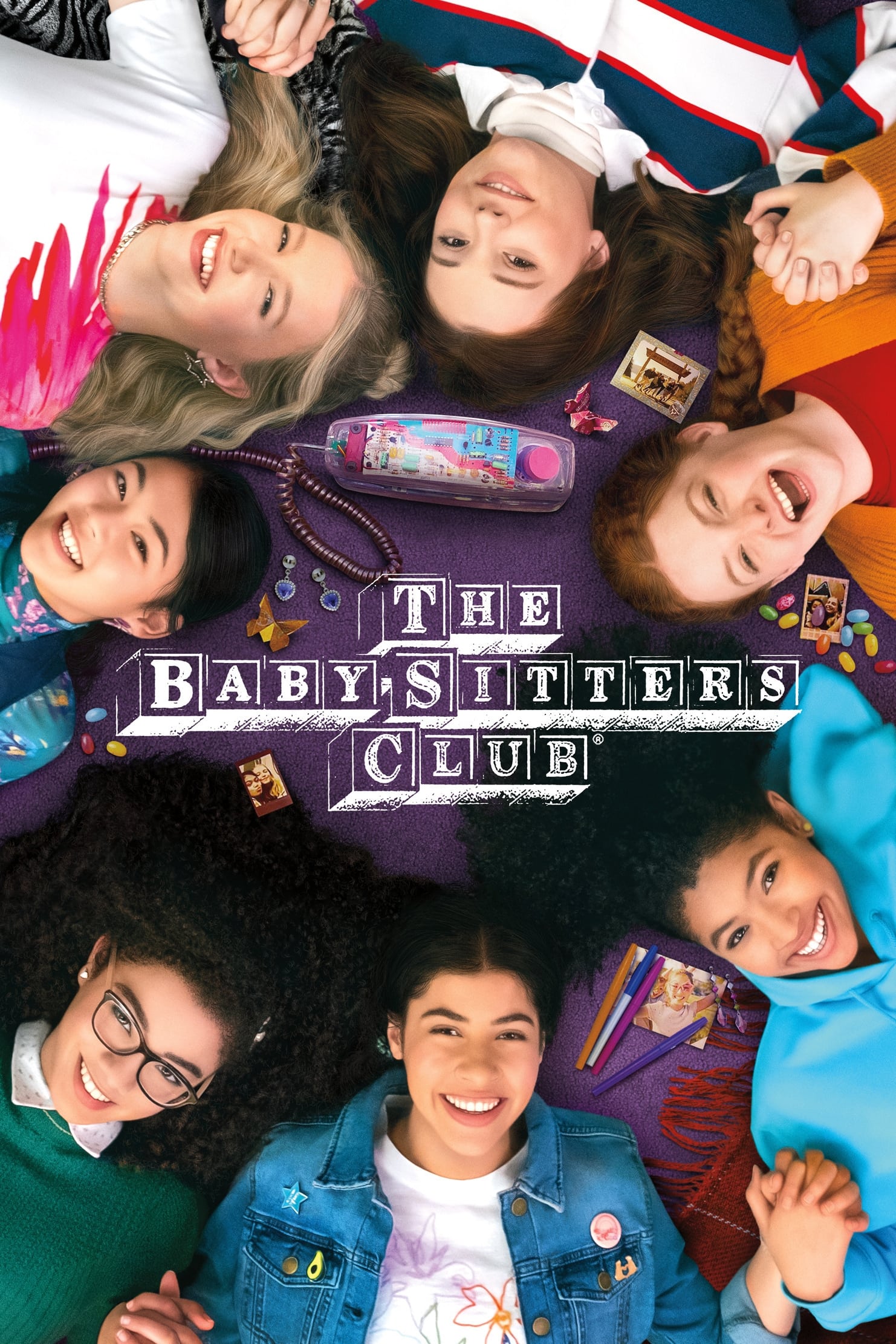
Based on the beloved book series, this show follows a group of middle-schoolers who start a local babysitting business in Stoneybrook, Connecticut. Netflix canceled the series after its second season despite receiving universal critical acclaim and high scores on review aggregators. The show’s producer noted that the platform’s algorithm might not have prioritized the show’s diverse and socially conscious themes for the target audience. Fans expressed frustration that a series successfully modernizing a classic franchise with inclusive casting was cut short.
Please share your thoughts on these cancelations in the comments.