Actresses Who Hated Being Labeled “Sex Symbols” On-Screen



Throughout Hollywood history, numerous performers have faced the challenge of being reduced to their physical appearance by the media and the film industry. While the label of “sex symbol” often brings rapid fame, it frequently comes at the cost of being taken seriously as a dramatic artist or having one’s intellect recognized. Many actresses have spoken out about the discomfort of the male gaze and the industry’s tendency to prioritize aesthetics over actual talent. These 20 women successfully navigated or challenged these labels to redefine their careers on their own terms.
Anne Hathaway
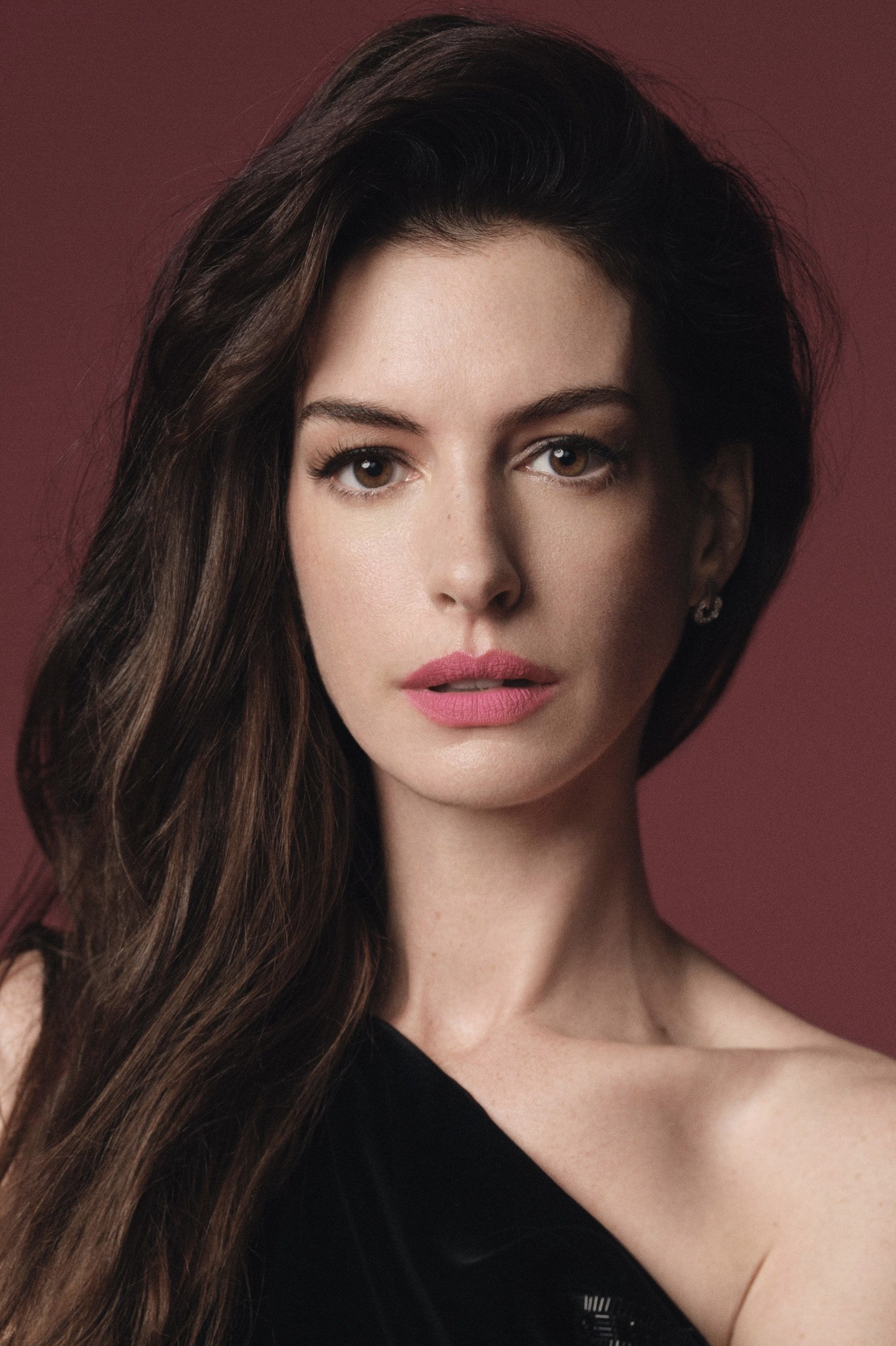
Anne Hathaway discussed the immense pressure she felt to maintain a specific physique for her role as Catwoman in ‘The Dark Knight Rises’. She described the experience of being labeled a sex symbol as exhausting and psychologically taxing during the film’s promotional tour. Hathaway has been vocal about the unrealistic beauty standards in Hollywood that often prioritize thinness over the health of performers. She now focuses on roles that challenge her as a performer rather than those that rely purely on her aesthetic.
Brigitte Bardot
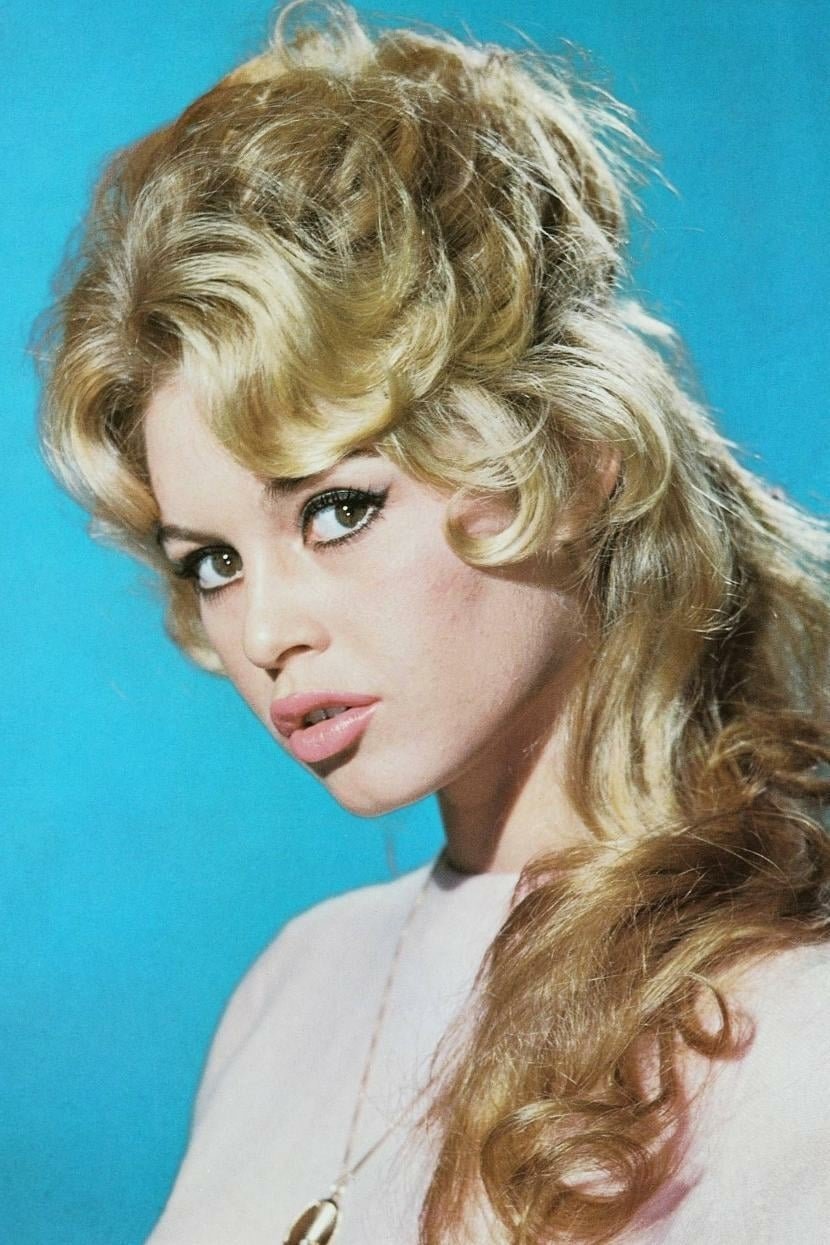
Brigitte Bardot became a global icon after her performance in ‘And God Created Woman’, yet she grew to despise the fame it brought. She often felt that her public persona as a “sex kitten” was a cage that stripped her of her privacy and humanity. Bardot eventually retired from acting at the age of 39 to distance herself from the industry that she felt commodified her. She chose to dedicate the rest of her life to animal rights activism, leaving her cinematic image entirely behind.
Cameron Diaz

Cameron Diaz often felt that her bubbly, attractive image in ‘The Mask’ made it difficult for critics to take her range seriously. She spent much of her career trying to balance romantic comedies with more demanding roles in films like ‘Being John Malkovich’. Diaz has mentioned that the “sex symbol” tag was something she had to navigate carefully to maintain her longevity in the industry. She eventually chose to walk away from acting to focus on her personal life and business ventures.
Charlize Theron
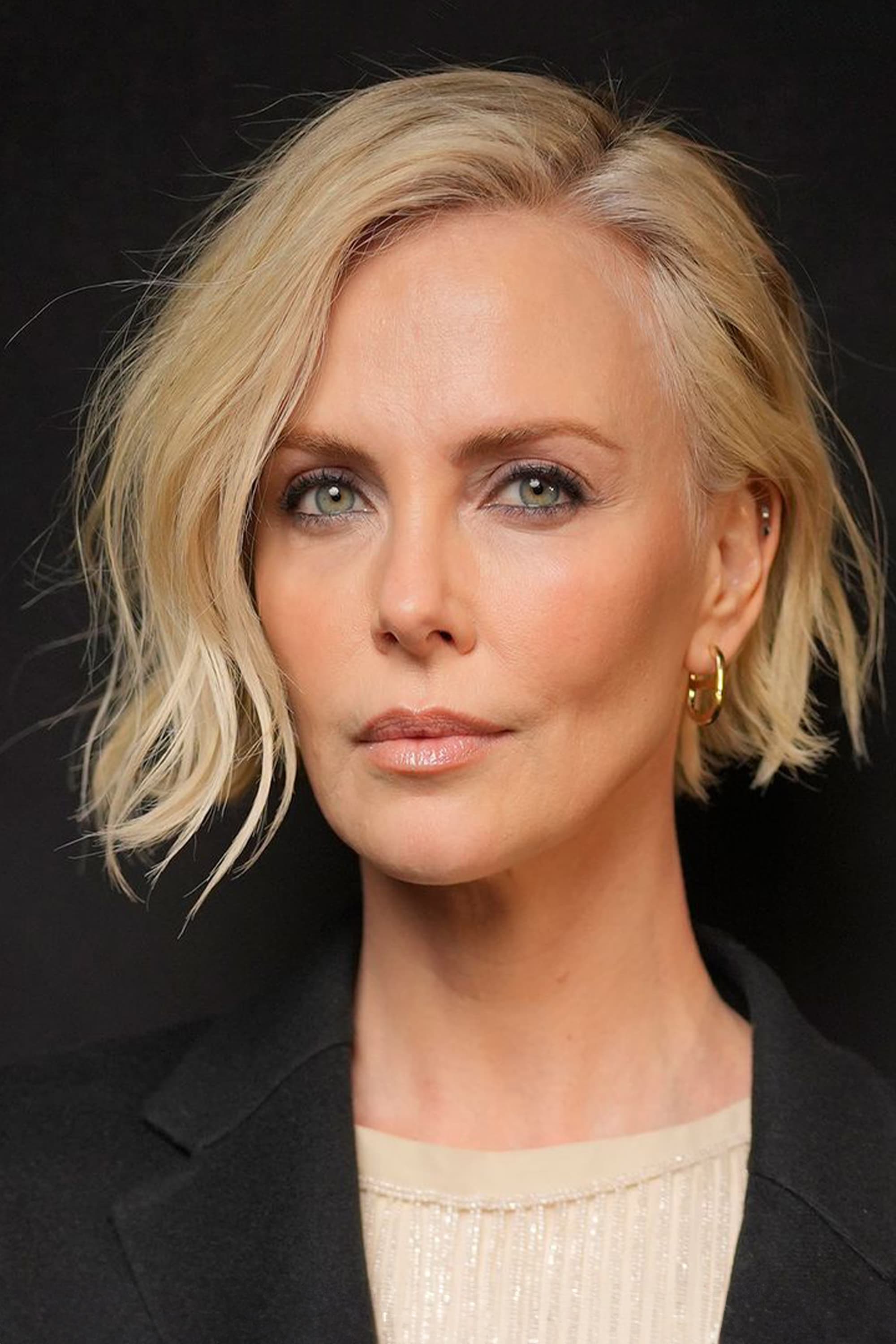
Charlize Theron found that her appearance often stood in the way of the gritty, dramatic roles she coveted early in her career. She famously underwent a significant physical transformation for her Oscar-winning role in ‘Monster’ to distance herself from her model-turned-actress image. Theron has explained that being a sex symbol can be a trap that prevents filmmakers from seeing an actress’s true potential. She continues to produce and star in roles that prioritize physical and emotional depth over traditional Hollywood beauty.
Elizabeth Taylor
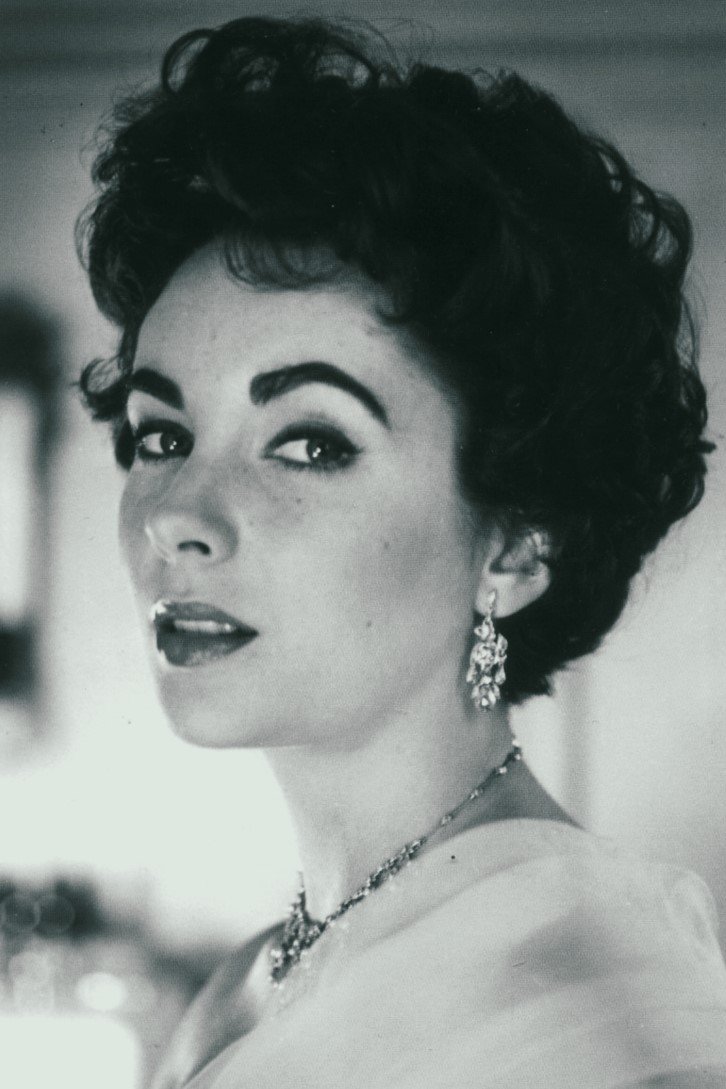
Elizabeth Taylor was often referred to as the most beautiful woman in the world, a title she felt frequently obscured her talent. She fought the studio system to secure roles with more substance, such as her performance in ‘Who’s Afraid of Virginia Woolf?’. Taylor intentionally gained weight and aged her appearance for that role to prove she was a serious dramatic actress. She wanted her legacy to be defined by her humanitarian work and her craft rather than her famous violet eyes.
Emilia Clarke

Emilia Clarke faced significant pressure regarding the frequent nudity required in the early seasons of ‘Game of Thrones’. She later revealed that she felt coerced into certain scenes and struggled with the sex symbol status that followed her character’s journey. Clarke eventually advocated for more control over her body on set and refused to do more nude scenes in later seasons. She has since spoken out about the need for better protections and intimacy coordinators for young actresses in the industry.
Helen Mirren
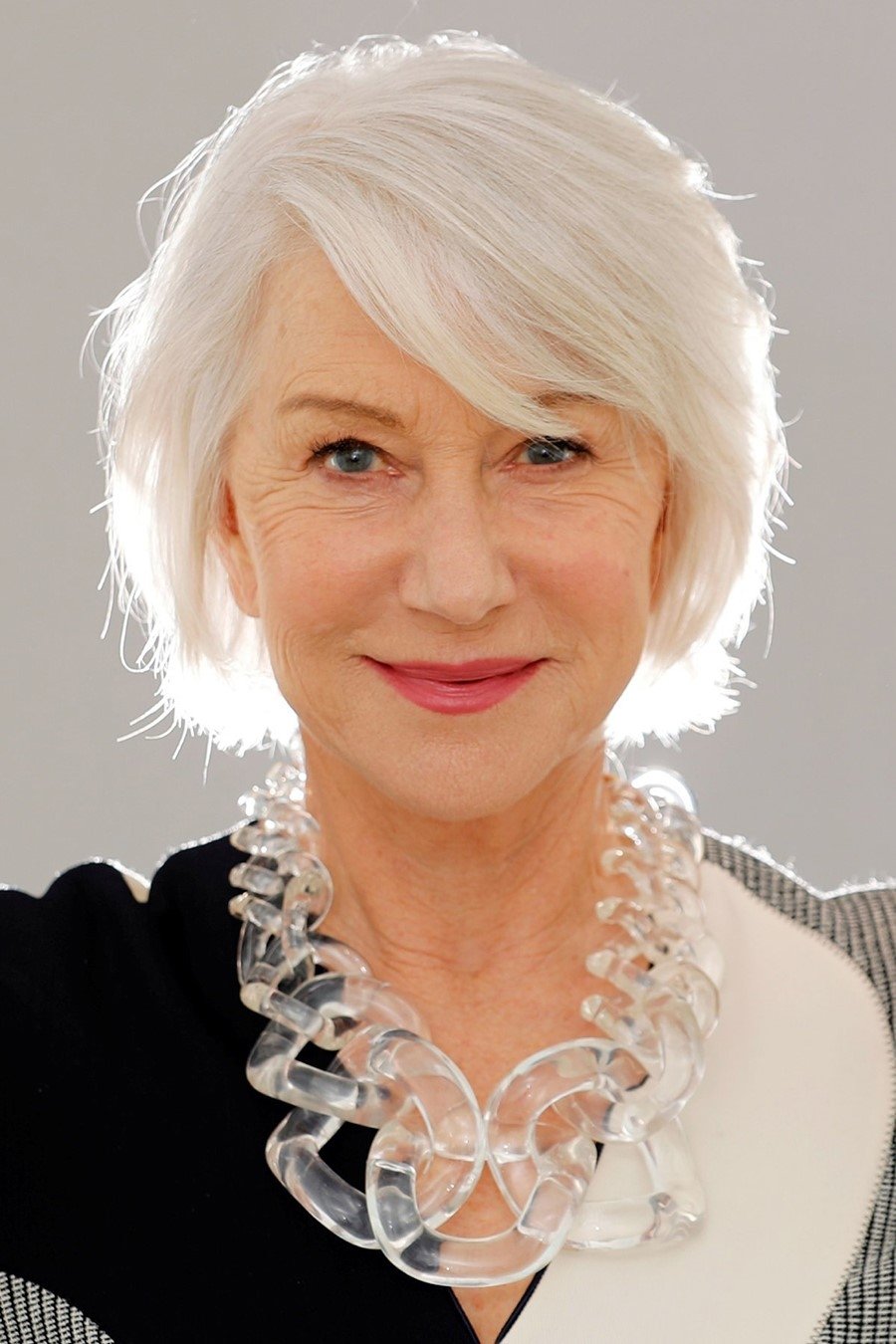
Helen Mirren has faced the sex symbol label for decades and has consistently challenged the media’s focus on her appearance. She famously confronted interviewers in the 1970s who prioritized her looks over her extensive work with the Royal Shakespeare Company. Mirren has stated that the label was “boring” and restrictive for any actress seeking a diverse and long-lasting range of roles. Despite the label, she successfully navigated a transition into more authoritative and complex characters in films like ‘The Queen’.
Jennifer Lawrence
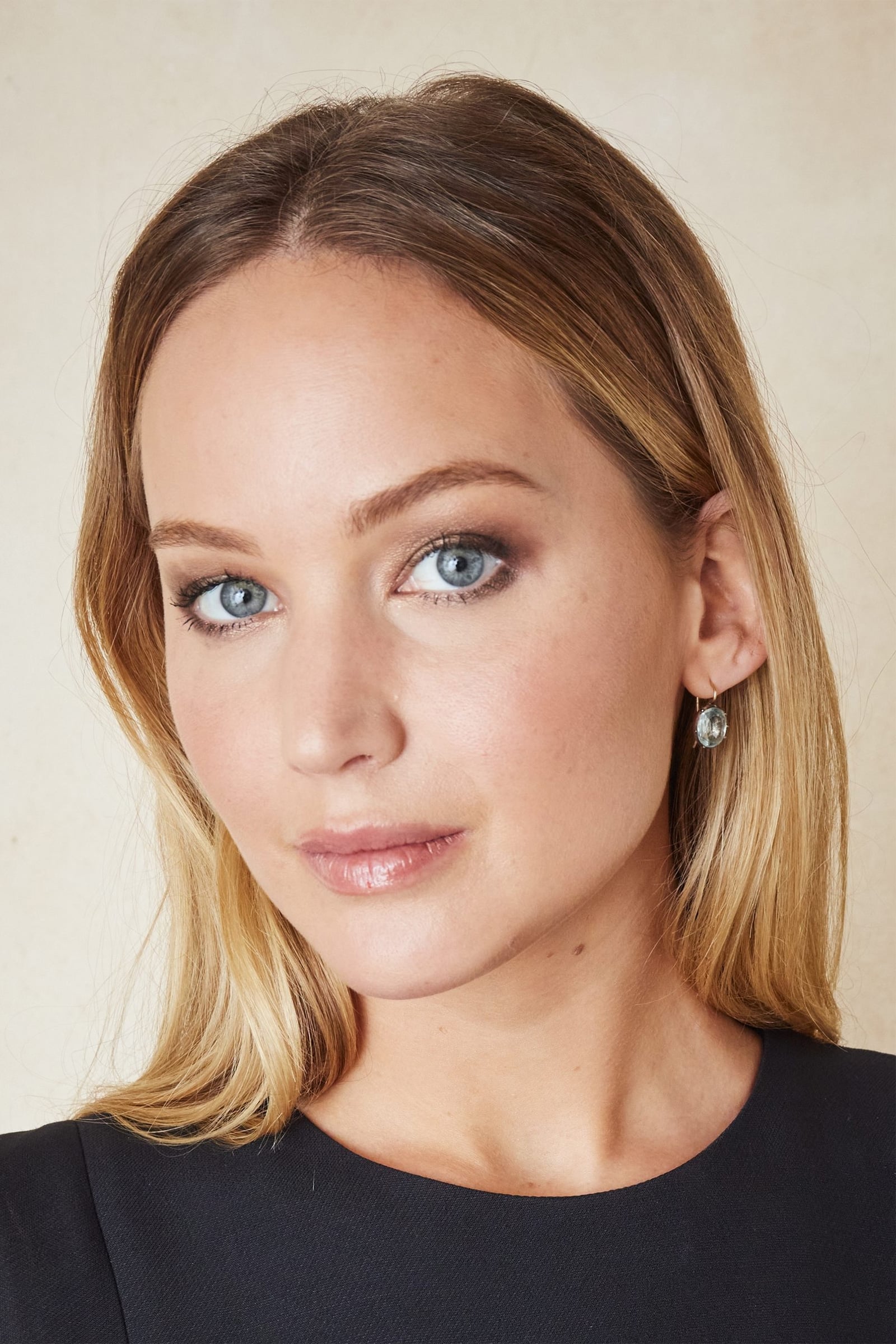
Jennifer Lawrence has often poked fun at the industry’s obsession with her looks, but she has also expressed serious concerns about the “sex symbol” label. She criticized the pressure to lose weight for roles like ‘The Hunger Games’, fearing it sent a negative message to her young fans. Lawrence has emphasized that she wants her legacy to be based on her acting ability rather than her red-carpet appearances. She remains one of the most vocal advocates for body positivity and fair treatment in modern Hollywood.
Jessica Alba

Jessica Alba felt that her early roles in films like ‘Into the Blue’ and ‘Sin City’ pigeonholed her as a sex symbol. She expressed frustration that the industry focused heavily on her ethnicity and body rather than her range as a performer. This dissatisfaction led her to take a hiatus from acting to launch her own business, The Honest Company. Alba has stated that she wanted to be known for her professional accomplishments and intelligence rather than just being a “bikini girl.”
Kate Winslet
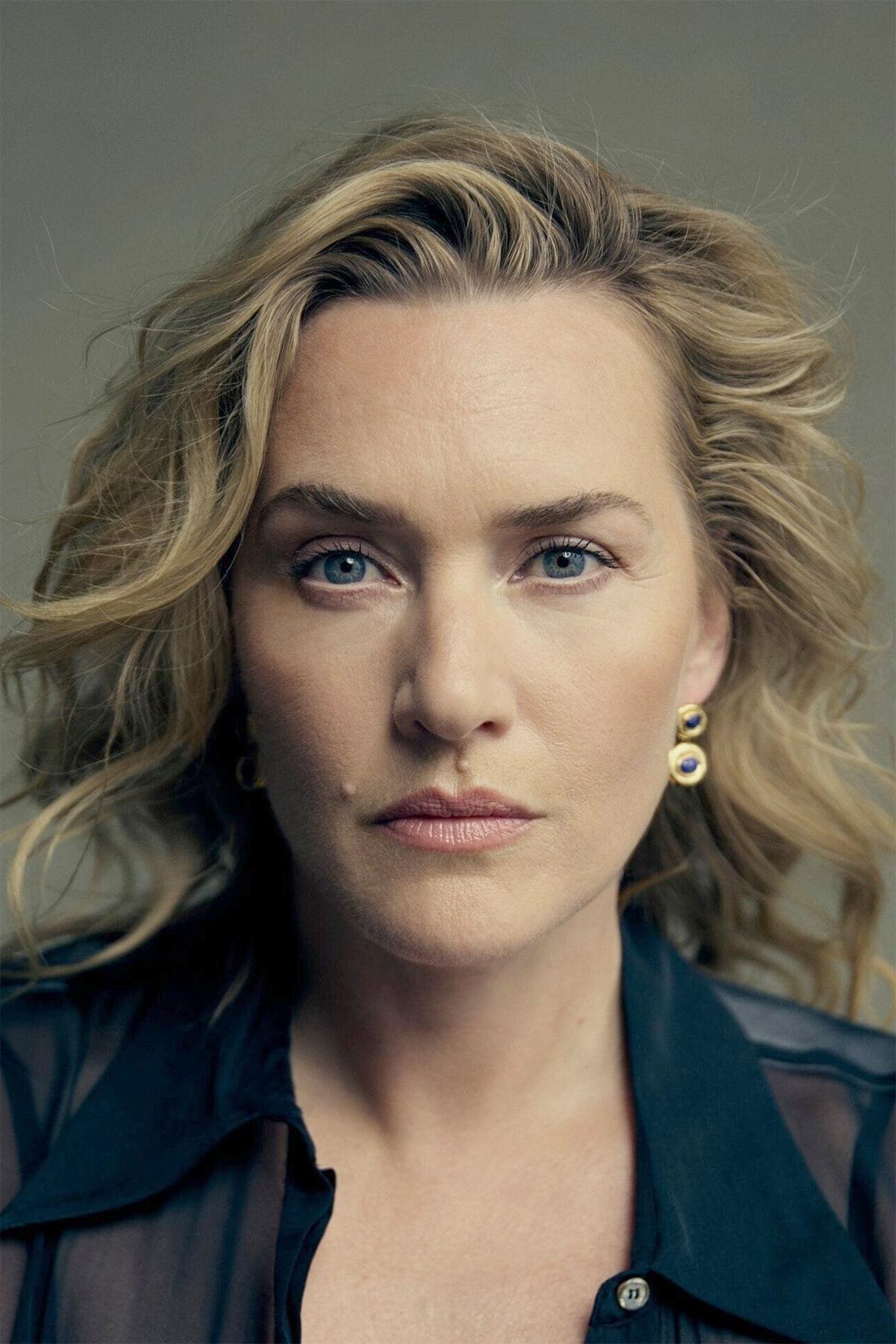
Kate Winslet has been a long-time critic of the way the media scrutinizes women’s bodies and labels them based on sex appeal. After the massive success of ‘Titanic’, she deliberately sought out independent films like ‘Holy Smoke!’ to challenge her leading-lady image. Winslet has famously requested that her promotional photos not be airbrushed to reflect reality and promote a healthier body image. She prioritizes the authenticity and flaws of her characters over the expectations of typical Hollywood glamour.
Margot Robbie

Margot Robbie expressed her frustration with the costume design for her character Harley Quinn in ‘Suicide Squad’. She noted that the skimpy clothing made her feel self-conscious and served the male gaze rather than the character’s own narrative. Robbie worked as a producer on ‘Birds of Prey’ to ensure the character’s wardrobe was more practical and less focused on sex appeal. She has emphasized the importance of female characters having agency over their own appearance and story on screen.
Marilyn Monroe
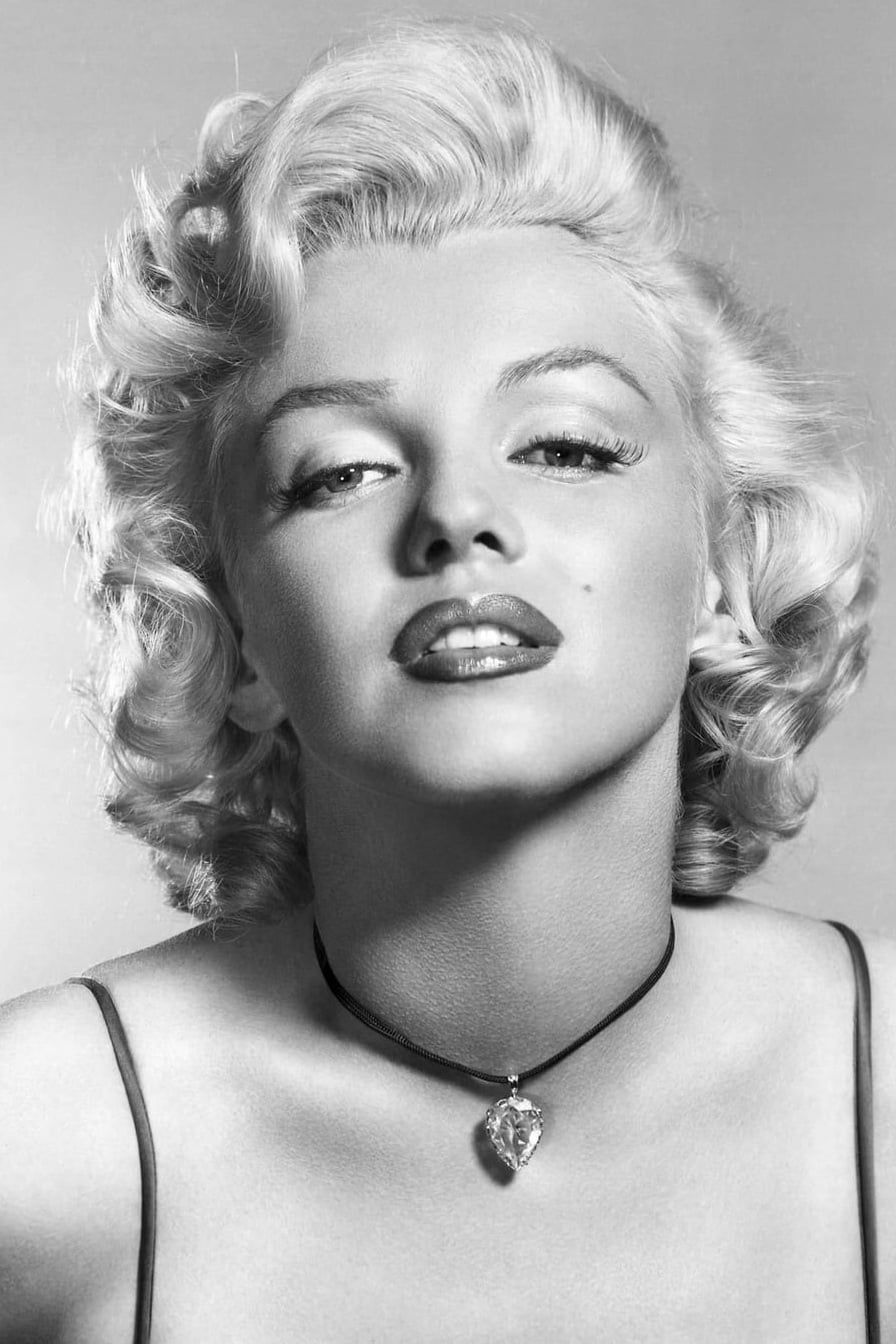
Marilyn Monroe frequently expressed her desire to be recognized for her acting talents rather than her physical appearance. She famously studied at the Actors Studio to transition away from the “dumb blonde” archetype seen in ‘Gentlemen Prefer Blondes’. Monroe felt that the industry’s obsession with her looks overshadowed her dedication to her craft and her personal intelligence. Her struggle with this public persona remained a central and tragic theme throughout her career in the Hollywood studio system.
Megan Fox
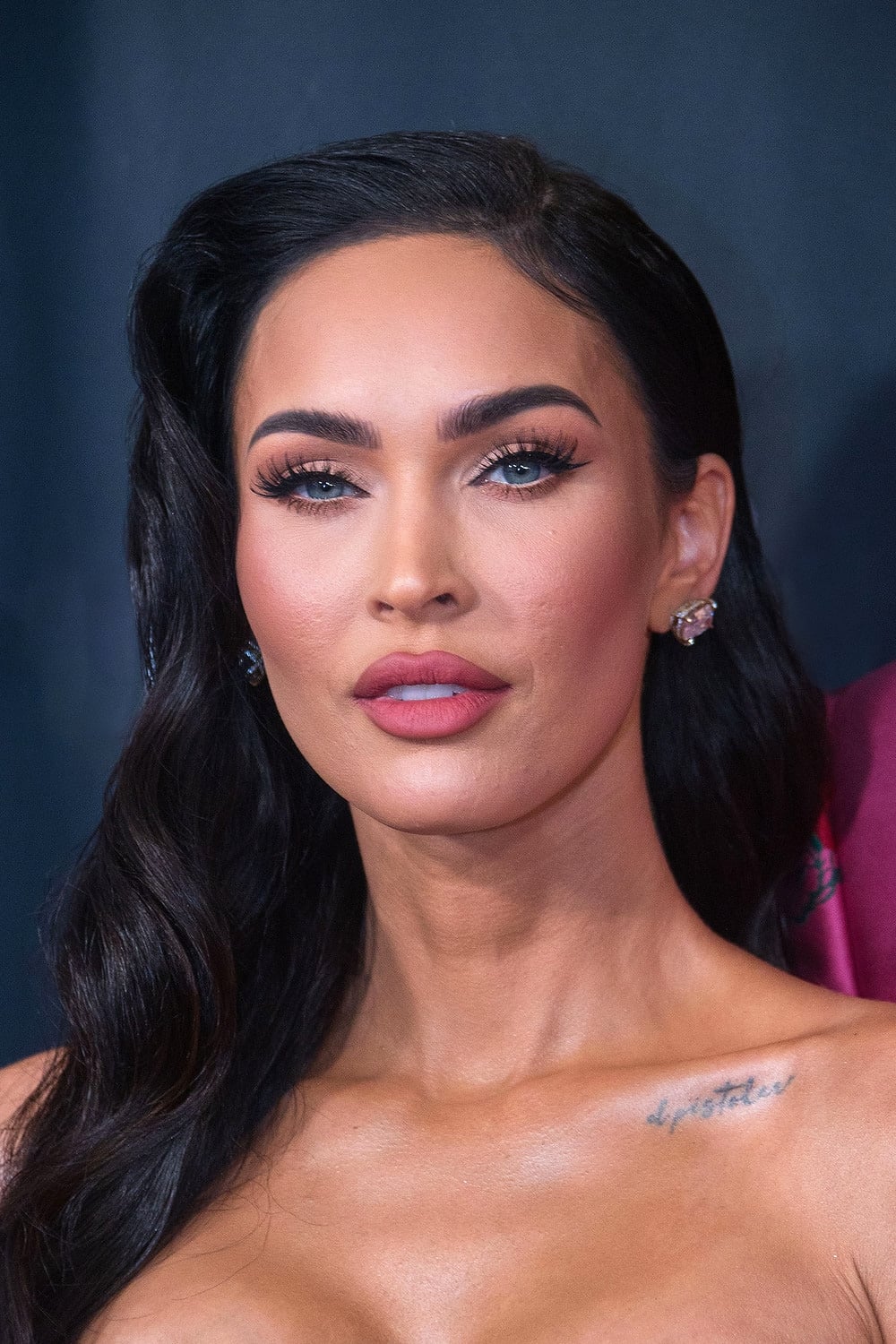
Megan Fox has been candid about her discomfort with the way she was marketed as a sex symbol early in her career. She specifically cited her experience in the ‘Transformers’ franchise as a turning point in her relationship with public perception. Fox noted that the hyper-sexualized image led to her being treated as an object by both the media and the film industry. This environment eventually led her to take a step back from high-profile blockbusters to regain control over her public image.
Natalie Portman
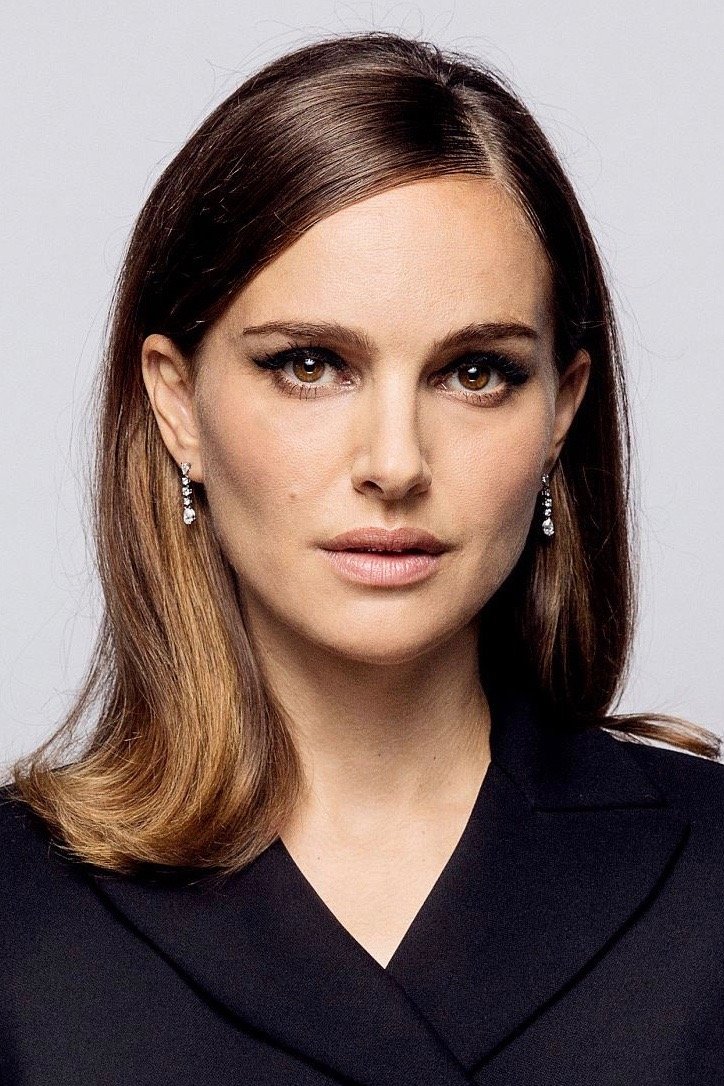
Natalie Portman has discussed the predatory way she was sexualized by the media after her debut in ‘Léon: The Professional’ at age 13. She felt that the label of a sex symbol was forced upon her while she was still a child, affecting her sense of safety. To combat this, she intentionally chose conservative roles and focused on her education at Harvard University during the height of her fame. Portman continues to support the Time’s Up movement to protect other women from similar experiences in the industry.
Pamela Anderson
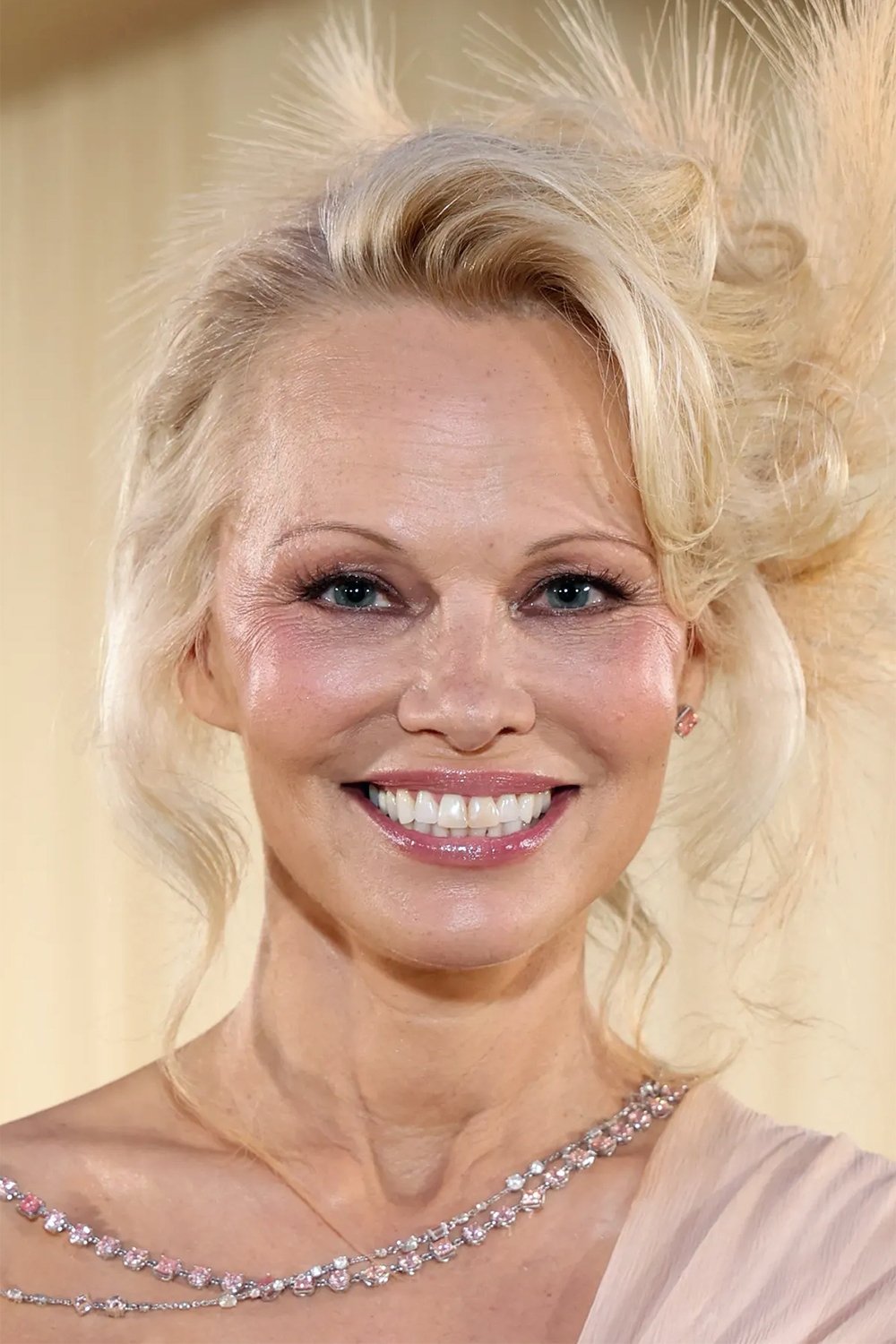
Pamela Anderson spent years being defined by her role in ‘Baywatch’ and her status as a global sex symbol. In recent years, she has reclaimed her story through her memoir and documentary, expressing how the label felt like a restrictive performance. Anderson noted that she often felt overlooked as a human being while the world focused almost entirely on her physical image. She has since embraced a more natural look and is focusing on her work as an author and animal rights activist.
Raquel Welch

Raquel Welch became an icon after appearing in a fur bikini in ‘One Million Years B.C.’, a moment she felt defined her career for too long. She spent decades trying to convince directors that she could handle comedy and drama beyond her obvious physical appeal. Welch once remarked that being a sex symbol was a difficult “second career” that she never actually asked for. She worked hard to maintain her dignity while navigating an industry that often saw her only as a poster girl.
Salma Hayek
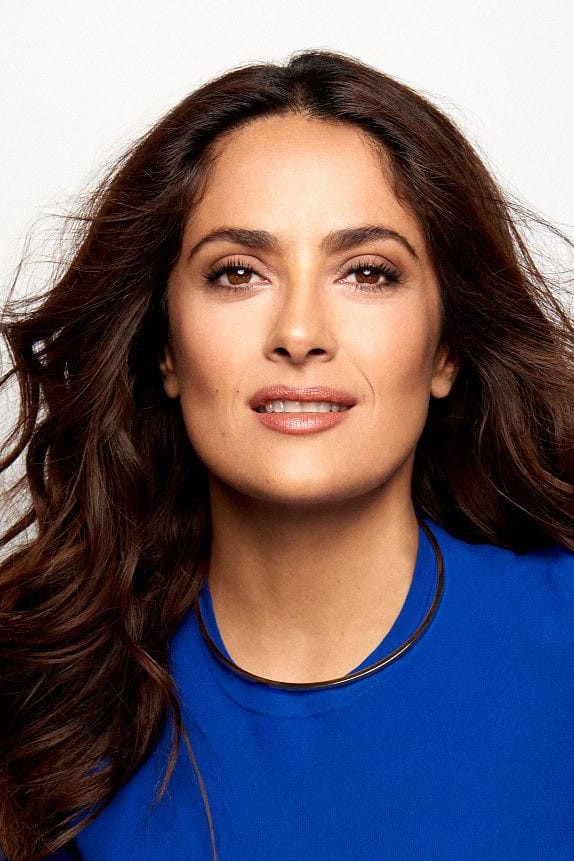
Salma Hayek has spoken about the difficulties of being a Latina actress in Hollywood, where she was often limited to hyper-sexualized roles. She noted that her beauty was frequently used as a reason for producers to doubt her intelligence or her ability to lead a film. Hayek fought for years to produce ‘Frida’, a project that allowed her to showcase her dramatic depth and her own artistic vision. She continues to advocate for more diverse and substantial roles for women of all cultural backgrounds.
Scarlett Johansson

Scarlett Johansson has criticized the way her character, Natasha Romanoff, was introduced in the film ‘Iron Man 2’. She described the portrayal as overly sexualized and treated like a “piece of meat” rather than a fully developed character. Johansson worked with Marvel over the following decade to evolve the character into a more nuanced and capable figure. She has frequently advocated for better representation of women in the superhero genre that focuses on their skills and leadership.
Sharon Stone

Sharon Stone became an overnight sensation after ‘Basic Instinct’, but she felt the industry stopped seeing her as a serious actress afterward. She struggled for years to land roles that did not rely on the femme fatale archetype established by that specific film. Stone has spoken about the double standards in Hollywood regarding aging and sexuality for women compared to their male counterparts. She remains a firm believer that an actress’s intellect and range should be as celebrated as her screen presence.
Sophia Loren
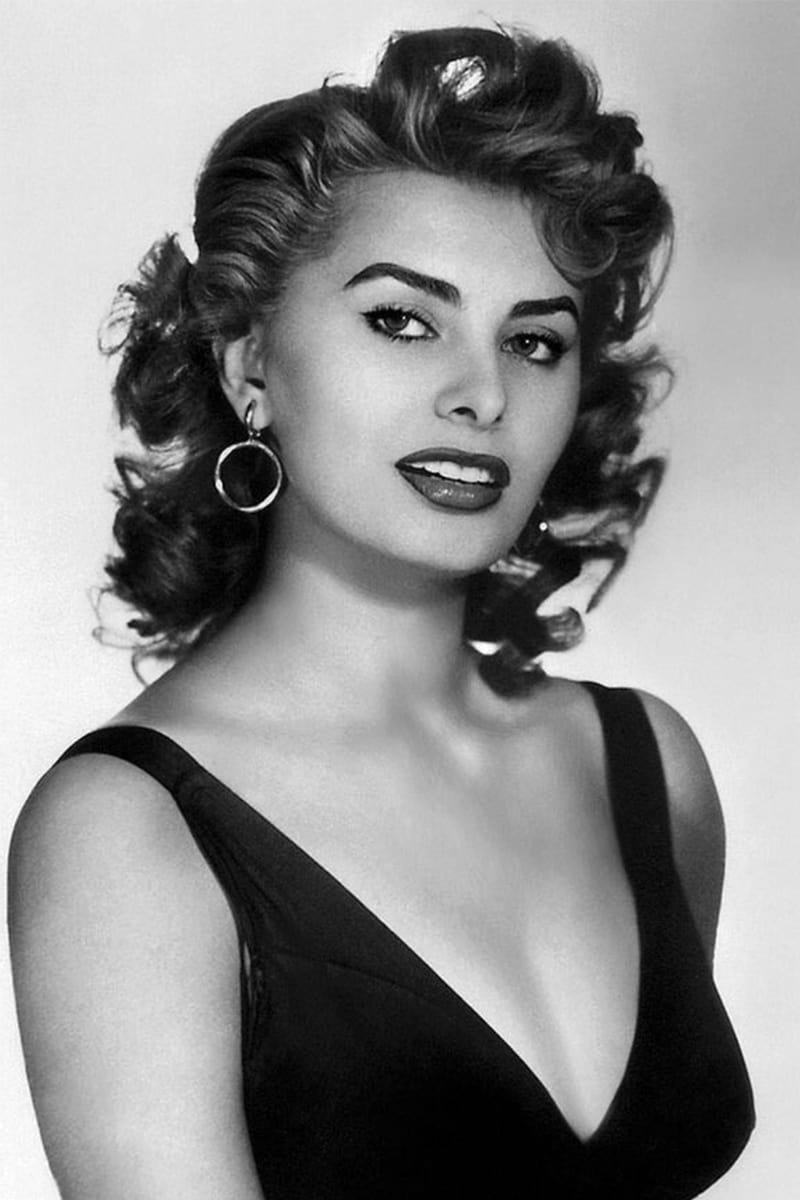
Sophia Loren often spoke about the importance of being recognized for her Neapolitan roots and her actual acting range. While she was celebrated as a global beauty, she took immense pride in roles like ‘Two Women’ that required raw, unglamorous emotion. Loren believed that true sex appeal came from within and resented being treated as a decorative object on a film set. She remained dedicated to her craft, eventually winning an Academy Award that validated her talent beyond her physical appearance.
Please share your thoughts on which actress you feel most effectively challenged her public image in the comments.