Major Actresses Who Don’t Support Black Lives Matter

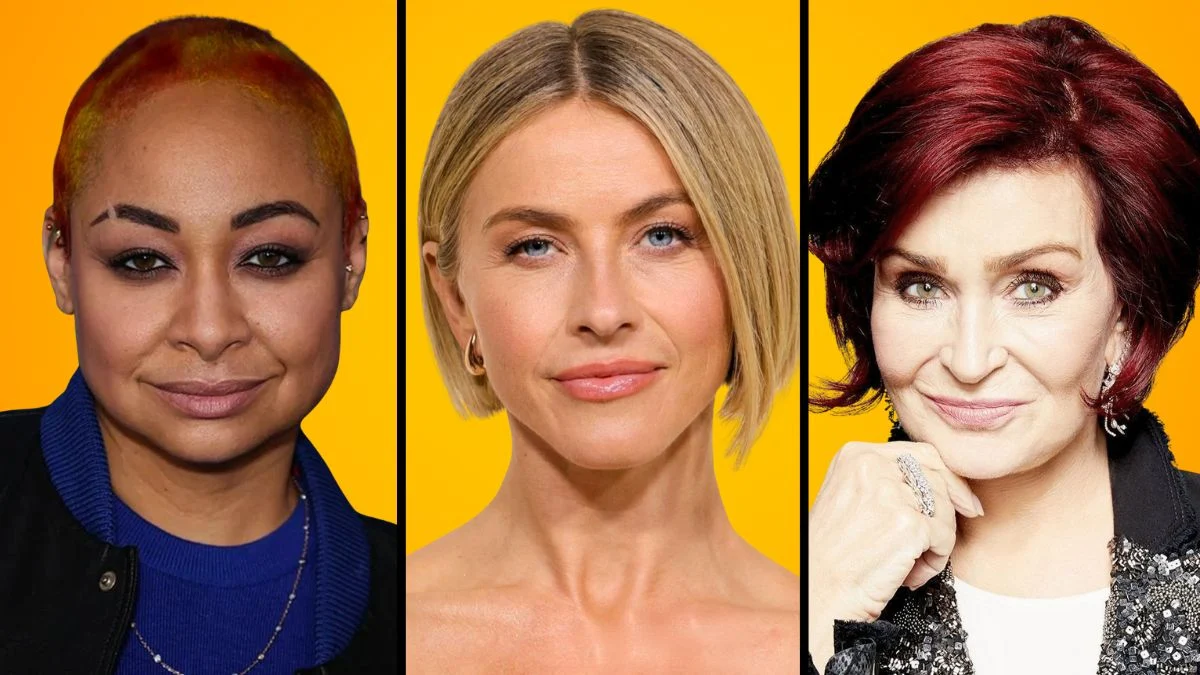

The relationship between Hollywood and social justice movements often sparks intense public scrutiny and debate. While many celebrities used their platforms to advocate for the Black Lives Matter movement, others faced backlash for their criticism, silence, or controversial statements regarding the cause. This list explores actresses who have either explicitly opposed the organization, promoted counter-slogans like “All Lives Matter,” or encountered significant criticism for their perceived lack of support. From outspoken conservative figures to stars who stumbled over their words, these individuals found themselves at odds with the movement’s supporters.
Roseanne Barr
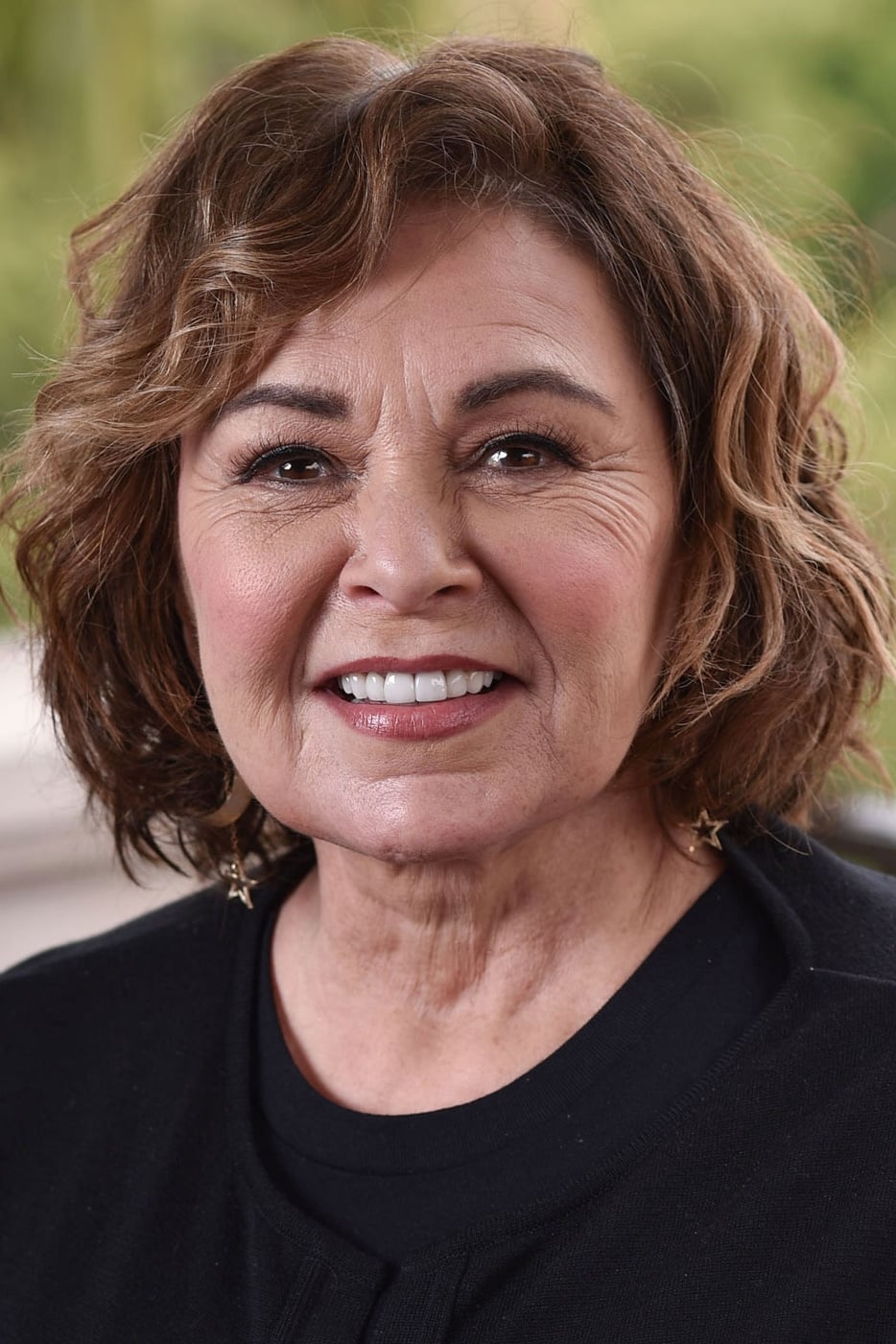
The comedian and actress has frequently expressed conservative political views that align against the Black Lives Matter movement. Barr faced widespread condemnation and the cancellation of her show after posting a racially charged tweet about former Obama advisor Valerie Jarrett. She has publicly criticized the BLM organization and dismissed its impact on social justice in various interviews. Her outspoken nature on social media has solidified her position as a vocal critic of many progressive causes.
Stacey Dash
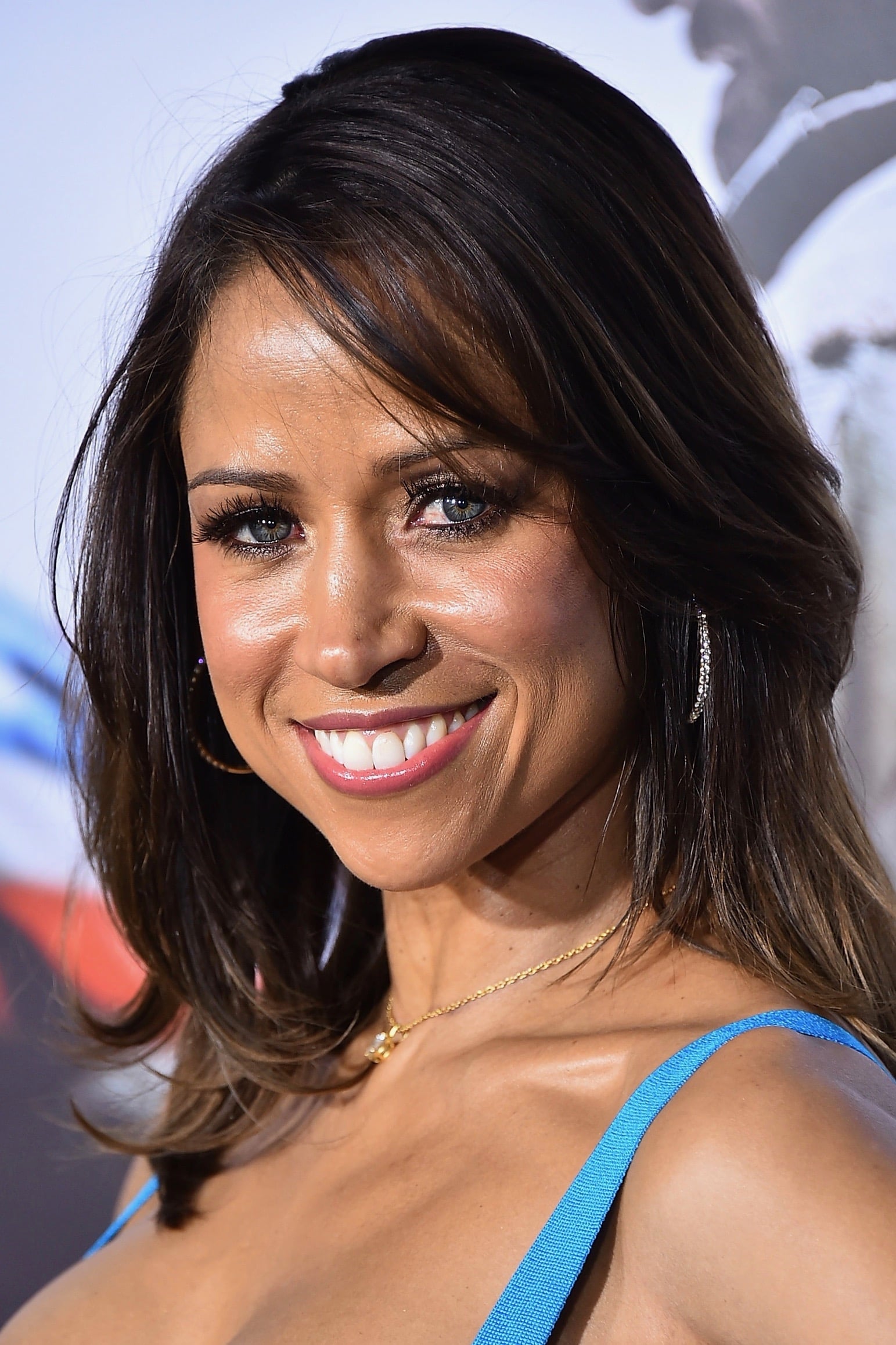
Best known for her role in ‘Clueless’ (1995), Dash has been a consistent critic of the Black Lives Matter movement and networks like BET. She publicly labeled the movement as racist and argued that it promotes segregation rather than unity. Her comments led to significant backlash within the entertainment industry and among fans who felt she was dismissing the struggles of the Black community. Dash has remained firm in her conservative stance despite the professional repercussions.
Kirstie Alley
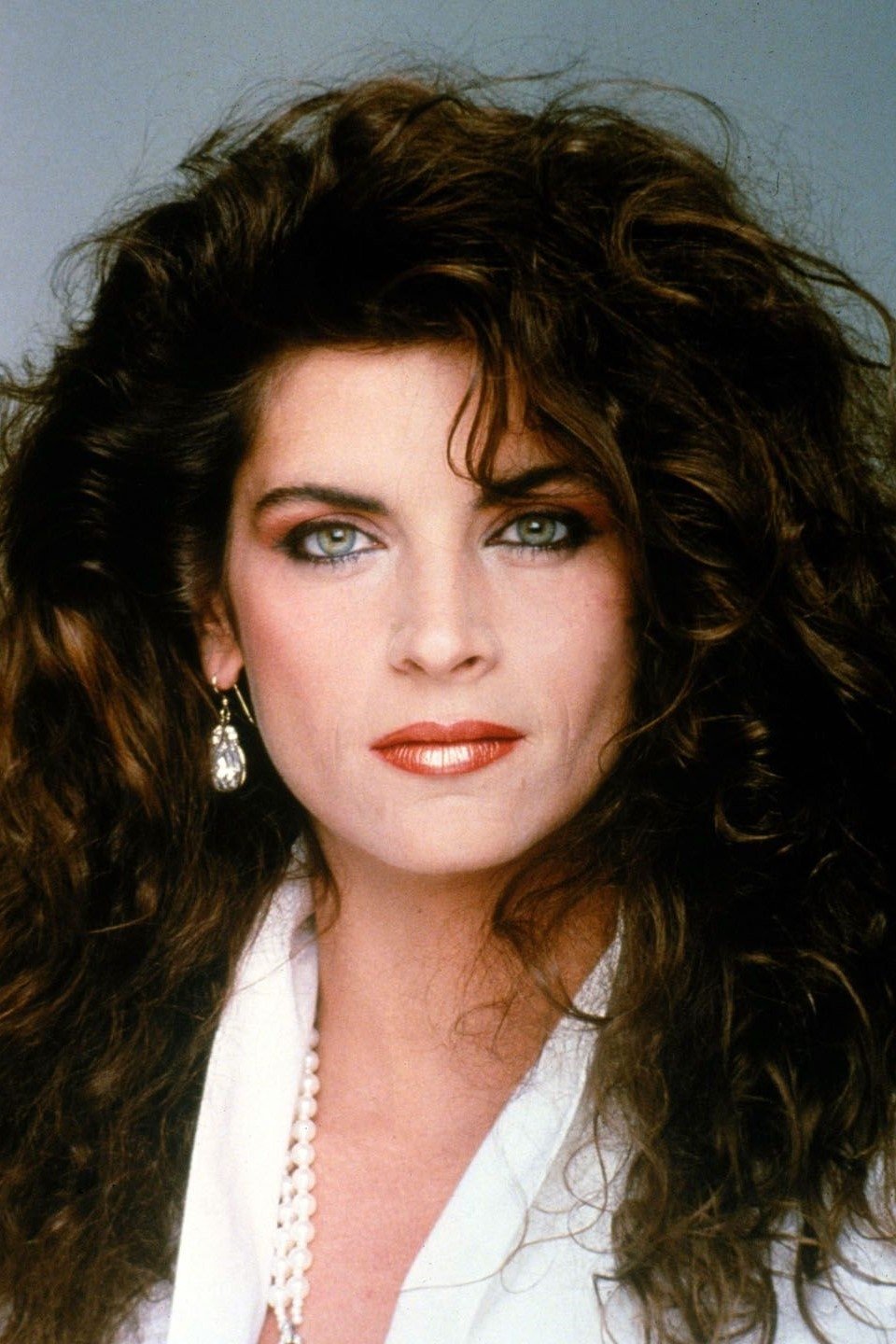
The late actress was known for her support of Donald Trump and her criticism of the protests that occurred during 2020. Alley took to Twitter to express her disapproval of the unrest and rioting she associated with the movement. She often engaged in heated debates with followers who challenged her views on systemic racism and police brutality. Her political alignment often placed her in direct opposition to the narratives supported by BLM activists.
Gina Carano
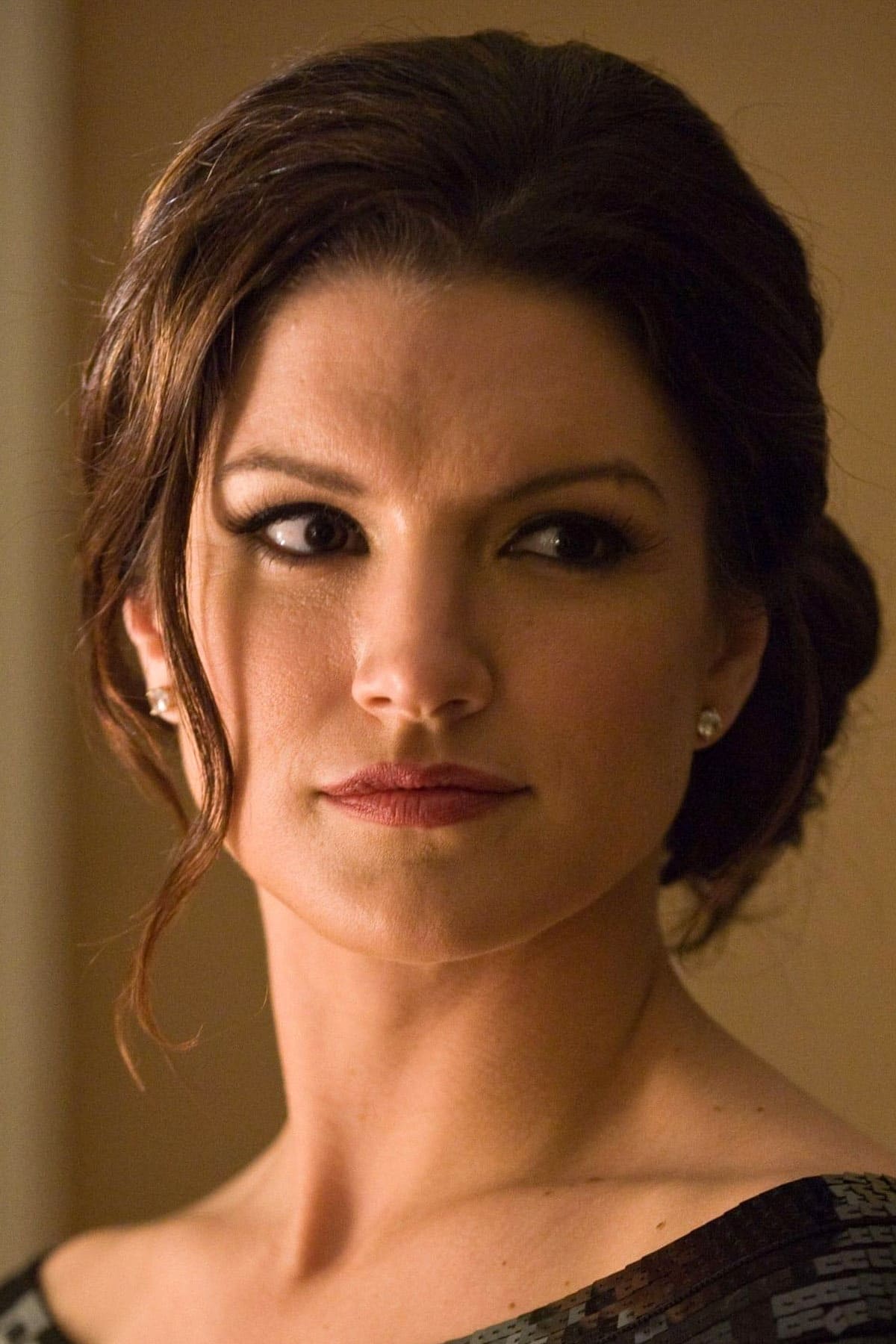
Carano was fired from ‘The Mandalorian’ (2019–Present) following a series of controversial social media posts that critics argued mocked social justice movements. While she did not explicitly attack BLM by name in every instance, her posts regarding the political climate and her support for anti-woke sentiments drew ire. She has since aligned herself with conservative media platforms that regularly criticize the Black Lives Matter organization. Her refusal to conform to Hollywood’s political standards became a central part of her public persona.
Samaire Armstrong
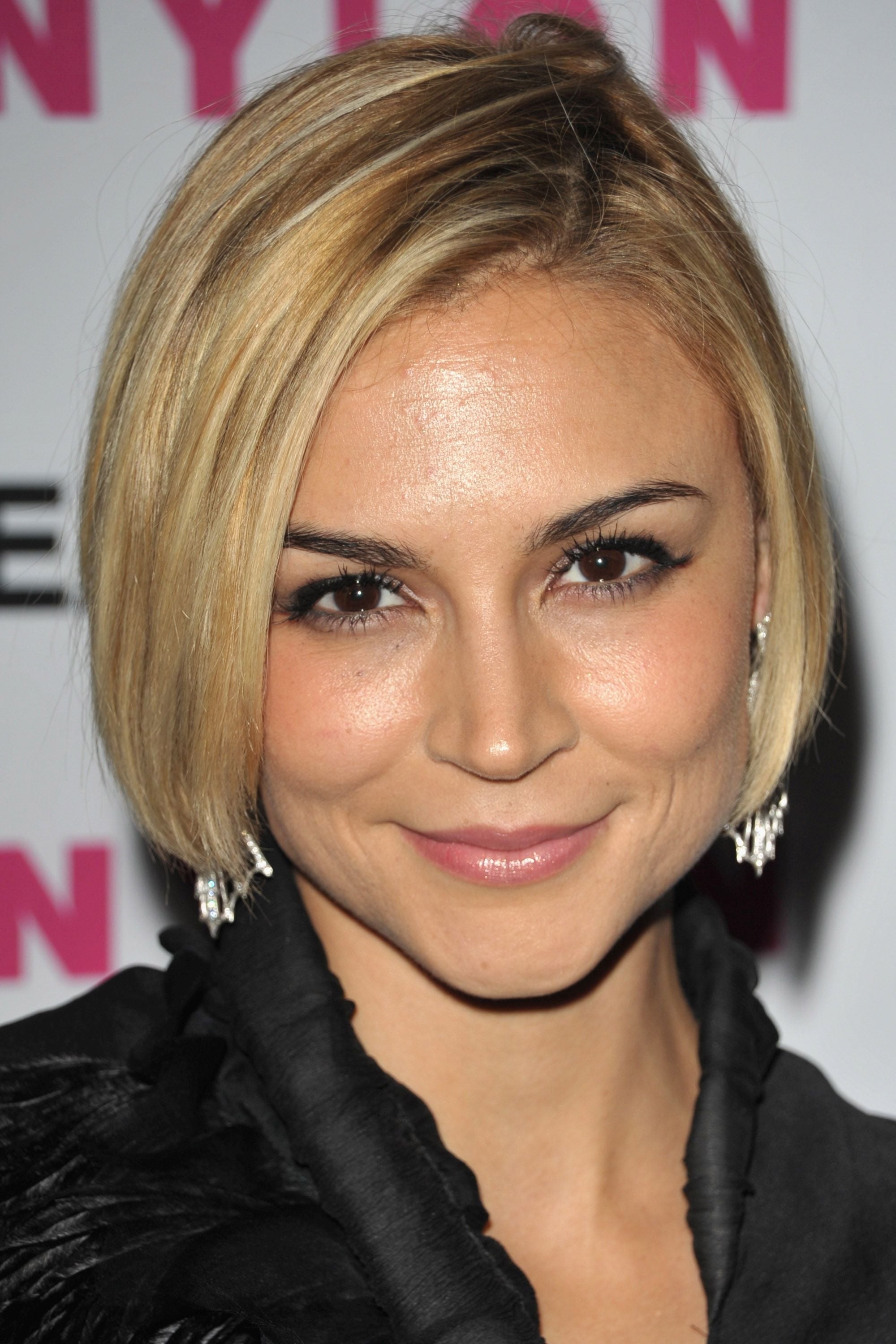
The ‘The O.C.’ (2003–2007) actress made headlines when she explicitly called the Black Lives Matter movement a “terrorist organization” on her Instagram. Armstrong posted lengthy videos and captions detailing her opposition to the group and her support for the police. She argued that the movement was manipulating the public and destroying American values. Her aggressive stance marked one of the most direct condemnations of BLM by a recognizable Hollywood figure.
Kristy Swanson
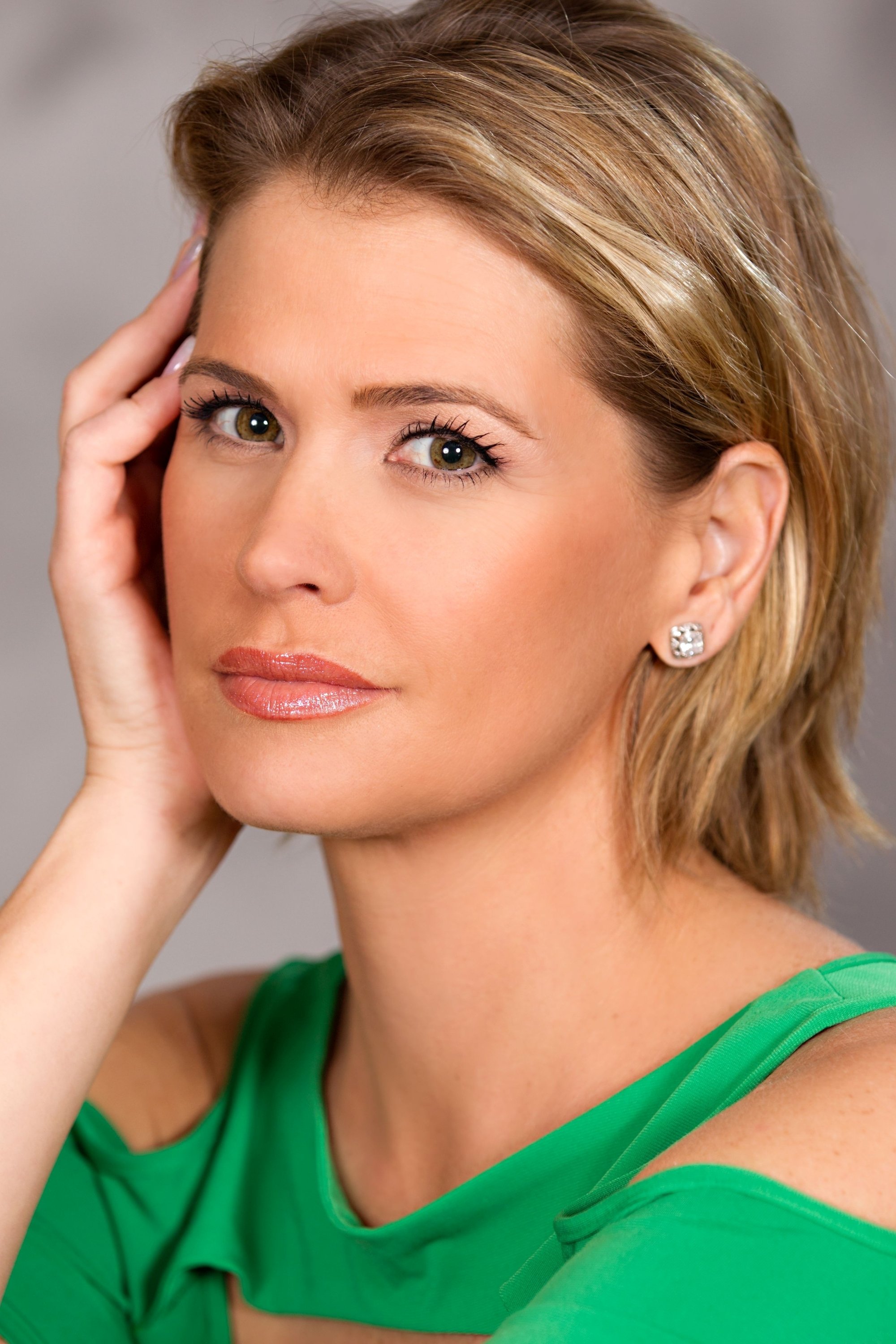
The original ‘Buffy the Vampire Slayer’ (1992) star is a vocal supporter of conservative politics and has frequently criticized the Black Lives Matter movement. Swanson has used her social media platforms to express support for police officers and question the motives of BLM protesters. She often shares content that challenges the narratives regarding systemic racism in America. Her alignment with right-wing causes has alienated many fans of her earlier work.
Victoria Jackson
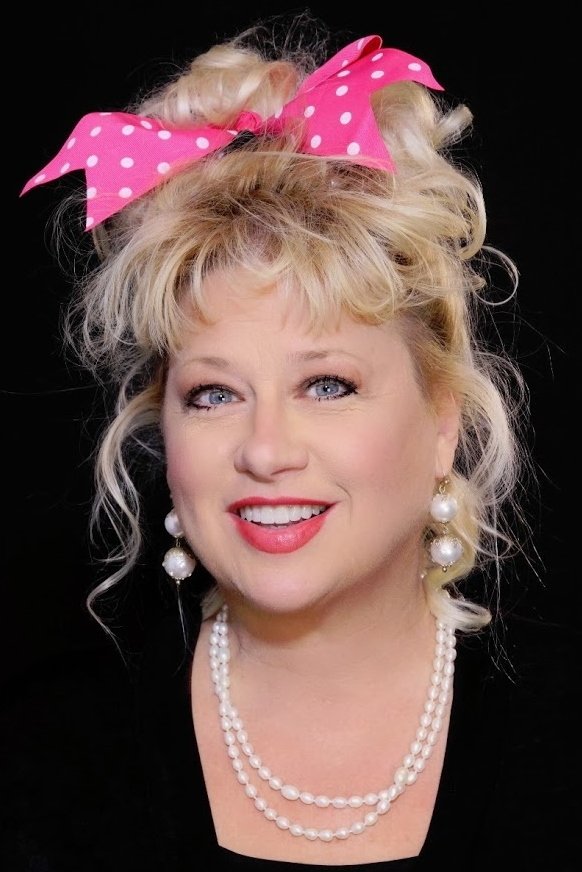
A former cast member of ‘Saturday Night Live’ (1975–Present), Jackson became a Tea Party activist and a vocal critic of progressive movements. She has publicly denounced the Black Lives Matter organization and its leadership. Her commentary often frames the movement as part of a broader Marxist agenda to destabilize the country. Jackson’s shift from comedy to political activism has been defined by her staunch opposition to modern social justice efforts.
Raven-Symoné
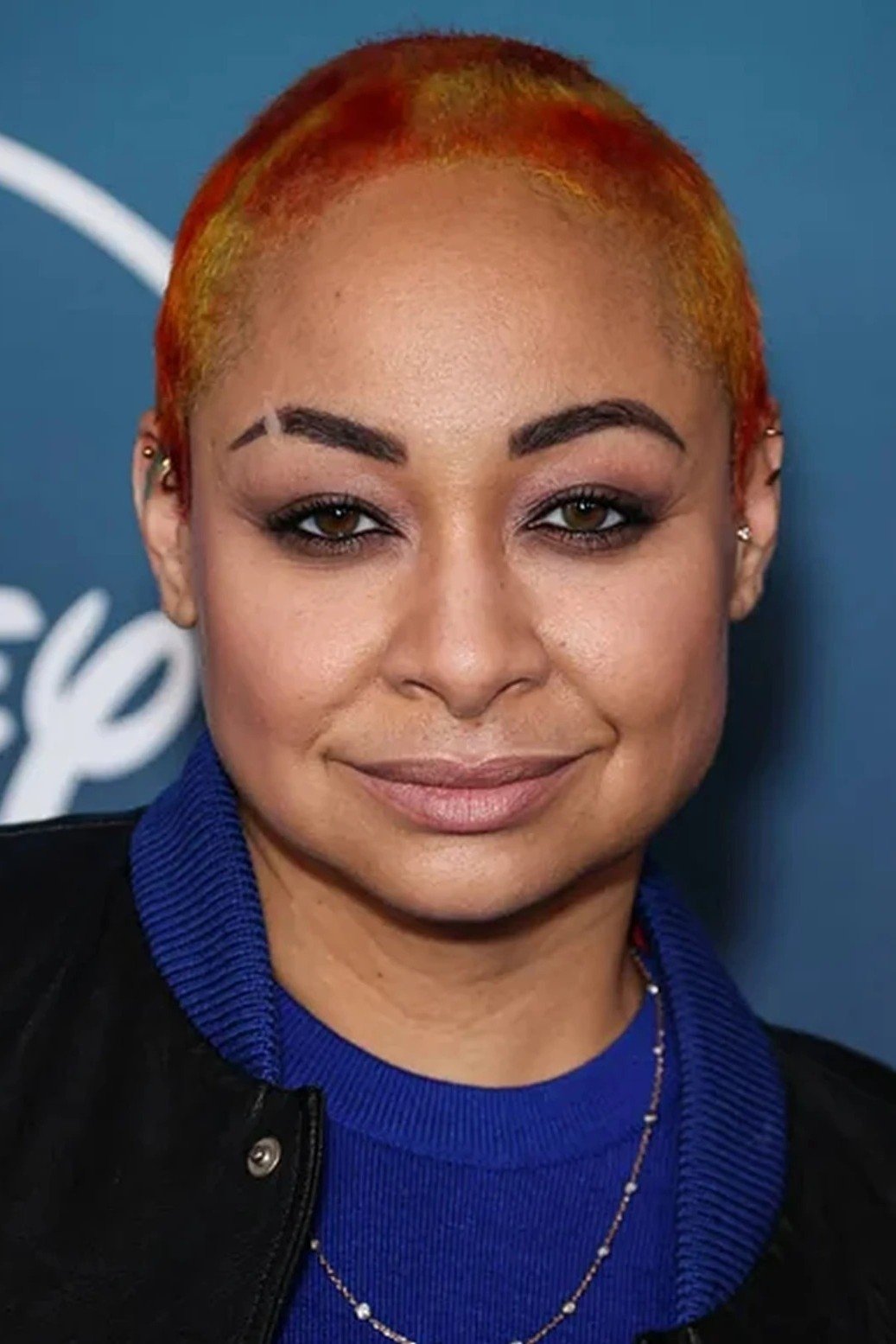
The former child star faced backlash during her tenure on ‘The View’ (1997–Present) when she stated that she believed in “All Lives Matter.” Raven-Symoné argued that categorizing lives by race separates people further and that the focus should be on everyone. Her comments were met with immediate criticism from the Black community and her co-hosts. She later clarified her stance but remained a figure of controversy regarding her views on racial identity.
Fantasia Barrino
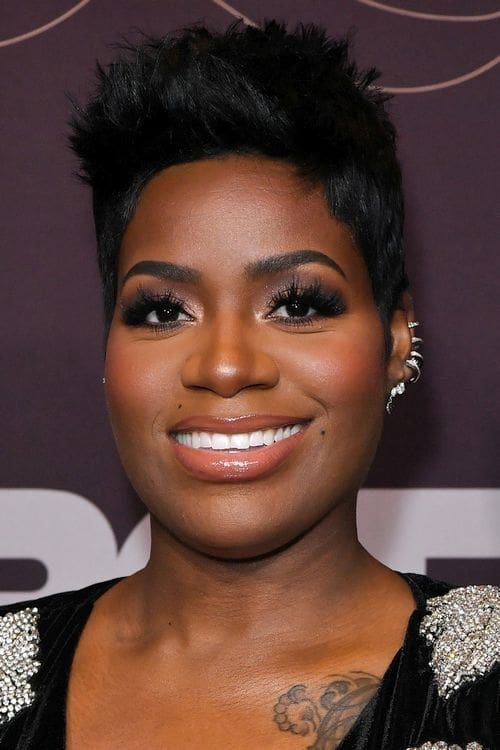
The ‘American Idol’ (2002–Present) winner and actress faced criticism when she scheduled a concert titled “All Lives Matter” in Charlotte. Barrino defended the title by stating that she wanted to promote unity and that her faith taught her that everyone matters. Following intense backlash from fans who felt she was undermining the BLM message, she eventually changed the concert’s branding. The incident highlighted the tension between religious messages of unity and the specific political goals of BLM.
Nia Long
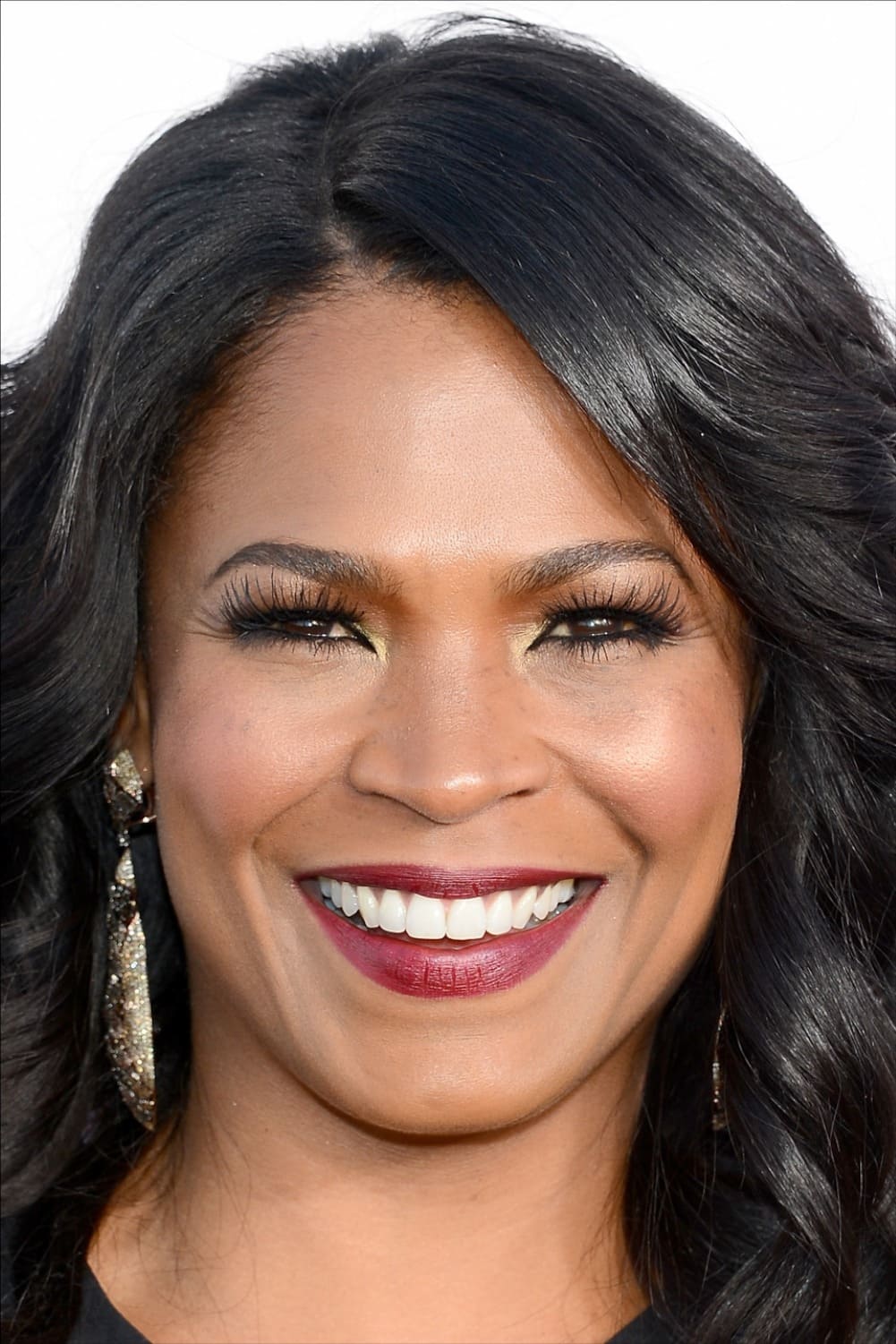
Long sparked a debate on social media when she used the hashtag #AllLivesMatter in a post advocating for prison reform. The actress defended her use of the phrase by explaining that she was referring to all innocent people in prison regardless of race. Fans and activists quickly pointed out that the phrase was often used to silence Black voices. Long maintained that her intentions were inclusive, though the backlash was significant.
Becky G
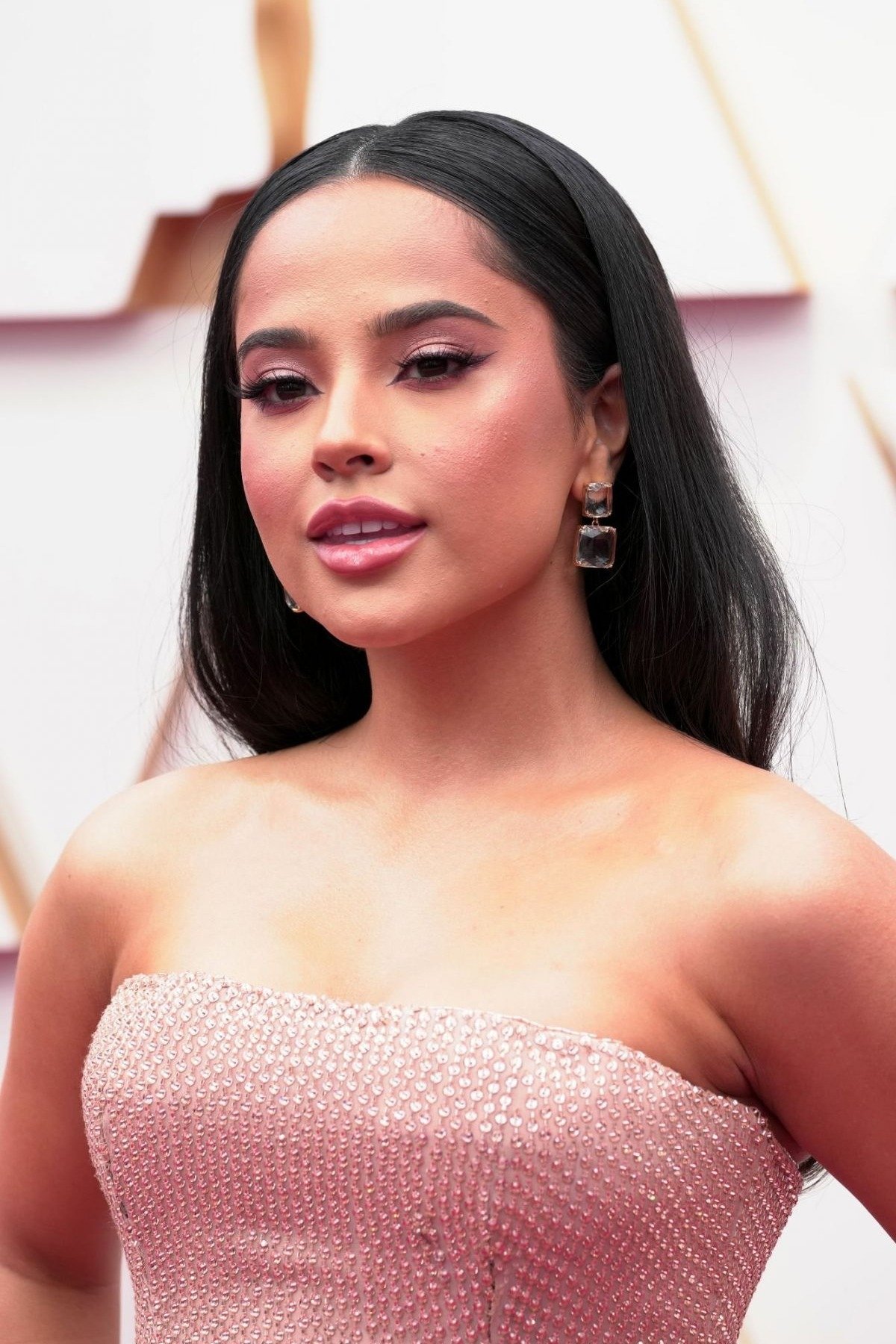
The singer and actress faced criticism after tweeting “All Lives Matter” in response to police shootings. She quickly deleted the tweet and issued an apology, explaining that she was unaware of the phrase’s negative connotation and association with anti-BLM sentiments. Becky G stated that she intended to express that no life should be taken but realized how her words were interpreted. She has since made efforts to educate herself and support the movement more clearly.
Karla Sofía Gascón
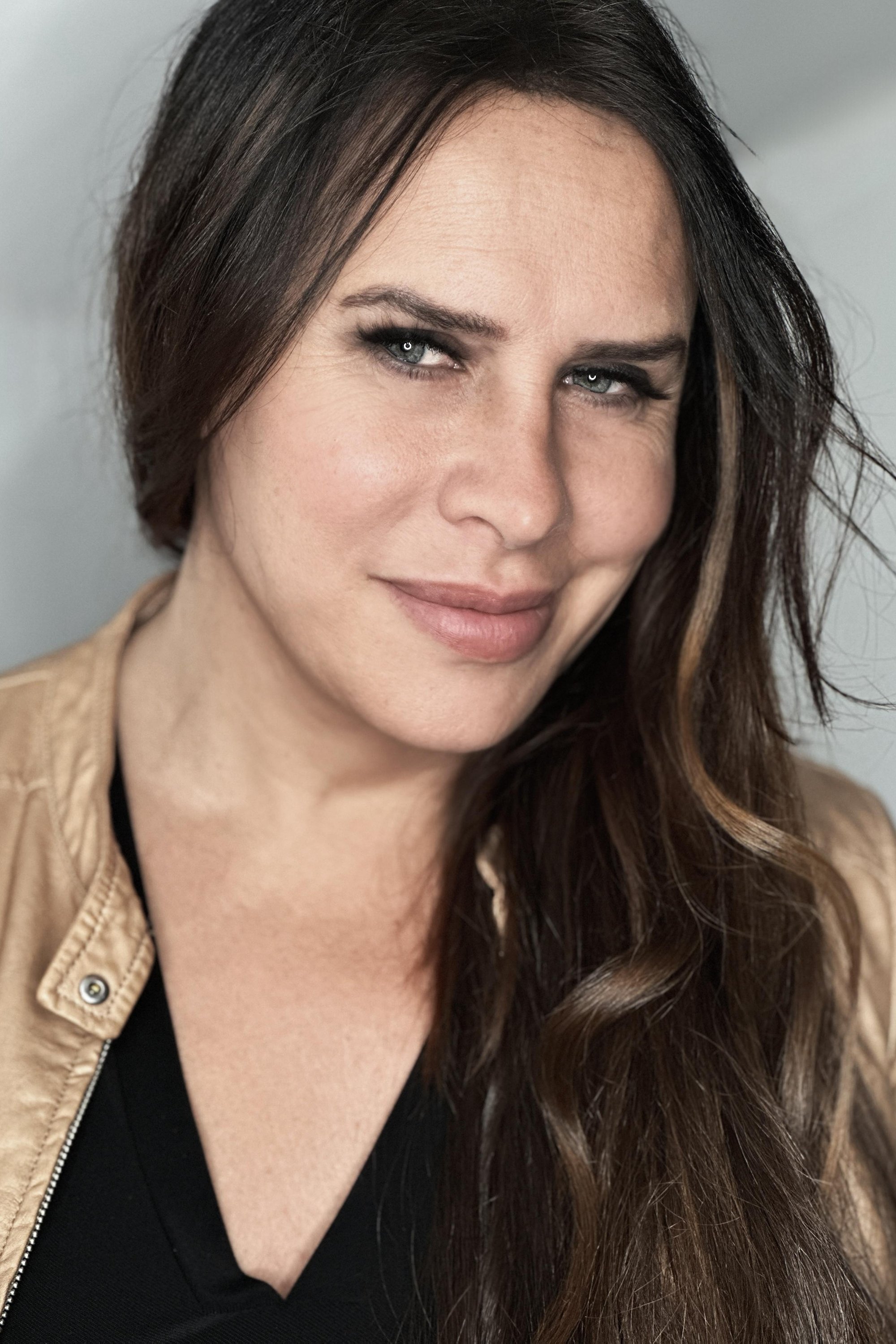
The star of ‘Emilia Pérez’ (2024) came under fire when past tweets resurfaced in which she criticized the Oscars for looking like a “Black Lives Matter demonstration.” Other posts included derogatory remarks about George Floyd, whom she referred to as a drug addict. Gascón apologized for the comments, attributing them to a different time and context in her life. The controversy threatened to overshadow her historic Oscar campaign.
Lana Del Rey
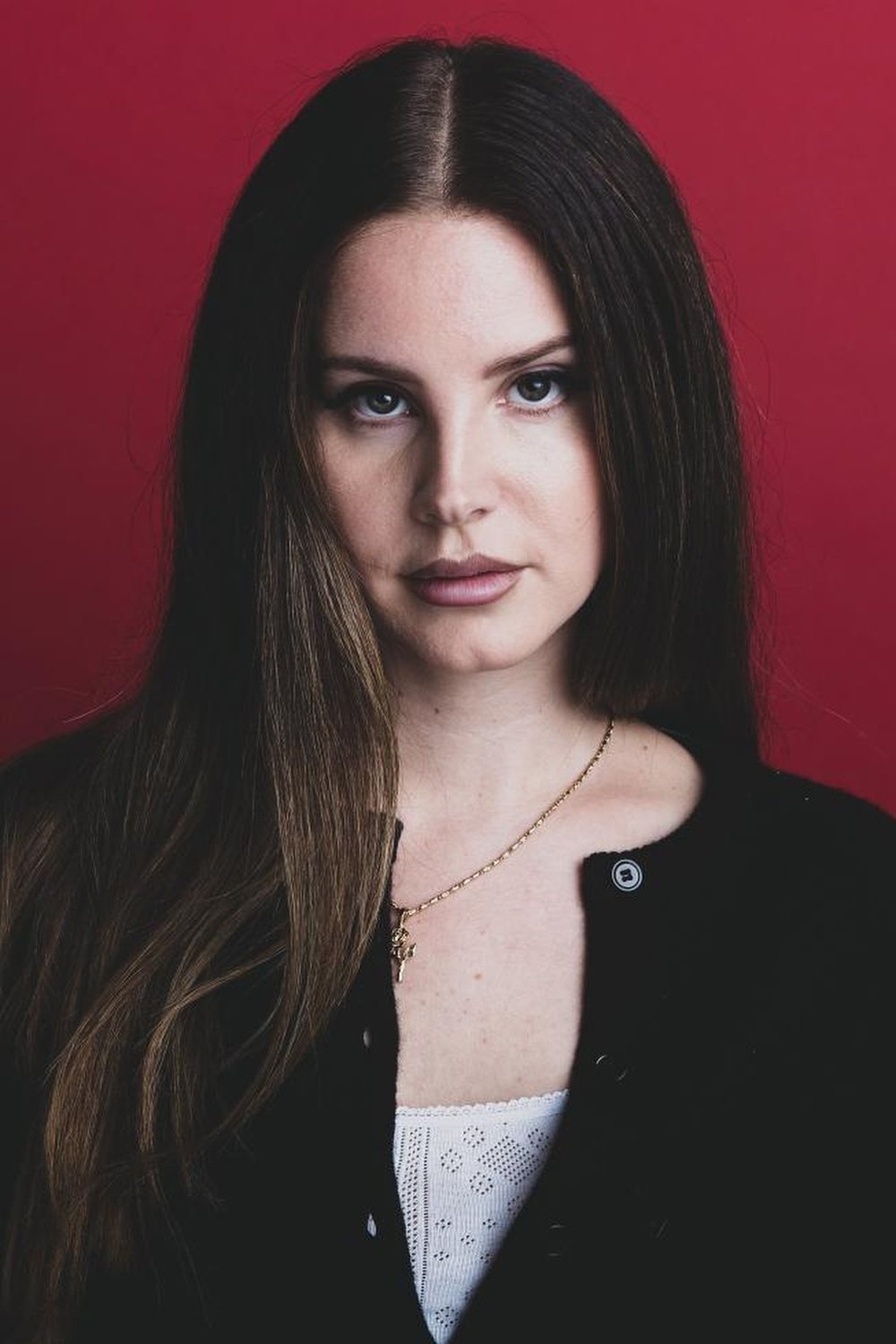
Del Rey faced accusations of insensitivity when she posted a video of protestors looting during the George Floyd demonstrations. Critics argued that showing the faces of primarily Black protestors put them in danger and that her commentary on the music industry targeted Black female artists. She defended her actions as not coming from a racist place but faced continued criticism for her “question for the culture.” Many viewed her responses as defensive and lacking understanding of the movement’s core issues.
Sharon Osbourne
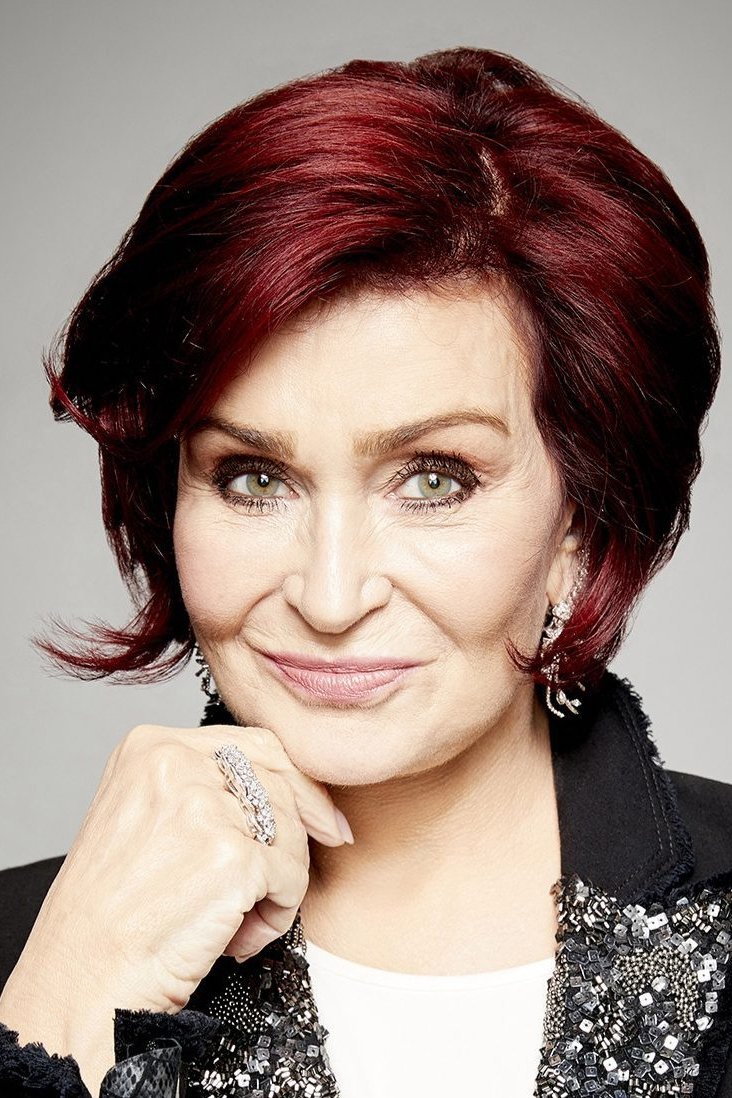
Osbourne left ‘The Talk’ (2010–Present) following a heated on-air debate where she defended Piers Morgan’s right to criticize Meghan Markle. Critics and co-hosts argued that her defense validated racially insensitive rhetoric. The confrontation escalated into a broader discussion about racism and allyship, leading to her departure from the show. Osbourne maintained that she was not racist but felt she was being attacked for supporting a friend.
Lea Michele
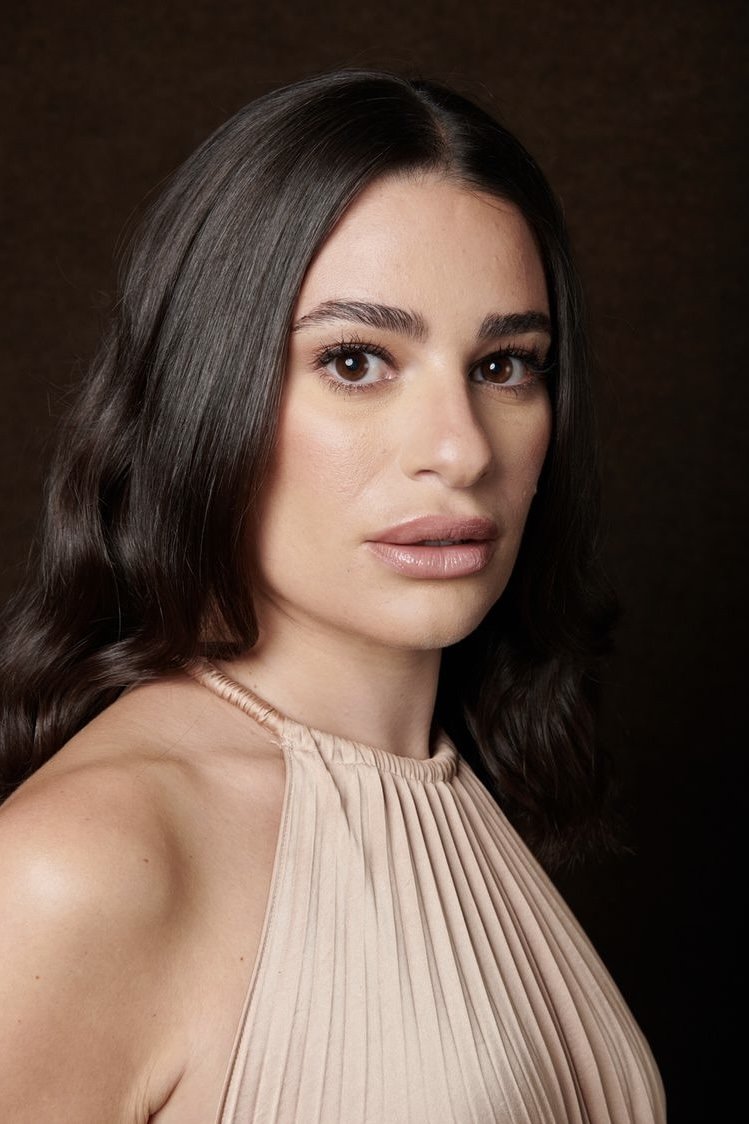
While Michele tweeted in support of Black Lives Matter, she faced immediate backlash from former ‘Glee’ (2009–2015) co-star Samantha Ware. Ware accused the actress of making her life a “living hell” on set and committing microaggressions that traumatized her. The accusations led to other cast members sharing similar negative experiences involving Michele. The incident highlighted the difference between performative social media support and actual behavior towards Black colleagues.
Kendall Jenner
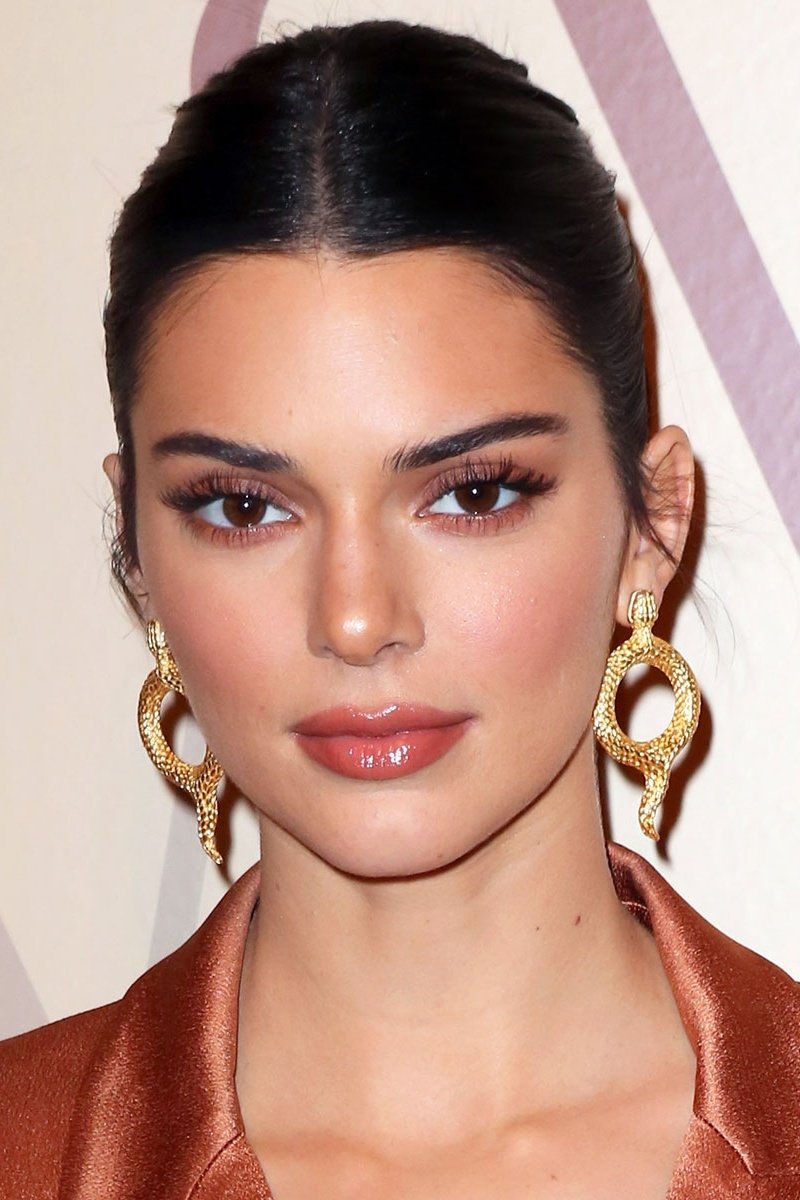
The model and reality star faced global ridicule for a Pepsi commercial that trivialized the protest movement. In the ad, Jenner resolves a standoff between police and protesters by handing an officer a can of soda. Critics argued that the commercial co-opted the imagery of Black Lives Matter for profit while stripping it of its political substance. Jenner apologized and stated she never intended to offend, but the moment remains a notorious example of tone-deaf marketing.
Mischa Barton
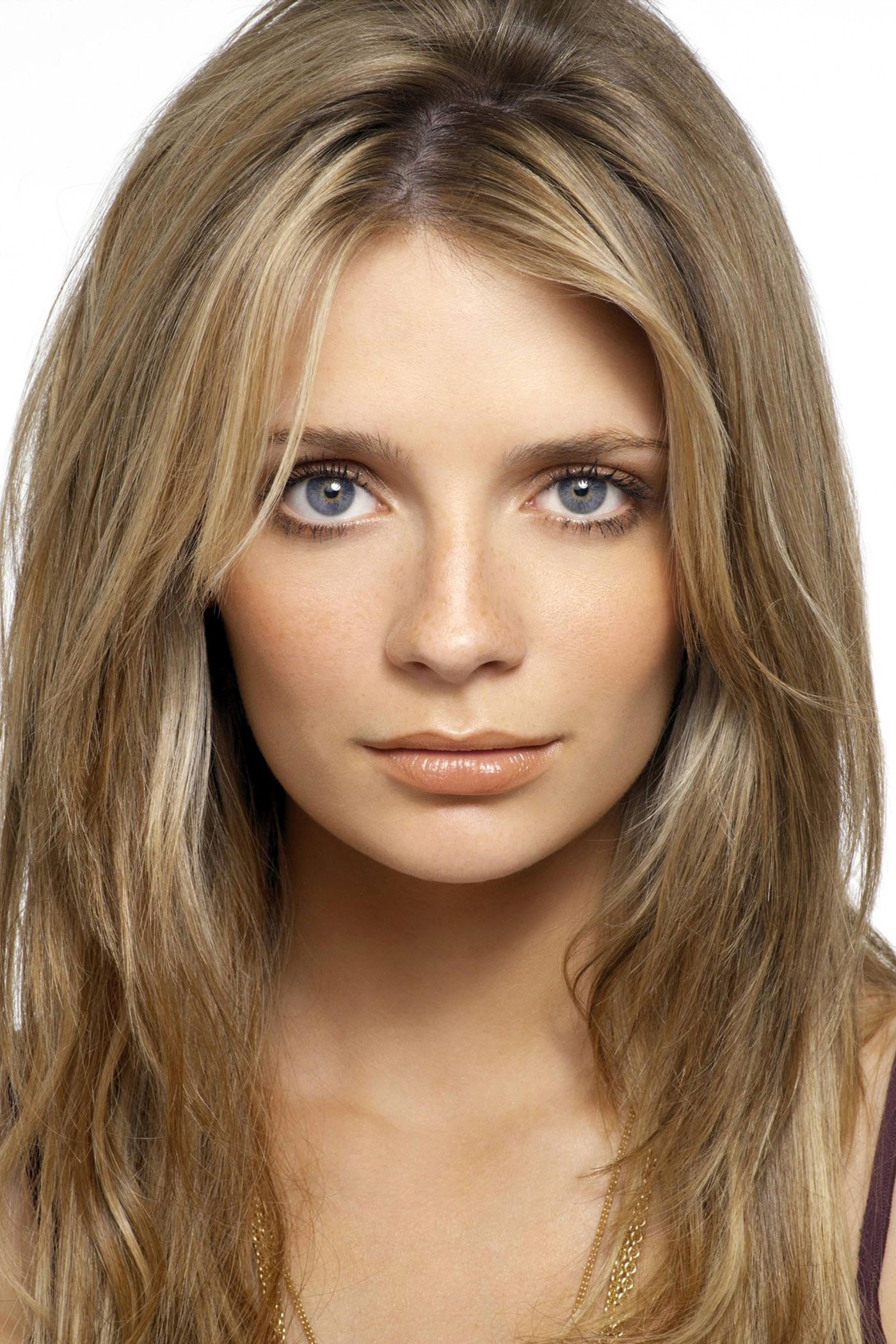
The ‘The O.C.’ (2003–2007) actress was criticized for a post she shared expressing sadness over the death of Alton Sterling. The post featured a photo of Barton on a yacht holding a glass of wine, which many found incredibly out of touch. Commenters accused her of using a tragedy to show off her lifestyle. Barton later apologized for the insensitivity of the image while maintaining her support for the cause.
Lili Reinhart
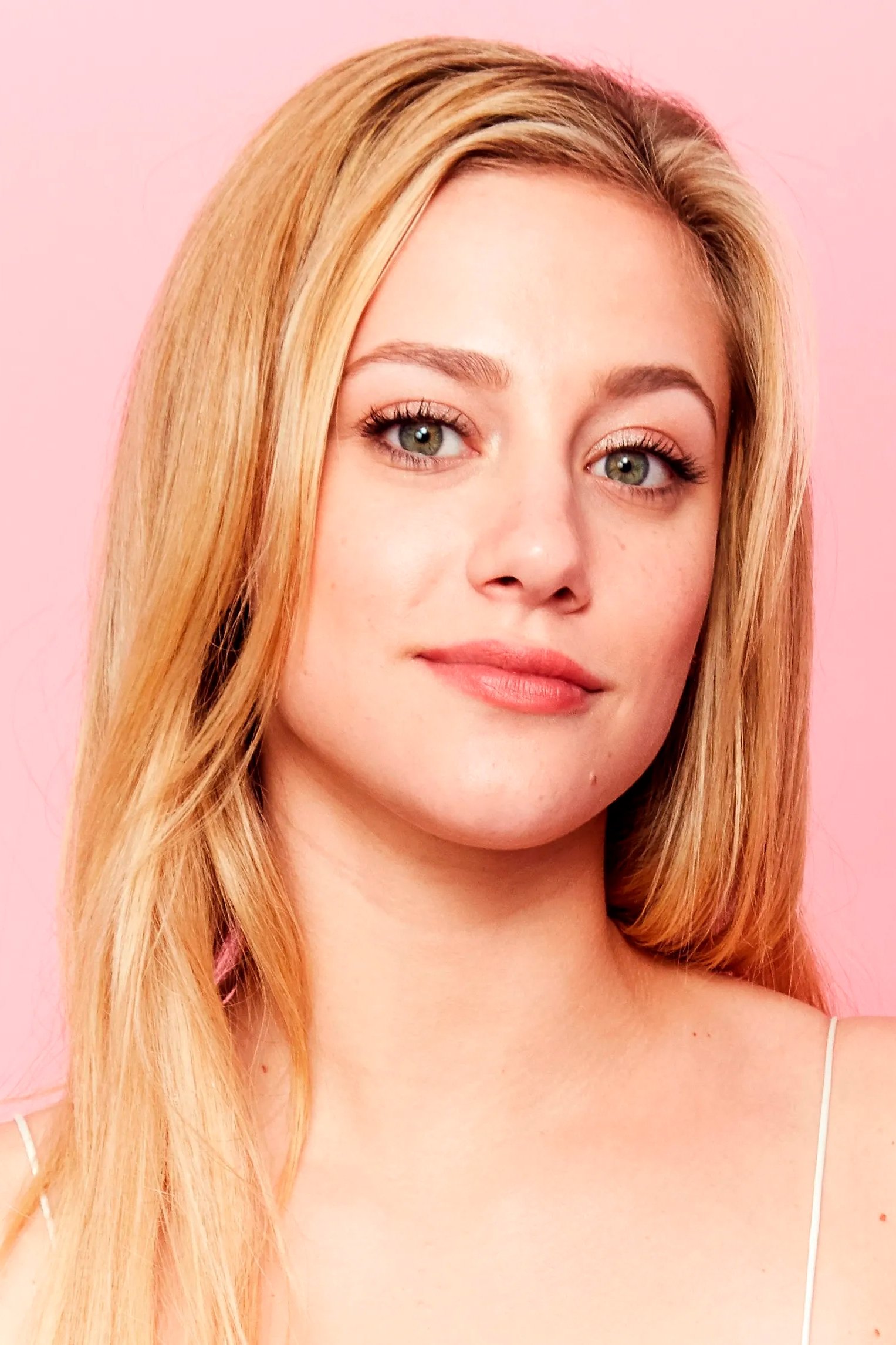
Reinhart faced backlash after posting a photo of her bare breast to demand justice for Breonna Taylor. The caption urged people to look at her “sideboob” and then pivoted to the arrest of the officers involved in Taylor’s death. Critics labeled the post as performative and distracting from the seriousness of the subject matter. Reinhart deleted the post and apologized for her lapse in judgment.
Ellen DeGeneres
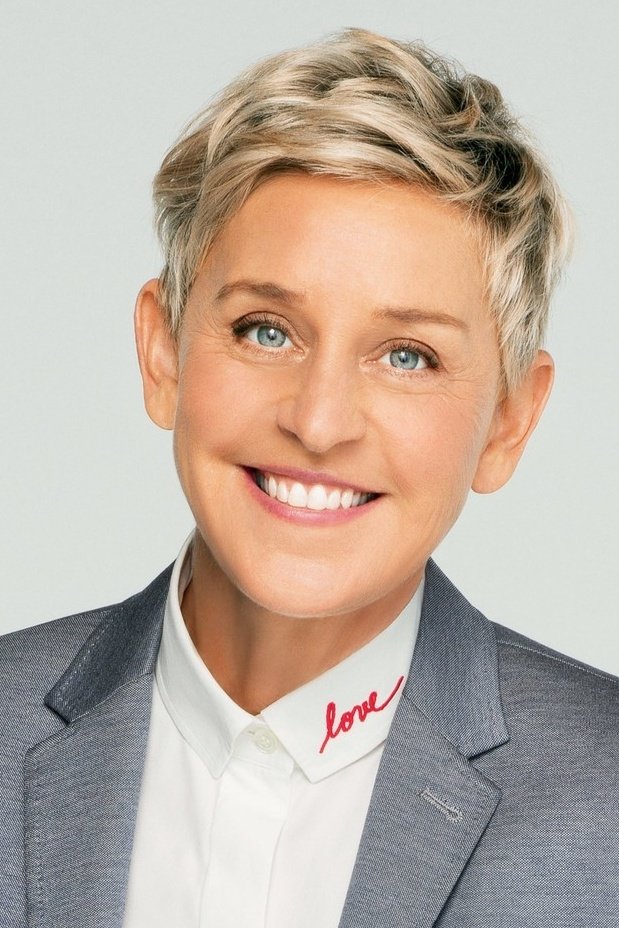
The talk show host faced a reckoning regarding the toxic work environment on her show, which included allegations of racism and intimidation. While not explicitly opposing BLM, her joke comparing her quarantine experience to “being in prison” drew sharp criticism for its insensitivity to the realities of mass incarceration. These incidents contributed to a decline in her popularity and the eventual end of her show. Former employees stated that the culture behind the scenes did not reflect the kindness she preached on air.
Tina Fey
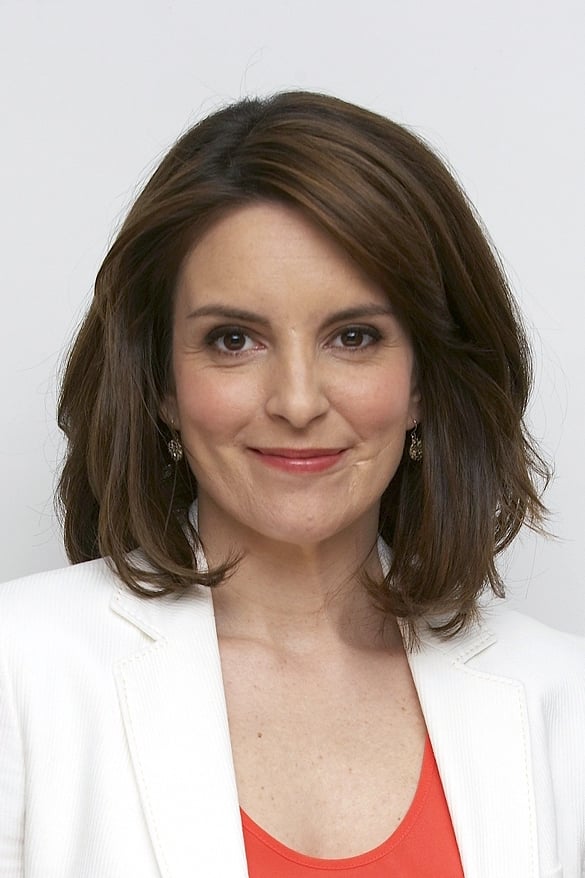
Fey requested the removal of several episodes of ’30 Rock’ (2006–2013) that featured characters in blackface. While the move was intended to be corrective, she faced criticism for her past use of racial humor and tropes in her writing. Critics argued that her brand of “white feminism” often excluded or mocked women of color. The conversation highlighted the changing standards of comedy and accountability for past creative choices.
Amy Schumer
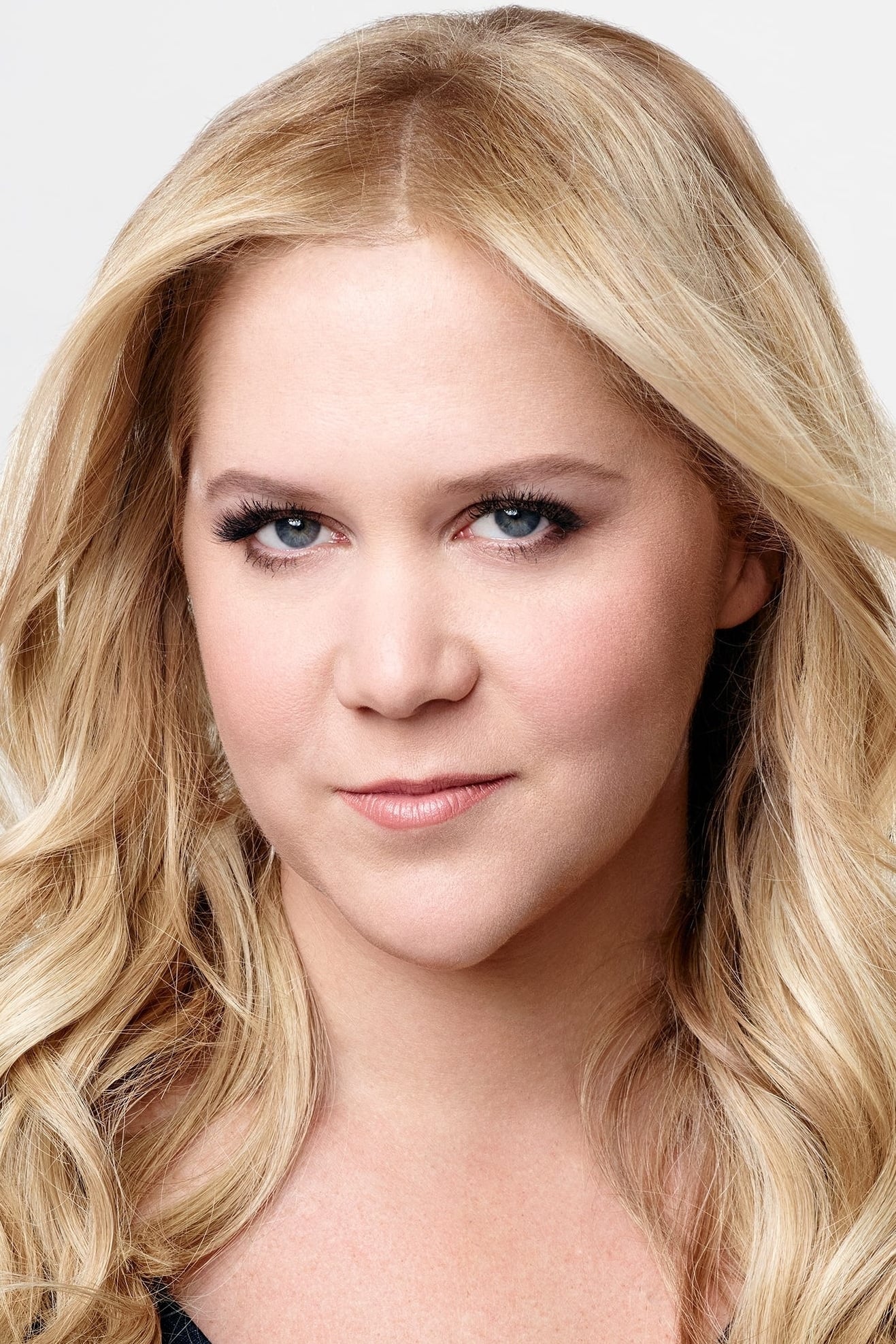
The comedian has faced repeated criticism for past jokes that relied on racial stereotypes. During the height of the BLM protests, she was accused of being a performative ally whose past work contradicted her current support. Schumer has apologized for her earlier material and attempted to amplify Black voices on her platform. However, many critics remain skeptical of her evolution given her history of controversial humor.
Awkwafina
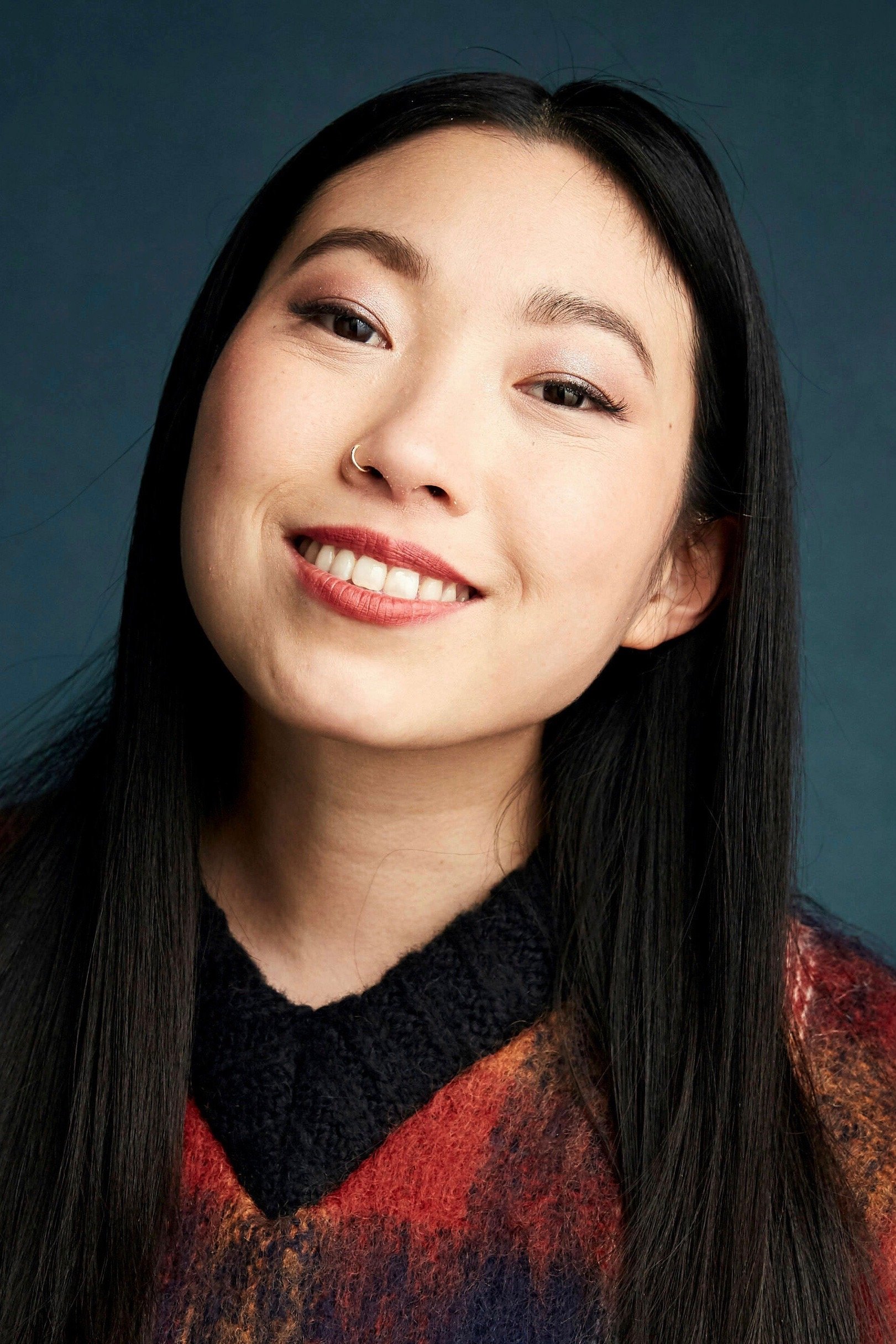
The actress has been criticized for her use of a “blaccent” and African American Vernacular English (AAVE) in her early career. Critics argued that she appropriated Black culture for comedic effect while dropping the persona when she sought more serious roles. Awkwafina addressed the controversy with a statement acknowledging the historical context of AAVE but denied mocking Black people. She subsequently left Twitter following the intense debate over her cultural appropriation.
Jesy Nelson
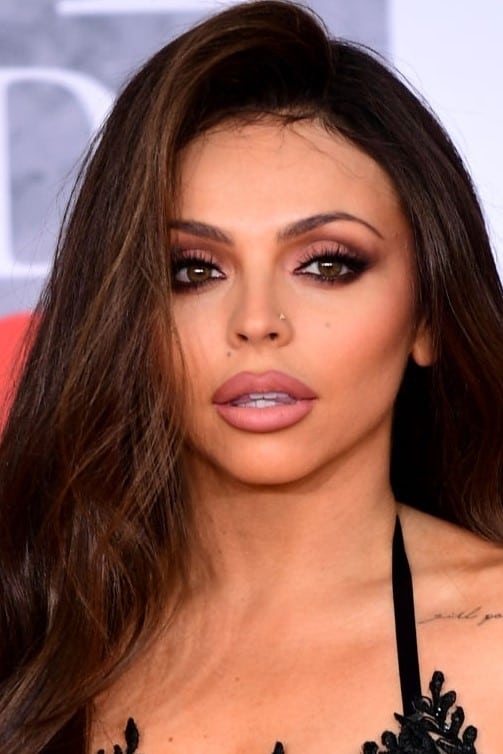
The former Little Mix member faced significant backlash for “blackfishing” in her solo music video “Boyz.” Critics and former bandmates accused her of darkening her skin and adopting a predominantly Black aesthetic despite being white. The controversy intensified when leaked messages suggested her bandmates had tried to educate her on the issue privately. Nelson defended her look as a tribute to the culture she loves, but the incident damaged her reputation.
Julianne Hough
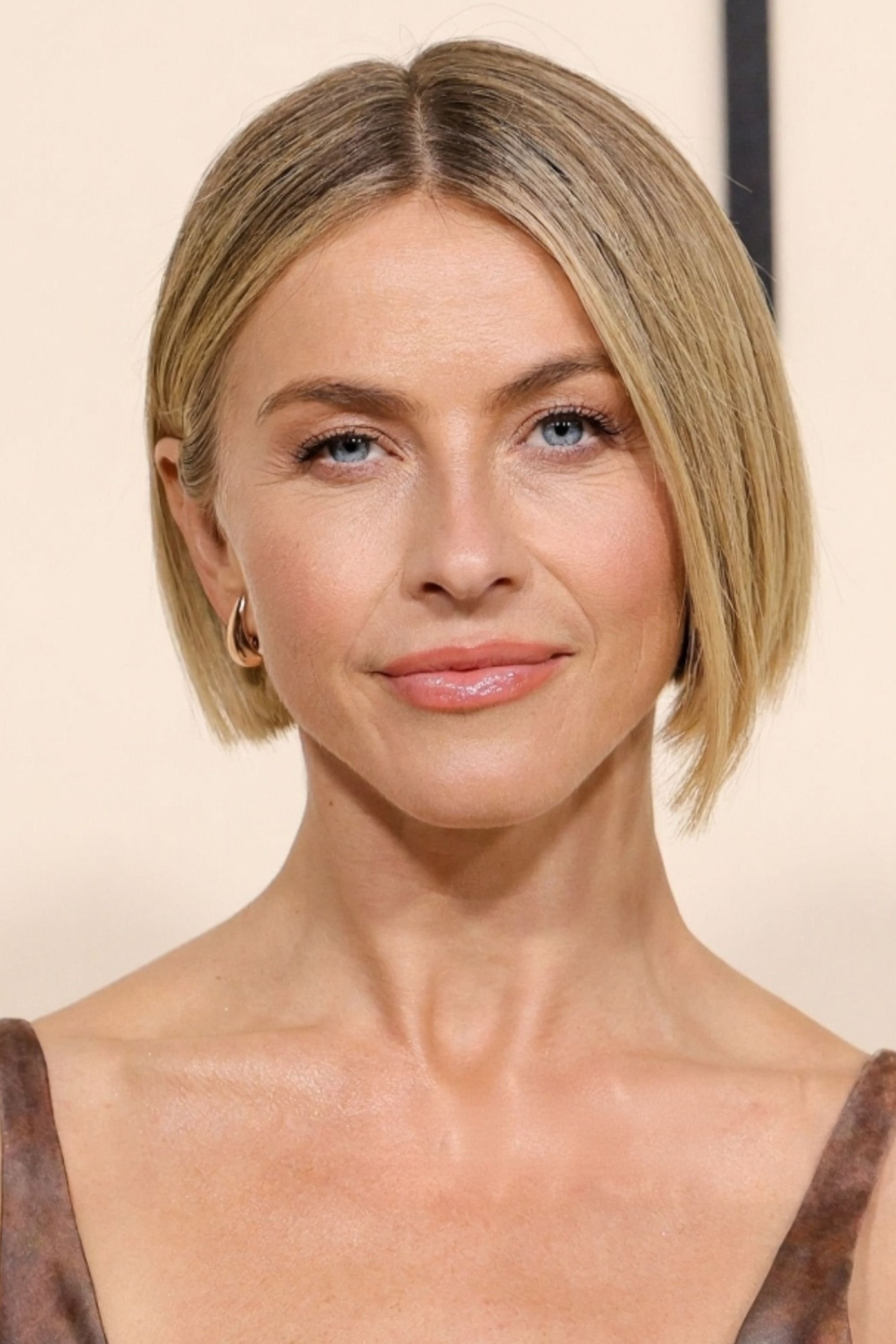
Hough faced renewed scrutiny during the BLM protests for a 2013 Halloween costume where she wore blackface to portray a character from ‘Orange Is the New Black’ (2013–2019). Although she had apologized at the time, the incident was frequently cited as an example of white privilege and ignorance in Hollywood. She issued further apologies and committed to educating herself on anti-racism. The incident serves as a persistent blemish on her record regarding racial sensitivity.
Katy Perry
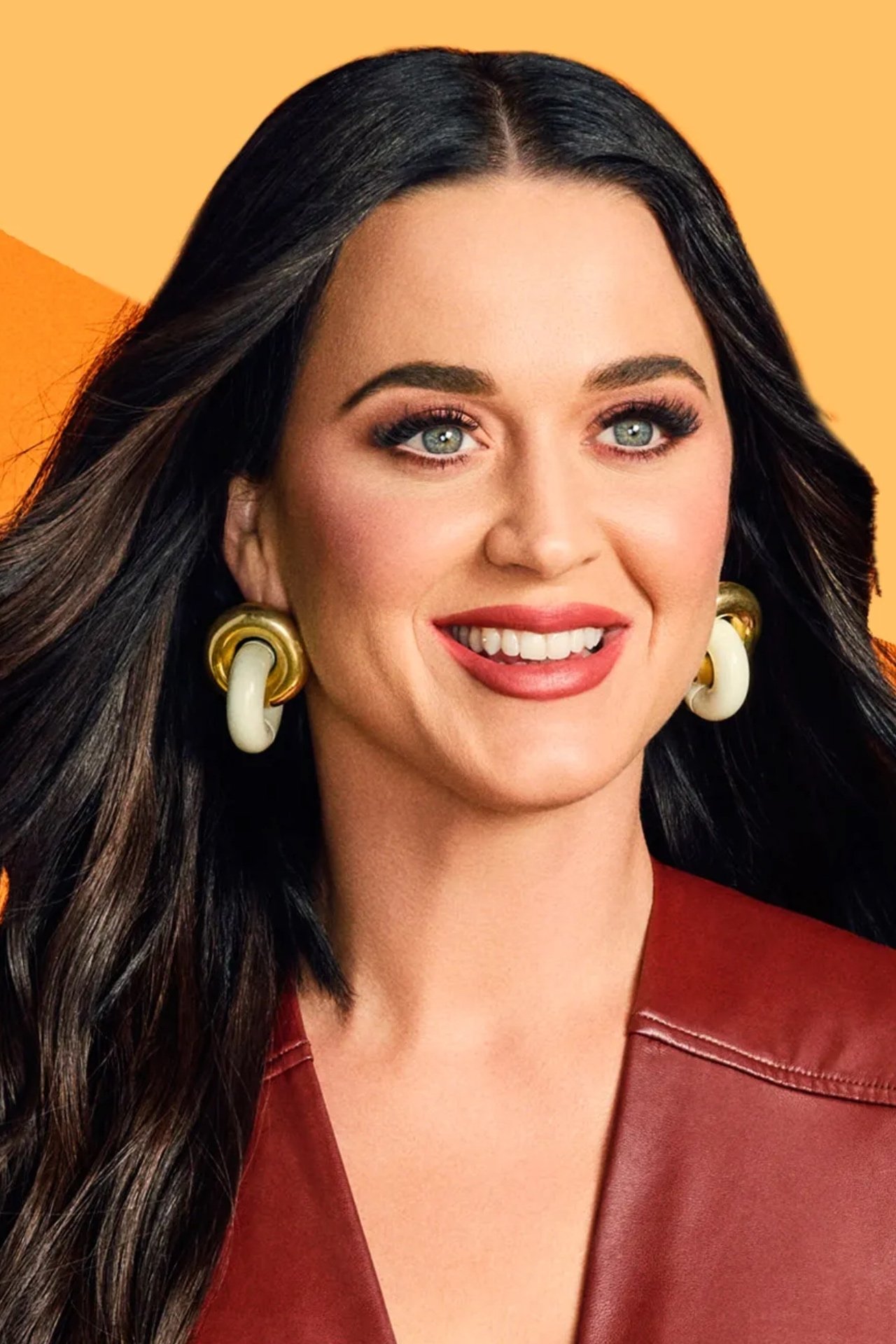
The pop star and occasional actress faced backlash for a shoe line that featured designs resembling blackface imagery. The shoes were pulled from shelves following the public outcry. Perry has also faced criticism for cultural appropriation in her music videos and performances over the years. She has expressed a willingness to learn from her mistakes, but the recurring nature of these controversies has made her a target for criticism.
Miley Cyrus
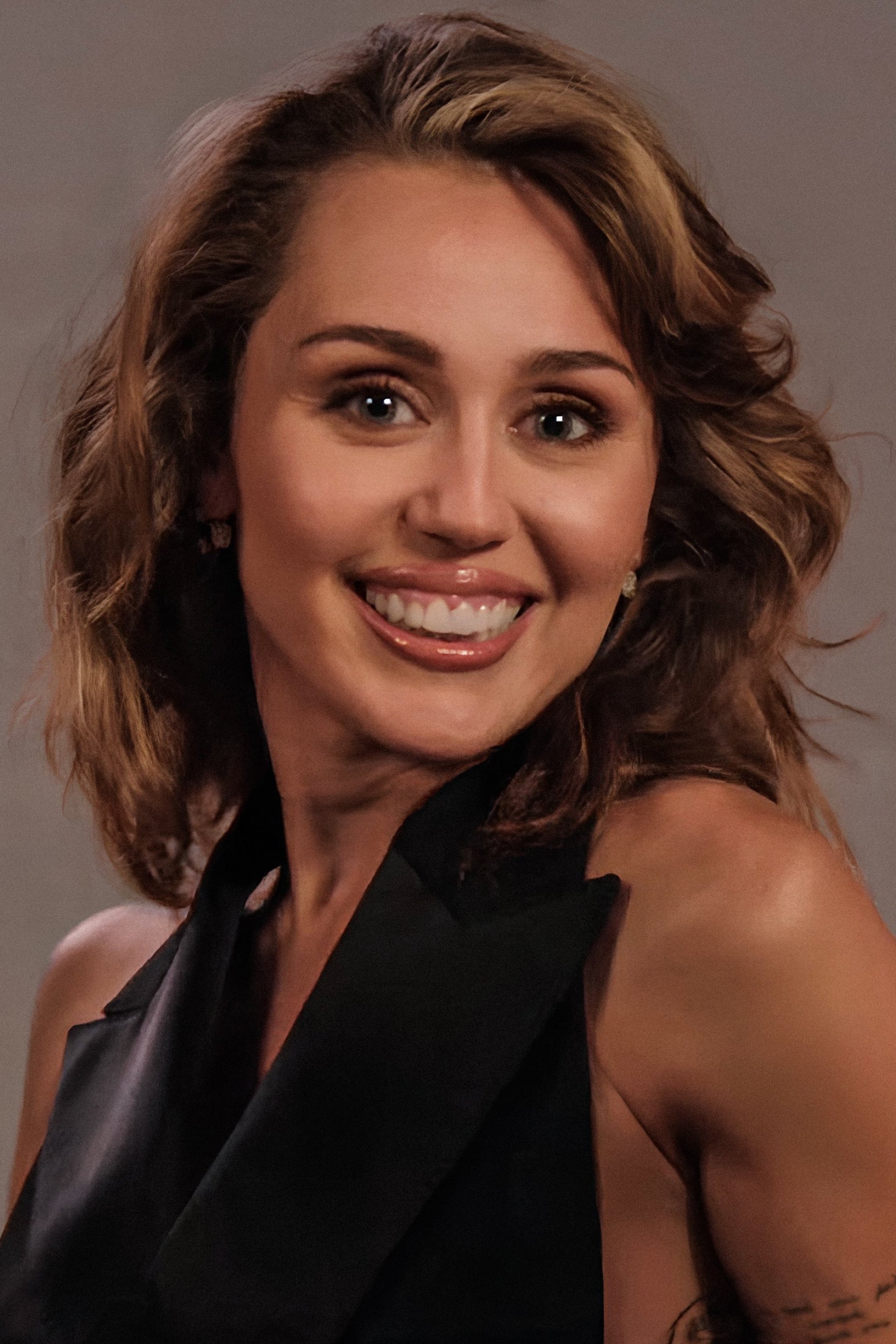
Cyrus has been frequently criticized for appropriating hip-hop culture and Black aesthetics during her ‘Bangerz’ era. When she later distanced herself from the genre, she made comments that many felt disparaged the very culture she had profited from. This pivot led to accusations that she used Black culture as a costume before discarding it. Her relationship with the BLM movement has been viewed by some as complicated by this history of appropriation.
Emma Watson
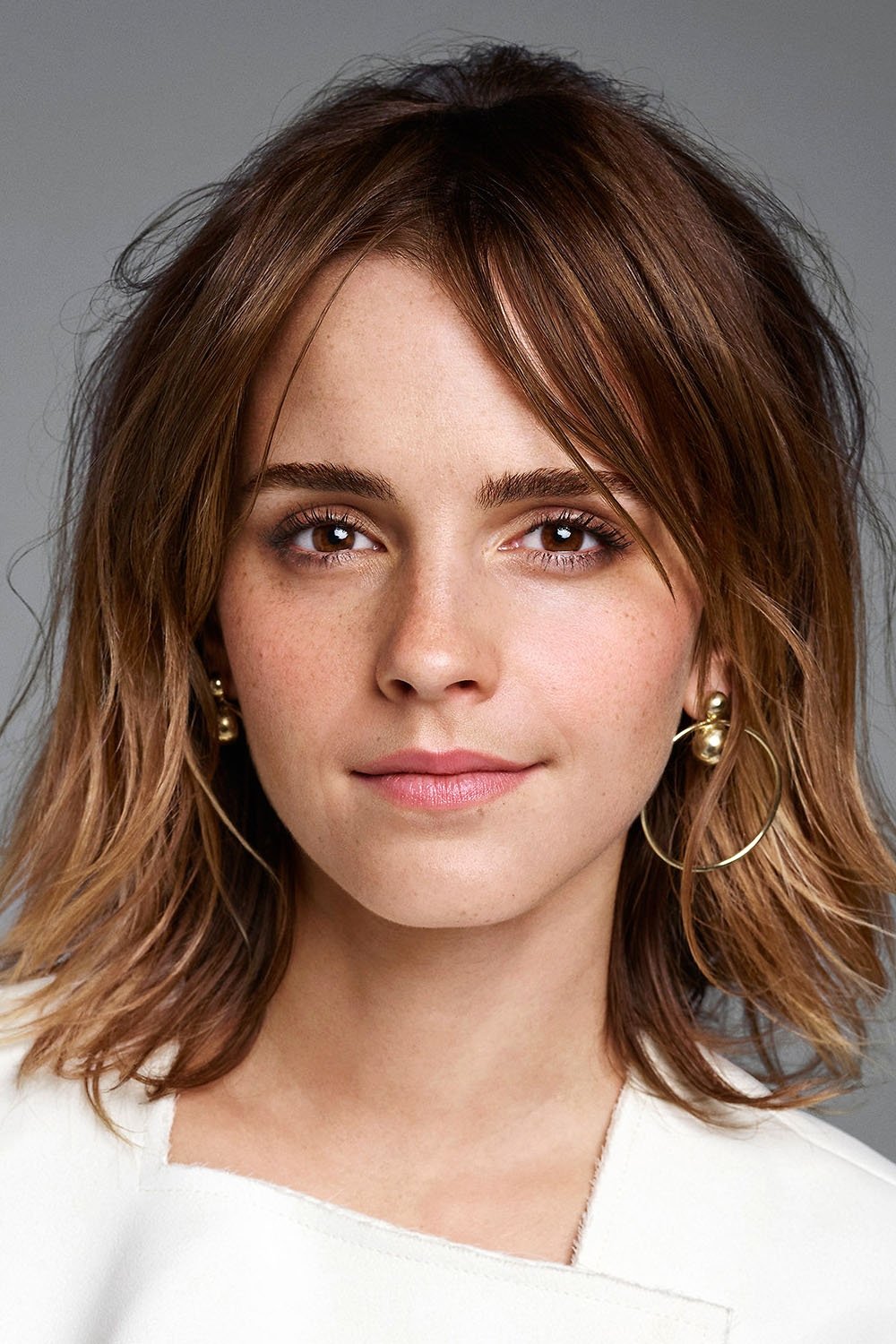
The ‘Harry Potter’ (2001–2011) actress participated in “Blackout Tuesday” by posting three black squares with white borders to fit her Instagram aesthetic. Critics accused her of prioritizing her social media theme over sharing useful resources or information. The term “performative activism” was widely used to describe her approach. Watson responded by pausing her content to amplify Black voices, but the initial misstep drew significant negative attention.
Gal Gadot

Gadot organized a celebrity sing-along of “Imagine” at the start of the pandemic, which was widely mocked as tone-deaf. While not exclusively about BLM, her silence on specific racial justice issues while promoting vague messages of unity drew criticism. Activists argued that her platform could be used for more tangible advocacy. Her approach was seen by many as emblematic of celebrity detachment from real-world struggles.
Madonna
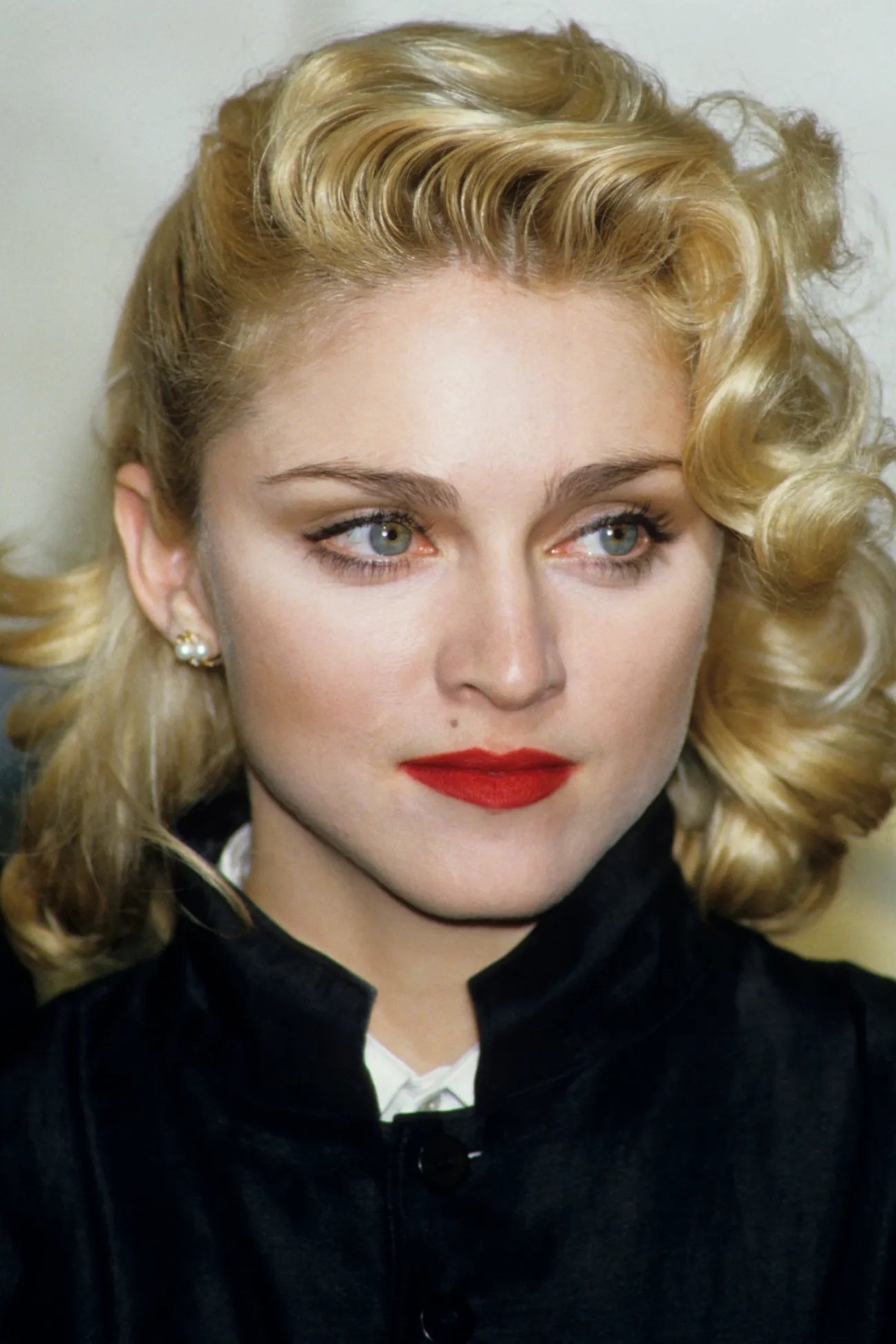
The pop icon faced criticism for posting a video of her son dancing to Michael Jackson’s “They Don’t Care About Us” as a tribute to George Floyd. Critics found the video to be an insensitive and bizarre response to a brutal murder. She has also faced backlash for posting photos of herself at protests that some felt centered her own image. Despite her long history of advocacy, these specific instances were viewed as missing the mark.
Tilda Swinton
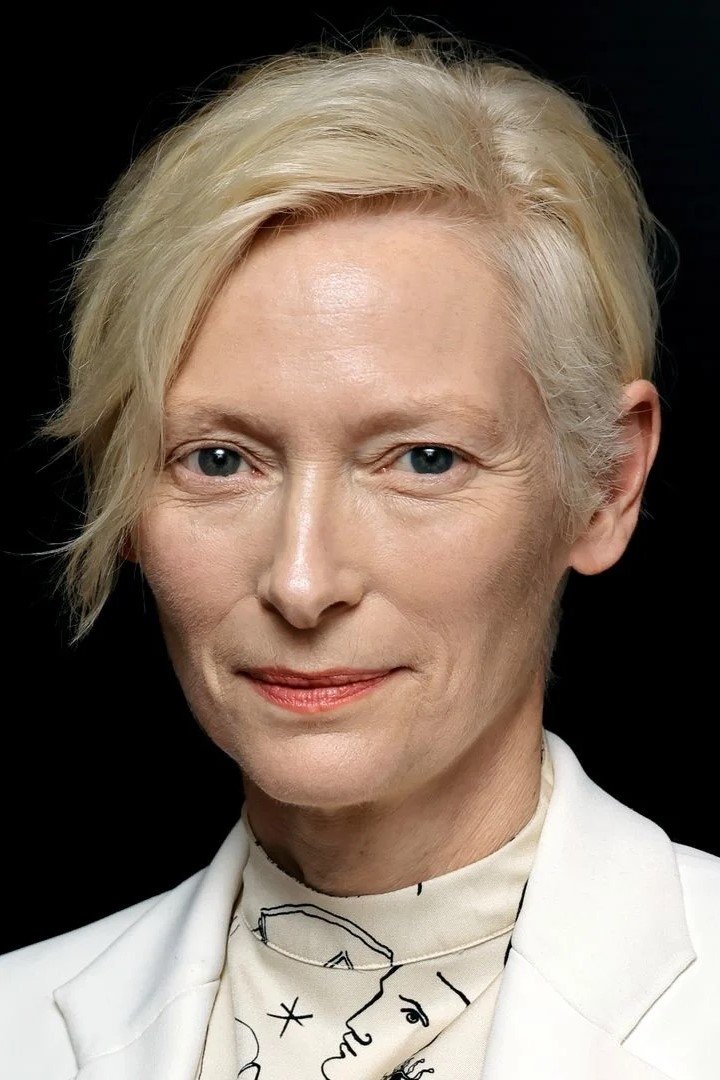
Swinton faced backlash for casting choices in ‘Doctor Strange’ (2016) that were accused of whitewashing an Asian character. In an attempt to understand the criticism, she reached out to comedian Margaret Cho, an exchange that Cho described as uncomfortable and defensive. While Swinton released the emails to show her polite intent, the incident sparked a conversation about white actors expecting emotional labor from people of color. It highlighted the blind spots even respected actors have regarding race.
Meryl Streep
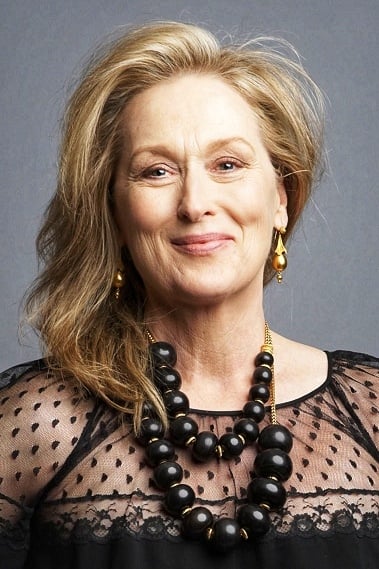
Streep faced criticism for commenting “We are all Africans” during a press conference at the Berlin Film Festival. The comment was made in response to a question about the lack of diversity on the jury she headed. Critics argued that the statement dismissed the unique struggles of Black people and the importance of diverse representation. Streep defended the remark as an expression of shared humanity, but it was widely panned as tone-deaf.
Patricia Heaton
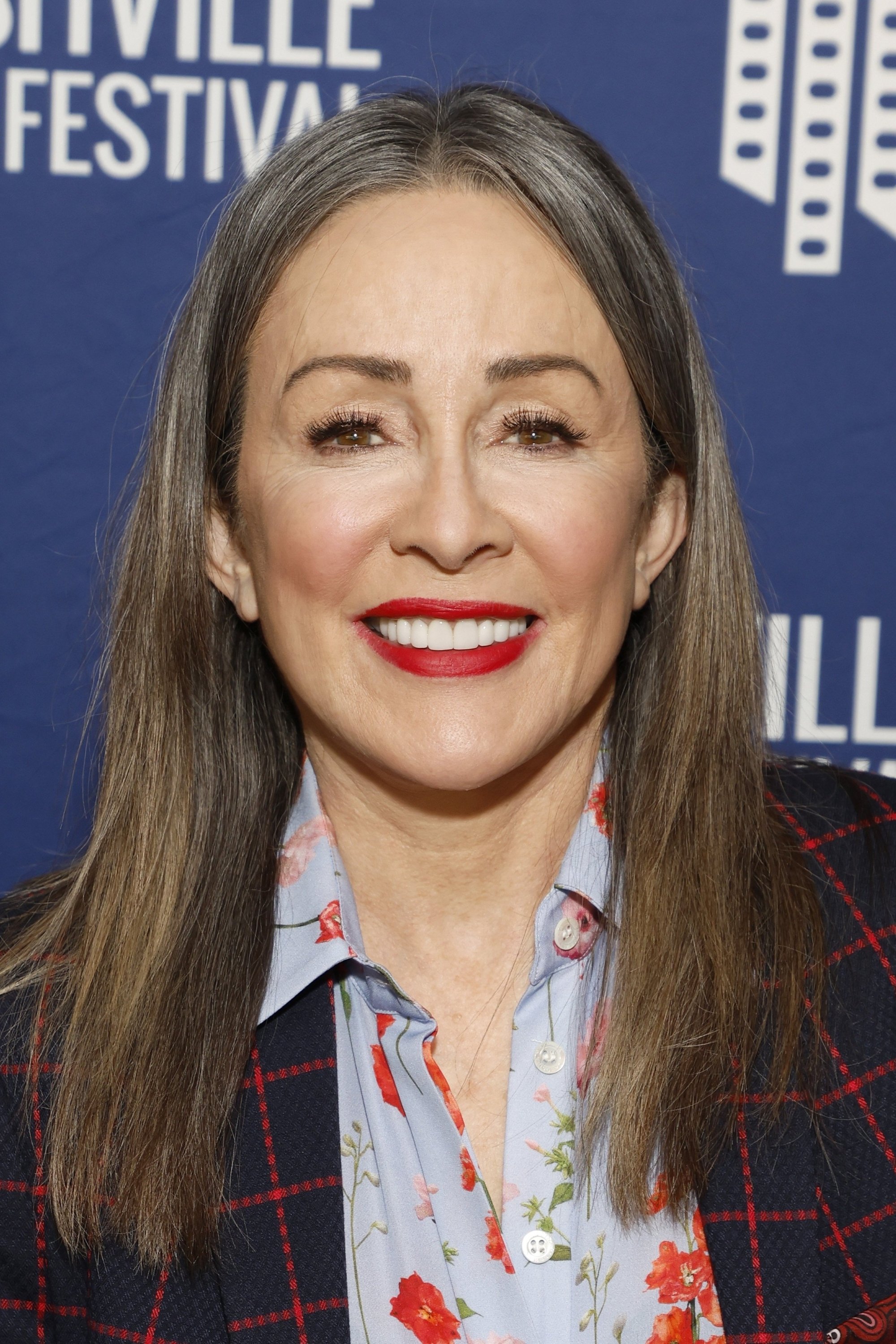
The ‘Everybody Loves Raymond’ (1996–2005) star is known for her conservative views and often supports Republican candidates. While she has called for unity, her political alignments often place her in opposition to the systemic changes demanded by BLM. She has criticized the violence associated with some protests. Heaton remains one of the few openly conservative actresses in Hollywood.
Janine Turner
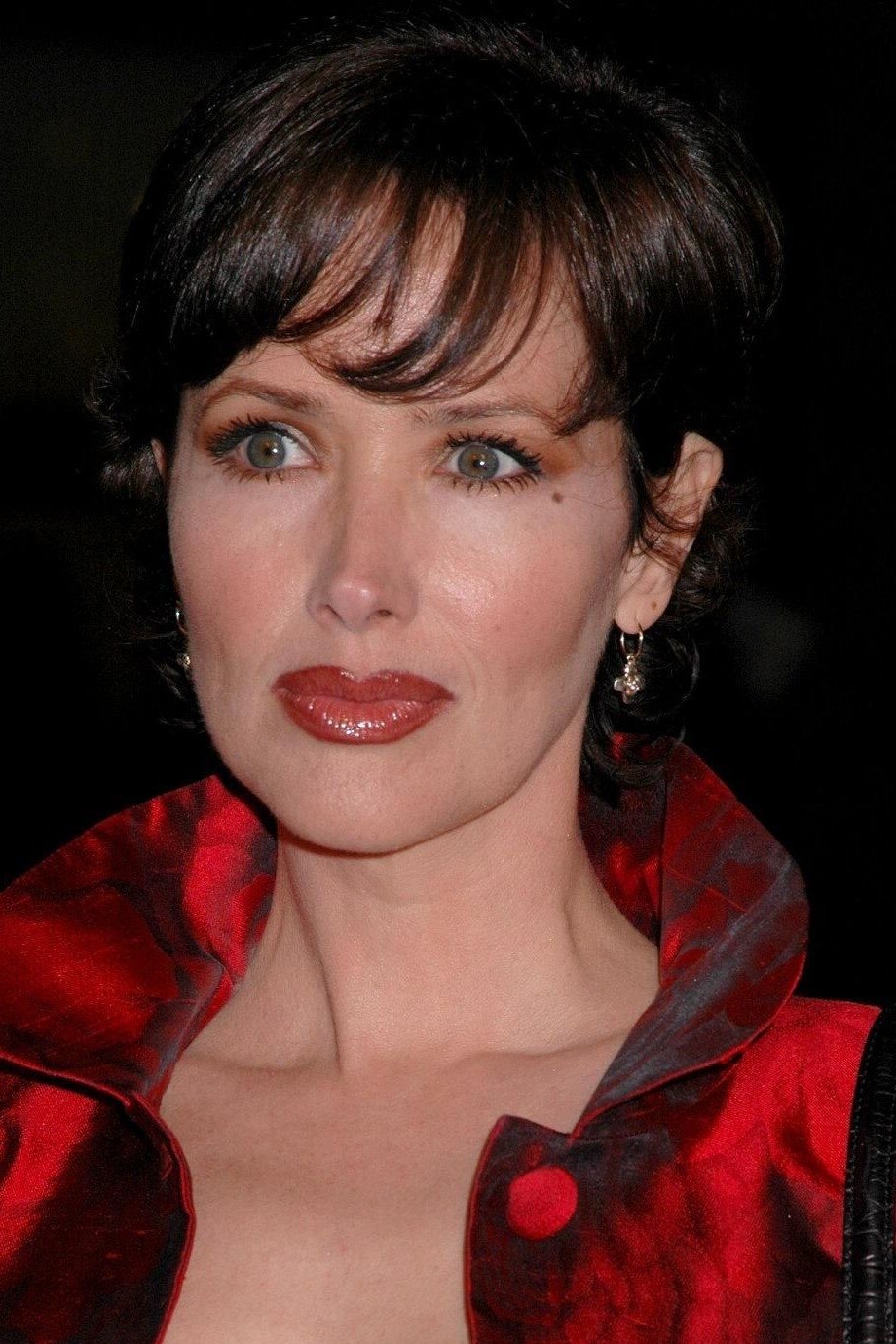
Best known for ‘Northern Exposure’ (1990–1995), Turner is a staunch conservative and frequent contributor to Fox News. She has expressed strong support for the police and skepticism regarding the narratives of the Black Lives Matter movement. Her political activism is a central part of her public life. She frequently argues against what she perceives as the left-wing bias in Hollywood.
Bo Derek
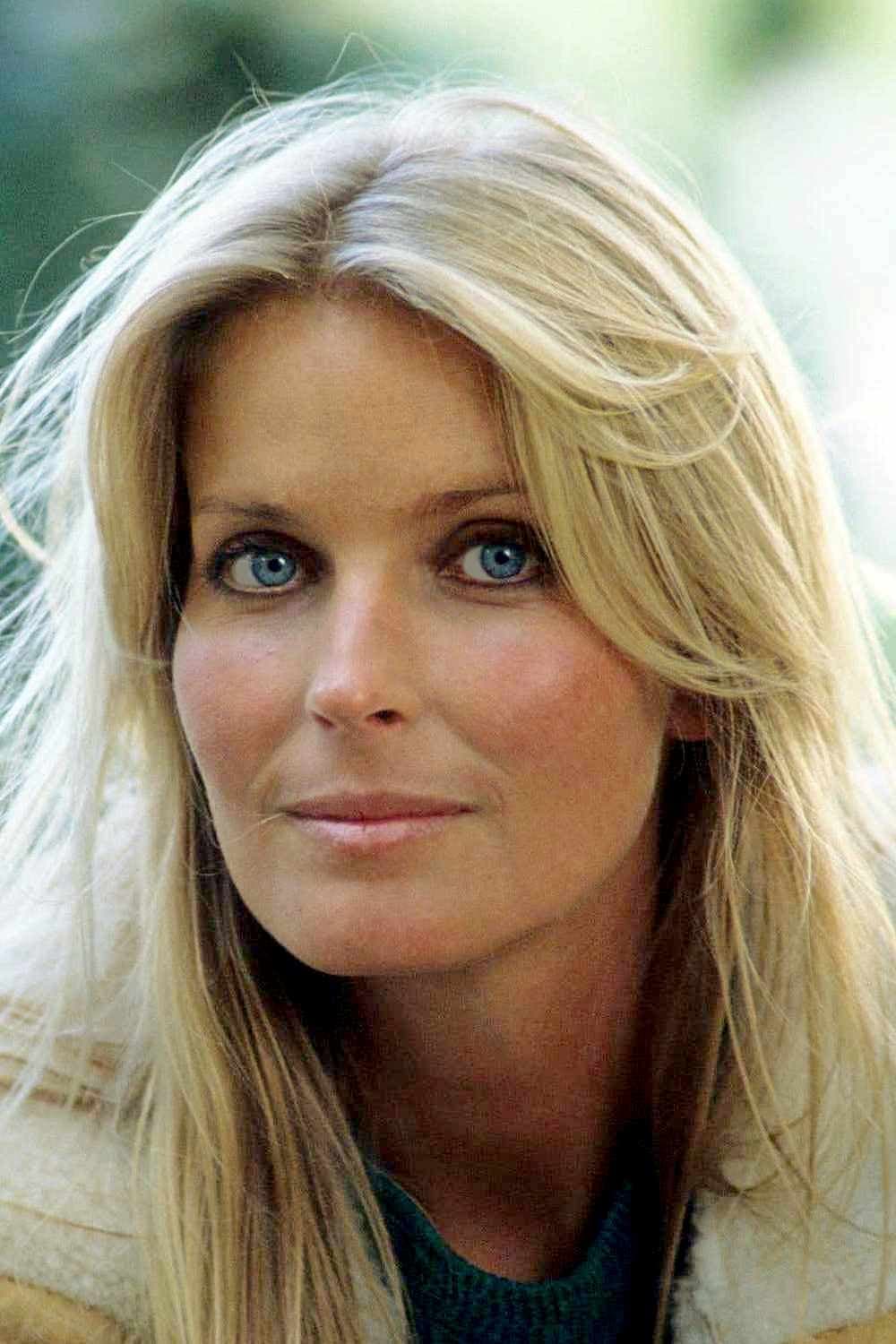
The actress and model identifies as an Independent but has often supported Republican politicians and causes. She has expressed nuanced views that do not fully align with the Black Lives Matter movement’s demands. Derek has criticized the divisiveness of modern political discourse. Her comments often reflect a desire for patriotism that critics feel ignores systemic inequalities.
Angie Harmon
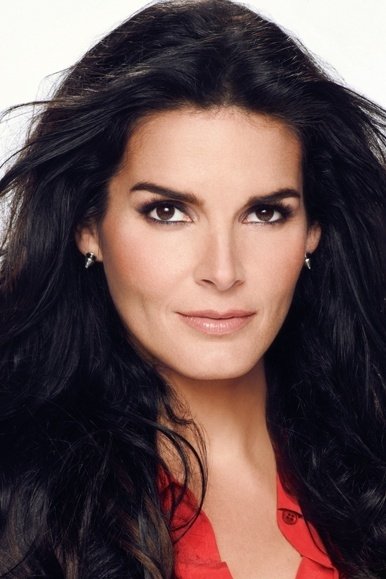
Harmon is a registered Republican and has expressed conservative views that often conflict with the BLM platform. She has been a vocal supporter of police officers and has shied away from endorsing the protests. Her social media presence tends to focus on patriotic and pro-law enforcement themes. This stance has distinguished her from the more progressive majority in the entertainment industry.
Share your thoughts on these actresses and their stances in the comments.