Games Rewarding Exploration Over Combat Heavy Gameplay


Video games have evolved beyond simple conflict resolution to offer immersive worlds where discovery takes precedence over destruction. These titles invite players to investigate ancient mysteries or traverse alien landscapes without the constant pressure of enemy encounters. The mechanics in this genre often prioritize movement and observation instead of reflexes and aggression. Players find satisfaction in piecing together narratives through environmental clues rather than defeating waves of adversaries. This list highlights exceptional games where the journey and the destination matter more than the fight.
‘Outer Wilds’ (2019)
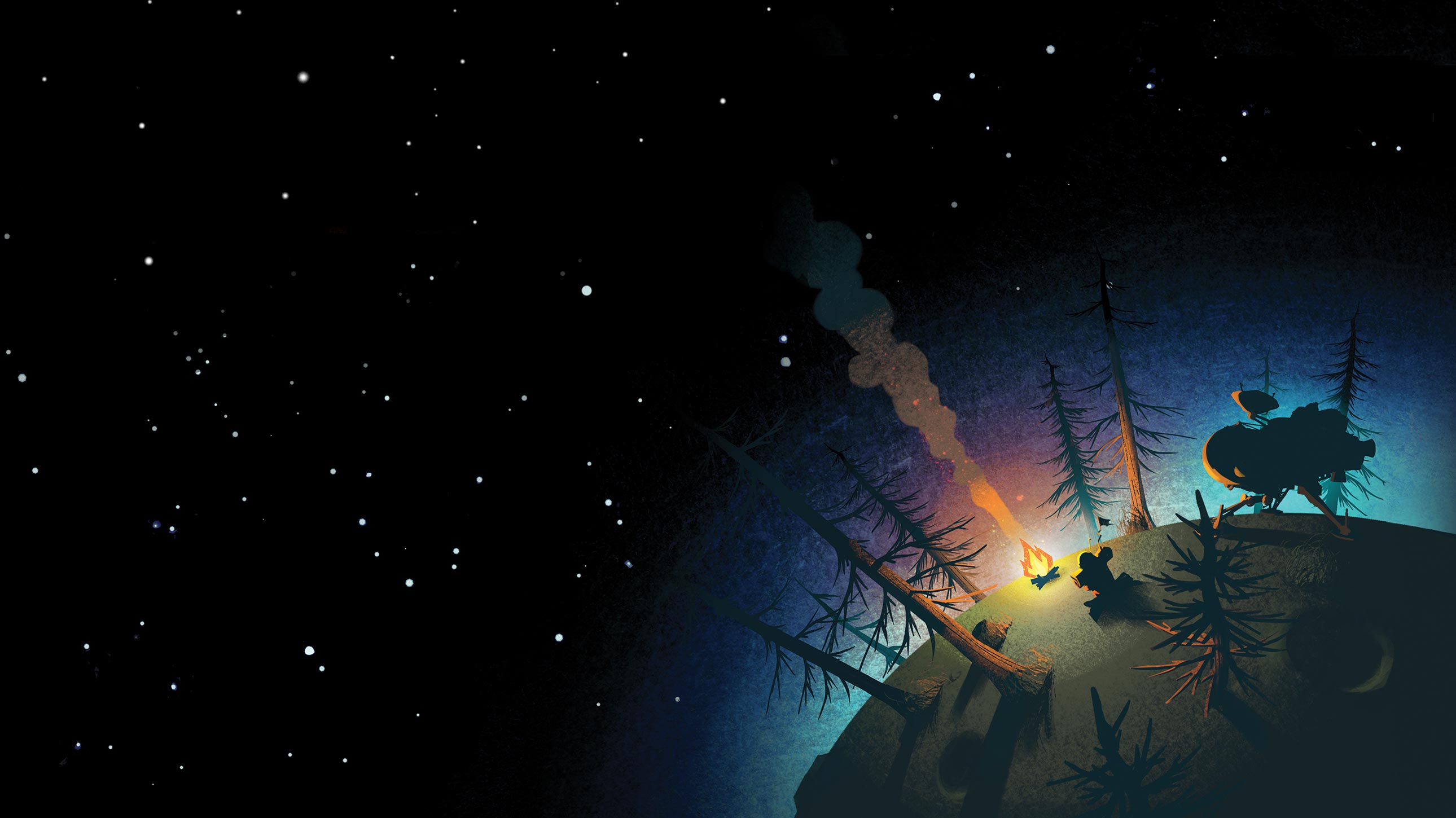
Players assume the role of a new recruit for an alien space program in a solar system trapped in a time loop. The game requires you to fly a spaceship to various planets that change dynamically over the twenty-two minute cycle. Knowledge serves as the only form of progression since you retain information across each loop to solve the ultimate mystery. There is no combat involved as the primary challenge comes from navigating hazardous environments and decoding ancient texts. This title is widely celebrated for its innovative design and intricate puzzle-solving mechanics.
‘Subnautica’ (2018)
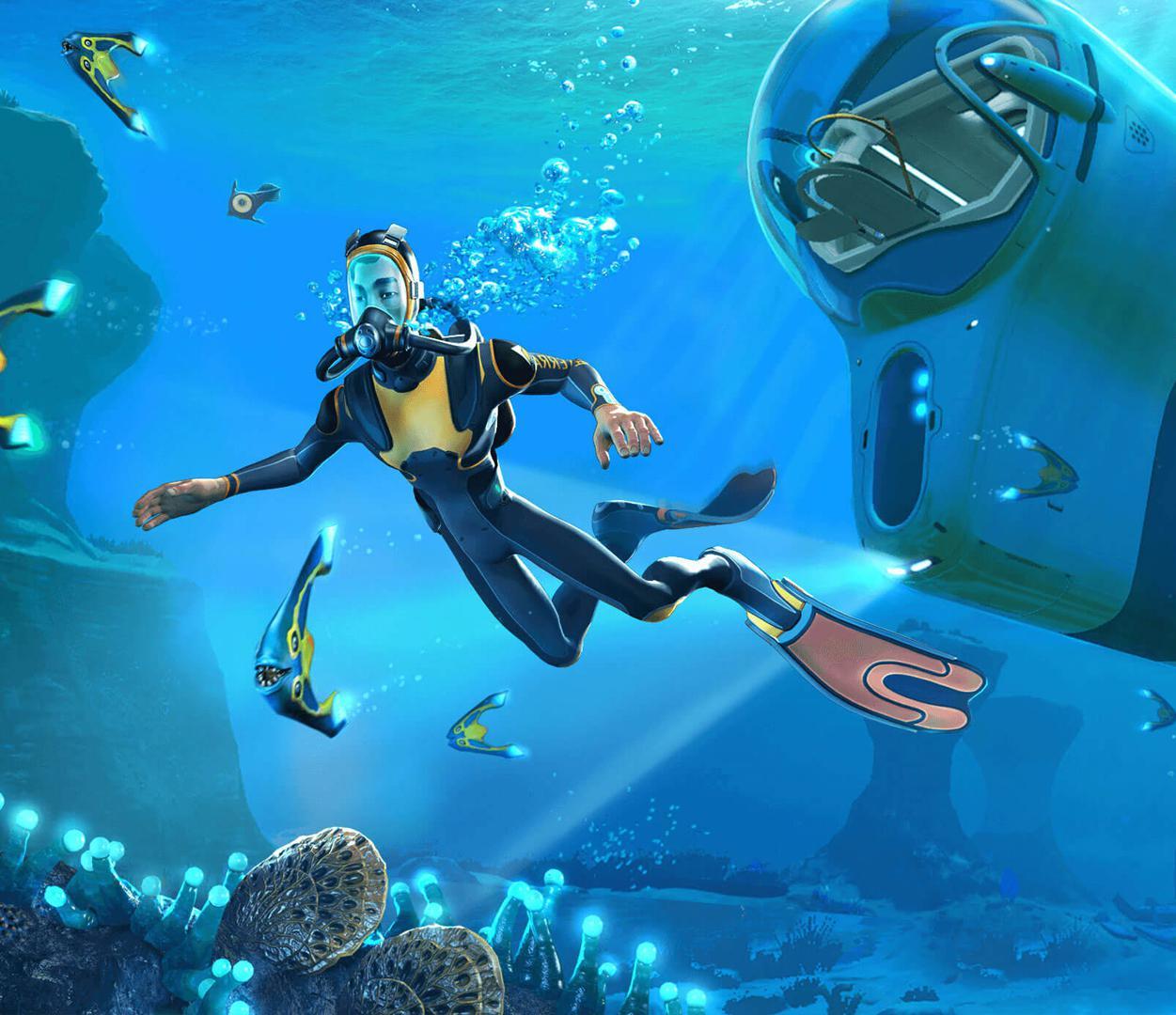
You crash-land on an alien ocean planet and must scavenge resources to survive the watery depths. The gameplay focuses on constructing habitats and crafting equipment to dive deeper into the treacherous ecosystems. While aggressive fauna exists, the game rewards avoidance and observation rather than direct confrontation. Scanning flora and fauna provides crucial data that helps you understand the history of the planet. The sense of isolation and discovery drives the experience as you uncover the secrets lurking on the ocean floor.
‘The Witness’ (2016)
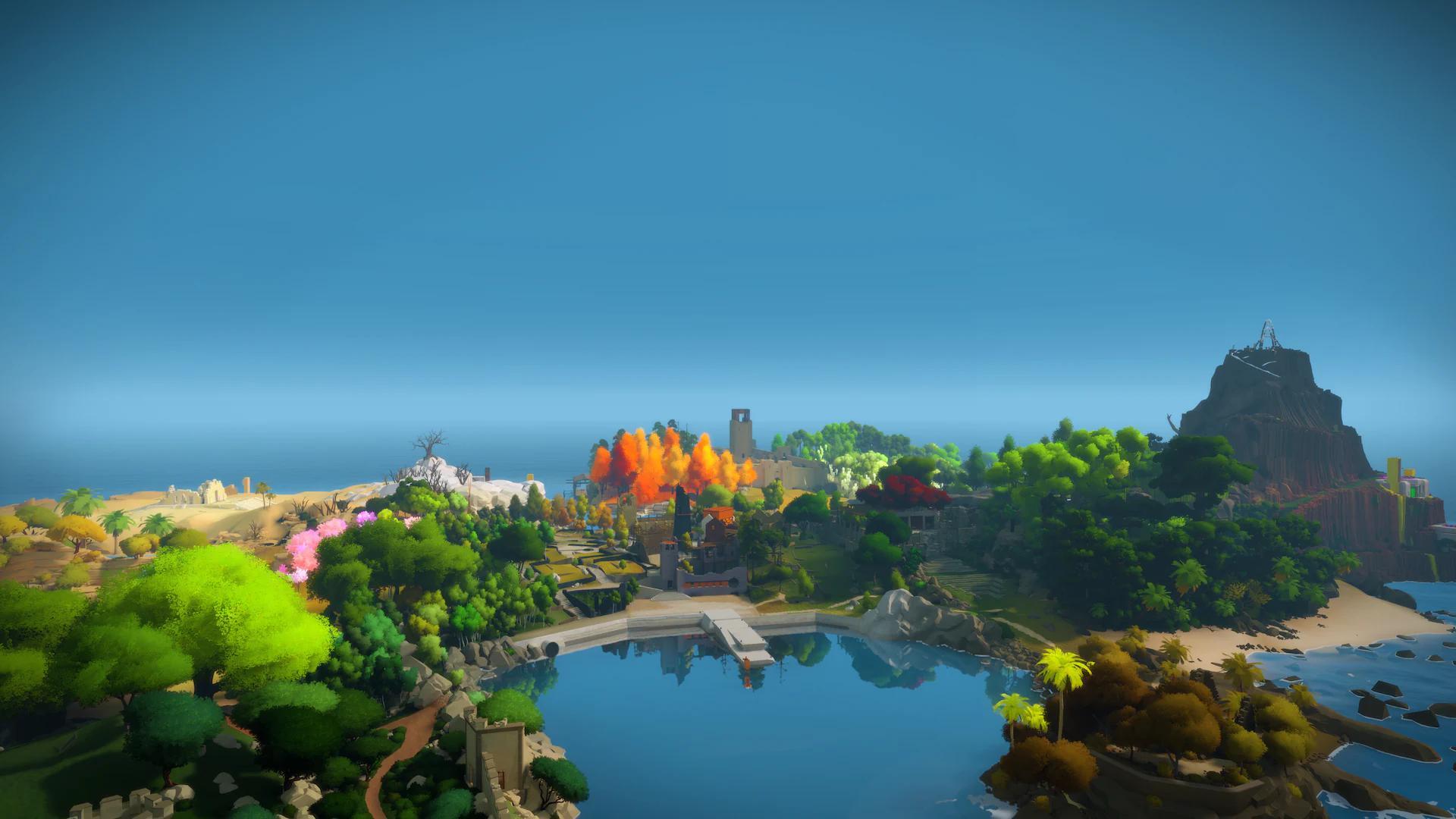
This open-world game places you on a mysterious island filled with natural and man-made structures. You explore the vibrant landscape to find and solve hundreds of line puzzles that unlock new areas. The environment itself often holds the key to the solutions through perspective and lighting tricks. There is no narrative exposition or combat as the game relies entirely on non-verbal communication and logic. It challenges players to learn its visual language through careful observation of the world around them.
‘Firewatch’ (2016)
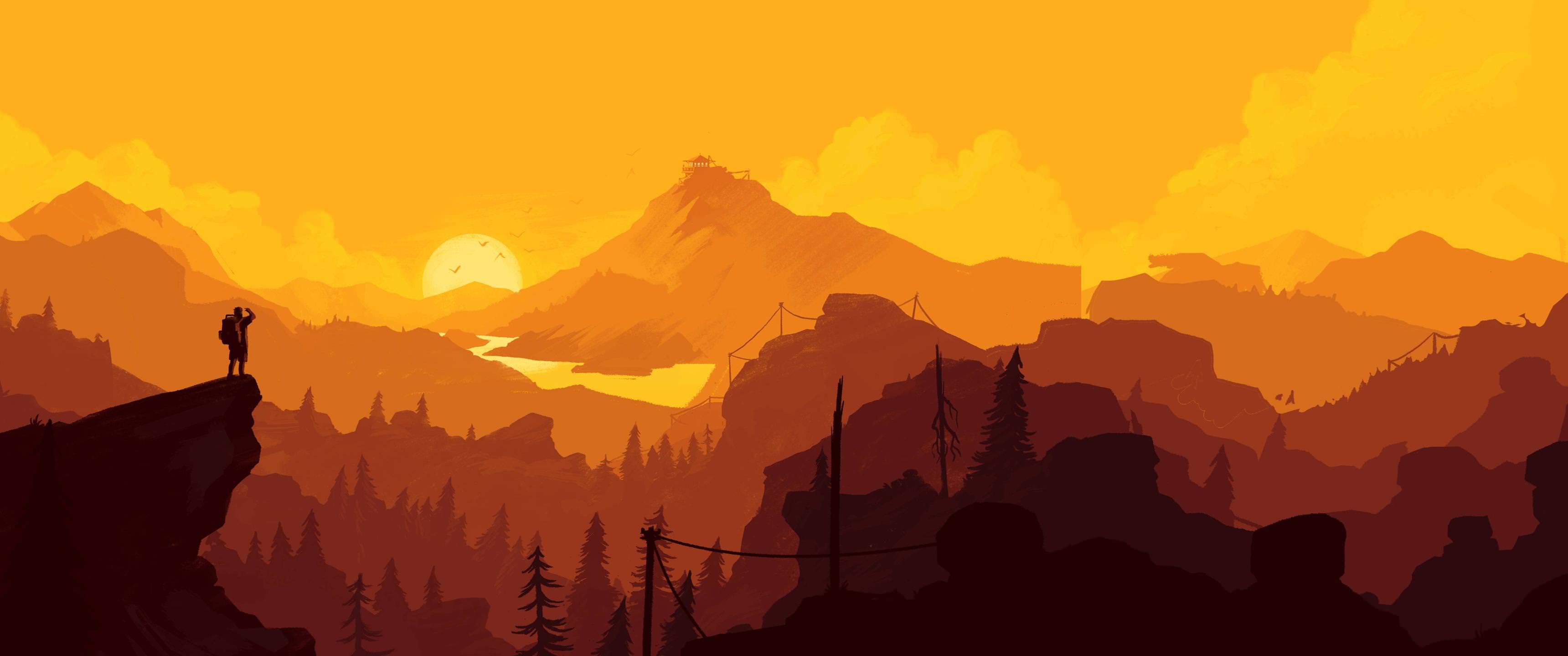
Set in the Wyoming wilderness in 1989, you play as a fire lookout named Henry who communicates via handheld radio with his supervisor Delilah. The gameplay involves hiking through forests and canyons to maintain the park and investigate strange occurrences. Navigation relies on a map and compass rather than a minimap or waypoints. The relationship between the characters develops through dialogue choices made during these long treks. It offers a grounded and mature story that emphasizes human connection over action.
‘Journey’ (2012)
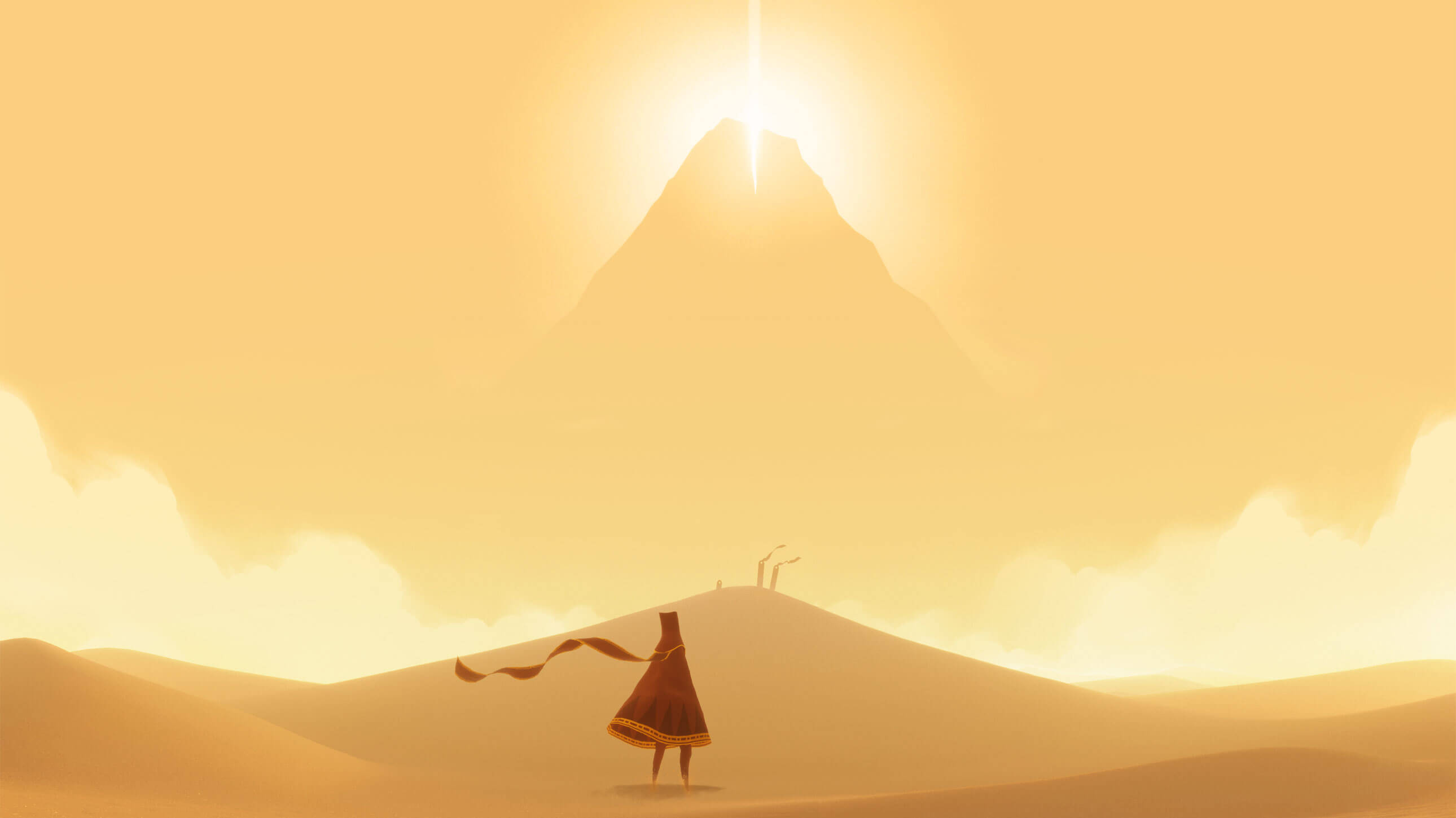
Players control a robed figure traveling across a vast desert toward a distant mountain peak. The game features unique multiplayer mechanics where you can encounter other players without speech or text communication. Exploration involves solving simple environmental puzzles and finding glowing symbols to extend your scarf for flight. The stunning visuals and Grammy-nominated soundtrack create an emotional and meditative atmosphere. It remains a landmark title for showing how gameplay can evoke a sense of wonder and companionship.
‘Abzû’ (2016)

This underwater adventure allows players to dive into the heart of the ocean to interact with hundreds of species of fish. The game removes the concept of air gauges or health bars to ensure a stress-free swimming experience. You restore life to damaged areas of the ocean by activating ancient technology hidden in the reefs. The fluid movement system allows for graceful acrobatics as you ride the currents alongside majestic sea creatures. It functions as a moving piece of art that celebrates the beauty of marine life.
‘No Man’s Sky’ (2016)
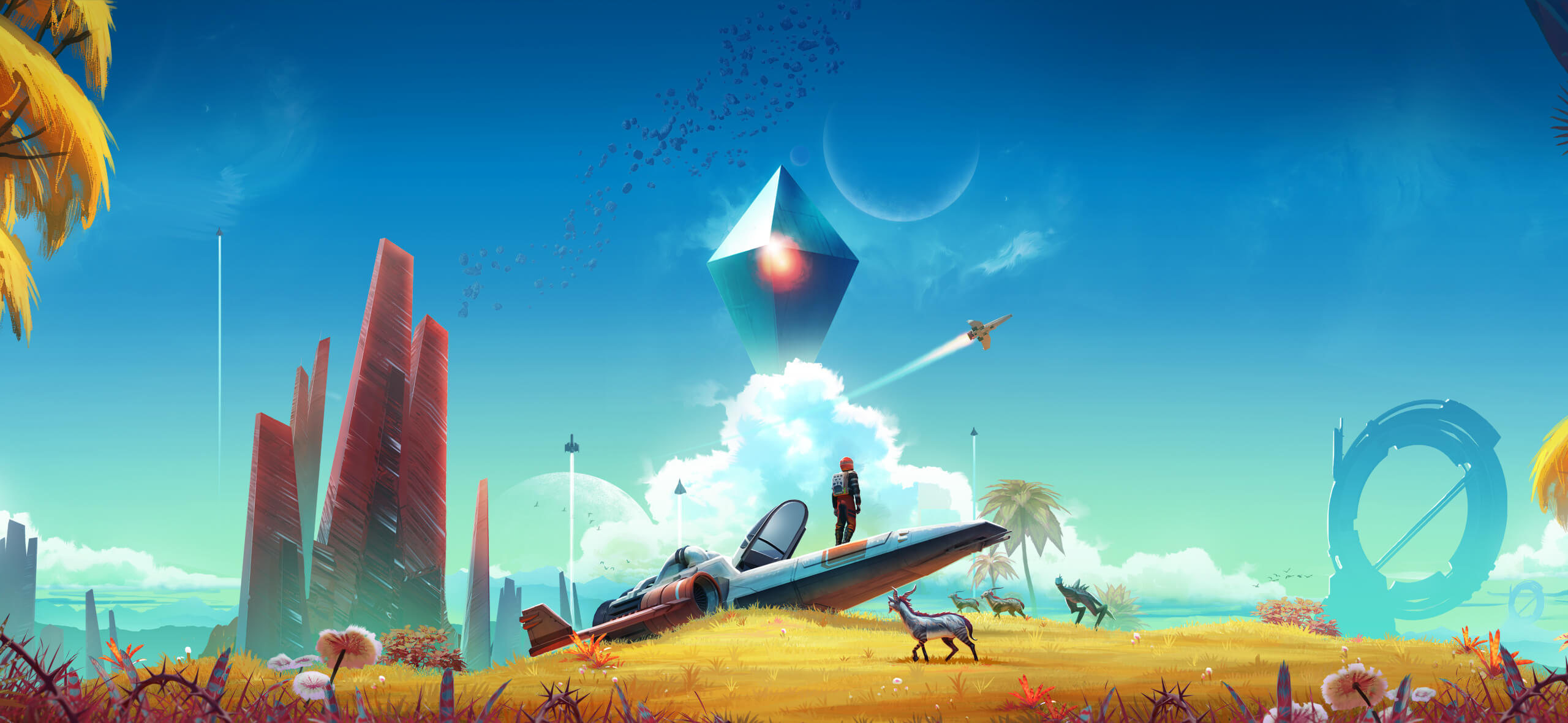
The universe in this game is procedurally generated to offer eighteen quintillion planets for players to discover. You fly your starship seamlessly from the surface of a planet into outer space without loading screens. The core loop involves mining resources to upgrade your suit and ship while cataloging alien flora and fauna. While combat is possible, the game heavily incentivizes exploration through its milestones and economic systems. Updates have added base building and multiplayer features that further encourage community-driven discovery.
‘Sable’ (2021)
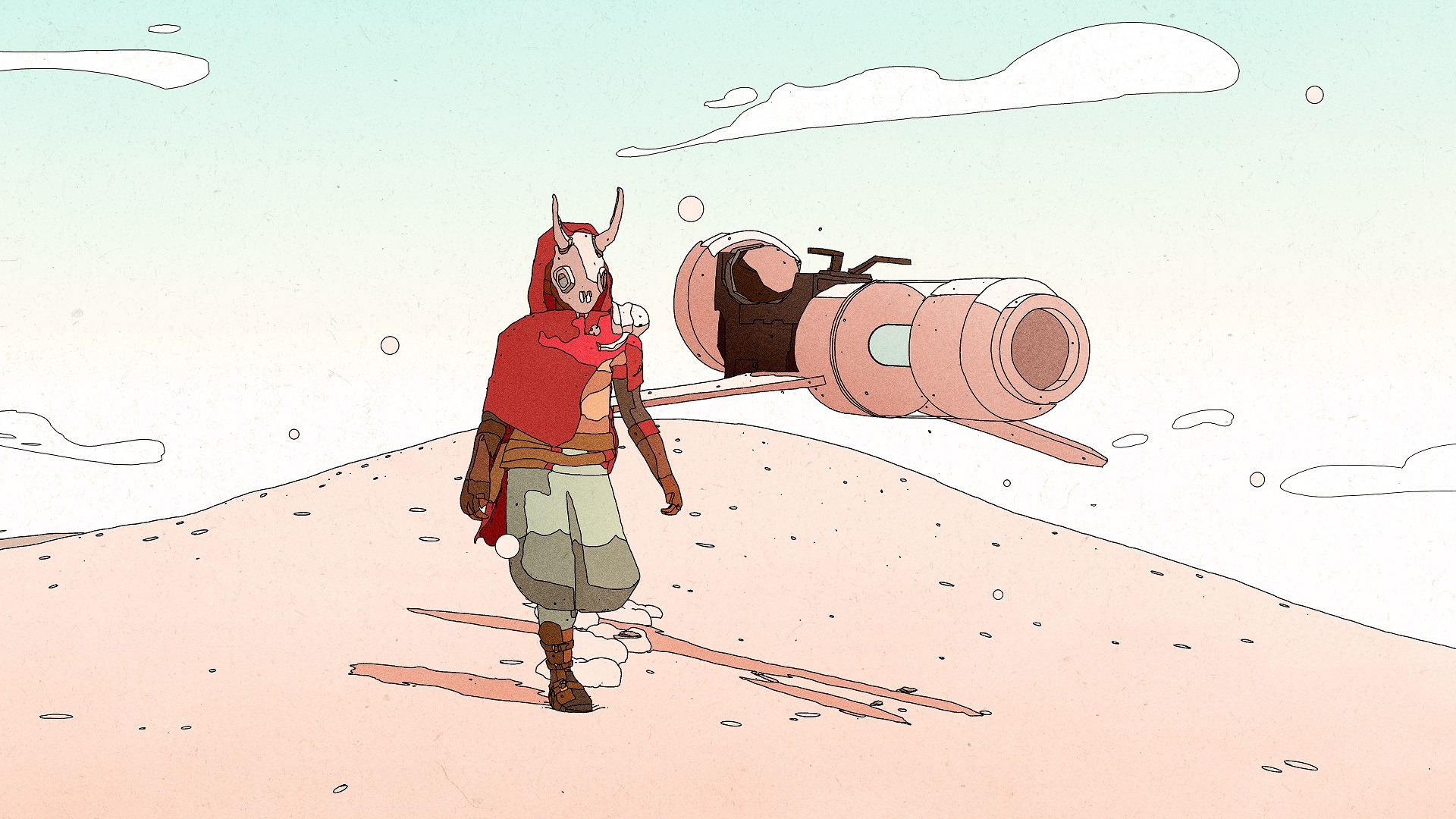
You guide a young girl named Sable through her Gliding to determine her role in the tribe. The game features a distinct art style that mimics French comic books and utilizes a unique animation technique. There is absolutely no combat in the game so players can climb and glide across the dunes at their own pace. Quests involve helping locals and exploring ancient spaceships to collect masks that represent different vocations. The focus remains strictly on the coming-of-age journey and the joy of traversing the landscape.
‘A Short Hike’ (2019)
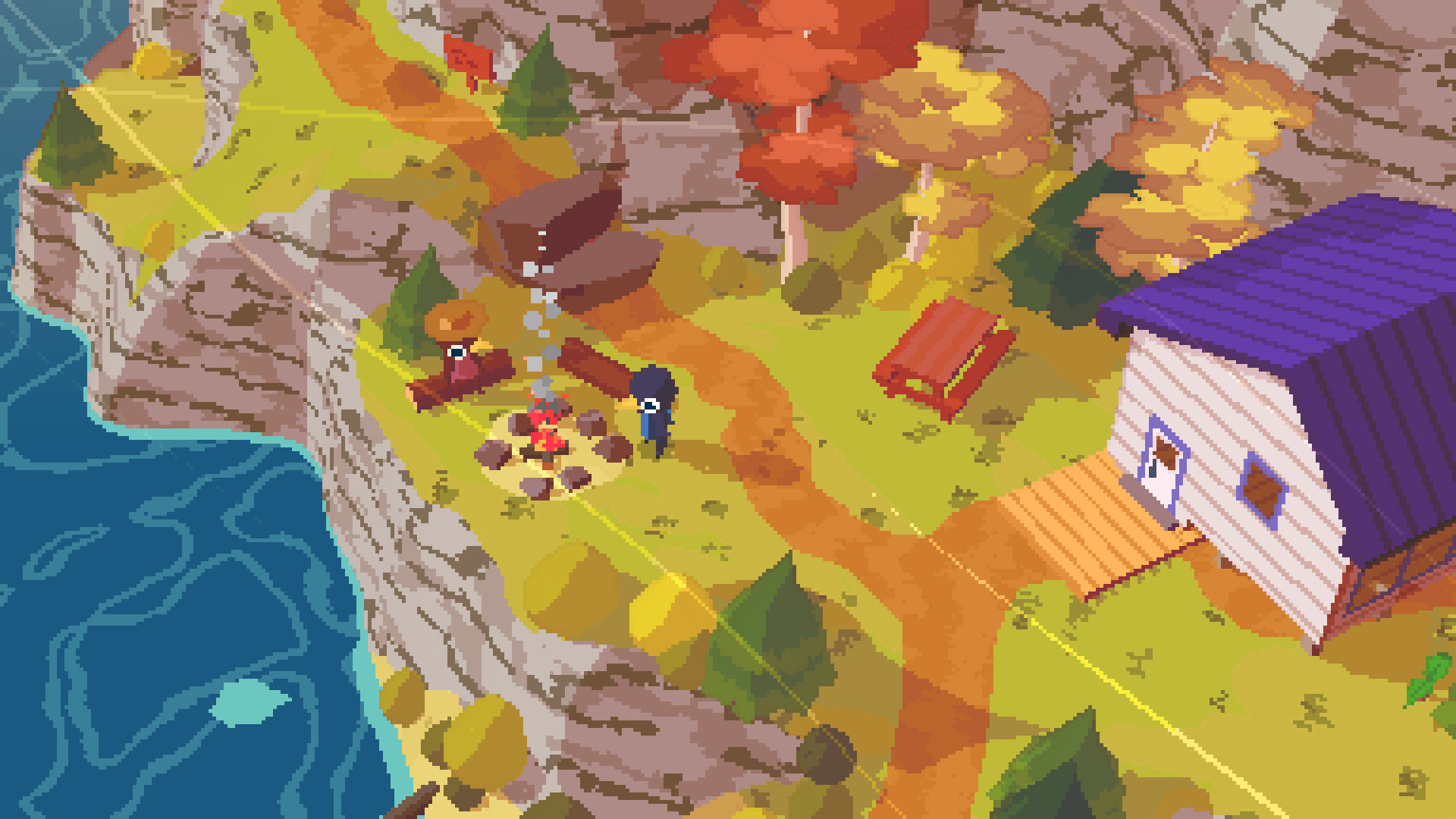
Players control a bird named Claire who is visiting her aunt at Hawk Peak Provincial Park. The goal is to hike to the summit to get cellphone reception but the game encourages you to get distracted along the way. You can fish, race, or help other hikers with their small problems in exchange for golden feathers. These feathers increase your stamina which allows you to climb higher and fly longer. The pixelated aesthetic and relaxing acoustic music create a cozy and low-stakes atmosphere.
‘Eastshade’ (2019)
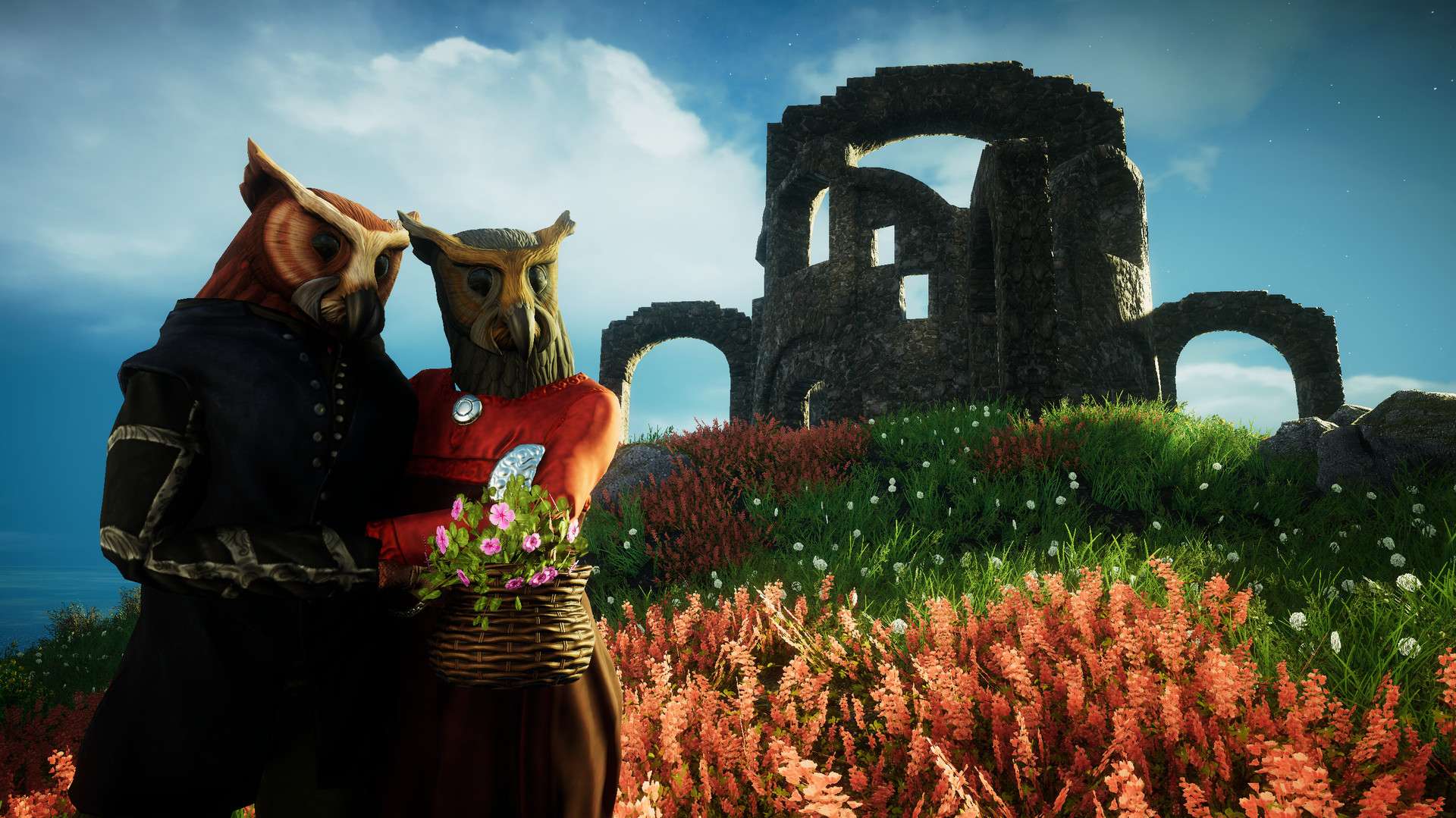
You play as a traveling painter exploring the island of Eastshade to capture its beauty on canvas. The mechanics revolve around composing paintings to complete quests for the anthropomorphic animal inhabitants. You gather materials to craft canvases and explore forests and cities to find the perfect lighting for your art. The game treats social interaction and artistic composition as the primary means of problem-solving. It offers a peaceful open-world experience where helping others is the main objective.
‘Death Stranding’ (2019)
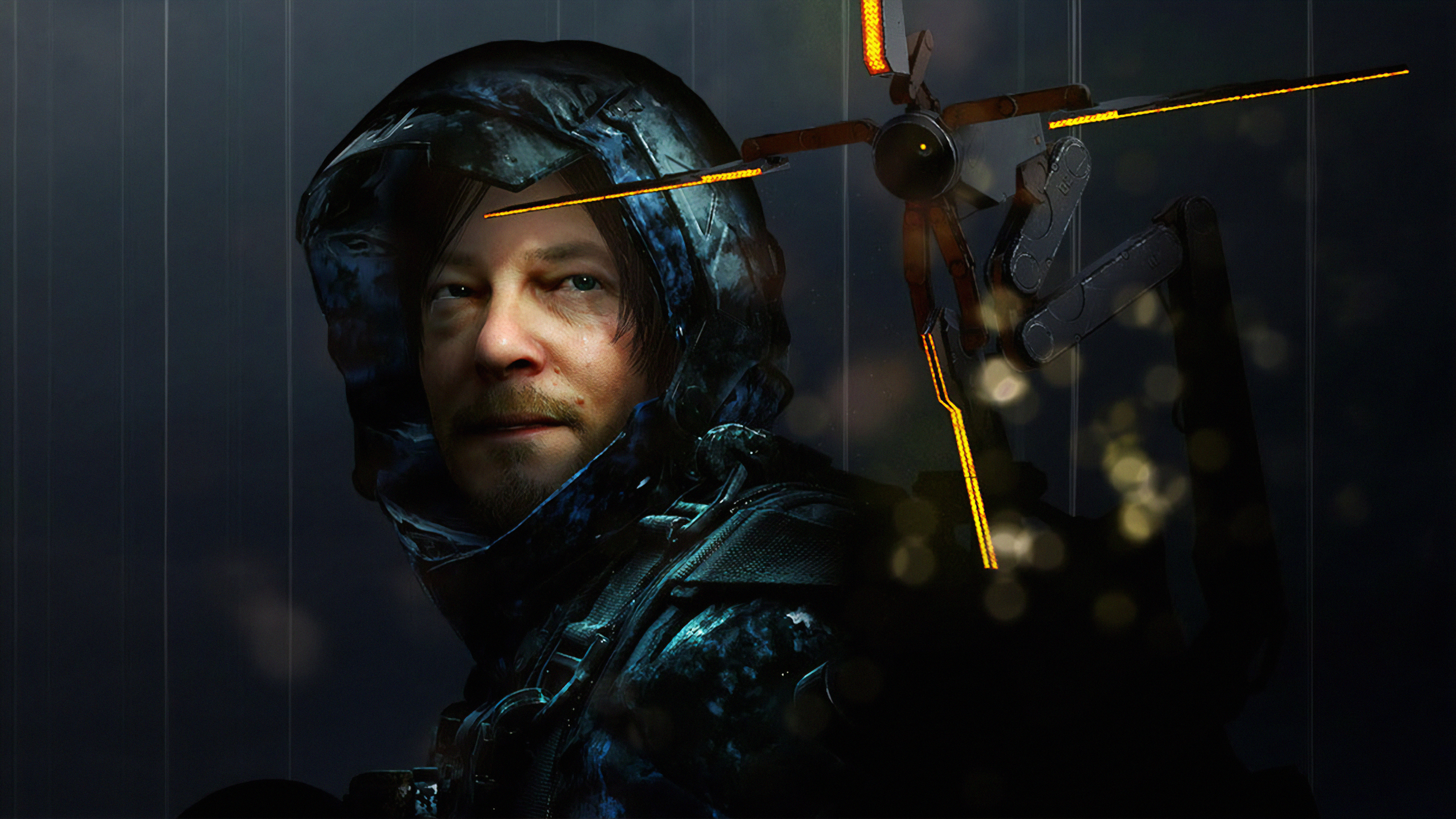
The game reimagines traversal as the primary challenge in a fractured post-apocalyptic United States. You play as a porter who must deliver cargo while balancing weight and navigating difficult terrain. Players must use ladders and ropes to cross rivers and climb mountains while managing their stamina and footwear. The asynchronous multiplayer system allows users to build structures like bridges and roads to help other players in their own games. It turns the simple act of walking into a complex and rewarding strategic puzzle.
‘What Remains of Edith Finch’ (2017)
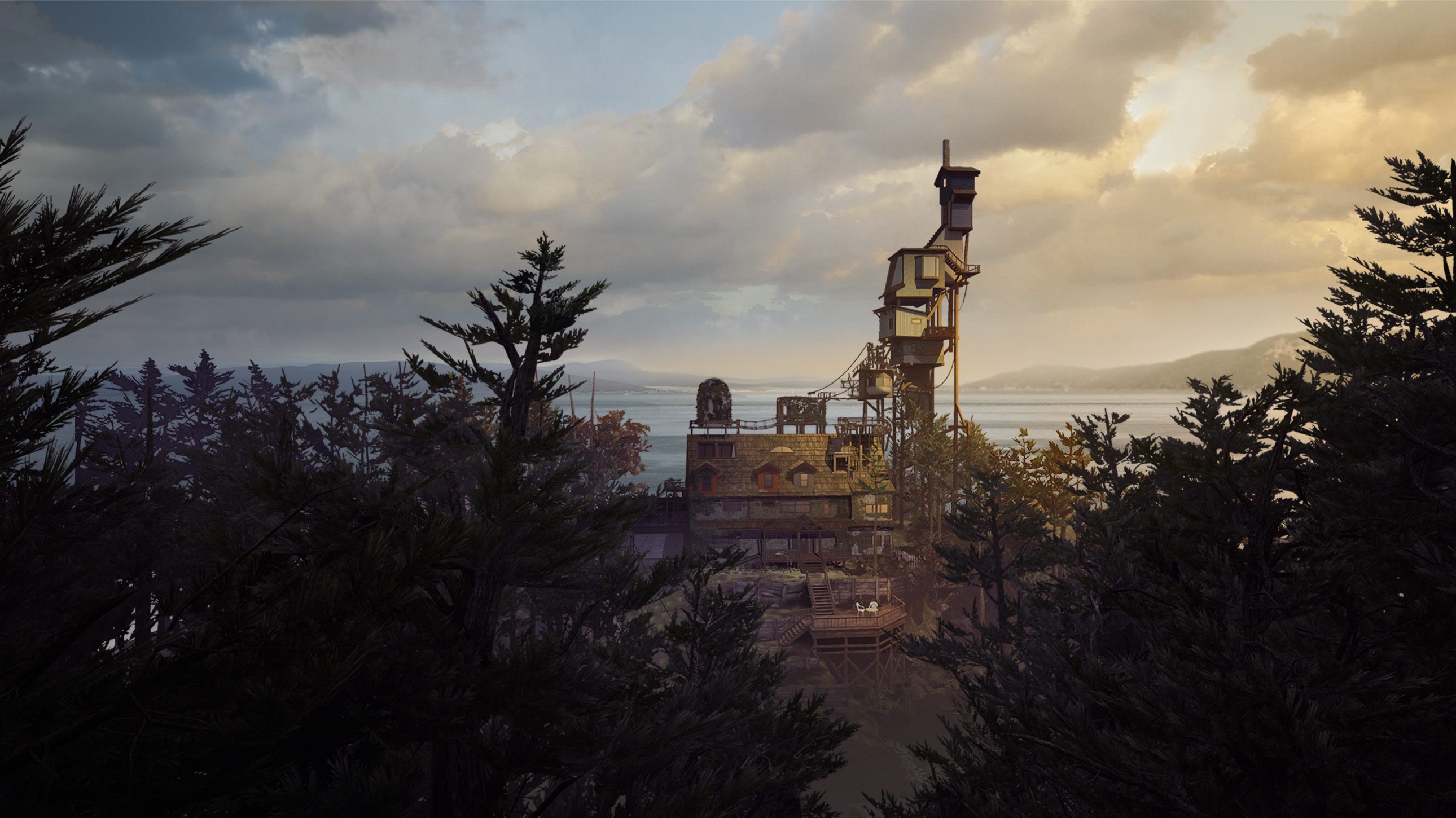
Players explore the colossal Finch family home to uncover the stories of its deceased members. Each family member has a dedicated vignette that features unique gameplay mechanics reflecting their demise. The house itself is a masterpiece of environmental storytelling packed with books and personal belongings. You move through secret passages and sealed rooms to piece together the history of a family cursed by tragedy. The narrative structure rewards curiosity and emotional engagement over skill-based challenges.
‘Yonder: The Cloud Catcher Chronicles’ (2017)
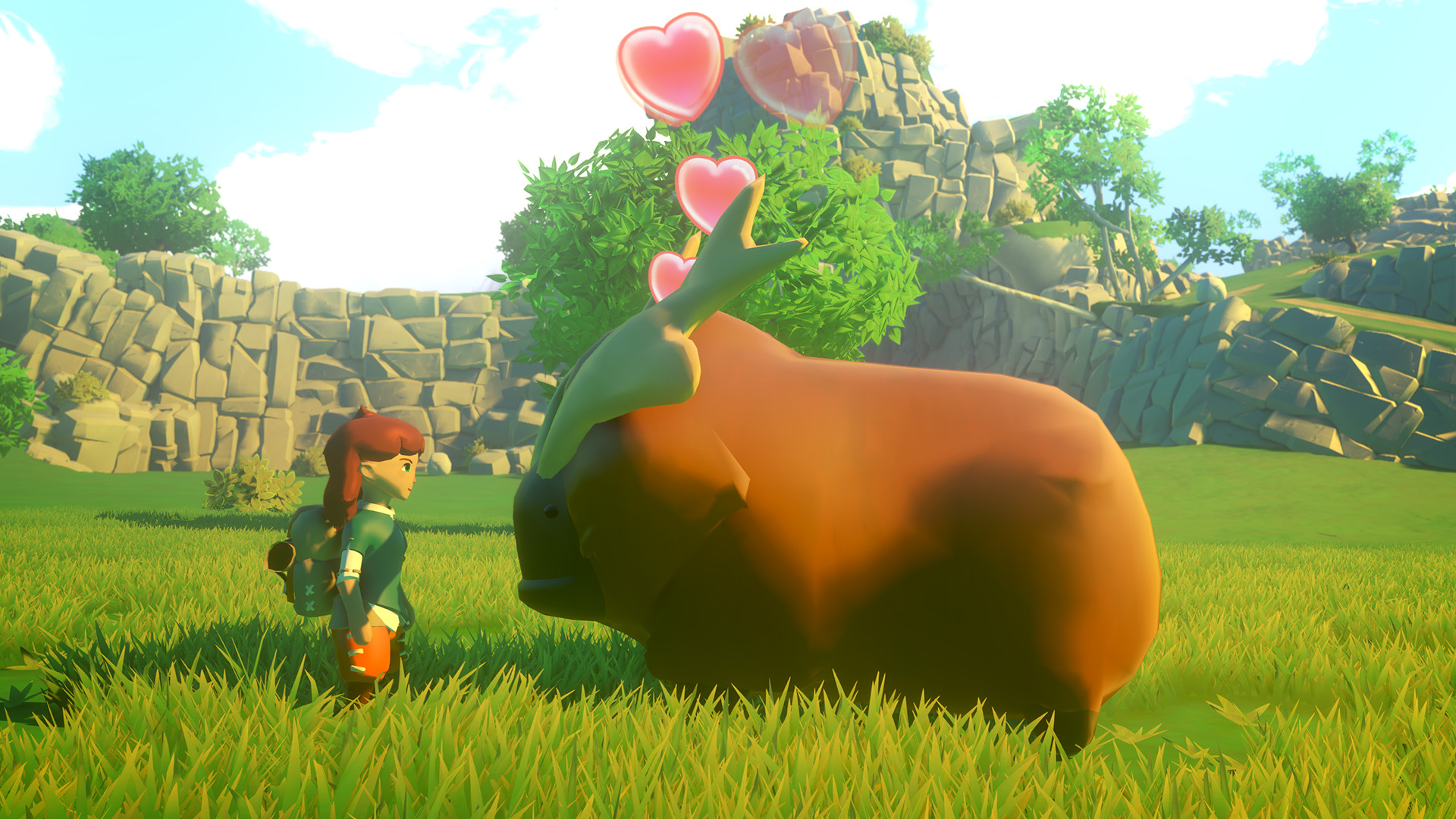
This open-world adventure takes place on an island called Gemea which is slowly being corrupted by a murky substance. There is no combat in the game so you clear the corruption by finding sprites and collecting resources. Players can fish, farm, and craft items to trade with the inhabitants of various biomes. The game features a dynamic weather system and day-night cycle that affects the wildlife you encounter. It provides a relaxing loop of exploration and crafting suitable for all ages.
‘Spiritfarer’ (2020)
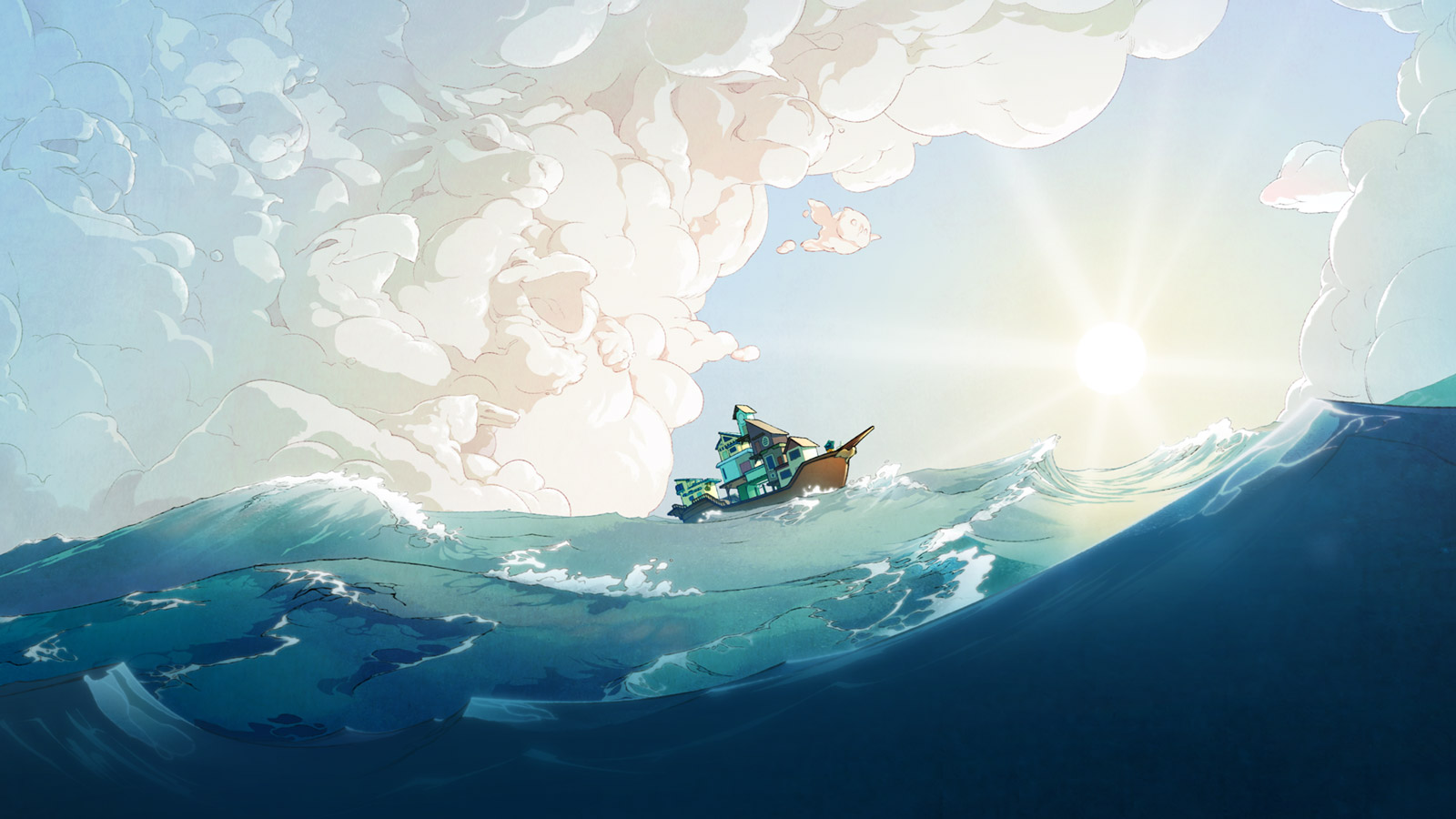
Players take on the role of Stella who serves as the ferrymaster to the deceased. You build and manage a boat to explore a mystical ocean and find spirits to care for before they cross over. The game involves farming, cooking, and crafting to keep your passengers comfortable and happy. Each island you visit offers resources and platforming challenges that unlock as you upgrade your abilities. The game tackles themes of death and goodbye with a gentle and heartwarming approach.
‘Jusant’ (2023)
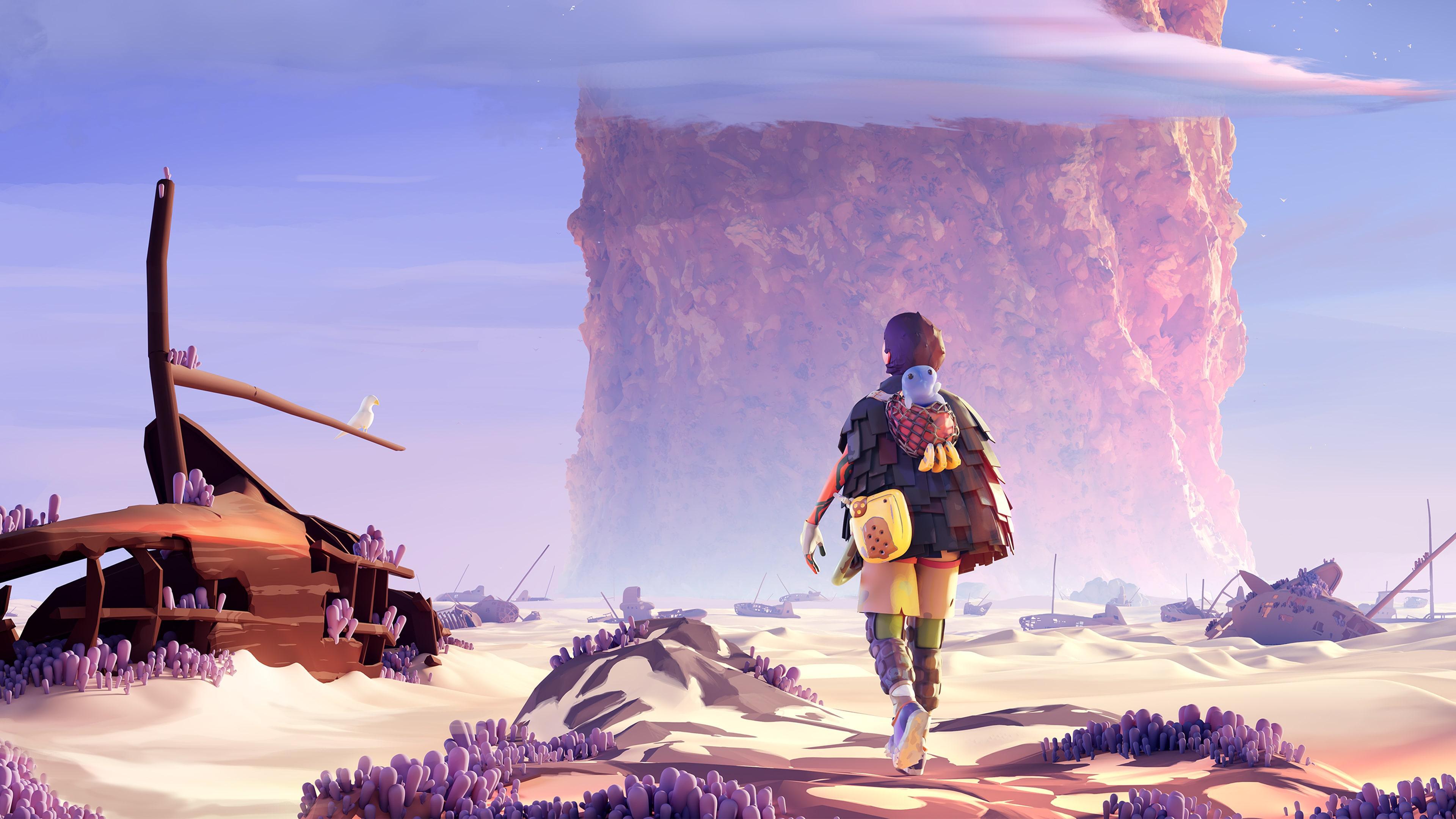
This action-puzzle game focuses entirely on the mechanics of climbing a desolate and towering rock structure. You control the grip of each hand individually to scale vertical walls while managing your stamina meter. A small water creature accompanies you to help interact with the environment and reveal the history of the tower. The game rewards vertical exploration with letters and artifacts that explain the disappearance of the civilization. It creates a meditative rhythm through its tactile controls and atmospheric sound design.
‘Grow Home’ (2015)
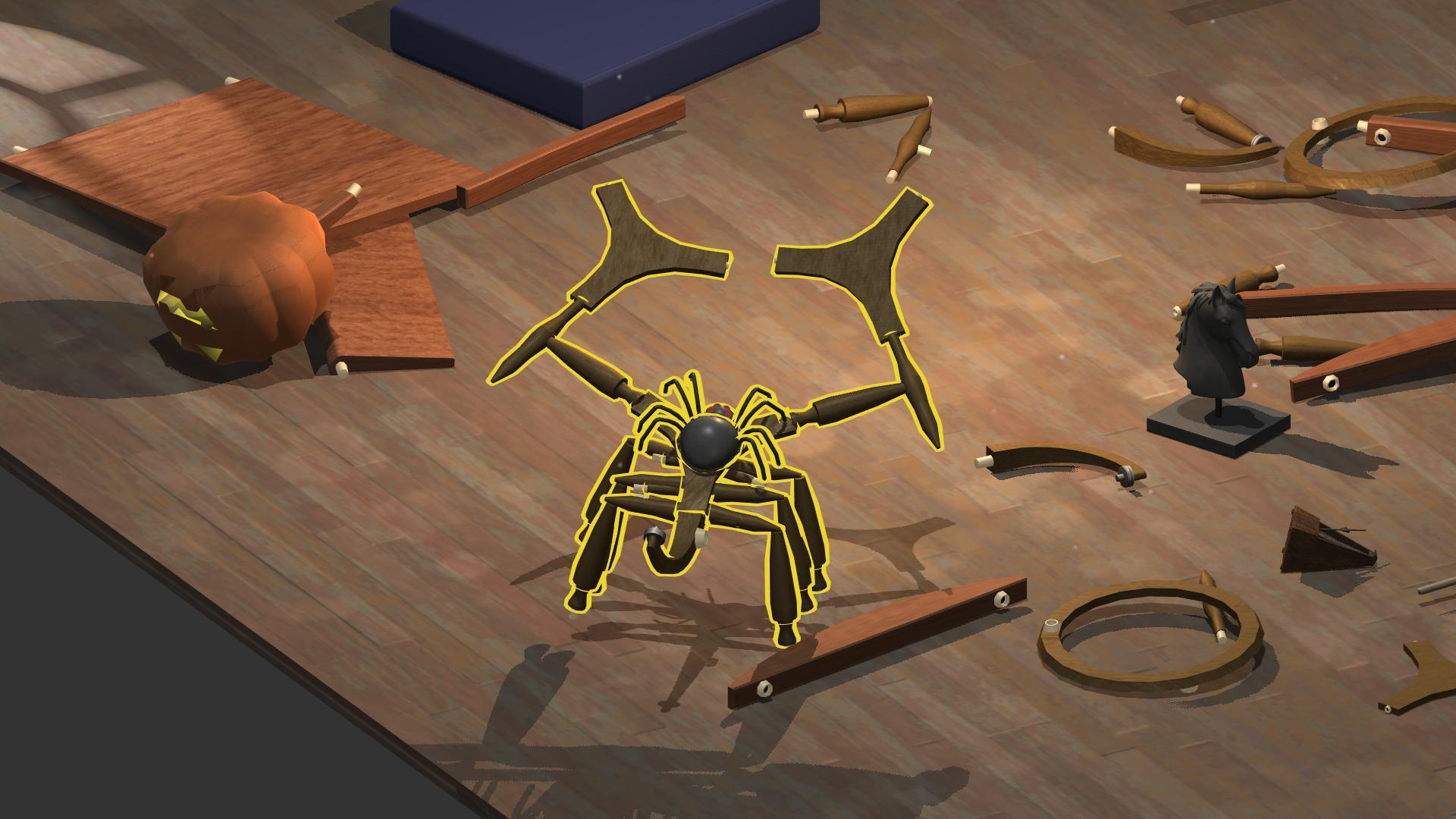
You control a robot named B.U.D. tasked with growing a giant star plant to oxygenate his home world. The gameplay relies on procedurally animated climbing mechanics where you control each hand to grasp surfaces. You explore floating islands to find crystals that upgrade your abilities and jetpack. The goal is to ride the growing shoots of the plant higher into the atmosphere. It offers a playful physics sandbox where falling is just part of the learning process.
‘Disco Elysium’ (2019)
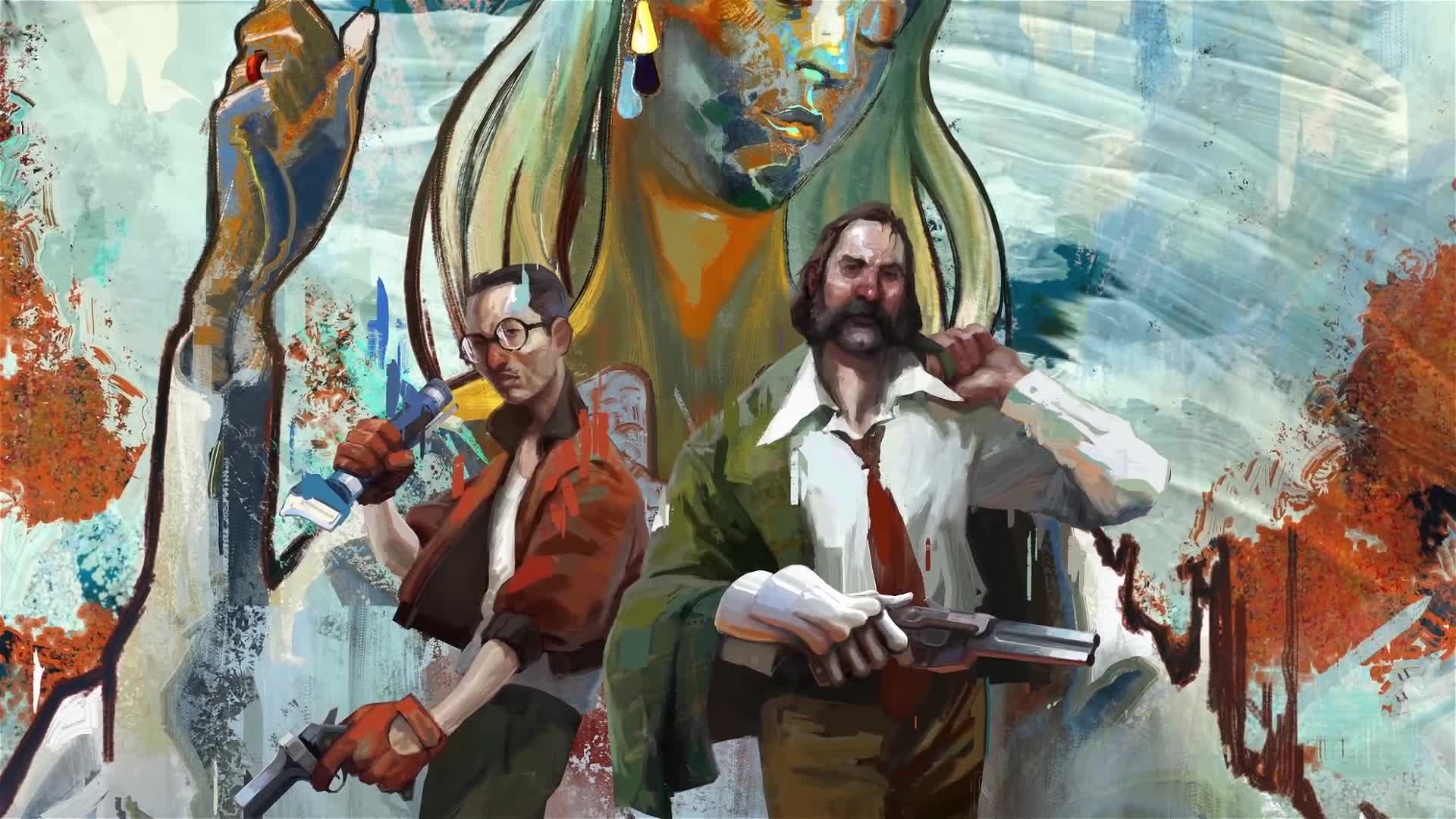
Players control an amnesiac detective trying to solve a murder in the fictional city of Revachol. The game uses a skill system based on aspects of the human psyche rather than traditional combat stats. You explore the city and interrogate citizens to uncover the political and personal tensions of the district. The text-heavy narrative changes based on your internal monologue and the choices you make during conversations. It rewards intellectual exploration and role-playing in a deeply complex world.
‘The Vanishing of Ethan Carter’ (2014)
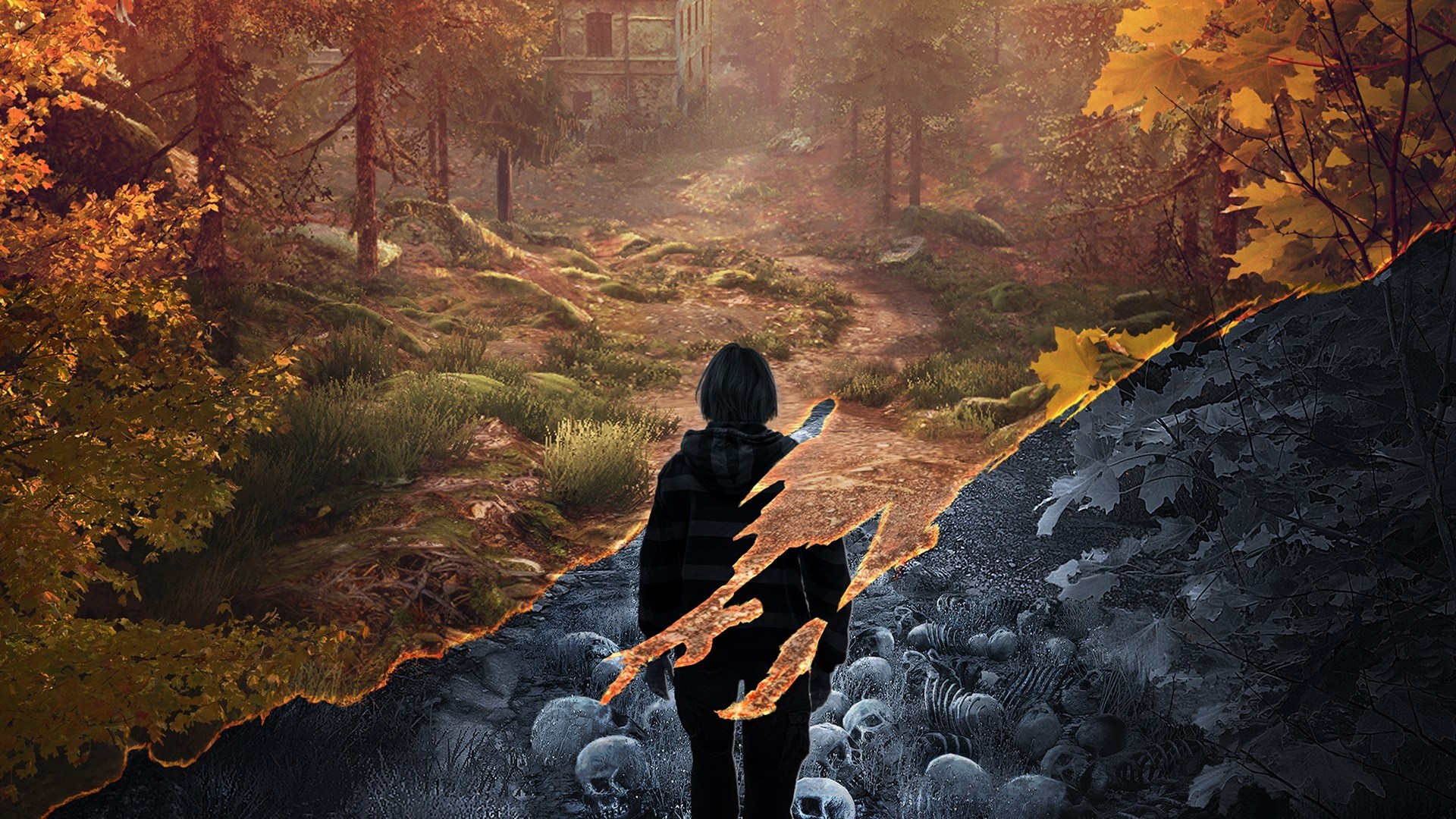
You play as a detective with supernatural abilities searching for a missing boy in Red Creek Valley. The game utilizes photogrammetry to create a hyper-realistic forest environment that begs to be explored. You must locate crime scenes and reconstruct the sequence of events by visualizing ghosts of the past. There is no combat and the game does not hold your hand with waypoints or objectives. The story unfolds organically as you piece together the tragic events scattered across the valley.
‘Gone Home’ (2013)

The game is set entirely within a large family house on a stormy night in 1995. You arrive home after a year abroad to find the house empty and your family missing. The gameplay consists of opening drawers and reading notes to understand what happened in your absence. Every object in the house helps to flesh out the lives and relationships of the family members. It pioneered the environmental storytelling genre by proving a game could be compelling without any traditional action.
‘Everybody’s Gone to the Rapture’ (2015)

Players explore a deserted English village in the 1980s shortly after a mysterious apocalyptic event. You follow floating balls of light that transform into reenactments of the residents’ final moments. The game requires you to walk through homes and gardens to listen to radios and phones that provide context. It is a slow-paced experience that emphasizes atmosphere and audio storytelling over mechanics. The stunning recreation of the rural setting makes the exploration feel grounded and melancholic.
‘Chants of Sennaar’ (2023)

This puzzle adventure game is inspired by the myth of the Tower of Babel. You explore a massive tower divided into distinct levels where the inhabitants speak different languages. The core mechanic involves deciphering these languages by observing context clues and matching symbols to meanings. Understanding the languages allows you to solve puzzles and help the different cultures communicate with each other. It rewards linguistic deduction and curiosity about the cultures within the tower.
‘The Invincible’ (2023)
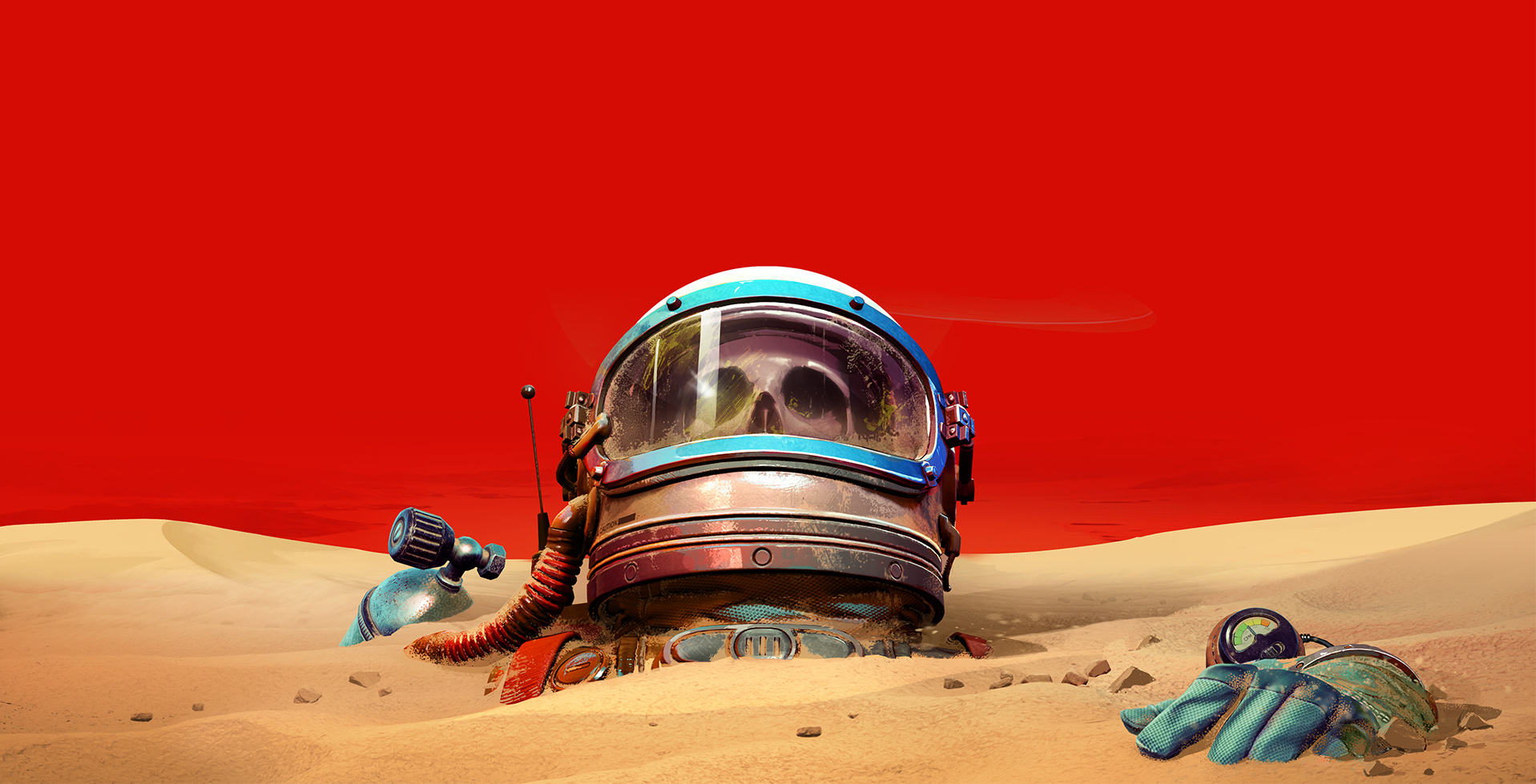
Based on the novel by Stanisław Lem, this game sends you to the planet Regis III to find a missing crew. You drive a rover and walk across the dusty surface while using retro-futuristic tools to scan for signals. The game focuses on hard science fiction concepts and the philosophical implications of first contact. Choices made during dialogue and exploration affect the outcome of the story. It captures the isolation and wonder of classic sci-fi exploration.
‘Astroneer’ (2019)
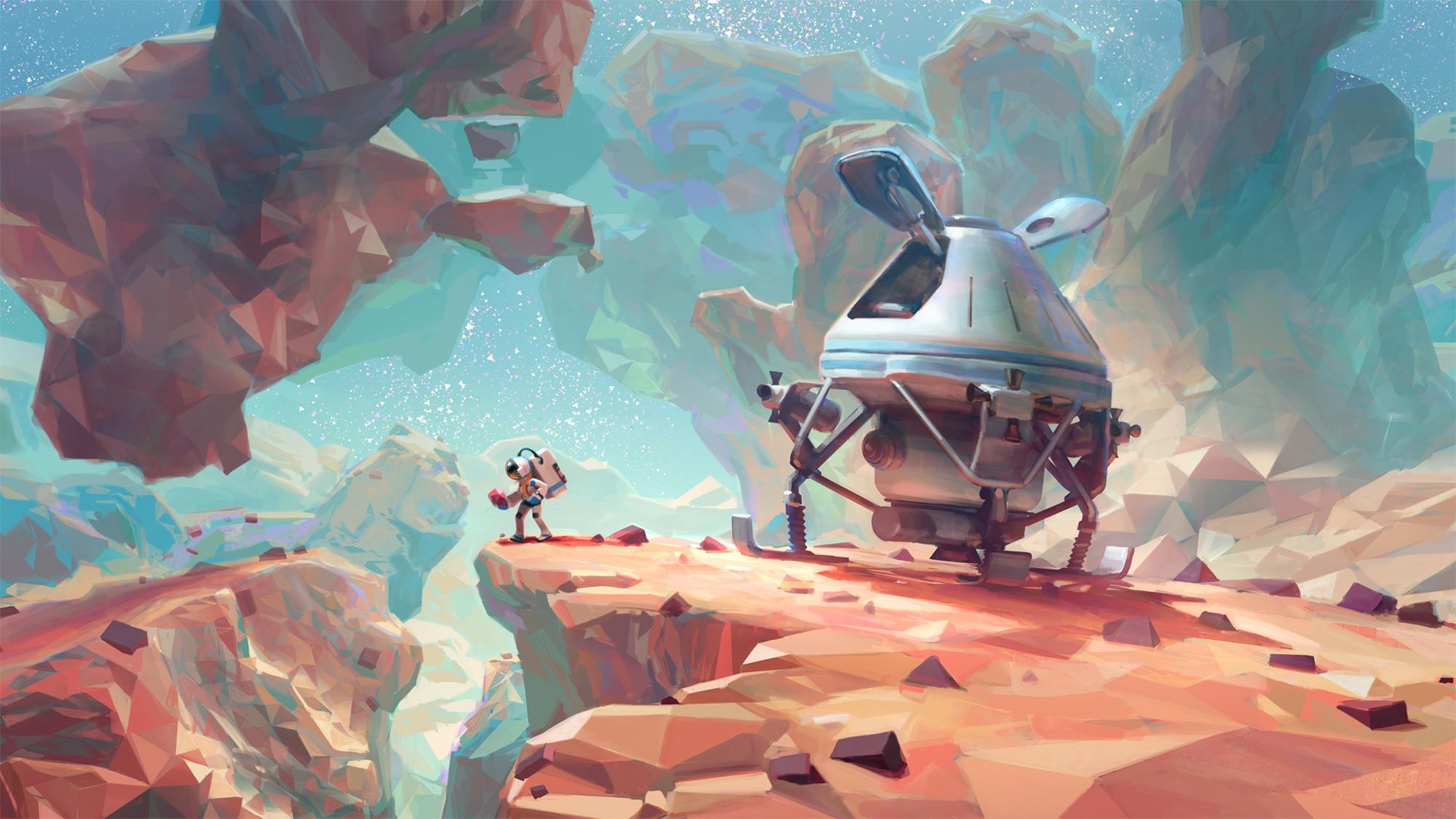
Players are dropped onto procedurally generated planets with a terrain tool that can reshape the land. You mine resources to build bases and research new technologies to survive the harsh environments. The game encourages you to tether yourself to oxygen lines and venture deep into caves or up to mountain peaks. You can build rovers and shuttles to travel between planets in the solar system. The colorful low-poly art style complements the creative freedom of the sandbox gameplay.
‘The Planet Crafter’ (2024)

You are sent to a hostile planet with the mission to terraform it for future human habitation. The game involves gathering minerals to build heating units and drills that slowly change the atmosphere. As you progress, the sky turns blue and lakes form in the craters you previously walked through. Exploration is vital to find blueprints and rare materials hidden in crashed ships scattered across the map. The satisfaction comes from watching the dead world slowly turn green and vibrant.
‘Raft’ (2022)
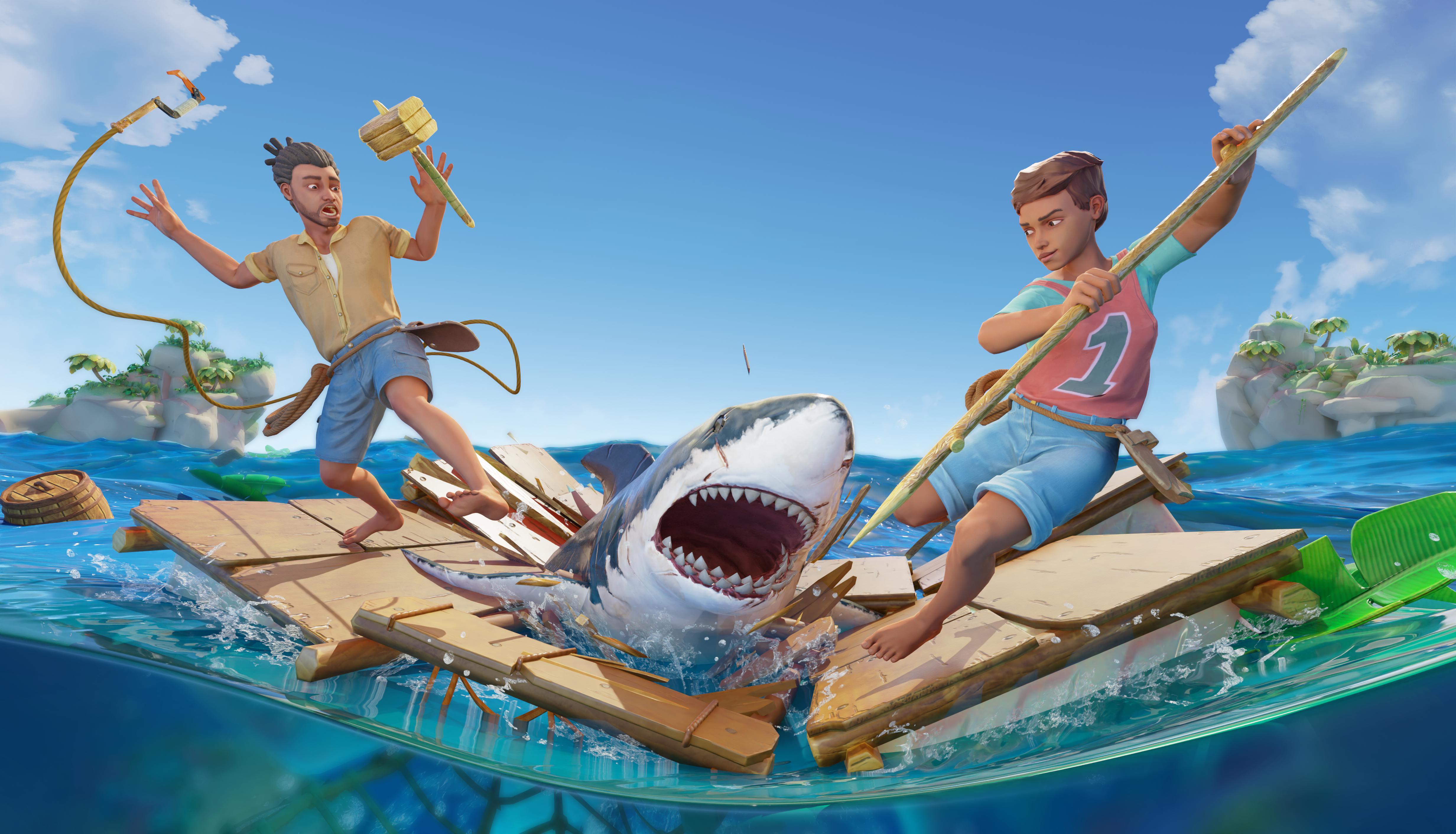
The game starts you on a small plank of wood in an endless ocean with only a plastic hook. You must hook floating debris to expand your raft and build survival equipment. The raft eventually drifts toward islands and large abandoned structures that contain story notes and blueprints. While sharks and animals pose a threat, the primary loop focuses on expanding your mobile base and discovering new locations. It rewards players who brave the depths to find resources for their floating home.
‘Dredge’ (2023)
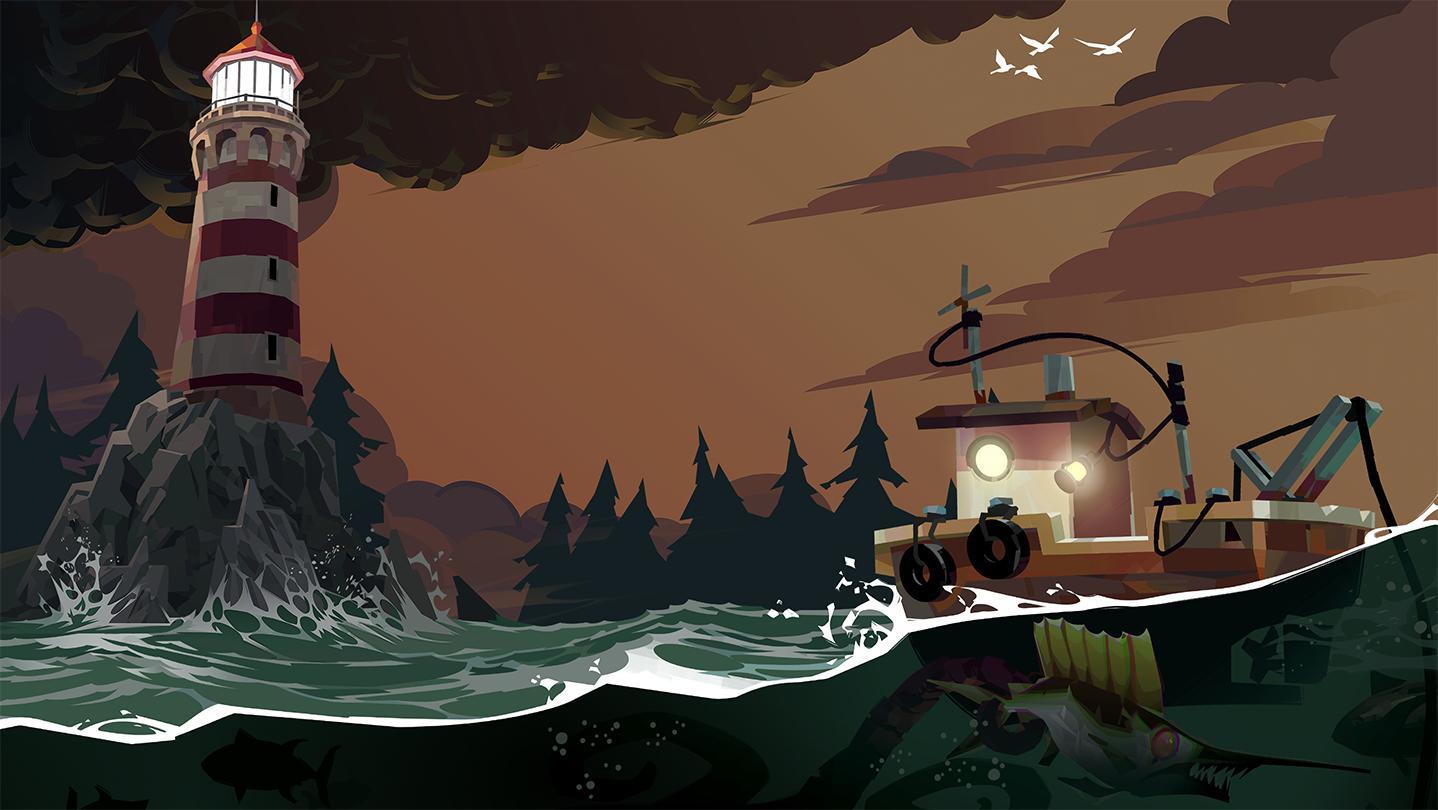
You play as a fisherman in a remote archipelago who must catch fish to sell to the locals. The game allows you to upgrade your boat’s engines and lights to reach more distant islands. While there are horror elements at night, the core gameplay is about mapping the waters and finding rare species. You dredge up scrap and artifacts to unlock secrets about the region’s dark past. Exploration is tense but necessary to understand the eldritch mysteries hiding beneath the waves.
‘Dave the Diver’ (2023)
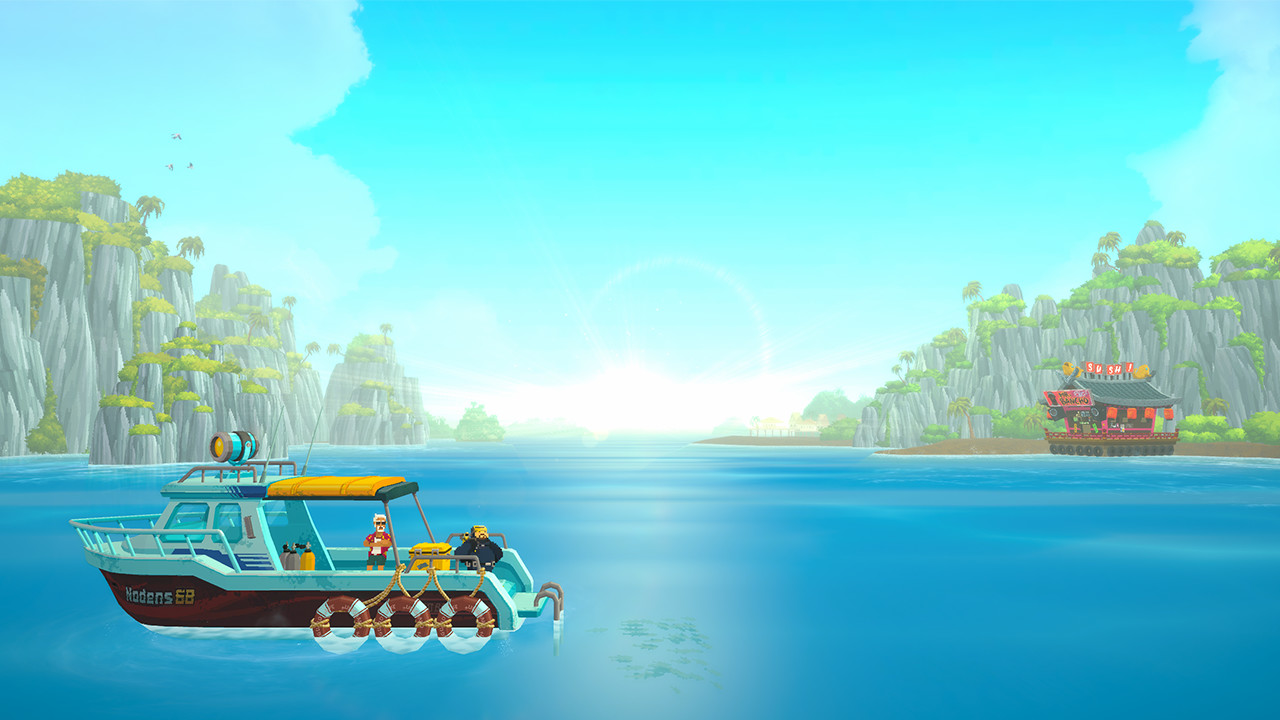
This game combines deep-sea exploration with managing a sushi restaurant. During the day, you dive into the Blue Hole to catch fish and collect ingredients for the evening service. The underwater environment changes daily which keeps the exploration fresh and unpredictable. You discover ancient civilizations and strange sea creatures as you upgrade your diving suit to go deeper. The game balances the relaxing nature of swimming with the management simulation on the surface.
‘Aer: Memories of Old’ (2017)

Players control a shapeshifter who can transform into a bird to fly between floating islands. The world is fragmented and filled with ancient ruins that you must explore to save reality. Flying is the central mechanic and feels liberating as you soar through clouds and tunnels. There is no combat to interrupt your flight or your investigation of the temples. The low-poly art style and atmospheric music create a serene experience focused on freedom of movement.
‘Alba: A Wildlife Adventure’ (2020)
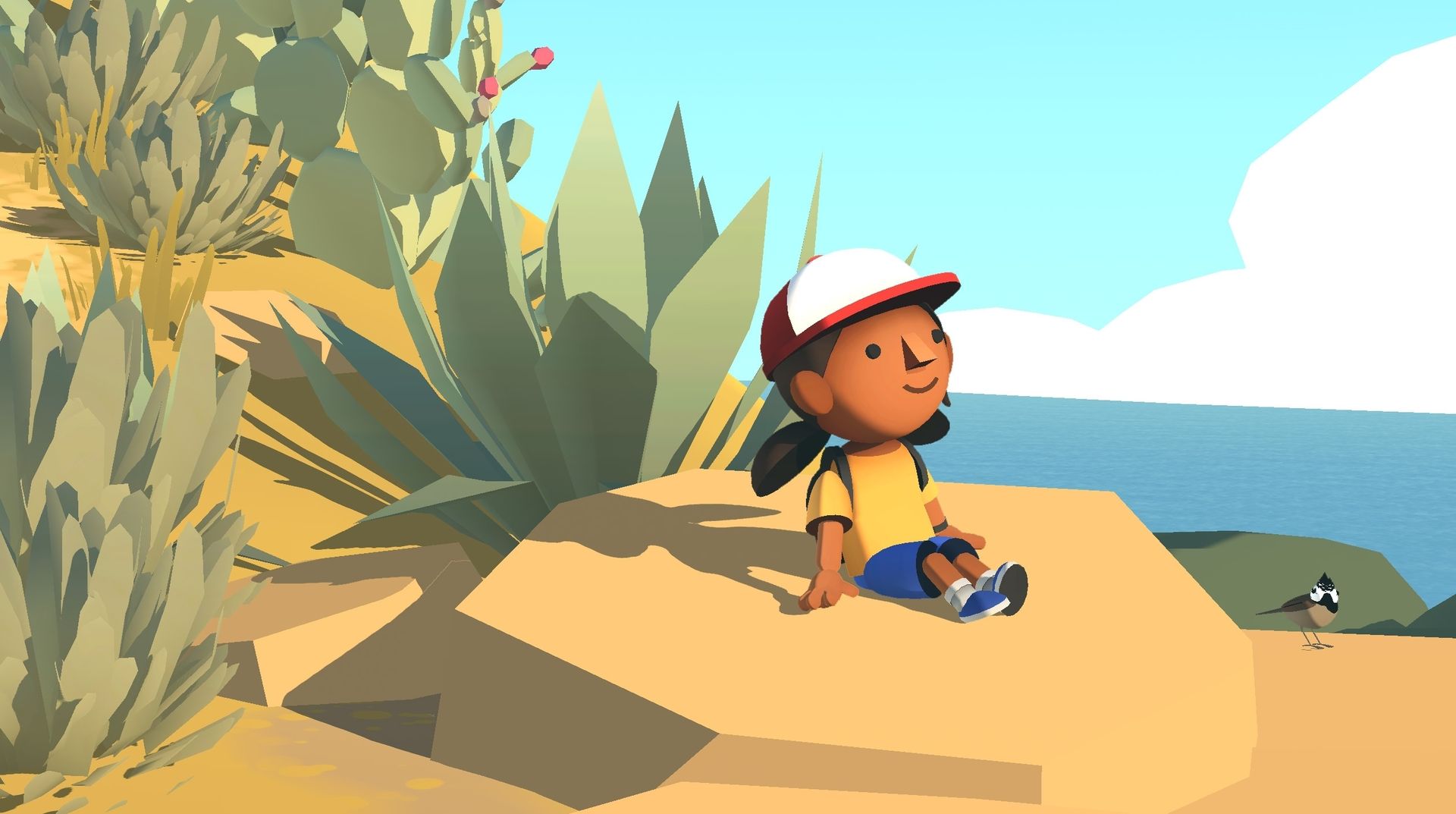
You play as a young girl visiting her grandparents on a Mediterranean island. The goal is to explore the island and document the local wildlife using your camera and notebook. You also complete small tasks to repair the nature reserve and clean up litter. The game encourages players to take their time and observe the behavior of birds and animals. It is a wholesome experience that promotes conservation and community spirit.
‘Cloudpunk’ (2020)
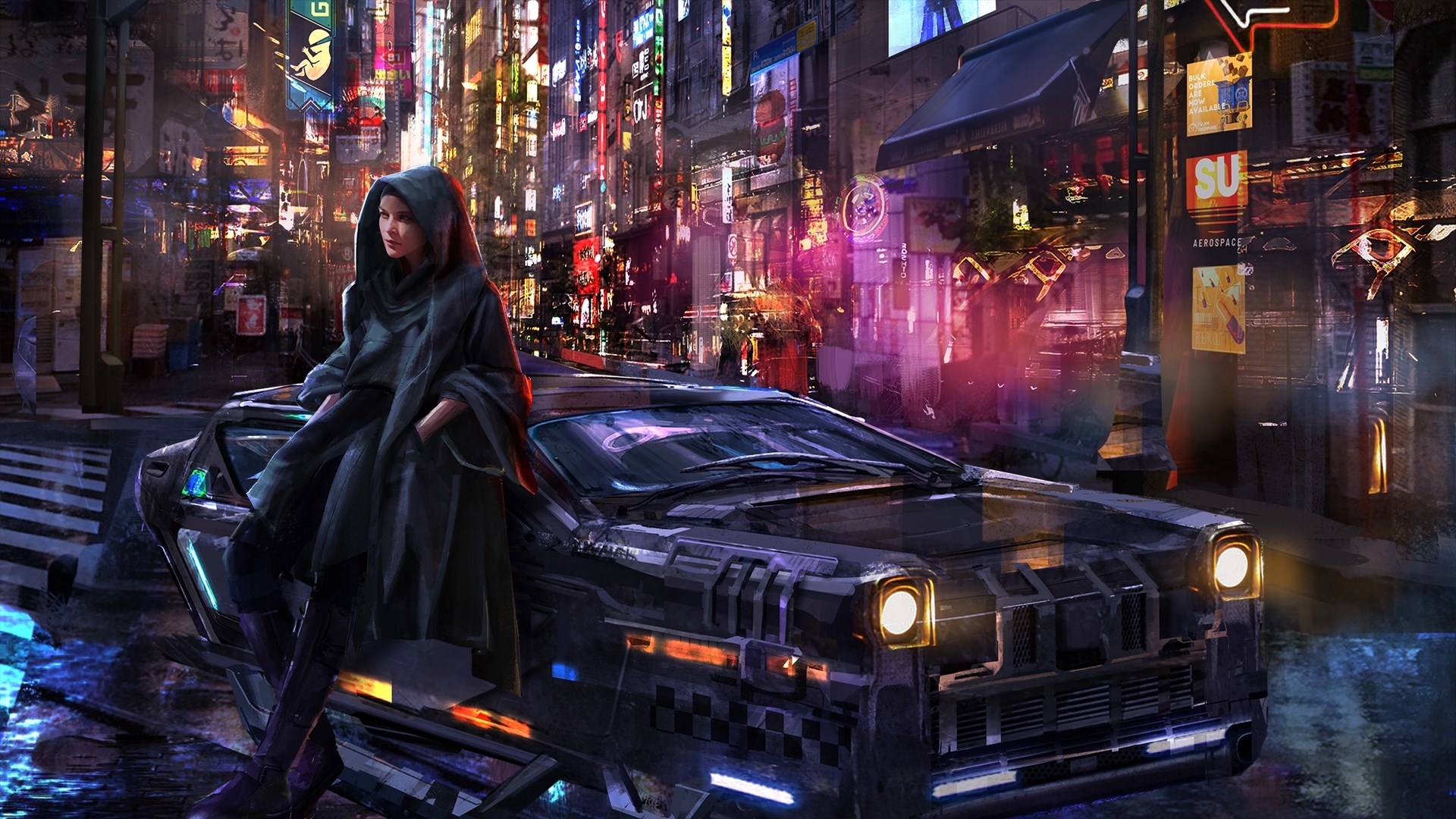
You work as a delivery driver for an illicit company in the vertical cyberpunk city of Nivalis. The gameplay consists of flying your hover car through rain-slicked neon streets to drop off packages. You can also park and explore the city on foot to find collectibles and talk to diverse characters. The game focuses on the stories of the city’s inhabitants rather than action or violence. The dense atmosphere and voxel graphics make the city itself the main character.
‘Stray’ (2022)

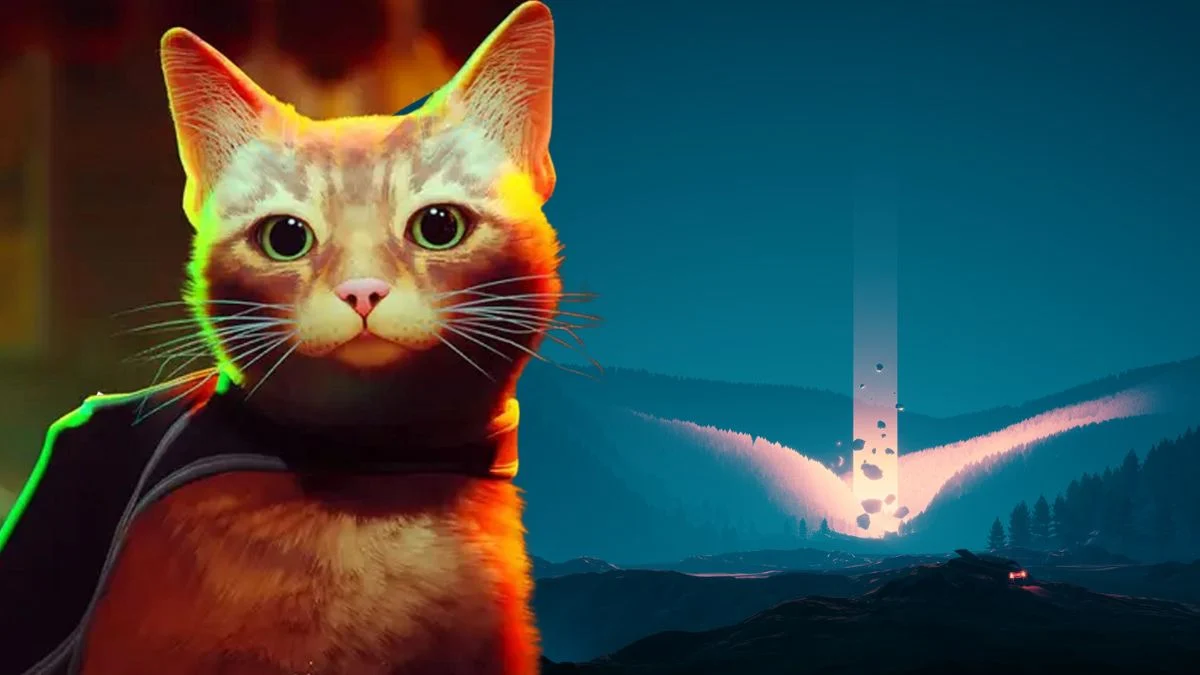
Players control a stray cat separated from its family in a decaying cybercity inhabited by robots. You navigate the verticality of the slums by leaping across rooftops and crawling through small pipes. The game captures the movements and behaviors of a cat perfectly as you scratch carpets and knock over objects. While there are chase sequences, the majority of the game is about exploring the detailed environment and solving light puzzles. It offers a unique perspective on a post-human world through the eyes of an animal.
‘Tchia’ (2023)

Inspired by New Caledonia, this game lets you control a young girl with the ability to possess animals and objects. You can swim as a turtle or fly as a bird to traverse the tropical archipelago. The game emphasizes physics-based movement and exploration of the vibrant culture and nature. You can play a ukulele to change the time of day or summon animals to help you. It is a joyful sandbox that celebrates the freedom of childhood discovery.
‘Season: A Letter to the Future’ (2023)
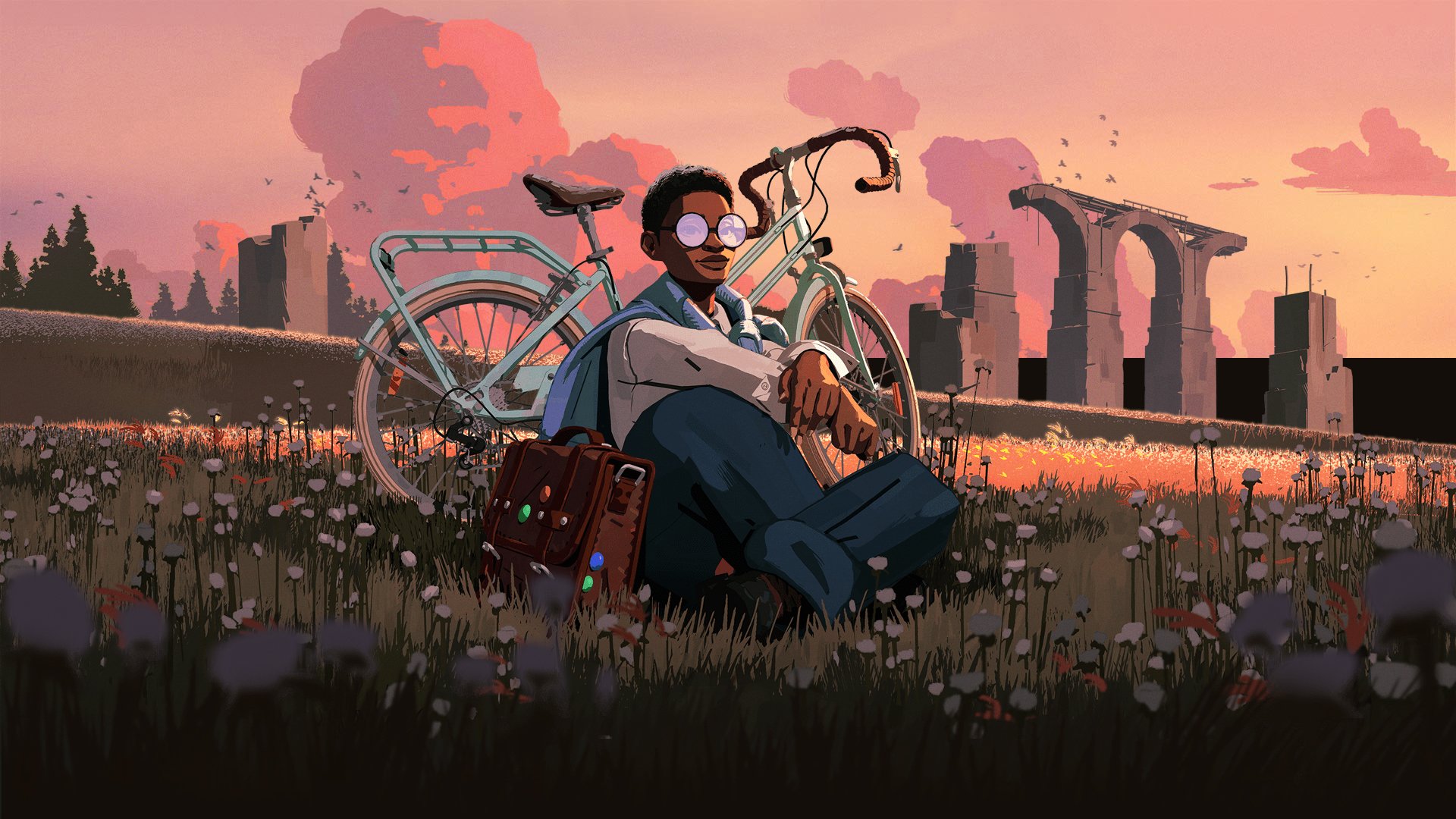
You play as a young woman leaving her secluded village to record the world before a cataclysm washes away history. You ride a bicycle through the countryside while recording sounds and taking photographs. The gameplay involves documenting the stories of the people you meet and the places you visit. You arrange these memories in a journal to preserve them for the next era. It is a contemplative game about memory and the passage of time.
‘The Pathless’ (2020)
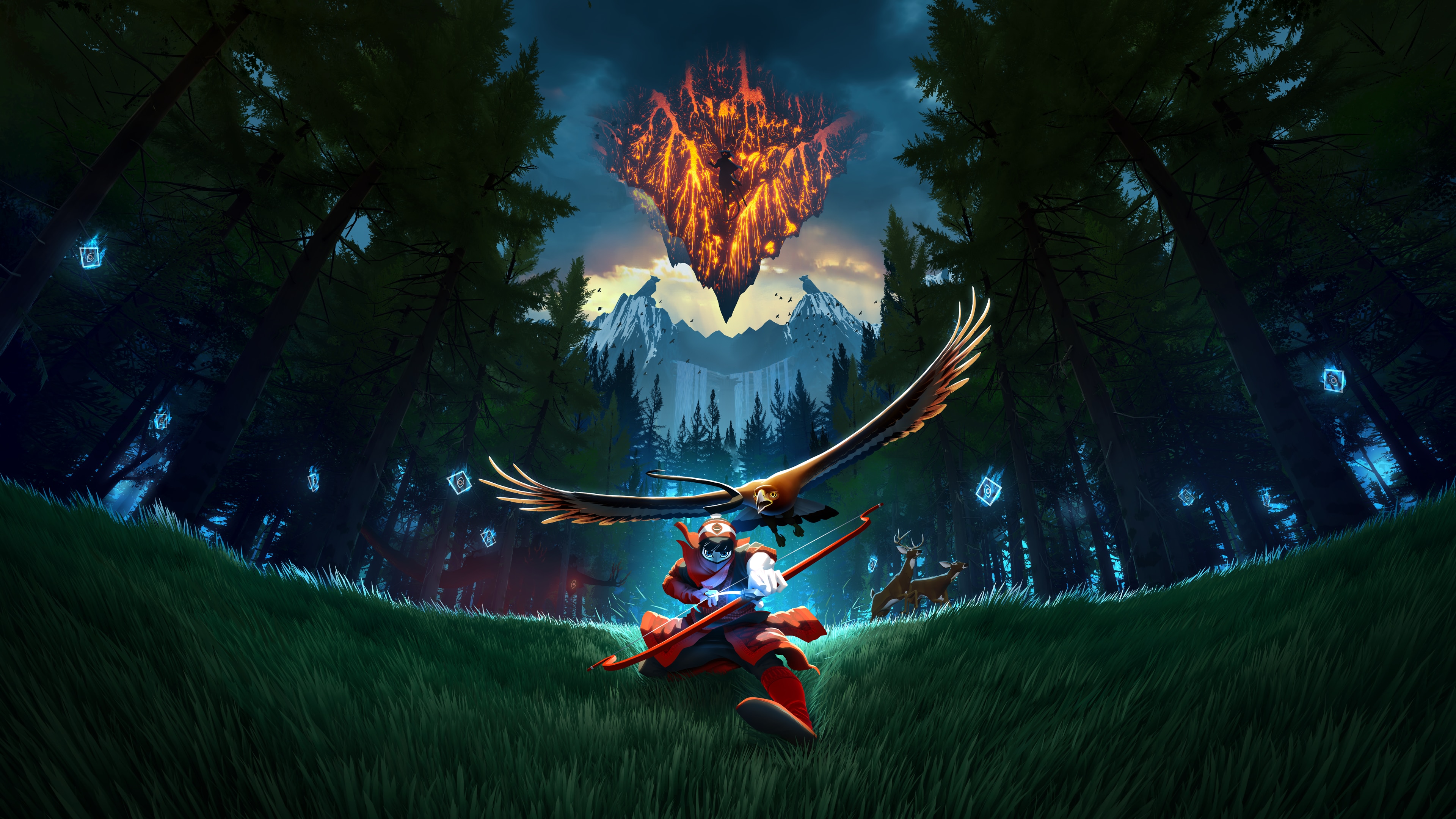
You play as a hunter on a cursed island who must restore light to the land. The movement system uses a bow and arrow to hit talismans that boost your speed and allow you to glide. While there are boss encounters, the game does not have a traditional map and relies on your spirit vision to find points of interest. You explore vast forests and tundras to solve puzzles and collect crystals. The fluid movement makes traversing the open world feel like a rhythmic dance.
‘Fez’ (2012)

Gomez is a 2D creature living in a 2D world until he discovers a magical fez that reveals a third dimension. The game allows you to rotate the perspective of the world by ninety degrees to solve navigation puzzles. This mechanic reveals hidden doors and platforms that were previously invisible. There are no enemies or bosses to fight as you collect cubes to save the universe. It is a complex puzzle-platformer that encourages lateral thinking and deep exploration of its cryptic world.
‘Shadow of the Colossus’ (2005)
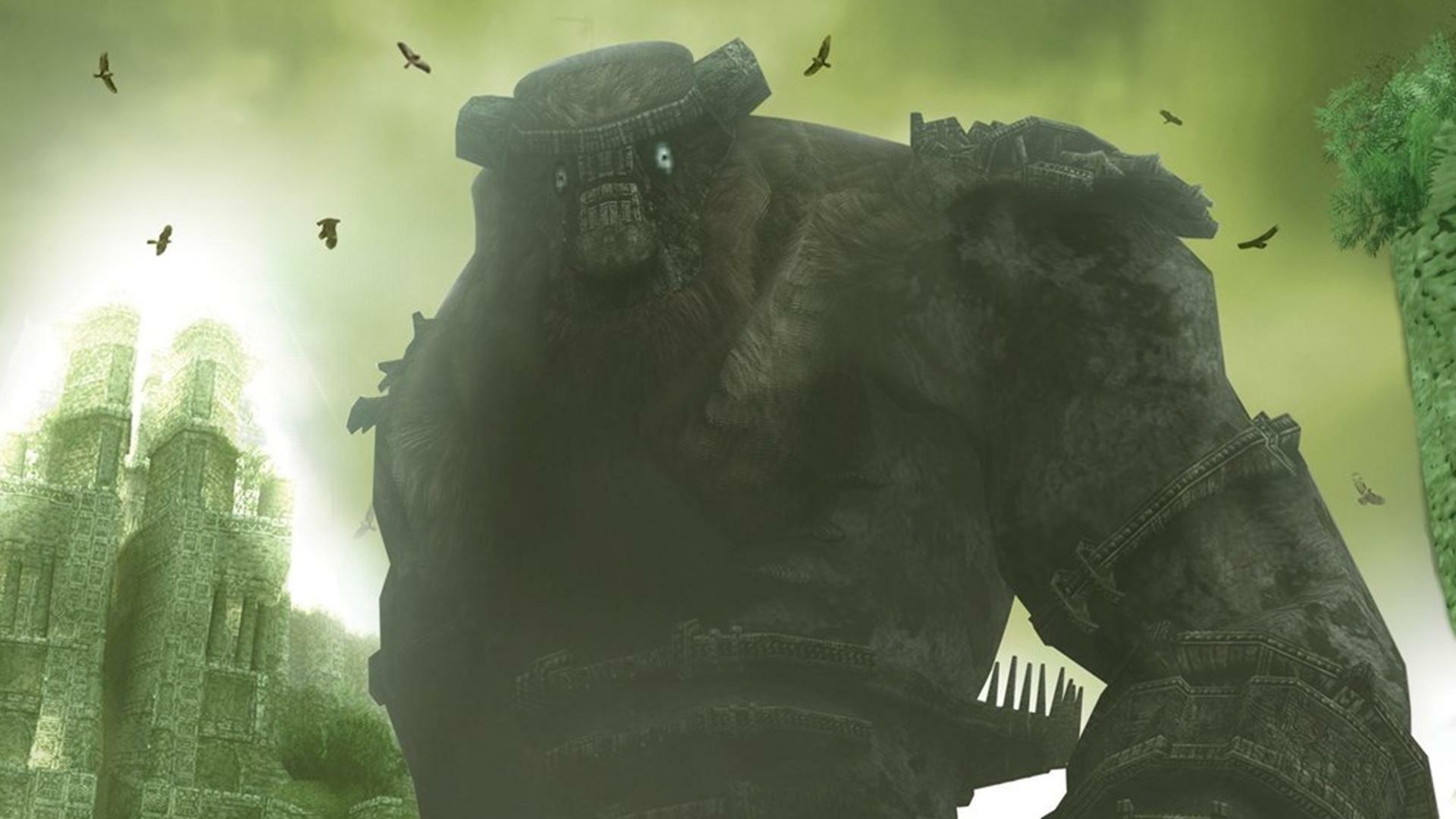
A young man enters a forbidden land to resurrect a girl by defeating sixteen massive colossi. The vast majority of the game involves riding your horse through an empty and hauntingly beautiful landscape. You must explore to find the lairs of these giants using only the light reflected from your sword. The game uses its emptiness to create a sense of scale and isolation that is rare in the medium. It rewards patience and navigation as much as the actual encounters with the beasts.
‘Ico’ (2001)
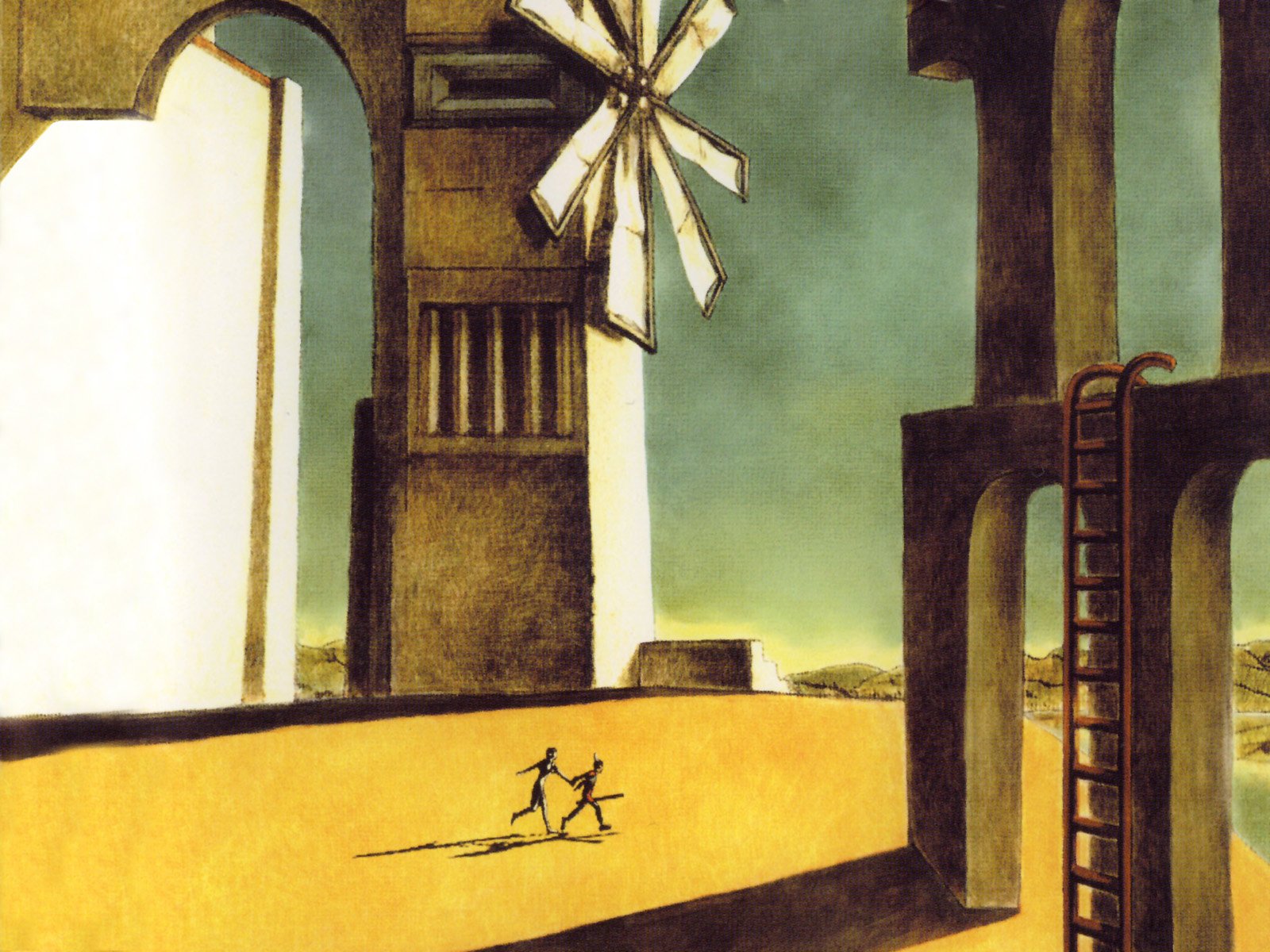
A boy with horns is locked away in a massive castle and must escape with a mysterious girl named Yorda. The game focuses on the bond between the two characters as you lead her by the hand through the ruins. You must solve environmental puzzles and navigate the crumbling architecture to progress. The castle itself is a seamless world that requires careful observation to traverse. It is widely cited as a masterpiece for its atmospheric storytelling and emotional resonance.
‘Obduction’ (2016)
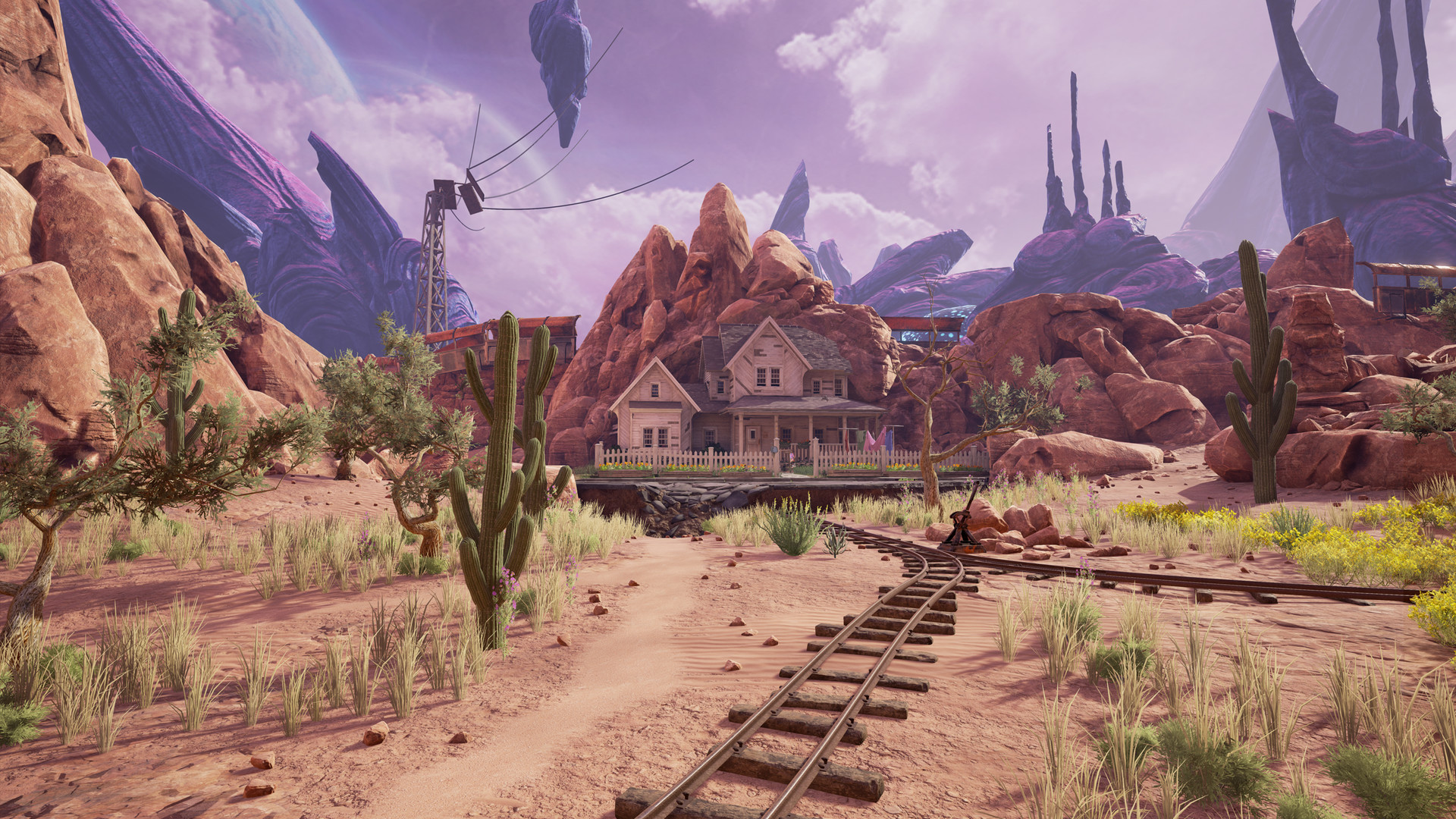
Created by the makers of Myst, this game starts when you are abducted by an alien artifact and transported to a strange world. You explore environments that are a mashup of Earth landscapes and alien technology. The core mechanic involves swapping spheres of the world to teleport between different locations. You must read journals and understand the complex machinery to find a way home. It delivers a high-fidelity puzzle adventure that respects the player’s intelligence.
‘Manifold Garden’ (2019)

This first-person exploration game takes place in a world of impossible geometry and infinite repetition. You manipulate gravity to walk on walls and ceilings to solve architectural puzzles. Falling off a ledge simply lands you back where you started due to the world’s looping nature. The visual style uses stark lines and colors to create a mesmerizing and abstract environment. It challenges your spatial reasoning and perception of physics.
‘Antichamber’ (2013)
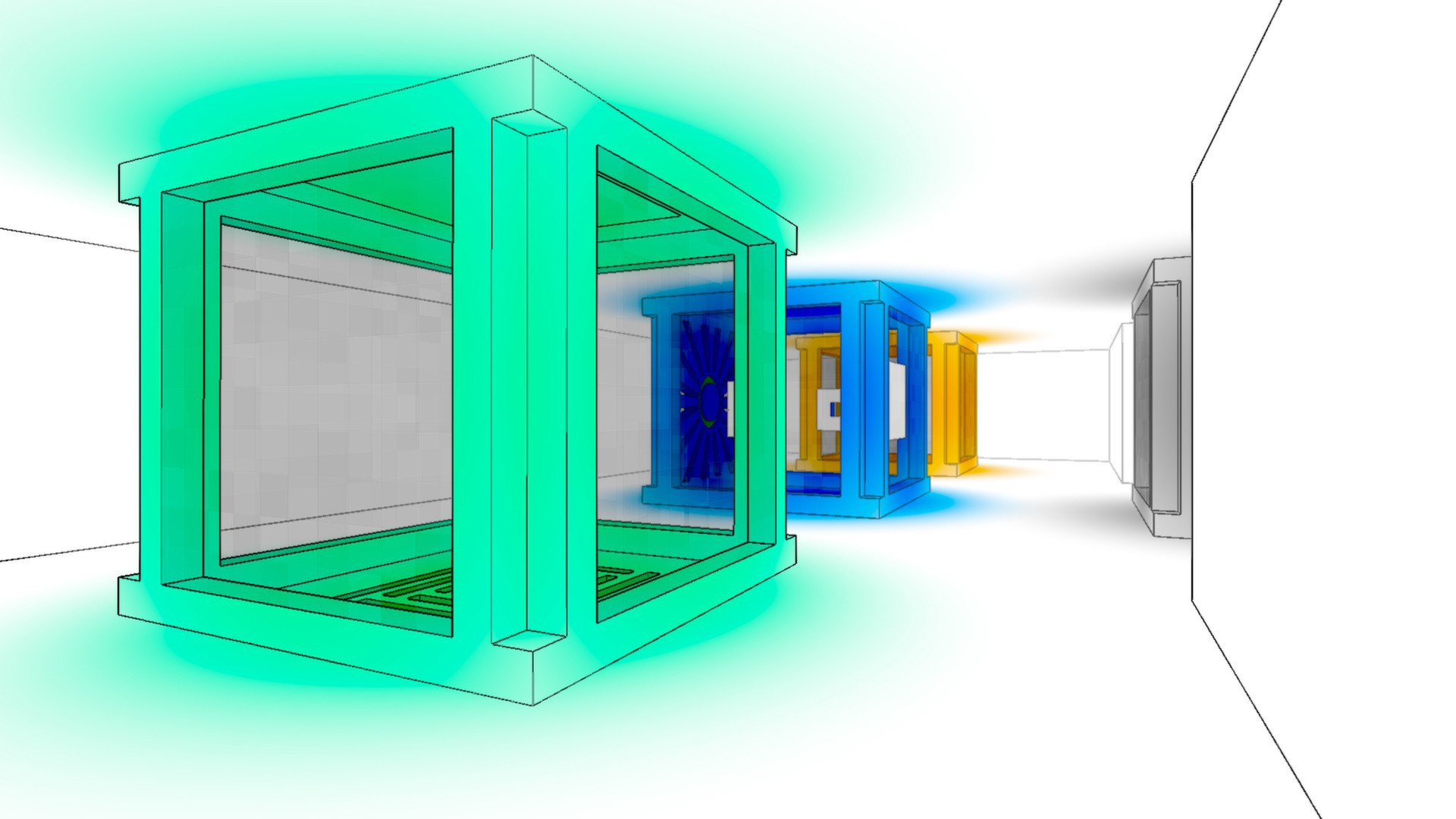
Players explore a non-Euclidean labyrinth that defies the laws of traditional physics. Corridors loop back on themselves and spaces change depending on which way you look. You use a gun that can collect and place cubes to overcome obstacles and trigger switches. The game teaches you its rules through experimentation and cryptic signs on the walls. It is a psychological puzzle game that rewards players who can think outside the box.
‘Pacific Drive’ (2024)
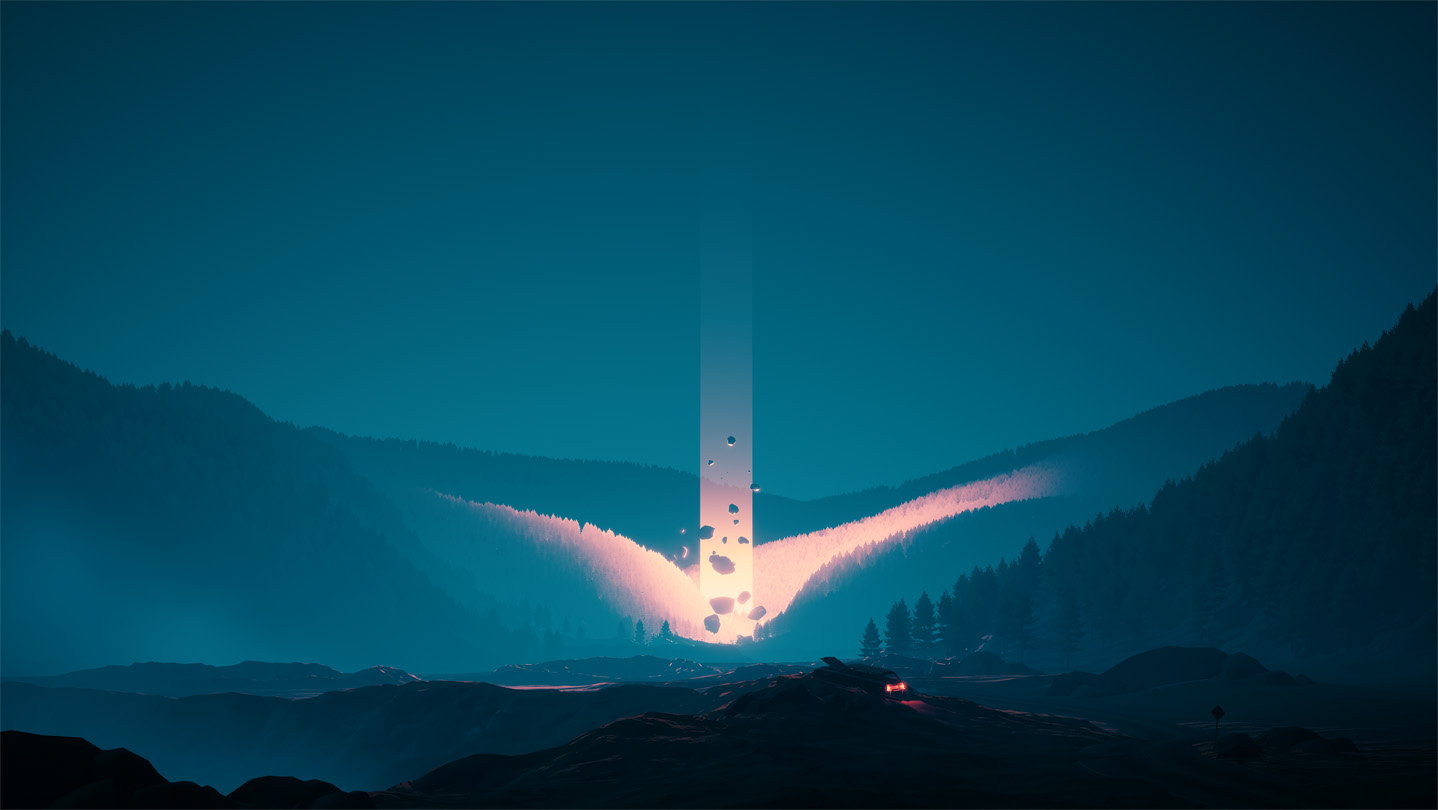
You drive a station wagon through a surreal reimagining of the Pacific Northwest filled with anomalies. The car is your lifeline and you must scavenge materials to repair and upgrade it. Players plan routes into the exclusion zone to gather energy while avoiding strange weather and radiation. The relationship between the driver and the quirky vehicle is central to the experience. It combines survival mechanics with a driving simulator in a mysterious and dangerous setting.
‘Endless Ocean Luminous’ (2024)
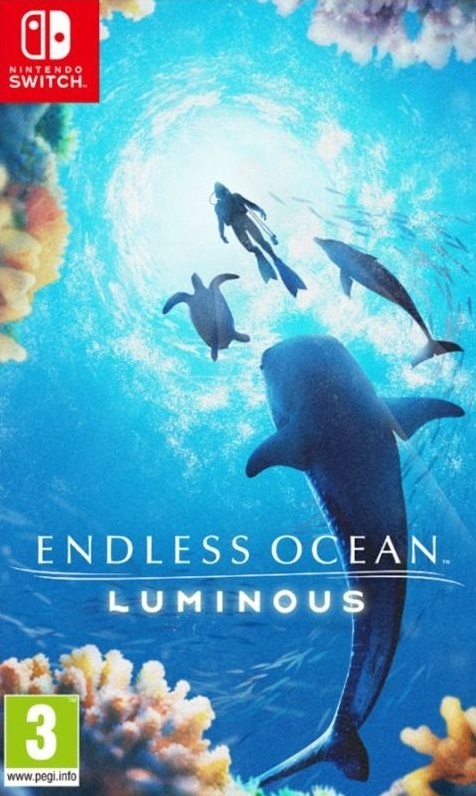
This title allows up to thirty players to dive together in the Veiled Sea which changes with every expedition. You catalogue over five hundred species of marine life including prehistoric and mythical creatures. The gameplay is entirely non-violent and focuses on completing the encyclopedia and finding salvaged treasure. You can use gestures to communicate with other divers and share discoveries. It provides a relaxing social experience centered on the appreciation of aquatic biodiversity.
‘Proteus’ (2013)
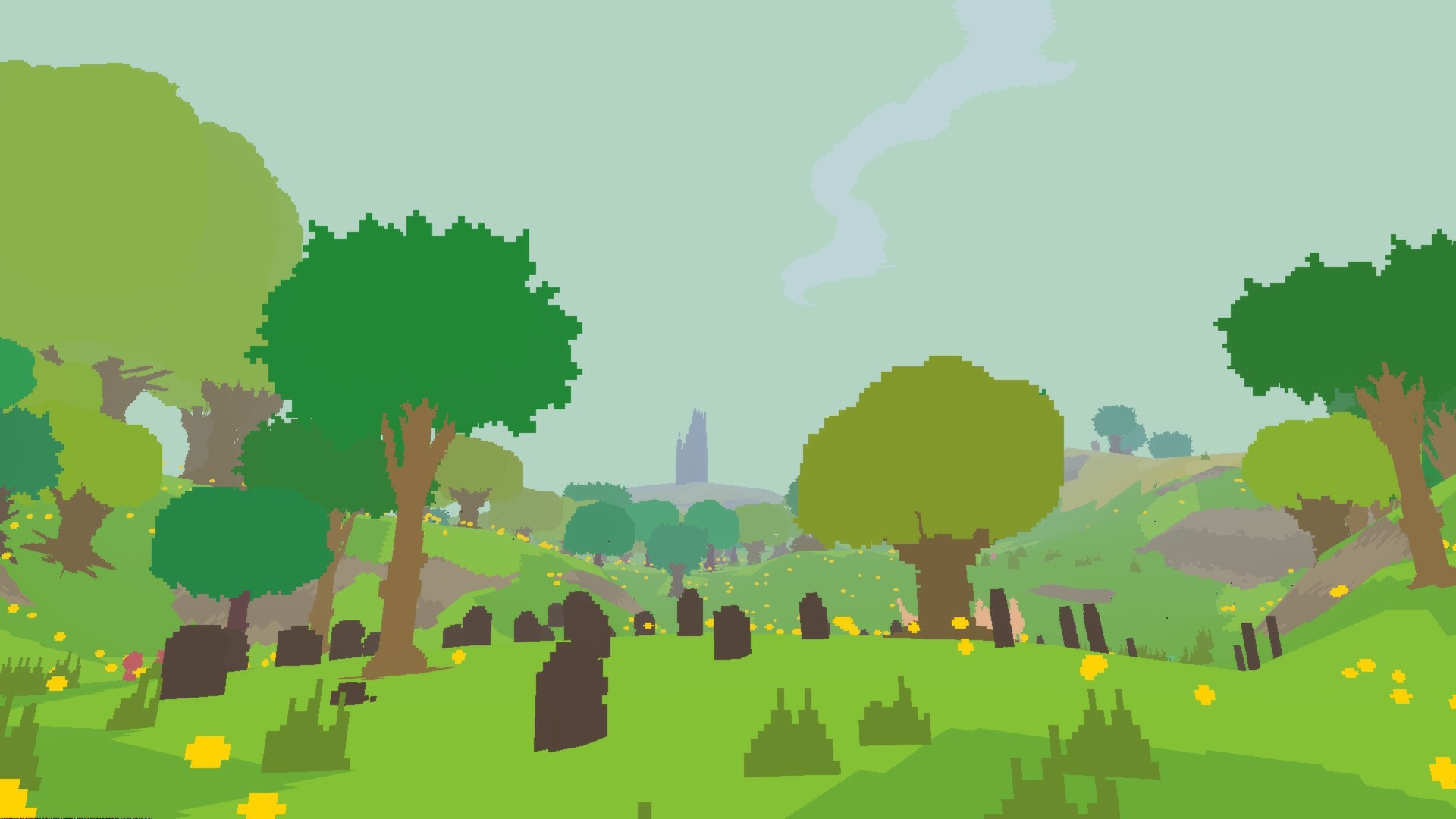
This game is purely about exploration and the interaction between audio and visuals. You walk through a pixelated island where every plant and creature emits a unique musical signature. The soundtrack is procedurally generated based on your location and the entities around you. The seasons change as you progress which alters the landscape and the soundscape. It is an experimental title that treats the world as a dynamic musical instrument.
‘Heaven’s Vault’ (2019)
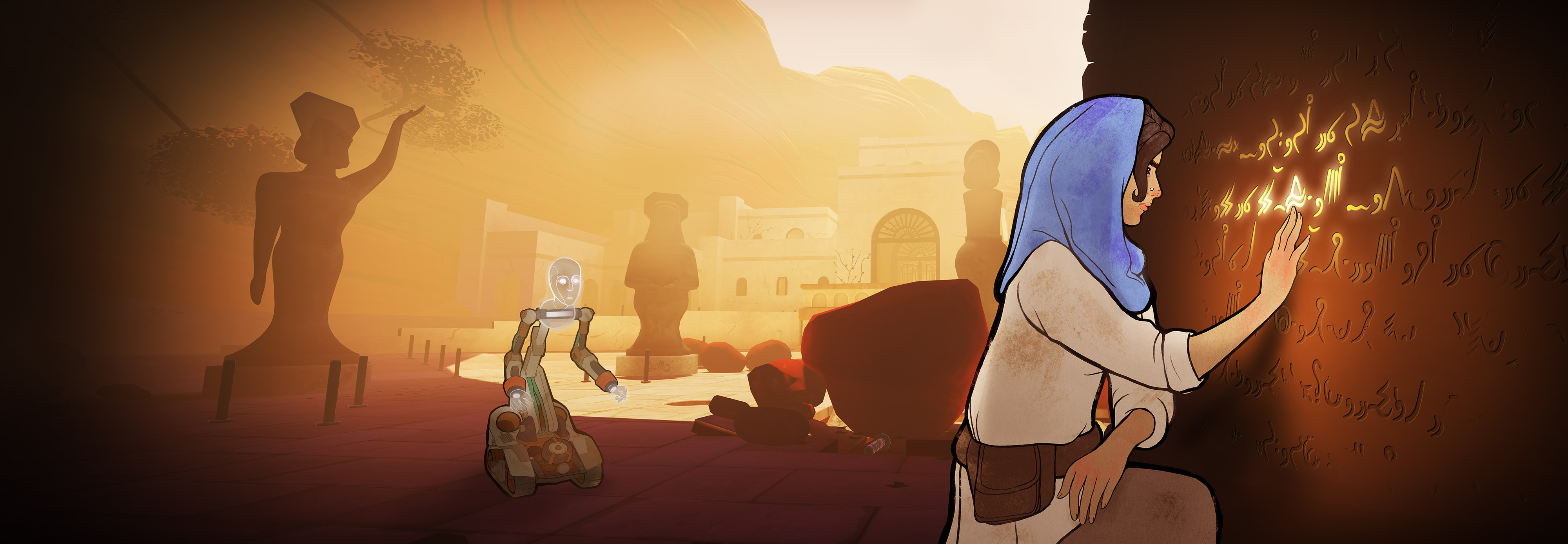
You play as an archaeologist named Aliya Elasra who sails the Nebula rivers to find a missing roboticist. The game features a unique language translation mechanic where you decipher ancient inscriptions. Your translations affect the narrative and your understanding of the history of the region. The game world is vast and allows for non-linear exploration of moons and ruins. It merges linguistic puzzles with a branching narrative in a sci-fi setting.
Share your favorite exploration game that didn’t make the list in the comments.