Actors Who Don’t Support AI in Filmmaking

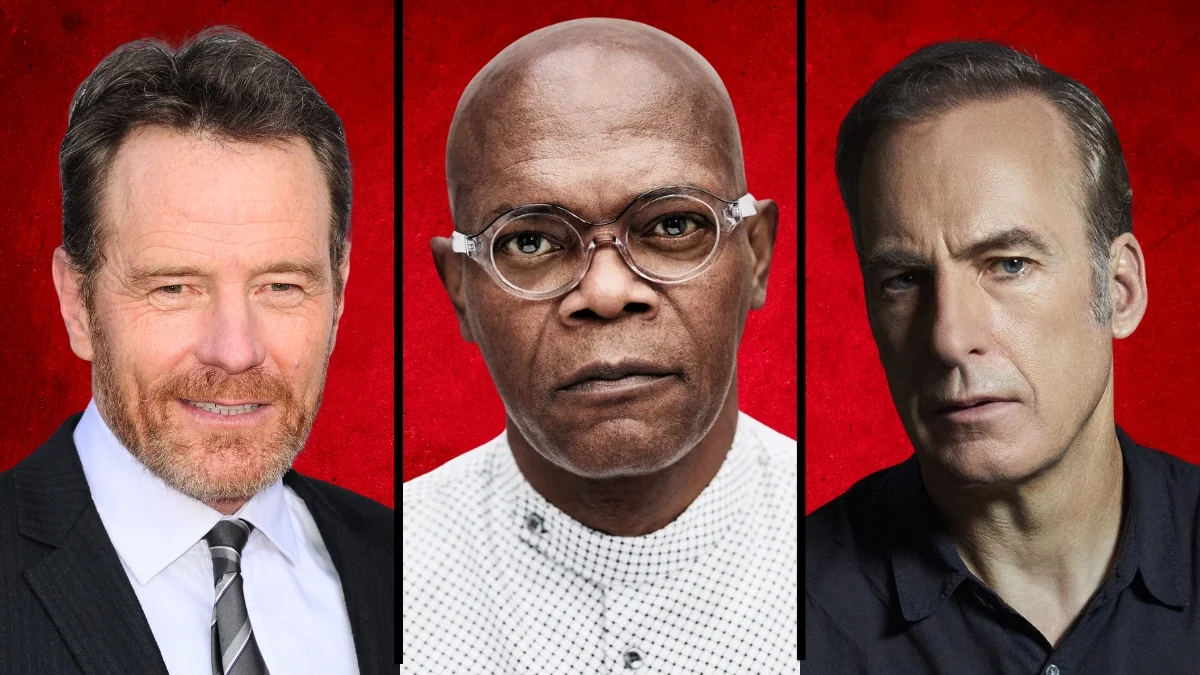

The rapid advancement of artificial intelligence has sparked a significant debate within the entertainment industry, leading many high-profile actors to voice their concerns. During the 2023 SAG-AFTRA strike, the use of AI became a central negotiation point as performers sought to protect their likenesses and livelihoods. These actors argue that the technology threatens the human element of storytelling and could lead to unauthorized digital replicas. From seasoned veterans to modern stars, the consensus among many performers is that human creativity remains irreplaceable. The following list highlights male actors who have publicly criticized or set boundaries against the use of AI in filmmaking.
Robert Downey Jr.
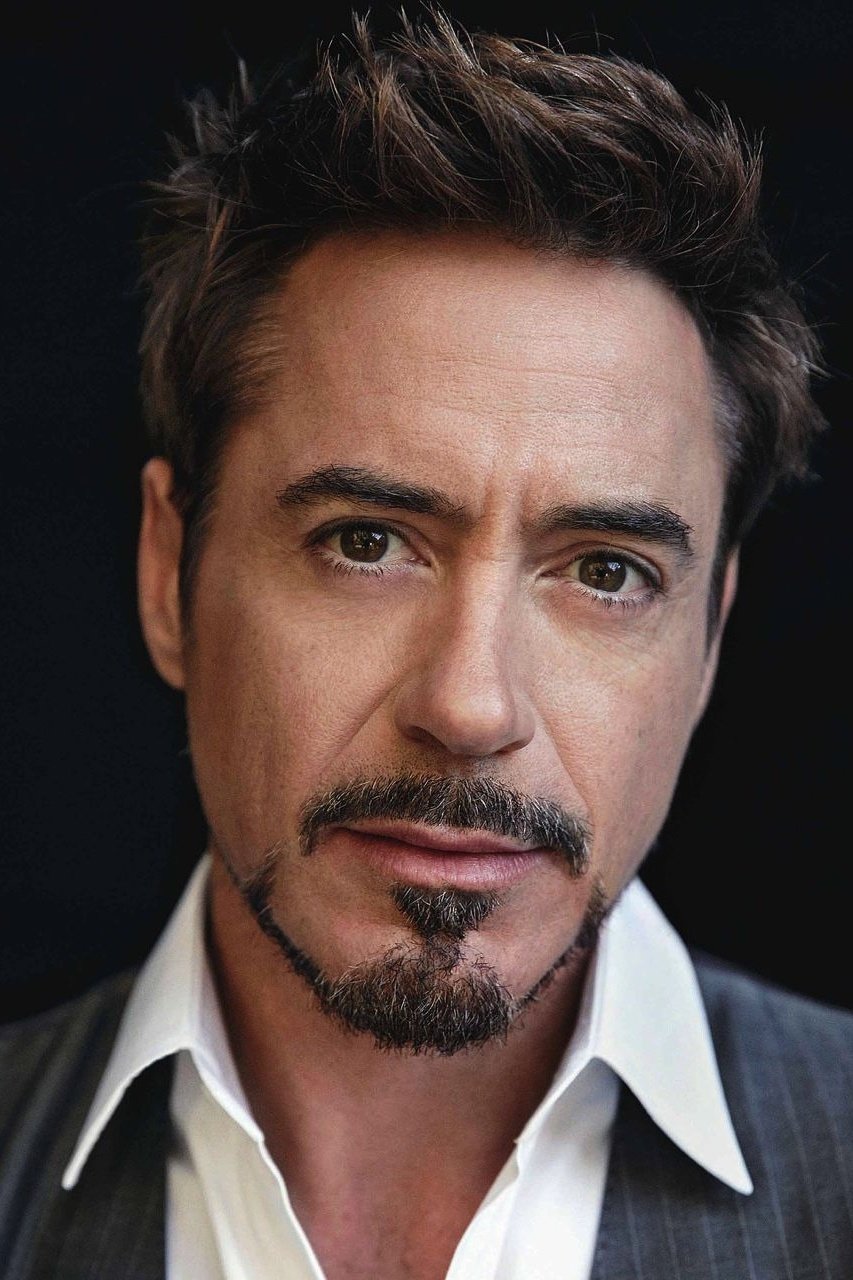
Robert Downey Jr. has taken a definitive legal stance against the unauthorized use of his likeness through artificial intelligence. During a recent interview, he stated that he intends to sue any future studio executives who attempt to recreate him digitally. This position comes after his iconic portrayal of Tony Stark in ‘Iron Man’ and his Academy Award-winning performance in ‘Oppenheimer’. He believes the soul of a performance is tied to the individual and cannot be mimicked by an algorithm. His proactive approach serves as a significant benchmark for actor protections in the digital age.
Tom Hanks
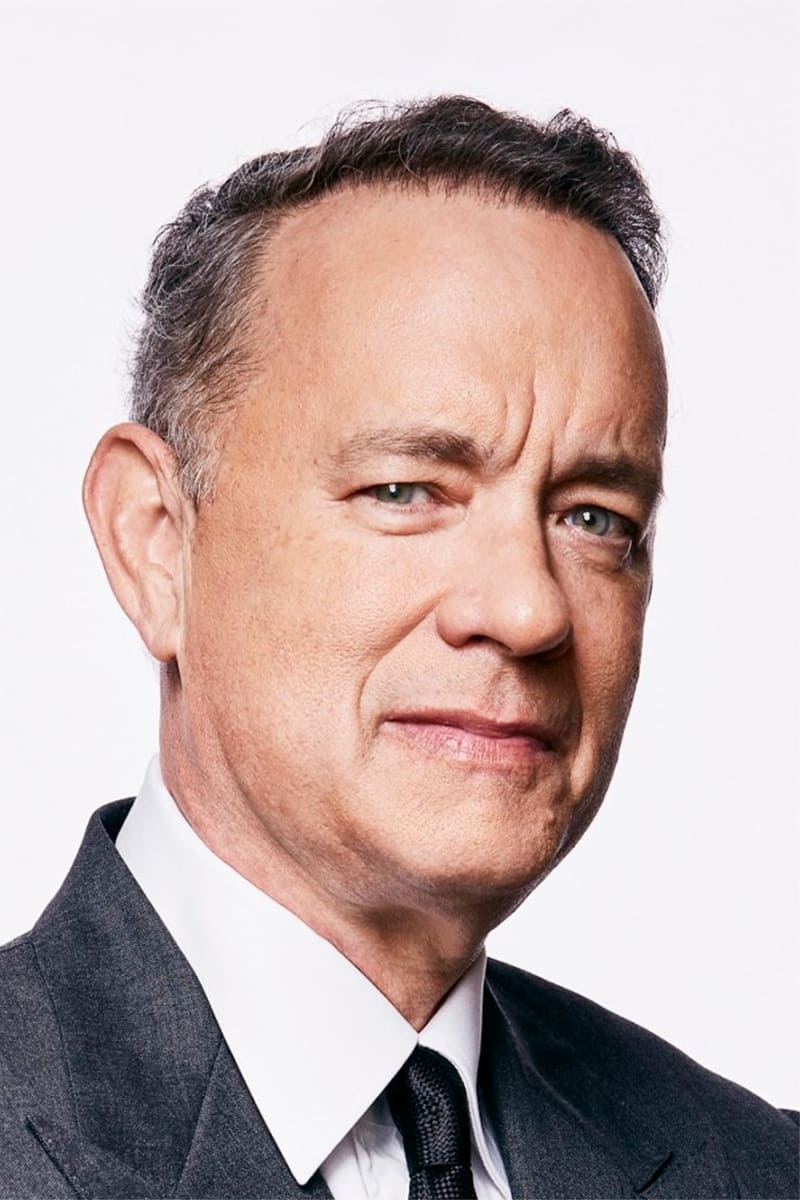
Tom Hanks recently alerted his fans to a fraudulent dental plan advertisement that used an AI-generated version of his face without permission. The actor, known for ‘Forrest Gump’ and ‘Saving Private Ryan’, has been vocal about the legal and ethical challenges posed by deepfake technology. He expressed concerns during a podcast about the possibility of actors appearing in films long after they have passed away. Hanks emphasized the need for strict intellectual property rights to prevent the misuse of a performer’s identity. He remains one of the most prominent voices calling for industry-wide AI regulations.
Bryan Cranston
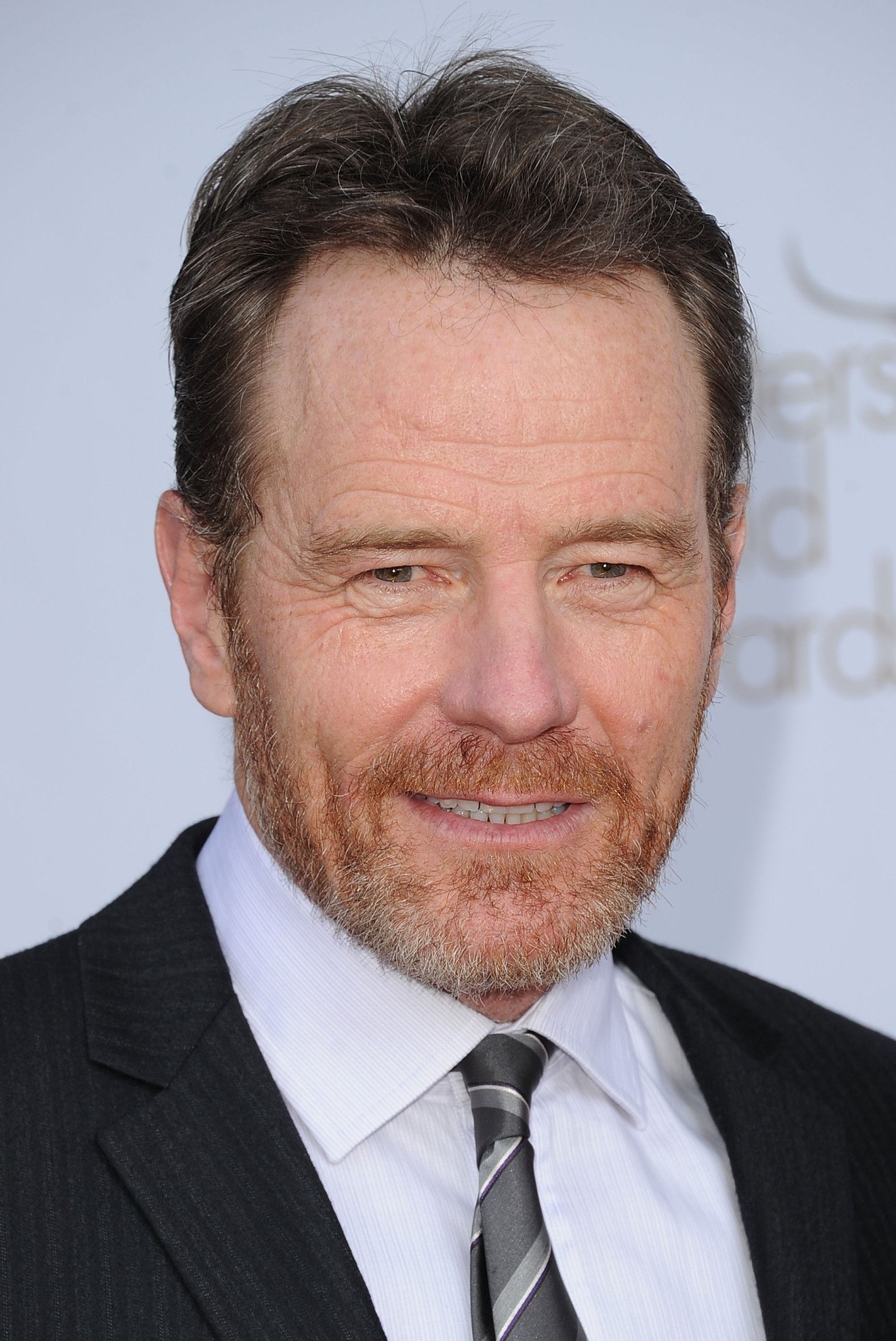
Bryan Cranston delivered a powerful speech during a SAG-AFTRA rally specifically addressing the threat of AI to the acting profession. He directed his comments toward studio leadership, asserting that human workers would not be replaced by robots. The ‘Breaking Bad’ star highlighted that the core of acting is the human experience, which technology lacks the capacity to feel. Cranston has been a visible figure on the picket lines, advocating for contracts that ensure digital replicas do not eliminate jobs. His advocacy emphasizes the preservation of dignity and humanity in the arts.
Sean Penn
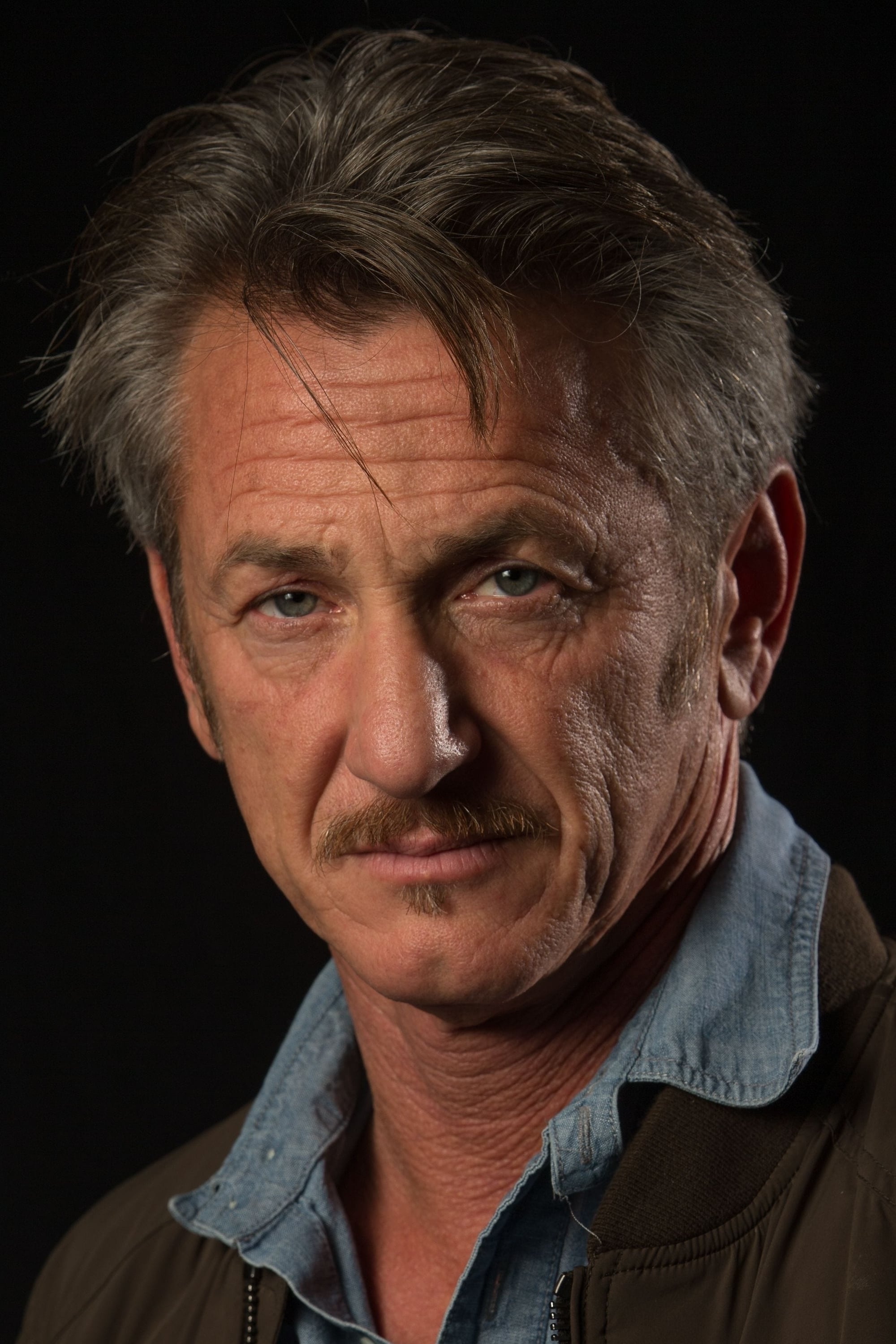
Sean Penn has proposed a provocative “soul-for-soul” exchange to challenge the studio’s desire to scan actors’ likenesses for AI use. He suggested that if studios want his digital data, he should be allowed to use their likenesses in a similar fashion for his own creative purposes. The ‘Milk’ actor described the corporate push for AI as a “humanoid-producer” vision that lacks artistic merit. Penn’s criticism focuses on the invasive nature of scanning background actors and lead stars alike. He remains a staunch critic of the shift toward a tech-dominated production model.
Nicolas Cage
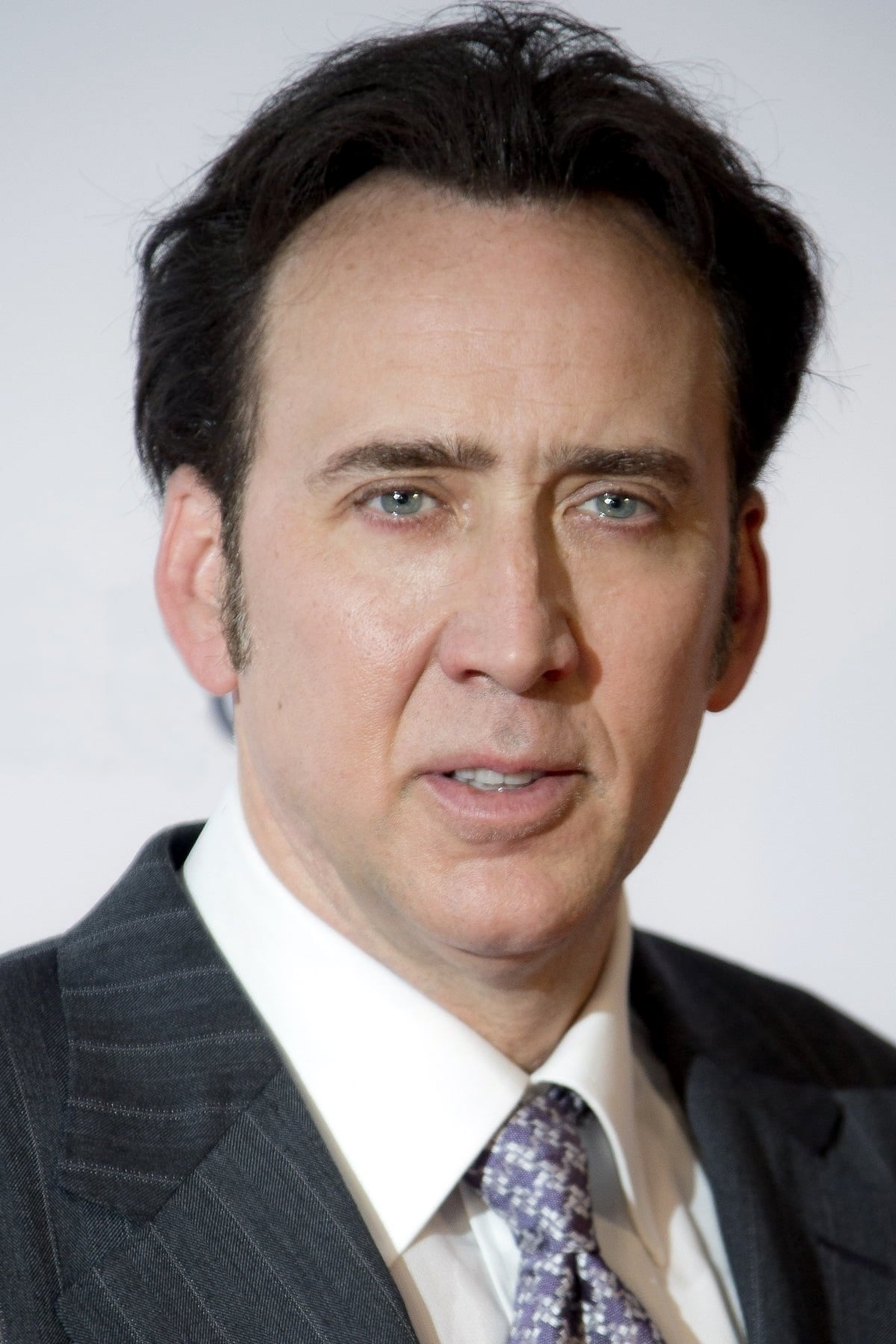
Nicolas Cage has described the use of artificial intelligence in cinema as a “nightmare” that lacks human heart. He expressed particular concern after seeing a digitally altered version of himself in ‘The Flash’, which he claimed did not reflect his actual performance. The ‘Longlegs’ actor believes that AI-driven performance capture strips away the intuitive choices made by a living person. He has urged young actors to protect their ” Employment-Based Digital Replica” to maintain control over their craft. For Cage, the technology represents a fundamental threat to the authenticity of the acting medium.
Joseph Gordon-Levitt
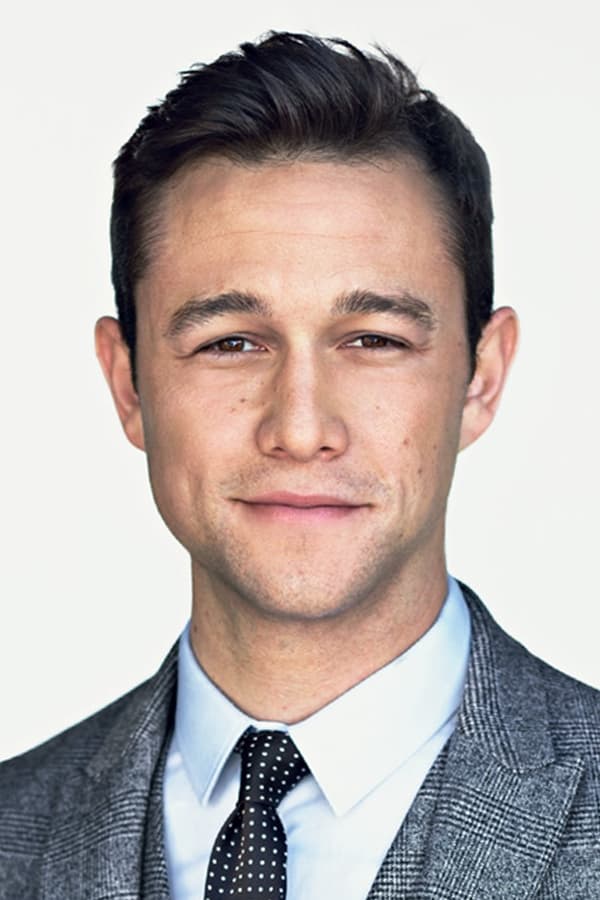
Joseph Gordon-Levitt has written extensively about the economic impact of AI on the creative class. He argues that if an AI uses an actor’s body of work to generate new content, that actor should be compensated with residuals. The ‘Inception’ star views the technology as a potential tool for exploitation if not governed by fair labor laws. He has participated in several industry panels to discuss how data-driven models could devalue the work of writers and performers. His perspective focuses on the intersection of technological progress and fair pay.
John Cusack
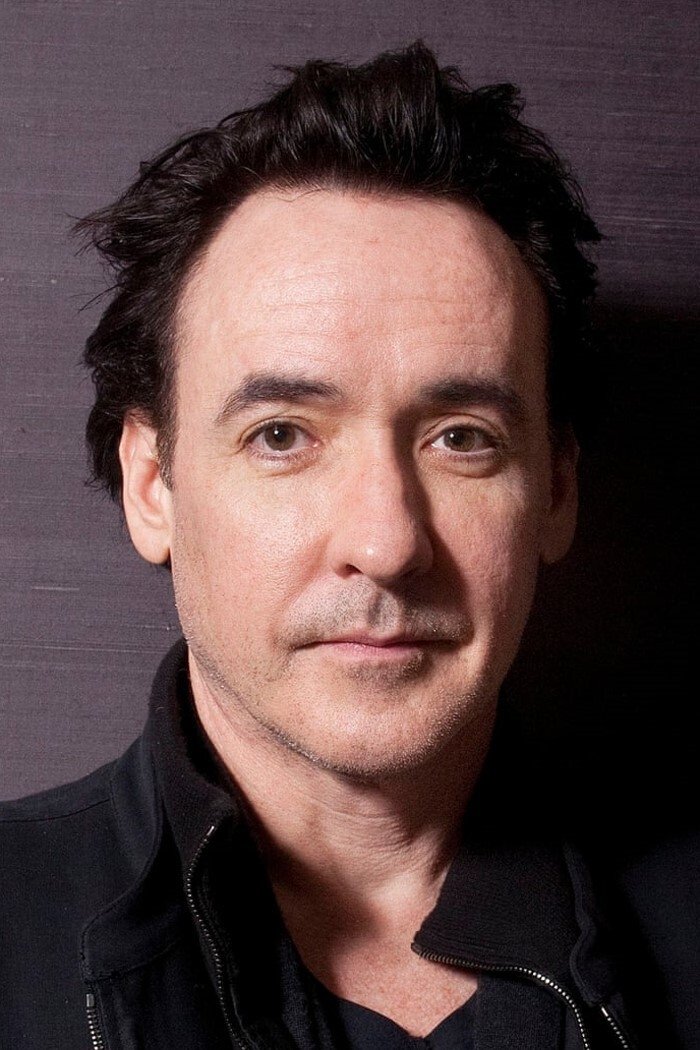
John Cusack has been a vocal critic of Hollywood’s “AI land grab” on social media and in interviews. He believes that the drive to implement AI is a corporate strategy to minimize labor costs and eliminate the need for human talent. The ‘Say Anything’ actor has warned that this technology could lead to a permanent loss of artist rights. He frequently highlights the dangers of studios owning a performer’s digital twin in perpetuity. Cusack’s stance is rooted in a broader critique of corporate greed within the film industry.
Adam Driver
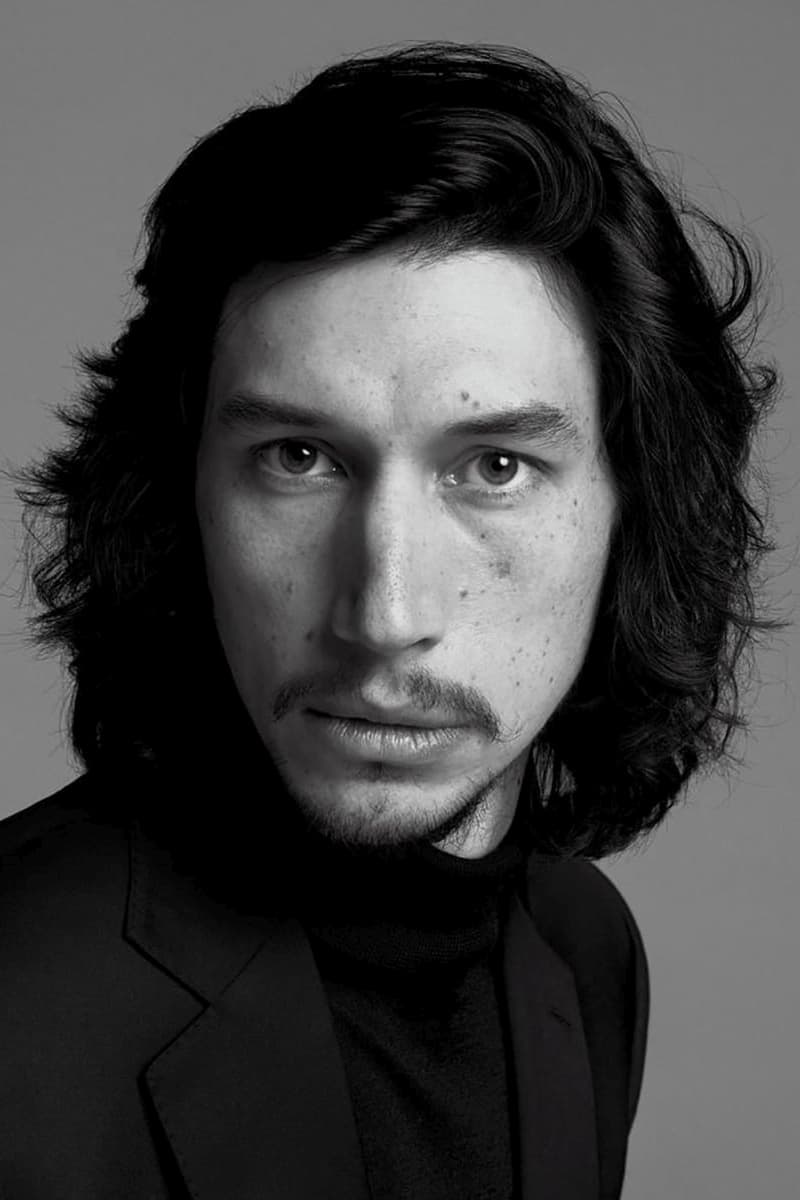
Adam Driver used his platform at major film festivals to criticize the reliance of large studios on AI and other cost-cutting measures. While promoting ‘Ferrari’, he praised independent productions that met the union’s demands for AI protections. Driver has expressed that the nuances of a performance are what connect an audience to a character, something he believes AI cannot achieve. He remains supportive of the collective bargaining efforts to keep the film industry human-centric. His outspoken nature has made him a key figure in the defense of traditional performance.
Mark Ruffalo
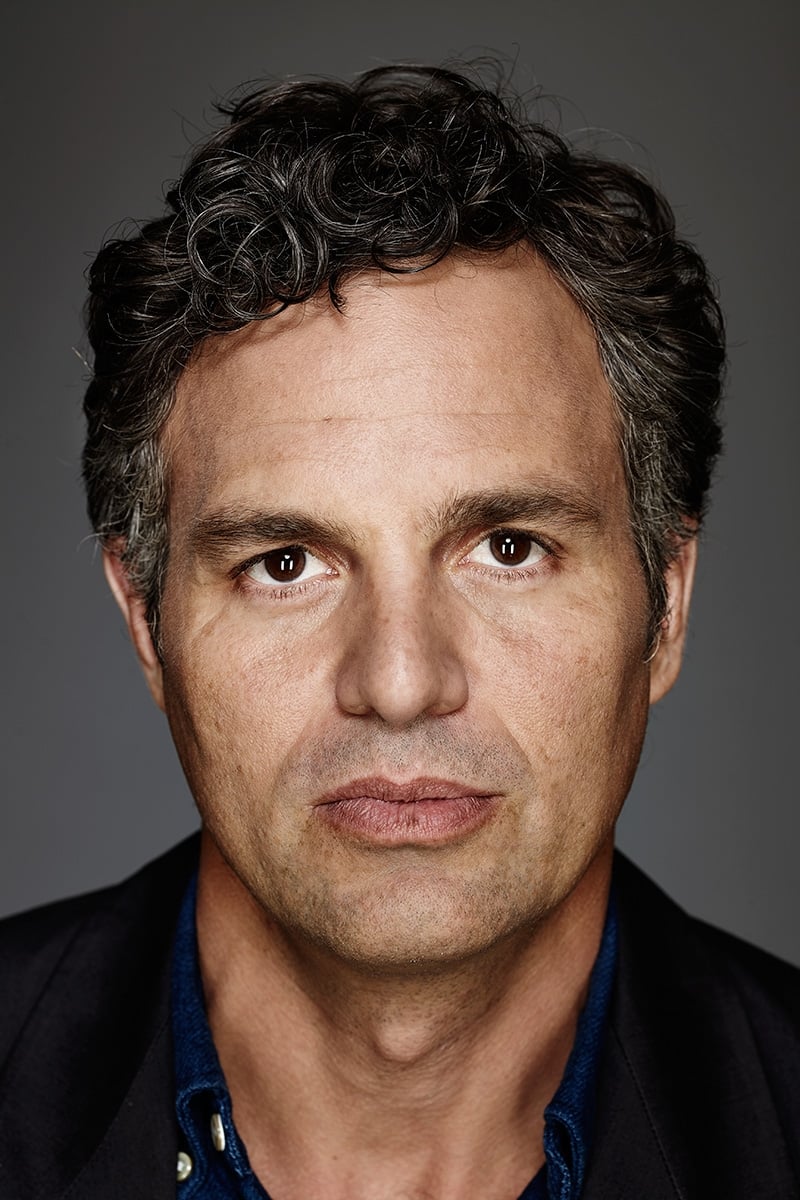
Mark Ruffalo has frequently used his social media presence to advocate for strict guardrails against generative AI. The ‘Poor Things’ actor believes that the technology, if left unregulated, will decimate the middle class of the acting profession. During the strike, he encouraged fellow actors to embrace independent film projects that prioritize human labor over digital shortcuts. Ruffalo views the fight against AI as a broader struggle for workers’ rights in the 21st century. He continues to push for transparency in how digital tools are used in post-production.
Alec Baldwin
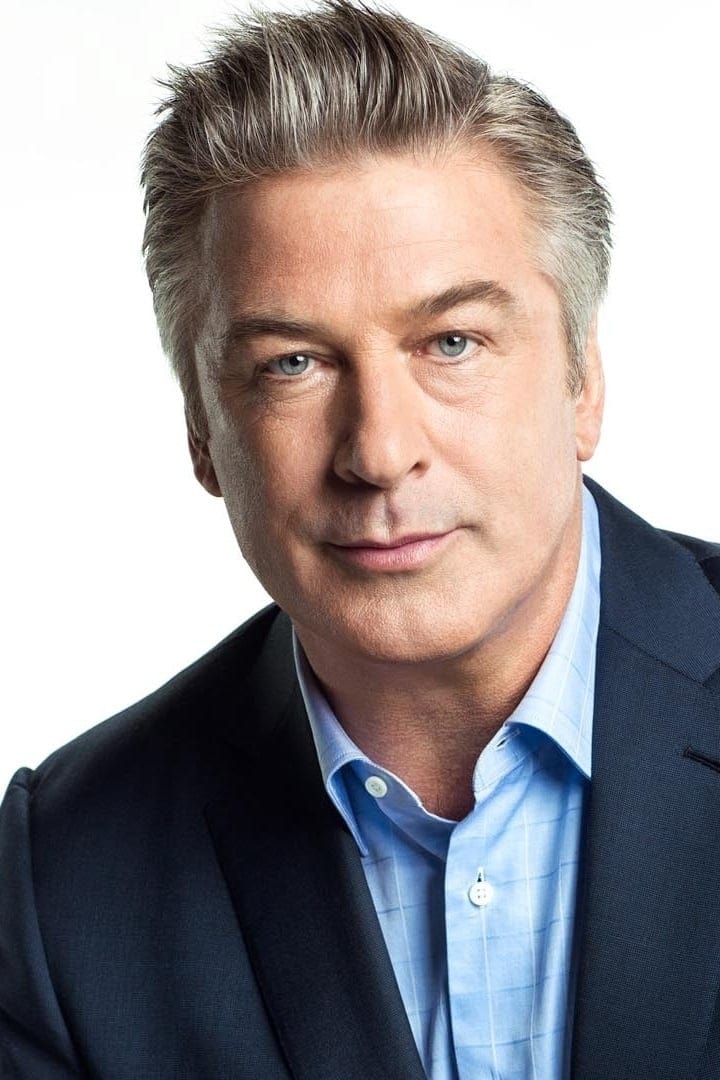
Alec Baldwin has commented on the existential threat that artificial intelligence poses to the craft of acting. He noted that the ability of software to replicate voices and facial movements could render many professional roles obsolete. The actor, known for ’30 Rock’, has participated in discussions regarding the loss of artistic integrity when performances are manipulated digitally. He has supported the union’s efforts to ensure that any use of AI is subject to the informed consent of the performer. Baldwin’s concerns center on the preservation of the legacy and future of the theatrical arts.
Ben Affleck
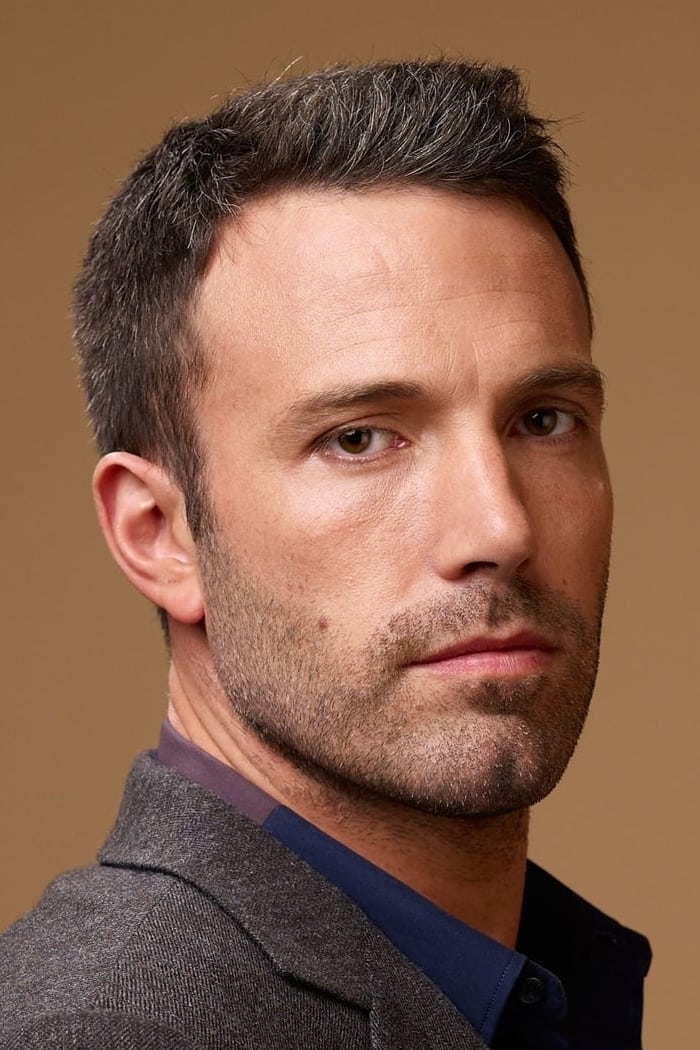
Ben Affleck has discussed the limitations of AI, noting that while it can mimic, it cannot truly create something with a “soul.” During industry summits, he has pointed out that the “uncanny valley” effect often makes AI performances feel hollow and unconvincing. The ‘Air’ director and actor believes that the collaborative nature of filmmaking requires a human connection that technology cannot replicate. He has been supportive of the push for contracts that prevent AI from being used as a replacement for writers and actors. Affleck maintains that the best cinema will always come from human imagination.
Samuel L. Jackson
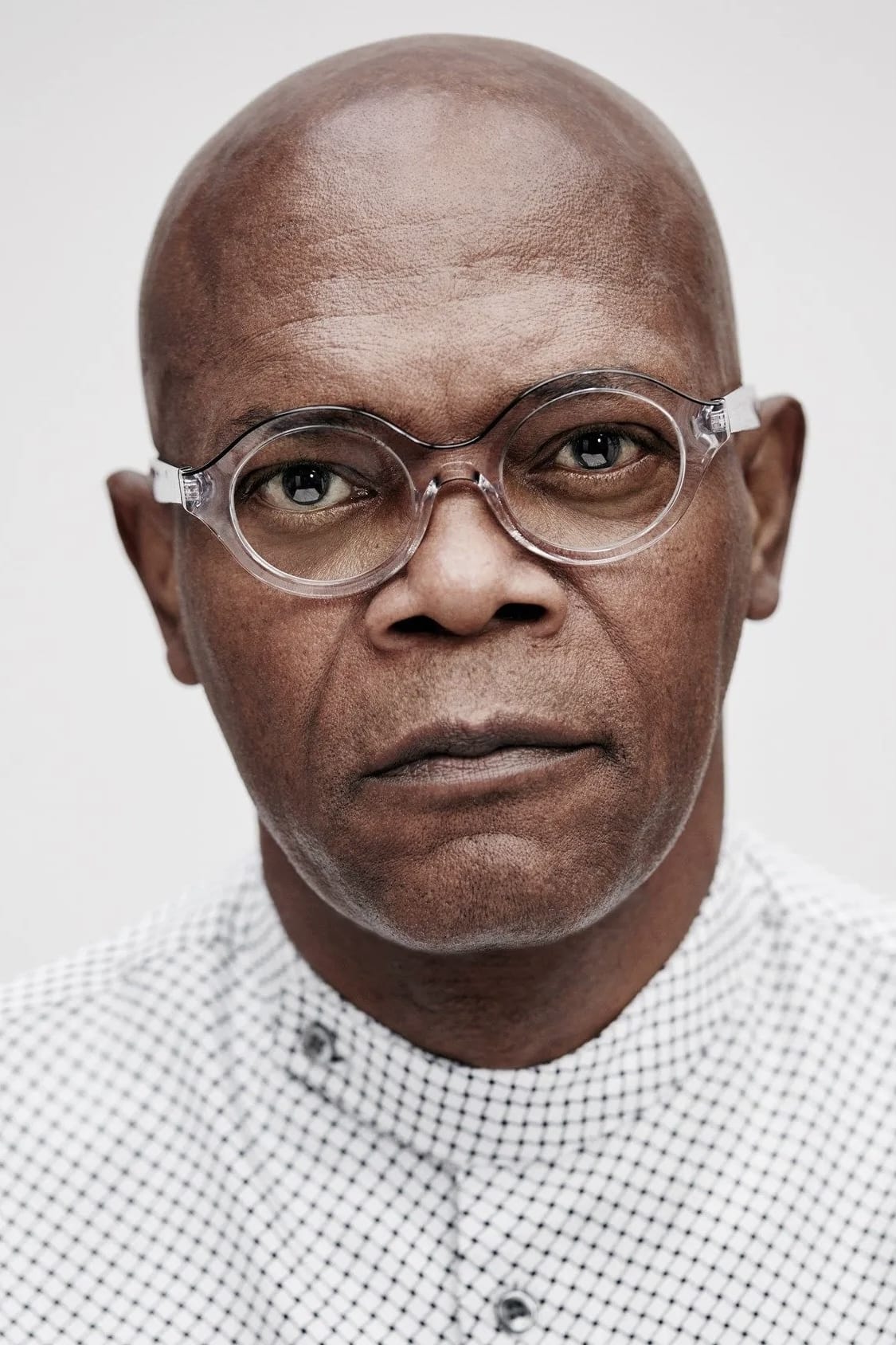
Samuel L. Jackson has expressed significant skepticism regarding “forever contracts” that would allow studios to use an actor’s likeness indefinitely. He famously revealed that he has been crossing out such clauses in his contracts for years to protect his image. The ‘Pulp Fiction’ star warned that if actors aren’t careful, they could be used in projects they never agreed to participate in. He advocates for a system where every single use of a digital replica requires specific, new permission. Jackson’s foresight has influenced many younger actors to scrutinize their legal documents more closely.
Keanu Reeves
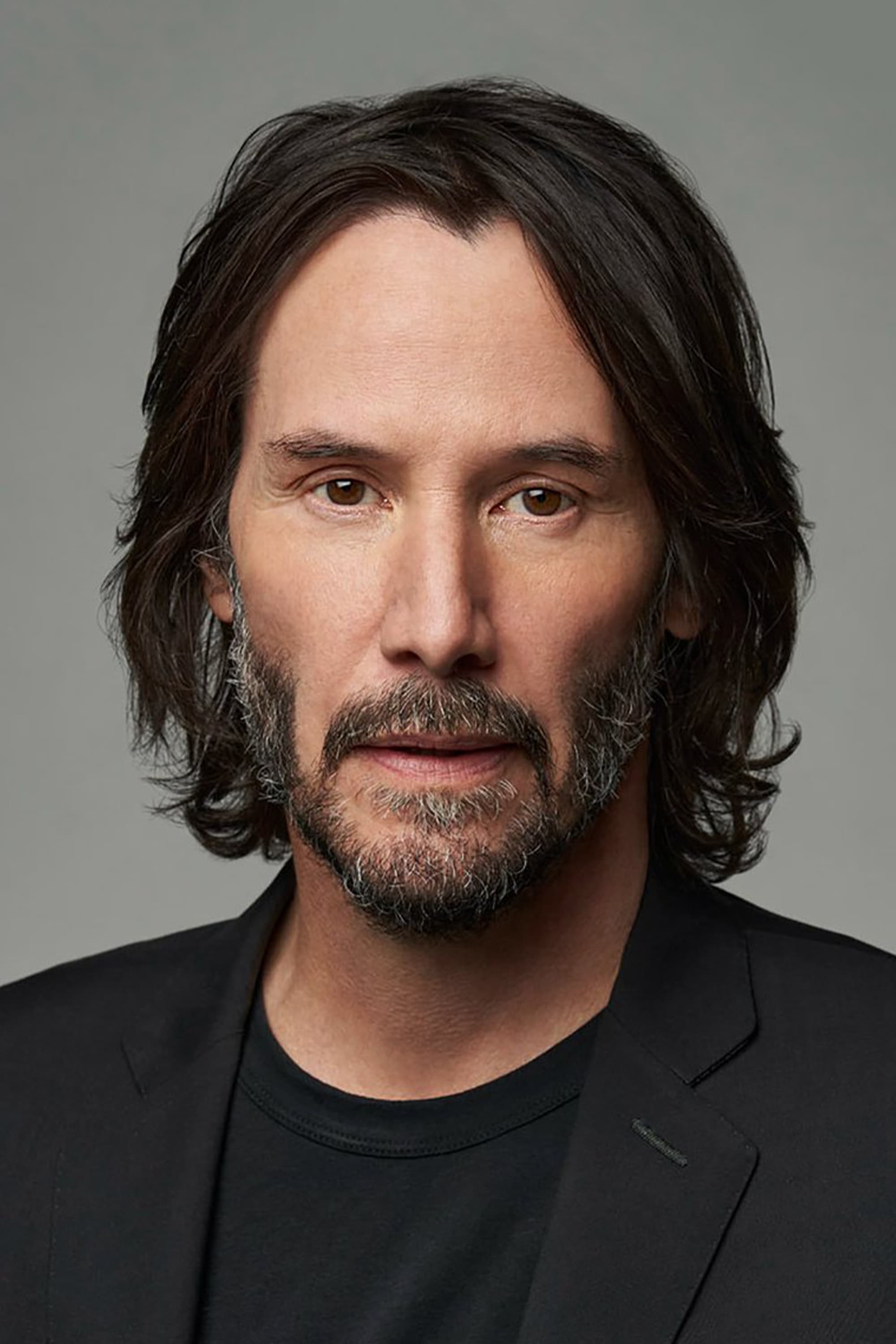
Keanu Reeves has a long-standing clause in his contracts that forbids any digital manipulation of his performances without his consent. This decision stemmed from an early experience where an editor digitally added a tear to his face, altering his original acting choice. The ‘John Wick’ star has described the rise of deepfakes and AI as “scary” because it removes the agency of the artist. He believes that the loss of control over one’s own performance is a major danger for the future of cinema. Reeves values the authenticity of the moment captured on set above all else.
James Woods
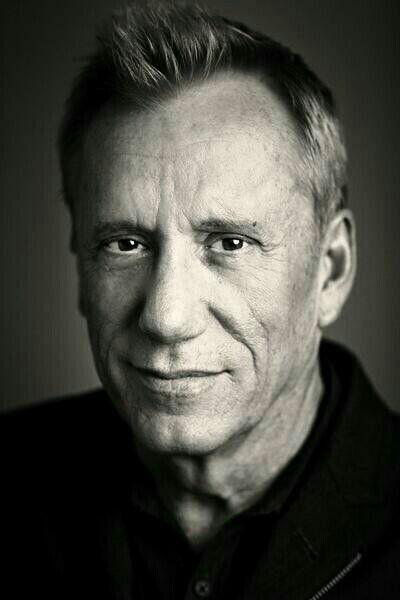
James Woods has voiced strong opposition to the use of AI in replicating the intellectual property of an actor’s face and voice. He has pointed out that the technology allows studios to profit from a performer’s brand without providing fair compensation or creative input. The ‘Casino’ actor has been a vocal supporter of the idea that an actor’s “essence” is their most valuable asset and must be protected. He views AI as a tool for plagiarism that could destroy the financial viability of an acting career. Woods has called for federal legislation to protect all citizens from likeness theft.
Seth Rogen
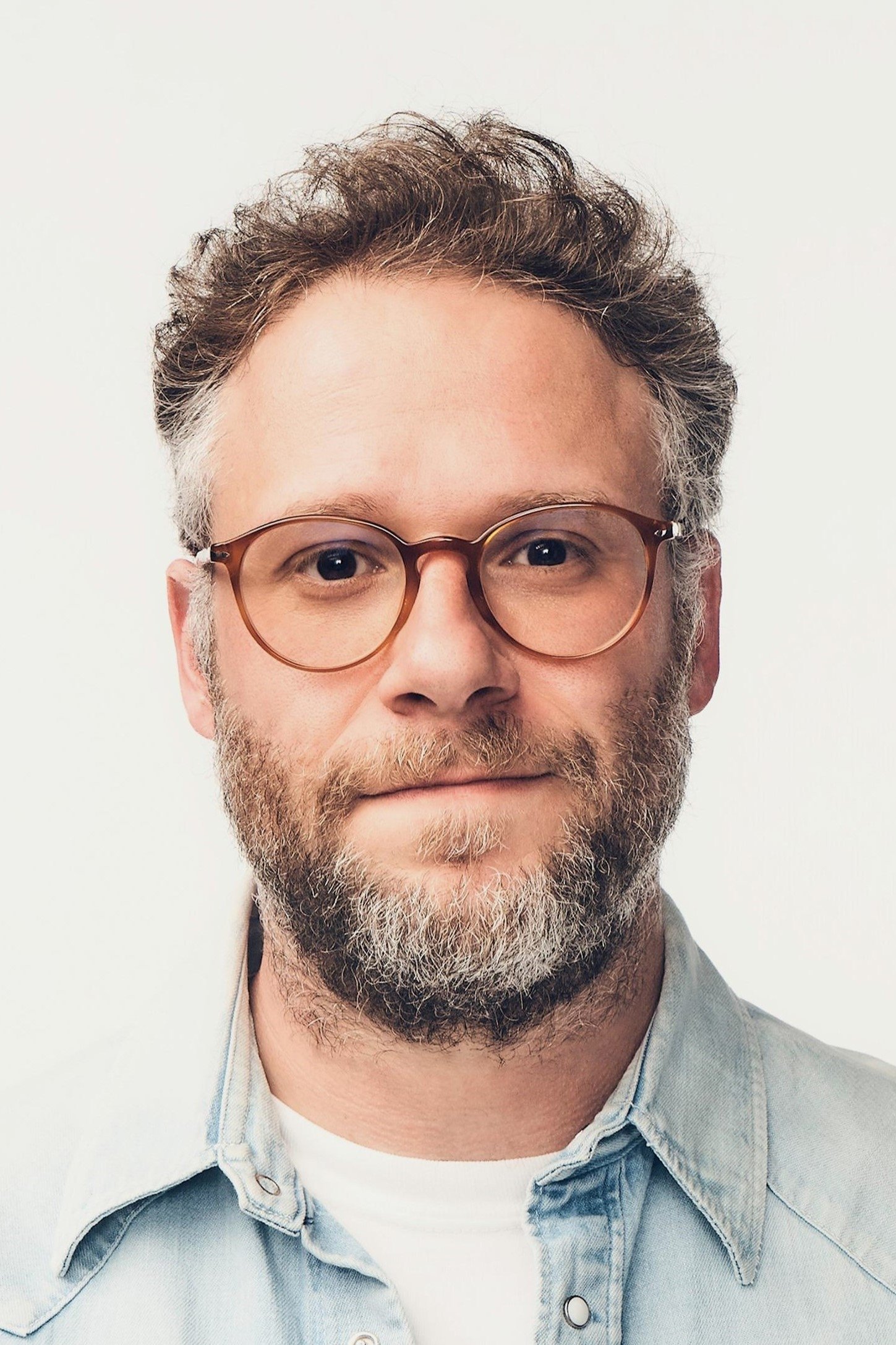
Seth Rogen has expressed deep skepticism about the creative capabilities of AI, particularly in the realm of comedy. He believes that the timing and spontaneity required for a successful joke are inherently human traits that an algorithm cannot grasp. The ‘Superbad’ star has joked about the potential for AI to produce mediocre content that lacks a unique perspective. Beyond the creative aspect, he has supported the industry’s strike actions to ensure that technology does not displace human writers. Rogen emphasizes that the messiness of human creativity is what makes movies interesting.
Pedro Pascal
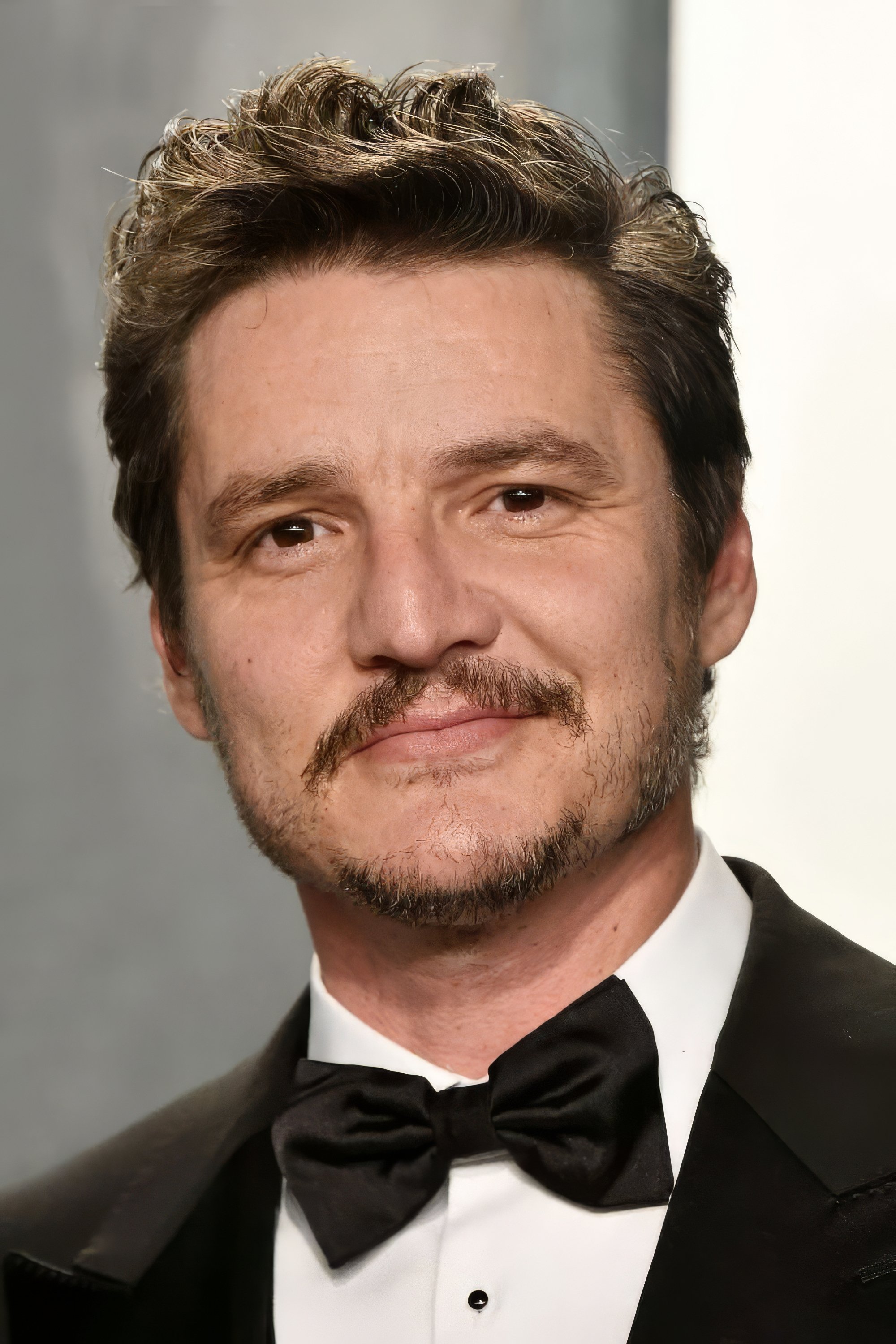
Pedro Pascal has been a visible presence at rallies advocating for the protection of performers from digital replacement. The ‘The Last of Us’ star has expressed that the emotional resonance of a scene depends on the actors’ presence and interaction. He supported the SAG-AFTRA stance that performers must give informed consent and receive compensation for any digital use of their likeness. Pascal’s rise to fame has coincided with the AI boom, making him acutely aware of how the technology could impact the next generation. He remains committed to the principle that acting is a deeply personal, human job.
Ewan McGregor
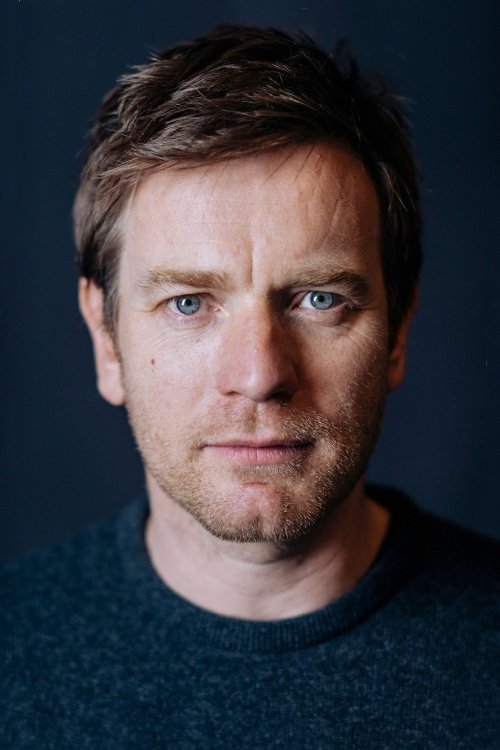
Ewan McGregor has noted that the use of AI and performance capture should serve as a tool for the actor, not a replacement for them. Having worked extensively with digital effects in the ‘Star Wars’ franchise, he understands the balance between technology and craft. He has voiced support for the union’s efforts to ensure that actors are physically present on set whenever possible. McGregor believes that the energy shared between actors in a room is what creates a compelling film. He opposes the idea of studios using “digital puppets” to bypass the need for human talent.
Paul Rudd
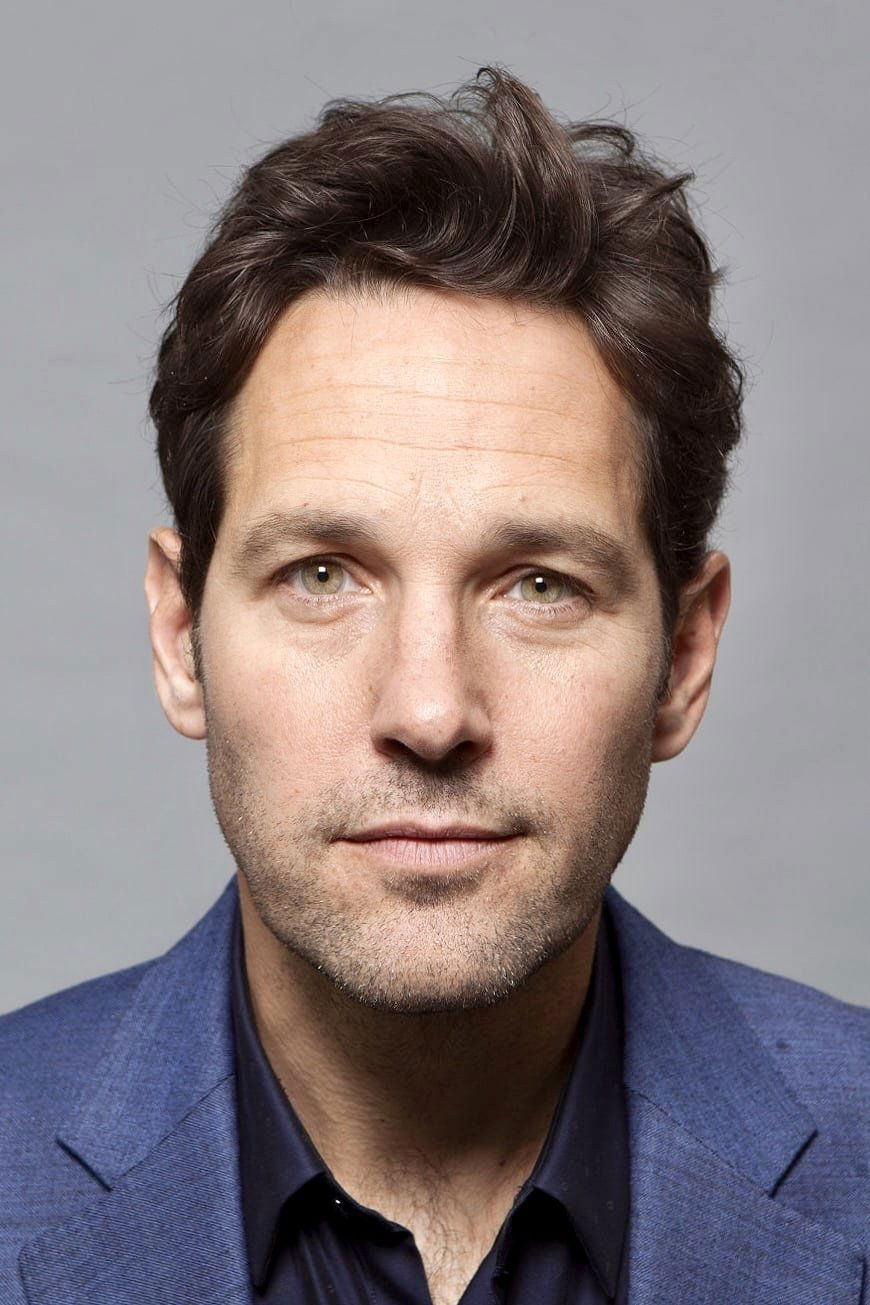
Paul Rudd has participated in picket lines to voice his concerns over the potential for digital replicas to undermine the acting profession. The ‘Ant-Man’ star has emphasized that the charm and personality of a performer are what audiences pay to see. He supports the demand for clear regulations that prevent studios from scanning background actors for future use without ongoing payment. Rudd has often spoken about the importance of the community and camaraderie on a film set, which he feels AI would destroy. His involvement in the strike highlighted his dedication to protecting his colleagues’ jobs.
Colin Farrell
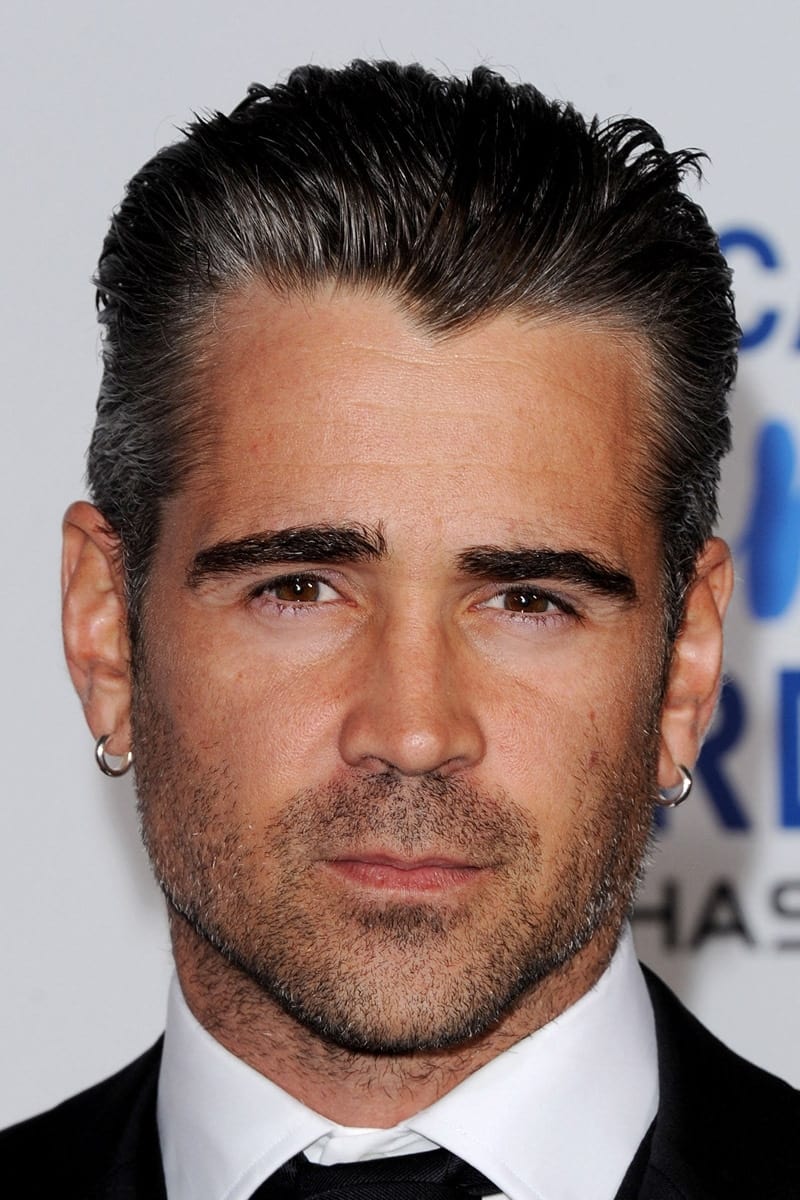
Colin Farrell has spoken out about the importance of protecting vulnerable members of the acting community from AI exploitation. He expressed concern that background actors could be scanned once and then replaced by digital versions in all future projects. The ‘The Banshees of Inisherin’ actor believes this practice is inherently unfair and devalues the contribution of all performers. Farrell has stood in solidarity with his peers to demand that technology be used ethically and with full transparency. He maintains that the heart of cinema is found in human vulnerability and connection.
Jamie Foxx
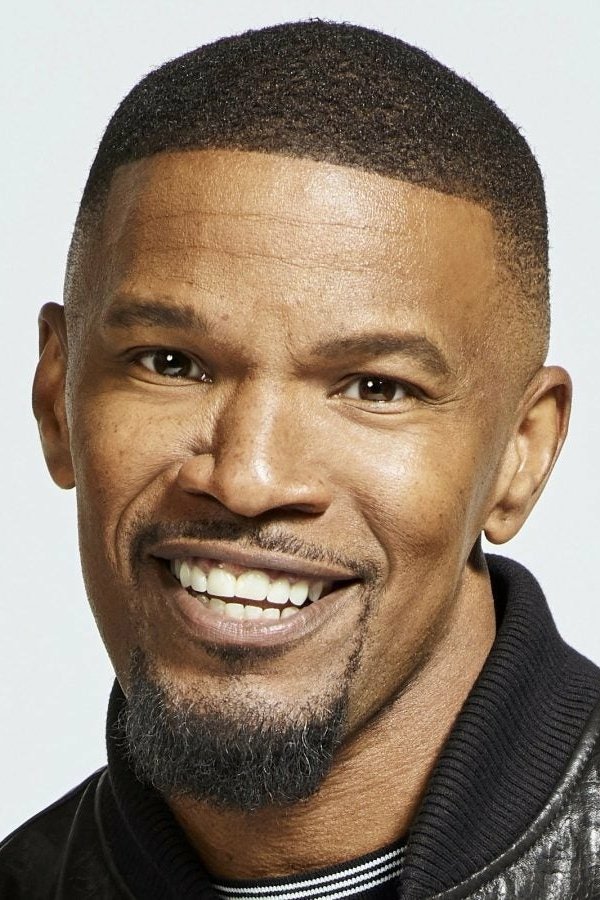
Jamie Foxx’s representatives have been active in monitoring and taking action against unauthorized AI-generated content using his voice and image. The ‘Ray’ actor has seen firsthand how deepfake technology can be used to spread misinformation or create fake endorsements. He supports the industry’s push for legal frameworks that treat an actor’s likeness as a protected personal asset. Foxx has emphasized that the hard work put into building a career should not be harvested by software. His team remains vigilant in protecting his digital footprint from unauthorized commercial use.
Bob Odenkirk
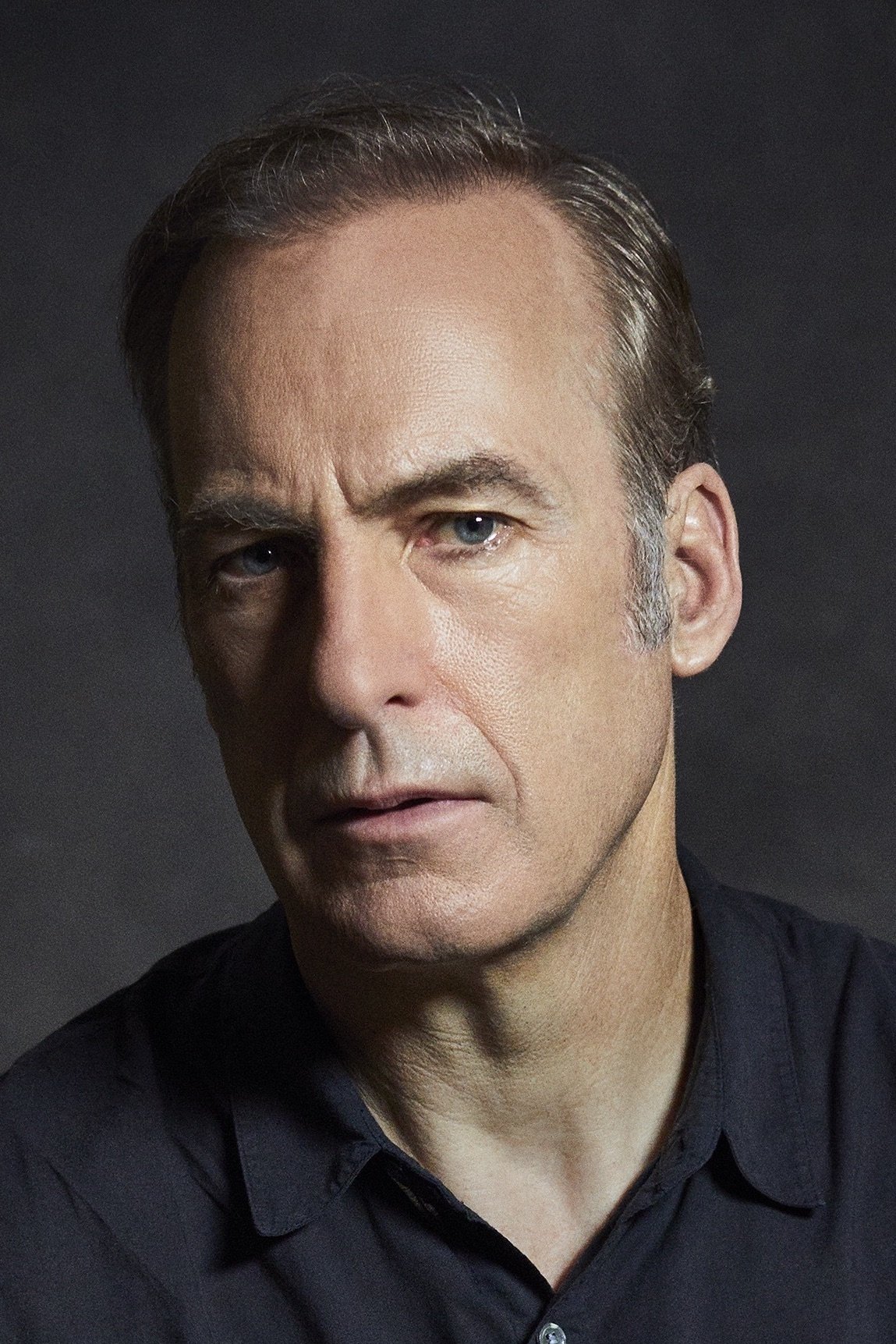
Bob Odenkirk was an active participant in negotiations and strike efforts to establish protections against AI. The ‘Better Call Saul’ star has warned that the technology could lead to a “generic” version of storytelling that lacks edge and originality. He believes that the unpredictable nature of human performance is what makes a character memorable. Odenkirk has advocated for the rights of actors to control their own digital data throughout their careers. He views the struggle against AI as a necessary step to ensure that acting remains a viable profession for years to come.
David Duchovny
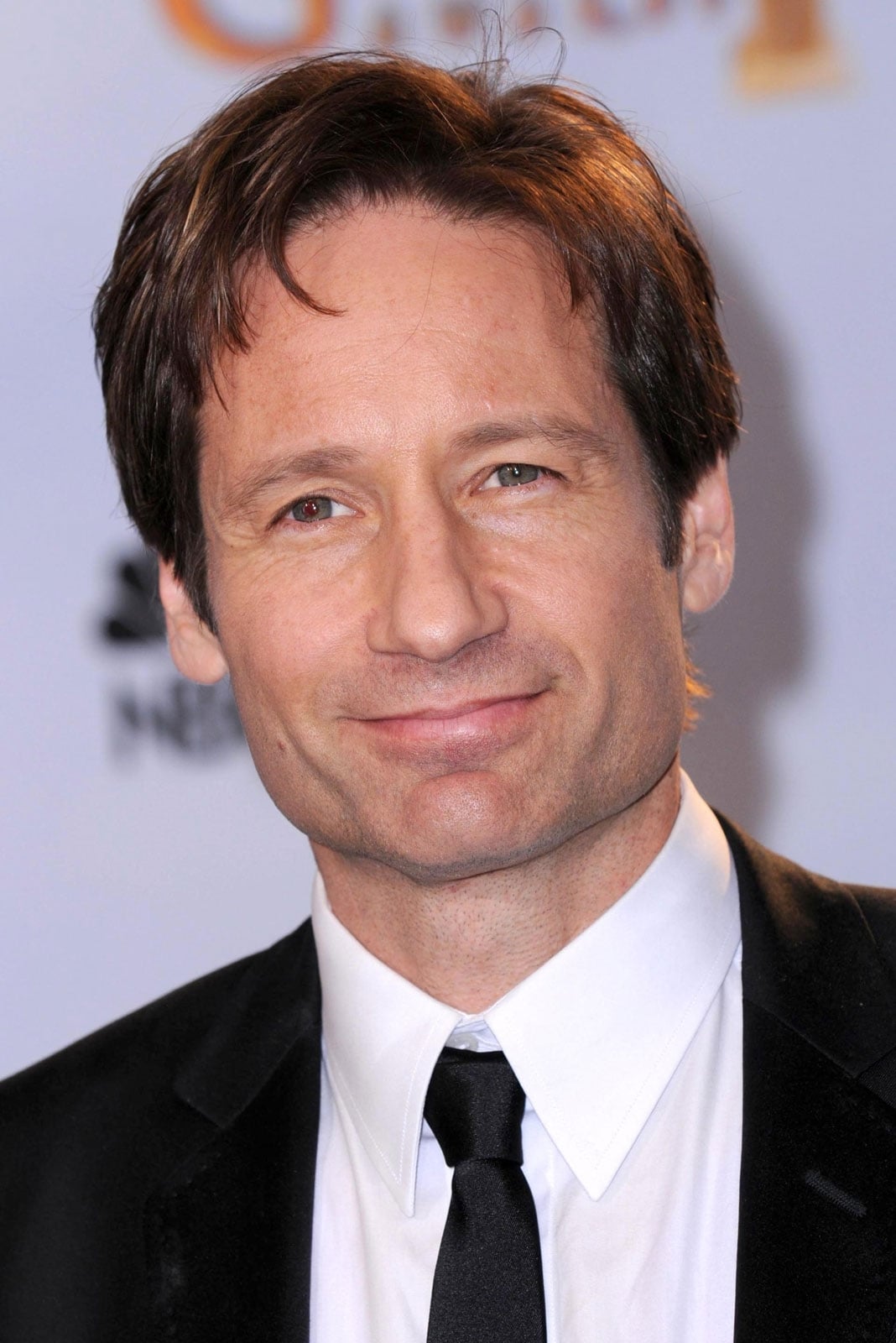
David Duchovny has expressed concern about how AI might impact the legacy of long-running characters and the actors who play them. The ‘The X-Files’ actor has noted that the ability to recreate a performer at any age could lead to a stagnant creative culture. He believes that the natural aging and evolution of an actor are essential components of their career. Duchovny has supported the idea that an actor’s image should not be used to create new content without their active involvement. He remains cautious about the industry’s rush to adopt tools that could replace the “human spark.”
Matthew Modine
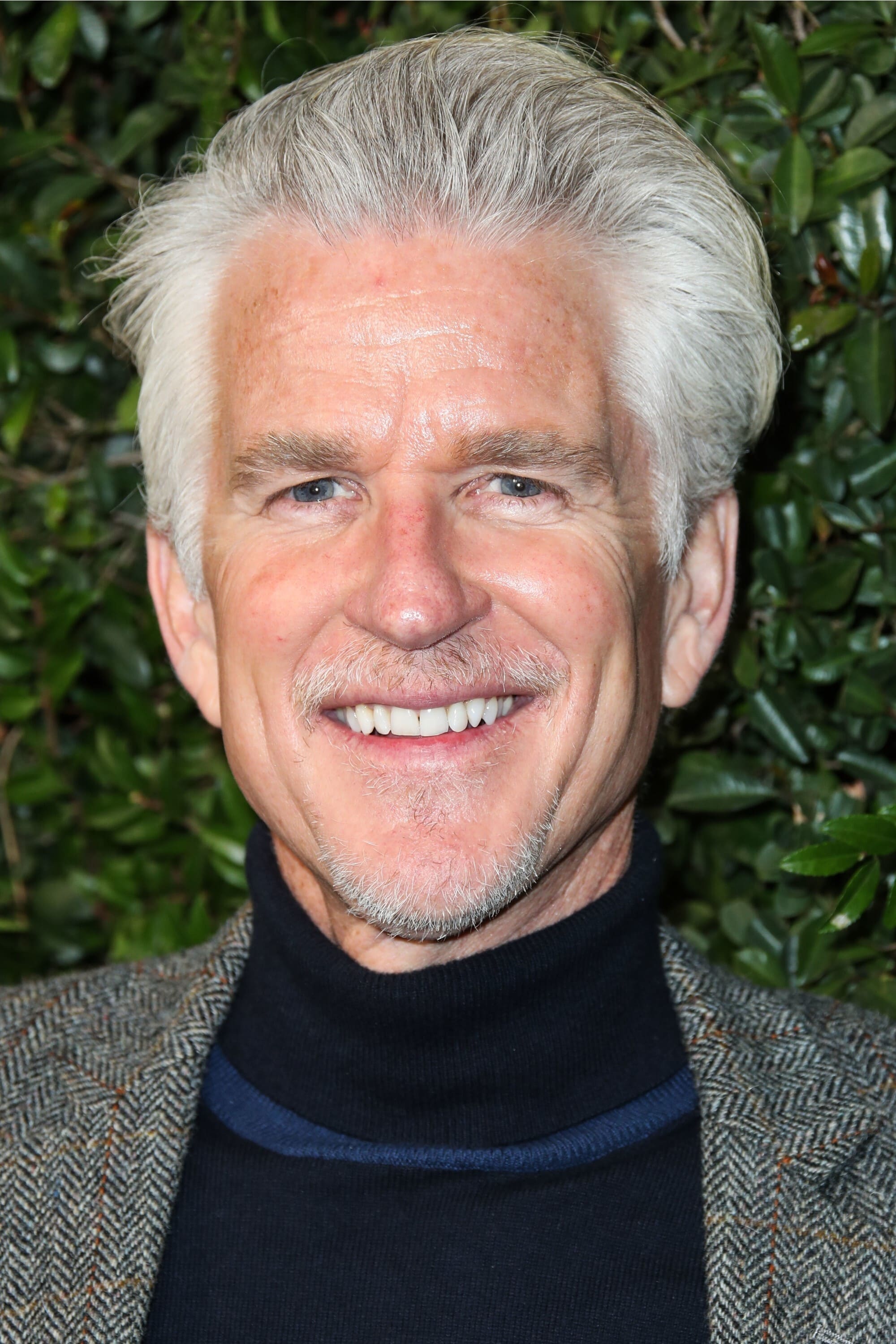
Matthew Modine has been a vocal opponent of AI, describing it as a tool that could “homogenize” the arts. He has served in leadership roles within the actors’ union, advocating for strict controls on how digital technology is used to simulate human behavior. The ‘Stranger Things’ actor believes that the unique flaws and quirks of a human being are what make art compelling. Modine has frequently warned that AI could be used to bypass the financial and creative needs of real people. He continues to speak out about the ethical implications of a digital-first entertainment landscape.
Clark Gregg
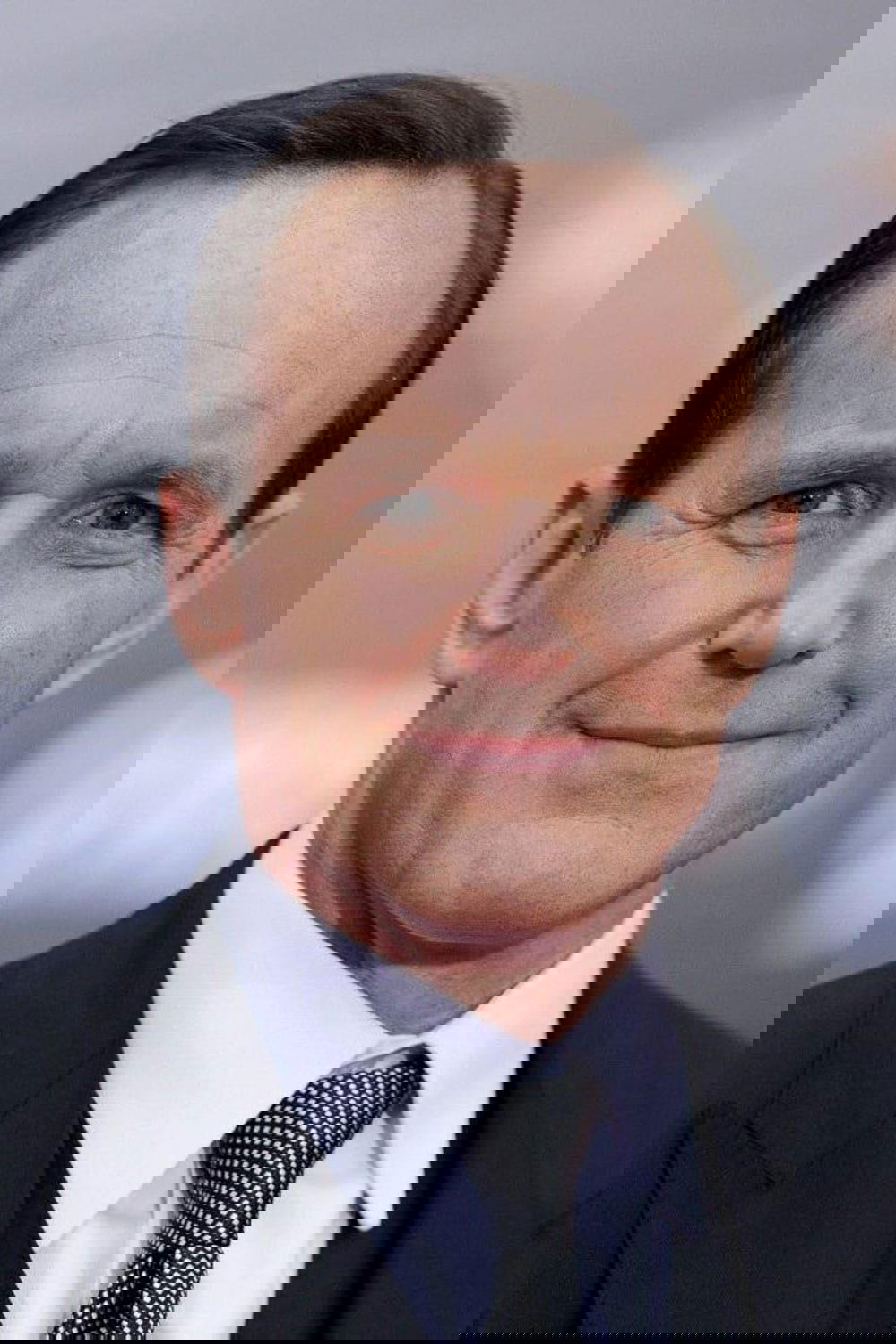
Clark Gregg has mentioned that artificial intelligence represents a significant threat to the future of the acting profession. He has been vocal about the dangers of “scanning” actors and using that data to create performances they never actually gave. The ‘Marvel’s Agents of S.H.I.E.L.D.’ star believes that the craft of acting is a sacred human exchange that cannot be digitized. He has supported the union’s efforts to ensure that digital doubles are not used to circumvent fair labor practices. Gregg advocates for a future where technology supports human artists rather than replacing them.
Ron Perlman
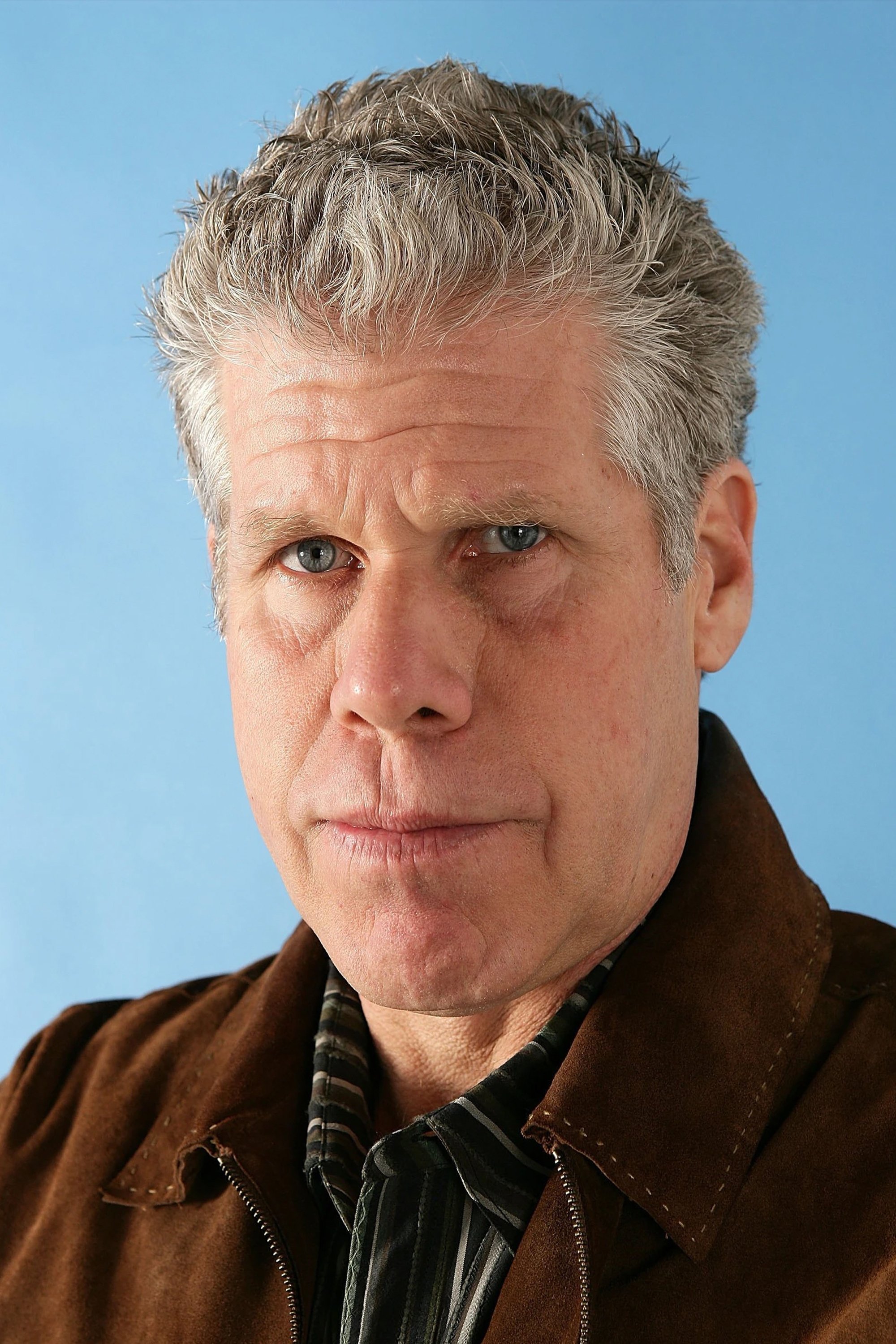
Ron Perlman has used his social media platforms to deliver blistering critiques of studio executives who favor AI automation. He has expressed deep concern that the technology will be used to exploit workers and reduce the quality of filmmaking. The ‘Hellboy’ actor believes that the struggle for AI protections is a fight for the “soul of the industry.” He has been a consistent presence in the movement to secure fair contracts for performers in the digital era. Perlman’s passionate defense of human labor has resonated with many of his colleagues in Hollywood.
Patton Oswalt
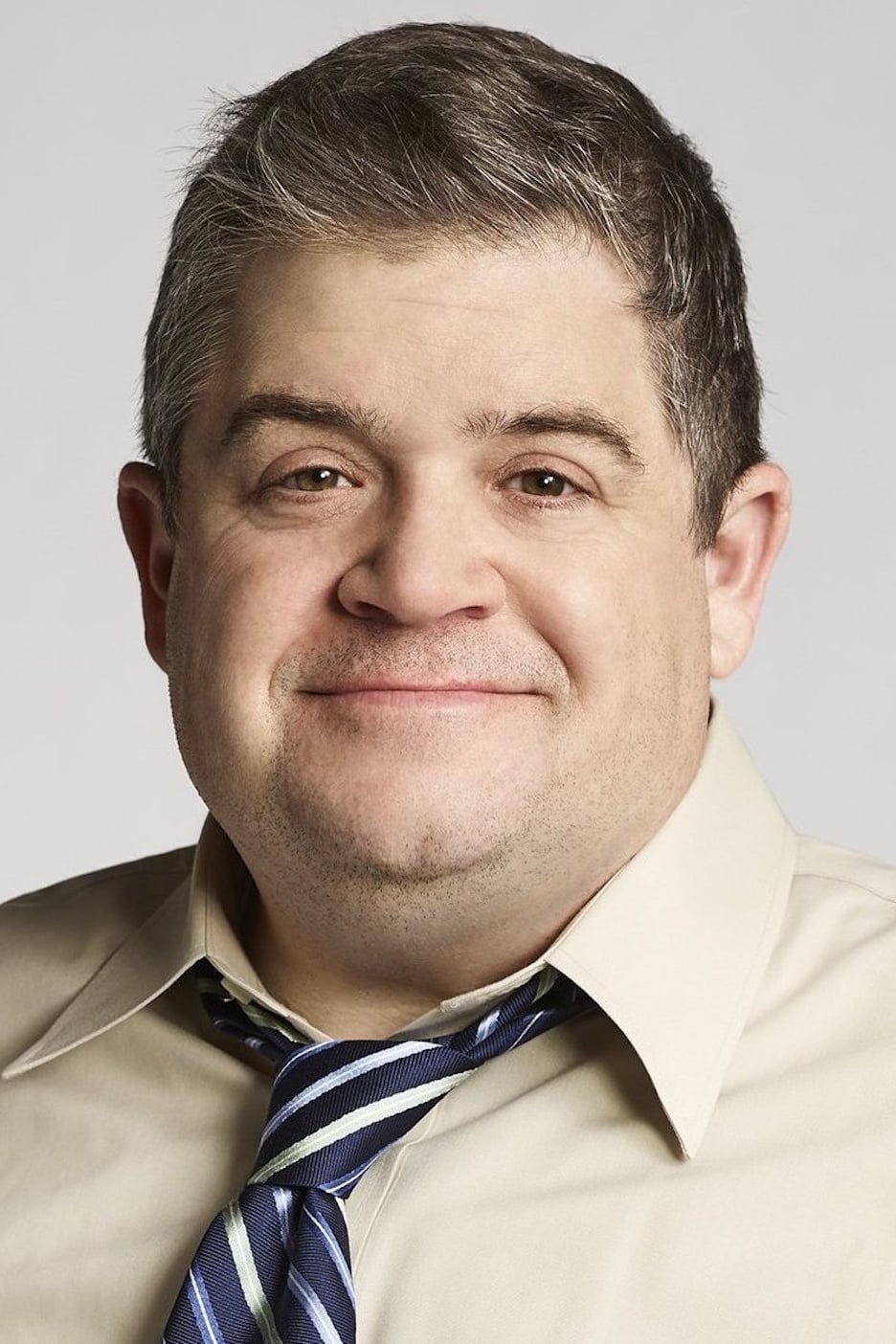
Patton Oswalt has critiqued the lack of nuance and cultural understanding in AI-generated writing and performance. He believes that comedy, in particular, requires a lived experience and a sense of irony that machines cannot possess. The ‘Ratatouille’ star has voiced concerns about the potential for AI to flood the market with “soulless” content that imitates human emotion. He has stood with the writers and actors in demanding that AI be treated as a tool for humans, not a creator in its own right. Oswalt remains a vocal advocate for the preservation of human-led storytelling.
Danny DeVito
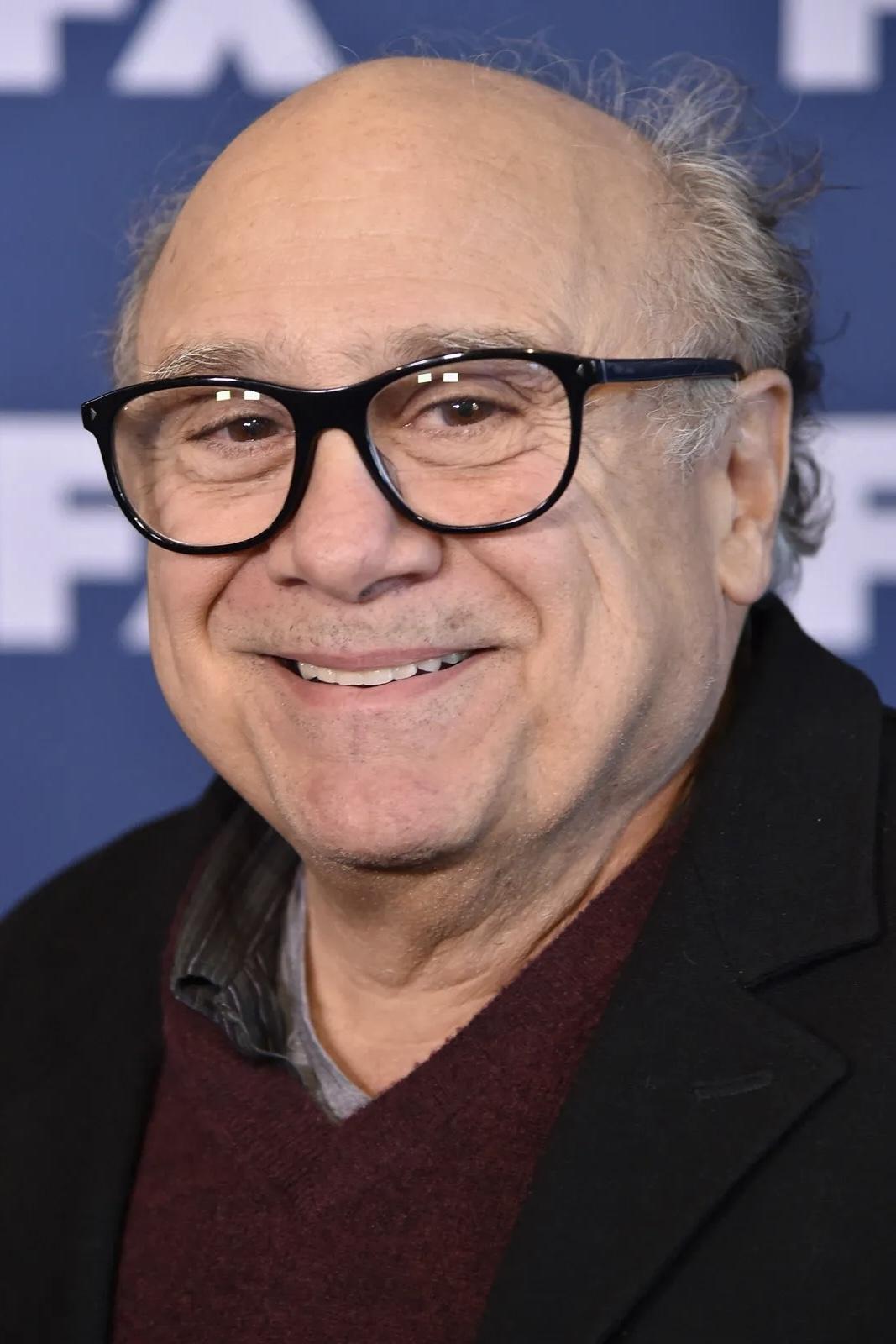
Danny DeVito walked the picket lines during the industry strikes to support job security against digital replacements. He has expressed a clear preference for the physical, collaborative nature of traditional filmmaking. The ‘It’s Always Sunny in Philadelphia’ star believes that the interaction between actors on a set is where the magic of cinema happens. He has voiced concern that AI will lead to a loss of craft and a reduction in the number of opportunities for new talent. DeVito remains a staunch supporter of the human element in every stage of production.
Brendan Fraser
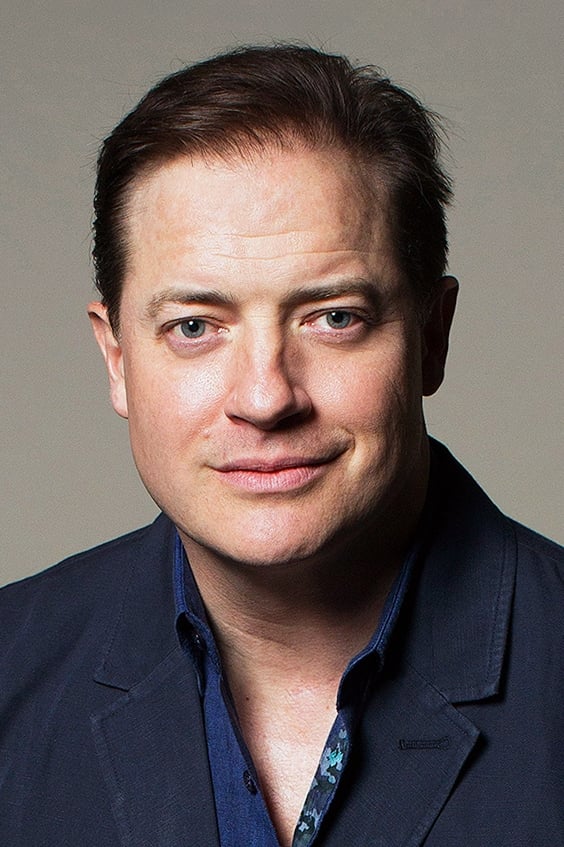
Brendan Fraser has highlighted the importance of the human element in creating performances that resonate on a global scale. Following his emotional return to the spotlight in ‘The Whale’, he has emphasized that technology cannot replicate the depth of human suffering and joy. He supports the move to protect actors from being replaced by digital avatars that lack true consciousness. Fraser believes that audiences can tell the difference between a real performance and a computer-generated one. He stands with his peers in advocating for a film industry that prioritizes people over algorithms.
Josh Brolin
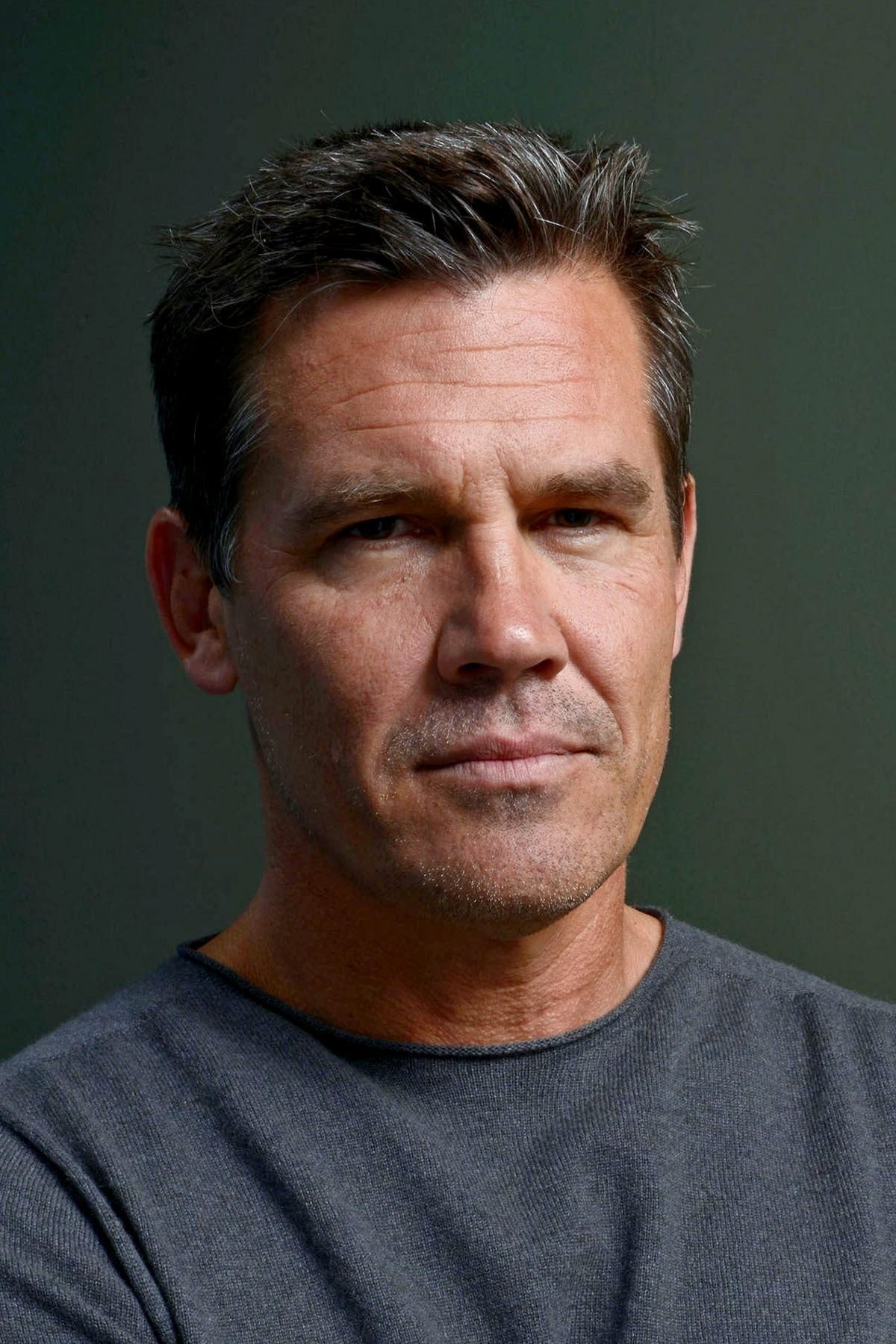
Josh Brolin has voiced concerns about the ethics of using AI in big-budget franchises to maintain characters indefinitely. Having played the digital character Thanos in ‘Avengers: Endgame’, he is familiar with performance capture but insists it must be actor-led. Brolin believes that without a human providing the emotional core, digital characters are just “empty shells.” He has expressed support for the union’s stance on ensuring that performers are compensated for their digital likeness. For Brolin, the integrity of the performance is non-negotiable and must remain in human hands.
Cillian Murphy
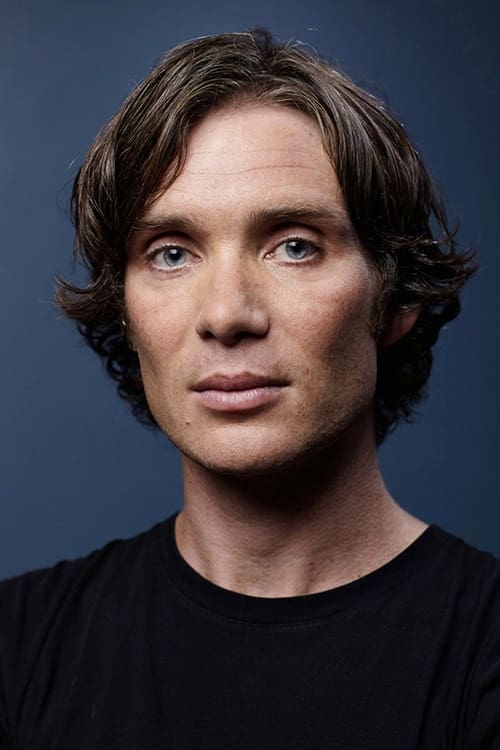
Cillian Murphy has stated his firm support for the SAG-AFTRA guidelines regarding the use of artificial intelligence. The ‘Oppenheimer’ star has often spoken about his preference for old-school filmmaking techniques that rely on practical effects and live performance. He believes that the tension and chemistry between actors on a set are what drive a story forward. Murphy has been cautious about the industry’s trend toward digital solutions for every creative problem. He maintains that the human perspective is the most vital part of any artistic endeavor.
Mark Hamill
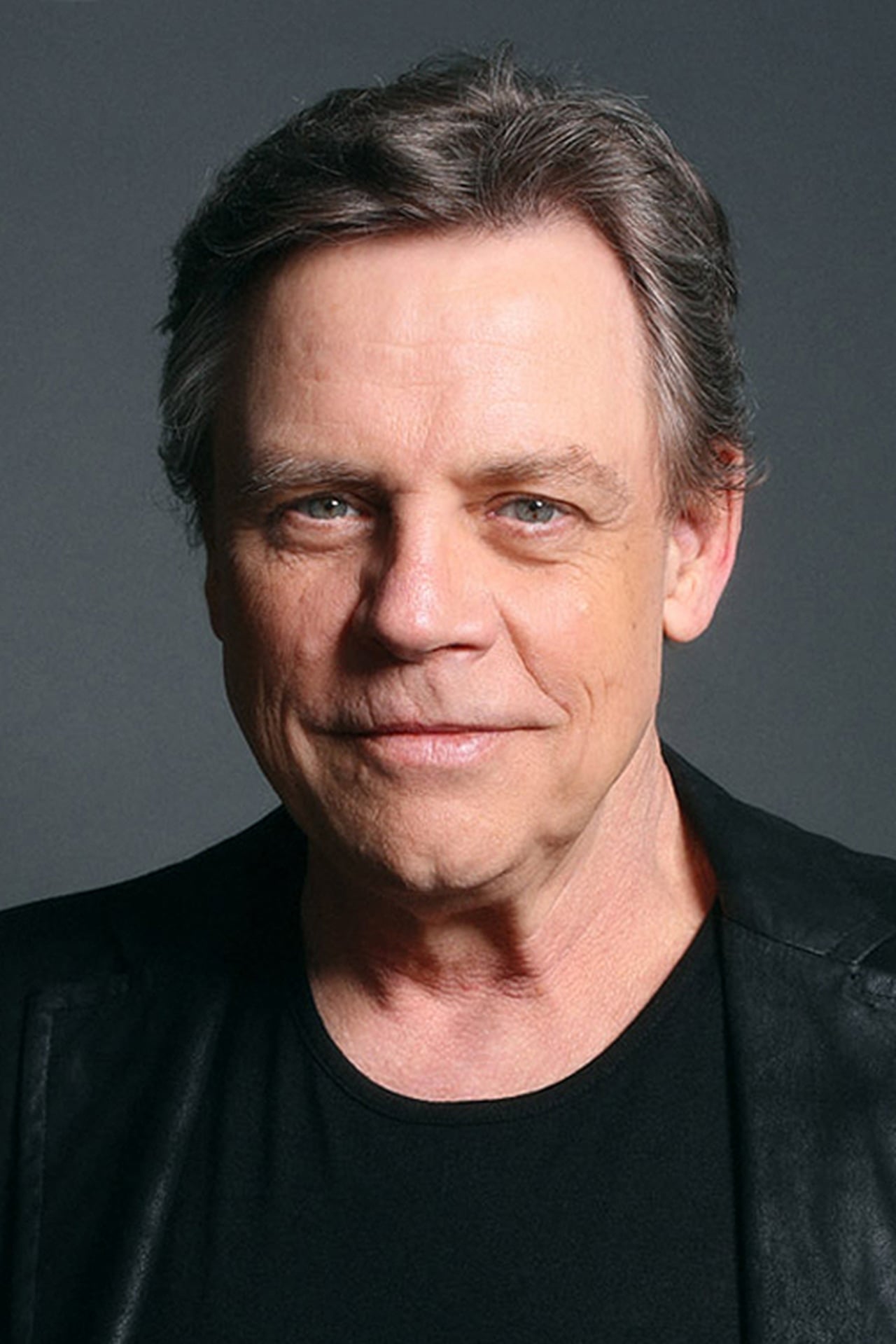
Mark Hamill has expressed concerns about artificial intelligence being used to keep actors “alive” on screen indefinitely. After seeing his younger self recreated in ‘The Mandalorian’, he admitted the technology is impressive but potentially problematic. He has argued that there should be a natural end to a character’s journey and an actor’s career. Hamill supports the idea that the next generation of actors should have the chance to originate their own roles rather than competing with digital ghosts. He believes that the human touch is essential for the longevity of a franchise.
Kevin Bacon
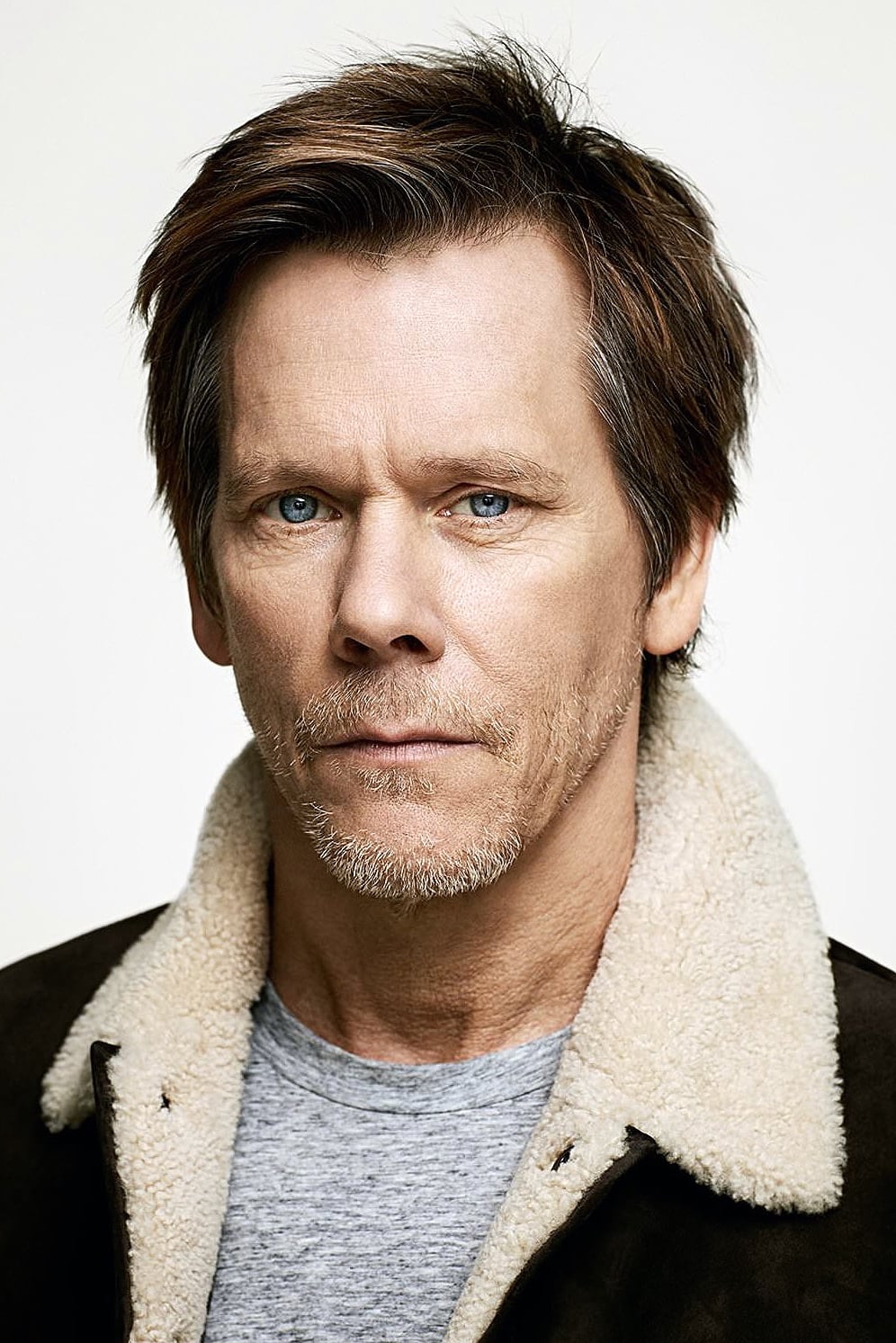
Kevin Bacon participated in numerous demonstrations to highlight the dangers of AI to emerging actors and background performers. He has stated that the industry must be careful not to trade its creative soul for technological convenience. The ‘Footloose’ star believes that the unpredictability of a human actor is what makes a film feel alive. He has advocated for contracts that specifically prohibit the use of AI to create “synthetic” performers that compete with real people. Bacon remains committed to the idea that acting is a physical and emotional labor that deserves protection.
Jason Sudeikis
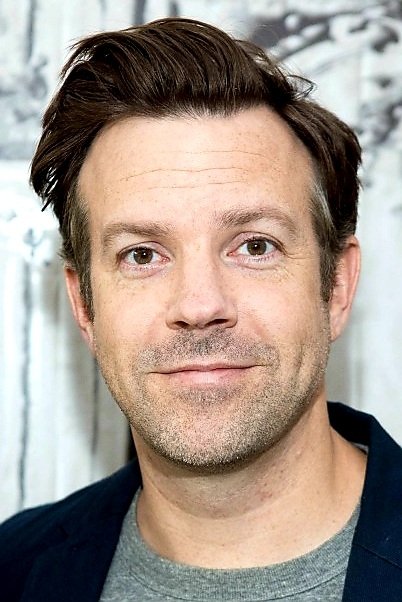
Jason Sudeikis led strike efforts in New York, emphasizing that artificial intelligence cannot replicate human emotion or connection. The ‘Ted Lasso’ creator and star has spoken about the collaborative spirit of the writers’ room and the film set as irreplaceable. He believes that the nuances of a performance come from an actor’s personal history and empathy. Sudeikis has been a prominent face in the movement to ensure that technology is used to enhance human work rather than substitute it. He remains a vocal defender of the importance of the human spirit in comedy and drama.
Jack Black
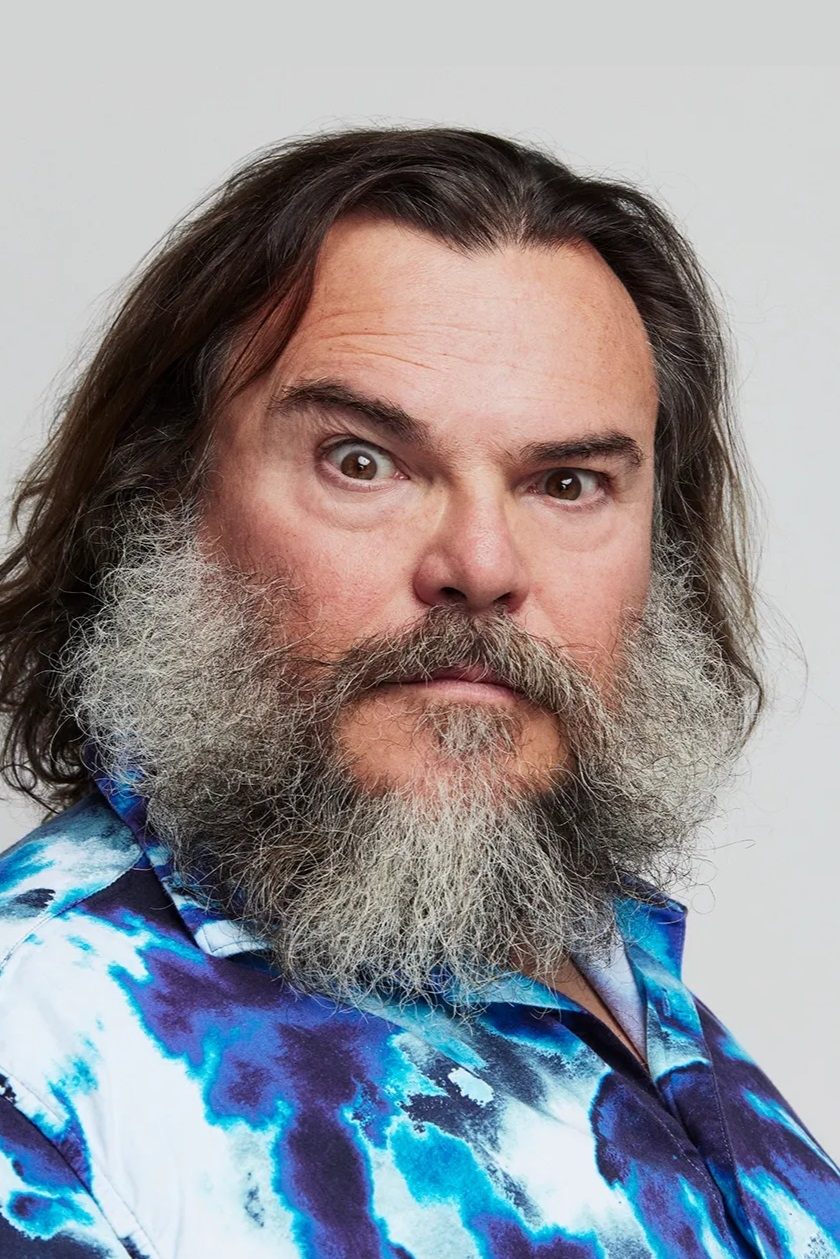
Jack Black has highlighted the creative limitations and ethical pitfalls of generative AI in music and film. He has expressed concern that the technology will be used to churn out content that lacks a unique artistic voice. The ‘School of Rock’ star believes that the “weirdness” and spontaneity of human performers are what make them endearing to audiences. He has supported the strike actions aimed at securing long-term protections against digital likeness theft. Black maintains that while AI can mimic patterns, it will never be able to truly rock.
Bradley Cooper
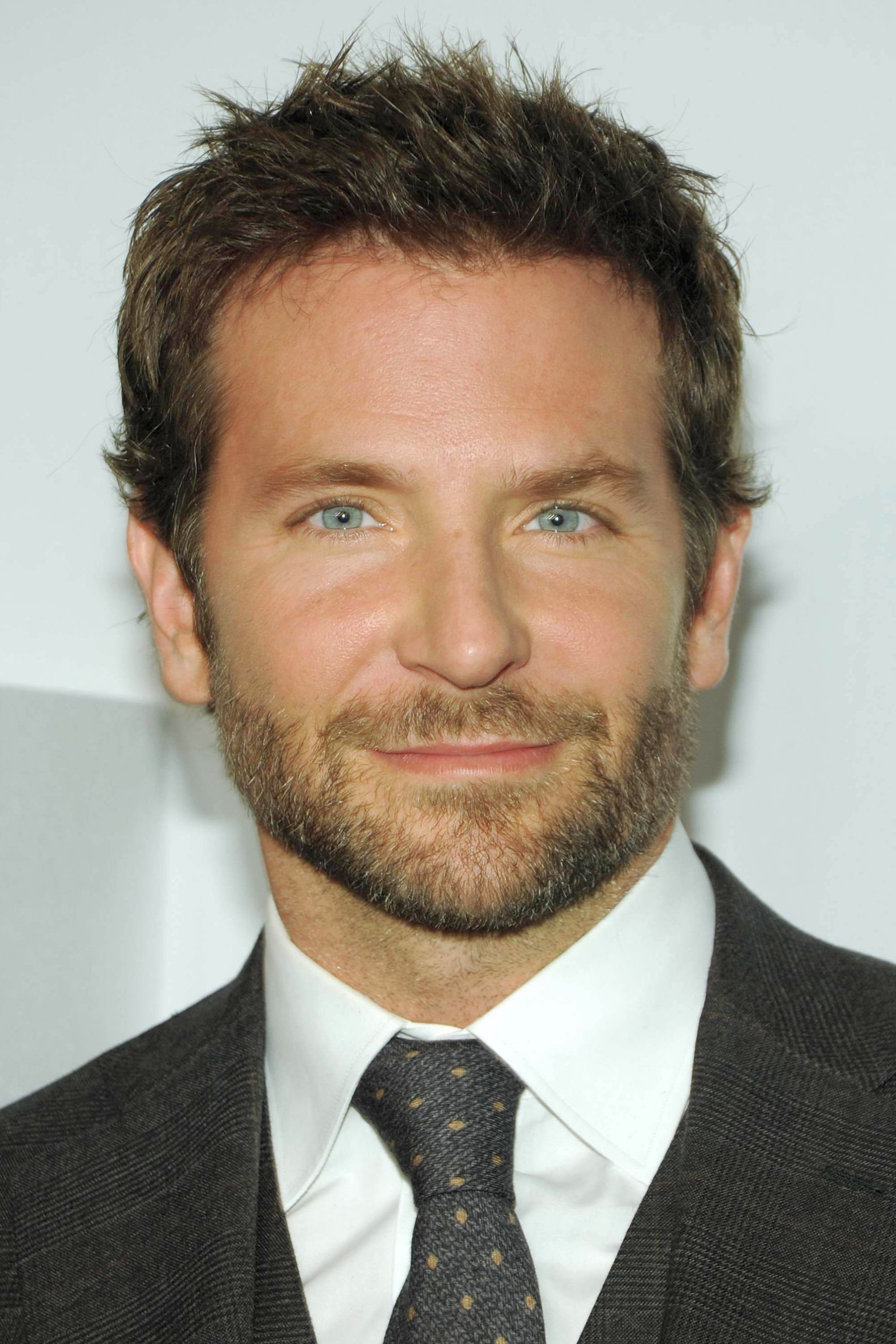
Bradley Cooper has discussed the potential loss of artistic integrity when AI tools are used to “clean up” or alter performances. The ‘Maestro’ director and actor believes that the imperfections of a performance are often what make it most beautiful. He has voiced support for the union’s efforts to maintain the role of the actor as the primary creative force in filmmaking. Cooper is concerned that an over-reliance on technology could lead to a sterile and uninspiring cinematic landscape. He remains focused on the human-driven aspects of both acting and directing.
Jeremy Renner
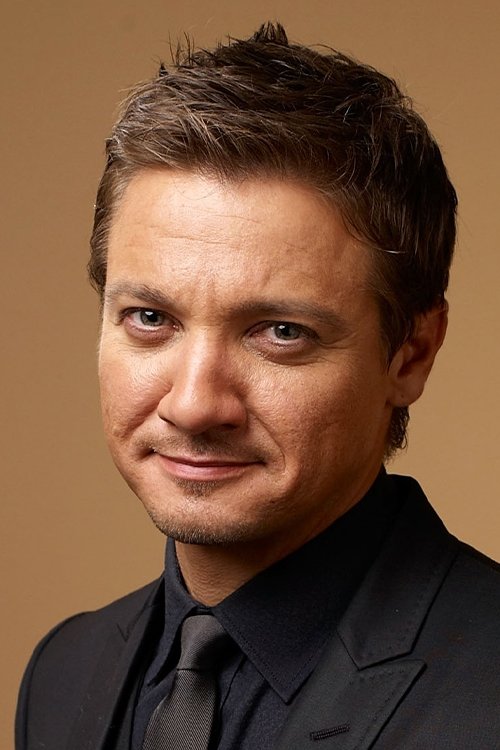
Jeremy Renner has supported the call for transparent rules regarding how digital doubles and AI are utilized in action films. While recovering from a serious injury, he has seen how technology can be used to assist in filmmaking, but he insists on actor control. He believes that every use of a digital likeness should be a separate negotiation with the performer. Renner has advocated for the rights of stunt performers and background actors to be protected from AI replacement. He views the human element as the most important factor in the success of the Marvel Cinematic Universe and beyond.
Christian Bale
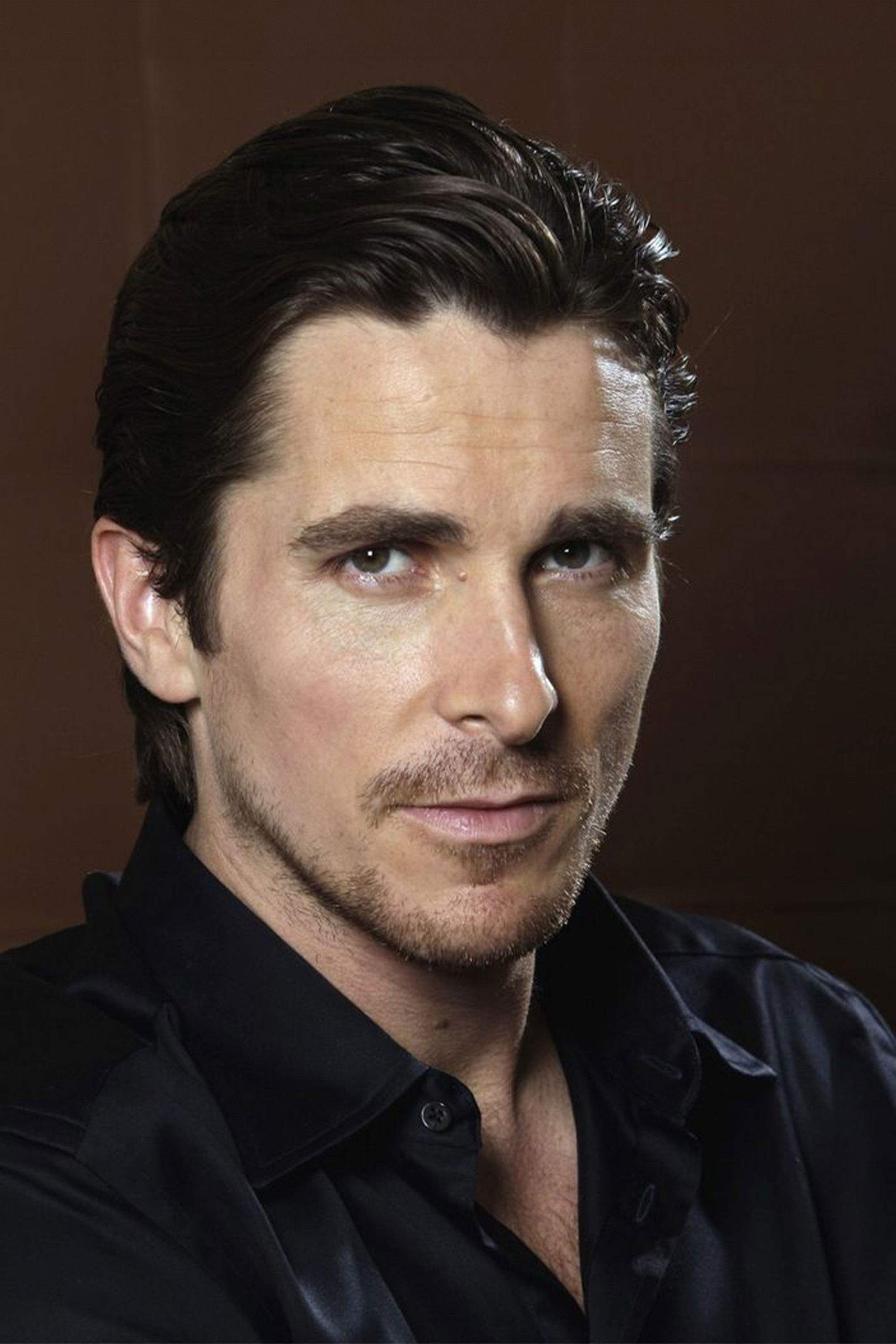
Christian Bale is known for his intense physical dedication to his roles, and he has voiced skepticism toward digital shortcuts. He believes that the physical transformation of an actor is a key part of the storytelling process that AI cannot duplicate. The ‘The Dark Knight’ star has rarely used digital enhancements in his performances, preferring practical methods. He has expressed support for his fellow actors in their fight to keep the profession grounded in real-world craft. Bale maintains that the audience’s connection to a film is based on the authenticity of the performer’s effort.
Harrison Ford
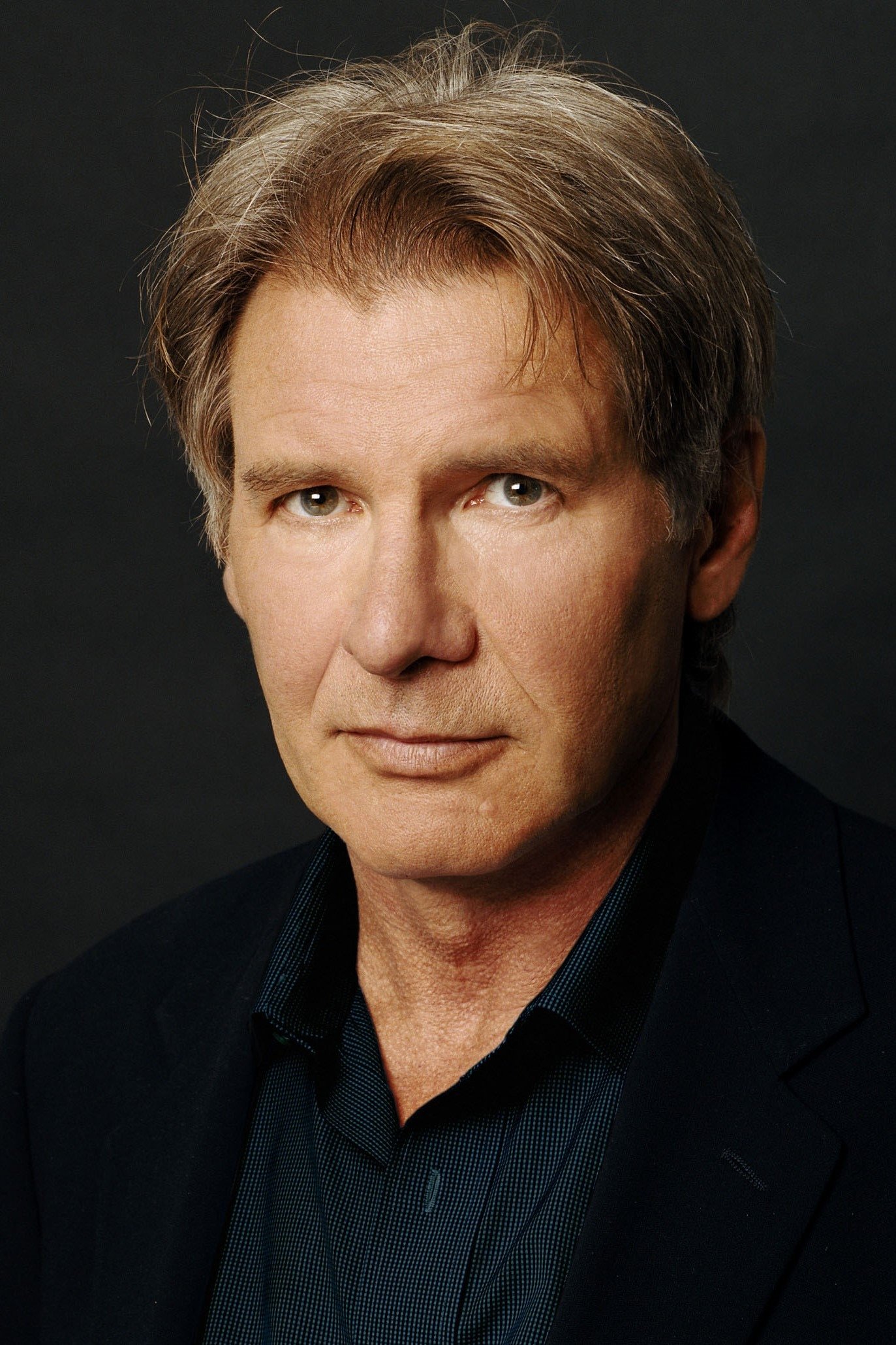
Harrison Ford has expressed concerns about his likeness being used in projects without his active participation or consent. During the promotion of ‘Indiana Jones and the Dial of Destiny’, he clarified that while de-aging technology was used, it was based on his actual performance and archival footage. He has voiced support for regulations that prevent studios from creating entirely new performances from his data. Ford believes that an actor’s career should be defined by the choices they make during their lifetime. He remains a firm believer in the necessity of the human presence on a film set.
Anthony Mackie
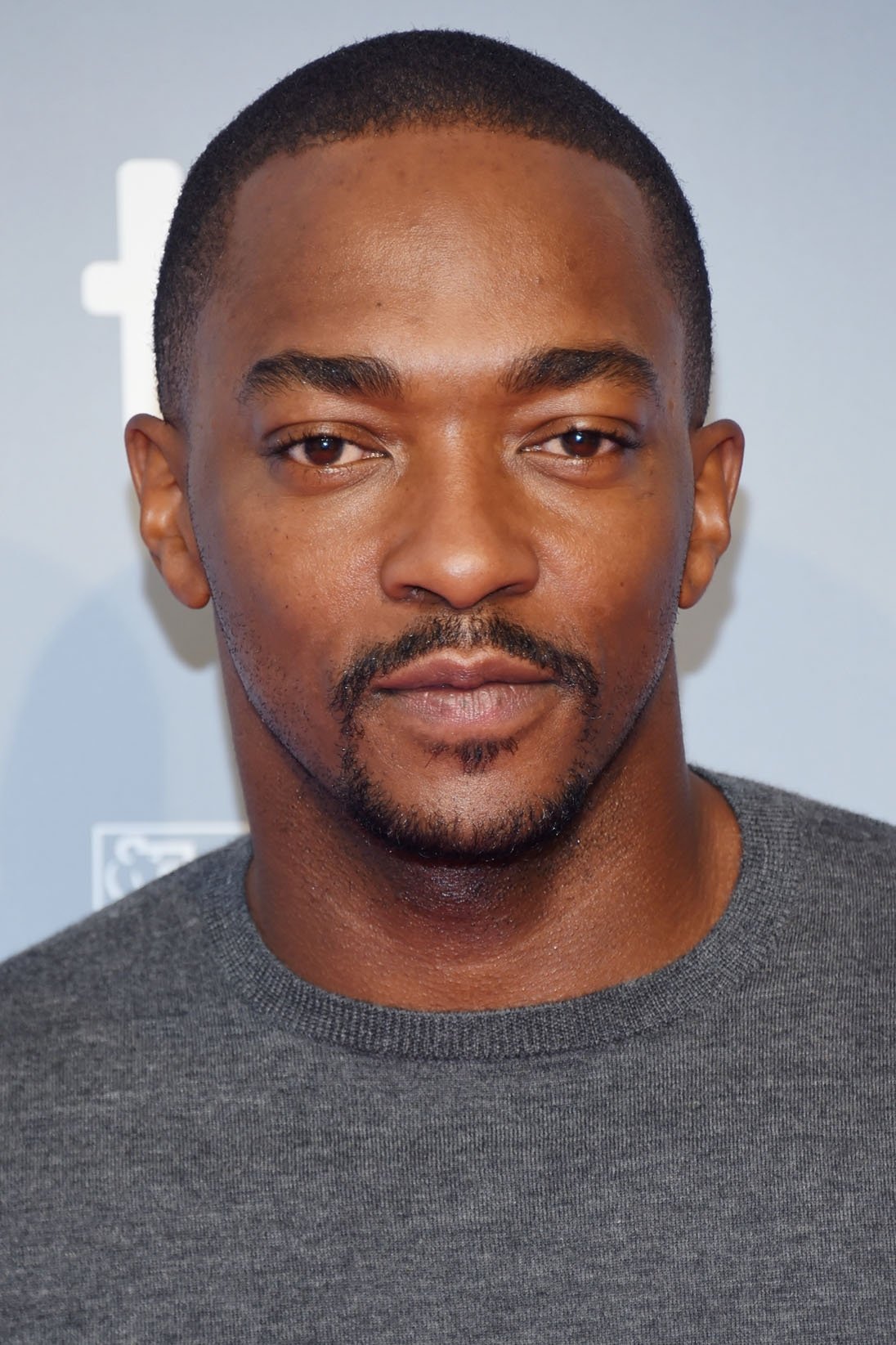
Anthony Mackie has spoken about the threat AI poses to the “human soul” of a film and the livelihoods of young actors. He has expressed fear that the industry is moving toward a future where “real” people are no longer needed on set. The ‘Captain America: Brave New World’ star believes that the charisma of an actor is something that cannot be coded. He has been a vocal supporter of the union’s strike to ensure that the next generation of performers has a fair chance to succeed. Mackie views the push for AI as a way for corporations to distance themselves from human talent.
Billy Crystal
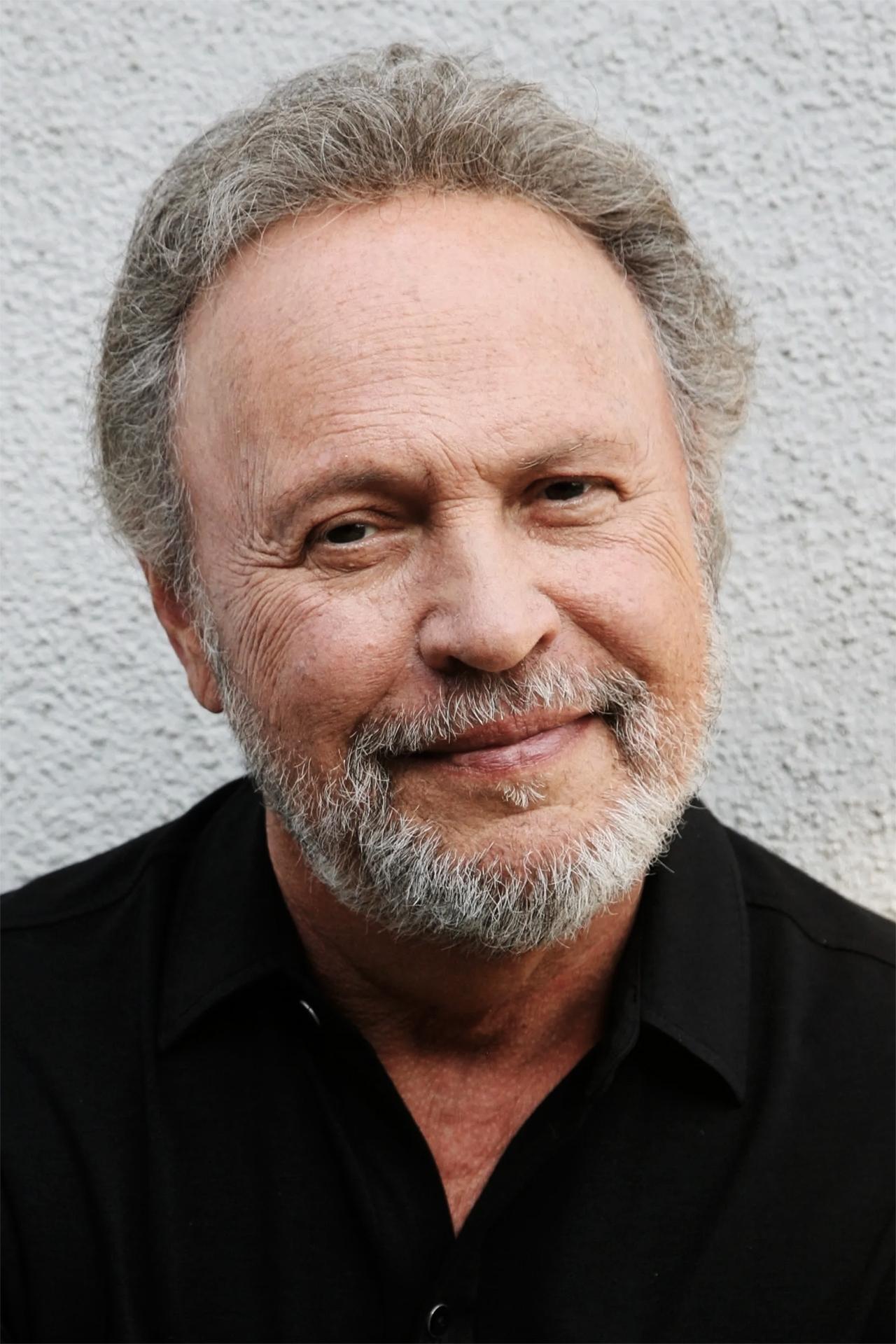
Billy Crystal has discussed the impossibility of artificial intelligence capturing the spontaneity and timing required for comedy. He believes that a live audience can always tell the difference between a calculated response and a genuine human moment. The ‘When Harry Met Sally’ star has voiced support for the writers and actors who are fighting to keep their jobs from being automated. He argues that the shared human experience of laughter is something that a machine can never truly understand. Crystal remains an advocate for the traditional, human-centered approach to entertainment.
Michael Douglas
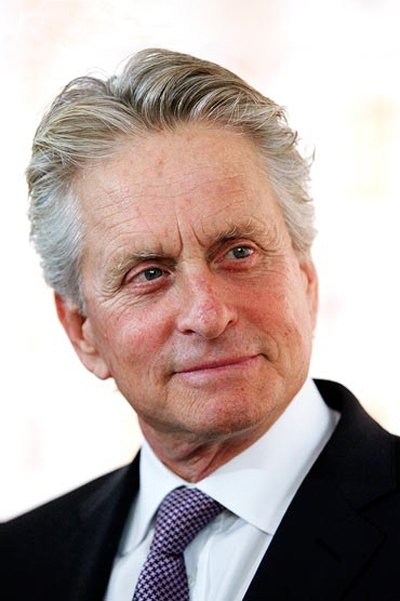
Michael Douglas has raised significant questions about the legal ownership of an actor’s digital image after they are gone. He has expressed interest in protecting his estate from being exploited by AI-generated projects he never approved. The ‘Wall Street’ actor has called for a universal standard that protects a person’s digital rights as much as their physical property. He believes that the misuse of AI could tarnish an actor’s legacy and career history. Douglas remains a key voice in the discussion about the long-term ethical implications of digital replicas.
Robert De Niro
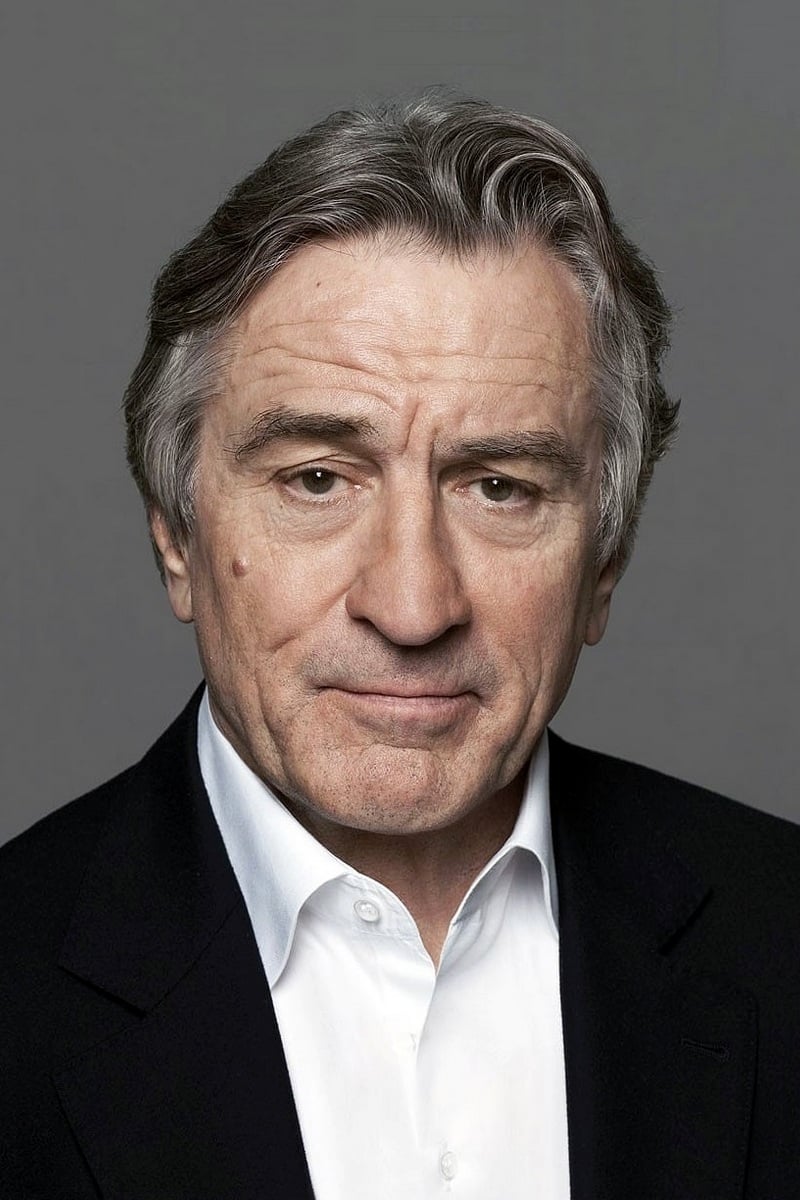
Robert De Niro was a prominent figure during the industry strikes, advocating for strict protections against digital manipulation. He has expressed concern that the nuances of legendary performances could be diluted by AI recreations. The ‘Killers of the Flower Moon’ star believes that the craft of acting is a lifelong pursuit that requires a human spirit. He has supported the union’s demands for informed consent and fair compensation for all digital uses of a performer’s likeness. De Niro remains a steadfast defender of the artistic standards that have defined his career.
Al Pacino
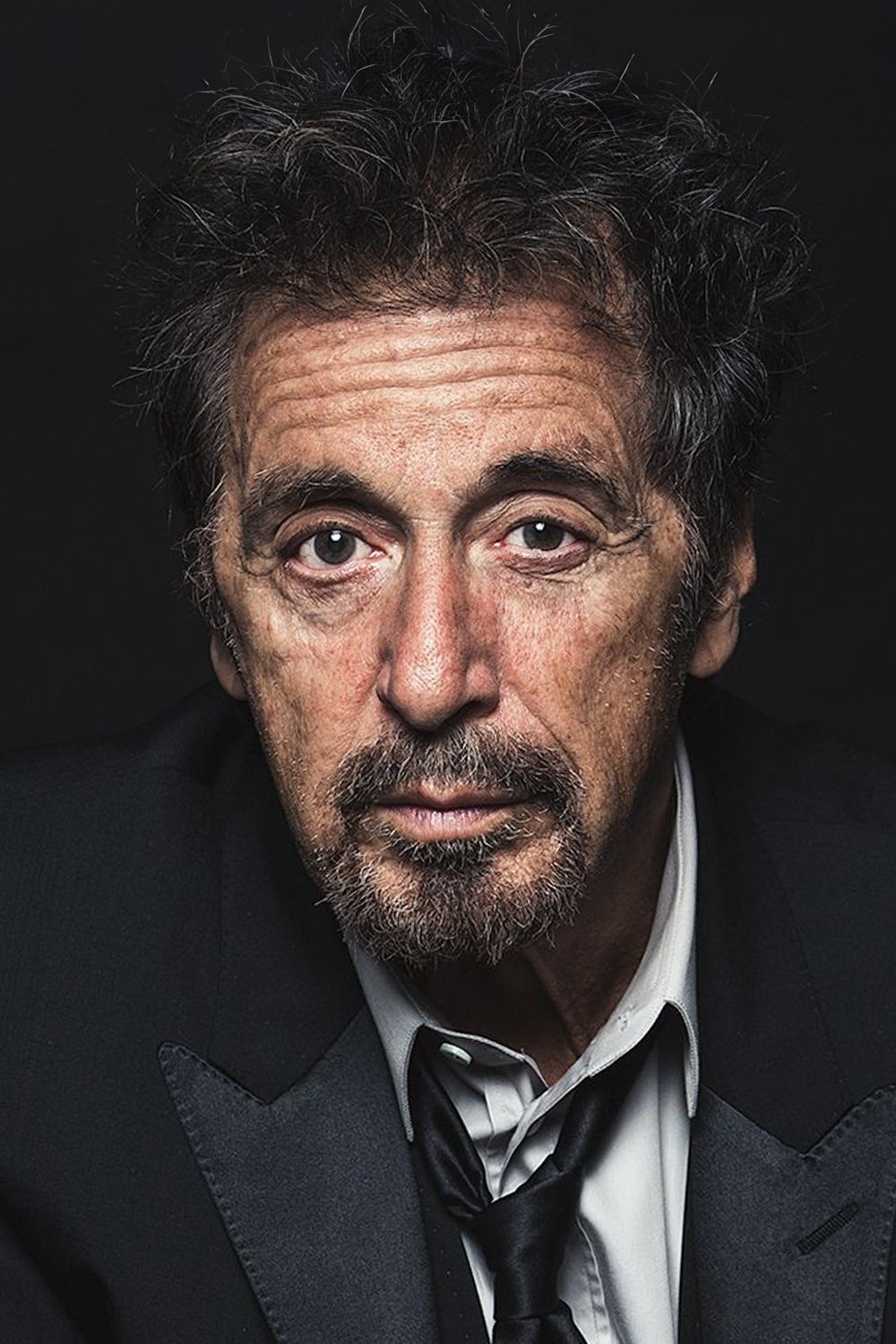
Al Pacino has expressed concerns over how artificial intelligence changes the fundamental relationship between the actor and the audience. He believes that the audience’s empathy is tied to the knowledge that they are watching a real human being. The ‘The Godfather’ star has voiced skepticism about the ability of technology to capture the “inner life” of a character. He has supported the efforts of his peers to ensure that AI does not become a tool for replacing the depth of human performance. Pacino maintains that the art of acting must remain a personal and live experience.
Jeff Goldblum
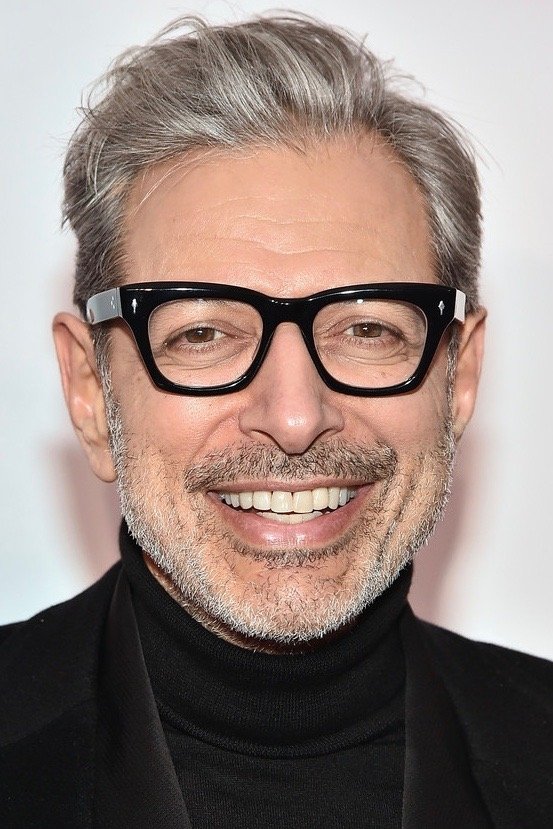
Jeff Goldblum has questioned the ethical boundaries of using AI to replicate or enhance classic cinematic performances. He believes that the unique “rhythm” and personality of an actor are what make them distinctive, traits that he feels AI can only mimic poorly. The ‘Jurassic Park’ star has supported the call for greater transparency in how studios use digital tools in the editing room. He views the rise of AI with a mix of curiosity and caution, emphasizing the need for human oversight. Goldblum remains an advocate for the quirky, unpredictable nature of human creativity.
Daniel Radcliffe
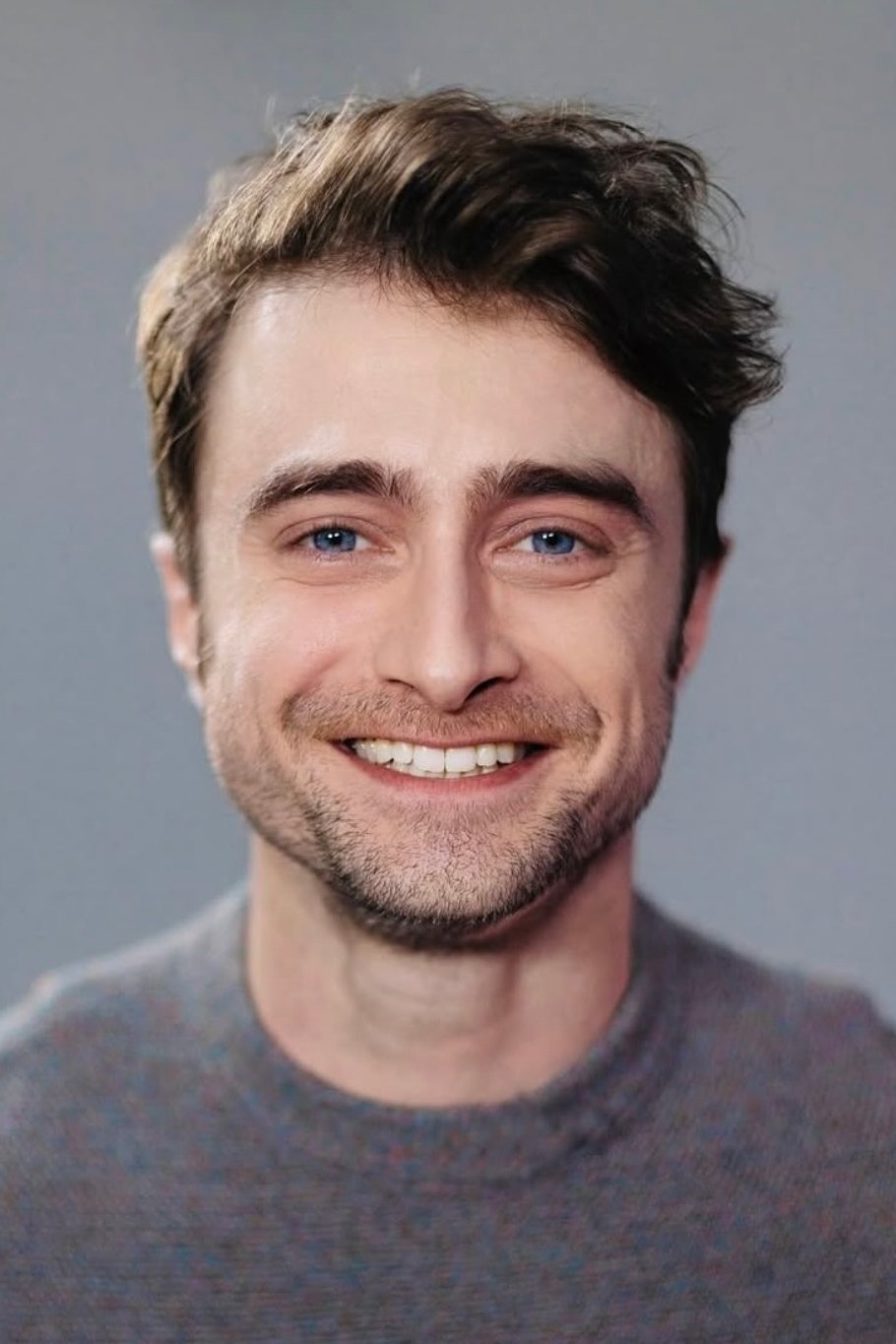
Daniel Radcliffe has mentioned that artificial intelligence lacks the lived experience and emotional depth necessary for authentic acting. He has expressed support for the strike actions, noting that the threat to background actors is a threat to the entire ecosystem of film. The ‘Harry Potter’ star believes that the best art comes from a place of human vulnerability that software cannot simulate. He has voiced concern that an automated industry would lose the “magic” that makes movies special. Radcliffe remains committed to supporting the rights of performers in the face of rapid technological change.
Elijah Wood
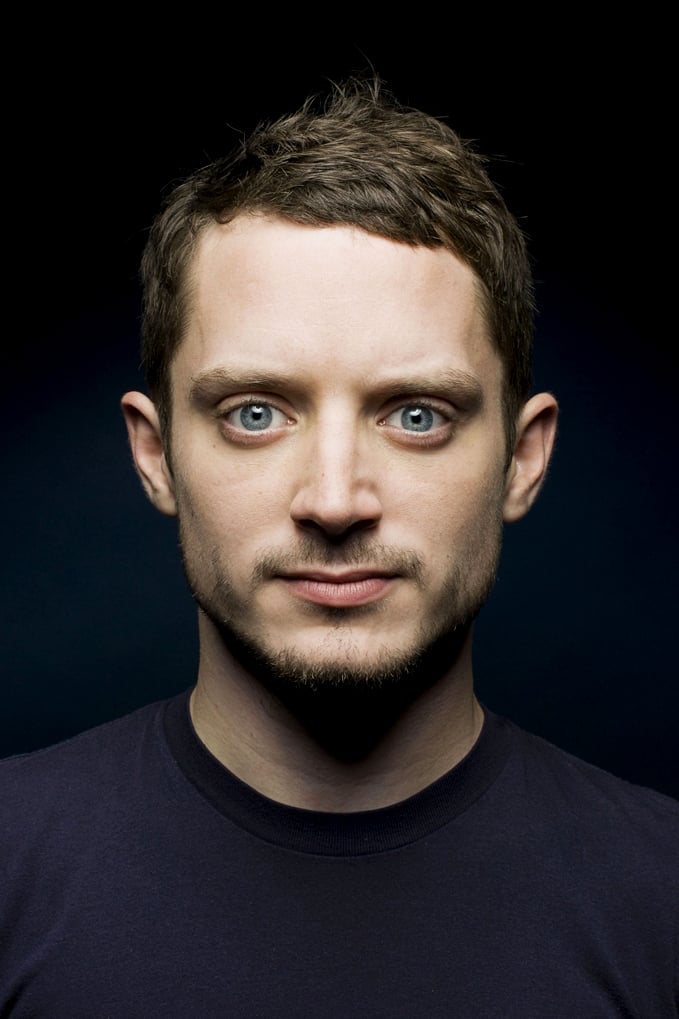
Elijah Wood has spoken out about the preservation of human-led creative industries and the dangers of AI-driven production. He believes that the move toward AI is an attempt by studios to bypass the complexities and costs of working with real people. The ‘Lord of the Rings’ star has advocated for a future where technology is used to empower artists rather than replace them. He has been a consistent supporter of the union’s efforts to define AI as a tool that must be used ethically. Wood emphasizes that the human connection is the core reason why people consume art.
Christopher Walken
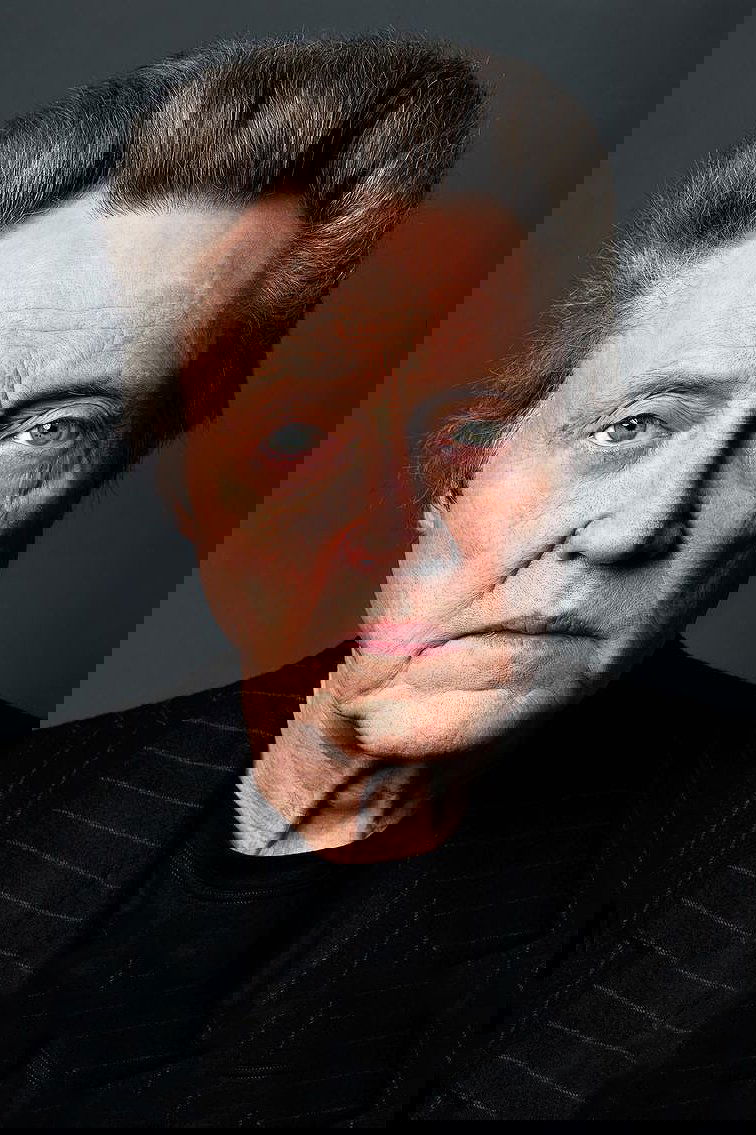
Christopher Walken is known for his avoidance of modern technology, and he has extended this skepticism to the use of AI in filmmaking. He has reportedly expressed that the idea of a digital version of himself is unappealing and unnecessary. The ‘The Deer Hunter’ actor believes that the physical presence and unique delivery of a performer are what define a role. He has supported the collective effort to ensure that actors’ likenesses are not used without their direct participation. Walken’s stance reflects a traditionalist view that prioritizes the artist’s physical craft.
Steve Carell
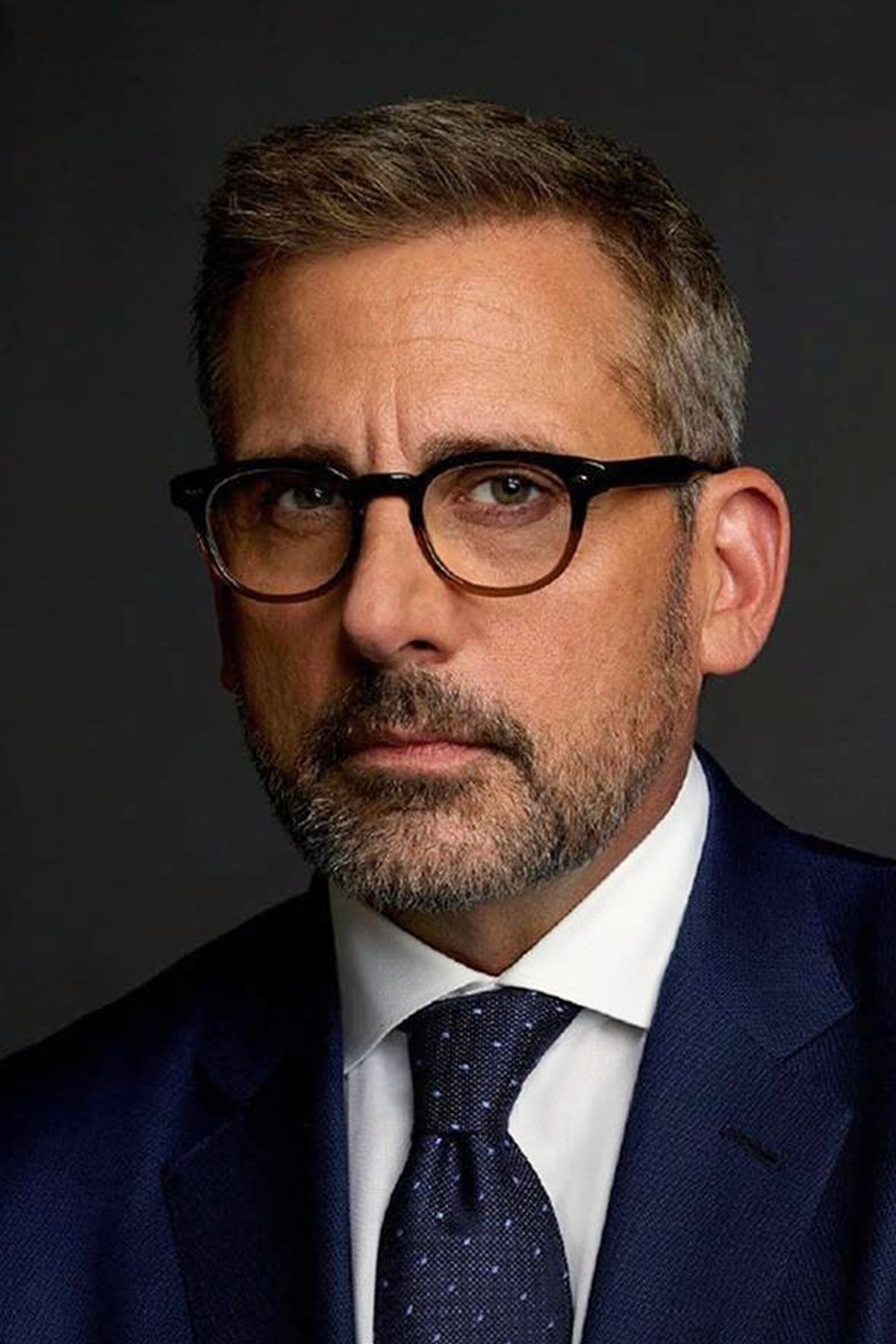
Steve Carell supported the writers and actors in their fight for AI guardrails throughout the 2023 strikes. He has expressed that the collaborative energy of a set or a writers’ room is what produces the best work. The ‘The Office’ star believes that AI-generated scripts or performances lack the “heart” that audiences crave. He has been a visible supporter of the union’s mission to protect the livelihoods of all creative workers. Carell maintains that the human element is what makes storytelling relatable and meaningful.
Rainn Wilson
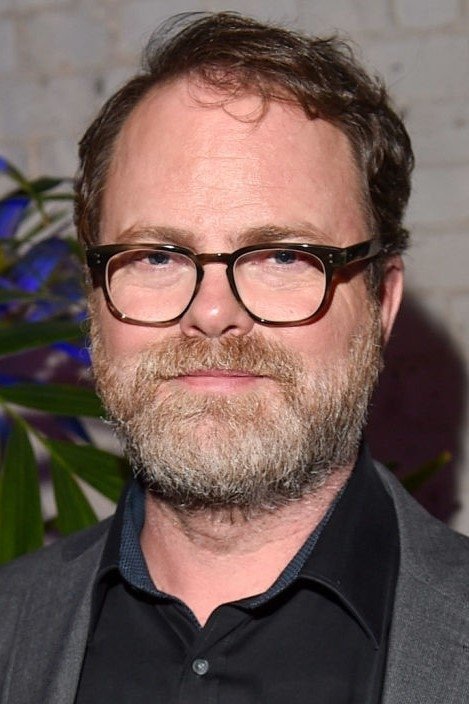
Rainn Wilson has discussed the “creative vacuum” that artificial intelligence could create in the entertainment industry. He believes that the struggle against AI is part of a larger fight to maintain the value of human expression. The ‘The Office’ actor has voiced concerns that the technology will lead to a flood of derivative content that lacks a soul. He has supported the union’s stance on ensuring that digital tools are never used to replace the work of a living artist. Wilson remains an advocate for the messy, wonderful, and entirely human process of making art.
George Clooney
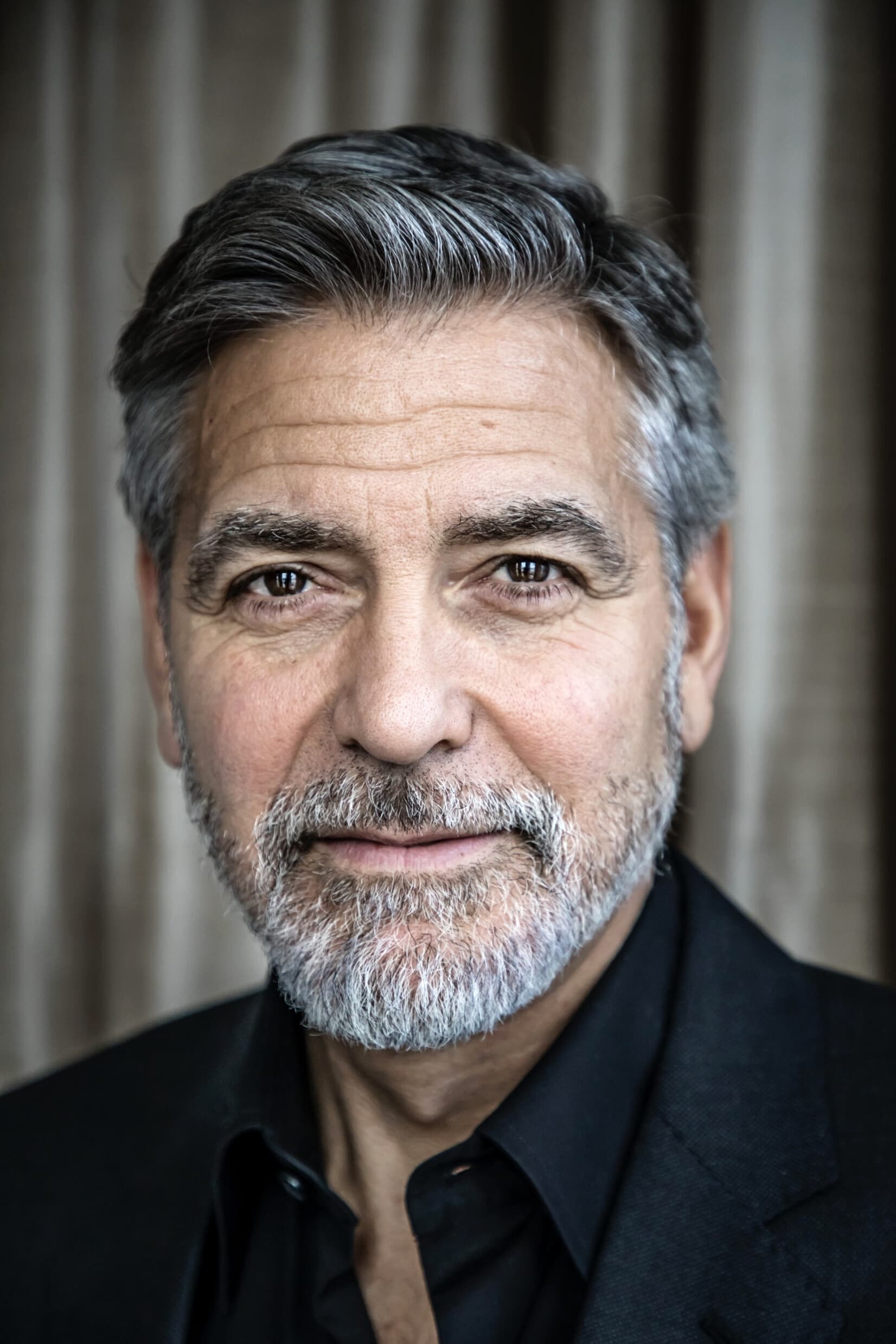
George Clooney publicly backed the SAG-AFTRA stance on artificial intelligence during the intense 2023 negotiations. He was part of a group of A-list actors who offered to help fund the union to ensure that smaller performers could hold out for better AI protections. Clooney believes that the industry is at a crossroads where the rights of workers must be protected against technological overreach. He has stated that the human element of filmmaking is its most valuable asset and must be preserved at all costs. His leadership helped solidify the industry’s resistance to unregulated AI use.
Share your thoughts on the impact of artificial intelligence on the future of the film industry in the comments.