Celebrities Who Don’t Support Method Acting

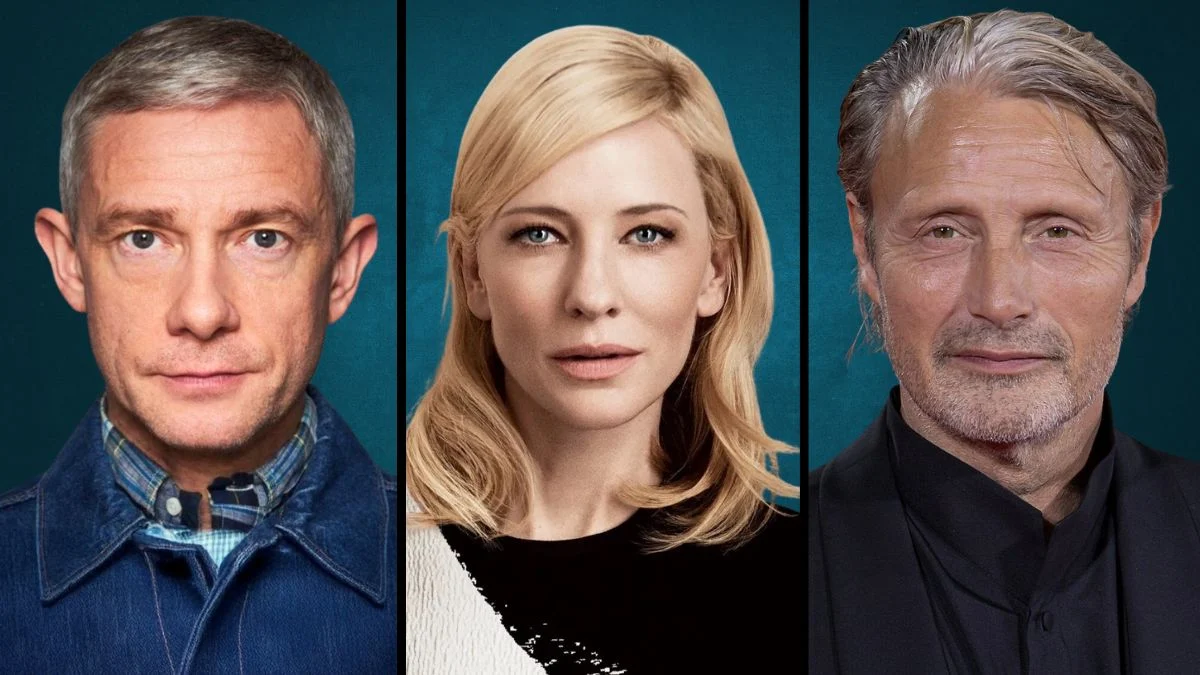

Method acting has become a controversial topic in Hollywood as performers debate the necessity of staying in character off-camera. While some stars go to extreme lengths to embody a role, others believe acting should be a skill that can be turned on and off. Many acclaimed actors argue that deep immersion can create a toxic workplace or negatively impact mental health. The following industry professionals have expressed criticism or skepticism regarding the practice.
Mads Mikkelsen
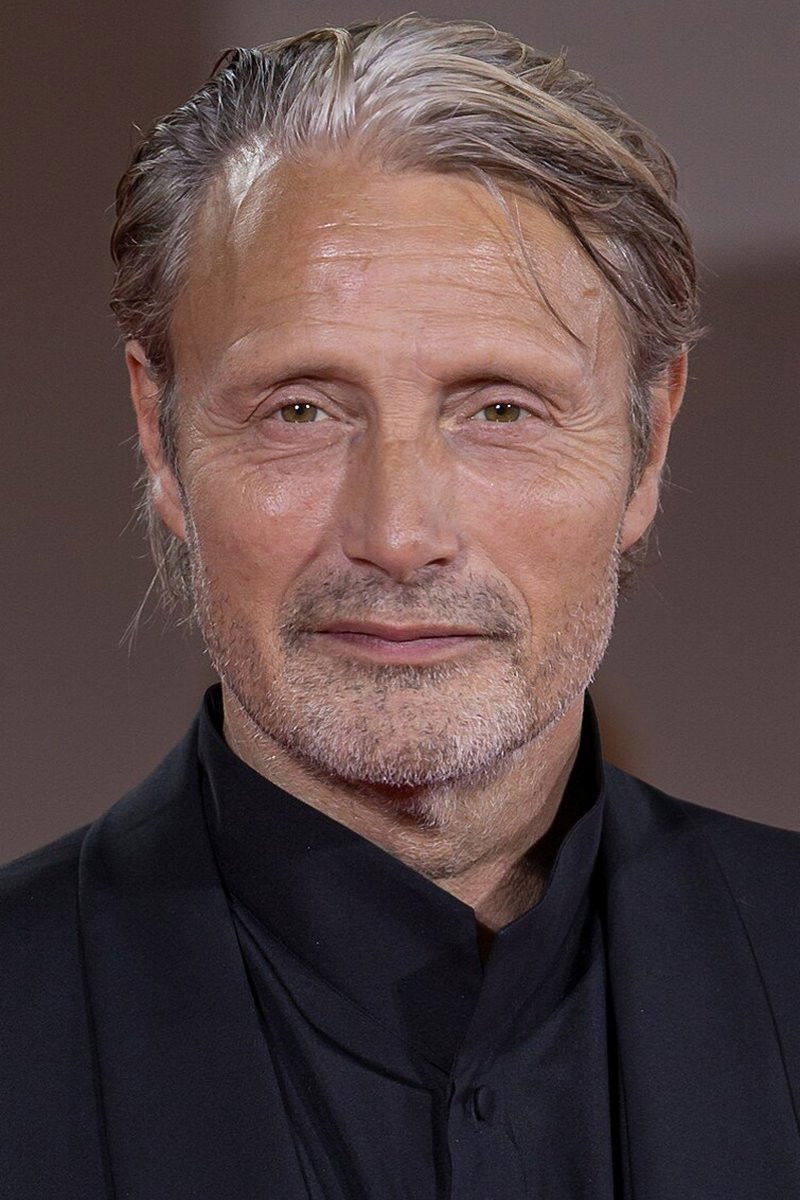
The Danish actor has been very vocal about his disdain for method acting and often refers to it as pretentious. He believes that preparation and skill are what define a performance rather than living as the character constantly. Mikkelsen once stated that he would not know what to do if a co-star refused to drop their persona during a break. He prefers to switch his focus in and out of the scene to maintain a healthy separation from the work.
Brian Cox
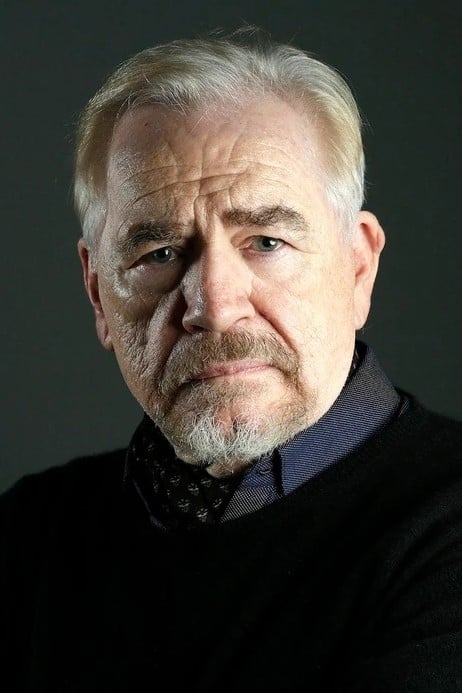
Brian Cox is known for his classically trained background and has little patience for intense method techniques. He famously worried about his co-star Jeremy Strong during the filming of ‘Succession’ because of the toll the method took on him. Cox views acting as a transmission of energy that does not require personal suffering. He believes that staying in character at all times is simply annoying to those working around the actor.
Samuel L. Jackson
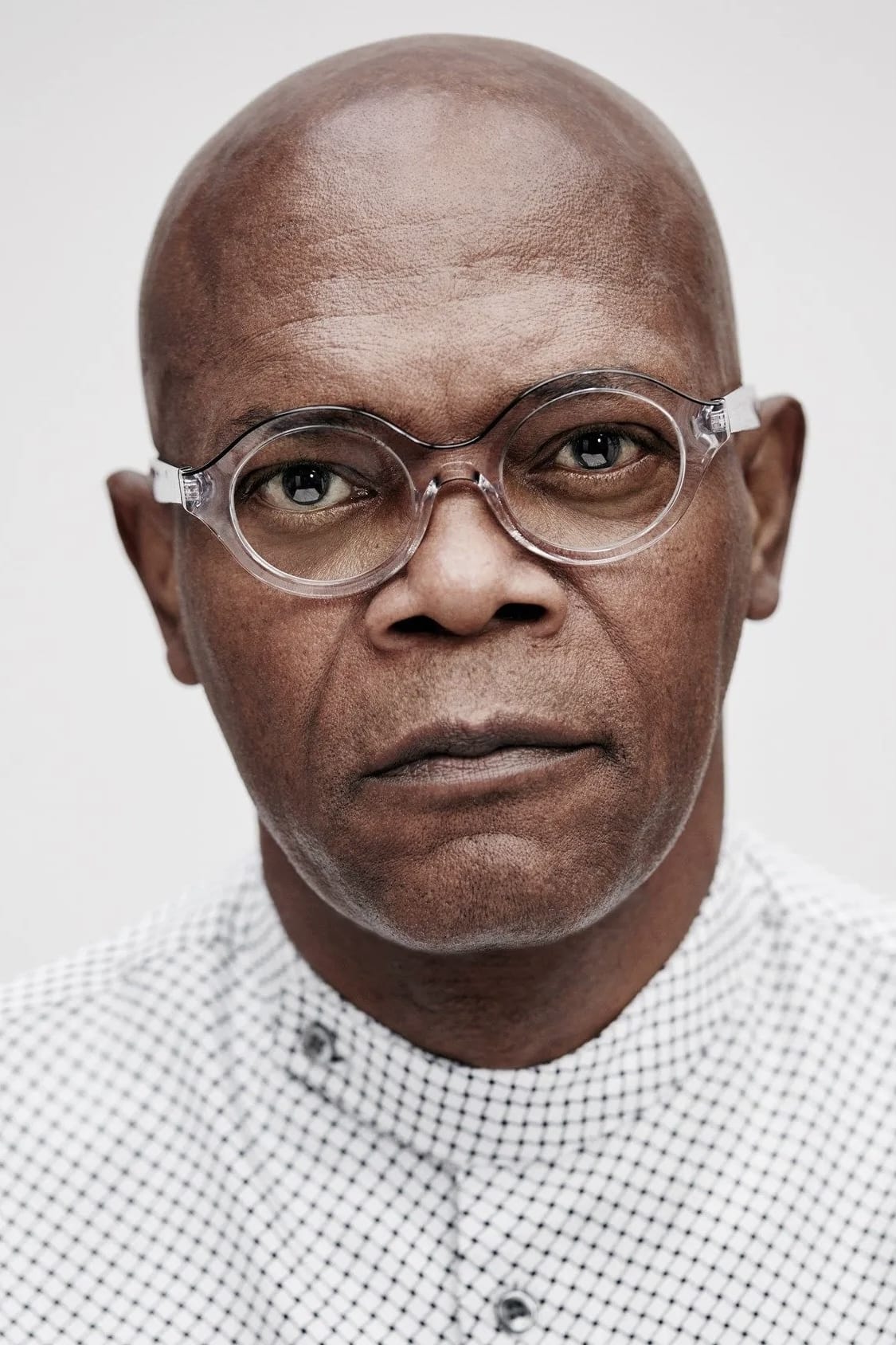
This prolific actor views his profession as a job that requires professional distance rather than total immersion. He has mentioned that he enjoys having fun on set and does not want to work with people who isolate themselves. Jackson argues that acting is about imaginary circumstances and does not require real emotional trauma. He prefers to turn the character on when the camera rolls and drop it immediately after the cut.
Jennifer Lawrence
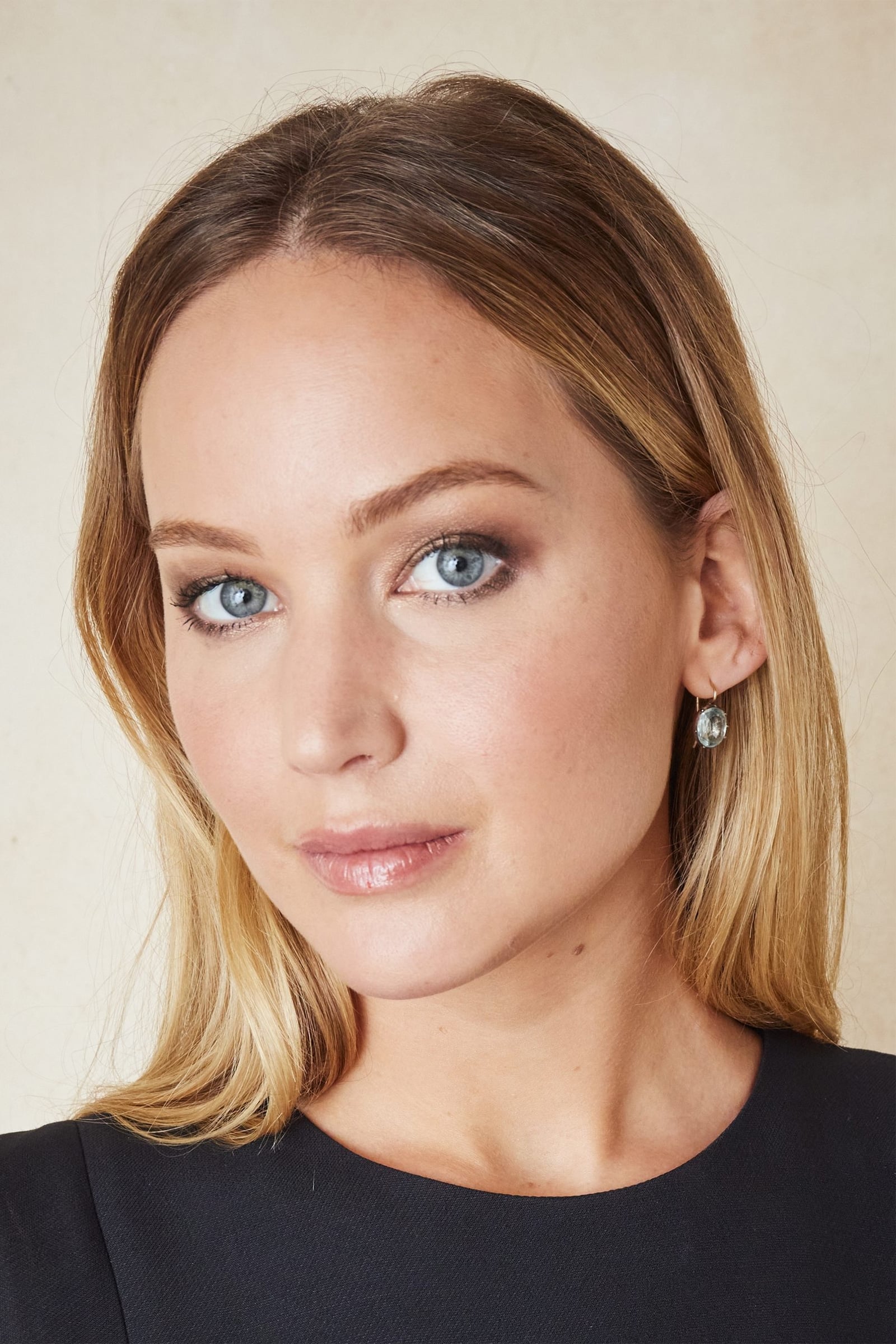
Jennifer Lawrence relies on her instincts rather than deep immersion techniques when she approaches a role. She has expressed confusion and discomfort regarding actors who refuse to break character between takes. Lawrence noted that she would be nervous to talk to a method actor because she would not know if she was speaking to the person or the role. Her approach focuses on memorizing lines and understanding the emotional beat of the scene right before action is called.
Robert Pattinson
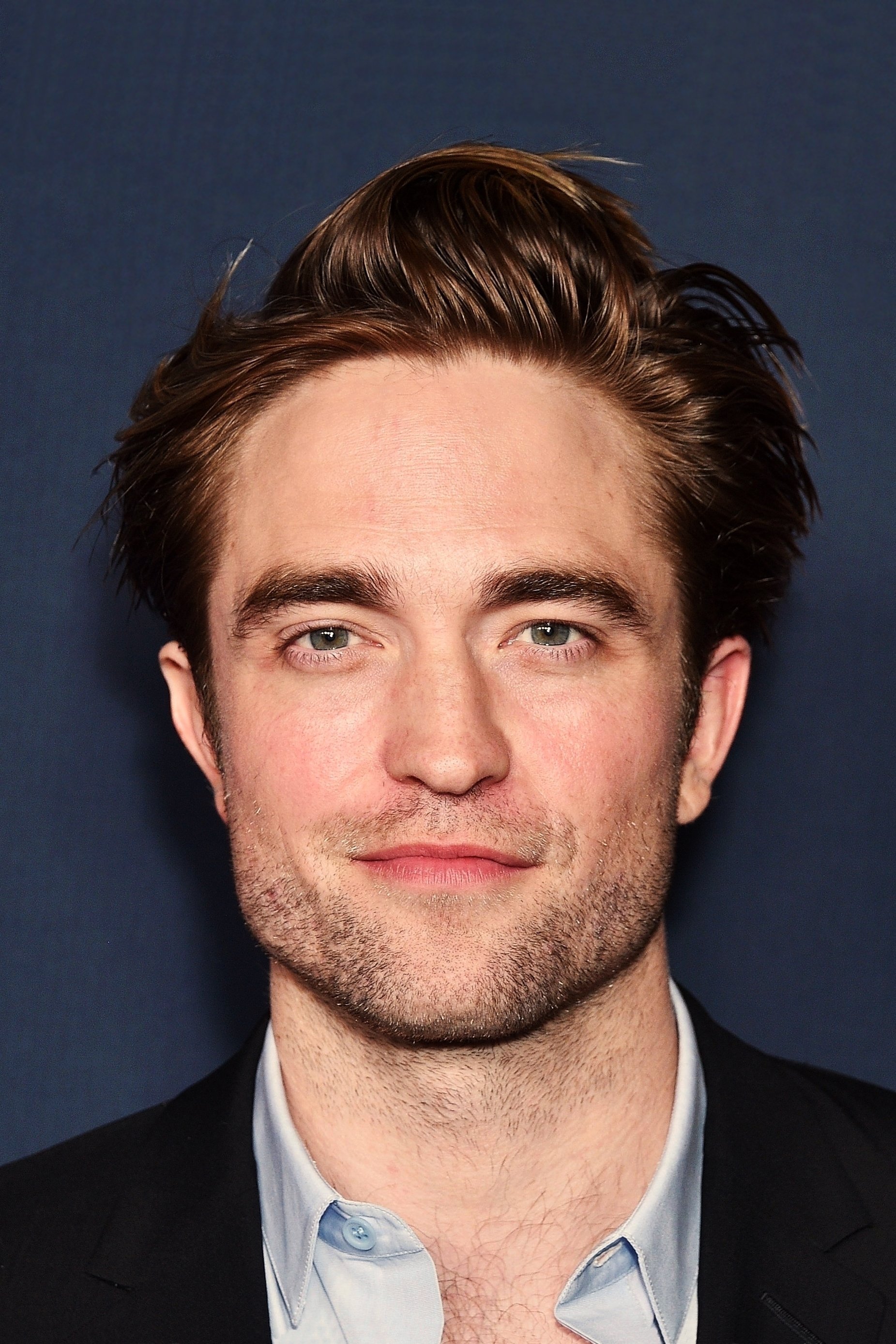
Robert Pattinson has jokingly observed that actors only seem to use method techniques when they are playing unlikeable characters. He questioned why he never sees people staying in character when they are playing a kind or lovely person. The actor believes that the process often becomes more about the actor’s ego than the actual performance. He prefers to enter a role through physical changes and costuming rather than psychological endurance.
Martin Freeman
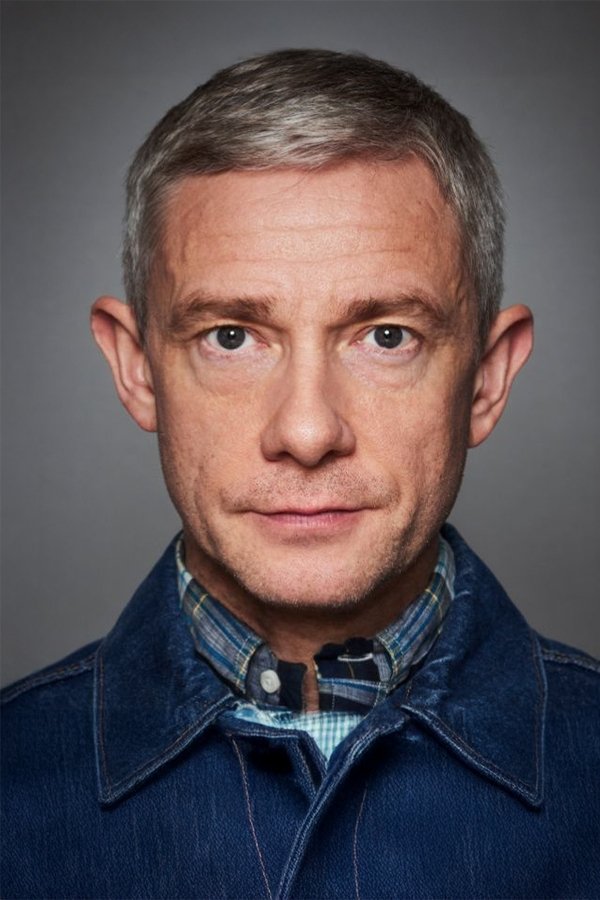
Martin Freeman has criticized extreme method acting by calling it amateurish and self-aggrandizing. He believes that the job of an actor is to pretend effectively without complicating the production for everyone else. Freeman stated that losing oneself entirely in a role is not a sign of craft but rather a loss of control. He emphasizes that acting should be a disciplined art form that respects the boundaries of reality.
Sebastian Stan
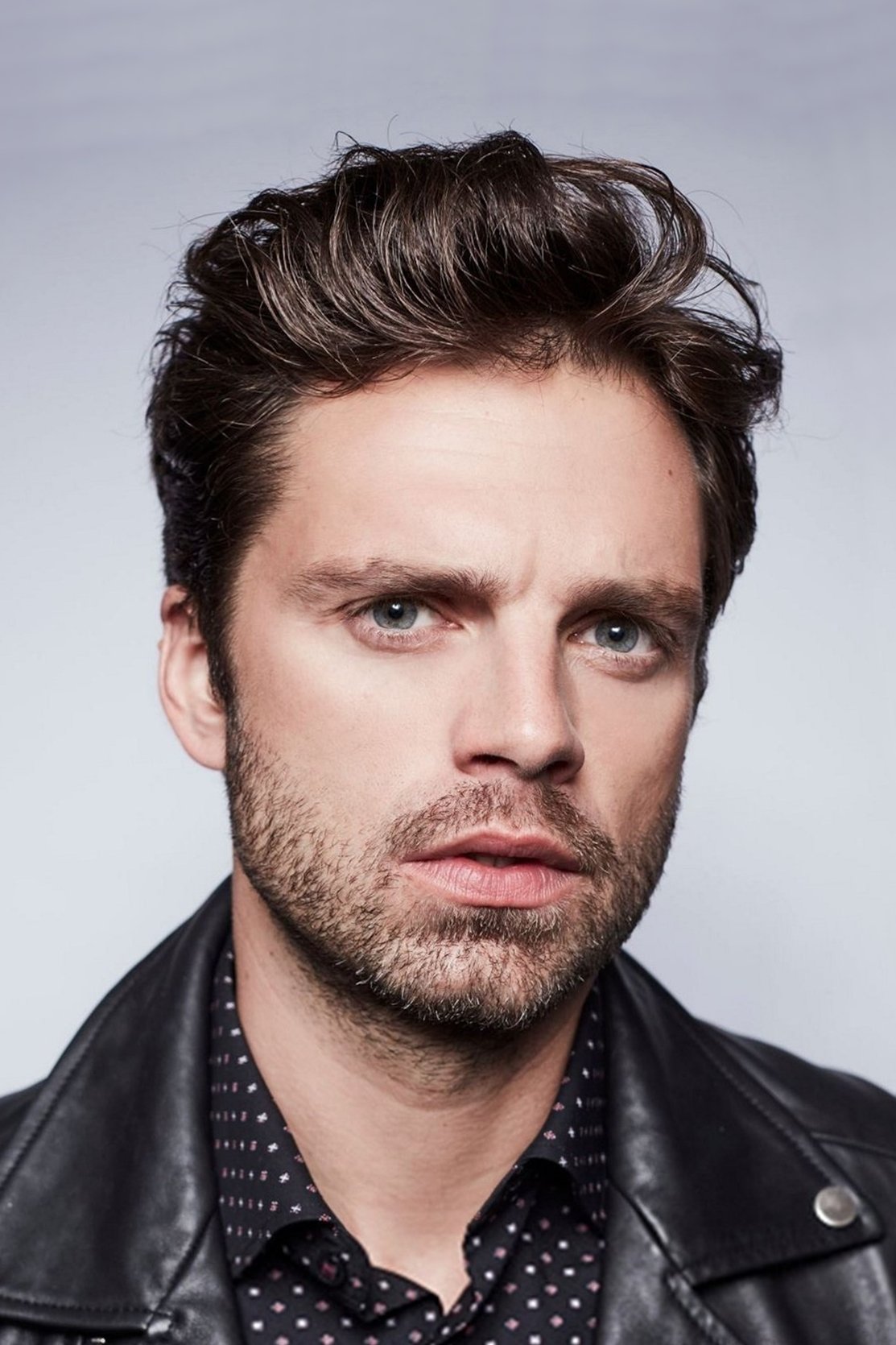
Sebastian Stan has suggested that the method approach can sometimes border on narcissistic behavior. He believes that creating chaos or tension on a set does not necessarily translate to a better performance. The actor prefers to be prepared and professional without imposing his process on the cast and crew. Stan finds it more impressive when an actor can deliver a great performance while remaining a functional human being.
Will Poulter
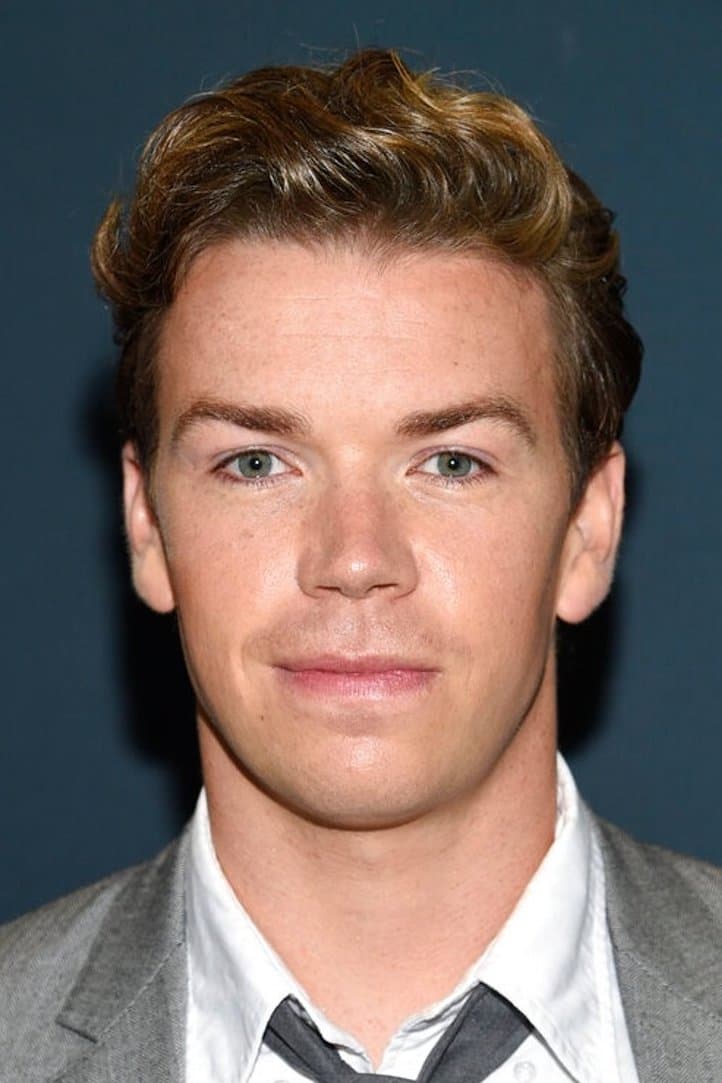
Will Poulter has raised concerns about the impact of method acting on the mental health of performers. He argues that no role is worth compromising one’s psychological well-being or safety. Poulter believes that actors must separate themselves from emotionally draining subjects once the workday ends. He advocates for a more sustainable approach to acting that prioritizes health over total immersion.
David Harbour
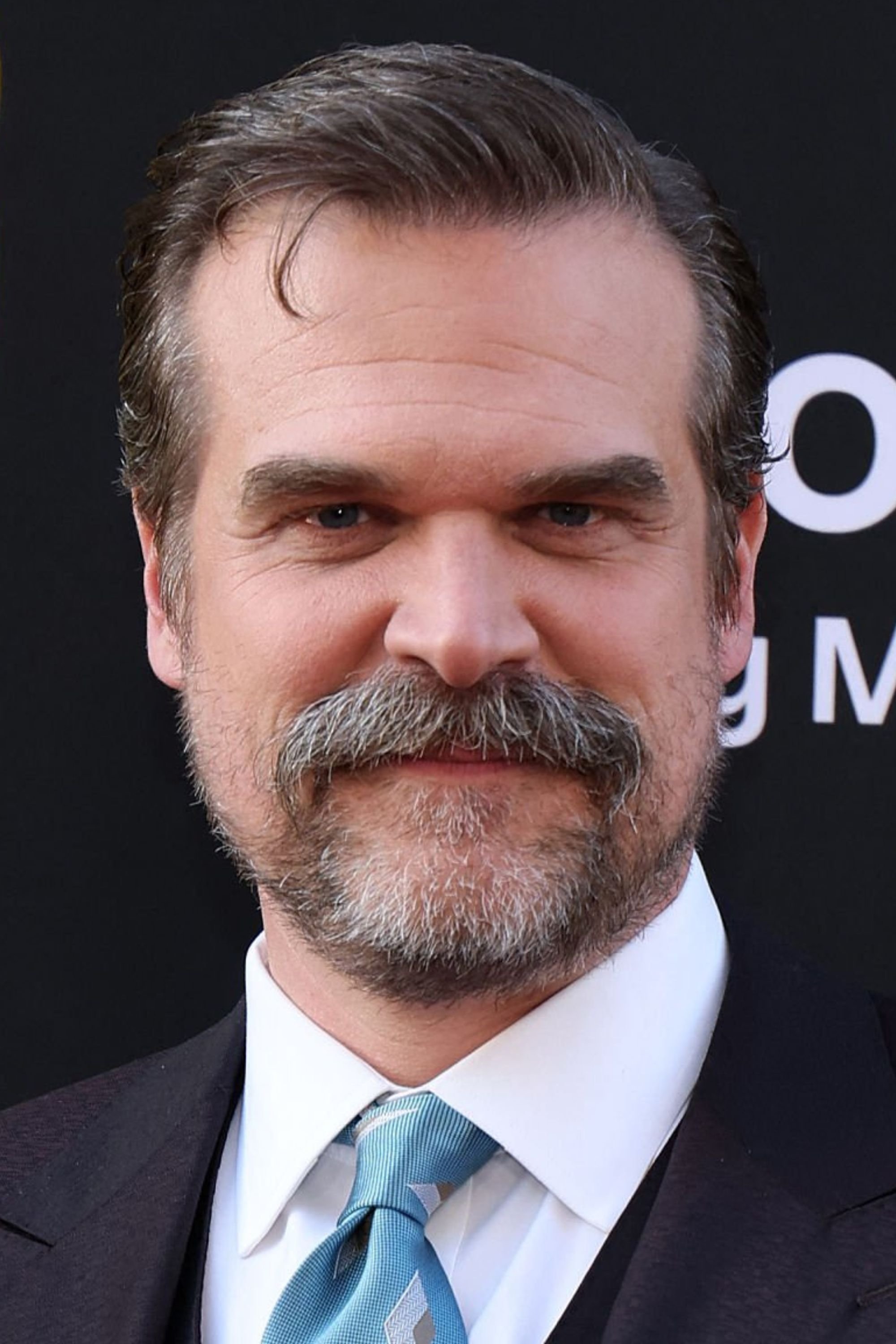
David Harbour admits that he tried method acting in his youth but now finds the practice silly and unnecessary. He recalled a time when he wanted to kill a cat to understand a character but realized that was distinct from the art of acting. Harbour believes that great acting relies on imagination and technique rather than dangerous real-world mimicry. He now views the job as a technical craft that should not bleed into real life.
Jon Bernthal
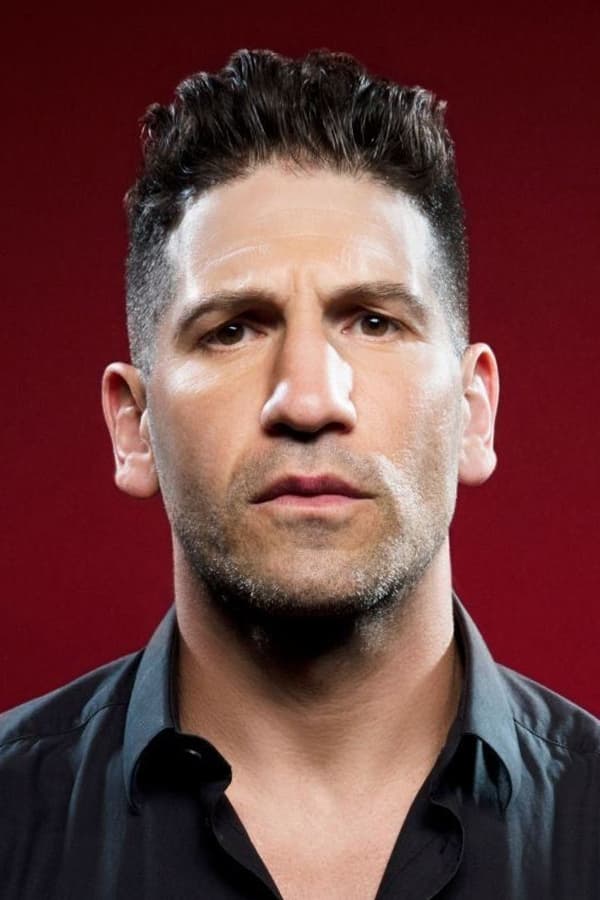
Jon Bernthal has expressed skepticism about actors who use the method as an excuse for poor behavior on set. He values the work but believes that being a professional means treating the crew and cast with respect. Bernthal argues that you do not need to be difficult to be good at your job. He prefers to maintain a focused intensity without alienating the people around him.
Anthony Hopkins
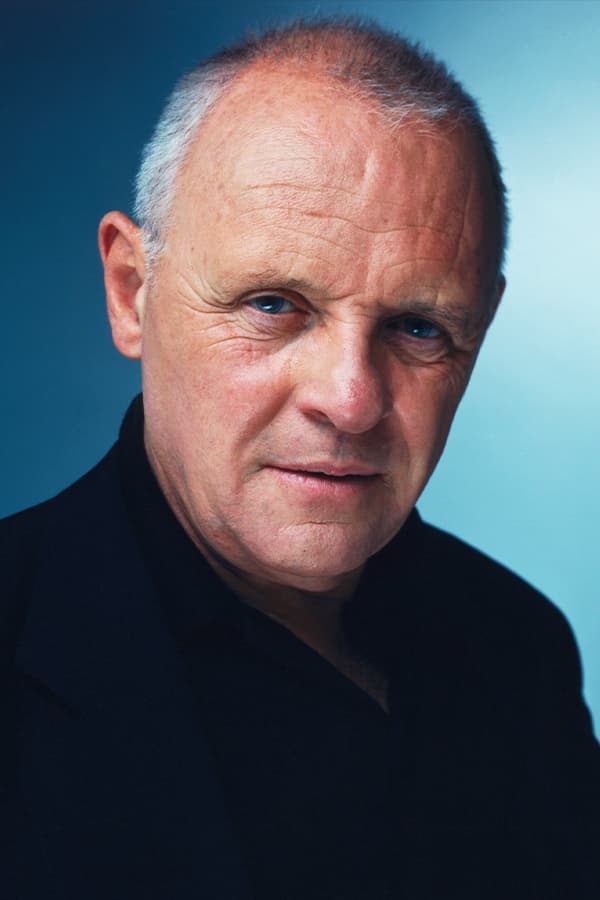
Anthony Hopkins is a legendary actor who treats his profession with a practical and no-nonsense attitude. He often compares acting to any other trade where you simply show up and do the work required. Hopkins prepares by reading the script hundreds of times until the lines become second nature. He sees no value in staying in character and prefers to chat or drink coffee between takes.
Charlize Theron
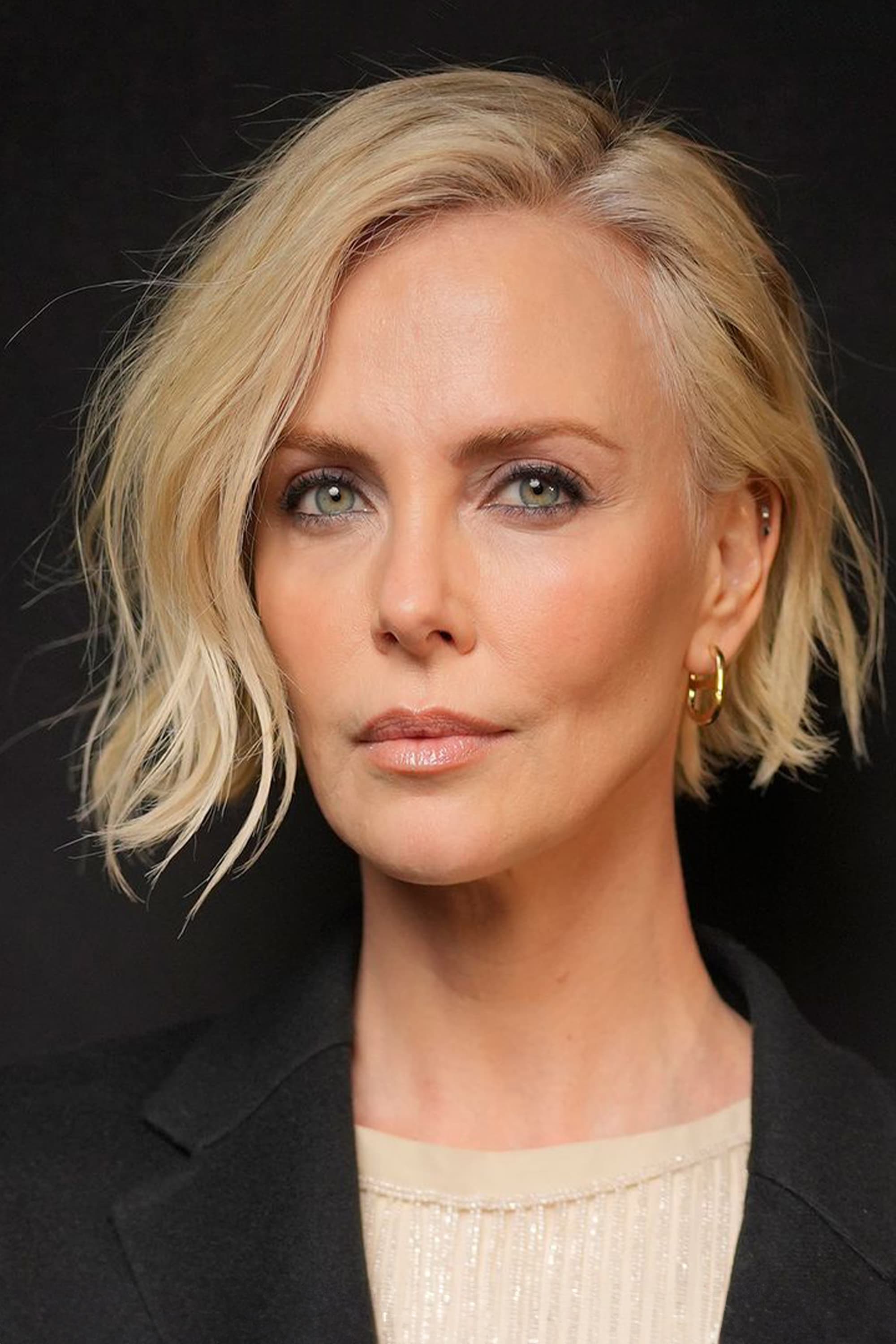
Charlize Theron used to engage in more intense preparation but found it too exhausting to sustain over a long career. She now believes in conserving her energy so she can utilize it fully when the camera is rolling. Theron has stated that she does not need to remain in a dark headspace to deliver a dramatic performance. Her process is about focus and clarity rather than enduring months of simulated trauma.
Meryl Streep
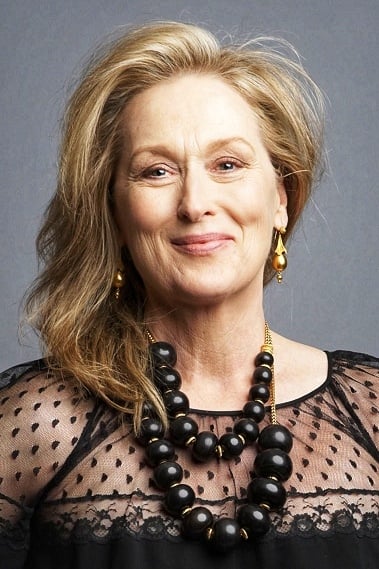
Meryl Streep famously utilized method acting for her role in ‘The Devil Wears Prada’ and hated the experience. She felt isolated and miserable because she could not interact normally with her castmates during breaks. Streep decided after that production that she would not use the technique again. She now relies on her immense technical skill and emotional range without sacrificing her happiness on set.
Paul Mescal
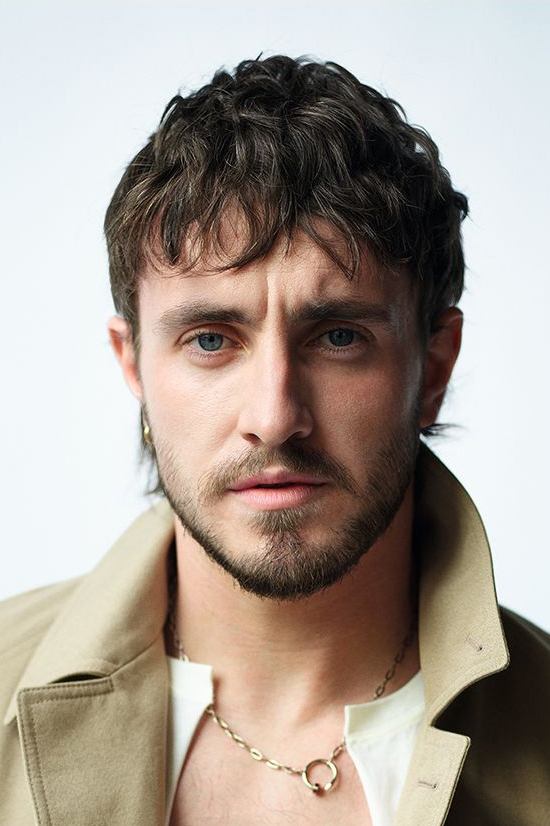
Paul Mescal has described the concept of method acting as something that does not appeal to him personally. He finds the idea of staying in character constantly to be boring and potentially hindering to the work. Mescal prefers to trust the script and his scene partners rather than building a wall around himself. He believes acting should be fluid and open rather than rigid and internal.
Toni Collette
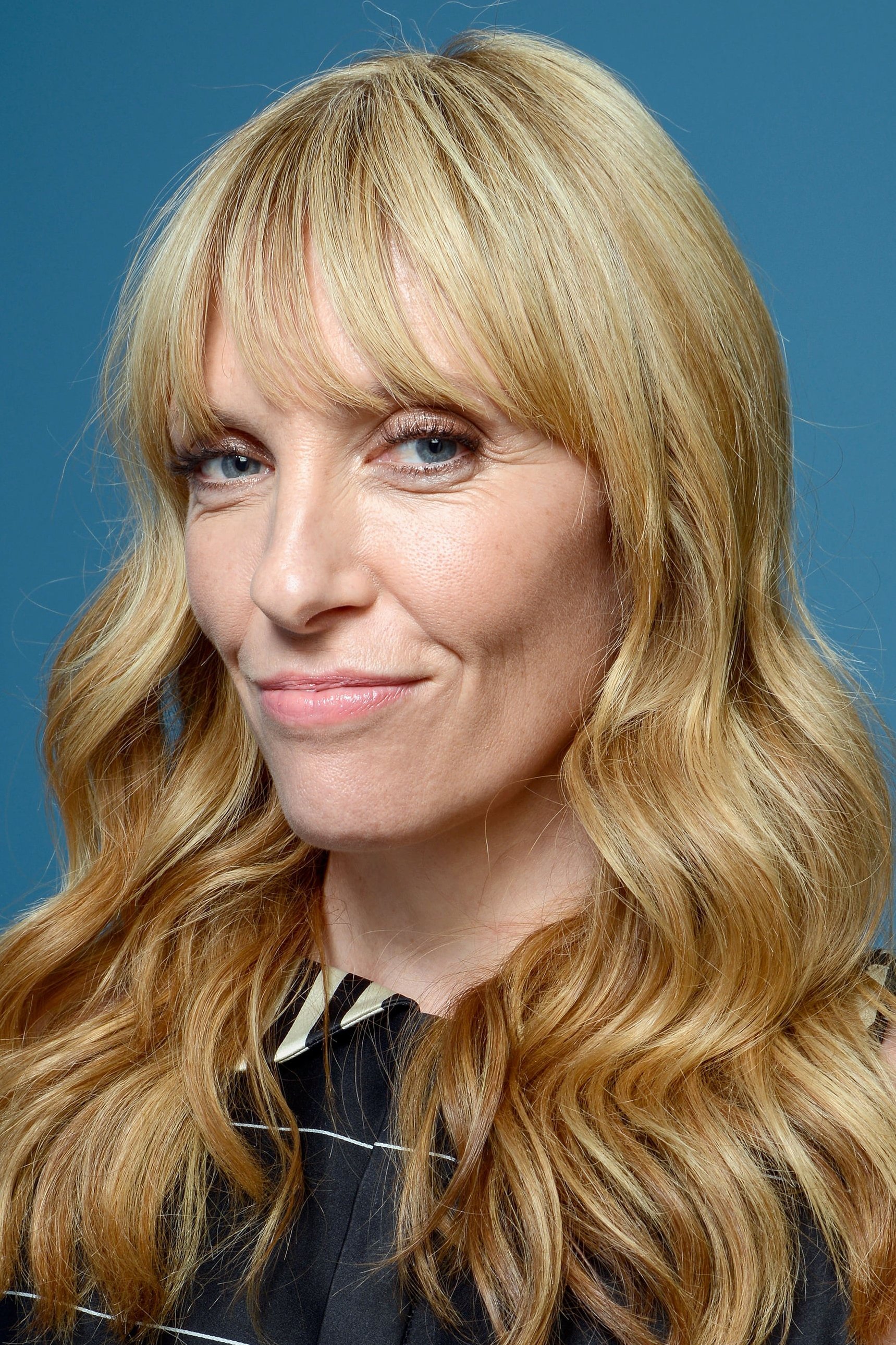
Toni Collette works entirely on instinct and does not find it helpful to overanalyze her characters or stay in them. She believes that if she were to take home the heavy emotions of her roles she would not be able to function. Collette views acting as a form of play that requires a strong imagination rather than lived misery. She trusts that she can access the necessary emotions instantly without carrying them all day.
Liam Neeson
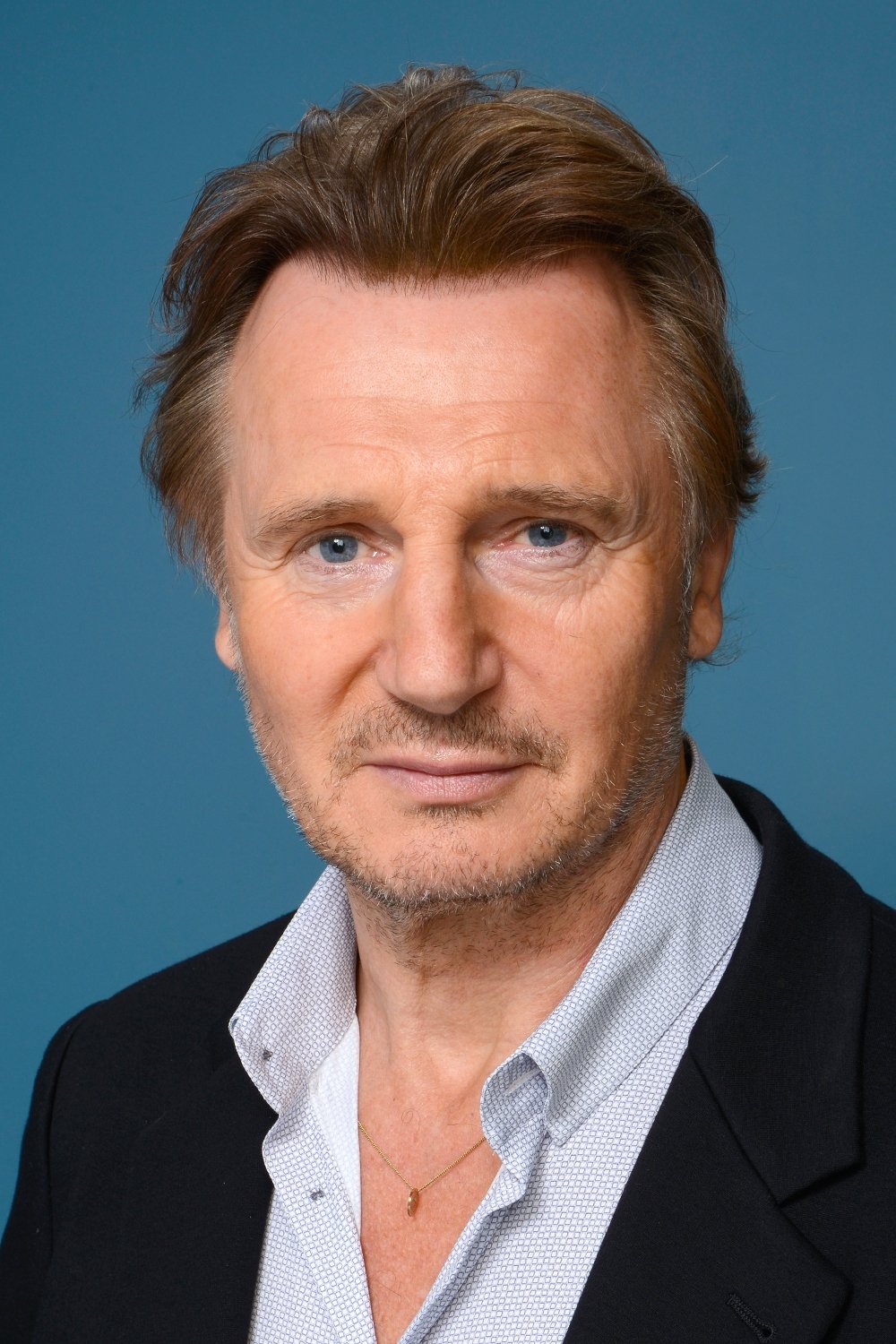
Liam Neeson adheres to the belief that acting is simply pretending and does not require complex psychological games. He has mentioned that he treats acting like a craft where you build a performance and then step away. Neeson finds the idea of remaining in character to be disrespectful to the reality of the production crew. He prefers to keep things light on set to balance the drama of the work.
Hugh Grant
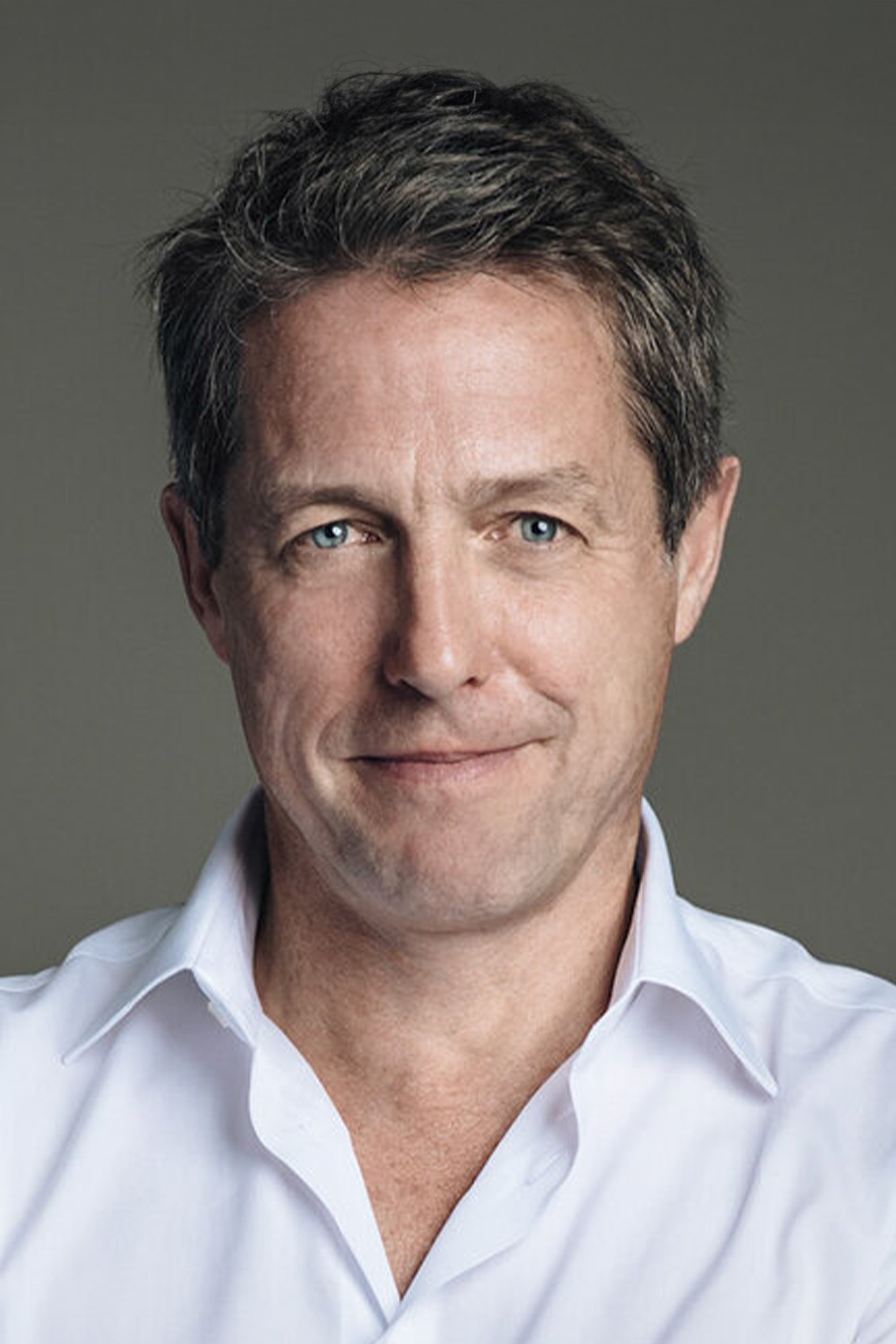
Hugh Grant is known for his technical approach to filmmaking and often dismisses the mysticism surrounding acting. He views the job as hitting marks and finding the right light while delivering lines naturally. Grant finds the intense seriousness of method actors to be unnecessary for the final product. He believes that charm and timing are technical skills that do not require deep emotional immersion.
John Malkovich
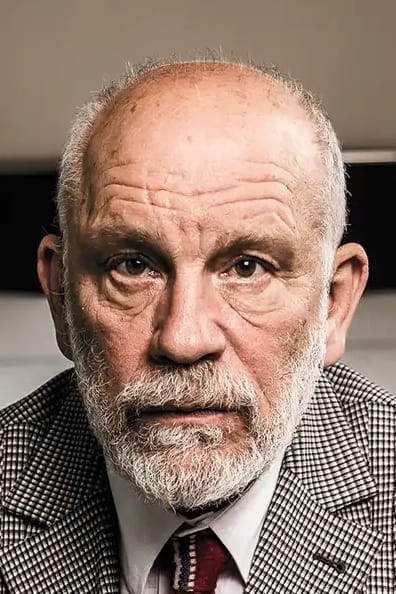
John Malkovich views the character as a separate entity from himself and sees no need to merge the two. He believes that acting is about observing others and reproducing behavior rather than becoming someone else. Malkovich has stated that he does not want to live as his characters because he enjoys his own life. He focuses on the musicality of the dialogue and the rhythm of the scene.
Cate Blanchett

Cate Blanchett questions the necessity of suffering for art and believes acting is an act of empathy. She argues that you do not need to experience a tragedy to portray it convincingly on screen. Blanchett relies on research and imagination to build her roles without losing her own identity. She considers the method to be a somewhat limited way of viewing the expansive nature of performance.
Florence Pugh

Florence Pugh finds it essential to snap out of character between takes to maintain her sanity. She has noted that she performs better when she can joke around and release tension before the director calls action. Pugh believes that carrying the weight of a heavy role all day is unsustainable. She prefers to keep the atmosphere on set lighthearted to contrast with dark material.
Mark Strong
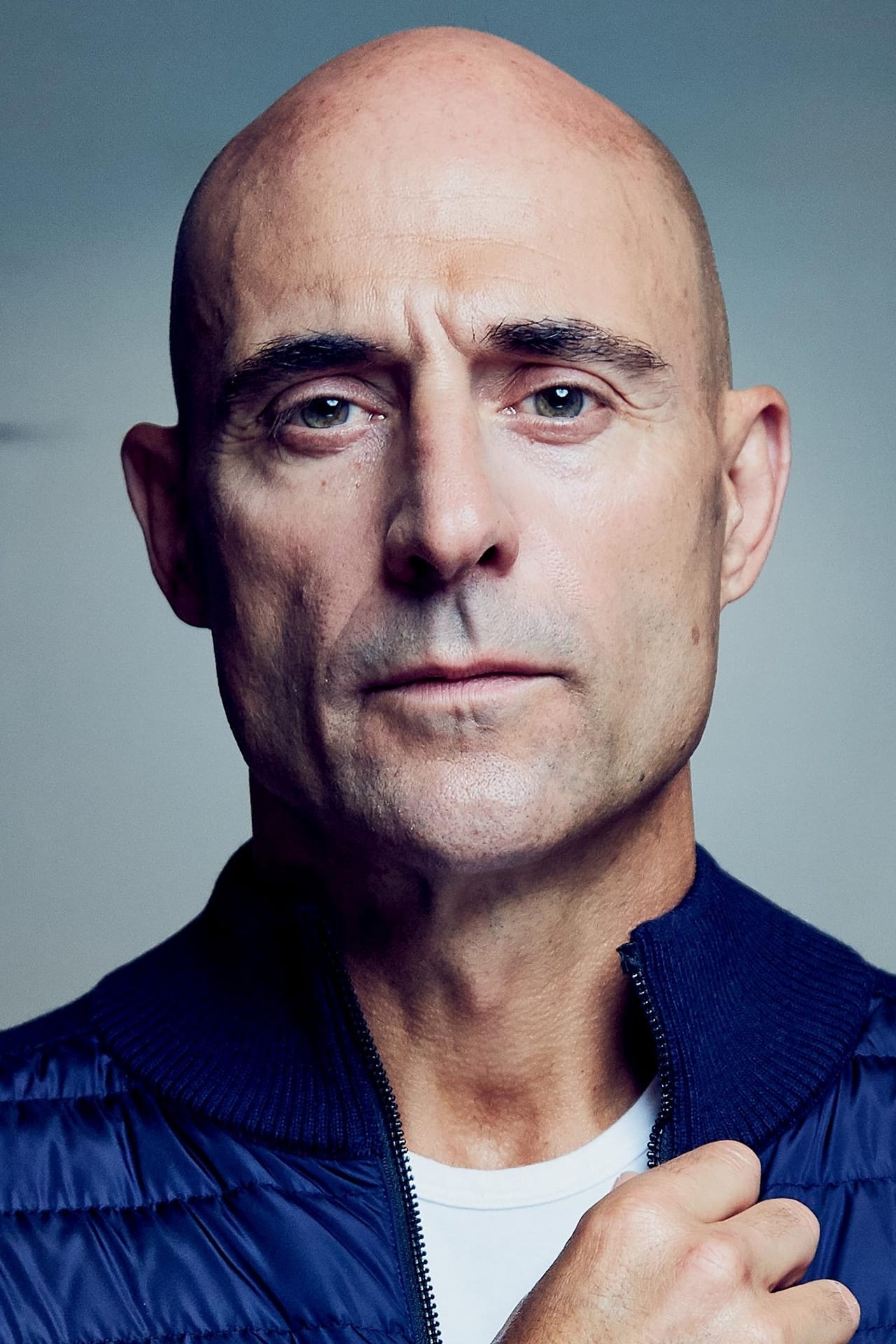
Mark Strong has described method acting as a selfish choice that often hinders the collaborative process of filmmaking. He believes that an actor who refuses to break character makes it difficult for others to communicate with them. Strong prefers to rely on his craft and training to switch emotions on and off. He views the ability to detach from the role as a sign of professional maturity.
Jake Gyllenhaal

Jake Gyllenhaal once practiced intense preparation for his role in ‘Nightcrawler’ but later expressed regret over the physical toll it took. He realized that starving himself and isolating his mind did not necessarily yield a better result than technique. Gyllenhaal now believes that acting should be an act of imagination rather than physical endurance. He prioritizes a healthy lifestyle and a balanced approach to his career.
Laurence Olivier
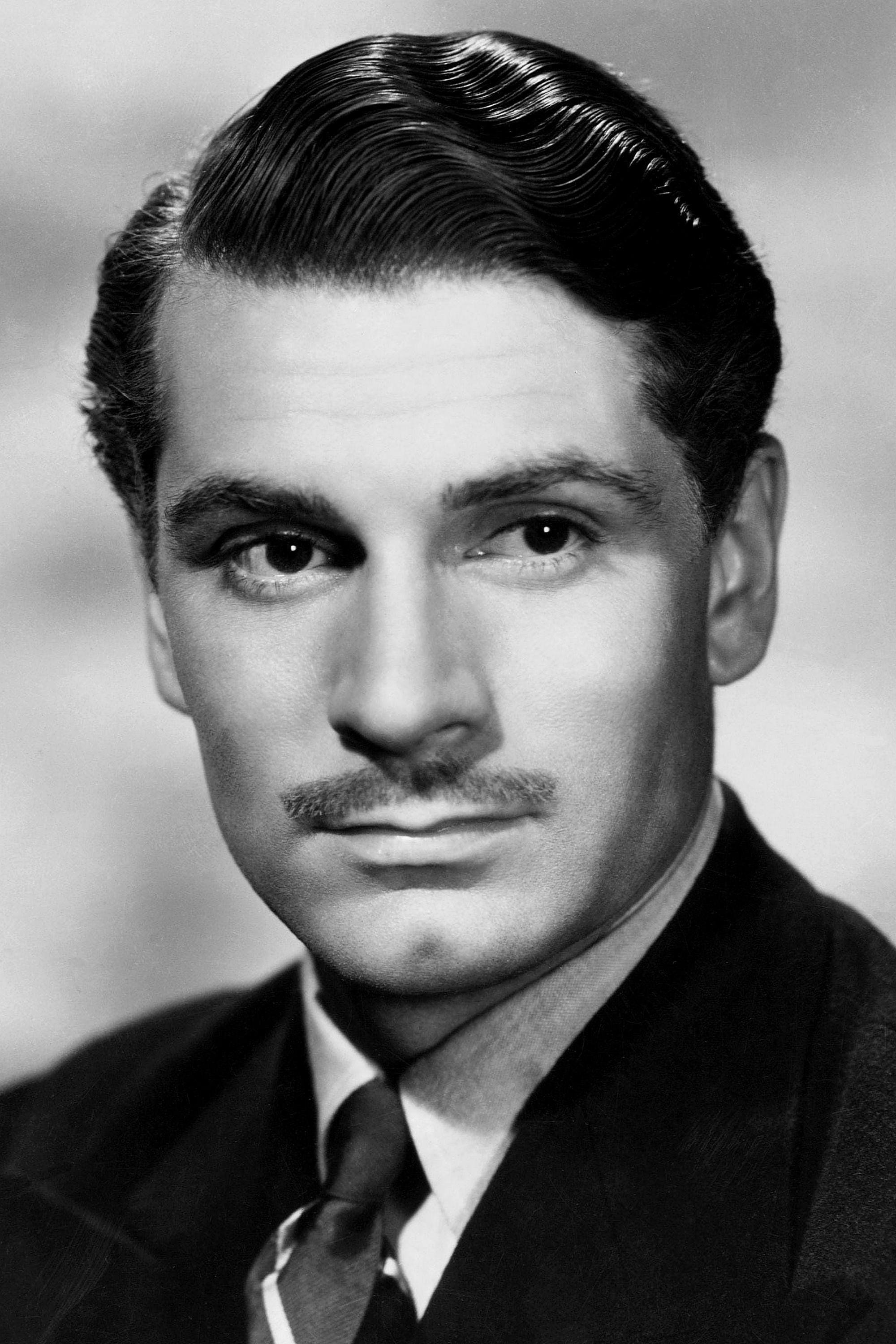
The late Laurence Olivier famously critiqued method acting during his time working with Dustin Hoffman. He urged his co-star to simply try acting instead of putting himself through extreme physical duress. Olivier believed that the craft was about illusion and technique rather than reality. His perspective remains a cornerstone of the classical British approach to performance.
Spencer Tracy
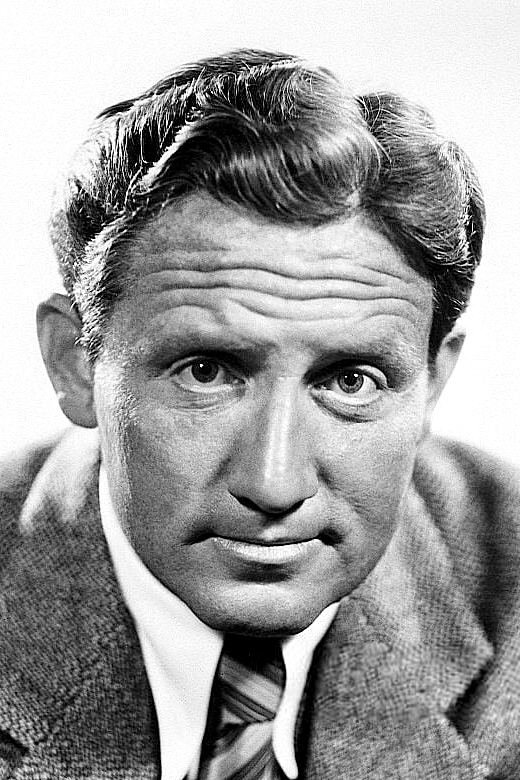
Spencer Tracy was a staunch pragmatist who believed acting was a simple job that required honesty. His famous advice to young actors was to know their lines and not bump into the furniture. Tracy found the intellectualization of acting to be a waste of time and energy. He relied on his natural charisma and ability to listen rather than elaborate preparation.
Willem Dafoe
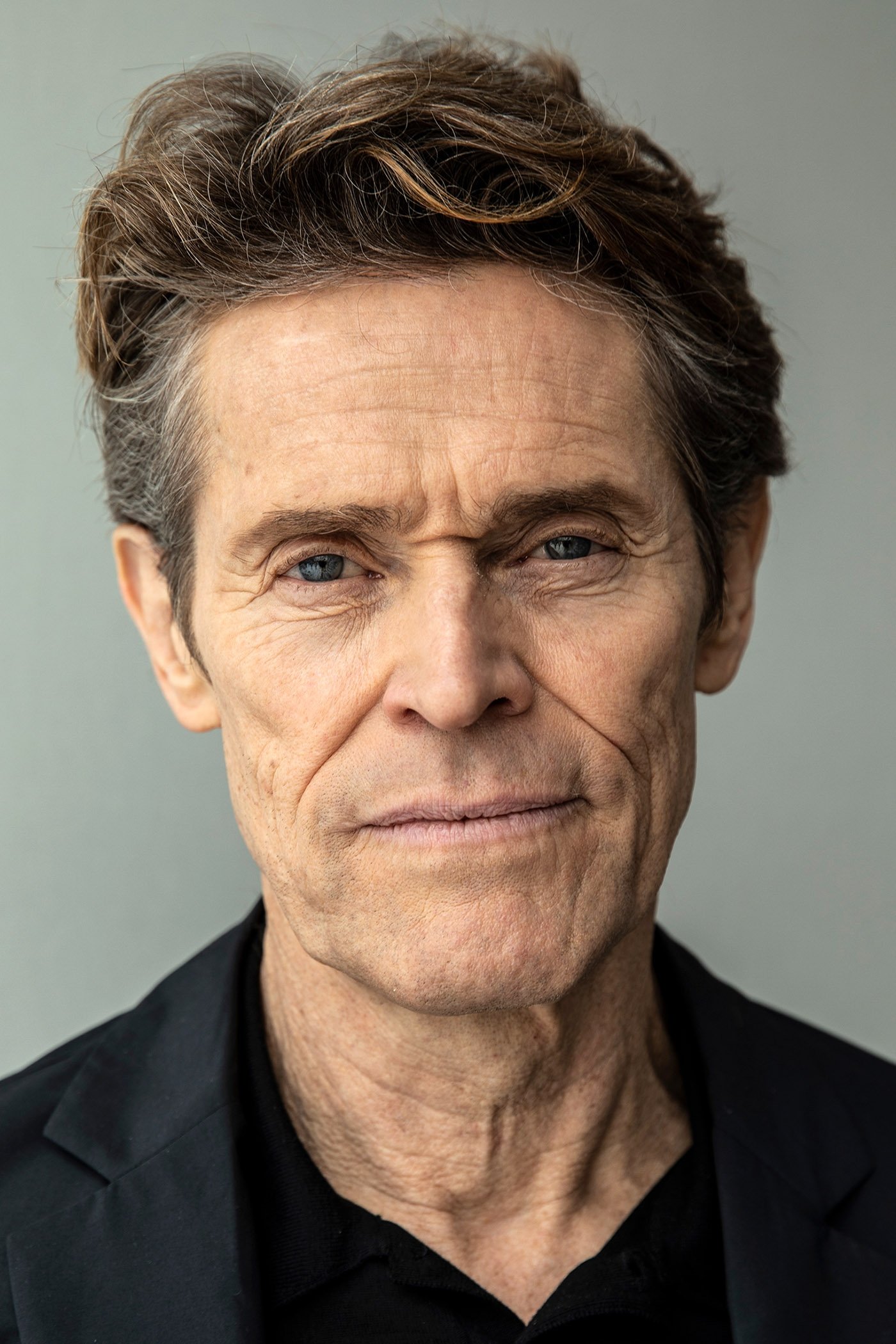
Willem Dafoe is a disciplined actor but has criticized the way the term method acting is used as a marketing tool. He believes that every actor has a method but the public performance of intensity is often for show. Dafoe prefers to let the physical action of the scene dictate his emotions. He views the work as a series of concrete tasks rather than an abstract psychological state.
Harrison Ford
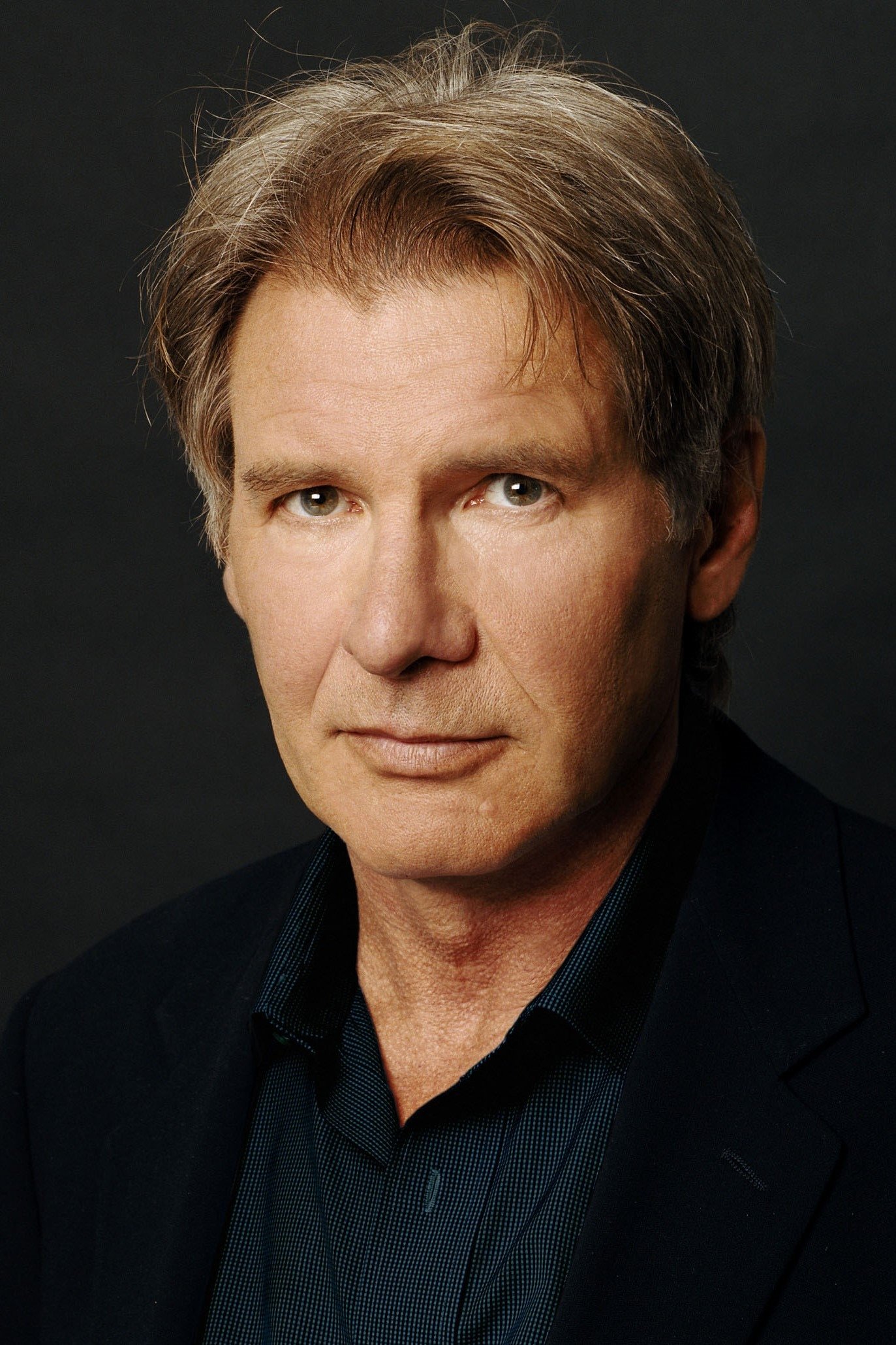
Harrison Ford treats acting with a workmanlike attitude and has little interest in discussing the theory behind it. He views his job as a service to the story and the audience rather than a personal journey. Ford focuses on the technical aspects of the shoot and hitting his marks accurately. He has often dismissed questions about his process with dry humor and brevity.
Michael Douglas
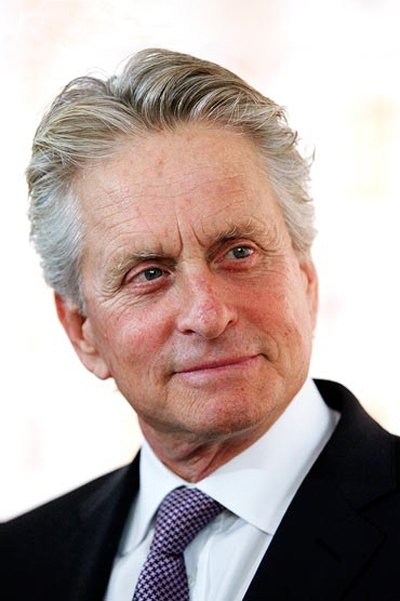
Michael Douglas views acting as the art of lying effectively and does not believe in becoming the character. He argues that the audience wants to be deceived by a skilled performer rather than watch a documentary. Douglas relies on the script and the direction to guide his performance. He believes that maintaining a professional distance allows for greater control over the final product.
Helen Mirren
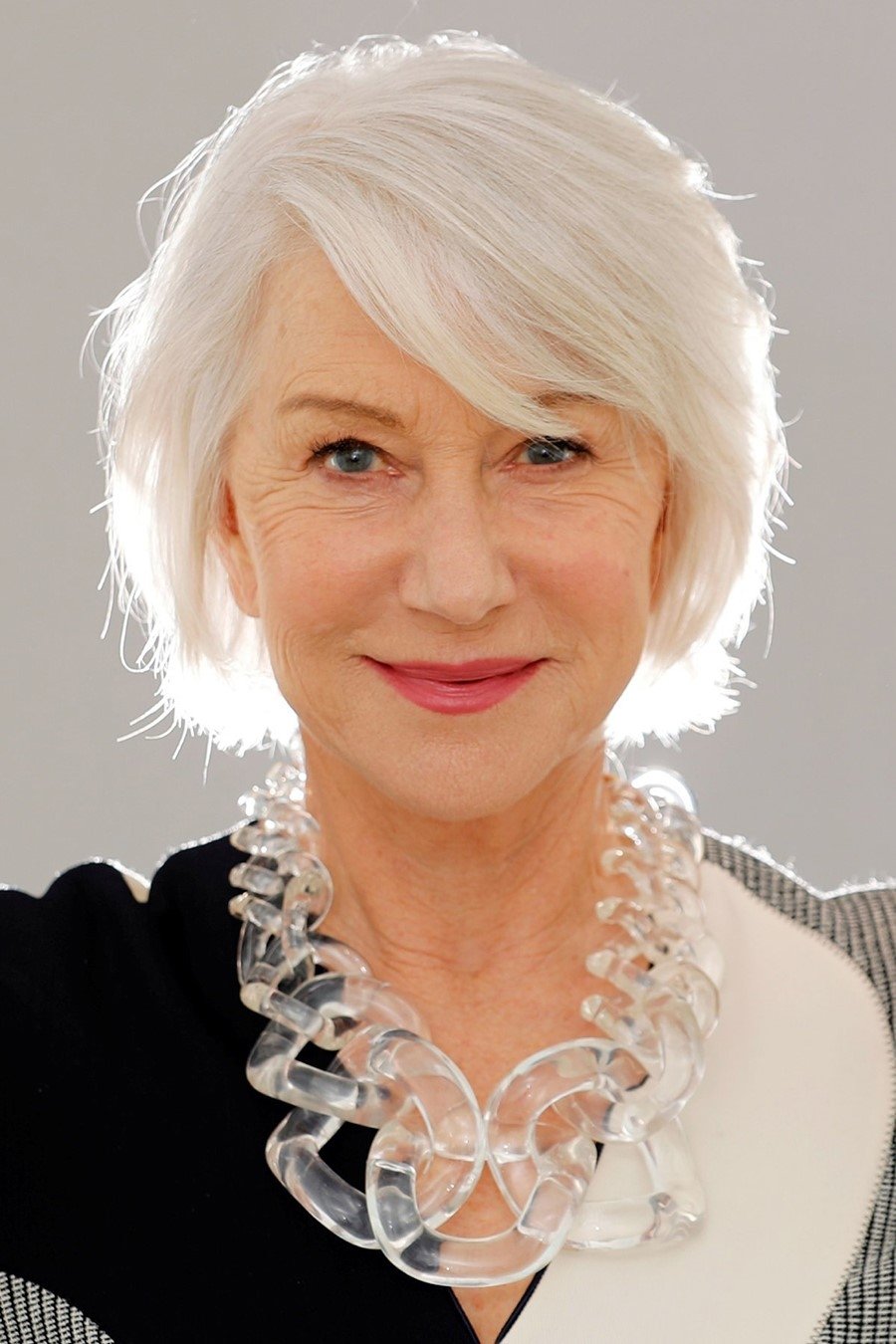
Helen Mirren approaches acting with a technical mindset and focuses on the external elements of a character. She uses costume and posture to find the role rather than digging into her own personal trauma. Mirren believes that the imagination is a powerful enough tool to create any reality. She prefers to leave the character at the studio gates when she goes home.
Ian McKellen
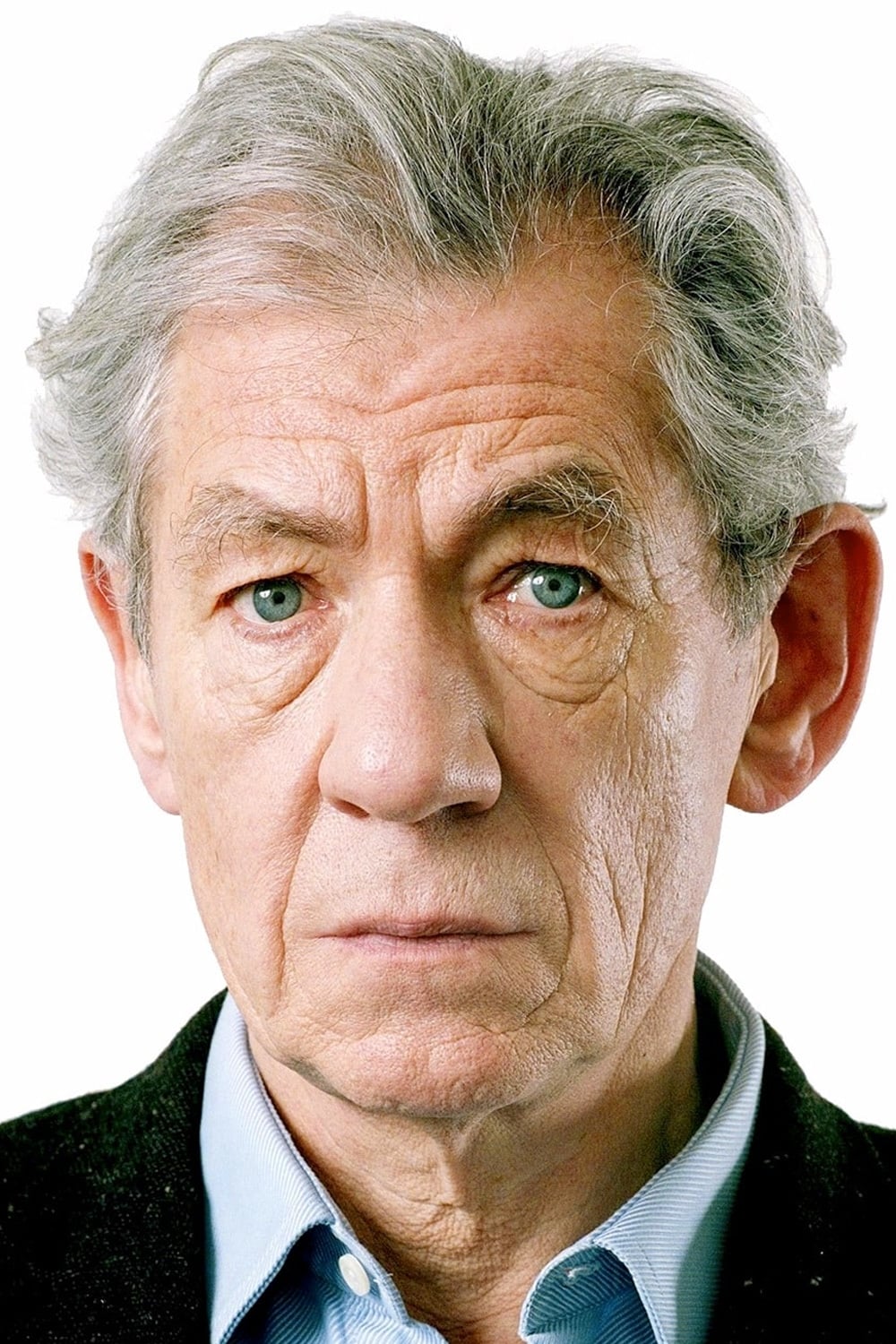
Ian McKellen has humorously simplified acting as the ability to pretend to be someone else. He relies on his extensive stage training to project voice and emotion without internalizing the struggle. McKellen does not believe in the utility of staying in character when the camera is not rolling. He views the theater as a place of shared make-believe rather than isolated truth.
Patrick Stewart
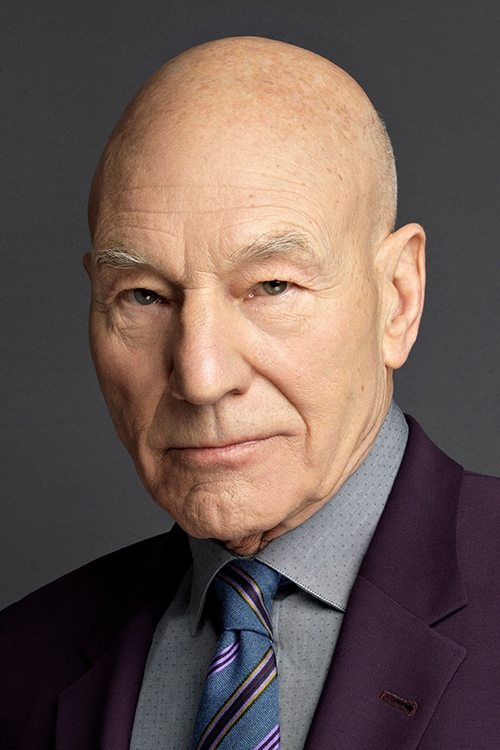
Patrick Stewart comes from a classical background where technique and vocal control are paramount. He believes that the actor must remain in control of the vehicle at all times. Stewart finds the idea of losing oneself to be contrary to the discipline required for stage and screen. He uses his intelligence and analysis of the text to drive his performances.
Michael Caine
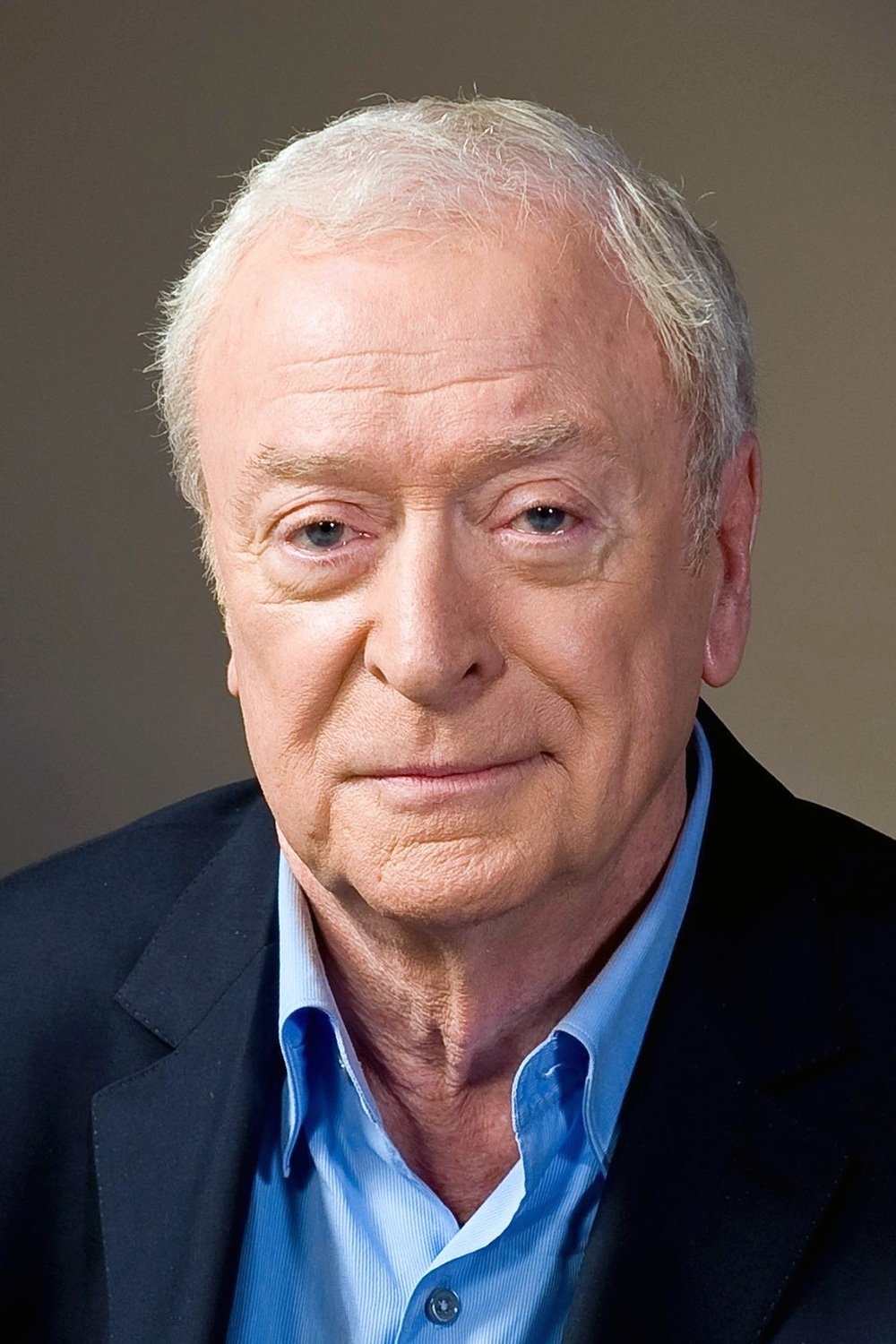
Michael Caine has written extensively on film acting and emphasizes the technical requirements of the medium. He focuses on blinking less and speaking quietly to suit the sensitivity of the movie camera. Caine believes that preparation should happen before arriving on set so the actor can relax. He treats filmmaking as a collaborative trade that requires patience and precision.
Ralph Fiennes
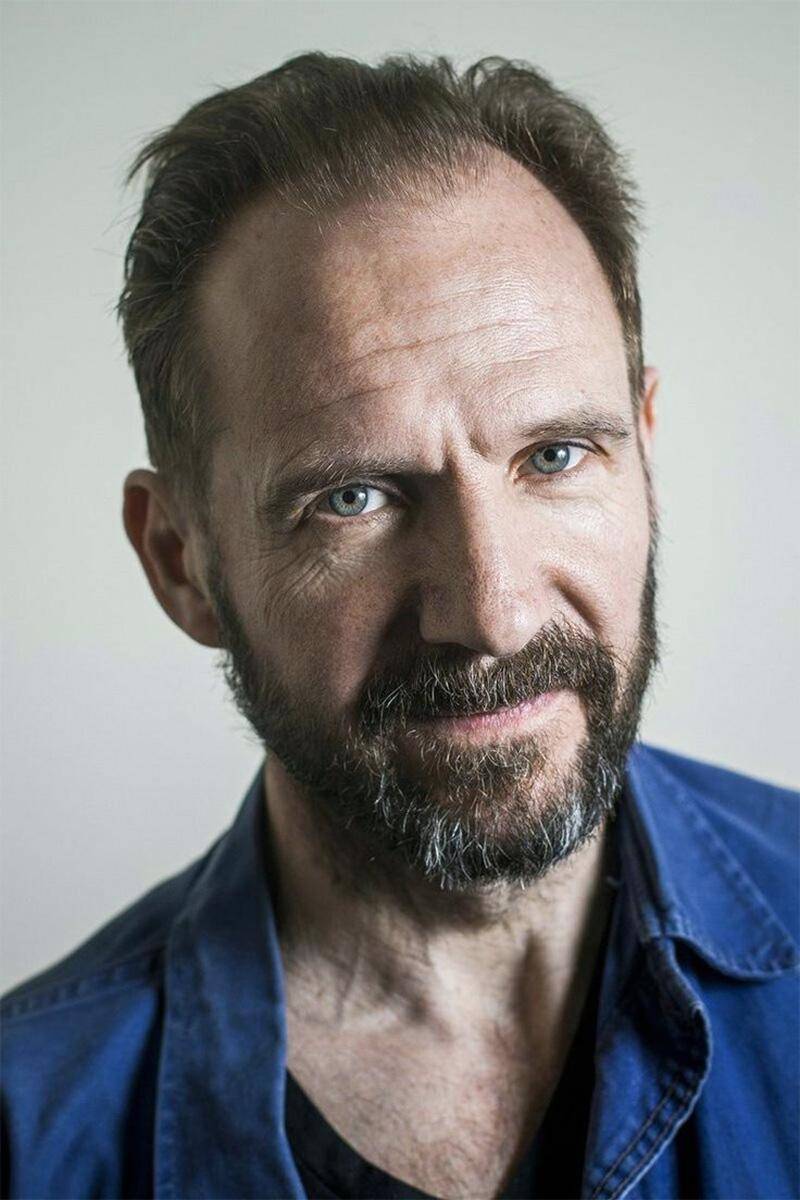
Ralph Fiennes is hesitant to fully immerse himself in a role to the point of mental instability. He believes that there must be a gap between the actor and the part to allow for artistic choices. Fiennes relies on the text and the language to find the truth of the character. He views the notion of becoming the character as a metaphorical description rather than a literal requirement.
Emma Thompson

Emma Thompson approaches her work with a practical British sensibility that rejects pretension. She believes that acting is about communication and clarity rather than personal exorcism. Thompson often draws on her writing background to understand the structure of a scene. She prefers to keep a sense of humor about the absurdity of the acting profession.
Colin Farrell
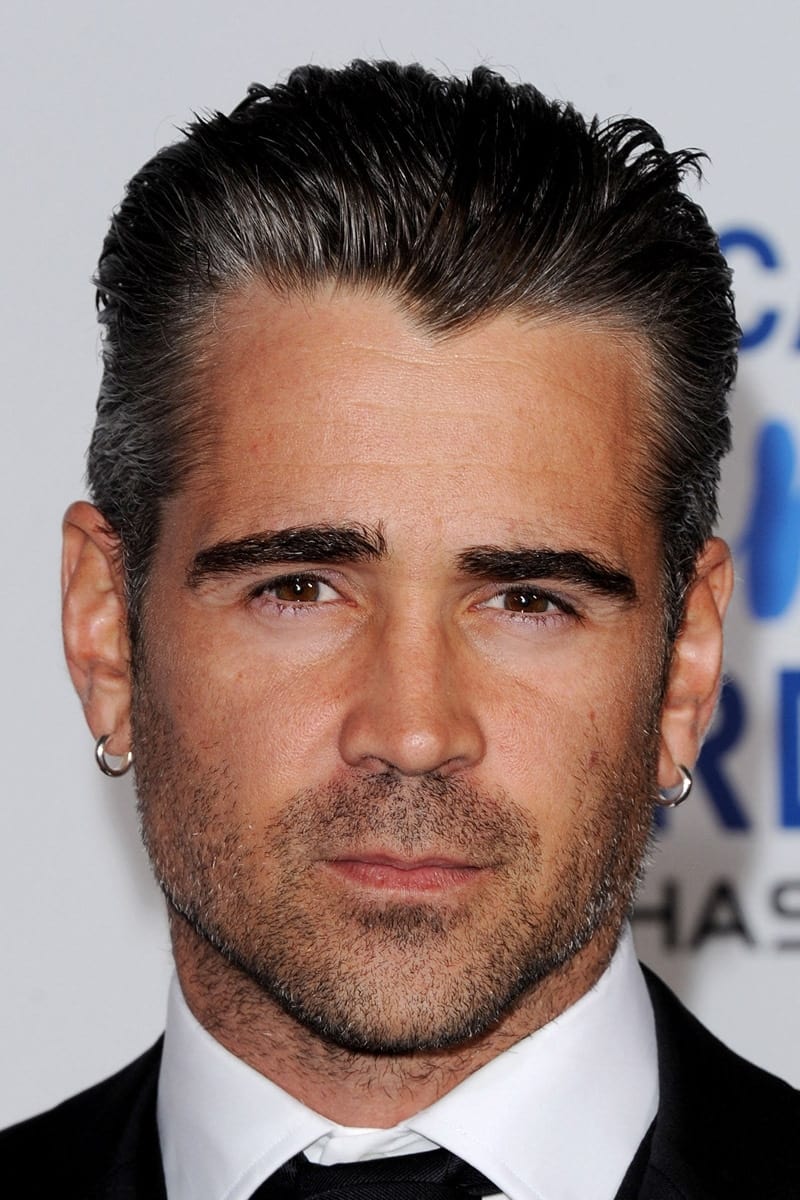
Colin Farrell has admitted that he used to take his roles very seriously but found it to be exhausting and painful. He realized that he could deliver strong performances without carrying the burden of the character 24/7. Farrell now approaches his work with a lighter touch and separates his life from his art. He believes this balance makes him a better father and a happier person.
Jeff Goldblum
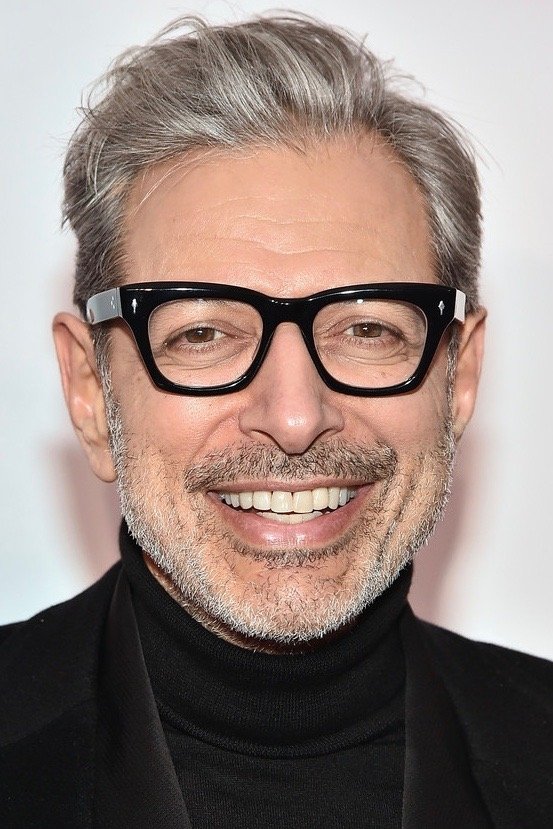
Jeff Goldblum treats acting as a playful and musical endeavor rather than a heavy burden. He encourages improvisation and liveliness on set to keep the energy fresh. Goldblum believes that taking oneself too seriously kills the spontaneity of a performance. He prefers to be present in the moment and react to his partners naturally.
Cillian Murphy
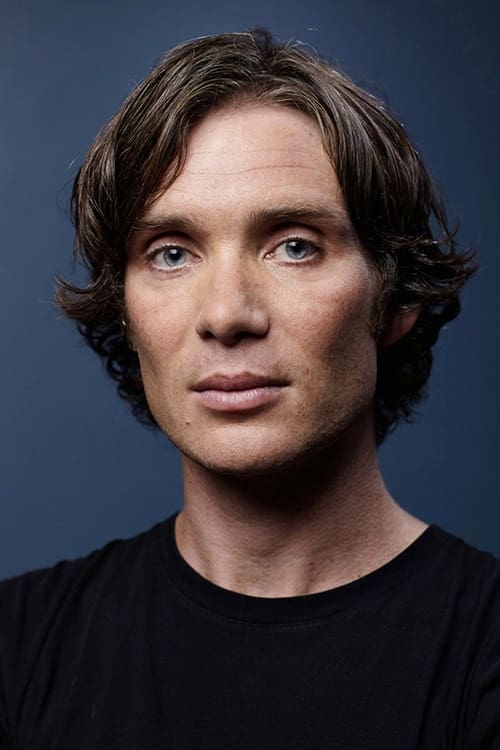
Cillian Murphy delivers intense performances but does not subscribe to the method acting lifestyle. He values his time off set to rest and recharge so he can be effective during the shoot. Murphy believes that the work happens between “action” and “cut” and nowhere else. He prioritizes his private life and family over the need to live as his character.
Judi Dench
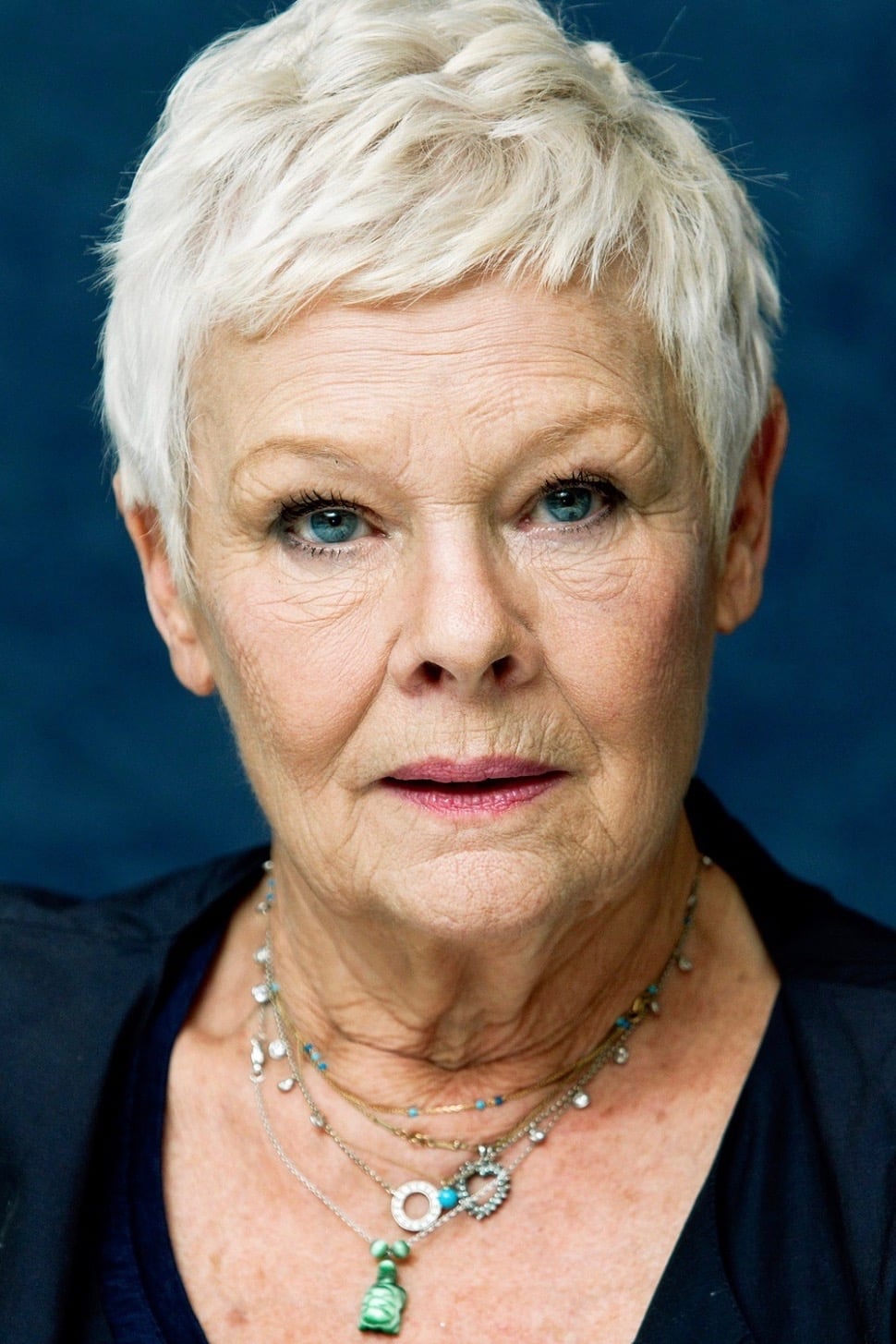
Judi Dench relies entirely on her intuition and dislikes discussing the mechanics of acting. She believes that analyzing a role too much can kill the magic of the performance. Dench prefers to react to what is given to her in the moment by her fellow actors. She views the job as a serious game that requires focus but not lifestyle changes.
Alan Rickman
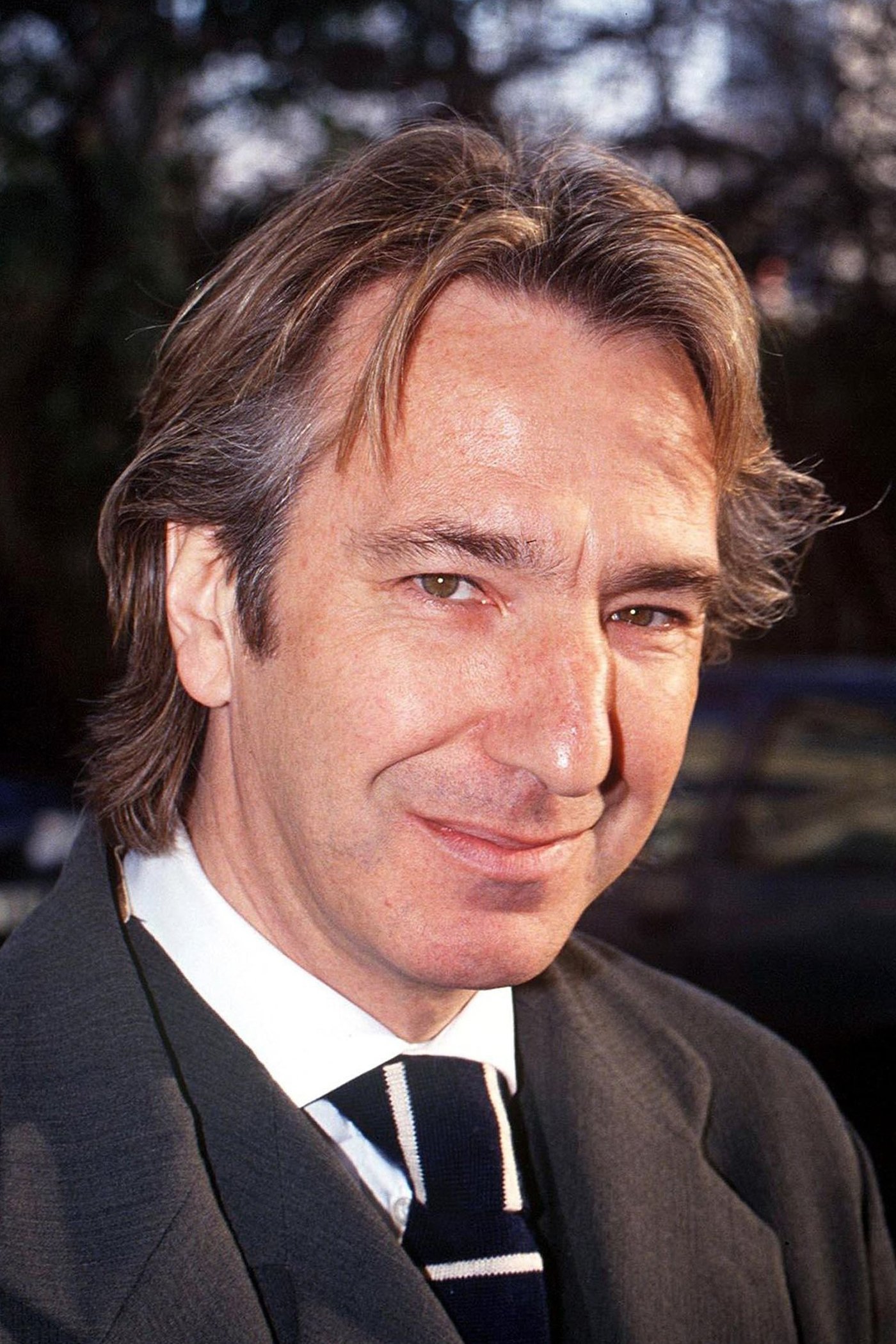
The late Alan Rickman was a disciplined actor who valued the text above all else. He believed that the actor’s job was to serve the writer and the story with precision. Rickman found the American obsession with method acting to be somewhat foreign to his training. He relied on his voice and physical presence to command the screen.
Glenn Close
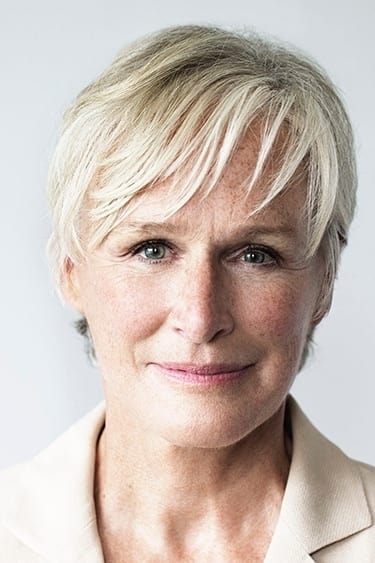
Glenn Close prepares meticulously for her roles but does not believe in staying in character. She argues that the energy required to maintain a persona all day is better spent on the actual takes. Close views acting as a craft that involves assembling a puzzle of behavior. She prefers to step out of the role immediately to maintain her own perspective.
Viola Davis
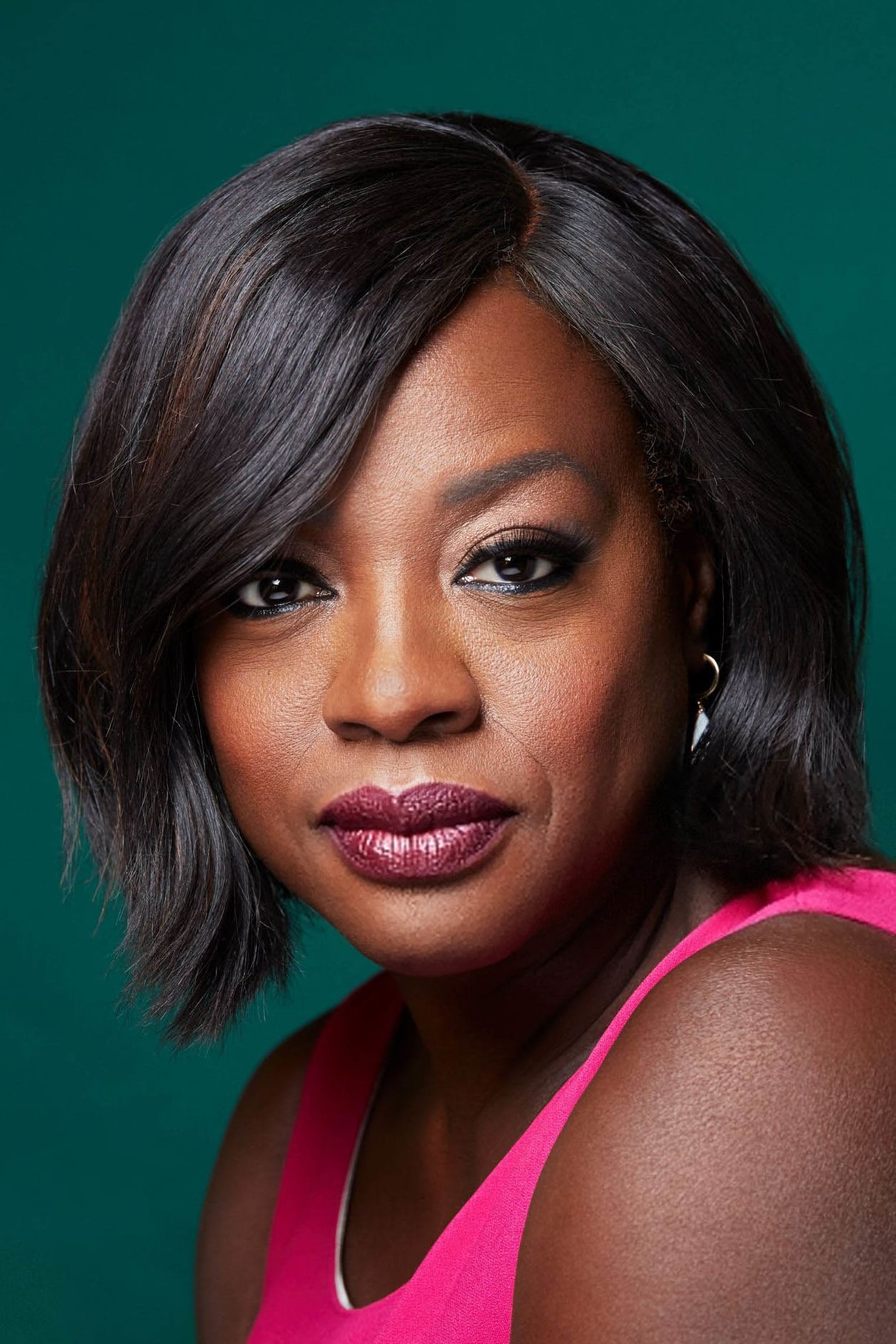
Viola Davis is known for her deep emotional work but she approaches it with technical mastery. She believes that you have to craft the character before you get to the set. Davis argues that once you are working you must be flexible and ready to adapt. She values the separation between her real life and the lives of the women she portrays.
Please share your thoughts on which acting technique produces the best results in the comments.