Women Who Became Icons After Being Told They Weren’t Pretty Enough

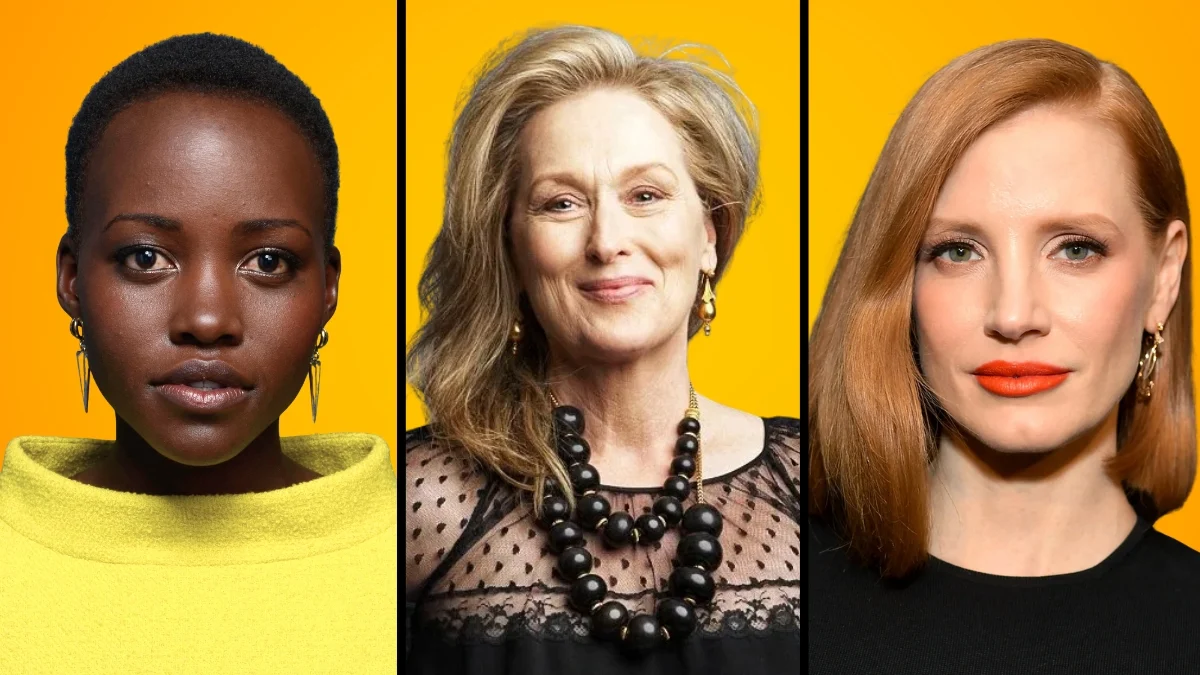

The entertainment industry is notoriously focused on aesthetic standards, often overlooking immense talent in favor of a specific look. Many of the most celebrated women in film, music, and fashion today were once dismissed by casting directors, agents, and producers who claimed they lacked the necessary physical appeal for stardom. These women defied conventional expectations, proving that charisma and skill outweigh industry-mandated beauty norms. Their success stories serve as a testament to resilience in a field that frequently prioritizes image over substance.
Meryl Streep
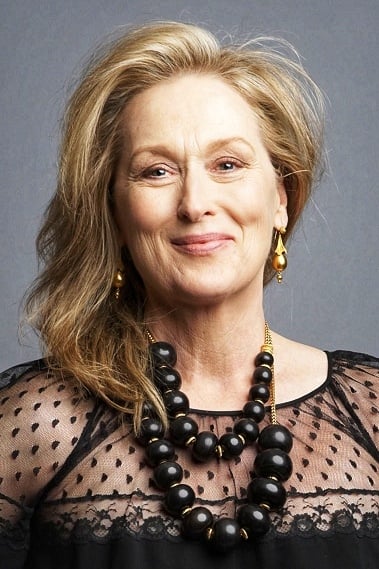
During an audition for the 1976 film ‘King Kong’, producer Dino De Laurentiis reportedly asked his son in Italian why he had brought him such an “ugly” woman. Streep, who understood the language, responded in Italian that she was sorry she was not beautiful enough for his movie. Despite this early rejection, she went on to earn a record-breaking number of Academy Award nominations. Her career remains a benchmark for acting excellence in films like ‘Sophie’s Choice’ and ‘The Devil Wears Prada’. She is now widely regarded as one of the greatest actors of her generation.
Lady Gaga
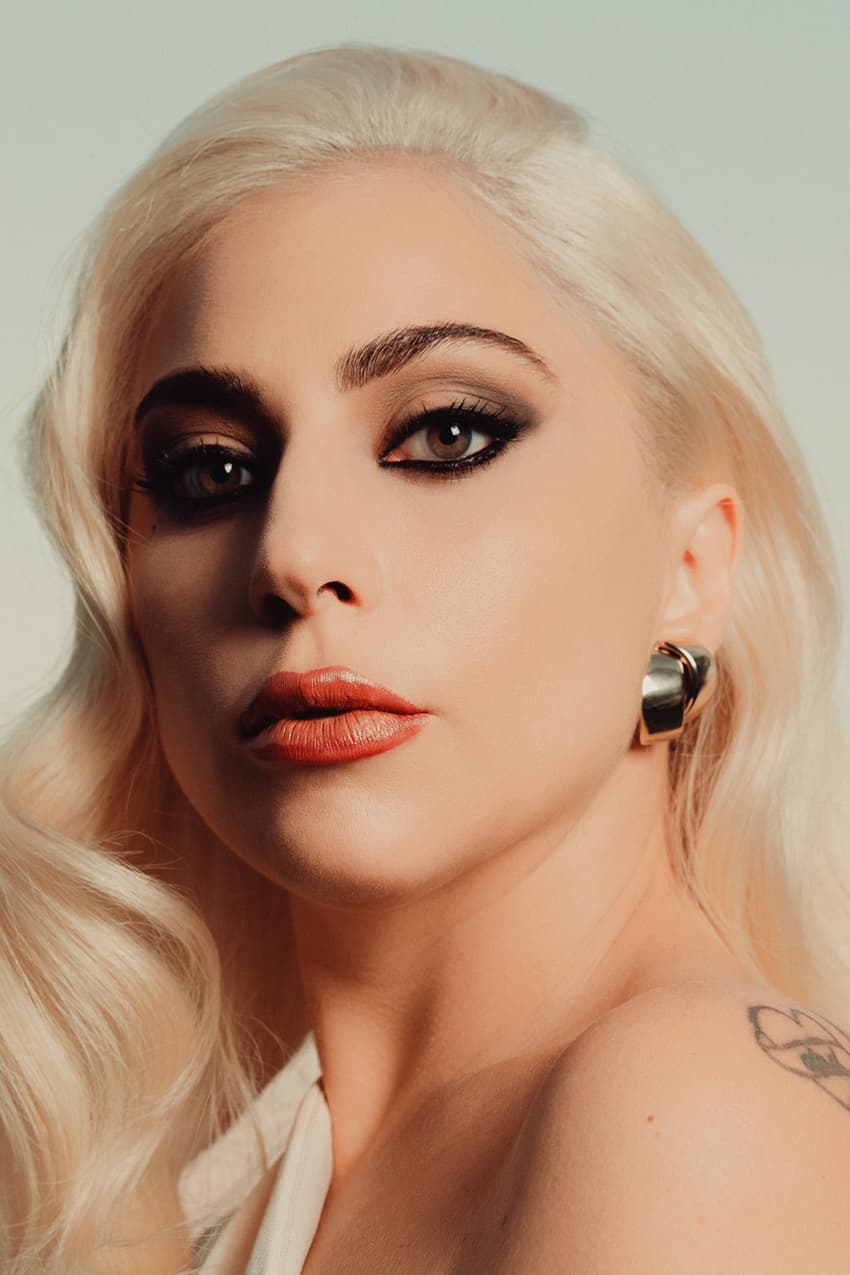
Before achieving global stardom, Lady Gaga was frequently told by music industry executives that she did not have the right look to be a pop star. She has spoken openly about being encouraged to get a nose job and feeling pressure to conform to traditional beauty standards. Instead of changing her appearance, she leaned into an avant-garde aesthetic that challenged the status quo. Her success in ‘A Star Is Born’ further solidified her status as a versatile performer who transcends physical critiques. She has since won multiple Grammy Awards and an Oscar for her songwriting and acting.
Winona Ryder
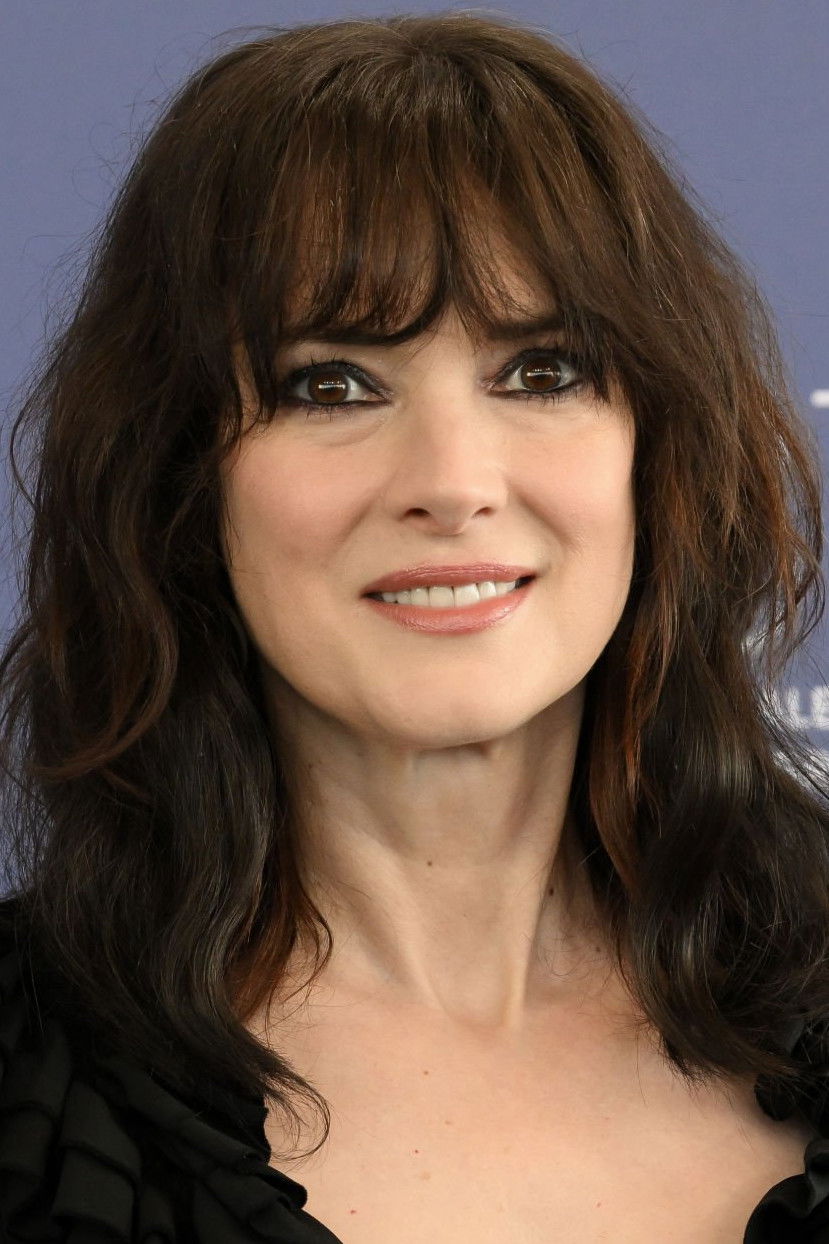
Early in her career, a casting director stopped Winona Ryder mid-sentence during an audition to tell her she should not be an actress. The director claimed she was not pretty enough and advised her to go back to wherever she came from and go to school. Ryder ignored the advice and eventually landed her breakout role in ‘Beetlejuice’. She became a defining face of the 1990s with starring roles in ‘Heathers’ and ‘Little Women’. Her enduring career includes a major resurgence in the series ‘Stranger Things’.
Barbra Streisand
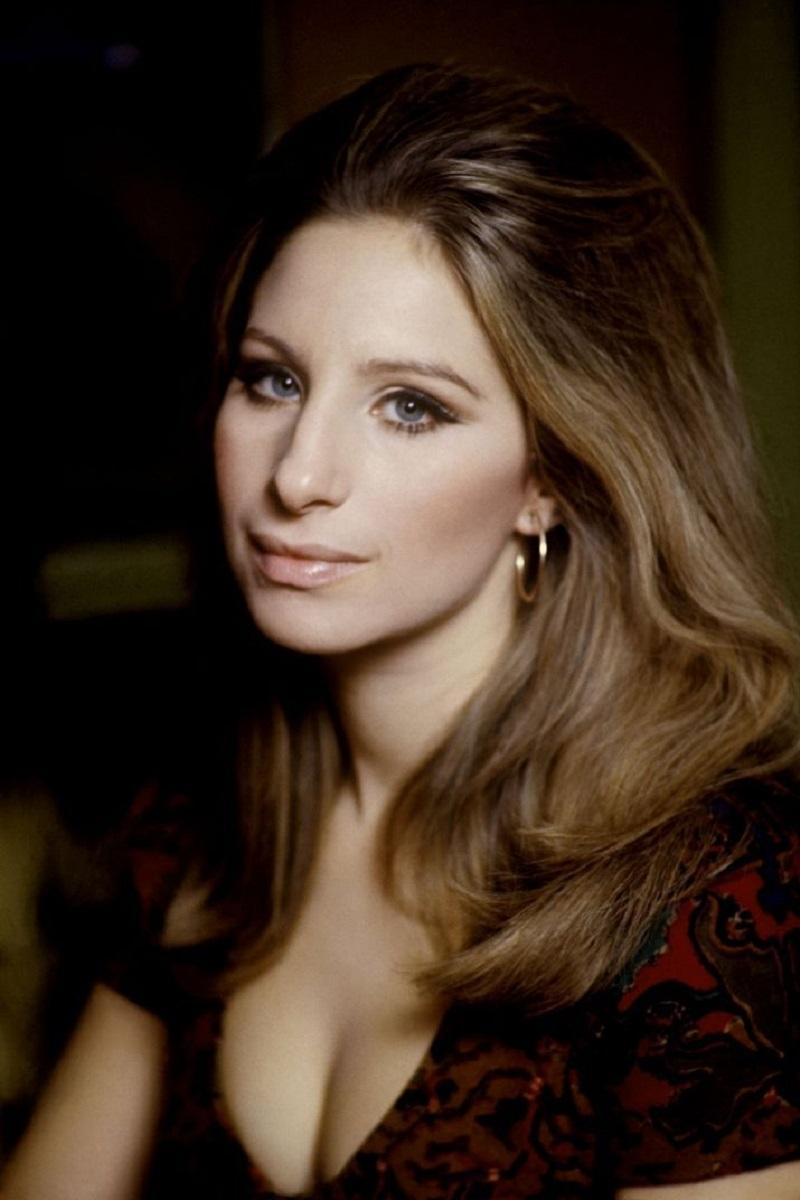
Throughout the start of her career, Barbra Streisand faced intense pressure to undergo plastic surgery to alter her nose. Managers and critics suggested that her unconventional looks would prevent her from becoming a leading lady on screen. Streisand refused to comply, maintaining that her features were part of her identity and talent. She proved her detractors wrong by winning an Academy Award for her film debut in ‘Funny Girl’. Today, she is one of the few performers to have achieved EGOT status.
Viola Davis
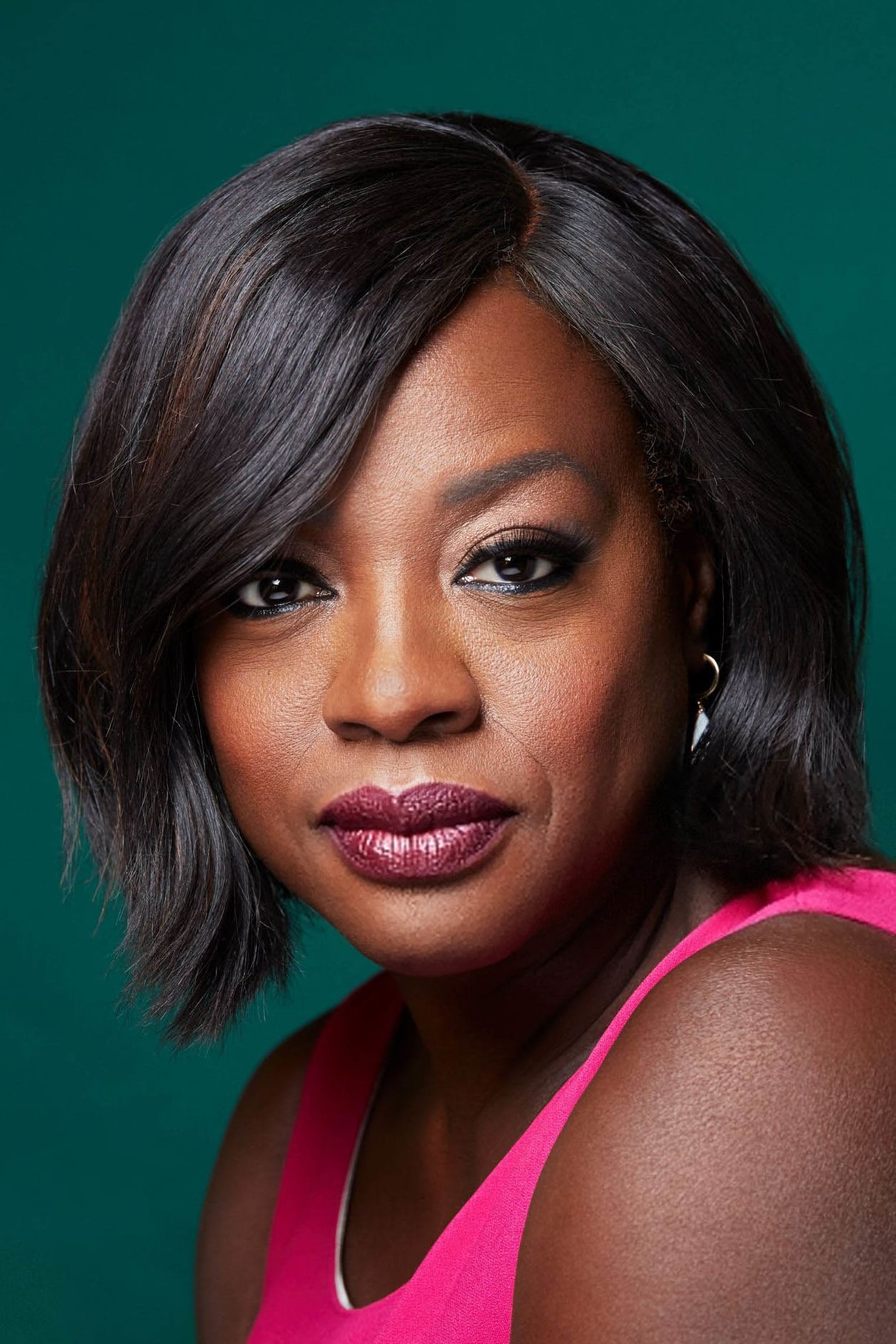
Viola Davis has frequently discussed the “invisible” nature of Black women in Hollywood who do not fit a specific European beauty standard. Early in her career, she was told she wasn’t “traditionally” pretty enough for certain romantic leads. Davis persevered, delivering powerhouse performances in ‘Doubt’ and ‘The Help’. She eventually won an Academy Award for her role in ‘Fences’ and became a household name with the series ‘How to Get Away with Murder’. She continues to advocate for diverse representation and the recognition of talent over conventional aesthetics.
Sarah Jessica Parker
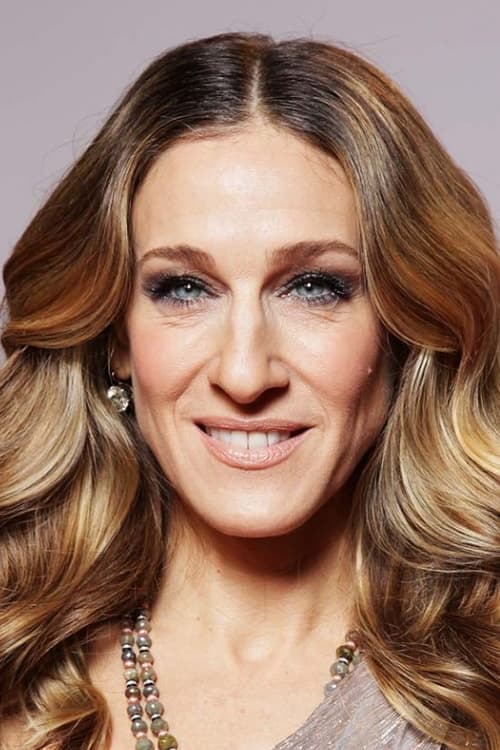
Despite her massive success on the series ‘Sex and the City’, Sarah Jessica Parker has been a frequent target of harsh public commentary regarding her appearance. In 2007, Maxim magazine went as far as to name her the “Unsexiest Woman Alive” in a controversial poll. Parker expressed her hurt over the ranking but continued to flourish as a fashion icon and respected actress. Her portrayal of Carrie Bradshaw redefined the “it-girl” for a generation, emphasizing style and personality over narrow beauty definitions. She remains a prominent figure in the industry with the revival series ‘And Just Like That…’.
Kate Winslet
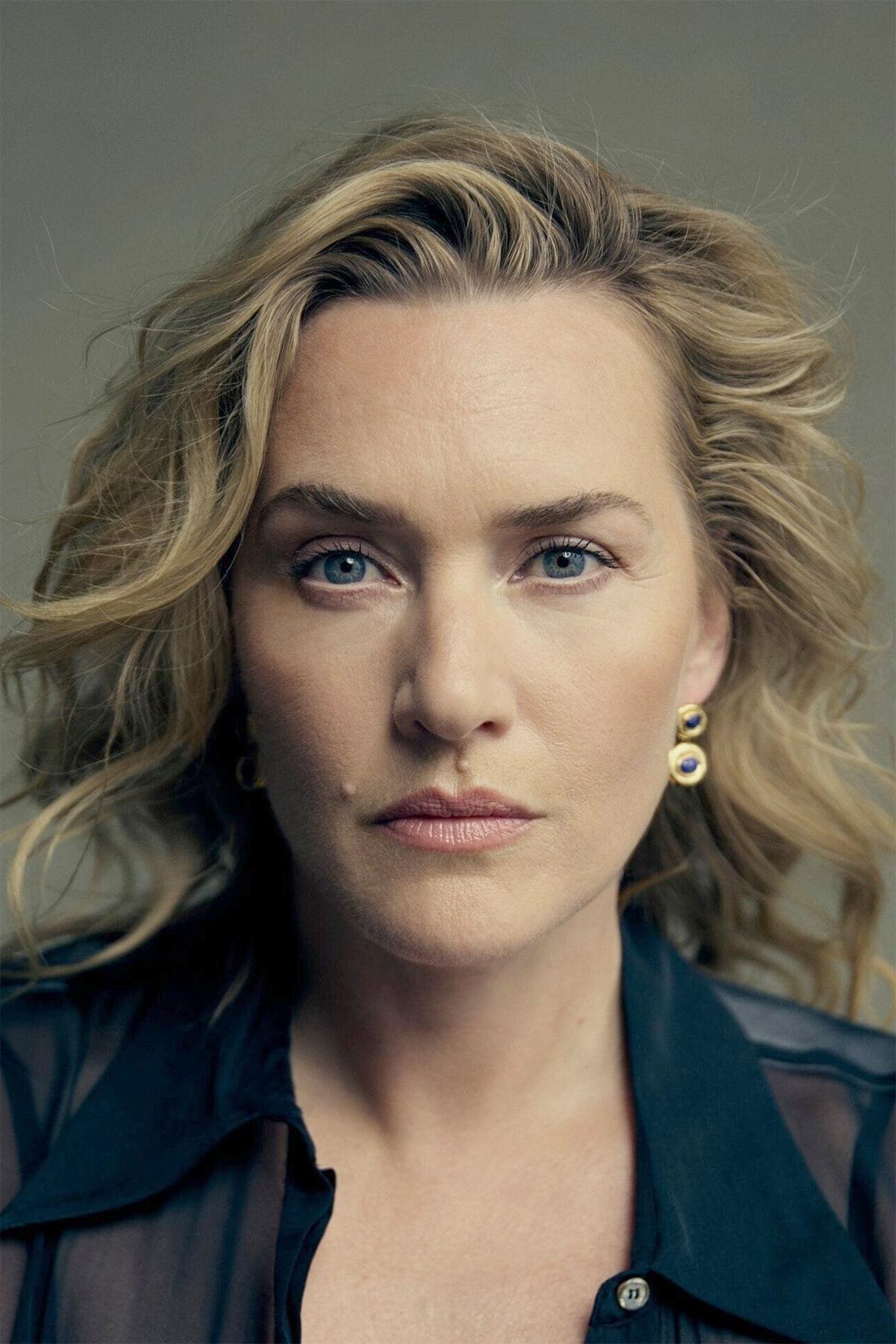
As a young student in drama school, Kate Winslet was told by a teacher that she might do okay if she was happy to settle for the “fat girl” parts. This critique of her weight and appearance followed her into the early years of her professional acting career. She ignored the limitations placed on her and secured the lead role in ‘Titanic’, which became one of the highest-grossing films of all time. Winslet has since won an Academy Award and multiple Emmys, consistently choosing roles that prioritize emotional depth. She is now an outspoken critic of body shaming and photo retouching in the media.
Mindy Kaling
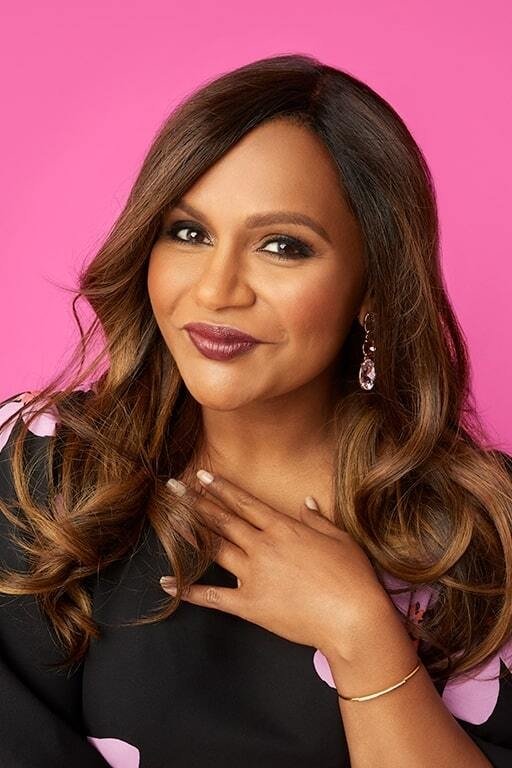
Before finding success with ‘The Office’, Mindy Kaling was told by a network that she was not pretty enough to play herself in a sketch show. The producers even made her audition for the role based on her own life, only to reject her for her appearance. Kaling used this rejection as motivation to create her own opportunities, eventually writing and starring in ‘The Mindy Project’. She has since become an accomplished showrunner, author, and producer. Her work often highlights the experiences of women who do not fit typical Hollywood molds.
Reese Witherspoon
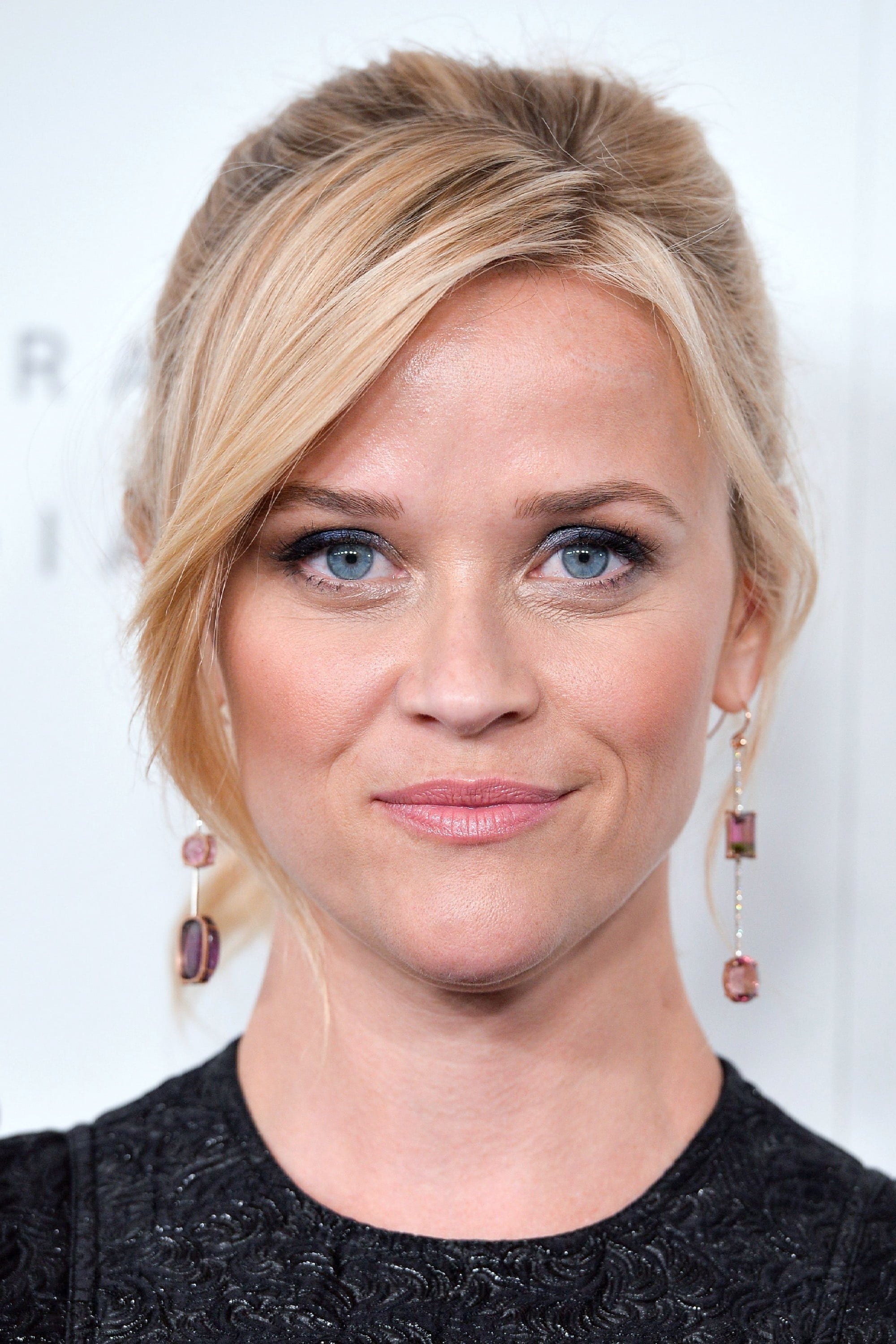
When Reese Witherspoon first arrived in Los Angeles, she was frequently told at auditions that she was not tall enough or pretty enough for leading roles. She has recalled in interviews that she was constantly compared to other actresses who fit a more “commercial” look. Witherspoon chose to focus on her craft and eventually built a career as both a top-tier actress and a powerful producer. She won an Academy Award for ‘Walk the Line’ and has since produced hits like ‘Big Little Lies’. Her company, Hello Sunshine, focuses on telling female-centric stories.
Jessica Chastain
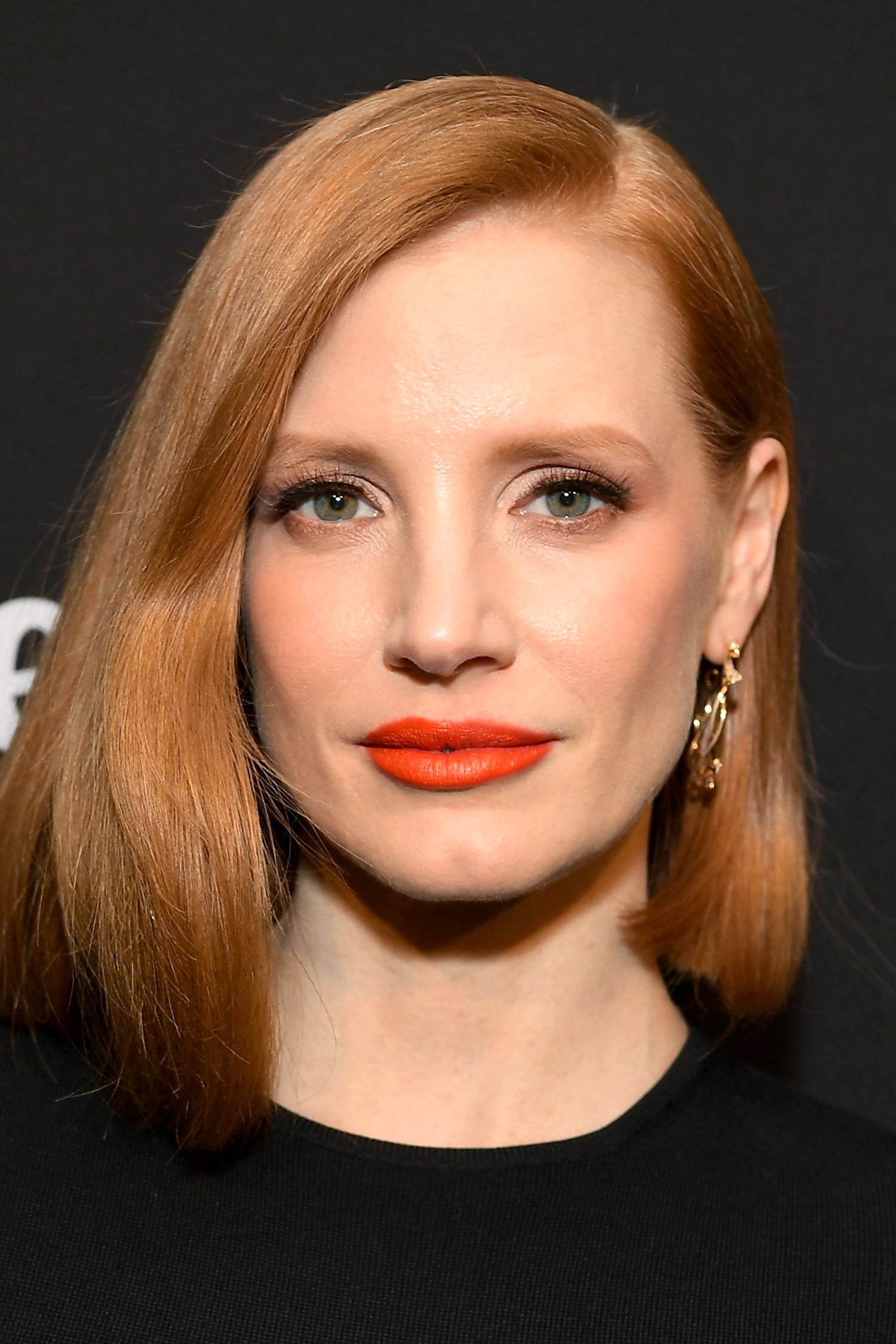
For many years, Jessica Chastain struggled to get cast because producers told her she was not “traditionally” pretty enough or that her red hair was too distracting. She mentioned in interviews that casting directors often didn’t know what to do with her look before she became famous. Her breakthrough came with ‘The Help’ and ‘Zero Dark Thirty’, proving her range and screen presence. Chastain eventually won an Academy Award for ‘The Eyes of Tammy Faye’. She is now considered one of the most formidable talents in modern cinema.
Lea Michele
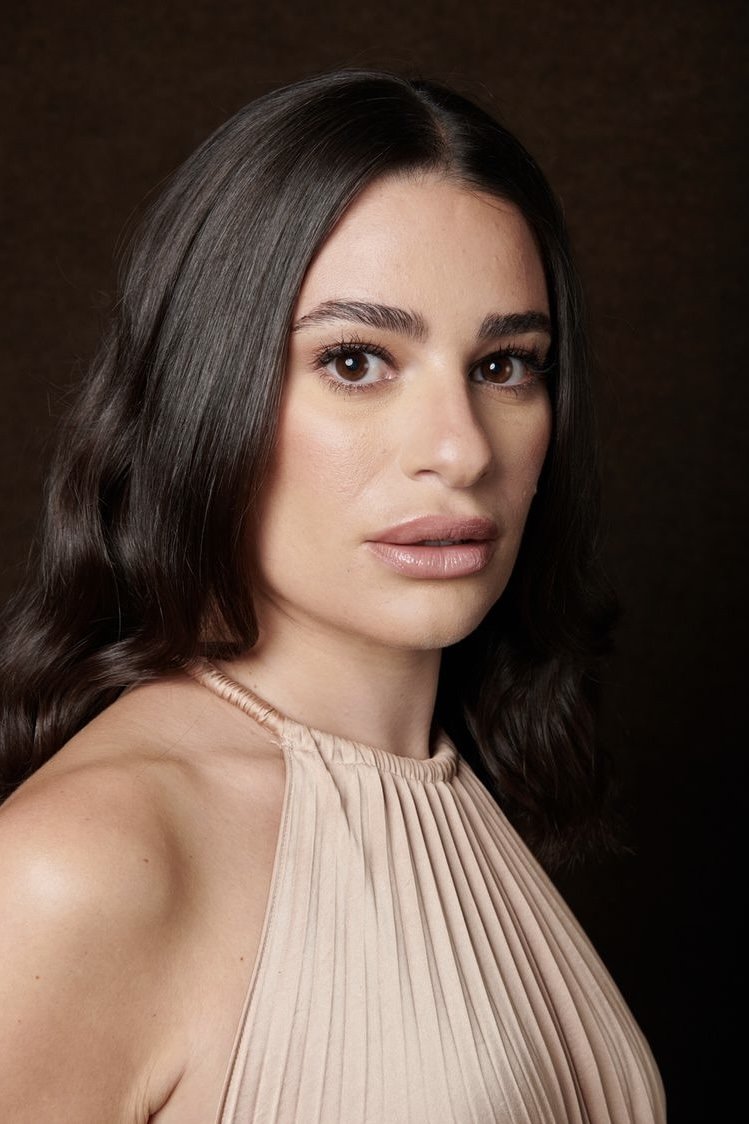
At the age of 15, Lea Michele was told by a manager that she needed to get a nose job if she ever wanted to be on television. Her mother encouraged her to refuse, citing Barbra Streisand as an example of a successful woman who kept her natural features. Michele went on to find massive success on Broadway before starring in the hit TV show ‘Glee’. Her powerful voice and distinct look became central to her character, Rachel Berry. She eventually returned to Broadway to star in the revival of ‘Funny Girl’.
Gisele Bündchen
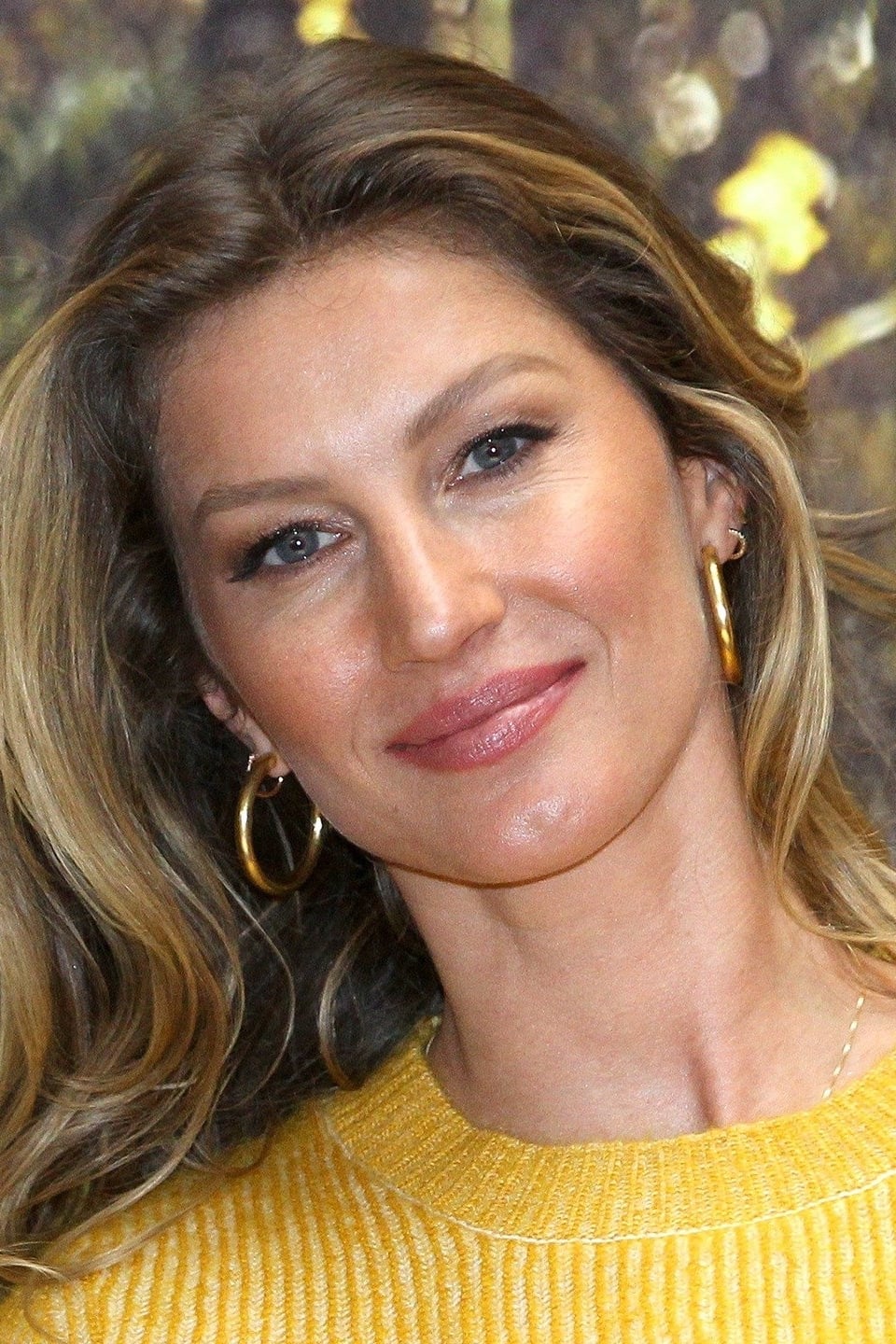
Despite becoming one of the most successful supermodels in history, Gisele Bündchen was rejected 42 times at the start of her career. Agents told her that her nose was too big and her eyes were too small for her to ever appear on a magazine cover. She persisted until Alexander McQueen cast her in a runway show, which launched her to international fame. Bündchen’s athletic and healthy look eventually ended the “heroin chic” era of modeling. She held the title of the world’s highest-paid model for fifteen consecutive years.
Kat Dennings
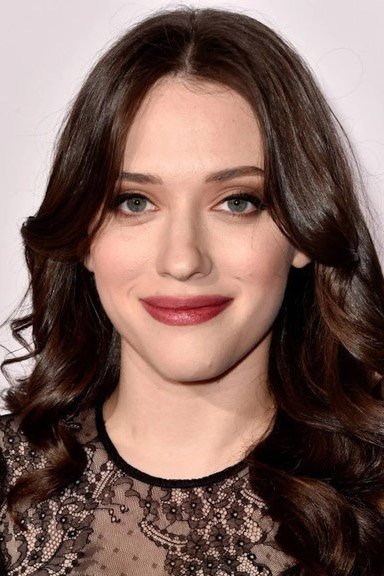
Early in her career, Kat Dennings was told by casting agents that she needed to change almost everything about her appearance to find work. Suggestions included fixing her teeth, getting a tan, and losing weight to fit the standard “L.A. look.” Dennings refused to alter her features, maintaining her pale complexion and natural smile. She found success in films like ‘Thor’ and the long-running sitcom ‘2 Broke Girls’. Her unique look and comedic timing have made her a fan favorite in the industry.
Nia Vardalos
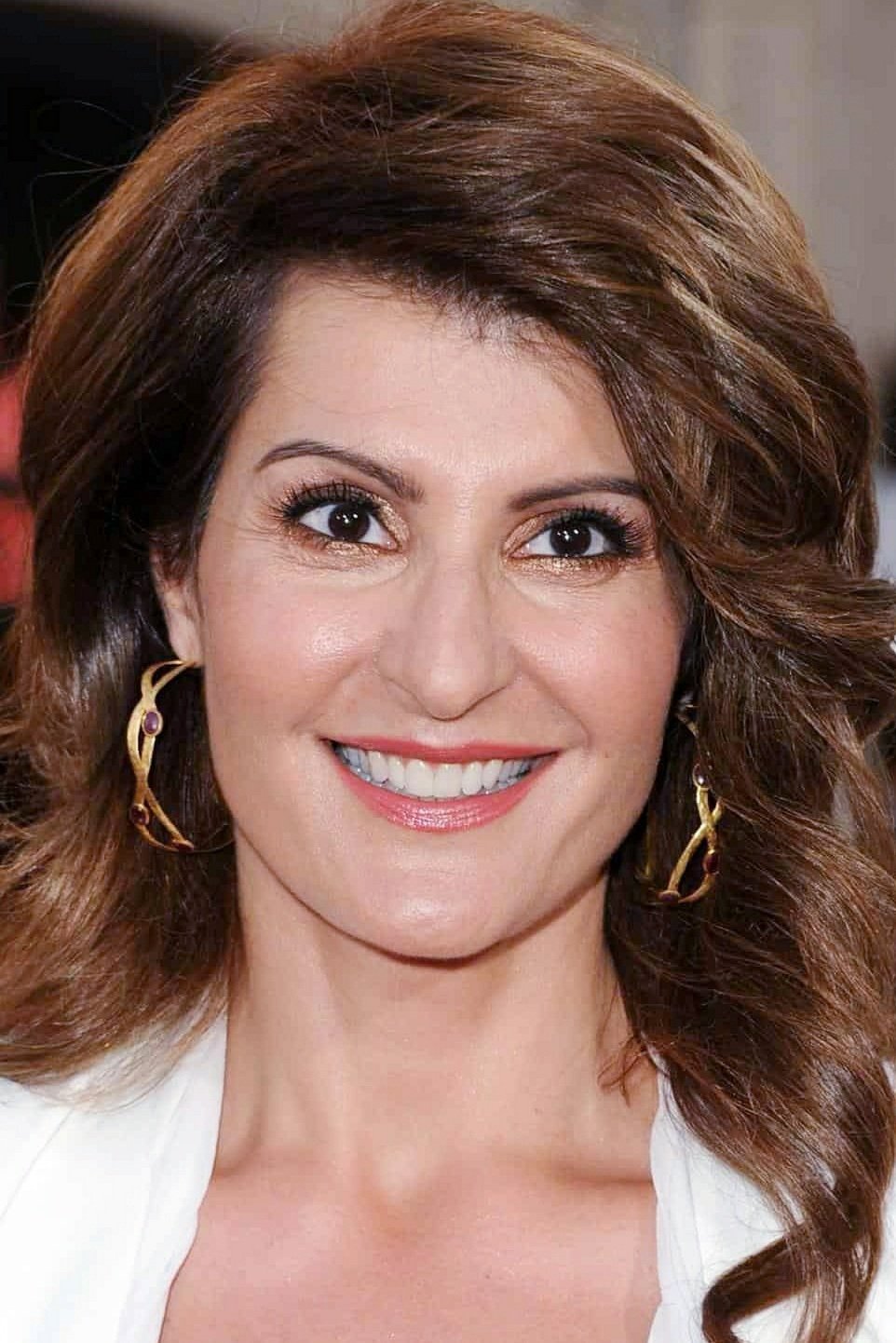
Nia Vardalos was told by agents that she wasn’t pretty enough to be a leading lady and wasn’t “ethnic” enough for character roles. Frustrated by the lack of opportunities, she wrote a one-woman play based on her life, which caught the attention of Rita Wilson. This play was eventually adapted into the film ‘My Big Fat Greek Wedding’, which became a massive sleeper hit. Vardalos starred in the film and received an Academy Award nomination for her screenplay. She proved that there was a massive audience for stories featuring relatable, unconventional leads.
Liza Minnelli
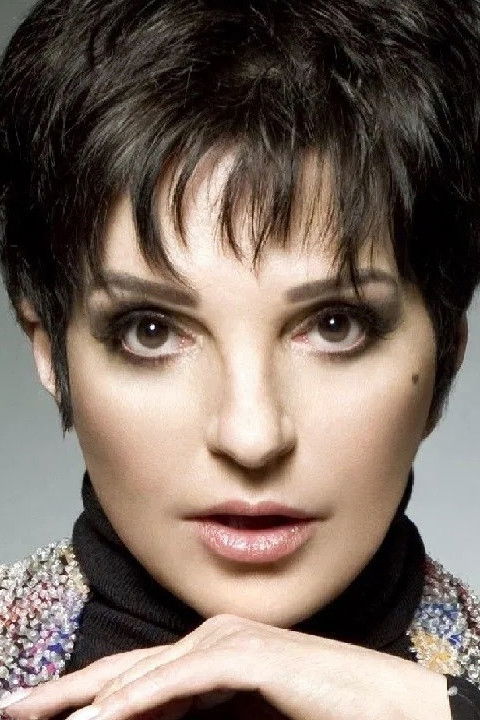
As the daughter of Judy Garland, Liza Minnelli faced constant comparisons to her mother and critiques of her “unusual” appearance. Critics often commented on her large eyes and distinct facial structure, suggesting she didn’t have the typical Hollywood glamour. Minnelli leaned into her unique look and became a powerhouse of stage and screen. Her performance in ‘Cabaret’ earned her an Academy Award and cemented her status as an icon. She remains one of the few artists to have won an Oscar, Emmy, Grammy, and Tony.
Bette Davis
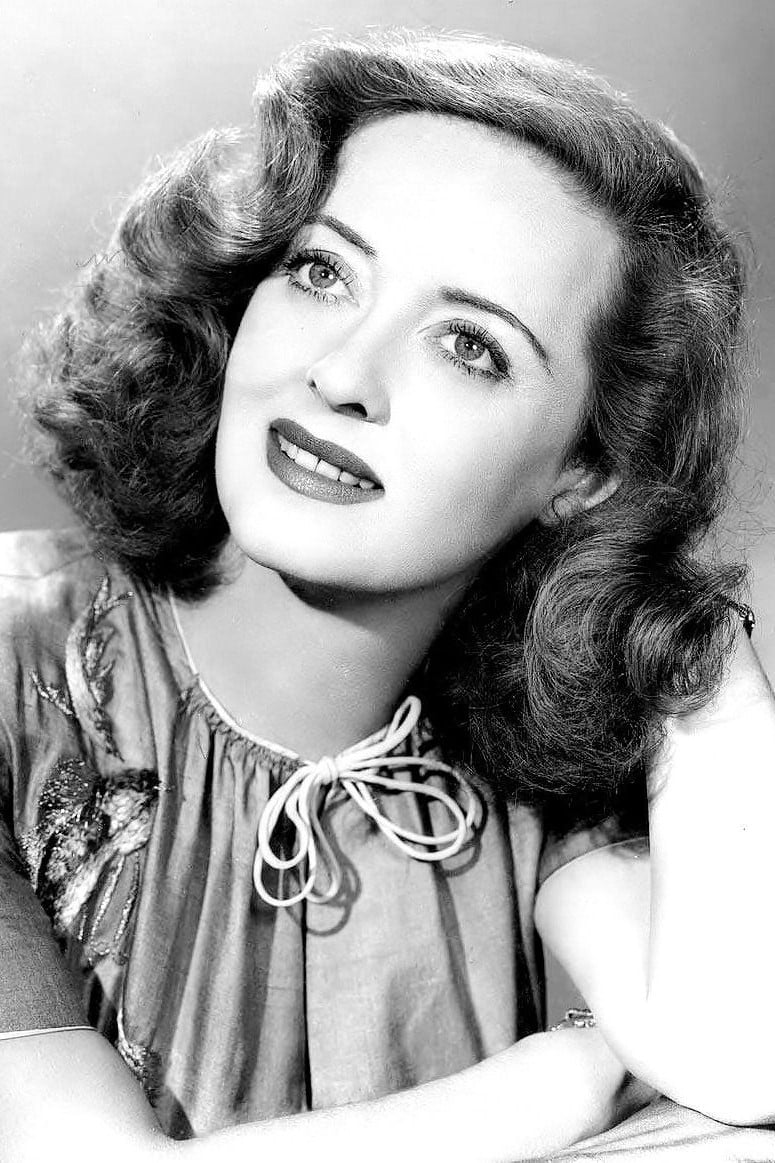
In her early days at Universal Studios, a producer famously remarked that Bette Davis had “about as much sex appeal as Slim Summerville.” She was told her look was not suited for the screen and that she lacked the traditional beauty of her contemporaries. Davis eventually moved to Warner Bros., where her intense acting style and expressive eyes became her trademark. She went on to win two Academy Awards and received ten nominations throughout her career. She is now remembered as one of the most significant figures in the history of cinema.
Gabourey Sidibe
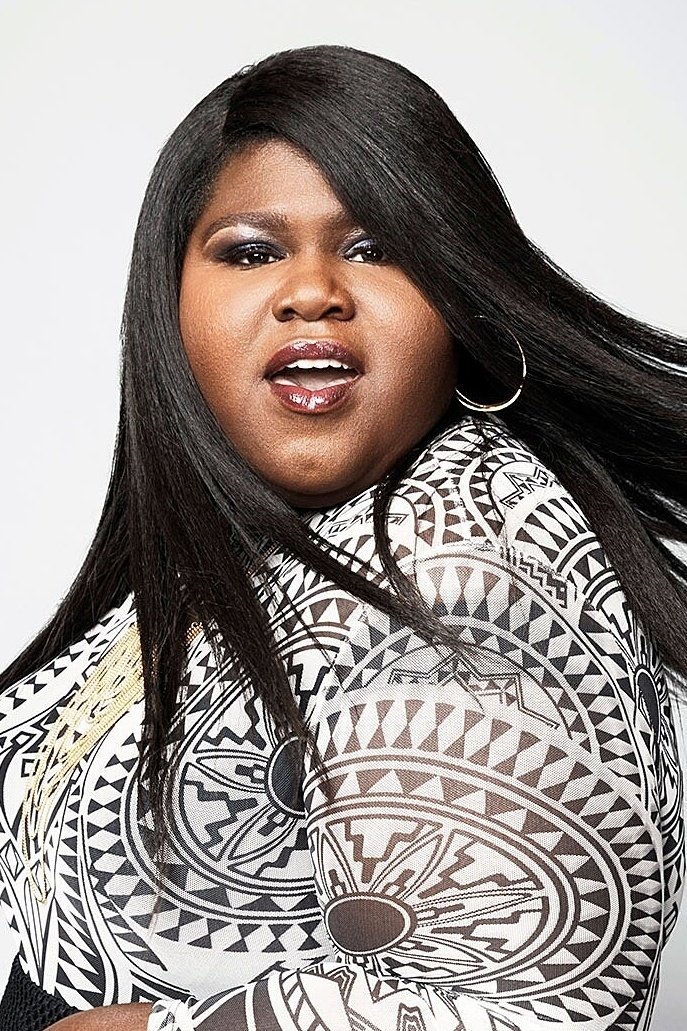
After her breakout role in ‘Precious’, Gabourey Sidibe faced a wave of criticism from media figures regarding her weight and appearance. Some commentators suggested that her career would be short-lived because she did not fit the physical mold of a movie star. Sidibe proved her critics wrong by maintaining a steady career in both television and film, including roles in ‘Empire’ and ‘American Horror Story’. She has also become a best-selling author and a prominent voice for body positivity. Her talent and personality have sustained her success far beyond initial expectations.
Jennifer Lawrence
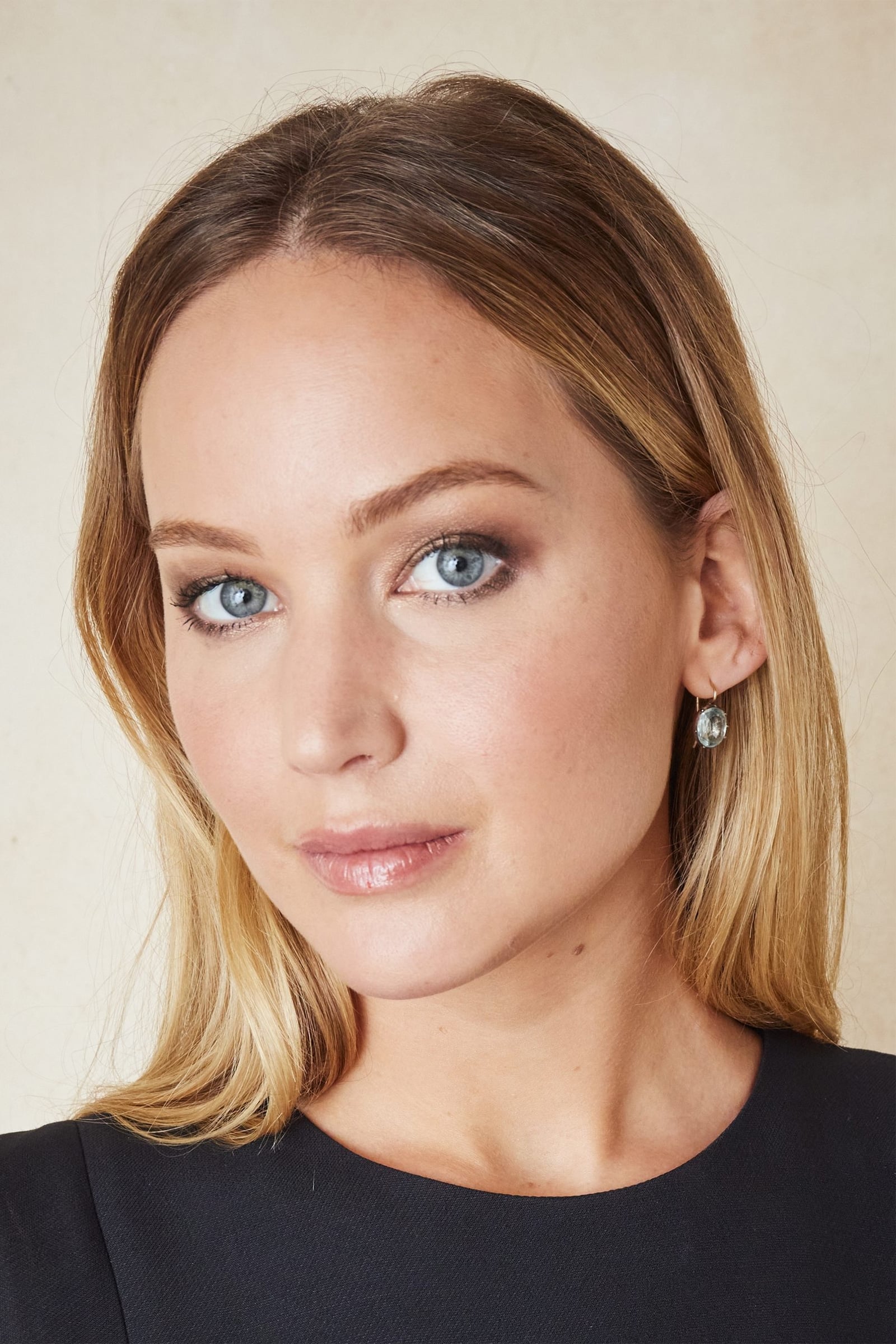
In the early stages of her career, Jennifer Lawrence was told by producers that she was “too fat” for Hollywood roles. She has recounted stories of being shown photos of herself where she was told to use them as motivation to lose weight. Lawrence refused to succumb to the pressure of extreme dieting, choosing to prioritize her health and natural build. She went on to lead the ‘The Hunger Games’ franchise and won an Academy Award for ‘Silver Linings Playbook’. She remains one of the highest-paid and most respected actresses in the world.
Adele
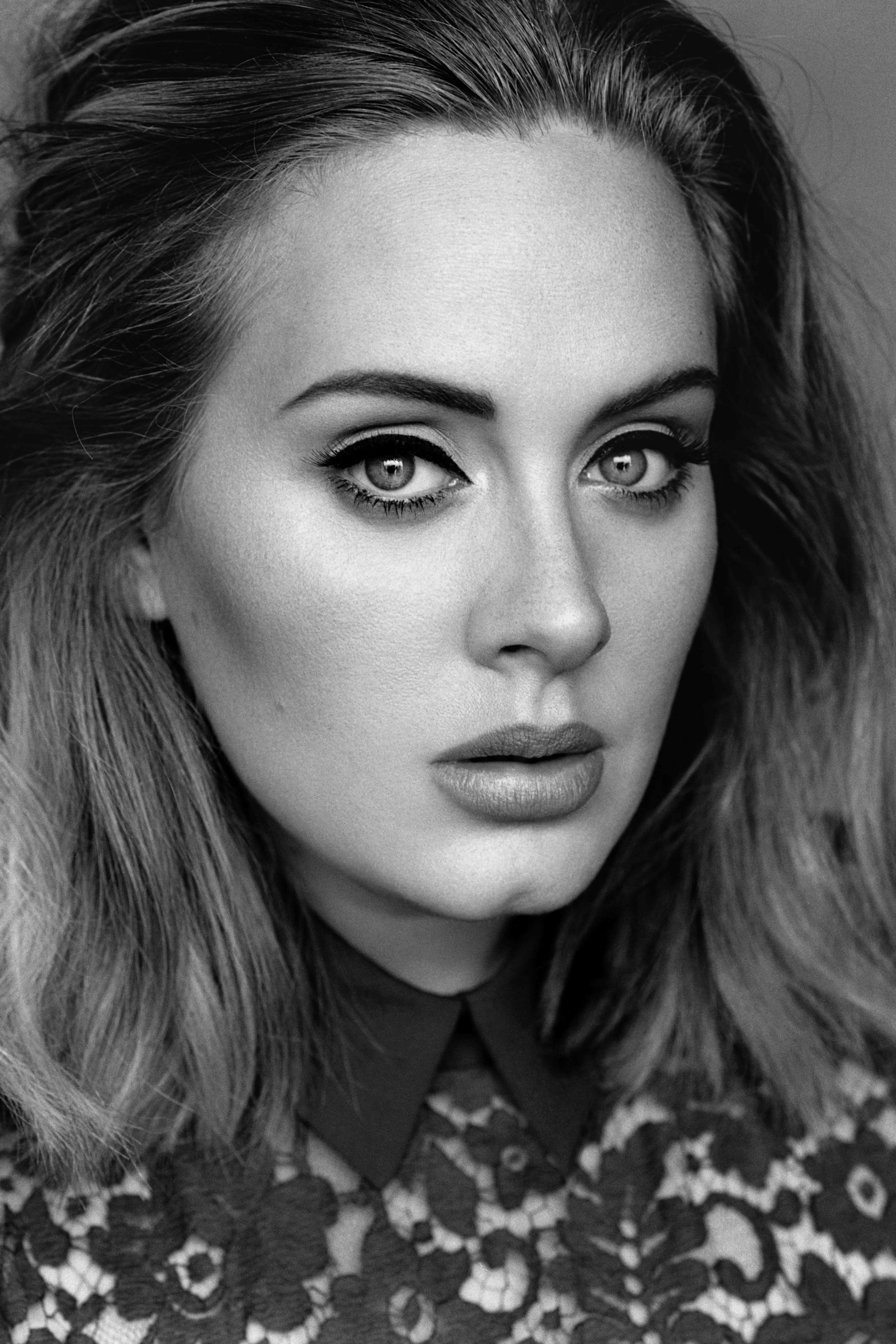
When Adele first entered the music industry, she faced constant commentary regarding her body size and how it deviated from the typical pop star image. Some critics suggested that her appearance would limit her commercial appeal in a market driven by visual perfection. Adele focused entirely on her vocal ability and songwriting, leading to the massive success of her albums ’19’, ’21’, and ’25’. She has won numerous Grammy Awards and has become one of the best-selling music artists of all time. Her success shifted the industry’s focus back to raw talent.
Lupita Nyong’o
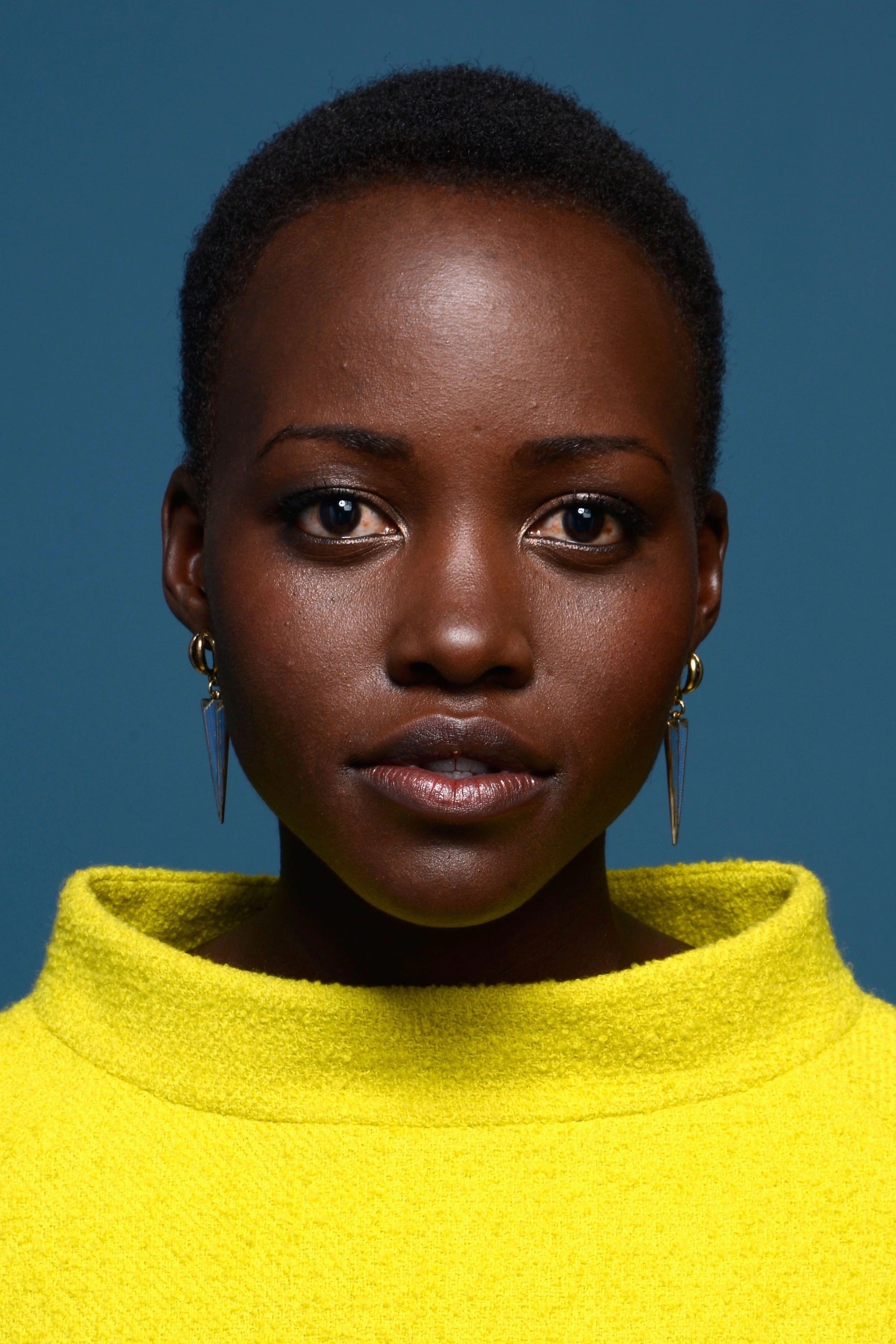
Lupita Nyong’o has spoken candidly about a time when she felt “unbeautiful” due to her dark skin, which was not celebrated in mainstream media. She recalled praying for her skin to lighten after being exposed to narrow beauty standards. However, her performance in ’12 Years a Slave’ brought her international acclaim and an Academy Award. She has since become a global fashion icon and a vocal advocate for the beauty of dark skin. Her presence on magazine covers and in blockbusters like ‘Black Panther’ has challenged global beauty hierarchies.
Sissy Spacek
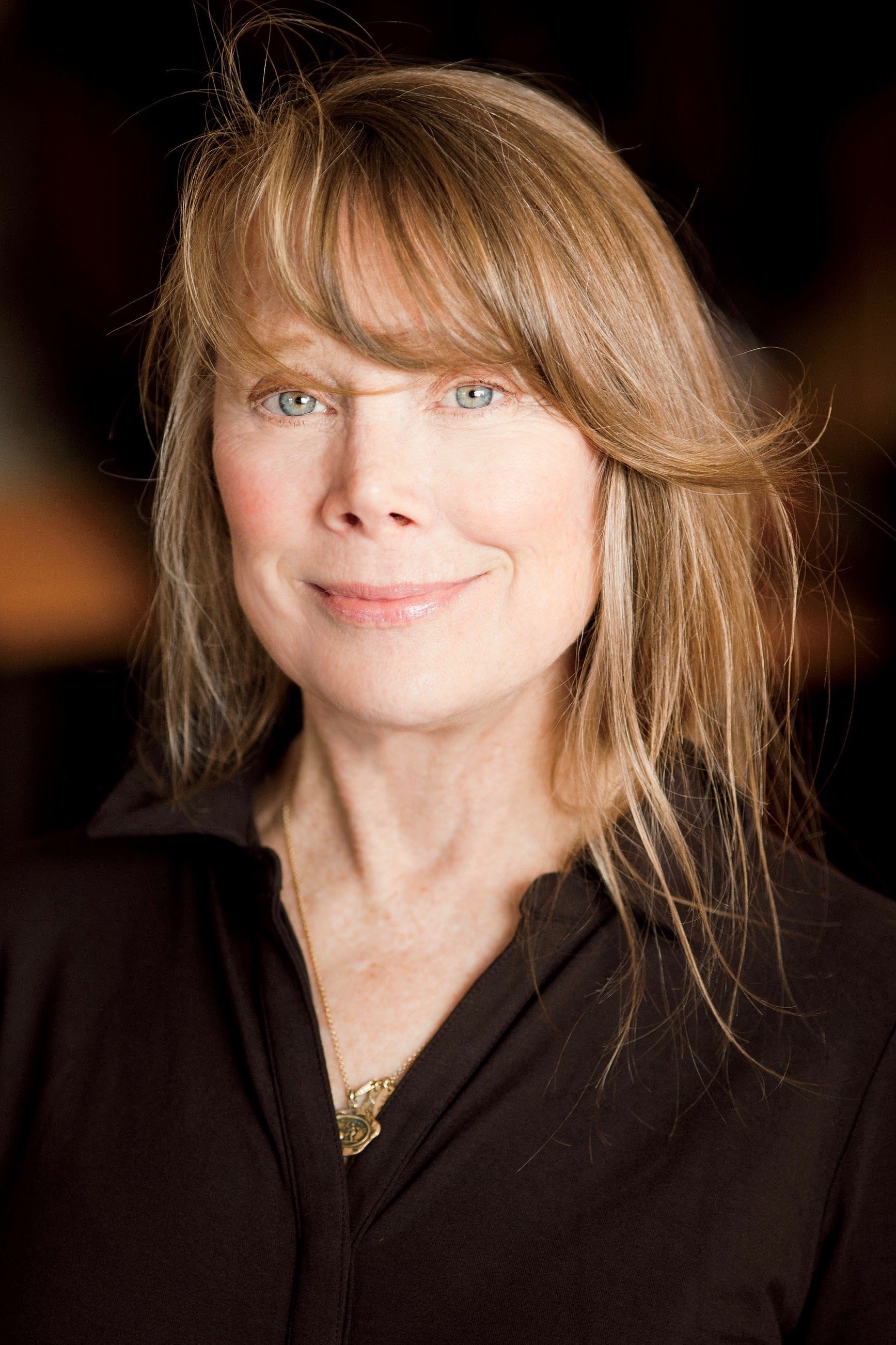
Early in her career, Sissy Spacek was told that her freckles and “country” look would prevent her from being a successful actress in Hollywood. She was often encouraged to cover her natural features to appear more like a traditional starlet. Spacek refused to change and used her unique look to her advantage in films like ‘Carrie’ and ‘Coal Miner’s Daughter’. Her performance in the latter earned her an Academy Award for Best Actress. She is now considered one of the most talented performers of her era.
Glenn Close
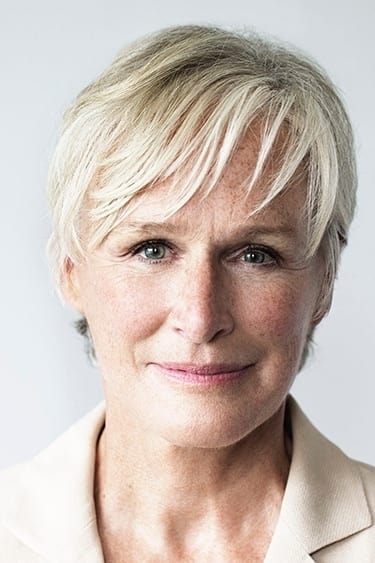
Despite her undeniable talent, Glenn Close has mentioned in interviews that she was never considered a “standard beauty” by Hollywood standards. When she was starting out, she was told she wasn’t “sexually attractive” enough for certain leading roles. She ignored these critiques and delivered iconic performances in films like ‘Fatal Attraction’ and ‘Dangerous Liaisons’. Close has received eight Academy Award nominations and has won multiple Emmys and Tonys. She is widely regarded as one of the most versatile and powerful actresses in the industry.
Hilary Swank
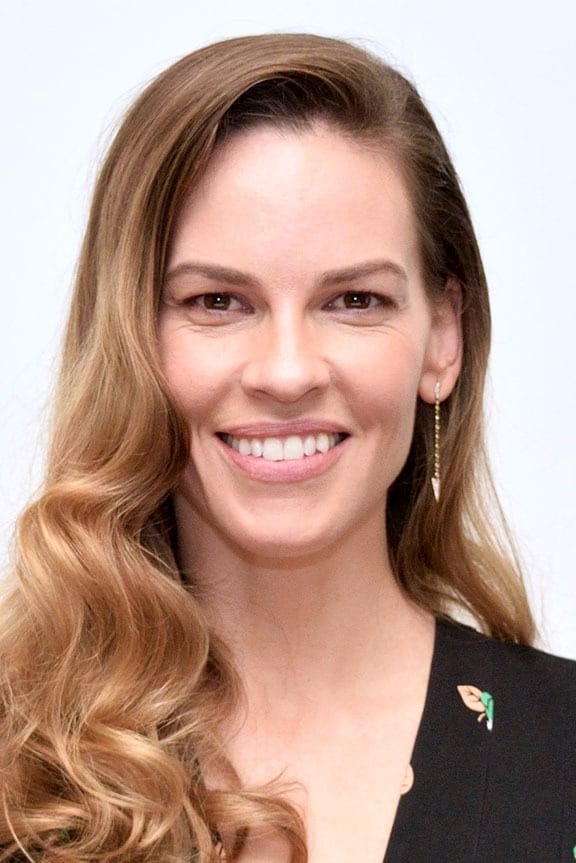
Hilary Swank was often told she wasn’t “pretty enough” or “feminine enough” for many of the roles she auditioned for early in her career. Her look was frequently described as too “androgynous” for traditional leading lady parts. She used this to her advantage when she was cast in ‘Boys Don’t Cry’, a role that required a transformative performance. She won her first Academy Award for that film and a second for ‘Million Dollar Baby’. Her career has been defined by her ability to disappear into physically demanding and complex roles.
Uzo Aduba
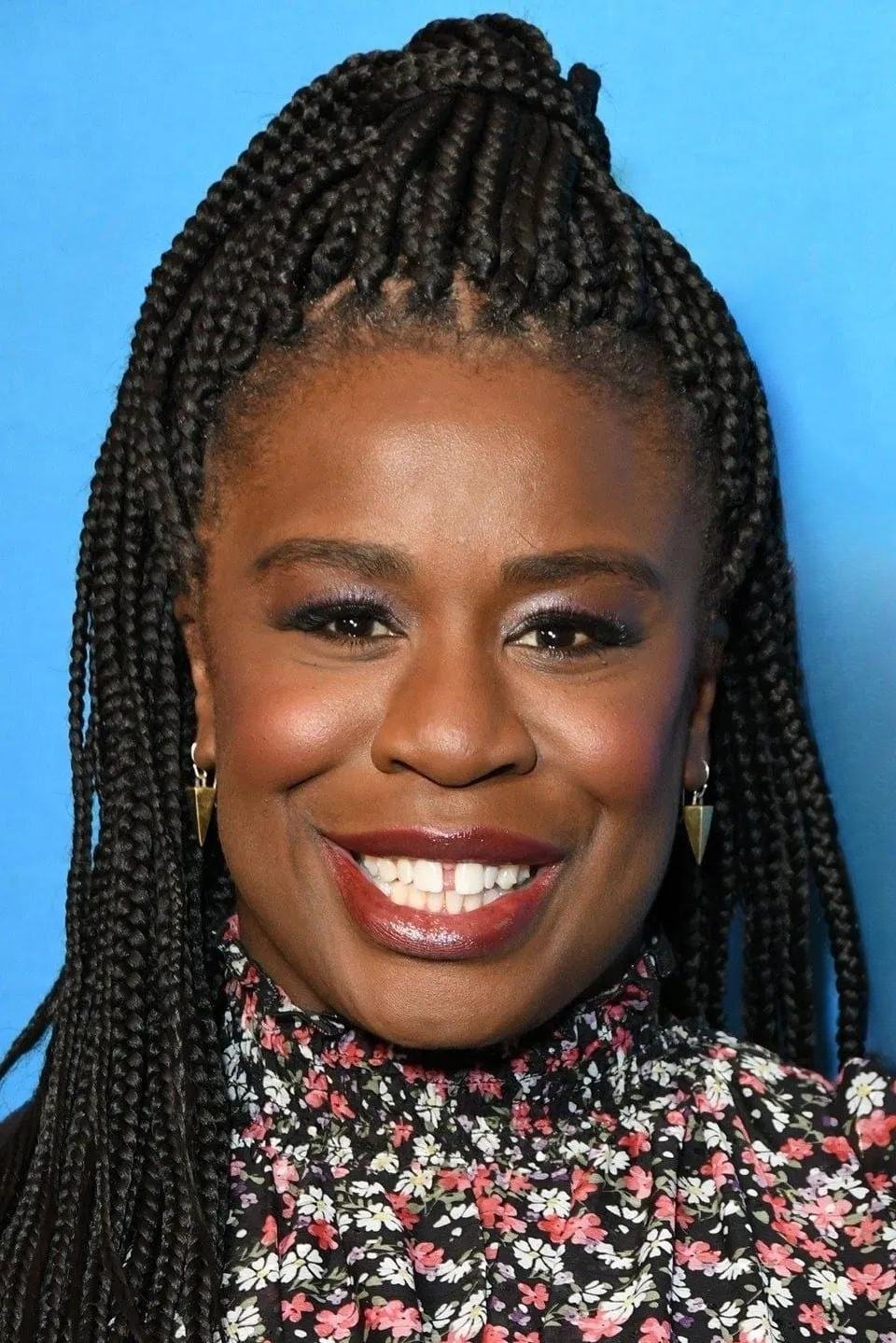
Uzo Aduba spent much of her youth feeling self-conscious about her gap-toothed smile, which she was told did not fit beauty standards. She even asked her mother if she could get braces to close the gap, but her mother refused, saying it was a beautiful feature. This unique trait eventually became part of her signature look as Suzanne “Crazy Eyes” Warren in ‘Orange Is the New Black’. The role earned her two Emmy Awards and international fame. She is now a celebrated figure on both screen and the Broadway stage.
Winnie Harlow
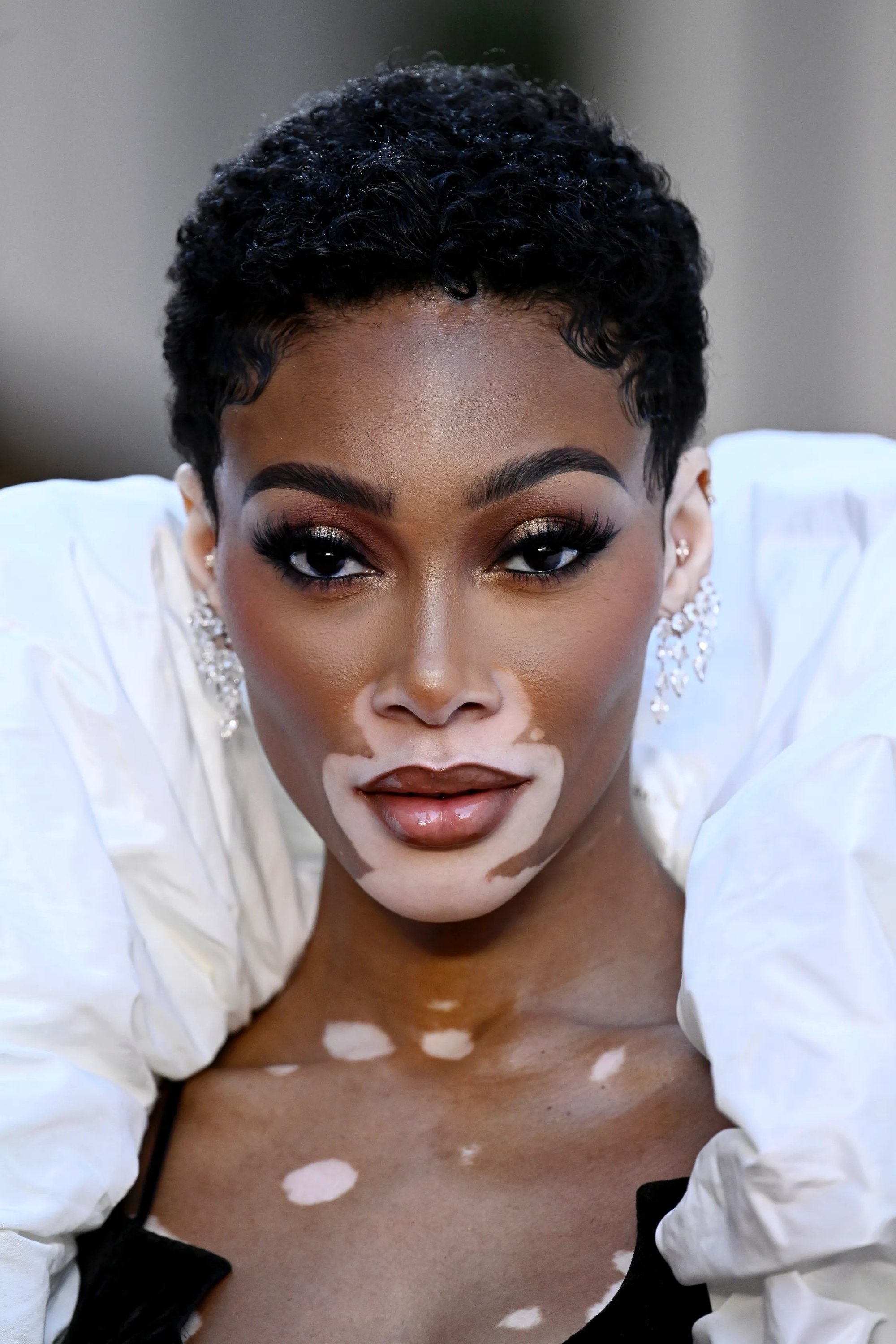
Winnie Harlow was severely bullied as a child due to her vitiligo, a condition that causes depigmentation of the skin. She was told she was “ugly” and compared to various animals by her peers. Despite the emotional toll, she decided to pursue modeling and was discovered on ‘America’s Next Top Model’. She has since become a high-fashion icon, walking for major designers and appearing in global campaigns. Her success has paved the way for more diverse representation in the fashion industry.
Lizzo
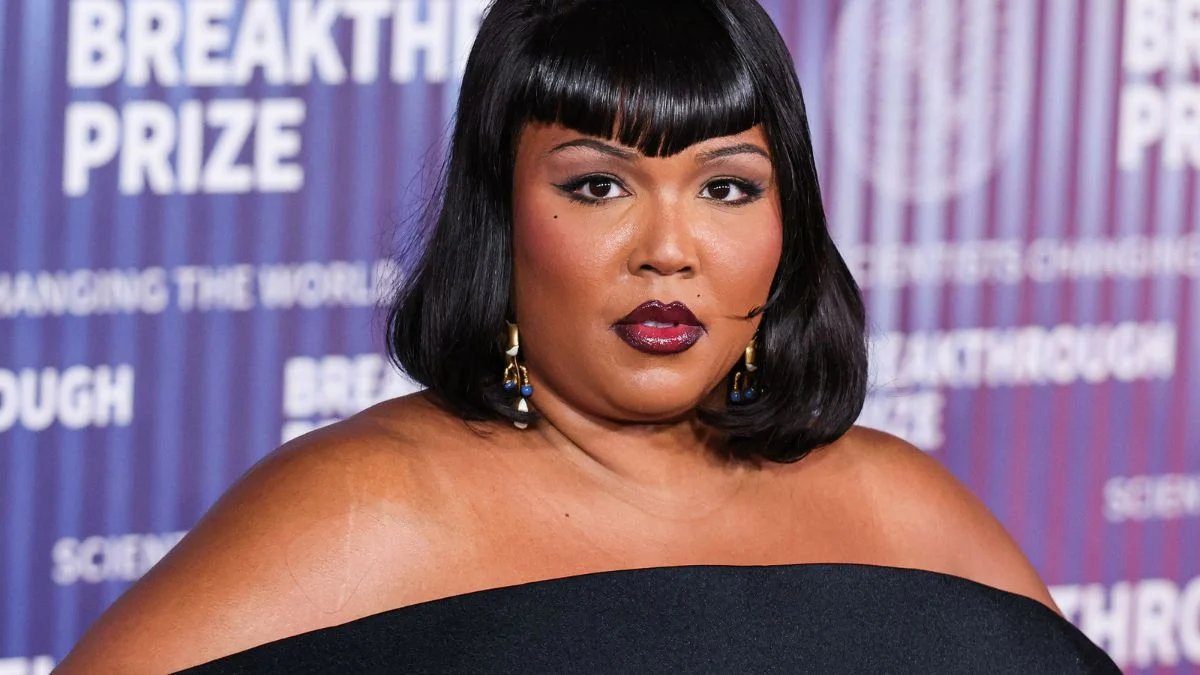
Lizzo has faced significant pushback and online harassment regarding her body size since she rose to fame. Critics have frequently claimed that her appearance is “unhealthy” or not suited for a mainstream pop icon. Lizzo has consistently used her platform to promote body positivity and self-love, refusing to hide her physique. Her music has topped charts worldwide, and she has won multiple Grammy Awards. She remains a powerful symbol of confidence for people who do not see themselves reflected in traditional media.
Chrissy Teigen
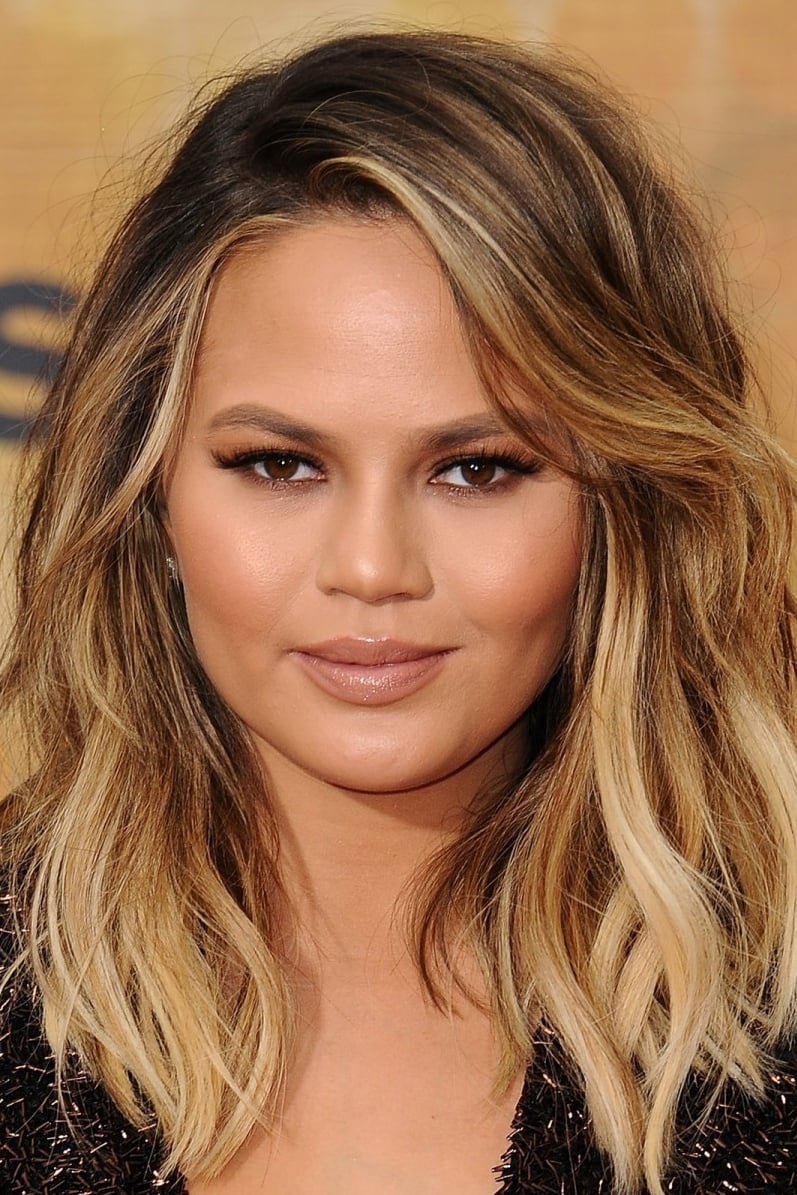
Early in her modeling career, Chrissy Teigen was fired from a job with Forever 21 because the brand decided she was “too fat.” She has recounted how they took her photo and then sent it to her agency saying she looked “terrible” and needed to leave immediately. Teigen did not let the experience end her career and went on to become a successful model for ‘Sports Illustrated’. She has since transitioned into a media personality, cookbook author, and television host. Her candid personality has earned her a massive following.
Florence Pugh

When Florence Pugh landed her first big television pilot in the United States, she was told she needed to change her look. Executives suggested she lose weight and change the shape of her face and eyebrows to be more “marketable.” Pugh felt that if she changed those things, she wouldn’t be the actress they hired in the first place. She returned to the UK and eventually starred in ‘Lady Macbeth’, which launched her international career. She is now an Academy Award nominee and a major star in the Marvel Cinematic Universe.
Anya Taylor-Joy
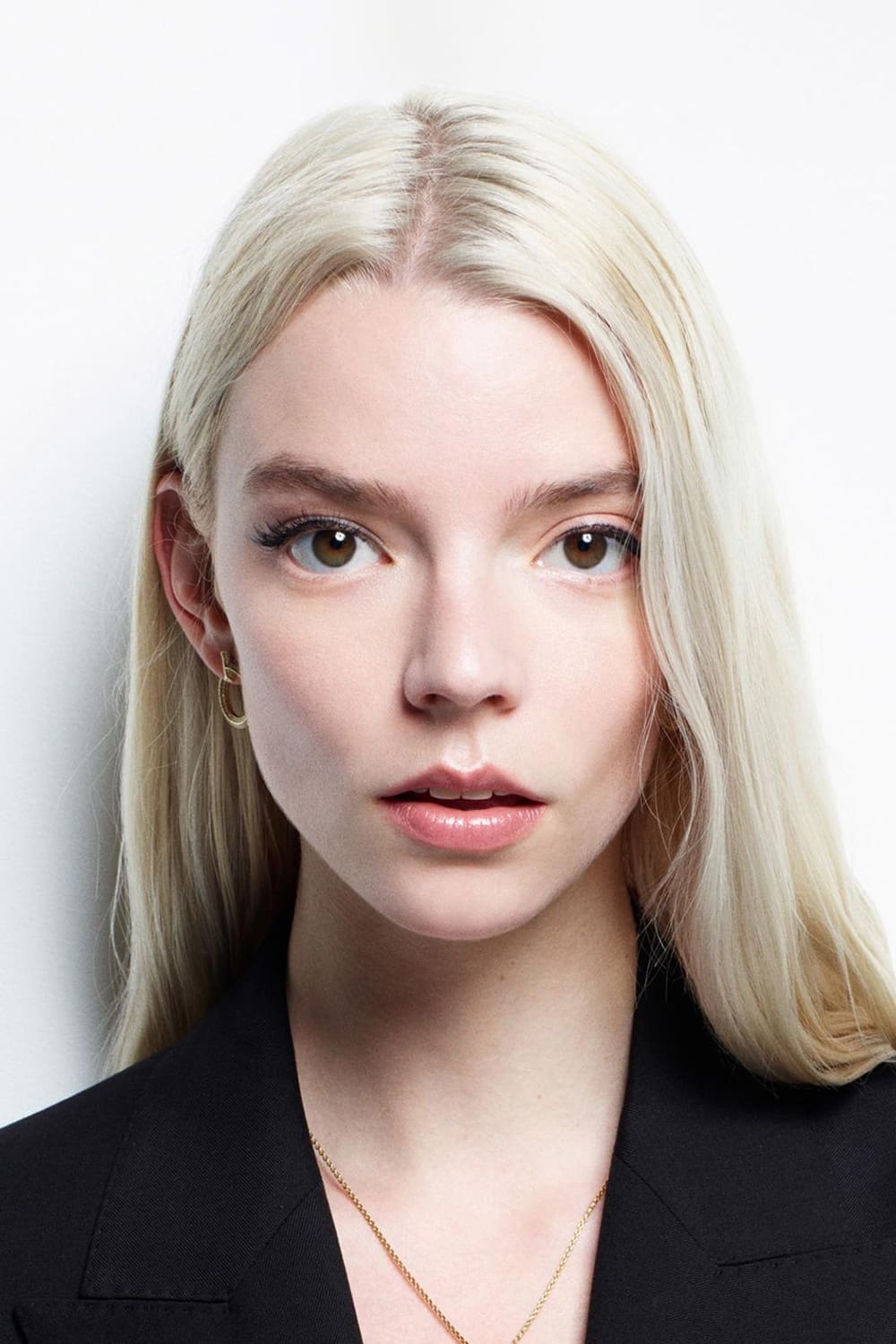
Anya Taylor-Joy has revealed that she was bullied as a child for the spacing of her eyes, being told she looked “weird.” She admitted that she avoided looking in mirrors for a long time due to the negative comments about her appearance. However, her unique features became a major asset in her acting career, giving her a striking presence in ‘The Witch’ and ‘The Queen’s Gambit’. She has since become one of the most sought-after actresses in Hollywood. Taylor-Joy is now celebrated for the very look that she was once mocked for.
Greta Gerwig
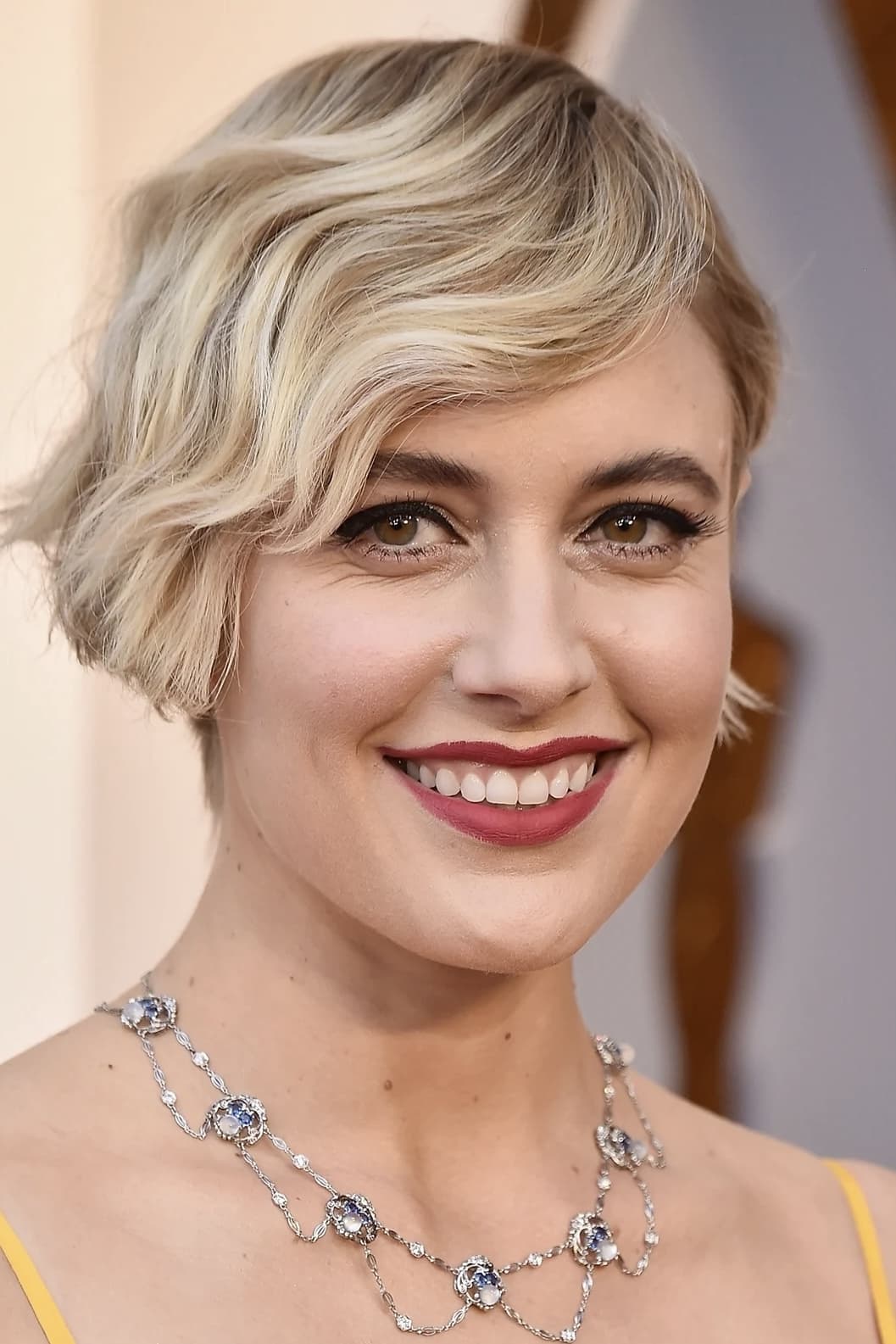
At the beginning of her career, Greta Gerwig received feedback that her look was not suited for “leading lady” roles. She was often relegated to the “best friend” or “quirky girl” archetypes in independent films. Gerwig pivoted to writing and directing, where she could create her own narratives and visual styles. Her films ‘Lady Bird’ and ‘Little Women’ received critical acclaim and multiple Academy Award nominations. In 2023, she directed ‘Barbie’, which became a global phenomenon and the highest-grossing film ever directed by a woman.
Rooney Mara
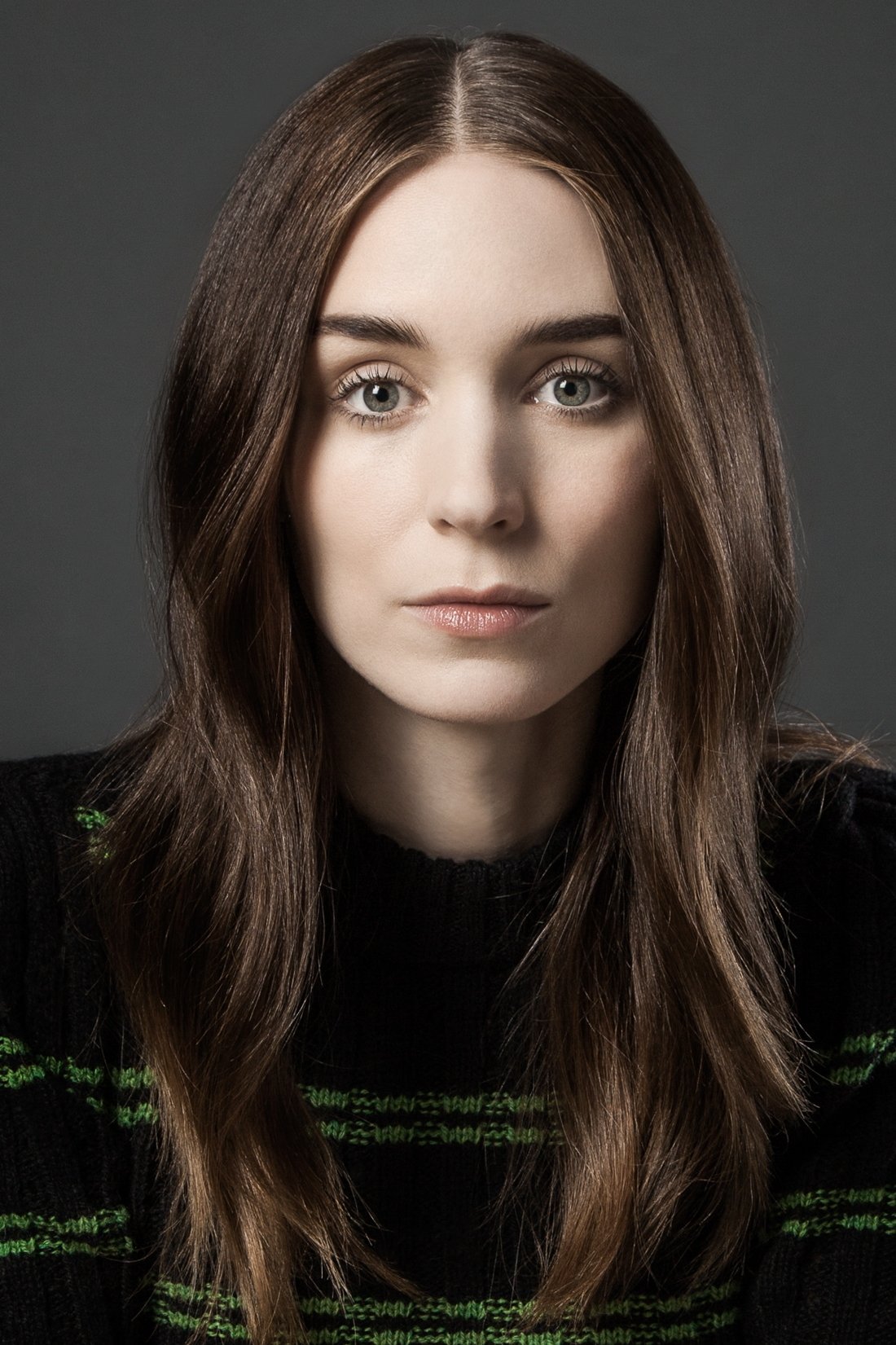
When Rooney Mara was being considered for the lead in ‘The Girl with the Dragon Tattoo’, many executives doubted her. They felt she was too “soft” and not “edgy” or “pretty” in the specific way the character required. Director David Fincher fought for her, and Mara underwent a drastic physical transformation for the role. Her performance earned her an Academy Award nomination and proved her range. She has since built a career playing complex, often unconventional characters.
Awkwafina

Awkwafina, born Nora Lum, was told throughout her life that her raspy voice and unconventional look wouldn’t fit the mold of a traditional star. In the early days of her career, she faced skepticism from industry insiders who didn’t see her as a viable lead. She broke through with her music and comedic roles in ‘Ocean’s 8’ and ‘Crazy Rich Asians’. Her dramatic turn in ‘The Farewell’ earned her a Golden Globe Award for Best Actress. She continues to break barriers for Asian-American performers in Hollywood.
Pink

Early in her career, Pink was told by music executives that she wasn’t “pretty enough” to compete with the blonde, “girl-next-door” pop stars of the late 90s. She was encouraged to change her image to be more feminine and mainstream. Pink resisted, opting for a punk-inspired look and honest, raw lyrics that resonated with a different audience. She has since sold over 40 million albums and is known for her incredible live performances. Her longevity in the industry has outlasted many of the stars she was once compared to.
Naomi Campbell
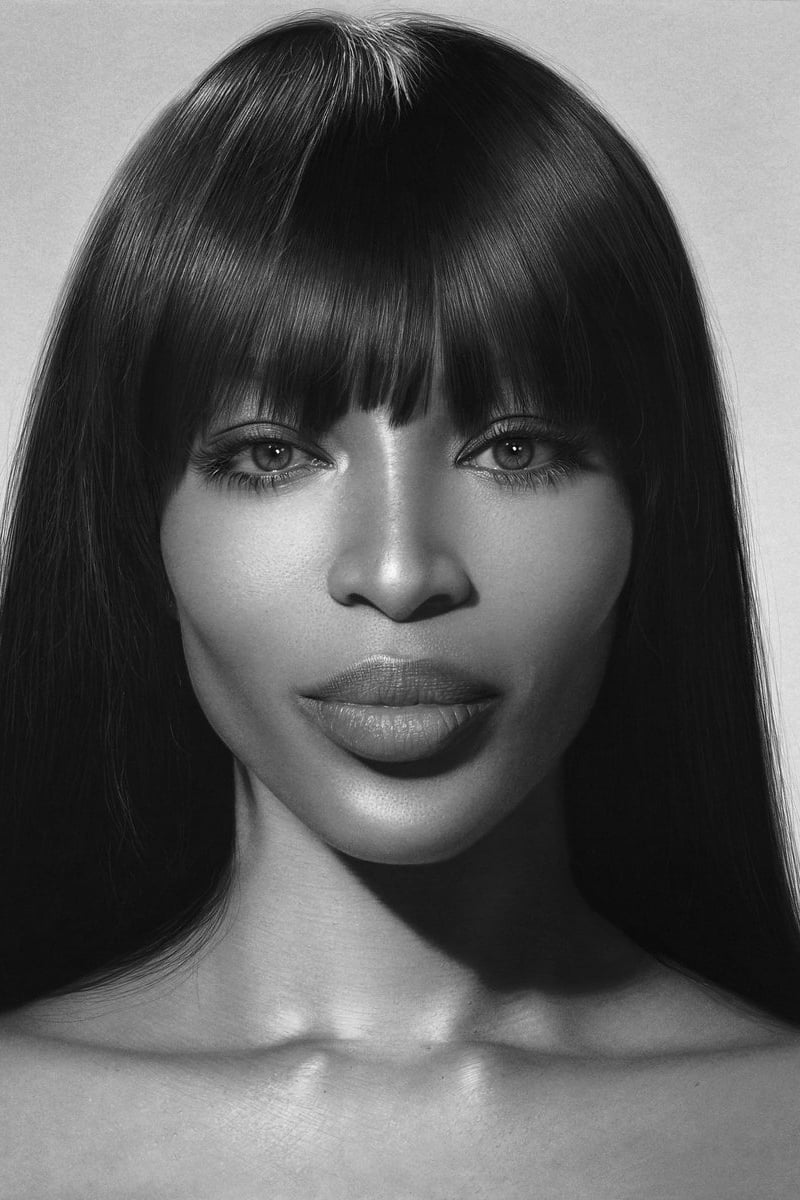
Naomi Campbell faced systemic racism and frequent critiques of her features throughout her legendary modeling career. She was often told she was “too difficult” or that her look wouldn’t sell as well as her white counterparts. Despite these barriers, she became one of the most recognizable and successful supermodels in history. She was the first Black woman to appear on the cover of French Vogue and Time magazine. Her influence on the fashion world remains unparalleled after decades in the industry.
Tyra Banks

When Tyra Banks first started modeling in Europe, she was rejected by multiple agencies because she was “too big” or “too curvy.” She was told that her body type did not fit the “high-fashion” standards of the time. Banks decided to move back to the United States and pivot toward commercial modeling and television. She became the first Black woman on the cover of ‘Sports Illustrated’ and created the massive ‘America’ Next Top Model’ franchise. She eventually became a successful businesswoman and media mogul.
Maggie Gyllenhaal
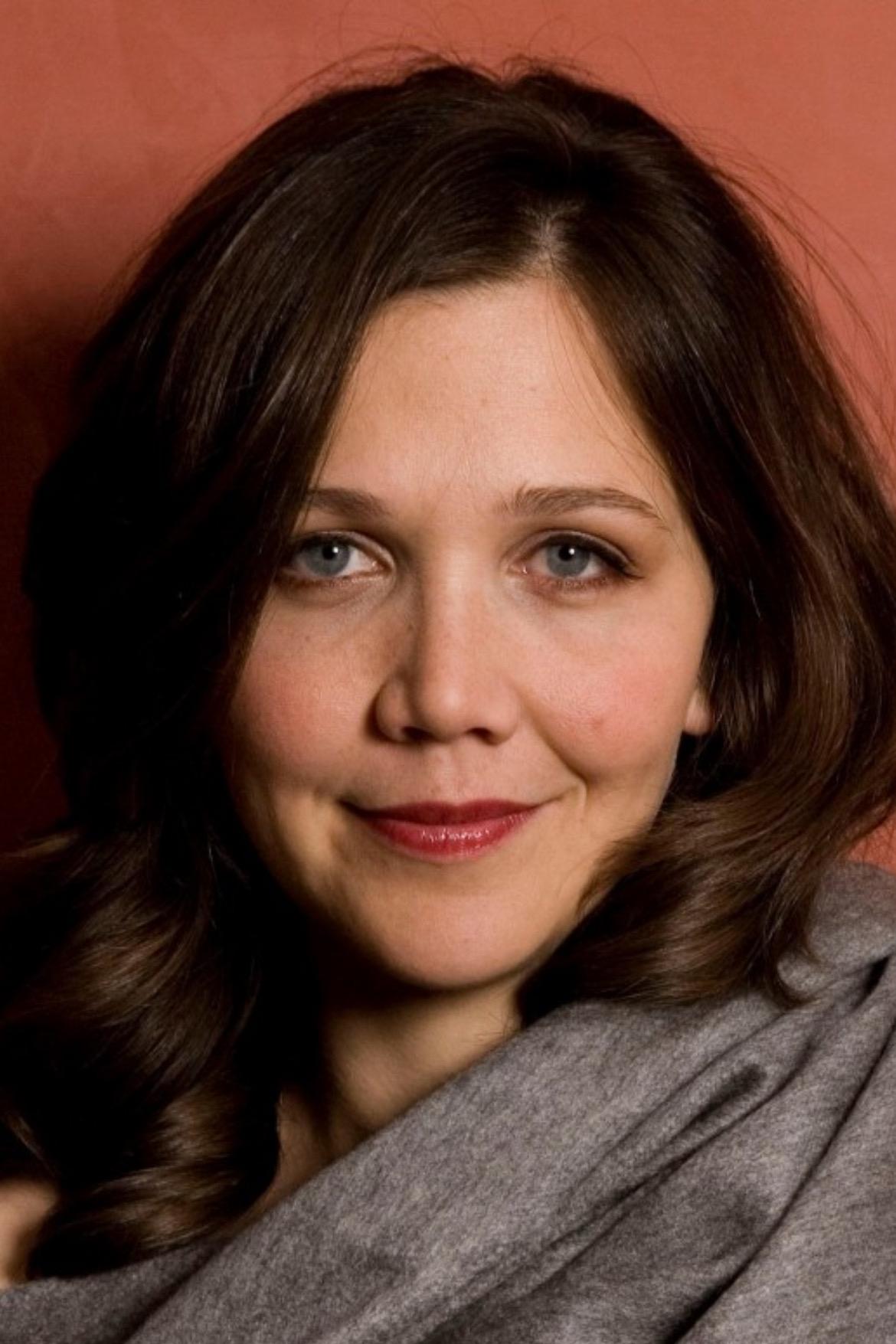
Maggie Gyllenhaal has spoken about the bizarre beauty standards in Hollywood, including a time she was told she was “too old” at 37 to play the lover of a 55-year-old man. Throughout her career, she has faced comments about her look not being “glamorous” enough for certain roles. She has consistently chosen challenging work in films like ‘Secretary’ and ‘The Dark Knight’. Gyllenhaal eventually transitioned into directing with the acclaimed film ‘The Lost Daughter’. She remains a highly respected figure for her artistic integrity.
Kerry Washington
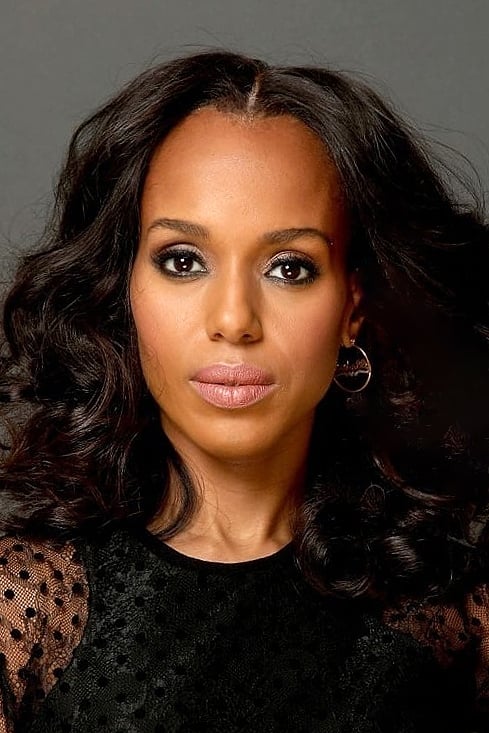
Before her success on ‘Scandal’, Kerry Washington was fired from two different television pilots. She was told she wasn’t “urban” enough or that she didn’t fit the specific “look” the producers wanted for the lead characters. Rather than changing her style or personality, she continued to look for roles that valued her talent. Her portrayal of Olivia Pope became a cultural milestone, making her the first Black woman to lead a network drama in decades. She is now an influential producer and activist.
Tilda Swinton
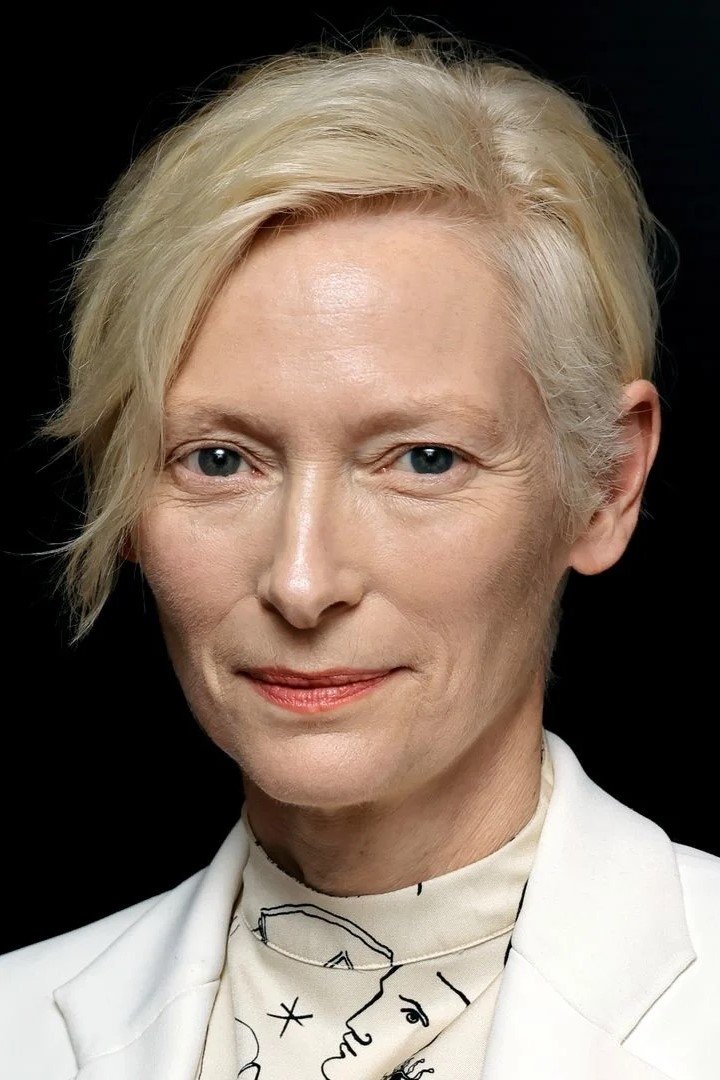
Tilda Swinton has never fit the traditional “pretty girl” archetype of Hollywood, often being described as “androgynous” or “alien.” Early on, she was told her looks were too unconventional for mainstream success. Swinton embraced her unique appearance and became a muse for both avant-garde filmmakers and major studios. She won an Academy Award for ‘Michael Clayton’ and has appeared in everything from ‘Narnia’ to Marvel films. Her career is a testament to the power of individuality and artistic risk-taking.
Oprah Winfrey
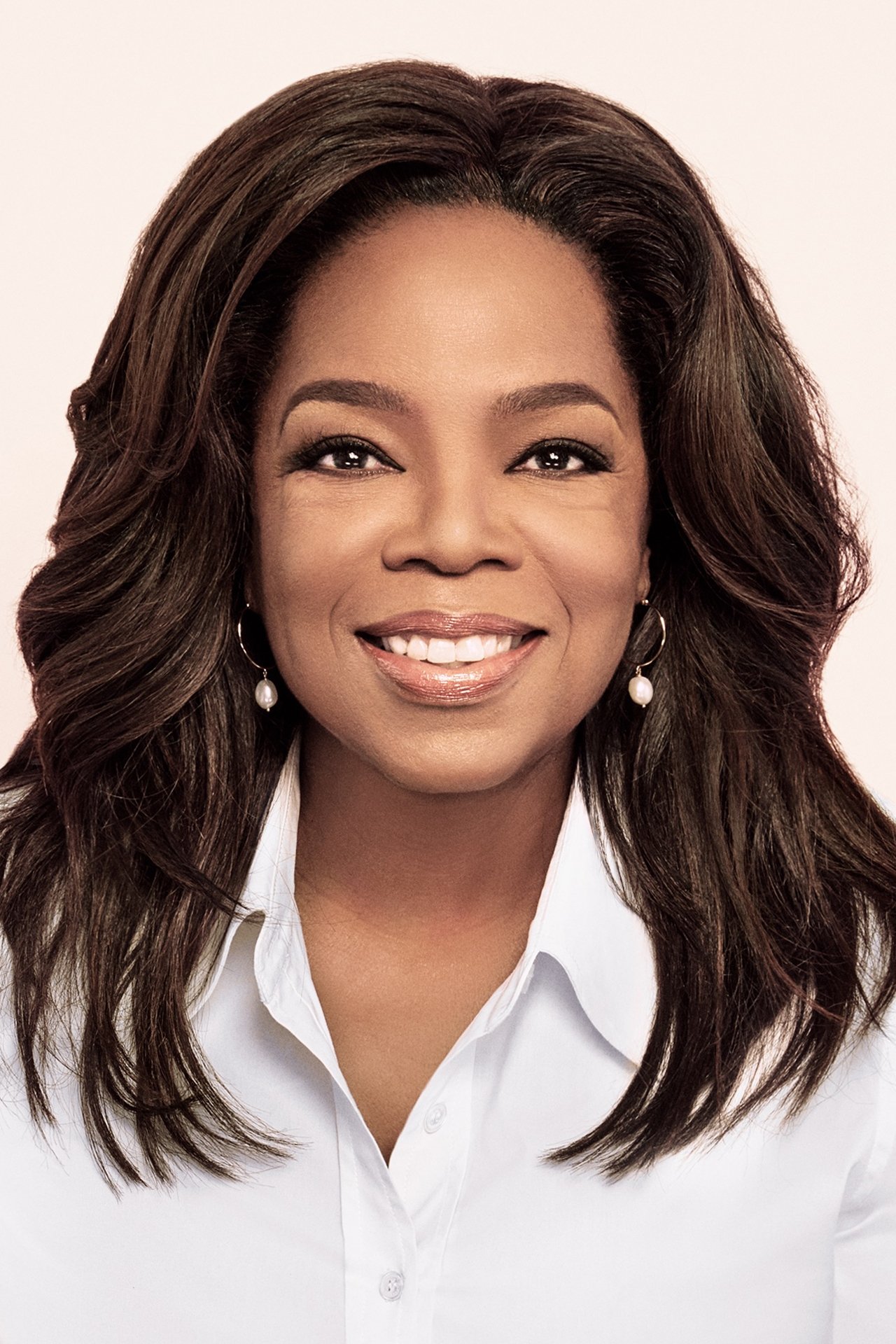
At the start of her broadcasting career in Baltimore, Oprah Winfrey was told by a producer that she was “unfit for television news.” The critique was based on her being too emotional and not having the “right look” for a news anchor. She was demoted to a daytime talk show, which eventually became the foundation for her global empire. ‘The Oprah Winfrey Show’ went on to become the highest-rated program of its kind in history. She is now one of the most influential and wealthiest women in the world.
Kate Moss
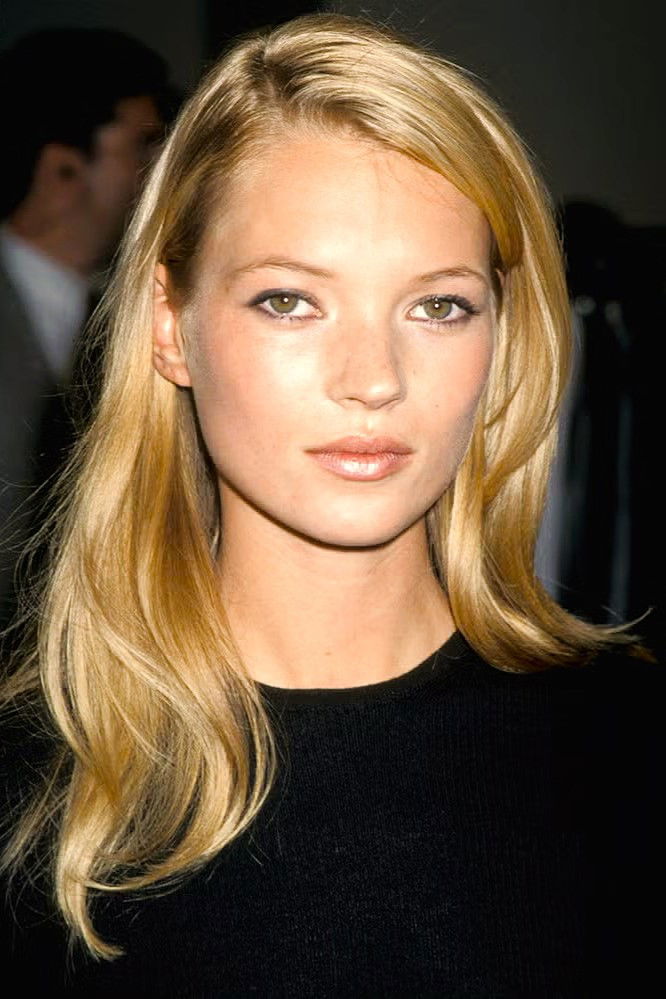
When Kate Moss first entered the modeling scene, she was criticized for being too short and too thin compared to the “supermodels” of the era. Critics called her “waif-like” and suggested she wasn’t “pretty” enough to be a high-fashion icon. Her look sparked a massive shift in the industry, leading to the “heroin chic” trend of the 1990s. Despite the controversy, she became one of the most successful and enduring models of all time. Her face has graced hundreds of magazine covers worldwide.
Sofía Vergara
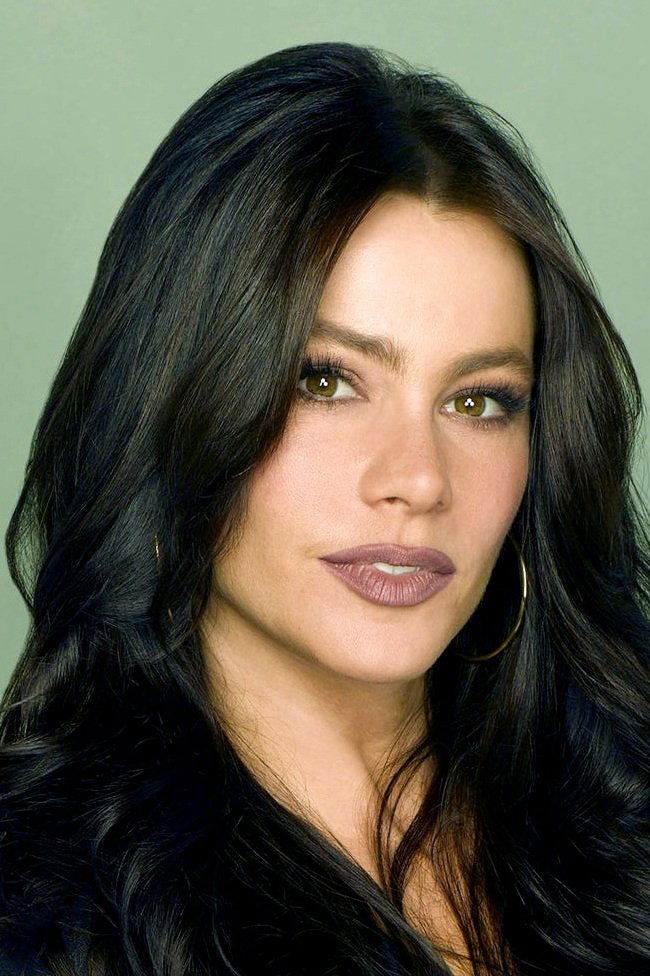
When Sofia Vergara first arrived in Hollywood, she was told she didn’t look “Latin enough” because she was naturally blonde. Casting directors told her she wasn’t “pretty” in the way they expected a Latina actress to be and suggested she change her appearance. She eventually dyed her hair dark brown to fit the industry’s stereotype, which helped her land her breakout role in ‘Modern Family’. Despite the initial pressure to conform, she became the highest-paid actress on television for several years. She is now a successful entrepreneur and global star.
Zendaya

Zendaya faced skepticism early in her career about her ability to transition from a Disney Channel star to a serious actress. Some critics and industry insiders suggested her look was “too young” or didn’t fit the mold of a serious dramatic lead. She proved them wrong with her gritty, award-winning performance in ‘Euphoria’. Zendaya has since become a major fashion icon and a lead in massive franchises like ‘Spider-Man’ and ‘Dune’. She is now one of the most influential young women in the world.
Share your thoughts on which of these icons has the most inspiring story in the comments.