Anime That Quietly Became Classics Without Anyone Noticing At First


The landscape of Japanese animation is frequently dominated by seasonal blockbusters and long-running shonen hits that achieve immediate global recognition. However, a significant number of influential series began their runs with little fanfare, slowly building a reputation through word-of-mouth and critical re-evaluation. These titles often broke conventional genre molds or experimented with visual storytelling that was ahead of its time. Over the years, these once-overlooked projects have transitioned from niche interests to foundational pillars of the medium. Today, they are recognized for their artistic merit and the profound impact they have had on subsequent generations of creators.
‘Mushi-shi’ (2005–2006)
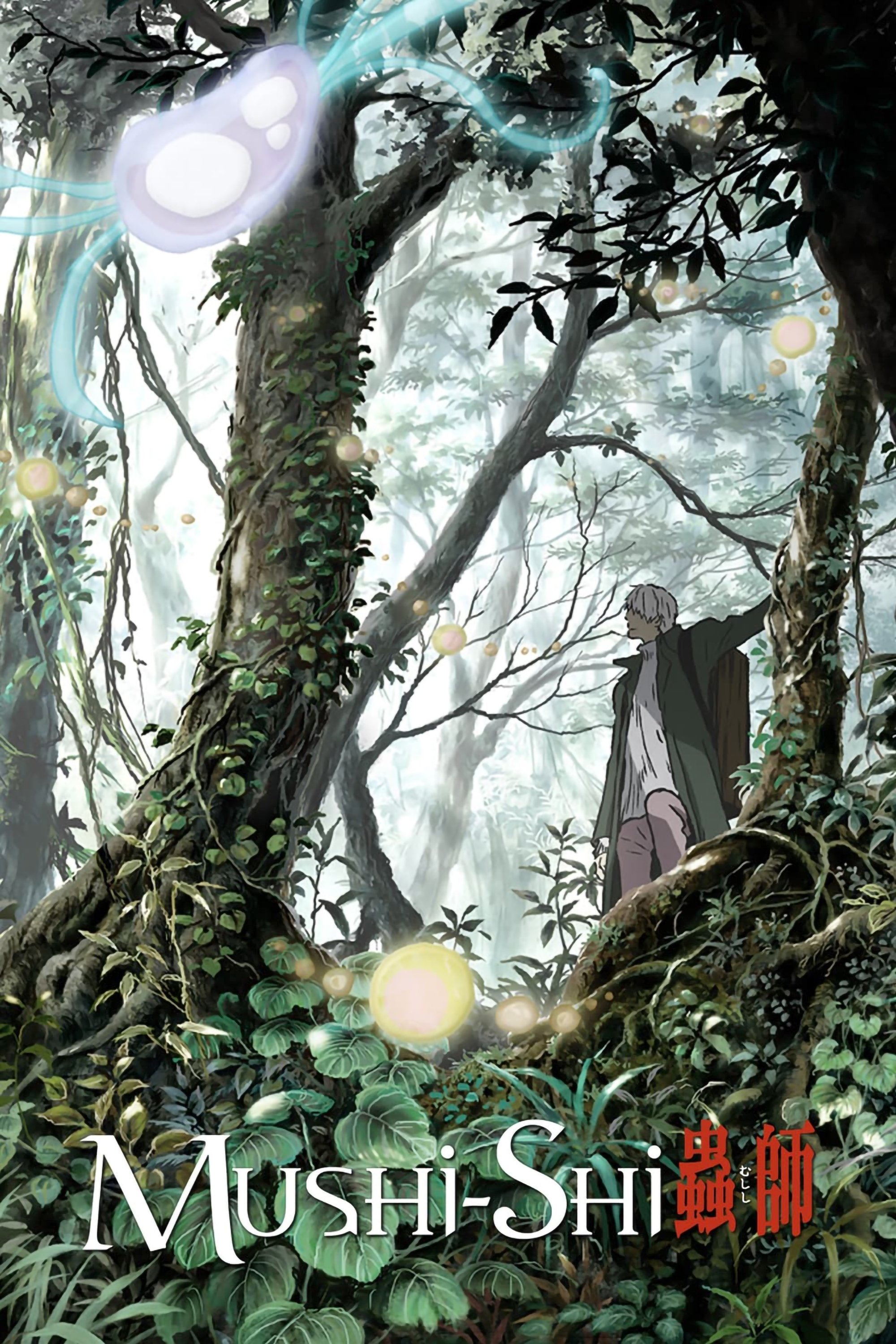
‘Mushishi’ follows the wanderings of Ginko, a specialist who investigates primitive life forms known as Mushi that often cause supernatural ailments in humans. The series utilizes an episodic structure to explore the delicate balance between nature and humanity in a fictionalized version of historical Japan. Unlike many of its contemporaries, the show focuses on atmosphere and philosophical contemplation rather than action or high-stakes drama. While it did not command a massive audience during its initial broadcast, it has since been canonized as a definitive example of the “iyashikei” genre. The program is frequently cited for its evocative score and its meditative approach to storytelling.
‘The Tatami Galaxy’ (2010)
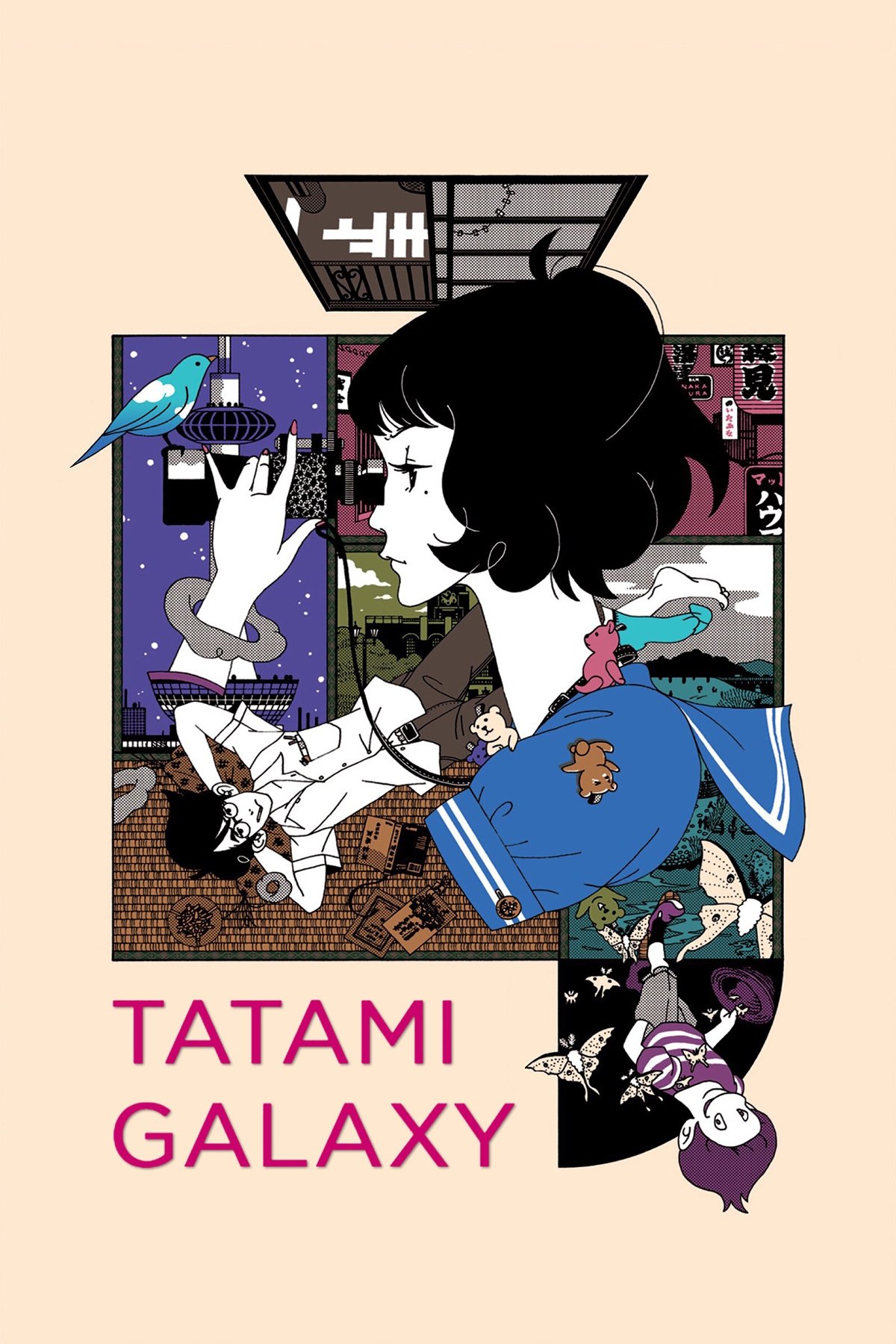
‘The Tatami Galaxy’ centers on an unnamed college student who repeatedly relives his first two years of university in search of a “rose-colored campus life.” Each episode resets the timeline as the protagonist chooses a different student club, only to face inevitable disappointment and chaotic misadventures. Directed by Masaaki Yuasa, the series is notable for its rapid-fire dialogue and avant-garde visual style that shifts based on the character’s emotional state. It initially occupied a late-night experimental time slot and struggled to find a broad audience outside of dedicated enthusiasts. However, its complex narrative structure and exploration of fate have earned it a reputation as one of the most intellectually stimulating anime of the 21st century.
‘Paranoia Agent’ (2004)
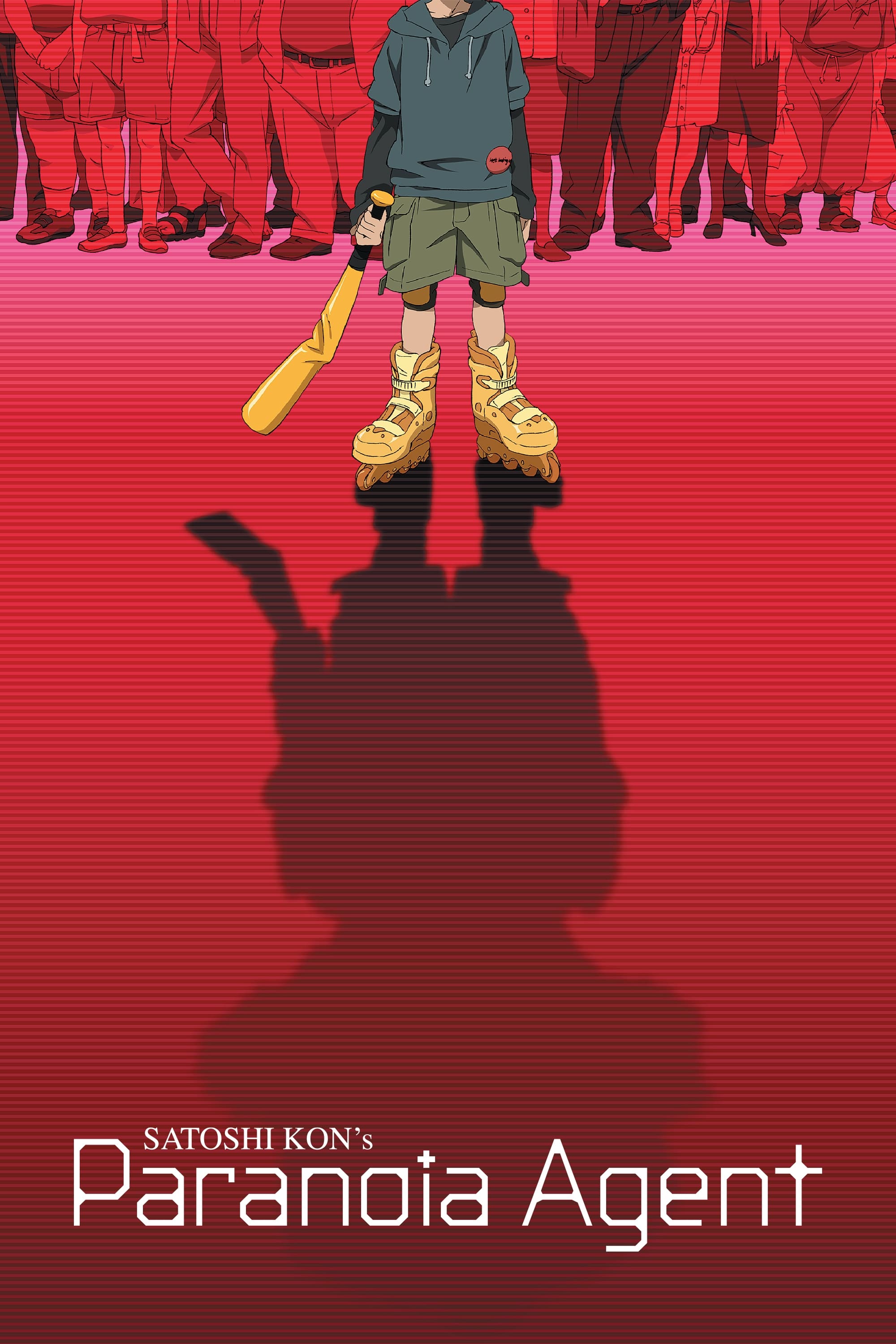
‘Paranoia Agent’ begins with a mysterious assault by a rollerblading youth known as Lil’ Slugger, which triggers a wave of similar attacks across Tokyo. As the police investigate, the line between reality and collective hysteria begins to blur, affecting citizens from various walks of life. The series was the only television project directed by the late Satoshi Kon, who used the format to critique modern social anxieties and the escapism of consumer culture. At the time of its release, its surrealist elements and non-linear progression were considered challenging for mainstream viewers. It has since become a staple of psychological thriller lists and is studied for its intricate editing and social commentary.
‘Monster’ (2004–2005)

‘Monster’ tells the story of Dr. Kenzo Tenma, a talented brain surgeon whose life is upended after he chooses to save a young boy’s life over that of a powerful politician. Years later, Tenma discovers that the boy he saved has grown into a calculated serial killer, prompting the doctor to embark on a journey across Germany to stop him. The series is an uncompromisingly grounded psychological thriller that eschews common anime tropes in favor of historical realism and character depth. Its length of 74 episodes and slow-burn pacing initially limited its accessibility to casual audiences. It is now widely regarded as one of the greatest suspense narratives in the history of the medium.
‘Serial Experiments Lain’ (1998)
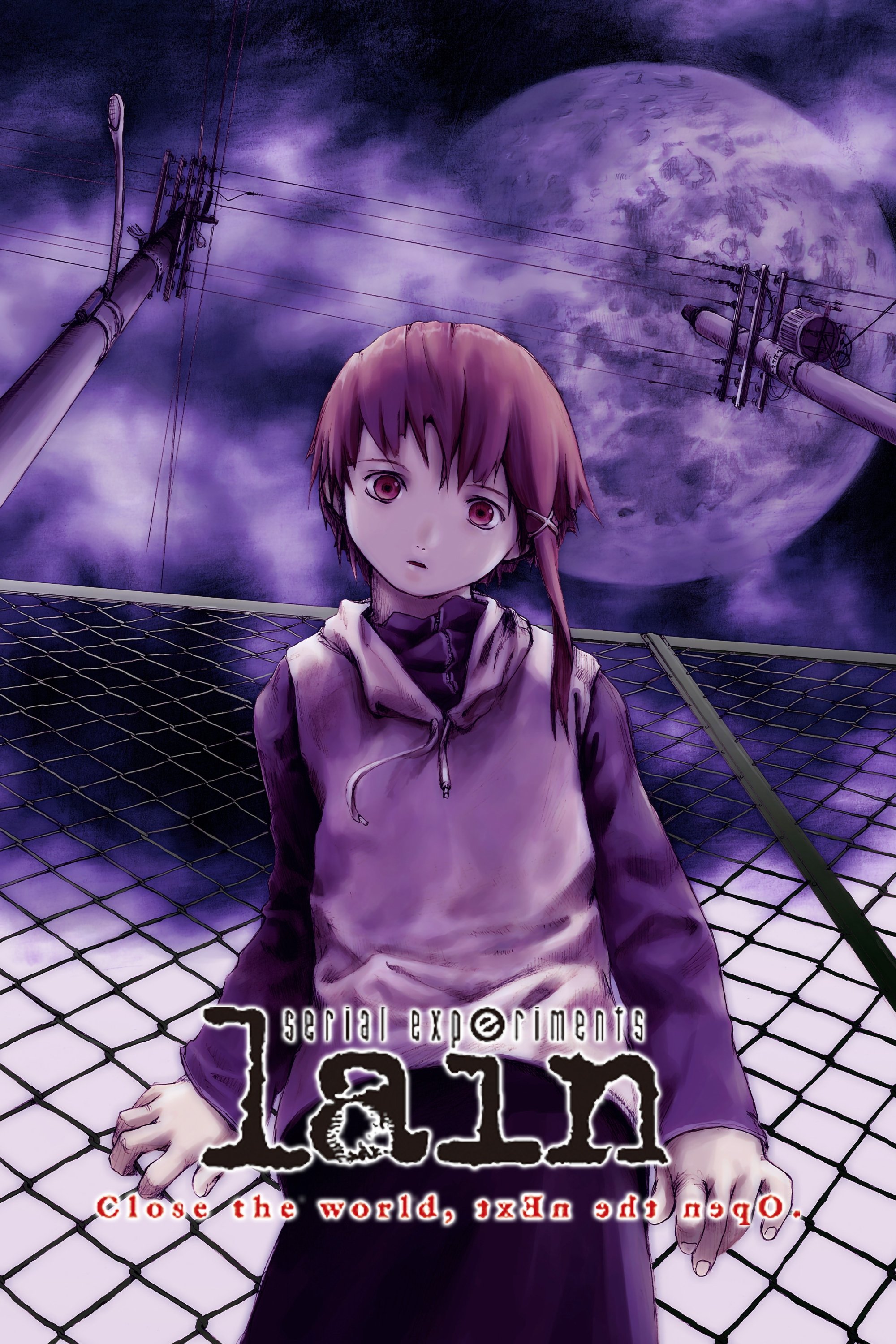
‘Serial Experiments Lain’ explores the life of an introverted teenage girl who becomes obsessed with the Wired, a global communications network similar to the internet. As she delves deeper into the digital realm, the boundaries between the physical world and the virtual space begin to dissolve. The series predicted many aspects of modern social media culture and the psychological effects of constant connectivity long before they became reality. Its abstract visuals and dense philosophical themes made it a cult classic rather than a mainstream hit during the late 1990s. Today, it is frequently analyzed by scholars for its prescient take on identity and technology.
‘Texhnolyze’ (2003)
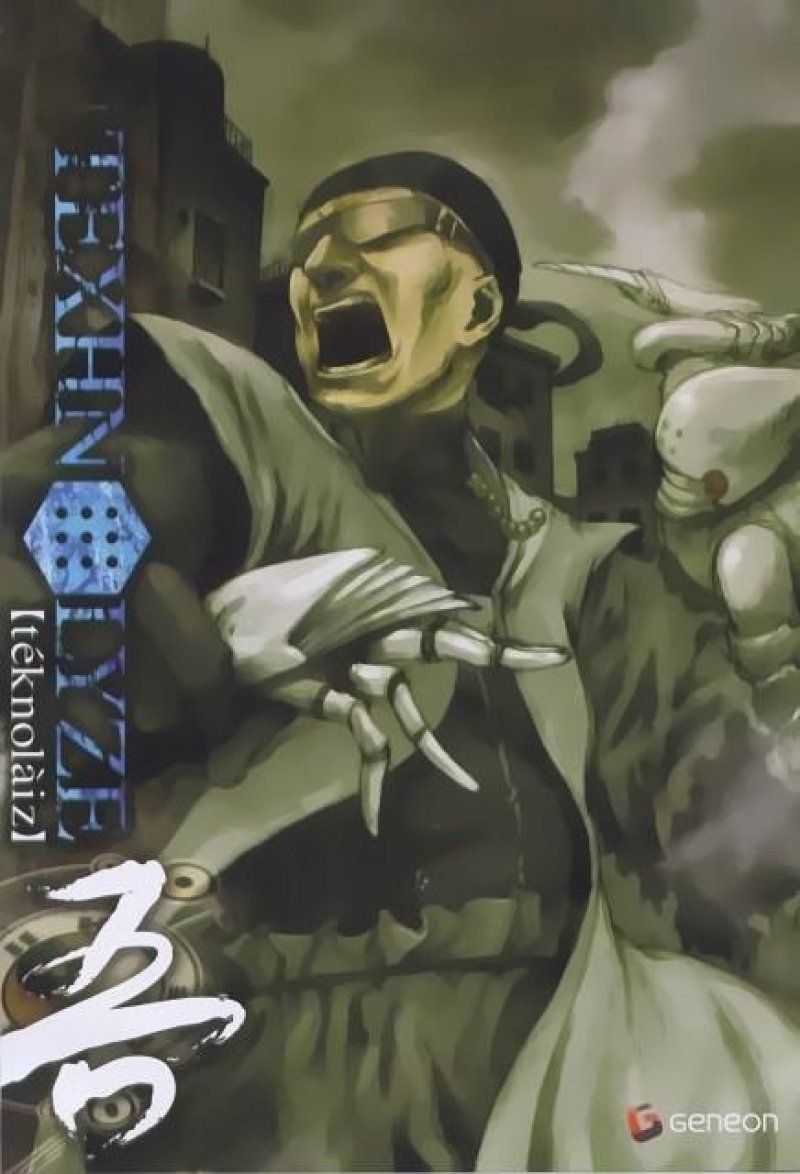
‘Texhnolyze’ is set in the underground city of Lukuss, a crumbling dystopia where rival factions fight for control over the production of prosthetic limbs. The story follows Ichise, a prize fighter who loses his limbs and is fitted with experimental technology, dragging him into a larger conspiracy regarding the fate of humanity. The series is known for its extreme minimalism, including a premiere episode that features almost no dialogue. Its bleak tone and slow development initially alienated viewers looking for traditional cyberpunk action. Over time, it has been recognized for its uncompromising artistic vision and its exploration of nihilism and evolution.
‘Mononoke’ (2007)
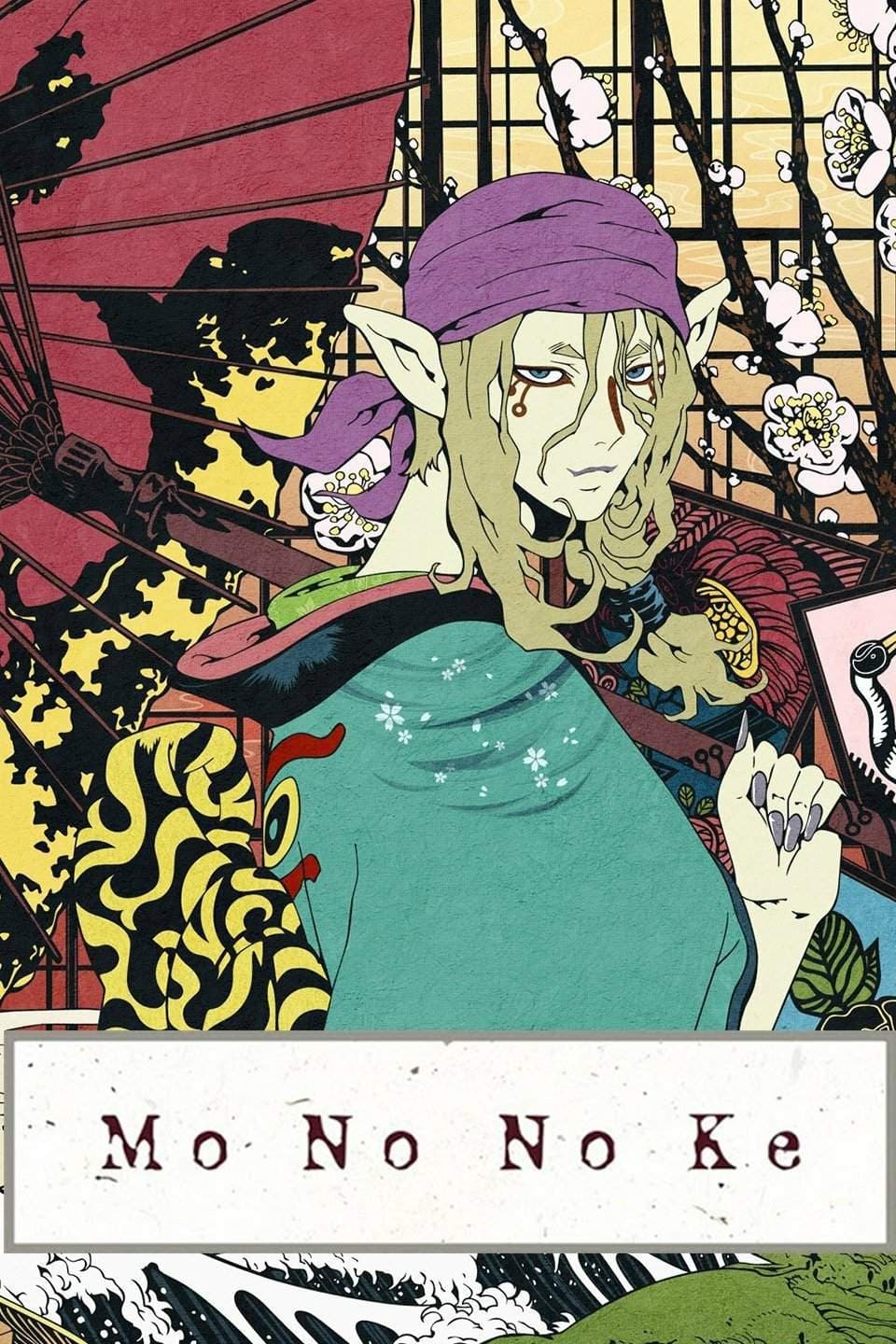
‘Mononoke’ features a character known only as the Medicine Seller, who travels through various historical periods of Japan to slay malevolent spirits. To defeat a spirit, he must first uncover its Form, Truth, and Regret through rigorous investigation. The series is visually distinct for its use of textures that mimic traditional Japanese paper and its vibrant, psychedelic color palette. As a spin-off from the ‘Ayakashi: Samurai Horror Tales’ anthology, it initially had a limited profile. It has since gained status as a masterpiece of supernatural horror due to its unique aesthetic and psychological depth.
‘Haibane Renmei’ (2002)
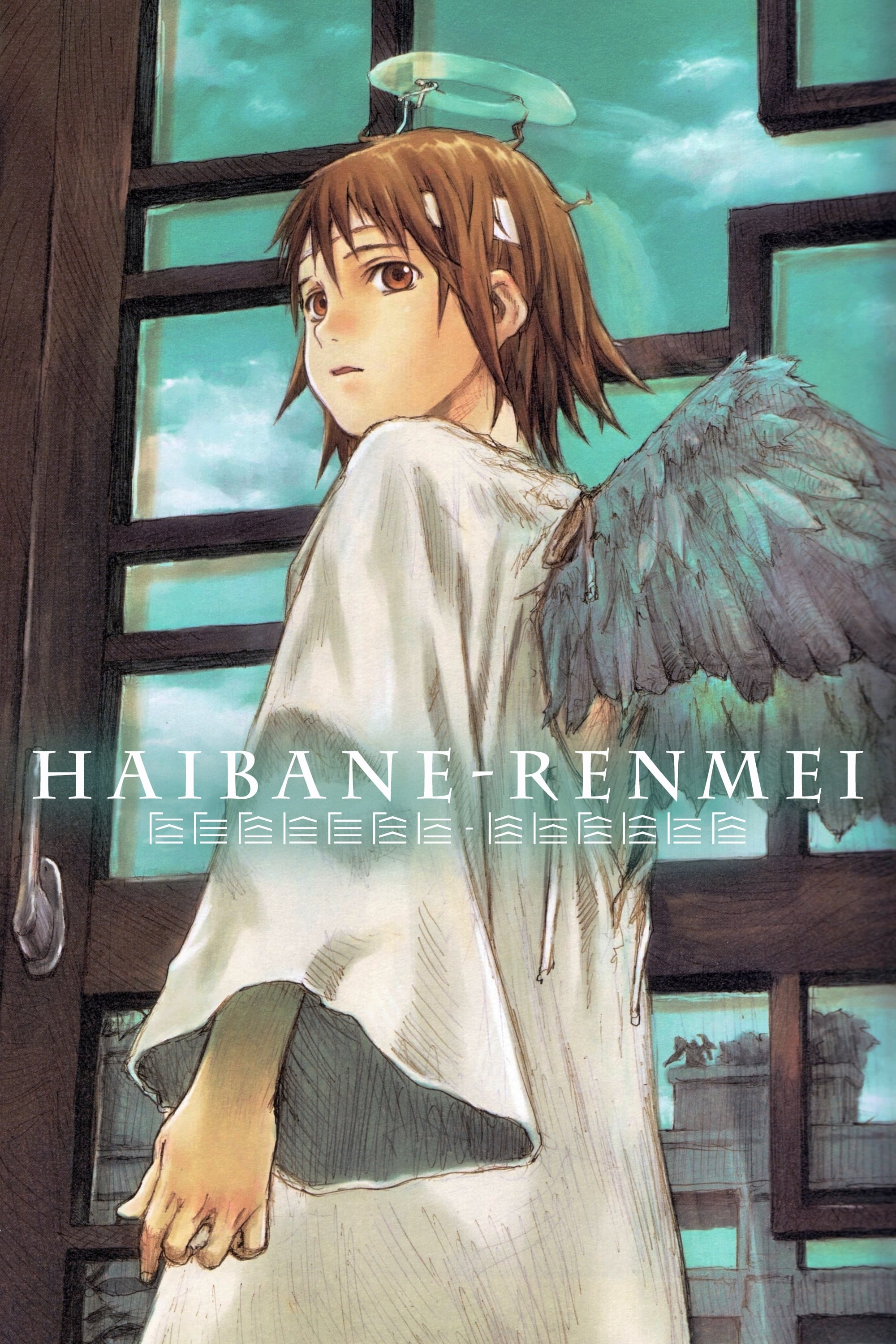
‘Haibane Renmei’ begins with Rakka, a girl who hatches from a cocoon in a walled city inhabited by beings with small wings and halos called Haibane. The residents have no memory of their past lives and must live by strict rules while waiting for their “Day of Flight.” The series focuses on the daily lives and emotional struggles of the community rather than providing explicit answers to its mysteries. Its quiet, melancholic tone meant it was largely overshadowed by higher-budget action series of the early 2000s. It is now celebrated for its sensitive portrayal of guilt, redemption, and the human condition.
‘Baccano!’ (2007)
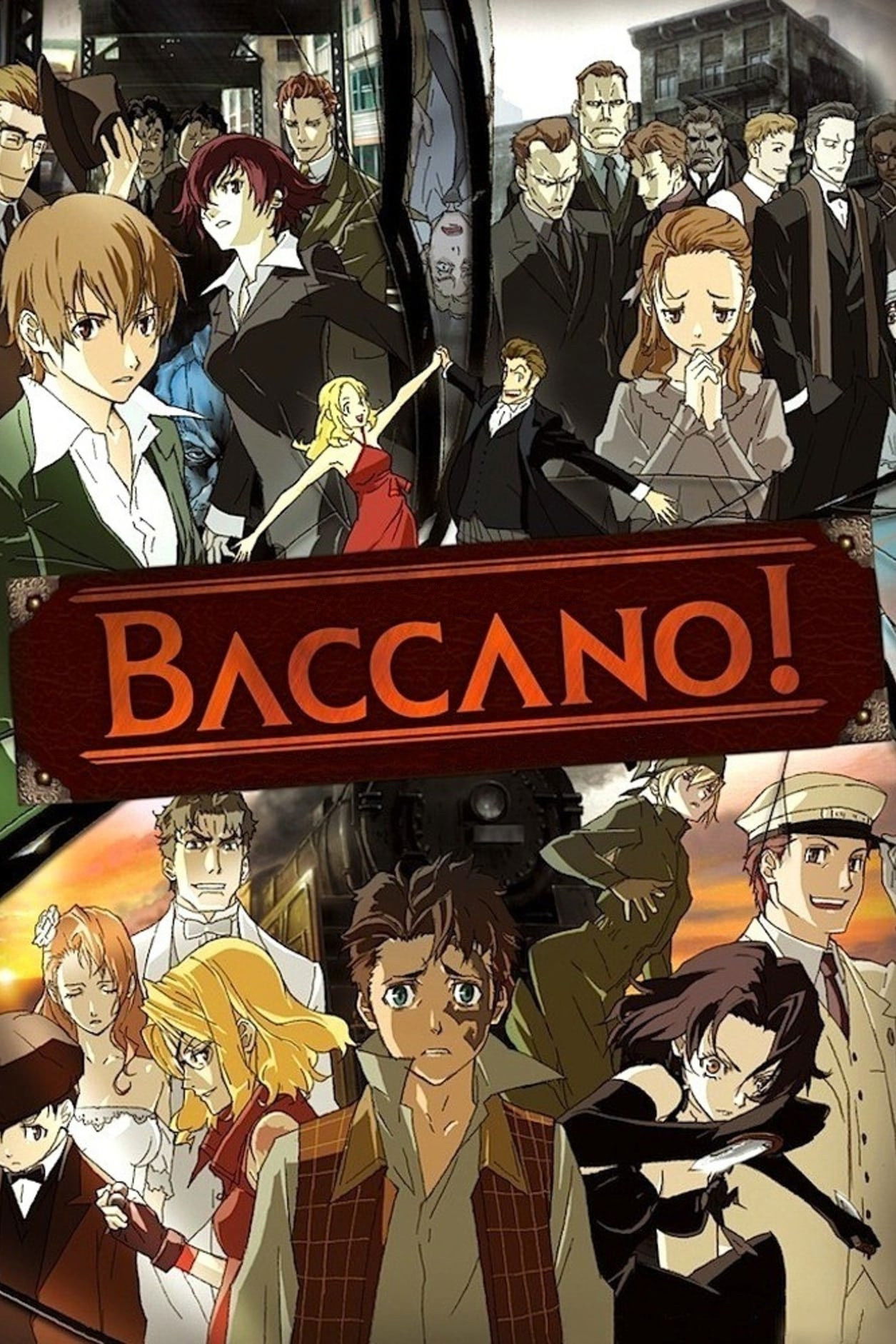
‘Baccano!’ presents a complex, non-linear story involving alchemists, mobsters, and thieves in Prohibition-era America. The narrative jumps between different years and locations, eventually converging on a chaotic train ride aboard the Flying Pussyfoot. Because of its fragmented storytelling and massive ensemble cast, it was initially difficult for audiences to follow during its broadcast run. Its popularity grew significantly through home video releases and international distribution. It is now praised for its energetic direction, jazzy soundtrack, and the seamless way its many plot threads intertwine.
‘Ergo Proxy’ (2006)
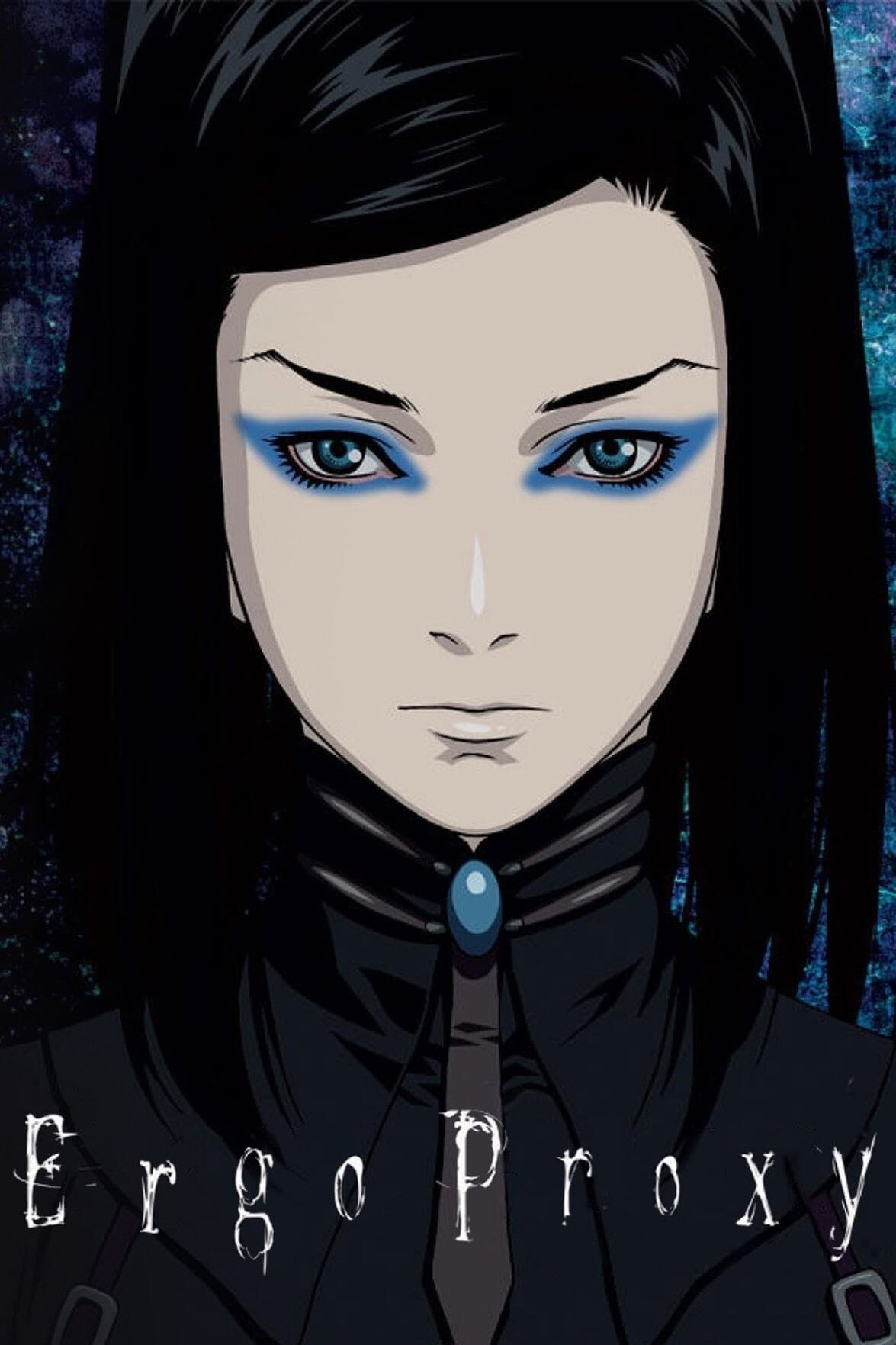
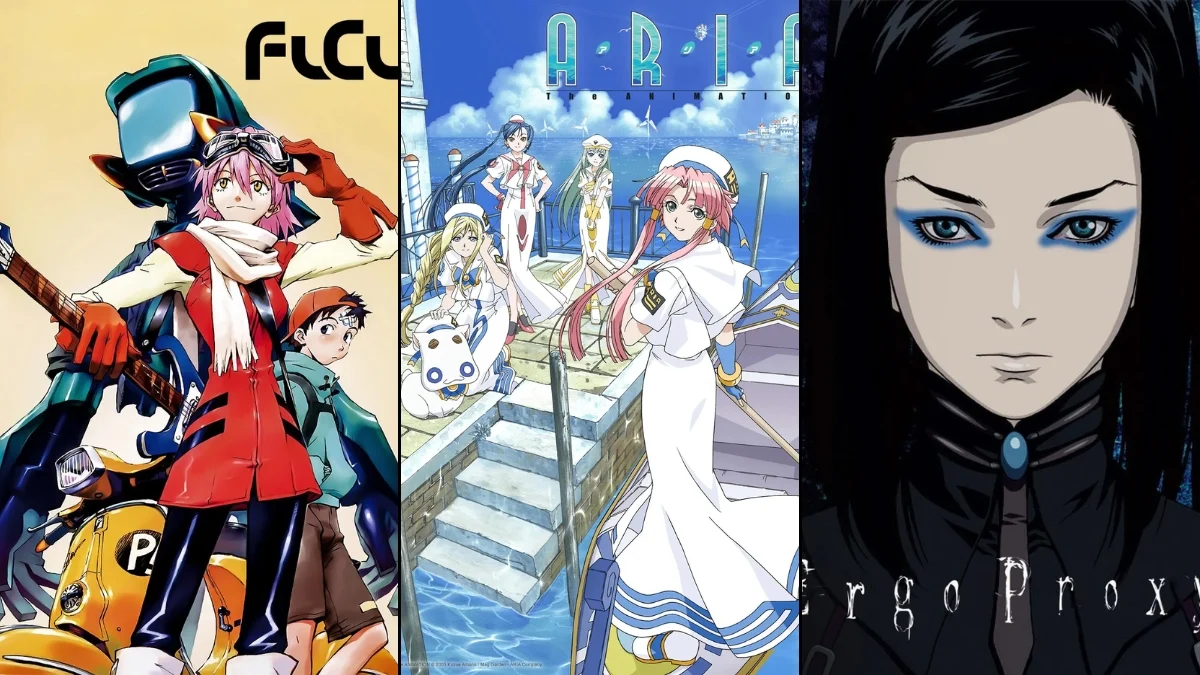
‘Ergo Proxy’ is a post-apocalyptic cyberpunk series set in the domed city of Romdo, where humans and androids called AutoReivs coexist. The plot follows inspector Re-l Mayer as she investigates a virus that grants androids self-awareness and leads her to discover the dark secrets behind the city’s creation. The show incorporates numerous references to Western philosophy, psychology, and literature, making it a dense viewing experience. While its dark aesthetic and cerebral plot were niche at launch, it has become a staple of the “prestige” anime movement of the mid-2000s. It remains a key example of the genre’s ability to handle mature, complex themes.
‘Katanagatari’ (2010)
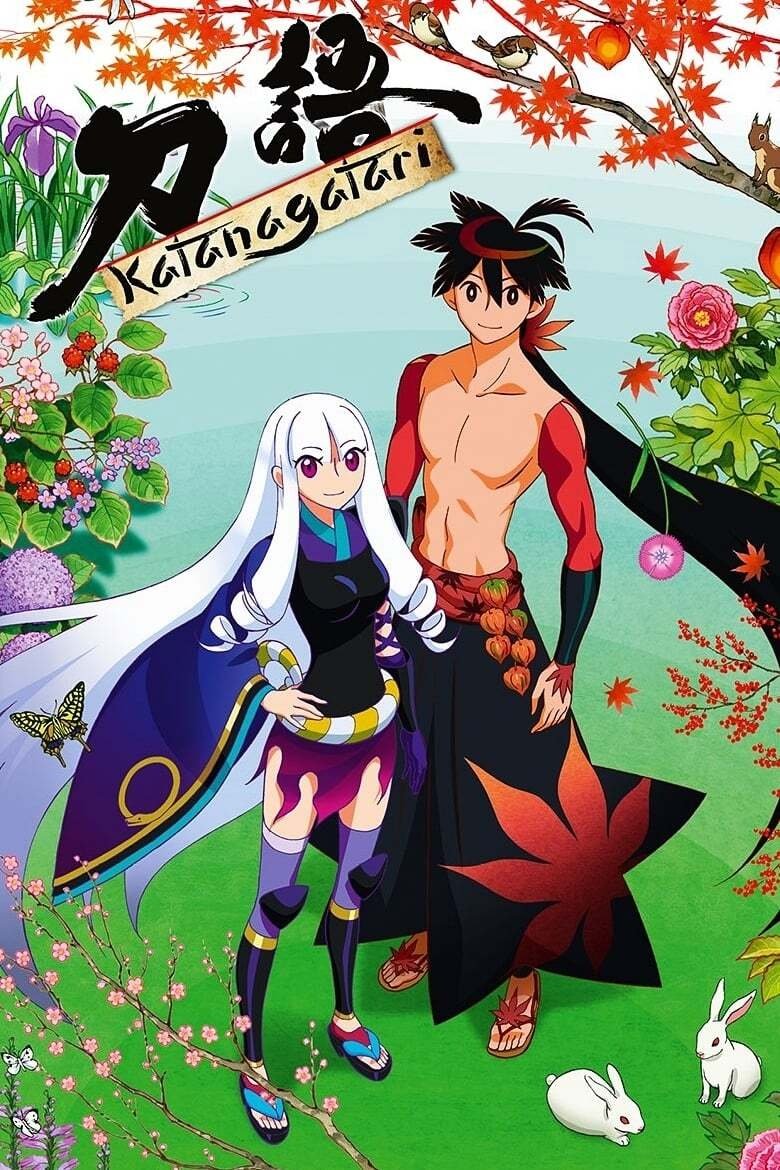
‘Katanagatari’ follows the swordsman Shichika and the strategist Togame as they journey across Edo-period Japan to collect twelve legendary swords. The series was released as twelve double-length episodes over the course of a year, an unconventional schedule that affected its initial momentum. It is characterized by its heavy emphasis on dialogue and its distinctive, non-traditional character designs. Despite its talkative nature, the series builds toward a significant emotional and thematic payoff. It has gradually earned a reputation as a modern classic for its deconstruction of the quest narrative and its unique art style.
‘Ping Pong the Animation’ (2014)
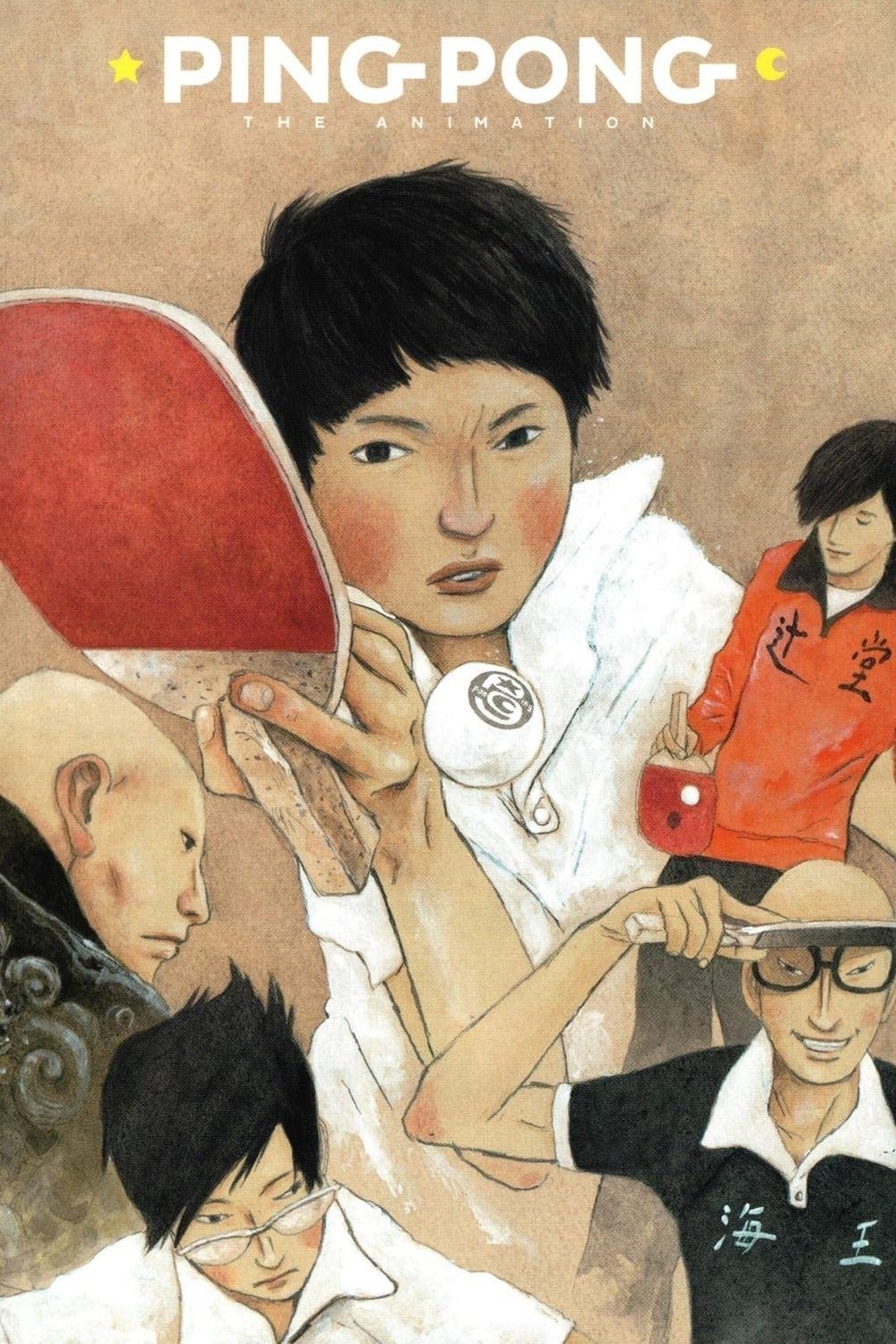
‘Ping Pong the Animation’ focuses on the competitive lives of two childhood friends, Peco and Smile, as they navigate the world of high school table tennis. The series utilizes a highly expressive, loose animation style that deviates significantly from the standard anime aesthetic of the 2010s. This visual choice was initially polarizing for viewers accustomed to more polished character designs. However, the show’s exceptional directing and profound character arcs led to widespread critical acclaim. It is now frequently cited as one of the best sports anime ever produced due to its focus on the psychological toll of competition.
‘March Comes in Like a Lion’ (2016–2018)
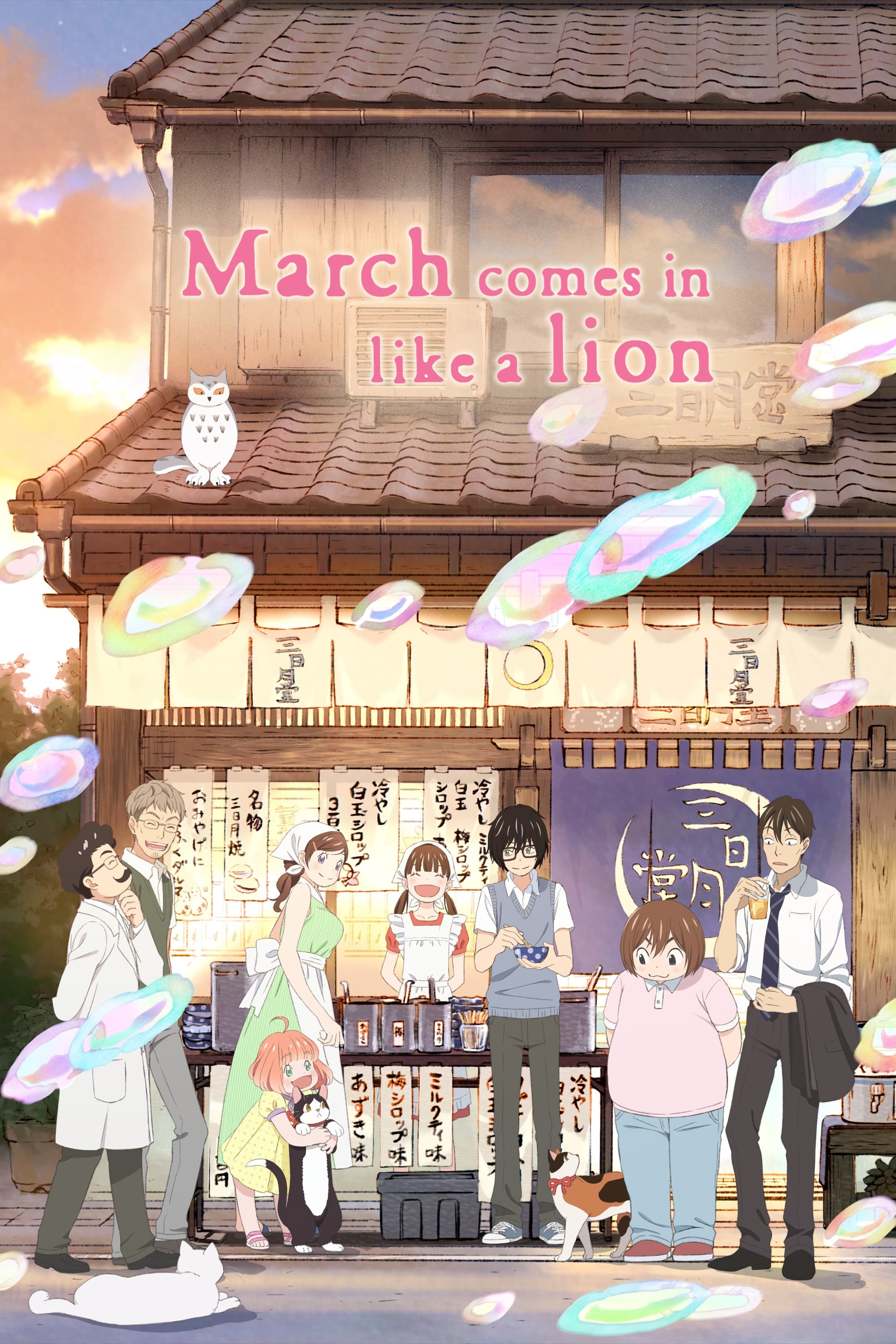
‘March Comes in Like a Lion’ depicts the life of Rei Kiriyama, a professional shogi player who struggles with intense loneliness and depression. His life begins to change after he meets three sisters who offer him the warmth and familial support he lacked. The series balances the technical aspects of shogi with a deeply empathetic look at mental health and trauma. While it was well-received by critics from the start, its quiet nature meant it took time to reach a broader international audience. It is now recognized for its stunning animation by Studio SHAFT and its realistic portrayal of human connections.
‘Gankutsuou’ (2004–2005)
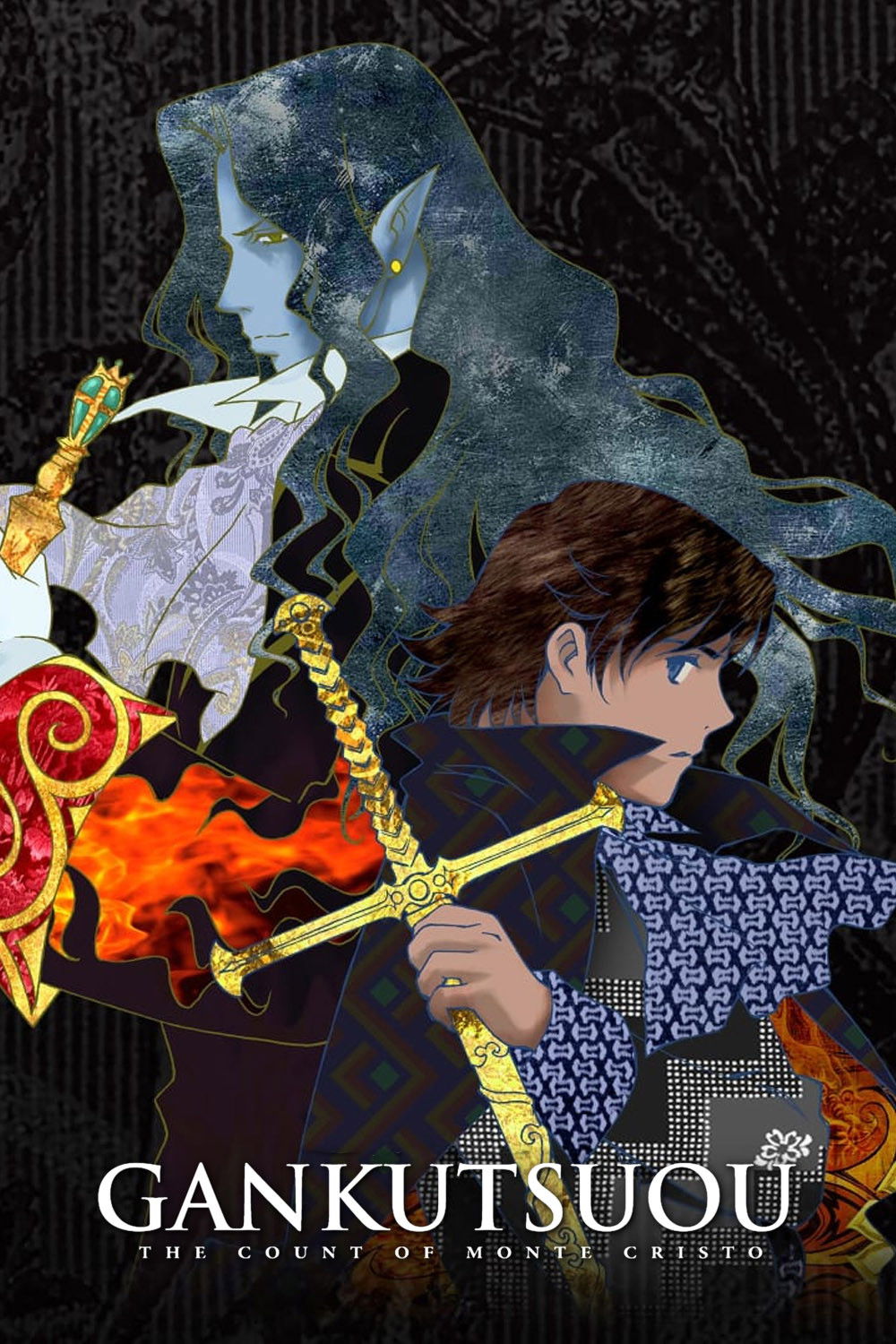
‘Gankutsuou: The Count of Monte Cristo’ is a futuristic reimagining of the classic Alexandre Dumas novel, set in the year 5053. The story is told from the perspective of Albert de Morcerf, a young aristocrat who becomes enthralled by the mysterious and wealthy Count. The series is famous for its avant-garde visual style, which uses digital textures and patterns that remain static while characters move. This unique look was experimental at the time and contributed to its status as a niche title. It has since been hailed as a creative triumph for its bold adaptation and breathtaking art direction.
‘Revolutionary Girl Utena’ (1997)
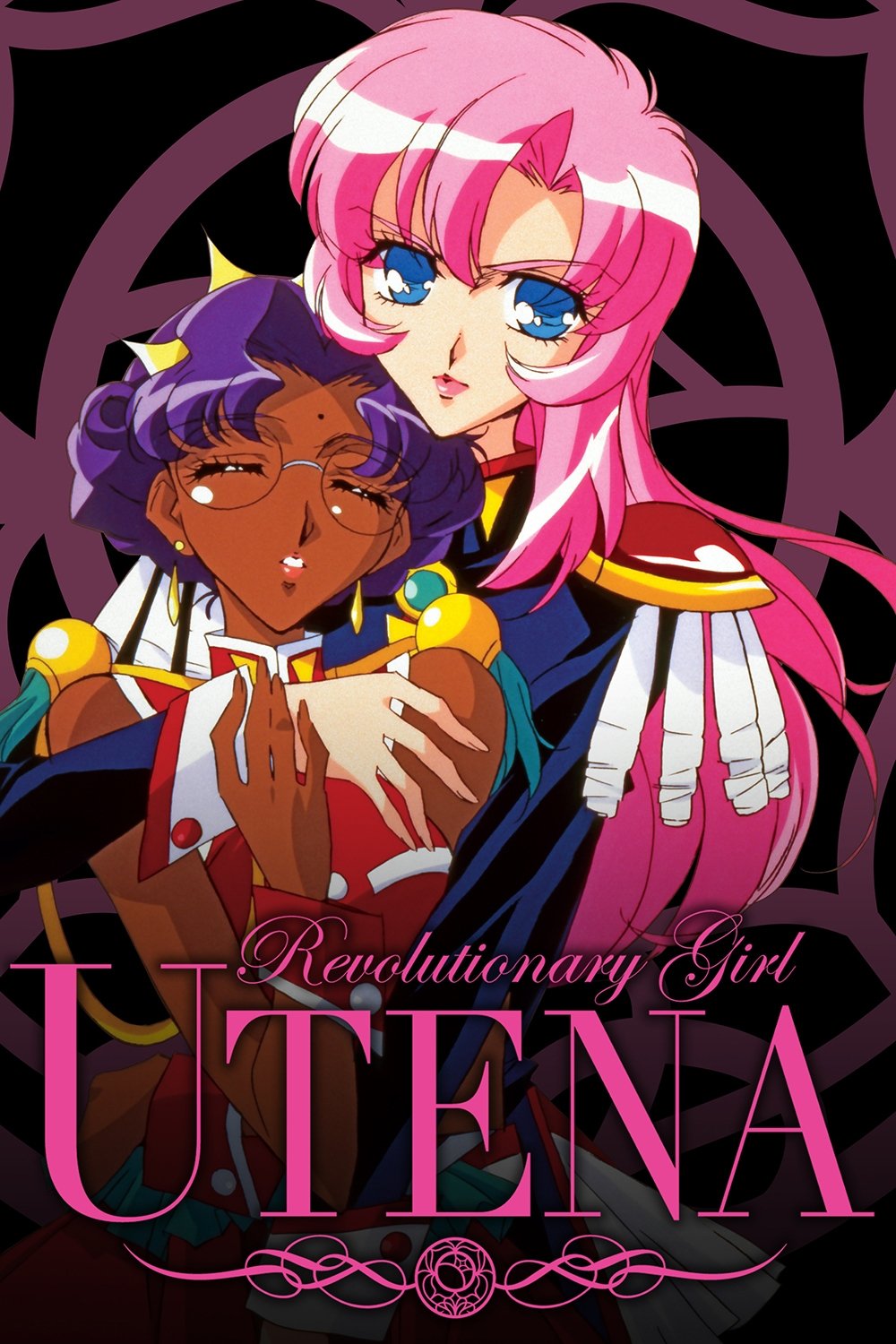
‘Revolutionary Girl Utena’ follows Utena Tenjou, a girl who aspires to be a prince and becomes involved in a series of surreal sword duels at Ohtori Academy. The duels are fought for the hand of the Rose Bride, a girl who supposedly holds the power to revolutionize the world. The series uses heavy symbolism and repetitive motifs to explore themes of gender, sexuality, and the loss of innocence. While it was popular among specific circles in the late 90s, its influence on the “magical girl” genre and queer representation took years to be fully recognized. It is now considered a foundational work of feminist anime.
‘Legend of the Galactic Heroes’ (1988–1997)
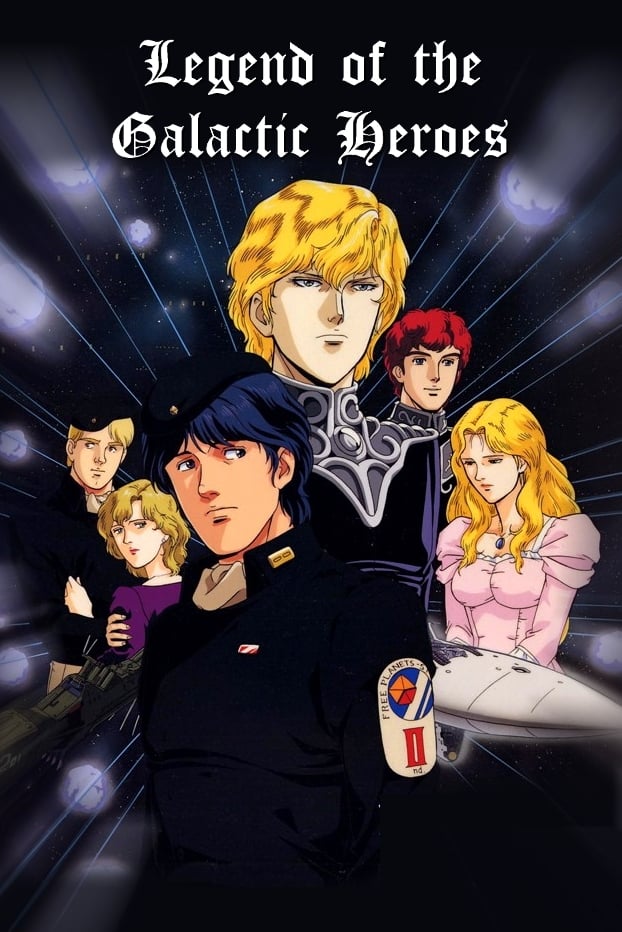
‘Legend of the Galactic Heroes’ is a space opera on a massive scale, detailing the war between the Galactic Empire and the Free Planets Alliance. It focuses on the strategic rivalry between two brilliant commanders, Reinhard von Lohengramm and Yang Wen-li. The series was released primarily through direct-to-video mail-order sets, making it a “hidden” classic for decades. It features hundreds of named characters and explores complex political and historical theories in depth. Its reputation has grown steadily in the West as digital distribution has made its 110-episode run more accessible to international fans.
‘Welcome to the N-H-K’ (2006)
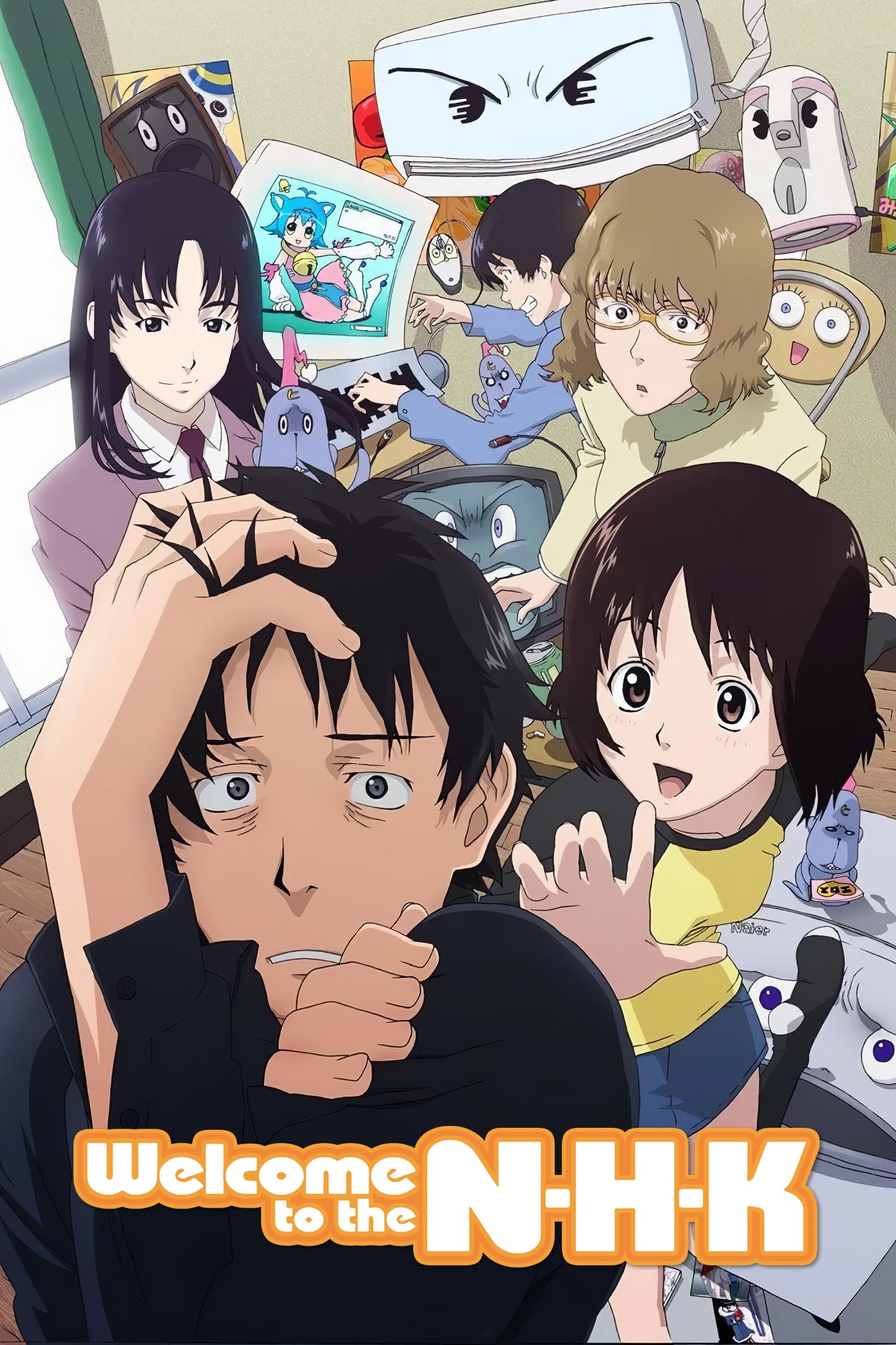
‘Welcome to the N.H.K.’ centers on Tatsuhiro Sato, a 22-year-old college dropout who has become a hikikomori, or social recluse. He believes a vast conspiracy involving the broadcaster NHK is responsible for his isolation and failure in life. The series uses dark humor to address serious social issues in Japan, including unemployment, internet suicide pacts, and predatory multi-level marketing. At its release, the subject matter was considered quite niche and uncomfortable for many viewers. It has since become a cult classic for its raw and honest depiction of social anxiety and the struggle to rejoin society.
‘Kyousougiga’ (2013)
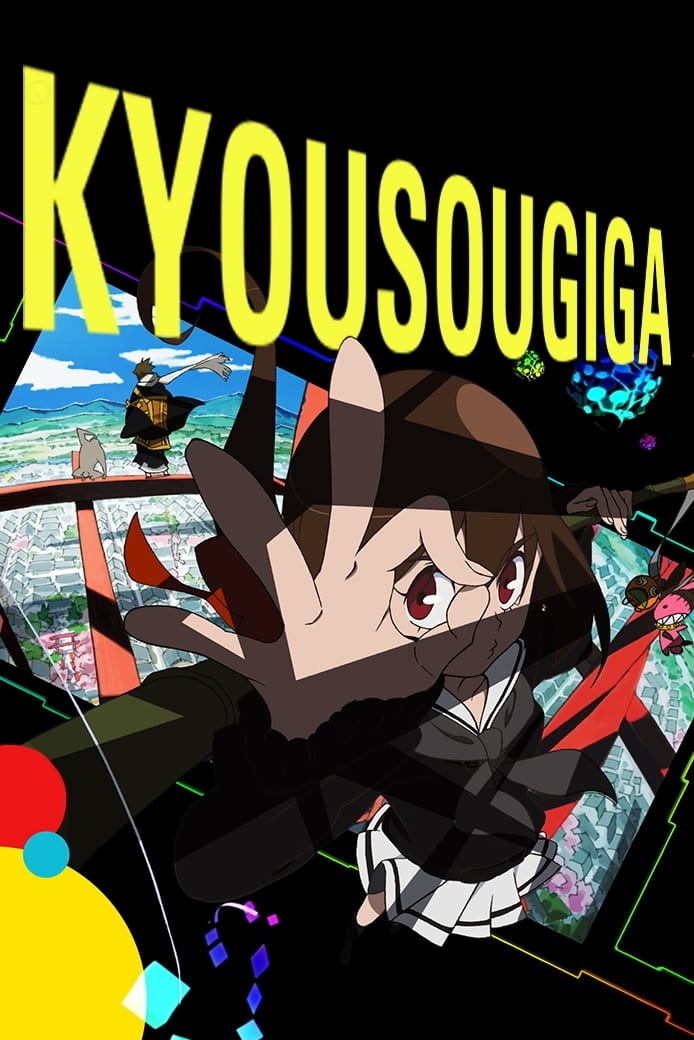
‘Kyousougiga’ takes place in Mirror Kyoto, a vibrant, supernatural city where humans and spirits live together under the governance of three siblings. The story follows a girl named Koto who arrives in the city looking for her parents and inadvertently disrupts the established order. The series originated as a series of ONAs (original net animations) before being expanded into a full television show. Its frantic energy and dense lore initially made it a sleeper hit that was often overlooked during its broadcast season. It has since been rediscovered by fans for its themes of family and its imaginative world-building.
‘The Big O’ (1999–2003)
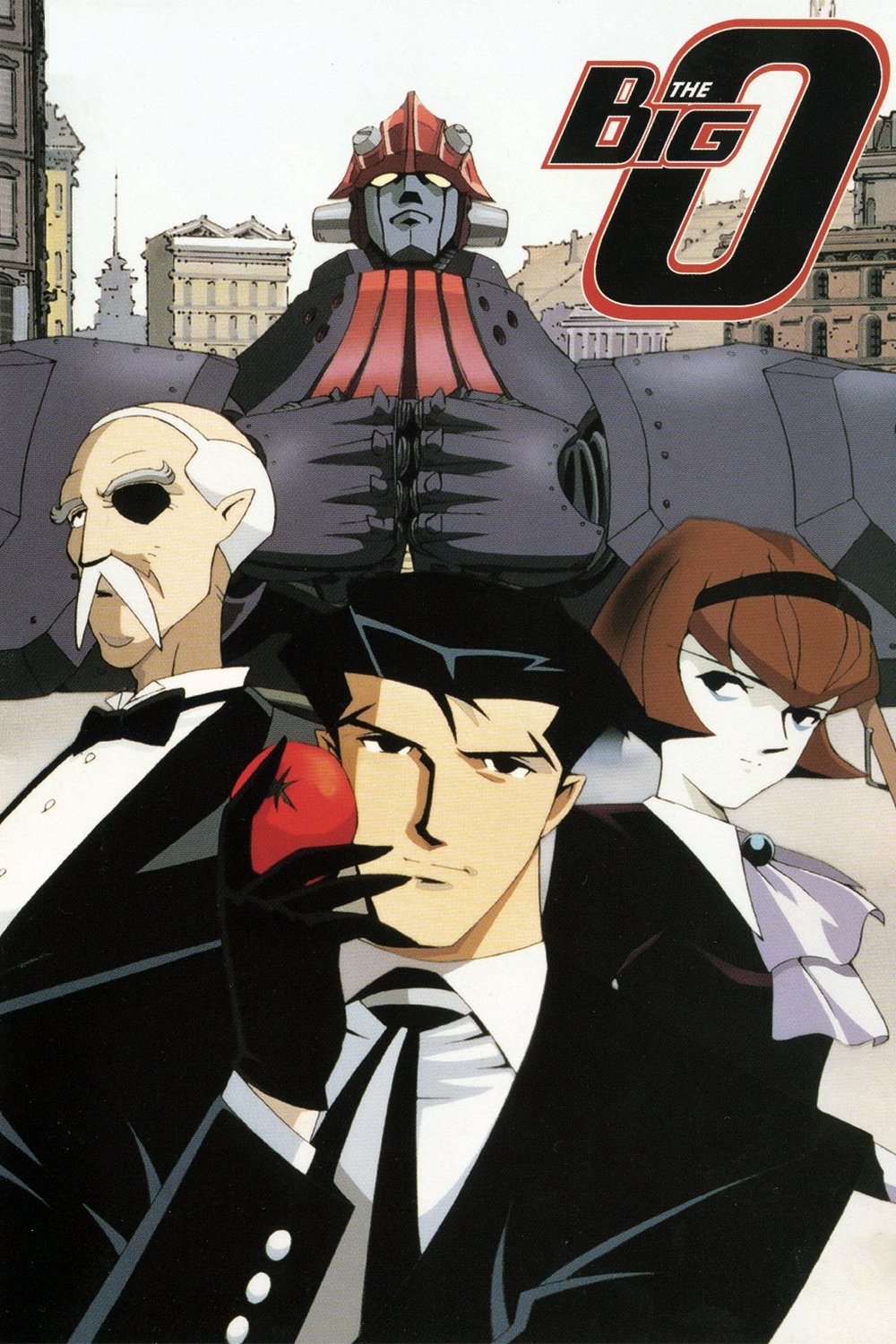
‘The Big O’ is a noir-inspired mecha series set in Paradigm City, a metropolis where all residents lost their memories forty years prior. Roger Smith, a “Negotiator,” pilots a giant robot to solve mysteries and combat threats that emerge from the city’s forgotten past. The show features an art style heavily influenced by American cartoons and ‘Batman: The Animated Series’. It was so poorly received in Japan that it was initially canceled, only for Western popularity to lead to the production of a second season. It is now remembered as a unique fusion of Western noir and Eastern mecha traditions.
‘FLCL’ (2000–2001)
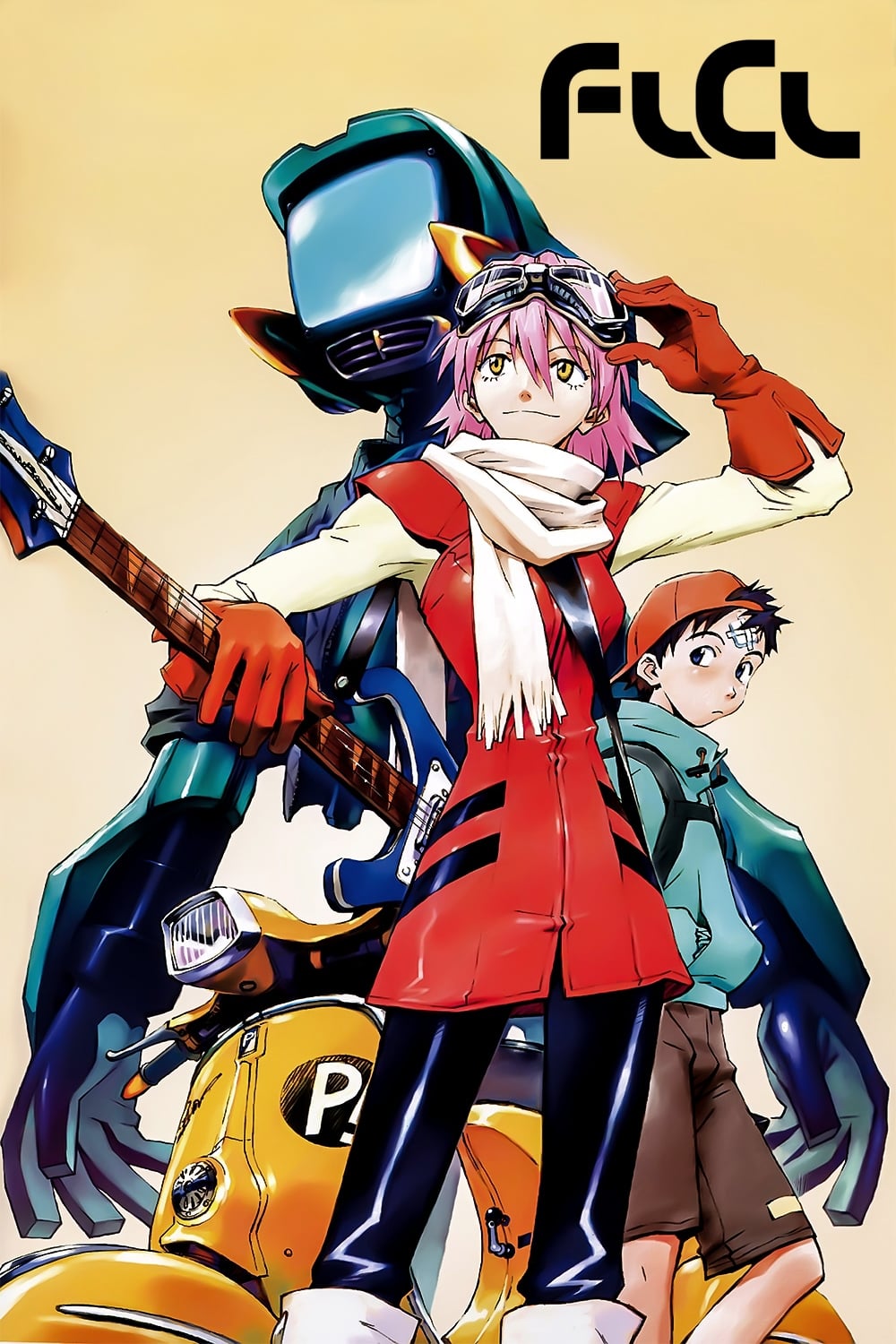
‘FLCL’ is a six-episode original video animation (OVA) that follows a twelve-year-old boy named Naota whose life is disrupted by a Vespa-riding woman named Haruko. The series is characterized by its wild, fast-paced animation and its metaphorical exploration of the chaos of puberty. Upon release, its nonsensical plot and high-energy style were confusing to many viewers. However, its soundtrack by The Pillows and its innovative direction eventually made it a global phenomenon. It is now regarded as a definitive work of the early 2000s that pushed the boundaries of what animation could achieve.
‘Kaiba’ (2008)
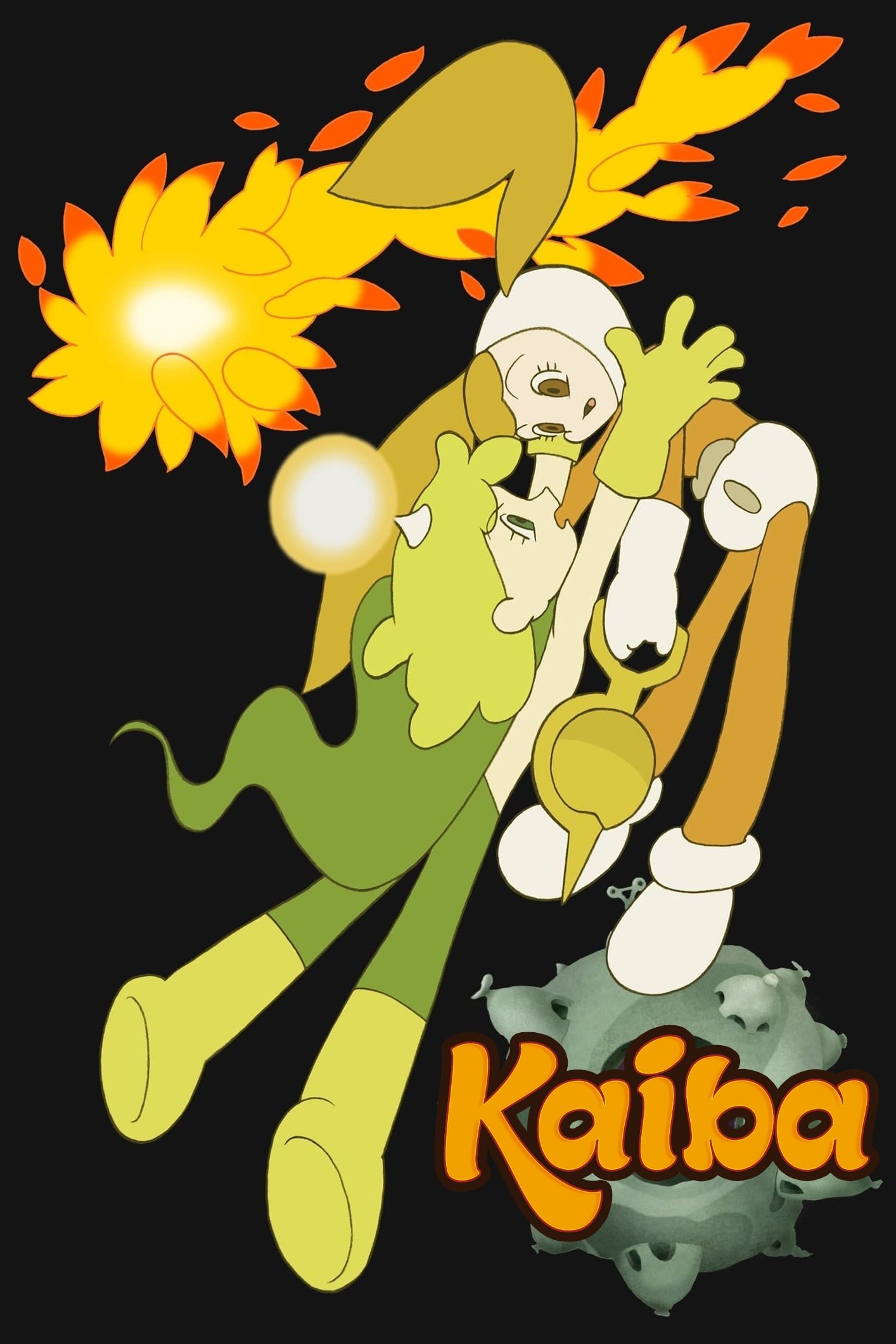
‘Kaiba’ is set in a universe where memories can be stored on chips and bodies are interchangeable, allowing the wealthy to live forever. The story follows a man named Kaiba who wakes up with no memories and travels across different planets to rediscover his identity. The art style is reminiscent of early 20th-century cartoons, which contrasts sharply with its mature and often tragic themes. Because of its unconventional appearance, it failed to gain a large mainstream audience during its release. It is now recognized as a visually stunning and emotionally resonant exploration of memory and the soul.
‘Princess Tutu’ (2002–2003)
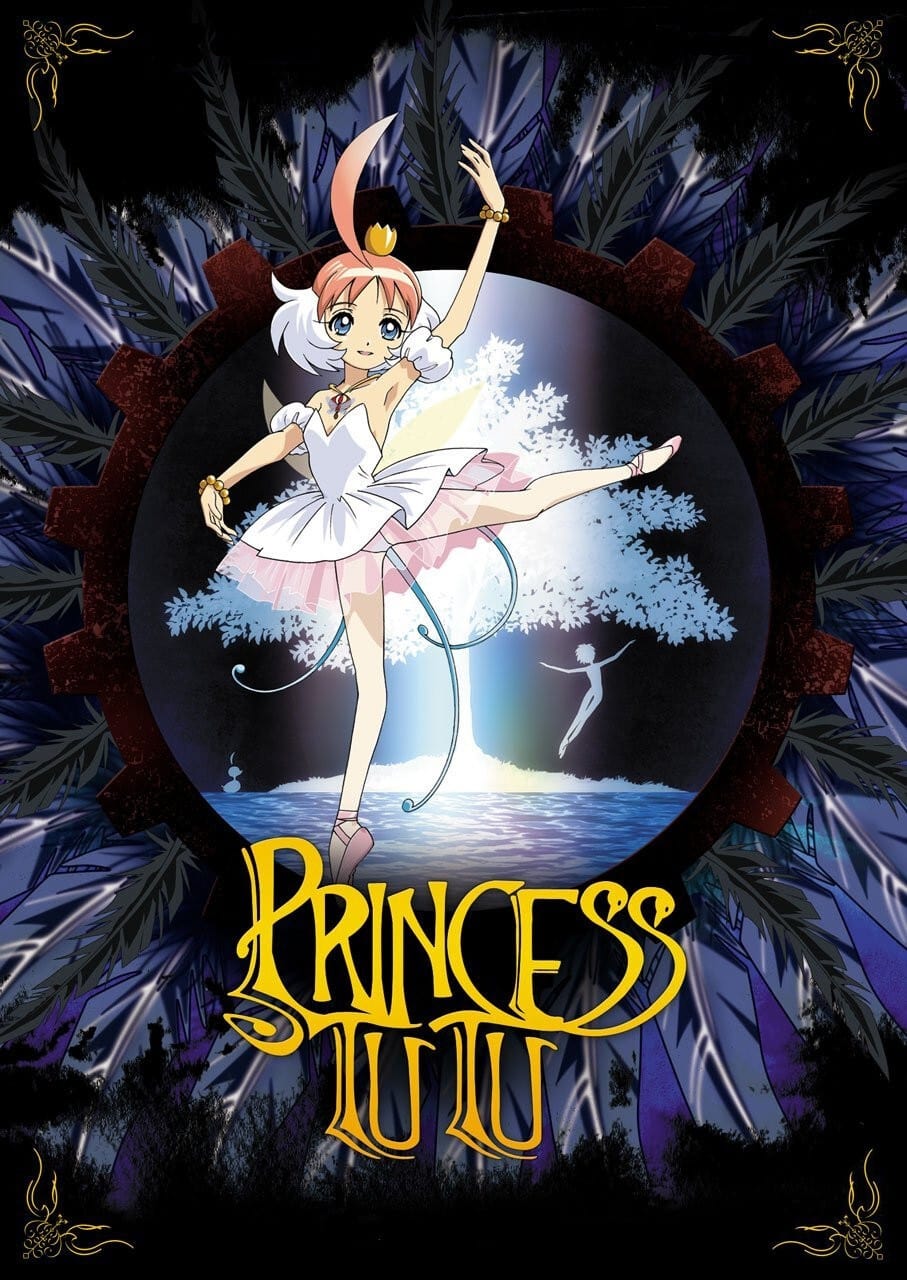
‘Princess Tutu’ tells the story of a duck who is transformed into a girl so she can help a heartless prince recover his lost emotions. While the title and premise suggest a standard magical girl show for children, it is actually a dark, meta-fictional deconstruction of fairy tales. The series incorporates classical ballet and music into its narrative structure, exploring themes of agency and predestination. Many older viewers originally ignored it due to its marketing, only for it to be discovered later as a sophisticated and tragic work of art. It is now frequently listed as a “must-watch” for its complex writing and emotional depth.
‘Aria’ (2005)
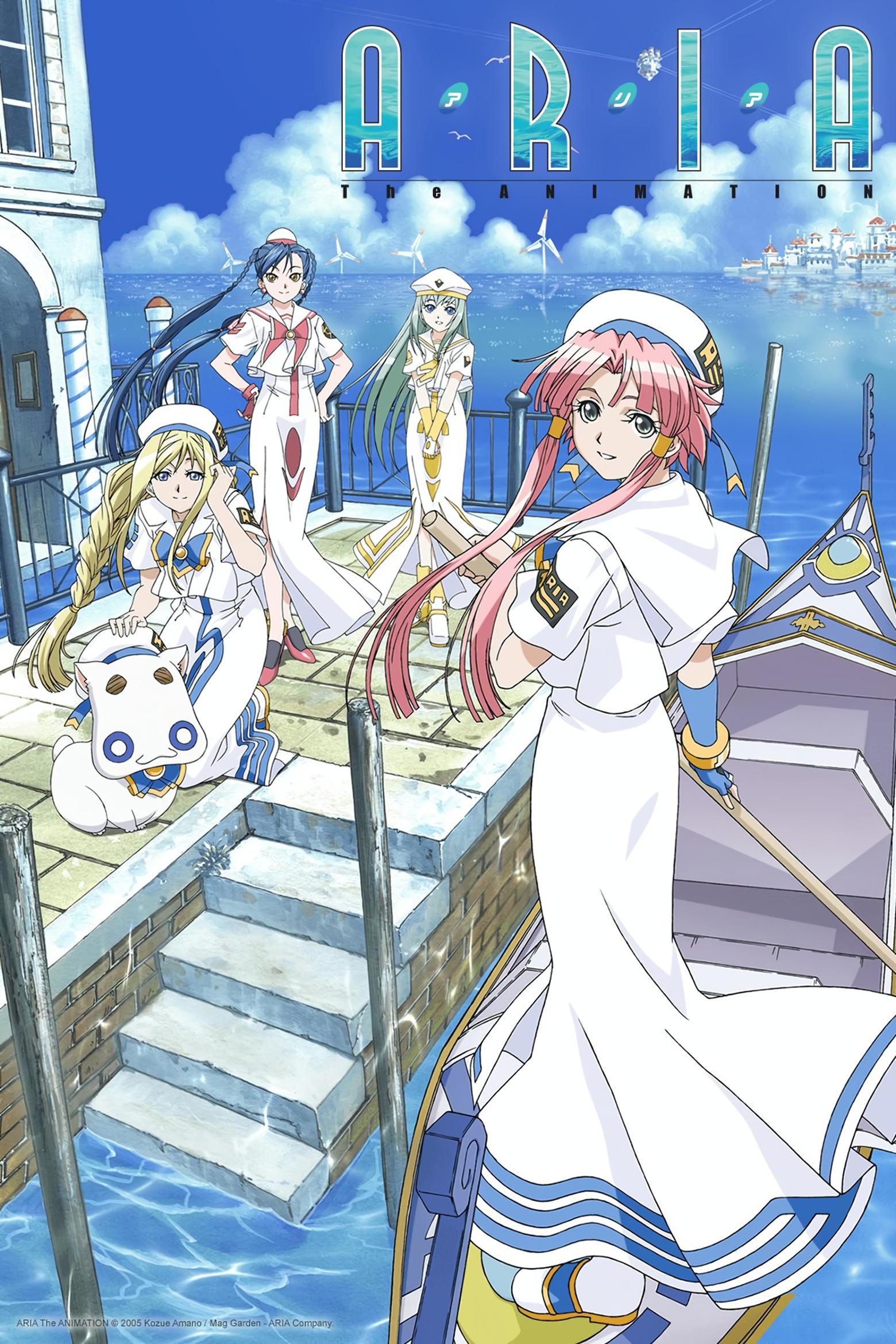
‘Aria the Animation’ is set on a terraformed Mars, now known as Aqua, in a city called Neo-Venezia that resembles Venice. The story follows Akari Mizunashi as she trains to become a professional gondolier, known as an Undine. The series is famous for its “slice-of-life” pacing and its focus on appreciating the small, beautiful moments of daily life. At a time when action and high-concept sci-fi dominated the market, ‘Aria’ was a quiet series that slowly built a dedicated international fan base. It is now hailed as the gold standard of the “healing” anime genre for its optimistic and serene atmosphere.
‘Kino’s Journey’ (2003)
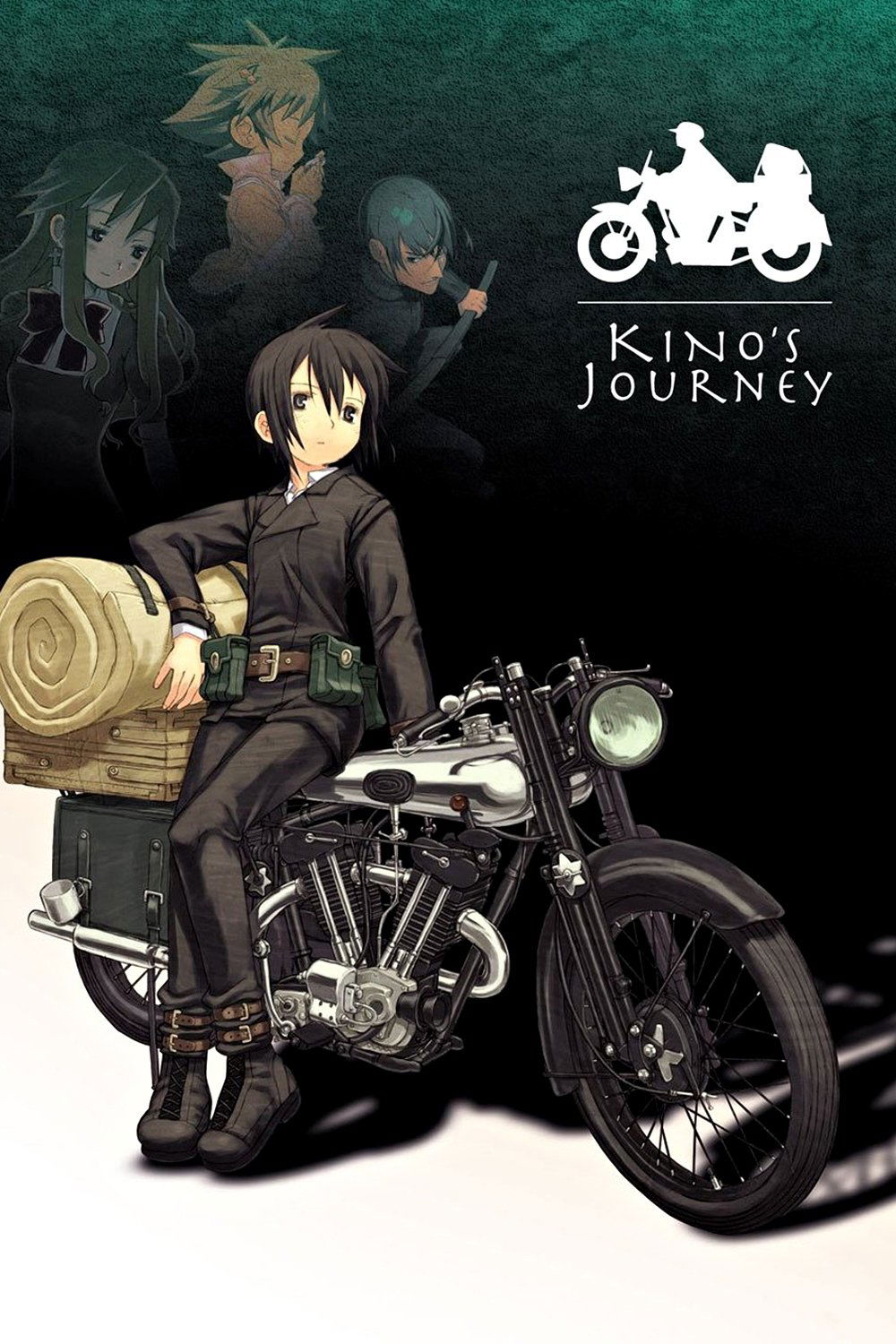
‘Kino’s Journey’ follows a traveler named Kino and a talking motorcycle named Hermes as they visit various countries, each with unique laws and customs. Kino adheres to a strict rule of staying in each location for only three days to observe without interfering. The series functions as a collection of philosophical fables that explore the darker and more peculiar aspects of human nature. Its minimalist art style and episodic nature meant it did not generate massive hype during its initial run. It has since become a classic of the “travel” subgenre, appreciated for its thoughtful and often unsettling storytelling.
‘Last Exile’ (2003)
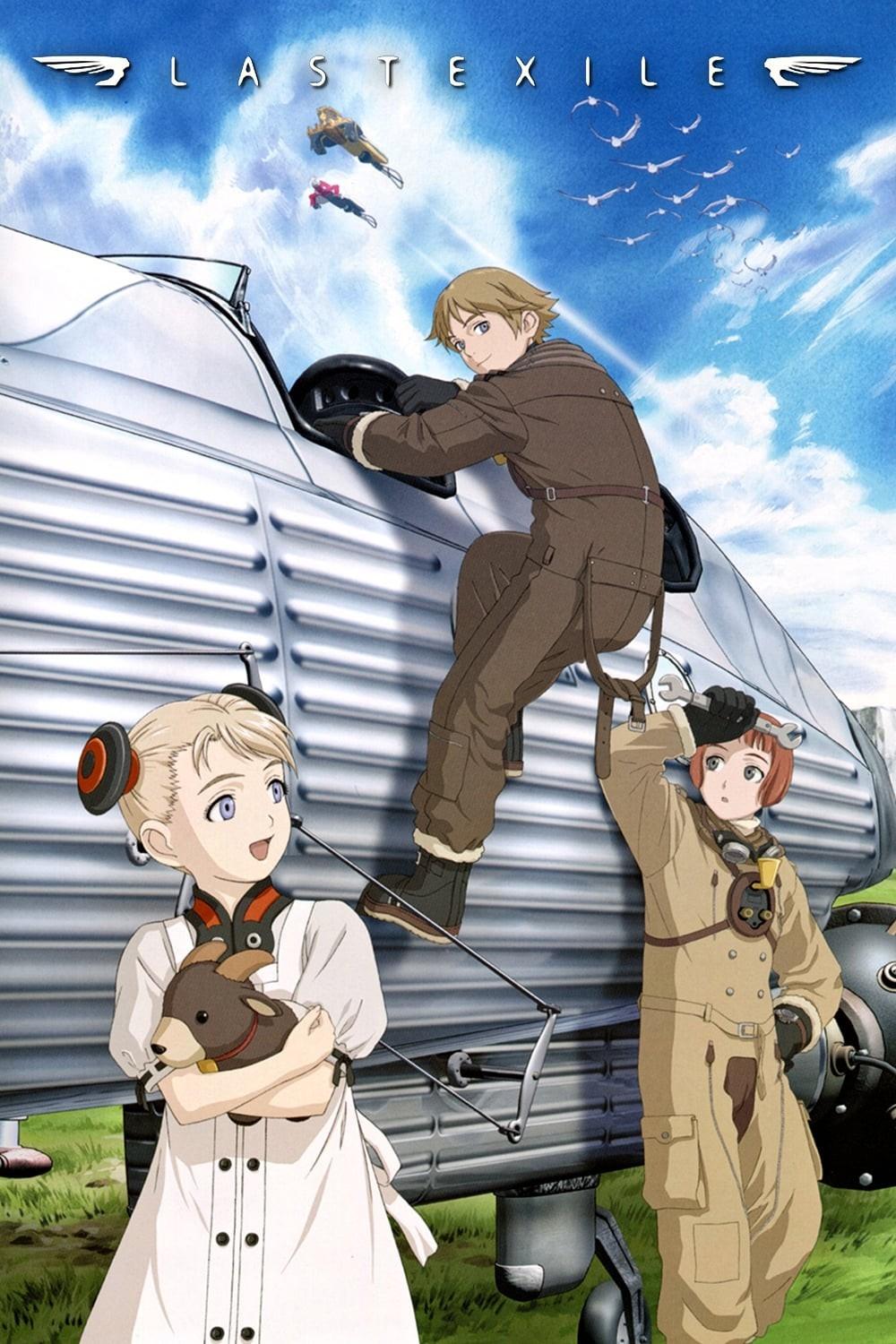
‘Last Exile’ is a steampunk adventure set in the world of Prester, where two couriers, Claus and Lavie, become embroiled in a war between two nations. The series is notable for its use of 3D computer graphics to render complex aerial battles involving “vanship” aircraft. Produced by Studio Gonzo, it was part of an era of high-budget digital experimentation that had mixed commercial success. Over time, the show’s intricate world-building and character designs by Range Murata have cemented its status as a landmark of the steampunk genre. It remains a visually impressive work that captures the spirit of early 20th-century aviation.
‘Planetes’ (2003–2004)
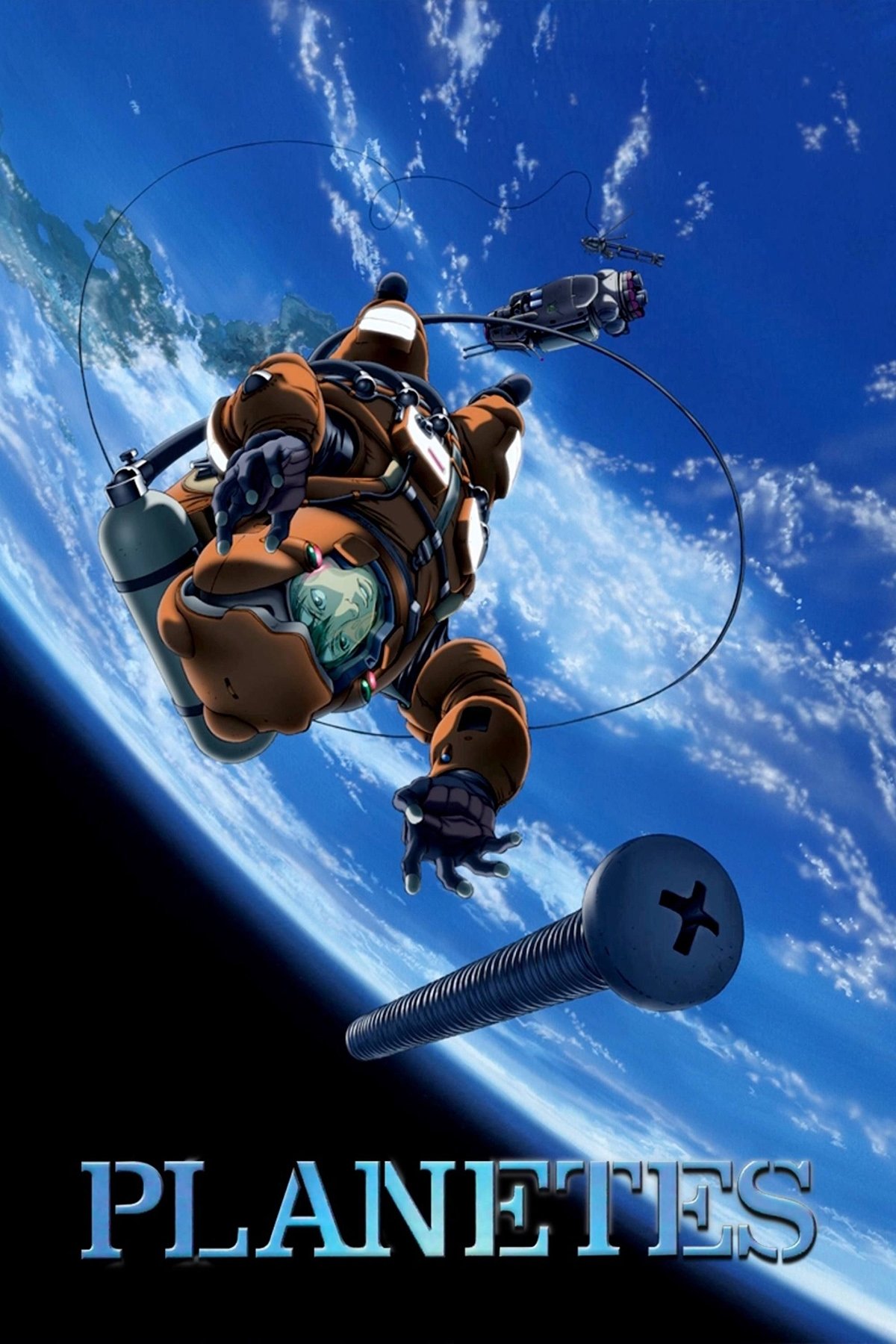
‘Planetes’ focuses on a crew of space debris collectors in the year 2075, tasked with clearing dangerous junk from Earth’s orbit. Unlike many space-themed anime, it adheres strictly to the laws of physics and focuses on the mundane, corporate aspects of space travel. The series balances technical realism with a deeply personal story about ambition and the human cost of progress. Because it lacked the flashy action typical of sci-fi, it was a sleeper hit that found its audience over several years. It is now regarded as one of the most accurate and humanistic portrayals of space exploration in fiction.
‘Wolf’s Rain’ (2003)
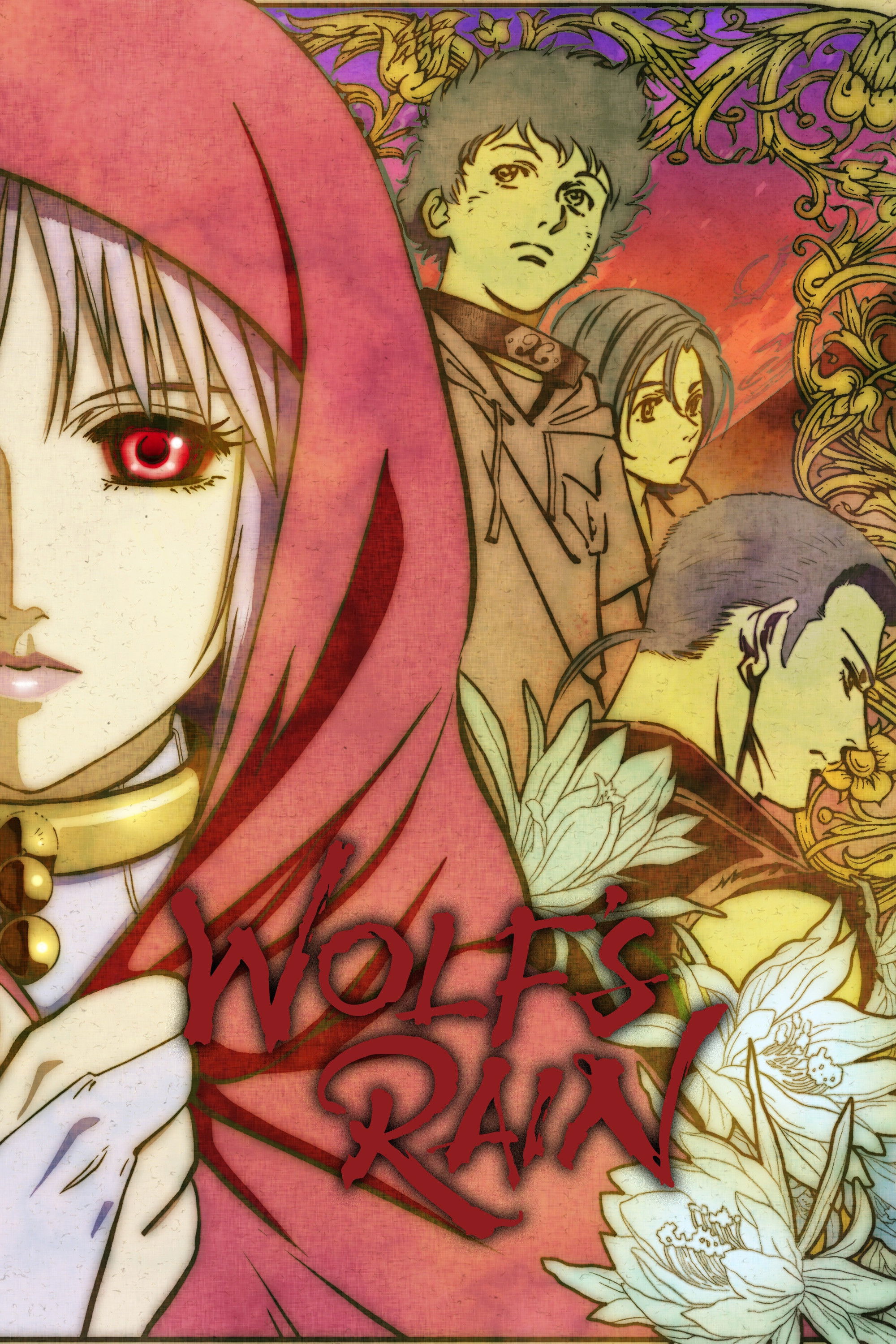
‘Wolf’s Rain’ is set in a dying world where wolves are believed to be extinct but actually survive by disguising themselves as humans. A pack of wolves follows the scent of the Lunar Flower in hopes of finding Paradise before the world ends. The series is known for its melancholic tone, beautiful soundtrack by Yoko Kanno, and high-quality animation from Studio Bones. While it was well-received by critics, its somber atmosphere and slow pacing made it a gradual success rather than an instant hit. It is now remembered as a poetic and visually striking journey through a crumbling civilization.
‘Natsume’s Book of Friends’ (2008–Present)
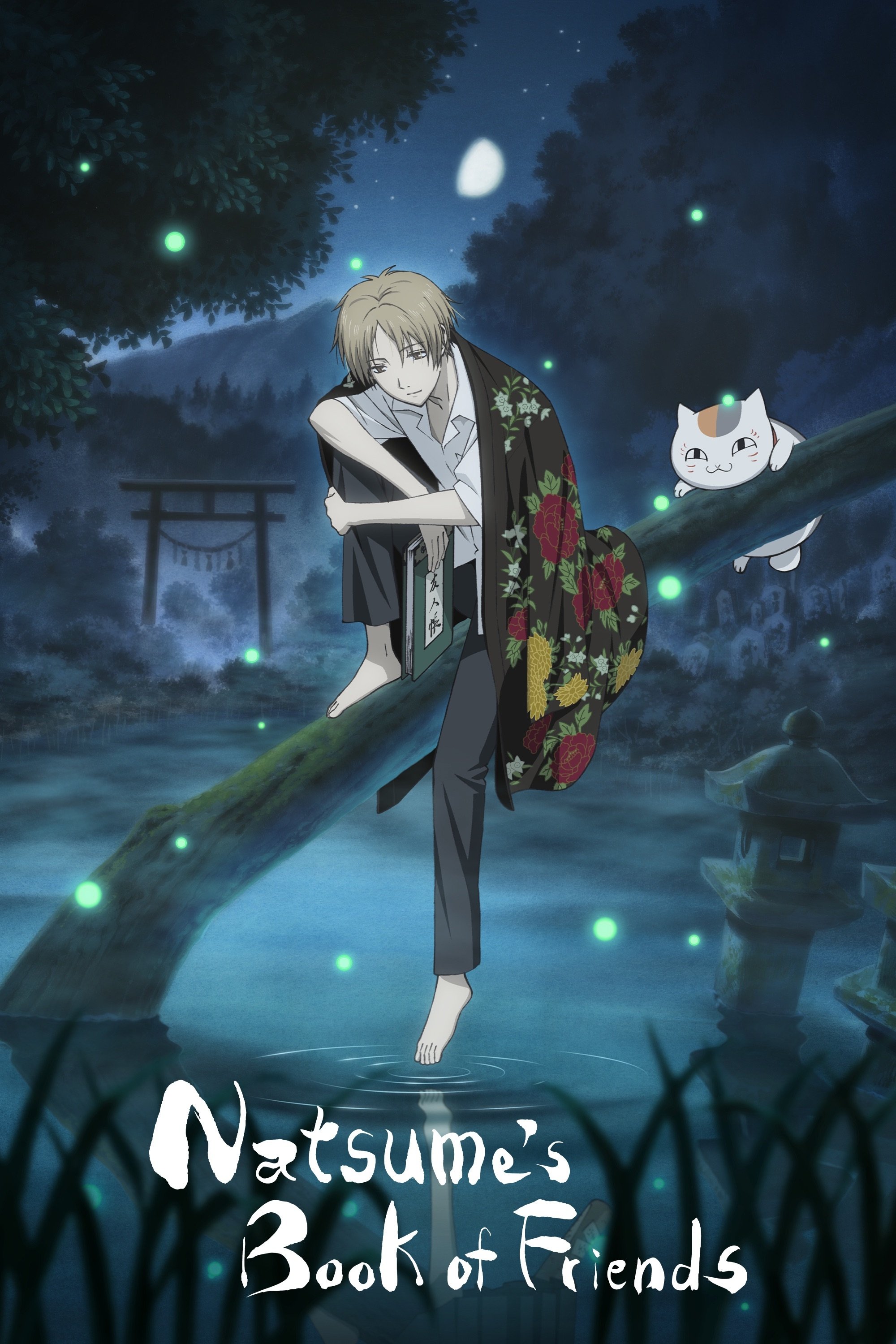
‘Natsume’s Book of Friends’ follows Takashi Natsume, a teenager who can see spirits and inherits a book containing the names of spirits his grandmother had defeated. Instead of exorcising them, Natsume chooses to return the names and free the spirits, often learning about their lives in the process. The series has run for multiple seasons over more than a decade, quietly becoming one of the most successful franchises in its genre. It never had a “breakout” moment of mainstream hype, but its consistent quality and emotional resonance have built a massive, loyal following. It is now considered a cornerstone of the supernatural slice-of-life genre.
‘Showa Genroku Rakugo Shinju’ (2016–2017)
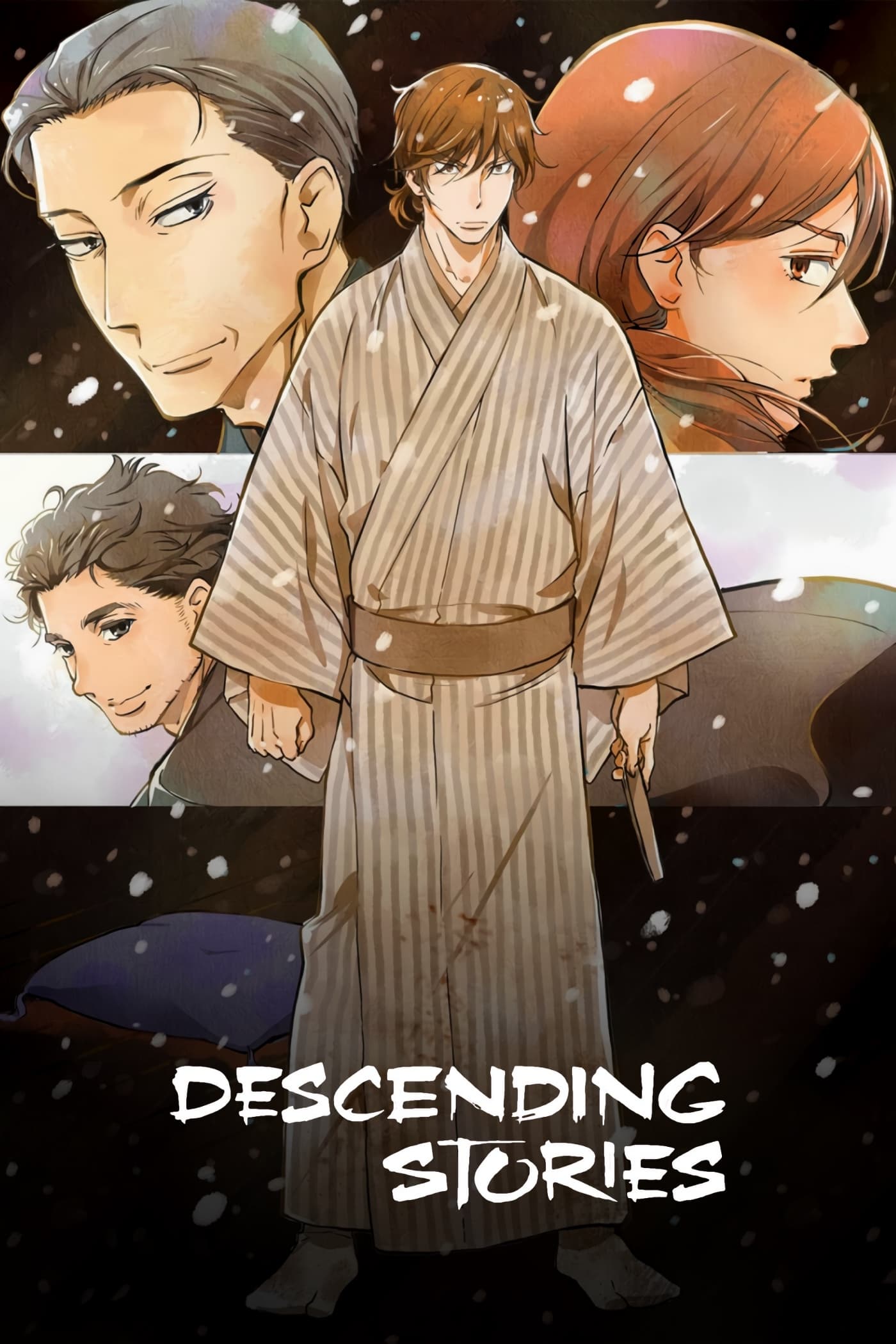
‘Showa Genroku Rakugo Shinju’ is a historical drama centered on the traditional Japanese art of rakugo, or comedic storytelling. The narrative spans several decades, focusing on the lives and rivalry of two performers as they navigate the changing social landscape of 20th-century Japan. Because the subject matter is highly specific to Japanese culture, it was initially viewed as a niche title with limited international appeal. However, its exceptional writing, vocal performances, and direction led to it being hailed as one of the best dramas of the decade. It is now a highly respected classic for its mature handling of art, jealousy, and legacy.
‘Land of the Lustrous’ (2017)
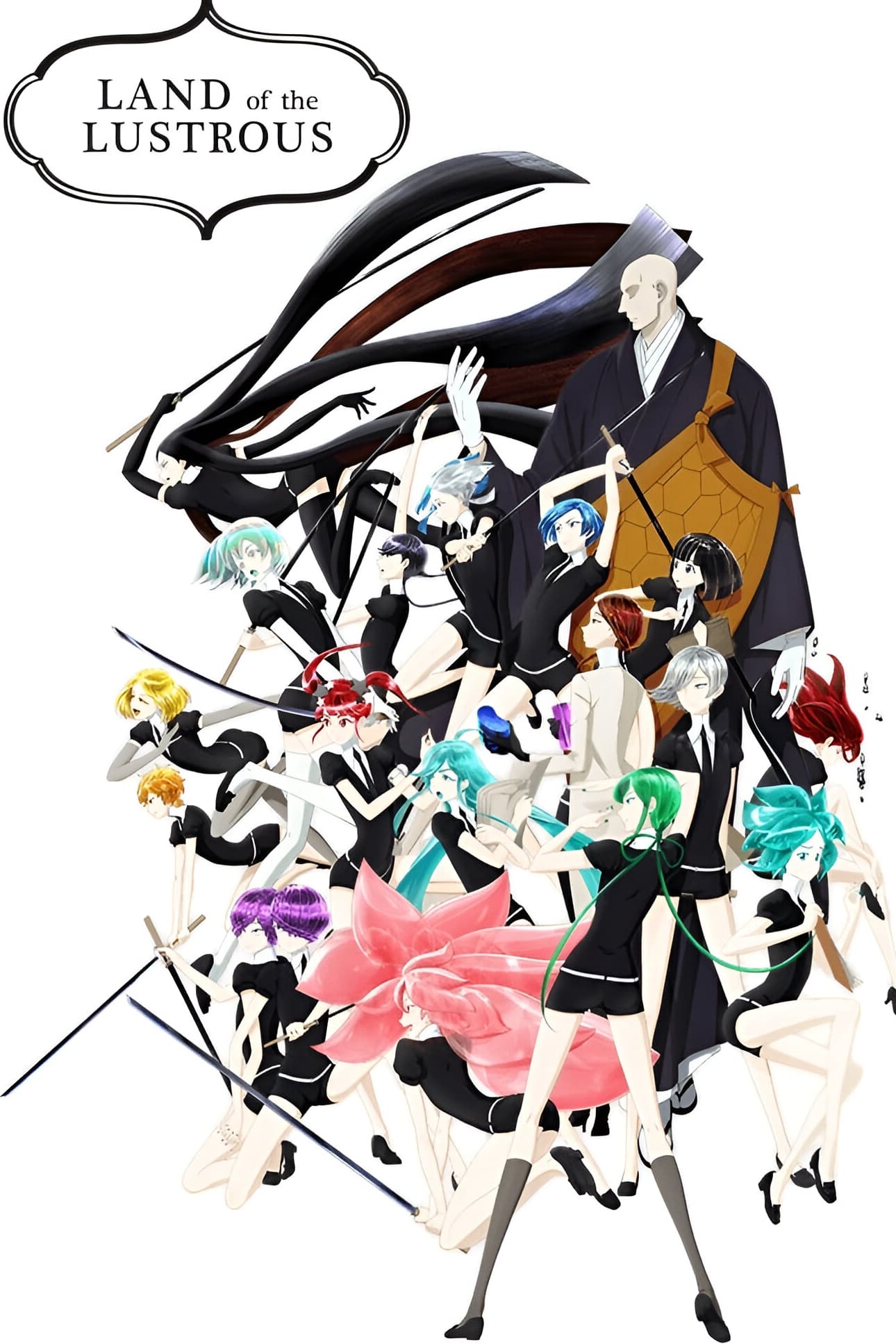
‘Land of the Lustrous’ is set in a distant future where sentient gem-beings inhabit a world and defend themselves against “Lunarians” who wish to harvest them. The story follows Phos, the youngest and most fragile of the gems, as they seek a purpose and begin to change both physically and mentally. The series is significant for its groundbreaking use of 3D CGI animation, which perfectly captured the crystalline properties of the characters. At launch, many fans were skeptical of the CGI, but the show’s visual beauty and existential themes quickly won them over. It is now recognized as a modern masterpiece that proved the artistic potential of 3D animation in the industry.
Please share your own experiences with these anime titles in the comments.