LGBTQ+ Actors Whose Careers Would Look Different With Better Management

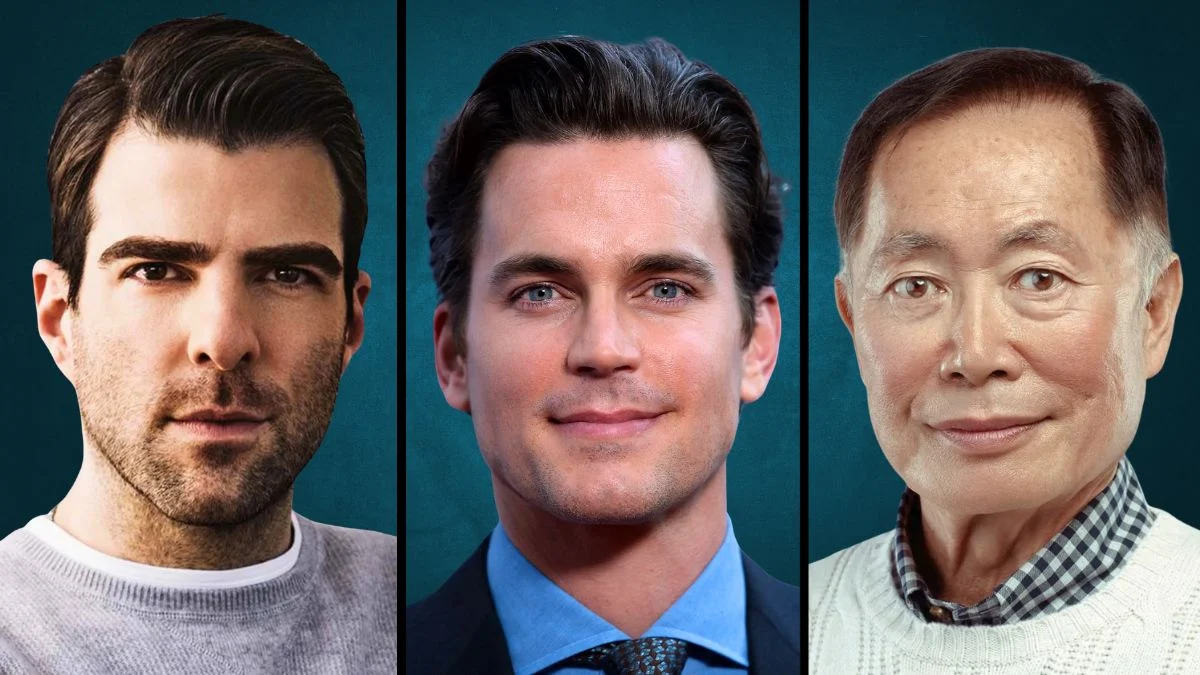

The entertainment industry has a long history of complicating the careers of LGBTQ+ talent through typecasting and restrictive public relations strategies. Many talented actors have faced hurdles that their heterosexual counterparts rarely encounter in their ascent to stardom. Some were forced into the closet by their representatives while others were pigeonholed into specific character tropes after coming out. Better management teams might have navigated these challenges differently to secure more diverse leading roles for these performers. This list explores male actors whose trajectories could have been significantly altered with more supportive or strategic career guidance.
Rupert Everett
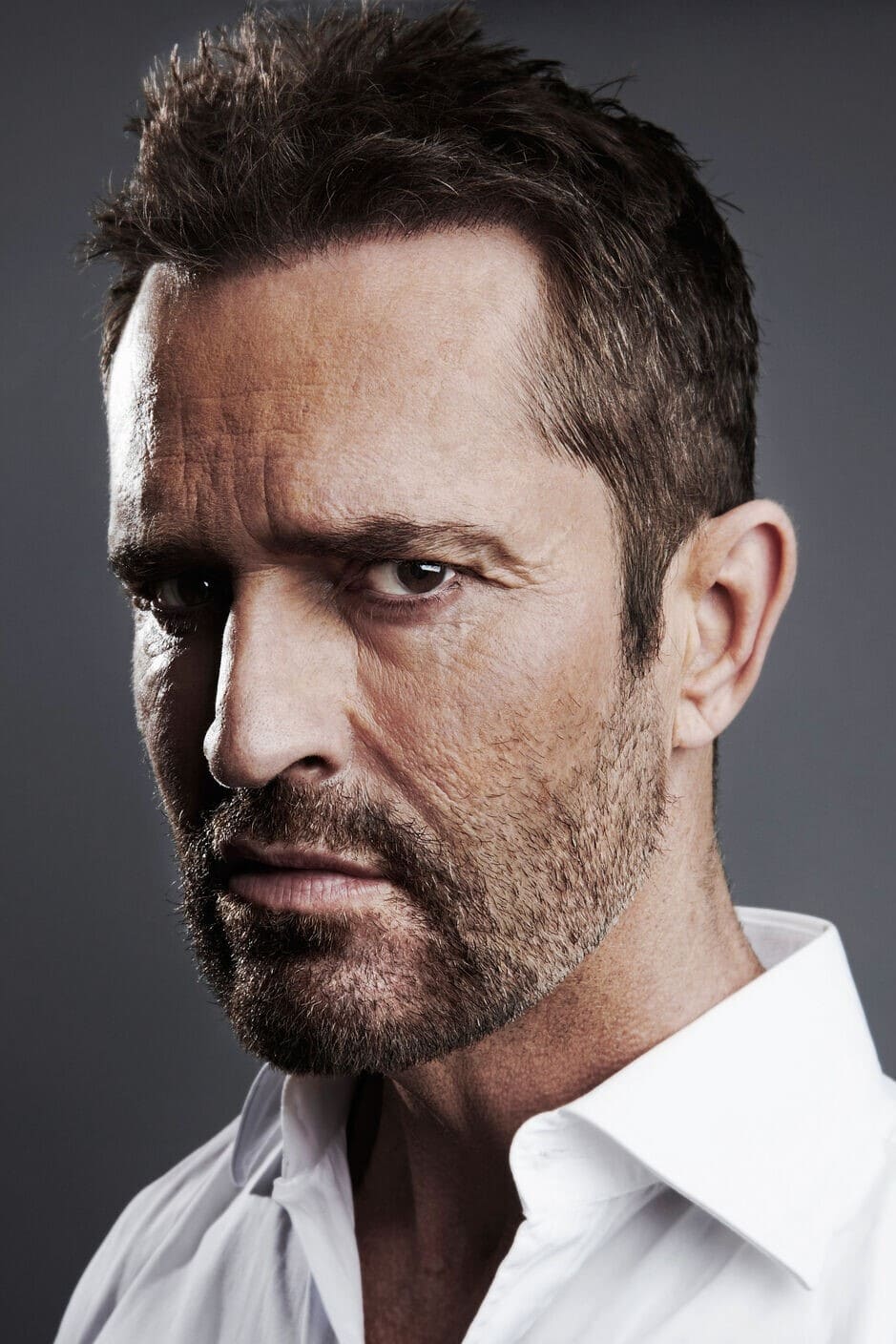
Rupert Everett burst onto the scene with immense charm and undeniable leading man potential in the 1990s. His decision to come out early in his career scared off conservative producers who controlled the industry at the time. Better management might have navigated his public image to maintain his status as a romantic lead in major studio films. He eventually found success again but lost years of prime roles due to industry hesitation. His talent suggests he could have rivaled peers like Hugh Grant with different guidance.
Matt Bomer
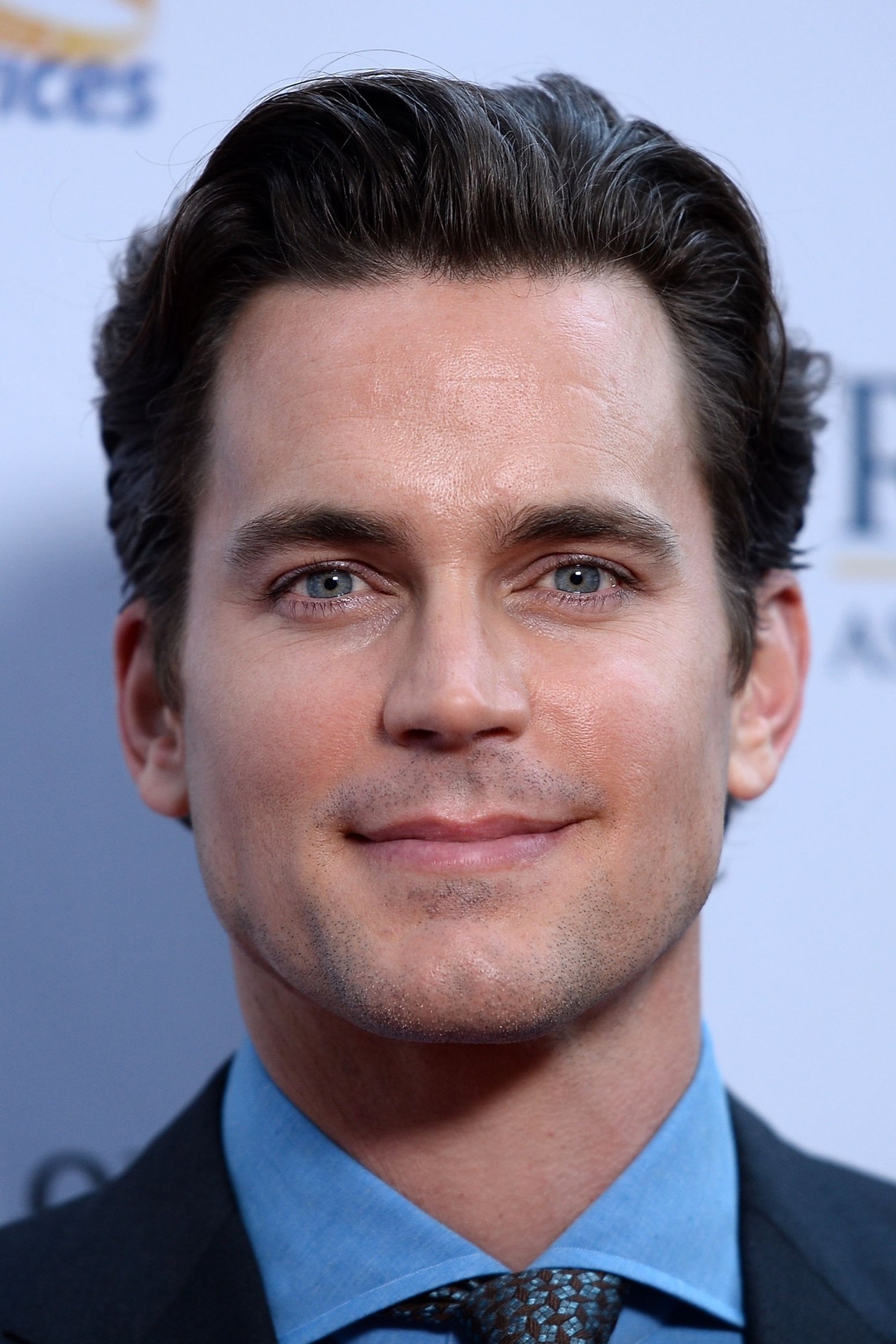
Matt Bomer possesses the classic looks and acting chops that usually guarantee a path to superhero stardom. Industry reports suggest he lost out on playing the lead in ‘Superman Returns’ due to concerns regarding his sexuality. A more aggressive management strategy might have pushed past these barriers to secure him major film franchises earlier in his career. He excelled in television hits like ‘White Collar’ but arguably deserved a more robust film career. His recent work proves he has the range that Hollywood largely ignored for a decade.
Luke Evans
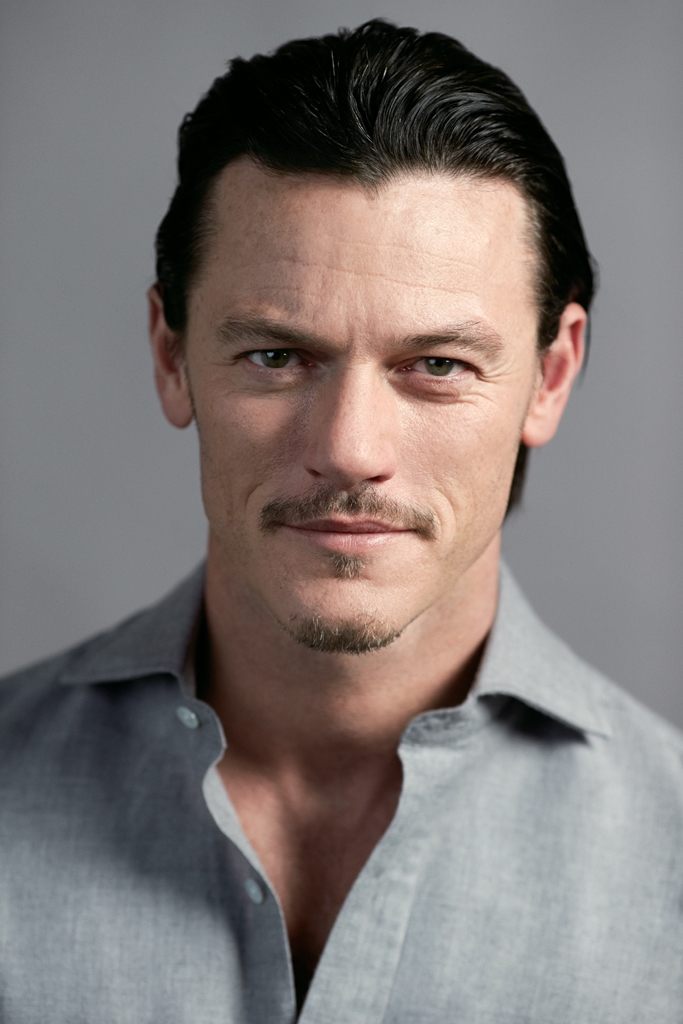
Luke Evans has successfully led action films and musicals but his career path has been undeniably confusing. He initially worked in theater as an out gay man before seemingly stepping back into the closet during his initial film push. This pivot created a disjointed public narrative that may have hindered his ability to connect fully with audiences. Consistent authenticity supported by a strong PR team could have established him as an LGBTQ+ icon much sooner. He remains a star but his momentum has faced unnecessary interruptions.
Zachary Quinto
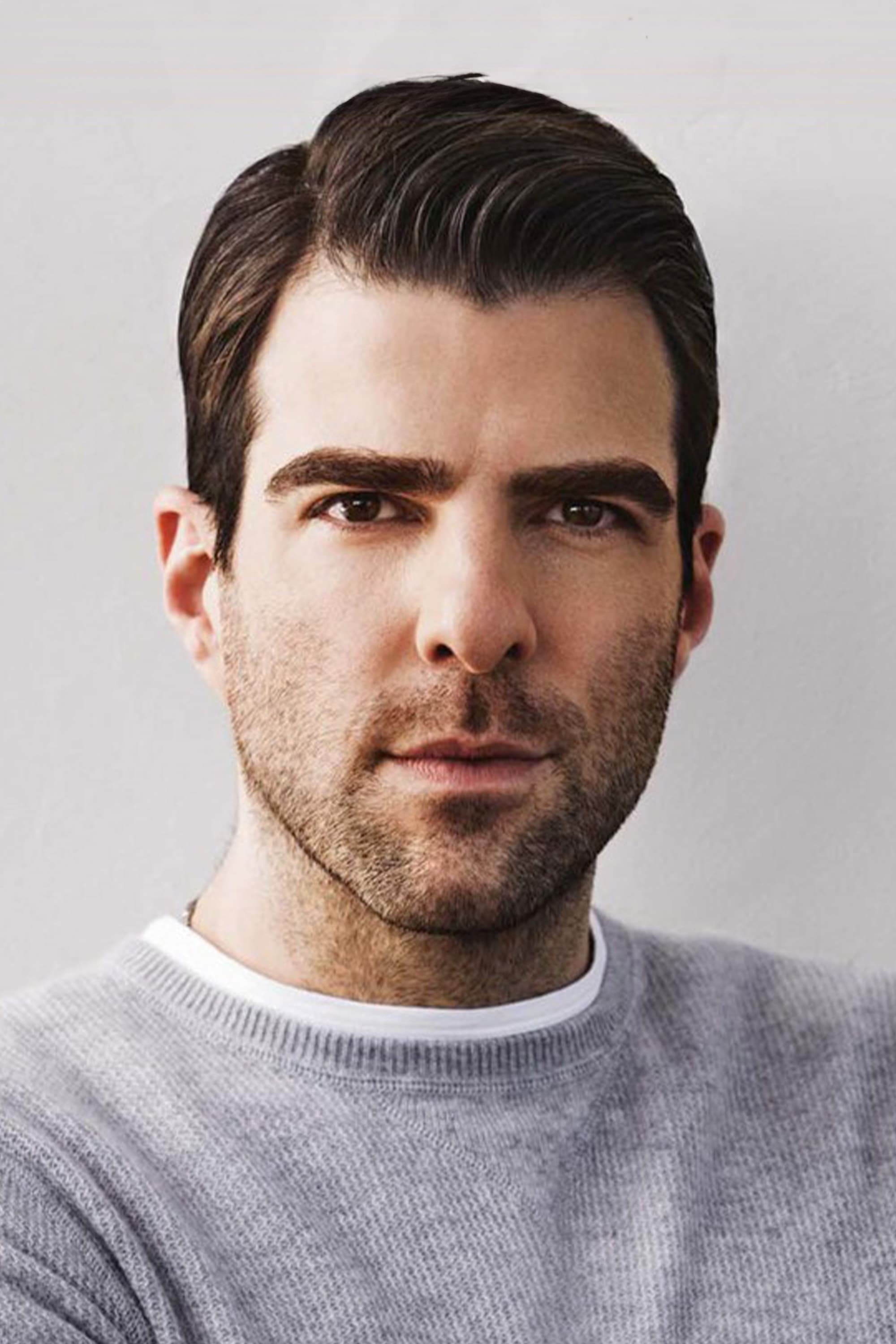
Zachary Quinto achieved massive success as Spock in the rebooted ‘Star Trek’ franchise. Despite this breakout role his transition to other leading man parts in film has been surprisingly limited. He often finds himself cast in villainous or eccentric character roles rather than the protagonist. A different management approach could have positioned him as a versatile dramatic lead in prestige dramas. His stage work demonstrates a depth that Hollywood casting directors rarely utilize.
Chris Colfer
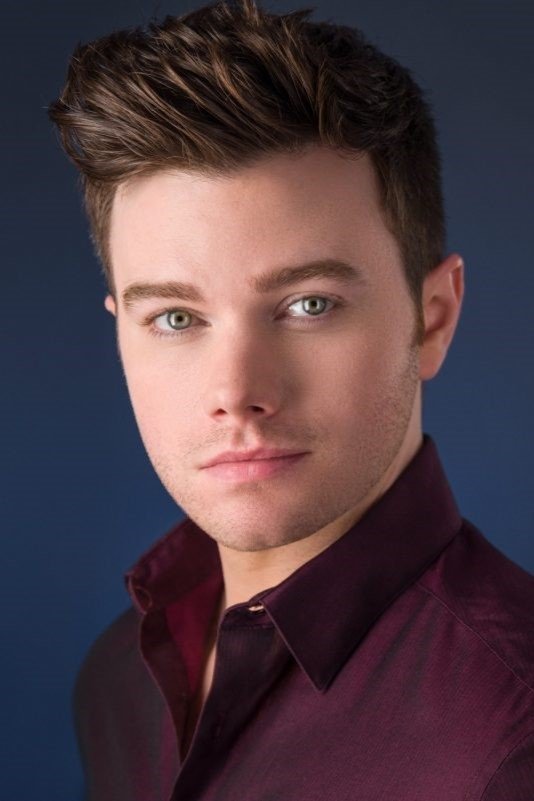
Chris Colfer won a Golden Globe for his groundbreaking portrayal of Kurt Hummel in ‘Glee’. The massive success of the show unfortunately cemented him in the public eye as a high school student for too long. His management team struggled to find adult roles that would allow him to shed the teenage persona. He pivoted successfully to writing books but his acting presence on screen diminished significantly. A strategic push into darker or more mature material post-series could have redefined his acting trajectory.
Wentworth Miller
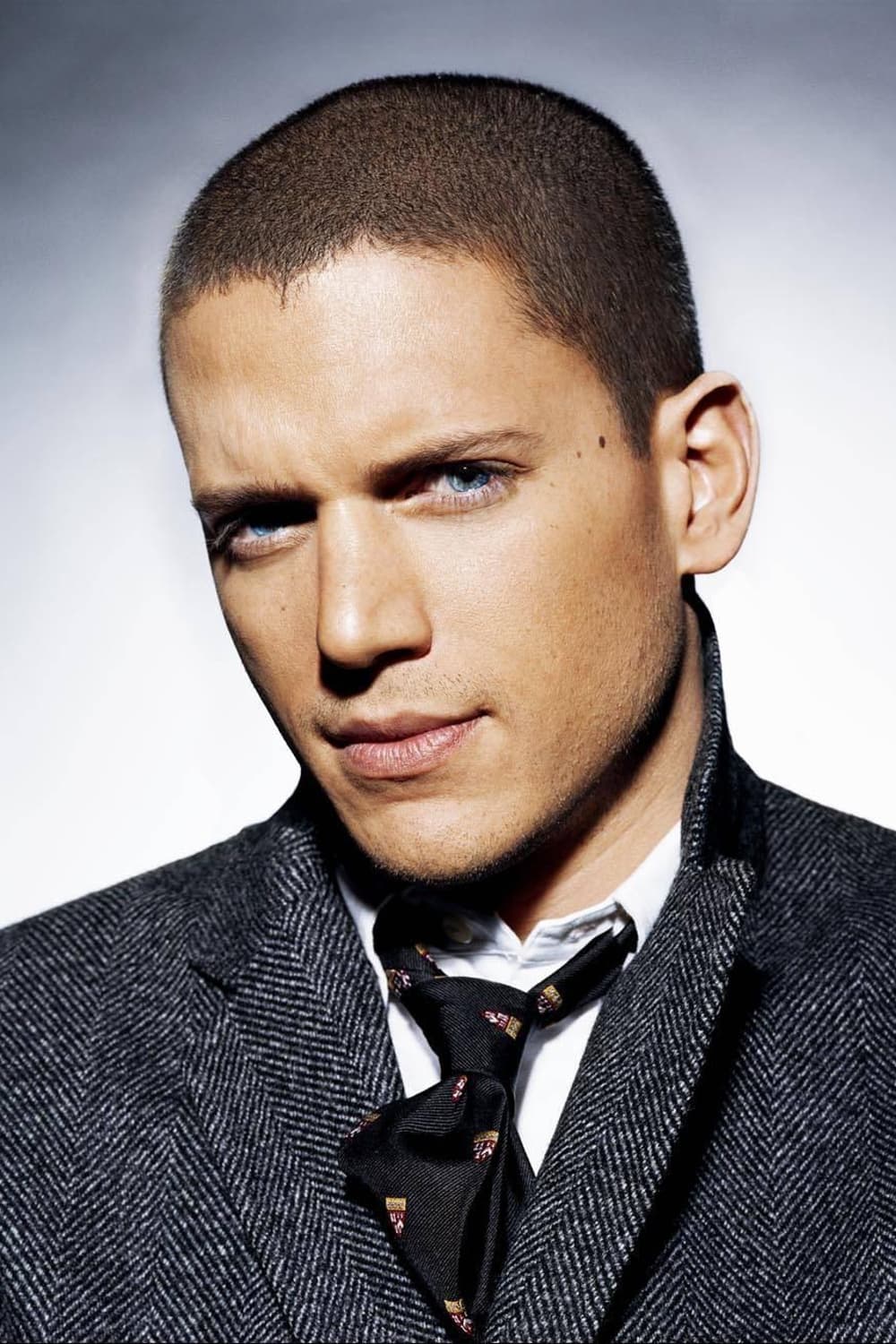
Wentworth Miller became an international heartthrob as the star of ‘Prison Break’. He spent the peak of his fame hiding his sexuality due to the fear of losing his career momentum. This immense pressure likely contributed to his hiatus from acting and shift toward screenwriting. Supportive management might have helped him navigate coming out earlier without sacrificing his mental health. He eventually returned to acting but missed out on years of potential leading roles.
Lee Pace
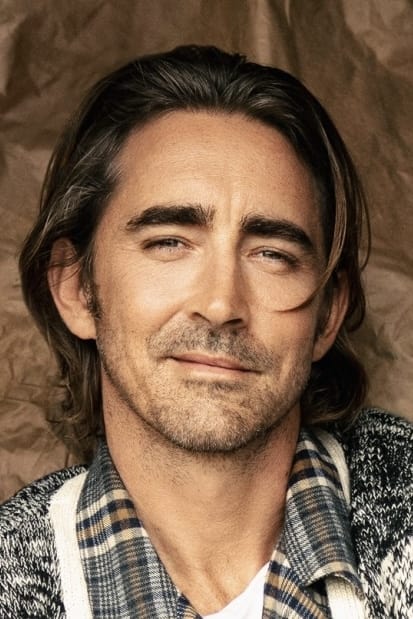
Lee Pace commands the screen with a presence that rivals any A-list dramatic actor working today. He remained private about his personal life for many years while taking roles heavily obscured by makeup in ‘The Hobbit’ and ‘Guardians of the Galaxy’. This allowed him to work steadily but perhaps prevented him from being marketed as a romantic lead in contemporary dramas. Earlier confirmation of his identity combined with a push for character-driven films could have elevated his profile. He is often the best part of every project he joins.
Colton Haynes

Colton Haynes garnered a massive following through his roles in ‘Teen Wolf’ and ‘Arrow’. His management team curated a heartthrob image that forced him to suppress his sexuality and identity for years. This internal conflict led to severe anxiety and a departure from the spotlight just as his star was rising. A healthier approach to his public persona could have sustained his momentum in young adult blockbusters. He has since returned to acting but the interruption altered his career path.
Chad Allen
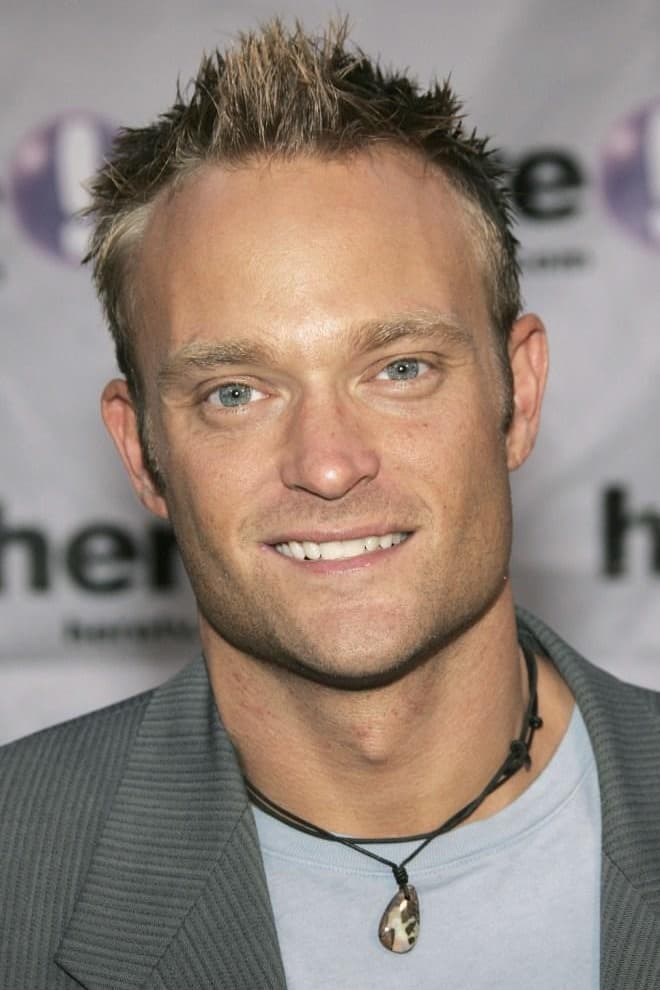
Chad Allen was a teenage superstar in the 1990s thanks to his role on ‘Dr. Quinn, Medicine Woman’. He was outed by a tabloid magazine in a scandal that effectively halted his mainstream career. Management teams in that era were ill-equipped to handle such a crisis and failed to protect his professional standing. He continued to work in independent queer cinema before retiring from acting to become a psychologist. With modern crisis management he likely would have transitioned into a successful adult television star.
Jonathan Bennett
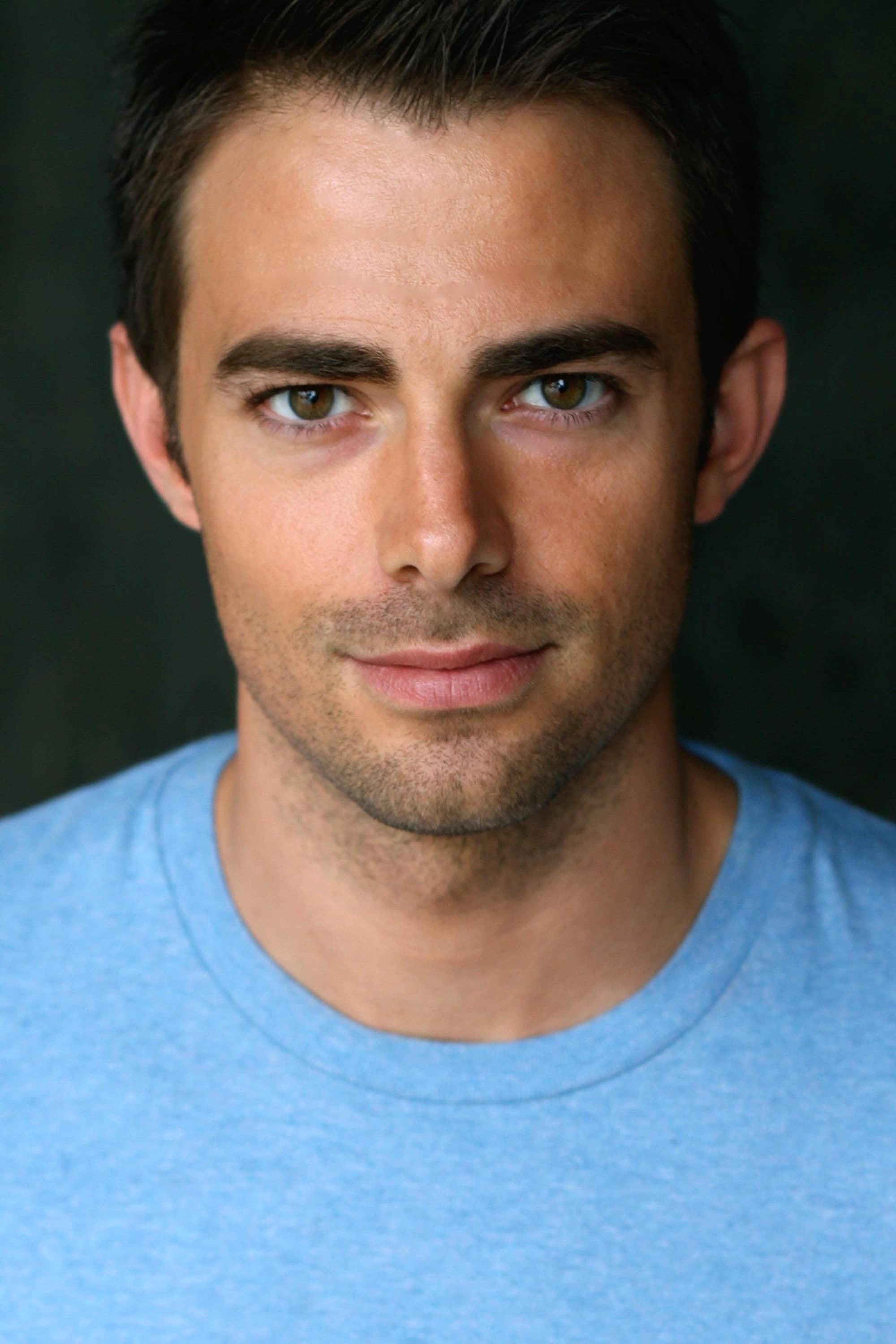
Jonathan Bennett became instantly recognizable as Aaron Samuels in the cultural phenomenon ‘Mean Girls’. Despite his chemistry and comedic timing he did not skyrocket to the A-list like his co-stars. His team struggled to find follow-up projects that showcased his range beyond the high school heartthrob archetype. He eventually found a niche in hosting and Hallmark movies. A stronger push into studio comedies could have utilized his natural charisma more effectively.
Sean Hayes
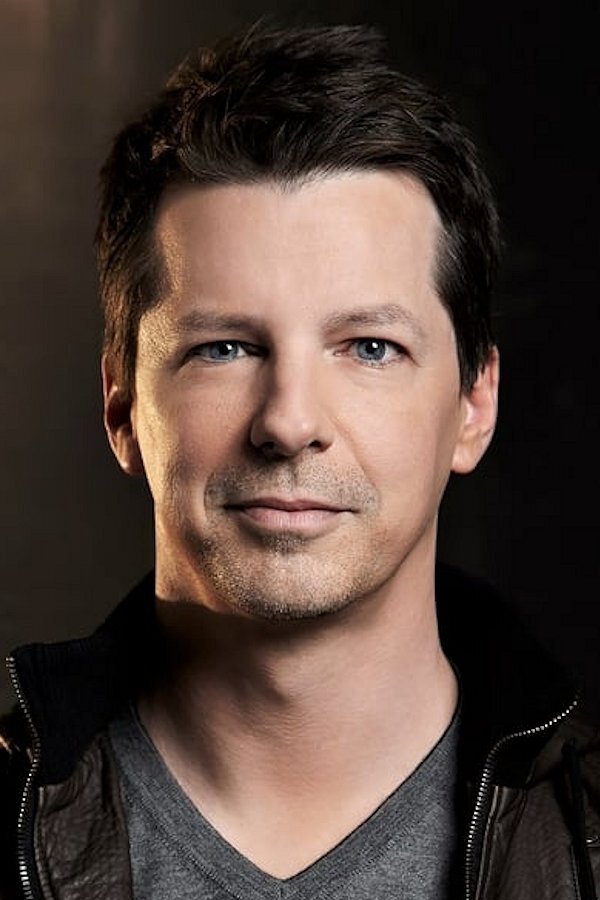
Sean Hayes delivered one of the most iconic sitcom performances of all time as Jack McFarland in ‘Will & Grace’. The specificity and popularity of that character made it incredibly difficult for him to be seen as anything else. Casting directors and producers often failed to look past the flamboyant persona he made famous. Better management might have aggressively pursued dramatic roles during the show’s hiatus to break the typecast. He remains a comedic legend but his dramatic potential is underused.
Nathan Lane
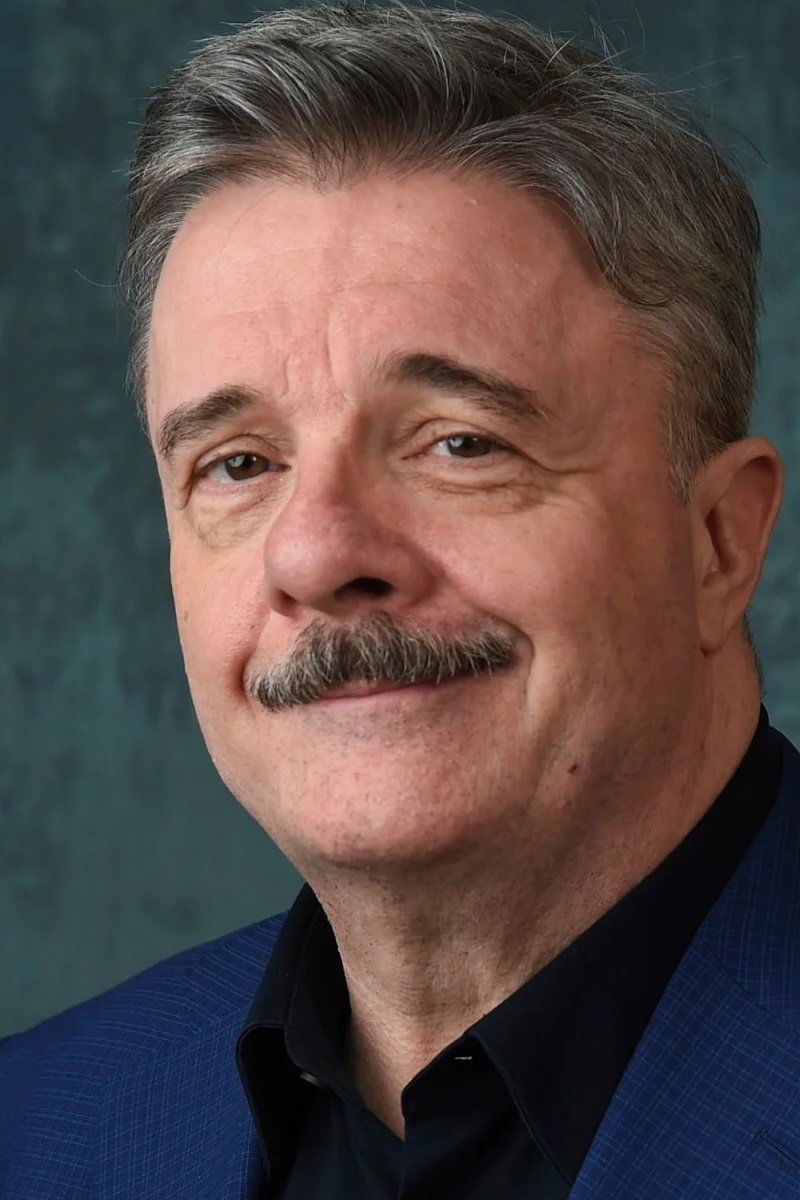
Nathan Lane is a giant of the American theater who has won multiple Tony Awards for his diverse stage work. Hollywood has largely restricted him to voicing animated characters or playing flamboyant sidekicks. His team rarely secured him the nuanced film roles that would allow him to display his dramatic chops. He proved his versatility in ‘The Birdcage’ but few films followed that capitalized on that success. He is a prime example of a stage star whose screen career was limited by industry bias.
George Takei
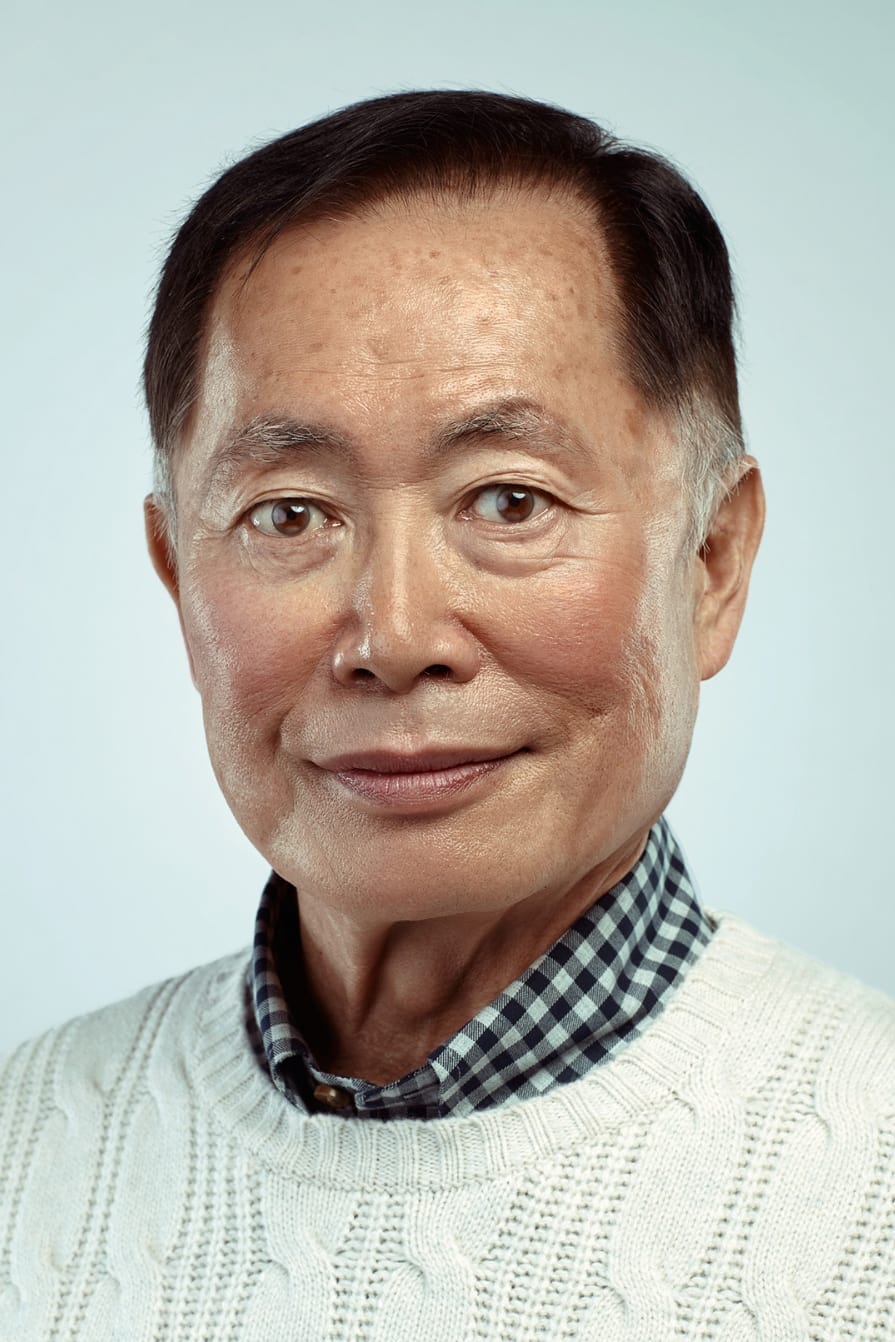
George Takei is a pop culture icon thanks to his role as Sulu in ‘Star Trek’. His acting career stalled significantly after the original series ended due to the limited roles available for Asian-American actors. His sexuality was also a closely guarded secret that prevented him from leveraging his personal story for visibility. A more progressive industry and management team could have positioned him for more substantial character work. He eventually reinvented himself as a social media personality and activist.
Richard Chamberlain
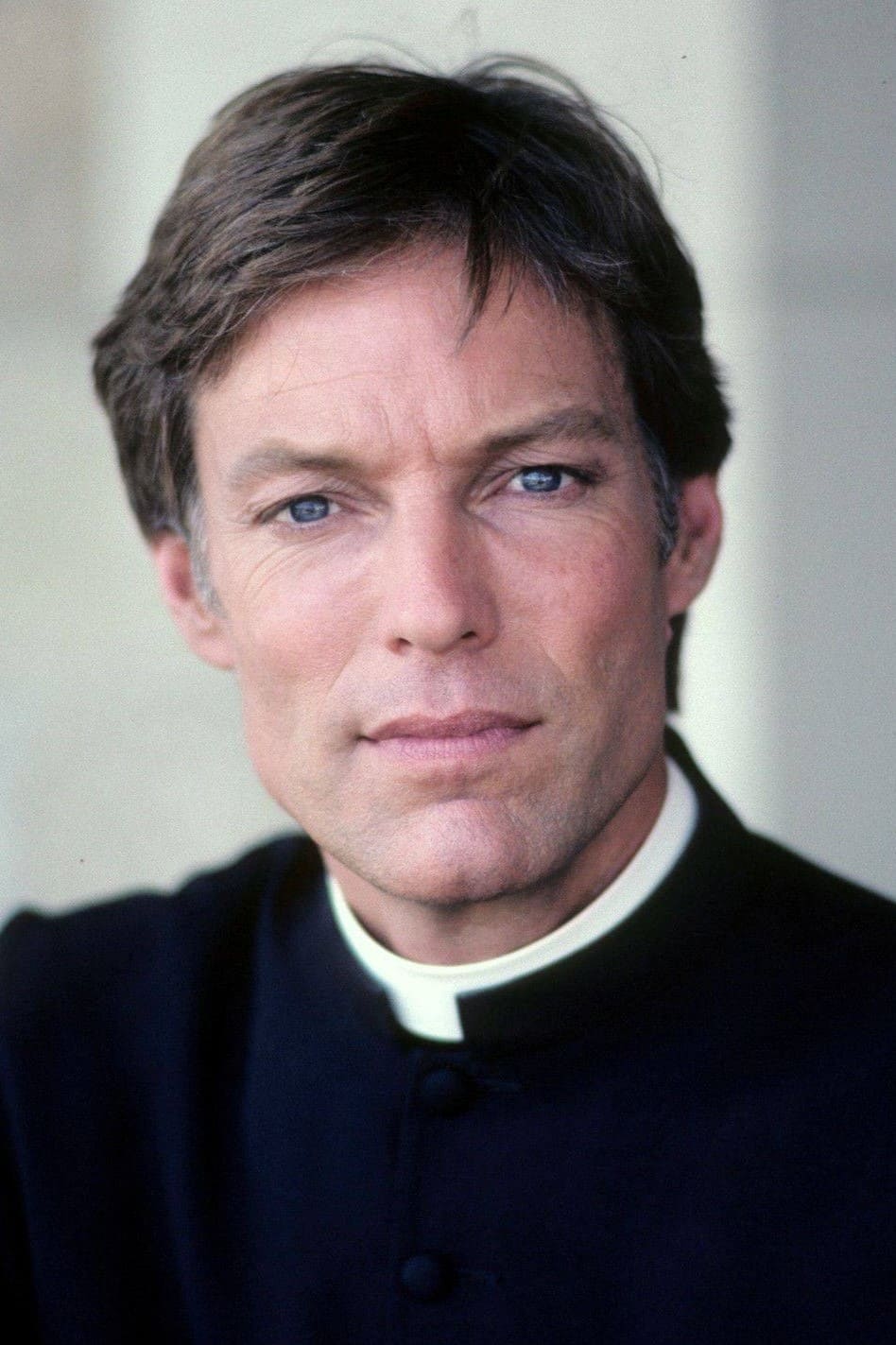
Richard Chamberlain was the undisputed king of the television miniseries in the 1980s. He spent his entire prime living in fear that exposure of his sexuality would destroy his romantic lead status. This constant need for concealment likely prevented him from taking artistic risks that could have garnered critical acclaim. Management focused entirely on maintaining the illusion rather than expanding his artistic range. He only felt free to be himself later in life when his leading man days were behind him.
Tab Hunter
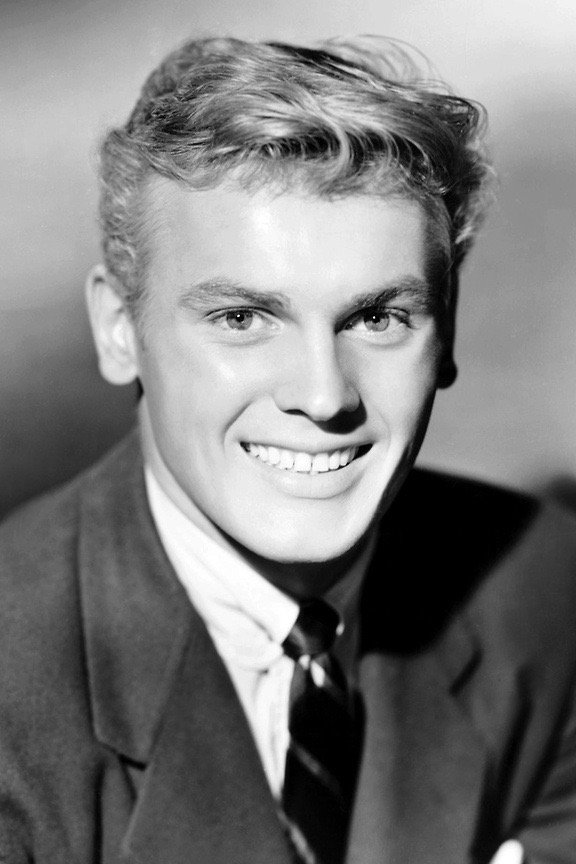
Tab Hunter was the product of a studio system that manufactured stars and strictly controlled their personal lives. His agents and the studios concocted fake romances to cover up his relationships with men. This fabrication made his entire career a performance that prevented genuine connection with his work. He could have been a more authentic actor if he hadn’t been forced to prioritize the lie over his craft. His career faded as the studio system collapsed and he could no longer maintain the facade.
Anthony Perkins
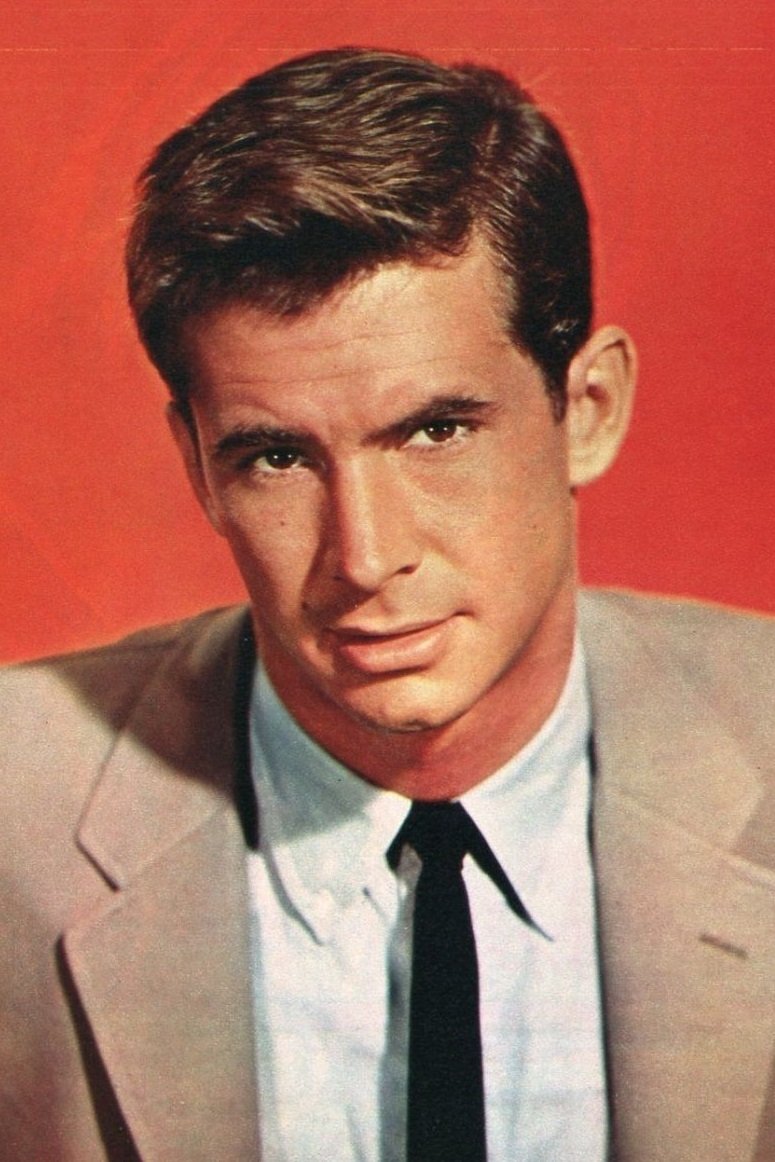
Anthony Perkins will forever be associated with his chilling performance as Norman Bates in ‘Psycho’. That role combined with rumors about his sexuality led to severe typecasting in Hollywood. His management was unable to secure him romantic leads that would break the horror mold. He spent much of his career working in Europe where audiences were more forgiving of his intense persona. He was a dynamic actor who was boxed in by a single iconic performance.
Sal Mineo
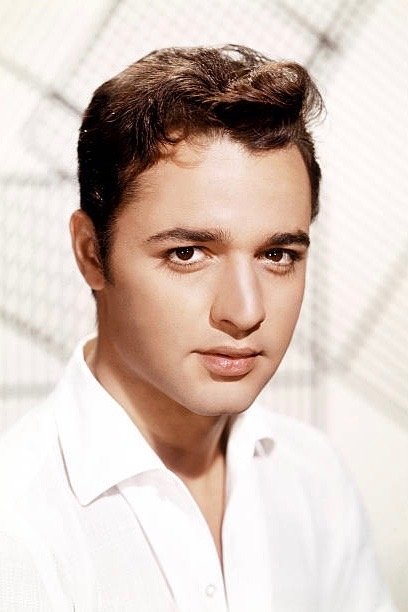
Sal Mineo was a two-time Oscar nominee who showed incredible promise as a young actor in ‘Rebel Without a Cause’. As he aged out of teen roles his career plummeted due to his perceived effeminacy and open lifestyle. The industry turned its back on him and his representatives could not secure him work in major productions. He was attempting a career revival in theater when he was tragically killed. He remains one of the greatest “what ifs” in Hollywood history.
Montgomery Clift

Montgomery Clift was one of the original method actors who revolutionized screen acting alongside Marlon Brando. He suffered from personal demons and a lack of support regarding his sexuality which tortured him throughout his life. A supportive management team might have helped him navigate his health and addiction issues better. His physical deterioration and early death cut short a career that was already legendary. He redefined masculinity on screen but suffered privately for it.
Rock Hudson
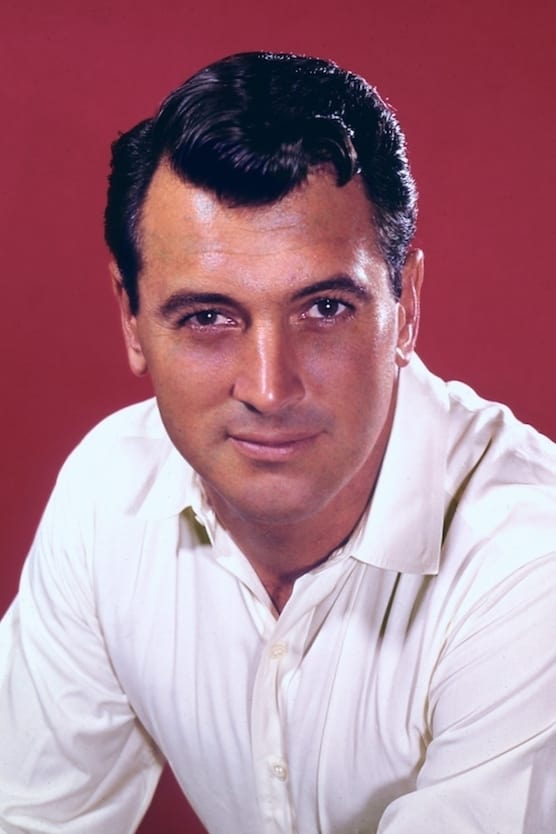
Rock Hudson was the ultimate Hollywood leading man whose career was built on a foundation of deception. His agent Henry Willson famously arranged a marriage to keep Hudson’s homosexuality out of the press. This strategy secured him roles but trapped him in a life of secrecy that ended tragically with his AIDS diagnosis. Better management in a different era would have allowed him to live openly without fear of ruin. His legacy is now defined as much by his closeted life as his filmography.
Cheyenne Jackson
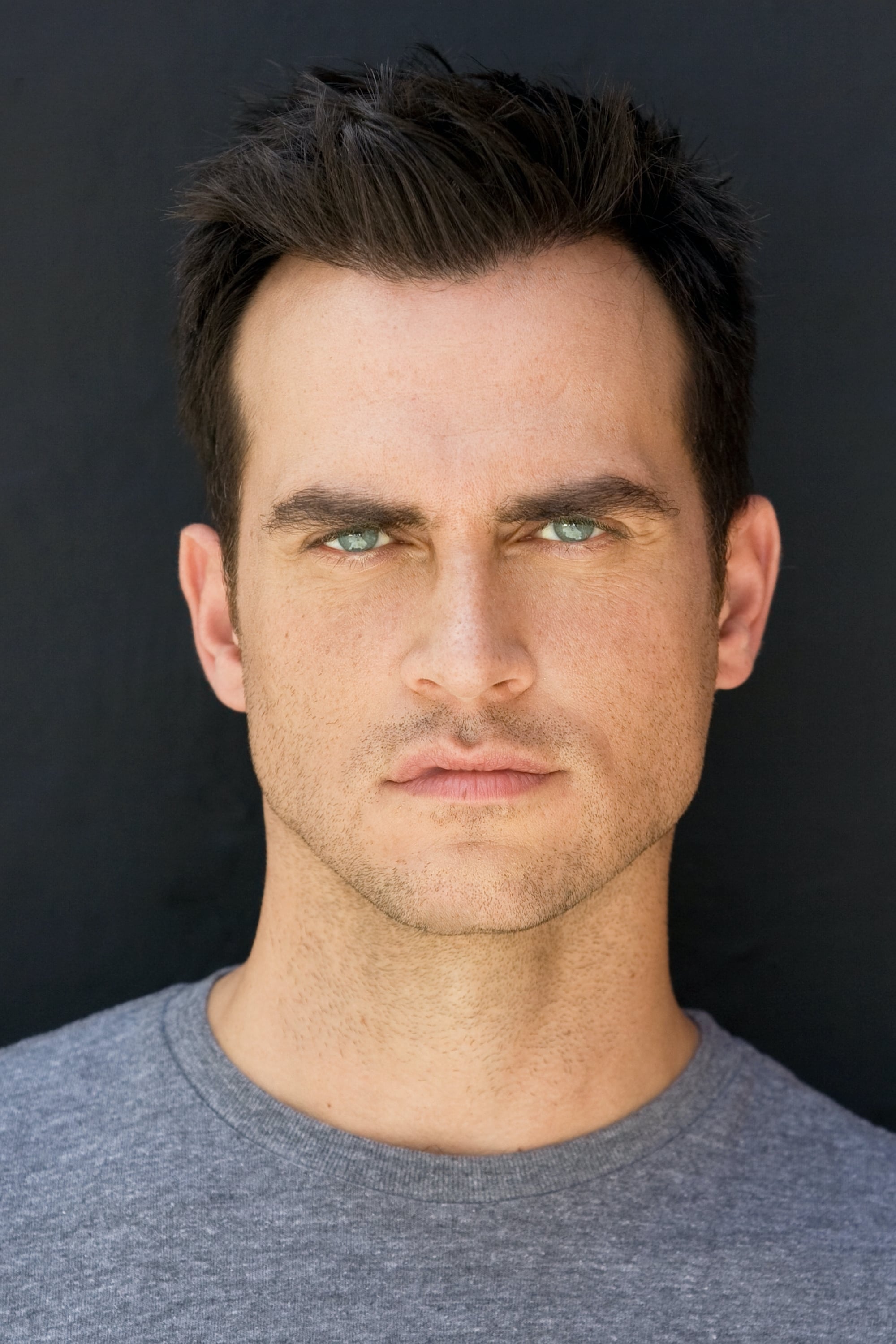
Cheyenne Jackson possesses the vocal power and physical stature of a classic leading man. He transitions seamlessly between stage and television yet rarely lands the lead in feature films. His management has kept him working steadily in ensemble TV casts like ‘American Horror Story’. A focused strategy could have positioned him as a star of musical films or romantic comedies. He has the charisma to carry a movie but the opportunities have been scarce.
Andrew Rannells
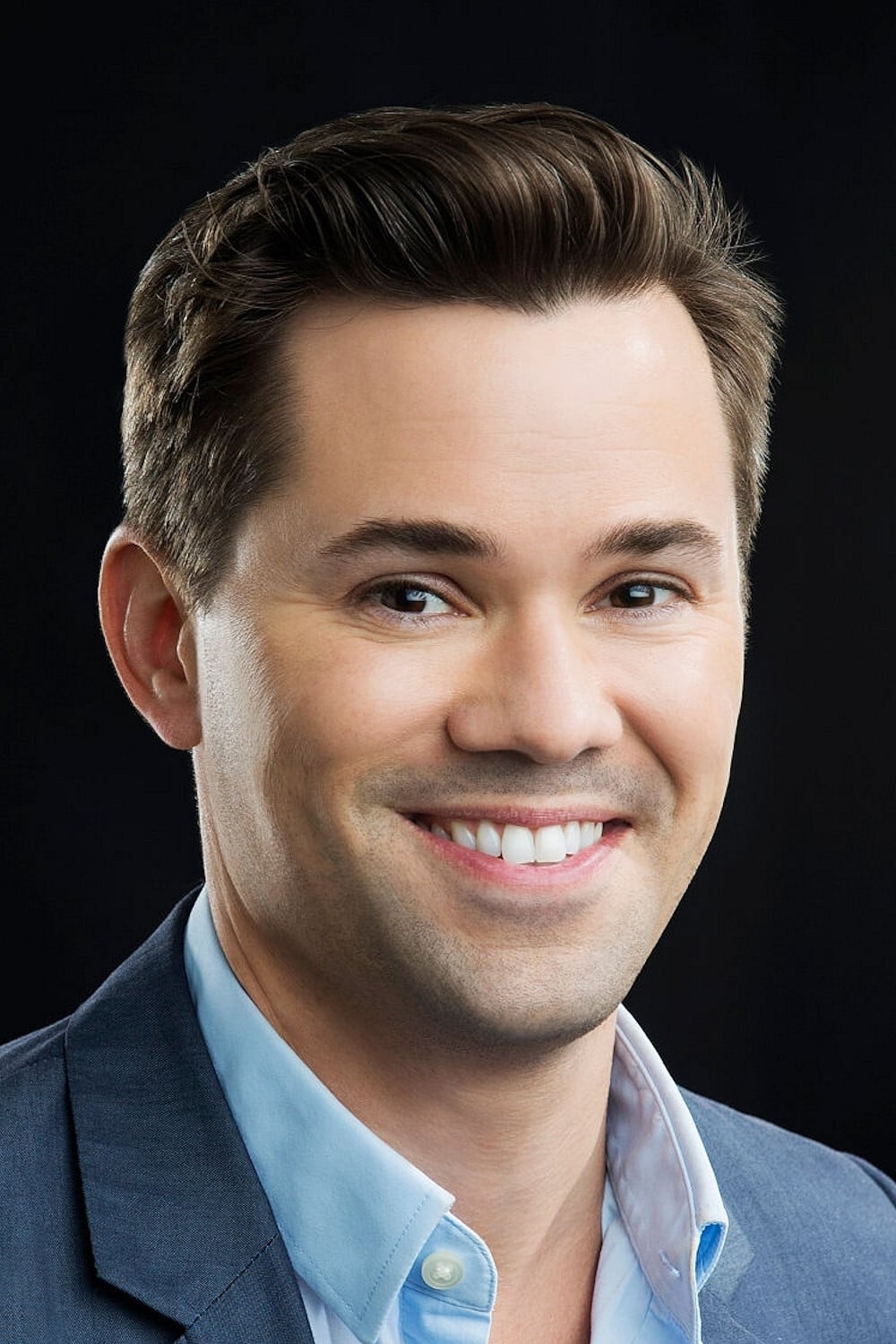
Andrew Rannells broke out as a Broadway superstar in ‘The Book of Mormon’ with incredible comedic energy. Hollywood often casts him as the sassy best friend or the over-the-top gay character. This typecasting ignores his ability to play more grounded or complex human beings. His representatives have secured him consistent work but he rarely gets to be the protagonist of the story. He deserves a vehicle that utilizes his full range beyond the stereotype.
Jonathan Groff
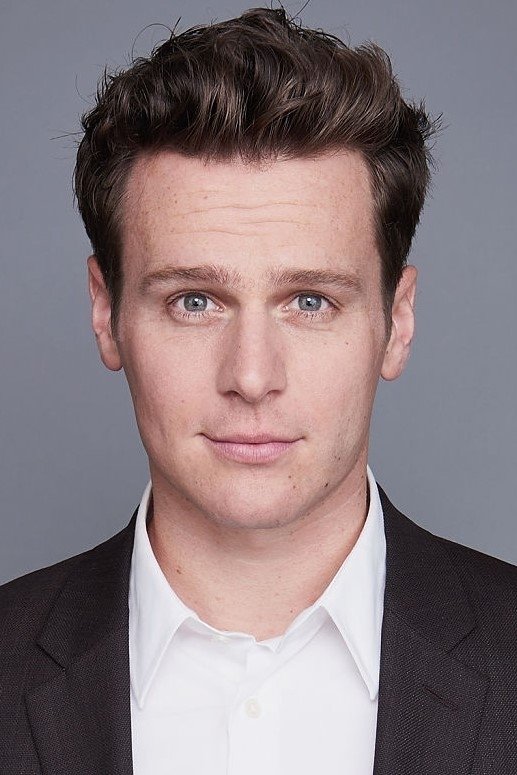
Jonathan Groff has achieved cult status through Broadway and his voice work in ‘Frozen’. His screen career includes the acclaimed series ‘Mindhunter’ which proved he could play a straight FBI agent convincingly. Despite this success he has not been flooded with offers for leading roles in major studio dramas. A more aggressive push into film could have established him as a versatile movie star. He often returns to theater where the roles offered are more substantial.
Russell Tovey
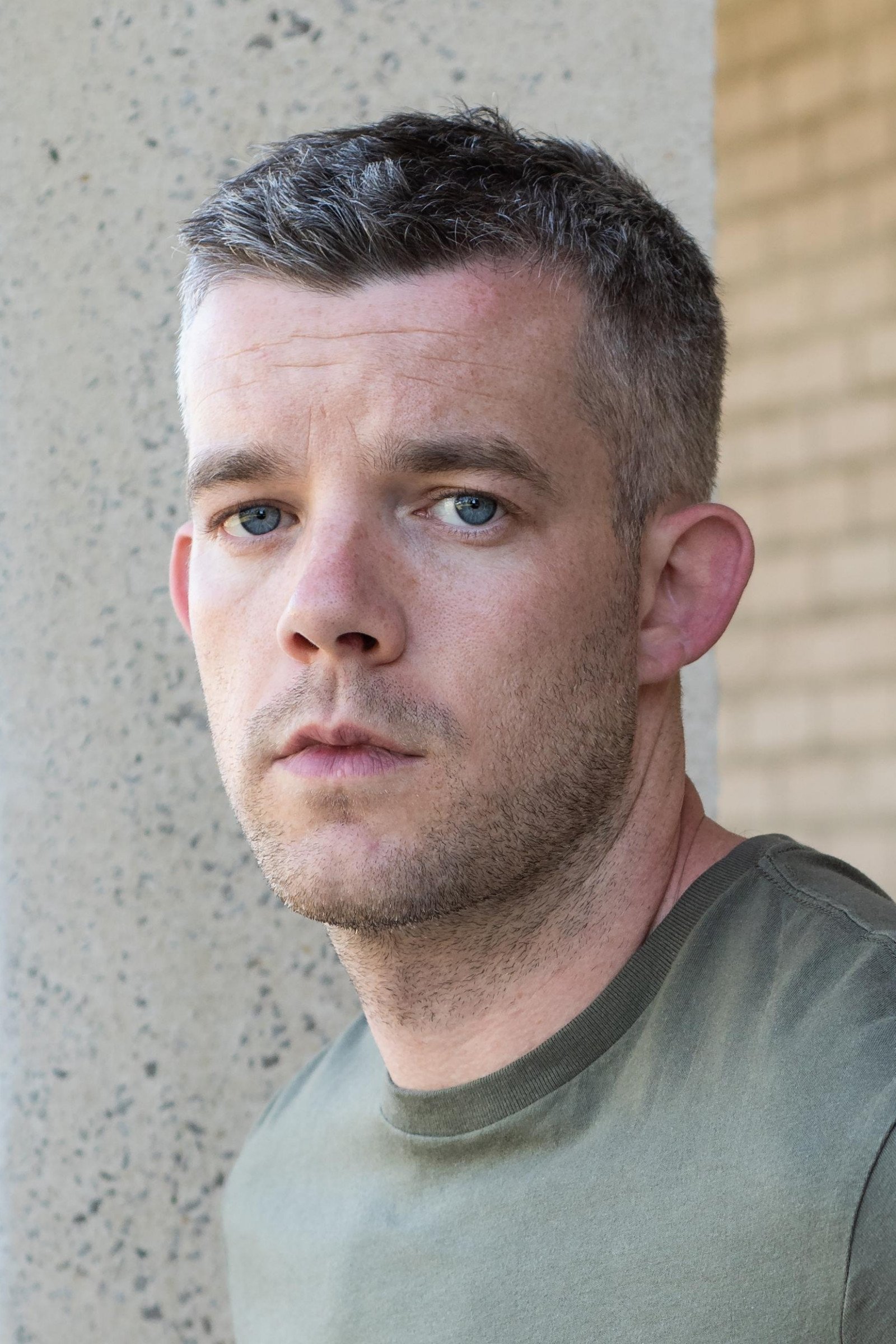
Russell Tovey has built a solid career in the UK with a variety of interesting character roles. His attempts to break into the American market have mostly resulted in supporting parts in television series. He has a unique look and intensity that could work well in indie films or thrillers. Better US representation might have found him the right vehicle to crossover as a lead. He is a consistent worker who acts with great reliable skill.
Wilson Cruz
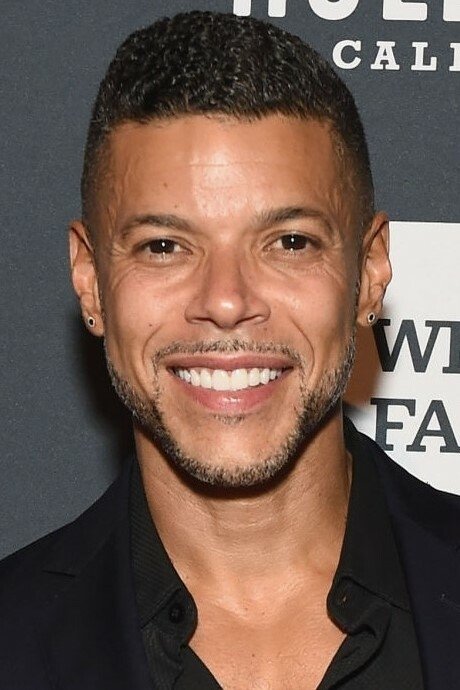
Wilson Cruz made history as Rickie Vasquez on ‘My So-Called Life’ as one of the first openly gay teens on TV. After the show was cancelled he struggled for years to find roles that didn’t treat his identity as a punchline. The industry was not ready for an openly gay actor of color in the late 1990s. Management today would have more avenues to build a career for someone with his pioneering status. He has seen a resurgence recently but lost decades of potential work.
Guillermo Díaz
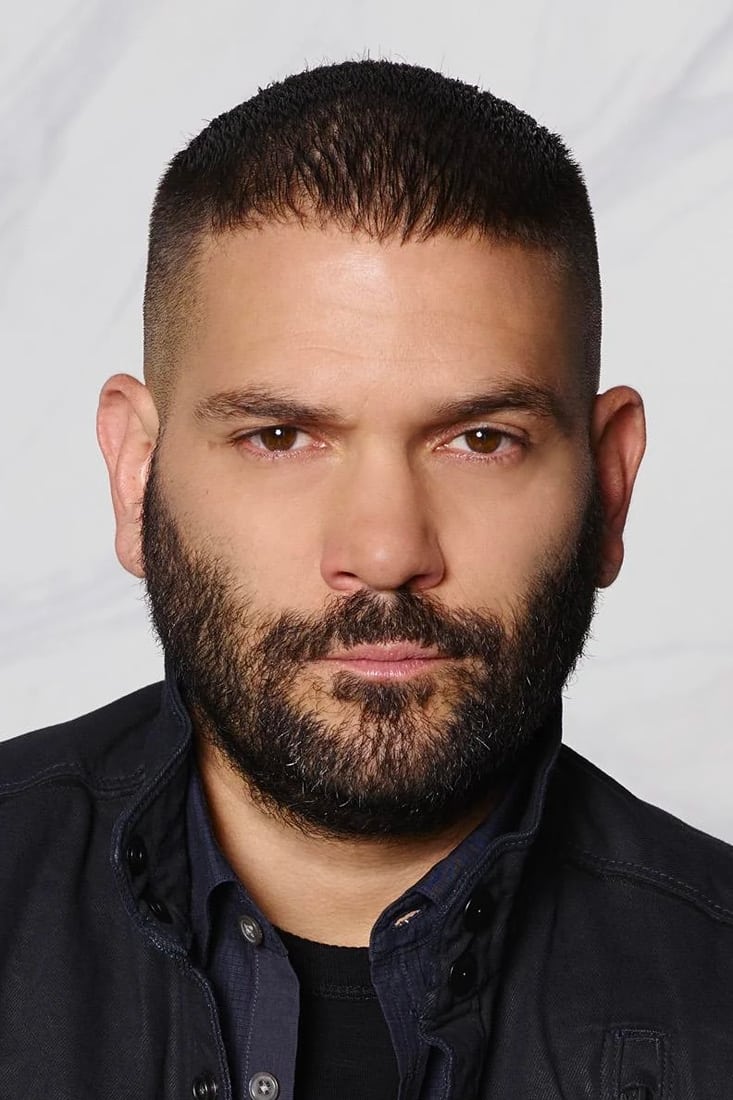
Guillermo Díaz is a powerful actor known for his intensity in shows like ‘Scandal’ and ‘Weeds’. He is frequently typecast as a thug or an unstable criminal character. This limits the audience’s ability to see him in softer or more heroic roles. His team could have pushed for parts that challenged this perception to broaden his casting bracket. He brings deep humanity to his characters but is rarely given the chance to play the lead.
Randy Harrison
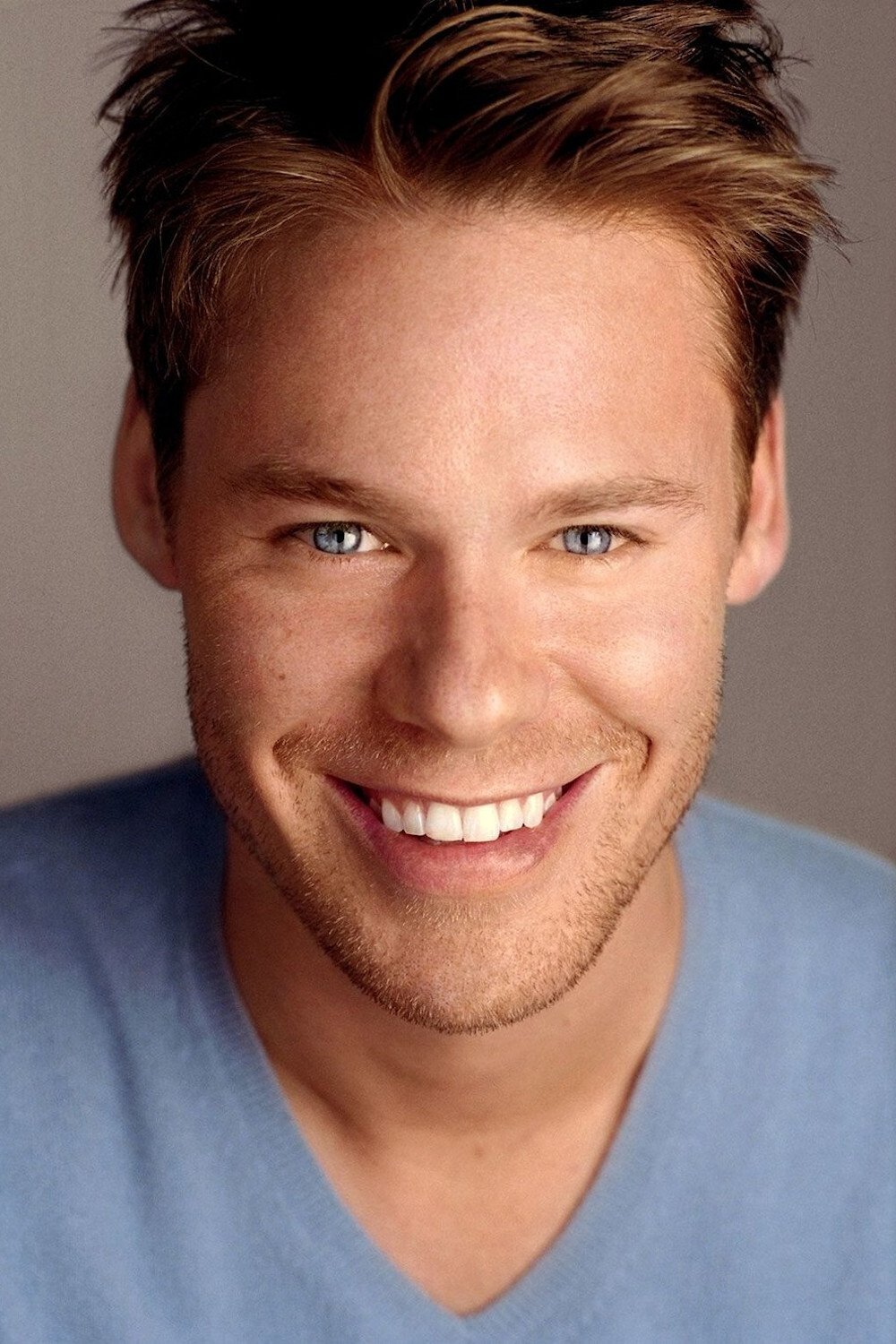
Randy Harrison became a queer icon playing Justin Taylor on the US version of ‘Queer as Folk’. The show was so explicit and defining that it became difficult for him to book mainstream commercial work afterward. His representatives struggled to transition him from a cable TV star to a film actor. He eventually focused on theater work where he found more creative freedom. His screen career never quite recovered from the intensity of his debut role.
Peter Paige
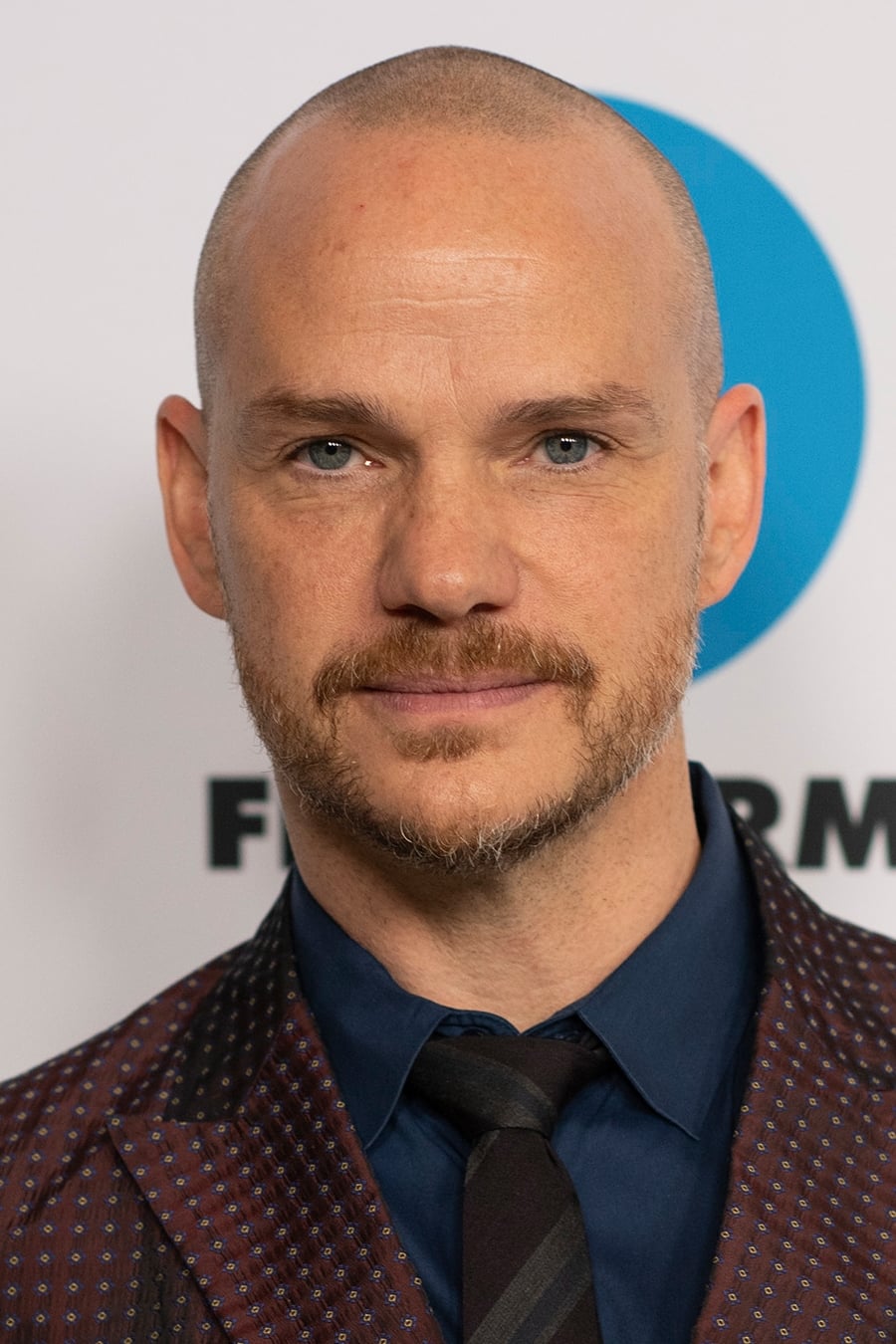
Peter Paige was another breakout star from ‘Queer as Folk’ who faced the “lavender ceiling” in Hollywood. He found that casting directors only wanted to see him in flamboyant roles similar to his character Emmett. He pivoted to directing and producing to create the opportunities he wasn’t getting as an actor. Better management might have helped him diversify his acting portfolio before he moved behind the camera. He proved to be a talented creator but his acting career was unfairly stifled.
Charlie Carver
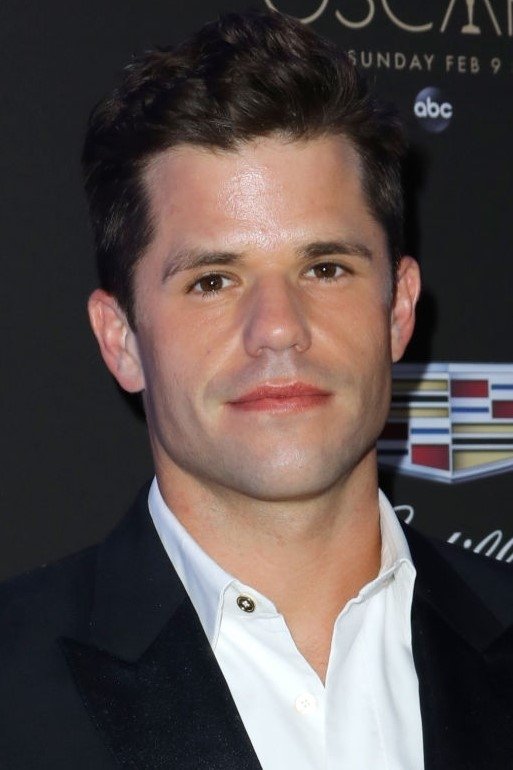
Charlie Carver grew up on screen in ‘Desperate Housewives’ and ‘Teen Wolf’ alongside his twin brother. Since coming out he has worked to establish an individual identity separate from his sibling. His management faces the challenge of finding him adult roles that move past his teen heartthrob origins. He has shown promise in ‘The Boys in the Band’ but needs a breakout solo project. A strategic choice of indie roles could solidify his standing as a serious adult actor.
Brandon Flynn

Brandon Flynn became an instant celebrity with the success of ’13 Reasons Why’. The intensity of that show and the public scrutiny of his dating life put immense pressure on his early career. His team needs to carefully select his next projects to ensure he isn’t remembered only for one teen drama. He has the acting chops for dark comedies or thrillers. The right management move now is crucial to ensure his longevity in the industry.
Keiynan Lonsdale
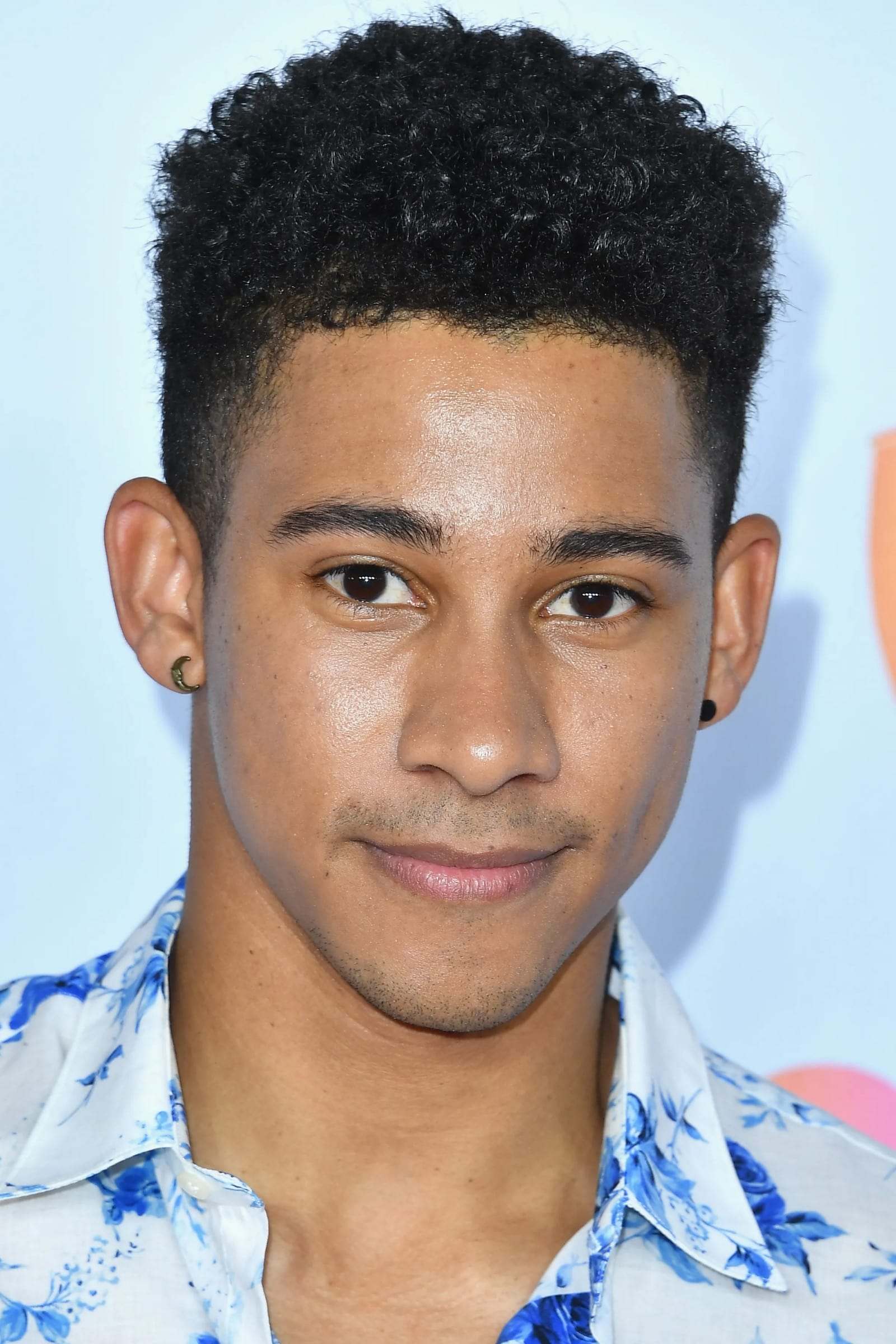
Keiynan Lonsdale charmed audiences in ‘Love, Simon’ and as a speedster in ‘The Flash’. He has immense charisma and dance ability that makes him a triple threat. His career momentum seemed to slow down as he focused on music and personal exploration. A focused management strategy could position him as a lead in musical films or action franchises. He has the raw talent to be a global superstar if given the right platform.
Justice Smith
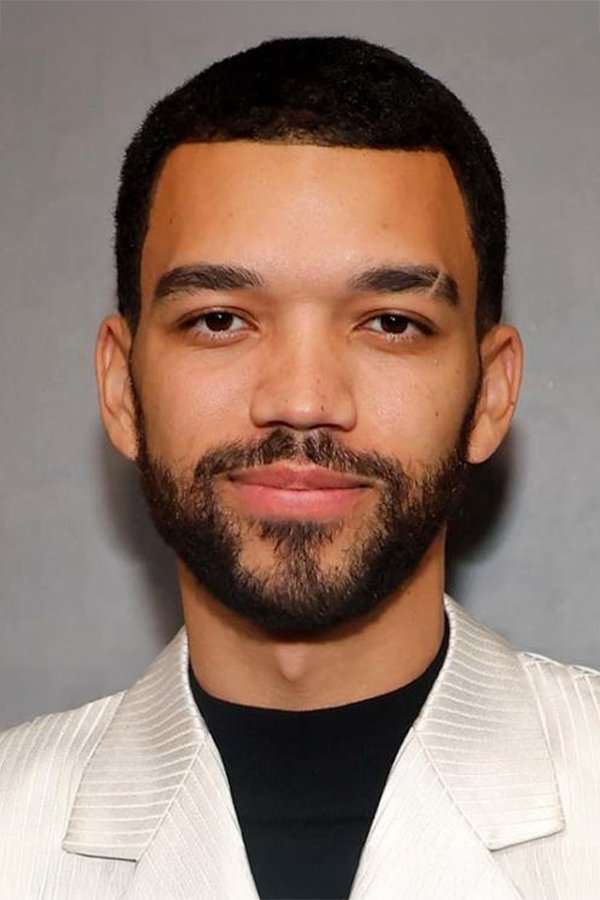
Justice Smith has appeared in massive blockbusters like ‘Jurassic World’ and ‘Detective Pikachu’. Despite these high-profile gigs he is often relegated to the role of the anxious sidekick. His dramatic work in ‘The Get Down’ proved he is capable of carrying a complex narrative. Better management would fight for him to be the face of a franchise rather than the supporting player. He is on the cusp of stardom but needs a defining lead role.
Ben Whishaw
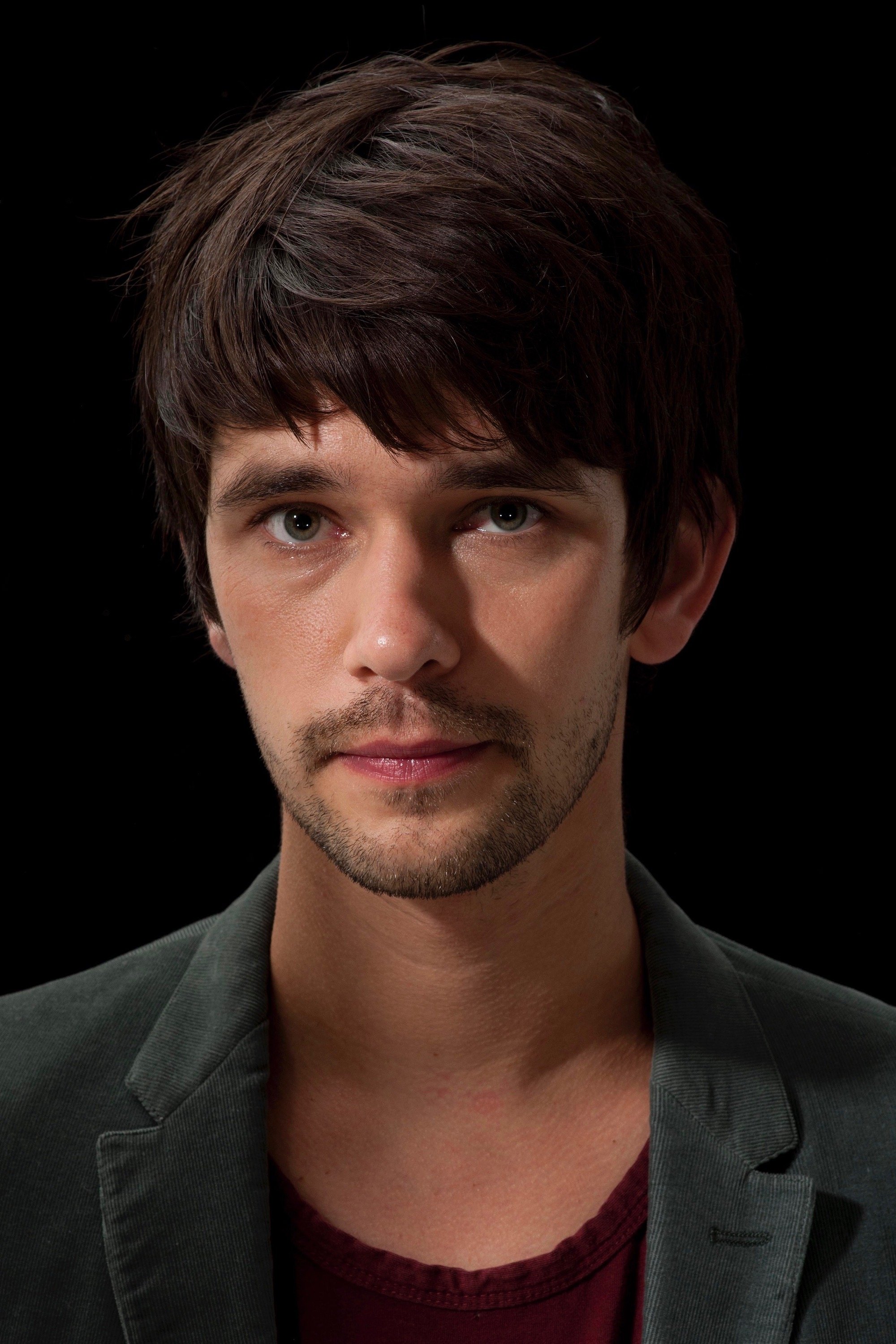
Ben Whishaw is a critic’s darling who has won awards for his work in ‘A Very English Scandal’. He acts as Q in the James Bond franchise but is rarely the lead in major studio films. His gentle demeanor often sees him cast in niche or voice-only roles like ‘Paddington’. A team that pushed for him to lead romantic dramas or biopics could expand his commercial appeal. He is one of the most talented actors of his generation who remains under the radar.
Lucas Hedges

Lucas Hedges received an Oscar nomination at a young age and became the go-to actor for troubled teens. He has since taken a step back from the limelight which stalled his rapid ascent. His management helped him select incredible scripts early on but he risks falling off the map without consistent visibility. He has the potential to be a generational talent if he chooses to return to major roles. His career requires careful curation to transition into adult characters.
Brad Davis
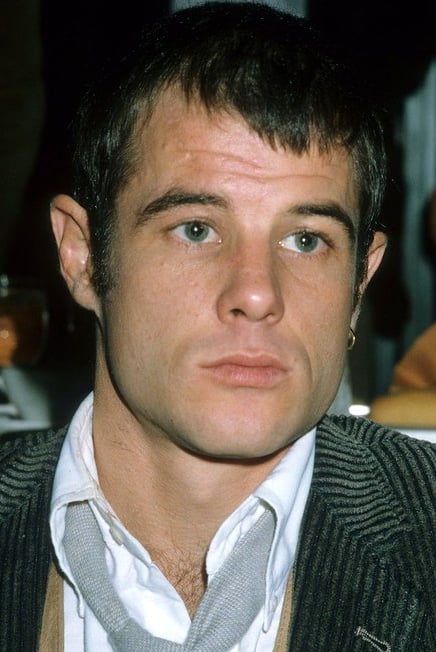
Brad Davis became a sensation after starring in ‘Midnight Express’ and winning a Golden Globe. He was diagnosed with HIV in 1985 and was forced to keep it a secret to keep working. His management and family helped him hide his condition until just before his death. The stress of living a double life undoubtedly affected his career choices and public appearances. He was a raw talent whose career was cut short by the stigma of his era.
Dirk Bogarde
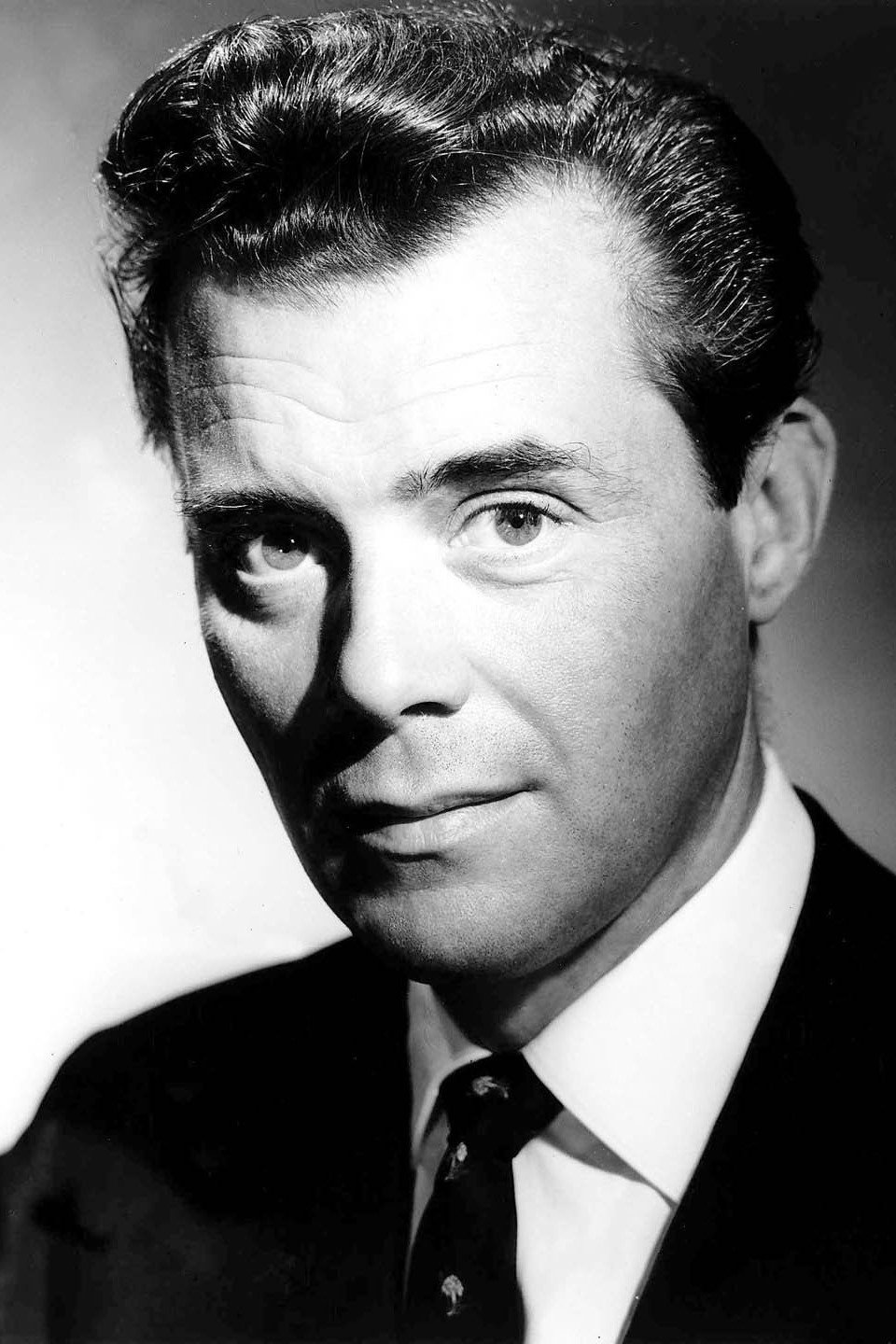
Dirk Bogarde was a matinee idol in Britain who was marketed as a heartthrob to female audiences. He spent decades hiding his long-term relationship with his manager to protect his box office status. This restriction forced him to play the game rather than choose roles that spoke to him authentically until later in life. He eventually took on risky roles like ‘Victim’ which addressed blackmailing of gay men. His career is a masterclass in navigating a hostile industry with dignity.
Farley Granger
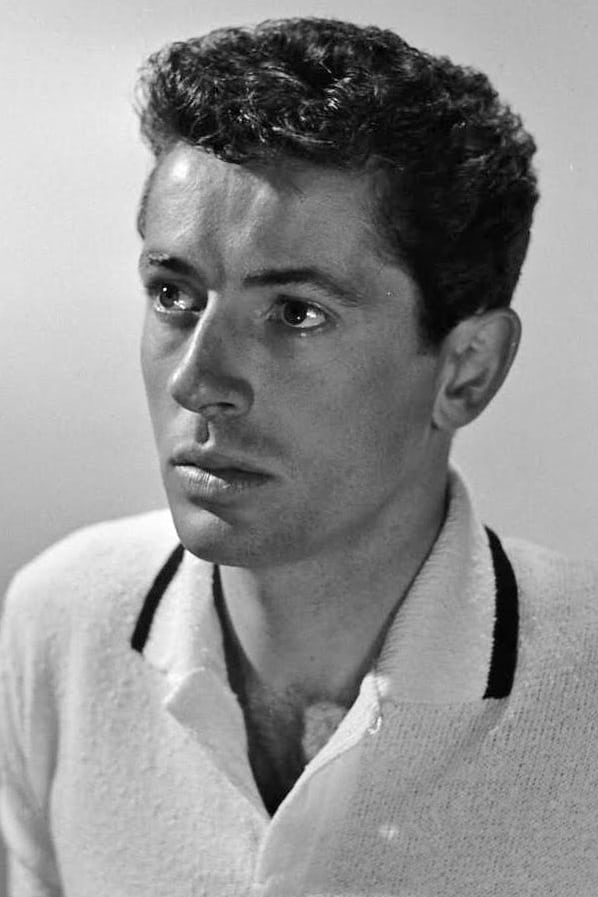
Farley Granger starred in Alfred Hitchcock classics like ‘Rope’ and ‘Strangers on a Train’. He was never comfortable with the studio system’s demands on his personal life and often bought out his own contracts. This rebellion against management limited his access to the biggest roles of the 1950s. A more flexible studio system might have allowed him to flourish as a top-tier star for longer. He chose freedom over fame which altered his Hollywood legacy.
Raymond Burr
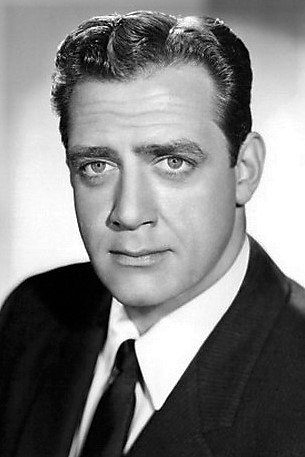
Raymond Burr was a television titan known for ‘Perry Mason’ and ‘Ironside’. He invented a dead wife and a son to explain his bachelorhood to the press. This elaborate lie required constant maintenance by his representatives and prevented him from living openly. He was a beloved figure who could have been a powerful advocate had the times been different. His career was successful but built on a profound personal sacrifice.
BD Wong
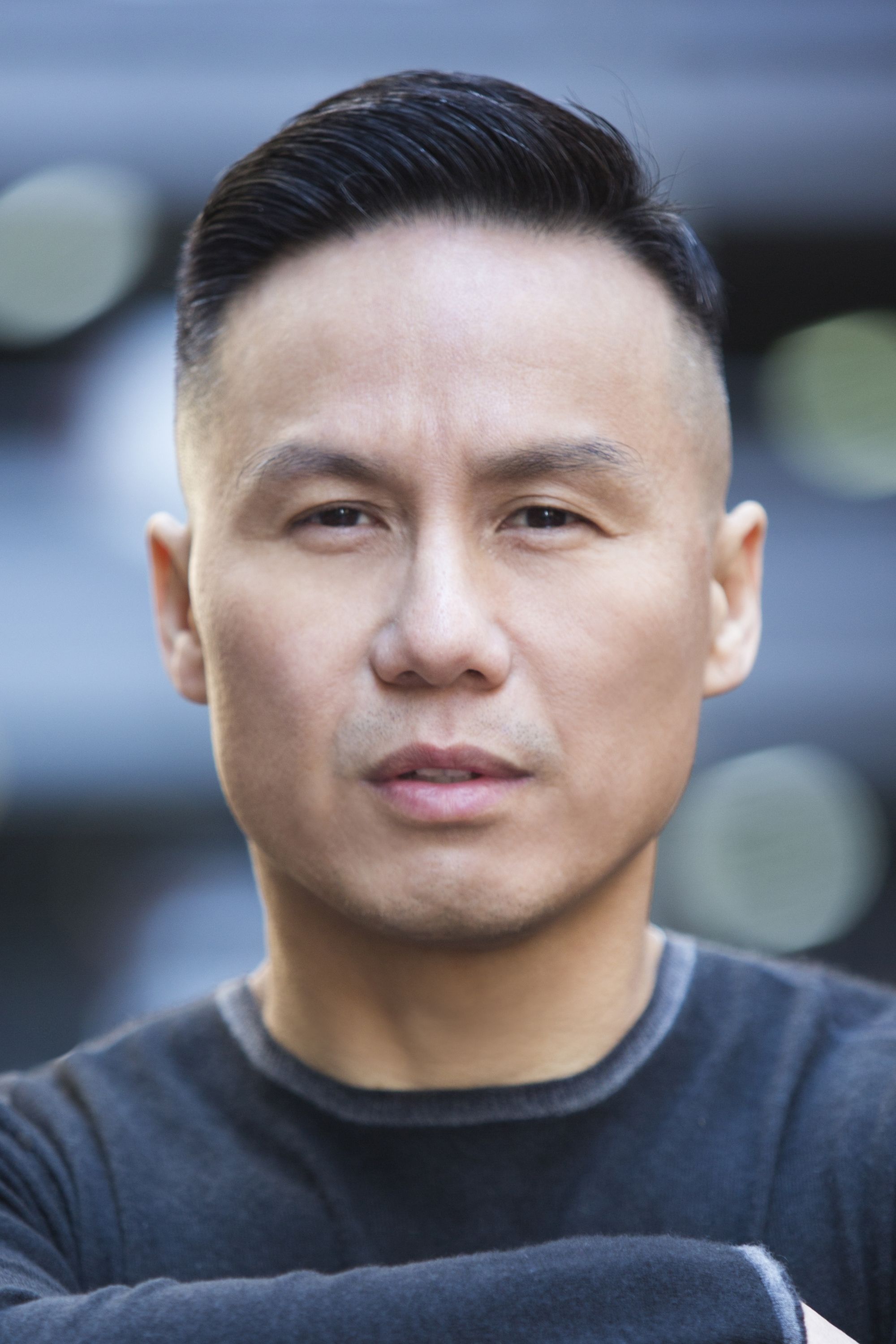
B.D. Wong won a Tony Award for ‘M. Butterfly’ but found Hollywood roles to be far more limiting. He has spent years playing doctors and scientists in ‘Jurassic Park’ and ‘Law & Order: SVU’. His management rarely broke him out of the intellectual supporting character box. He has immense range that is frequently underutilized in film and television. He deserves a late-career bloom with a leading role written specifically for him.
Harvey Fierstein
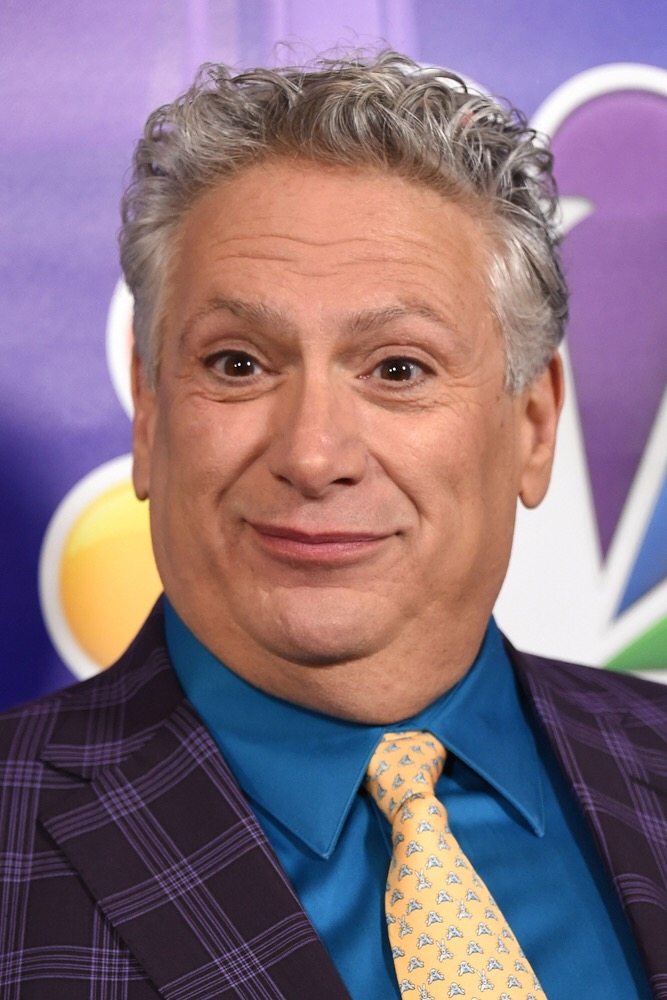
Harvey Fierstein has a voice that is instantly recognizing but also limiting in the eyes of casting directors. He wrote his own material for stage and screen because the industry didn’t know what to do with him. Management often relegated him to comedic cameos rather than fleshed-out characters. He is a pioneer who had to carve his own path because no one else would. His career is a testament to resilience in the face of typecasting.
Leslie Jordan

Leslie Jordan was a beloved character actor who finally found massive fame on social media late in life. For decades he was cast solely as the diminutive funny man with a thick southern accent. His representatives struggled to get him in the room for roles that required dramatic weight. He proved he could handle drama in ‘American Horror Story’ but those opportunities were rare. He was a star who the industry didn’t fully appreciate until the end.
Mario Cantone
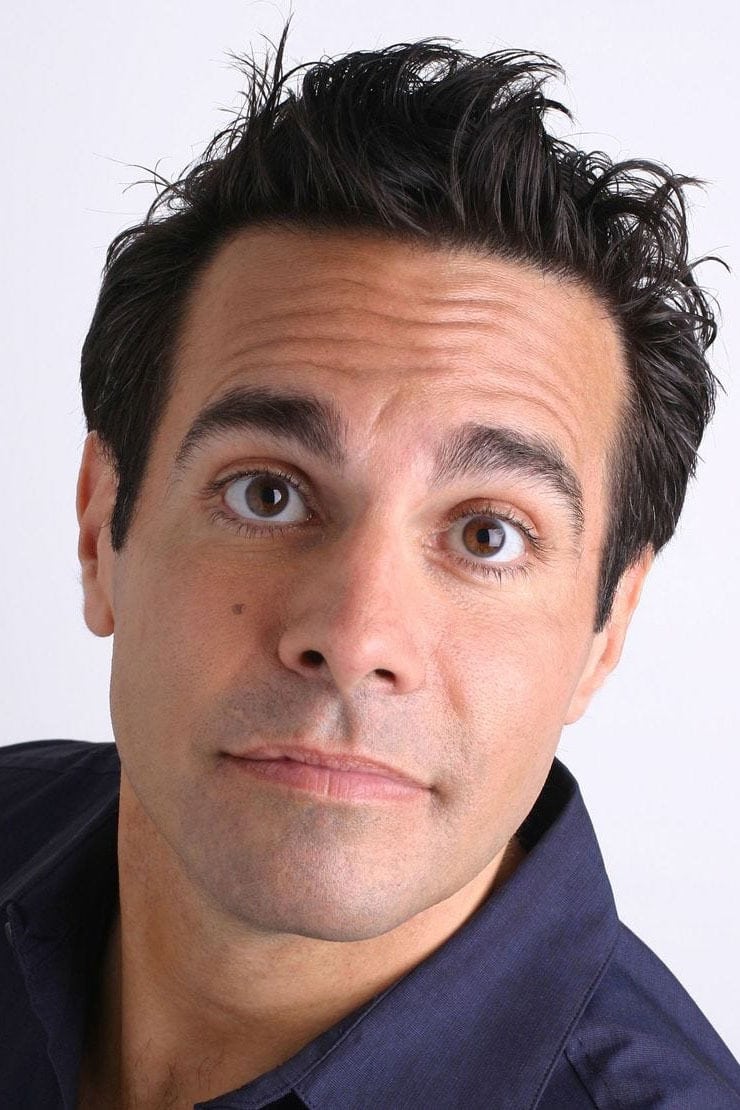
Mario Cantone is known for his fast-talking and high-energy persona in ‘Sex and the City’. This specific brand of comedy made it difficult for him to land diverse acting roles. Casting directors saw him only as the loud wedding planner archetype. A different management strategy might have encouraged him to take quieter roles to show his range. He is a talented stage actor who got stuck in a specific television niche.
John Barrowman
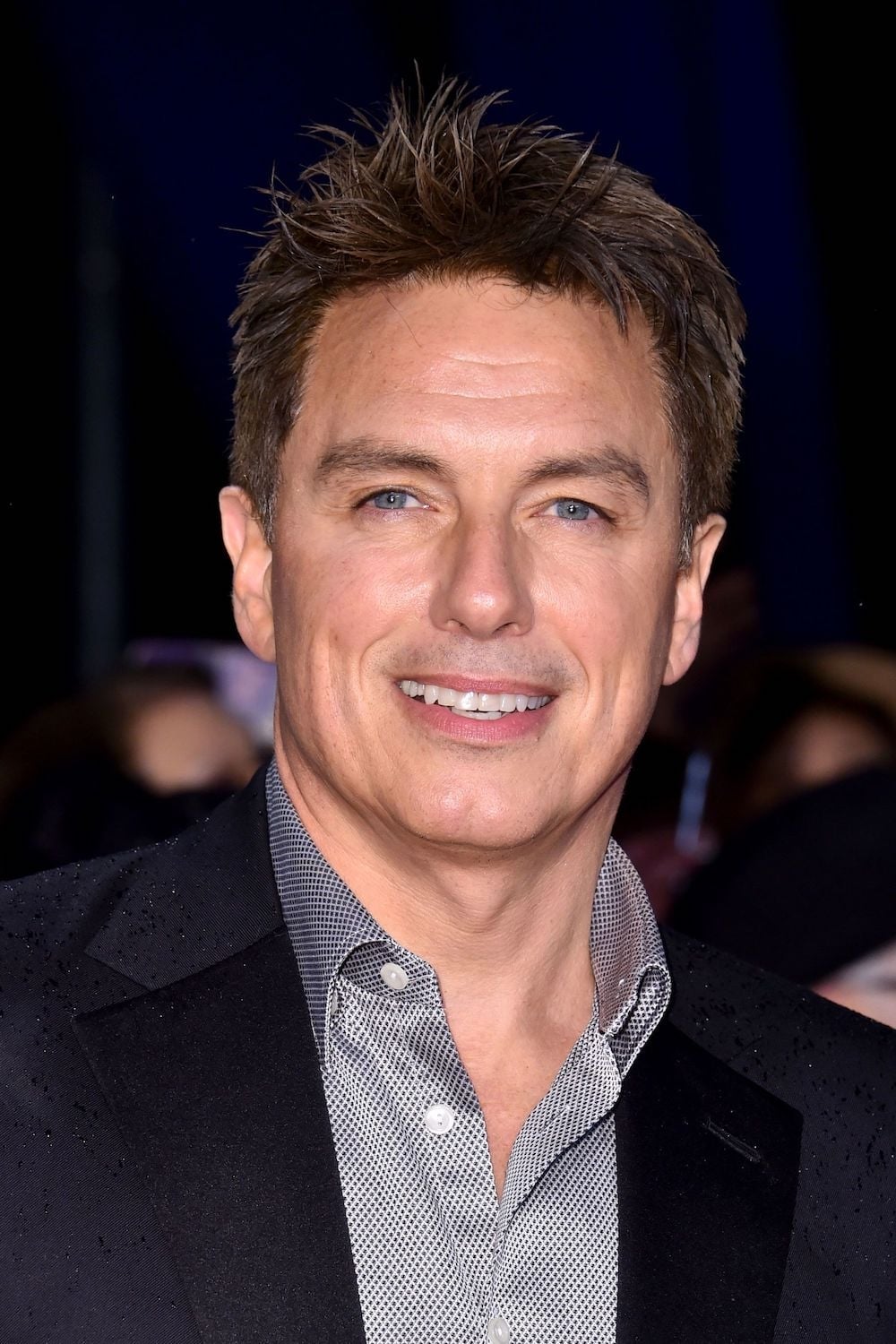
John Barrowman has classic leading man looks and charisma that made him a star in the UK. Despite his success as Captain Jack Harkness he never broke into the American film market as a major lead. His openness about his sexuality early on may have hindered his casting in US action movies. Better cross-Atlantic management could have positioned him as a competitor to Tom Cruise or Pierce Brosnan. He remains a cult favorite rather than a blockbuster star.
Maulik Pancholy
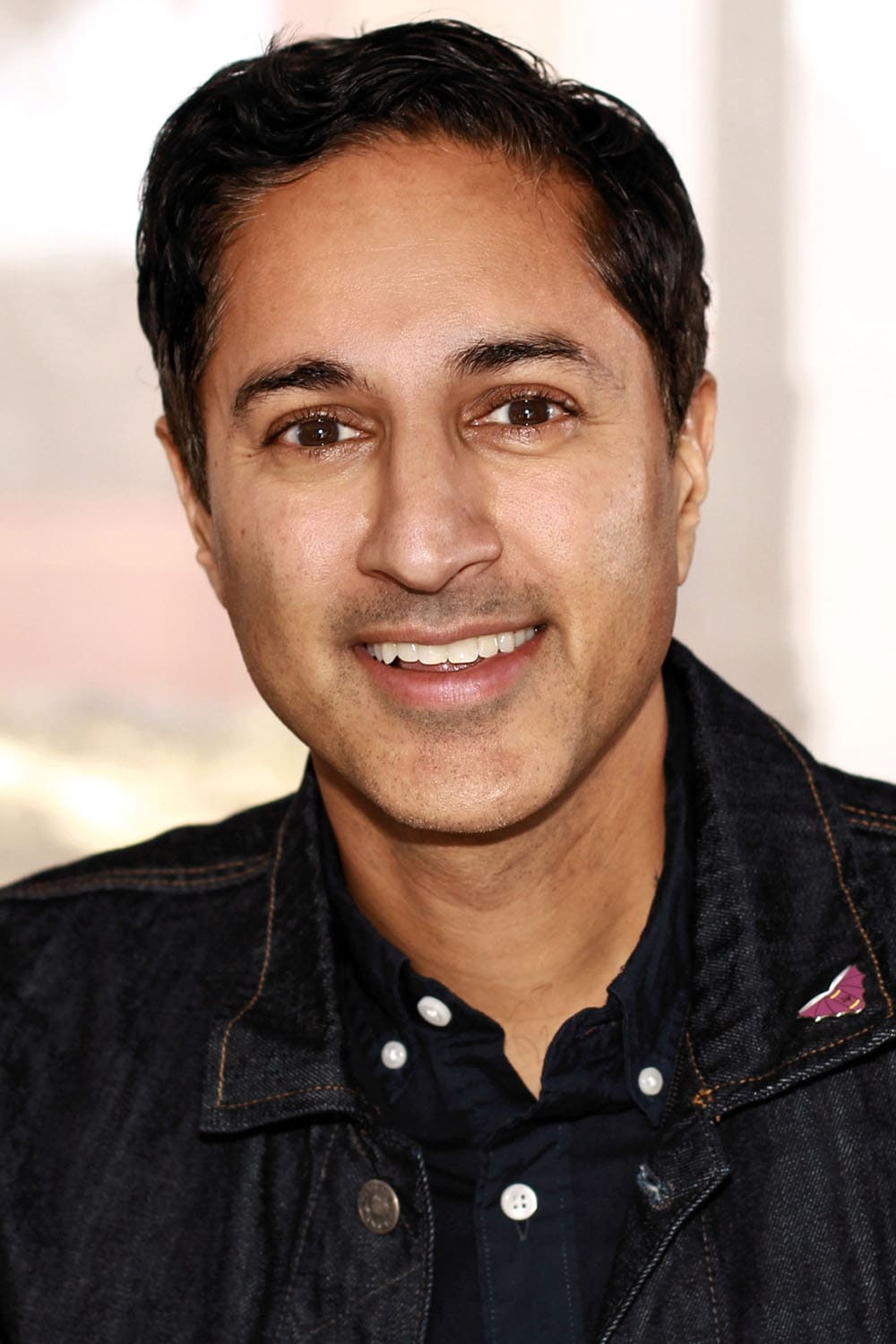
Maulik Pancholy is best known for playing the sycophantic assistant on ’30 Rock’. This role was hilarious but led to him being typecast in similar subservient parts. His team struggled to find him characters that were assertive or romantic leads. He is a handsome and capable actor who gets stuck playing the sidekick. He deserves a chance to lead a sitcom or a romantic comedy.
Kevin McHale
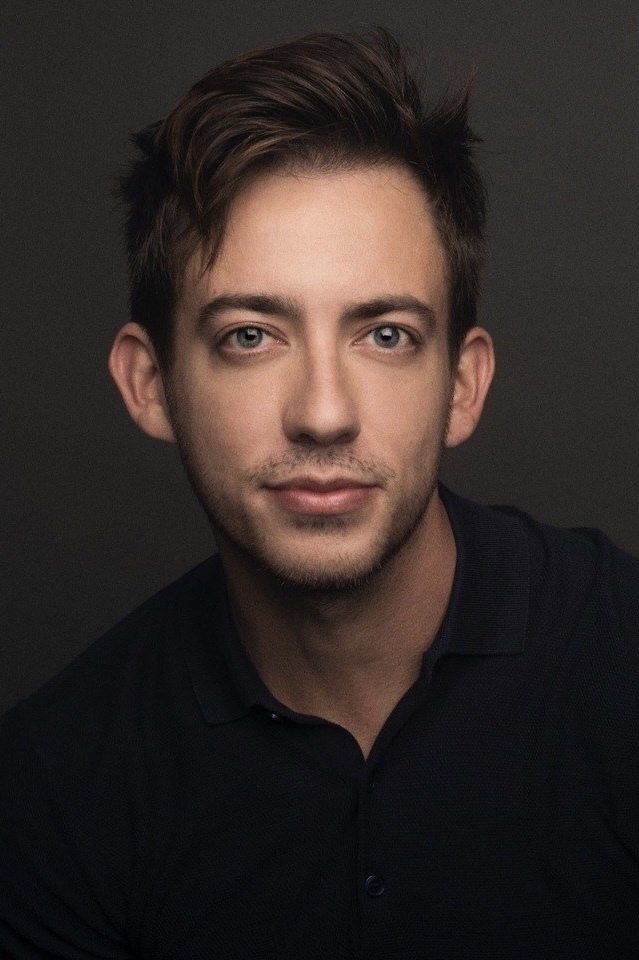
Kevin McHale showed great comedic and musical timing as Artie in ‘Glee’. Post-show he has struggled to find a project that utilizes his specific set of skills. His management hasn’t successfully rebranded him away from his wheelchair-bound high school character. He has pivoted to podcasting but his acting potential remains untapped. A role in a music-driven film could reignite his on-screen career.
Noah Galvin
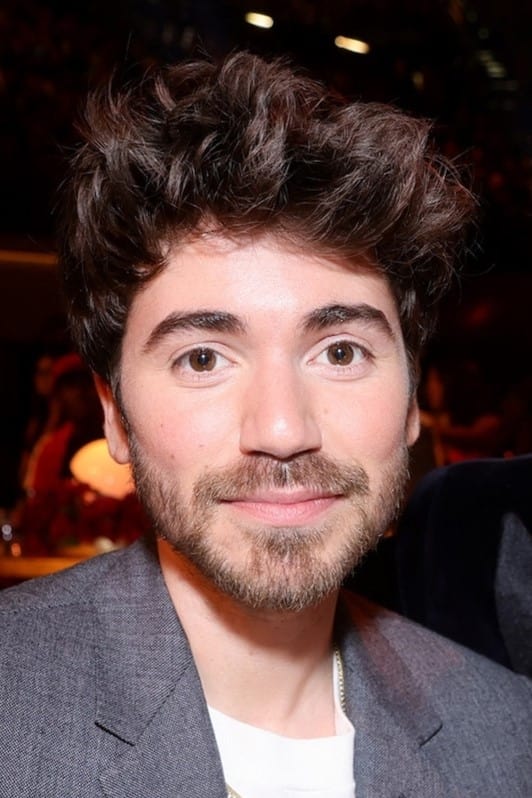
Noah Galvin stepped into the lead role of ‘The Real O’Neals’ and showed immediate promise. His candid interviews early in his career caused some friction in the industry. Better PR guidance could have helped him navigate the transition from breakout star to working actor. He is incredibly funny and talented but needs the right vehicle. He shines in ensemble casts but could carry a film on his own.
Tuc Watkins
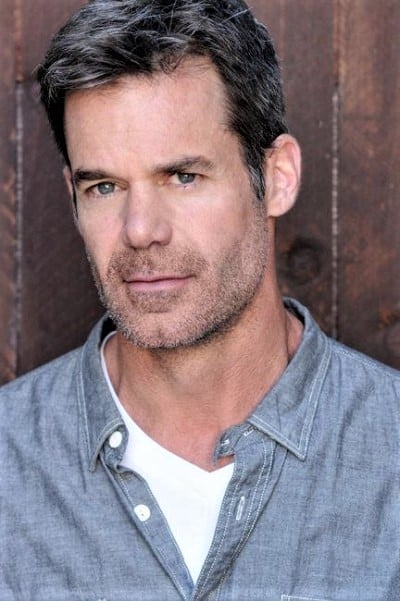
Tuc Watkins is a soap opera veteran who has comedic timing that rivals major sitcom stars. He was often stuck in daytime drama contracts that prevented him from pursuing primetime pilots. Stronger management might have negotiated his exit earlier to capitalize on his ‘Desperate Housewives’ arc. He has the look and the talent to be a leading man in primetime. He is often the funniest person in any scene he is in.
Robert Gant
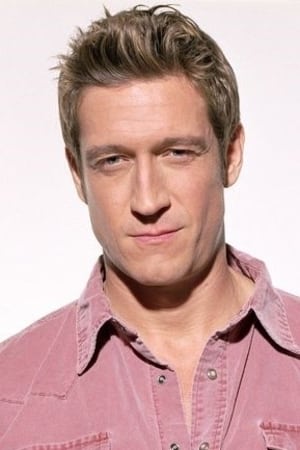
Robert Gant played the professor Ben Bruckner on ‘Queer as Folk’ and was the show’s romantic ideal. Despite his classic good looks he did not transition into mainstream romantic comedies. The stigma of being a “gay actor” in the early 2000s limited his options significantly. His team kept him working in TV movies but he missed the window for major film stardom. He had all the ingredients of a star but the industry wasn’t ready.
Murray Bartlett
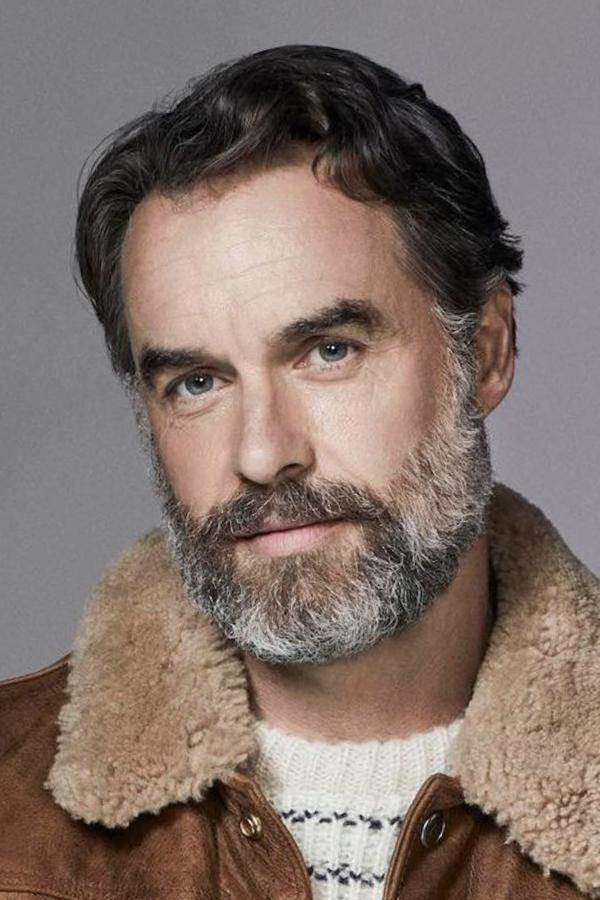
Murray Bartlett toiled in the industry for decades before his breakout role in ‘The White Lotus’. He is the perfect example of a talent that was overlooked due to a lack of imaginative casting. Better management might have found him prestige TV roles years ago. He proves that it is never too late for a career renaissance. His recent success highlights how many years of his talent were underutilized.
Bryan Batt
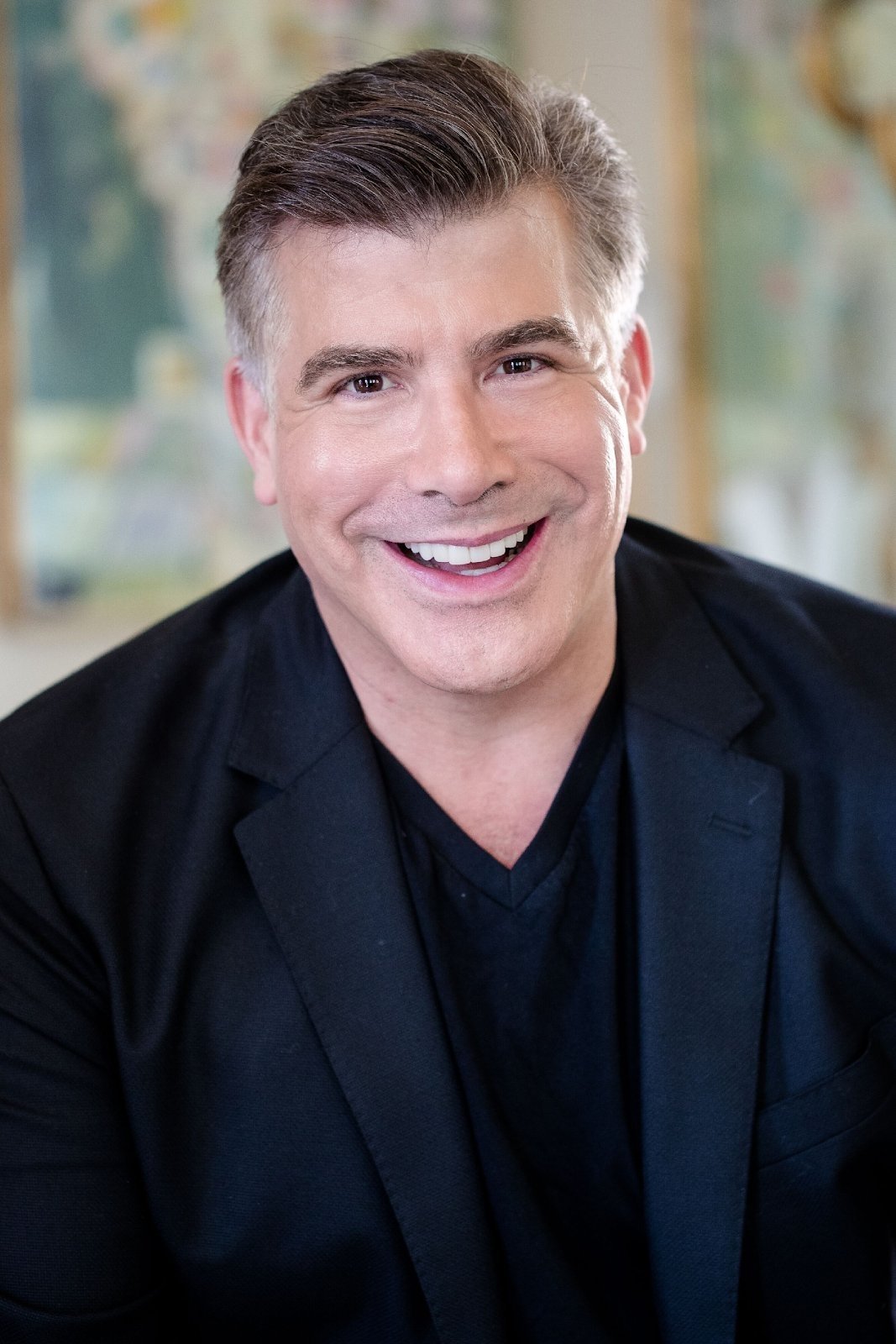
Bryan Batt gave a memorable performance as Salvatore Romano in ‘Mad Men’. After being written out of the show his screen career did not gain the momentum many expected. His management seemed unable to leverage that prestige drama credit into more high-profile work. He returned to theater and design but was missed by television audiences. He brings a sophistication to his roles that is hard to replace.
Share your thoughts on which actor you think deserved better roles in the comments.