LGBTQ+ Celebs Who Carried Entire Brands on Their Backs

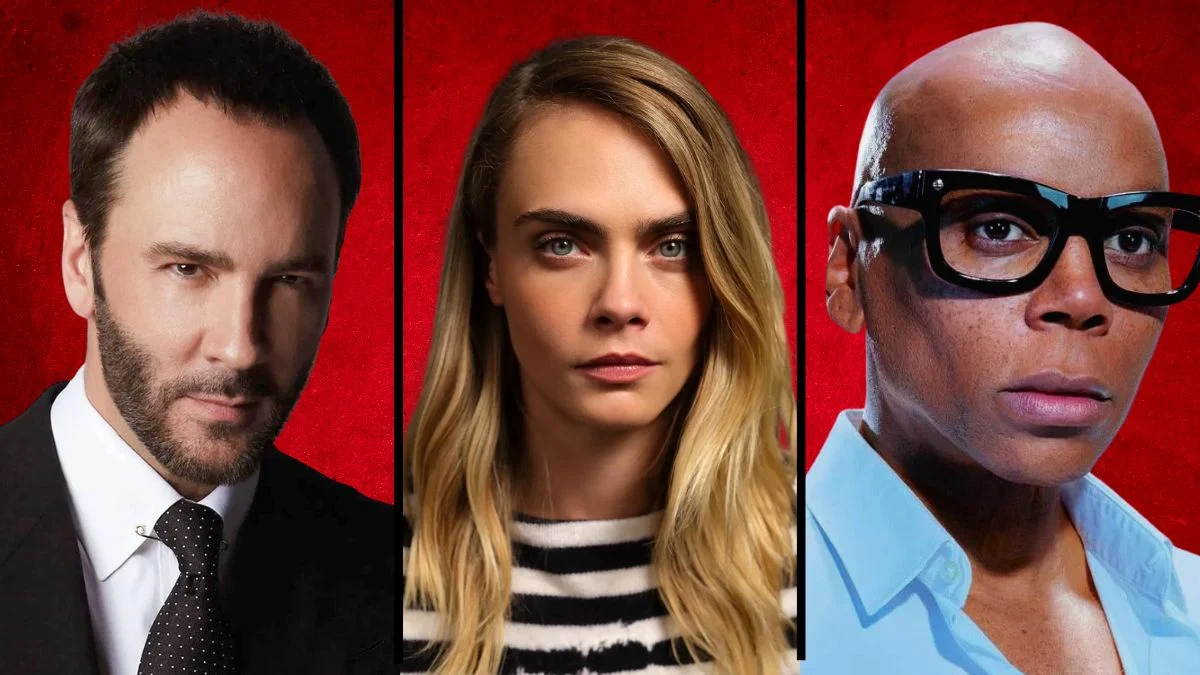

The influence of LGBTQ+ celebrities on the fashion and beauty industries is undeniable and profound. These figures have not only served as the faces of major campaigns but have often revitalized struggling companies or built massive empires from the ground up. Their unique perspectives and daring aesthetics have pushed boundaries, allowing brands to reach new audiences and redefine their identities in a crowded market. From legendary creative directors who saved heritage houses to modern influencers who launched their own successful lines, these stars have proven that authenticity sells.
Tom Ford
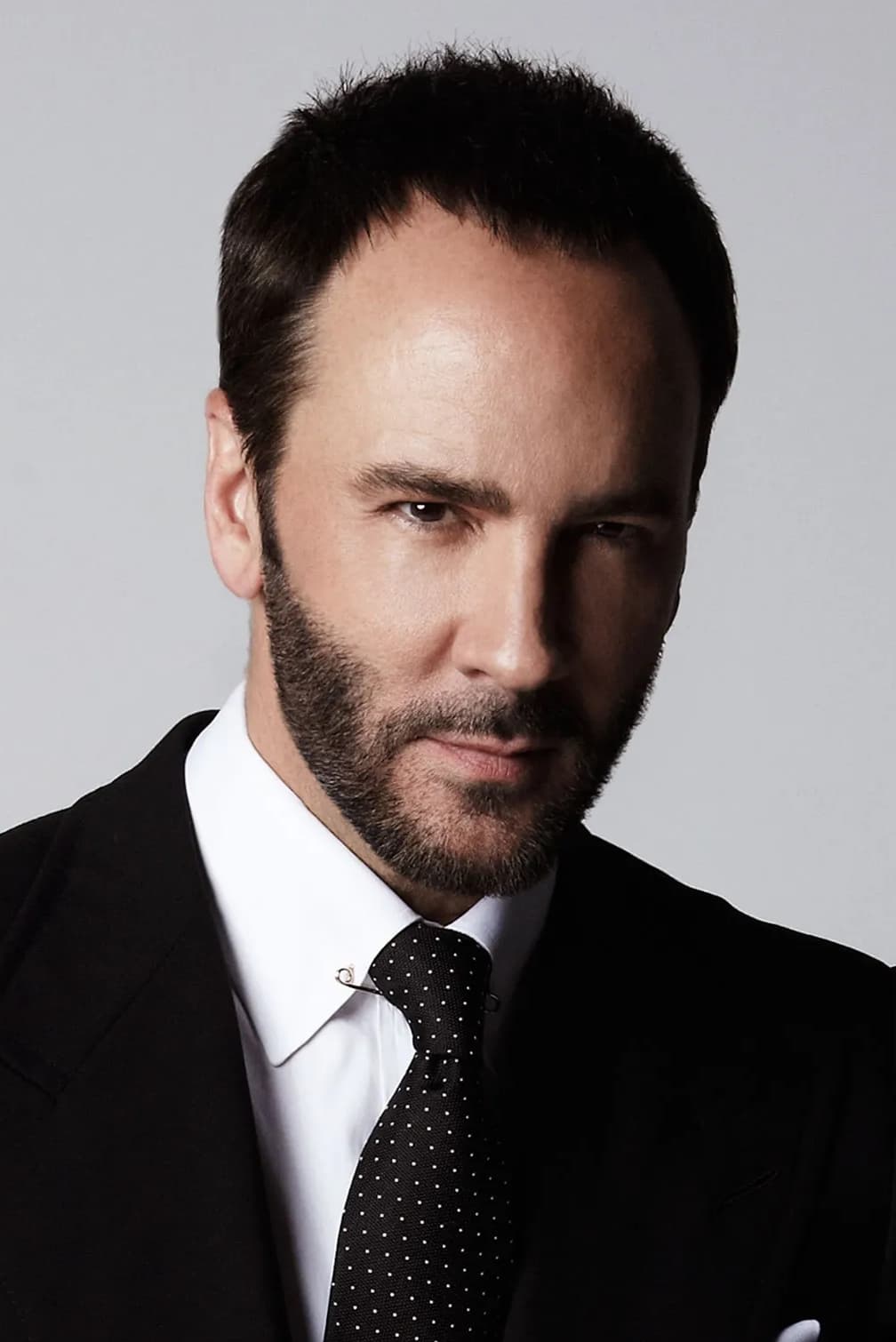
When this legendary designer took the helm of Gucci in the 1990s, the Italian fashion house was struggling financially and lacked a clear identity. Ford injected a potent dose of glamour and sex appeal that completely revolutionized the brand and the entire fashion industry. He transformed Gucci from a failing leather goods company into one of the most desirable luxury labels in the world. His tenure is still considered one of the most successful turnarounds in fashion history.
Karl Lagerfeld
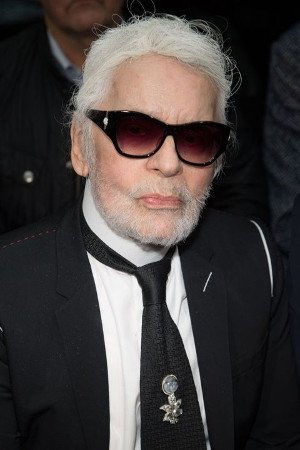
Lagerfeld is widely credited with waking the “sleeping beauty” that was Chanel after the death of its founder. He modernized the classic tweed suits and interlocked Cs, making them relevant for new generations while respecting the house’s heritage. His prolific output and distinct personal brand became synonymous with the label for decades. Lagerfeld’s ability to constantly reinvent the brand kept it at the pinnacle of luxury fashion until his passing.
Cara Delevingne
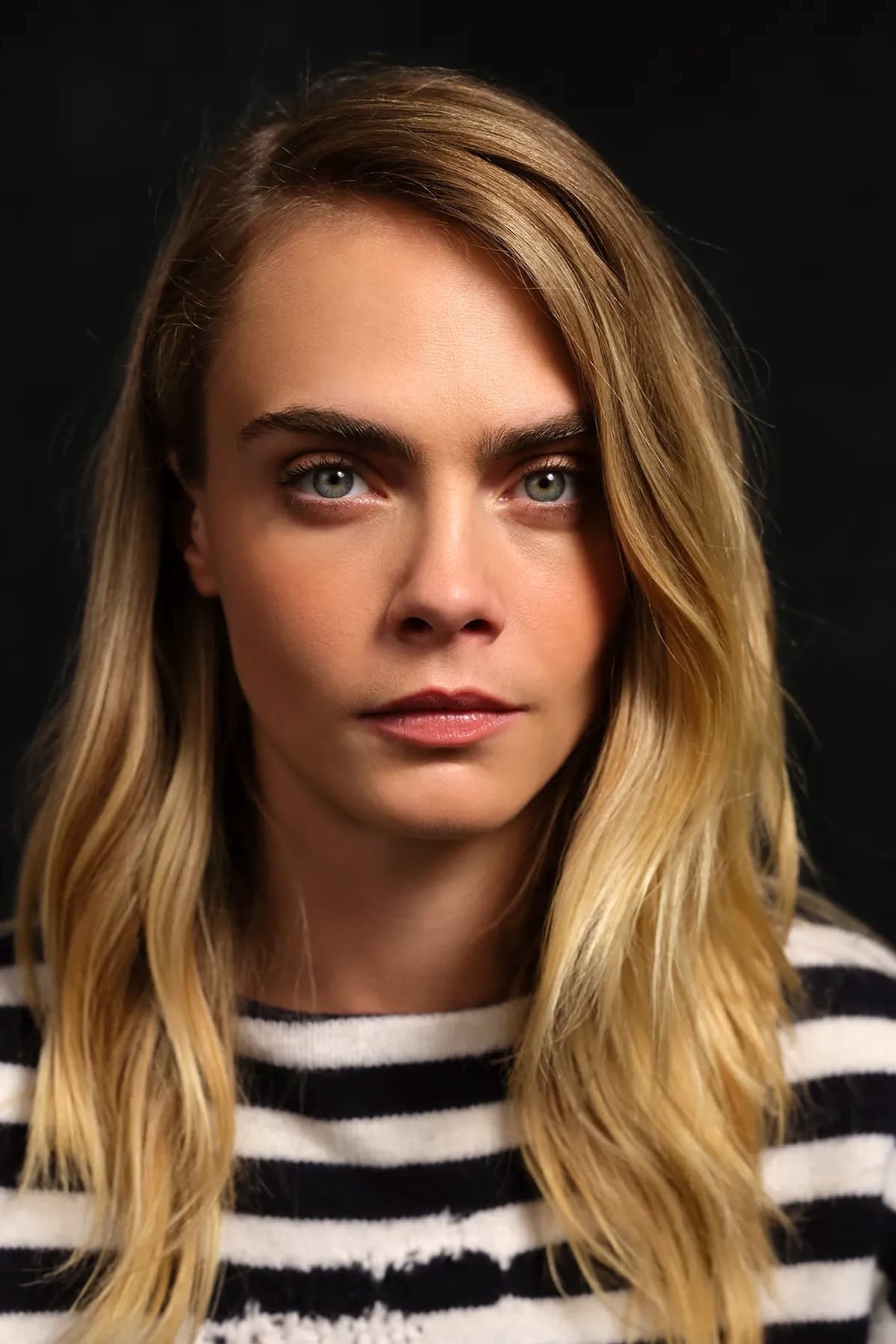
Bursting onto the scene with her signature eyebrows and rebellious attitude, Delevingne defined the aesthetic of Burberry in the early 2010s. Her presence in their campaigns helped shift the British brand’s image from traditional to effortlessly cool and edgy. She bridged the gap between high fashion and social media celebrity, bringing a massive youthful following to the heritage label. Her influence was so significant that she is often credited with sparking the global trend for fuller brows.
Marc Jacobs
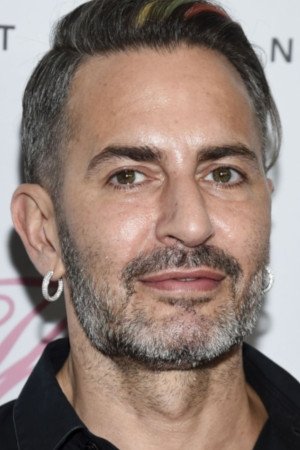
Jacobs was appointed as the creative director of Louis Vuitton in 1997 and was tasked with introducing the brand’s first ready-to-wear clothing line. He successfully transformed the historic luggage maker into a global fashion powerhouse that set trends every season. His collaborations with artists like Takashi Murakami created some of the most iconic handbags of the early 2000s. The designer’s work laid the foundation for the modern luxury conglomerate model we see today.
RuPaul
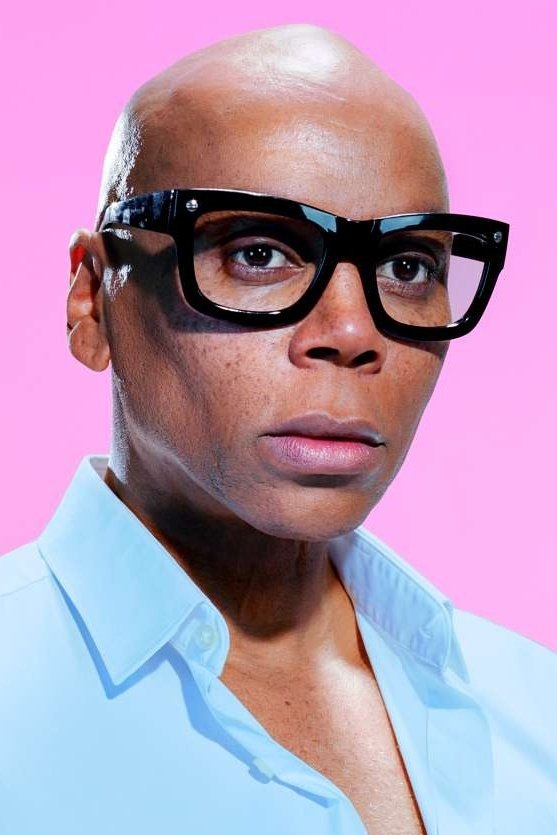
As the first face of MAC Cosmetics’ Viva Glam campaign, RuPaul broke barriers by proving that makeup could be marketed through the lens of drag culture. This partnership helped establish MAC as an inclusive authority that welcomed all ages, all races, and all sexes. The campaign raised millions for HIV/AIDS research and solidified the brand’s reputation for social activism. RuPaul remains a pivotal figure in the history of the company and the beauty industry at large.
Lady Gaga
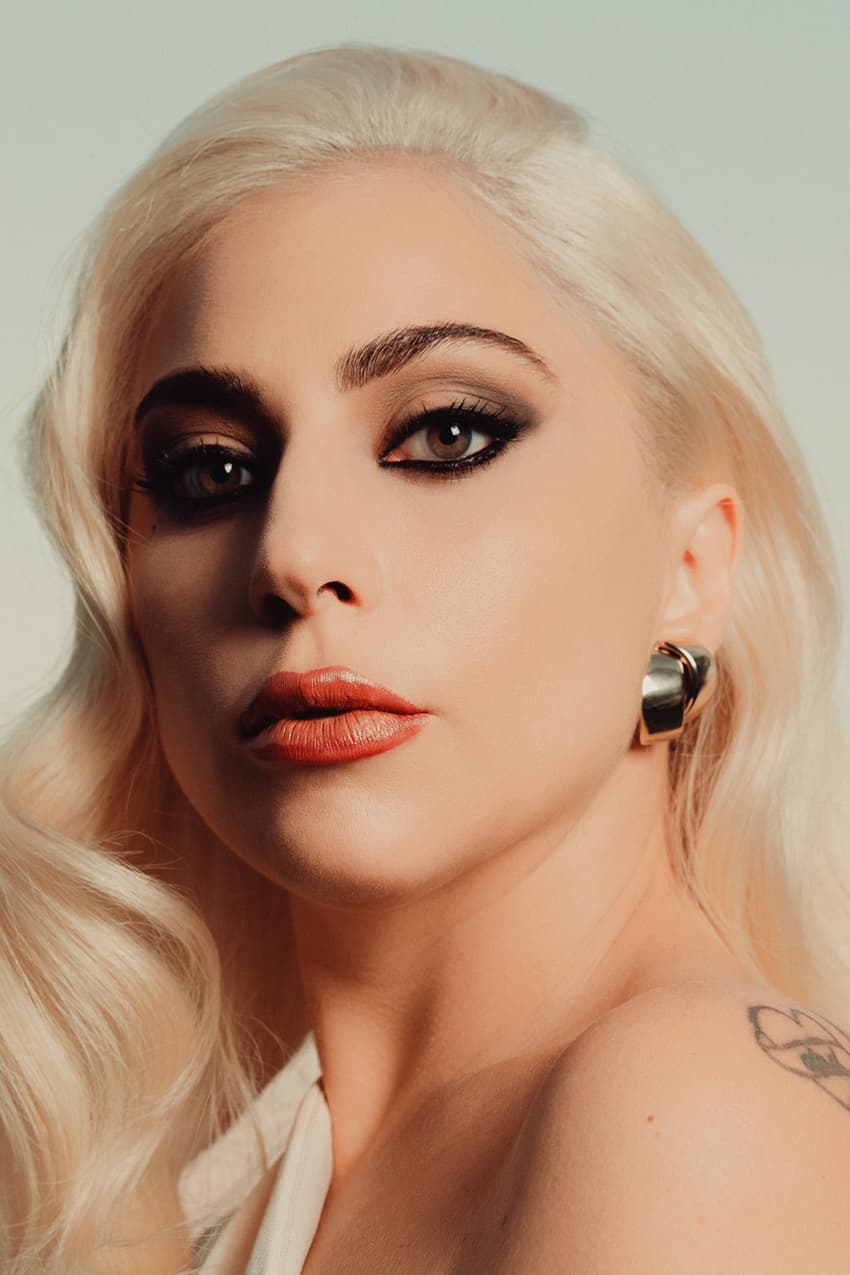
The pop superstar has shared a long and fruitful relationship with Versace, serving as the muse for Donatella Versace. Her appearances in the brand’s archival and custom pieces have created some of the most memorable red carpet moments of the last decade. She embodied the fearless and opulent spirit of the Italian house in a way that resonated deeply with fans and fashion critics alike. This synergy helped keep Versace at the forefront of pop culture conversation.
Kristen Stewart
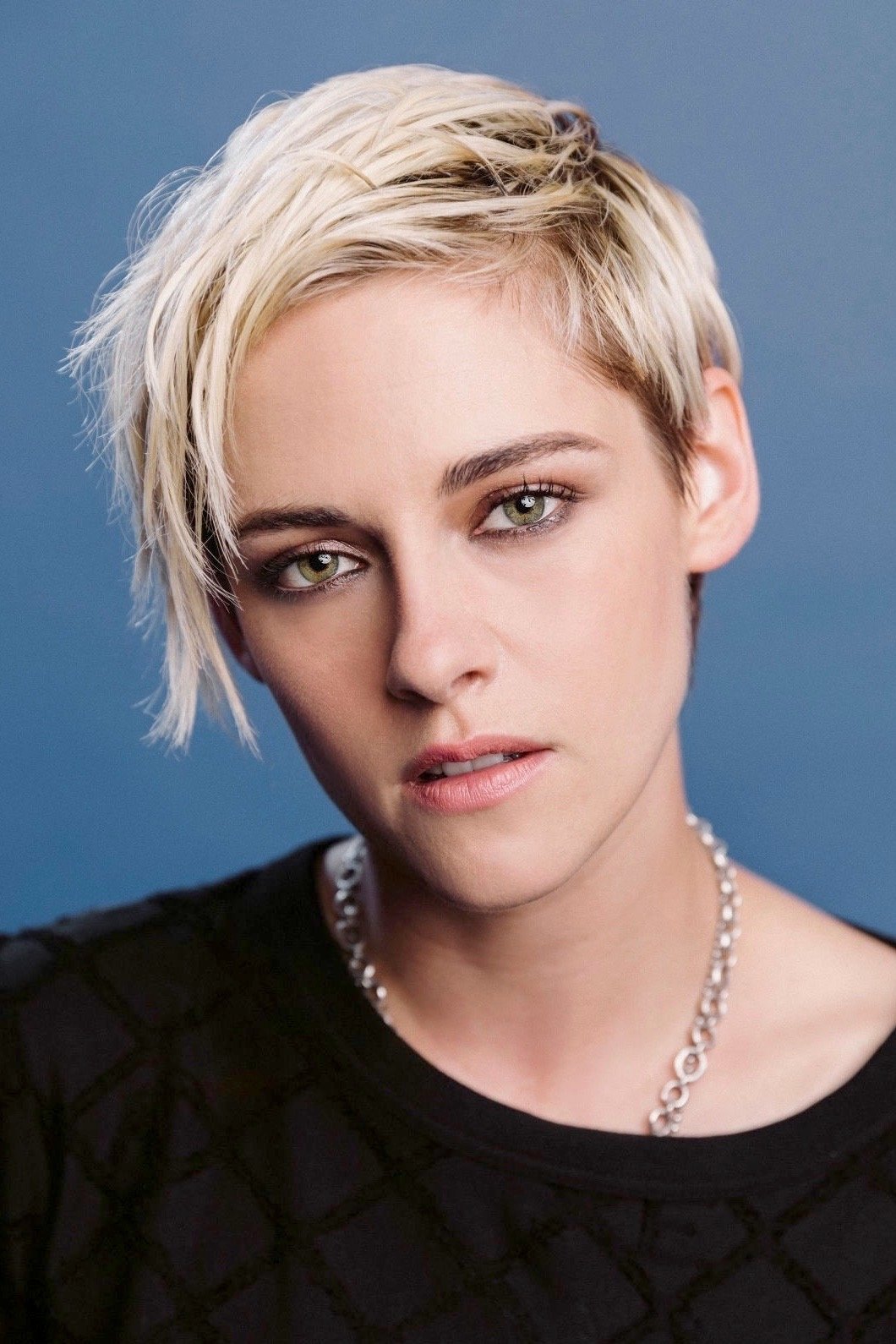
Stewart transitioned from a teen franchise star to a high-fashion icon through her long-standing partnership with Chanel. Karl Lagerfeld selected her to represent a rock-chic interpretation of the brand, appealing to a younger and more subversive demographic. Her campaigns often feature a mix of classic elegance and modern grit that challenges traditional beauty standards. She has remained a loyal ambassador, consistently wearing the brand to major film premieres and galas.
Gianni Versace
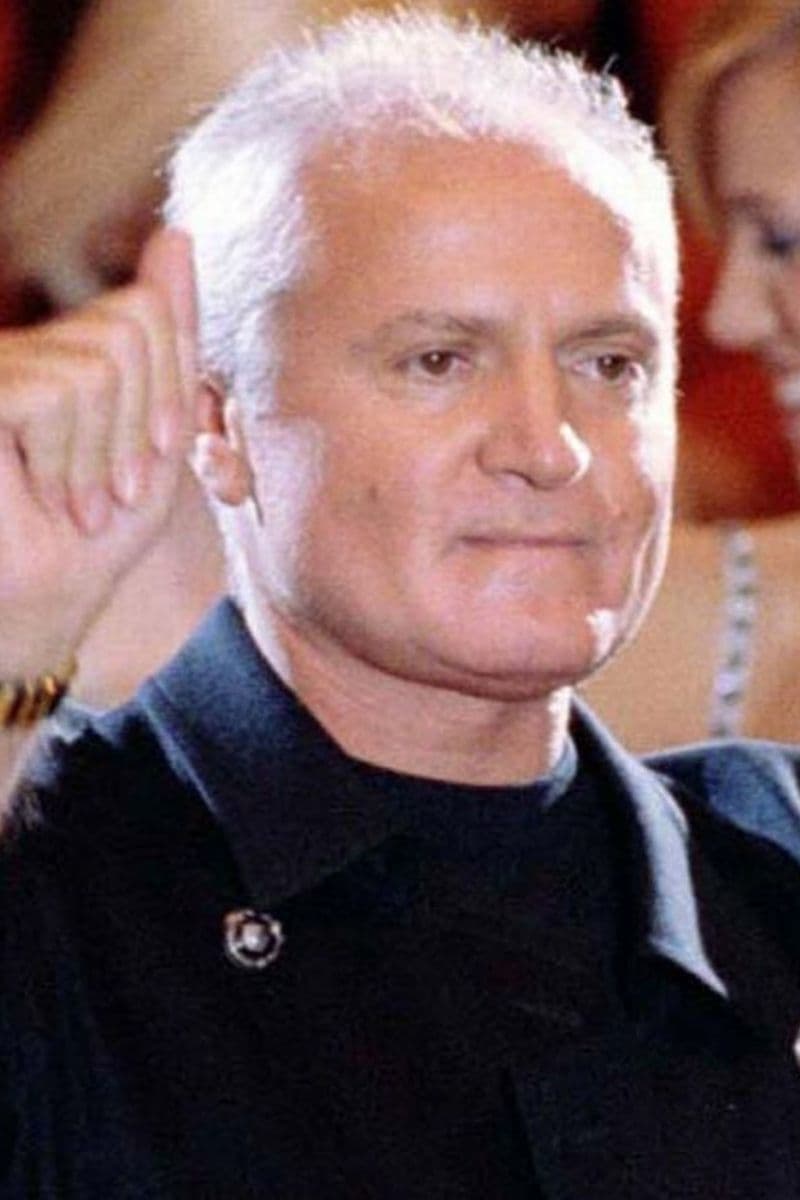
Versace founded his eponymous label and built it into a symbol of excess, luxury, and rock and roll. His daring designs and celebrity friendships turned the brand into a global phenomenon that defined the aesthetic of the 1990s. He invented the concept of the “supermodel” by sending the biggest names down the runway together. His legacy continues to influence the direction of the brand under the guidance of his sister.
Ellen DeGeneres
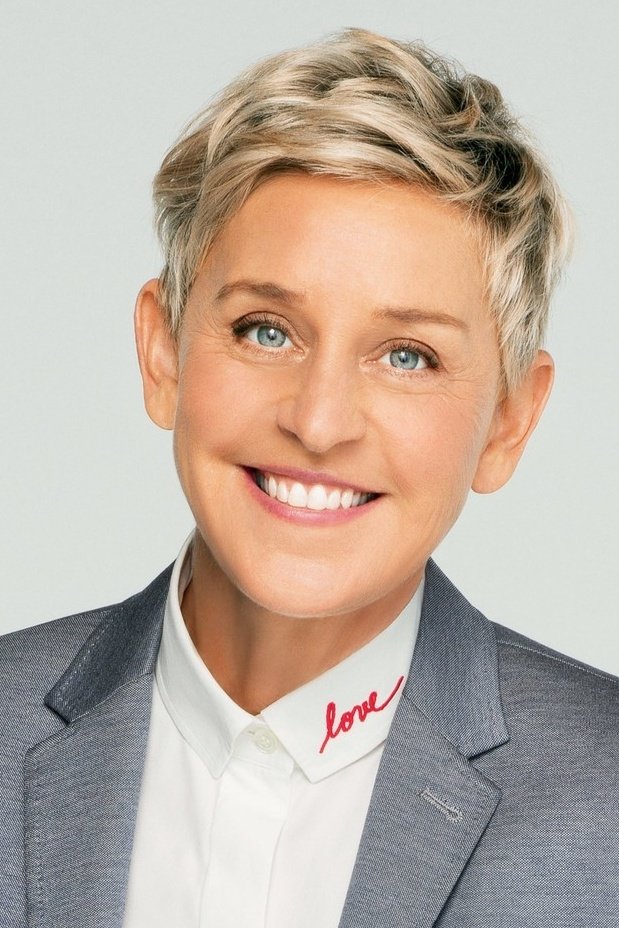
DeGeneres made history as a CoverGirl ambassador, bringing a refreshing focus on personality and humor to a beauty industry often obsessed with traditional perfection. Her “Easy, Breezy, Beautiful” commercials marked a shift toward more relatable and diverse representation in mass-market advertising. This partnership demonstrated that beauty brands could succeed by aligning with figures who championed authenticity. It paved the way for more unconventional casting in future cosmetic campaigns.
Lil Nas X
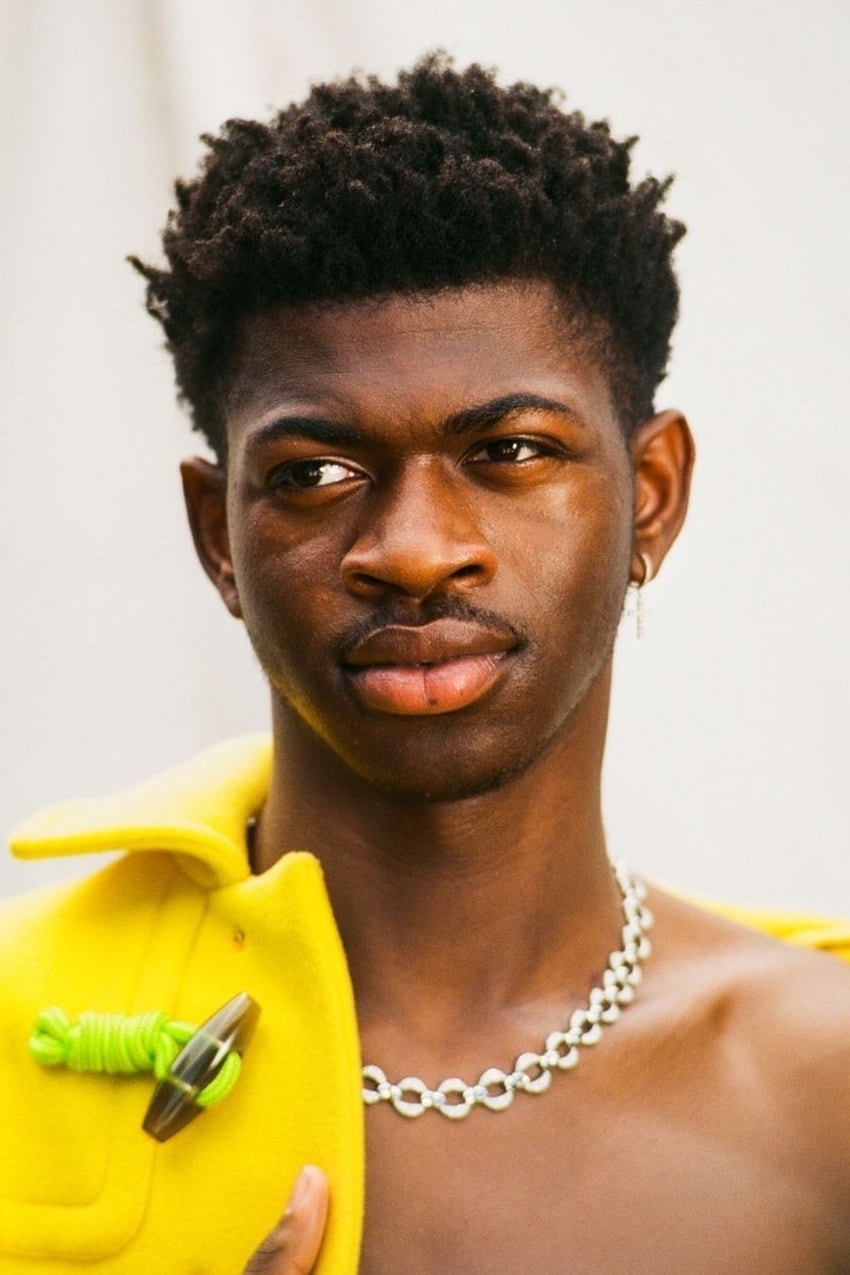
The music artist brought his viral marketing genius to a collaboration with Coach, helping to refresh the American leather brand’s image. His campaigns featured playful and subversive elements that resonated strongly with Gen Z consumers. By injecting his bold personal style and humor into the brand, he helped Coach pivot toward a more youthful and expressive direction. The partnership highlighted the brand’s willingness to evolve with contemporary culture.
Tyler, the Creator

Through his brand Golf Wang and his extensive collaboration with Converse, this artist created a distinct pastel-hued aesthetic that dominated streetwear. His “Golf le Fleur” sneakers became instant collectibles, revitalizing interest in the classic One Star silhouette. He successfully translated his musical creativity into a cohesive visual identity that carried the merchandise lines. The success of his products proved that artist-led designs could rival established sportswear giants.
Jeffree Star
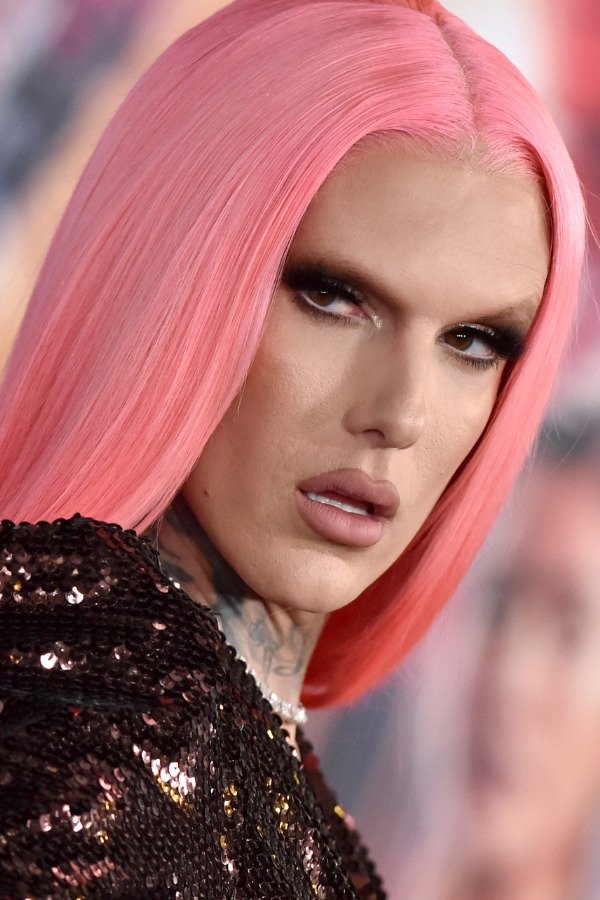
Star leveraged his massive social media following to build Jeffree Star Cosmetics into a multi-million dollar empire without traditional advertising. His brand became known for high pigmentation and controversial, bold packaging that stood out in a saturated market. He cultivated a fiercely loyal fan base that would sell out new product launches within minutes. The success of his company highlighted the power of influencer marketing in the digital age.
Christian Siriano
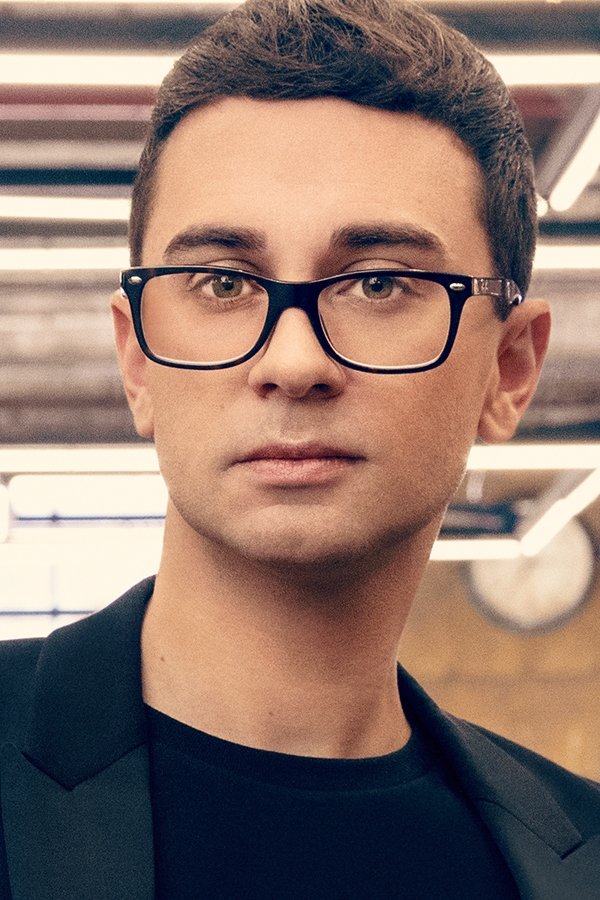
After winning ‘Project Runway’, Siriano revitalized the budget footwear retailer Payless by launching affordable designer collections. He brought high-fashion credibility to the mass market, proving that style does not require a luxury price tag. His runway shows famously featured shoes from the collaboration, seamlessly blending them with couture gowns. This partnership significantly boosted the retailer’s visibility and appeal during his tenure.
Halsey
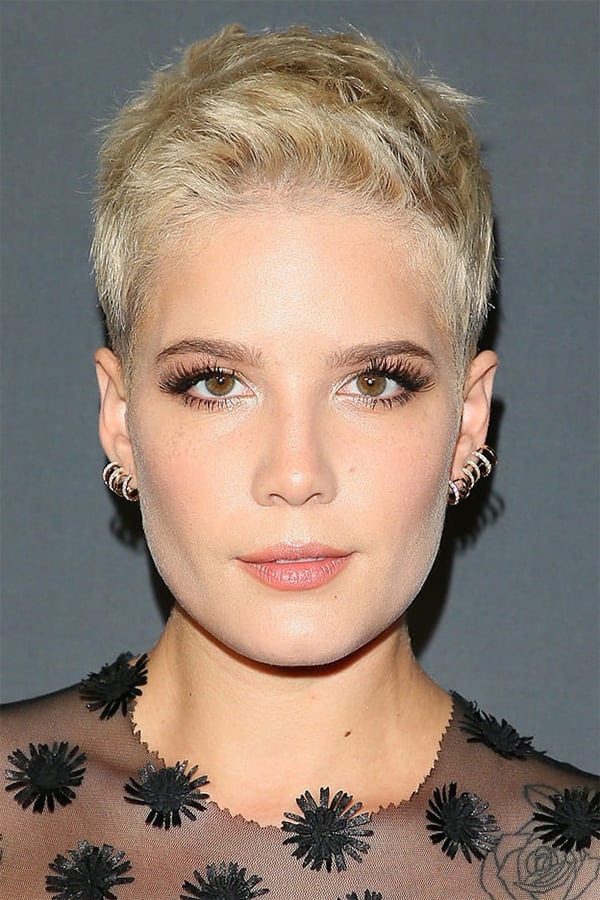
The singer launched About-Face to offer high-performance makeup designed for artistic self-expression rather than just correction. The brand reflects her own chameleon-like approach to beauty, featuring bold colors and multidimensional textures. She has been intimately involved in product development, ensuring the line meets the standards of stage performers. Her direct involvement gave the brand an authenticity that resonated with creative makeup enthusiasts.
Christopher Bailey
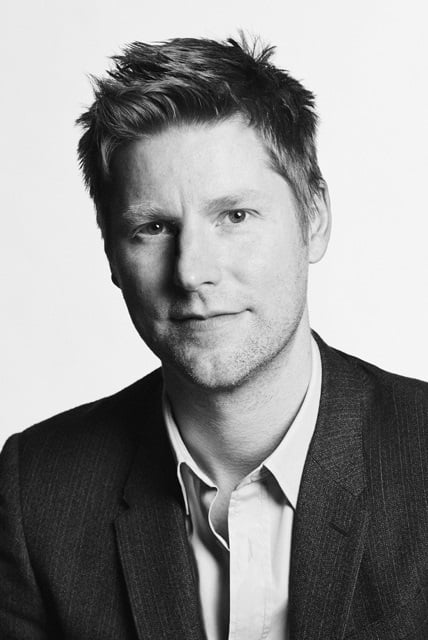
Bailey spent nearly two decades at Burberry, transforming it from a brand associated with gang culture into a leading global luxury player. He was an early adopter of digital innovation, making Burberry the first brand to livestream runway shows and sell items immediately online. His designs honored the British heritage of the trench coat while pushing the brand into the future. He is widely credited with saving the company and establishing its modern identity.
Halston
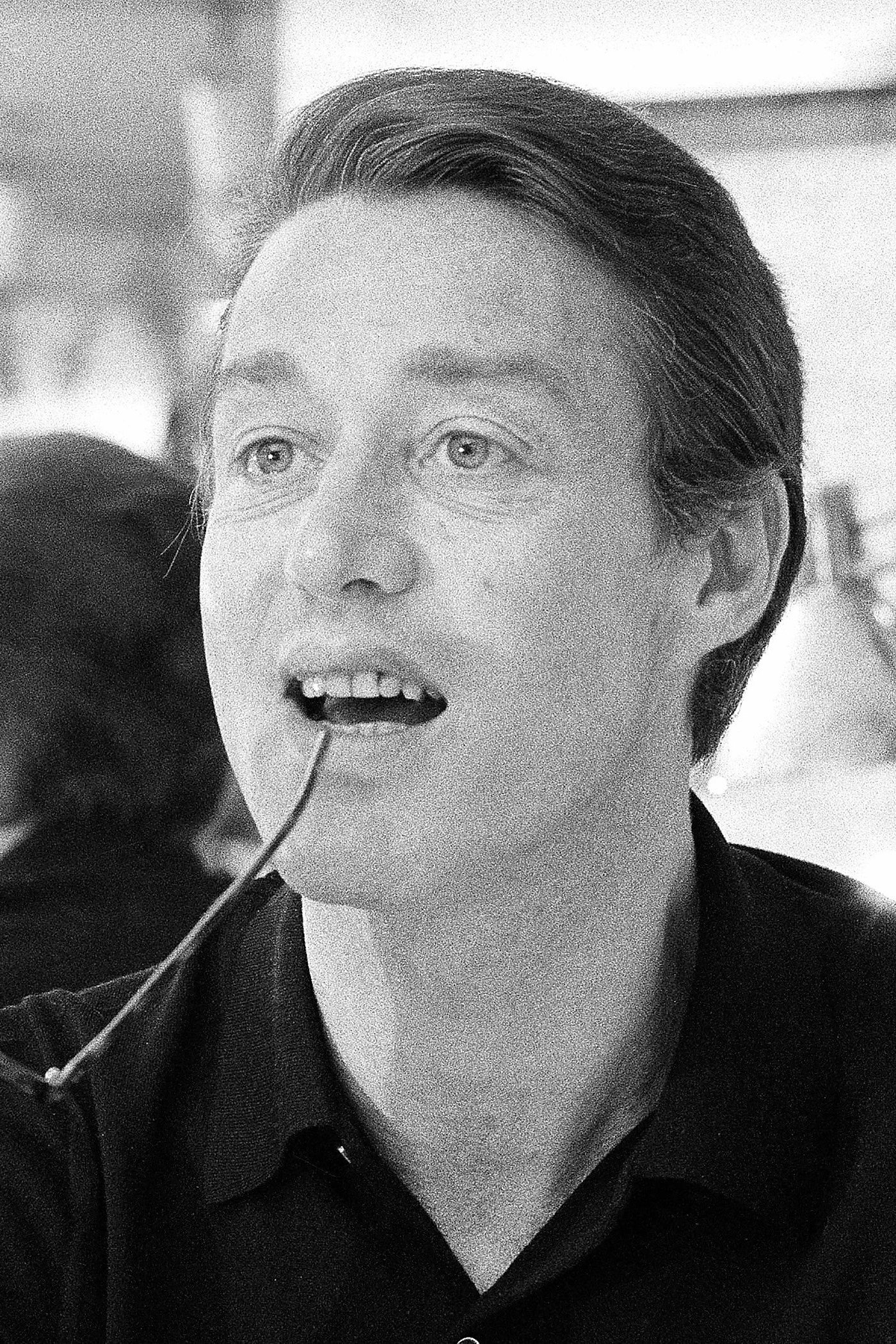
Halston put American fashion on the global map in the 1970s with his minimalist and glamorous designs. He created a lifestyle brand that encompassed everything from fragrance to luggage, defining the disco era’s aesthetic. His name became synonymous with American luxury and celebrity culture. Although the business eventually struggled, his initial impact created the template for the modern celebrity designer.
Pat McGrath
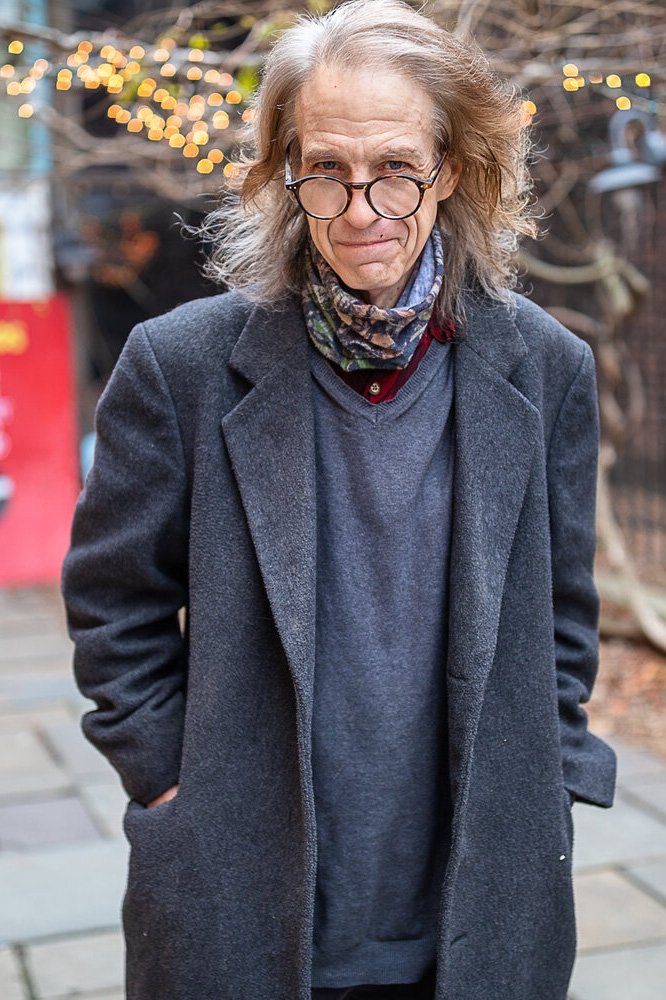
McGrath is often called the most influential makeup artist in the world, and she turned her backstage expertise into a billion-dollar brand, Pat McGrath Labs. Her product drops initially caused internet frenzies, selling out in seconds due to their high-fashion pedigree. She bypassed traditional retail models early on to build hype directly with consumers. Her brand raised the bar for pigment quality and packaging in the prestige beauty sector.
Telfar Clemens
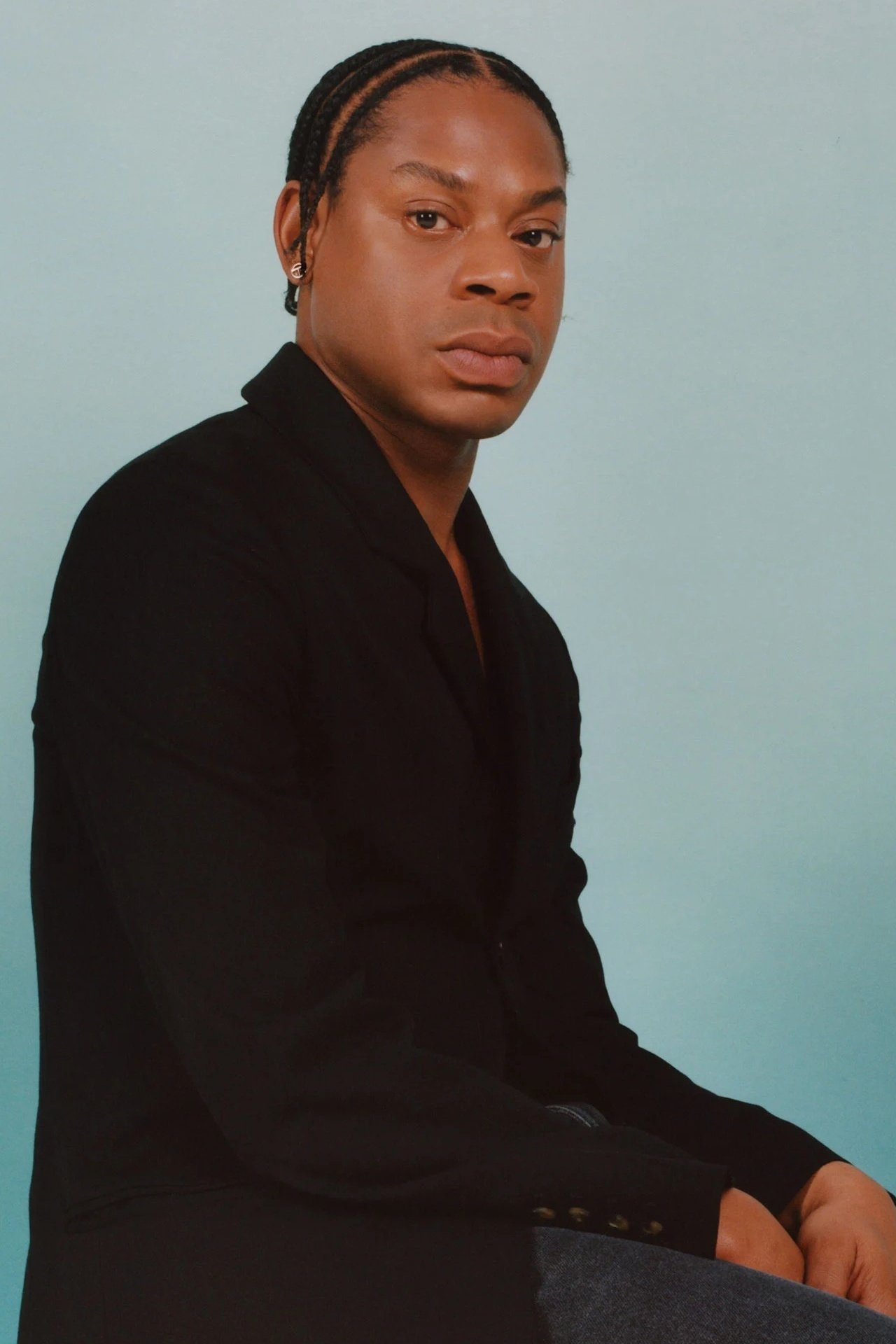
Clemens created the “Bushwick Birkin” with his unisex shopping bag, which became a global symbol of democratized luxury. His brand, Telfar, operates on a unique pre-order system that prevents scarcity and allows true fans to secure products. He built a community-driven label that celebrates inclusivity and ignores traditional fashion calendar rules. The massive success of his bags carried the brand to major industry awards and recognition.
Janelle Monáe
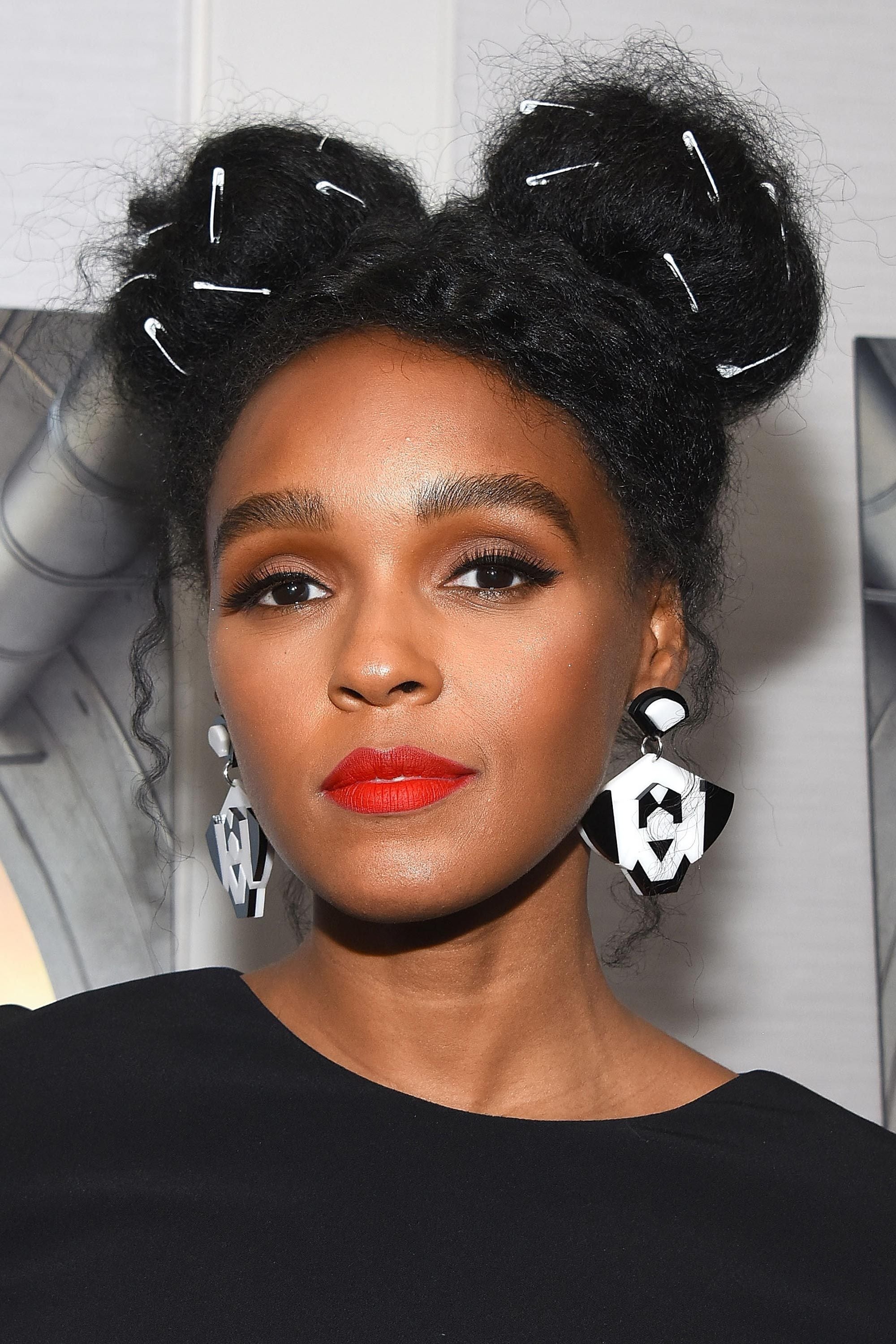
Monáe brought her signature monochrome style and futuristic aesthetic to her partnership with CoverGirl. Her campaigns stood out for celebrating individuality and distinctiveness rather than generic prettiness. She used the platform to amplify her message of inclusion and empowerment for women of color. The collaboration helped the brand maintain relevance by aligning with a multifaceted and respected artist.
Hunter Schafer
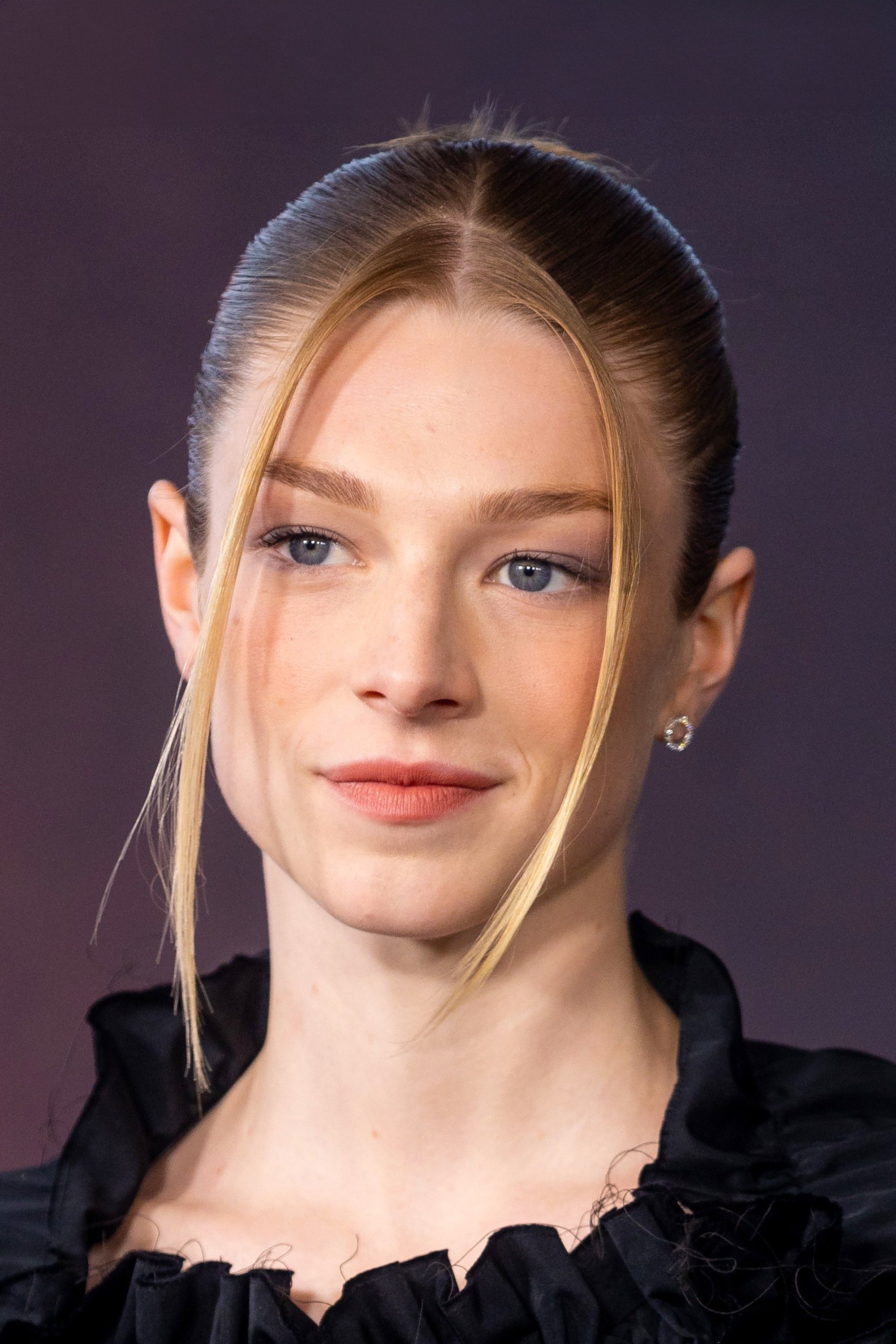
Schafer became a global ambassador for Shiseido, helping the Japanese beauty giant connect with a younger, Western audience. Her artistic background and role in ‘Euphoria’ made her an ideal face for a brand valuing innovation and texture. She brought a sense of modern artistry to the campaigns that bridged the gap between skincare and creative makeup. Her involvement signaled the brand’s commitment to progressive beauty standards.
Trixie Mattel
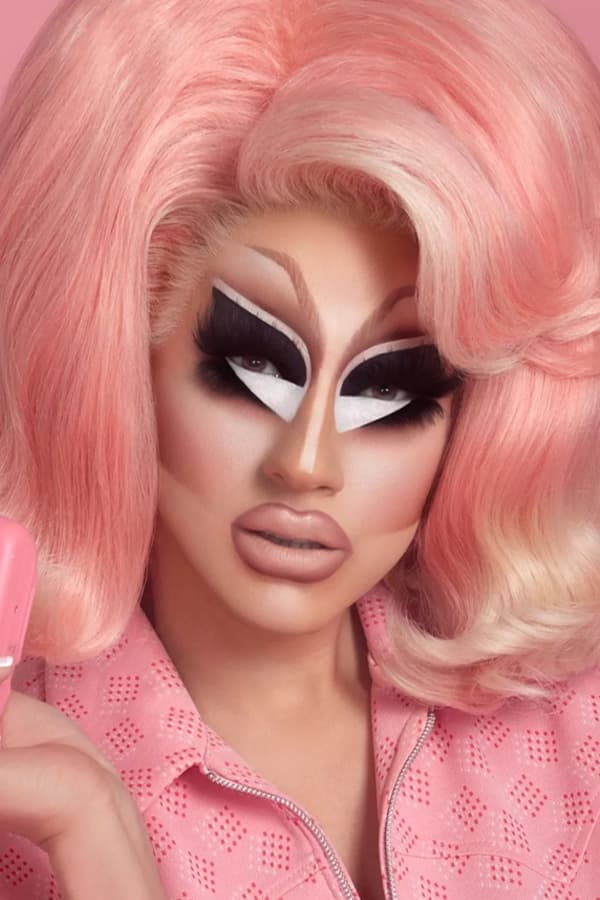
Drag superstar Trixie Mattel founded Trixie Cosmetics to provide professional-grade makeup packaged in nostalgic, toy-like containers. She successfully transitioned her reality TV fame into a legitimate business that competes with mainstream beauty brands. The products reflect her specific drag aesthetic but are formulated for general consumer use. Her brand has grown rapidly, proving that drag queens are powerful entrepreneurs in the beauty space.
Jonathan Van Ness
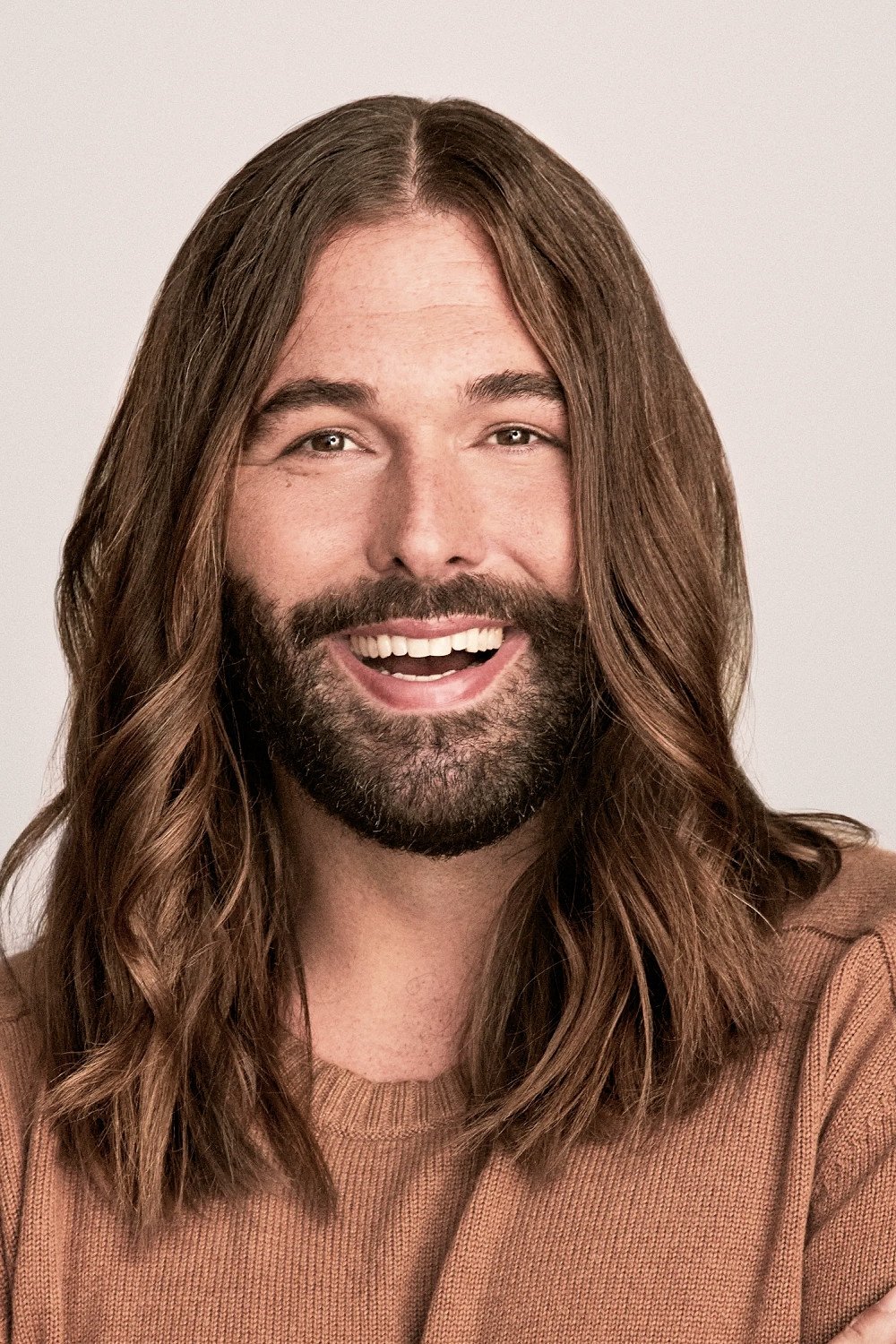
Van Ness served as the face of the sustainable skincare brand Biossance, bringing his bubbly personality and expertise to the clean beauty market. His educational content helped demystify ingredients like squalane for the average consumer. The partnership leveraged his trusted status as a grooming expert to build brand credibility. He played a key role in making the scientific brand feel accessible and fun.
John Galliano
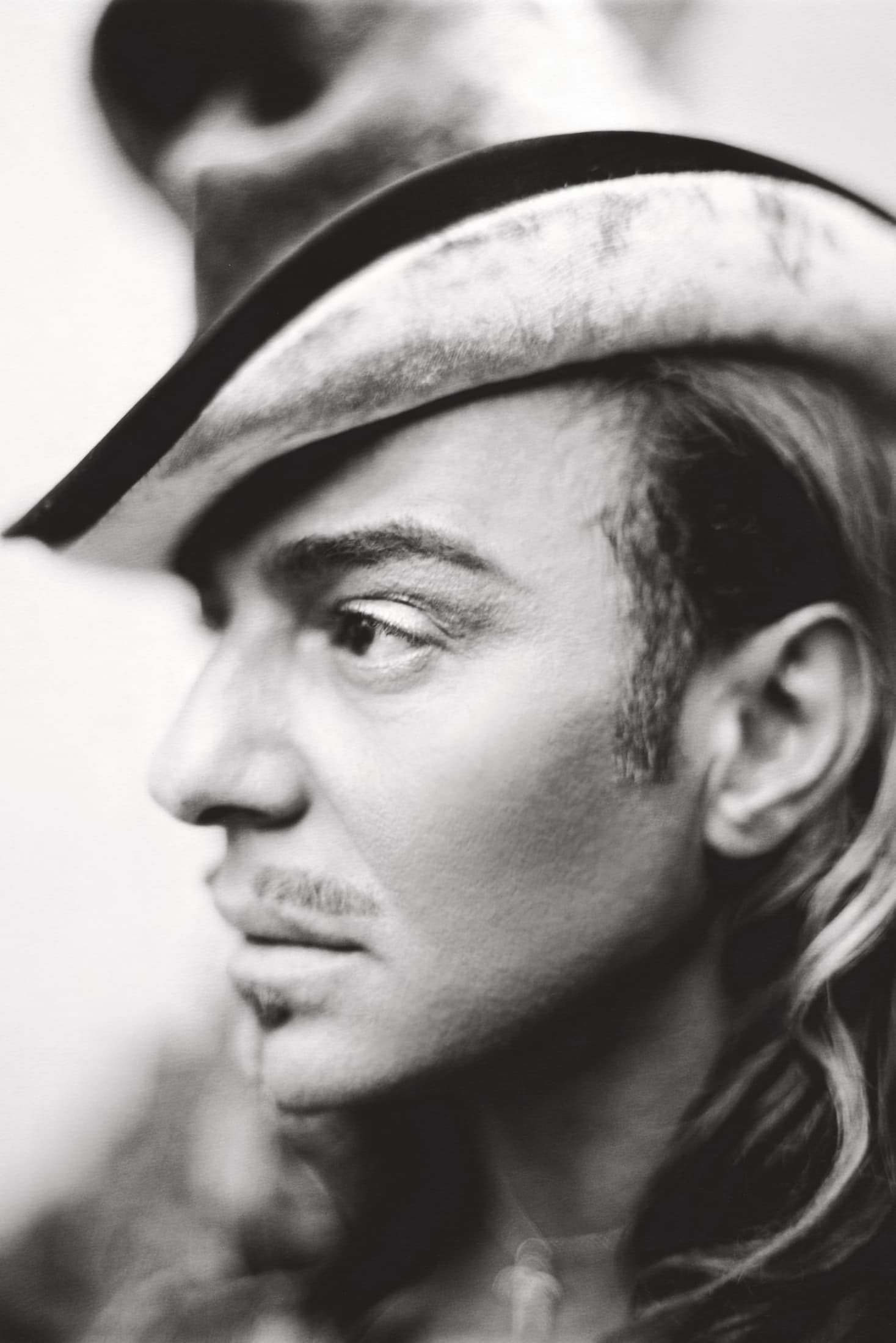
Galliano’s theatrical and romantic vision defined the Dior brand for over a decade. He turned runway shows into grand spectacles that generated immense press and desire for the haute couture house. His designs, such as the saddle bag, became defining items of the early 2000s luxury market. Despite later controversies, his creative output during this period remains legendary for its impact on the industry.
Michael Kors
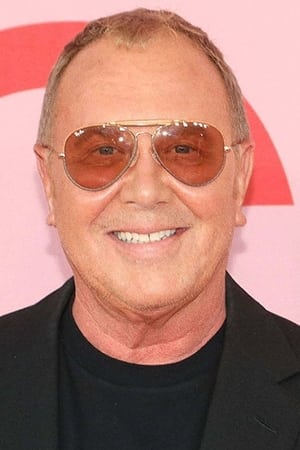
Before focusing entirely on his own empire, Kors was the creative director for Celine, where he revived the French house with luxurious sportswear. He injected an American ease into the brand that resonated with women who wanted practical yet expensive clothing. His tenure laid the groundwork for the brand’s future success as a major leather goods player. He demonstrated that ready-to-wear could be the driving force of a couture house.
Indya Moore
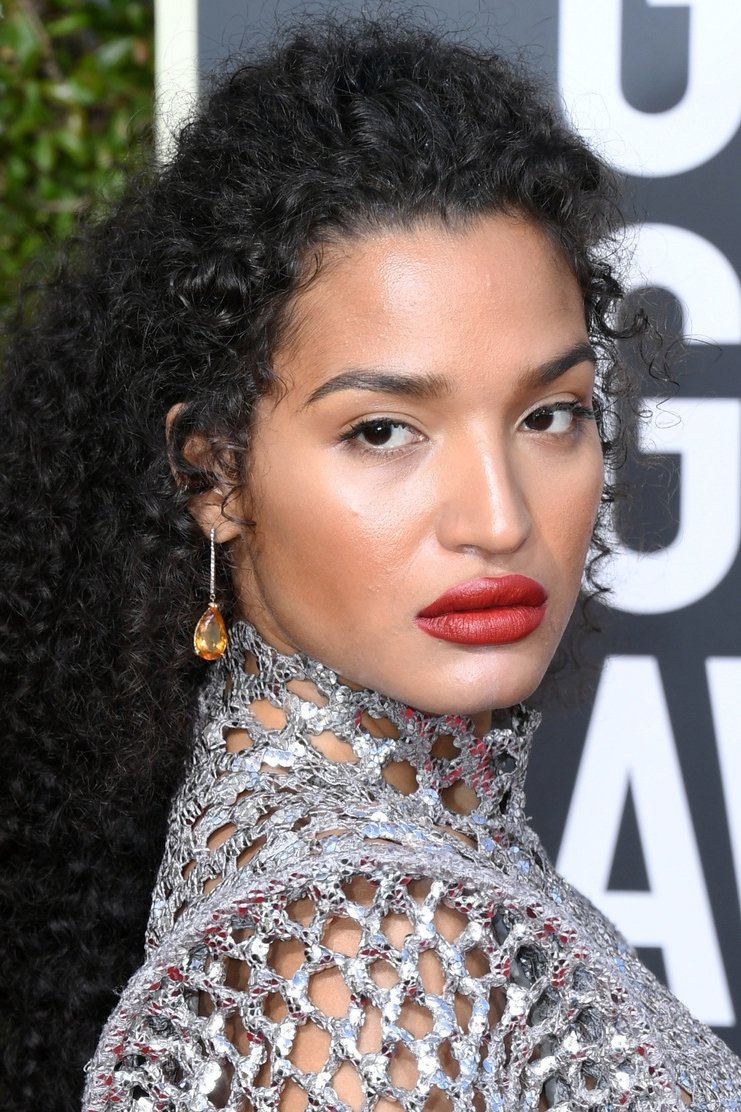
Moore became a trailblazing face for major fashion houses like Tommy Hilfiger and Calvin Klein. Their presence in these campaigns brought crucial visibility to trans and non-binary identities in mainstream American fashion. They used these platforms to advocate for greater inclusivity and representation within the industry. Moore’s work helped push these heritage brands toward a more progressive and modern image.
Troye Sivan
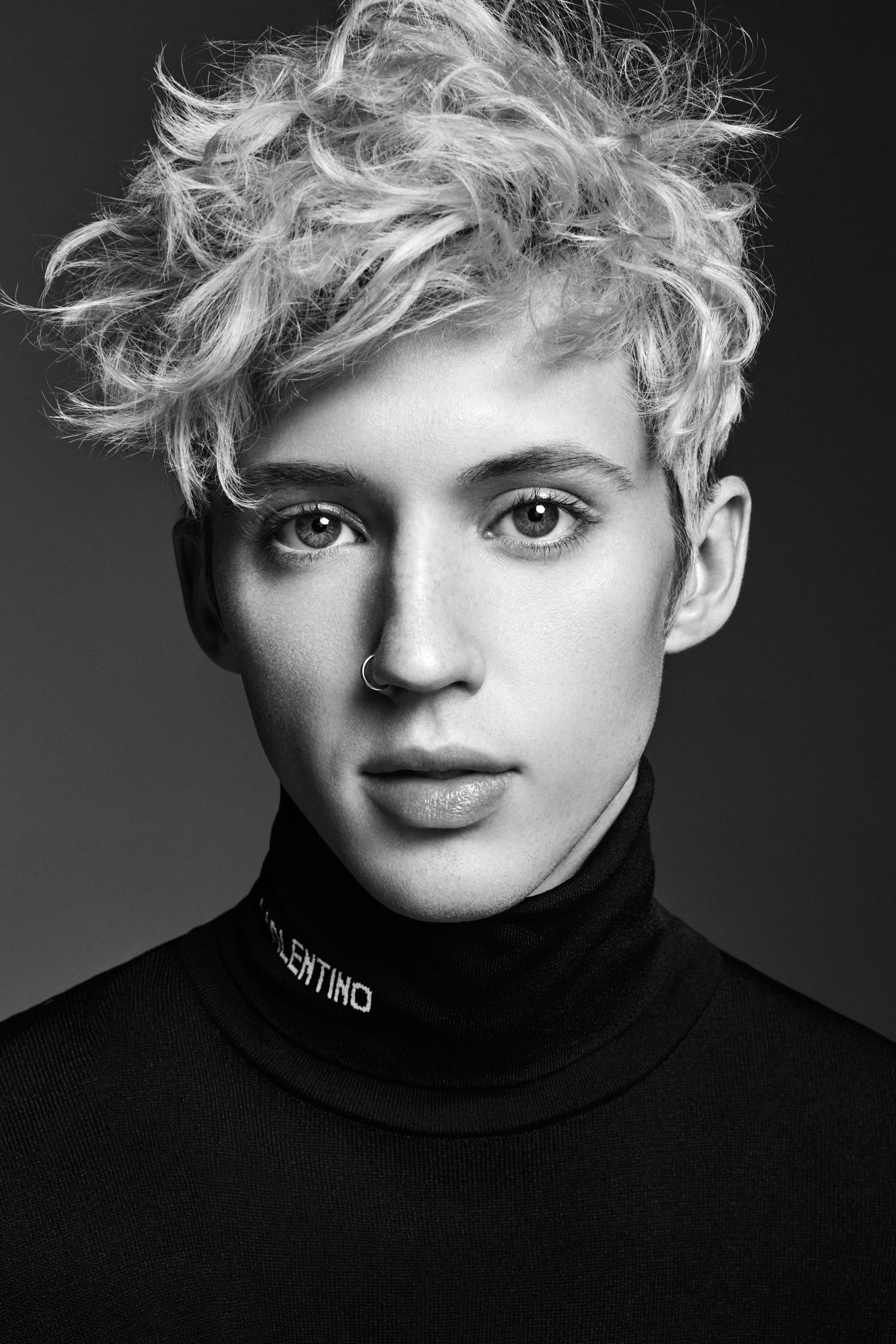
Sivan was tapped as an ambassador for YSL Beauty, representing a modern and fluid approach to grooming and self-care. His campaigns emphasized that makeup and skincare are tools for everyone, regardless of gender. The partnership aligned the luxury house with the values of a younger, more open-minded generation. Sivan’s effortless cool helped market the products to a diverse global fan base.
Megan Rapinoe
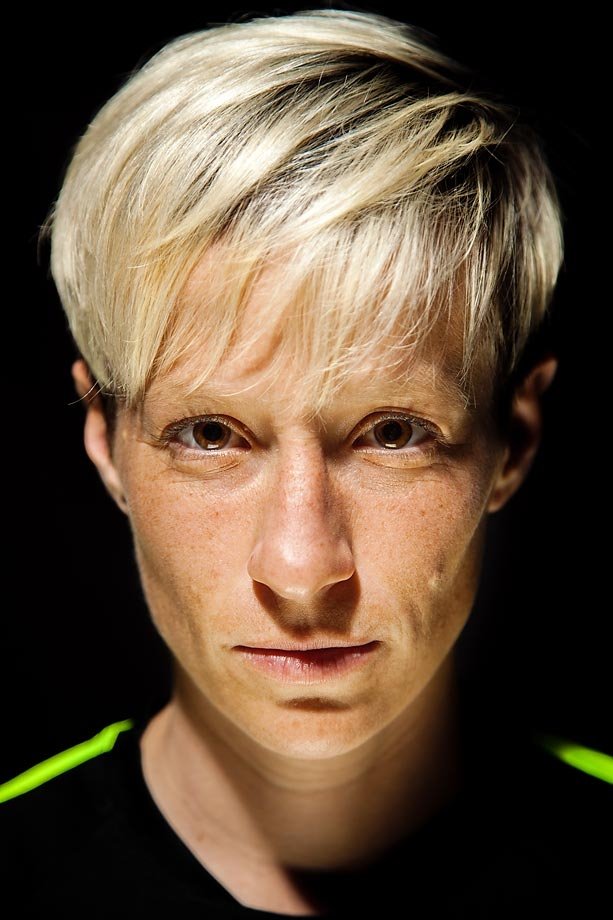
The soccer icon became a central figure in the rebranding of Victoria’s Secret, moving the company away from the “Angel” archetype. She represented a new focus on female empowerment, achievement, and diverse body types. Her involvement signaled a massive corporate pivot attempting to regain relevance with modern women. Rapinoe used her platform to ensure the brand’s new direction was substantive rather than just performative.
Drew Barrymore
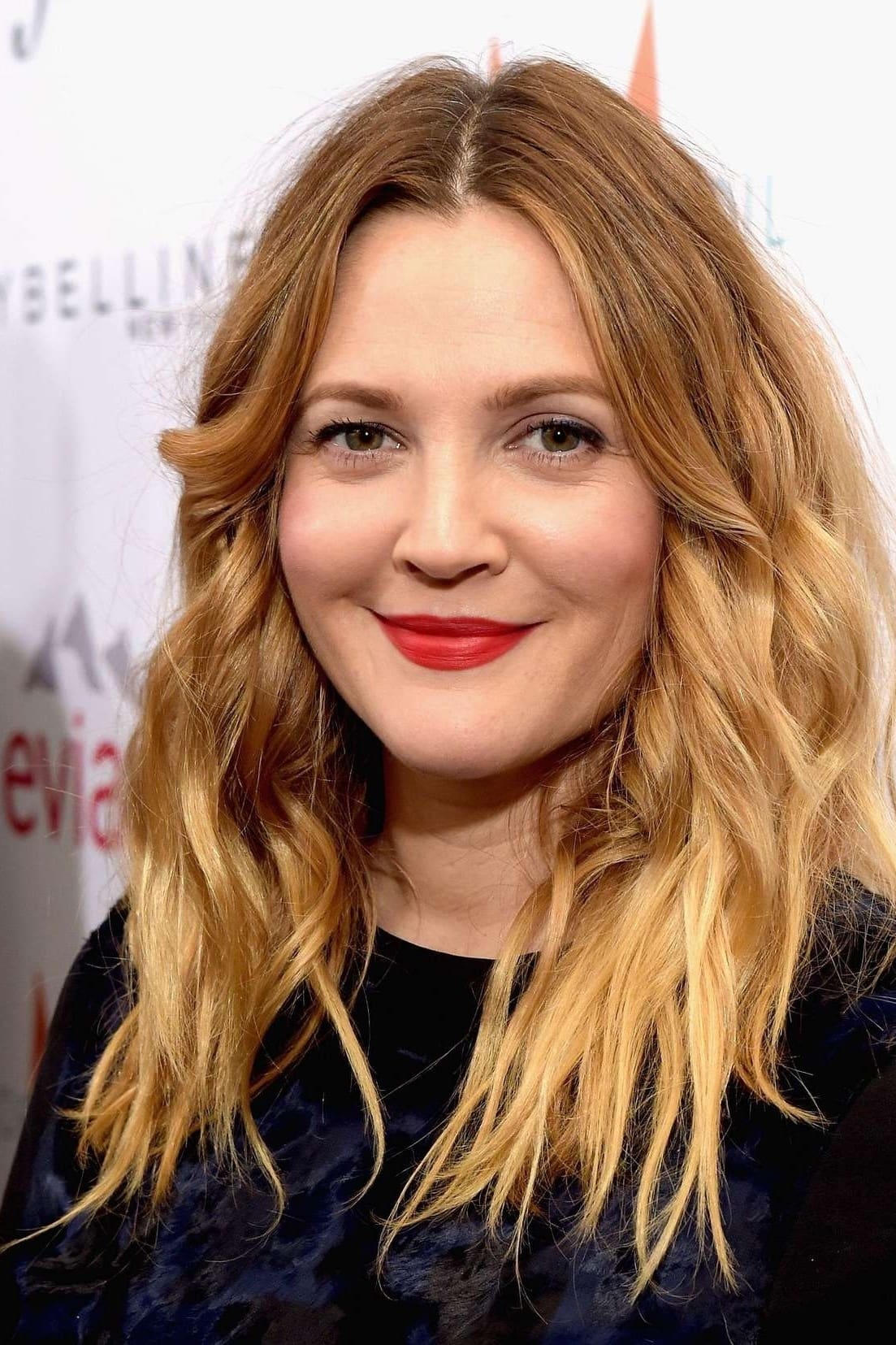
Barrymore founded Flower Beauty with the mission of bringing high-quality, cruelty-free makeup to mass-market retailers. She is intimately involved in the formulation and marketing of the products, ensuring they rival prestige brands. Her genuine passion and accessible personality have been the driving force behind the company’s longevity. The brand successfully filled a gap for affordable luxury in the drugstore aisle.
Bretman Rock
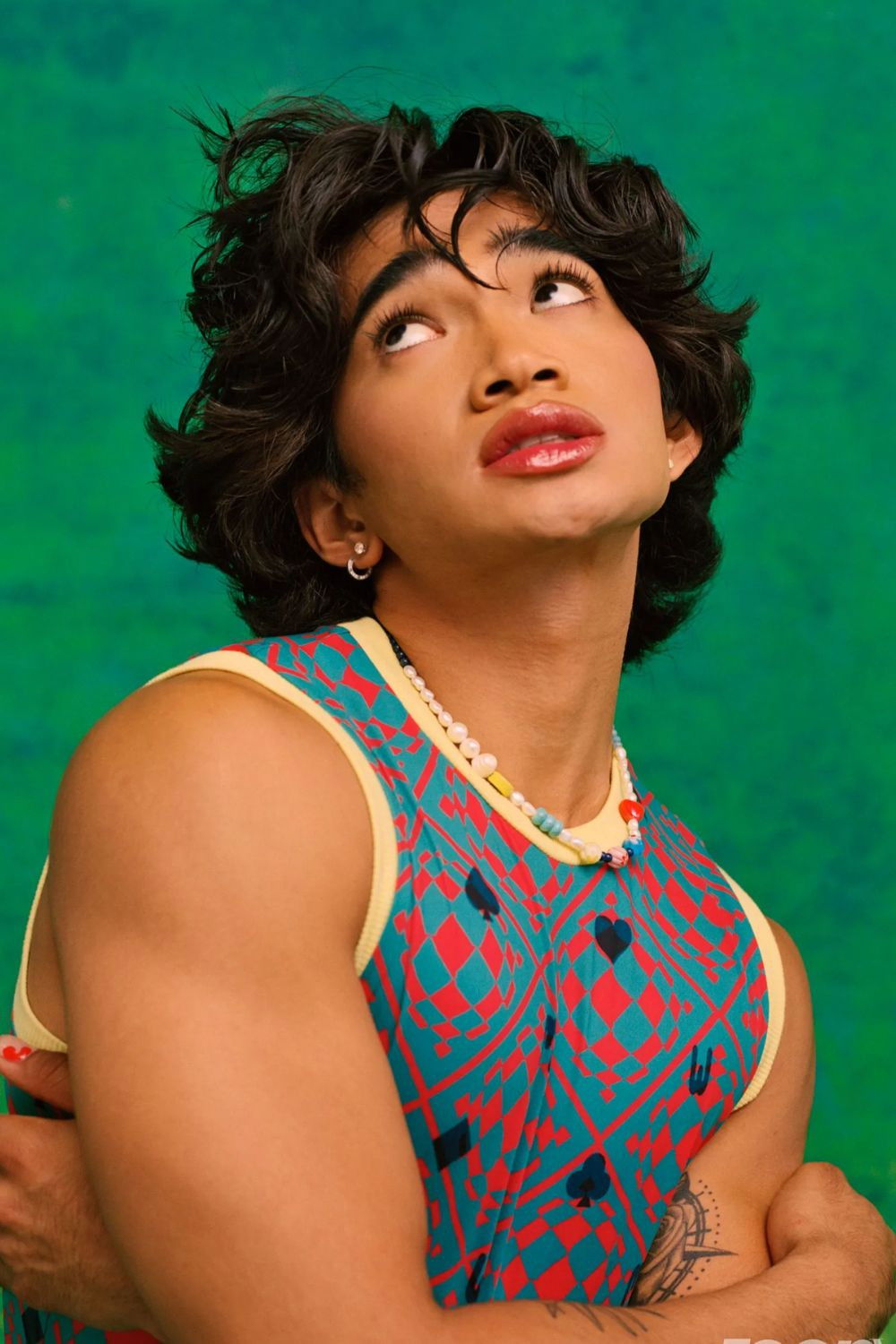
This content creator has demonstrated immense selling power through collaborations with brands like Crocs and Wet n Wild. His collections consistently sell out instantly, driven by his chaotic humor and genuine love for the products. He brings a unique energy that revitalizes every brand he touches, making even practical footwear seem like a must-have fashion statement. His influence highlights the shift from traditional celebrity endorsements to digital creator partnerships.
Ruby Rose
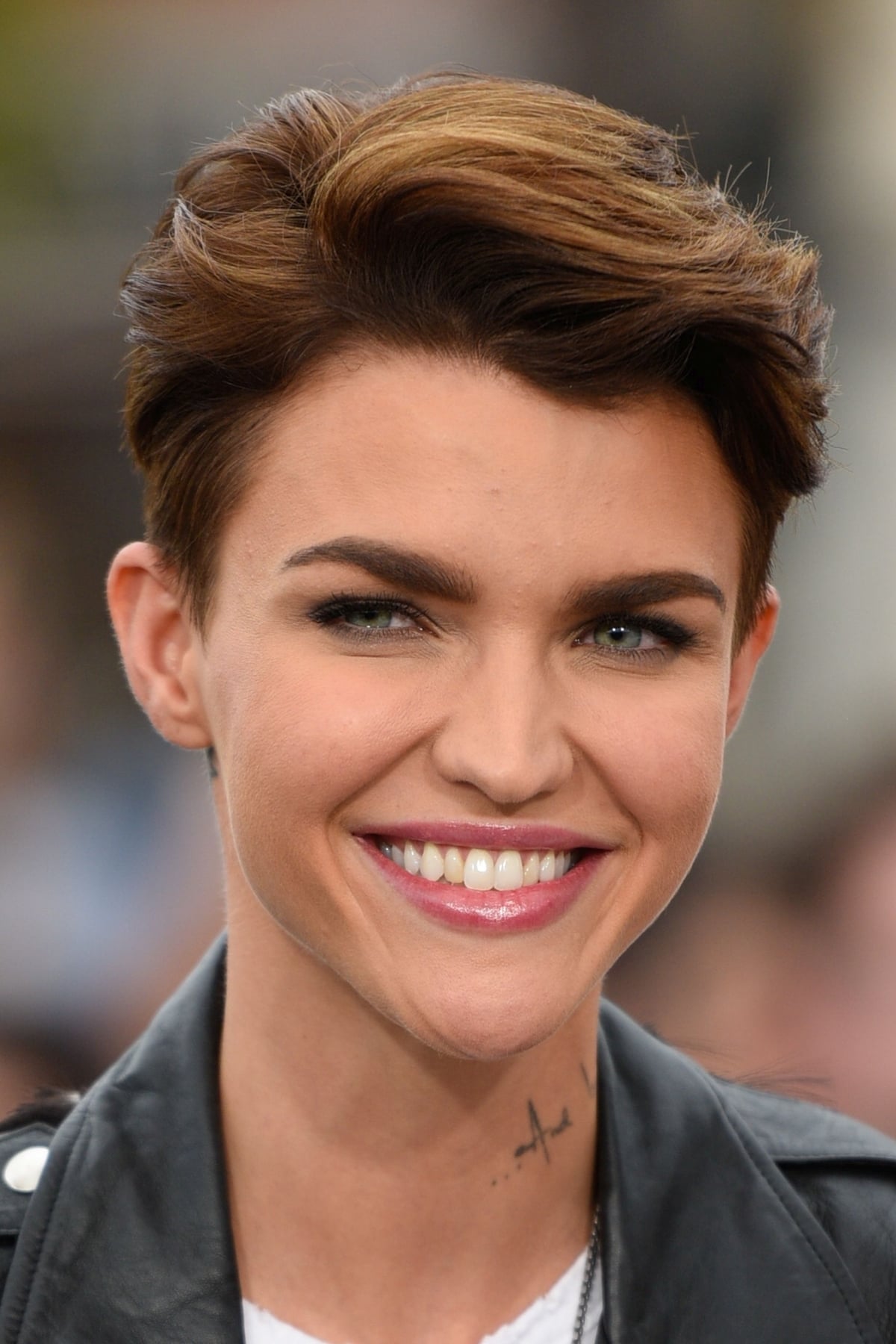
Rose’s edgy, androgynous look made her the perfect face for Urban Decay during the height of their “Lip Vice” campaign. She embodied the brand’s “beauty with an edge” motto more authentically than almost any previous ambassador. Her presence helped the brand double down on its alternative identity in a sea of polished beauty ads. The partnership was widely celebrated for expanding the visual language of cosmetic marketing.
Kim Petras
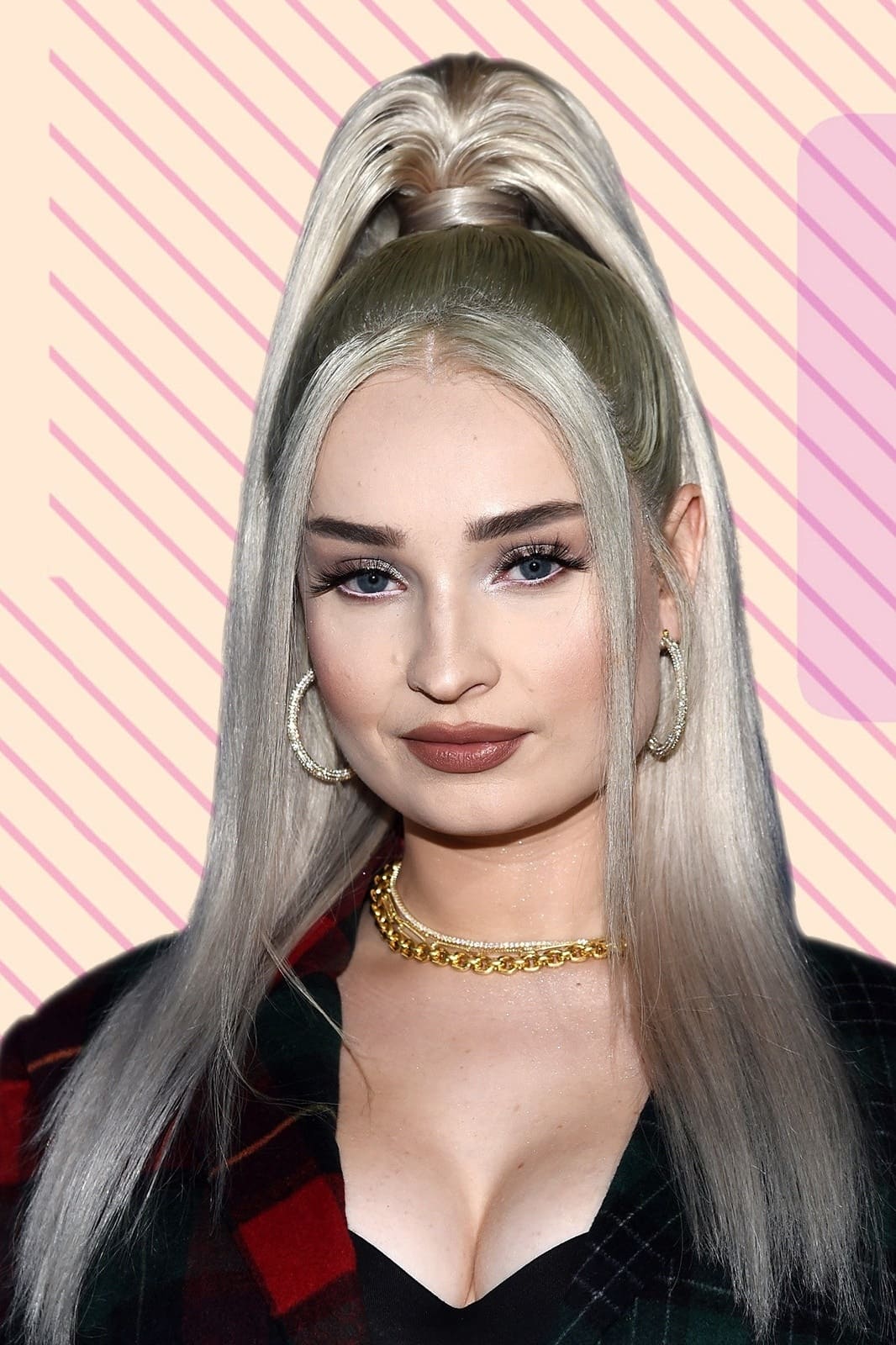
Petras partnered with UGG for campaigns that leaned into the Y2K resurgence and playful pop aesthetics. Her involvement helped position the comfortable footwear brand as a trendy staple for a new generation of fashion enthusiasts. She brought a sense of fun and camp to the marketing that aligned perfectly with her music persona. The collaboration kept the brand relevant in the fast-moving cycle of social media trends.
Lily-Rose Depp
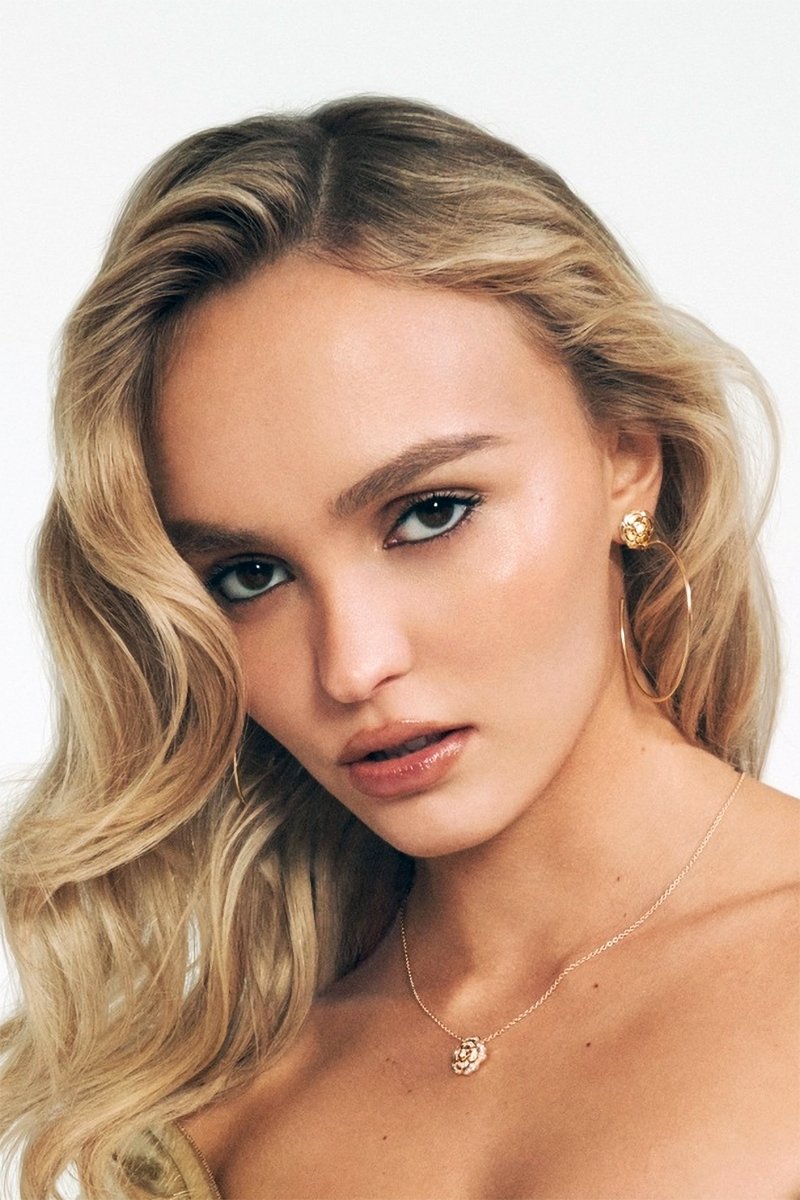
Depp has carried on her family’s legacy as a muse for Chanel, embodying the quintessential French girl cool. Her campaigns for the brand’s fragrances and eyewear appeal to a youthful demographic while maintaining the house’s exclusive allure. She bridges the gap between classic Hollywood royalty and modern Gen Z influencer culture. Her consistent association with the brand helps keep its image fresh and aspirational.
Elliot Page
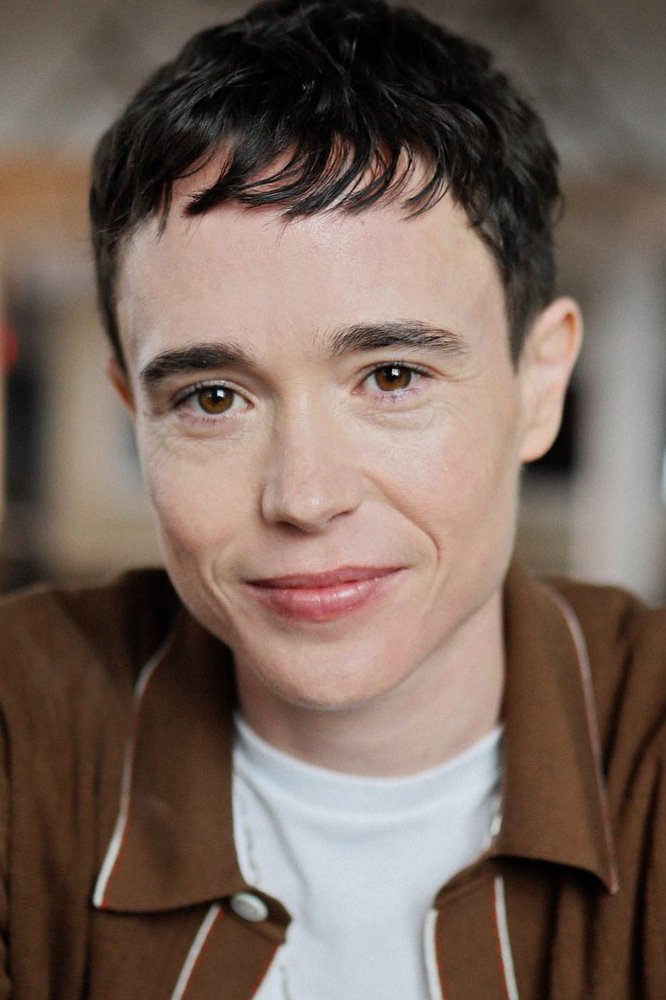
Page starred in the Gucci Guilty fragrance campaign, bringing a narrative of authenticity and self-realization to the luxury product. The casting was praised for its respectful and modern representation of a trans man in a major luxury ad. His presence added a layer of emotional depth and contemporary relevance to the brand’s storytelling. The campaign highlighted Gucci’s commitment to celebrating diverse identities.
Dan Levy
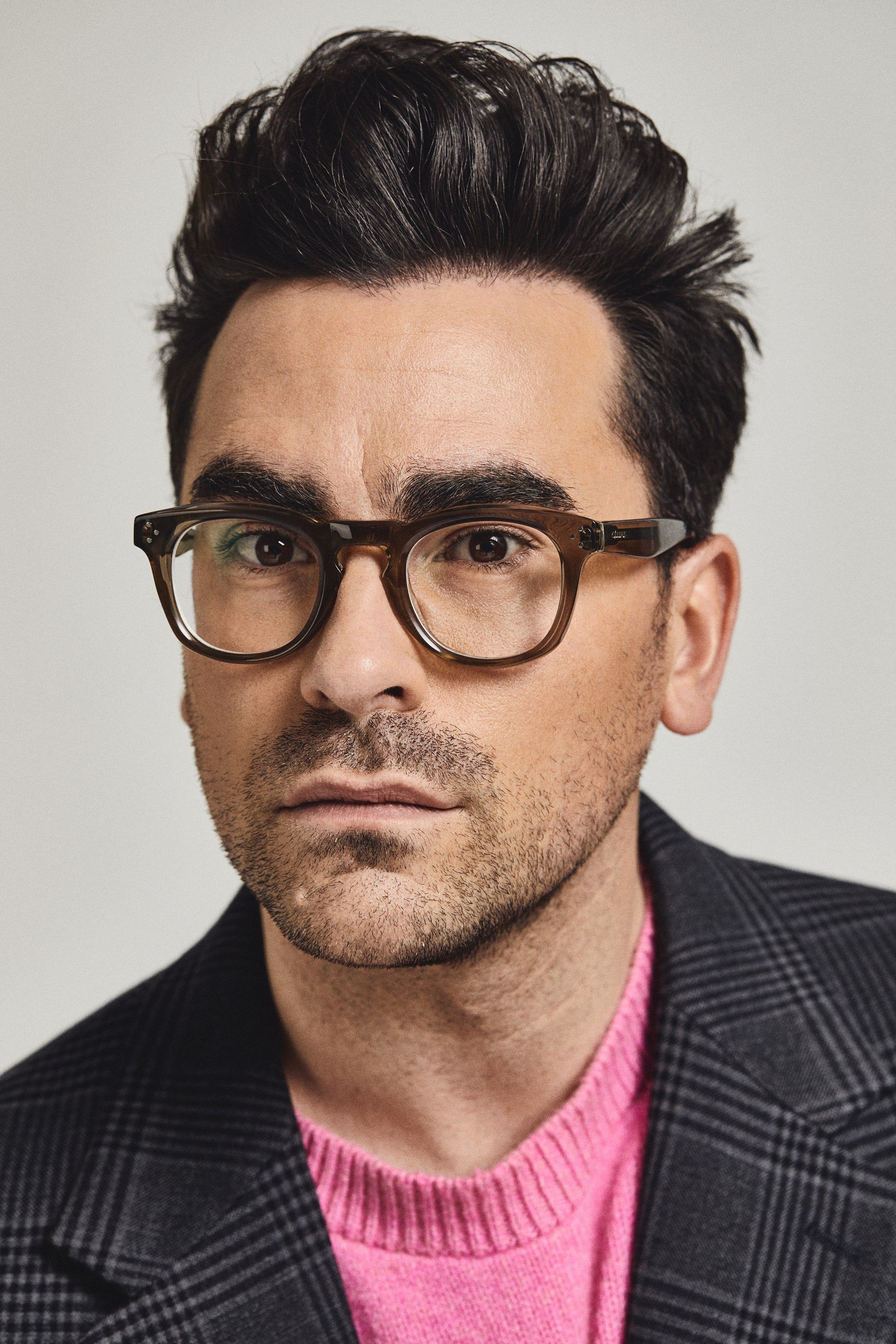
Levy’s partnership with Loewe brought a thoughtful and intellectual fashion angle to the brand’s whimsical designs. His genuine love for the label’s eyewear and knitwear was evident in the creative direction of the campaigns. He used his platform to highlight the craftsmanship and artistry behind the clothes. The collaboration felt organic and helped introduce the Spanish luxury house to a wider pop culture audience.
Michaela Jaé Rodriguez
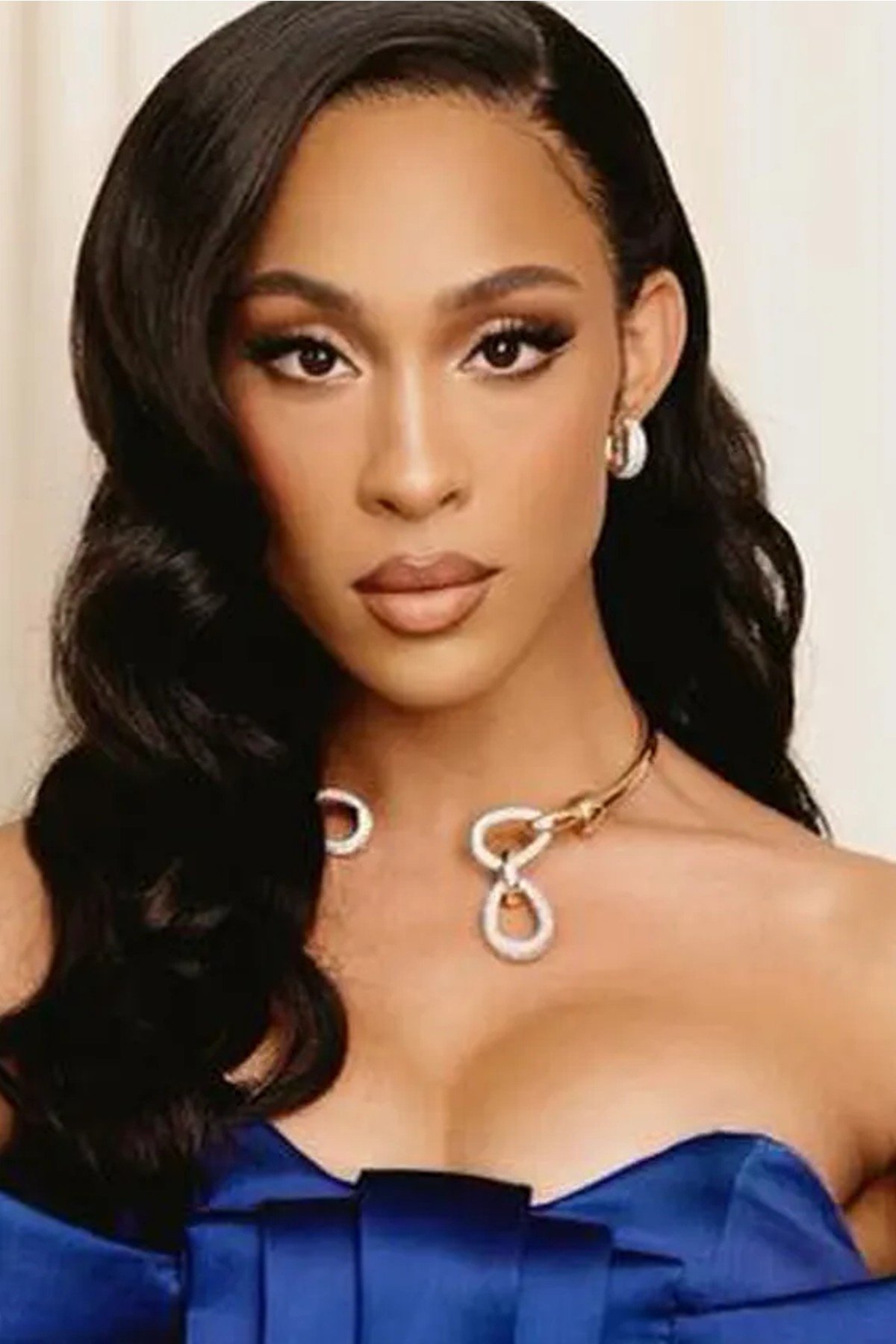
Rodriguez made history as a face for Charlotte Tilbury, emphasizing high-octane glamour and glow. Her campaigns showcased the transformative power of makeup and celebrated trans beauty on a global stage. The partnership reinforced the brand’s message that their products are designed for every woman. Her radiance and confidence perfectly matched the luxurious aesthetic of the line.
Tell us which of these trailblazers you think had the biggest impact on their brand in the comments!