Black Celebs Who Carried Entire Brands On Their Backs

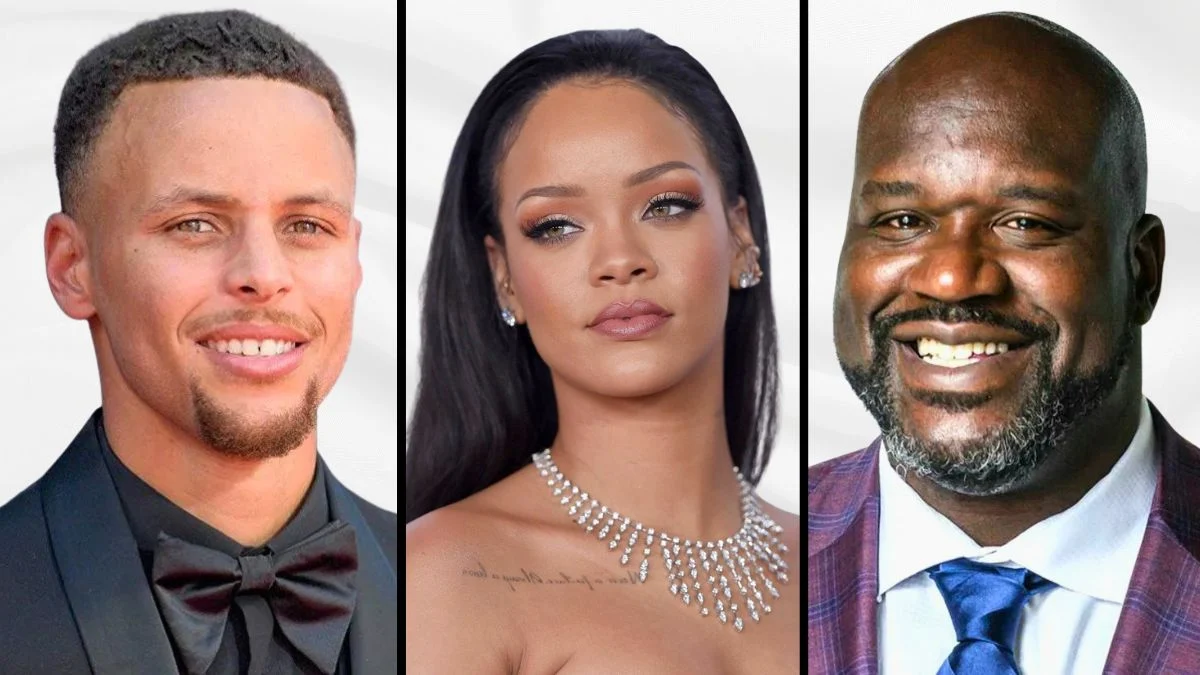

Celebrity endorsements have evolved from simple commercials into massive business partnerships that define culture. Black entertainers and athletes have historically provided the cool factor that turns struggling companies into global powerhouses. These figures did not just wear the products but often became the face and creative force behind them. Their influence transformed niche labels into household names through sheer star power and authentic connection with audiences.
Michael Jordan
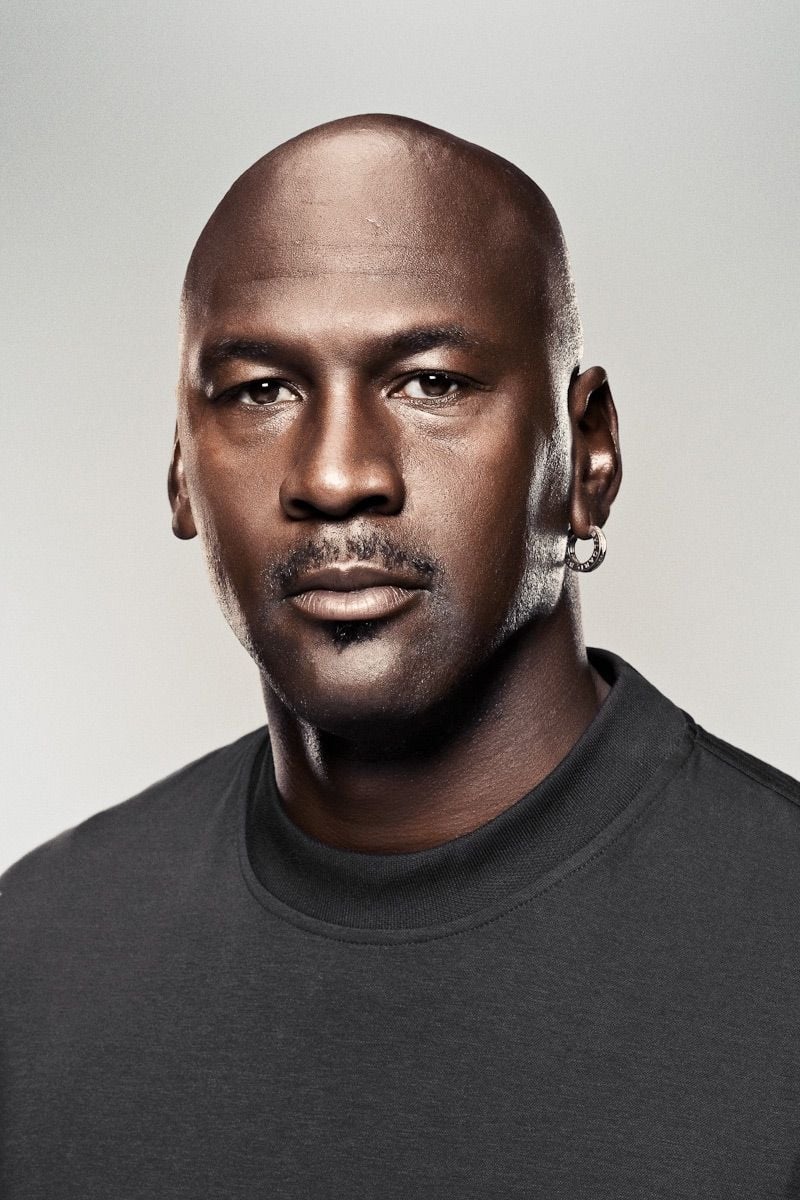
The partnership between Michael Jordan and Nike fundamentally changed sports marketing forever. Nike was primarily known as a running shoe company before they signed the Chicago Bulls rookie in 1984. Jordan helped create a distinct sub-brand that generated billions of dollars in revenue and dominated sneaker culture globally. The Air Jordan line became a status symbol that transcended basketball and permeated hip-hop and fashion. His legacy turned a single shoe contract into an independent empire within the Nike corporation.
Rihanna
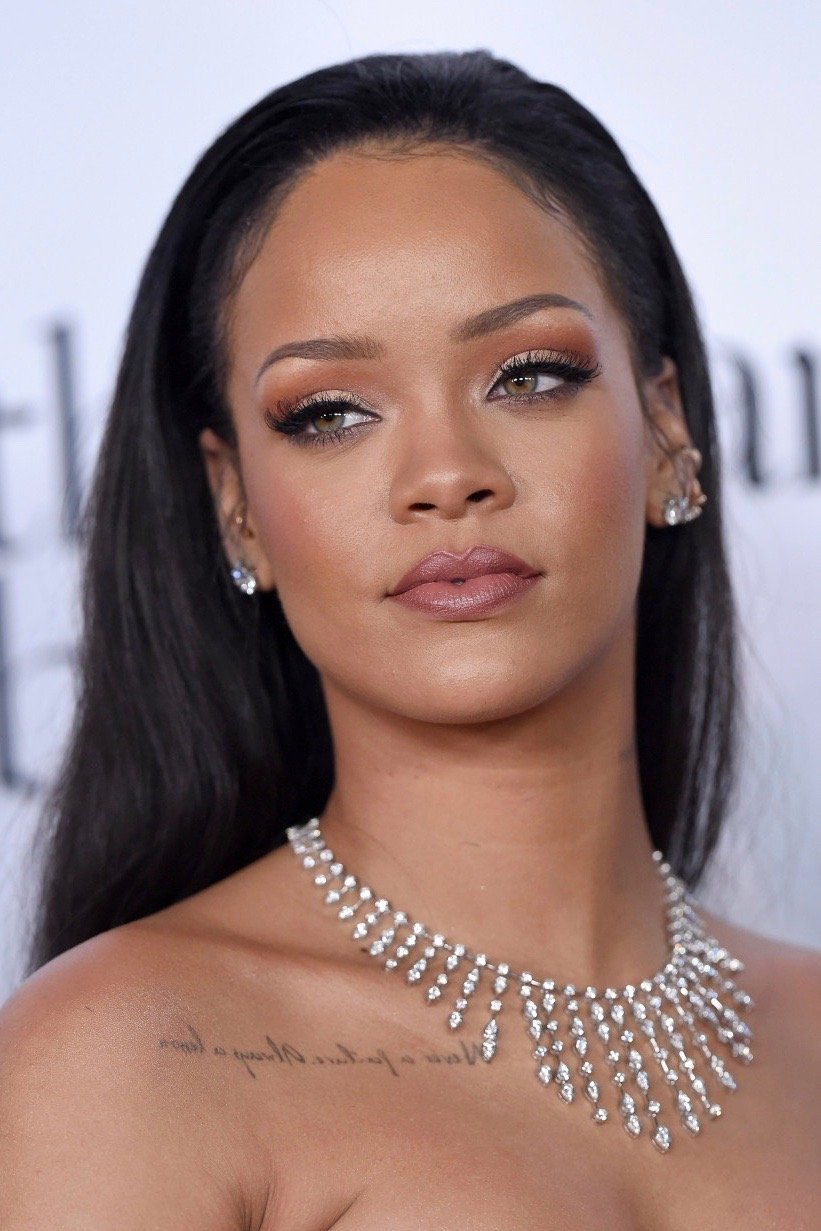
Puma faced a decline in cultural relevance and sales before appointing Rihanna as their creative director in 2014. Her Fenty x Puma collection brought a new edge to the German sportswear brand and attracted a younger female demographic. The Creeper sneaker became an instant hit and sold out within hours of every release. Rihanna successfully merged high fashion sensibilities with athletic wear to revitalize the company image. Her involvement proved that a pop star could drive product innovation just as effectively as a professional athlete.
Ye
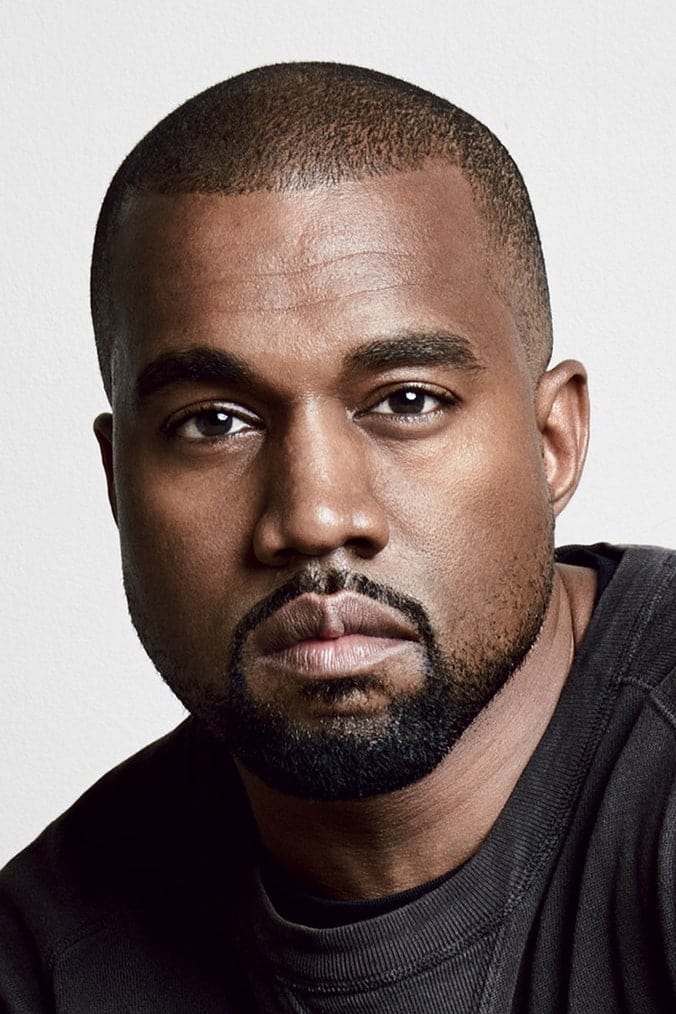
Adidas secured a massive victory in the sneaker wars when they signed Kanye West away from Nike. The Yeezy brand generated unprecedented hype and lengthy waiting lists for every new model released. West brought an avant-garde aesthetic that influenced the design language of the entire footwear industry. The partnership propelled Adidas to record profits and made the brand a serious competitor in the lifestyle market. His ability to dictate trends turned the Yeezy line into a billion-dollar asset for the company.
Tiger Woods
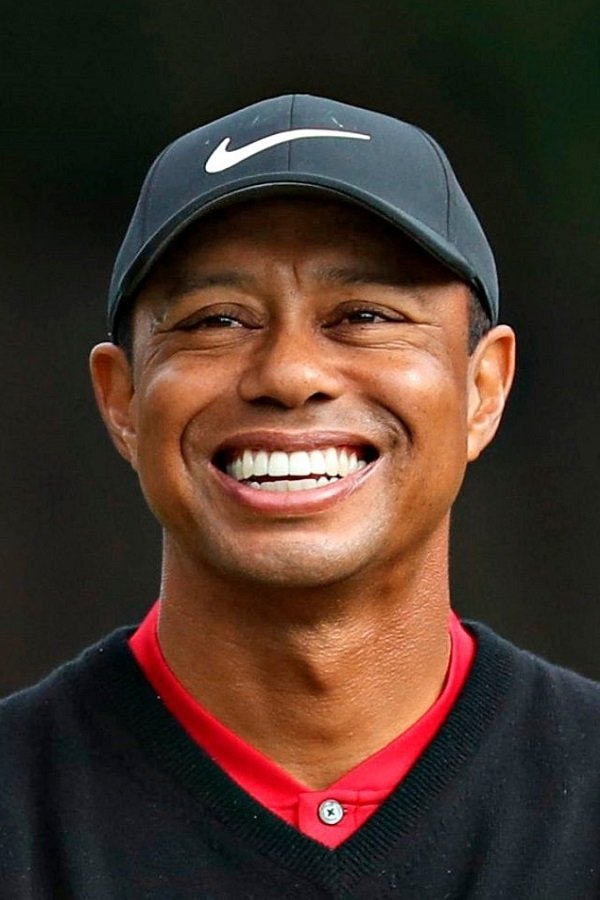
Nike Golf essentially did not exist as a major force until the company signed Tiger Woods in 1996. The brand built its entire golf division around his meteoric rise and dominance in the sport. Woods made golf apparel cool to a broader audience and drove massive sales in equipment and clothing. His Sunday red polo shirt became one of the most recognizable images in sports history. Nike eventually exited the golf equipment business but maintained their apparel dominance largely due to his lasting influence.
50 Cent
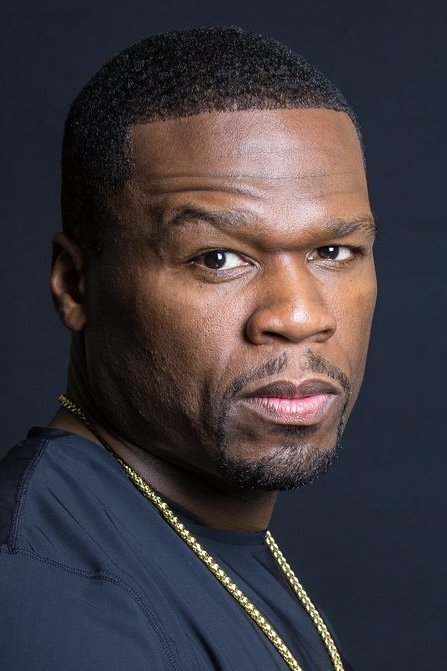
The rapper negotiated a minority equity stake in Vitamin Water in exchange for becoming the face of the brand. He promoted the Formula 50 flavor relentlessly in his music videos and public appearances. His involvement gave the beverage company a massive credibility boost within the urban market. When Coca-Cola purchased the parent company Glacéau for over four billion dollars, 50 Cent earned a historic payday. This deal remains one of the most lucrative partnerships in hip-hop history.
Allen Iverson
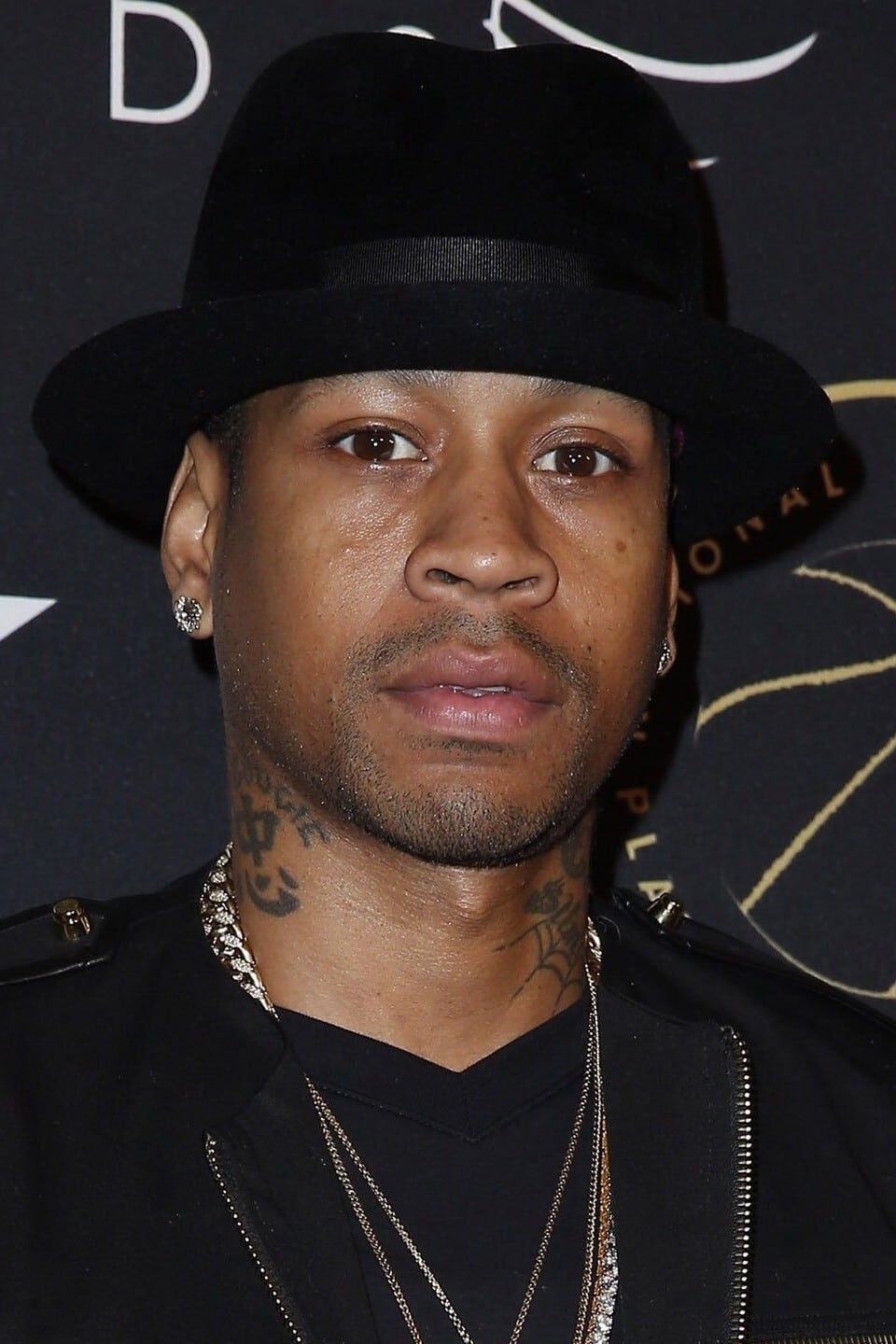
Reebok struggled to find an identity in the basketball market until they signed Allen Iverson in 1996. His Question and Answer sneaker lines became the second-longest-running basketball series in history behind Jordan. Iverson brought a gritty and authentic street style that resonated deeply with fans who felt alienated by traditional marketing. He carried the Reebok brand on his shoulders for over a decade and kept them relevant in the NBA. The company eventually signed him to a lifetime contract to honor his impact on their business.
George Foreman
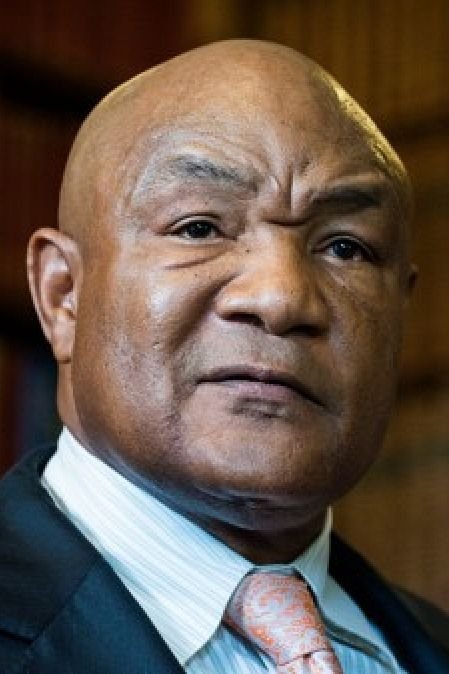
The former heavyweight champion became the surprising face of the Salton electric grill in the 1990s. George Foreman agreed to put his name on the fat-reducing grilling machine and appeared in ubiquitous infomercials. His charismatic pitch helped sell over one hundred million units worldwide. The product became synonymous with his name and is arguably more famous than his boxing career to younger generations. Foreman eventually sold his rights to the name for a staggering sum that exceeded his boxing earnings.
Dr. Dre
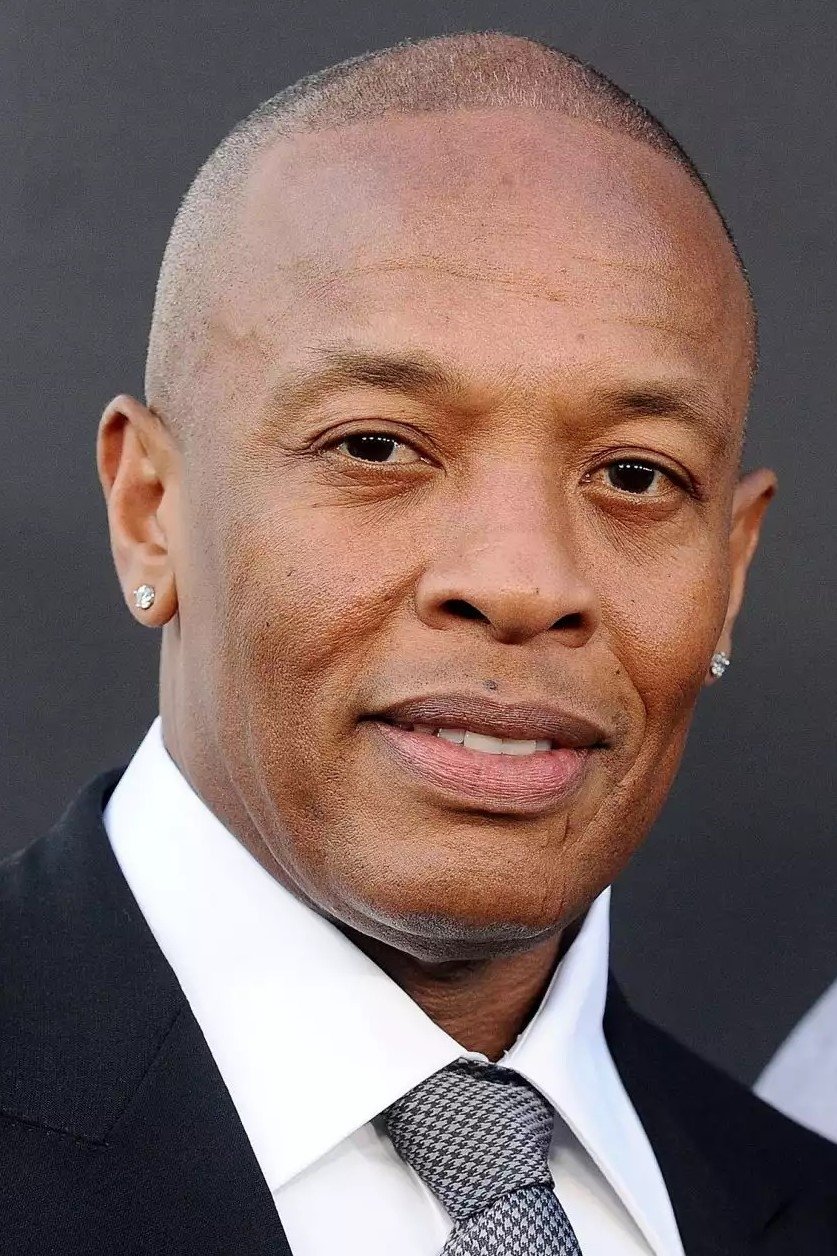
Beats Electronics redefined the portable audio market by marketing headphones as a fashion accessory. Dr. Dre leveraged his reputation as a legendary producer to promise studio-quality sound to consumers. The brand became omnipresent in music videos and on the necks of professional athletes worldwide. This cultural saturation allowed Beats to command premium prices and dominate market share. The company was eventually acquired by Apple for three billion dollars largely due to the brand value Dre created.
Travis Scott
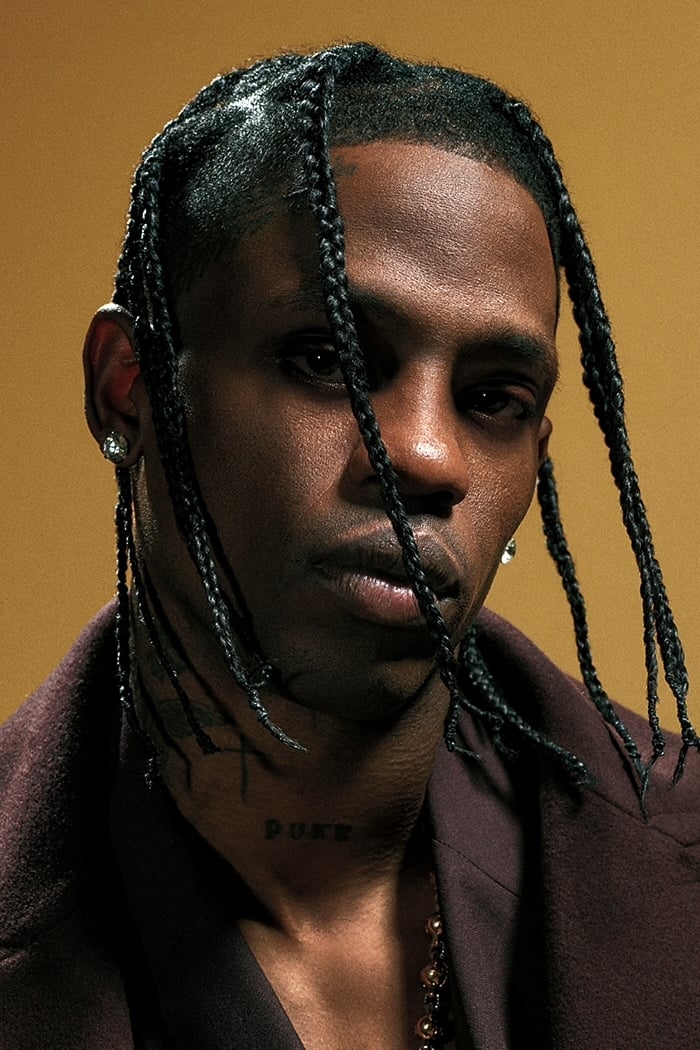
McDonald’s teamed up with the Houston rapper for the Cactus Jack meal in 2020. It was the first celebrity meal collaboration the fast-food giant had done since Michael Jordan in 1992. The promotion was so successful that many locations completely ran out of ingredients. Travis Scott also released extensive merchandise lines that featured the Golden Arches branding. The campaign significantly boosted sales during the pandemic and connected the legacy brand with Gen Z consumers.
Stephen Curry
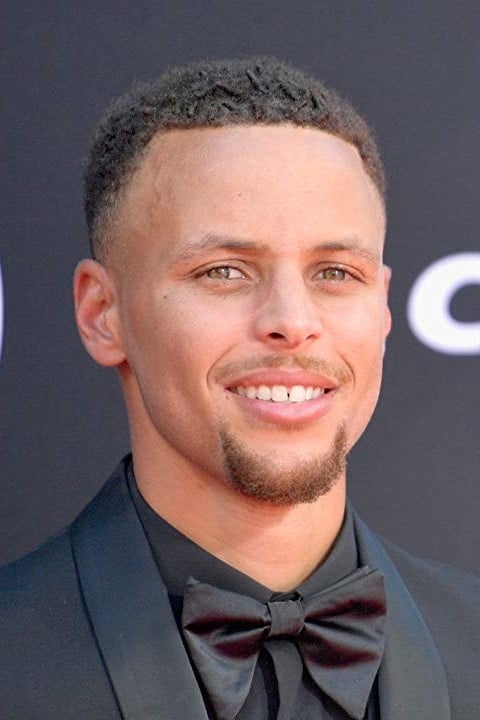
Under Armour was a distant underdog in the basketball footwear market before landing Stephen Curry. The Golden State Warriors star left Nike to become the face of Under Armour as he rose to MVP status. His signature shoe line gave the brand instant credibility on the court and drove footwear revenue growth. Curry essentially validated the company as a legitimate performance basketball brand. He later received his own sub-brand within the company to mirror the Jordan model.
Jay-Z

Reebok broke new ground by giving a non-athlete his own signature sneaker collection with Jay-Z. The S. Carter collection became the fastest-selling shoe in company history upon its release in 2003. Jay-Z proved that musicians could move merchandise with the same velocity as sports stars. The partnership opened the floodgates for other rappers to secure sneaker deals. His influence helped shift the industry focus from pure performance to lifestyle and culture.
Pharrell Williams
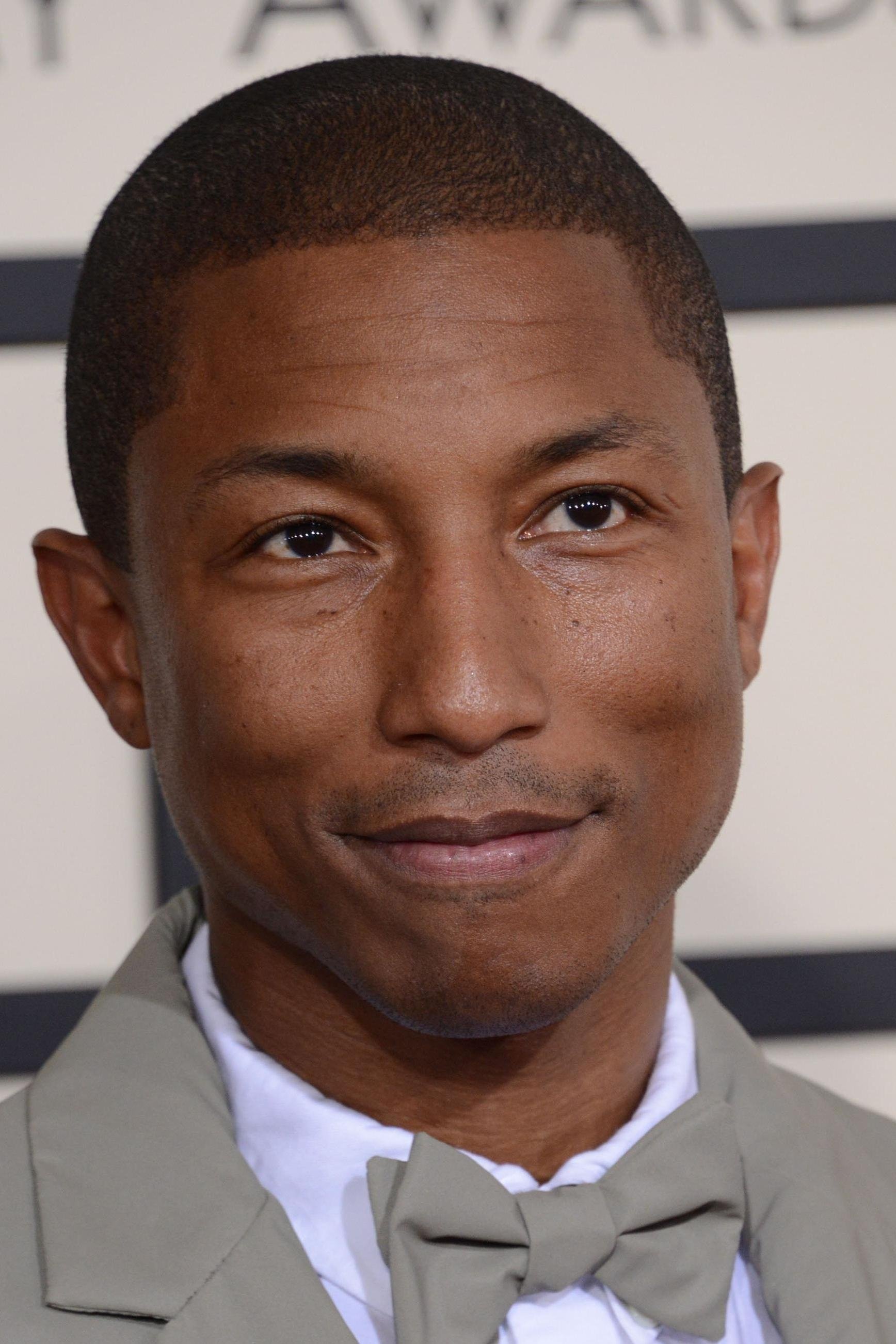
The partnership between Pharrell and Adidas created some of the most colorful and coveted sneakers of the modern era. His Human Race collection celebrated diversity and utilized the popular Boost technology. Pharrell also helped revive the classic Superstar silhouette by releasing it in fifty different colors. He consistently brought a message of positivity and high design to the German sportswear giant. His appointment as the creative director for Louis Vuitton menswear further solidified his brand-carrying power.
Cardi B
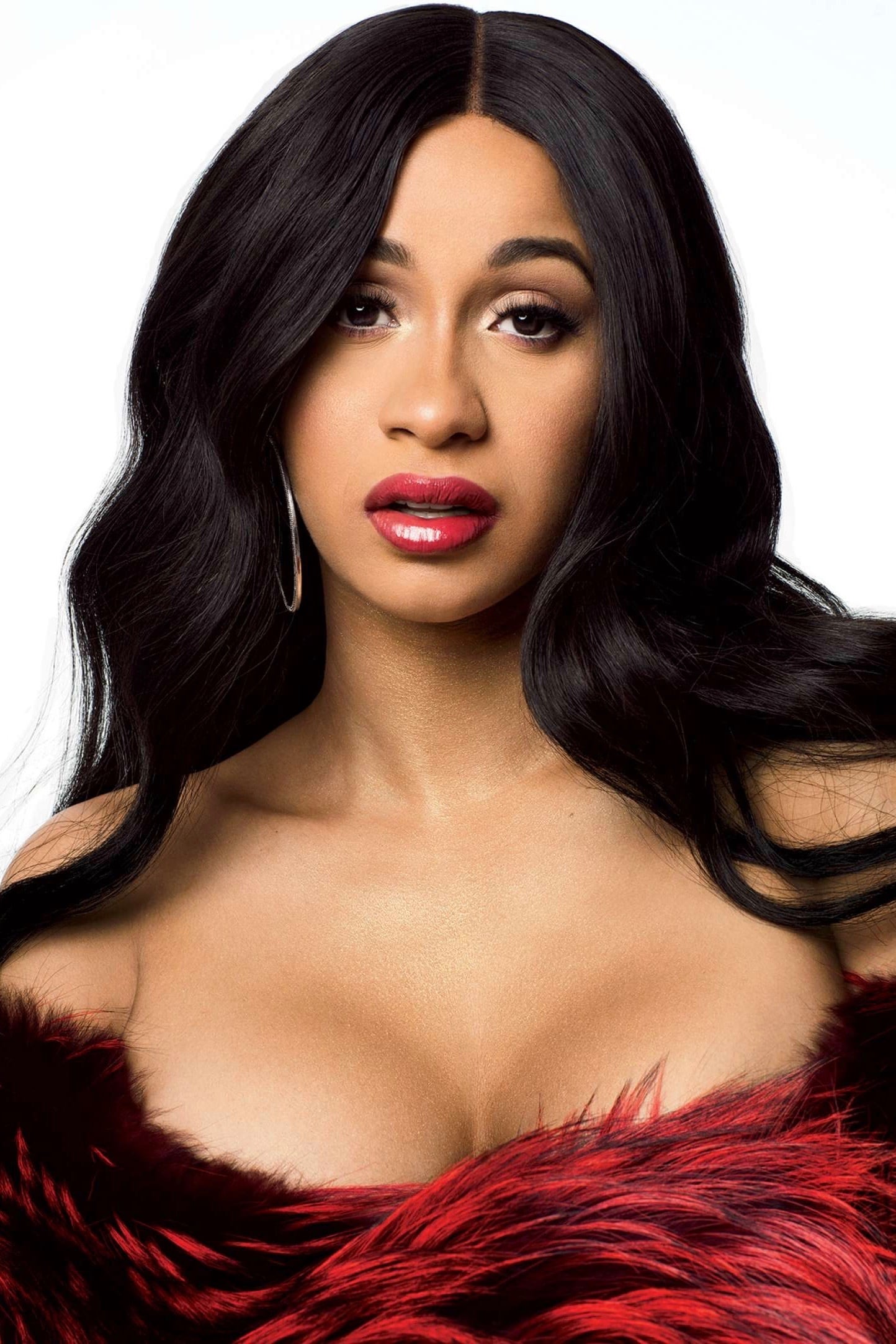
Fashion Nova built a massive online empire by leveraging influencer marketing with Cardi B as their crown jewel. The rapper frequently mentioned the affordable clothing brand in her lyrics and social media posts. Her curated collections with the brand consistently sold out within minutes of launching. Cardi B provided the authentic seal of approval that made the brand a staple for millions of women. She helped turn an Instagram boutique into a mainstream fashion contender.
Rick Ross
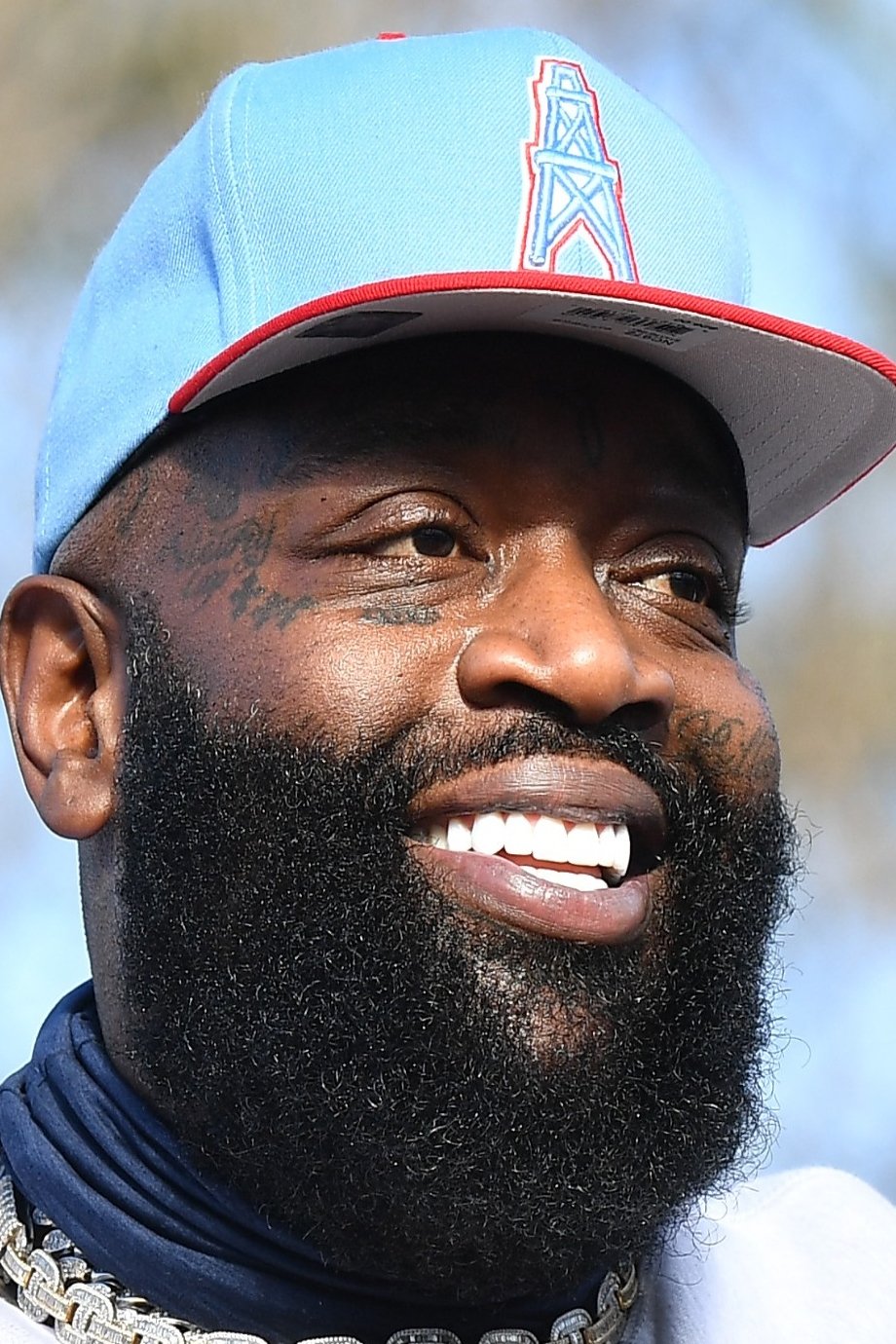
Wingstop owes a significant amount of its cool factor to the relentless promotion from Rick Ross. The rapper not only endorsed the chicken wing chain but also became a franchise owner of over twenty locations. He frequently mentions the brand in his music and showcases the food on his social media channels. His genuine love for the product made the marketing feel organic rather than forced. Ross helped the regional chain expand its national footprint and cultural recognition.
Serena Williams
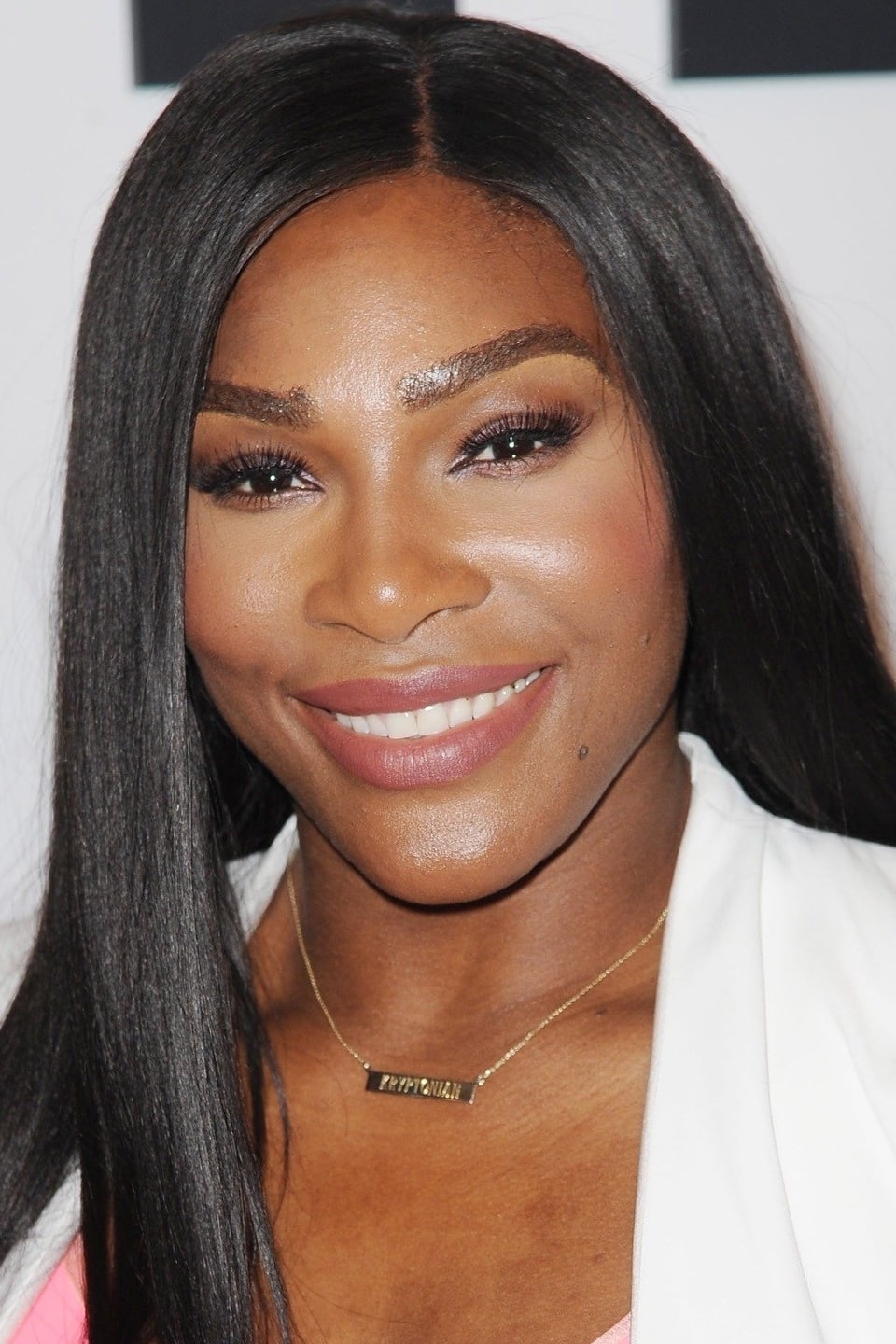
Nike has utilized Serena Williams as a primary anchor for their women’s business for nearly two decades. Her on-court fashion choices often made headlines and pushed the boundaries of traditional tennis attire. She collaborated with designers like Virgil Abloh to create iconic performance wear that celebrated her strength. Williams helped Nike communicate a message of female empowerment that resonated far beyond sports. Her influence ensured the brand remained dominant in the world of tennis.
Tyler, the Creator

Converse found a perfect partner in Tyler, the Creator to refresh their image for a new generation. His Golf le Fleur collection reimagined the classic One Star silhouette with vibrant colors and flower motifs. The collaboration brought a playful and artistic energy that revitalized the heritage brand. Tyler curated marketing campaigns that felt more like art projects than commercials. He successfully made the century-old canvas sneaker exciting for streetwear enthusiasts.
Colin Kaepernick
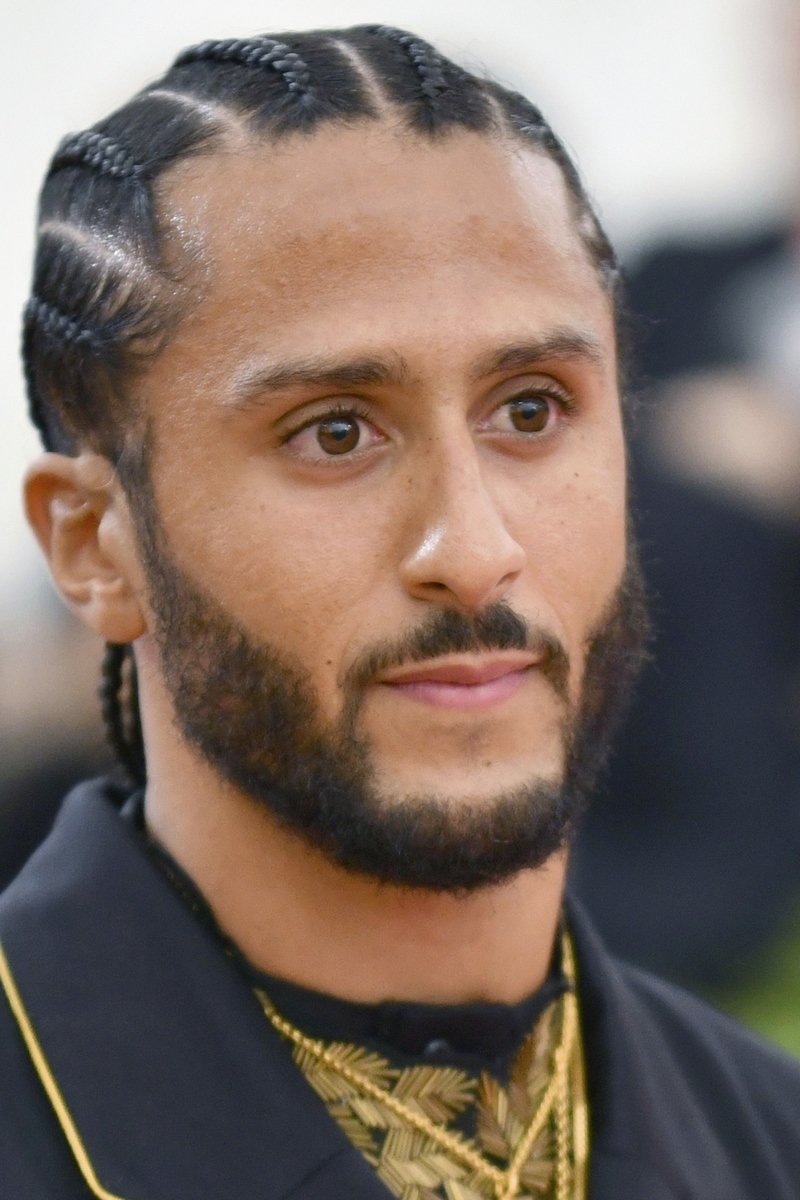
Nike took a calculated risk by making Colin Kaepernick the face of their thirtieth anniversary ‘Just Do It’ campaign. The decision to support the controversial quarterback sparked intense debate but ultimately strengthened brand loyalty. The campaign resulted in a significant increase in stock value and online sales. Kaepernick helped Nike position itself as a socially conscious company willing to stand by its athletes. The move solidified their connection with younger and more diverse consumers.
Magic Johnson
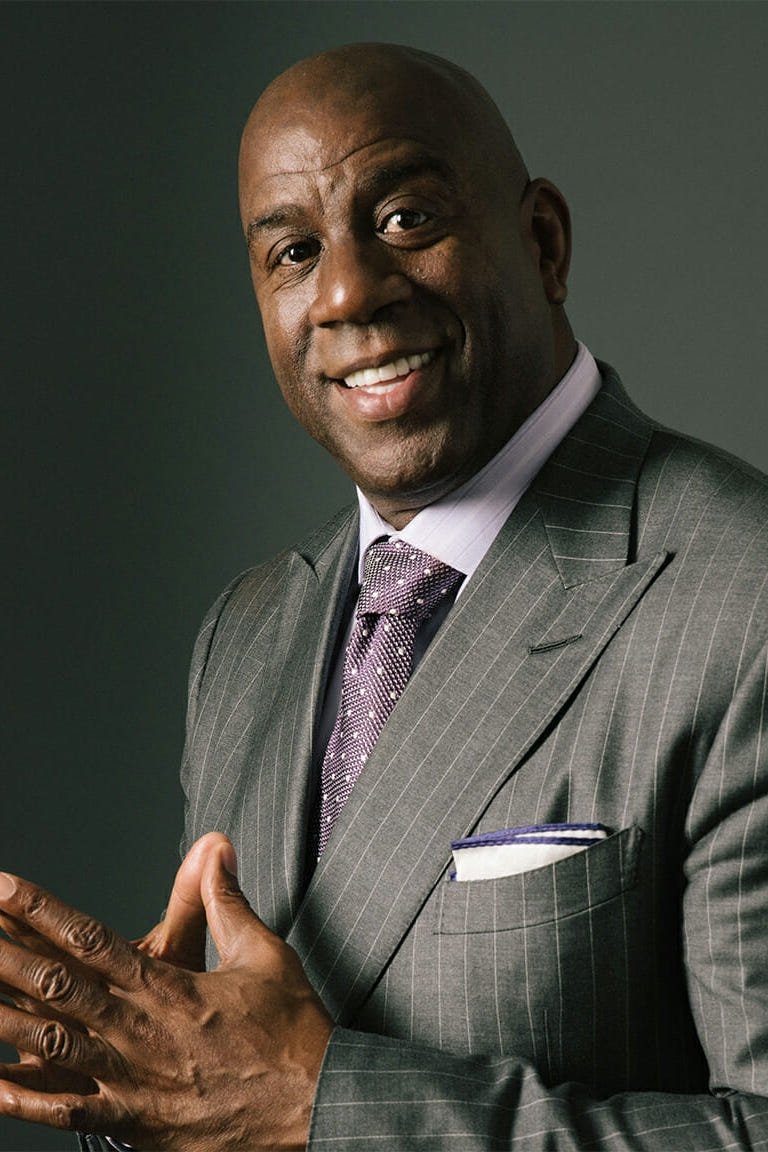
Converse dominated the NBA in the 1980s largely due to the rivalry between Magic Johnson and Larry Bird. The Weapon sneaker became iconic because Magic wore it while leading the “Showtime” Lakers. His infectious smile and flashy style of play made him the perfect ambassador for the brand. Magic helped Converse maintain its status as the premier basketball shoe before the Air Jordan era took over. He remains one of the most important figures in the history of the company.
Grant Hill

Fila experienced a massive surge in popularity during the 1990s after signing Grant Hill. The Detroit Pistons rookie was widely considered the next big superstar and his signature shoes reflected that hype. The Grant Hill 2 became one of the best-selling basketball shoes of the decade. His wholesome image and on-court success gave the Italian brand a strong foothold in the American market. Fila recently signed him to a lifetime deal to acknowledge his contribution to their legacy.
Shaquille O’Neal
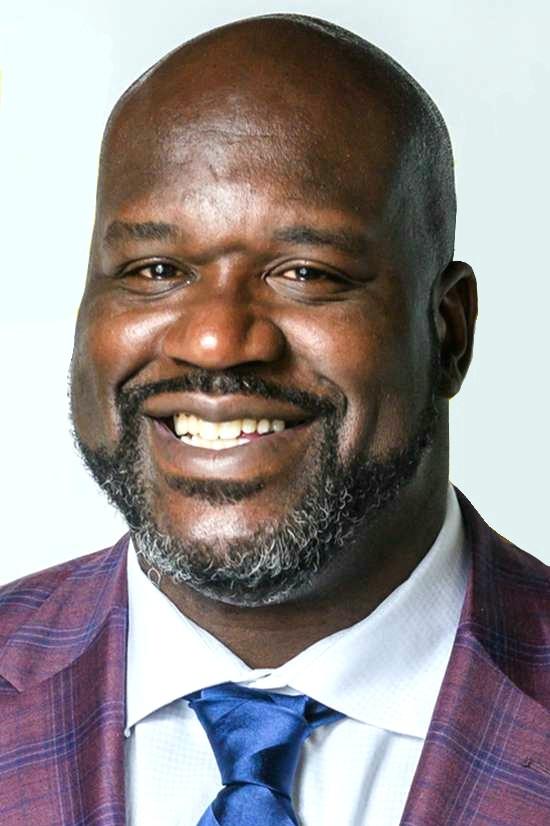
The affordable footwear market was revolutionized when Shaq partnered with retailers to launch his own brand. He split from Reebok to create an accessible line of shoes sold at stores like Walmart and Payless. O’Neal wanted to ensure that low-income families could afford durable basketball sneakers for their children. The brand has sold hundreds of millions of pairs over the years. Shaq proved that volume and accessibility could create a business empire just as large as premium exclusivity.
Usain Bolt
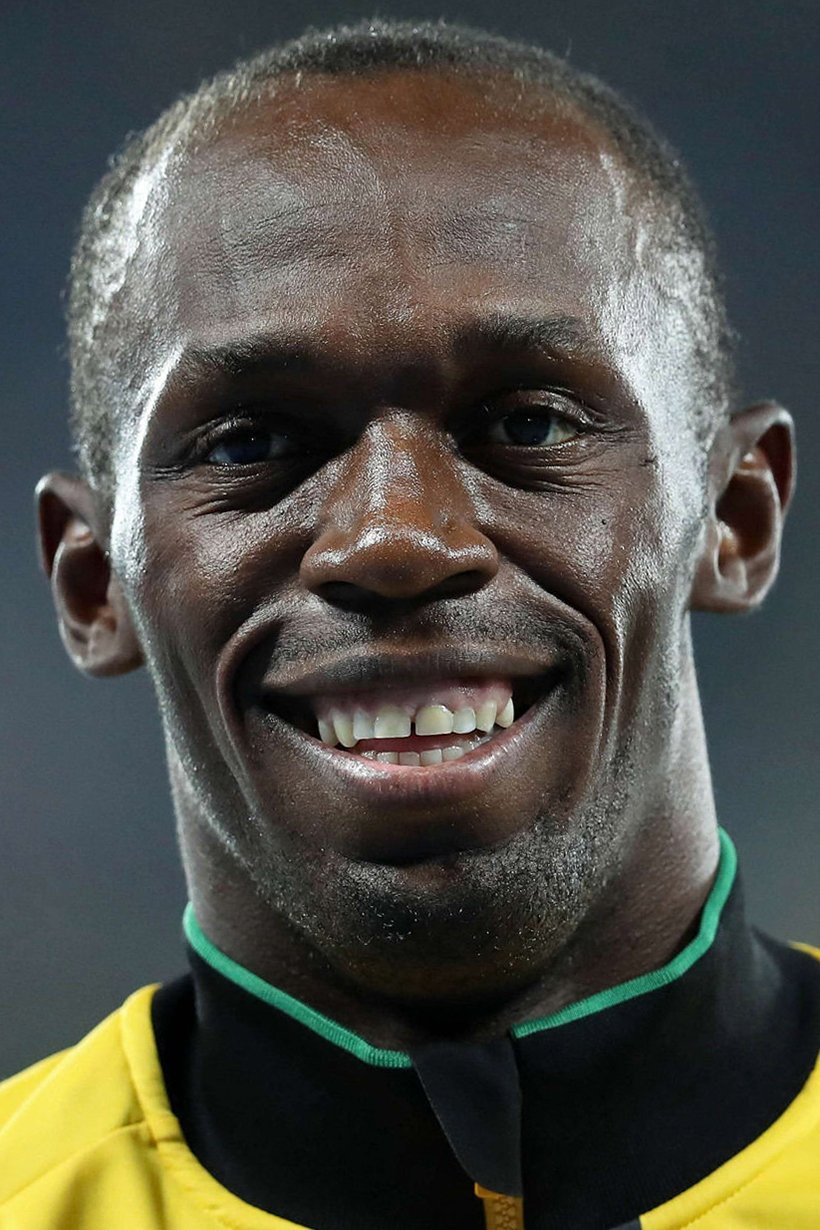
Puma maintained its credibility in the world of track and field almost entirely through Usain Bolt. The fastest man in the world brought charisma and excitement to a sport that often lacked mainstream attention. His golden spikes and lightning bolt pose became synonymous with the Puma logo. Bolt kept the brand on the podium at three consecutive Olympics. He provided the performance validation that allowed Puma to compete with larger rivals.
Queen Latifah
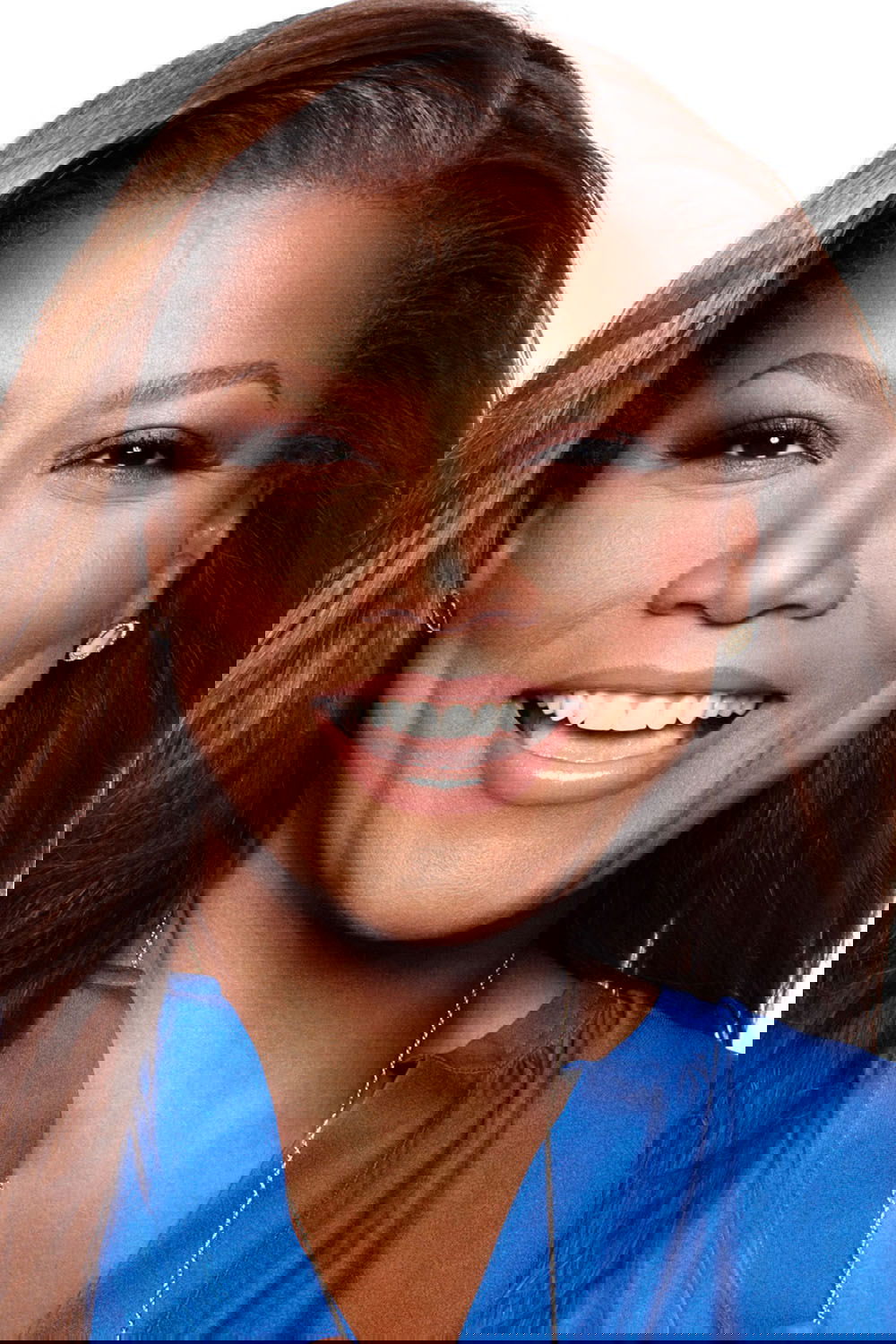
CoverGirl made a historic move by signing Queen Latifah as a brand ambassador in the early 2000s. She launched the Queen Collection which was specifically designed for women of color with darker skin tones. This partnership addressed a massive gap in the beauty market and expanded the customer base for the company. Latifah brought an approachable and regal confidence that redefined beauty standards. Her collection paved the way for the inclusive shade ranges seen in the industry today.
Tyra Banks

Victoria’s Secret saw Tyra Banks become the first Black model to grace the cover of their catalog. She was a founding Angel and helped transform their annual fashion show into a global media event. Banks carried the brand through its most explosive period of growth in the late 1990s and early 2000s. Her personality and runway walk defined the Angel archetype for a decade. She made the brand accessible and aspirational simultaneously.
Drake
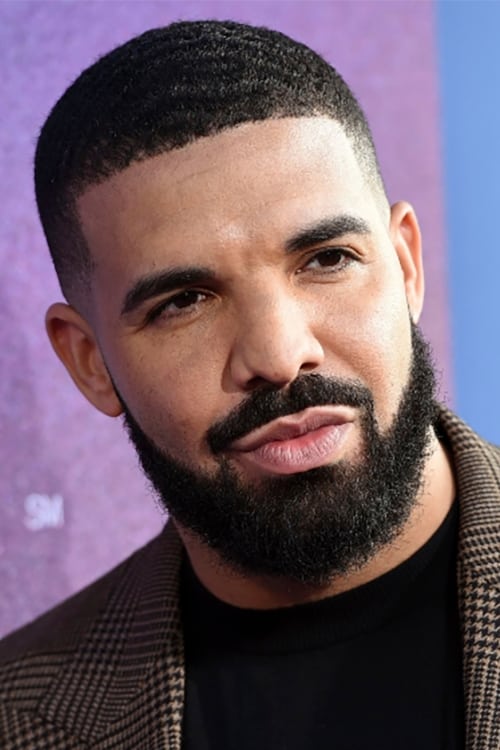
Sprite leveraged the global stardom of Drake for their ‘Spark’ campaign and subsequent endorsements. The rapper appeared in commercials that highlighted his creative process and lyrical ability. Sprite also sponsored his early tours and integrated their branding into his events. This partnership helped the soda brand maintain its decades-long connection to hip-hop culture. Drake provided a bridge to keep the beverage relevant with millennial consumers.
Kevin Hart
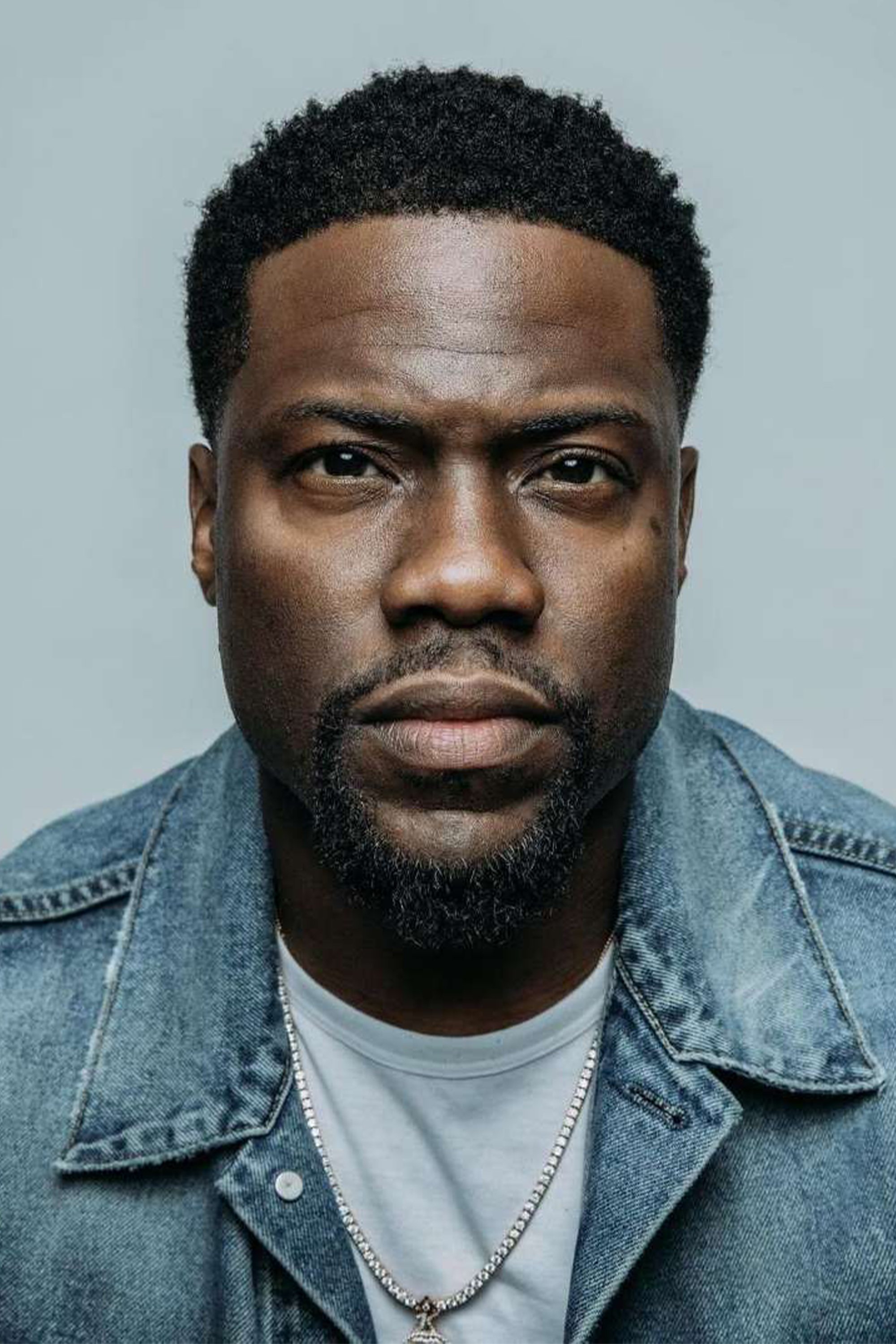
Fabletics launched a men’s division with Kevin Hart as the face and vocal investor. The comedian used his massive social media following to promote the activewear line to everyday guys. He focused on humor and relatability to sell the concept of affordable workout gear. Hart actively participates in design meetings and promotional events. His involvement allowed the company to successfully expand beyond its female-centric origins.
Kyrie Irving
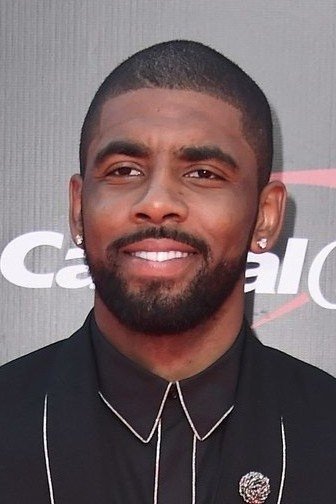
Nike saw the Kyrie Irving signature line become one of their best-selling basketball shoes for years. The lower price point and unique traction patterns made them a favorite among amateur players. Irving had a flair for colorways that referenced pop culture and cereal brands. His shoes often outsold those of more established stars due to their performance value. The line was a critical revenue driver for Nike Basketball before the partnership ended.
Kendrick Lamar
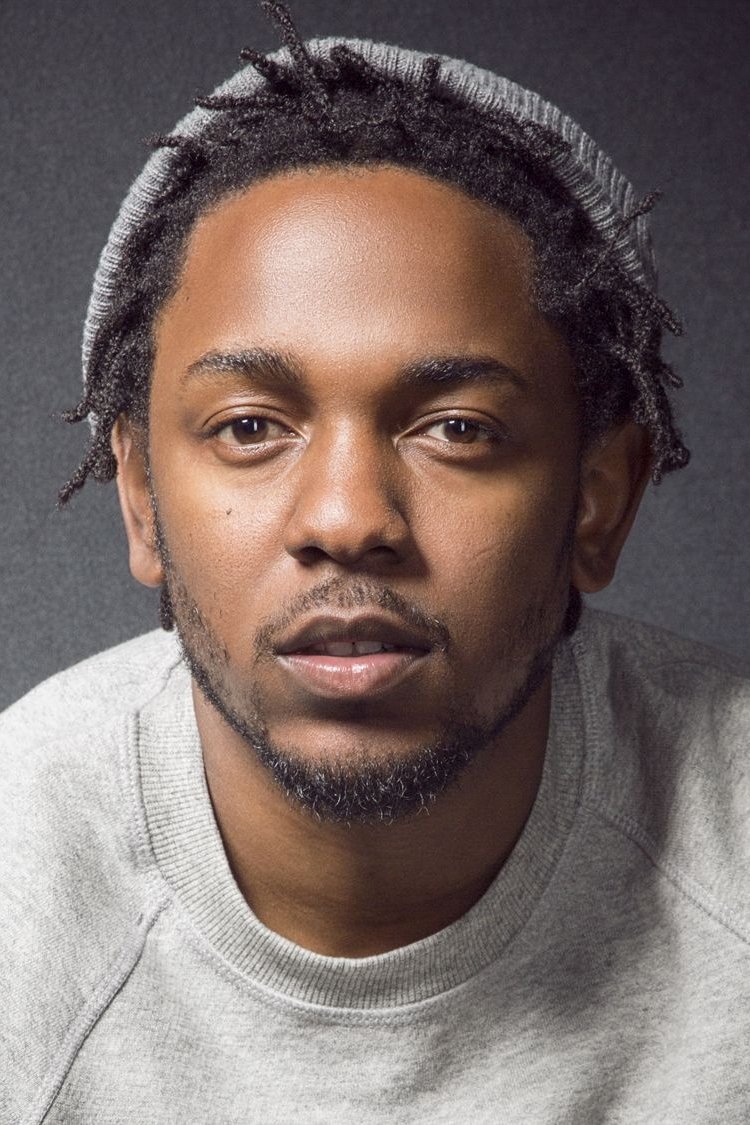
Reebok enlisted Kendrick Lamar to lead a campaign focused on unity and community. His capsule collections featured the Ventilator and Classic Leather models with “Red” and “Blue” branding to symbolize gang neutrality. Lamar brought a socially conscious message that elevated the brand image beyond simple fashion. The collaboration garnered respect from sneakerheads and music fans alike. He successfully made the retro silhouettes relevant to a modern hip-hop audience.
Lil Yachty
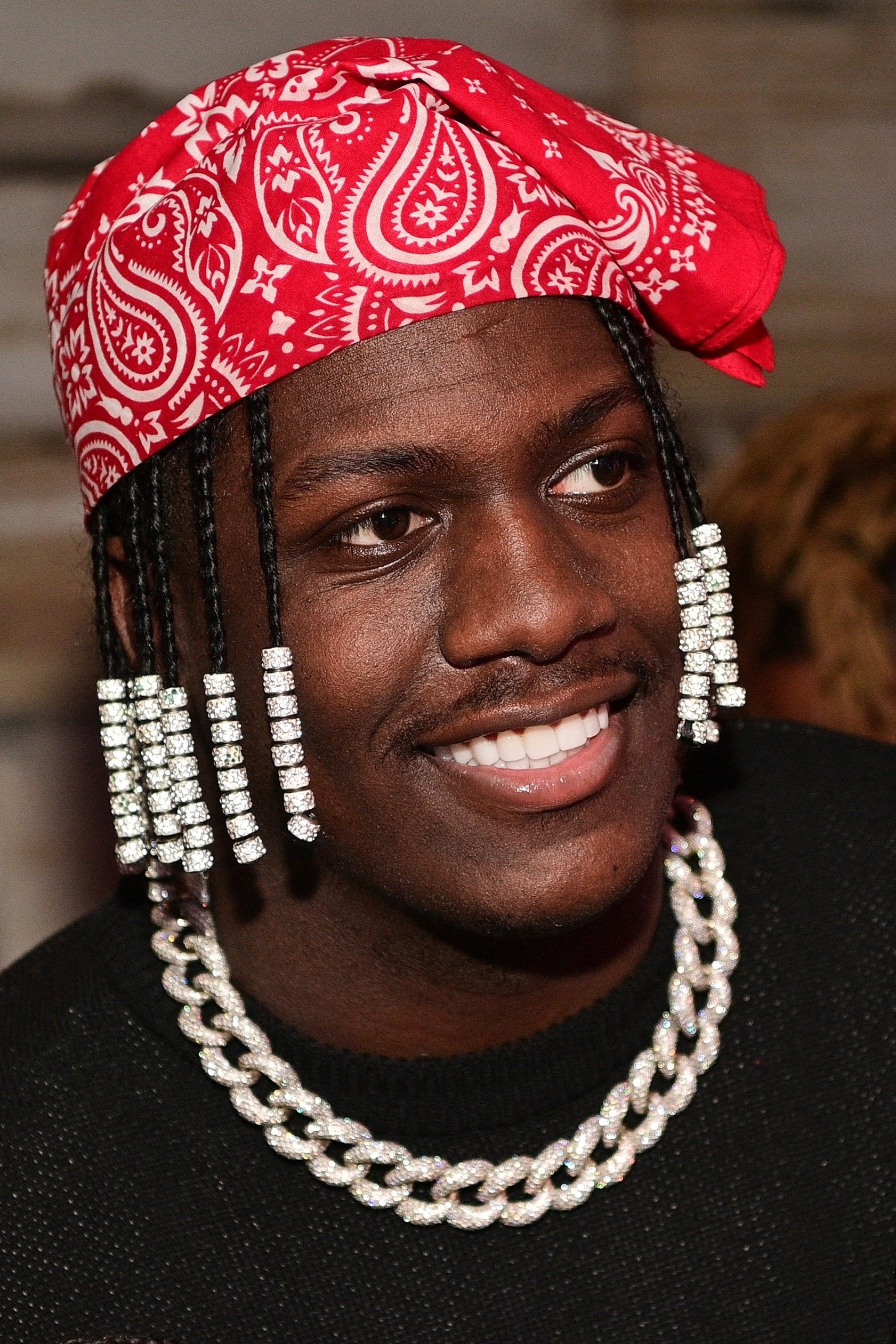
Nautica tapped into 1990s nostalgia by appointing Lil Yachty as a creative designer. The rapper had been wearing vintage Nautica gear extensively before the official partnership. His collections featured bright colors and retro logos that appealed to younger streetwear fans. Yachty helped the heritage sailing brand find a new identity in the urban fashion landscape. He proved that vintage revival could be a lucrative strategy for older clothing companies.
Nas
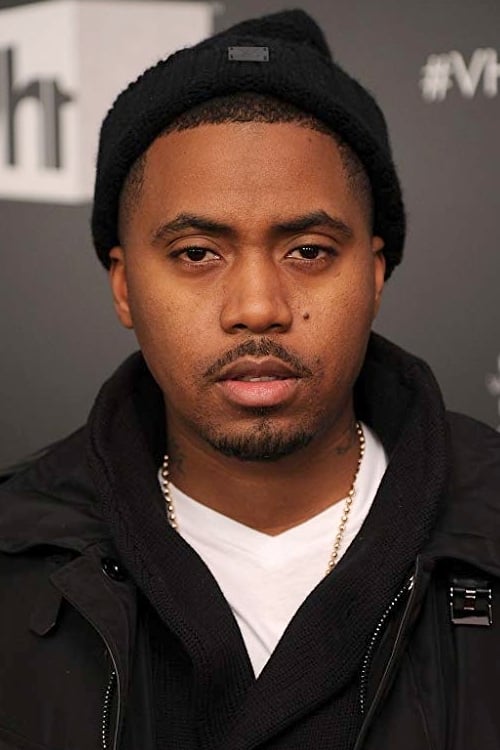
Hennessy has cultivated a long-standing relationship with Nas through their ‘Wild Rabbit’ campaign. The rapper serves as a brand ambassador and frequently mentions the cognac in his lyrics. His smooth and sophisticated public persona aligns perfectly with the image the brand wants to project. Nas helps maintain the historic connection between cognac and hip-hop culture. The partnership feels authentic because he has been a genuine consumer for decades.
Snoop Dogg
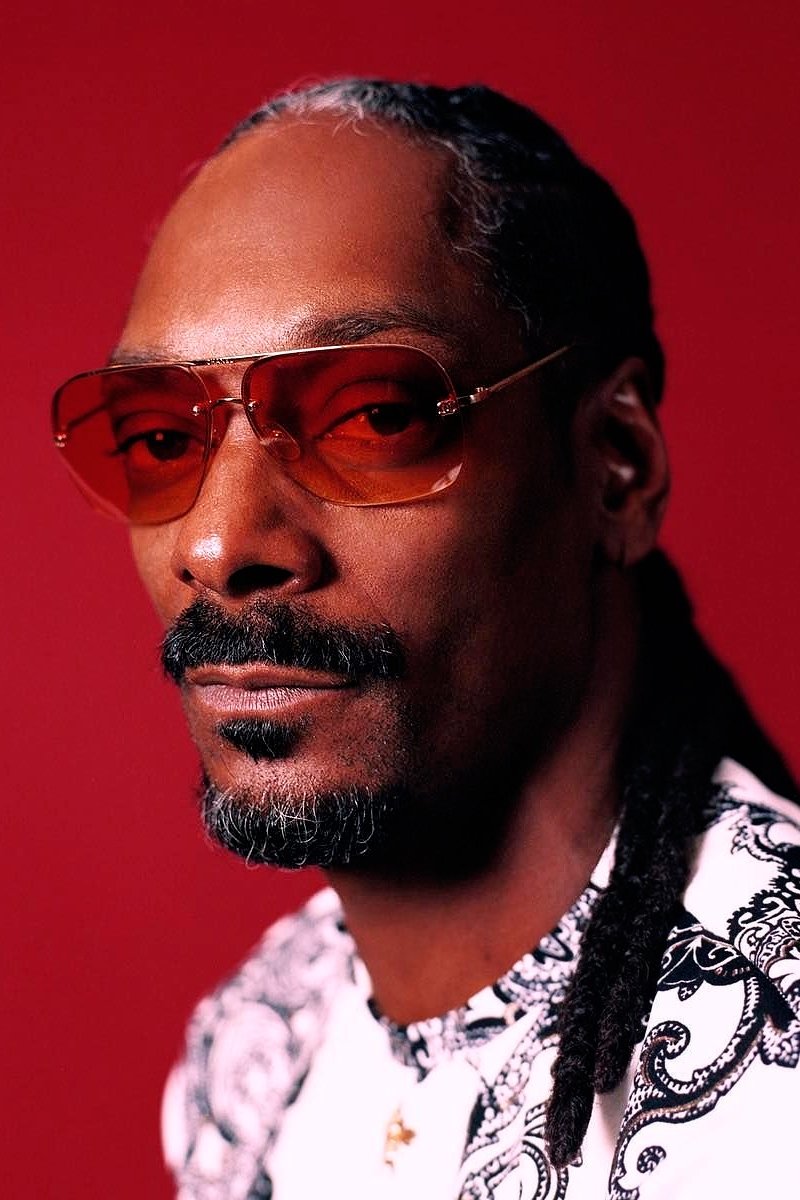
Corona found an ideal spokesperson in Snoop Dogg for their ‘La Vida Mas Fina’ campaign. His laid-back attitude and West Coast vibe perfectly matched the beach-centric identity of the beer. The commercials paired him with various celebrities but his chill demeanor anchored the entire series. Snoop brought a sense of humor and relaxation that resonated with viewers during stressful times. He successfully introduced the Mexican beer to a wider American audience.
Zendaya

Tommy Hilfiger revitalized its women’s business by collaborating with Zendaya on multiple capsule collections. The actress and her stylist Law Roach dug into the brand archives to create 70s-inspired looks. They staged massive runway shows in Paris and New York that celebrated diversity and black fashion history. Zendaya brought a level of high-fashion credibility and youth appeal that the brand desperately needed. The partnership was a critical and commercial success that reintroduced the designer to Gen Z.
Megan Thee Stallion
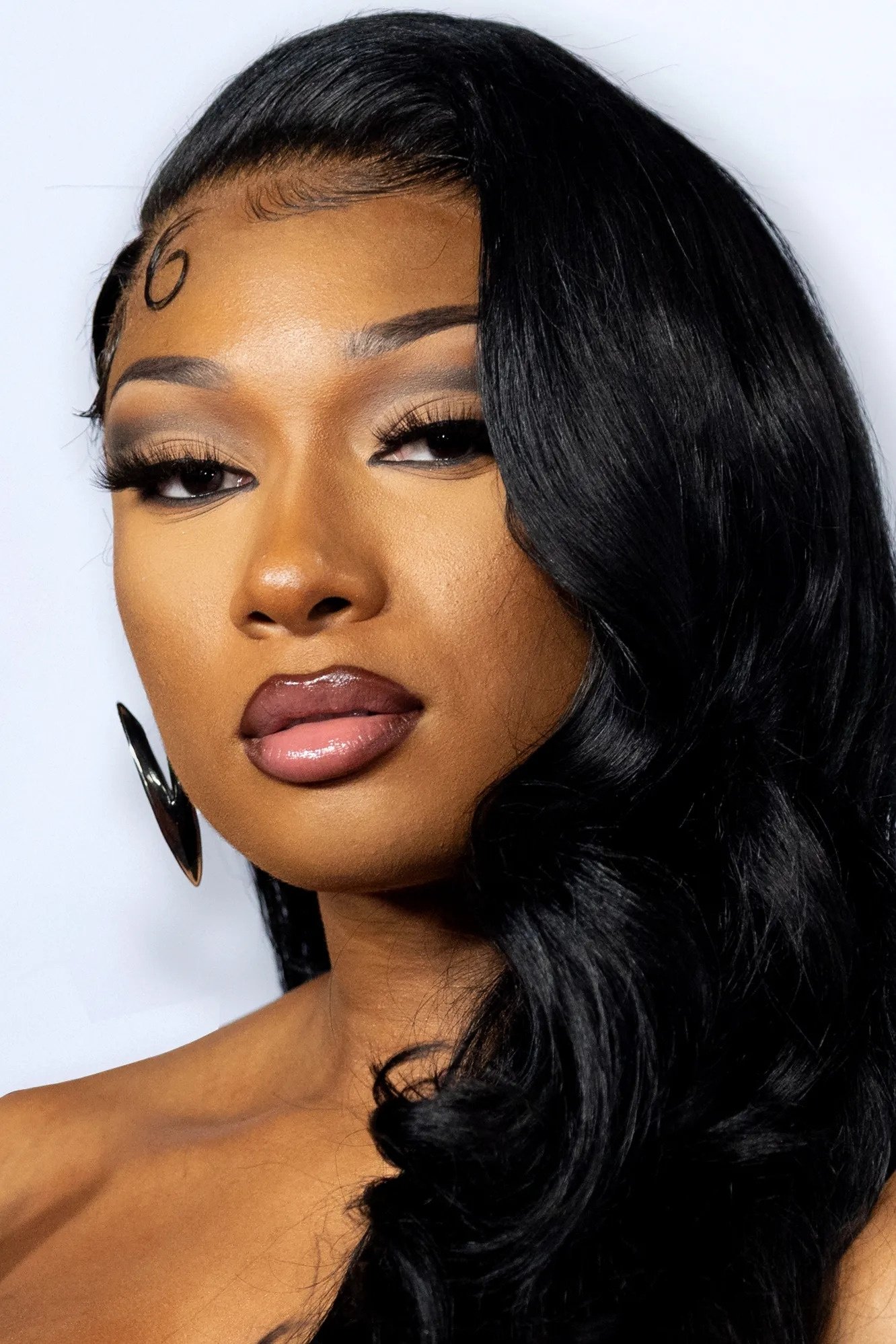
Popeyes capitalized on the “Hottie” brand by partnering with Megan Thee Stallion for a signature sauce. The collaboration included merchandise and a substantial donation to her charitable interests. Megan brought her high energy and viral appeal to the fast-food chicken wars. The campaign successfully drove foot traffic and social media engagement for the chain. She became the first female rapper to have a major franchise meal deal.
Lil Nas X
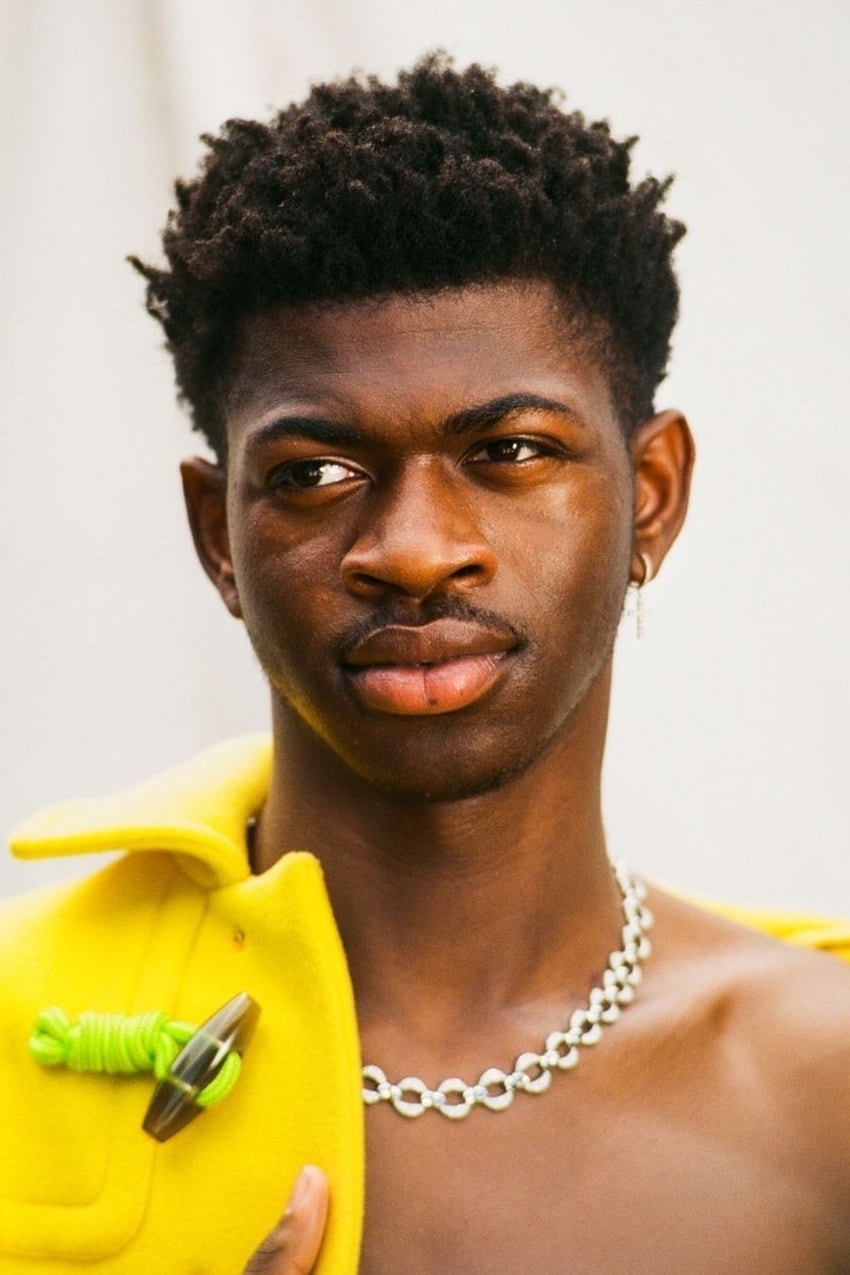
Crocs embraced the chaotic and viral nature of Lil Nas X for a limited edition collaboration. The artist designed a “Sherpa Mega Crush Clog” that perfectly fit his eccentric style. He utilized his mastery of internet culture to generate massive hype for the comfortable footwear brand. The partnership demonstrated that Crocs was willing to take risks and align with bold creators. It helped cement the shoe as a canvas for self-expression.
A$AP Rocky
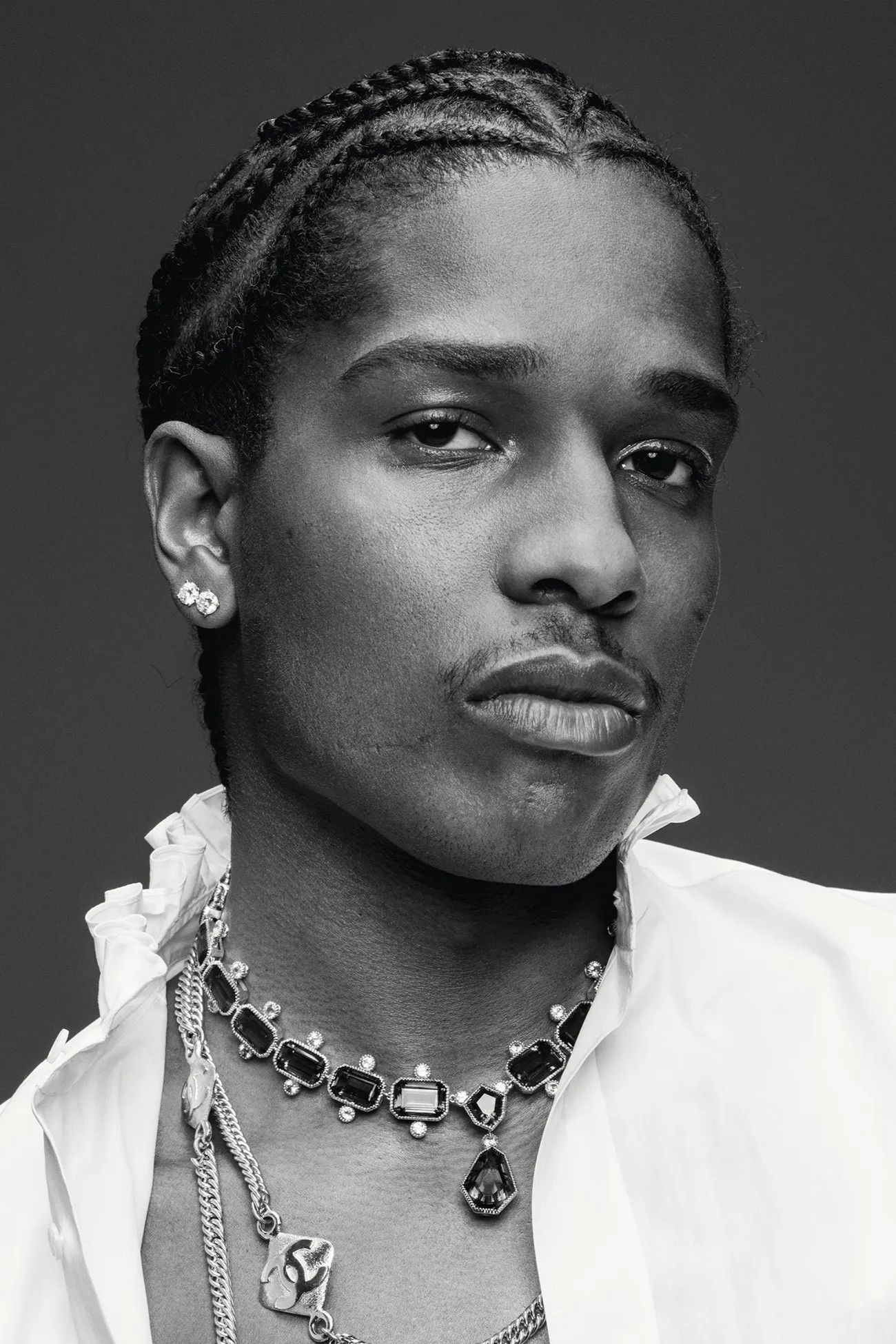
Under Armour attempted to break into the lifestyle market by signing fashion icon A$AP Rocky. The rapper was tasked with designing a chunky skate-style shoe to compete with other luxury sneakers. He brought a high-fashion credibility that the performance-focused brand lacked. Although the partnership was brief, it showed the brand’s desire to evolve. Rocky created a unique silhouette that stood out in the company’s portfolio.
Swizz Beatz
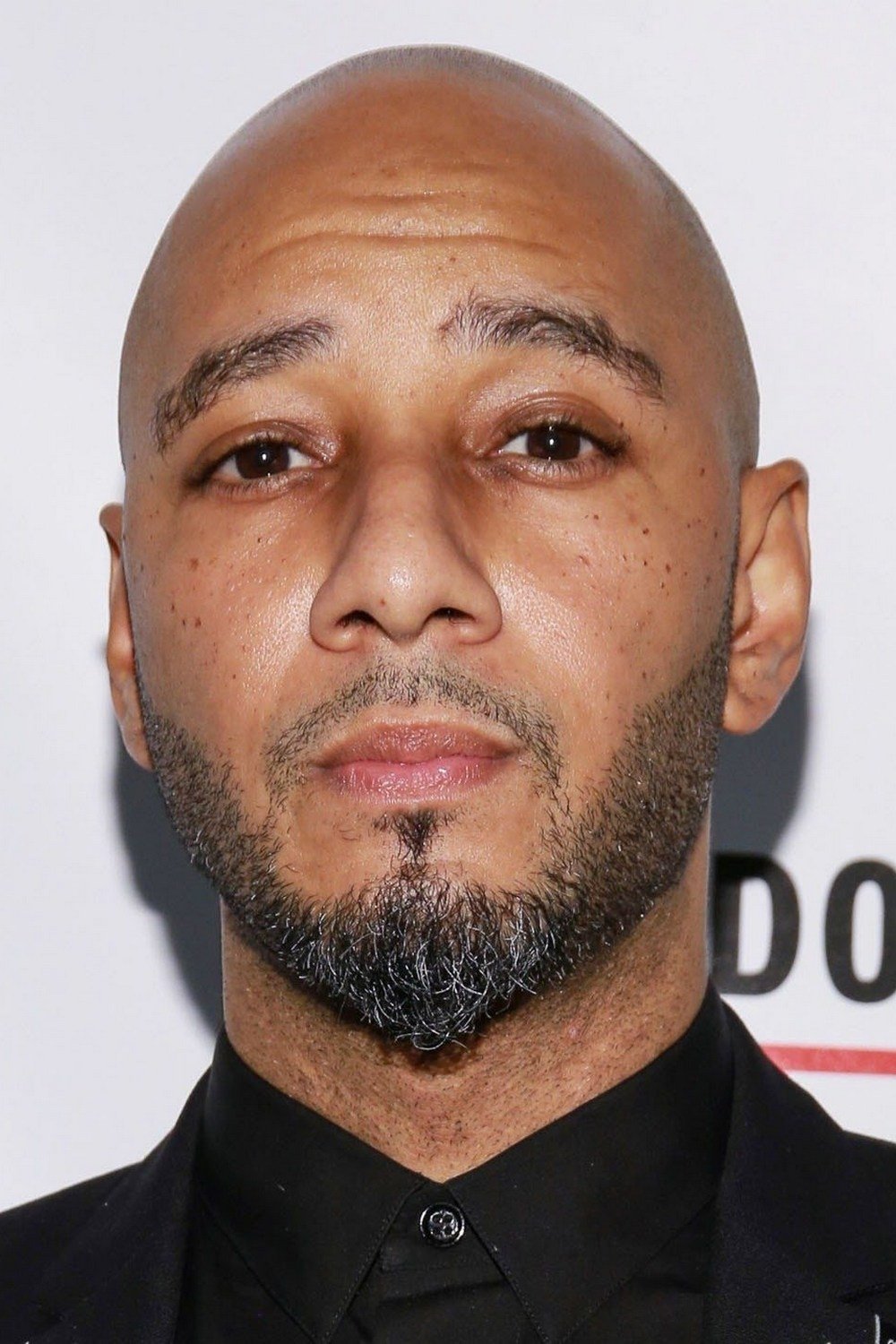
Reebok hired the producer Swizz Beatz as a creative director to revive their classics division. He was instrumental in bringing back iconic silhouettes like the Kamikaze and the Shaq Attaq. Swizz recruited other artists to the brand and organized high-profile launch events. His deep connections in the music industry helped make the brand cool again in the early 2010s. He successfully monetized the company’s rich history through retro releases.
Russell Westbrook
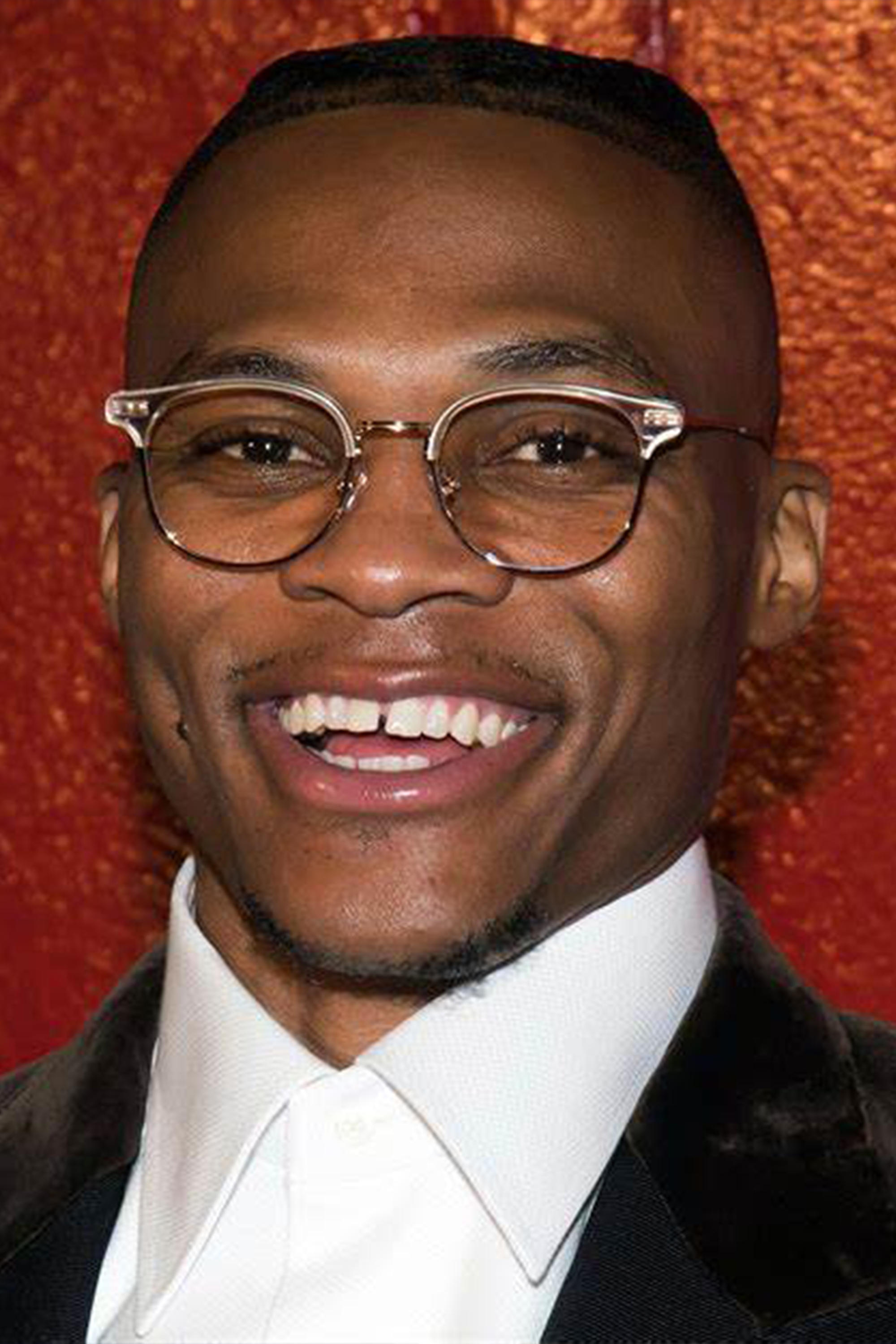
Jordan Brand has utilized Russell Westbrook as the face of their fashion-forward initiatives. The point guard is known for his daring pre-game outfits and unique personal style. His signature “Why Not?” line reflects his aggressive play and bold fashion choices. Westbrook helps the brand connect with consumers who value individuality over tradition. He carries the torch for the brand’s performance division while pushing aesthetic boundaries.
Tell us which collaboration you think was the most impactful in the comments.