Black Celebs Who Were Doing It Before It Was Trendy

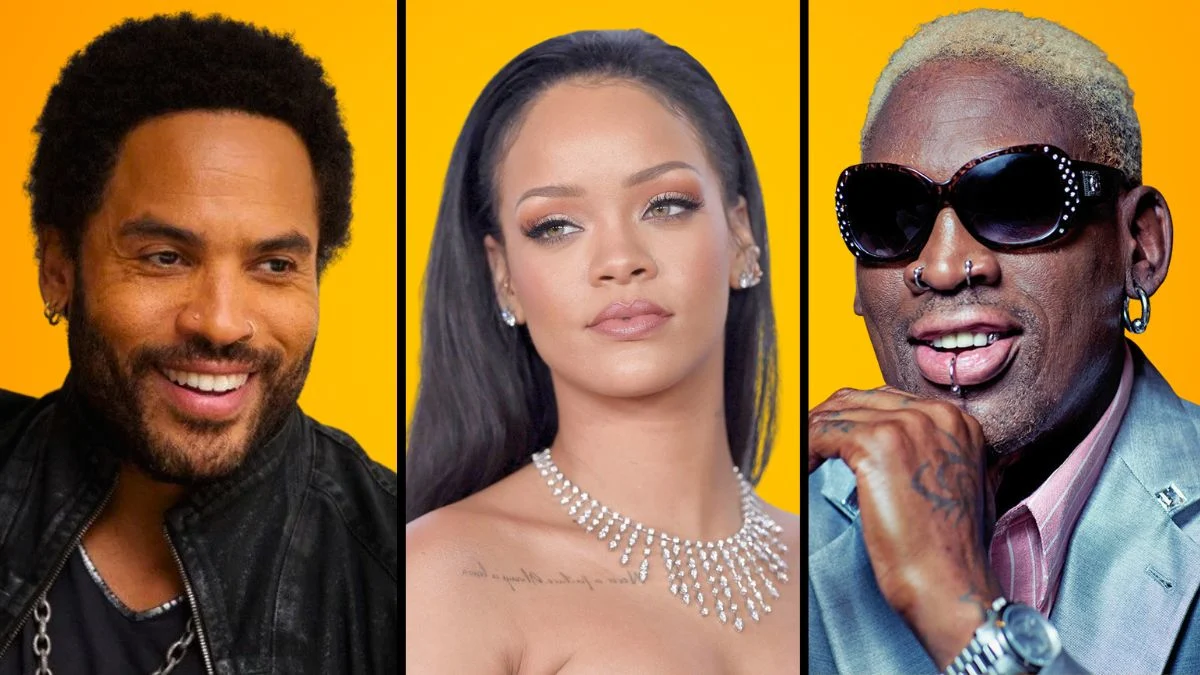

Trendsetting entails more than just wearing the latest clothes or singing the newest hits. True icons break barriers and establish new standards for culture long before the mainstream catches up. Black celebrities have consistently been at the forefront of innovation in fashion and music and film. These visionaries embraced unique styles and business moves that defined generations. Their influence remains visible in the artistic choices of countless modern stars.
Grace Jones
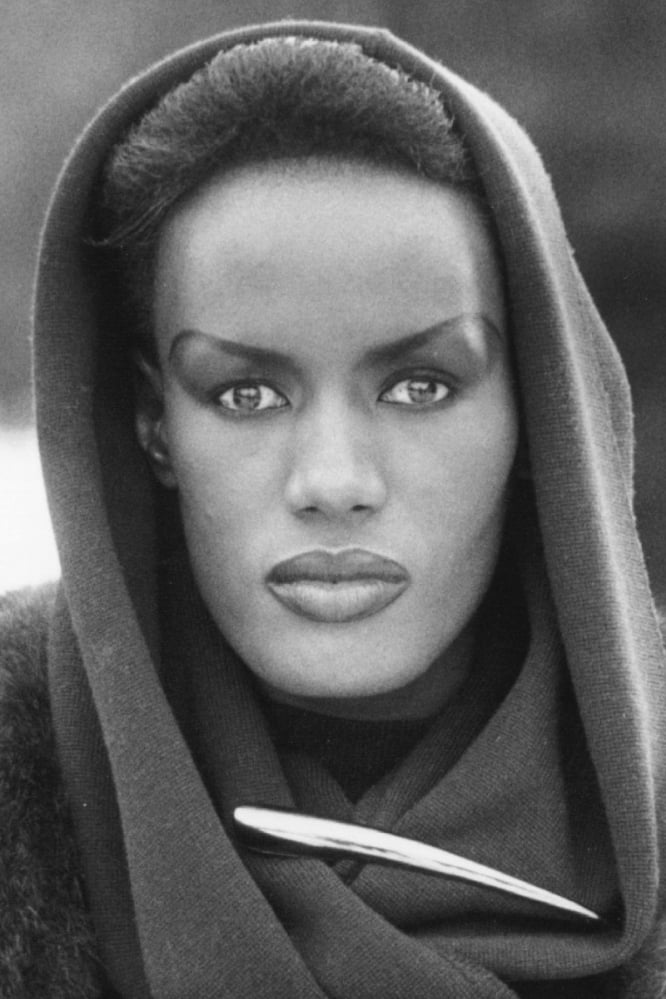
Grace Jones shattered conventional beauty standards with her striking androgynous look in the seventies. The model and singer favored sharp suits and a signature flat top haircut that challenged gender norms. She turned her body into a piece of living art through bold makeup and angular silhouettes. Her fearless approach to fashion influenced major pop stars like Lady Gaga and Rihanna. Jones proved that intense individuality creates a lasting legacy.
Little Richard
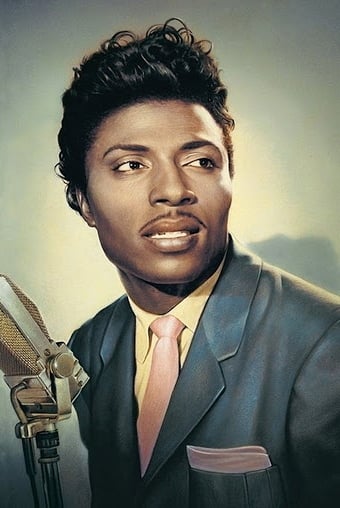
Little Richard introduced a level of flamboyance to rock and roll that was unheard of in the fifties. He wore heavy makeup and sequined capes while pounding the piano with unmatched energy. His high pompadour and gender-bending aesthetic paved the way for glam rock artists like David Bowie. The musician understood that visual spectacle was just as important as the sound itself. He remains the architect who designed the blueprint for rock stardom.
Sister Rosetta Tharpe
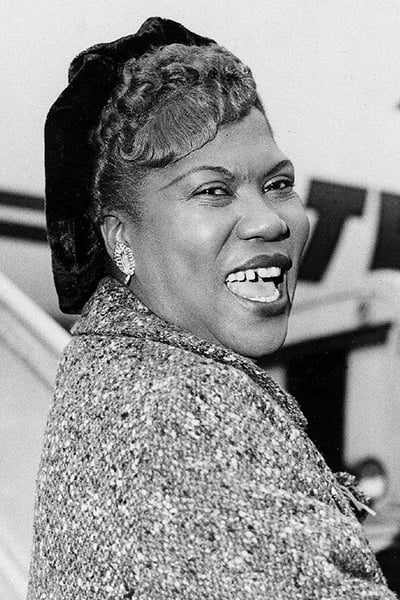
Sister Rosetta Tharpe distorted her electric guitar and blended gospel with rhythm and blues long before men took credit for rock and roll. She performed with a spiritual fervor that was matched by her aggressive guitar skills. Her stage presence included the famous windmill strumming technique later adopted by Pete Townshend. Tharpe toured constantly and broke racial barriers by playing for mixed audiences. She is the undeniable godmother who birthed the sound of rock music.
Prince
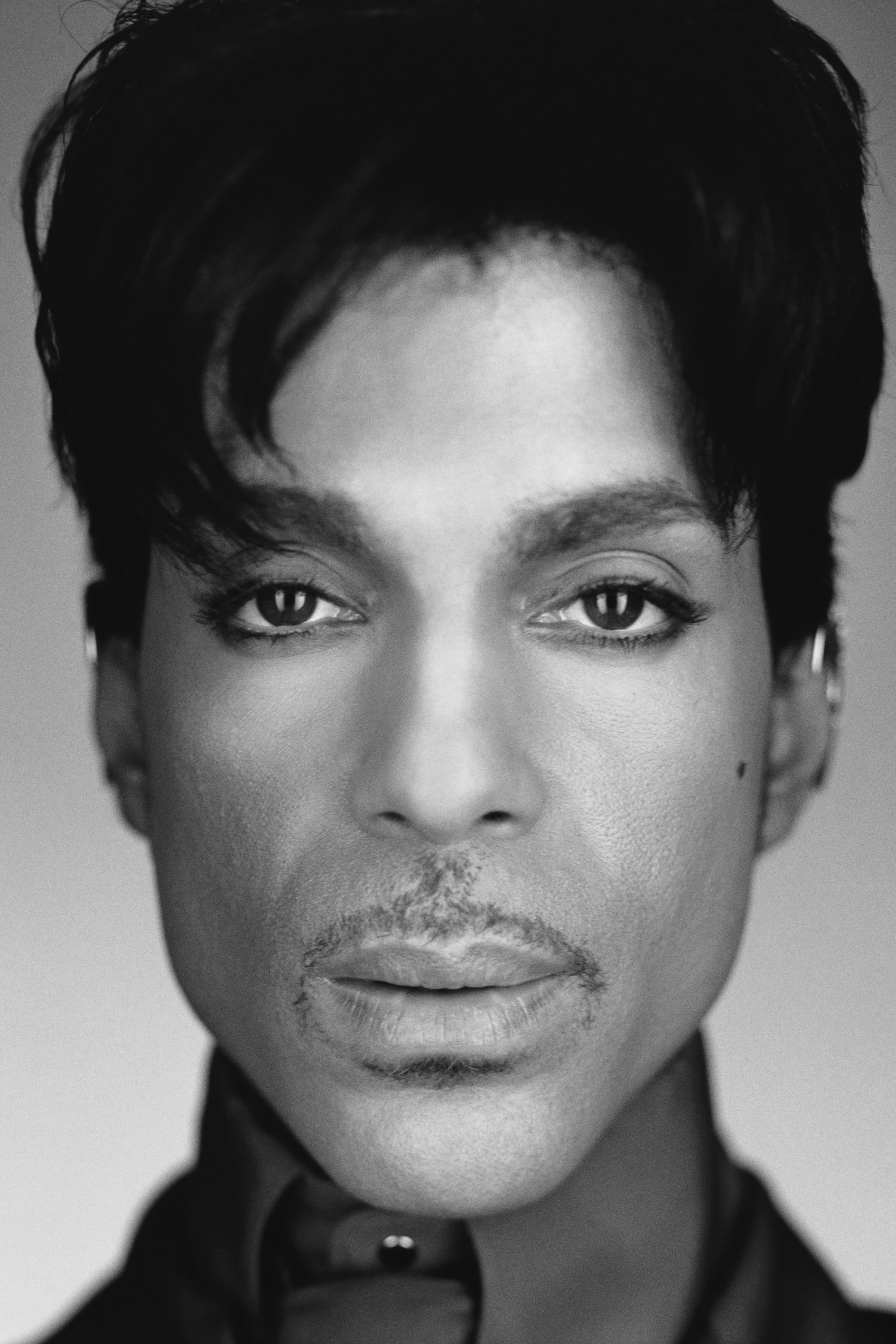
Prince defied categorization by blending funk and rock with a fluid approach to gender and sexuality. He wore high heels and lace while delivering blistering guitar solos that commanded respect from rock purists. The artist fought for ownership of his master recordings long before artists rights became a central conversation. His decision to change his name to a symbol was a radical act of defiance against corporate control. Prince showed the world that true freedom means refusing to be labeled.
Eartha Kitt
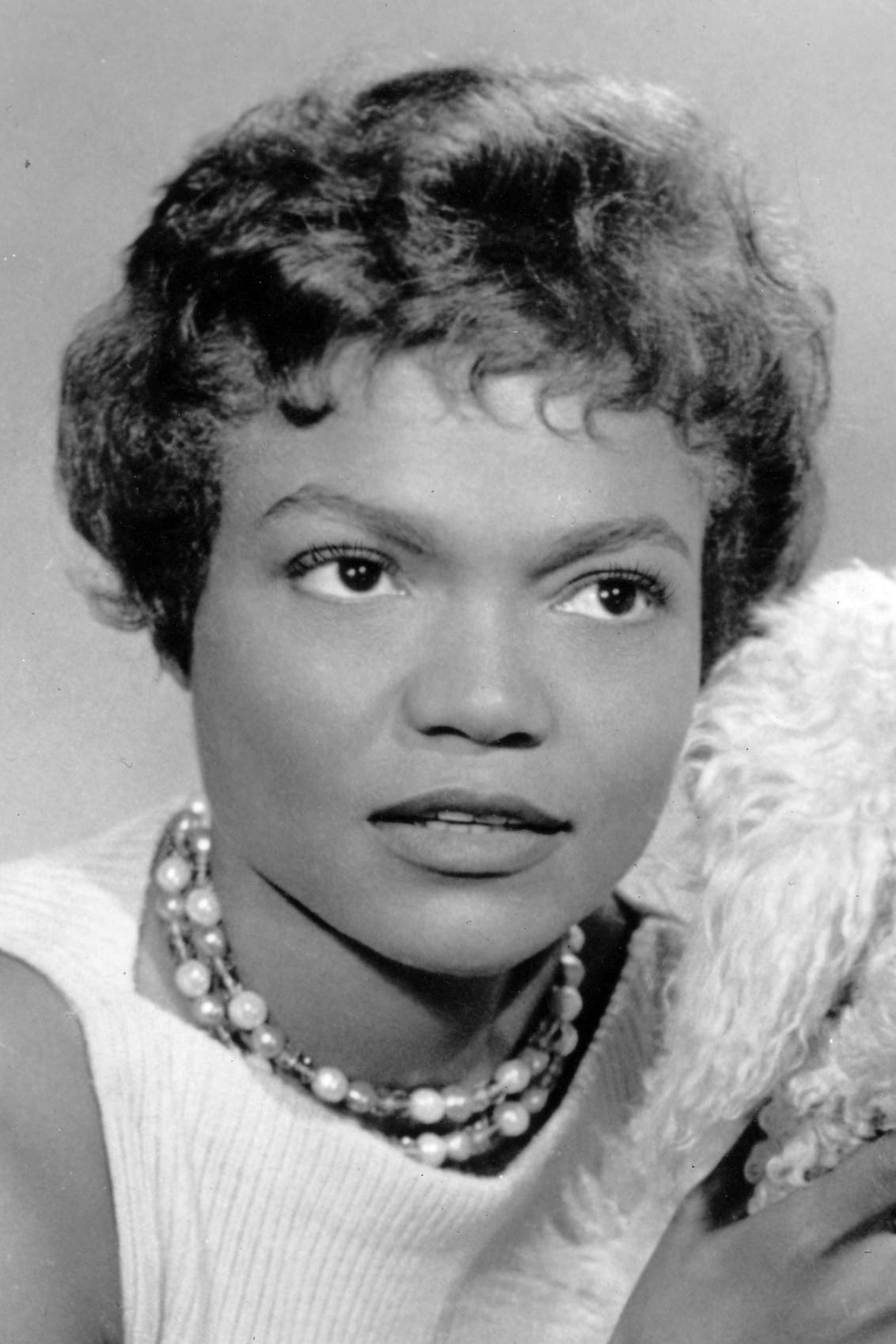
Eartha Kitt captivated audiences with a sultry persona that was both elegant and intimidating. She famously played Catwoman in the sixties TV series ‘Batman’ and brought a unique edge to the role. Her outspoken political views caused professional setbacks but she never compromised her beliefs for approval. Kitt mastered the art of being a multi-hyphenate entertainer before the term existed. She remains a symbol of unapologetic strength and sophistication.
Jimi Hendrix
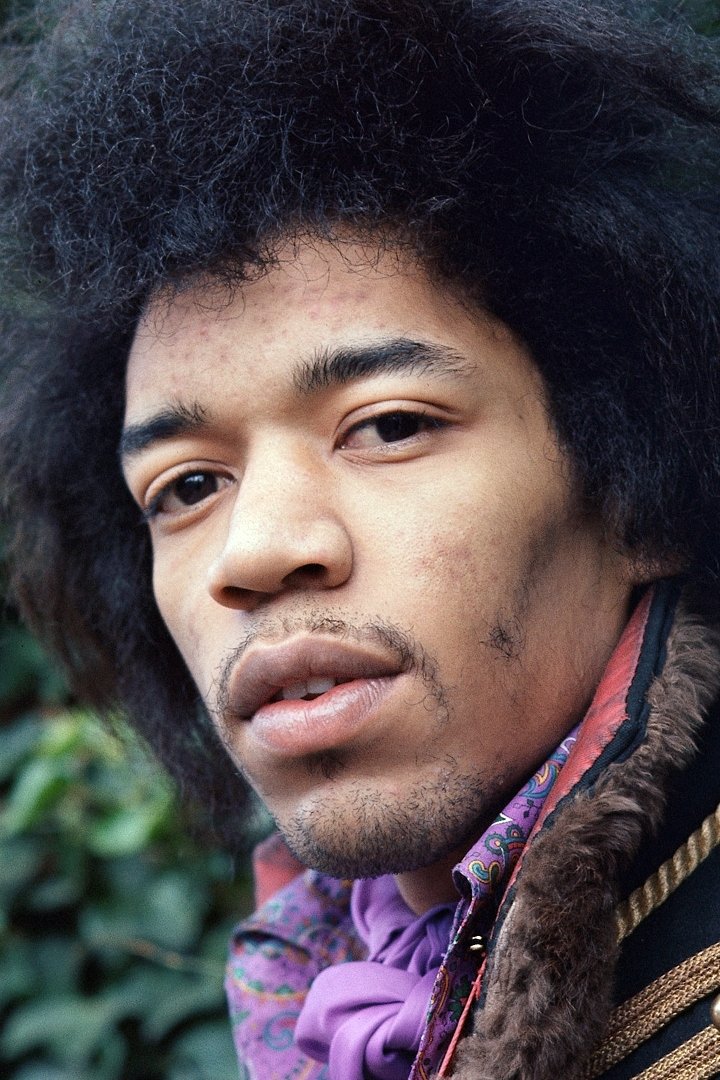
Jimi Hendrix transformed the electric guitar into an instrument of psychedelic exploration. His fashion sense included military jackets and colorful scarves that defined the hippie aesthetic. He merged blues traditions with futuristic sounds to create a musical language that no one had heard before. Hendrix played with his teeth and set his guitar on fire to create unforgettable live moments. His impact on rock fashion and sound is still felt in every guitar solo today.
Miles Davis

Miles Davis constantly reinvented his sound and image throughout his decades-long career. The jazz trumpeter transitioned from cool suits to flamboyant fusion attire as he embraced new musical directions. He refused to look back at his past accomplishments and always pushed his band members to innovate. Davis understood that staying relevant meant evolving even when critics wanted him to stay the same. His legacy is defined by a fearless refusal to stagnate.
Cicely Tyson

Cicely Tyson committed to wearing her hair in natural styles on television when Eurocentric beauty standards were strictly enforced. Her appearance in the television series ‘East Side/West Side’ marked a pivotal moment for representation. She refused roles that demeaned Black women and demanded characters with depth and dignity. Tyson used her platform to elevate the perception of Black humanity on screen. Her elegance paved the way for natural hair to be celebrated in Hollywood.
Josephine Baker
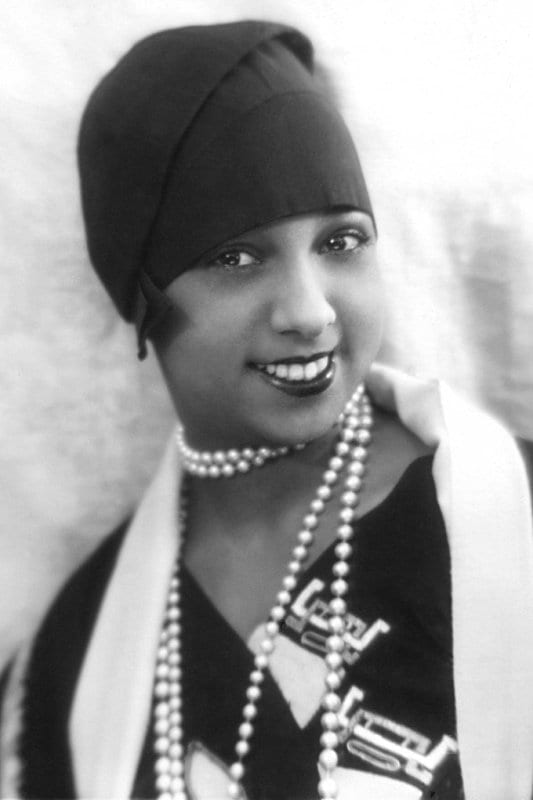
Josephine Baker became the first Black woman to star in a major motion picture and achieved global superstardom in France. She used her fame to gather intelligence for the French Resistance during the Second World War. Her banana skirt costume became an iconic image of the Jazz Age that is still referenced today. Baker later adopted children from different backgrounds to form her rainbow tribe. She was a humanitarian and style icon who lived by her own rules.
Lenny Kravitz
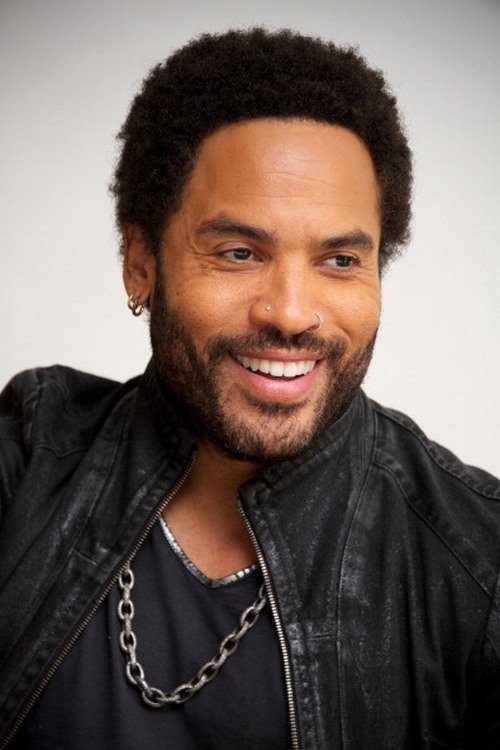
Lenny Kravitz revived the rock star aesthetic with leather pants and nose rings during an era dominated by grunge and pop. He seamlessly blended retro soul with hard rock to create a sound that felt timeless. His interior design company showed that his artistic vision extended far beyond music. Kravitz maintained a cool mystique that made him a fashion darling for decades. He demonstrated that Black artists belong at the center of rock mythology.
Erykah Badu
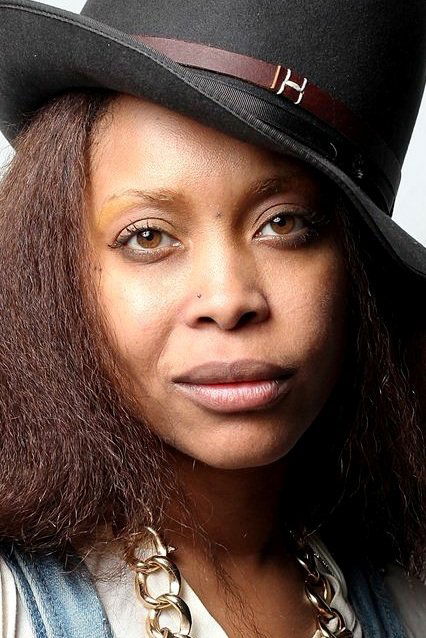
Erykah Badu popularized tall headwraps and crochet clothing while ushering in the neo-soul movement. Her debut album focused on spiritual themes and organic sounds that contrasted with polished radio R&B. She emphasized a holistic lifestyle that included incense and tea as part of her public persona. Badu managed to be both an ethereal mother figure and a sharp lyricist. Her aesthetic celebrated African heritage in a way that felt modern and urgent.
Dennis Rodman
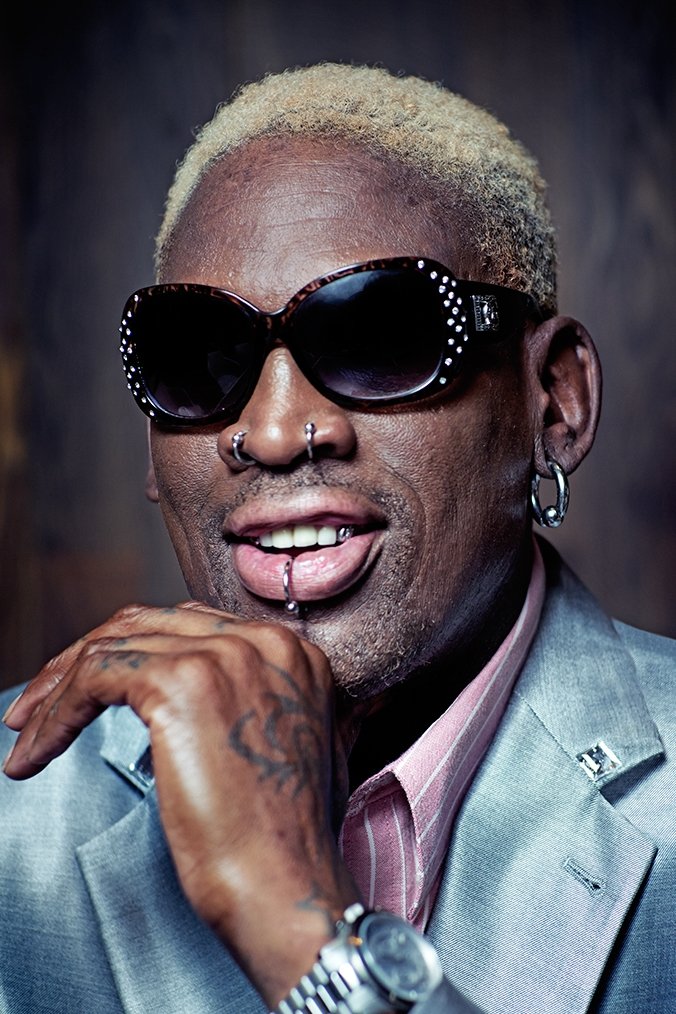
Dennis Rodman turned the basketball court into a runway with his ever-changing hair colors and tattoos. He wore wedding dresses and nail polish while leading the league in rebounding. His unpredictable behavior made him a pop culture phenomenon well beyond the world of sports. Rodman showed that an athlete could be a punk rock figure and a serious competitor simultaneously. He challenged the hyper-masculine expectations placed on male athletes.
Missy Elliott
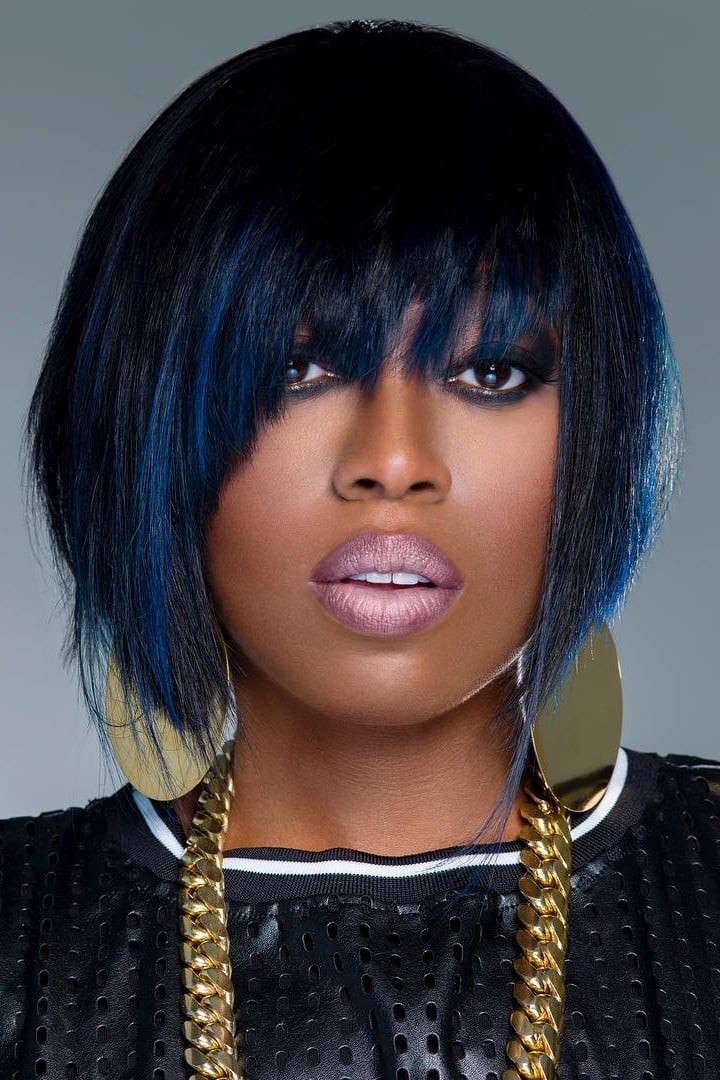
Missy Elliott wore an inflated garbage bag suit in the music video for ‘The Rain (Supa Dupa Fly)’ instead of revealing clothing. She produced futuristic beats that utilized strange vocal samples and sound effects. Her videos featured ground-breaking special effects that raised the bar for the entire industry. Elliott controlled her own creative direction and wrote hits for herself and others. She proved that creativity and talent trumped traditional pop star image requirements.
Pharrell Williams
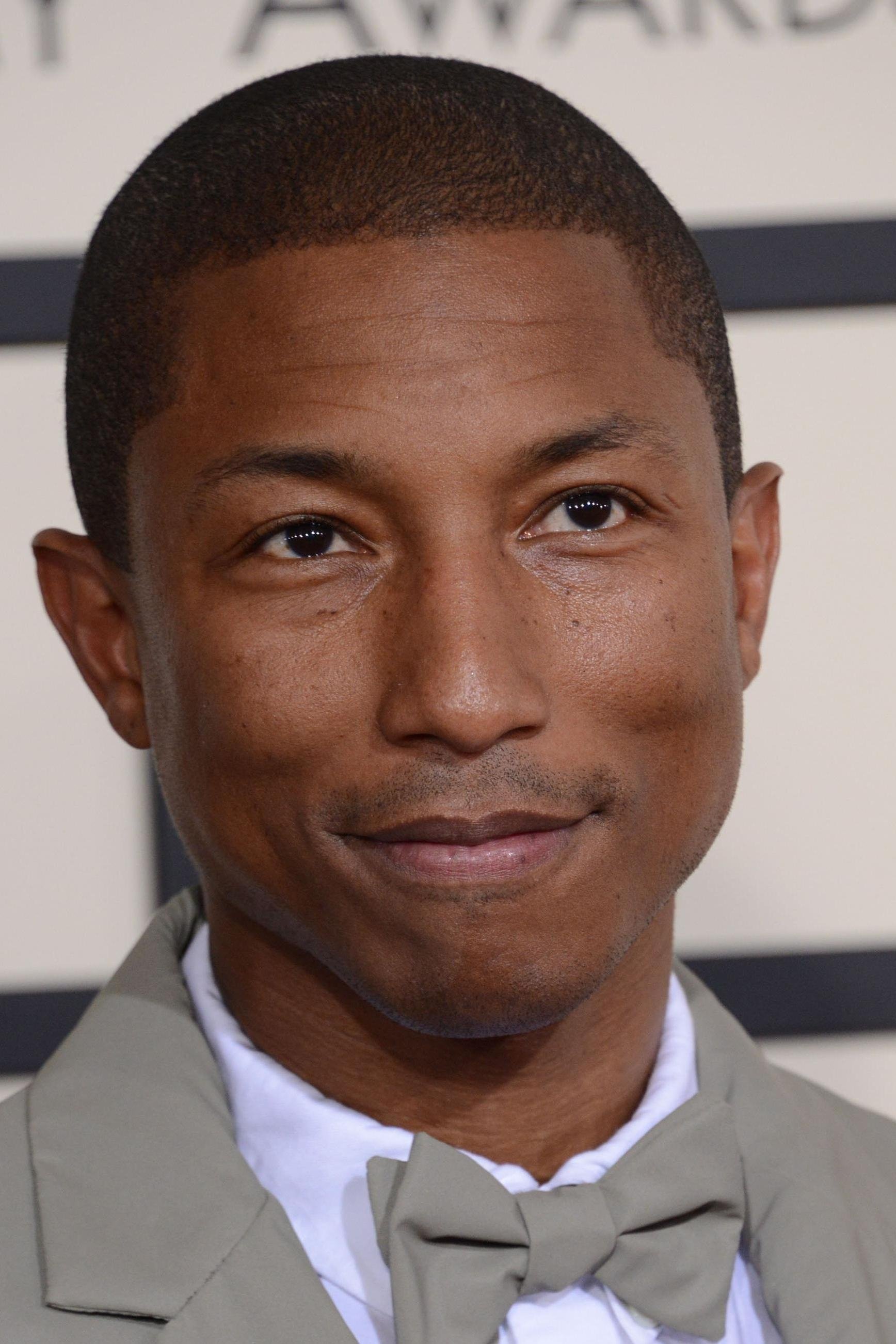
Pharrell Williams embraced skateboard culture and trucker hats when hip hop was focused on jerseys and timberlands. He launched a luxury streetwear brand that bridged the gap between skate style and high fashion. His production style defined the sound of the early two thousands across multiple genres. Williams maintained a youthful enthusiasm and aesthetic that defied his age. He showed that it was cool to be different and embrace alternative subcultures.
Rihanna
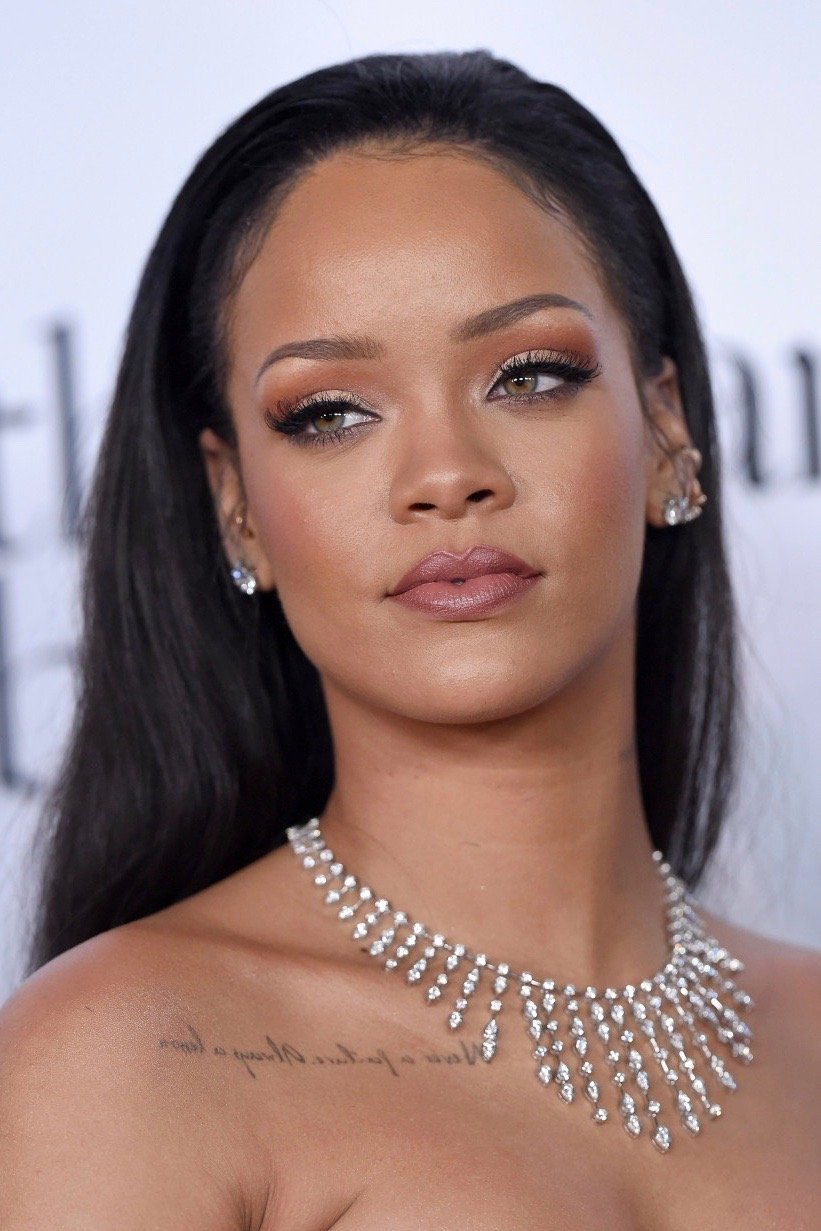
Rihanna transformed from a pop singer into a beauty and fashion mogul who reshaped the industry. She launched a makeup line with forty shades of foundation to ensure inclusivity for all skin tones. Her maternity style broke the internet by highlighting her baby bump in high fashion looks. She leveraged her musical fame to build a business empire that eclipsed her record sales. Rihanna wrote the playbook for modern celebrity entrepreneurship.
Ye
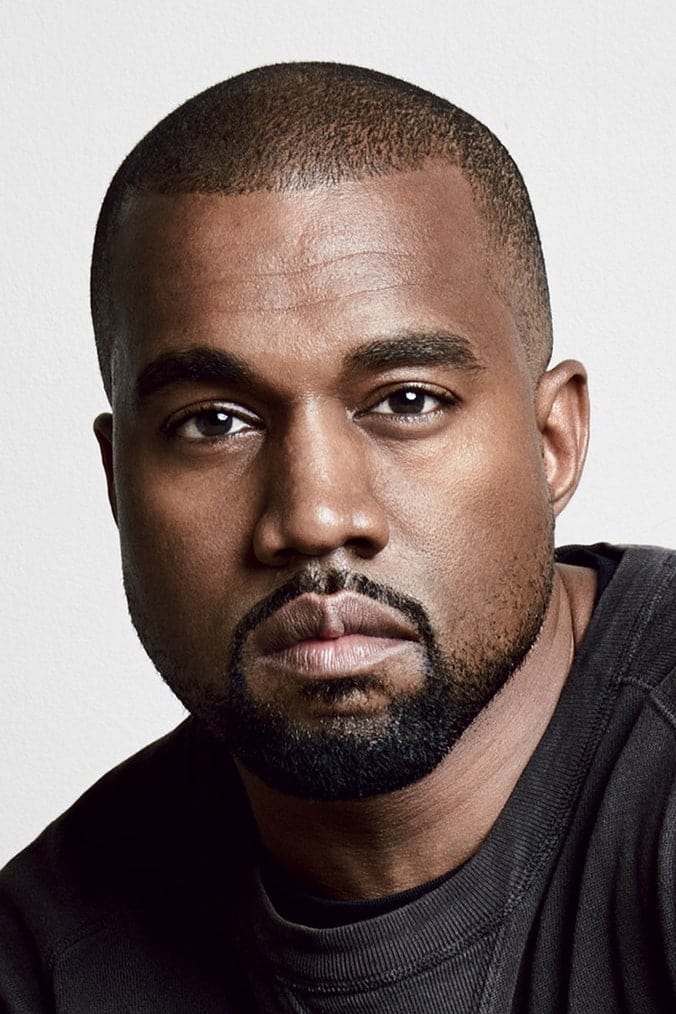
Kanye West challenged the gangster rap persona by wearing pink polo shirts and backpacks. He sampled soul records and spoke openly about his emotions and insecurities. His venture into high fashion sneakers created a billion-dollar brand that competed with Jordan. West constantly pushed the boundaries of stage design and album rollouts. He proved that a rapper could be a fine artist and a fashion designer.
Lil’ Kim
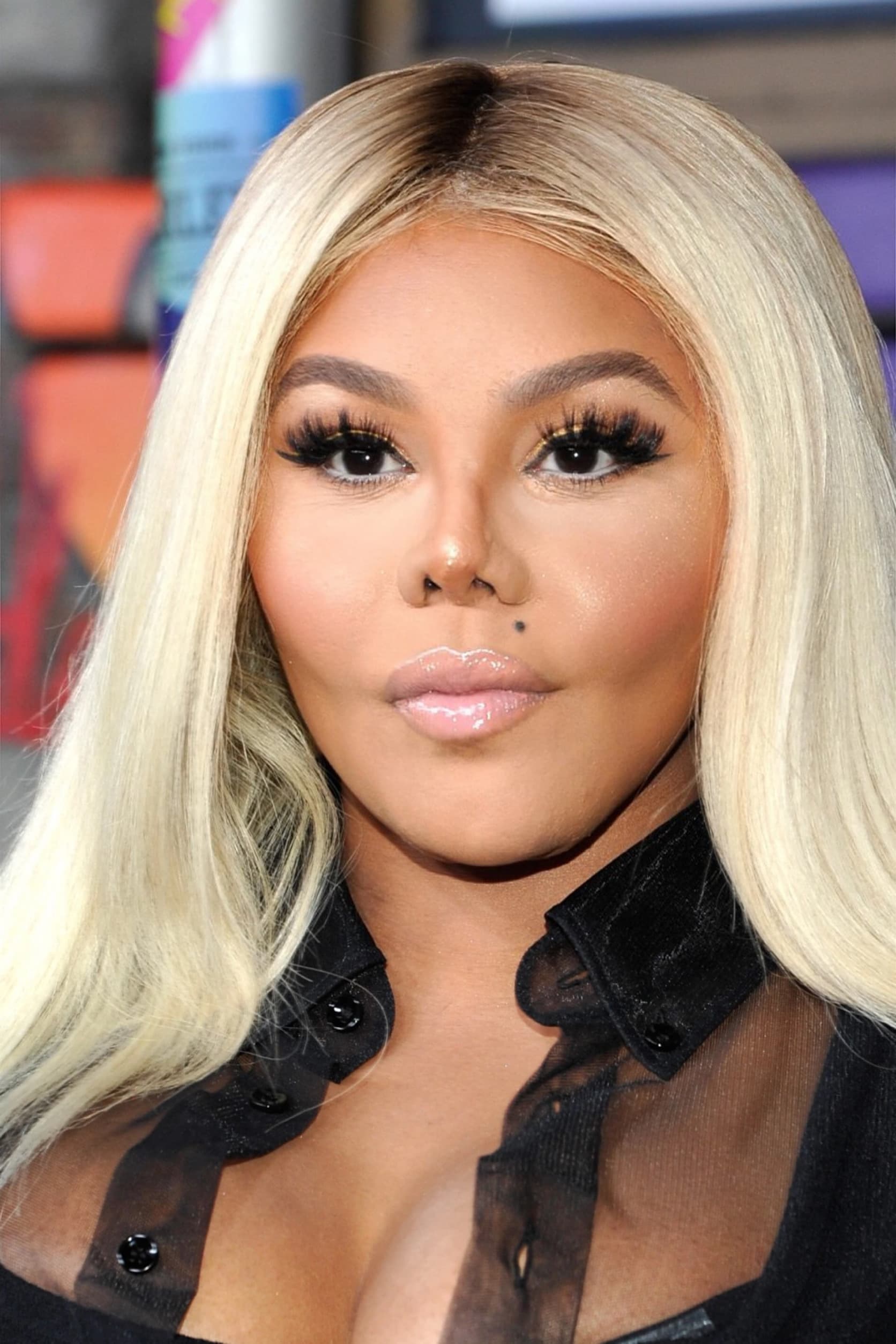
Lil’ Kim introduced colored wigs and designer logos to female rap fashion in the nineties. She worked with stylists to create provocative looks that celebrated female sexuality and power. Her squat pose in the promotional poster for ‘Hard Core’ became an enduring image of the genre. Kim rapped with an aggression and confidence that demanded attention in a male-dominated field. She set the template for the luxury rap aesthetic seen today.
Betty Davis
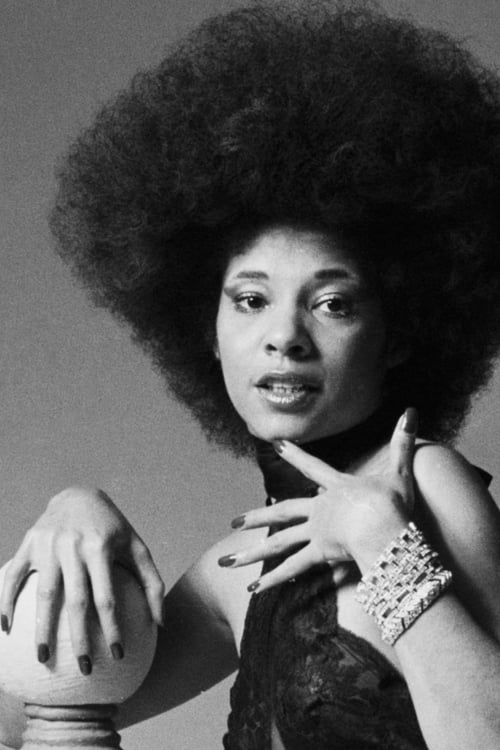
Betty Davis brought raw funk and uninhibited sexuality to her music in the seventies. She wrote her own songs and managed her own career with a fierce independence. Her marriage to Miles Davis influenced his fashion and introduced him to rock music. Davis was too wild for radio at the time but gained a cult following decades later. She is now recognized as a pioneer of funk rock and female agency.
Jean-Michel Basquiat
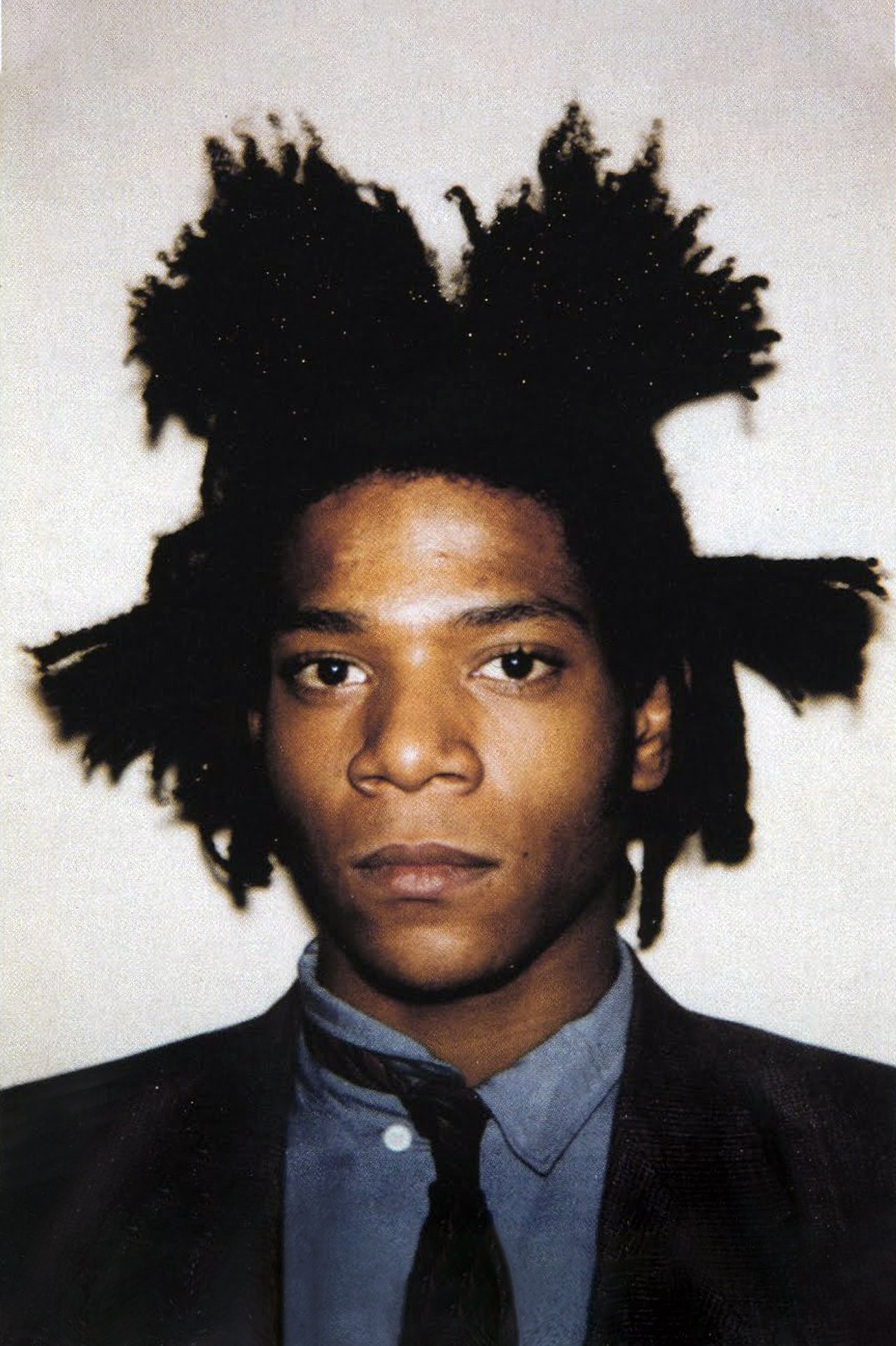
Jean-Michel Basquiat took graffiti art from the streets of New York to the most prestigious galleries in the world. He painted in Armani suits and collaborated with Andy Warhol as an equal. His work tackled themes of racism and classism with a raw and neo-expressionist style. Basquiat achieved massive success and critical acclaim at a very young age. He redefined what it meant to be a fine artist in the modern era.
Whoopi Goldberg
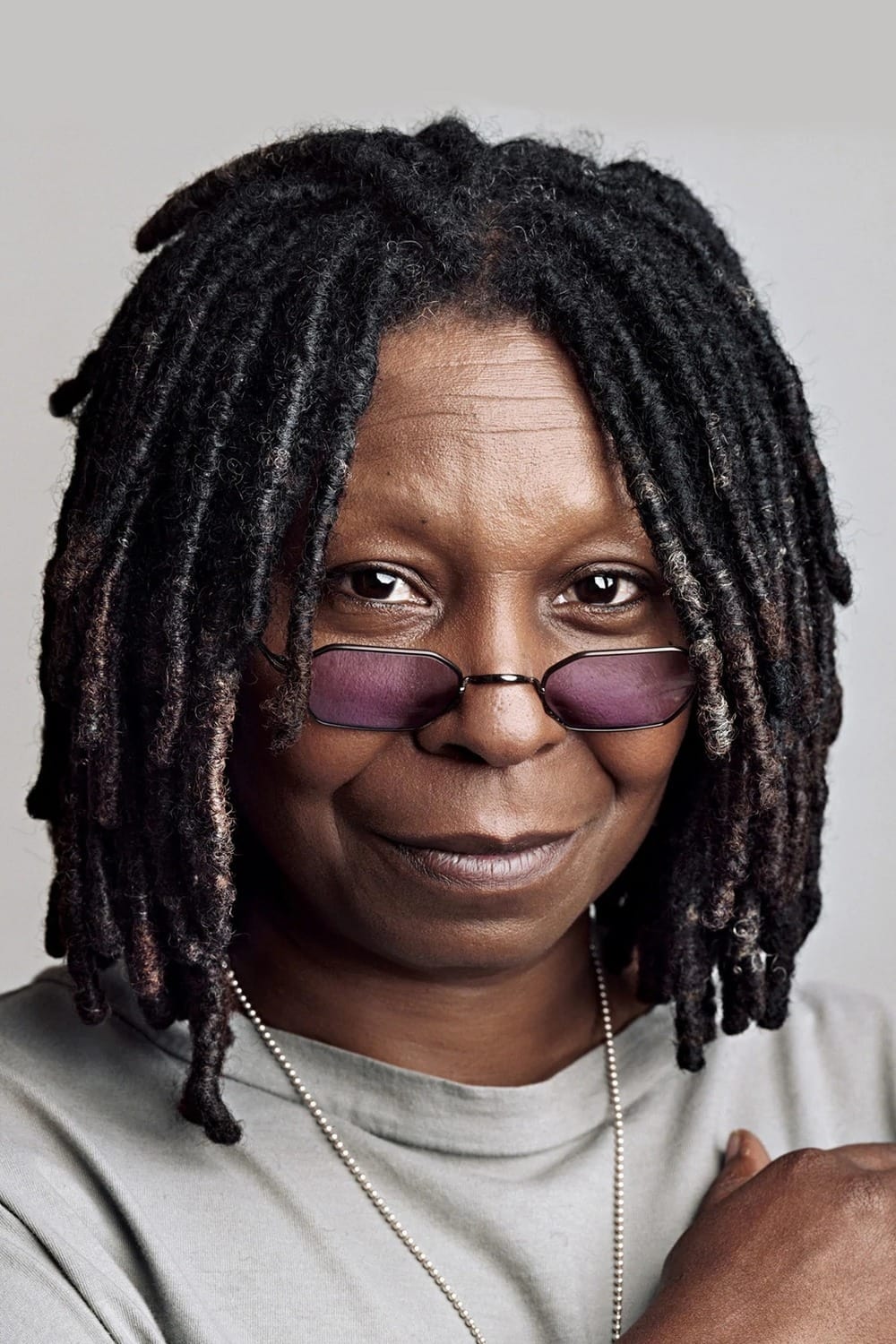
Whoopi Goldberg achieved the rare EGOT status by excelling in film and theater and television and audio recording. She popularized the one-woman show format on Broadway before transitioning to Hollywood blockbusters. Her signature dreadlocks and comfortable clothing defied the glamorous expectations of actresses. Goldberg proved that talent and comedy could carry a career without conforming to beauty standards. She opened doors for Black comedians to take on serious dramatic roles.
Diahann Carroll
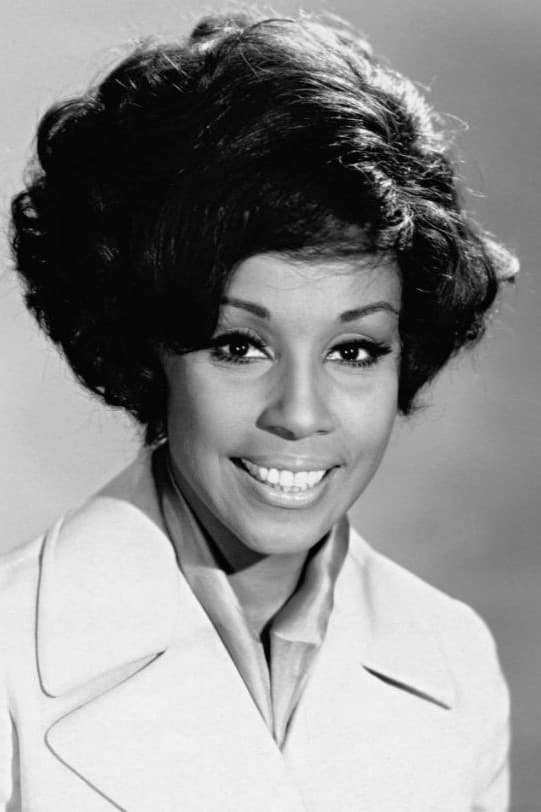
Diahann Carroll was the first Black woman to star in a television series in a non-stereotypical role. She played a nurse and single mother in ‘Julia’ which aired during a time of racial tension. Her elegance and poise challenged the limited archetypes available to Black actresses. Carroll later brought high drama and glamour to the primetime soap opera ‘Dynasty’. She insisted on wearing designer clothes to ensure her characters projected wealth and status.
Janet Jackson
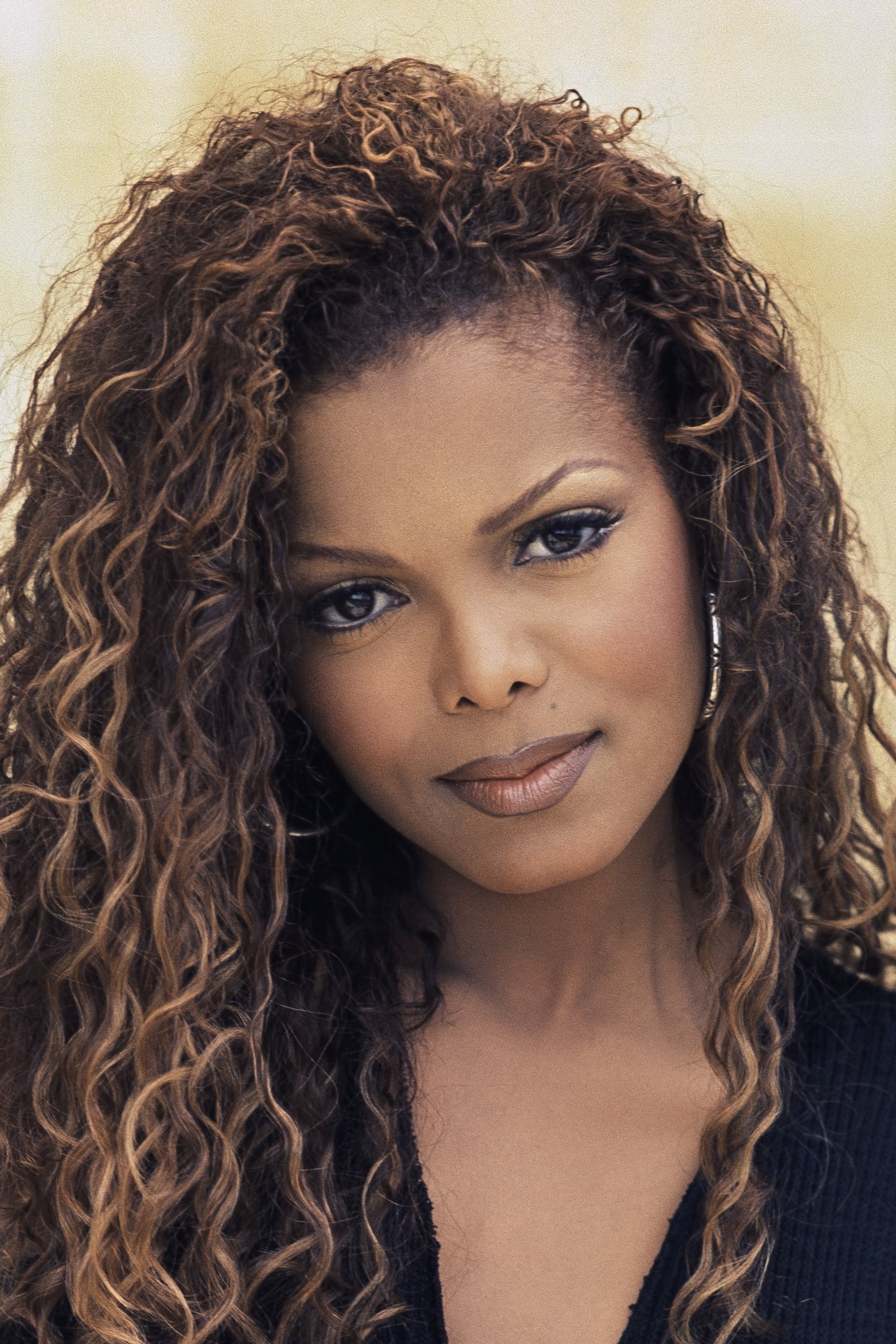
Janet Jackson revolutionized music videos with intricate choreography and military-inspired costumes. Her album ‘Control’ was a declaration of independence that inspired young women to take charge of their lives. She incorporated socially conscious lyrics into dance music with ‘Rhythm Nation 1814’. Jackson introduced the headset microphone to allow for intense dancing while singing. She set the standard for the modern pop concert experience.
Aaliyah

Aaliyah mastered the tomboy chic look by pairing baggy pants with tight crop tops. Her mysterious persona and soft vocal style earned her the nickname Princess of R&B. She worked with innovative producers to create a futuristic sound that aged remarkably well. The singer transitioned successfully into acting before her untimely death. Her style continues to influence a new generation of R&B artists.
TLC

TLC championed female empowerment and safe sex by pinning condoms to their brightly colored outfits. They wore baggy clothes to prevent industry executives from focusing solely on their bodies. Their lyrics tackled serious issues like unrealistic beauty standards and HIV awareness. The trio combined rapping and singing in a way that felt organic and fresh. They became the best-selling American girl group of all time by being their authentic selves.
Lauryn Hill
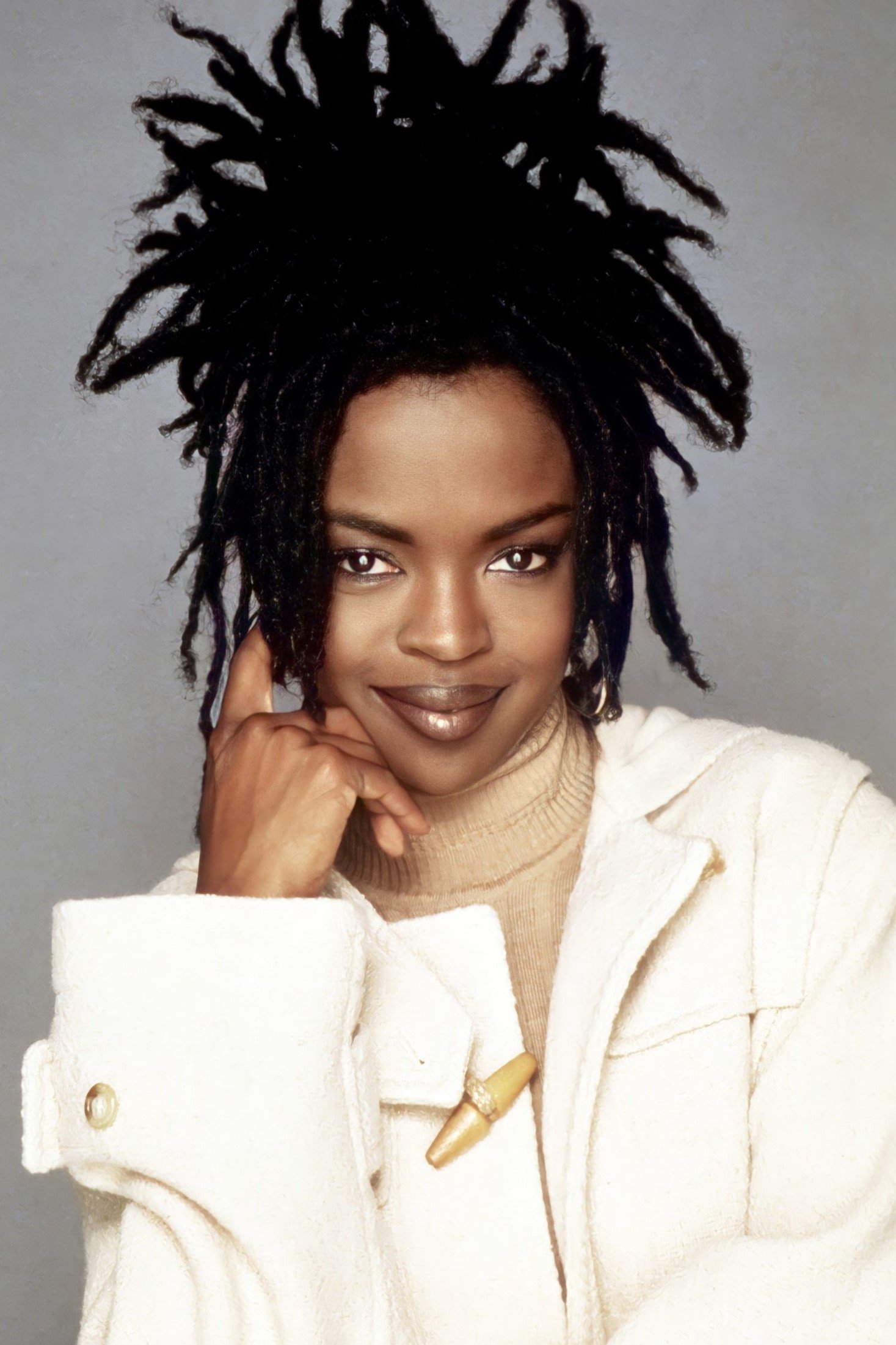
Lauryn Hill seamlessly blended singing and rapping on her landmark album ‘The Miseducation of Lauryn Hill’. She won Album of the Year at the Grammys and proved that hip hop could be critically acclaimed art. Her lyrics explored motherhood and heartbreak with profound vulnerability. Hill refused to adhere to industry schedules and took long breaks to preserve her sanity. She showed that artistic integrity was worth more than commercial consistency.
Jay-Z

Jay-Z transitioned from a street hustler to a corporate CEO who dined with presidents. He negotiated deals that allowed him to retain ownership of his masters and publishing. His clothing line Rocawear became a staple of urban fashion in the early two thousands. Jay-Z famously announced his retirement to build anticipation and demand for his return. He created the blueprint for rappers to become business moguls.
Cree Summer
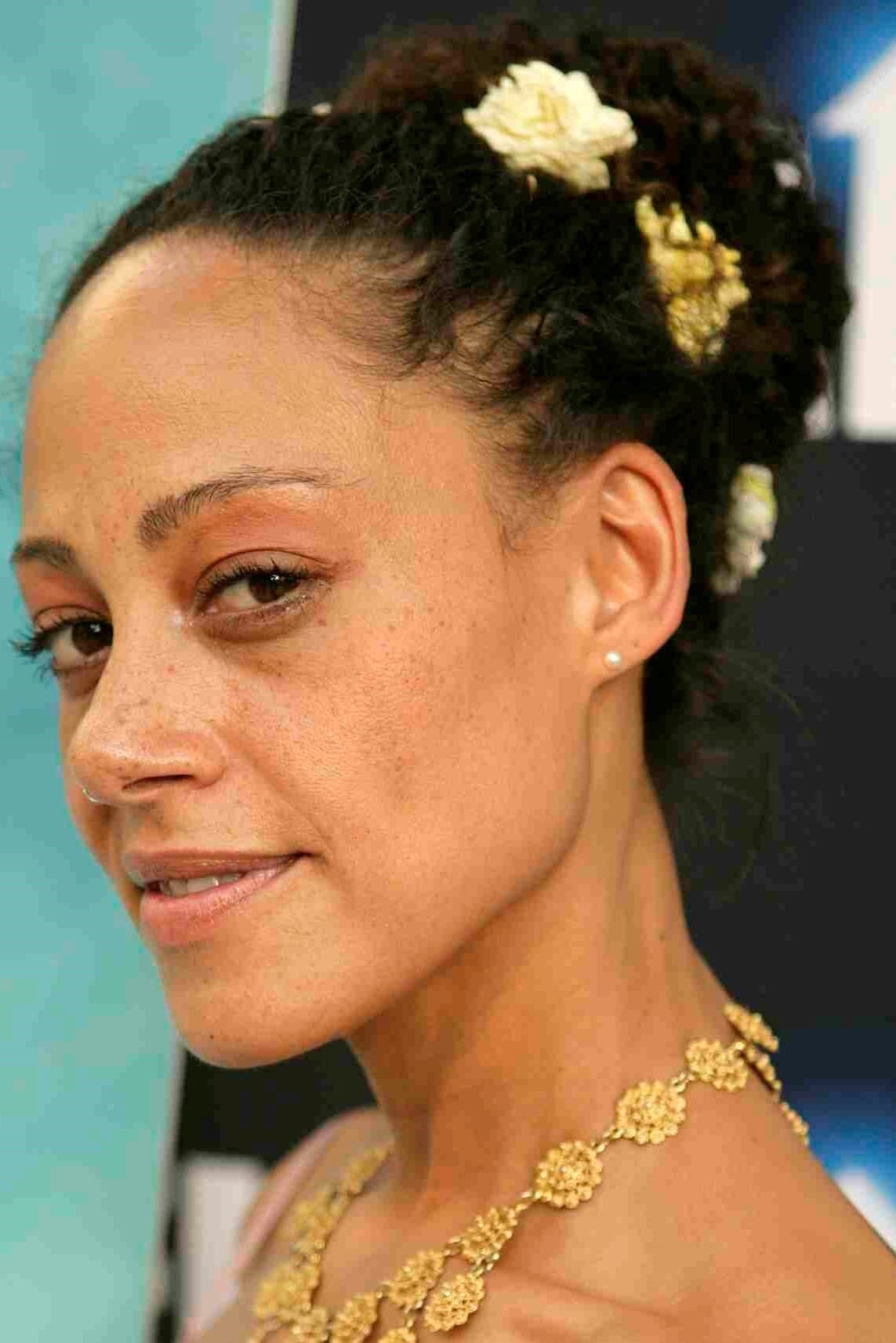
Cree Summer became the voice of a generation by voicing characters in countless animated series. Her distinctive raspy voice brought life to Susie Carmichael in ‘Rugrats’ and Numbuh 5 in ‘Codename: Kids Next Door’. She maintained a bohemian rock style in her personal life that influenced the character of Freddie in ‘A Different World’. Summer released an alternative rock album produced by Lenny Kravitz. She showed that Black women could thrive in the alternative and animation spaces.
Lisa Bonet
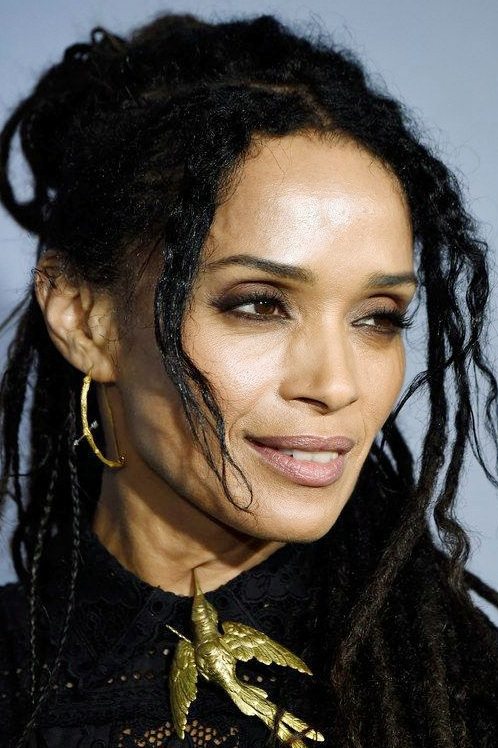
Lisa Bonet captured the hearts of viewers as the stylish and free-spirited Denise Huxtable. Her eclectic wardrobe on ‘The Cosby Show’ featured oversized blazers and unique hats. She left the show to star in the psychological horror film ‘Angel Heart’. Bonet embodied a hippie chic aesthetic that felt genuine rather than manufactured. Her influence on boho fashion remains evident in trends today.
Janelle Monáe
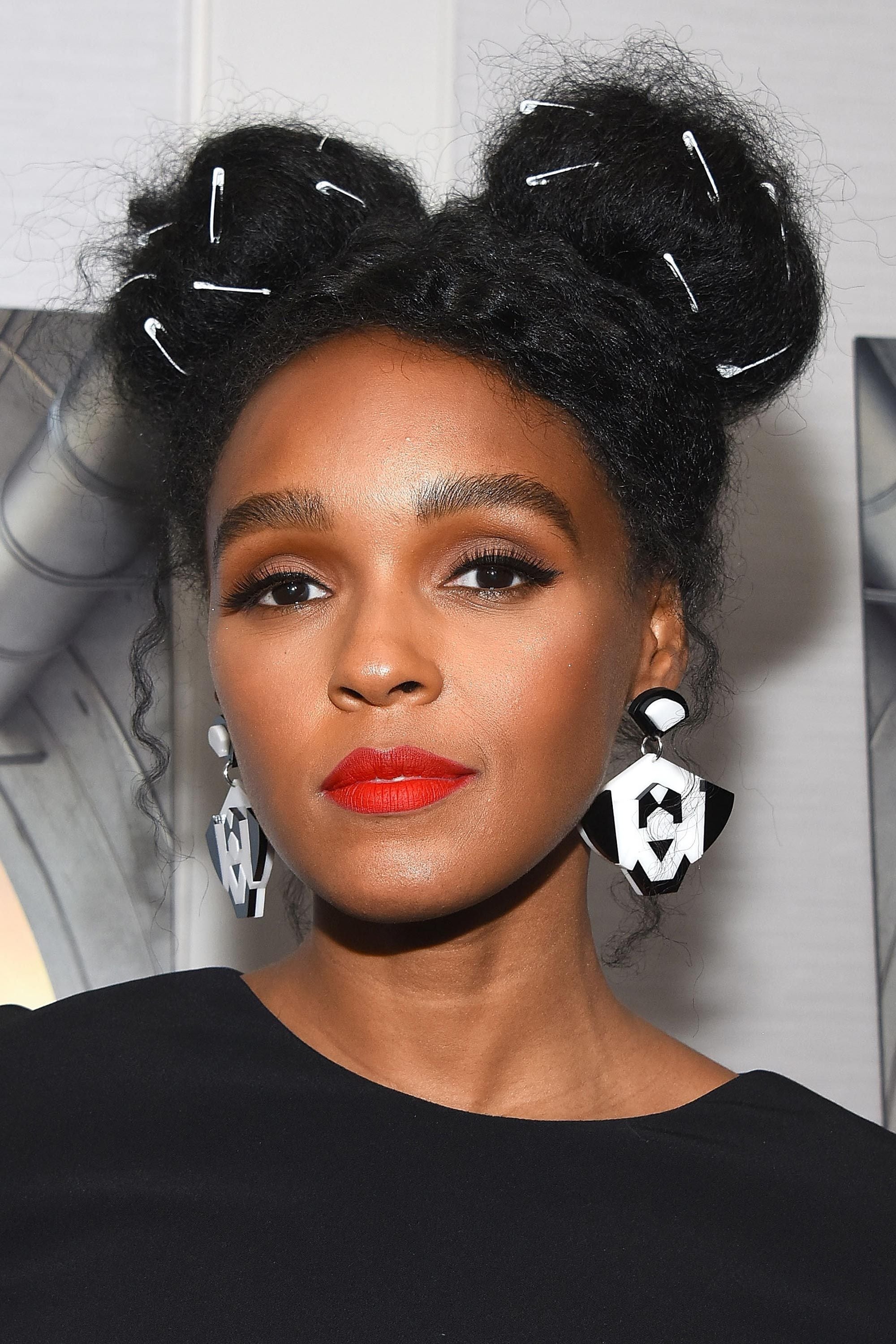
Janelle Monáe adopted a strict uniform of black and white tuxedos to honor her working-class parents. She created a complex sci-fi mythology involving androids to explore themes of otherness. Her music blended orchestral pop with funk and R&B in theatrical ways. Monáe eventually transitioned into acting with critically acclaimed roles in major films. She used her platform to advocate for LGBTQ+ rights and fluidity.
RuPaul
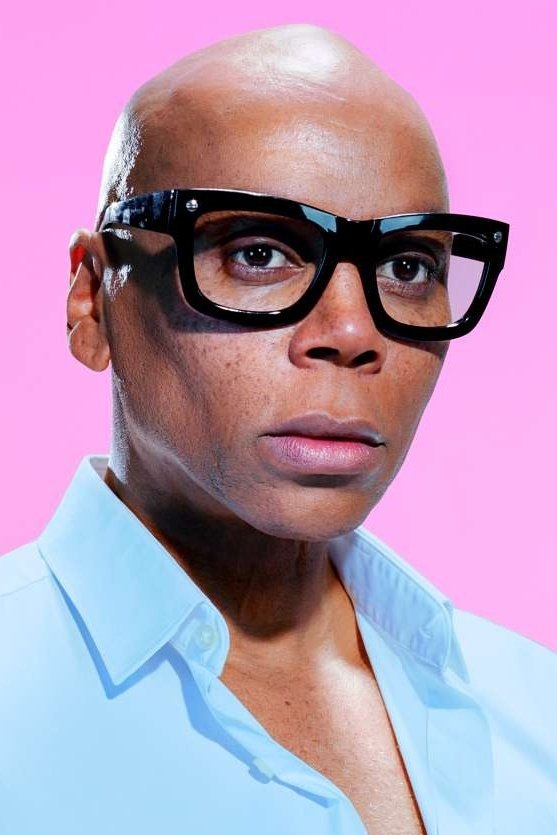
RuPaul brought drag culture from underground clubs to the mainstream television screen. He scored a global hit with ‘Supermodel (You Better Work)’ in the nineties. His reality competition show created a global empire that launched the careers of hundreds of drag queens. RuPaul mastered the art of self-branding and merchandise sales. He taught the world that we are all born naked and the rest is drag.
Tyra Banks

Tyra Banks broke barriers as the first Black woman on the cover of the Sports Illustrated Swimsuit Issue. She transitioned from the runway to television by creating and hosting ‘America’s Next Top Model’. Her talk show won Emmy awards and covered taboo topics for daytime television. Banks attended Harvard Business School to sharpen her entrepreneurial skills. She showed that models could be powerful business leaders and television producers.
Tyler, the Creator

Tyler, the Creator started as a provocateur with shock-value lyrics and chaotic energy. He evolved into a sophisticated musician who composes his own arrangements and directs his videos. His fashion brand Golf Wang introduced bright pastels and skater aesthetics to a wider audience. Tyler created his own music festival to showcase the artists he admired. He proved that you can mature as an artist without losing your unique edge.
Jaden Smith
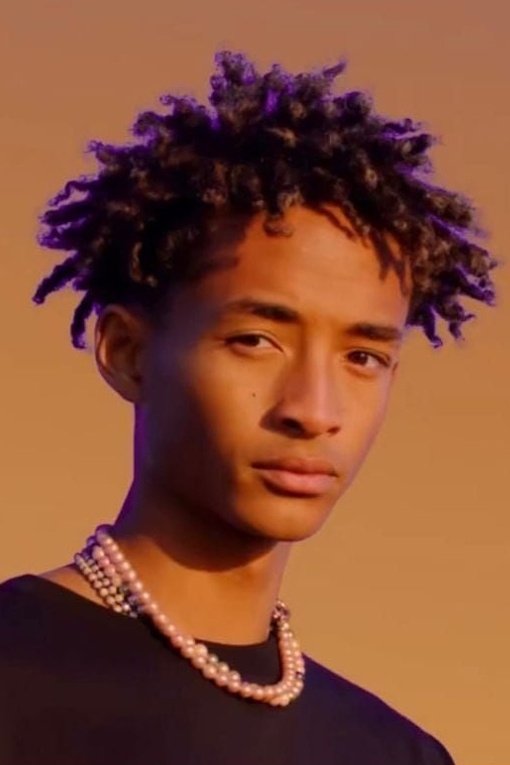
Jaden Smith challenged gender norms by wearing skirts in a major campaign for Louis Vuitton. He started a sustainable water company to help address the plastic crisis. His music explores ethereal and philosophical themes that resonate with Gen Z. Smith uses his social media to post cryptic messages that encourage critical thinking. He represents a new generation of celebs who are fluid in their expression and activism.
Donald Glover
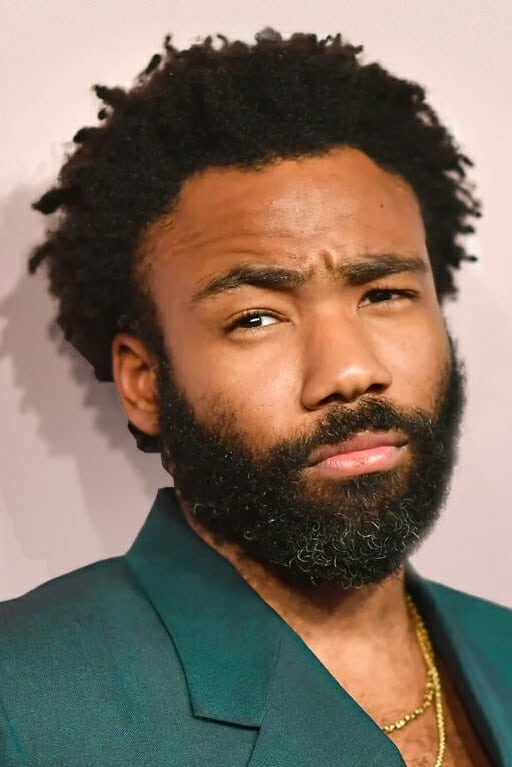
Donald Glover conquered comedy and drama and music under his stage name Childish Gambino. He left a successful sitcom to create the surreal and acclaimed series ‘Atlanta’. His music video for ‘This Is America’ became a viral sensation for its layered social commentary. Glover seamlessly shifts between writing and directing and performing. He showed that a modern creator does not have to pick just one lane.
Jordan Peele
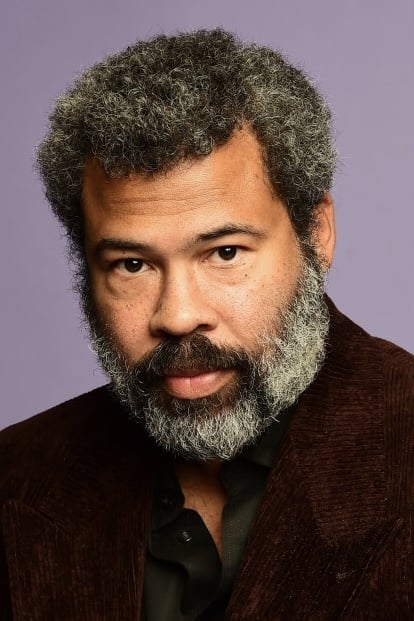
Jordan Peele transitioned from sketch comedy to becoming one of the most respected horror directors in Hollywood. His debut film ‘Get Out’ won an Oscar for its screenplay and redefined the social thriller genre. He uses horror to explore systemic racism and historical trauma. Peele founded his own production company to champion underrepresented voices in genre film. He proved that comedians often possess the sharpest insight into the darker side of humanity.
Harry Belafonte

Harry Belafonte used his platform as a calypso star to fund the Civil Rights Movement. He refused to perform in the segregated South and bailed activists out of jail. His album ‘Calypso’ was the first LP to sell over one million copies. Belafonte understood that celebrity currency should be spent on social justice. He set the gold standard for the artist-activist.
Naomi Campbell
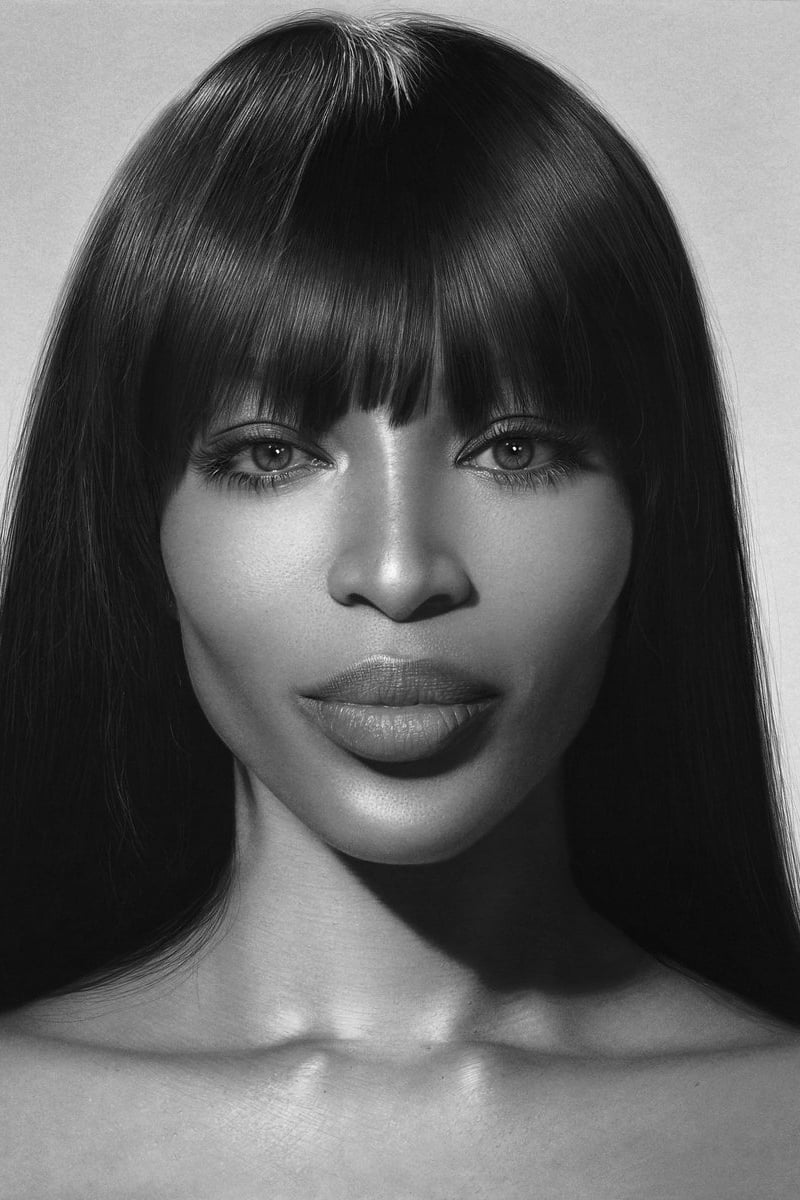
Naomi Campbell dominated the runways of the nineties as one of the original supermodels. She fought for equal pay and better representation for Black models in the fashion industry. Her walk is considered one of the best in the history of modeling. Campbell remained a relevant figure in high fashion for over three decades. She showed that a model could become an enduring cultural icon.
Iman
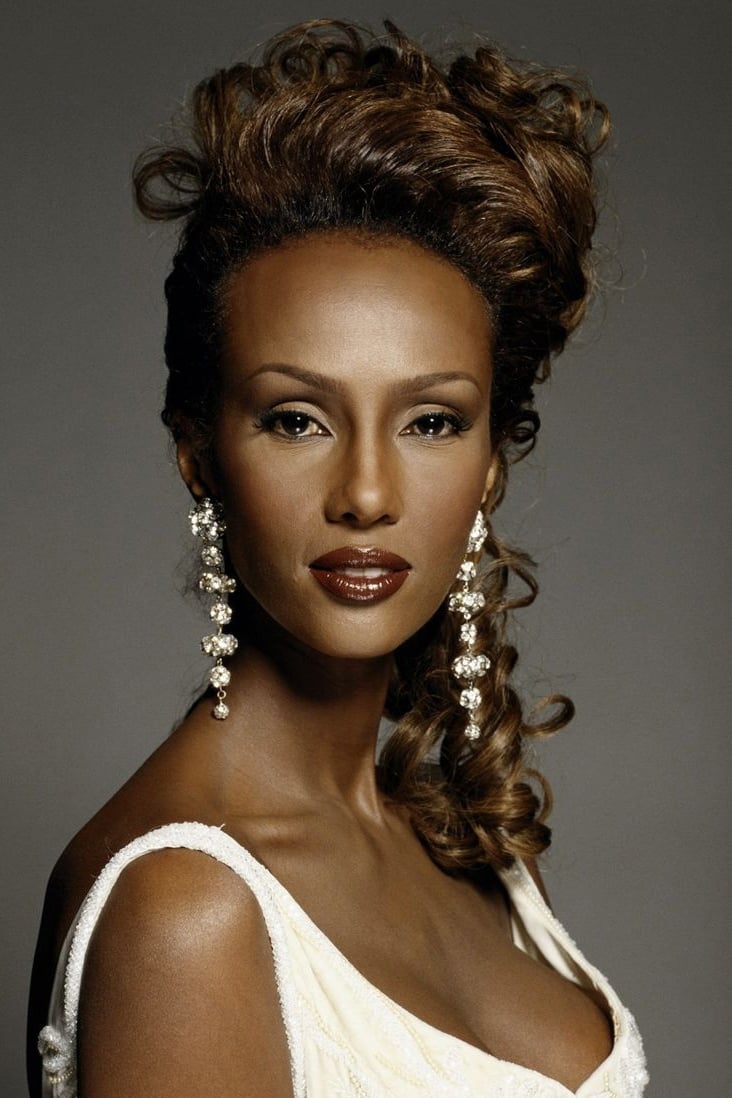
Iman was a muse for designers like Yves Saint Laurent and Gianni Versace. She launched a cosmetics line specifically for women of color when major brands ignored them. Her business became incredibly successful and filled a massive gap in the beauty market. Iman used her status to advocate for diversity in fashion magazines and campaigns. She proved that inclusivity was both a moral imperative and a smart business decision.
Chuck Berry
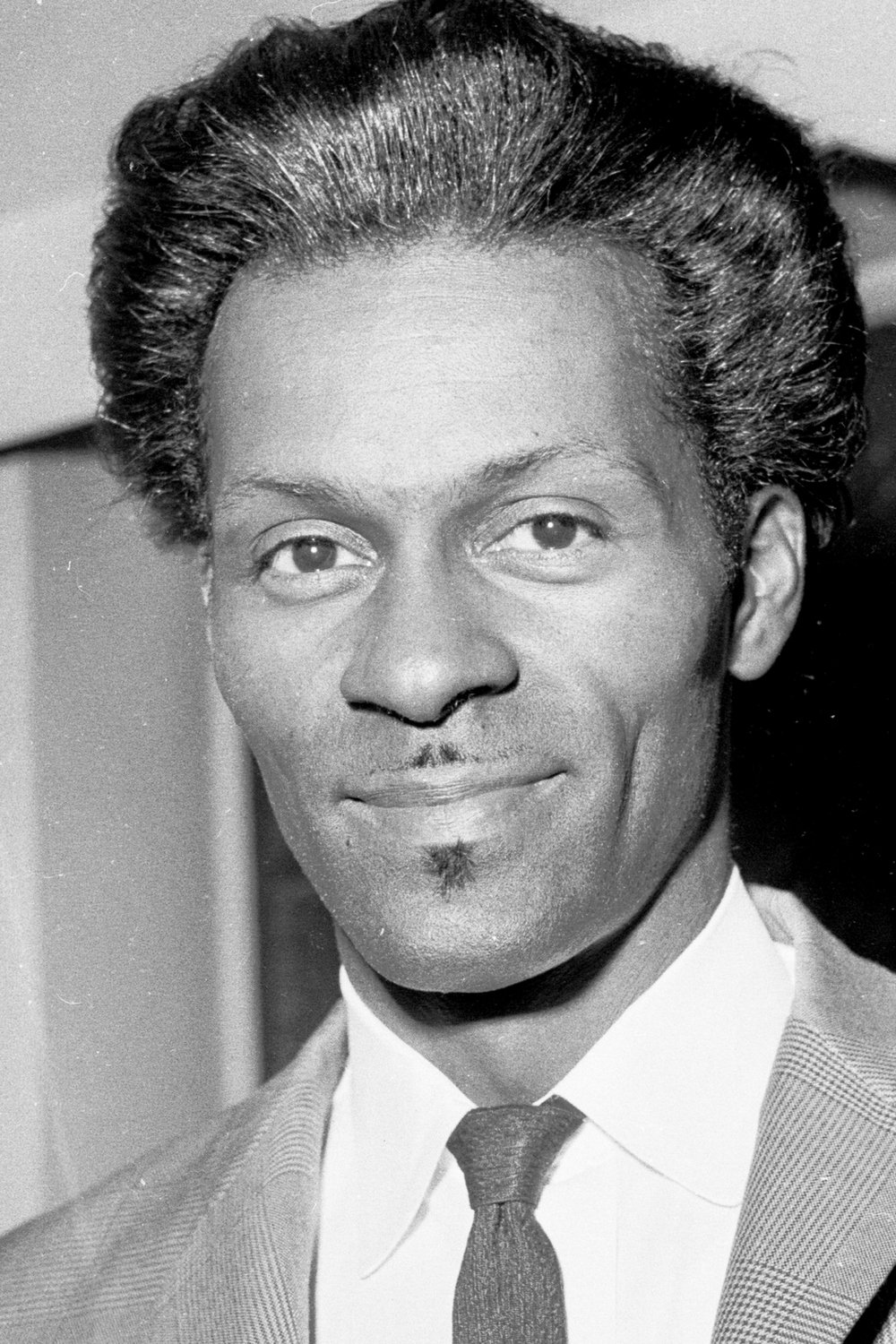
Chuck Berry wrote songs that celebrated teenage life and cars with clever wordplay. He developed the signature guitar riffs that became the standard vocabulary of rock and roll. His showmanship included the famous duck walk across the stage. Berry managed his own business affairs and demanded payment in cash before performances. He is the true poet laureate of the rock and roll era.
Please share your favorite trendsetting moments from these icons in the comments.