Video Games That Were Impossible To Beat Without Cheats



Early video games often featured extreme difficulty to extend the life of short titles and keep players in arcades. Developers frequently designed levels that required pixel perfect precision and complete memorization of enemy patterns. While some players mastered these challenges through endless practice others found the obstacles insurmountable without external help. Cheat codes and hardware peripherals like the Game Genie became essential tools for many to witness the ending screens of these brutal experiences.
‘Silver Surfer’ (1990)
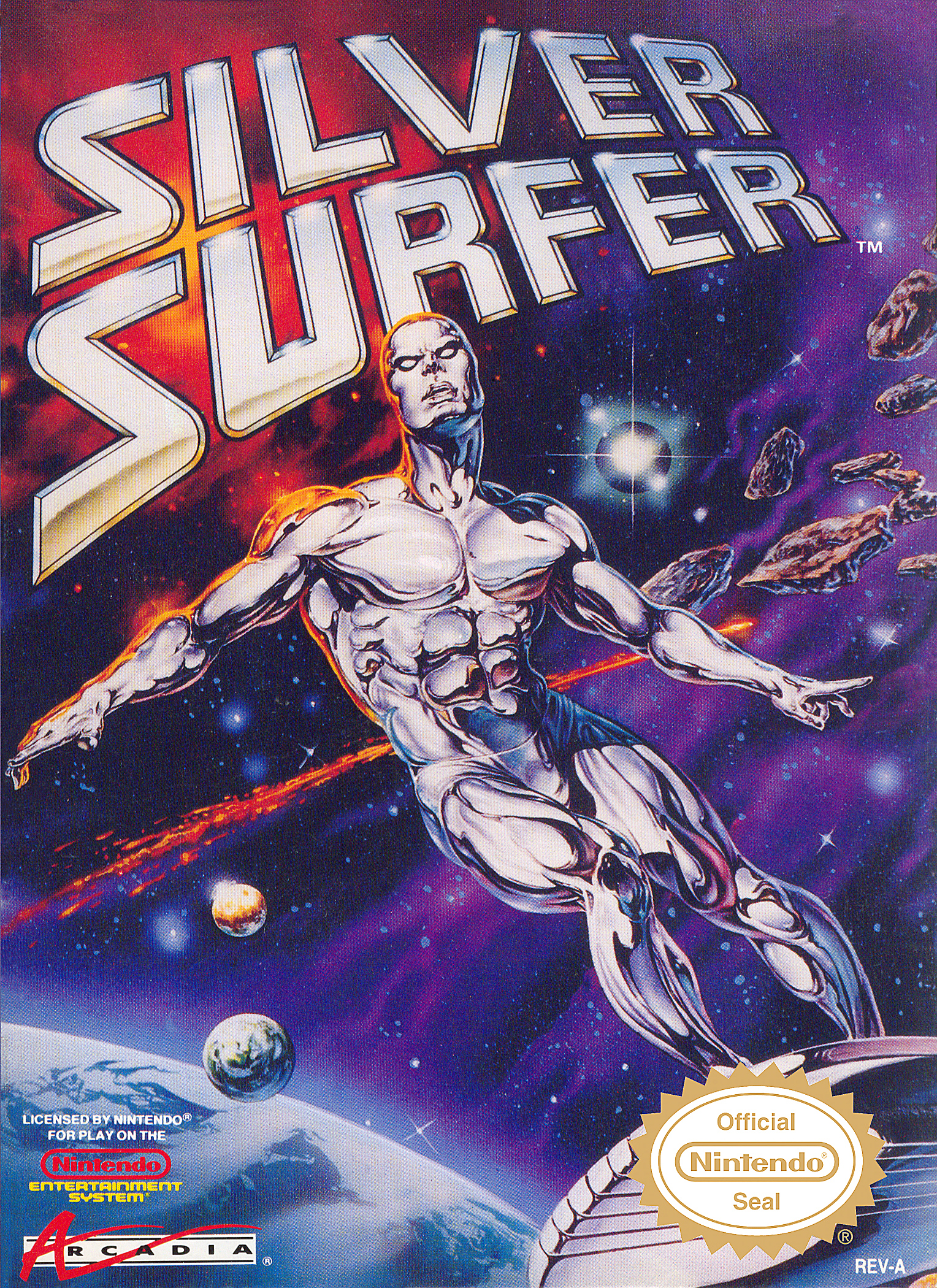
Players control the cosmic hero through various horizontal and vertical flight stages. The game is infamous for a massive player hit box that causes death from touching any environmental object. Enemies fill the screen with projectiles that require perfect memorization and reflexes to avoid. Most players could only see the final stages by utilizing the invincibility codes provided by external hardware. This title is frequently cited as one of the most unfairly balanced games in the history of the console.
‘Battletoads’ (1991)
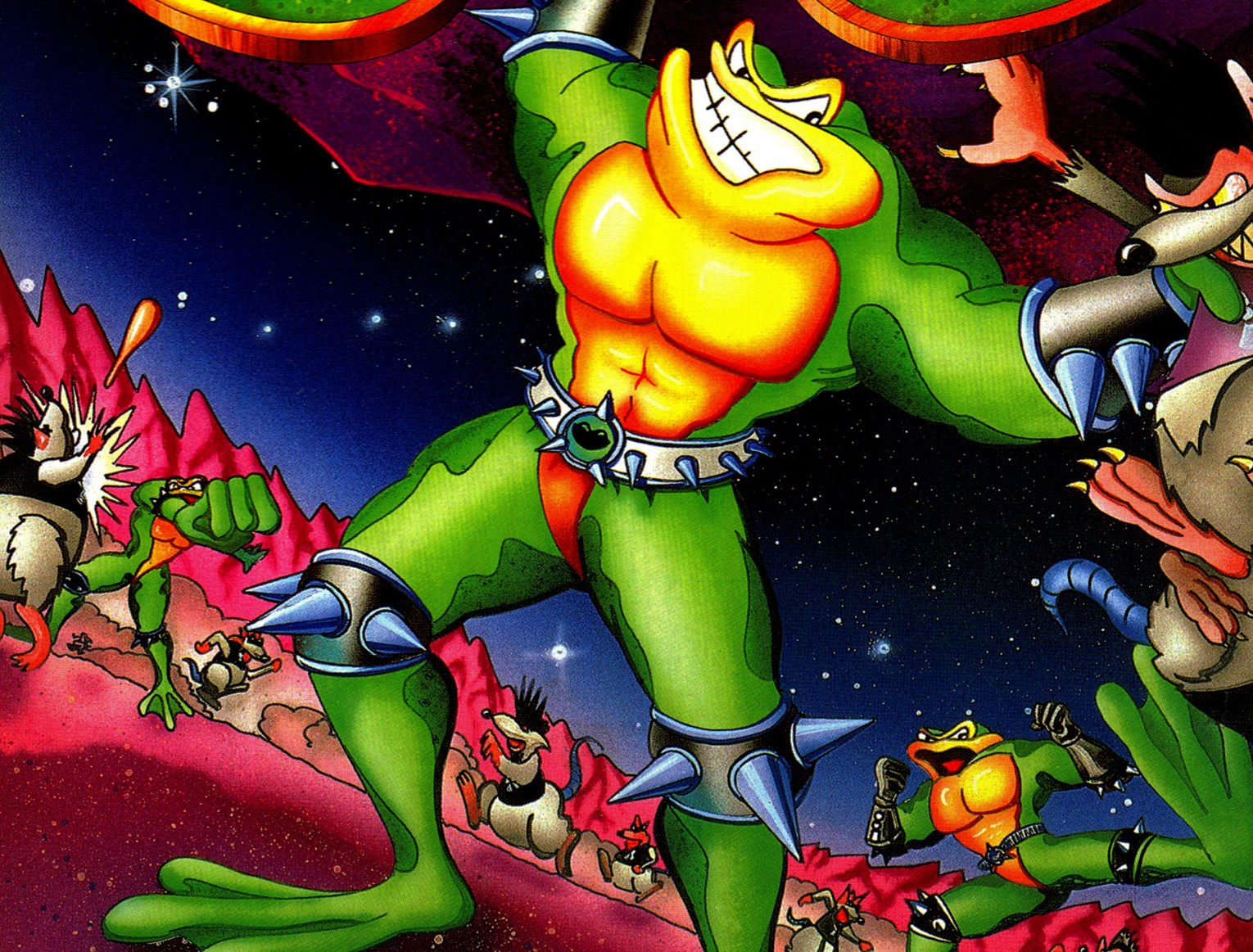
This beat them up game features a variety of levels that test reflexes and timing. The third stage known as the Turbo Tunnel is notorious for high speeds and obstacles that end a run instantly. A glitch in the two player mode makes the final levels impossible for two people to complete together. Many players relied on level skip cheats or extra life codes to reach the Dark Queen. The intense difficulty spike was a common tactic used to prevent players from finishing rental copies too quickly.
‘Ghosts ‘n Goblins’ (1985)
Sir Arthur must rescue a princess by fighting through hordes of undead and demonic creatures. The game requires players to finish the entire adventure twice to see the true ending. Armor is lost after a single hit leaving the character vulnerable to immediate death on the next impact. The overwhelming number of enemies and tight time limits made the infinite lives cheat a necessity for most. It remains one of the most punishing platformers ever released in the arcade and on home consoles.
‘Contra’ (1987)

Elite soldiers battle an alien invasion across several intense stages. While the gameplay is tight the character dies after just one hit from a bullet or enemy contact. The limited number of continues makes finishing the game a monumental task for average players. This title popularized the Konami Code which granted thirty lives to those who could not survive on the standard three. Without this legendary cheat code many fans would have never reached the final boss.
‘Ninja Gaiden’ (1988)
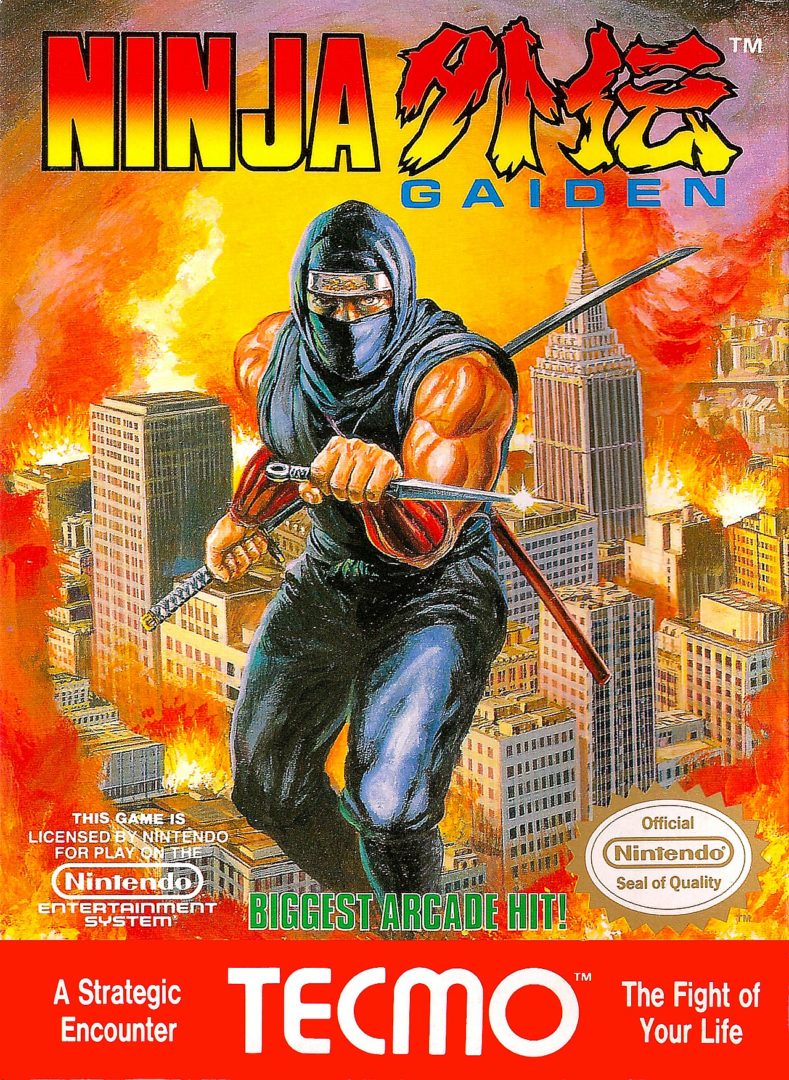
Ryu Hayabusa travels to America to avenge his father and stop a sinister plot. The game is known for its cinematic cutscenes and extremely aggressive enemy spawning. Getting knocked back into pits by flying enemies is a constant source of frustration in the final stages. If a player loses to the final boss they are sent all the way back to the beginning of the entire level. Cheat codes were often used to bypass these brutal checkpoints and see the conclusion of the story.
‘Takeshi’s Challenge’ (1986)
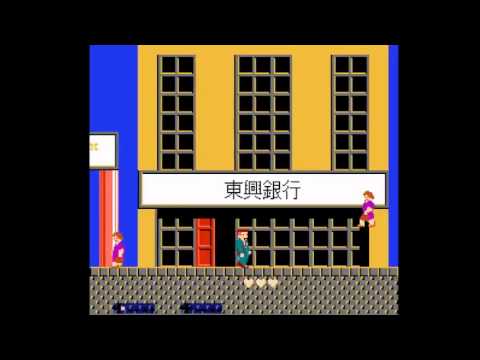
This experimental title was designed to be as frustrating and nonsensical as possible. Players are required to perform bizarre tasks like holding a button for an hour or singing into a microphone. The game logic is so obscure that progress is almost impossible without a guide or internal cheats. Many of the gameplay mechanics result in an instant game over with no explanation provided to the player. It is often regarded as a piece of performance art meant to mock the medium of gaming.
‘The Lion King’ (1994)

Based on the popular Disney film this platformer hides a surprising amount of difficulty behind its colorful graphics. The second level requires precise jumping on animal heads that often results in falling to an early death. Developers admitted to making the game harder to ensure that players could not finish it during a short rental period. Most younger fans had to use level select codes to experience the later portions of the game. The adult Simba levels introduced even more complex combat mechanics that challenged veteran gamers.
‘Ikaruga’ (2001)
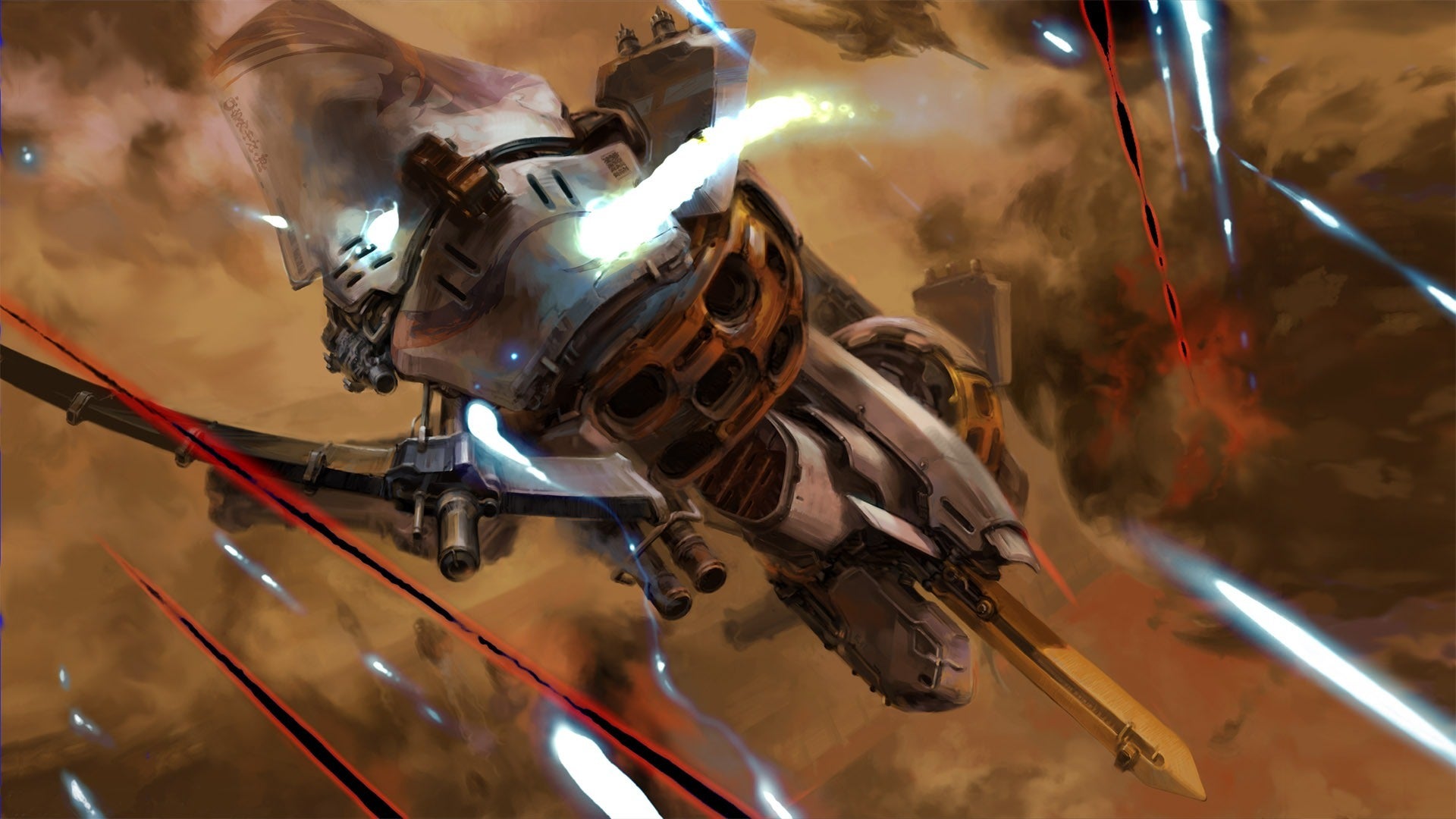
This vertical shooter uses a unique polarity mechanic where players must switch between black and white states. Absorbing bullets of the same color is required to survive the dense patterns filling the screen. The game demands intense concentration and lightning fast reflexes to navigate the later stages. Many players found the bullet hell sequences impossible to clear without using training modes or invincibility. It is celebrated for its deep strategy but remains one of the most difficult shooters in existence.
‘F-Zero GX’ (2003)
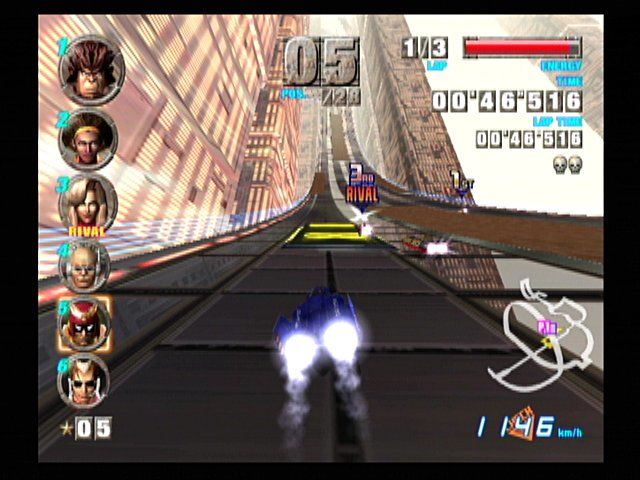
The high speed racing in this title pushes the hardware and the player to their absolute limits. The story mode features missions that require near perfect driving with zero room for error. Opponent AI is extremely aggressive and will often knock the player off the track at the last second. Unlocking the final characters and tracks felt like an impossible dream for many without the use of action replay codes. The sense of speed is exhilarating but the difficulty curve is vertical.
‘Teenage Mutant Ninja Turtles’ (1989)
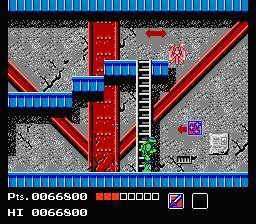
The turtles must navigate the streets of New York and underwater hazards to stop Shredder. The underwater dam level is notorious for its tight time limit and lethal electric seaweed. Precise platforming in the final technodrome stage is nearly impossible due to respawning enemies and narrow ledges. Most players spent their entire childhood trying to get past the early levels before giving up or using cheats. It remains a standout example of high difficulty in licensed Nintendo titles.
‘Wizardry IV: The Return of Werdna’ (1987)
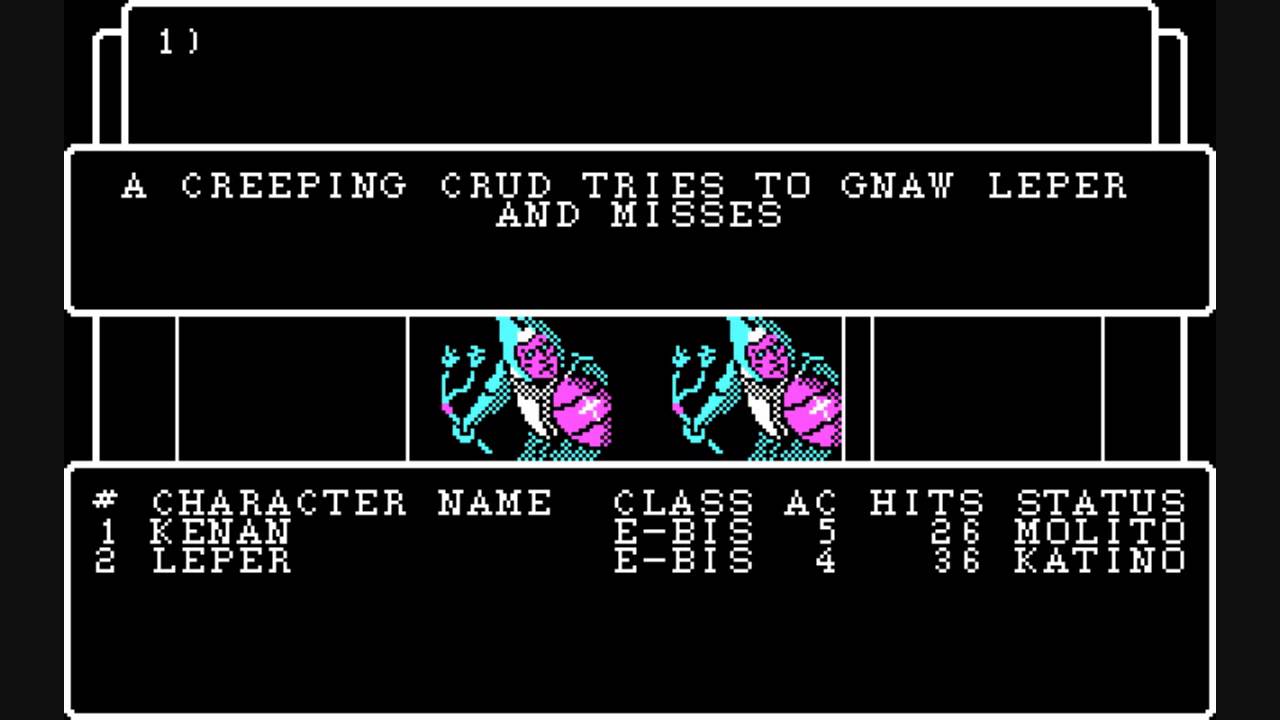
Players take on the role of the villain attempting to escape a dungeon he previously created. The game is filled with traps and puzzles that assume the player has mastered all previous entries in the series. One wrong move at the very beginning can make the rest of the game impossible to complete. The difficulty was so high that the developers included a way to summon a ghost for help. Even with assistance the complex navigation and combat require immense patience and external guides.
‘Jet Set Willy’ (1984)
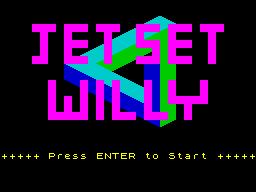
This platformer requires the player to collect items throughout a massive mansion before a deadline. The game was released with a bug that made it impossible to complete under normal circumstances. Several rooms contained glitches that would kill the player instantly or prevent necessary items from being grabbed. Players had to use software patches or pokes to fix the code and reach the ending. It is a famous case of a game being literally unbeatable without technical intervention.
‘Dr. Jekyll and Mr. Hyde’ (1988)

The player must guide the doctor to his wedding while avoiding numerous hazards and angry citizens. Transforming into the monster happens when the stress meter fills up from taking damage. The game features confusing mechanics where the monster level can actually end the game if it overtakes the doctor level. Most players found the collision detection and enemy placement to be completely unfair. Cheat codes for invincibility were the only way many could endure the walk to the church.
‘Ikari Warriors’ (1986)
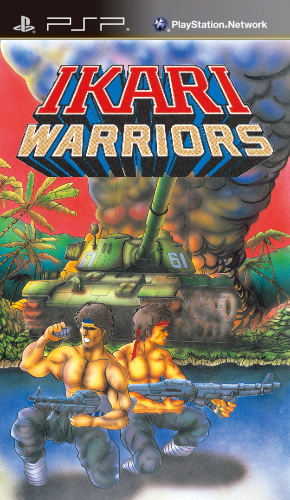
Two soldiers fight their way through a jungle filled with tanks and endless infantry. The character moves slowly while the screen is constantly flooded with enemy fire. Running out of ammunition is a frequent occurrence that leaves the player helpless against the onslaught. This game introduced the famous ABBA cheat which allowed players to continue after dying. Without this sequence of button presses few would have the stamina to reach the final fortress.
‘Top Gun’ (1987)
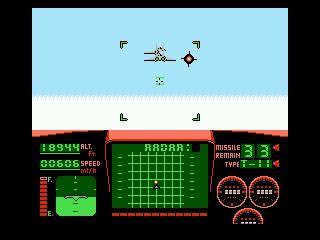
Flying a fighter jet sounds exciting until the player is forced to land on an aircraft carrier. The landing sequence requires following confusing instructions that often lead to a crash and a game over. Aerial combat is equally frustrating due to the limited perspective and aggressive enemy planes. Many players never saw the missions beyond the first few stages because of the landing mechanics. Cheat codes allowed frustrated pilots to skip these sections and see the rest of the content.
‘Dragon’s Lair’ (1983)
This arcade classic uses animation to tell the story of a knight entering a dangerous castle. The gameplay consists entirely of quick time events that require perfect timing to survive. A single mistake results in a death animation and the loss of a life. Because the game relies on memorization rather than skill it was a massive drain on quarters. Players eventually used home versions with infinite lives to finally see the entire movie.
‘Zelda II: The Adventure of Link’ (1987)
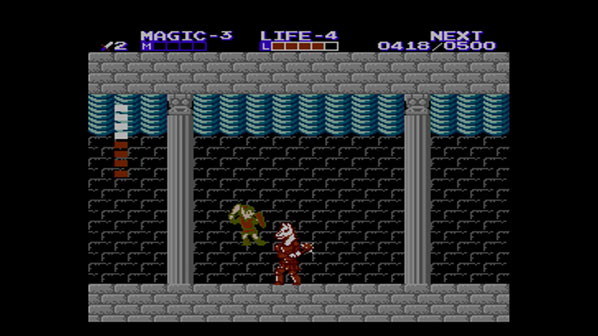
The second entry in the series shifted to a side scrolling perspective with heavy role playing elements. Combat is much more difficult than the first game as enemies can block high and low attacks. Navigating the Great Palace at the end requires surviving a gauntlet of the toughest enemies in the game. Many players used a glitch to hide in the corner during the final boss fight to win. Without level cheats or combat exploits the journey to wake Zelda is a grueling ordeal.
‘Fester’s Quest’ (1989)

Uncle Fester must save the city from an alien invasion using a variety of gadgets. The overhead perspective and slow movement make avoiding enemy projectiles very difficult. One of the biggest issues is the weapon system which can actually become weaker if the wrong items are picked up. The boss battles take a significant amount of time and leave very little room for error. Most players resorted to turbo controllers or cheat codes to overcome the tedious combat.
‘The Adventures of Bayou Billy’ (1988)

This game attempts to blend fighting driving and shooting into one cohesive experience. Each mode is significantly harder than contemporary titles in the same genres. Enemies in the brawling sections take many hits to defeat while the player can die quickly. The driving stages feature obstacles that are nearly impossible to dodge at high speeds. Players often used a hidden cheat menu to give themselves an edge against the relentless difficulty.
‘Super Mario Bros.: The Lost Levels’ (1986)

This sequel was originally deemed too difficult for Western audiences and was replaced with a different game. It features invisible blocks wind mechanics and poison mushrooms designed to trick the player. Many jumps require pixel perfect positioning that feels more like a puzzle than a platformer. Completionists often use save states or infinite life codes to reach the final hidden worlds. It serves as a reminder of how punishing the early platforming era could be.
‘Sinistar’ (1982)

Players must mine crystals to build bombs while avoiding a giant mechanical face that hunts them. The voice of the titular villain adds a layer of psychological pressure to the intense gameplay. Sinistar moves much faster than the player and can end a run in seconds if not handled perfectly. Arcades made a fortune on this game because of how quickly a session could end. Most fans only saw the later stages through modern emulators with cheat functions enabled.
‘Defender’ (1981)
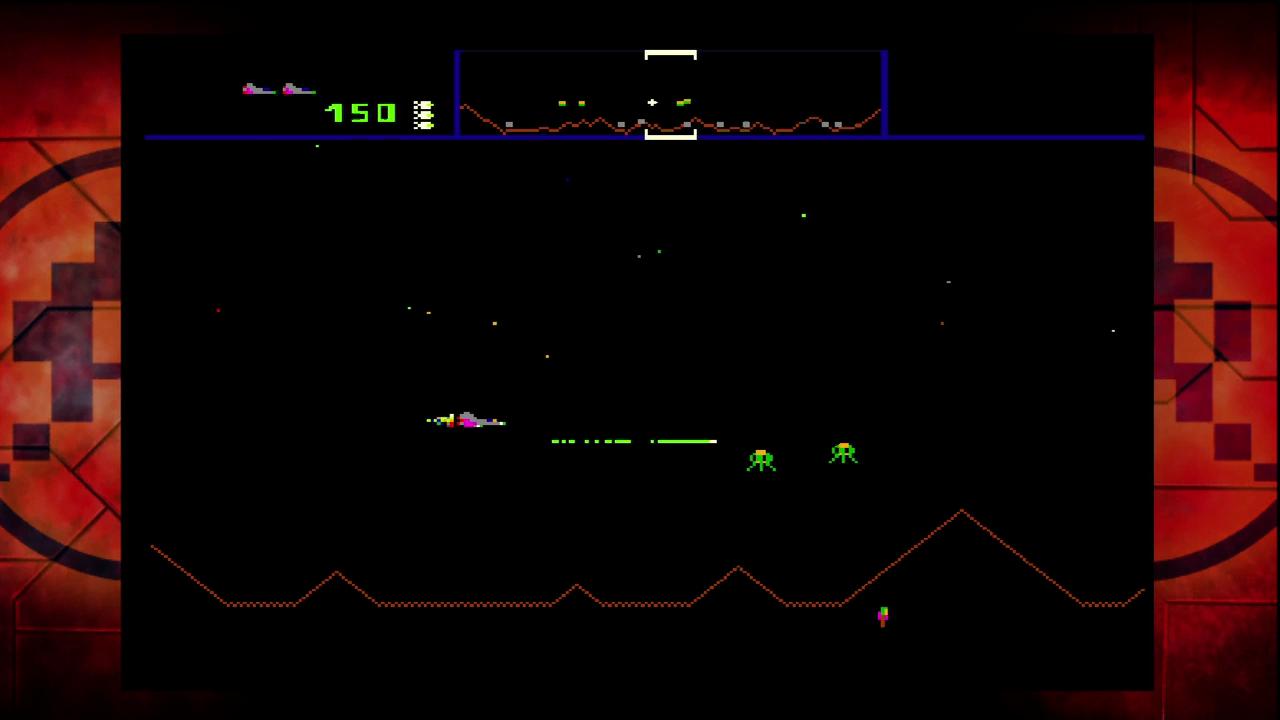
This horizontal shooter requires managing a radar screen while protecting humans from alien abduction. The control scheme uses several buttons for thrust reverse and firing which creates a high learning curve. When too many humans are taken the planet explodes and the game becomes an even more difficult survival challenge. The sheer speed and number of threats make it one of the most demanding arcade games ever made. Infinite smart bomb cheats are often the only way to survive the later waves.
‘Robotron: 2084’ (1982)
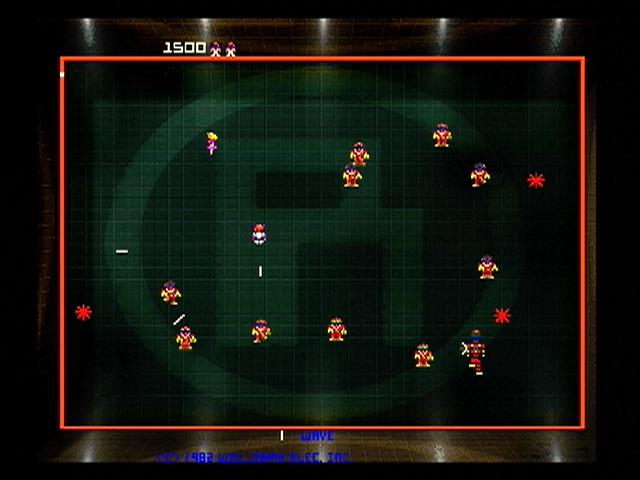
Humans must be saved from a robot uprising in a single screen arena filled with hundreds of enemies. The dual joystick controls were revolutionary but required immense coordination to master. Each wave increases the speed and number of projectiles until the screen is a blur of motion. It is a test of pure endurance that few players could sustain for long periods. Modern versions often include slow motion or invincibility cheats to help players appreciate the design.
‘R-Type’ (1987)
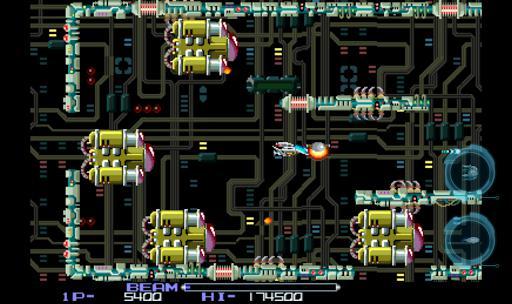
This iconic shooter features a detachable drone that can block shots and provide extra firepower. Levels are designed with narrow corridors and massive bosses that leave very little room to maneuver. Dying often means losing all power ups and being sent back to a checkpoint with no way to recover. This creates a cycle where the game becomes harder the more the player fails. Cheat codes for full weapon sets were common among players who wanted to reach the end.
‘Gauntlet’ (1985)
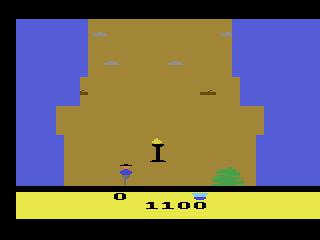
Four players can explore massive dungeons filled with endless spawns of monsters. Health constantly drains over time which forces players to keep moving and find food. In the arcade the only way to stay alive was to keep feeding the machine more quarters. Without the infinite health provided by some home version cheats the game is a war of attrition. It is a classic social experience that was fundamentally designed to be unbeatable for free.
‘Smash TV’ (1990)
Contestants compete in a violent game show for prizes and their lives. The screen is constantly filled with swarms of enemies that converge on the player from all directions. Power ups are essential but often expire just as the next wave of threats arrives. The sheer volume of chaos makes it nearly impossible to avoid every hit. Many home players used codes for extra lives to survive the massive boss encounters.
‘Mortal Kombat II’ (1993)

The arcade version of this fighting game features an artificial intelligence that reads player inputs instantly. Computer opponents will perfectly counter every move and projectile thrown at them. This makes traditional fighting strategies useless against the higher level characters. Players often had to find specific exploits or use cheat menus to reach Shao Kahn. The difficulty was intentionally high to keep people pumping coins into the machine.
‘The Immortal’ (1990)
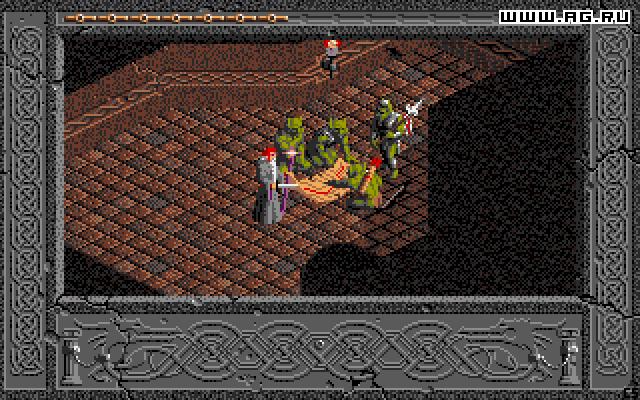
An elderly wizard searches for his mentor in a dungeon filled with lethal traps and monsters. Almost every room contains a hidden way to die that requires trial and error to discover. The combat is timing based and extremely unforgiving if the player misses a single beat. Many of the puzzles have obscure solutions that are not hinted at within the game. Cheat codes for level selection were the primary way players navigated this brutal isometric adventure.
‘Action 52’ (1991)
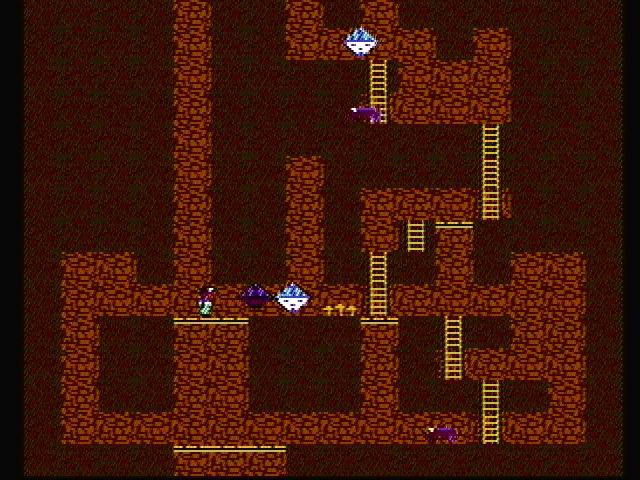
This unlicensed multi cart promised fifty two games but most were unfinished and broken. Many of the titles contain glitches that make it impossible to reach the end of the first level. Collisions are often not detected correctly or the player may fall through the floor randomly. Some games will simply crash the entire console if certain conditions are met. Cheating through the code was the only way to see what lay beyond the broken opening screens.
‘Cheetahmen II’ (1992)

This game was never officially finished and only exists in a highly buggy state. Players cannot even reach the third level because the transition code was never completed. The movement is stiff and the hit detection for enemies is almost non existent. To see any of the later content fans had to hack the ROM and fix the programming errors themselves. It stands as a literal example of a game that cannot be beaten without technical modification.
‘Star Wars’ (1991)
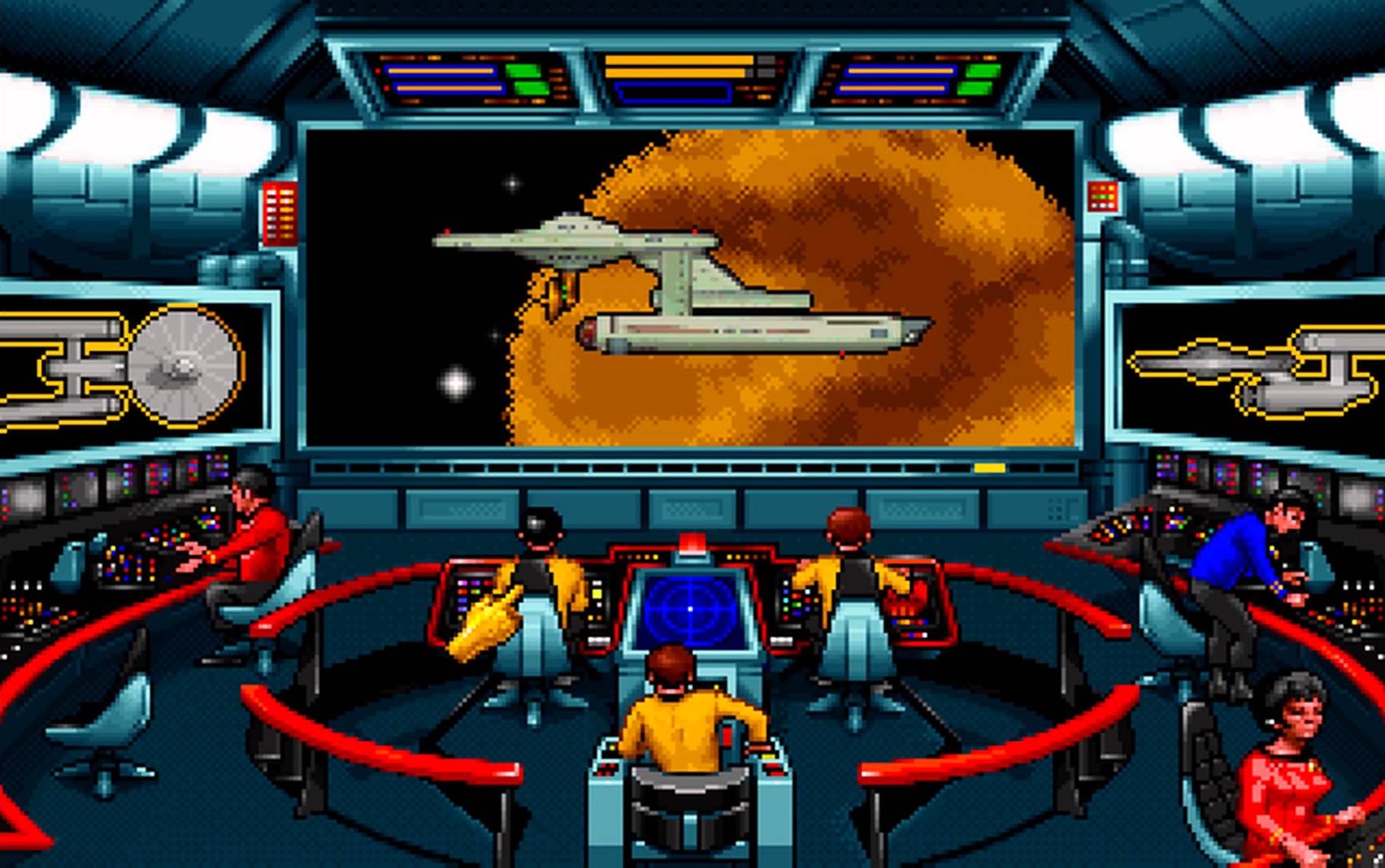
The NES version of this classic story is known for its high difficulty and limited continues. Players must navigate platforming sections and vehicle stages that require extreme precision. The jump physics are floaty and often lead to accidental deaths in the Death Star levels. Boss fights against Darth Vader are particularly punishing for those who have not mastered the controls. Most players utilized the level skip codes found in gaming magazines to see the ending.
‘Bionic Commando’ (1988)

Instead of jumping the protagonist uses a grappling hook to navigate the environment. This unique movement mechanic is difficult to master and leads to many fatal falls. The later levels are filled with enemies that can knock the player off ledges with ease. Combat is equally challenging because of the limited firing angles of the arm. Cheat codes for extra lives were a staple for anyone trying to infiltrate the final base.
‘Castlevania III: Dracula’s Curse’ (1989)
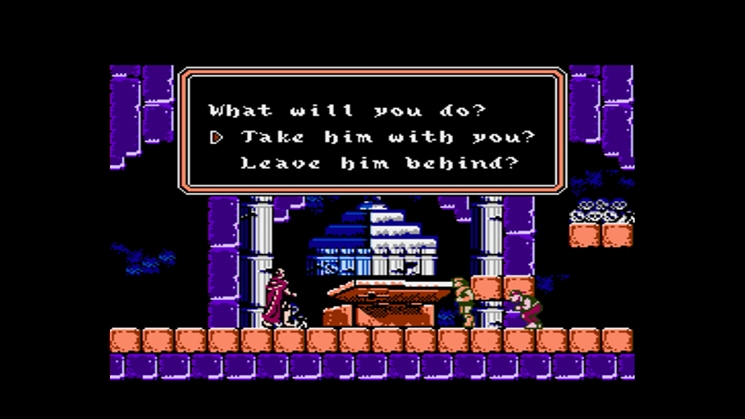
This prequel introduced multiple playable characters and branching paths through the levels. The American version was made significantly harder than the original Japanese release by increasing enemy damage. Some enemies can take away a large portion of the health bar in a single hit. The stairs and platforming sections are legendary for their ability to frustrate even veteran players. Many used passwords or cheat devices to bypass the most difficult stages.
‘Ghouls ‘n Ghosts’ (1988)
This sequel to the original graveyard adventure features even more enemies and hazardous terrain. Players can now fire in multiple directions which adds a layer of complexity to the combat. Like its predecessor the game must be beaten twice to access the final boss fight. The random nature of some enemy spawns makes it impossible to rely on memorization alone. Most players found that invincibility cheats were the only way to stay sane during the journey.
‘Mike Tyson’s Punch-Out!!’ (1987)
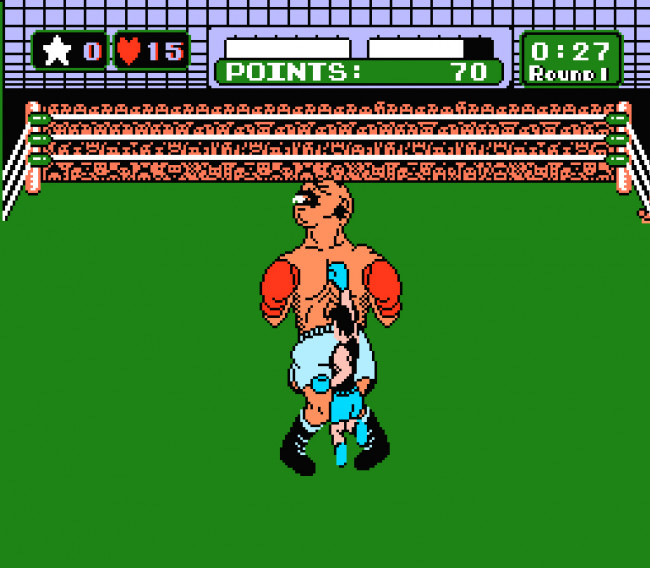
Little Mac must climb the ranks of the boxing world to face the ultimate champion. The early fights are about pattern recognition but the final opponents require frame perfect reactions. Mike Tyson himself can knock the player down with a single punch in the opening minute. The margin for error is so small that many players never managed to land a winning blow. Password cheats allowed people to practice the final fight without restarting the entire game.
‘Mega Man 9’ (2008)
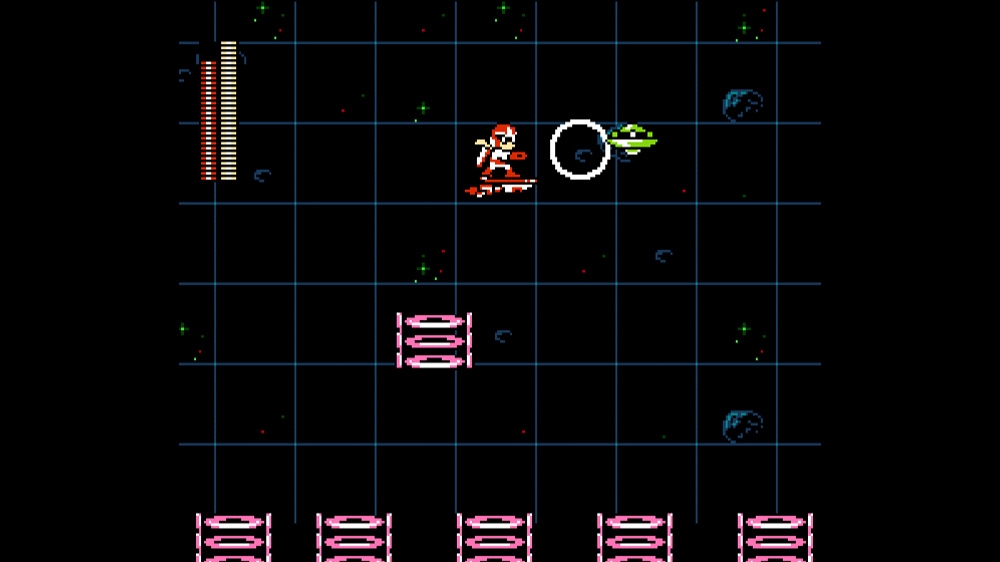
This title was designed as a throwback to the original 8 bit era and its legendary difficulty. It features many instant death spikes and disappearing block puzzles that require perfect timing. The boss battles are much more aggressive than those in the earlier games of the series. While it was released in the modern era it intentionally captures the feeling of an unbeatable classic. Many players utilized the in game shop to buy items that acted as legal cheats.
‘Solaris’ (1986)
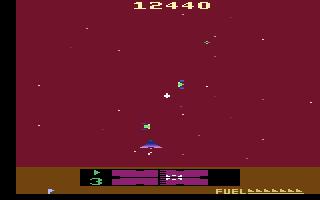
This space combat simulator for the Atari 2600 pushed the console to its absolute limits. Navigating the galaxy map while managing fuel and enemy fleets is a complex task. The combat is fast and requires the player to intercept enemies before they destroy allied planets. Without a manual or a guide the mechanics are nearly impossible to understand. Most players used cheats to keep their fuel full so they could explore the vastness of the game.
‘Viewtiful Joe’ (2003)
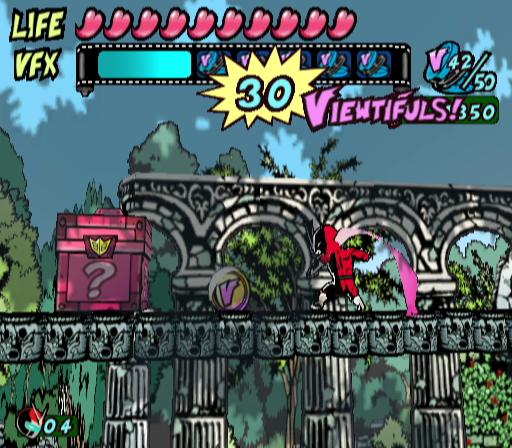
This stylish action game features a difficulty curve that spikes dramatically on higher settings. The combat relies on slowing down or speeding up time to dodge and counter attacks. Bosses have massive health bars and patterns that can drain the player health in seconds. Achieving the highest ranks requires a level of mastery that few could attain without help. Action Replay codes were popular for unlocking the secret characters and infinite VFX power.
‘God Hand’ (2006)
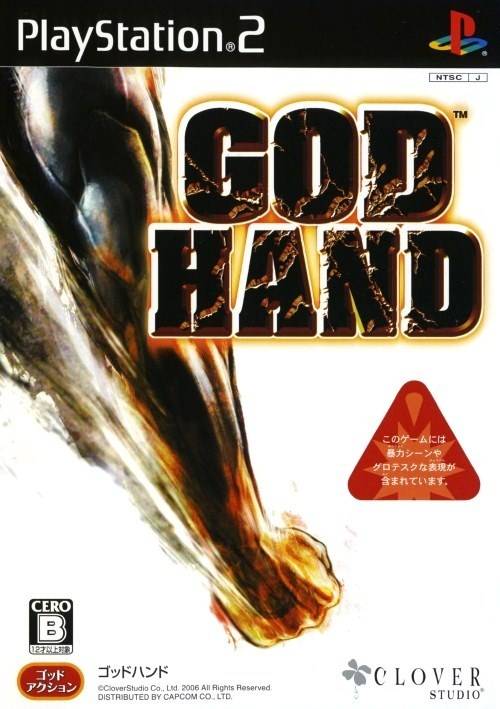
The difficulty in this beat them up adjusts dynamically based on how well the player is performing. If the player plays well the game becomes harder until the enemies are nearly impossible to hit. The fixed camera and unique controls add another layer of challenge to the combat. Many players found the final stages to be a test of patience that was simply too much to handle. Cheats were often the only way to see the ending of this cult classic.
‘Street Fighter II Turbo’ (1992)
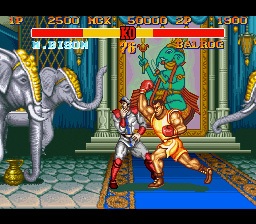
The speed increase in this version of the legendary fighter made the AI even more formidable. Opponents move and react with inhuman speed making it difficult to find an opening. On the highest difficulty settings the computer will counter every jump and special move perfectly. This was another example of arcade balancing designed to maximize revenue from players. Home console versions offered various cheat menus to lower the speed or grant extra power.
‘Gradius’ (1985)
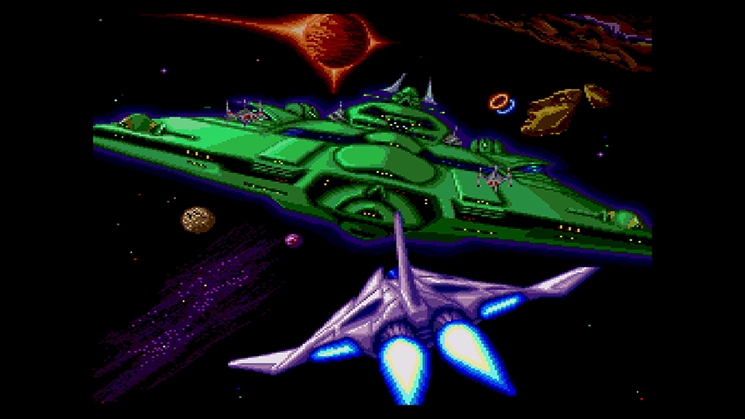
This side scrolling shooter introduced a power up bar that players must manage during combat. Losing all power ups after a death makes the game significantly harder to continue. The later levels are filled with obstacles and enemies that require a fully powered ship to navigate. This is where the Konami Code first appeared to help players recover their weapons. Without the ability to regain shields and missiles the game is an exercise in frustration.
‘X-Men’ (1993)
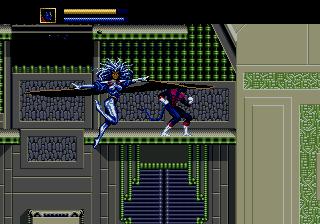
This Sega Genesis title featured a variety of missions and playable mutants with unique powers. One specific part of the game requires the player to reset the computer by literally pressing the reset button on the console. Many players were confused by this instruction and thought the game was broken or impossible. Without knowing this specific trick progress was permanently halted at that stage. This meta puzzle is one of the most famous examples of a game requiring an outside the box solution.
‘Pit-Fighter’ (1990)
The digitized graphics of this brawler were impressive for the time but the gameplay was stiff. Combat consists of repetitive motions and unfair AI that can trap the player in a corner. The health bar does not replenish between rounds making it very difficult to survive the later matches. Many players used cheat codes to give themselves extra health or stronger attacks. It remains a notable example of a game that was much harder than it was fun.
‘Batman: The Video Game’ (1989)
The Caped Crusader must fight through Gotham to reach the Joker in a cathedral. The platforming is tight and requires using wall jumps to reach high areas. Enemies are placed in positions that make it very difficult to avoid taking damage while climbing. The final boss fight against the Joker is a test of endurance and perfect timing. Most fans used the level select cheat to practice the difficult platforming sections without restarting.
‘Bart vs. the Space Mutants’ (1991)
Bart Simpson must stop an alien invasion by spray painting objects and using gadgets. The first level alone is notoriously difficult due to the precise jumps and hidden items required. If the player misses even one objective they cannot progress to the next stage. The controls are slippery and often lead to accidental deaths during the jumping puzzles. This game is widely remembered for being much harder than its target audience expected.
‘Comix Zone’ (1995)

The game takes place within the pages of a comic book and features a unique visual style. Every attack the player makes actually drains a small amount of their own health. This mechanic makes every encounter a risk and forces the player to be extremely efficient. The puzzles and combat become much more difficult as the story progresses into the later issues. Many players used invincibility codes to fully enjoy the artistic presentation without the constant threat of death.
‘Mushihimesama’ (2004)

This bullet hell shooter features thousands of projectiles on screen at any given time. The ultra difficulty mode is considered one of the hardest challenges in the history of the genre. Navigating the tiny gaps between bullets requires intense focus and steady hands. Most casual players could only survive by using continues or training modes with reduced speed. It is a masterpiece of design that few have ever mastered legitimately.
‘Holy Diver’ (1989)

This Japanese exclusive platformer is heavily inspired by heavy metal music and dark fantasy. It features some of the most difficult level layouts ever seen on the 8 bit console. Enemies respawn instantly and the player hit box is large enough to make dodging a nightmare. The limited magic system means that players must be perfect with every shot they take. It is a legendary title among enthusiasts for its extreme and often unfair challenge.
‘Section Z’ (1987)
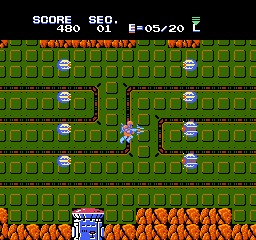
Players must navigate a massive base while choosing between different paths to reach the final boss. The movement is restricted to a jetpack and the player must constantly flip direction to face enemies. The maze like structure of the levels makes it very easy to get lost or run out of time. Combat is relentless and requires memorizing the layout of every single room. Cheat codes for map navigation and health were essential for many to reach the core.
‘Abadox’ (1989)
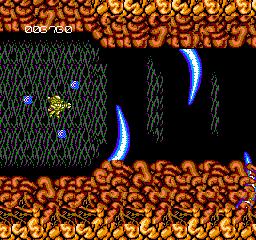
The game takes place inside a giant alien organism and features both horizontal and vertical scrolling. The environment itself is a hazard as touching any wall results in an immediate death. Enemies fly in unpredictable patterns and often fire from off screen. The boss battles are massive and require very specific strategies to survive their bullet patterns. Invincibility cheats were a popular way for players to see the imaginative biological world of the game.
Tell us about the video game that finally broke your resolve and forced you to use a cheat code in the comments.