Video Game Endings That Made Fans Furious


Video game endings serve as the final reward for players who invest dozens of hours into complex narratives and challenging gameplay. While many titles conclude with satisfying resolutions or emotional closure some leave the community feeling frustrated or betrayed. These controversial finales often feature unresolved cliffhangers or choices that feel inconsequential to the overall journey. Developers sometimes take creative risks that do not align with player expectations or established character arcs. This list explores the most infamous video game conclusions that sparked intense debate and disappointment among fans.
‘Mass Effect 3’ (2012)
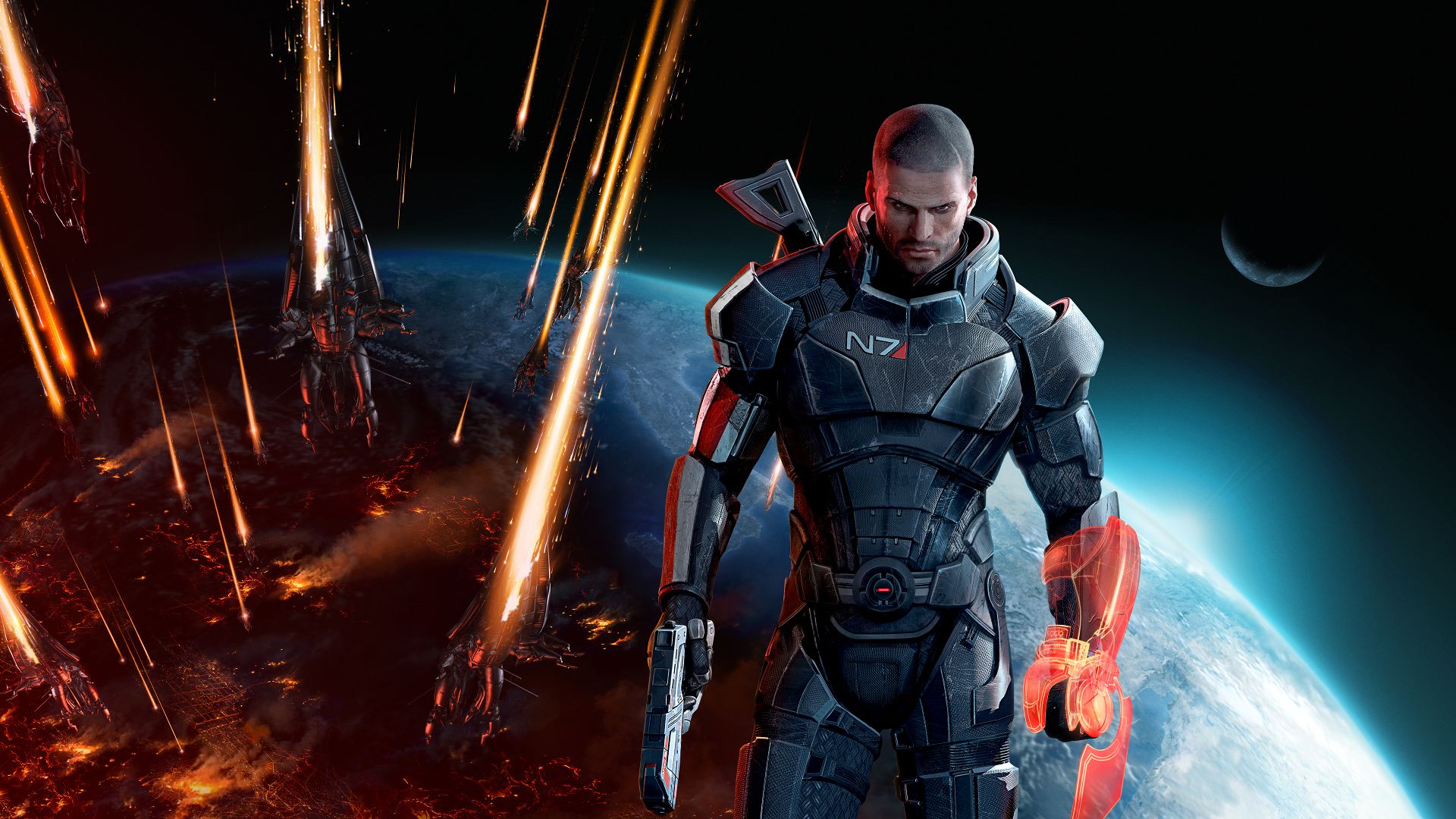
Players spent hundreds of hours making choices across a trilogy only to face three color coded options at the very end. The original conclusion lacked explanation regarding the fate of the crew and the state of the galaxy. Fans felt that the diverse decisions made throughout the series were rendered meaningless by the final cinematic sequence. BioWare eventually released an extended cut to address the widespread backlash and provide more context. The controversy remains a landmark moment in gaming history regarding player agency and narrative payoffs.
‘No Man’s Sky’ (2016)
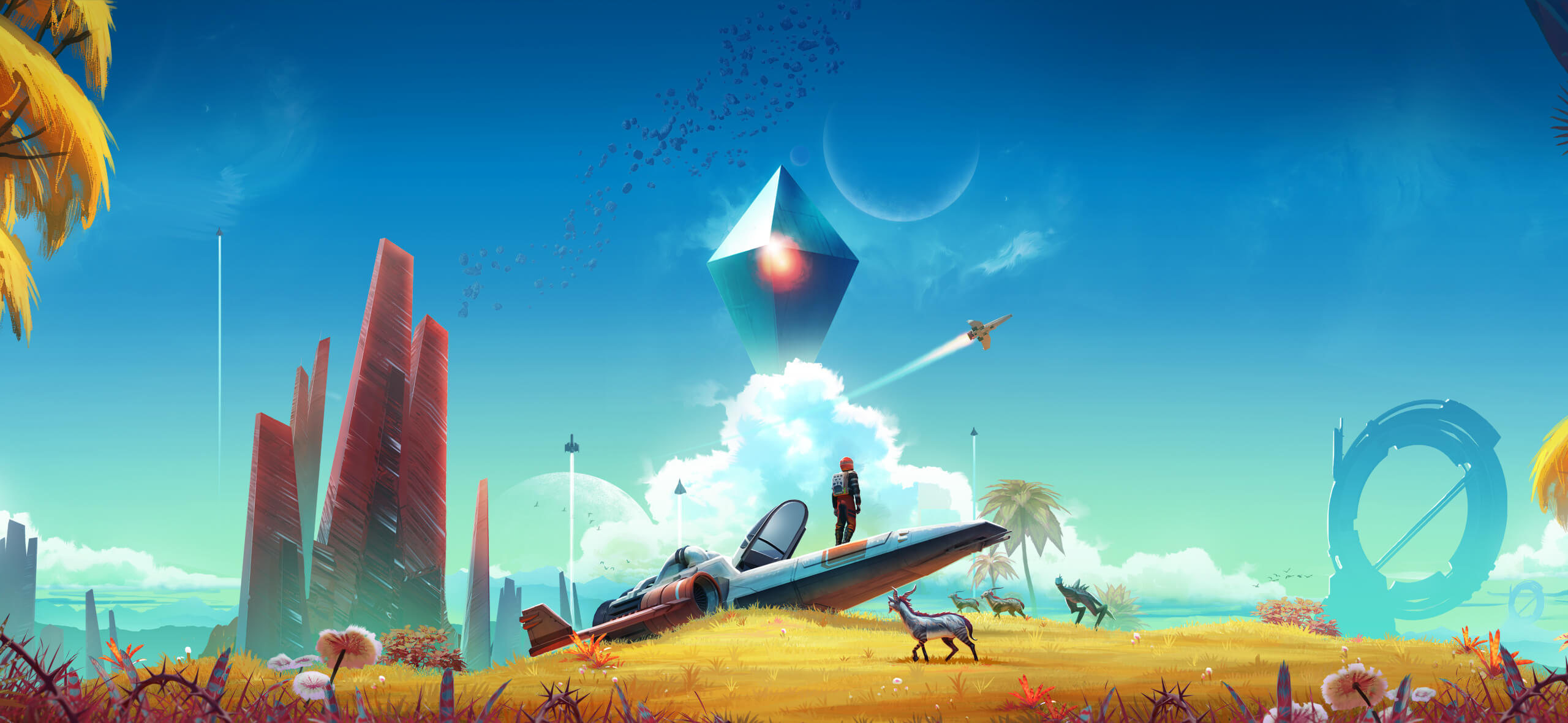
The journey to the center of the galaxy was the primary objective promised to players during the marketing campaign. Reaching the destination simply zoomed the camera out and reset the player in a new galaxy with broken equipment. This repetitive cycle offered no narrative explanation or unique reward for the immense effort required to get there. Players felt the lack of a true ending reflected the broader issues of missing features at launch. Future updates improved the game significantly but the initial conclusion left a bitter taste for early adopters.
‘Halo 2’ (2004)
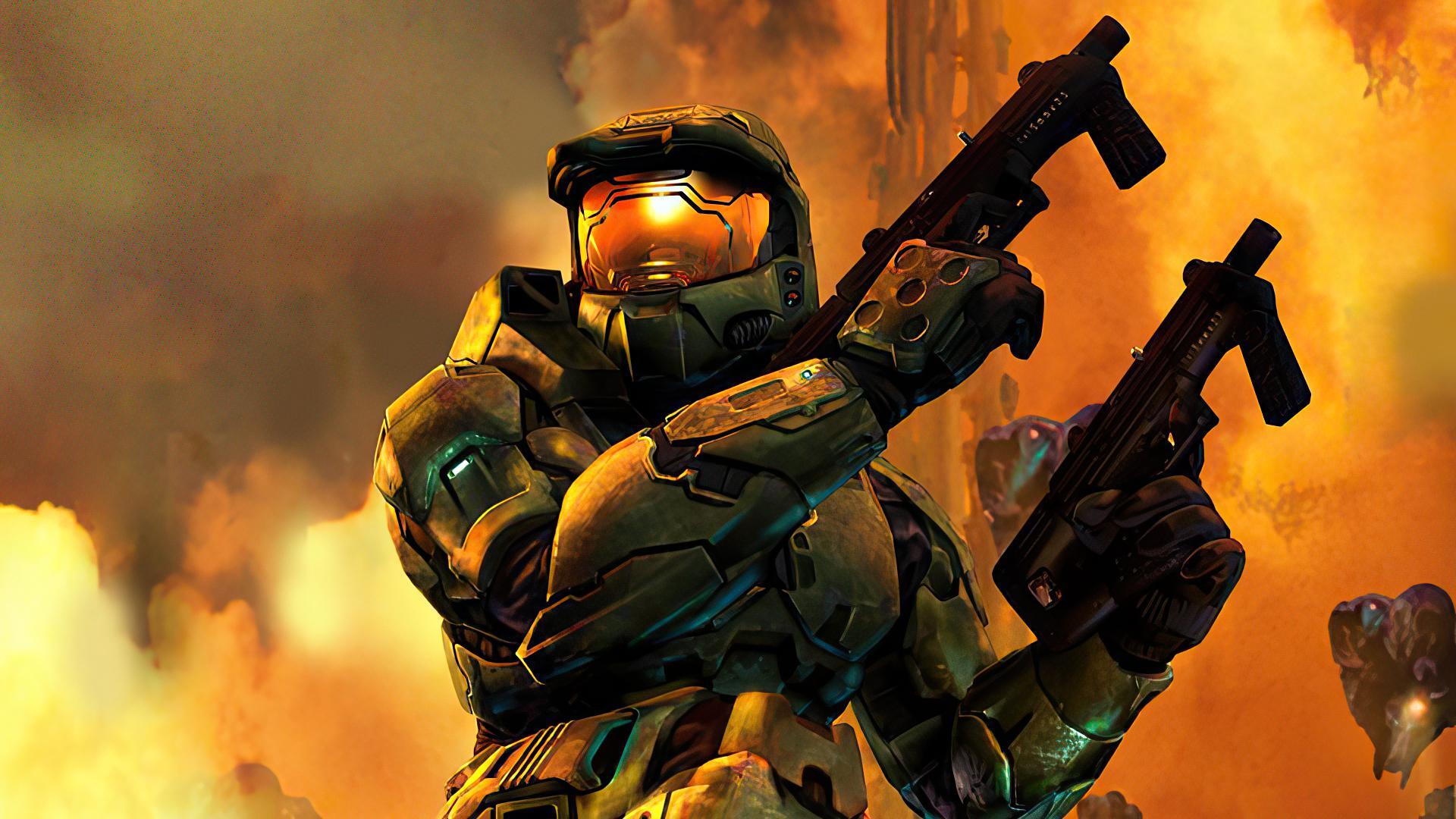
The game ended on a massive cliffhanger just as Master Chief arrived at Earth to finish the fight. Players were suddenly cut to a black screen and credits after a boss battle that felt premature. Many fans were upset because they expected a full campaign centered on the defense of Earth. The narrative jump left several plot threads dangling for three years until the sequel arrived. This ending is often cited as one of the most frustrating cliffhangers in the first person shooter genre.
‘Fallout 3’ (2008)
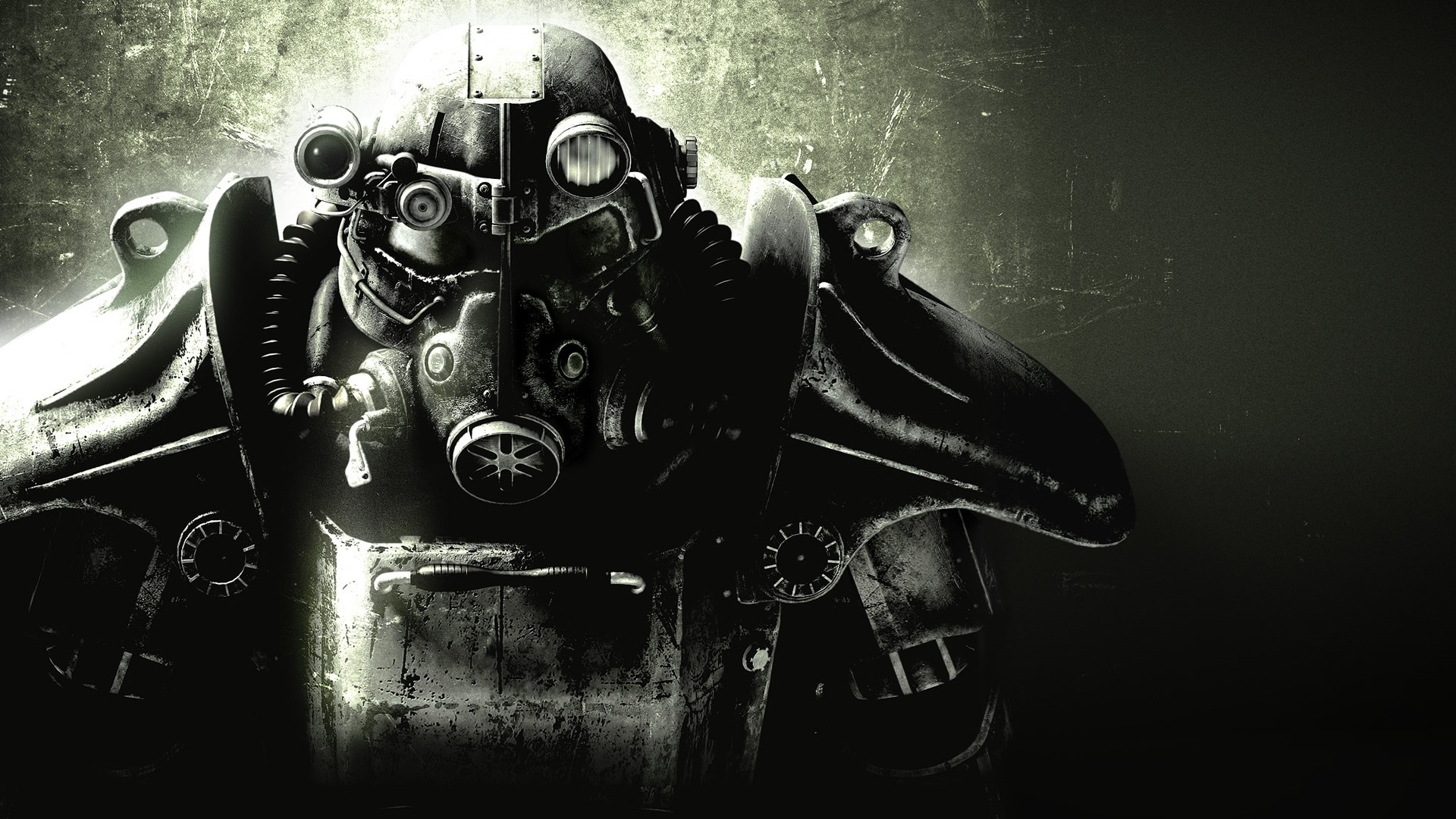
The original ending forced the player character to sacrifice themselves in a radioactive chamber even if they had a radiation immune companion. Players were frustrated that they could not order Fawkes the super mutant to complete the task safely. This logical inconsistency felt like a forced attempt at a poignant sacrifice. Bethesda eventually changed this in the ‘Broken Steel’ expansion to allow companions to enter the chamber. The fix allowed the story to continue past the initial stopping point and addressed player complaints.
‘Borderlands’ (2009)
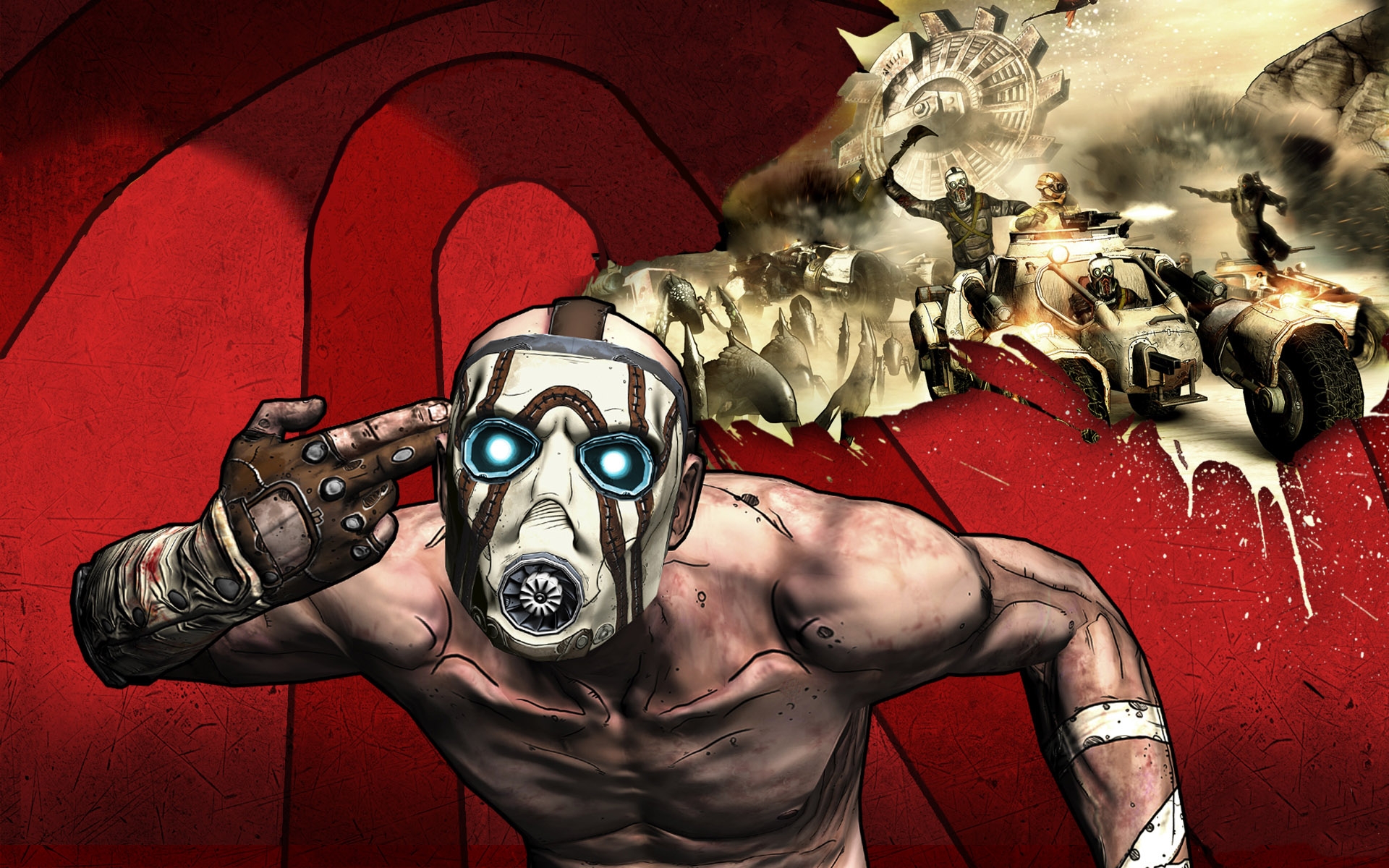
The entire plot focused on finding a legendary Vault filled with alien technology and unimaginable wealth. Instead of treasure the players encountered a giant tentacled monster named the Destroyer. Defeating the boss resulted in the Vault closing for another two hundred years with no loot for the protagonists. Fans felt the ending was an anti climax that mocked their dedication to the loot driven gameplay. It became a running joke in the series that the first Vault was a massive disappointment.
‘Metal Gear Solid V: The Phantom Pain’ (2015)
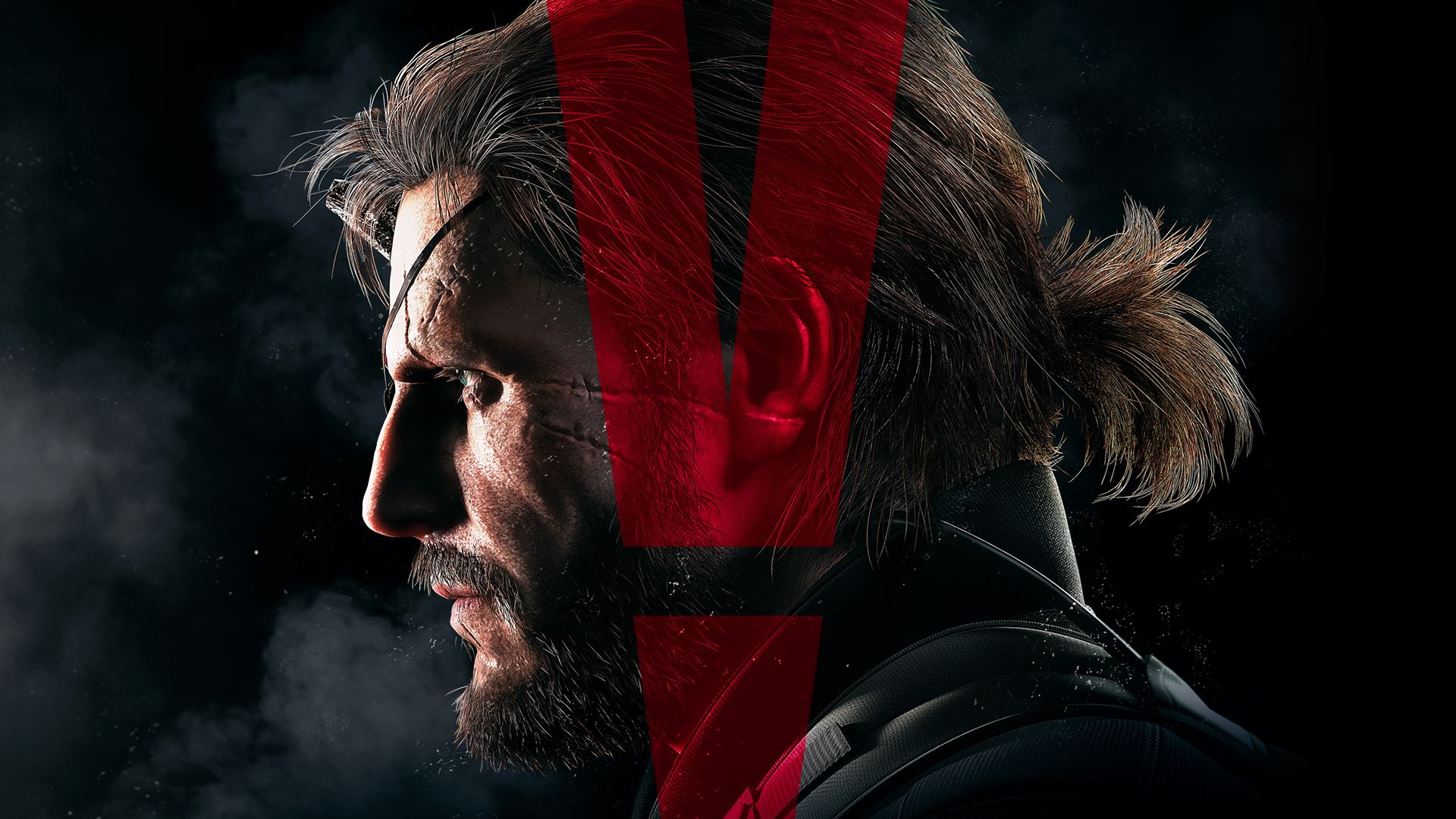
The game concluded with a revelation that the player was not actually Big Boss but a body double. This twist felt disconnected from the main revenge plot and left many character arcs unfinished. A significant portion of the story known as Mission 51 was cut from the final release leaving the fate of Eli unresolved. Fans felt the game was incomplete due to the public fallout between Hideo Kojima and Konami. The lack of a proper final act remains a point of contention for series veterans.
‘The Last of Us Part II’ (2020)
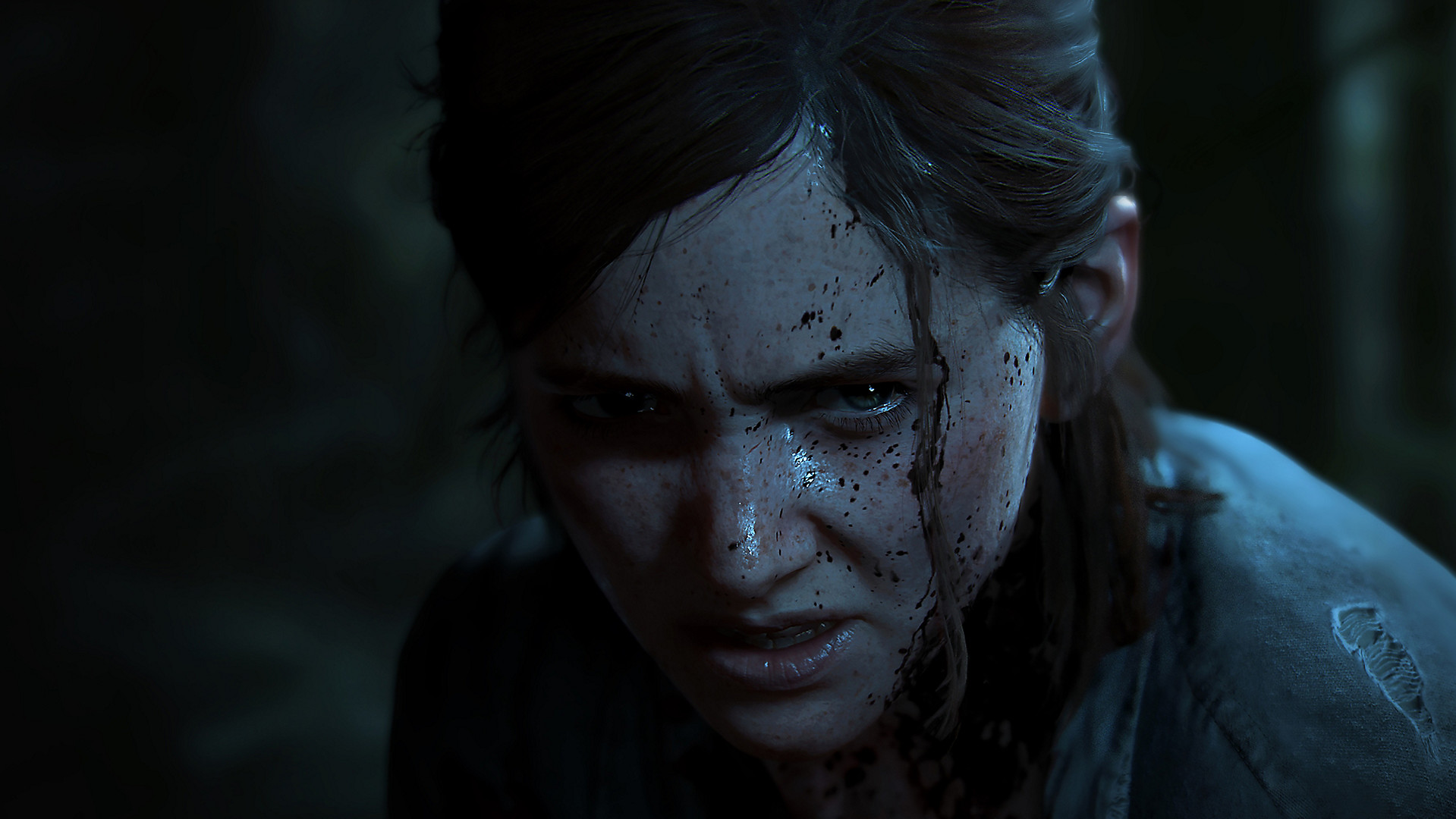
The ending saw Ellie let go of her quest for revenge at the final moment after a grueling journey. Many players felt the decision was inconsistent with the level of violence she had committed to reach that point. The loss of her fingers meant she could no longer play the guitar which was her final connection to Joel. This somber and ambiguous conclusion divided the fanbase into those who appreciated the themes and those who found it unsatisfying. It remains one of the most discussed and polarizing endings in modern gaming.
‘Assassin’s Creed 3’ (2012)
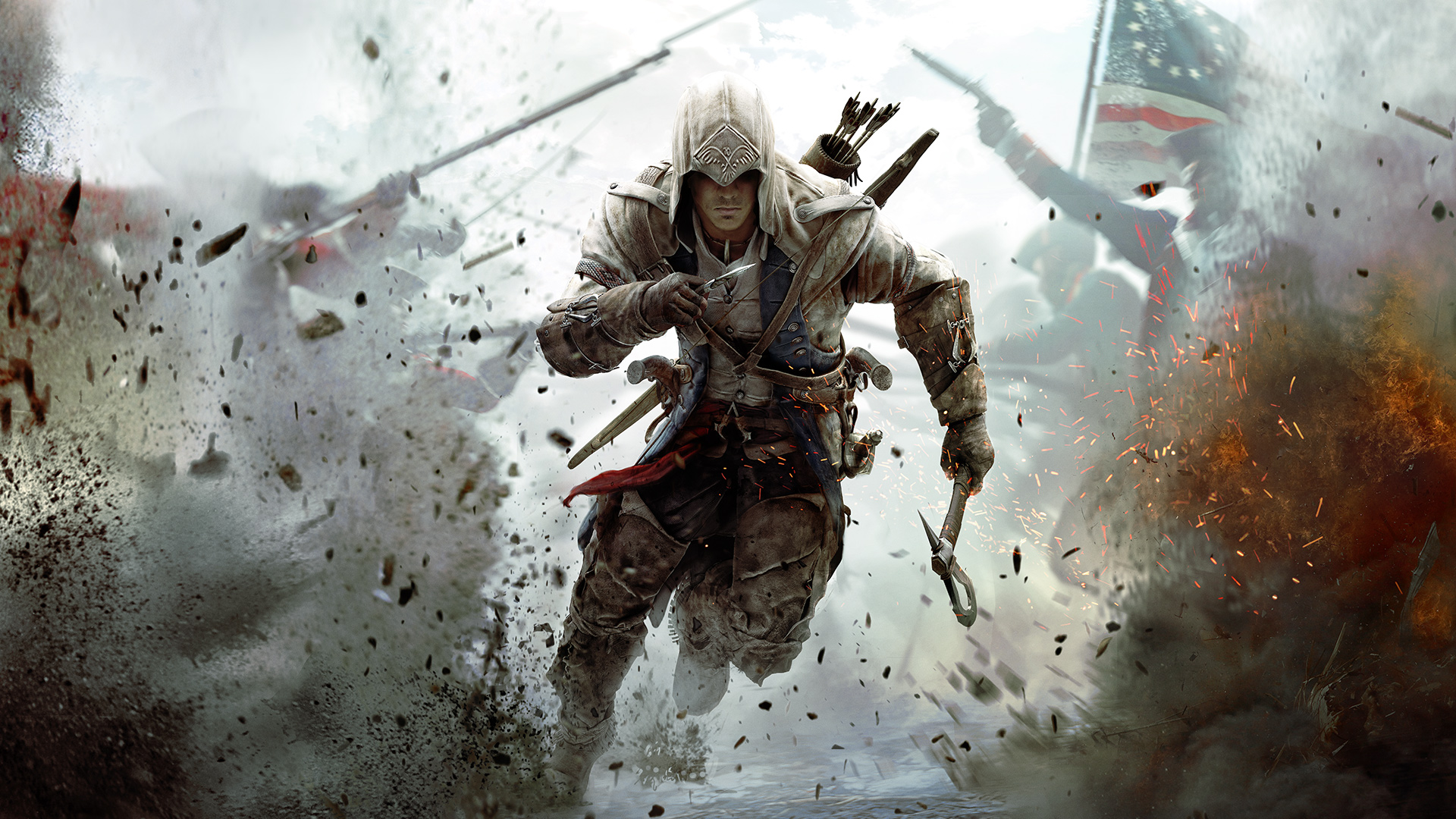
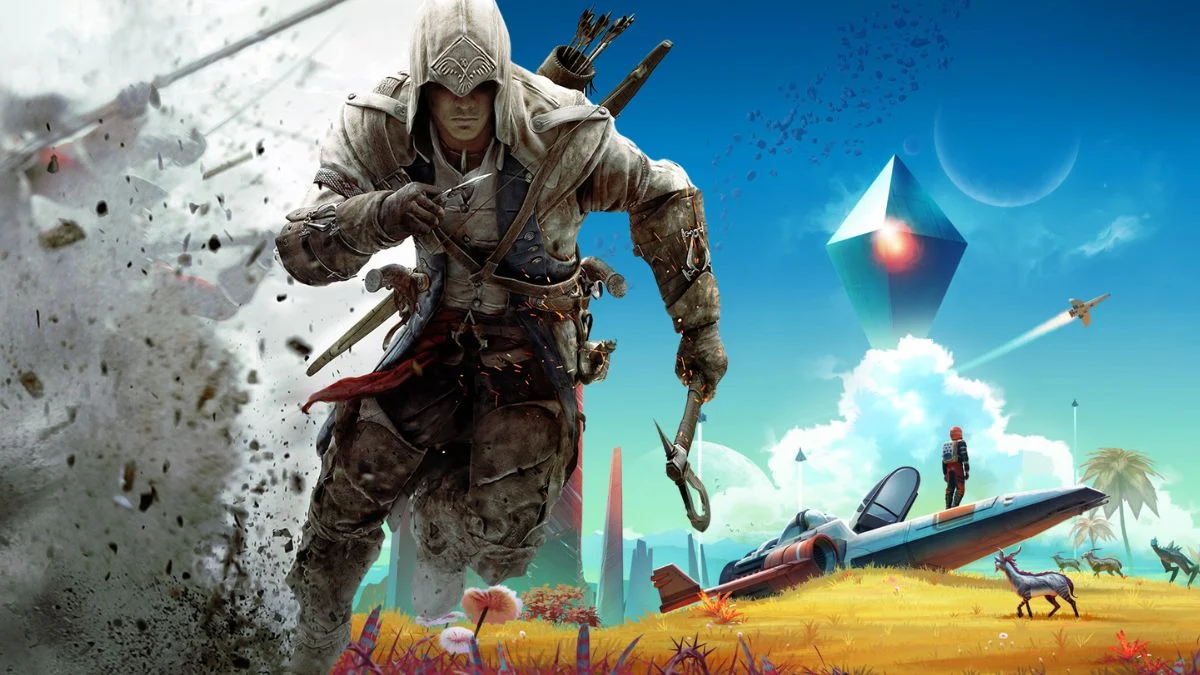
Desmond Miles sacrificed his life to save the world from a solar flare by touching an ancient pedestal. This sudden death ended the modern day storyline that players had followed since the first game. The conclusion felt rushed and failed to provide a satisfying payoff for the character development of Desmond. Fans were disappointed that the overarching narrative shifted away from a central protagonist to a more disconnected approach in later titles. The sacrifice lacked the emotional weight many expected from such a long running series.
‘Fable II’ (2008)
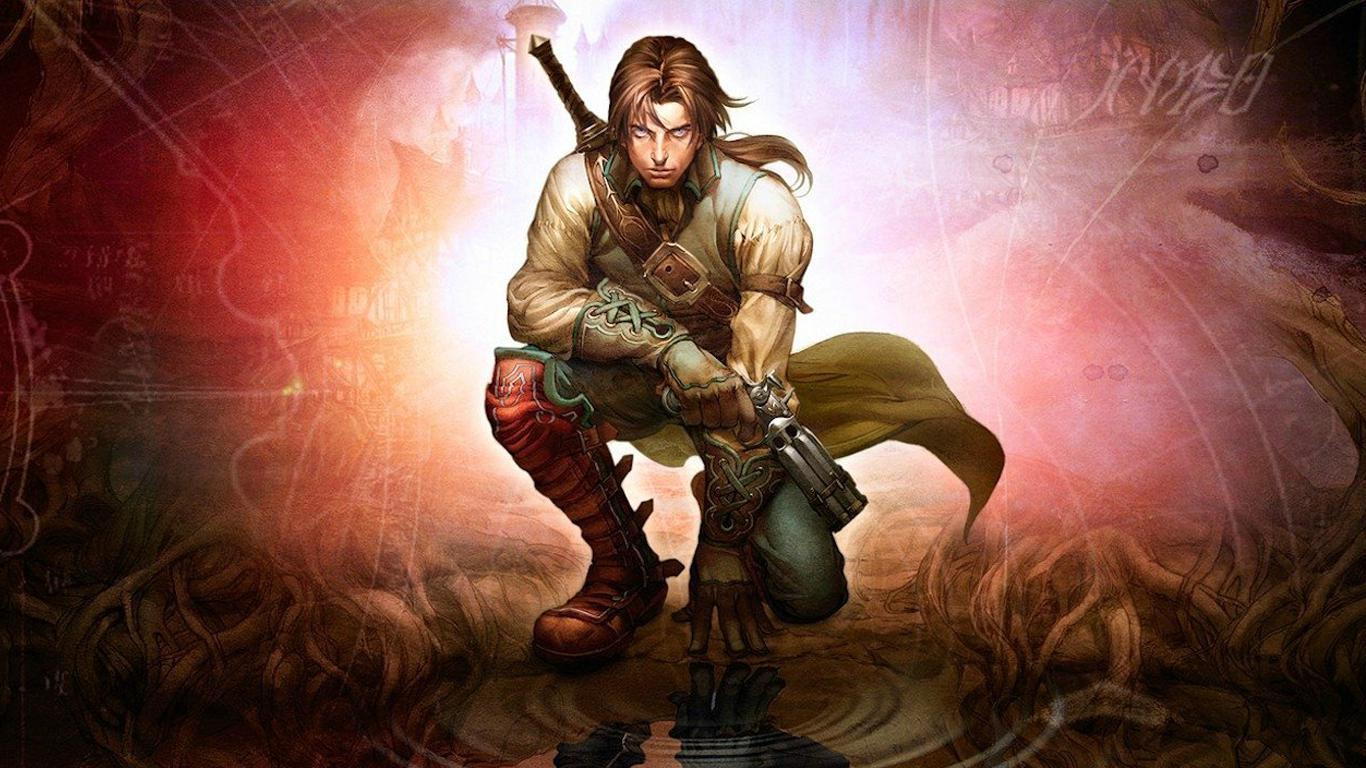
The final encounter with the villain Lord Lucien ended with a single button press or a scripted event if the player waited too long. There was no actual boss fight to test the skills the player had acquired throughout the adventure. After the villain died the player was given three choices that resulted in static text descriptions of the aftermath. Fans felt cheated out of a meaningful confrontation after spending hours building up their character strength. The simplicity of the ending stood in stark contrast to the complexity of the world building.
‘Star Wars: Knights of the Old Republic II – The Sith Lords’ (2004)
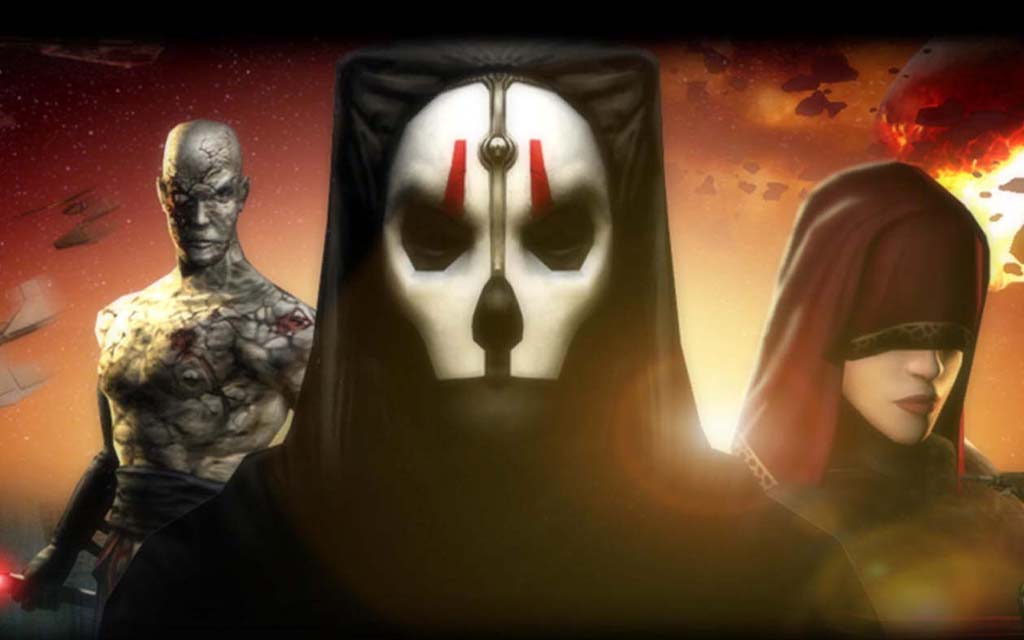
The game concluded with a lengthy dialogue sequence on a crumbling planet that left many questions unanswered. Players found that many of their companions simply disappeared or had their stories abruptly cut short. This was largely due to a rushed development cycle that forced Obsidian Entertainment to cut a massive amount of endgame content. The lack of closure for the player characters and the galaxy felt jarring compared to the first game. Modern fans often use a restored content mod to experience a more complete version of the story.
‘BioShock Infinite’ (2013)
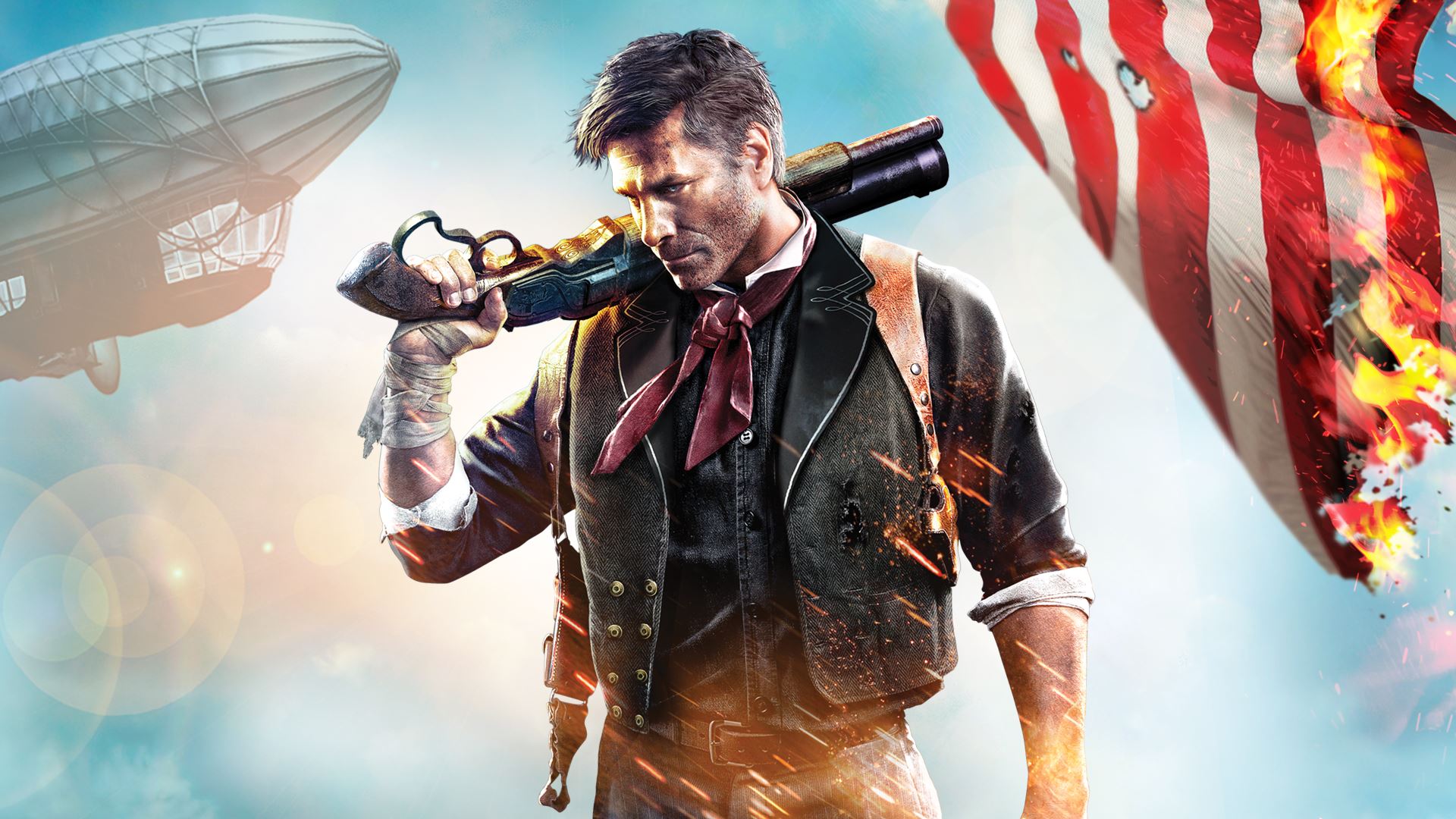
The ending introduced a complex multiverse theory that involved drowning the protagonist to prevent his future self from existing. While some praised the ambition many fans found the narrative leaps confusing and logically inconsistent. The conclusion relied on a series of rapid fire explanations that felt like a departure from the themes of the earlier game. Some players felt the ending tried too hard to be profound at the expense of character motivations. It sparked years of debate regarding the rules of the game universe and the fate of Elizabeth.
‘Far Cry 5’ (2018)
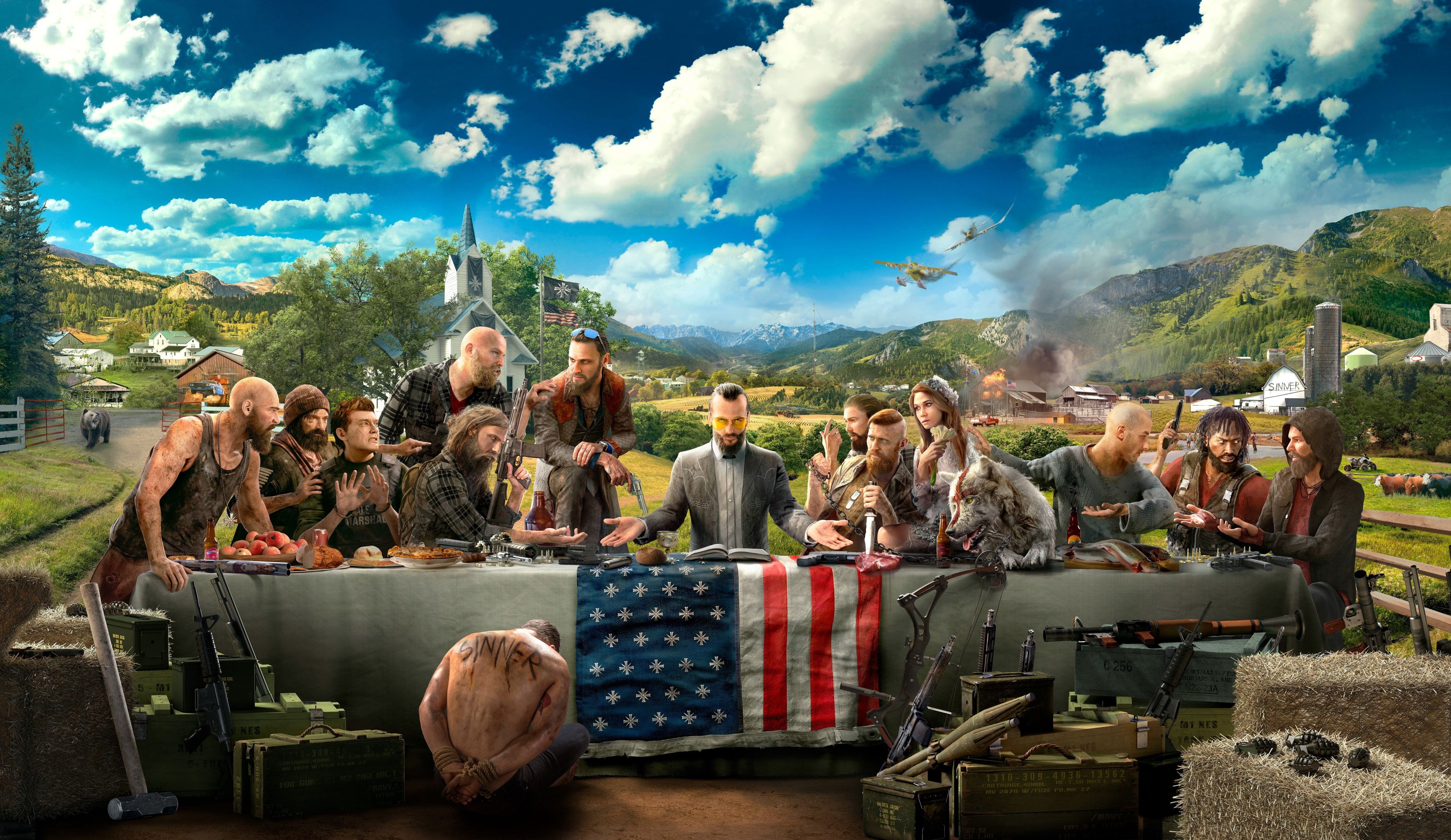
The game offered two main endings and both resulted in the villain Joseph Seed being proven right. In the canon ending a nuclear war began just as the player attempted to arrest the cult leader. This outcome rendered the entire struggle to liberate Hope County seemingly pointless as the world was destroyed anyway. Players felt frustrated that their actions could not lead to a positive resolution regardless of their skill. The ending served as a setup for the sequel but felt like a slap in the face to those hoping for a traditional victory.
‘Shenmue II’ (2001)
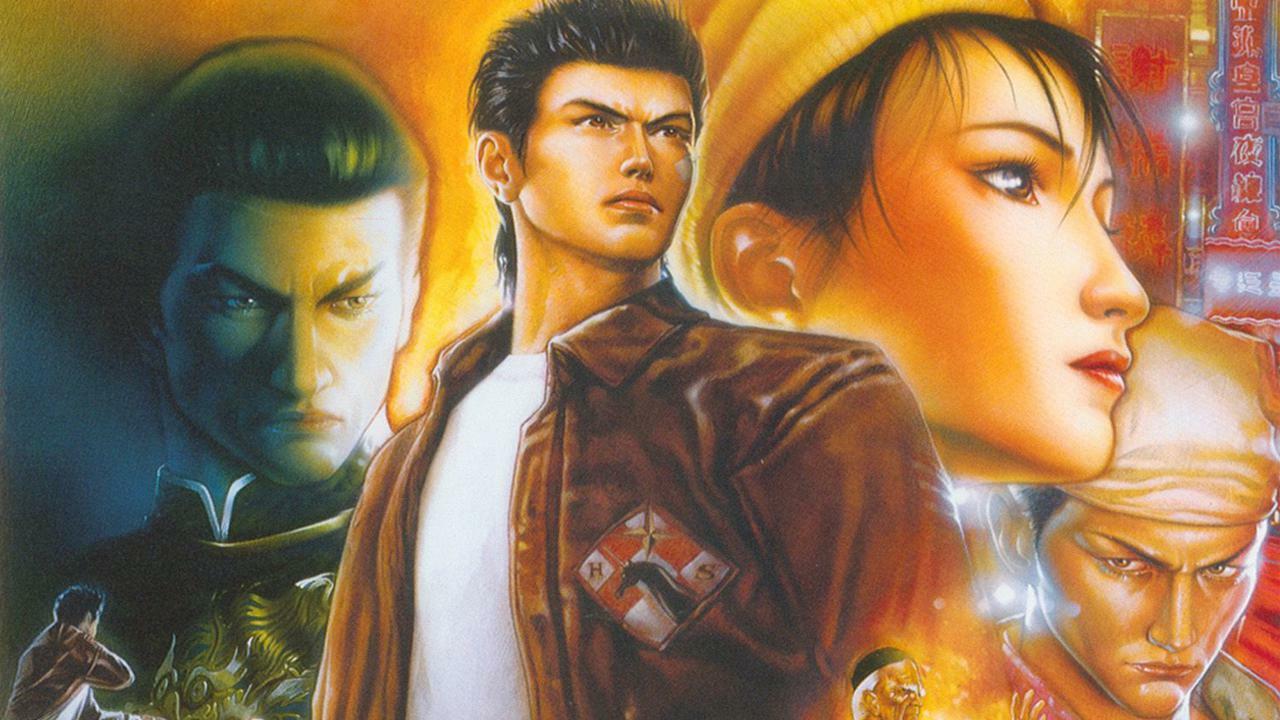
The story ended with Ryo Hazuki finally reaching a cave in China and discovering mystical elements that were never mentioned before. The game stopped on a massive cliffhanger with no resolution to the murder of Ryo’s father. Fans had to wait eighteen years to see the story continue in a third installment. The sudden shift in tone and the lack of a climax left players confused and desperate for answers. It became one of the most famous examples of a story being left in limbo for decades.
‘Drawn to Life: The Next Chapter’ (2009)
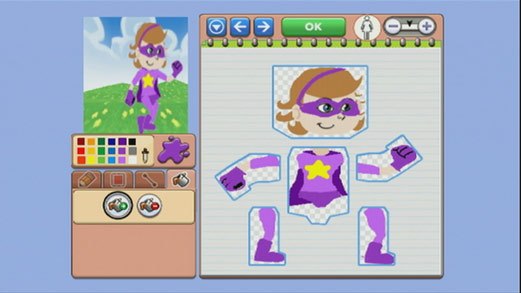
The ending revealed that the entire world and its characters were just a dream or imagination of a boy in a coma. This classic trope frustrated players who had become emotionally attached to the inhabitants of the game world. It implied that none of the struggles or friendships in the game actually happened within its own reality. The revelation was seen as a depressing and lazy way to conclude a whimsical adventure. Developers eventually released a collection that altered this ending to be less bleak for fans.
‘Indigo Prophecy’ (2005)
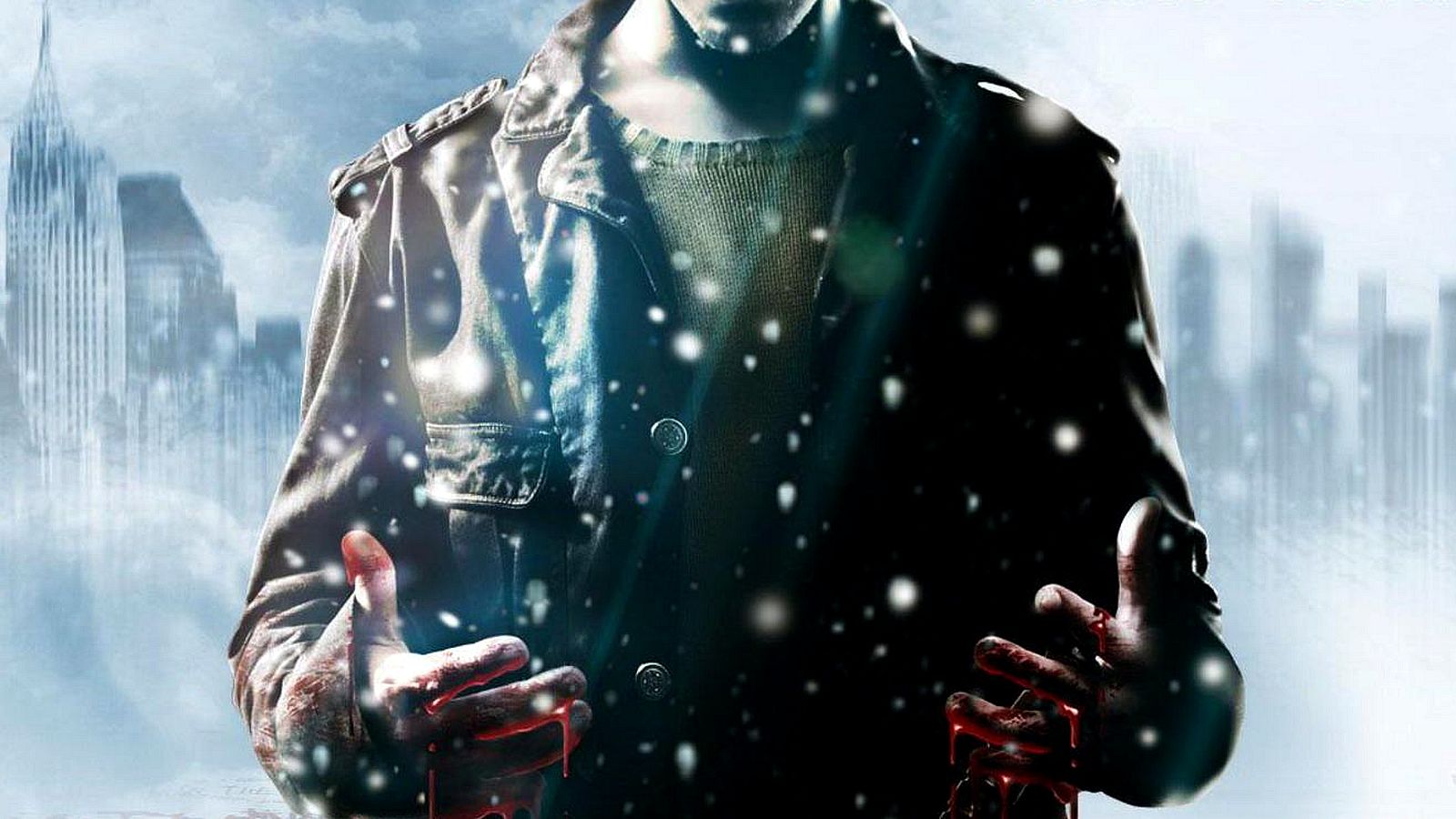
The game started as a grounded murder mystery before spiraling into a chaotic plot involving ancient cults and internet deities. The final act introduced superpowered combat and world ending stakes that felt completely out of place. Players were frustrated by the sudden change in genre and the lack of logic in the narrative progression. The ending felt like several different stories were forced together at the last minute. This conclusion is often cited as the point where the game loses its identity and immersion.
‘Star Ocean: Till the End of Time’ (2003)
The story concluded with the revelation that the entire universe was merely a massively multiplayer online game played by people in the real world. This meta twist suggested that the characters and their struggles were just computer data. Many fans felt this undermined the emotional weight of the entire series and the relationships they had built. The narrative tried to explain that the characters had gained true consciousness but the damage to player immersion was significant. It remains one of the most polarizing twists in the history of Japanese role playing games.
‘Firewatch’ (2016)
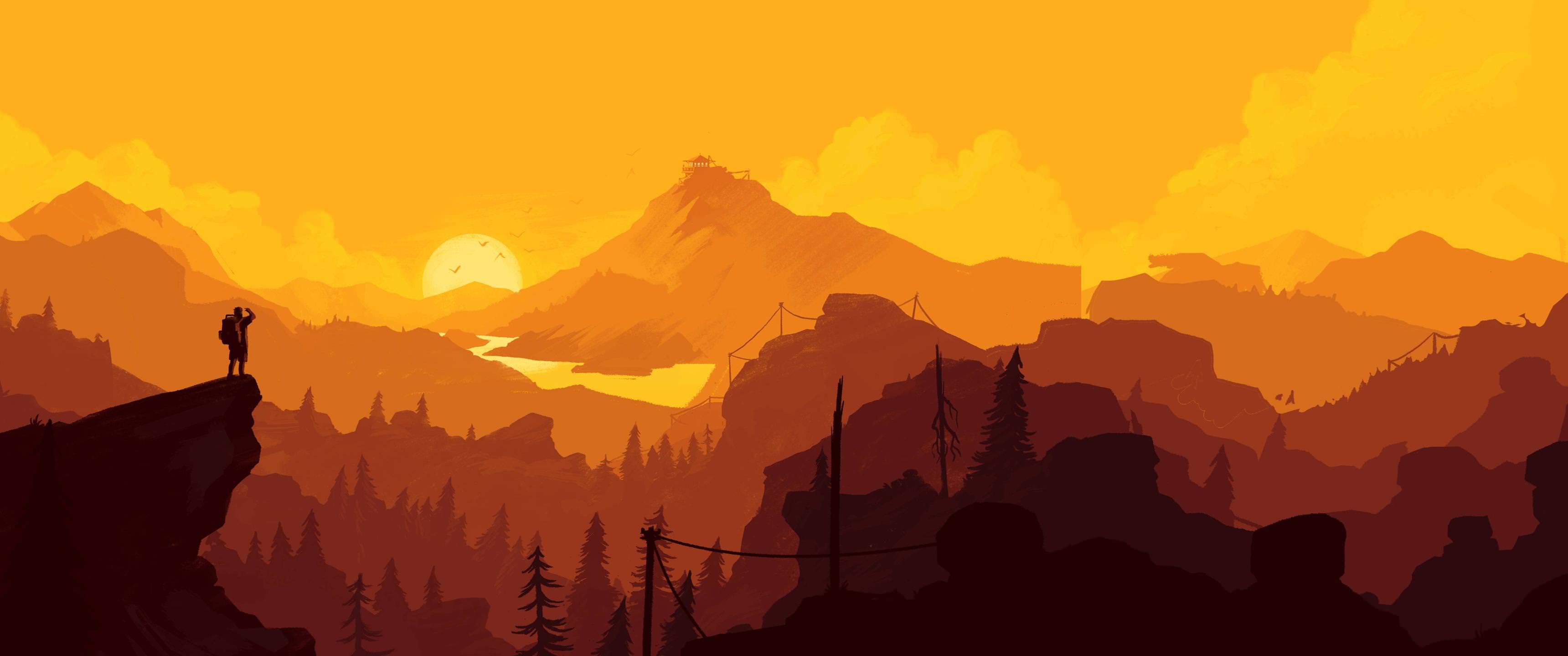
The mystery surrounding a conspiracy and a missing person turned out to be a series of coincidences and an accident. Players expected a grander revelation or a chance for the main characters to finally meet in person. Instead the protagonist simply boarded a helicopter and left without ever seeing Delilah. Some fans appreciated the grounded realism of the ending while many others felt it was an anti climax. The lack of a traditional payoff for the tension built throughout the game led to significant online debate.
‘Dead Space 3’ (2013)
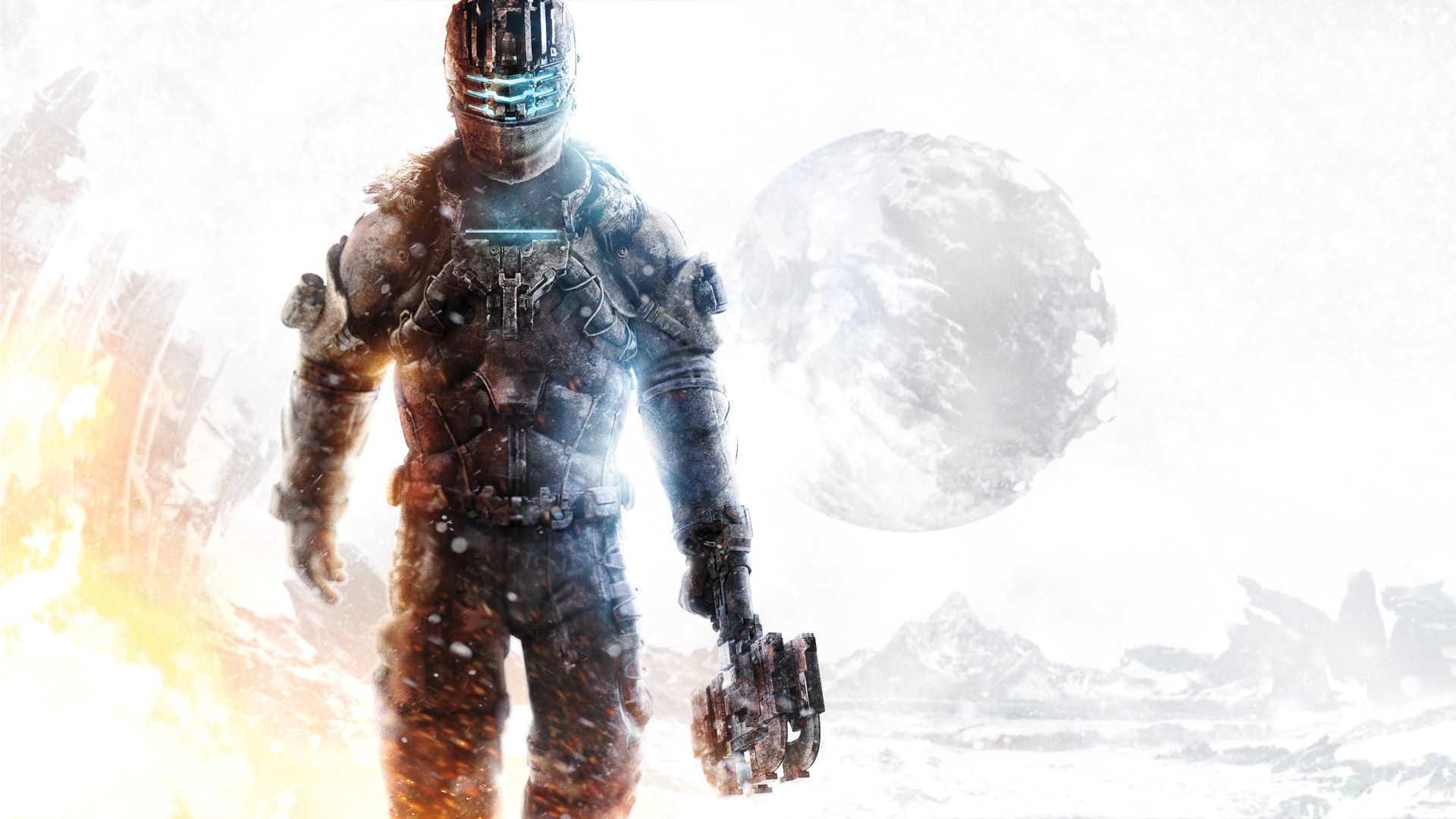
The main game ended with Isaac Clarke and Carver seemingly sacrificing themselves to stop the Brethren Moons. However the story truly concluded in the ‘Awakened’ downloadable content which showed the Moons attacking Earth. This meant the entire struggle of the trilogy ended in the likely extinction of the human race. Fans were furious that the true ending was sold separately and featured such a hopeless outcome. The franchise went into a long hiatus following this bleak and controversial conclusion.
‘The Order: 1886’ (2015)
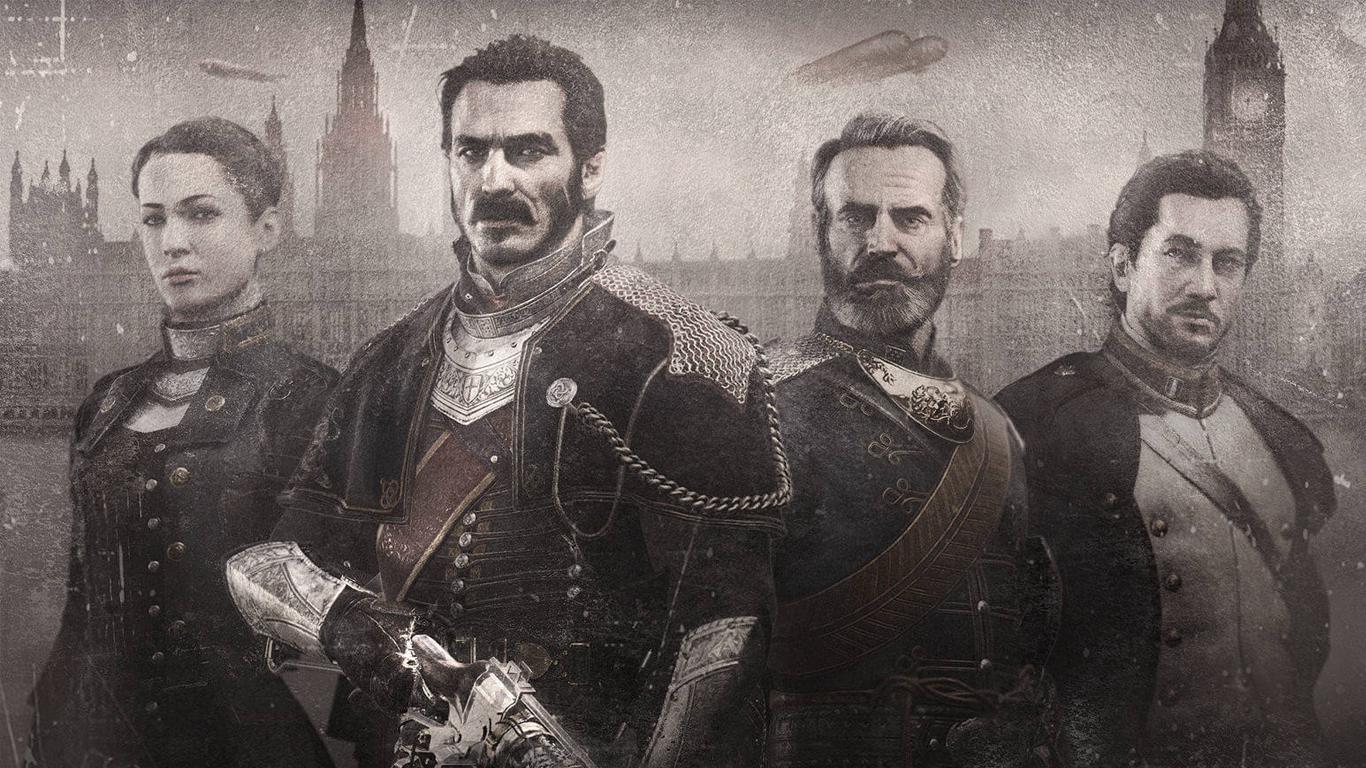
The story stopped abruptly just as the central conflict was beginning to escalate and the main character became a fugitive. Players were left with numerous unanswered questions about the vampire conspiracy and the true nature of the Order. The game was criticized for its short length and for feeling like a prologue rather than a complete experience. No sequel was ever announced to resolve the plot threads left hanging at the end. This lack of closure contributed to the mixed reception of what was intended to be a flagship title.
‘Kane & Lynch 2: Dog Days’ (2010)
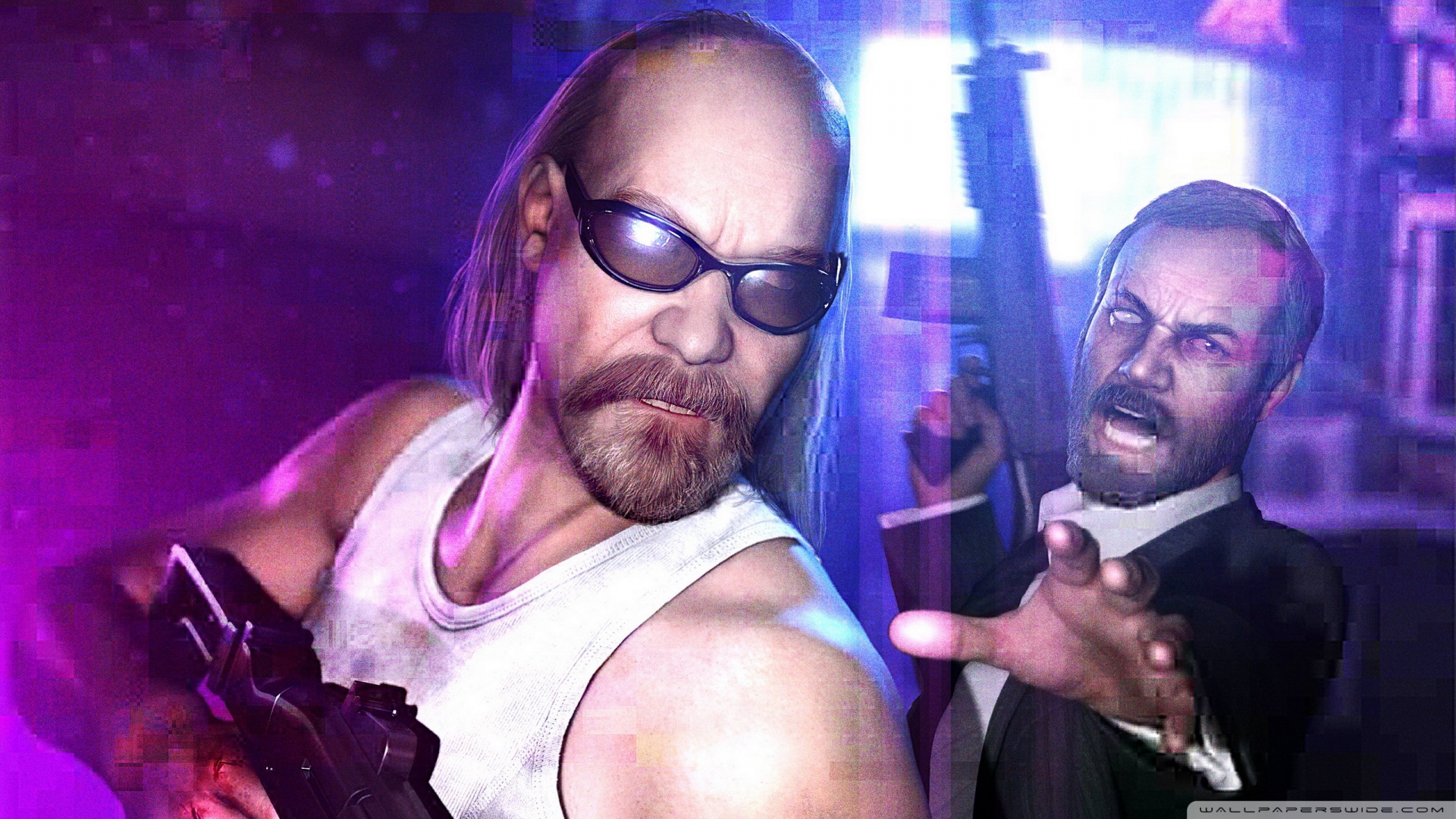
The game ended with the two protagonists boarding a plane and escaping Shanghai as the screen cut to black. There was no final boss fight or narrative resolution for the chaos they had caused. The credits rolled immediately after a short walk through an airport terminal. Fans felt the ending was lazy and provided no satisfaction for the brutal journey they had endured. It remains one of the most abrupt endings in the history of action games.
‘Dying Light’ (2015)
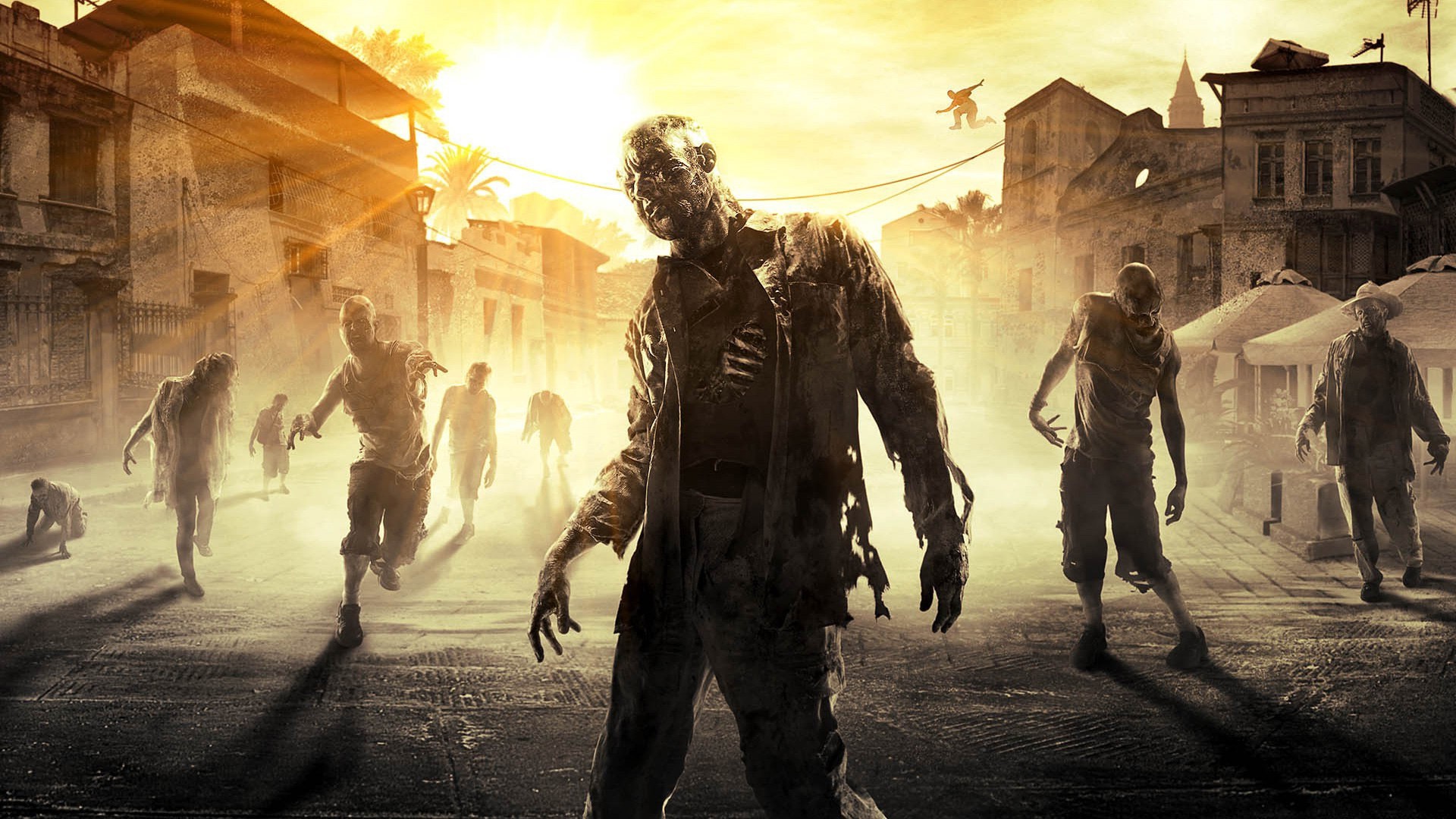
The final confrontation with the villain Rais was restricted to a series of quick time events rather than traditional combat. Players had spent the entire game mastering parkour and melee combat only to be forced into button prompts. This mechanical shift felt disconnected from the gameplay loop that fans had enjoyed for dozens of hours. The lack of a challenging boss fight left many feeling that the climax was underwhelming. The narrative conclusion also felt rushed compared to the detailed world building found elsewhere.
‘Crysis’ (2007)
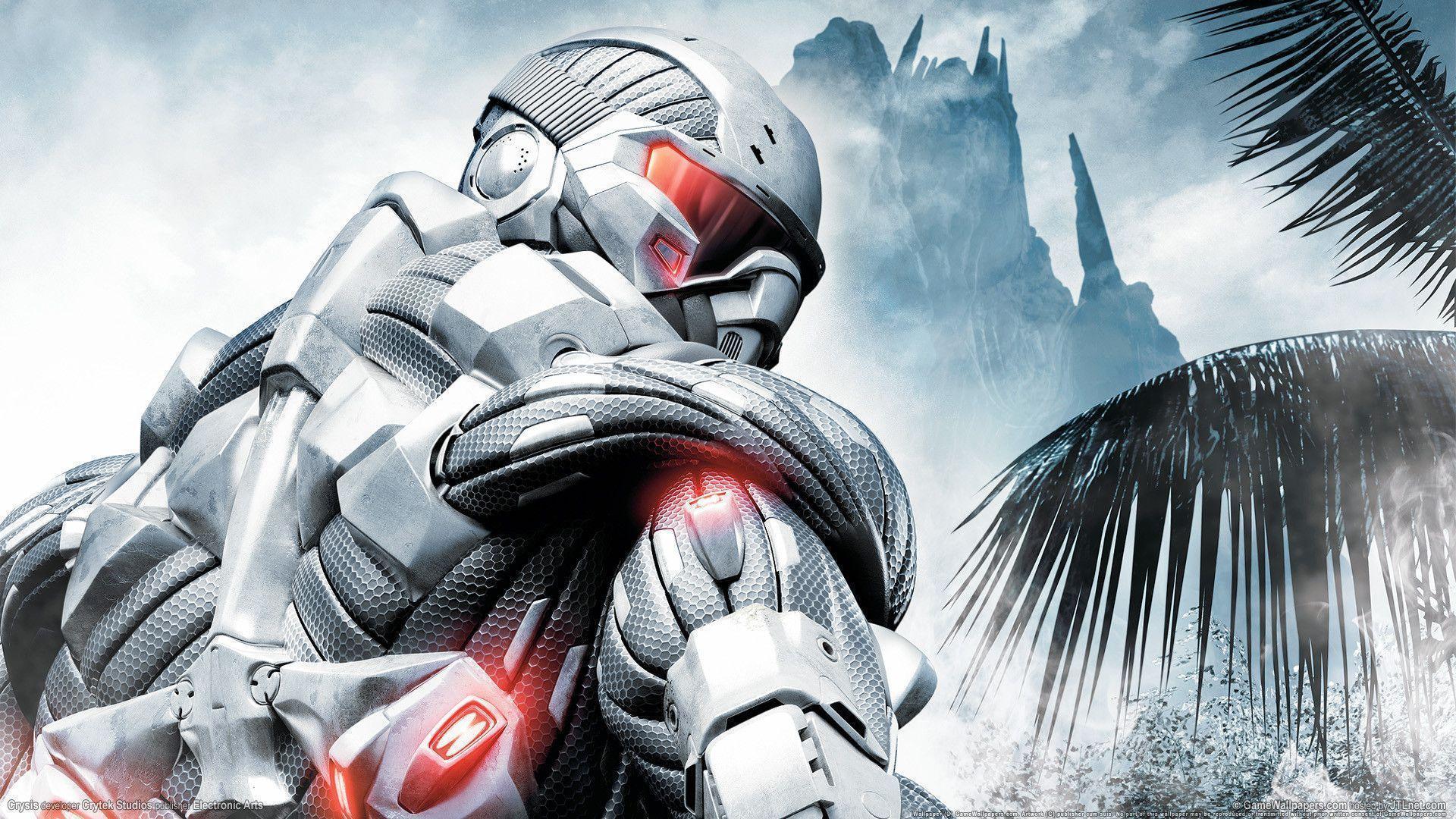
The game ended on a cliffhanger where the protagonist Nomad returned to the island to continue the fight against the aliens. The story was never properly finished from Nomad’s perspective in the sequels which shifted focus to other characters. Players felt the buildup to a massive war was abandoned in favor of different narrative directions. The lack of closure for the original hero was a major disappointment for those invested in the first game. This transition felt like a missed opportunity to conclude a high stakes military science fiction story.
‘Conker’s Bad Fur Day’ (2001)
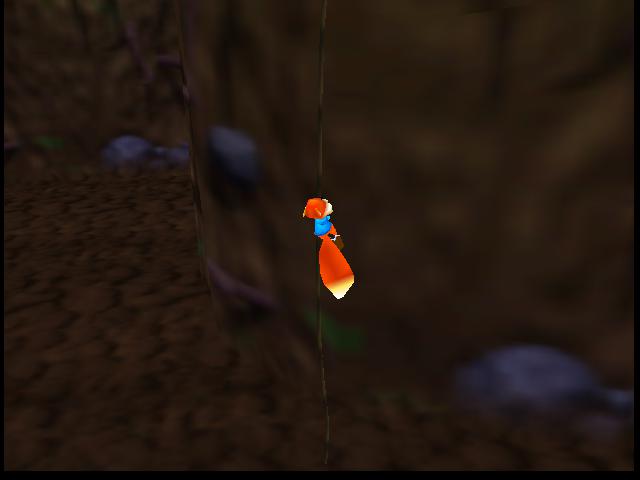
The game concluded with Conker becoming the king of a world he hated while losing his girlfriend Berri. Despite having god like powers within the game engine the protagonist could not bring her back to life. The final scene showed a depressed Conker drinking alone and reflecting on his tragic situation. Fans who expected a humorous resolution were instead met with a surprisingly dark and cynical ending. It subverted the expectations of the platforming genre in a way that left many players feeling hollow.
‘Monkey Island 2: LeChuck’s Revenge’ (1991)
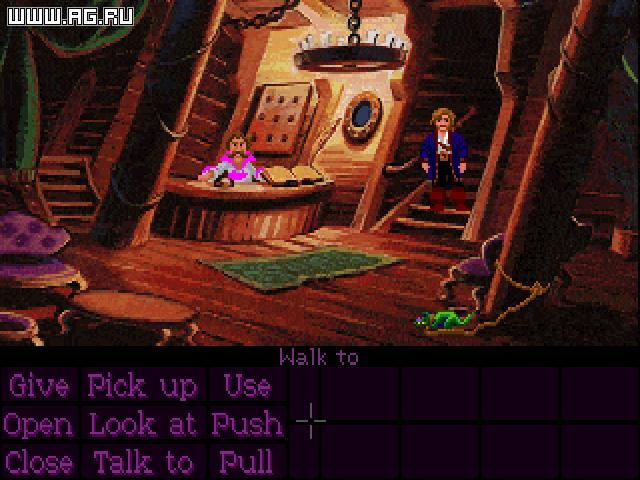
The ending revealed that the entire pirate adventure might have been a fantasy played out by two children in an amusement park. Guybrush and LeChuck appeared as brothers being called away by their parents. This meta twist confused and angered players who had invested in the lore of the Caribbean setting. The ambiguous nature of the ending was not fully addressed until decades later in ‘Return to Monkey Island’. It remains one of the most famous examples of a surreal and controversial ending in point and click adventures.
‘Super Mario Bros. 2’ (1988)
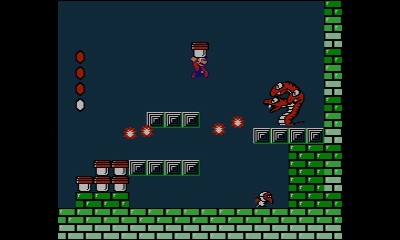
The finale revealed that the entire journey through the land of Subcon was merely a dream Mario was having. The scene showed Mario waking up in his bed and going back to sleep while the characters he met floated by. This invalidated the efforts of the player to defeat Wart and save the world. While it explained the strange mechanics compared to the first game it felt like a narrative cop out. This trope is frequently cited as one of the least satisfying ways to end a video game story.
‘Deus Ex: Mankind Divided’ (2016)
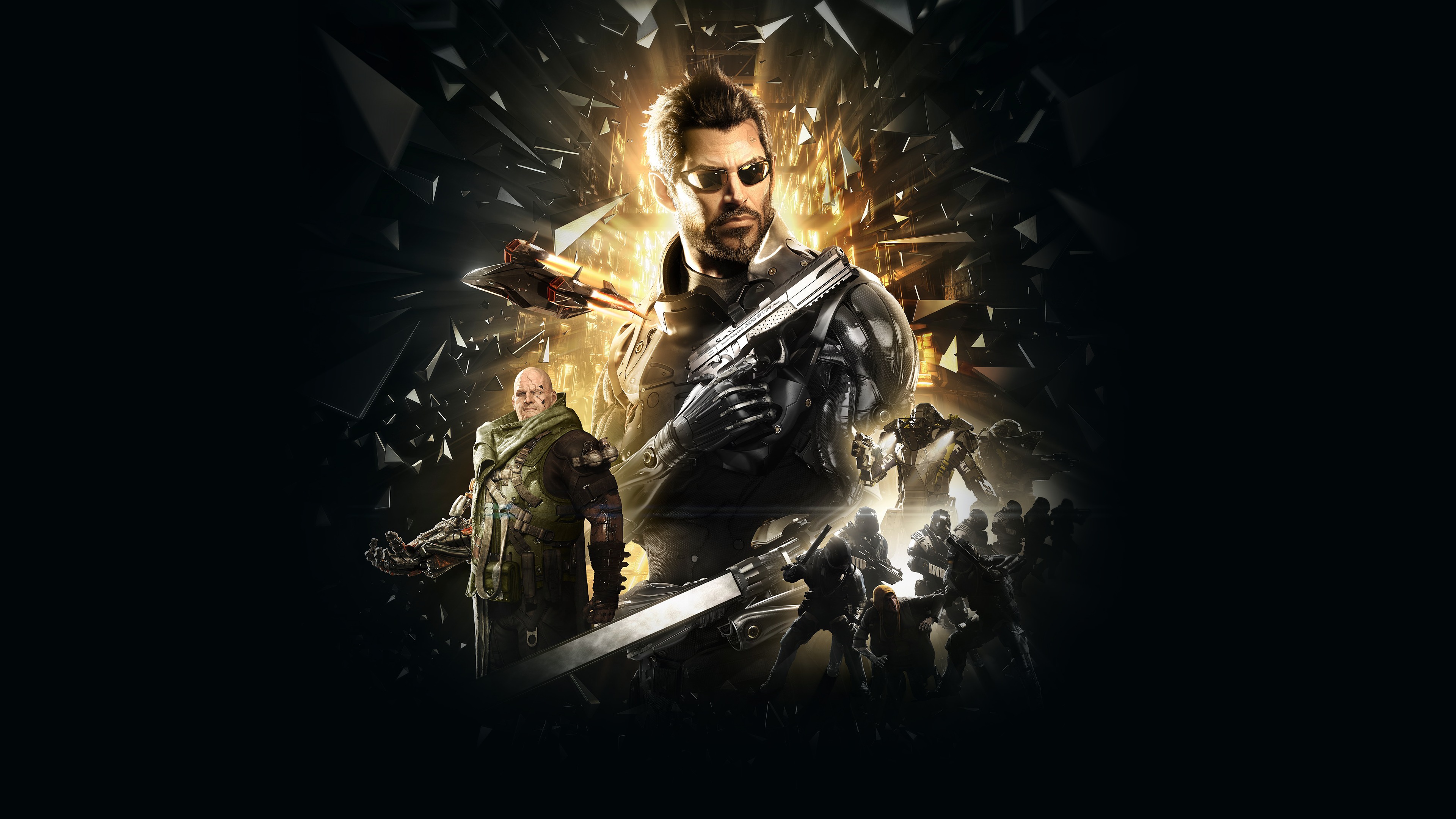
The game ended after a single boss fight with most of the overarching conspiracy remaining completely intact. Players felt they had only experienced the first act of a much larger story that was never finished. Square Enix put the franchise on hold shortly after release leaving Adam Jensen’s journey on a cliffhanger. The lack of a definitive conclusion to the Illuminati plot left fans feeling that the game was incomplete. It stands as a frustrating example of a story cut short by external business decisions.
‘Half-Life 2: Episode Two’ (2007)
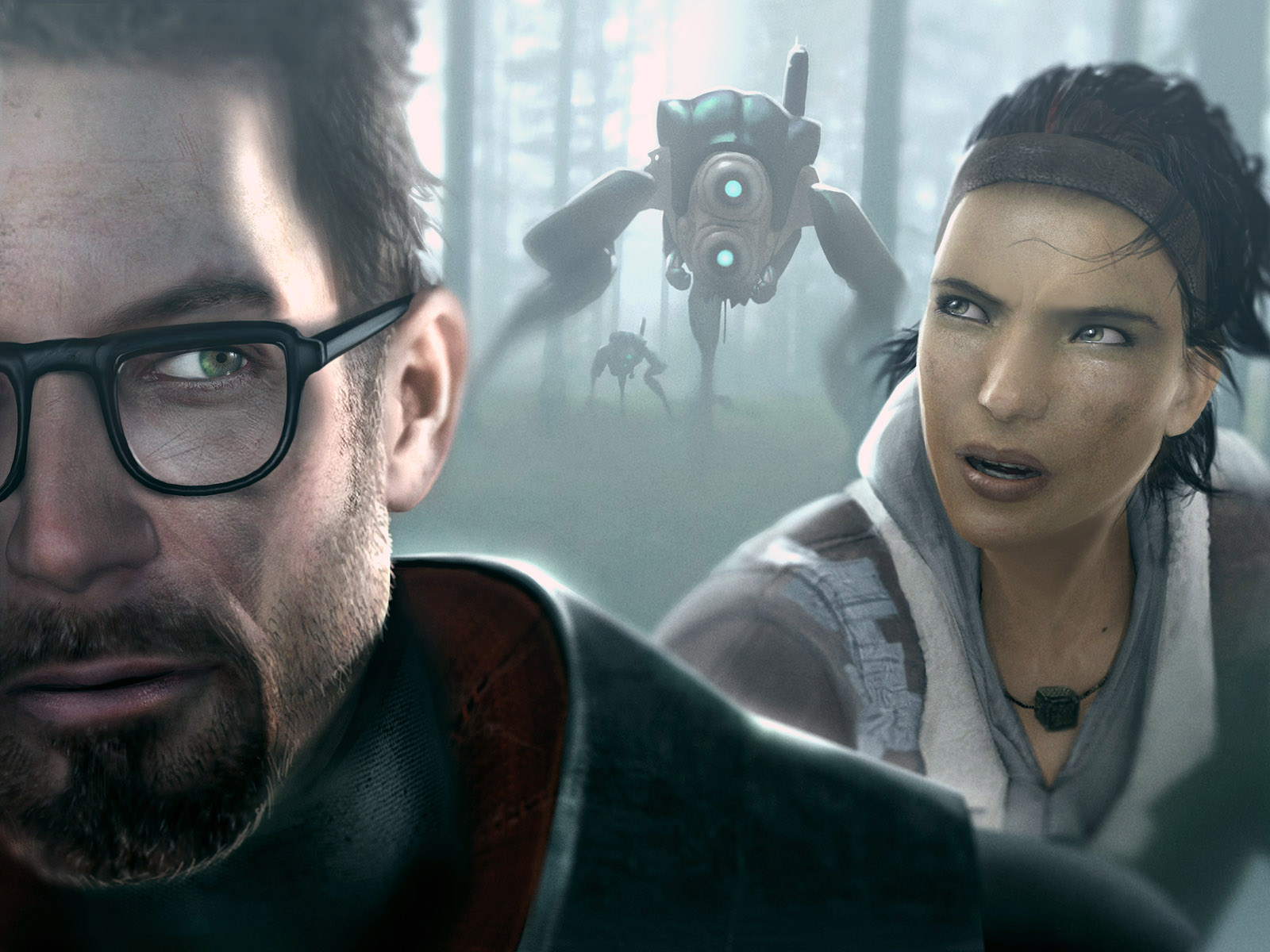
The game ended with a main character being killed by an alien Advisor while the protagonists watched helplessly. The screen faded to black with the sound of sobbing as the credits began to roll. This cliffhanger was meant to be resolved in a third episode that Valve never released. Fans have spent over fifteen years waiting for a resolution to the cliffhanger that changed the trajectory of the ‘Half Life’ series. The lack of resolution has become a legendary piece of gaming culture and a source of constant frustration.
‘Ghosts ‘n Goblins’ (1985)
After defeating the final boss players were told that the entire journey was a trap devised by Satan. They were forced to restart the entire game on a higher difficulty level to see the true ending. Completing the game once was already an immense challenge due to its brutal difficulty and limited lives. Being told that their progress did not count was a source of massive frustration for arcade players. Only by beating the game twice in a row could the player actually rescue the princess.
‘Soul Reaver’ (1999)
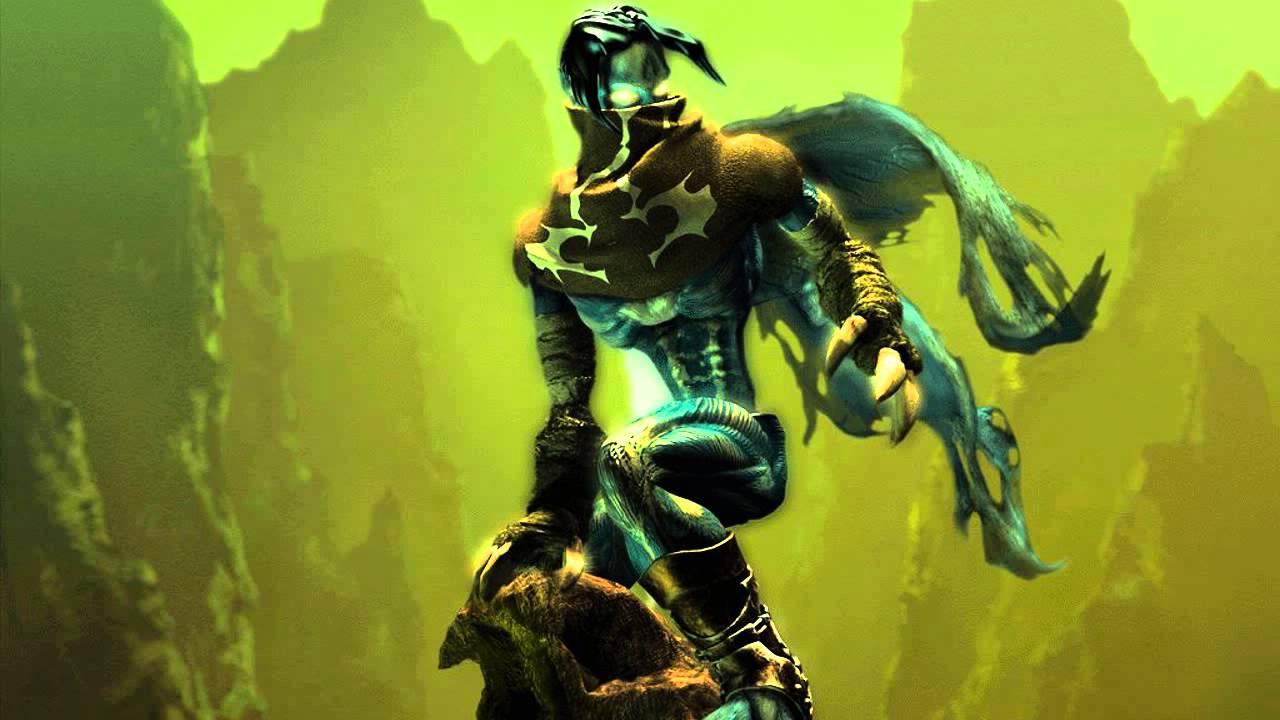
The game ended with Raziel jumping into a portal to pursue Kain through time as a to be continued message appeared. There was no final battle between the protagonist and his betrayer at the end of the journey. Players felt the game stopped mid sentence because of time constraints during development. This forced fans to wait for the sequel to get any semblance of a resolution to the conflict. The abrupt ending tarnished the reputation of an otherwise highly acclaimed action adventure title.
‘Batman: Arkham Knight’ (2015)
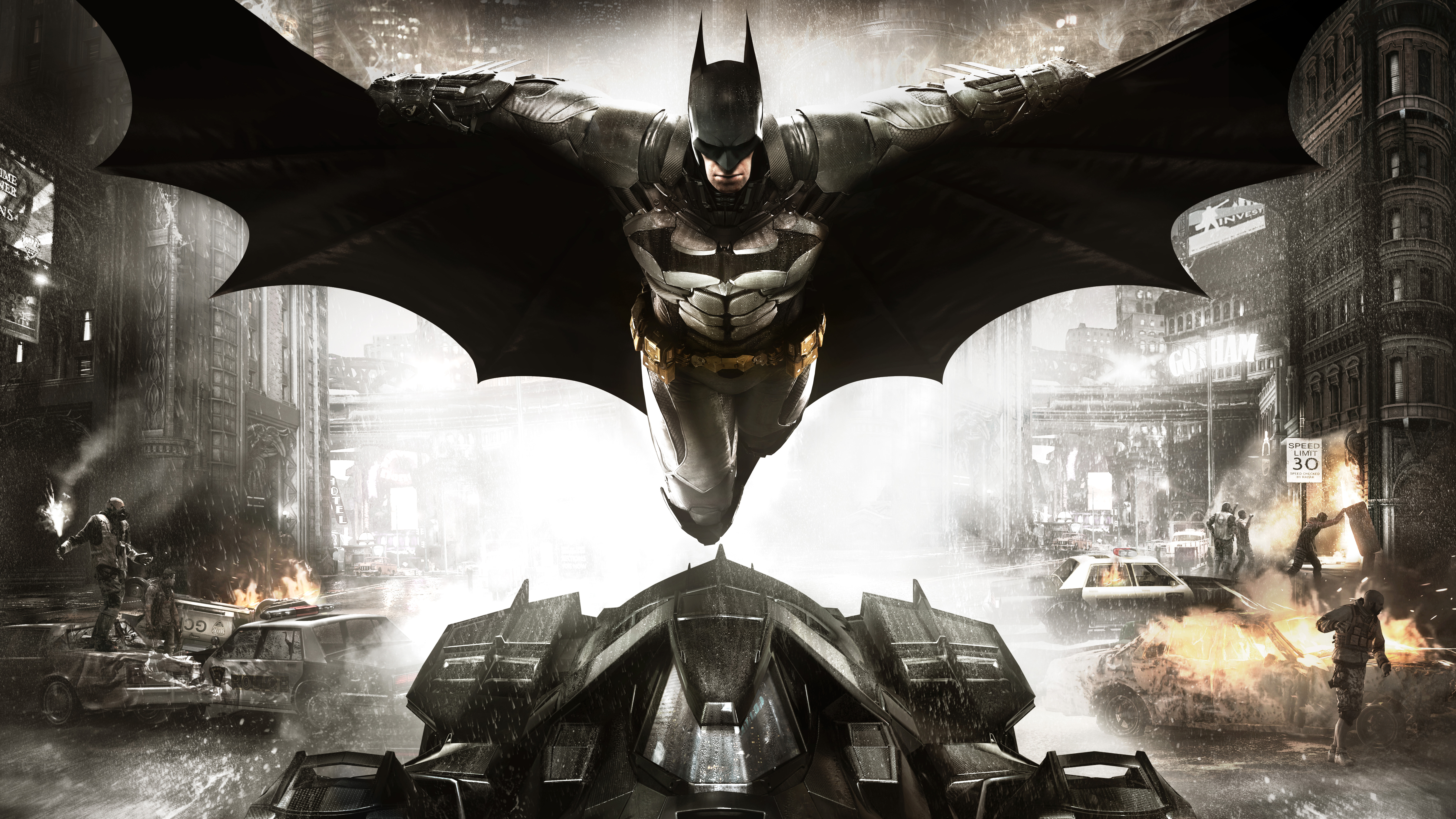
The true ending was locked behind a requirement to achieve one hundred percent completion by capturing every villain. Many players found the repetitive task of collecting hundreds of Riddler trophies to be tedious and unnecessary. Those who did not complete the tasks were left with an incomplete version of the story. The ‘Knightfall Protocol’ itself was an ambiguous finale that left the fate of Bruce Wayne in question. Fans felt that the narrative payoff should not have been gated behind such a significant grind.
‘Mirror’s Edge Catalyst’ (2016)
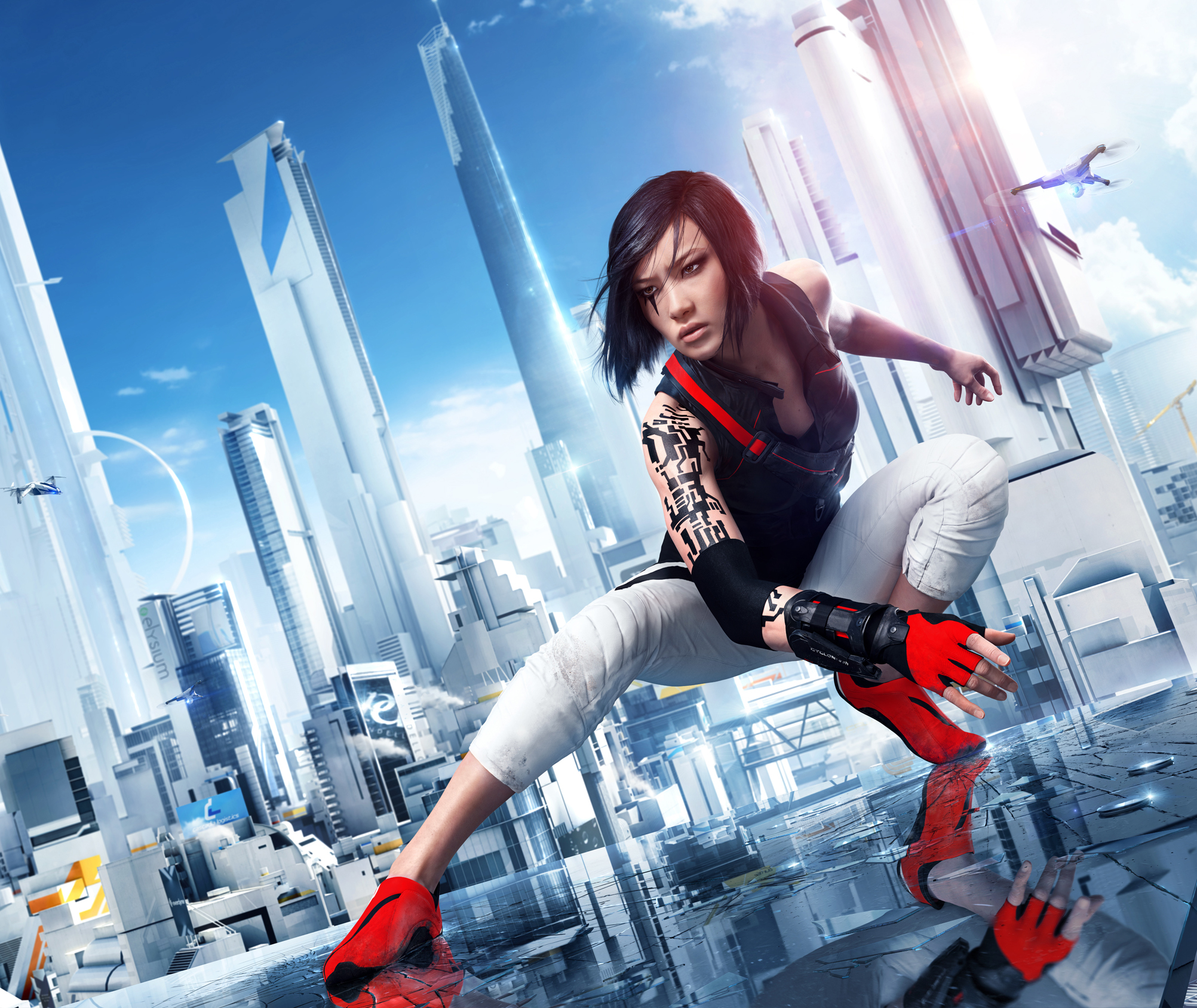
The story concluded with a predictable sacrifice and the main antagonist simply escaping to continue his plans. Faith Connors remained a fugitive and the city of Glass saw very little actual change despite the player’s efforts. The narrative felt like a setup for a franchise expansion that never happened due to slow sales. Fans of the original game were disappointed by the lackluster character development and the unresolved plot threads. The ending failed to provide the high stakes resolution that the world building suggested.
‘Final Fantasy XV’ (2016)
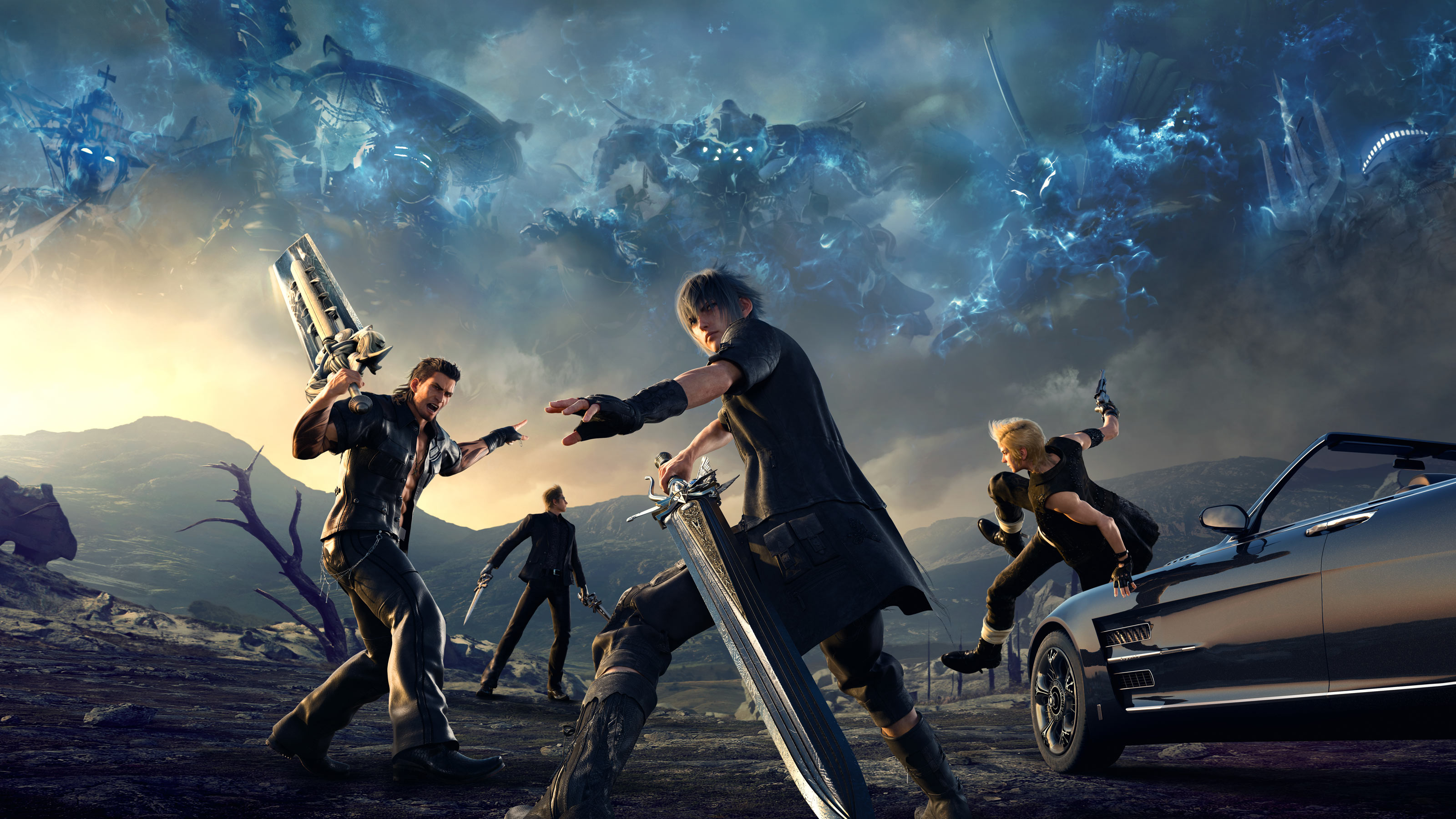
The original release left several character departures unexplained and featured a rushed final act that felt disjointed. Players had to purchase downloadable content or read external media to understand why certain events occurred. The tragic ending saw the protagonist perish to save the world but the path to that moment felt incomplete. Square Enix eventually canceled the final set of story updates that would have provided an alternate ending. This left the narrative in a state that many fans found confusing and emotionally taxing.
‘Little Hope’ (2020)
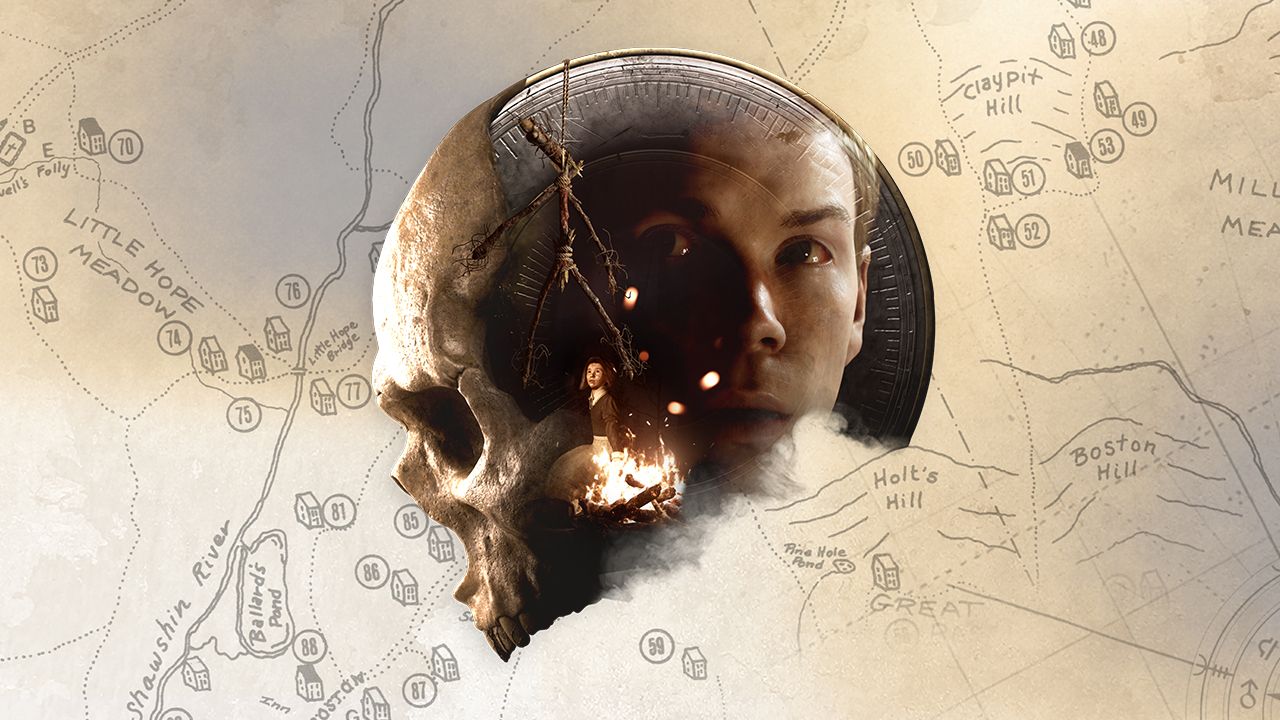
The ending revealed that the supernatural events and the characters were all hallucinations of the bus driver. This twist meant that the choices made to save or lose characters had no real stakes in the game world. Players felt that the historical horror elements were wasted on a psychological trope that had been used in previous installments. The revelation made the entire journey feel like a trick played on the audience rather than a coherent story. Many fans criticized the game for recycling a narrative structure that undermined the horror experience.
‘The Callisto Protocol’ (2022)
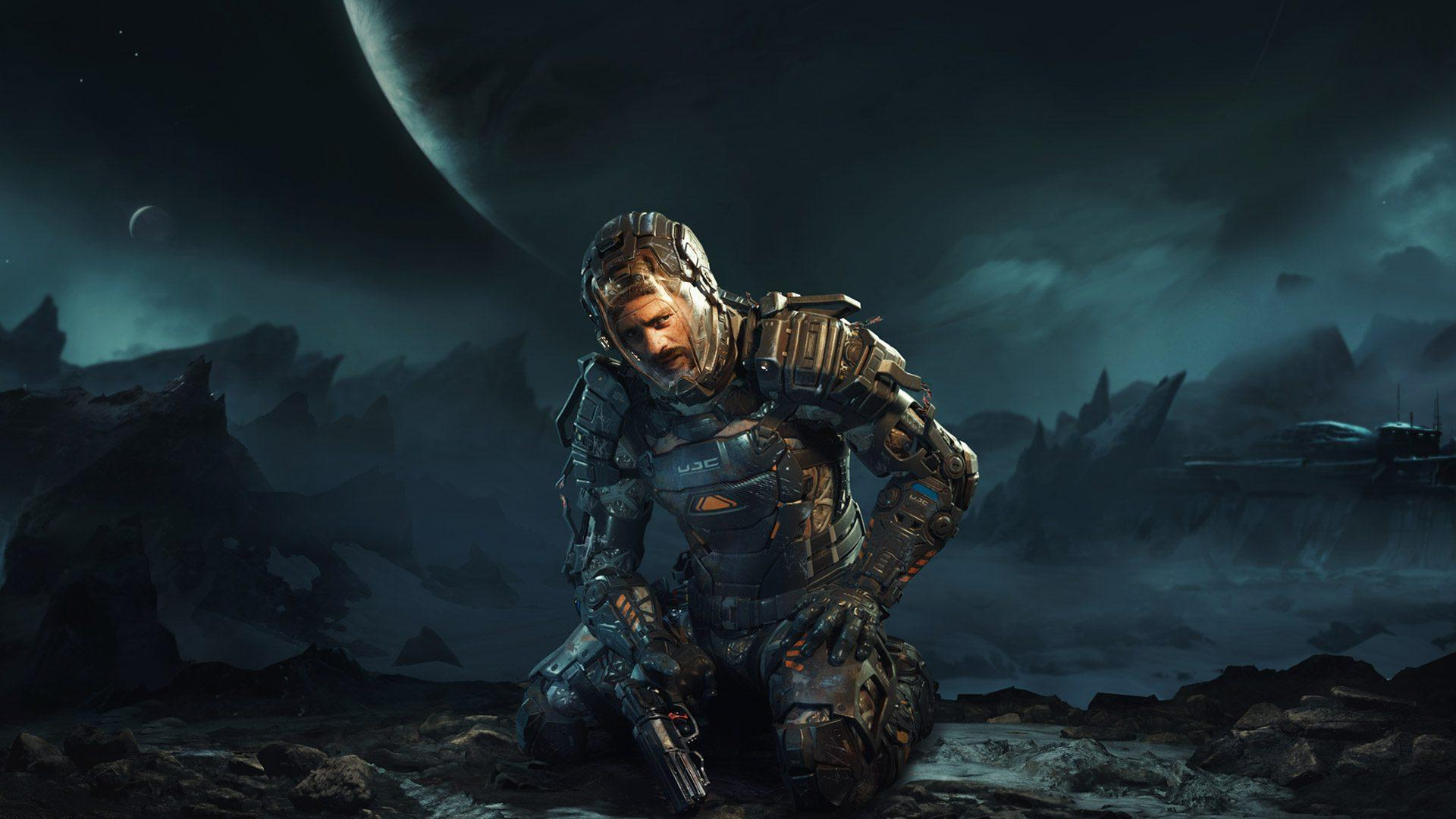
The main game ended on a sudden jump scare and a cliffhanger that left the fate of the protagonist unknown. The actual resolution was sold as the ‘Final Transmission’ downloadable content several months later. Fans were angry that the true conclusion to the story was not included in the base game. Even the extra content provided an ending that many found depressing and unsatisfying for the characters. This approach to storytelling was seen as a way to monetize the finale of the game.
‘Rage’ (2011)
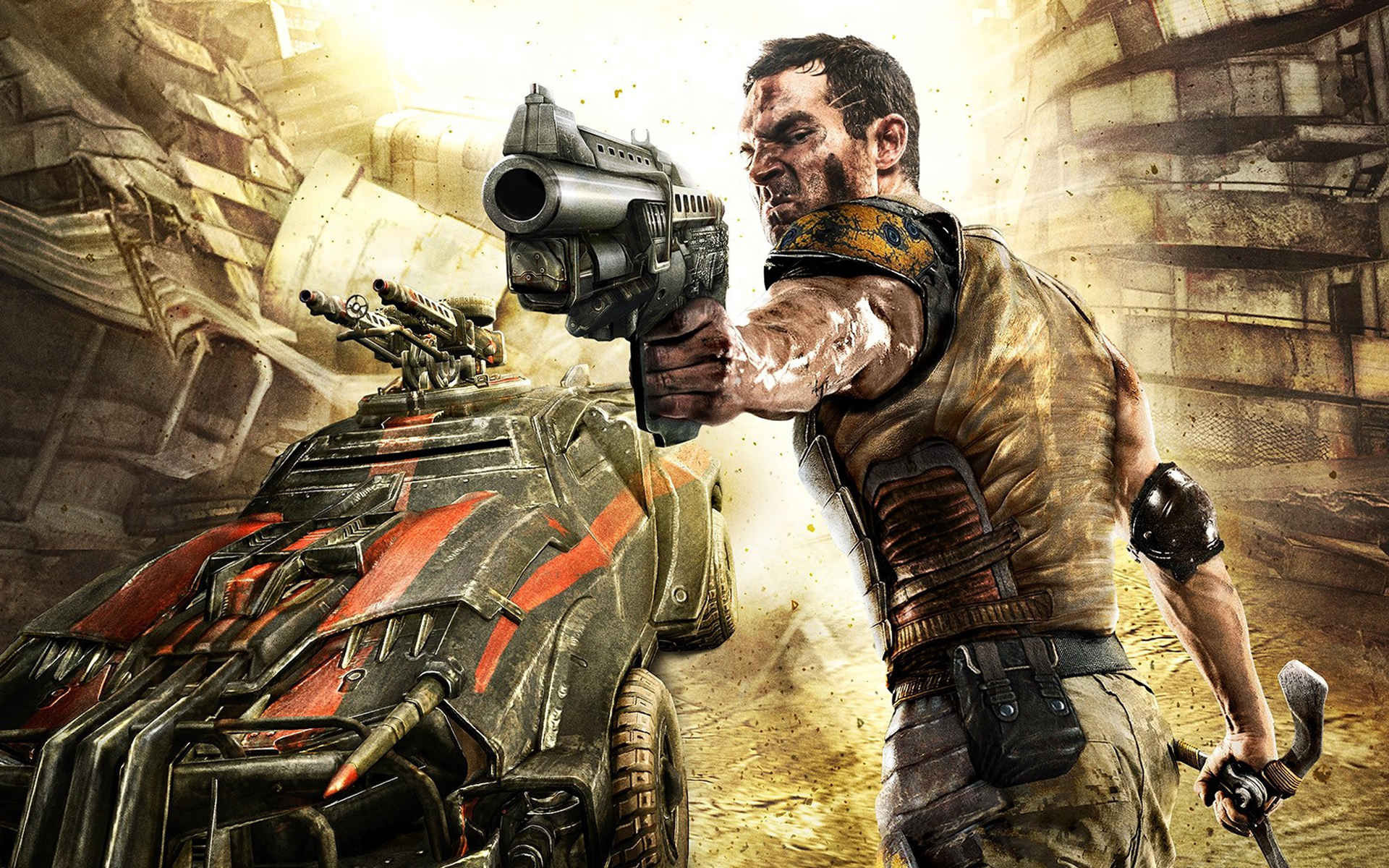
The game ended after a final mission that involved fighting waves of generic enemies in a facility. There was no final boss or cinematic closure for the struggle against the Authority. After activating a satellite the player was shown a short cutscene of pods opening and then the credits rolled. Fans were shocked that such a long game could end so abruptly with no sense of accomplishment. The lack of a narrative climax is often cited as the biggest flaw of the experience.
‘Star Fox Command’ (2006)

The game featured multiple endings that were determined by branching paths during the campaign. Many of these endings involved the ‘Star Fox’ team breaking up or characters having miserable futures. One specific ending saw Krystal leave Fox McCloud to join a rival team which many fans found out of character. The lack of a definitive happy or heroic ending for the beloved cast frustrated long time players. These conclusions were so disliked that they have largely been ignored in subsequent series lore.
‘Middle-earth: Shadow of War’ (2017)
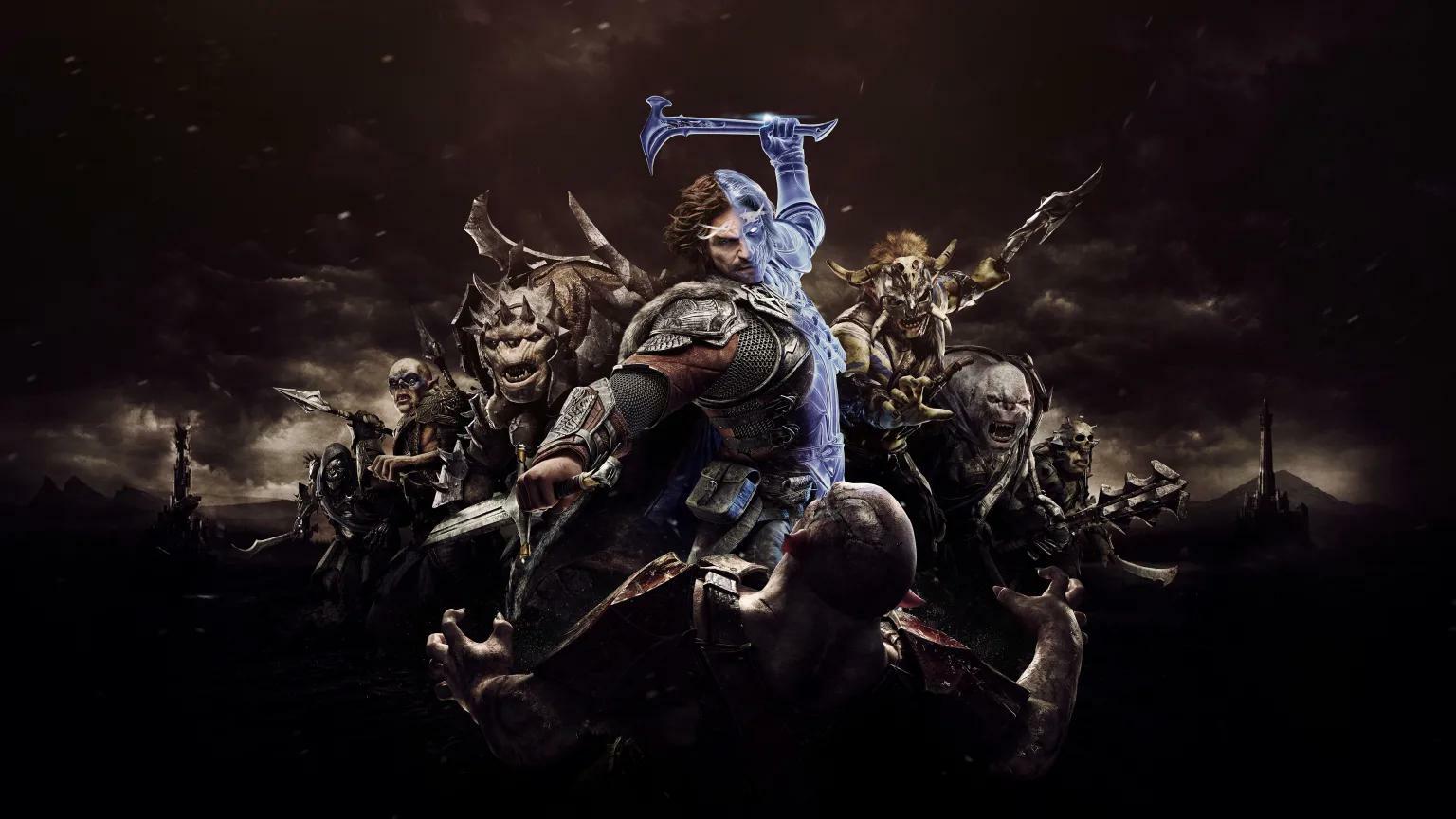
The true ending of the game required players to complete an extremely long and repetitive series of fortress defenses. At launch this process was incredibly slow and seemed designed to encourage the use of microtransactions for better orcs. Players who spent dozens of hours on the main quest were met with a grind that felt like a chore rather than fun gameplay. The cinematic payoff at the end was short and did not feel worth the massive time investment for many. Monolith Productions eventually patched the game to make this process easier after significant backlash.
‘Shenmue III’ (2019)
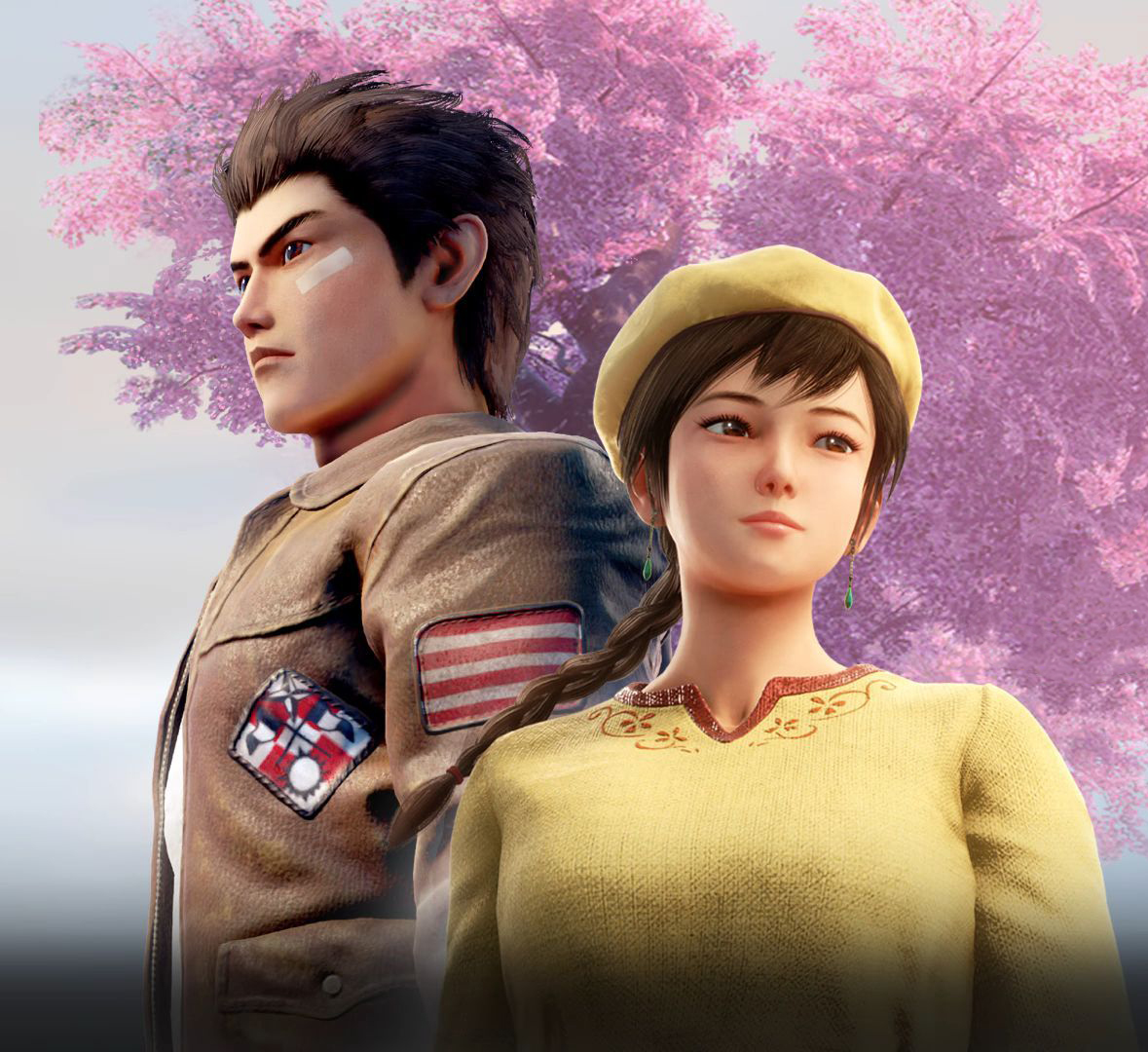
After nearly two decades of waiting fans found that the third game did not actually conclude Ryo’s story. The plot moved at a very slow pace and ended with the villain still at large and many questions remaining. Players were disappointed that the long awaited sequel felt like a middle chapter rather than a finale. The realization that they might have to wait many more years for a resolution was a major source of frustration. The game was criticized for its outdated design and for failing to provide the closure the community desired.
‘Silent Hill: Downpour’ (2012)
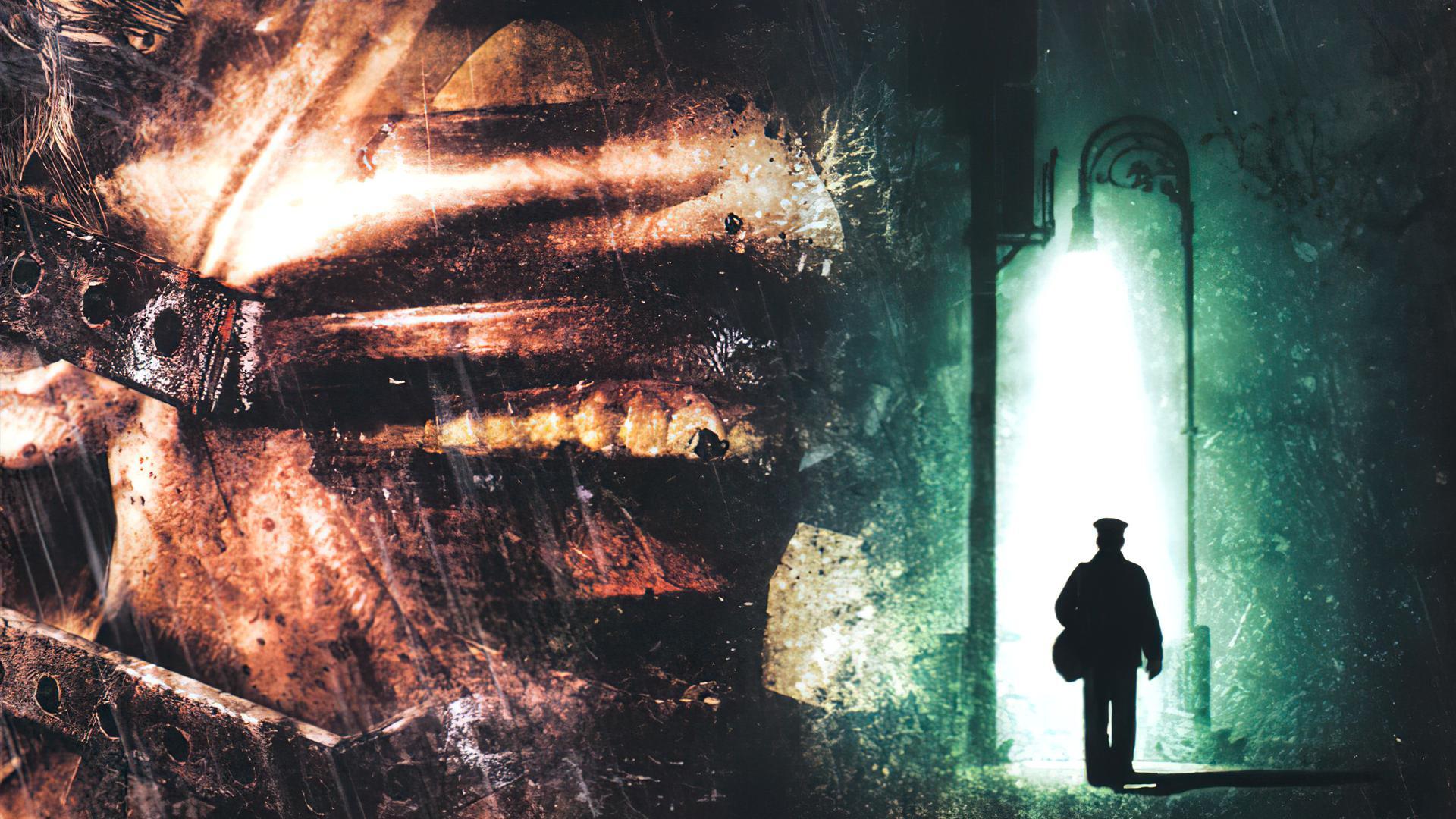
The multiple endings were determined by a morality system that some players found inconsistent and confusing. Depending on choices and playstyle the protagonist Murphy Pendleton could be revealed as either a victim or a cold blooded killer. One specific ending was a joke conclusion that completely broke the immersion of the horror atmosphere. Many fans felt the serious endings lacked the emotional depth of earlier titles in the franchise. The reliance on vague choices led to a sense of dissatisfaction with the narrative outcome.
‘Dreamfall: The Longest Journey’ (2006)
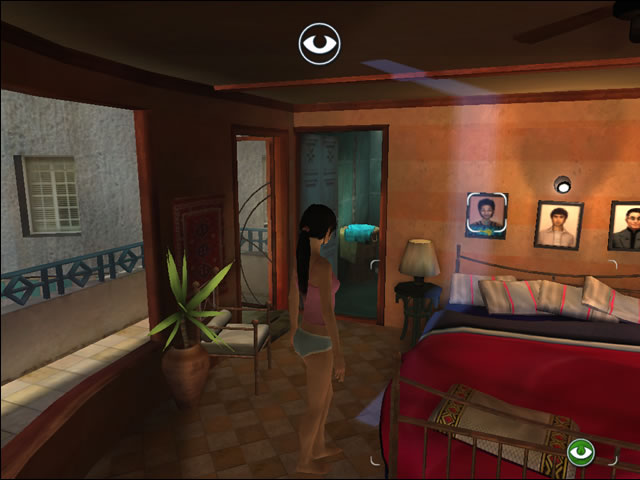
The game concluded with the protagonist Zoe Castillo in a coma and the other main characters in dire situations. It was a bleak ending that left every single major plot thread unresolved. Fans had to wait eight years for the release of ‘Dreamfall Chapters’ to find out what happened next. The lack of any closure in the second game was a significant point of frustration for the adventure game community. It is remembered as one of the most cliffhanger heavy games ever made.
‘Shadow of the Tomb Raider’ (2018)
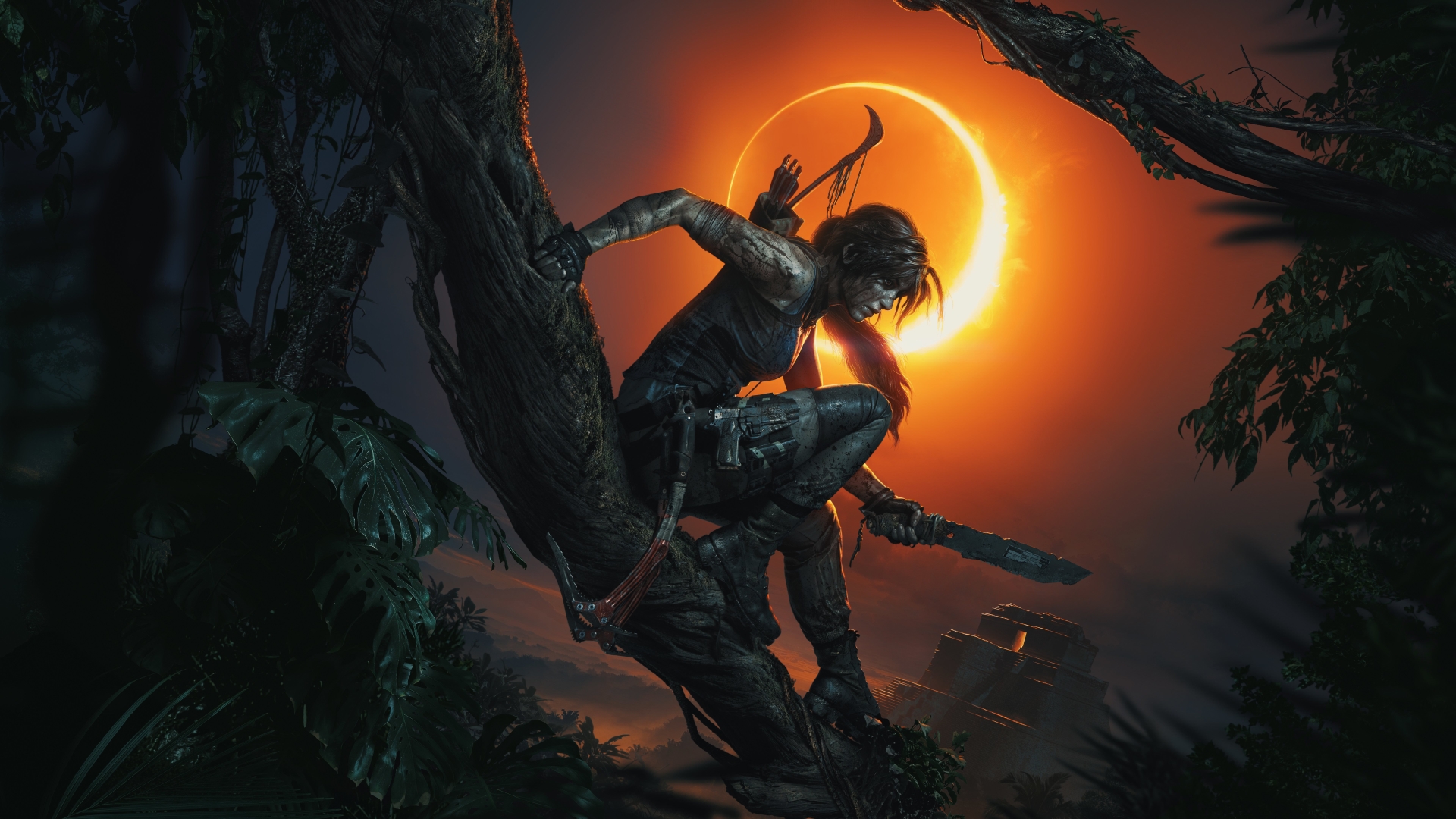
The finale involved Lara Croft becoming a god like entity for a brief moment to stop an apocalypse. Fans felt the ending was a departure from the more grounded survival themes of the reboot trilogy. The resolution of the ‘Trinity’ plotline felt rushed and lacked a satisfying confrontation with the primary antagonists. Some players were also disappointed that the ending did not more clearly transition Lara into the classic version of the character. The emotional beats of the finale did not resonate as strongly as those in the previous games.
‘Doom’ (1993)
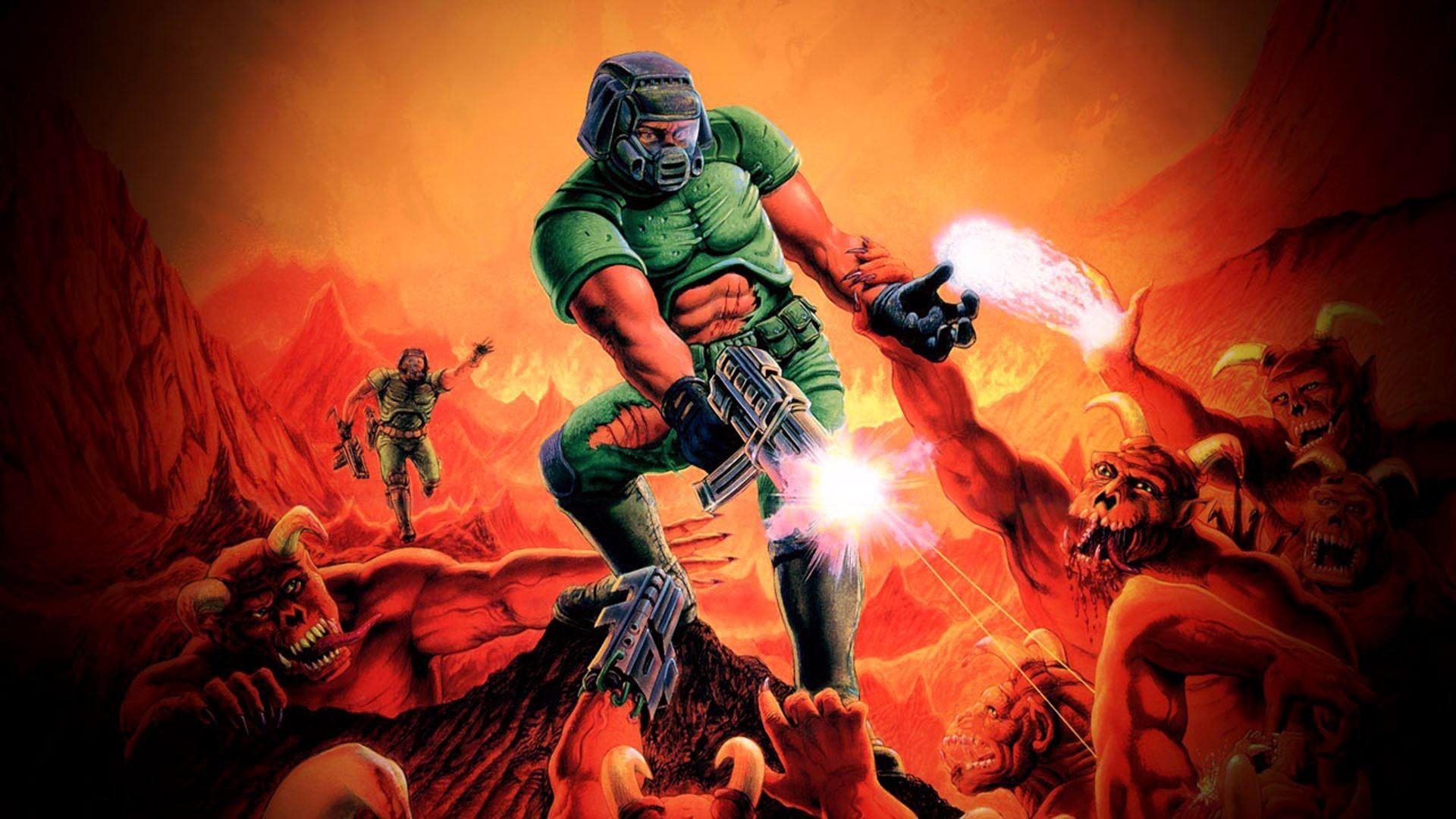
After fighting through Hell the protagonist stepped through a teleport and found himself back on Earth. The final screen showed his pet rabbit Daisy had been decapitated by the invading demon forces. This was intended to set up the sequel but many players found it to be a jarring and unnecessarily cruel ending. It served as a motivation for the character but the image of the dead rabbit became a notorious piece of gaming history. The sudden shift from triumph to personal loss was a shock to many players at the time.
‘Fallout: New Vegas’ (2010)
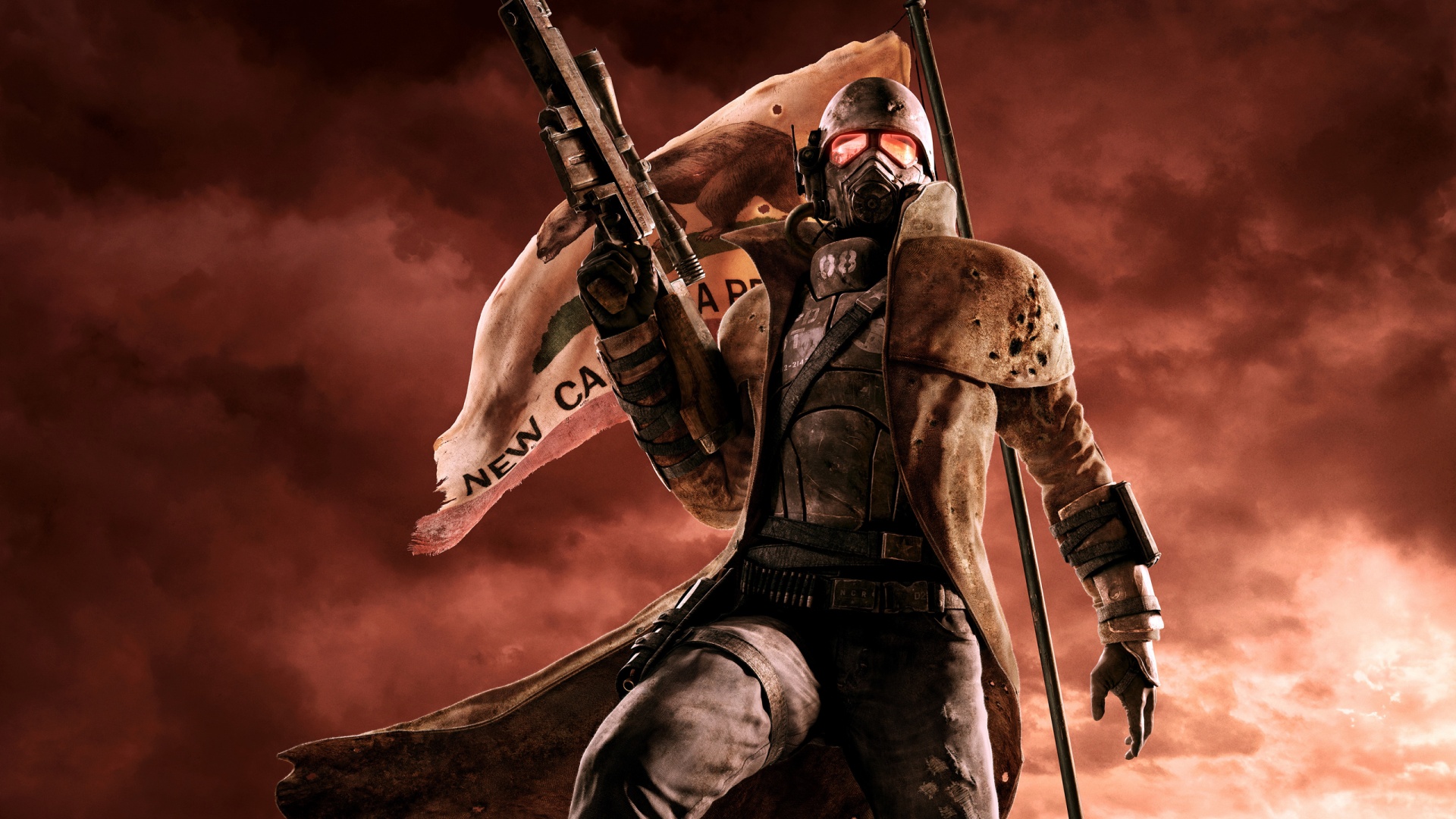
The game ended with a slideshow of images and narration that detailed the consequences of the player’s choices. However players were frustrated that they could not continue playing in the world after the final battle at Hoover Dam. Any unfinished side quests or exploration had to be completed before starting the finale. This restriction felt like a step backward compared to other open world titles of the time. While the narrative closure was praised the mechanical hard stop was a major complaint among fans.
‘The Legend of Zelda: Link’s Awakening’ (1993)
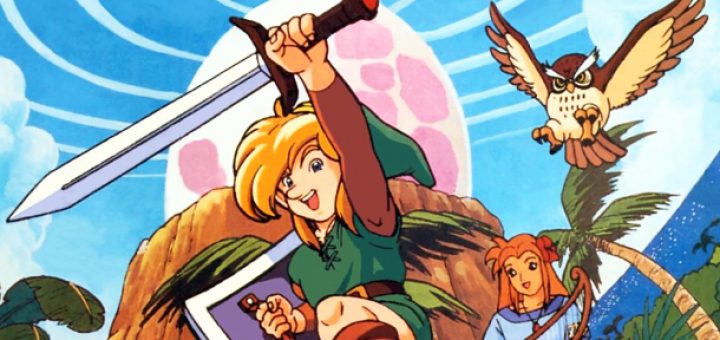
The ending revealed that the entire island of Koholint and its inhabitants were just part of the Wind Fish’s dream. When Link woke the Wind Fish the island and everyone Link had helped simply vanished into nothingness. While poignant and thematic many players found the loss of the world they spent hours saving to be heartbreaking and frustrating. It meant that the friendships Link made were not real in the physical sense. This bittersweet conclusion has remained a point of emotional contention for fans for generations.
‘Advent Rising’ (2005)
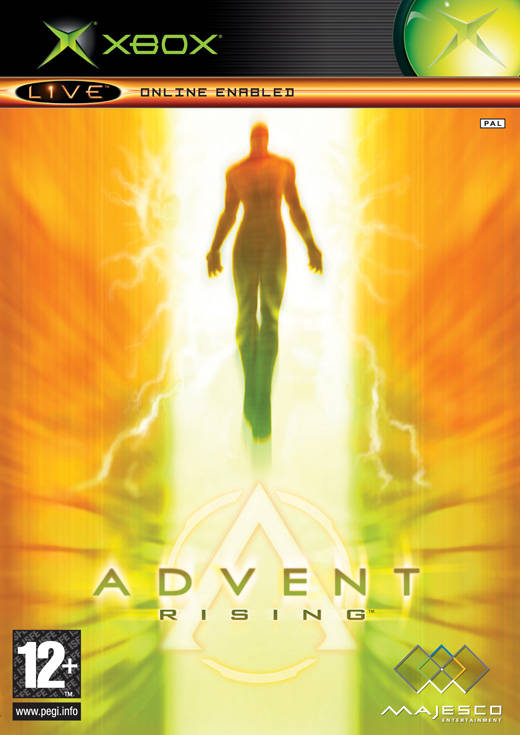
The game ended with a dramatic battle and a cliffhanger that saw the protagonist transported to a snowy wasteland. It was the first part of a planned trilogy that was canceled due to poor sales and technical issues. Fans were left with a story that stopped right as the main character was discovering the extent of his powers. The lack of a sequel meant that the mysteries of the alien threat were never resolved. It remains a prominent example of an ambitious story left without an ending.
Share your thoughts on which video game endings frustrated you the most in the comments.