Black Actors Who Were Told They Weren’t “Black Enough” for Certain Roles

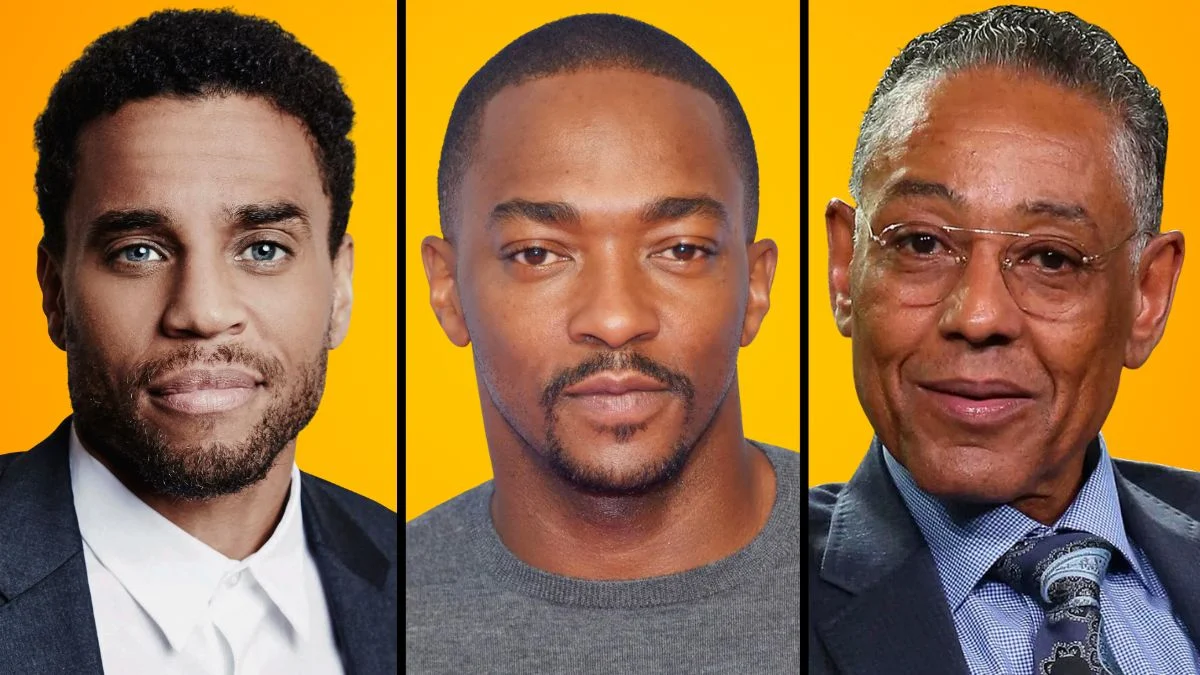

The entertainment industry often grapples with rigid definitions of racial identity and authenticity. For many Black male actors the journey to securing roles is complicated by narrow perceptions of what it means to be Black. This has led to public debates regarding colorism and nationality and personal heritage. Some stars have faced direct criticism from casting directors or audiences for not fitting a specific mold. These fifty actors have navigated these complex discussions while establishing successful careers in Hollywood.
Daniel Kaluuya
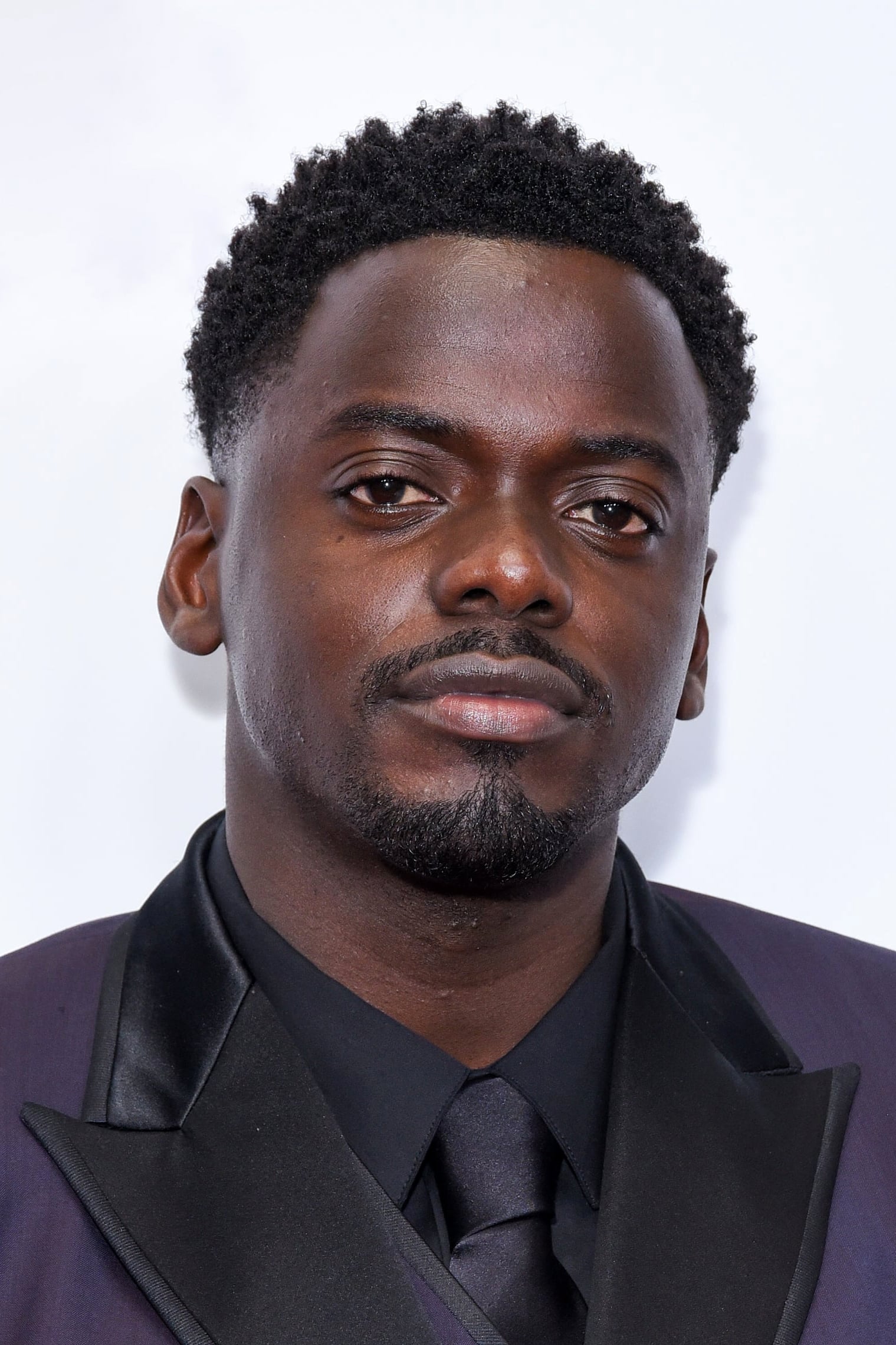
Daniel Kaluuya encountered significant pushback when he was cast as the lead in ‘Get Out’. Some American critics and industry veterans questioned if a British actor could authentically portray the specific racial anxieties of the United States. This discussion suggested that his upbringing outside of America made him less connected to the Black experience required for the role. Kaluuya responded by highlighting the universal nature of systemic racism and his own history with prejudice. He has since continued to take on pivotal roles that challenge these narrow definitions of identity.
David Oyelowo
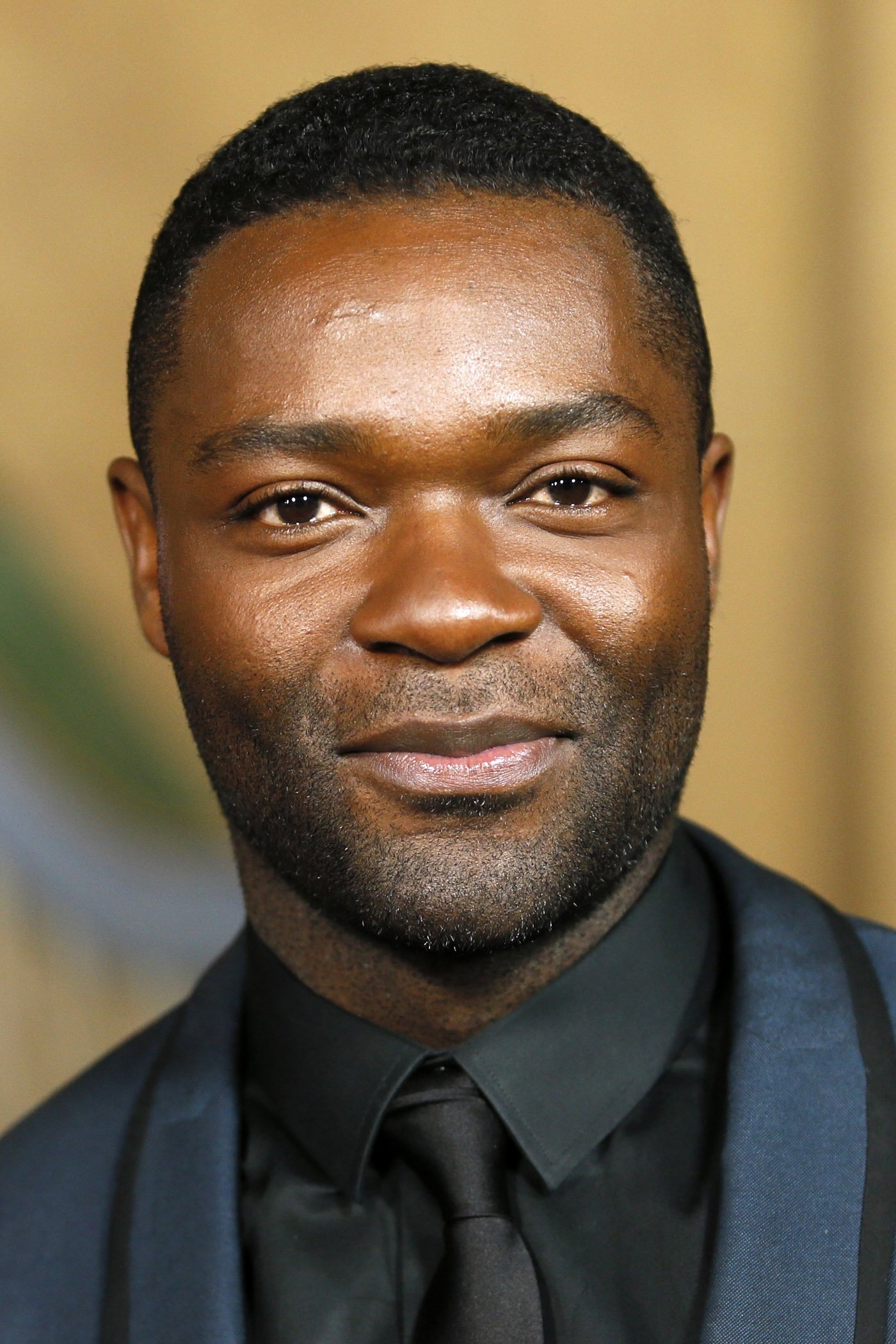
David Oyelowo faced scrutiny when he was chosen to play Martin Luther King Junior in the film ‘Selma’. Many voiced concerns that a British actor should not play such an iconic American civil rights figure. The debate centered on whether his lack of an American lineage disqualified him from understanding the movement. Oyelowo addressed the criticism by focusing on the spiritual and emotional weight of the role. His performance ultimately received critical acclaim and demonstrated his deep commitment to the historical narrative.
Will Smith
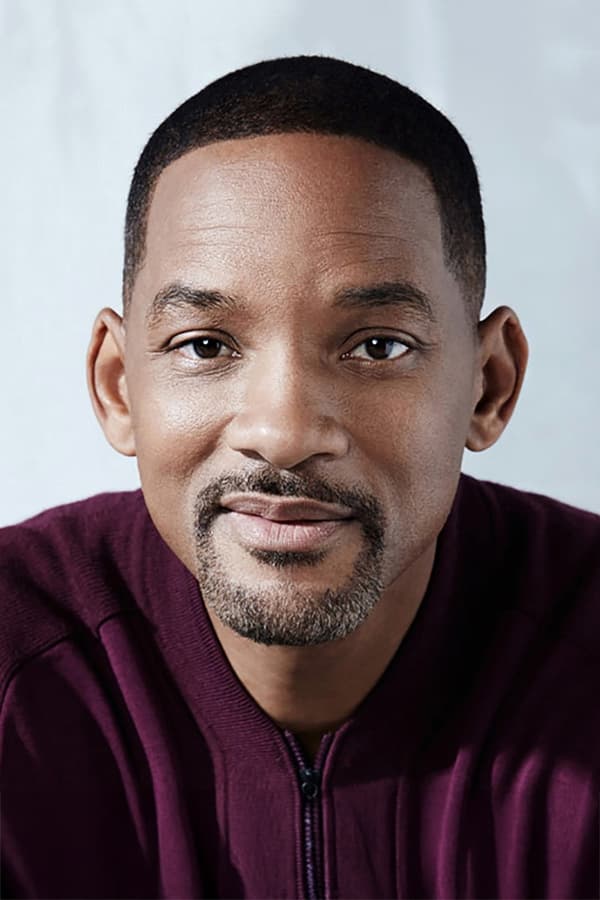
Will Smith experienced a wave of public criticism when he was cast as Richard Williams in the movie ‘King Richard’. Critics argued that Smith was too light skinned to accurately represent the father of Venus and Serena Williams. This discussion sparked a larger conversation about colorism in Hollywood and the preference for lighter skinned actors in biographical roles. Despite the controversy Smith focused on capturing the essence and determination of the character. He eventually won an Academy Award for his portrayal of the determined coach and father.
Giancarlo Esposito

Giancarlo Esposito has frequently spoken about the challenges he faced as a biracial actor in the early stages of his career. He often found himself in a position where he was considered too light for certain Black roles and too dark for others. This ambiguity forced him to develop a versatile acting style that transcended racial stereotypes. He eventually found success by leaning into characters that were defined by their power and intellect rather than just their appearance. His role in ‘Breaking Bad’ is a testament to his ability to command the screen regardless of these early industry hurdles.
Shemar Moore
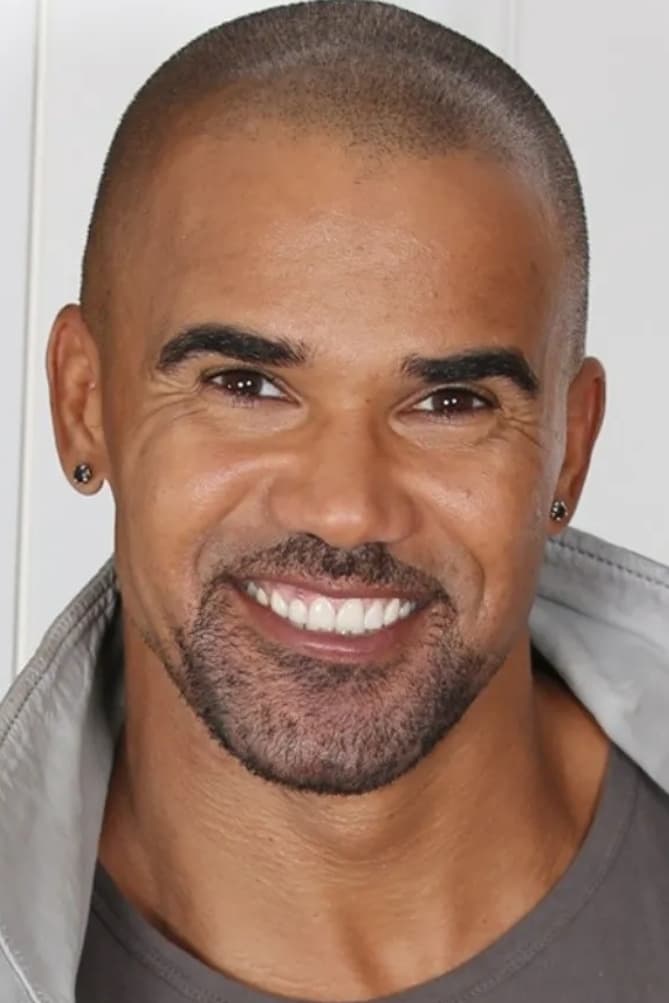
Shemar Moore has often discussed the difficulties of being biracial in an industry that prefers clear categories. Early in his career he felt he had to constantly prove his identity to casting directors who viewed him as not Black enough for gritty roles. He faced perceptions that his physical appearance was better suited for romantic leads or lighthearted characters. Moore has been vocal about the internal struggle of feeling stuck between two worlds while trying to build a career. He eventually carved out a space for himself in long running procedurals like ‘Criminal Minds’ and ‘S.W.A.T.’.
Michael Ealy
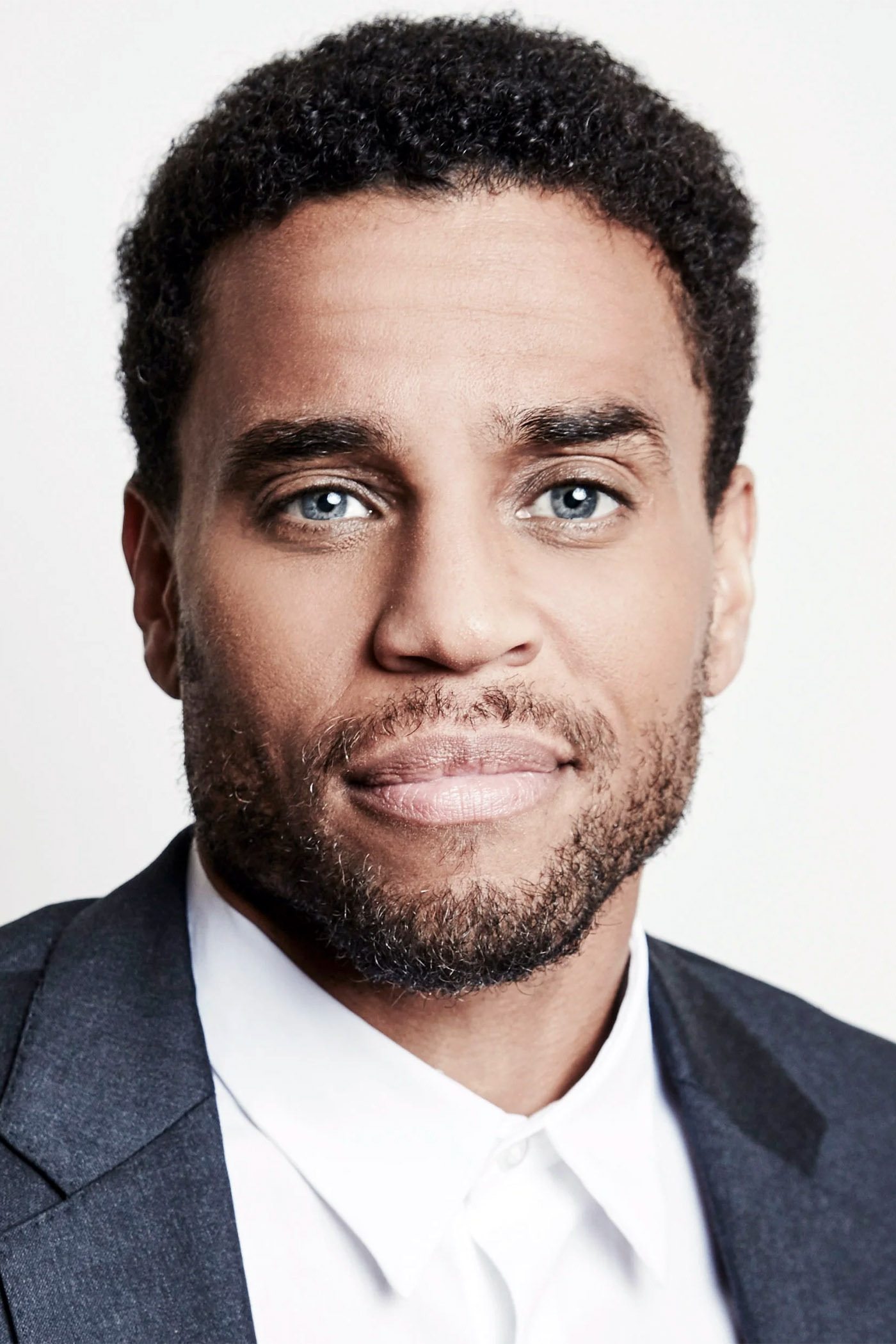
Michael Ealy is another actor who has dealt with the effects of colorism and perceptions of his features. His striking blue eyes and lighter skin often led to him being typecast as the heartthrob or the “pretty boy” character. He has noted that this perception sometimes limited the depth of roles he was offered early on. There were instances where his appearance was seen as a distraction from more serious or culturally specific narratives. Ealy has worked hard to take on diverse roles in projects like ‘For Colored Girls’ to show his range beyond his looks.
Jesse Williams
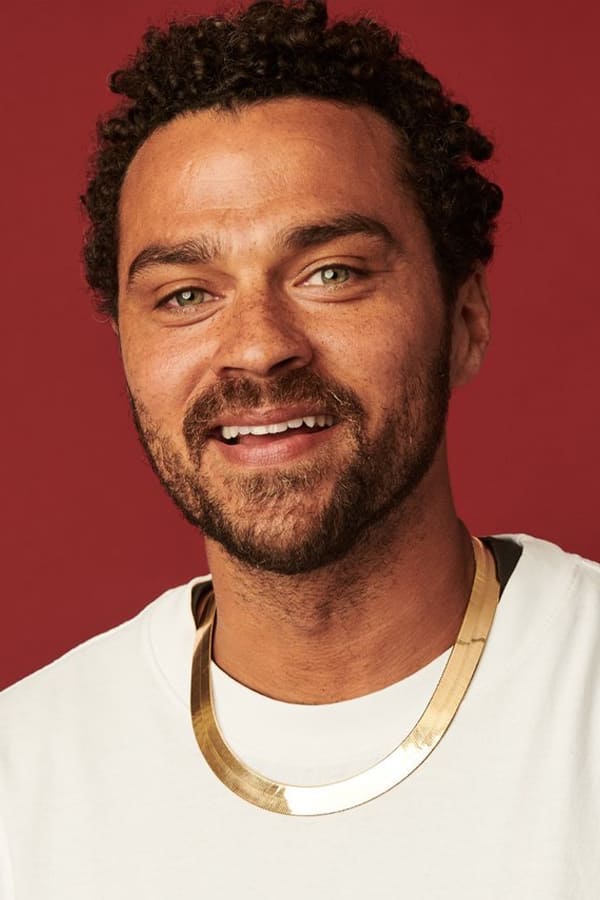
Jesse Williams has used his platform to address the complexities of being a light skinned biracial man in Hollywood. He has acknowledged that his appearance grants him a certain level of privilege while also leading to questions about his authenticity. Some audiences have questioned his proximity to the Black experience despite his deep involvement in social justice movements. Williams has addressed these critiques head on in public speeches and interviews. He continues to balance his acting career with activism that supports the Black community at large.
Anthony Mackie
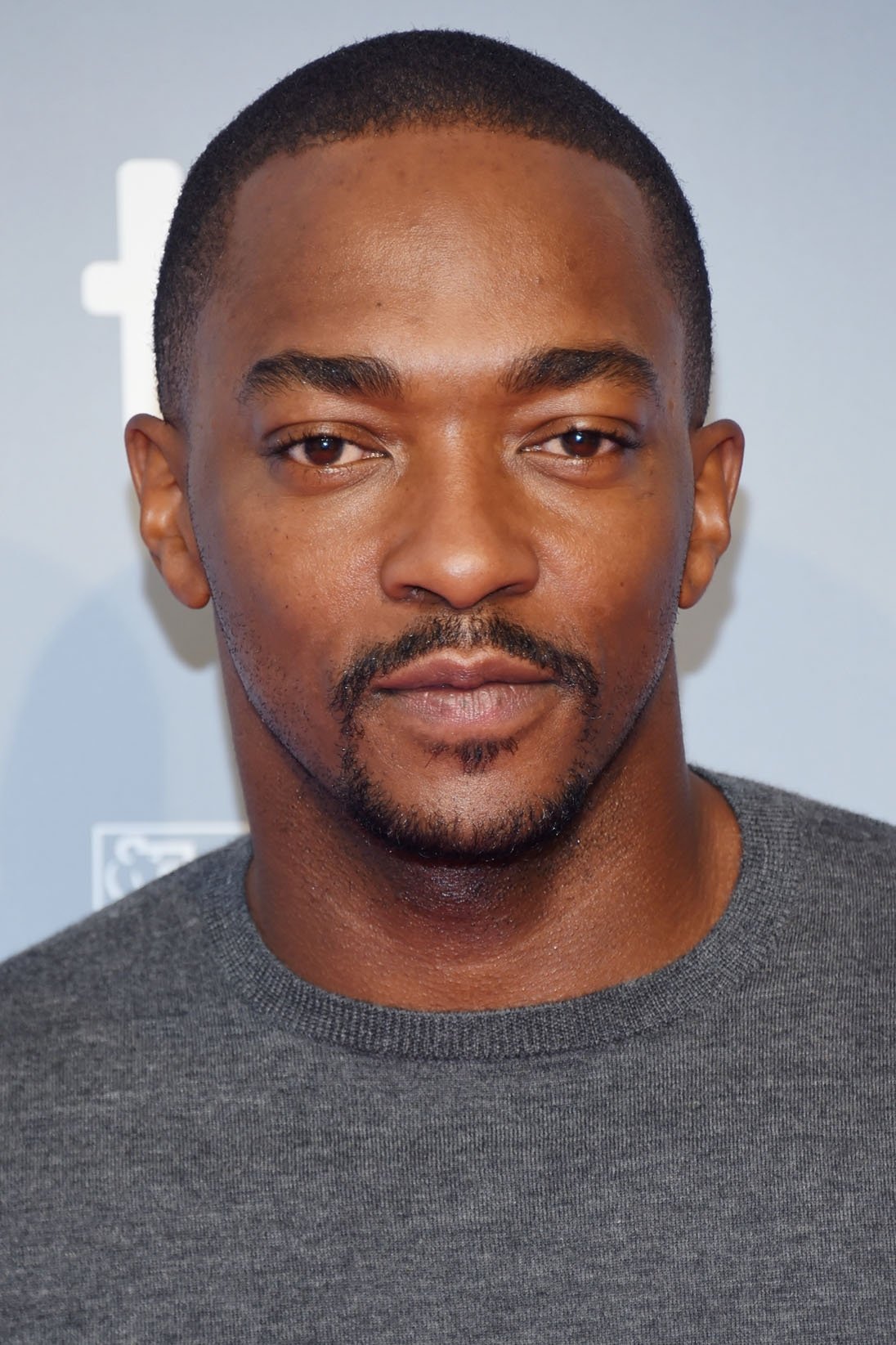
Anthony Mackie has frequently spoken about the “not Black enough” trope and how it impacts casting for modern films. He has expressed frustration with how the industry often tries to define the Black experience through a very narrow lens of struggle or urban life. Mackie has faced criticism for his portrayal of certain characters that do not fit the stereotypical mold of Black masculinity. He has advocated for more diverse representations of Black men that include different backgrounds and interests. His role in the Marvel Cinematic Universe has helped expand the visibility of Black heroes on a global scale.
Boris Kodjoe
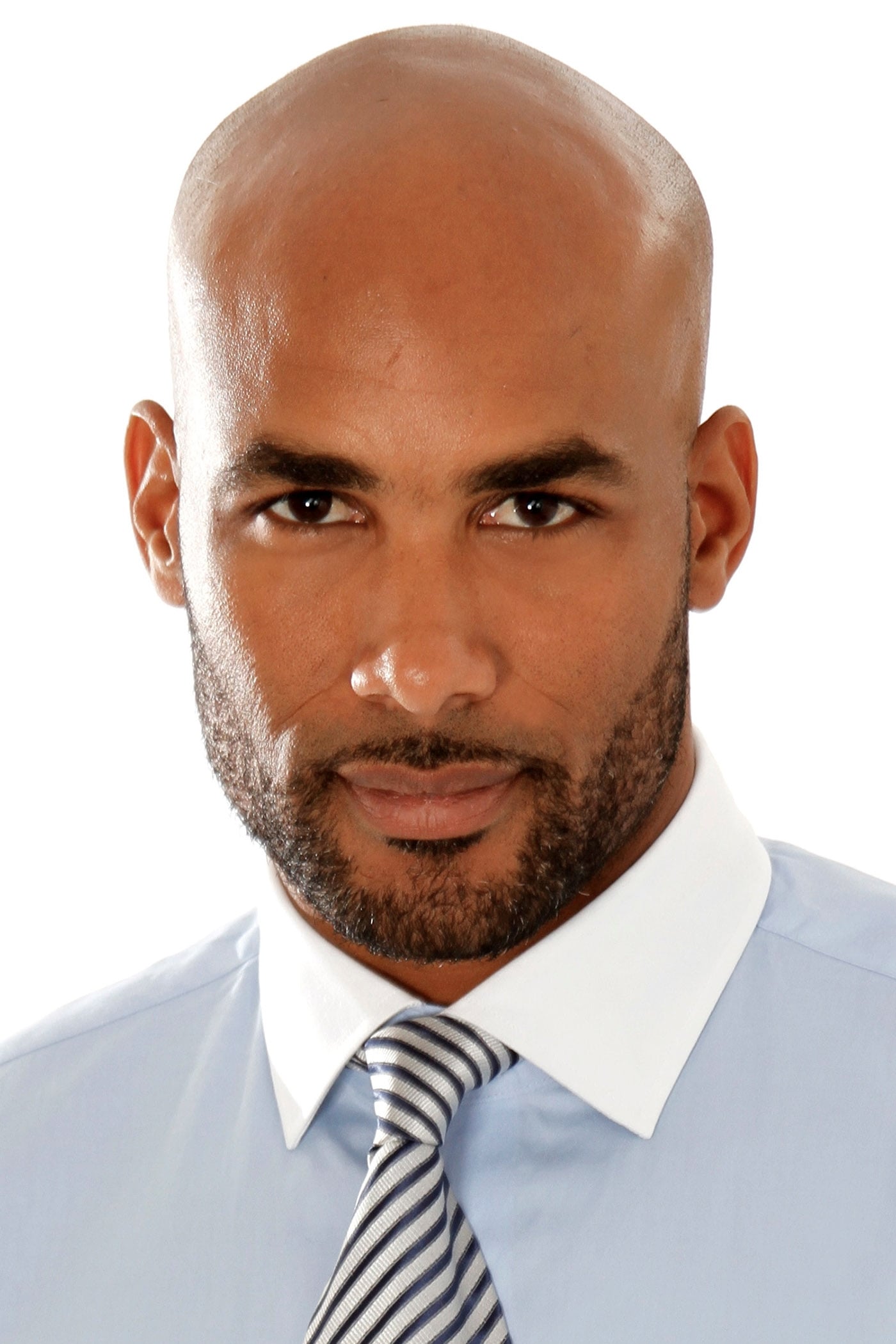
Boris Kodjoe has faced unique challenges due to his European and African heritage. Being born in Germany to a Ghanaian father and German mother he has often been viewed through a lens of “otherness” in the American film industry. Early in his career he felt that casting directors struggled to place him in traditional Black roles because of his accent and background. He was sometimes seen as too “exotic” for roles that required a standard African American persona. Kodjoe has successfully navigated this by taking on roles that celebrate his international identity in shows like ‘Station 19’.
Wentworth Miller
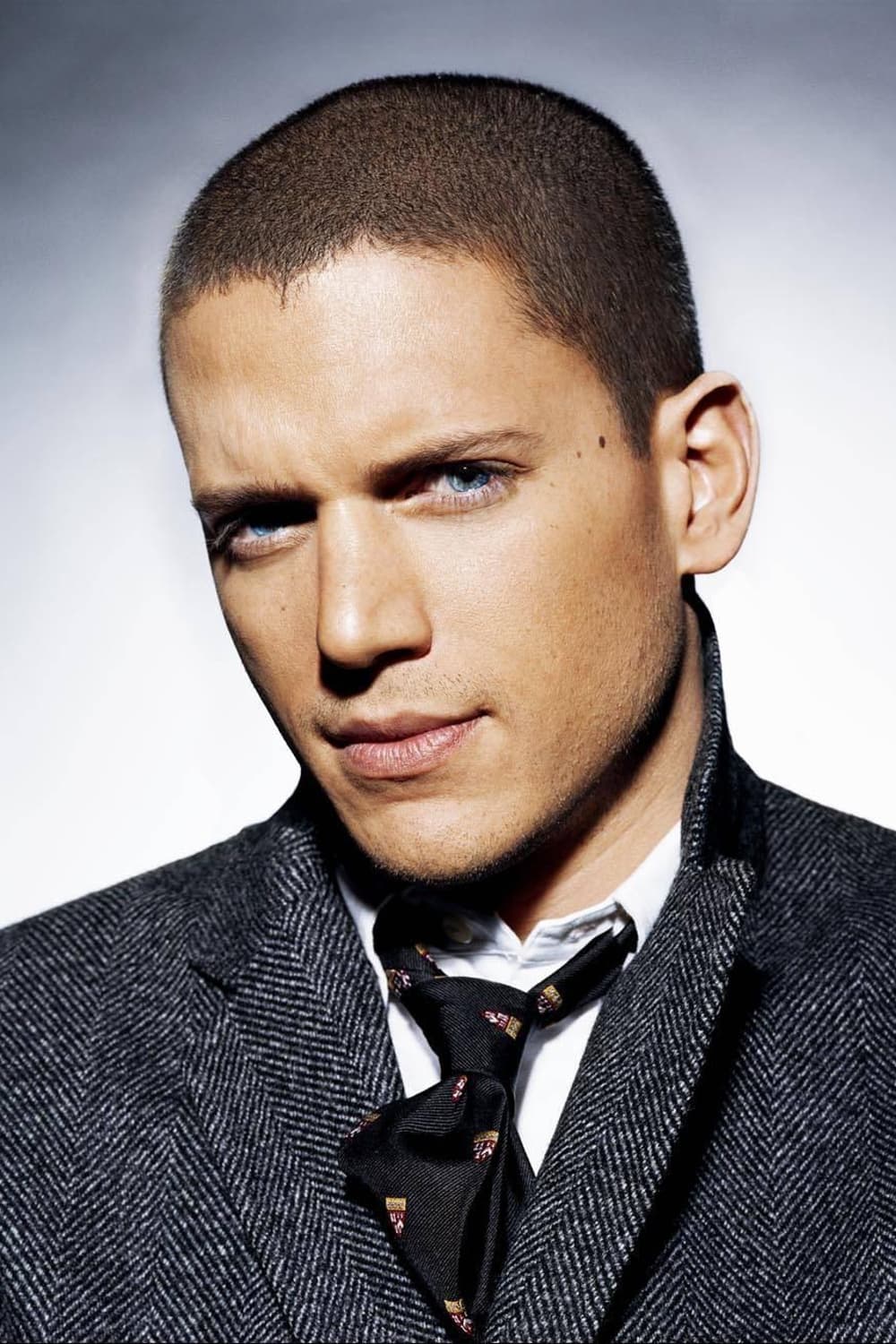
Wentworth Miller surprised many fans when he revealed his biracial identity later in his career. Because he often passed for white in his early roles including his breakout turn in ‘Prison Break’ he faced a different kind of scrutiny. Once his heritage became public knowledge there were discussions about whether he could or should play Black characters. Miller has been open about the psychological impact of navigating the world as a man who does not always fit into a single racial box. He has used his experience to advocate for more nuanced storytelling regarding identity.
Jeffrey Wright
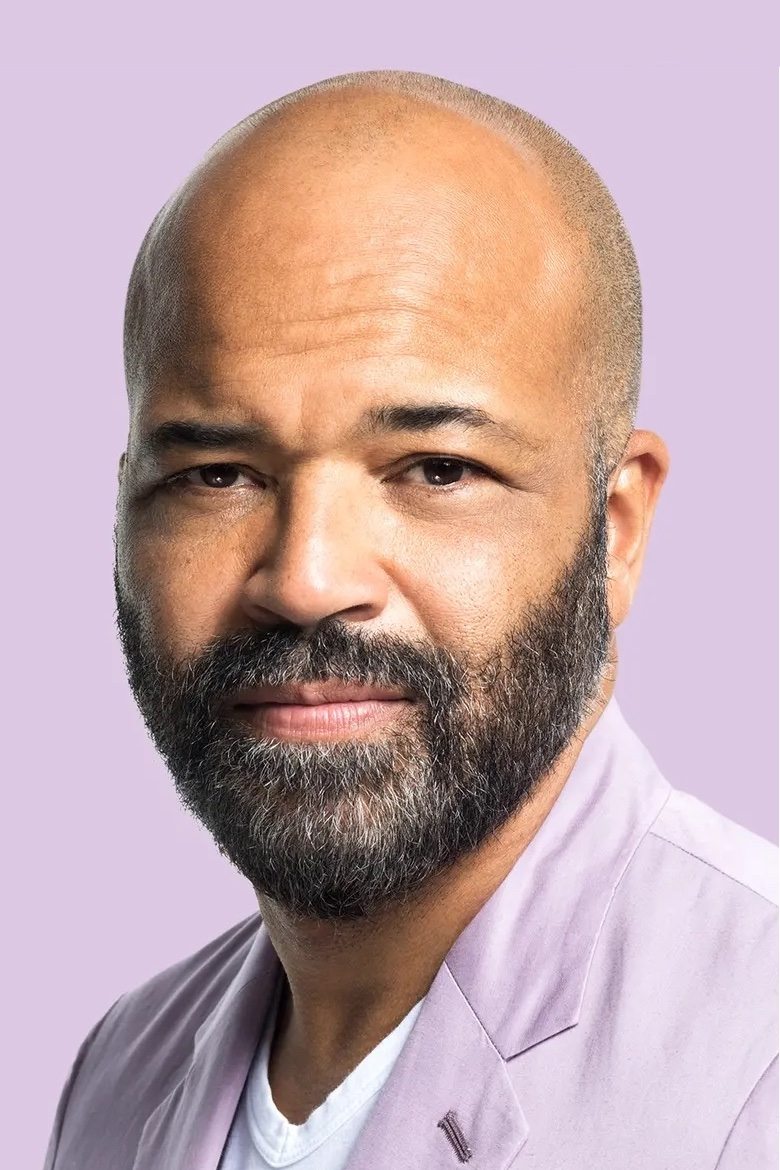
Jeffrey Wright has often been told that his refined way of speaking and intellectual approach make him “not Black enough” for certain parts. He has discussed how the industry frequently rewards a specific type of performance that fits into established tropes. Wright has resisted these labels by consistently delivering complex and varied performances in films like ‘American Fiction’. He has pointed out that the diversity of the Black experience is often overlooked by those in power. His career remains a powerful rebuttal to the idea that there is only one way to be Black.
Kingsley Ben-Adir
Kingsley Ben-Adir faced significant social media backlash when he was cast as Bob Marley in the biopic ‘One Love’. Many fans in the Caribbean community felt that a British actor should not play the Jamaican icon. The criticism suggested that his nationality and heritage did not provide the necessary connection to Marley’s roots and the Rastafarian culture. Ben-Adir spent extensive time in Jamaica and studied the local dialect to ensure his portrayal was respectful and accurate. He has emphasized that the role was an opportunity to celebrate a global figure who transcended borders.
Regé-Jean Page
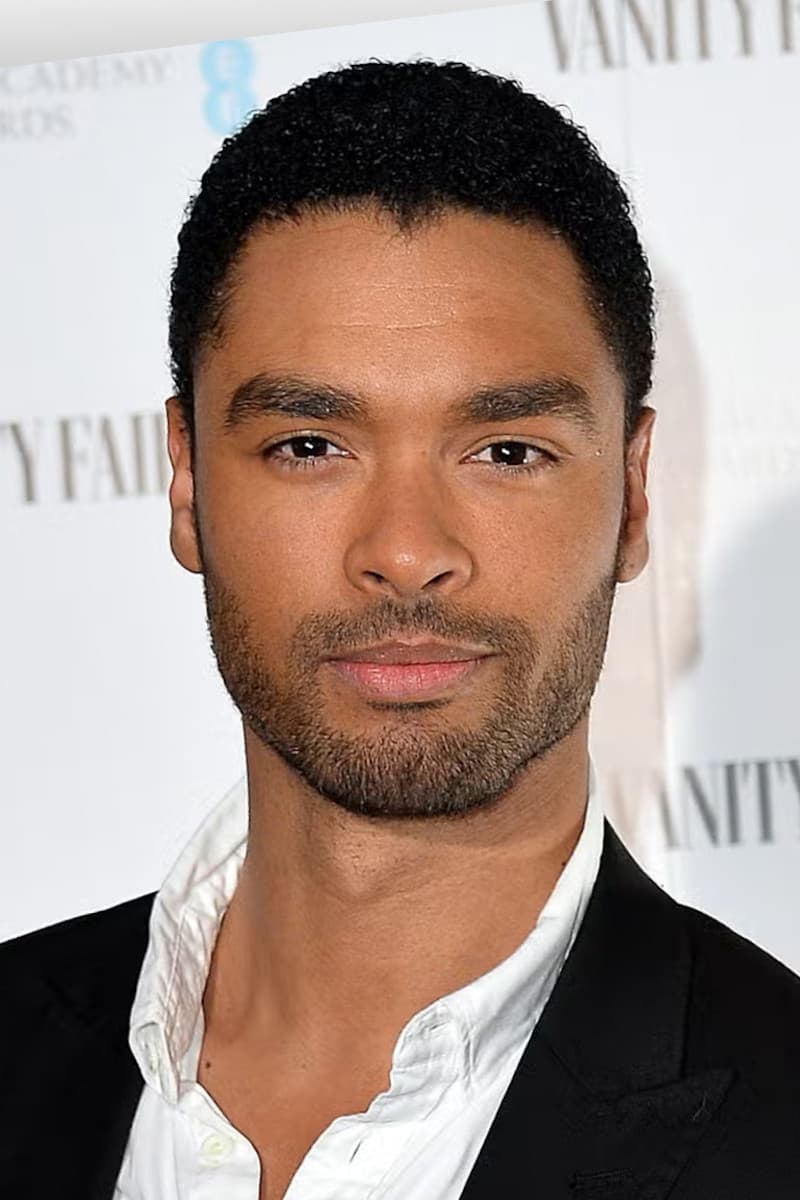
Regé-Jean Page reportedly faced a casting hurdle for the series ‘Krypton’ based on his appearance. Reports surfaced that a producer declined to cast him as the grandfather of Superman because he did not look like he could be related to the character. This led to a public outcry regarding the lack of imagination and the presence of colorism in genre television. Page has since become a major star after his breakout role in ‘Bridgerton’. He continues to be a top contender for major franchise roles that challenge traditional casting norms.
Idris Elba
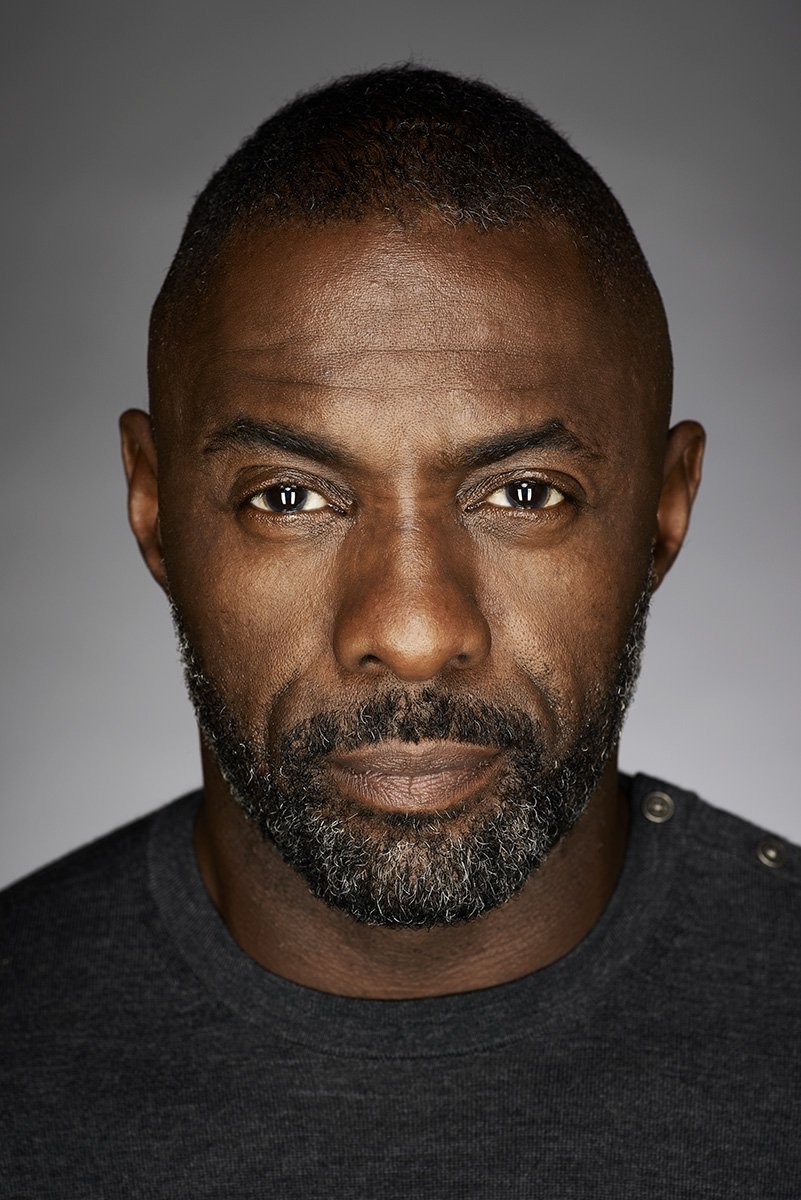
Idris Elba has dealt with numerous debates regarding his suitability for certain iconic roles like James Bond. Some critics have argued that his British identity and “suave” persona make him a poor fit for roles that require a more gritty American Black experience. Conversely some have used his race as a reason to disqualify him from quintessential British roles. Elba has largely ignored these debates and focused on his craft across international markets. He has frequently played characters that highlight the global nature of the Black diaspora.
John Boyega
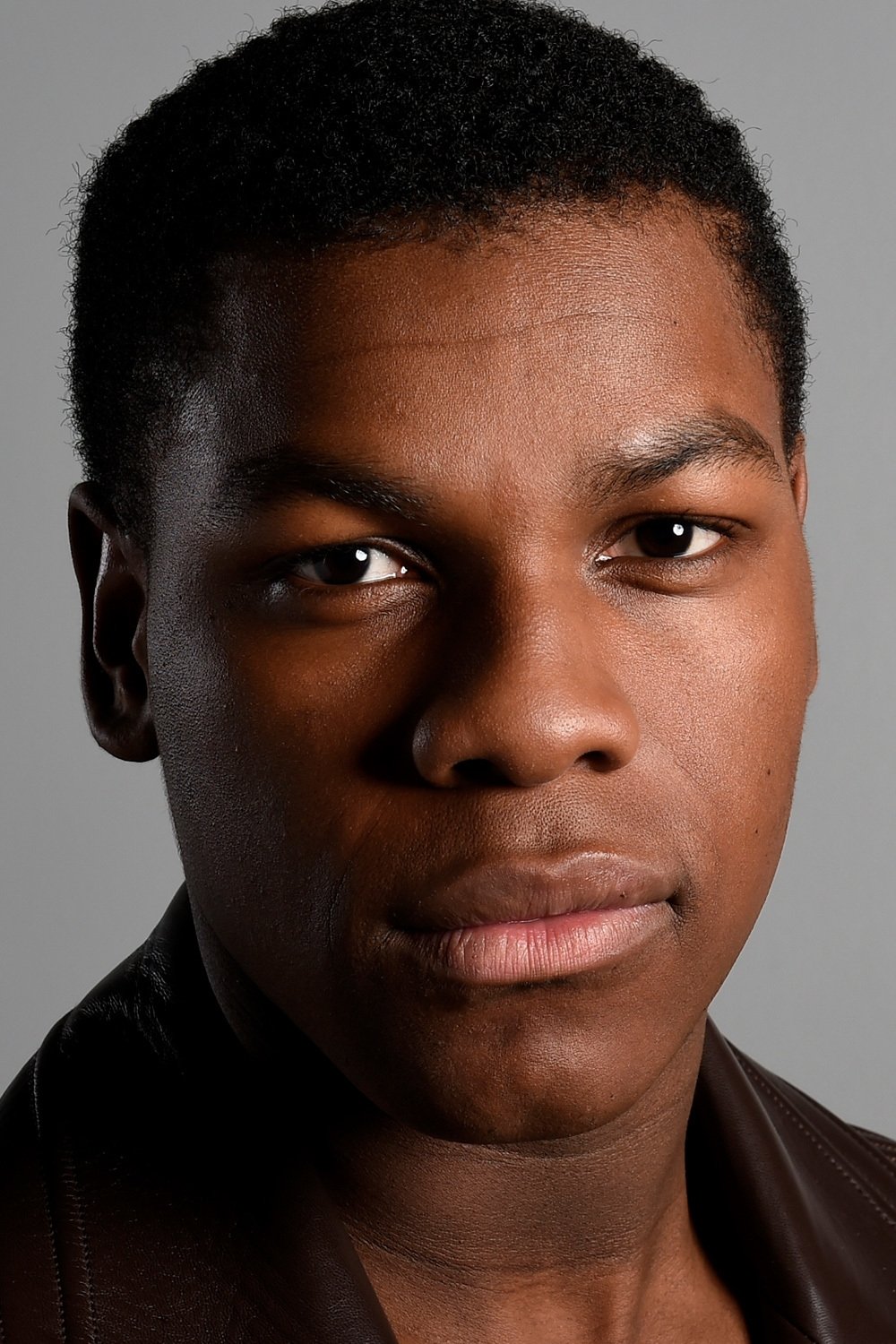
John Boyega has been a vocal critic of how the film industry treats Black actors in major franchises. After his experience in ‘Star Wars’ he spoke out about the ways his character was sidelined compared to his white co stars. He has also faced criticism from sectors of the public who felt his activism made him “too political” or disconnected from his roles. Boyega has stood his ground and insisted on the importance of authentic representation and support for Black talent. He continues to produce and star in projects that center Black narratives.
Keegan-Michael Key
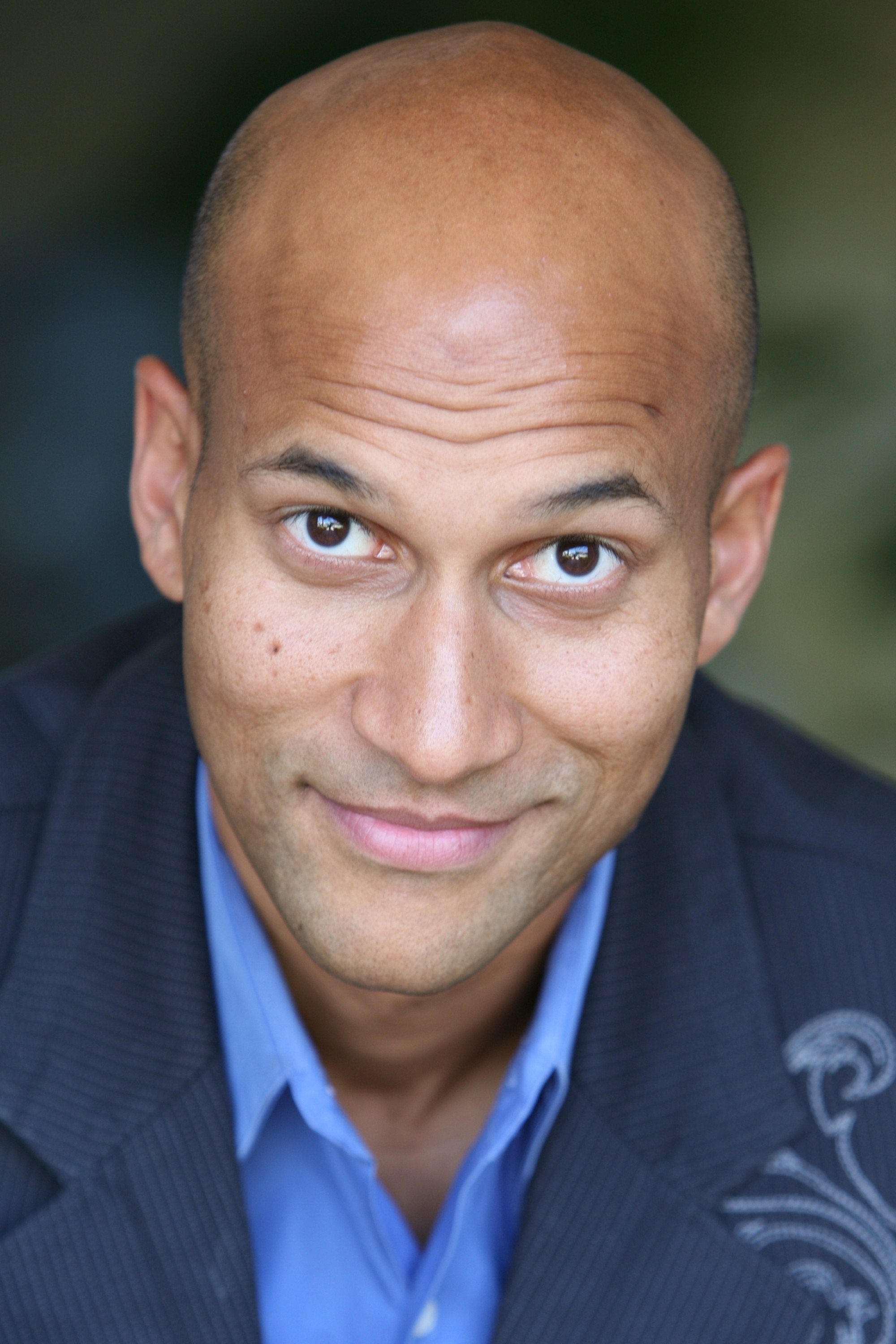
Keegan-Michael Key has often explored the theme of “Blackness” through his comedy and acting. As a biracial man he has spoken about the practice of code switching and how it relates to being perceived as “Black enough” in different social circles. His work on ‘Key and Peele’ frequently parodied the industry’s obsession with racial categories. He has noted that he often felt the need to adjust his presentation to fit the expectations of casting directors. Key has successfully transitioned into a wide range of dramatic and comedic roles that showcase his versatility.
Jordan Peele
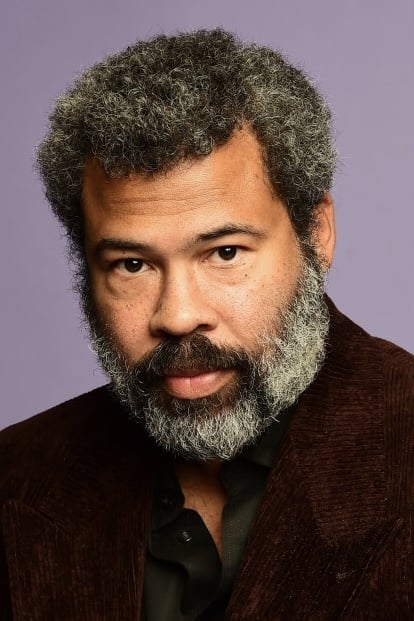
Jordan Peele faced similar challenges as an actor before moving into directing. He has discussed how his biracial identity often left him feeling like an outsider in both Black and white spaces. In the early days of his career he was sometimes told he didn’t fit the “look” or the “vibe” required for specific Black characters. This sense of being an observer helped inform the themes of his groundbreaking horror films. He now uses his position as a filmmaker to dismantle the very stereotypes he once encountered as a performer.
Laz Alonso
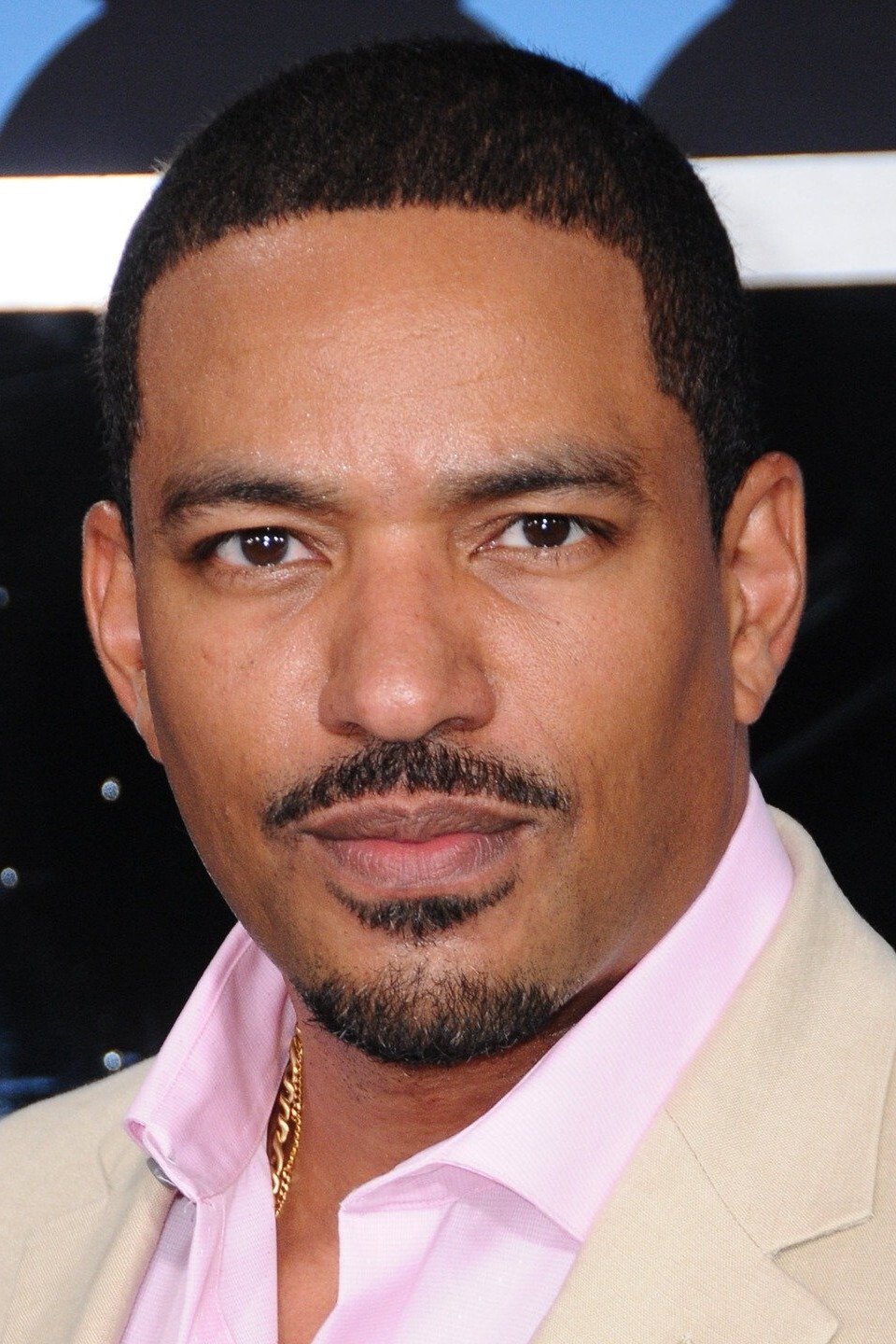
Laz Alonso has frequently discussed his identity as an Afro-Latino man and the hurdles it presents in Hollywood. He has noted that he is often asked to choose between his Black identity and his Latino heritage for various roles. There have been times when he was told he was not “Black enough” for certain African American roles because of his heritage. Conversely he has been told he does not look “Latino enough” for Spanish speaking roles. Alonso has been a strong advocate for the recognition of Afro-Latino identity in the entertainment industry.
Damson Idris
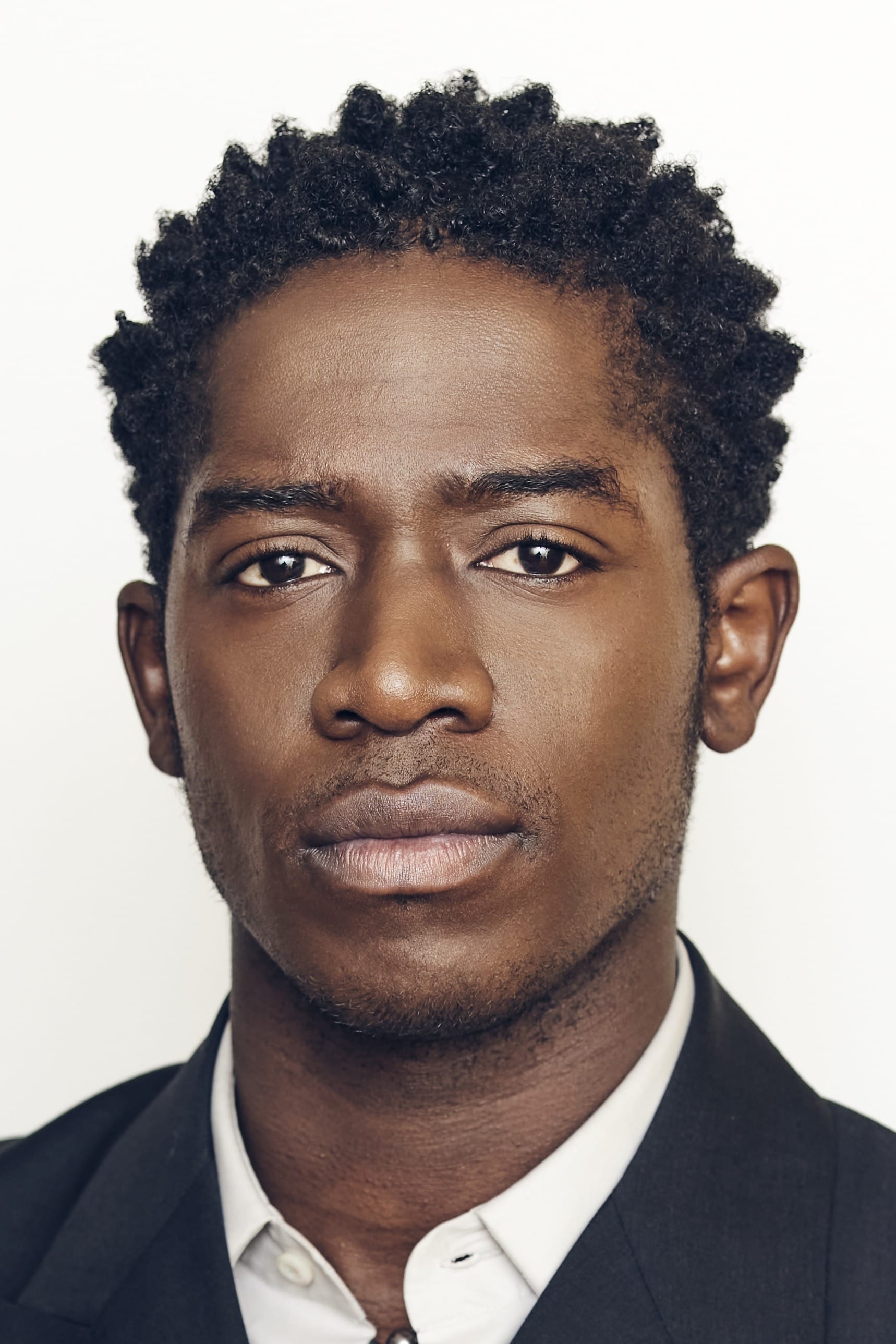
Damson Idris has spoken about the pressure of being a British actor playing an American role in ‘Snowfall’. He has faced questions about whether he can truly understand the weight of the American drug war and its impact on the Black community. Idris has mentioned that he had to work incredibly hard to master the accent and the cultural nuances to be accepted by the audience. He has often found himself in the middle of the ongoing debate about British actors taking American jobs. He maintains that his dedication to the craft allows him to bridge these cultural gaps.
Chiwetel Ejiofor
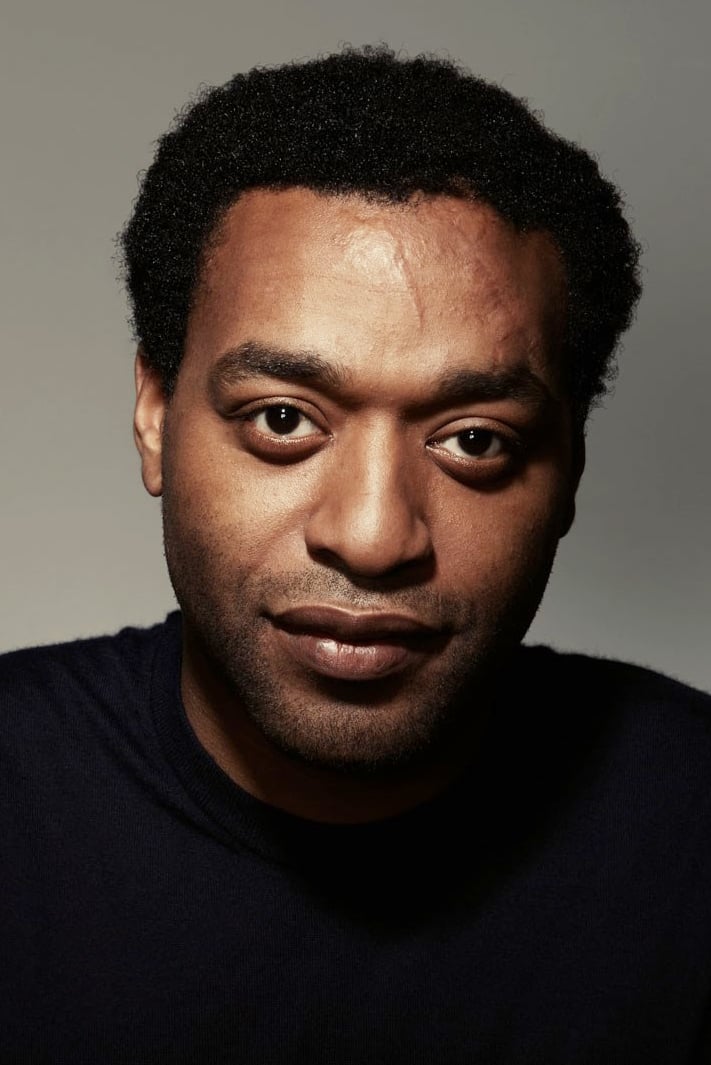
Chiwetel Ejiofor is another highly acclaimed British actor who has faced the “nationality versus authenticity” debate. When he was cast in ’12 Years a Slave’ some questioned if his British background would hinder his portrayal of an enslaved American man. These critics argued that the historical trauma was too specific to the American South for an outsider to replicate. Ejiofor delivered a haunting performance that garnered an Oscar nomination and silenced many of his detractors. He continues to be a leading figure in cinema who works across many different cultural contexts.
Terrence Howard
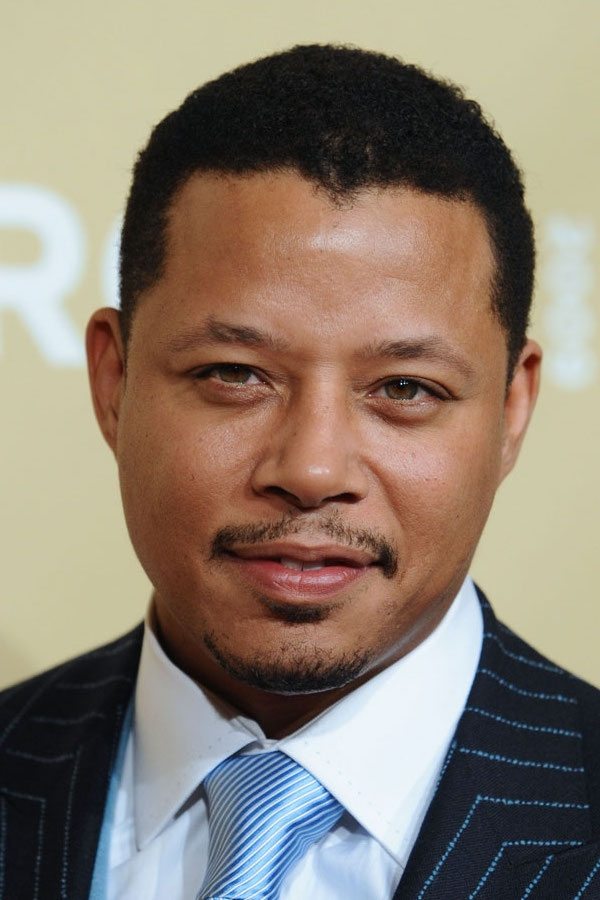
Terrence Howard has dealt with the implications of colorism throughout his long career. In shows like ‘Empire’ his lighter skin and eyes were often highlighted as part of his character’s “refined” or “elite” status. He has spoken in interviews about how the industry views light skinned Black men differently than those with darker skin. There have been instances where the public perception of his identity has been a topic of debate in relation to his roles. Howard has remained a prominent figure despite the fluctuating trends of industry preferences.
Taye Diggs
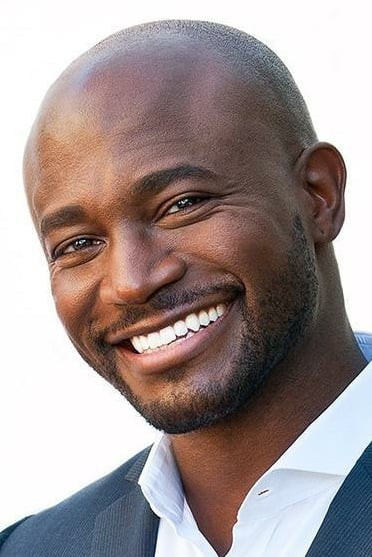
Taye Diggs has occasionally been the subject of public discourse regarding his personal life and how it relates to his Blackness. Some audiences have scrutinized his choices and presentation which led to unfair labels about his identity. He has expressed frustration with the idea that there is a checklist for being “properly” Black. In his acting career he has often played the professional or the romantic lead which some viewed as a departure from more “authentic” roles. Diggs has consistently pushed back against these narrow definitions through his work and public statements.
Jussie Smollett
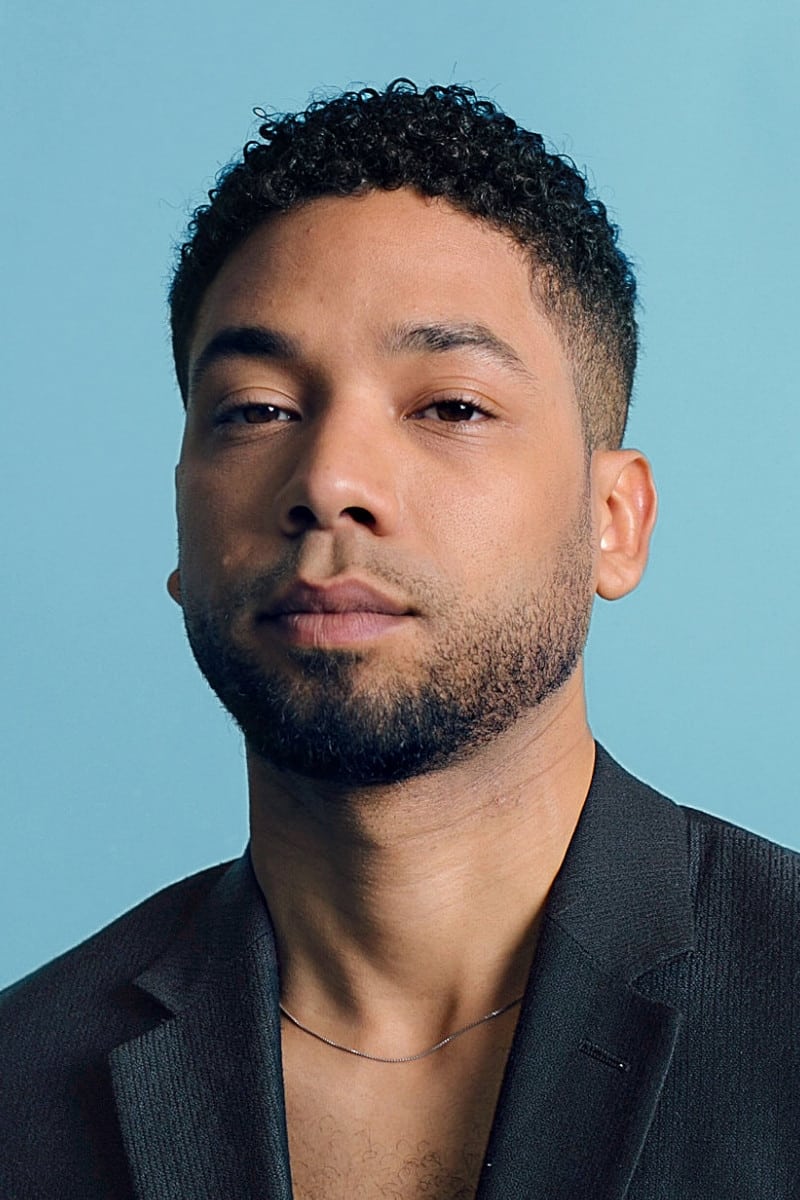
Jussie Smollett was often discussed in terms of his identity and heritage during his time on ‘Empire’. As a biracial actor playing a prominent role he was at the center of many conversations about representation and colorism. Some viewers felt he represented a specific “palatable” version of Black identity that the industry preferred. These discussions were often complex and layered with opinions on his talent and his personal background. Smollett’s career has since been overshadowed by personal legal issues that have changed the public conversation surrounding him.
Alfred Enoch
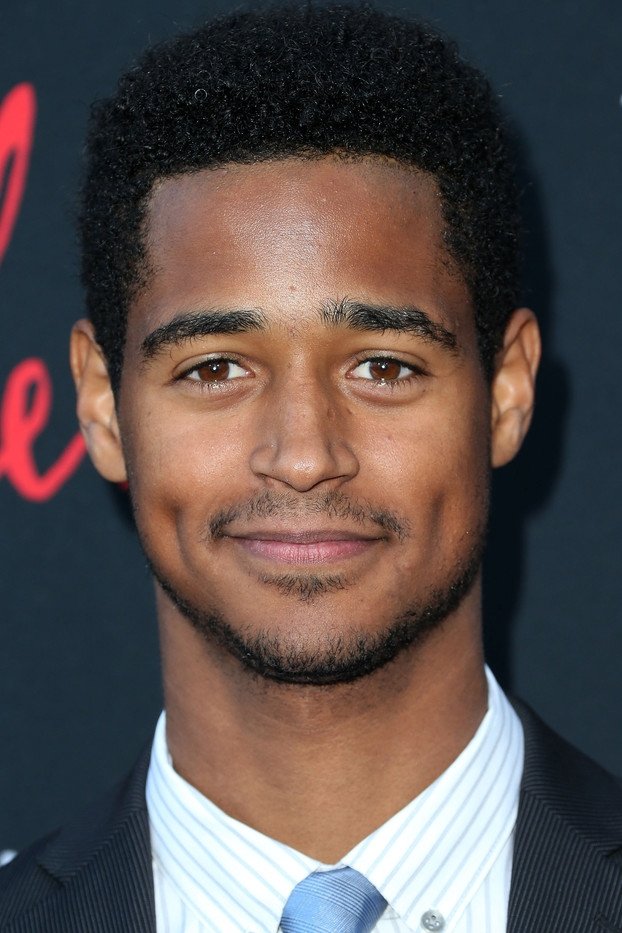
Alfred Enoch gained fame for his role in ‘How to Get Away with Murder’ and faced immediate questions about his background. As a British actor with a Brazilian mother and an English father his casting was part of a larger trend of international Black actors in American television. Some critics questioned if he could truly represent the American Black experience in a legal drama. Enoch managed to win over audiences with his performance and his ability to blend into the American setting. He has since worked on several high profile projects that showcase his international appeal.
Sterling K. Brown
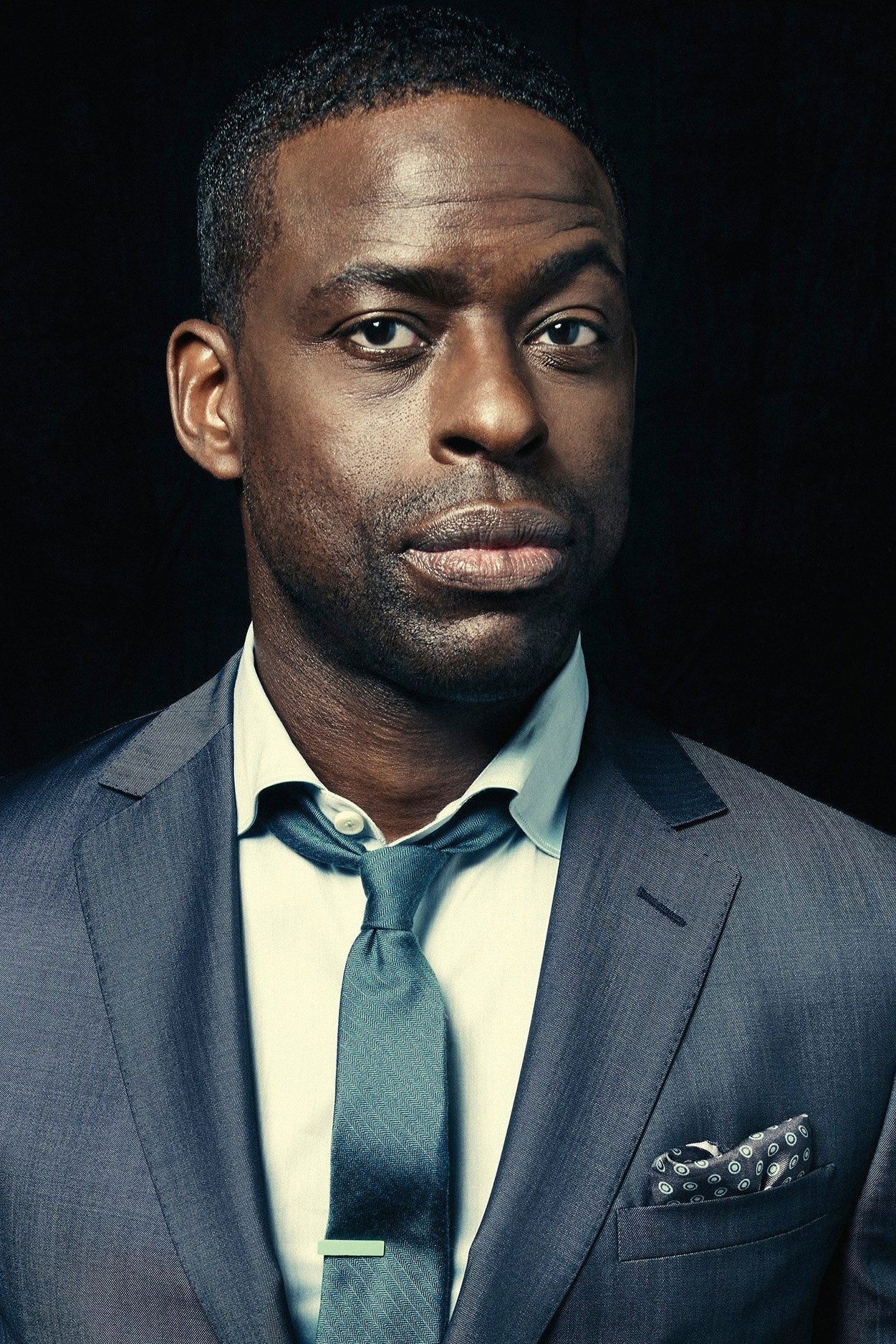
Sterling K. Brown has reached the top of the industry but has still encountered debates about his “type” of Blackness. He has spoken about how early in his career he was often cast in roles that required a very specific and limited performance of masculinity. Even as he found success in ‘This Is Us’ he has noted the industry’s tendency to box in talented Black actors. In the film ‘American Fiction’ he played a character that directly addressed the ridiculous nature of these industry expectations. Brown continues to be an advocate for storytelling that allows for a full range of human emotion.
Mahershala Ali
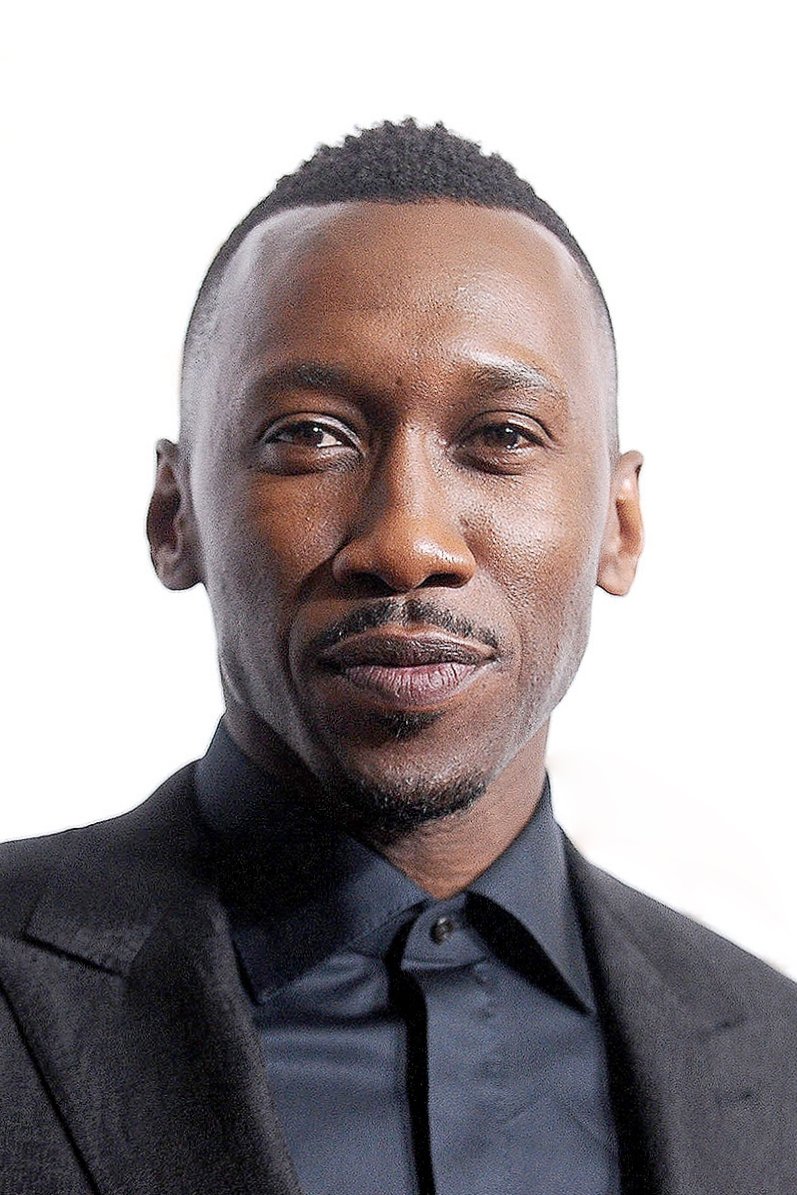
Mahershala Ali has faced questions about his identity in relation to his faith and his heritage. As a Muslim Black man he has had to navigate a landscape that often relies on easy stereotypes for both identities. He has spoken about the struggle to find roles that do not reduce him to a caricature or a “representative” of a group. His success in films like ‘Moonlight’ and ‘Green Book’ has helped him break free from these early limitations. Ali has become one of the most respected actors of his generation by choosing roles that challenge audience expectations.
Courtney B. Vance
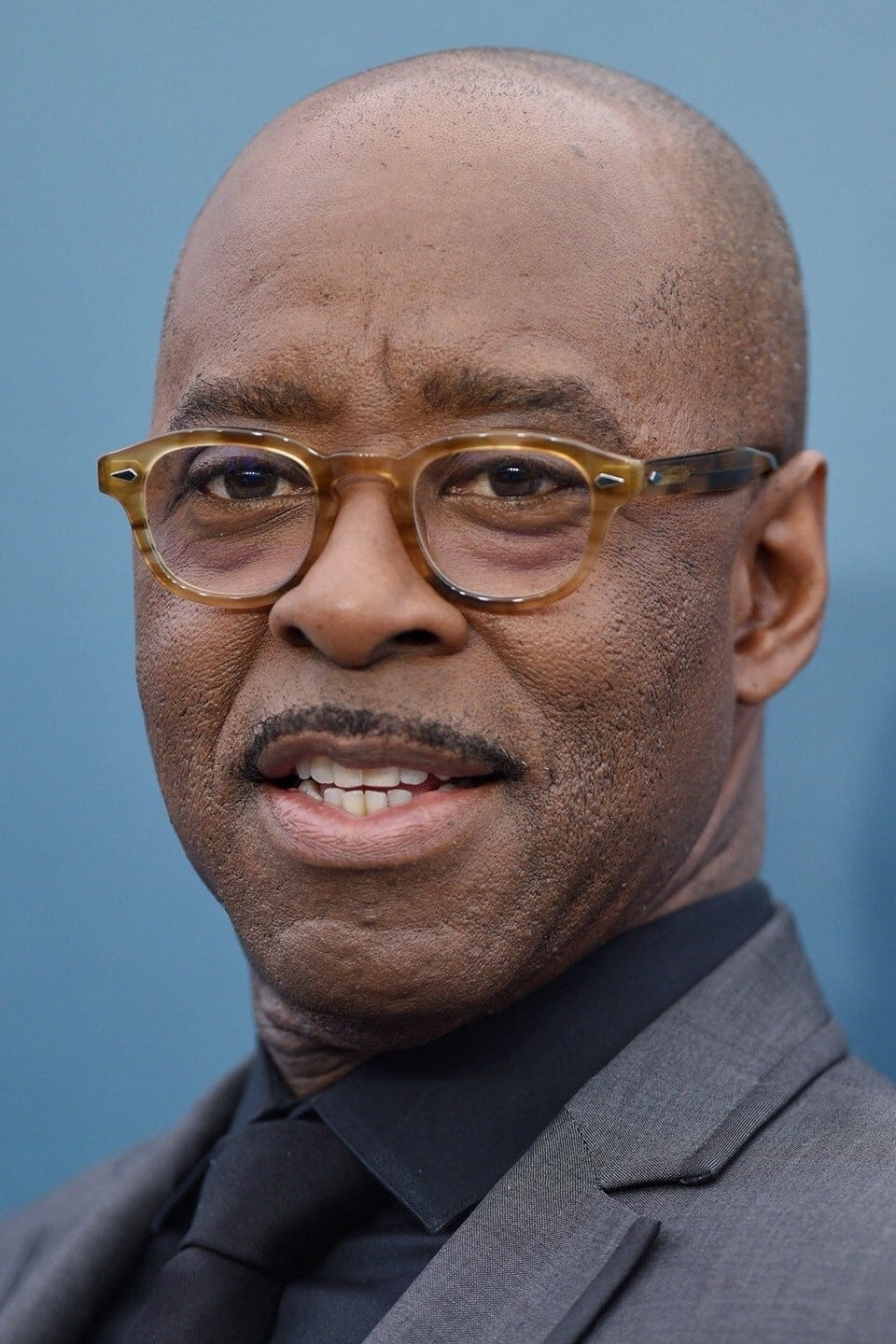
Courtney B. Vance has a long history in the industry and has seen how perceptions of Blackness have shifted over the decades. In his early years he often felt that he was being funneled into roles that were “safe” or “respectable” to appeal to a wider audience. This perception sometimes led to him being overlooked for more visceral or gritty characters. Vance has consistently proven his range from stage to screen in roles like Johnnie Cochran in ‘The People v. O. J. Simpson’. He has used his career to demonstrate that intelligence and gravitas are essential parts of the Black experience.
Derek Luke
Derek Luke burst onto the scene in ‘Antwone Fisher’ and immediately faced the pressures of being a new face of Black cinema. He has discussed how the industry often tries to find a single “archetype” to promote at any given time. Luke felt that he was sometimes pushed toward roles that fit a very specific and traditional mold of the “struggling” Black man. He has sought out projects that allow him to play different types of characters and avoid being pigeonholed. His career reflects a desire to move beyond the industry’s limited imagination.
Omari Hardwick
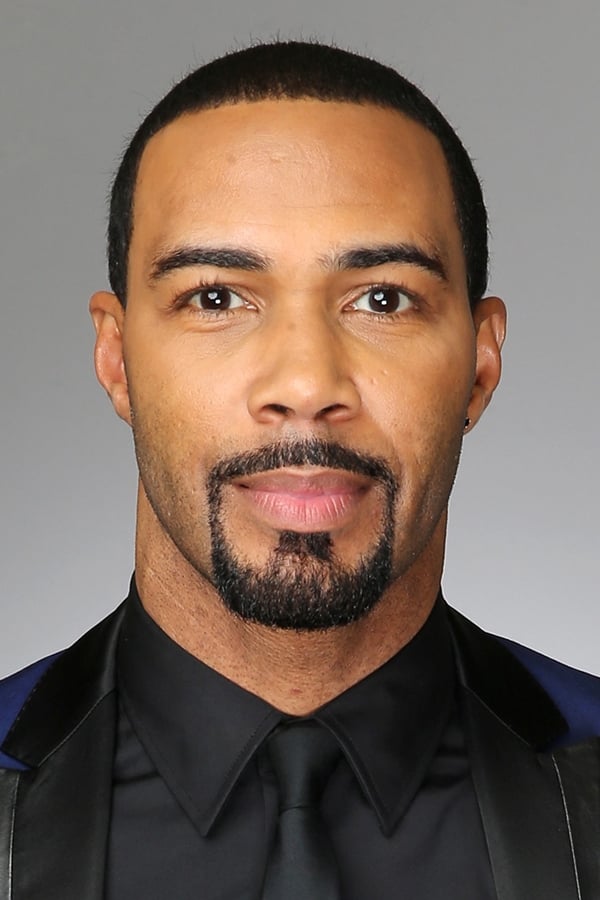
Omari Hardwick has spoken openly about the colorism he observed during his time as a lead on the show ‘Power’. He has noted that while he found great success he was aware of the industry’s preference for certain looks. Hardwick has also faced criticism from those who felt his portrayal of a high level drug dealer was not “authentic” enough for the streets. He countered these claims by focusing on the complexity and humanity of his character. He remains a vocal supporter of diversifying the types of stories told about Black men.
Blair Underwood

Blair Underwood has often been categorized as the “quintessential professional” throughout his career. This label sometimes led to him being told he was not suited for more “raw” or “street” roles. He has discussed the challenge of being a Black actor who is seen as “too polished” for certain parts of the industry. Underwood has used his longevity to play a vast array of characters from doctors to villains to show his versatility. He has helped pave the way for other actors who want to be seen as more than just a single type.
Robert Ri’chard
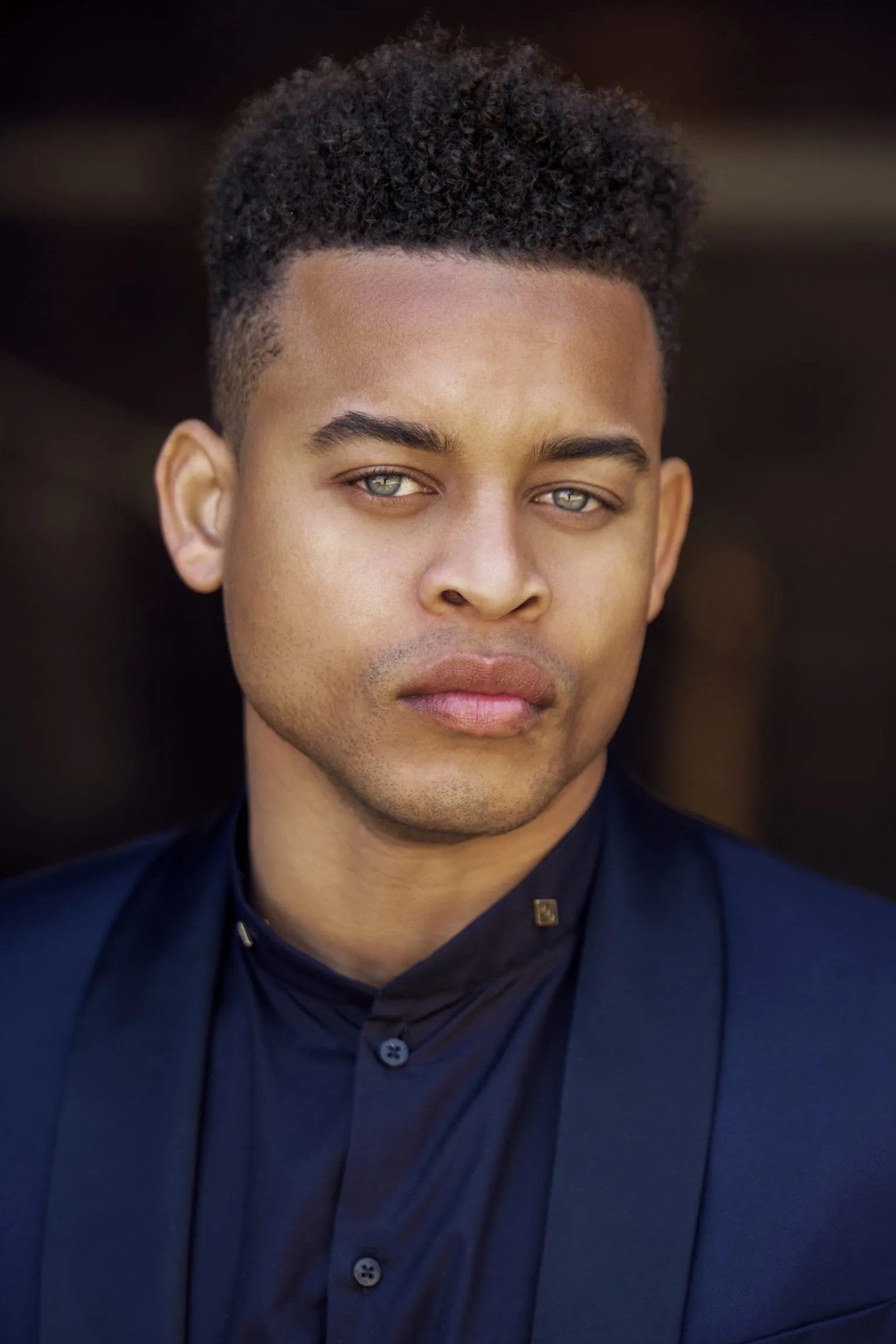
Robert Ri’chard has faced the challenges of being a light skinned biracial actor in a competitive market. He has noted that he often found himself in a “gray area” where he was not quite what casting directors were looking for. Some felt he was not “Black enough” for certain urban dramas while others saw him as strictly for teen roles. He has worked steadily in television and film by maintaining a high level of physical fitness and versatility. Ri’chard continues to navigate the industry by finding roles that lean into his unique energy and appearance.
Charles Michael Davis
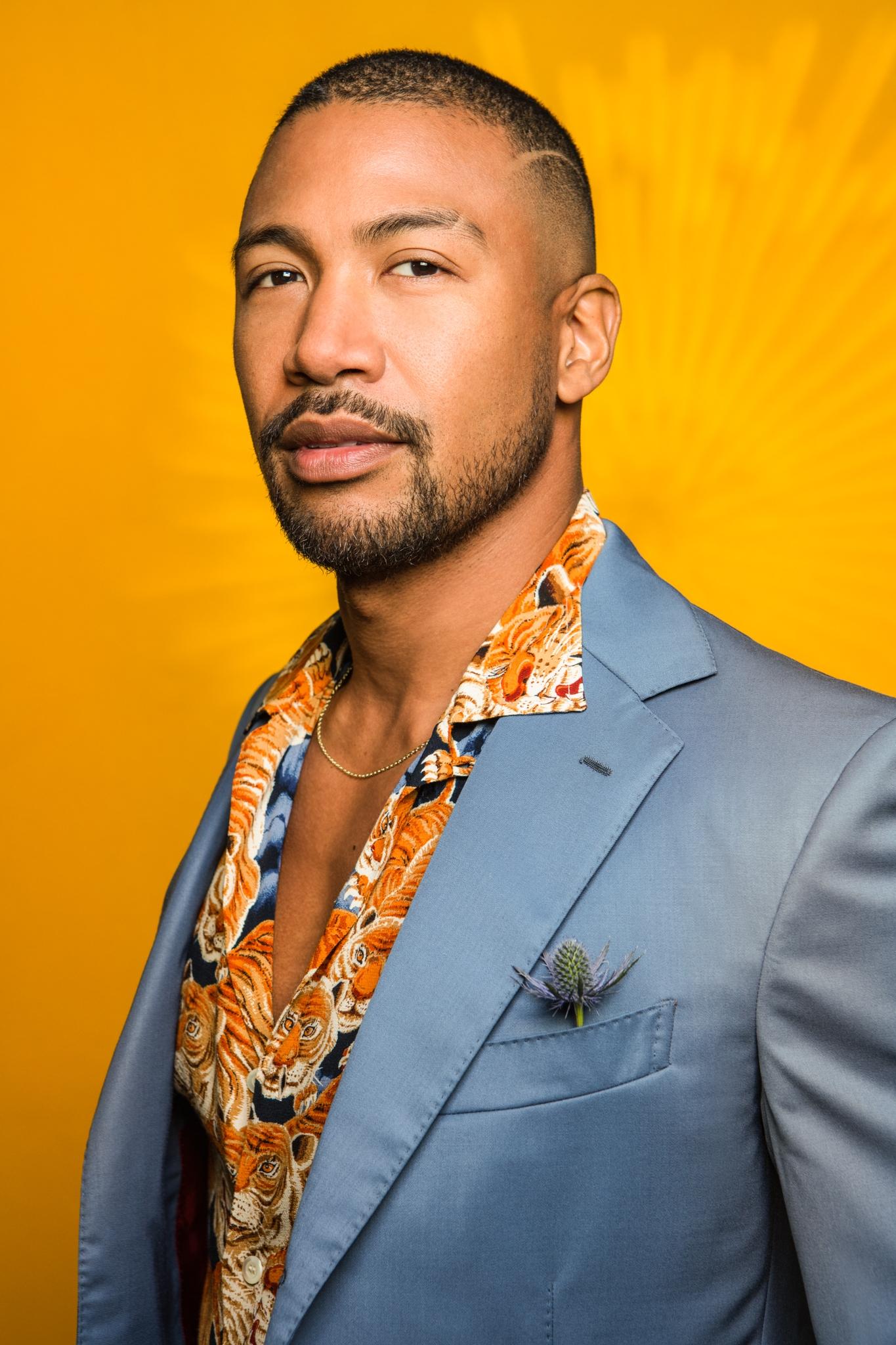
Charles Michael Davis has often been cast in roles that highlight his striking features and biracial heritage. He has mentioned in interviews that his appearance has sometimes influenced the types of characters he is offered. In series like ‘The Originals’ he played a powerful leader which was a departure from traditional tropes. However he has also dealt with the industry’s tendency to view him as a “specific look” rather than just a talented actor. Davis continues to work in both television and modeling while expanding his range in different genres.
Gary Dourdan

Gary Dourdan became a household name on ‘CSI’ and was often noted for his distinctive green eyes and lighter skin. This led to many discussions about his heritage and how it affected his casting opportunities. He has spoken about feeling like he had to navigate a narrow path to be accepted by different audiences. Some felt he was being used as a “safe” version of Black masculinity in a mainstream procedural. Dourdan has since worked on various independent projects that allow him to explore more diverse themes.
Harold Perrineau
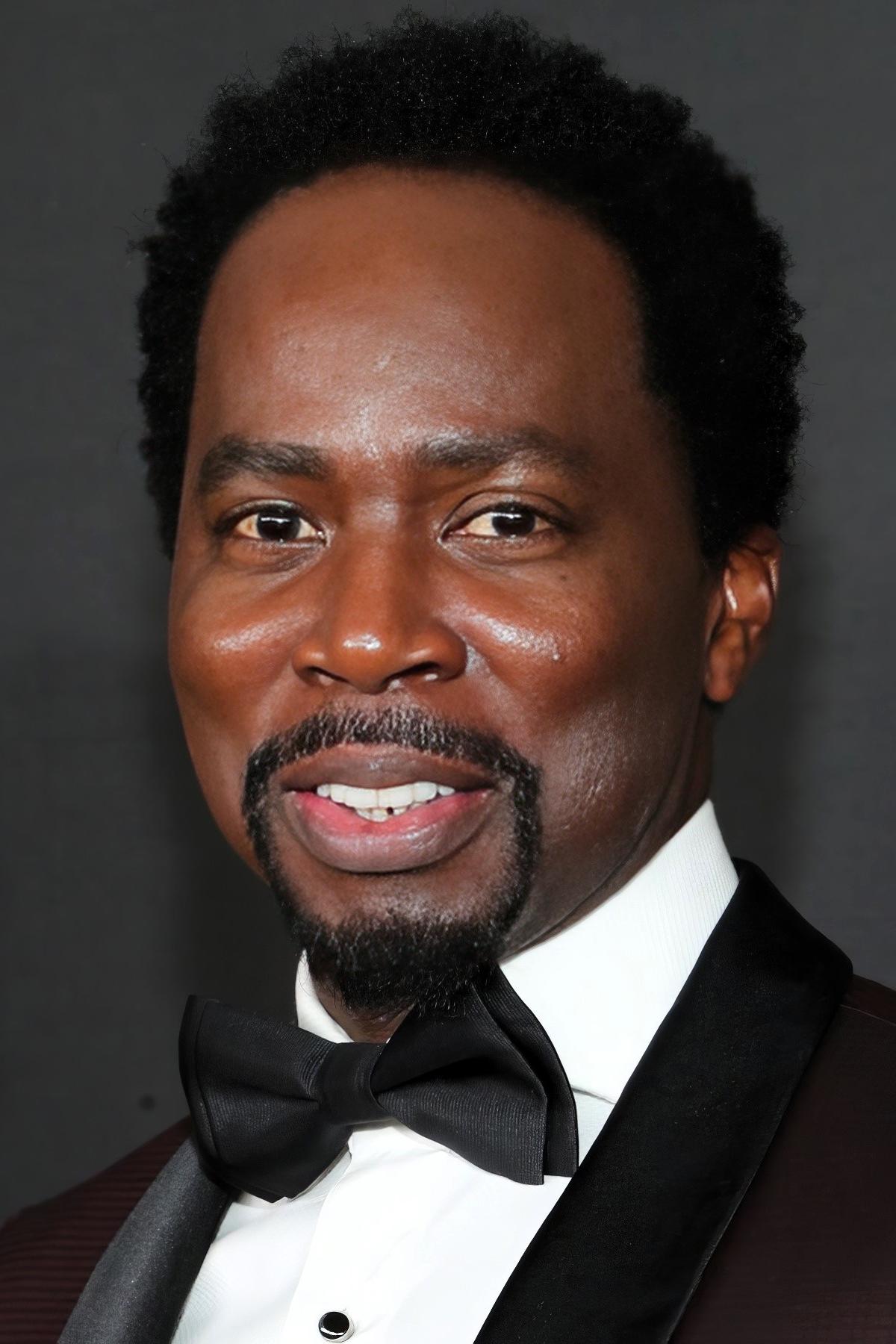
Harold Perrineau has been very vocal about the limitations placed on Black actors in major productions. During his time on the show ‘Lost’ he expressed frustration with how his character was written compared to others. He felt that the industry often struggles to provide Black characters with the same depth and “everyman” quality as white characters. Perrineau has often been told that he fits a specific “character actor” mold which he has fought to overcome. He continues to deliver powerful performances in shows like ‘From’ that challenge these perceptions.
Adrian Lester
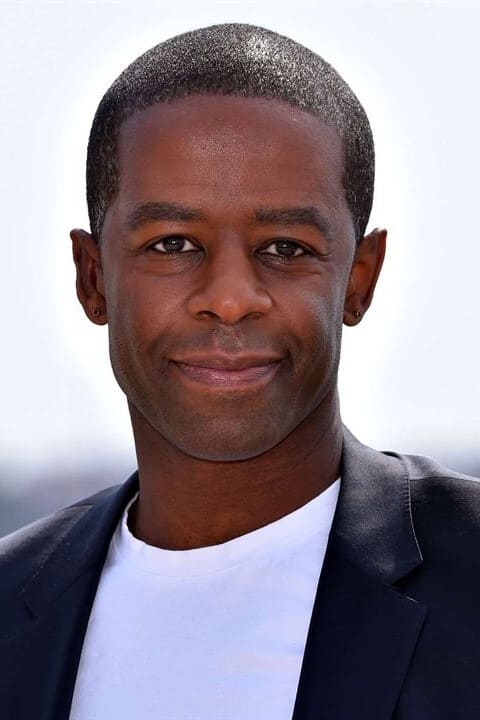
Adrian Lester is a British actor who has worked extensively in both the United Kingdom and the United States. He has noted that the American industry often has a very different perception of Black identity than the British one. Lester has faced questions about his suitability for American roles because of his classical training and British accent. He has spoken about the need for Hollywood to recognize that the Black experience is not a monolith. His work in ‘Hustle’ and various stage plays has earned him international respect as a versatile performer.
Rick Fox
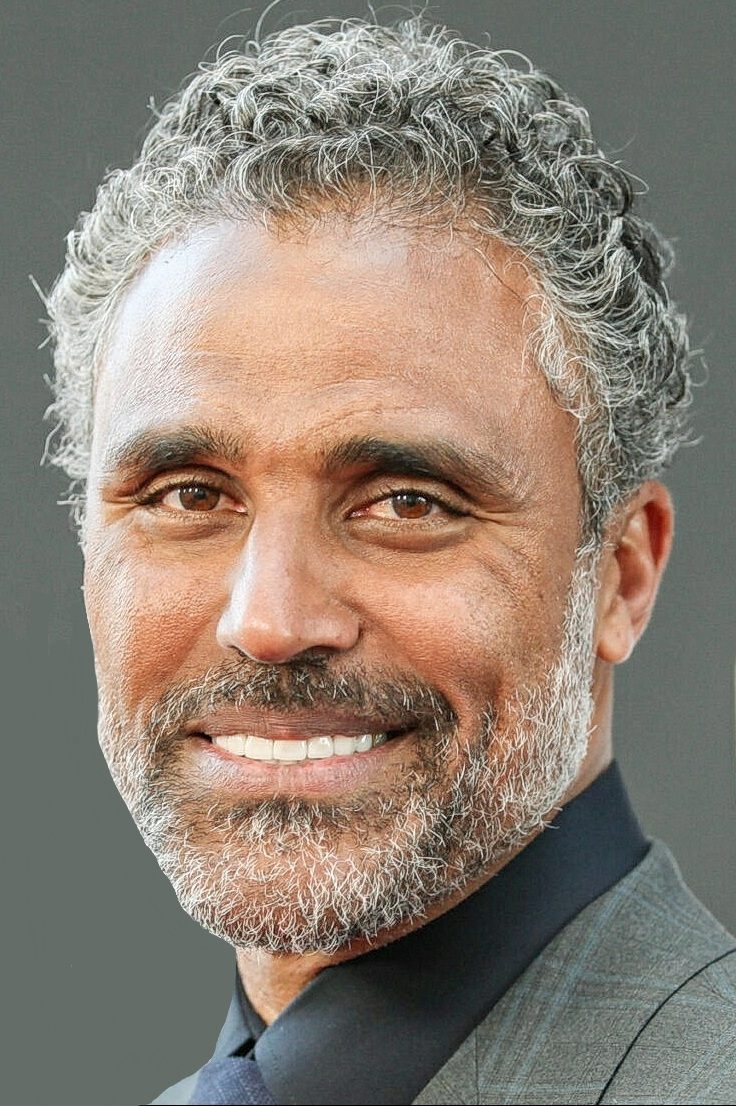
Rick Fox transitioned from a successful career in the NBA to acting and faced immediate scrutiny. As a biracial man with a high public profile he found that people had many preconceived notions about his identity. Some felt he was not “Black enough” to play certain dramatic roles because of his athletic background and appearance. Fox has worked to build a legitimate acting resume by taking on diverse roles in shows like ‘Oz’ and ‘Greenleaf’. He has used his platform to discuss the complexities of identity in both sports and entertainment.
Columbus Short
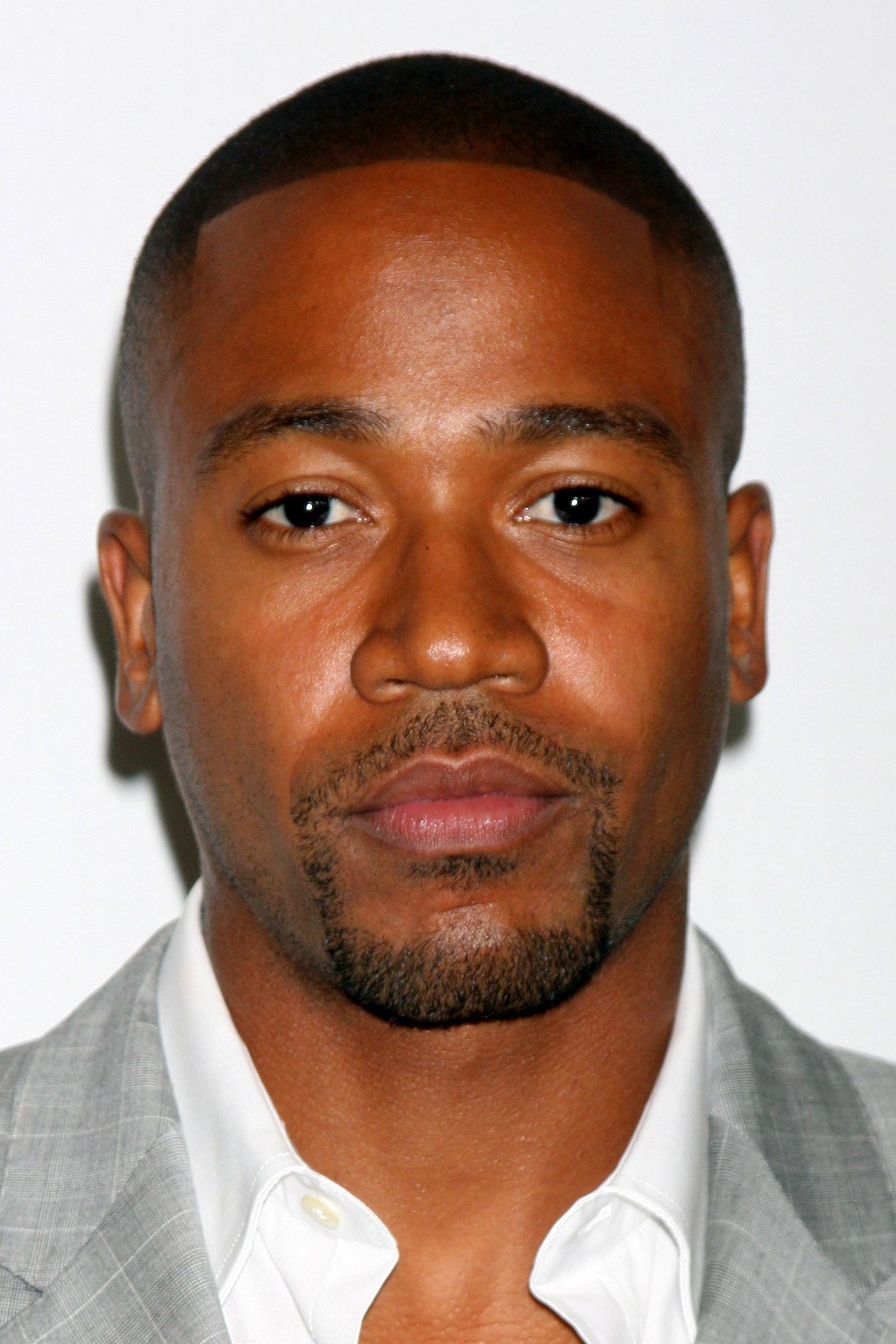
Columbus Short has dealt with industry perceptions regarding his background and “authenticity” throughout his career. He has noted that the industry often wants Black actors to fit into very specific boxes of “tough” or “intellectual.” Short has faced challenges when trying to move between different genres and styles of performance. He has spoken about the pressures of maintaining a certain image to stay relevant in Hollywood. Despite personal setbacks he has maintained a presence in the industry through various film and television projects.
Nate Parker
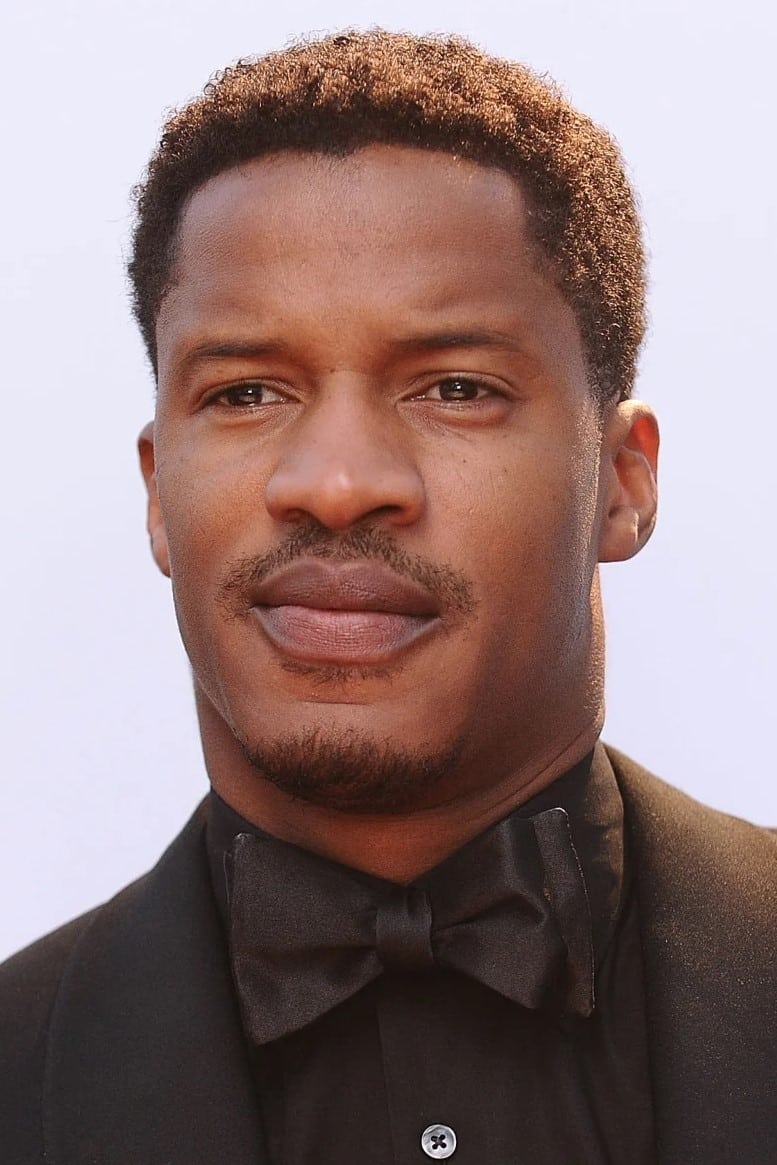
Nate Parker faced intense scrutiny when he released ‘The Birth of a Nation’ which he directed and starred in. Some questioned his authenticity and his motivations in telling a story about a historical slave rebellion. The debate around the film was complicated by his personal history and the way he presented himself to the public. Parker has always maintained that his work is rooted in a deep desire to explore the Black experience. His career has remained controversial as the industry continues to debate his role in the cultural landscape.
Corey Hawkins
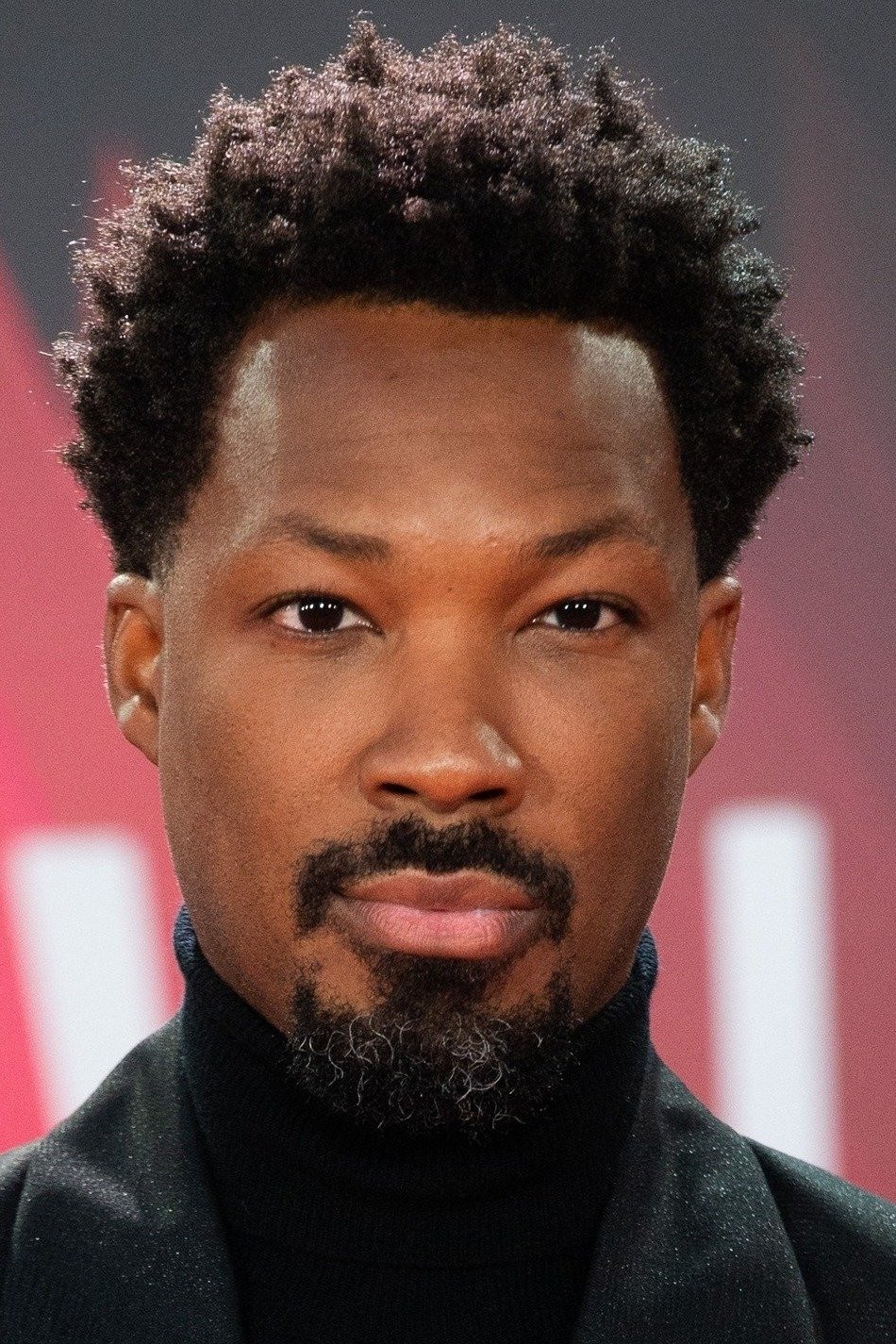
Corey Hawkins has taken on major roles playing real life figures like Dr. Dre in ‘Straight Outta Compton’. Despite his success he has faced discussions about whether he fits the “image” of the people he portrays. He has spoken about the importance of capturing the spirit of a person rather than just their physical appearance. Hawkins has also been part of the conversation regarding British versus American casting in major films. He continues to be a sought after actor for both stage and screen roles that require high intensity.
Aldis Hodge
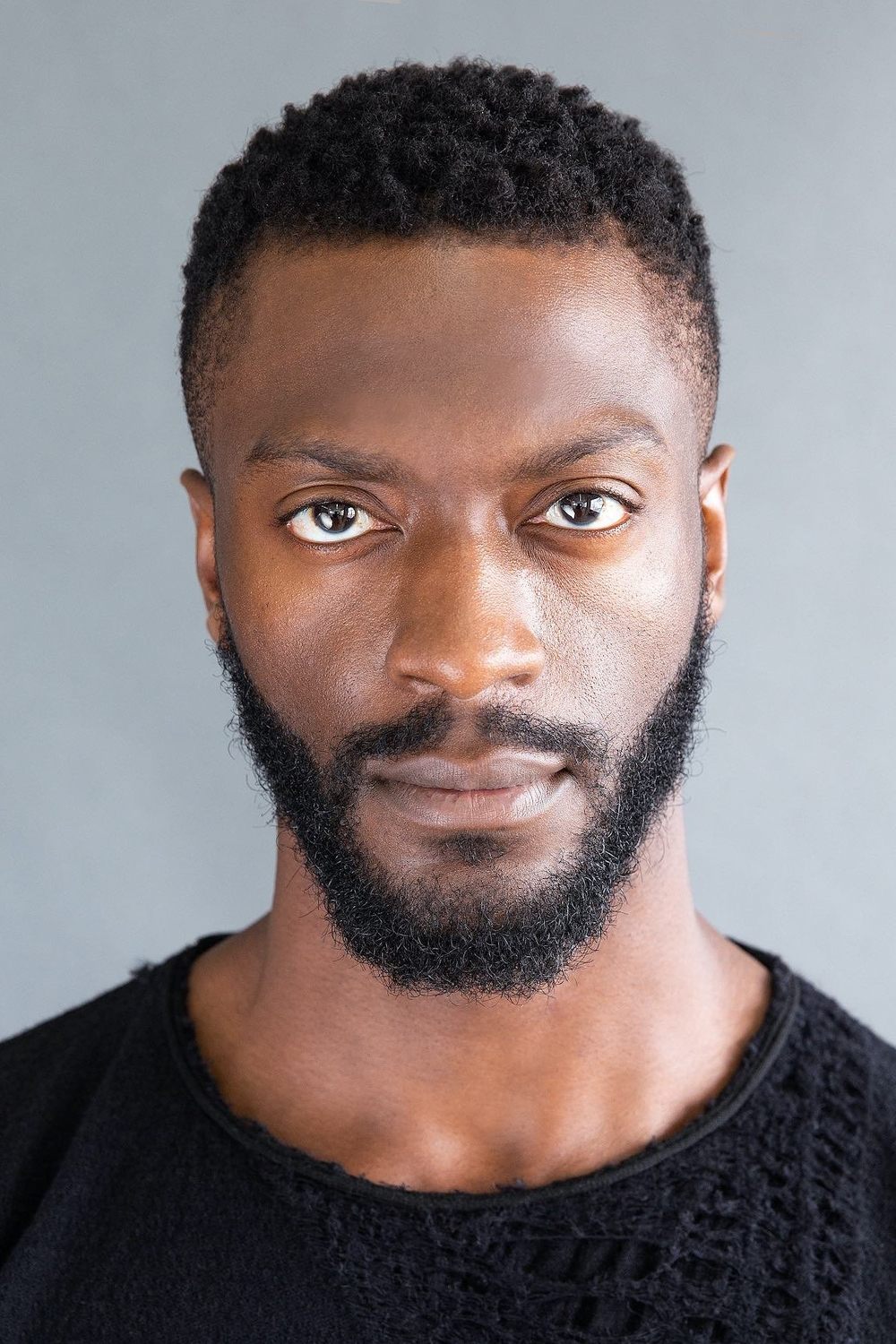
Aldis Hodge has spent decades in the industry and has seen the evolution of Black representation first hand. He has discussed the challenge of being a Black actor who wants to play characters that are not defined by their race. Hodge has sometimes been told he is “too intense” or “not the right fit” for roles that fall into traditional stereotypes. He has successfully pushed back by taking on a variety of roles in ‘Leverage’ and ‘Hidden Figures’. He remains a strong advocate for technical and intellectual representation for Black men in film.
Winston Duke
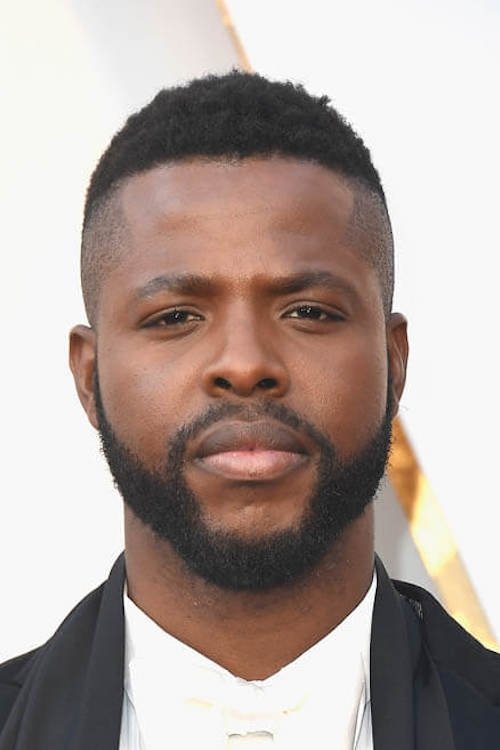
Winston Duke rose to fame in ‘Black Panther’ and has since become a prominent figure in Hollywood. As an actor born in Tobago he has a different perspective on Black identity than many of his American peers. He has spoken about the importance of including Caribbean voices in the global conversation about Blackness. Duke has also been part of the discussion about body image and how it relates to Black masculinity in film. He continues to choose roles that celebrate the vastness and diversity of the African diaspora.
Yahya Abdul-Mateen II
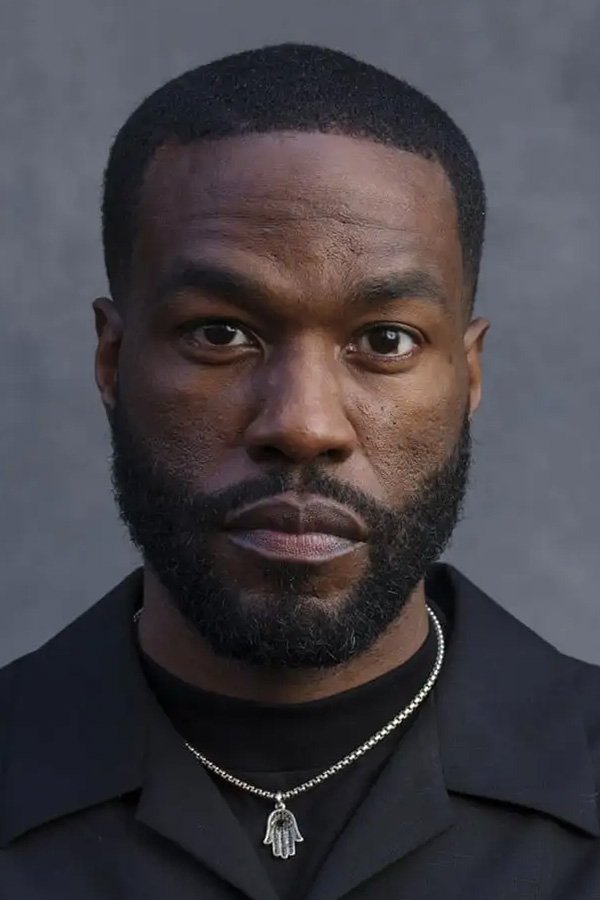
Yahya Abdul-Mateen II has quickly become one of the most versatile actors in Hollywood today. He has faced questions about his suitability for various roles from superheroes to historical figures. Some have debated whether his “look” fits certain iconic characters that have traditionally been portrayed differently. He has responded by delivering performances that focus on the emotional truth of the character. His work in ‘Watchmen’ and ‘Candyman’ has solidified his place as a leading man who can handle complex narratives.
Lakeith Stanfield
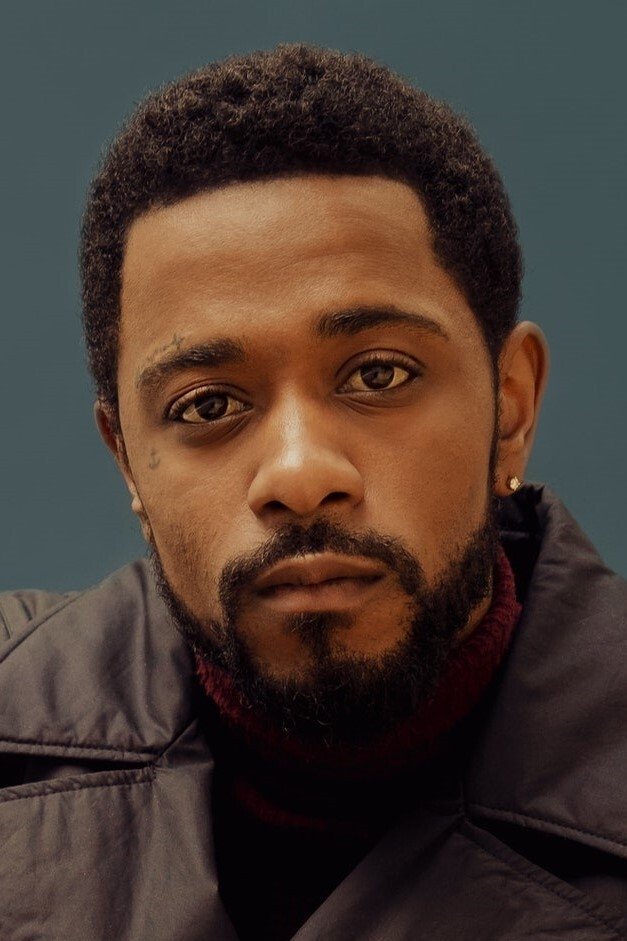
Lakeith Stanfield is known for taking on unique and often eccentric roles that challenge traditional Black archetypes. He has been vocal about his desire to move beyond the industry’s limited expectations for Black actors. Some have questioned his “authenticity” because of his unconventional choices and public persona. Stanfield has leaned into this by playing characters that are surreal and deeply human. He continues to be a vital voice in independent cinema while also starring in major studio productions.
Jonathan Majors
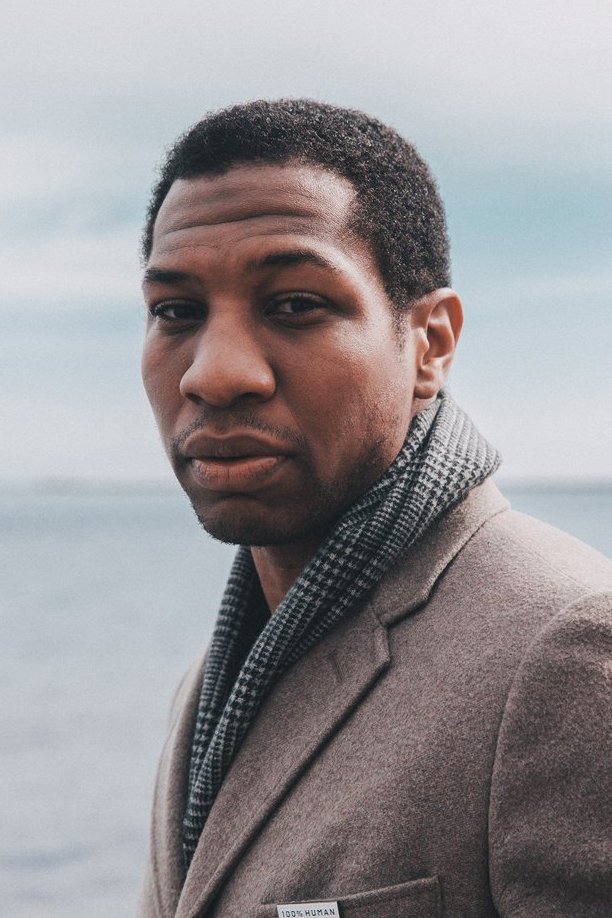
Jonathan Majors had a rapid rise to fame and was often discussed as the new face of intense Black masculinity. He has spoken in interviews about the weight of representing the Black experience on screen. There were debates about how his characters fit into the broader narrative of Black history and modern life. Majors has emphasized the need for vulnerability in Black male characters to counteract one dimensional stereotypes. His career has recently faced significant personal and legal challenges that have impacted his trajectory.
Leslie Odom Jr.
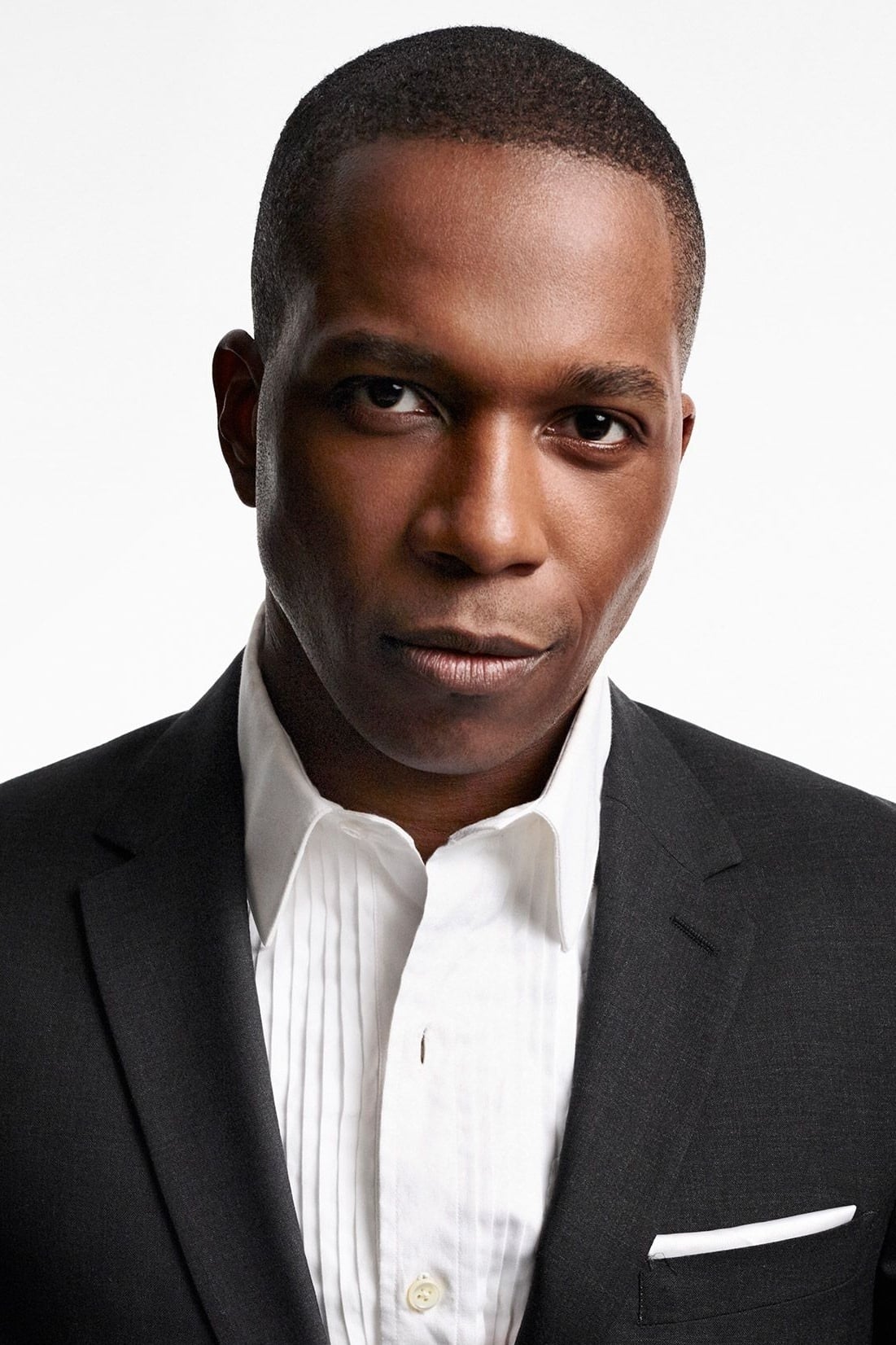
Leslie Odom Jr. gained massive fame in ‘Hamilton’ and has since navigated a high profile career in film and television. He has discussed the challenges of being a Black actor in the world of musical theater and mainstream drama. Some critics have questioned if his “theatrical” background makes him less suited for gritty cinematic roles. Odom has proven his range in films like ‘One Night in Miami’ where he played Sam Cooke. He continues to seek out projects that allow him to use his full range of talents as a singer and actor.
Terrence J
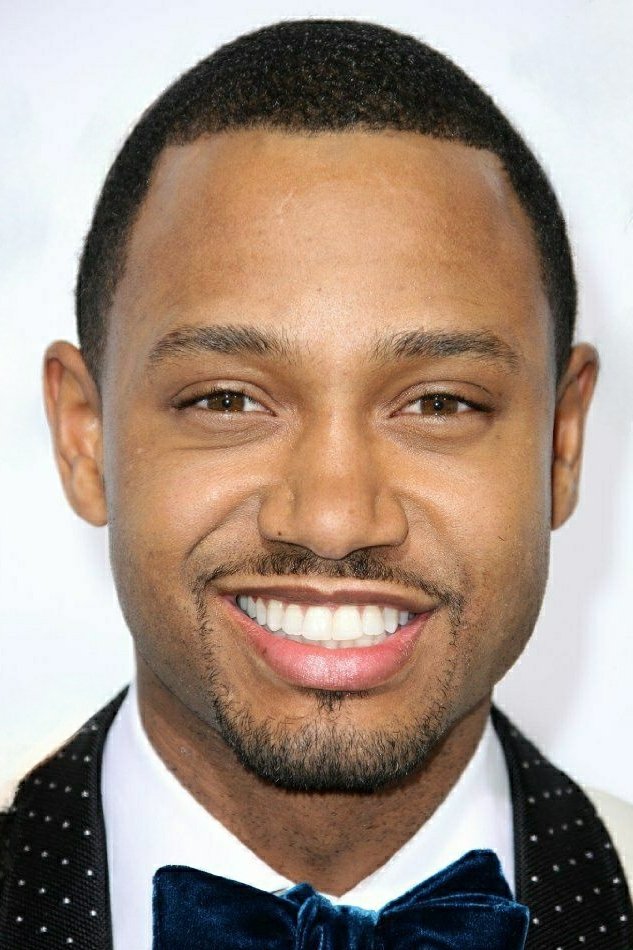
Terrence J transitioned from being a popular television host to an actor and producer. He has spoken about the difficulty of being taken seriously as a dramatic actor after years in the hosting world. Some in the industry felt he was “too commercial” or lacked the “edge” required for certain Black roles. He has worked to overcome these perceptions by taking on diverse roles in films like ‘Think Like a Man’. He continues to be a successful figure in entertainment by leveraging his personal brand and production company.
Brandon T. Jackson
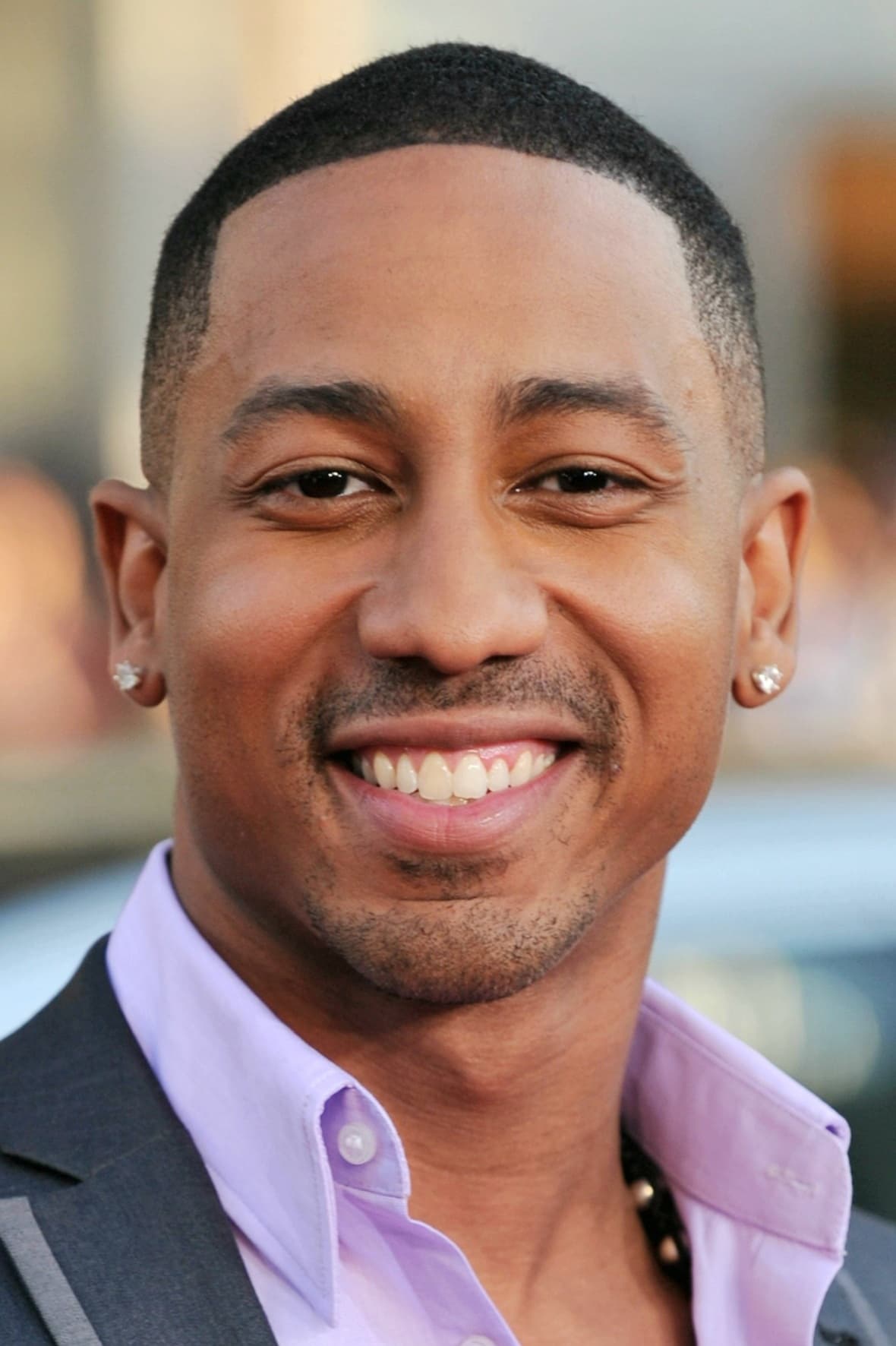
Brandon T. Jackson has often used comedy to address the industry’s obsession with racial categories. In the film ‘Tropic Thunder’ he played a character who specifically parodied the “not Black enough” critique. He has spoken about the pressure to act a certain way to be accepted by casting directors. Jackson has found success in both stand up and film by highlighting these absurdities. He remains a vocal critic of the ways the industry tries to limit the creativity of Black performers.
Stephan James
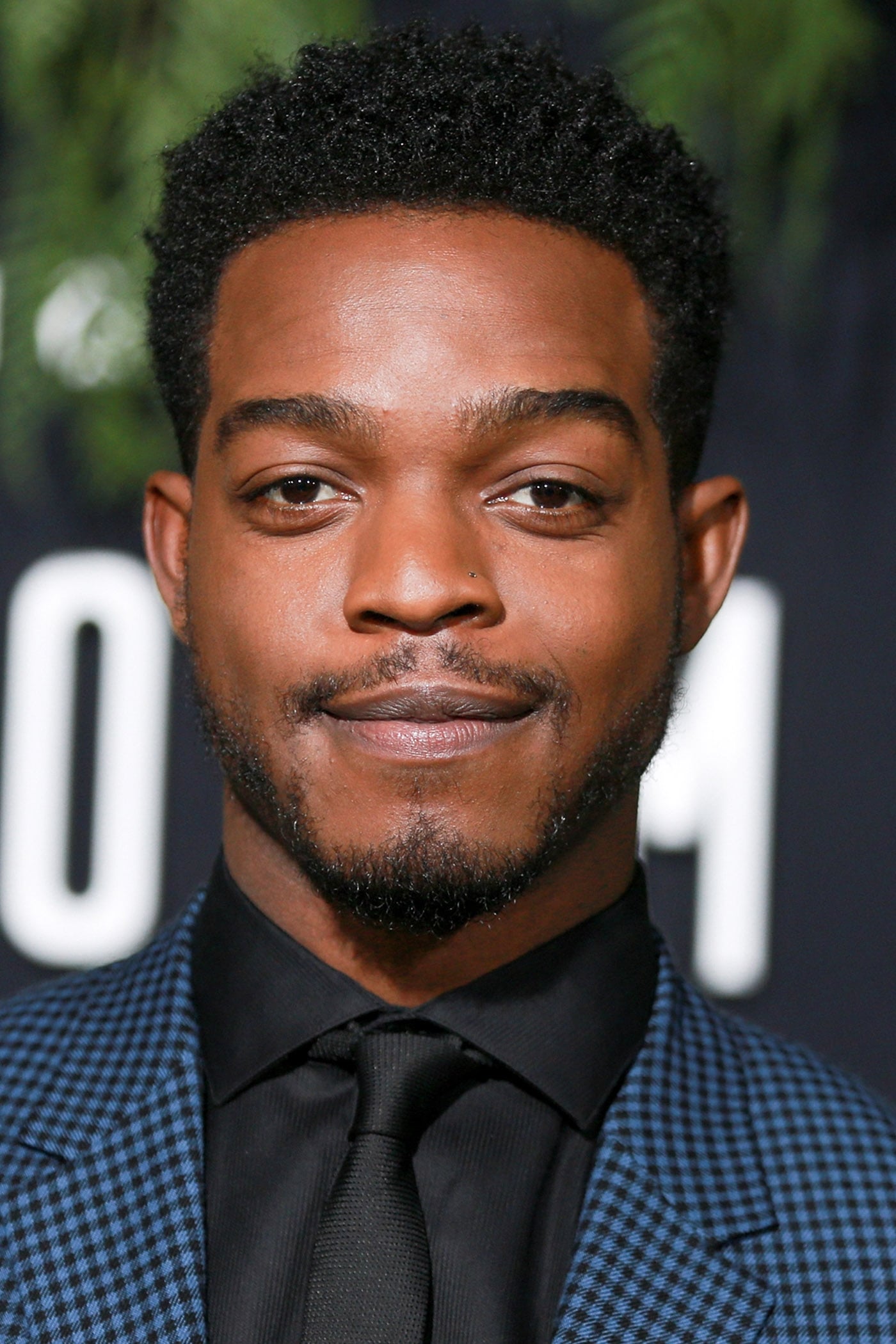
Stephan James has played several iconic Black figures including Jesse Owens and John Lewis. He has faced the “nationality” debate as a Canadian actor playing quintessential American heroes. Some critics questioned if his Canadian background allowed him to fully grasp the weight of the American civil rights movement. James has focused on the universality of the struggle for justice to inform his performances. He has become a respected leading man who brings a quiet intensity to his historical and modern roles.
Please share your thoughts on these casting debates and the evolution of Black identity in film in the comments.