Actors Whose Voices Were Secretly Dubbed Because They Couldn’t Speak the Part

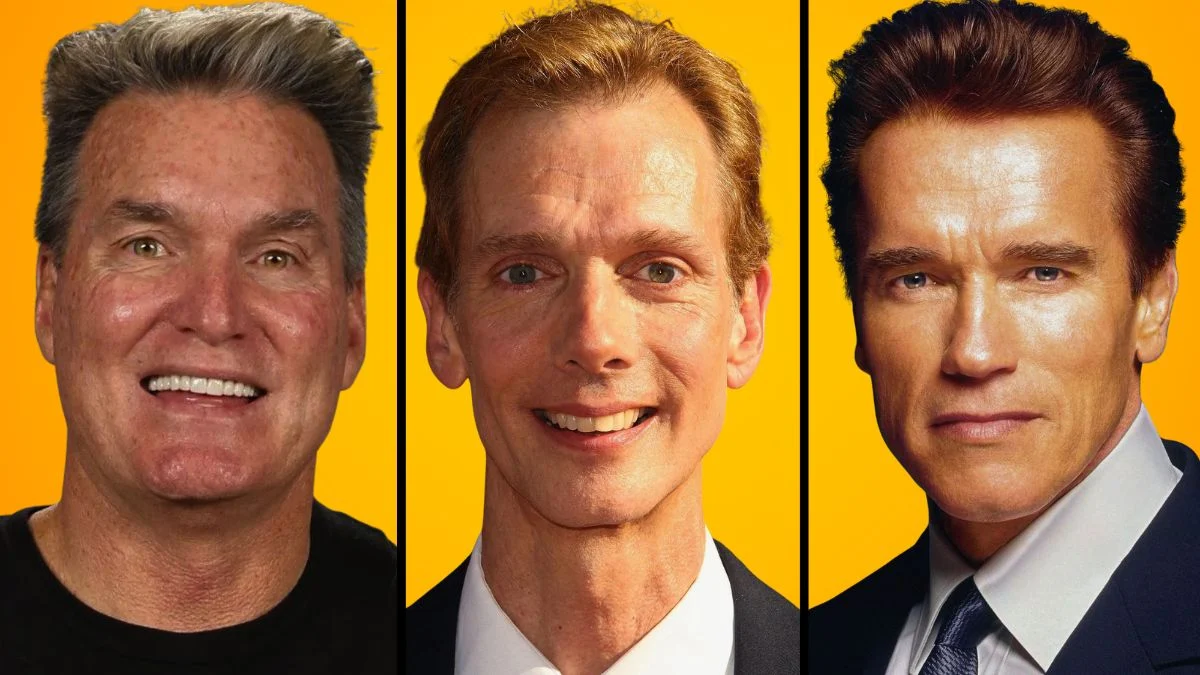

Hollywood history is filled with instances where an actor provided the perfect physical appearance for a role but lacked the necessary vocal quality or language skills. Filmmakers frequently relied on uncredited voice artists to ensure the dialogue matched the intended tone or regional accent of a character. This practice allowed international stars to transition into English speaking roles before they were fully fluent in the language. Many iconic performances in cinema history actually feature a vocal track recorded by a different person in the post production phase. These secret dubbing sessions remained unknown to many audiences for decades.
Arnold Schwarzenegger
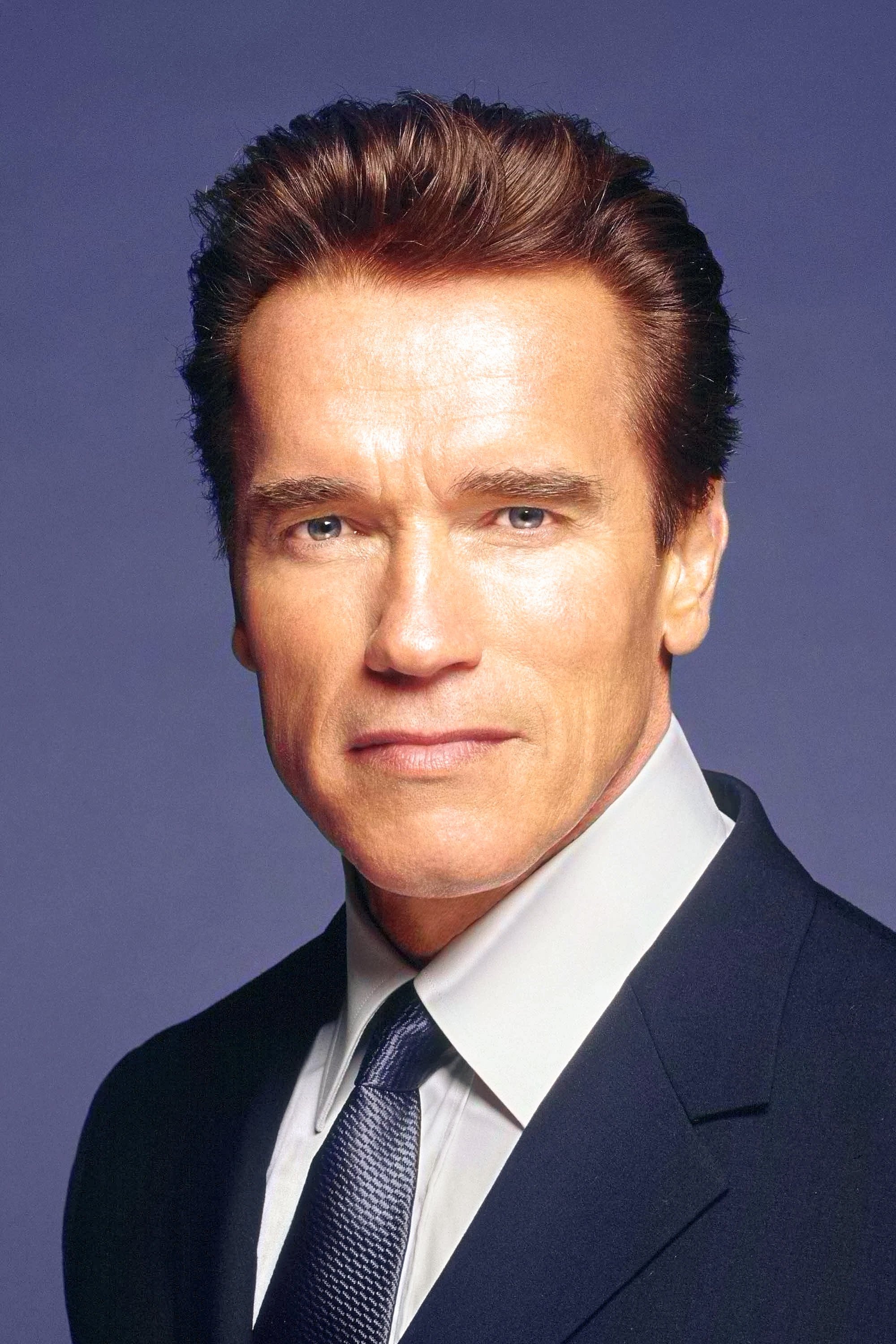
Arnold Schwarzenegger made his film debut in ‘Hercules in New York’ using the stage name Arnold Strong. The producers felt his Austrian accent was far too thick for American audiences to understand clearly during the movie. They decided to dub his entire performance with an uncredited voice actor who provided a more traditional American sound. Later releases of the film allowed fans to hear his actual voice once he became a major star. This early experience highlighted the challenges international bodybuilders faced when entering the Hollywood industry.
David Prowse
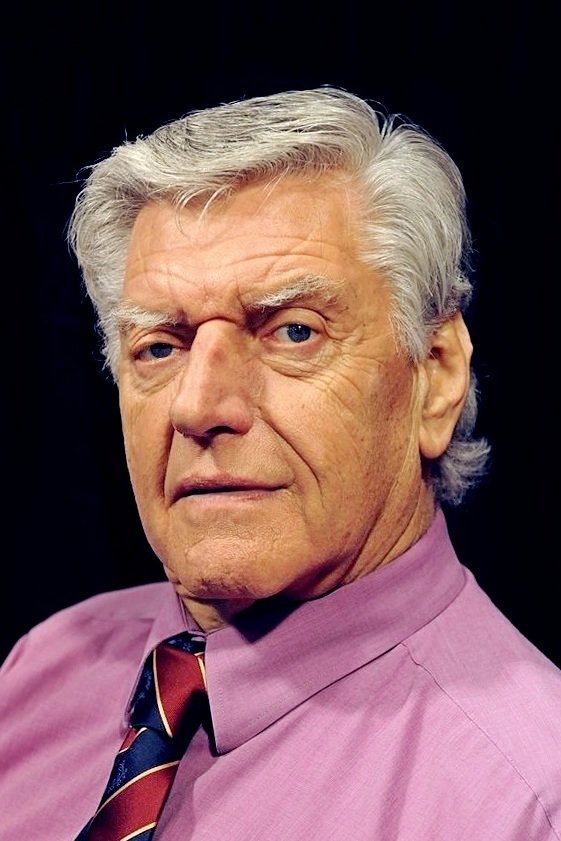
David Prowse provided the physical presence for Darth Vader in the original ‘Star Wars’ trilogy. He spoke all of the lines on set through his mask but the production team felt his West Country accent did not fit the character. George Lucas eventually hired James Earl Jones to provide the deep and authoritative voice that became legendary. Prowse was reportedly surprised when he saw the final film and heard a different actor speaking his part. This decision created one of the most famous cinematic villains of all time through a combination of two different performances.
Sam J. Jones
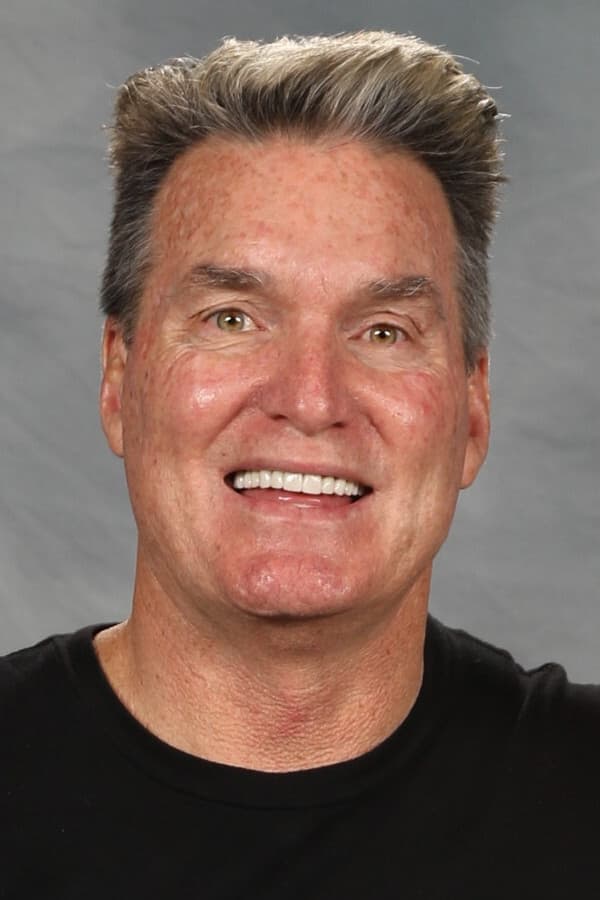
Sam J. Jones played the titular hero in the ‘Flash Gordon’ movie released in the early eighties. A major disagreement occurred between the actor and producer Dino De Laurentiis during the post production stage of the project. This conflict resulted in Jones being unavailable to record his dialogue during the looping process. An uncredited voice actor named Peter Marinker was hired to dub approximately ninety percent of the dialogue for the lead role. Most viewers at the time were entirely unaware that the hero was being voiced by someone else.
Christopher Lambert

Christopher Lambert gained international fame for his leading role in ‘Greystoke: The Legend of Tarzan, Lord of the Apes’. Although he was a talented actor his French accent was considered too strong for the character of a British aristocrat. The director decided to have his dialogue dubbed by an uncredited actor named John Gilpin to ensure the character sounded authentically English. Lambert spent months working on his language skills for subsequent roles in English speaking films. This vocal replacement helped maintain the realism of the period drama for global audiences.
Gert Fröbe
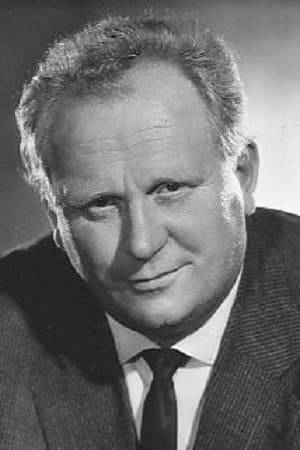
Gert Fröbe delivered a memorable performance as the villainous Auric Goldfinger in the James Bond classic ‘Goldfinger’. The actor spoke very little English at the time and his lines were often difficult for the crew to interpret. Michael Collins was brought in to provide the voice for the character in the final version of the film. Fröbe was dubbed so effectively that many fans did not realize his voice was not his own until years later. The actor eventually improved his English and was able to dub himself in later international productions.
James Purefoy
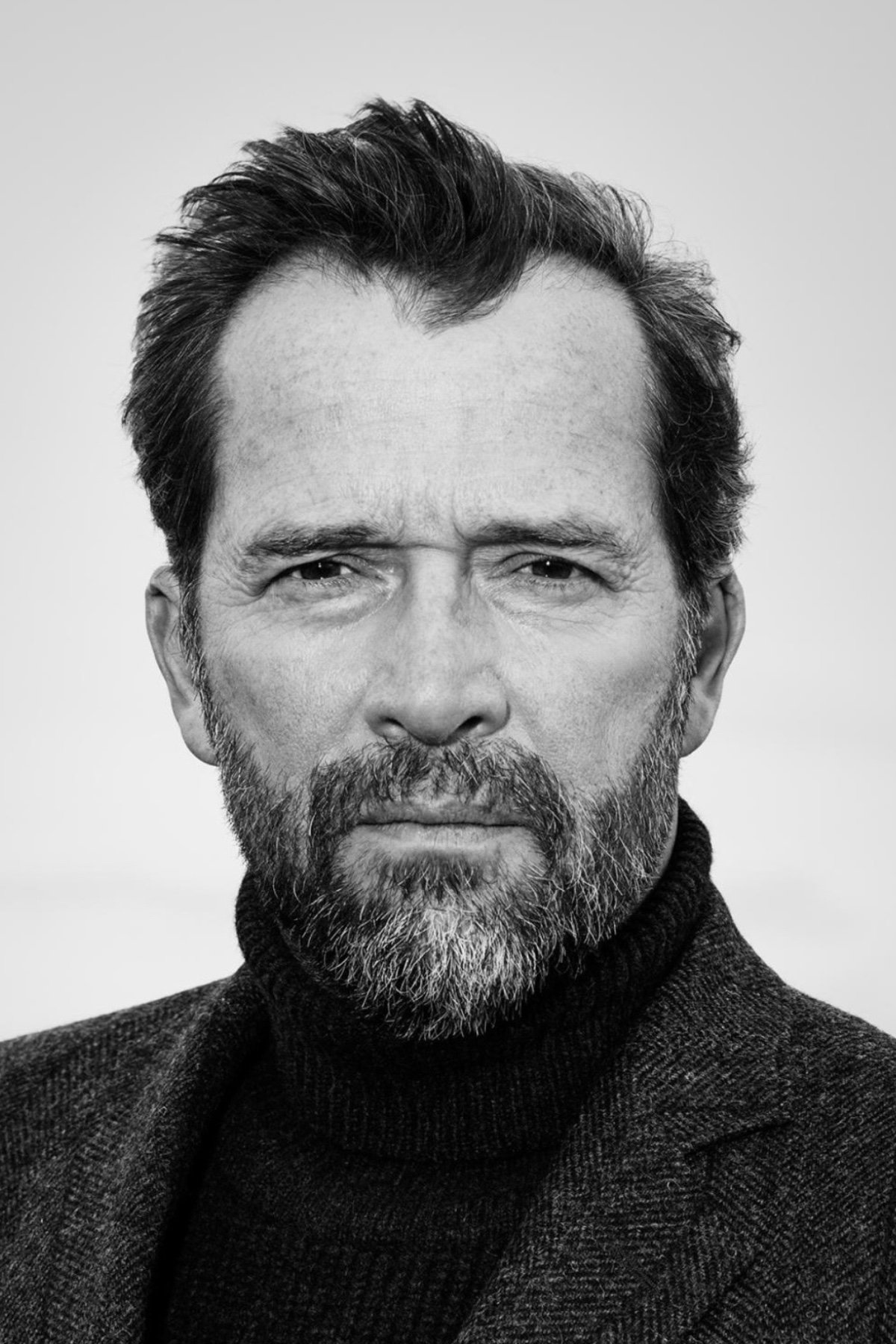
James Purefoy was the original choice to play the masked protagonist in the film ‘V for Vendetta’. He spent several weeks filming scenes in the costume before he eventually left the project due to creative differences. Hugo Weaving was hired as his replacement but the production kept much of the footage already shot with Purefoy. Weaving recorded his own dialogue over the existing scenes to create a seamless performance for the character. This clever use of dubbing allowed the film to stay on schedule despite the change in lead actors.
Doug Jones
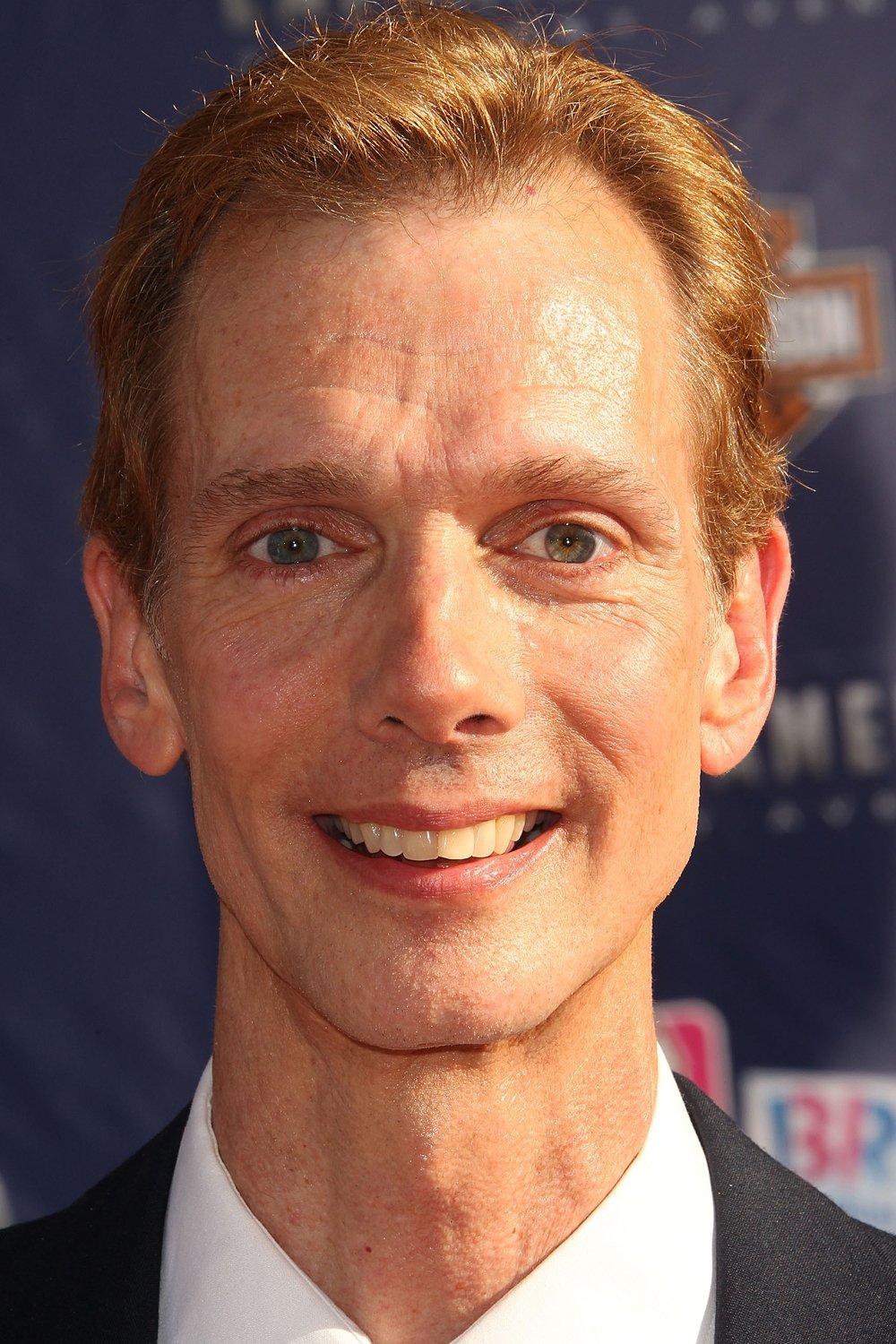
Doug Jones played the character Abe Sapien in the first ‘Hellboy’ film directed by Guillermo del Toro. While Jones is known for his physical acting the studio wanted a more recognizable voice for the aquatic character. David Hyde Pierce was hired to record the dialogue but he ultimately refused to take a screen credit out of respect for the performance of Jones. Pierce felt that the character belonged to the physical actor and did not want to detract from his work. In the sequel the studio allowed Jones to provide his own voice for the role.
Ray Park
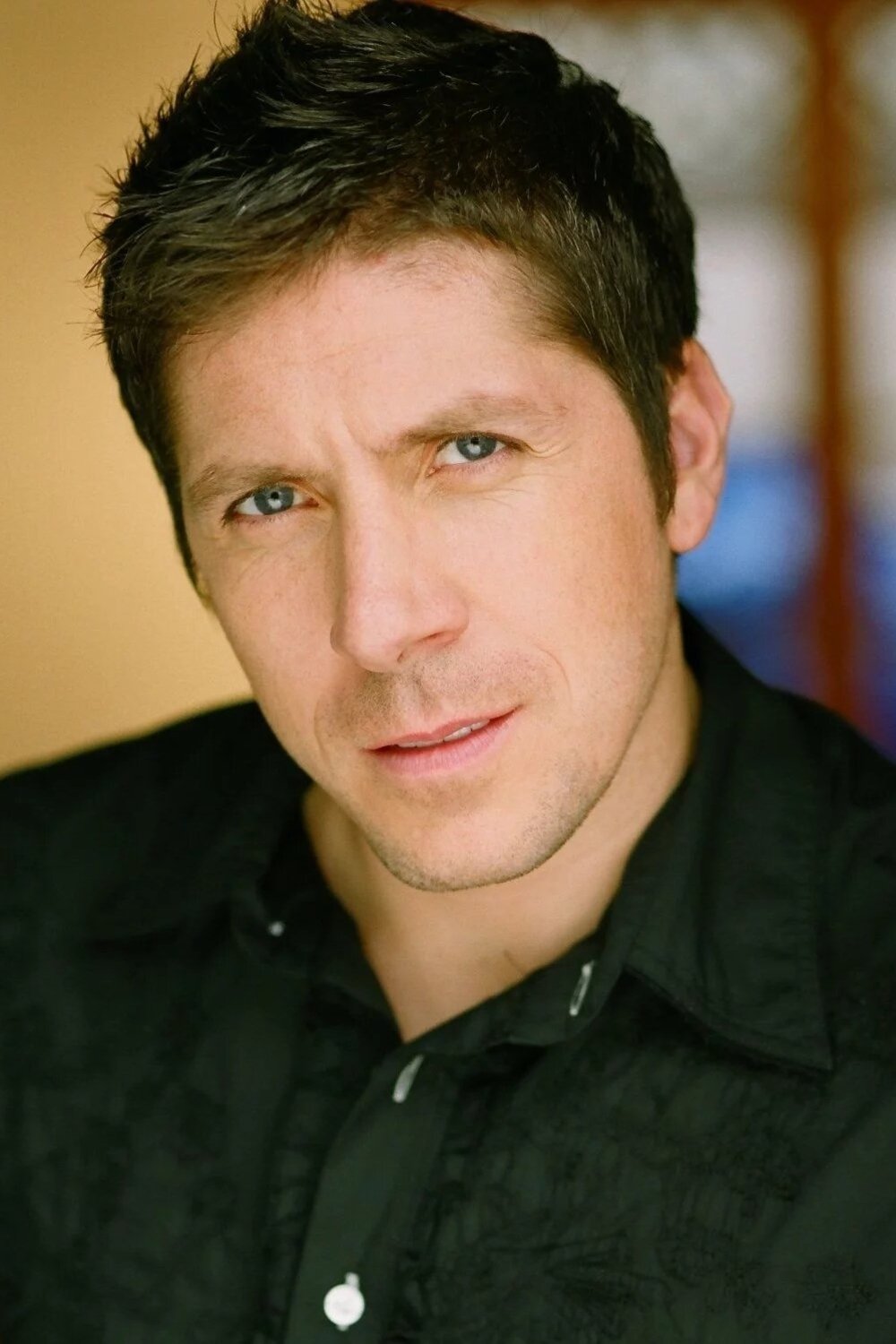
Ray Park portrayed the menacing Darth Maul in ‘Star Wars: Episode I – The Phantom Menace’. He was primarily cast for his incredible martial arts skills and physical agility which defined the fighting style of the character. The production team felt a more sinister vocal tone was required for the few lines the character spoke. Peter Serafinowicz was brought in to record the dialogue and provide a more threatening presence. Park continued to play the physical role in various capacities while other actors often provided the voice in animated versions.
Mel Gibson
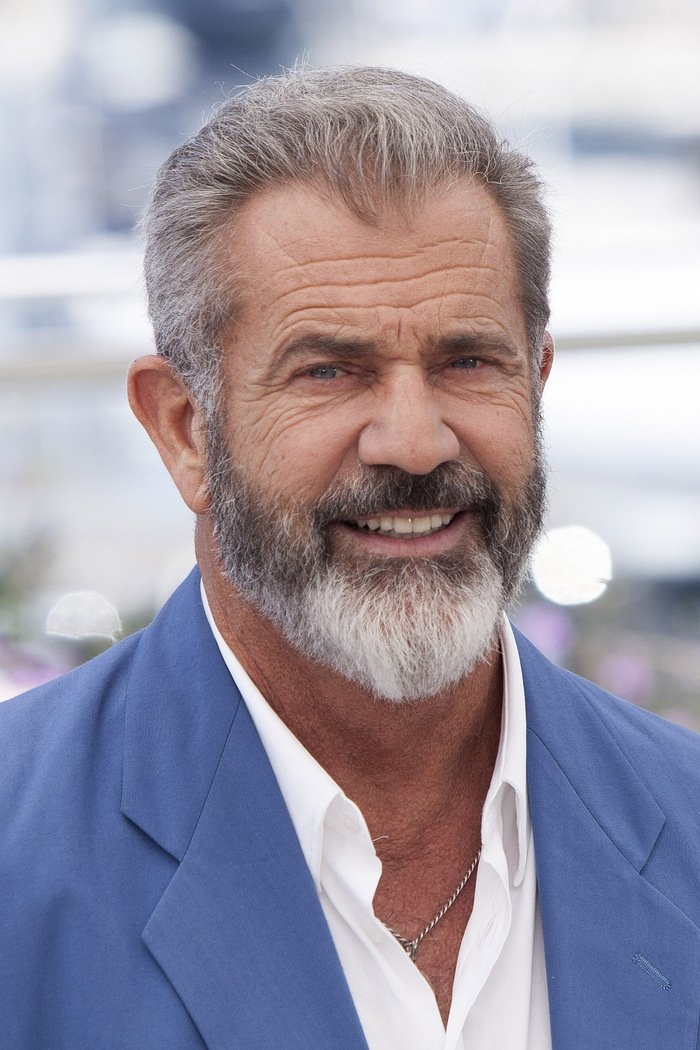
Mel Gibson rose to international prominence in the Australian action film ‘Mad Max’. When the movie was prepared for its initial release in the United States the distributors feared American audiences would struggle with the thick Australian accents. They decided to dub the entire cast including the lead role with American actors. This version of the film was the only one available in North America for many years. It was only much later that the original audio track featuring the real voice of the star was widely released.
Steven Seagal
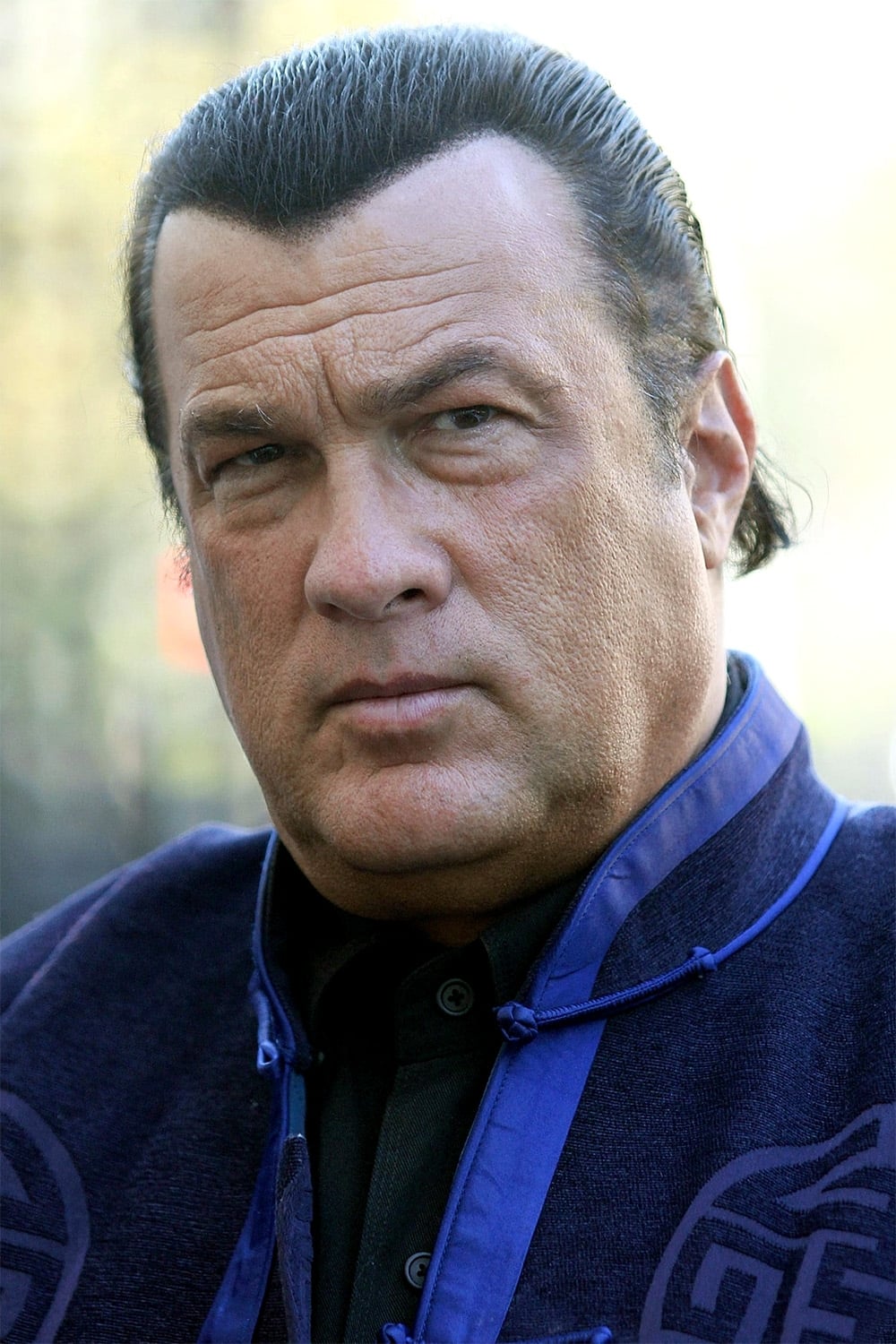
Steven Seagal starred in the action thriller ‘Attack Force’ during a period of his career where production issues were common. Large portions of his dialogue were clearly dubbed by a voice actor who sounded significantly different from the star. Fans noticed that the dubbed voice often spoke during scenes where the face of the actor was partially obscured or seen from behind. This occurred because the script underwent major changes after the primary filming had already been completed. The use of a vocal double remains one of the most discussed aspects of this specific film.
Adolfo Celi

Adolfo Celi played the iconic villain Emilio Largo in the James Bond film ‘Thunderball’. He was a respected Italian actor but his natural accent was considered too thick for the character in the English version. Robert Rietty was hired to provide the voice for the character as he did for many actors in the Bond series. Celi was dubbed in almost all of his international roles despite being a very active performer in European cinema. The smooth and menacing voice provided by the dubbing artist became a hallmark of the character.
Franco Nero

Franco Nero became a star of the spaghetti western genre after appearing in the original ‘Django’ film. Like many Italian productions of that era the movie was filmed without live sound and dubbed entirely during post production. While Nero spoke English his dialogue in many of his early westerns was provided by other actors for the international markets. This was a standard industry practice in Italy during the sixties and seventies. His rugged appearance often defined the character while a vocal artist provided the necessary tone.
Terence Hill
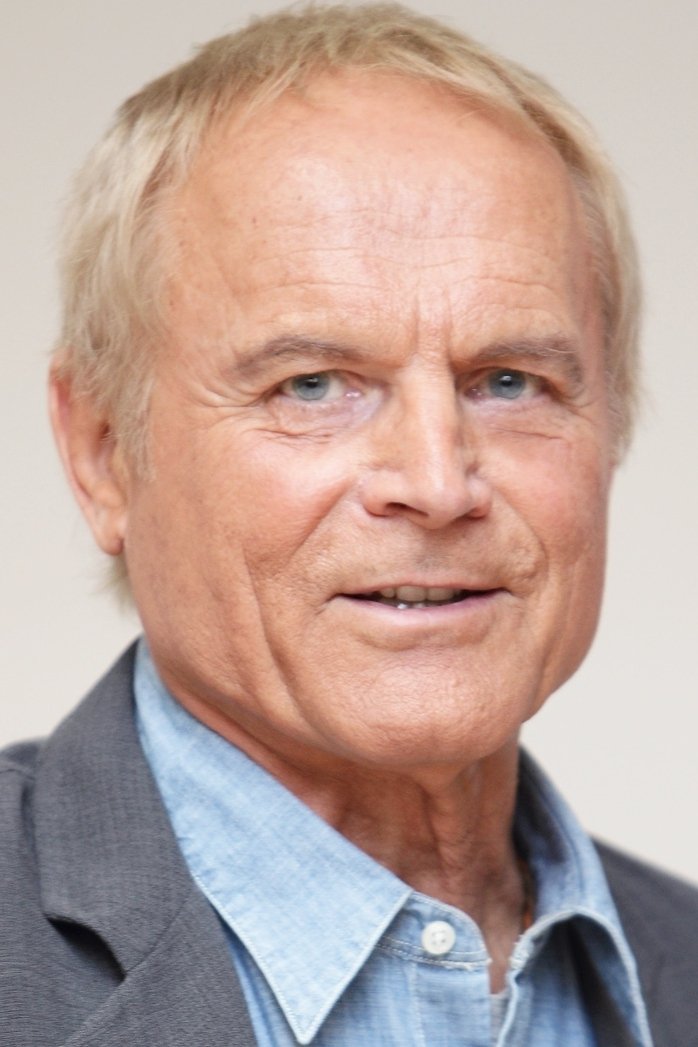
Terence Hill was a staple of the Italian film industry known for his partnership with Bud Spencer. In the film ‘They Call Me Trinity’ his character was dubbed for both the Italian and English language releases. This was common for Italian actors who often performed in English on set but were dubbed for clarity later. Hill had a distinct look that made him a favorite in the western genre across Europe. His real voice was rarely heard by international audiences during the peak of his fame in the action comedy genre.
Bud Spencer
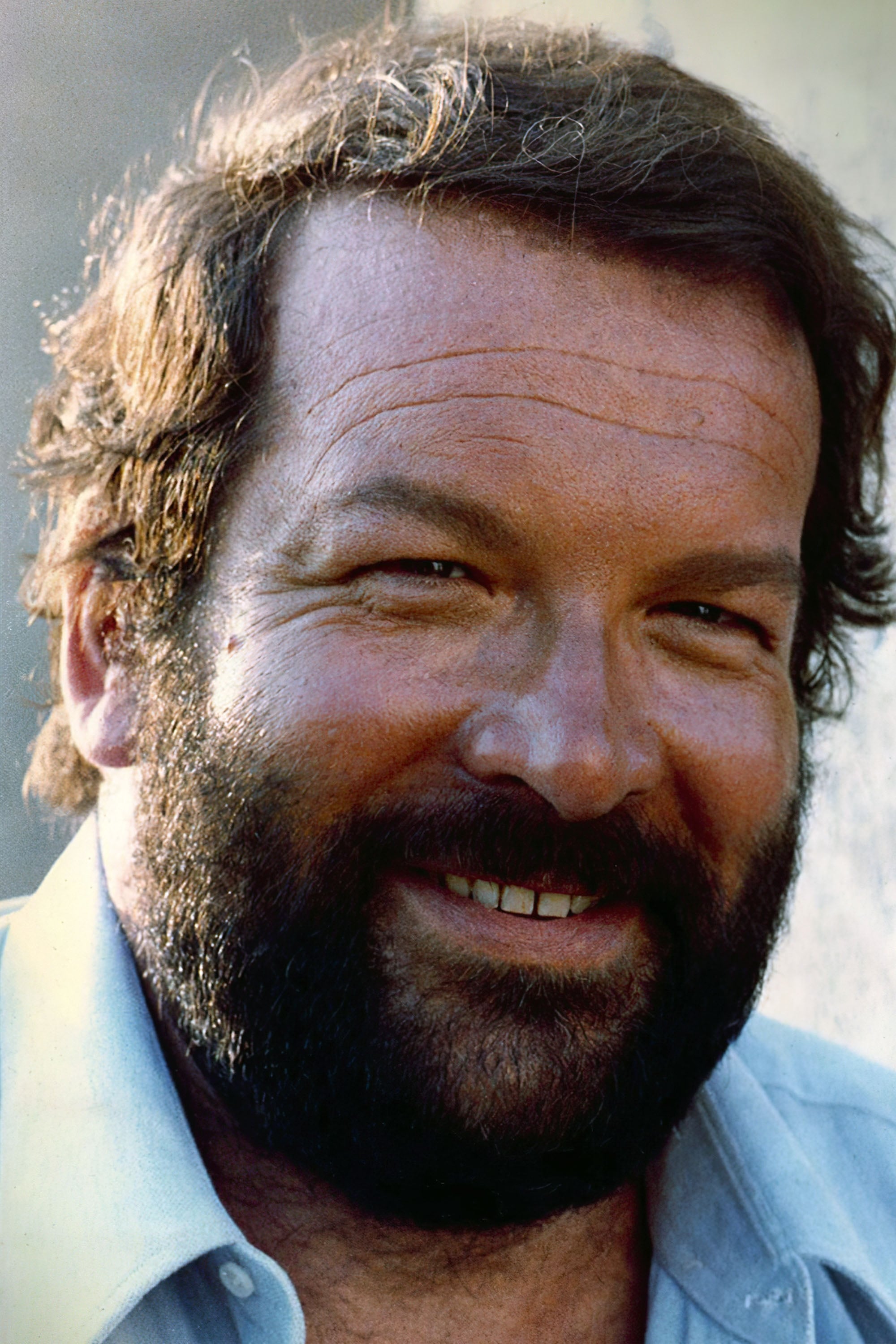
Bud Spencer was the frequent screen partner of Terence Hill in numerous action comedies like ‘Watch Out, We’re Mad’. He was a former professional swimmer with a massive physical presence that suited his tough guy roles. Because of his gravelly voice and regional accent he was almost always dubbed in his films. Professional voice actors provided the dialogue that matched his comedic timing and physical movements. This allowed his films to be easily distributed in multiple languages without losing the charm of his performance.
Sabu
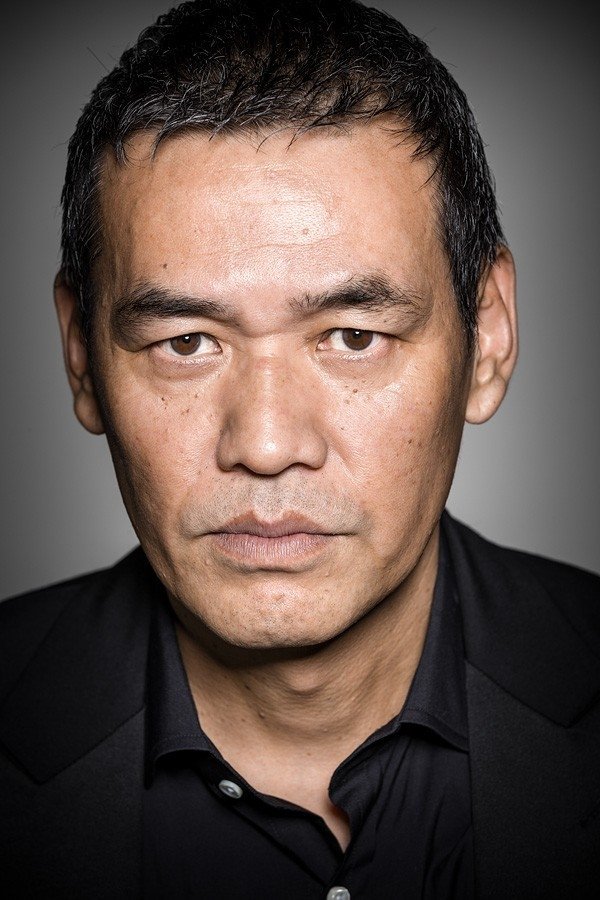
Sabu was a major child star and young actor who appeared in ‘The Thief of Bagdad’. He was originally from India and was discovered by British filmmakers for his natural charisma. In some of his early English language roles his dialogue was dubbed to ensure that he sounded clear to Western audiences. The young actor eventually improved his English skills and became a successful performer in Hollywood. His early films remain classic examples of the adventure genre despite the use of vocal doubles.
Jack O’Halloran
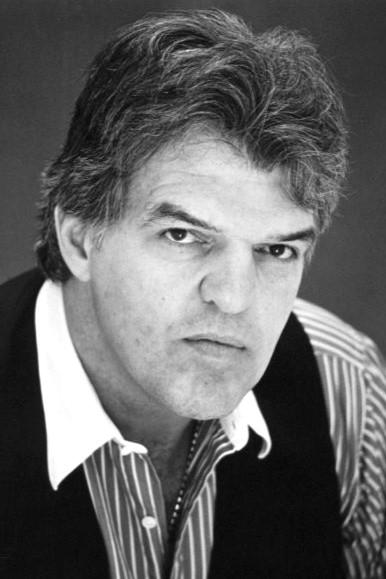
Jack O’Halloran played the mute but powerful villain Non in ‘Superman’ and ‘Superman II’. While his character did not have many lines his vocalizations were often enhanced or replaced by other performers. The actor was a former professional boxer with a heavy American accent that did not always fit the otherworldly nature of the Kryptonian villains. The filmmakers used dubbing to ensure the trio of villains sounded cohesive and menacing. This allowed O’Halloran to focus on the physical intimidation required for the role.
Richard Kiel
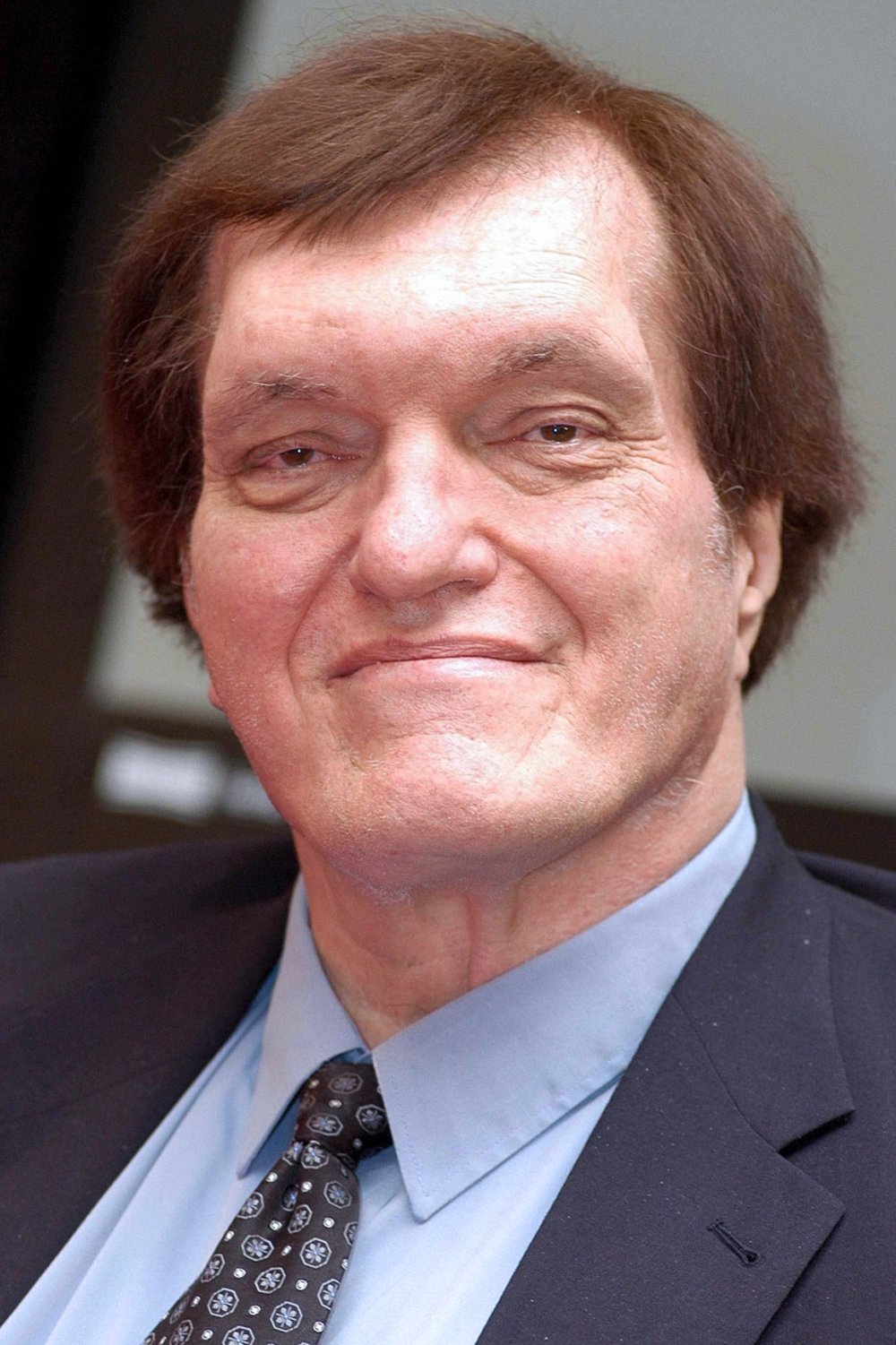
Richard Kiel is best known for playing the towering assassin Jaws in the James Bond films ‘The Spy Who Loved Me’ and ‘Moonraker’. His character famously had very few lines and relied on physical presence and metal teeth to scare the audience. In the rare instances where he did speak or make vocalizations the sounds were often dubbed or heavily edited. This was done to maintain the mystery and silent nature of the giant character. Kiel was a beloved figure in the industry who often spoke about the unique challenges of playing a nearly silent villain.
Bolo Yeung
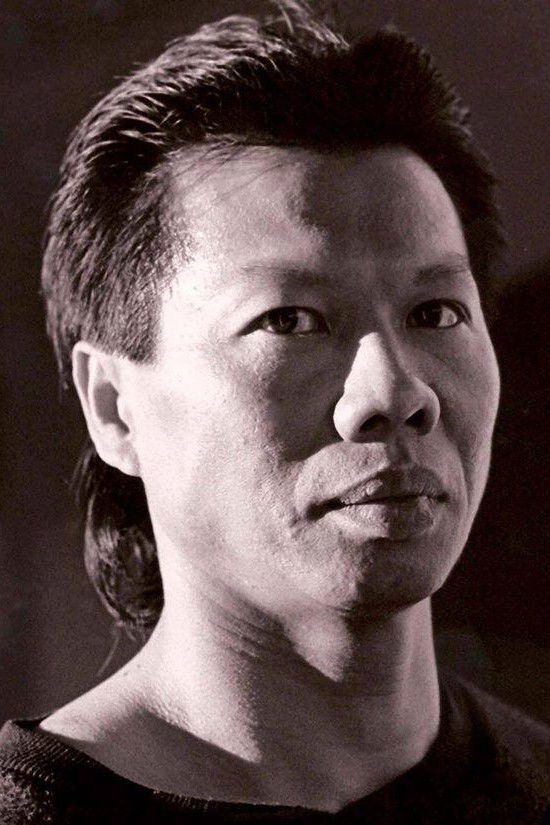
Bolo Yeung appeared as a formidable antagonist in the martial arts classic ‘Enter the Dragon’. He was a competitive bodybuilder from China whose physical stature made him a perfect foil for Bruce Lee. His dialogue in the film was minimal and was dubbed by a voice actor to match the style of the movie. This was standard practice for many martial arts films produced in Hong Kong during that era. Yeung became an icon of the genre despite rarely using his natural voice in his most famous international roles.
Lou Ferrigno
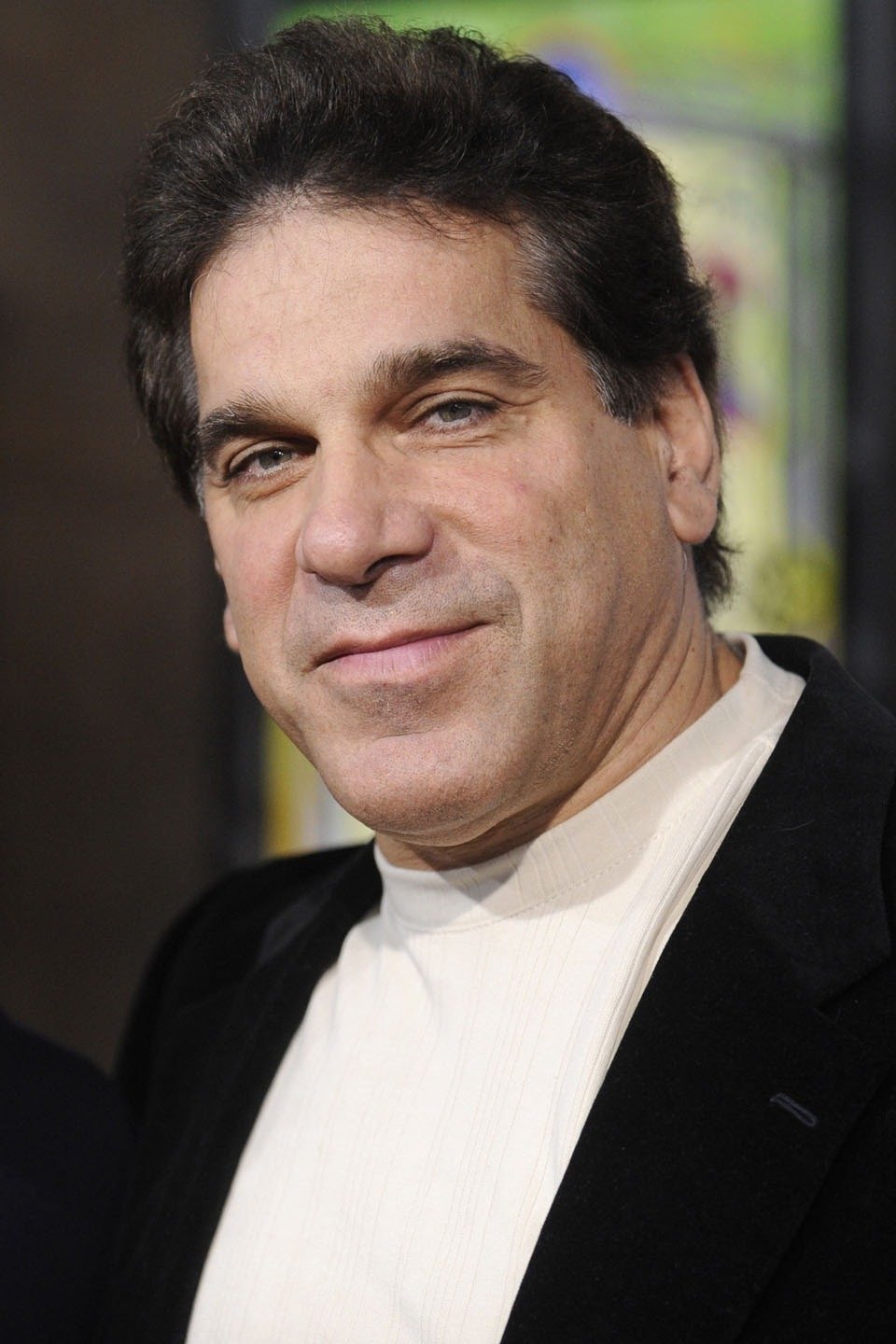
Lou Ferrigno played the title character in the television series ‘The Incredible Hulk’ throughout the late seventies. While he provided the massive physical presence for the creature he did not provide the growls and roars. The production used recordings of actor Ted Cassidy and later Charles Napier to create the signature sounds of the Hulk. Ferrigno was a professional bodybuilder who spent hours in green makeup to bring the character to life. His performance remains a definitive version of the character for many generations of fans.
Arnold Vosloo

Arnold Vosloo played the villainous high priest Imhotep in the blockbuster film ‘The Mummy’. While he was an experienced South African actor some of his lines in ancient Egyptian were enhanced or dubbed during the post production process. This was done to ensure the pronunciation of the fictionalized language sounded consistent and powerful. Vosloo provided an intense performance that relied heavily on his facial expressions and physical movements. The use of vocal layering helped create a sense of ancient authority for the resurrected character.
George Lazenby
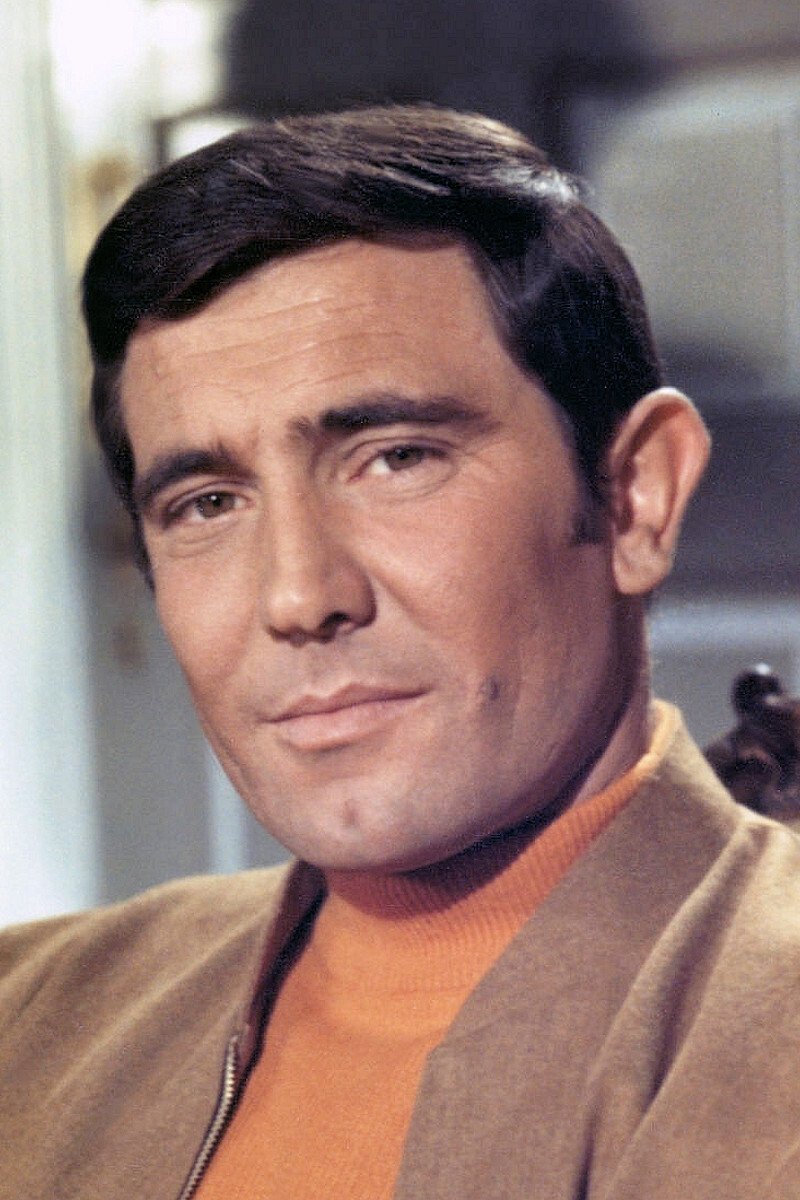
George Lazenby took over the role of James Bond for the film ‘On Her Majesty’s Secret Service’. During a long sequence in the movie his character goes undercover and pretends to be a genealogy expert named Sir Hilary Bray. The filmmakers decided to dub Lazenby with the voice of the actual actor who played Bray so the disguise would be convincing. This resulted in Lazenby essentially lip syncing to another man’s voice for a significant portion of the film. It remains a unique moment in the history of the franchise.
Clint Eastwood
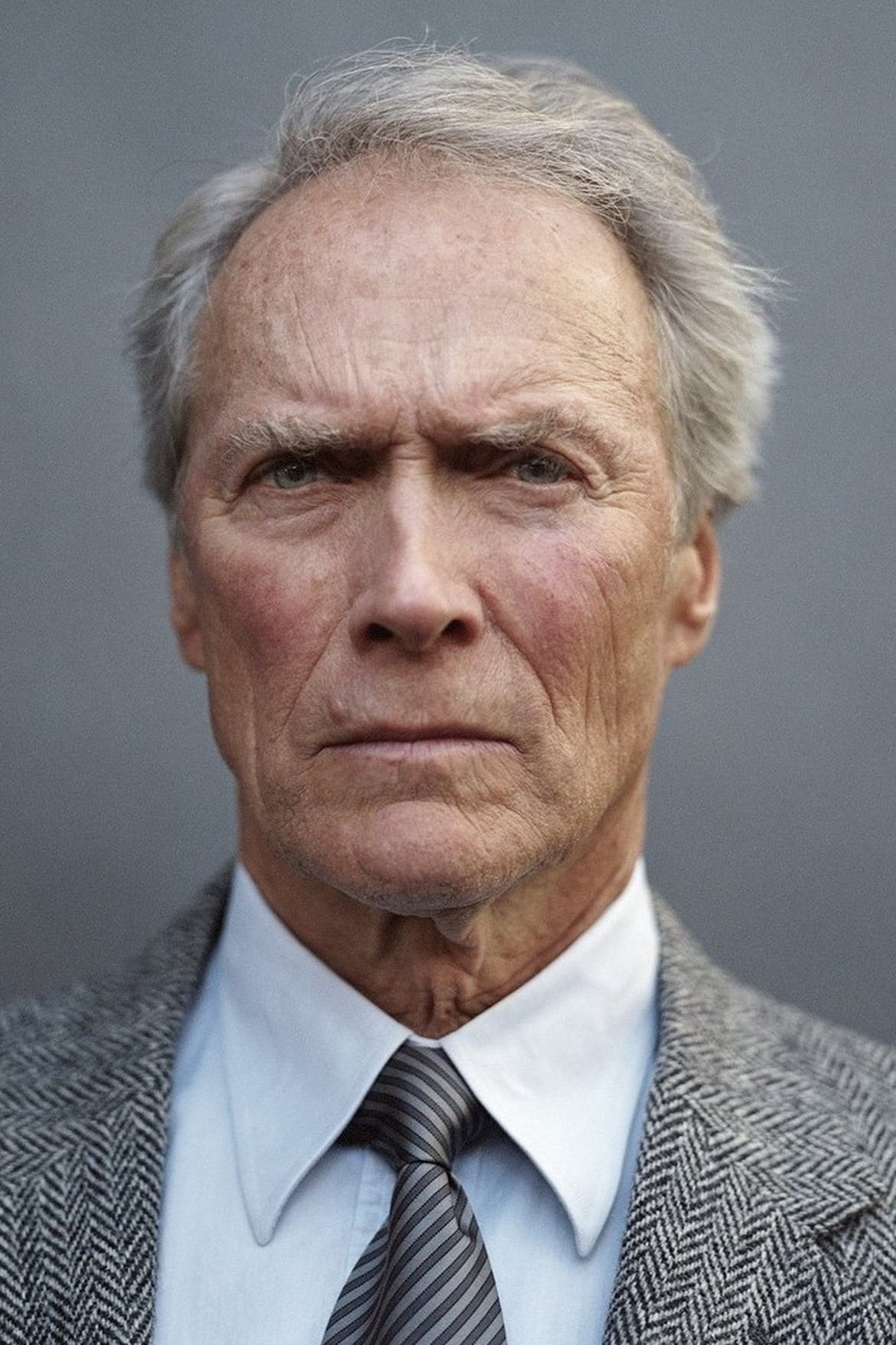
Clint Eastwood achieved international stardom through the ‘Dollars’ trilogy directed by Sergio Leone. These spaghetti westerns were filmed in Italy and Spain using a cast that spoke many different languages on set. The films were dubbed entirely in post production for both the Italian and English releases. While Eastwood usually dubbed his own voice for the English versions other actors provided his voice for the international markets. This method of filmmaking allowed the movies to have a universal appeal across different cultures.
Lee Van Cleef
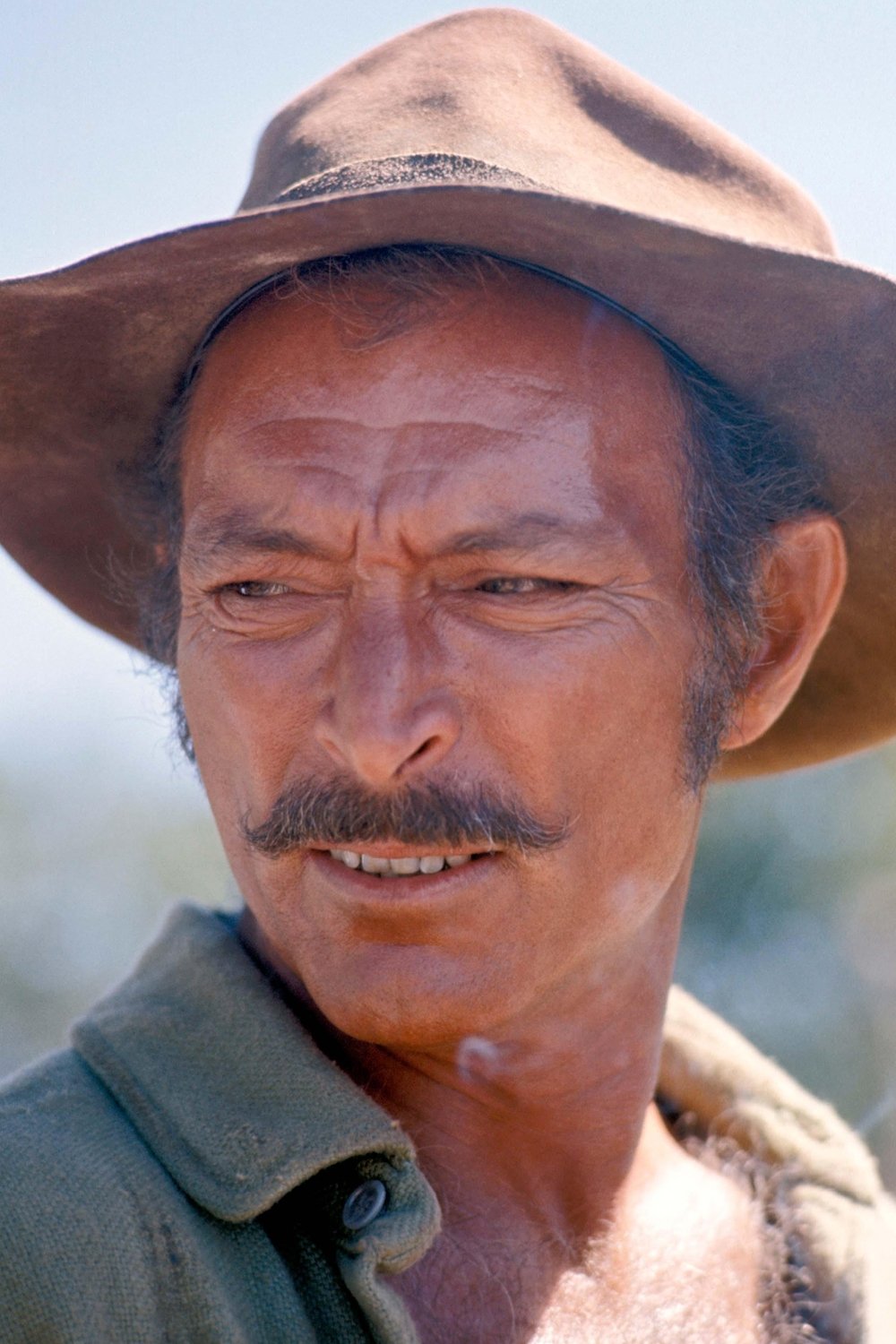
Lee Van Cleef was a veteran American character actor who found new success in Italian westerns like ‘For a Few Dollars More’. Like his co stars his dialogue was recorded in a studio long after the filming was finished. This practice was so common in Italy that most actors expected their voices to be replaced or rerecorded. Van Cleef had a sharp and distinctive look that translated perfectly to the screen regardless of the vocal track. He became one of the most recognizable faces in the genre during the sixties.
Eli Wallach
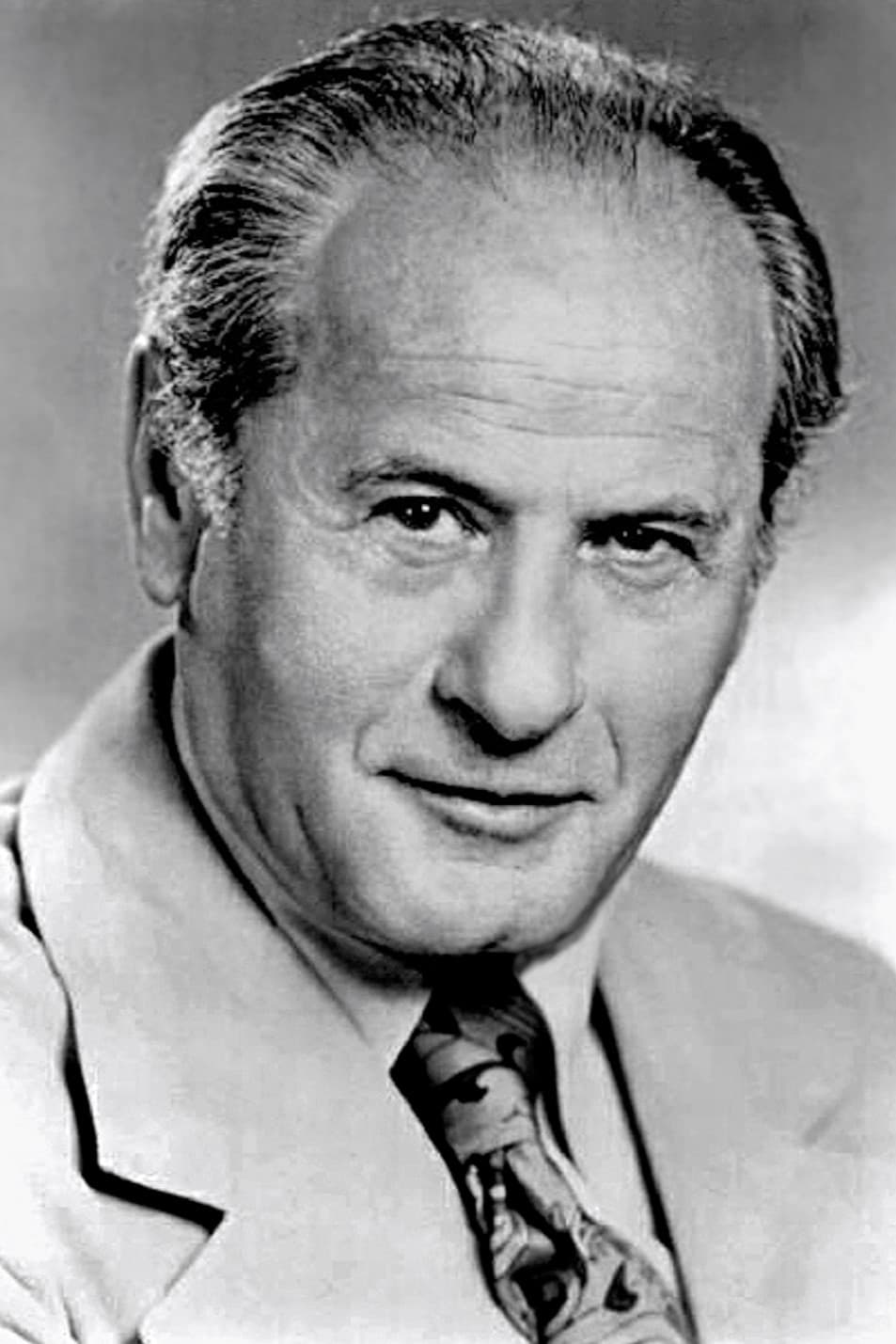
Eli Wallach played the character Tuco in the classic western ‘The Good, the Bad and the Ugly’. He was a trained American actor who performed his scenes in English while on the European sets. The final film was dubbed into multiple languages and Wallach provided his own voice for the English version. However his performance was dubbed by other actors for the Italian release which was the primary market at the time. This cross cultural production style was a hallmark of the collaboration between American stars and Italian directors.
Tomas Milian
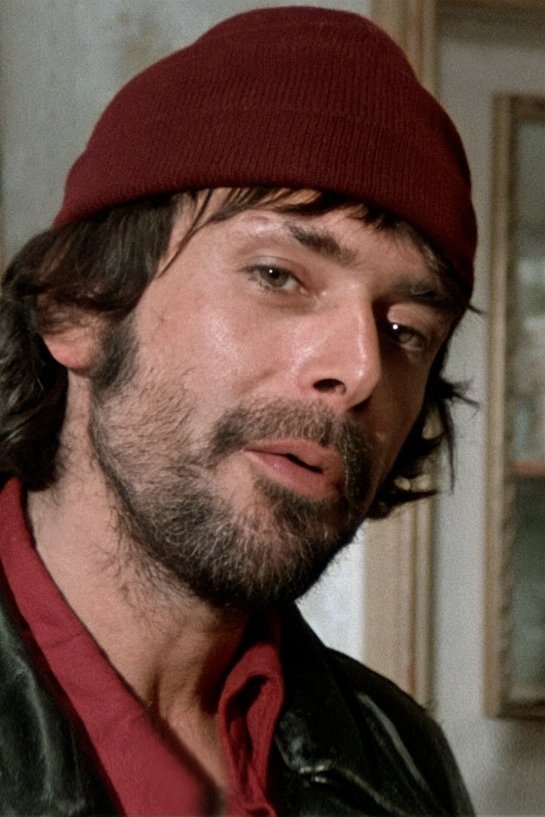
Tomas Milian was a Cuban born actor who became a major star in Italian cinema and westerns like ‘The Big Gundown’. He was known for his versatility and ability to play a wide range of intense characters. Most of his Italian films were dubbed because of the production methods used in Italy at the time. Milian often spoke multiple languages but his voice was frequently replaced by professional dubbers for the local market. He remains a cult icon for fans of international genre cinema.
Paul L. Smith
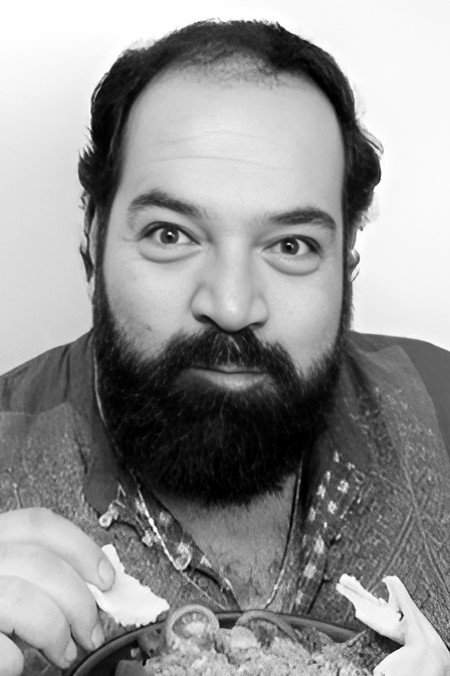
Paul L. Smith played the villainous Bluto in the live action ‘Popeye’ musical directed by Robert Altman. The actor had a massive physical presence that perfectly matched the comic book character. Some of his vocal performances and singing parts were enhanced or dubbed to fit the unique musical style of the film. Smith was an American actor who worked extensively in international productions throughout his career. His performance as Bluto is remembered for its physical accuracy to the original source material.
Antonio Banderas
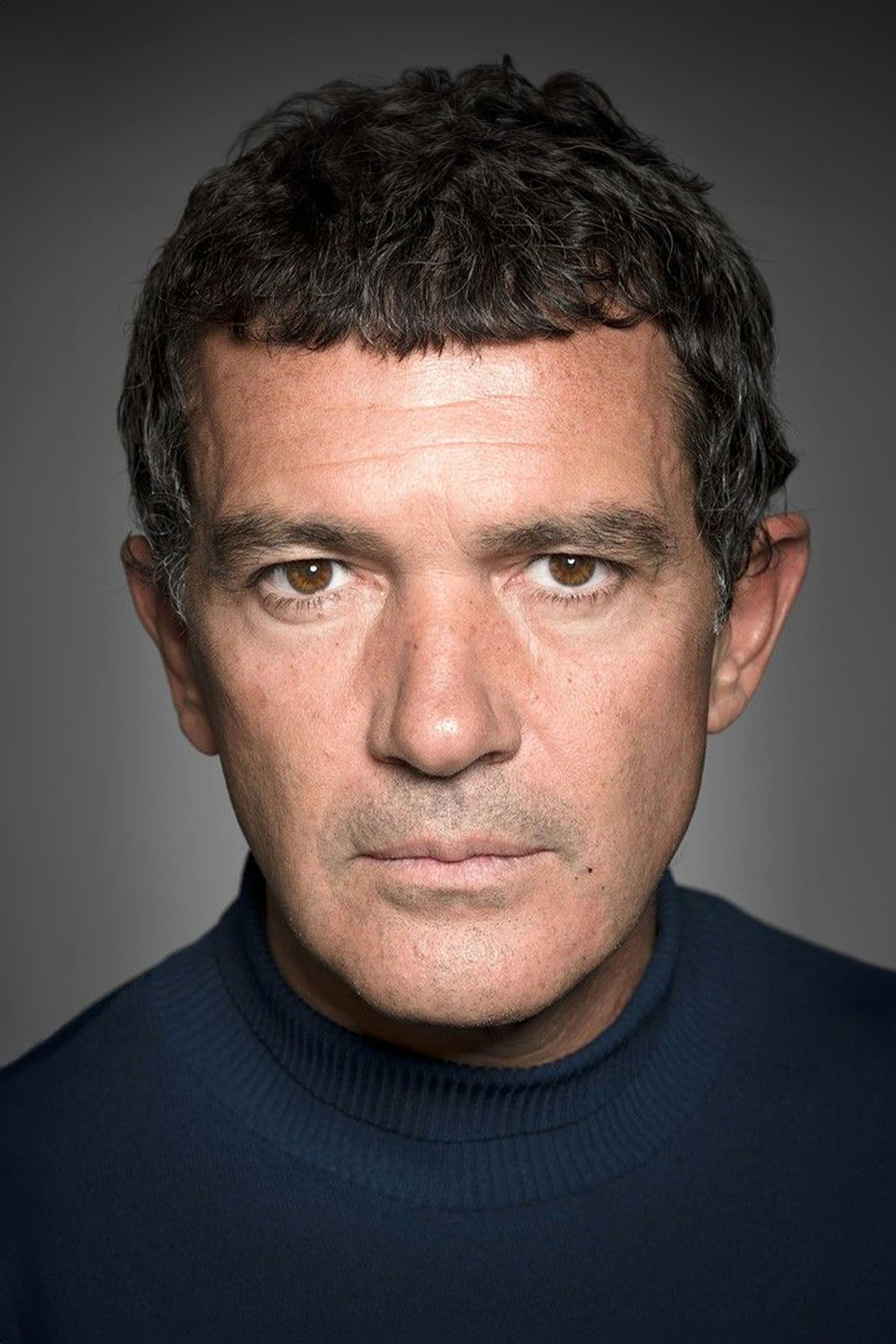
Antonio Banderas made his American film debut in ‘The Mambo Kings’ before he was fluent in the English language. He had to learn all of his lines phonetically and worked closely with a dialogue coach on set. Some of his dialogue was later dubbed or heavily edited in post production to ensure his performance was clear to the audience. This role launched his highly successful career in Hollywood and he quickly became proficient in English. He eventually became one of the most famous Spanish actors in the world.
Marcello Mastroianni
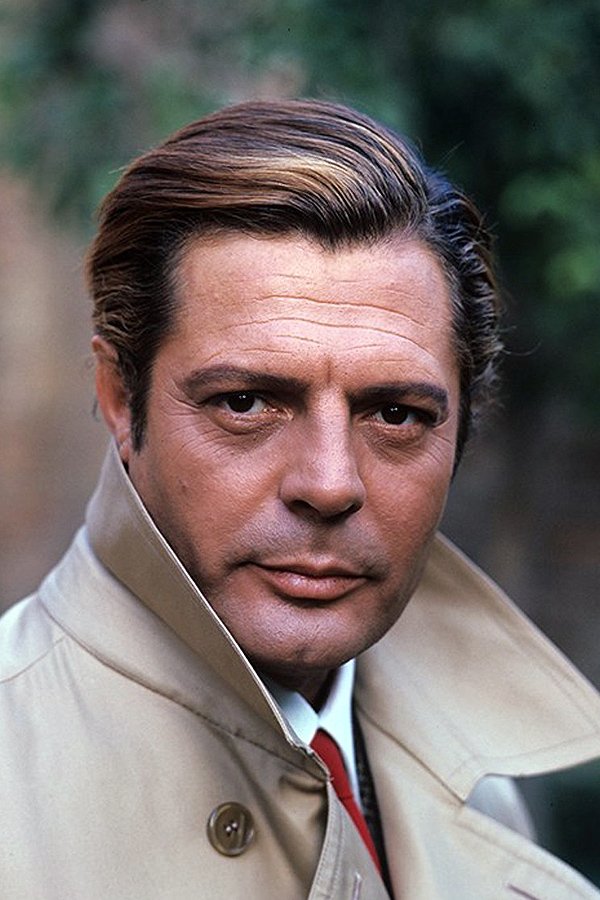
Marcello Mastroianni was the face of Italian cinema for decades and appeared in international hits like ‘A Special Day’. In many of his films the dialogue was recorded after filming was complete as was standard in the Italian industry. While he usually provided his own voice for the Italian versions his roles were dubbed by others for international English releases. Mastroianni had a sophisticated charm that transcended the need for his actual voice in different markets. He remains one of the most honored actors in the history of the Cannes Film Festival.
Alain Delon
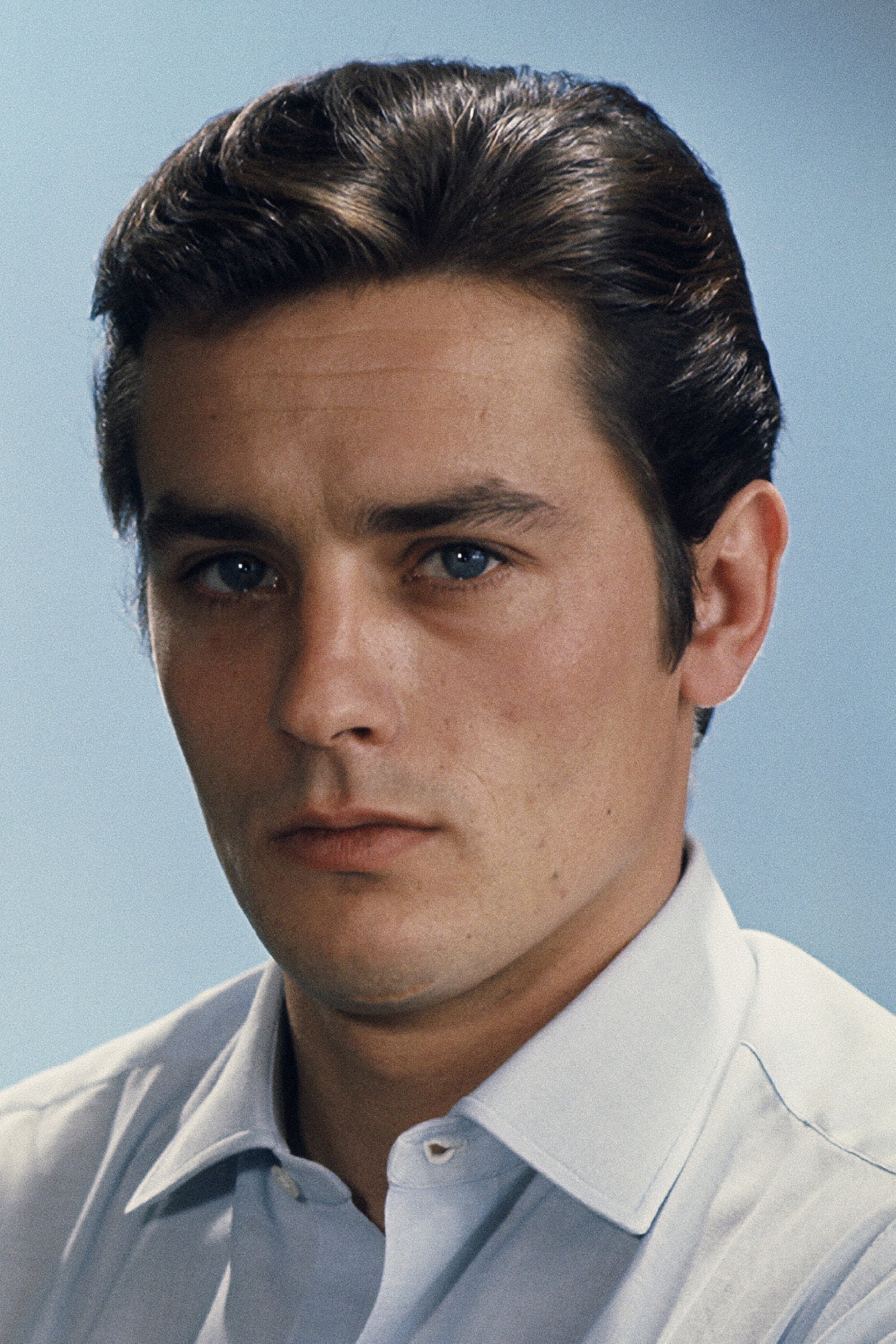
Alain Delon was a major French star who appeared in the international production ‘The Leopard’. The film featured a diverse cast speaking different languages and was dubbed into both Italian and English. Delon was dubbed in the English version to ensure his character sounded like a native member of the Italian aristocracy. His striking good looks and cool demeanor made him a global icon of style. He continued to work in both French and international cinema for many years.
Jean-Paul Belmondo
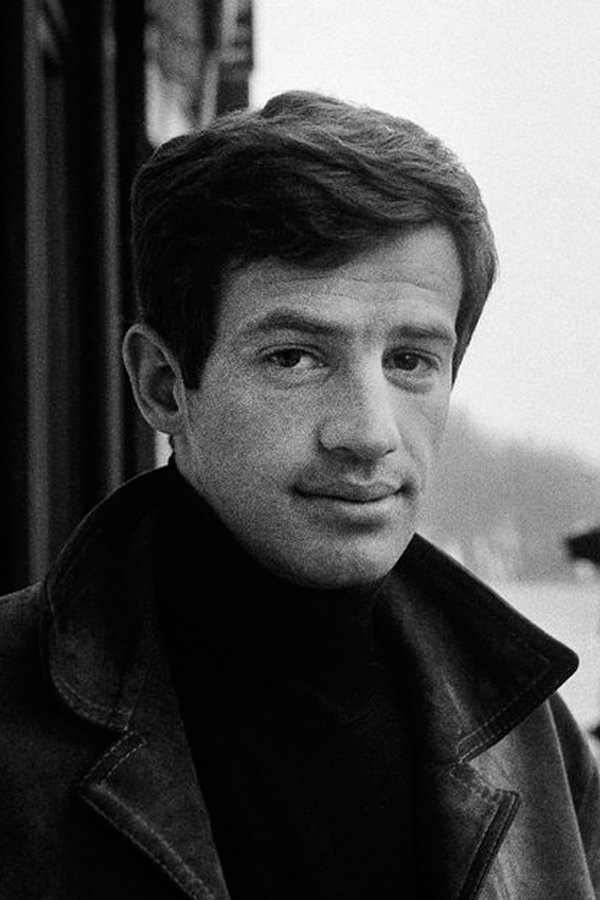
Jean-Paul Belmondo was a leading figure of the French New Wave and appeared in the crime film ‘Borsalino’. Like many European stars of his era his films were often dubbed for the international market to reach a wider audience. Belmondo was known for performing his own stunts and having a rugged physical charisma. His natural voice was a key part of his appeal in France but international viewers often heard a different actor. He remained a massive box office draw in Europe for several decades.
Jackie Chan
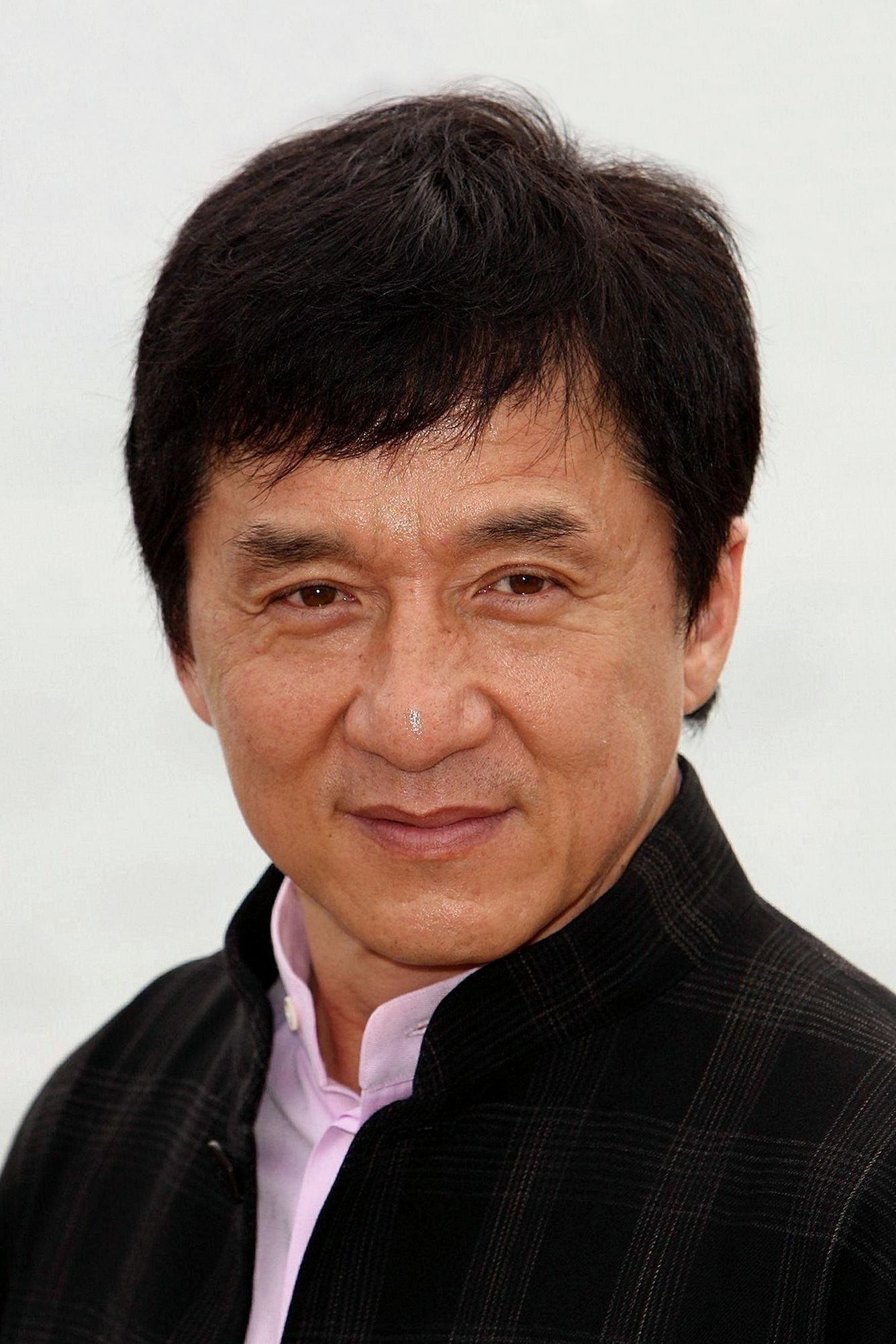
Jackie Chan attempted to break into the American market with the film ‘The Big Brawl’ in the early eighties. His English skills were limited at the time and the producers decided to dub his voice to make the film more accessible to American viewers. Chan was unhappy with the results and felt that the dubbing took away from his physical comedy and personality. He eventually returned to Hong Kong where he had more creative control over his projects. He later found massive success in Hollywood by using his own voice and natural accent.
Jet Li
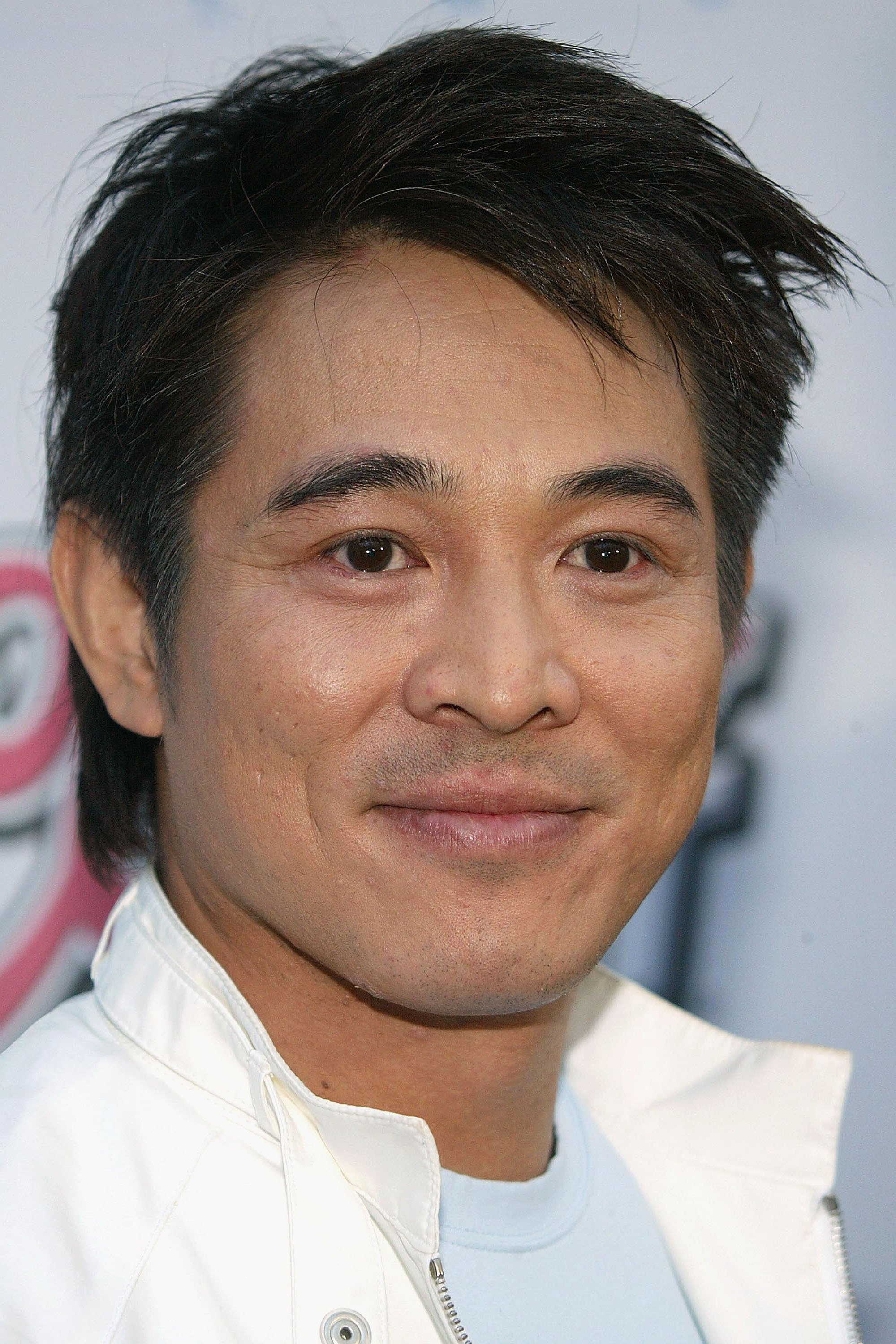
Jet Li made his Hollywood debut as the villain in ‘Lethal Weapon 4’ after being a huge star in Asia. His dialogue was kept to a minimum to emphasize his lethal martial arts abilities. Some of his lines were dubbed or enhanced in post production to ensure he sounded sufficiently menacing. Li eventually took on leading roles in English speaking films where he used his own voice. His early transition into Western cinema relied heavily on his incredible physical speed and fighting technique.
Chow Yun-fat
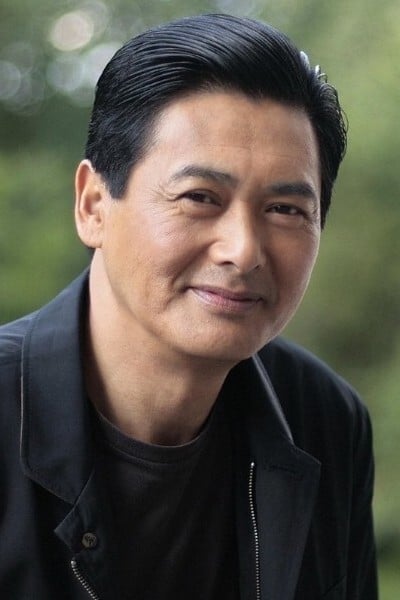
Chow Yun-fat starred in the Oscar winning martial arts epic ‘Crouching Tiger, Hidden Dragon’. While he is a native speaker of Cantonese he had to perform the film in Mandarin which he did not speak fluently. He worked extensively with coaches but some of his dialogue required dubbing or significant correction in post production. The film was a global success and introduced his elegant acting style to a new generation of fans. He became one of the most respected international actors of his time.
Tatsuya Nakadai
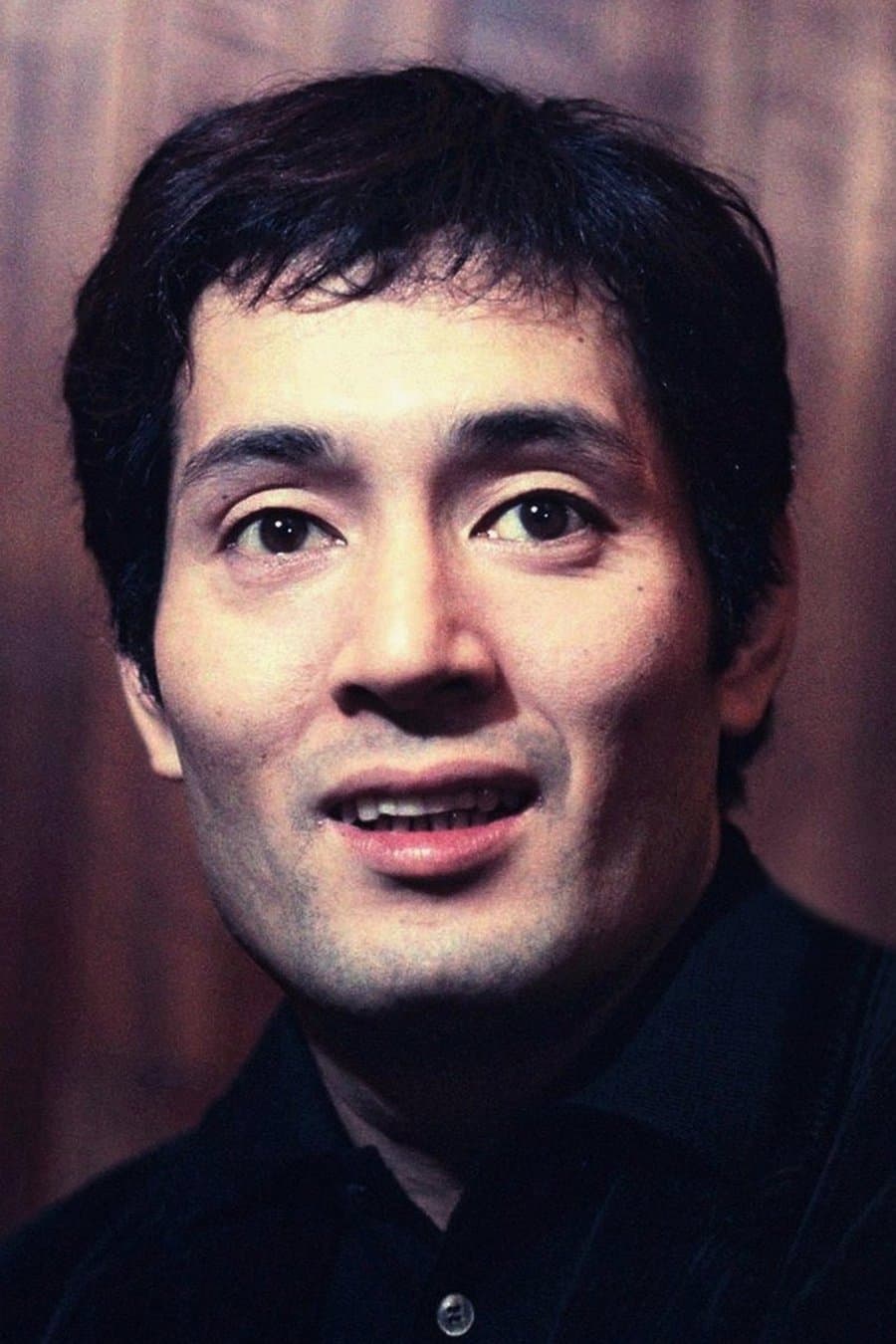
Tatsuya Nakadai is a legendary Japanese actor known for his work in epic films like ‘The Human Condition’. Many of his films were dubbed for release in Western markets during the mid twentieth century. Nakadai had a powerful stage presence and a very expressive face that worked well in any language. While he is a master of the Japanese language his international reputation was built partly through dubbed performances. He is considered one of the greatest actors in the history of world cinema.
Takeshi Kaneshiro
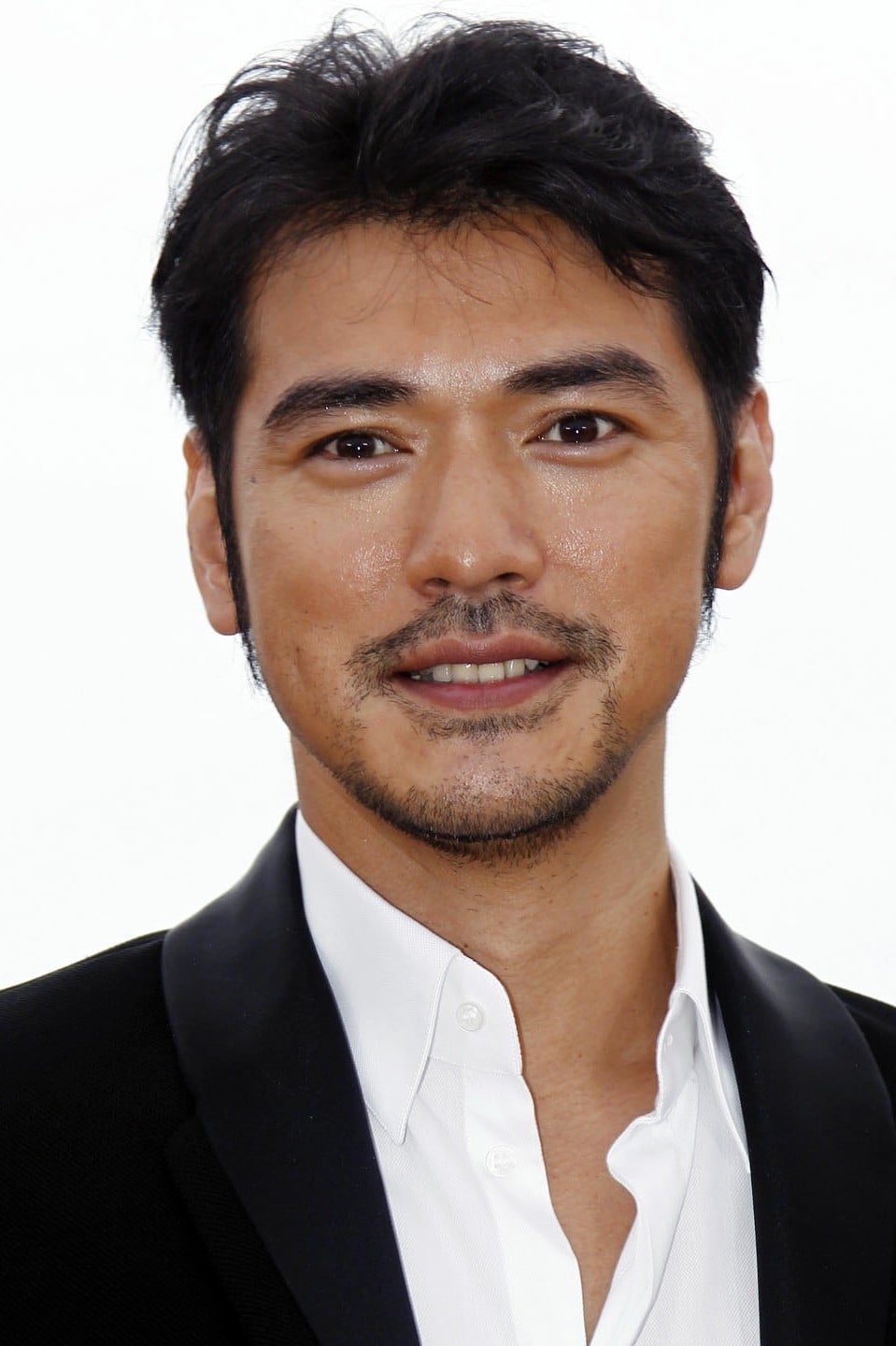
Takeshi Kaneshiro appeared in the visually stunning martial arts film ‘House of Flying Daggers’. As an actor of Japanese and Taiwanese descent he often works in multiple languages across Asian cinema. In some of his Mandarin speaking roles his voice is dubbed by native speakers to ensure the accent is perfect for the historical setting. Kaneshiro is known for his romantic lead roles and has a massive following across Asia. His ability to work in different film industries has made him a versatile international star.
Tony Leung Chiu-wai
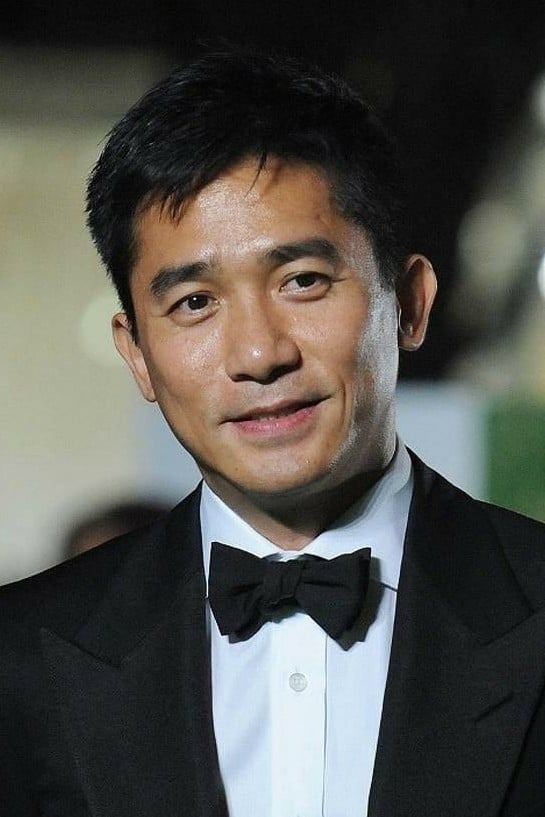
Tony Leung Chiu-wai starred in the historical epic ‘Hero’ directed by Zhang Yimou. Although he is one of the most famous actors in Hong Kong his native language is Cantonese. For many Mandarin language productions his voice is dubbed by a professional Mandarin speaker to achieve the desired linguistic precision. This is a common practice in Chinese cinema where actors from different regions collaborate on large scale projects. Leung is celebrated for his subtle and emotional acting style that remains effective regardless of the voice used.
Andy Lau
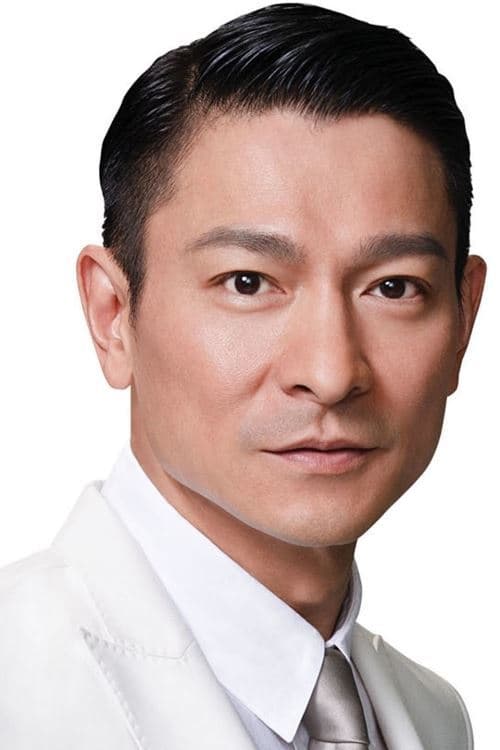
Andy Lau is a superstar of Hong Kong cinema who appeared alongside Tony Leung in ‘House of Flying Daggers’. He has appeared in hundreds of films and is also a very successful singer in Asia. Like many of his peers he is often dubbed when performing in Mandarin language films intended for the mainland Chinese market. Lau is known for his incredible work ethic and his ability to maintain his stardom for several decades. His physical performance and screen presence are key to his enduring popularity with audiences.
Donnie Yen
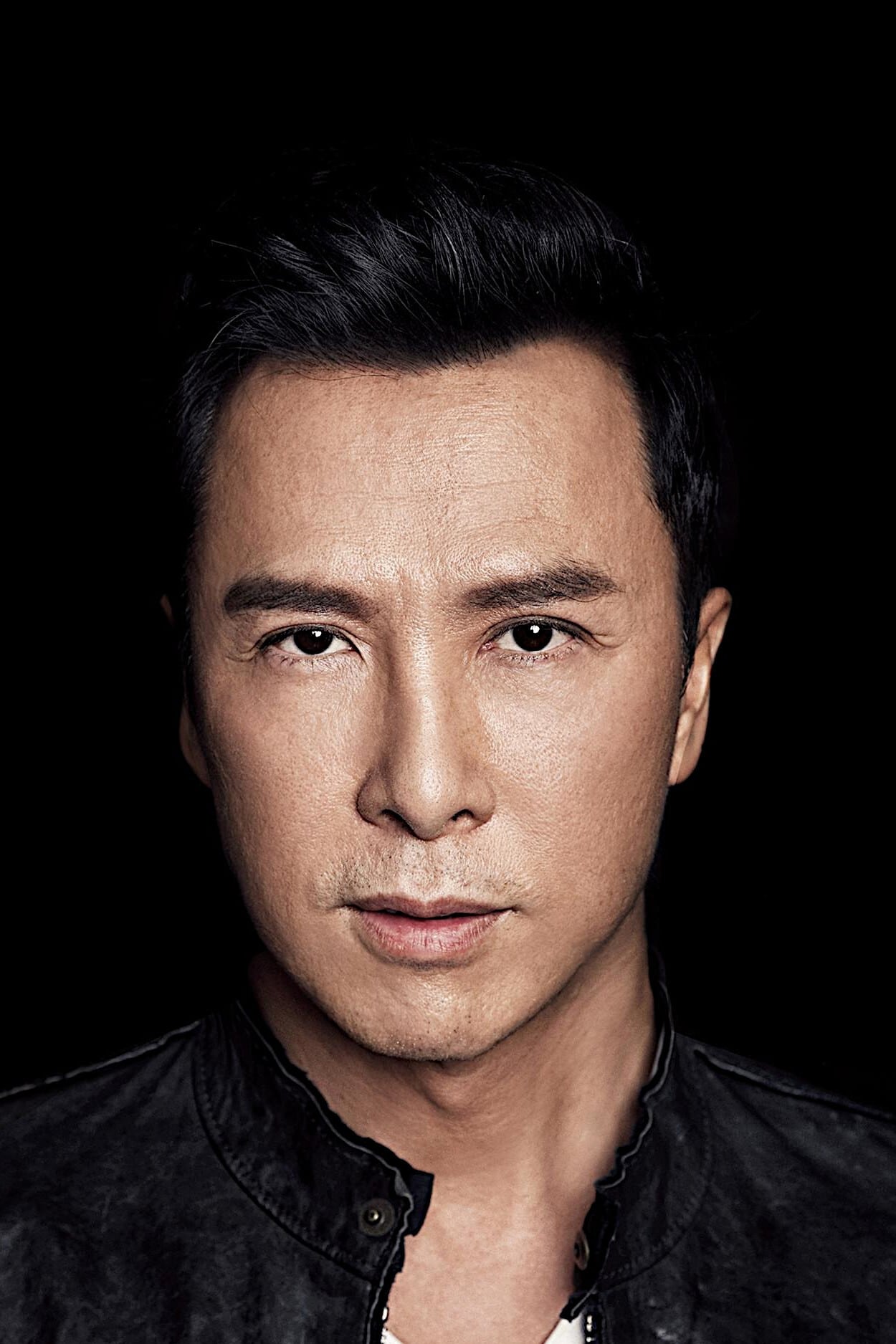
Donnie Yen gained international fame for his role in ‘Iron Monkey’ and the ‘Ip Man’ series. In some of his early work and international releases his voice was dubbed to better suit the local markets. Yen is a highly skilled martial artist who often choreographs his own fight scenes. He has successfully transitioned into major Hollywood roles like those in the ‘Star Wars’ franchise. His natural voice is now a well known part of his screen identity for fans worldwide.
Stephen Chow
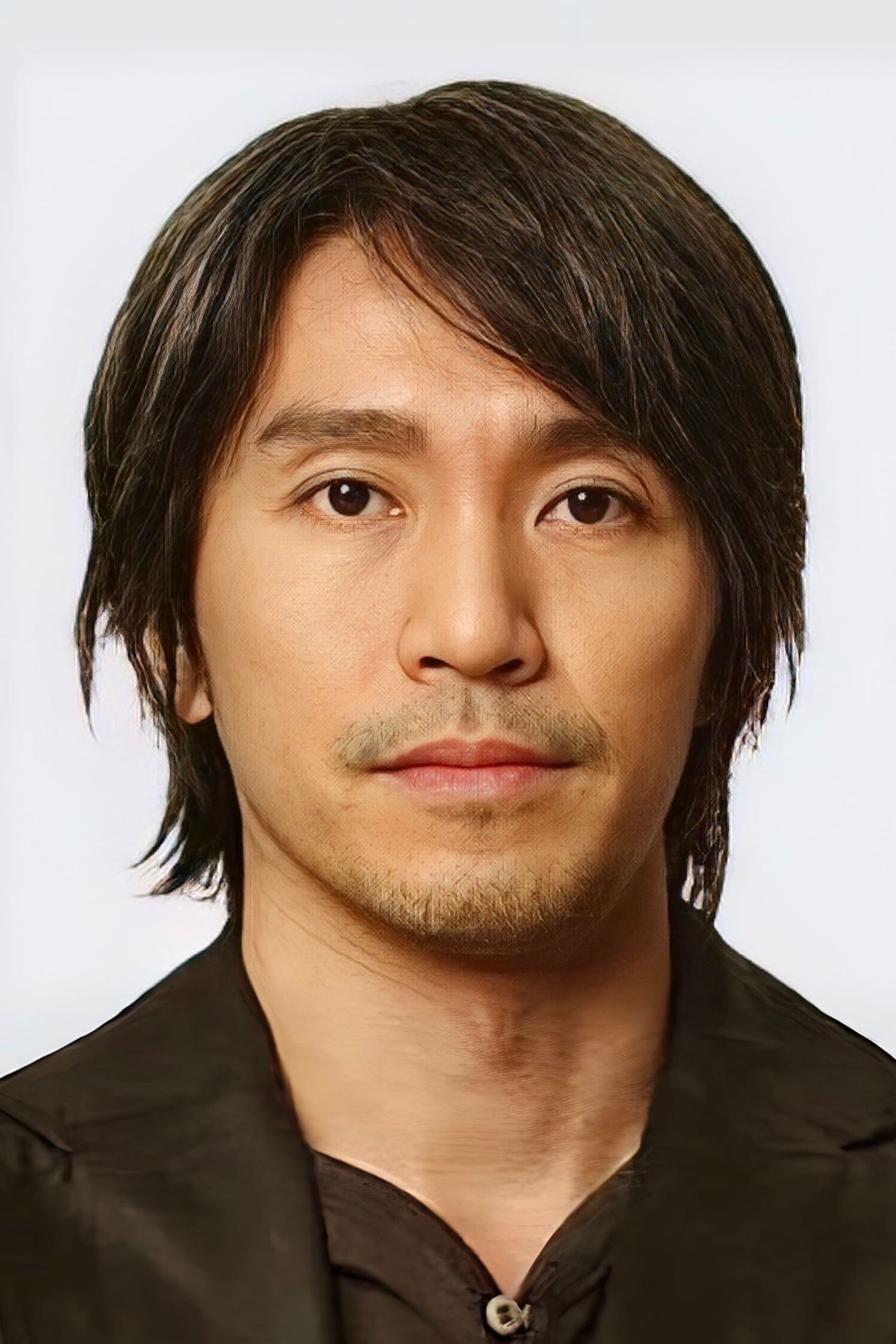
Stephen Chow is a master of the Mo Lei Tau comedy style and directed the hit film ‘Shaolin Soccer’. For the American release of the movie his voice was dubbed into English to help the comedy translate to a Western audience. Chow is known for his rapid fire delivery and unique comedic timing which is difficult to replicate in another language. He remains one of the most influential figures in Asian comedy cinema. His films often blend incredible visual effects with traditional slapstick humor.
Klaus Kinski
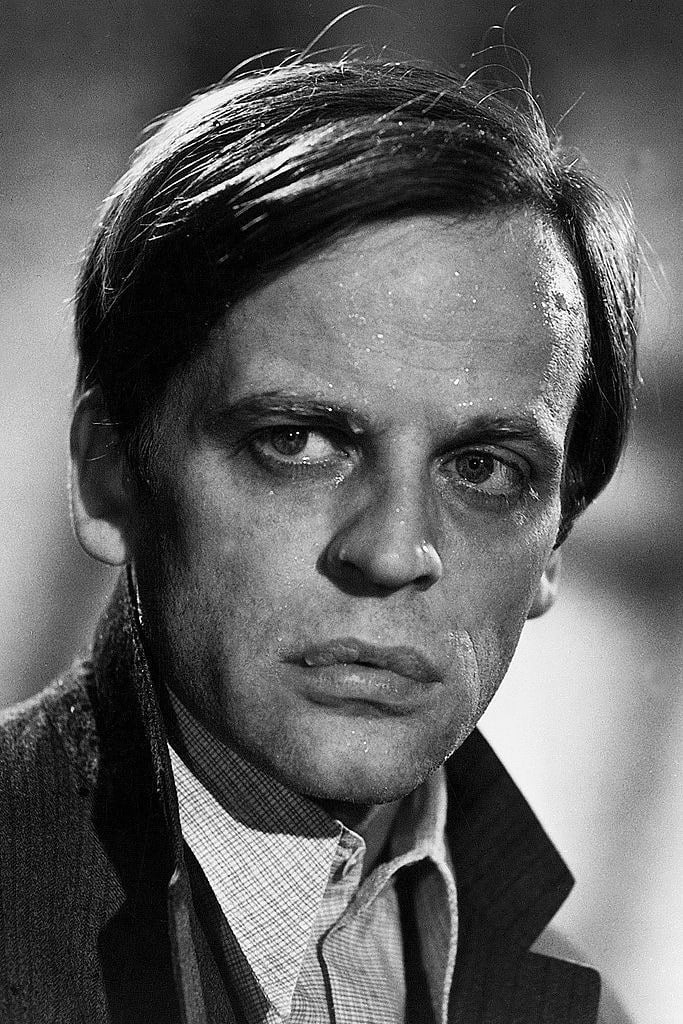
Klaus Kinski was a frequent collaborator with director Werner Herzog and appeared in ‘Agaire, the Wrath of God’. Many of his films were international co productions that were filmed in one language and dubbed into another. Kinski was known for his volatile personality and his extremely intense screen presence. Because he worked in many different countries his voice was often replaced by local actors for different regional releases. He remains one of the most controversial and talented actors of his era.
Max von Sydow
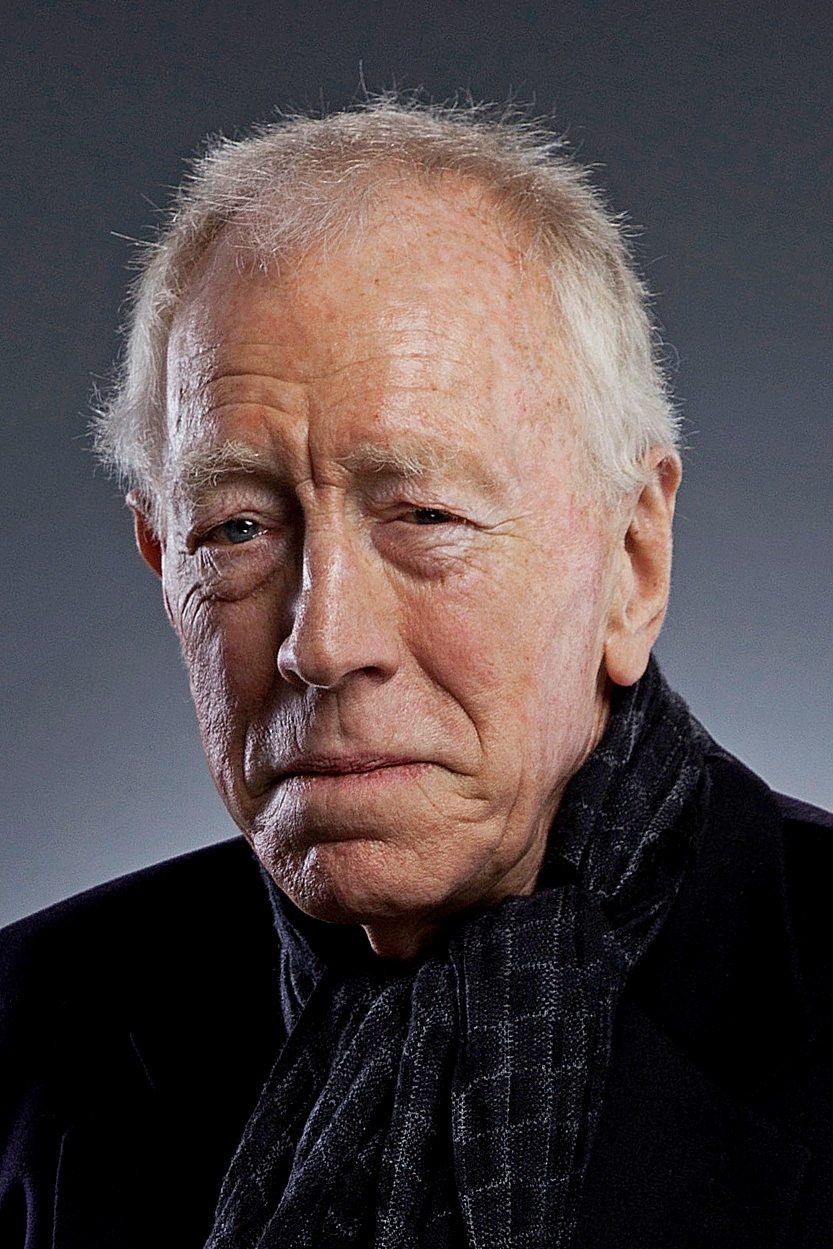
Max von Sydow was a Swedish actor who achieved international fame through his work with Ingmar Bergman. When he began working in Hollywood films like ‘Dune’ his dialogue was occasionally enhanced or dubbed to fit the specific needs of the production. He had a deep and commanding voice that became his trademark in later years. Von Sydow was respected for his ability to bring gravitas to every role he played. His career spanned several decades and included many iconic characters in both European and American cinema.
Giancarlo Giannini
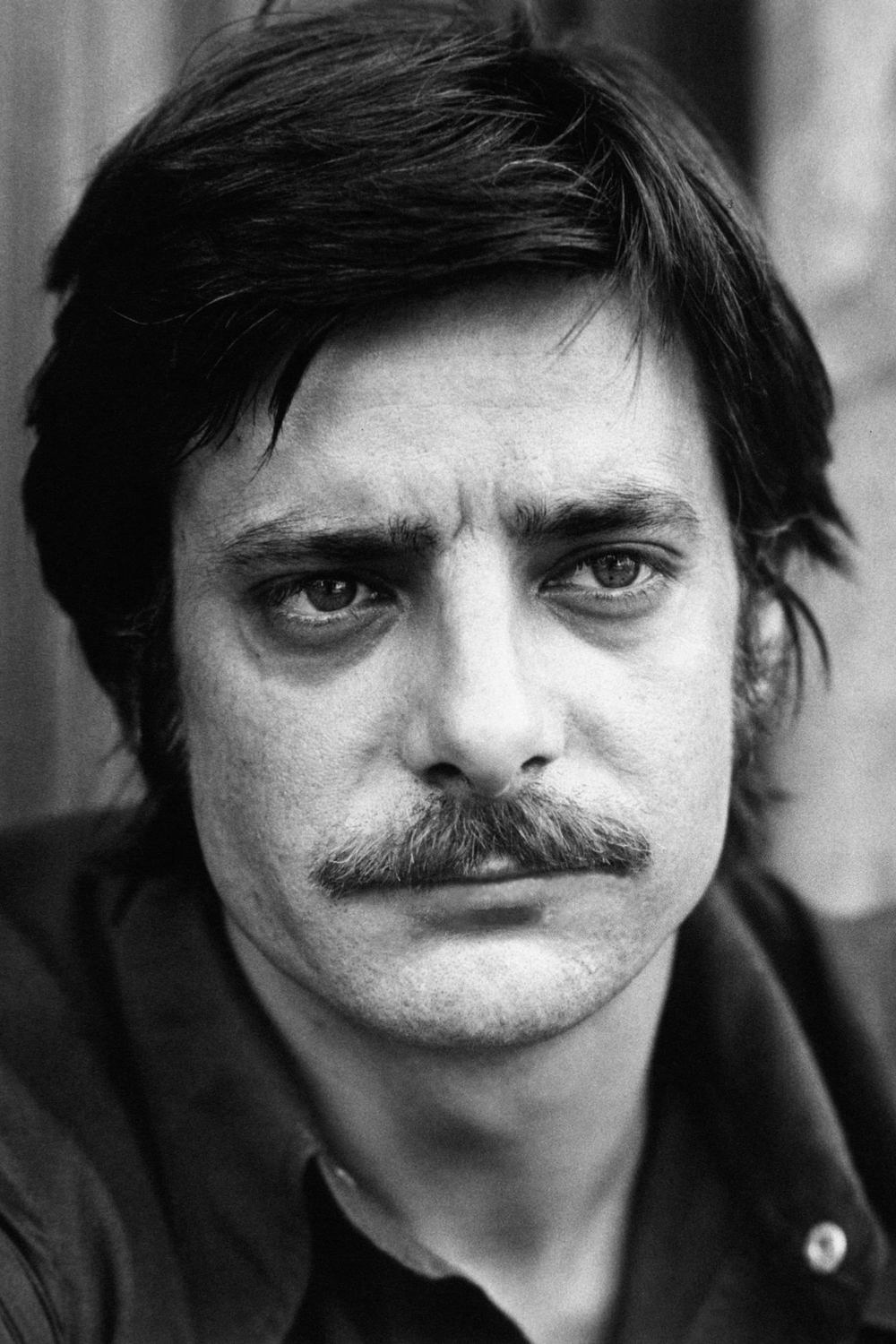
Giancarlo Giannini is an Italian actor who received an Oscar nomination for his role in ‘Seven Beauties’. Like most Italian actors of his generation he worked in an industry where dubbing was the standard practice for all films. He was so skilled at this process that he also became a famous dubbing artist himself for international stars in Italy. Giannini has a very expressive face and a unique acting style that made him a favorite of director Lina Wertmüller. He has also appeared in major American films like the James Bond series.
Vittorio Gassman
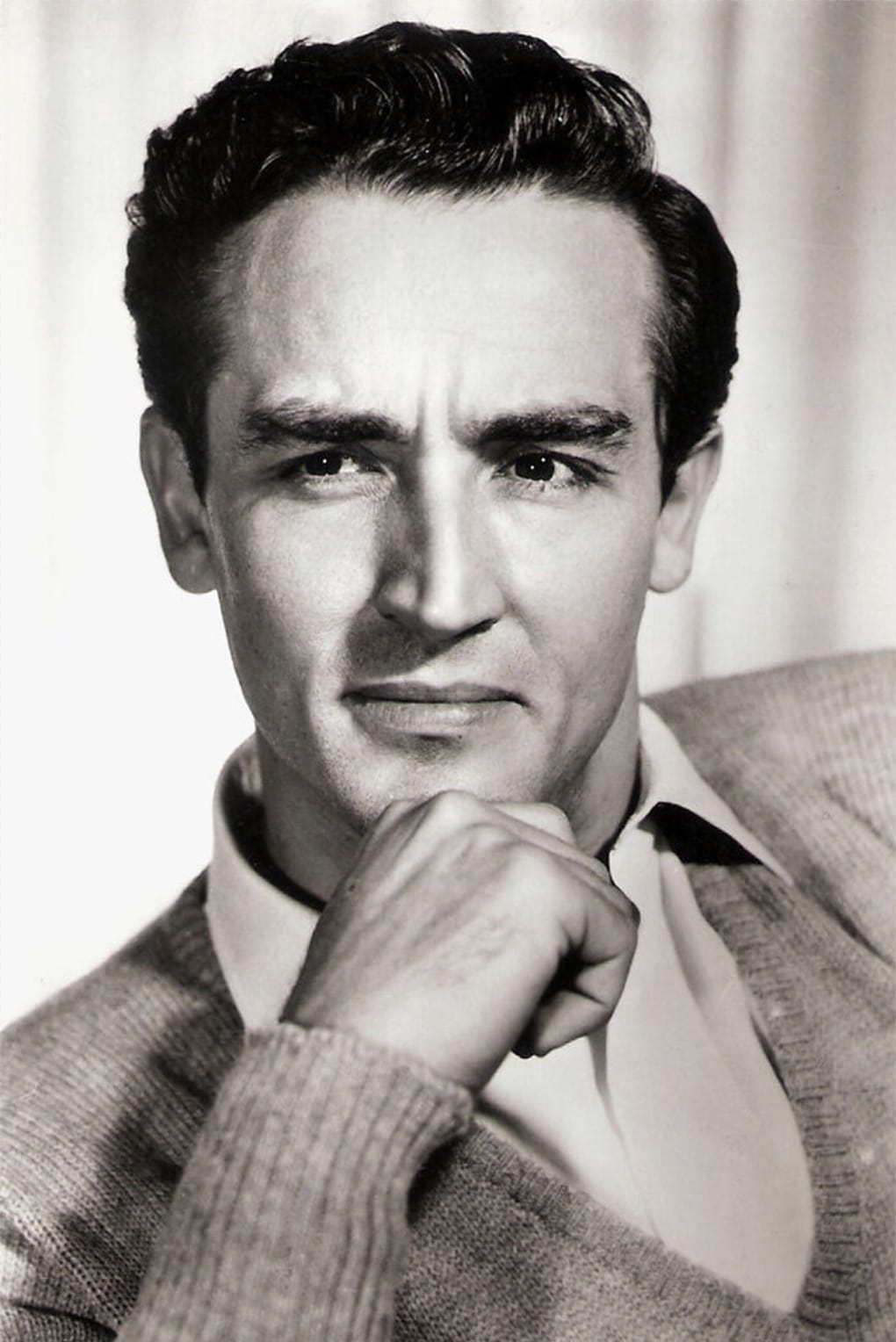
Vittorio Gassman was known as the Mattatore and was one of the greatest Italian actors of the twentieth century. He appeared in numerous international productions that were dubbed for different markets around the world. Gassman had a powerful theatrical background and a very commanding physical presence on screen. While his real voice was legendary in Italy international audiences often knew him through the voices of others. He was a versatile performer who moved easily between intense drama and broad comedy.
Ugo Tognazzi
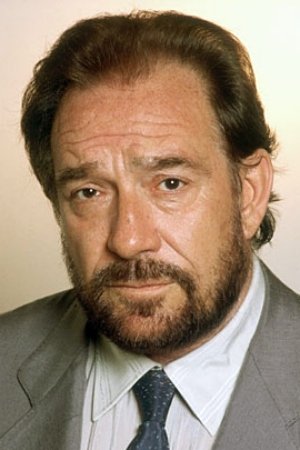
Ugo Tognazzi was a key figure in the Commedia all’italiana genre and starred in the original ‘La Cage aux Folles’. His films were almost always dubbed as part of the standard Italian production process of the time. Tognazzi was known for his ability to play everyday characters with a touch of irony and humor. His performances relied heavily on his facial expressions and physical gestures. He remains a beloved figure in Italian culture and cinema history.
Alberto Sordi
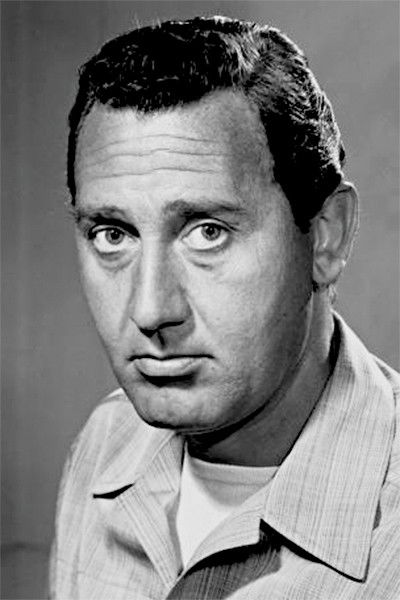
Alberto Sordi was an icon of Italian cinema who represented the everyman of Italy for many years. His films were dubbed into multiple languages for international distribution during the peak of his career. Sordi had a very distinct way of speaking in his native language that was difficult to translate exactly. Professional dubbing allowed his comedies to reach audiences far beyond the borders of Italy. He is remembered as one of the most important comedic actors in the history of European film.
Giuliano Gemma
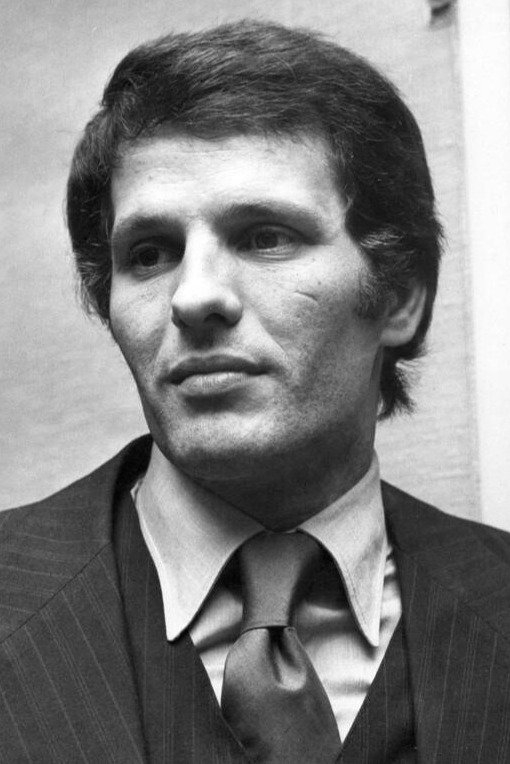
Giuliano Gemma was a major star of the spaghetti western genre and appeared in films like ‘A Pistol for Ringo’. Like his contemporaries he was almost always dubbed in his films regardless of the language they were filmed in. Gemma was known for his athletic ability and his handsome appearance which made him a popular hero. He transitioned from being a stuntman to one of the most successful leading men in Italy. His films remain popular with fans of the western genre for their action and style.
Share your thoughts about these surprising vocal replacements in the comments.