Directors Fans Say Have Gotten Worse Over Time

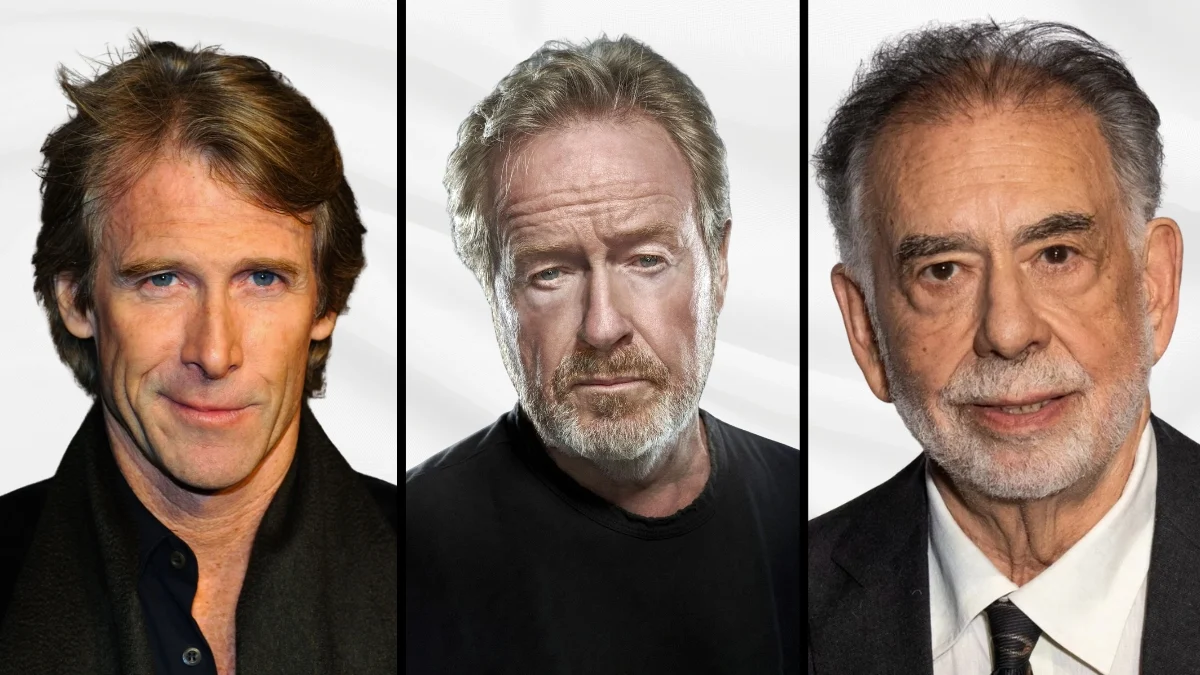

Modern cinema has seen many visionary filmmakers rise to prominence with groundbreaking debuts, only to face criticism for a perceived decline in their later work. Fans often discuss how certain directors lose their unique touch or become overly reliant on specific gimmicks and technologies. While some manage to stage successful comebacks, others struggle to recapture the magic that defined their early careers. This list explores several high-profile directors whose recent filmographies have left many viewers longing for the quality of their earlier masterpieces.
Robert Zemeckis

Robert Zemeckis earned his reputation as a master storyteller with iconic hits like ‘Back to the Future’ and ‘Forrest Gump’. In recent decades, his work has shifted significantly toward experimental motion-capture technology and digital effects. This transition led to films like ‘The Polar Express’ and ‘Welcome to Marwen’, which were criticized for their “uncanny valley” visuals and thin narratives. His 2022 live-action remake of ‘Pinocchio’ was particularly panned by fans and critics for lacking the heart of the original story. Many believe his obsession with technical innovation has come at the expense of character depth and emotional resonance.
Kevin Smith
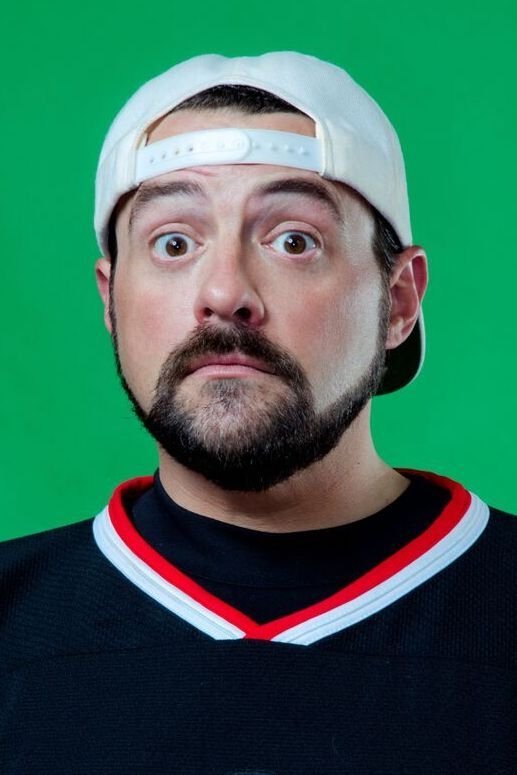
After bursting onto the scene with the indie classic ‘Clerks’, Kevin Smith became a leading voice for Generation X slackers and comic book fans. His early filmography, including ‘Chasing Amy’ and ‘Dogma’, showcased sharp dialogue and relatable characters. However, later projects like ‘Tusk’ and ‘Yoga Hosers’ alienated many long-time followers with their increasingly bizarre and niche humor. Even his return to the View Askewniverse with ‘Jay and Silent Bob Reboot’ and ‘Clerks III’ divided audiences who felt the films relied too heavily on nostalgia. Some fans argue that his current output lacks the discipline and creative spark of his 1990s work.
John McTiernan
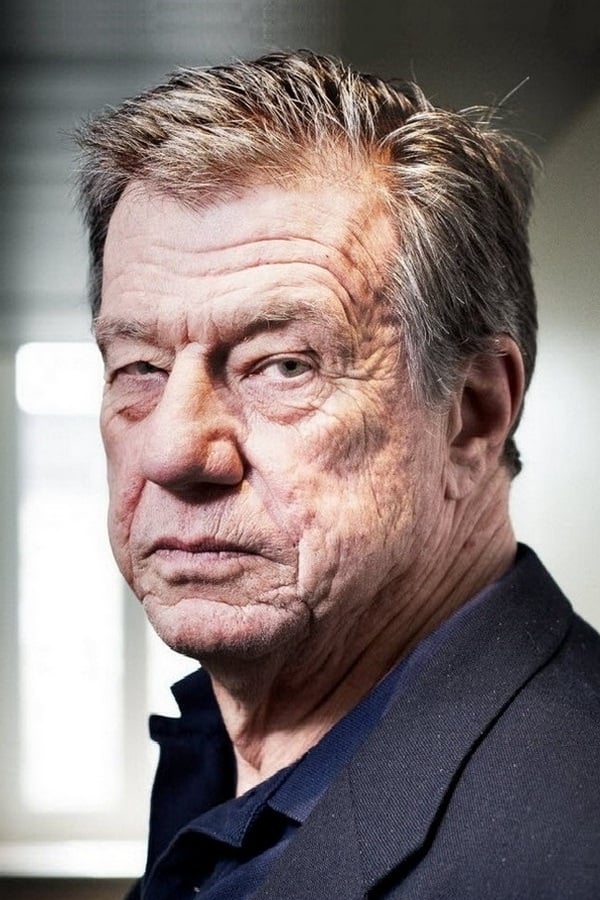
John McTiernan was once the undisputed king of the action genre, directing definitive classics like ‘Die Hard’ and ‘Predator’. These films were praised for their tight pacing, clear geography, and iconic hero archetypes. The director’s career took a sharp downturn with the 2002 remake of ‘Rollerball’, which was widely considered one of the worst movies ever made. His follow-up film ‘Basic’ also failed to impress critics or audiences, marking a significant drop from his earlier successes. McTiernan’s legal troubles eventually stalled his career entirely, leaving his legacy tied mostly to his work from the 1980s and 1990s.
John Carpenter
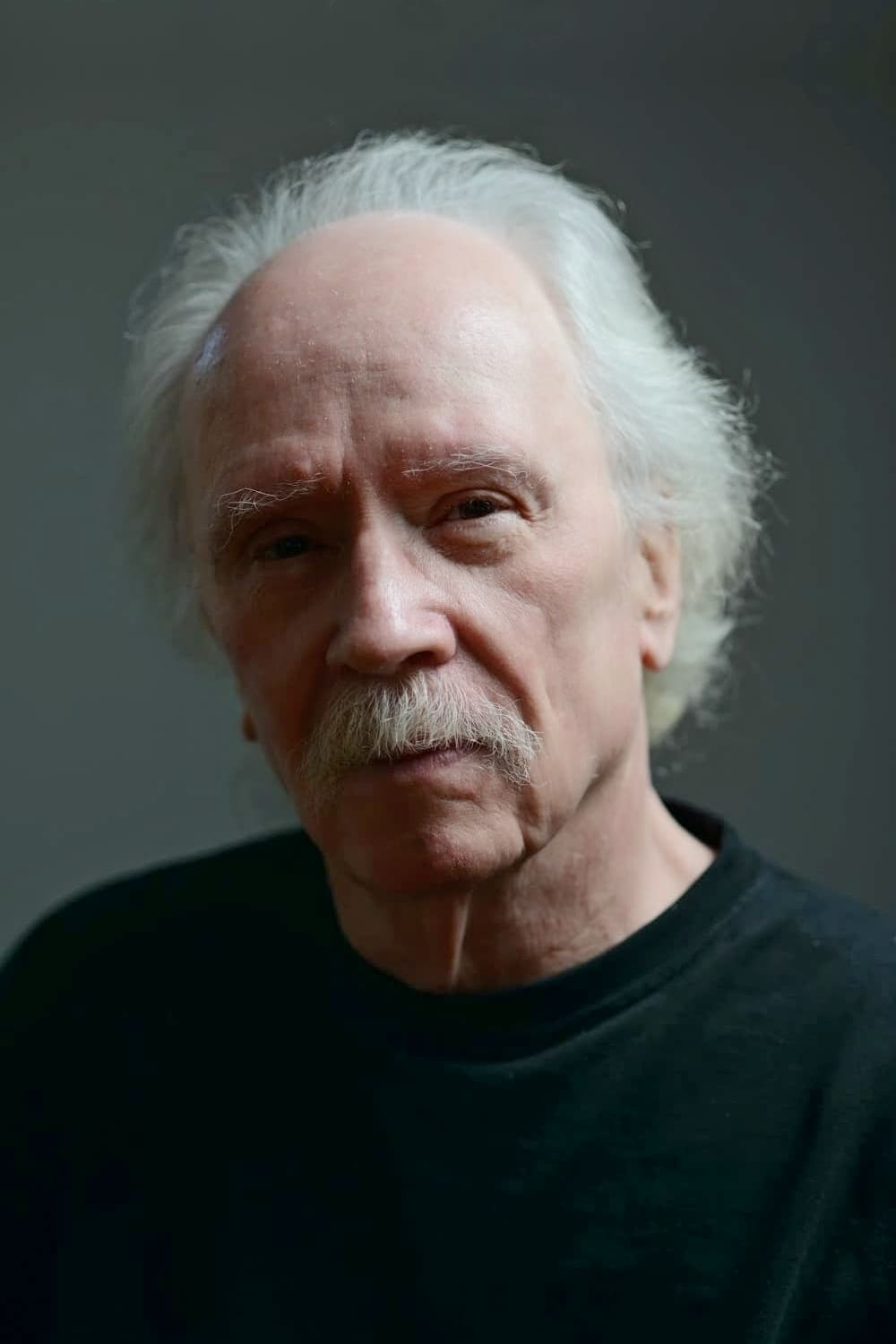
John Carpenter redefined the horror and sci-fi genres with masterpieces such as ‘Halloween’, ‘The Thing’, and ‘Escape from New York’. His early films were noted for their atmospheric tension, synth-heavy scores, and minimalist efficiency. By the late 1990s, however, films like ‘Vampires’ and ‘Ghosts of Mars’ were seen as campy and dated by mainstream audiences. His final theatrical feature, ‘The Ward’, was released in 2010 and received a lukewarm response for being a generic supernatural thriller. While his earlier work remains legendary, fans often feel his later projects lacked the revolutionary spirit of his prime.
Michael Bay
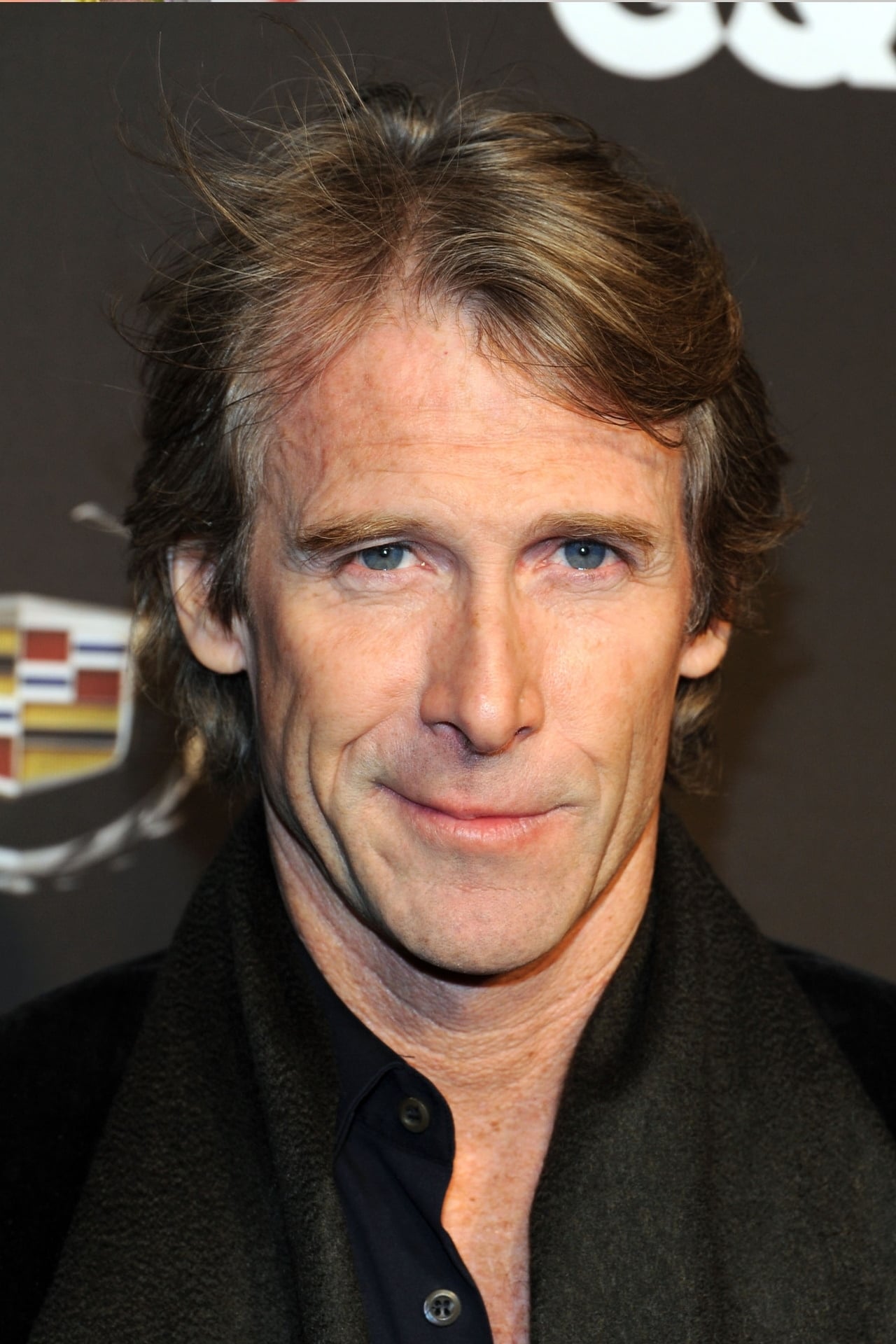
In the 1990s, Michael Bay was praised for his high-octane “Bayhem” style in successful blockbusters like ‘The Rock’ and ‘Bad Boys’. His kinetic visual flair was initially seen as fresh and energetic, defining the modern action aesthetic. Public opinion began to sour as he spent over a decade helmimg the ‘Transformers’ franchise, which many viewers felt became increasingly bloated and incomprehensible. Recent efforts like ‘Ambulance’ and ‘6 Underground’ continue to lean into his explosive style but have failed to reach the critical or cultural heights of his earlier work. Many fans argue that his reliance on spectacle has overshadowed coherent storytelling.
Guy Ritchie
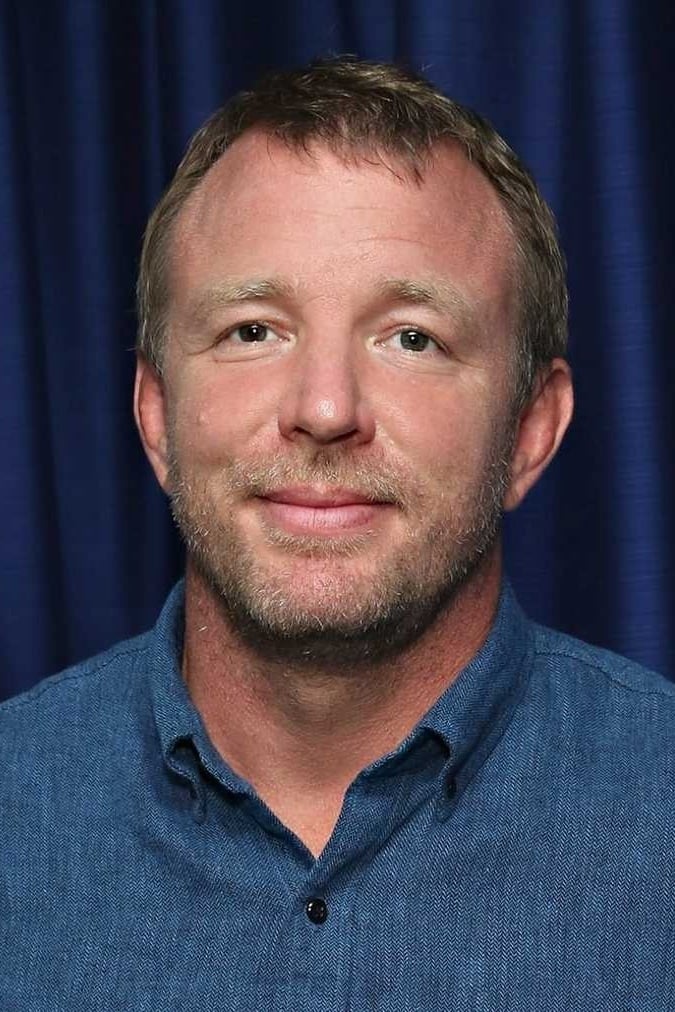
Guy Ritchie became a household name with his stylish, fast-paced British crime comedies ‘Lock, Stock and Two Smoking Barrels’ and ‘Snatch’. These films were celebrated for their inventive editing, complex ensemble casts, and witty cockney dialogue. His career trajectory became erratic after the critical failure of ‘Swept Away’ and the polarizing reception of ‘Revolver’. While he found commercial success with the ‘Sherlock Holmes’ films, projects like ‘King Arthur: Legend of the Sword’ and his live-action ‘Aladdin’ were seen as losing his distinct directorial voice. Even his return to the crime genre in ‘The Gentlemen’ left some fans feeling he was simply repeating old formulas.
Neill Blomkamp
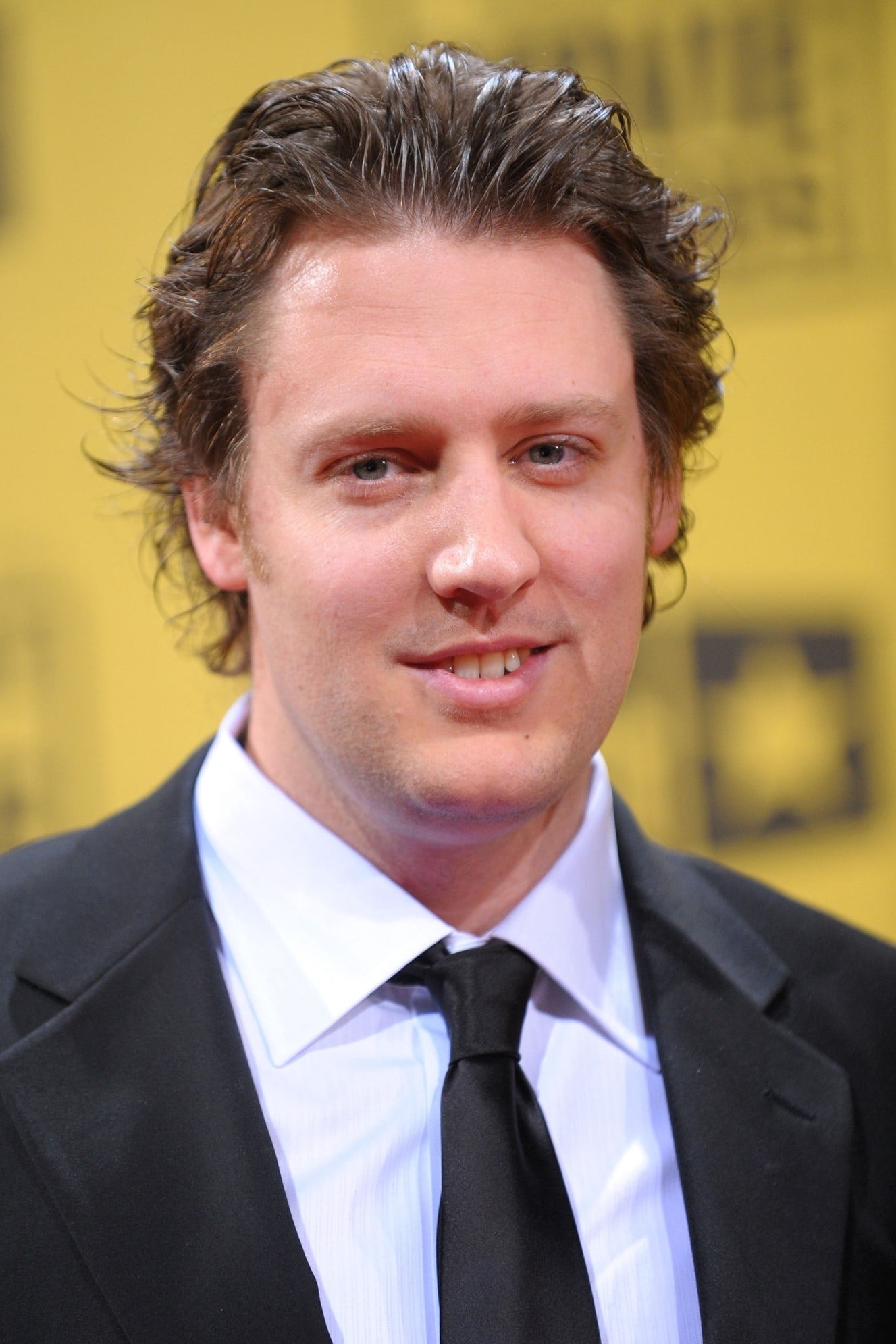
Neill Blomkamp was heralded as a new sci-fi visionary following the massive success of his 2009 debut, ‘District 9’. The film’s unique blend of social commentary and gritty special effects earned it a Best Picture nomination and high fan acclaim. His subsequent features, ‘Elysium’ and ‘Chappie’, were criticized for being less nuanced and having increasingly repetitive themes. His 2021 horror experiment ‘Demonic’ was largely ignored or panned for its confusing plot and poor execution. Many fans believe he has struggled to replicate the lightning-in-a-bottle success of his first feature film.
Taika Waititi
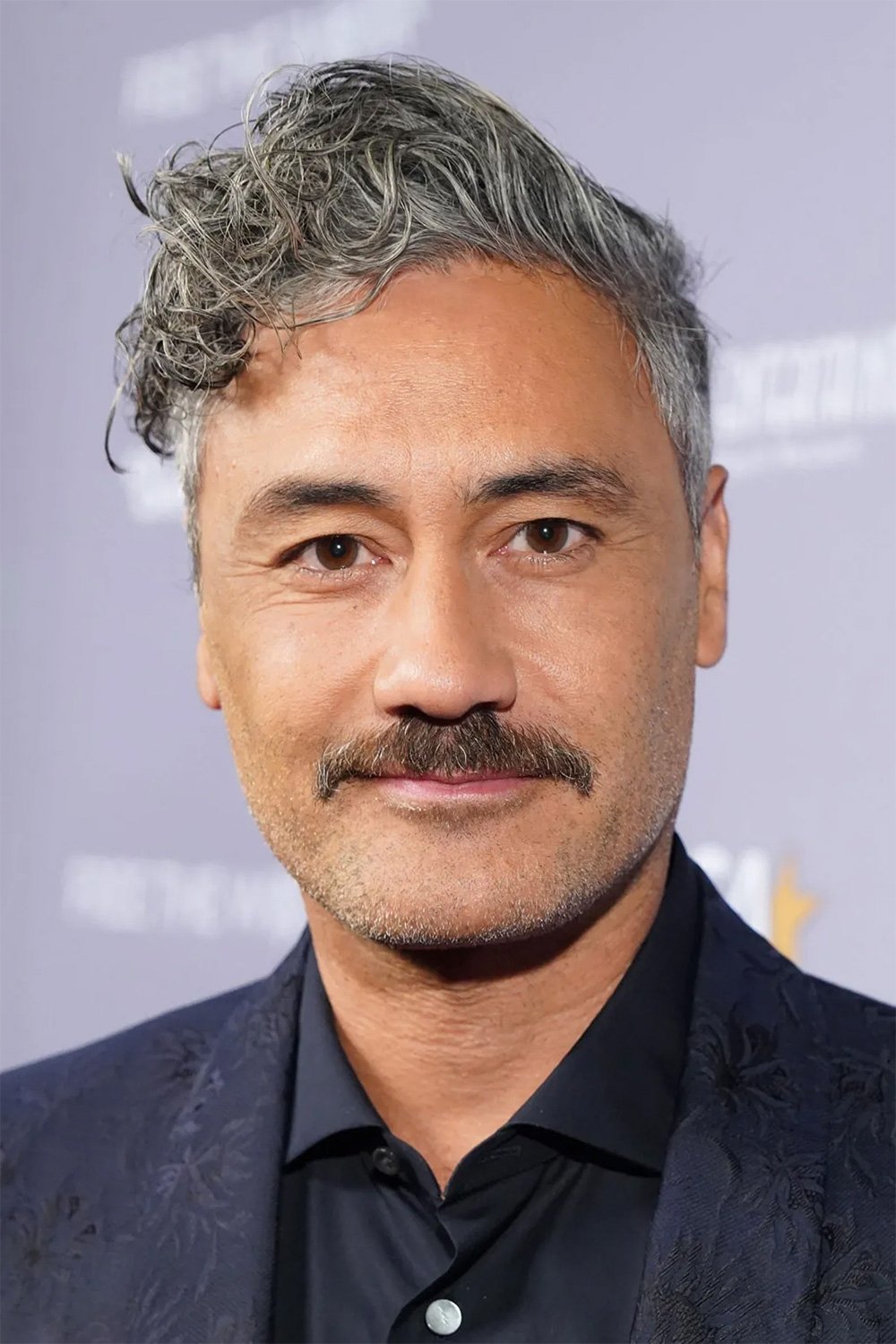
Taika Waititi initially won over audiences with his quirky humor and heartfelt stories in films like ‘Hunt for the Wilderpeople’ and ‘What We Do in the Shadows’. He reached a global peak with ‘Thor: Ragnarok’, which revitalized the God of Thunder for the Marvel Cinematic Universe. However, his follow-up MCU effort, ‘Thor: Love and Thunder’, was heavily criticized for an over-reliance on jokes that undercut the film’s emotional weight. Similarly, his soccer comedy ‘Next Goal Wins’ received mixed reviews, with some suggesting his comedic style is becoming repetitive. Fans are increasingly divided on whether his “brand” is overshadowing the actual stories he tells.
John Woo

John Woo is a pioneer of the “heroic bloodshed” genre, known for his balletic action sequences in ‘Hard Boiled’ and ‘The Killer’. His initial move to Hollywood resulted in the massive hit ‘Face/Off’, which successfully translated his Hong Kong style for American audiences. However, his later Hollywood ventures like ‘Mission: Impossible 2’ and ‘Paycheck’ were criticized for being overly cheesy and lacking substance. His return to Asian cinema with ‘The Crossing’ and ‘Manhunt’ also failed to capture the intense energy of his 1980s work. Action fans often remark that his signature tropes, such as slow-motion doves, have become more of a cliché than a thrill.
Ridley Scott
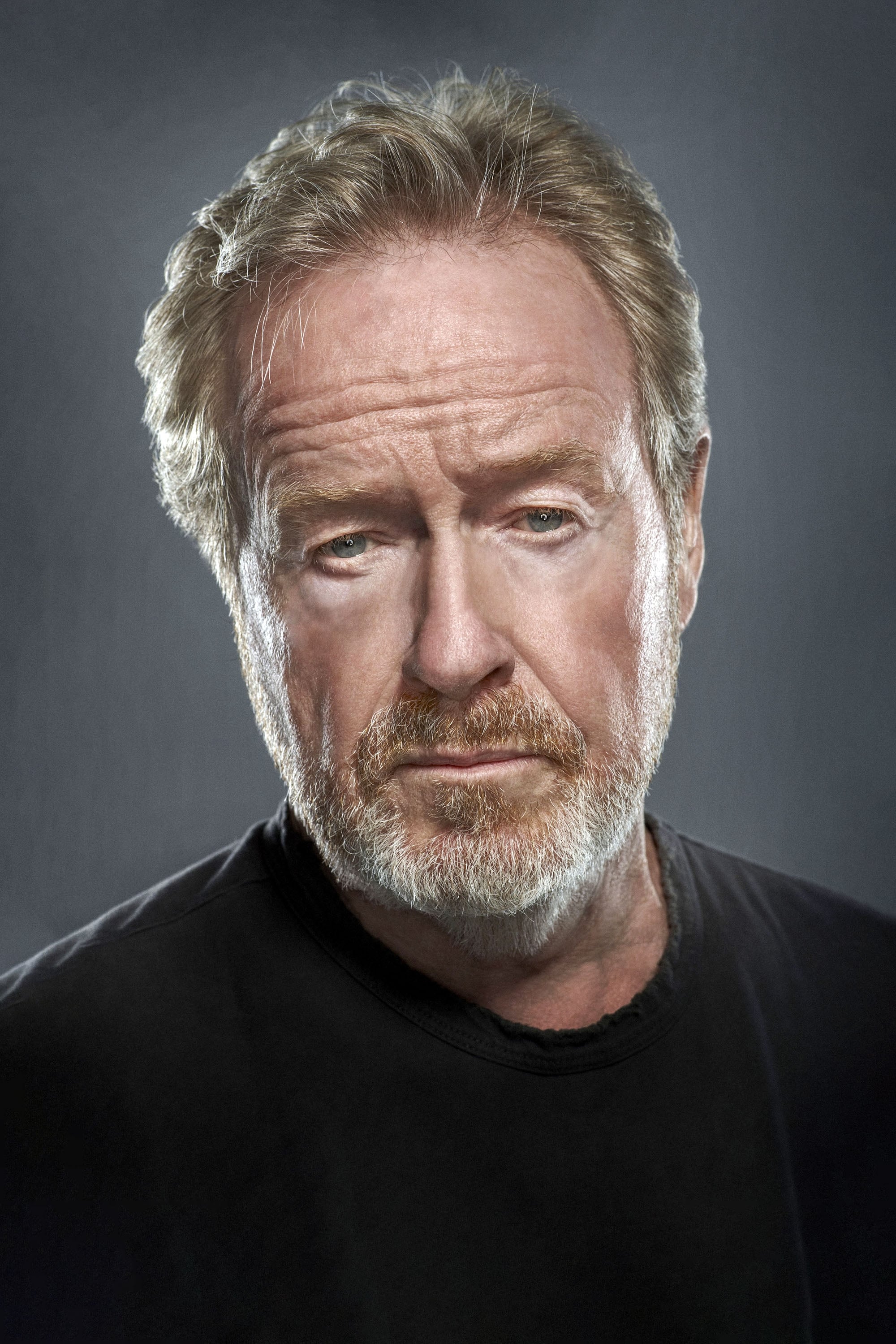
Ridley Scott is the director behind some of the most influential films in history, including ‘Alien’ and ‘Blade Runner’. While he has remained prolific, his recent output is often cited by fans as being wildly inconsistent. Films like ‘Robin Hood’, ‘Exodus: Gods and Kings’, and ‘The Counselor’ were met with significant critical and commercial disappointment. His return to the ‘Alien’ franchise with ‘Prometheus’ and ‘Alien: Covenant’ polarized fans who felt the new entries over-explained the mystery of the original. Despite occasional hits like ‘The Martian’, many viewers feel his modern work often lacks the visionary cohesion of his early masterpieces.
Tim Burton
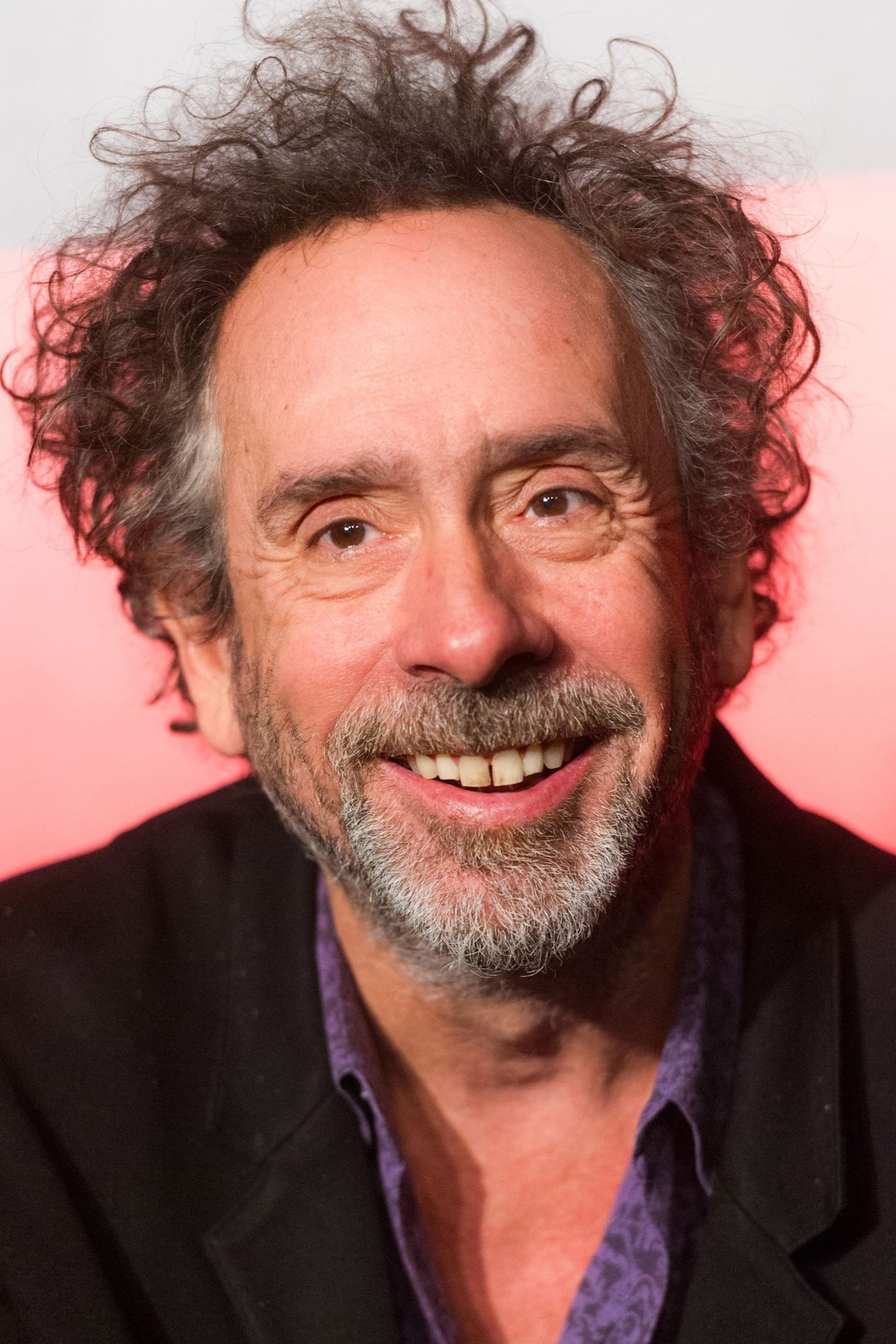
Tim Burton’s early career was defined by a unique, gothic aesthetic that charmed audiences in ‘Beetlejuice’, ‘Edward Scissorhands’, and ‘Batman’. His visual style was once seen as revolutionary, blending dark themes with a whimsical, storybook sensibility. In the 2010s, fans began to criticize his work for becoming a parody of itself, particularly in his many collaborations with Johnny Depp. Remakes like ‘Planet of the Apes’, ‘Dark Shadows’, and ‘Dumbo’ were often described as soulless and visually cluttered. Critics and fans alike have noted that his once-original vision has frequently been traded for corporate, CGI-heavy spectacles.
M. Night Shyamalan
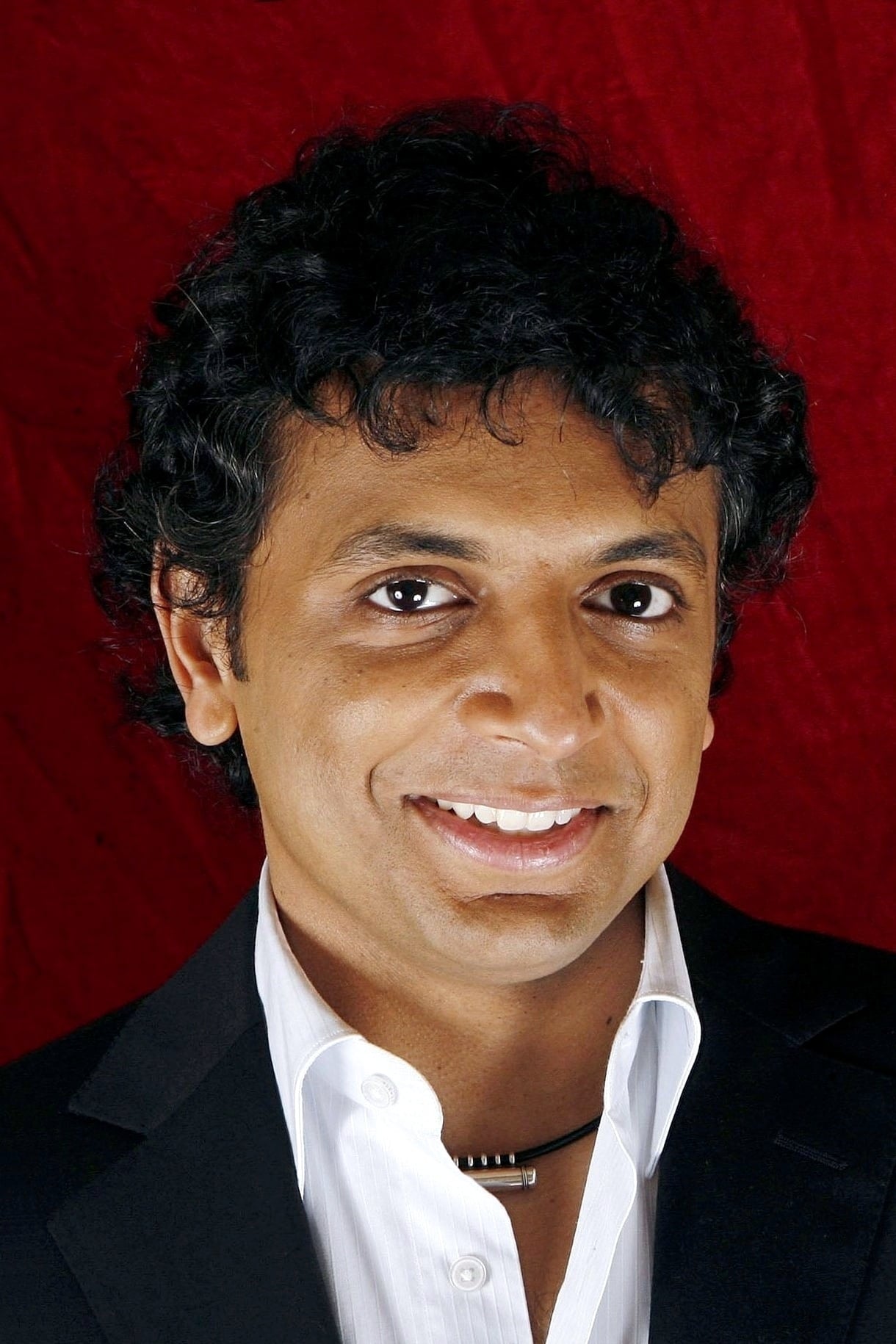
M. Night Shyamalan became a global sensation with the atmospheric suspense and shocking twist of ‘The Sixth Sense’. His follow-up films ‘Unbreakable’ and ‘Signs’ solidified his status as a master of the supernatural thriller. His reputation took a massive hit following a string of critical disasters, including ‘Lady in the Water’, ‘The Last Airbender’, and ‘After Earth’. While he experienced a mid-career resurgence with ‘The Visit’ and ‘Split’, his more recent projects like ‘Old’ and ‘Trap’ have received polarizing reactions. Many fans find his modern writing to be clunky and his reliance on high-concept twists to be increasingly predictable.
Richard Kelly
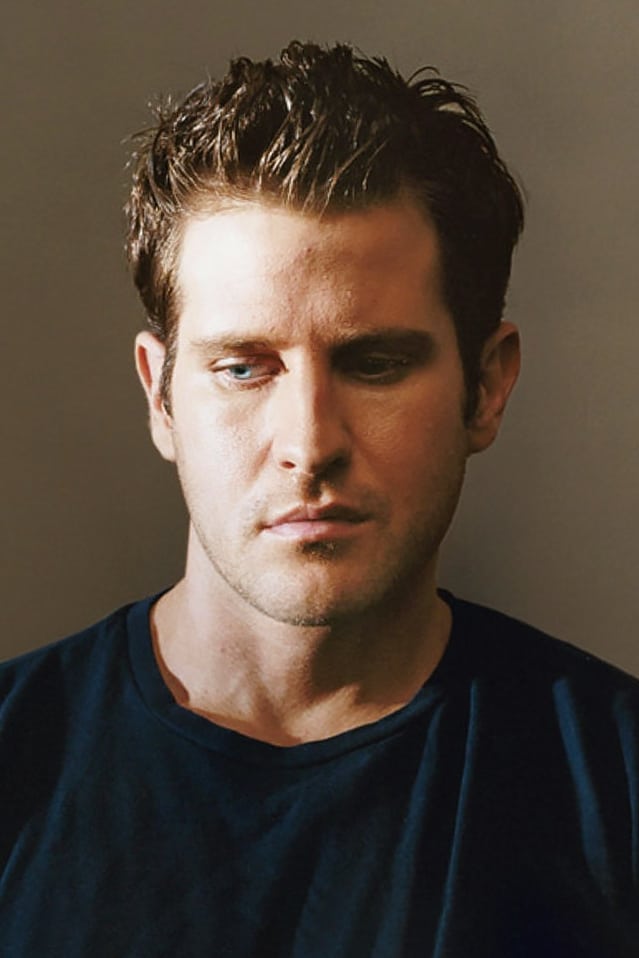
Richard Kelly became an overnight sensation with the cult classic ‘Donnie Darko’, a film praised for its complex themes and haunting atmosphere. It remains one of the most beloved debut films of the 21st century among indie cinema fans. However, his second feature, ‘Southland Tales’, was a massive critical and commercial failure that many found to be an incomprehensible mess. His third film, ‘The Box’, also failed to connect with audiences, leading to a long hiatus from feature filmmaking. Fans often cite Kelly as a “one-hit wonder” who was unable to manage the larger budgets and creative freedom that followed his initial success.
Michael Cimino
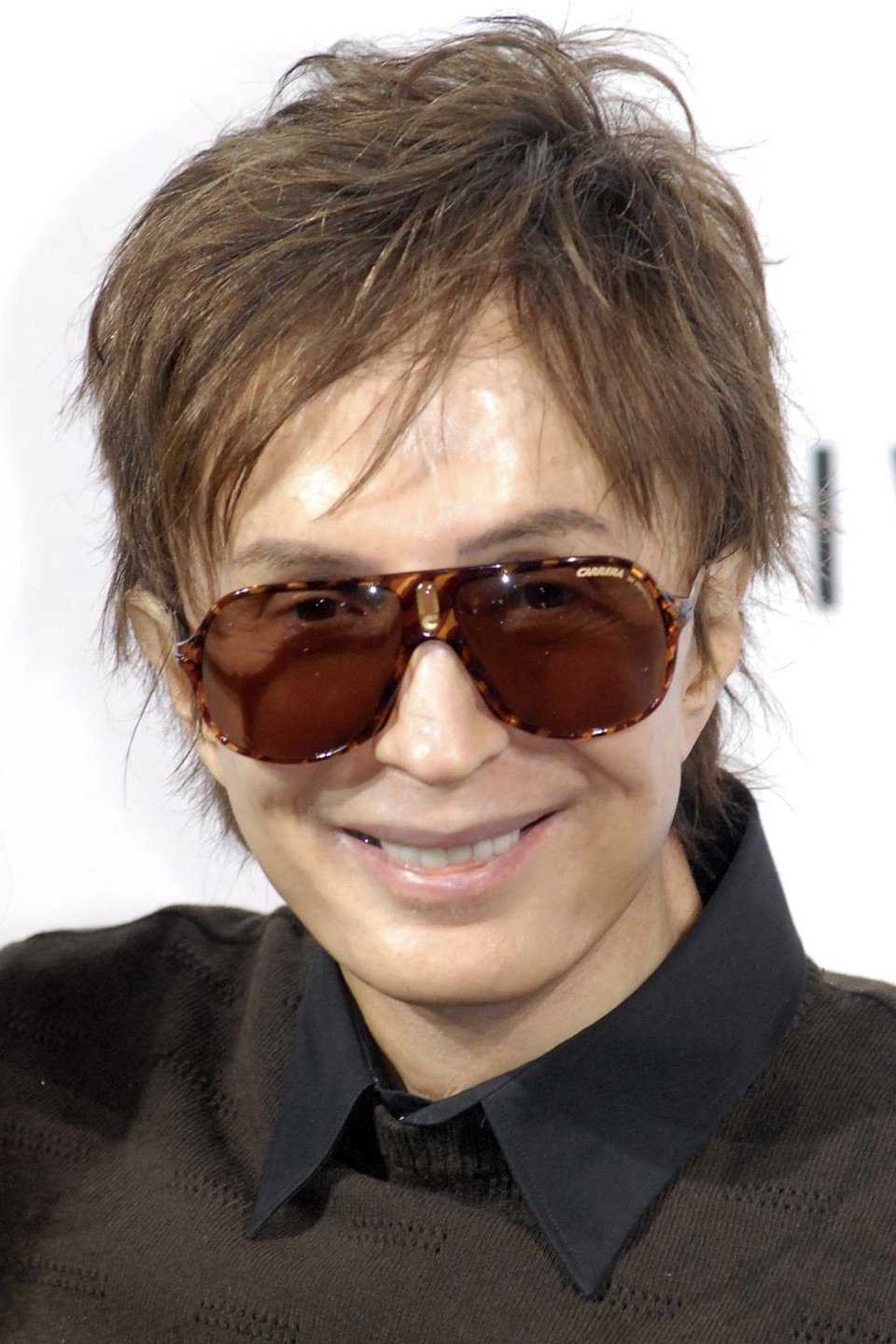
Michael Cimino reached the pinnacle of filmmaking success with ‘The Deer Hunter’, which won the Academy Award for Best Picture and established him as a major talent. His next project, the epic Western ‘Heaven’s Gate’, became one of the most notorious box-office bombs in Hollywood history. The film’s failure famously led to the downfall of United Artists and marked the end of the director-driven “New Hollywood” era. Cimino’s later films, such as ‘Year of the Dragon’ and ‘The Sunchaser’, never managed to restore his former glory. He is often remembered as a cautionary tale of how one disastrous project can derail a once-promising career.
Francis Ford Coppola
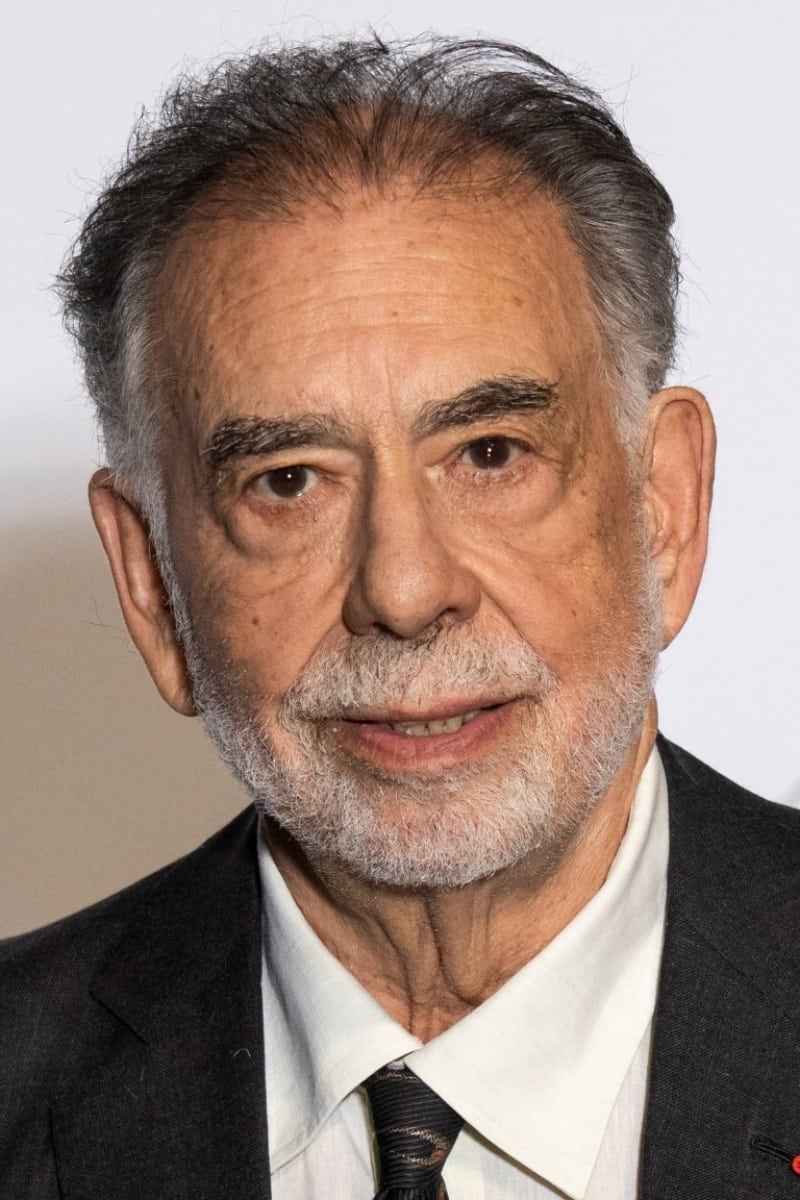
Francis Ford Coppola directed a run of films in the 1970s—’The Godfather’, ‘The Godfather Part II’, ‘The Conversation’, and ‘Apocalypse Now’—that are considered some of the greatest ever made. However, his output in the 1980s and 1990s, while containing some successes like ‘Bram Stoker’s Dracula’, began to lose its consistent excellence. Films like ‘Jack’ and ‘Twixt’ were widely panned and seemed disconnected from the gravitas of his early work. His recent self-funded epic, ‘Megalopolis’, received highly divisive reviews, with many fans feeling it was a messy and overindulgent project. Most cinema lovers agree that while he is a legend, his peak years are firmly in the past.
Brian De Palma
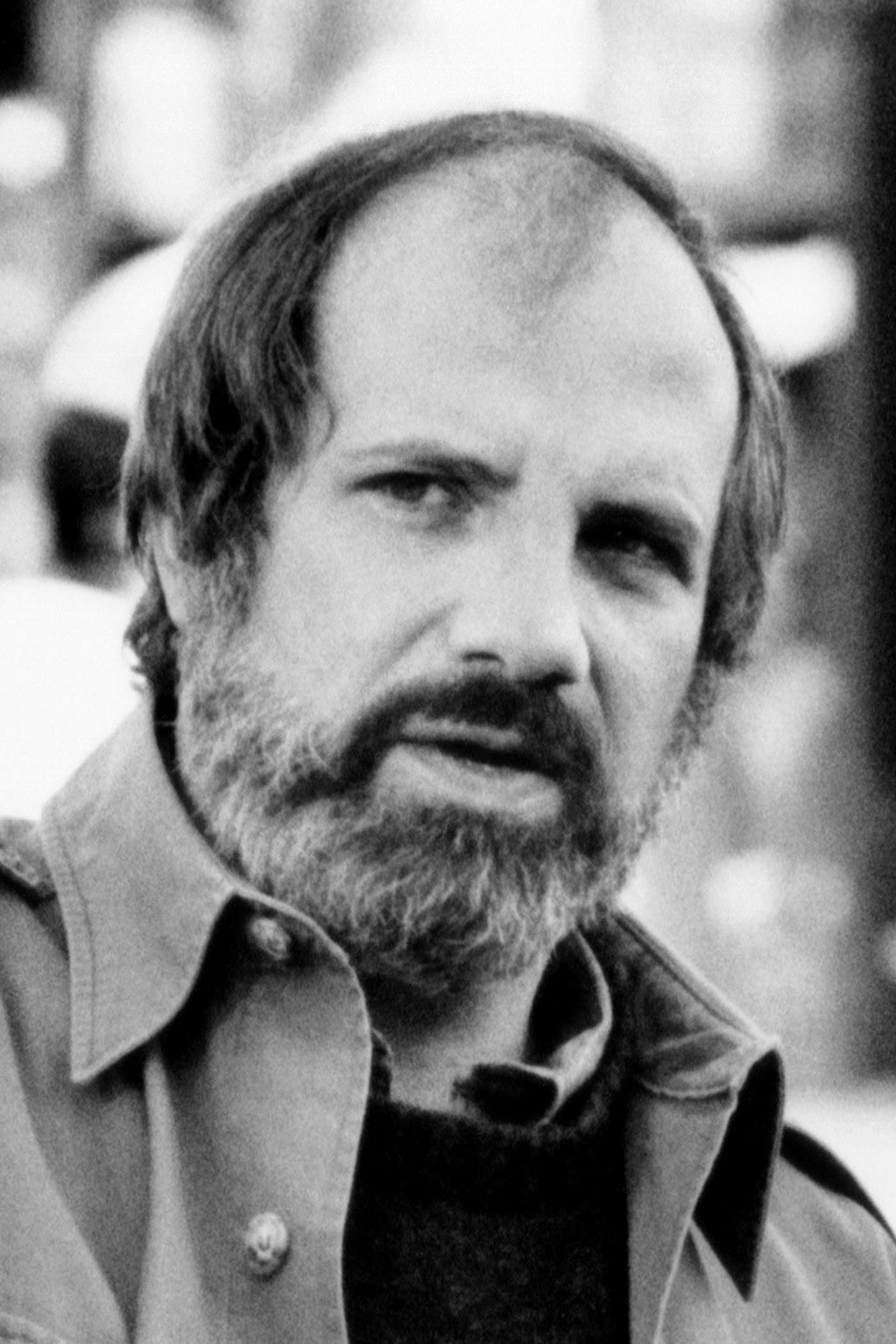
Brian De Palma was once celebrated as a master of suspense and visual storytelling with hits like ‘Carrie’, ‘Scarface’, and ‘The Untouchables’. He was often compared to Alfred Hitchcock for his inventive use of split-screens and long tracking shots. By the 2000s, his work began to falter with films like ‘Mission to Mars’ and ‘The Black Dahlia’ receiving poor reviews. His most recent feature, ‘Domino’, was largely ignored and criticized for its low-budget feel and lack of narrative tension. Fans often lament that the director’s later work lacks the stylistic panache and technical precision that made him a titan of 1980s cinema.
George Lucas
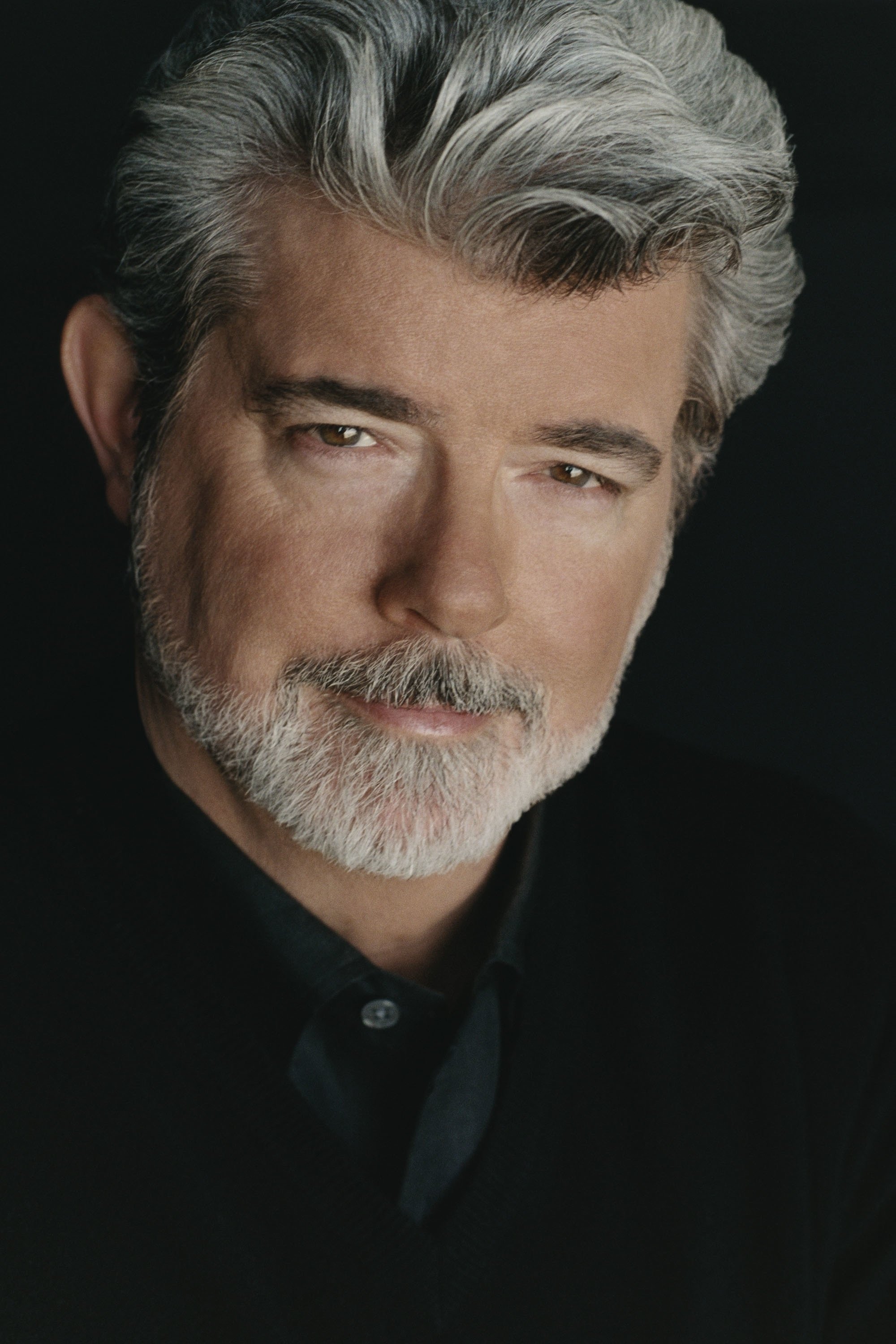
George Lucas changed the world with the original ‘Star Wars’ and ‘American Graffiti’, proving himself a pioneer of both narrative and technology. However, his reputation among fans took a significant hit when he returned to the director’s chair for the ‘Star Wars’ Prequel Trilogy. Critics and audiences frequently panned ‘The Phantom Menace’ and ‘Attack of the Clones’ for their stiff acting, heavy reliance on early CGI, and clunky dialogue. While the prequels have found a more appreciative audience in recent years, the initial backlash was immense. Many fans felt that Lucas had lost the human touch that made his original films so relatable and magical.
Roland Joffé
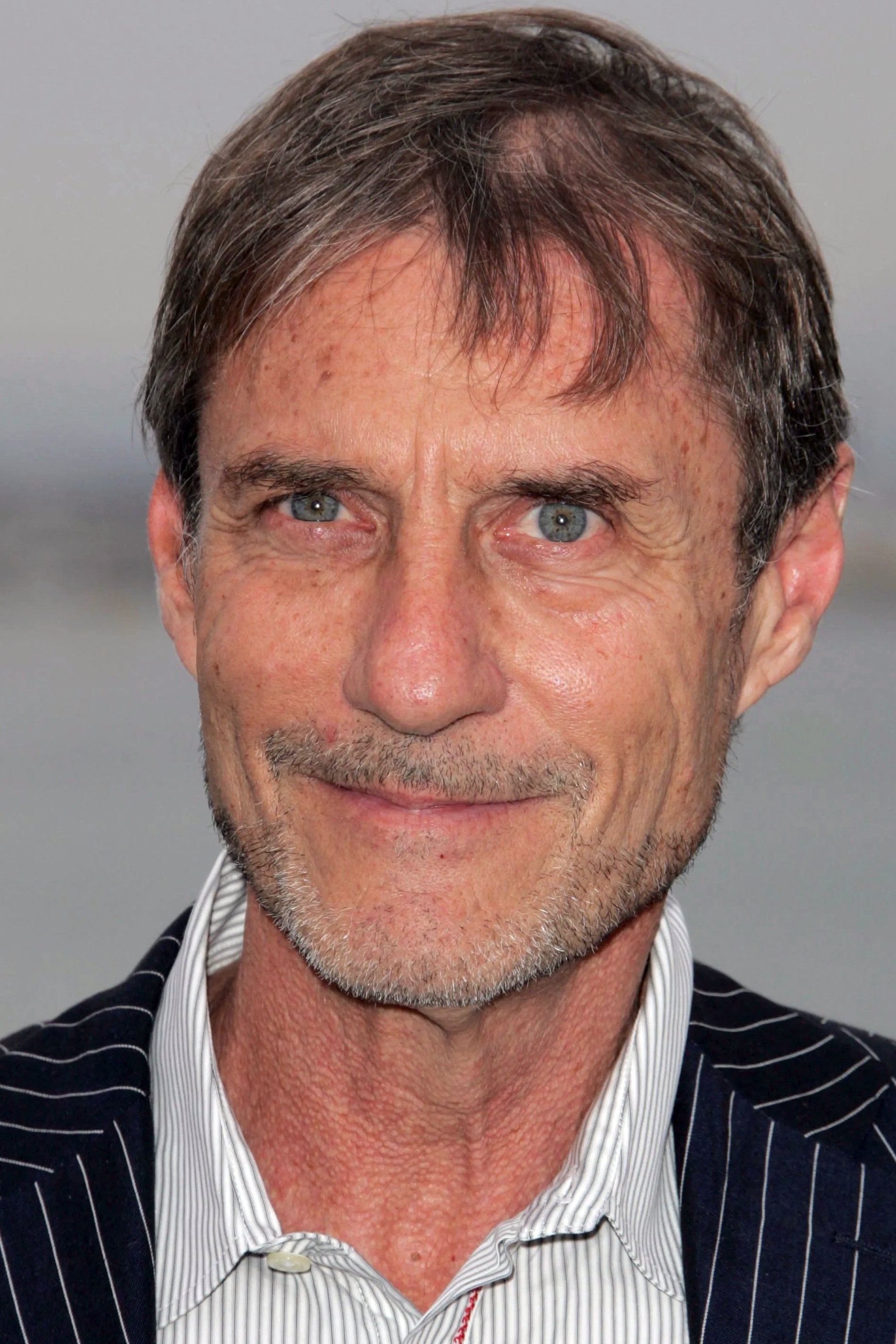
Roland Joffé began his career with two powerful, Academy Award-nominated dramas: ‘The Killing Fields’ and ‘The Mission’. These films were praised for their emotional depth, historical significance, and stunning cinematography. Unfortunately, his later filmography failed to maintain this high standard, with projects like ‘The Scarlet Letter’ and ‘Captivity’ being critically reviled. His move into the horror genre and lower-budget historical epics resulted in several box-office failures. Fans of his early work often express confusion at how a director of such prestigious beginnings could end up making widely panned B-movies.
Martin Brest
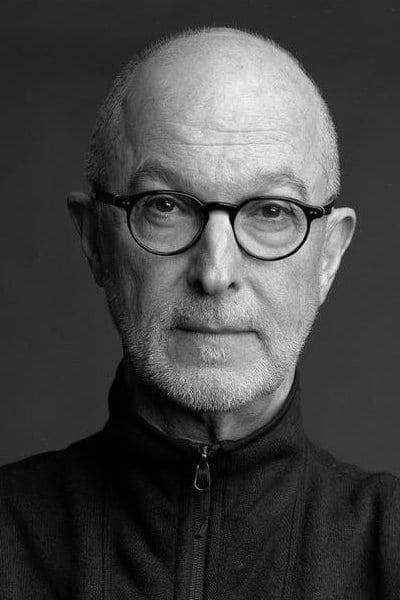
Martin Brest had an incredible run of commercial and critical hits with ‘Beverly Hills Cop’, ‘Midnight Run’, and ‘Scent of a Woman’. He was known for his ability to blend character-driven drama with popular entertainment, earning several Oscar nominations along the way. His career came to an abrupt and historic halt with the release of ‘Gigli’ in 2003, which is frequently cited as one of the worst films ever made. The massive failure of ‘Gigli’ was so significant that Brest has not directed a feature film since. He remains a prominent example of how a single high-profile disaster can erase decades of professional goodwill.
Dario Argento
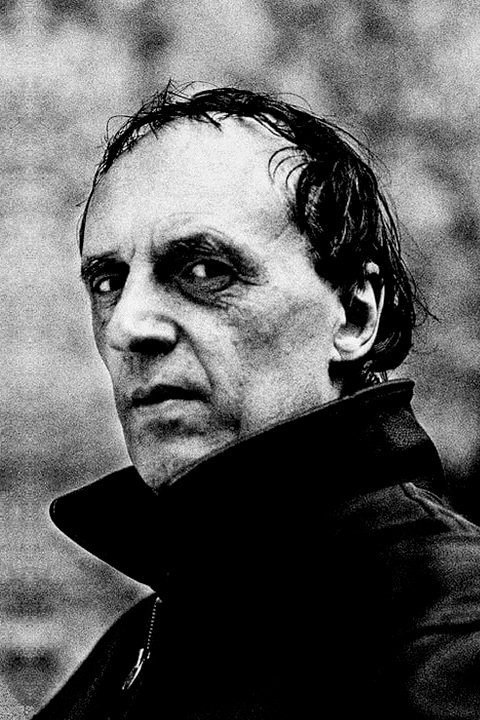
Dario Argento is the legendary “Master of Thrill” who directed giallo masterpieces like ‘Deep Red’ and ‘Suspiria’. His early work was celebrated for its vibrant colors, inventive death scenes, and surreal atmosphere. Starting in the mid-1990s, fans noticed a sharp decline in the technical quality and narrative coherence of his films. Projects like ‘The Mother of Tears’ and ‘Dracula 3D’ were mocked for their poor special effects and unintentional humor. Horror enthusiasts often feel that his later movies are a sad shadow of the visionary brilliance he displayed during the 1970s and 1980s.
Cameron Crowe
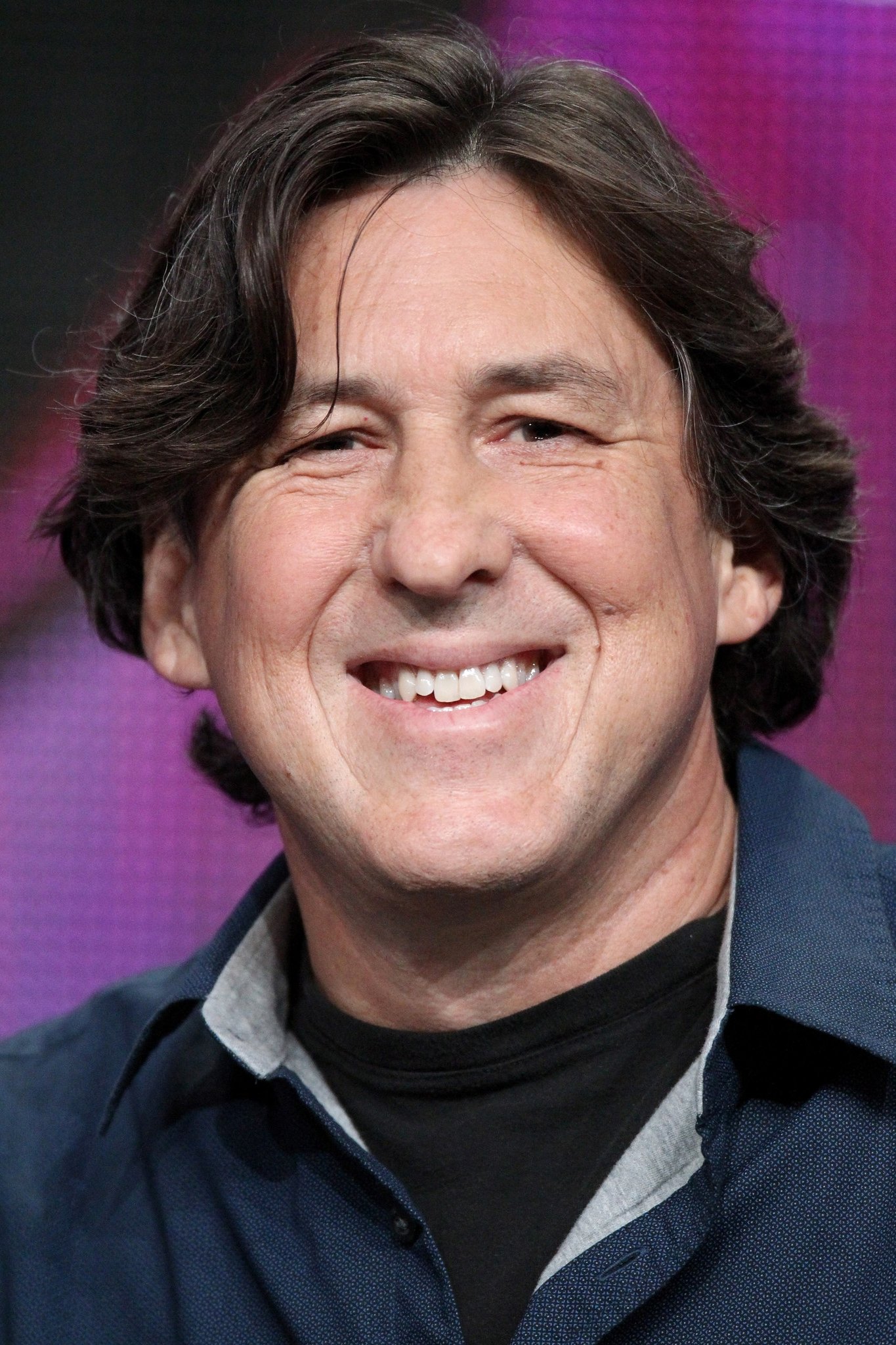
Cameron Crowe was once the voice of heartfelt, music-centric cinema with hits like ‘Say Anything…’, ‘Jerry Maguire’, and ‘Almost Famous’. His films were known for their earnestness, great soundtracks, and deeply human characters. The director’s standing with fans began to slip with ‘Elizabethtown’ and reached a low point with the 2015 film ‘Aloha’. ‘Aloha’ was criticized for its confusing plot and the controversial casting of Emma Stone as a character of Asian descent. Since then, Crowe has mostly stepped away from feature filmmaking, leaving many to wonder if he lost the “magic” that defined his early career.
Woody Allen
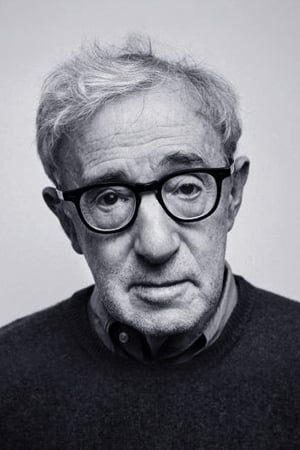
Woody Allen was a dominant force in American cinema for decades, directing classics such as ‘Annie Hall’, ‘Manhattan’, and ‘Hannah and Her Sisters’. While he remained prolific for a long time, fans often point to a significant decline in the consistency and originality of his scripts in recent years. While ‘Midnight in Paris’ was a late-career highlight, many of his other recent European-set films like ‘To Rome with Love’ and ‘Rifkin’s Festival’ felt like retreads of older ideas. Public controversies have also impacted his reputation, but even from a purely artistic standpoint, many feel his later work lacks his former wit. His more recent films have struggled to find distribution and audience interest in the United States.
Peter Jackson
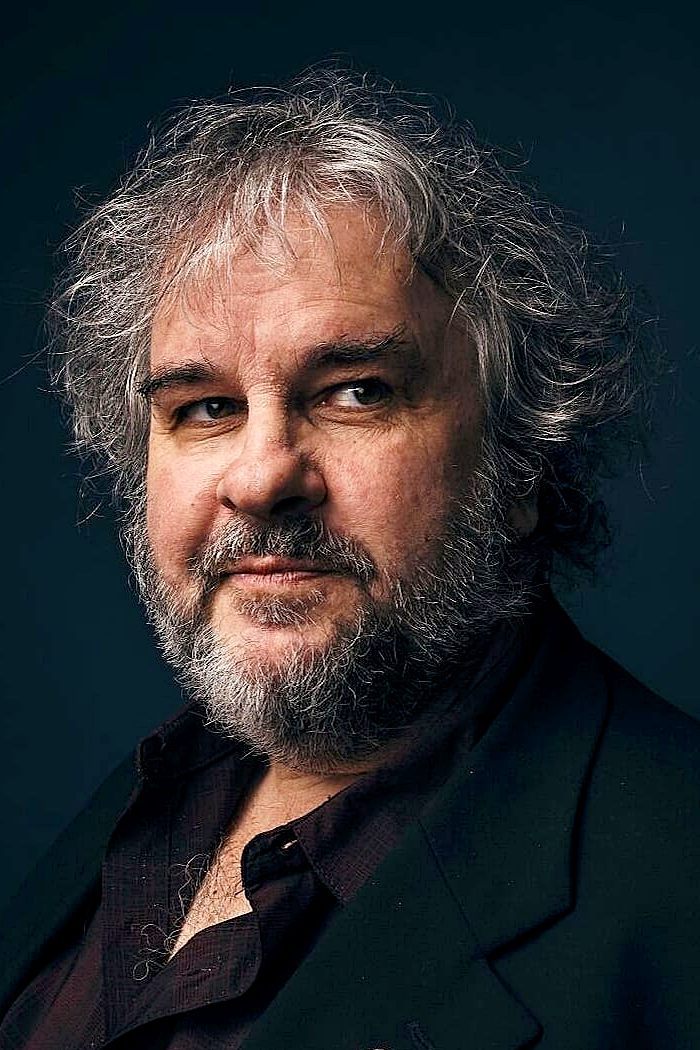
Peter Jackson became a cinematic icon by successfully adapting ‘The Lord of the Rings’ trilogy, which remains a landmark in filmmaking history. His early career in New Zealand also included inventive horror and the acclaimed drama ‘Heavenly Creatures’. However, his return to Middle-earth with ‘The Hobbit’ trilogy was met with significant fan disappointment. Many viewers felt the films were overlong, relied too heavily on digital effects, and lacked the heart and practical charm of the original trilogy. While still respected as a technical innovator, many fans feel his move into massive blockbuster filmmaking has diluted his creative voice.
Roberto Benigni
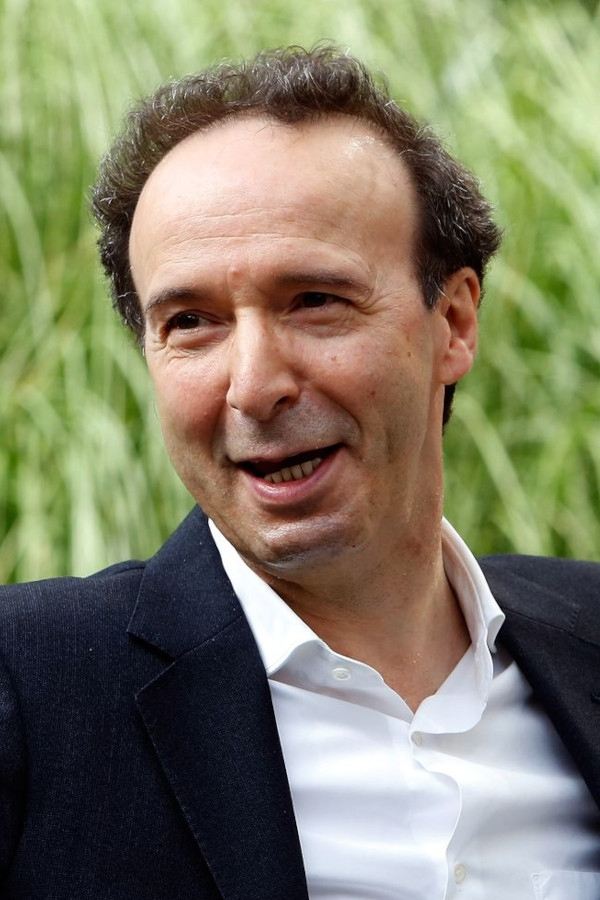
Roberto Benigni became an international sensation with ‘Life is Beautiful’, which won him the Academy Award for Best Actor and Best Foreign Language Film. The film’s unique blend of comedy and tragedy made him one of the most beloved figures in cinema at the time. However, his follow-up directorial effort, a live-action version of ‘Pinocchio’ in which he played the title character, was a critical disaster. The film was mocked for Benigni’s age-inappropriate casting and its lack of the charm that made his previous work so successful. He has directed very little since then, with ‘Pinocchio’ serving as a major turning point in his reputation.
Rob Zombie
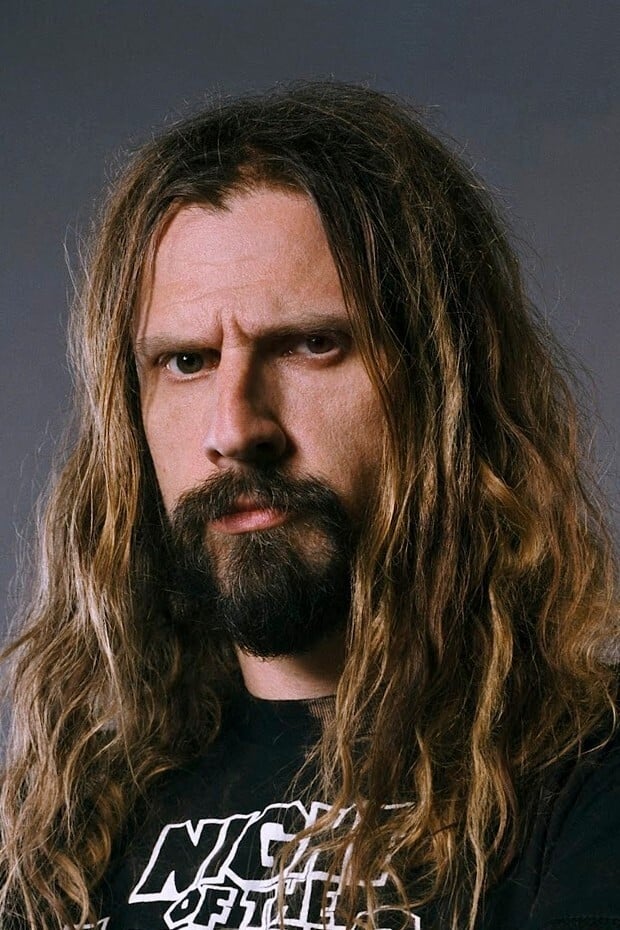
Rob Zombie initially gained a cult following in the horror community with his gritty, 1970s-inspired films ‘House of 1000 Corpses’ and ‘The Devil’s Rejects’. Fans appreciated his unapologetic violence and unique white-trash aesthetic. His reputation began to fracture when he took on the ‘Halloween’ franchise, with many fans feeling his remakes stripped away the mystery of Michael Myers. His more recent films, including ’31’ and his reboot of ‘The Munsters’, were panned for their poor writing and repetitive casting choices. Many horror fans feel that his style has become stagnant and lacks the shock value it once possessed.
Luc Besson
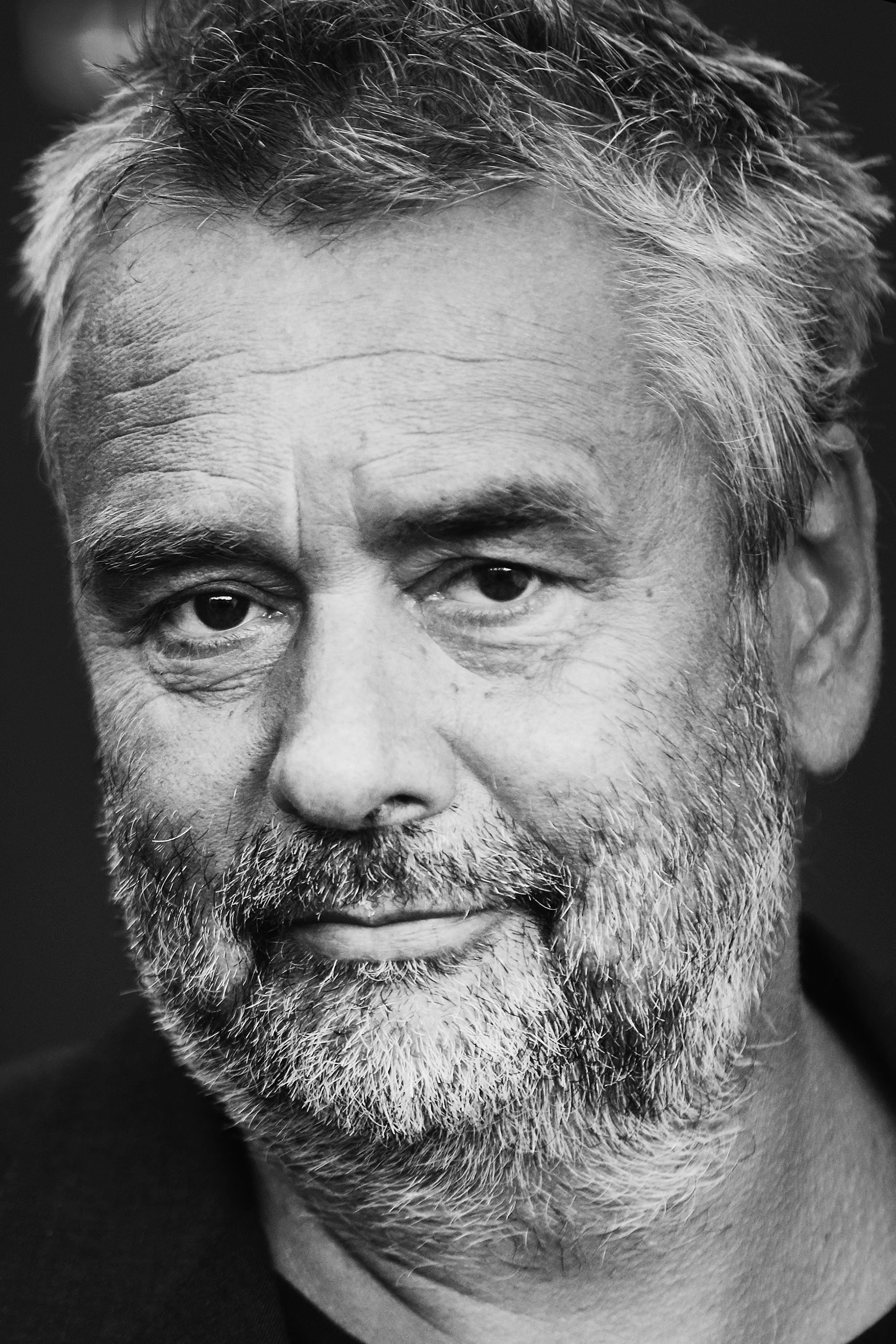
Luc Besson was a major figure in French and international cinema with stylish action hits like ‘Léon: The Professional’ and ‘The Fifth Element’. His early work was praised for its visual energy and iconic characters. In recent years, his directorial efforts have become increasingly hit-or-miss, with the big-budget ‘Valerian and the City of a Thousand Planets’ failing to find an audience. While the film was visually stunning, critics and fans found the casting and story to be severely lacking. His subsequent film ‘Anna’ was also criticized for being a generic retread of his earlier “female assassin” tropes found in ‘La Femme Nikita’.
Zack Snyder
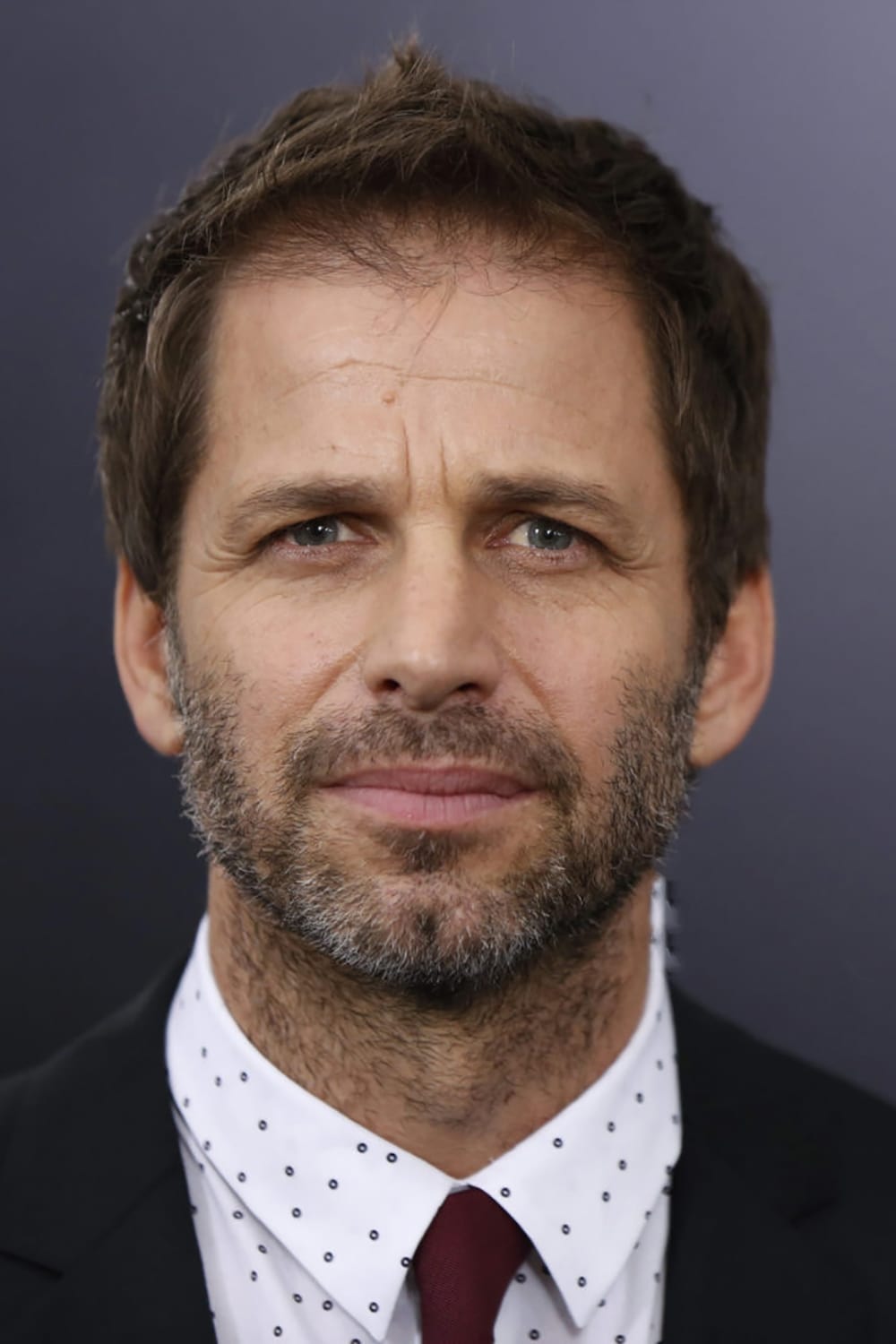
Zack Snyder gained a massive following with his visually striking remake of ‘Dawn of the Dead’ and the highly stylized ‘300’. His unique use of slow-motion and desaturated colors became his trademark, initially earning him praise for his distinct visual language. However, his work in the DC Extended Universe, including ‘Batman v Superman: Dawn of Justice’, became incredibly divisive among fans. Many viewers felt his dark, deconstructionist take on classic heroes was joyless and overly long. His recent ‘Rebel Moon’ films on Netflix have also been panned for their thin characters and derivative storytelling, leading many to question if his style has become self-parody.
Paul W. S. Anderson
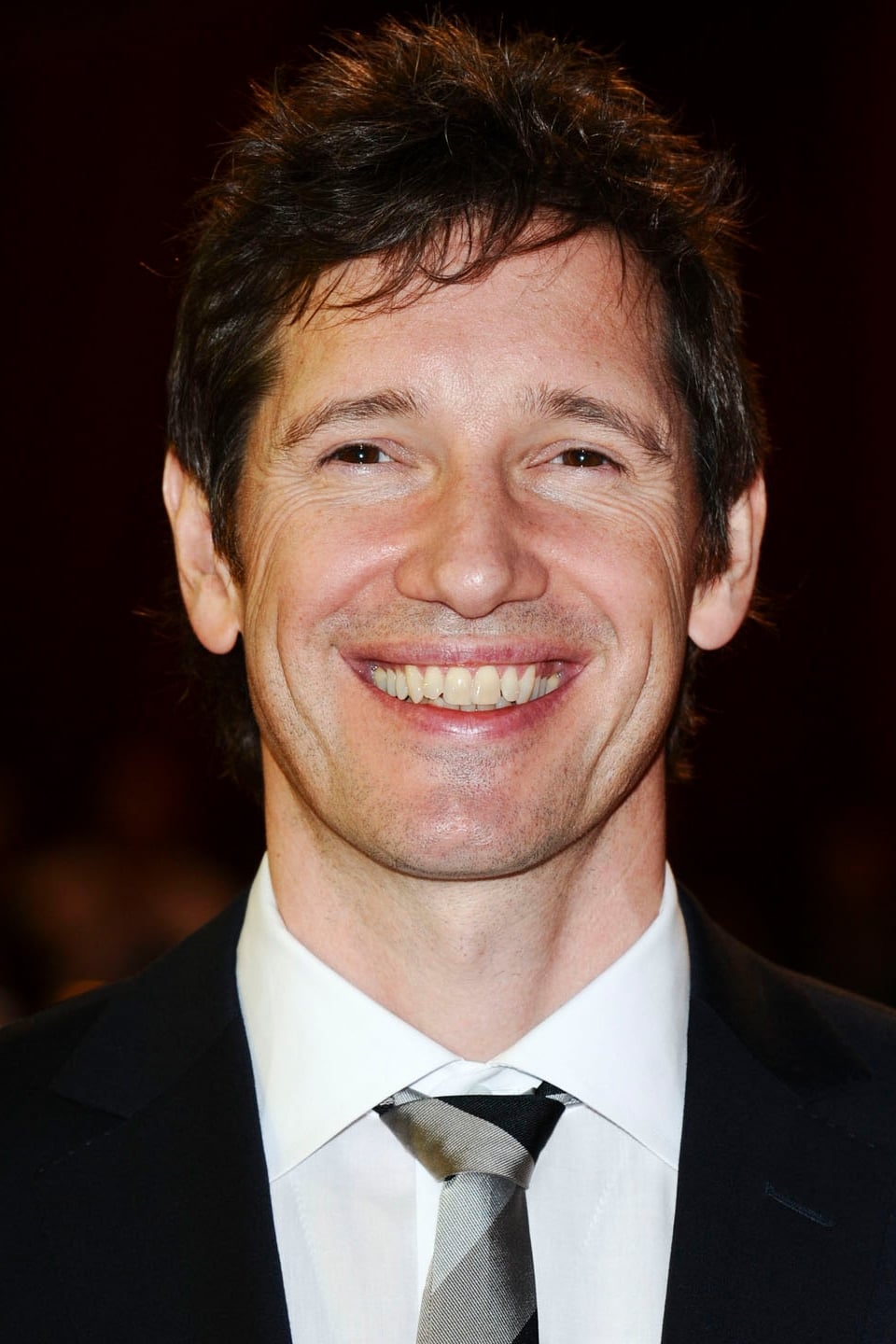
Paul W.S. Anderson showed promise early in his career with the cult sci-fi horror film ‘Event Horizon’ and the successful first ‘Mortal Kombat’. These films demonstrated a talent for building atmosphere and handling genre tropes with flair. Over time, however, his career became synonymous with the ‘Resident Evil’ franchise, which many fans felt prioritized mindless action over the horror elements of the games. Later projects like ‘The Three Musketeers’ and ‘Monster Hunter’ were largely dismissed by critics as loud, CGI-heavy spectacles with little substance. Many fans of his early work feel he has settled into making formulaic, low-effort blockbusters.
Clint Eastwood
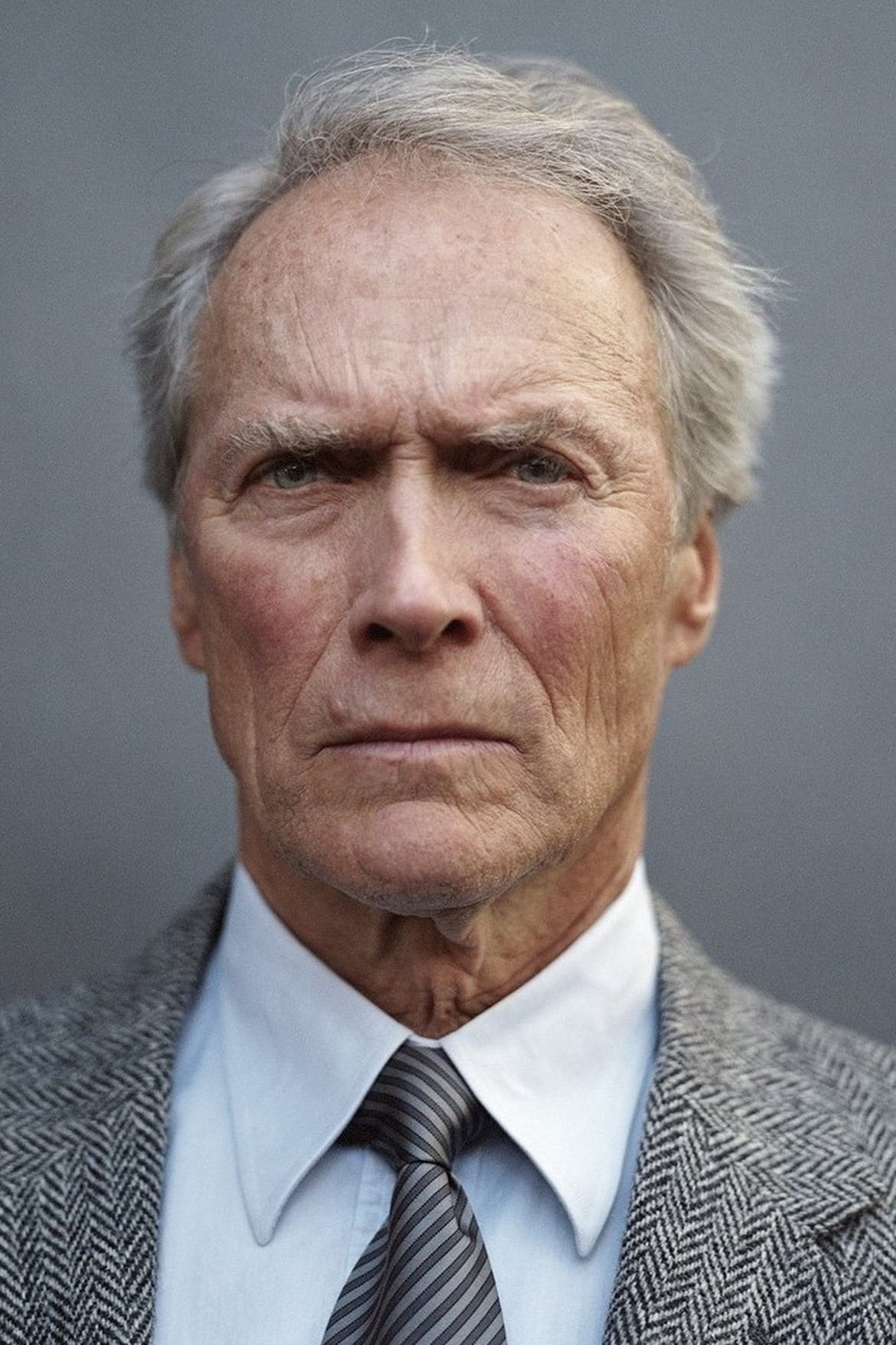
Clint Eastwood is a legendary filmmaker who has won multiple Academy Awards for masterpieces like ‘Unforgiven’ and ‘Million Dollar Baby’. He is known for his efficient, “one-take” directing style and his ability to tell spare, powerful stories. In his later years, fans and critics have noted that this efficiency has sometimes resulted in films that feel rushed or unpolished. Projects like ‘The 15:17 to Paris’, which used real-life heroes instead of actors, and the modern Western ‘Cry Macho’, were met with lukewarm to negative reviews. While his legacy is secure, many feel his most recent output lacks the cinematic weight of his mid-career peaks.
Which director do you think has experienced the most disappointing decline in their career? Share your thoughts in the comments.