Famous Authors Who Publicly Demanded Their Names Be Removed From Hollywood Adaptations

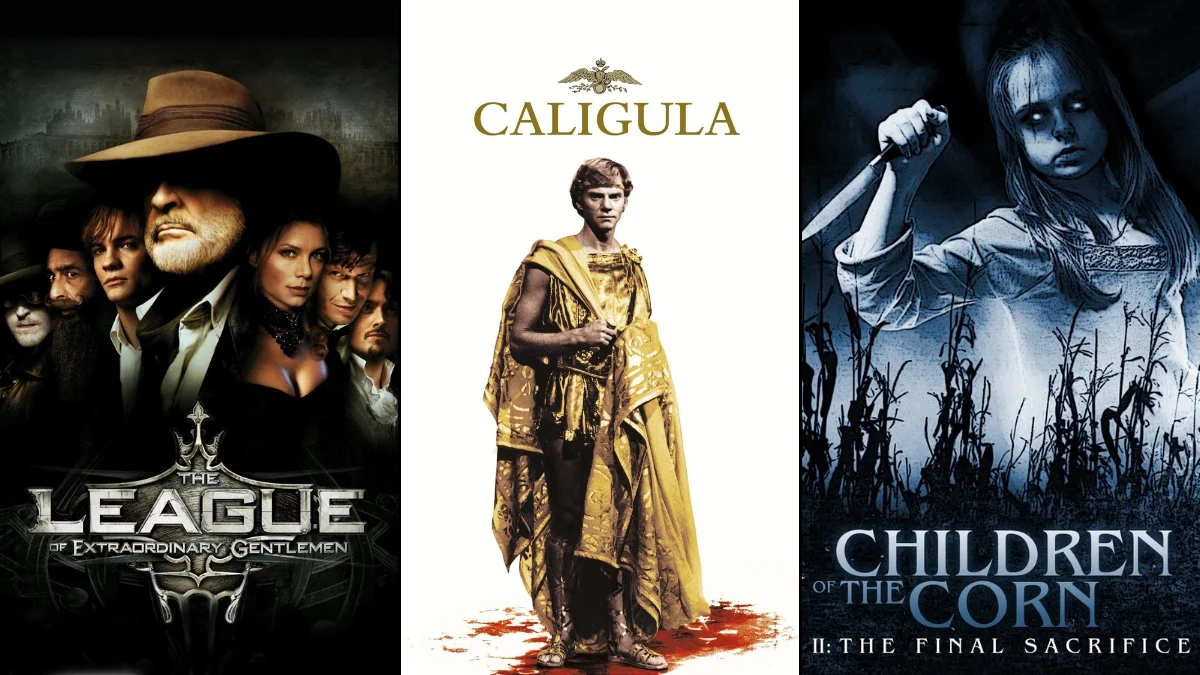

The relationship between novelists and the film industry is frequently fraught with tension as artistic visions clash during the adaptation process. While many authors accept changes to their work as an inevitable part of the Hollywood machine, others find the deviations so egregious that they take public action to distance themselves. These writers have sought to have their names removed from credits or used specific pseudonyms to signal their total disapproval of the final product. By demanding the removal of their association, these authors prioritize their creative integrity over the prestige or profit of a major motion picture.
‘The Lawnmower Man’ (1992)
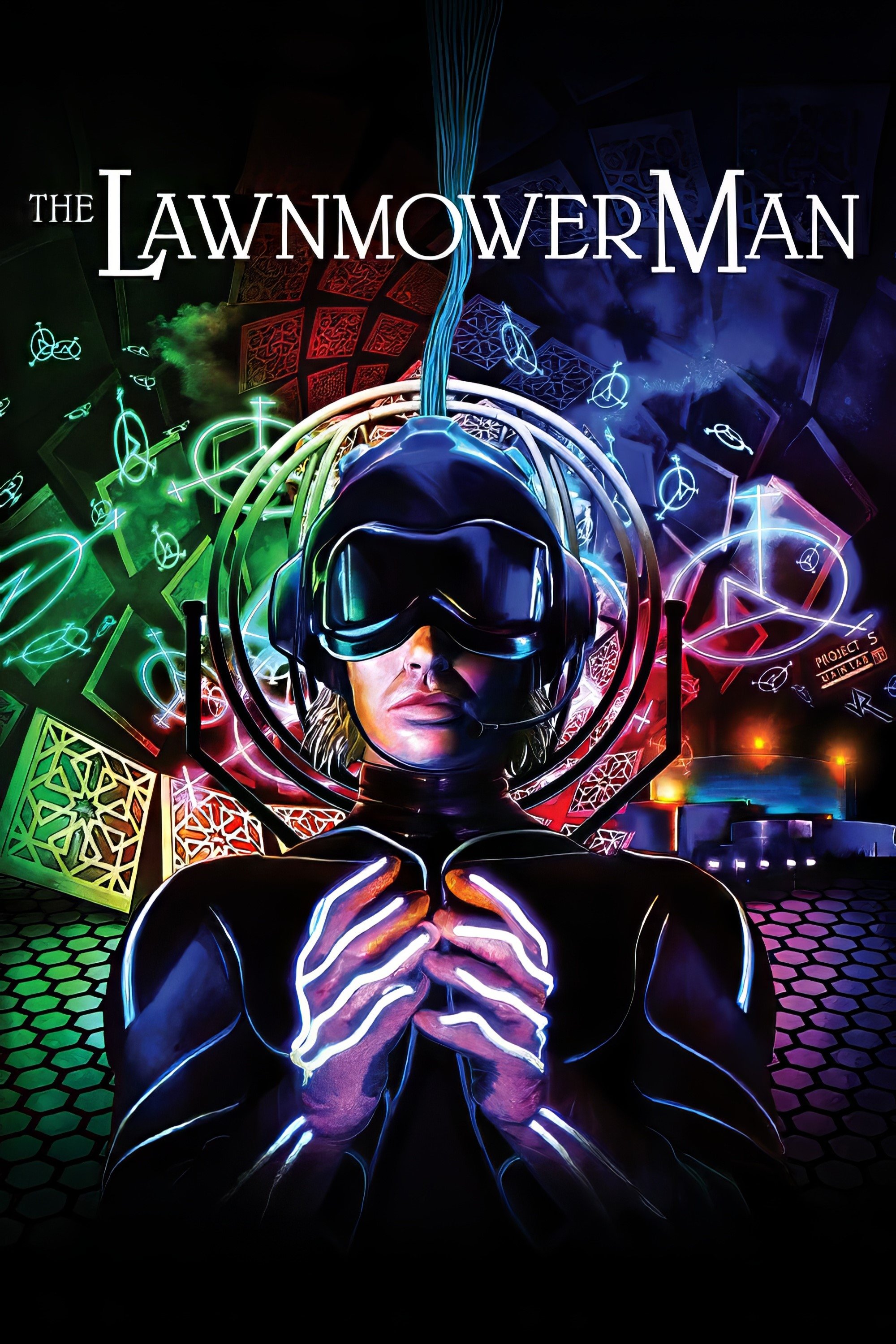
Stephen King successfully sued New Line Cinema to have his name removed from the marketing and title of this science fiction film. The movie was originally promoted as ‘Stephen King’s The Lawnmower Man’, but King argued the story had nothing to do with his original short story. A federal court agreed, noting that the film was essentially an original screenplay with King’s title attached for brand recognition. This landmark case remains a key reference for author rights regarding film adaptations.
‘Watchmen’ (2009)
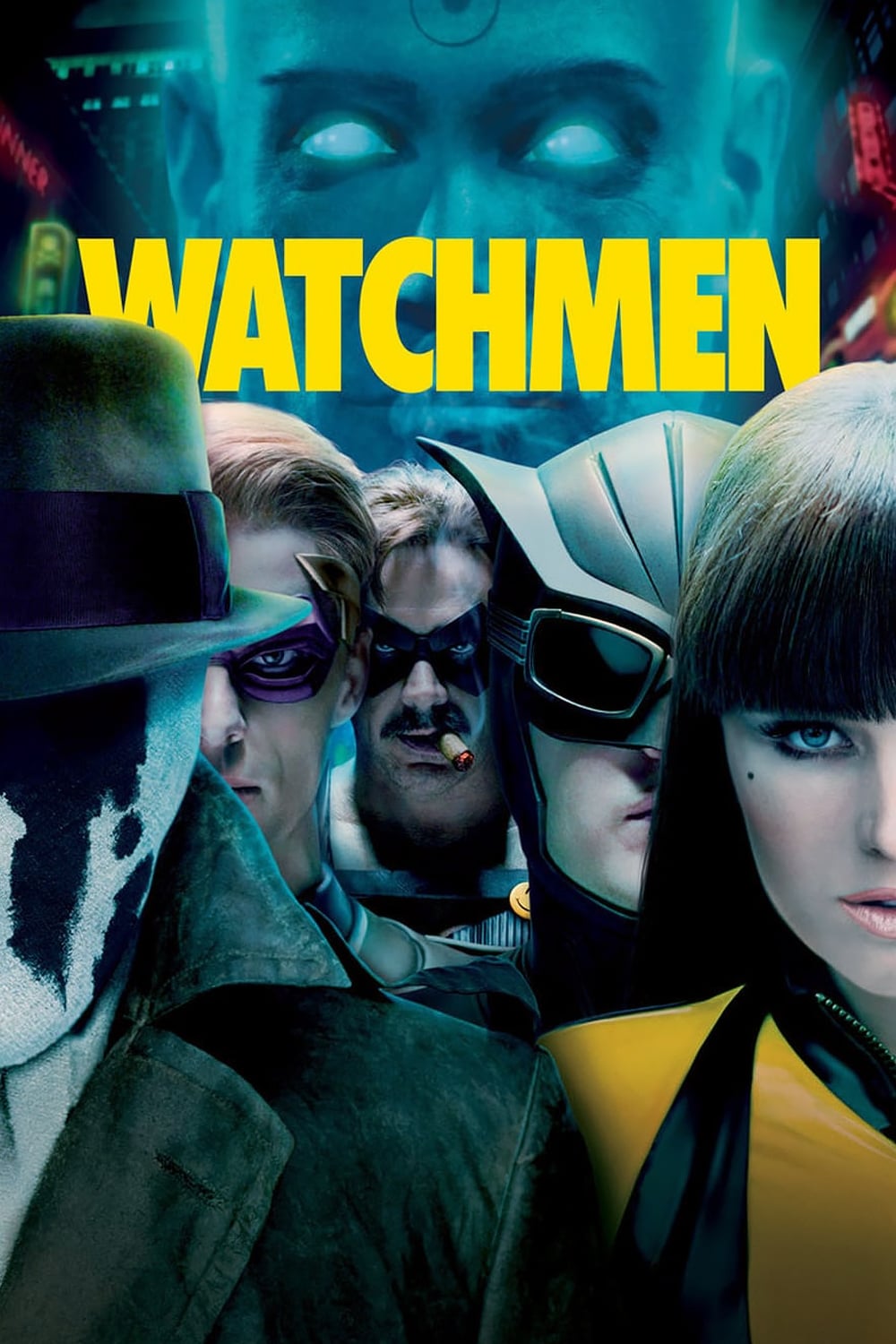
Alan Moore famously requested that his name be removed from the credits of this high-profile adaptation of his graphic novel. He has long maintained a policy of distancing himself from all film versions of his work due to perceived creative differences. Moore even declined to receive royalties from the production, asking that they be distributed to his collaborators instead. This refusal of credit has become a hallmark of his relationship with the film industry.
‘V for Vendetta’ (2005)

This adaptation prompted Alan Moore to demand his name be stripped from the credits after a producer falsely claimed the author was enthusiastic about the script. Moore was deeply offended by the assertion and chose to publicly disassociate himself from the project. He believed the film politicized his original story in a way that missed the underlying philosophical themes. Consequently, the film credits his co-creator, David Lloyd, but omits Moore entirely.
‘The League of Extraordinary Gentlemen’ (2003)
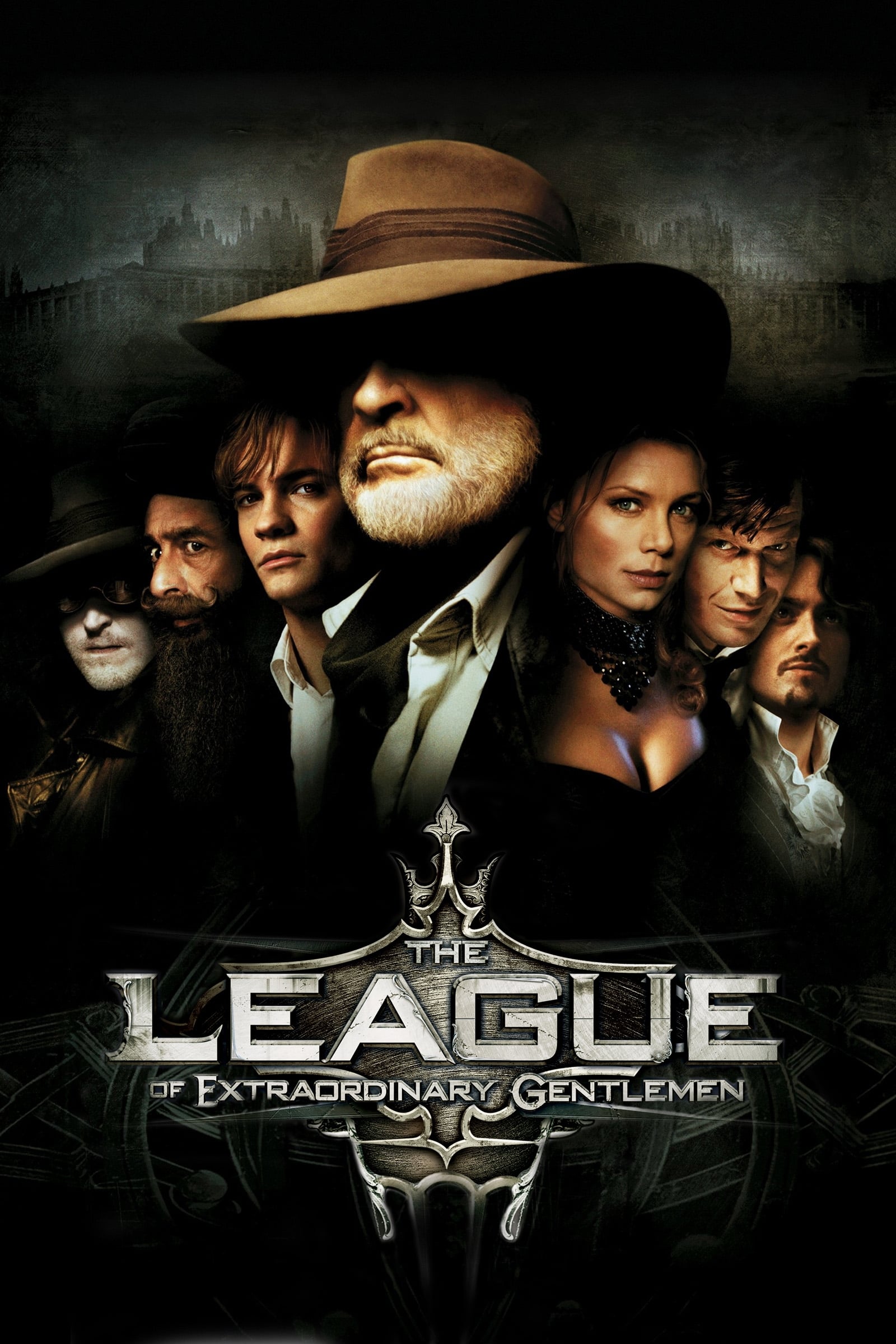
Alan Moore requested that his name be removed from this production following a legal battle involving allegations of plagiarism against the studio. The lawsuit claimed the film was based on a different script, and Moore found himself caught in the middle of a deposition he found exhausting. This experience solidified his decision to never again be credited on a Hollywood production. He eventually washed his hands of the project, which remains a notorious example of a failed adaptation.
‘Constantine’ (2005)
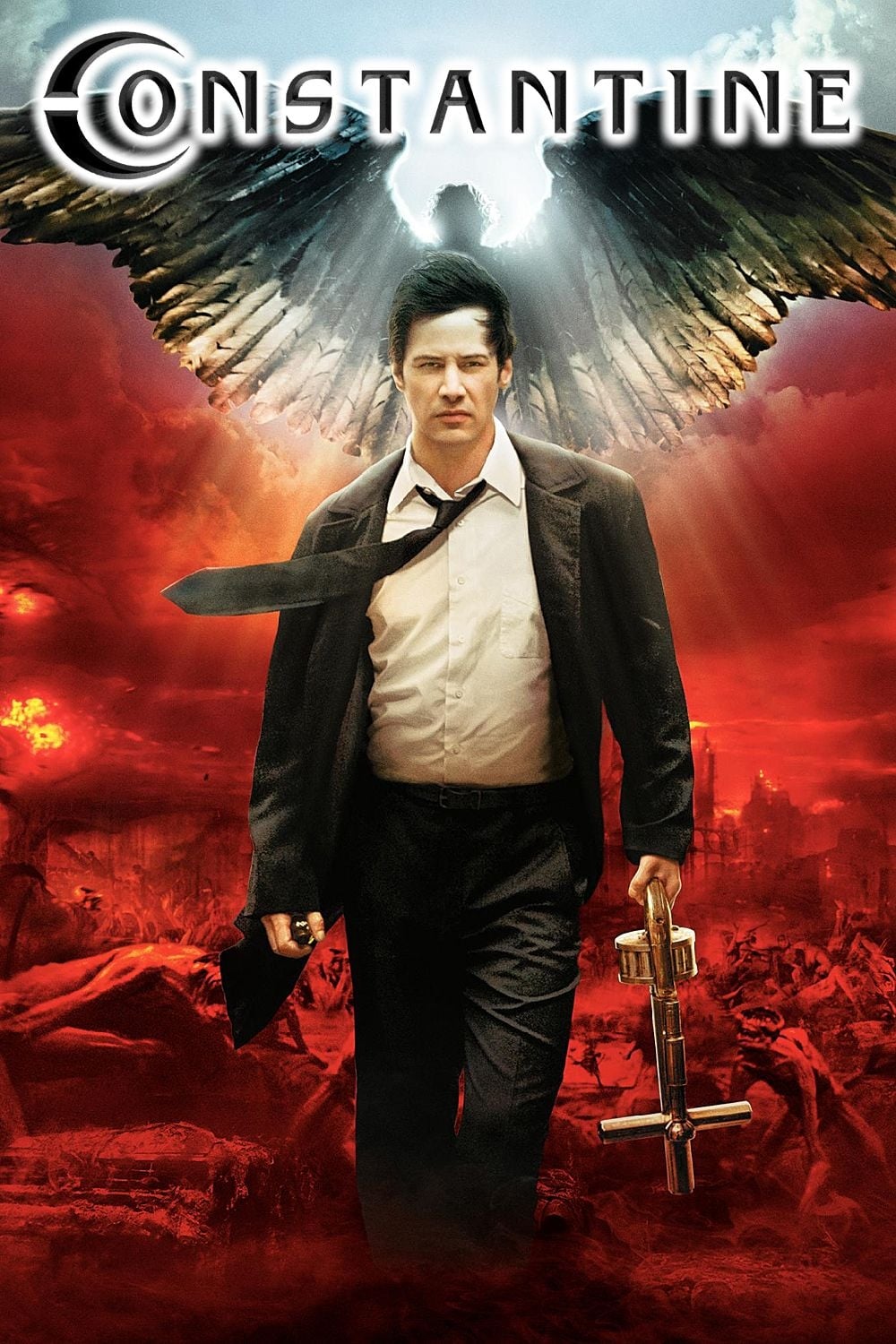
Based on the ‘Hellblazer’ comics, this film features the character John Constantine, co-created by Alan Moore. In keeping with his established stance, Moore demanded that his name not appear anywhere in the film’s credits. He has often criticized the Hollywood system for what he views as a lack of originality and respect for source material. The production respected his request, leaving his name off the finished theatrical cut.
‘From Hell’ (2001)
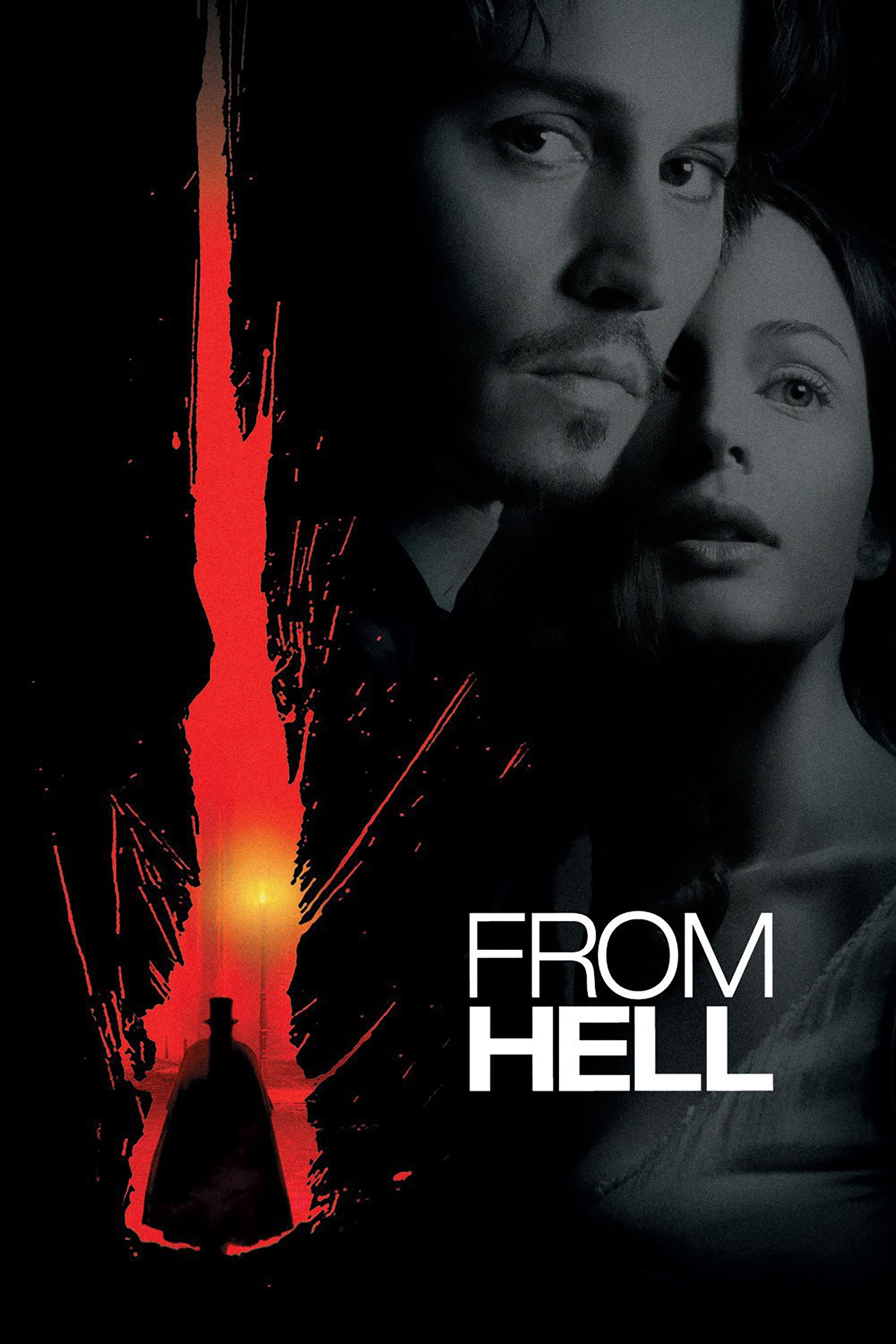
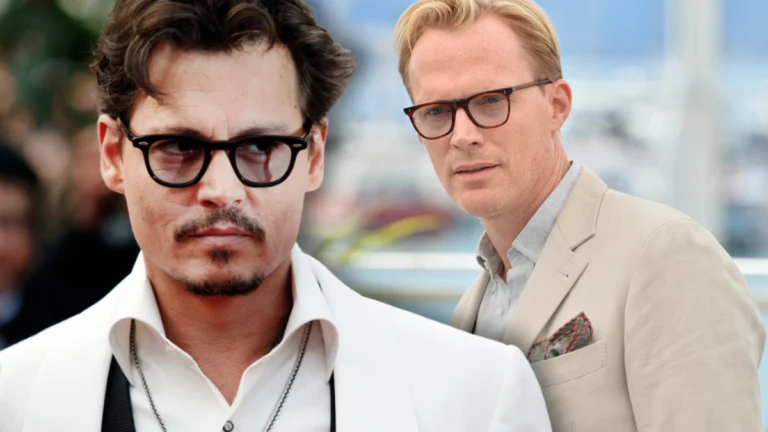
Alan Moore distanced himself from this adaptation of his sprawling graphic novel about Jack the Ripper. While the film starred Johnny Depp, Moore felt the cinematic version simplified the complex historical and mystical elements of his writing. He requested that his name be removed from the credits to ensure audiences did not associate him with the adaptation. This was one of the earliest instances of Moore taking such a definitive public stance against Hollywood.
‘Batman: The Killing Joke’ (2016)
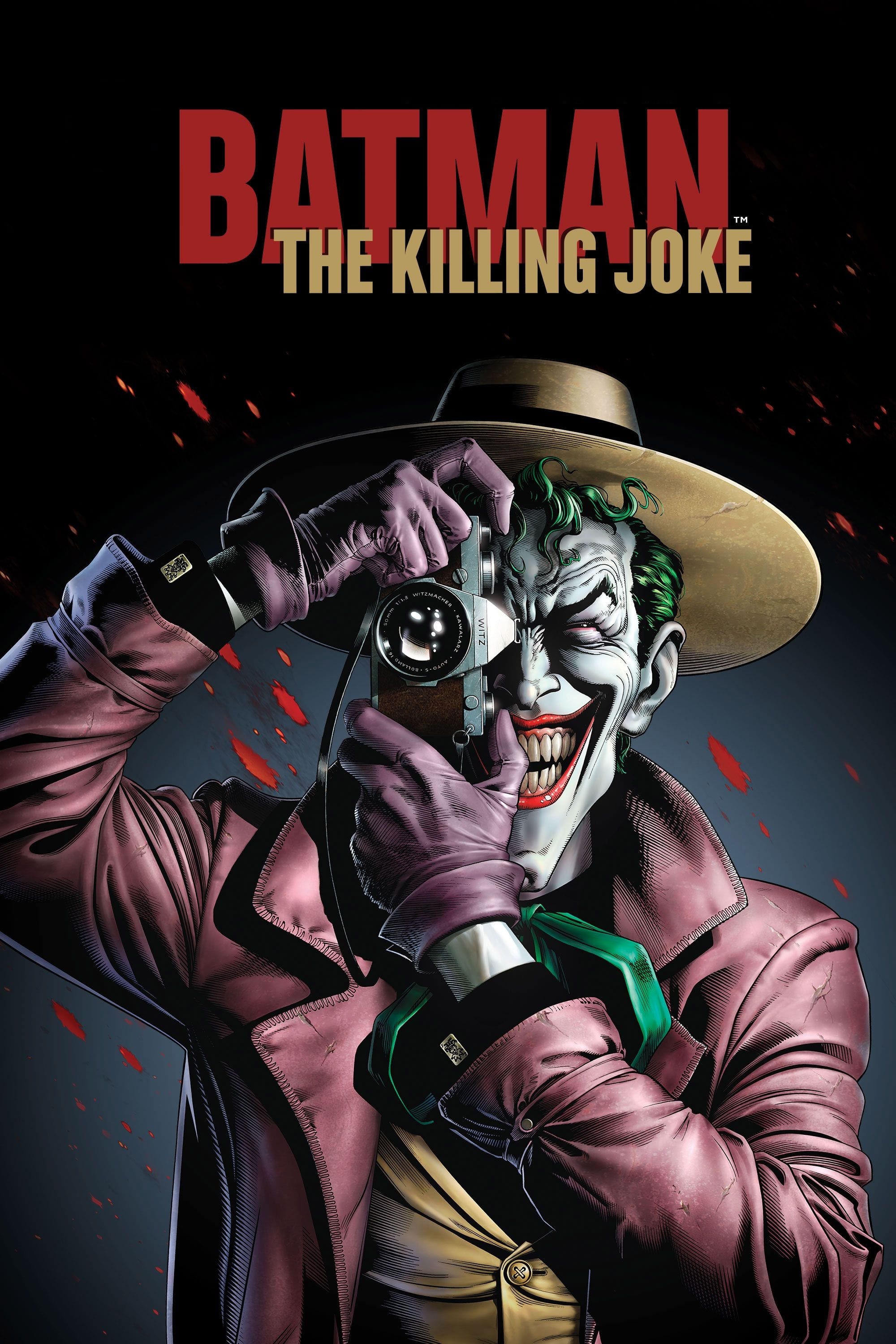
For the animated adaptation of his legendary graphic novel, Alan Moore once again demanded his name be removed. He requested that any royalties due to him be donated to the Jack Kirby Museum instead. Moore has expressed regret for writing the story in the first place, citing its extreme focus on violence as a creative mistake. By removing his name, he continued his trend of refusing to acknowledge any cinematic versions of his DC Comics work.
‘Caligula’ (1979)
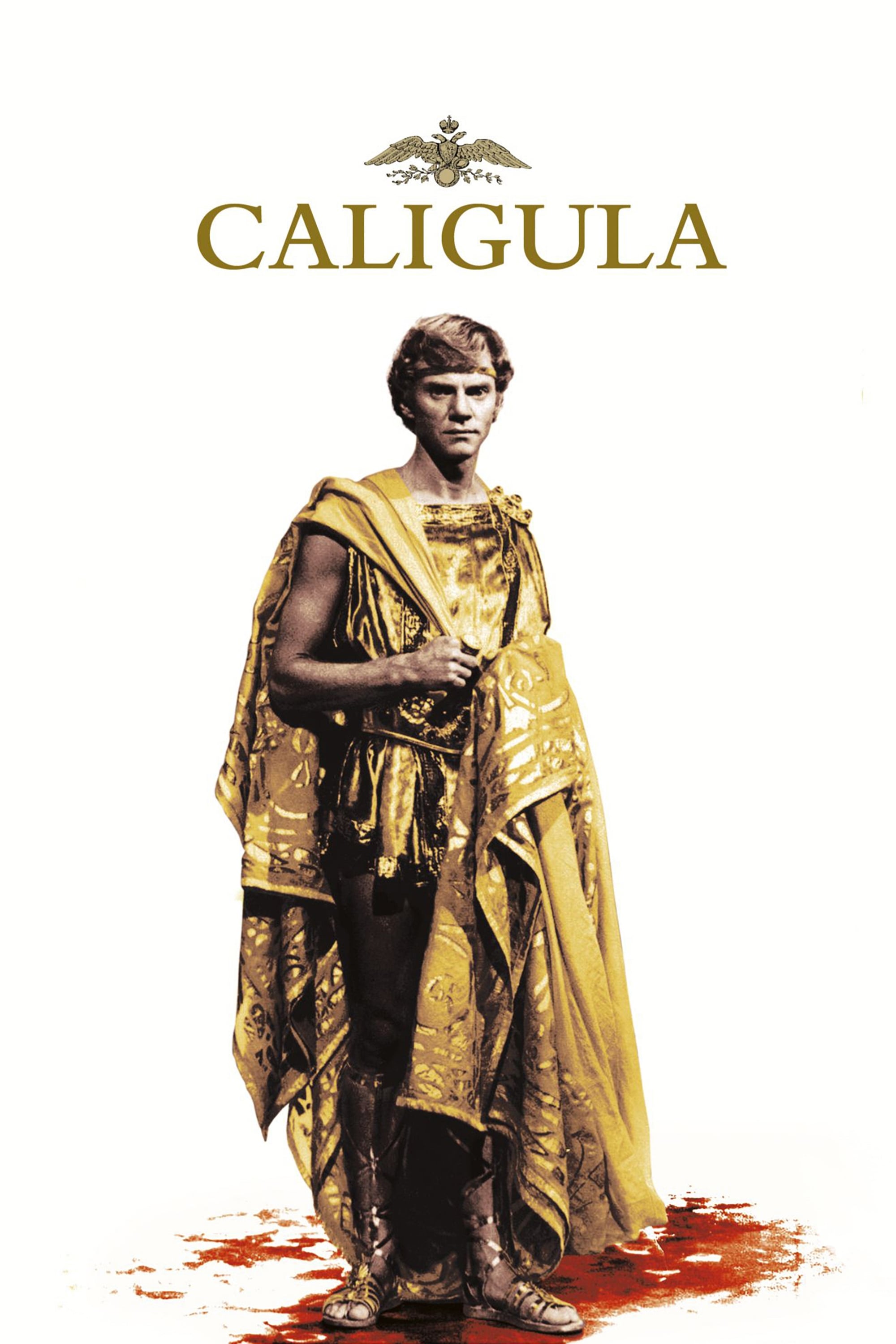
Gore Vidal wrote the original screenplay for this historical drama but was so appalled by the finished product that he demanded his name be removed. Producer Bob Guccione added several scenes of hardcore pornography without Vidal’s consent or knowledge. Vidal famously described the film as a disaster and fought to ensure he was not credited as the writer. The film remains one of the most controversial releases in cinema history due to this fractured production.
‘The Starlost’ (1973)
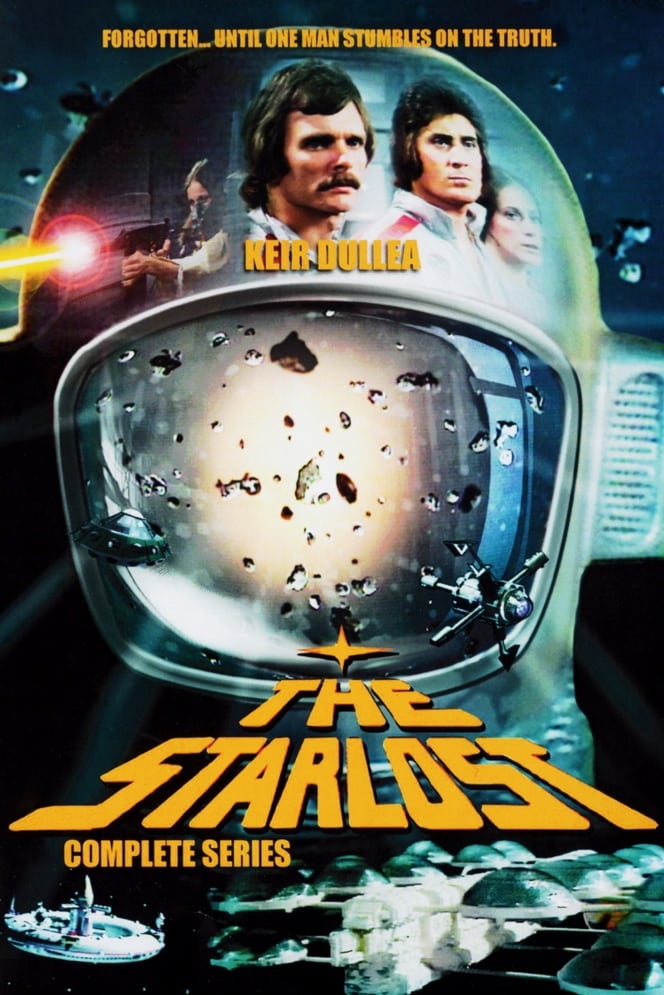
Harlan Ellison created this science fiction series but used the pseudonym ‘Cordwainer Bird’ to signal his intense disapproval of the production. He felt the show’s budget and creative direction were severely compromised, leading to a product he did not recognize. The name ‘Cordwainer Bird’ was Ellison’s standard way of telling fans that a project had been taken away from him. This remains a classic example of an author using a specific credit to communicate artistic failure.
‘The Twilight Zone’ (1985–1989)

Harlan Ellison used his ‘Cordwainer Bird’ pseudonym for the segment ‘Gramma’, which was based on a Stephen King story. Ellison was serving as a creative consultant for the series but became frustrated with network interference and script changes. By using the pseudonym, he alerted his fan base that he did not stand by the final version of the episode. This was a common tactic for Ellison throughout his career when he felt his artistic vision was compromised by executives.
‘The Witches’ (1990)
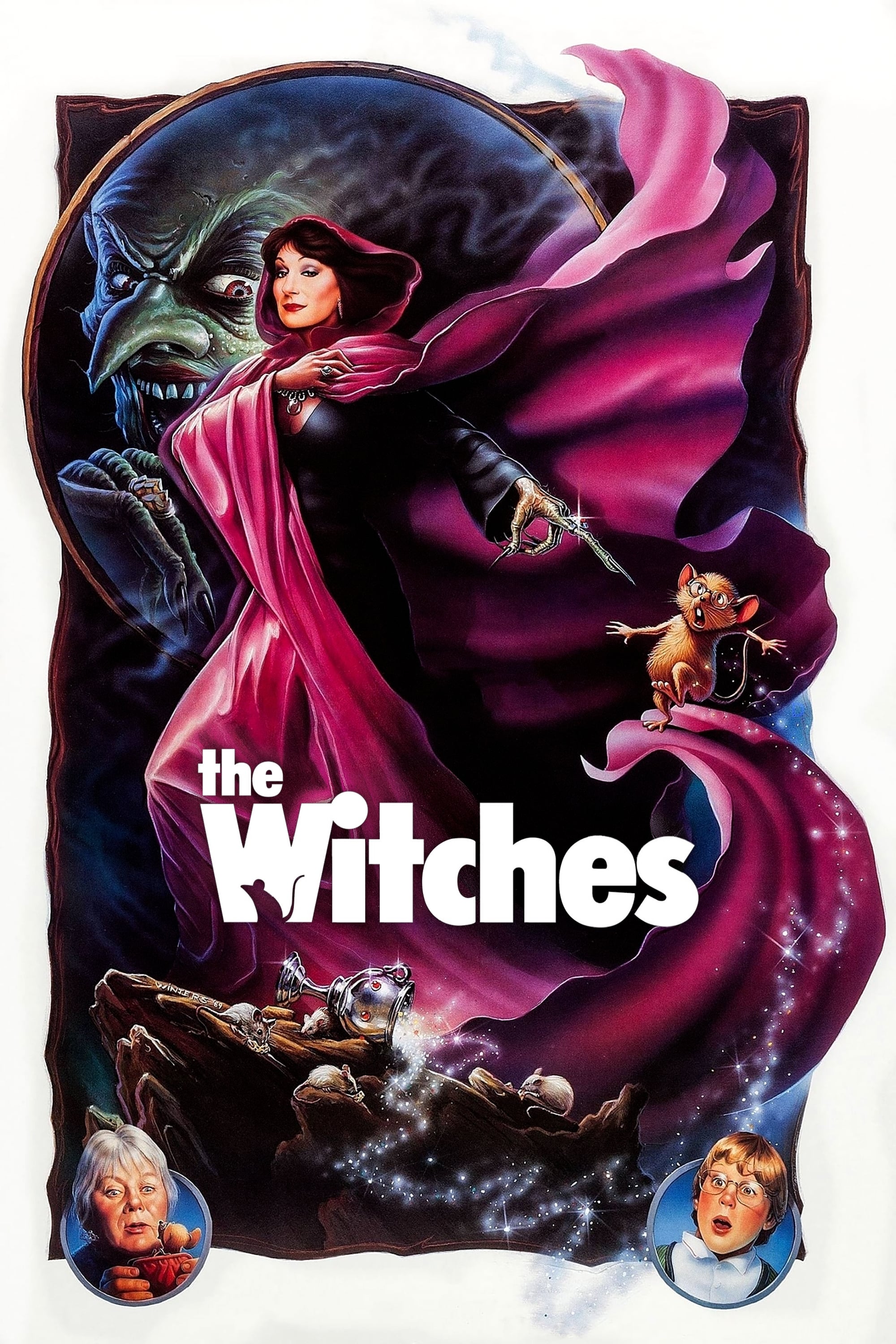
Roald Dahl was so upset with the ending of this film that he threatened to remove his name from the project. He felt the studio’s decision to allow the protagonist to remain a human instead of a mouse undermined the entire point of his book. Dahl even went as far as to discourage his readers from seeing the film, calling the production utterly appalling. While his name remained in the credits, his public campaign against the film is one of the most famous author protests in history.
‘Legend of Earthsea’ (2004)
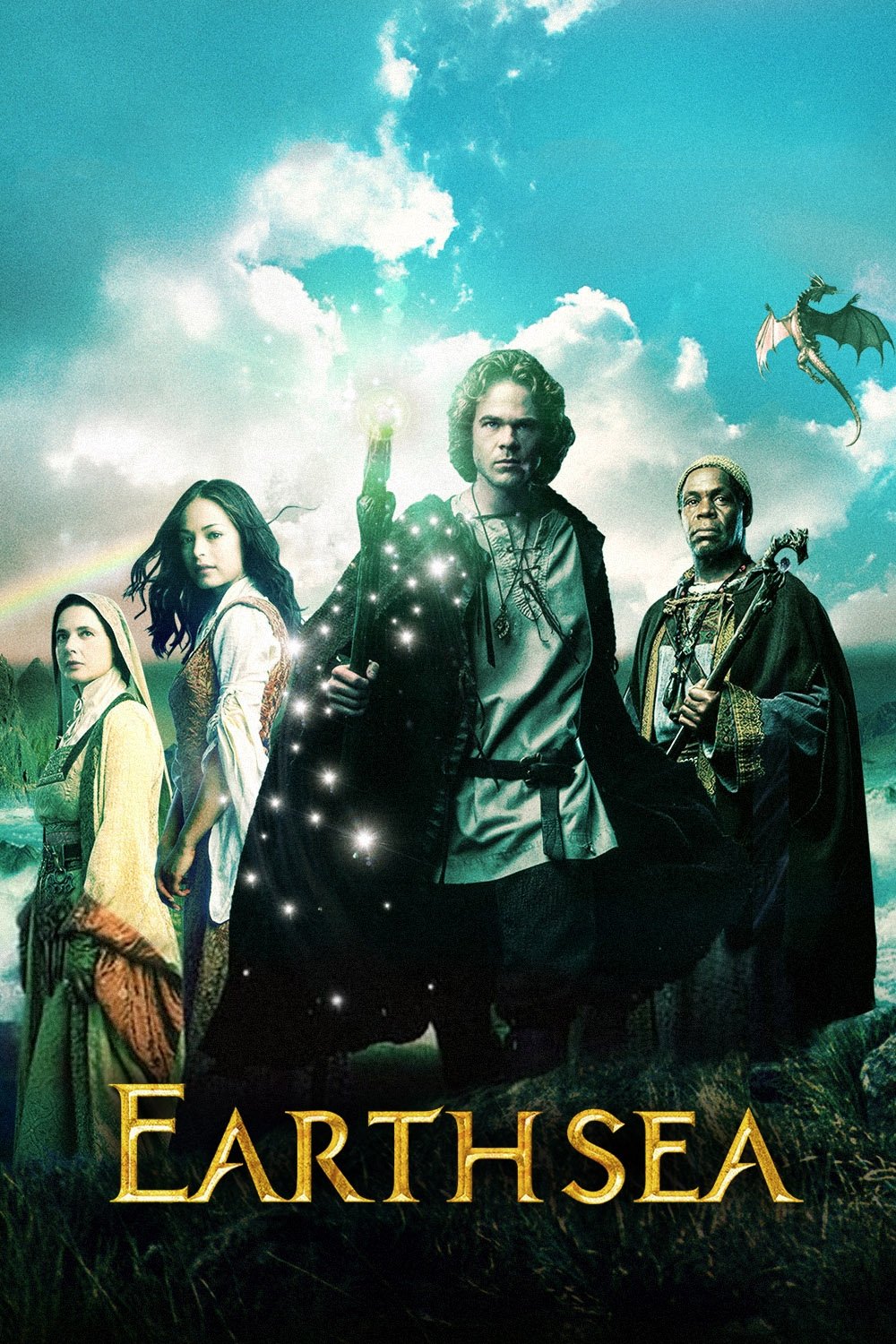
Ursula K. Le Guin was extremely vocal about her dissatisfaction with this miniseries, stating that it was not what she had intended for her creation. She publicly criticized the production for ignoring the cultural and racial diversity described in her novels. Le Guin felt that the adaptation stripped the story of its complexity and replaced it with standard fantasy cliches. She wrote several public pieces to clarify that she was not responsible for the creative choices made by the producers.
‘Sahara’ (2005)
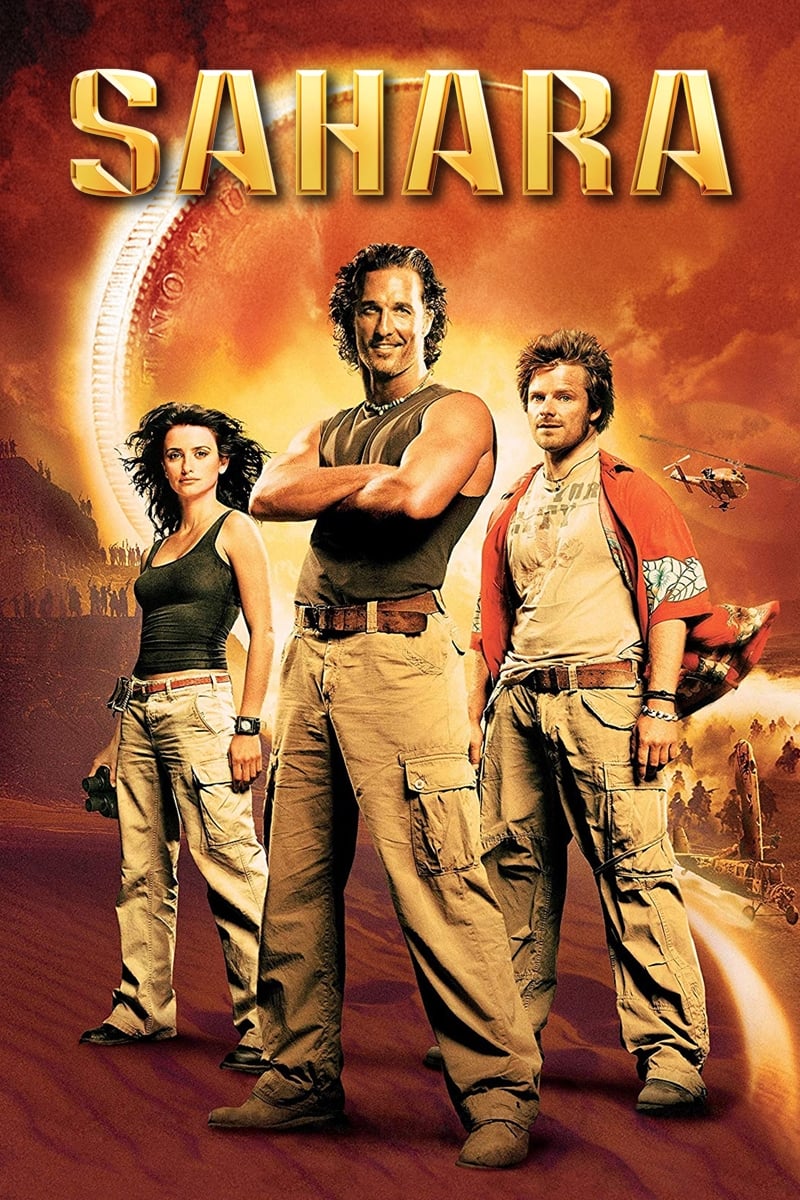
Clive Cussler spent millions of dollars in a legal battle with the film’s production company over the lack of creative control. He had signed a contract that he believed gave him the right to approve the screenplay, a right he felt was violated during production. Cussler publicly disowned the movie and sought to have any association with the project severed through the courts. The ensuing litigation lasted for nearly a decade and became a cautionary tale for authors selling their film rights.
‘The Quiet American’ (1958)
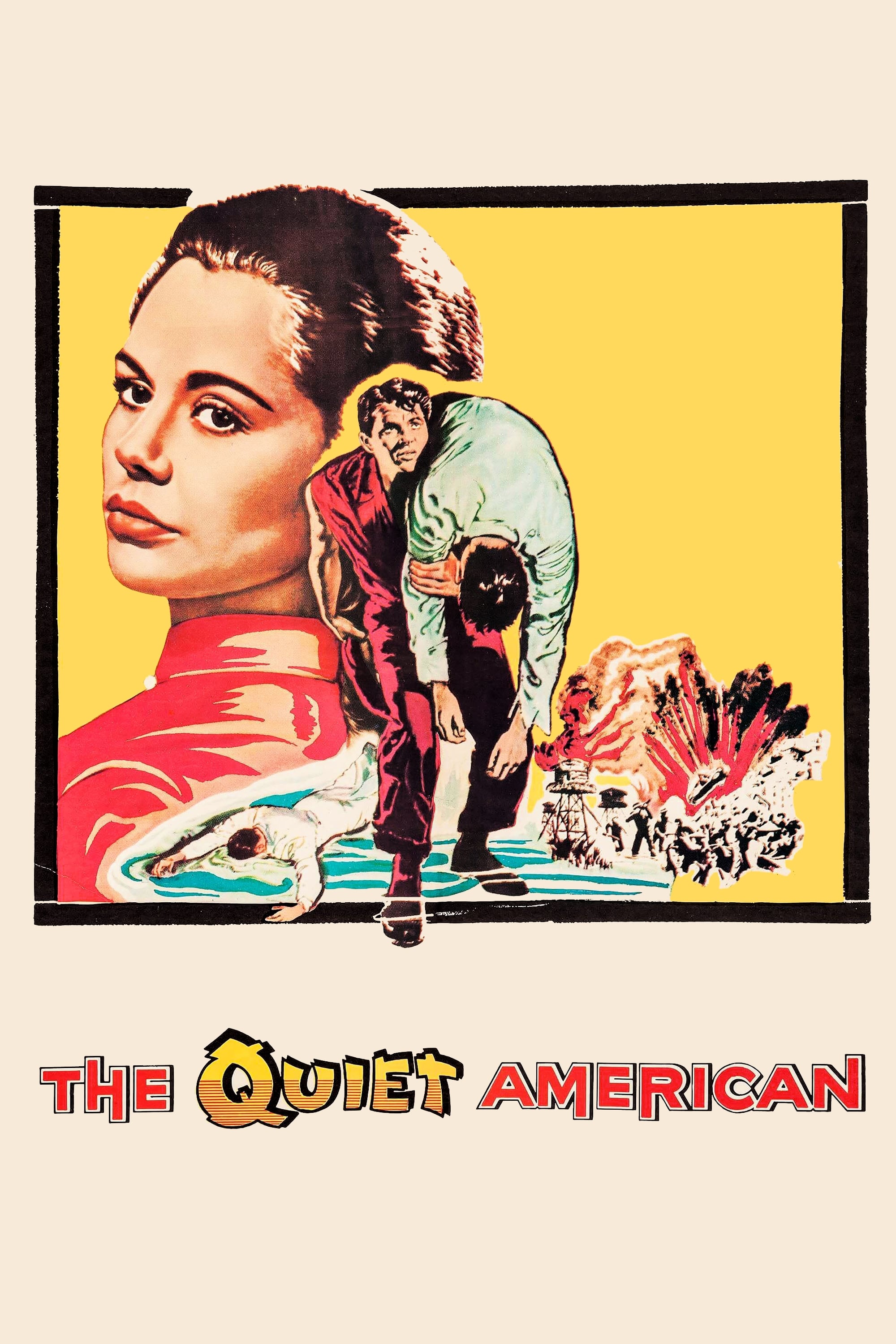
Graham Greene was so disgusted by the changes made to his novel that he publicly disowned the film and requested his name be distanced from it. The film adaptation turned the book’s anti-war message into a pro-American narrative that Greene found morally offensive. He was particularly upset that the lead character’s motivations were completely altered to suit the geopolitical climate of the time. Greene’s vocal disapproval ensured that the film was remembered as a major betrayal of its source material.
‘Children of the Corn II: The Final Sacrifice’ (1992)
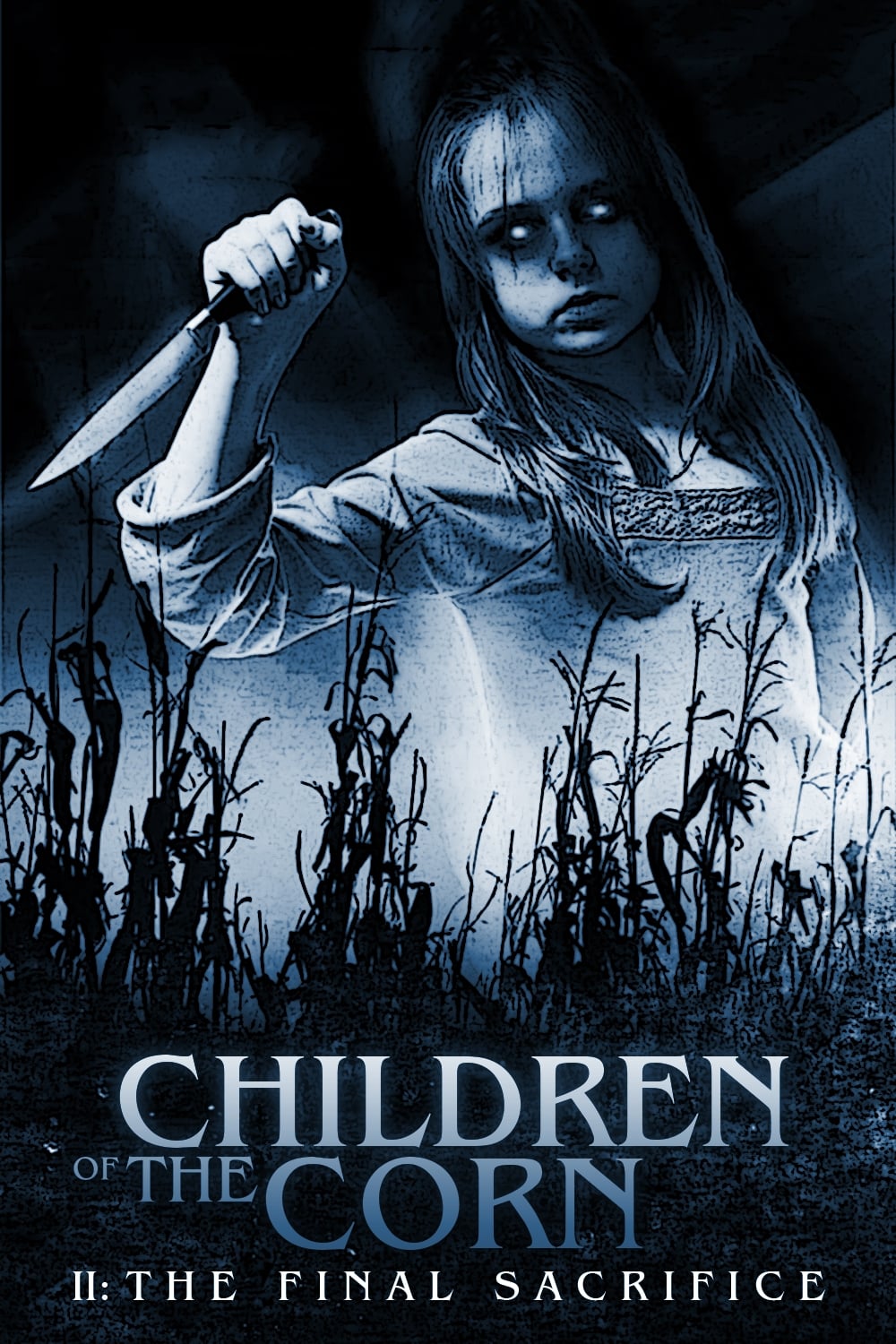
Following his successful lawsuit regarding ‘The Lawnmower Man’, Stephen King took legal action to prevent his name from being used to promote this sequel. The studio had attempted to use King’s name in the billing to capitalize on his fame as a horror icon. King argued that since he had no involvement with the screenplay or production, the use of his name was deceptive to consumers. He eventually reached a settlement that restricted how the studio could use his credit for future entries in the franchise.
Tell us which of these author disputes surprised you the most by sharing your thoughts in the comments.