Celebrities Who Publicly Criticized the Modern Diversity Mandates

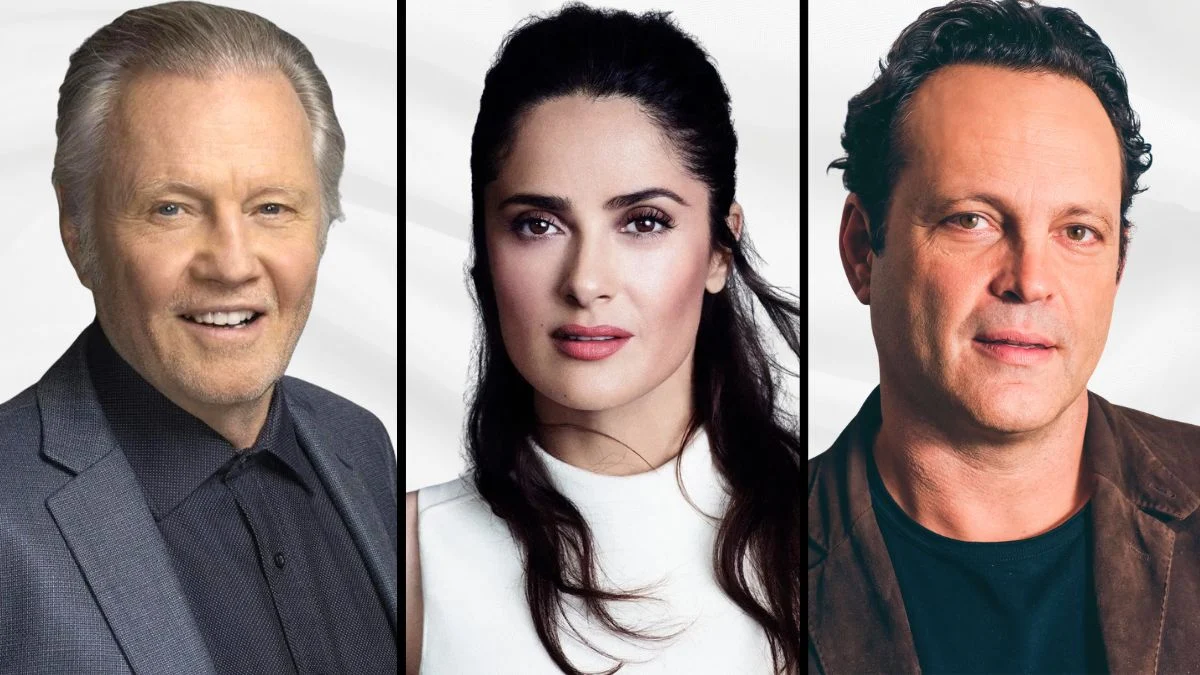

The entertainment industry has recently seen a significant shift toward formalized diversity and inclusion mandates aimed at ensuring broader representation in films and television shows. While many stakeholders view these changes as essential for progress several prominent actors and public figures have raised concerns about their potential impact on creative freedom. These critics often argue that rigid demographic requirements may compromise the quality of storytelling by prioritizing quotas over merit. This article explores the viewpoints of various celebrities who have publicly shared their skepticism or disapproval regarding these modern industry standards. Their perspectives highlight the ongoing debate between artistic independence and institutional social goals within Hollywood and beyond.
Richard Dreyfuss
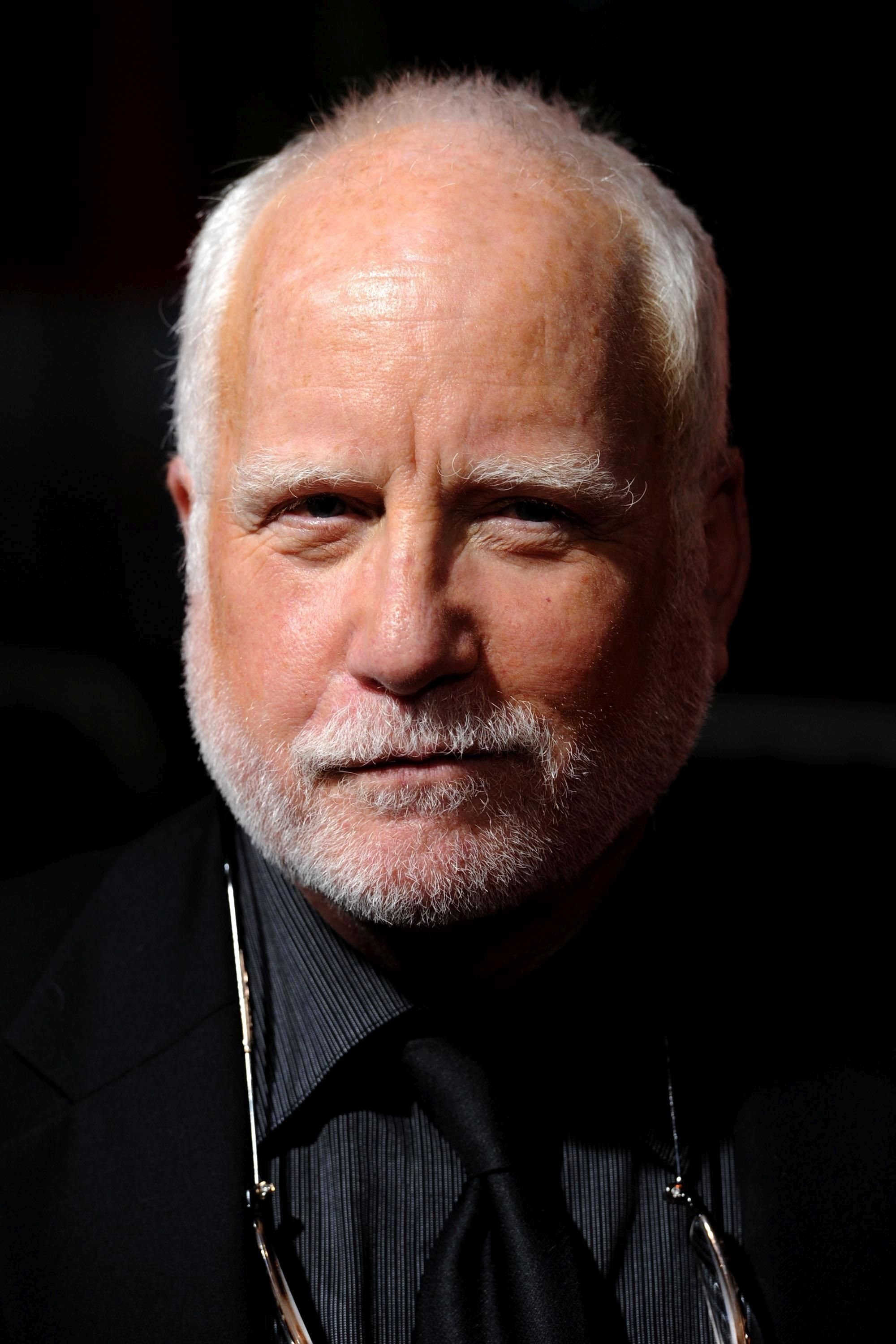
Richard Dreyfuss expressed strong opposition to the new diversity and inclusion requirements introduced by the Academy of Motion Picture Arts and Sciences. He argued that these mandates are patronizing and restrict the creative choices of filmmakers. The actor stated that art should be a reflection of the human experience without being bound by administrative rules. He believes that every performer should have the opportunity to play any role regardless of their background. His comments suggest that artistic integrity should always take precedence over social engineering in the media.
James Woods
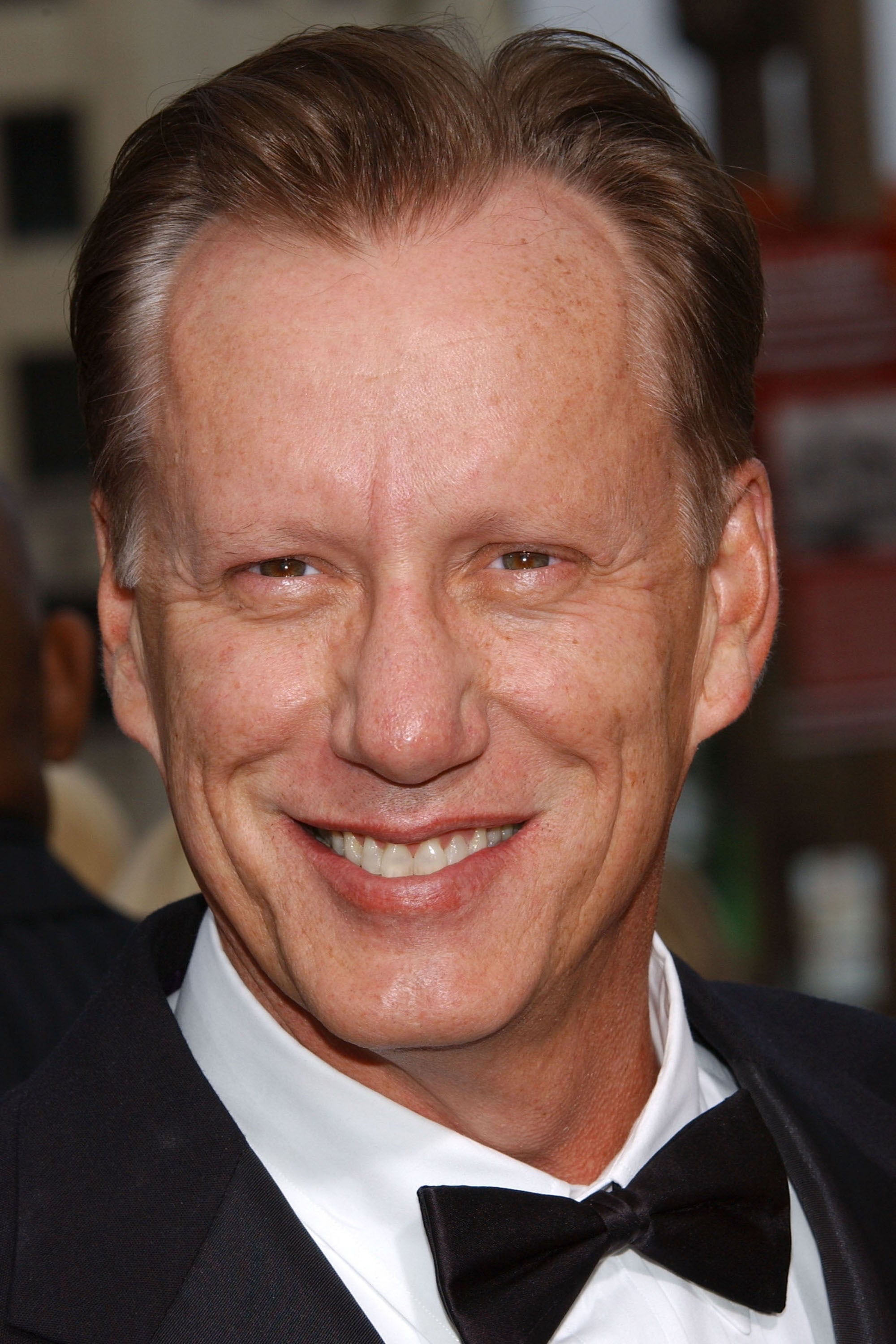
James Woods has been a vocal critic of the political and cultural shifts occurring within the modern film industry. He often shares his concerns that diversity mandates and ideological requirements have created a restrictive environment for creators. The actor suggests that these policies can lead to the exclusion of talented individuals who do not fit specific demographic criteria. He believes that the focus on identity politics in Hollywood has negatively impacted the quality of cinematic output. His public statements emphasize a desire for a return to merit based casting and production.
Kelsey Grammer
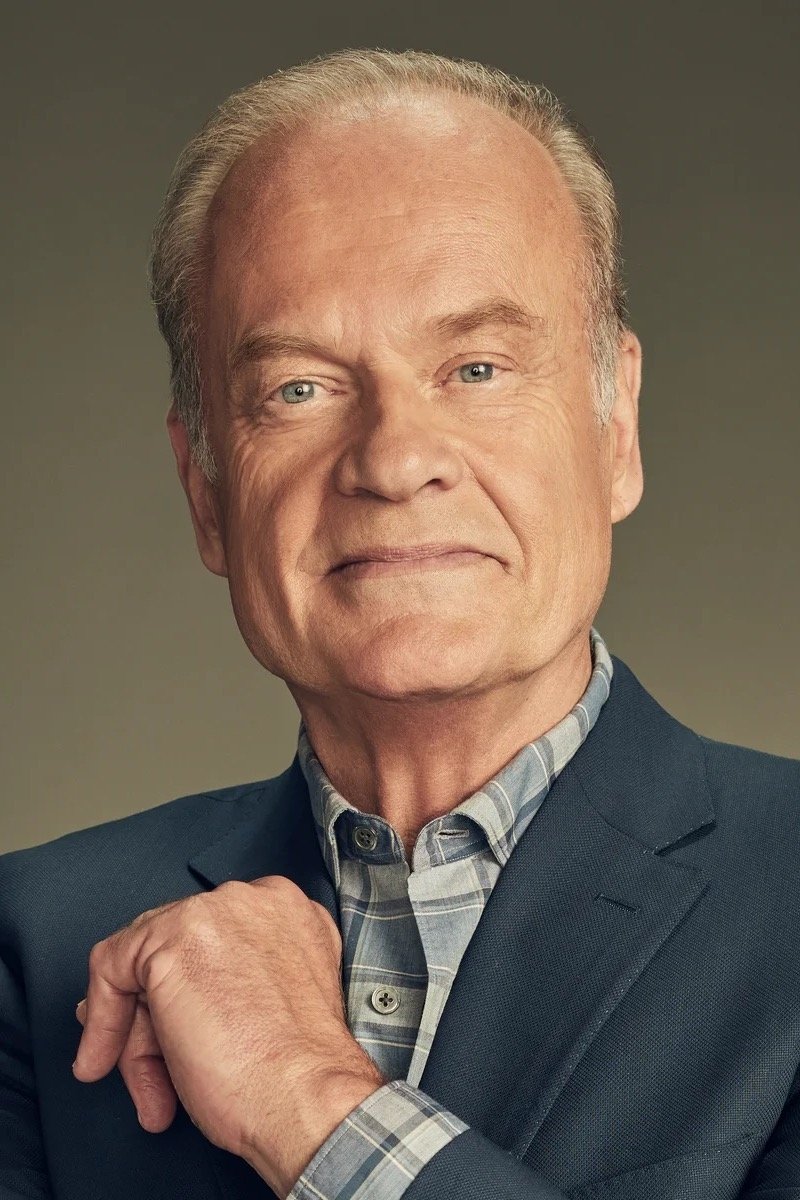
Kelsey Grammer has discussed the challenges of navigating a Hollywood landscape that is increasingly governed by diversity mandates. He noted that the pressure to meet certain inclusion standards can sometimes interfere with the natural development of a project. The actor and producer has voiced his support for creative freedom and the ability to tell stories without external interference. He suggests that the industry should focus more on the universal aspects of humanity rather than specific identity markers. His perspective reflects a concern that modern mandates may inadvertently stifle original ideas.
Kevin Sorbo
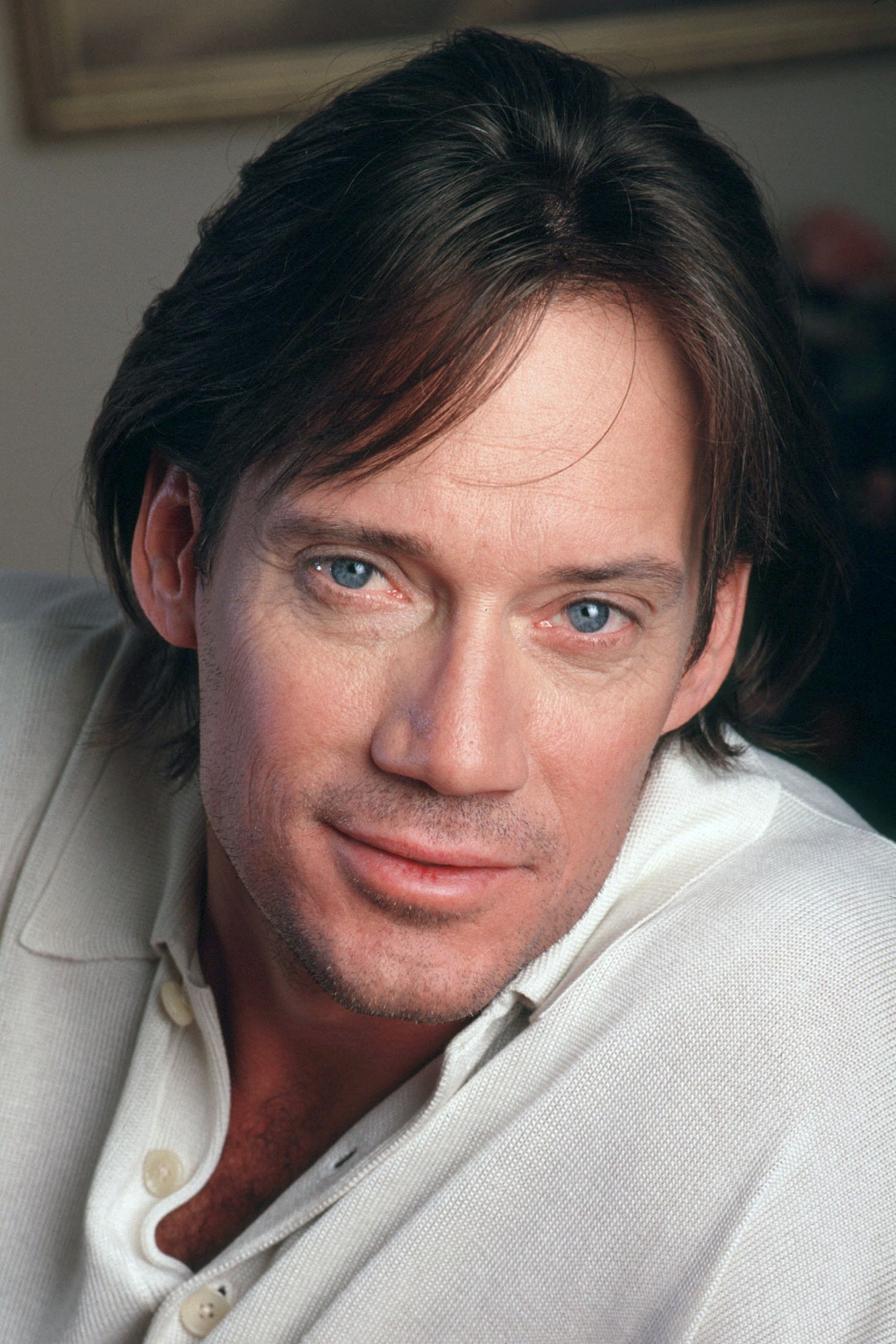
Kevin Sorbo frequently comments on the perceived bias in the entertainment industry regarding casting and storytelling. He argues that modern diversity mandates often overlook certain groups while prioritizing others based on current social trends. The actor believes that the primary goal of any production should be to entertain and inspire rather than to meet a quota. He has expressed frustration with how these rules have changed the landscape for independent filmmakers. His views highlight the disconnect he feels between traditional industry values and modern corporate requirements.
Tim Allen
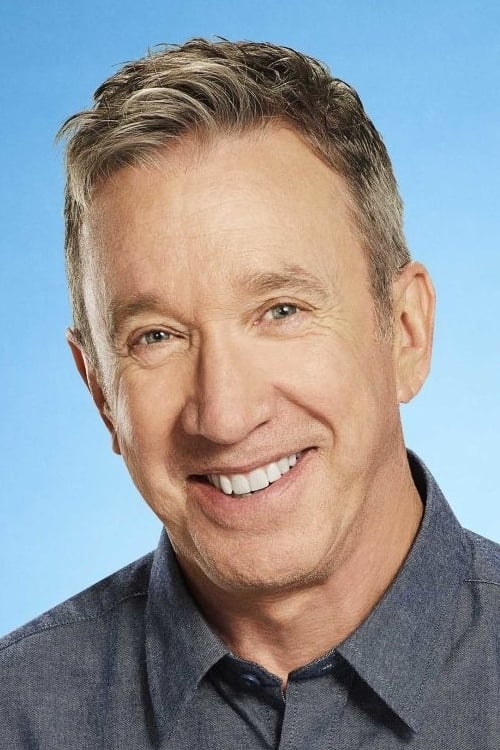
Tim Allen has shared his thoughts on the changing cultural climate of the television and film worlds. He mentioned that the current focus on diversity and inclusion can sometimes lead to a lack of genuine creative expression. The actor suggested that the industry has become more interested in checking boxes than in producing high quality content. He believes that the pressure to conform to modern mandates can make creators fearful of taking risks. His comments often touch on the need for more balance and intellectual diversity in Hollywood.
Jon Voight
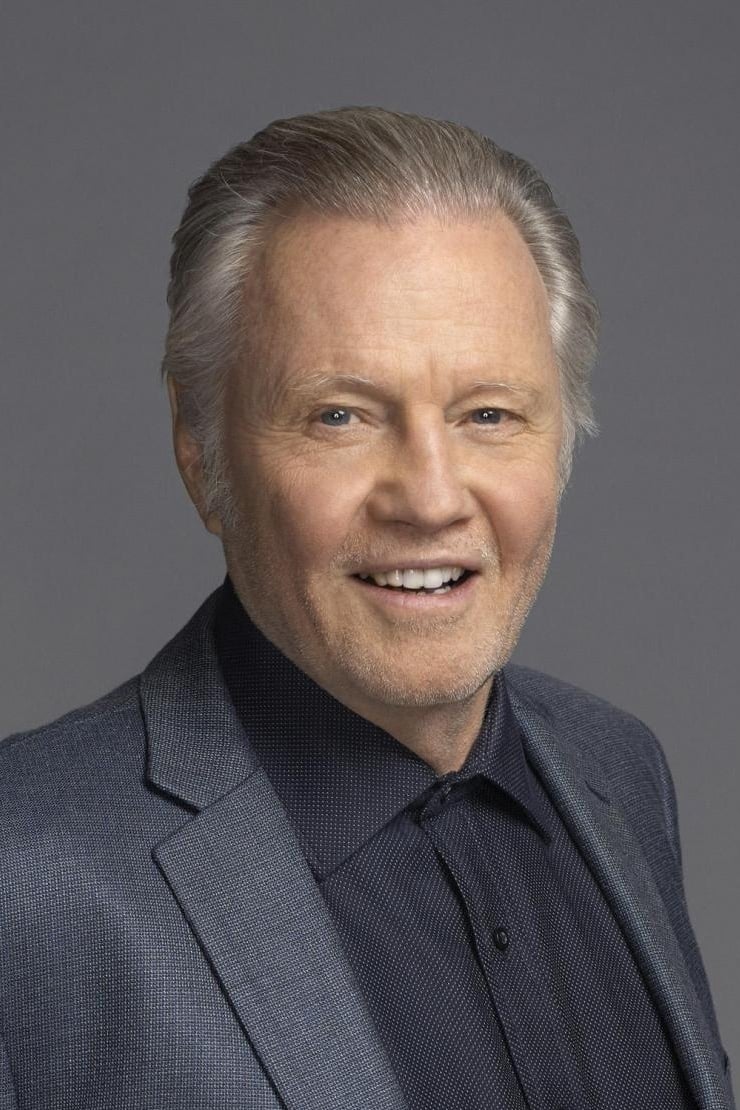
Jon Voight is an outspoken critic of the ideological shifts and diversity mandates that have become common in the film industry. He argues that these policies are part of a broader movement that limits the freedom of individual artists. The actor has called for a renewed focus on the craft of acting and the importance of merit in every production. He believes that Hollywood should be a place where talent is the only factor that determines success. His public messages often warn against the dangers of allowing social mandates to dictate artistic choices.
Patricia Heaton
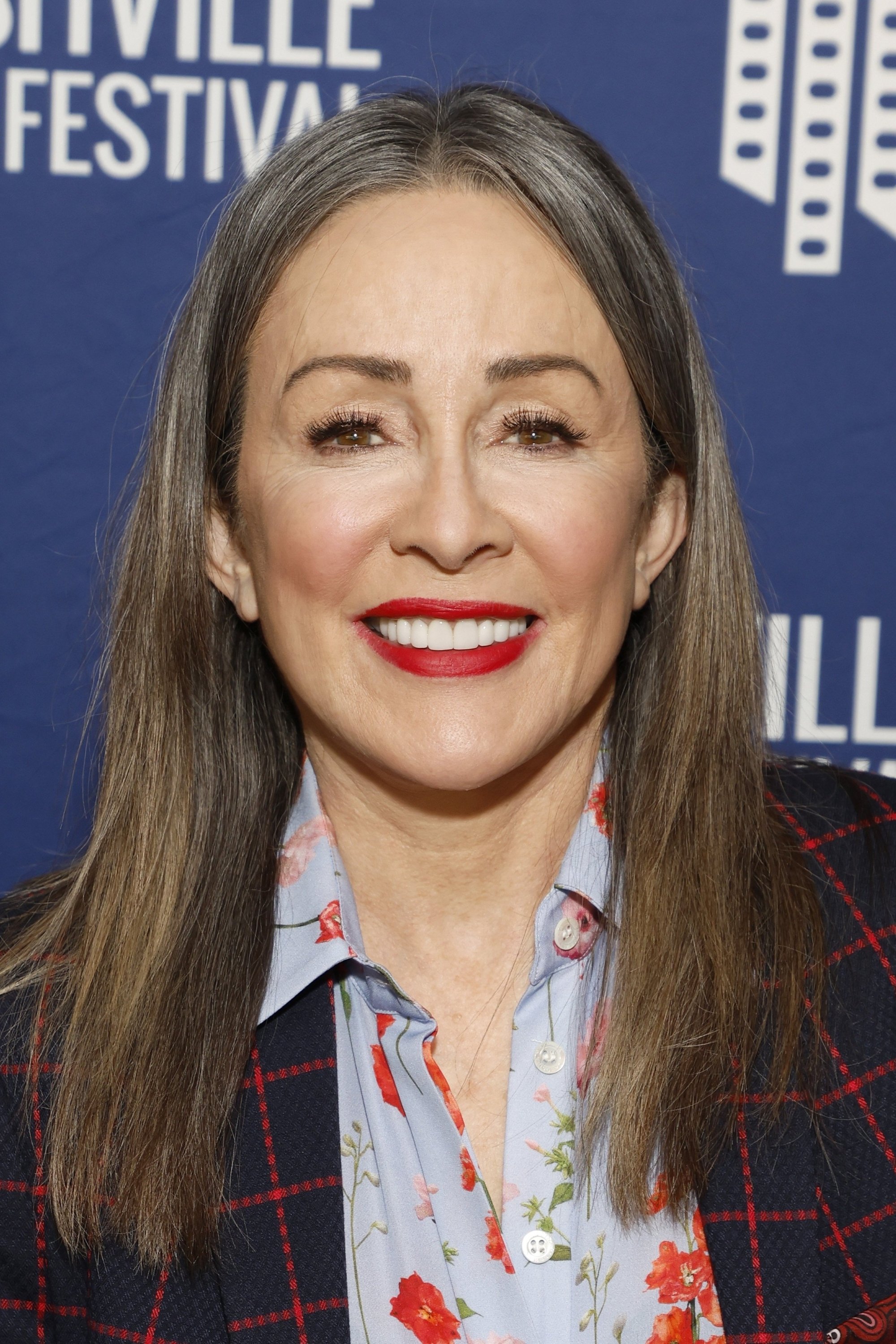
Patricia Heaton has voiced her concerns about how modern industry mandates affect the portrayal of different worldviews on screen. She noted that the emphasis on certain diversity criteria can sometimes exclude people with traditional or religious backgrounds. The actress believes that true inclusion should involve a wide range of perspectives and beliefs rather than just demographic statistics. She has encouraged the industry to be more open to stories that do not strictly adhere to modern social requirements. Her comments emphasize the need for a more holistic approach to representation.
John Cleese
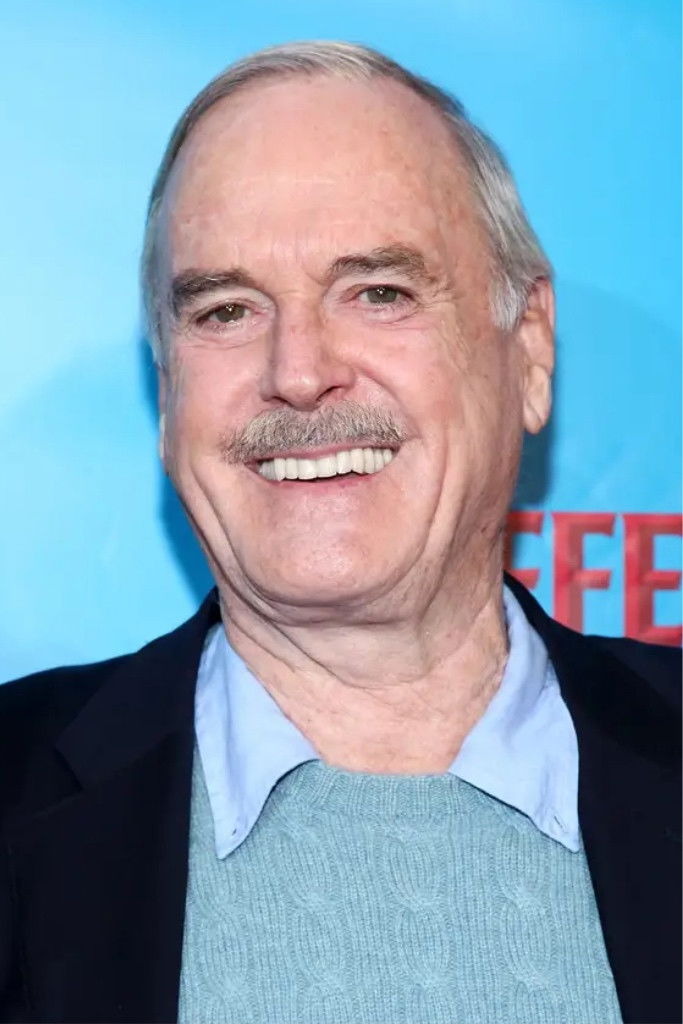
John Cleese has criticized the impact of modern diversity mandates on the world of comedy and television. He argued that the requirement to meet specific quotas can hinder the timing and spontaneity necessary for humor. The veteran performer expressed concern that writers are now forced to navigate a complex set of rules that limit their creative output. He believes that great art and comedy should not be subjected to administrative oversight or demographic formulas. His views reflect a long standing commitment to the idea that creators should be free from institutional interference.
Gina Carano
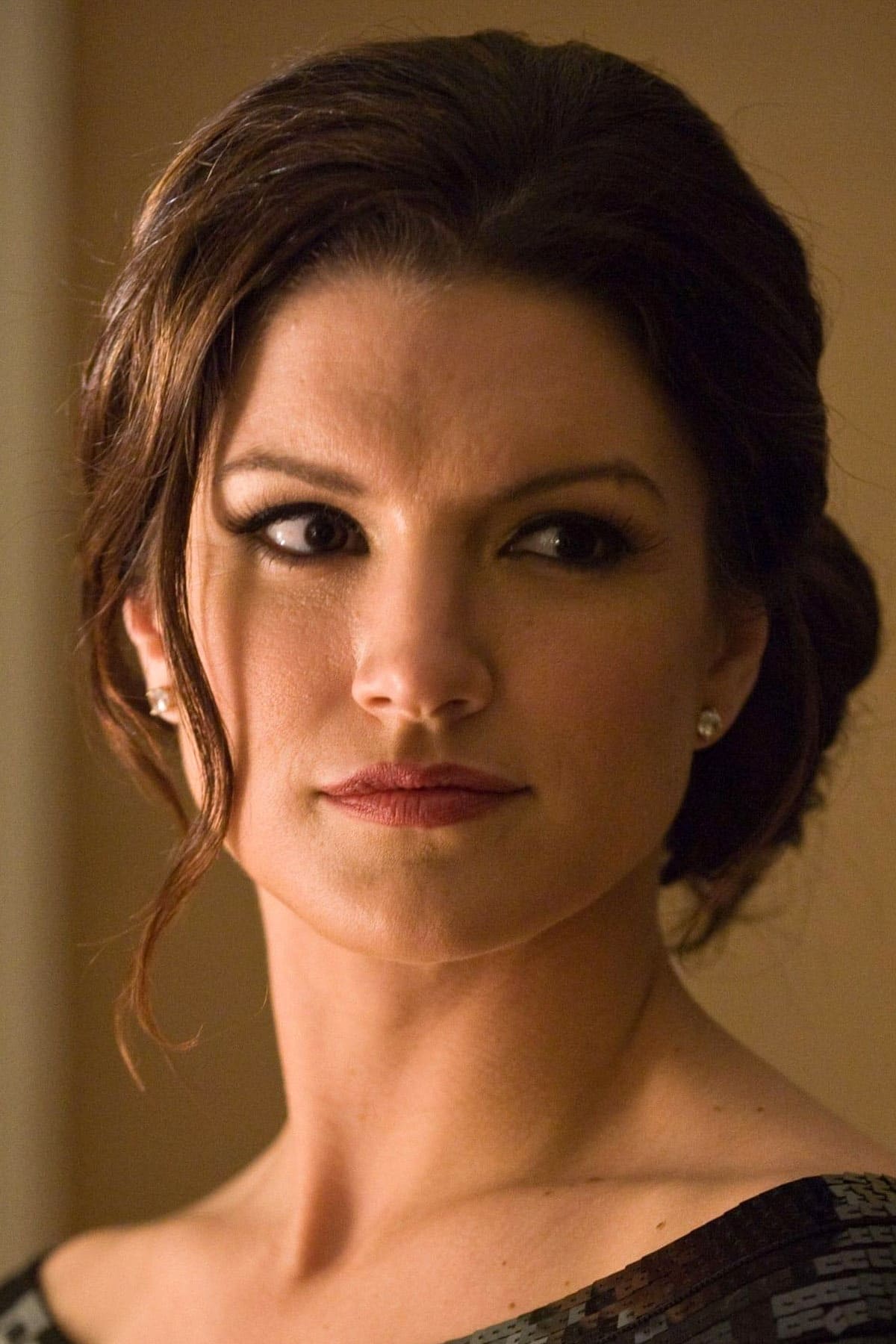
Gina Carano became a central figure in the discussion of industry mandates after her highly publicized departure from ‘The Mandalorian’. She has argued that the modern entertainment landscape is increasingly governed by a narrow set of cultural requirements. The actress suggests that these mandates create an environment where individuals are penalized for their personal beliefs. She believes that the industry should foster a culture of open dialogue rather than enforcing ideological conformity. Her experience has made her a vocal advocate for artistic independence and the protection of free speech.
Bill Maher
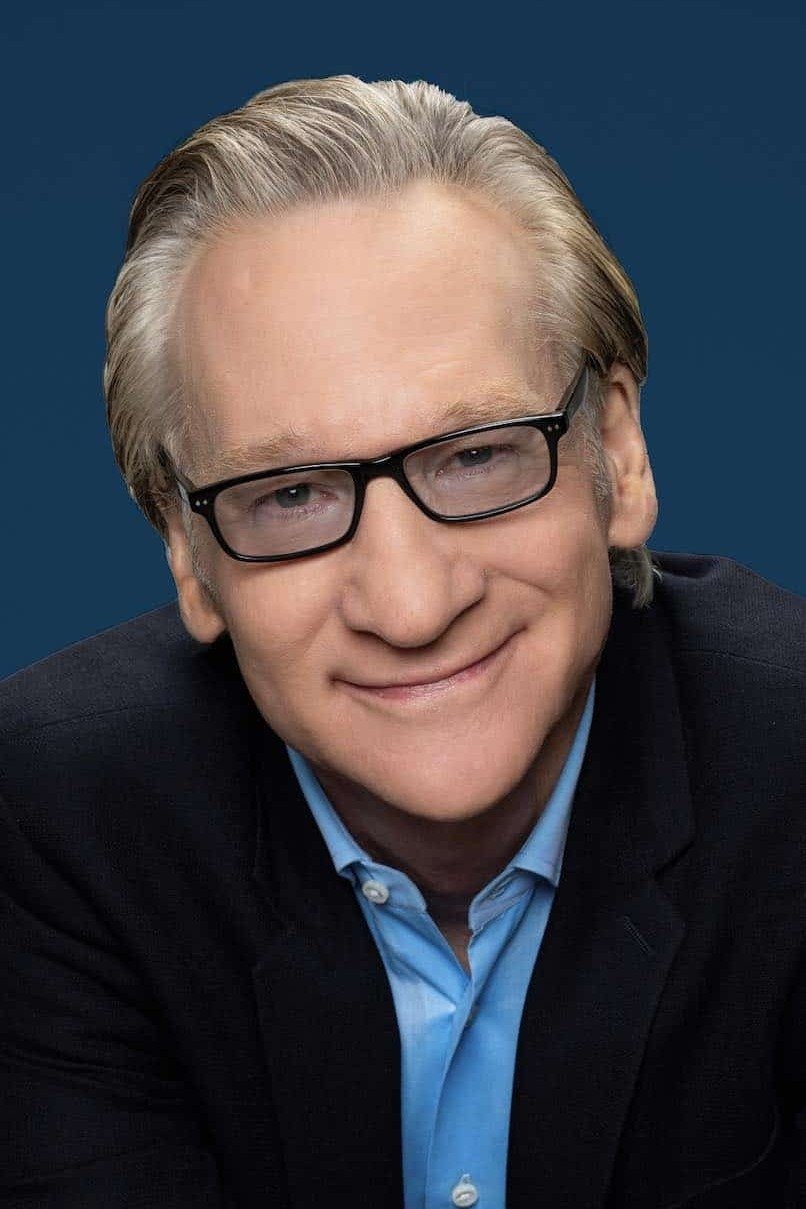
Bill Maher frequently uses his platform to critique the modern inclusion mandates and cultural trends within Hollywood. He argues that the industry has become overly focused on identity at the expense of common sense and quality storytelling. The host suggests that these mandates often result in content that feels lecture like rather than engaging. He believes that the pursuit of specific diversity goals can lead to unintended consequences that hurt the industry as a whole. His commentary often highlights the tensions between creative freedom and contemporary social expectations.
Rob Schneider
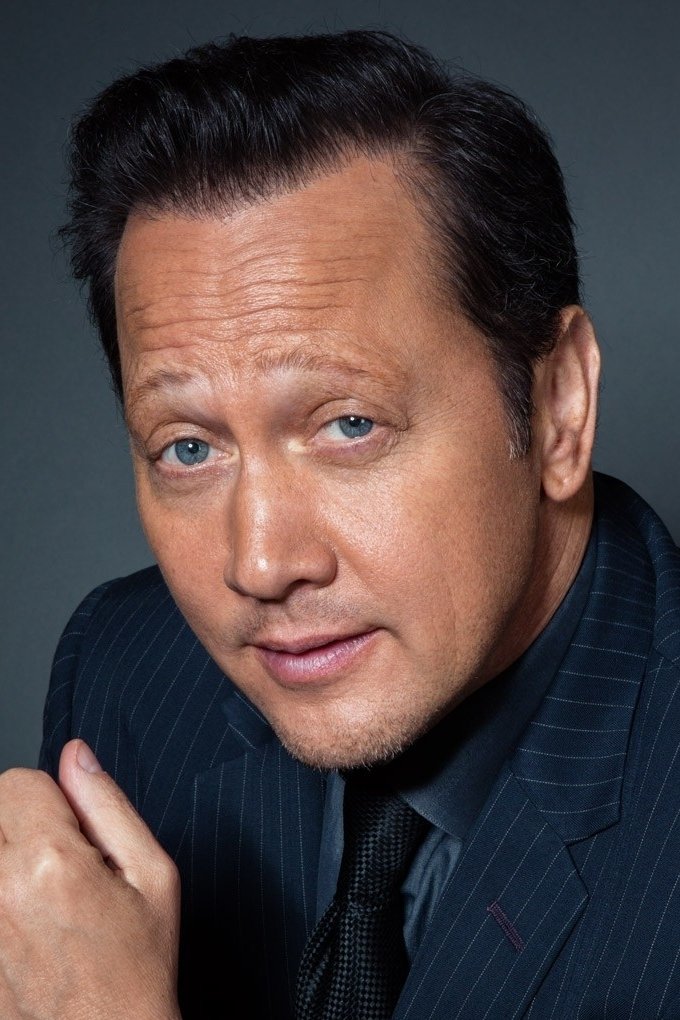
Rob Schneider has publicly spoken out against the implementation of diversity mandates in the film and comedy sectors. He suggests that these rules have made it difficult for artists to produce work that is truly edgy or original. The actor believes that the industry is currently undergoing a period of intense social engineering that prioritizes labels over talent. He has expressed a desire for a return to a more open and less regulated creative environment. His views represent a broader pushback against the perceived constraints of modern Hollywood culture.
Dean Cain
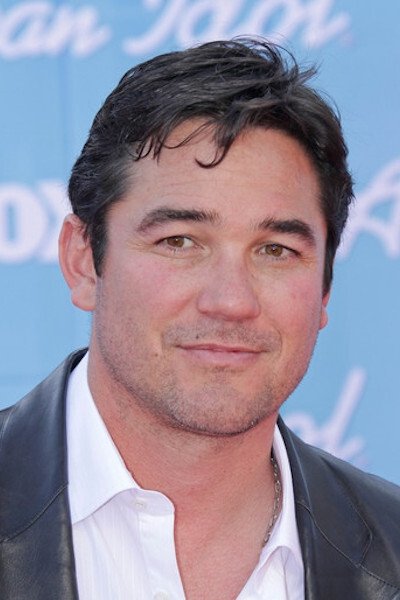
Dean Cain has expressed skepticism regarding the effectiveness and fairness of modern diversity mandates in the entertainment business. He argues that these policies can sometimes lead to unfair treatment of talented individuals who do not help a production meet its quotas. The actor believes that the focus should remain on the quality of the script and the ability of the performers. He suggests that the current environment creates unnecessary pressure for creators to conform to specific social narratives. His public comments advocate for a meritocratic system that values skill above all else.
Michael Caine
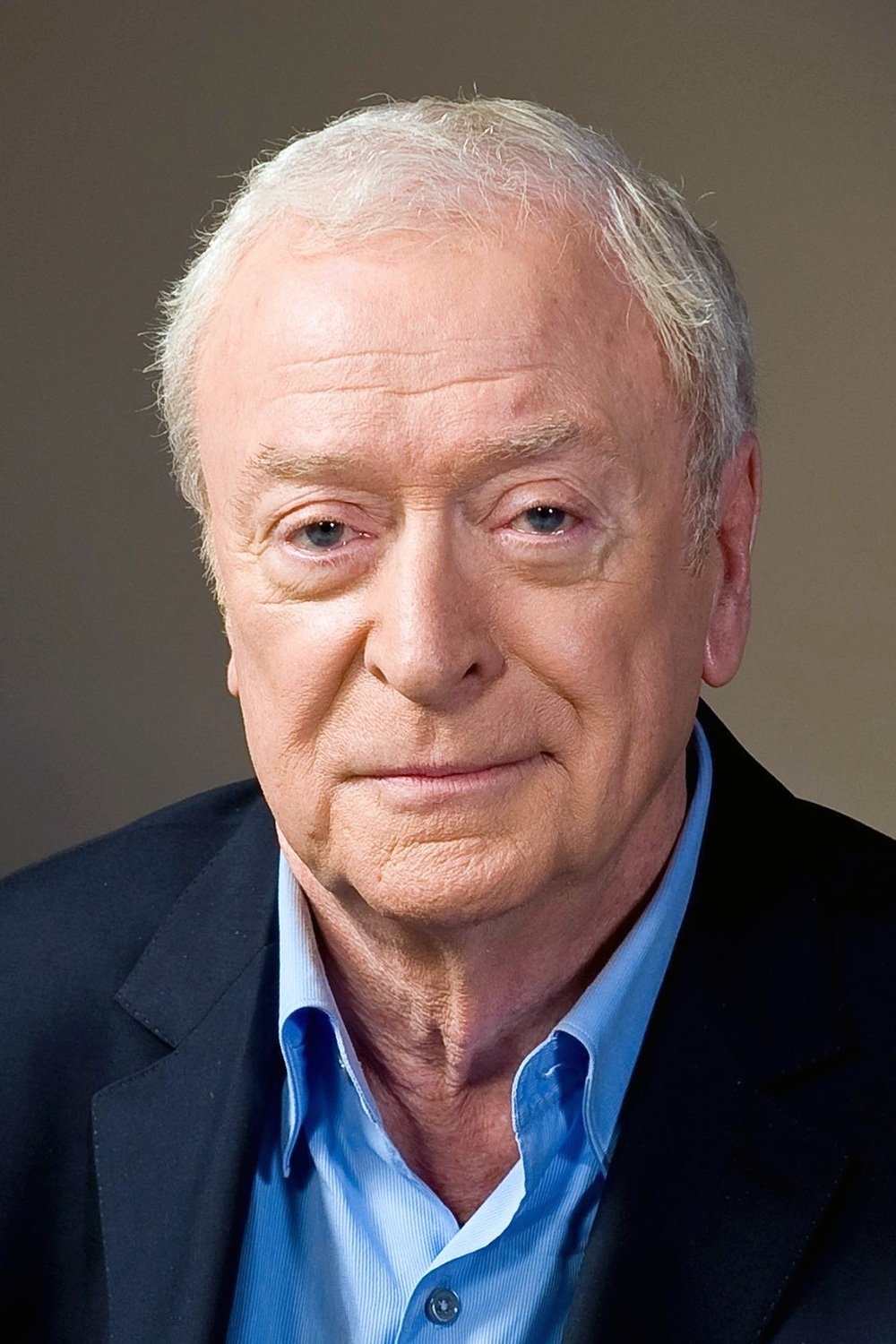
Michael Caine shared his perspective on the shift toward rigid diversity requirements in the global film industry. He mentioned that talent should always be the primary factor in every casting and production decision. The veteran actor voiced concerns that strict rules might prevent the best people from getting roles that they are uniquely qualified for. He emphasized that the industry has changed significantly over his long career and he values the importance of merit. His comments highlight a generational perspective on the evolution of casting standards.
Justine Bateman
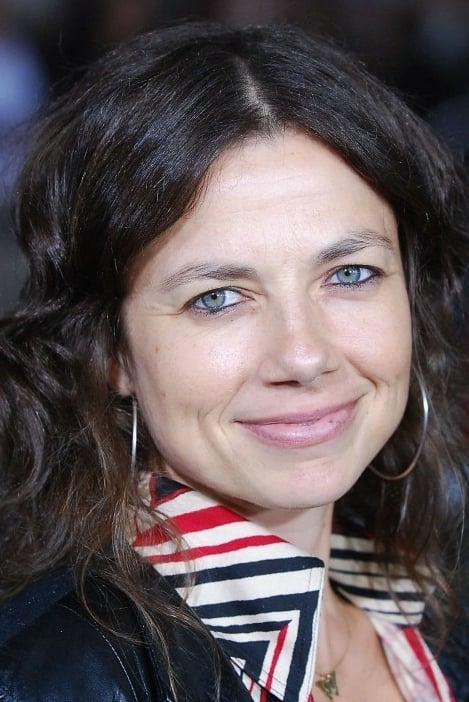
Justine Bateman has been an active voice on social media regarding the impact of diversity mandates and artificial intelligence on the industry. She argues that these institutional rules can strip away the soul and authenticity of creative works. The actress and director believes that the industry should prioritize the vision of the artist over the requirements of a corporate committee. She has expressed concern that the focus on data and demographics is hurting the long term health of cinema. Her stance is one of preserving the human element in every stage of production.
David Mamet
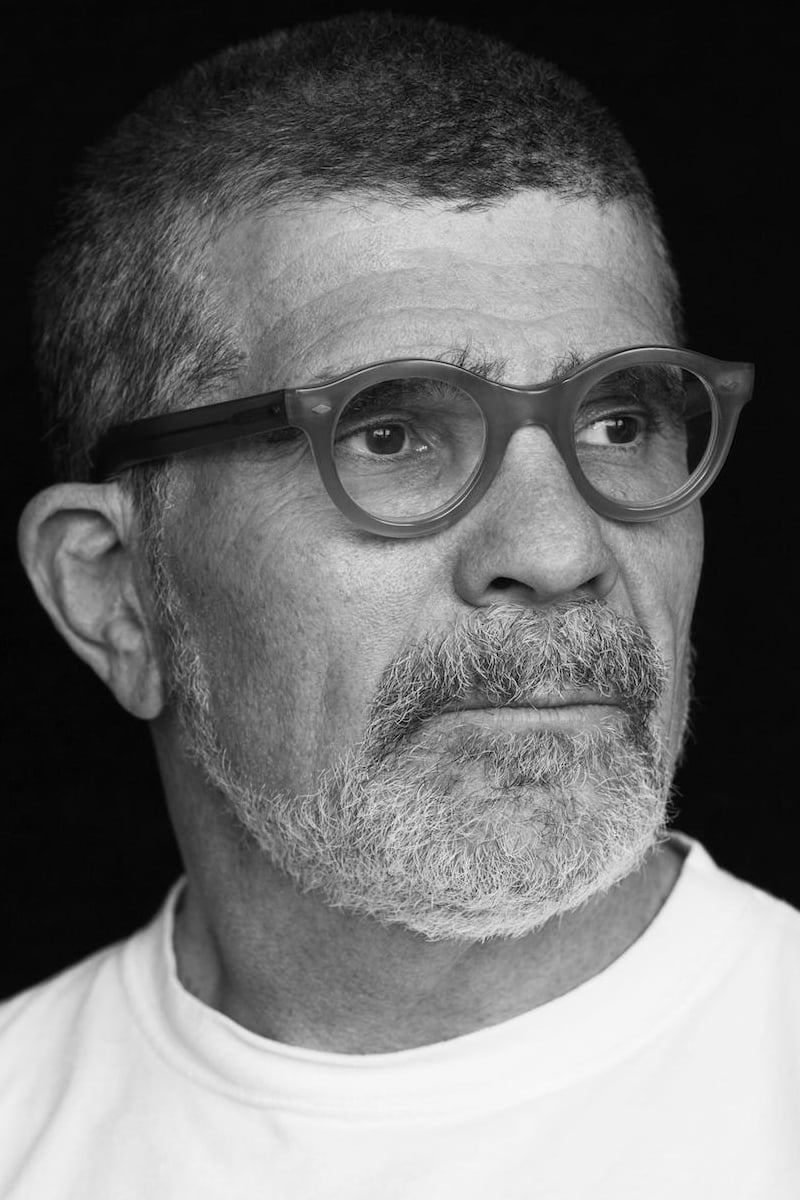
David Mamet has been extremely critical of the new diversity rules established by the Academy for award eligibility. He famously described these mandates as a form of fascist control over the creative process. The playwright and director believes that artists should never be told who they must hire or what stories they must tell. He argues that the essence of great art is its independence from social and political requirements. His outspoken comments reflect a deep commitment to the principle of absolute creative freedom in the arts.
Tyler Perry
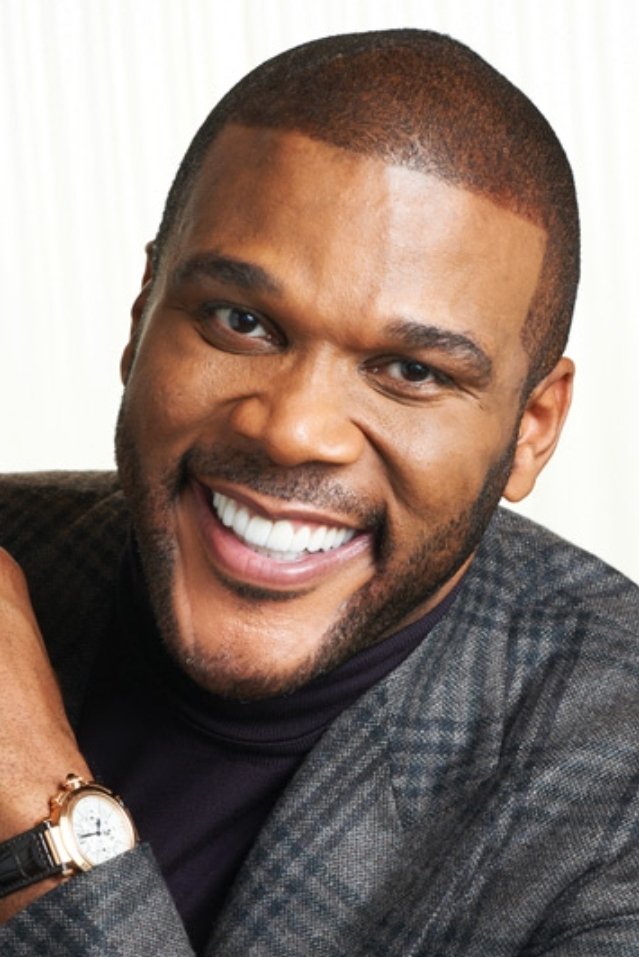
Tyler Perry has expressed some reservations about the speed and implementation of modern diversity mandates in Hollywood. While he has built a massive studio focused on representation he suggested that the industry must be careful not to move too fast. He noted that rigid rules could potentially hinder the growth of young creators who are still finding their voices. The filmmaker believes that true progress should happen naturally through the creation of new opportunities rather than through strict mandates. His perspective offers a nuanced view from someone who is deeply involved in industry leadership.
Clint Eastwood
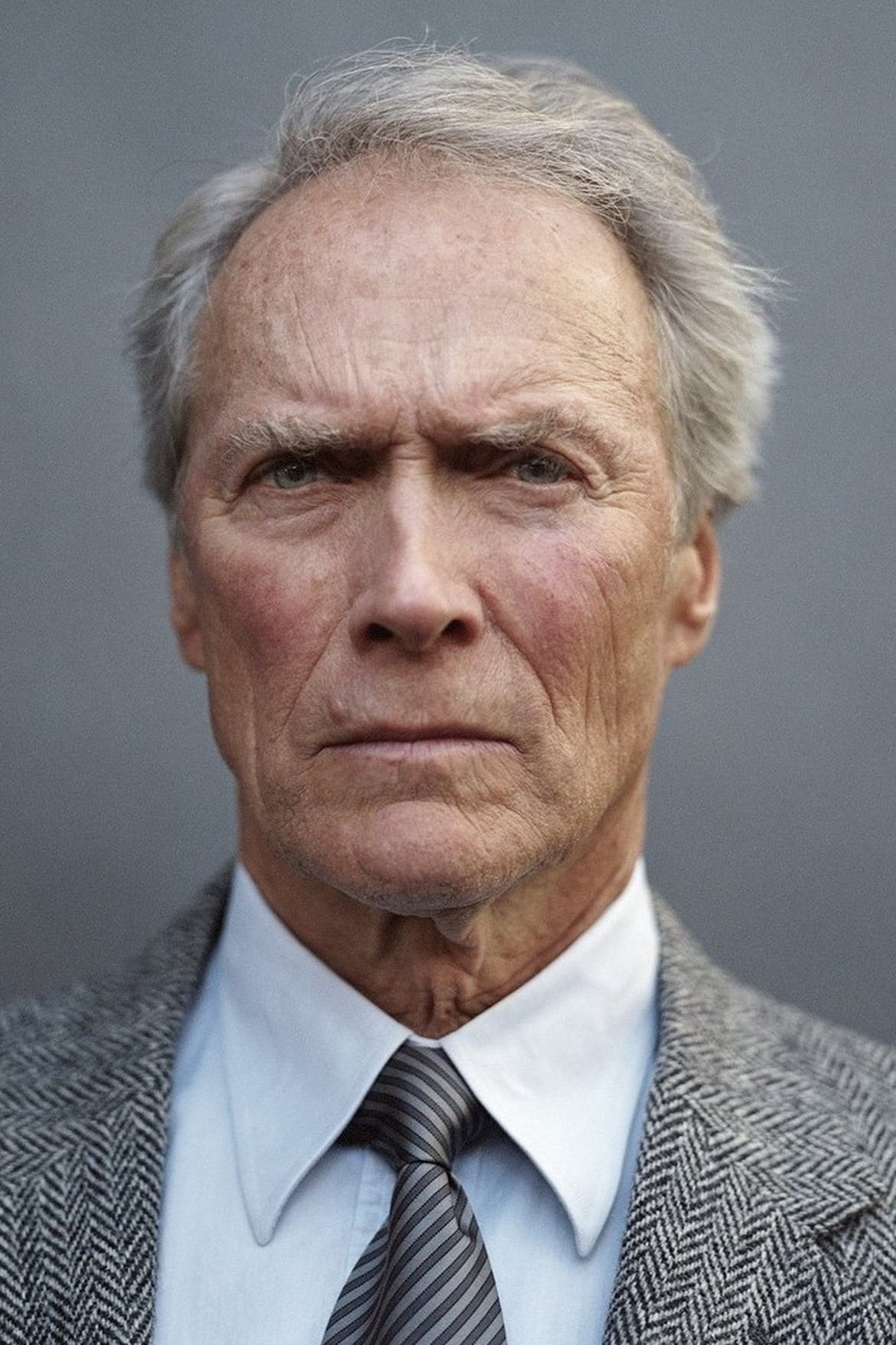
Clint Eastwood has long been a proponent of a traditional approach to filmmaking that focuses on story and character. He has occasionally shared his disdain for the modern trend of political correctness and the mandates that come with it. The director and actor believes that the best movies are made when filmmakers are allowed to follow their instincts without external pressure. He suggests that the focus on modern social goals can sometimes distract from the fundamental task of making a good movie. His work continues to reflect a dedication to classic storytelling values.
Morgan Freeman
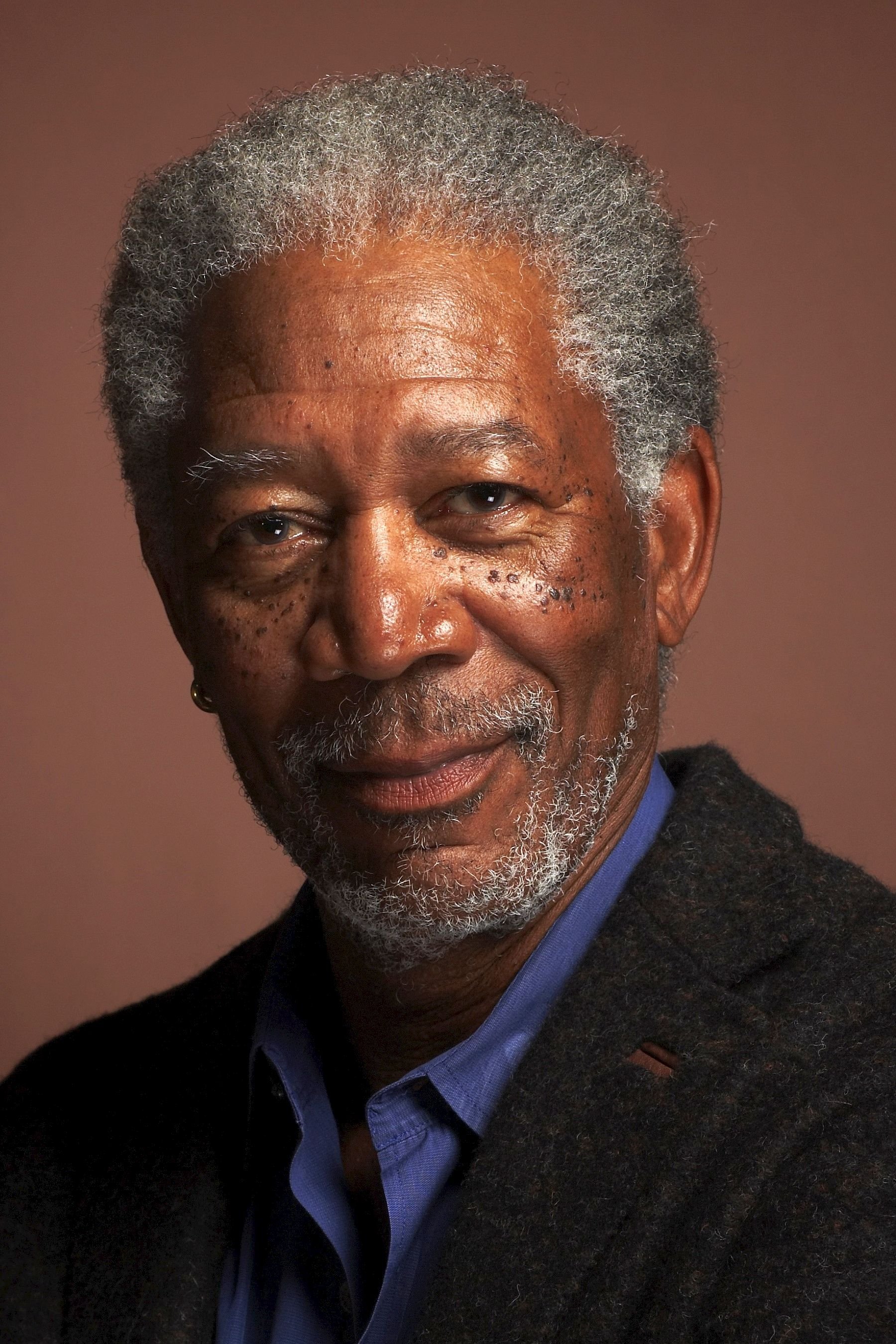
Morgan Freeman has famously shared his dislike for race based categories and the mandates that often accompany them. He argued that the best way to move past social divisions is to stop focusing so intensely on them in every aspect of life. The actor believes that diversity should be an organic part of the industry rather than a forced requirement. He has suggested that talent and hard work are the only things that should matter when it comes to success in Hollywood. His views emphasize a desire for a society where identity is not the primary lens through which people are judged.
Salma Hayek Pinault
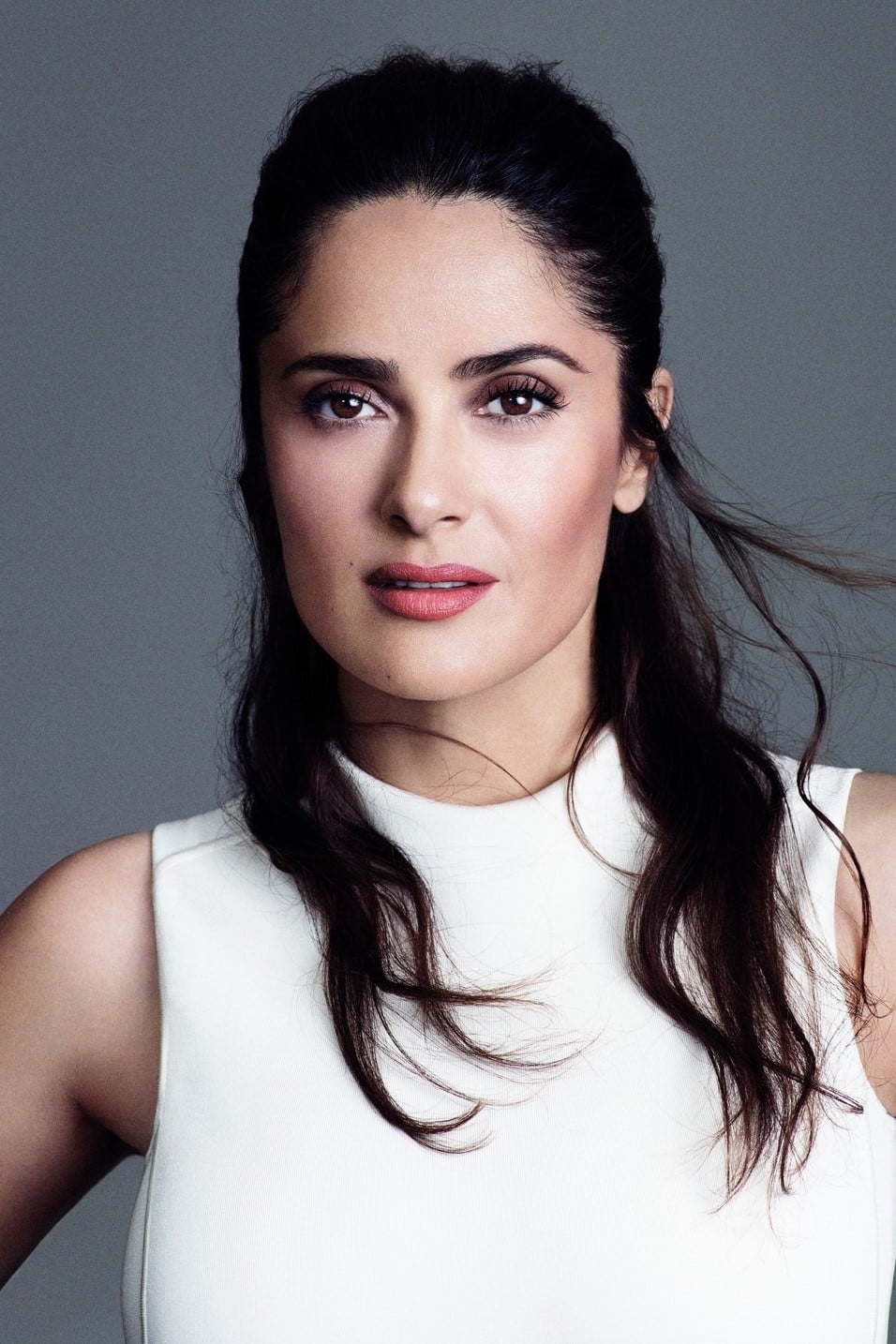
Salma Hayek Pinault discussed the impact of diversity mandates on the storytelling process during several industry events. She noted that while increasing representation is a positive goal the implementation of strict requirements can sometimes feel artificial. The actress expressed a preference for organic inclusion that stems from the connection between the actor and the character. She believes that creators should maintain the freedom to cast based on their personal artistic vision. Her perspective emphasizes the importance of a balance between institutional progress and creative intent.
Roseanne Barr
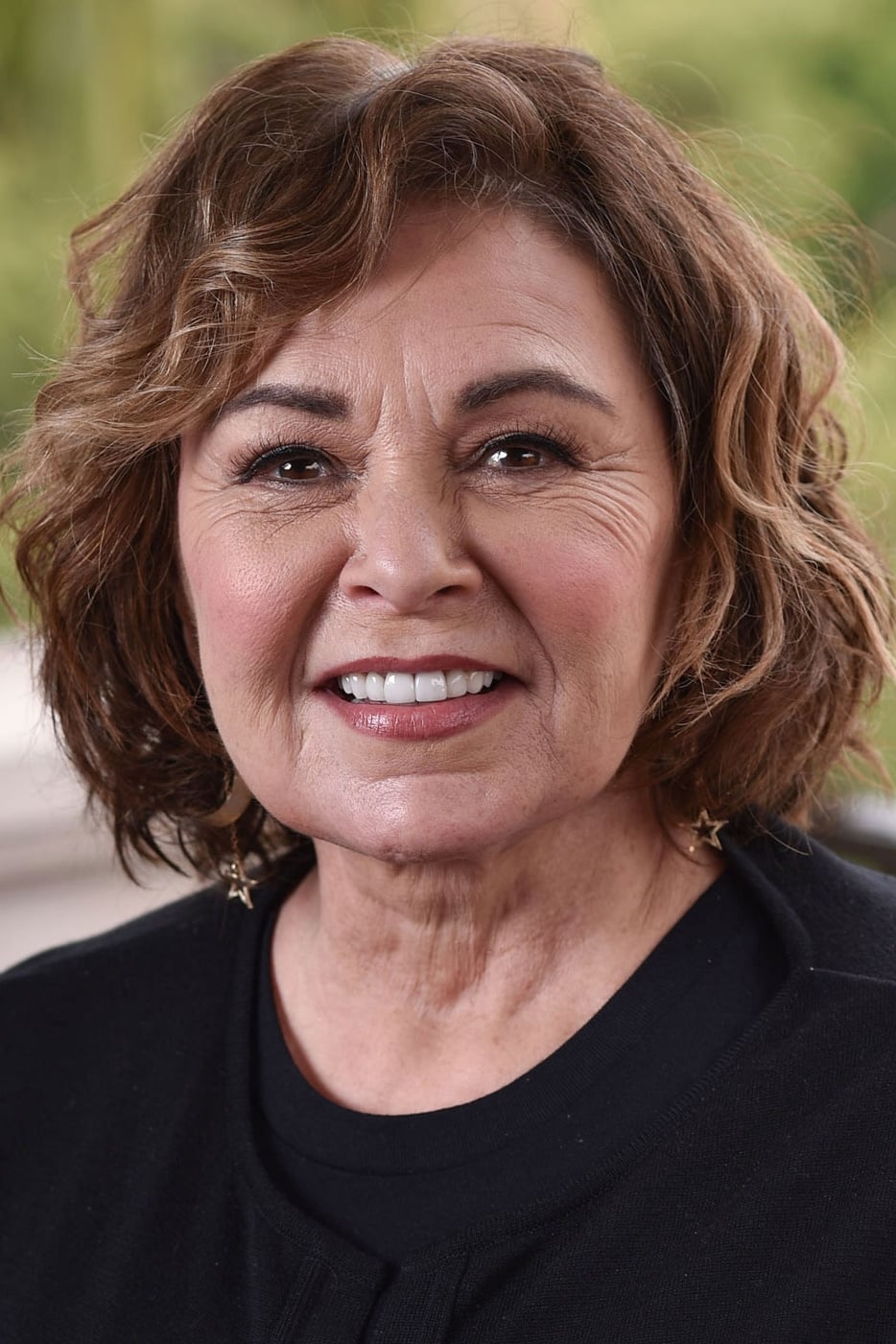
Roseanne Barr has been a sharp critic of the modern industry and the mandates she believes have limited creative freedom. She argued that the current culture in Hollywood is more interested in enforcing specific narratives than in entertaining a broad audience. The actress suggests that diversity mandates often lead to the exclusion of voices that do not align with a particular worldview. She believes that the industry should be a place for all types of ideas and backgrounds without the need for strict regulation. Her public comments often focus on the importance of free expression in the television world.
Mel Gibson
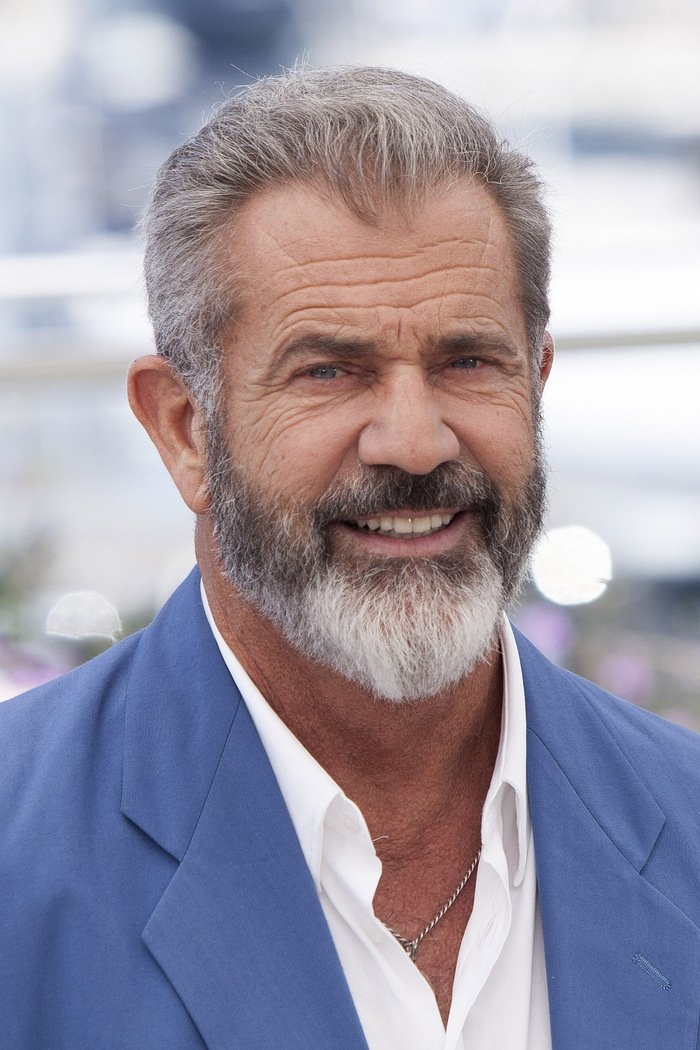
Mel Gibson has occasionally commented on the changing nature of the film industry and the influence of modern social mandates. He has voiced concerns that the focus on political and social requirements can sometimes overshadow the craft of filmmaking itself. The actor and director believes that the primary responsibility of a filmmaker is to tell a compelling story. He suggests that the industry has become more complex and restrictive due to the introduction of various inclusion guidelines. His perspective is shaped by his decades of experience working within the global studio system.
Vince Vaughn
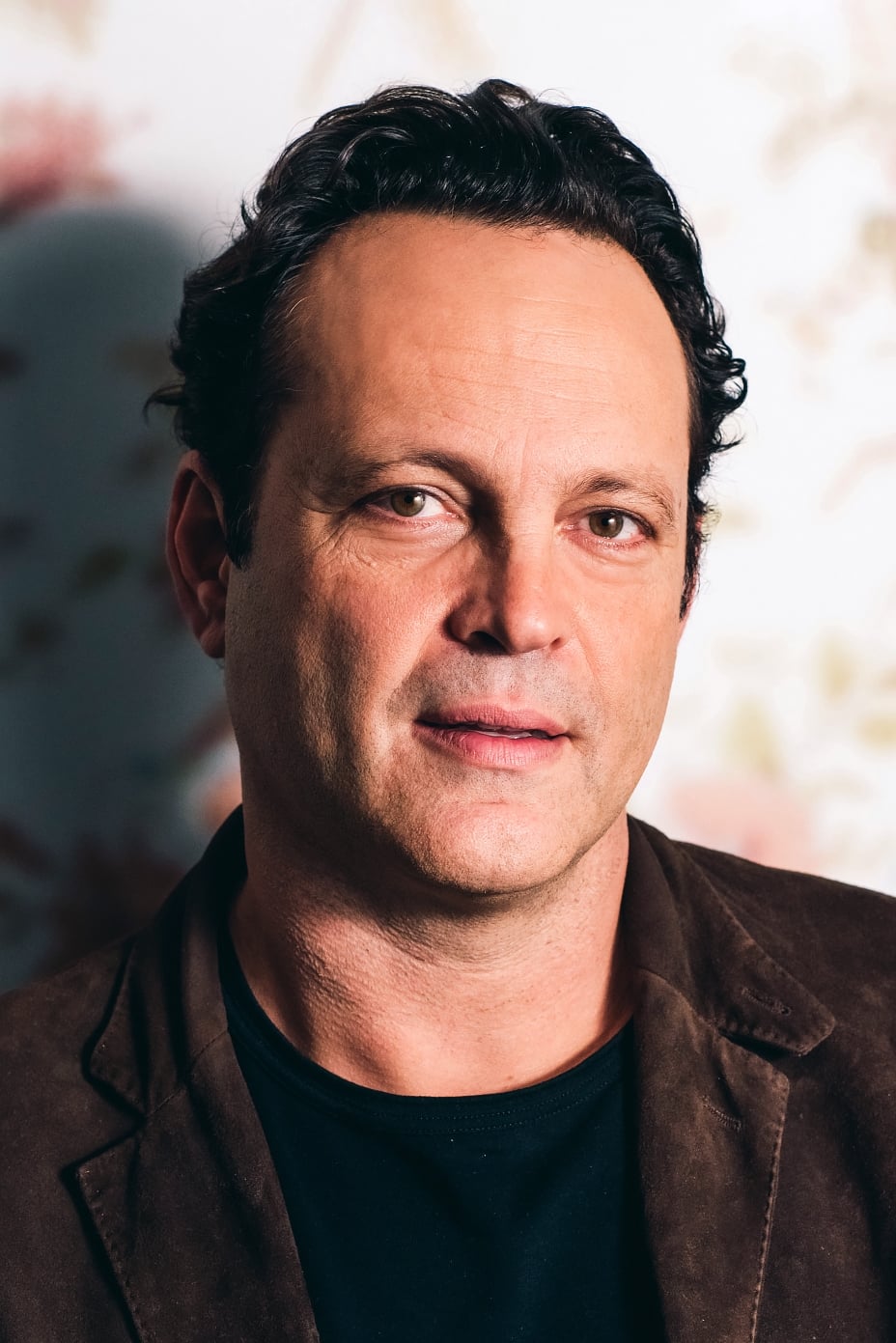
Vince Vaughn has spoken about the need for more creative diversity in Hollywood that goes beyond simple demographic mandates. He suggested that the industry sometimes falls into the trap of producing content that follows a specific social formula. The actor believes that the best way to foster inclusion is by encouraging a wide variety of independent voices and stories. He has expressed a desire for a landscape where artists can take risks without worrying about meeting institutional requirements. His views reflect a preference for a more decentralized and merit based entertainment market.
Kirk Cameron
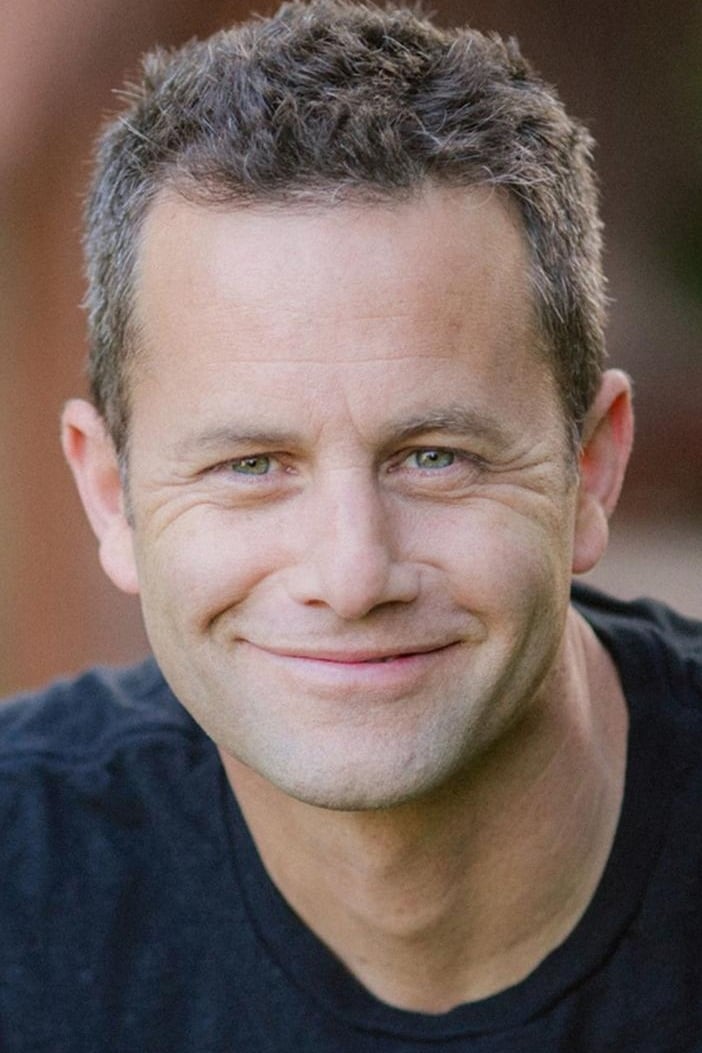
Kirk Cameron is a frequent critic of the secular mandates and cultural shifts that he believes have changed Hollywood for the worse. He argues that modern diversity requirements often exclude people with traditional values or religious viewpoints. The actor believes that the industry should be more open to a broader range of philosophical and moral perspectives. He suggests that true diversity includes the freedom to represent faith and family in a way that is consistent with one’s beliefs. His public work often focuses on providing alternatives to the mainstream industry mandates.
Scott Baio
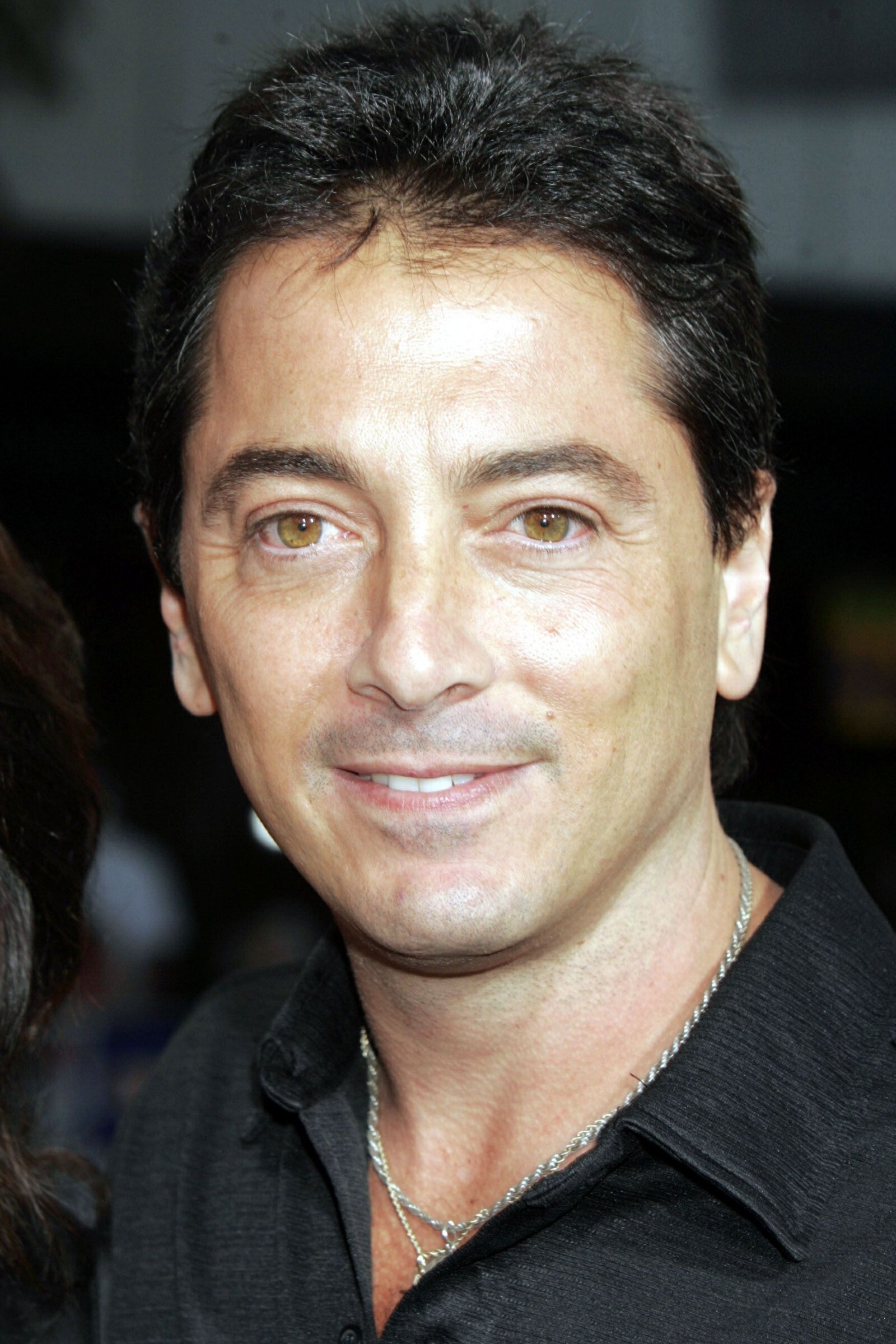
Scott Baio has been vocal about his disagreements with the modern direction of the entertainment industry and its inclusion policies. He argues that these mandates have created a environment where people are judged by their political or demographic status rather than their abilities. The actor believes that Hollywood has become a place where certain viewpoints are no longer welcome. He has expressed concern that these rules are hurting the quality and reach of modern television shows. His public statements advocate for a return to a more inclusive environment that values talent over social agendas.
Ice Cube
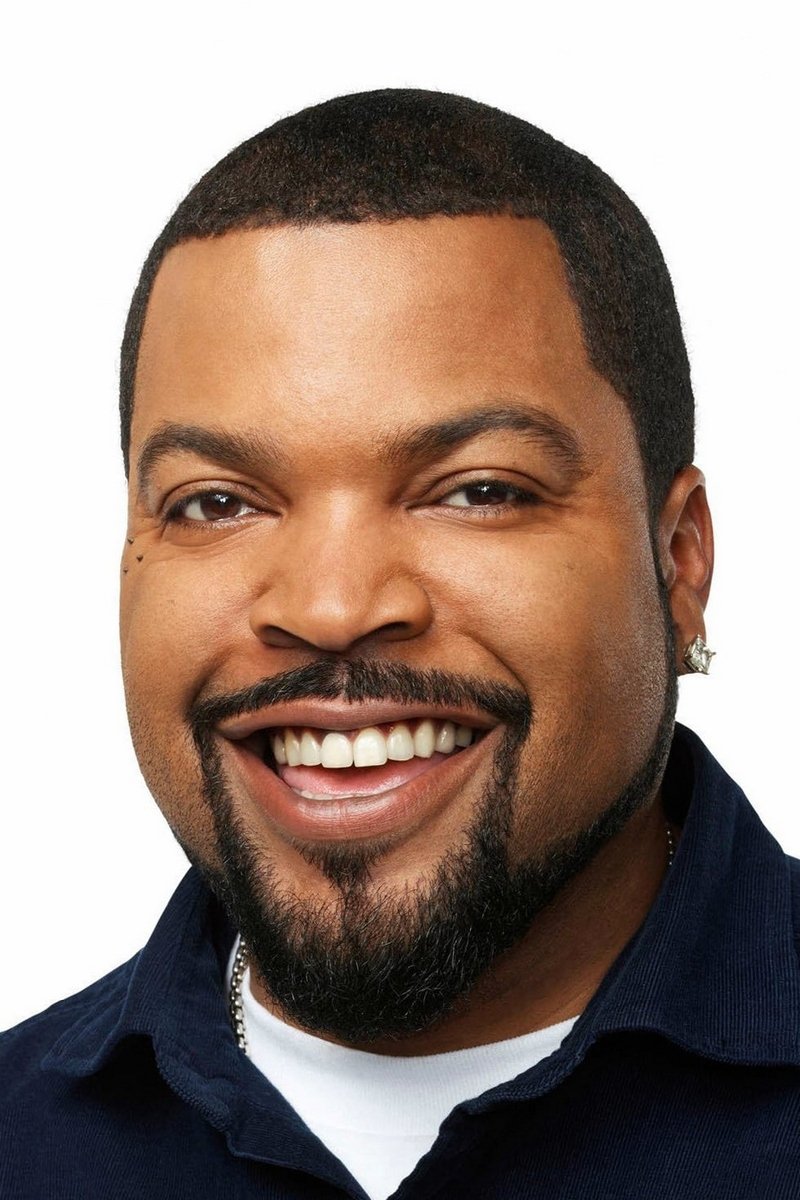
Ice Cube has voiced his skepticism regarding the way diversity mandates are implemented by large corporations and film studios. He suggested that some of these efforts are more about optics and control than they are about genuine representation. The artist and producer has called for more authentic ownership and independence for creators within the black community. He believes that the industry often uses mandates as a way to avoid making deeper structural changes. His perspective highlights the tension between institutional policies and the need for true creative empowerment.
50 Cent
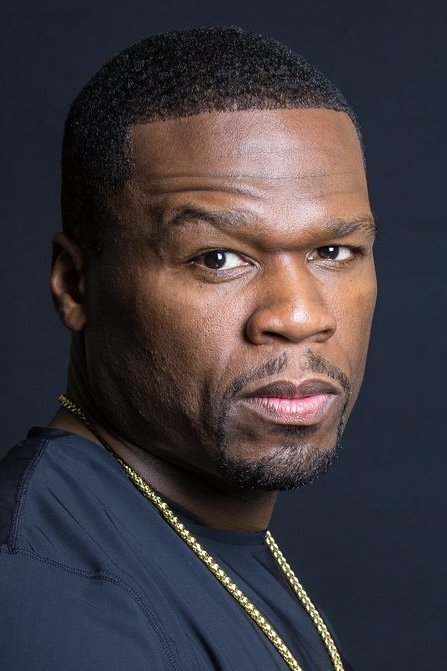
The rapper and producer 50 Cent has commented on the rise of modern inclusion mandates in the television industry. He suggested that some of these initiatives feel like a check box exercise rather than a genuine effort to tell better stories. The artist has voiced his frustration with how corporate interests can sometimes overshadow the creative process. He believes that projects should be judged on their ability to connect with an audience rather than their adherence to social guidelines. His perspective highlights a common concern among creators about the influence of corporate mandates on art.
Ye
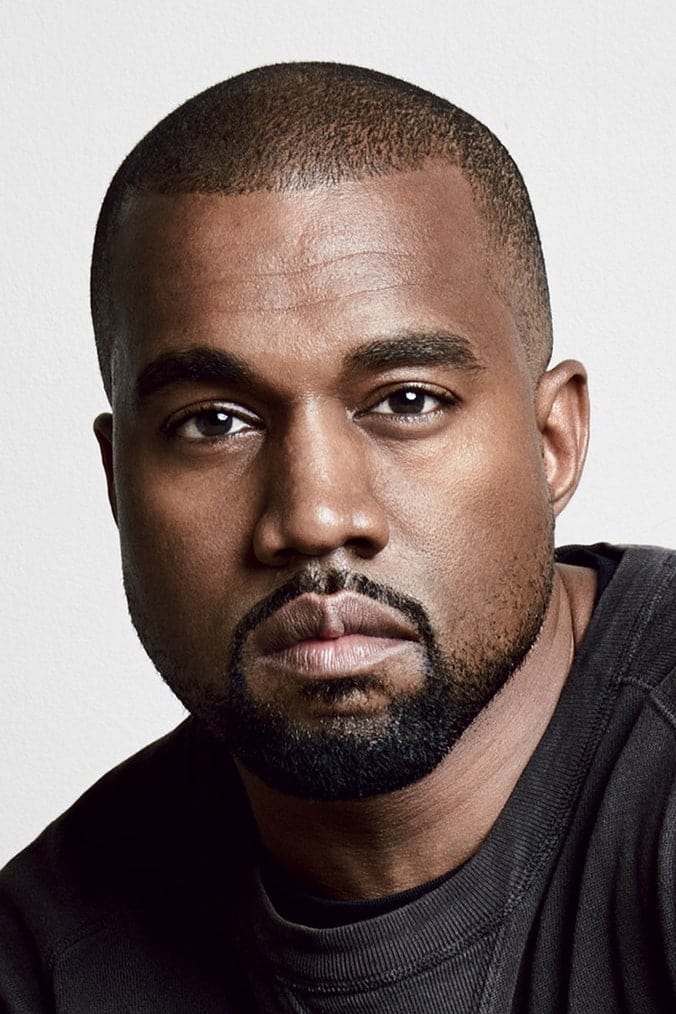
The artist known as Ye has frequently criticized the power structures and mandates within the music and fashion worlds. He claimed that industry guidelines often serve as a form of control that limits the authentic expression of creators. The performer suggested that these corporate policies can be manipulative and do not always serve the interests of the artists themselves. He has called for a shift toward true independence and ownership in the creative process. His public statements continue to challenge the way diversity is managed by major entertainment corporations.
Helen Mirren
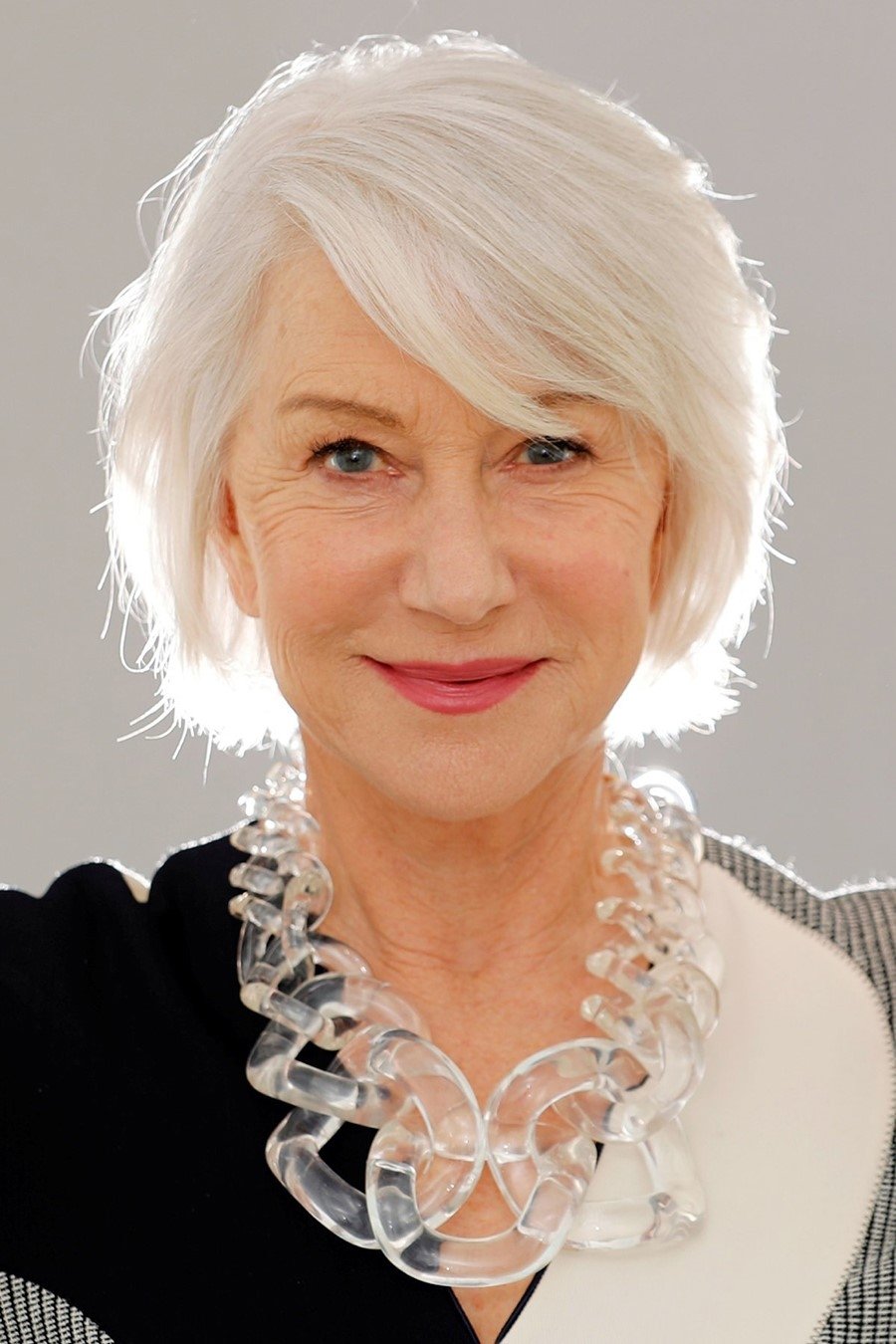
Helen Mirren shared her thoughts on the new requirements for award eligibility and diversity in the film business. She mentioned that while the goals of these mandates are understandable they can create complex challenges for filmmakers. The actress suggested that the focus should remain on the excellence of the work and the talent of the individuals involved. She believes that the industry must be careful not to let rules replace the natural artistic intuition of directors and writers. Her perspective is one of cautious support for representation while maintaining a high standard for craft.
Whoopi Goldberg
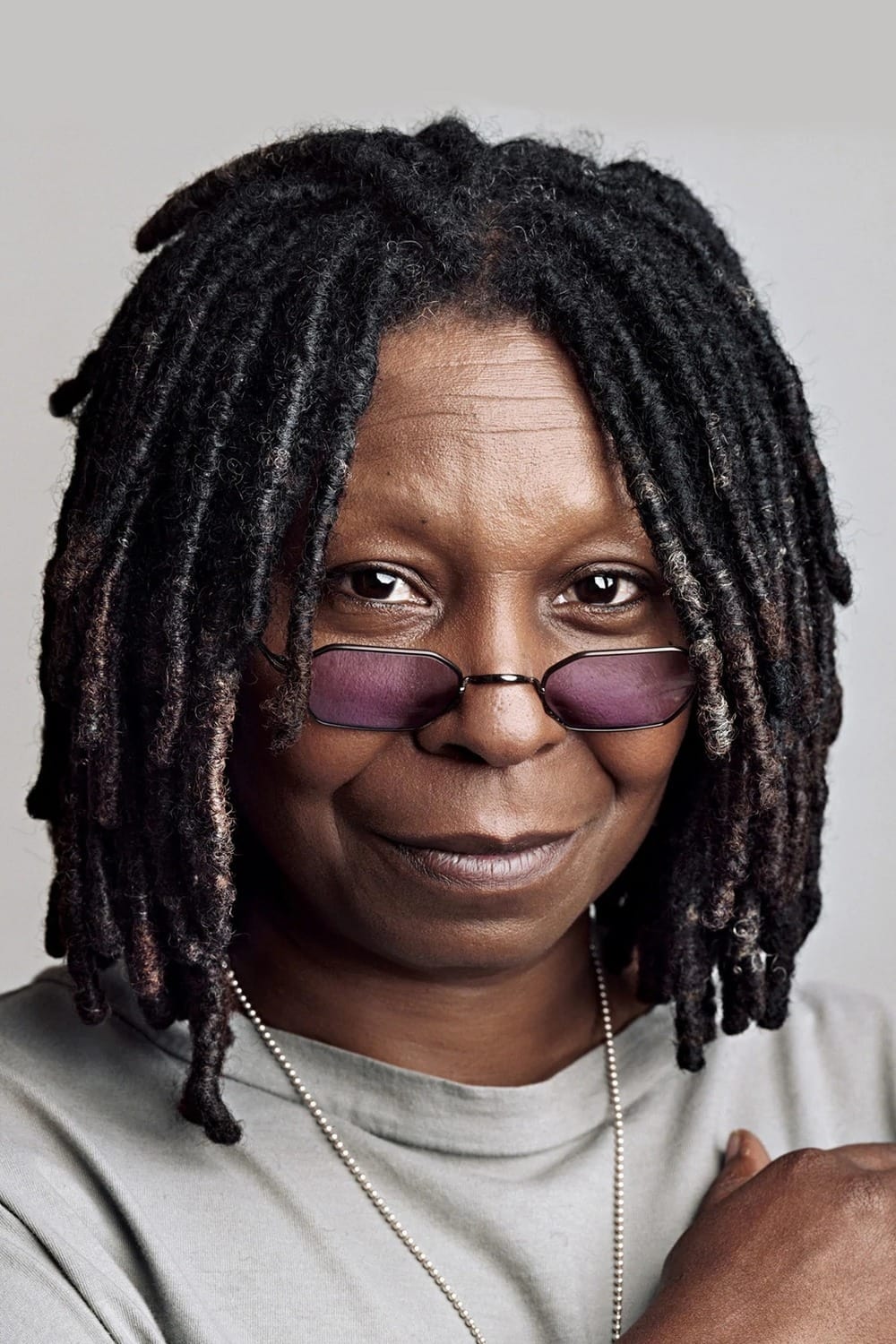
Whoopi Goldberg has occasionally expressed her concerns regarding the rigid implementation of modern diversity mandates. She has argued that the industry should focus more on providing opportunities for all talented individuals rather than meeting specific quotas. The actress and host believes that the focus on identity can sometimes distract from the shared human experiences that movies are meant to portray. She has encouraged a more nuanced approach to inclusion that values the unique contributions of every performer. Their perspective reflects a long history of advocating for representation while questioning the methods used to achieve it.
Caitlyn Jenner
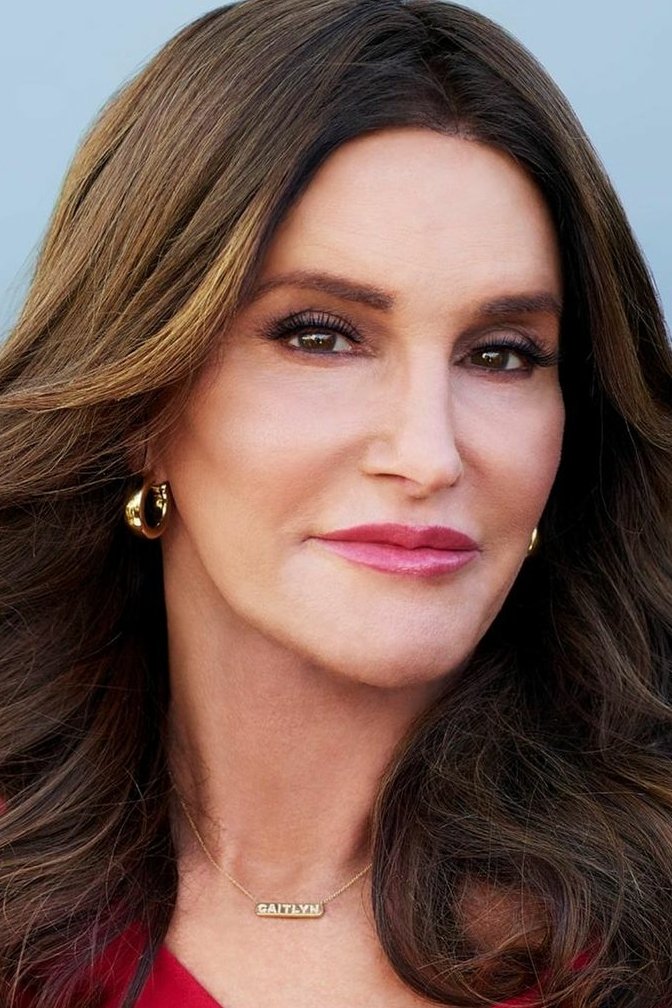
Caitlyn Jenner has been a vocal critic of what she describes as the excessive nature of modern cultural mandates in media. She argues that the focus on diversity and inclusion has become too political and often excludes those with different viewpoints. The public figure believes that the industry should be a place where everyone can succeed based on their own merits and hard work. She has expressed concern that these mandates are part of a broader trend that limits individual freedom and creativity. Her views often highlight the divide between institutional policies and individual liberty.
J.K. Rowling
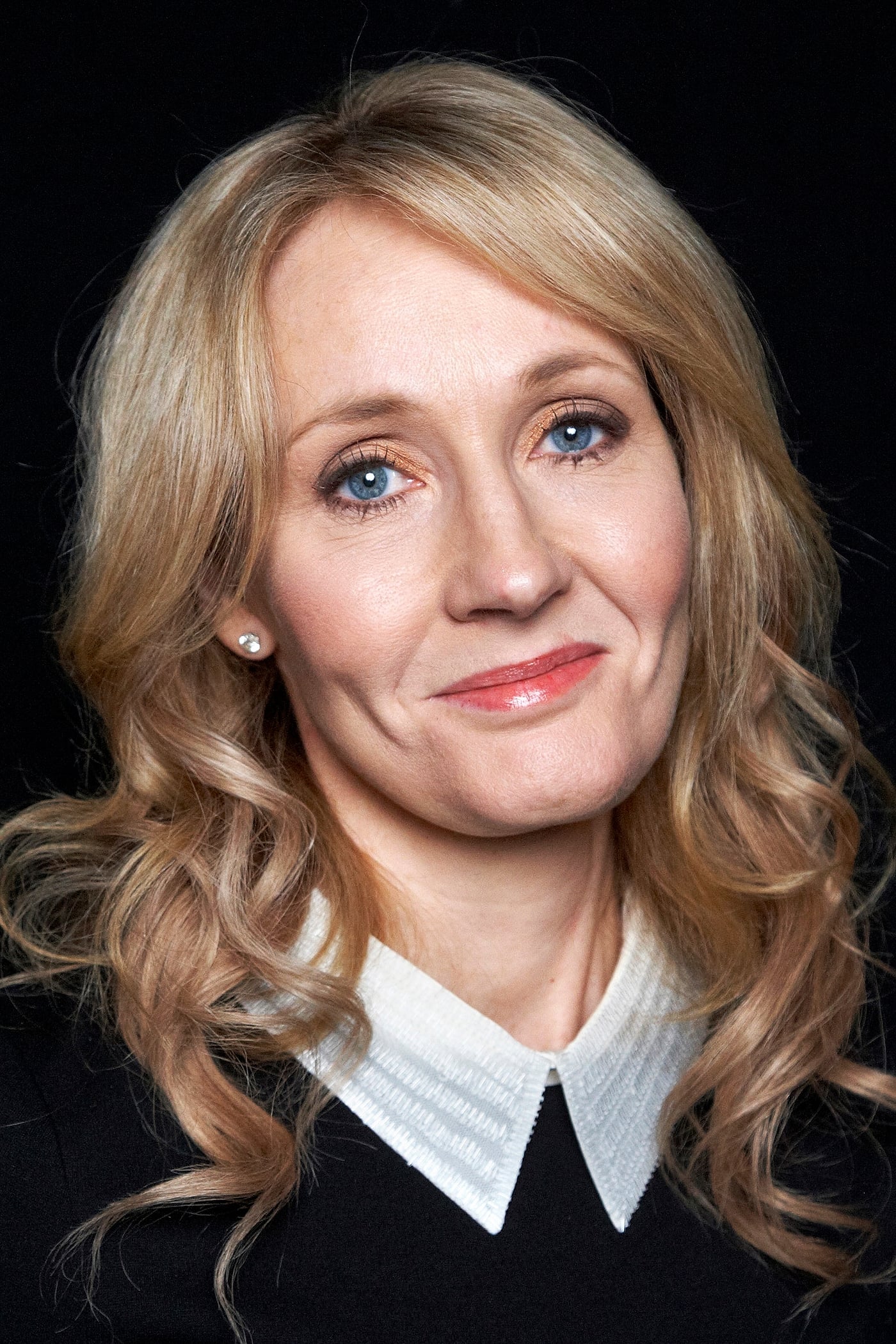
J.K. Rowling has become a vocal critic of certain diversity and inclusion mandates that she believes conflict with traditional views of gender and identity. She has argued that some modern policies may inadvertently erase the unique experiences and rights of women. The author has shared her concerns about how these cultural shifts affect storytelling and public discourse. She maintains that artistic works should be free to explore biological and social realities as the creator sees them. Her stance has made her a central figure in the debate over modern industry standards.
Ricky Gervais
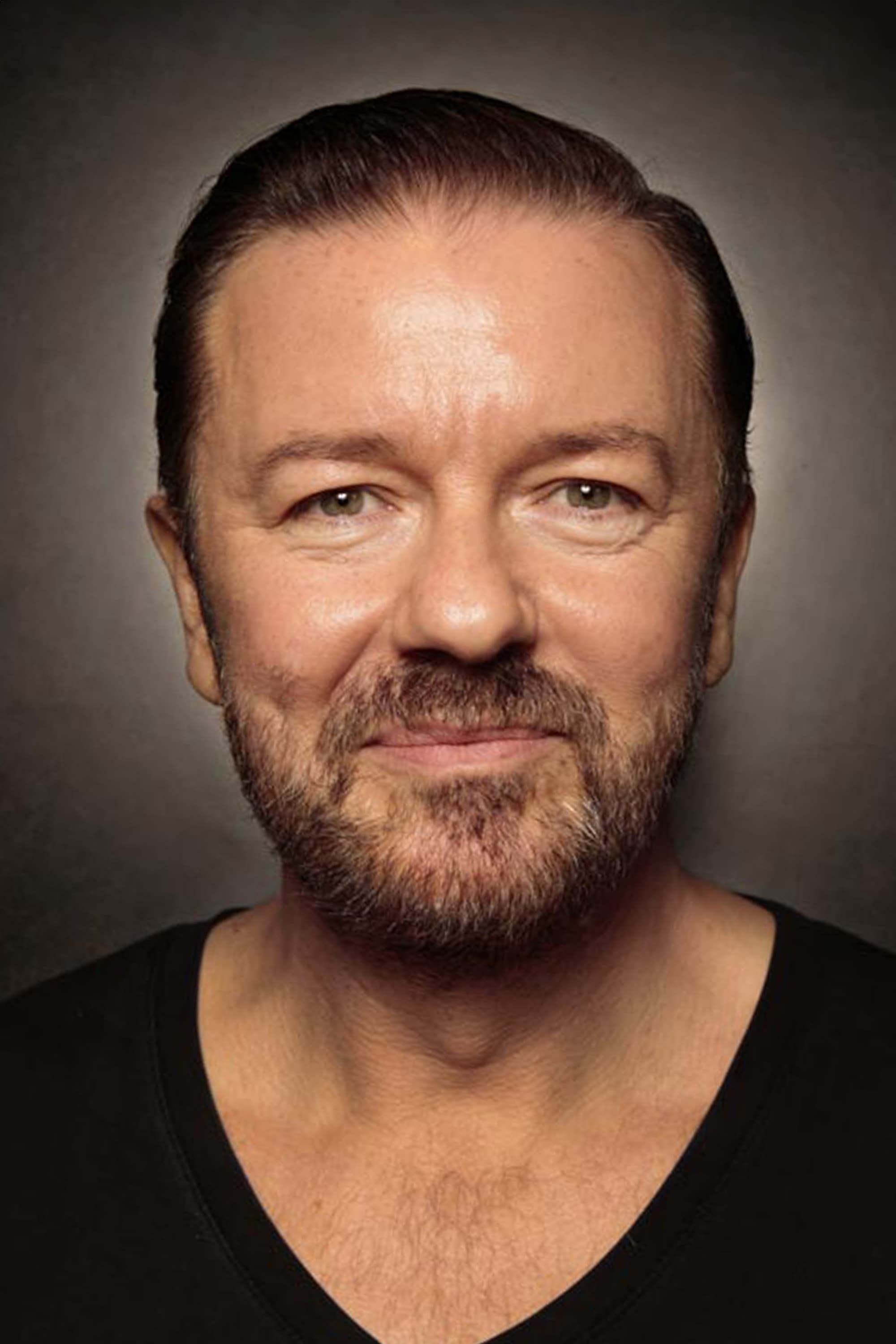
Ricky Gervais frequently uses his platform to mock and critique the modern mandates and cultural rules of the entertainment industry. He argues that the pressure to conform to specific social standards has made comedy less honest and more restrictive. The comedian and actor believes that nothing should be off limits for humor and that artists should be free to challenge all ideas. He has criticized the performative nature of award shows and the corporate focus on inclusion quotas. His comedy often serves as a direct challenge to the perceived sensitivity of the modern industry.
Sharon Osbourne
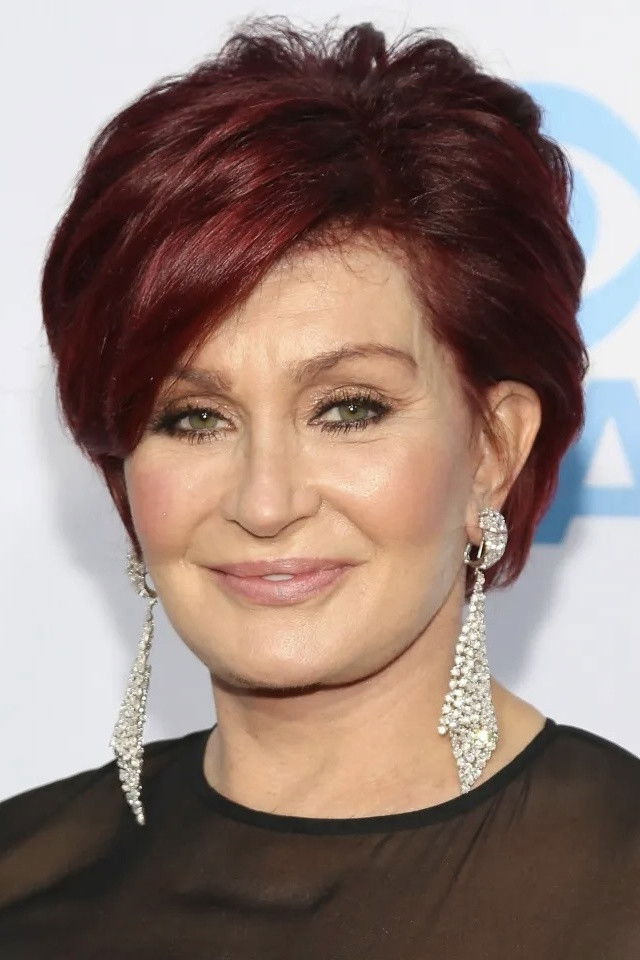
Sharon Osbourne has spoken out against the culture of mandates and the impact they have on individual careers in television. She argues that the industry has become a place where people are afraid to speak their minds for fear of violating social guidelines. The media personality believes that true diversity should include a wide range of opinions and personalities. She has expressed her frustration with the way institutional rules are used to enforce a narrow set of cultural norms. Her experiences have made her a strong advocate for the importance of open and honest dialogue in the media.
Piers Morgan
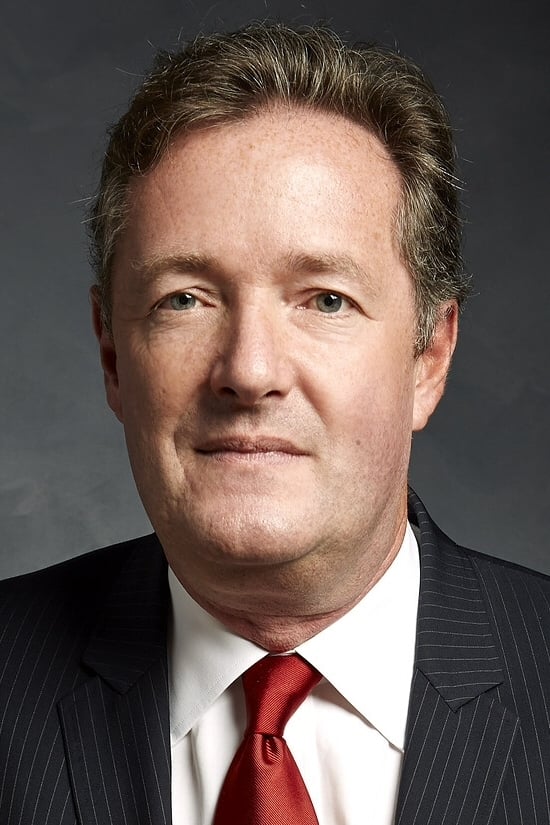
Piers Morgan is a consistent critic of modern diversity mandates and the rise of what he calls woke culture in the media. He argues that these requirements often lead to a lack of quality and a focus on superficial characteristics rather than talent. The broadcaster and journalist believes that the industry should prioritize the best possible content for the audience. He has criticized the way mandates are used to silence dissenting voices or to enforce ideological conformity. His public commentary often focuses on the perceived loss of common sense in modern institutional policies.
Jerry Seinfeld
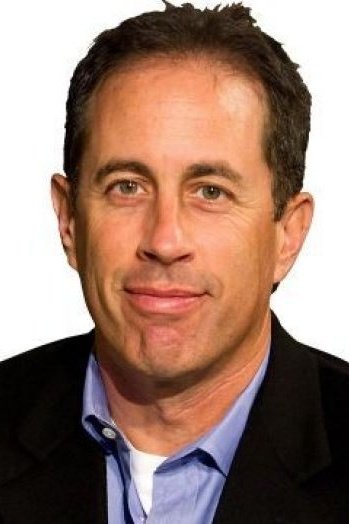
Jerry Seinfeld has recently commented on how modern cultural mandates and sensitivities have impacted the world of television comedy. He suggested that the extreme focus on avoiding offense has made it difficult to create shows like the ones he produced in the past. The comedian believes that the creative process needs a certain level of freedom to explore the absurdities of life. He argued that the current atmosphere in the industry has led to a decline in original and funny content. His views reflect a concern shared by many veteran creators about the changing rules of the craft.
Anthony Hopkins
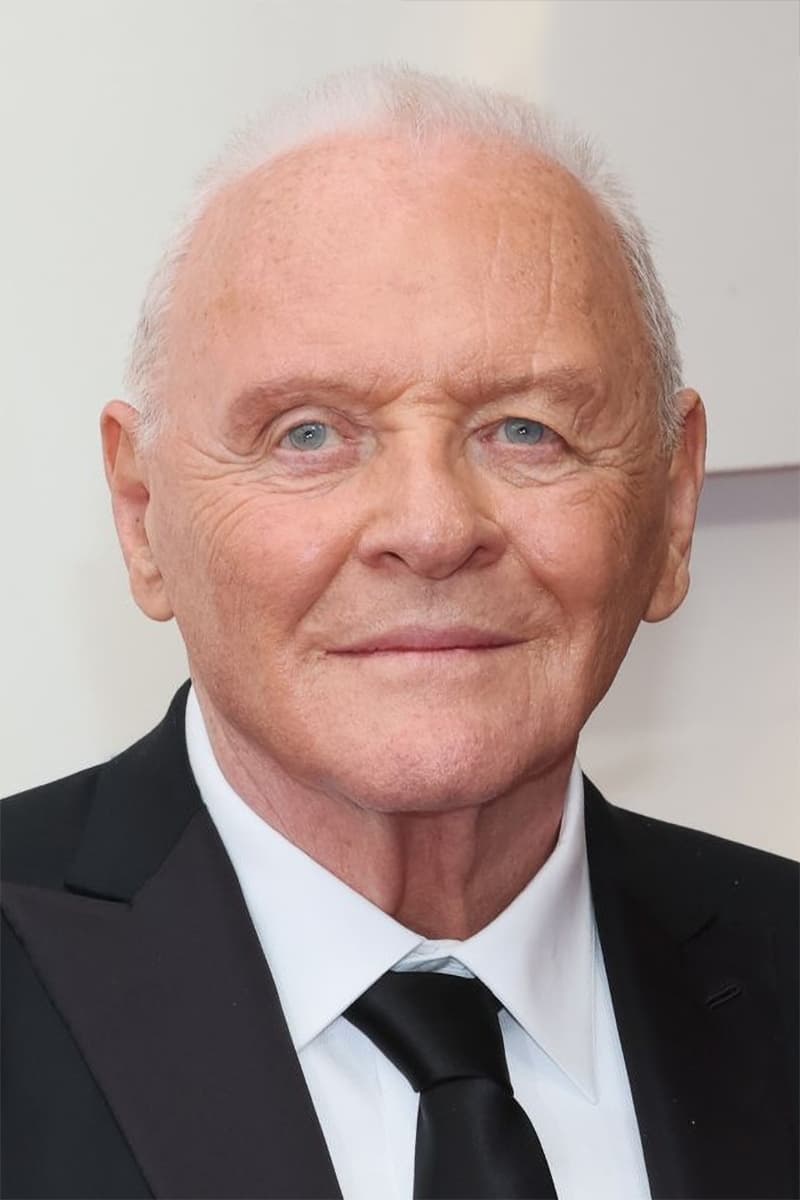
Anthony Hopkins has occasionally shared his thoughts on the shift toward more regulated casting and production in Hollywood. He has voiced a preference for a system that values the talent and experience of the actor above all other considerations. The veteran performer believes that the primary job of an actor is to inhabit a character regardless of their personal background. He has expressed a desire to keep the focus on the art of acting rather than on the political or social goals of the industry. His perspective is rooted in a lifelong dedication to the craft of performance.
Robert Davi
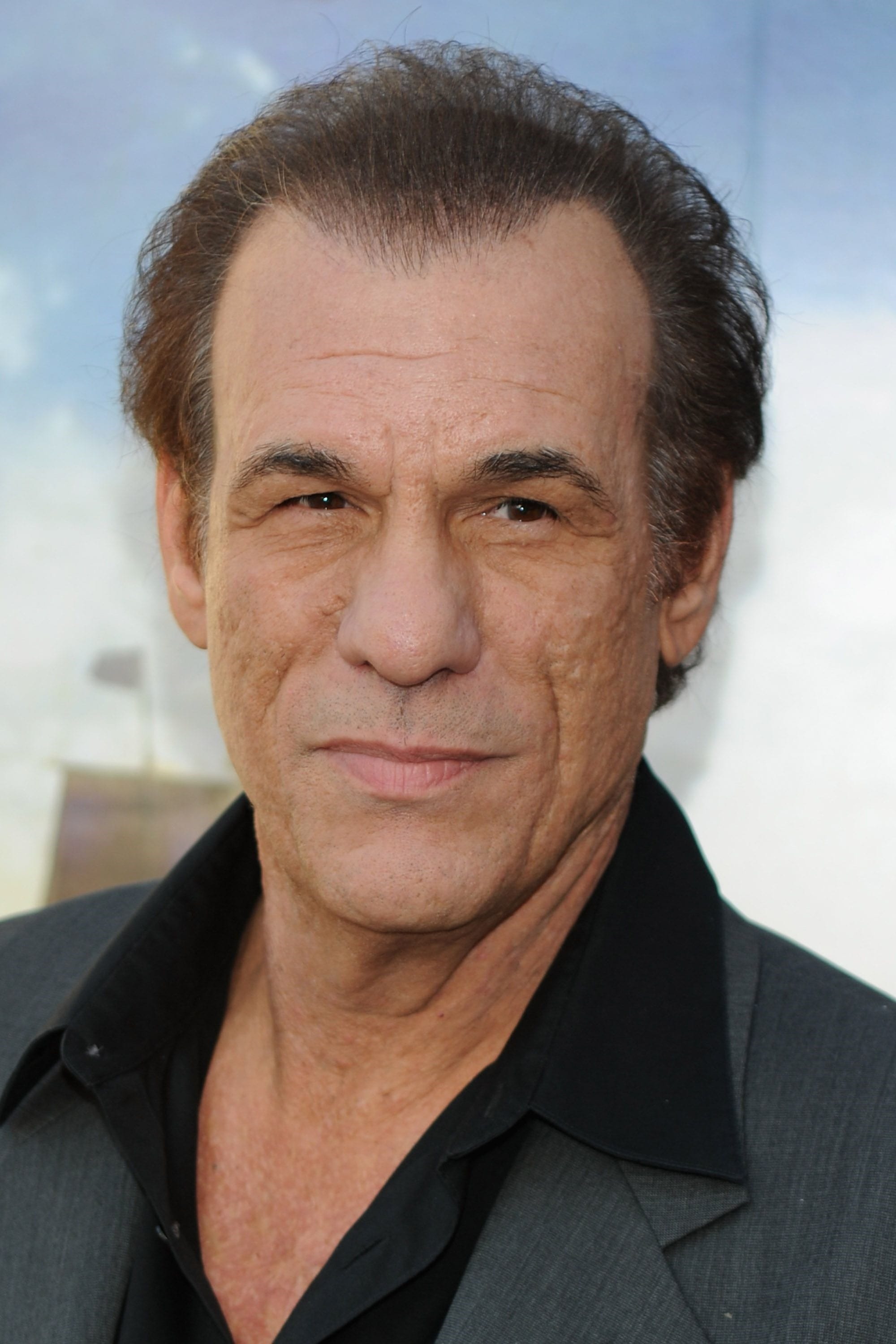
Robert Davi is an outspoken critic of the diversity mandates and ideological requirements he sees as dominating modern Hollywood. He argues that these policies have led to a decline in the quality of storytelling and a loss of traditional values in film. The actor believes that the industry should focus on creating stories that appeal to a broad audience rather than satisfying specific demographic quotas. He has called for a return to a merit based system where artists are free to pursue their vision without political interference. His public statements often emphasize the need for intellectual diversity in the creative arts.
Isaiah Washington
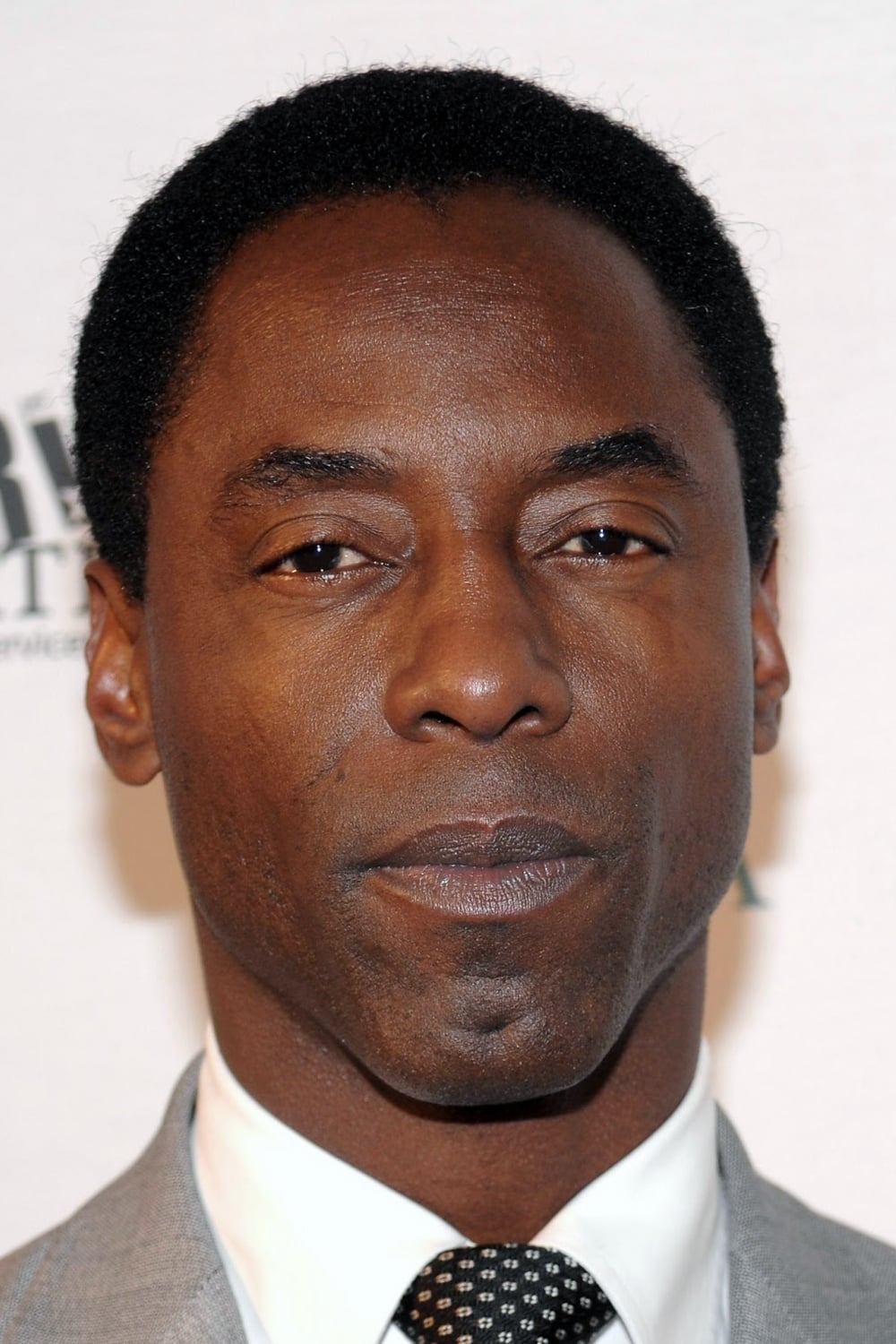
Isaiah Washington has spoken about his experiences with the changing landscape of Hollywood and the impact of modern mandates. He argued that the focus on certain types of representation can sometimes overlook the contributions of talented individuals who do not fit the current narrative. The actor believes that the industry should be more inclusive of a wider variety of voices including those with different political and social perspectives. He has expressed frustration with how institutional rules can limit the opportunities for authentic creative expression. Their views highlight the complexities of navigating representation in the modern era.
Kirstie Alley
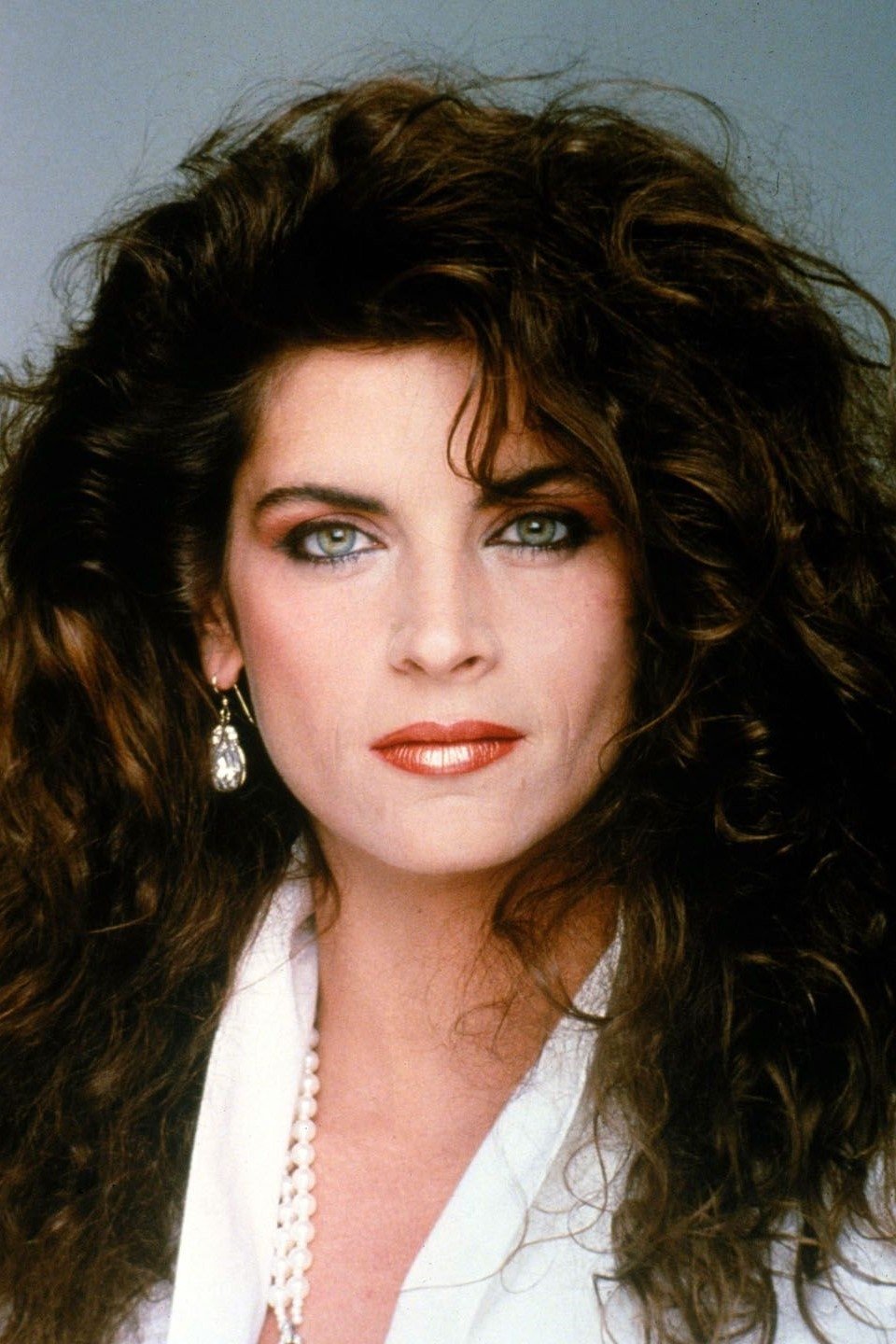
Kirstie Alley was a vocal critic of the new Academy diversity rules and the general shift toward mandates in the entertainment business. She argued that these requirements were a form of overreach that restricted the freedom of filmmakers to cast their projects. The actress believed that the industry should focus on talent and the ability to tell a great story rather than meeting statistical goals. She expressed concern that these mandates would lead to a lack of originality and a fear of taking creative risks. Her public comments reflected a strong belief in the importance of individual merit and artistic liberty.
Jennifer Saunders
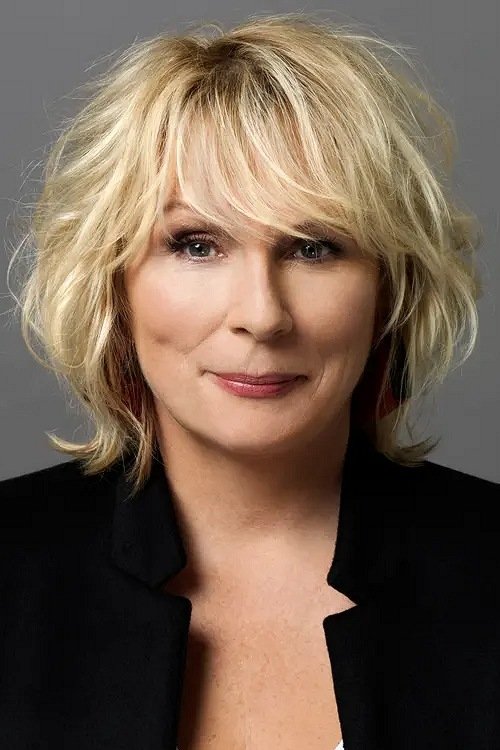
Jennifer Saunders has discussed the challenges of creating comedy in an era governed by new cultural mandates and sensitivities. She suggested that some of the characters and sketches from her past work would not be possible under current industry rules. The actress and writer believes that the pressure to conform to specific social guidelines can stifle the creative process for comedians. She has expressed concern that the focus on avoiding offense is making television content less daring and interesting. Her perspective offers a critical look at the impact of modern standards on the world of British comedy.
Helena Bonham Carter
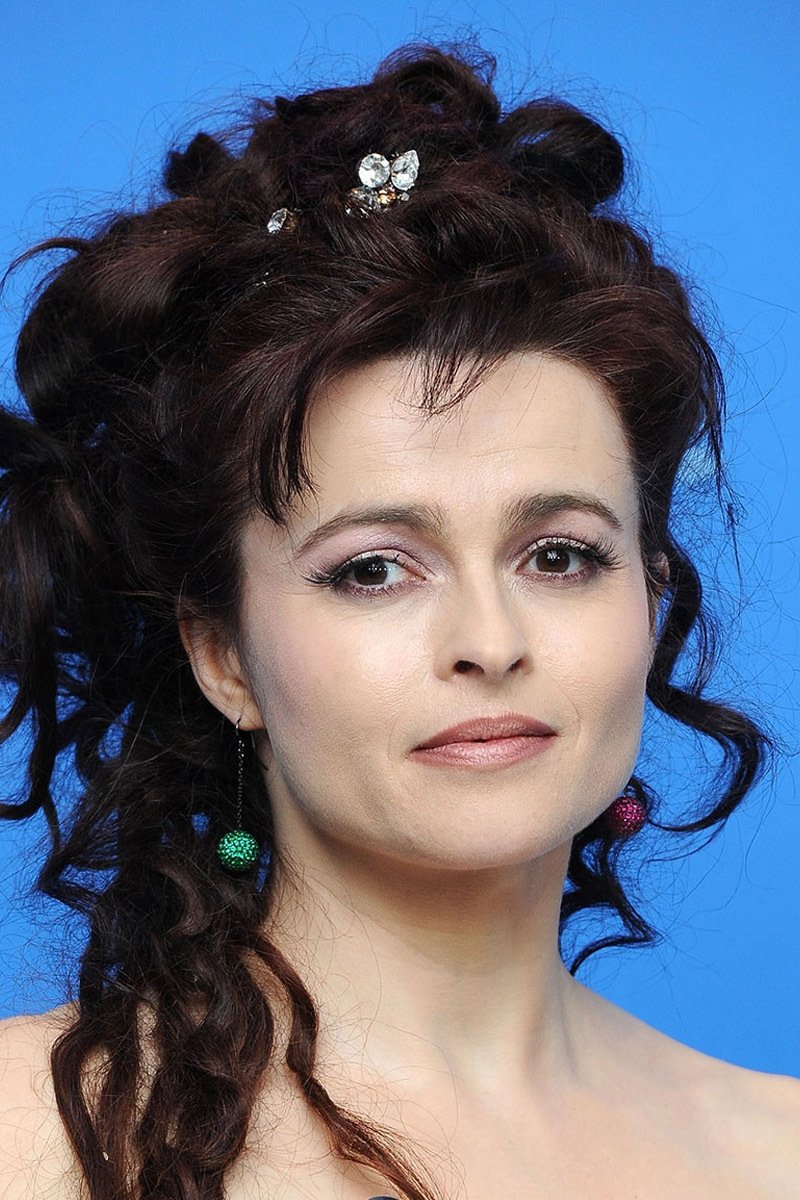
Helena Bonham Carter has shared her views on the importance of creative freedom and the potential downsides of modern industry mandates. She has argued that artists should be allowed to explore any character or story without being limited by demographic requirements. The actress believes that the essence of acting is the ability to transform into someone else regardless of one’s own background. She has also voiced support for other creators who have faced criticism for challenging modern cultural norms. Their stance emphasizes the value of artistic independence in a rapidly changing industry.
Brian Cox
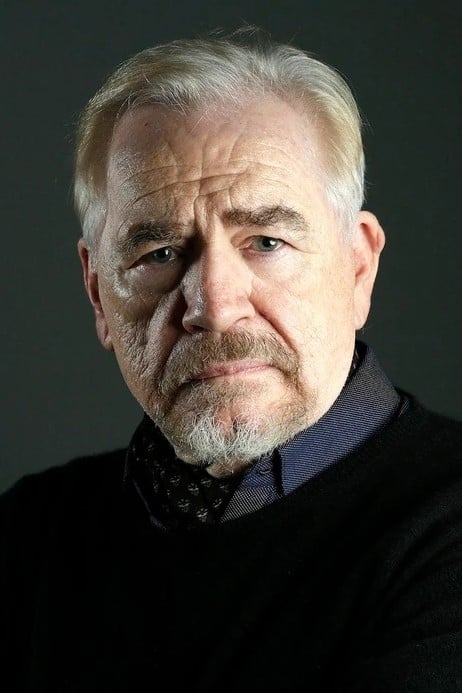
Brian Cox has commented on the intensity of modern cultural mandates and their impact on the acting profession. He noted that the industry has become increasingly focused on social and political requirements that can sometimes overshadow the work itself. The actor believes that while progress is important it should not come at the cost of creative integrity or the ability to tell complex stories. He has expressed concern that the current environment makes it difficult for artists to speak their minds. His views reflect a desire to maintain a focus on the craft and the truth of the human experience.
Judi Dench
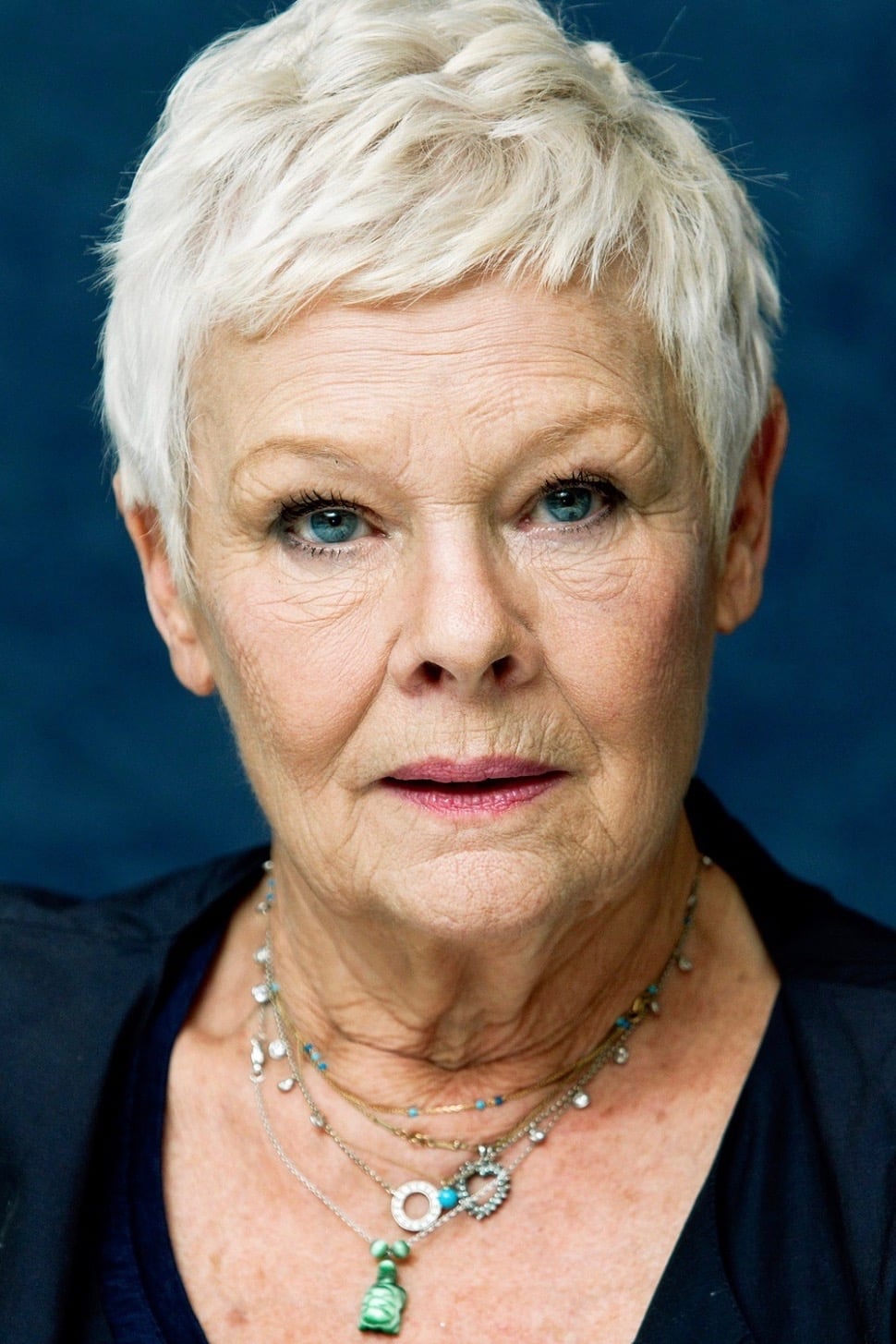
Judi Dench has voiced her skepticism regarding certain modern mandates such as the trend of gender swapping historical roles for the sake of diversity. She argued that these changes can sometimes feel unnecessary and can detract from the authenticity of a story. The veteran actress believes that casting should be based on who is best for the role rather than on meeting specific institutional goals. She has expressed a preference for a more traditional approach where the focus remains on the quality of the production. Her comments highlight a commitment to the preservation of storytelling traditions.
Terrence Howard
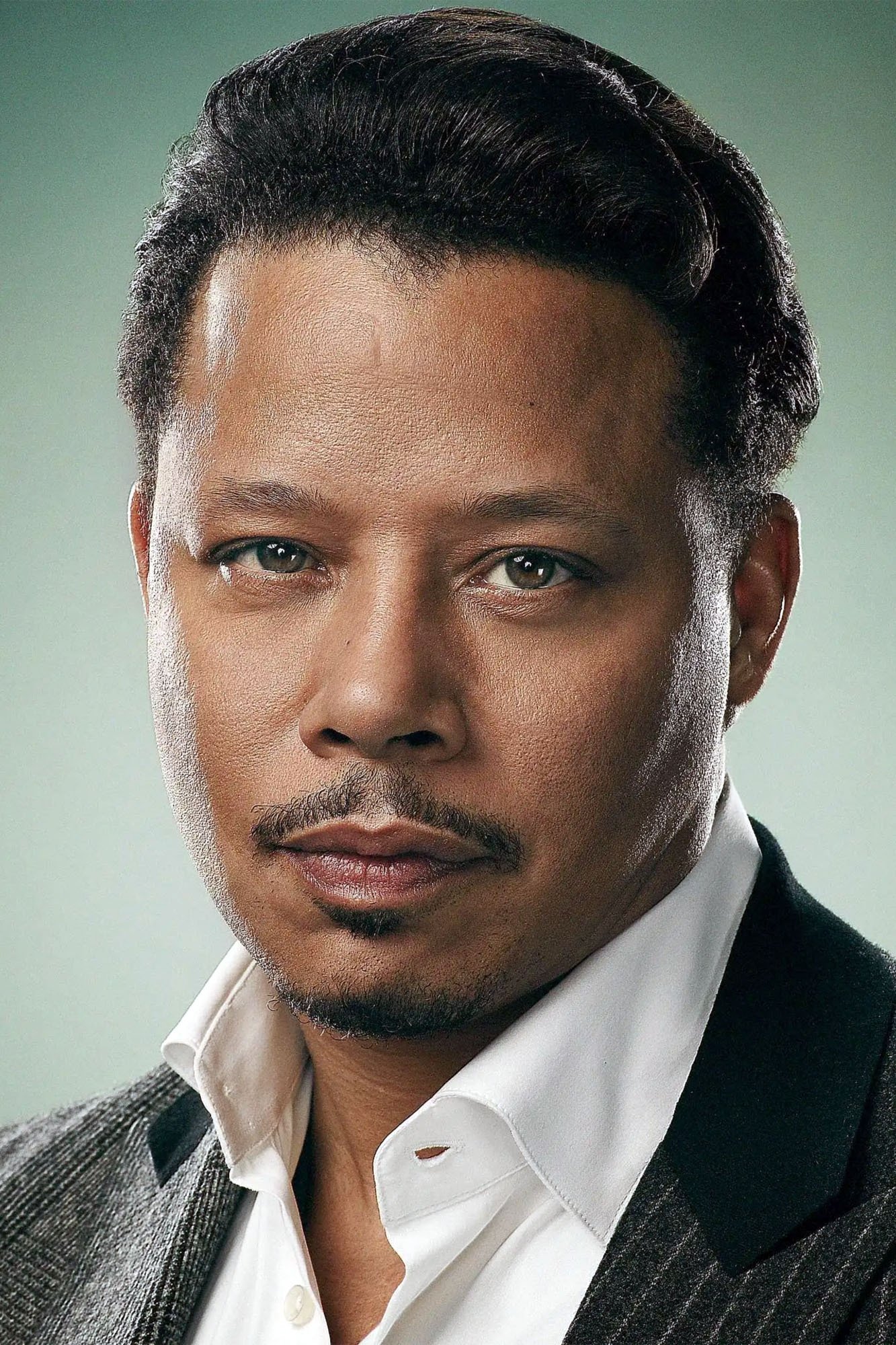
Terrence Howard has shared his perspectives on the challenges of working within a system that is increasingly defined by specific diversity mandates. He argued that these rules can sometimes be restrictive and do not always lead to genuine empowerment for creators. The actor believes that the industry should focus on the deeper connections between people rather than on surface level identity markers. He has expressed a desire for a more open and innovative creative landscape that is not bound by rigid formulas. His public statements often explore the intersection of art and identity in a critical way.
Stacey Dash
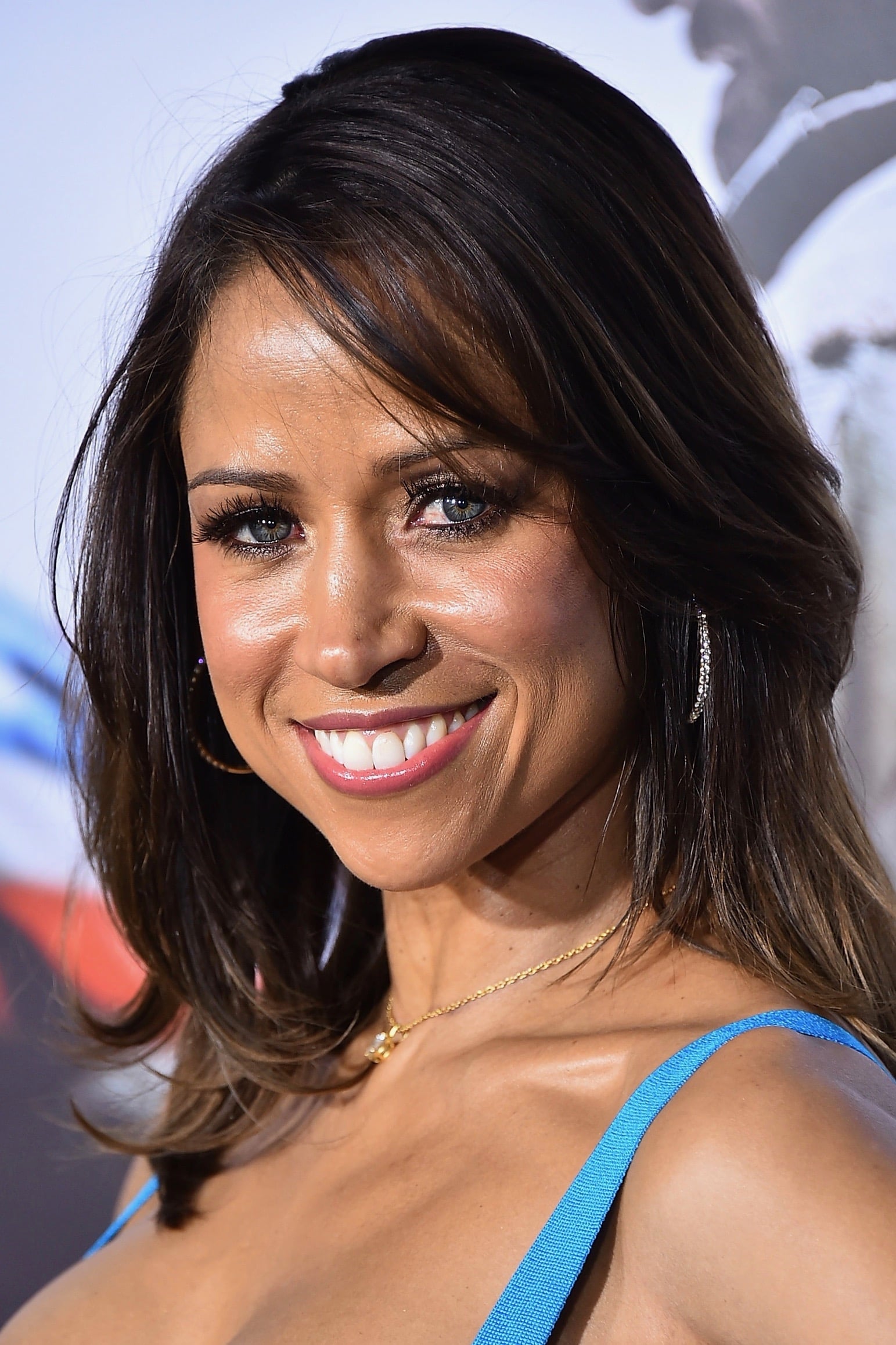
Stacey Dash has been an outspoken critic of diversity mandates and the focus on race in the entertainment industry. She famously suggested that the existence of specific awards and channels for minority groups can hinder true integration. The actress argued that these initiatives often create more division rather than fostering unity among artists. She believes that talent should be the sole criteria for success in Hollywood without the need for special categories or mandates. Her views have often placed her at the center of intense discussions regarding the future of representation.
Jim Caviezel
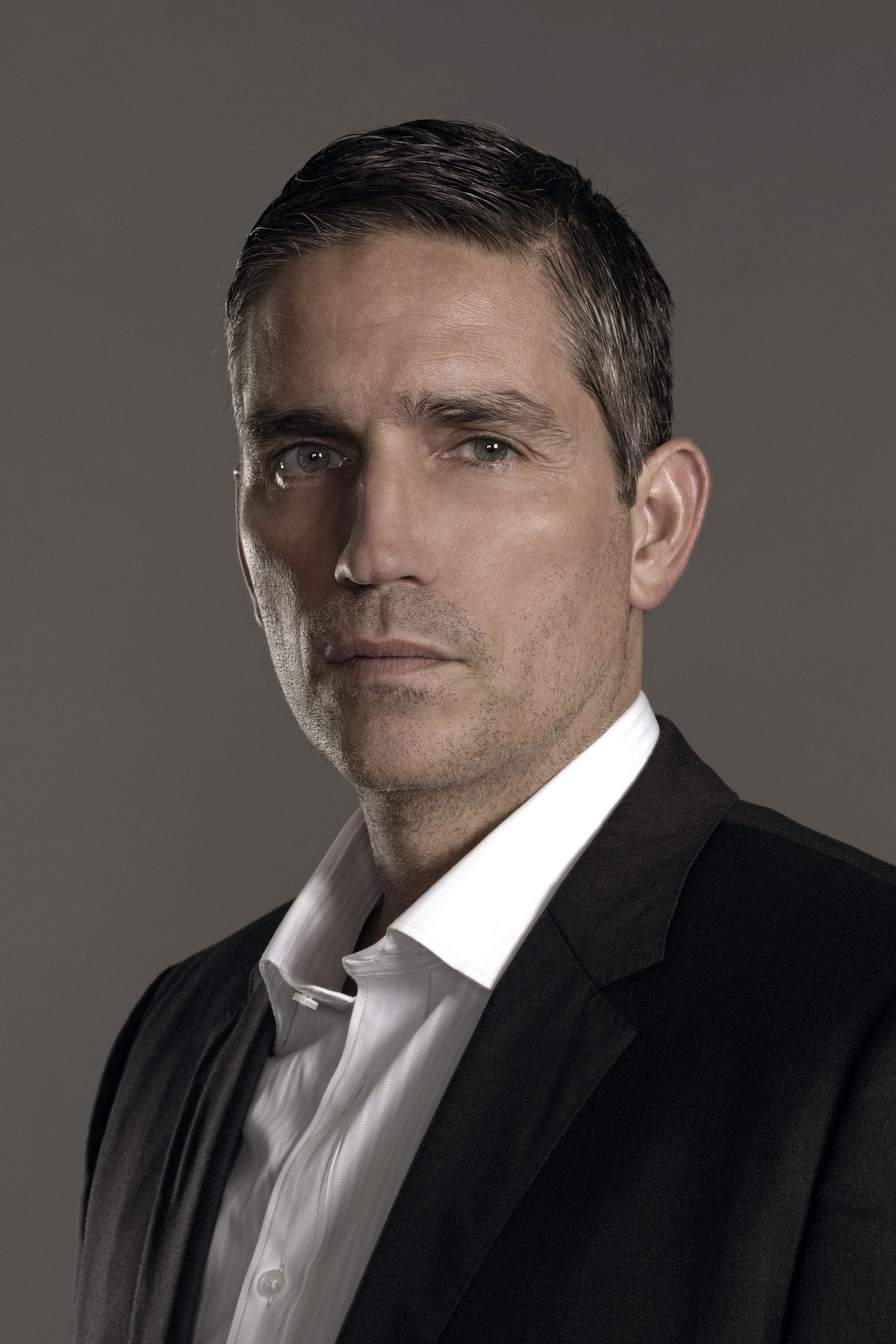
Jim Caviezel has voiced his concerns about the ideological and social mandates he believes are reshaping the film industry. He argues that these requirements often exclude or marginalize stories that reflect traditional or religious values. The actor believes that the focus of the industry has shifted away from timeless truths and toward modern political agendas. He has expressed a desire for a return to a more inclusive environment that values a broad range of human experiences. His public work continues to focus on themes that he feels are often overlooked by the mainstream industry.
Rob Lowe
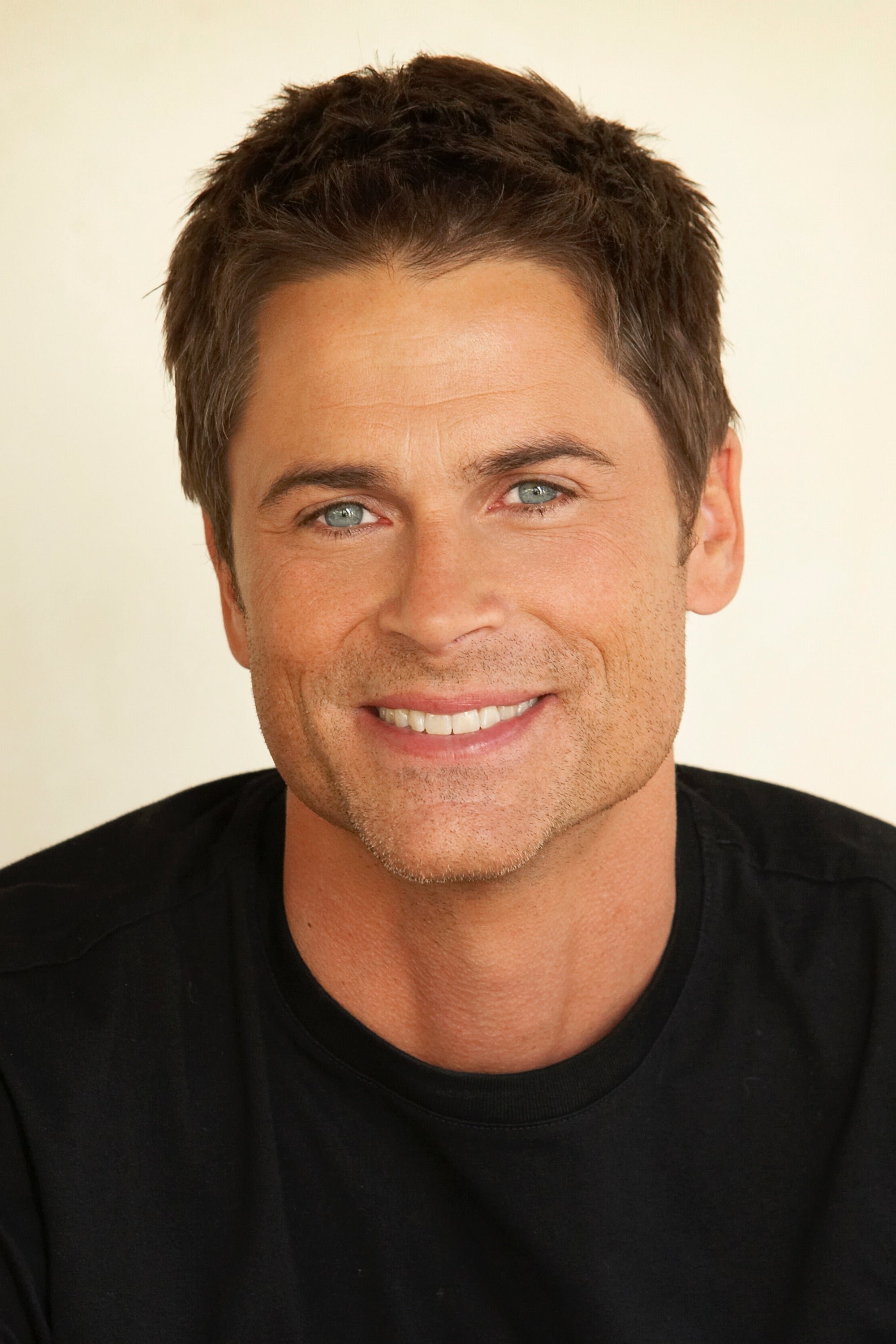
Rob Lowe has shared his thoughts on the changing cultural and political climate of Hollywood and its impact on the creative process. He suggested that the industry has become more of a monolith where certain types of creative expression are no longer encouraged. The actor believes that the focus on modern mandates can sometimes result in a lack of originality in television and film. He has voiced support for a more diverse range of viewpoints and stories that challenge the status quo. His perspective reflects a concern for the long term health of the industry as a creative medium.
Matthew McConaughey
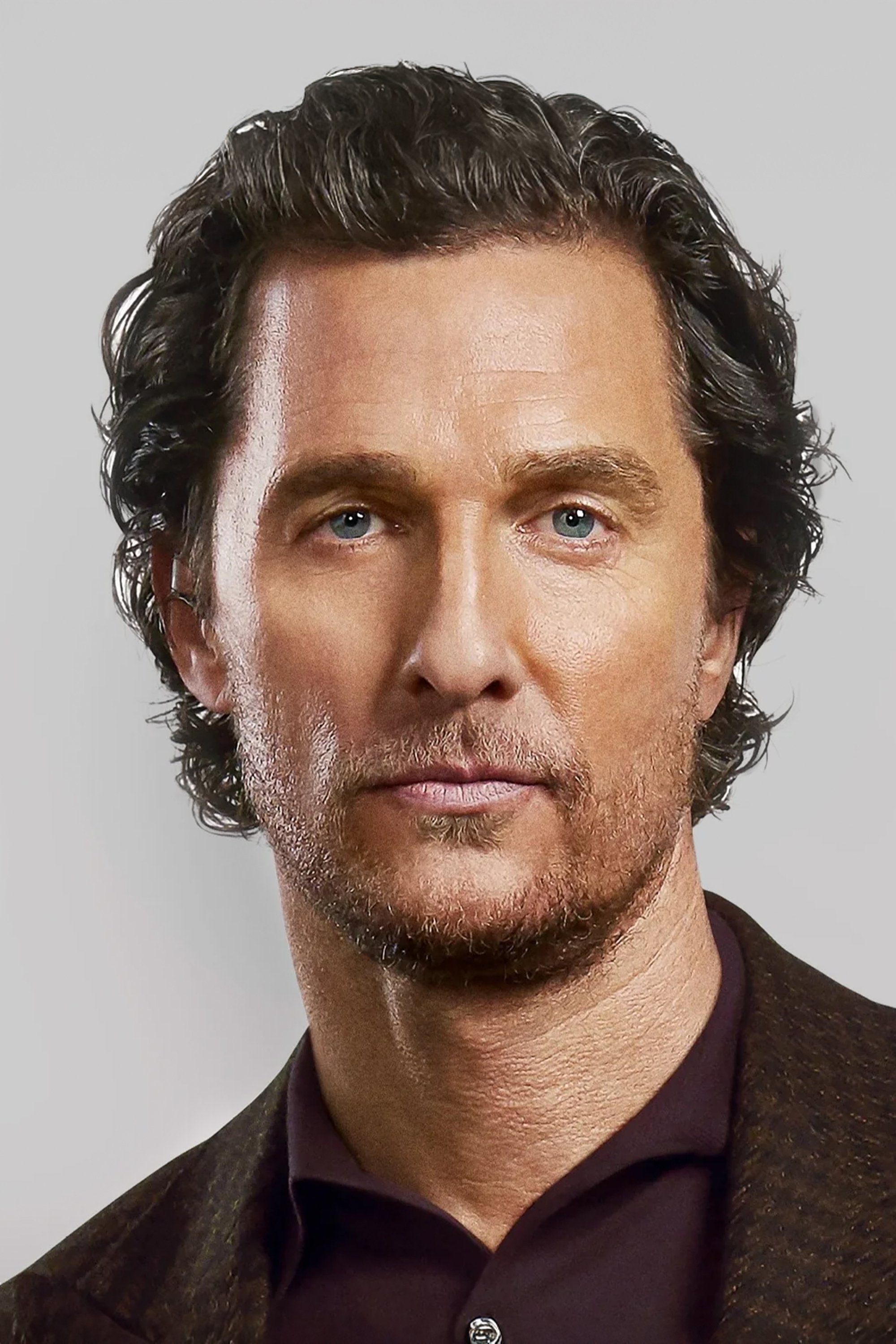
Matthew McConaughey has commented on what he describes as the illiberal atmosphere within the modern entertainment industry. He argued that the pressure to conform to specific cultural mandates can be condescending and counterproductive. The actor believes that the industry should be a place where a wide variety of perspectives can coexist without the need for strict enforcement. He has encouraged a more balanced and open dialogue about the future of representation and storytelling. His comments highlight the tension between institutional goals and the desire for individual artistic freedom.
Zachary Levi
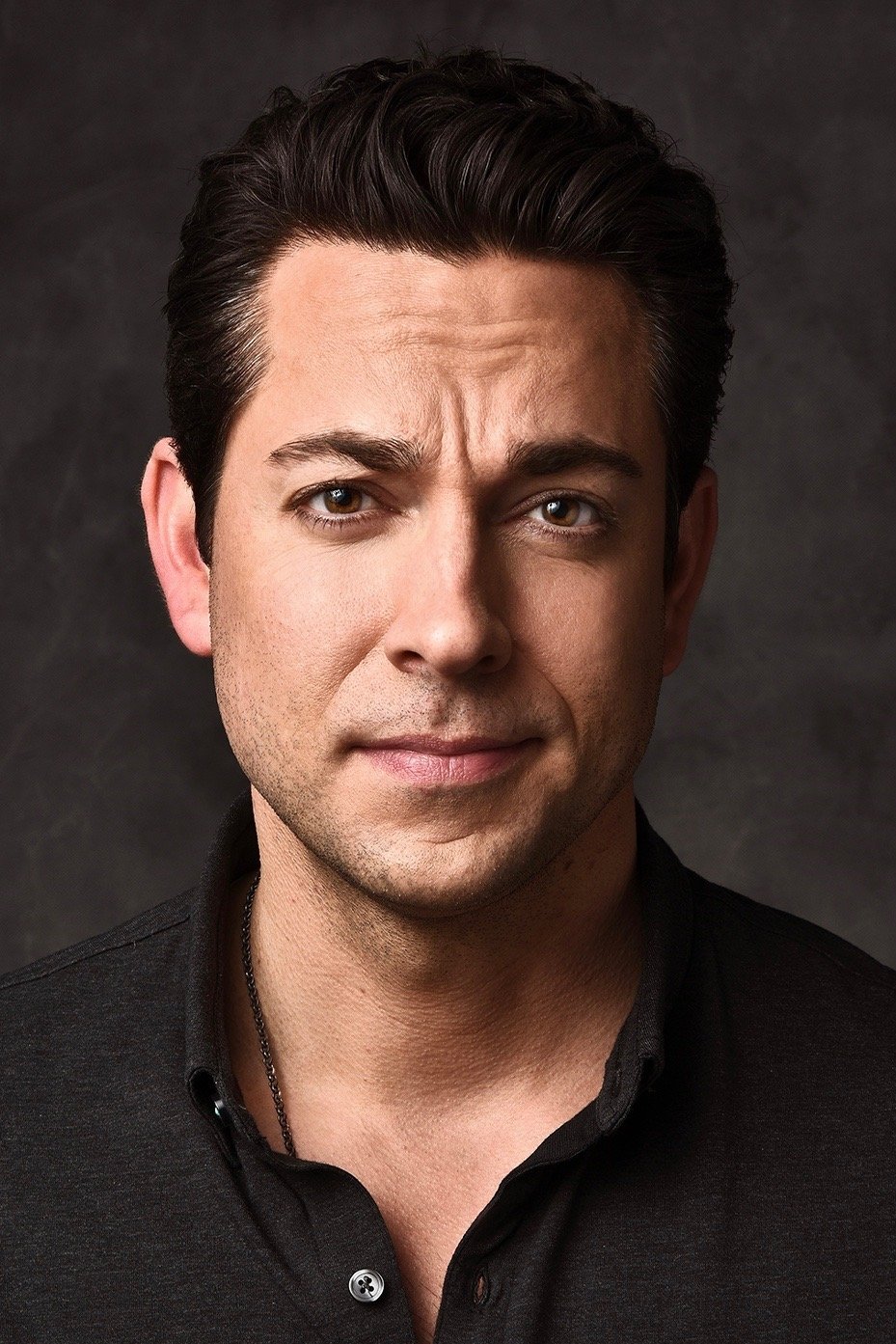
Zachary Levi has publicly criticized the quality of modern Hollywood productions and the industry’s focus on specific social agendas. He suggested that the emphasis on certain mandates and formulas has led to a decline in the overall standard of storytelling. The actor believes that the industry should focus more on creating engaging and high quality content for the audience. He has encouraged creators to be more independent and to prioritize the story above all other considerations. Their views represent a call for a return to the fundamentals of filmmaking and creative excellence.
Tell us what you think about these celebrity perspectives on industry mandates in the comments.