Anime Characters Whose Designs Sparked Intense Race-Swapping Debates

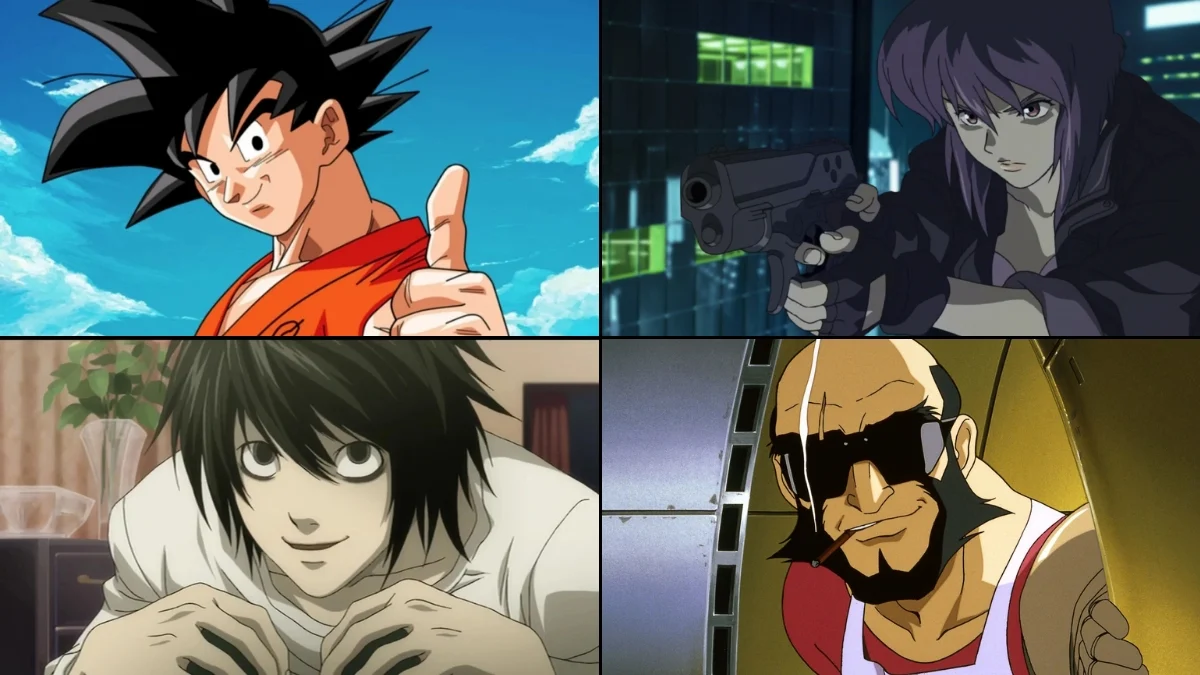

The visual depiction of anime characters often transcends the screen, igniting global conversations about representation, ethnicity, and artistic interpretation. As Japanese animation continues to grow its international audience, the dialogue surrounding character designs—and how they are adapted or reimagined—has become increasingly prominent. These discussions often arise from casting choices in live-action adaptations, inconsistencies between different animation studios, or fan-led reimagining of characters. While many of these debates stem from a desire for more diverse representation, others focus on the fidelity to original source materials. Here are 15 anime characters whose designs or adaptations sparked significant discourse regarding race and identity.
Casca

Casca is a central figure in ‘Berserk’ whose visual depiction has varied significantly across different adaptations. Fans often engage in heated discussions regarding her skin tone, which appeared darker in the 1997 anime compared to the 2012 film trilogy and the 2016 series. Some viewers interpret her as being of Kushan descent, a group inspired by South Asian or Middle Eastern cultures within the series’ lore. These discrepancies have led to recurring debates about her heritage and how she should be represented in fan art and future projects.
Nagatoro

The protagonist of ‘Don’t Toy with Me, Miss Nagatoro’ became the center of a viral social media debate regarding her ethnicity and character design. While the character is Japanese, her deep tan led some Western fans to reimagine her as Black or Afro-Latina in various fan edits. This sparked a counter-reaction from others who pointed out her visible tan lines as evidence of her participation in the school’s swimming club. The discourse highlighted the cultural differences in how tan skin is perceived and interpreted across different global fandoms.
Mirko

Rumi Usagiyama, better known as Mirko in ‘My Hero Academia’, features a design that has sparked extensive conversation about racial coding in superhero media. Her dark skin and muscular physique have led many fans to celebrate her as a Black character, despite her being canonically Japanese. When official color illustrations or merchandise appear to lighten her skin tone, it often triggers backlash on social platforms regarding colorism. This ongoing dialogue reflects a larger push for diverse representation within the popular shonen genre.
L
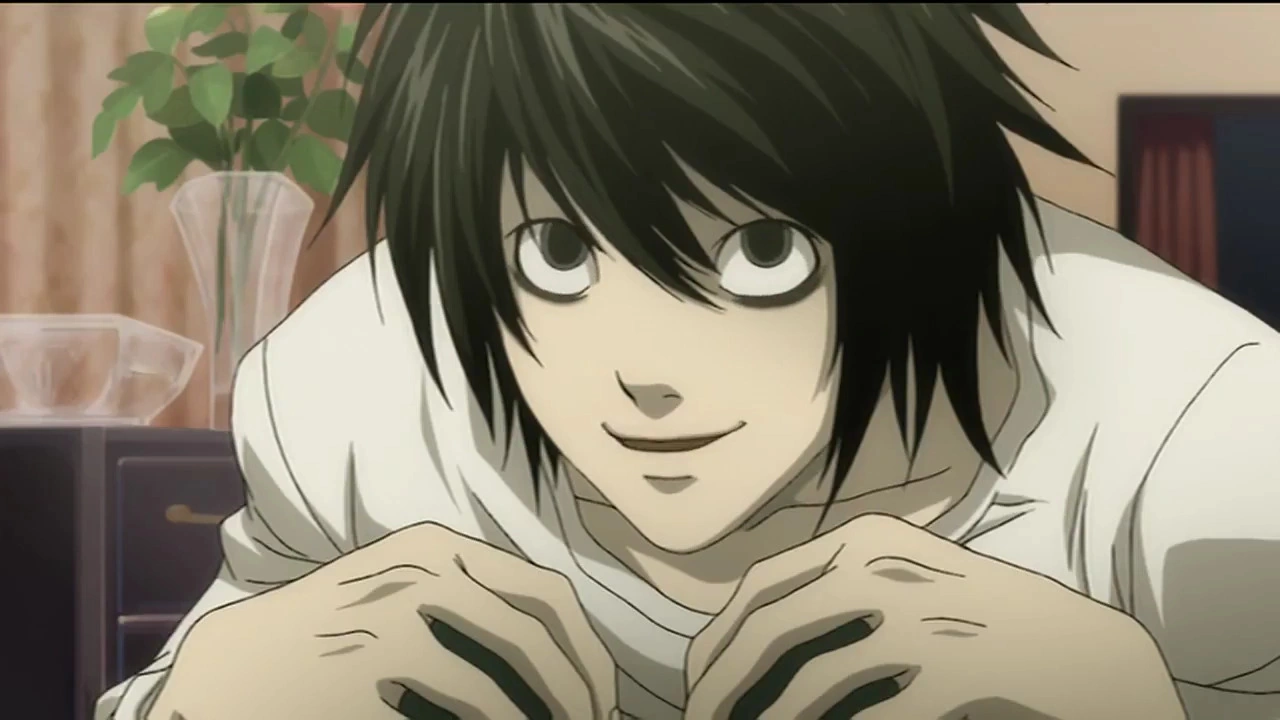
The character L from ‘Death Note’ became a focal point of race-swapping discussions following the 2017 Netflix live-action adaptation. Actor Lakeith Stanfield was cast in the role, which was originally depicted as a pale, Japanese-British individual in the source material. While some praised the casting for bringing a new dynamic to the role, others criticized the departure from the character’s iconic visual identity. This casting choice remains one of the most cited examples of race-swapping in contemporary anime-to-film adaptations.
Jet Black
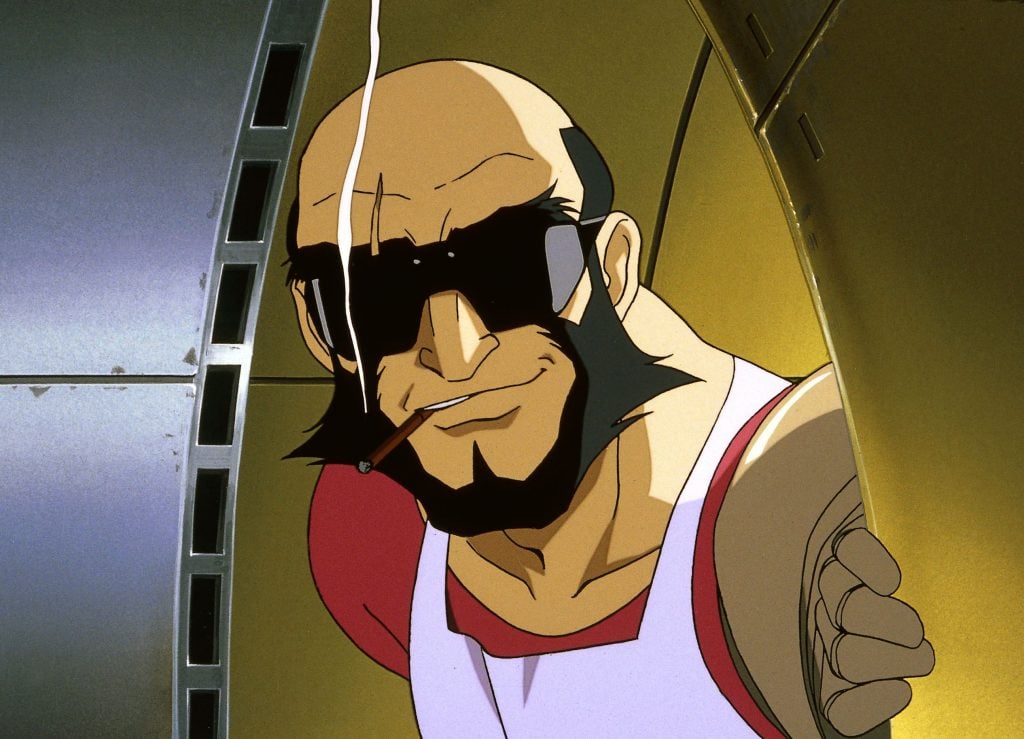
Jet Black’s design in ‘Cowboy Bebop’ has long been subject to interpretation due to his deep voice and stylistic influences. The debate reached a peak when Mustafa Shakir was cast to play the character in the Netflix live-action series. Many fans noted that Jet had been “racially coded” as Black in the eyes of many international viewers for decades, making the casting choice feel natural. However, the decision still sparked discussions regarding the conversion of coded traits into explicit racial identities during the adaptation process.
Motoko Kusanagi
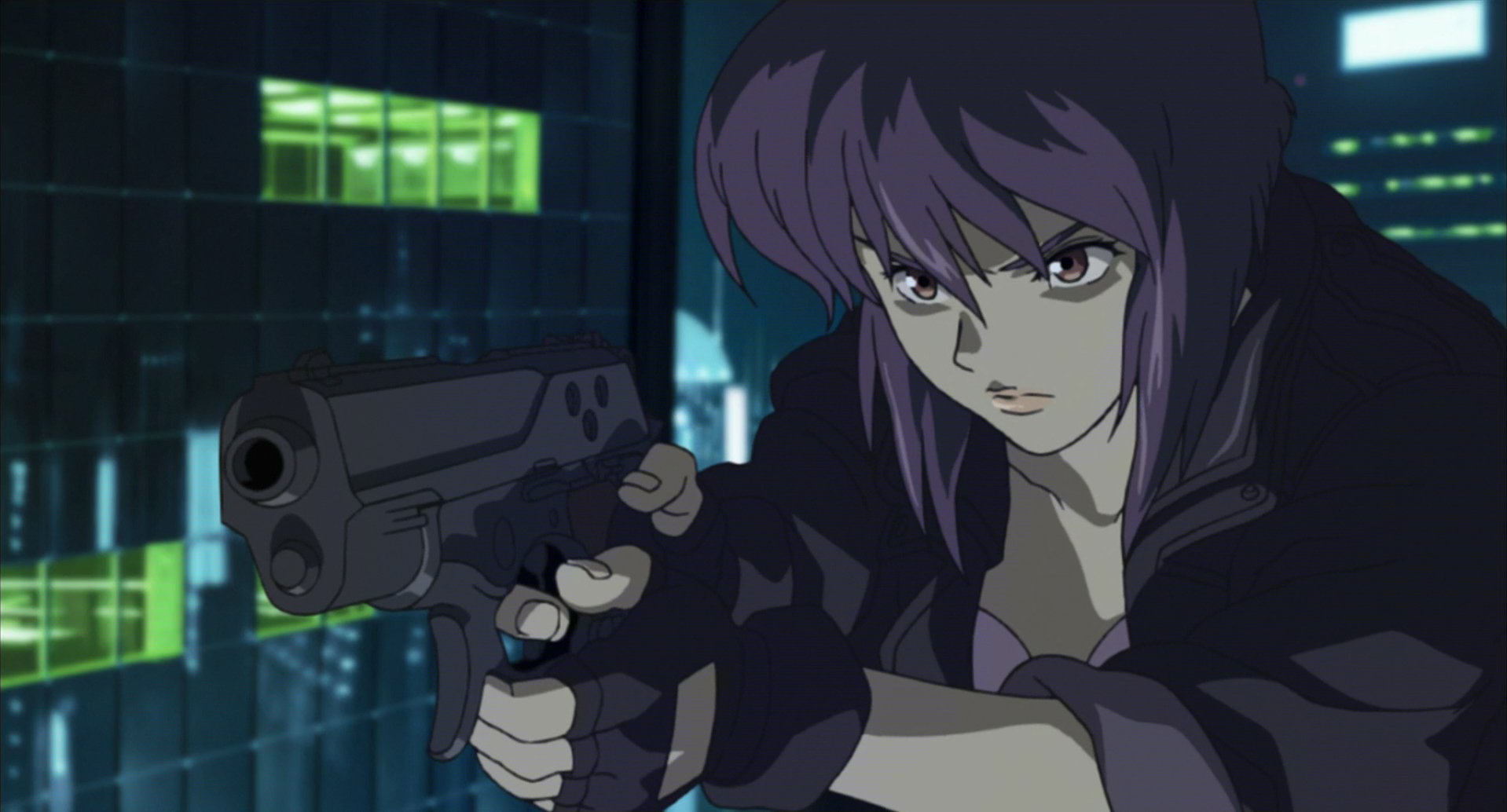
The protagonist of ‘Ghost in the Shell’ sparked one of the most high-profile “whitewashing” debates in Hollywood history. Scarlett Johansson was cast as the Major in the 2017 live-action film, a character who had always been depicted as Japanese in previous iterations. Critics argued that the casting overlooked Japanese talent for a role deeply rooted in Japanese cyberpunk culture. Conversely, some defenders pointed out the character’s cyborg nature, suggesting that her “shell” could theoretically take on any ethnic appearance.
Yoruichi Shihōin
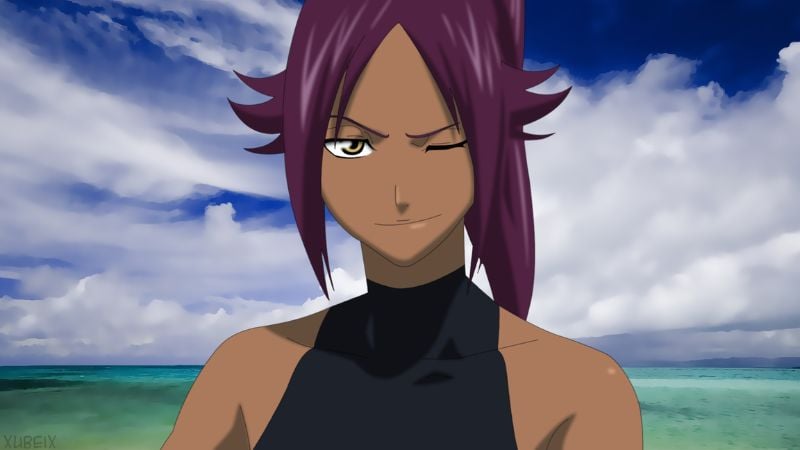
Yoruichi Shihōin from ‘Bleach’ is frequently discussed within the context of colorism and racial representation in anime. As a noble from the Soul Society with dark skin and purple hair, her ethnicity is often a subject of fan speculation and debate. While she is generally considered to be of Japanese descent within the show’s context, her design has made her a popular icon for Black and South Asian anime fans. The lack of explicit confirmation regarding her ethnic background allows for various cultural interpretations among the global audience.
Sister Krone
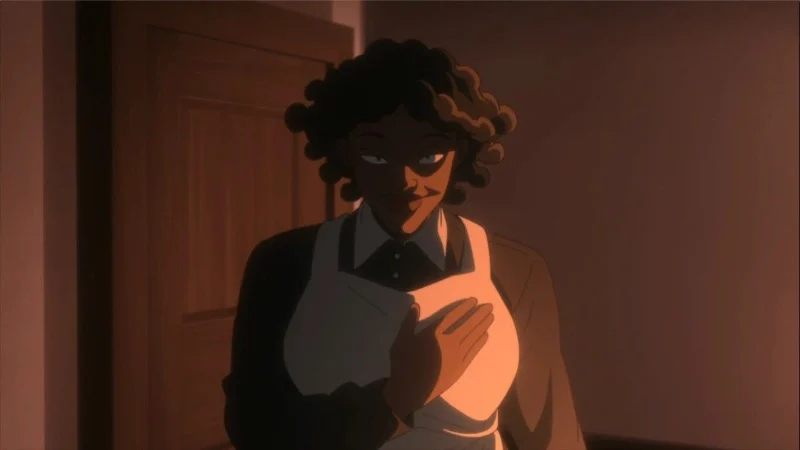
Sister Krone’s appearance in ‘The Promised Neverland’ ignited a controversy regarding the use of historical racial caricatures. Her design features exaggerated physical traits that many viewers noted bore a resemblance to minstrelsy tropes from Western media history. This led to intense debates over whether the character was a product of insensitive design choices or simply a distinct character in a fantasy setting. The discussion brought to light the sensitivities surrounding the depiction of Black characters in Japanese animation.
Goku

The casting of Justin Chatwin as Goku in ‘Dragon Ball Evolution’ is often cited as a definitive moment in the debate over race-swapping in anime. Despite Goku being an alien Saiyan, his cultural roots in ‘Dragon Ball’ are heavily inspired by Chinese literature and Japanese culture. Casting a white actor for the lead role led to widespread criticism from fans who felt the character’s heritage was being erased. The film’s critical failure is frequently linked to its lack of loyalty to the source material’s visual and cultural foundations.
Canary
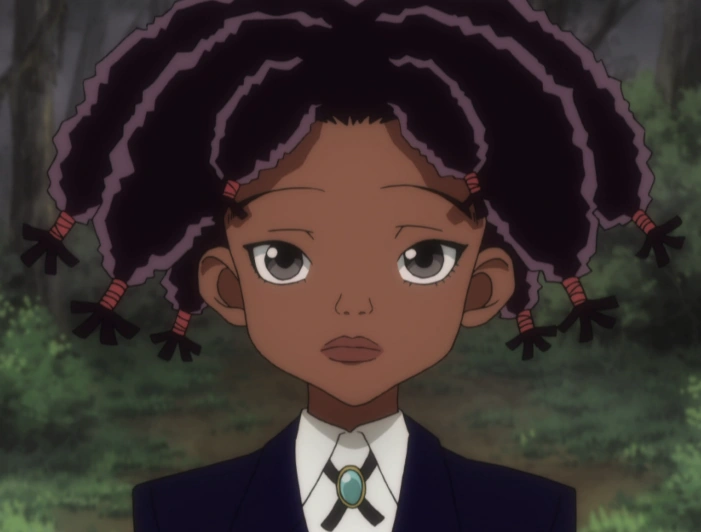
Canary, a loyal guardian of the Zoldyck family in ‘Hunter x Hunter’, is one of the few explicitly Black characters in the series. Her design has been subject to change between the 1999 and 2011 anime versions, particularly concerning her hair texture and skin tone. These visual shifts have prompted fans to discuss how different animation studios interpret and present Black features. Her character remains a significant touchstone for discussions regarding the evolution of Black representation in the shonen genre.
Killer Bee
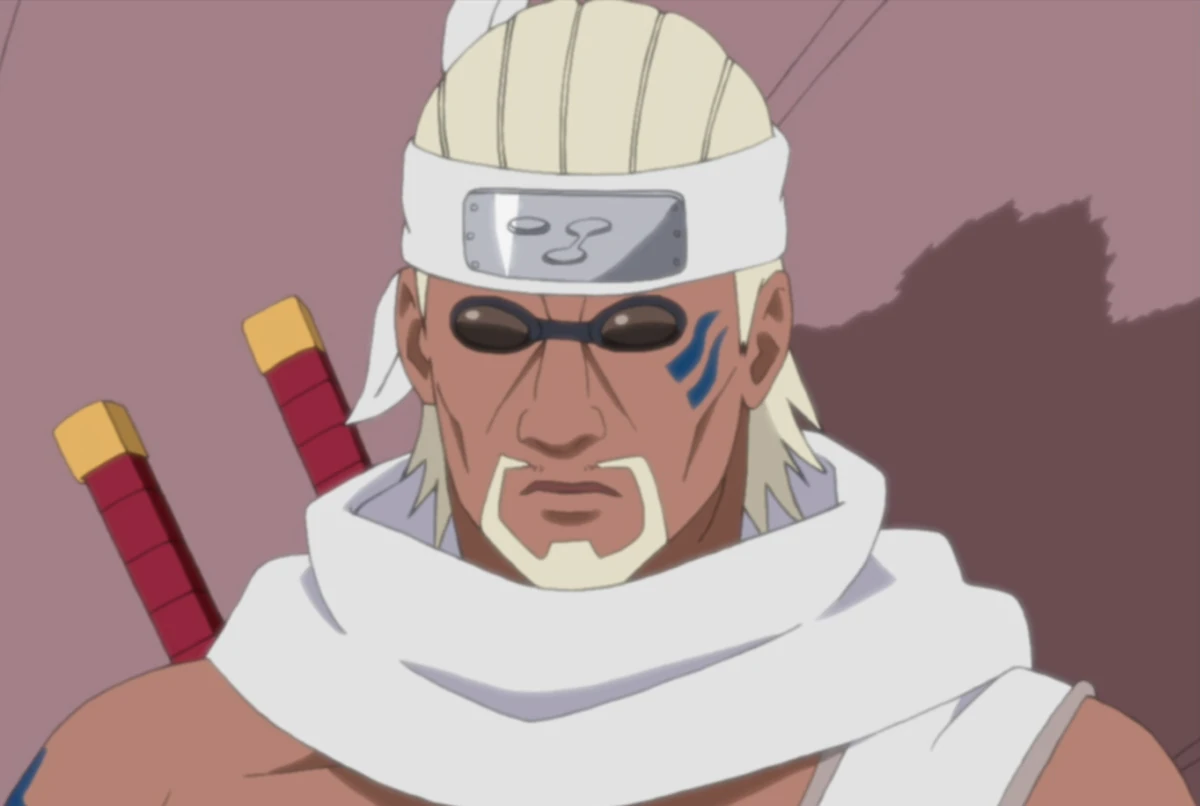
Killer Bee from ‘Naruto’ has a design and personality heavily influenced by African American hip-hop culture. As the Jinchuriki of the Eight-Tails, his use of rap and his physical design have led to debates about cultural appreciation versus appropriation. Some fans view him as a positive and powerful representation of Black influence in anime, while others find the rapping gimmick to be a stereotypical portrayal. The character’s design consistently fuels conversations about the intersection of Japanese media and global Black culture.
Muhammad Avdol
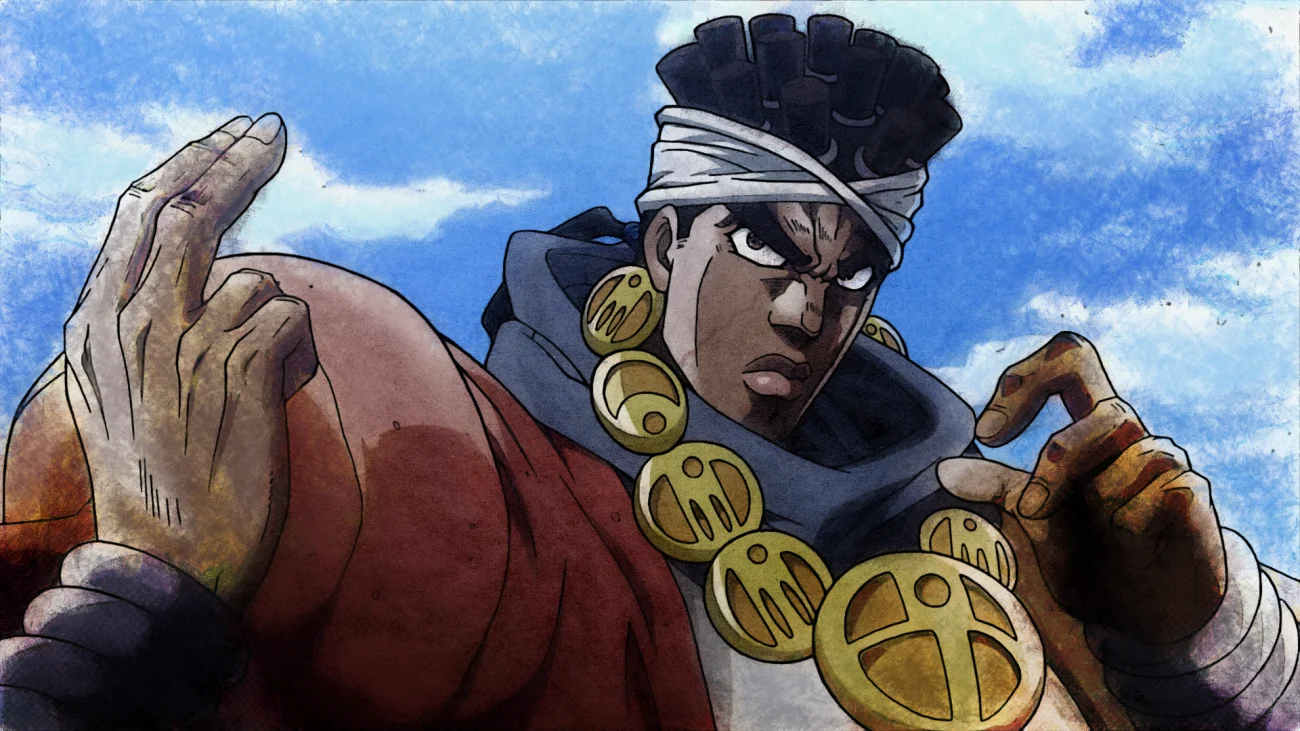
Muhammad Avdol in ‘JoJo’s Bizarre Adventure’ represents an Egyptian character within the ‘Stardust Crusaders’ arc. While his design is intended to reflect his North African heritage, fans often debate the accuracy and cultural nuances of his portrayal. His visual coding is distinct from the other protagonists, making him a focal point for discussions on how anime represents non-Japanese ethnicities. The character’s popularity has led to ongoing interest in how Egyptian identity is conceptualized by Japanese creators.
Carole
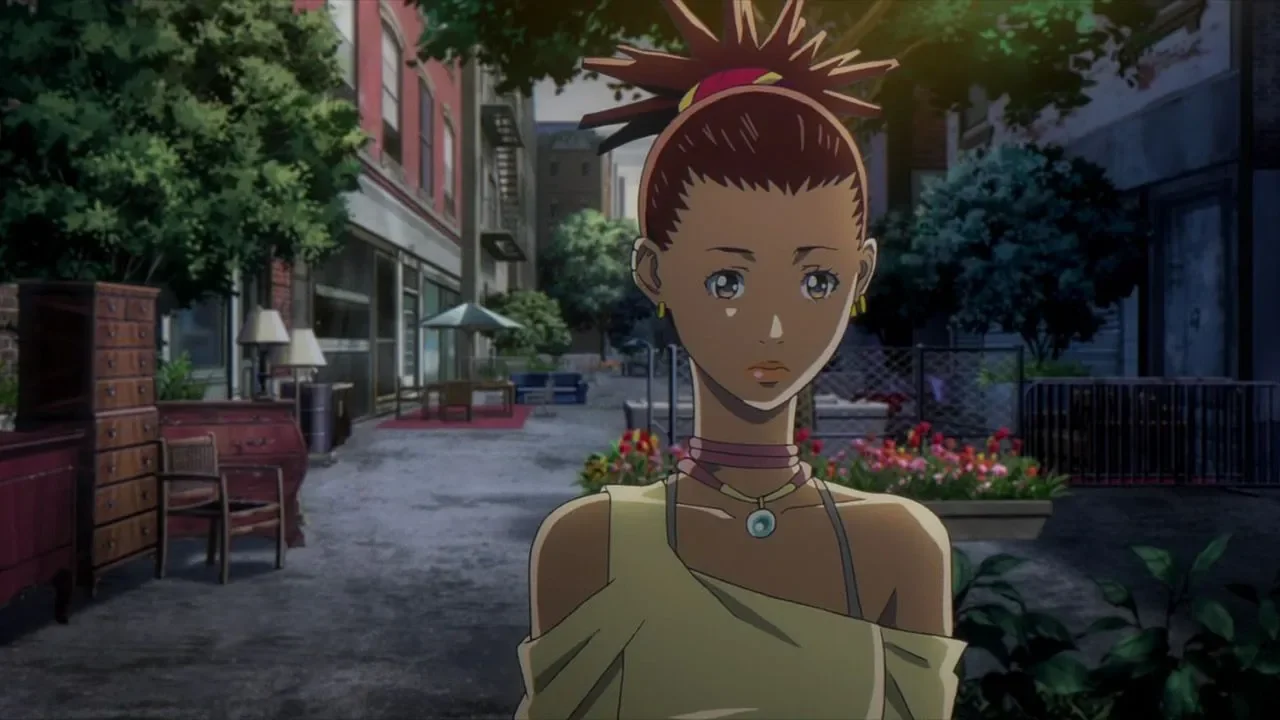
In the series ‘Carole & Tuesday’, the character Carole was designed to be a young Black woman living on a colonized Mars. The series’ creator, Shinichiro Watanabe, purposefully collaborated with international artists to ensure the character’s design and hair were authentic. Despite this intentional representation, debates sometimes arise in online spaces regarding the necessity of her specific design in a science-fiction setting. These discussions usually revolve around the importance of intentional diversity in modern anime productions.
Onyankopon
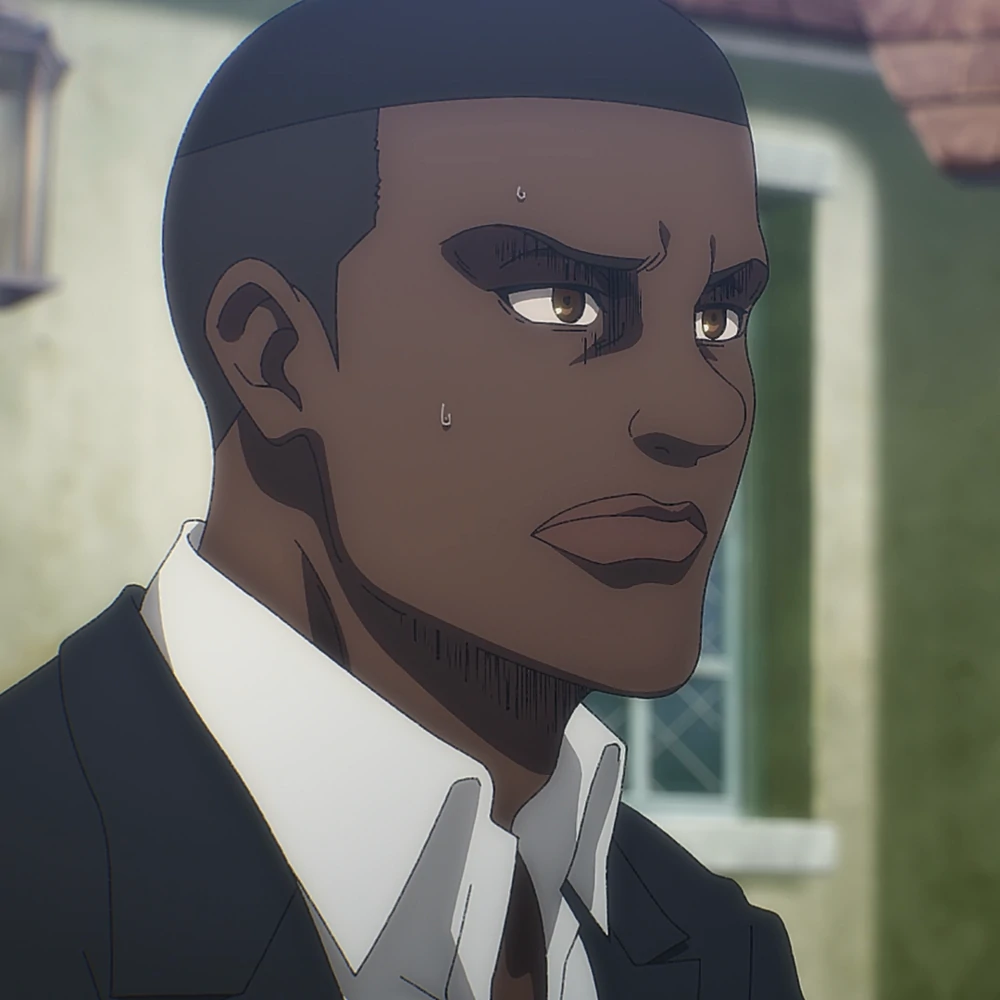
Onyankopon’s introduction in ‘Attack on Titan’ marked a significant shift in the series’ demographic landscape. As one of the first unambiguously Black characters in the show, his design and the explanation for his existence sparked global conversation. Some fans engaged in debates about the realism of his inclusion in the story’s world-building, while others praised the creator for addressing racial diversity. His name, which refers to a deity in the Akan religion, further added depth to the discussions regarding his cultural origins.
Kuzan

Kuzan, better known as Aokiji in ‘One Piece’, has a design inspired by the famous Japanese actor Yusaku Matsuda. Despite this confirmed inspiration, his tanned skin and curly hair have led many fans to interpret him as being of mixed race or Black. This has resulted in frequent debates within the community whenever “race-swapped” fan art or live-action casting theories emerge. The character serves as a prime example of how artistic inspiration can lead to diverse interpretations by a global audience.
Which of these character design debates do you find the most impactful for the future of anime representation? Tell us your thoughts in the comments.