The Ultimate Home Theater Setup – Why Climate Control Is the Upgrade Fans Forget

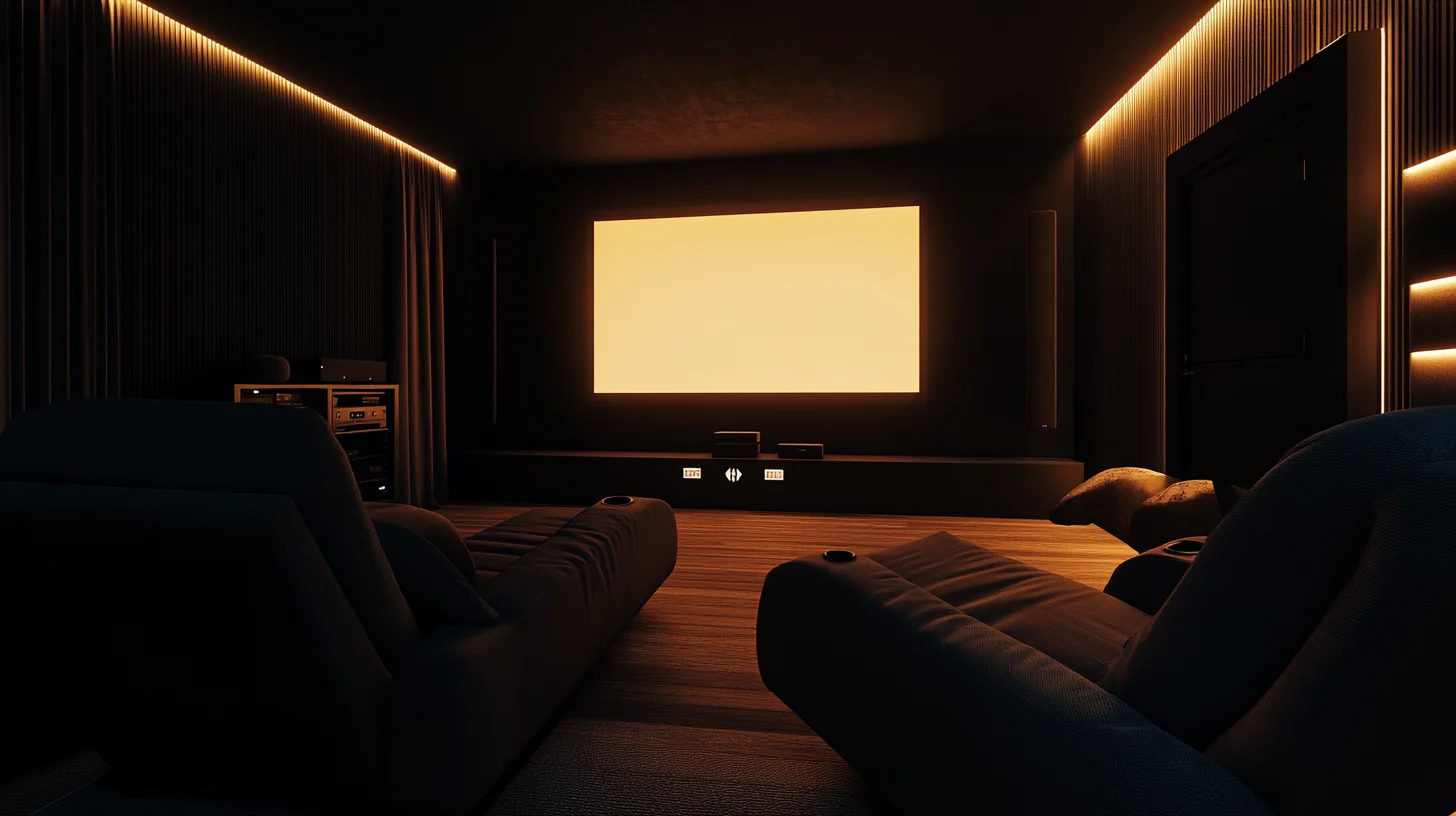

Fans will spend weeks choosing the right screen, dialing in a surround system, comparing recliners, and tuning the bias lighting behind the TV. But there’s one factor that quietly ruins a perfect viewing night, and almost nobody puts it on the upgrade list: the room temperature. A flawless picture means little when you’re too hot to sit still through the third act.
Home theaters are unusually prone to overheating. They’re often sealed, dark rooms with blackout curtains and sound treatment that choke off airflow, and they’re packed with gear — a projector, an AV receiver, consoles, amplifiers — that all run warm. Stack a long session on top of that, and the room slowly turns into an oven while you’re so absorbed you don’t notice until you’re uncomfortable.
Nothing ends a movie night faster than the AC dying two episodes into a binge — at which point “where can I find AC repair near me?” becomes the most urgent search of the evening. Getting the climate right before that happens is the upgrade most setups skip, and it does as much for the experience as any speaker or screen.
Why Room Temperature Is Part of the Viewing Experience
Temperature isn’t background noise to a home theater — it’s part of the immersion. A room that’s fighting you pulls your attention away from the screen just as effectively as a bad audio mix.
Comfort and immersion — how heat pulls you out of the moment
The whole point of a home theater is to disappear into what you’re watching. Heat breaks that spell. Once you’re shifting in your seat, fanning yourself, or thinking about how stuffy the room feels, you’ve left the story. Immersion depends on forgetting your body is there, and a too-warm room makes that impossible — no matter how good the picture is.
Long sessions and marathons — the problem compounds over hours
A comfortable room at the start of a film can be a miserable one by the end of a trilogy. Heat builds gradually as gear runs and bodies warm the space, so the problem compounds exactly when you least want it to. Marathon viewing — a full anime season, a franchise back-to-back — is where climate matters most, because the room only gets hotter the longer you commit to staying in it.
Guests and group watch nights — more bodies, more heat
A setup that handles solo viewing fine can overheat the moment you fill the room for a group watch. Every additional person adds body heat, and a packed theater on a premiere night warms up fast. The nights you most want to go well — friends over for a big release — are the ones where a borderline climate setup is most likely to fail.
Why Home Theaters Run Hotter Than Other Rooms
Keeping a home theater cool is harder than keeping an ordinary room comfortable, and it’s worth understanding why. The same design choices that make a great theater also make it tough to ventilate.
Heat-generating gear — projectors, AV receivers, consoles, amps
A home theater concentrates heat-producing electronics in one space. Projectors run hot, AV receivers and amplifiers generate warmth under load, and consoles add their own output during long gaming or streaming sessions. In a small room, all that thermal load adds up, and it keeps producing heat as long as the gear is on.
Sealed, dark, blackout-curtained rooms with poor airflow
The features that make a theater immersive work against its airflow. Blackout curtains, closed doors, and sound treatment seal the room off, which is great for light and acoustics, and bad for ventilation. A tightly sealed space traps the heat its gear produces, leaving nowhere for it to escape, so the room warms steadily throughout a session.
Basements and converted spaces with their own climate quirks
Many home theaters live in basements or converted rooms that were never designed for this use. Basements can run cool but damp, raising humidity concerns, while converted attics or spare rooms may sit at the far end of a home’s existing system and never get enough conditioned air. These spaces often have climate quirks that the rest of the house doesn’t, and they need to be accounted for.
How Heat and Humidity Affect Your Equipment (Not Just You)
A hot, humid theater isn’t only uncomfortable for you — it’s hard on everything in the room. The gear you invested in and the media you collected both deteriorate over time.
Electronics overheating, throttling, and shortened lifespan
Electronics don’t like heat. Components that run hot can throttle their performance to protect themselves, and sustained high temperatures shorten the lifespan of the gear you spent real money on. A poorly ventilated rack that bakes its own equipment is quietly working against the longevity of your whole setup.
Discs, vinyl, and collectibles warping in heat and humidity
For collectors, the room’s climate is a preservation issue. Heat and humidity warp discs and vinyl, encourage yellowing, and degrade the condition of figures and other collectibles over time. A theater that doubles as a display space for a collection needs stable conditions, or the collection slowly suffers for it.
Condensation risks in poorly ventilated rooms
Rooms with poor airflow and high humidity — basements especially — pose a risk of condensation. When moisture builds up and temperatures shift, it can settle on cool surfaces, which is bad news for electronics and media alike. Good ventilation and humidity control aren’t just about comfort; they protect against this slow, hidden form of damage.
Getting the Climate Right — From Quick Fixes to Real Solutions
Solving a hot theater runs from simple, free habits to permanent upgrades. Start with what you can do yourself, then escalate when the room’s needs outgrow the quick fixes.
Quick wins (ventilation, gear placement, airflow around the rack)
The easiest improvements cost nothing. Give your gear room to breathe — don’t cram the AV rack into a sealed cabinet, and leave space for airflow around hot components. Crack the room for ventilation between sessions, and avoid stacking heat-generating units directly on top of each other. These habits won’t fix a fundamentally hot room, but they ease the load and buy you comfort for very little effort.
When portable cooling isn’t enough — zoning and quiet mini-splits
Portable cooling has limits. A standalone unit can be loud, clutter the room, and still struggle to keep a sealed, gear-filled space steady through a long session. When a theater needs consistent cooling, the better answer is built in: zoning that treats the room as its own controlled area, or a quiet ductless mini-split that cools the space without depending on the rest of the house’s airflow.
Why quiet matters — cooling that doesn’t drown out dialogue
A theater has a requirement most rooms don’t: it has to stay cool and quiet. A noisy cooling unit that hums or rattles competes directly with quiet dialogue and subtle sound design, which defeats the point of a good audio setup. The right cooling solution conditions the room without ever intruding on the soundtrack — and that’s where matching the system to the space pays off.
Home Theater Climate Checklist
Keeping a theater comfortable is mostly a matter of a few good habits and a little planning. This short checklist covers the essentials:
- Keep airflow around your AV gear — don’t seal electronics into tight, unventilated spaces.
- Avoid sealing the room completely — ventilate between sessions to clear built-up heat.
- Manage humidity, especially in basements and converted rooms.
- Service the AC before summer and peak release season, not after it fails.
- Plan cooling for long sessions and guests, when heat builds the most.
Stable Air, Better Movie Nights
The ultimate home theater isn’t just a great picture and great sound — it’s a room that stays cool, quiet, and comfortable from the opening scene to the credits. Ventilation and smart gear placement are a solid start, and for many setups, they make a real difference. But the lasting fix for a sealed, gear-heavy room is a properly zoned, low-noise cooling system built around how the space is actually used. Far better to set that up in advance than to go searching for a technician in the middle of a finale.
If your setup is in the Bensalem, Bucks County, or Greater Philadelphia area, a local specialist like Region Home Services can handle zoning, quiet mini-split installs, and AC service that keeps your theater cool without ever competing with the soundtrack — backed by nearly 50 years in the region.