Milly Alcock Knew She Would Face Backlash for Being a Woman in ‘Supergirl’ and She Has No Plans to Hide From It

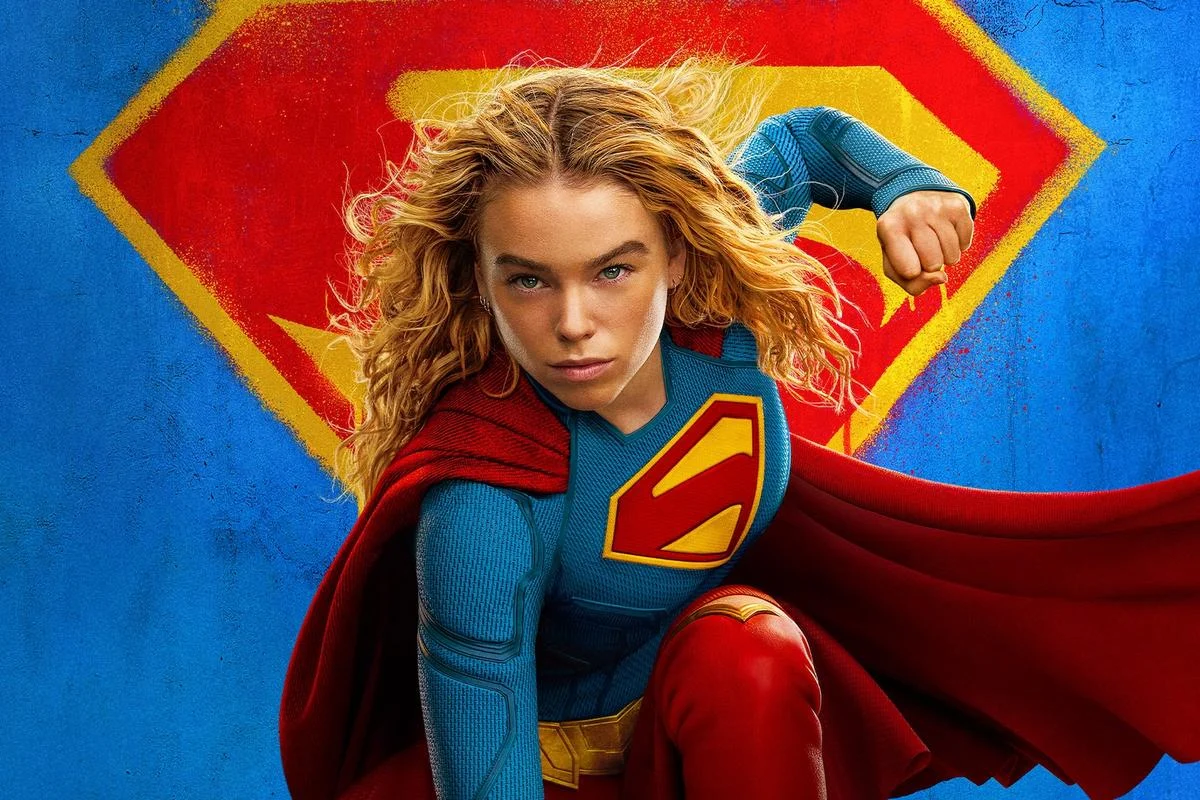

There is something almost poetic about the journey Milly Alcock has taken to reach the center of one of DC Studios’ most anticipated films. The 25-year-old Australian actress rose to prominence playing young Rhaenyra Targaryen in HBO’s ‘House of the Dragon,’ becoming an immediate fan favorite before the role was handed off to Emma D’Arcy. It was that precise performance that caught the attention of James Gunn, who cast her as Kara Zor-El in a post-credits appearance in last summer’s ‘Superman,’ the official launch film of his rebooted DC Universe. The plan was always for Alcock to carry her own film, and now she has done exactly that with ‘Supergirl,’ which opened in theaters on June 26.
Directed by Craig Gillespie and written by Ana Nogueira, the film is a loose adaptation of Tom King’s celebrated comic miniseries and follows Kara on a murderous intergalactic quest for revenge, accompanied by a supporting cast that includes Matthias Schoenaerts, Eve Ridley, Jason Momoa, and David Corenswet reprising his role as Superman. Alcock plays Kara not as invincible or untouchable but as someone carrying more than she should have to, and reviewers have praised her ability to balance exhaustion, dry humor, and protectiveness in a way that makes the character feel genuinely earned.
But long before critics weighed in, Alcock had already braced herself for a different kind of response. Speaking to Vanity Fair ahead of the film’s release, she said her time on ‘House of the Dragon’ taught her that “simply existing as a woman in that space is something that people comment on,” adding, “We have become very comfortable having this weird ownership of women’s bodies. I can’t really stop them. I can only be myself.” The candor was refreshing, but it also proved her point almost immediately. The remarks prompted a swift and intense reaction online, with the rage machine setting its sights on Alcock almost as soon as the interview was published.
Critics perceived her statements as a direct attack on fans, though she had intended the remarks to address the routine harassment and misogyny that young female actresses face in high-profile genre spaces. The irony was not lost on observers: Alcock had pointed out that women in franchise projects receive backlash and rude commentary, and the immediate result was backlash and rude commentary, placing her alongside a now-familiar cohort that includes Rachel Zegler, Sydney Sweeney, Jenna Ortega, Melissa Barrera, and Bella Ramsey.
In a follow-up interview with Variety, Alcock leaned into her position rather than walking it back, remarking that much of the hostility came from faceless accounts and suggesting that if you are upsetting the right kind of people, you are probably doing something right. She has also spoken openly about her personal experience during production mirroring Kara’s arc, describing a process of learning to stop hiding and face what she had been avoiding, with director Craig Gillespie becoming a crucial source of trust from the earliest days of pre-production.
Alcock’s path to ‘Supergirl’ was not a straight line. She had sworn off major franchises after ‘House of the Dragon’ and spent roughly a year unable to book work, describing the anxiety of that period as feeling like her career was over at 22 before eventually deciding to audition. The gamble paid off in a significant way. ‘Supergirl’ carries considerable weight for the DCU as a whole, arriving after ‘Superman’ made over 600 million dollars at the global box office and established a foundation for Gunn and Safran’s long-term vision.
Whether the film becomes a commercial landmark or not, Alcock has made clear that she is not measuring success by the temperature of an online comment section. Her refusal to shrink in the face of a conversation that has followed women in superhero films for over a decade is, in itself, a statement worth paying attention to. What do you think: is Alcock’s willingness to name the dynamic openly doing a service to the conversation around women in blockbuster franchises, or does it only add fuel to a fire that never needed more oxygen?