Tom King’s 2024 Quote Just Made the ‘Supergirl’ Ending Debate Way More Complicated`

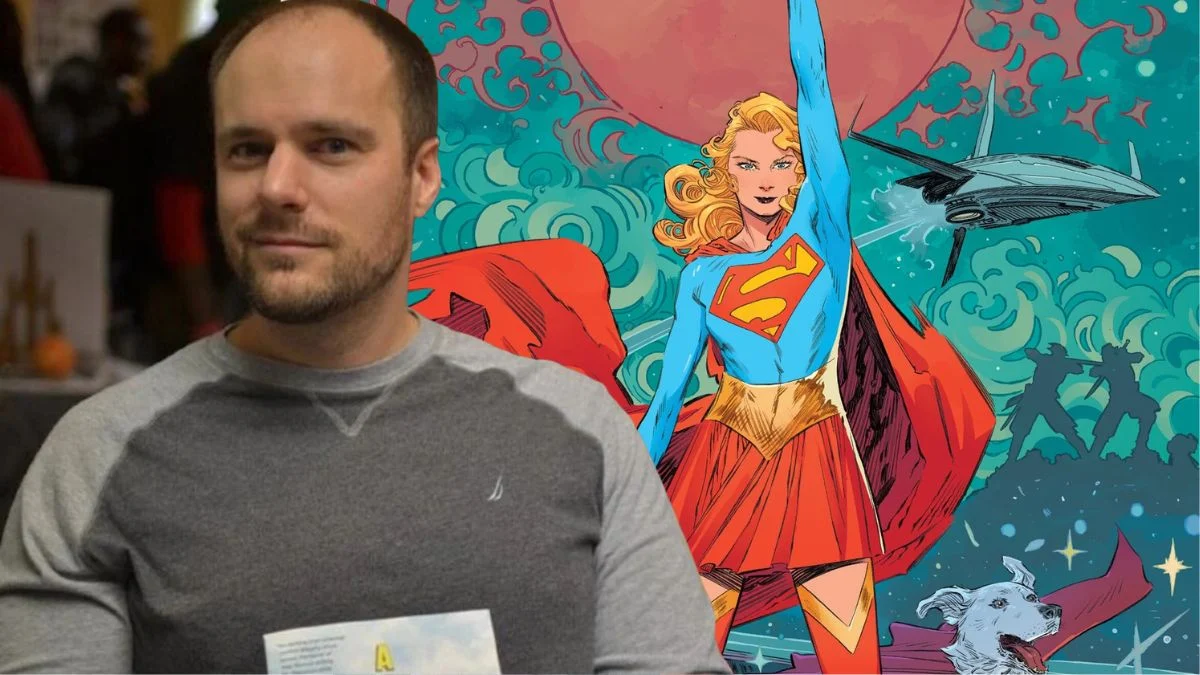

Few superhero films this summer have sparked as much heated discussion as ‘Supergirl: Woman of Tomorrow’, the DC Studios adaptation starring Milly Alcock as Kara Zor-El. Directed by Craig Gillespie and written by Ana Nogueira, the film takes Tom King and Bilquis Evely’s beloved 2021 comic book miniseries as its foundation, following Supergirl and a vengeance-driven young girl named Ruthye on a galaxy-spanning hunt for a ruthless space mercenary named Krem of the Yellow Hills. The source material earned an Eisner Award nomination for Best Limited Series, so anticipation for the adaptation was enormous.
The eight-issue limited series follows Supergirl across the galaxy as she helps Ruthye hunt for the space pirate who kills her father, exploring themes of grief, vengeance, and letting go. At the heart of both the comic and the film is a moral question that superhero stories rarely push this far: should a villain like Krem ever be killed, and what does it cost the person who pulls the trigger? That debate is now louder than ever, and a resurfaced quote from the original writer has only poured fuel on it.
DCU Brief brought King’s words back into the spotlight, sharing a quote he gave during a 2024 appearance on the Comic Book Couples Counseling podcast, where King delivered his most in-depth conversation about the themes of his iconic run. The quote at the center of the renewed firestorm is unambiguous. King stated plainly that Krem’s fate at the end of the comic was never meant to be unclear. According to King, Krem is supposed to be alive at the end of the story, a fact confirmed by the character grabbing his head after Ruthye strikes him, and the moment was never intended to be read as fatal.
In the comic, Krem is eventually sent to the Phantom Zone, spending three centuries there before a repentant, elderly version of the character is freed and asks Ruthye for forgiveness, with Ruthye ultimately choosing to simply hit him with her walking stick rather than take his life. The film goes in an entirely different direction. Once Ruthye is out of earshot, Kara takes Ruthye’s sword and fatally stabs Krem three times, in the belly, chest, and neck, in revenge for his crimes against Ruthye’s family, Krypto, and others. It is a stark departure, and one that critics have argued guts the thematic spine of the original work.
Critics argue the climax of the film has Ruthye learning the lesson that killing Krem would ruin her soul, only for Kara to immediately undo the entire moral arc by vindictively driving Ruthye’s family sword into Krem, undermining both the film’s own stated themes and the direct inspiration it draws from. What makes this messier is the revelation that the divergence may stem from a simple misreading of King’s ending. Screenwriter Ana Nogueira reportedly believed that Ruthye’s final hit with her cane killed Krem in the comic, and that misinterpretation became a driving reason for reshaping the film’s conclusion. Speaking to Variety, Nogueira explained that the ending had been part of her original pitch from the very beginning, framing it as a deliberate choice to protect Ruthye’s innocence and give Kara her own distinct moral identity in the new DC Universe.
One of the more striking ironies of the film is that it essentially adopts the fake ending from within the source material itself, since King’s comic contains a book written by Ruthye that falsely claims Kara killed Krem, and the film turns that unreliable in-universe narrative into the actual conclusion. King has remained publicly supportive of the adaptation throughout its release, speaking warmly about the project and Alcock’s performance, which leaves his 2024 quote hovering in a fascinating space between canonical clarification and quiet creative disagreement.
Whether the film’s version of events works on its own terms remains a genuinely contested question among audiences and critics alike, and it is the kind of argument that only gets more interesting the longer it runs. If Kara carrying the weight of Krem’s death shapes her arc in next year’s ‘Man of Tomorrow’, some will argue the deviation was earned after all. So where do you stand: does ‘Supergirl’ earn its controversial ending, or does killing Krem betray everything the story was trying to say?