Why ‘Supergirl’ Writer Ana Nogueira Gave Kara the Killing Blow That Was Never Hers to Take in the Comics



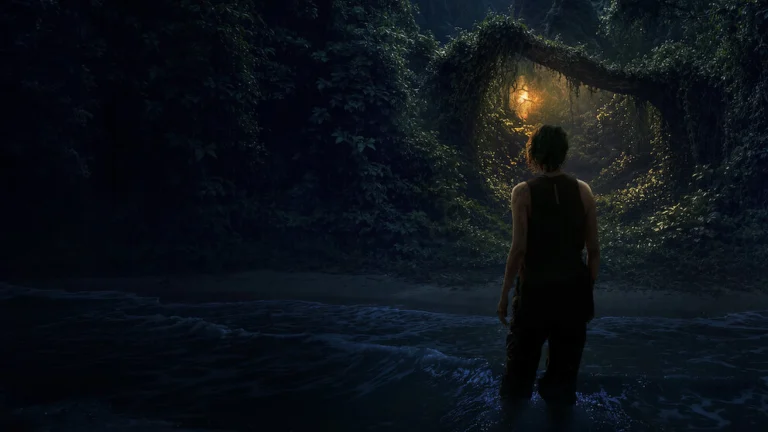
Few comic-to-screen adaptations spark debate quite like the ones that alter the moral core of a beloved source story, and ‘Supergirl’ has done exactly that with its climactic ending. The new DCU film, directed by Craig Gillespie and starring Milly Alcock as Kara Zor-El, draws heavily from Tom King and Bilquis Evely’s acclaimed miniseries ‘Supergirl: Woman of Tomorrow,’ following Kara and a young alien girl named Ruthye as they pursue a dangerous villain across the galaxy. It is a faithful adaptation in many respects, but the ending is a different story entirely.
The film centers on Kara and Ruthye’s pursuit of Krem of the Yellow Hills, the leader of a brutal gang of space pirates called the Brigands who murdered Ruthye’s family and fatally poisoned Kara’s dog, Krypto. The movie’s version of Krem, played by Matthias Schoenaerts, is depicted as the head of the Brigands, a group of male pirates who abduct young girls from across the galaxy and keep them captive as “Brides,” a backstory that differs significantly from the comic’s portrayal of him as a simple red-haired space pirate. The film leans hard into Western genre conventions as its thematic anchor, drawing comparisons to films like ‘True Grit,’ and the result is a grittier, more emotionally driven version of the source material.
The ending is where ‘Supergirl’ makes its boldest departure, and it is one that screenwriter Ana Nogueira says was never in question. Speaking to Variety, Nogueira explained that the decision to have Kara, rather than Ruthye, deal the killing blow to Krem was baked into her original pitch from the very beginning. She wanted to craft a villain who would genuinely deserve his fate, but also wanted Kara to take that burden onto herself so Ruthye would not have to carry it. “It’s different for Supergirl, and I think it will feel different for audiences,” Nogueira told the outlet.
What has caught many comic readers off guard, however, is that Nogueira appears to have misread the source material she was adapting. In King’s original story, Ruthye never kills Krem at all. The story jumps far into the future, where a repentant Krem is released from the Phantom Zone, apologizes to both Kara and Ruthye, and is met not with death but with a firm thwack of Ruthye’s cane before she walks away. King himself addressed this directly in a 2024 podcast appearance, saying the ending was never meant to be ambiguous, and that Krem was definitively alive when the story concluded. Nogueira, however, interpreted that final blow as a lethal one, and her reading shaped every creative decision that followed.
The result is a film where Kara coldly executes Krem herself as Lobo, played by Jason Momoa, looks on. Director Craig Gillespie told Collider that James Gunn felt very strongly about committing to this version of the ending, and that even when the crew debated filming a backup version on the day of the shoot, the answer that came back was simply “nope, just go with that.” Nogueira has also suggested that this choice carries real implications for Kara’s moral trajectory going forward in the DCU, noting that it gives her “her own moral compass” that is separate from Superman’s well-known rule of never taking a life.
Beyond ‘Supergirl,’ Nogueira is already lined up to write DC’s upcoming live-action ‘Teen Titans’ movie as well as a ‘Wonder Woman’ film, suggesting the studio has enormous confidence in her vision despite the controversy now swirling around the film’s climax. Whether audiences ultimately view Kara’s decision as a powerful character-defining moment or a fundamental betrayal of what makes the ‘Woman of Tomorrow’ story so resonant is the question the film leaves hanging in the air. Where do you land on Kara’s choice to spare Ruthye the burden but take Krem’s life herself?