‘Supergirl’ Didn’t Just Stumble — Here Are 7 Real Problems With the DCU’s Biggest Misfire So Far

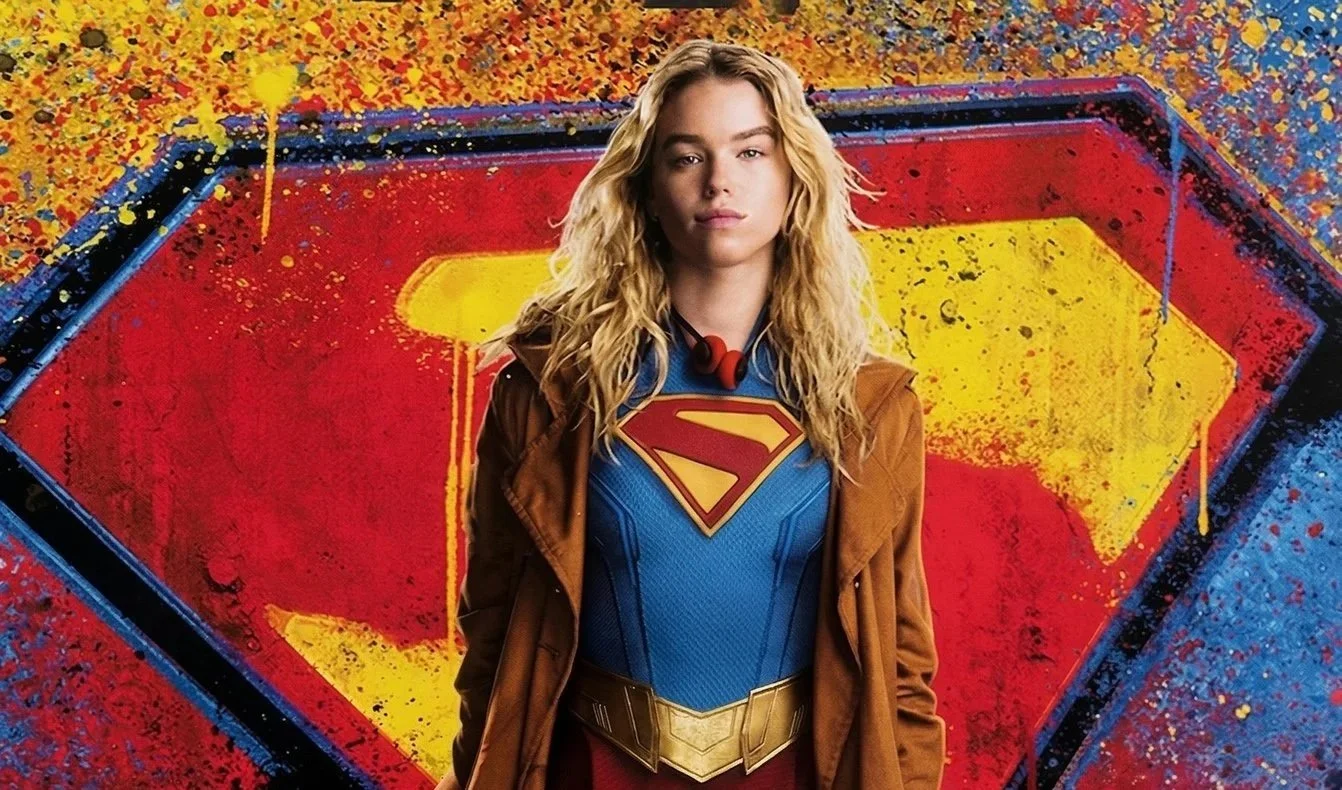

DC’s new cinematic universe has had a rocky road, but nothing quite prepared audiences for the reception that greeted its second major theatrical release. ‘Supergirl,’ a space adventure revolving around Superman’s cousin Kara Zor-El, debuted to a disappointing $38 million from 3,600 North American theaters and $68 million globally, marking a significant step backward from where the rebooted DC Universe seemed to be heading.
The film, starring Milly Alcock in the lead role, was positioned as the follow-up to the moderately successful ‘Superman’ from the previous year. It reportedly was trimmed significantly after test screenings, and landed poor reviews with a 56% on Rotten Tomatoes alongside a “B-” CinemaScore from audiences. Here are seven core reasons why ‘Supergirl’ failed to take flight.

1. The Supergirl Script Was Written by a First-Timer on a Flagship Project
The screenplay was written by Ana Nogueira, whose entire prior screenwriting experience amounts to a single 12-minute comedy made eight years ago. For a project of this scale and consequence inside a rebooting franchise, that is a startling creative gamble.
Nogueira’s script feels like a bucket of action tropes assembled without understanding why they work, while director Craig Gillespie’s sluggish direction bogs it down even more. The result is a film that neither establishes its protagonist convincingly nor builds toward anything that feels earned.
Some critics find that particularly worrisome because Nogueira is expected to return for at least two of the shared universe’s most important movies, officially writing the highly anticipated Wonder Woman DCU reboot and a ‘Teen Titans’ movie. A troubled debut on ‘Supergirl’ raises real questions about what those productions might look like.
2. Craig Gillespie’s Direction Lacks the Visual Language the Story Needed
The film is inelegant and lacking the visceral action that made ‘Superman’ so thrilling, with most fights blurry or marred by flying-related CGI or lazy fight tracking that follows along the edge of the action rather than the meat of it.
Critics were shocked to see the director of ‘I, Tonya’ and ‘Cruella’ churn out something this generic in its action and its attitudinizing, with many wondering what happened to Gillespie’s barbed humanistic wit. He brought something distinctive to both of those films that simply does not register here.
Gillespie is best known for terrestrial dramas, and everything in ‘Supergirl’ is shot in a workmanlike style that tends to favor the humor and character, but flattens out the wonder. For a cosmic-scale superhero movie, that is a fundamental mismatch of director and material.
3. Lobo Is Shoehorned In Without Purpose
Jason Momoa seems to be having fun as Lobo, but he stumbles in and out of the larger plot with all the consequence of a Stan Lee MCU cameo. His presence generates energy in isolated scenes while contributing nothing to the story’s architecture.
Lobo is not a fixture in the ‘Woman of Tomorrow’ comic storyline in any capacity, and his inclusion in the film creates a scene where the lead woman is treated dismissively, undermining the very tone the movie is trying to establish.
The script can never really decide how much to use Lobo, who feels more squeezed into the story than a natural part of it, and it also struggles with establishing consistent rules around how powerful and knowledgeable the villains are. A character this big deserves a more purposeful role, or no role at all.
4. Kara Zor-El’s Character Arc Doesn’t Land as Drama
Much of the film is spent depicting Supergirl as an ambitionless drunk living in a spaceship version of a run-down mobile home, routinely waking from booze-powered benders, and doing a good job convincing viewers to disengage from this gormless no-good good guy.
To escape the destruction of Krypton and the trauma of losing her world and parents, Kara goes on a bar-hopping spree across distant planets, visiting worlds lit by red suns that strip her of her powers so she can get intoxicated like an ordinary mortal. The idea has potential on paper, but the execution never excavates the emotional depth the premise requires.
The film fails to establish its protagonist on the most basic storytelling level, with a mid-film backstory that only slightly reinforces Kara’s exile while doing more to shoehorn a version of Superman’s origin into the franchise. The result is a character study that never quite studies its character.
5. The Action Sequences Are Muddled and Inconsistent
Supergirl goes in and out of having her superpowers throughout the film, leaving audiences feeling confused, and she doesn’t don her super suit until the film is almost over, giving the fight scenes more of a barroom-brawl feel than that of a virtuous superhero vanquishing enemies.
The film also struggles with establishing how powerful the villains are, as the Brigands are somehow automatically aware of Kryptonian weaknesses and able to stand against Kara even when supercharged with yellow sun energy, until suddenly they are not. Internal logic collapses under pressure.
The broader visual ambition of the film’s cosmic setting never compensates for the action sequences that fail to deliver. The influence of ‘Mad Max: Fury Road’ is not subtle, bordering on outright imitation, but without the directing precision and choreographic eye that made the original work.
6. The Box Office Disappointment Reflects a Deeper DCU Problem
The film carries a substantial $170 million price tag, not including its marketing budget, and would need to earn at least $375 million to break even since cinema owners keep roughly half of revenues. The opening weekend numbers make that target look very remote.
The poor opening puts ‘Supergirl’ behind the disappointing debuts of DC films like ‘The Flash’ at $55 million in 2023 and ‘The Green Lantern’ at $53 million in 2011, and only barely ahead of ‘Joker: Folie à Deux’ at $37.7 million in 2024. That is a grim leaderboard to find yourself near.
Initial crowds were 59% male, meaning the film didn’t break out beyond the core superhero fanbase. A female-fronted superhero film that cannot attract a broader audience is a particularly difficult commercial scenario to recover from in subsequent weekends.
7. The Identity Crisis Undermines Everything
The presence of Lobo only underscores the film’s identity crisis, as it shifts awkwardly between Kara Zor-El’s trauma drama and a chaotic, comedic space adventure in the style of James Gunn’s ‘Guardians of the Galaxy.’ Neither mode gets enough room to breathe and the tonal collision is jarring.
The result is a desperate, forced attempt to replicate the ‘Guardians of the Galaxy’ formula, with Kara becoming a pale imitation of Star-Lord: sarcastic, isolated, and listening to an old Walkman, but without what made that formula work in Gunn’s hands.
Even those who disliked ‘Superman’ could see that it accomplished what it set out to do, but ‘Supergirl’ does the opposite, failing to establish its protagonist on the most basic storytelling level. That gap between the two films is the clearest signal that something went wrong in the development of this one.
Milly Alcock’s performance has consistently drawn praise across reviews, and there is little doubt that she has the ability to anchor this character going forward. The problems here belong to the filmmaking around her rather than to her. If you’ve seen ‘Supergirl,’ share which of these issues hit hardest for you and whether you think the DCU can course-correct before Kara Zor-El returns in ‘Man of Tomorrow.’