Hideo Kojima Compared ‘Supergirl’ to a Spaghetti Western Masterpiece and the Internet is Paying Attention

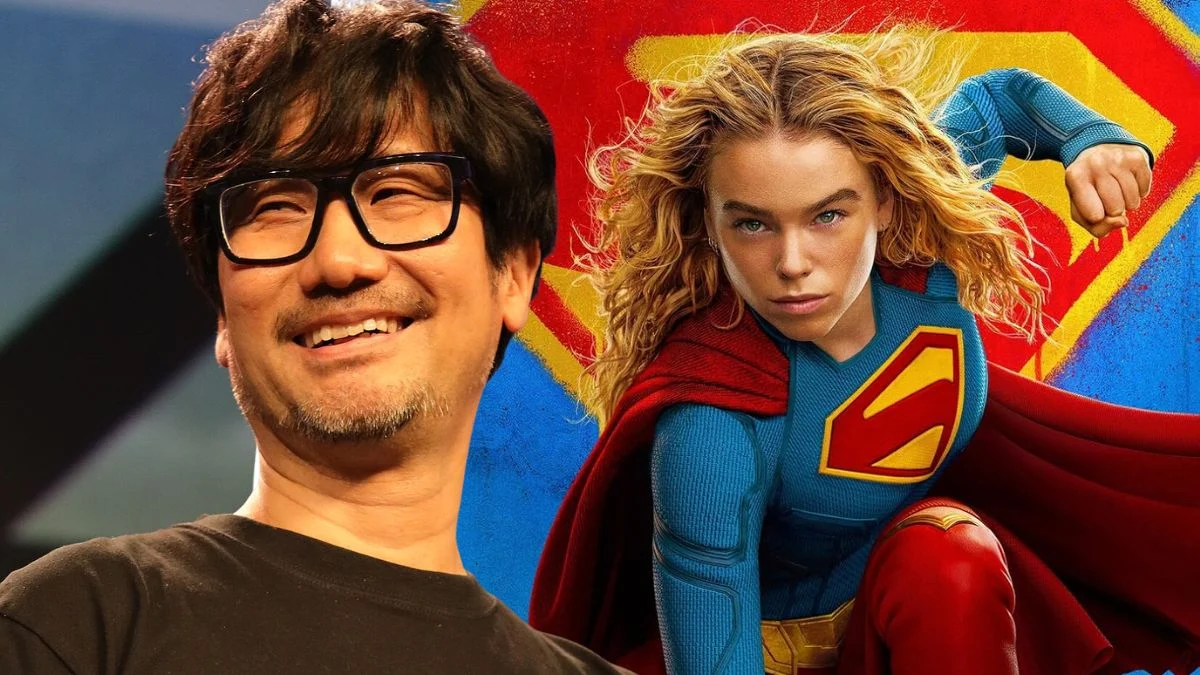

Milly Alcock’s debut as Kara Zor-El in ‘Supergirl’ has sparked one of the more interesting conversations in superhero cinema this year, and it has nothing to do with box office projections or CGI debates. The DCU’s second theatrical entry, directed by Craig Gillespie and adapted from Tom King’s celebrated comic run, arrived in cinemas on June 26 carrying the weight of high expectations and a divided critical landscape. Based on King’s acclaimed ‘Supergirl: Woman of Tomorrow,’ the film reintroduces Kara Zor-El as brash, impulsive, and deeply jaded, a survivor still haunted by the collapse of Krypton who would rather get drunk on planets with power-neutralizing red suns than embrace any hero’s calling.
The film currently holds a 56% critics score on Rotten Tomatoes, sitting well below the 83 percent earned by last year’s ‘Superman.’ Critics have been split, with some celebrating Alcock’s performance while taking aim at the screenplay and directorial choices. Among the more positive voices, Alcock has been praised for delivering a powerful and nuanced portrayal, texturing Kara’s emotional repression with dry delivery and sharp mannerisms, while Eve Ridley earns comparable praise as the young and determined Ruthye Marye Knoll. On the other end, harsher critics have called the film a drab and unfunny slog, arguing it woefully misunderstands its own protagonist and arrives looking like a relic of an earlier, grimmer era of superhero filmmaking.

Into this divided conversation stepped someone whose opinion carries unusual cultural weight. Legendary game designer and filmmaker Hideo Kojima, the creative force behind the ‘Metal Gear Solid’ and ‘Death Stranding’ franchises, took to X after catching ‘Supergirl’ in IMAX and offered a reading of the film that cut through the noise. Longtime Kojima followers note that the length of his social media posts often signals the depth of his impression, with brief mentions reserved for films that move him little, and longer commentary appearing when something genuinely engages him.
His take was pointed and specific. Kojima argued that ‘Supergirl’ is not really a superhero film in the traditional sense, framing it instead as a coming-of-age story centered on Kara’s struggle with her own trauma rather than any grand conflict between justice and evil. The structural comparison he drew was the headline-maker, likening the film less to ‘Mad Max: Fury Road,’ which many early viewers had invoked, and more to Sergio Leone’s 1966 western epic ‘The Good, the Bad and the Ugly.’ The comparison lands because Leone’s film follows three characters whose inherent differences collide along a shared pursuit, a world where heroes, villains, and scoundrels exist on a moral spectrum rather than opposing sides of a clean divide. The post racked up nearly 90,000 likes and 4.9 million views within hours of being published.
Kojima’s reaction to ‘Supergirl’ was notably more measured than his response to ‘Superman’ the previous year, in which he wrote with considerably more enthusiasm about Gunn’s first DCU entry. Still, the framing of ‘Supergirl’ as morally complex genre fiction rather than a failed blockbuster reframes the conversation in a way that many audiences seem to be responding to. Fans have been more generous than critics overall, with the film earning a 76% audience score on Rotten Tomatoes’ Popcornmeter, suggesting that whatever its technical shortcomings, a significant portion of viewers are connecting with the emotional core of Kara’s story.
Commercially, the film is tracking for an opening weekend in the range of $62 to $77 million globally against a reported production budget of around $170 million before marketing, a figure that puts Warner Bros. in a difficult position heading into its second week. Whether ‘Supergirl’ finds its legs or struggles at the box office, Kojima’s reading offers a compelling alternative framework for understanding what the film is actually attempting. Perhaps the question worth asking now is whether you saw the same ‘Supergirl’ he did, and if so, does that western comparison change how you feel about it?