Francesco Carrozzini’s Radical New Documentary Never Films Its Own Subject, and That’s the Whole Point


Venice has long been a launching pad for documentaries that push the boundaries of what nonfiction filmmaking can even look like, but this year’s festival is hosting something genuinely unprecedented. A new entry in the out-of-competition lineup is already generating buzz for reasons that go well beyond its subject matter.
That subject is Renzo Rosso, the founder of Diesel and chairman of the OTB Group, whose rags-to-riches rise in the fashion world has long made him a compelling documentary candidate. What makes this particular portrait different isn’t the story itself, but a filmmaking choice so unusual it’s forced critics to reconsider what a documentary even is.
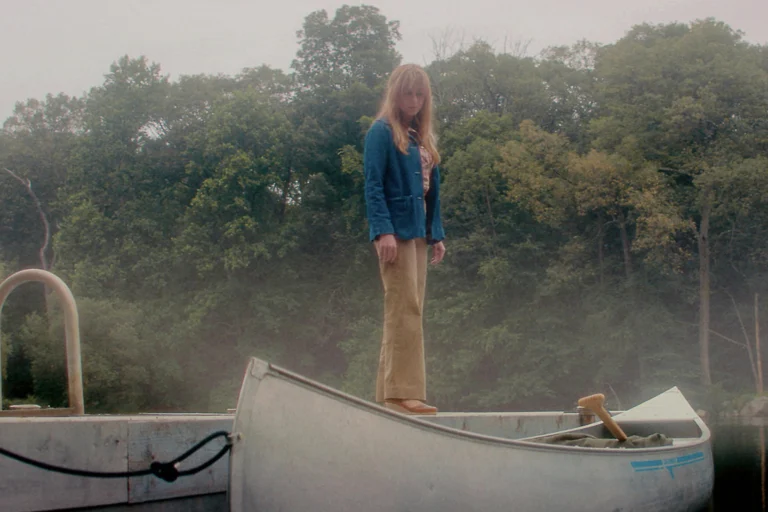
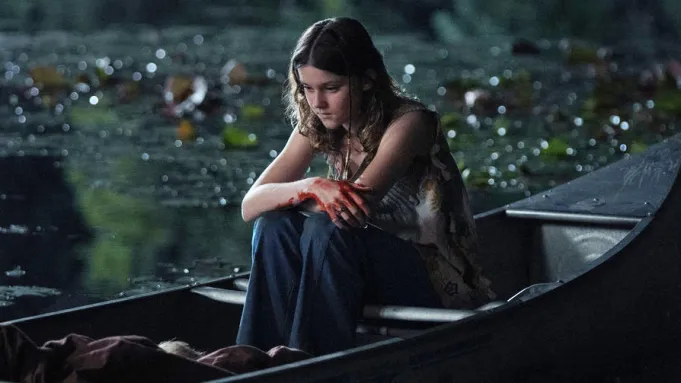
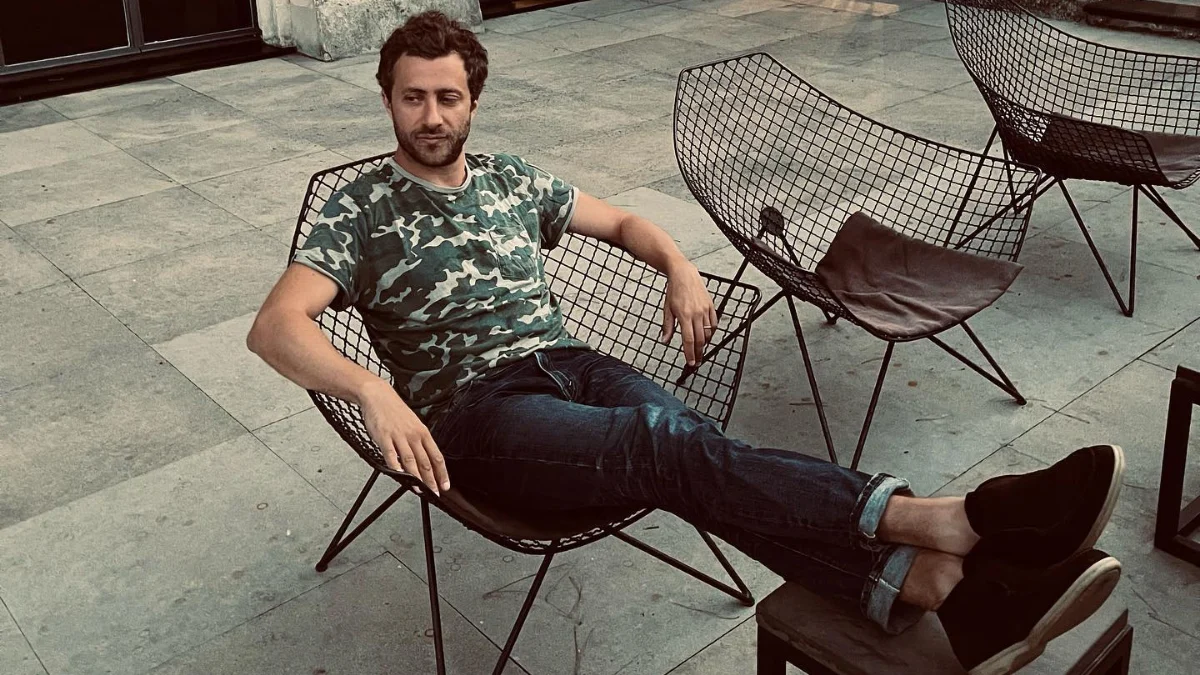
Francesco Carrozzini never actually filmed his protagonist for the 85-minute documentary “Be Brave.” Instead, the film recreates Rosso at multiple stages of his life using AI rather than traditional footage, a choice Carrozzini says was born partly out of necessity, speaking to Variety ahead of the film’s Venice premiere.
That necessity stemmed from a gap in the archival record. Carrozzini explained that while plenty of TV archival material exists of Rosso, there were no genuinely good interviews or intimate moments captured in that footage. Rather than working around that limitation, the team decided to build those missing scenes from scratch instead.
Carrozzini has been careful to draw a line around what the film is actually arguing, insisting it isn’t meant as some broad thesis on artificial intelligence as a whole. He told Variety that “Be Brave” is instead a narrower reflection on how the technology functions specifically within storytelling and entertainment, describing it as something that “can still live within a space of emotion and storytelling.”
That distinction matters most in the film’s central message, which Carrozzini said he wanted audiences to walk away with clearly. “The human has to come first,” he explained, framing that idea as the one point he was determined to land by the film’s end, regardless of how much AI technology went into constructing the images on screen.
Getting Rosso’s AI-generated likeness to speak convincingly required matching his voice, appearance, and wardrobe to specific points in his life, and then tackling the far harder problem of replicating believable behavior rather than just accurate visuals. Carrozzini has described the production process as genuinely difficult, given how much work went into making artificial recreations feel emotionally authentic.
Venice artistic director Alberto Barbera has framed the film’s inclusion as an invitation for the broader industry to think seriously about how AI can open up new creative possibilities for filmmakers, rather than simply serve as a shortcut or gimmick. “Be Brave” now stands as one of the first AI-driven features to launch from a top-tier film festival, putting real institutional weight behind a technology still viewed skeptically by much of the film world.
For Carrozzini, whose earlier documentary work includes a portrait of his own mother, fashion journalist Franca Sozzani, “Be Brave” marks a striking departure in method while still chasing the same intimate, character-driven storytelling that’s defined his career. Whether audiences embrace a documentary built almost entirely on AI-generated recreation remains to be seen once the film screens in Venice.
Would you watch an AI-made documentary?
Have something to add? Let us know in the comments!