Netflix’s ‘Animals’ Ending Explained: What Happens to Mark, Ramon and the Ransom

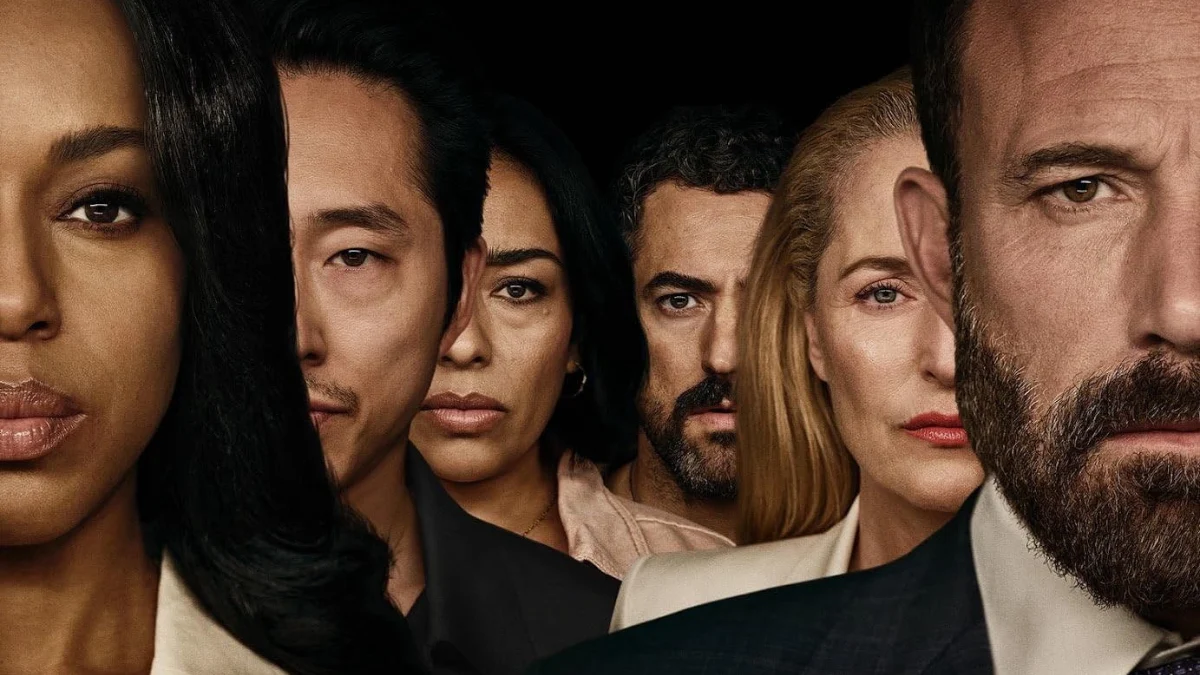

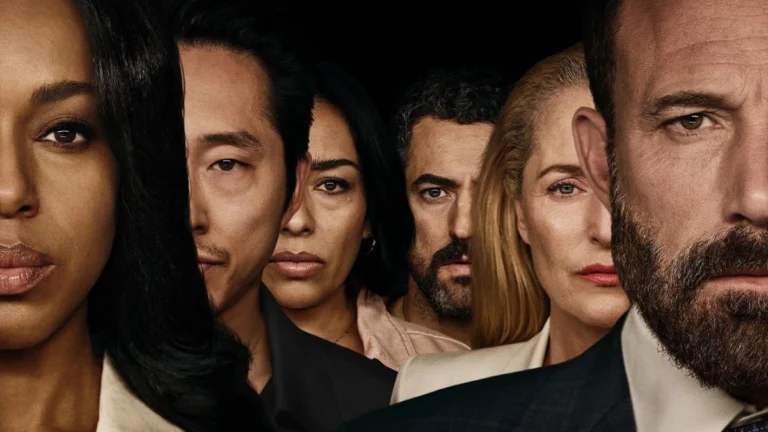
Ben Affleck co-wrote, directed and stars in ‘Animals’, a Netflix thriller that follows Los Angeles mayoral candidate Mark Kimball and his wife Abigail after a caller demands $7 million for the return of their son Denny. A midmovie twist reveals that the kidnapper actually took Hector, the son of an undocumented worker named Ramon, and the story reshapes itself around that mistake.
The ending of ‘Animals’ leaves viewers plenty to untangle, from who survives the showdown at the LA River to how Mark turns a deadly night into a political asset. One breakdown notes that the line between good guys and bad ones thins out by the finish as extreme circumstances produce extreme decisions. Affleck told Netflix Tudum that the film asks viewers, “Who are we, really?”
Dayle’s Fate at the LA River Ransom Drop
Once it becomes clear that Hector was the one taken, the fixer Dayle, played by Gillian Anderson, gives Mark three options. He can call the police, pay the ransom, or arrange a hit on the kidnappers, and he chooses the hit. The exchange takes place beside the Los Angeles River, where Mark slides down a steep slope with the cash.
Two kidnappers in bunny masks push Hector down the slope in a wagon, and Mark runs to catch him. Dayle’s gunman then shoots both masked men, but a third kidnapper hiding in the shadows shoots Dayle and the man working for her. Anderson ties Dayle’s downfall to her hubris, since she was certain there were only two kidnappers and let her guard down.
Dayle is left badly wounded and dying, and Mark looks at her dispassionately before taking her phone, which holds recordings of everything that happened. He then disposes of her body along with the dead abductors. The Cinemaholic points out that the shot landed on her chest, so the wound was likely fatal anyway, though Mark’s glance and decision to turn away leaves the moment morally murky.
There is no post credit scene, which means the identities of the kidnappers are never revealed. Kerry Washington says that was part of the point, because the film is less about an enemy and more about the bad guy that lives in all of us.
Mark’s Cover Story and the Mayoral Race
Mark spins the night into a heroic tale, claiming that Ramon went looking for his son while Mark himself shot an abductor. He is praised for his bravery and receives only minor punishments, including a year of probation and community service. He also shrinks the ransom to a few hundred thousand dollars in his public telling and casts himself as Hector’s savior.
Mark wins the mayoral race on a surge of Latino support, and in an interview with Gayle King he plays down any interest in running for president. When King asks what he thought in the moment he took a life, he says it was easier than he expected, and the film cuts to the image of him leaving Dayle behind.
Screen Rant argues that the police accept Mark’s story without friction, which underlines how much the film is about privilege as much as a kidnapping. It adds that Mark gets his happy ending and promises to clean up Los Angeles, but corrupts himself in the process. Forbes is less impressed, calling the closing turn a cynical nod to politics that moves Mark from idealist to opportunist without saying anything particularly new.
What Happens to Ramon and Hector
Ramon overhears where Mark is headed and follows him, then kills the third kidnapper and saves both Mark and Hector. Afterward he takes the cash recovered from Dayle and returns to Mexico with Cecilia and Hector. Affleck says he wanted a structural swap in which Mark slides into the background and Ramon becomes the protagonist, without it feeling like a gimmick.
Luis Gerardo Méndez, who plays Ramon, calls the ending bittersweet. In his view Ramon is the true hero, yet telling the country what he did would make him a criminal, while a white American man who did the same thing could be celebrated.
The Cinemaholic reads Mark’s version of events as a calculated move, since he knows that casting Ramon in the story will expose the family’s status to the authorities. In that reading, Mark keeps real power while Ramon, who endured the same ordeal, is pushed to the margins.
Where Mark and Abigail’s Marriage Stands
Over the course of one harrowing day, Mark has to admit that he emptied their bank account for his campaign, and he learns from a message on Abigail’s phone that she is having an affair with UCLA professor Ron Sperling, played by Ray Fisher. Their confrontation became an emotional high point for the cast, with Washington saying she and Affleck lost their voices the next day.
Washington says that Mark’s visible devastation over the affair showed Abigail how much she still matters to him. Later, when he lays bare his ambitions and how badly he still wants her, she decides they will stay together and pursue a win as a couple. Affleck describes the film as really being about marriage, and about two people who only truly know each other by the end.
Washington describes the couple as now wearing a united mask, one in which they can see each other clearly behind it. The Cinemaholic cautions that it remains uncertain whether Mark’s drastic change since the shooting will lead to anything positive in the marriage. Affleck has said he wants emotional and narrative satisfaction without dictating how viewers should feel about these characters. So if Mark’s hero story makes him a survivor in your eyes while Dayle’s body and Ramon’s forced exit say otherwise, tell us in the comments which version of the mayor of Los Angeles you believe at the end of ‘Animals’.