Actresses Who Were Ostracized by Their Own Peers for Their Career Choices



Hollywood history is filled with stories of performers who faced social and professional isolation due to the paths they chose for their careers. While some were sidelined for taking controversial roles others were ostracized for speaking out against industry standards or choosing to leave the spotlight entirely. These decisions often led to a significant rift between the actresses and their colleagues or the studios that once supported them. The following list highlights individuals who experienced a period of being distanced by their peers for their professional and personal choices.
Mo’Nique
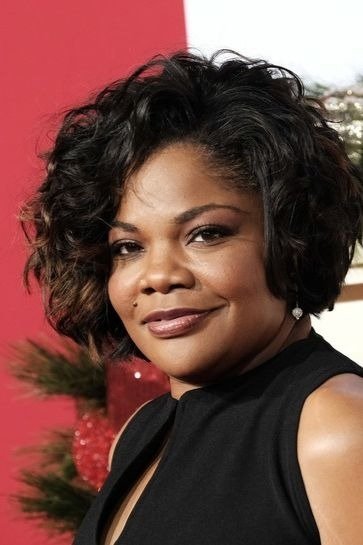
The actress faced a significant period of professional isolation after she refused to participate in unpaid promotional events for ‘Precious’. She publicly argued that the demands of the awards season were exploitative of her time and energy. This stance caused a rift with several high profile producers and directors who labeled her as difficult to work with. For several years after her Academy Award win she found it challenging to secure roles in major studio films.
Katherine Heigl
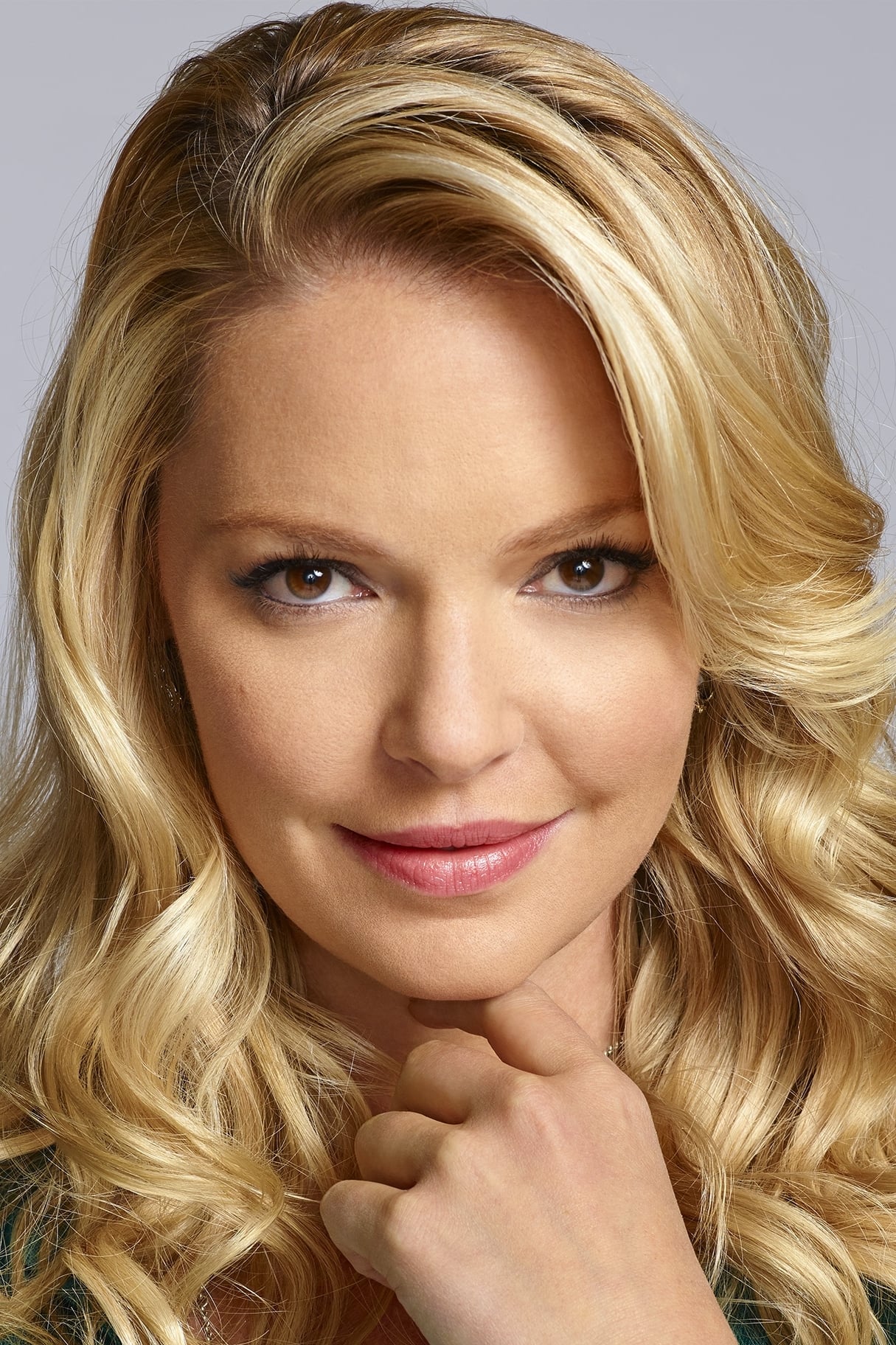
Katherine Heigl became a polarizing figure in the industry after she withdrew her name from Emmy consideration for her role in ‘Grey’s Anatomy’. She stated that she did not feel the material she was given that season warranted a nomination which many perceived as an insult to the writing staff. Her public criticisms of the production and her comments about the film ‘Knocked Up’ further alienated her from her colleagues. This reputation led to a decline in her status as a top tier leading lady in Hollywood.
Meghan, Duchess of Sussex
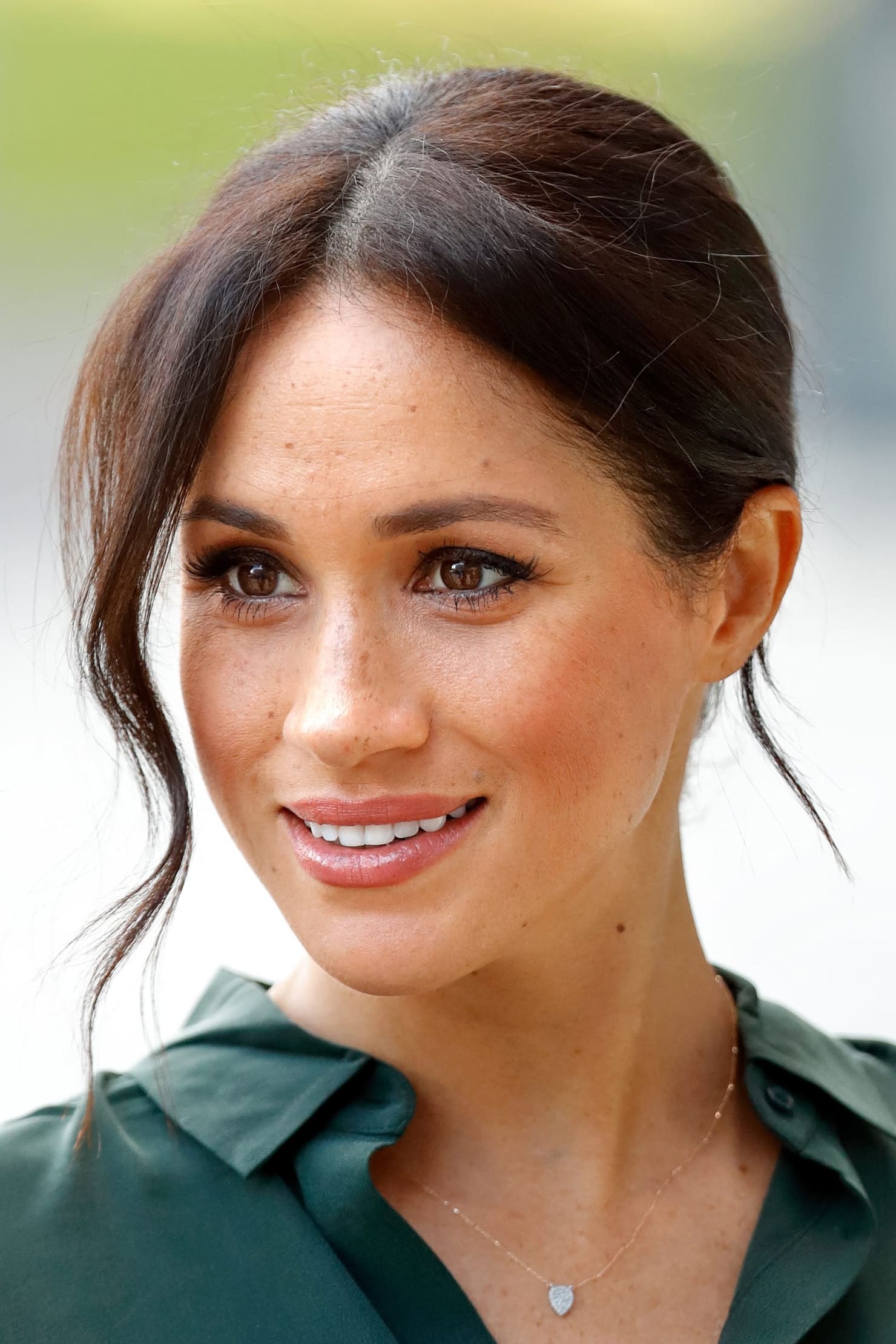
Meghan, Duchess of Sussex experienced a complex transition from a successful acting career on ‘Suits’ to a member of the British royal family. Her decision to eventually step back from royal duties and move to the United States sparked intense debate and social distancing from the British establishment. Many former peers and commentators criticized her choice to pursue independent media projects rather than traditional royal responsibilities. The shift in her career path created a permanent divide between her and the social circles she once inhabited in the United Kingdom.
Rose McGowan

Rose McGowan became a central figure in the movement to expose systemic abuse in the entertainment industry but her early efforts were met with silence. She was often viewed as a troublemaker by her peers for her vocal stance against powerful figures and industry norms. Her choice to transition from acting to full time activism resulted in many former colleagues distancing themselves from her. She has frequently spoken about how she felt abandoned by the community she once considered her professional home.
Megan Fox

Megan Fox faced a sudden and public fallout with the production team of the ‘Transformers’ franchise after comparing the director to historical dictators. This comment led to her immediate removal from the third film and a cooling of her career prospects for several years. Many of her peers in the action genre were hesitant to work with her due to her reputation for being outspoken on set. It took significant time and a shift in project choices for her to rebuild her presence in the industry.
Shailene Woodley
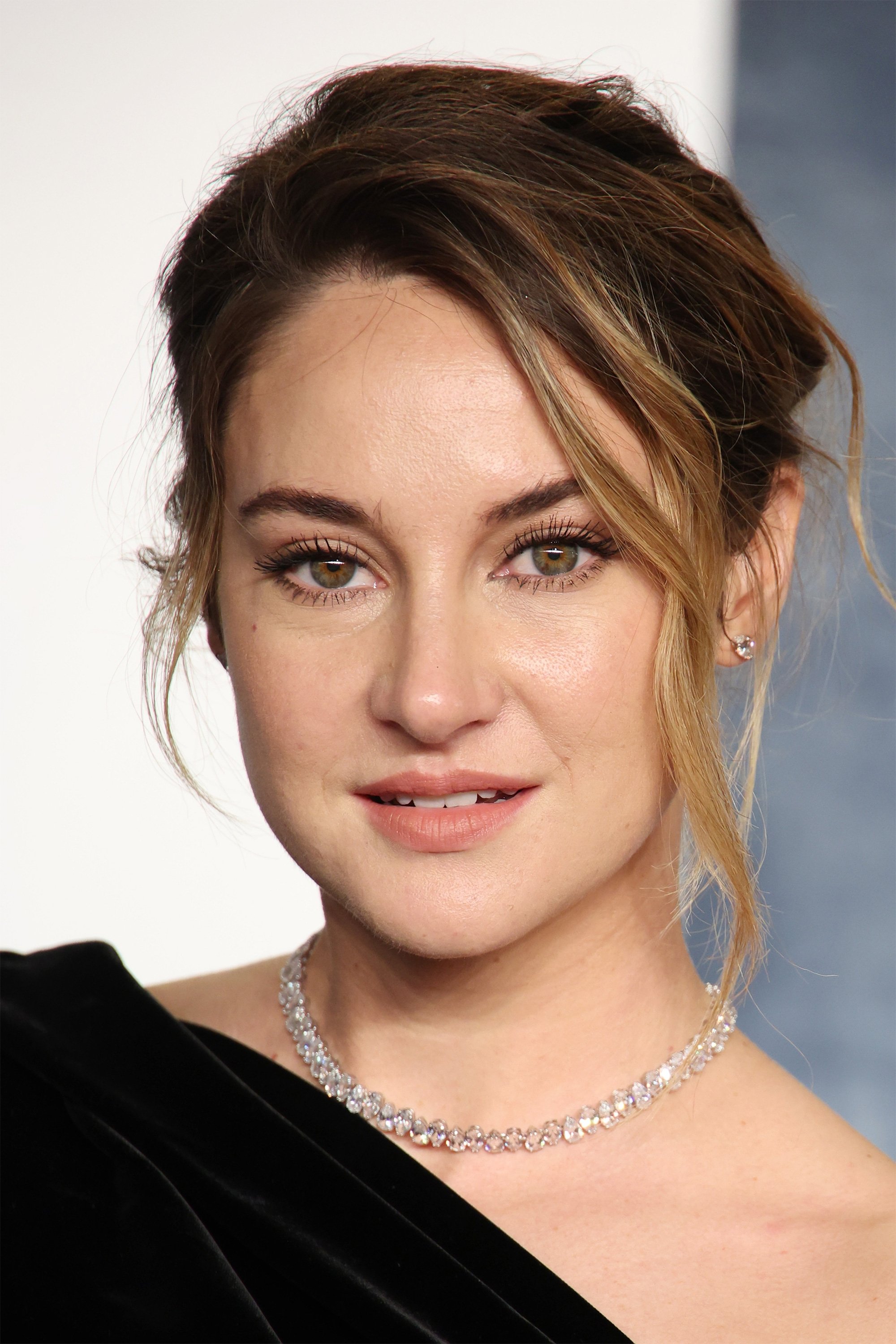
Shailene Woodley has often been viewed as an outsider due to her vocal commitment to environmental activism and her unconventional lifestyle choices. Her decision to prioritize social causes over traditional Hollywood networking has occasionally caused a disconnect with her industry peers. While she remains a respected performer her refusal to conform to standard celebrity expectations has kept her on the periphery of the Hollywood social scene. She often chooses roles that align with her personal values rather than those that would maximize her commercial fame.
Gabrielle Union

Gabrielle Union experienced a public conflict with network executives after she spoke out about the toxic work environment on ‘America’s Got Talent’. Her decision to report incidents of racial insensitivity and workplace harassment led to her departure from the show. While many fans supported her several industry insiders and peers remained silent or distanced themselves to avoid conflict with the network. This situation highlighted the risks performers face when they choose to challenge institutional cultures.
Charisma Carpenter
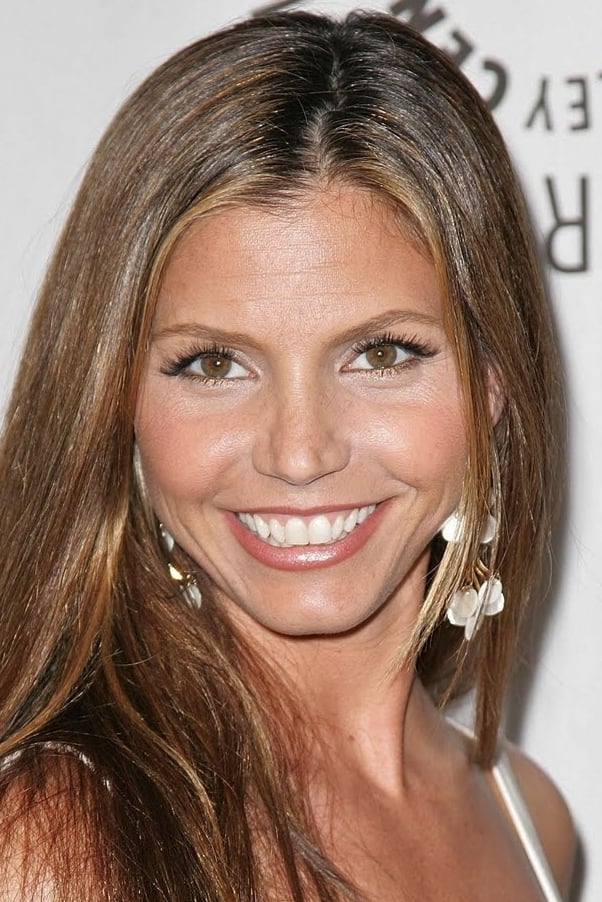
Charisma Carpenter faced professional repercussions after she spoke out about the treatment she received while working on the television series ‘Angel’. She detailed how her pregnancy and subsequent career choices led to a hostile relationship with the show creator. Many of her peers from that era did not speak up in her defense until many years later when the culture of the industry began to shift. Her experience serves as an example of how actresses can be sidelined for their personal life milestones.
Elizabeth Berkley
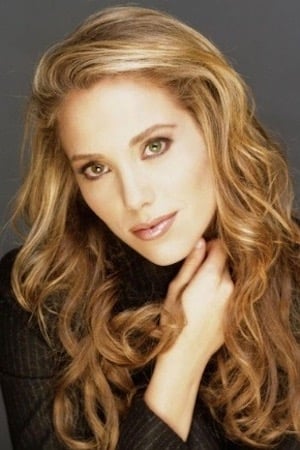
Elizabeth Berkley saw a dramatic shift in her career trajectory after starring in the controversial film ‘Showgirls’. The negative critical reception and the nature of the role led to her being mocked and avoided by many in the industry. She struggled to secure serious roles for a long time as casting directors and peers struggled to look past her performance in the film. It took decades for the movie to reach cult status and for her to be viewed with more empathy by the entertainment community.
Winona Ryder
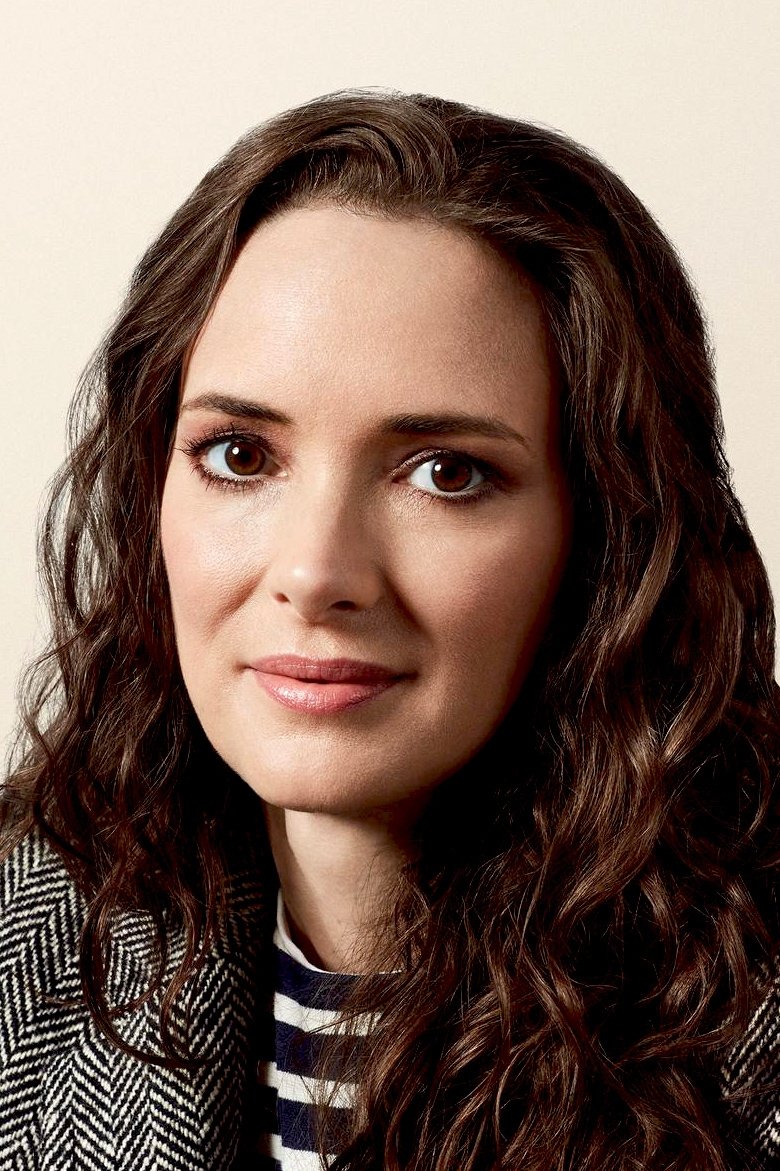
Winona Ryder experienced a notable period of professional isolation following a highly publicized legal incident in the early two thousands. Her peers and the media scrutinized her personal choices which led to a significant pause in her high profile film career. During this time she was largely absent from major awards ceremonies and Hollywood events as she focused on her personal life. Her eventual return to fame showed how the industry can be unforgiving until a performer finds the right project to reestablish their presence.
Jennifer Grey
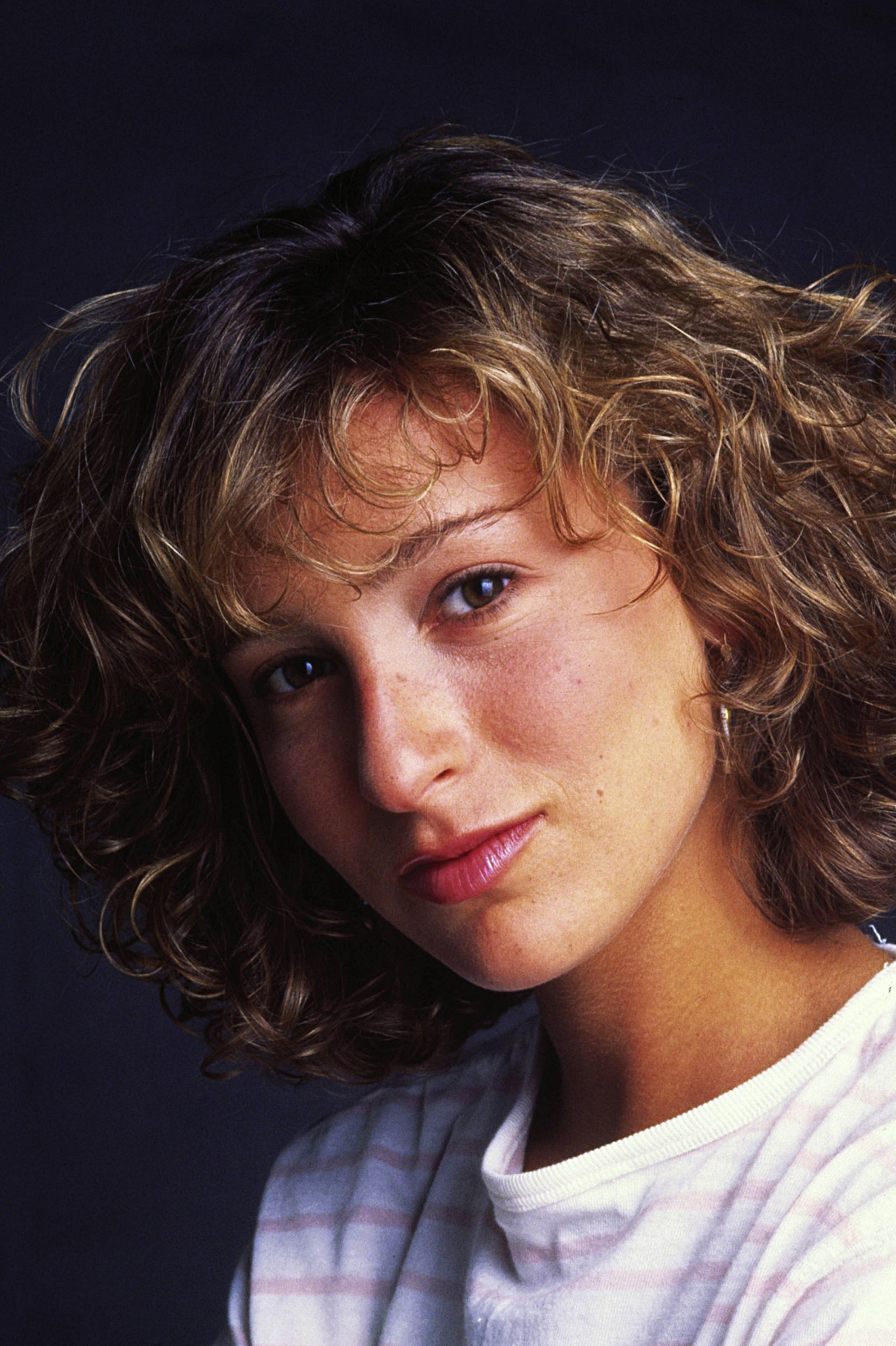
Jennifer Grey found her career path altered significantly after she underwent a plastic surgery procedure that drastically changed her appearance. She has stated that the choice to alter her most recognizable feature led to a loss of identity and a lack of job offers from her peers. Many directors and colleagues who had previously worked with her found it difficult to cast her because she no longer looked like the star of ‘Dirty Dancing’. This career choice resulted in her becoming an example of how physical changes can impact an actress’s professional standing.
Lori Loughlin
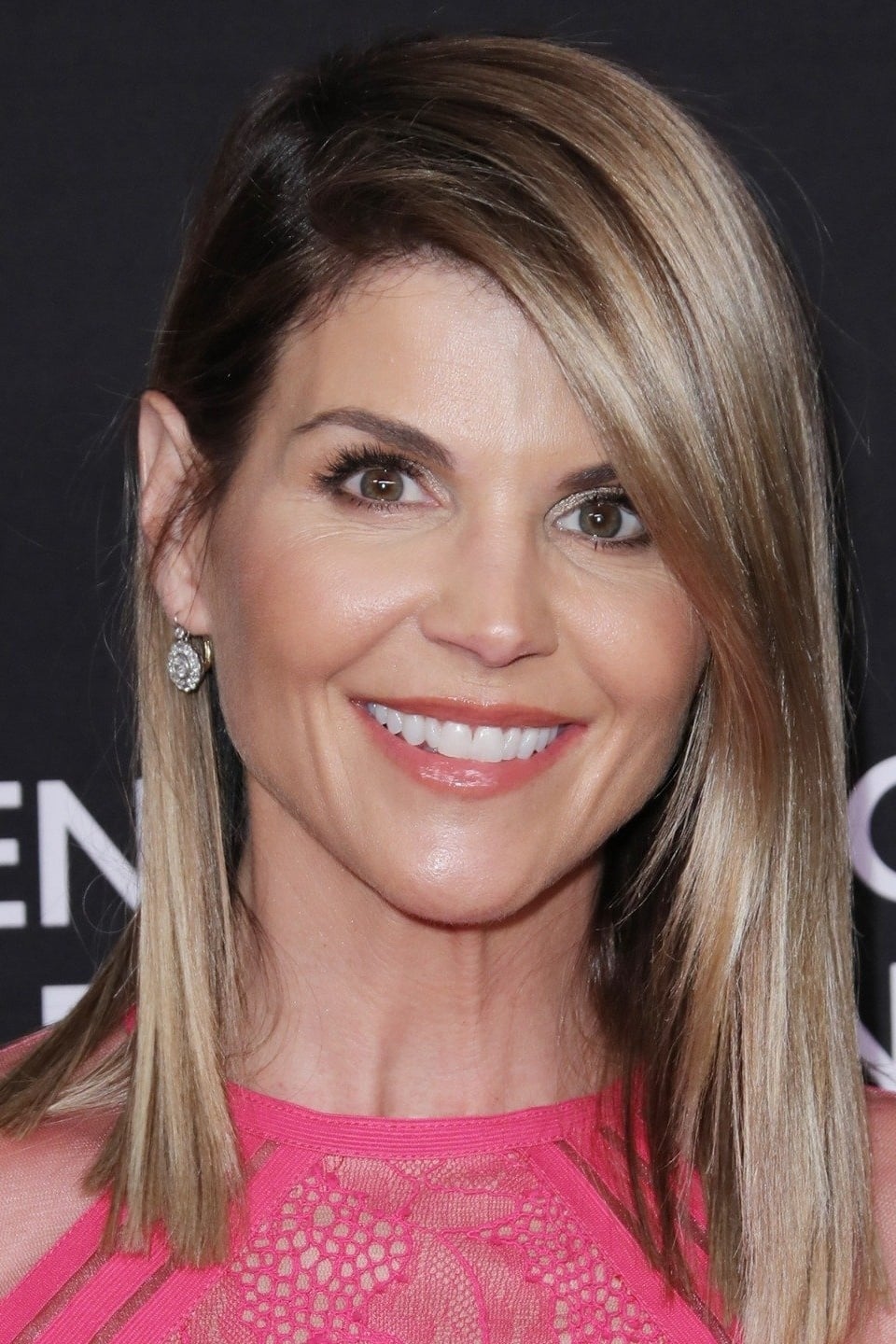
Lori Loughlin faced immediate ostracization from the entertainment industry following her involvement in a high profile college admissions scandal. Her long running professional relationships with various television networks were severed and she was removed from her ongoing series. Peers and former co stars were often asked to comment on the situation which led to many distancing themselves to protect their own reputations. The scandal effectively halted her career for several years and changed her public image forever.
Felicity Huffman
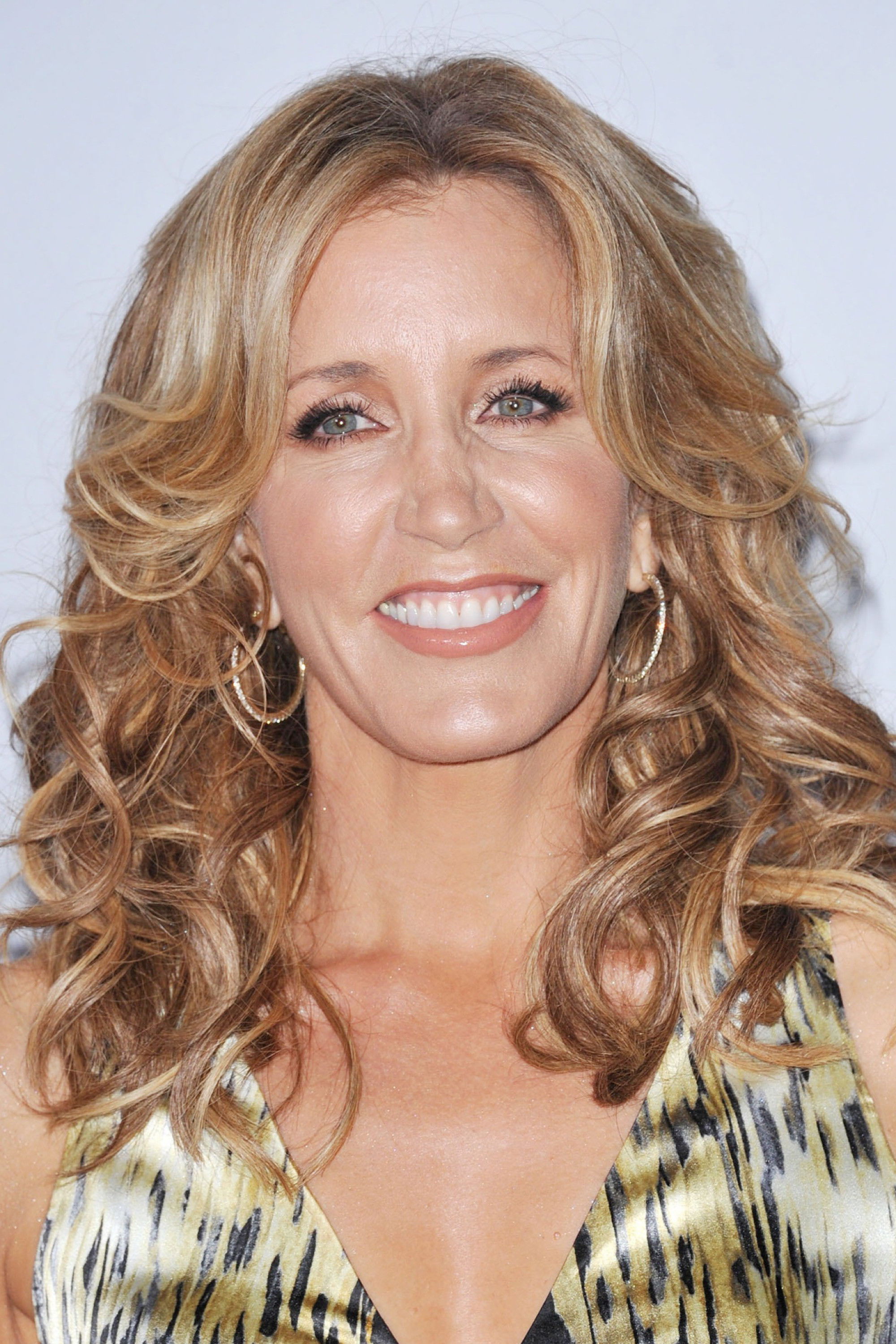
Felicity Huffman also experienced a significant decline in her professional standing after her participation in the same college admissions scandal. Despite her long history of acclaimed performances in ‘Desperate Housewives’ and various films her peers were quick to distance themselves from her. The legal fallout from her choices led to her serving time in prison and a long hiatus from any acting work. Her re entry into the industry has been slow as the community continues to grapple with the ethics of her actions.
Mischa Barton

Mischa Barton saw her career trajectory change after her decision to leave the hit series ‘The O.C.’ at the height of its popularity. This choice was met with confusion and criticism from her peers and fans who felt she was walking away from a major opportunity. Following her departure she struggled to find roles that matched the success of her television work. Her subsequent public struggles and career choices led to a period of being overlooked by major studios and her former colleagues.
Suzanne Somers
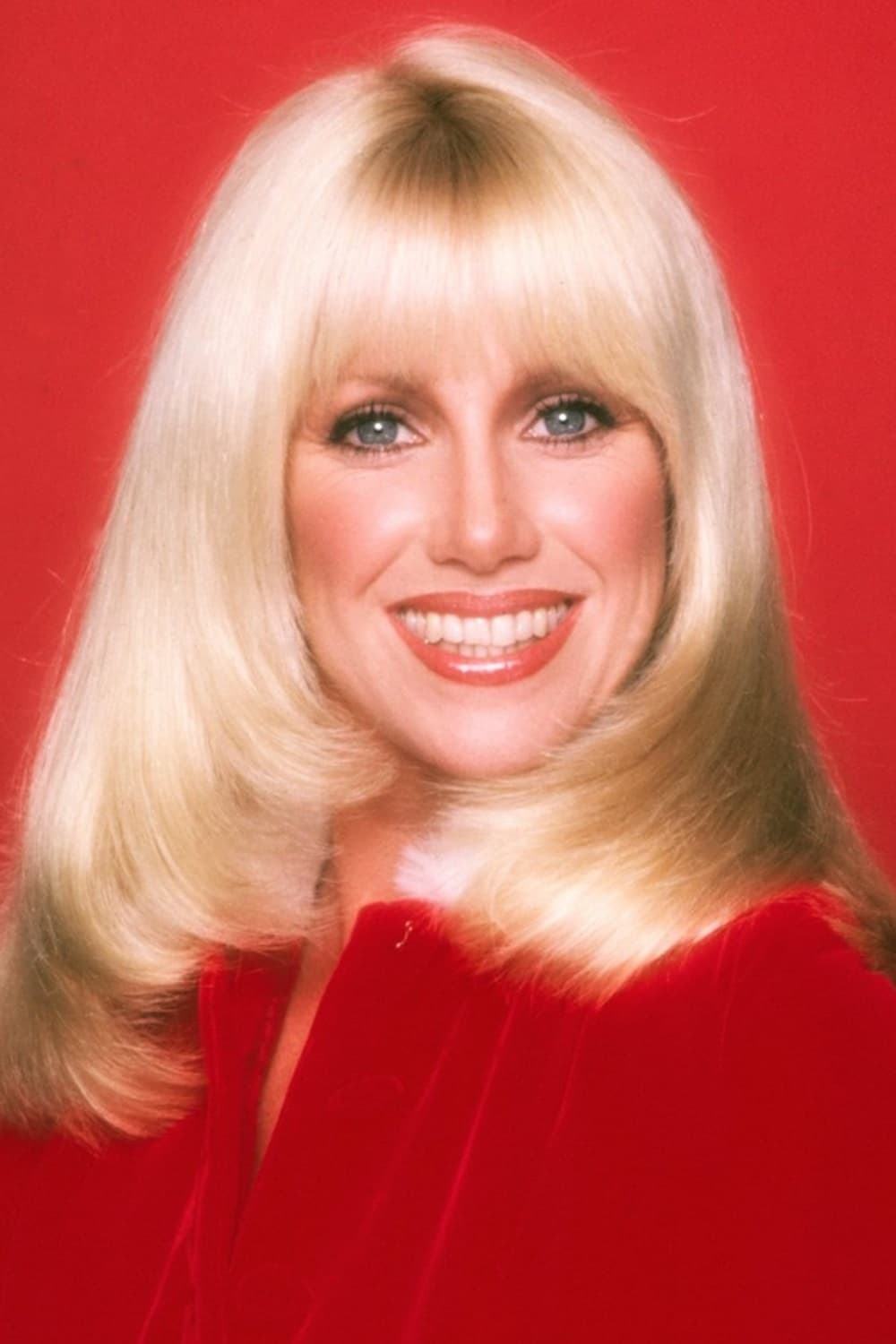
Suzanne Somers became a pioneer in the fight for equal pay but suffered professionally for her stance. When she requested a salary increase for her work on ‘Three’s Company’ that was comparable to her male co star she was eventually fired from the show. Her peers in the industry were largely silent during this time and she was labeled as greedy and difficult. She had to pivot her career toward business and wellness to find success outside of the traditional television system.
Valerie Harper
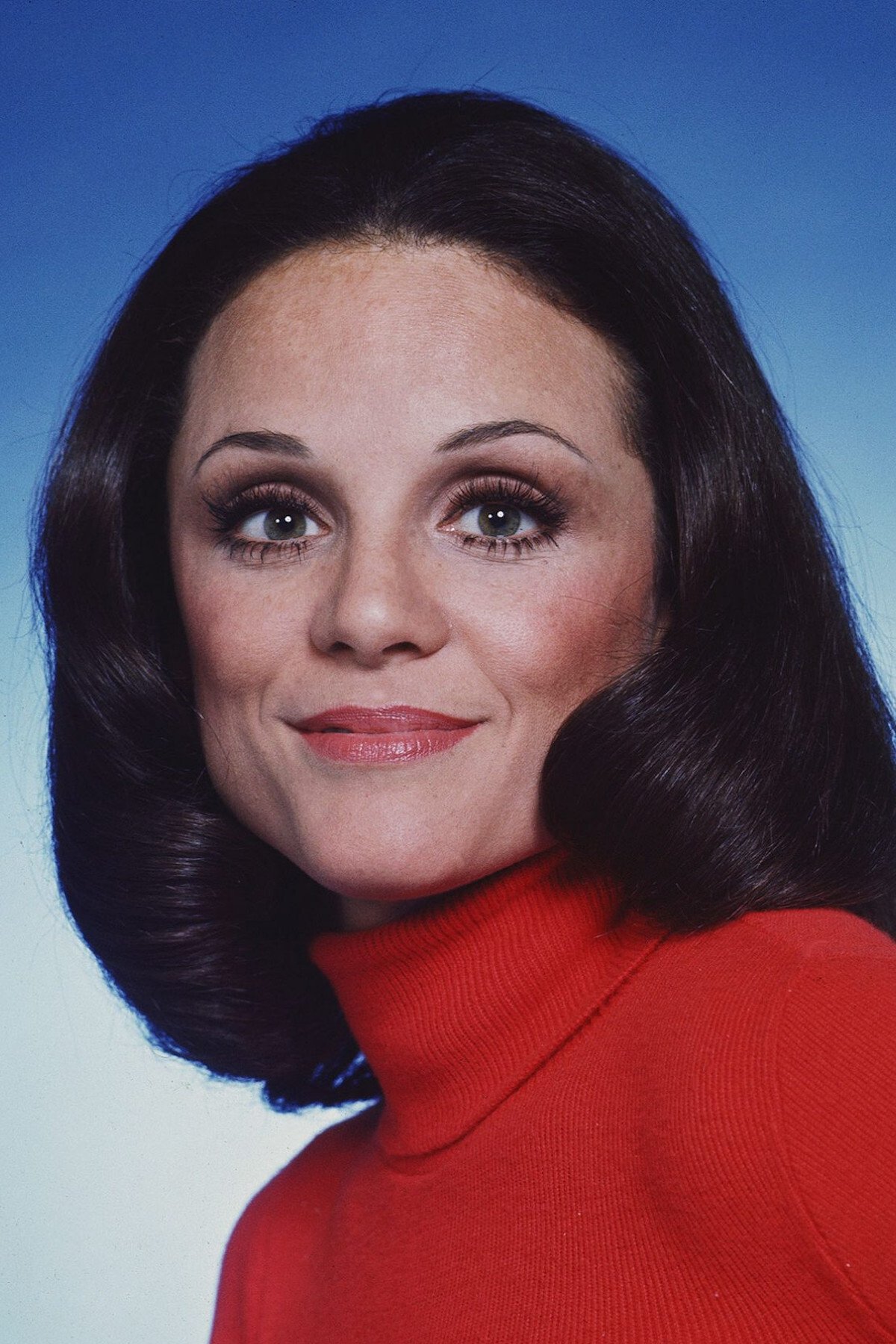
Valerie Harper faced a similar situation when she entered a legal battle with producers over her contract for the sitcom ‘Valerie’. Her decision to fight for her rights and a higher salary led to her being written off her own show. This public dispute made many in the industry hesitant to hire her for several years. She remained a respected actress but the battle over her career choices left a mark on her professional relationships for a long time.
Debra Winger
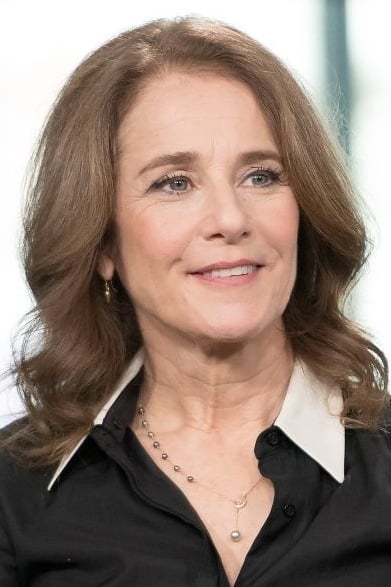
Debra Winger chose to walk away from Hollywood at the peak of her fame because she was dissatisfied with the types of roles available to women. Her peers and the media often characterized her as difficult for her high standards and her willingness to challenge directors. By stepping back she essentially ostracized herself from the major studio system and the social circles of top tier actresses. She later returned to the screen but she never fully re entered the mainstream Hollywood machine.
Sean Young
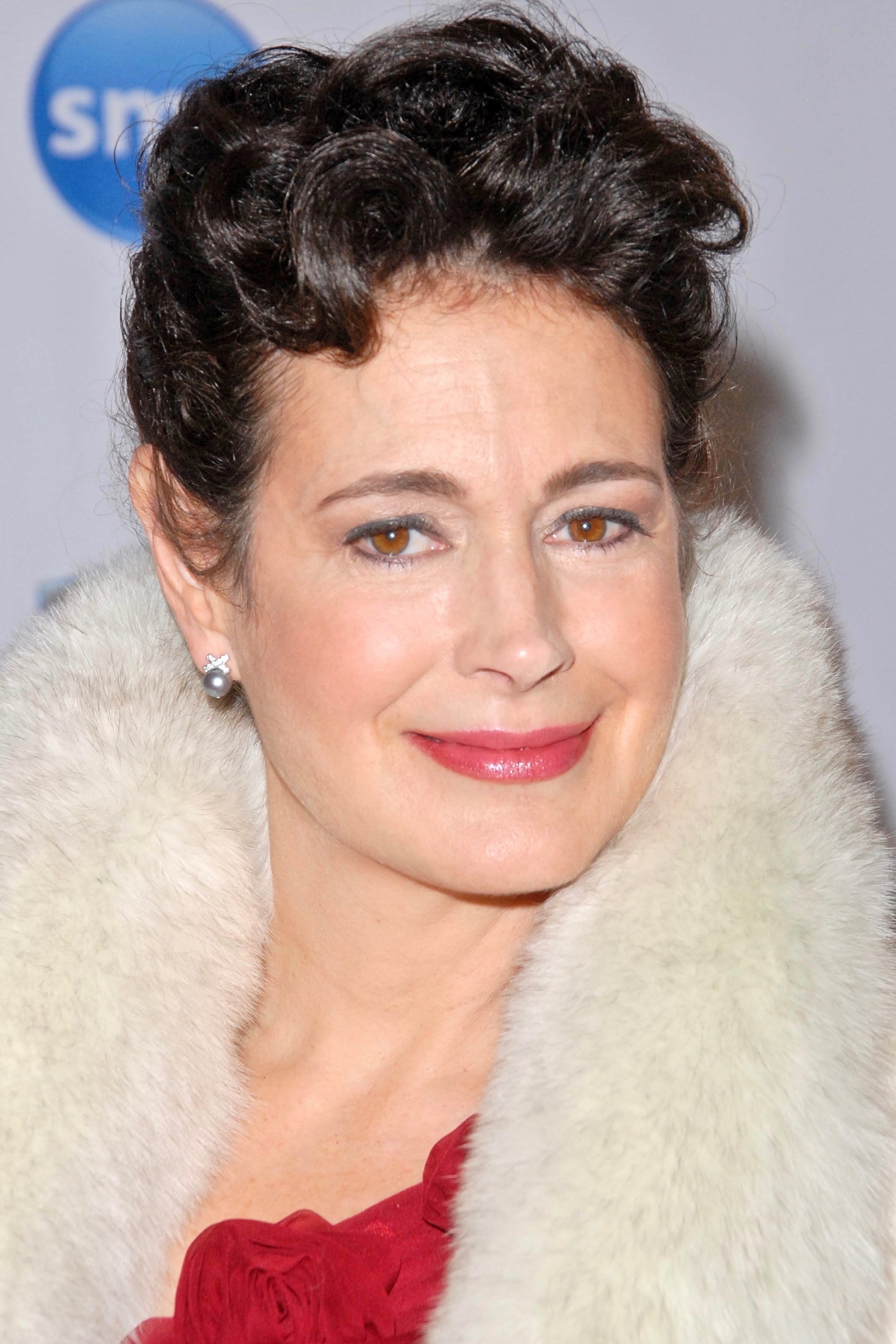
Sean Young became known for her difficult reputation which she attributes to her refusal to conform to industry expectations. Her attempts to lobby for roles including a famous incident where she dressed as Catwoman to impress a director were met with ridicule by her peers. These career choices and her outspoken nature led to her being largely blacklisted by major studios for decades. She has been vocal about how she felt bullied and excluded by the very community she tried to belong to.
Mira Sorvino

Mira Sorvino experienced a mysterious decline in her career after winning an Academy Award and she later discovered the reason was outside of her control. Her career choices were limited because she had been unknowingly blacklisted by a powerful producer she had rebuffed. Many of her peers were unaware of the situation but the lack of offers made her appear as though she had simply fallen out of favor. It was only years later that the truth about her isolation from the industry was revealed.
Ashley Judd
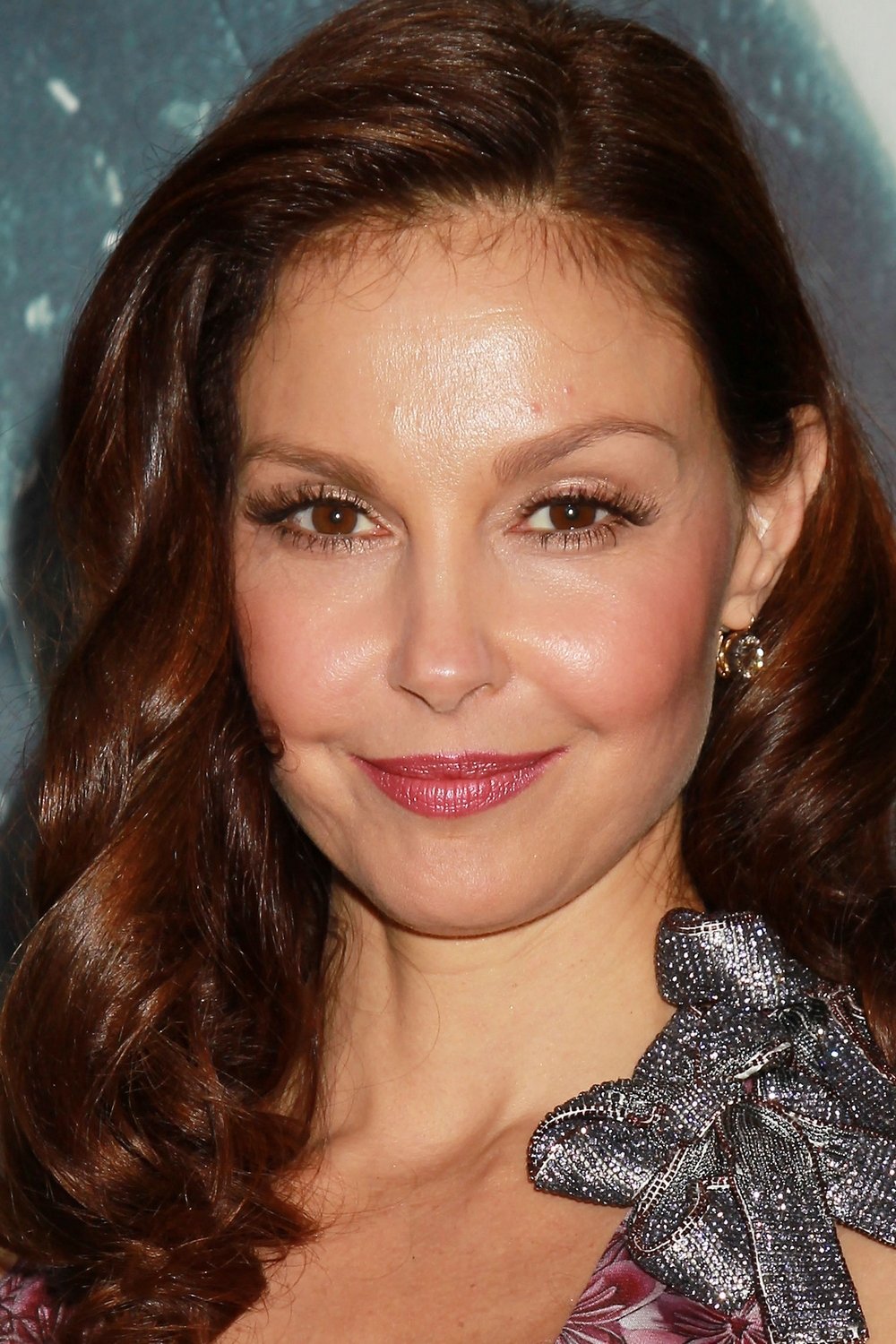
Ashley Judd faced a similar professional hurdle after she was labeled as difficult by the same powerful studio executive. Her choices to avoid certain situations led to her being passed over for major roles in blockbuster franchises. For years she wondered why her career had stalled despite her early success and critical acclaim. Her peers eventually learned that her isolation was a calculated move by an individual intended to punish her for her personal boundaries.
Salma Hayek Pinault

Salma Hayek Pinault struggled early in her career to be taken seriously beyond the stereotypes often assigned to international actresses. She faced skepticism and a lack of support from her peers when she decided to produce and star in the biographical film ‘Frida’. Many in Hollywood believed the project was too niche and would not find an audience. Her determination to control her own career path eventually earned her respect but she initially felt the sting of being an outsider in a rigid system.
Sondra Locke
Sondra Locke faced a long and public legal battle with her former partner and frequent collaborator after their professional relationship ended. Her career choices became inextricably linked to her personal life and she claimed she was blacklisted by major studios as a result of the dispute. Many of her colleagues in the industry stayed away from the conflict to avoid taking sides in a messy situation. This led to a significant gap in her filmography and a feeling of abandonment by the film community.
Stacey Dash

Stacey Dash transitioned from a career in acting to one in political commentary which led to a sharp divide between her and her Hollywood peers. Her vocal support for specific political movements and her controversial statements on social issues resulted in her being socially and professionally distanced. Many of those she had worked with on films like ‘Clueless’ publicly disagreed with her views. This career shift effectively ended her traditional acting opportunities as the industry moved away from her.
Roseanne Barr
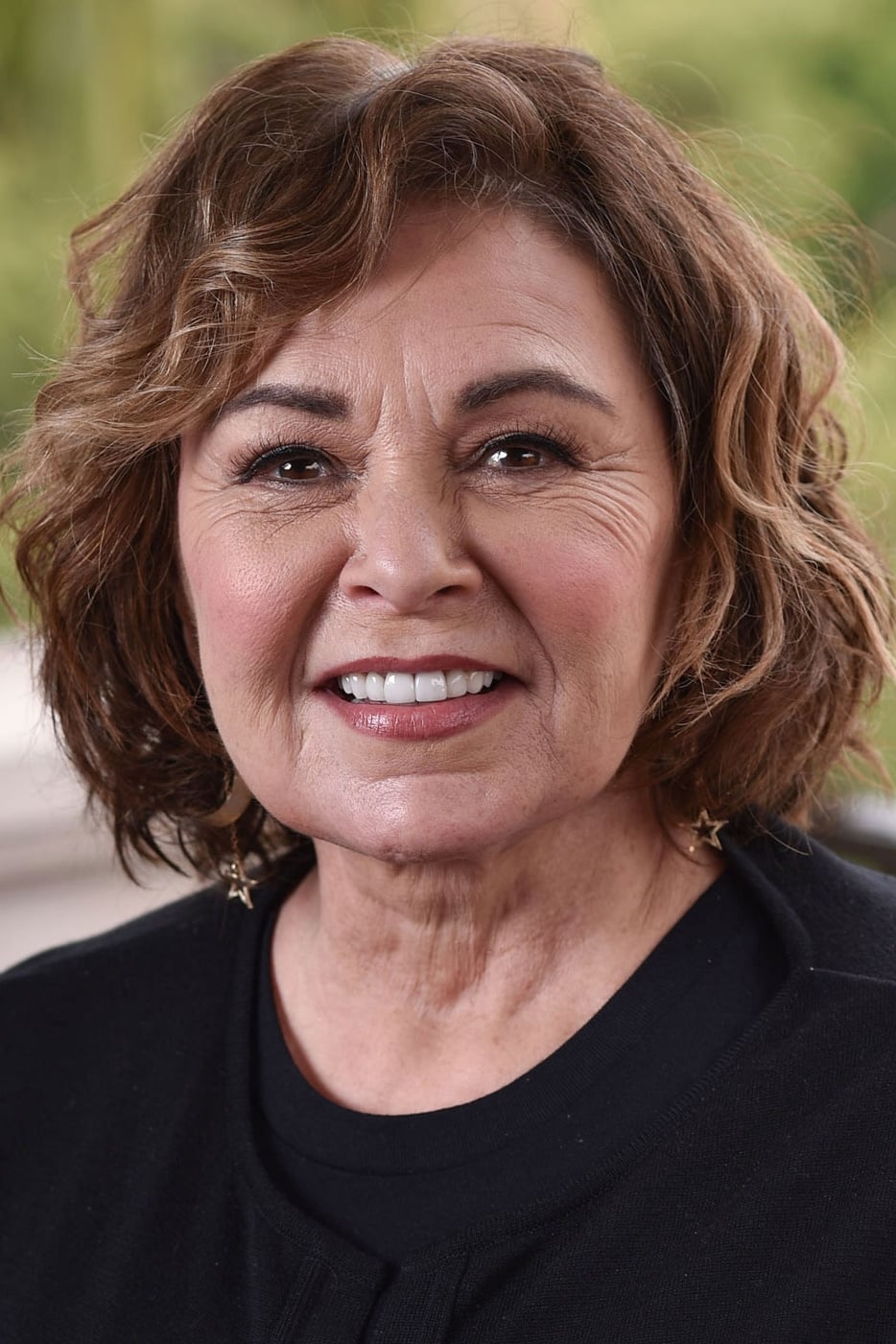
Roseanne Barr saw her successful television revival canceled almost overnight following a series of controversial public statements. Her peers in the cast and crew were forced to distance themselves to preserve their own careers and the future of the show. Her career choices including her approach to social media and public discourse led to her being removed from the very project she helped create. The fallout resulted in her becoming a persona non grata in the mainstream television industry.
Shelley Duvall
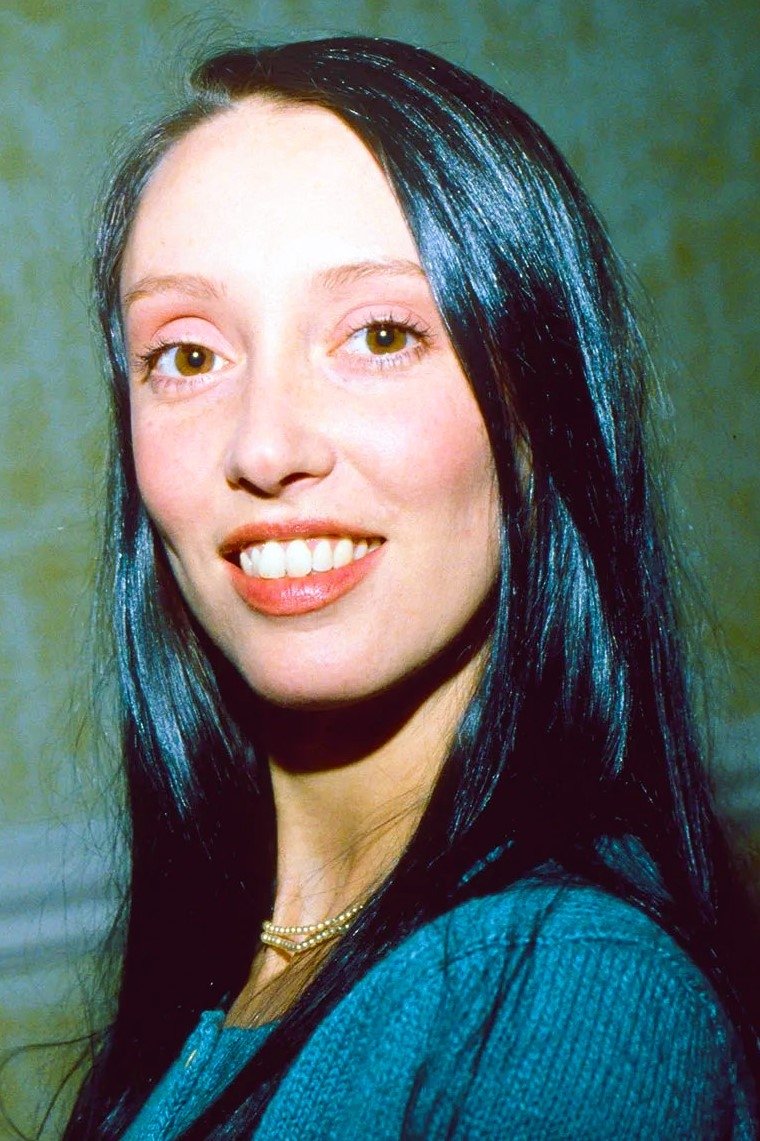
Shelley Duvall experienced a period of intense isolation after the grueling production of ‘The Shining’ and her subsequent retreat from the public eye. The psychological toll of her role and her choice to move away from Hollywood led to a disconnect from her peers. Many in the industry were unaware of her status for many years as she lived a quiet life in Texas. Her eventual return to public attention highlighted the ways in which the industry can lose touch with its most talented performers.
Tippi Hedren
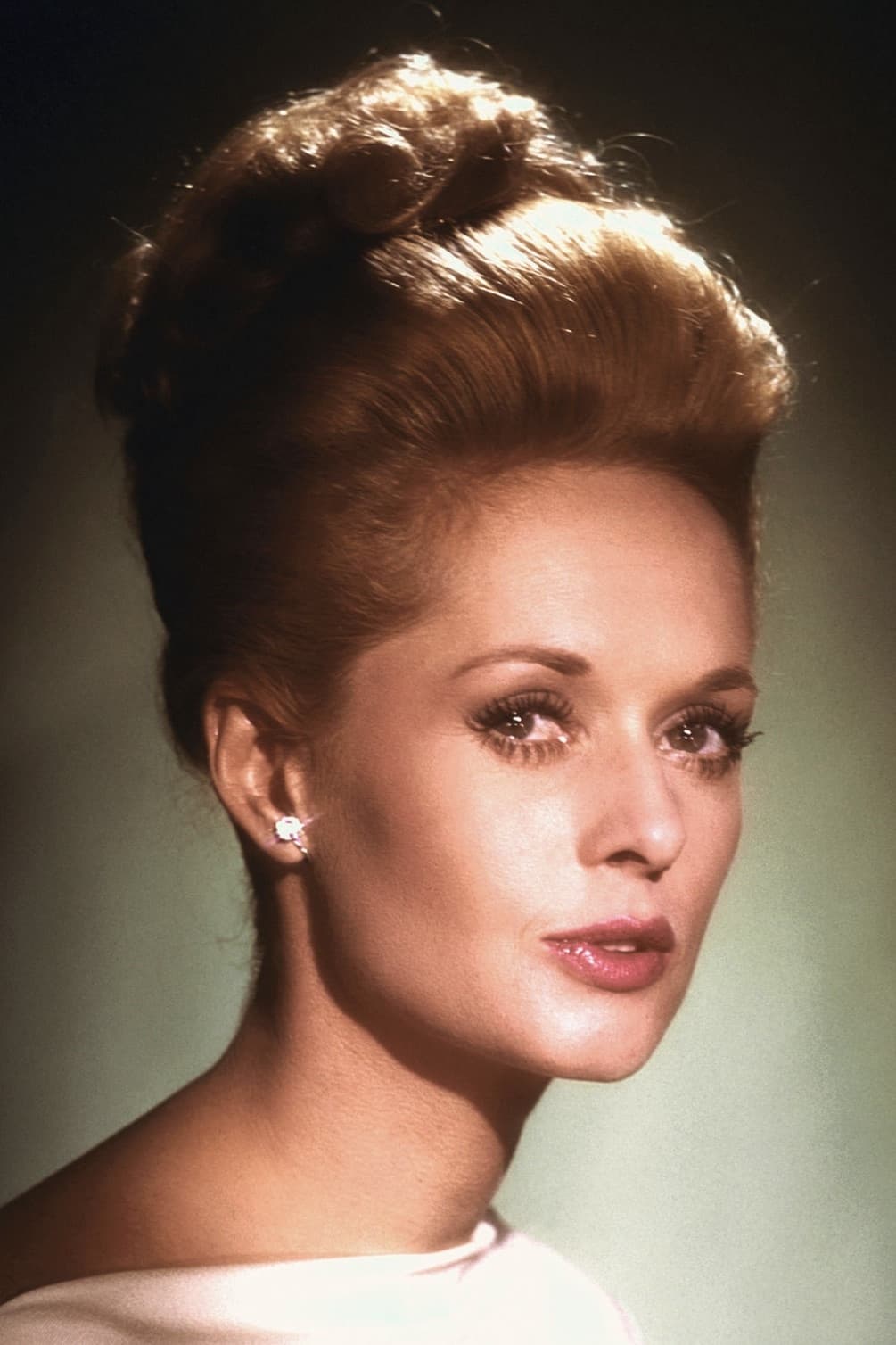
Tippi Hedren saw her career growth stunted after she refused to submit to the demands of director Alfred Hitchcock. Because she was under contract to him she was unable to work for other directors for a significant amount of time. Her peers and the industry at large were often unaware of the specific nature of her struggle but they saw her lack of work as a decline in relevance. Her choice to stand her ground cost her several prime years of her professional life.
Tanya Roberts
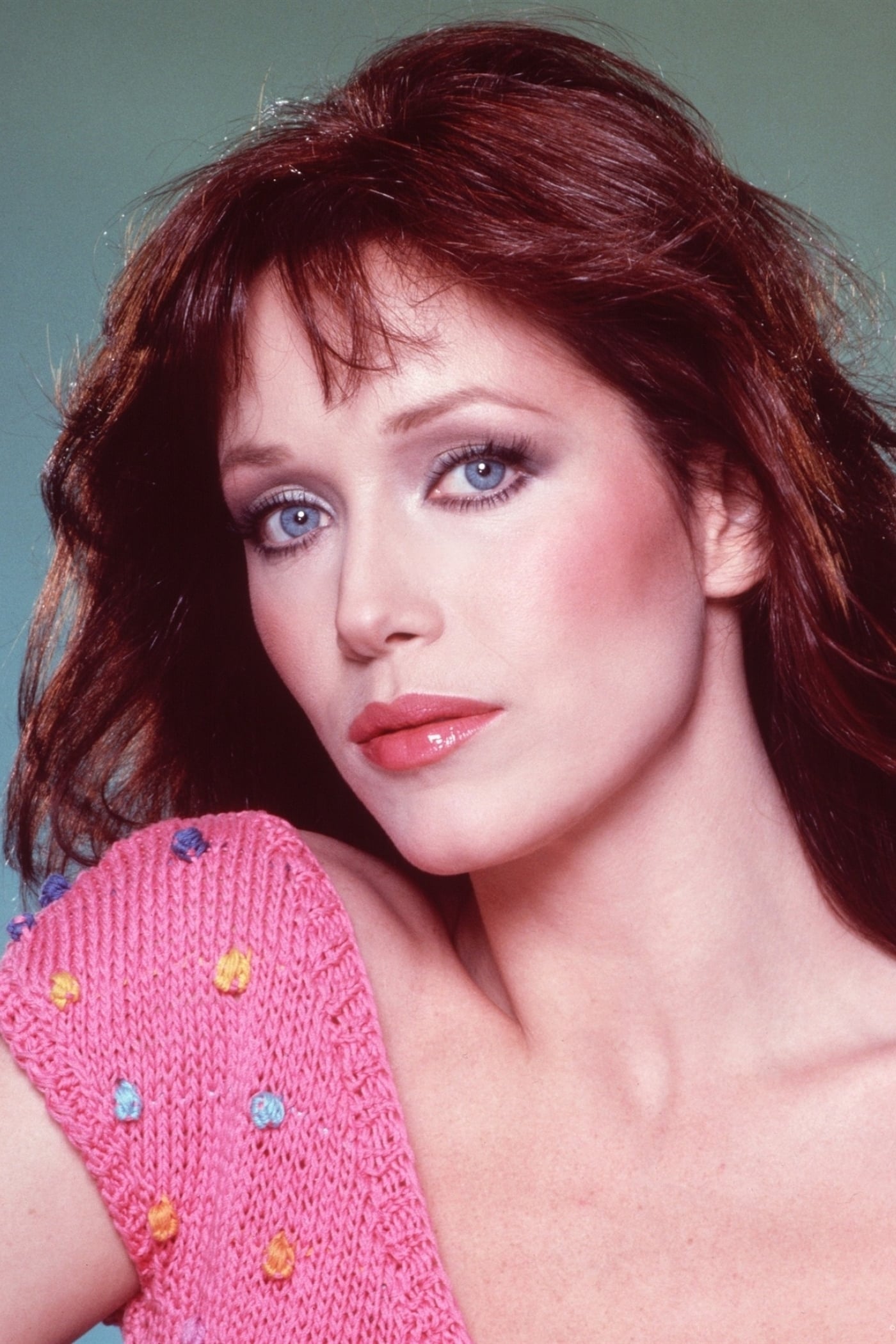
Tanya Roberts made the choice to leave the hit series ‘Charlie’s Angels’ to pursue a career in film but she was met with limited success. This decision was criticized by peers who felt she should have stayed with the security of a popular television role. As her subsequent films failed to gain traction she found herself on the outskirts of the major studio system. She eventually found success in a different television format but the initial move away from her breakout role was a point of contention.
Geena Davis
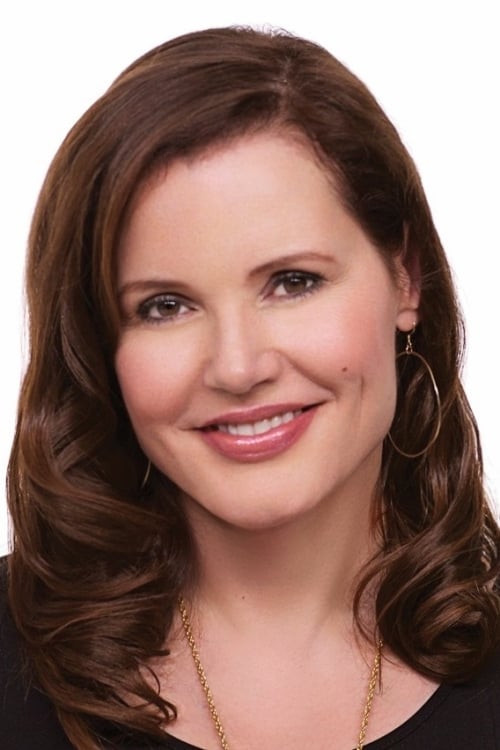
Geena Davis saw a shift in how the industry treated her after she became a vocal advocate for gender parity and representation in media. Her focus on research and activism through her own institute led some to view her more as a scholar than a working actress. While she remains a legendary figure her choice to prioritize systemic change over chasing every available role altered her relationship with the Hollywood social structure. She has stated that the industry sometimes finds her focus on data and equality to be challenging.
Jane Fonda
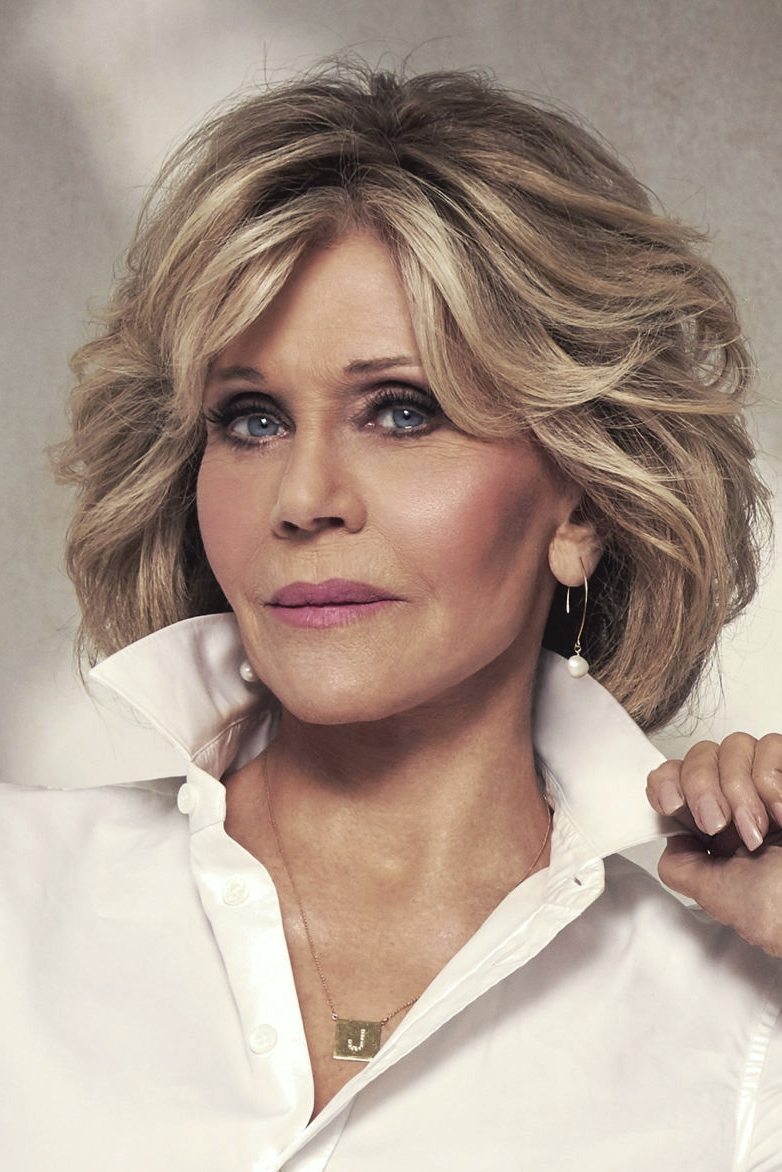
Jane Fonda became one of the most controversial figures of her generation due to her political activism during the Vietnam War. Her career choices including visiting North Vietnam led to her being labeled as a traitor by many and ostracized by the Hollywood establishment. For several years she struggled to find work as studios feared the backlash from her public image. She eventually successfully rebuilt her career but the scars of that period of isolation remained for a long time.
Ingrid Bergman
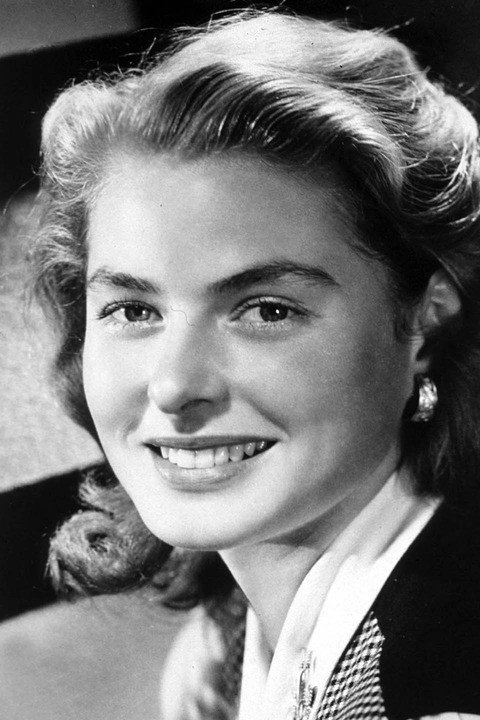
Ingrid Bergman was essentially exiled from Hollywood after her choice to leave her husband and children to start a new life with a director in Italy. The scandal shocked her peers and the American public leading to a formal denouncement on the floor of the United States Senate. She spent several years working in Europe away from the major studios that had made her a star. It took many years and a successful return to the screen for her to be welcomed back into the fold of Hollywood royalty.
Hattie McDaniel
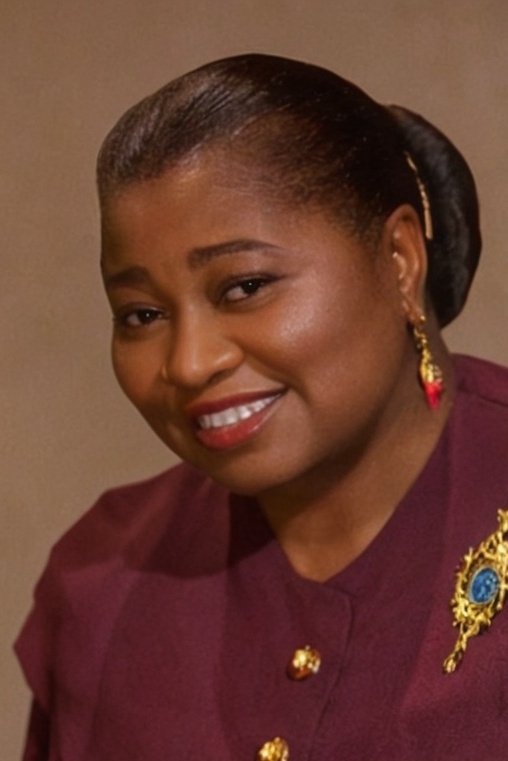
Hattie McDaniel faced a unique form of ostracization from her own community for her choice to play domestic servant roles in major films. While she was a trailblazer who became the first African American to win an Academy Award she was often criticized by her peers for perpetuating stereotypes. This led to a difficult social position where she was caught between the limitations of the studio system and the expectations of her community. She famously defended her career choices by stating she would rather play a maid than be one.
Frances Farmer

Frances Farmer was a talented actress who was ostracized for her refusal to conform to the expectations of the studio system and her unconventional behavior. Her resistance to the publicity demands of her contract and her outspoken political views led to her being labeled as difficult and mentally unstable. The industry eventually turned its back on her as she dealt with personal and legal struggles that were exacerbated by her professional isolation. Her story has since become a cautionary tale about the pressures of early Hollywood fame.
Lena Horne
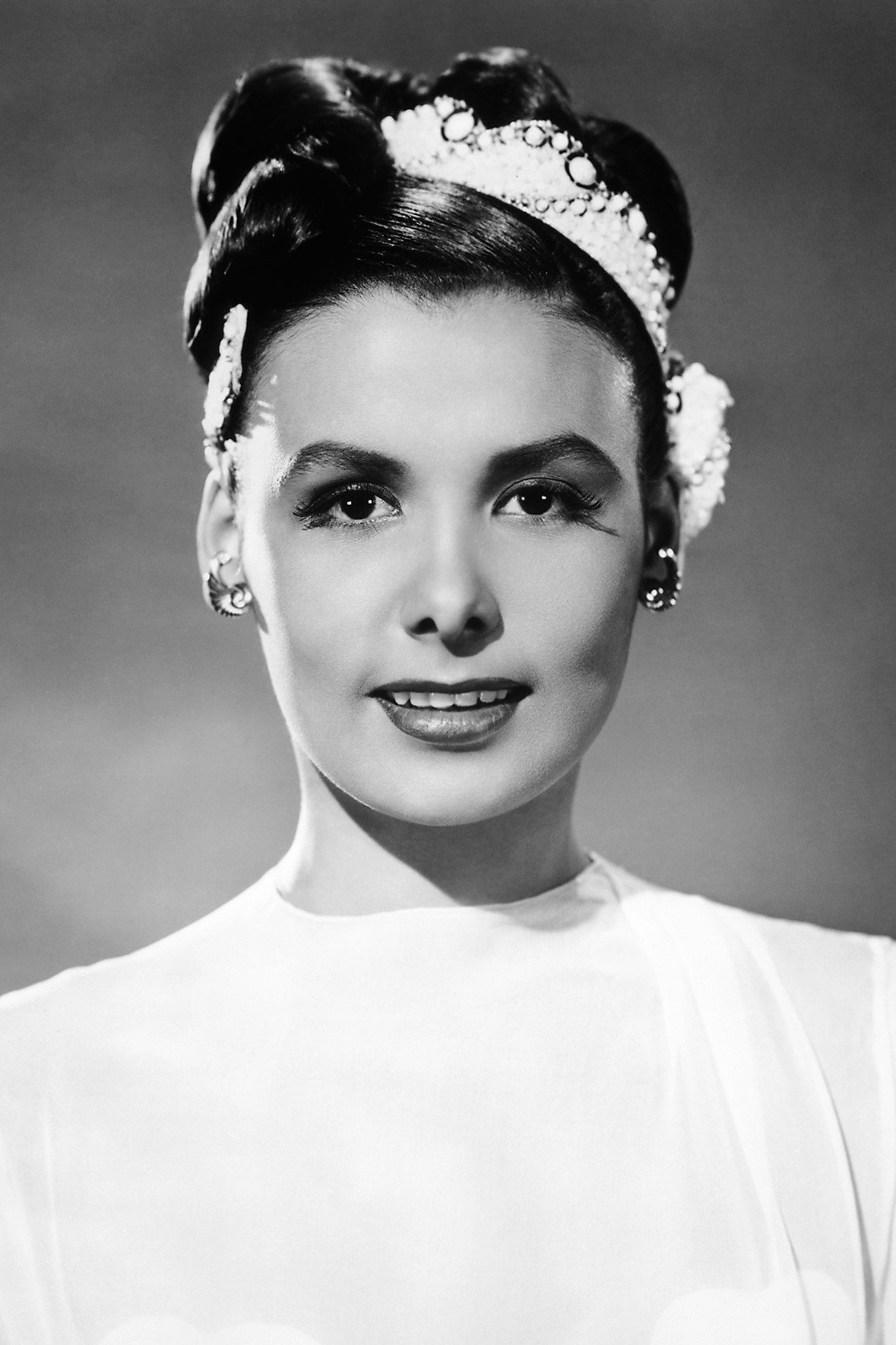
Lena Horne was a groundbreaking performer who often felt isolated because she refused to accept the stereotypical roles offered to her. Her activism during the civil rights movement and her career choices meant she was often sidelined by major studios who feared her influence. Peers who were more willing to conform found more consistent work while she remained a symbol of resistance. She spent much of her career navigating a lonely path as she fought for better representation in the arts.
Dorothy Dandridge
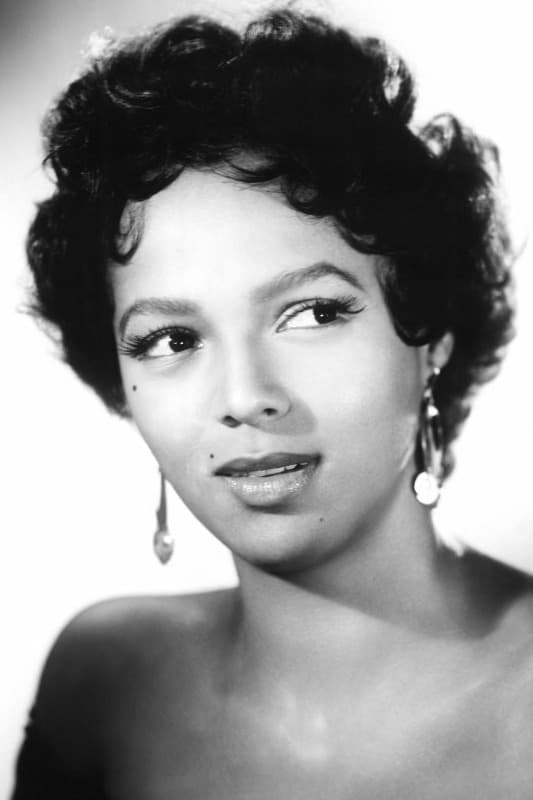
Dorothy Dandridge reached incredible heights of fame but was often ostracized by an industry that did not know how to support her career choices. As she sought leading roles that broke away from racial stereotypes she found herself increasingly isolated from both the studio system and some of her peers. The lack of sustainable opportunities led to a tragic decline in her professional and personal life. She remains a powerful figure whose isolation highlighted the deep systemic issues of her time.
Hedy Lamarr
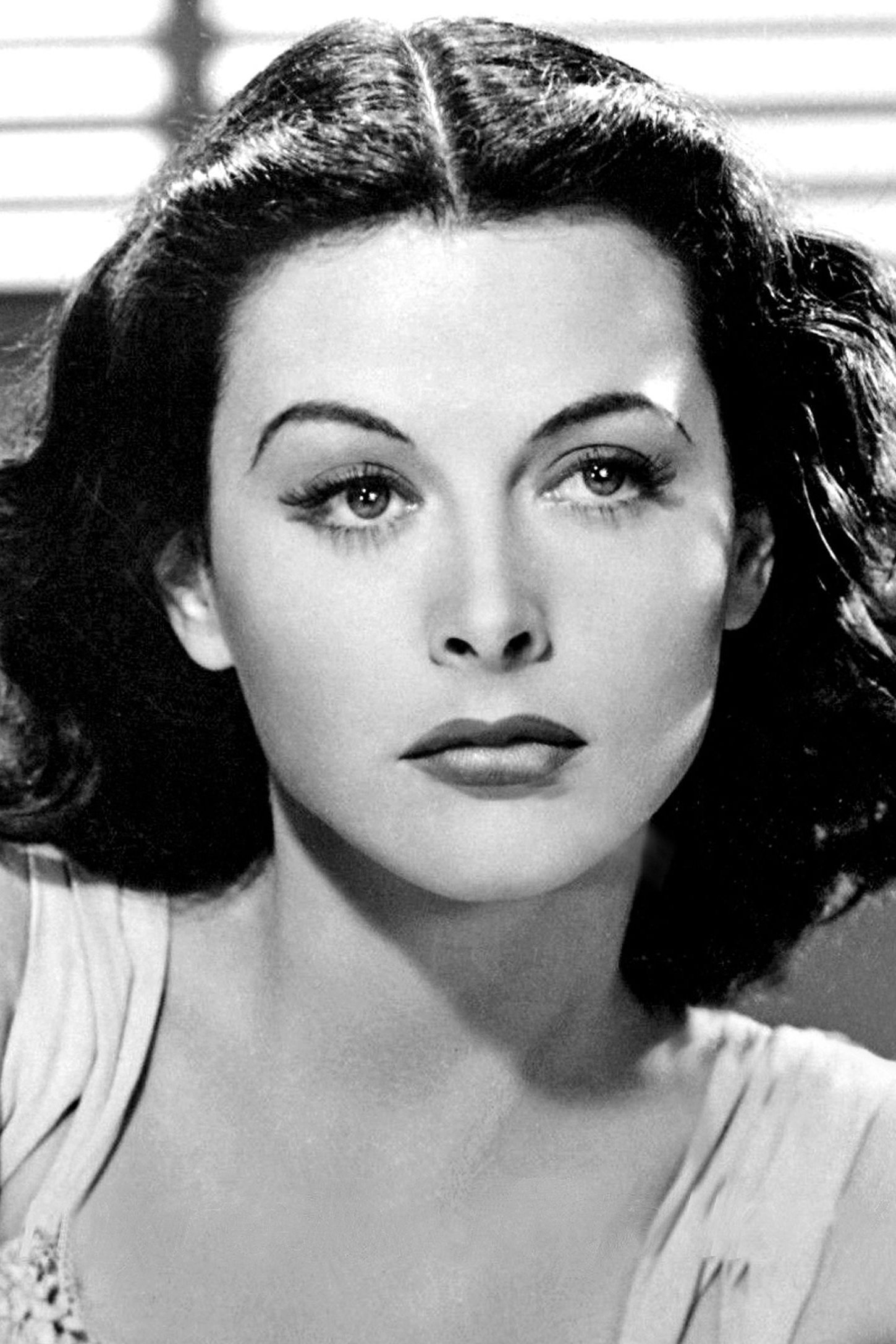
Hedy Lamarr was often viewed only for her beauty and her career choices in film were frequently dismissed by those who were unaware of her intellectual pursuits. Her decision to spend her time inventing frequency hopping technology during World War II was not taken seriously by her Hollywood peers. She felt isolated in an industry that did not value her mind and only sought to use her image. It was only much later in her life that her contributions to science were recognized by the wider world.
Clara Bow
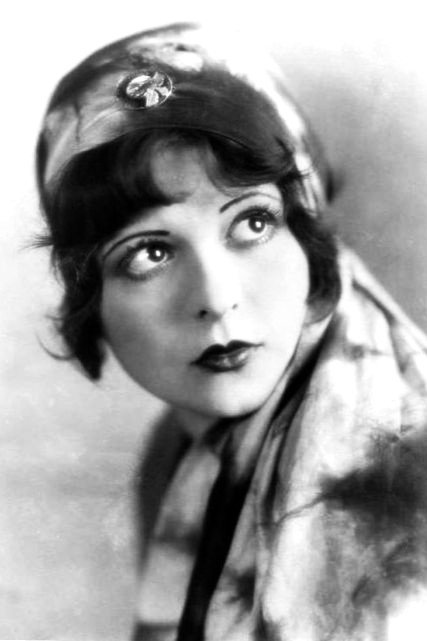
Clara Bow was the original “It Girl” of the silent film era but her career choices and personal life led to a rapid social decline. Her peers in the upper echelons of Hollywood looked down on her working class background and her refusal to follow traditional social codes. When scandals began to arise the industry was quick to distance itself from her and she eventually retreated into a quiet life away from the cameras. She remains a symbol of how quickly the industry can turn on its most popular stars.
Lana Turner
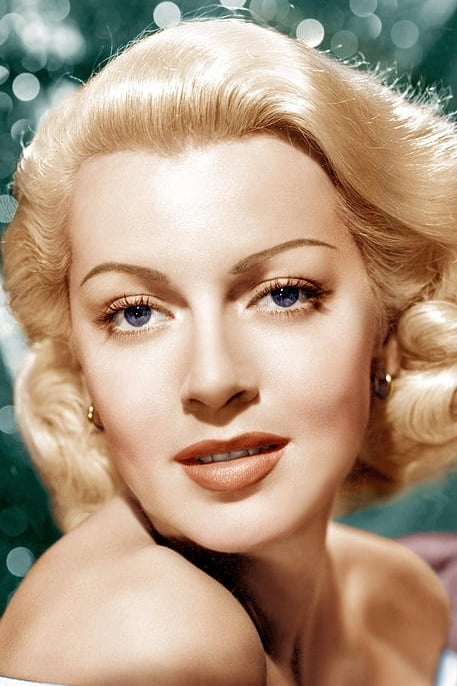
Lana Turner experienced a period of intense public and professional scrutiny after a tragic incident involving her daughter and her romantic partner. Her career choices were often overshadowed by the drama of her personal life leading to a rift between her and the more conservative members of the film community. While she continued to work the social isolation she felt during the height of the scandal was significant. She had to work hard to maintain her status as a leading lady in the face of constant judgment.
Anna May Wong
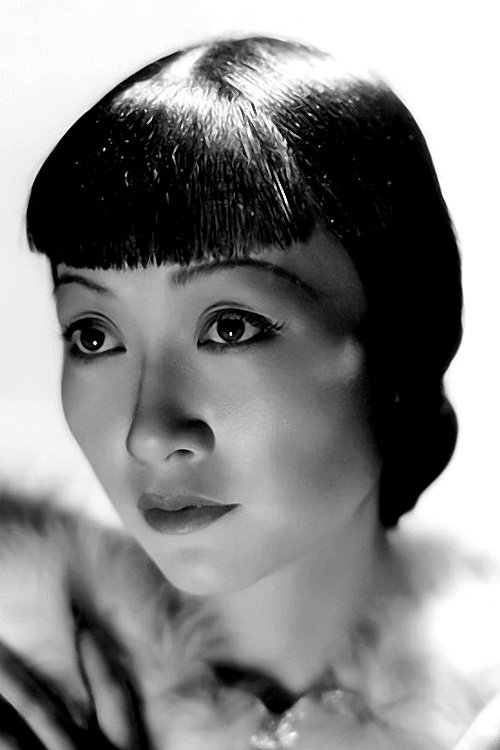
Anna May Wong was a pioneer for Asian actresses but her career choices were limited by the discriminatory laws and social norms of her era. She chose to move to Europe to find the roles that were denied to her in the United States which led to a period of being an outsider in Hollywood. Many of her peers in America did not fully understand or support her struggle for fair representation. Her journey was marked by a constant battle against isolation in an industry that refused to see her full potential.
Grace Kelly
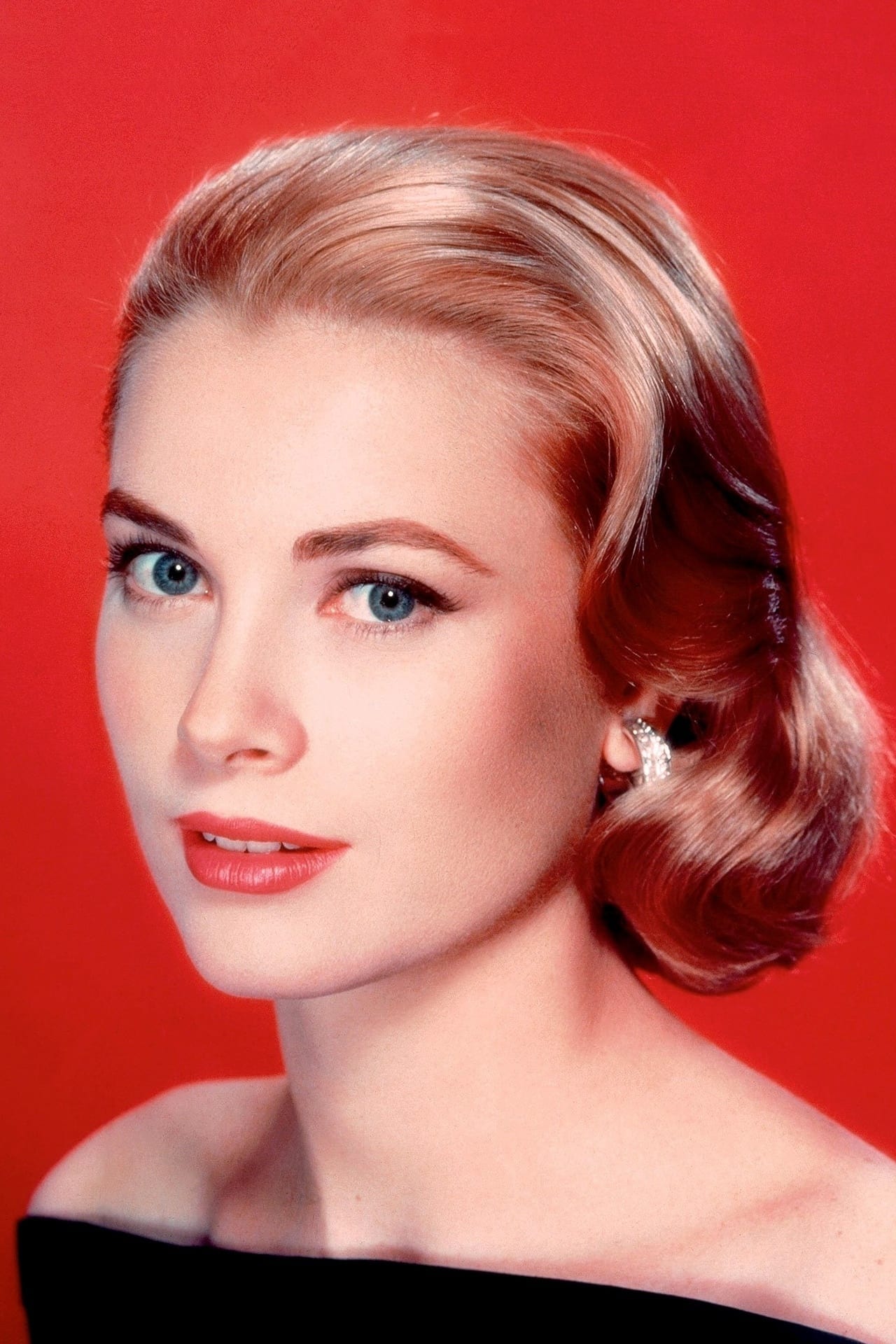
Grace Kelly made the historic choice to walk away from a peak acting career to become the Princess of Monaco. While this was a prestigious move it effectively ended her participation in the Hollywood community and distanced her from her acting peers. Many directors and colleagues were disappointed by her retirement and felt she was leaving her true calling behind. Her life as a royal meant she had to maintain a level of decorum that separated her from the social circles she once enjoyed in the film industry.
Vivien Leigh
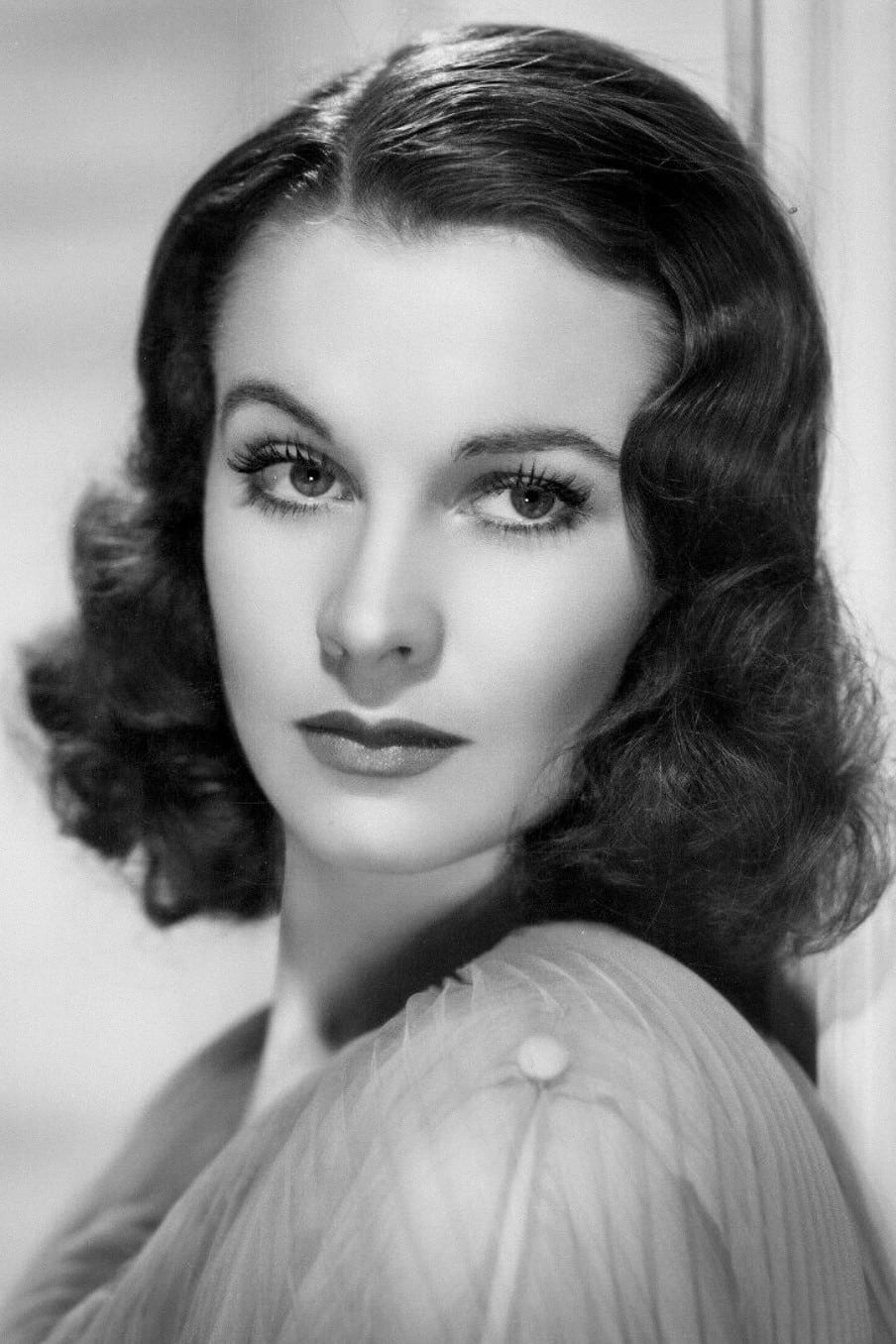
Vivien Leigh was often ostracized for her temperament and her struggles with mental health which were poorly understood by her peers at the time. Her choice to prioritize certain theatrical roles over film work sometimes created friction with studio executives. She was known for being demanding on set which led to a reputation that made some colleagues hesitant to work with her. Despite her incredible talent she often felt like an outsider in the very industry that celebrated her greatest performances.
Joan Crawford
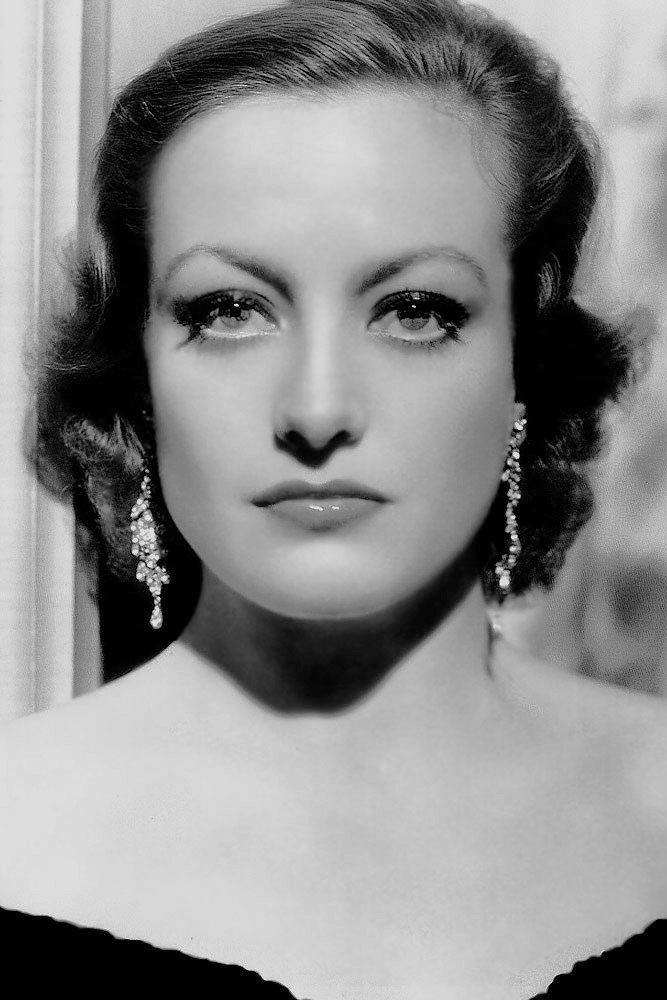
Joan Crawford faced a period of being labeled as “box office poison” and was distanced by major studios late in her career. Her choice to sign with a different studio and reinvent herself in the film ‘Mildred Pierce’ was a gamble that many of her peers expected her to lose. During her transition she found that the social support from the industry elite was often conditional on her commercial success. Her legendary rivalries also contributed to her feeling isolated from many of the women in her profession.
Bette Davis

Bette Davis was famous for her battles with studio heads over the quality of her scripts and the nature of her roles. Her career choices including her decision to sue her studio to get out of her contract led to her being viewed as a rebel by her peers. While some admired her courage many were afraid to associate with someone who challenged the power structures so directly. This led to periods where she felt she had to fight every professional battle entirely on her own.
Mary Pickford
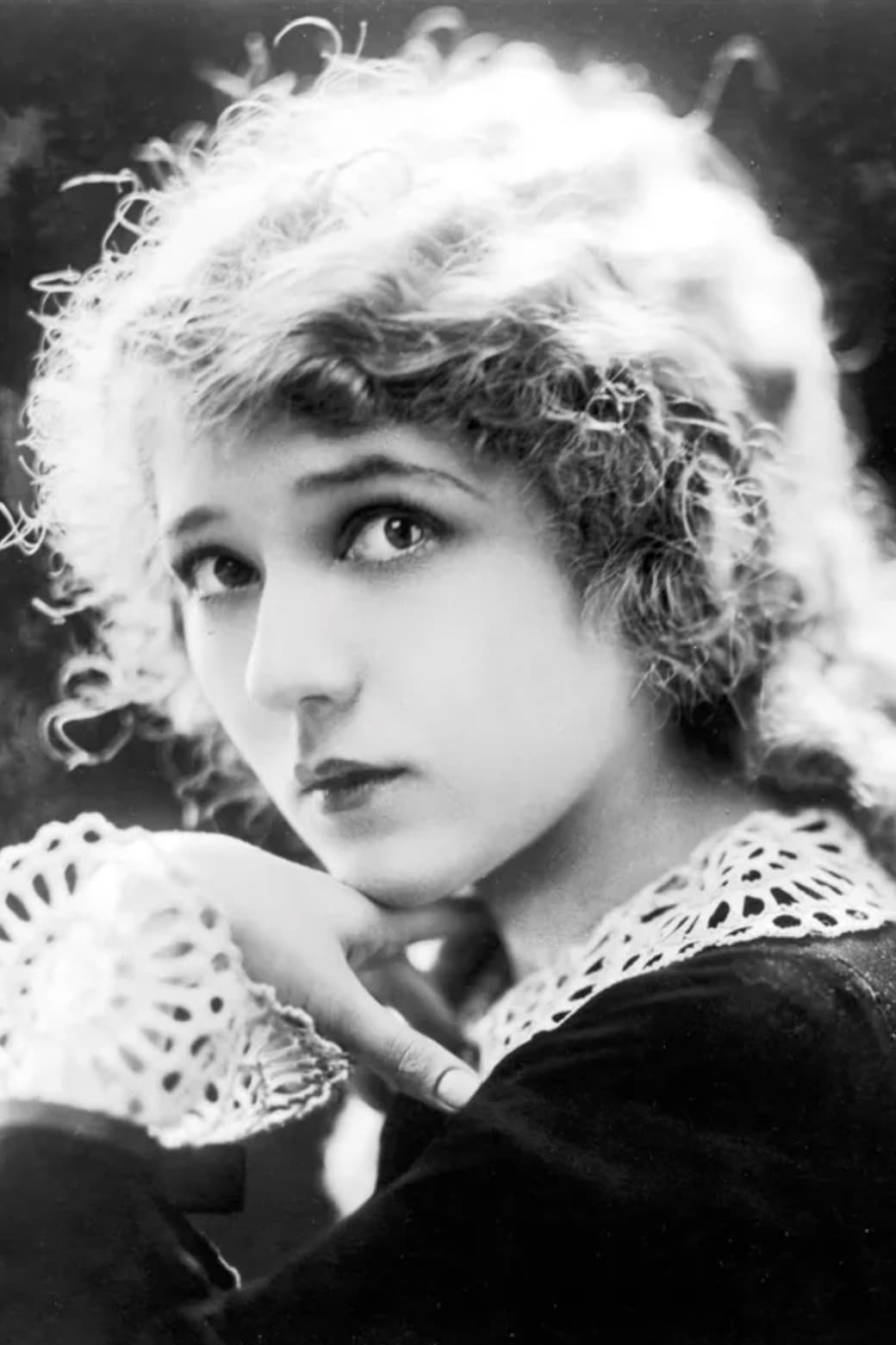
Mary Pickford was a powerhouse who controlled her own career but her transition to sound films led to a decline in her social standing. Her choice to cut her famous curls and take on more mature roles was not well received by a public and a peer group that wanted her to remain a young girl. As she moved into production and business she became more of a boss than a colleague to many in the industry. This shift in power dynamics naturally created a distance between her and the acting community.
Greta Garbo
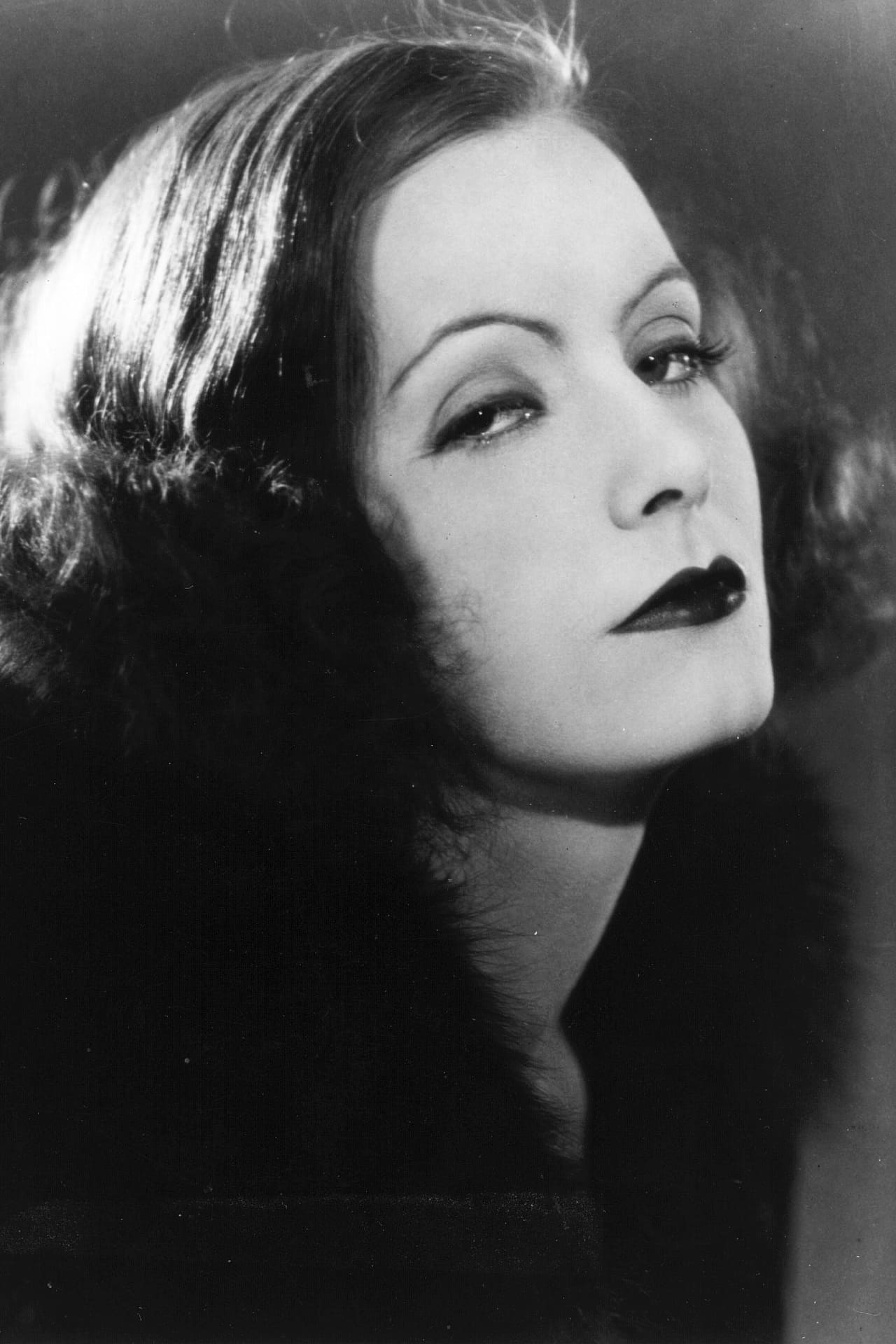
Greta Garbo famously chose to retire at the height of her fame and live a life of complete privacy which was an unheard of career choice at the time. This decision essentially ostracized her from the Hollywood social scene by her own design. Her peers and the media were fascinated by her disappearance and often speculated about her motives for leaving the industry. She became a mystery to those who had once worked with her as she successfully maintained her isolation for the rest of her life.
Brigitte Bardot
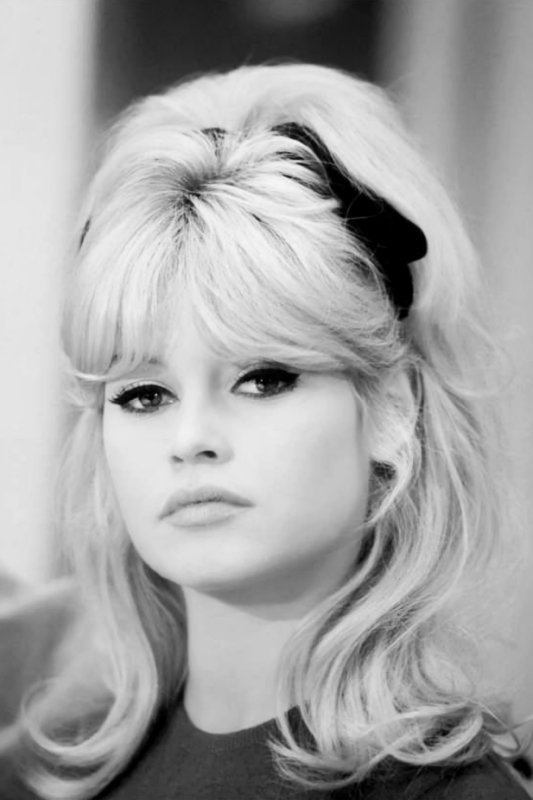
Brigitte Bardot chose to leave the acting world behind to dedicate her life to animal rights activism. Her career shift and her increasingly controversial political statements led to a significant divide between her and the French entertainment industry. Many of her former colleagues expressed disappointment in her views and her choice to distance herself from her cinematic legacy. She has remained a polarizing figure who exists entirely outside of the social norms of the acting profession.
Marlene Dietrich
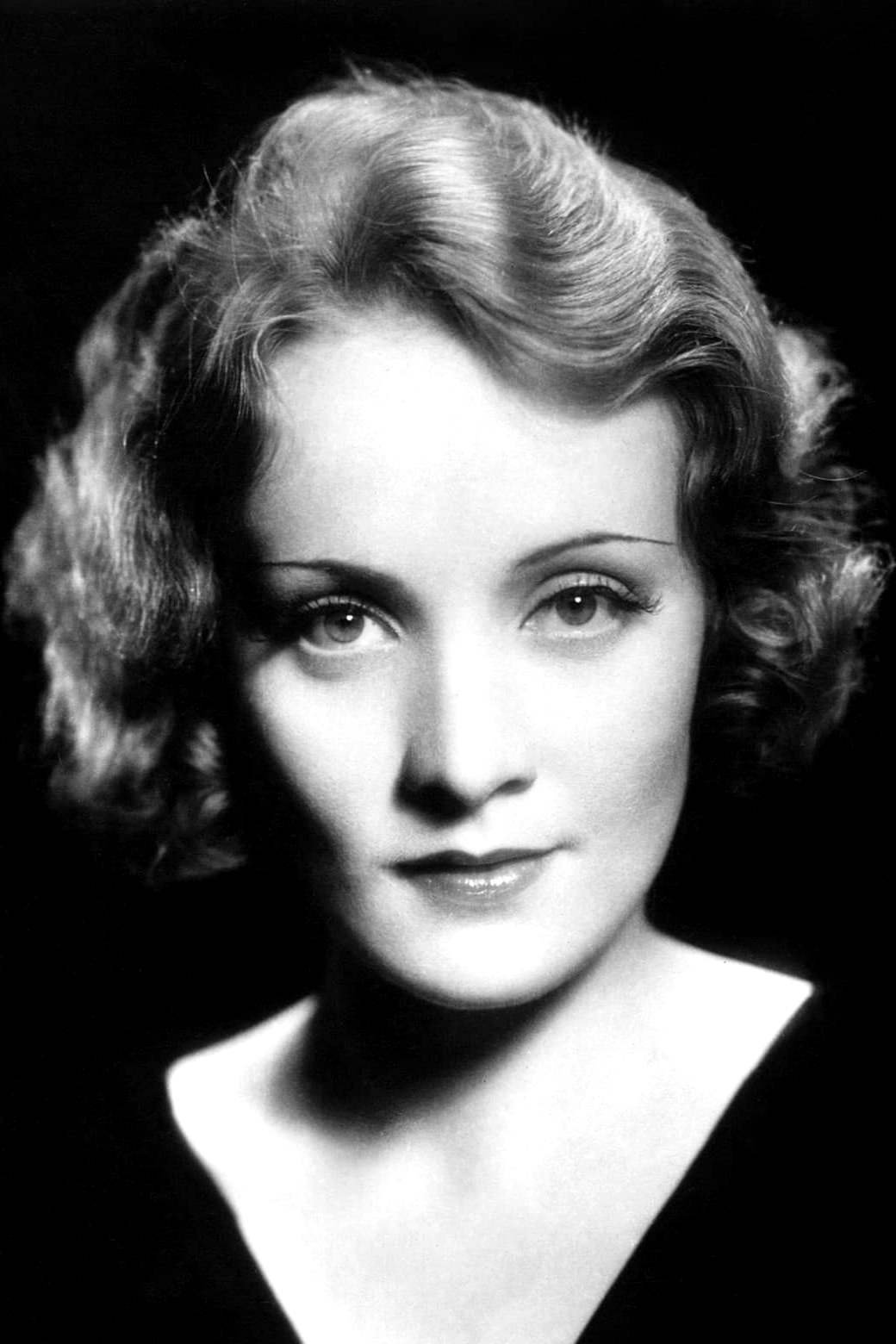
Marlene Dietrich faced intense backlash from her home country of Germany when she chose to support the Allied forces during World War II. Her career choices including performing for troops and denouncing the regime led to her being labeled as a traitor by many of her former peers in Europe. She spent much of her later life in a self imposed isolation in Paris away from the glitz of the film world. Her commitment to her principles came at the cost of her relationship with her homeland and many of its artists.
Eartha Kitt
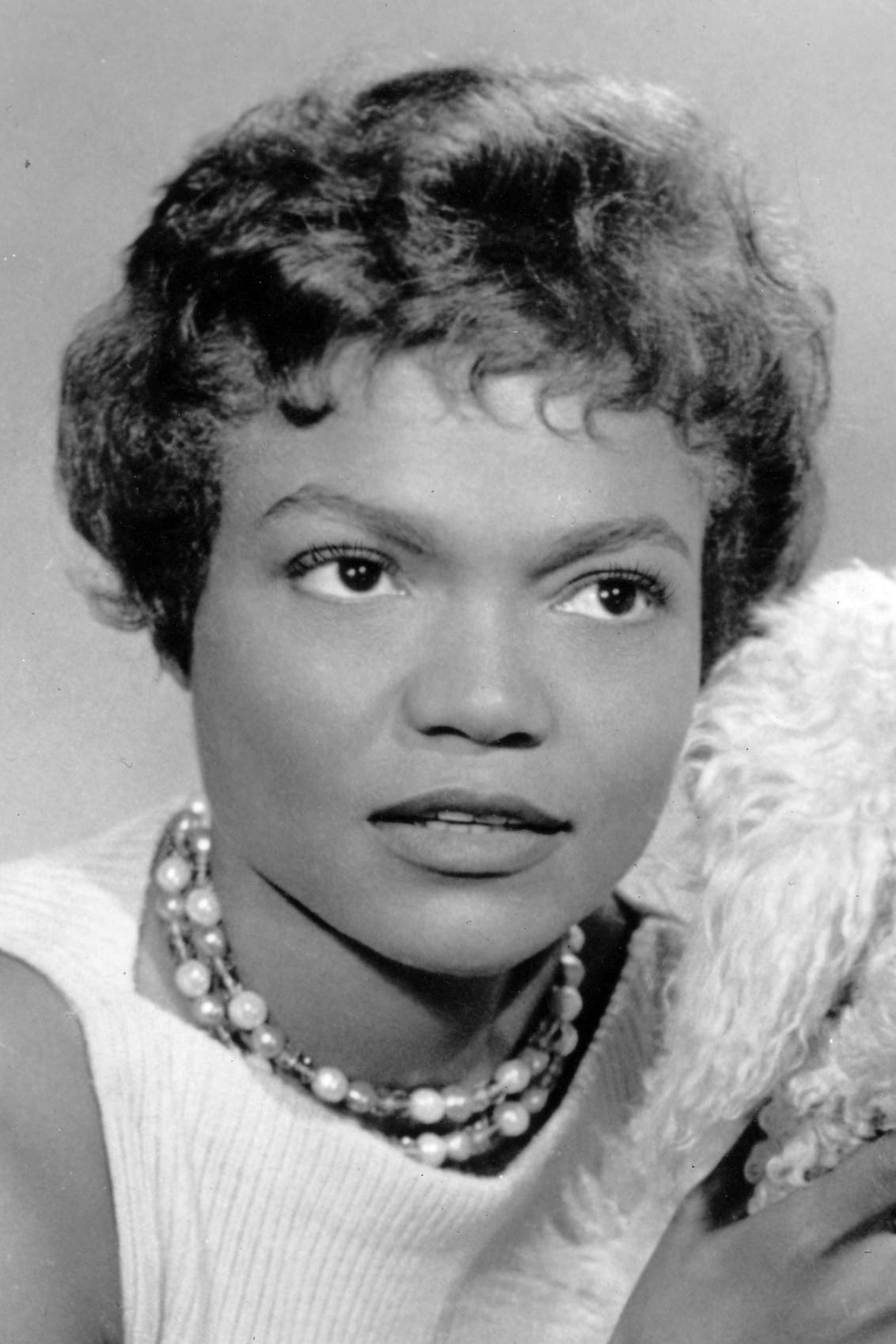
Eartha Kitt experienced a decade of professional exile after she spoke out against the Vietnam War during a luncheon at the White House. Her choice to express her political opinions in such a public and high profile setting led to her being blacklisted in the United States. Many of her peers were afraid to be seen with her or to hire her for work which forced her to perform overseas. It took many years for her to be welcomed back into the American mainstream entertainment industry.
Lupe Vélez
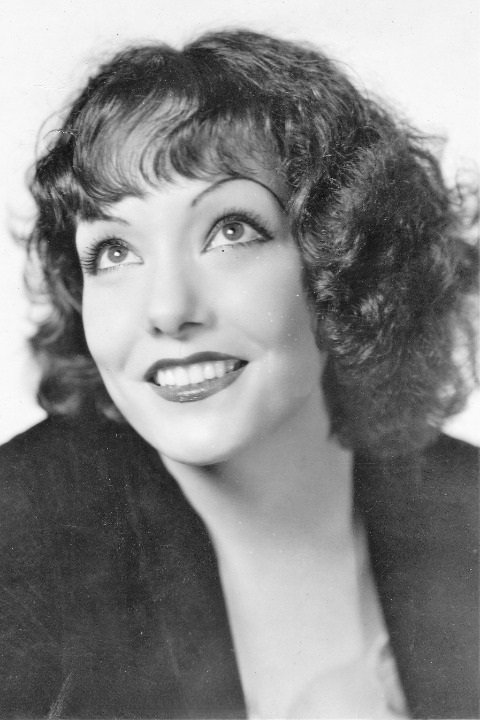
Lupe Vélez was often marginalized by the industry for her choice to lean into a “spitfire” persona that was frequently a racial caricature. Her peers often treated her more as a source of tabloid entertainment than a serious actress which led to deep professional frustration. She struggled to find roles that allowed her to show her true range beyond the stereotypes the studios demanded. This isolation from meaningful work and respect contributed to the tragic end of her life and career.
Dolores del Río
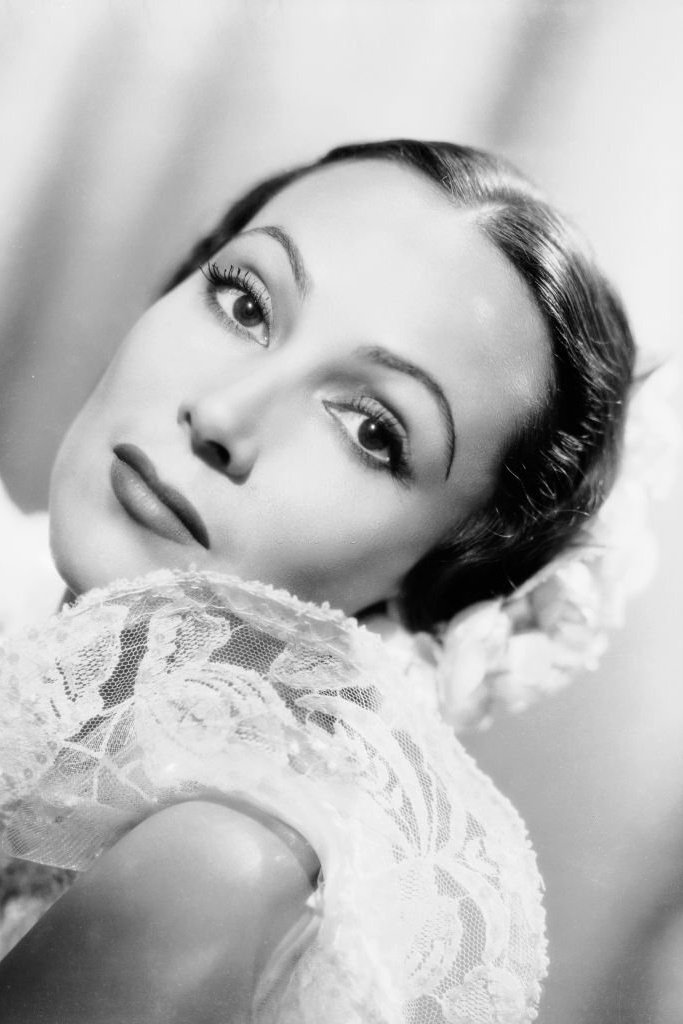
Dolores del Río chose to leave the Hollywood system when she grew tired of the limited and stereotypical roles offered to her as a Latina actress. Her decision to return to Mexico and help build the golden age of Mexican cinema was a major career shift that separated her from her American peers. While she became an even bigger star in her home country she was largely forgotten by the Hollywood establishment for many years. Her career choice was a powerful statement about her desire for artistic dignity and independence.
Maria Schneider
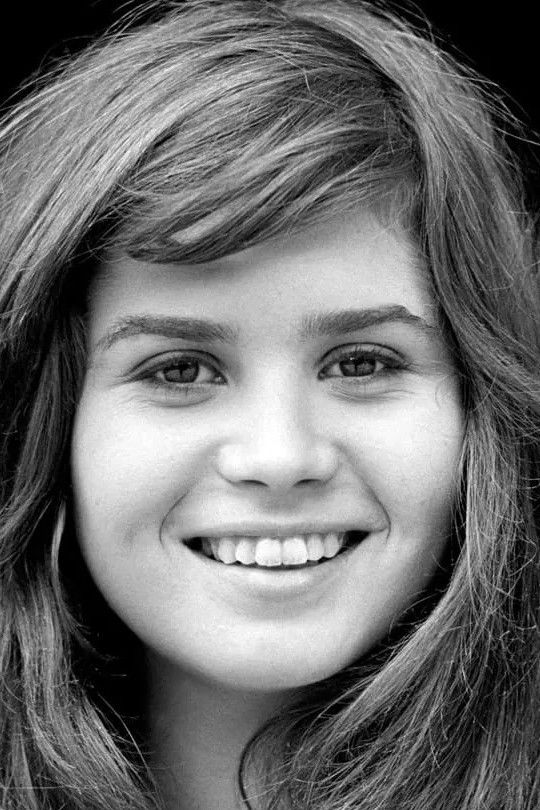
Maria Schneider felt deeply ostracized and betrayed by the industry after her experience filming ‘Last Tango in Paris’. Her choice to speak out about the trauma she experienced on set led to her being labeled as difficult and unstable by many of her peers. She struggled to find work that did not exploit her image and she eventually retreated from the high profile film world. Her story remains a significant example of how the industry can isolate those who dare to speak about its darker realities.
Please feel free to share your thoughts on these career choices in the comments.