Anime Protagonists Who Are Actually Hated by Their Own Creators


The relationship between an author and their creation is often complex, as characters can take on lives of their own that conflict with the creator’s original intent. In the world of anime and manga, some of the most iconic heroes were actually viewed with frustration, regret, or even outright disdain by the people who brought them to life. Whether due to production burnout, creative shifts, or the character’s personality becoming unmanageable, these protagonists found themselves at odds with their own creators.
Son Goku
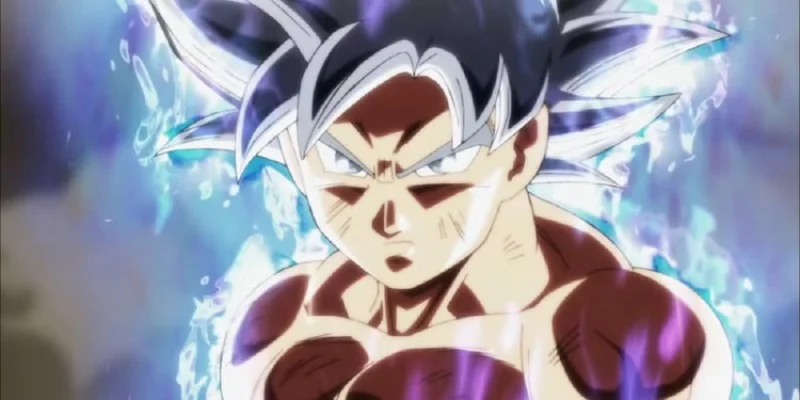
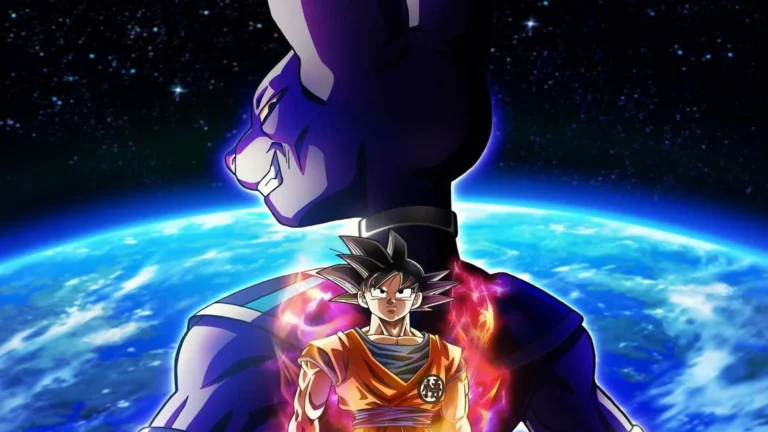
Akira Toriyama frequently expressed that the anime adaptation of ‘Dragon Ball’ portrayed Goku as a more heroic figure than he intended. In several interviews, Toriyama explained that he viewed Goku as a “poisonous” person who only cared about fighting strong opponents rather than protecting the innocent. He felt the righteous “hero of justice” persona created by Toei Animation moved away from his original vision of a selfish warrior. This divergence led to a long-standing disconnect between the creator’s intent and the global perception of the character.
Eren Yeager

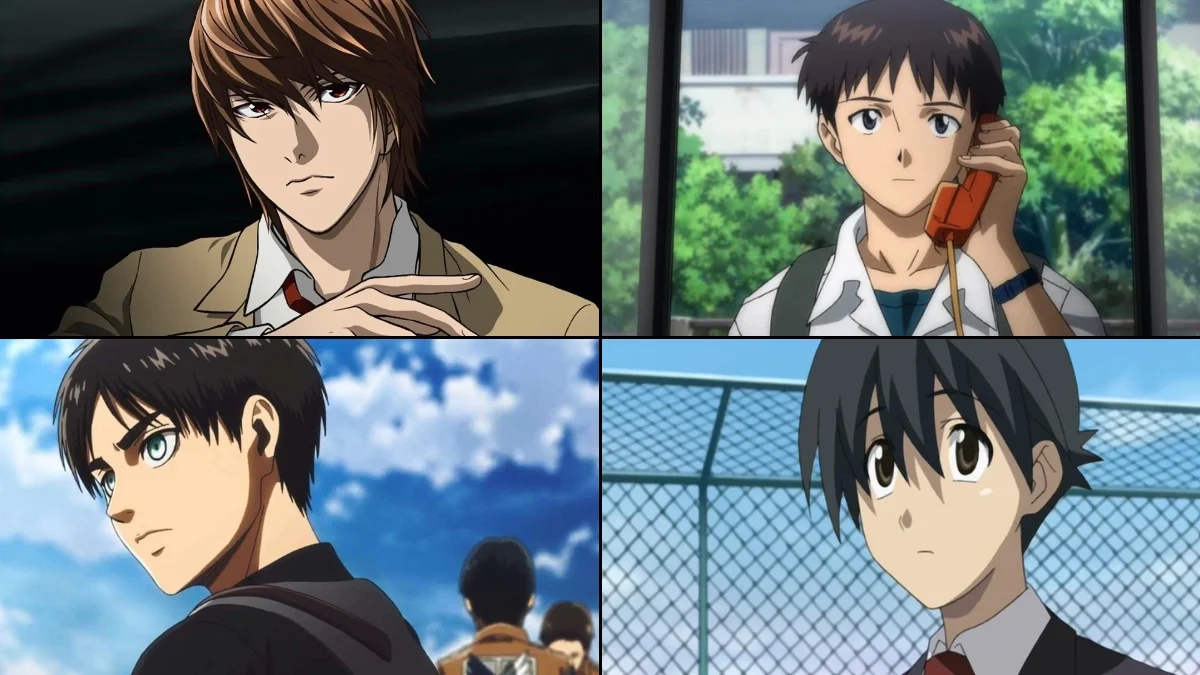
Hajime Isayama has admitted in various Japanese publications that Eren Yeager was a character he found difficult to understand and even “unpleasant.” He described Eren as a “slave to the story” and noted that the character’s intense nature made him hard to write with genuine sympathy. Isayama eventually realized that Eren represented parts of his own personality that he did not like, which influenced the character’s dark and destructive trajectory. The creator’s struggle to relate to Eren contributed to the complex development seen in the final arcs of ‘Attack on Titan’.
Shinn Asuka
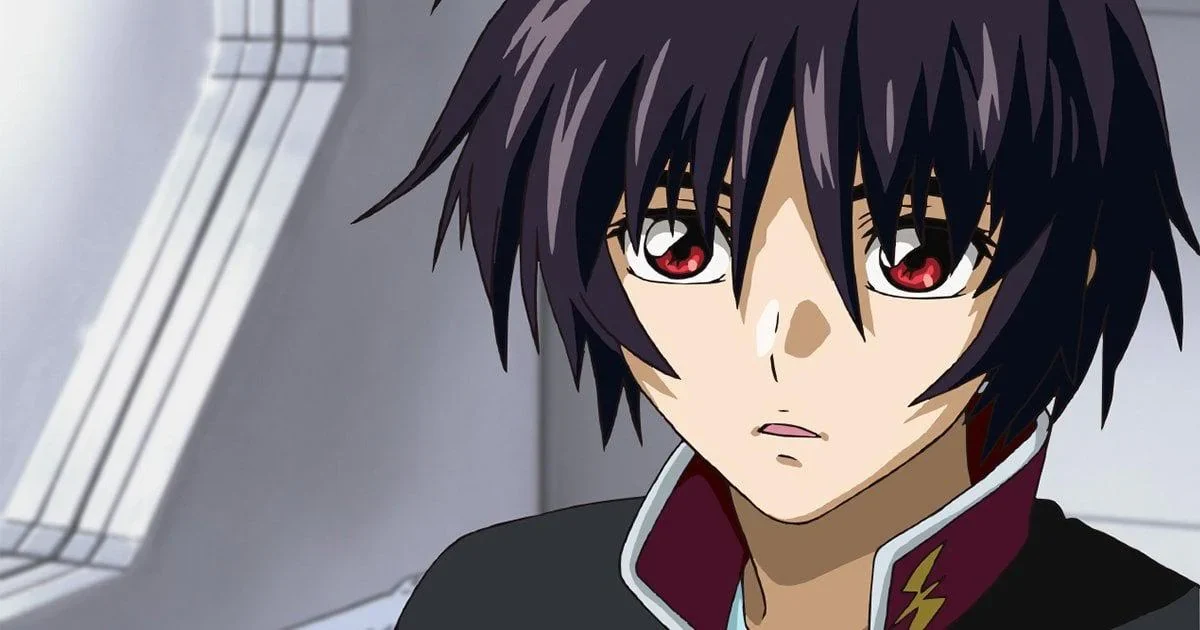
The production of ‘Mobile Suit Gundam SEED Destiny’ was famously troubled, and director Mitsuo Fukuda reportedly grew dissatisfied with the new protagonist, Shinn Asuka. As the series progressed, Shinn’s screentime and relevance were significantly reduced in favor of the previous series’ lead, Kira Yamato. Reports suggest that creative differences and personal friction led to Shinn being essentially sidelined in his own show. By the end of the series, Shinn was relegated to a secondary, almost antagonistic role while the director focused on characters he preferred.
Shinji Ikari
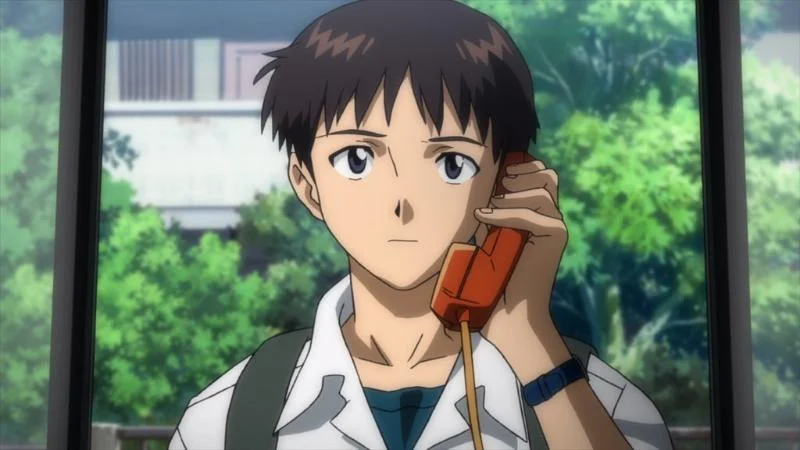
Hideaki Anno created Shinji Ikari as a reflection of his own four-year struggle with clinical depression and feelings of worthlessness. While this makes the character deeply personal, Anno has often spoken about the self-loathing inherent in Shinji’s design and passive personality. The creator’s relationship with the character was one of painful projection, making Shinji a vessel for the parts of himself he found most frustrating. Throughout the various iterations of ‘Neon Genesis Evangelion’, Anno’s evolving mental state continued to impact how he viewed and treated the protagonist.
Light Yagami
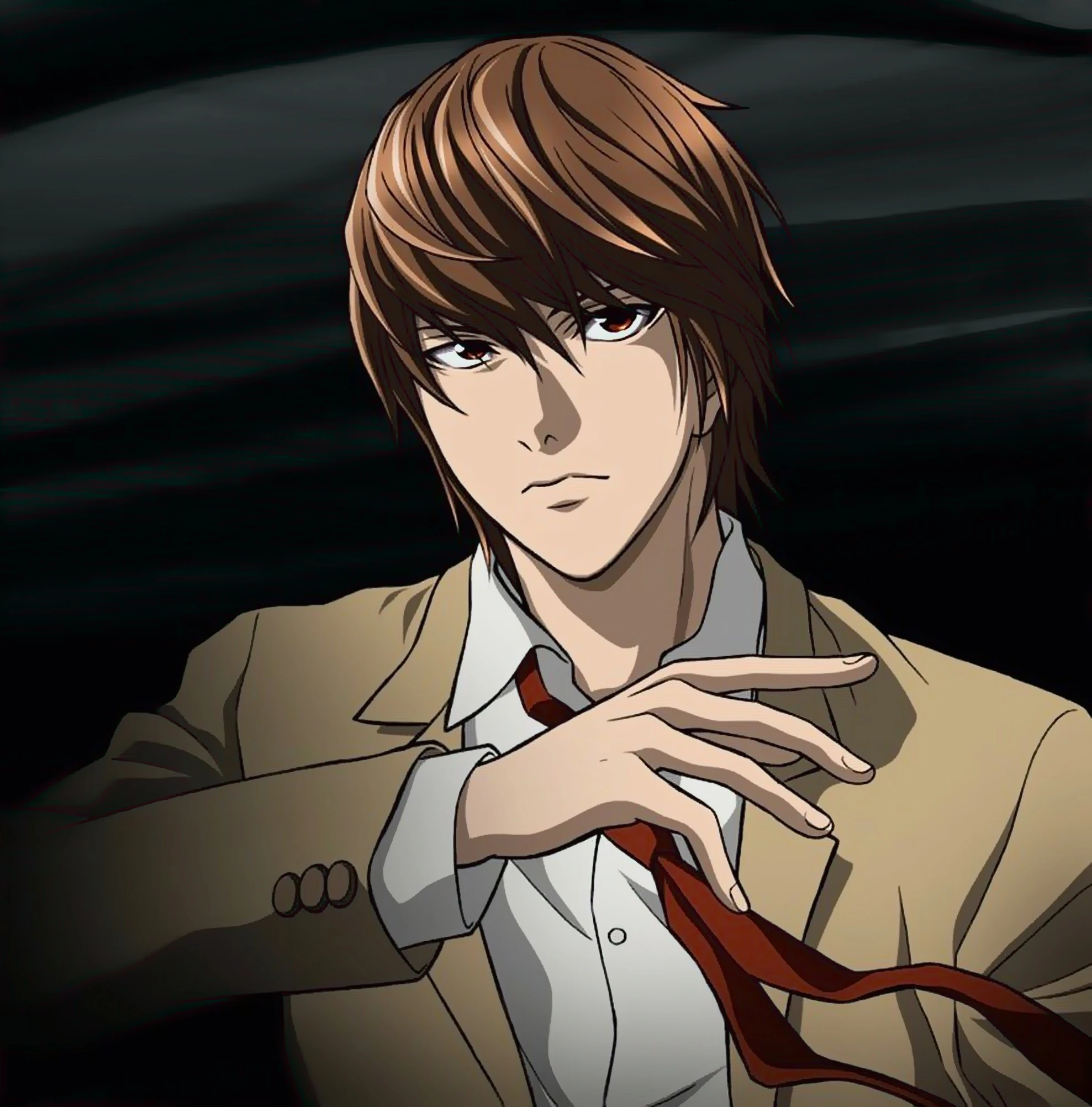
Tsugumi Ohba and Takeshi Obata, the duo behind ‘Death Note’, never intended for Light Yagami to be a character for the audience to root for. Ohba has stated that Light is an evil individual and that his actions are fundamentally wrong regardless of his stated goals. The creators took care to ensure Light met a pathetic and ungraceful end to emphasize their lack of support for his ideology. Despite his immense popularity among fans, the authors consistently maintained a critical distance from their own protagonist.
Yusuke Urameshi
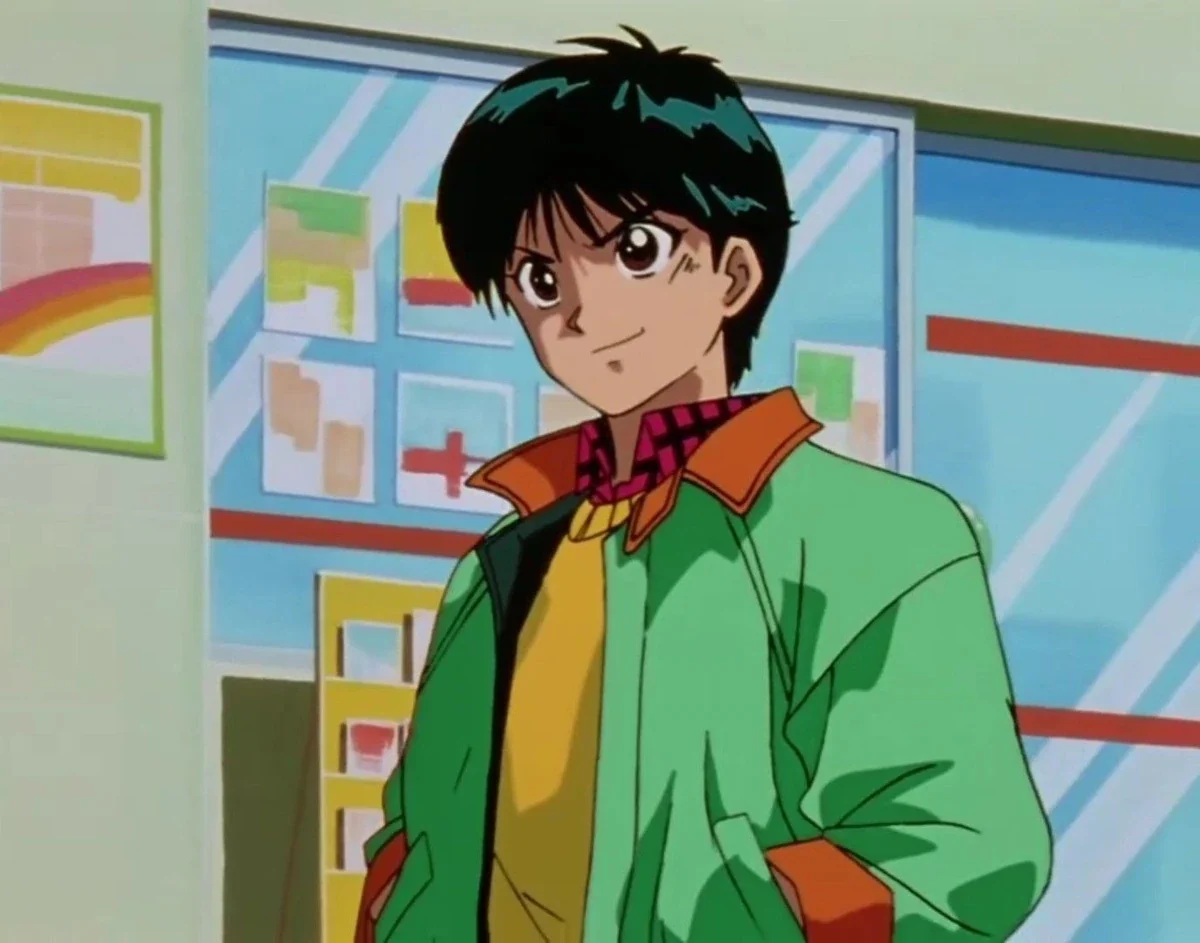
Yoshihiro Togashi experienced extreme burnout while working on ‘YuYu Hakusho’, which eventually bled into his feelings for the series and its protagonist, Yusuke Urameshi. He noted in his own post-series comments that the pressures of the industry made him want to end the manga abruptly. Togashi’s exhaustion led to a shift in tone that made Yusuke’s final adventures feel disconnected from the earlier spirit of the show. The creator’s desire to move on from the project eventually overshadowed his initial attachment to the street-fighting hero.
Vegeta
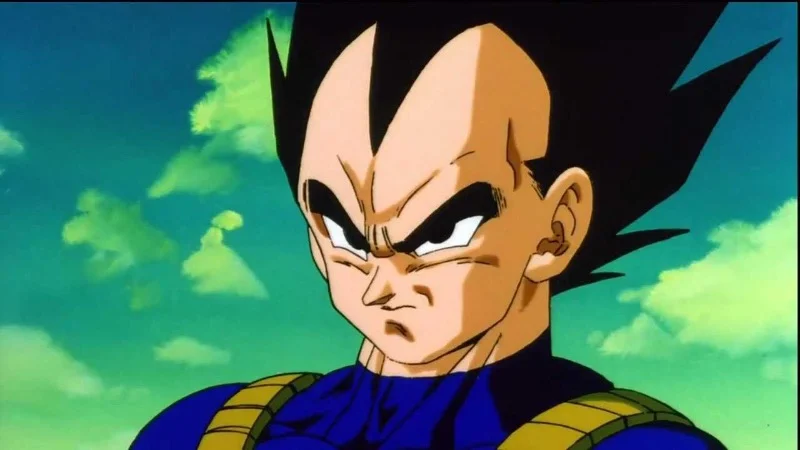
Although Vegeta eventually became a co-protagonist, Akira Toriyama openly stated in the ‘Dragon Ball Daizenshuu 2’ guidebook that he did not like the character at first. He mentioned that he initially intended to kill Vegeta off early in the story but kept him around because he was useful for driving the plot. Toriyama’s preference for characters like Piccolo meant that Vegeta was often subjected to humiliating defeats or secondary status compared to Goku. Over time, the creator softened his stance, but the early years of the character were marked by a distinct lack of affection.
Usagi Tsukino

Naoko Takeuchi based ‘Sailor Moon’ on many of her own interests, but she initially found the protagonist Usagi Tsukino to be quite annoying and immature. She purposefully gave Usagi traits like being a crybaby and a poor student to reflect a more realistic, if frustrating, version of a teenage girl. While the character eventually grew on her, the early chapters of the manga emphasize Usagi’s flaws in a way that suggests the creator’s initial amusement at her expense. Takeuchi’s portrayal was rooted in a desire to subvert the magical girl trope with someone she found intentionally grating.
Tenchi Masaki
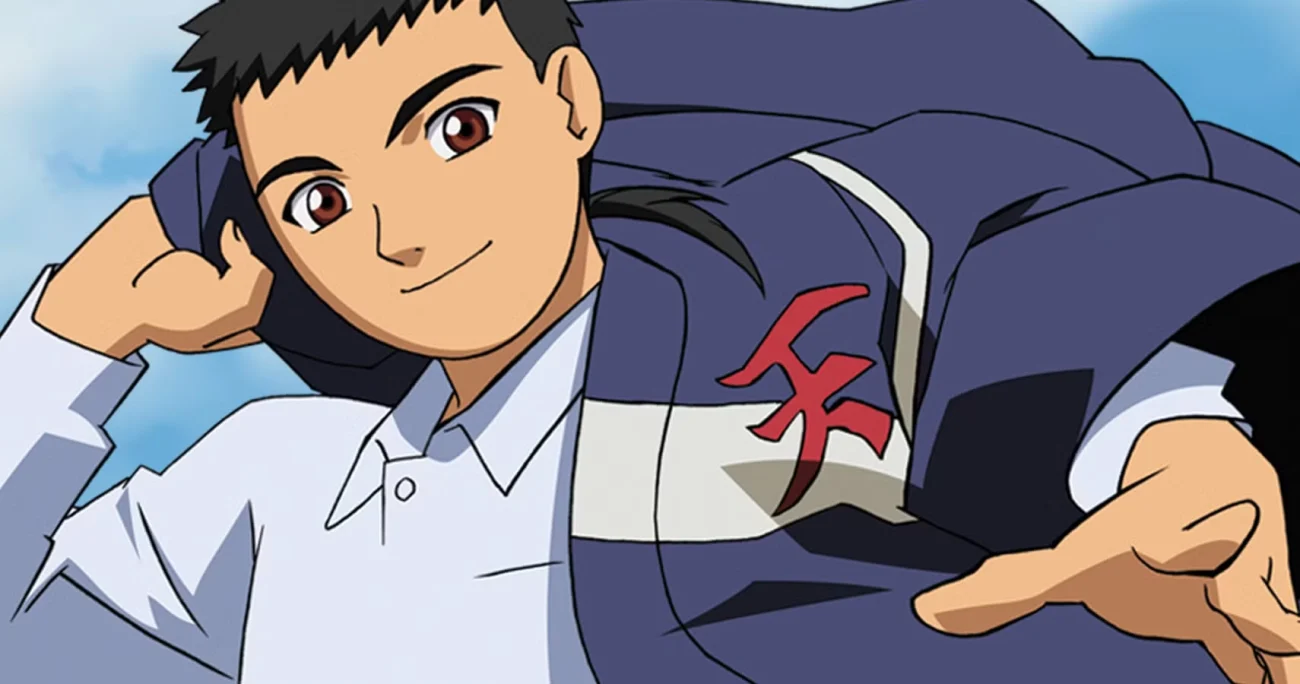
Masaki Kajishima, the creator of the ‘Tenchi Muyo!’ franchise, has admitted in interviews that he finds the main protagonist Tenchi Masaki to be the least interesting character in the series. He noted that the show’s focus on the colorful cast of alien women was far more engaging than the mild-mannered and plain lead. Because Tenchi was designed to be a blank slate for the audience, the creator struggled to give him a distinct or exciting personality. This led to many spin-offs and sequels focusing more on the supporting cast and the intricate lore of the universe rather than Tenchi himself.
Kei Kurono
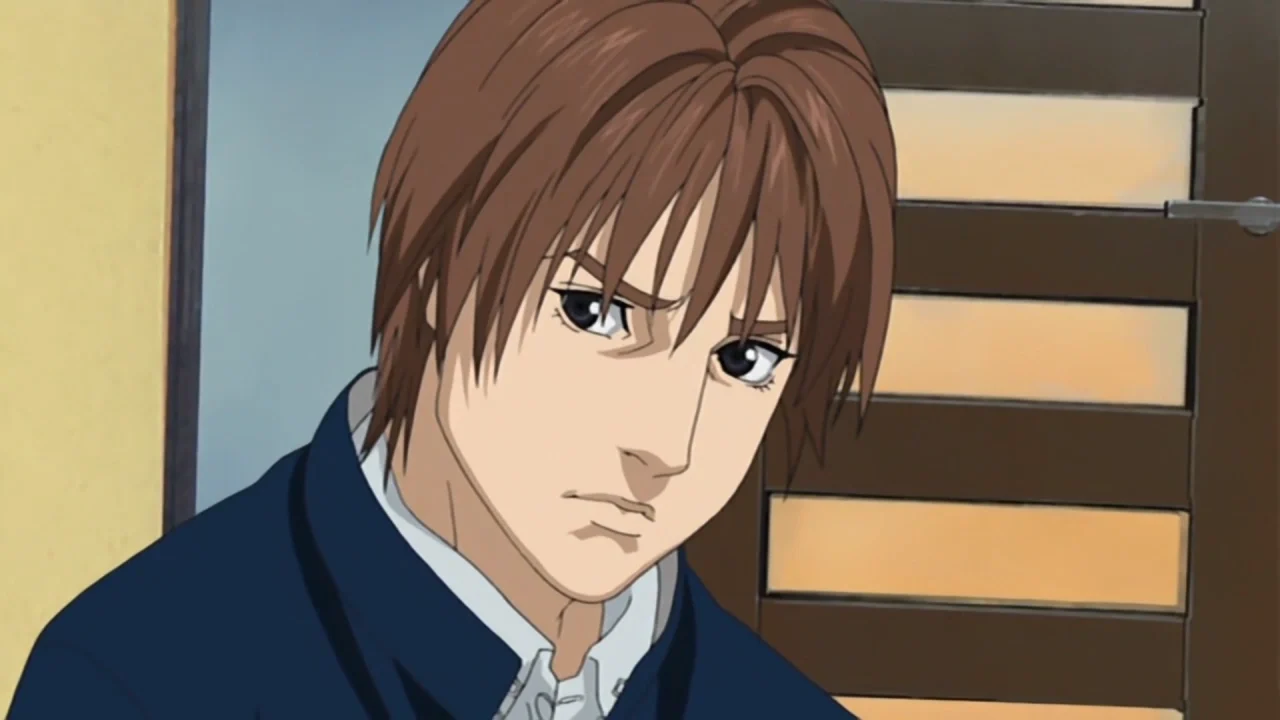
Hiroya Oku designed the protagonist of ‘Gantz’, Kei Kurono, to be an intentionally unlikable and selfish teenager at the start of the series. Oku wanted to explore how a normal person with many negative traits would react to a life-or-death survival game. The creator’s early portrayal of Kei is filled with cynicism and sexual frustration, reflecting a critical view of youth culture in Japan at the time. While Kei eventually grows into a hero, Oku’s initial treatment of the character was one of deliberate alienation from the audience.
Renton Thurston
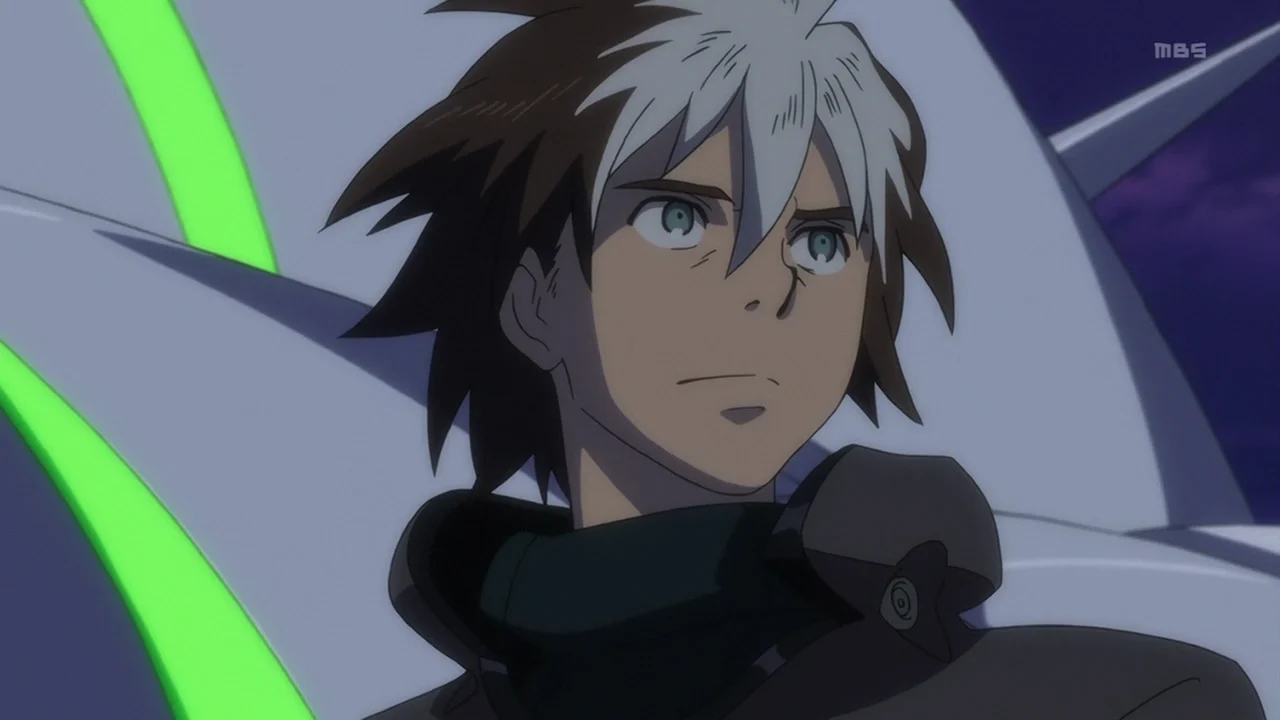
Writer Dai Sato has spoken about the challenges of writing Renton Thurston, particularly his early whining and extreme immaturity. The creative team behind ‘Eureka Seven’ wanted to depict a realistic, albeit irritating, adolescent growth arc. This meant that for a large portion of the series, the creators deliberately made Renton difficult for the audience—and themselves—to handle. The goal was to make his eventual maturation feel more earned, but it required the writers to spend a year working with a character they found intentionally frustrating.
Haruhi Suzumiya
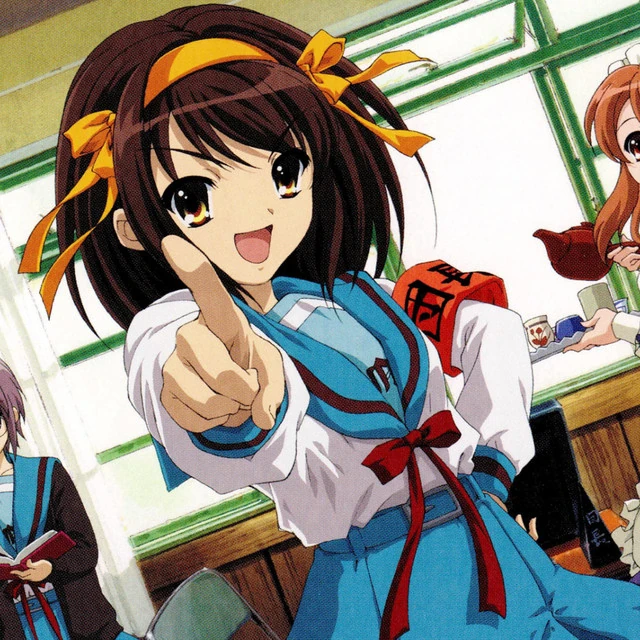
Nagaru Tanigawa, the author of the original light novels, has expressed that Haruhi Suzumiya’s forceful and eccentric personality was exceptionally difficult to manage. He often described her as a character who runs away with the story, leaving him to scramble to keep up with her demands. While not hatred in a traditional sense, the creator’s exhaustion with her chaotic nature is often cited as a reason for the series’ long hiatuses. Haruhi’s energy was a creative burden that Tanigawa found both fascinating and draining to maintain over several years.
Makoto Itou
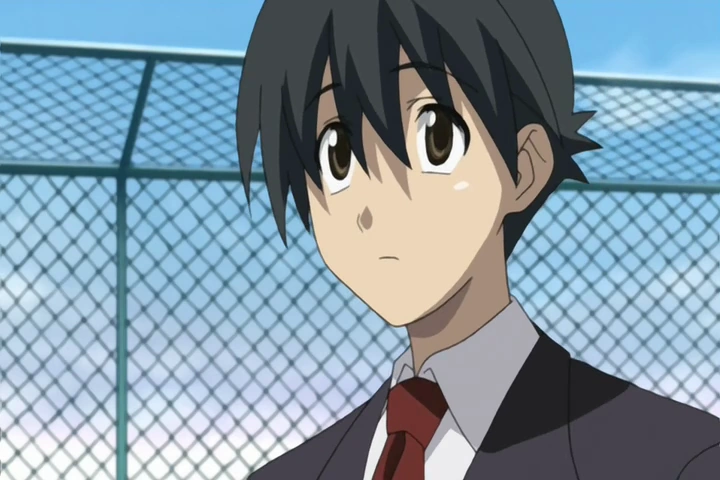
The creators of the ‘School Days’ anime adaptation purposefully leaned into the most repulsive aspects of the protagonist Makoto Itou. While he is the central character, the staff treated him as someone who deserved his infamous, gruesome fate due to his serial infidelity. Director Keitaro Motonaga and the writers crafted a narrative that served more as a punishment for Makoto than a traditional character journey. This creative choice ensured that the protagonist remained one of the most loathed figures in the history of the medium.
Ranma Saotome
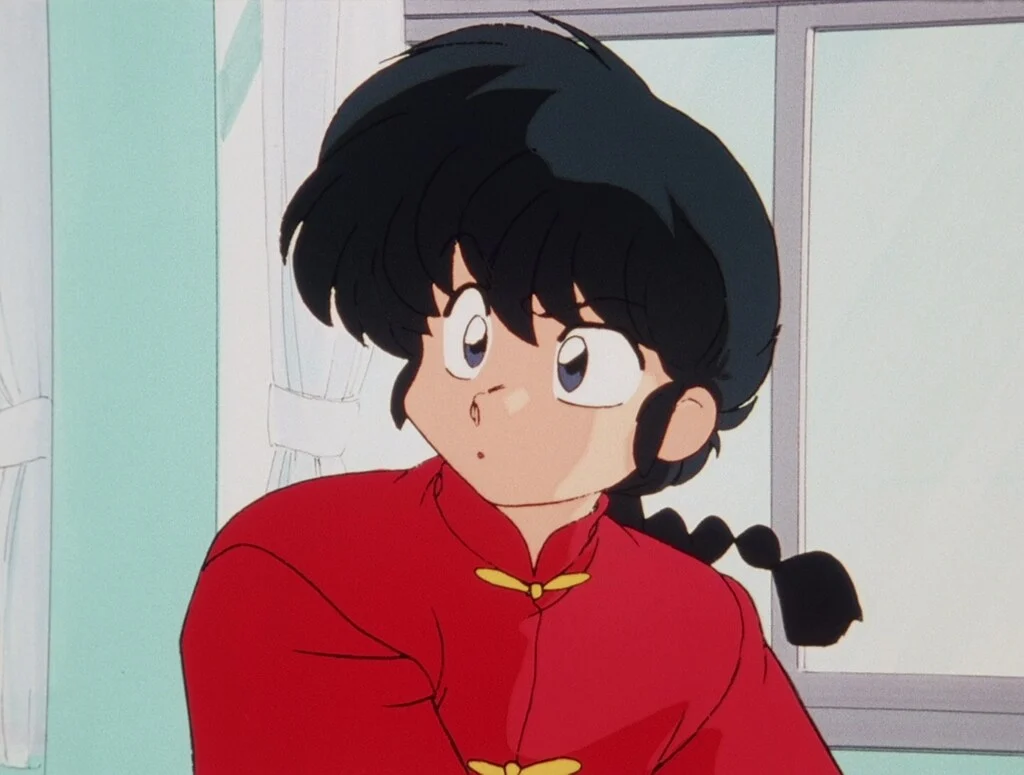
Rumiko Takahashi has a reputation for being tough on her male leads, and she designed Ranma Saotome to be incredibly stubborn and socially awkward. She frequently put him in situations that highlighted his most frustrating flaws, such as his arrogance and his inability to express his feelings for Akane. Takahashi has mentioned in retrospective interviews that she found the constant cycle of conflict between her leads to be a handful to write. Her writing often mocks Ranma’s macho attitude and his failure to grow past his own pride.
Kamille Bidan
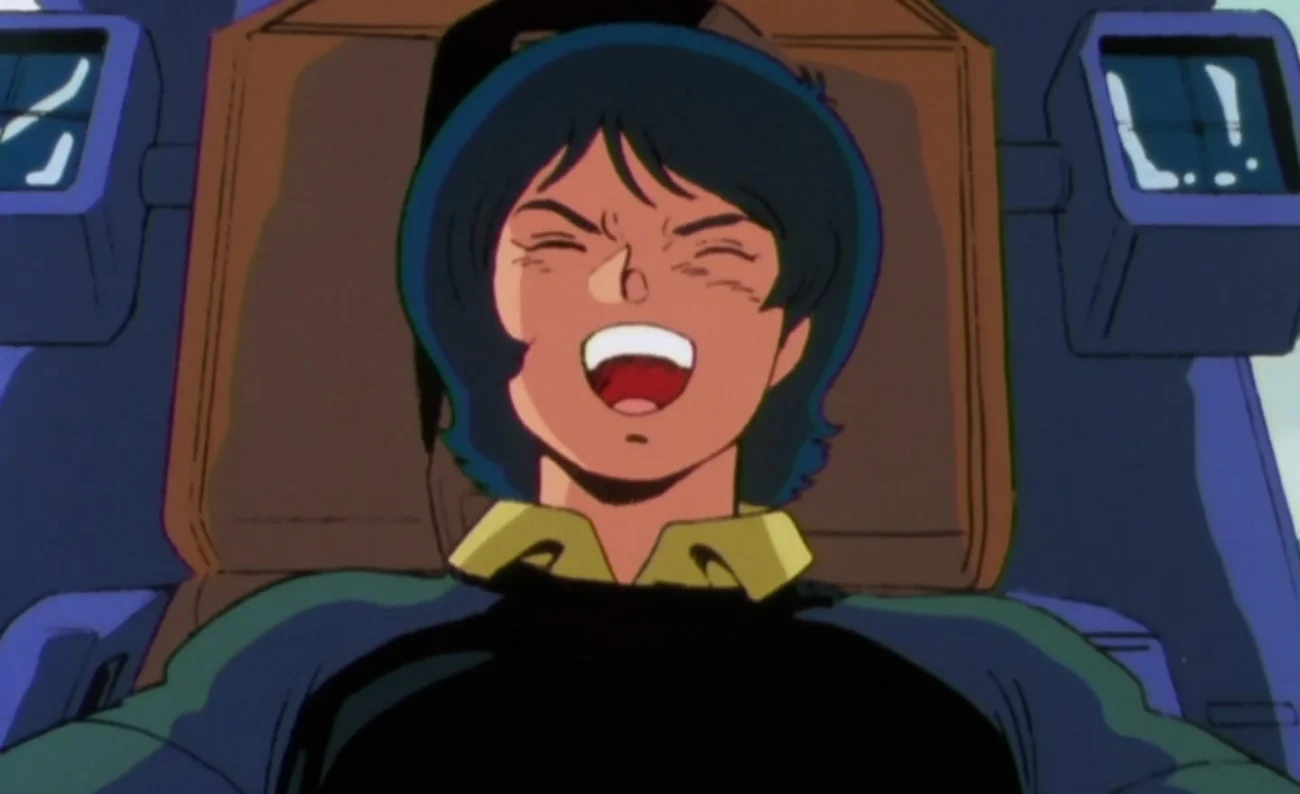
Director Yoshiyuki Tomino is well-known for his “Kill ’em All” era, during which he expressed significant dissatisfaction with his own creations, including Kamille Bidan. During a period of deep personal depression, Tomino wrote Kamille as an incredibly volatile and angry protagonist to reflect his own internal frustrations. He has stated in retrospectives that he found the character’s personality to be problematic and even painful to revisit. This creative friction resulted in one of the most tragic and difficult character arcs in the entire ‘Gundam’ franchise.
Share your thoughts on these creator-character relationships in the comments.