Anime That Balance Comedy And Tragedy Perfectly

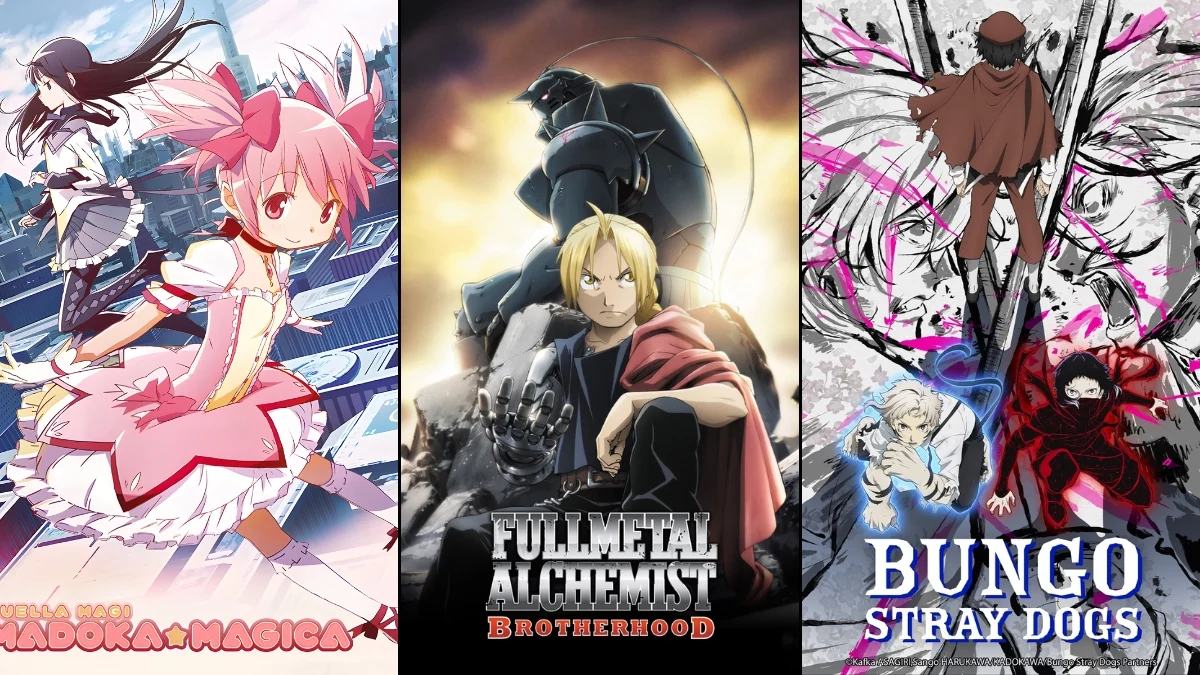

Some anime thread sharp humor through stories that also carry real emotional weight, switching gears without losing pace or purpose. These series and films use gags, timing, and playful setups to draw you in, then unfold heavier themes through character arcs, worldbuilding, and carefully staged climaxes. Below are twenty titles where the laughs and the heartbreak both serve the narrative, backed by concrete production and story details that show how each one pulls off that blend.
‘Fullmetal Alchemist: Brotherhood’ (2009–2010) – shonen pacing with war-era consequences
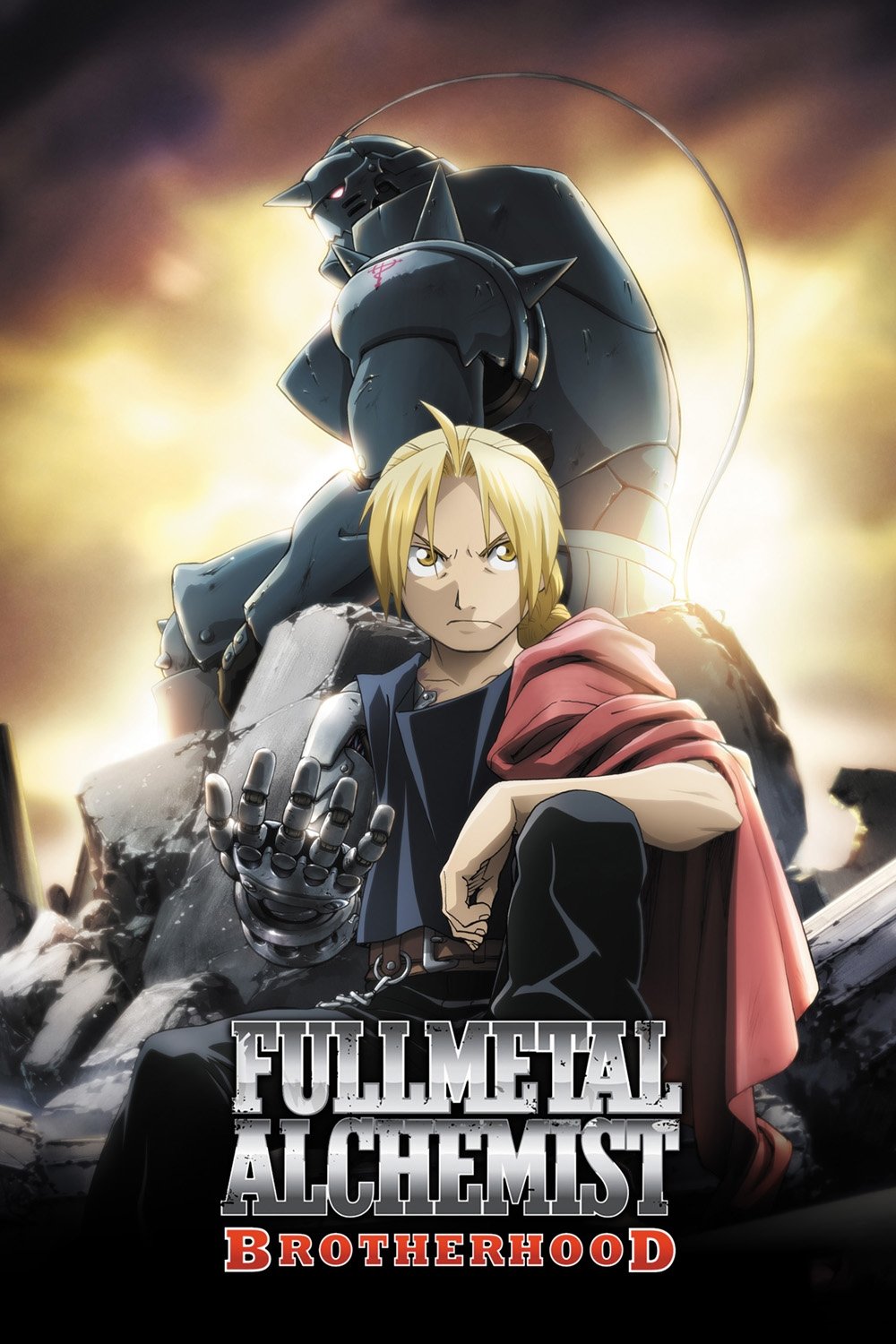
Bones adapted Hiromu Arakawa’s manga into a tightly plotted series that intersperses comic beats with escalating stakes tied to alchemy and state power. Director Yasuhiro Irie preserves running gags about the brothers’ height and quirks while structuring arcs around military conspiracies and human transmutation. The show alternates light training and travel episodes with battles in Central and revelations about the Homunculi. Its tonal swing is grounded by recurring side characters whose slapstick intros give way to serious roles in the Ishval conflict and the final assault.
‘Gintama’ (2006–2018) – parody skits that lead into multi-episode war arcs
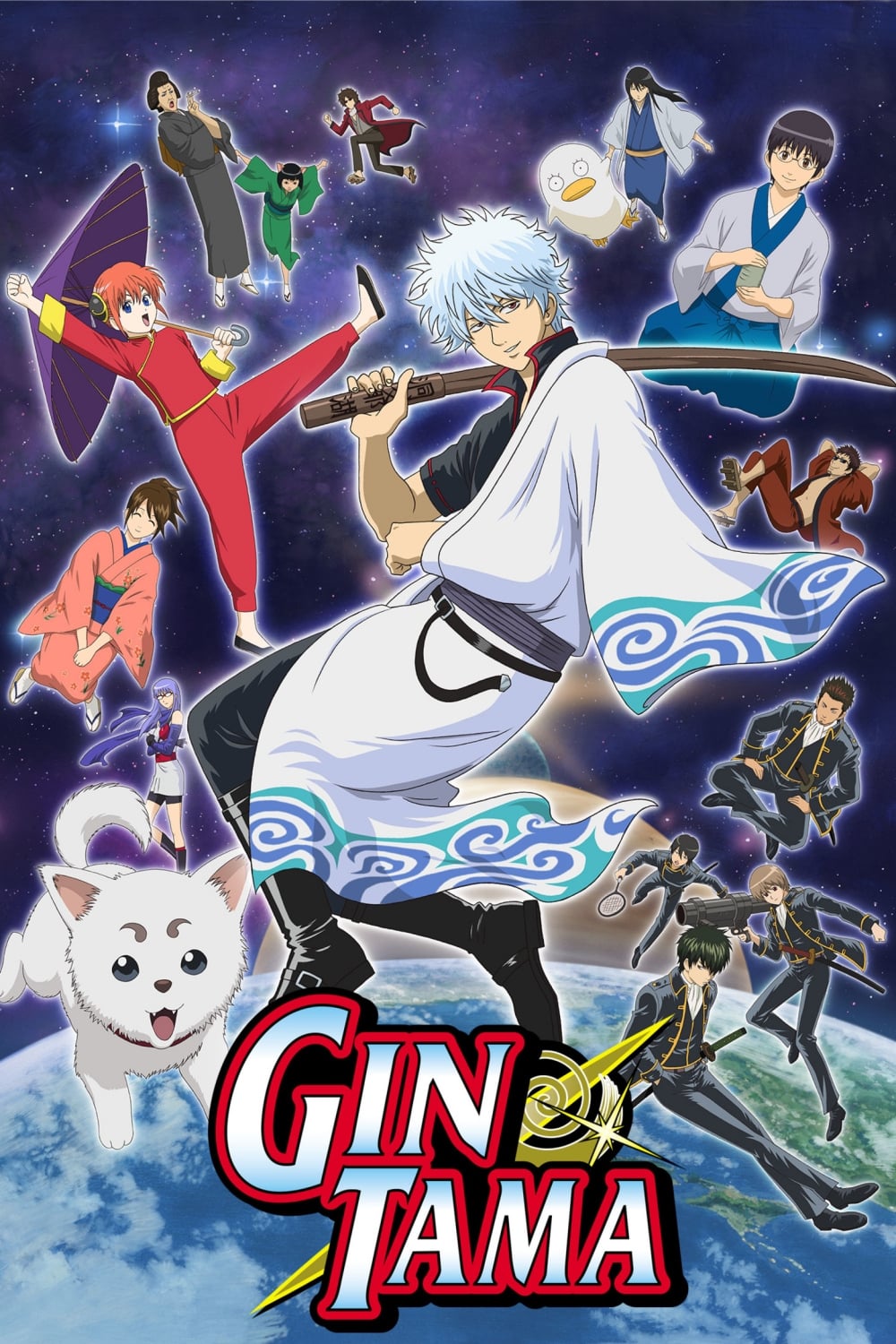
Sunrise (later Bandai Namco Pictures) built long runs of comedy episodes—parodies, skits, and fourth-wall jokes—around an alternate-history Edo with aliens. Those same characters later anchor serious arcs like Benizakura, Shinsengumi Crisis, and the Silver Soul finale, which tackle insurgency, loyalty, and occupation. The series uses recap and festival episodes as buffers before dropping into multi-part battles with permanent consequences. Staff shifts between directors and seasons kept the sketch energy while preserving timeline continuity across major conflicts.
‘Steins;Gate’ (2011) – otaku humor before irreversible time loops
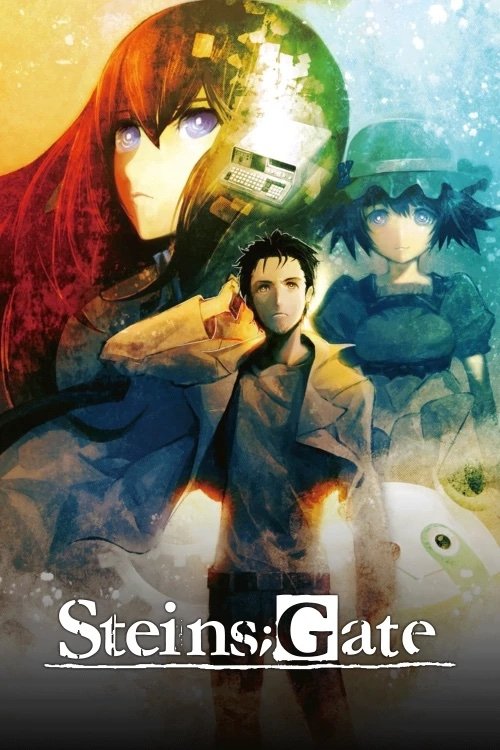
White Fox’s adaptation of the visual novel starts with everyday banter at the Future Gadget Laboratory, including in-jokes about chūnibyō antics. The plot reorients once the time-leap machine changes the world line, turning earlier throwaway details into setup for life-and-death reversals. Episode structures mirror this shift, moving from slice-of-life experiments to repeated divergence attempts with mounting cost. The comedic nicknames and lab rituals become markers that track which timeline the group currently occupies.
‘Puella Magi Madoka Magica’ (2011) – cute designs framing a deconstructive turn
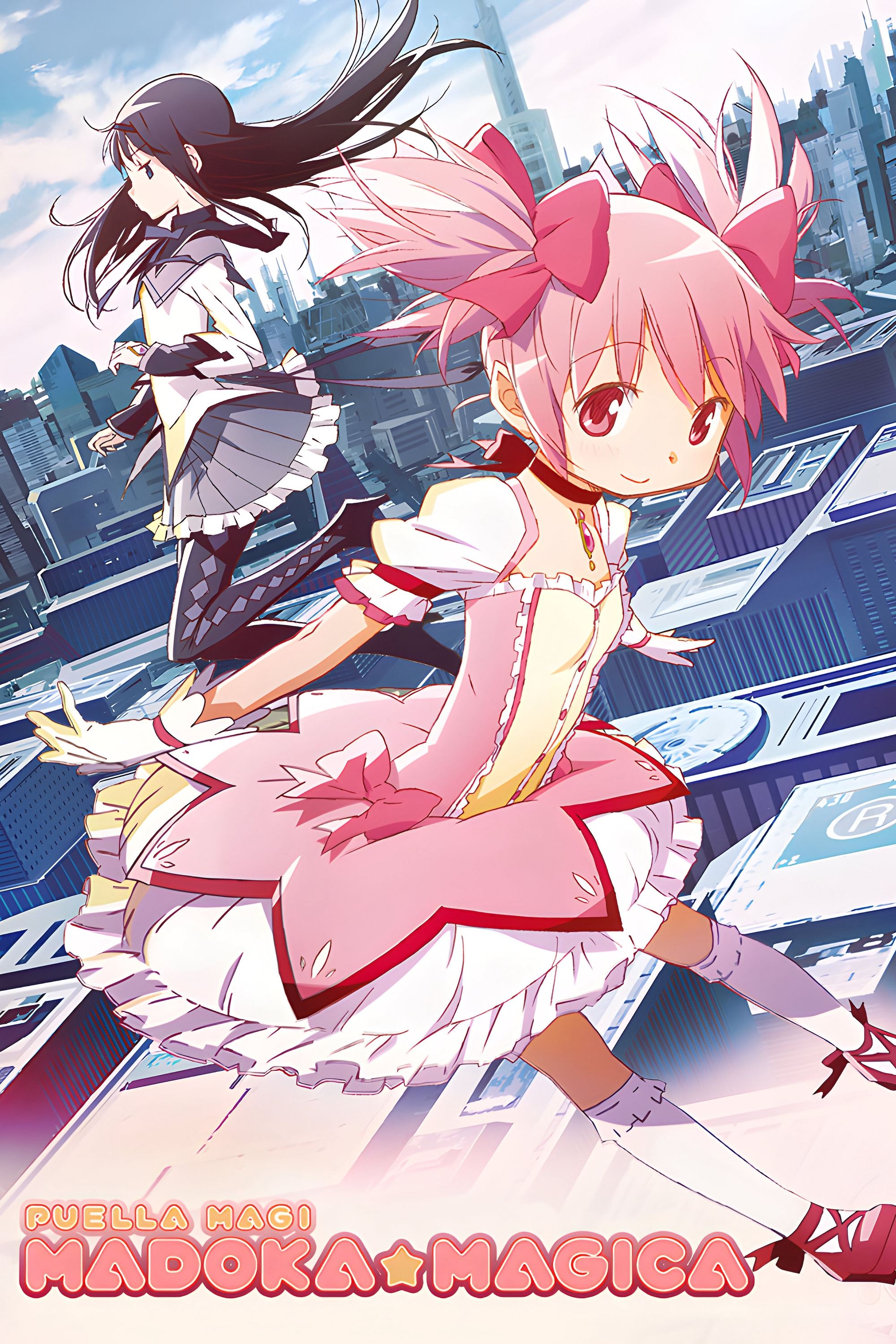
Shaft and chief director Akiyuki Shinbō present bright, toy-box visuals and familiars that play like mascot comedy. As the contract system is explained, those early aesthetics contrast with collage-style witch labyrinths and narrative reveals about soul gems. The series employs comedic school scenes to hide information about character contracts and grief seeds. The tonal break is formalized by abrupt art-style shifts during battles that recontextualize the earlier lightness.
‘Clannad: After Story’ (2008–2009) – everyday gags preceding a family drama pivot
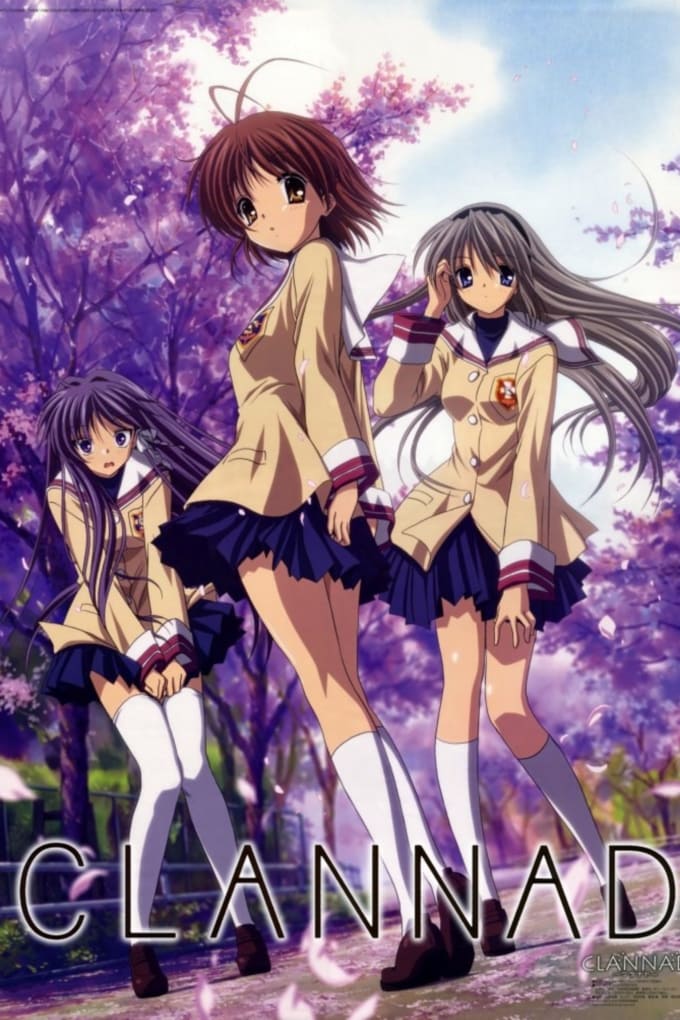
Kyoto Animation continues the visual novel adaptation with school-life comedy and club misadventures before following Tomoya and Nagisa into adult responsibilities. Running jokes around side characters give way to domestic challenges and the illusionary world motif. The season ties comedic side arcs back to the main plot through “light orbs” that track resolved connections. Its structure separates campus levity from the later family storyline, using the first to establish bonds the second will test.
‘Assassination Classroom’ (2015–2016) – classroom pranks paired with a deadline
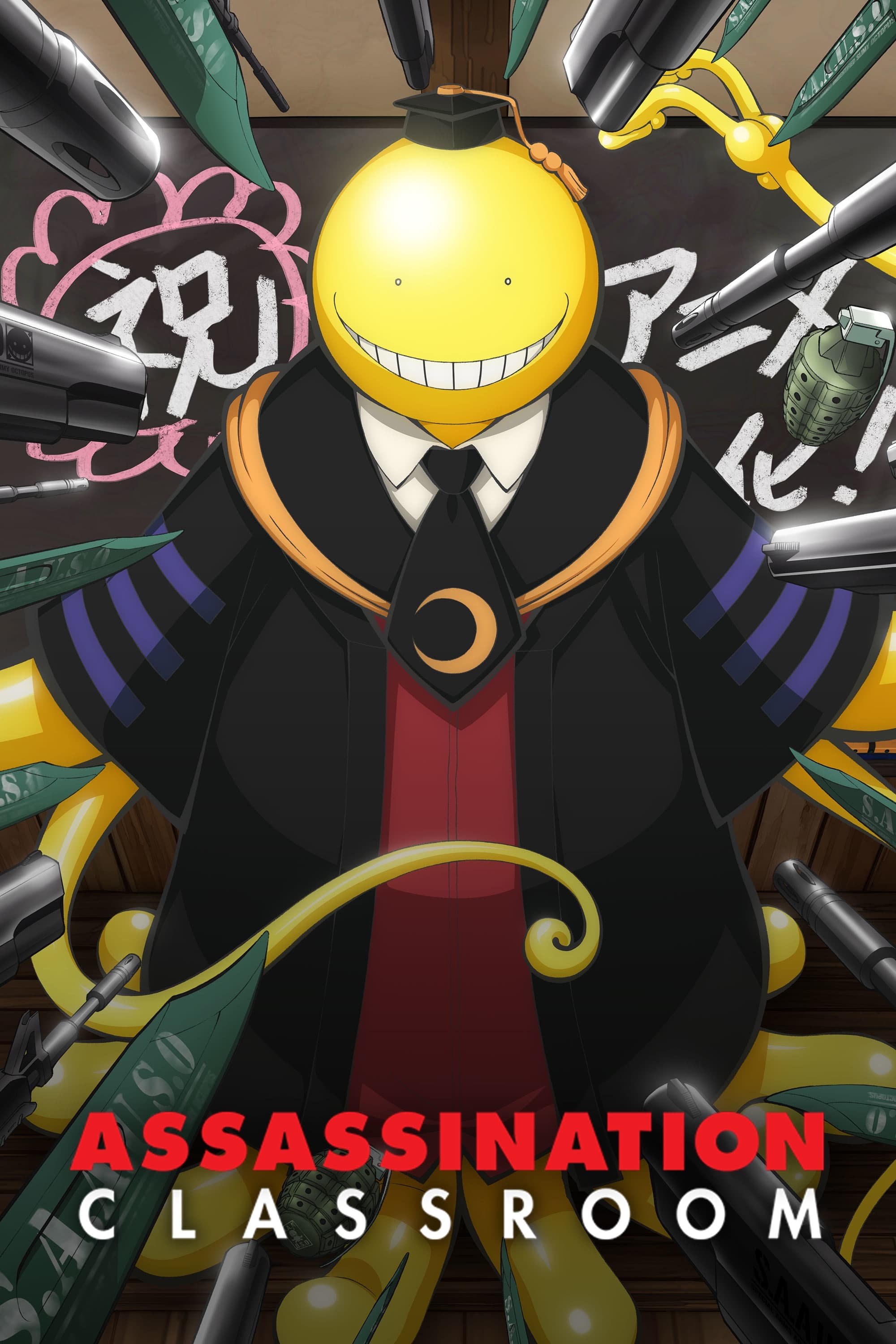
Lerche adapts Yūsei Matsui’s manga about students tasked with killing their super-powered teacher while still taking exams and field trips. Comedic training schemes and gadget mishaps set up skill growth that later supports covert operations. The assassination deadline frames seasonal arcs, giving weight to otherwise playful lessons in chemistry, sports, and stealth. Jokes about tentacles and homeroom life are balanced against backstory episodes that explain the teacher’s origin and the class’s marginalization.
‘Anohana: The Flower We Saw That Day’ (2011) – goofy reunions anchoring grief work

A-1 Pictures opens with awkward, sometimes comedic attempts by childhood friends to reconnect around a shared loss. Meeting scenes, games, and home visits play as social comedy while revealing how each character copes. The group’s projects escalate from light tasks to rituals that force admissions and reconciliations. The limited cast and single-town setting keep tonal swings focused on the same core relationships from start to finish.
‘Your Lie in April’ (2014–2015) – performance gags against performance pressure
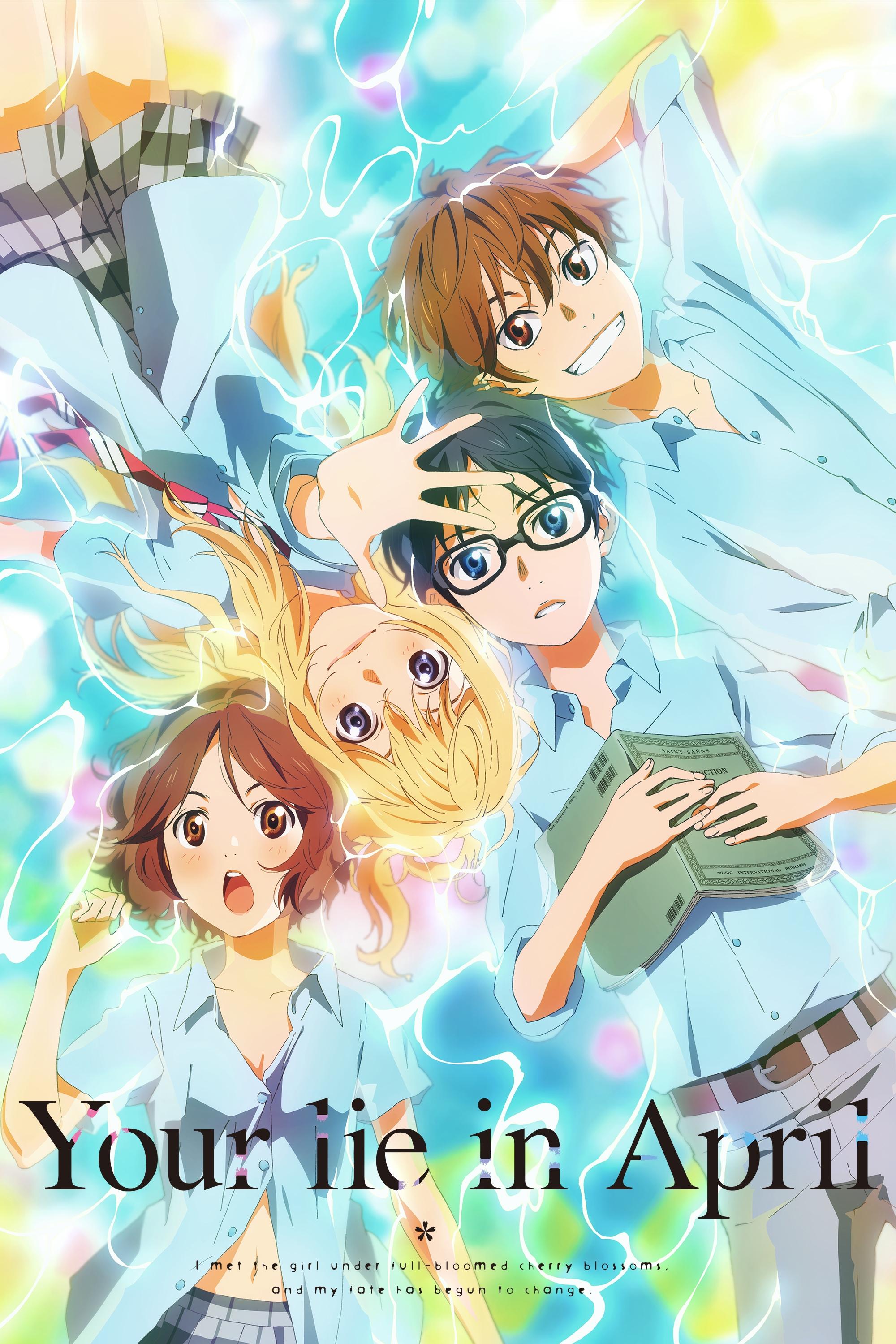
A-1 Pictures mixes comedic school exchanges and exaggerated reactions with high-stakes recital sequences. Practice scenes use humor to show technique drills and teacher dynamics before competitions reframe those bits as coping mechanisms. The series intercuts light club moments with internal monologues on stage fright and memory. Music selections and staging specify how each character’s style evolves, with earlier comedic motifs returning in altered form during performances.
‘Made in Abyss’ (2017–2022) – cute adventure veneer over hazardous exploration
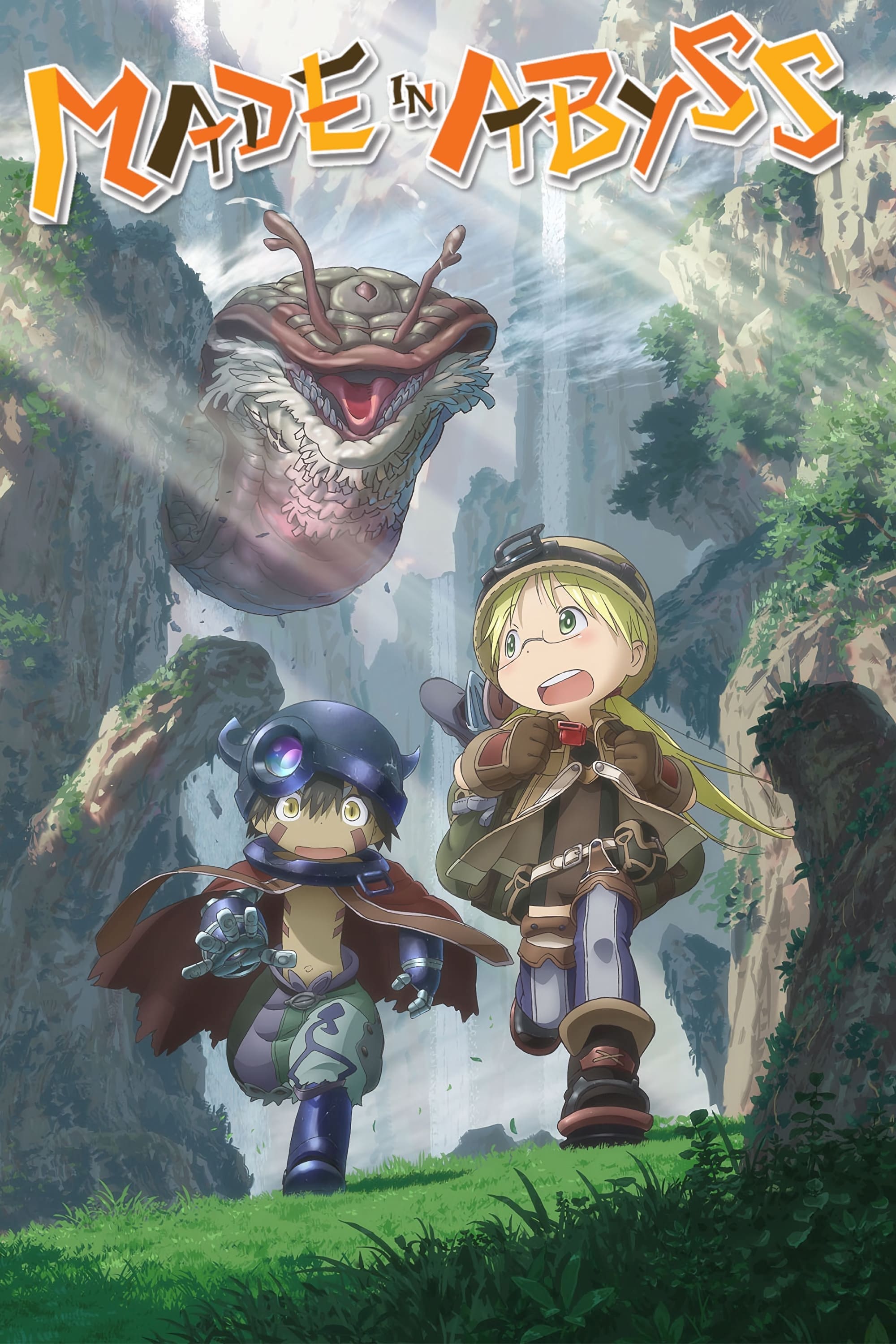
Kinema Citrus presents chibi-adjacent character designs and treasure-hunting jokes that sit beside a codified set of ascent penalties and biome hazards. The Abyss’s layers are treated like a field guide, with early levity about relics and whistles preparing viewers for medical triage and survival procedures. Side episodes with camp humor foreshadow the logistics needed deeper down. Films and the second season extend this contrast, documenting expeditions where initial curiosity becomes case studies in risk.
‘Fruits Basket’ (2019–2021) – slice-of-life comedy within a multi-generation curse
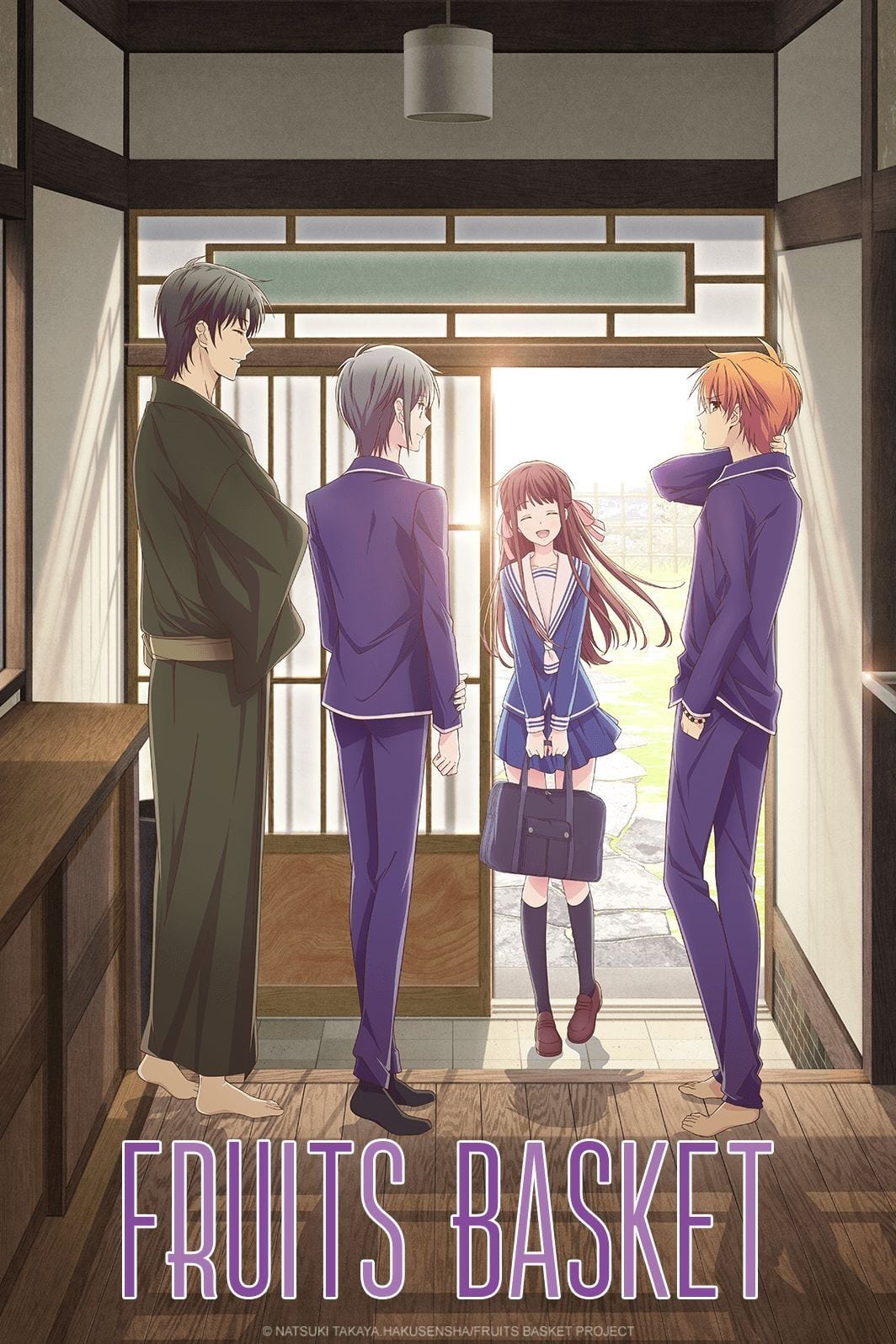
TMS Entertainment’s reboot uses school comedy, holiday episodes, and housemate antics to develop the Soma family one by one. Each comedic introduction leads to a chapter revealing how the zodiac bond affects autonomy and relationships. The series schedules festival and beach arcs as tonal rests between confrontations with the head of the family. The new adaptation completes the manga’s full storyline, aligning light daily routines with the final resolution of the curse.
‘Mob Psycho 100’ (2016–2022) – deadpan gags masking power-control themes
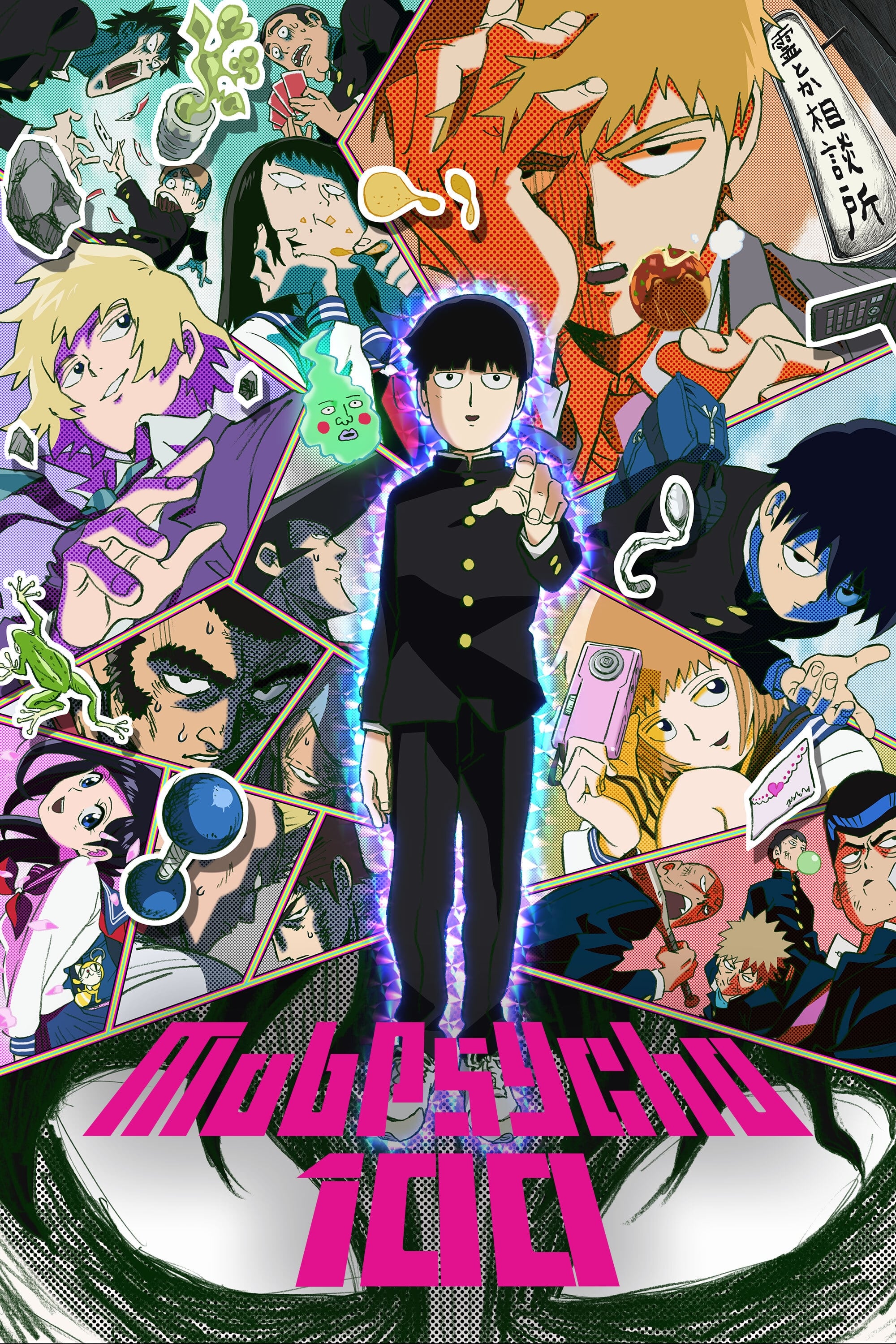
Bones adapts ONE’s manga with visual humor—frame smears, percentage counters, and club shenanigans—while charting Mob’s emotional regulation. Episodes alternate between low-stakes spirit jobs and city-level conflicts with espers and cults. Running jokes about Mob’s fitness and Reigen’s hustles double as progress trackers for character growth. The production emphasizes hand-drawn effects and experimental sequences that shift from playful to overwhelming when Mob’s meter peaks.
‘Samurai Champloo’ (2004–2005) – anachronistic comedy on the road to a somber destination
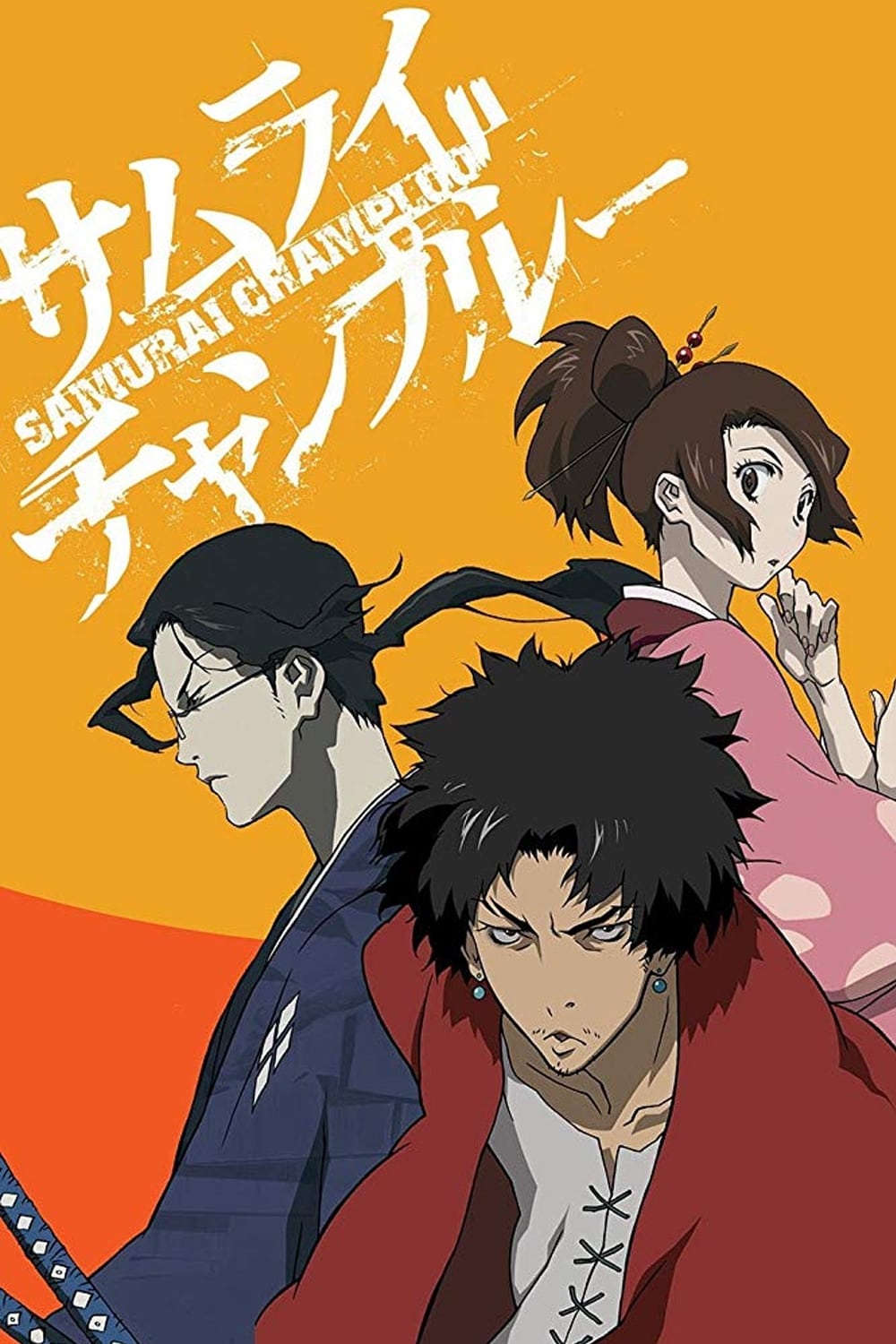
Manglobe fuses hip-hop anachronisms and episodic comedy with an overarching search narrative. Lighthearted filler—food hunts, baseball, and graffiti—sits next to episodes addressing famine, persecution, and betrayal. The trio’s dynamic is built through comedic bickering that later informs their choices in the final confrontation. Music cues and guest-director episodes vary tone while maintaining continuity in the journey structure.
‘Cowboy Bebop’ (1998–1999) – caper humor meeting noir backstories
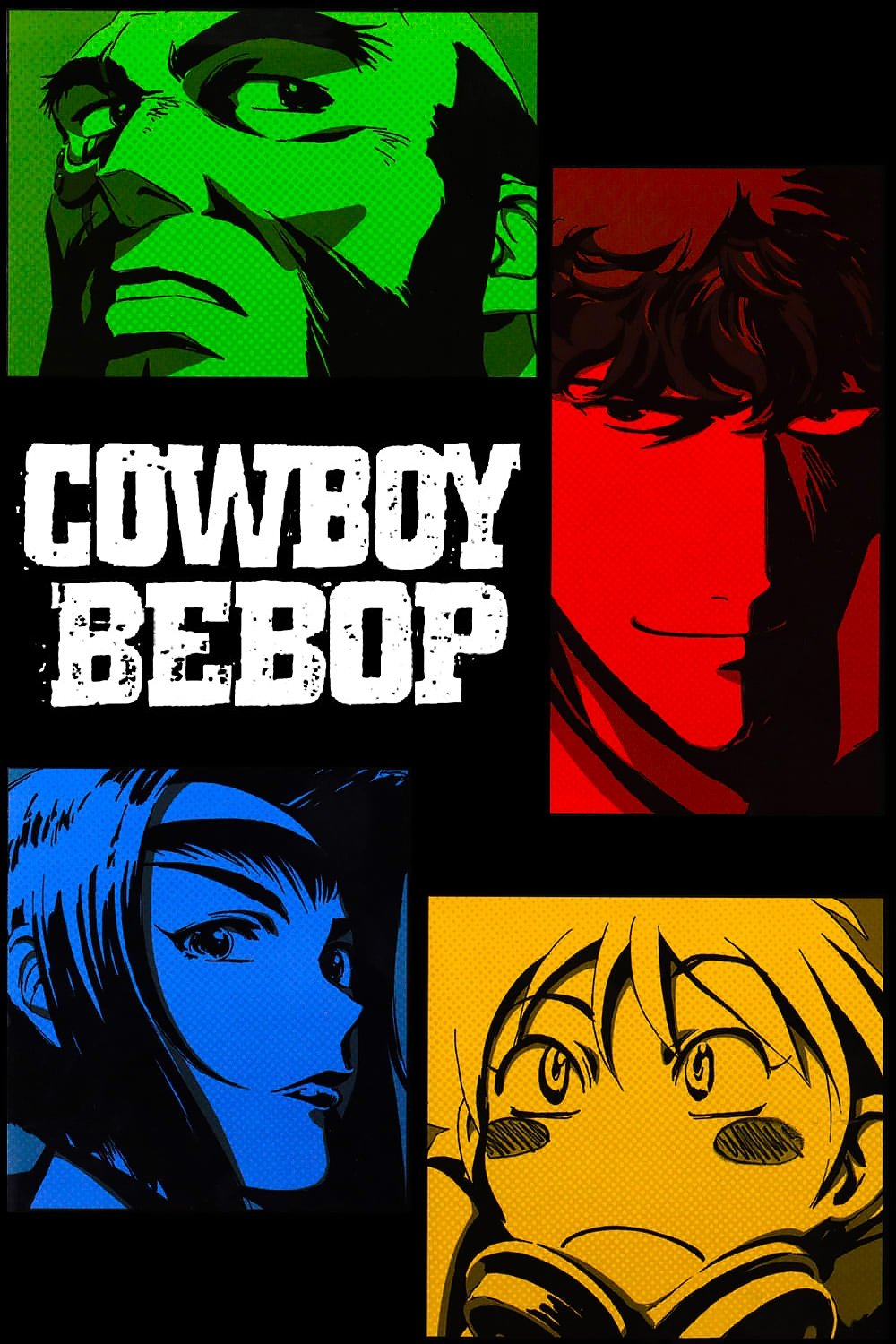
Sunrise structures the series around bounty-of-the-week capers with comic mishaps aboard the Bebop. Those episodes share space with character-centric stories that unpack syndicate ties, war fallout, and personal losses. Standalone comedic chapters like food shortages or pet chases are sequenced to offset heavier entries in the broadcast order. The show’s jazz setlists and cold-open gags frame episodes that then resolve with noir-style consequences.
‘Trigun’ (1998) – slapstick disguising a pacifist’s past
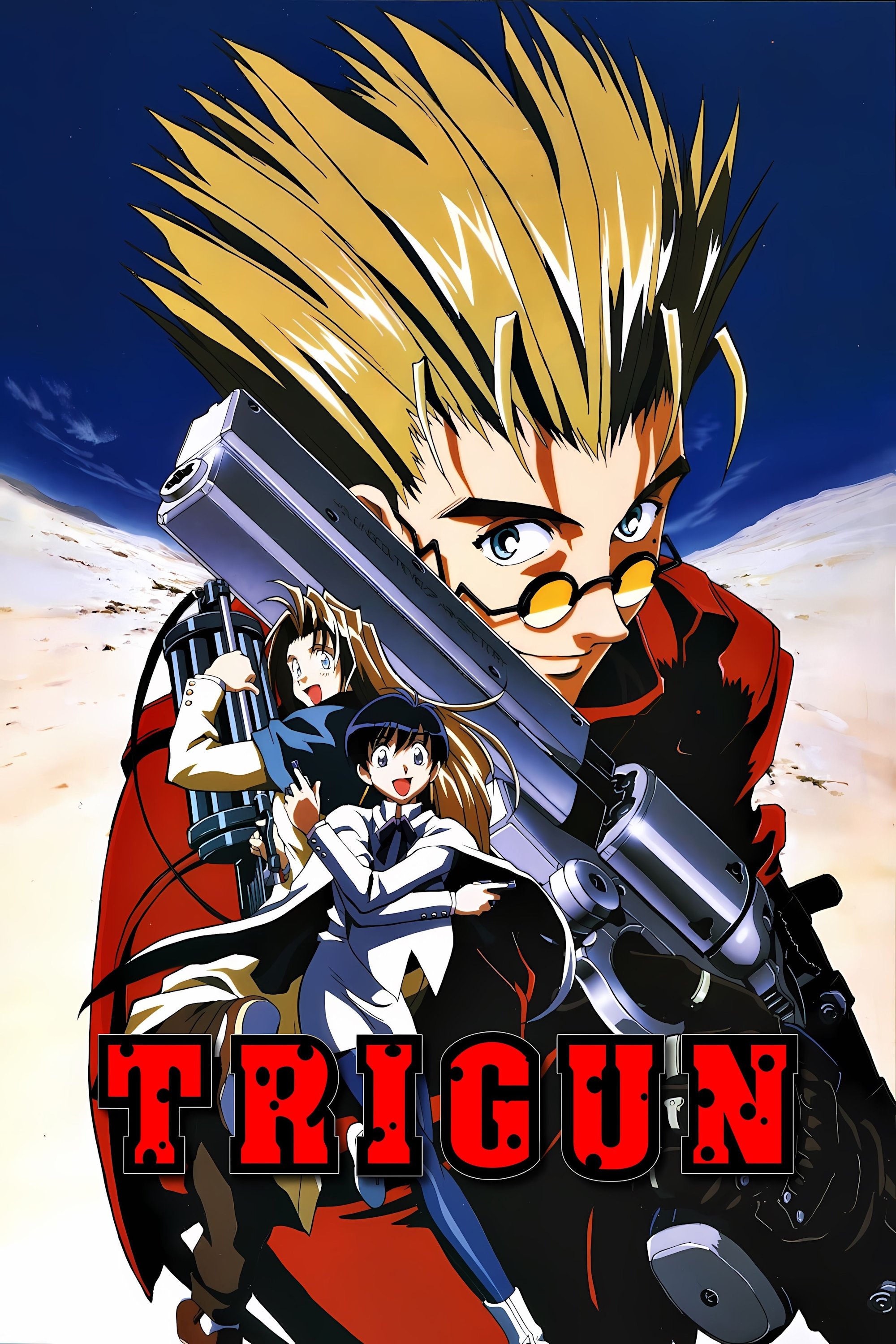
Madhouse adapts Yasuhiro Nightow’s manga with early episodes about bar brawls and mistaken identities that play for laughs. Gradually, the narrative reveals large-scale disasters and the origin of the protagonist’s reputation. Supporting characters introduced as comic relief become plot drivers during multi-episode showdowns. The series uses desert-planet settings to stage duels where earlier jokes about marksmanship and insurance turn into logistical stakes.
‘Neon Genesis Evangelion’ (1995–1996) – school gags before psychological breakdowns
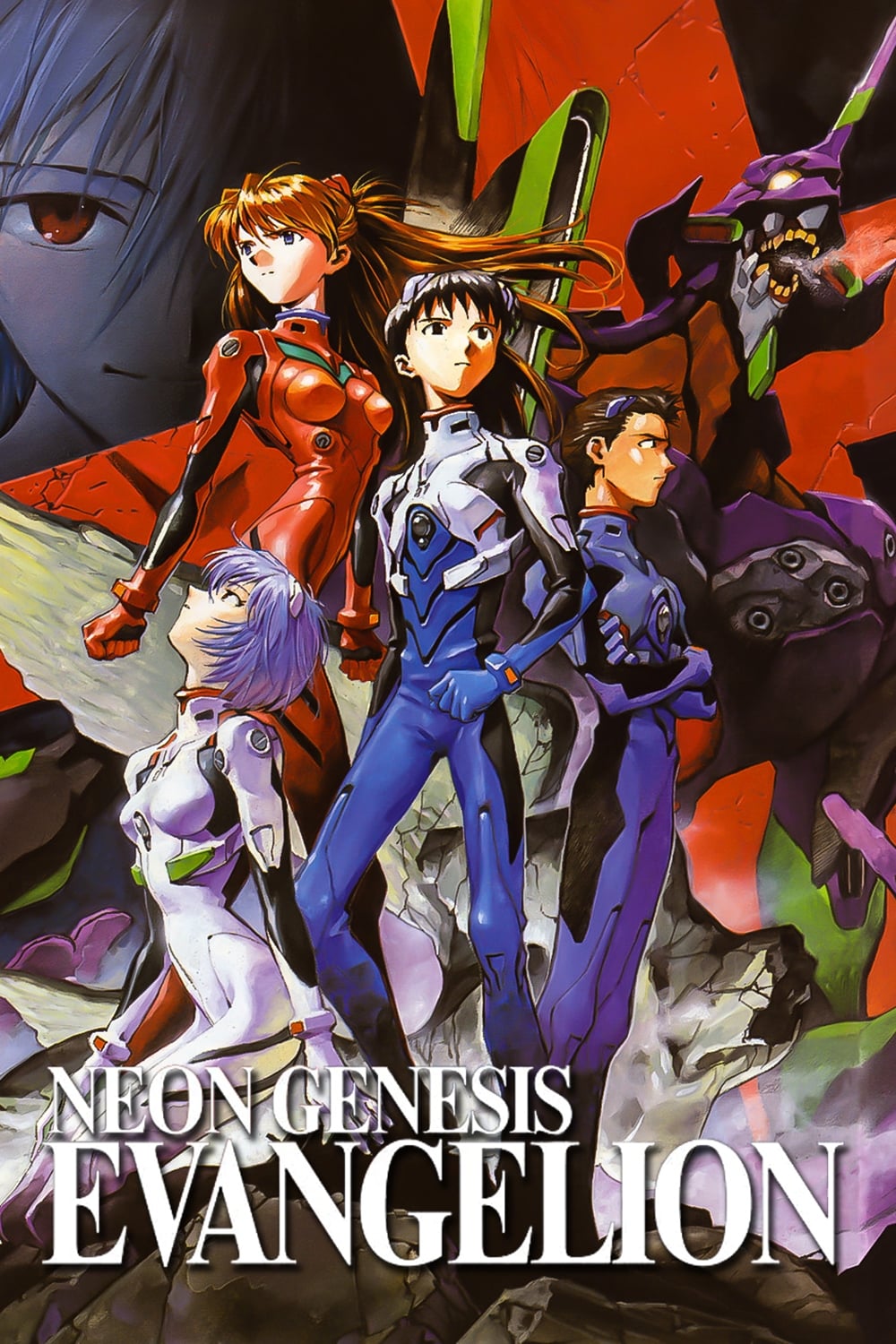
Gainax begins with classroom comedy, roommate bits, and workplace slapstick between operations staff. As battles accumulate, the narrative pivots to instrumentality and mental-state episodes, repurposing earlier jokes as defense mechanisms. The episode order places festival-style reprieves just ahead of escalations, increasing contrast. Production shifts and experimental editing in later episodes emphasize inner monologues over the lighter ensemble routines established early.
‘Oshi no Ko’ (2023–2024) – idol industry satire wrapped around a revenge plot
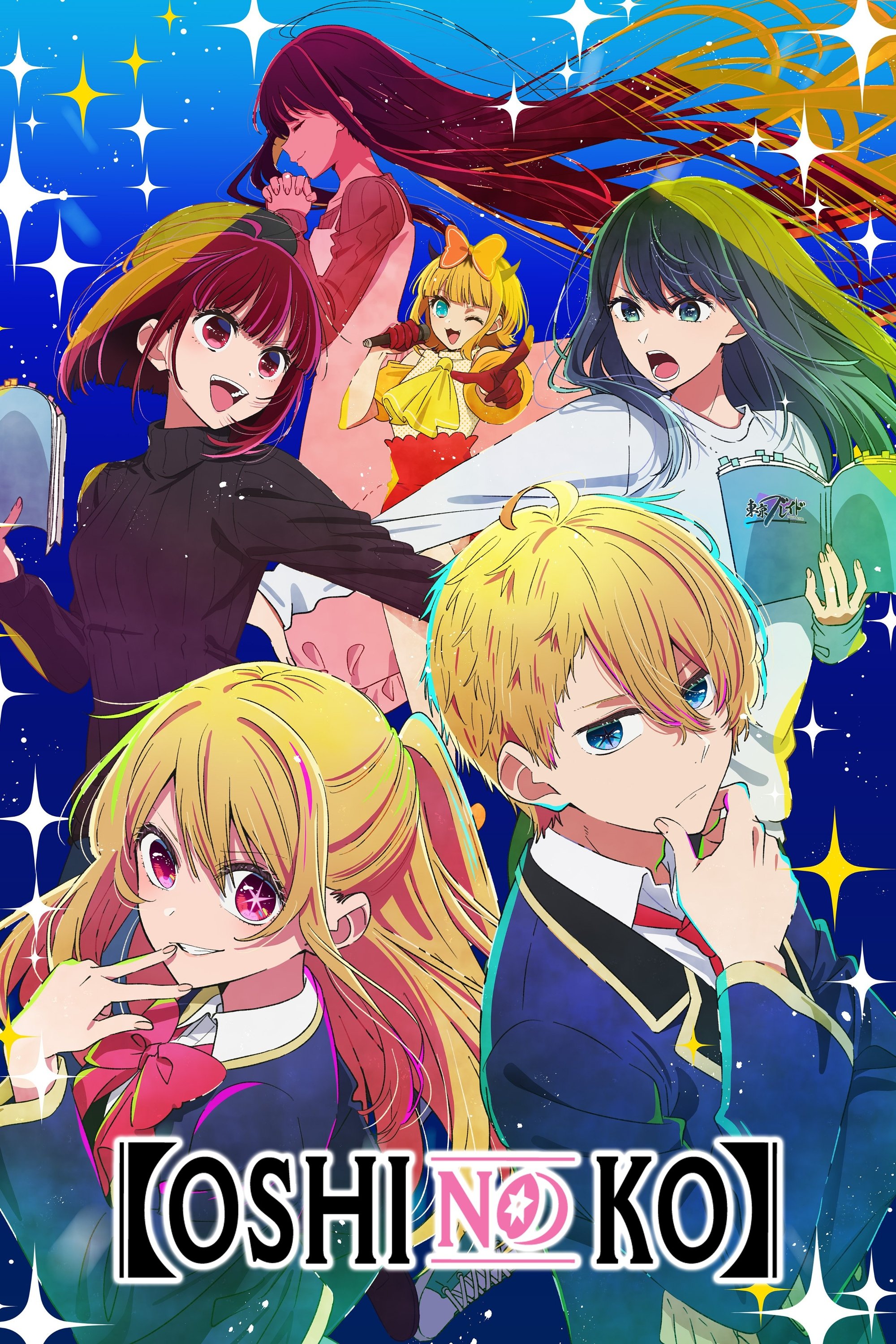
Doga Kobo juxtaposes variety-show skits, social-media parodies, and agency politics with crimes that drive the central investigation. The series details casting processes, subscriber metrics, and PR strategies alongside flashbacks that explain the stakes. Reality-show and stage-play arcs use comedic rehearsal material to set up darker live outcomes. The production tracks character popularity and project pipelines as part of the plot’s mechanics.
‘Ranking of Kings’ (2021–2022) – fairy-tale humor with violent succession stakes
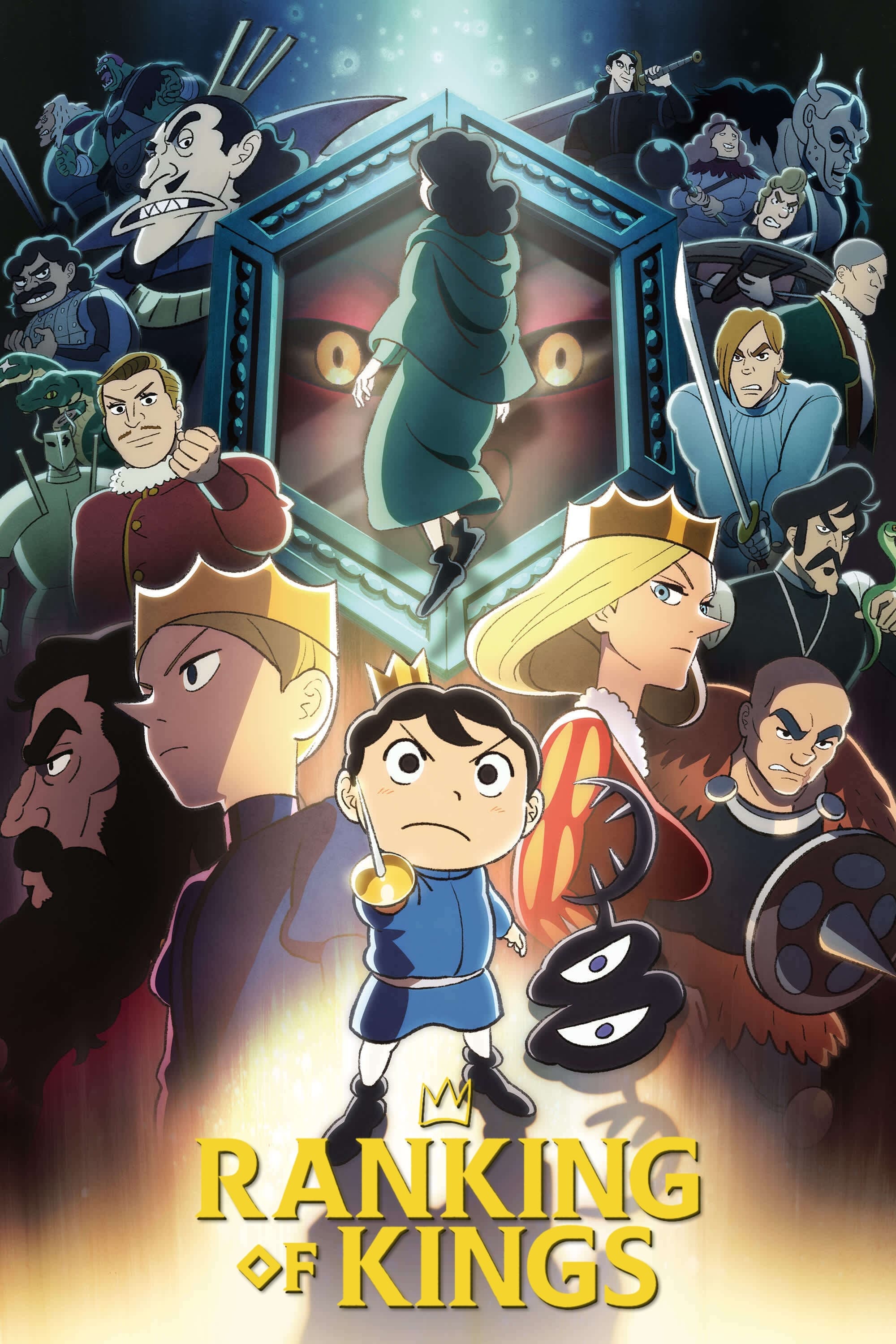
Wit Studio frames a fairy-tale world with visual gags and gentle misunderstandings around a nonverbal prince. Court intrigue, assassination attempts, and underworld deals gradually surface beneath storybook imagery. Episodes pair comedic training and travel vignettes with flashbacks that reassign motives to antagonists. The art style’s simplicity contrasts with detailed fight choreography when the plot tightens.
‘March Comes in Like a Lion’ (2016–2018) – warm slice-of-life around professional shogi pressure
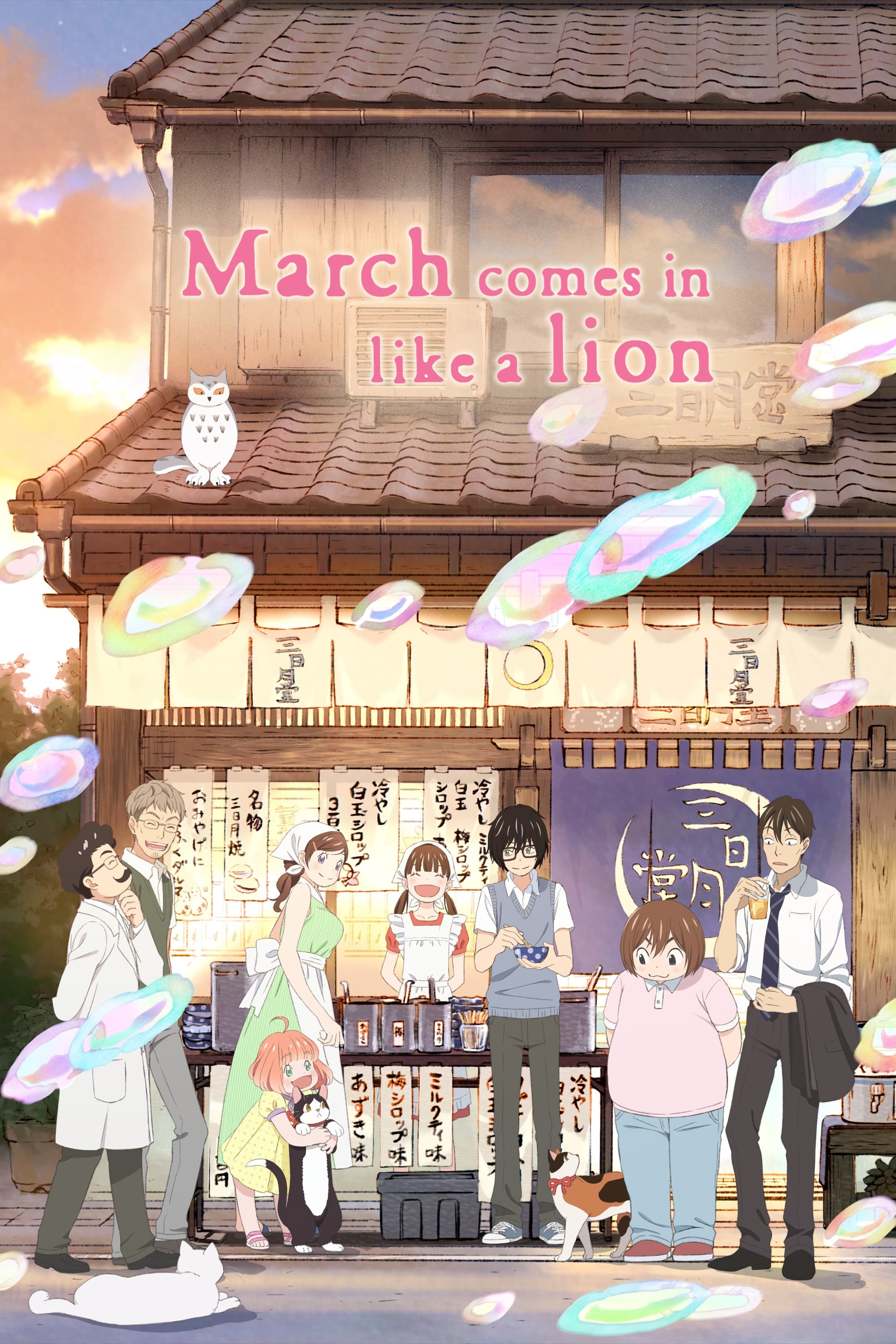
Shaft adapts Chica Umino’s manga, balancing comedic kitchen scenes and neighborhood antics with formal matches and study routines. The series documents ranking classes, title challenges, and time-control rules while following the lead’s health and schooling. Light episodes about cats and festivals are placed between match arcs to show recovery periods. The production uses stylized visuals to differentiate everyday life from tournament intensity.
‘Bungo Stray Dogs’ (2016–2023) – agency hijinks meeting literary-themed conflict
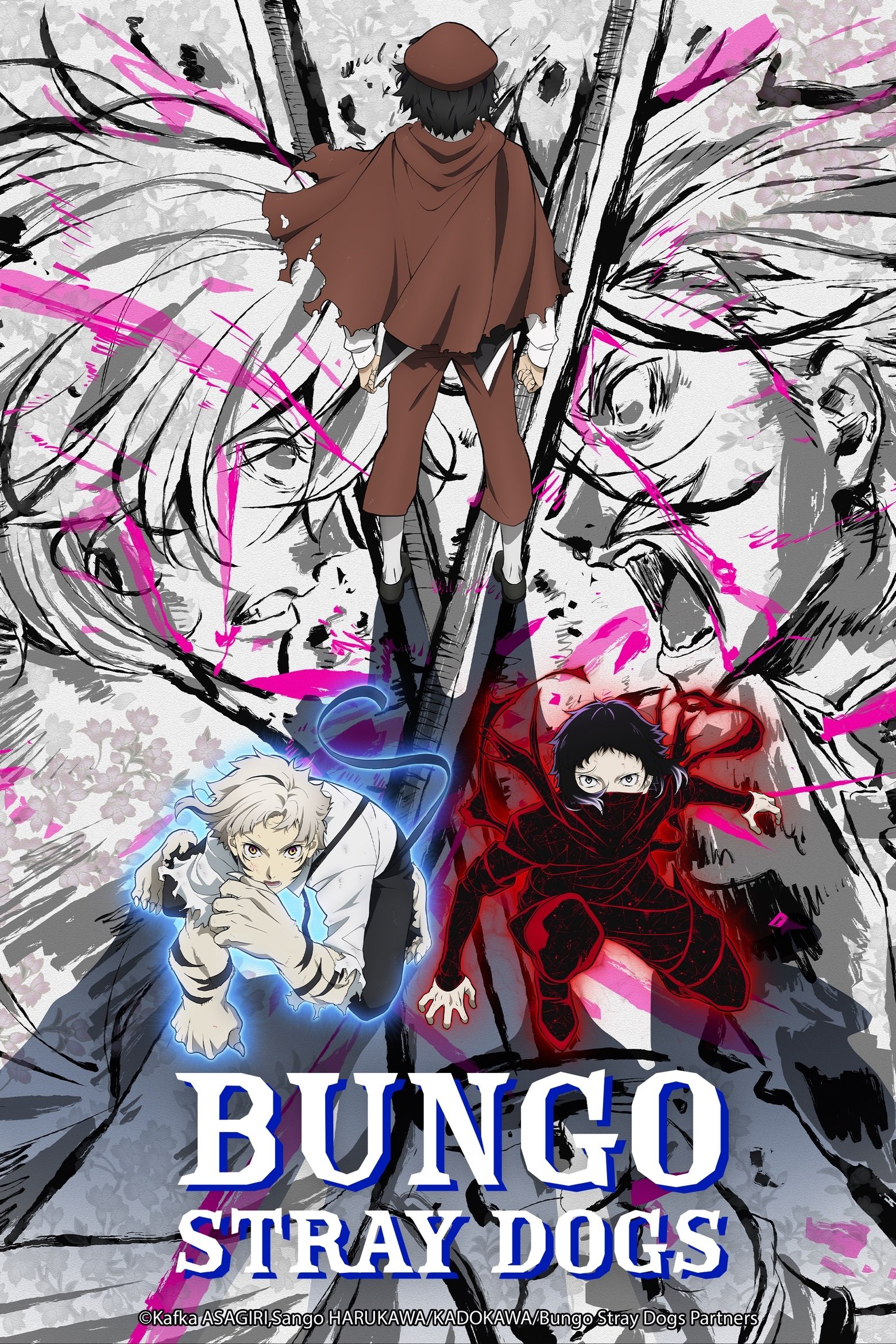
Bones presents office comedy and odd jobs at the Armed Detective Agency, then escalates into turf wars with the Port Mafia and foreign organizations. Powers named after authors are introduced with playful banter before being used in lethal confrontations. Season structures alternate between present-day cases and flashback mini-arcs that reframe character loyalties. The mix of case-of-the-week humor and serialized crime drama keeps the same ensemble at the center.
‘Kill la Kill’ (2013–2014) – schoolyard absurdity fueling a rebellion
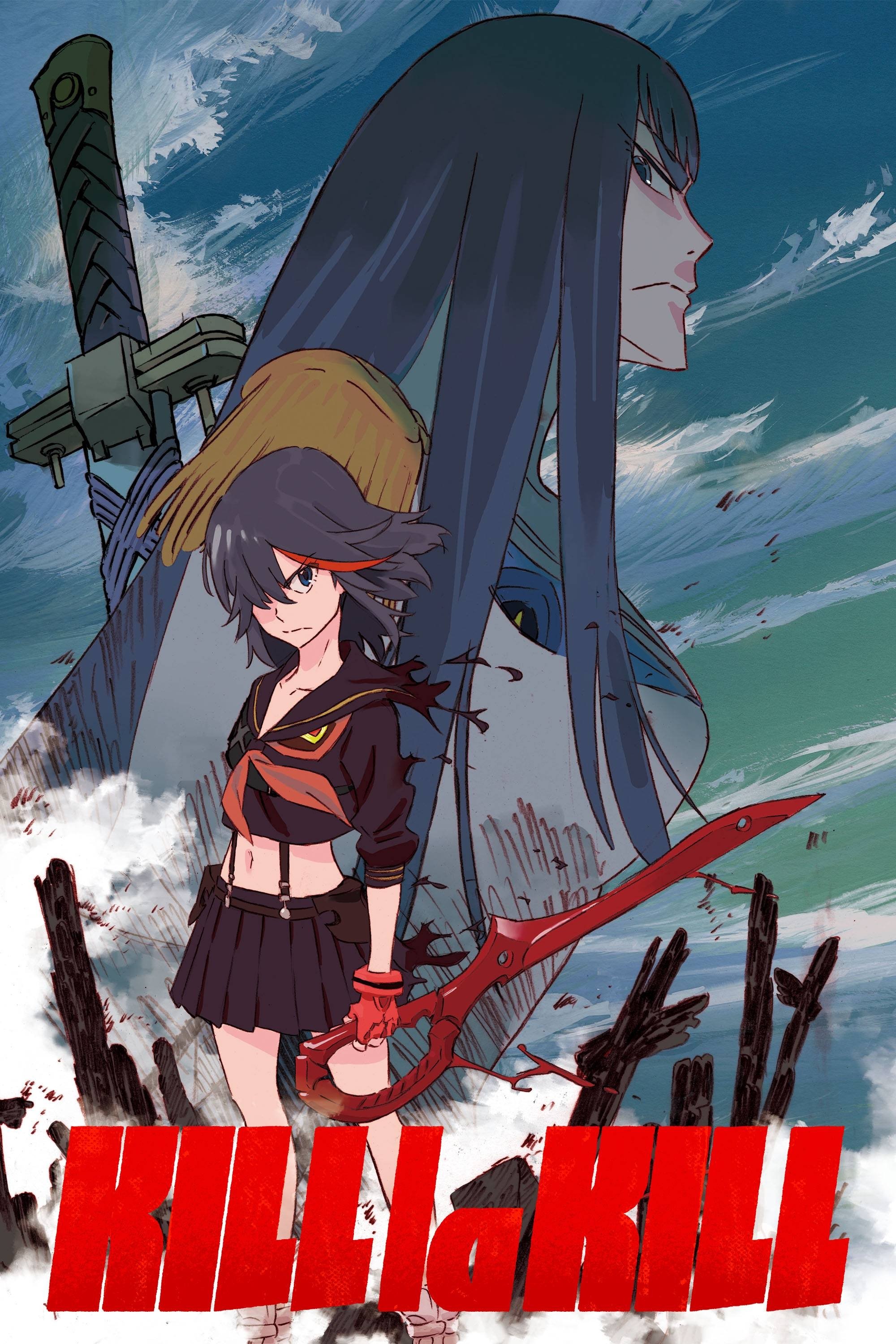
Trigger stages exaggerated student-council battles and uniform jokes that double as a system of power scaling. As the plot moves from campus skirmishes to familial conspiracies, those comedic set-pieces become strategic fights with lasting consequences. Episode naming, eyecatches, and club parodies keep tone buoyant while the conflict widens. The series reuses comedic props and slogans during turning points to mark shifts in allegiance and scope.
‘Fruits Basket’ (2001–2001) – early adaptation’s gentle humor foreshadowing deeper lore

Studio Deen’s initial adaptation focuses on daily gags and character introductions that hint at the zodiac’s social dynamics. Episodes lean into school festivals and household comedy while planting seeds about family hierarchy and isolation. Its limited run adapts only part of the manga, but it establishes tonal contrasts the later reboot completes. The show’s structure demonstrates how light scenes can still carry hints about future confrontations.
Enjoyed the mix of light and heavy in these picks? Share which titles hit that balance best for you in the comments!