‘Colony’ Review: A Korean Zombie Movie That Mutates Faster Than Its Own Ideas Can Keep Up

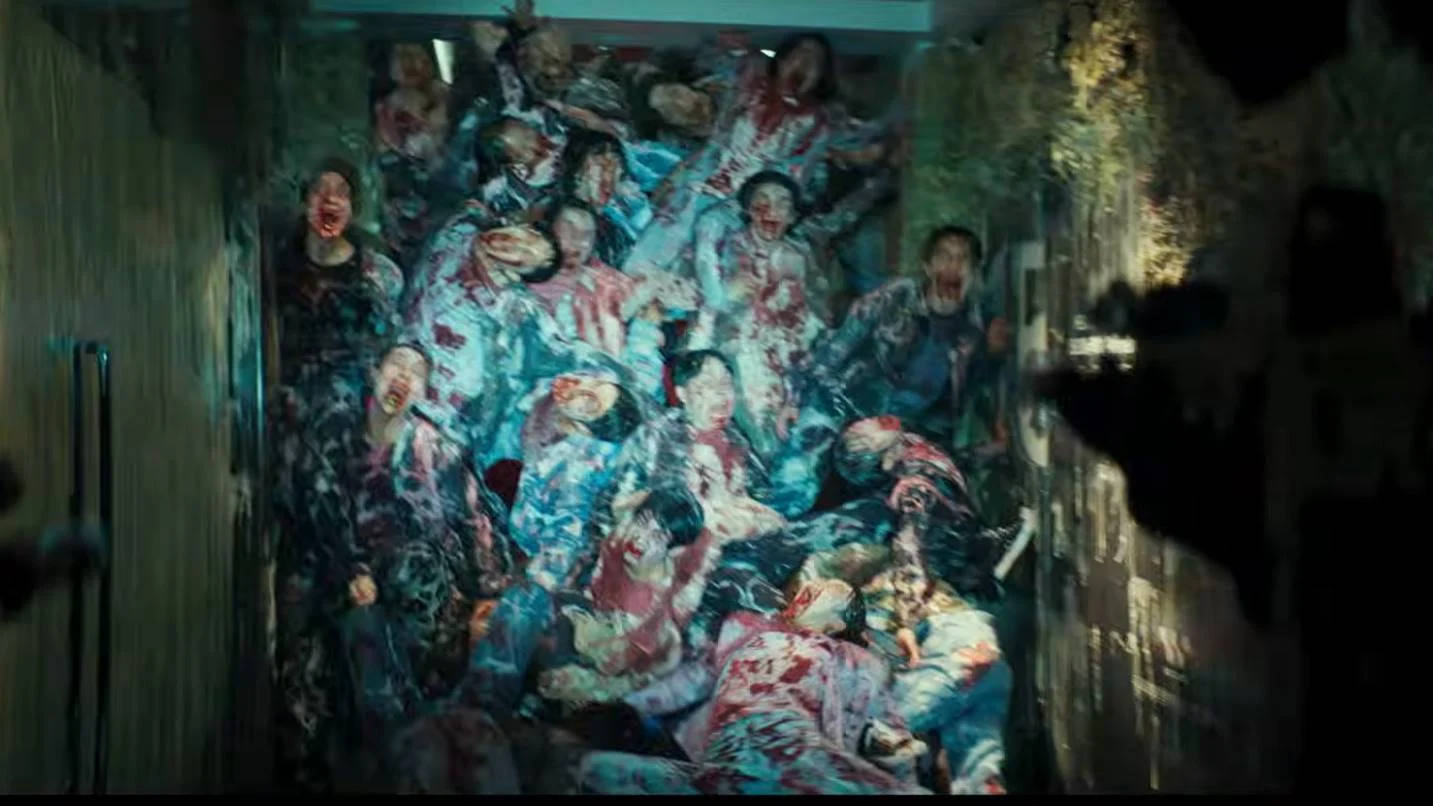

South Korean genre cinema has produced its share of virus outbreaks confined to trains, ships, and apartment blocks, and ‘Colony’ throws its own hazard into the mix by sealing a group of strangers inside a high rise during a biotechnology conference. Director Yeon Sang-ho returns to the infected genre he helped define a decade ago, this time trading a moving train for a static skyscraper and swapping mindless shufflers for zombies that share information like a single organism. The film arrives with the kind of anticipation that only a director with his pedigree can generate, and it wastes no time throwing bodies, blood, and chaos at the screen.
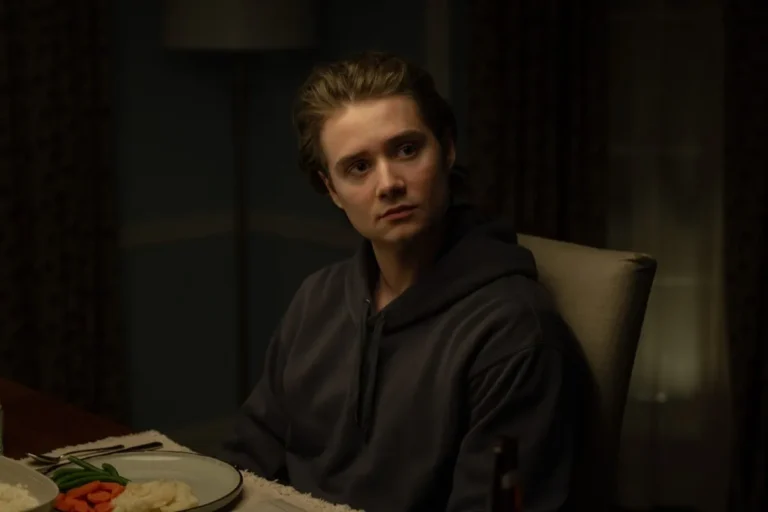
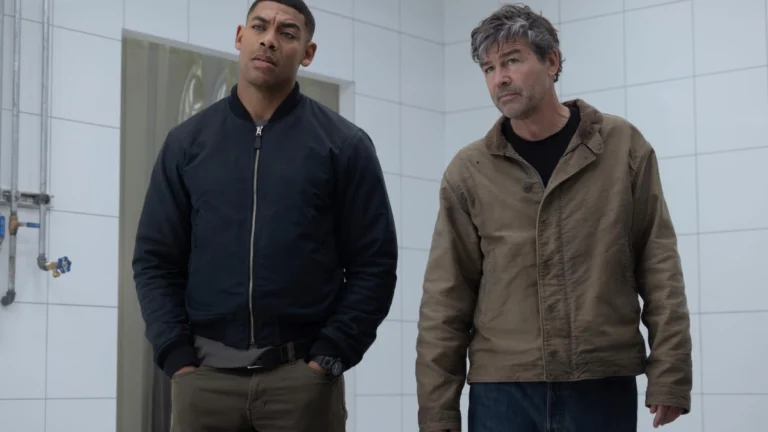
Professor Se Jeong, played by Gianna Jun in her first big screen return in over a decade, becomes the reluctant center of the storm once the outbreak spreads through the building’s ventilation and elevators. Around her orbits an ensemble that includes Koo Kyo Hwan, Ji Chang Wook, Kim Shin Rok, and Shin Hyun Been, each given a sliver of backstory before the infection turns most conversations into screaming matches. The setup takes its time explaining how this particular virus behaves, which slows the opening stretch into something closer to a lecture than a horror movie.
Once ‘Colony’ gets moving, it genuinely moves. The action choreography is inventive and often gruesome in a way that feels handcrafted rather than digitally assembled, with the infected climbing, leaping, and coordinating in ways that make them feel like a collective threat rather than individual monsters. That hive mind concept is the smartest idea the film has, turning the zombie into a metaphor for the way modern communication flattens individual thought into a single panicked signal. It is a clever hook, and for stretches of the film it actually pays off.
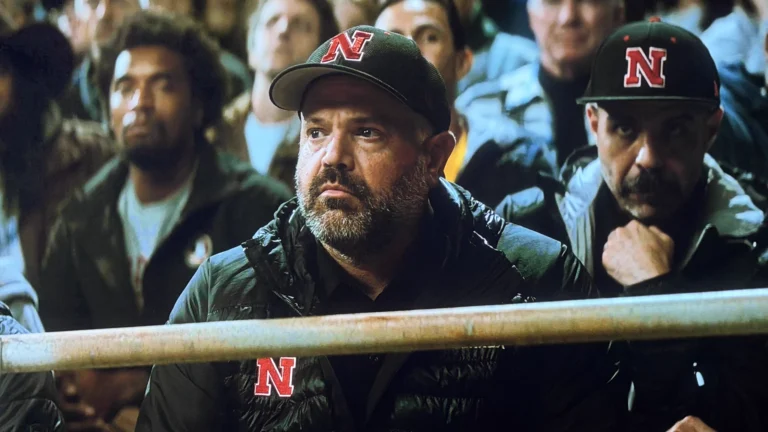
Where the movie stumbles is in the space between its set pieces, when it tries to make the audience care about the people running from the monsters. The characters are sketched quickly and then asked to carry emotional weight they never earned, so deaths that should sting instead land with a shrug. Subplots involving a divorced couple and a police officer chasing a terrorism tip feel like they wandered in from a different, more grounded film, and the movie never quite decides how much time they deserve. The result is a film with a sharp premise wrapped around a script that keeps forgetting to slow down and breathe between the carnage.
Speaking about the project, Yeon explained that the fear driving ‘Colony’ is less about the undead and more about how quickly modern communication erodes individuality, telling Variety that high speed exchange functions like a living organism that shrinks our sense of self. That idea is present in nearly every frame of the film’s zombie design, and it is the rare case of a director’s stated intention actually showing up on screen. It gives the carnage a spine, even when the human drama around it goes slack.
I walked out of ‘Colony’ entertained more often than moved, impressed by its ambition to say something about the world we live in while still delivering the splatter people came for. It never reaches the tight, instinctive terror of the film that made Yeon a name in this genre, but it also never coasts, throwing new ideas at the wall even when not all of them stick. My honest verdict lands at 7 out of 10, a solid and occasionally inspired outbreak movie that trades some emotional depth for spectacle and a genuinely interesting central metaphor.
Have you seen ‘Colony’ yet, and does its hive mind twist on the zombie formula work for you, let me know in the comments whether you agree with my verdict.