From Loot Boxes to Games: How Video Games and Fiction Use the Mathematics of Chance?


“Sir, the possibility of successfully navigating an asteroid field is approximately 3,720 to 1.” “Never tell me the odds!” This famous line from Han Solo in The Empire Strikes Back perfectly illustrates how fiction treats chance. The numbers supposedly exist, but the plot only cares about the one outcome that defies the odds.
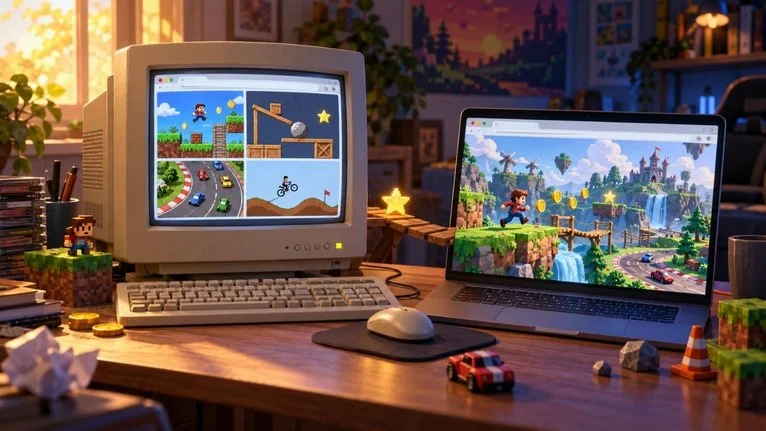
Writers turn to Lady Luck far more often than we notice. And in video games, it has become a complete system. Here, whether it’s the player’s choice or luck, either way, it’s the hidden force behind every boss fight, character interaction, loot drop or match outcome. But behind every such “roll of fate” hides real maths.
Chance and Storytelling
Great works of fiction wouldn’t be nearly as intriguing without one random encounter, interaction, or find that triggers a sequence of events. Ned Stark’s discovery about the colour of Joffrey’s hair set off an avalanche that led to the War of the Five Kings and shaped much of A Song of Ice and Fire.
Terry Pratchett even built a running joke around it in Discworld: million-to-one chances, his characters insist, crop up nine times out of ten. Sometimes, luck seems to turn against the main characters, but without this, their journeys wouldn’t have been half as impactful.
Who could forget the last match that saves the day at the end of The Fifth Element, or Luke Skywalker’s meeting with R2-D2 on Tatooine? Star Trek and Doctor Who fans can name one or two times pure luck saved their favourites. Beyond literature and cinema, this element found a home in the video game industry.
Video Game Odds: Random Or Calculated?
Luck has always been part of this kind of entertainment. Of course, there’s a difference between titles on Steam and other online marketplaces and gambling games, where the odds are published and audited. We can see this, for example, in lists of the best paying online casinos ranked by payout rate. But the basics are the same. No series illustrates it better than Diablo and its loot drops.
Diablo’s system relies on several factors that influence the items players get. But for users, the result is still a roll of the dice that they can’t control. One of the most sought-after and elusive items is Tyrael’s Might armour from the second instalment of the series, with notoriously rare drop rates. Over more than two decades since the game’s original release, relatively few players have ever seen it drop.
ZA/UM’s 2019 hit Disco Elysium puts luck front and centre, with dice rolls deciding many character and environment interactions. What makes it unique is that even with high or low chances of success, the RPG can deliver unexpected results that influence the entire playthrough. Beyond being integral to titles, luck also drives additional content distribution, with loot boxes and gacha packs as the biggest examples.
Luck, Loot Boxes & Gacha
Anyone who has played LoL, Dota 2, or CS2 knows these games offer extra items through loot boxes and sometimes as in-game rewards. In simple terms, they are packs users can receive for free or for a price, with a chance to get items of varying rarity, some of which can be traded or sold on in-game or Steam marketplaces.
In 2022, UK lawmakers didn’t recognise loot box purchases as online gambling. This decision caught the ire of many opponents, particularly James Close from the University of Plymouth. While the country doesn’t ban these purchases, the industry agreed in 2023 that under-18s can’t buy them without parental consent and that games must disclose the odds of getting each item. Belgium went further and banned paid loot boxes back in 2018.
Games like Genshin Impact take a slightly different approach, using gacha instead of loot boxes. The main difference is that the packs contain unlockable characters and weapons. In Genshin, the base chance of a top-tier 5-star drop is just 0.6%, but the game guarantees one after 90 attempts without success. This is what the industry calls the pity system.
Online Gambling Games & Chance
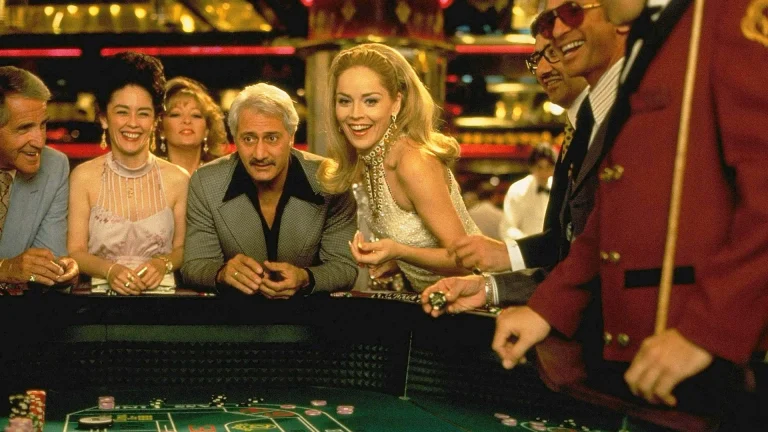
Chance and luck are integral components of gambling games, but is there more to them than random results? Yes, there is, and it’s called RTP or return to player. Basically, it’s a statistic that shows, on average, how much of a user’s total bets is returned. It is built into the game’s maths and only shows up over millions of spins, not one or two sessions, and most rates sit above 90%.
So, when users see a game with a 97% RTP, it reflects the average, not that they’ll get £97 back every time they spend £100. A slot machine engine can randomly decide whether the player gets a small jackpot or loses their entire deposit. One can’t predict this, since all results are random.
To ensure the games’ declared payout rates are real, independent labs such as eCOGRA and GLI test them, and many casinos publish payout reports certified by these labs. In the UK, each game must also show its RTP. That’s the key difference from most loot boxes, where players rarely see the real odds, let alone an independent audit.
Final Thoughts
Pure chance and luck are what make fiction so unpredictable. They weave through the gameplay of many RPG titles, influence what people get from loot boxes and gacha packs, and even casino game outcomes. So odds and reality often don’t match what players expect, and that’s worth keeping in mind.
People must also be aware of how much time and money they’re spending chasing these elusive rewards. So they have to ask themselves: Is another hour of grinding for some mythical dagger for their favourite Dota 2 hero worth it, or is it like trying to hit a jackpot? Often, it costs more than it’s worth. And when real money is involved, remember that gambling is strictly 18+, and it’s worth setting time and spending limits before you start.