Most Hated TV Characters Who Were Actually Right All Along

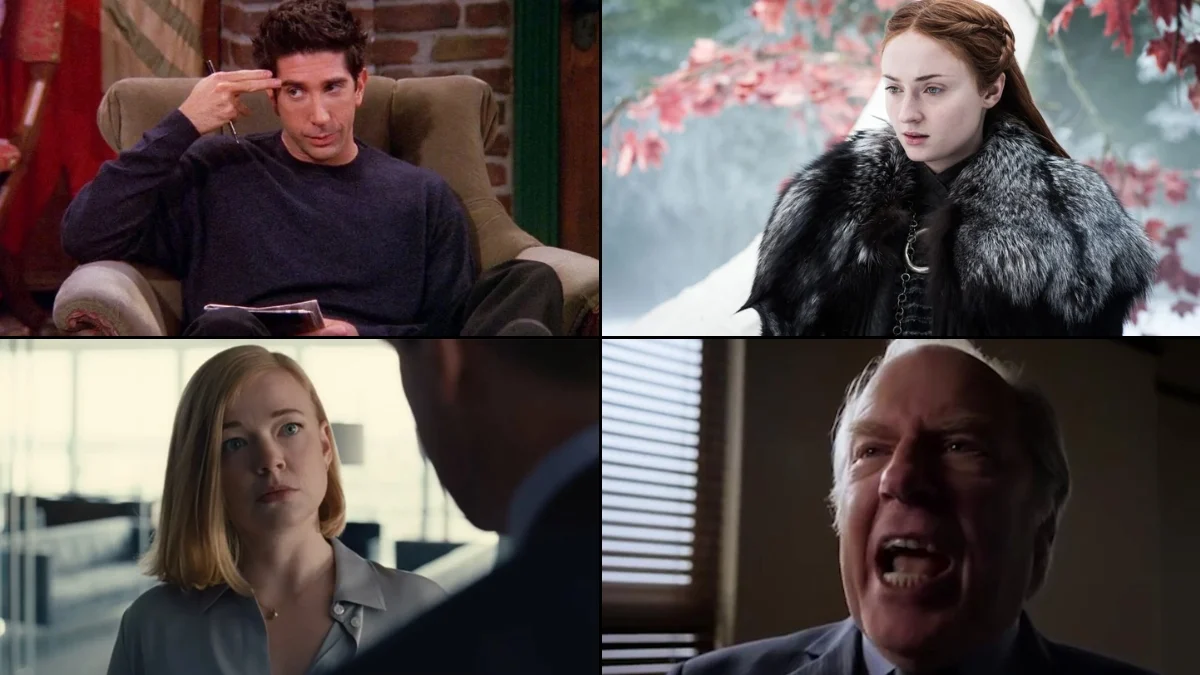

Television history is filled with characters who were designed to be foils to the protagonist, often resulting in deep-seated resentment from the viewing audience. Many of these characters were labeled as annoying or villainous simply because they stood in the way of a lead character’s goals, regardless of how destructive those goals were. Upon closer inspection of the narrative facts and character motivations, many of these figures were actually the most rational people in their respective stories. Their warnings and oppositions frequently proved to be prophetic as the series progressed, casting their past actions in a much more favorable light.
Skyler White
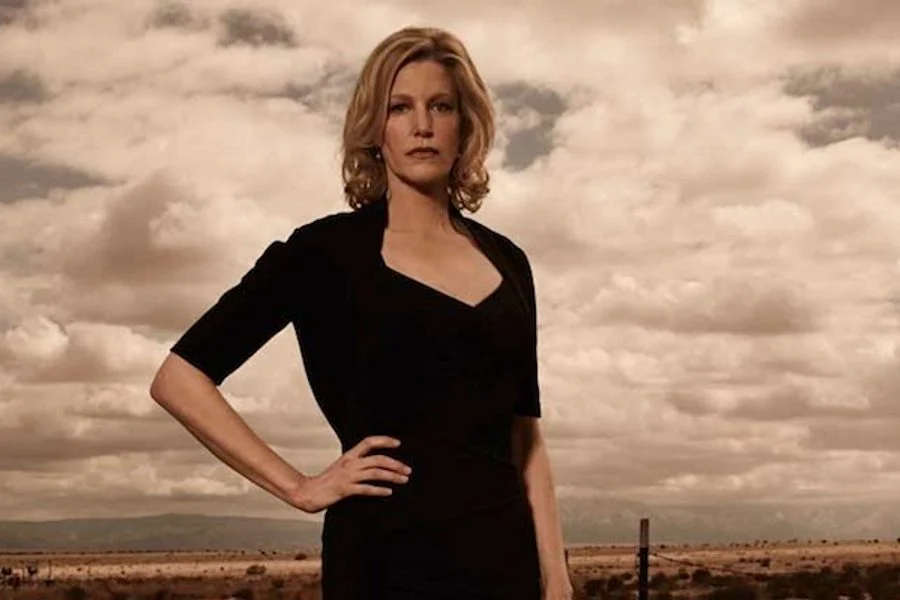
In ‘Breaking Bad’ (2008–2013), Skyler White was frequently criticized by fans for her opposition to Walter White’s criminal activities. While many viewers found her actions obstructive, she was correctly identifying the mortal danger Walter brought to their family. Her concerns about money laundering, home safety, and the psychological impact on their children were validated as the body count rose. Skyler’s eventual fear of her husband proved justified when he became a notorious drug kingpin responsible for numerous deaths. Her role as the moral compass of the household made her a target for fans who prioritized the protagonist’s success over ethical stability.
Chuck McGill
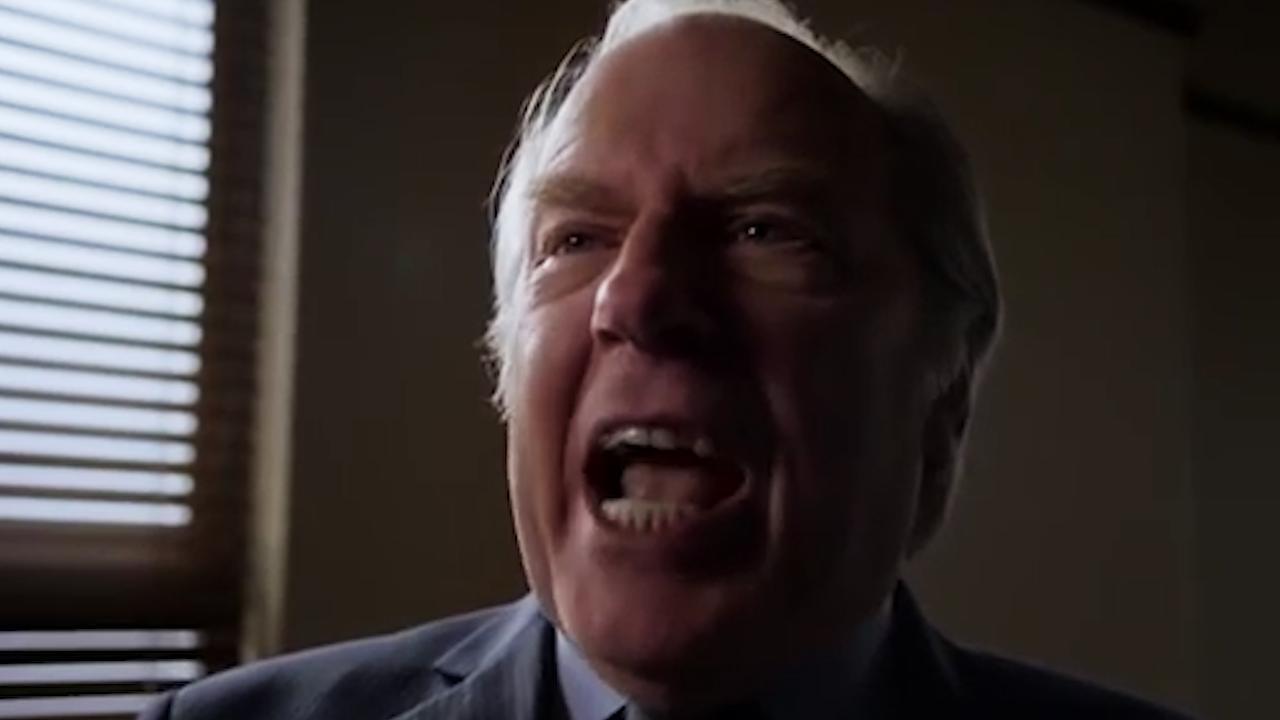
Throughout ‘Better Call Saul’ (2015–2022), Chuck McGill was reviled for his refusal to support his brother Jimmy’s legal career. Chuck famously claimed that Jimmy with a law degree was like a “chimp with a machine gun.” The events of the series and its predecessor, ‘Breaking Bad’, ultimately proved that Chuck was right about Jimmy’s inability to strictly follow legal ethics. Jimmy’s penchant for shortcuts and moral flexibility eventually led to the collapse of many lives and the enabling of a criminal empire. Despite his personal flaws and resentment, Chuck’s assessment of his brother’s professional character was supported by the show’s conclusion.
Sansa Stark

In the final seasons of ‘Game of Thrones’ (2011–2019), Sansa Stark was often viewed as unnecessarily hostile toward Daenerys Targaryen. While other characters were enamored by the Mother of Dragons, Sansa remained skeptical of her temperament and her claim to the North. Sansa’s concerns about the logistics of feeding a massive army and the long-term stability of a foreign conqueror were grounded in political reality. The series finale confirmed Sansa’s fears when Daenerys destroyed King’s Landing and its civilian population. Her cautious approach was a direct result of her survival experiences, proving her to be one of the most astute political minds in Westeros.
Shiv Roy
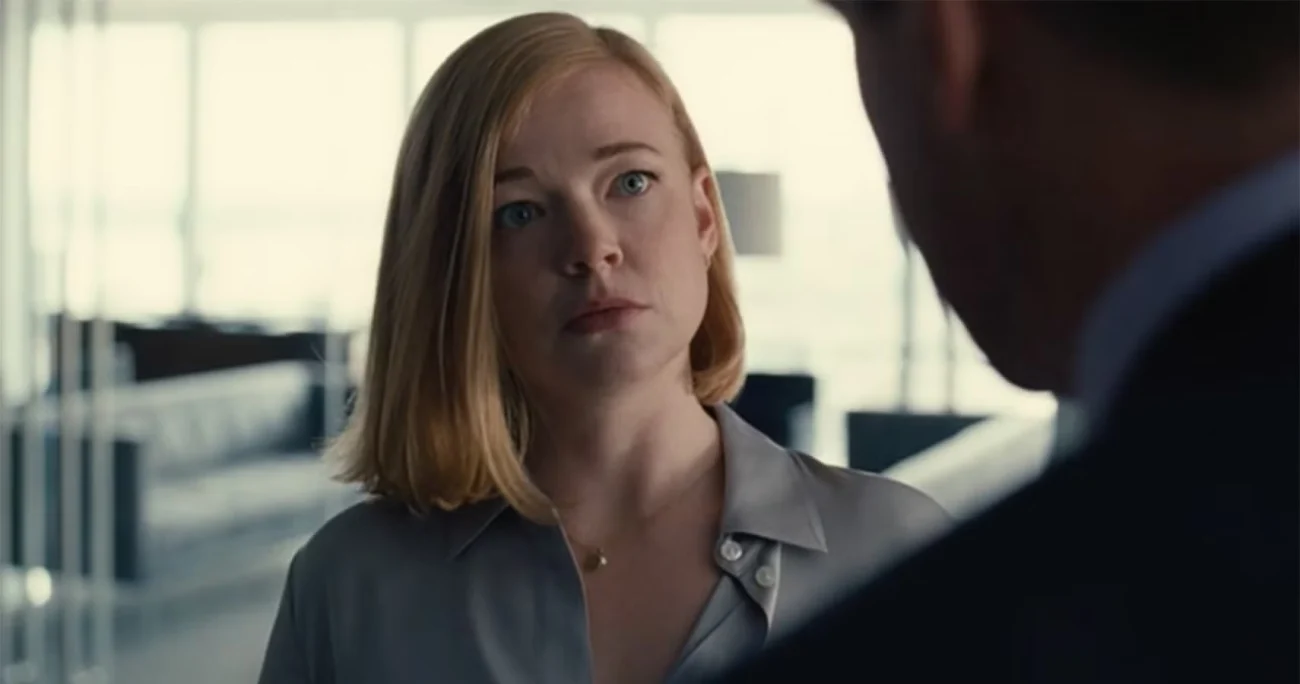
In ‘Succession’ (2018–2023), Shiv Roy faced backlash for her tactical moves against her brothers, Kendall and Roman. During the series finale, she cast the deciding vote that prevented Kendall from becoming the CEO of Waystar Royco. Her assessment that Kendall was fundamentally unfit for the position was supported by his history of instability and moral failures. By blocking her brother, she ensured the company moved away from the toxic cycle of her father’s direct lineage. Although her motives were complex, her conclusion that none of the siblings were capable of leading the legacy was a central truth of the show.
Lori Grimes

Lori Grimes was a primary target of fan disdain during the early seasons of ‘The Walking Dead’ (2010–2022). Viewers often blamed her for the tension between Rick Grimes and Shane Walsh and for her parenting choices. However, Lori was the first to recognize that Shane was becoming increasingly unstable and dangerous to the group’s safety. Her instincts about the necessity of maintaining humanity and law in a post-apocalyptic world were vital to Rick’s early leadership. She correctly identified that Shane’s obsession with her and his violent impulses would lead to a fatal confrontation that the group could not avoid.
Carmela Soprano
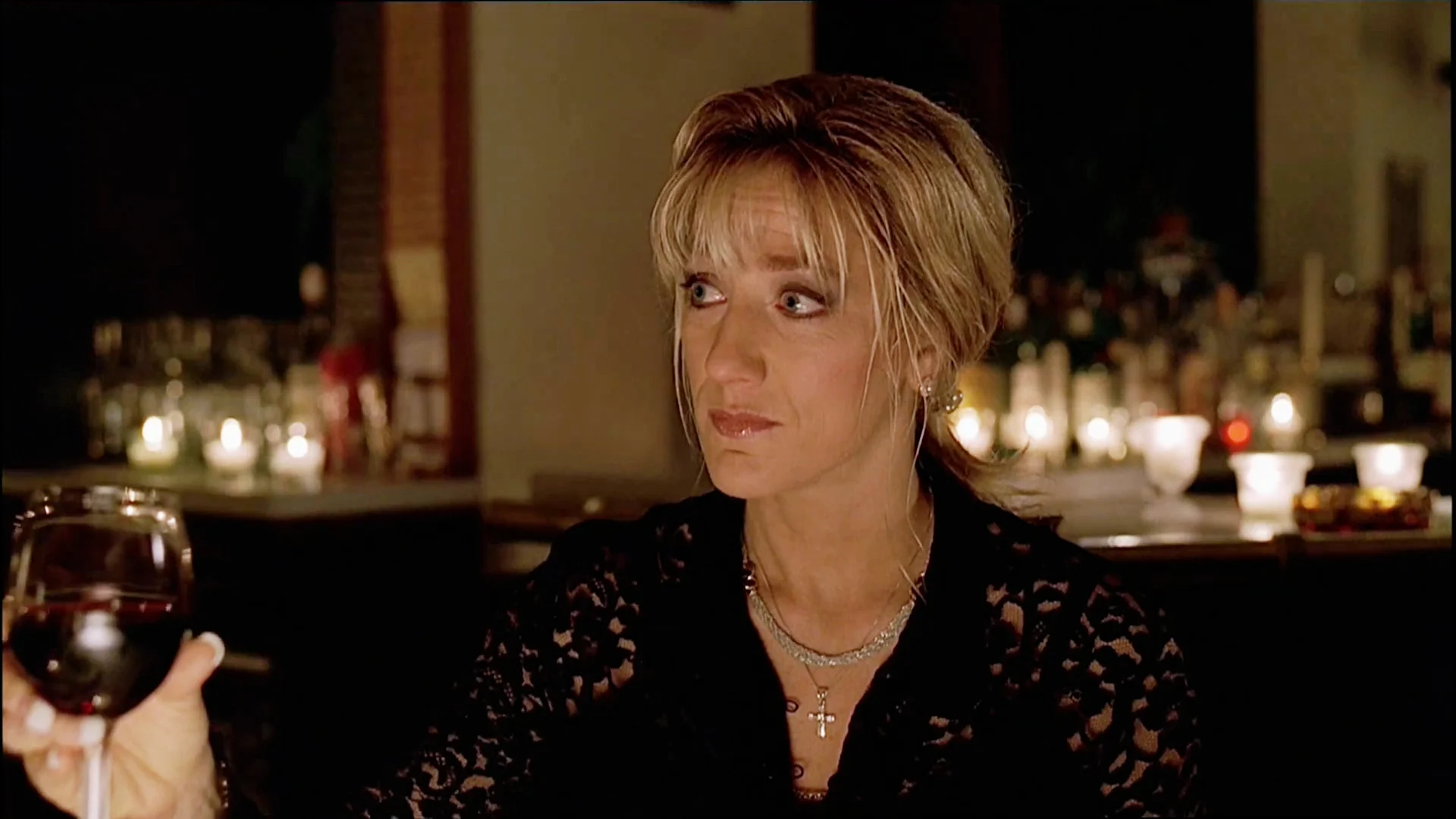
Carmela Soprano of ‘The Sopranos’ (1999–2007) was often dismissed as a hypocrite who enjoyed the luxuries of mob life while complaining about the violence. Despite this, she was consistently right about the precarious nature of her family’s future and financial security. She spent years pressuring Tony Soprano to provide a legitimate safety net, fearing that his lifestyle would end in his death or incarceration. Her anxiety regarding the children’s exposure to organized crime and the eventual collapse of their social circle was a recurring theme that the show’s finale seemed to validate. Her attempts to secure their assets were practical responses to a doomed situation.
Ross Geller

One of the longest-running debates in ‘Friends’ (1994–2004) centers on whether Ross Geller was wrong for sleeping with someone else after a fight with Rachel Greene. While his behavior was socially frowned upon, he was technically correct that they were “on a break” based on Rachel’s own proposal earlier that night. Rachel initially suggested the break, and Ross’s subsequent actions occurred after she had effectively ended their relationship for the evening. The conflict was exacerbated by Ross finding another man at Rachel’s apartment shortly after the split. While his decision was impulsive, his literal interpretation of their relationship status at that moment was factually accurate according to the dialogue.
Monica Geller
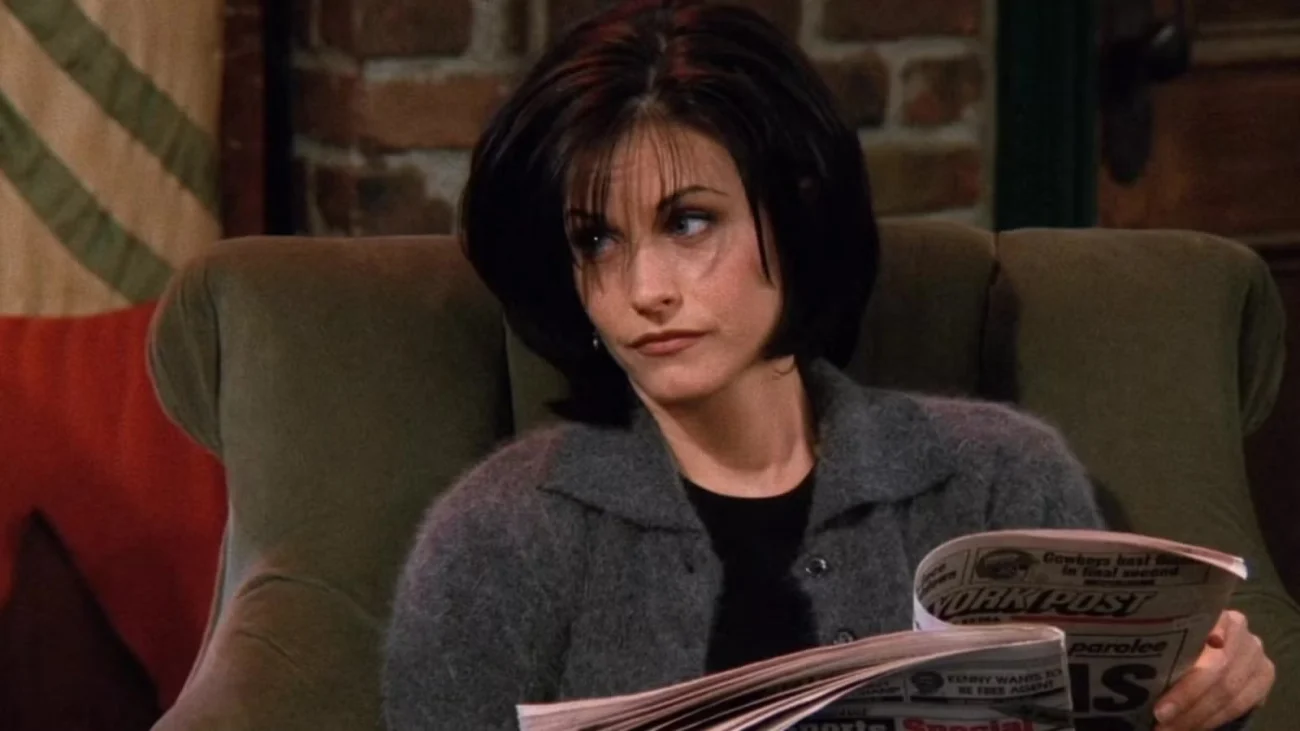
Monica Geller was frequently mocked by her friends and the audience of ‘Friends’ (1994–2004) for her obsessive-compulsive traits and intense need for control. However, her meticulous nature was the glue that held the social group together and kept their living environments functional. Without her planning, hosting, and constant maintenance, the core group’s frequent gatherings would likely have been disorganized and less frequent. Her high standards for cleanliness and order provided a stable foundation for her friends during their various life crises. The show often demonstrated that when Monica relinquished control, the group struggled to manage basic logistics and social obligations.
Betty Draper
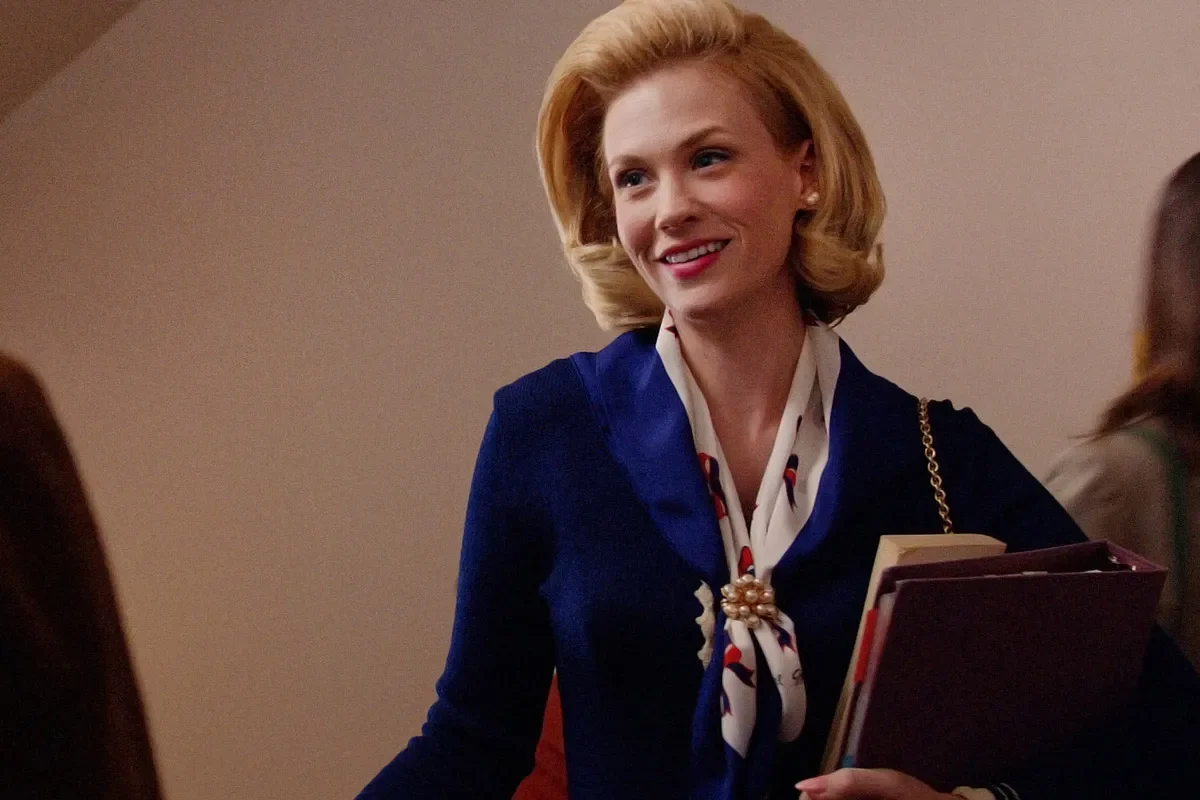
Betty Draper was often portrayed as a cold and petulant character in ‘Mad Men’ (2007–2015). Her behavior, however, was a direct response to the psychological gaslighting and chronic infidelity of her husband, Don Draper. She was right to suspect that Don was keeping massive secrets from her, which was eventually revealed to be an entirely stolen identity. Her unhappiness was not merely vanity but a reaction to the stifling social expectations of the 1960s and a partner who consistently lied about his whereabouts. When she finally left Don, it was a rational move toward reclaiming her own agency and escaping a toxic environment.
Martha Jones
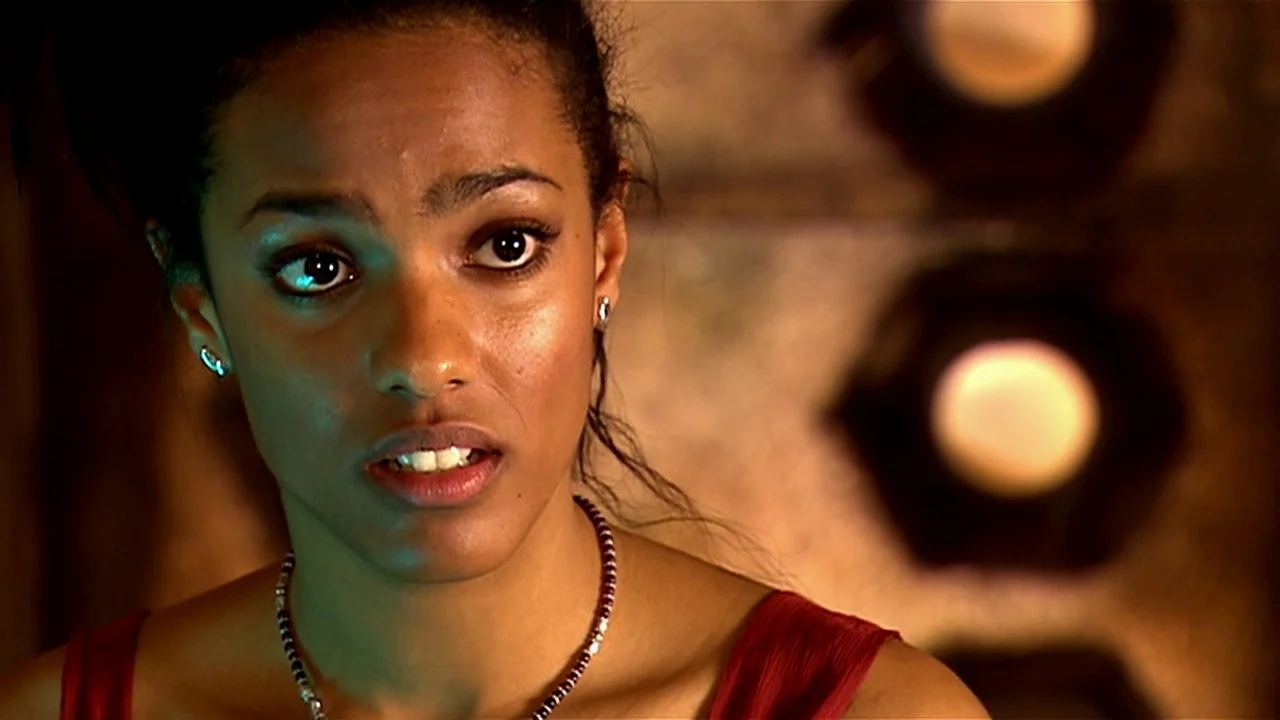
Martha Jones followed Rose Tyler as a companion in ‘Doctor Who’ (2005–present) and was often unfairly compared to her predecessor. Fans criticized her for her unrequited love for the Doctor, yet she was the most self-aware companion of the modern era. She correctly realized that the Doctor would never see her for who she was while he was still grieving Rose. Unlike other companions who stayed until they were forced out by external circumstances, Martha chose to leave for her own emotional well-being and her family’s safety. Her decision to prioritize her medical career and her own dignity proved she was the most grounded of the Doctor’s travelers.
Marie Schrader
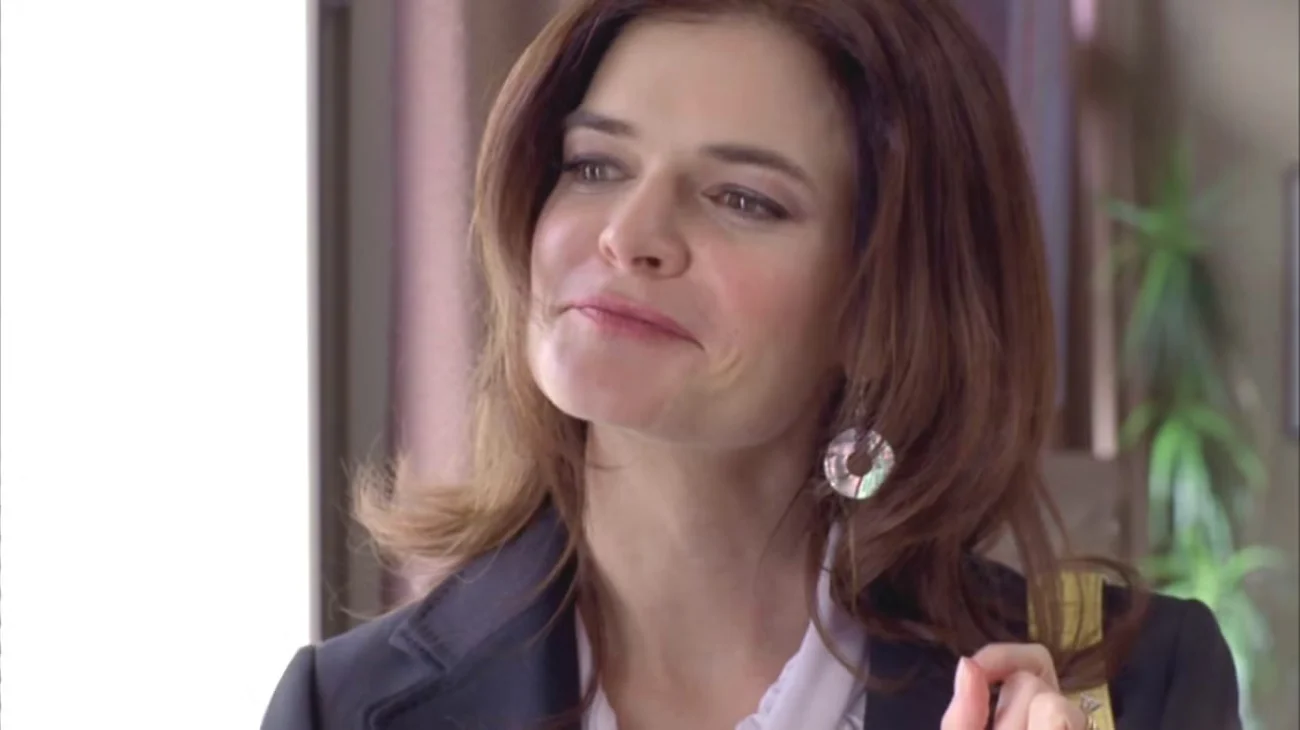
Marie Schrader was often seen as the annoying sister in ‘Breaking Bad’ (2008–2013) due to her kleptomania and bossy personality. However, she was the first person to advocate for the most moral and lawful course of action once Walter’s crimes were discovered. Her insistence that Walter turn himself in and her unwavering support for her husband, Hank, were entirely justified. While others in the family hesitated or became complicit, Marie remained steadfast in her belief that Walter was a threat who needed to be stopped. Her reactions to the devastation Walter caused were the most ethically sound responses in the series.
Ellis Grey
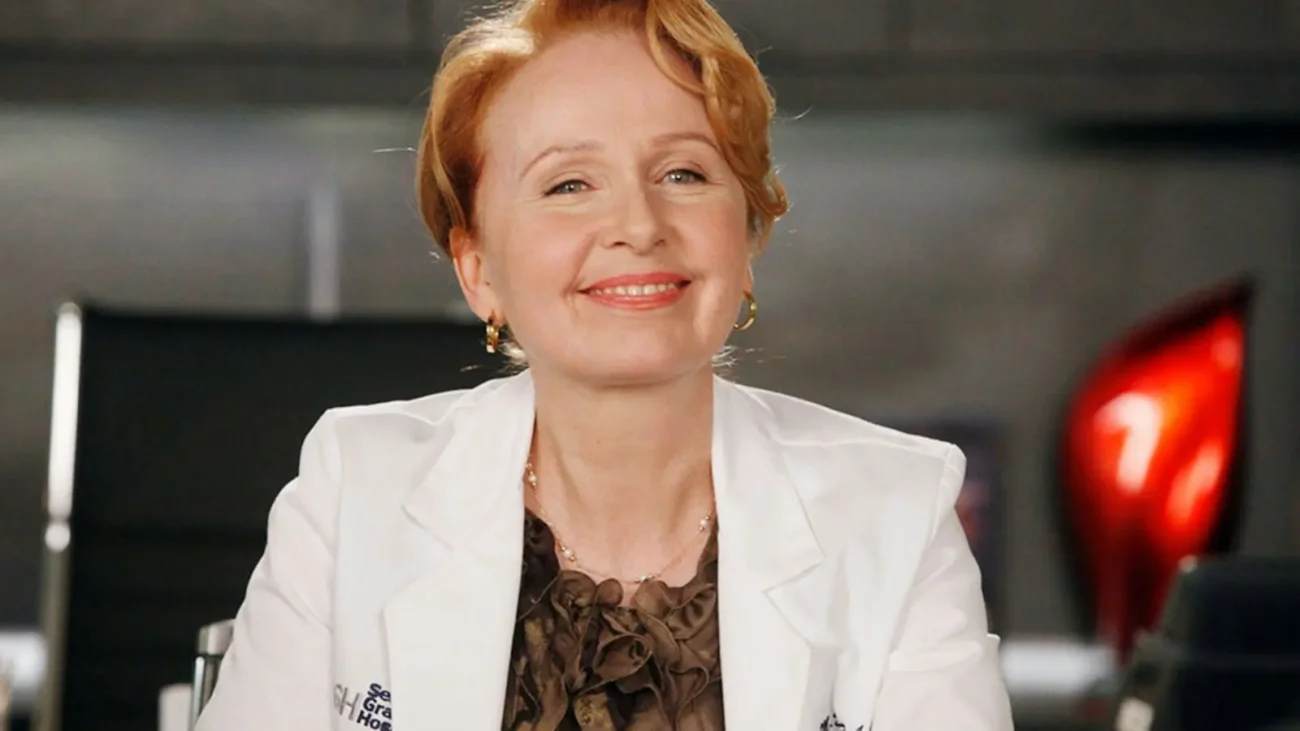
Dr. Ellis Grey is frequently depicted as a villainous figure in ‘Grey’s Anatomy’ (2005–present) through Meredith Grey’s traumatic memories. Her harsh parenting and demands for perfection made her easy to dislike from the perspective of the protagonist. Yet, Ellis was right about the immense sacrifice required to be a top-tier surgeon and the inherent talent her daughter possessed. Her warning that Meredith should not be “ordinary” served as a difficult but effective catalyst for Meredith’s eventual success in the medical field. While her methods were emotionally damaging, her professional assessments of the medical world and its demands were consistently accurate.
Diane Chambers
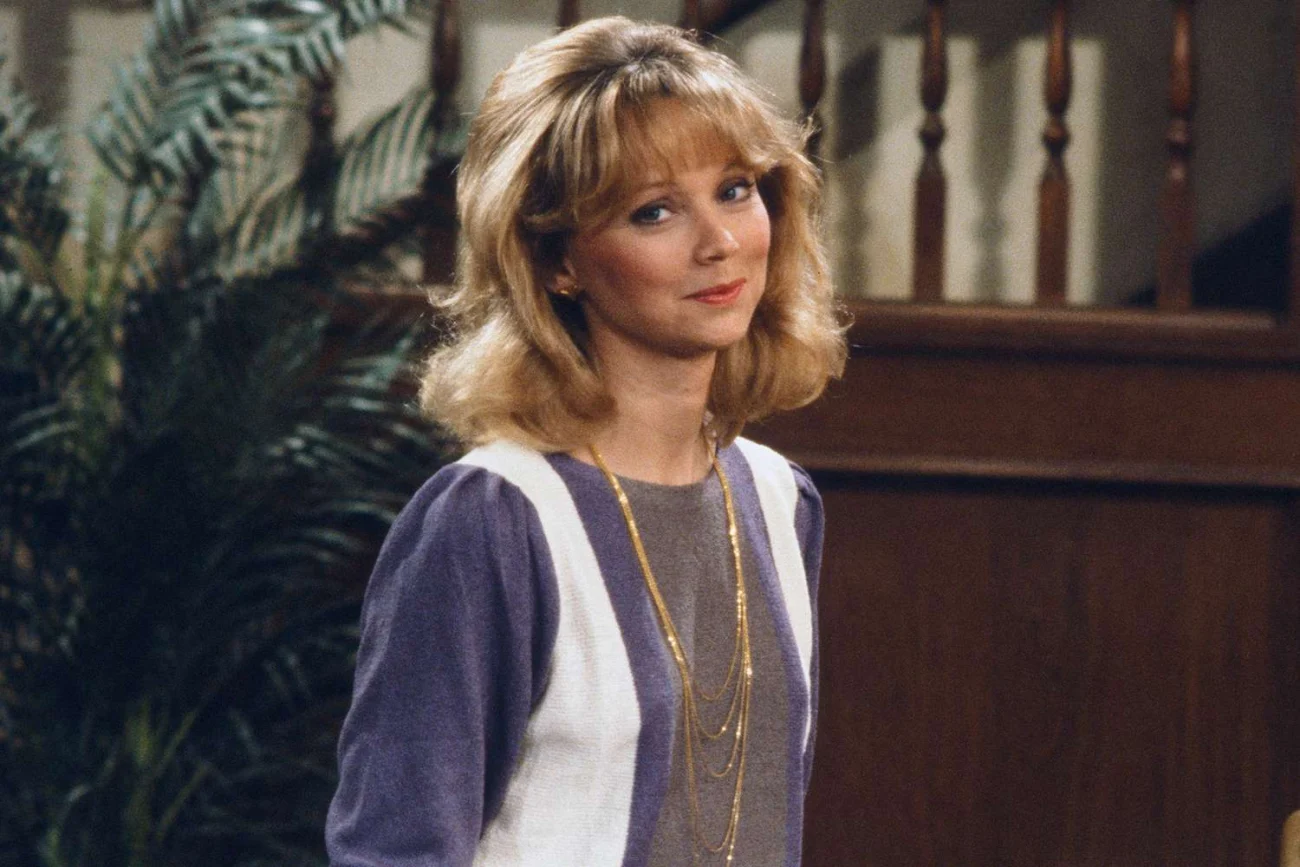
In ‘Cheers’ (1982–1993), Diane Chambers was often viewed as a pretentious interloper in the cozy bar atmosphere. She was right, however, in her assessment that Sam Malone was using the bar and his womanizing to avoid personal growth. Diane pushed Sam to seek a more intellectual and emotionally fulfilling life, recognizing his potential beyond his athletic past. Her presence challenged the status quo of the bar, which often leaned into unhealthy habits and social stagnation. Her critiques of the regular patrons’ lifestyles were frequently grounded in valid observations about their social dependencies and lack of ambition.
Mary Cooper
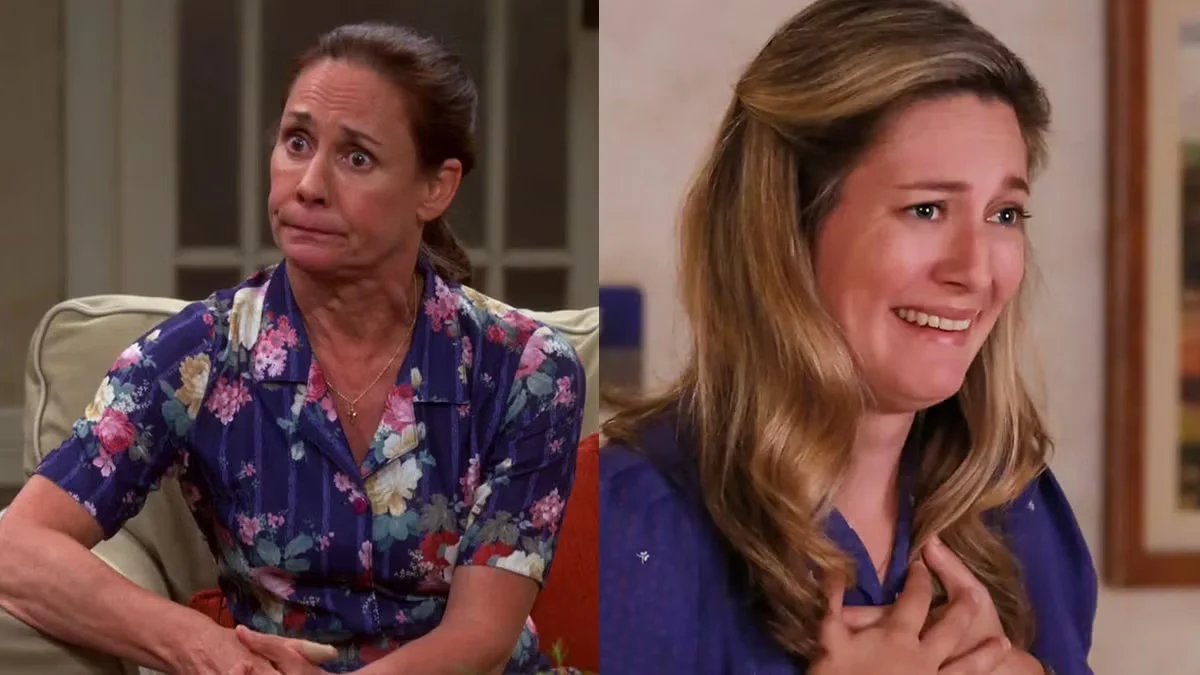
Mary Cooper is often portrayed as an overbearing and religiously narrow-minded mother in ‘Young Sheldon’ (2017–2024) and ‘The Big Bang Theory’ (2007–2019). Despite the friction her beliefs caused, she was the primary person who understood how to navigate Sheldon’s social limitations. She fought tirelessly to ensure he received the specific accommodations he needed to succeed in an environment that did not understand his neurodivergence. Her protective nature was a necessary shield against a world that would have otherwise alienated a child prodigy with significant social challenges. Without her fierce advocacy and structure, Sheldon likely would not have reached his full potential as a scientist.
Andrea
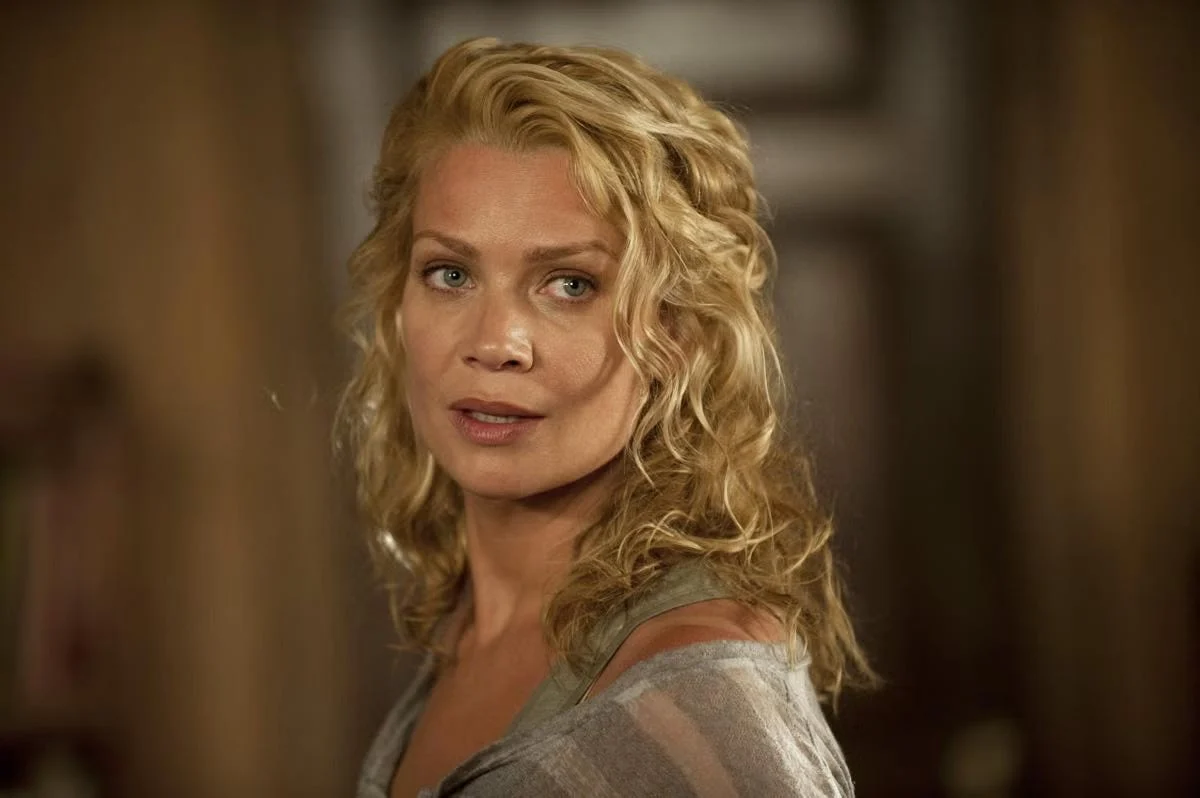
Andrea was a controversial figure in ‘The Walking Dead’ (2010–2022) during her time at Woodbury. Many fans were frustrated by her relationship with The Governor and her refusal to kill him when she had the initial opportunity. However, Andrea’s core motivation was to prevent an all-out war that she knew would result in massive casualties on both sides. She believed in the possibility of a diplomatic solution and tried to act as a bridge between the two communities to save lives. Her ultimate goal of peace was noble, even if her trust in the wrong individual led to her tragic demise.
Share which of these characters you believe was the most misunderstood in the comments.