Most Satisfying Payoffs To Early Foreshadowing


Great foreshadowing plants clues in plain sight and then cashes them in when it matters most, making a reveal feel earned rather than arbitrary. The best examples set up motifs, props, offhand lines, or background details that quietly prepare you for a later twist or resolution. When the payoff arrives, viewers can trace the thread back to the start and see how the story telegraphed its moves. Here are twenty-five standout payoffs where early setup leads to a crisp, satisfying conclusion.
‘The Sixth Sense’ (1999)
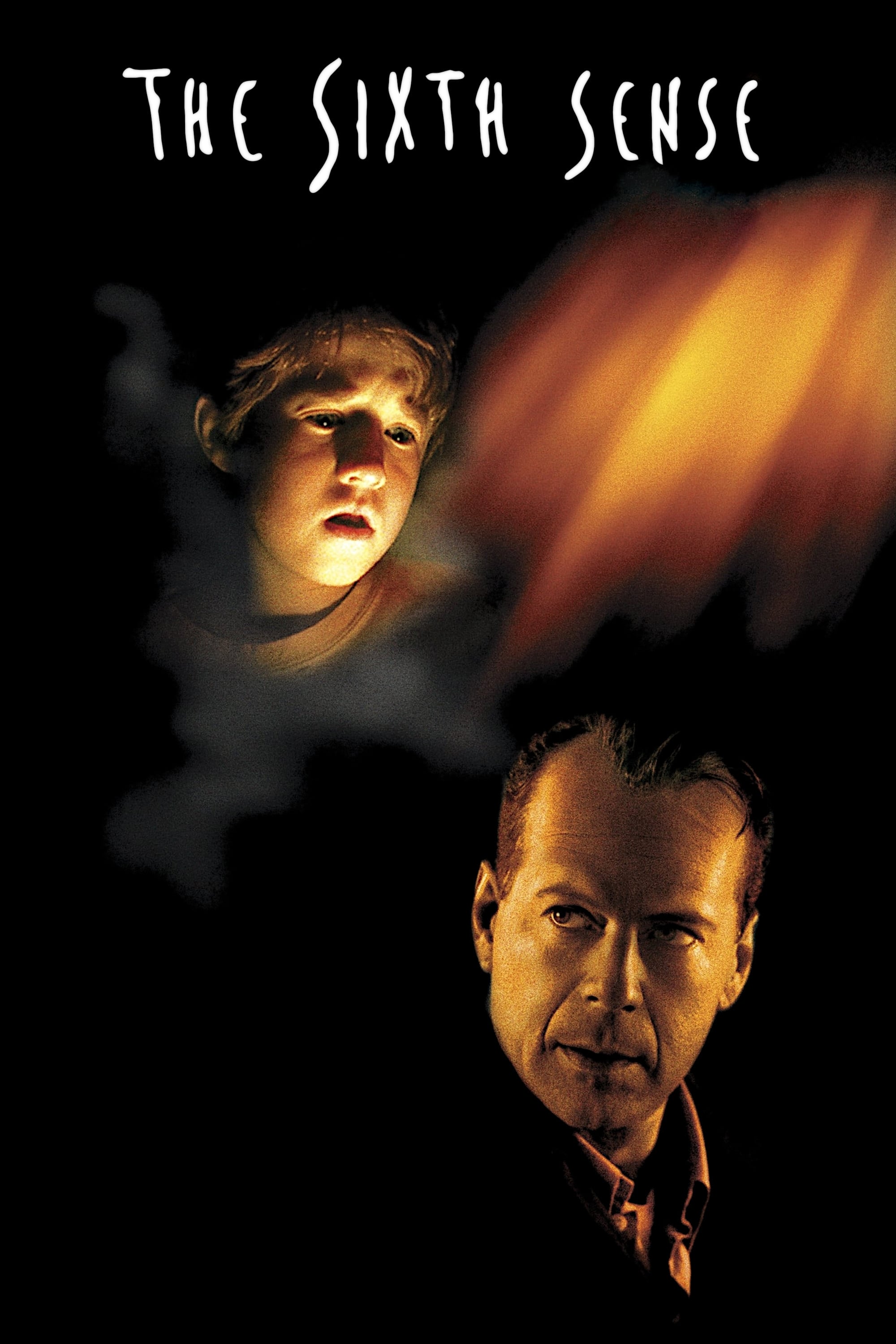
From the opening scenes, visual cues isolate Malcolm from the living—doors that won’t open, a persistent cold, and a color motif that links red to moments when the spirit world intrudes. The film establishes rules for how ghosts perceive reality through Cole’s descriptions, letting audiences retroactively apply those rules to Malcolm. Rewatching, you’ll notice how other characters rarely acknowledge Malcolm directly, reinforcing the twist without stating it. The final reveal functions as the logical endpoint of those early, consistent signals.
‘Fight Club’ (1999)
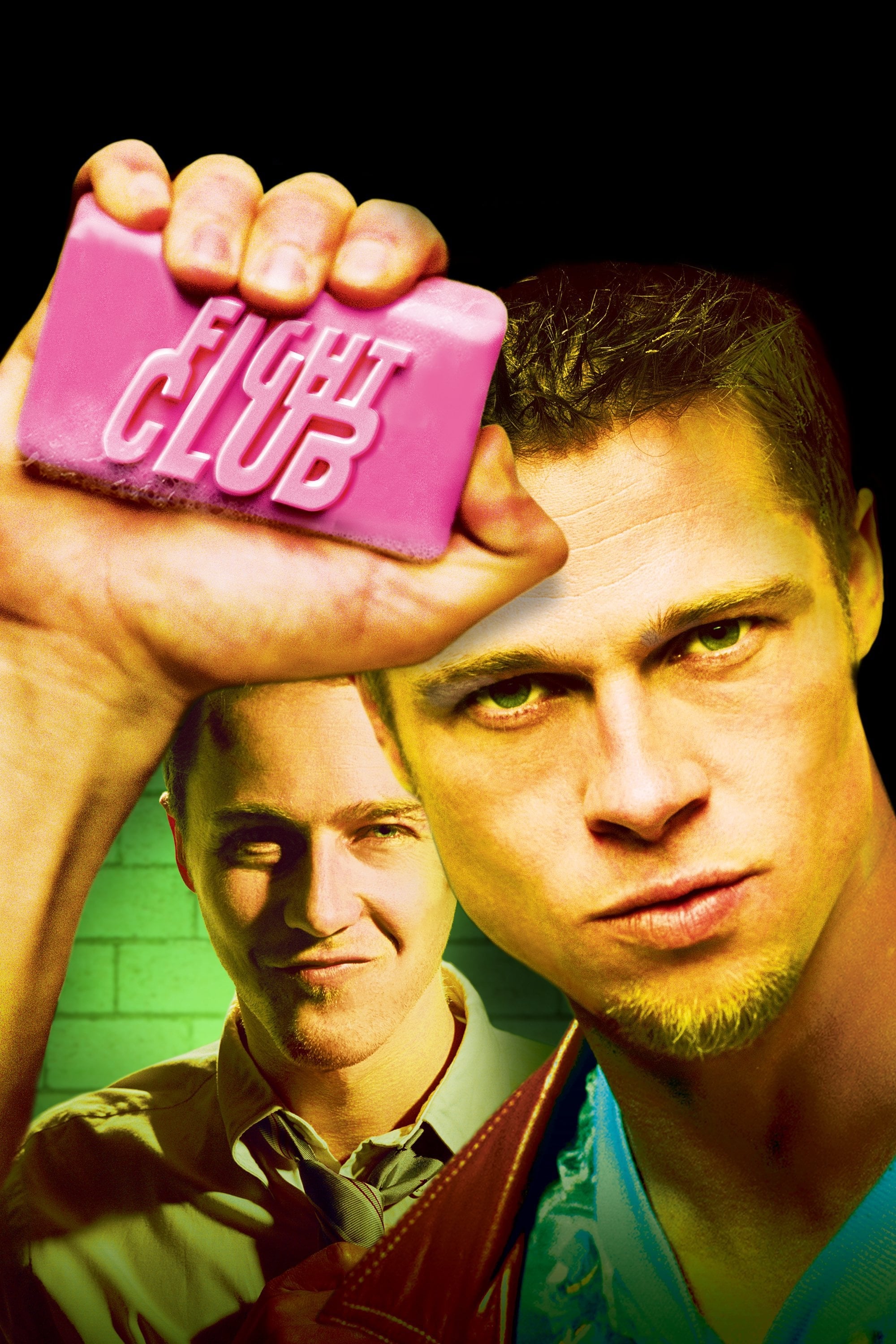
Early flashes of Tyler Durden on single frames, overlapping wardrobes, and shared injuries hint that the Narrator and Tyler are the same person. The story sets up insomnia and dissociation as practical mechanisms that explain missing time and erratic behavior. Side characters respond to “Tyler” and the Narrator interchangeably, a behavioral breadcrumb trail the film never undercuts. The confrontation in the high-rise pays off the accumulated evidence by aligning every oddity with one identity.
‘Back to the Future’ (1985)
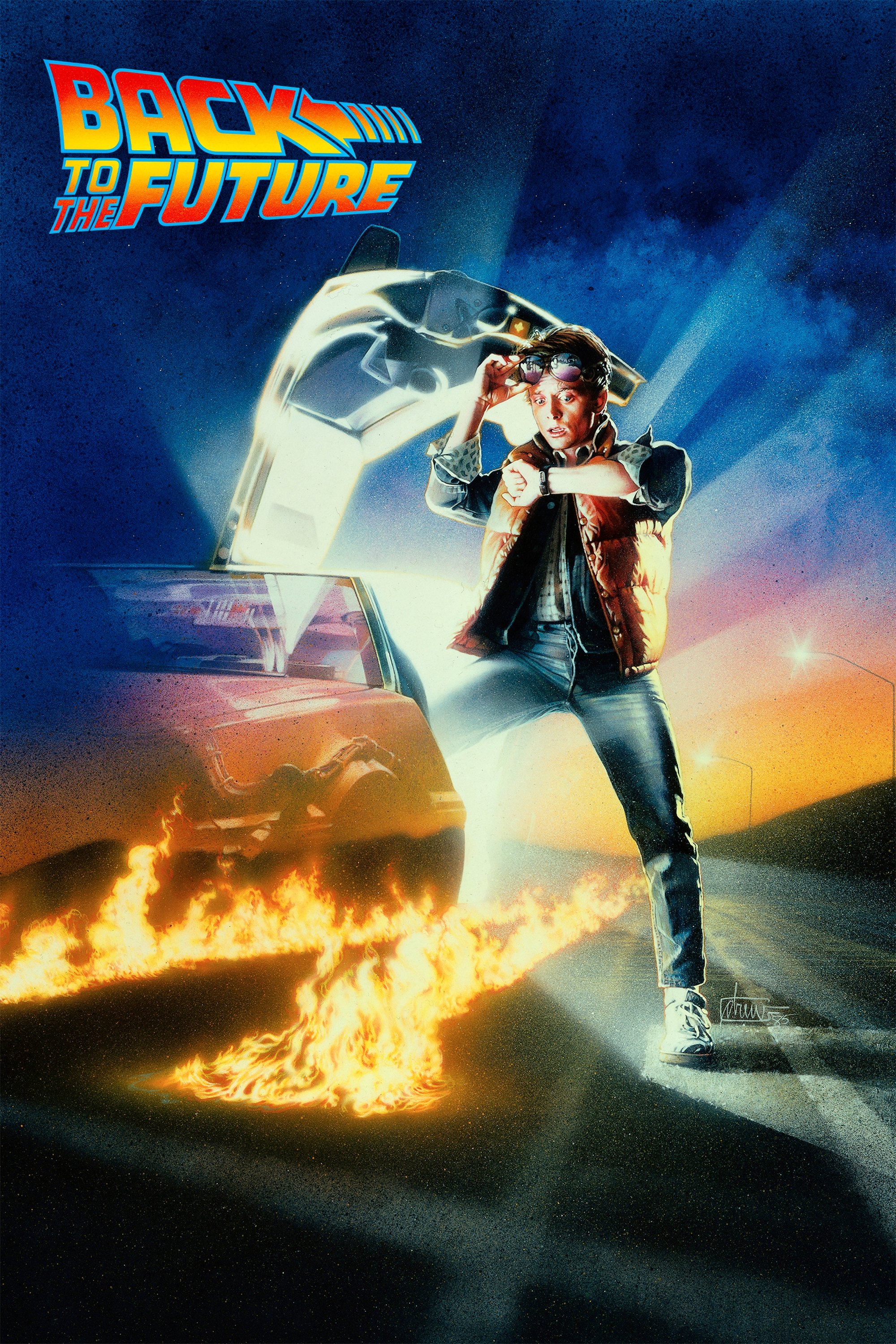
The opening clocks, Doc’s voicemail, and Hill Valley’s clock tower fundraising can all be mapped directly to the lightning-strike solution. Exposition about 1.21 gigawatts and the DeLorean’s speed requirement turns into a checklist the finale must satisfy. Marty’s skateboarding, established early, becomes the model for his late-movie chase improvisation. The payoff lands because the story carefully introduces every tool—location, timing, and capability—before deploying them in concert.
‘Shaun of the Dead’ (2004)
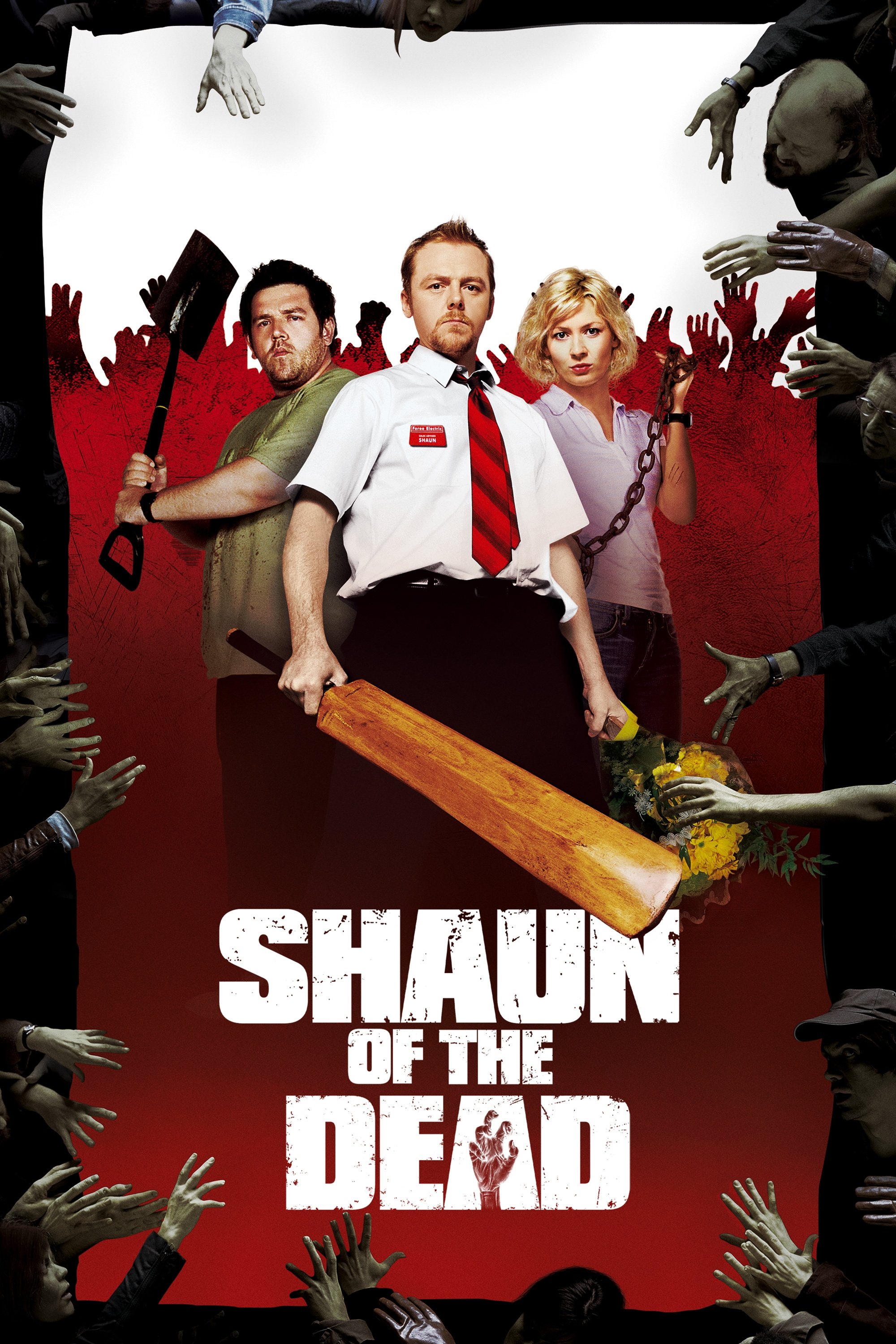
A throwaway “plan” in the pub outlines the entire plot in order, converting casual bar chatter into a structural roadmap. Background news reports and visual gags train the audience to notice repeated details that later become tactical knowledge during the outbreak. Shaun’s social routines, like the walk to the corner shop, are mirrored after the catastrophe to highlight change and enable comedic problem-solving. The final stand at the Winchester pays off that blueprint beat by beat.
‘Hot Fuzz’ (2007)
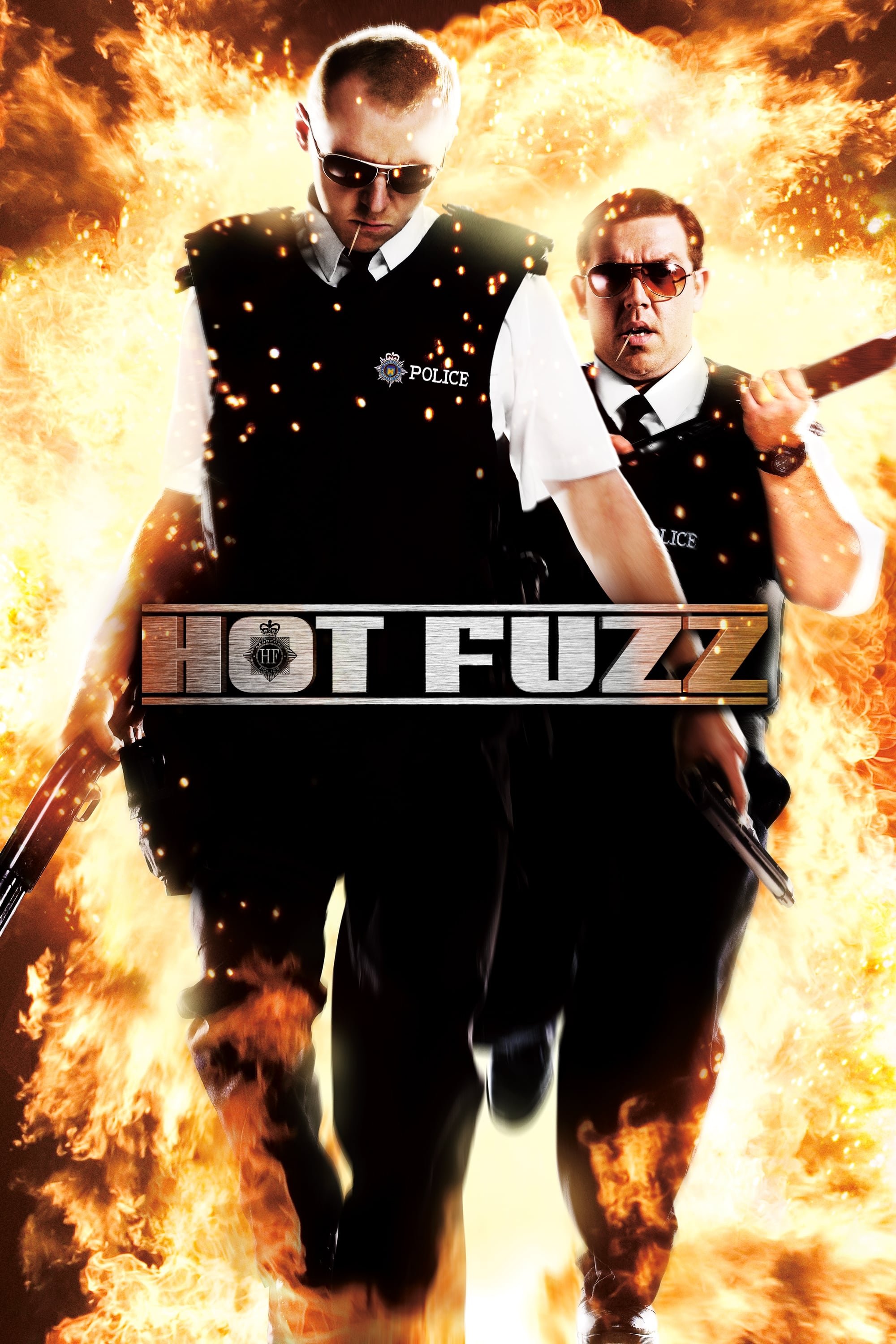
Early mentions of the loose swan, the model village, and the NWA’s obsession with “the greater good” quietly seed the village’s true power structure. Training scenes that showcase Nicholas Angel’s precise procedure foreshadow how he counters the conspirators later. Offhand lines about church spires, shortcuts, and garden shears become action beats in the third act. The climactic melee through the model village literalizes the miniature mayhem announced at the start.
‘Knives Out’ (2019)
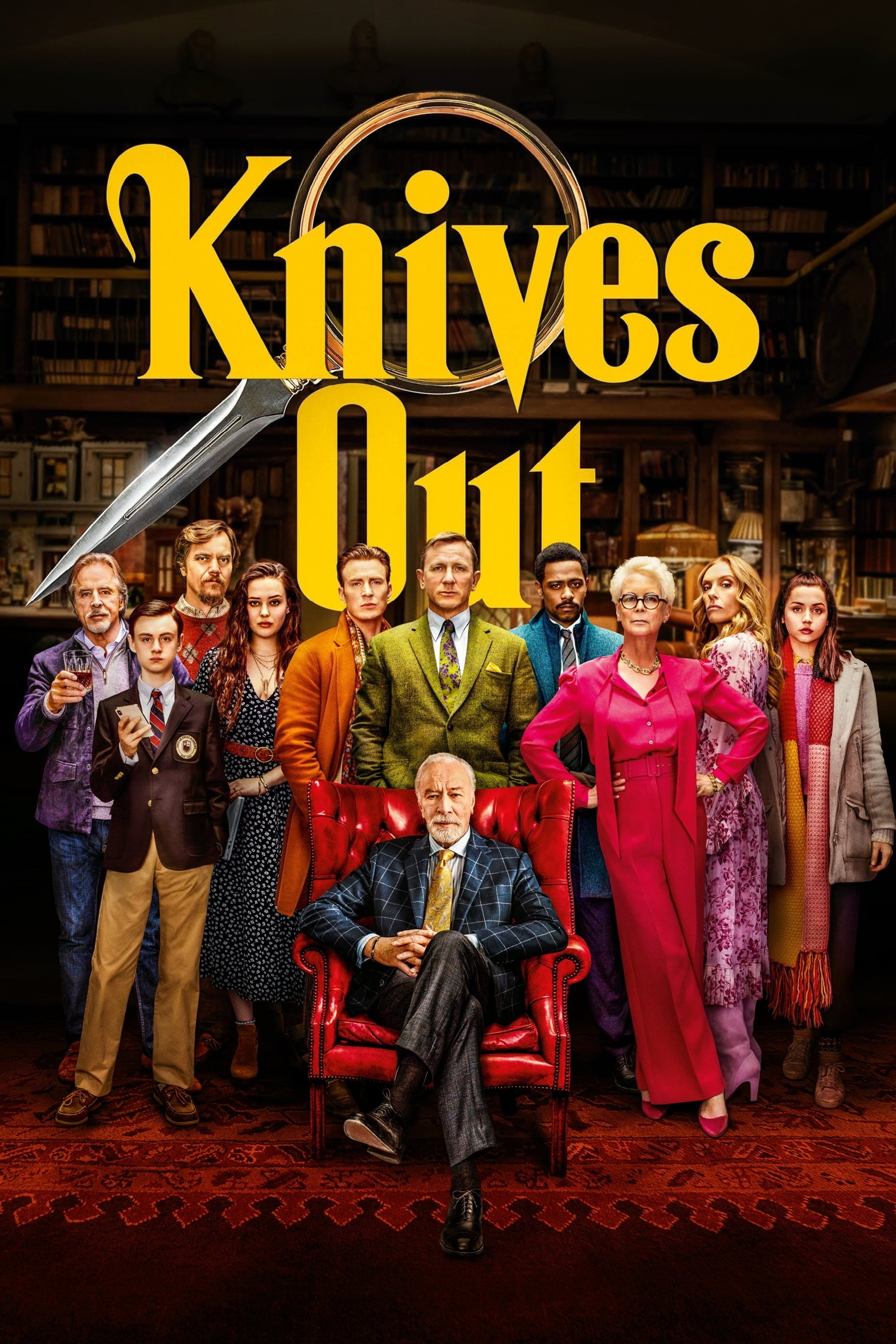
The film sets up Marta’s inability to lie without vomiting and the mechanics of the toxicology report long before the solution is revealed. Close-ups of medicine bottles, footprints in mud, and a missing piece of a staircase are introduced as routine details. Family testimony provides contradictory timelines that the story later reconciles using those planted facts. The final confrontation leverages Marta’s condition and the lab findings exactly as established earlier.
‘The Prestige’ (2006)
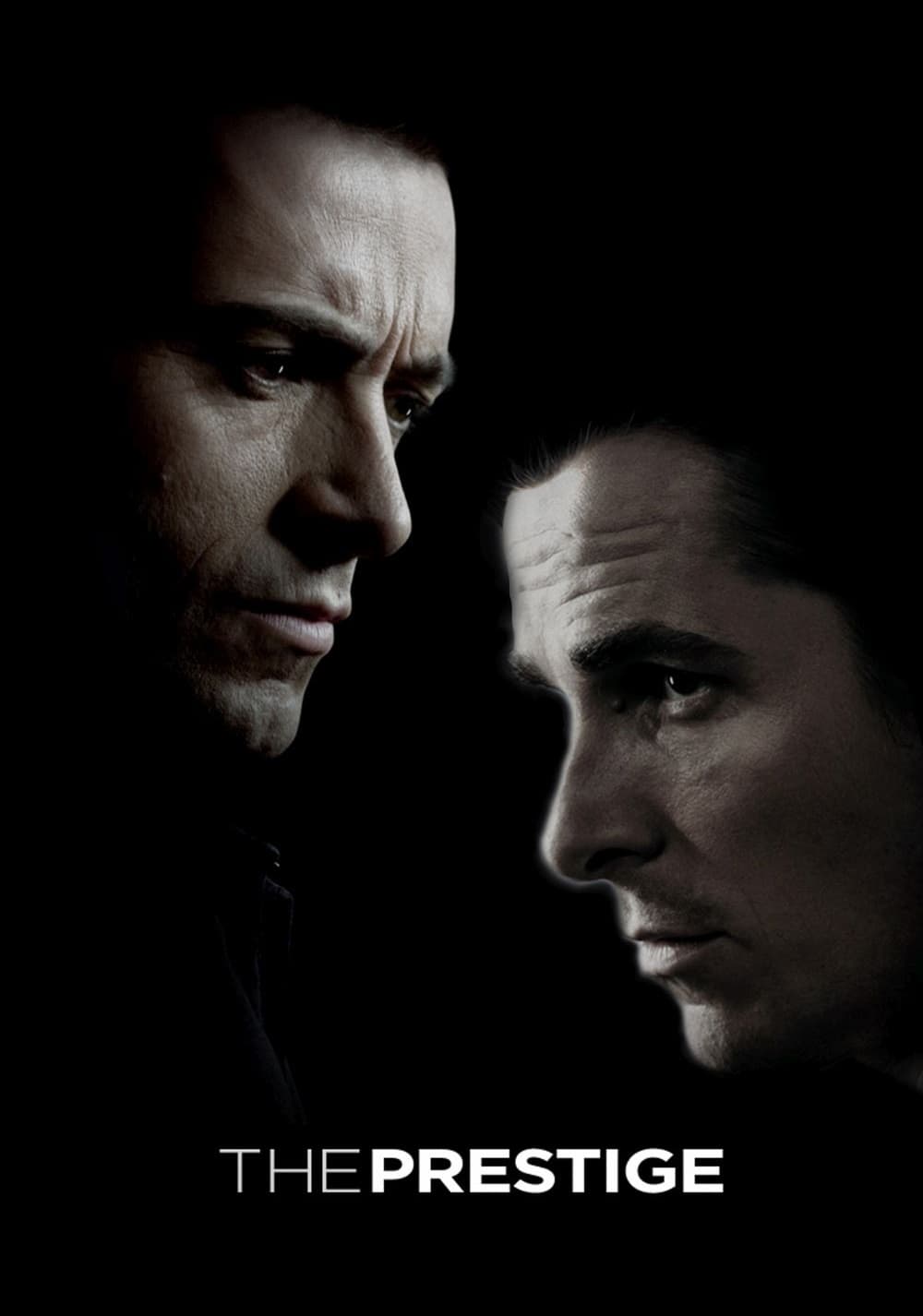
Journals, coded language, and a fixation on “the secret” orient viewers toward method rather than miracle from the start. The story repeatedly highlights doubles, aliases, and sacrificed fingers, priming the solution of a sustained twin act. Nikola Tesla’s machine is shown to produce a specific, replicable result that reshapes the rivalry’s stakes. The final reveals draw straight lines from those demonstrations and obsessions to each magician’s ultimate cost.
‘The Godfather’ (1972)
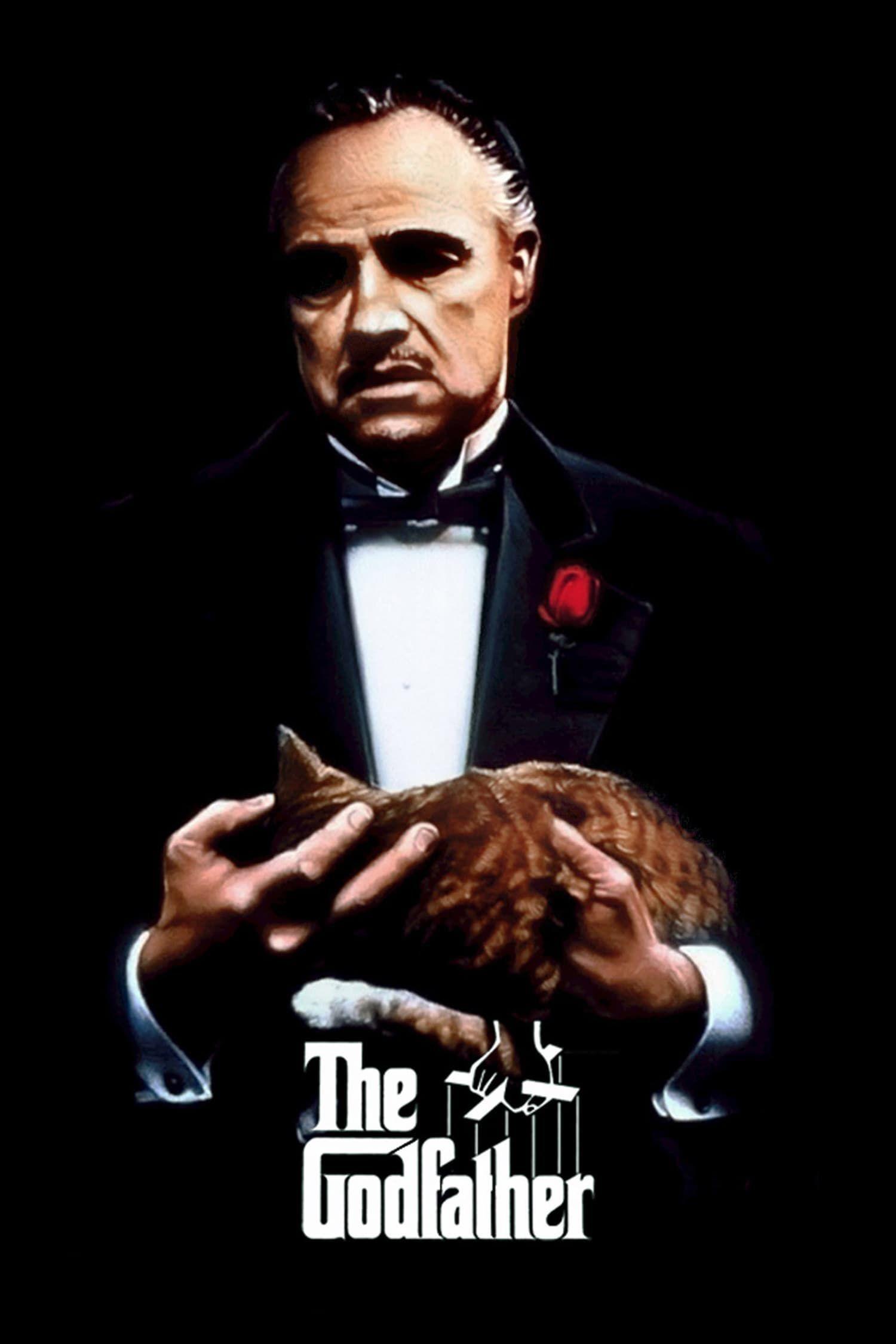
Oranges appear around characters and scenes that precede violence or death, creating a visual omen throughout the story. Michael’s calm competence is seeded in small decisions—language skills, observation, and planning—before the restaurant assassination requires them. Family councils and ritual meals establish the rules of power transfer inside the Corleone organization. The closing door on Kay pays off the earlier theme of separation between personal and business spheres.
‘Breaking Bad’ (2008–2013)
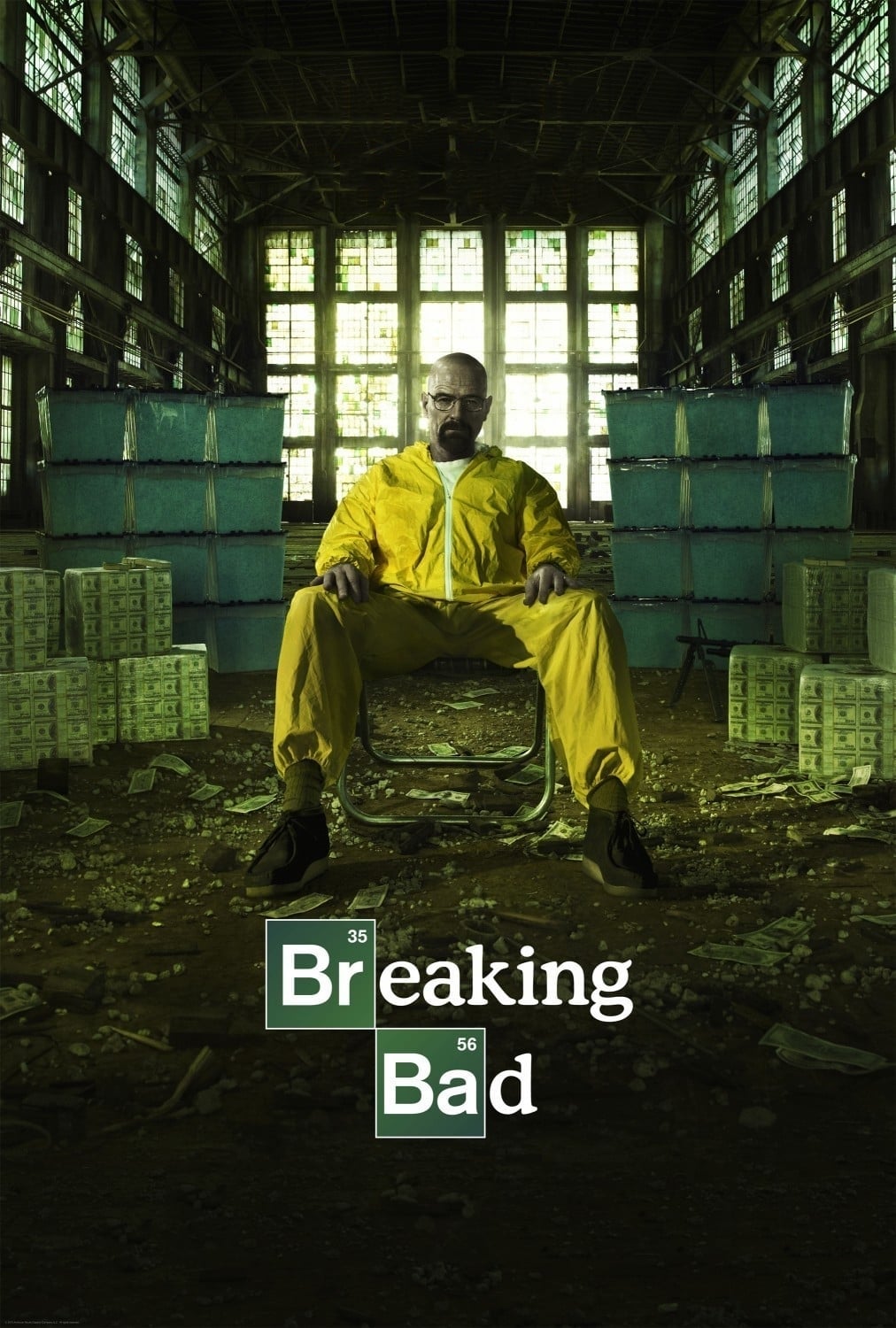
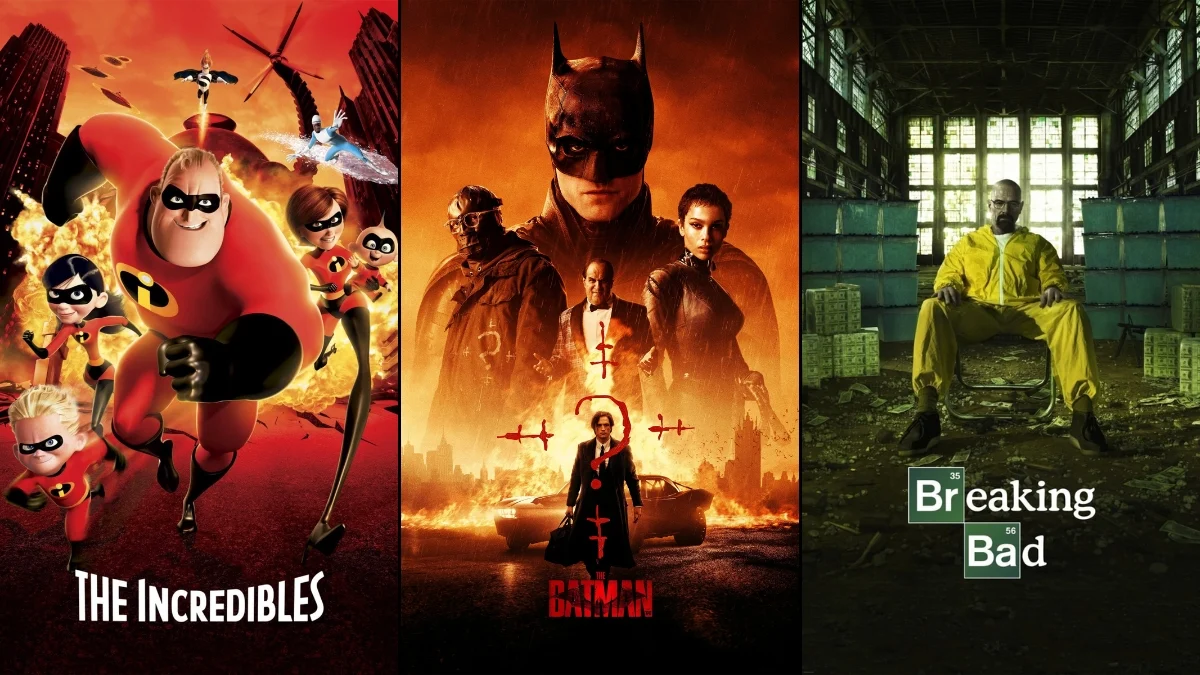
Cold opens with black-and-white bear imagery, a scorched eye, and debris quietly point to the mid-season plane crash. Chemistry lectures and improvised lab solutions foreshadow later problem-solving tactics during conflicts with rivals and law enforcement. The pink bear’s eye reappears as a totem of unintended consequences, threading episodes together. The eventual reveal of the crash’s cause maps back to a chain of choices introduced episodes earlier.
‘Game of Thrones’ (2011–2019)
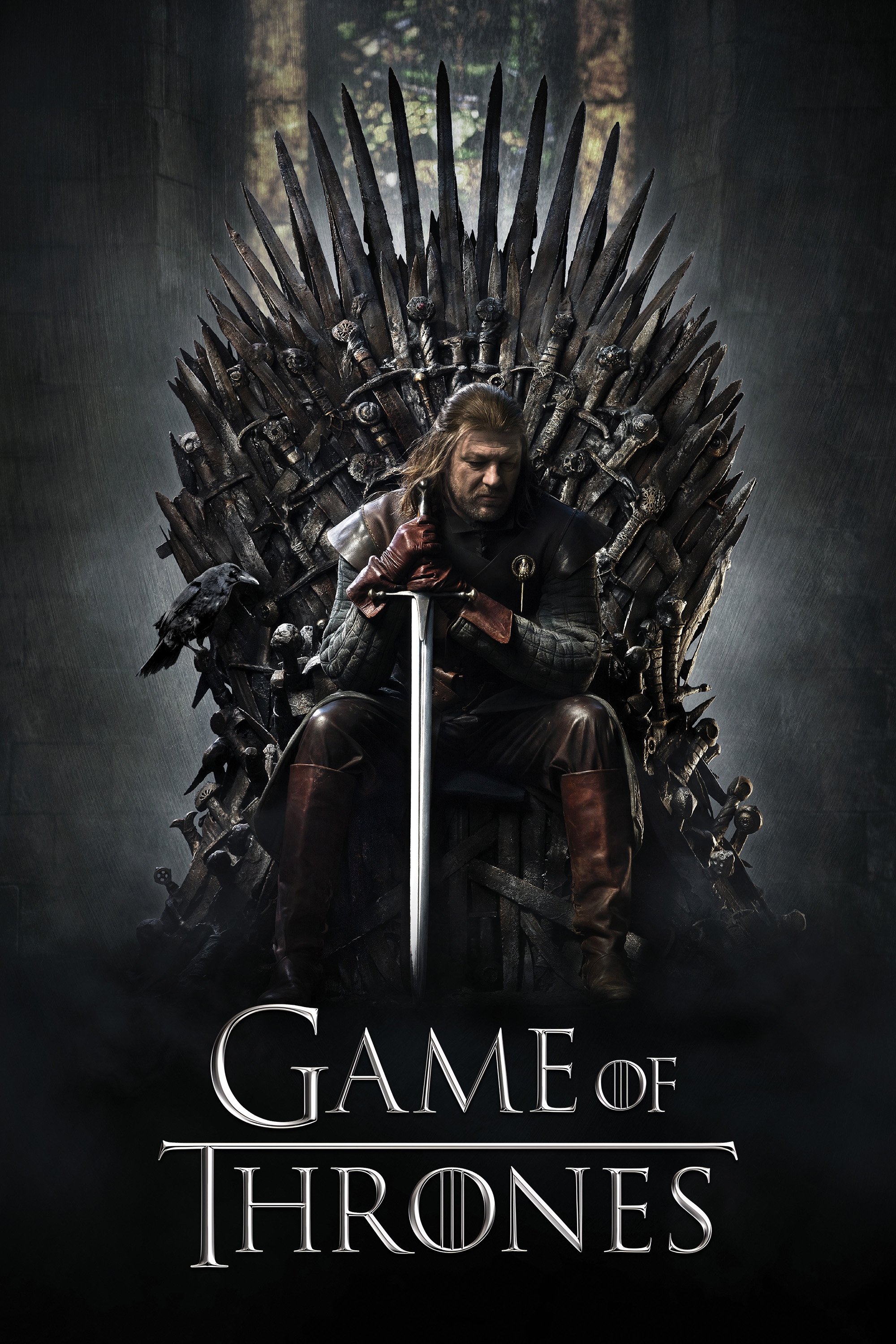
Clues about Jon Snow’s parentage are distributed through conversations, artifacts, and flashbacks, starting with Ned’s guarded promises. The properties of Valyrian steel and dragonglass are explained early to justify their later battlefield importance. Prophecies and sigils—wolves, dragons, and ravens—telegraph alliances and threats before they materialize. When confirmations arrive, they slot into a network of prior hints rather than appearing from nowhere.
‘Arrested Development’ (2003–2019)
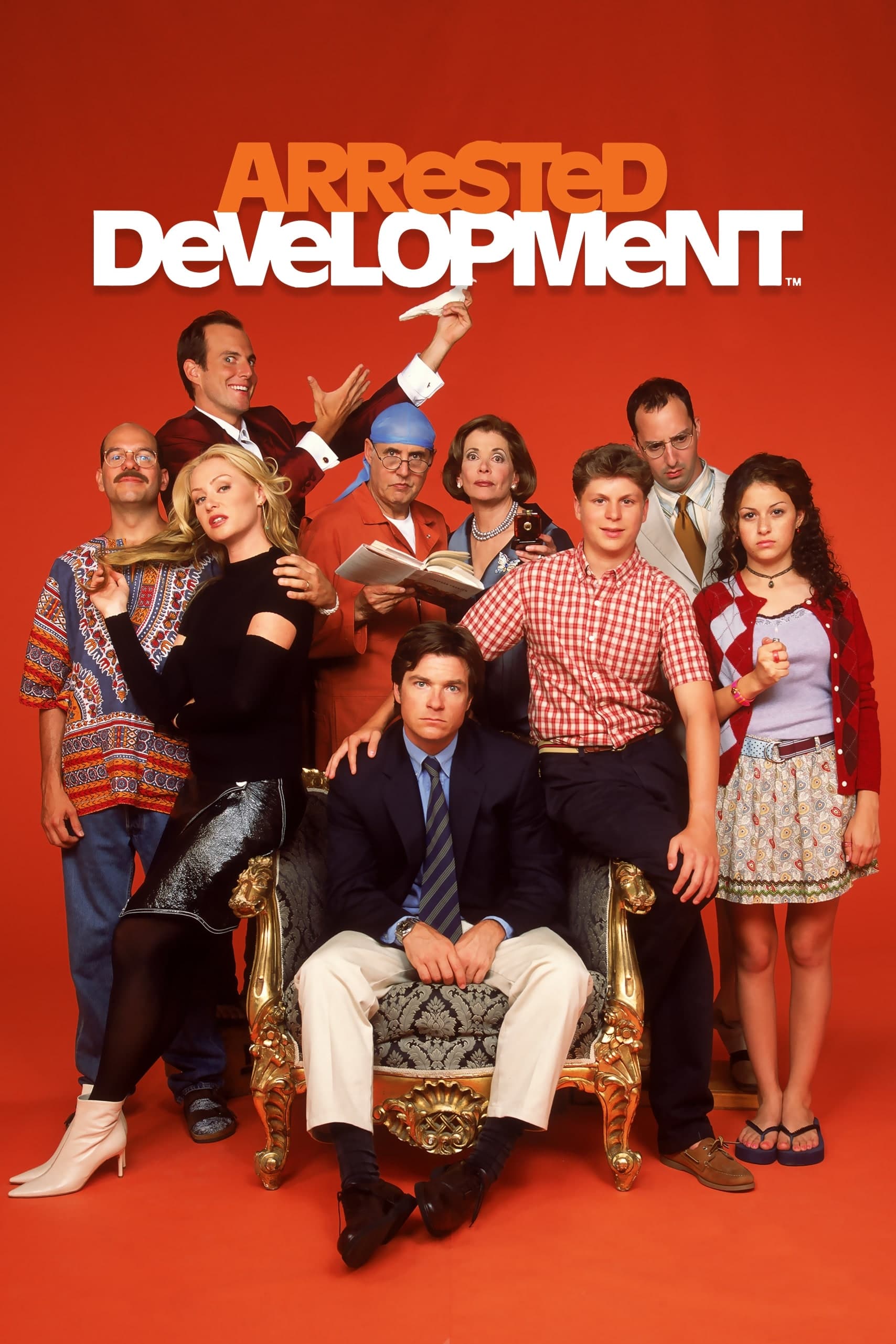
Repeated jokes about a “loose seal,” a missing hand chair, and courthouse signage foreshadow Buster’s shark encounter. Blue handprints across the model home anticipate the painterly reveal around Tobias. The show’s narration and background gags plant future punchlines in store displays, company names, and song lyrics. Payoffs work because setups are embedded as innocuous comedic clutter viewers have been trained to scan.
‘The Usual Suspects’ (1995)
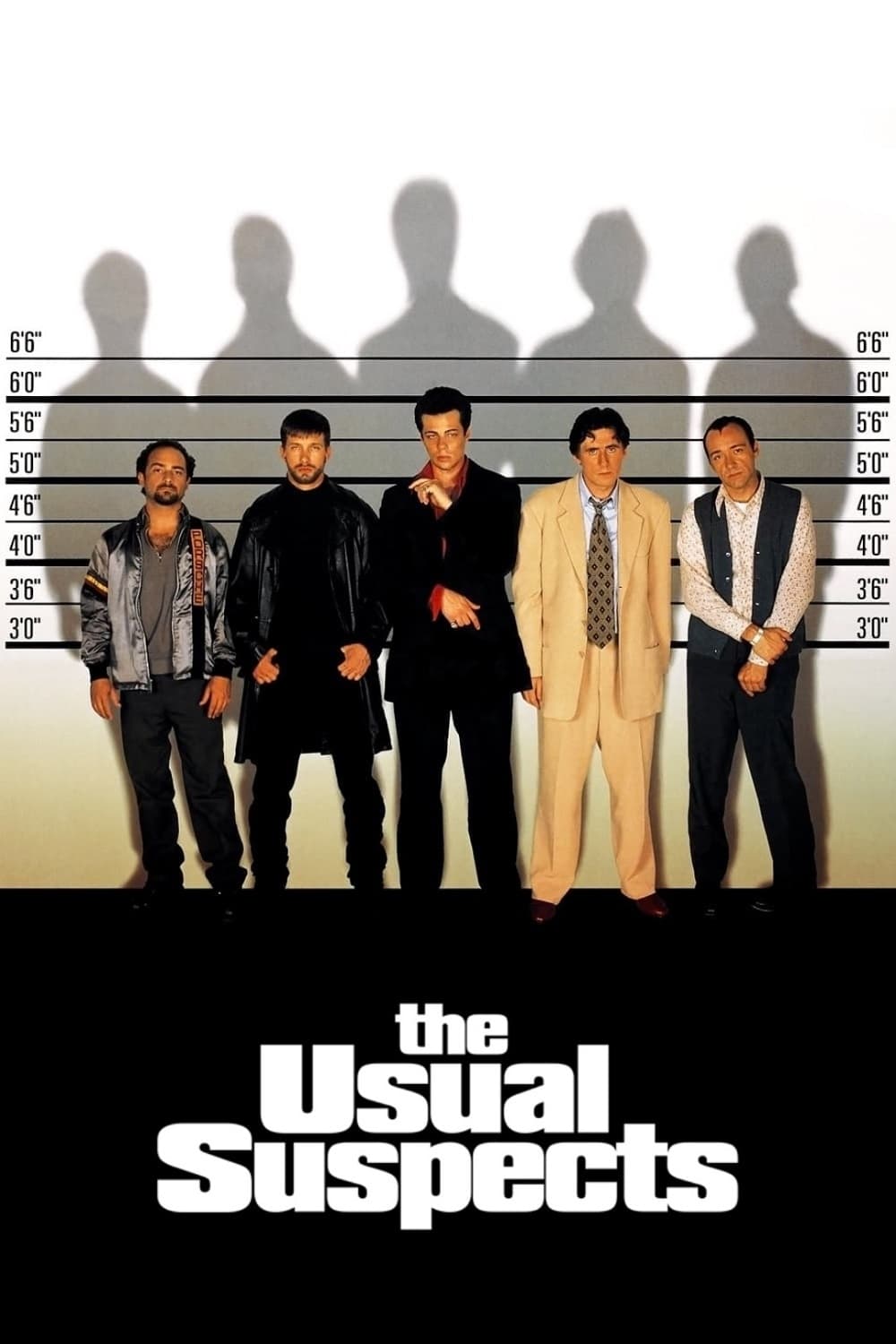
The interrogation room’s bulletin board, brand names, and map locations supply the building blocks for Verbal Kint’s story. Limping gait, coffee cups, and lighter tricks are showcased early as character details that later change meaning. Names and roles seem specific but are sourced from objects in view, converting observation into fabrication. The closing walk reframes the entire interview using those visible, previously ignored cues.
‘Hereditary’ (2018)

An early focus on miniature houses and staged rooms establishes themes of control that mirror the family’s manipulation. The nut allergy is introduced plainly and followed through with on-screen consequences that trigger the larger plot. Symbols carved into woodwork and telephone poles appear before their ritual significance is revealed. Later scenes confirm that prior events were orchestrated, validating the embedded signs.
‘Parasite’ (2019)
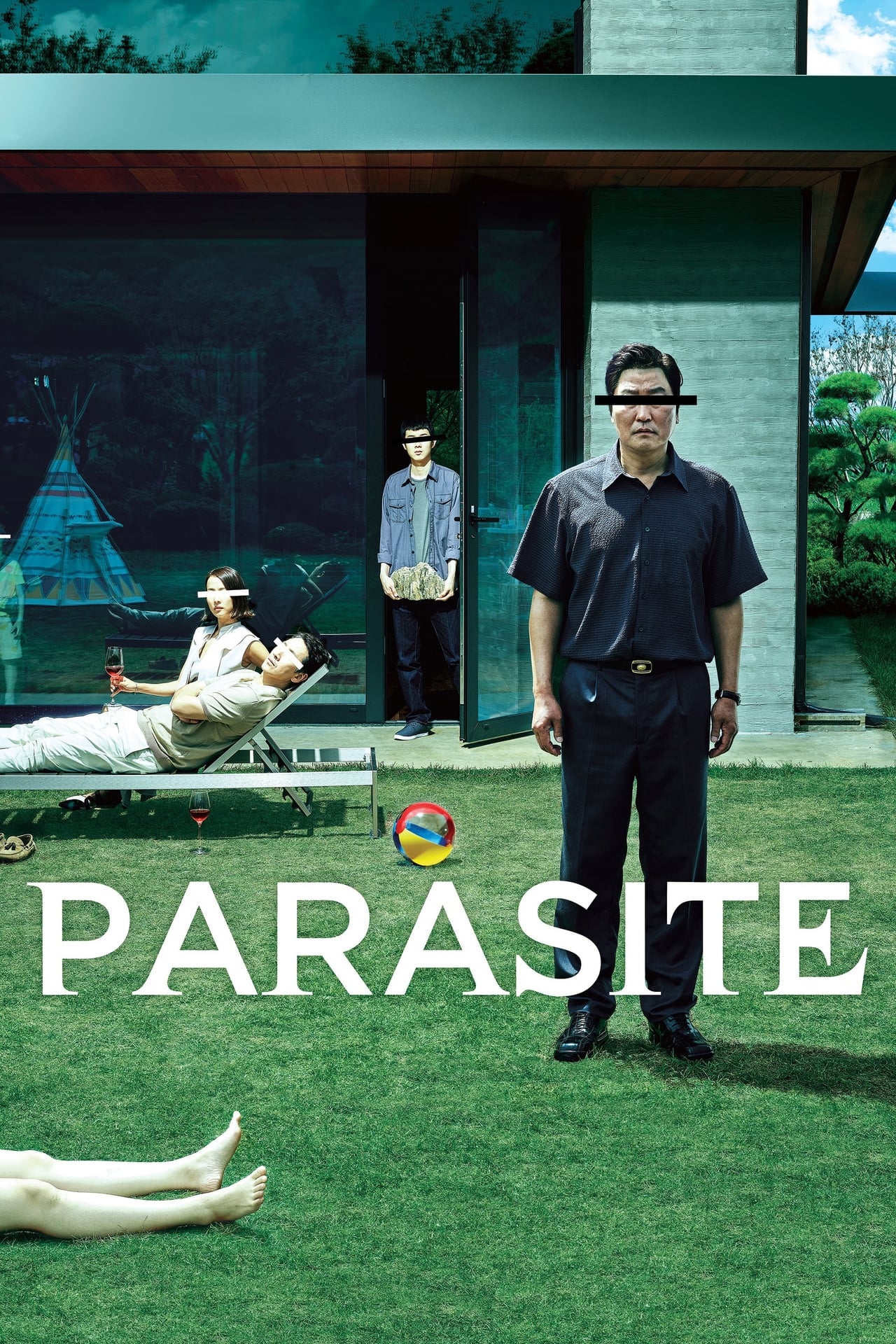
A scholar’s stone arrives as a gift and repeatedly reappears in key transitions, tying fortune to danger. The house’s architectural layout—stairs, hidden spaces, and sightlines—is mapped in detail early. Discussions about smell and class mark invisible boundaries that later govern character movement in the home. The basement discovery fulfills earlier references to the house’s secrets and the previous housekeeper’s warnings.
‘The Incredibles’ (2004)
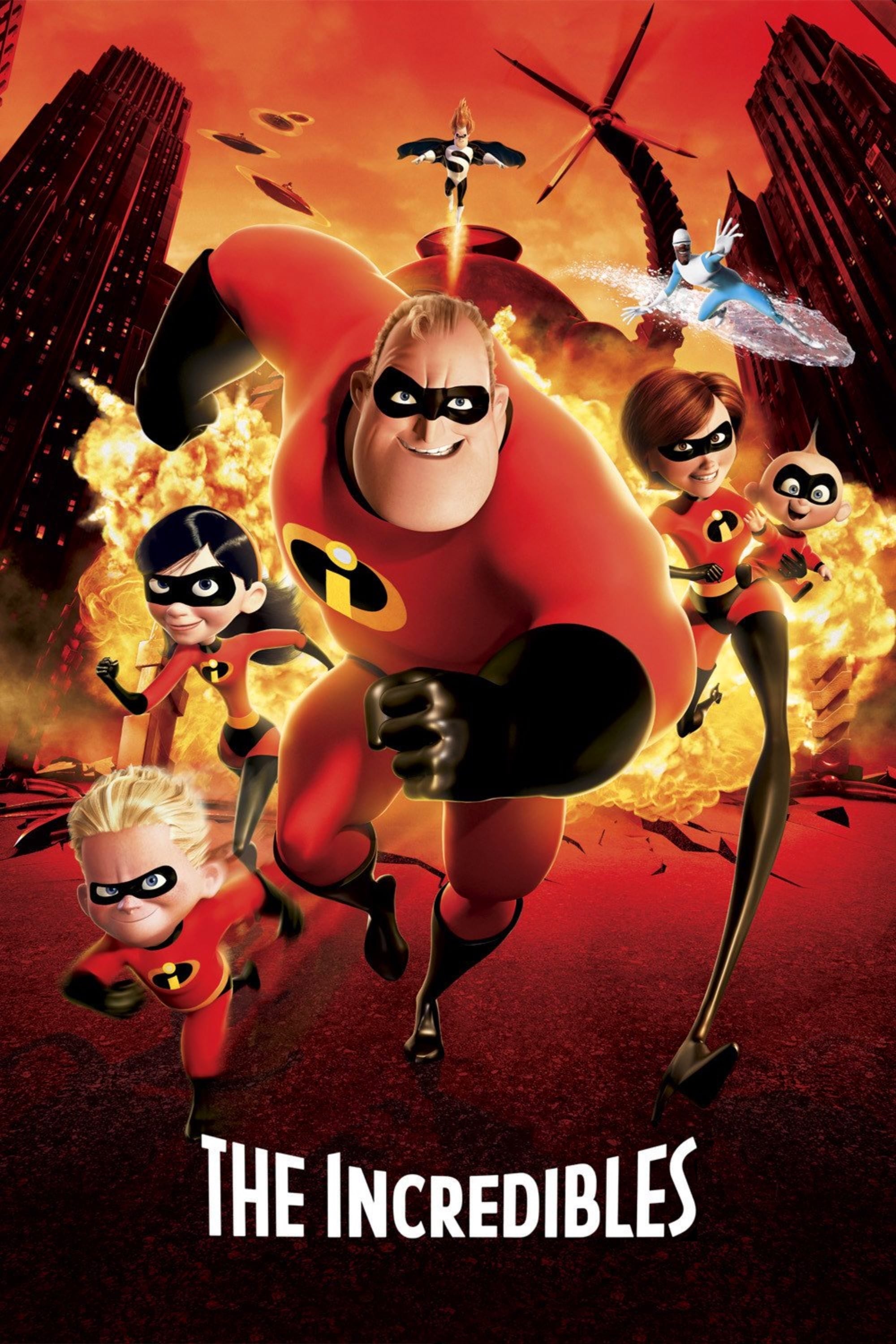
Edna’s rant about capes cites prior accidents and codifies a rule that later eliminates a villain. Syndrome’s fan history is outlined via home-video footage, establishing the motivation behind his invention program. The film demonstrates each family member’s powers in mundane settings before combining them tactically in battles. The final encounters use the same limitations and strengths introduced in those domestic scenes.
‘Se7en’ (1995)
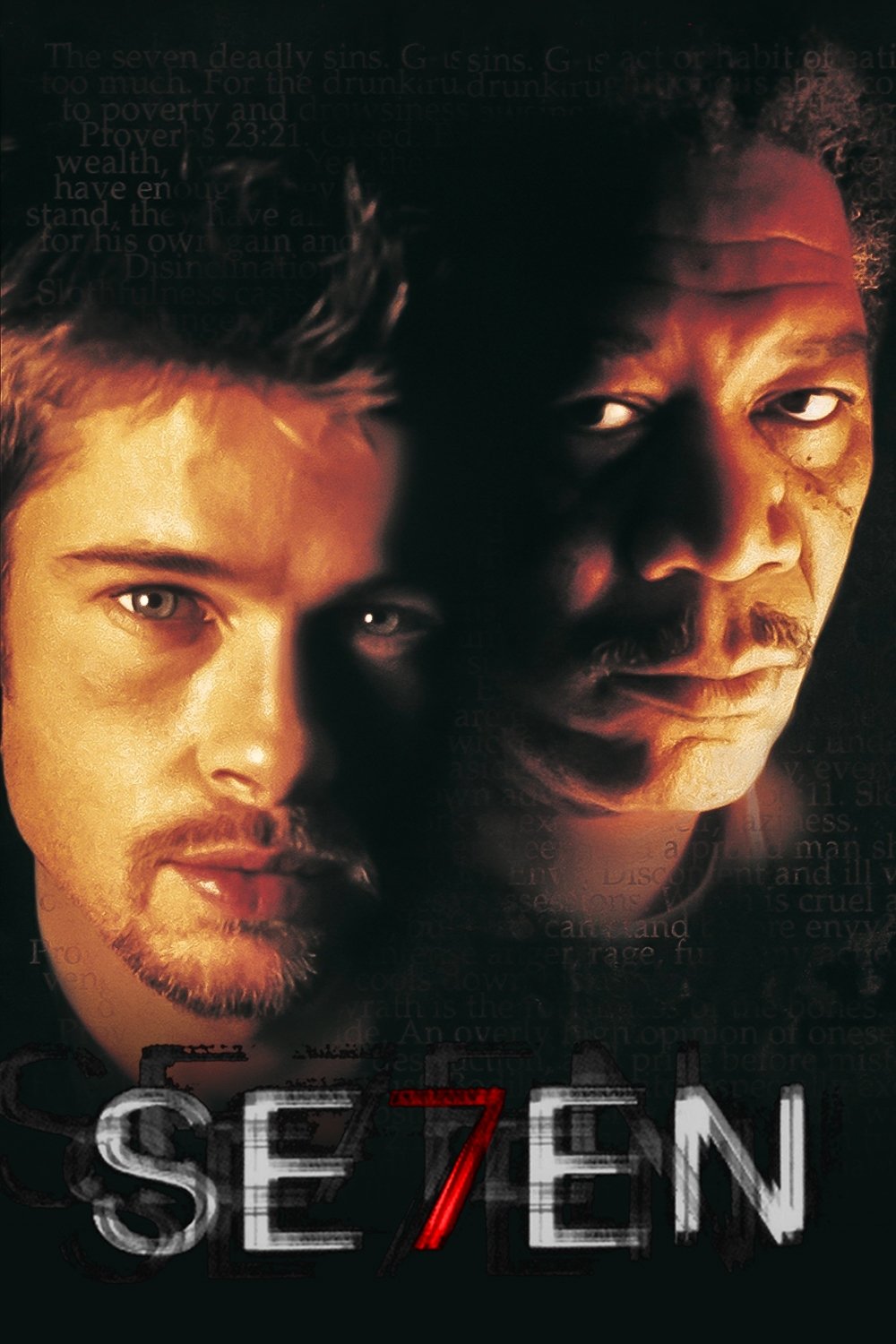
The killer’s apartment and meticulous scrapbooks preview a methodical plan aligned with the seven deadly sins. Early murders demonstrate the pattern’s rules—time investment, forced participation, and symbolic props—that continue consistently. The detectives’ philosophical debates establish the moral frame the finale exploits. The concluding delivery adheres to the established method, closing the loop on the thematic design.
‘Harry Potter and the Deathly Hallows’ (2007)

Details about wand allegiance and disarming spells, explained across earlier entries in the series, set mechanical rules for duels. The Elder Wand’s loyalty is tied to mastery through defeat rather than possession, a distinction emphasized in prior lessons. Throughout, characters exchange wands and disarm each other in ways that later become legally meaningful under those rules. The climax’s outcome follows directly from the chain of disarmings the story has carefully documented.
‘The Lord of the Rings: The Fellowship of the Ring’ (2001)
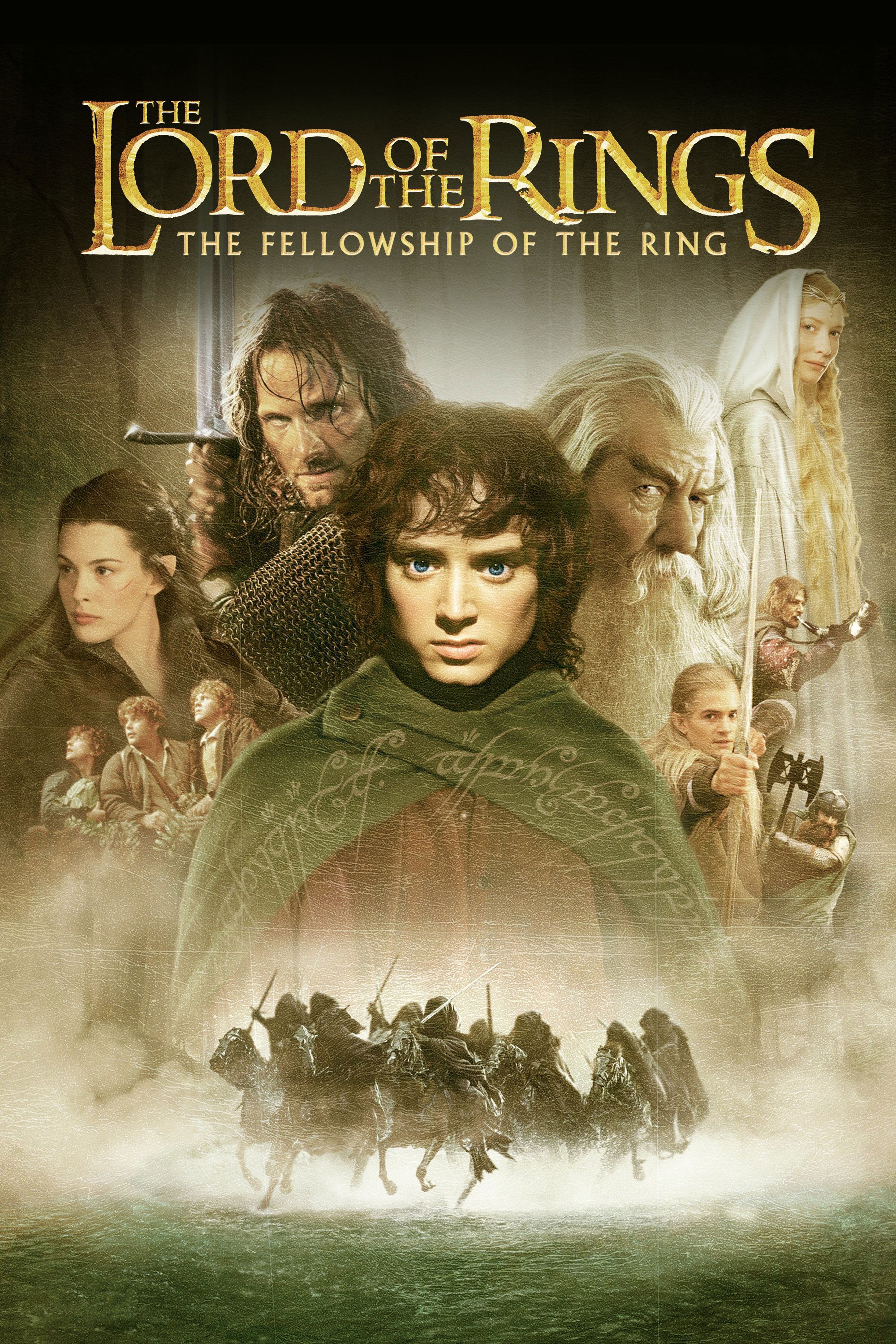
Gandalf’s insistence on mercy toward Gollum is stated early as a principle with practical consequences. The Ring’s corruptive pull is demonstrated in small temptations, setting expectations for how final decisions will play out. Maps, beacons, and paths are shown and named so later travel milestones feel pre-earned. Gollum’s survival, preserved by that mercy, becomes the decisive factor in the Ring’s fate.
‘Star Trek II: The Wrath of Khan’ (1982)
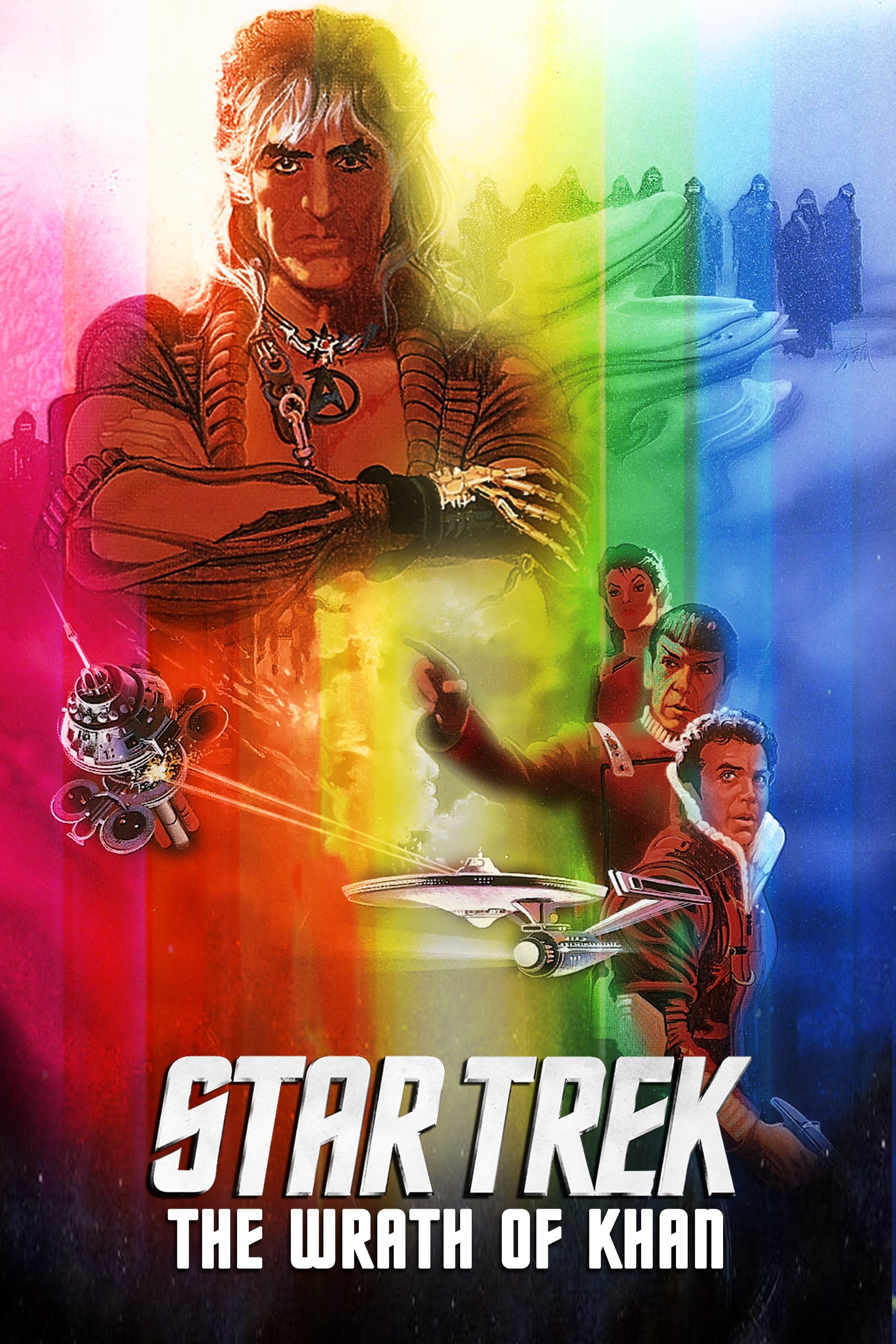
The Kobayashi Maru training exercise introduces the concept of no-win scenarios and how leaders respond to them. Dialogue about Spock’s logic and Kirk’s rule-bending sets up contrasting approaches to risk. Scientific exposition about the Genesis device establishes the technical stakes and limitations that control the climax. The final act’s solution and cost align exactly with those leadership and technology parameters.
‘No Country for Old Men’ (2007)
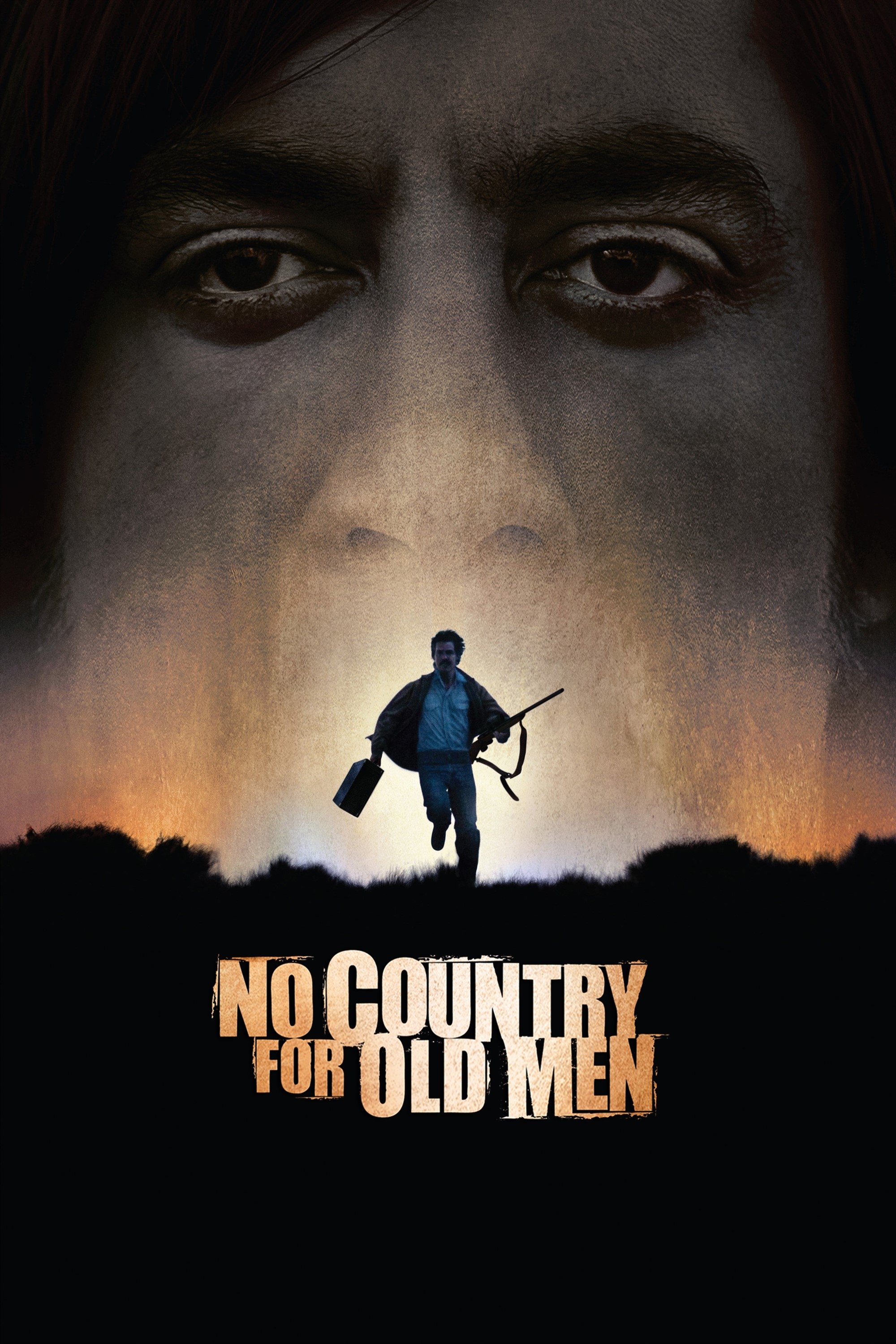
The captive bolt pistol and transponder are introduced with demonstrations that define how they will function later. Sparse dialogue previews Anton Chigurh’s rules and ritualized coin tosses, which govern multiple confrontations. Small practical details—tracking beeps, motel layouts, air ducts—become survival tools in subsequent set-pieces. Outcomes follow from those mechanics rather than arbitrary luck.
‘Inglourious Basterds’ (2009)
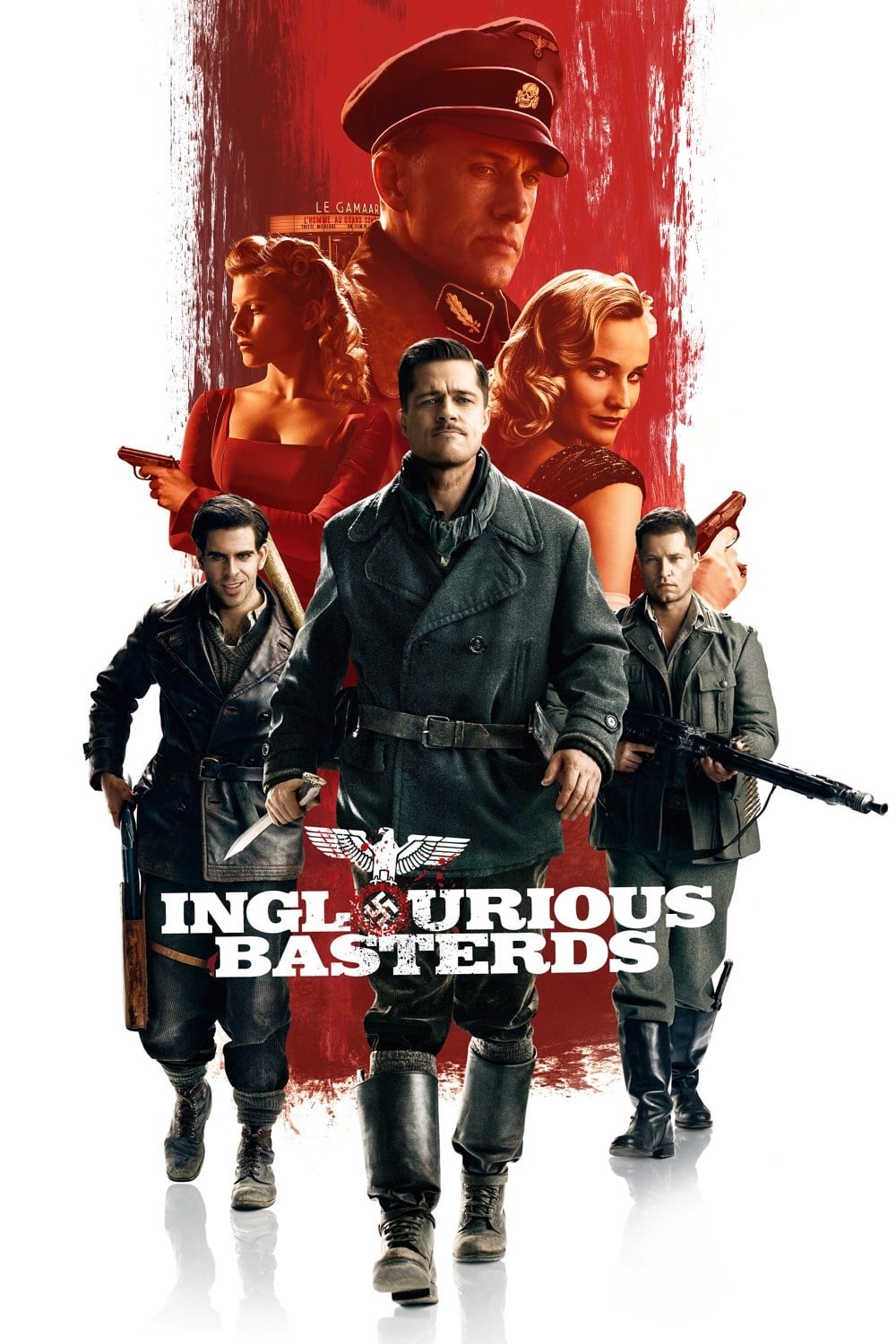
Landa’s opening milk scene links him to dairy and farms, a sensory thread revisited in later interrogations. The film spotlights shoes, handwriting, and language accents as identifiers that later expose cover stories. A nitrate film primer explains the flammability that drives the climactic plan. Every later turn—the basement tavern, the premiere—conforms to details taught in earlier scenes.
‘The Dark Knight’ (2008)
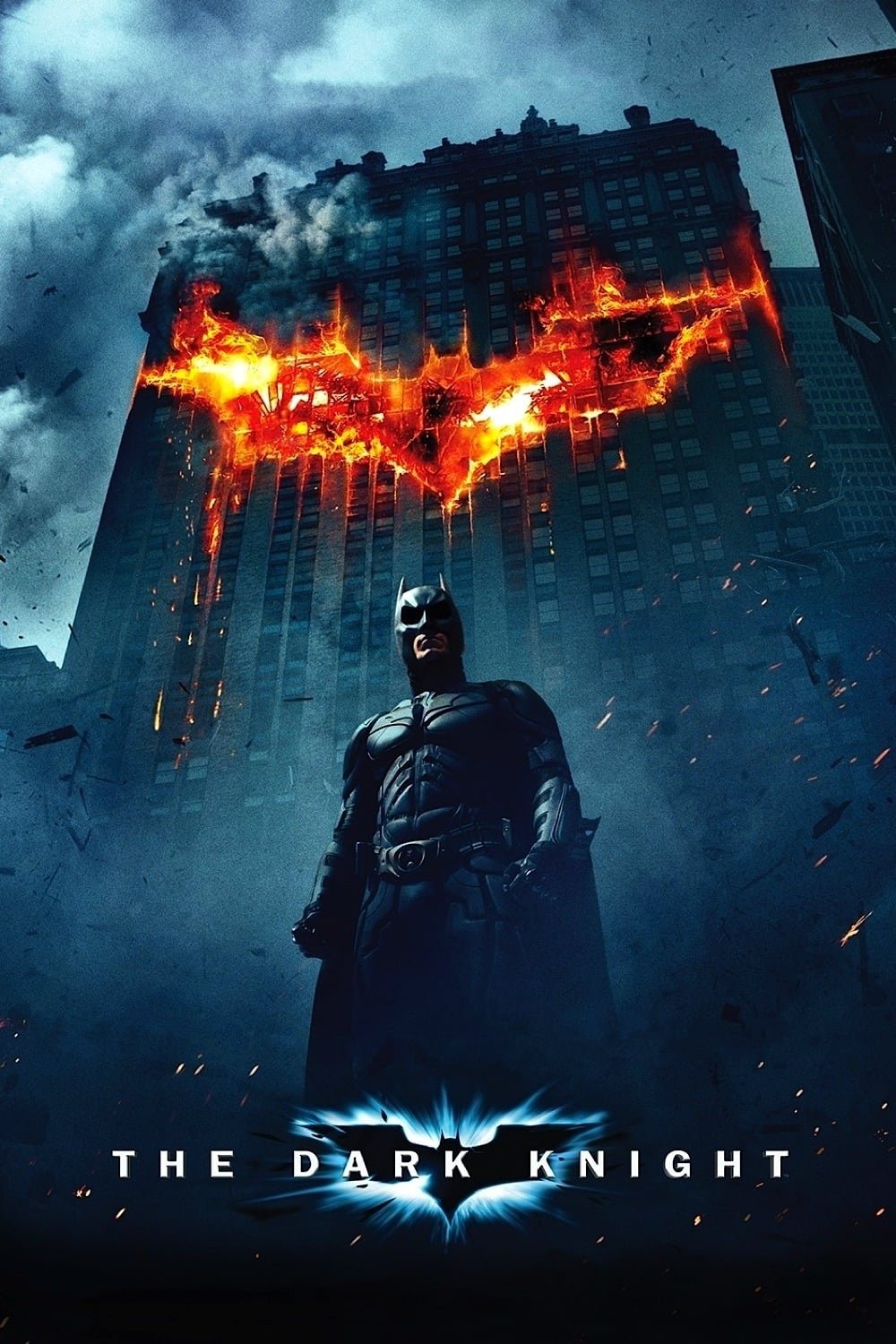
Wayne’s cellphone sonar concept is introduced as a research thread before it becomes a city-wide detection system. The graphite fingerprint trick and ballistic tests demonstrate Batman’s forensic methods that later decode Joker’s traps. Harvey Dent’s coin and courtroom habits are presented clearly, then revisited under changed circumstances. The finale’s moral test mirrors the rules and gadgets the story has already laid out.
‘Coco’ (2017)
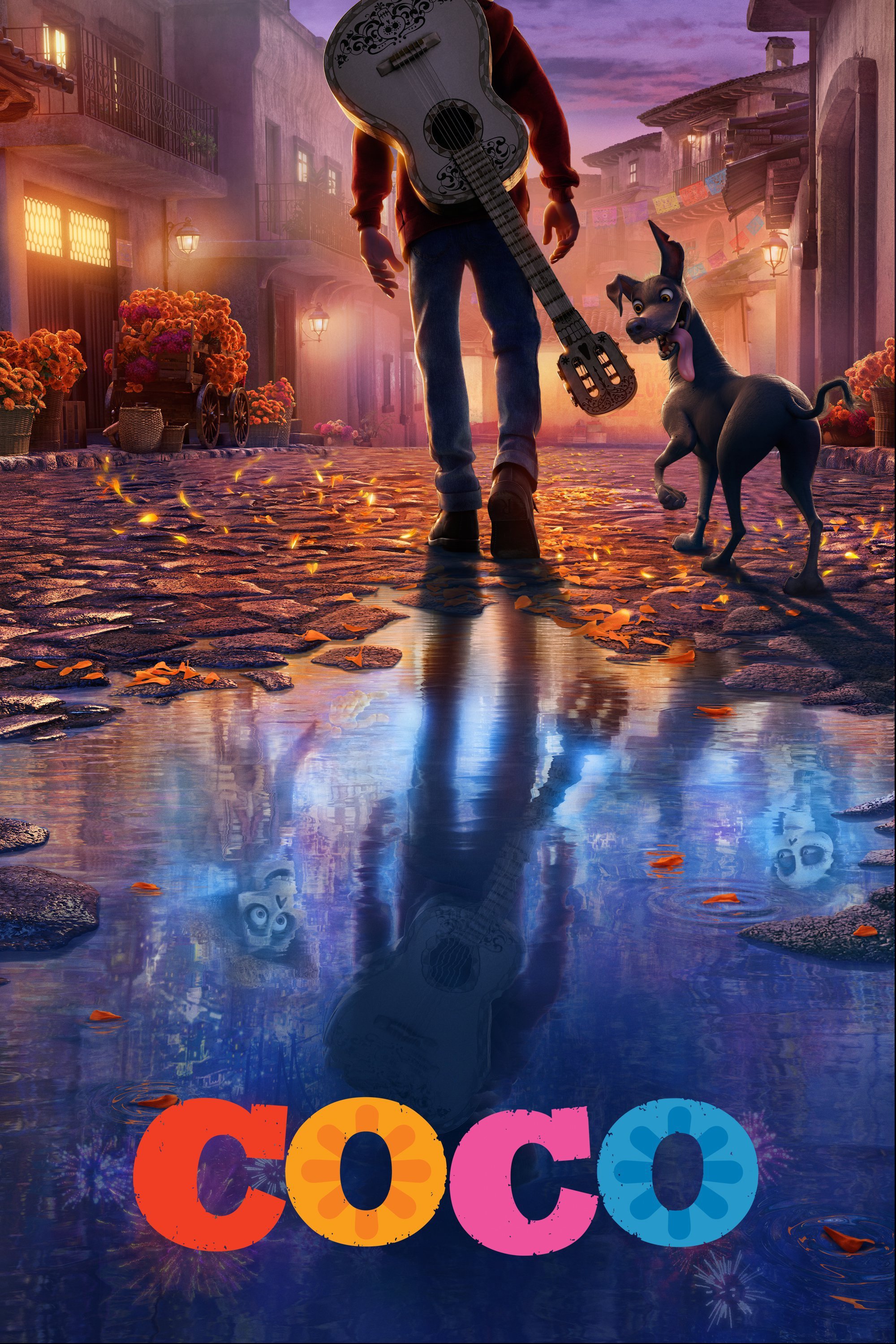
Family history is communicated through a photo with a missing face, a detail that directs the genealogical search. The origins of the song ‘Remember Me’ are discussed in conflicting accounts that the plot later reconciles. Rules about ofrendas and memory are explained early, defining how the Land of the Dead operates. The ultimate identity and motive reveal resolve those earlier discrepancies using the established cultural mechanics.
‘Rogue One: A Star Wars Story’ (2016)
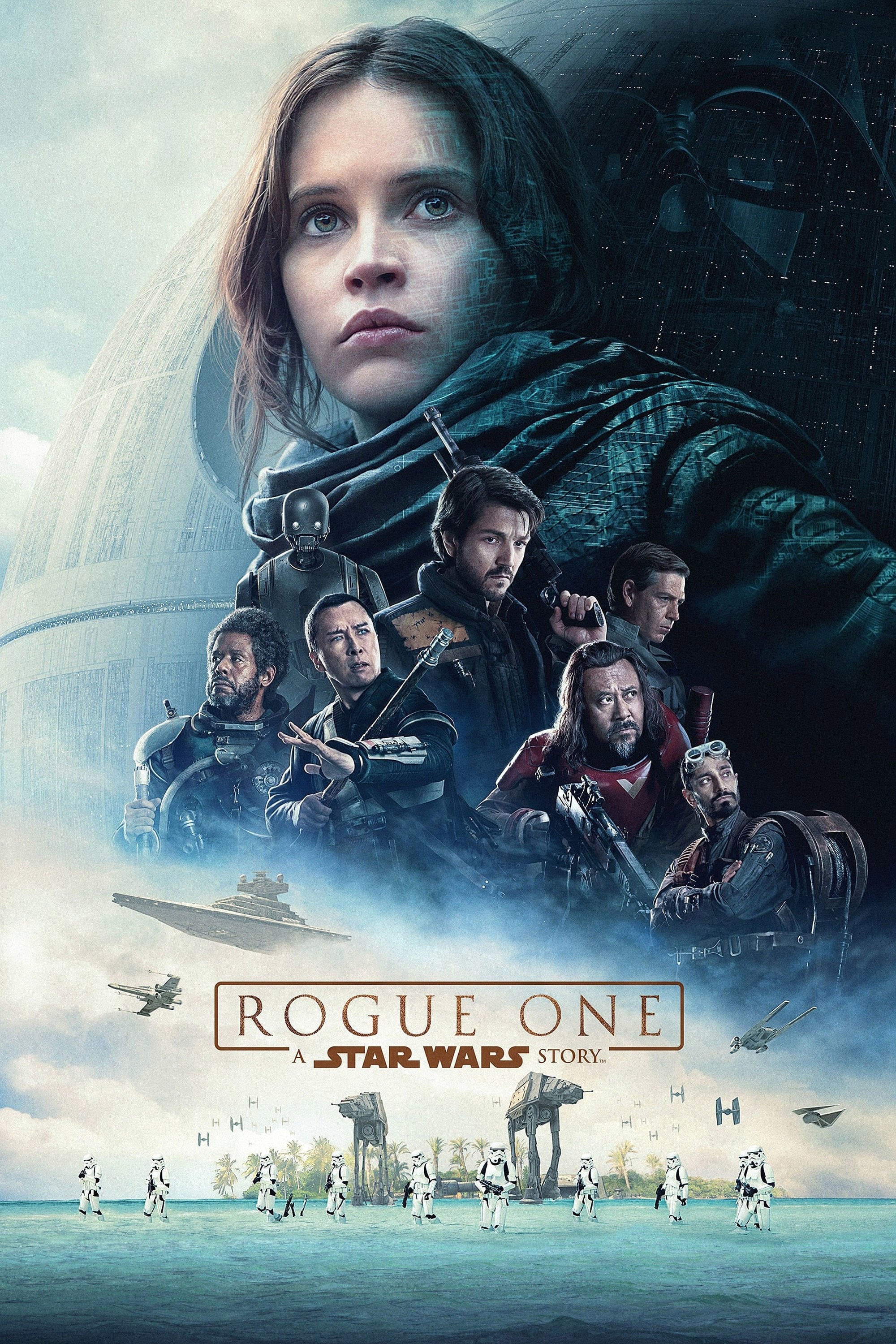
Galen Erso’s message explains that the battle station contains a deliberately engineered flaw, specifying how to exploit it. The film introduces file naming, archive storage, and antenna alignment procedures that later structure the heist. Kyber crystal discussions clarify the weapon’s power source and the importance of Scarif’s data. The transmitted schematics confirm and operationalize the flaw described at the outset.
‘The Batman’ (2022)
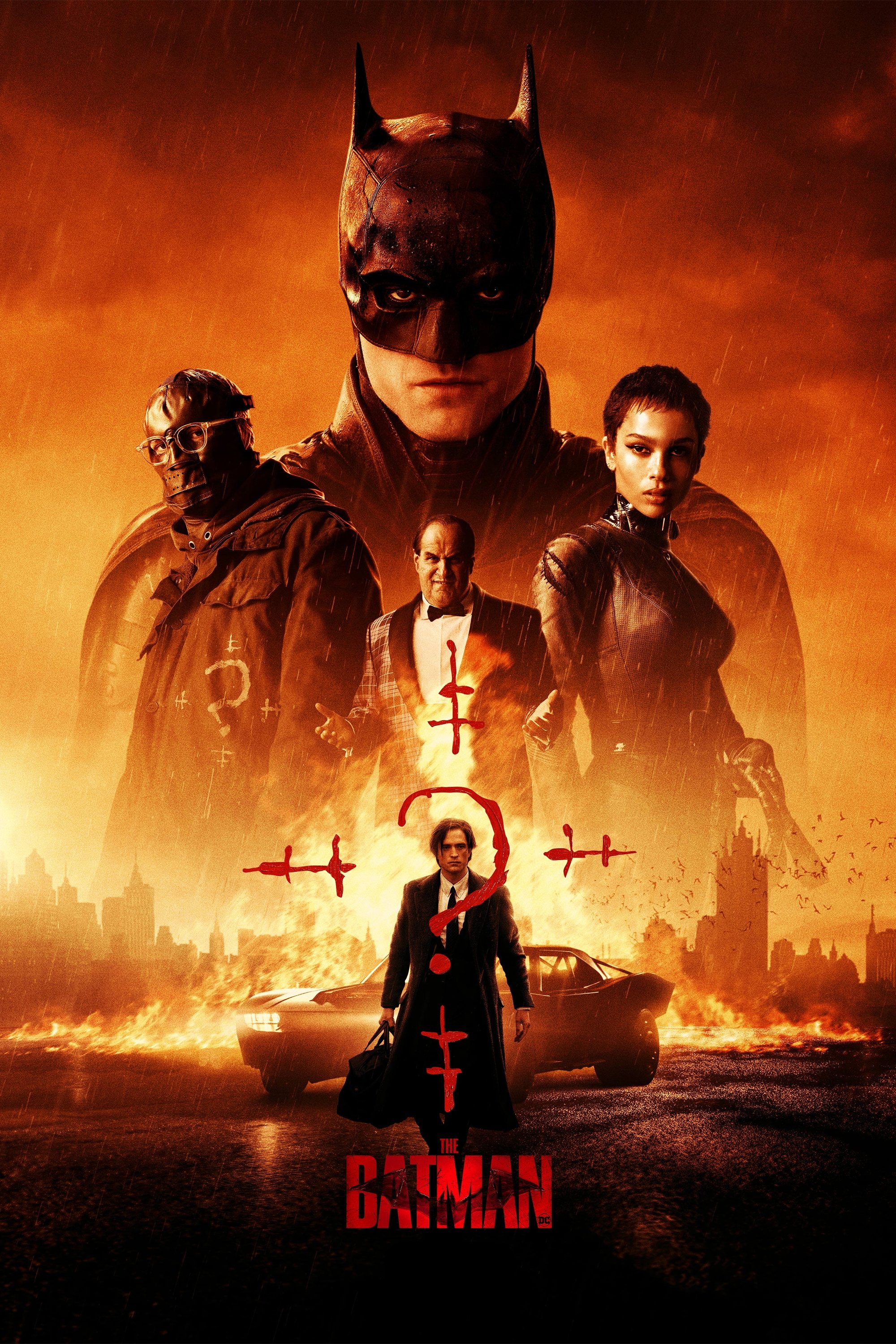
Ciphers, Spanish wordplay, and URL clues appear early, training viewers in the Riddler’s puzzle format. The story outlines Gotham’s tangled institutions—police, mafia, renewal fund—so later revelations have clear provenance. A winged-rat riddle transitions attention between suspects using previously shared criminal histories. The final flood plan references earlier geographic and infrastructure details presented in the investigation.
Share your favorite examples of clever early foreshadowing that paid off perfectly in the comments!