Nepo Baby Actors Who Ignited Fierce Backlash by Denying Their Immense Hollywood Privilege


The conversation surrounding nepotism in the entertainment industry has shifted from a whispered reality to a major public discourse, highlighting the structural advantages afforded to the children of celebrities. While some performers have openly acknowledged their family connections, others have faced intense public backlash for appearing to minimize or deny the influence of their lineage. This resistance often manifests in claims that these individuals had to work harder than their peers or that their parents’ fame played no significant role in their career trajectory. These instances have sparked widespread debate about meritocracy and the lack of accessibility within the film and television industries for those without established names.
Lily-Rose Depp
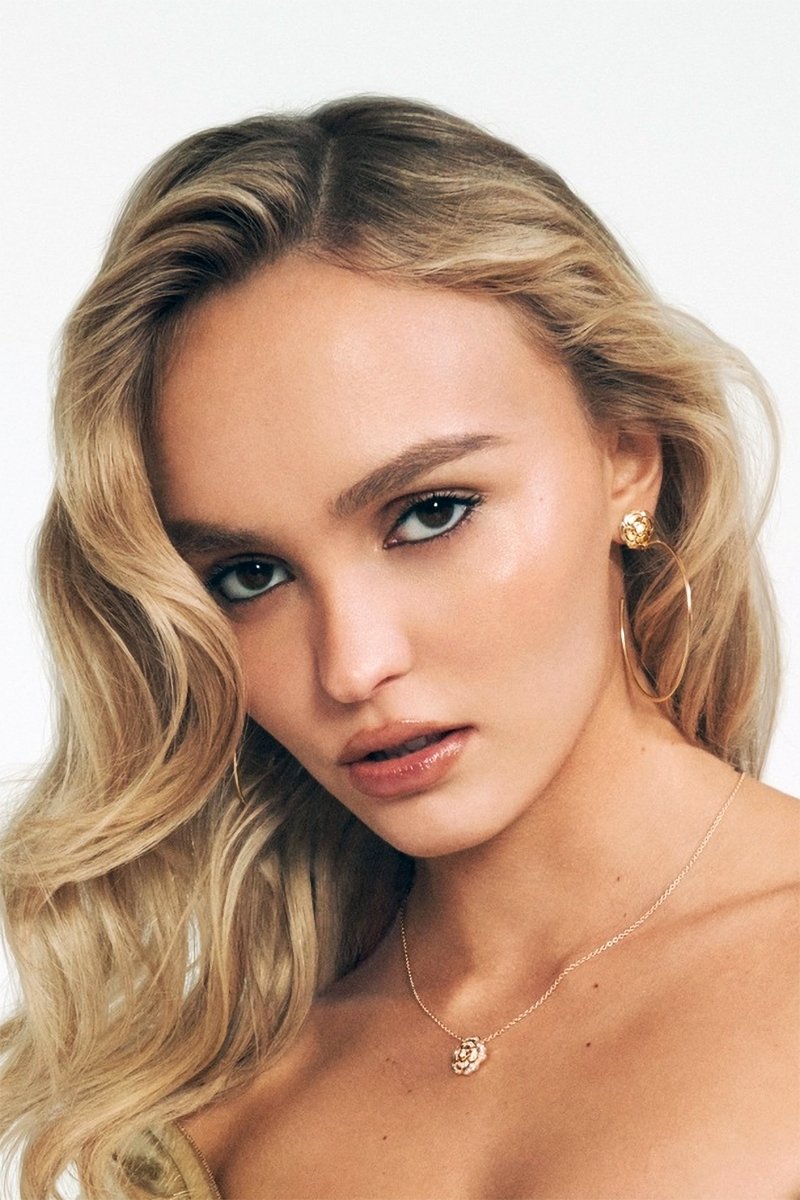
Lily-Rose Depp sparked significant controversy following an interview with Elle where she dismissed the “nepo baby” label as reductive. She argued that people who believe she is only in the industry because of her parents, Johnny Depp and Vanessa Paradis, are ignoring the work she puts into her roles. Depp compared her situation to the child of a doctor becoming a doctor, stating that the hard work must still be done by the individual regardless of their background. These comments ignited a firestorm on social media, with critics pointing out that she was cast in projects like ‘The Idol’ and ‘Yoga Hosers’ partly due to her immense visibility from birth. Her refusal to acknowledge the role of her family’s fame led to her becoming a central figure in the contemporary nepotism debate.
Maude Apatow

The ‘Euphoria’ star faced backlash after expressing her feelings regarding the nepotism discourse in an interview with Net-a-Porter. As the daughter of director Judd Apatow and actress Leslie Mann, she admitted the criticism made her feel “sad” and discouraged by the public’s perception of her career. While she acknowledged her luck, many critics felt her emotional response minimized the systemic barriers faced by actors who do not have a direct line to major productions. Public reaction focused on how her early professional opportunities were inextricably linked to her father’s films, such as ‘Funny People’ and ‘This Is 40’. Observations of her career often highlight that her talent does not negate the massive advantage provided by her family’s industry standing.
Zoë Kravitz
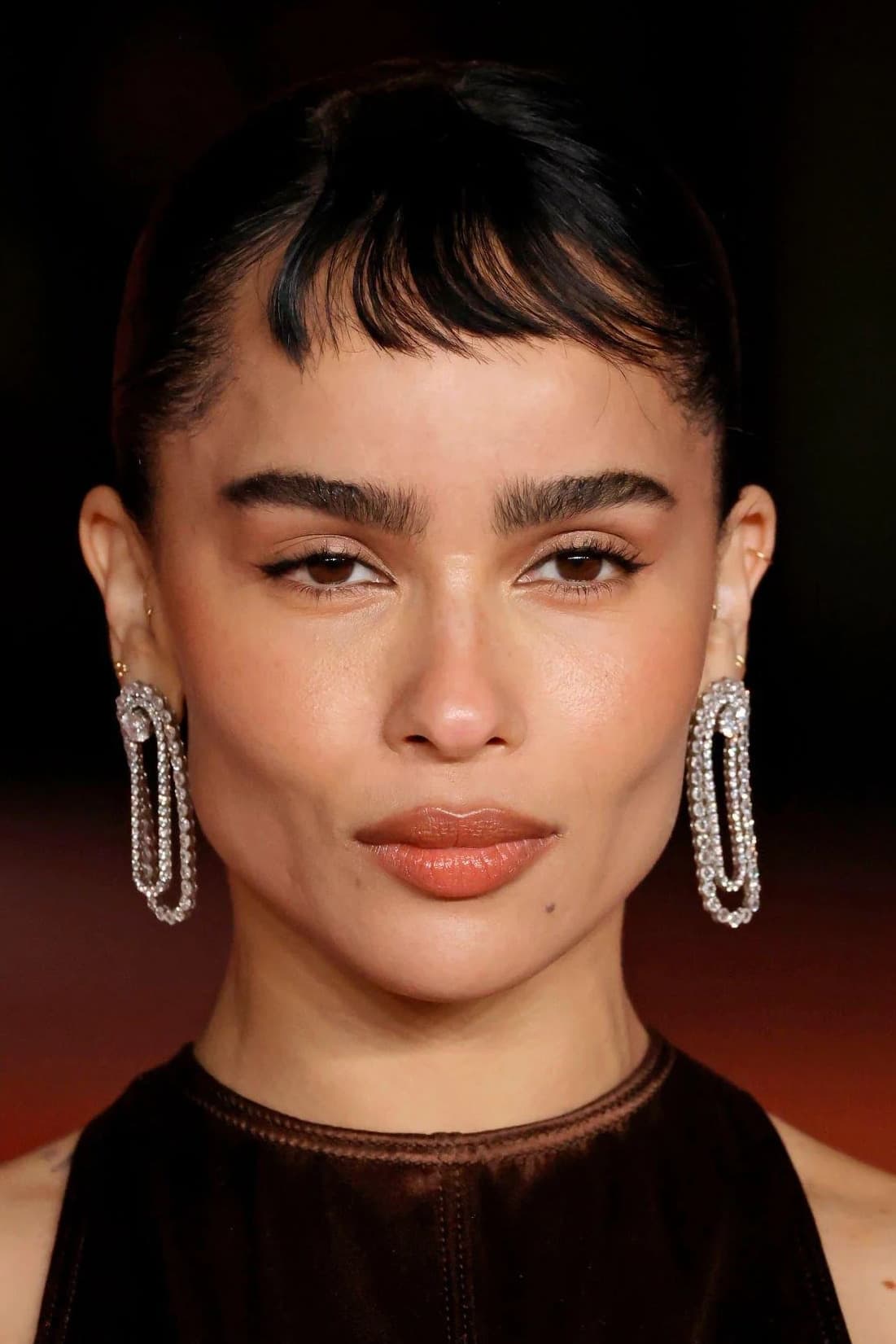
In a conversation with GQ, Zoë Kravitz defended her status and the industry’s reliance on family legacies by calling the backlash “deeply insecure.” The daughter of Lenny Kravitz and Lisa Bonet maintained that it is entirely natural for children to follow in their parents’ footsteps within the family business. Fans and observers criticized her stance for failing to address how connections provide immediate access to gatekeepers that outsiders can never reach. Her defense was seen as a way to prioritize her personal narrative of hard work over the reality of the social capital she possessed when starting her career. Critics pointed out that while she is a successful actress in films like ‘The Batman’, her entry into the industry was undeniably facilitated by her household name.
Gwyneth Paltrow
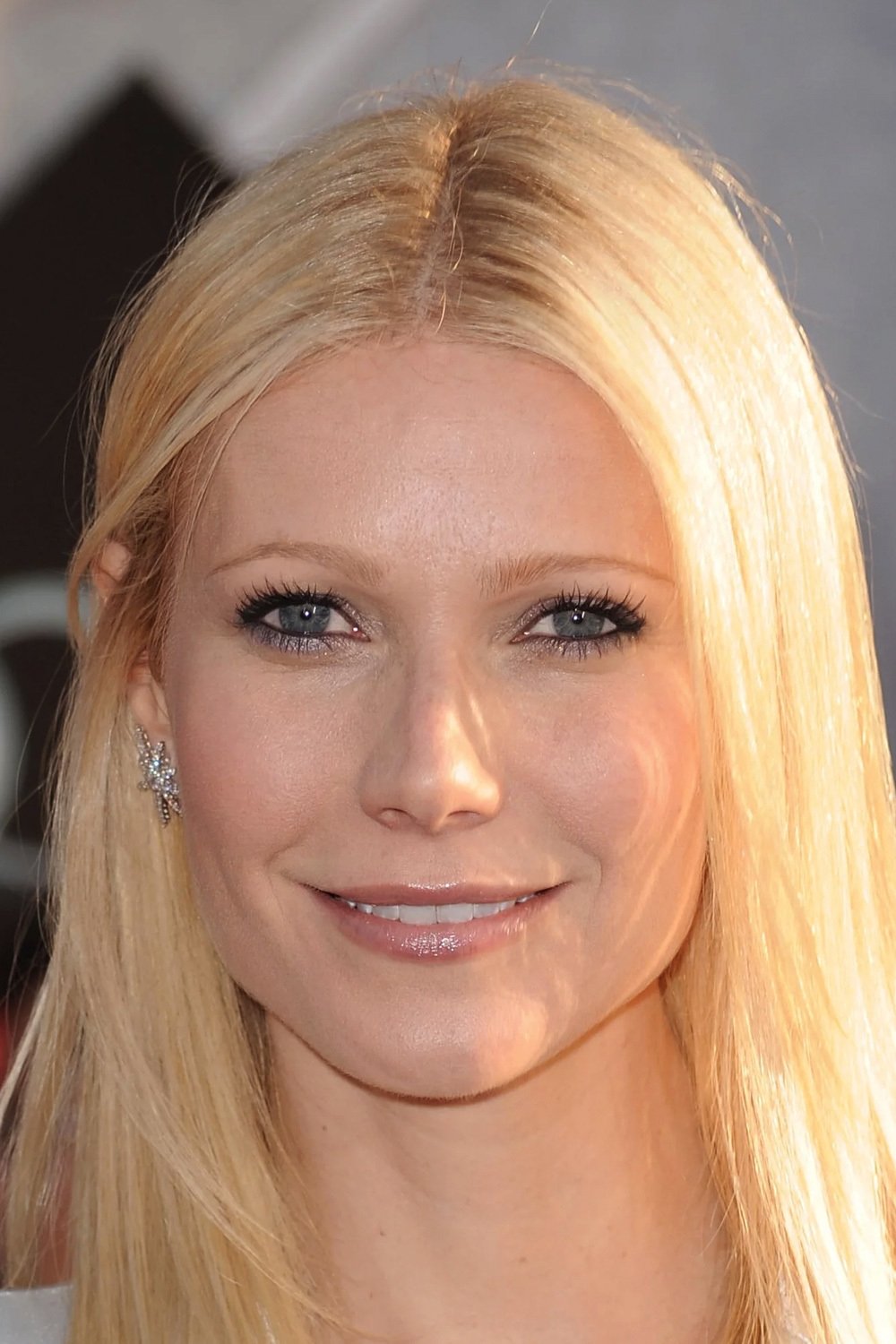
Gwyneth Paltrow, daughter of Blythe Danner and Bruce Paltrow, claimed on the show ‘Who’s in My Bathroom?’ that children of celebrities have to work “twice as hard” to prove themselves. She argued that once someone gets through the door, they are scrutinized more heavily and judged more harshly because of their famous name. This assertion led to widespread mockery online, as many argued that getting “through the door” is the most difficult hurdle for most aspiring actors. Her comments were viewed as a denial of the immense privilege she possessed when starting her career in films like ‘Seven’ and ‘Emma’. The public response highlighted that the “extra work” she described is a luxury not afforded to those struggling for a single audition.
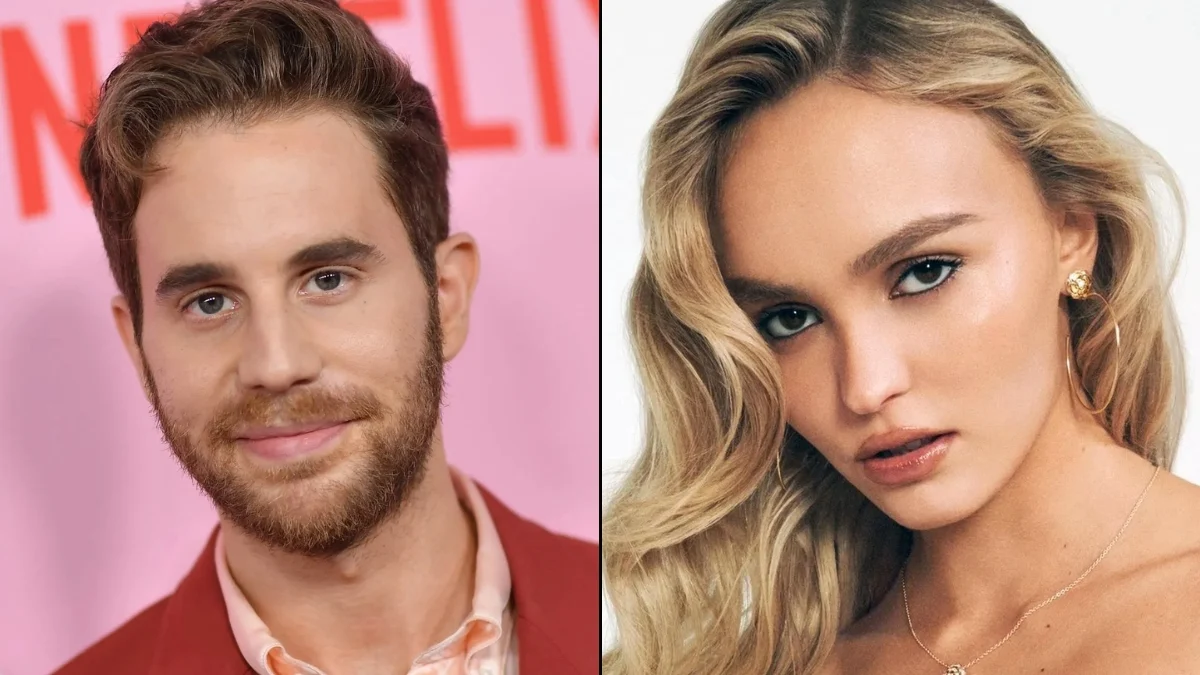
Ben Platt
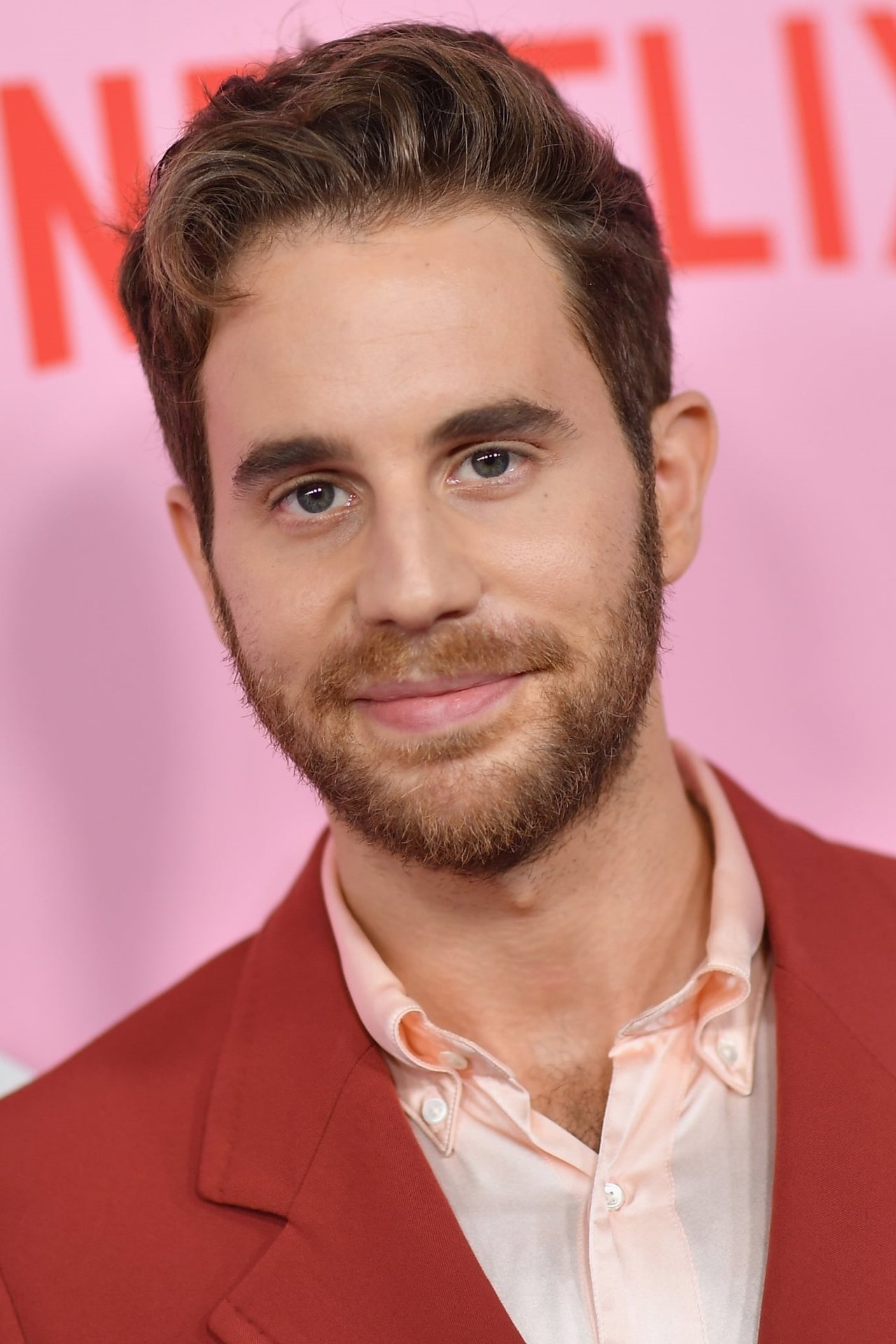
The ‘Dear Evan Hansen’ actor drew criticism when he appeared defensive regarding his father’s role as a producer on the film adaptation of the hit musical. During an interview with The New York Times, Platt reacted poorly to questions about his casting, eventually ending the interview early after being asked about the nepotism surrounding the project. Critics argued that his refusal to acknowledge how his father, Marc Platt, facilitated the project showed a lack of awareness regarding industry power dynamics. The situation was further exacerbated by public debates regarding his age compared to the teenage character he portrayed in the movie. His reaction became a frequently cited example of a “nepo baby” refusing to engage with the reality of their professional advantages.
Jamie Lee Curtis
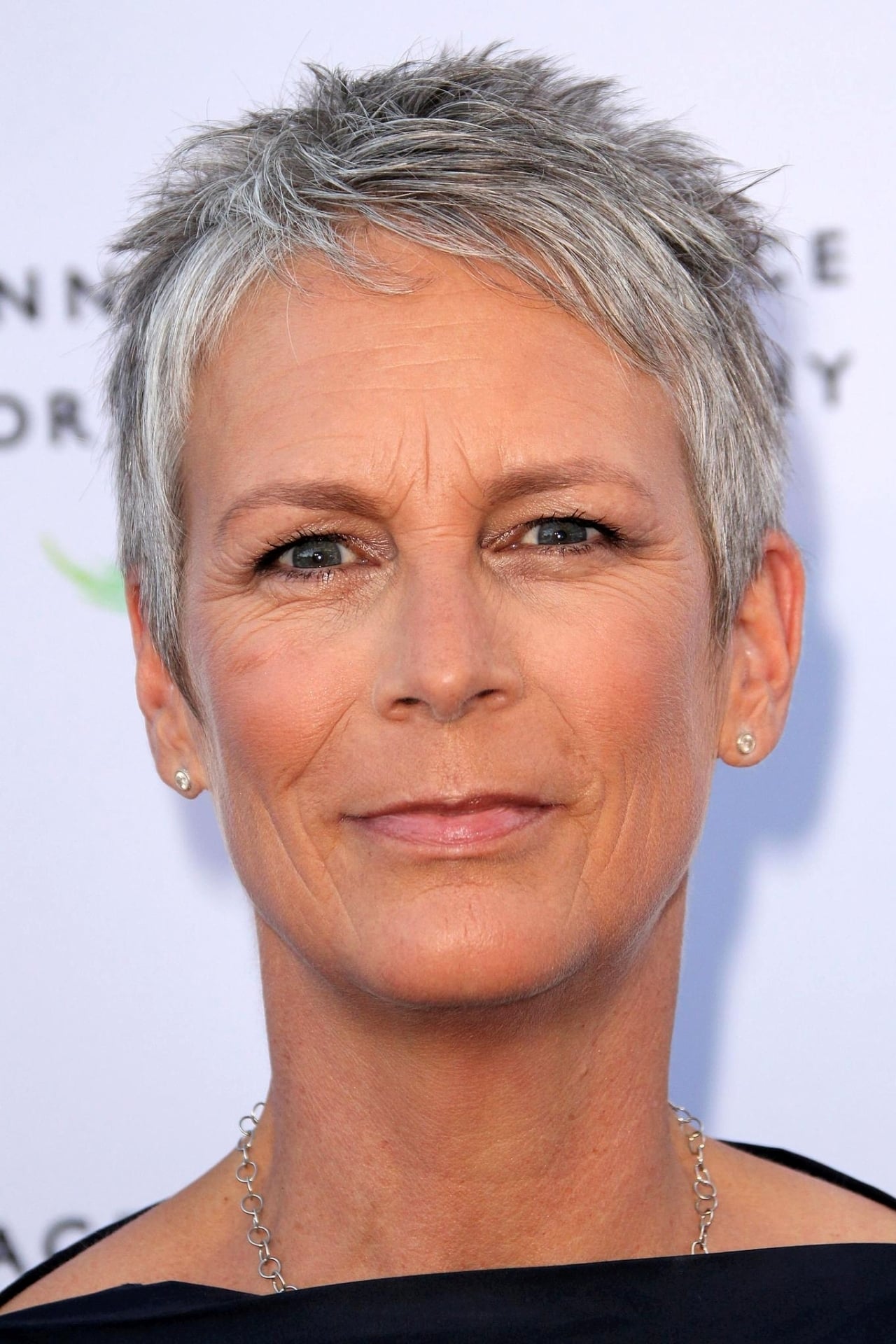
As the daughter of Janet Leigh and Tony Curtis, Jamie Lee Curtis referred to herself as an “OG Nepo Baby” while simultaneously criticizing the term on social media. She posted a statement calling the discourse an “assault” on the talent and hard work of people born into the industry. Many perceived her defense as a way to bypass the structural realities of Hollywood hiring practices by framing the conversation as a personal attack. While she acknowledged her origins, her description of the label as something designed to “diminish” her accomplishments led to a wave of negative feedback. Critics noted that her legendary career, starting with ‘Halloween’, was undeniably supported by the industry recognition her parents already possessed.
Emma Roberts
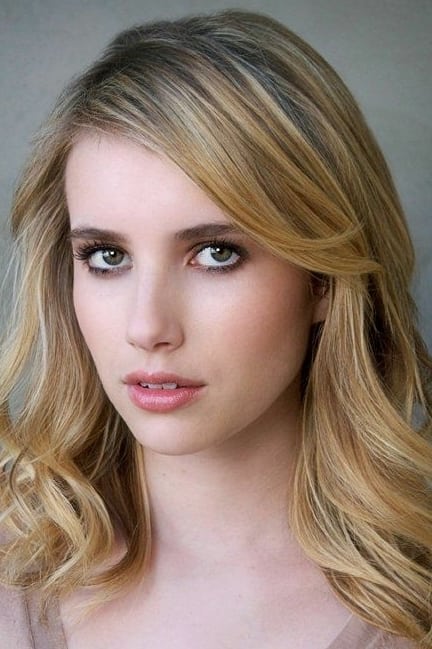
Emma Roberts, daughter of Eric Roberts and niece of Julia Roberts, criticized the “nepo baby” conversation during an appearance on the Table for Two podcast. She claimed that the label is often used as a “misogynistic” tool to target young women while ignoring the many men in the industry with similar backgrounds. Critics noted that while her observation about gender may have highlighted a specific trend, her dismissal of the concept ignored her own extensive career advantages. Her comments were seen as a redirection away from the core issue of Hollywood gatekeeping and the ease with which she secured early roles in shows like ‘Unfabulous’. Many observers felt her defense lacked an understanding of the struggles faced by actors without her family’s historical influence.
Kate Hudson
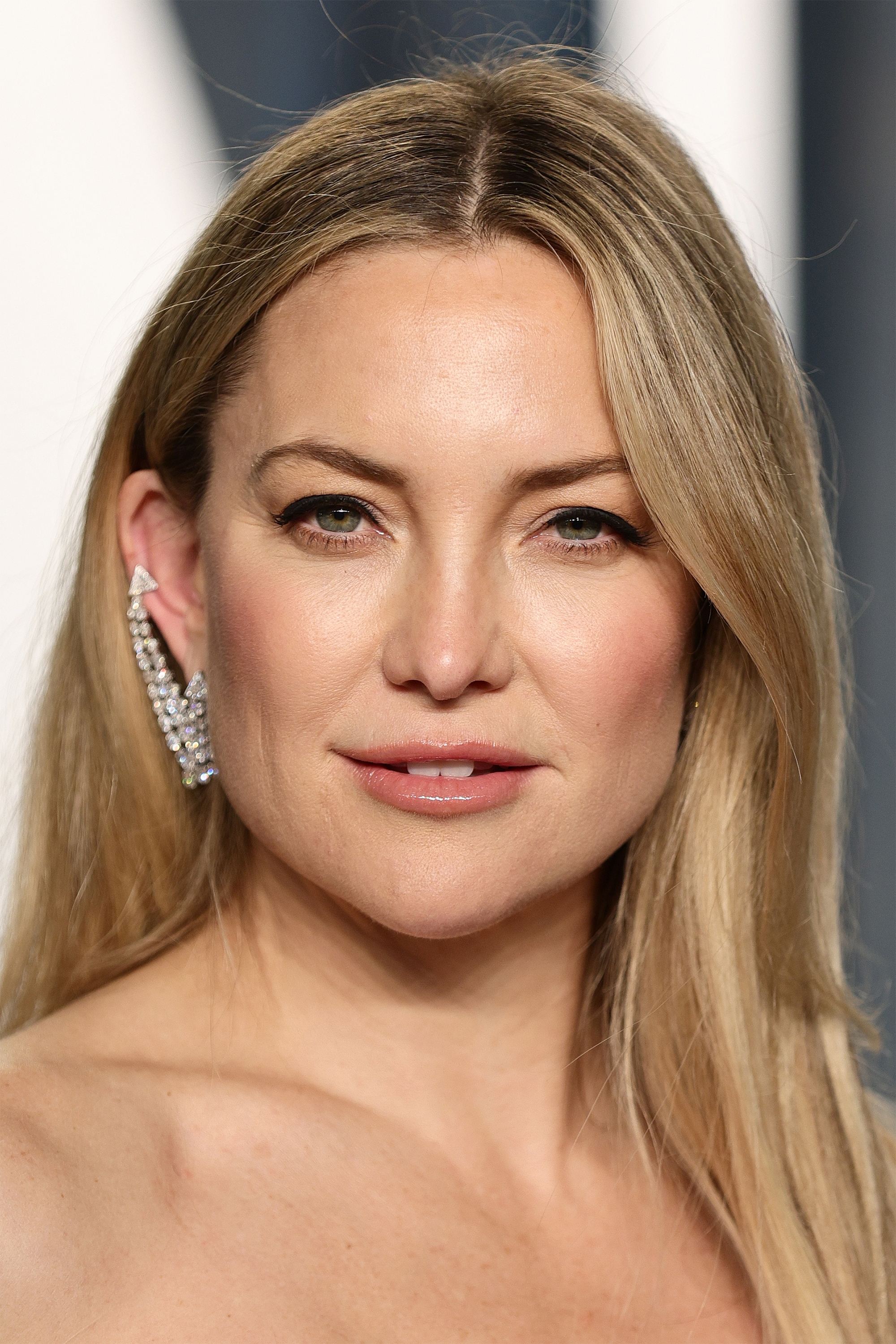
Kate Hudson, the daughter of Goldie Hawn and Bill Hudson, told The Independent that she does not care about the label and believes the industry is a “blood business.” She compared Hollywood families to other fields like storytelling or athletics, where she claimed skills are passed down through generations. This comparison was met with backlash from those who argued that creative industries lack the objective metrics found in sports, making family connections much more influential. Her refusal to engage with the privilege of her upbringing was a central point of the public’s critique of her interview. Despite her performance in ‘Almost Famous’, many argued that her industry path was paved by her mother’s significant cultural status.
Kaia Gerber
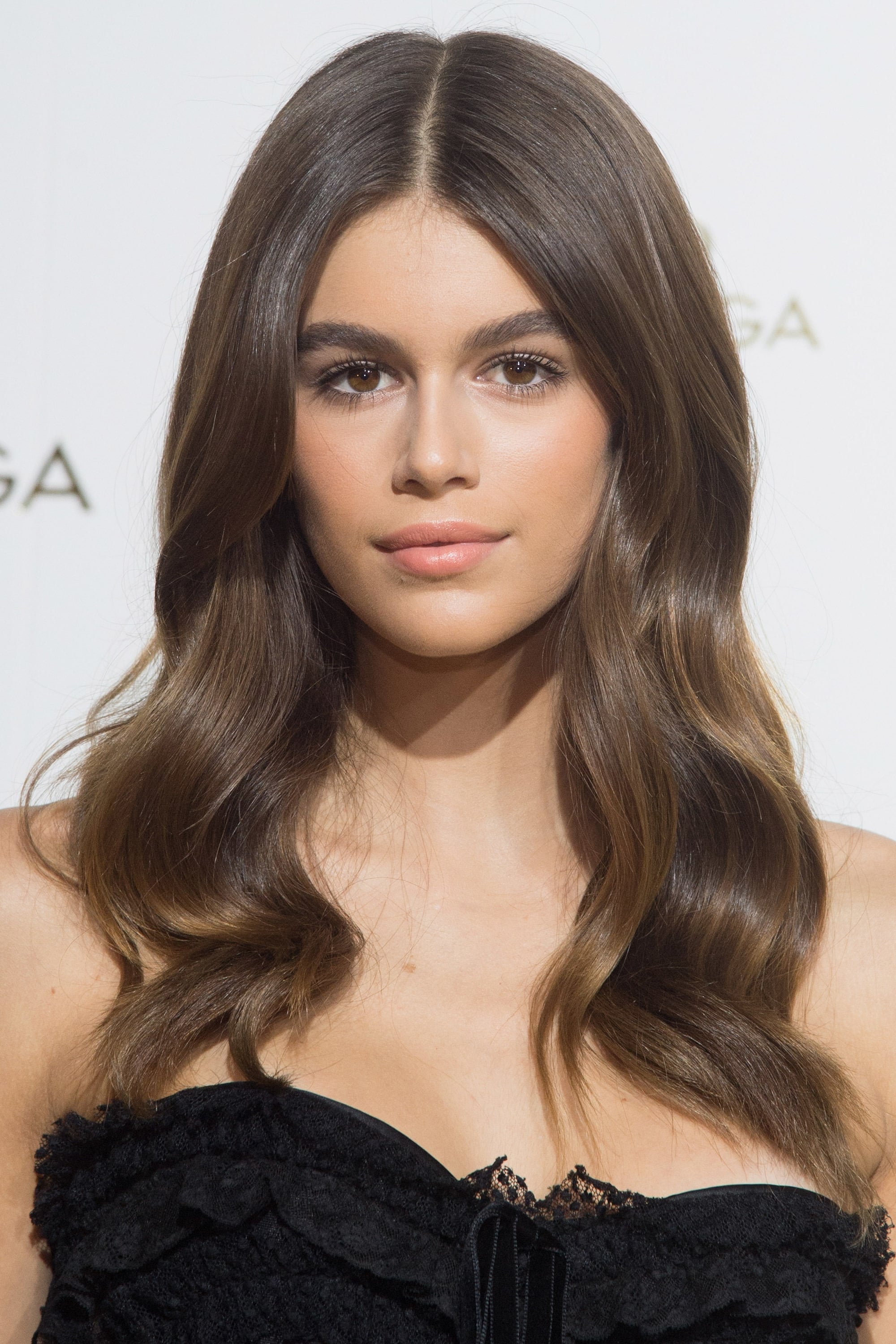
Model and actress Kaia Gerber, daughter of Cindy Crawford, faced scrutiny for her comments in Elle regarding her transition into acting. She stated that while she would not deny her privilege, she insisted that her mother had no “resources” or connections within the film world to help her. This statement was widely mocked by the public, given Crawford’s long-standing celebrity status and her own history with film and television. Critics pointed out that being a world-famous supermodel’s daughter provides immediate visibility and access to top-tier talent agencies that manage both models and actors. Her casting in ‘American Horror Story’ was cited by many as a direct result of the platform her lineage provided.
Scott Eastwood
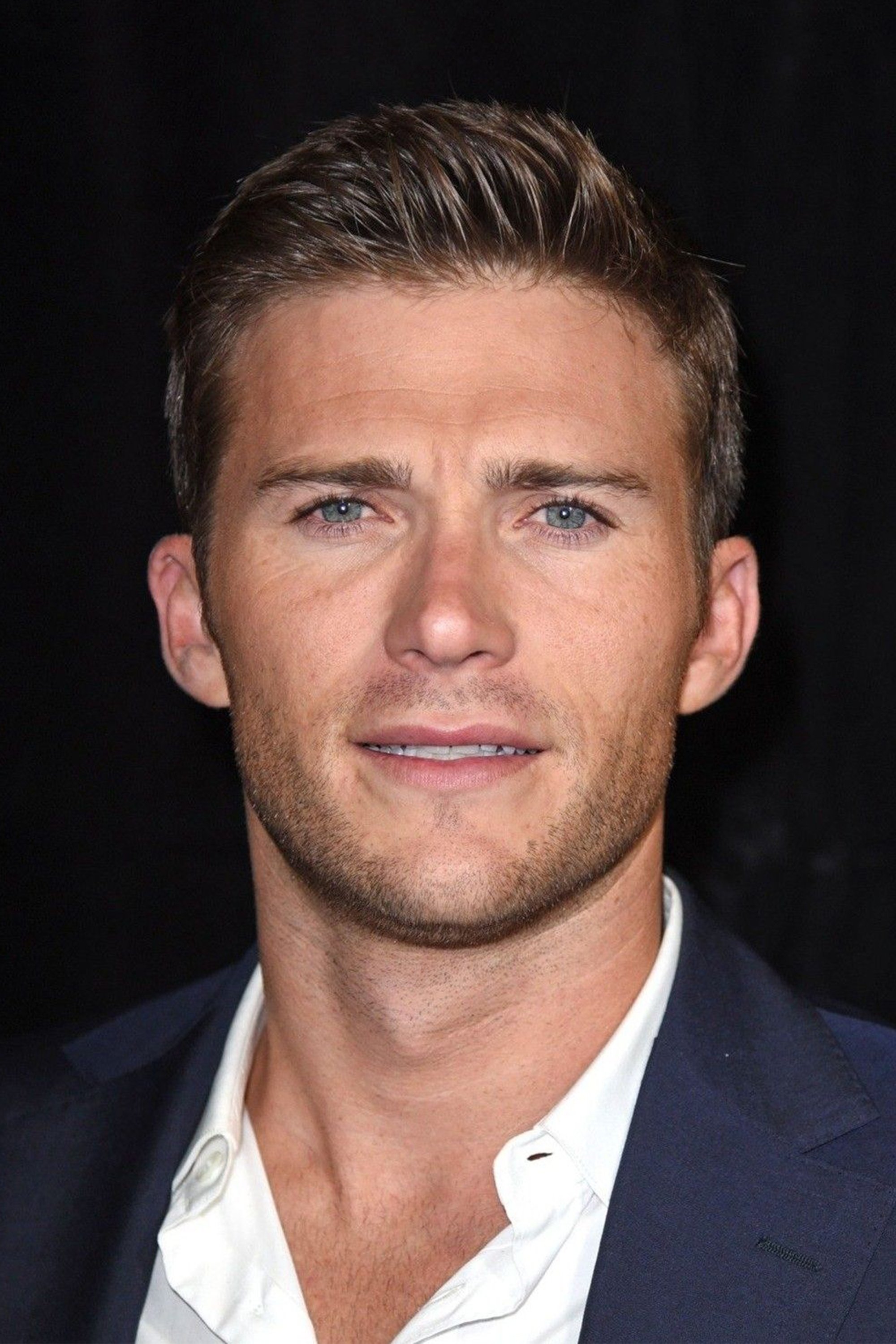
Scott Eastwood has often claimed in interviews that his father, Clint Eastwood, made him audition for every role and never gave him a financial or professional free pass. Despite these claims, he has appeared in several of his father’s directorial projects, including ‘Flags of Our Fathers’ and ‘Gran Torino’. Critics have pointed out that even the opportunity to audition for a Clint Eastwood film represents a level of access unavailable to the vast majority of actors. His insistence on a “self-made” narrative despite his surname and his father’s industry power has remained a point of contention among fans. The public often views his stance as a refusal to acknowledge how his family name provided an initial platform that others spend years trying to build.
O’Shea Jackson Jr.

O’Shea Jackson Jr. defended his casting as his father, Ice Cube, in the film ‘Straight Outta Compton’ by stating he worked harder than any other candidate for the role. He argued on social media that he had to audition for two years and prove his capability, which he felt justified his position regardless of his name. While many praised his performance, his aggressive defense against the “nepo baby” label was seen by some as a refusal to acknowledge the unique advantage of his lineage. Critics argued that even being considered for a biographical role of one’s own parent is a form of privilege that goes beyond standard industry auditions. His comments highlighted the tension between personal effort and the inherent benefits of a famous household name.
Ireland Baldwin
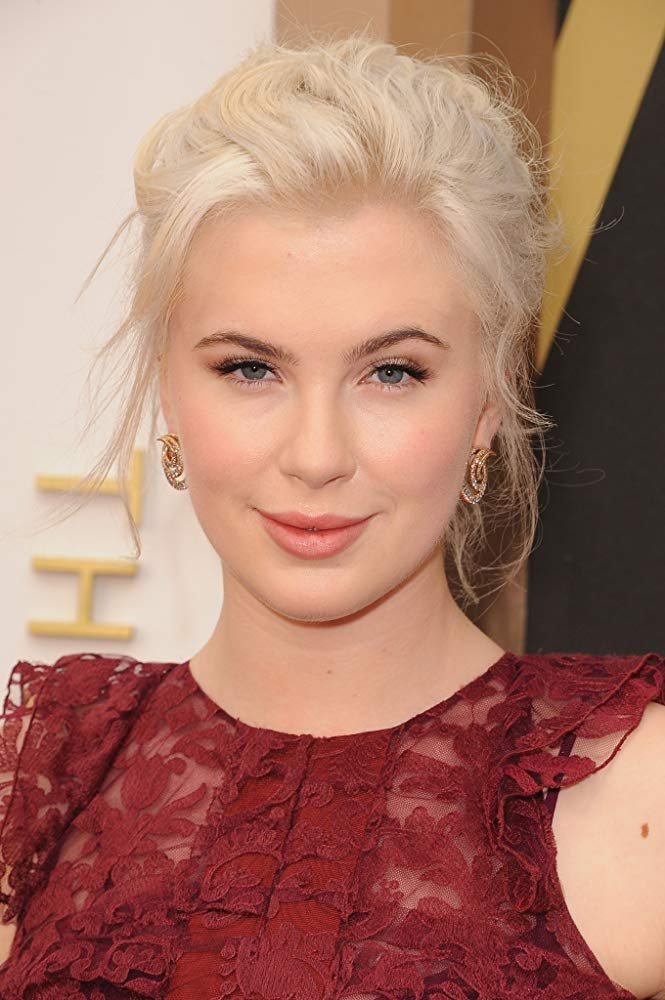
Ireland Baldwin, daughter of Kim Basinger and Alec Baldwin, has frequently used social media to push back against the “nepo baby” narrative. She once argued that many children of famous people are actually “hardworking” and that the label is used by the public to tear people down. This stance was criticized for ignoring the reality that her famous parents provided her with a global platform and representation from a young age. While she has been vocal about her personal struggles, her defense of her career path in the face of nepotism claims has often drawn public ire. Observers noted that her entry into high-profile modeling and acting was expedited by the media’s obsession with her family.
Maya Hawke
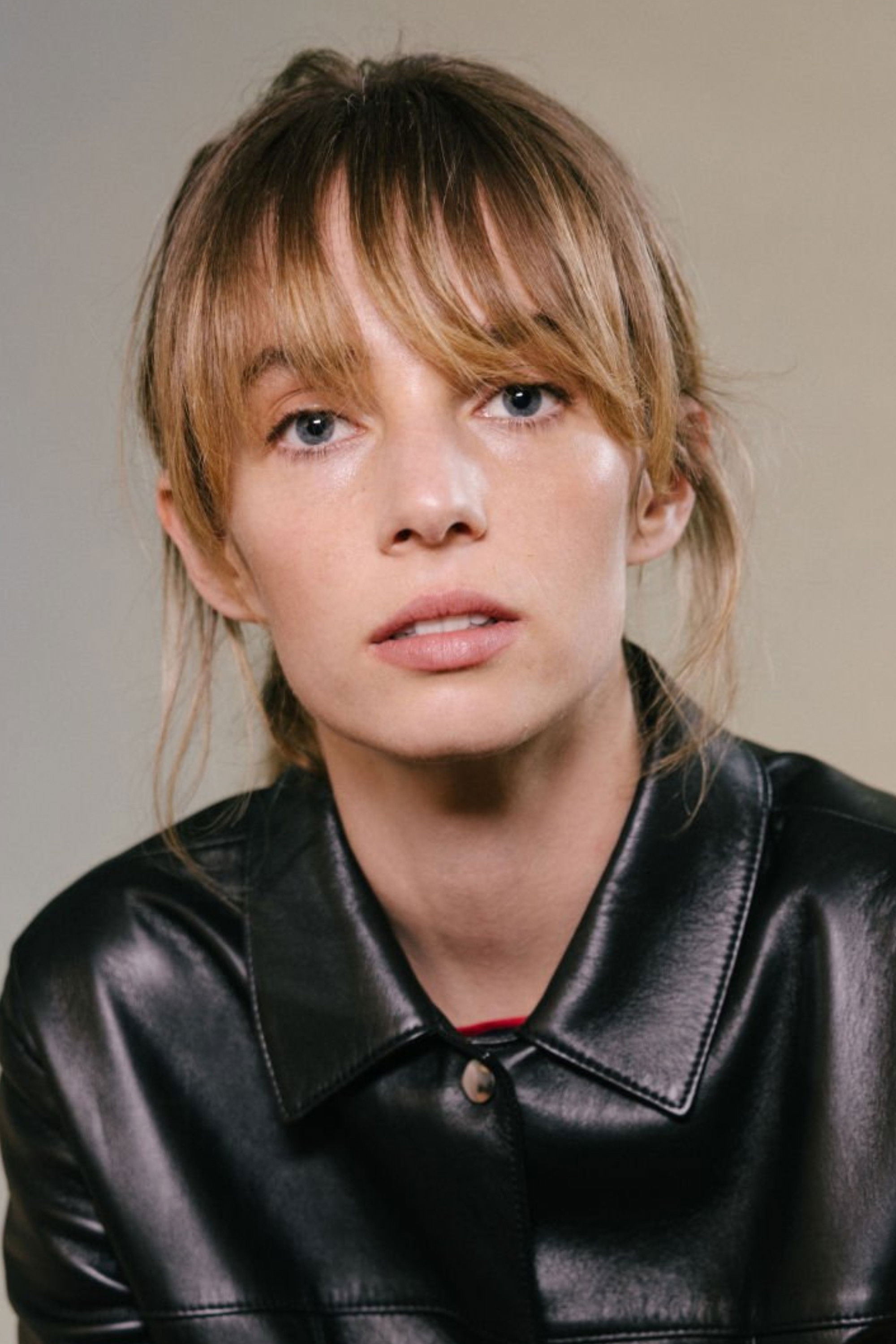
Maya Hawke, the daughter of Uma Thurman and Ethan Hawke, has had a complicated relationship with the nepotism debate in her various press tours. In interviews, she has acknowledged that her family connections helped her secure roles in projects like ‘Stranger Things’ and ‘Once Upon a Time in Hollywood’. However, her simultaneous claim that she tries to be “as good as possible” to justify her presence was seen by some as a way to bypass the core issue of access. Critics argue that even her self-awareness does not change the fact that she occupies space that remains inaccessible to those without her pedigree. The backlash focused on the idea that talent is often used as a shield to avoid discussing the unfairness of the industry’s entry points.
Ansel Elgort
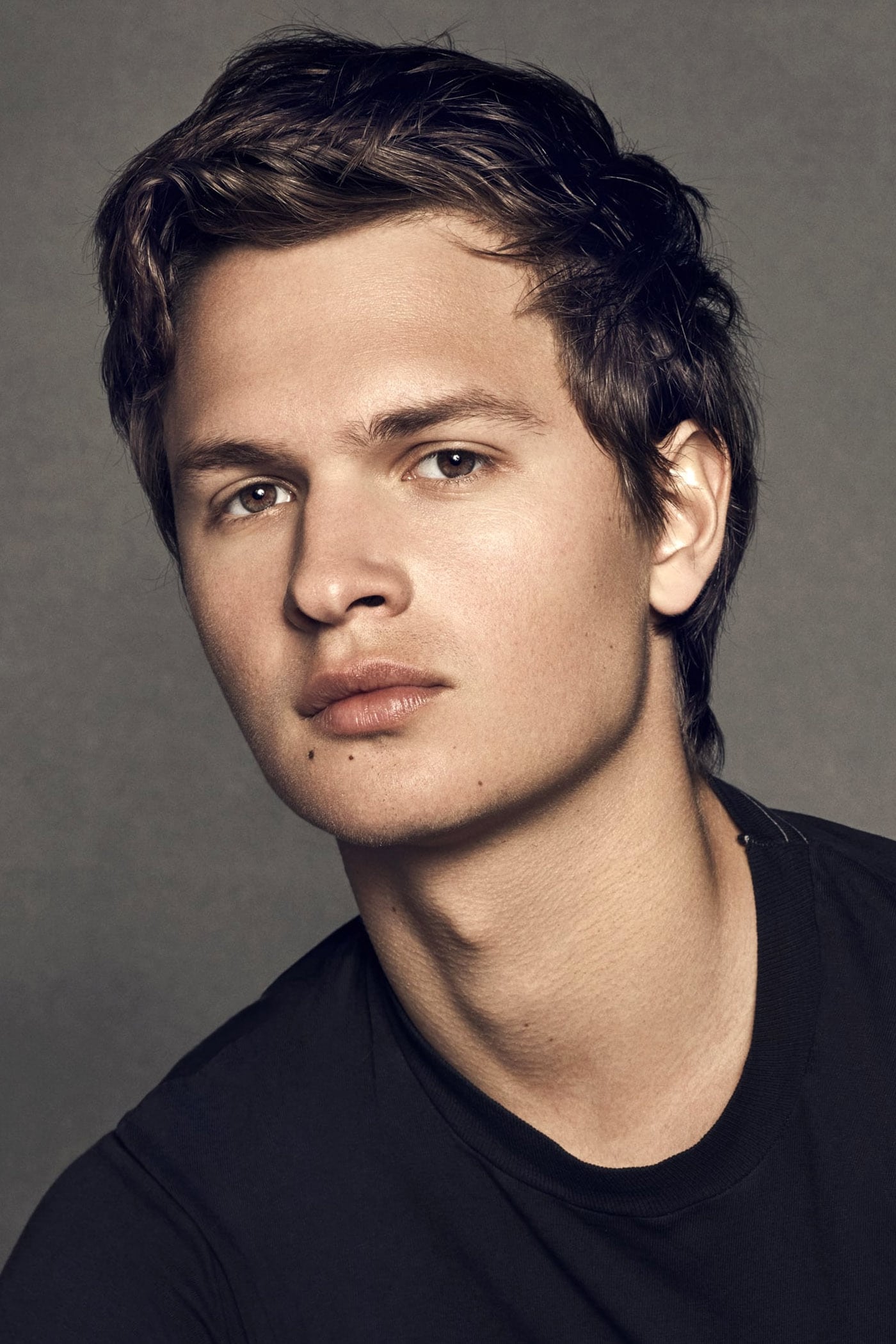
In various interviews, Ansel Elgort has downplayed the role his father, renowned photographer Arthur Elgort, played in his rise to fame. He often emphasizes his training at the LaGuardia High School of Music & Art and Performing Arts as the primary driver of his success in films like ‘Baby Driver’. Critics have pointed out that his family’s high-level connections in the fashion and arts worlds likely provided him with an advantage in securing early representation. His narrative of being purely a product of his own hustle has been a recurring point of criticism during wider discussions of Hollywood nepotism. Public reaction suggests that his talent is viewed as secondary to the initial doors opened by his family’s social status.
John David Washington
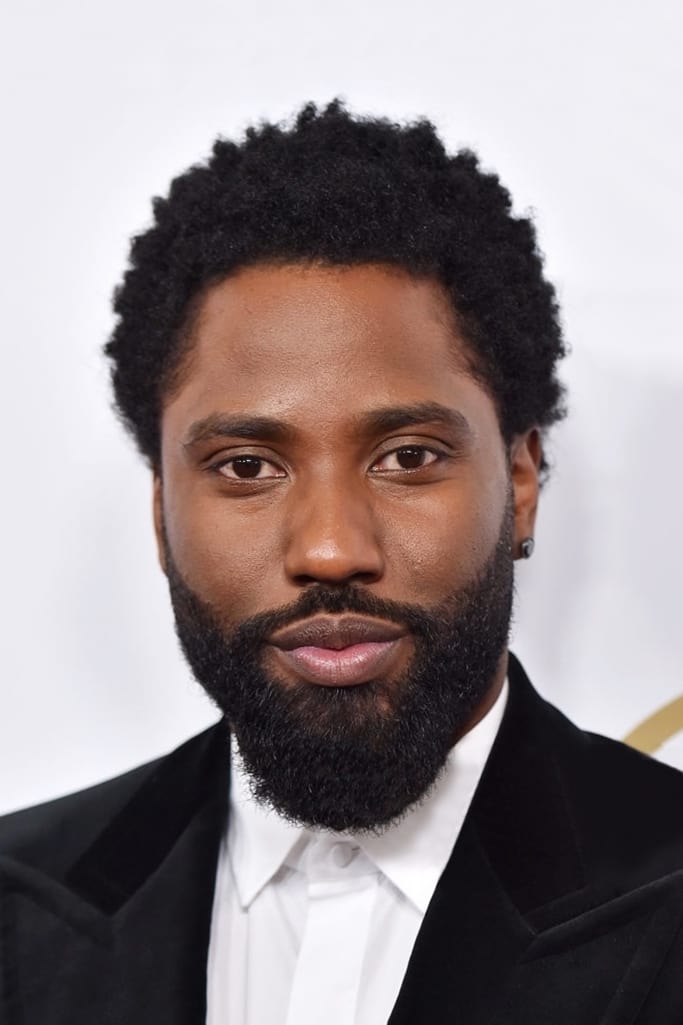
John David Washington, the son of Denzel Washington, has often spoken about his desire to be judged solely on his own merits rather than his father’s legacy. While he initially pursued professional football to distance himself from his father’s shadow, his transition into acting with ‘Ballers’ and ‘BlacKkKlansman’ brought immediate comparisons. He has occasionally pushed back against the idea that his father’s status made his journey easier, leading to public debate about the visibility granted by his name. While many acknowledge his skill as a performer, critics argue that his refusal to fully credit his lineage for his initial industry entry misses the point of the privilege conversation. The backlash often centers on the fact that he entered the industry at a high level that most actors never reach.
Allison Williams
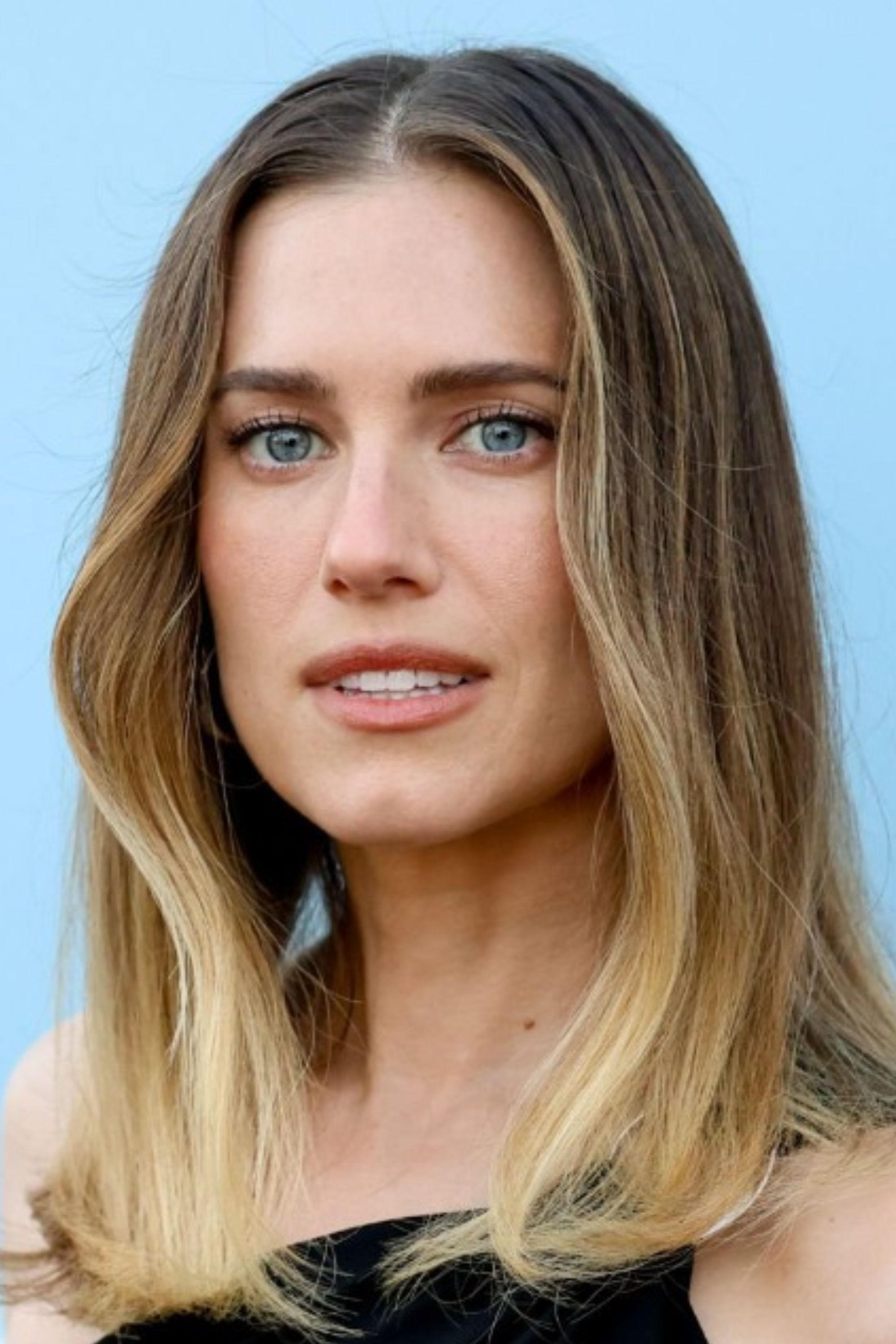
The actress Allison Williams, daughter of news anchor Brian Williams, faced significant scrutiny early in her career regarding her casting in the series ‘Girls’. While she later became praised for her self-awareness on the topic, her initial defenses were viewed by some as a denial of how her father’s prominence opened doors. She argued that her success was the result of extensive auditions and hard work, which critics felt overlooked the inherent trust given to children of public figures. The debate around her privilege resurfaced during the release of ‘M3GAN’, where she was once again cited as a key figure in the “nepo baby” phenomenon. Her journey highlights how early dismissal of privilege can lead to long-lasting public skepticism.
Share your thoughts on which celebrity you think had the most tone-deaf response to the nepotism debate in the comments.